Itinerary
In Flight
Departure
Tokyo, Japan
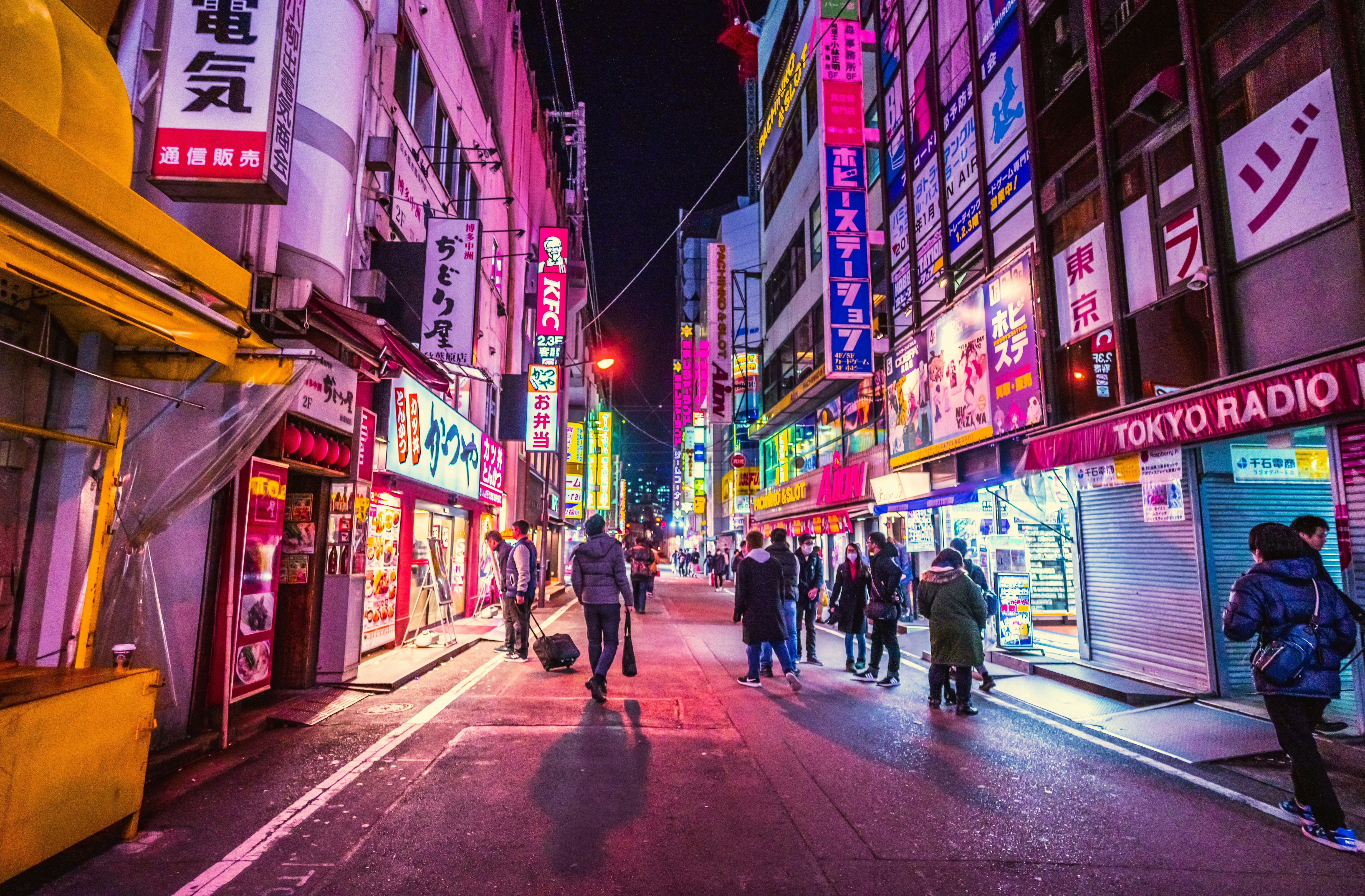
Lights, sushi, manga! Sprawling, frenetic, and endlessly fascinating, Japan’s capital is a city of contrasts. Shrines and gardens are pockets of calm between famously crowded streets and soaring office buildings. Mom-and-pop noodle houses share street space with Western-style chain restaurants and exquisite fine dining. Shopping yields lovely folk arts as well as the newest electronics. And nightlife kicks off with karaoke or sake and continues with techno clubs and more. Whether you seek the traditional or the cutting edge, Tokyo will provide it.
Tokyo, Japan
Lights, sushi, manga! Sprawling, frenetic, and endlessly fascinating, Japan’s capital is a city of contrasts. Shrines and gardens are pockets of calm between famously crowded streets and soaring office buildings. Mom-and-pop noodle houses share street space with Western-style chain restaurants and exquisite fine dining. Shopping yields lovely folk arts as well as the newest electronics. And nightlife kicks off with karaoke or sake and continues with techno clubs and more. Whether you seek the traditional or the cutting edge, Tokyo will provide it.
Tokyo, Japan
Lights, sushi, manga! Sprawling, frenetic, and endlessly fascinating, Japan’s capital is a city of contrasts. Shrines and gardens are pockets of calm between famously crowded streets and soaring office buildings. Mom-and-pop noodle houses share street space with Western-style chain restaurants and exquisite fine dining. Shopping yields lovely folk arts as well as the newest electronics. And nightlife kicks off with karaoke or sake and continues with techno clubs and more. Whether you seek the traditional or the cutting edge, Tokyo will provide it.
Hakone, Japan
Mount Fuji & Hakone – Saying goodbye to Tokyo we drive towards Mount Fuji, probably Japan’s most instantly recognisable sight. Fringed by thick forests and a crescent-shaped ring of shimmering lakes, we are presented with one of the world’s greatest and most spectacular views.
We visit two of these beautiful lakes to give you the best chance of appreciating and enjoying the stunning panorama from two different angles – and some of life’s most amazing photo opportunities. Our first stop is at Lake Kawaguchi, well known to the Japanese but as yet undiscovered by most foreign visitors.
We’ll then visit the Kubota Itchiku Art Museum, an exceptional museum dedicated to the Kimono artist Itchiku Kubota. Inspired by a fragment of Tsujigahana textile exhibited in the Tokyo National Museum, that he devoted his life to reviving the lost art of Tsujigahana silk dyeing. The vibrant colours and patterns are synonymous with Japanese culture, with creations depicting, nature, the seasons and the cosmos. You may even decide to treat yourself to a keepsake to take home.
Next, we head south to explore the fascinating mountain resort of Hakone. Descending to the smooth dark blue waters of Lake Ashi, we take a cruise on a rather unusual Japanese version of an early 19th-century pirate ship. From here, especially on a clear day, the views of Mt Fuji are one of the world’s greatest panoramas.
Arriving at the four-star Hakone Hotel, we stay for one night with breakfast and dinner. The entire area here is geo-thermally active and provides the perfect opportunity to try one of Japan’s unmissable experiences – bathing in an ‘onsen’, a hot spring at our very own hotel.
Hiroshima, Japan
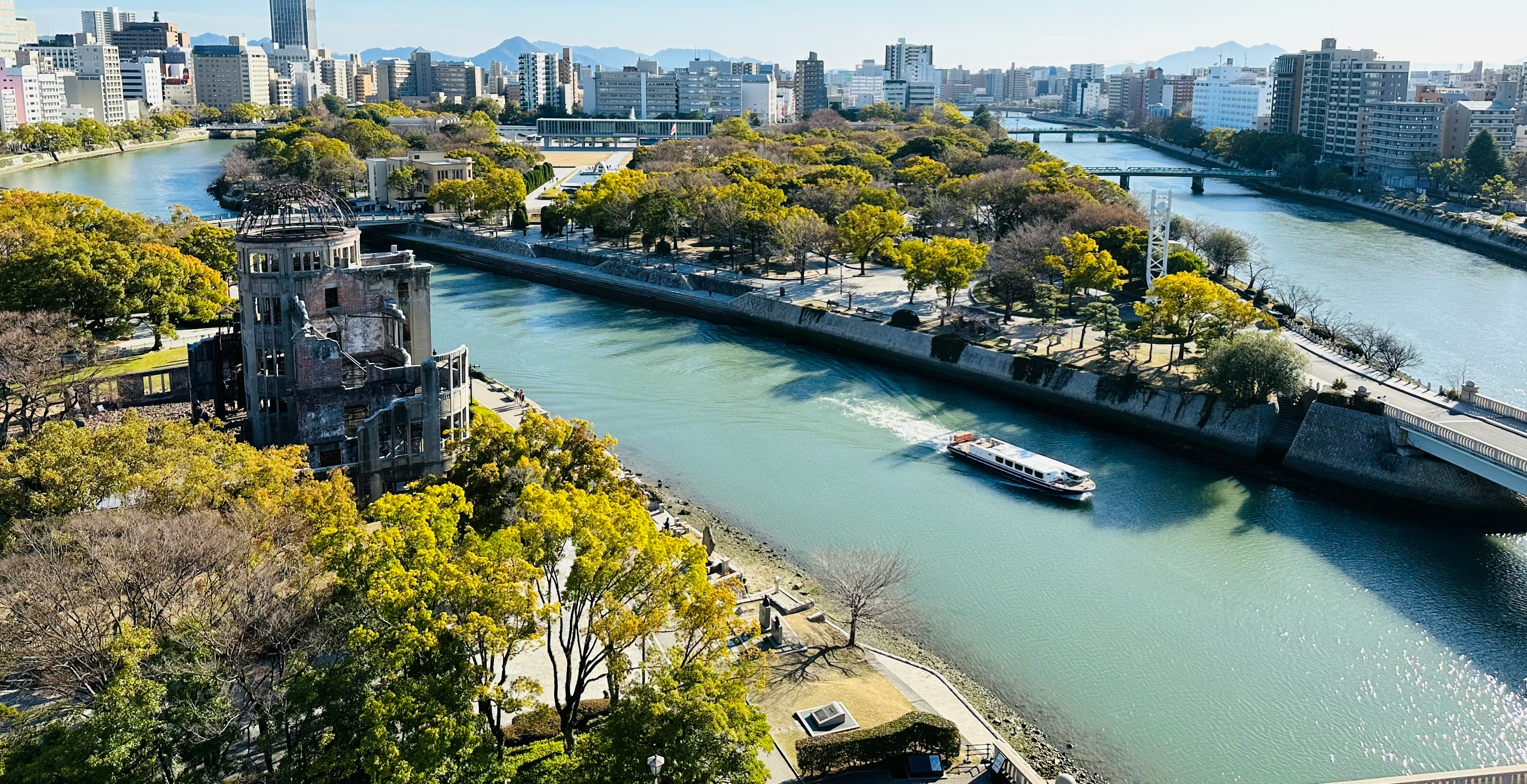
History buffs will want to write home Hiroshima. Despite being devastated in 1945, this Japanese city is known to all for its commitment peace – its ruin on the 6th August 1945 led to the end of the war and today, the Peace Memorial (a UNESCO World Heritage Site) , is a constant reminder of the destruction that war brings. A walk in the leafy boulevards of Peace Memorial Park brings quiet contemplation. The Flames of Peace – set in the park’s central feature pond – burn brightly and will continue to do so until all the nuclear bombs I the world have been destroyed. There are many other inspiring messages of hope around the city too; the Children’s’ Peace Monument just north of the park is a homage to little Sadako Sasaki, who was just two in 1945. When she developed leukemia in 1956, she believed that if she folded 1,000 paper cranes – a symbol of longevity and happiness in Japan – she would recover. Sadly she died before she finished her task but her classmates finished the rest. It is impossible to ignore the events of 1945 in Hiroshima, but this is far from a depressing place. The great efforts that have been made in rebuilding of the city over the years have given Hiroshima a vibrant, eclectic edge, with the downtown shopping area and street food stalls being well worth a visit. The proximity to Miyajima and its iconic, impressive, Torii gate should not be overlooked either. If you are lucky enough to visit during the unpredictable and short-lived Sakura (cherry blossom) season, then the extraordinary sight of the delicate pink blossom floating across the water to the red gate, means you can consider yourself one of the luckiest people on the planet.
Miyajima Island
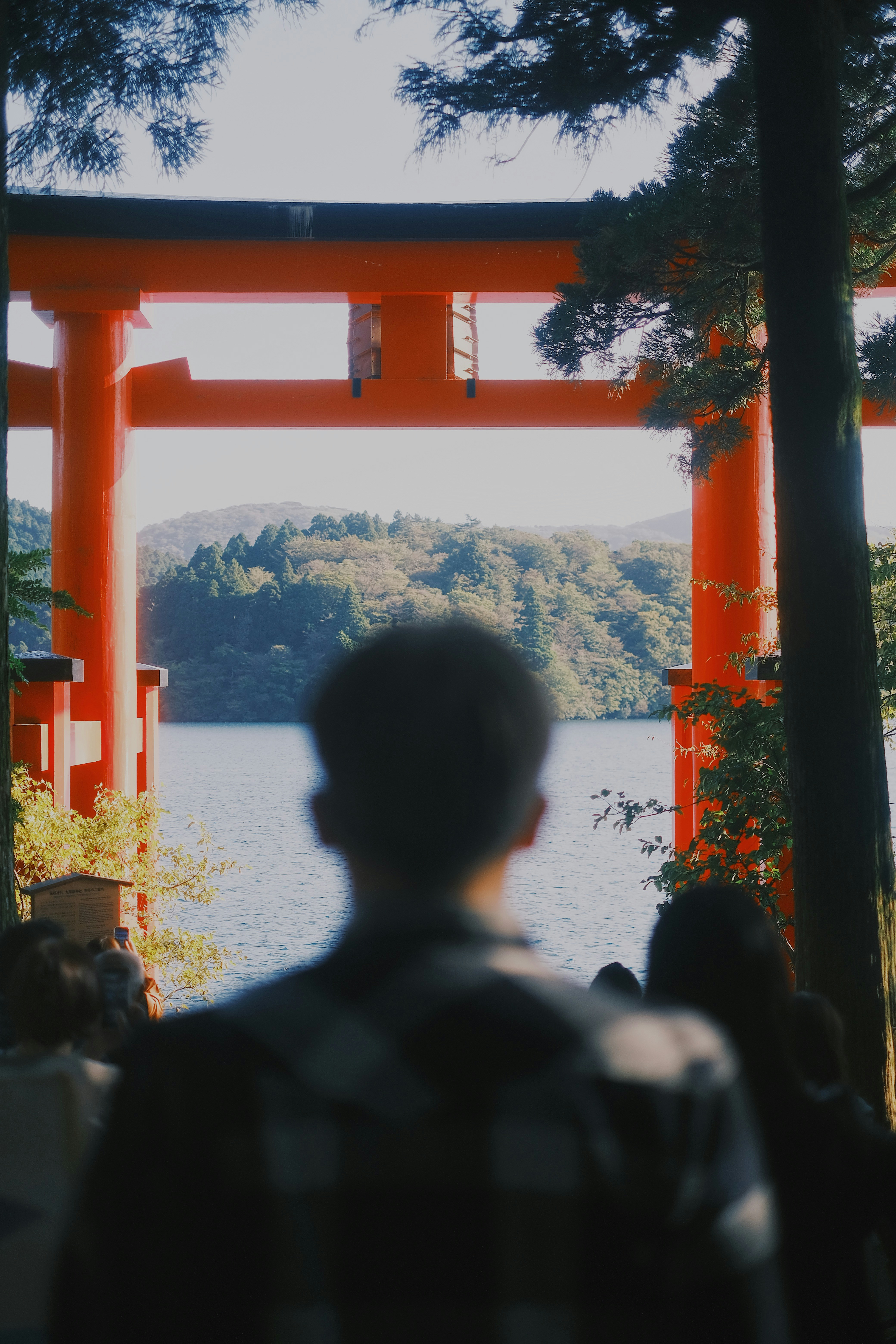
Miyajima – Today we make our way to one of the country’s most distinctive views on the nearby small island of Miyajima. A huge red ‘Torii’ gate sits just offshore; widely celebrated, at high tide it appears to float between the sea and sky. This popular little island is easy to explore by foot. It has a relaxed holiday atmosphere, lots of interesting shops and a covered market.
Signature experience (2026 only) –
After we visit Miyajima, we’ll journey to the scenic Shukkeien Japanese Garden. This timeless garden dates back to 1620. Although it was heavily damaged during the atomic bombing of Hiroshima in 1945, it’s been completely renovated. Today, it stands as a symbol of the endurance of Hiroshima. The garden is made up of a series of miniaturised sceneries that resemble landscapes around Japan, including small bridges and lakes, as well as the flora of the local countryside. It’s a lovely, peaceful place to wander around.
In Flight
Departure
Tokyo, Japan
Lights, sushi, manga! Sprawling, frenetic, and endlessly fascinating, Japan’s capital is a city of contrasts. Shrines and gardens are pockets of calm between famously crowded streets and soaring office buildings. Mom-and-pop noodle houses share street space with Western-style chain restaurants and exquisite fine dining. Shopping yields lovely folk arts as well as the newest electronics. And nightlife kicks off with karaoke or sake and continues with techno clubs and more. Whether you seek the traditional or the cutting edge, Tokyo will provide it.
Tokyo, Japan
Lights, sushi, manga! Sprawling, frenetic, and endlessly fascinating, Japan’s capital is a city of contrasts. Shrines and gardens are pockets of calm between famously crowded streets and soaring office buildings. Mom-and-pop noodle houses share street space with Western-style chain restaurants and exquisite fine dining. Shopping yields lovely folk arts as well as the newest electronics. And nightlife kicks off with karaoke or sake and continues with techno clubs and more. Whether you seek the traditional or the cutting edge, Tokyo will provide it.
Tokyo, Japan
Lights, sushi, manga! Sprawling, frenetic, and endlessly fascinating, Japan’s capital is a city of contrasts. Shrines and gardens are pockets of calm between famously crowded streets and soaring office buildings. Mom-and-pop noodle houses share street space with Western-style chain restaurants and exquisite fine dining. Shopping yields lovely folk arts as well as the newest electronics. And nightlife kicks off with karaoke or sake and continues with techno clubs and more. Whether you seek the traditional or the cutting edge, Tokyo will provide it.
Hakone, Japan
Mount Fuji & Hakone – Saying goodbye to Tokyo we drive towards Mount Fuji, probably Japan’s most instantly recognisable sight. Fringed by thick forests and a crescent-shaped ring of shimmering lakes, we are presented with one of the world’s greatest and most spectacular views.
We visit two of these beautiful lakes to give you the best chance of appreciating and enjoying the stunning panorama from two different angles – and some of life’s most amazing photo opportunities. Our first stop is at Lake Kawaguchi, well known to the Japanese but as yet undiscovered by most foreign visitors.
We’ll then visit the Kubota Itchiku Art Museum, an exceptional museum dedicated to the Kimono artist Itchiku Kubota. Inspired by a fragment of Tsujigahana textile exhibited in the Tokyo National Museum, that he devoted his life to reviving the lost art of Tsujigahana silk dyeing. The vibrant colours and patterns are synonymous with Japanese culture, with creations depicting, nature, the seasons and the cosmos. You may even decide to treat yourself to a keepsake to take home.
Next, we head south to explore the fascinating mountain resort of Hakone. Descending to the smooth dark blue waters of Lake Ashi, we take a cruise on a rather unusual Japanese version of an early 19th-century pirate ship. From here, especially on a clear day, the views of Mt Fuji are one of the world’s greatest panoramas.
Arriving at the four-star Hakone Hotel, we stay for one night with breakfast and dinner. The entire area here is geo-thermally active and provides the perfect opportunity to try one of Japan’s unmissable experiences – bathing in an ‘onsen’, a hot spring at our very own hotel.
Hiroshima, Japan
History buffs will want to write home Hiroshima. Despite being devastated in 1945, this Japanese city is known to all for its commitment peace – its ruin on the 6th August 1945 led to the end of the war and today, the Peace Memorial (a UNESCO World Heritage Site) , is a constant reminder of the destruction that war brings. A walk in the leafy boulevards of Peace Memorial Park brings quiet contemplation. The Flames of Peace – set in the park’s central feature pond – burn brightly and will continue to do so until all the nuclear bombs I the world have been destroyed. There are many other inspiring messages of hope around the city too; the Children’s’ Peace Monument just north of the park is a homage to little Sadako Sasaki, who was just two in 1945. When she developed leukemia in 1956, she believed that if she folded 1,000 paper cranes – a symbol of longevity and happiness in Japan – she would recover. Sadly she died before she finished her task but her classmates finished the rest. It is impossible to ignore the events of 1945 in Hiroshima, but this is far from a depressing place. The great efforts that have been made in rebuilding of the city over the years have given Hiroshima a vibrant, eclectic edge, with the downtown shopping area and street food stalls being well worth a visit. The proximity to Miyajima and its iconic, impressive, Torii gate should not be overlooked either. If you are lucky enough to visit during the unpredictable and short-lived Sakura (cherry blossom) season, then the extraordinary sight of the delicate pink blossom floating across the water to the red gate, means you can consider yourself one of the luckiest people on the planet.
Miyajima Island
Miyajima – Today we make our way to one of the country’s most distinctive views on the nearby small island of Miyajima. A huge red ‘Torii’ gate sits just offshore; widely celebrated, at high tide it appears to float between the sea and sky. This popular little island is easy to explore by foot. It has a relaxed holiday atmosphere, lots of interesting shops and a covered market.
Signature experience (2026 only) –
After we visit Miyajima, we’ll journey to the scenic Shukkeien Japanese Garden. This timeless garden dates back to 1620. Although it was heavily damaged during the atomic bombing of Hiroshima in 1945, it’s been completely renovated. Today, it stands as a symbol of the endurance of Hiroshima. The garden is made up of a series of miniaturised sceneries that resemble landscapes around Japan, including small bridges and lakes, as well as the flora of the local countryside. It’s a lovely, peaceful place to wander around.
Kyoto, Japan
Kyoto – Leaving Hiroshima by coach, we head towards the old imperial capital of Kyoto. En route we’ll visit the superb Korakuen garden at Okayama – built in 1700 and renowned as one of Japan’s most exquisite gardens, with lawns, lakes, wooden bridges and shrines and teahouses! Allowing plenty of time to explore, our stay for the next four nights in Kyoto is at the Century Hotel with breakfast.
Kyoto, Japan
Kyoto and tea ceremony – This morning is one of the real highlights of the tour as we explore some of the overwhelming treasures of Japan’s most revered city.
First is the spectacular and beautiful Golden Pavilion, dating from the classical Muromachi age of Japanese temple design, perfectly overlooking its lake and garden. The whole of the upper floors, covered in gold leaf, glow in the morning light with an almost blinding intensity.
As a complete change, we then move on to the amazing Arashiyama bamboo forest – experiencing an almost other-worldly feel as the light streams through the tall green columns of bamboo, up to 30 feet high!
Yet another iconic Kyoto monument is next – Nijo Castle.
Set at the heart of the city and built in the 17th century, it’s famous for its wooden floors remarkably designed to creak like a nightingale’s song, thus warning its occupants of any impending stealthy attack!
Finally, we take a walking tour through Kyoto’s Gion district. Here is the classic image of Japan; streets of wooden houses, the unmistakable sound of wooden sandals reverberating on the avements, bright, silk-clad geishas, cherry trees and a host of traditional restaurants. We also experience a traditional Japanese Tea Ceremony’.
Nara City, Japan
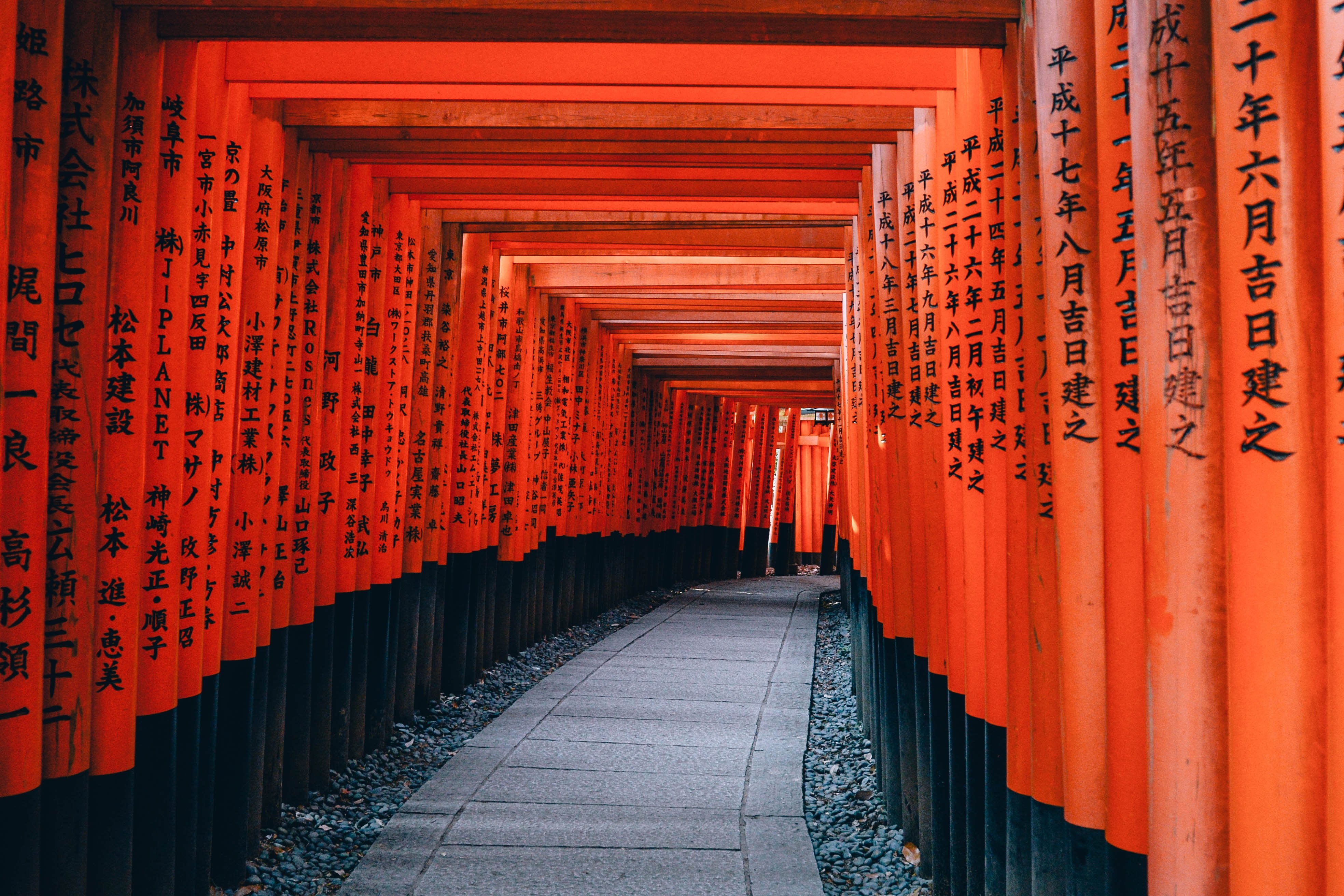
Nara – Capital city before Kyoto, Nara is just a few miles south. Firstly, we see one of the country’s most iconic shrines, made from thousands of red Torii gates forming two extraordinary vermilion-coloured wooden tunnels up a hillside. Arriving at Nara you’ll be greeted by the dozens of tame deer considered for centuries to be messengers of the gods.
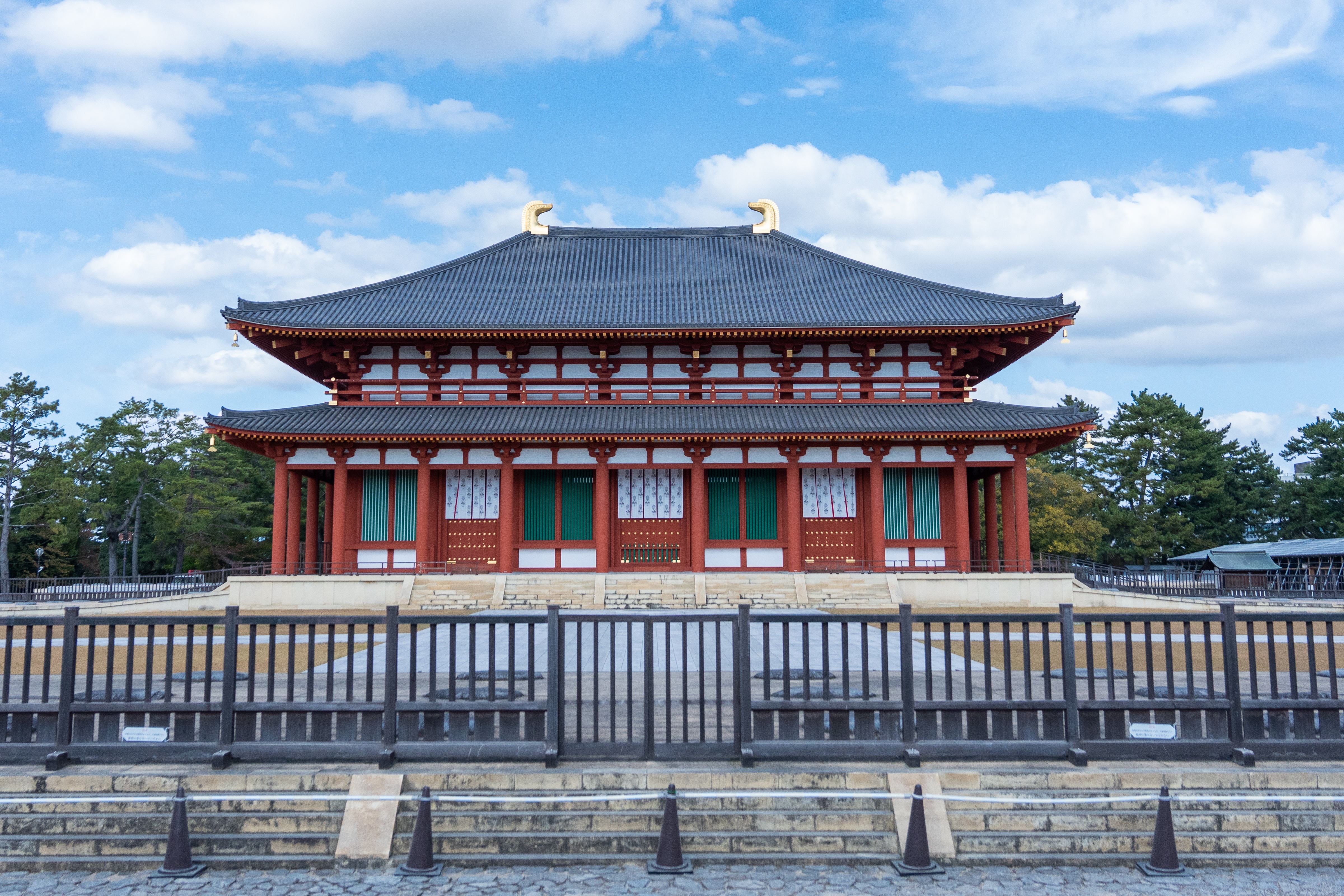
The main sight though is the amazing Todai-ji temple, astonishingly the world’s largest wooden structure. Housing a huge bronze Buddha, this is a truly inspiring sight and just one of Nara’s several UNESCO World Heritage sites. We also get an insight into the traditional Japanese Sake drink, visiting a museum with tasting.
Kyoto, Japan
Free day in Kyoto – You’re free today to explore and discover the many delights and attractions of Kyoto. There are still more enchanting temples to see – like the 15th century Silver Pavilion and the even older Eikando temple, marvels of architectural and garden design within an easy walk of each other along the charming Philosopher’s Path.
Tonight, you also have the option of staying in a ryokan, a typical Japanese inn. You’ll sleep on a rolled-out futon with tatami matting on the floor. You’ll also enjoy a traditional ‘kaiseki’ multi-course dinner. Beautifully prepared and served, it’s just as stunning to look at as it is to eat.
Personalise your holiday –
Spend a night in Ryokan, a traditional Japanese Inn in Kyoto
Price: from £99pp (2025 & 2026)
For a traditional Japanese experience, stay in a ryokan, where you’ll sleep on Japanese-style futon and enjoy a beautifully prepared kaiseki dinner.
Find out more about the Ryokan at the Gion Yoshiima website.
Please contact us for more information and to add the above experience to your booking.
Kyoto, Japan
Bullet Train – After a last free morning at leisure, we take our bullet train to Tokyo staying overnight at the four-star Excel Tokyu near the airport.
Kyoto, Japan
Return home
Kyoto, Japan
Kyoto – Leaving Hiroshima by coach, we head towards the old imperial capital of Kyoto. En route we’ll visit the superb Korakuen garden at Okayama – built in 1700 and renowned as one of Japan’s most exquisite gardens, with lawns, lakes, wooden bridges and shrines and teahouses! Allowing plenty of time to explore, our stay for the next four nights in Kyoto is at the Century Hotel with breakfast.
Kyoto, Japan
Kyoto and tea ceremony – This morning is one of the real highlights of the tour as we explore some of the overwhelming treasures of Japan’s most revered city.
First is the spectacular and beautiful Golden Pavilion, dating from the classical Muromachi age of Japanese temple design, perfectly overlooking its lake and garden. The whole of the upper floors, covered in gold leaf, glow in the morning light with an almost blinding intensity.
As a complete change, we then move on to the amazing Arashiyama bamboo forest – experiencing an almost other-worldly feel as the light streams through the tall green columns of bamboo, up to 30 feet high!
Yet another iconic Kyoto monument is next – Nijo Castle.
Set at the heart of the city and built in the 17th century, it’s famous for its wooden floors remarkably designed to creak like a nightingale’s song, thus warning its occupants of any impending stealthy attack!
Finally, we take a walking tour through Kyoto’s Gion district. Here is the classic image of Japan; streets of wooden houses, the unmistakable sound of wooden sandals reverberating on the avements, bright, silk-clad geishas, cherry trees and a host of traditional restaurants. We also experience a traditional Japanese Tea Ceremony’.
Nara City, Japan
Nara – Capital city before Kyoto, Nara is just a few miles south. Firstly, we see one of the country’s most iconic shrines, made from thousands of red Torii gates forming two extraordinary vermilion-coloured wooden tunnels up a hillside. Arriving at Nara you’ll be greeted by the dozens of tame deer considered for centuries to be messengers of the gods.
The main sight though is the amazing Todai-ji temple, astonishingly the world’s largest wooden structure. Housing a huge bronze Buddha, this is a truly inspiring sight and just one of Nara’s several UNESCO World Heritage sites. We also get an insight into the traditional Japanese Sake drink, visiting a museum with tasting.
Kyoto, Japan
Free day in Kyoto – You’re free today to explore and discover the many delights and attractions of Kyoto. There are still more enchanting temples to see – like the 15th century Silver Pavilion and the even older Eikando temple, marvels of architectural and garden design within an easy walk of each other along the charming Philosopher’s Path.
Tonight, you also have the option of staying in a ryokan, a typical Japanese inn. You’ll sleep on a rolled-out futon with tatami matting on the floor. You’ll also enjoy a traditional ‘kaiseki’ multi-course dinner. Beautifully prepared and served, it’s just as stunning to look at as it is to eat.
Personalise your holiday –
Spend a night in Ryokan, a traditional Japanese Inn in Kyoto
Price: from £99pp (2025 & 2026)
For a traditional Japanese experience, stay in a ryokan, where you’ll sleep on Japanese-style futon and enjoy a beautifully prepared kaiseki dinner.
Find out more about the Ryokan at the Gion Yoshiima website.
Please contact us for more information and to add the above experience to your booking.
Kyoto, Japan
Bullet Train – After a last free morning at leisure, we take our bullet train to Tokyo staying overnight at the four-star Excel Tokyu near the airport.
Kyoto, Japan
Return home