Itinerary
In Flight
Departure
Tokyo, Japan
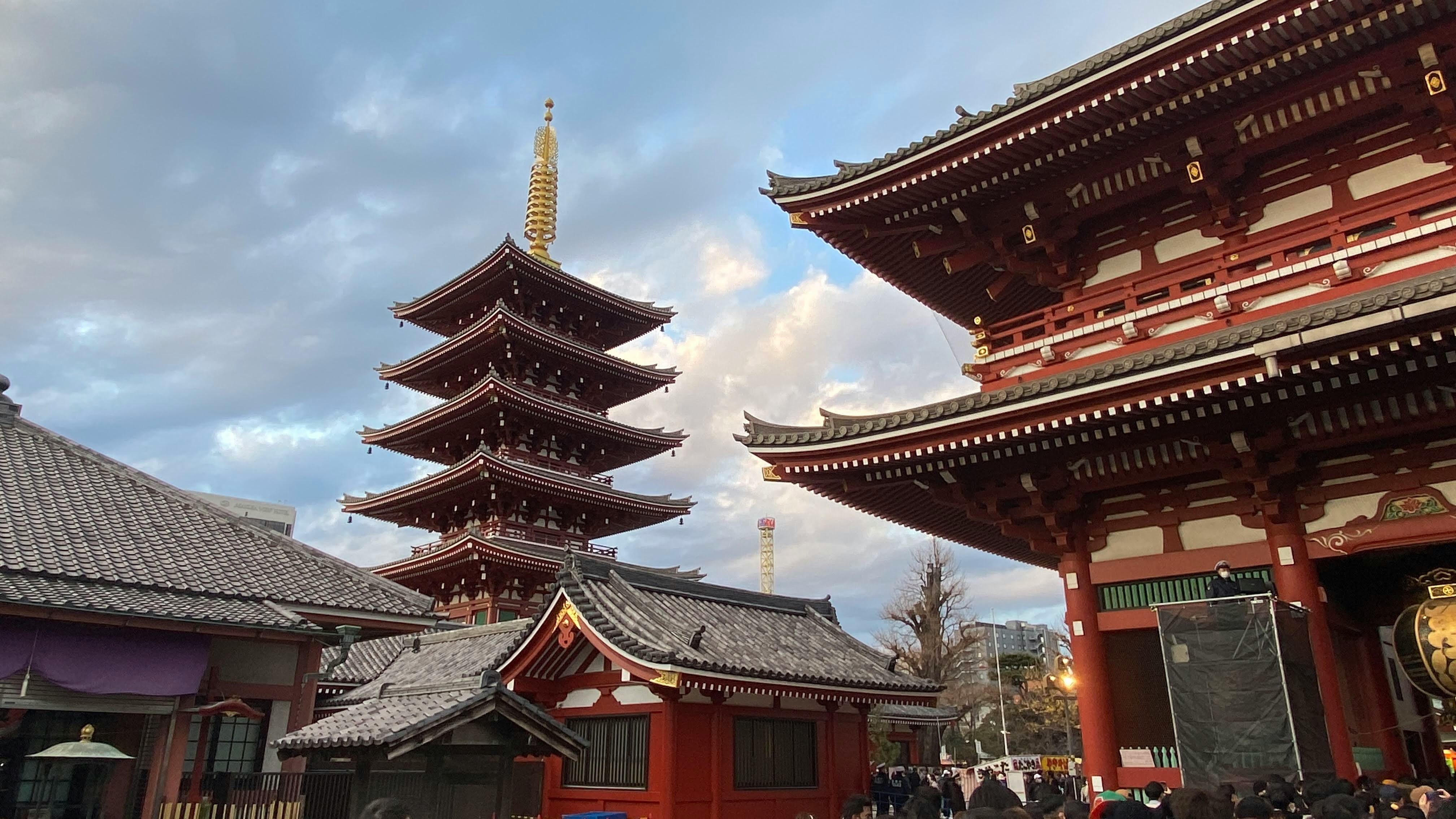
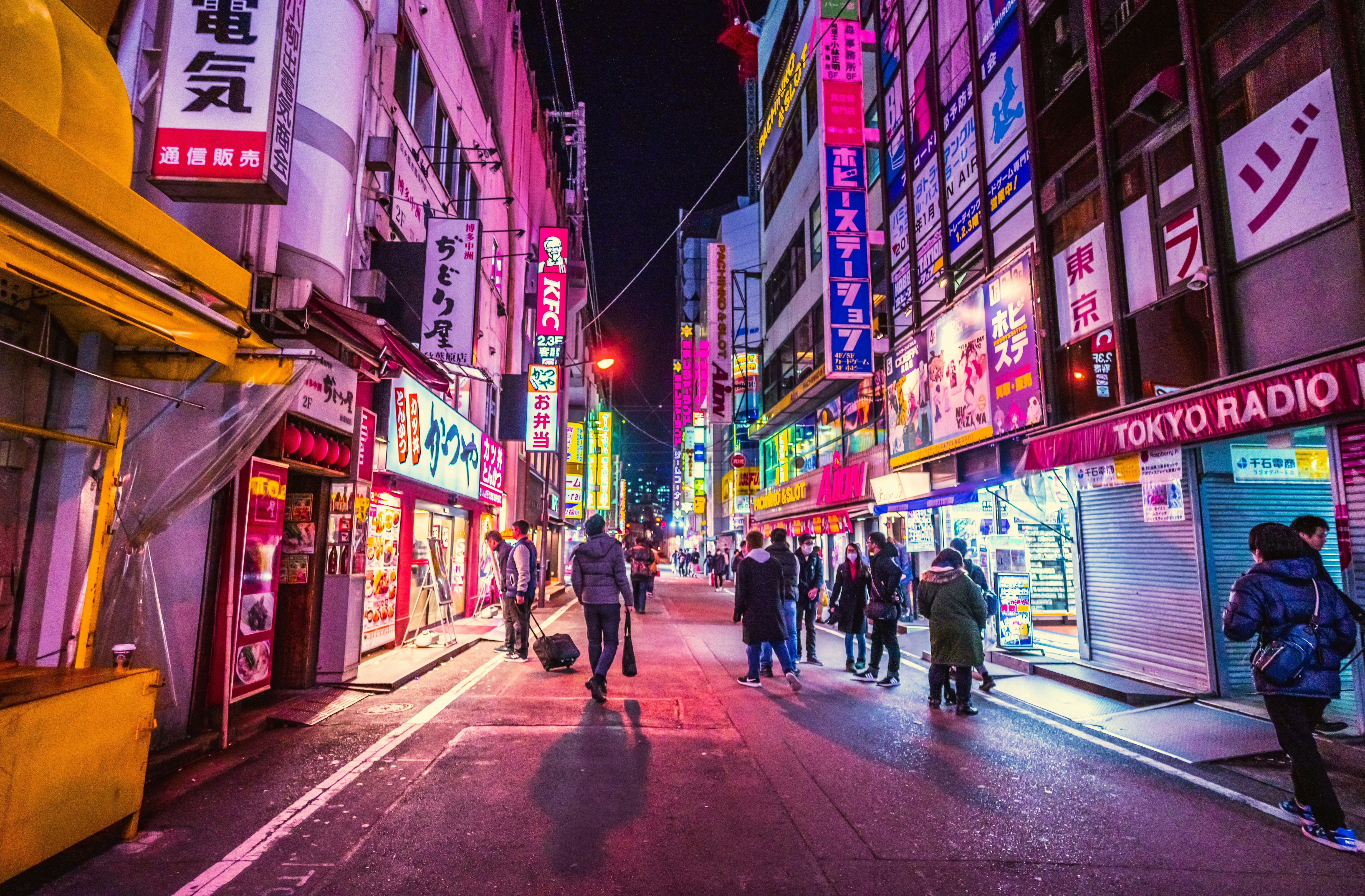
Lights, sushi, manga! Sprawling, frenetic, and endlessly fascinating, Japan’s capital is a city of contrasts. Shrines and gardens are pockets of calm between famously crowded streets and soaring office buildings. Mom-and-pop noodle houses share street space with Western-style chain restaurants and exquisite fine dining. Shopping yields lovely folk arts as well as the newest electronics. And nightlife kicks off with karaoke or sake and continues with techno clubs and more. Whether you seek the traditional or the cutting edge, Tokyo will provide it.
Tokyo, Japan
Lights, sushi, manga! Sprawling, frenetic, and endlessly fascinating, Japan’s capital is a city of contrasts. Shrines and gardens are pockets of calm between famously crowded streets and soaring office buildings. Mom-and-pop noodle houses share street space with Western-style chain restaurants and exquisite fine dining. Shopping yields lovely folk arts as well as the newest electronics. And nightlife kicks off with karaoke or sake and continues with techno clubs and more. Whether you seek the traditional or the cutting edge, Tokyo will provide it.
Tokyo, Japan
Lights, sushi, manga! Sprawling, frenetic, and endlessly fascinating, Japan’s capital is a city of contrasts. Shrines and gardens are pockets of calm between famously crowded streets and soaring office buildings. Mom-and-pop noodle houses share street space with Western-style chain restaurants and exquisite fine dining. Shopping yields lovely folk arts as well as the newest electronics. And nightlife kicks off with karaoke or sake and continues with techno clubs and more. Whether you seek the traditional or the cutting edge, Tokyo will provide it.
Hakone, Japan
Mount Fuji & Hakone – After three days of exploring the capital, we’ll escape the hustle and bustle as we drive towards Mount Fuji. Arguably Japan’s most instantly recognisable sight, the volcano is fringed by thick forest and a crescent-shaped ring of glass-like lakes. It’s one of the world’s greatest views and, unquestionably, a highlight of our adventure through Japan. To make the most of these views, we’ll visit two of the lakes to appreciate the panorama from different perspectives. Even an amateur photographer is sure to get some spectacular photos here so make sure a camera is on your packing list!
We’ll then visit the Kubota Itchiku Art Museum, an exceptional museum dedicated to the Kimono artist Itchiku Kubota. Inspired by a fragment of Tsujigahana textile exhibited in the Tokyo National Museum, that he devoted his life to reviving the lost art of Tsujigahana silk dyeing. The vibrant colours and patterns are synonymous with Japanese culture, with creations depicting, nature, the seasons and the cosmos. You may even decide to treat yourself to a keepsake to take home.
The first stop is a well-kept Japanese secret, Lake Kawaguchi. It’s relatively unknown to tourists but offers fantastic views that are particularly breathtaking during the cherry blossom season (around mid-April) and the autumn colours (around the first half of November).
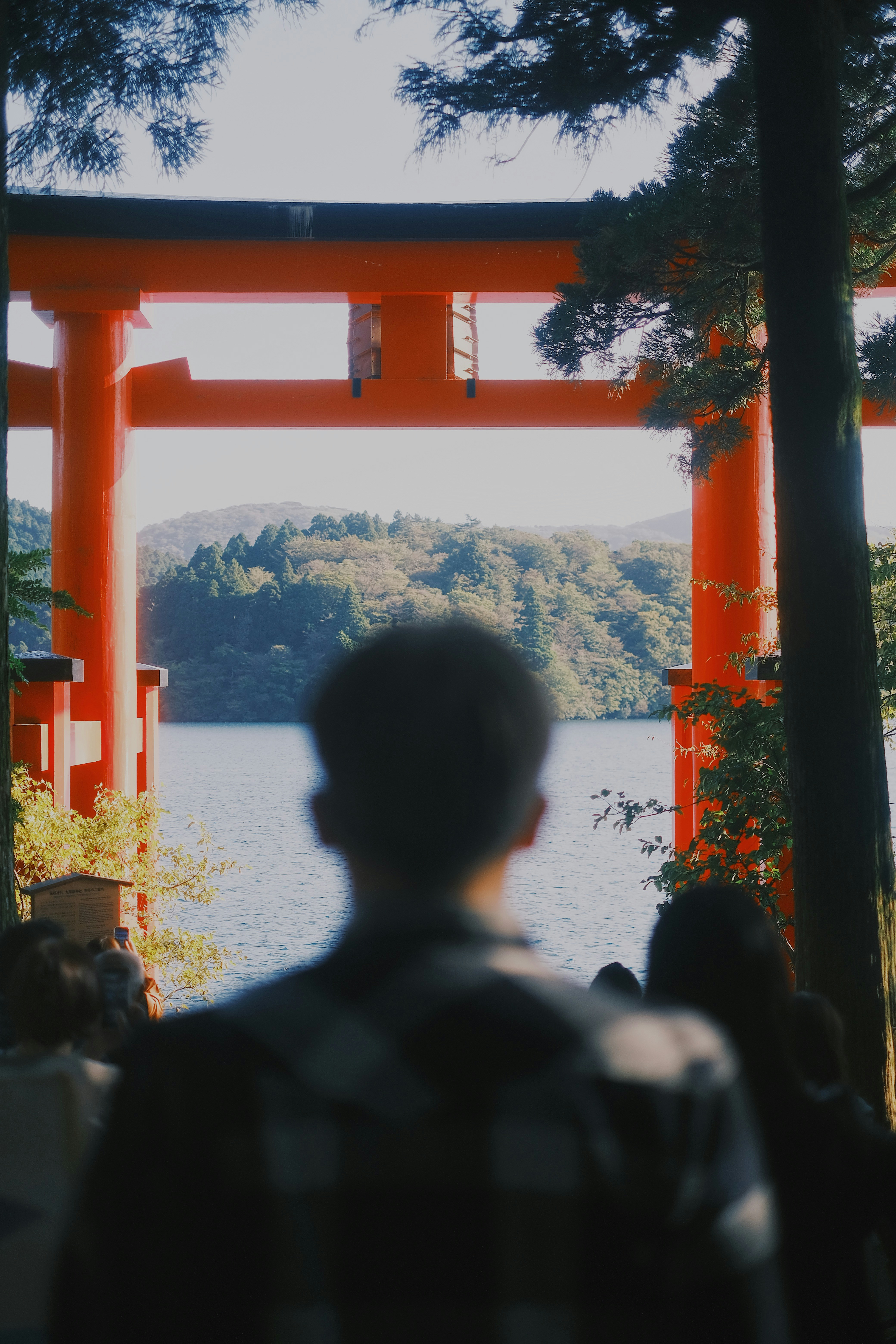
Next, we head south to the mountain resort of Hakone and descend to the smooth dark blue waters of Lake Ashi for an unusual sightseeing cruise aboard the Japanese version of a 19th-century pirate ship. From here it’s easy to appreciate the natural beauty of the lakes, on a clear day, the views of Mount Fuji are one of the world’s greatest panoramas. Plus look out for the partially submerged Gate of Peace on the edge of the lake’s shore.
The entire area around our hotel this evening is geo-thermally active, it’s the perfect opportunity to try one of Japan’s unmissable experiences – bathing in an ‘onsen’, or hot spring, at our very own hotel.
Hiroshima, Japan
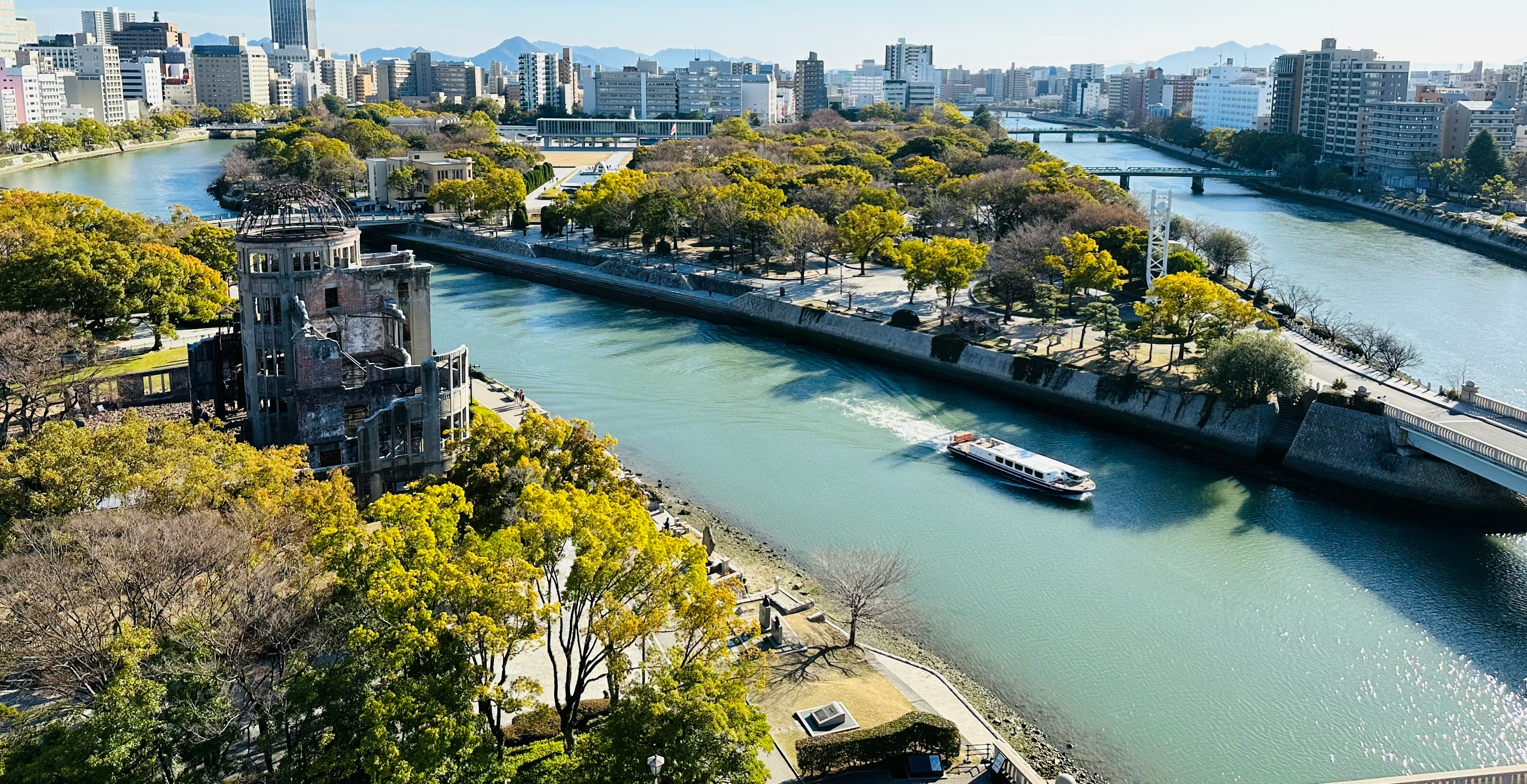
History buffs will want to write home Hiroshima. Despite being devastated in 1945, this Japanese city is known to all for its commitment peace – its ruin on the 6th August 1945 led to the end of the war and today, the Peace Memorial (a UNESCO World Heritage Site) , is a constant reminder of the destruction that war brings. A walk in the leafy boulevards of Peace Memorial Park brings quiet contemplation. The Flames of Peace – set in the park’s central feature pond – burn brightly and will continue to do so until all the nuclear bombs I the world have been destroyed. There are many other inspiring messages of hope around the city too; the Children’s’ Peace Monument just north of the park is a homage to little Sadako Sasaki, who was just two in 1945. When she developed leukemia in 1956, she believed that if she folded 1,000 paper cranes – a symbol of longevity and happiness in Japan – she would recover. Sadly she died before she finished her task but her classmates finished the rest. It is impossible to ignore the events of 1945 in Hiroshima, but this is far from a depressing place. The great efforts that have been made in rebuilding of the city over the years have given Hiroshima a vibrant, eclectic edge, with the downtown shopping area and street food stalls being well worth a visit. The proximity to Miyajima and its iconic, impressive, Torii gate should not be overlooked either. If you are lucky enough to visit during the unpredictable and short-lived Sakura (cherry blossom) season, then the extraordinary sight of the delicate pink blossom floating across the water to the red gate, means you can consider yourself one of the luckiest people on the planet.
Hiroshima, Japan
History buffs will want to write home Hiroshima. Despite being devastated in 1945, this Japanese city is known to all for its commitment peace – its ruin on the 6th August 1945 led to the end of the war and today, the Peace Memorial (a UNESCO World Heritage Site) , is a constant reminder of the destruction that war brings. A walk in the leafy boulevards of Peace Memorial Park brings quiet contemplation. The Flames of Peace – set in the park’s central feature pond – burn brightly and will continue to do so until all the nuclear bombs I the world have been destroyed. There are many other inspiring messages of hope around the city too; the Children’s’ Peace Monument just north of the park is a homage to little Sadako Sasaki, who was just two in 1945. When she developed leukemia in 1956, she believed that if she folded 1,000 paper cranes – a symbol of longevity and happiness in Japan – she would recover. Sadly she died before she finished her task but her classmates finished the rest. It is impossible to ignore the events of 1945 in Hiroshima, but this is far from a depressing place. The great efforts that have been made in rebuilding of the city over the years have given Hiroshima a vibrant, eclectic edge, with the downtown shopping area and street food stalls being well worth a visit. The proximity to Miyajima and its iconic, impressive, Torii gate should not be overlooked either. If you are lucky enough to visit during the unpredictable and short-lived Sakura (cherry blossom) season, then the extraordinary sight of the delicate pink blossom floating across the water to the red gate, means you can consider yourself one of the luckiest people on the planet.
In Flight
Departure
Tokyo, Japan
Lights, sushi, manga! Sprawling, frenetic, and endlessly fascinating, Japan’s capital is a city of contrasts. Shrines and gardens are pockets of calm between famously crowded streets and soaring office buildings. Mom-and-pop noodle houses share street space with Western-style chain restaurants and exquisite fine dining. Shopping yields lovely folk arts as well as the newest electronics. And nightlife kicks off with karaoke or sake and continues with techno clubs and more. Whether you seek the traditional or the cutting edge, Tokyo will provide it.
Tokyo, Japan
Lights, sushi, manga! Sprawling, frenetic, and endlessly fascinating, Japan’s capital is a city of contrasts. Shrines and gardens are pockets of calm between famously crowded streets and soaring office buildings. Mom-and-pop noodle houses share street space with Western-style chain restaurants and exquisite fine dining. Shopping yields lovely folk arts as well as the newest electronics. And nightlife kicks off with karaoke or sake and continues with techno clubs and more. Whether you seek the traditional or the cutting edge, Tokyo will provide it.
Tokyo, Japan
Lights, sushi, manga! Sprawling, frenetic, and endlessly fascinating, Japan’s capital is a city of contrasts. Shrines and gardens are pockets of calm between famously crowded streets and soaring office buildings. Mom-and-pop noodle houses share street space with Western-style chain restaurants and exquisite fine dining. Shopping yields lovely folk arts as well as the newest electronics. And nightlife kicks off with karaoke or sake and continues with techno clubs and more. Whether you seek the traditional or the cutting edge, Tokyo will provide it.
Hakone, Japan
Mount Fuji & Hakone – After three days of exploring the capital, we’ll escape the hustle and bustle as we drive towards Mount Fuji. Arguably Japan’s most instantly recognisable sight, the volcano is fringed by thick forest and a crescent-shaped ring of glass-like lakes. It’s one of the world’s greatest views and, unquestionably, a highlight of our adventure through Japan. To make the most of these views, we’ll visit two of the lakes to appreciate the panorama from different perspectives. Even an amateur photographer is sure to get some spectacular photos here so make sure a camera is on your packing list!
We’ll then visit the Kubota Itchiku Art Museum, an exceptional museum dedicated to the Kimono artist Itchiku Kubota. Inspired by a fragment of Tsujigahana textile exhibited in the Tokyo National Museum, that he devoted his life to reviving the lost art of Tsujigahana silk dyeing. The vibrant colours and patterns are synonymous with Japanese culture, with creations depicting, nature, the seasons and the cosmos. You may even decide to treat yourself to a keepsake to take home.
The first stop is a well-kept Japanese secret, Lake Kawaguchi. It’s relatively unknown to tourists but offers fantastic views that are particularly breathtaking during the cherry blossom season (around mid-April) and the autumn colours (around the first half of November).
Next, we head south to the mountain resort of Hakone and descend to the smooth dark blue waters of Lake Ashi for an unusual sightseeing cruise aboard the Japanese version of a 19th-century pirate ship. From here it’s easy to appreciate the natural beauty of the lakes, on a clear day, the views of Mount Fuji are one of the world’s greatest panoramas. Plus look out for the partially submerged Gate of Peace on the edge of the lake’s shore.
The entire area around our hotel this evening is geo-thermally active, it’s the perfect opportunity to try one of Japan’s unmissable experiences – bathing in an ‘onsen’, or hot spring, at our very own hotel.
Hiroshima, Japan
History buffs will want to write home Hiroshima. Despite being devastated in 1945, this Japanese city is known to all for its commitment peace – its ruin on the 6th August 1945 led to the end of the war and today, the Peace Memorial (a UNESCO World Heritage Site) , is a constant reminder of the destruction that war brings. A walk in the leafy boulevards of Peace Memorial Park brings quiet contemplation. The Flames of Peace – set in the park’s central feature pond – burn brightly and will continue to do so until all the nuclear bombs I the world have been destroyed. There are many other inspiring messages of hope around the city too; the Children’s’ Peace Monument just north of the park is a homage to little Sadako Sasaki, who was just two in 1945. When she developed leukemia in 1956, she believed that if she folded 1,000 paper cranes – a symbol of longevity and happiness in Japan – she would recover. Sadly she died before she finished her task but her classmates finished the rest. It is impossible to ignore the events of 1945 in Hiroshima, but this is far from a depressing place. The great efforts that have been made in rebuilding of the city over the years have given Hiroshima a vibrant, eclectic edge, with the downtown shopping area and street food stalls being well worth a visit. The proximity to Miyajima and its iconic, impressive, Torii gate should not be overlooked either. If you are lucky enough to visit during the unpredictable and short-lived Sakura (cherry blossom) season, then the extraordinary sight of the delicate pink blossom floating across the water to the red gate, means you can consider yourself one of the luckiest people on the planet.
Hiroshima, Japan
History buffs will want to write home Hiroshima. Despite being devastated in 1945, this Japanese city is known to all for its commitment peace – its ruin on the 6th August 1945 led to the end of the war and today, the Peace Memorial (a UNESCO World Heritage Site) , is a constant reminder of the destruction that war brings. A walk in the leafy boulevards of Peace Memorial Park brings quiet contemplation. The Flames of Peace – set in the park’s central feature pond – burn brightly and will continue to do so until all the nuclear bombs I the world have been destroyed. There are many other inspiring messages of hope around the city too; the Children’s’ Peace Monument just north of the park is a homage to little Sadako Sasaki, who was just two in 1945. When she developed leukemia in 1956, she believed that if she folded 1,000 paper cranes – a symbol of longevity and happiness in Japan – she would recover. Sadly she died before she finished her task but her classmates finished the rest. It is impossible to ignore the events of 1945 in Hiroshima, but this is far from a depressing place. The great efforts that have been made in rebuilding of the city over the years have given Hiroshima a vibrant, eclectic edge, with the downtown shopping area and street food stalls being well worth a visit. The proximity to Miyajima and its iconic, impressive, Torii gate should not be overlooked either. If you are lucky enough to visit during the unpredictable and short-lived Sakura (cherry blossom) season, then the extraordinary sight of the delicate pink blossom floating across the water to the red gate, means you can consider yourself one of the luckiest people on the planet.
Okayama, Japan
Okayama is an important transportation hub and one of the largest cities of the Chugoku Region. It is famous because it has one of Japan’s most significant gardens. Although the “Korakuen” Garden was severely damaged by bombs in WWII, the descriptions and paintings from the Edo period permitted an exact reconstruction. It is one of the “Three Gardens of Japan” and has been designated a “Special Scenic Location”. Known formerly as the centre of rice-distribution in the Okayama area, many old warehouses next to the preserved canal have been converted into museums, boutiques and cafes. Another attraction is the Ohara Museum, which was the first Japanese Museum to permanently exhibit Western Art. Specializing in French Art at the beginning, it has an eclectic mix of paintings and objects by El Greco, Renoir, Gauguin, Pissarro, Degas, Monet, Toulouse-Lautrec, Matisse, Rodin, and Picasso, as well as pieces from Jackson Pollock, de Chirico and Jasper Johns.
Kyoto, Japan
Kyoto and tea ceremony – Visiting Kyoto feels like stepping back in time, showcasing its impressively preserved culture that spans centuries. There’s an almost otherworldly quality to the city. Here, Geisha still tiptoe through the cobbled alleyways of Gion, and Zen monks tend to manicured gardens in ancient temples. World heritage shrines, age-old traditions and modern life have found an easy balance – it’s effortlessly charming and infinitely interesting.
First, we’ll visit the beautiful Golden Pavilion, which dates back to the classical Muromachi period of Japanese temple design. Perfectly overlooking its lake and garden. It offers a breathtaking view of its surrounding lake and garden. The upper floors are entirely covered in gold leaf, glowing intensely in the morning light.
Our next stop is the Arashiyama Bamboo Forest a captivating maze of walkways lined with towering green bamboo columns. Sunlight filters through this natural fortress, creating an enchanting green hue.
Then we’ll visit Nijo Castle, an iconic monument in the heart of Kyoto. Built in the 17th century, it’s famous for its unique wooden floors designed to creak like a nightingale’s song, thus warning its occupants of any impending stealthy attack.
Finally, we take a walking tour through Kyoto’s Gion district. It’s the classic image of Japan; streets of wooden houses, the unmistakable sound of wooden sandals reverberating on the pavements, bright, silk-clad geishas, cherry trees and a host of traditional restaurants.
We also experience a traditional Japanese tea ceremony that is steeped (pun intended) in history. This ceremonial way of preparing and drinking green tea, typically in a traditional tearoom with a tatami floor, allows guests to enjoy the hospitality of their host in an atmosphere distinctly away from the fast pace of everyday life – it’s a fitting end to a busy day exploring Kyoto.
Nara City, Japan
Nara – Japan’s oldest permanent capital, Nara, is close by to Kyoto and our destination for today.
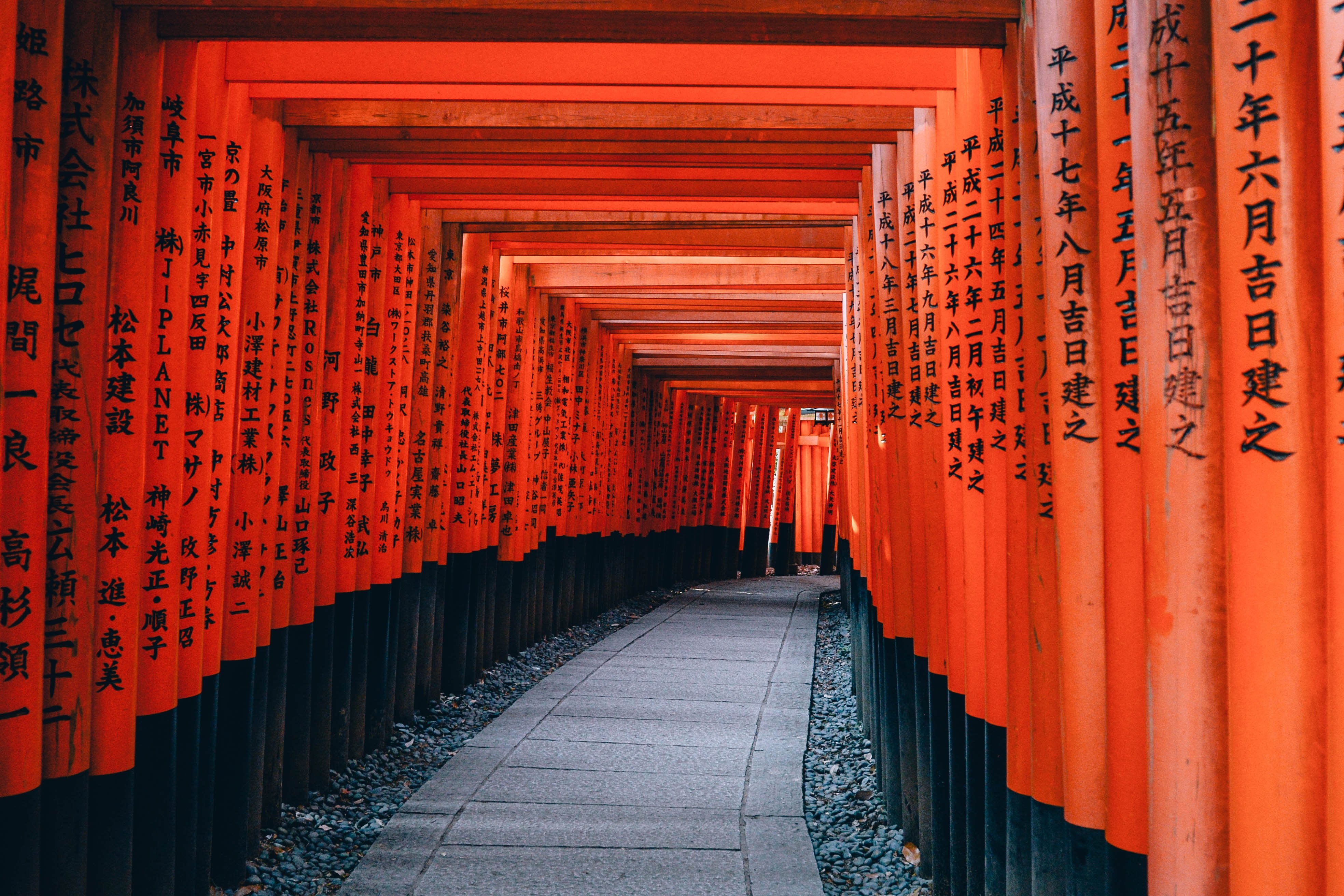
On our way, we’ll stop at the Fushimi Inari Shrine in southern Kyoto, dedicated to the Shinto god of rice, Inari. Famous for its thousands of vermillion torii gates, which cage a network of trails to form two wooden tunnels up a hillside into the wooded forest of the sacred Mount Inari.
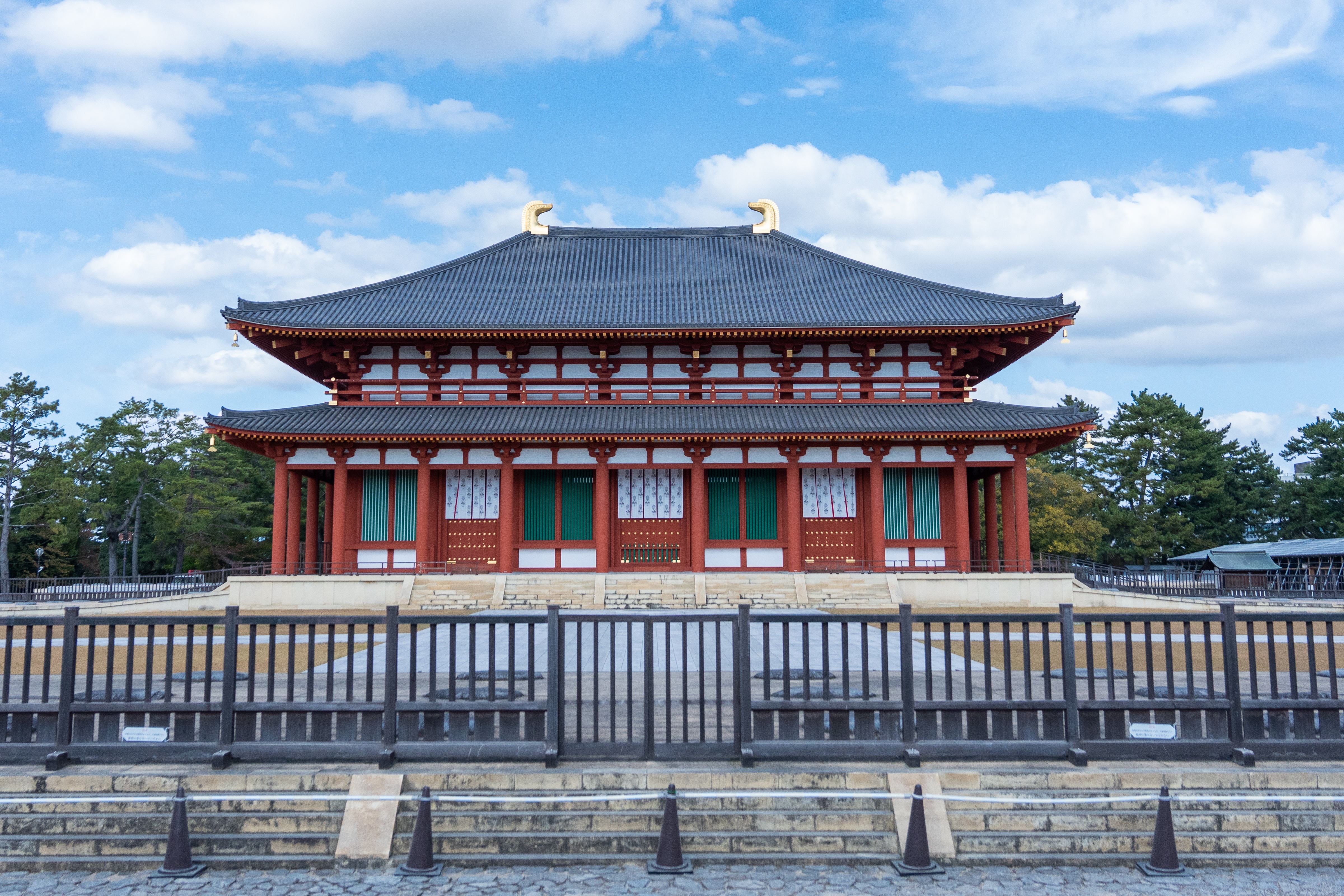
Established in 710 AD, the city is full of cultural treasures, including some of Japan’s oldest and largest temples. As you arrive, you’ll be greeted by the dozens of tame deer considered for centuries to be messengers of the gods.
The gentle deer may be fascinating, but the real draw is the Todai-ji temple, which we’ll see on our tour of Nara following a local Japanese guide around the city. Until recently, Todai-ji’s main hall held the record as the world’s largest wooden building (even though the present reconstruction from 1692 is only two-thirds the original size). Inside is a 15-metre-tall seated Buddha, one of Japan’s largest bronze Buddha statues. The temple is just one of many of Nara’s UNESCO World Heritage sites.
Nara is also famous as the birthplace of sake, a drink that has been offered to the gods since ancient times as an essential part of celebrations. With pure water and premium rice, Nara creates some of the best sake in the entire country. To say they’re “experienced brewers” is an understatement – some of the local breweries have been run by the same family for over 350 years. We can’t really leave the ancient former capital without visiting the Sake Museum to learn more about this traditional drink and, of course, taste it for ourselves.
Kyoto, Japan
Free day in Kyoto – You’ll be free today to explore and discover the many delights and attractions of Kyoto. There are still more enchanting temples to see – like the 15th-century Silver Pavilion and the even older Eikando temple, marvels of architectural and garden design within an easy walk of each other along the charming Philosopher’s Path.
Personalise your holiday –
Spend a night in Ryokan, a traditional Japanese Inn in Kyoto
Price: from £99pp (2025 & 2026)
For a traditional Japanese experience, stay in a ryokan, where you’ll sleep on Japanese-style futon and enjoy a beautifully prepared kaiseki dinner.
Find out more about the Ryokan at the Gion Yoshiima website.
Please contact us for more information and to add the above experience to your booking.
Toyama, Japan
Bullet Train to Toyama – After a morning at leisure in Kyoto, we’ll pack up and take the bullet train to Toyama for a three-night stay. The rest of the day will be free time for you to spend as you wish.
Toyama, Japan
Kurobe Gorge – Carpeted by a beautiful forest the Kurobe ravine is one of the deepest gorges in Japan. Today, we’ll pass the steep cliffs and untouched forest of this mountainous area on a scenic ride on the Kurobe Gorge Railway. Originally built to help construction of the Kurobe Dam, you can sit back and marvel at the views as the train winds along a 20km stretch of the gorge. We’ll stop along the way at a few little stations where we’ll get off to admire some of Japan’s great Alpine scenery.
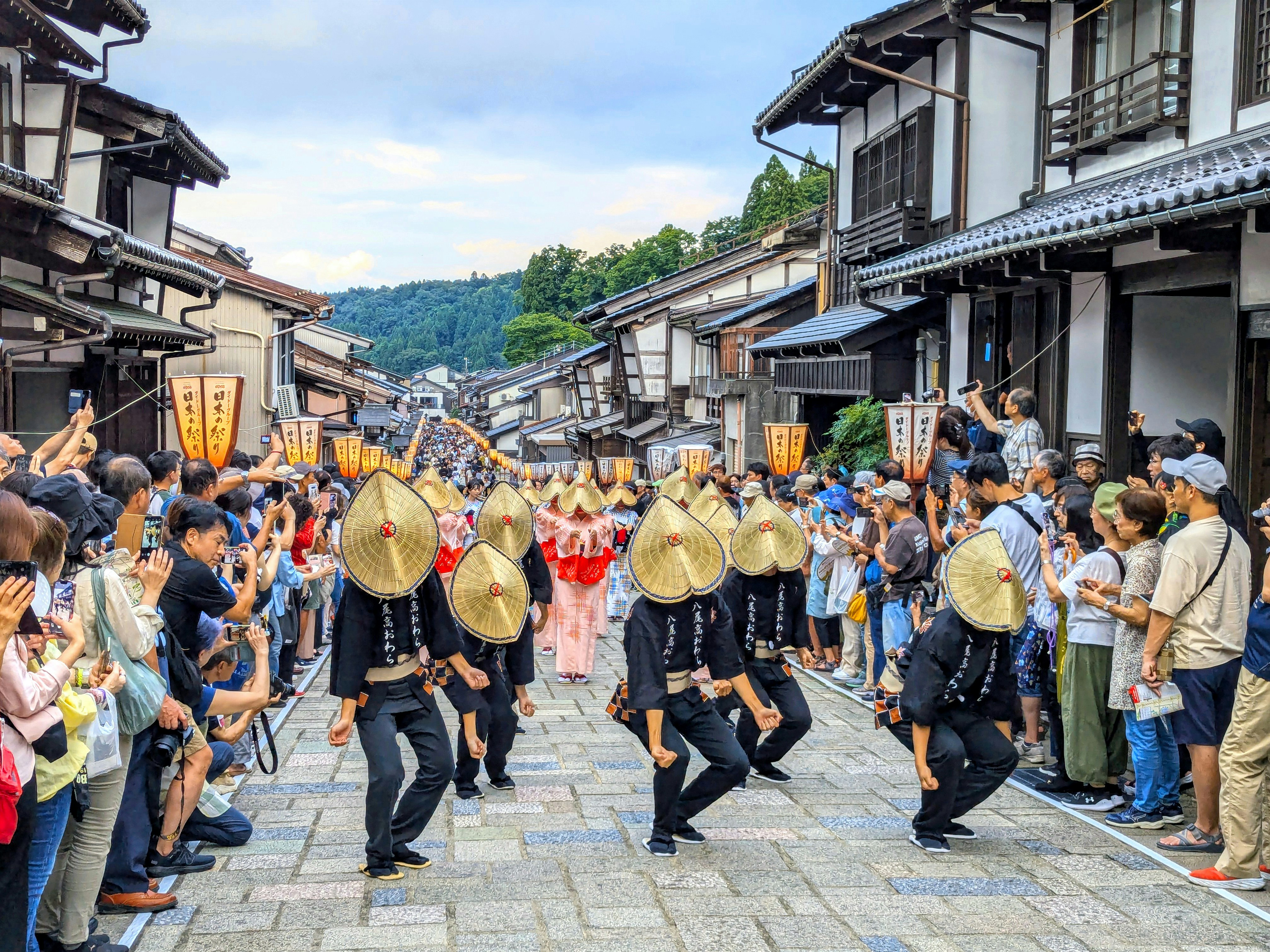
Back in Toyama this afternoon, you’re free to explore as you wish. Toyama means rich with mountains – and they’re not lying about that! The city offers views of a series of 3,000-meter peaks in the Northern Japan Alps as well as the Sea of Japan. Historically a powerful castle town, today the city is a thriving fusion of high-tech modern amenities and traditional 19th-century wooden buildings.
Within an easy walk of our hotel is Toyama Castle Park, home to the reconstructed castle, and an art museum. In early-mid April, it’s also a fantastic place to see the city’s famous cherry blossom – but the park’s Japanese gardens are still beautiful year-round. If you’re looking for an experience that’s unique to the city, check out its glass products. The city is home to the largest collection of glass artists in the entire country and you can learn more about them at the Toyama Glass Art Museum, which is just a 10-minute walk from our hotel. If you can’t decide where to go, our Tour Manager or local guide will be on hand to offer suggestions.
Gokayama, Japan
Kanazawa and Gokayama – This morning, we’ll head west to Kanazawa, a city that produces 99% of Japan’s gold leaf. You’ll find gold leaf everywhere, even in unexpected things like gold leaf-covered ice cream.
Our first stop in Kanazawa is Omicho Market, the city’s largest fresh food market. Its colourful network of covered streets is home to around 200 shops and stalls, most specialising in local seafood.
As the second largest city to escape destruction by air raids in WWII, much of its historical buildings have survived. As we walk around the enchanting Higashi Chaya geisha district we’ll see traditional chaya (teahouse) – an exclusive type of restaurant where guests are entertained by geisha who perform song and dance – as well as other cafes and shops.
Then we’ll visit Kenrokuen, which is widely regarded as one of Japan’s three most beautiful landscape gardens. Since opening its doors to the public in 1871, the garden has enchanted visitors with a captivating array of flowering trees that look different in every season – there’s always something new to see.
We also visit the village of Gokayama, a UNESCO World Heritage Site known for its traditional gassho-zukuri farmhouses, some of which are more than 250 years old.
Okayama, Japan
Okayama is an important transportation hub and one of the largest cities of the Chugoku Region. It is famous because it has one of Japan’s most significant gardens. Although the “Korakuen” Garden was severely damaged by bombs in WWII, the descriptions and paintings from the Edo period permitted an exact reconstruction. It is one of the “Three Gardens of Japan” and has been designated a “Special Scenic Location”. Known formerly as the centre of rice-distribution in the Okayama area, many old warehouses next to the preserved canal have been converted into museums, boutiques and cafes. Another attraction is the Ohara Museum, which was the first Japanese Museum to permanently exhibit Western Art. Specializing in French Art at the beginning, it has an eclectic mix of paintings and objects by El Greco, Renoir, Gauguin, Pissarro, Degas, Monet, Toulouse-Lautrec, Matisse, Rodin, and Picasso, as well as pieces from Jackson Pollock, de Chirico and Jasper Johns.
Kyoto, Japan
Kyoto and tea ceremony – Visiting Kyoto feels like stepping back in time, showcasing its impressively preserved culture that spans centuries. There’s an almost otherworldly quality to the city. Here, Geisha still tiptoe through the cobbled alleyways of Gion, and Zen monks tend to manicured gardens in ancient temples. World heritage shrines, age-old traditions and modern life have found an easy balance – it’s effortlessly charming and infinitely interesting.
First, we’ll visit the beautiful Golden Pavilion, which dates back to the classical Muromachi period of Japanese temple design. Perfectly overlooking its lake and garden. It offers a breathtaking view of its surrounding lake and garden. The upper floors are entirely covered in gold leaf, glowing intensely in the morning light.
Our next stop is the Arashiyama Bamboo Forest a captivating maze of walkways lined with towering green bamboo columns. Sunlight filters through this natural fortress, creating an enchanting green hue.
Then we’ll visit Nijo Castle, an iconic monument in the heart of Kyoto. Built in the 17th century, it’s famous for its unique wooden floors designed to creak like a nightingale’s song, thus warning its occupants of any impending stealthy attack.
Finally, we take a walking tour through Kyoto’s Gion district. It’s the classic image of Japan; streets of wooden houses, the unmistakable sound of wooden sandals reverberating on the pavements, bright, silk-clad geishas, cherry trees and a host of traditional restaurants.
We also experience a traditional Japanese tea ceremony that is steeped (pun intended) in history. This ceremonial way of preparing and drinking green tea, typically in a traditional tearoom with a tatami floor, allows guests to enjoy the hospitality of their host in an atmosphere distinctly away from the fast pace of everyday life – it’s a fitting end to a busy day exploring Kyoto.
Nara City, Japan
Nara – Japan’s oldest permanent capital, Nara, is close by to Kyoto and our destination for today.
On our way, we’ll stop at the Fushimi Inari Shrine in southern Kyoto, dedicated to the Shinto god of rice, Inari. Famous for its thousands of vermillion torii gates, which cage a network of trails to form two wooden tunnels up a hillside into the wooded forest of the sacred Mount Inari.
Established in 710 AD, the city is full of cultural treasures, including some of Japan’s oldest and largest temples. As you arrive, you’ll be greeted by the dozens of tame deer considered for centuries to be messengers of the gods.
The gentle deer may be fascinating, but the real draw is the Todai-ji temple, which we’ll see on our tour of Nara following a local Japanese guide around the city. Until recently, Todai-ji’s main hall held the record as the world’s largest wooden building (even though the present reconstruction from 1692 is only two-thirds the original size). Inside is a 15-metre-tall seated Buddha, one of Japan’s largest bronze Buddha statues. The temple is just one of many of Nara’s UNESCO World Heritage sites.
Nara is also famous as the birthplace of sake, a drink that has been offered to the gods since ancient times as an essential part of celebrations. With pure water and premium rice, Nara creates some of the best sake in the entire country. To say they’re “experienced brewers” is an understatement – some of the local breweries have been run by the same family for over 350 years. We can’t really leave the ancient former capital without visiting the Sake Museum to learn more about this traditional drink and, of course, taste it for ourselves.
Kyoto, Japan
Free day in Kyoto – You’ll be free today to explore and discover the many delights and attractions of Kyoto. There are still more enchanting temples to see – like the 15th-century Silver Pavilion and the even older Eikando temple, marvels of architectural and garden design within an easy walk of each other along the charming Philosopher’s Path.
Personalise your holiday –
Spend a night in Ryokan, a traditional Japanese Inn in Kyoto
Price: from £99pp (2025 & 2026)
For a traditional Japanese experience, stay in a ryokan, where you’ll sleep on Japanese-style futon and enjoy a beautifully prepared kaiseki dinner.
Find out more about the Ryokan at the Gion Yoshiima website.
Please contact us for more information and to add the above experience to your booking.
Toyama, Japan
Bullet Train to Toyama – After a morning at leisure in Kyoto, we’ll pack up and take the bullet train to Toyama for a three-night stay. The rest of the day will be free time for you to spend as you wish.
Toyama, Japan
Kurobe Gorge – Carpeted by a beautiful forest the Kurobe ravine is one of the deepest gorges in Japan. Today, we’ll pass the steep cliffs and untouched forest of this mountainous area on a scenic ride on the Kurobe Gorge Railway. Originally built to help construction of the Kurobe Dam, you can sit back and marvel at the views as the train winds along a 20km stretch of the gorge. We’ll stop along the way at a few little stations where we’ll get off to admire some of Japan’s great Alpine scenery.
Back in Toyama this afternoon, you’re free to explore as you wish. Toyama means rich with mountains – and they’re not lying about that! The city offers views of a series of 3,000-meter peaks in the Northern Japan Alps as well as the Sea of Japan. Historically a powerful castle town, today the city is a thriving fusion of high-tech modern amenities and traditional 19th-century wooden buildings.
Within an easy walk of our hotel is Toyama Castle Park, home to the reconstructed castle, and an art museum. In early-mid April, it’s also a fantastic place to see the city’s famous cherry blossom – but the park’s Japanese gardens are still beautiful year-round. If you’re looking for an experience that’s unique to the city, check out its glass products. The city is home to the largest collection of glass artists in the entire country and you can learn more about them at the Toyama Glass Art Museum, which is just a 10-minute walk from our hotel. If you can’t decide where to go, our Tour Manager or local guide will be on hand to offer suggestions.
Gokayama, Japan
Kanazawa and Gokayama – This morning, we’ll head west to Kanazawa, a city that produces 99% of Japan’s gold leaf. You’ll find gold leaf everywhere, even in unexpected things like gold leaf-covered ice cream.
Our first stop in Kanazawa is Omicho Market, the city’s largest fresh food market. Its colourful network of covered streets is home to around 200 shops and stalls, most specialising in local seafood.
As the second largest city to escape destruction by air raids in WWII, much of its historical buildings have survived. As we walk around the enchanting Higashi Chaya geisha district we’ll see traditional chaya (teahouse) – an exclusive type of restaurant where guests are entertained by geisha who perform song and dance – as well as other cafes and shops.
Then we’ll visit Kenrokuen, which is widely regarded as one of Japan’s three most beautiful landscape gardens. Since opening its doors to the public in 1871, the garden has enchanted visitors with a captivating array of flowering trees that look different in every season – there’s always something new to see.
We also visit the village of Gokayama, a UNESCO World Heritage Site known for its traditional gassho-zukuri farmhouses, some of which are more than 250 years old.
Nagano, Japan
Kurobe Alpine Route to Nagano – Cameras at the ready today as we journey from Toyama to Nagano with scenic views of the Northern Alps of Japan.
Known as the Roof of Japan, the Tateyama Kurobe Alpine Route was officially opened in 1971 and links Toyama City with Omachi in Nagano. The route takes us on a unique journey through the Northern Japanese Alps and Tateyama Mountain Range, which can only be travelled by a range of different transport methods, trains, busses, cable cars, ropeway and Japan’s last remaining trolley bus. The name ‘Roof of Japan’ comes from the views at the highest altitudes along the route – a knee-trembling 2,450 metres at Murodo Station and 3,015 metres from Mount Tateyamam – from where you can literally look out over the ‘un-kai’ or ‘cloud sea’. Needless to say, you’re guaranteed some spectacular views on today’s adventure (if the weather cooperates).
We’ll see the magnificent, curved wall of the Kurobe Dam, Japan’s tallest dam at around 54 storeys tall. Then we’ll enjoy a bird’s eye view of the reservoir from Tateyama Ropeway – a single span of cable with no intermediate towers to block the panoramic vistas as we continue to climb higher.
Once we reach Nagano, we’ll then board a bullet train to Tokyo, where we’ll spend one night.
Tokyo, Japan
Lights, sushi, manga! Sprawling, frenetic, and endlessly fascinating, Japan’s capital is a city of contrasts. Shrines and gardens are pockets of calm between famously crowded streets and soaring office buildings. Mom-and-pop noodle houses share street space with Western-style chain restaurants and exquisite fine dining. Shopping yields lovely folk arts as well as the newest electronics. And nightlife kicks off with karaoke or sake and continues with techno clubs and more. Whether you seek the traditional or the cutting edge, Tokyo will provide it.
Nagano, Japan
Kurobe Alpine Route to Nagano – Cameras at the ready today as we journey from Toyama to Nagano with scenic views of the Northern Alps of Japan.
Known as the Roof of Japan, the Tateyama Kurobe Alpine Route was officially opened in 1971 and links Toyama City with Omachi in Nagano. The route takes us on a unique journey through the Northern Japanese Alps and Tateyama Mountain Range, which can only be travelled by a range of different transport methods, trains, busses, cable cars, ropeway and Japan’s last remaining trolley bus. The name ‘Roof of Japan’ comes from the views at the highest altitudes along the route – a knee-trembling 2,450 metres at Murodo Station and 3,015 metres from Mount Tateyamam – from where you can literally look out over the ‘un-kai’ or ‘cloud sea’. Needless to say, you’re guaranteed some spectacular views on today’s adventure (if the weather cooperates).
We’ll see the magnificent, curved wall of the Kurobe Dam, Japan’s tallest dam at around 54 storeys tall. Then we’ll enjoy a bird’s eye view of the reservoir from Tateyama Ropeway – a single span of cable with no intermediate towers to block the panoramic vistas as we continue to climb higher.
Once we reach Nagano, we’ll then board a bullet train to Tokyo, where we’ll spend one night.
Tokyo, Japan
Lights, sushi, manga! Sprawling, frenetic, and endlessly fascinating, Japan’s capital is a city of contrasts. Shrines and gardens are pockets of calm between famously crowded streets and soaring office buildings. Mom-and-pop noodle houses share street space with Western-style chain restaurants and exquisite fine dining. Shopping yields lovely folk arts as well as the newest electronics. And nightlife kicks off with karaoke or sake and continues with techno clubs and more. Whether you seek the traditional or the cutting edge, Tokyo will provide it.