Featured Cabins
Itinerary
Funchal, Madeira, Portugal
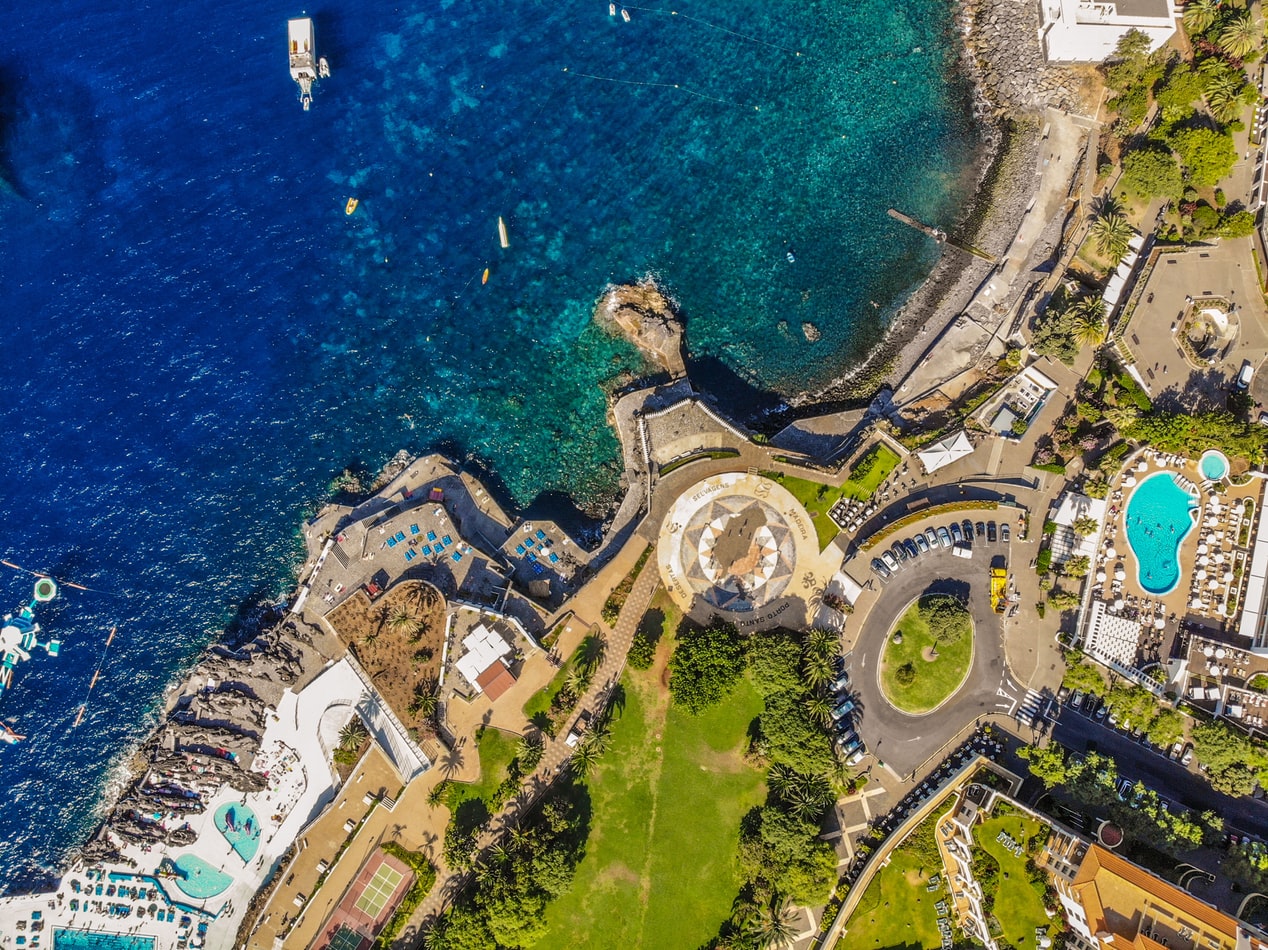
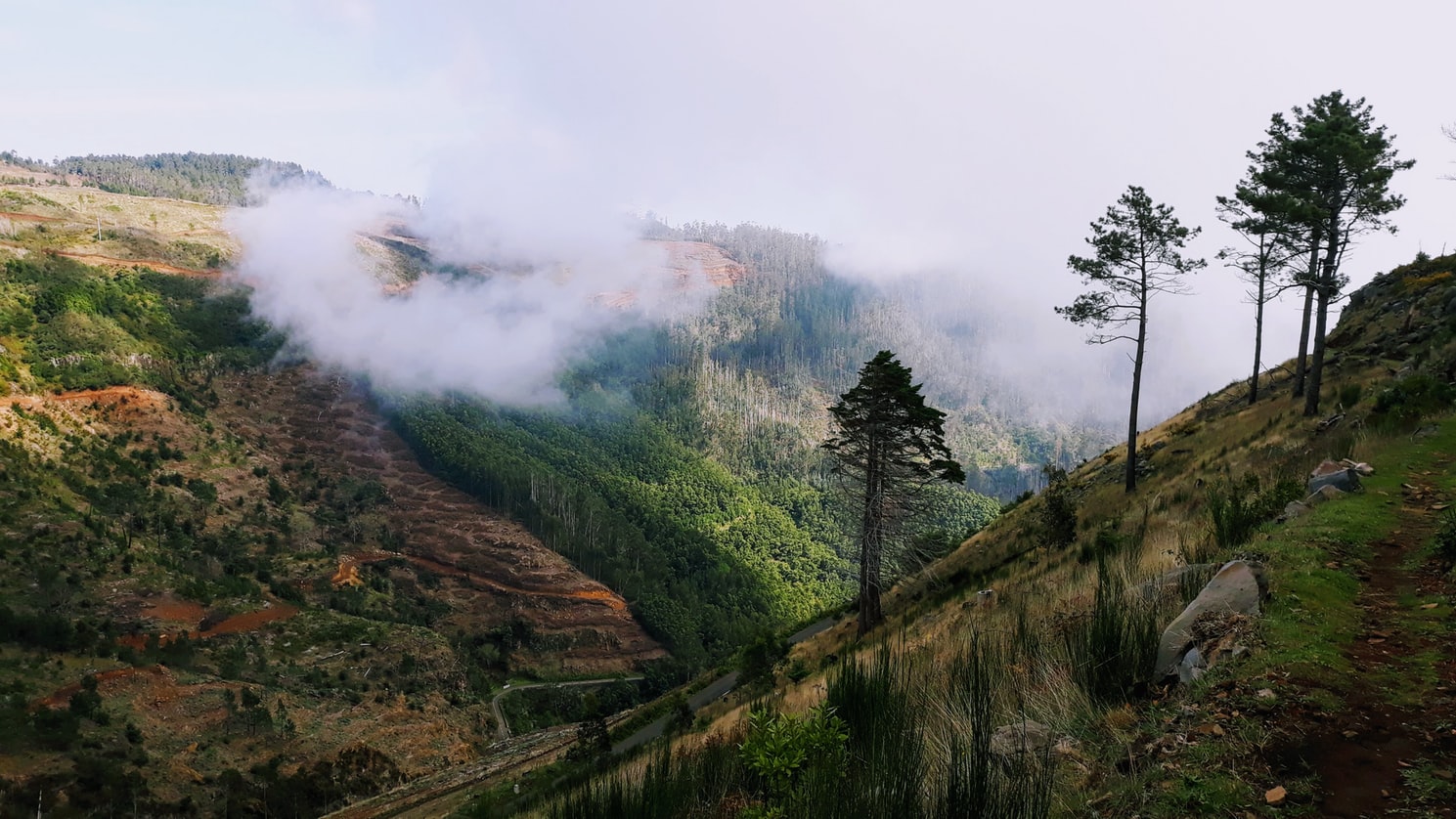
Formed by a volcanic eruption, Madeira lies in the Gulf Stream, about 500 miles due west of Casablanca. Discovered by Portuguese explorer João Gonçalves Zarco in 1419, this beautiful island became part of Portugal’s vast empire and was named for the dense forest which cloaked it – ‘Madeira’ means ‘wood’ in Portuguese. Sugar plantations first brought wealth here, and when King Charles II of England granted an exclusive franchise to sell wine to England and its colonies, many British emigrants were drawn to the capital, Funchal. Today’s travellers come to Madeira for the varied and luxuriant scenery, from mountain slopes covered with vines to picturesque villages and a profusion of wild flowers. The natural beauty of the island has earned it many pseudonyms such as ‘The Floating Garden of the Atlantic’, ‘The Island of Eternal Springtime’ and ‘God’s Botanical Gardens’ and our selection of excursions aim to show you why.
Funchal, Madeira, Portugal
Formed by a volcanic eruption, Madeira lies in the Gulf Stream, about 500 miles due west of Casablanca. Discovered by Portuguese explorer João Gonçalves Zarco in 1419, this beautiful island became part of Portugal’s vast empire and was named for the dense forest which cloaked it – ‘Madeira’ means ‘wood’ in Portuguese. Sugar plantations first brought wealth here, and when King Charles II of England granted an exclusive franchise to sell wine to England and its colonies, many British emigrants were drawn to the capital, Funchal. Today’s travellers come to Madeira for the varied and luxuriant scenery, from mountain slopes covered with vines to picturesque villages and a profusion of wild flowers. The natural beauty of the island has earned it many pseudonyms such as ‘The Floating Garden of the Atlantic’, ‘The Island of Eternal Springtime’ and ‘God’s Botanical Gardens’ and our selection of excursions aim to show you why.
Funchal, Madeira, Portugal
Formed by a volcanic eruption, Madeira lies in the Gulf Stream, about 500 miles due west of Casablanca. Discovered by Portuguese explorer João Gonçalves Zarco in 1419, this beautiful island became part of Portugal’s vast empire and was named for the dense forest which cloaked it – ‘Madeira’ means ‘wood’ in Portuguese. Sugar plantations first brought wealth here, and when King Charles II of England granted an exclusive franchise to sell wine to England and its colonies, many British emigrants were drawn to the capital, Funchal. Today’s travellers come to Madeira for the varied and luxuriant scenery, from mountain slopes covered with vines to picturesque villages and a profusion of wild flowers. The natural beauty of the island has earned it many pseudonyms such as ‘The Floating Garden of the Atlantic’, ‘The Island of Eternal Springtime’ and ‘God’s Botanical Gardens’ and our selection of excursions aim to show you why.
Monte, Madeira, Portugal
Monte – Enjoying spectacular views of the capital and the southern coast, it has long been a retreat for wealthy families. The town’s landmark is its 18th-century church, the most important pilgrimage site in Madeira, with its black and white facade and twin towers. It is also the burial place of Charles I of Austria, the last ruler of the Austro-Hungarian Empire.
You’re free to wander at leisure or join a guided visit to the Monte Palace Tropical Garden. These oriental gardens are exquisite, complete with Asian-style bridges, arches and a pond filled with koi carp; they also house a historic tile collection gathered from Portuguese palaces, churches and private residences.
Later we return to Funchal by coach, or you may wish to take the cable car for a dramatic 15-minute descent to the capital. If you’re feeling really adventurous, you could take the famous Monte toboggan ride. This involves descending the narrow streets in a cushioned wicker basket mounted on wooden runners, steered from the rear by skilled drivers – Ernest Hemingway described the experience as exhilarating.
This afternoon is free. Why not relax at the hotel? Or perhaps visit Quinta das Cruzes, the former home of João Gonçalves Zarco, and now a museum whose exhibits offer a fascinating insight into the lifestyles of the island’s wealthy merchants over the centuries.
Santana, Portugal
Eastern Madeira – Ponta do Rosto is Madeira’s easternmost point, on a sliver of land jutting out into the Atlantic, and offers dazzling panoramas. On clear days the island of Porto Santo shimmers in the distance.
Following the northern coast, we call at sleepy Porto da Cruz, named after a large cross displayed to identify it to passing sailors. Dominated by the sheer-sided Penha d’Aguia or Eagle Rock, this 16th-century parish is renowned for producing sugar cane spirit and a dry red wine made from the Americana grape.
We leave the village and track the coastline, where, incredibly, every patch of land is farmed to provide food for its isolated communities. There’s further proof of Madeirans’ capacity for self-sufficiency in Santana, a town notable for its A-frame thatched houses.
Made from stone, wood and anything else to hand, they have brightly painted doors and windows and each sit on its own plot of land used to grow food. As you enjoy a stroll around these well-preserved 16th-century dwellings, you get a sense of what it was like to live here when villagers relied solely on their own toil for survival.
We head towards the mountainous interior and one of the highlights of the tour – the UNESCO-listed Ribeiro Frio National Park. Around 90 per cent of the park is covered by ancient Laurisilva or laurel trees, and the area features many endemic flora and fauna, such as ferns and the trocaz pigeon.
The region also plays a vital role in Madeira’s ecosystem, as moisture captured by the trees feeds into a 1,355-mile network of channels that distribute water across the island for drinking, agriculture and hydroelectric power.
Ascending slopes cloaked in fragrant eucalyptus and swirling mists, we emerge at Pico do Arieiro, Madeira’s third-highest mountain at 5,930 feet. Here, above the treeline and sometimes even higher than the clouds, the vistas are some of the most memorable you’ll ever see. You may even spot the Valley of the Nuns way below. On clear days almost all of Madeira is visible, including its highest summit – the 6,100-foot Pico Ruivo.
Funchal, Madeira, Portugal
Formed by a volcanic eruption, Madeira lies in the Gulf Stream, about 500 miles due west of Casablanca. Discovered by Portuguese explorer João Gonçalves Zarco in 1419, this beautiful island became part of Portugal’s vast empire and was named for the dense forest which cloaked it – ‘Madeira’ means ‘wood’ in Portuguese. Sugar plantations first brought wealth here, and when King Charles II of England granted an exclusive franchise to sell wine to England and its colonies, many British emigrants were drawn to the capital, Funchal. Today’s travellers come to Madeira for the varied and luxuriant scenery, from mountain slopes covered with vines to picturesque villages and a profusion of wild flowers. The natural beauty of the island has earned it many pseudonyms such as ‘The Floating Garden of the Atlantic’, ‘The Island of Eternal Springtime’ and ‘God’s Botanical Gardens’ and our selection of excursions aim to show you why.
Curral das Freiras, Portugal
Curral Das Freiras & Câmara De Lobos – Our morning begins with a short drive north to Madeira’s dramatic interior and the Curral das Freiras or Valley of the Nuns. To appreciate the solitude of this place, we drive to Eira do Serrado, over 3,500 feet above sea level, part of a natural cauldron of jagged peaks and chasms, with time to soak up the glorious views down to the village of Curral das Freiras itself.
Descending to the village, you can see why in 1566 the nuns of Funchal’s Santa Clara convent relocated to this almost inaccessible valley to flee a pirate attack. Today it is also known for the sweet chestnuts cultivated on its terraced hillsides – you’ll enjoy sampling these tasty treats. It even hosts an annual festival celebrating this versatile nut, which is used in products from cakes to soups to liqueurs.
After lunch, we head to Câmara de Lobos, a fishing village built around a bay with Europe’s highest cliffs forming a breath-taking backdrop. Inspired by its location, the colourful boats and whitewashed buildings with distinctive terracotta roofs, Winston Churchill stayed here to paint the harbour during his visit to Madeira in 1950.
Câmara de Lobos is still a working port, with boats pulled up onto the beach after night fishing for the local black scabbard fish known as espada. It’s a charming village to saunter, exploring the cobbled streets and visiting the simple Saint Anthony’s Chapel, where fishermen’s wives traditionally said prayers for the safe return of their menfolk.
Or you can relax in a harbour café with a glass of poncha, an elixir of sugar cane spirit, honey and lemon juice enjoyed by the fishermen returning to land their catch in the morning – and said to cure the common cold!
On our way back to our hotel, we stop at Cabo Girão, the spectacle of the island’s highest sea cliff – a sheer drop of 1,980 feet. Experiencing the views from the transparent viewing platform extending over the cliff edge is truly exhilarating.
Funchal, Madeira, Portugal
Formed by a volcanic eruption, Madeira lies in the Gulf Stream, about 500 miles due west of Casablanca. Discovered by Portuguese explorer João Gonçalves Zarco in 1419, this beautiful island became part of Portugal’s vast empire and was named for the dense forest which cloaked it – ‘Madeira’ means ‘wood’ in Portuguese. Sugar plantations first brought wealth here, and when King Charles II of England granted an exclusive franchise to sell wine to England and its colonies, many British emigrants were drawn to the capital, Funchal. Today’s travellers come to Madeira for the varied and luxuriant scenery, from mountain slopes covered with vines to picturesque villages and a profusion of wild flowers. The natural beauty of the island has earned it many pseudonyms such as ‘The Floating Garden of the Atlantic’, ‘The Island of Eternal Springtime’ and ‘God’s Botanical Gardens’ and our selection of excursions aim to show you why.
Funchal, Madeira, Portugal
Formed by a volcanic eruption, Madeira lies in the Gulf Stream, about 500 miles due west of Casablanca. Discovered by Portuguese explorer João Gonçalves Zarco in 1419, this beautiful island became part of Portugal’s vast empire and was named for the dense forest which cloaked it – ‘Madeira’ means ‘wood’ in Portuguese. Sugar plantations first brought wealth here, and when King Charles II of England granted an exclusive franchise to sell wine to England and its colonies, many British emigrants were drawn to the capital, Funchal. Today’s travellers come to Madeira for the varied and luxuriant scenery, from mountain slopes covered with vines to picturesque villages and a profusion of wild flowers. The natural beauty of the island has earned it many pseudonyms such as ‘The Floating Garden of the Atlantic’, ‘The Island of Eternal Springtime’ and ‘God’s Botanical Gardens’ and our selection of excursions aim to show you why.
Funchal, Madeira, Portugal
Formed by a volcanic eruption, Madeira lies in the Gulf Stream, about 500 miles due west of Casablanca. Discovered by Portuguese explorer João Gonçalves Zarco in 1419, this beautiful island became part of Portugal’s vast empire and was named for the dense forest which cloaked it – ‘Madeira’ means ‘wood’ in Portuguese. Sugar plantations first brought wealth here, and when King Charles II of England granted an exclusive franchise to sell wine to England and its colonies, many British emigrants were drawn to the capital, Funchal. Today’s travellers come to Madeira for the varied and luxuriant scenery, from mountain slopes covered with vines to picturesque villages and a profusion of wild flowers. The natural beauty of the island has earned it many pseudonyms such as ‘The Floating Garden of the Atlantic’, ‘The Island of Eternal Springtime’ and ‘God’s Botanical Gardens’ and our selection of excursions aim to show you why.
Monte, Madeira, Portugal
Monte – Enjoying spectacular views of the capital and the southern coast, it has long been a retreat for wealthy families. The town’s landmark is its 18th-century church, the most important pilgrimage site in Madeira, with its black and white facade and twin towers. It is also the burial place of Charles I of Austria, the last ruler of the Austro-Hungarian Empire.
You’re free to wander at leisure or join a guided visit to the Monte Palace Tropical Garden. These oriental gardens are exquisite, complete with Asian-style bridges, arches and a pond filled with koi carp; they also house a historic tile collection gathered from Portuguese palaces, churches and private residences.
Later we return to Funchal by coach, or you may wish to take the cable car for a dramatic 15-minute descent to the capital. If you’re feeling really adventurous, you could take the famous Monte toboggan ride. This involves descending the narrow streets in a cushioned wicker basket mounted on wooden runners, steered from the rear by skilled drivers – Ernest Hemingway described the experience as exhilarating.
This afternoon is free. Why not relax at the hotel? Or perhaps visit Quinta das Cruzes, the former home of João Gonçalves Zarco, and now a museum whose exhibits offer a fascinating insight into the lifestyles of the island’s wealthy merchants over the centuries.
Santana, Portugal
Eastern Madeira – Ponta do Rosto is Madeira’s easternmost point, on a sliver of land jutting out into the Atlantic, and offers dazzling panoramas. On clear days the island of Porto Santo shimmers in the distance.
Following the northern coast, we call at sleepy Porto da Cruz, named after a large cross displayed to identify it to passing sailors. Dominated by the sheer-sided Penha d’Aguia or Eagle Rock, this 16th-century parish is renowned for producing sugar cane spirit and a dry red wine made from the Americana grape.
We leave the village and track the coastline, where, incredibly, every patch of land is farmed to provide food for its isolated communities. There’s further proof of Madeirans’ capacity for self-sufficiency in Santana, a town notable for its A-frame thatched houses.
Made from stone, wood and anything else to hand, they have brightly painted doors and windows and each sit on its own plot of land used to grow food. As you enjoy a stroll around these well-preserved 16th-century dwellings, you get a sense of what it was like to live here when villagers relied solely on their own toil for survival.
We head towards the mountainous interior and one of the highlights of the tour – the UNESCO-listed Ribeiro Frio National Park. Around 90 per cent of the park is covered by ancient Laurisilva or laurel trees, and the area features many endemic flora and fauna, such as ferns and the trocaz pigeon.
The region also plays a vital role in Madeira’s ecosystem, as moisture captured by the trees feeds into a 1,355-mile network of channels that distribute water across the island for drinking, agriculture and hydroelectric power.
Ascending slopes cloaked in fragrant eucalyptus and swirling mists, we emerge at Pico do Arieiro, Madeira’s third-highest mountain at 5,930 feet. Here, above the treeline and sometimes even higher than the clouds, the vistas are some of the most memorable you’ll ever see. You may even spot the Valley of the Nuns way below. On clear days almost all of Madeira is visible, including its highest summit – the 6,100-foot Pico Ruivo.
Funchal, Madeira, Portugal
Formed by a volcanic eruption, Madeira lies in the Gulf Stream, about 500 miles due west of Casablanca. Discovered by Portuguese explorer João Gonçalves Zarco in 1419, this beautiful island became part of Portugal’s vast empire and was named for the dense forest which cloaked it – ‘Madeira’ means ‘wood’ in Portuguese. Sugar plantations first brought wealth here, and when King Charles II of England granted an exclusive franchise to sell wine to England and its colonies, many British emigrants were drawn to the capital, Funchal. Today’s travellers come to Madeira for the varied and luxuriant scenery, from mountain slopes covered with vines to picturesque villages and a profusion of wild flowers. The natural beauty of the island has earned it many pseudonyms such as ‘The Floating Garden of the Atlantic’, ‘The Island of Eternal Springtime’ and ‘God’s Botanical Gardens’ and our selection of excursions aim to show you why.
Curral das Freiras, Portugal
Curral Das Freiras & Câmara De Lobos – Our morning begins with a short drive north to Madeira’s dramatic interior and the Curral das Freiras or Valley of the Nuns. To appreciate the solitude of this place, we drive to Eira do Serrado, over 3,500 feet above sea level, part of a natural cauldron of jagged peaks and chasms, with time to soak up the glorious views down to the village of Curral das Freiras itself.
Descending to the village, you can see why in 1566 the nuns of Funchal’s Santa Clara convent relocated to this almost inaccessible valley to flee a pirate attack. Today it is also known for the sweet chestnuts cultivated on its terraced hillsides – you’ll enjoy sampling these tasty treats. It even hosts an annual festival celebrating this versatile nut, which is used in products from cakes to soups to liqueurs.
After lunch, we head to Câmara de Lobos, a fishing village built around a bay with Europe’s highest cliffs forming a breath-taking backdrop. Inspired by its location, the colourful boats and whitewashed buildings with distinctive terracotta roofs, Winston Churchill stayed here to paint the harbour during his visit to Madeira in 1950.
Câmara de Lobos is still a working port, with boats pulled up onto the beach after night fishing for the local black scabbard fish known as espada. It’s a charming village to saunter, exploring the cobbled streets and visiting the simple Saint Anthony’s Chapel, where fishermen’s wives traditionally said prayers for the safe return of their menfolk.
Or you can relax in a harbour café with a glass of poncha, an elixir of sugar cane spirit, honey and lemon juice enjoyed by the fishermen returning to land their catch in the morning – and said to cure the common cold!
On our way back to our hotel, we stop at Cabo Girão, the spectacle of the island’s highest sea cliff – a sheer drop of 1,980 feet. Experiencing the views from the transparent viewing platform extending over the cliff edge is truly exhilarating.
Funchal, Madeira, Portugal
Formed by a volcanic eruption, Madeira lies in the Gulf Stream, about 500 miles due west of Casablanca. Discovered by Portuguese explorer João Gonçalves Zarco in 1419, this beautiful island became part of Portugal’s vast empire and was named for the dense forest which cloaked it – ‘Madeira’ means ‘wood’ in Portuguese. Sugar plantations first brought wealth here, and when King Charles II of England granted an exclusive franchise to sell wine to England and its colonies, many British emigrants were drawn to the capital, Funchal. Today’s travellers come to Madeira for the varied and luxuriant scenery, from mountain slopes covered with vines to picturesque villages and a profusion of wild flowers. The natural beauty of the island has earned it many pseudonyms such as ‘The Floating Garden of the Atlantic’, ‘The Island of Eternal Springtime’ and ‘God’s Botanical Gardens’ and our selection of excursions aim to show you why.
Funchal, Madeira, Portugal
Formed by a volcanic eruption, Madeira lies in the Gulf Stream, about 500 miles due west of Casablanca. Discovered by Portuguese explorer João Gonçalves Zarco in 1419, this beautiful island became part of Portugal’s vast empire and was named for the dense forest which cloaked it – ‘Madeira’ means ‘wood’ in Portuguese. Sugar plantations first brought wealth here, and when King Charles II of England granted an exclusive franchise to sell wine to England and its colonies, many British emigrants were drawn to the capital, Funchal. Today’s travellers come to Madeira for the varied and luxuriant scenery, from mountain slopes covered with vines to picturesque villages and a profusion of wild flowers. The natural beauty of the island has earned it many pseudonyms such as ‘The Floating Garden of the Atlantic’, ‘The Island of Eternal Springtime’ and ‘God’s Botanical Gardens’ and our selection of excursions aim to show you why.