Itinerary
In Flight
Overnight flight to Singapore
Singapore, Singapore
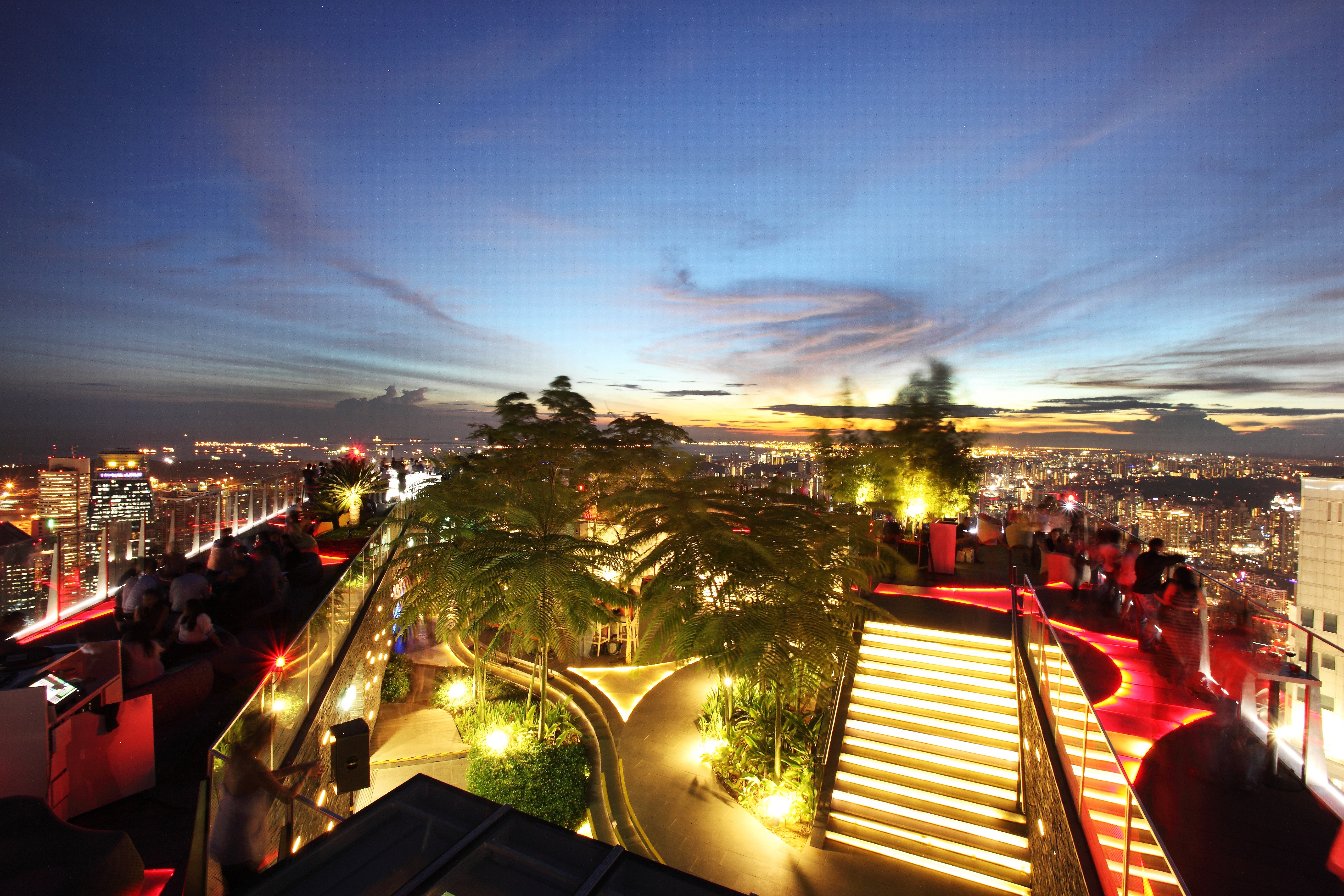
The main island of Singapore is shaped like a flattened diamond, 42 km (26 miles) east to west and 23 km (14 miles) north to south. Near the northern peak is the causeway leading to West Malaysia—Kuala Lumpur is less than four hours away by car. It is at the southern foot where you will find most of the city-state’s action, with its gleaming office towers, working docks, and futuristic “supertrees,” which are solar-powered and serve as vertical gardens. Offshore are Sentosa and over 60 smaller islands, most uninhabited, that serve as bases for oil refining or as playgrounds and beach escapes from the city. To the east is Changi International Airport, connected to the city by metro, bus, and a tree-lined parkway. Of the island’s total land area, more than half is built up, with the balance made up of parkland, farmland, plantations, swamp areas, and rain forest. Well-paved roads connect all parts of the island, and Singapore city has an excellent, and constantly expanding, public transportation system. The heart of Singapore’s history and its modern wealth are in and around the Central Business District. The area includes the skyscrapers in the Central Business District, the 19th-century Raffles Hotel, the convention centers of Marina Square, on up to the top of Ft. Canning. Although most of old Singapore has been knocked down to make way for the modern city, most colonial landmarks have been preserved in the CBD, including early-19th-century buildings designed by the Irish architect George Coleman.
Singapore, Singapore
The main island of Singapore is shaped like a flattened diamond, 42 km (26 miles) east to west and 23 km (14 miles) north to south. Near the northern peak is the causeway leading to West Malaysia—Kuala Lumpur is less than four hours away by car. It is at the southern foot where you will find most of the city-state’s action, with its gleaming office towers, working docks, and futuristic “supertrees,” which are solar-powered and serve as vertical gardens. Offshore are Sentosa and over 60 smaller islands, most uninhabited, that serve as bases for oil refining or as playgrounds and beach escapes from the city. To the east is Changi International Airport, connected to the city by metro, bus, and a tree-lined parkway. Of the island’s total land area, more than half is built up, with the balance made up of parkland, farmland, plantations, swamp areas, and rain forest. Well-paved roads connect all parts of the island, and Singapore city has an excellent, and constantly expanding, public transportation system. The heart of Singapore’s history and its modern wealth are in and around the Central Business District. The area includes the skyscrapers in the Central Business District, the 19th-century Raffles Hotel, the convention centers of Marina Square, on up to the top of Ft. Canning. Although most of old Singapore has been knocked down to make way for the modern city, most colonial landmarks have been preserved in the CBD, including early-19th-century buildings designed by the Irish architect George Coleman.
Auckland, New Zealand
Bay of Islands, New Zealand
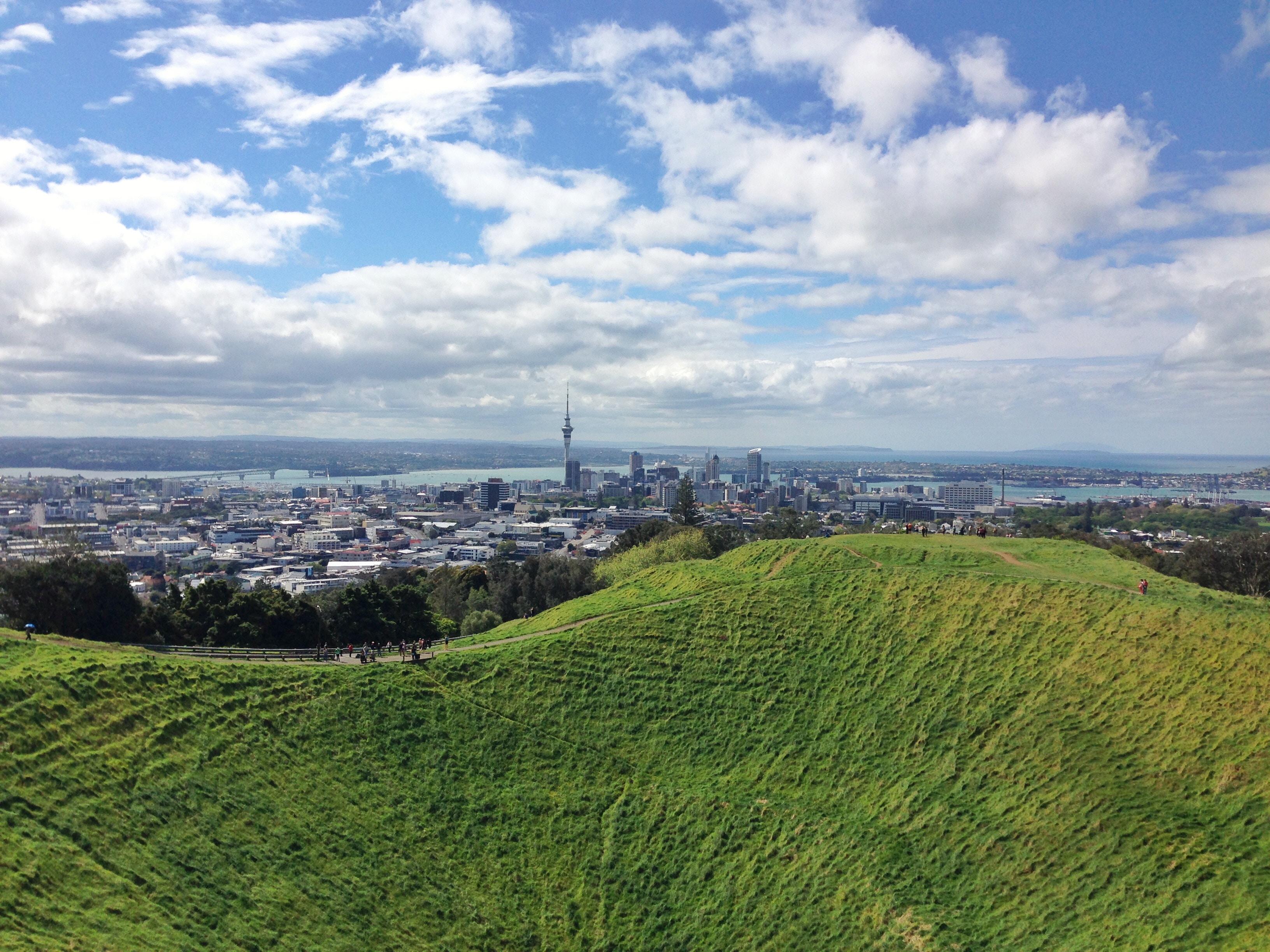
The Tasman Sea on the west and the Pacific Ocean on the east meet at thetop of North Island at Cape Reinga. No matter what route you take, you’ll passfarms and forests, marvellous beaches, and great open spaces. The East Coast,up to the Bay of Islands, is Northland’s most densely populated, often withrefugees from bigger cities—looking for a more relaxed life—clustered aroundbreathtaking beaches. The first decision on the drive north comes at the footof the Brynderwyn Hills. Turning left will take you up the West Coast throughareas once covered with forests and now used for either agricultural orhorticulture. Driving over “the Brynderwyns,” as they are known,takes you to Whangarei, the only city in Northland. If you’re in the mood for adiversion, you can slip to the beautiful coastline and take in Waipu Cove, anarea settled by Scots, and Laings Beach, where million-dollar homes sit next tosmall Kiwi beach houses.An hour’s drive farther north is the Bay of Islands, known all over theworld for its beauty. There you will find lush forests, splendid beaches, andshimmering harbors. The Treaty of Waitangi was signed here in 1840 betweenMāoriand the British Crown, establishing the basis for the modern New Zealandstate. Every year on February 6, the extremely beautiful Waitangi Treaty Ground(the name means weeping waters) is the sight of a celebration of the treaty andprotests by Māori unhappy with it. Continuing north on the East Coast, theagricultural backbone of the region is even more evident and a series ofwinding loop roads off the main highway will take you to beaches that are bothbeautiful and isolated where you can swim, dive, picnic, or just laze. .The West Coast is even less populated, and the coastline is rugged andwindswept. In the Waipoua Forest, you will find some of New Zealand’s oldestand largest kauri trees; the winding road will also take you past mangroveswamps. Crowning the region is the spiritually significant Cape Reinga, theheadland at the top of the vast stretch of 90 Mile Beach, where it’s believedMāori souls depart after death. Today Māori make up roughly a quarter of thearea’s population (compared with the national average of about 15%). The legendaryMāori navigator Kupe was said to have landed on the shores of Hokianga Harbour,where the first arrivals made their home. Many different wi (tribes) livedthroughout Northland, including Ngapuhi (the largest), Te Roroa, Ngati Wai,Ngati Kuri, Te Aupouri, Ngaitakoto, Ngati Kahu, and Te Rarawa. Many Māoriherecan trace their ancestry to the earliest inhabitants
Bay of Islands, New Zealand
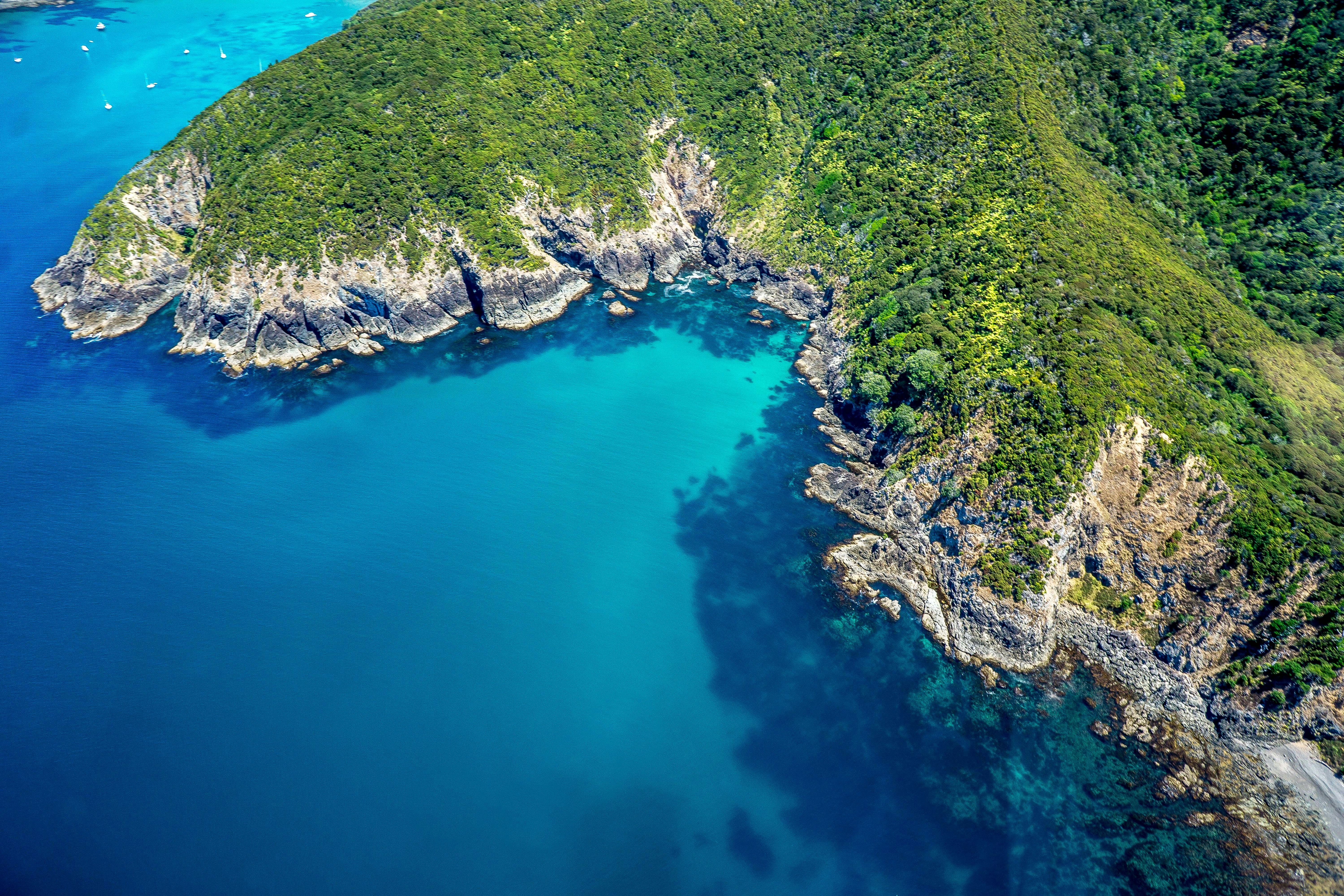
The Tasman Sea on the west and the Pacific Ocean on the east meet at thetop of North Island at Cape Reinga. No matter what route you take, you’ll passfarms and forests, marvellous beaches, and great open spaces. The East Coast,up to the Bay of Islands, is Northland’s most densely populated, often withrefugees from bigger cities—looking for a more relaxed life—clustered aroundbreathtaking beaches. The first decision on the drive north comes at the footof the Brynderwyn Hills. Turning left will take you up the West Coast throughareas once covered with forests and now used for either agricultural orhorticulture. Driving over “the Brynderwyns,” as they are known,takes you to Whangarei, the only city in Northland. If you’re in the mood for adiversion, you can slip to the beautiful coastline and take in Waipu Cove, anarea settled by Scots, and Laings Beach, where million-dollar homes sit next tosmall Kiwi beach houses.An hour’s drive farther north is the Bay of Islands, known all over theworld for its beauty. There you will find lush forests, splendid beaches, andshimmering harbors. The Treaty of Waitangi was signed here in 1840 betweenMāoriand the British Crown, establishing the basis for the modern New Zealandstate. Every year on February 6, the extremely beautiful Waitangi Treaty Ground(the name means weeping waters) is the sight of a celebration of the treaty andprotests by Māori unhappy with it. Continuing north on the East Coast, theagricultural backbone of the region is even more evident and a series ofwinding loop roads off the main highway will take you to beaches that are bothbeautiful and isolated where you can swim, dive, picnic, or just laze. .The West Coast is even less populated, and the coastline is rugged andwindswept. In the Waipoua Forest, you will find some of New Zealand’s oldestand largest kauri trees; the winding road will also take you past mangroveswamps. Crowning the region is the spiritually significant Cape Reinga, theheadland at the top of the vast stretch of 90 Mile Beach, where it’s believedMāori souls depart after death. Today Māori make up roughly a quarter of thearea’s population (compared with the national average of about 15%). The legendaryMāori navigator Kupe was said to have landed on the shores of Hokianga Harbour,where the first arrivals made their home. Many different wi (tribes) livedthroughout Northland, including Ngapuhi (the largest), Te Roroa, Ngati Wai,Ngati Kuri, Te Aupouri, Ngaitakoto, Ngati Kahu, and Te Rarawa. Many Māoriherecan trace their ancestry to the earliest inhabitants
Auckland, New Zealand
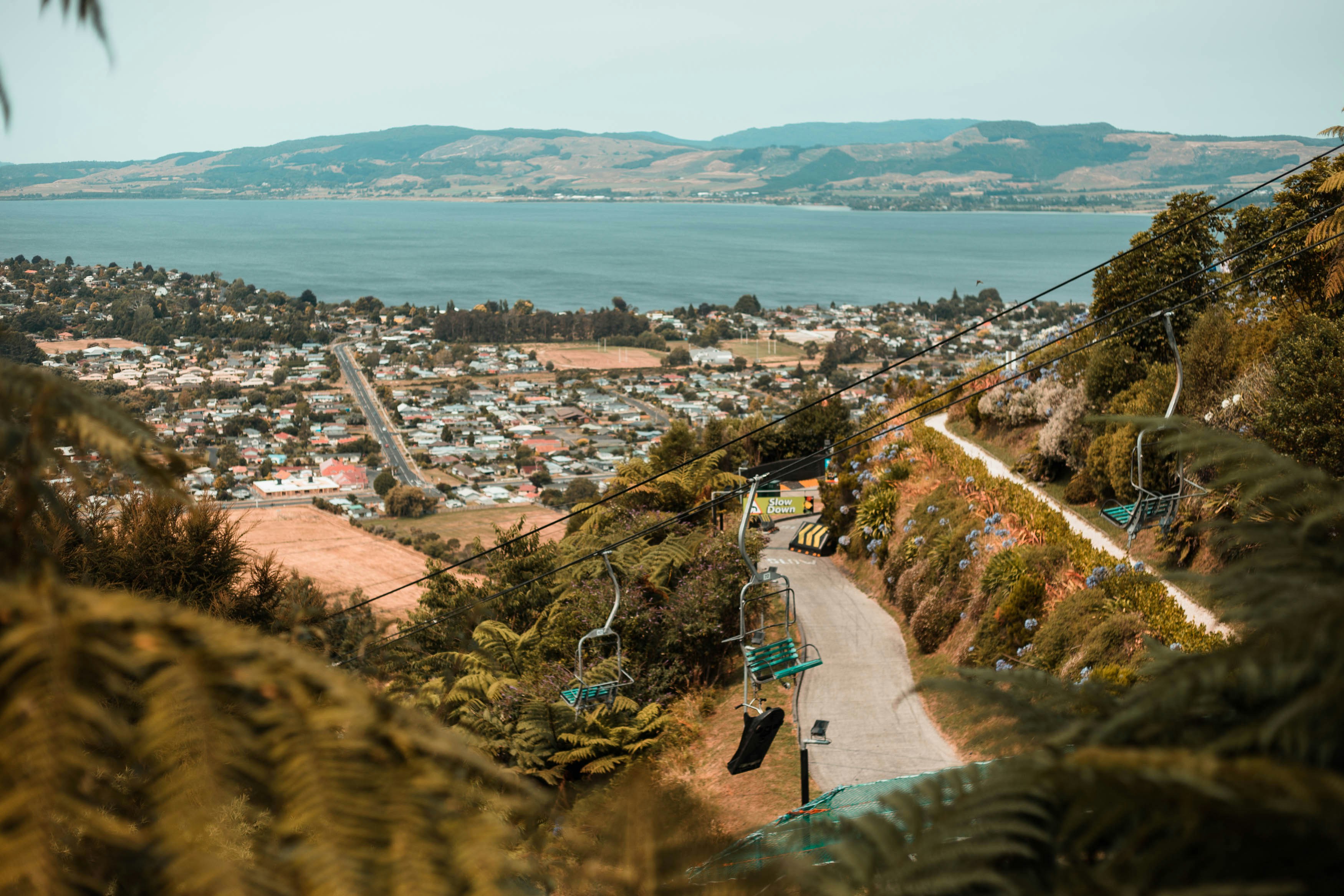
Rotorua, New Zealand
Waitomo Caves & Rotorua – Leaving Auckland, we’ll head south through some of New Zealand’s lush farmlands within the Waikato Valley and journey along the east bank of the country’s largest river – the Waikato – arriving in the rural area of Waitomo. Here, we’ll go underground to explore the famous Waitomo Caves – an ancient labyrinth of caves and grottos famous for their fascinating limestone stalagmites and stalactites formed over thousands of years. You can also enjoy a silent boat ride within the underground waters to the starry wonderland of the magnificent glowworm grotto.
Back up above ground, the journey will continue across the bush-clad Mamaku Ranges to Rotorua.
Rotorua has the most energetic thermal activity in the country with mud pools, geysers, hot springs and terrace formations created by the hot, mineral-rich waters. Rotorua is also renowned for its Maori cultural activities.
We’ll visit Te Puia – where our local Maori guide will explain traditional Maori arts and crafts – and we’ll view the famous Pohutu Geyser in the Whakarewarewa Thermal Valley.
After our guided tour, our evening begins with a delicious buffet dinner in the Pātaka Kai Restaurant, including food from the hangi – a traditional Maori method of cooking.
The evening concludes with a powerful cultural performance in the fully carved Te Aronui-a-Rua meeting house, featuring waiata (song), mōteatea (traditional chant) poiand haka.
Hobbiton Village
Middle Earth – This morning, we’ll step into the pages of JRR Tolkien’s famous novels – or as close as we can get – with a guided visit to the Hobbiton Movie Set, the bucolic setting for The Shire which featured in Peter Jackson’s films, ‘The Lord of the Rings’ trilogy and, more recently, ‘The Hobbit’.
It begins with a drive through the picturesque 1,250-acre sheep farm with spectacular views across to the Kaimai Ranges. We’ll then follow our guide around the ten-acre site as they recite fascinating details of how the Hobbiton set was created. We’ll see structures made for both the Lord of the Rings and Hobbit films – including The Hobbit holes, Green Dragon Inn, and the Mill – and learn more about how this beautiful piece of Waikato farmland was transformed into The Shire from Middle-earth.
After our walking tour, we’ll return to the Green Dragon Inn for a complimentary drink and return to The Shires Rest, before heading back to Rotorua for an afternoon and evening at leisure.
Napier, New Zealand
The earthquake that struck Napier at 10:46 am on February 3, 1931, was—at 7.8 on the Richter scale—the largest quake ever recorded in New Zealand. The coastline was wrenched upward several feet. Almost all the town’s brick buildings collapsed; many people were killed on the footpaths as they rushed outside. The quake triggered fires throughout town, and with water mains shattered, little could be done to stop the blazes that devoured the remaining wooden structures. Only a few buildings survived (the Public Service Building with its neoclassical pillars is one), and the death toll was well over 100.The surviving townspeople set up tents and cookhouses in Nelson Park, and then tackled the city’s reconstruction at a remarkable pace. In the rush to rebuild, Napier went mad for art deco, the bold, geometric style that had burst on the global design scene in 1925. Now a walk through the art deco district, concentrated between Emerson, Herschell, Dalton, and Browning streets, is a stylistic immersion. The decorative elements are often above the ground floors, so keep your eyes up.
Wellington, New Zealand
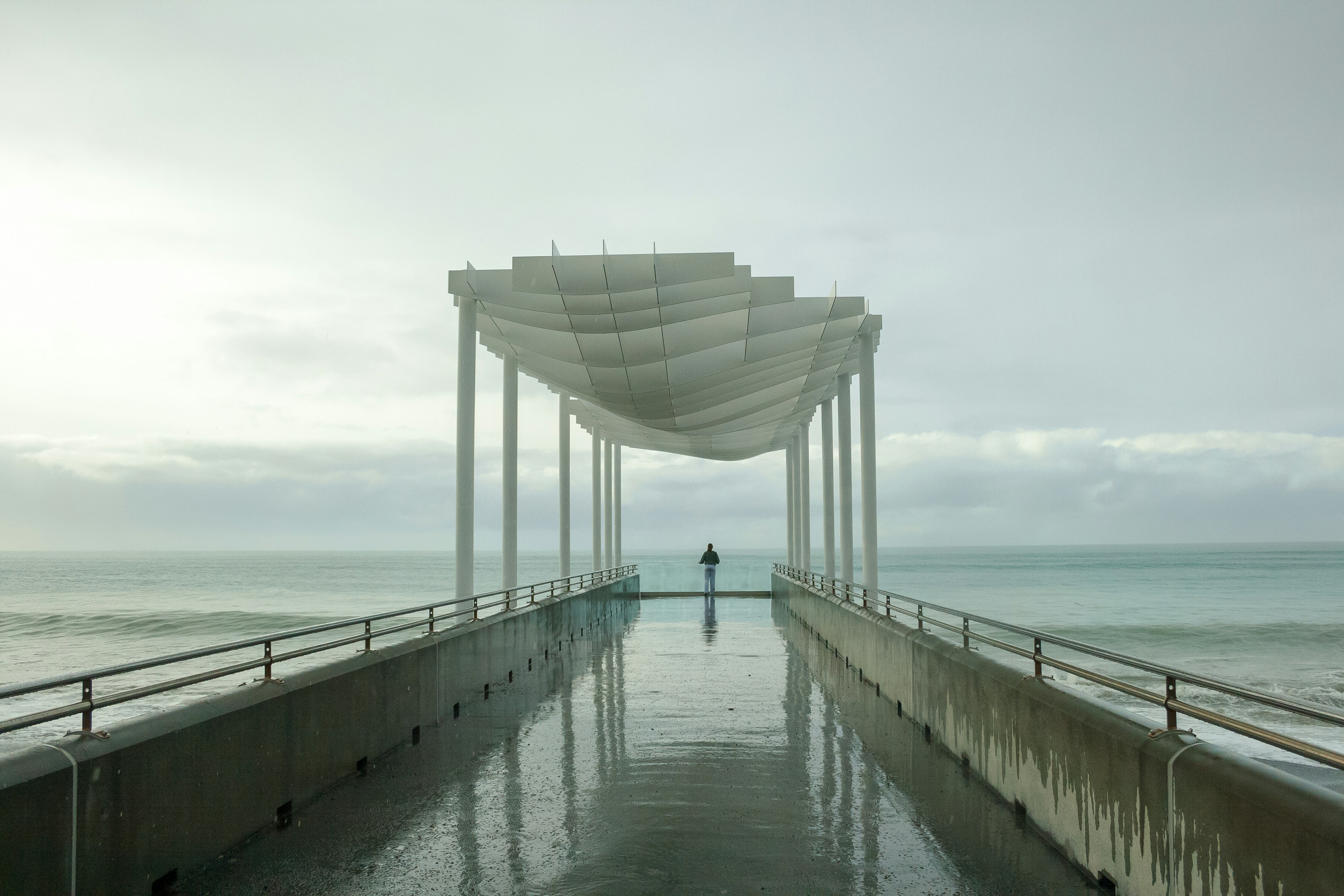
New Zealand’s capital is, arguably, the country’s most cosmopolitan metropolis. It’s world-class Te Papa Tongarewa-Museum of New Zealand is a don’t-miss attraction, and the burgeoning film industry led, of course, by the Lord of the Rings extravaganzas has injected new life into the local arts scene. Attractive and compact enough to be explored easily on foot, Wellington is a booming destination. Modern high-rise buildings gaze over Port Nicholson, surely one of the finest natural anchorages in the world. Known to local Māori as The Great Harbor of Tara, its two massive arms form the jaws of the fish of Maui from Māori legend. Sometimes referred to as the windy city, Wellington has been the seat of New Zealand’s government since 1865.
Nelson, New Zealand
Nelson – Today we’ll cruise to South Island, across the Cook Strait by Interislander ferry, through the Marlborough Sounds, including the picturesque Queen Charlotte Sound and into Picton.
We’ll continue to Blenheim and the famous wine-producing region of Marlborough where we’ll stop for some wine tasting.
Our final destination today is Nelson, New Zealand’s sunshine town, known for its many art and craft galleries, and relaxed atmosphere.
Our hotel for the next two nights is the excellent four-star Rutherford Hotel Nelson, with breakfast.
Abel Tasman National Park, New Zealand
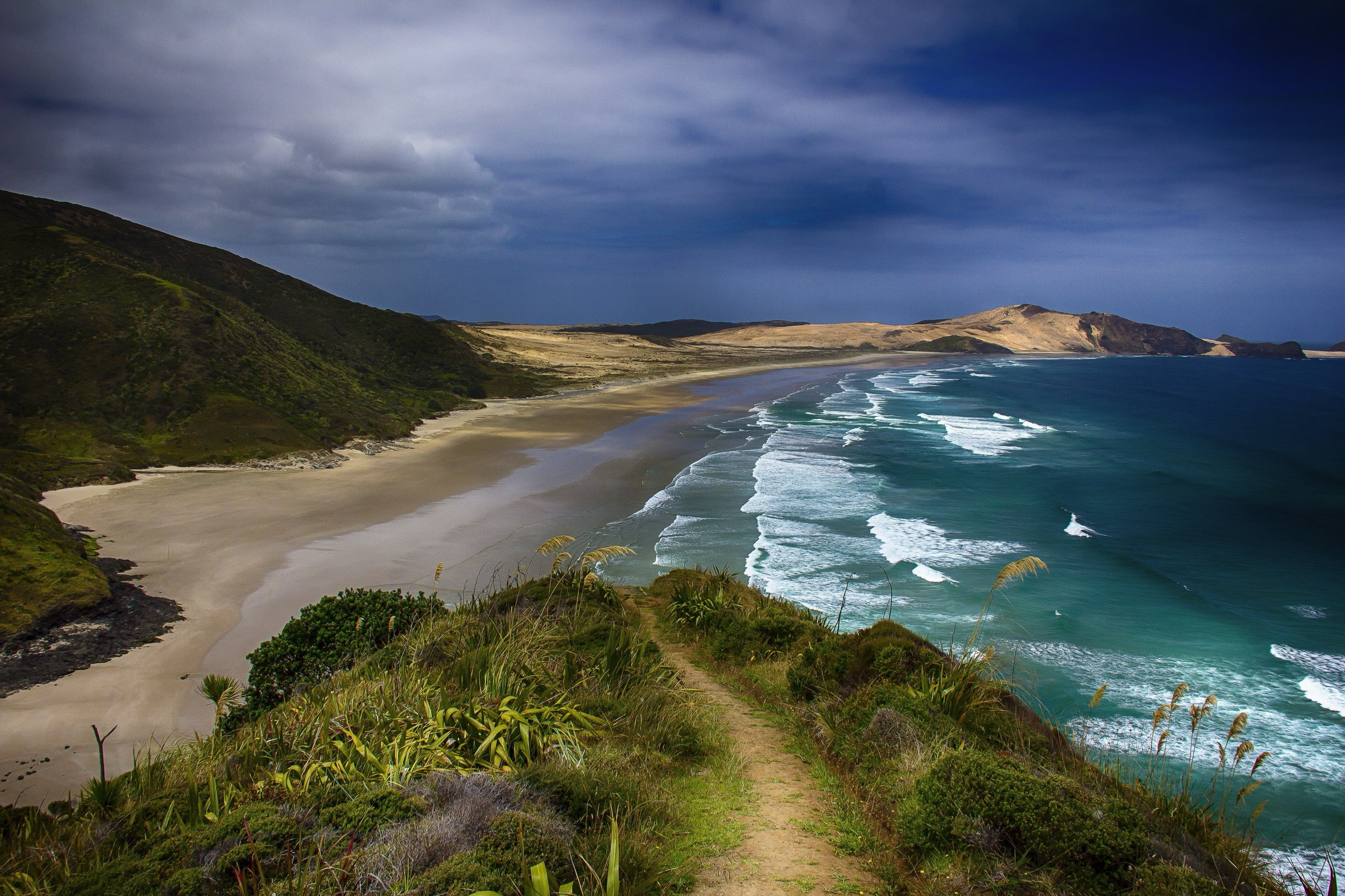
Abel Tasman cruise – This morning we’ll join a catamaran cruise along the stunning shoreline of Abel Tasman National Park.
En route you’ll learn about the history of the park and view the famous Split Apple Rock, a fur seal colony and the park’s golden beaches and clear waters. For the more adventurous, there is the option of landing ashore at Anchorage and take the Pit Head Loop walk (approx 2hrs), where the boat will pick you up at Anchorage on its return down the coast.
The rest of the afternoon is at leisure in Nelson.
A packed lunch is included today.
Christchurch, New Zealand
Christchurch is one of New Zealand’s most English cities. The Anglisation of the area is quickly evident throughout. The name Christchurch, is named after one of the most famous Oxford Colleges. Traditional English styled punts can be seen drifting lazily along the Avon River, and customary striped blazers are still worn by students at Christ’s College.

Franz Josef Glacier, New Zealand
Tranzalpine train & helicopter flight – Today we’ll traverse the Southern Alps aboard the world-famous TranzAlpine train to Arthur’s Pass. From your modern panoramic carriage, you’ll see the farmland of the Canterbury Plains give way to the spectacular gorges and river valleys of the ice-fed Waimakariri River, crossing bridges and viaducts en route.
At Arthur’s Pass, we’ll be met by our coach for the journey to the West Coast, stopping in Hokitika to visit a Greenstone workshop where the local jade-like stone, highly prized by pre-European Maori, is crafted into exquisite jewellery.
We’ll continue south through forests and farmland, with views of the Alps to the east and the Tasman Sea to the west, to the village of Franz Josef.
This afternoon prepare yourself for what will be one of your trip’s highlights!
On arrival you will experience this magnificent glacial alpine environment with a 20-minute scenic helicopter flight. View the incredible phenomenon of the glacier as it winds slowly down the ice-carved valleys from its origin in the mountains high above you. This exhilarating experience finishes with an alpine landing (subject to poor weather conditions. Alternative flights are in Queenstown or Mount Cook). Our hotel tonight is the four-star Scenic, with breakfast.

Queenstown, New Zealand
Queenstown – Continuing south, we’ll travel past deserted beaches, through vibrant rainforests and settlements.
This wilderness forms part of the South West New Zealand World Heritage Area, so designated because South Westland and Fiordland have some of the most dramatic forest, mountain scenery and natural resources in the world.
We’ll travel over the scenic Haast Pass to the popular Lake Wanaka, and then on to the beautiful year-round resort of Queenstown where our hotel for the next two nights is the four-star Copthorne Lakefront Resort, with breakfast.
Spend the rest of the day at leisure in the city – the centre of bustling Queenstown is just a short walk away.

Queenstown, New Zealand
Free day in Queenstown – Nestled below the rugged Remarkable Mountains, Queenstown enjoys an exceptionally scenic setting and is known as the ‘adventure capital of the world.
Today is at leisure to enjoy all that this resort town has to offer. The centre of bustling Queenstown is just a short walk away or you may choose to join one of our additional optional excursion.
Personalise your holiday –
TSS Earnslaw Cruise and BBQ lunch
Price: From £99pp
One of the most memorable ways to experience Queenstown’s extraordinary scenery is from the water, cruising across Lake Whakatipu aboard the iconic TSS Earnslaw. Lovingly maintained since 1912, this century‑old coal‑fired steamship is a treasured part of the town’s heritage. Step on board to explore the vessel at your leisure, peer into the engine room and browse the historic displays that bring her remarkable story to life.
Gliding across the lake, you’ll pass the dramatic peaks of the Remarkables and Cecil Peak en route to Walter Peak High Country Farm. Here, a leisurely lunch awaits at the Colonel’s Homestead Restaurant, where the finest local produce is expertly prepared over a wood‑fired barbecue. Dine in the elegant surroundings of the historic homestead, with its colonial charm, manicured gardens and sweeping alpine views. A seasonal menu curated by executive chef Will Eaglesfield showcases fresh salads and vegetables, succulent meats and seafood, alongside thoughtfully prepared vegetarian options and indulgent desserts.
After lunch, enjoy a traditional sheep‑shearing and farm dog demonstration, stroll through the lakeside gardens, then relax on the return cruise back to Queenstown.
Please contact us for more information and to add the above experience to your booking.
Milford Sound, New Zealand
New Zealand fiord country along with Fiordland National Park is one of New Zealand’s premier attractions. Incredibly beautiful, wild and remote, the region is an intriguing combination of rugged mountain ranges, dense rainforest, solitary alpine lakes, sparkling rivers and splashing waterfalls. Much of Fiordland is virtually unexplored wilderness and still the habitat of rare birds. As the ship cruises the beautiful Doubtful, Dusky and Milford Sounds, experience the majestic fiordland of South Island’s western coast. Captain James Cook sailed along this coast in 1770 and again in 1773, when he anchored at Dusky Sound for a rest and ship repair. Doubtful Sound is one of the region’s most majestic fiords. It is ten times larger than Milford Sound. As the ship cruises into Hall Arm, gaze at vertical cliffs and mighty waterfalls plunging over sheer rock faces. In fine weather, mountains and greenery are reflected in the protected waters of the fiord. Farther north lies Milford Sound. Far from any populated area, Milford Sound is famous for its grandeur and spectacular beauty. It is perhaps the best example of New Zealand’s renowned classic landscape of steep granite peaks framing glacier-carved inlets with mirrored reflections on dark waters. Dominating the scene is Milford’s landmark, the triangular pinnacle of Mitre Peak. Along the sheer cliffs, several waterfalls tumble more than 500 feet (154 metres) into the sheltered Sound. Only a few moored boats and a scattering of buildings at the head of the Sound break the unity of mountains, forest and water. This spectacular beauty and unspoiled setting is yours to enjoy as the ship cruises Milford Sound.

Omarama, New Zealand
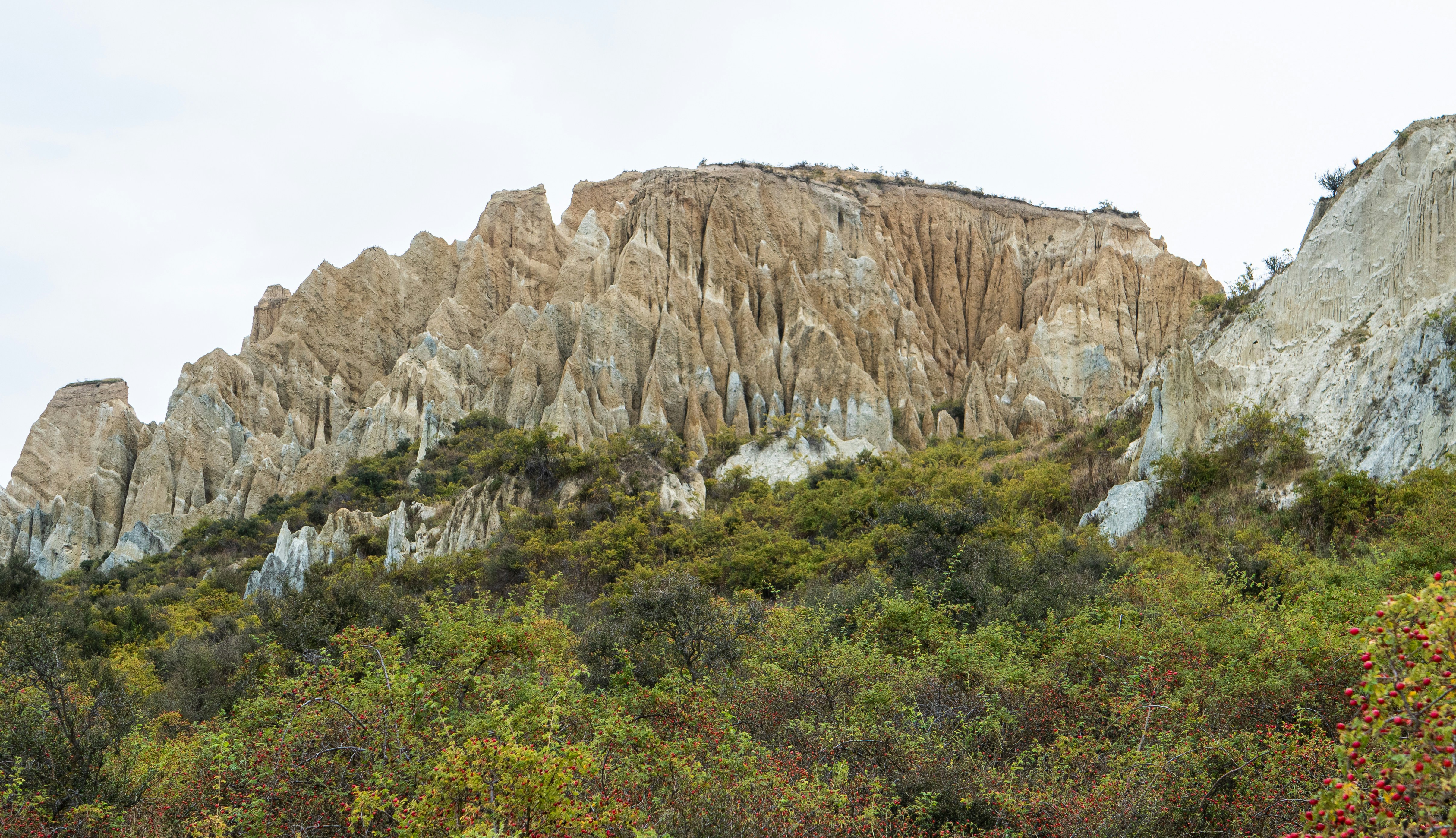
Omarama – Today we’ll travel back north and visit Arrowtown, a township with a colourful history – in its heyday this was a rough and ready frontier gold-mining boomtown. Nowadays, its popular main street is lined with some excellent art galleries, cafés and boutiques.
We’ll continue through the rugged Kawarau Gorge, pass pretty Lake Dunstan, cross the distinctive Central Otago countryside (where many scenes from the Lord of the Rings were filmed) and over the dramatic Lindis Pass to the vast Mackenzie Basin.
Your overnight accommodation is the three-star Heritage Gateway Hotel, with breakfast, in the small rural community of Ōmarama.
Mount Cook, South Island
Mount Cook – A day with some more spectacular sights.
We’ll head north alongside the azure glacier-fed Lake Pukaki to Mount Cook, at 12,316ft New Zealand’s highest mountain and surrounded by jagged snow-covered peaks.
We’ll continue towards the magnificent blue waters of Lake Tekapo and visit the exterior of the Church of the Good Shepherd, before crossing Burkes Pass and the Canterbury Plains back into Christchurch, and the Distinction Christchurch Hotel for our last night in the country.
Christchurch, New Zealand
Christchurch is one of New Zealand’s most English cities. The Anglisation of the area is quickly evident throughout. The name Christchurch, is named after one of the most famous Oxford Colleges. Traditional English styled punts can be seen drifting lazily along the Avon River, and customary striped blazers are still worn by students at Christ’s College.
In Flight
Arrive home