Featured Cabins
Itinerary
Athens, Greece
Arrive in Athens
Athens, Greece
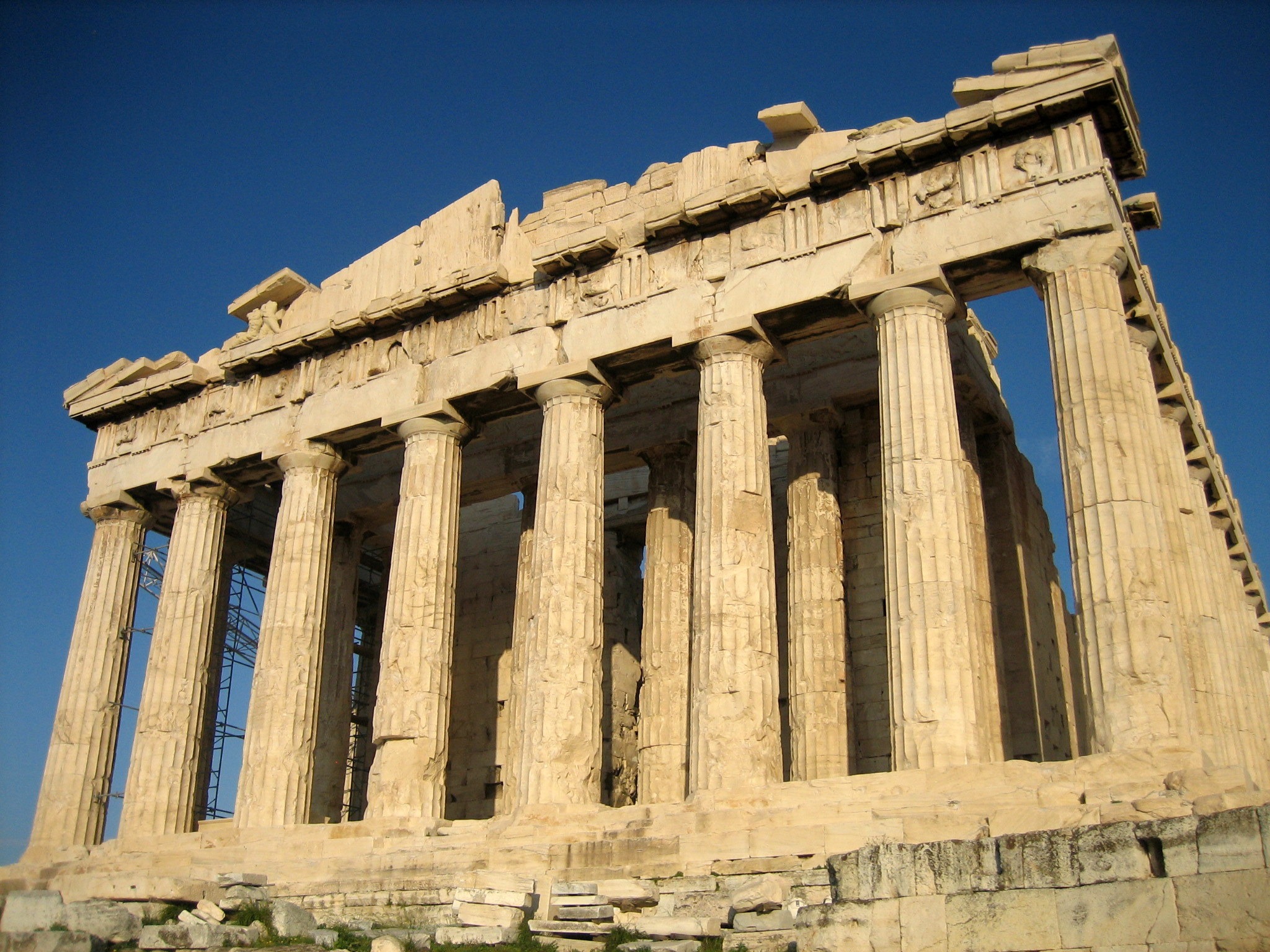
Athens – This morning we’ll journey through time back to Ancient Greece on a tour of Athens, including a visit to the legendary Acropolis. Those with an interest in Greek mythology will know it was on top of Acropolis Hill that Athens received its name. You’ll be enthralled by the majestic ruins, where the Parthenon – an ancient religious temple the Athenians built for the Greek goddess Athena – stands testament to Greece’s long cultural heritage. Its blindingly white columns and perfect symmetry dominate the skyline as we travel up the steep slope of Acropolis Hill. There’s so much to see, from the Porch of Maidens – which supports the southern part of the Erechtheion – to the Odeon of Herodes Atticus.
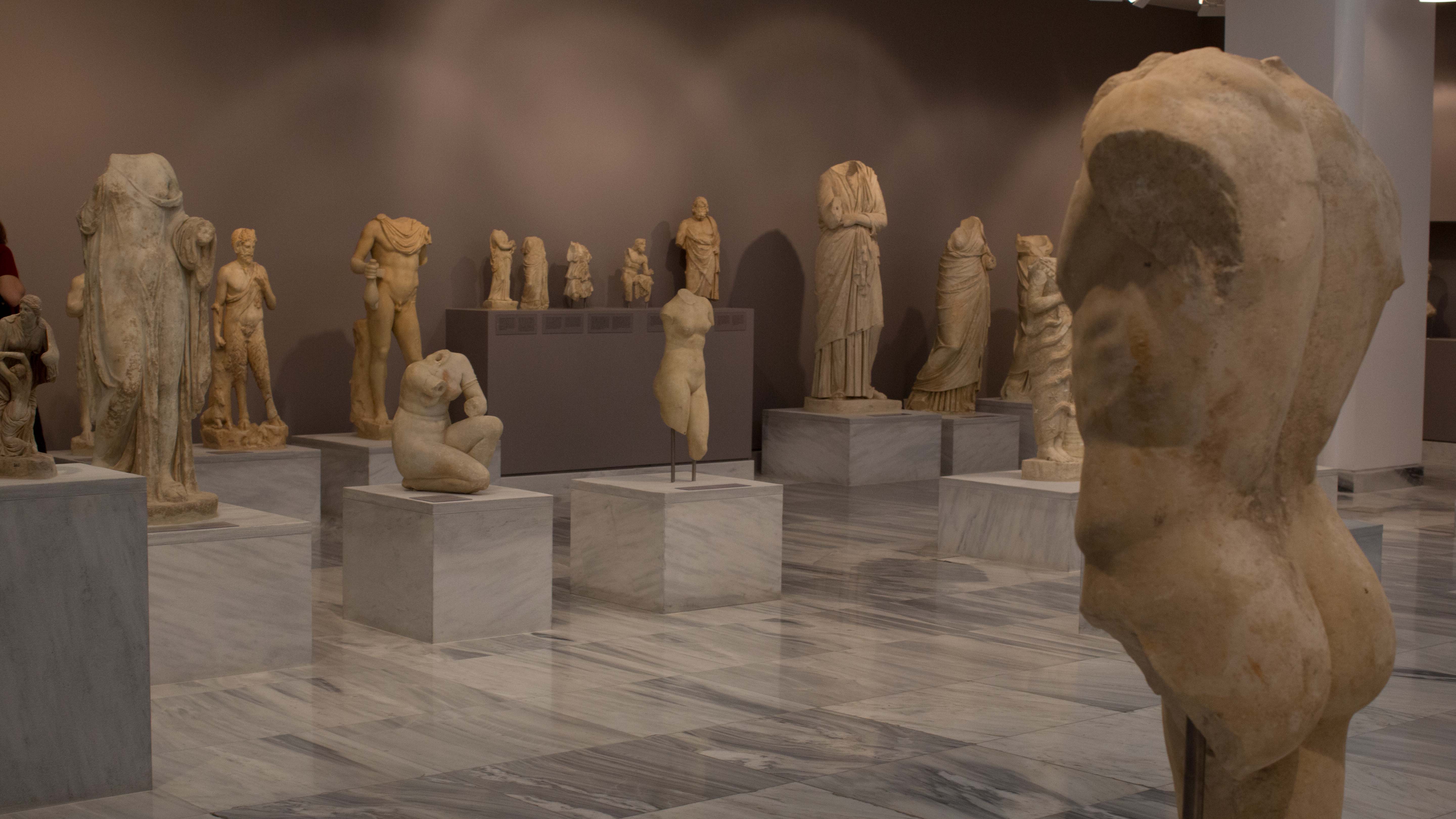
And, because we know it’s not enough to just see these ancient wonders, we’ll head to the Acropolis Museum to learn more. Devoted to the Parthenon and surrounding temples, the museum houses over 3,000 famous artefacts and features a glass floor displaying the ancient houses and streets below.
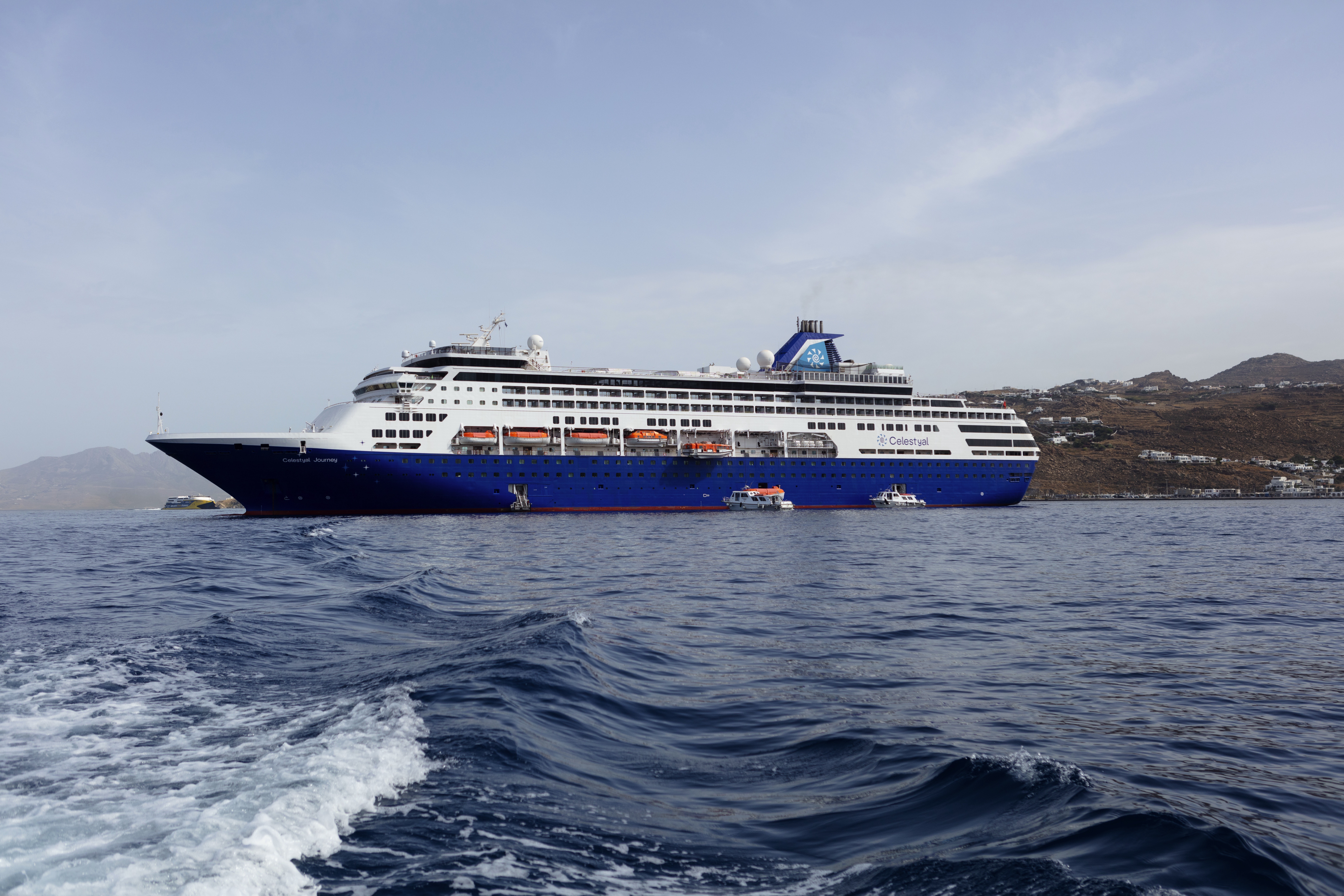
This afternoon, we’ll say goodbye to Athens and hello to the Celestyal Journey, our home for the next seven nights. Here we’ll join more like-minded travellers on a journey across the Aegean Sea. The rest of the day can be spent exploring the ship – head down to our Martini Bar and enjoy one of the exclusive Signature Cocktails, catch the evening show or dine in one of seven restaurants on board. Then settle into your newly refurbished room for a good night’s sleep – the first of many on board the Celestyal Journey.
Kusadasi, Turkey
Whilst the busy resort town of Kusadasi offers much in the way of shopping and dining – not to mention a flourishing beach life scene, the real jewel here is Ephesus and the stunning ruined city that really take centre stage. With only 20% of the classical ruins having been excavated, this archaeological wonder has already gained the status as Europe’s most complete classical metropolis. And a metropolis it really is; built in the 10th century BC this UNESCO World Heritage site is nothing short of spectacular. Although regrettably very little remains of the Temple of Artemis (one of the seven wonders of the ancient world), the superb Library of Celsus’ façade is practically intact and it is one of life’s great joys to attend an evening performance in the illuminated ruins once all the tourists have left. The history of the city is fascinating and multi-layered and it is well worth reading up on this beforehand if a visit is planned. Another point of interest for historians would be the house of the Virgin Mary, located on the romantically named Mount Nightingale and just nine kilometres away from Ephesus proper. Legend has it that Mary (along with St. John) spent her final years here, secluded from the rest of the population, spreading Christianity. An edifying experience, even for non-believers. For the less historical minded amongst you, Kusadasi offers plenty in the way of activities. After a stroll through the town, jump in a taxi to Ladies’ Beach (men are allowed), sample a Turkish kebap on one of the many beachfront restaurants and enjoy the clement weather. If you do want to venture further afield, then the crystal clear beaches of Guzelcamli (or the Millipark), the cave of Zeus and the white scalloped natural pools at Pamukkale, known as Cleopatra’s pools, are definitely worth a visit.
Rhodes, Greece
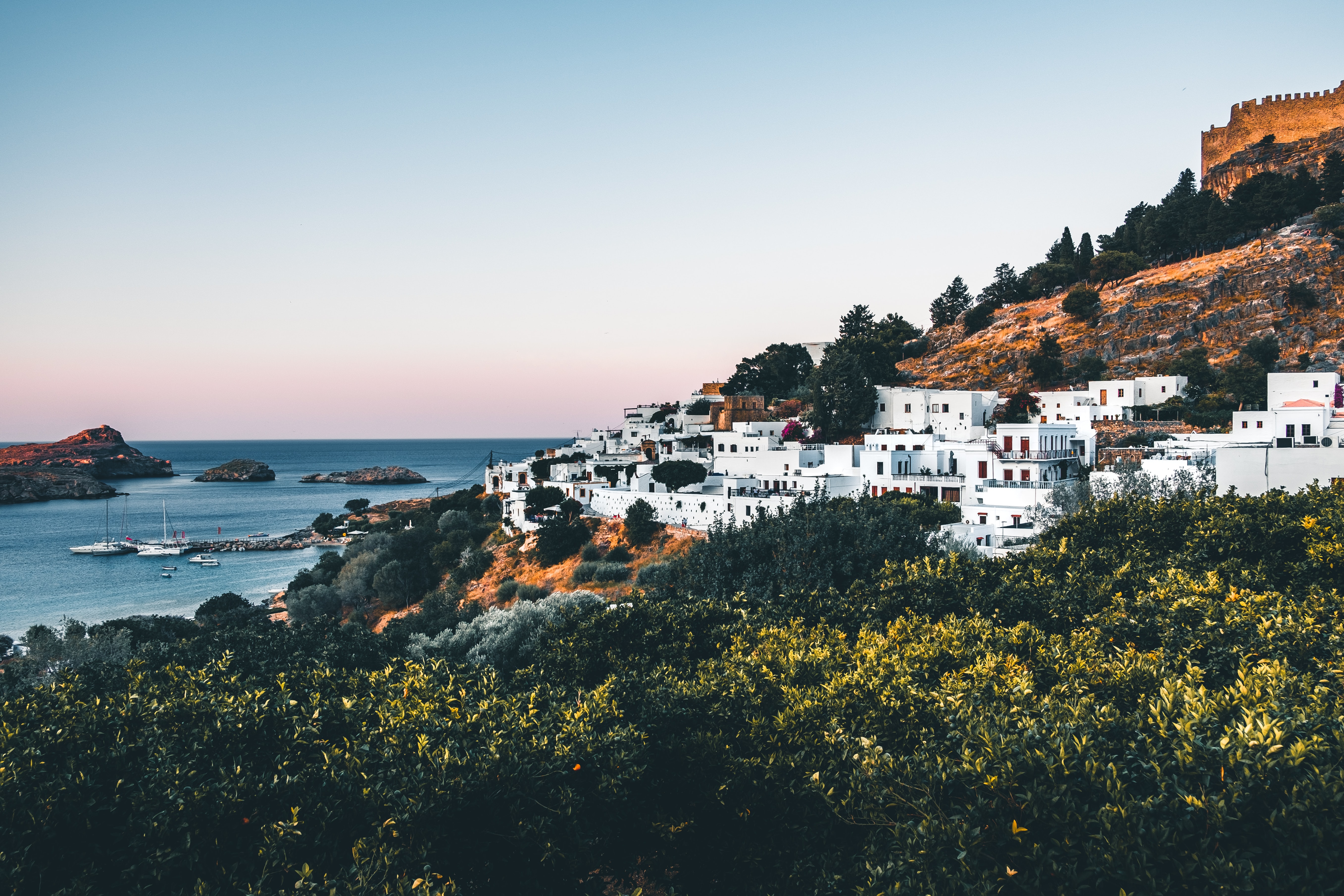
Early travelers described Rhodes as a town of two parts: a castle or high town (Collachium) and a lower city. Today Rhodes town—sometimes referred to as Ródos town—is still a city of two parts: the Old Town, a UNESCO World Heritage site that incorporates the high town and lower city, and the modern metropolis, or New Town, spreading away from the walls that encircle the Old Town. The narrow streets of the Old Town are for the most part closed to cars and are lined with Orthodox and Catholic churches, Turkish houses (some of which follow the ancient orthogonal plan), and medieval public buildings with exterior staircases and facades elegantly constructed of well-cut limestone from Lindos. Careful reconstruction in recent years has enhanced the harmonious effect.
Knossos, Greece
Knossos & Agios Nikolaos – Join our guide this morning for a tour of the ancient city of Knossos, said to be the birthplace of the very first civilisation in Europe – the Minoans, with a human presence since 7000 BC.
In Greek myth, the legendary Minotaur – with the head of a bull and the body of a man – was believed to be confined in a labyrinth that was built underneath the Palace of Knossos. While no minotaur roam the complex these days (or so we’re told), it is still quite the maze with five acres of multi-story ruins to explore. As you stand among the marble and crumbling limestone masonry of the Central Court, grand staircase, and throne room, with timeworn murals and paintings still hanging on the walls, you can’t help but be in awe of its construction.
After your visit, enjoy some free time in bustling Heraklion, Crete’s capital city, to browse the unique shops and lively cafes within its Venetian walls.
This afternoon, you’ll have time to wander the cosy village atmosphere of Agios Nikolaos itself, a popular resort with a cosmopolitan vibe. Perhaps take a stroll through the delightful village streets, trying local specialities such as raki, olive oil and honey or seek out hidden gems such as the Minotaur mural by the waterfront and the intricate Choumeriakos fountain. For a touch of nature, don’t miss Lake Voulismeni, known simply as ‘the lake’, it is located in the heart of the town, and it is believed that the goddess Athena once bathed here.
Santorini, Greece
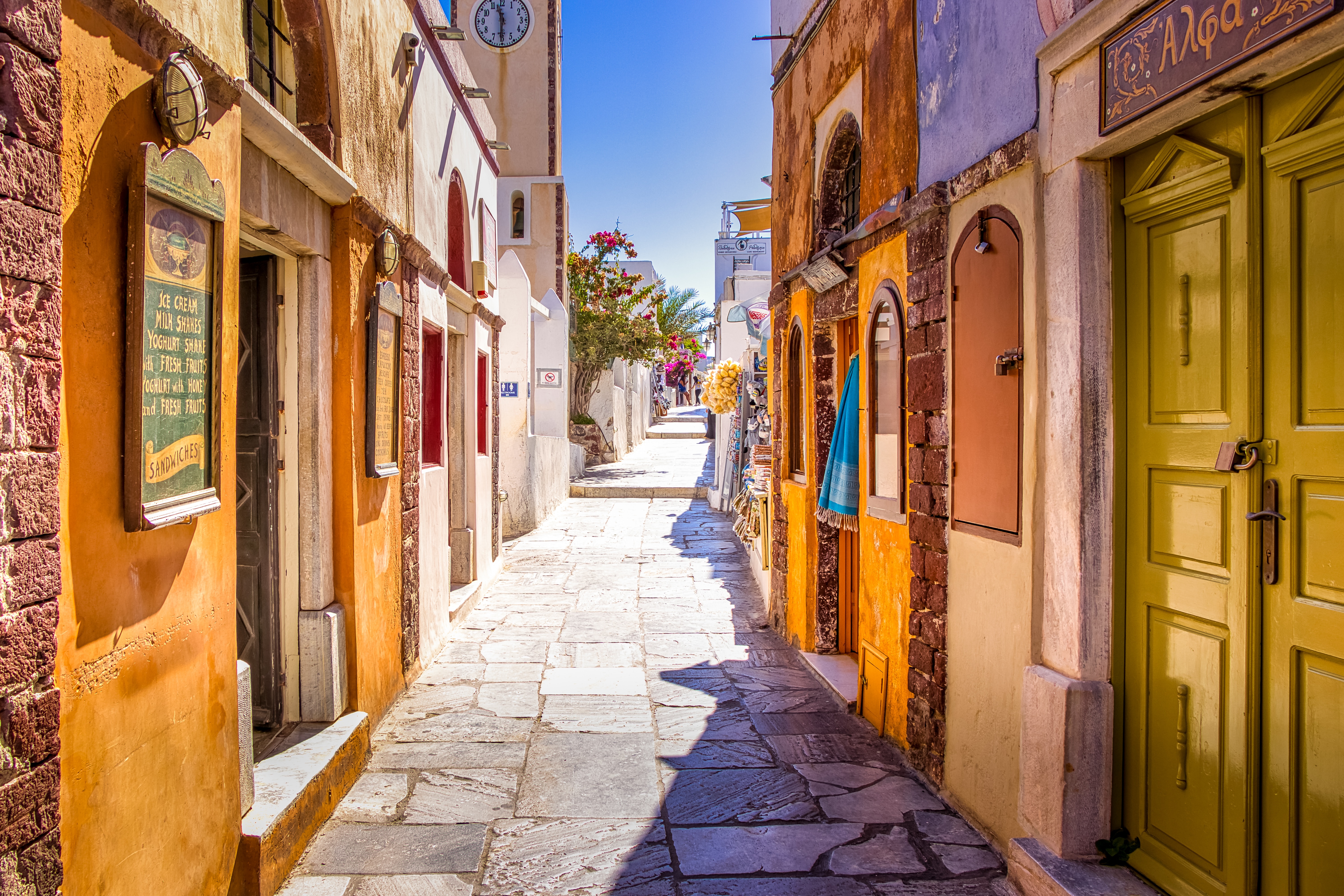
Undoubtedly the most extraordinary island in the Aegean, crescent-shape Santorini remains a mandatory stop on the Cycladic tourist route—even if it’s necessary to enjoy the sensational sunsets from Ia, the fascinating excavations, and the dazzling white towns with a million other travelers. Called Kállisti (the “Loveliest”) when first settled, the island has now reverted to its subsequent name of Thira, after the 9th-century-BC Dorian colonizer Thiras. The place is better known, however, these days as Santorini, a name derived from its patroness, St. Irene of Thessaloniki, the Byzantine empress who restored icons to Orthodoxy and died in 802. You can fly conveniently to Santorini, but to enjoy a true Santorini rite of passage, opt instead for the boat trip here, which provides a spectacular introduction. After the boat sails between Sikinos and Ios, your deck-side perch approaches two close islands with a passage between them. The bigger one on the left is Santorini, and the smaller on the right is Thirassia. Passing between them, you see the village of Ia adorning Santorini’s northernmost cliff like a white geometric beehive. You are in the caldera (volcanic crater), one of the world’s truly breathtaking sights: a demilune of cliffs rising 1,100 feet, with the white clusters of the towns of Fira and Ia perched along the top. The bay, once the high center of the island, is 1,300 feet in some places, so deep that when boats dock in Santorini’s shabby little port of Athinios, they do not drop anchor. The encircling cliffs are the ancient rim of a still-active volcano, and you are sailing east across its flooded caldera. On your right are the Burnt isles, the White isle, and other volcanic remnants, all lined up as if some outsize display in a geology museum. Hephaestus’s subterranean fires smolder still—the volcano erupted in 198 BC, about 735, and there was an earthquake in 1956. Indeed, Santorini and its four neighboring islets are the fragmentary remains of a larger landmass that exploded about 1600 BC: the volcano’s core blew sky high, and the sea rushed into the abyss to create the great bay, which measures 10 km by 7 km (6 mi by 4½ mi) and is 1,292 feet deep. The other pieces of the rim, which broke off in later eruptions, are Thirassia, where a few hundred people live, and deserted little Aspronissi (“White isle”). In the center of the bay, black and uninhabited, two cones, the Burnt Isles of Palea Kameni and Nea Kameni, appeared between 1573 and 1925. There has been too much speculation about the identification of Santorini with the mythical Atlantis, mentioned in Egyptian papyri and by Plato (who says it’s in the Atlantic), but myths are hard to pin down. This is not true of old arguments about whether tidal waves from Santorini’s cataclysmic explosion destroyed Minoan civilization on Crete, 113 km (70 mi) away. The latest carbon-dating evidence, which points to a few years before 1600 BC for the eruption, clearly indicates that the Minoans outlasted the eruption by a couple of hundred years, but most probably in a weakened state. In fact, the island still endures hardships: since antiquity, Santorini has depended on rain collected in cisterns for drinking and irrigating—the well water is often brackish—and the serious shortage is alleviated by the importation of water. However, the volcanic soil also yields riches: small, intense tomatoes with tough skins used for tomato paste (good restaurants here serve them); the famous Santorini fava beans, which have a light, fresh taste; barley; wheat; and white-skin eggplants.
Mykonos, Greece
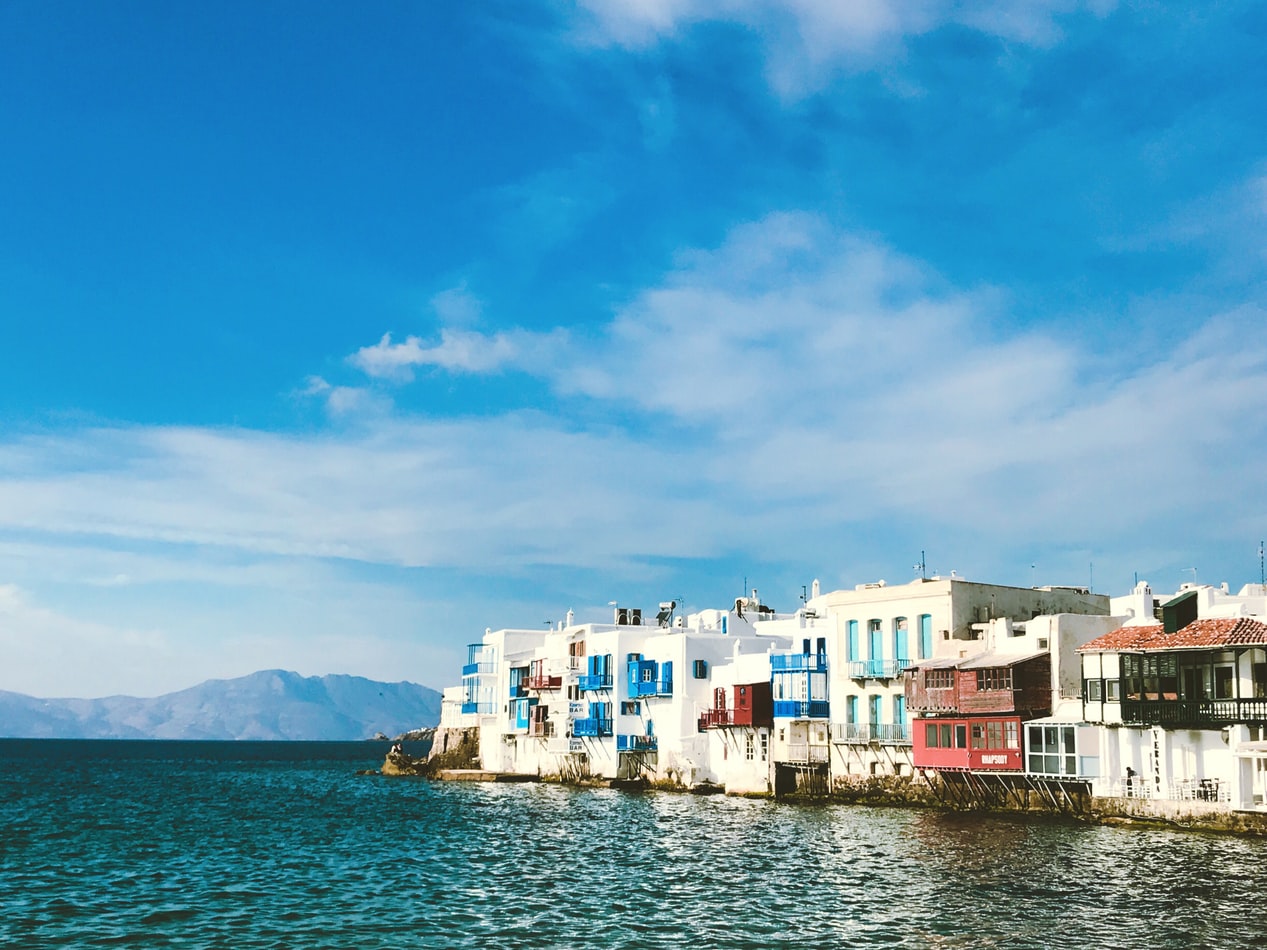
Although the fishing boats still go out in good weather, Mykonos largely makes its living from tourism these days. The summer crowds have turned one of the poorest islands in Greece into one of the richest. Old Mykonians complain that their young, who have inherited stores where their grandfathers once sold eggs or wine, get so much rent that they have lost ambition, and in summer sit around pool bars at night with their friends, and hang out in Athens in winter when island life is less scintillating. Put firmly on the map by Jackie O in the 1960s, Mykonos town—called Hora by the locals—remains the Saint-Tropez of the Greek islands. The scenery is memorable, with its whitewashed streets, Little Venice, the Kato Myli ridge of windmills, and Kastro, the town’s medieval quarter. Its cubical two- or three-story houses and churches, with their red or blue doors and domes and wooden balconies, have been long celebrated as some of the best examples of classic Cycladic architecture. Luckily, the Greek Archaeological Service decided to preserve the town, even when the Mykonians would have preferred to rebuild, and so the Old Town has been impressively preserved. Pink oleander, scarlet hibiscus, and trailing green pepper trees form a contrast amid the dazzling whiteness, whose frequent renewal with whitewash is required by law. Any visitor who has the pleasure of getting lost in its narrow streets (made all the narrower by the many outdoor stone staircases, which maximize housing space in the crowded village) will appreciate how its confusing layout was designed to foil pirates—if it was designed at all. After Mykonos fell under Turkish rule in 1537, the Ottomans allowed the islanders to arm their vessels against pirates, which had a contradictory effect: many of them found that raiding other islands was more profitable than tilling arid land. At the height of Aegean piracy, Mykonos was the principal headquarters of the corsair fleets—the place where pirates met their fellows, found willing women, and filled out their crews. Eventually the illicit activity evolved into a legitimate and thriving trade network. Morning on Mykonos town’s main quay is busy with deliveries, visitors for the Delos boats, lazy breakfasters, and street cleaners dealing with the previous night’s mess. In late morning the cruise-boat people arrive, and the shops are all open. In early afternoon, shaded outdoor tavernas are full of diners eating salads (Mykonos’s produce is mostly imported); music is absent or kept low. In mid- and late afternoon, the town feels sleepy, since so many people are at the beach, on excursions, or sleeping in their air-conditioned rooms; even some tourist shops close for siesta. By sunset, people have come back from the beach, having taken their showers and rested. At night, the atmosphere in Mykonos ramps up. The cruise-boat people are mostly gone, coughing three-wheelers make no deliveries in the narrow streets, and everyone is dressed sexy for summer and starting to shimmy with the scene. Many shops stay open past midnight, the restaurants fill up, and the bars and discos make ice cubes as fast as they can. Ready to dive in? Begin your tour of Mykonos town (Hora) by starting out at its heart: Mando Mavrogenous Square.
Athens, Greece
Arrive in Athens
Athens, Greece
Athens – This morning we’ll journey through time back to Ancient Greece on a tour of Athens, including a visit to the legendary Acropolis. Those with an interest in Greek mythology will know it was on top of Acropolis Hill that Athens received its name. You’ll be enthralled by the majestic ruins, where the Parthenon – an ancient religious temple the Athenians built for the Greek goddess Athena – stands testament to Greece’s long cultural heritage. Its blindingly white columns and perfect symmetry dominate the skyline as we travel up the steep slope of Acropolis Hill. There’s so much to see, from the Porch of Maidens – which supports the southern part of the Erechtheion – to the Odeon of Herodes Atticus.
And, because we know it’s not enough to just see these ancient wonders, we’ll head to the Acropolis Museum to learn more. Devoted to the Parthenon and surrounding temples, the museum houses over 3,000 famous artefacts and features a glass floor displaying the ancient houses and streets below.
This afternoon, we’ll say goodbye to Athens and hello to the Celestyal Journey, our home for the next seven nights. Here we’ll join more like-minded travellers on a journey across the Aegean Sea. The rest of the day can be spent exploring the ship – head down to our Martini Bar and enjoy one of the exclusive Signature Cocktails, catch the evening show or dine in one of seven restaurants on board. Then settle into your newly refurbished room for a good night’s sleep – the first of many on board the Celestyal Journey.
Kusadasi, Turkey
Whilst the busy resort town of Kusadasi offers much in the way of shopping and dining – not to mention a flourishing beach life scene, the real jewel here is Ephesus and the stunning ruined city that really take centre stage. With only 20% of the classical ruins having been excavated, this archaeological wonder has already gained the status as Europe’s most complete classical metropolis. And a metropolis it really is; built in the 10th century BC this UNESCO World Heritage site is nothing short of spectacular. Although regrettably very little remains of the Temple of Artemis (one of the seven wonders of the ancient world), the superb Library of Celsus’ façade is practically intact and it is one of life’s great joys to attend an evening performance in the illuminated ruins once all the tourists have left. The history of the city is fascinating and multi-layered and it is well worth reading up on this beforehand if a visit is planned. Another point of interest for historians would be the house of the Virgin Mary, located on the romantically named Mount Nightingale and just nine kilometres away from Ephesus proper. Legend has it that Mary (along with St. John) spent her final years here, secluded from the rest of the population, spreading Christianity. An edifying experience, even for non-believers. For the less historical minded amongst you, Kusadasi offers plenty in the way of activities. After a stroll through the town, jump in a taxi to Ladies’ Beach (men are allowed), sample a Turkish kebap on one of the many beachfront restaurants and enjoy the clement weather. If you do want to venture further afield, then the crystal clear beaches of Guzelcamli (or the Millipark), the cave of Zeus and the white scalloped natural pools at Pamukkale, known as Cleopatra’s pools, are definitely worth a visit.
Rhodes, Greece
Early travelers described Rhodes as a town of two parts: a castle or high town (Collachium) and a lower city. Today Rhodes town—sometimes referred to as Ródos town—is still a city of two parts: the Old Town, a UNESCO World Heritage site that incorporates the high town and lower city, and the modern metropolis, or New Town, spreading away from the walls that encircle the Old Town. The narrow streets of the Old Town are for the most part closed to cars and are lined with Orthodox and Catholic churches, Turkish houses (some of which follow the ancient orthogonal plan), and medieval public buildings with exterior staircases and facades elegantly constructed of well-cut limestone from Lindos. Careful reconstruction in recent years has enhanced the harmonious effect.
Knossos, Greece
Knossos & Agios Nikolaos – Join our guide this morning for a tour of the ancient city of Knossos, said to be the birthplace of the very first civilisation in Europe – the Minoans, with a human presence since 7000 BC.
In Greek myth, the legendary Minotaur – with the head of a bull and the body of a man – was believed to be confined in a labyrinth that was built underneath the Palace of Knossos. While no minotaur roam the complex these days (or so we’re told), it is still quite the maze with five acres of multi-story ruins to explore. As you stand among the marble and crumbling limestone masonry of the Central Court, grand staircase, and throne room, with timeworn murals and paintings still hanging on the walls, you can’t help but be in awe of its construction.
After your visit, enjoy some free time in bustling Heraklion, Crete’s capital city, to browse the unique shops and lively cafes within its Venetian walls.
This afternoon, you’ll have time to wander the cosy village atmosphere of Agios Nikolaos itself, a popular resort with a cosmopolitan vibe. Perhaps take a stroll through the delightful village streets, trying local specialities such as raki, olive oil and honey or seek out hidden gems such as the Minotaur mural by the waterfront and the intricate Choumeriakos fountain. For a touch of nature, don’t miss Lake Voulismeni, known simply as ‘the lake’, it is located in the heart of the town, and it is believed that the goddess Athena once bathed here.
Santorini, Greece
Undoubtedly the most extraordinary island in the Aegean, crescent-shape Santorini remains a mandatory stop on the Cycladic tourist route—even if it’s necessary to enjoy the sensational sunsets from Ia, the fascinating excavations, and the dazzling white towns with a million other travelers. Called Kállisti (the “Loveliest”) when first settled, the island has now reverted to its subsequent name of Thira, after the 9th-century-BC Dorian colonizer Thiras. The place is better known, however, these days as Santorini, a name derived from its patroness, St. Irene of Thessaloniki, the Byzantine empress who restored icons to Orthodoxy and died in 802. You can fly conveniently to Santorini, but to enjoy a true Santorini rite of passage, opt instead for the boat trip here, which provides a spectacular introduction. After the boat sails between Sikinos and Ios, your deck-side perch approaches two close islands with a passage between them. The bigger one on the left is Santorini, and the smaller on the right is Thirassia. Passing between them, you see the village of Ia adorning Santorini’s northernmost cliff like a white geometric beehive. You are in the caldera (volcanic crater), one of the world’s truly breathtaking sights: a demilune of cliffs rising 1,100 feet, with the white clusters of the towns of Fira and Ia perched along the top. The bay, once the high center of the island, is 1,300 feet in some places, so deep that when boats dock in Santorini’s shabby little port of Athinios, they do not drop anchor. The encircling cliffs are the ancient rim of a still-active volcano, and you are sailing east across its flooded caldera. On your right are the Burnt isles, the White isle, and other volcanic remnants, all lined up as if some outsize display in a geology museum. Hephaestus’s subterranean fires smolder still—the volcano erupted in 198 BC, about 735, and there was an earthquake in 1956. Indeed, Santorini and its four neighboring islets are the fragmentary remains of a larger landmass that exploded about 1600 BC: the volcano’s core blew sky high, and the sea rushed into the abyss to create the great bay, which measures 10 km by 7 km (6 mi by 4½ mi) and is 1,292 feet deep. The other pieces of the rim, which broke off in later eruptions, are Thirassia, where a few hundred people live, and deserted little Aspronissi (“White isle”). In the center of the bay, black and uninhabited, two cones, the Burnt Isles of Palea Kameni and Nea Kameni, appeared between 1573 and 1925. There has been too much speculation about the identification of Santorini with the mythical Atlantis, mentioned in Egyptian papyri and by Plato (who says it’s in the Atlantic), but myths are hard to pin down. This is not true of old arguments about whether tidal waves from Santorini’s cataclysmic explosion destroyed Minoan civilization on Crete, 113 km (70 mi) away. The latest carbon-dating evidence, which points to a few years before 1600 BC for the eruption, clearly indicates that the Minoans outlasted the eruption by a couple of hundred years, but most probably in a weakened state. In fact, the island still endures hardships: since antiquity, Santorini has depended on rain collected in cisterns for drinking and irrigating—the well water is often brackish—and the serious shortage is alleviated by the importation of water. However, the volcanic soil also yields riches: small, intense tomatoes with tough skins used for tomato paste (good restaurants here serve them); the famous Santorini fava beans, which have a light, fresh taste; barley; wheat; and white-skin eggplants.
Mykonos, Greece
Although the fishing boats still go out in good weather, Mykonos largely makes its living from tourism these days. The summer crowds have turned one of the poorest islands in Greece into one of the richest. Old Mykonians complain that their young, who have inherited stores where their grandfathers once sold eggs or wine, get so much rent that they have lost ambition, and in summer sit around pool bars at night with their friends, and hang out in Athens in winter when island life is less scintillating. Put firmly on the map by Jackie O in the 1960s, Mykonos town—called Hora by the locals—remains the Saint-Tropez of the Greek islands. The scenery is memorable, with its whitewashed streets, Little Venice, the Kato Myli ridge of windmills, and Kastro, the town’s medieval quarter. Its cubical two- or three-story houses and churches, with their red or blue doors and domes and wooden balconies, have been long celebrated as some of the best examples of classic Cycladic architecture. Luckily, the Greek Archaeological Service decided to preserve the town, even when the Mykonians would have preferred to rebuild, and so the Old Town has been impressively preserved. Pink oleander, scarlet hibiscus, and trailing green pepper trees form a contrast amid the dazzling whiteness, whose frequent renewal with whitewash is required by law. Any visitor who has the pleasure of getting lost in its narrow streets (made all the narrower by the many outdoor stone staircases, which maximize housing space in the crowded village) will appreciate how its confusing layout was designed to foil pirates—if it was designed at all. After Mykonos fell under Turkish rule in 1537, the Ottomans allowed the islanders to arm their vessels against pirates, which had a contradictory effect: many of them found that raiding other islands was more profitable than tilling arid land. At the height of Aegean piracy, Mykonos was the principal headquarters of the corsair fleets—the place where pirates met their fellows, found willing women, and filled out their crews. Eventually the illicit activity evolved into a legitimate and thriving trade network. Morning on Mykonos town’s main quay is busy with deliveries, visitors for the Delos boats, lazy breakfasters, and street cleaners dealing with the previous night’s mess. In late morning the cruise-boat people arrive, and the shops are all open. In early afternoon, shaded outdoor tavernas are full of diners eating salads (Mykonos’s produce is mostly imported); music is absent or kept low. In mid- and late afternoon, the town feels sleepy, since so many people are at the beach, on excursions, or sleeping in their air-conditioned rooms; even some tourist shops close for siesta. By sunset, people have come back from the beach, having taken their showers and rested. At night, the atmosphere in Mykonos ramps up. The cruise-boat people are mostly gone, coughing three-wheelers make no deliveries in the narrow streets, and everyone is dressed sexy for summer and starting to shimmy with the scene. Many shops stay open past midnight, the restaurants fill up, and the bars and discos make ice cubes as fast as they can. Ready to dive in? Begin your tour of Mykonos town (Hora) by starting out at its heart: Mando Mavrogenous Square.
Milos, Greece
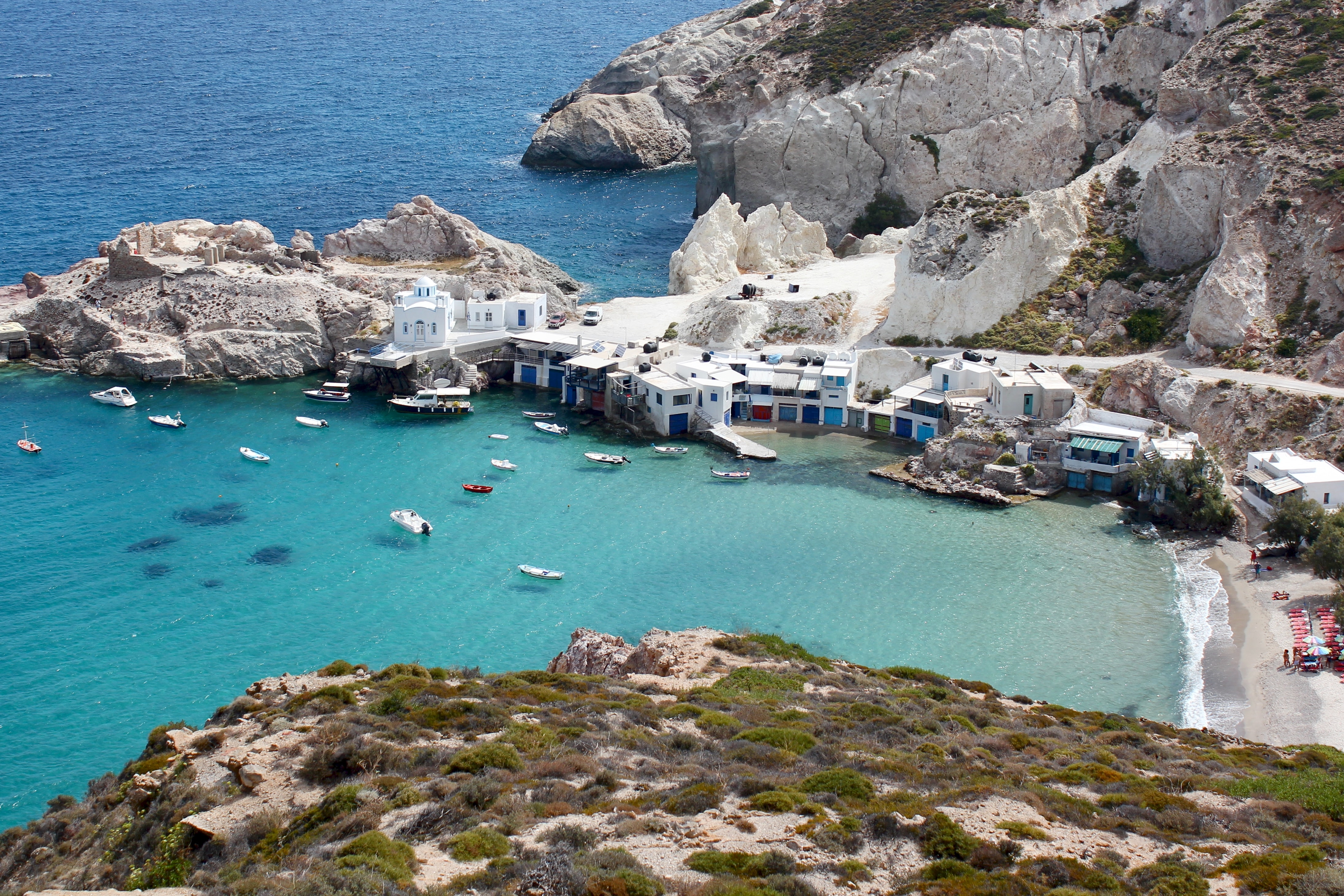
Milos or Melos is a volcanic Greek island in the Aegean Sea, just north of the Sea of Crete. Milos is the southwesternmost island in the Cyclades group. The Venus de Milo and the Asclepius of Milos were both found on the island, as were a Poseidon and an archaic Apollo now in Athens.
Athens, Greece
Athens – After seven nights at sea, we’ll put our feet firmly back on dry land today as we disembark Celestyal Journey and head to Cape Sounion and the Temple of Poseidon.
According to myth, this is the spot where Aegeus, King of Athens, fell into the sea – giving the Aegean Sea its name.
Built on the highest point of the hill – with 15 marble columns still standing – there are spectacular vistas out to the Aegean and Saronic Gulf. You can imagine ancient seafarers and warriors turning back for their last look at home before heading out on an adventure, and so it was on Cape Sounion that the Athenians built a temple to appease Poseidon, God of the sea, to ensure their safe return. Although the Persians destroyed the original temple in 480 BC, it was reconstructed 40 years later, and remnants of the temple can still be seen today.
Top tip: Look out for a famous name graffitied on the columns here – the infamous Lord Byron, a serial offender, has etched his name onto historical structures throughout Europe.
We’ll continue to our hotel located on the Athens Riviera and spend the rest of the day at leisure to settle in and explore the local area.
Athens, Greece
Free Day – After nine days of non-stop adventuring across the Aegean Sea, you deserve a chance to put your feet up and bask in the sunshine – and that’s exactly what’s in store for you today.
Our hotel is located in the Vouliagmeni area close to Lake Vouliagmeni and fashionable Glyfada. It’s graced with idyllic Grecian character and unforgettable views of the beachfront – we’ll have private access so you can stroll right from breakfast to the beach. You could lay claim to one of the sun loungers on the terrace and crack open that book you’ve been meaning to read. Unwind in the spa or, for those who refuse to sit still, you could take advantage of the hotel’s fitness centre.
Today will be completely up to you, so throw away the itinerary and go with the flow.
Athens, Greece
Return Home
Milos, Greece
Milos or Melos is a volcanic Greek island in the Aegean Sea, just north of the Sea of Crete. Milos is the southwesternmost island in the Cyclades group. The Venus de Milo and the Asclepius of Milos were both found on the island, as were a Poseidon and an archaic Apollo now in Athens.
Athens, Greece
Athens – After seven nights at sea, we’ll put our feet firmly back on dry land today as we disembark Celestyal Journey and head to Cape Sounion and the Temple of Poseidon.
According to myth, this is the spot where Aegeus, King of Athens, fell into the sea – giving the Aegean Sea its name.
Built on the highest point of the hill – with 15 marble columns still standing – there are spectacular vistas out to the Aegean and Saronic Gulf. You can imagine ancient seafarers and warriors turning back for their last look at home before heading out on an adventure, and so it was on Cape Sounion that the Athenians built a temple to appease Poseidon, God of the sea, to ensure their safe return. Although the Persians destroyed the original temple in 480 BC, it was reconstructed 40 years later, and remnants of the temple can still be seen today.
Top tip: Look out for a famous name graffitied on the columns here – the infamous Lord Byron, a serial offender, has etched his name onto historical structures throughout Europe.
We’ll continue to our hotel located on the Athens Riviera and spend the rest of the day at leisure to settle in and explore the local area.
Athens, Greece
Free Day – After nine days of non-stop adventuring across the Aegean Sea, you deserve a chance to put your feet up and bask in the sunshine – and that’s exactly what’s in store for you today.
Our hotel is located in the Vouliagmeni area close to Lake Vouliagmeni and fashionable Glyfada. It’s graced with idyllic Grecian character and unforgettable views of the beachfront – we’ll have private access so you can stroll right from breakfast to the beach. You could lay claim to one of the sun loungers on the terrace and crack open that book you’ve been meaning to read. Unwind in the spa or, for those who refuse to sit still, you could take advantage of the hotel’s fitness centre.
Today will be completely up to you, so throw away the itinerary and go with the flow.
Athens, Greece
Return Home
Cabin Options
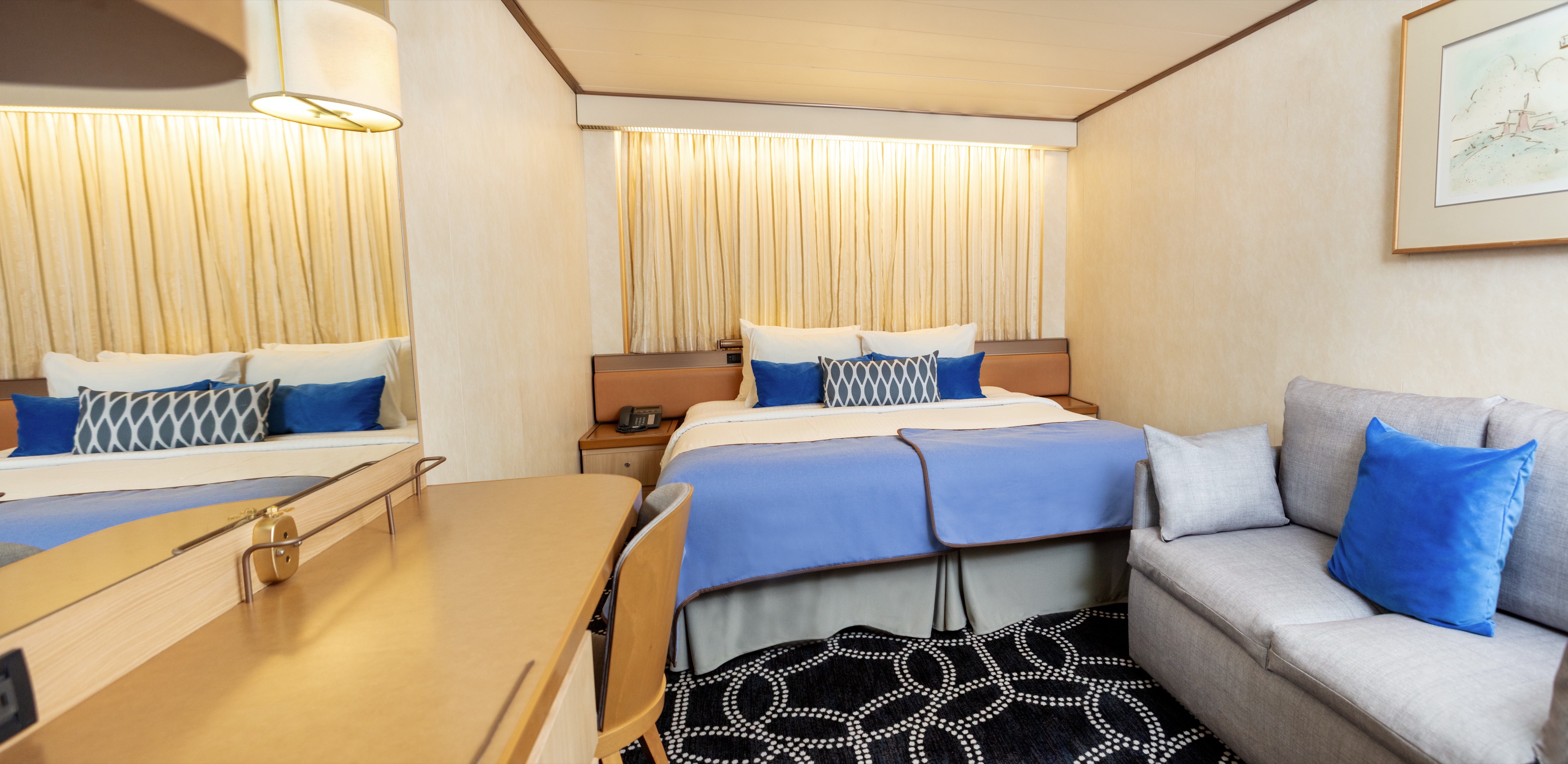
Interior Cosmos Stateroom
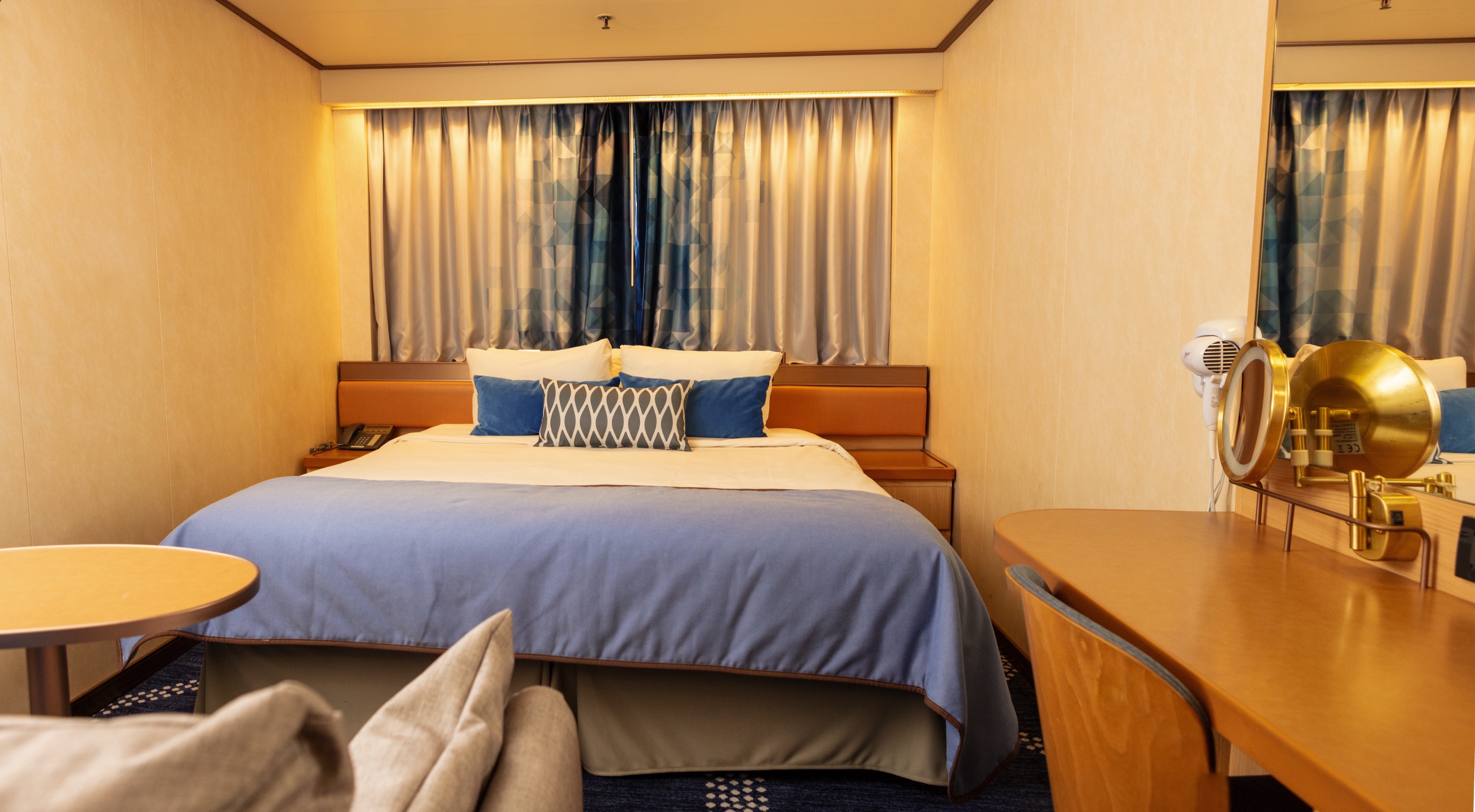
Exterior Cosmos Stateroom
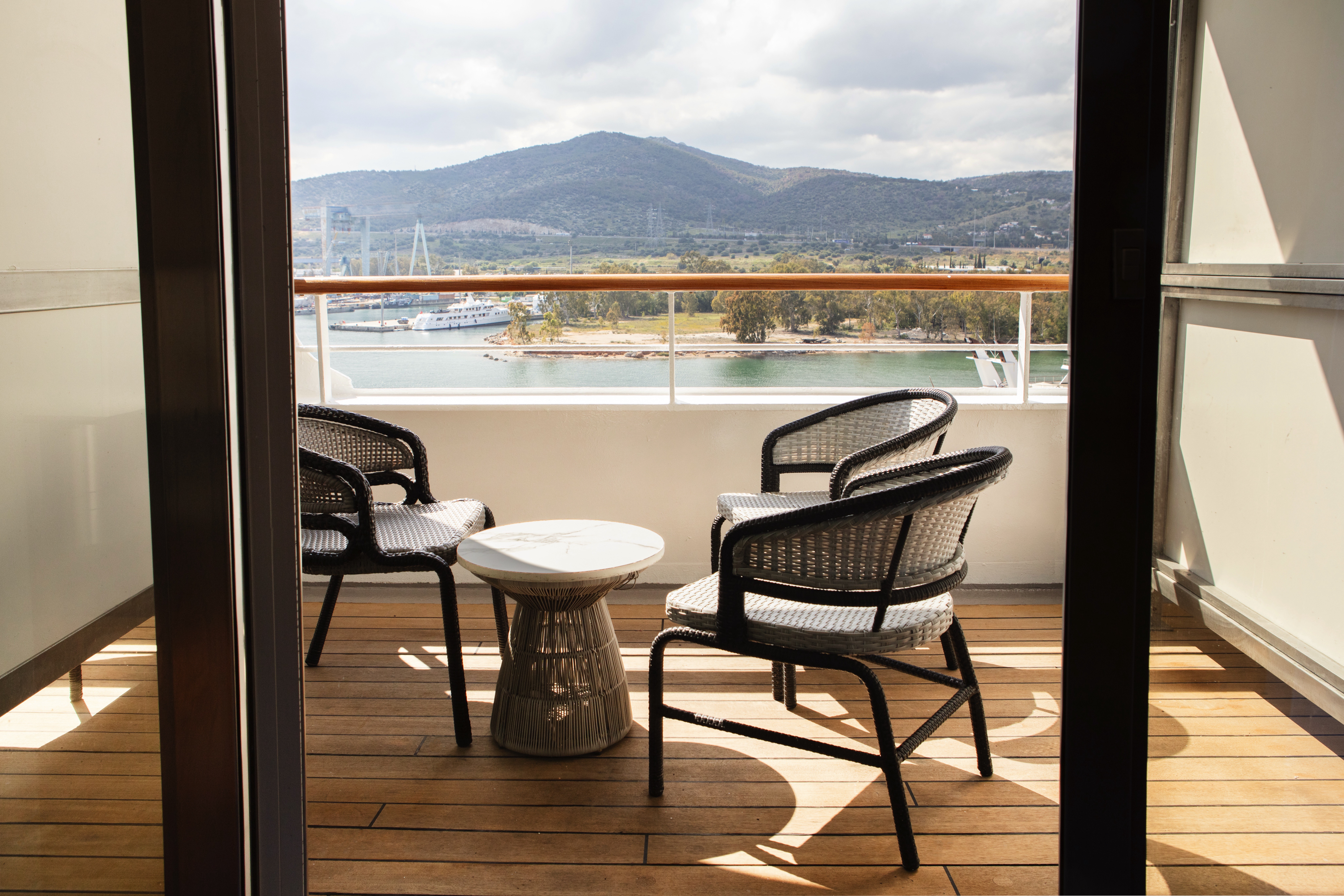
Junior Dream Suite
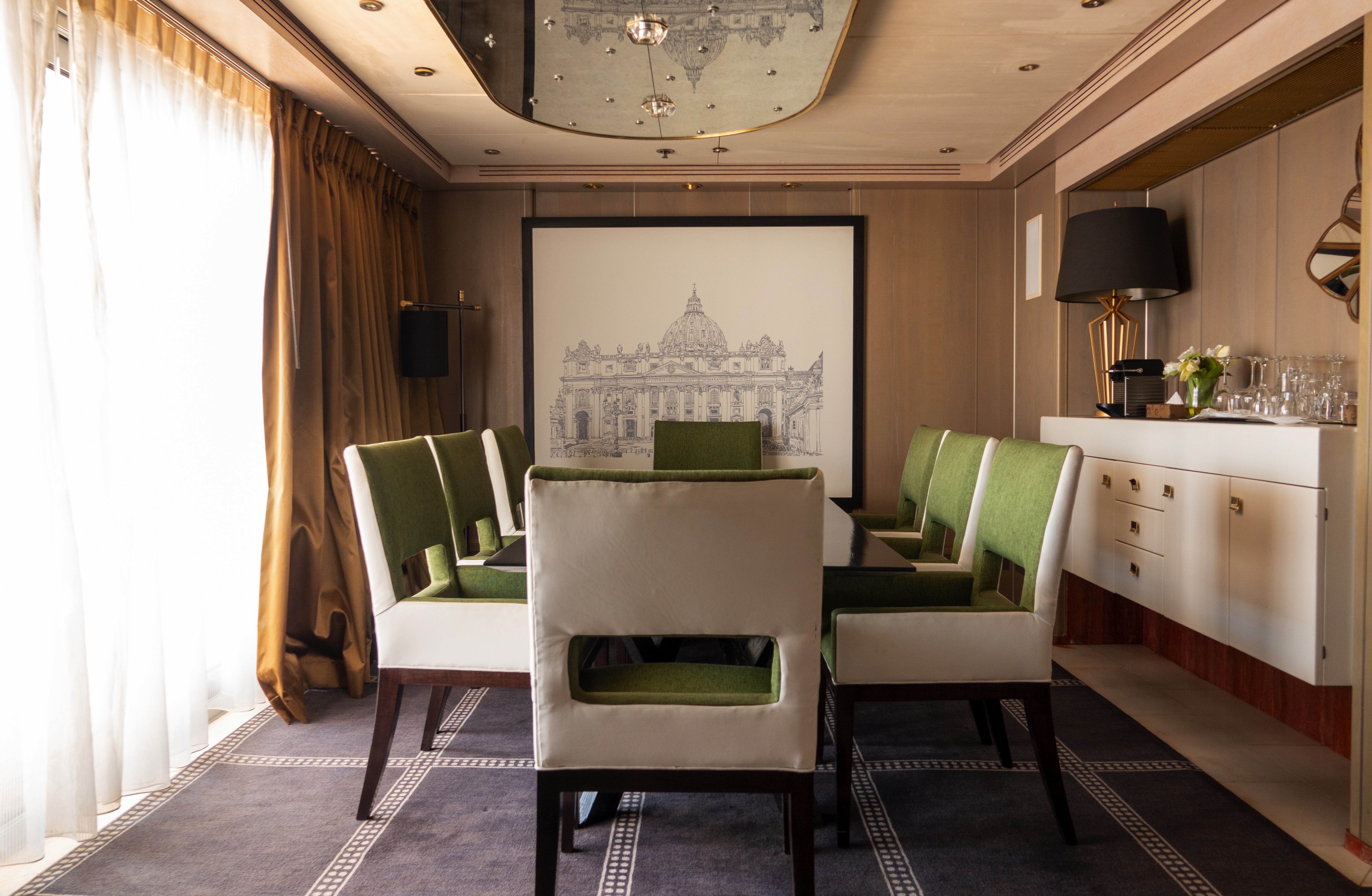
The Stargazer Suite
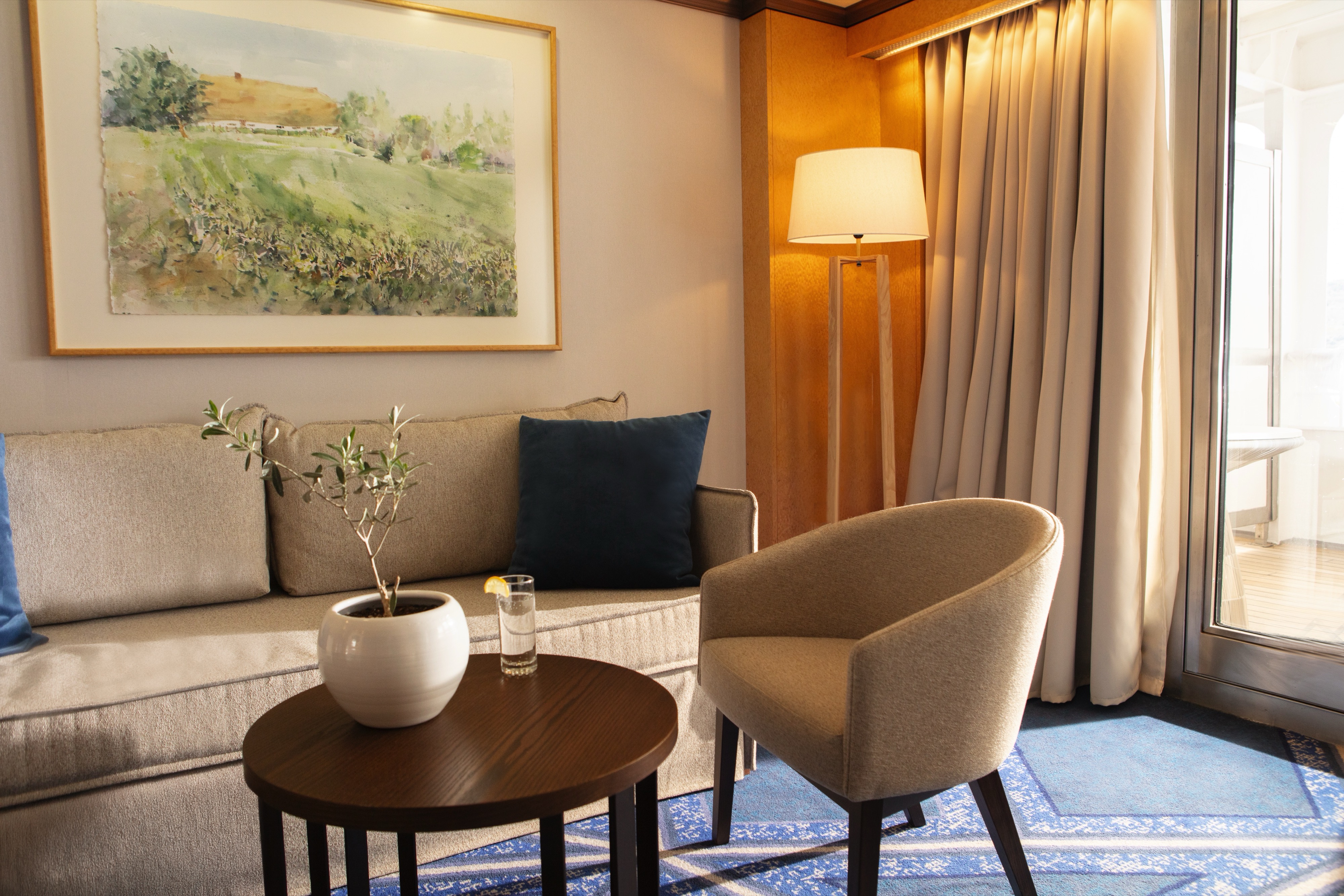
Grand Dream Suite
Ship Facilities
The Taverna
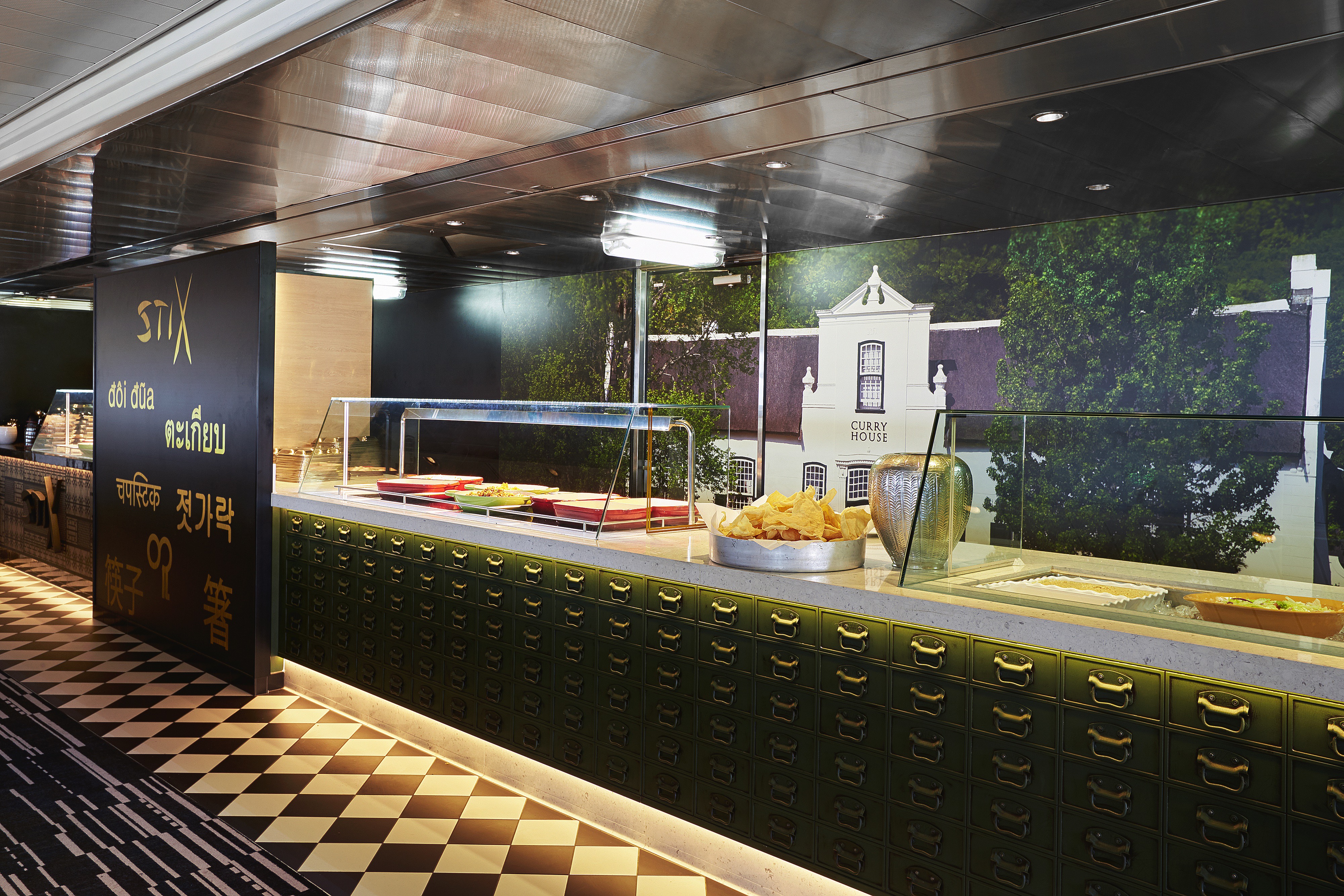
Smoked Olive
Sample our deliciously fresh take on Mediterranean cuisine at the Smoked Olive, where the flavours of Greece come to life in authentic dishes and quick bites that’ll keep you coming back for more.
Designated dining areas in the Smoked Olive restaurant for Suite guests. Reservation advised, and menu orders will incur an extra cost for guests in all stateroom grades.
Menu subject to change and charges apply
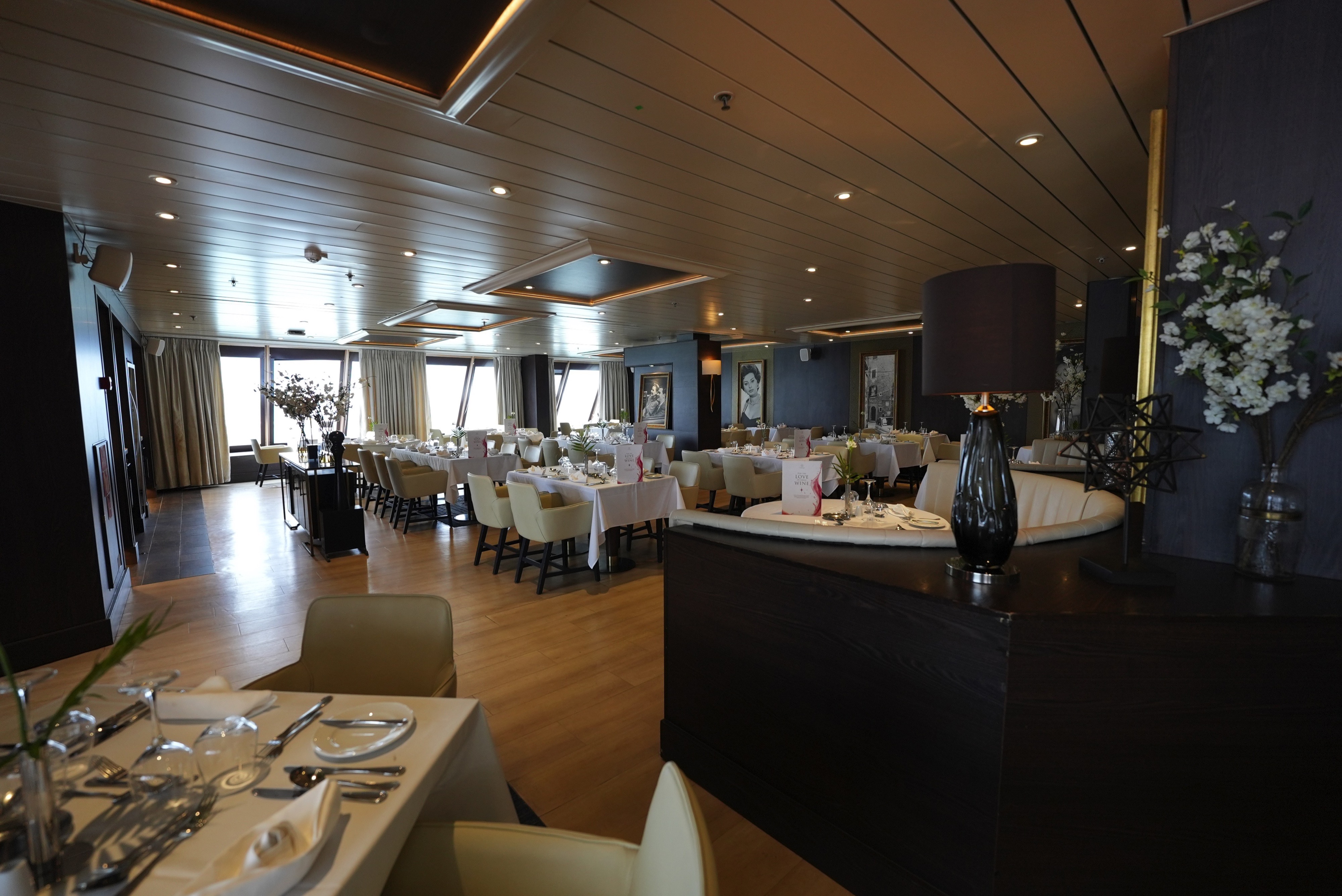
Grill Seekers
Giving surf and turf a whole new meaning, our grill is your go to for the finest cuts and most flavoursome, chargrilled dishes. Turn up the heat with a selection of freshly caught seafood and locally sourced meat, seared and roasted with the secrets and seasoning of our Celestyal grill masters. Reservation advised.
Menu subject to change and charges apply.
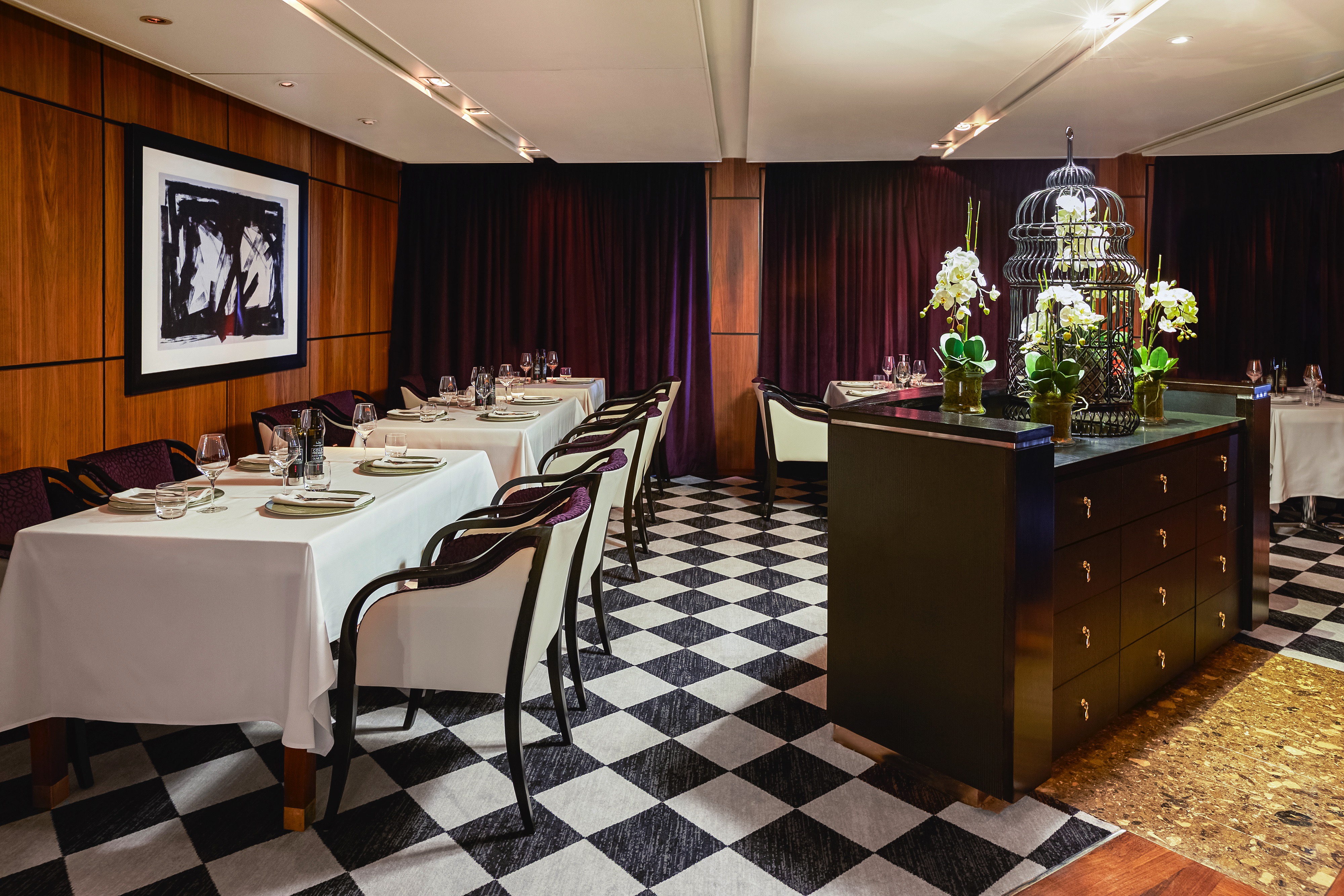
Pink Moon
Take a journey further afield from the isles and discover the enticing flavours of our South Asian inspired restaurant. Pink Moon is here for you to indulge in irresistible, aromatic spices and authentic recipes with everything from ramen to family sized hotpots. Perfect for a unique lunch or dining experience crafted to transport you to the other side of the world. Reservation advised, and menu orders will incur an extra cost for guests in all stateroom grades.
Menu subject to change and charges apply.
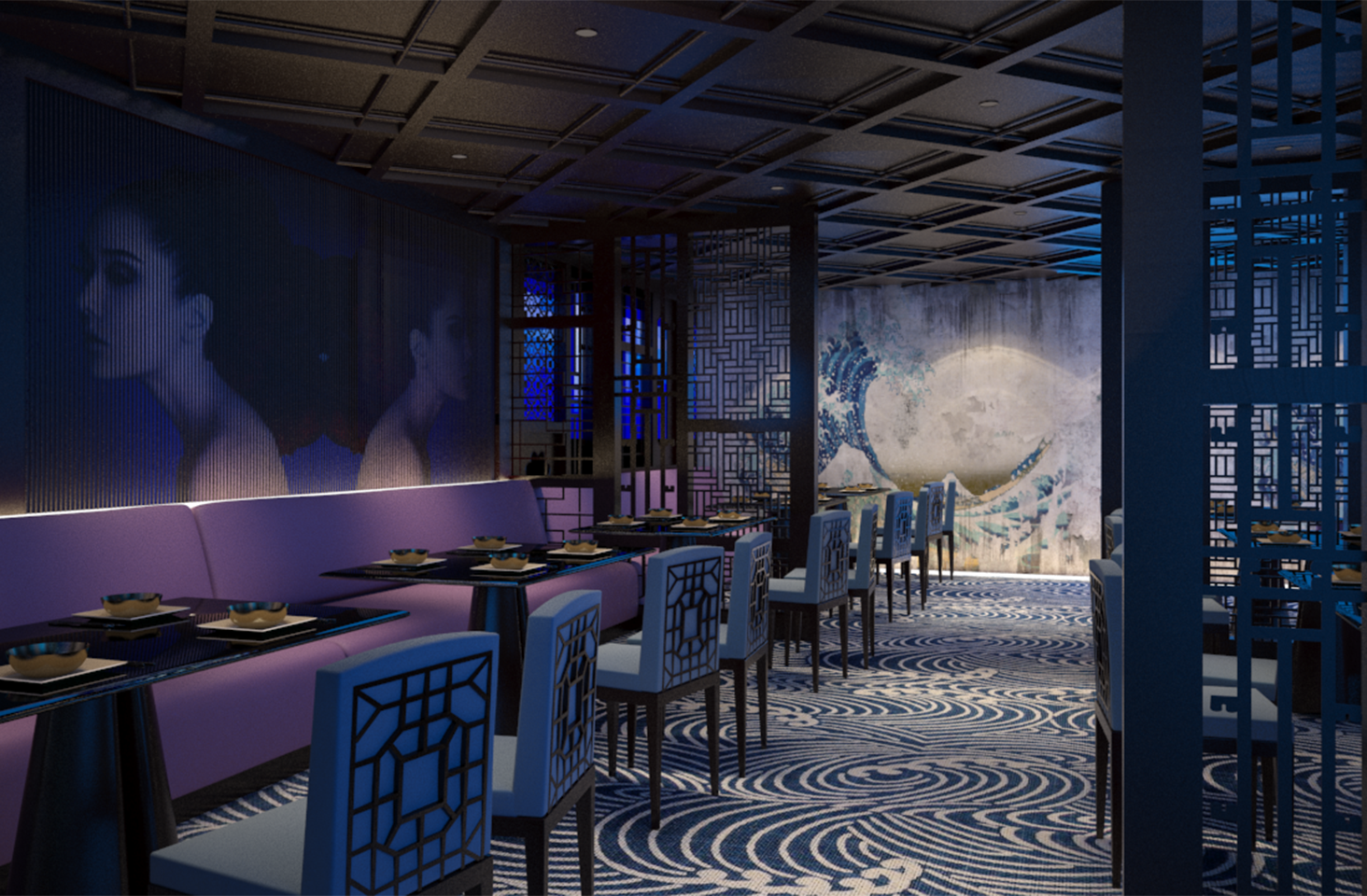
Thalassa Restaurant
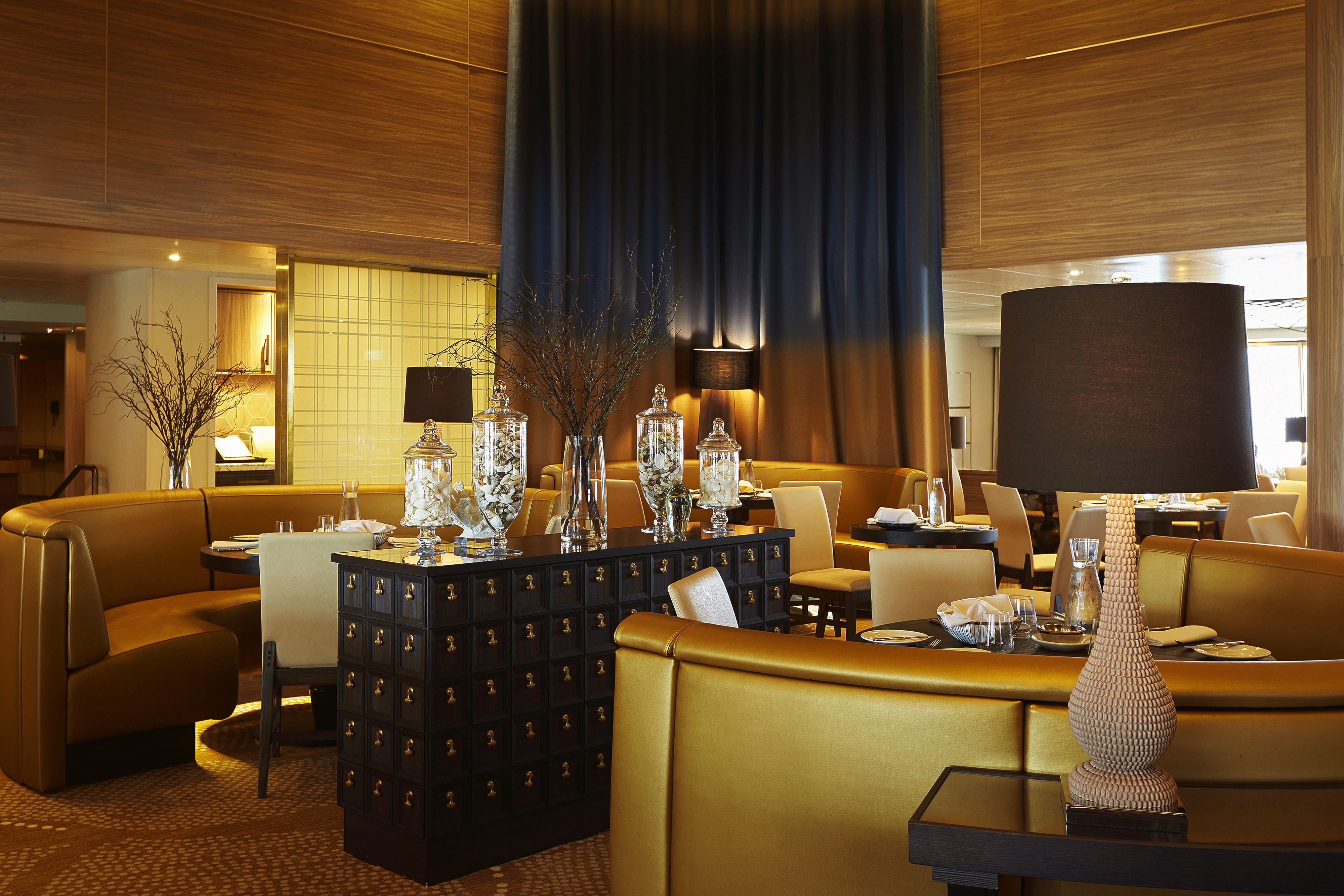
Our main dining room, where you can enjoy a la carte menus and table service in elegant surroundings.
Chef's Table
For the ultimate special occasion, book a seat at this intimate dining table and enjoy four to six courses, plus selected wines.
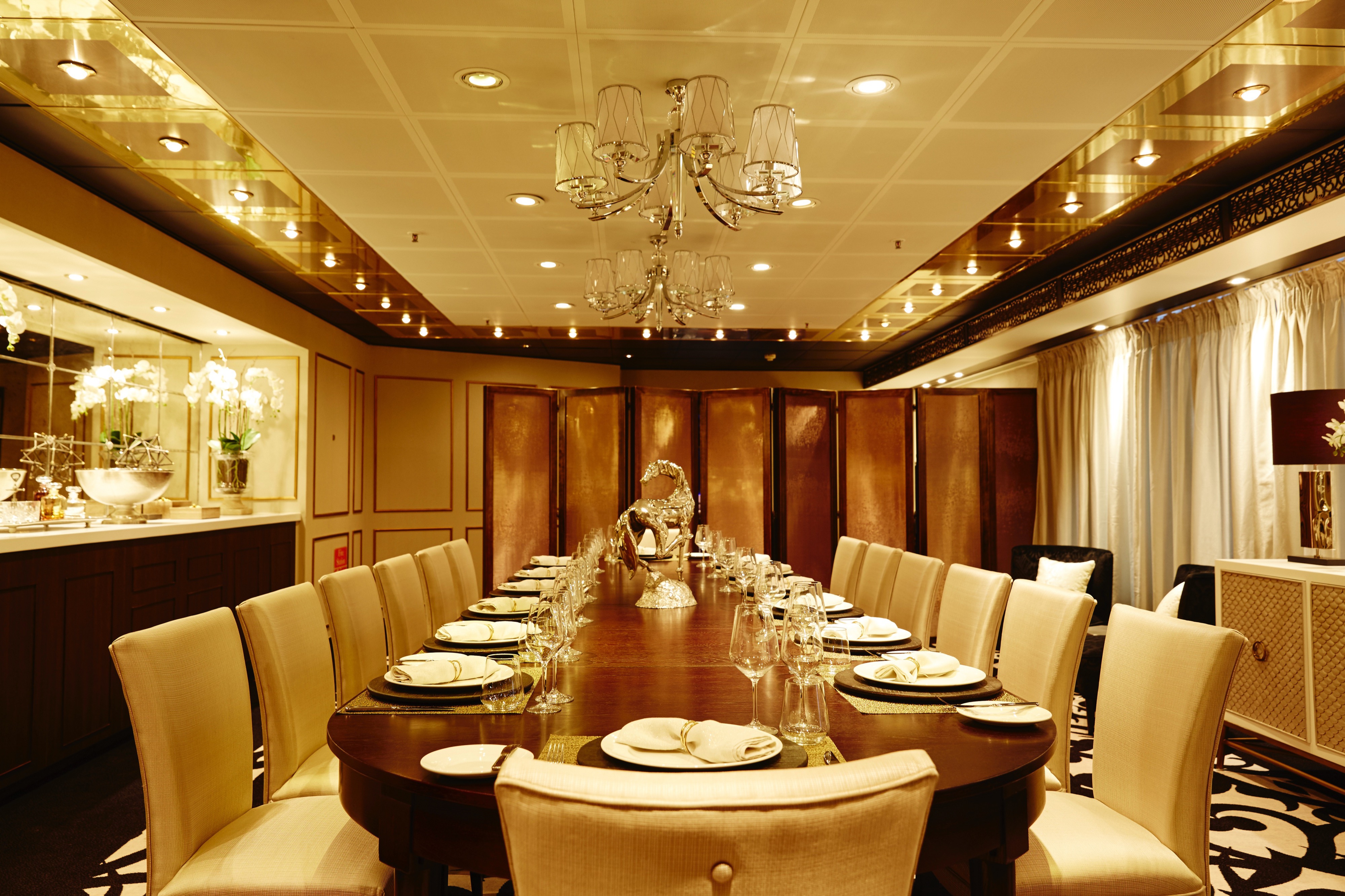
Fig & Honey
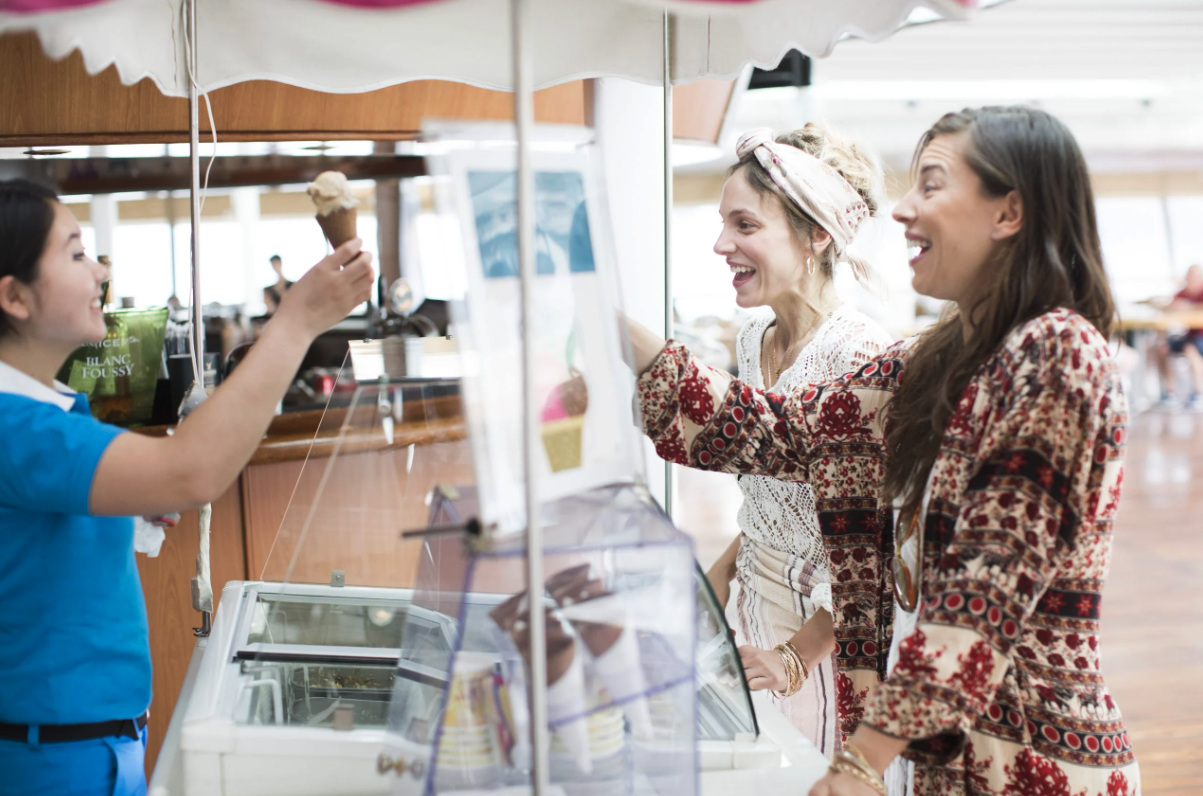
Cool down with a wave of fruity refreshment at our very own juice bar and gelato stand. Nestled between the pool and the Sozo Experience, it’s the perfect way to enjoy a healthy post-workout boost, or simply a delicious addition to your sunbathe.
Menu subject to change and charges apply.
Greek Deli
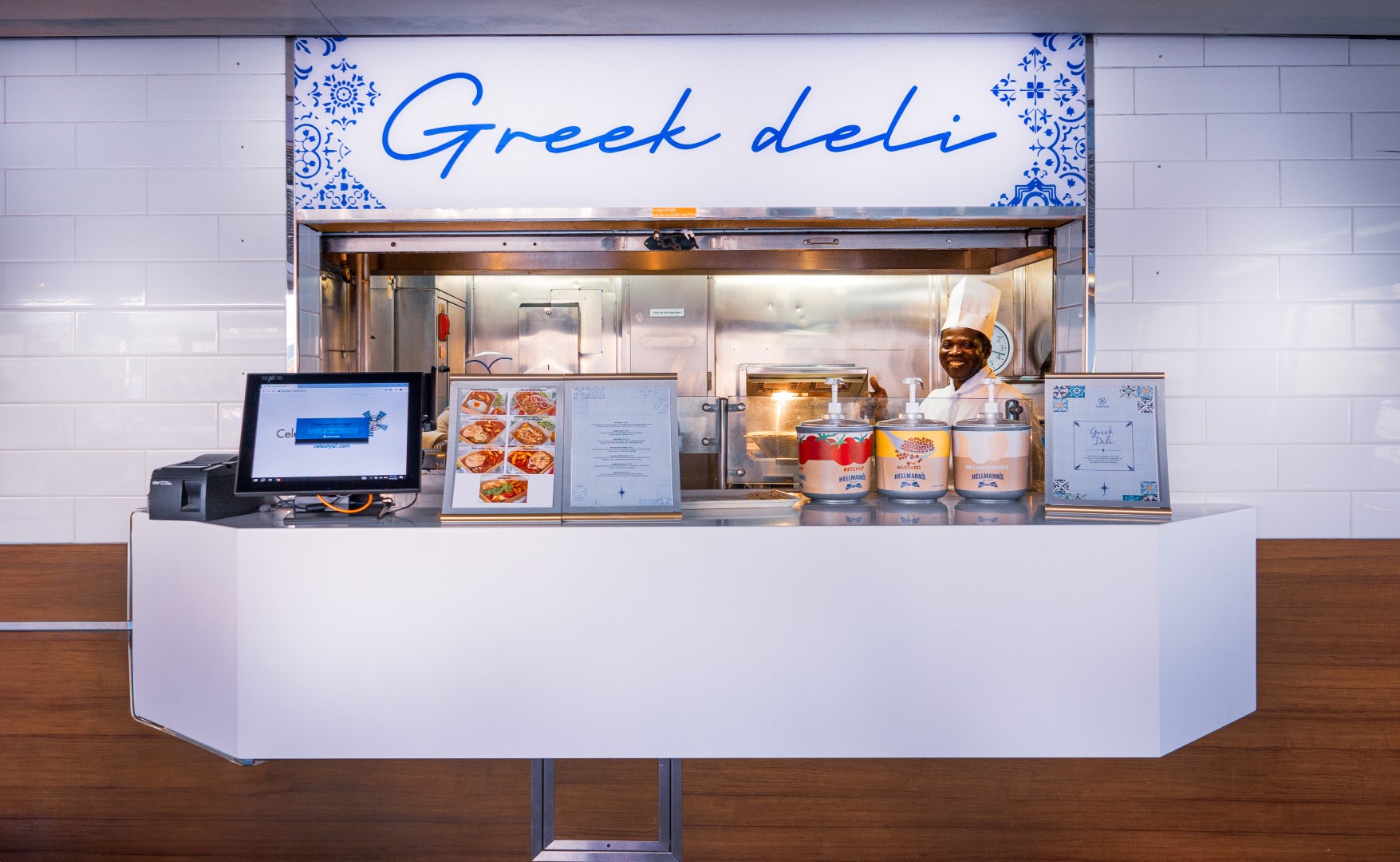
The ultimate grab and go option when you want a light snack. Full of tasty treats like our renowned Greek-style bagels – make sure you try one.
Café Nation
The Café Nation can be found on Deck 8.
Extra charges apply.
Adventures Ashore
Experience is everything, for everyone.
Greece, Arabian Gulf and the Mediterranean is warm and relaxed, and that’s exactly what our authentic experiences capture. Go further with more intimate group excursions that invite you to linger longer.
We never get tired of rediscovering this part of the world. And this time, you’re along for the adventure. Immerse yourself in the true heart of this land and see where your Celestyal adventure will take you.
Authentic Excursions
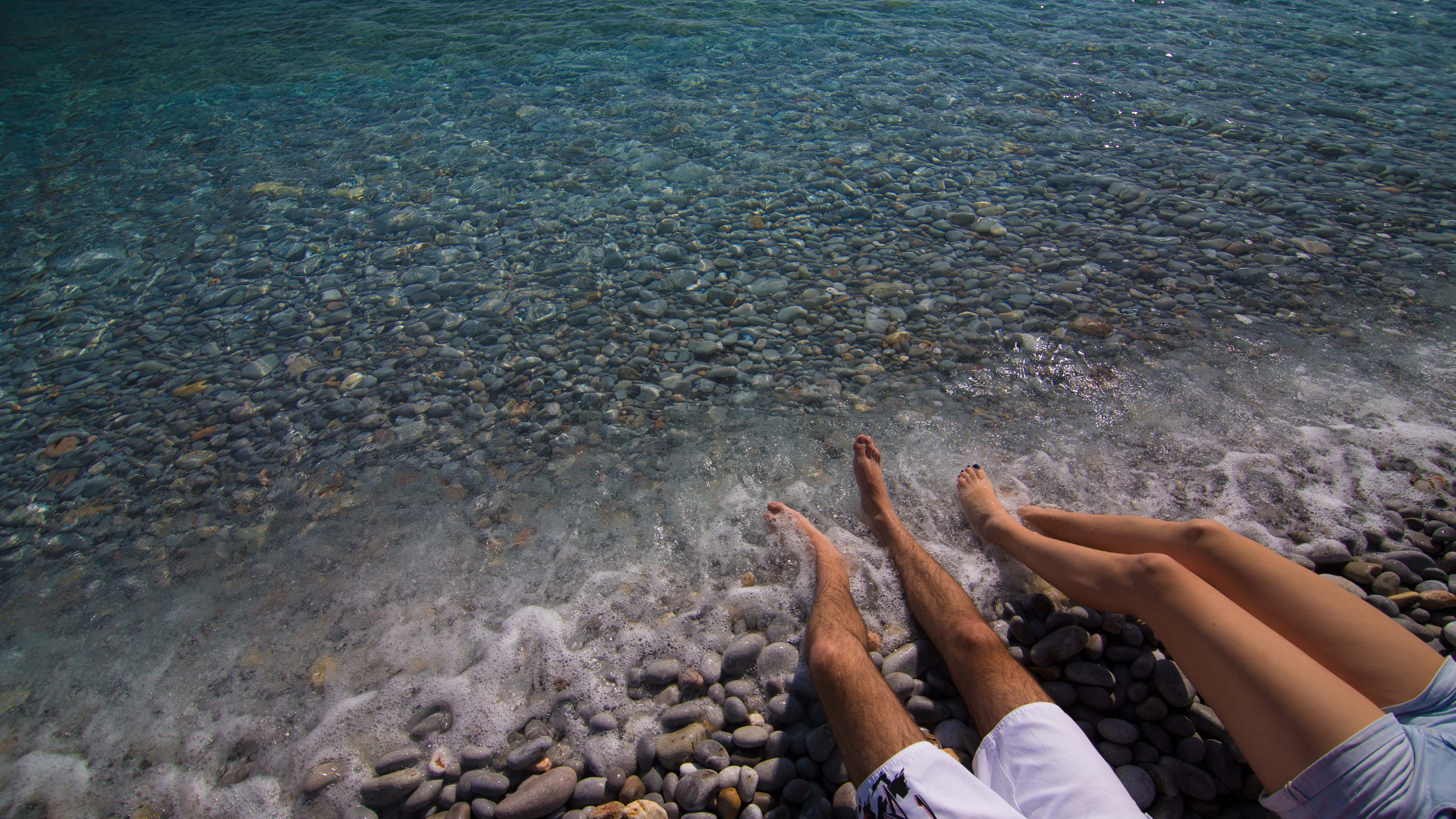
Our authentic experiences scratch deeper beneath the surface to take you closer to the heart of Greece and the Arabian Gulf. Expect the unexpected. Be ready to immerse yourself in a truly unique experience with local people, homegrown flavours, and stories passed down through the generations. You’ll leave with your own story to tell.
Experiences for just you and a few
Greece’s soul is warm and relaxed, so that’s exactly what our authentic experiences capture. They are small group excursions that invite you to linger longer.
We set aside a limited number of spaces so that you get a more personalised experience. It does mean that you need to book quickly to secure your space. Remember to reserve your spot at least two weeks before you sail.
Authentic themes to fire your imagination
Foodie Heaven: When just a taste won’t do, our authentic excursions let you indulge. We take you off the tourist trail and to the local producers, where you explore the islands through your senses. Thyme infused honey? Give it a try. Silky custard pie? Go on then. The crispiest white wine from Santorini’s oldest winery. It would be rude not to! Savour the flavours and honour the people who keep Greece the wholesome place it is to this day.
Culture Vulture: Greek islands are alive with colour, smells, sights and sounds. As we weave through the hidden cobbled streets and alleys, the sensory experiences will only become more intense. Feel history between your fingertips as you mimic ancient craftsmanship. Listen to the music and slower pace of life high up in the hills. See how the experiences move you.
Seeking Adventure: Venture off the well-trodden path and you’ll soon need equipment to help you explore. Thankfully, us Greeks don’t see that as a problem. Get kitted out with paddles, a snorkel mask, or hiking boots and you can unearth nature’s own stories. It will be just you and the purest blue waters, the wildflowers, and the ocean breeze.
Wonders of archaeology: Every step you take through ancient ruins gets you closer to what life was once like. But imagine what you’d learn if you were able to dig beneath the surface? That’s what our archaeologists are here to do. See the ancient sites through their eves and learn about the true culture of the people who called them home thousands of years ago.
Martini Piano Bar and Lounge
Soak up the Aegean with a glass of bubbly, or sit back with a world-class martini soundtracked by smooth piano and in the evenings with violin. Our Martini Bar & Lounges are all created for you to sip in true style.
Blue Bar & Lounge
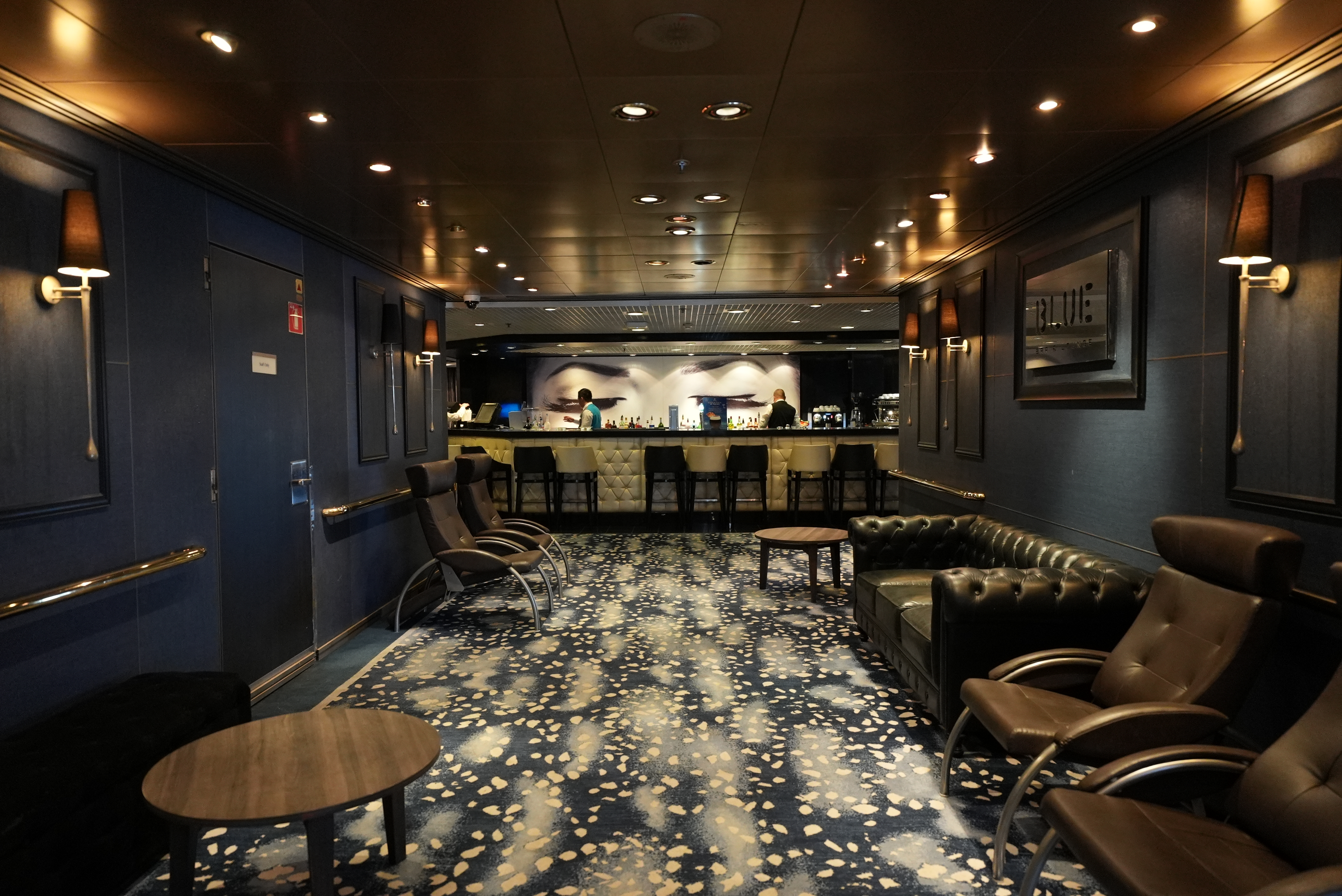
Rays
Make your own waves with a sunbeds and cabanas – the perfect way to enjoy the Mediterranean sunshine with your feet up and a drink in hand. Stay topped up without lifting a finger with our crew’s dedicated table service and discover the true meaning of refreshing relaxation. Reserved for our Grand Dream Suite (SG) / Stargazer Suite (SP) guests only.
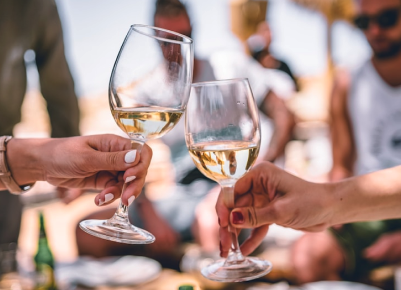
Fizz Club
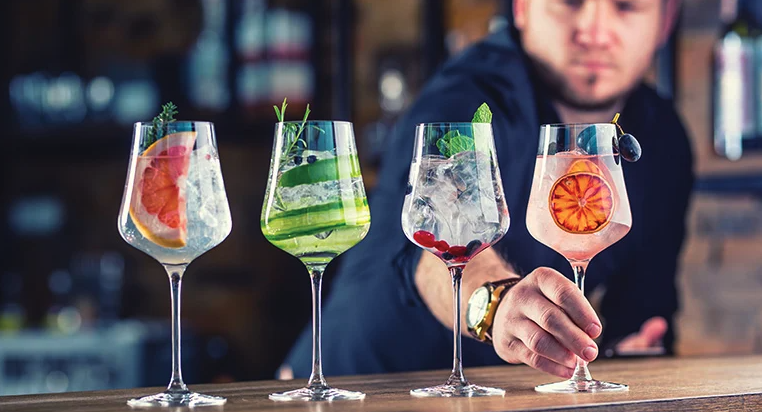
Cosmic cocktails and a dash of unmistakable Mediterranean charm are on the menu at our new Fizz Club. Keep the night going with the upbeat energy of our Celestyal bartenders, serving handcrafted cocktails with fresh ingredients picked right here from our beloved isles.
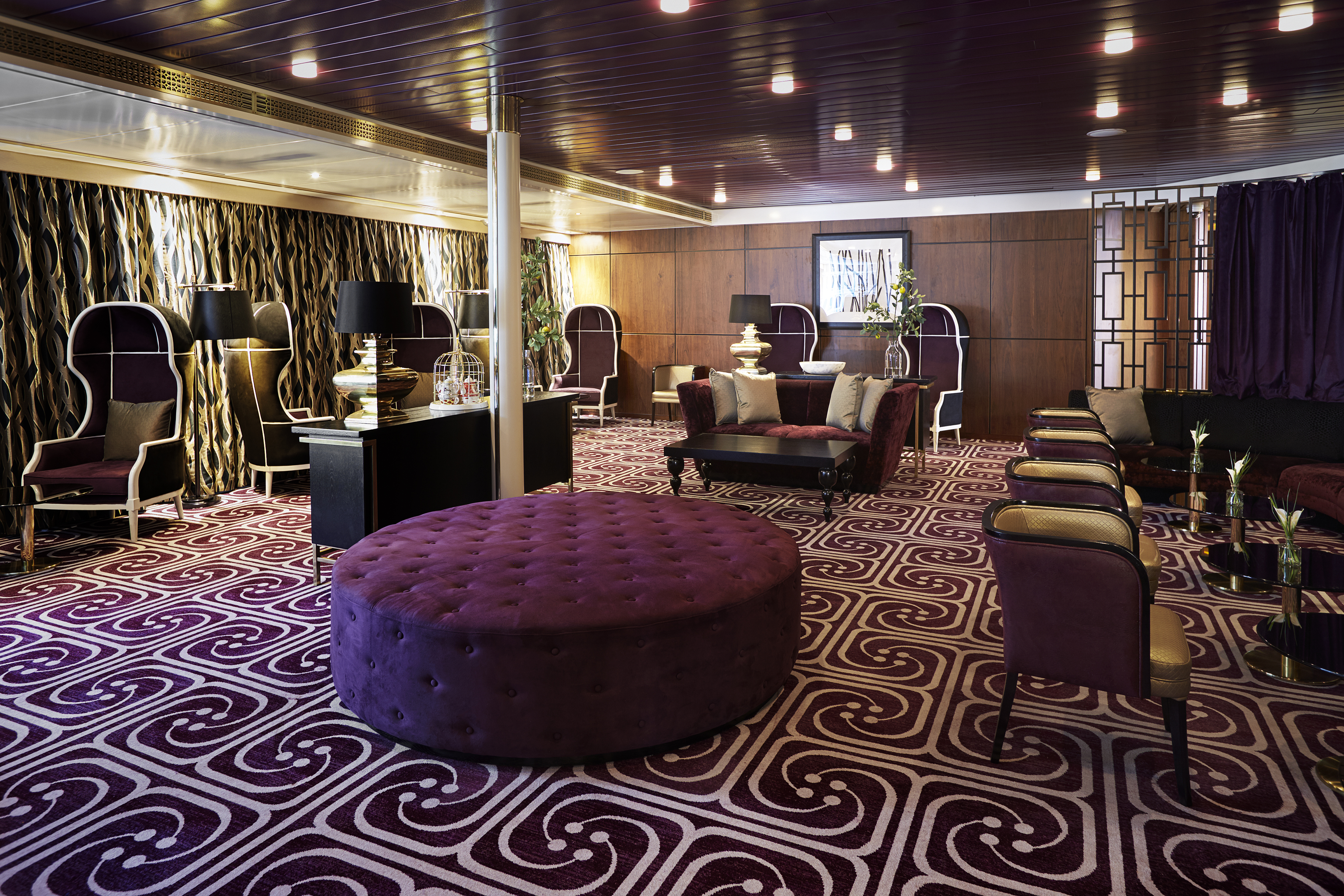
The Grapevine
Discover a wine collection worthy of Dionysus himself as you taste your way through the Grapevine, our onboard wine bar. Be transported to the orchards and valleys of the Mediterranean with our local varieties, or settle in with familiar flavour profiles from around the world.
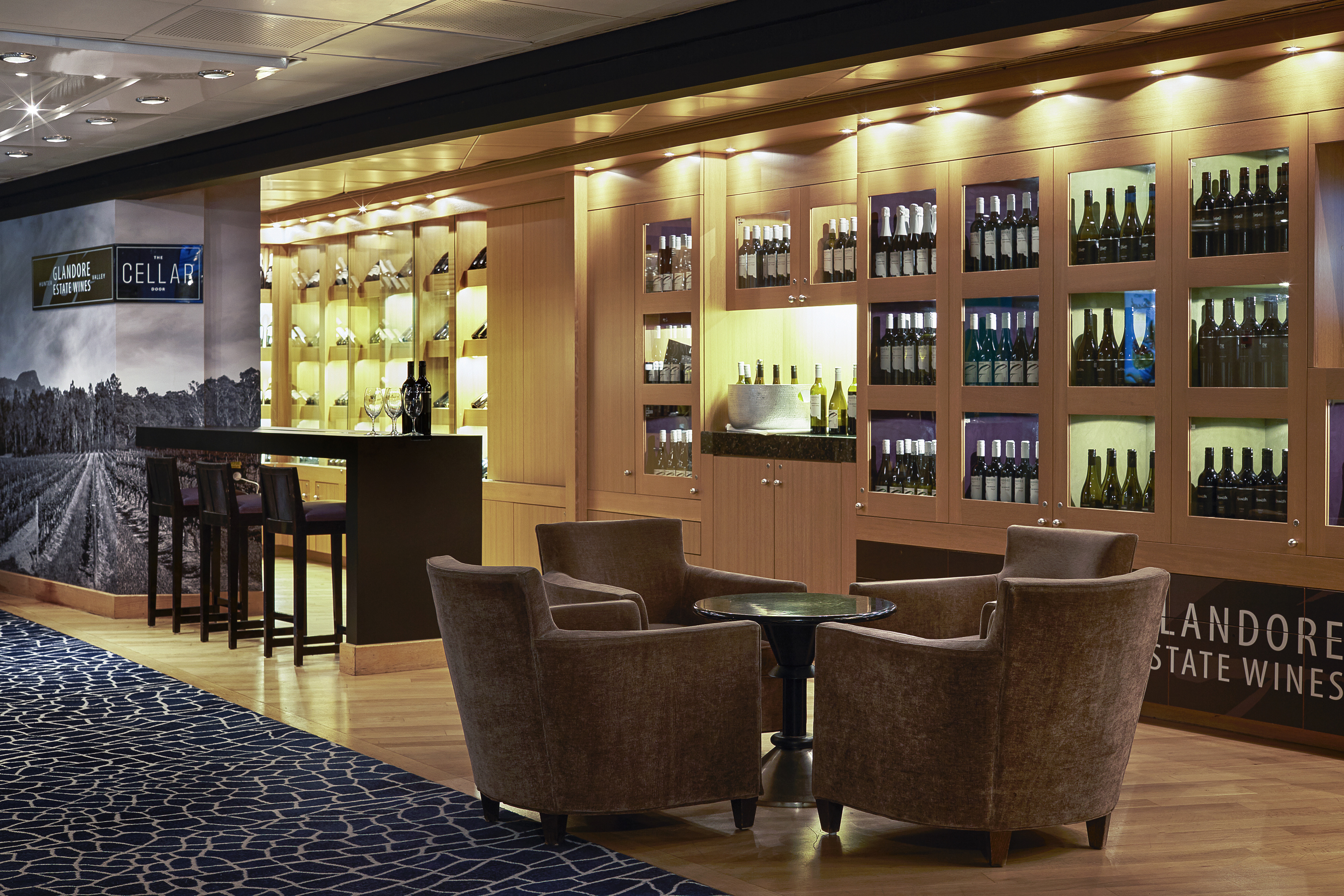
The Compass
From enjoyment to VIP treatment, our concierge lounge is where our service shines brightest. Whether it’s tailored requests or indulging in the finer things onboard, our crew is on hand to steer our suite guests in the right direction at any point in the journey. Reserved for our Grand Dream Suite (SG) / Stargazer Suite (SP) guests only.
Horizons Lounge & Disco Deck
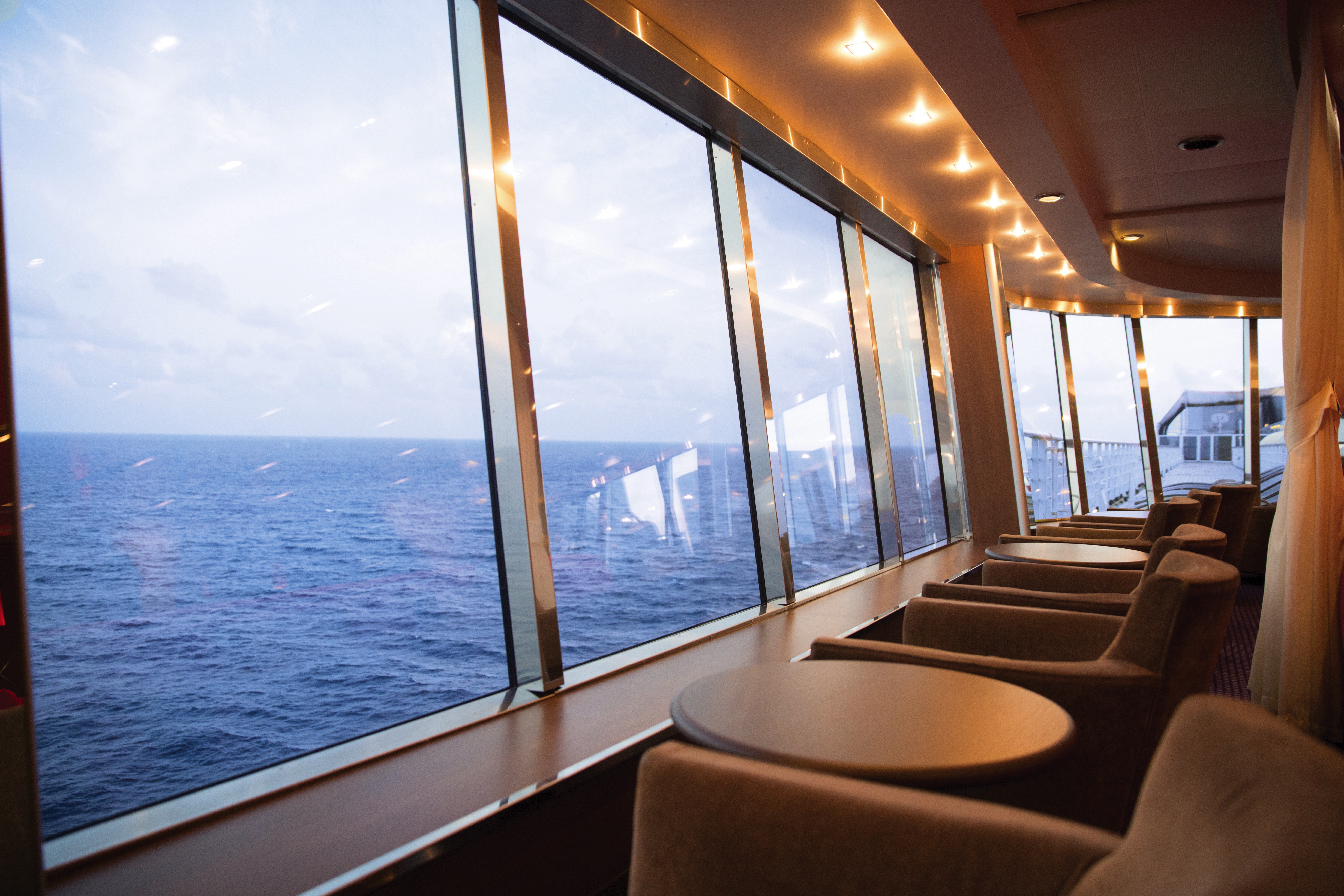
The Horizons Lounge & Disco can be found on Deck 12.
Casino
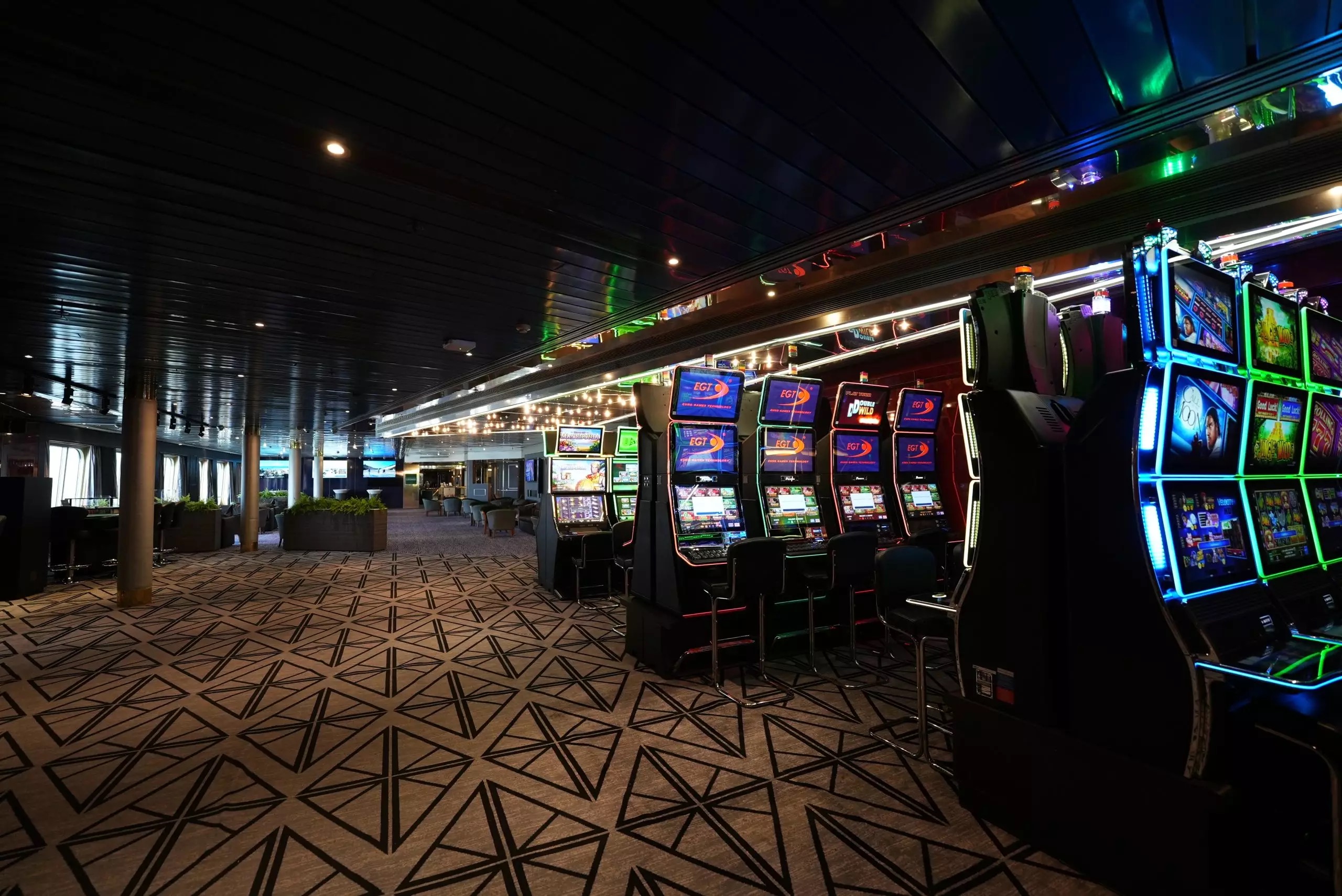
Feeling lucky? Try your had at Blackjack or hit slot machines at the our very own Casino Royale.
Pools
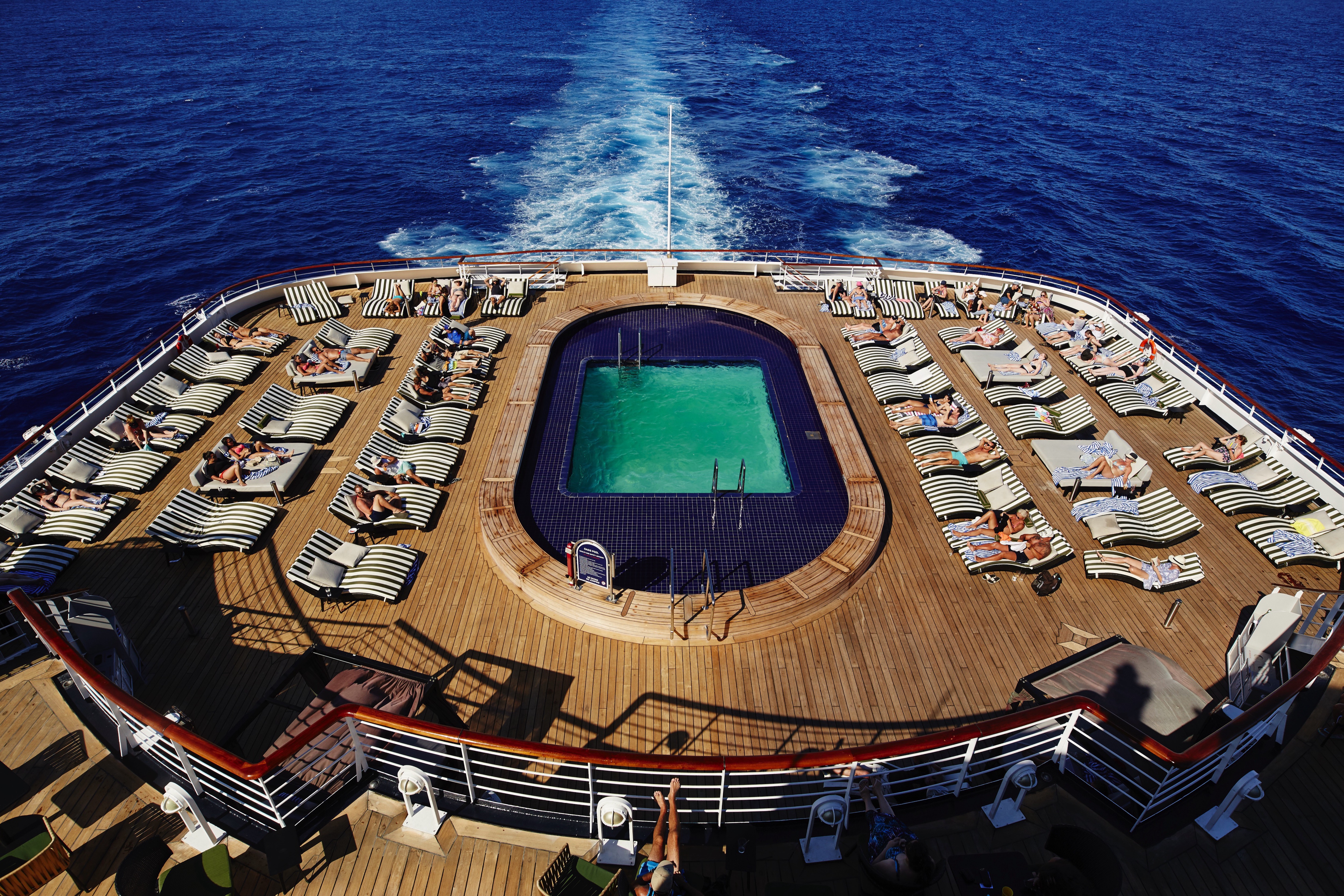
As we sail across the glistening waters of the Aegean and beyond, refresh your senses and revel in the sunshine with two swimming pools onboard. On Deck 10, you will find our Galazio Pool & Terrace. On Deck 11, you can relax at Halara Cove pool, take a dip in our iacuzzis or explore the Sozo spa. There is a further sunbathing area on Deck 12. For our Grand Dream Suites and Stargazer Penthouse Suite guests, an exclusive sun deck & bar – Rays, located on Deck 14.
Shopping
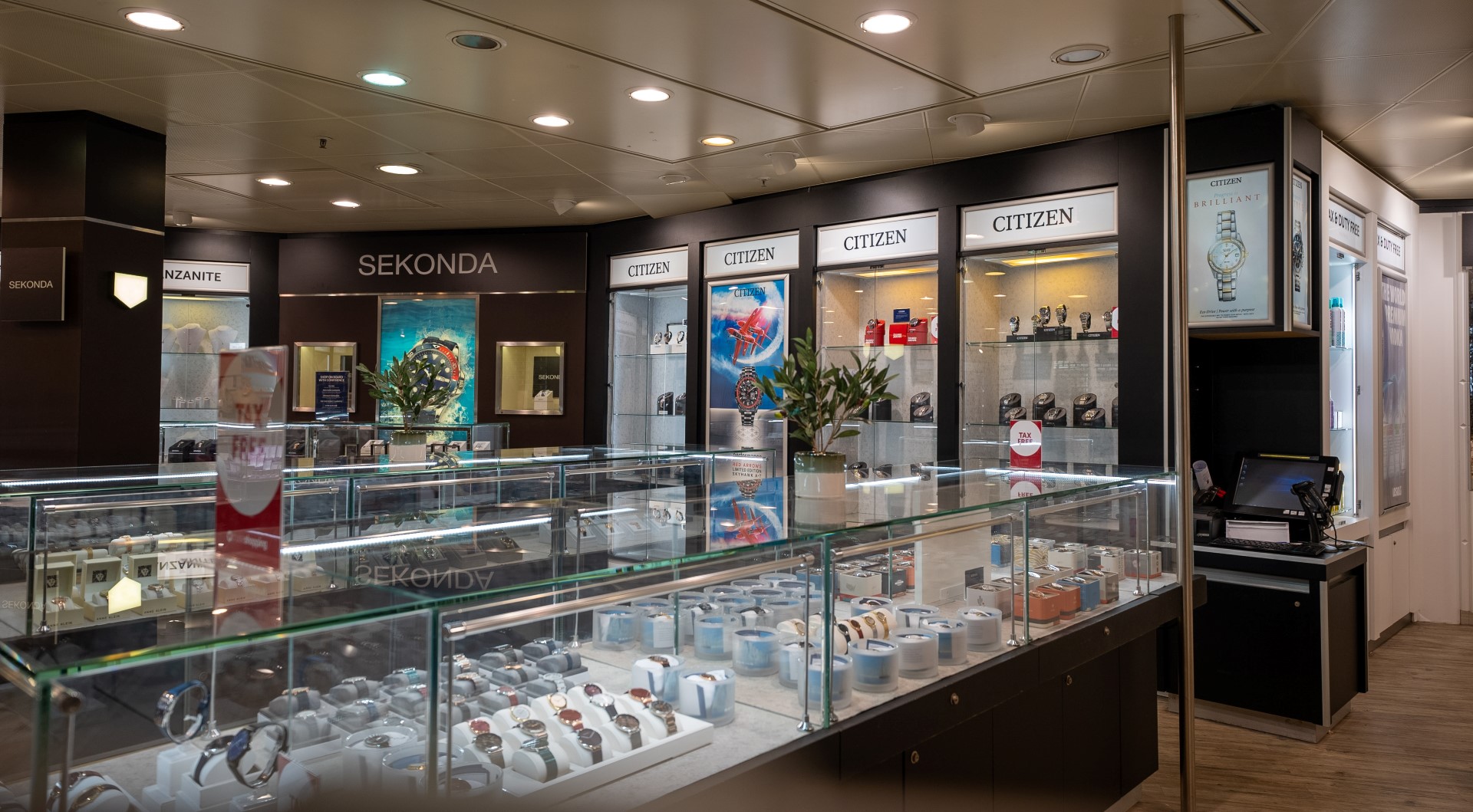
Our well-stocked duty-free shops conveniently give you access to typical vacation essentials such as shades, sun lotion and hats. You will also find souvenirs, sweet treats and more. We also have a gift shop with a good selection of exclusive tailor-made Greek products for you to take home with you.
Photography
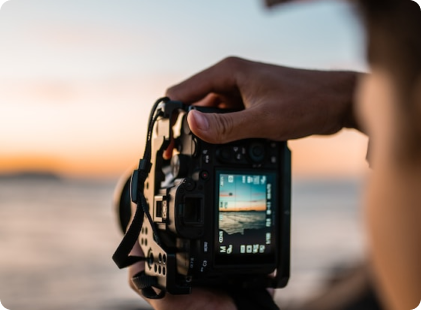
For an extra-special memento, book one of our onboard photographers to capture your experience. They can even join you onshore at any of the magical destinations you’ll be visiting.
Amphitheatro
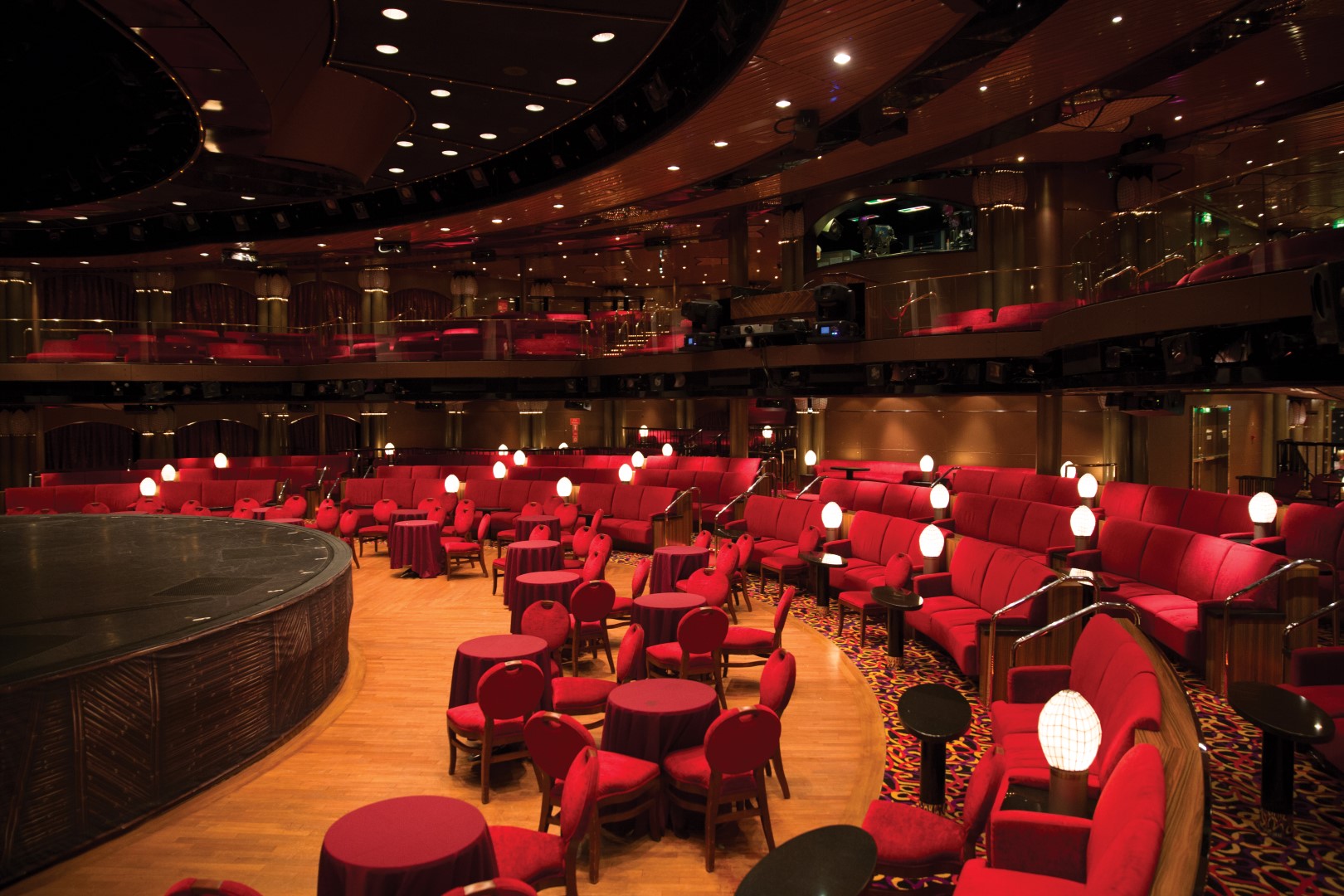
The multi-purpose spectacular Amphitheatro can be commandeered for dramatic events and impactful team gatherings.
Atrium
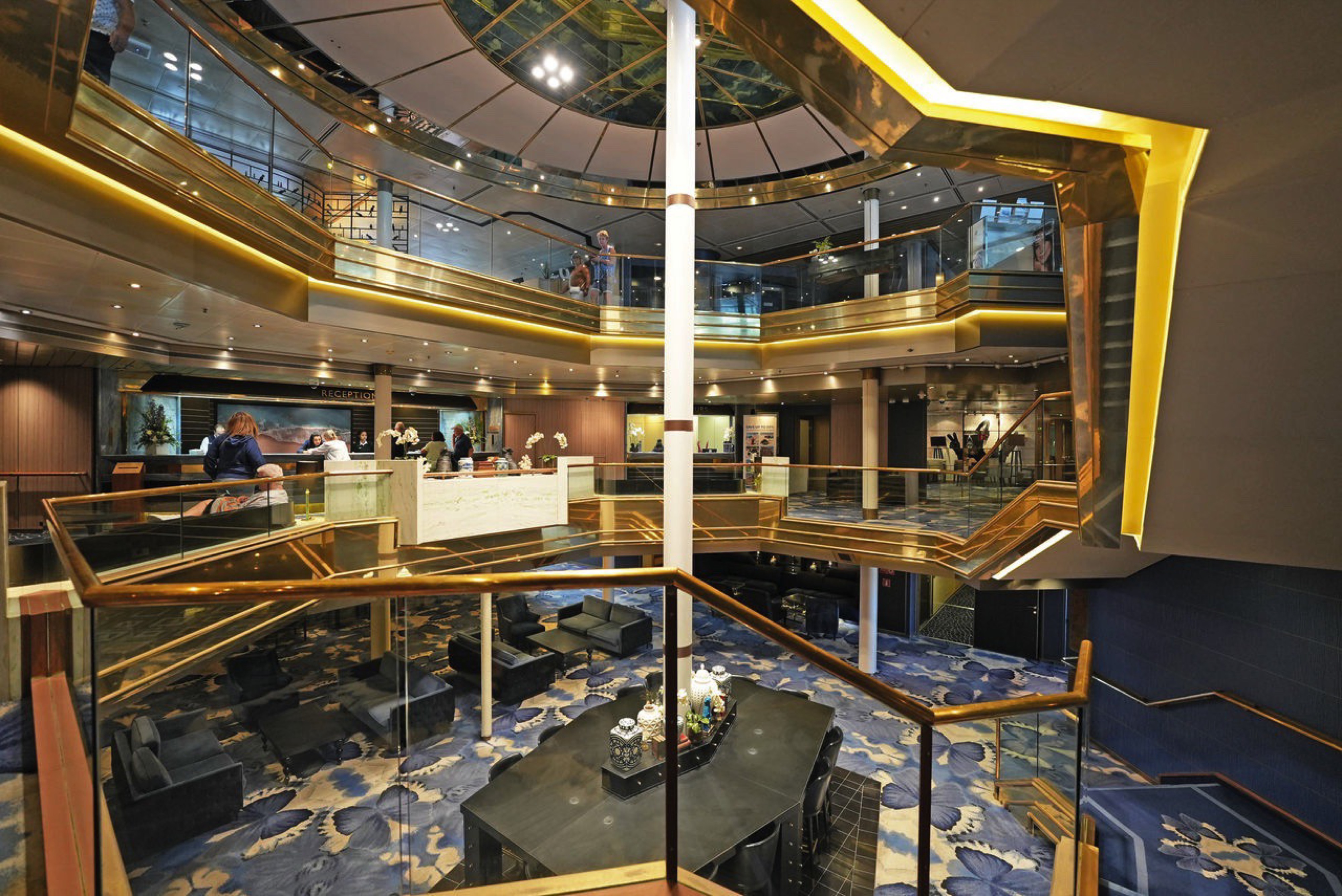
More information coming soon.
Sozo Massage Rooms
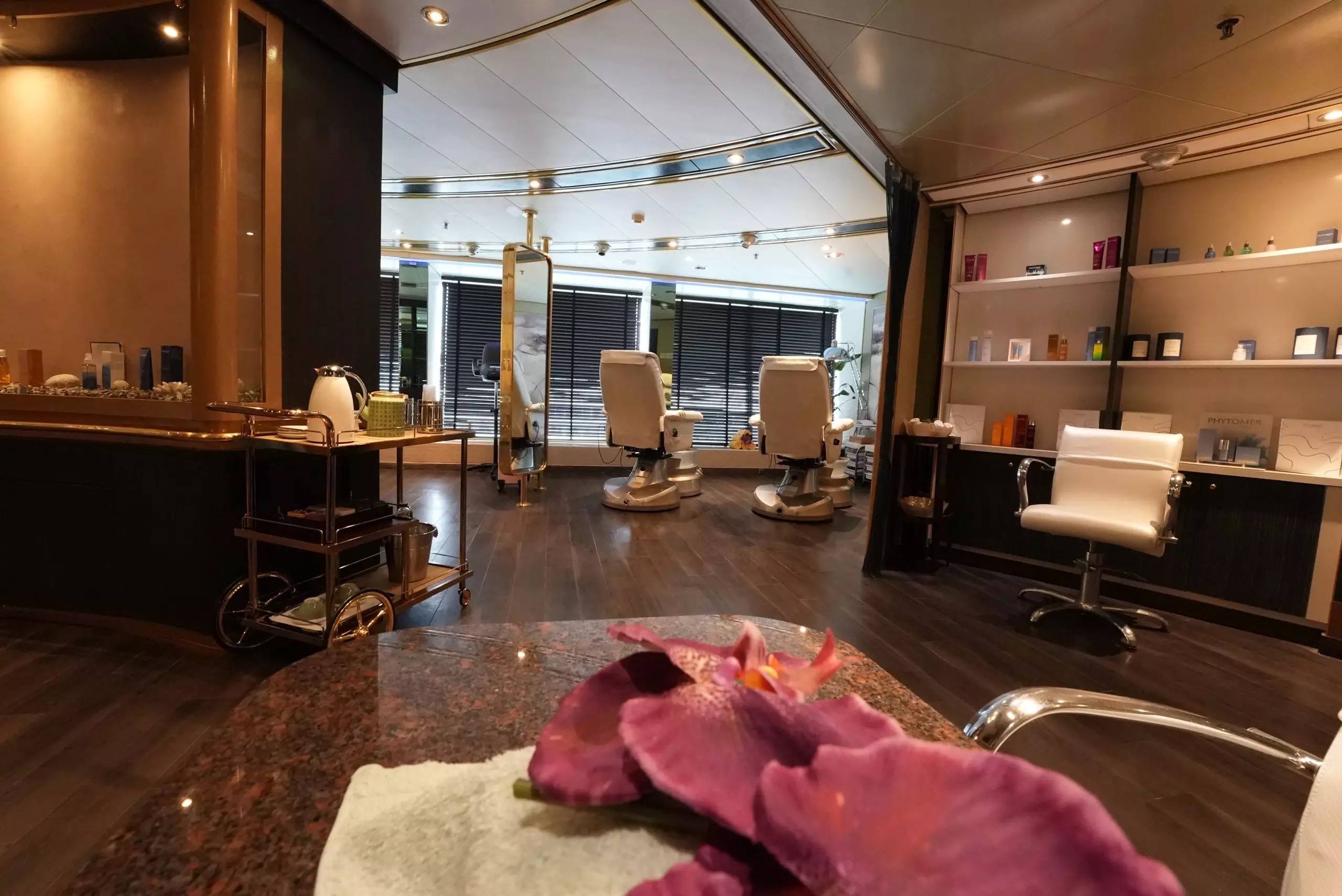
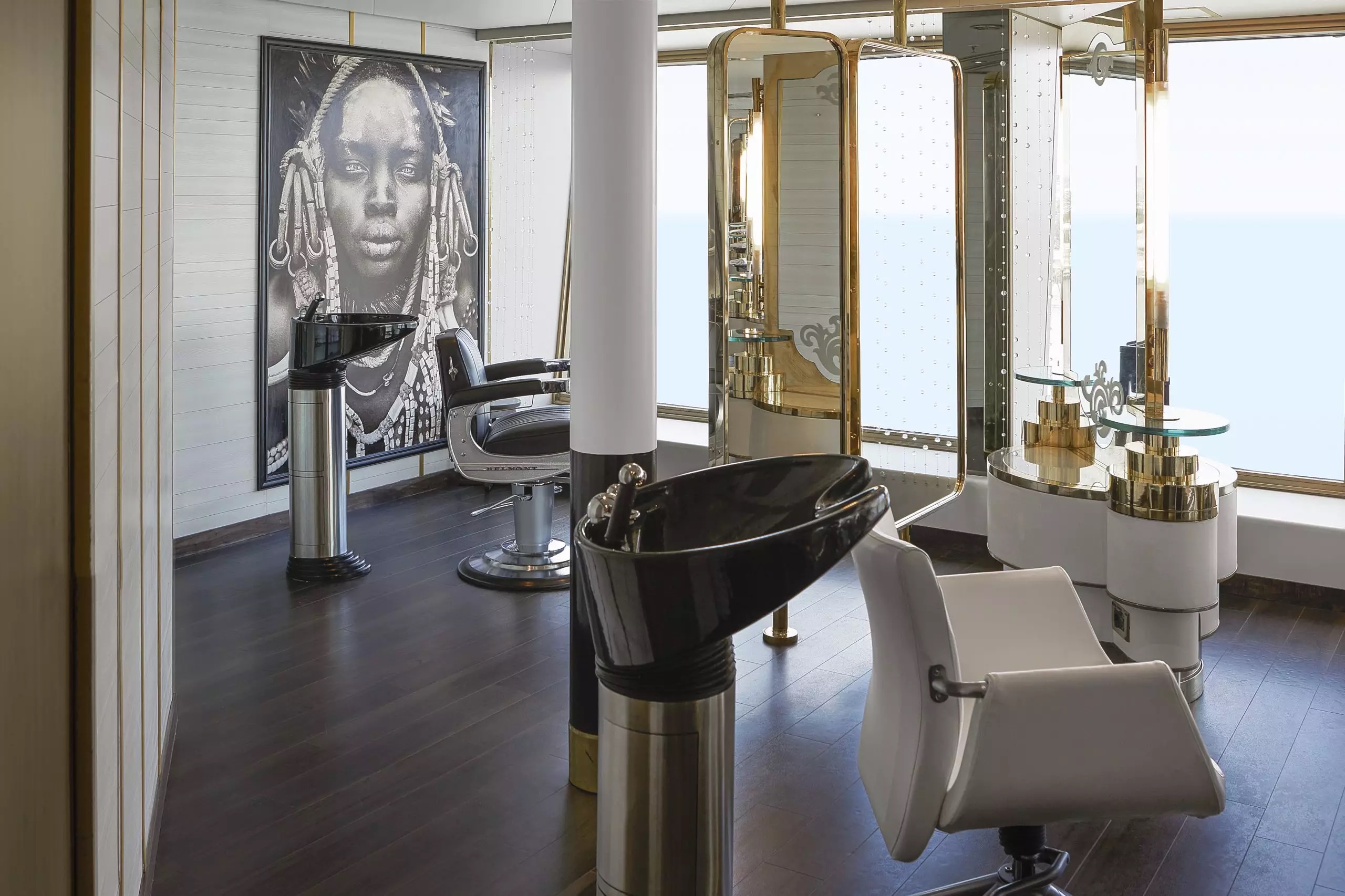
Ease into true out-of-body relaxation and rejuvenation, infused with touches of Asian wellness practices at our lavish onboard spa. Drift away to the blissful sensation of expertly perfected Indian head massages, or wind down with a Balinese hot stone massage, shiatsu massage and more specialist treatments to help you recharge.
The Glow Bar
Pulse
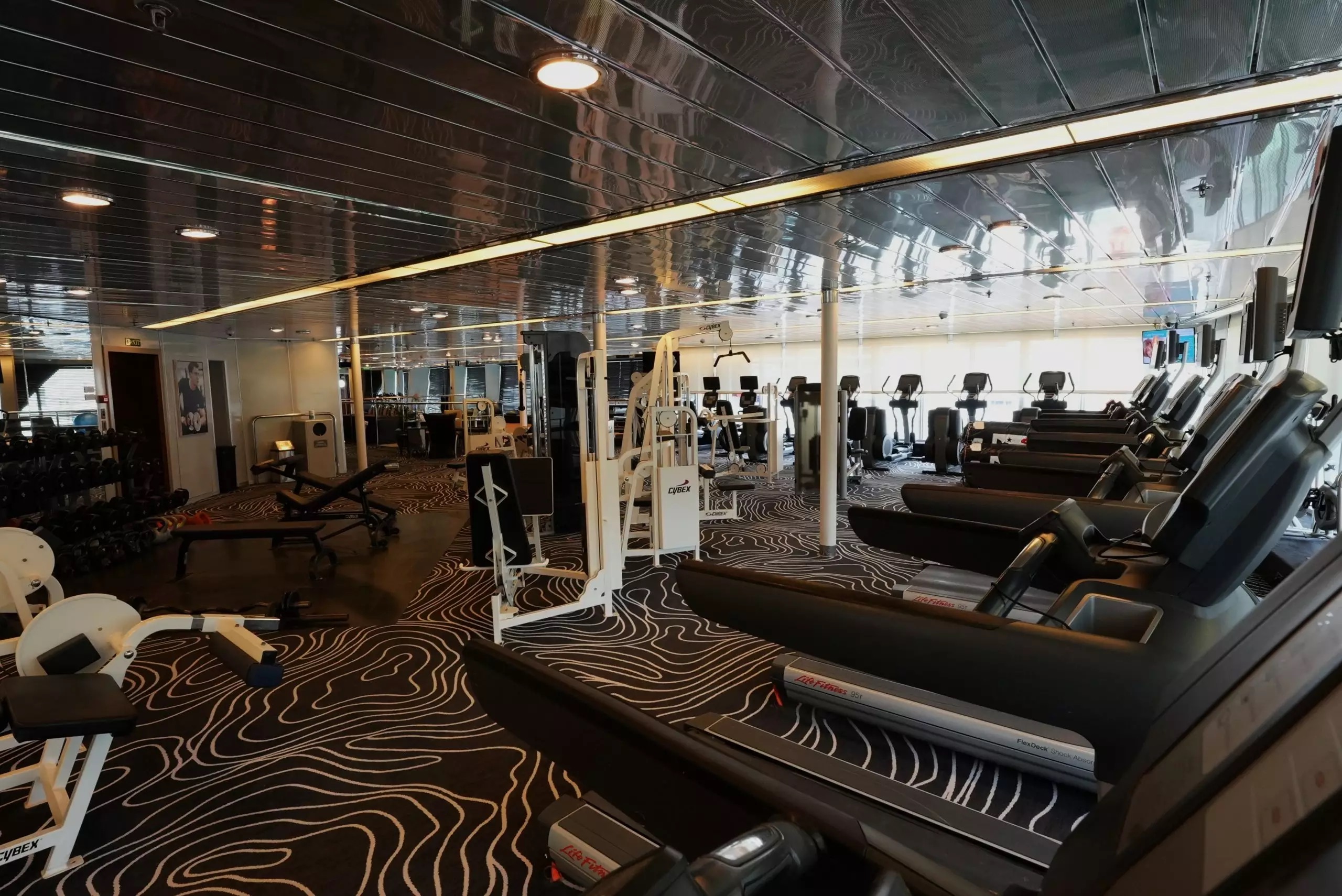
Get yours racing in our state-of-the-art workout space, before sweating it out in the sauna. From yoga classes, to the latest facilities to get your heart pumping, our gym can be the perfect break from relaxing. Hit the weights in the morning, grab a juice poolside and feel ready to take on the day.
Drift Den & Thermae
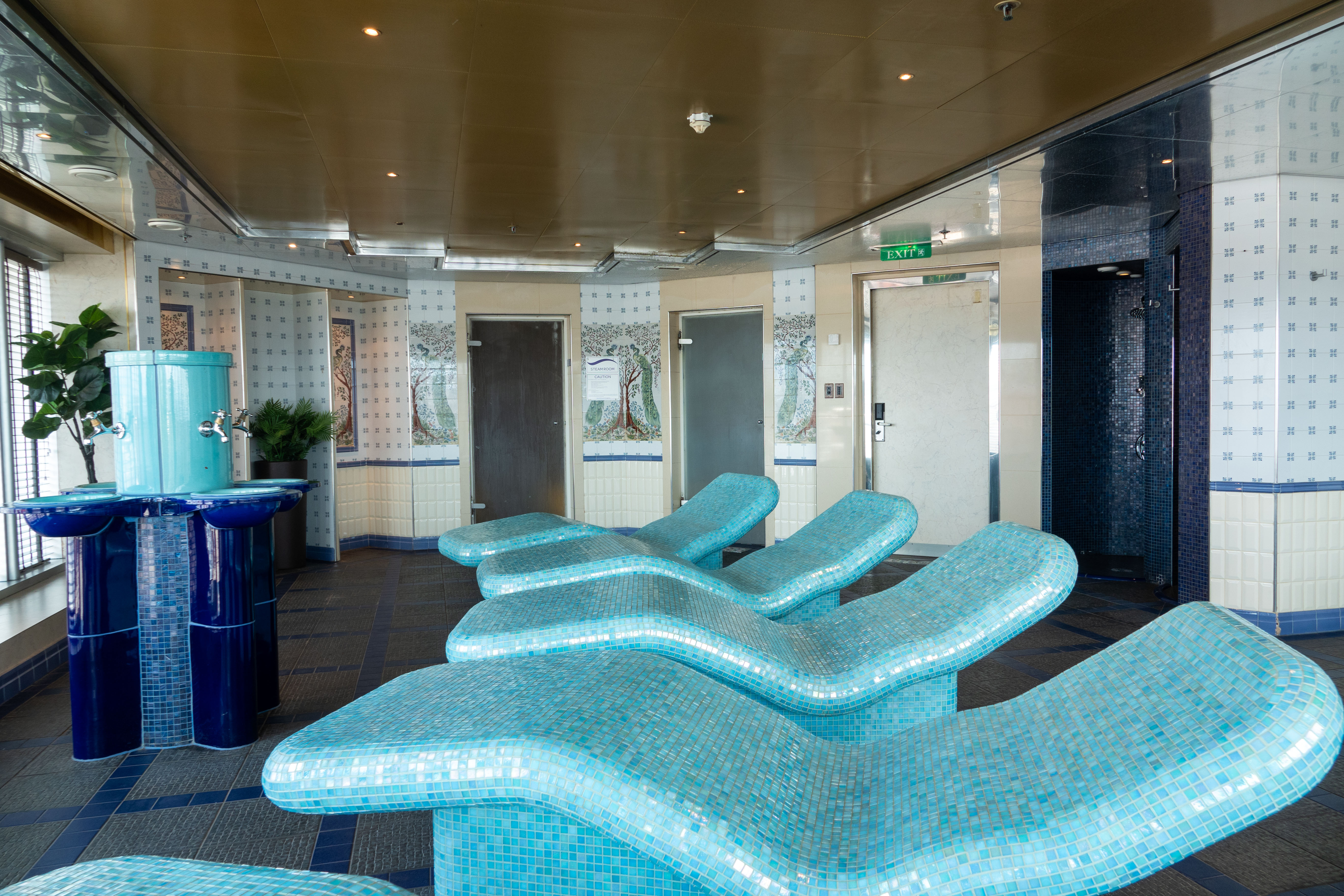
For relaxation lovers who prefer less hands-on treatment, the Drift Den (relaxation room) and Thermae (thermal suites) is the perfect way to escape within. Soak in the heavenly comfort of our jacuzzi or settle down in the uplifting heat of the steam room and come out feeling like a brand new you. Thermae offers a jacuzzi, showers, steam baths and relaxing stone beds and next door, you can Drift away in comfortable sunchairs and enjoy tea and water. Complementary one day access to guests who have purchased a treatment.
Complimentary access to Grand Dream and Stargazer suite guests.
Sports Courts
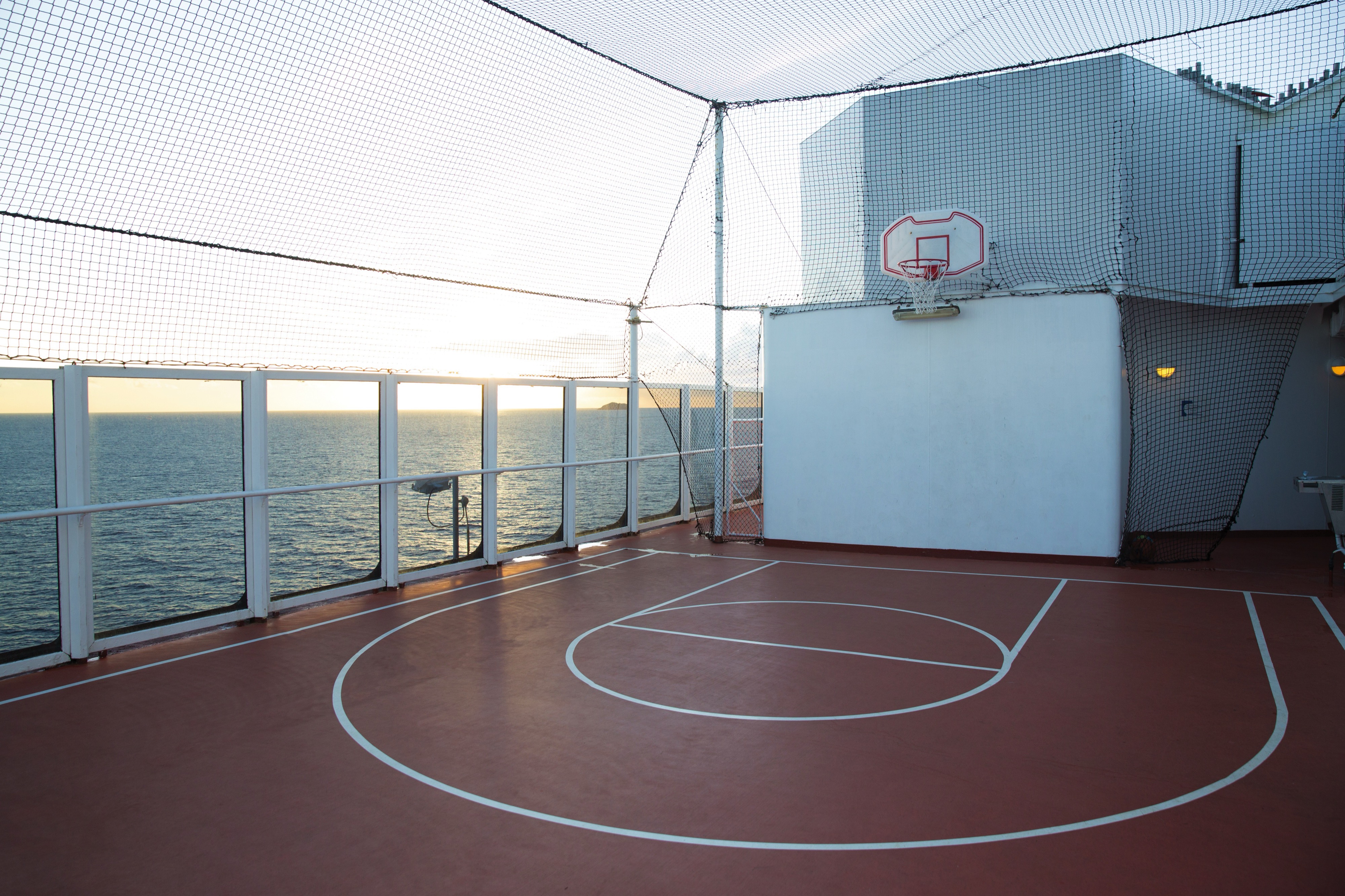
Anyone for tennis? Grab a racket from the fitness center for a seafaring game, set and match. Or get your crew together and see who’s got what it takes on the basketball court.
Jogging track
If you prefer to workout in the fresh air, a visit to our outdoor jogging track will help you smash your step count as you sail. And the ocean views will be sure to lift your spirits while you stroll, jog or sprint.

Kids’ Room & Video Arcade
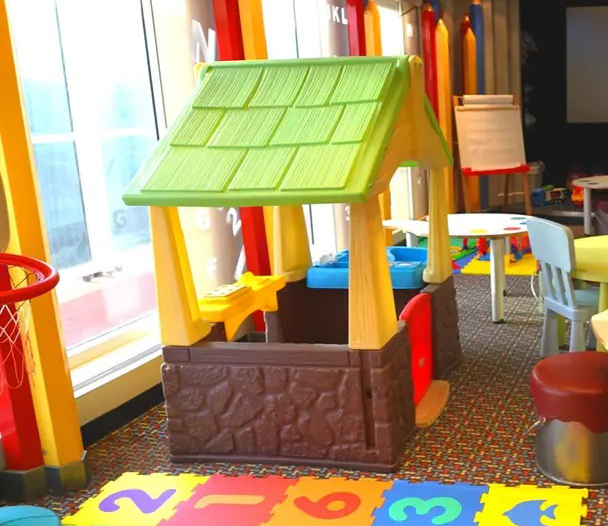
Entertainment for all ages. This is a dedicated space where the kids can let off some steam, and you can see if you can beat the highest score on the arcade games.
The Taverna
Smoked Olive
Sample our deliciously fresh take on Mediterranean cuisine at the Smoked Olive, where the flavours of Greece come to life in authentic dishes and quick bites that’ll keep you coming back for more.
Designated dining areas in the Smoked Olive restaurant for Suite guests. Reservation advised, and menu orders will incur an extra cost for guests in all stateroom grades.
Menu subject to change and charges apply
Grill Seekers
Giving surf and turf a whole new meaning, our grill is your go to for the finest cuts and most flavoursome, chargrilled dishes. Turn up the heat with a selection of freshly caught seafood and locally sourced meat, seared and roasted with the secrets and seasoning of our Celestyal grill masters. Reservation advised.
Menu subject to change and charges apply.
Pink Moon
Take a journey further afield from the isles and discover the enticing flavours of our South Asian inspired restaurant. Pink Moon is here for you to indulge in irresistible, aromatic spices and authentic recipes with everything from ramen to family sized hotpots. Perfect for a unique lunch or dining experience crafted to transport you to the other side of the world. Reservation advised, and menu orders will incur an extra cost for guests in all stateroom grades.
Menu subject to change and charges apply.
Thalassa Restaurant
Our main dining room, where you can enjoy a la carte menus and table service in elegant surroundings.
Chef's Table
For the ultimate special occasion, book a seat at this intimate dining table and enjoy four to six courses, plus selected wines.
Fig & Honey
Cool down with a wave of fruity refreshment at our very own juice bar and gelato stand. Nestled between the pool and the Sozo Experience, it’s the perfect way to enjoy a healthy post-workout boost, or simply a delicious addition to your sunbathe.
Menu subject to change and charges apply.
Greek Deli
The ultimate grab and go option when you want a light snack. Full of tasty treats like our renowned Greek-style bagels – make sure you try one.
Café Nation
The Café Nation can be found on Deck 8.
Extra charges apply.
Adventures Ashore
Experience is everything, for everyone.
Greece, Arabian Gulf and the Mediterranean is warm and relaxed, and that’s exactly what our authentic experiences capture. Go further with more intimate group excursions that invite you to linger longer.
We never get tired of rediscovering this part of the world. And this time, you’re along for the adventure. Immerse yourself in the true heart of this land and see where your Celestyal adventure will take you.
Authentic Excursions
Our authentic experiences scratch deeper beneath the surface to take you closer to the heart of Greece and the Arabian Gulf. Expect the unexpected. Be ready to immerse yourself in a truly unique experience with local people, homegrown flavours, and stories passed down through the generations. You’ll leave with your own story to tell.
Experiences for just you and a few
Greece’s soul is warm and relaxed, so that’s exactly what our authentic experiences capture. They are small group excursions that invite you to linger longer.
We set aside a limited number of spaces so that you get a more personalised experience. It does mean that you need to book quickly to secure your space. Remember to reserve your spot at least two weeks before you sail.
Authentic themes to fire your imagination
Foodie Heaven: When just a taste won’t do, our authentic excursions let you indulge. We take you off the tourist trail and to the local producers, where you explore the islands through your senses. Thyme infused honey? Give it a try. Silky custard pie? Go on then. The crispiest white wine from Santorini’s oldest winery. It would be rude not to! Savour the flavours and honour the people who keep Greece the wholesome place it is to this day.
Culture Vulture: Greek islands are alive with colour, smells, sights and sounds. As we weave through the hidden cobbled streets and alleys, the sensory experiences will only become more intense. Feel history between your fingertips as you mimic ancient craftsmanship. Listen to the music and slower pace of life high up in the hills. See how the experiences move you.
Seeking Adventure: Venture off the well-trodden path and you’ll soon need equipment to help you explore. Thankfully, us Greeks don’t see that as a problem. Get kitted out with paddles, a snorkel mask, or hiking boots and you can unearth nature’s own stories. It will be just you and the purest blue waters, the wildflowers, and the ocean breeze.
Wonders of archaeology: Every step you take through ancient ruins gets you closer to what life was once like. But imagine what you’d learn if you were able to dig beneath the surface? That’s what our archaeologists are here to do. See the ancient sites through their eves and learn about the true culture of the people who called them home thousands of years ago.
Martini Piano Bar and Lounge
Soak up the Aegean with a glass of bubbly, or sit back with a world-class martini soundtracked by smooth piano and in the evenings with violin. Our Martini Bar & Lounges are all created for you to sip in true style.
Blue Bar & Lounge
Rays
Make your own waves with a sunbeds and cabanas – the perfect way to enjoy the Mediterranean sunshine with your feet up and a drink in hand. Stay topped up without lifting a finger with our crew’s dedicated table service and discover the true meaning of refreshing relaxation. Reserved for our Grand Dream Suite (SG) / Stargazer Suite (SP) guests only.
Fizz Club
Cosmic cocktails and a dash of unmistakable Mediterranean charm are on the menu at our new Fizz Club. Keep the night going with the upbeat energy of our Celestyal bartenders, serving handcrafted cocktails with fresh ingredients picked right here from our beloved isles.
The Grapevine
Discover a wine collection worthy of Dionysus himself as you taste your way through the Grapevine, our onboard wine bar. Be transported to the orchards and valleys of the Mediterranean with our local varieties, or settle in with familiar flavour profiles from around the world.
The Compass
From enjoyment to VIP treatment, our concierge lounge is where our service shines brightest. Whether it’s tailored requests or indulging in the finer things onboard, our crew is on hand to steer our suite guests in the right direction at any point in the journey. Reserved for our Grand Dream Suite (SG) / Stargazer Suite (SP) guests only.
Horizons Lounge & Disco Deck
The Horizons Lounge & Disco can be found on Deck 12.
Casino
Feeling lucky? Try your had at Blackjack or hit slot machines at the our very own Casino Royale.
Pools
As we sail across the glistening waters of the Aegean and beyond, refresh your senses and revel in the sunshine with two swimming pools onboard. On Deck 10, you will find our Galazio Pool & Terrace. On Deck 11, you can relax at Halara Cove pool, take a dip in our iacuzzis or explore the Sozo spa. There is a further sunbathing area on Deck 12. For our Grand Dream Suites and Stargazer Penthouse Suite guests, an exclusive sun deck & bar – Rays, located on Deck 14.
Shopping
Our well-stocked duty-free shops conveniently give you access to typical vacation essentials such as shades, sun lotion and hats. You will also find souvenirs, sweet treats and more. We also have a gift shop with a good selection of exclusive tailor-made Greek products for you to take home with you.
Photography
For an extra-special memento, book one of our onboard photographers to capture your experience. They can even join you onshore at any of the magical destinations you’ll be visiting.
Amphitheatro
The multi-purpose spectacular Amphitheatro can be commandeered for dramatic events and impactful team gatherings.
Atrium
More information coming soon.
Sozo Massage Rooms
Ease into true out-of-body relaxation and rejuvenation, infused with touches of Asian wellness practices at our lavish onboard spa. Drift away to the blissful sensation of expertly perfected Indian head massages, or wind down with a Balinese hot stone massage, shiatsu massage and more specialist treatments to help you recharge.
The Glow Bar
Pulse
Get yours racing in our state-of-the-art workout space, before sweating it out in the sauna. From yoga classes, to the latest facilities to get your heart pumping, our gym can be the perfect break from relaxing. Hit the weights in the morning, grab a juice poolside and feel ready to take on the day.
Drift Den & Thermae
For relaxation lovers who prefer less hands-on treatment, the Drift Den (relaxation room) and Thermae (thermal suites) is the perfect way to escape within. Soak in the heavenly comfort of our jacuzzi or settle down in the uplifting heat of the steam room and come out feeling like a brand new you. Thermae offers a jacuzzi, showers, steam baths and relaxing stone beds and next door, you can Drift away in comfortable sunchairs and enjoy tea and water. Complementary one day access to guests who have purchased a treatment.
Complimentary access to Grand Dream and Stargazer suite guests.
Sports Courts
Anyone for tennis? Grab a racket from the fitness center for a seafaring game, set and match. Or get your crew together and see who’s got what it takes on the basketball court.
Jogging track
If you prefer to workout in the fresh air, a visit to our outdoor jogging track will help you smash your step count as you sail. And the ocean views will be sure to lift your spirits while you stroll, jog or sprint.
Kids’ Room & Video Arcade
Entertainment for all ages. This is a dedicated space where the kids can let off some steam, and you can see if you can beat the highest score on the arcade games.
About the Ship
Deck Plans
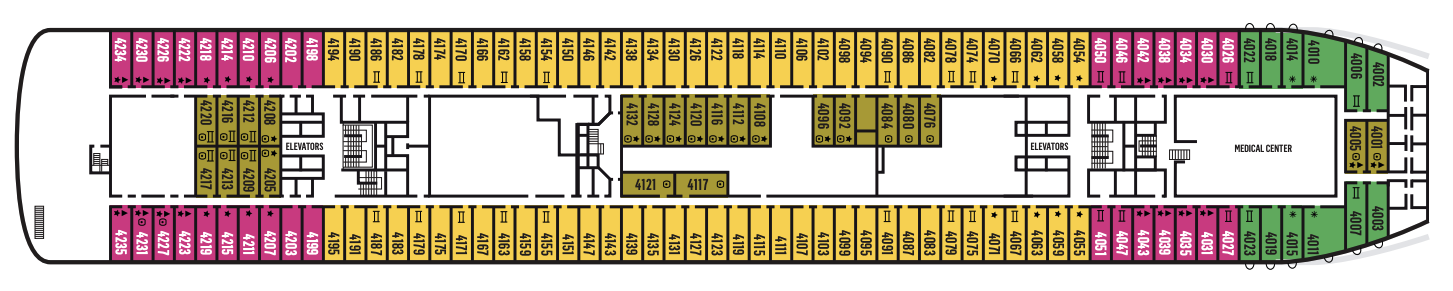
- Medical Centre
- Inside Staterooms (IA, XA)
- Outside Staterooms (XB, XC)

- Exterior Staterooms
- Inside Staterooms (IB, IC)
- Outside Staterooms (XA, XC, XD)

- Interior Staterooms (IC)
- Outside Staterooms (XB, XBO)

- Eatro Show Lounge
- Photo Shop and Gallery
- Shore Excursions
- Reception
- Wine Cellar
- Symposium 1
- Symposium 2
- Symposium 3
- Thalassa Restaurant

- Eatro Show Lounge
- Duty Free and Value Shop
- Agora
- Essentials Shop
- Argo Bar and Lounge
- Shorex Selling Kiosks
- Martini Lounge
- Martini Piano Bar and Lounges
- Duty Free and Value Shop
- Casino
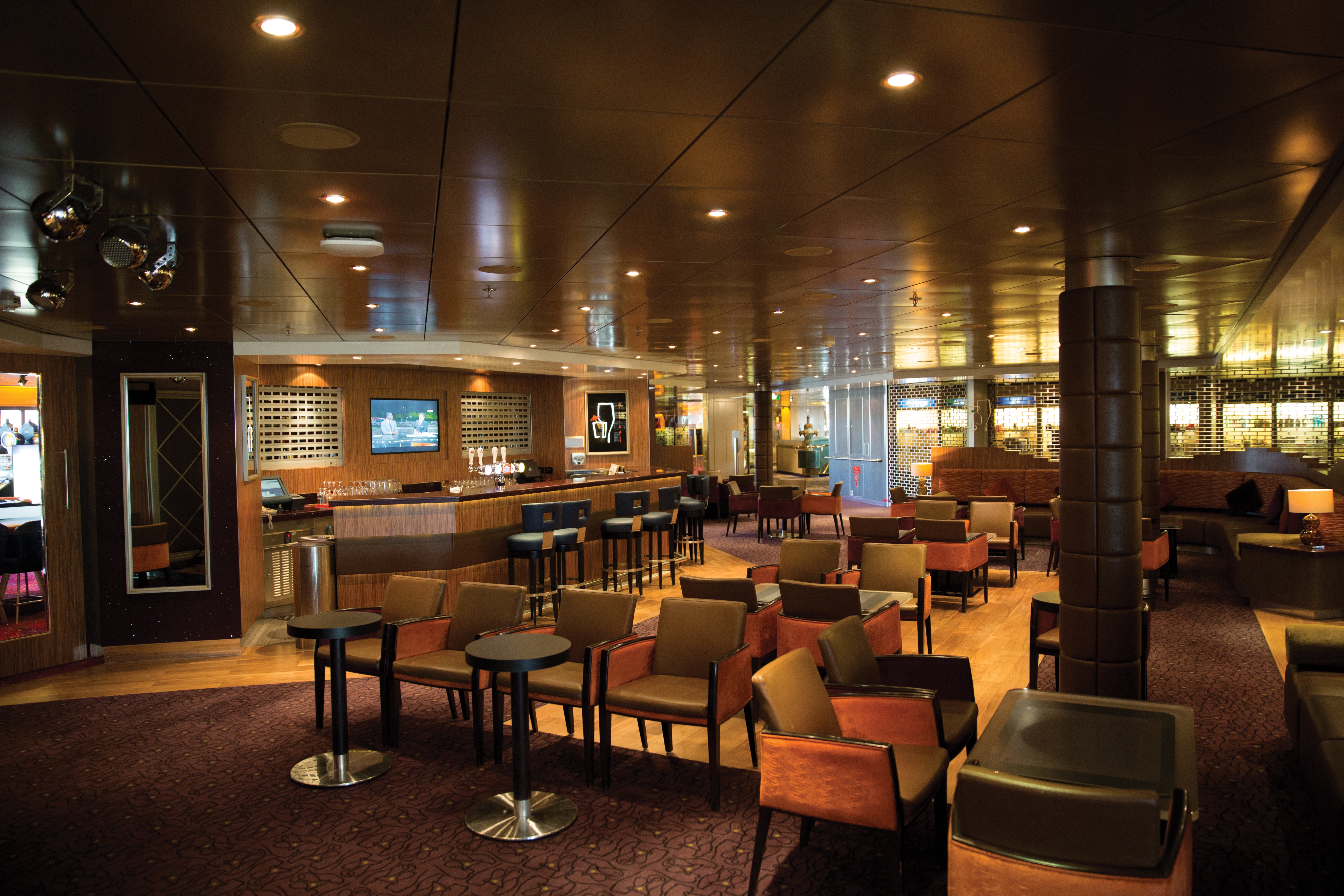
- Blue Bar and Lounge
- The Grill Lounge
- Jewellery Shop
- The Grill Speciality Restaurant
- Chef’s Table
- Marco Polo Restaurant
- Mediterraneo Restaurant

- Suites
- Inside Staterooms (IC)
- Outside Staterooms (XA, XD)
- Junior Balcony Suites (SJA, SJB)
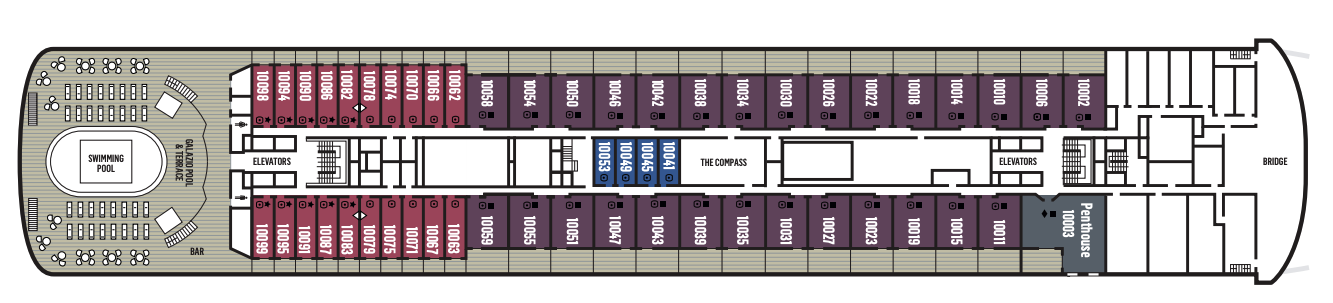
- Bridge
- Swimming Pool
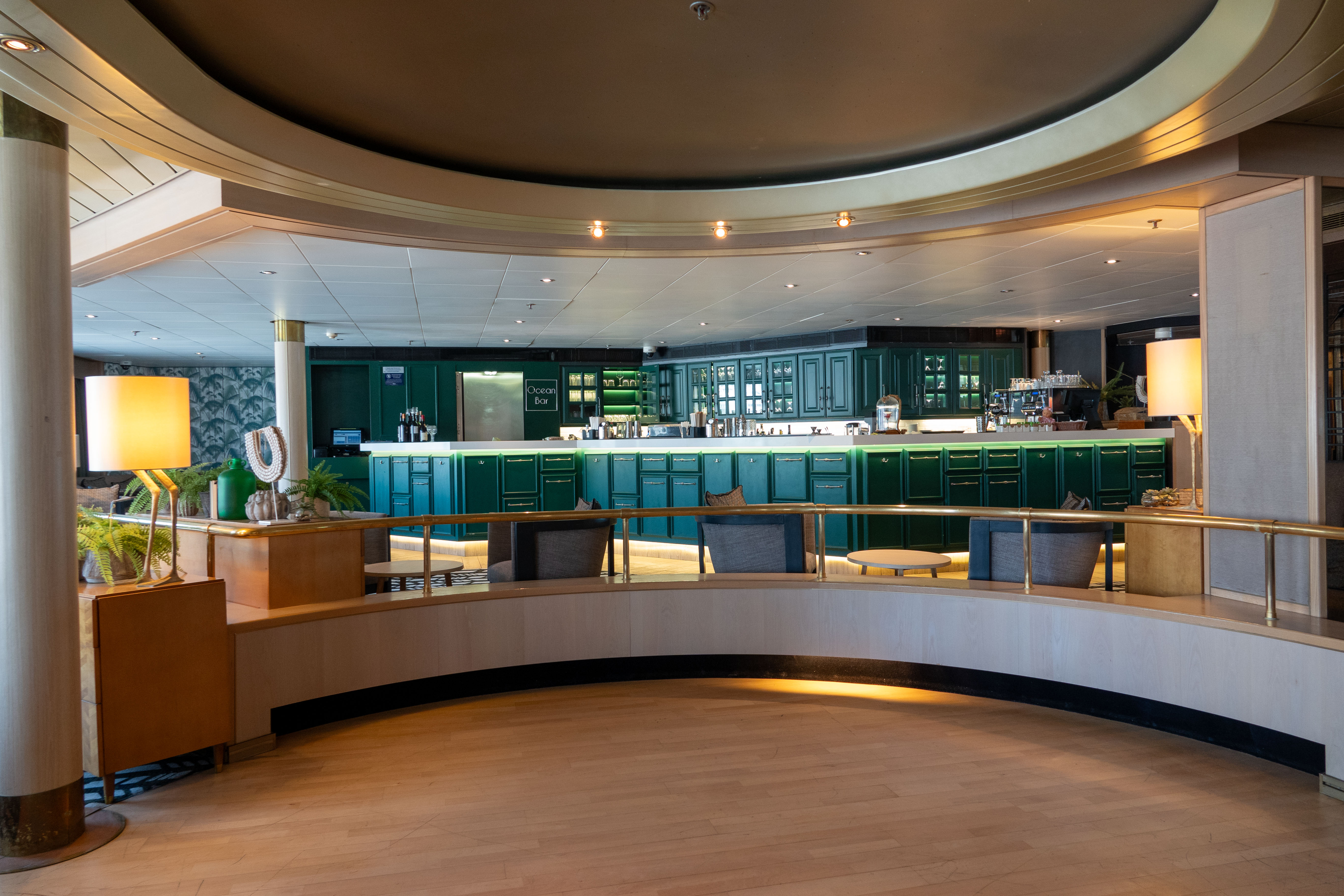
- Ocean Bar
- Inside Staterooms (IC)
- Junior Balcony Suites (SJC)
- Grand Suite with Balcony (SG)
- Penthouse Suite with Baclony (SP)
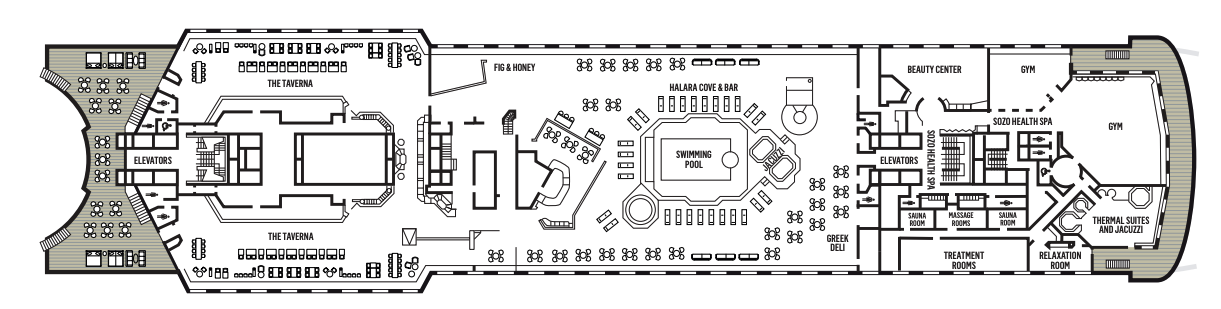
- Gym
- Steam Room and Jacuzzi
- Beauty Centre
- Sauna Room
- Massage Rooms
- Treatment Rooms
- Beauty Centre
- Greek Deli
- Jacuzzi
- Swimming Pool
- Ice Cream and Healthy Juice Corner
- Helios Bar
- Leda Casual Dining
- The Taverna
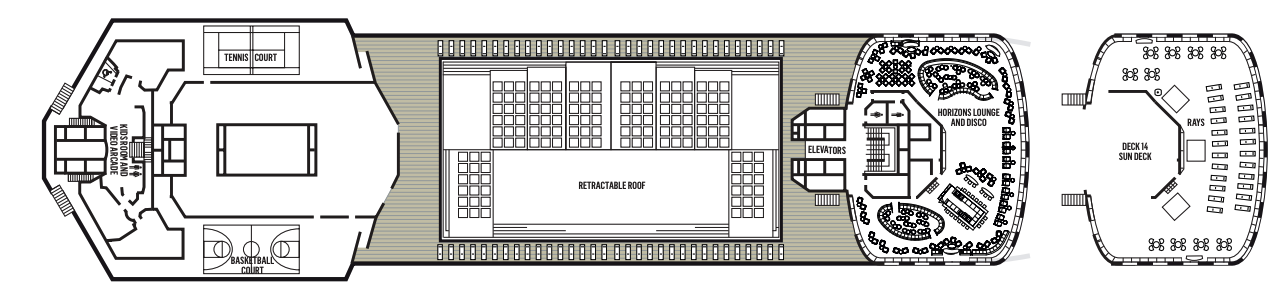
- Beach Club
- Helios Deck
- Horizons Lounge and Disco
- Retractable Roof
- Tennis Court
- Basketball Court
- Kids Room and Video Arcade
- Medical Centre
- Inside Staterooms (IA, XA)
- Outside Staterooms (XB, XC)
- Exterior Staterooms
- Inside Staterooms (IB, IC)
- Outside Staterooms (XA, XC, XD)
- Interior Staterooms (IC)
- Outside Staterooms (XB, XBO)
- Eatro Show Lounge
- Photo Shop and Gallery
- Shore Excursions
- Reception
- Wine Cellar
- Symposium 1
- Symposium 2
- Symposium 3
- Thalassa Restaurant
- Eatro Show Lounge
- Duty Free and Value Shop
- Agora
- Essentials Shop
- Argo Bar and Lounge
- Shorex Selling Kiosks
- Martini Lounge
- Martini Piano Bar and Lounges
- Duty Free and Value Shop
- Casino
- Blue Bar and Lounge
- The Grill Lounge
- Jewellery Shop
- The Grill Speciality Restaurant
- Chef’s Table
- Marco Polo Restaurant
- Mediterraneo Restaurant
- Suites
- Inside Staterooms (IC)
- Outside Staterooms (XA, XD)
- Junior Balcony Suites (SJA, SJB)
- Bridge
- Swimming Pool
- Ocean Bar
- Inside Staterooms (IC)
- Junior Balcony Suites (SJC)
- Grand Suite with Balcony (SG)
- Penthouse Suite with Baclony (SP)
- Gym
- Steam Room and Jacuzzi
- Beauty Centre
- Sauna Room
- Massage Rooms
- Treatment Rooms
- Beauty Centre
- Greek Deli
- Jacuzzi
- Swimming Pool
- Ice Cream and Healthy Juice Corner
- Helios Bar
- Leda Casual Dining
- The Taverna
- Beach Club
- Helios Deck
- Horizons Lounge and Disco
- Retractable Roof
- Tennis Court
- Basketball Court
- Kids Room and Video Arcade