Featured Cabins
Itinerary
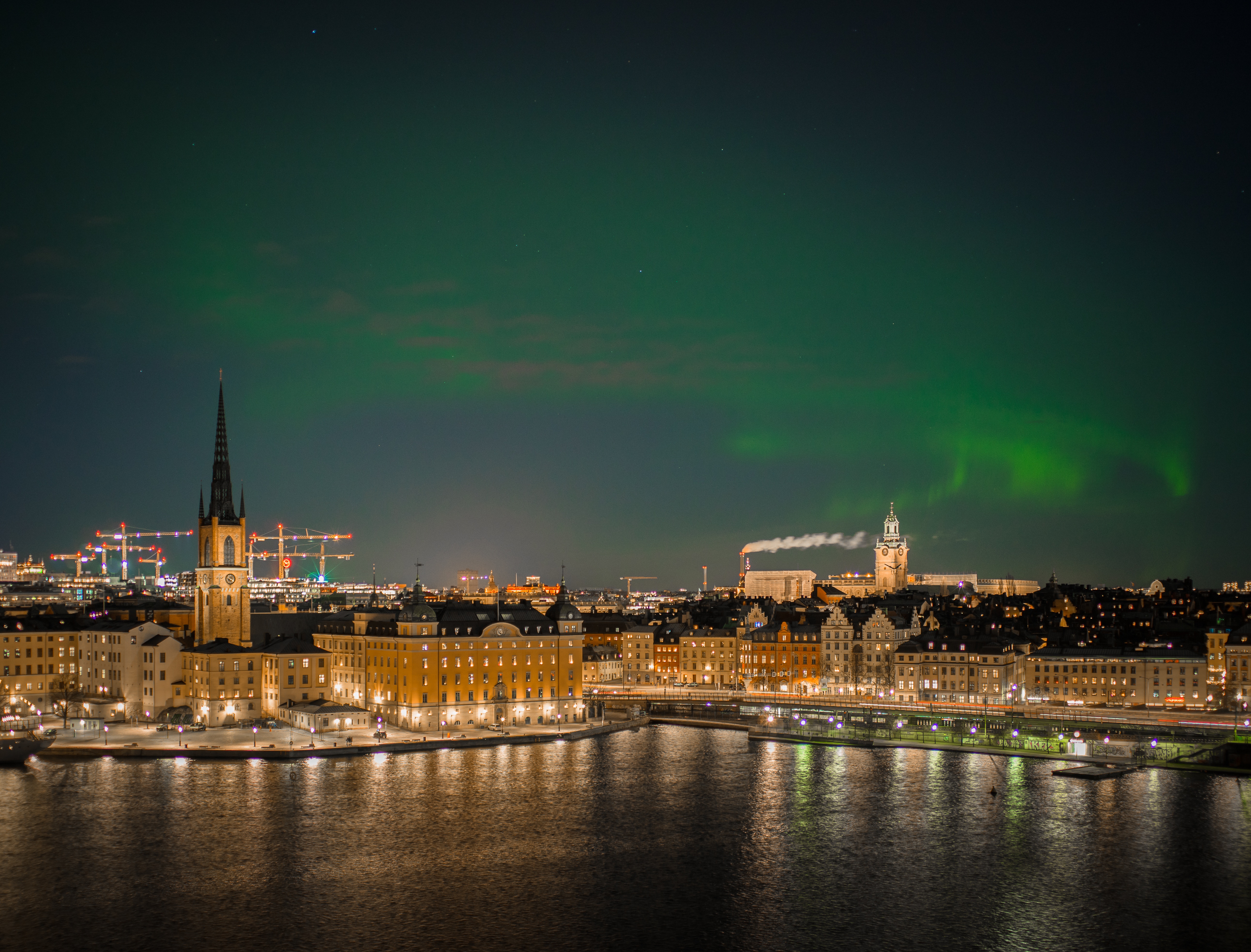
Stockholm, Sweden
Stockholm is a city in the flush of its second youth. Since the mid-1990s, Sweden’s capital has emerged from its cold, Nordic shadow to take the stage as a truly international city. What started with entry into the European Union in 1995 gained pace with the extraordinary IT boom of the late 1990s, strengthened with the Skype-led IT second wave of 2003, and solidified with the hedge-fund invasion that is still happening today as Stockholm gains even more global confidence. And despite more recent economic turmoil, Stockholm’s 1 million or so inhabitants have, almost as one, realized that their city is one to rival Paris, London, New York, or any other great metropolis.With this realization comes change. Stockholm has become a city of design, fashion, innovation, technology, and world-class food, pairing homegrown talent with an international outlook. The streets are flowing with a young and confident population keen to drink in everything the city has to offer. The glittering feeling of optimism, success, and living in the here and now is rampant in Stockholm.Stockholm also has plenty of history. Positioned where the waters of Lake Mälaren rush into the Baltic, it’s been an important trading site and a wealthy international city for centuries. Built on 14 islands joined by bridges crossing open bays and narrow channels, Stockholm boasts the story of its history in its glorious medieval old town, grand palaces, ancient churches, sturdy edifices, public parks, and 19th-century museums—its history is soaked into the very fabric of its airy boulevards, built as a public display of trading glory.
Stockholm, Sweden
Stockholm is a city in the flush of its second youth. Since the mid-1990s, Sweden’s capital has emerged from its cold, Nordic shadow to take the stage as a truly international city. What started with entry into the European Union in 1995 gained pace with the extraordinary IT boom of the late 1990s, strengthened with the Skype-led IT second wave of 2003, and solidified with the hedge-fund invasion that is still happening today as Stockholm gains even more global confidence. And despite more recent economic turmoil, Stockholm’s 1 million or so inhabitants have, almost as one, realized that their city is one to rival Paris, London, New York, or any other great metropolis.With this realization comes change. Stockholm has become a city of design, fashion, innovation, technology, and world-class food, pairing homegrown talent with an international outlook. The streets are flowing with a young and confident population keen to drink in everything the city has to offer. The glittering feeling of optimism, success, and living in the here and now is rampant in Stockholm.Stockholm also has plenty of history. Positioned where the waters of Lake Mälaren rush into the Baltic, it’s been an important trading site and a wealthy international city for centuries. Built on 14 islands joined by bridges crossing open bays and narrow channels, Stockholm boasts the story of its history in its glorious medieval old town, grand palaces, ancient churches, sturdy edifices, public parks, and 19th-century museums—its history is soaked into the very fabric of its airy boulevards, built as a public display of trading glory.
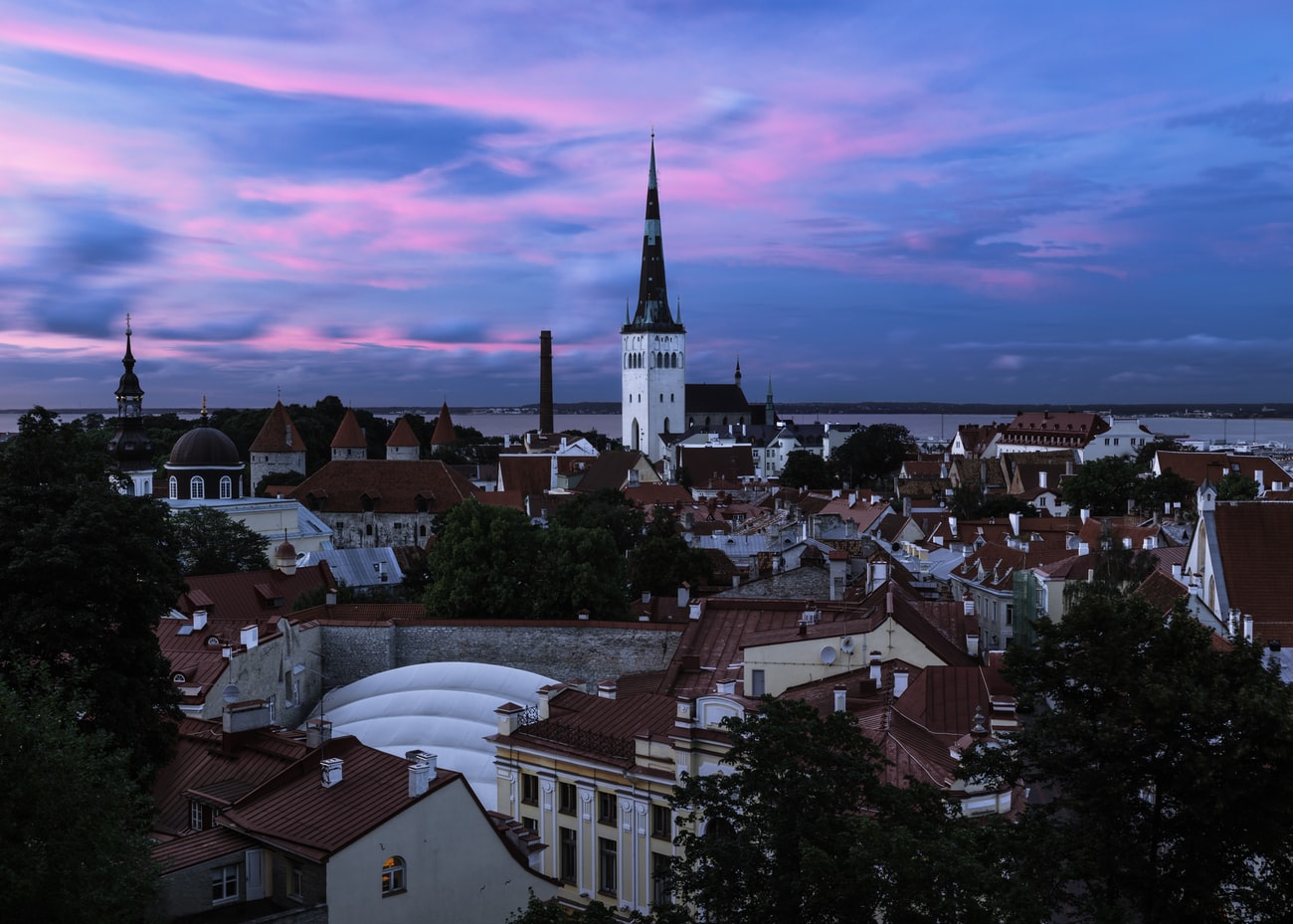
Tallinn, Estonia
Estonia’s history is sprinkled liberally with long stretches of foreign domination, beginning in 1219 with the Danes, followed without interruption by the Germans, Swedes, and Russians. Only after World War I, with Russia in revolutionary wreckage, was Estonia able to declare its independence. Shortly before World War II, in 1940, that independence was usurped by the Soviets, who—save for a brief three-year occupation by Hitler’s Nazis—proceeded to suppress all forms of national Estonian pride for the next 50 years. Estonia finally regained independence in 1991. In the early 1990s, Estonia’s own Riigikogu (Parliament), not some other nation’s puppet ruler, handed down from the Upper City reforms that forced Estonia to blaze its post-Soviet trail to the European Union. Estonia has been a member of the EU since 2004, and in 2011, the country and its growing economy joined the Eurozone. Tallinn was also named the European City of Culture in 2011, cementing its growing reputation as a cultural hot spot.
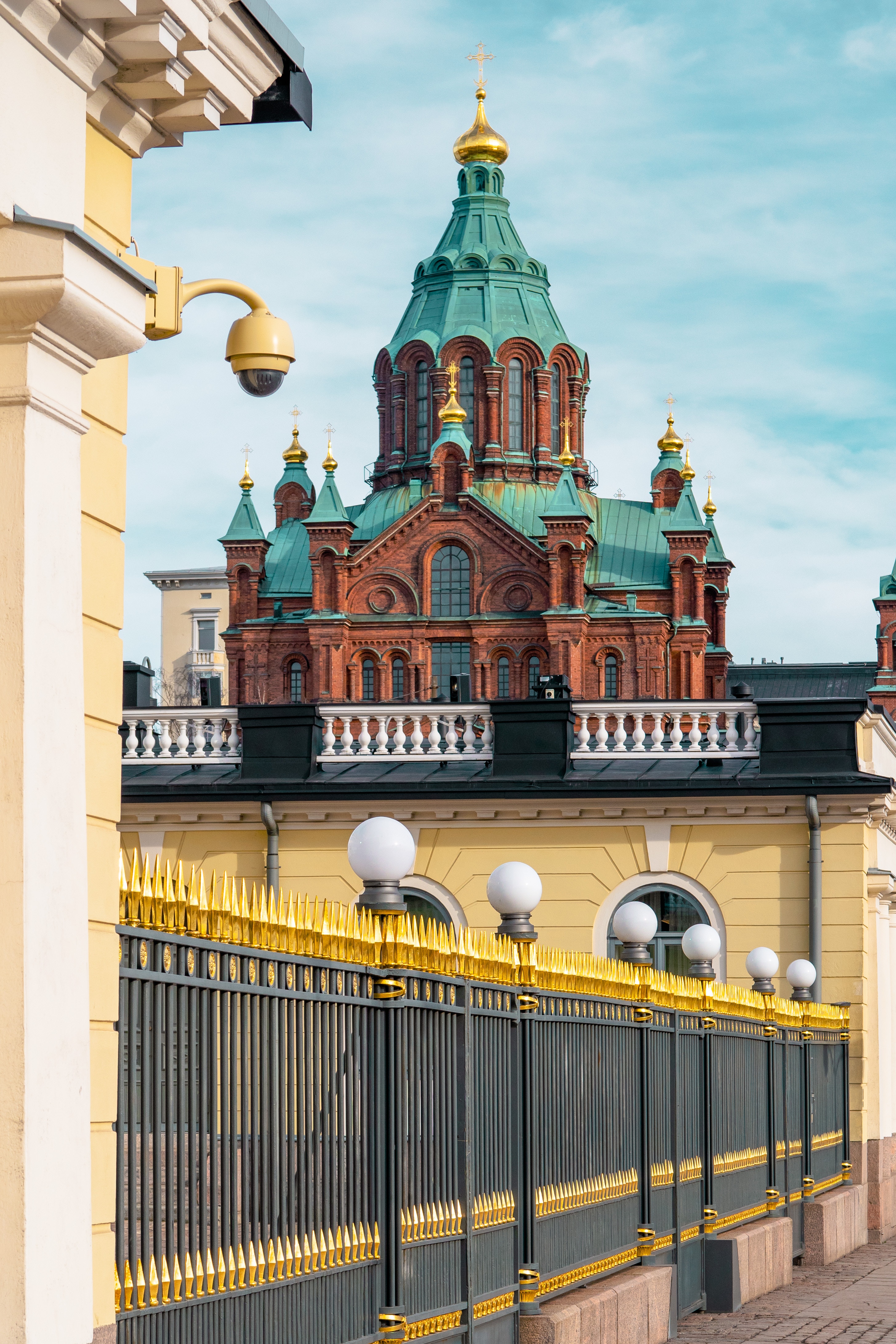
Helsinki, Finland
A city of the sea, Helsinki was built along a series of oddly shaped peninsulas and islands jutting into the Baltic coast along the Gulf of Finland. Streets and avenues curve around bays, bridges reach to nearby islands, and ferries ply among offshore islands.Having grown dramatically since World War II, Helsinki now absorbs more than one-tenth of the Finnish population. The metro area covers 764 square km (474 square miles) and 315 islands. Most sights, hotels, and restaurants cluster on one peninsula, forming a compact central hub. The greater Helsinki metropolitan area, which includes Espoo and Vantaa, has a total population of more than a million people.Helsinki is a relatively young city compared with other European capitals. In the 16th century, King Gustav Vasa of Sweden decided to woo trade from the Estonian city of Tallinn and thus challenge the Hanseatic League’s monopoly on Baltic trade. Accordingly, he commanded the people of four Finnish towns to pack up their belongings and relocate to the rapids on the River Vantaa. The new town, founded on June 12, 1550, was named Helsinki.For three centuries, Helsinki (Helsingfors in Swedish) had its ups and downs as a trading town. Turku, to the west, remained Finland’s capital and intellectual center. However, Helsinki’s fortunes improved when Finland fell under Russian rule as an autonomous grand duchy. Czar Alexander I wanted Finland’s political center closer to Russia and, in 1812, selected Helsinki as the new capital. Shortly afterward, Turku suffered a disastrous fire, forcing the university to move to Helsinki. The town’s future was secure.Just before the czar’s proclamation, a fire destroyed many of Helsinki’s traditional wooden structures, precipitating the construction of new buildings suitable for a nation’s capital. The German-born architect Carl Ludvig Engel was commissioned to rebuild the city, and as a result, Helsinki has some of the purest neoclassical architecture in the world. Add to this foundation the influence of Stockholm and St. Petersburg with the local inspiration of 20th-century Finnish design, and the result is a European capital city that is as architecturally eye-catching as it is distinct from other Scandinavian capitals. You are bound to discover endless engaging details—a grimacing gargoyle; a foursome of males supporting a balcony’s weight on their shoulders; a building painted in striking colors with contrasting flowers in the windows. The city’s 400 or so parks make it particularly inviting in summer.Today, Helsinki is still a meeting point of eastern and western Europe, which is reflected in its cosmopolitan image, the influx of Russians and Estonians, and generally multilingual population. Outdoor summer bars (“terrassit” as the locals call them) and cafés in the city center are perfect for people watching on a summer afternoon.
Riga, Latvia
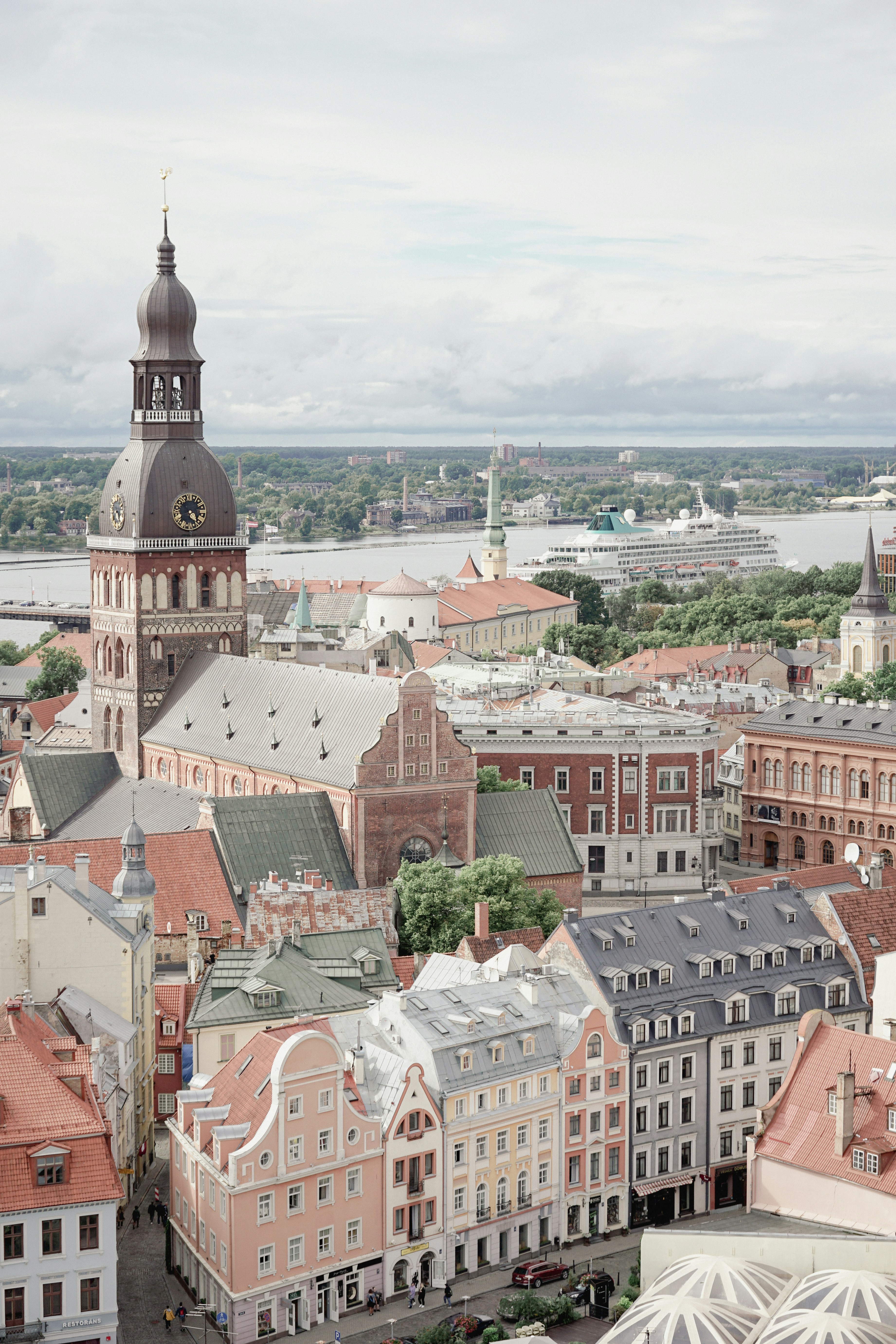
Rīga has an upscale, big-city feel unmatched in the region. The capital (almost as large as Tallinn and Vilnius combined) is the business center of the area while original, high-quality restaurants and hotels have earned Rīga some bragging rights among its Western European counterparts. The city also doesn’t lack for beauty—Rīga’s Old Town (now a UNESCO World Heritage site) is one of Europe’s most striking examples of the art nouveau architectural style. Long avenues of complex and sometimes whimsical Jugendstil facades hint at Rīga’s grand past. Many were designed by Mikhail Eisenstein, the father of Soviet director Sergei. This style dominates the city center. In many ways, the wonder of Rīga resides less in its individual attractions and more in the fabric of the town itself. In the medieval Old Town, an ornate gable or architrave catches the eye at every turn. The somber and the flamboyant are both represented in this quarter’s 1,000 years of architectural history. Don’t hesitate to just follow where your desire leads—the Old Town is compact and bounded by canals, so it’s difficult to get totally lost. When the Old Town eventually became too crowded, the city burst out into the newer inner suburbs. The rich could afford to leave and build themselves fine fashionable mansions in the style of the day; consequently, city planners created a whole new Rīga. Across the narrow canal, you’ll find the Esplanāde, a vast expanse of parkland with formal gardens and period mansions where the well-heeled stroll and play. Surrounding this is the art nouveau district. Encompassing avenues of splendid family homes (now spruced up in the postcommunist era), the collection has been praised by UNESCO as Europe’s finest in the art nouveau style. The best examples are at Alberta 2, 2a, 4, 6, 8, and 13; Elizabetes 10b; and Strēlnieku 4a. If the weather permits, eschew public transport and stroll between the two districts, taking in the varied skylines and multifaceted facades, and perhaps stopping at a café or two as you go. The city has churches in five Christian denominations and more than 50 museums, many of which cater to eclectic or specialist tastes.
Riga, Latvia
Rīga has an upscale, big-city feel unmatched in the region. The capital (almost as large as Tallinn and Vilnius combined) is the business center of the area while original, high-quality restaurants and hotels have earned Rīga some bragging rights among its Western European counterparts. The city also doesn’t lack for beauty—Rīga’s Old Town (now a UNESCO World Heritage site) is one of Europe’s most striking examples of the art nouveau architectural style. Long avenues of complex and sometimes whimsical Jugendstil facades hint at Rīga’s grand past. Many were designed by Mikhail Eisenstein, the father of Soviet director Sergei. This style dominates the city center. In many ways, the wonder of Rīga resides less in its individual attractions and more in the fabric of the town itself. In the medieval Old Town, an ornate gable or architrave catches the eye at every turn. The somber and the flamboyant are both represented in this quarter’s 1,000 years of architectural history. Don’t hesitate to just follow where your desire leads—the Old Town is compact and bounded by canals, so it’s difficult to get totally lost. When the Old Town eventually became too crowded, the city burst out into the newer inner suburbs. The rich could afford to leave and build themselves fine fashionable mansions in the style of the day; consequently, city planners created a whole new Rīga. Across the narrow canal, you’ll find the Esplanāde, a vast expanse of parkland with formal gardens and period mansions where the well-heeled stroll and play. Surrounding this is the art nouveau district. Encompassing avenues of splendid family homes (now spruced up in the postcommunist era), the collection has been praised by UNESCO as Europe’s finest in the art nouveau style. The best examples are at Alberta 2, 2a, 4, 6, 8, and 13; Elizabetes 10b; and Strēlnieku 4a. If the weather permits, eschew public transport and stroll between the two districts, taking in the varied skylines and multifaceted facades, and perhaps stopping at a café or two as you go. The city has churches in five Christian denominations and more than 50 museums, many of which cater to eclectic or specialist tastes.
Visby, Sweden
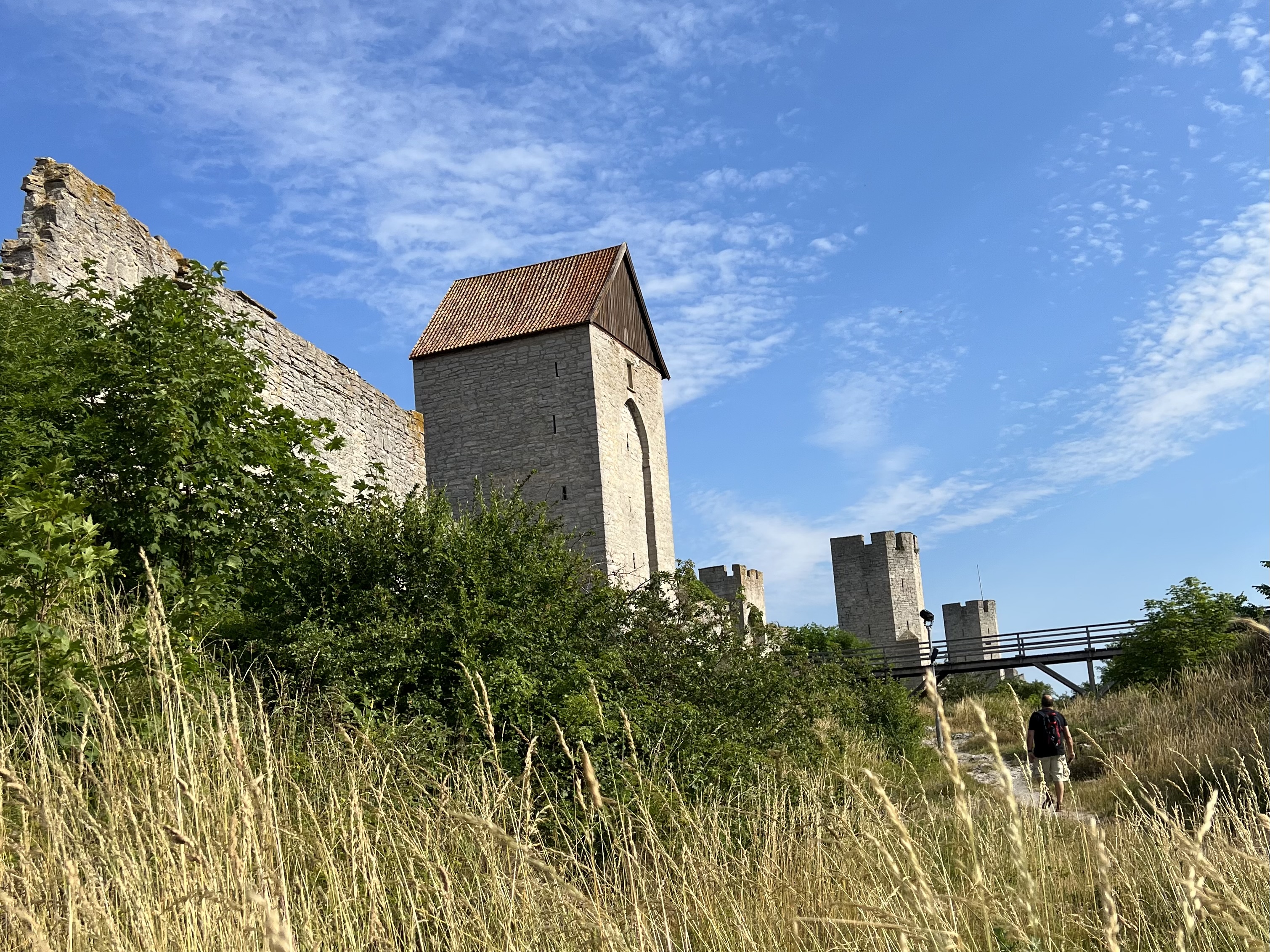
Gotland is Sweden’s main holiday island, a place of ancient history, a relaxed summer-party vibe, wide sandy beaches, and wild cliff formations called raukar (the remnants of reefs formed more than 400 million years ago). Measuring 125 km (78 miles) long and 52 km (32 miles) at its widest point, Gotland is where Swedish sheep farming has its home. In its charming glades, 35 varieties of wild orchids thrive, attracting botanists from all over the world.
Stockholm, Sweden
Stockholm is a city in the flush of its second youth. Since the mid-1990s, Sweden’s capital has emerged from its cold, Nordic shadow to take the stage as a truly international city. What started with entry into the European Union in 1995 gained pace with the extraordinary IT boom of the late 1990s, strengthened with the Skype-led IT second wave of 2003, and solidified with the hedge-fund invasion that is still happening today as Stockholm gains even more global confidence. And despite more recent economic turmoil, Stockholm’s 1 million or so inhabitants have, almost as one, realized that their city is one to rival Paris, London, New York, or any other great metropolis.With this realization comes change. Stockholm has become a city of design, fashion, innovation, technology, and world-class food, pairing homegrown talent with an international outlook. The streets are flowing with a young and confident population keen to drink in everything the city has to offer. The glittering feeling of optimism, success, and living in the here and now is rampant in Stockholm.Stockholm also has plenty of history. Positioned where the waters of Lake Mälaren rush into the Baltic, it’s been an important trading site and a wealthy international city for centuries. Built on 14 islands joined by bridges crossing open bays and narrow channels, Stockholm boasts the story of its history in its glorious medieval old town, grand palaces, ancient churches, sturdy edifices, public parks, and 19th-century museums—its history is soaked into the very fabric of its airy boulevards, built as a public display of trading glory.
Stockholm, Sweden
Stockholm is a city in the flush of its second youth. Since the mid-1990s, Sweden’s capital has emerged from its cold, Nordic shadow to take the stage as a truly international city. What started with entry into the European Union in 1995 gained pace with the extraordinary IT boom of the late 1990s, strengthened with the Skype-led IT second wave of 2003, and solidified with the hedge-fund invasion that is still happening today as Stockholm gains even more global confidence. And despite more recent economic turmoil, Stockholm’s 1 million or so inhabitants have, almost as one, realized that their city is one to rival Paris, London, New York, or any other great metropolis.With this realization comes change. Stockholm has become a city of design, fashion, innovation, technology, and world-class food, pairing homegrown talent with an international outlook. The streets are flowing with a young and confident population keen to drink in everything the city has to offer. The glittering feeling of optimism, success, and living in the here and now is rampant in Stockholm.Stockholm also has plenty of history. Positioned where the waters of Lake Mälaren rush into the Baltic, it’s been an important trading site and a wealthy international city for centuries. Built on 14 islands joined by bridges crossing open bays and narrow channels, Stockholm boasts the story of its history in its glorious medieval old town, grand palaces, ancient churches, sturdy edifices, public parks, and 19th-century museums—its history is soaked into the very fabric of its airy boulevards, built as a public display of trading glory.
Tallinn, Estonia
Estonia’s history is sprinkled liberally with long stretches of foreign domination, beginning in 1219 with the Danes, followed without interruption by the Germans, Swedes, and Russians. Only after World War I, with Russia in revolutionary wreckage, was Estonia able to declare its independence. Shortly before World War II, in 1940, that independence was usurped by the Soviets, who—save for a brief three-year occupation by Hitler’s Nazis—proceeded to suppress all forms of national Estonian pride for the next 50 years. Estonia finally regained independence in 1991. In the early 1990s, Estonia’s own Riigikogu (Parliament), not some other nation’s puppet ruler, handed down from the Upper City reforms that forced Estonia to blaze its post-Soviet trail to the European Union. Estonia has been a member of the EU since 2004, and in 2011, the country and its growing economy joined the Eurozone. Tallinn was also named the European City of Culture in 2011, cementing its growing reputation as a cultural hot spot.
Helsinki, Finland
A city of the sea, Helsinki was built along a series of oddly shaped peninsulas and islands jutting into the Baltic coast along the Gulf of Finland. Streets and avenues curve around bays, bridges reach to nearby islands, and ferries ply among offshore islands.Having grown dramatically since World War II, Helsinki now absorbs more than one-tenth of the Finnish population. The metro area covers 764 square km (474 square miles) and 315 islands. Most sights, hotels, and restaurants cluster on one peninsula, forming a compact central hub. The greater Helsinki metropolitan area, which includes Espoo and Vantaa, has a total population of more than a million people.Helsinki is a relatively young city compared with other European capitals. In the 16th century, King Gustav Vasa of Sweden decided to woo trade from the Estonian city of Tallinn and thus challenge the Hanseatic League’s monopoly on Baltic trade. Accordingly, he commanded the people of four Finnish towns to pack up their belongings and relocate to the rapids on the River Vantaa. The new town, founded on June 12, 1550, was named Helsinki.For three centuries, Helsinki (Helsingfors in Swedish) had its ups and downs as a trading town. Turku, to the west, remained Finland’s capital and intellectual center. However, Helsinki’s fortunes improved when Finland fell under Russian rule as an autonomous grand duchy. Czar Alexander I wanted Finland’s political center closer to Russia and, in 1812, selected Helsinki as the new capital. Shortly afterward, Turku suffered a disastrous fire, forcing the university to move to Helsinki. The town’s future was secure.Just before the czar’s proclamation, a fire destroyed many of Helsinki’s traditional wooden structures, precipitating the construction of new buildings suitable for a nation’s capital. The German-born architect Carl Ludvig Engel was commissioned to rebuild the city, and as a result, Helsinki has some of the purest neoclassical architecture in the world. Add to this foundation the influence of Stockholm and St. Petersburg with the local inspiration of 20th-century Finnish design, and the result is a European capital city that is as architecturally eye-catching as it is distinct from other Scandinavian capitals. You are bound to discover endless engaging details—a grimacing gargoyle; a foursome of males supporting a balcony’s weight on their shoulders; a building painted in striking colors with contrasting flowers in the windows. The city’s 400 or so parks make it particularly inviting in summer.Today, Helsinki is still a meeting point of eastern and western Europe, which is reflected in its cosmopolitan image, the influx of Russians and Estonians, and generally multilingual population. Outdoor summer bars (“terrassit” as the locals call them) and cafés in the city center are perfect for people watching on a summer afternoon.
Riga, Latvia
Rīga has an upscale, big-city feel unmatched in the region. The capital (almost as large as Tallinn and Vilnius combined) is the business center of the area while original, high-quality restaurants and hotels have earned Rīga some bragging rights among its Western European counterparts. The city also doesn’t lack for beauty—Rīga’s Old Town (now a UNESCO World Heritage site) is one of Europe’s most striking examples of the art nouveau architectural style. Long avenues of complex and sometimes whimsical Jugendstil facades hint at Rīga’s grand past. Many were designed by Mikhail Eisenstein, the father of Soviet director Sergei. This style dominates the city center. In many ways, the wonder of Rīga resides less in its individual attractions and more in the fabric of the town itself. In the medieval Old Town, an ornate gable or architrave catches the eye at every turn. The somber and the flamboyant are both represented in this quarter’s 1,000 years of architectural history. Don’t hesitate to just follow where your desire leads—the Old Town is compact and bounded by canals, so it’s difficult to get totally lost. When the Old Town eventually became too crowded, the city burst out into the newer inner suburbs. The rich could afford to leave and build themselves fine fashionable mansions in the style of the day; consequently, city planners created a whole new Rīga. Across the narrow canal, you’ll find the Esplanāde, a vast expanse of parkland with formal gardens and period mansions where the well-heeled stroll and play. Surrounding this is the art nouveau district. Encompassing avenues of splendid family homes (now spruced up in the postcommunist era), the collection has been praised by UNESCO as Europe’s finest in the art nouveau style. The best examples are at Alberta 2, 2a, 4, 6, 8, and 13; Elizabetes 10b; and Strēlnieku 4a. If the weather permits, eschew public transport and stroll between the two districts, taking in the varied skylines and multifaceted facades, and perhaps stopping at a café or two as you go. The city has churches in five Christian denominations and more than 50 museums, many of which cater to eclectic or specialist tastes.
Riga, Latvia
Rīga has an upscale, big-city feel unmatched in the region. The capital (almost as large as Tallinn and Vilnius combined) is the business center of the area while original, high-quality restaurants and hotels have earned Rīga some bragging rights among its Western European counterparts. The city also doesn’t lack for beauty—Rīga’s Old Town (now a UNESCO World Heritage site) is one of Europe’s most striking examples of the art nouveau architectural style. Long avenues of complex and sometimes whimsical Jugendstil facades hint at Rīga’s grand past. Many were designed by Mikhail Eisenstein, the father of Soviet director Sergei. This style dominates the city center. In many ways, the wonder of Rīga resides less in its individual attractions and more in the fabric of the town itself. In the medieval Old Town, an ornate gable or architrave catches the eye at every turn. The somber and the flamboyant are both represented in this quarter’s 1,000 years of architectural history. Don’t hesitate to just follow where your desire leads—the Old Town is compact and bounded by canals, so it’s difficult to get totally lost. When the Old Town eventually became too crowded, the city burst out into the newer inner suburbs. The rich could afford to leave and build themselves fine fashionable mansions in the style of the day; consequently, city planners created a whole new Rīga. Across the narrow canal, you’ll find the Esplanāde, a vast expanse of parkland with formal gardens and period mansions where the well-heeled stroll and play. Surrounding this is the art nouveau district. Encompassing avenues of splendid family homes (now spruced up in the postcommunist era), the collection has been praised by UNESCO as Europe’s finest in the art nouveau style. The best examples are at Alberta 2, 2a, 4, 6, 8, and 13; Elizabetes 10b; and Strēlnieku 4a. If the weather permits, eschew public transport and stroll between the two districts, taking in the varied skylines and multifaceted facades, and perhaps stopping at a café or two as you go. The city has churches in five Christian denominations and more than 50 museums, many of which cater to eclectic or specialist tastes.
Visby, Sweden
Gotland is Sweden’s main holiday island, a place of ancient history, a relaxed summer-party vibe, wide sandy beaches, and wild cliff formations called raukar (the remnants of reefs formed more than 400 million years ago). Measuring 125 km (78 miles) long and 52 km (32 miles) at its widest point, Gotland is where Swedish sheep farming has its home. In its charming glades, 35 varieties of wild orchids thrive, attracting botanists from all over the world.
Kalmar, Sweden
Dating back to the 13th century, Kalmar is one of Sweden’s oldest cities. Set on the southeastern corner of the country, it was once a great centre of power and the streets of the old town are lined with many grand buildings from the 17th century. Admire Kalmar’s Renaissance castle, city wall, cathedral and cobblestone streets, then relax in outdoor cafes, restaurants, and beautiful parks. Nearby is Öland Island, listed as a World Heritage Site for its pristine agricultural landscape. Officially the summer retreat of the Swedish Royal Family, its home to rolling fields, ancient ruins and picturesque windmills.
Scenic Freechoice:
Kalmar Old Town & Kalmar Castle: Walk through Kalmar’s Old Town, with its cobblestone streets, cathedral and historic City Hall, before touring the 800-year-old Kalmar Castle. Explore its grand halls and rich history, then enjoy a scenic stroll along the waterfront.
Öland Island & Royal Summer Palace: Discover Öland, a UNESCO World Heritage site, with visits to Solliden Palace, the Stora Alvaret plain and the scenic Borgholm Castle ruins.
Walking Tour of Kalmar: Explore Kalmar’s Old Town on a guided walk through cobblestone streets, past the Baroque Cathedral, City Hall and medieval fortifications. Conclude with a photo stop at the iconic Kalmar Castle, site of the historic Kalmar Union.
Kingdom of Crystal Tour: Uncover the artistry of Swedish glassmaking with a visit to Kosta Boda, the country’s oldest working glass factory. Watch master artisans at work, explore the art gallery and browse the factory outlet, all set within the scenic forests of Småland.
Offshore: 09:00 – 18:00
Rønne, Denmark
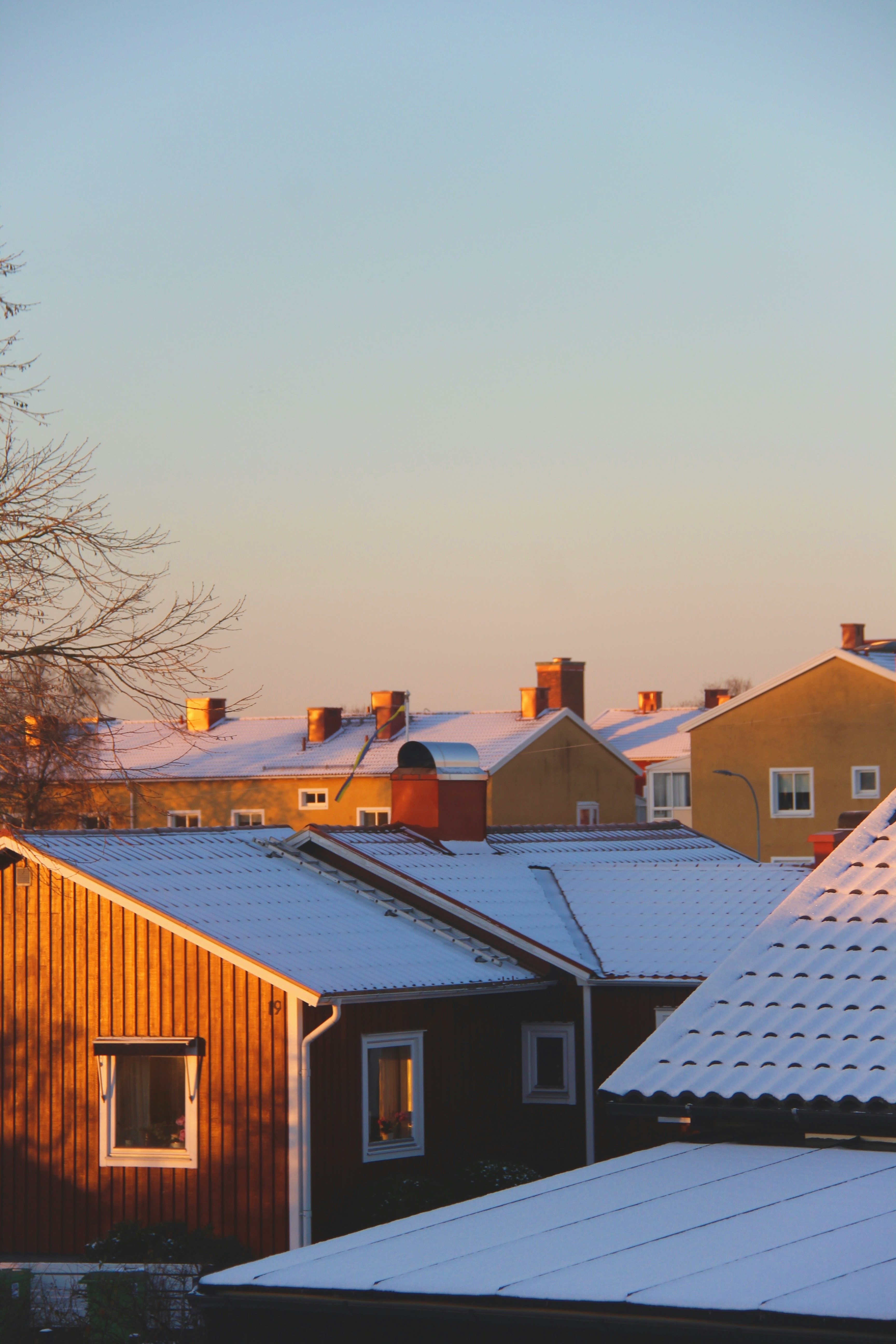
Bornholm Island is Denmark’s eastern gem, promising a sun-kissed climate, white sand beaches and charming fishing villages. Explore four 12th-century churches and Northern Europe’s largest castle ruin. Rønne is the largest town on the island, filled with half-timbered houses from the 16th century and the scent of lilac in the air. The island is famous for its glass blowers, who create unique pieces of art and stylish homewares, and culinary delights such as wood-smoked herring and blue cheese. It’s also an idyllic setting for hiking and bike rides, with more than 235 kilometres of cycling trails.
Scenic Freechoice:
Bornholm’s Medieval Treasure: Journey through Bornholm’s medieval past at Hammershus castle ruins with a costumed guide, sipping mead in the Butter Cellar. Travel the scenic east coast, visiting postcard villages and conclude at Østerlars Round Church, steeped in mystery.
Rønne Walk & Pottery Workshop: Stroll through Rønne’s charming streets, past colourful houses and St. Nicholas Church, then visit a pottery studio to learn Bornholm’s ceramic traditions and create your own clay souvenir.
Round Churches & Smokehouses: Visit Hasle’s traditional smokehouse for smoked herring tasting with local beer, then explore Nyker Round Church, Bornholm’s smallest medieval church, amid scenic countryside.
Bornholm’s Rocky East Coast – Coastal Cruise & Hike: Explore Bornholm’s east coast with a scenic cruise on a historic wooden ship, a guided coastal hike at Sanctuary Cliffs and free time in Gudhjem to enjoy shops and local treats.
E-Bike Tour: Cycle Bornholm’s scenic villages and countryside, visiting Nyker Round Church, tasting smoked herring in Hasle, and exploring Rønne’s historic streets, a perfect mix of nature and culture.
Docked: 08:00 – 18:00
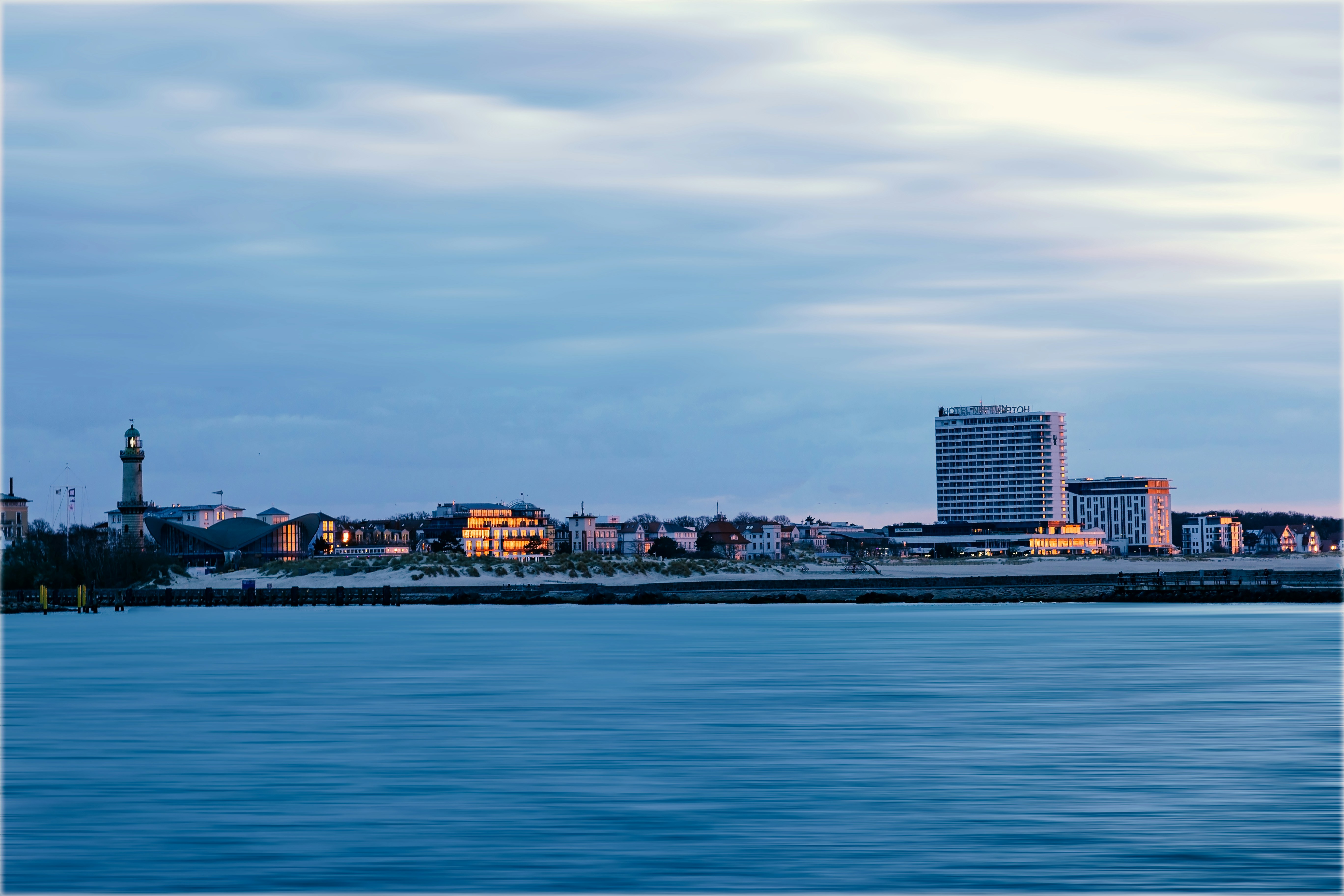
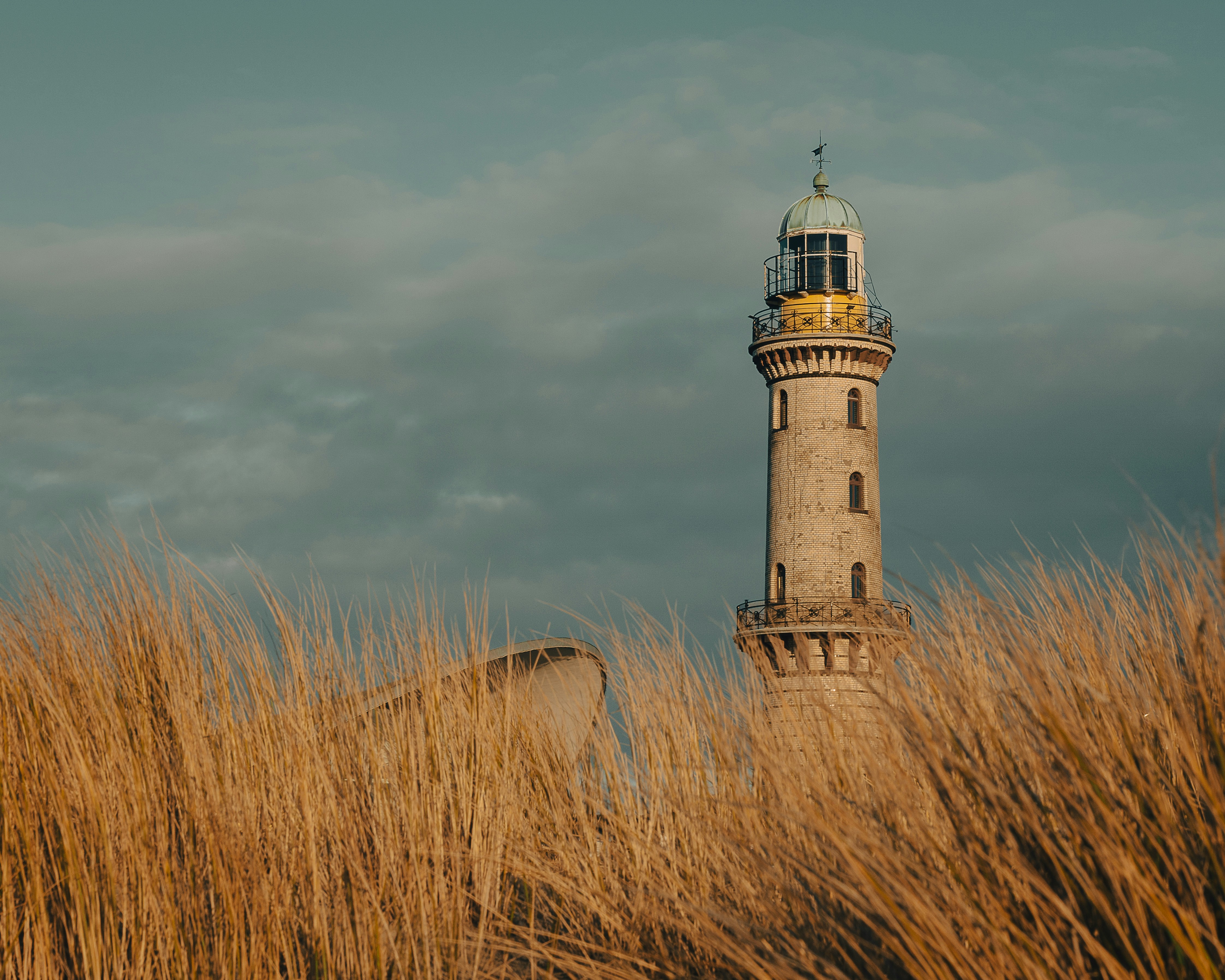
Warnemünde, Germany
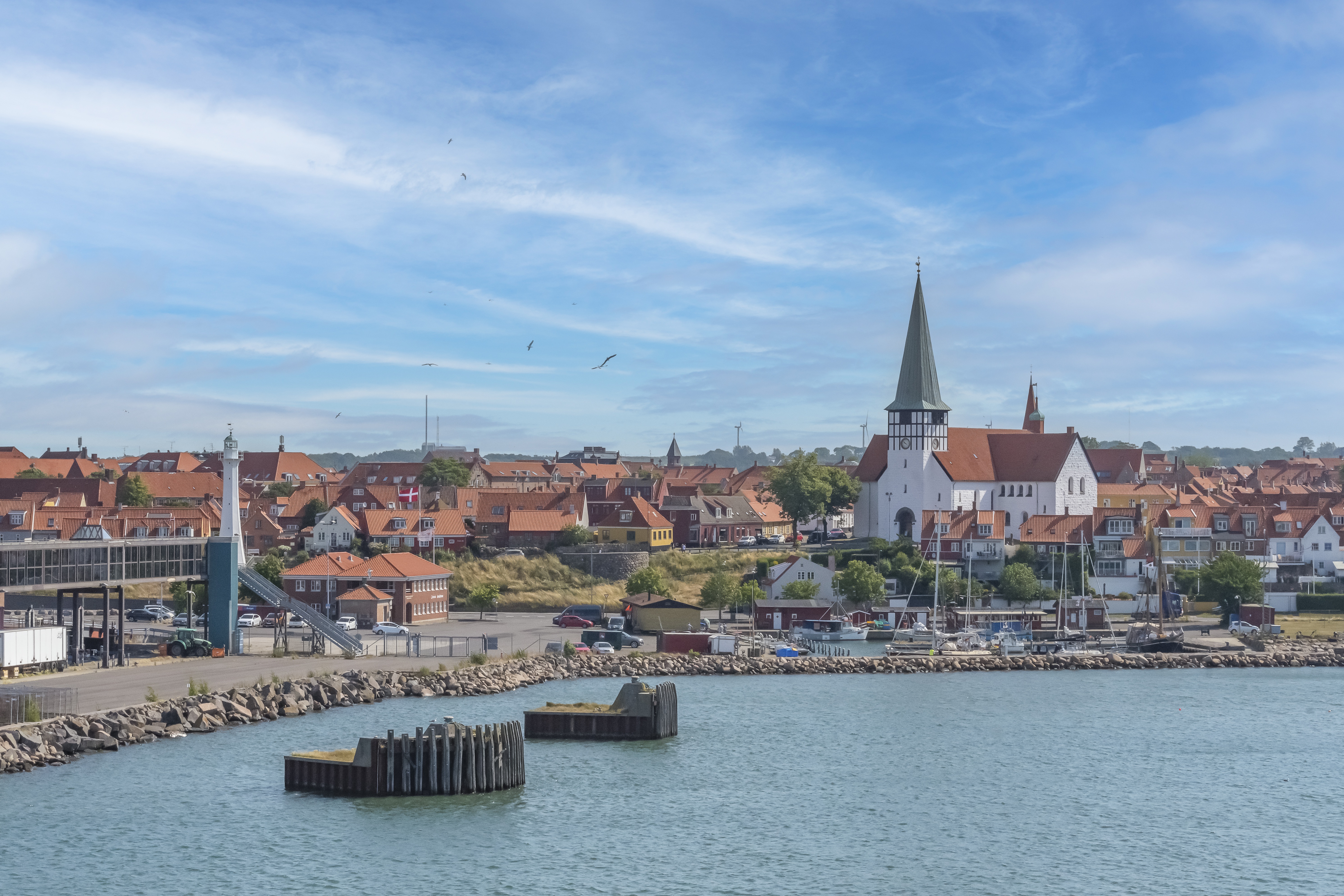
Warnemünde, officially a suburb of Rostock, is a quaint seaside resort town with the best hotels and restaurants in the area, as well as 20 km (12 miles) of beautiful white-sand beach. It’s been a popular summer getaway for families in eastern Germany for years.There is little to do in Warnemünde except relax, and the town excels brilliantly at that. However, Warnemünde is a major cruise-ship terminal. Whenever there is more than one ship at dock, the town explodes with a county fair–like atmosphere, and shops and restaurants stay open until the ships leave at midnight. The city celebrates the dreifache Anlauf, when three ships dock simultaneously, with fireworks.
Nyborg, Denmark
Nyborg is one of Denmark’s oldest towns and was the nation’s capital in medieval times. Today you can walk through more than 800 years of history, including the recently restored Nyborg Castle.
Nearby is the town of Odense, Denmark’s third-largest city and the birthplace of legendary author Hans Christian Andersen. Step into his fairytale world at Hans Christian Andersen’s House, an immersive and interactive museum featuring artworks, a beautiful garden and even dress ups for the kids. Funen Village is a living piece of history where see how the people lived when Andersen was writing his stories.
Scenic Freechoice:
Hometown of Fairytale Writer Hans Christian Andersen: Journey from Nyborg to Odense, Andersen’s birthplace, visiting the immersive Hans Christian Andersen House and his childhood home. Stroll Odense’s charming old town, past the cathedral and riverfronts, embracing Denmark’s fairytale heritage.
Noble Elegance & Enchanting Gardens – Egeskov Castle: Travel through Funen’s scenic countryside to Egeskov Castle, a 16th-century Renaissance gem with a moat and gardens. Wander its preserved rooms, Maze, Tree Top Walk and explore its museums of vintage cars and toys.
Medieval Nyborg, Charm & Tastings: Wander Nyborg’s medieval heart on a guided tour, exploring cobbled streets, courtyards, and the Munkekælderen ancient, vaulted cellar. Savour local delicacies and artisanal drinks, immersing in tales of royalty, monks and merchants.
From Viking Era to Artist Home: Explore Denmark’s Viking and artistic heritage on a visit to the Ladby Viking Museum, featuring a rare ship burial, then the Johannes Larsen Museum in Kerteminde, showcasing the painter’s home, coastal landscapes and vibrant birdlife.
Docked: 08:00 – 17:00
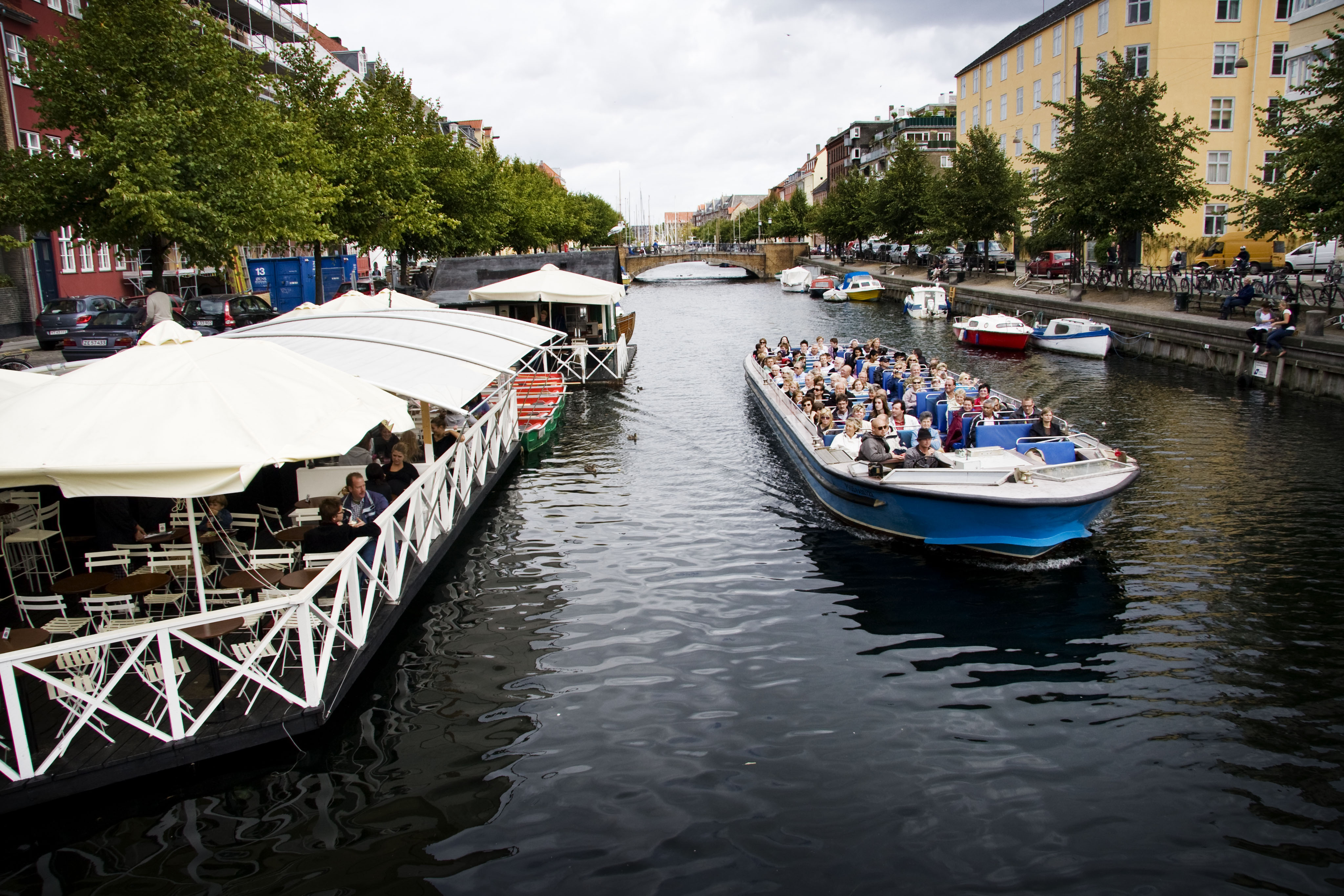
Copenhagen, Denmark
By the 11th century, Copenhagen was already an important trading and fishing centre and today you will find an attractive city which, although the largest in Scandinavia, has managed to retain its low-level skyline. Discover some of the famous attractions including Gefion Fountain and Amalienborg Palace, perhaps cruise the city’s waterways, visit Rosenborg Castle or explore the medieval fishing village of Dragoer. Once the home of Hans Christian Andersen, Copenhagen features many reminders of its fairytale heritage and lives up to the reputation immortalised in the famous song ‘Wonderful Copenhagen’.
Kalmar, Sweden
Dating back to the 13th century, Kalmar is one of Sweden’s oldest cities. Set on the southeastern corner of the country, it was once a great centre of power and the streets of the old town are lined with many grand buildings from the 17th century. Admire Kalmar’s Renaissance castle, city wall, cathedral and cobblestone streets, then relax in outdoor cafes, restaurants, and beautiful parks. Nearby is Öland Island, listed as a World Heritage Site for its pristine agricultural landscape. Officially the summer retreat of the Swedish Royal Family, its home to rolling fields, ancient ruins and picturesque windmills.
Scenic Freechoice:
Kalmar Old Town & Kalmar Castle: Walk through Kalmar’s Old Town, with its cobblestone streets, cathedral and historic City Hall, before touring the 800-year-old Kalmar Castle. Explore its grand halls and rich history, then enjoy a scenic stroll along the waterfront.
Öland Island & Royal Summer Palace: Discover Öland, a UNESCO World Heritage site, with visits to Solliden Palace, the Stora Alvaret plain and the scenic Borgholm Castle ruins.
Walking Tour of Kalmar: Explore Kalmar’s Old Town on a guided walk through cobblestone streets, past the Baroque Cathedral, City Hall and medieval fortifications. Conclude with a photo stop at the iconic Kalmar Castle, site of the historic Kalmar Union.
Kingdom of Crystal Tour: Uncover the artistry of Swedish glassmaking with a visit to Kosta Boda, the country’s oldest working glass factory. Watch master artisans at work, explore the art gallery and browse the factory outlet, all set within the scenic forests of Småland.
Offshore: 09:00 – 18:00
Rønne, Denmark
Bornholm Island is Denmark’s eastern gem, promising a sun-kissed climate, white sand beaches and charming fishing villages. Explore four 12th-century churches and Northern Europe’s largest castle ruin. Rønne is the largest town on the island, filled with half-timbered houses from the 16th century and the scent of lilac in the air. The island is famous for its glass blowers, who create unique pieces of art and stylish homewares, and culinary delights such as wood-smoked herring and blue cheese. It’s also an idyllic setting for hiking and bike rides, with more than 235 kilometres of cycling trails.
Scenic Freechoice:
Bornholm’s Medieval Treasure: Journey through Bornholm’s medieval past at Hammershus castle ruins with a costumed guide, sipping mead in the Butter Cellar. Travel the scenic east coast, visiting postcard villages and conclude at Østerlars Round Church, steeped in mystery.
Rønne Walk & Pottery Workshop: Stroll through Rønne’s charming streets, past colourful houses and St. Nicholas Church, then visit a pottery studio to learn Bornholm’s ceramic traditions and create your own clay souvenir.
Round Churches & Smokehouses: Visit Hasle’s traditional smokehouse for smoked herring tasting with local beer, then explore Nyker Round Church, Bornholm’s smallest medieval church, amid scenic countryside.
Bornholm’s Rocky East Coast – Coastal Cruise & Hike: Explore Bornholm’s east coast with a scenic cruise on a historic wooden ship, a guided coastal hike at Sanctuary Cliffs and free time in Gudhjem to enjoy shops and local treats.
E-Bike Tour: Cycle Bornholm’s scenic villages and countryside, visiting Nyker Round Church, tasting smoked herring in Hasle, and exploring Rønne’s historic streets, a perfect mix of nature and culture.
Docked: 08:00 – 18:00
Warnemünde, Germany
Warnemünde, officially a suburb of Rostock, is a quaint seaside resort town with the best hotels and restaurants in the area, as well as 20 km (12 miles) of beautiful white-sand beach. It’s been a popular summer getaway for families in eastern Germany for years.There is little to do in Warnemünde except relax, and the town excels brilliantly at that. However, Warnemünde is a major cruise-ship terminal. Whenever there is more than one ship at dock, the town explodes with a county fair–like atmosphere, and shops and restaurants stay open until the ships leave at midnight. The city celebrates the dreifache Anlauf, when three ships dock simultaneously, with fireworks.
Nyborg, Denmark
Nyborg is one of Denmark’s oldest towns and was the nation’s capital in medieval times. Today you can walk through more than 800 years of history, including the recently restored Nyborg Castle.
Nearby is the town of Odense, Denmark’s third-largest city and the birthplace of legendary author Hans Christian Andersen. Step into his fairytale world at Hans Christian Andersen’s House, an immersive and interactive museum featuring artworks, a beautiful garden and even dress ups for the kids. Funen Village is a living piece of history where see how the people lived when Andersen was writing his stories.
Scenic Freechoice:
Hometown of Fairytale Writer Hans Christian Andersen: Journey from Nyborg to Odense, Andersen’s birthplace, visiting the immersive Hans Christian Andersen House and his childhood home. Stroll Odense’s charming old town, past the cathedral and riverfronts, embracing Denmark’s fairytale heritage.
Noble Elegance & Enchanting Gardens – Egeskov Castle: Travel through Funen’s scenic countryside to Egeskov Castle, a 16th-century Renaissance gem with a moat and gardens. Wander its preserved rooms, Maze, Tree Top Walk and explore its museums of vintage cars and toys.
Medieval Nyborg, Charm & Tastings: Wander Nyborg’s medieval heart on a guided tour, exploring cobbled streets, courtyards, and the Munkekælderen ancient, vaulted cellar. Savour local delicacies and artisanal drinks, immersing in tales of royalty, monks and merchants.
From Viking Era to Artist Home: Explore Denmark’s Viking and artistic heritage on a visit to the Ladby Viking Museum, featuring a rare ship burial, then the Johannes Larsen Museum in Kerteminde, showcasing the painter’s home, coastal landscapes and vibrant birdlife.
Docked: 08:00 – 17:00
Copenhagen, Denmark
By the 11th century, Copenhagen was already an important trading and fishing centre and today you will find an attractive city which, although the largest in Scandinavia, has managed to retain its low-level skyline. Discover some of the famous attractions including Gefion Fountain and Amalienborg Palace, perhaps cruise the city’s waterways, visit Rosenborg Castle or explore the medieval fishing village of Dragoer. Once the home of Hans Christian Andersen, Copenhagen features many reminders of its fairytale heritage and lives up to the reputation immortalised in the famous song ‘Wonderful Copenhagen’.
Cabin Options
Verandah and Deluxe Verandah Suite
Grand Deluxe Verandah Suite
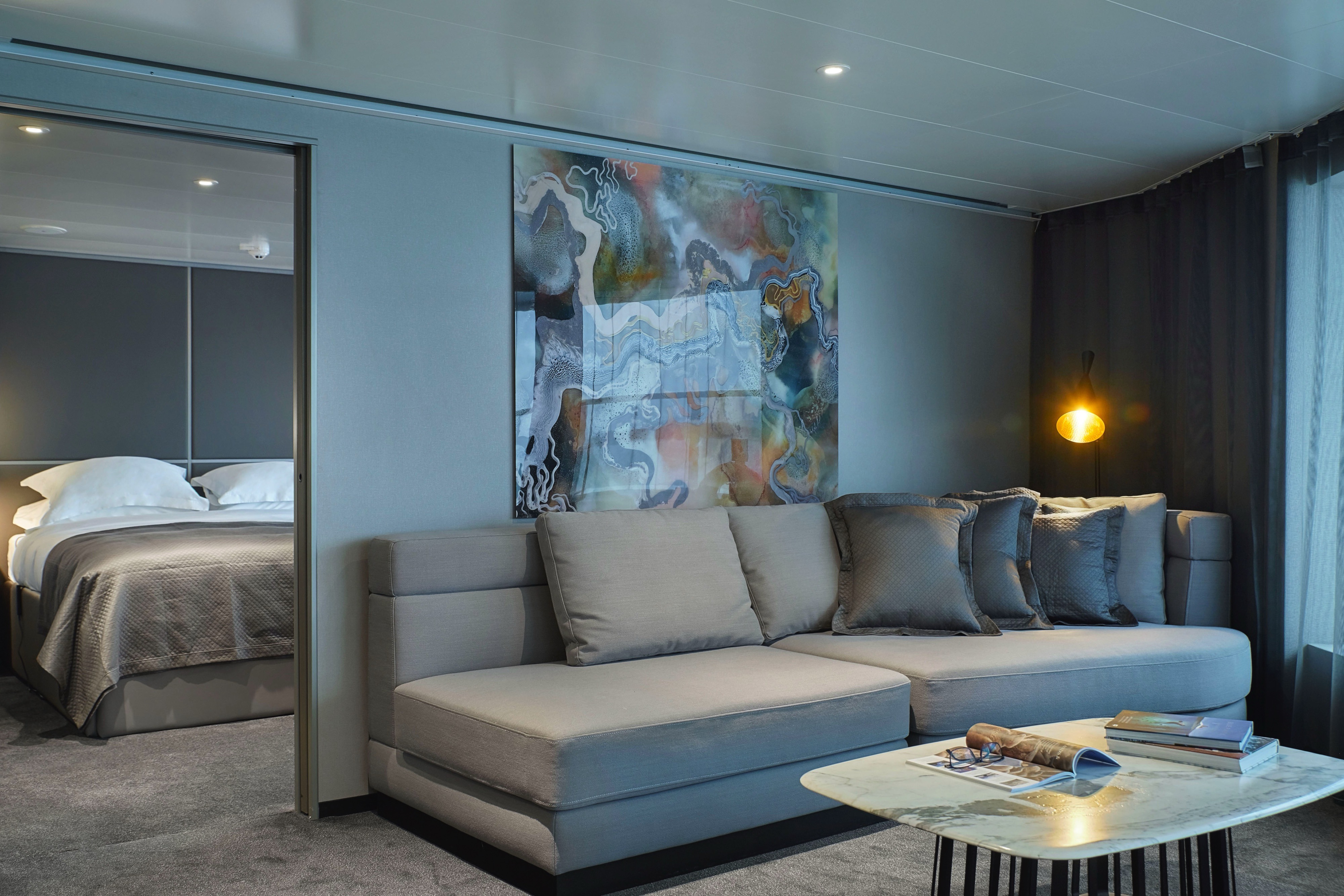
Panorama & Grand Panorama Suite
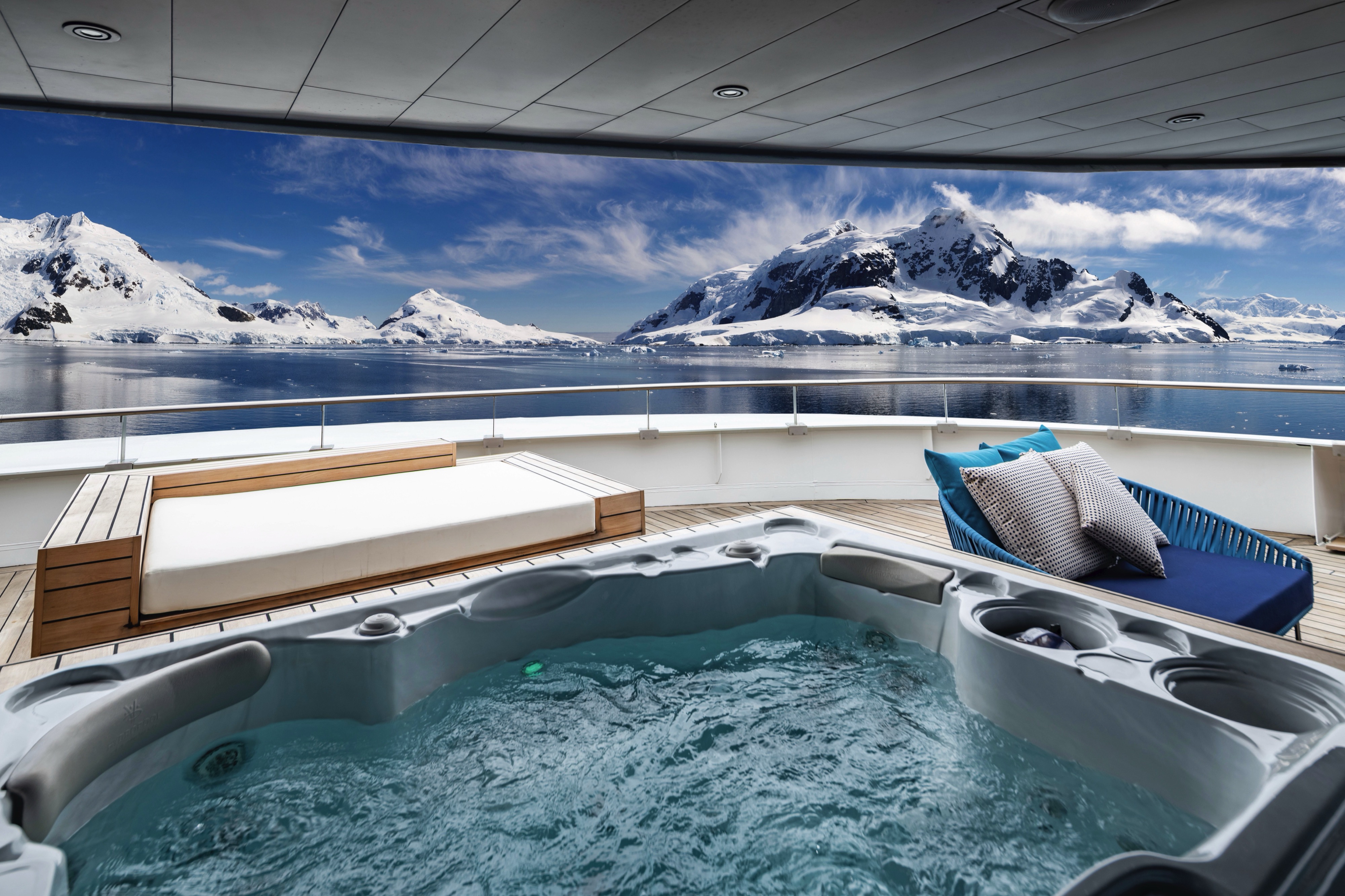
Owner's Penthouse Suites
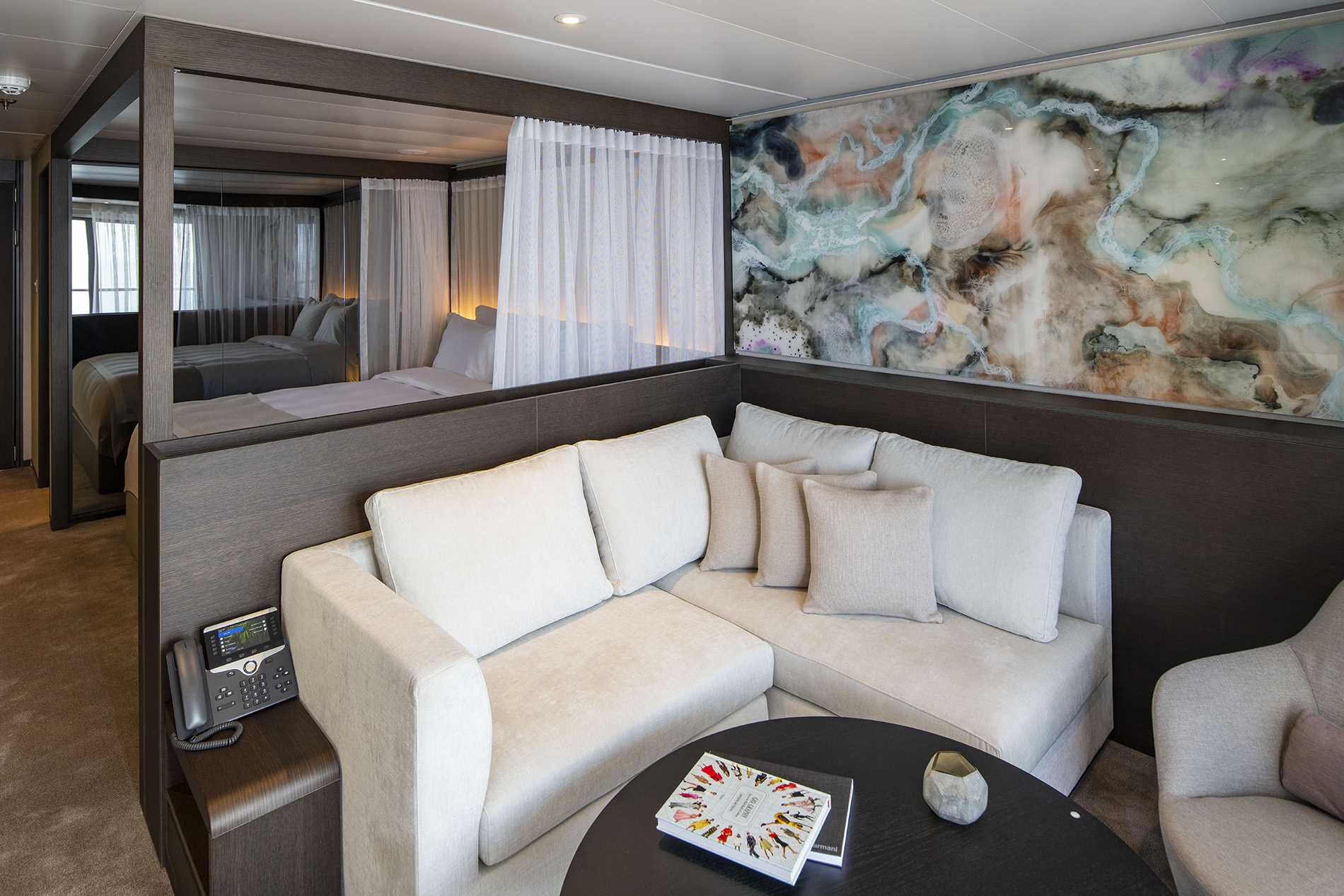
Spa Suites
Ship Facilities
Elements
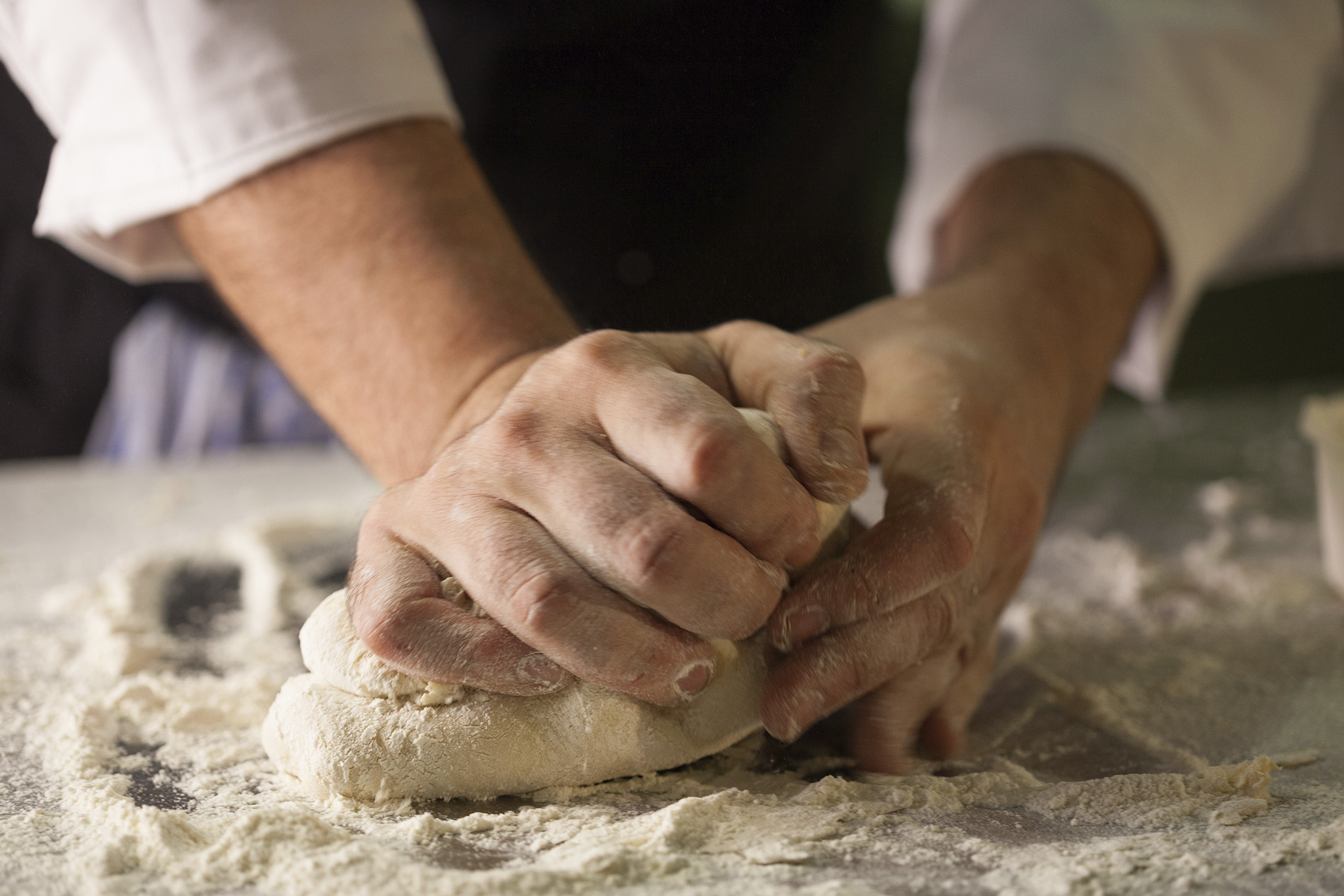
Chef's Table @ Elements
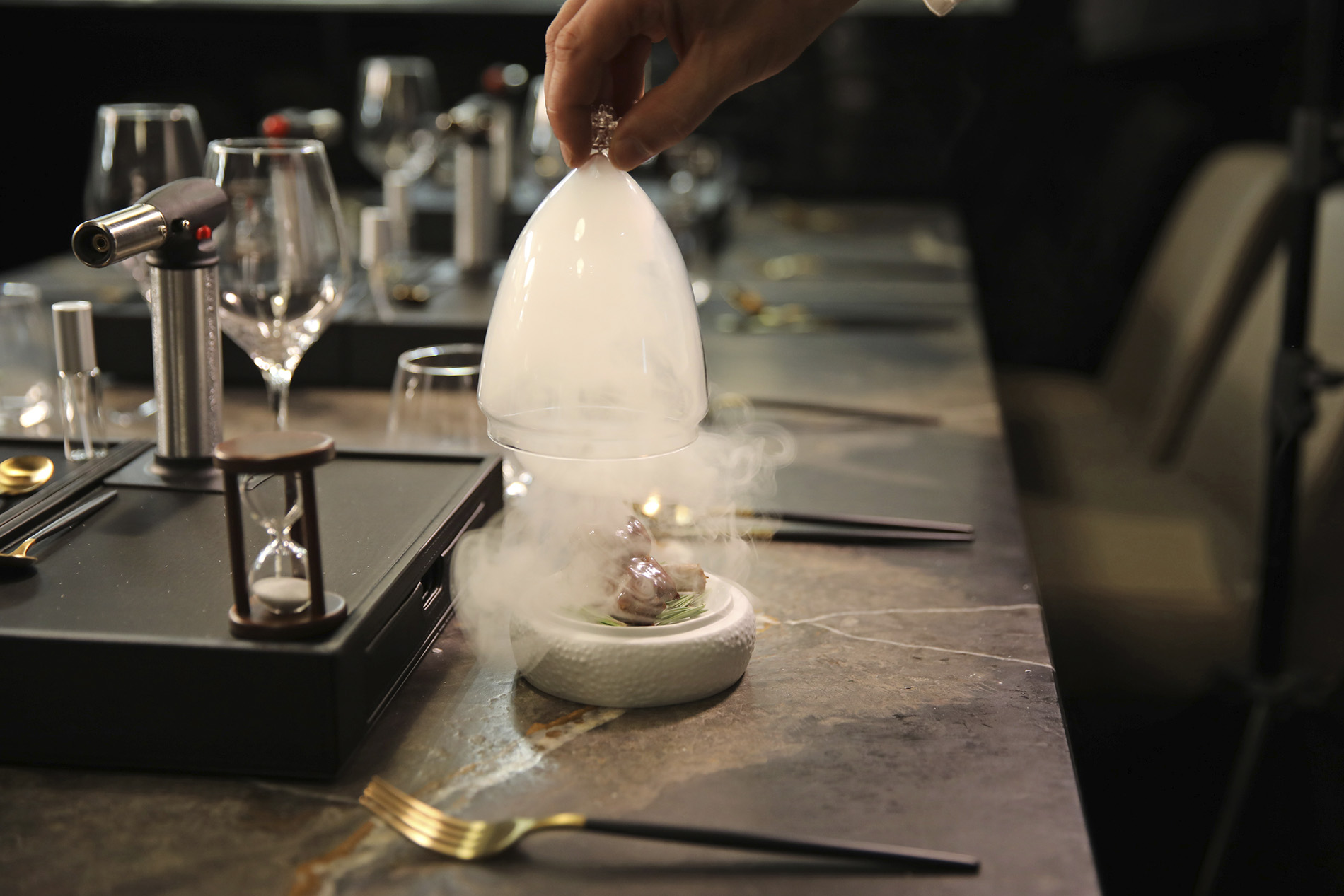
Koko's Asian Fusion
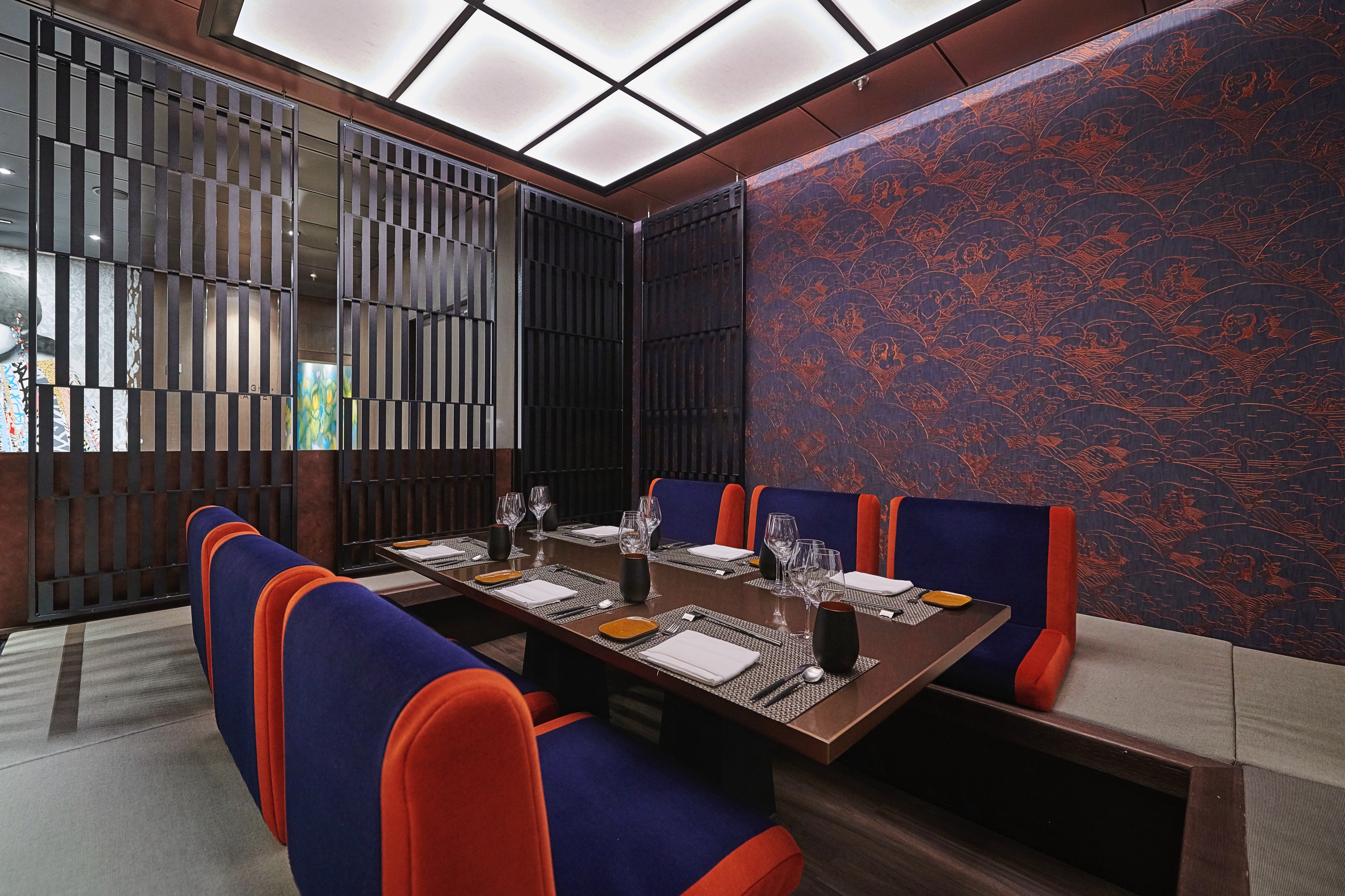
Night Market @ Koko's
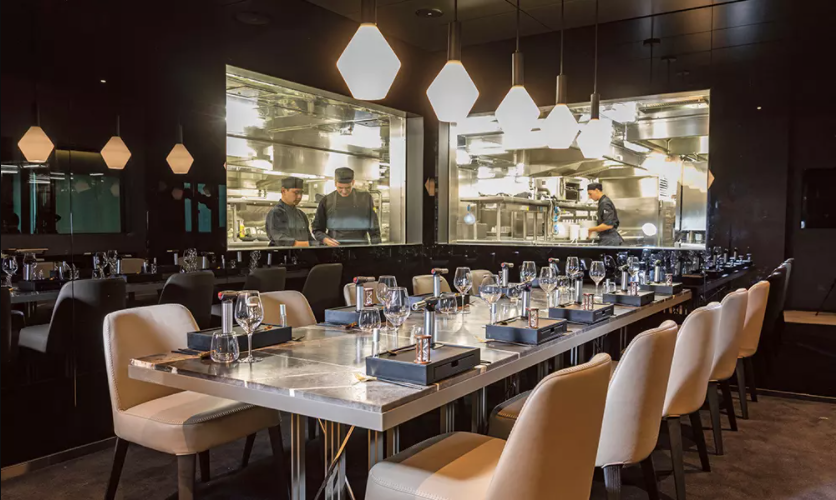
Savour the excitement of an interactive dining experience as our expert chefs craft dishes inspired by the lively markets of Asia, India and the Middle East before your eyes. For only eight guests in each seating, this exclusive Teppanyaki grill experience will be a highlight of your culinary journey.
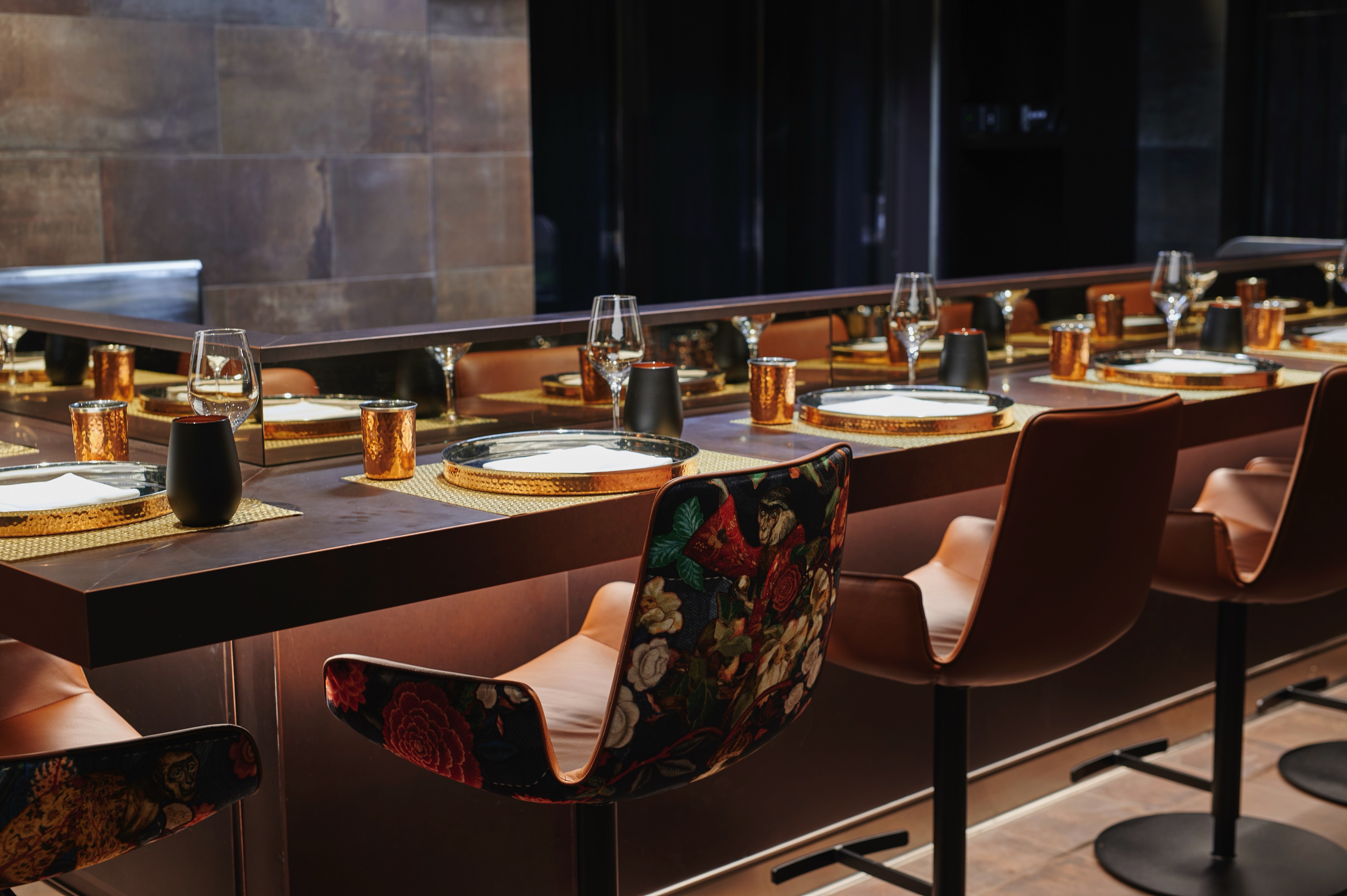
Sushi & Sake Bar @ Koko's
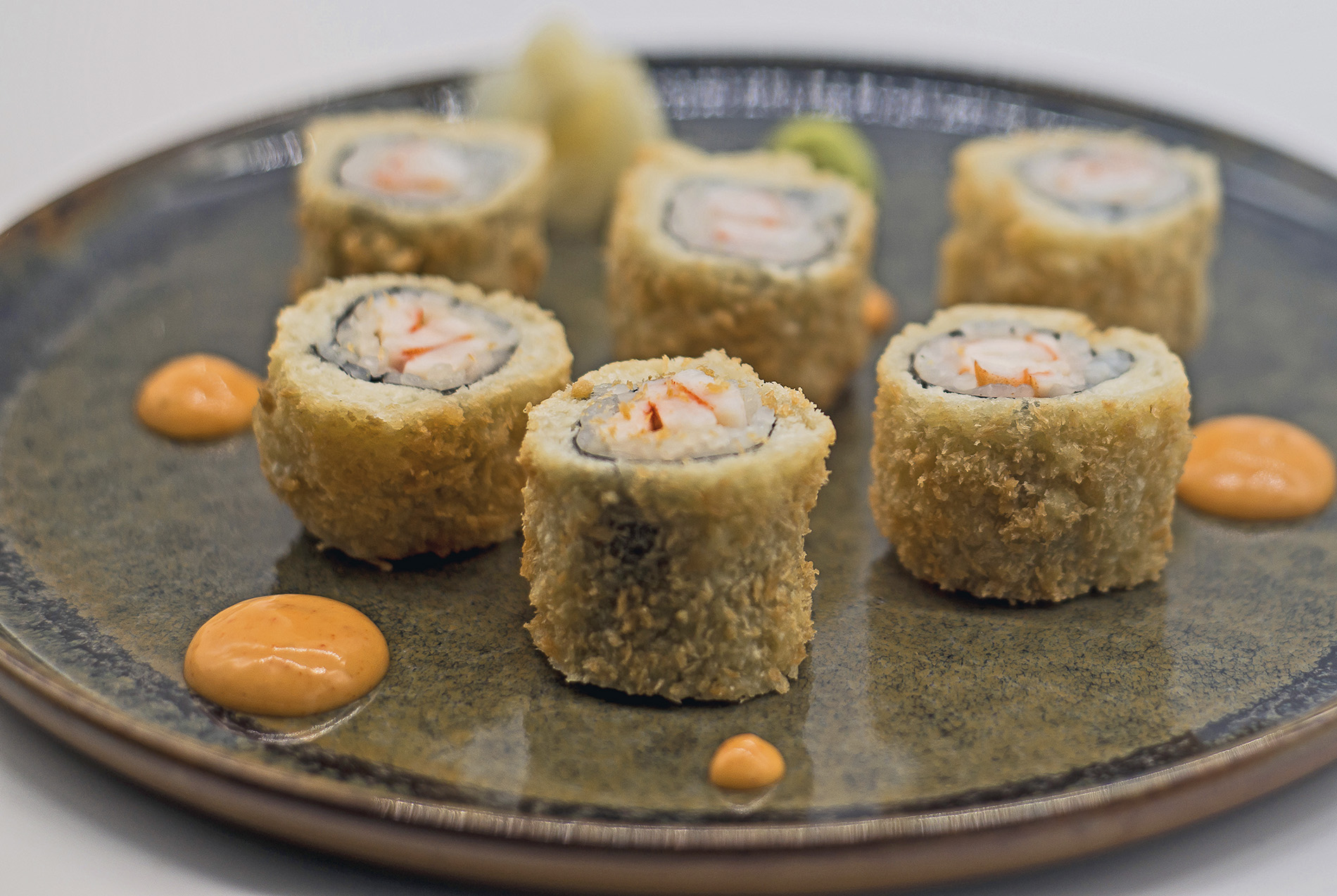
Azure Bar & Café

Lumière Restaurant & Champagne Bar
Chef's Garden @ Épicure
In-Suite Dining
Private Dining Experiences
There are many intimate and relaxed venues which provide the option of private dining at no additional cost.
Groups can dine at a restaurant of their choice or in the privacy of their suite. Night Market @ Koko’s offers private dining for up to eight guests and Chef’s Table is the ultimate degustation dining by invitation-only experience for 10 guests.
Helicopter Experiences
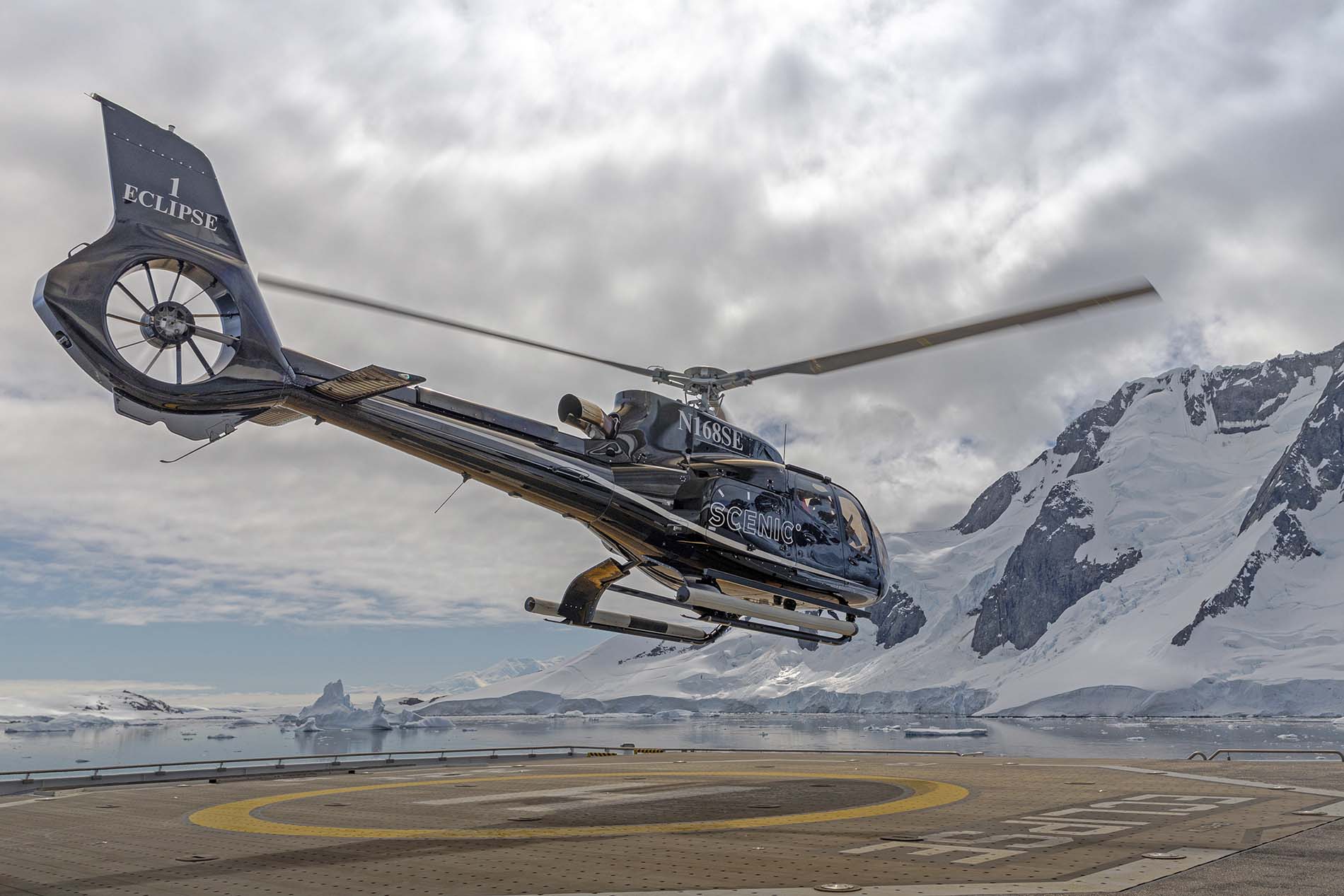
Soar above and dive below with unparalleled access to some of nature’s most remarkable sites. Scenic Eclipse II is equipped with two state-of-the-art Airbus H130-T2 helicopters^ which seat up to six guests, plus the pilot.
^Helicopter, helicopter experiences and submersible at additional cost, subject to regulatory approval, availability, weight restrictions, medical approval and weather and ice conditions.
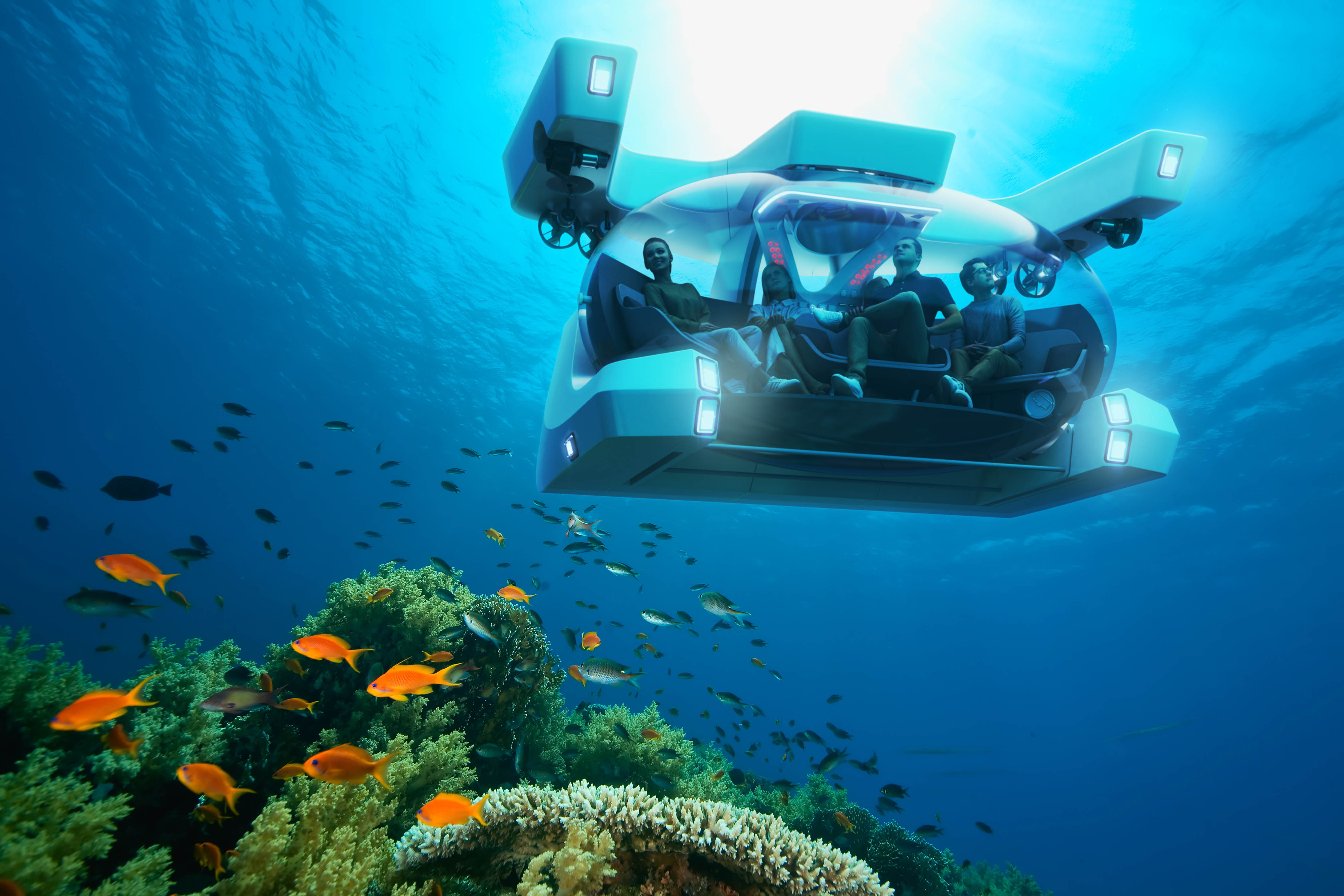
Scenic Neptune II
Discover a fascinating underwater world
Dive below the horizon for an unforgettable experience on board our custom-designed submersibles^, Scenic Neptune I and II.
Take your seat with up to eight fellow guests alongside our expert pilot and prepare for a sightseeing experience like no other, 100 metres beneath the surface. Scenic Neptune redefines underwater exploration. With large, ultra-clear acrylic spheres, our submersibles have been designed for optimum viewing and total immersion.
^Submersible at additional cost, subject to regulatory approval, availability, weight restrictions, medical approval and weather and ice conditions.
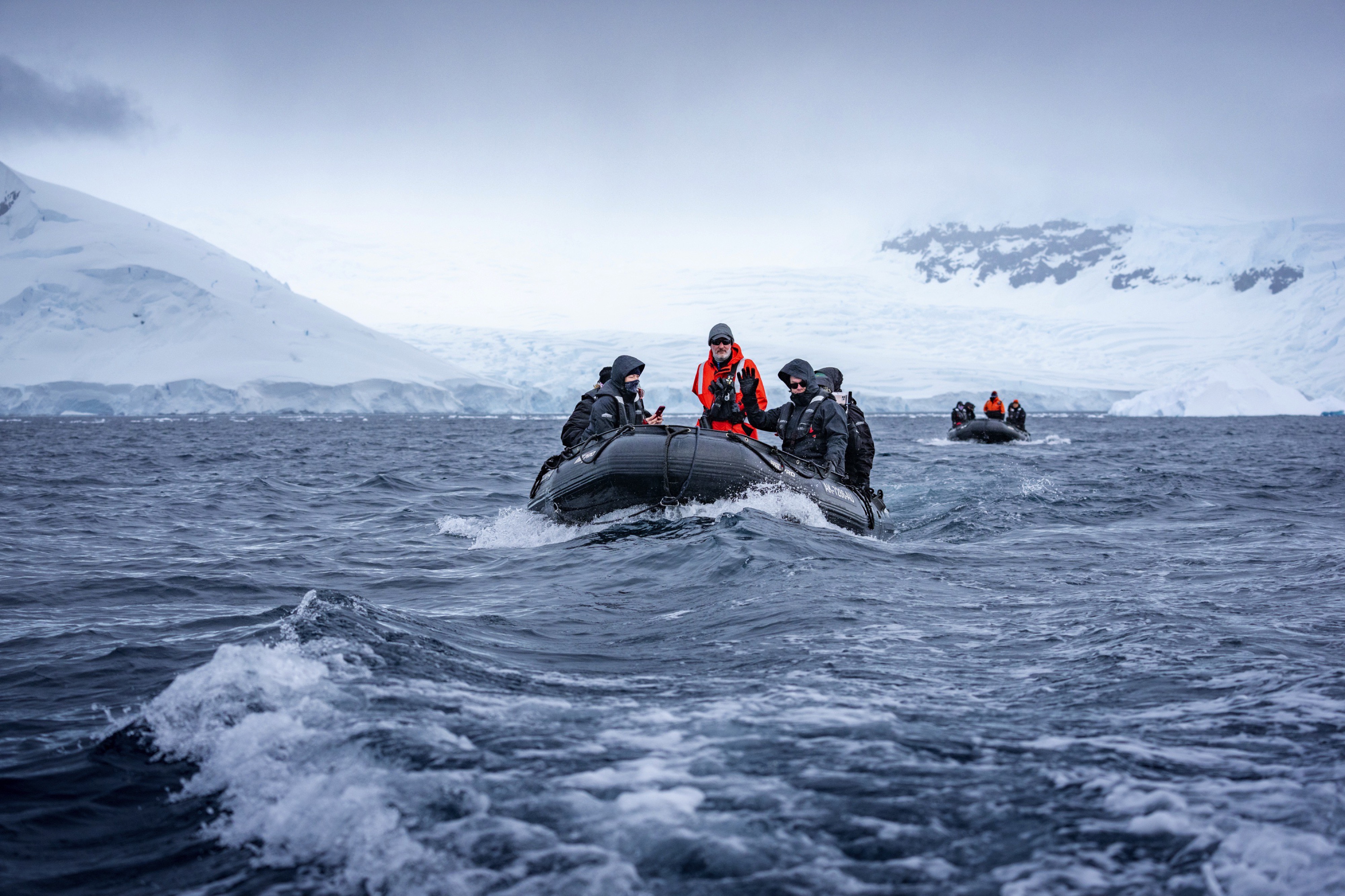
Zodiacs
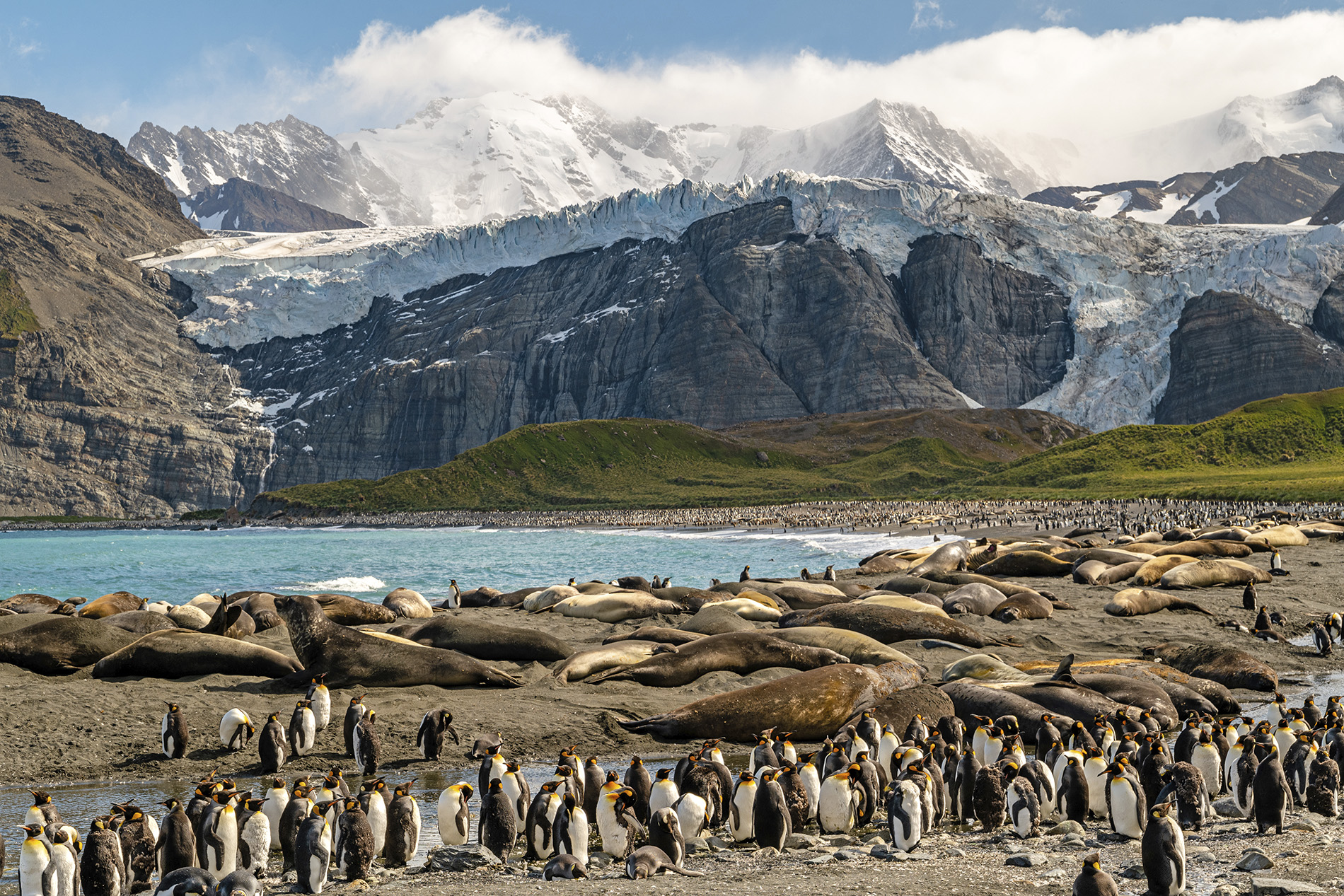
The Discovery Team are expert operators of our fleet of Zodiacs. On both Expedition and Discovery Voyages the team will guide guests on Zodiac excursions to view stunning coastlines and wildlife, as well as onshore landings.
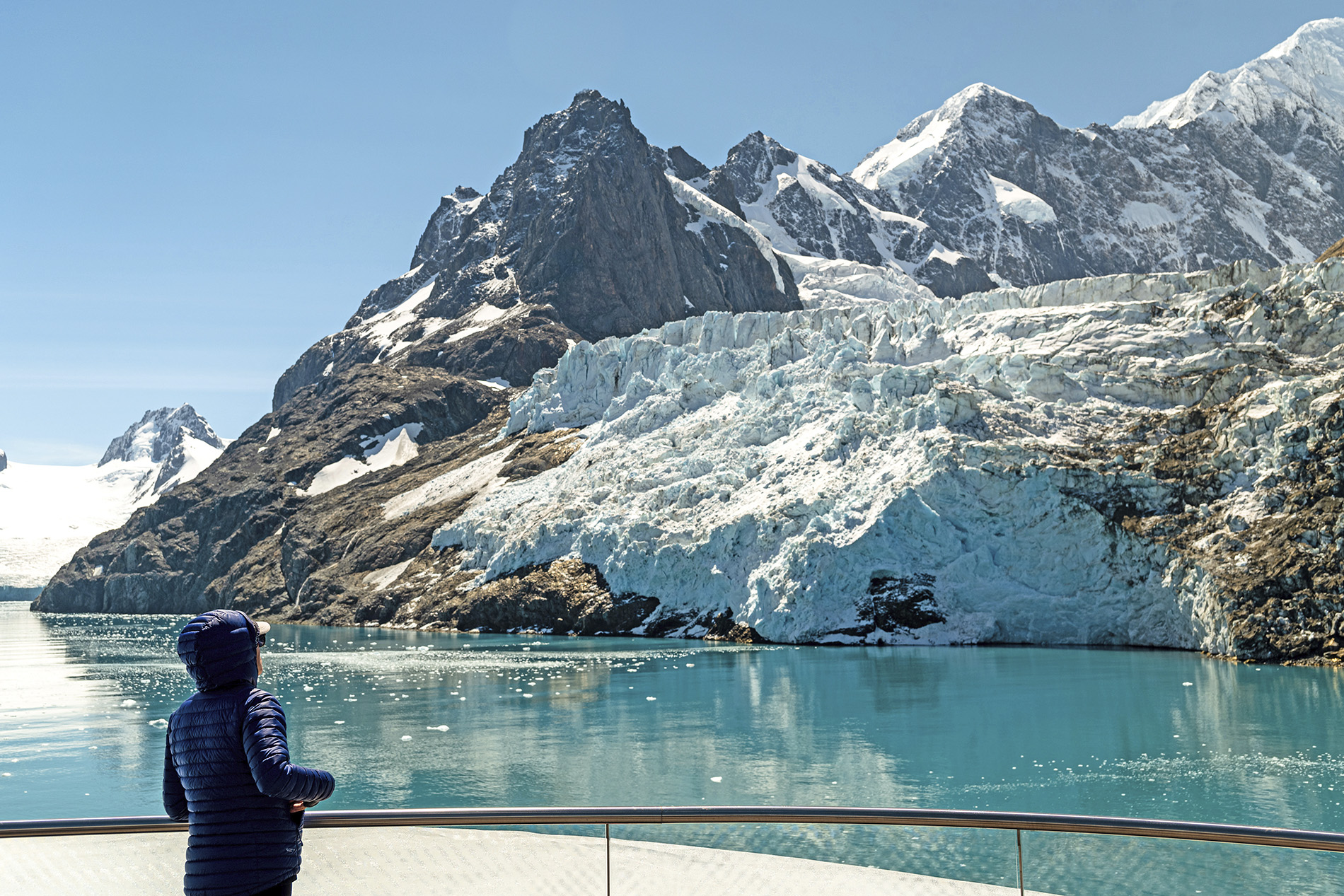
Scenic Eclipse Expedition Voyages
Enjoy unrivalled exploration of extraordinary polar destinations on an all-inclusive Scenic Eclipse voyage.
Bringing Ultra-Luxury to Expedition Cruising
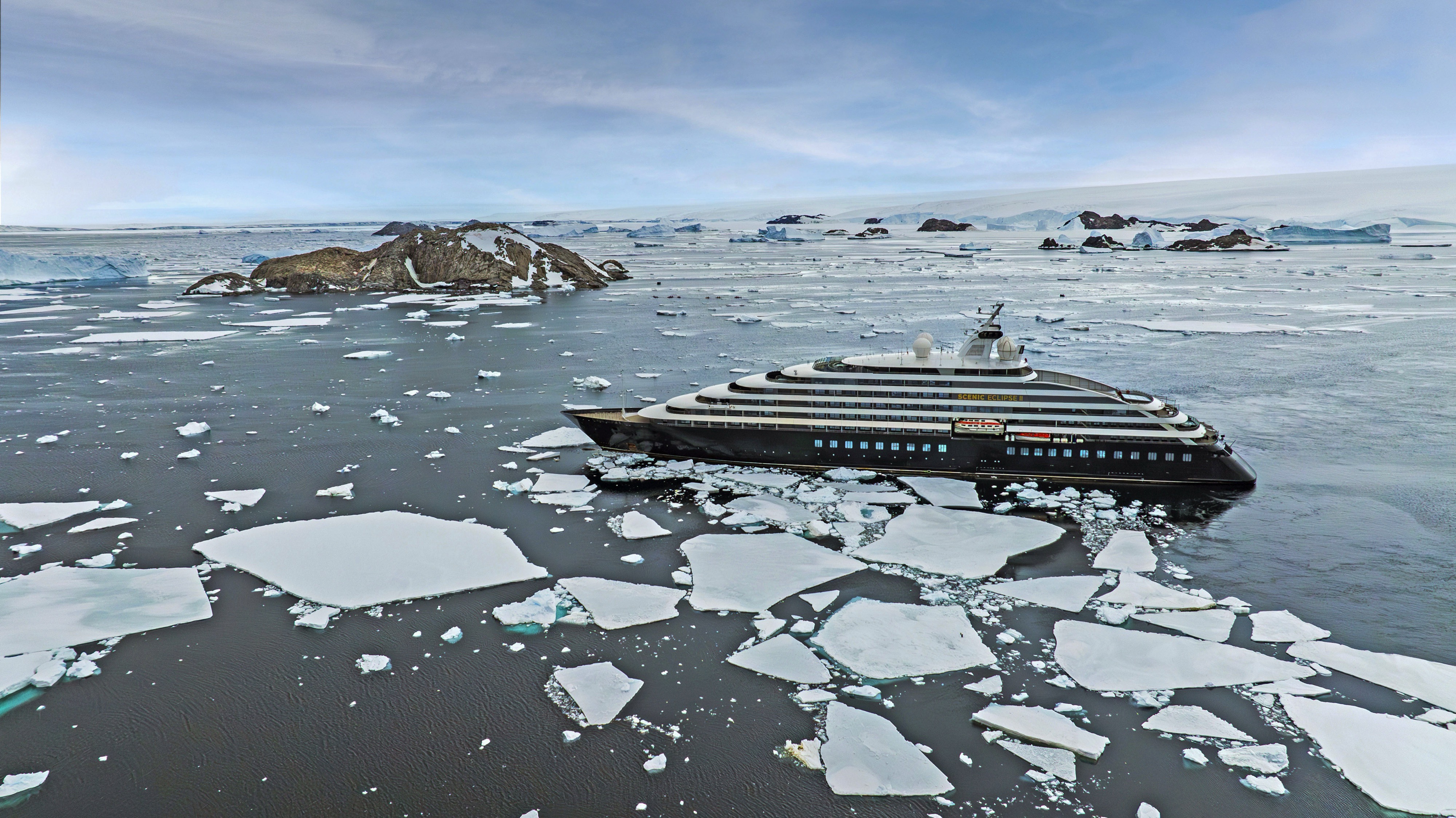
The World’s First Discovery Yachts have been purpose-built for Expedition Voyages to the most remote and extreme environments, with a Polar Class 6-rating and state-of-the-art technology and design.
With only up to 228 guests (200 in Antarctica), you will experience multiple daily shore landings via Zodiac. You’ll enjoy truly all-inclusive Scenic Discovery Excursions led by an expert Discovery Team of up to 20 specialists, ensuring you get the most out of these remarkable locations.
World-Class Design & Technology
Scenic Eclipse is purpose built for the Expedition Voyages, with a Polar Class 6 rating, custom-built stabilisers, providing greater stability, a strengthened hull, forward bow thrusters, an electronic Azipod propulsion system, advanced sonar and environmentally sustainable systems. The state-of-the-art technology enables for safe and comfortable navigation through polar waters.
Scenic Discovery Excursions
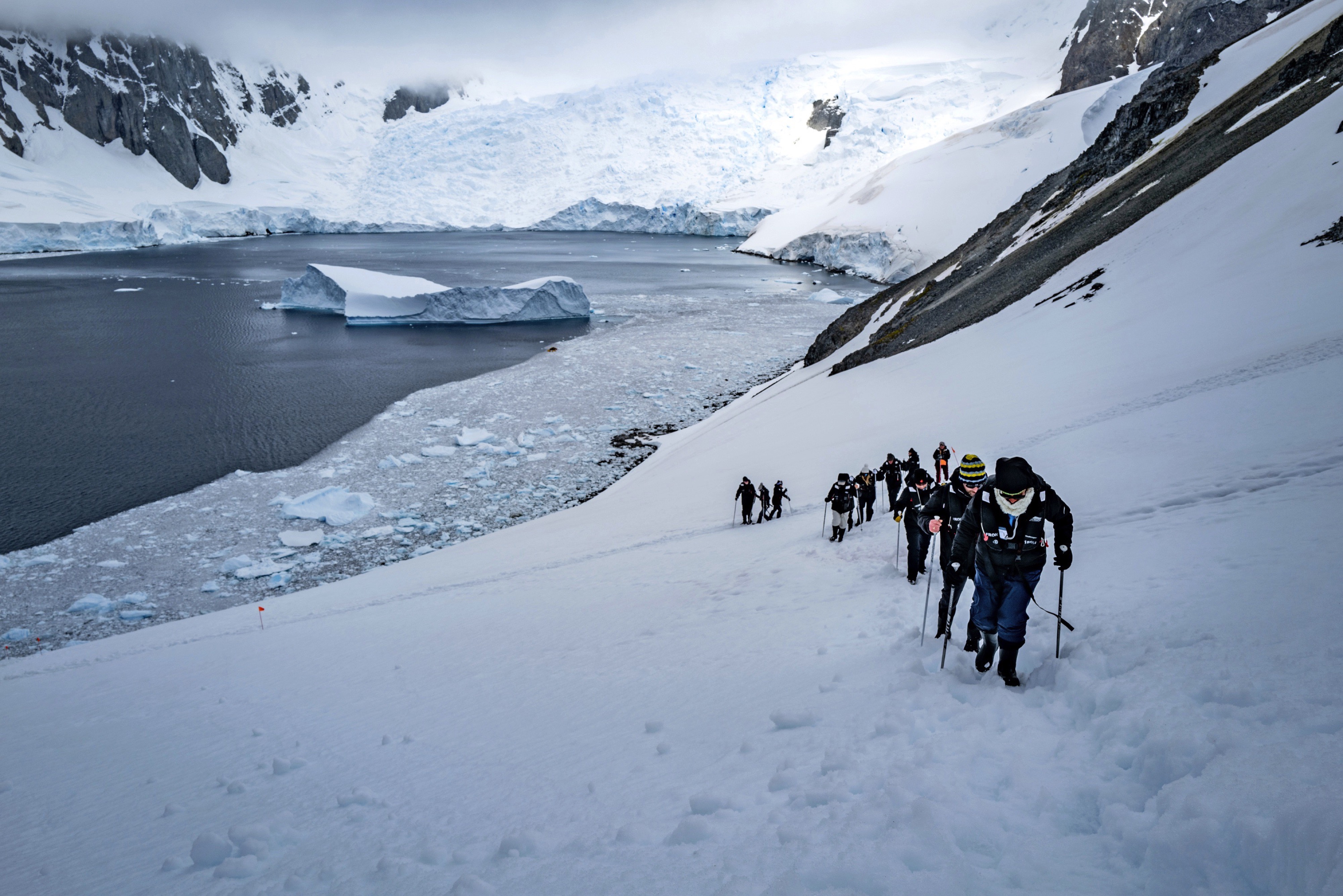
Gain rich insights into your destination with Discovery Excursions. Our expert Discovery Team of up to 20 marine biologists, historians, geologists, naturalists and local guides share their knowledge and regional expertise. Cruise on Zodiacs and kayaks* around ice formations in Antarctica and go on nature walks through the Arctic tundra, under their expert guidance.
Scenic Eclipse Discovery Voyages
Blending exploration with rejuvenation
Reach small ports and remote destinations on board our custom-designed Scenic Eclipse Discovery Yachts. Ignite your inner explorer with exciting excursions during the day, then enjoy breathtaking vistas from the comfort of luxurious dining, bar and wellness spaces on board.
With only up to 228 guests on board and an expert Discovery Team of up to 15 specialists, tailor your days with a wide range of all-inclusive Discovery Excursions, Scenic Freechoice activities and bespoke Scenic Enrich experiences.
Scenic Discovery Excursions
Gain rich insights into your destination with Scenic Discovery Excursions. Our expert Discovery Team of up to 15 scientists, marine biologists, historians, geologists and expert local guides share their knowledge and regional expertise. Cruise on Zodiacs to remote island beaches, explore onshore with guided hikes, snorkel with expert marine biologists, and kayak with Discovery guides.
Scenic Enrich
On select voyages, enjoy unique and exclusively handcrafted encounters in the most spectacular surroundings. Go behind the scenes, to the heart of your destination, with private access and immersive experiences in an iconic location. From a barbeque on a secluded beach, to ritual ceremonies and immersive experiences with local tribes, these memories will stay with you forever.
Scenic Freechoice
Choose from a wide range of curated Scenic Freechoice activities, catered to your fitness level. From diving into Vanuatu’s hot springs, to snorkelling secluded bays or taking a local food tour. Whether you prefer an active or relaxed pace, there’s something for everyone.
Scenic Eclipse Cruise Voyages
Scenic Eclipse Cruise Voyages take you to the heart of quaint seaside villages and glamorous European cities, the remarkable landscapes of New Zealand and the unseen riches of Japan. Explore your destination guided by our team of local experts, sharing their knowledge of the land, history and cultures. Or relax on board and soak up the sun and spectacular coastlines poolside, with a premium beverage of your choice.
Scenic Enrich
Enjoy unique and exclusively handcrafted encounters in the most spectacular surroundings. Go behind the scenes, to the heart of your destination, with private access and immersive experiences in iconic locations. Create memories that will stay with you forever, like a classical concert from the Harpsody Orchestra performed in the historic halls of the Oceanographic Museum in Monaco, or the authentic flamenco ballet production, Carmen.
Scenic Freechoice
Choose from a wide range of curated Scenic Freechoice activities. From learning about the traditional “Kogin-sashi” embroidery of Aomori, to a cooking class with fresh du paize pasta. Whether you prefer an active or relaxed pace, there’s something for everyone.
Warm Water Exploration
In the Mediterranean, enjoy a range of exciting or relaxing water activities from Scenic Eclipse’s Marina including ocean swimming, Tiwal Sail Boats and stand-up paddleboards. There’s an aquatic activity for everyone to enjoy.
Education Programs
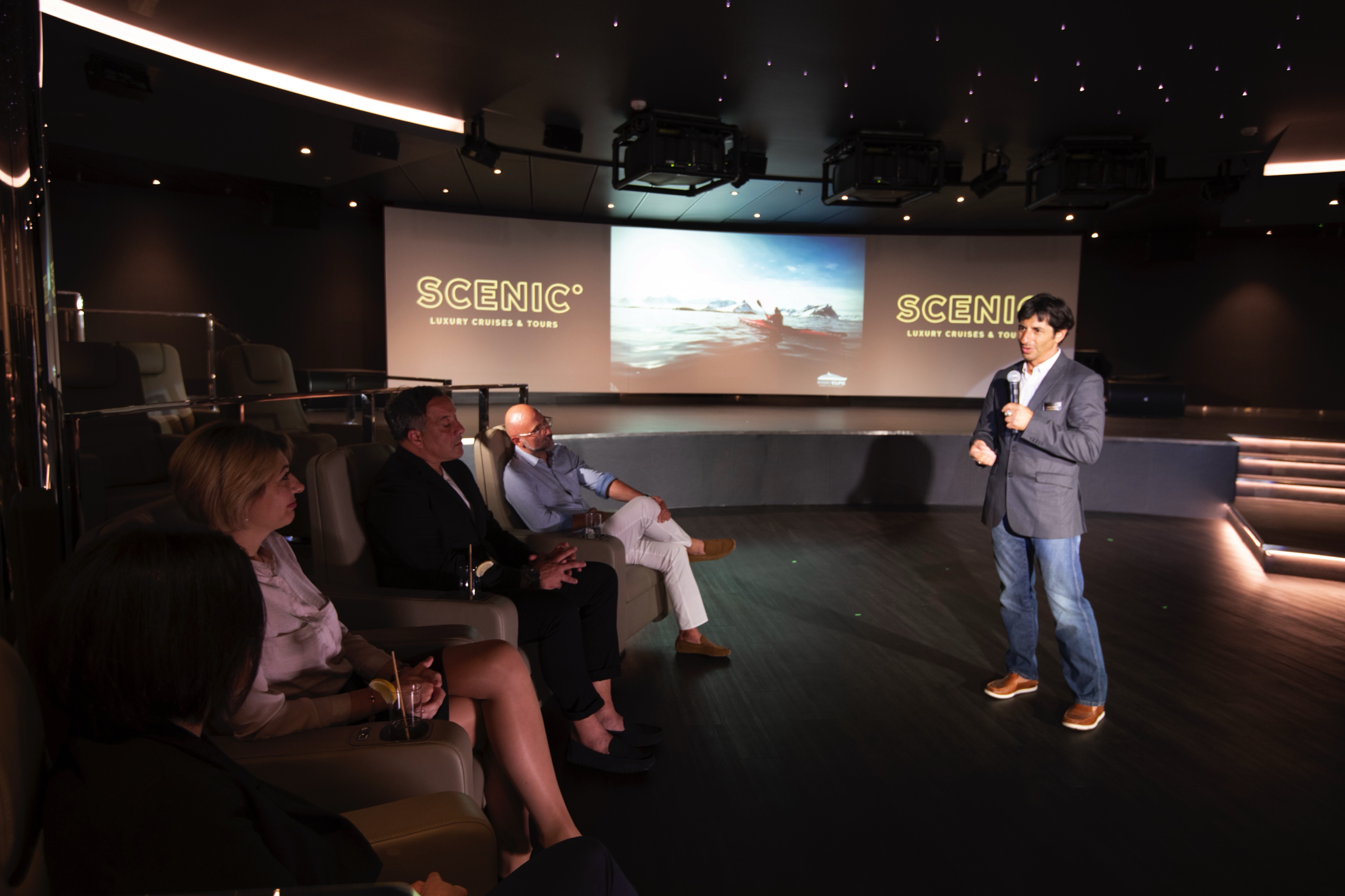
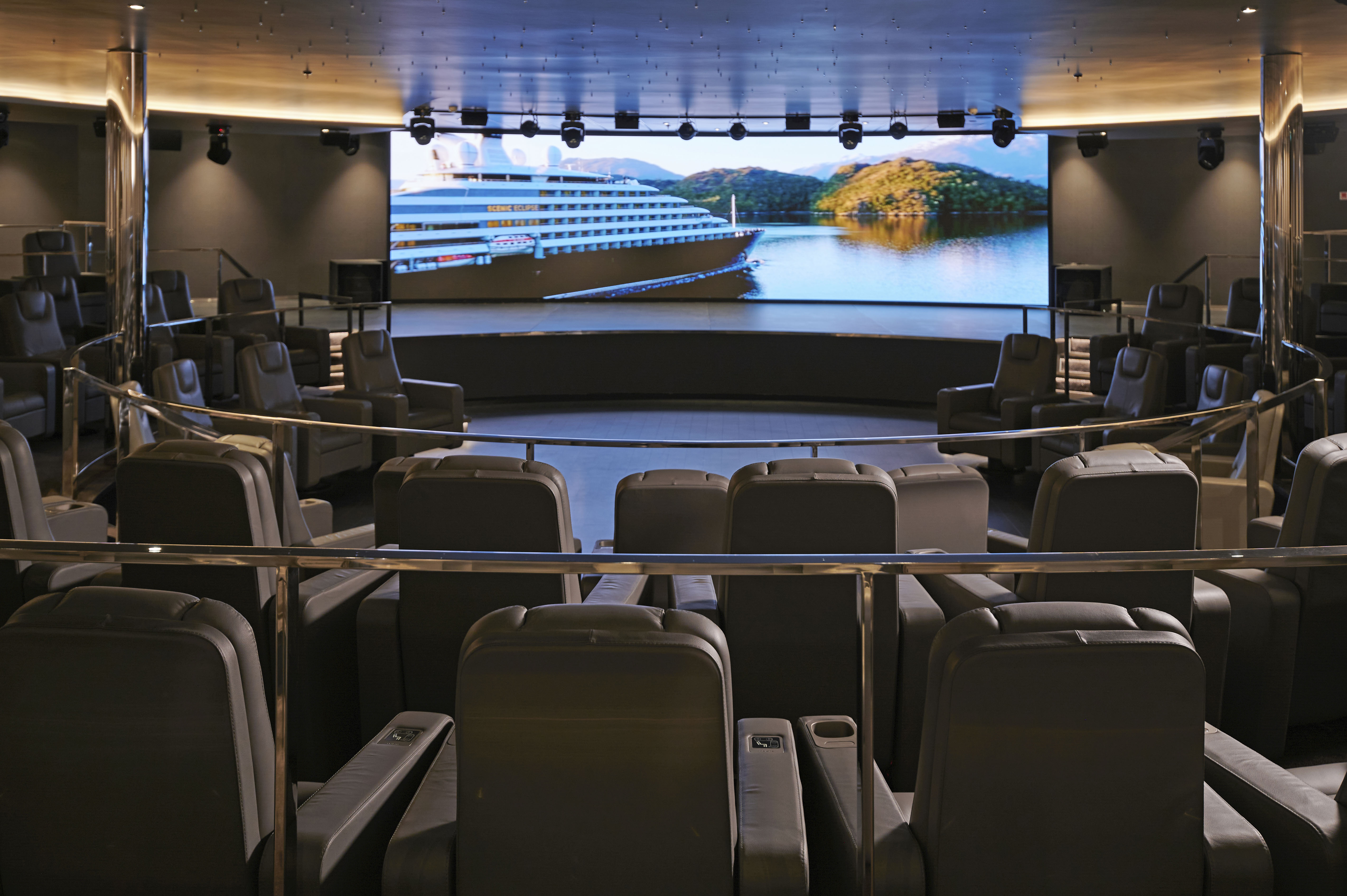
Learn about the unique wildlife, landscapes, history and culture of your destination from our knowledgeable experts during enriching lectures and education programs, hosted in the Discovery Yacht’s impressive state-of-the-art theatre.
Discovery Team Lecture Series
On Expedition and Discovery Voyages the Scenic Eclipse Discovery Team provide deep insights throughout your journey. A curated team of top experts in their respective fields, the Discovery Team is handpicked for each destination and made up of professionals including historians, geologists, glaciologists, ornithologists, marine biologists and naturalists.
On a regular basis throughout your voyage, the Discovery Team will host engaging lectures and presentations in the state-of-the-art theatre – both before and after they guide you through Discovery Excursions. Before venturing out, you’ll learn about your location, what you’re likely to see, and any particulars that will really enhance your understanding of the region. They’ll ensure you make the most of your precious moments discovering these spectacular parts of the world.
Discovery Team
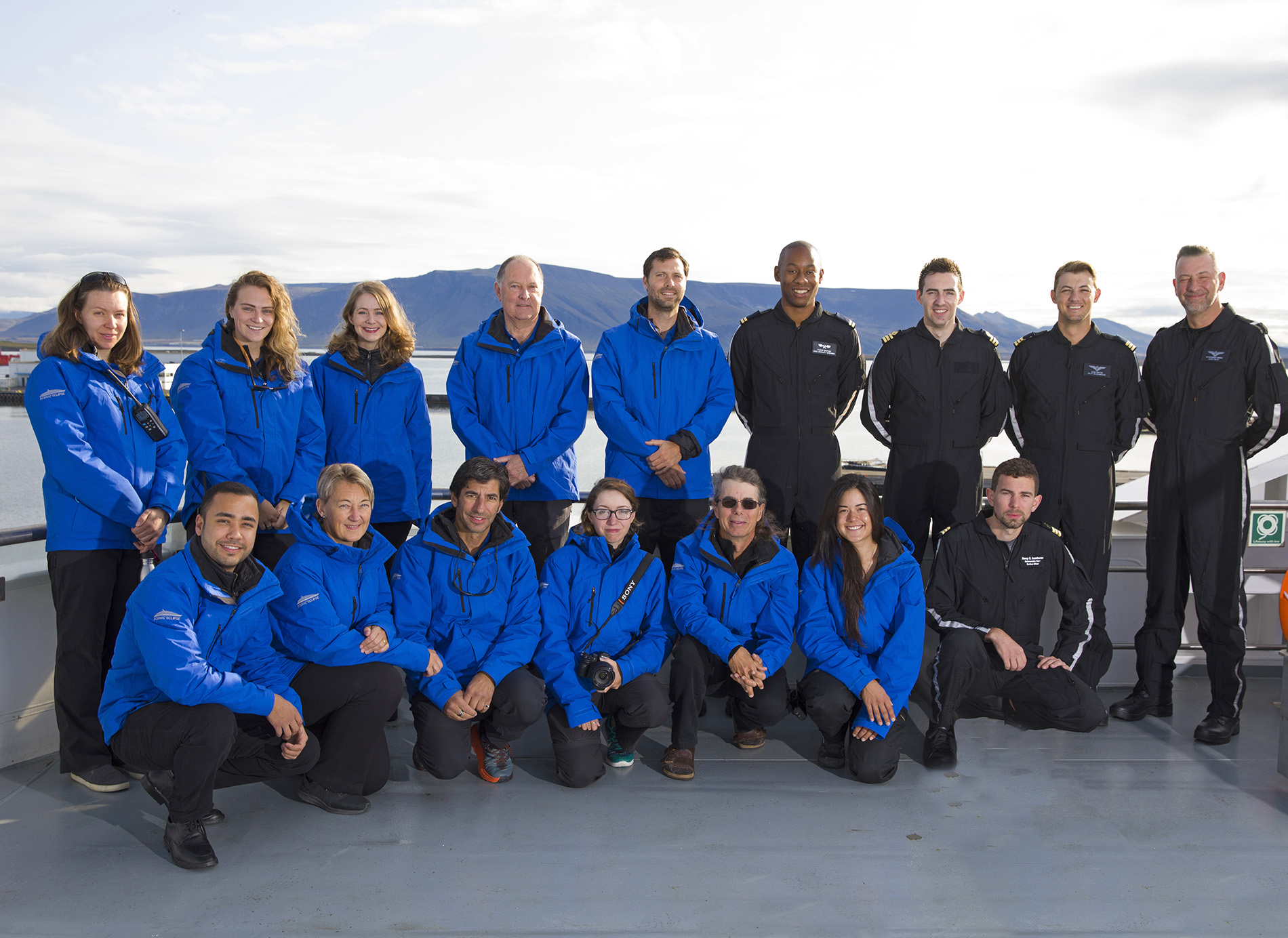
Led by Director of Discovery Operations, Jason Flesher, the Discovery Team ensures unparalleled exploration and rich cultural immersion on Expedition and Discovery Voyages.
Our team of up to 20 specialists on Expedition Voyages, and up to 15 on Discovery Voyages, spans fields like history, biology, archaeology, naturalism, geology and photography. Enhancing your experience with their passion and expertise.
Discovery Centre
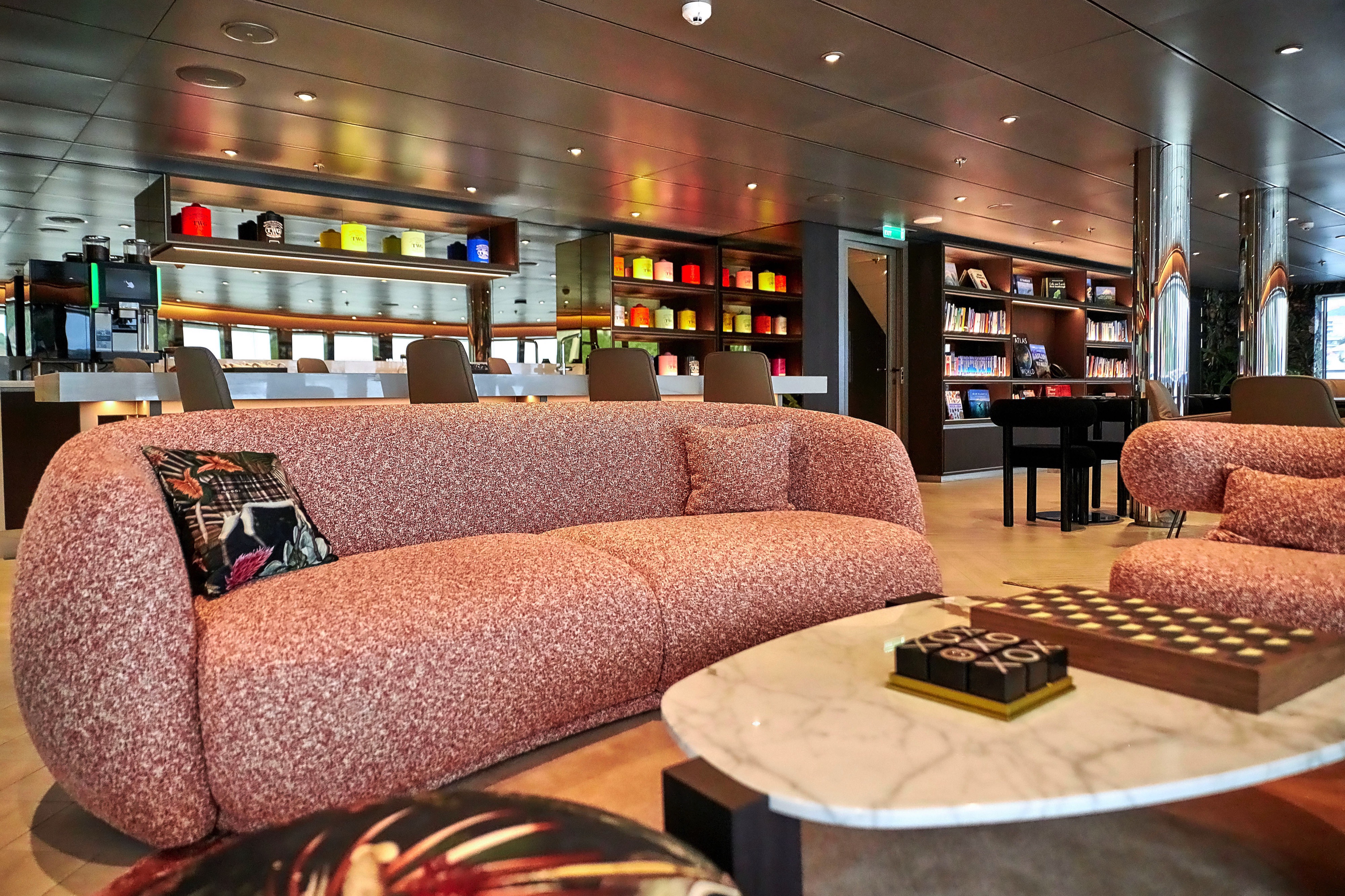
Observation Lounge & Library
The Observation Lounge & Library is a serene haven for guests seeking a peaceful retreat to read and observe the world. While we don’t serve food in this tranquil space, you can still enjoy a variety of beverages as you unwind and watch the world go by.
You can recline into plush seating and read a book or play board games as you enjoy a specialty tea or coffee. Take a closer look at landscapes and wildlife as you pass them through the Swarovski telescopes.
State-of-the-Art Theatre
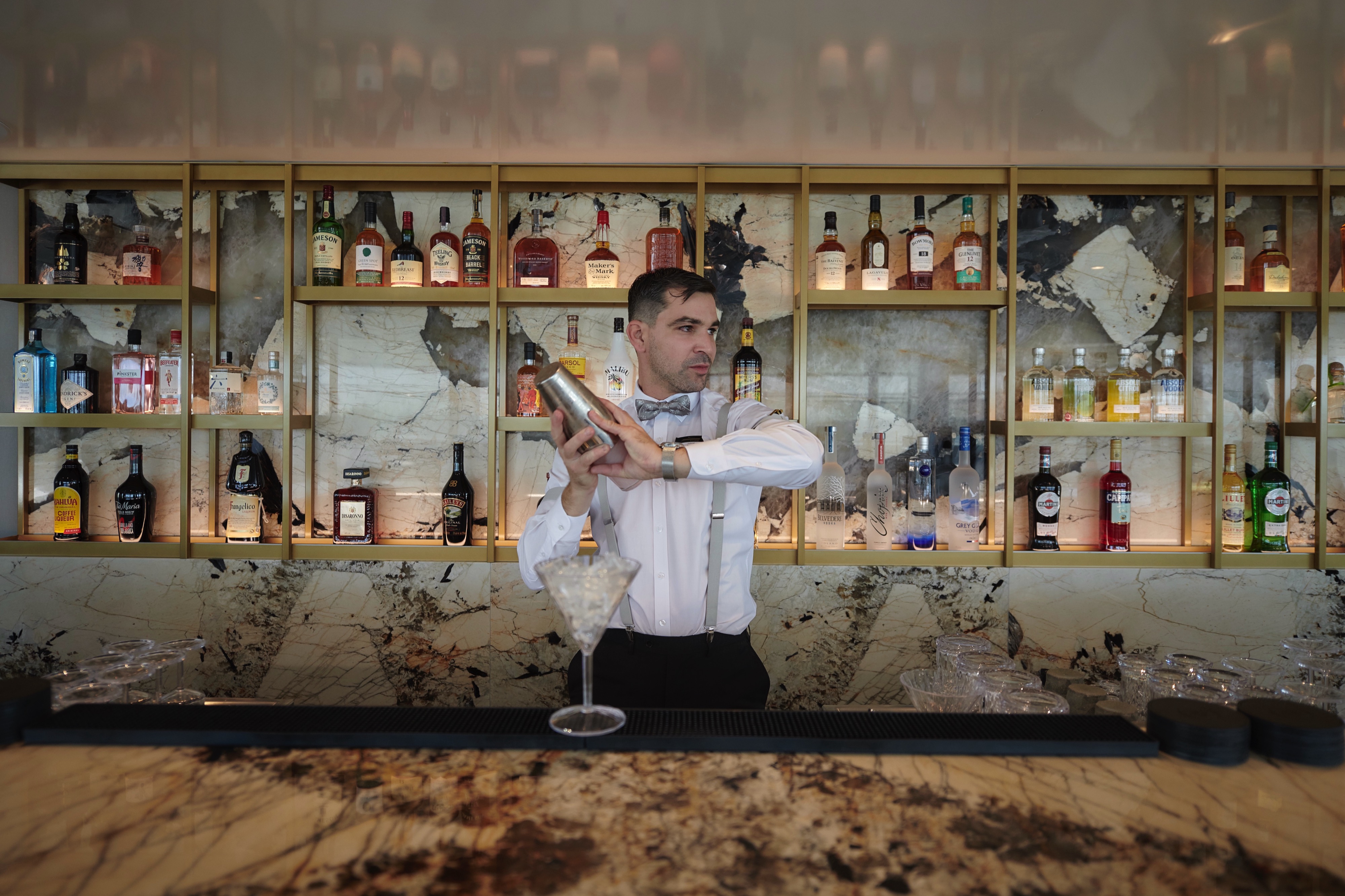
Sky Bar
Enjoy unrestricted views of your destination from the luxurious bar on Deck 10. On Scenic Eclipse II, the stunning marble Sky Bar features indoor and outdoor seating and six private cabanas. On Scenic Eclipse I, relax at the stylish bar with sun loungers by the pool.
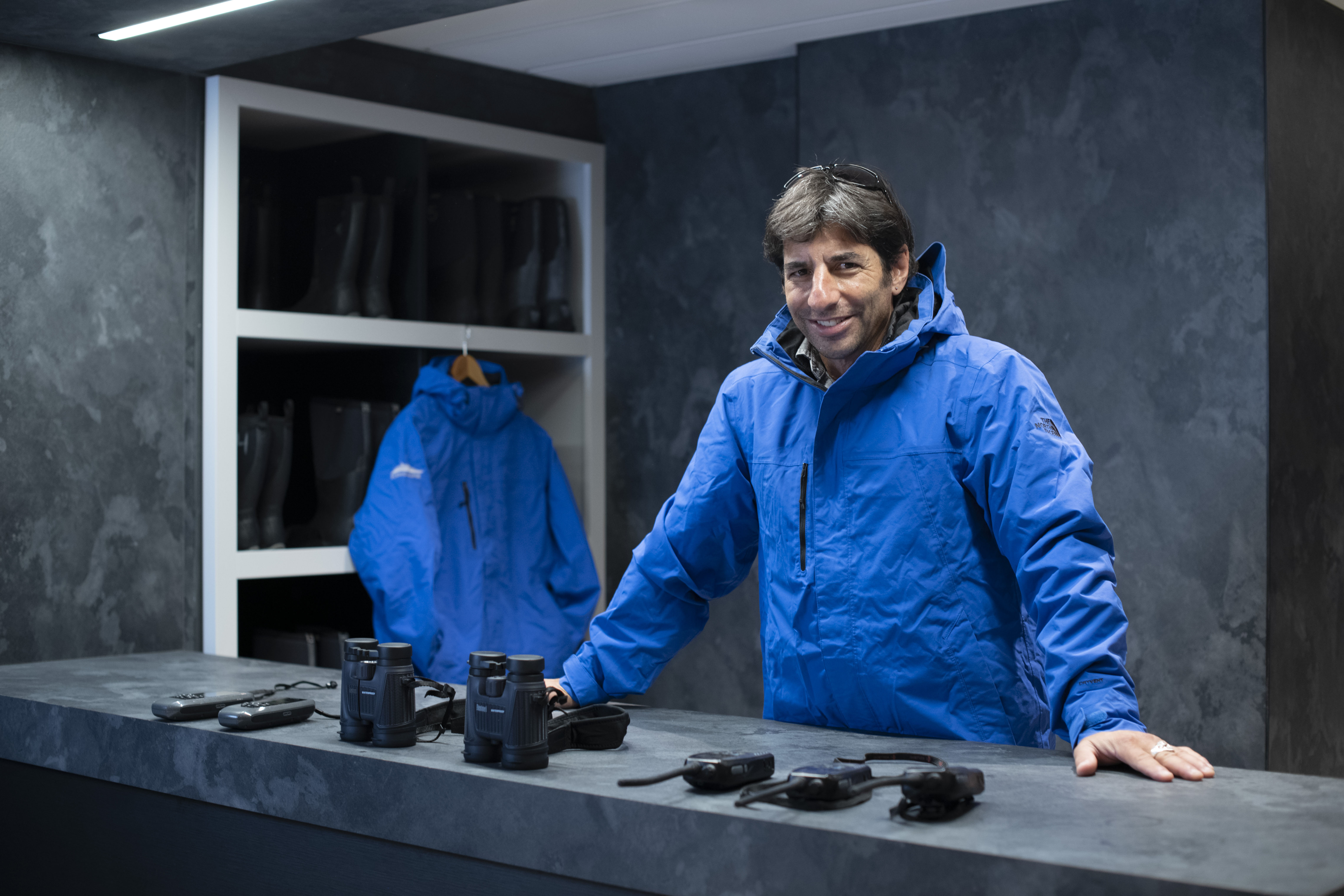
Yacht Club
Relax in the Yacht Club grill restaurant and bar for breakfast, lunch and special themed dinners. This casual dining experience is fitted with food islands, outdoor and lounge seating. Come to dine, mingle, relax in swing chairs overlooking the view, or taste our freshly-made gelato.
Reception
Our expert team on board Scenic Eclipse are the finest in their field and deliver an unrivalled level of service.

Scenic Lounge
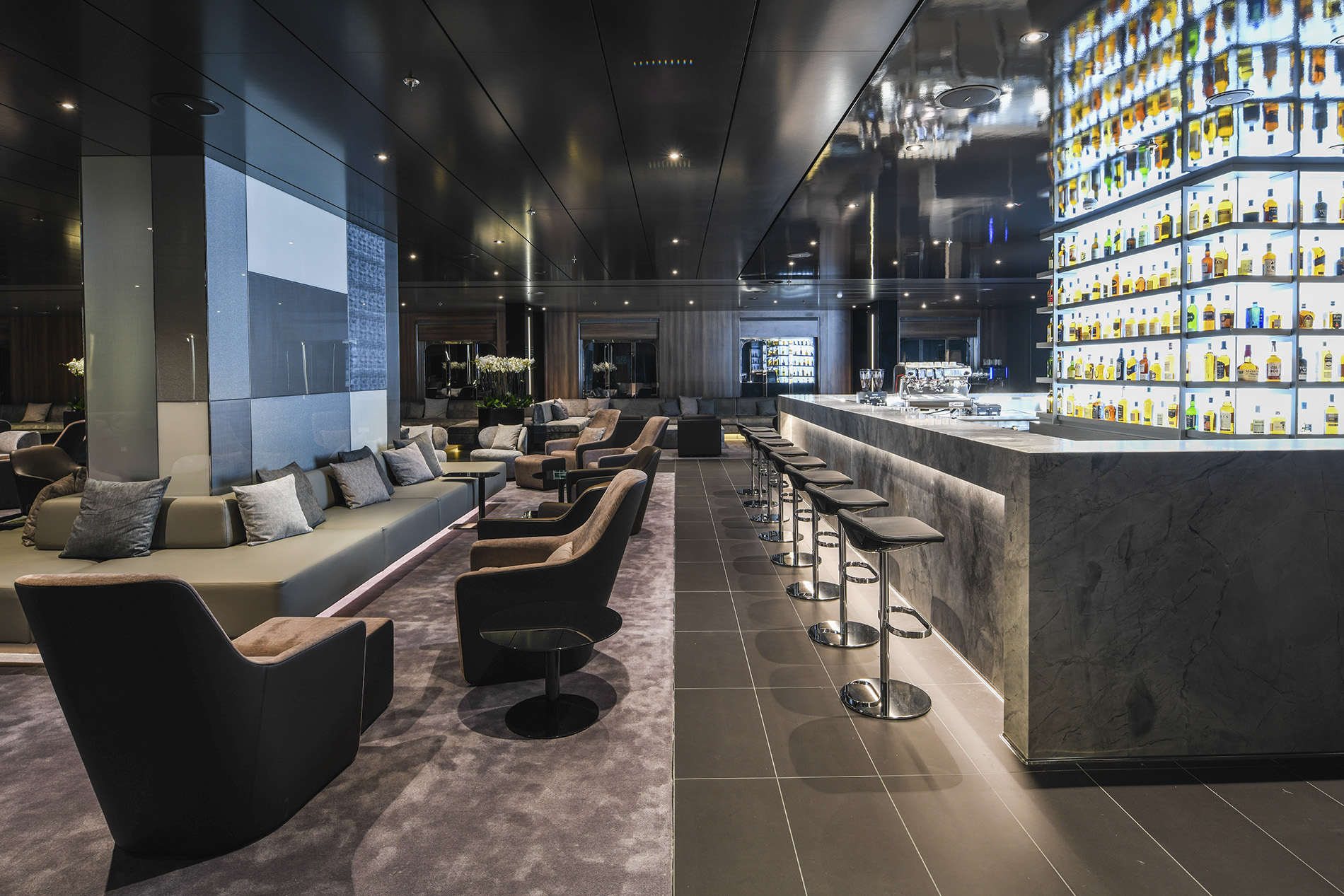
The Scenic Lounge Bar is the main bar and heart of the yacht located next to Reception. The mixology cocktail program and whiskey bar for connoisseurs and aficionados are key attractions. You will also be entertained by the resident entertainer throughout the night.
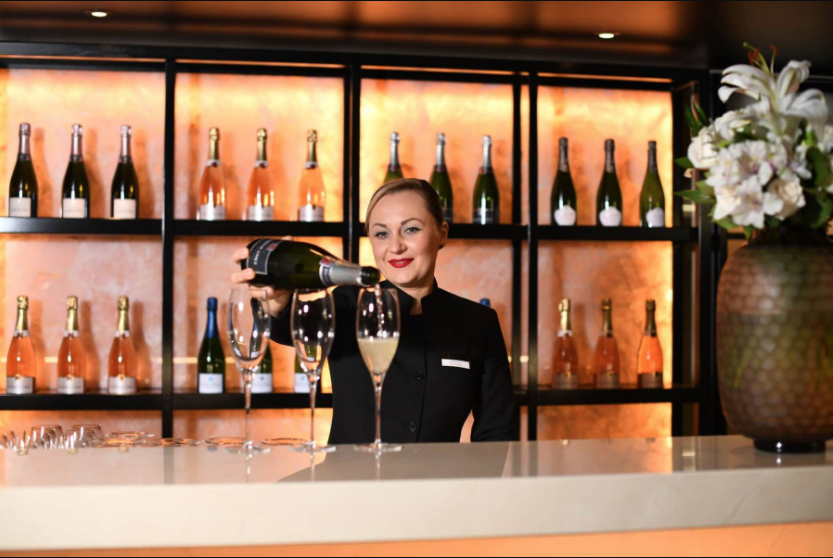
Let our bartenders guide you towards your premium beverage of choice, be it Champagne, wine, whiskey, cocktails, an afternoon espresso or an after-dinner liqueur whilst the on board musician sets the scene with live music.
Observation Terrace
Take a closer look at landscapes and wildlife as you pass them through the Swarovski telescopes.
Boutique
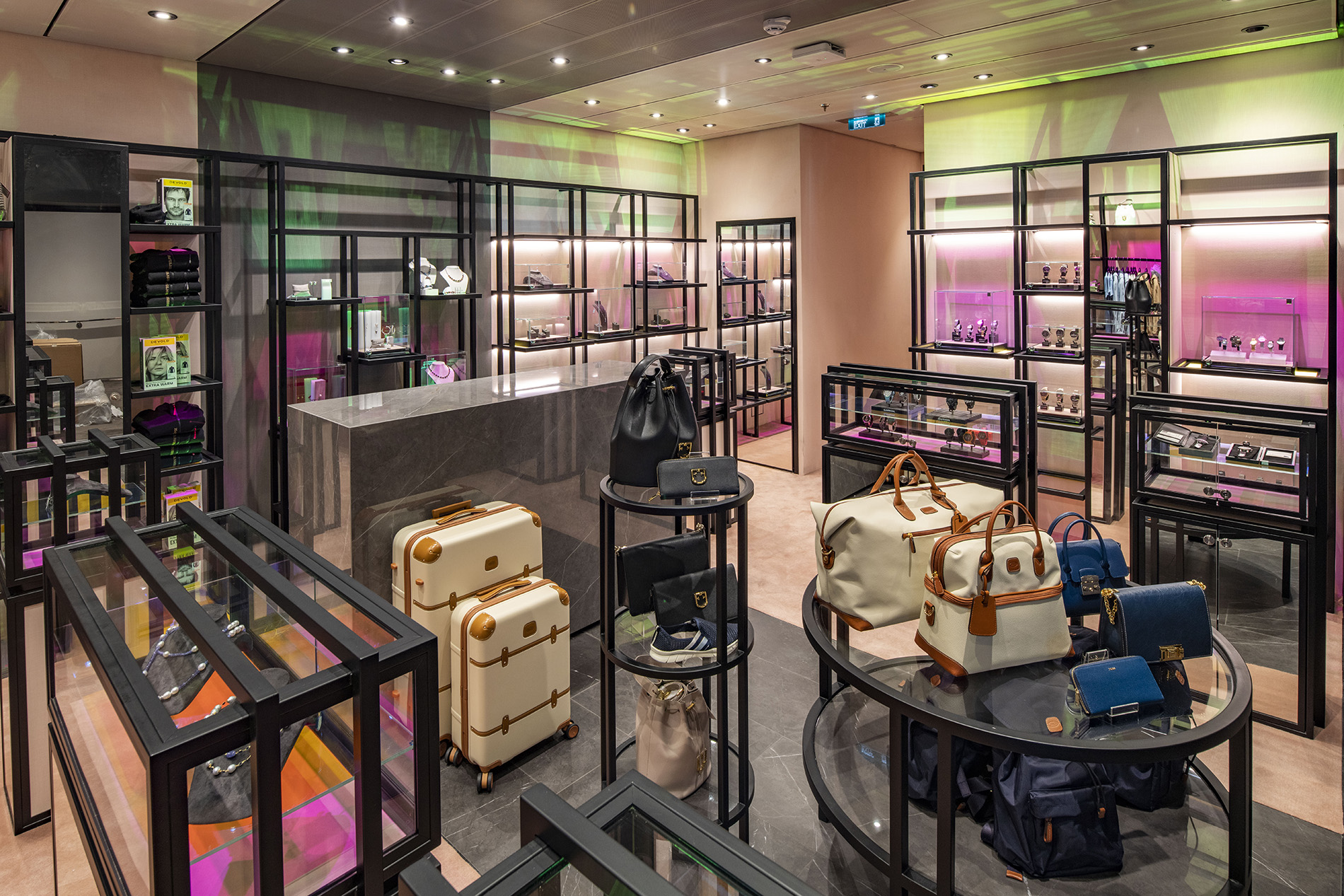
The Boutique can be found on Deck 4.
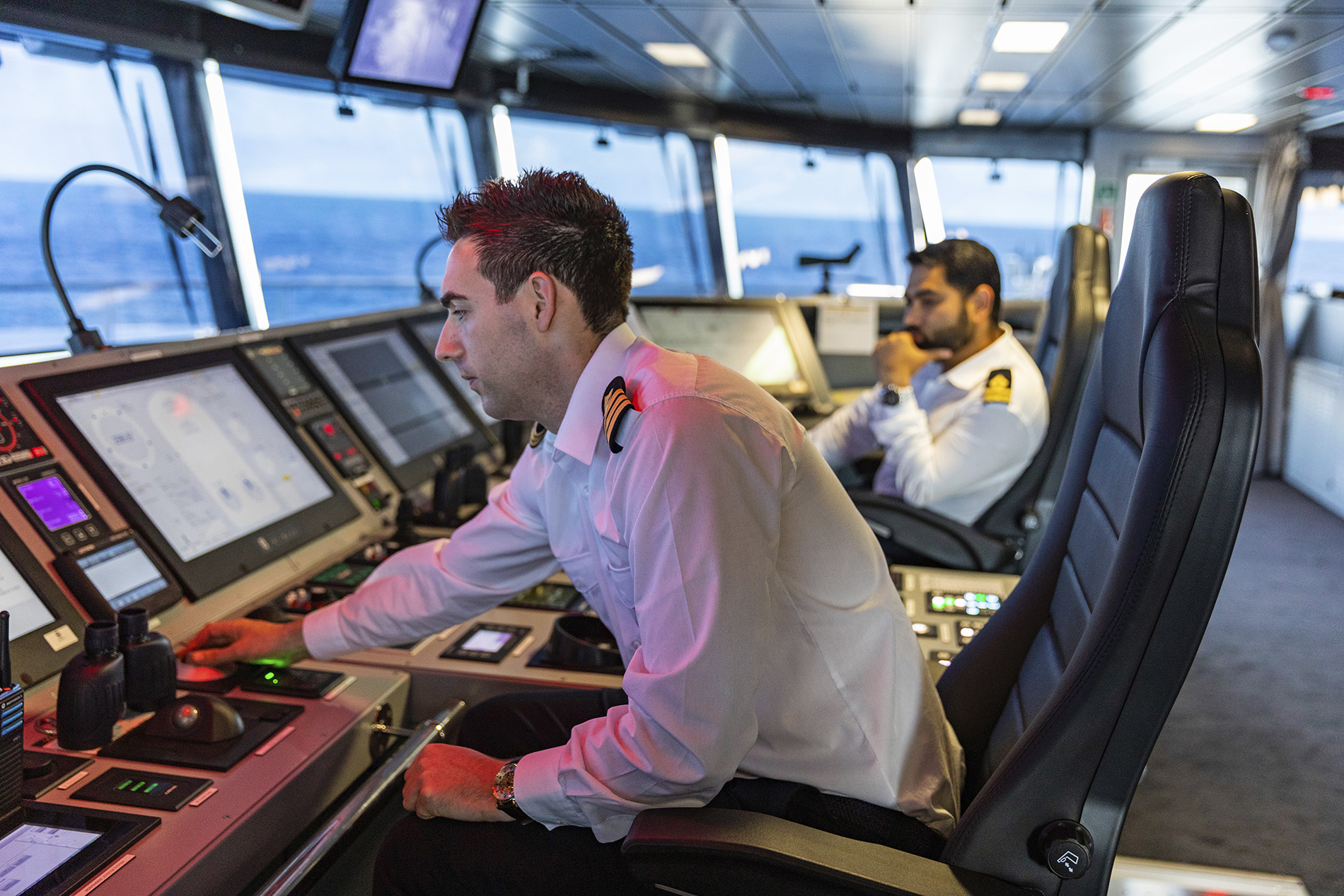
Open Bridge
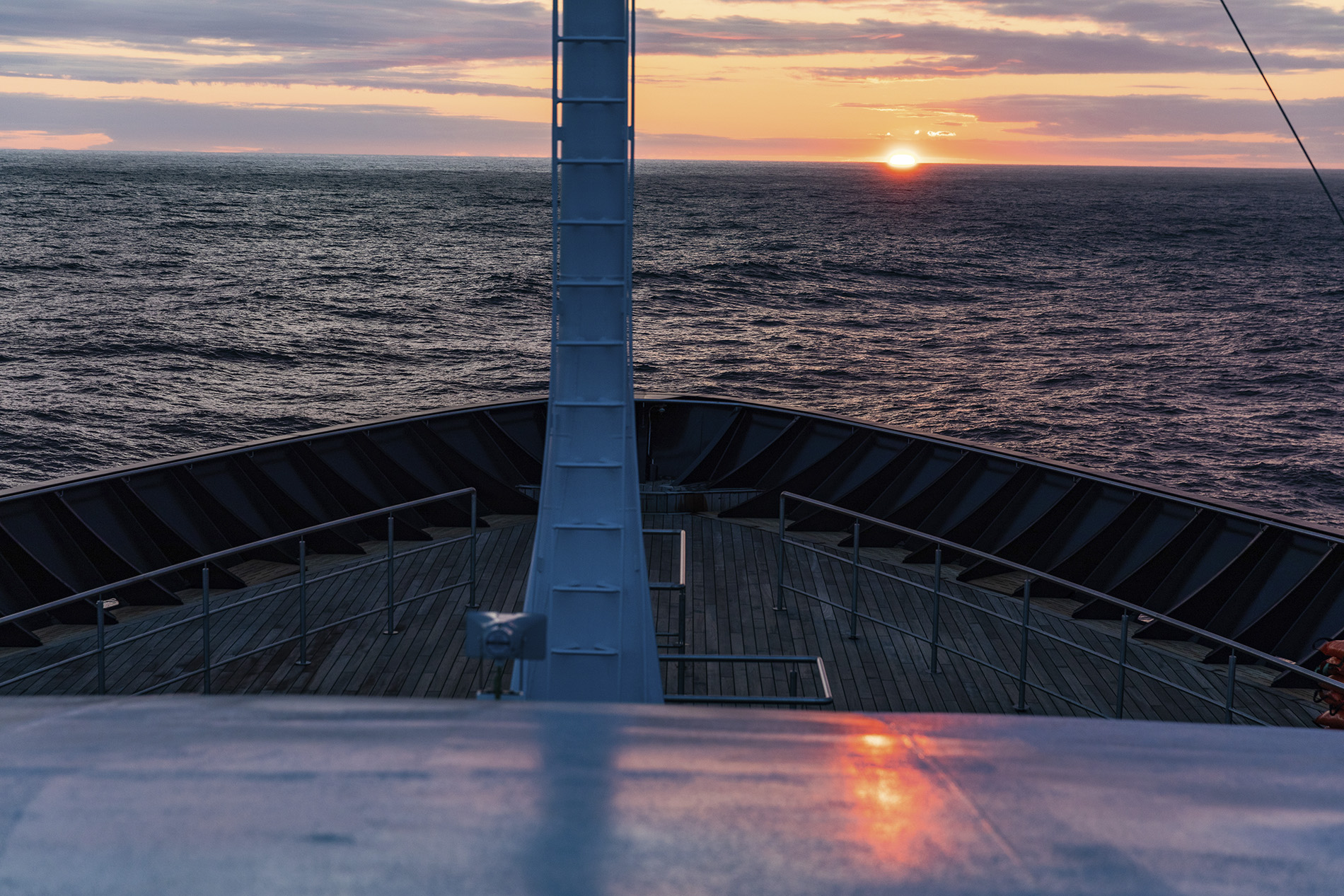
Venture to the bridge and see Scenic Eclipse II in full operation. The unique policy provides guests access to one of the best viewing areas on the ship, as well as the opportunity to learn about the technical capabilities of The World’s First Discovery YachtsTM.
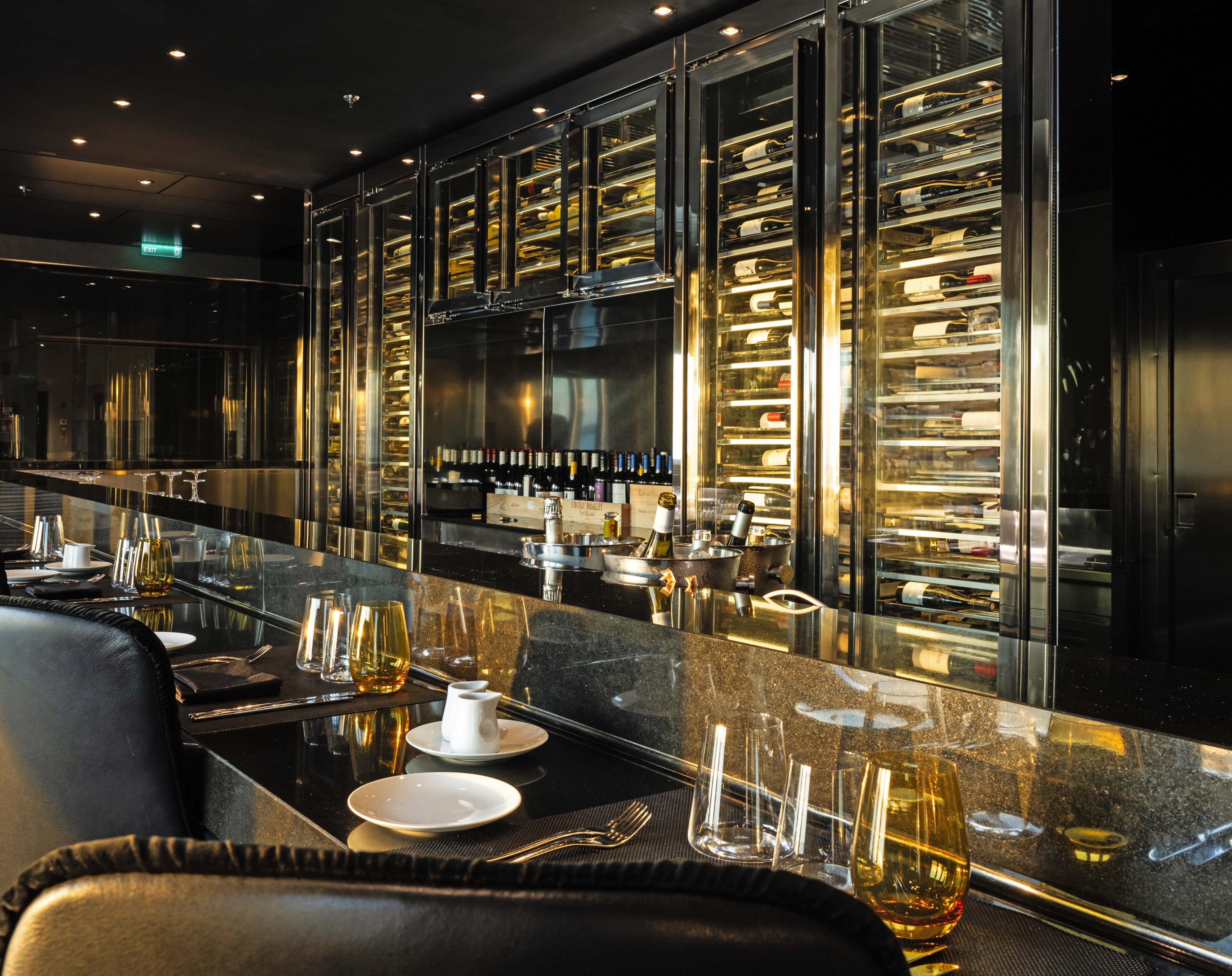
Elements Wine Bar
Elements Bar is your gateway to global cheese exploration, featuring a meticulously curated selection of international cheeses. Indulge in an array of textures and flavours, expertly paired with complementary accompaniments for a truly memorable tasting experience.
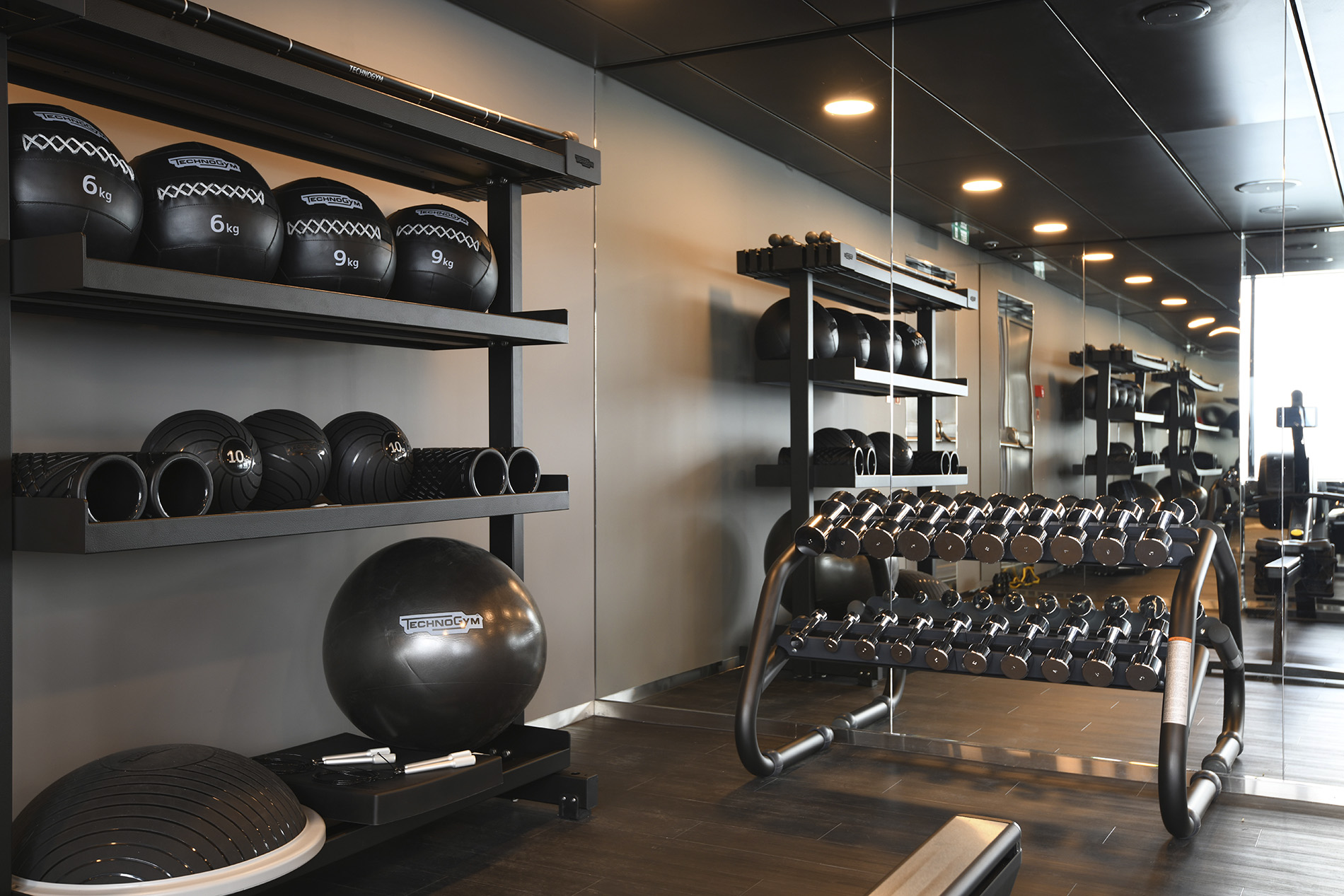
POWER: Gym
Keep up your fitness during your voyage in the fully equipped, state-of-the-art gym. Raise your heart rate with a cardio or strength workout as you overlook spectacular ocean views. Train your way or opt for a personal training session with one of our qualified, onboard instructors.
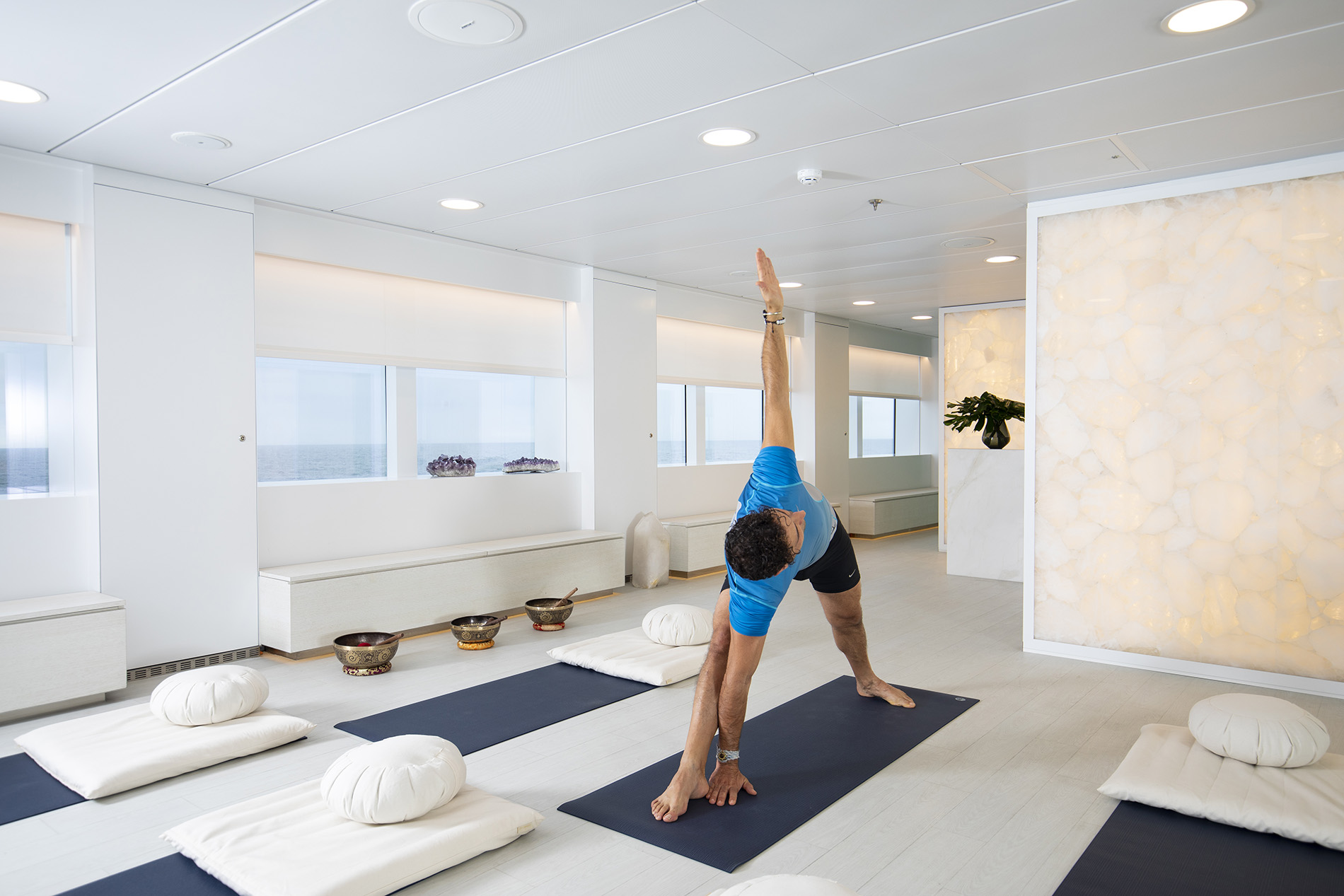
POWER: Yoga & Pilates Studio
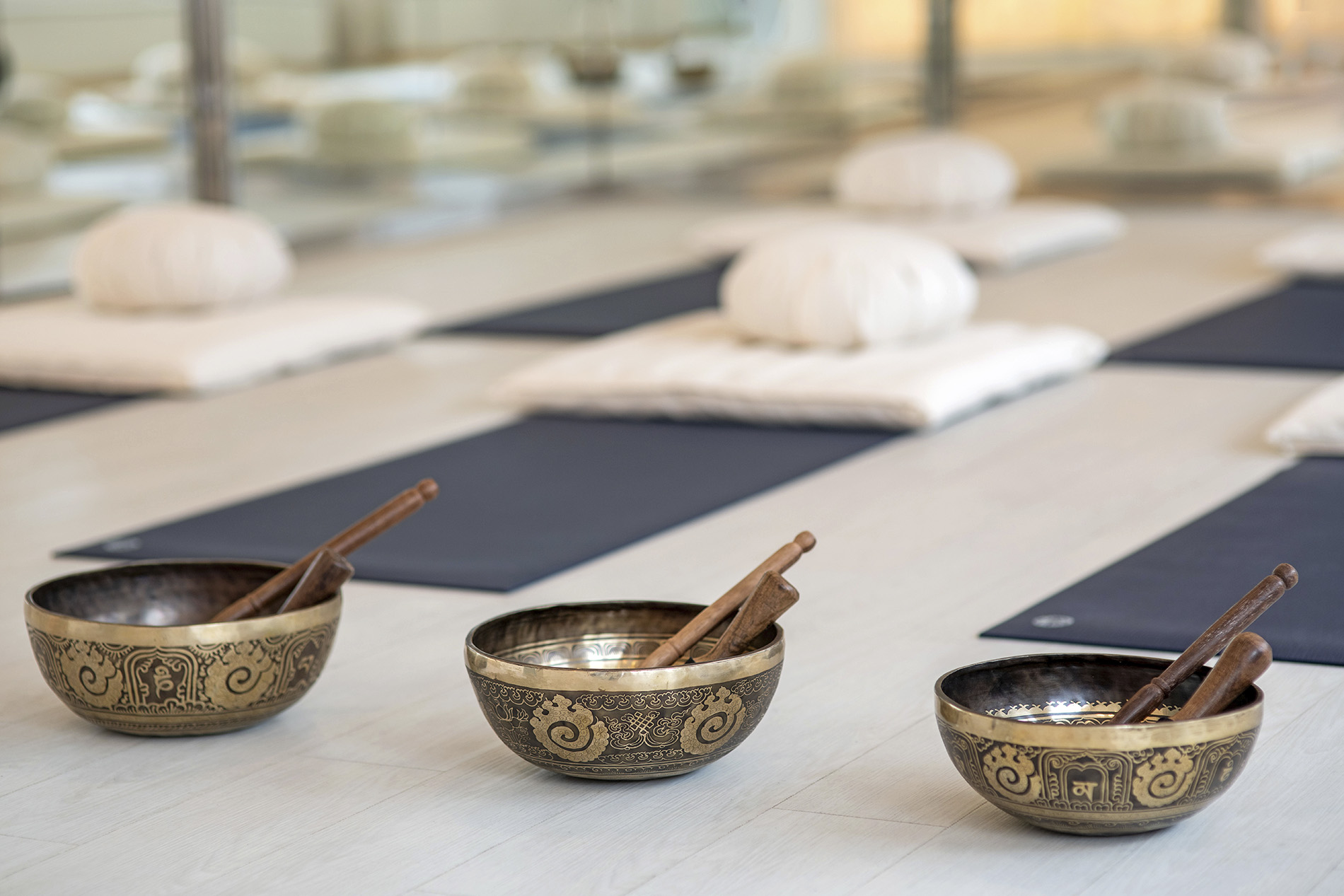
Our yoga and Pilates studio on Deck 7 is the only studio of its kind at sea. Rejuvenate your mind and body with a private session. Or mix it up with one of our holistic therapy sessions, including aerial yoga, TRX, mindfulness meditation and Tibetan sound bowl classes.
Senses Spa
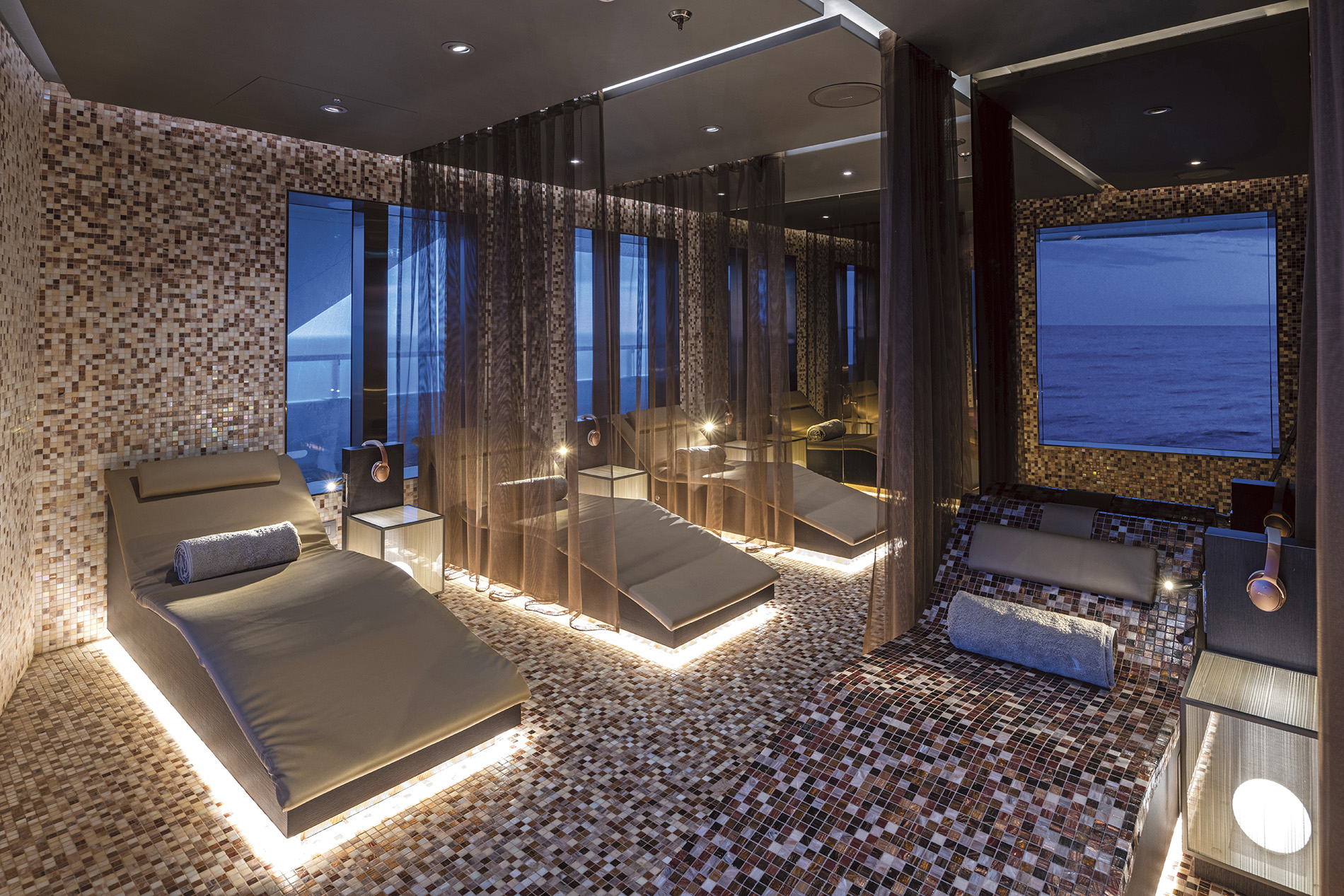
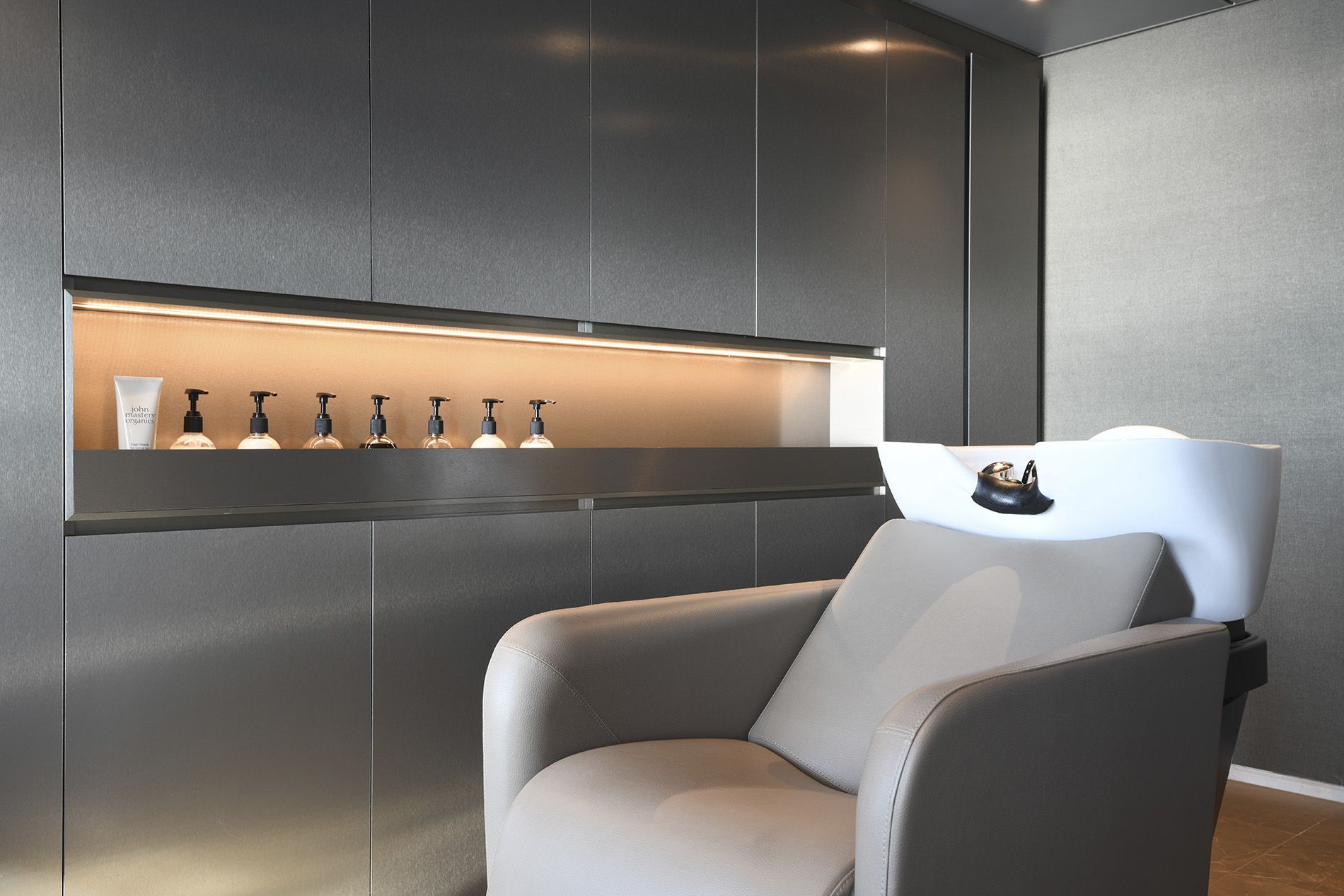
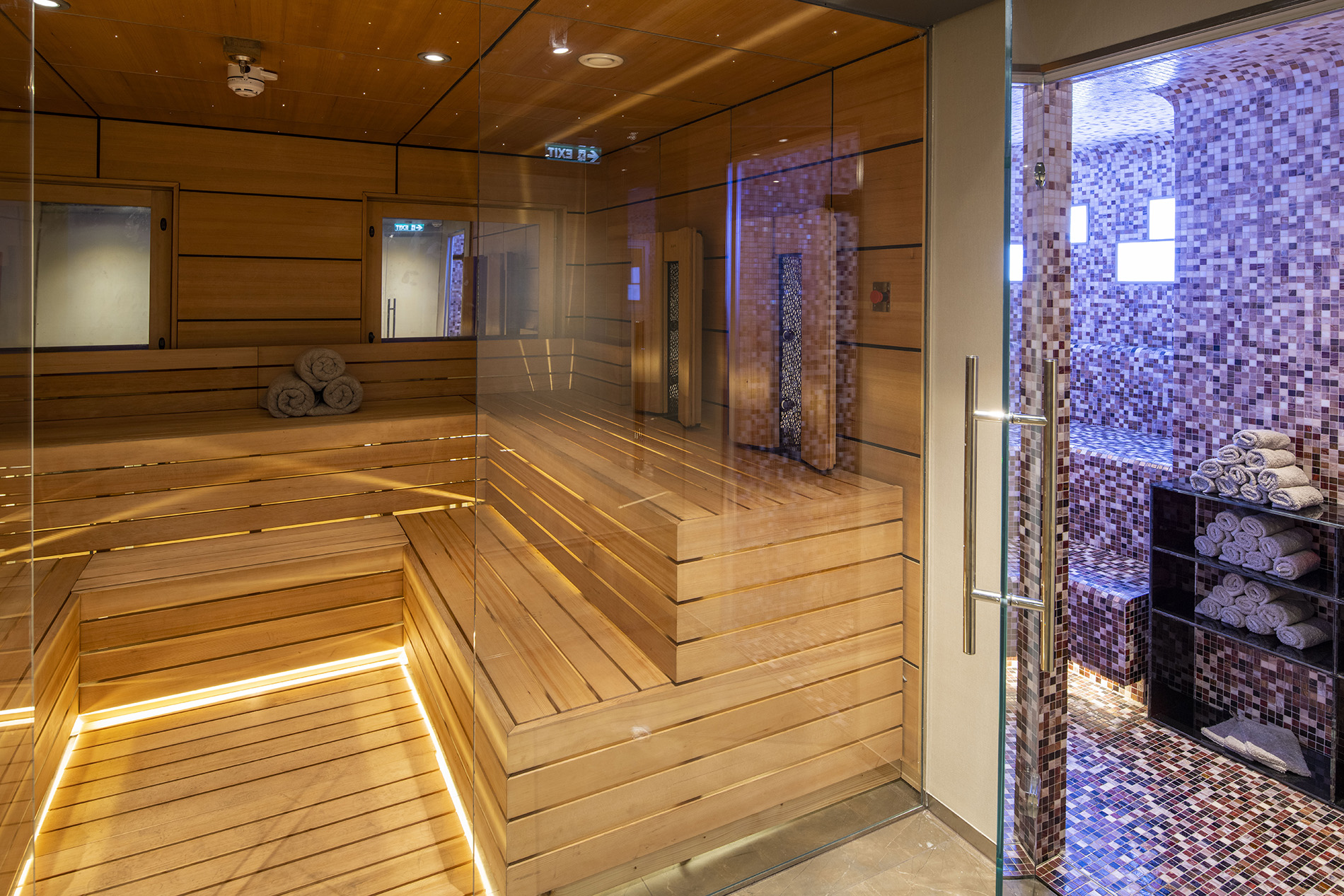
Soak in the serenity with unsurpassed wellbeing experiences. Trained, specialist staff and state-of-the-art wellness facilities on board bring you a cruising experience like no other.
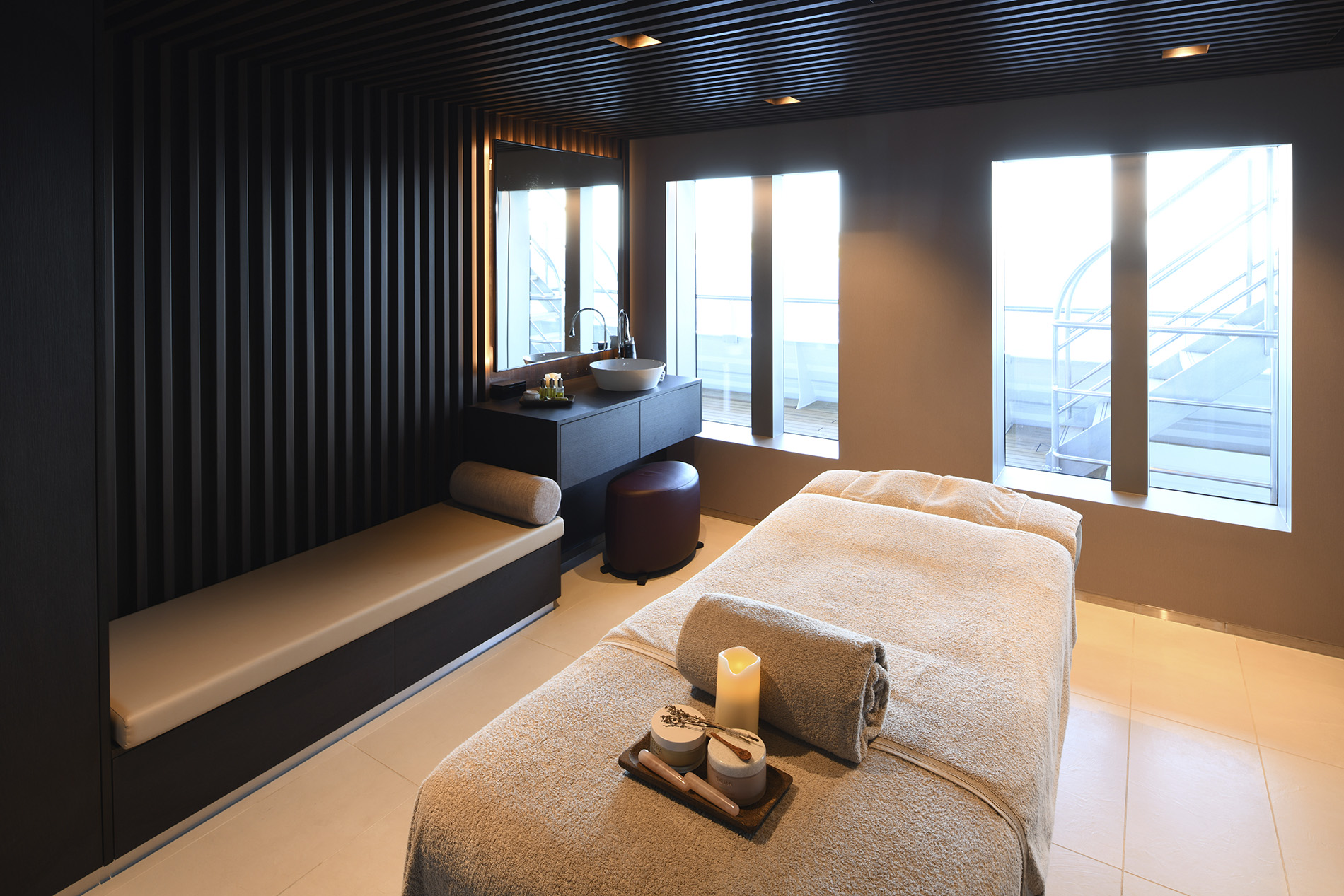
Vitality Pool
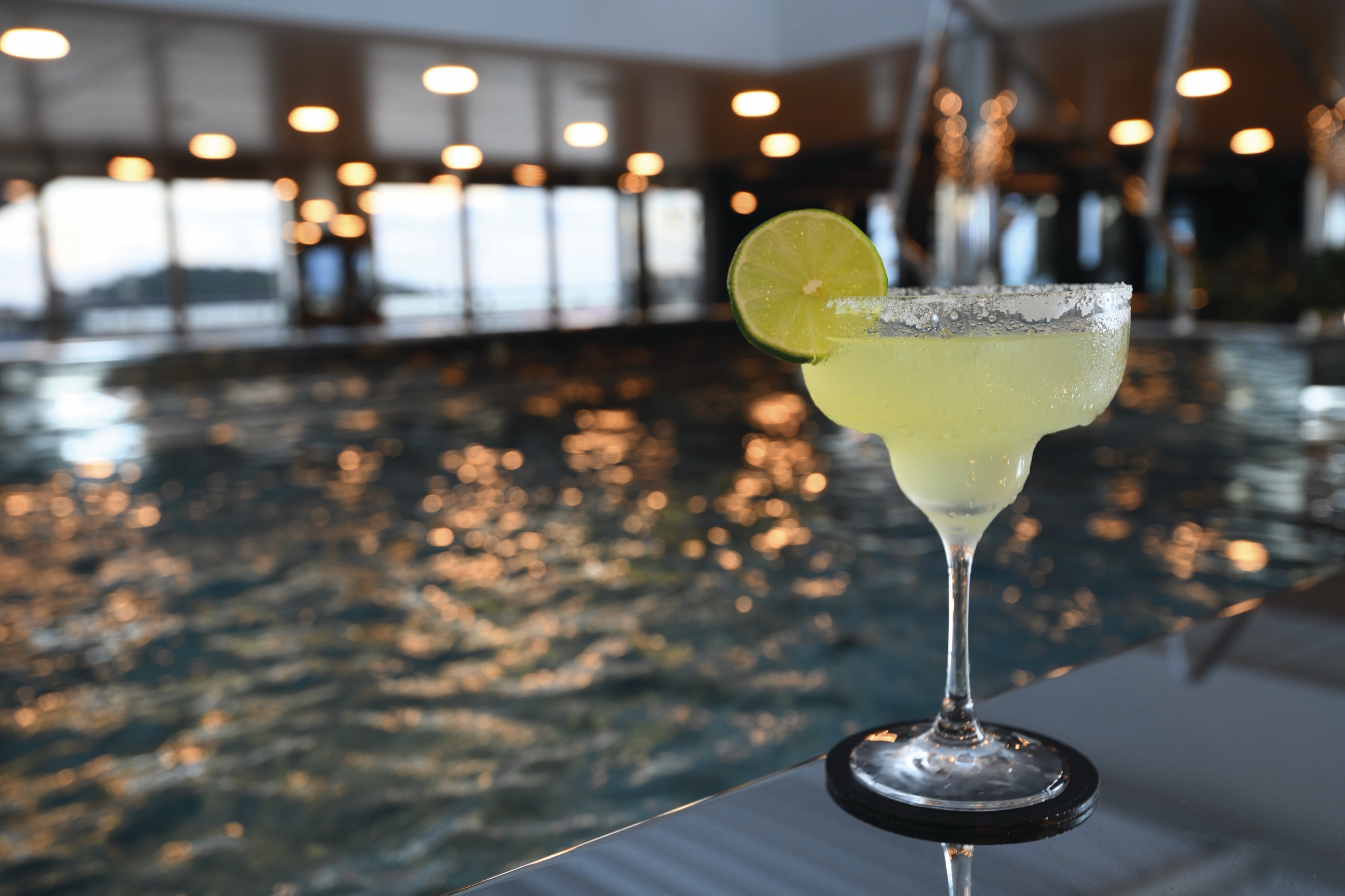
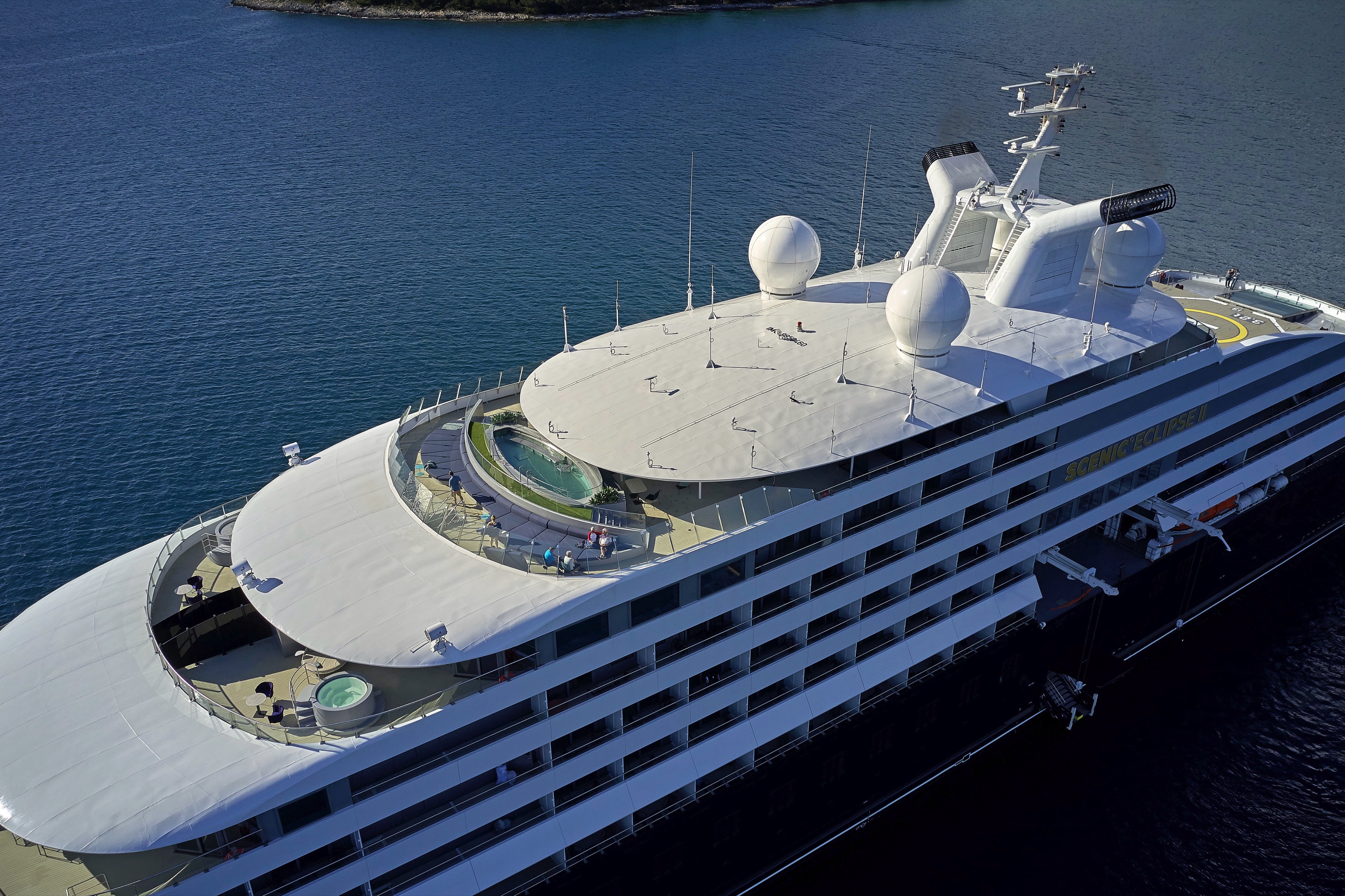
Step into the rejuvenating Vitality Pool on Deck 6, directly adjacent to Senses Spa. Relax in this tranquil pool admiring the spectacular landscapes, perhaps after a revitalising treatment or yoga class.
Thermal Loungers
Hair & Beauty
Facials
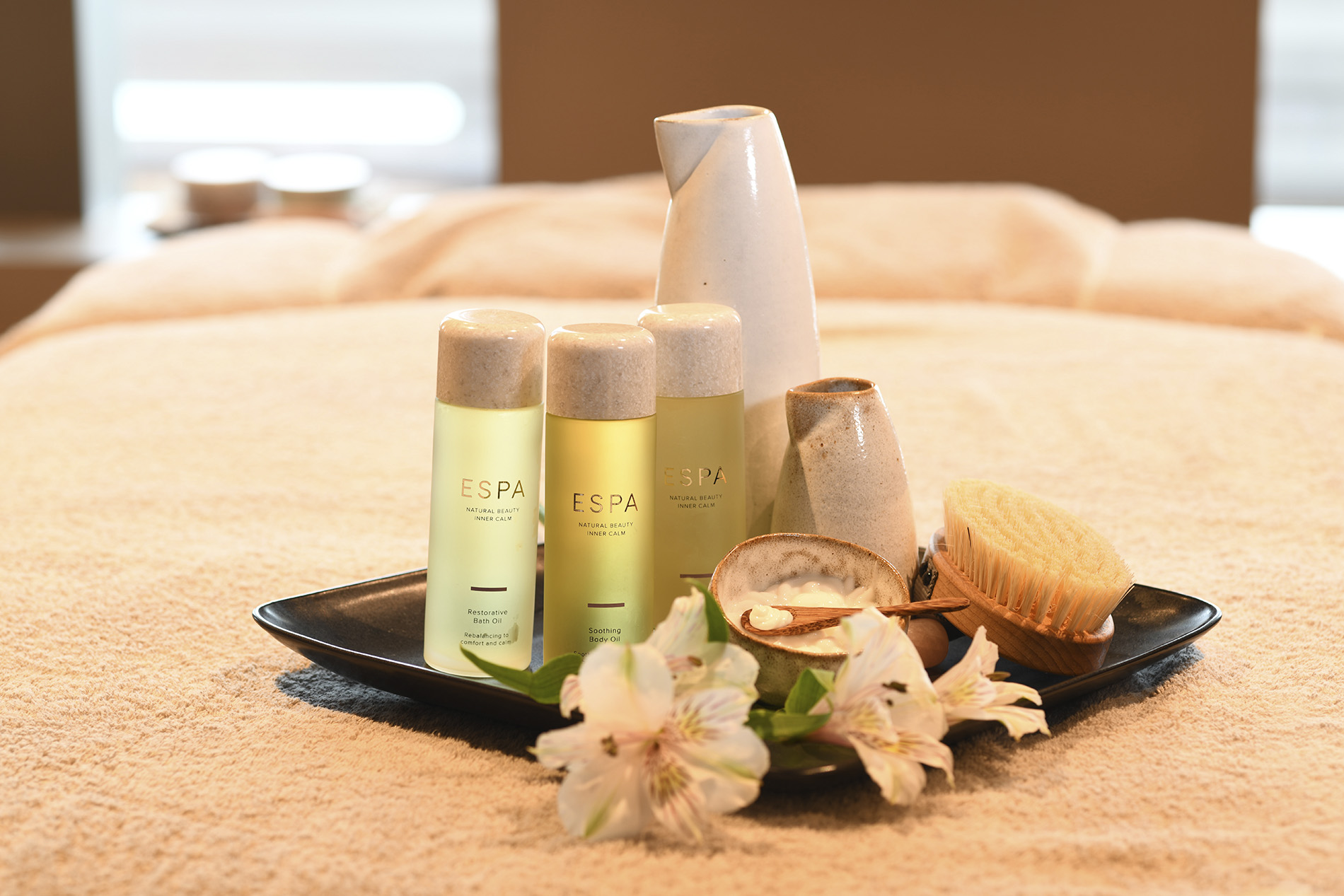
Rejuvenate and transform your skin’s appearance with a facial. ESPA facials use a pioneering Tri-ActiveTM formula containing plant extracts, marine actives and essential oils to achieve maximum results.
Alternative Therapies
Massages
Sauna & Steam Room
Please note: there are no kid/teen specific facilities onboard Scenic Eclipse II.
Elements
Chef's Table @ Elements
Koko's Asian Fusion
Night Market @ Koko's
Savour the excitement of an interactive dining experience as our expert chefs craft dishes inspired by the lively markets of Asia, India and the Middle East before your eyes. For only eight guests in each seating, this exclusive Teppanyaki grill experience will be a highlight of your culinary journey.
Sushi & Sake Bar @ Koko's
Azure Bar & Café
Lumière Restaurant & Champagne Bar
Chef's Garden @ Épicure
In-Suite Dining
Private Dining Experiences
There are many intimate and relaxed venues which provide the option of private dining at no additional cost.
Groups can dine at a restaurant of their choice or in the privacy of their suite. Night Market @ Koko’s offers private dining for up to eight guests and Chef’s Table is the ultimate degustation dining by invitation-only experience for 10 guests.
Helicopter Experiences
Soar above and dive below with unparalleled access to some of nature’s most remarkable sites. Scenic Eclipse II is equipped with two state-of-the-art Airbus H130-T2 helicopters^ which seat up to six guests, plus the pilot.
^Helicopter, helicopter experiences and submersible at additional cost, subject to regulatory approval, availability, weight restrictions, medical approval and weather and ice conditions.
Scenic Neptune II
Discover a fascinating underwater world
Dive below the horizon for an unforgettable experience on board our custom-designed submersibles^, Scenic Neptune I and II.
Take your seat with up to eight fellow guests alongside our expert pilot and prepare for a sightseeing experience like no other, 100 metres beneath the surface. Scenic Neptune redefines underwater exploration. With large, ultra-clear acrylic spheres, our submersibles have been designed for optimum viewing and total immersion.
^Submersible at additional cost, subject to regulatory approval, availability, weight restrictions, medical approval and weather and ice conditions.
Zodiacs
The Discovery Team are expert operators of our fleet of Zodiacs. On both Expedition and Discovery Voyages the team will guide guests on Zodiac excursions to view stunning coastlines and wildlife, as well as onshore landings.
Scenic Eclipse Expedition Voyages
Enjoy unrivalled exploration of extraordinary polar destinations on an all-inclusive Scenic Eclipse voyage.
Bringing Ultra-Luxury to Expedition Cruising
The World’s First Discovery Yachts have been purpose-built for Expedition Voyages to the most remote and extreme environments, with a Polar Class 6-rating and state-of-the-art technology and design.
With only up to 228 guests (200 in Antarctica), you will experience multiple daily shore landings via Zodiac. You’ll enjoy truly all-inclusive Scenic Discovery Excursions led by an expert Discovery Team of up to 20 specialists, ensuring you get the most out of these remarkable locations.
World-Class Design & Technology
Scenic Eclipse is purpose built for the Expedition Voyages, with a Polar Class 6 rating, custom-built stabilisers, providing greater stability, a strengthened hull, forward bow thrusters, an electronic Azipod propulsion system, advanced sonar and environmentally sustainable systems. The state-of-the-art technology enables for safe and comfortable navigation through polar waters.
Scenic Discovery Excursions
Gain rich insights into your destination with Discovery Excursions. Our expert Discovery Team of up to 20 marine biologists, historians, geologists, naturalists and local guides share their knowledge and regional expertise. Cruise on Zodiacs and kayaks* around ice formations in Antarctica and go on nature walks through the Arctic tundra, under their expert guidance.
Scenic Eclipse Discovery Voyages
Blending exploration with rejuvenation
Reach small ports and remote destinations on board our custom-designed Scenic Eclipse Discovery Yachts. Ignite your inner explorer with exciting excursions during the day, then enjoy breathtaking vistas from the comfort of luxurious dining, bar and wellness spaces on board.
With only up to 228 guests on board and an expert Discovery Team of up to 15 specialists, tailor your days with a wide range of all-inclusive Discovery Excursions, Scenic Freechoice activities and bespoke Scenic Enrich experiences.
Scenic Discovery Excursions
Gain rich insights into your destination with Scenic Discovery Excursions. Our expert Discovery Team of up to 15 scientists, marine biologists, historians, geologists and expert local guides share their knowledge and regional expertise. Cruise on Zodiacs to remote island beaches, explore onshore with guided hikes, snorkel with expert marine biologists, and kayak with Discovery guides.
Scenic Enrich
On select voyages, enjoy unique and exclusively handcrafted encounters in the most spectacular surroundings. Go behind the scenes, to the heart of your destination, with private access and immersive experiences in an iconic location. From a barbeque on a secluded beach, to ritual ceremonies and immersive experiences with local tribes, these memories will stay with you forever.
Scenic Freechoice
Choose from a wide range of curated Scenic Freechoice activities, catered to your fitness level. From diving into Vanuatu’s hot springs, to snorkelling secluded bays or taking a local food tour. Whether you prefer an active or relaxed pace, there’s something for everyone.
Scenic Eclipse Cruise Voyages
Scenic Eclipse Cruise Voyages take you to the heart of quaint seaside villages and glamorous European cities, the remarkable landscapes of New Zealand and the unseen riches of Japan. Explore your destination guided by our team of local experts, sharing their knowledge of the land, history and cultures. Or relax on board and soak up the sun and spectacular coastlines poolside, with a premium beverage of your choice.
Scenic Enrich
Enjoy unique and exclusively handcrafted encounters in the most spectacular surroundings. Go behind the scenes, to the heart of your destination, with private access and immersive experiences in iconic locations. Create memories that will stay with you forever, like a classical concert from the Harpsody Orchestra performed in the historic halls of the Oceanographic Museum in Monaco, or the authentic flamenco ballet production, Carmen.
Scenic Freechoice
Choose from a wide range of curated Scenic Freechoice activities. From learning about the traditional “Kogin-sashi” embroidery of Aomori, to a cooking class with fresh du paize pasta. Whether you prefer an active or relaxed pace, there’s something for everyone.
Warm Water Exploration
In the Mediterranean, enjoy a range of exciting or relaxing water activities from Scenic Eclipse’s Marina including ocean swimming, Tiwal Sail Boats and stand-up paddleboards. There’s an aquatic activity for everyone to enjoy.
Education Programs
Learn about the unique wildlife, landscapes, history and culture of your destination from our knowledgeable experts during enriching lectures and education programs, hosted in the Discovery Yacht’s impressive state-of-the-art theatre.
Discovery Team Lecture Series
On Expedition and Discovery Voyages the Scenic Eclipse Discovery Team provide deep insights throughout your journey. A curated team of top experts in their respective fields, the Discovery Team is handpicked for each destination and made up of professionals including historians, geologists, glaciologists, ornithologists, marine biologists and naturalists.
On a regular basis throughout your voyage, the Discovery Team will host engaging lectures and presentations in the state-of-the-art theatre – both before and after they guide you through Discovery Excursions. Before venturing out, you’ll learn about your location, what you’re likely to see, and any particulars that will really enhance your understanding of the region. They’ll ensure you make the most of your precious moments discovering these spectacular parts of the world.
Discovery Team
Led by Director of Discovery Operations, Jason Flesher, the Discovery Team ensures unparalleled exploration and rich cultural immersion on Expedition and Discovery Voyages.
Our team of up to 20 specialists on Expedition Voyages, and up to 15 on Discovery Voyages, spans fields like history, biology, archaeology, naturalism, geology and photography. Enhancing your experience with their passion and expertise.
Discovery Centre
Observation Lounge & Library
The Observation Lounge & Library is a serene haven for guests seeking a peaceful retreat to read and observe the world. While we don’t serve food in this tranquil space, you can still enjoy a variety of beverages as you unwind and watch the world go by.
You can recline into plush seating and read a book or play board games as you enjoy a specialty tea or coffee. Take a closer look at landscapes and wildlife as you pass them through the Swarovski telescopes.
State-of-the-Art Theatre
Sky Bar
Enjoy unrestricted views of your destination from the luxurious bar on Deck 10. On Scenic Eclipse II, the stunning marble Sky Bar features indoor and outdoor seating and six private cabanas. On Scenic Eclipse I, relax at the stylish bar with sun loungers by the pool.
Yacht Club
Relax in the Yacht Club grill restaurant and bar for breakfast, lunch and special themed dinners. This casual dining experience is fitted with food islands, outdoor and lounge seating. Come to dine, mingle, relax in swing chairs overlooking the view, or taste our freshly-made gelato.
Reception
Our expert team on board Scenic Eclipse are the finest in their field and deliver an unrivalled level of service.
Scenic Lounge
The Scenic Lounge Bar is the main bar and heart of the yacht located next to Reception. The mixology cocktail program and whiskey bar for connoisseurs and aficionados are key attractions. You will also be entertained by the resident entertainer throughout the night.
Let our bartenders guide you towards your premium beverage of choice, be it Champagne, wine, whiskey, cocktails, an afternoon espresso or an after-dinner liqueur whilst the on board musician sets the scene with live music.
Observation Terrace
Take a closer look at landscapes and wildlife as you pass them through the Swarovski telescopes.
Boutique
The Boutique can be found on Deck 4.
Open Bridge
Venture to the bridge and see Scenic Eclipse II in full operation. The unique policy provides guests access to one of the best viewing areas on the ship, as well as the opportunity to learn about the technical capabilities of The World’s First Discovery YachtsTM.
Elements Wine Bar
Elements Bar is your gateway to global cheese exploration, featuring a meticulously curated selection of international cheeses. Indulge in an array of textures and flavours, expertly paired with complementary accompaniments for a truly memorable tasting experience.
POWER: Gym
Keep up your fitness during your voyage in the fully equipped, state-of-the-art gym. Raise your heart rate with a cardio or strength workout as you overlook spectacular ocean views. Train your way or opt for a personal training session with one of our qualified, onboard instructors.
POWER: Yoga & Pilates Studio
Our yoga and Pilates studio on Deck 7 is the only studio of its kind at sea. Rejuvenate your mind and body with a private session. Or mix it up with one of our holistic therapy sessions, including aerial yoga, TRX, mindfulness meditation and Tibetan sound bowl classes.
Senses Spa
Soak in the serenity with unsurpassed wellbeing experiences. Trained, specialist staff and state-of-the-art wellness facilities on board bring you a cruising experience like no other.
Vitality Pool
Step into the rejuvenating Vitality Pool on Deck 6, directly adjacent to Senses Spa. Relax in this tranquil pool admiring the spectacular landscapes, perhaps after a revitalising treatment or yoga class.
Thermal Loungers
Hair & Beauty
Facials
Rejuvenate and transform your skin’s appearance with a facial. ESPA facials use a pioneering Tri-ActiveTM formula containing plant extracts, marine actives and essential oils to achieve maximum results.
Alternative Therapies
Massages
Sauna & Steam Room
Please note: there are no kid/teen specific facilities onboard Scenic Eclipse II.
About the Ship
Deck Plans
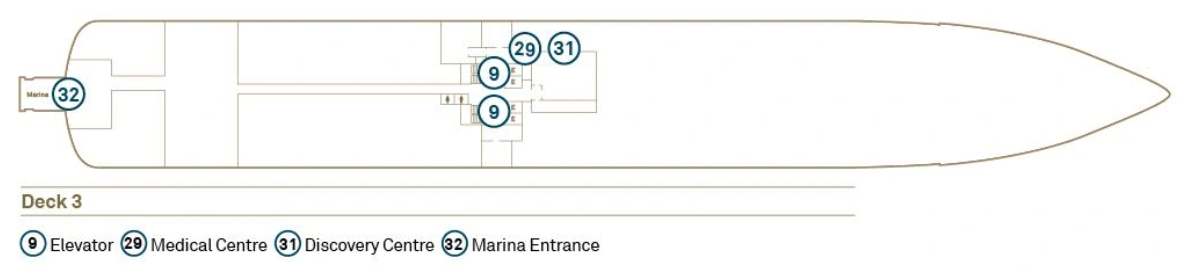
- Elevator
- Medical Centre
- Discovery Centre
- Marina Entrance
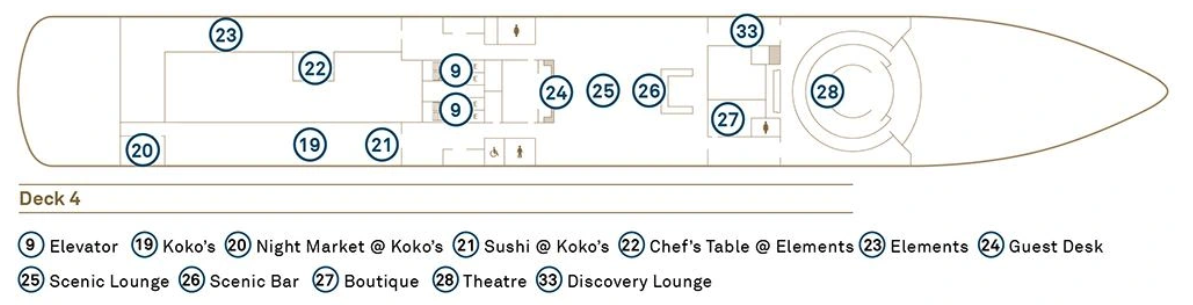
- Elevator
- Koko’s
- Night Market @ Koko’s
- Sushi @ Koko’s
- Chef’s Table @ Elements
- Elements
- Guest Desk
- Scenic Lounge
- Scenic Bar
- Boutique
- Theatre
- Discovery Lounge
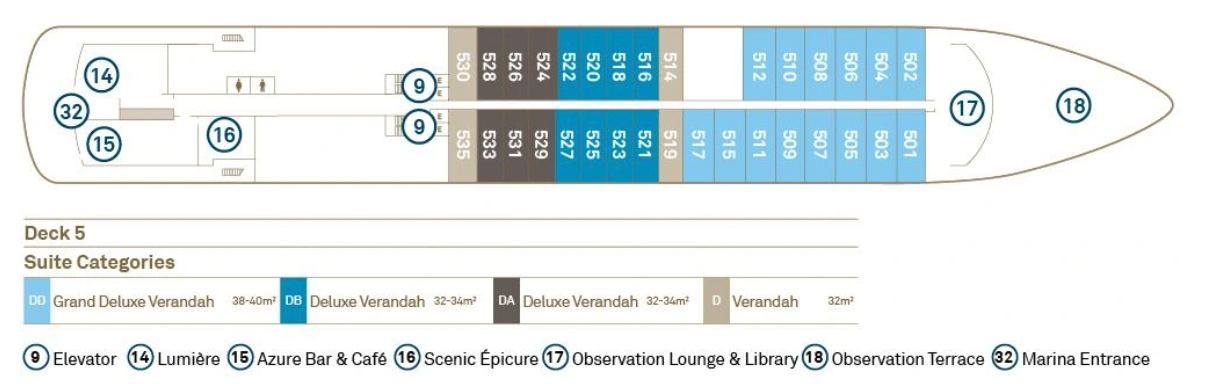
- Elevator
- Lumiere
- Azure Bar & Cafe
- Scenic Epicure
- Observation Lounge & Library
- Observation Terrace
- Marina Entrance
- Grand Deluxe Verandah
- Deluxe Verandah
- Verandah
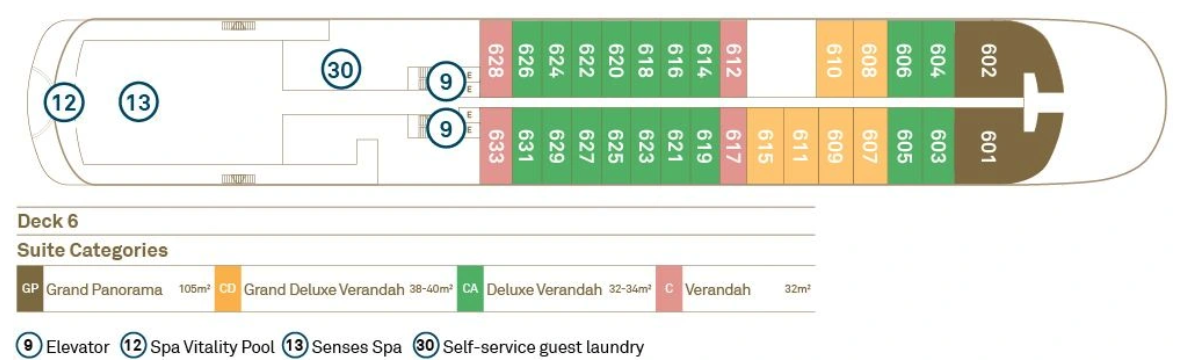
- Elevator
- Spa Vitality Pool
- Senses Spa
- Self-Service Guest Laundry]
- Grand Panorama
- Grand Deluxe Verandah
- Deluxe Verandah
- Verandah
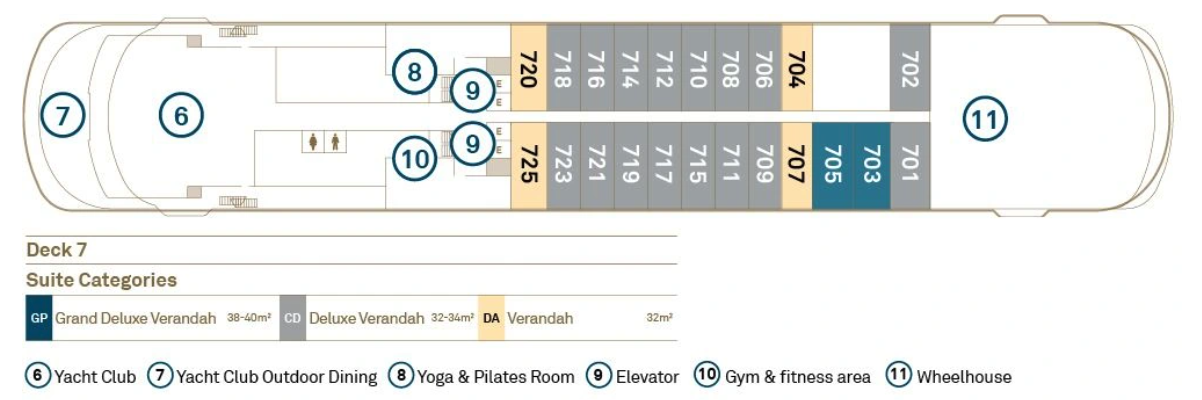
- Yacht Club
- Yacht Club Outdoor Dining
- Yoga & Pilates Room
- Elevator
- Gym & Fitness area
- Wheelhouse
- Grand Deluxe Verandah
- Deluxe Verandah
- Verandah
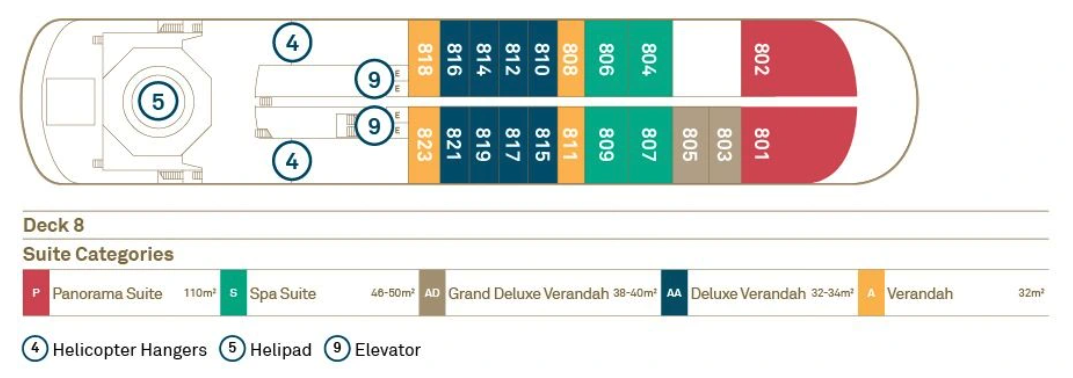
- Helicopter Hangers
- Helipad
- Elevator
- Panorama Suite
- Spa Suite
- Grand Deluxe Verandah
- Deluxe Verandah
- Verandah
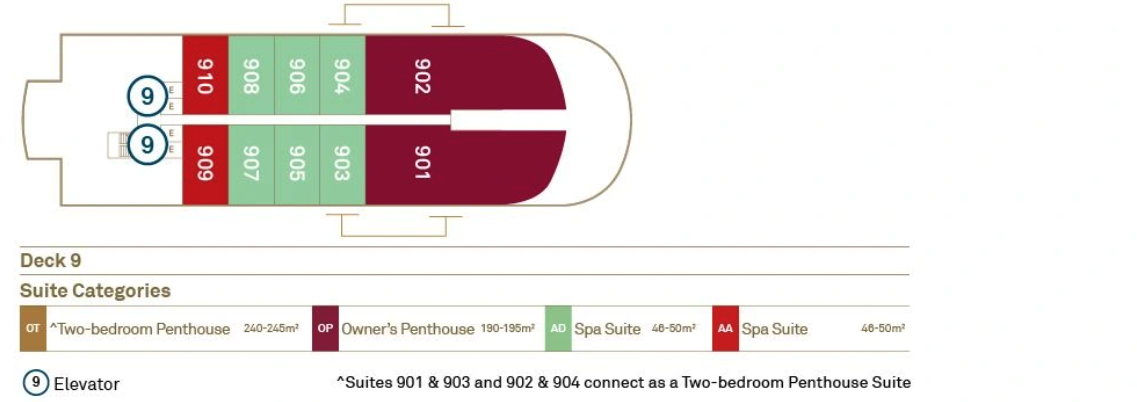
- Elevator
- Two Bedroom Penthouse
- Owners Penthouse
- Spa Suite
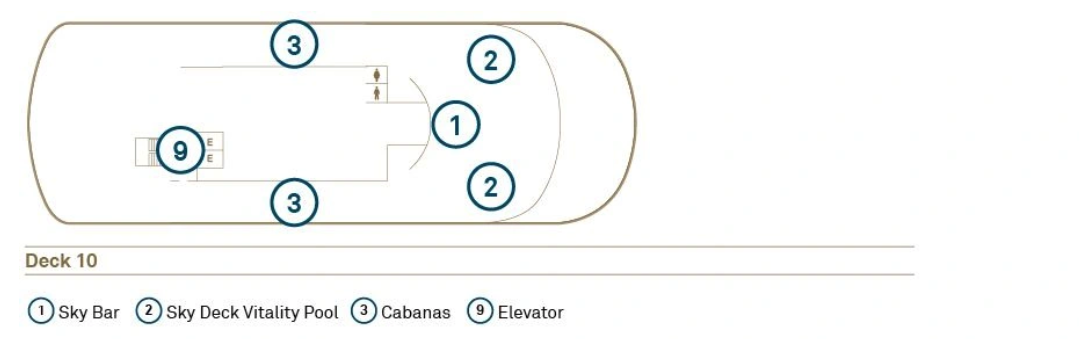
- Sky Bar
- Sky Deck Vitality Pool
- Cabanas
- Elevator
- Elevator
- Medical Centre
- Discovery Centre
- Marina Entrance
- Elevator
- Koko’s
- Night Market @ Koko’s
- Sushi @ Koko’s
- Chef’s Table @ Elements
- Elements
- Guest Desk
- Scenic Lounge
- Scenic Bar
- Boutique
- Theatre
- Discovery Lounge
- Elevator
- Lumiere
- Azure Bar & Cafe
- Scenic Epicure
- Observation Lounge & Library
- Observation Terrace
- Marina Entrance
- Grand Deluxe Verandah
- Deluxe Verandah
- Verandah
- Elevator
- Spa Vitality Pool
- Senses Spa
- Self-Service Guest Laundry]
- Grand Panorama
- Grand Deluxe Verandah
- Deluxe Verandah
- Verandah
- Yacht Club
- Yacht Club Outdoor Dining
- Yoga & Pilates Room
- Elevator
- Gym & Fitness area
- Wheelhouse
- Grand Deluxe Verandah
- Deluxe Verandah
- Verandah
- Helicopter Hangers
- Helipad
- Elevator
- Panorama Suite
- Spa Suite
- Grand Deluxe Verandah
- Deluxe Verandah
- Verandah
- Elevator
- Two Bedroom Penthouse
- Owners Penthouse
- Spa Suite
- Sky Bar
- Sky Deck Vitality Pool
- Cabanas
- Elevator