Featured Cabins
Itinerary
Piraeus, Greece
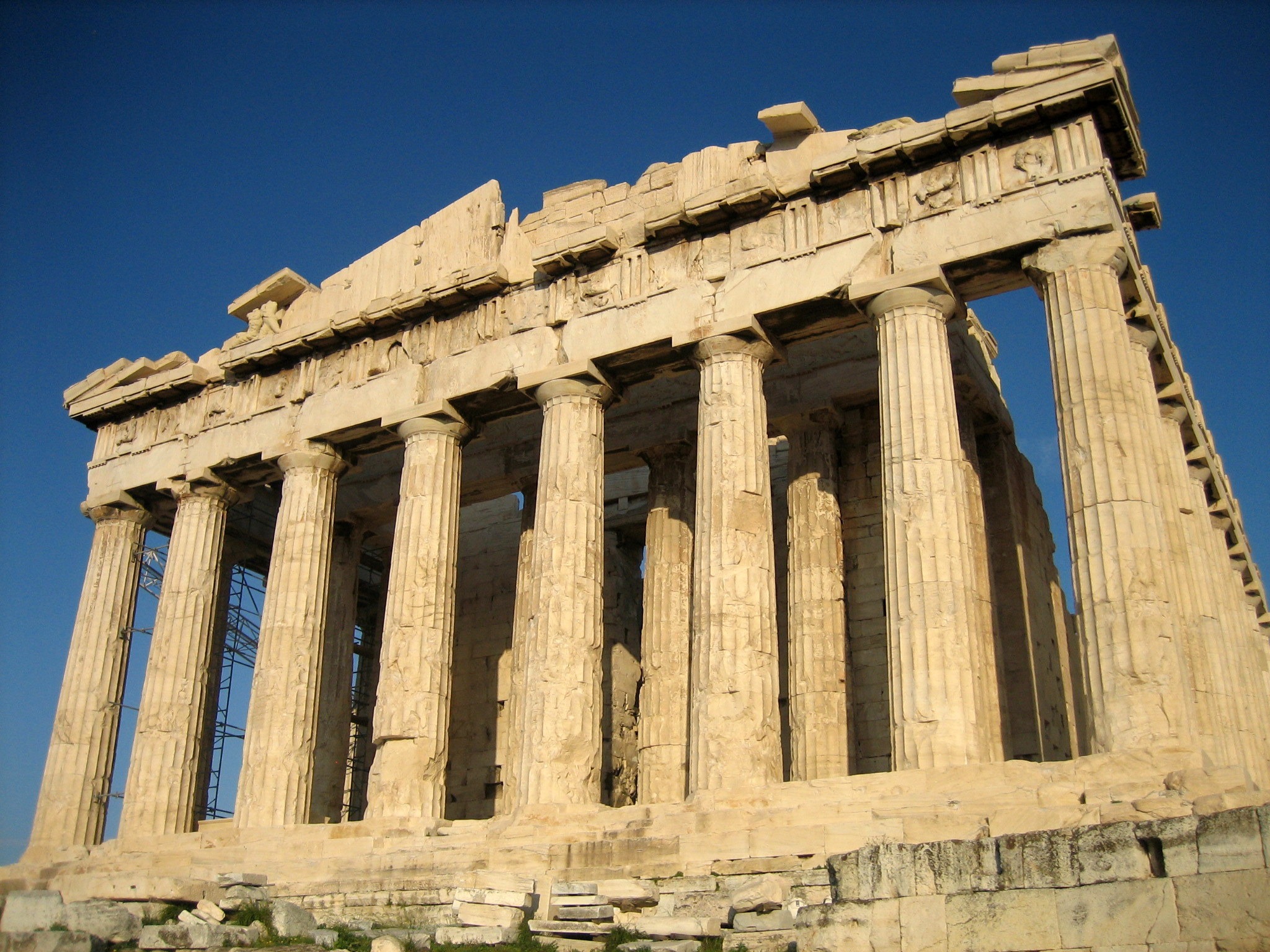
It’s no wonder that all roads lead to the fascinating and maddening metropolis of Athens. Lift your eyes 200 feet above the city to the Parthenon, its honey-color marble columns rising from a massive limestone base, and you behold architectural perfection that has not been surpassed in 2,500 years. But, today, this shrine of classical form dominates a 21st-century boomtown. To experience Athens—Athína in Greek—fully is to understand the essence of Greece: ancient monuments surviving in a sea of cement, startling beauty amid the squalor, tradition juxtaposed with modernity. Locals depend on humor and flexibility to deal with the chaos; you should do the same. The rewards are immense. Although Athens covers a huge area, the major landmarks of the ancient Greek, Roman, and Byzantine periods are close to the modern city center. You can easily walk from the Acropolis to many other key sites, taking time to browse in shops and relax in cafés and tavernas along the way. From many quarters of the city you can glimpse “the glory that was Greece” in the form of the Acropolis looming above the horizon, but only by actually climbing that rocky precipice can you feel the impact of the ancient settlement. The Acropolis and Filopappou, two craggy hills sitting side by side; the ancient Agora (marketplace); and Kerameikos, the first cemetery, form the core of ancient and Roman Athens. Along the Unification of Archaeological Sites promenade, you can follow stone-paved, tree-lined walkways from site to site, undisturbed by traffic. Cars have also been banned or reduced in other streets in the historical center. In the National Archaeological Museum, vast numbers of artifacts illustrate the many millennia of Greek civilization; smaller museums such as the Goulandris Museum of Cycladic Art Museum and the Byzantine and Christian Museum illuminate the history of particular regions or periods. Athens may seem like one huge city, but it is really a conglomeration of neighborhoods with distinctive characters. The Eastern influences that prevailed during the 400-year rule of the Ottoman Empire are still evident in Monastiraki, the bazaar area near the foot of the Acropolis. On the northern slope of the Acropolis, stroll through Plaka (if possible by moonlight), an area of tranquil streets lined with renovated mansions, to get the flavor of the 19th-century’s gracious lifestyle. The narrow lanes of Anafiotika, a section of Plaka, thread past tiny churches and small, color-washed houses with wooden upper stories, recalling a Cycladic island village. In this maze of winding streets, vestiges of the older city are everywhere: crumbling stairways lined with festive tavernas; dank cellars filled with wine vats; occasionally a court or diminutive garden, enclosed within high walls and filled with magnolia trees and the flaming trumpet-shaped flowers of hibiscus bushes. Formerly run-down old quarters, such as Thission, Gazi and Psirri, popular nightlife areas filled with bars and mezedopoleia (similar to tapas bars), are now in the process of gentrification, although they still retain much of their original charm, as does the colorful produce and meat market on Athinas. The area around Syntagma Square, the tourist hub, and Omonia Square, the commercial heart of the city about 1 km (½ mi) northwest, is distinctly European, having been designed by the court architects of King Otho, a Bavarian, in the 19th century. The chic shops and bistros of ritzy Kolonaki nestle at the foot of Mt. Lycabettus, Athens’s highest hill (909 feet). Each of Athens’s outlying suburbs has a distinctive character: in the north is wealthy, tree-lined Kifissia, once a summer resort for aristocratic Athenians, and in the south and southeast lie Glyfada, Voula, and Vouliagmeni, with their sandy beaches, seaside bars, and lively summer nightlife. Just beyond the city’s southern fringes is Piraeus, a bustling port city of waterside fish tavernas and Saronic Gulf views.
Mykonos, Greece
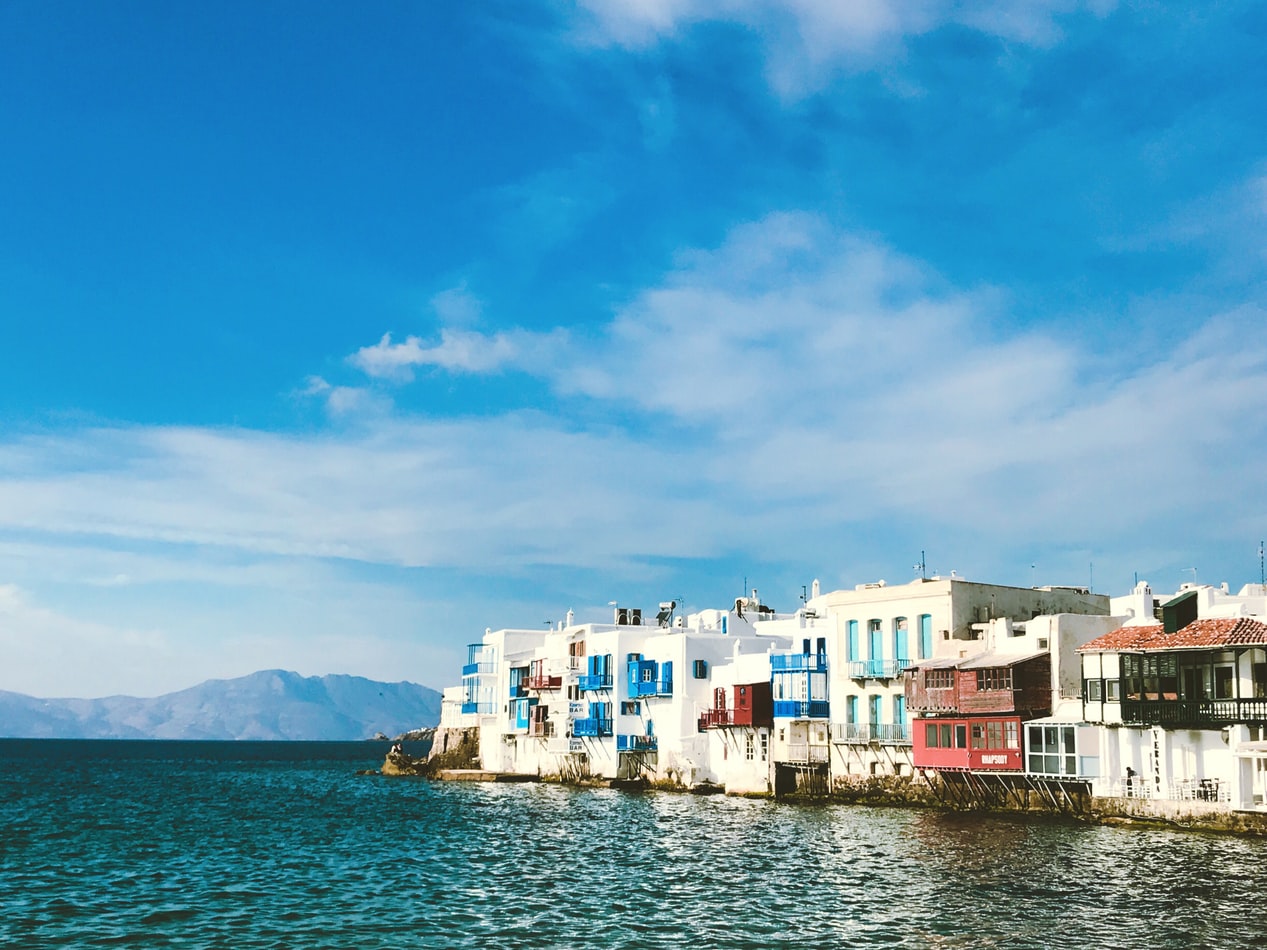
Although the fishing boats still go out in good weather, Mykonos largely makes its living from tourism these days. The summer crowds have turned one of the poorest islands in Greece into one of the richest. Old Mykonians complain that their young, who have inherited stores where their grandfathers once sold eggs or wine, get so much rent that they have lost ambition, and in summer sit around pool bars at night with their friends, and hang out in Athens in winter when island life is less scintillating. Put firmly on the map by Jackie O in the 1960s, Mykonos town—called Hora by the locals—remains the Saint-Tropez of the Greek islands. The scenery is memorable, with its whitewashed streets, Little Venice, the Kato Myli ridge of windmills, and Kastro, the town’s medieval quarter. Its cubical two- or three-story houses and churches, with their red or blue doors and domes and wooden balconies, have been long celebrated as some of the best examples of classic Cycladic architecture. Luckily, the Greek Archaeological Service decided to preserve the town, even when the Mykonians would have preferred to rebuild, and so the Old Town has been impressively preserved. Pink oleander, scarlet hibiscus, and trailing green pepper trees form a contrast amid the dazzling whiteness, whose frequent renewal with whitewash is required by law. Any visitor who has the pleasure of getting lost in its narrow streets (made all the narrower by the many outdoor stone staircases, which maximize housing space in the crowded village) will appreciate how its confusing layout was designed to foil pirates—if it was designed at all. After Mykonos fell under Turkish rule in 1537, the Ottomans allowed the islanders to arm their vessels against pirates, which had a contradictory effect: many of them found that raiding other islands was more profitable than tilling arid land. At the height of Aegean piracy, Mykonos was the principal headquarters of the corsair fleets—the place where pirates met their fellows, found willing women, and filled out their crews. Eventually the illicit activity evolved into a legitimate and thriving trade network. Morning on Mykonos town’s main quay is busy with deliveries, visitors for the Delos boats, lazy breakfasters, and street cleaners dealing with the previous night’s mess. In late morning the cruise-boat people arrive, and the shops are all open. In early afternoon, shaded outdoor tavernas are full of diners eating salads (Mykonos’s produce is mostly imported); music is absent or kept low. In mid- and late afternoon, the town feels sleepy, since so many people are at the beach, on excursions, or sleeping in their air-conditioned rooms; even some tourist shops close for siesta. By sunset, people have come back from the beach, having taken their showers and rested. At night, the atmosphere in Mykonos ramps up. The cruise-boat people are mostly gone, coughing three-wheelers make no deliveries in the narrow streets, and everyone is dressed sexy for summer and starting to shimmy with the scene. Many shops stay open past midnight, the restaurants fill up, and the bars and discos make ice cubes as fast as they can. Ready to dive in? Begin your tour of Mykonos town (Hora) by starting out at its heart: Mando Mavrogenous Square.
Santorini, Greece
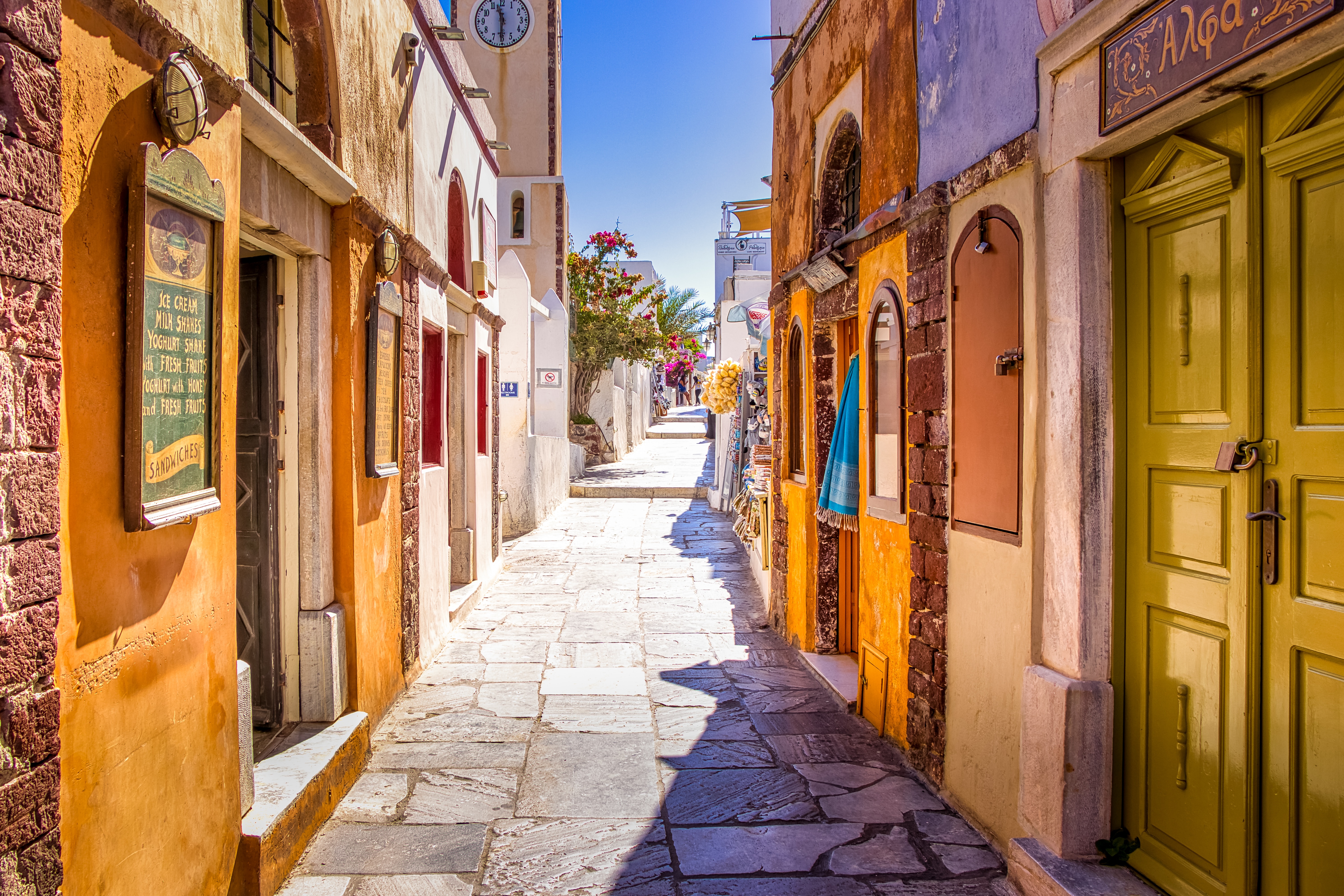
Undoubtedly the most extraordinary island in the Aegean, crescent-shape Santorini remains a mandatory stop on the Cycladic tourist route—even if it’s necessary to enjoy the sensational sunsets from Ia, the fascinating excavations, and the dazzling white towns with a million other travelers. Called Kállisti (the “Loveliest”) when first settled, the island has now reverted to its subsequent name of Thira, after the 9th-century-BC Dorian colonizer Thiras. The place is better known, however, these days as Santorini, a name derived from its patroness, St. Irene of Thessaloniki, the Byzantine empress who restored icons to Orthodoxy and died in 802. You can fly conveniently to Santorini, but to enjoy a true Santorini rite of passage, opt instead for the boat trip here, which provides a spectacular introduction. After the boat sails between Sikinos and Ios, your deck-side perch approaches two close islands with a passage between them. The bigger one on the left is Santorini, and the smaller on the right is Thirassia. Passing between them, you see the village of Ia adorning Santorini’s northernmost cliff like a white geometric beehive. You are in the caldera (volcanic crater), one of the world’s truly breathtaking sights: a demilune of cliffs rising 1,100 feet, with the white clusters of the towns of Fira and Ia perched along the top. The bay, once the high center of the island, is 1,300 feet in some places, so deep that when boats dock in Santorini’s shabby little port of Athinios, they do not drop anchor. The encircling cliffs are the ancient rim of a still-active volcano, and you are sailing east across its flooded caldera. On your right are the Burnt isles, the White isle, and other volcanic remnants, all lined up as if some outsize display in a geology museum. Hephaestus’s subterranean fires smolder still—the volcano erupted in 198 BC, about 735, and there was an earthquake in 1956. Indeed, Santorini and its four neighboring islets are the fragmentary remains of a larger landmass that exploded about 1600 BC: the volcano’s core blew sky high, and the sea rushed into the abyss to create the great bay, which measures 10 km by 7 km (6 mi by 4½ mi) and is 1,292 feet deep. The other pieces of the rim, which broke off in later eruptions, are Thirassia, where a few hundred people live, and deserted little Aspronissi (“White isle”). In the center of the bay, black and uninhabited, two cones, the Burnt Isles of Palea Kameni and Nea Kameni, appeared between 1573 and 1925. There has been too much speculation about the identification of Santorini with the mythical Atlantis, mentioned in Egyptian papyri and by Plato (who says it’s in the Atlantic), but myths are hard to pin down. This is not true of old arguments about whether tidal waves from Santorini’s cataclysmic explosion destroyed Minoan civilization on Crete, 113 km (70 mi) away. The latest carbon-dating evidence, which points to a few years before 1600 BC for the eruption, clearly indicates that the Minoans outlasted the eruption by a couple of hundred years, but most probably in a weakened state. In fact, the island still endures hardships: since antiquity, Santorini has depended on rain collected in cisterns for drinking and irrigating—the well water is often brackish—and the serious shortage is alleviated by the importation of water. However, the volcanic soil also yields riches: small, intense tomatoes with tough skins used for tomato paste (good restaurants here serve them); the famous Santorini fava beans, which have a light, fresh taste; barley; wheat; and white-skin eggplants.
Crete, Greece
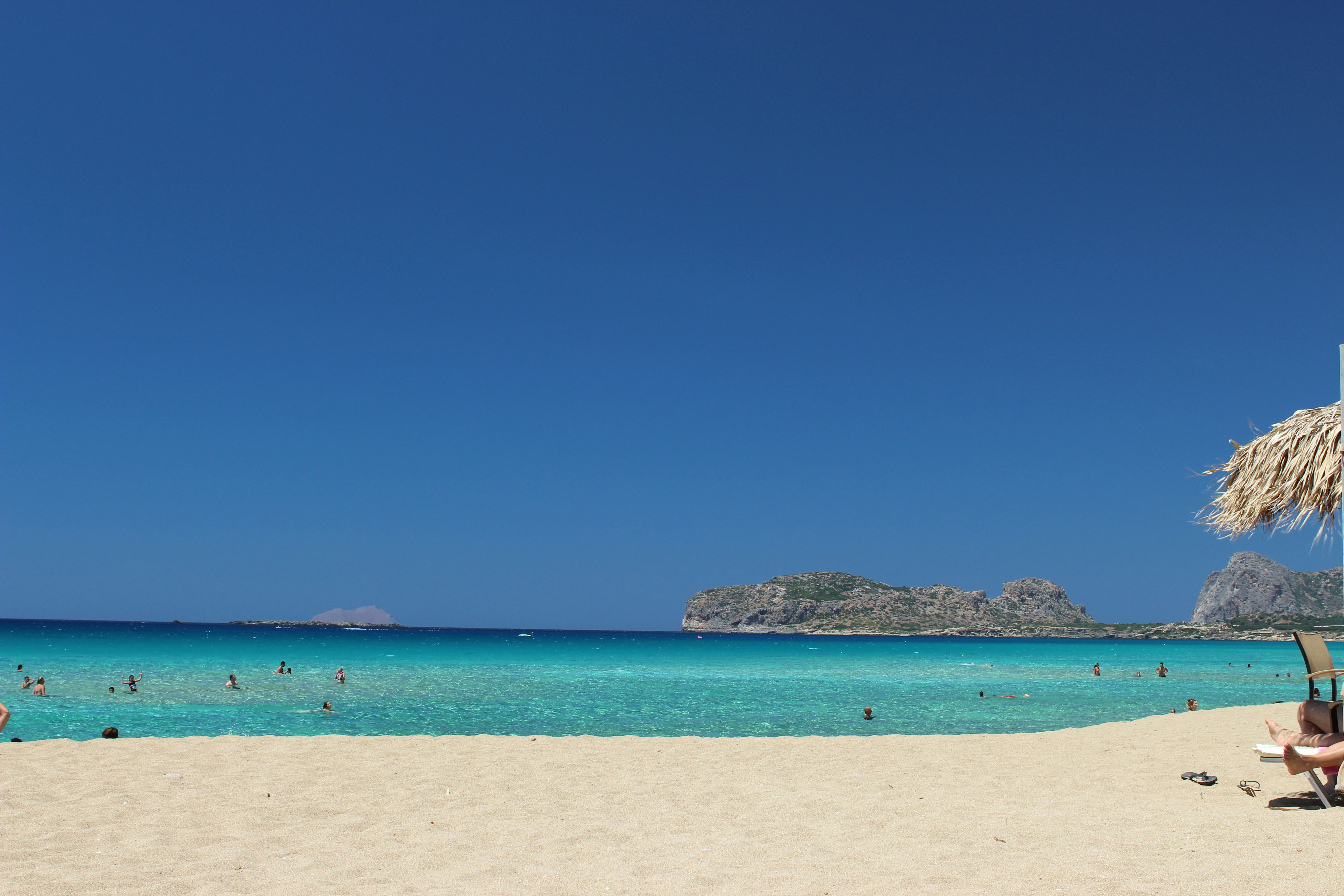
Chania, the former capital of Crete, boasts a rich history dating back thousands of years, with influences from various civilisations such as Minoan, Venetian, and Ottoman. Its charming maze-like Old Town is known for a picturesque harbour, narrow cobblestone streets, and well-preserved Venetian and Turkish architecture. Spend the day exploring historic landmarks such as the Venetian lighthouse and the Byzantine walls.
Your ultra-luxury Scenic Eclipse II departs late this evening. Explore the city a little more before enjoying one of up to 10 all-inclusive dining experiences on board, sampling from fine French cuisine at Lumière to vibrant Asian fusion at Koko’s.
Scenic Freechoice:
Agia Triada Monastery & Chania Old Town Discovery: Explore western Crete with visits to Chania’s Old Port, the historic Monastery of Agia Triada. Then, stroll Chania’s charming Old Town and finish at the picturesque Venetian Harbour.
Olive Oil Tasting & Walking Tour: Savour the essence of Crete with an olive oil tasting at a local estate, then enjoy a guided walking tour through the charming, historic streets of Chania.
Imbros Gorge Hike: A Journey Through Crete’s Wild Heart: Explore Crete’s Imbros Gorge on an 8 km downhill hike through dramatic cliffs and rugged landscapes. End your adventure with stunning sea views and a traditional Cretan lunch before returning to Chania.
Chania Town & Botanical Park: Discover Chania’s Venetian Harbour, lively Old Town and bustling market, then relax with a stroll through the fragrant Botanical Park before heading back.
Offshore: 08:00 – 21:00
Taormina, Italy
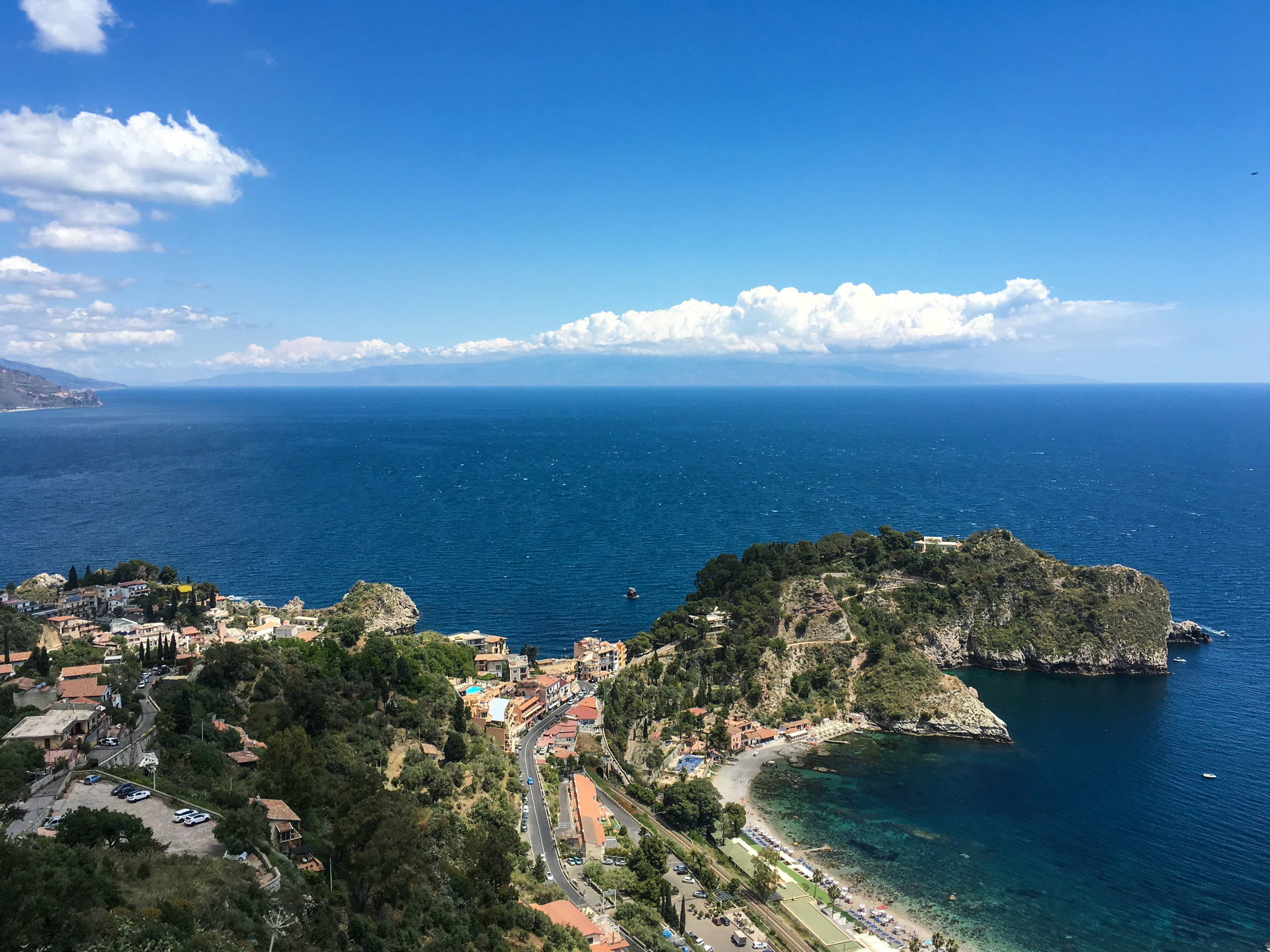
The medieval cliff-hanging town of Taormina is overrun with tourists, yet its natural beauty is still hard to dispute. The view of the sea and Mt. Etna from its jagged cactus-covered cliffs is as close to perfection as a panorama can get—especially on clear days, when the snowcapped volcano’s white puffs of smoke rise against the blue sky. Writers have extolled Taormina’s beauty almost since it was founded in the 6th century BC by Greeks from nearby Naxos; Goethe and D. H. Lawrence were among its well-known enthusiasts. The town’s boutique-lined main streets get old pretty quickly, but the many hiking paths that wind through the beautiful hills surrounding Taormina promise a timeless alternative. A trip up to stunning Castelmola (whether on foot or by car) should also be on your itinerary.
Lipari, Italy
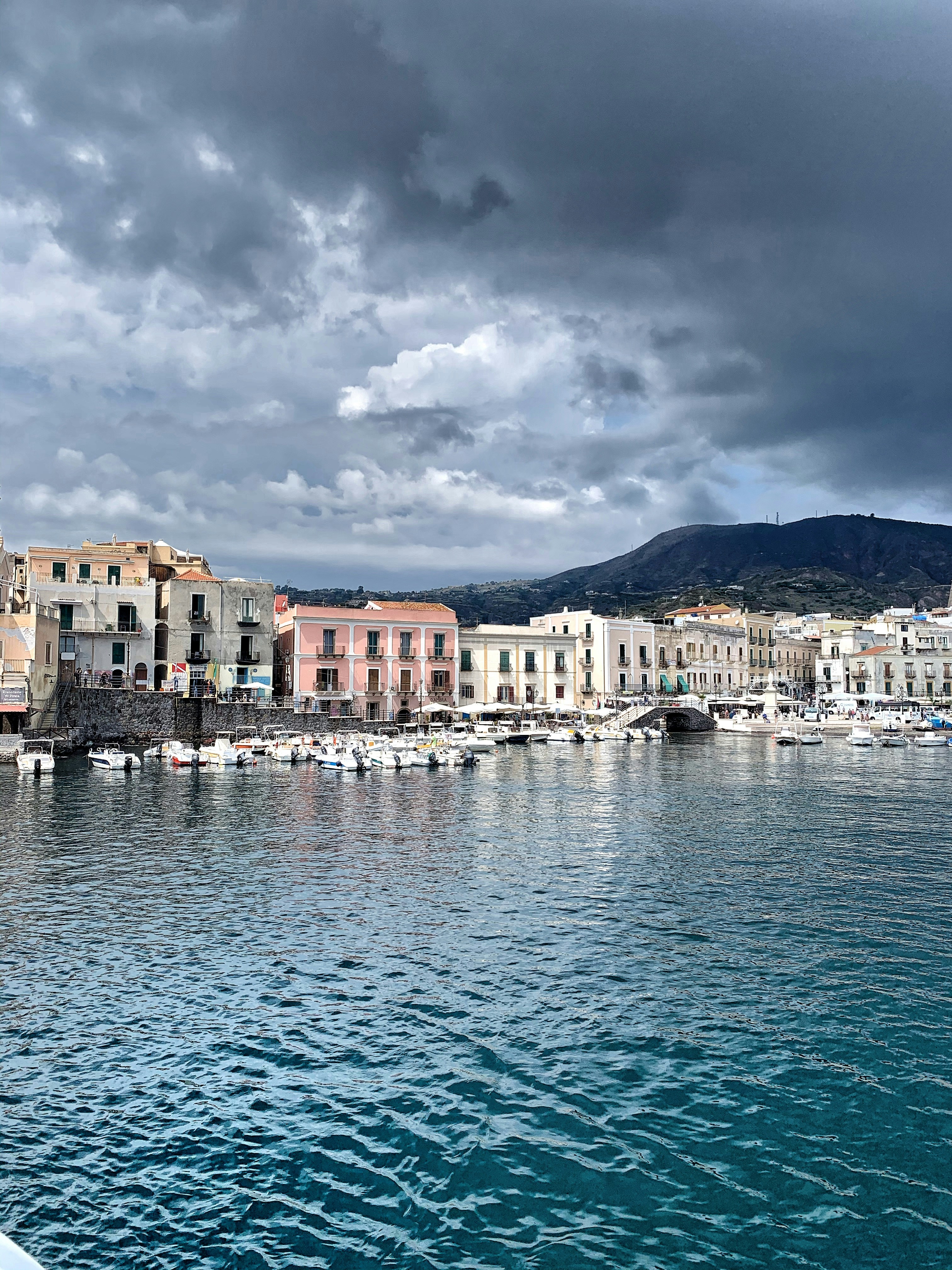
The largest and most developed of the Aeolians, Lipari welcomes you with distinctive pastel-color houses. Fields of spiky agaves dot the northernmost tip of the island, Acquacalda, indented with pumice and obsidian quarries. In the west is San Calogero, where you can explore hot springs and mud baths. From the red-lava base of the island rises a plateau crowned with a 16th-century castle and a 17th-century cathedral.
Piraeus, Greece
It’s no wonder that all roads lead to the fascinating and maddening metropolis of Athens. Lift your eyes 200 feet above the city to the Parthenon, its honey-color marble columns rising from a massive limestone base, and you behold architectural perfection that has not been surpassed in 2,500 years. But, today, this shrine of classical form dominates a 21st-century boomtown. To experience Athens—Athína in Greek—fully is to understand the essence of Greece: ancient monuments surviving in a sea of cement, startling beauty amid the squalor, tradition juxtaposed with modernity. Locals depend on humor and flexibility to deal with the chaos; you should do the same. The rewards are immense. Although Athens covers a huge area, the major landmarks of the ancient Greek, Roman, and Byzantine periods are close to the modern city center. You can easily walk from the Acropolis to many other key sites, taking time to browse in shops and relax in cafés and tavernas along the way. From many quarters of the city you can glimpse “the glory that was Greece” in the form of the Acropolis looming above the horizon, but only by actually climbing that rocky precipice can you feel the impact of the ancient settlement. The Acropolis and Filopappou, two craggy hills sitting side by side; the ancient Agora (marketplace); and Kerameikos, the first cemetery, form the core of ancient and Roman Athens. Along the Unification of Archaeological Sites promenade, you can follow stone-paved, tree-lined walkways from site to site, undisturbed by traffic. Cars have also been banned or reduced in other streets in the historical center. In the National Archaeological Museum, vast numbers of artifacts illustrate the many millennia of Greek civilization; smaller museums such as the Goulandris Museum of Cycladic Art Museum and the Byzantine and Christian Museum illuminate the history of particular regions or periods. Athens may seem like one huge city, but it is really a conglomeration of neighborhoods with distinctive characters. The Eastern influences that prevailed during the 400-year rule of the Ottoman Empire are still evident in Monastiraki, the bazaar area near the foot of the Acropolis. On the northern slope of the Acropolis, stroll through Plaka (if possible by moonlight), an area of tranquil streets lined with renovated mansions, to get the flavor of the 19th-century’s gracious lifestyle. The narrow lanes of Anafiotika, a section of Plaka, thread past tiny churches and small, color-washed houses with wooden upper stories, recalling a Cycladic island village. In this maze of winding streets, vestiges of the older city are everywhere: crumbling stairways lined with festive tavernas; dank cellars filled with wine vats; occasionally a court or diminutive garden, enclosed within high walls and filled with magnolia trees and the flaming trumpet-shaped flowers of hibiscus bushes. Formerly run-down old quarters, such as Thission, Gazi and Psirri, popular nightlife areas filled with bars and mezedopoleia (similar to tapas bars), are now in the process of gentrification, although they still retain much of their original charm, as does the colorful produce and meat market on Athinas. The area around Syntagma Square, the tourist hub, and Omonia Square, the commercial heart of the city about 1 km (½ mi) northwest, is distinctly European, having been designed by the court architects of King Otho, a Bavarian, in the 19th century. The chic shops and bistros of ritzy Kolonaki nestle at the foot of Mt. Lycabettus, Athens’s highest hill (909 feet). Each of Athens’s outlying suburbs has a distinctive character: in the north is wealthy, tree-lined Kifissia, once a summer resort for aristocratic Athenians, and in the south and southeast lie Glyfada, Voula, and Vouliagmeni, with their sandy beaches, seaside bars, and lively summer nightlife. Just beyond the city’s southern fringes is Piraeus, a bustling port city of waterside fish tavernas and Saronic Gulf views.
Mykonos, Greece
Although the fishing boats still go out in good weather, Mykonos largely makes its living from tourism these days. The summer crowds have turned one of the poorest islands in Greece into one of the richest. Old Mykonians complain that their young, who have inherited stores where their grandfathers once sold eggs or wine, get so much rent that they have lost ambition, and in summer sit around pool bars at night with their friends, and hang out in Athens in winter when island life is less scintillating. Put firmly on the map by Jackie O in the 1960s, Mykonos town—called Hora by the locals—remains the Saint-Tropez of the Greek islands. The scenery is memorable, with its whitewashed streets, Little Venice, the Kato Myli ridge of windmills, and Kastro, the town’s medieval quarter. Its cubical two- or three-story houses and churches, with their red or blue doors and domes and wooden balconies, have been long celebrated as some of the best examples of classic Cycladic architecture. Luckily, the Greek Archaeological Service decided to preserve the town, even when the Mykonians would have preferred to rebuild, and so the Old Town has been impressively preserved. Pink oleander, scarlet hibiscus, and trailing green pepper trees form a contrast amid the dazzling whiteness, whose frequent renewal with whitewash is required by law. Any visitor who has the pleasure of getting lost in its narrow streets (made all the narrower by the many outdoor stone staircases, which maximize housing space in the crowded village) will appreciate how its confusing layout was designed to foil pirates—if it was designed at all. After Mykonos fell under Turkish rule in 1537, the Ottomans allowed the islanders to arm their vessels against pirates, which had a contradictory effect: many of them found that raiding other islands was more profitable than tilling arid land. At the height of Aegean piracy, Mykonos was the principal headquarters of the corsair fleets—the place where pirates met their fellows, found willing women, and filled out their crews. Eventually the illicit activity evolved into a legitimate and thriving trade network. Morning on Mykonos town’s main quay is busy with deliveries, visitors for the Delos boats, lazy breakfasters, and street cleaners dealing with the previous night’s mess. In late morning the cruise-boat people arrive, and the shops are all open. In early afternoon, shaded outdoor tavernas are full of diners eating salads (Mykonos’s produce is mostly imported); music is absent or kept low. In mid- and late afternoon, the town feels sleepy, since so many people are at the beach, on excursions, or sleeping in their air-conditioned rooms; even some tourist shops close for siesta. By sunset, people have come back from the beach, having taken their showers and rested. At night, the atmosphere in Mykonos ramps up. The cruise-boat people are mostly gone, coughing three-wheelers make no deliveries in the narrow streets, and everyone is dressed sexy for summer and starting to shimmy with the scene. Many shops stay open past midnight, the restaurants fill up, and the bars and discos make ice cubes as fast as they can. Ready to dive in? Begin your tour of Mykonos town (Hora) by starting out at its heart: Mando Mavrogenous Square.
Santorini, Greece
Undoubtedly the most extraordinary island in the Aegean, crescent-shape Santorini remains a mandatory stop on the Cycladic tourist route—even if it’s necessary to enjoy the sensational sunsets from Ia, the fascinating excavations, and the dazzling white towns with a million other travelers. Called Kállisti (the “Loveliest”) when first settled, the island has now reverted to its subsequent name of Thira, after the 9th-century-BC Dorian colonizer Thiras. The place is better known, however, these days as Santorini, a name derived from its patroness, St. Irene of Thessaloniki, the Byzantine empress who restored icons to Orthodoxy and died in 802. You can fly conveniently to Santorini, but to enjoy a true Santorini rite of passage, opt instead for the boat trip here, which provides a spectacular introduction. After the boat sails between Sikinos and Ios, your deck-side perch approaches two close islands with a passage between them. The bigger one on the left is Santorini, and the smaller on the right is Thirassia. Passing between them, you see the village of Ia adorning Santorini’s northernmost cliff like a white geometric beehive. You are in the caldera (volcanic crater), one of the world’s truly breathtaking sights: a demilune of cliffs rising 1,100 feet, with the white clusters of the towns of Fira and Ia perched along the top. The bay, once the high center of the island, is 1,300 feet in some places, so deep that when boats dock in Santorini’s shabby little port of Athinios, they do not drop anchor. The encircling cliffs are the ancient rim of a still-active volcano, and you are sailing east across its flooded caldera. On your right are the Burnt isles, the White isle, and other volcanic remnants, all lined up as if some outsize display in a geology museum. Hephaestus’s subterranean fires smolder still—the volcano erupted in 198 BC, about 735, and there was an earthquake in 1956. Indeed, Santorini and its four neighboring islets are the fragmentary remains of a larger landmass that exploded about 1600 BC: the volcano’s core blew sky high, and the sea rushed into the abyss to create the great bay, which measures 10 km by 7 km (6 mi by 4½ mi) and is 1,292 feet deep. The other pieces of the rim, which broke off in later eruptions, are Thirassia, where a few hundred people live, and deserted little Aspronissi (“White isle”). In the center of the bay, black and uninhabited, two cones, the Burnt Isles of Palea Kameni and Nea Kameni, appeared between 1573 and 1925. There has been too much speculation about the identification of Santorini with the mythical Atlantis, mentioned in Egyptian papyri and by Plato (who says it’s in the Atlantic), but myths are hard to pin down. This is not true of old arguments about whether tidal waves from Santorini’s cataclysmic explosion destroyed Minoan civilization on Crete, 113 km (70 mi) away. The latest carbon-dating evidence, which points to a few years before 1600 BC for the eruption, clearly indicates that the Minoans outlasted the eruption by a couple of hundred years, but most probably in a weakened state. In fact, the island still endures hardships: since antiquity, Santorini has depended on rain collected in cisterns for drinking and irrigating—the well water is often brackish—and the serious shortage is alleviated by the importation of water. However, the volcanic soil also yields riches: small, intense tomatoes with tough skins used for tomato paste (good restaurants here serve them); the famous Santorini fava beans, which have a light, fresh taste; barley; wheat; and white-skin eggplants.
Crete, Greece
Chania, the former capital of Crete, boasts a rich history dating back thousands of years, with influences from various civilisations such as Minoan, Venetian, and Ottoman. Its charming maze-like Old Town is known for a picturesque harbour, narrow cobblestone streets, and well-preserved Venetian and Turkish architecture. Spend the day exploring historic landmarks such as the Venetian lighthouse and the Byzantine walls.
Your ultra-luxury Scenic Eclipse II departs late this evening. Explore the city a little more before enjoying one of up to 10 all-inclusive dining experiences on board, sampling from fine French cuisine at Lumière to vibrant Asian fusion at Koko’s.
Scenic Freechoice:
Agia Triada Monastery & Chania Old Town Discovery: Explore western Crete with visits to Chania’s Old Port, the historic Monastery of Agia Triada. Then, stroll Chania’s charming Old Town and finish at the picturesque Venetian Harbour.
Olive Oil Tasting & Walking Tour: Savour the essence of Crete with an olive oil tasting at a local estate, then enjoy a guided walking tour through the charming, historic streets of Chania.
Imbros Gorge Hike: A Journey Through Crete’s Wild Heart: Explore Crete’s Imbros Gorge on an 8 km downhill hike through dramatic cliffs and rugged landscapes. End your adventure with stunning sea views and a traditional Cretan lunch before returning to Chania.
Chania Town & Botanical Park: Discover Chania’s Venetian Harbour, lively Old Town and bustling market, then relax with a stroll through the fragrant Botanical Park before heading back.
Offshore: 08:00 – 21:00
Taormina, Italy
The medieval cliff-hanging town of Taormina is overrun with tourists, yet its natural beauty is still hard to dispute. The view of the sea and Mt. Etna from its jagged cactus-covered cliffs is as close to perfection as a panorama can get—especially on clear days, when the snowcapped volcano’s white puffs of smoke rise against the blue sky. Writers have extolled Taormina’s beauty almost since it was founded in the 6th century BC by Greeks from nearby Naxos; Goethe and D. H. Lawrence were among its well-known enthusiasts. The town’s boutique-lined main streets get old pretty quickly, but the many hiking paths that wind through the beautiful hills surrounding Taormina promise a timeless alternative. A trip up to stunning Castelmola (whether on foot or by car) should also be on your itinerary.
Lipari, Italy
The largest and most developed of the Aeolians, Lipari welcomes you with distinctive pastel-color houses. Fields of spiky agaves dot the northernmost tip of the island, Acquacalda, indented with pumice and obsidian quarries. In the west is San Calogero, where you can explore hot springs and mud baths. From the red-lava base of the island rises a plateau crowned with a 16th-century castle and a 17th-century cathedral.
Porto Cervo, Italy
Indulge with a sleep-in, gently lulled by the rhythm of the ocean. Enjoy breakfast in the alfresco Yacht Club and spend time in the Observation Lounge reading a book or playing a board game as Scenic Eclipse II cruises towards Sardinia.
Nestled in the heart of Sardinia’s Costa Smeralda, this town blends romantic, traditional architecture with vibrant Mediterranean beauty. As the playground of the jet set, Porto Cervo exudes glamour and charm against the backdrop of stunning beaches. Browse the luxurious shops, unwind in a beach club, or sample local culinary delights in one of the city’s restaurants.
Scenic Freechoice:
Villages of Sardinia & Coddu Vecchiu Giant’s Tomb: Meet your guide in Porto Cervo for a scenic journey through San Pantaleo and the ancient Giants’ Tomb at Coddu Vecchiu, ending with a relaxing stop in Baja Sardinia.
Sardinian Wine Tasting: Set off from Porto Cervo for a scenic drive to the charming village of San Pantaleo, nestled among Sardinia’s granite peaks. Then visit a local estate for a guided tasting of regional wines before a relaxing return through the countryside.
Walking Tour of Porto Cervo: Enjoy a fun trolley ride to Stella Maris Church for stunning views over Costa Smeralda, then stroll through Porto Cervo’s elegant marina and charming streets before some free time to explore at your own pace.
Beach Transfer: For a few hours of refined seaside indulgence, board the trolley train from Porto Cervo Marina to Baja Sardinia and unwind on pristine sands beneath your private umbrella, soaking in the crystal-clear waters and elegant seaside promenade.
Offshore: 13:00 – 19:00
Mahón, Menorca, Spain
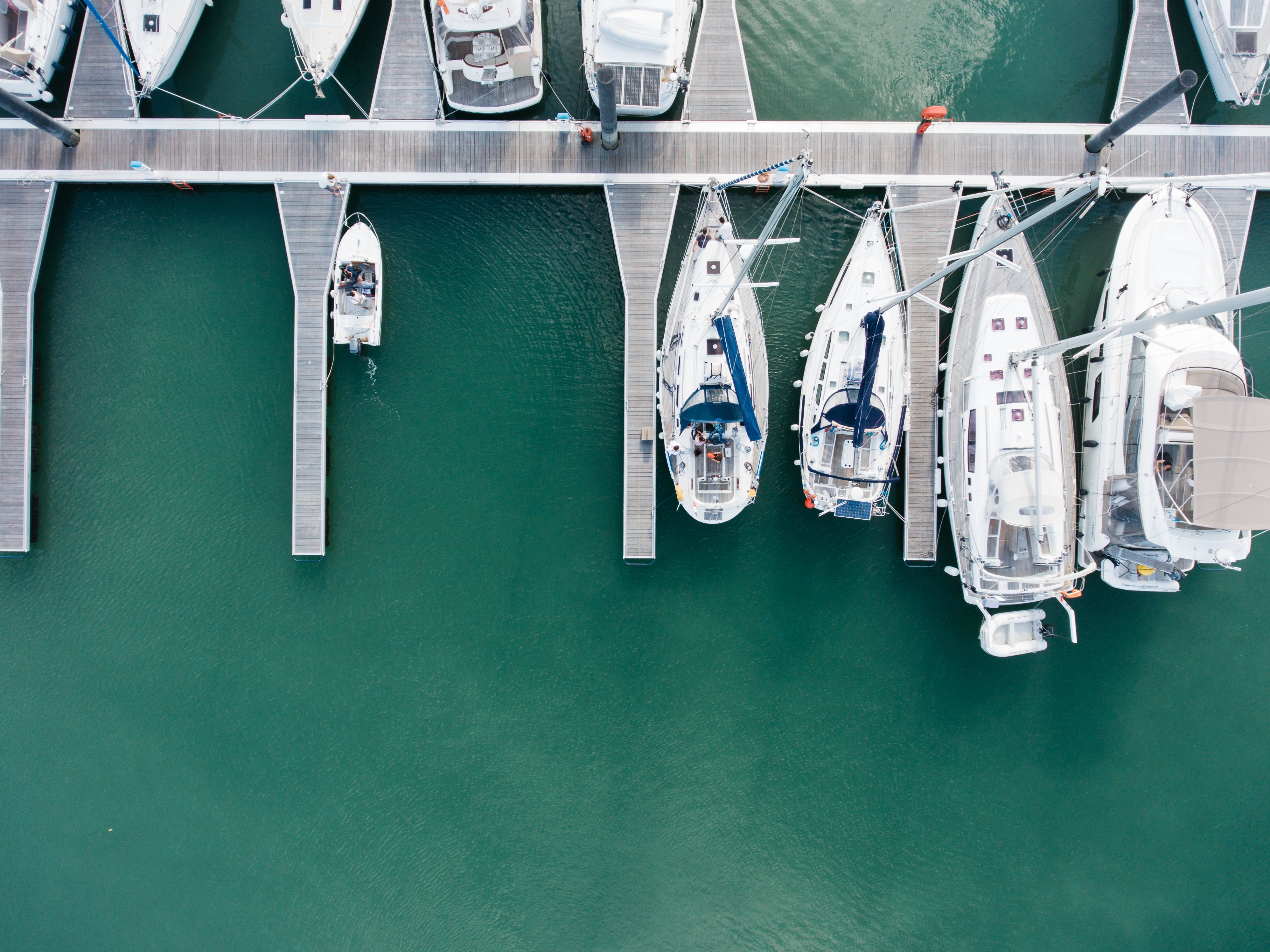
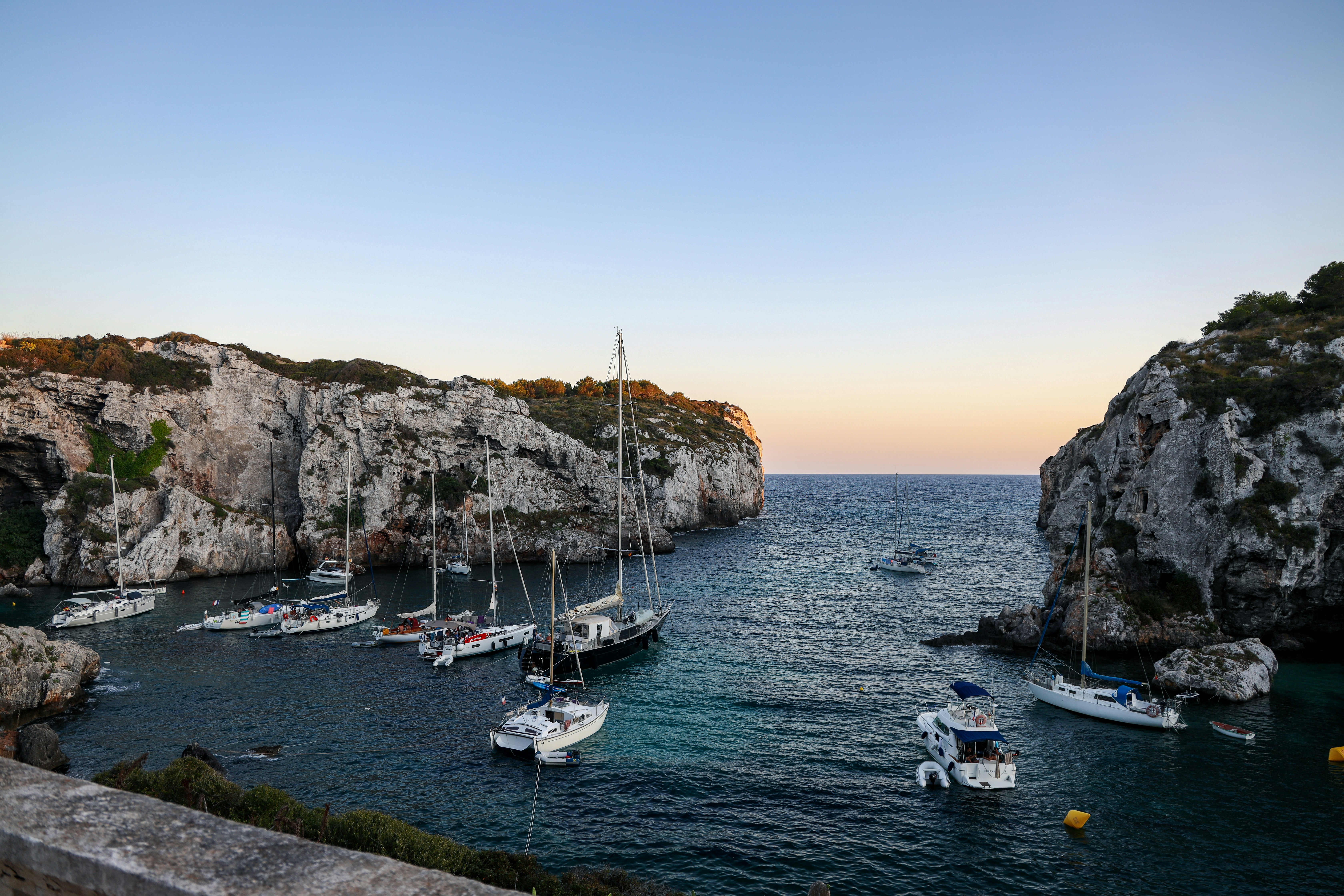
The capital of Menorca since 1721, Mahon has a impressive natural deep water harbour, which is one of the largest in the world. This, coupled with its strategic location, has made it a stronghold for many nations throughout history. Mahon has an abundance of historical buildings, the oldest being the Arch of Saint Roc which is all that remains of the wall that once encircled the whole town. The island was occupied by the British during the 18th century and Lord Nelson is thought to have stayed there. Indeed, San Antoni Mansion, located on the north side of the harbour, houses a collection of Nelson memorabilia. The legacy of colonial rule can be seen in the muted Georgian style of some of the buildings, but Mahon still boasts attractive examples of neo-Classical, Baroque and Romanesque architecture. With narrow streets to explore, pleasant shaded squares and welcoming pavement cafés, there is something for everyone to enjoy. Please be aware that most shops in town close for a siesta between 1330 and 1730.
Ibiza, Spain
Hedonistic and historic, Eivissa (Ibiza, in Castilian) is a city jam-packed with cafés, nightspots, and trendy shops; looming over it are the massive stone walls of Dalt Vila —the medieval city declared a UNESCO World Heritage site in 1999—and its Gothic cathedral. Squeezed between the north walls of the old city and the harbor is Sa Penya, a long labyrinth of stone-paved streets that offer some of the city’s best offbeat shopping, snacking, and exploring. The tourist information office on Vara de Rey has a useful map of walks through the old city.
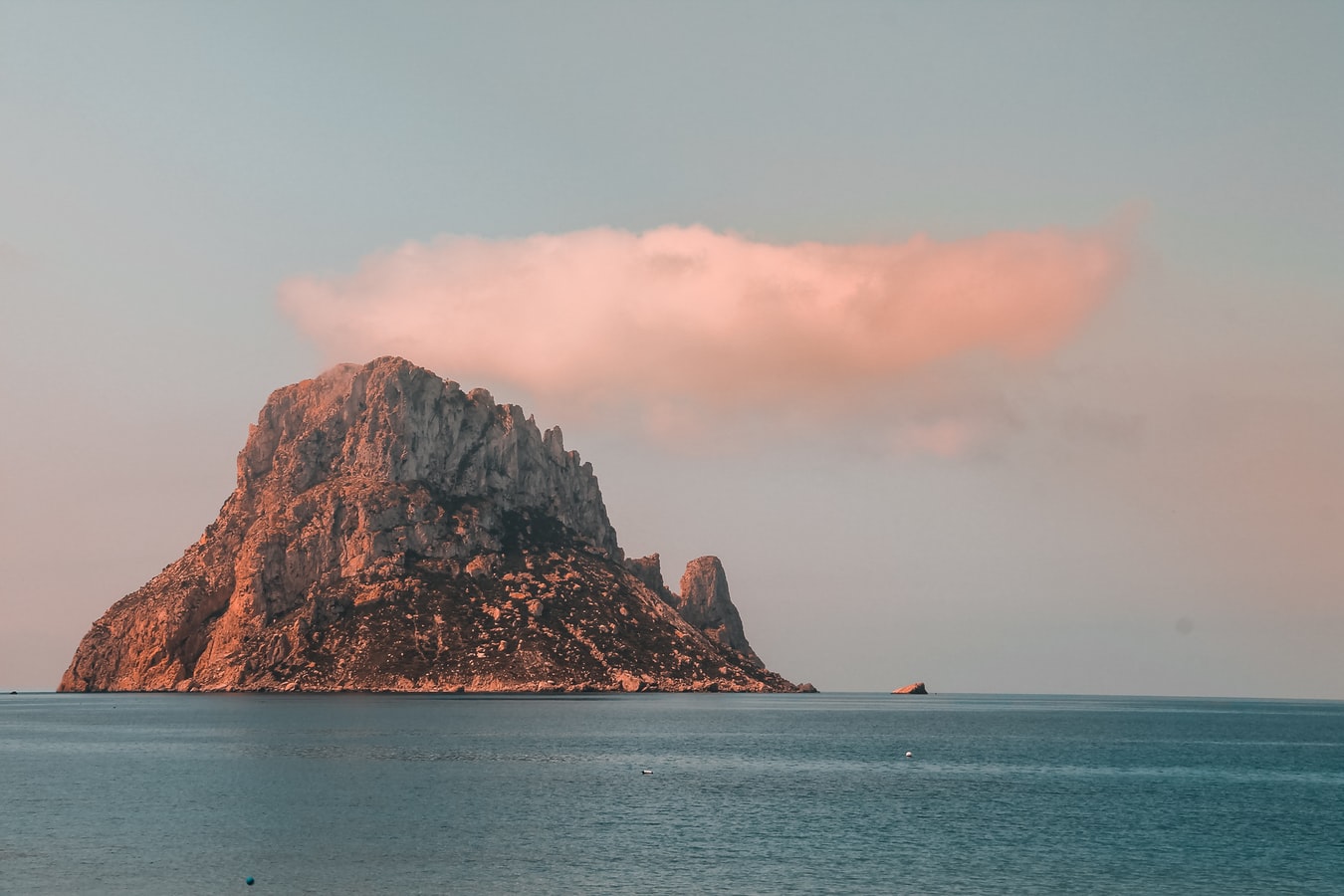
Cartagena, Spain
A Mediterranean city and naval station located in the Region of Murcia, southeastern Spain, Cartagena’s sheltered bay has attracted sailors for centuries. The Carthaginians founded the city in 223BC and named it Cartago Nova; it later became a prosperous Roman colony, and a Byzantine trading centre. The city has been the main Spanish Mediterranean naval base since the reign of King Philip II, and is still surrounded by walls built during this period. Cartagena’s importance grew with the arrival of the Spanish Bourbons in the 18th century, when the Navidad Fortress was constructed to protect the harbour. In recent years, traces of the city’s fascinating past have been brought to light: a well-preserved Roman Theatre was discovered in 1988, and this has now been restored and opened to the public. During your free time, you may like to take a mini-cruise around Cartagena’s historic harbour: these operate several times a day, take approximately 40 minutes and do not need to be booked in advance. Full details will be available at the port.
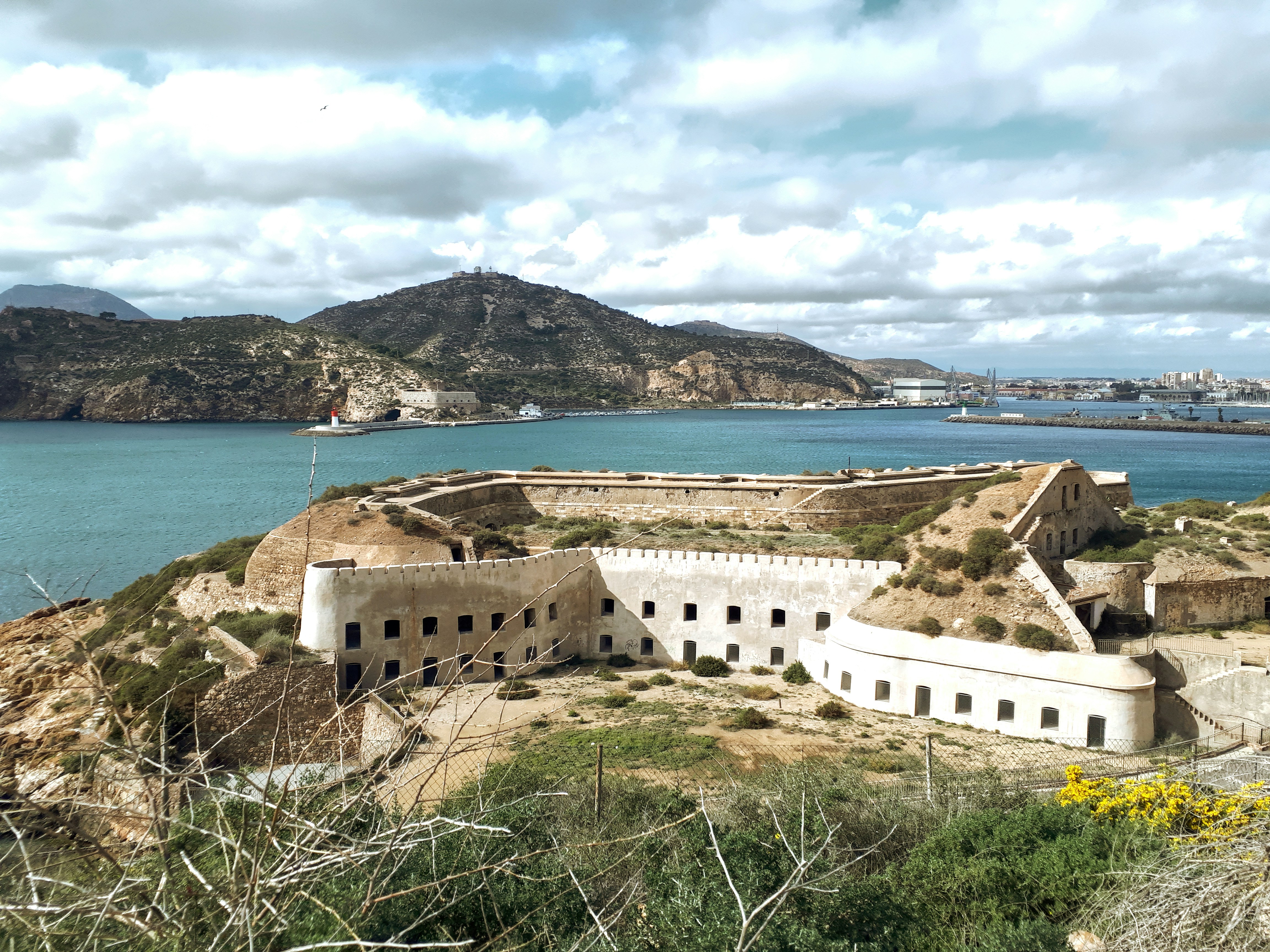
Málaga, Spain
As you sail into Malaga you will notice what an idyllic setting the city enjoys on the famous Costa del Sol. To the east of this provincial capital, the coast along the region of La Axarqua is scattered with villages, farmland and sleepy fishing hamlets – the epitome of traditional rural Spain. To the west stretches a continuous city where the razzmatazz and bustle creates a colourful contrast that is easily recognisable as the Costa del Sol. Surrounding the region, the Penibéetica Mountains provide an attractive backdrop overlooking the lower terraced slopes which yield olives and almonds. This spectacular mountain chain shelters the province from cold northerly winds, giving it a reputation as a therapeutic and exotic place in which to escape from cold northern climes. Malaga is also the gateway to many of Andalusia’s enchanting historic villages, towns and cities.
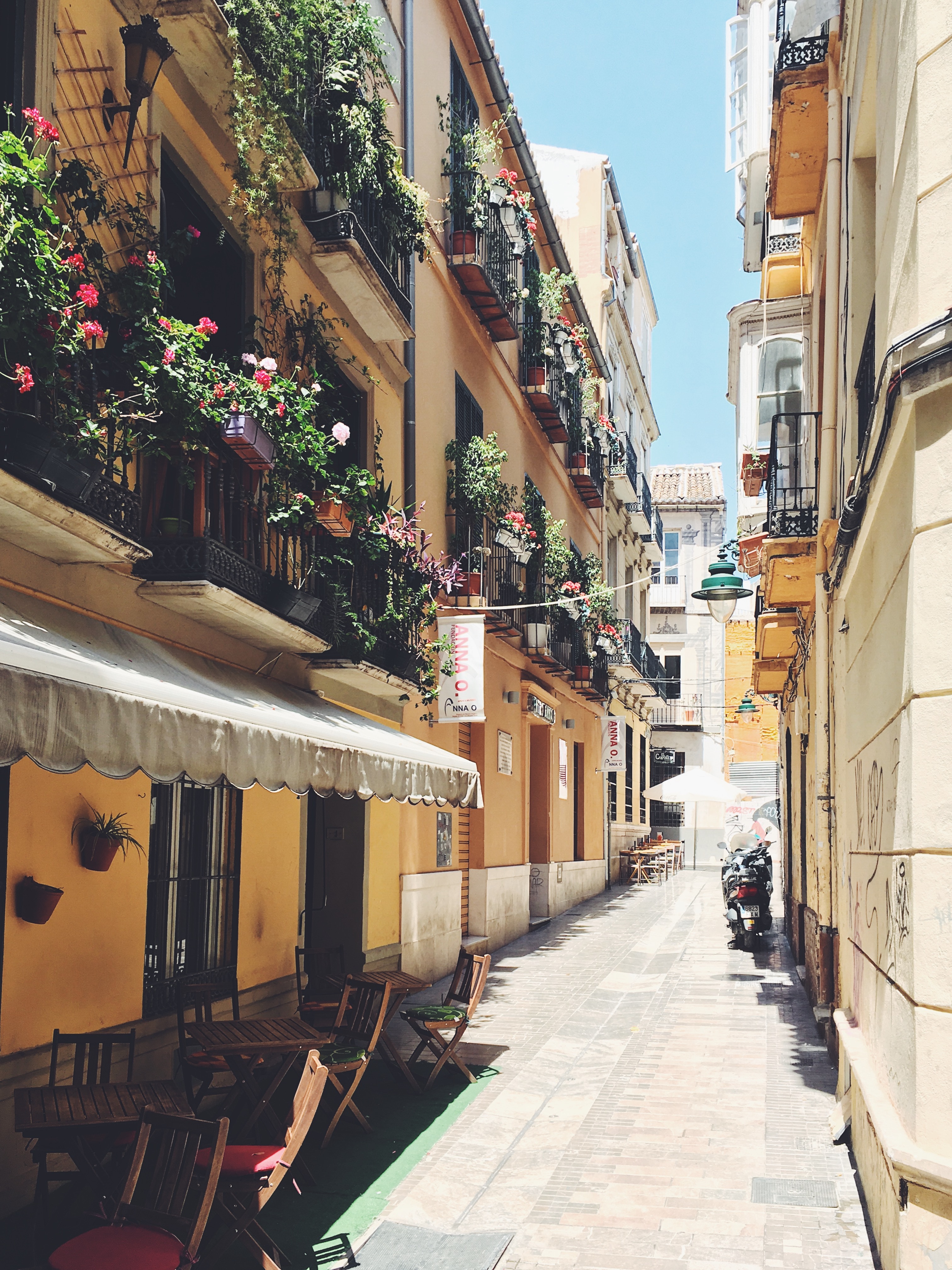
Tangier, Morocco
Tangier can trace its origins back to the Phoenicians and ancient Greeks. It was named after Tinge, the mother of Hercules’ son, and its beginnings are embedded in mythology. It was subsequently a Roman province, and after Vandal and Byzantine influences, was occupied by the Arabs with Spain, Portugal, France and England also playing a part in the city’s history. With such a diverse past it is perhaps not surprising that Tangier is such an individual city. Overlooking the Straits of Gibraltar, the city lies on a bay between two promontories. With its old Kasbah, panoramic views, elegant buildings, squares and places of interest, there is much to discover in both the new and old parts of the city.
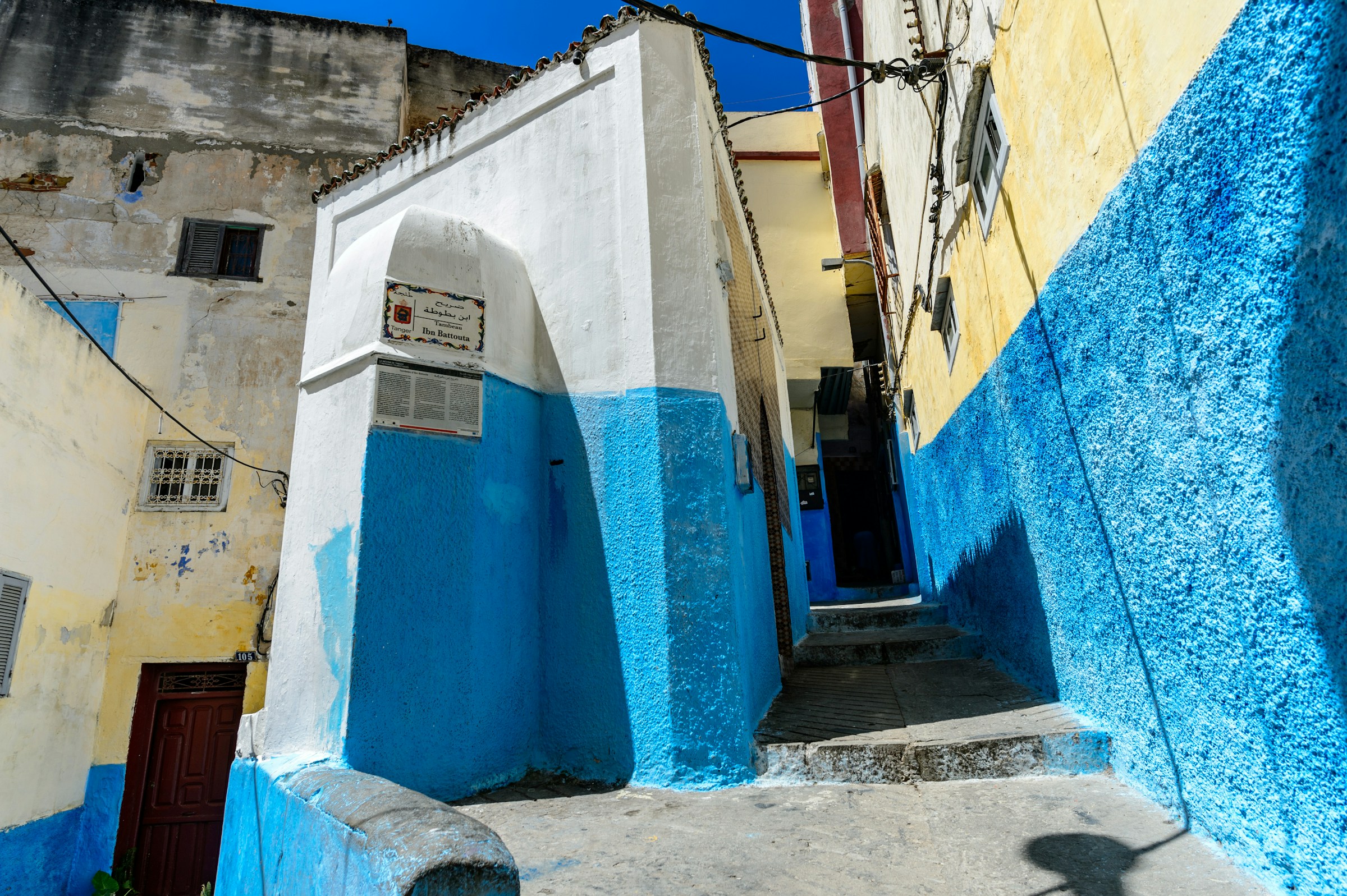
Seville, Spain
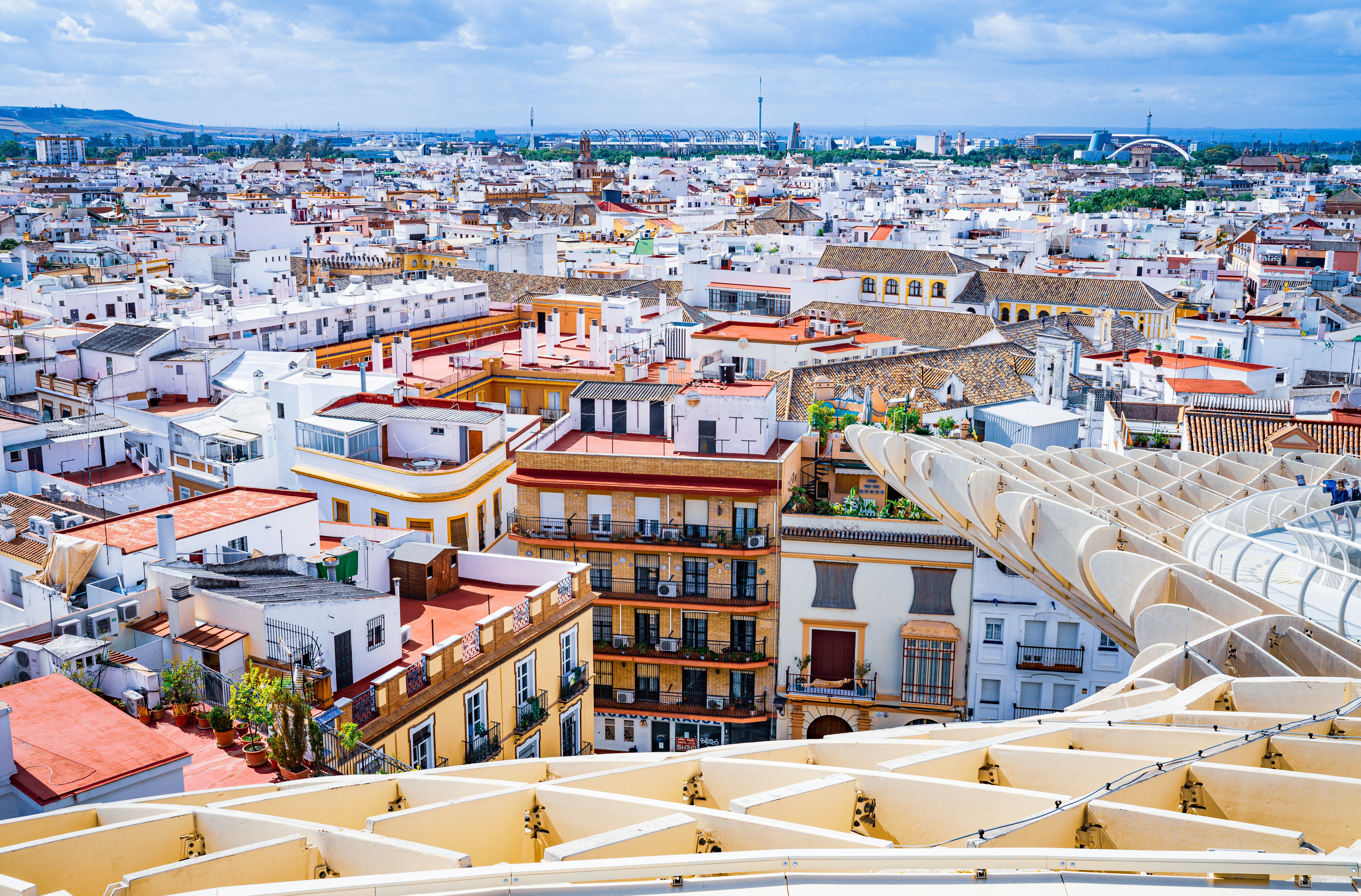
Whether you pronounce it Seville or Sevilla, this gorgeous Spanish town is most certainly the stuff of dreams. Over 2,200 years old, Seville has a mutli-layered personality; home to Flamenco, high temperatures and three UNESCO-World Heritage Sites, there is a noble ancestry to the southern Spanish town. Not forgetting that it is the birthplace of painter Diego Velazquez, the resting place of Christopher Columbus, the inspiration for Bizet’s Carmen and a location for Game of Thrones filming, Seville is truly more than just a sum of its parts. This city is a full on experience, a beguiling labyrinth of centuries old streets, tiny tapas restaurants serving possibly the best dishes you’ll taste south of Madrid and a paradise of Mudejar architecture and tranquil palm trees and fountain-filled gardens.
Porto Cervo, Italy
Indulge with a sleep-in, gently lulled by the rhythm of the ocean. Enjoy breakfast in the alfresco Yacht Club and spend time in the Observation Lounge reading a book or playing a board game as Scenic Eclipse II cruises towards Sardinia.
Nestled in the heart of Sardinia’s Costa Smeralda, this town blends romantic, traditional architecture with vibrant Mediterranean beauty. As the playground of the jet set, Porto Cervo exudes glamour and charm against the backdrop of stunning beaches. Browse the luxurious shops, unwind in a beach club, or sample local culinary delights in one of the city’s restaurants.
Scenic Freechoice:
Villages of Sardinia & Coddu Vecchiu Giant’s Tomb: Meet your guide in Porto Cervo for a scenic journey through San Pantaleo and the ancient Giants’ Tomb at Coddu Vecchiu, ending with a relaxing stop in Baja Sardinia.
Sardinian Wine Tasting: Set off from Porto Cervo for a scenic drive to the charming village of San Pantaleo, nestled among Sardinia’s granite peaks. Then visit a local estate for a guided tasting of regional wines before a relaxing return through the countryside.
Walking Tour of Porto Cervo: Enjoy a fun trolley ride to Stella Maris Church for stunning views over Costa Smeralda, then stroll through Porto Cervo’s elegant marina and charming streets before some free time to explore at your own pace.
Beach Transfer: For a few hours of refined seaside indulgence, board the trolley train from Porto Cervo Marina to Baja Sardinia and unwind on pristine sands beneath your private umbrella, soaking in the crystal-clear waters and elegant seaside promenade.
Offshore: 13:00 – 19:00
Mahón, Menorca, Spain
The capital of Menorca since 1721, Mahon has a impressive natural deep water harbour, which is one of the largest in the world. This, coupled with its strategic location, has made it a stronghold for many nations throughout history. Mahon has an abundance of historical buildings, the oldest being the Arch of Saint Roc which is all that remains of the wall that once encircled the whole town. The island was occupied by the British during the 18th century and Lord Nelson is thought to have stayed there. Indeed, San Antoni Mansion, located on the north side of the harbour, houses a collection of Nelson memorabilia. The legacy of colonial rule can be seen in the muted Georgian style of some of the buildings, but Mahon still boasts attractive examples of neo-Classical, Baroque and Romanesque architecture. With narrow streets to explore, pleasant shaded squares and welcoming pavement cafés, there is something for everyone to enjoy. Please be aware that most shops in town close for a siesta between 1330 and 1730.
Ibiza, Spain
Hedonistic and historic, Eivissa (Ibiza, in Castilian) is a city jam-packed with cafés, nightspots, and trendy shops; looming over it are the massive stone walls of Dalt Vila —the medieval city declared a UNESCO World Heritage site in 1999—and its Gothic cathedral. Squeezed between the north walls of the old city and the harbor is Sa Penya, a long labyrinth of stone-paved streets that offer some of the city’s best offbeat shopping, snacking, and exploring. The tourist information office on Vara de Rey has a useful map of walks through the old city.
Cartagena, Spain
A Mediterranean city and naval station located in the Region of Murcia, southeastern Spain, Cartagena’s sheltered bay has attracted sailors for centuries. The Carthaginians founded the city in 223BC and named it Cartago Nova; it later became a prosperous Roman colony, and a Byzantine trading centre. The city has been the main Spanish Mediterranean naval base since the reign of King Philip II, and is still surrounded by walls built during this period. Cartagena’s importance grew with the arrival of the Spanish Bourbons in the 18th century, when the Navidad Fortress was constructed to protect the harbour. In recent years, traces of the city’s fascinating past have been brought to light: a well-preserved Roman Theatre was discovered in 1988, and this has now been restored and opened to the public. During your free time, you may like to take a mini-cruise around Cartagena’s historic harbour: these operate several times a day, take approximately 40 minutes and do not need to be booked in advance. Full details will be available at the port.
Málaga, Spain
As you sail into Malaga you will notice what an idyllic setting the city enjoys on the famous Costa del Sol. To the east of this provincial capital, the coast along the region of La Axarqua is scattered with villages, farmland and sleepy fishing hamlets – the epitome of traditional rural Spain. To the west stretches a continuous city where the razzmatazz and bustle creates a colourful contrast that is easily recognisable as the Costa del Sol. Surrounding the region, the Penibéetica Mountains provide an attractive backdrop overlooking the lower terraced slopes which yield olives and almonds. This spectacular mountain chain shelters the province from cold northerly winds, giving it a reputation as a therapeutic and exotic place in which to escape from cold northern climes. Malaga is also the gateway to many of Andalusia’s enchanting historic villages, towns and cities.
Tangier, Morocco
Tangier can trace its origins back to the Phoenicians and ancient Greeks. It was named after Tinge, the mother of Hercules’ son, and its beginnings are embedded in mythology. It was subsequently a Roman province, and after Vandal and Byzantine influences, was occupied by the Arabs with Spain, Portugal, France and England also playing a part in the city’s history. With such a diverse past it is perhaps not surprising that Tangier is such an individual city. Overlooking the Straits of Gibraltar, the city lies on a bay between two promontories. With its old Kasbah, panoramic views, elegant buildings, squares and places of interest, there is much to discover in both the new and old parts of the city.
Seville, Spain
Whether you pronounce it Seville or Sevilla, this gorgeous Spanish town is most certainly the stuff of dreams. Over 2,200 years old, Seville has a mutli-layered personality; home to Flamenco, high temperatures and three UNESCO-World Heritage Sites, there is a noble ancestry to the southern Spanish town. Not forgetting that it is the birthplace of painter Diego Velazquez, the resting place of Christopher Columbus, the inspiration for Bizet’s Carmen and a location for Game of Thrones filming, Seville is truly more than just a sum of its parts. This city is a full on experience, a beguiling labyrinth of centuries old streets, tiny tapas restaurants serving possibly the best dishes you’ll taste south of Madrid and a paradise of Mudejar architecture and tranquil palm trees and fountain-filled gardens.
Seville, Spain
Whether you pronounce it Seville or Sevilla, this gorgeous Spanish town is most certainly the stuff of dreams. Over 2,200 years old, Seville has a mutli-layered personality; home to Flamenco, high temperatures and three UNESCO-World Heritage Sites, there is a noble ancestry to the southern Spanish town. Not forgetting that it is the birthplace of painter Diego Velazquez, the resting place of Christopher Columbus, the inspiration for Bizet’s Carmen and a location for Game of Thrones filming, Seville is truly more than just a sum of its parts. This city is a full on experience, a beguiling labyrinth of centuries old streets, tiny tapas restaurants serving possibly the best dishes you’ll taste south of Madrid and a paradise of Mudejar architecture and tranquil palm trees and fountain-filled gardens.
Portimão, Portugal
Portimão is a major fishing port, and significant investment has been poured into transforming it into an attractive cruise port as well. The city itself is spacious and has several good shopping streets—though sadly many of the more traditional retailers have closed in the wake of the global economic crisis. There is also a lovely riverside area that just begs to be strolled (lots of the coastal cruises depart from here). Don’t leave without stopping for an alfresco lunch at the Doca da Sardinha (“sardine dock”) between the old bridge and the railway bridge. You can sit at one of many inexpensive establishments, eating charcoal-grilled sardines (a local specialty) accompanied by chewy fresh bread, simple salads, and local wine.
Lisbon, Portugal
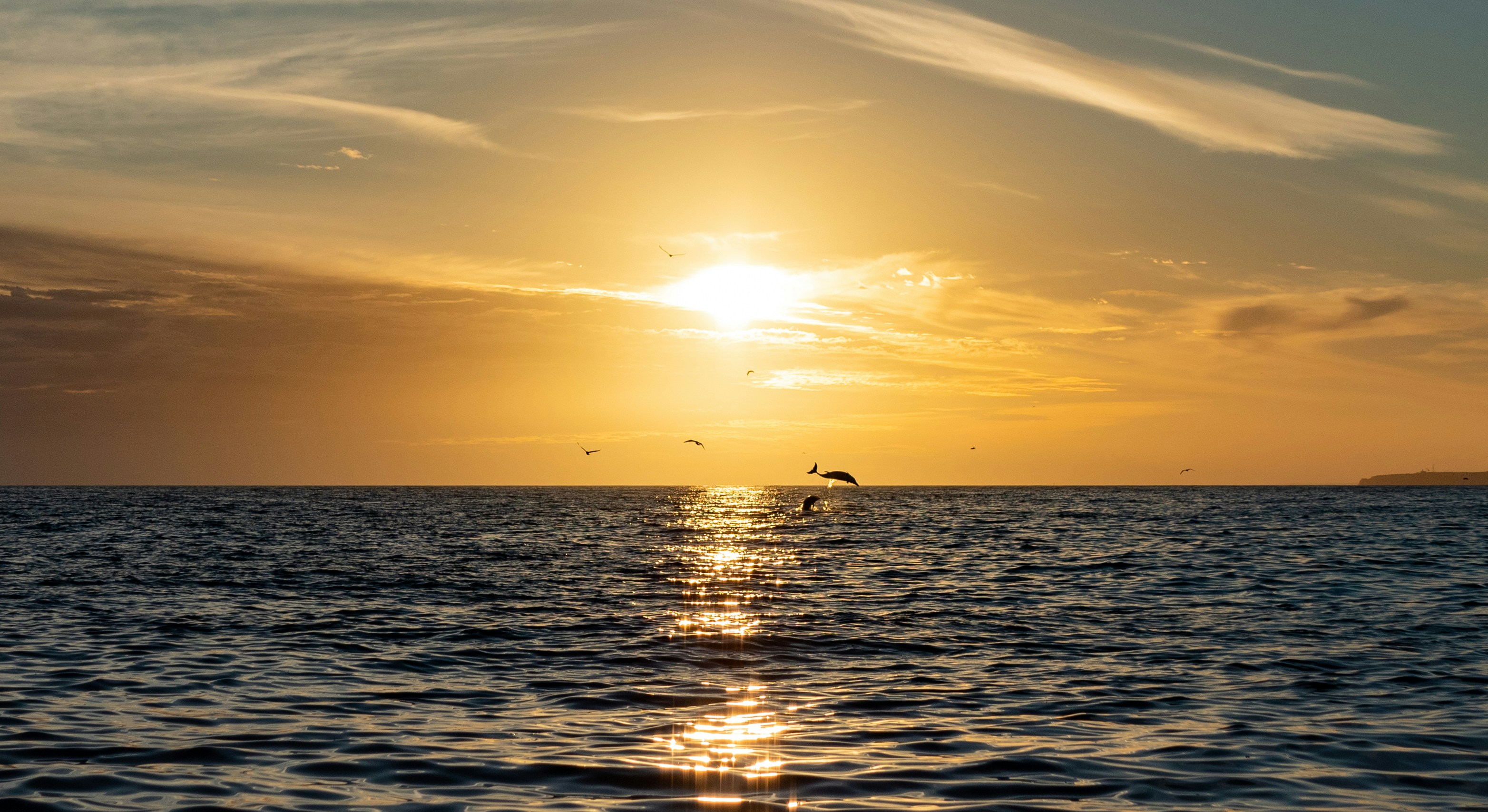
Set on seven hills on the banks of the River Tagus, Lisbon has been the capital of Portugal since the 13th century. It is a city famous for its majestic architecture, old wooden trams, Moorish features and more than twenty centuries of history. Following disastrous earthquakes in the 18th century, Lisbon was rebuilt by the Marques de Pombal who created an elegant city with wide boulevards and a great riverfront and square, Praça do Comércio. Today there are distinct modern and ancient sections, combining great shopping with culture and sightseeing in the Old Town, built on the city’s terraced hillsides. The distance between the ship and your tour vehicle may vary. This distance is not included in the excursion grades.
Leixões, Portugal
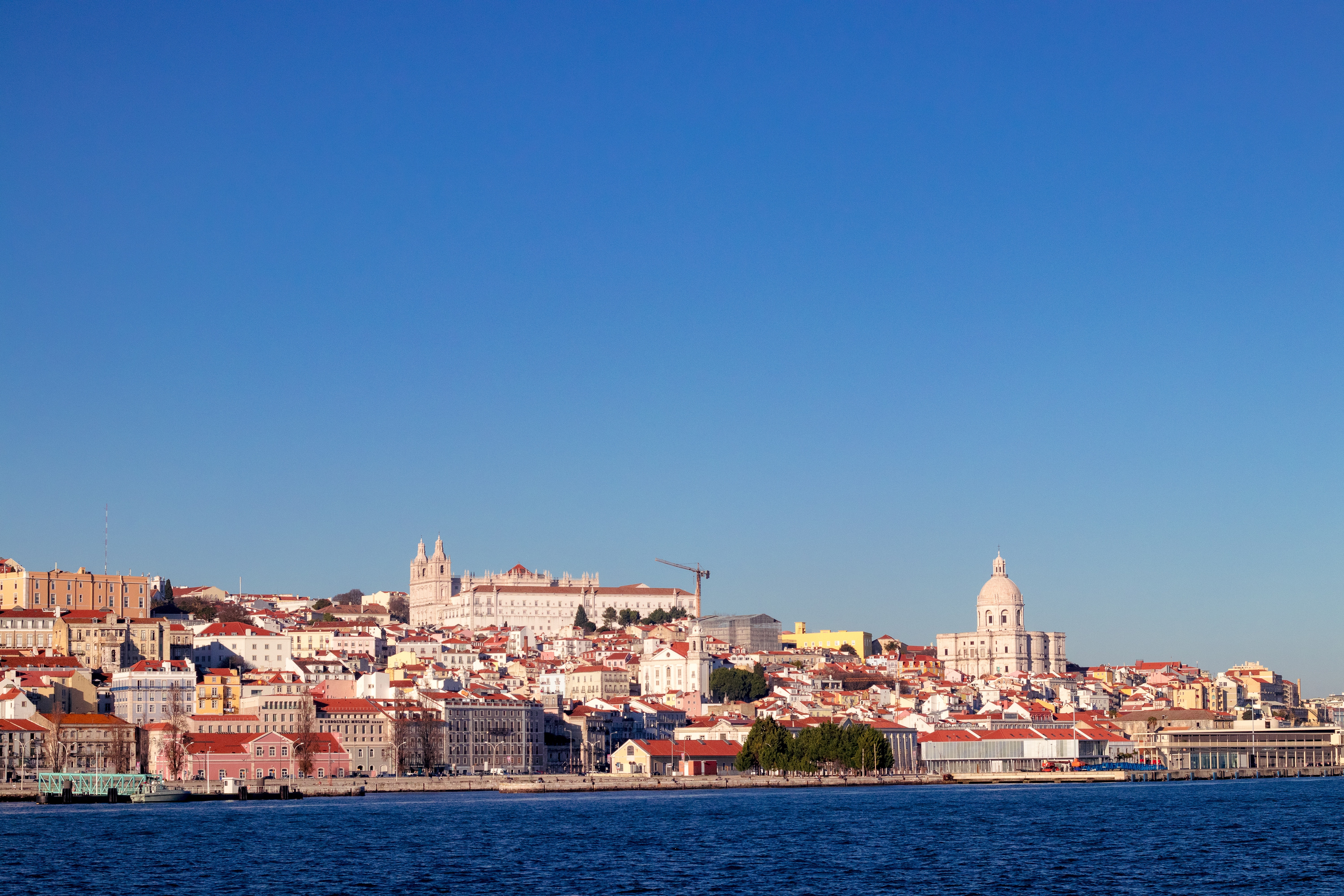
Ever since the Romans constructed a fort here and began using it as a trading post, Oporto has been a prosperous commercial centre. In the 15th and 16th centuries the city benefited from the wealth generated by Portugal’s maritime discoveries, and later, the establishment of a lucrative wine trade with Britain compensated for the loss of the spice trade. Today, Portugal’s second-largest city is a thriving, cosmopolitan place and is famous for its production of the fortified, sweet ‘port’ wine. Its historic centre is a UNESCO World Heritage Site and the city was also awarded the status of European Capital of Culture in 2001. A large sandbar prevents ships from sailing into Oporto itself, so for over a century they have used nearby Leixões instead, a man-made seaport constructed nine miles from the city. Leixões is one of Portugal’s major sea ports and is also home to one of the country’s oldest football clubs, winners of the Taça de Portugal cup in 1961.
Ferrol, Spain
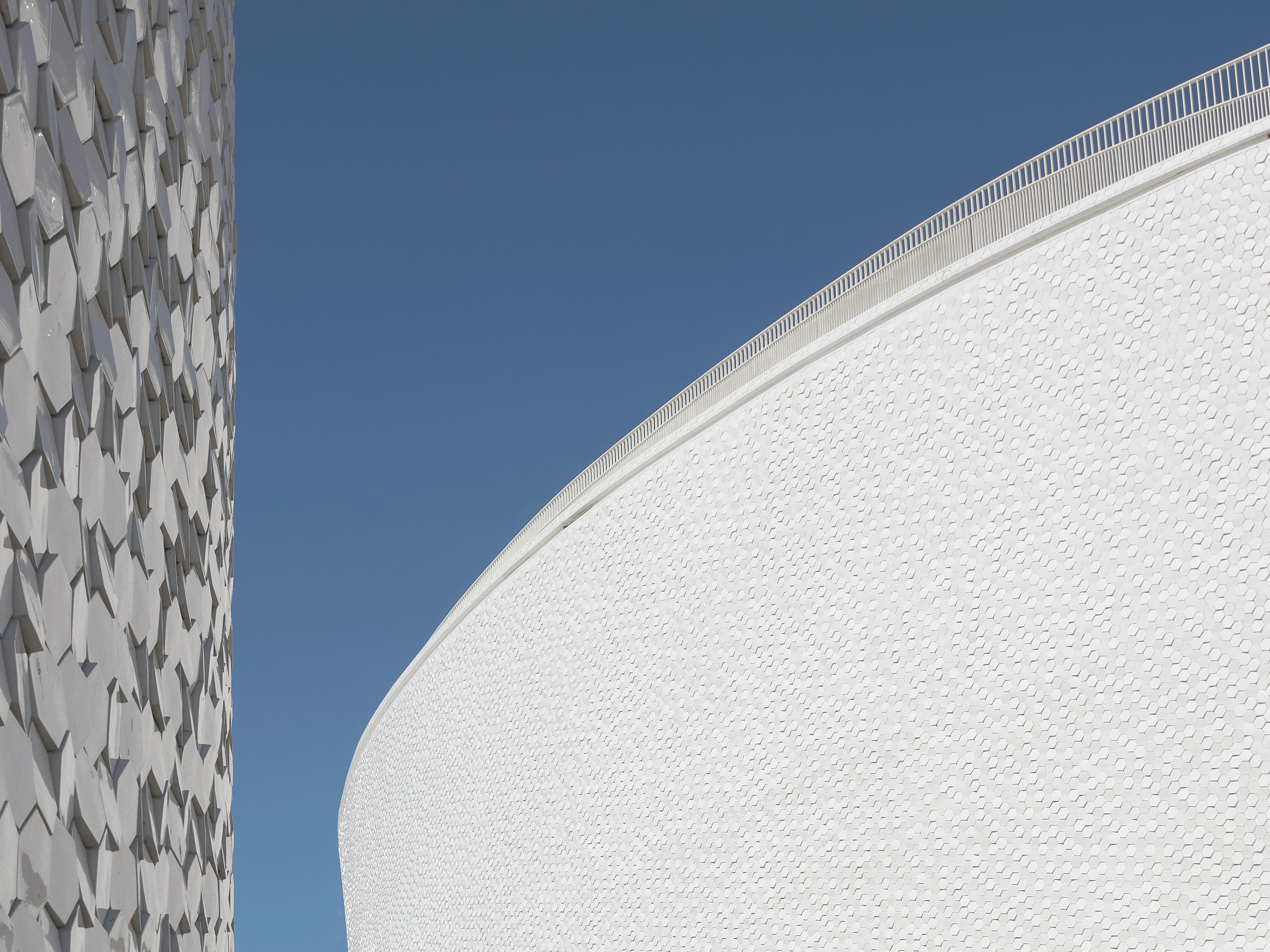
El Ferrol has been inextricably linked to the sea for more than two millennia, being a major shipbuilding centre for most of its history. From its beginnings as a tiny fishing port in the 1st century BC, it endured conquests by Vandals, Suebis, Arabs and Christians. With the arrival of the Bourbons in the 18th century, Ferrol became a leading maritime centre, largely due to its large natural harbour on the Ferrol Inlet, an arm of the Atlantic. Now a large commercial port, Ferrol is also the gateway to the northern Spanish province of Galicia, a region noted for its green mountains, deep gorges and fast-flowing rivers. It is also well placed for visiting the medieval holy city of Santiago de Compostela. Interestingly, Ferrol’s city centre is modelled on Lisbon in Portugal, a country with which it has strong historical and linguistic ties. The layout comprises of a rectangle lined with six parallel streets, with two squares on each side. These squares have the city’s best shops, restaurants and bars.
Aviles, Spain
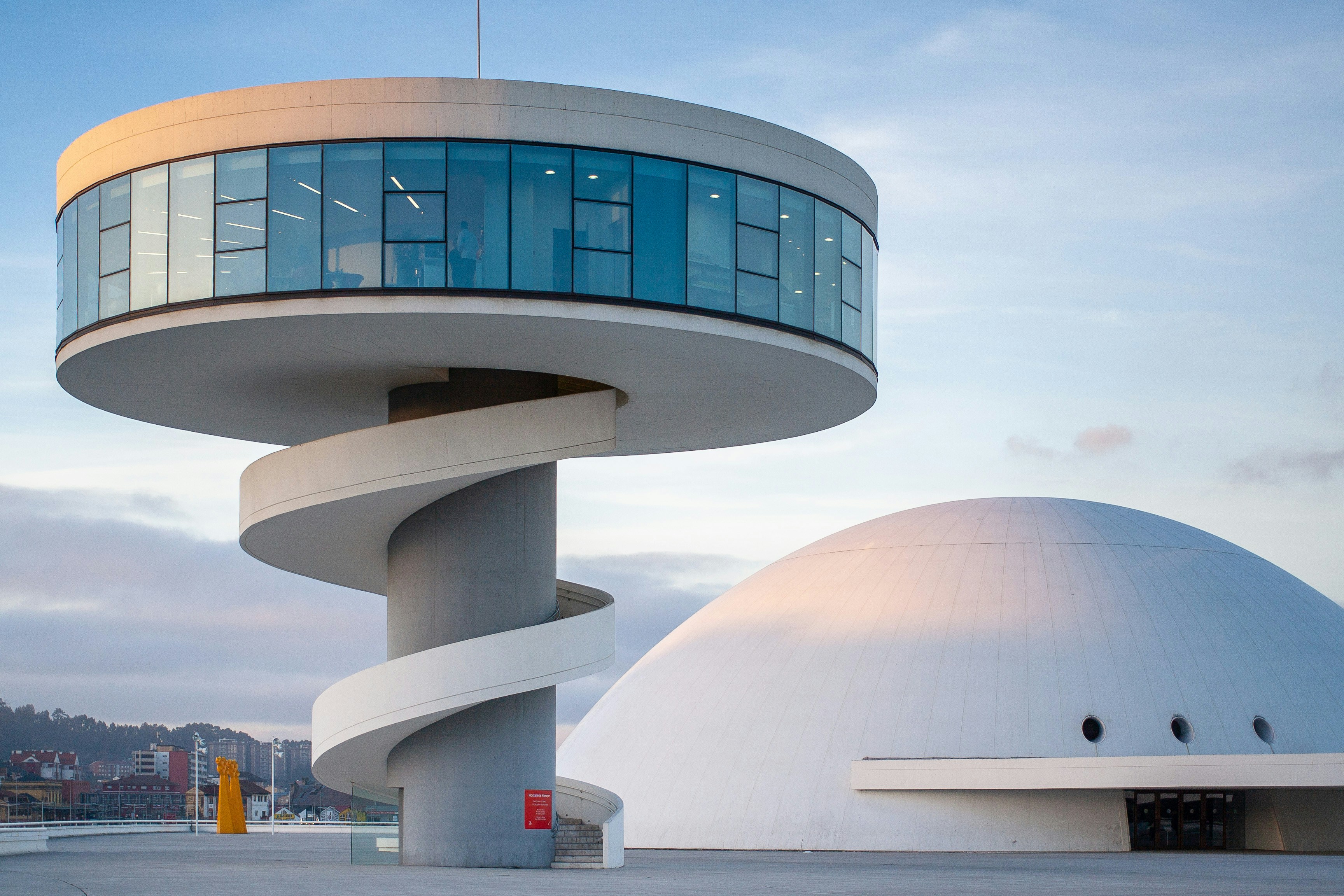
Embark on today’s journey to Avilés, nestled in the picturesque Asturias region of northern Spain. The historic town is something of a hidden gem, known for its cultural vibrancy and relaxed ambience. Explore the enchanting old town, with well-preserved medieval buildings and churches dating back to the 13th century, and locals enjoying a glass of cider in the leady squares. Then stroll through the vibrant Plaza del Carbayedo, which hosts a bustling weekly market filled with local delicacies and lively chatter.
Scenic Freechoice:
Walking Tour of Avilés: Explore Avilés, an historic Asturian port with a beautifully preserved old town and the modern Niemeyer Centre. Enjoy a walking tour, sample Asturian cider with tapas, and take in the city’s rich blend of past and present.
Gijon City Tour: Discover Gijón’s coastal beauty and rich history, from the grand Universidad Laboral to the charming Cimadevilla quarter. Enjoy a scenic drive, guided walk and free time to explore.
Oviedo: Venture to Oviedo, for a panoramic tour and guided walk through its charming old town and iconic landmarks. Conclude with a tasting of local cheeses, cured meats and traditional Asturian cider.
Western Asturian Coast: Explore Asturias’ rugged coast with visits to Luarca and Cudillero, two picturesque fishing villages rich in maritime history. Enjoy scenic views, colourful streets and a taste of local seafaring culture.
Docked: 08:00 – 18:00
Bilbao, Spain
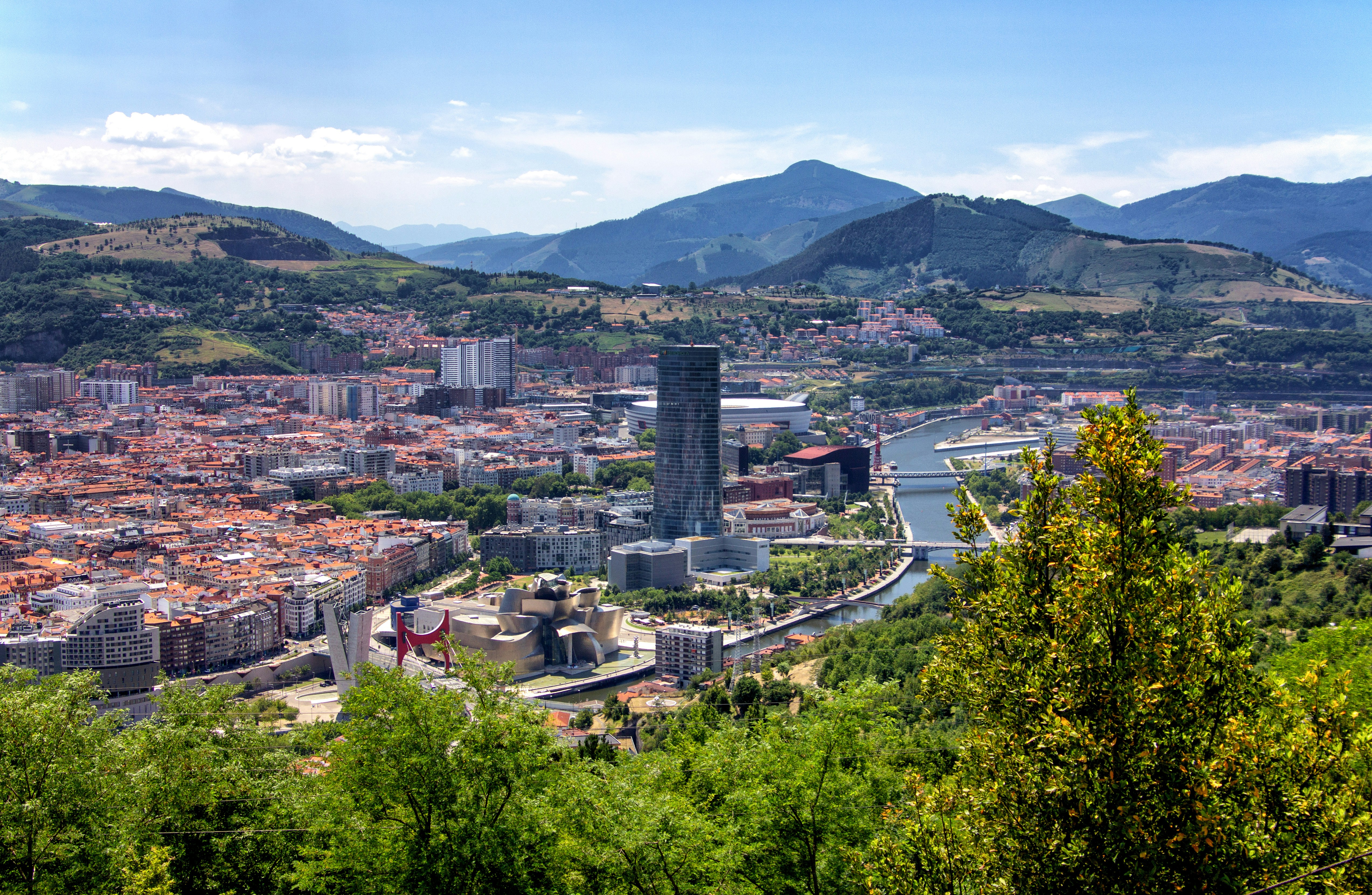
Time in Bilbao (Bilbo, in Euskera) may be recorded as BG or AG (Before Guggenheim or After Guggenheim). Never has a single monument of art and architecture so radically changed a city. Frank Gehry’s stunning museum, Norman Foster’s sleek subway system, the Santiago Calatrava glass footbridge and airport, the leafy César Pelli Abandoibarra park and commercial complex next to the Guggenheim, and the Philippe Starck AlhóndigaBilbao cultural center have contributed to an unprecedented cultural revolution in what was once the industry capital of the Basque Country.Greater Bilbao contains almost 1 million inhabitants, nearly half the total population of the Basque Country. Founded in 1300 by Vizcayan noble Diego López de Haro, Bilbao became an industrial center in the mid-19th century, largely because of the abundance of minerals in the surrounding hills. An affluent industrial class grew up here, as did the working class in suburbs that line the Margen Izquierda (Left Bank) of the Nervión estuary.Bilbao’s new attractions get more press, but the city’s old treasures still quietly line the banks of the rust-color Nervión River. The Casco Viejo (Old Quarter)—also known as Siete Calles (Seven Streets)—is a charming jumble of shops, bars, and restaurants on the river’s Right Bank, near the Puente del Arenal bridge. This elegant proto-Bilbao nucleus was carefully restored after devastating floods in 1983. Throughout the Casco Viejo are ancient mansions emblazoned with family coats of arms, wooden doors, and fine ironwork balconies. The most interesting square is the 64-arch Plaza Nueva, where an outdoor market is pitched every Sunday morning.Walking the banks of the Nervión is a satisfying jaunt. After all, this was how—while out on a morning jog—Guggenheim director Thomas Krens first discovered the perfect spot for his project, nearly opposite the right bank’s Deusto University. From the Palacio de Euskalduna upstream to the colossal Mercado de la Ribera, parks and green zones line the river. César Pelli’s Abandoibarra project fills in the half mile between the Guggenheim and the Euskalduna bridge with a series of parks, the Deusto University library, the Meliá Bilbao Hotel, and a major shopping center.On the left bank, the wide, late-19th-century boulevards of the Ensanche neighborhood, such as Gran Vía (the main shopping artery) and Alameda de Mazarredo, are the city’s more formal face. Bilbao’s cultural institutions include, along with the Guggenheim, a major museum of fine arts (the Museo de Bellas Artes) and an opera society (Asociación Bilbaína de Amigos de la Ópera, or ABAO) with 7,000 members from Spain and southern France. In addition, epicureans have long ranked Bilbao’s culinary offerings among the best in Spain. Don’t miss a chance to ride the trolley line, the Euskotram, for a trip along the river from Atxuri Station to Basurto’s San Mamés soccer stadium, reverently dubbed “la Catedral del Fútbol” (the Cathedral of Football).
Seville, Spain
Whether you pronounce it Seville or Sevilla, this gorgeous Spanish town is most certainly the stuff of dreams. Over 2,200 years old, Seville has a mutli-layered personality; home to Flamenco, high temperatures and three UNESCO-World Heritage Sites, there is a noble ancestry to the southern Spanish town. Not forgetting that it is the birthplace of painter Diego Velazquez, the resting place of Christopher Columbus, the inspiration for Bizet’s Carmen and a location for Game of Thrones filming, Seville is truly more than just a sum of its parts. This city is a full on experience, a beguiling labyrinth of centuries old streets, tiny tapas restaurants serving possibly the best dishes you’ll taste south of Madrid and a paradise of Mudejar architecture and tranquil palm trees and fountain-filled gardens.
Portimão, Portugal
Portimão is a major fishing port, and significant investment has been poured into transforming it into an attractive cruise port as well. The city itself is spacious and has several good shopping streets—though sadly many of the more traditional retailers have closed in the wake of the global economic crisis. There is also a lovely riverside area that just begs to be strolled (lots of the coastal cruises depart from here). Don’t leave without stopping for an alfresco lunch at the Doca da Sardinha (“sardine dock”) between the old bridge and the railway bridge. You can sit at one of many inexpensive establishments, eating charcoal-grilled sardines (a local specialty) accompanied by chewy fresh bread, simple salads, and local wine.
Lisbon, Portugal
Set on seven hills on the banks of the River Tagus, Lisbon has been the capital of Portugal since the 13th century. It is a city famous for its majestic architecture, old wooden trams, Moorish features and more than twenty centuries of history. Following disastrous earthquakes in the 18th century, Lisbon was rebuilt by the Marques de Pombal who created an elegant city with wide boulevards and a great riverfront and square, Praça do Comércio. Today there are distinct modern and ancient sections, combining great shopping with culture and sightseeing in the Old Town, built on the city’s terraced hillsides. The distance between the ship and your tour vehicle may vary. This distance is not included in the excursion grades.
Leixões, Portugal
Ever since the Romans constructed a fort here and began using it as a trading post, Oporto has been a prosperous commercial centre. In the 15th and 16th centuries the city benefited from the wealth generated by Portugal’s maritime discoveries, and later, the establishment of a lucrative wine trade with Britain compensated for the loss of the spice trade. Today, Portugal’s second-largest city is a thriving, cosmopolitan place and is famous for its production of the fortified, sweet ‘port’ wine. Its historic centre is a UNESCO World Heritage Site and the city was also awarded the status of European Capital of Culture in 2001. A large sandbar prevents ships from sailing into Oporto itself, so for over a century they have used nearby Leixões instead, a man-made seaport constructed nine miles from the city. Leixões is one of Portugal’s major sea ports and is also home to one of the country’s oldest football clubs, winners of the Taça de Portugal cup in 1961.
Ferrol, Spain
El Ferrol has been inextricably linked to the sea for more than two millennia, being a major shipbuilding centre for most of its history. From its beginnings as a tiny fishing port in the 1st century BC, it endured conquests by Vandals, Suebis, Arabs and Christians. With the arrival of the Bourbons in the 18th century, Ferrol became a leading maritime centre, largely due to its large natural harbour on the Ferrol Inlet, an arm of the Atlantic. Now a large commercial port, Ferrol is also the gateway to the northern Spanish province of Galicia, a region noted for its green mountains, deep gorges and fast-flowing rivers. It is also well placed for visiting the medieval holy city of Santiago de Compostela. Interestingly, Ferrol’s city centre is modelled on Lisbon in Portugal, a country with which it has strong historical and linguistic ties. The layout comprises of a rectangle lined with six parallel streets, with two squares on each side. These squares have the city’s best shops, restaurants and bars.
Aviles, Spain
Embark on today’s journey to Avilés, nestled in the picturesque Asturias region of northern Spain. The historic town is something of a hidden gem, known for its cultural vibrancy and relaxed ambience. Explore the enchanting old town, with well-preserved medieval buildings and churches dating back to the 13th century, and locals enjoying a glass of cider in the leady squares. Then stroll through the vibrant Plaza del Carbayedo, which hosts a bustling weekly market filled with local delicacies and lively chatter.
Scenic Freechoice:
Walking Tour of Avilés: Explore Avilés, an historic Asturian port with a beautifully preserved old town and the modern Niemeyer Centre. Enjoy a walking tour, sample Asturian cider with tapas, and take in the city’s rich blend of past and present.
Gijon City Tour: Discover Gijón’s coastal beauty and rich history, from the grand Universidad Laboral to the charming Cimadevilla quarter. Enjoy a scenic drive, guided walk and free time to explore.
Oviedo: Venture to Oviedo, for a panoramic tour and guided walk through its charming old town and iconic landmarks. Conclude with a tasting of local cheeses, cured meats and traditional Asturian cider.
Western Asturian Coast: Explore Asturias’ rugged coast with visits to Luarca and Cudillero, two picturesque fishing villages rich in maritime history. Enjoy scenic views, colourful streets and a taste of local seafaring culture.
Docked: 08:00 – 18:00
Bilbao, Spain
Time in Bilbao (Bilbo, in Euskera) may be recorded as BG or AG (Before Guggenheim or After Guggenheim). Never has a single monument of art and architecture so radically changed a city. Frank Gehry’s stunning museum, Norman Foster’s sleek subway system, the Santiago Calatrava glass footbridge and airport, the leafy César Pelli Abandoibarra park and commercial complex next to the Guggenheim, and the Philippe Starck AlhóndigaBilbao cultural center have contributed to an unprecedented cultural revolution in what was once the industry capital of the Basque Country.Greater Bilbao contains almost 1 million inhabitants, nearly half the total population of the Basque Country. Founded in 1300 by Vizcayan noble Diego López de Haro, Bilbao became an industrial center in the mid-19th century, largely because of the abundance of minerals in the surrounding hills. An affluent industrial class grew up here, as did the working class in suburbs that line the Margen Izquierda (Left Bank) of the Nervión estuary.Bilbao’s new attractions get more press, but the city’s old treasures still quietly line the banks of the rust-color Nervión River. The Casco Viejo (Old Quarter)—also known as Siete Calles (Seven Streets)—is a charming jumble of shops, bars, and restaurants on the river’s Right Bank, near the Puente del Arenal bridge. This elegant proto-Bilbao nucleus was carefully restored after devastating floods in 1983. Throughout the Casco Viejo are ancient mansions emblazoned with family coats of arms, wooden doors, and fine ironwork balconies. The most interesting square is the 64-arch Plaza Nueva, where an outdoor market is pitched every Sunday morning.Walking the banks of the Nervión is a satisfying jaunt. After all, this was how—while out on a morning jog—Guggenheim director Thomas Krens first discovered the perfect spot for his project, nearly opposite the right bank’s Deusto University. From the Palacio de Euskalduna upstream to the colossal Mercado de la Ribera, parks and green zones line the river. César Pelli’s Abandoibarra project fills in the half mile between the Guggenheim and the Euskalduna bridge with a series of parks, the Deusto University library, the Meliá Bilbao Hotel, and a major shopping center.On the left bank, the wide, late-19th-century boulevards of the Ensanche neighborhood, such as Gran Vía (the main shopping artery) and Alameda de Mazarredo, are the city’s more formal face. Bilbao’s cultural institutions include, along with the Guggenheim, a major museum of fine arts (the Museo de Bellas Artes) and an opera society (Asociación Bilbaína de Amigos de la Ópera, or ABAO) with 7,000 members from Spain and southern France. In addition, epicureans have long ranked Bilbao’s culinary offerings among the best in Spain. Don’t miss a chance to ride the trolley line, the Euskotram, for a trip along the river from Atxuri Station to Basurto’s San Mamés soccer stadium, reverently dubbed “la Catedral del Fútbol” (the Cathedral of Football).
Bordeaux, France
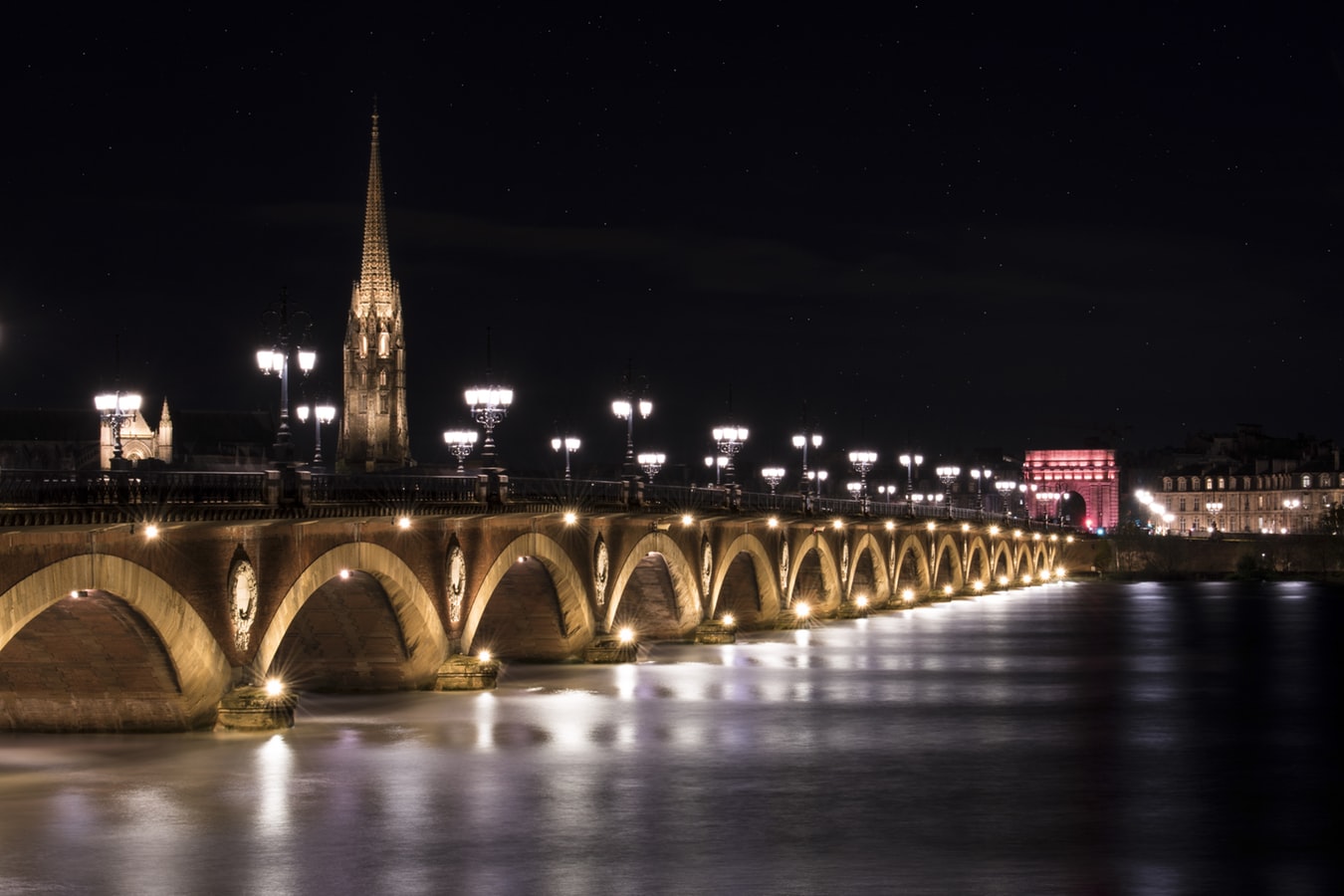
Bordeaux as a whole, rather than any particular points within it, is what you’ll want to visit in order to understand why Victor Hugo described it as Versailles plus Antwerp, and why the painter Francisco de Goya, when exiled from his native Spain, chose it as his last home (he died here in 1828). The capital of southwest France and the region’s largest city, Bordeaux remains synonymous with the wine trade: wine shippers have long maintained their headquarters along the banks of the Garonne, while buyers from around the world arrive for the huge biennial Vinexpo show (held in odd-number years).Bordeaux is, admittedly, a less exuberant city than many others in France, but lively and stylish elements are making a dent in its conservative veneer. The cleaned-up riverfront is said by some, after a bottle or two, to exude an elegance reminiscent of St. Petersburg, and that aura of 18th-century élan also permeates the historic downtown sector—“le vieux Bordeaux”—where fine shops invite exploration. To the south of the city center are old docklands undergoing renewal—one train station has now been transformed into a big multiplex movie theater—but the area is still a bit shady. To get a feel for the historic port of Bordeaux, take the 90-minute boat trip that leaves Quai Louis-XVIII every weekday afternoon, or the regular passenger ferry that plies the Garonne between Quai Richelieu and the Pont d’Aquitaine in summer. A nice time to stroll around the city center is the first Sunday of the month, when it’s pedestrian-only and vehicles are banned.
Bordeaux, France
Bordeaux as a whole, rather than any particular points within it, is what you’ll want to visit in order to understand why Victor Hugo described it as Versailles plus Antwerp, and why the painter Francisco de Goya, when exiled from his native Spain, chose it as his last home (he died here in 1828). The capital of southwest France and the region’s largest city, Bordeaux remains synonymous with the wine trade: wine shippers have long maintained their headquarters along the banks of the Garonne, while buyers from around the world arrive for the huge biennial Vinexpo show (held in odd-number years).Bordeaux is, admittedly, a less exuberant city than many others in France, but lively and stylish elements are making a dent in its conservative veneer. The cleaned-up riverfront is said by some, after a bottle or two, to exude an elegance reminiscent of St. Petersburg, and that aura of 18th-century élan also permeates the historic downtown sector—“le vieux Bordeaux”—where fine shops invite exploration. To the south of the city center are old docklands undergoing renewal—one train station has now been transformed into a big multiplex movie theater—but the area is still a bit shady. To get a feel for the historic port of Bordeaux, take the 90-minute boat trip that leaves Quai Louis-XVIII every weekday afternoon, or the regular passenger ferry that plies the Garonne between Quai Richelieu and the Pont d’Aquitaine in summer. A nice time to stroll around the city center is the first Sunday of the month, when it’s pedestrian-only and vehicles are banned.
Bordeaux, France
Bordeaux as a whole, rather than any particular points within it, is what you’ll want to visit in order to understand why Victor Hugo described it as Versailles plus Antwerp, and why the painter Francisco de Goya, when exiled from his native Spain, chose it as his last home (he died here in 1828). The capital of southwest France and the region’s largest city, Bordeaux remains synonymous with the wine trade: wine shippers have long maintained their headquarters along the banks of the Garonne, while buyers from around the world arrive for the huge biennial Vinexpo show (held in odd-number years).Bordeaux is, admittedly, a less exuberant city than many others in France, but lively and stylish elements are making a dent in its conservative veneer. The cleaned-up riverfront is said by some, after a bottle or two, to exude an elegance reminiscent of St. Petersburg, and that aura of 18th-century élan also permeates the historic downtown sector—“le vieux Bordeaux”—where fine shops invite exploration. To the south of the city center are old docklands undergoing renewal—one train station has now been transformed into a big multiplex movie theater—but the area is still a bit shady. To get a feel for the historic port of Bordeaux, take the 90-minute boat trip that leaves Quai Louis-XVIII every weekday afternoon, or the regular passenger ferry that plies the Garonne between Quai Richelieu and the Pont d’Aquitaine in summer. A nice time to stroll around the city center is the first Sunday of the month, when it’s pedestrian-only and vehicles are banned.
Bordeaux, France
Bordeaux as a whole, rather than any particular points within it, is what you’ll want to visit in order to understand why Victor Hugo described it as Versailles plus Antwerp, and why the painter Francisco de Goya, when exiled from his native Spain, chose it as his last home (he died here in 1828). The capital of southwest France and the region’s largest city, Bordeaux remains synonymous with the wine trade: wine shippers have long maintained their headquarters along the banks of the Garonne, while buyers from around the world arrive for the huge biennial Vinexpo show (held in odd-number years).Bordeaux is, admittedly, a less exuberant city than many others in France, but lively and stylish elements are making a dent in its conservative veneer. The cleaned-up riverfront is said by some, after a bottle or two, to exude an elegance reminiscent of St. Petersburg, and that aura of 18th-century élan also permeates the historic downtown sector—“le vieux Bordeaux”—where fine shops invite exploration. To the south of the city center are old docklands undergoing renewal—one train station has now been transformed into a big multiplex movie theater—but the area is still a bit shady. To get a feel for the historic port of Bordeaux, take the 90-minute boat trip that leaves Quai Louis-XVIII every weekday afternoon, or the regular passenger ferry that plies the Garonne between Quai Richelieu and the Pont d’Aquitaine in summer. A nice time to stroll around the city center is the first Sunday of the month, when it’s pedestrian-only and vehicles are banned.
Cabin Options

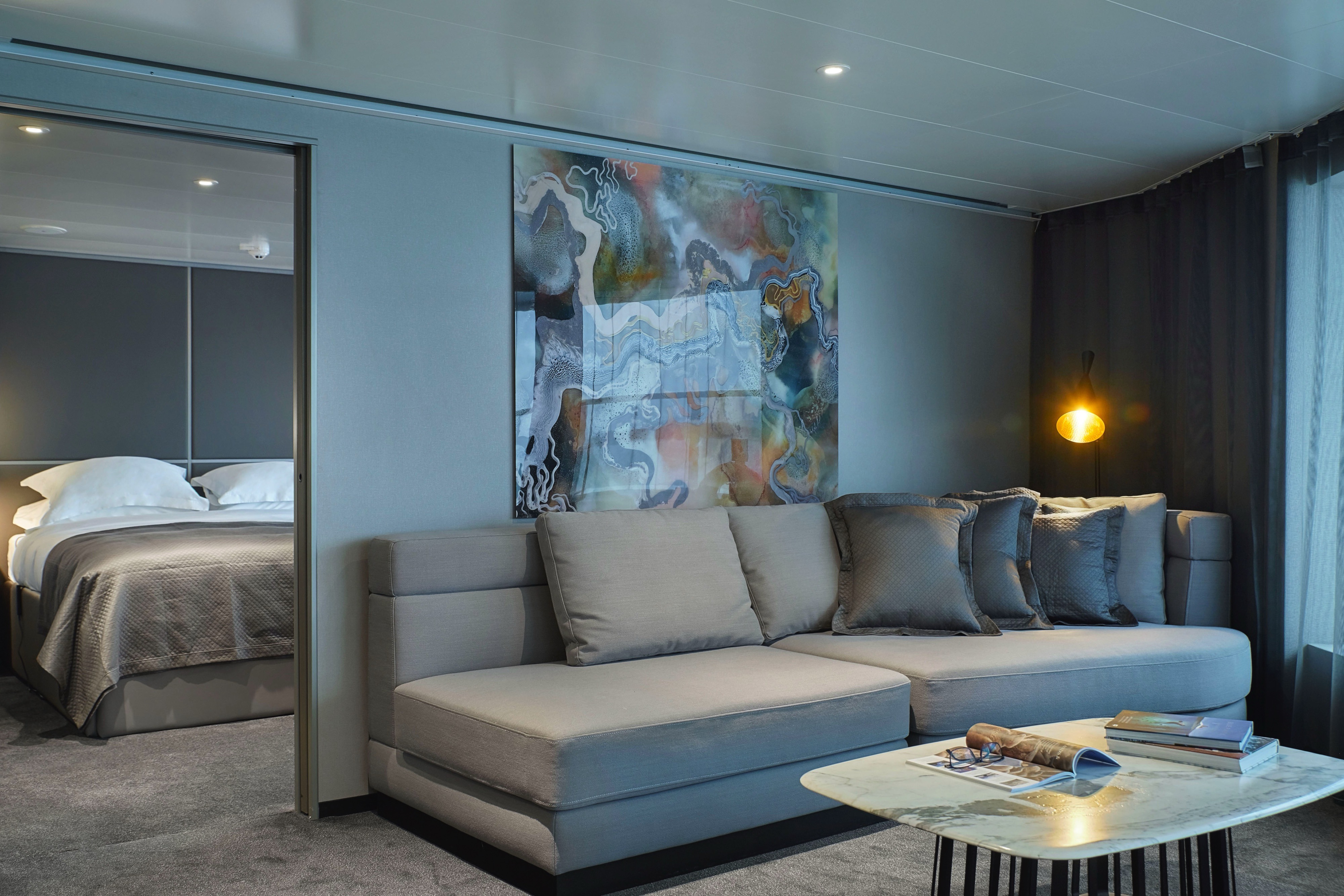
Verandah and Deluxe Verandah Suite
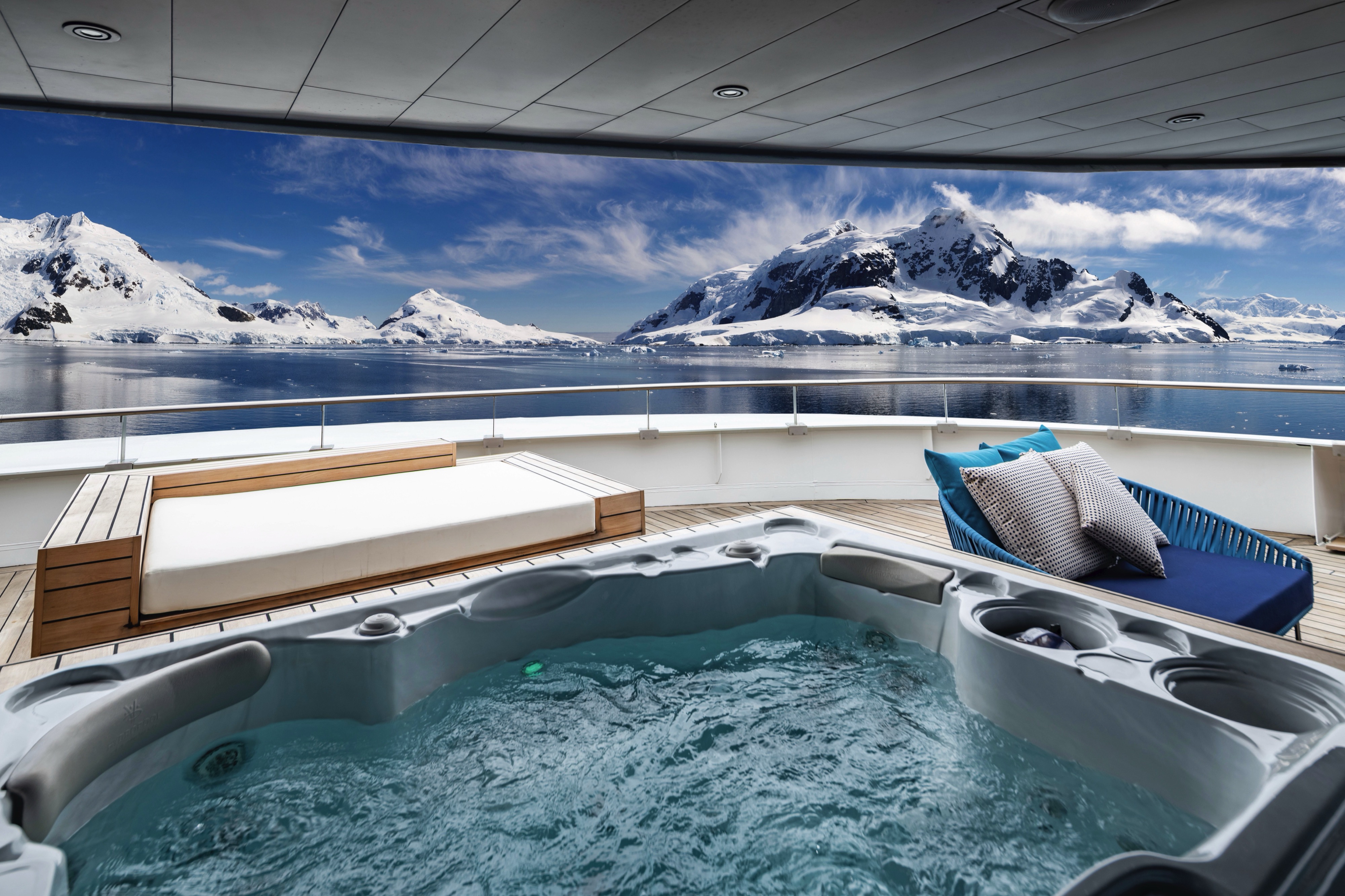
Panorama & Grand Panorama Suite
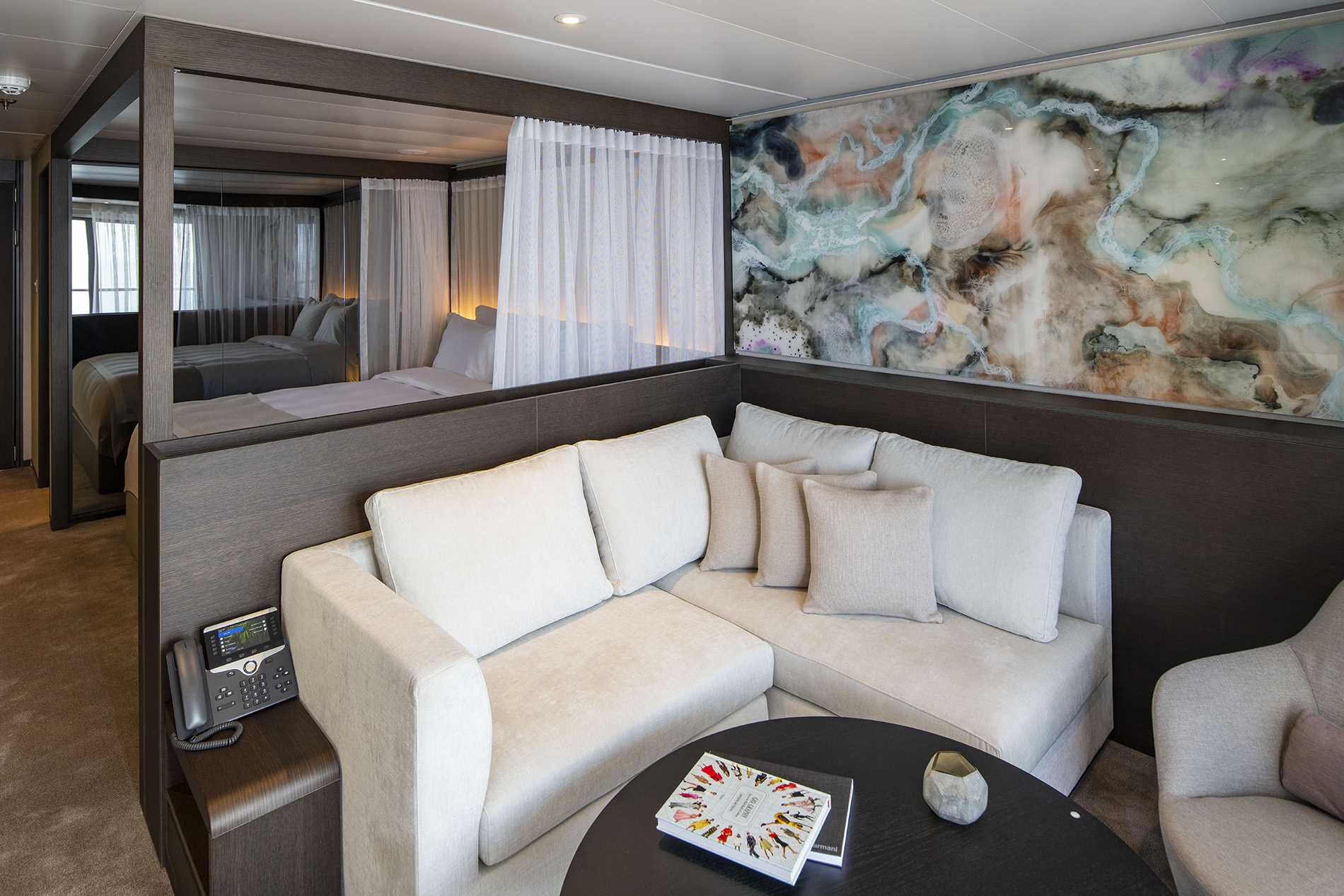
Owner's Penthouse Suites
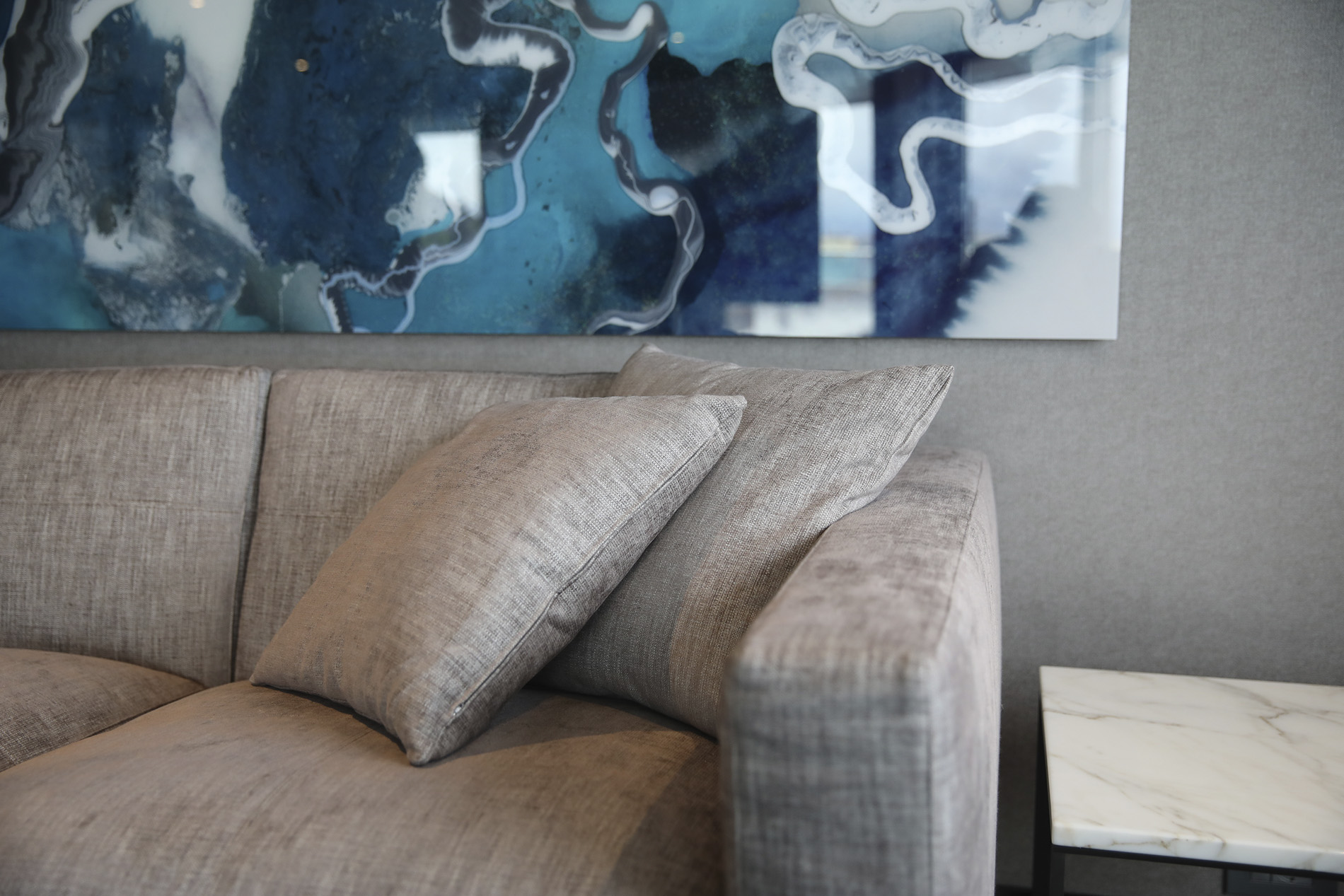
Spa Suites
Grand Deluxe Verandah Suite
Ship Facilities
Elements
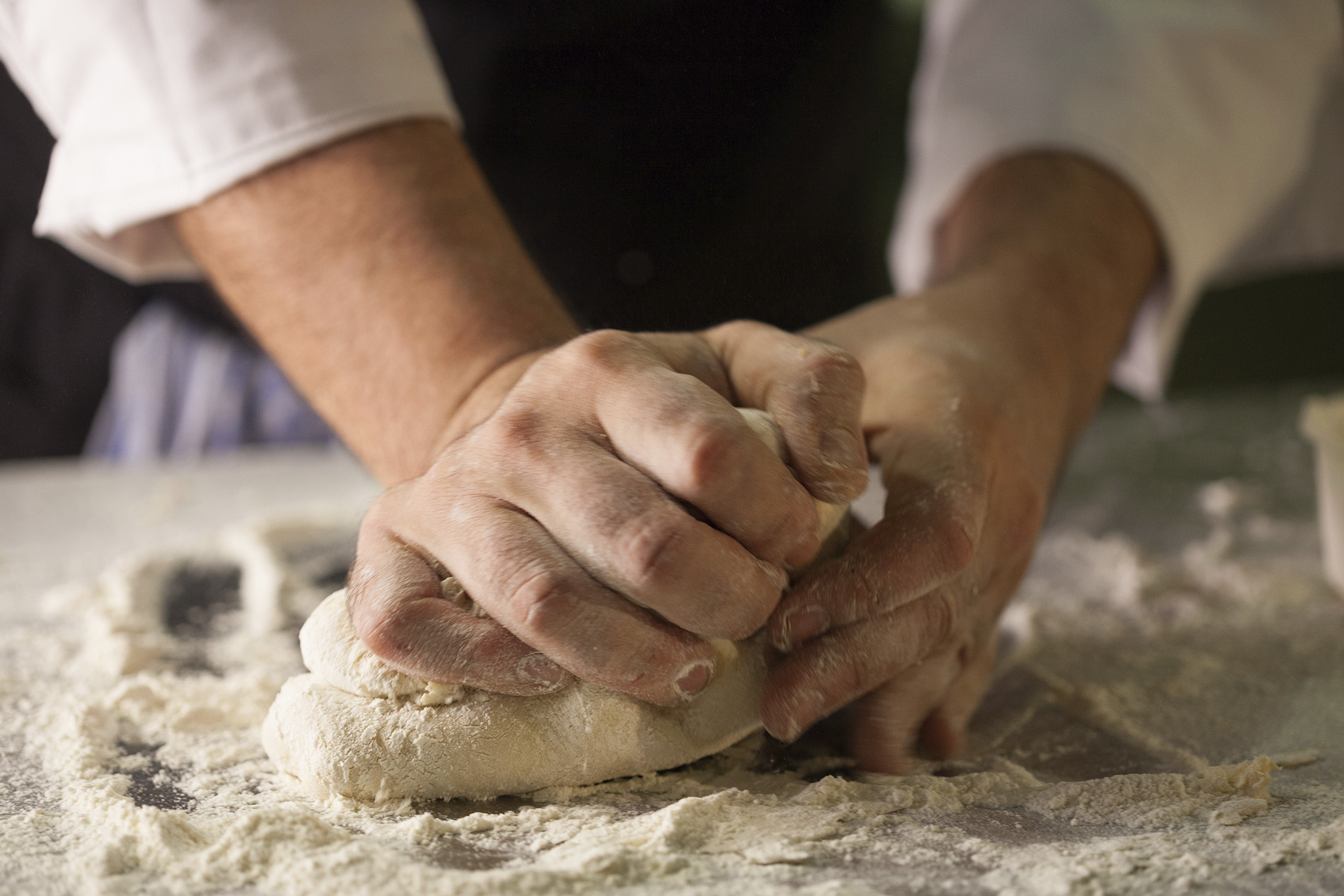
Chef's Table @ Elements
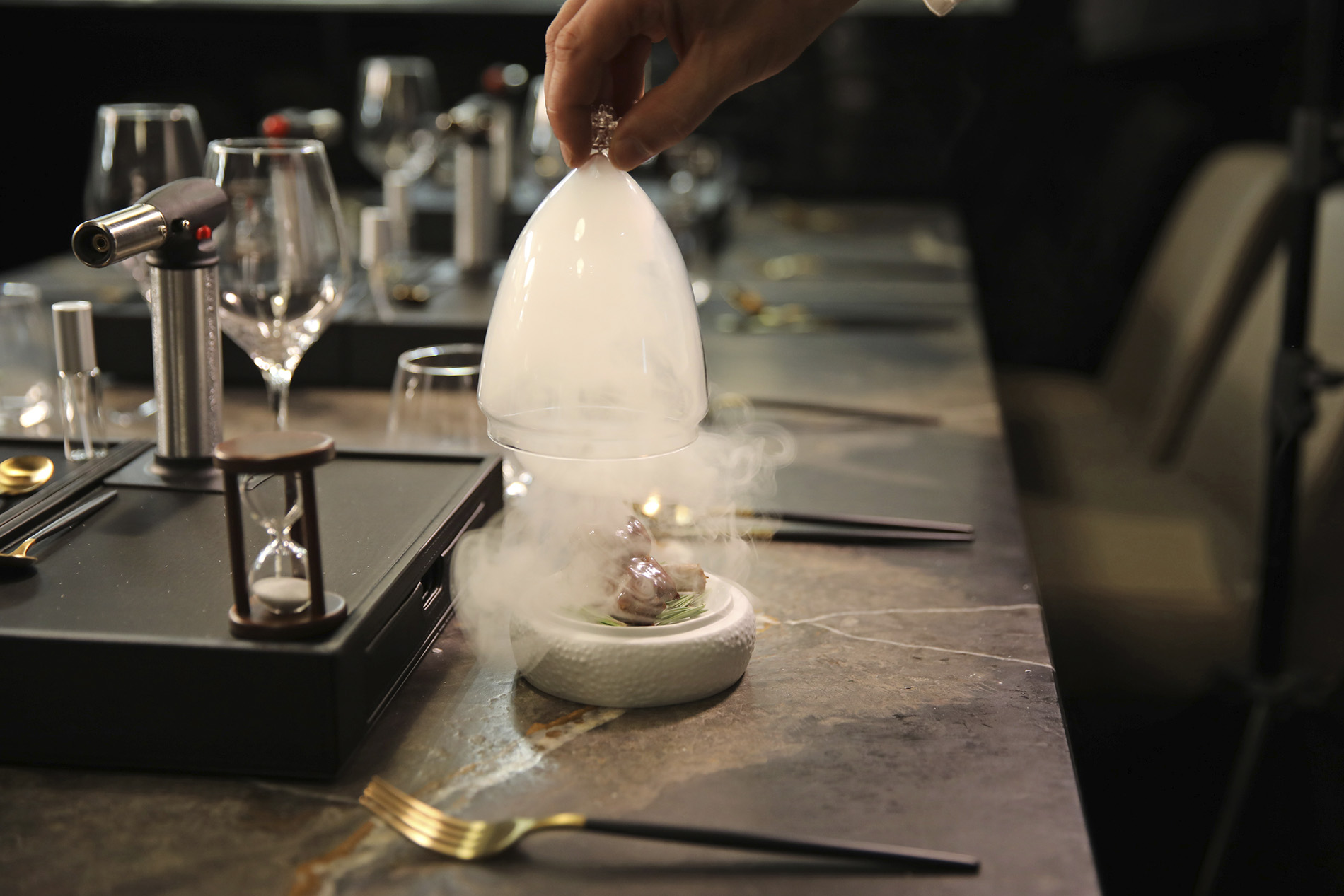
Koko's Asian Fusion
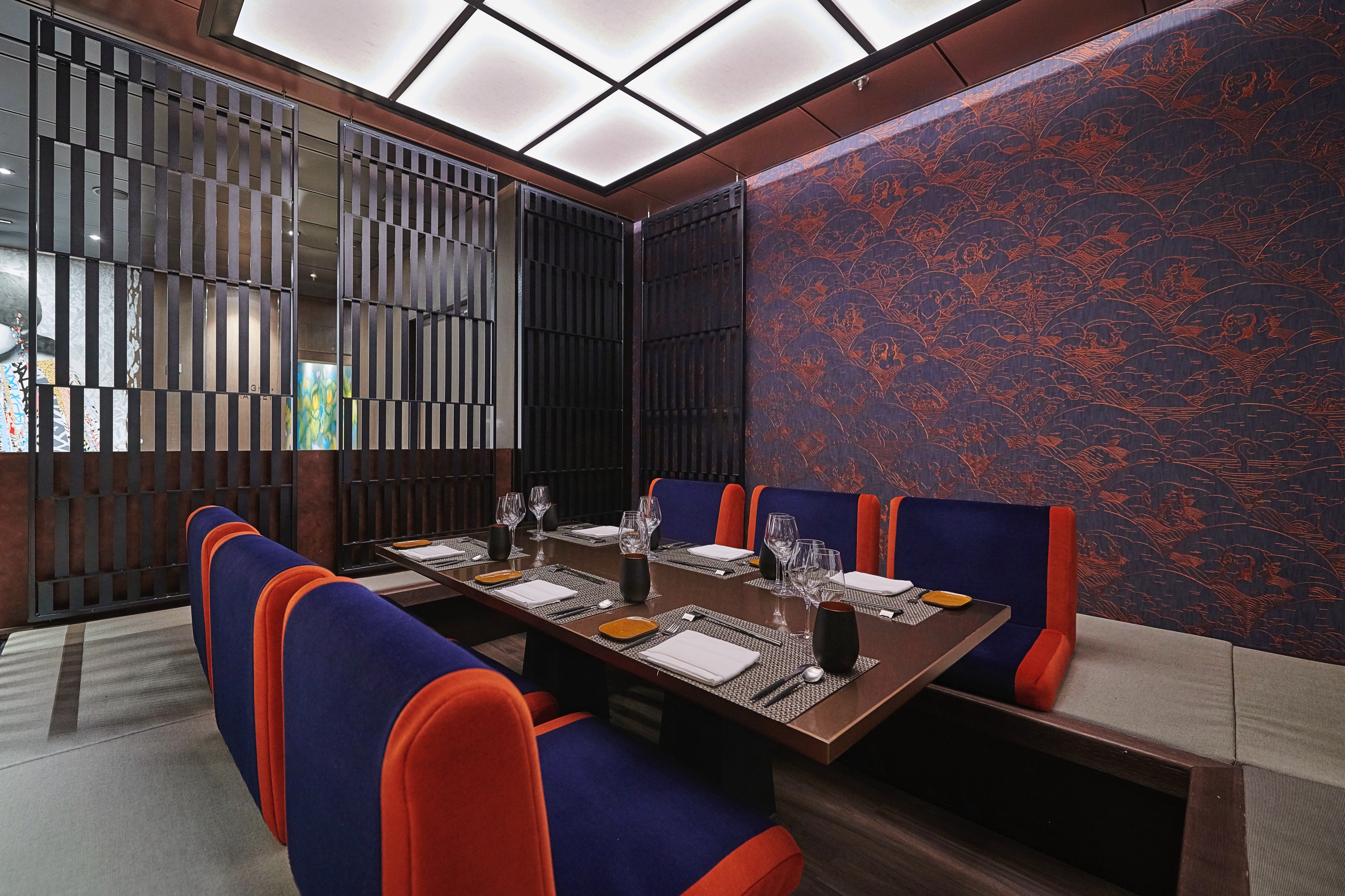
Night Market @ Koko's
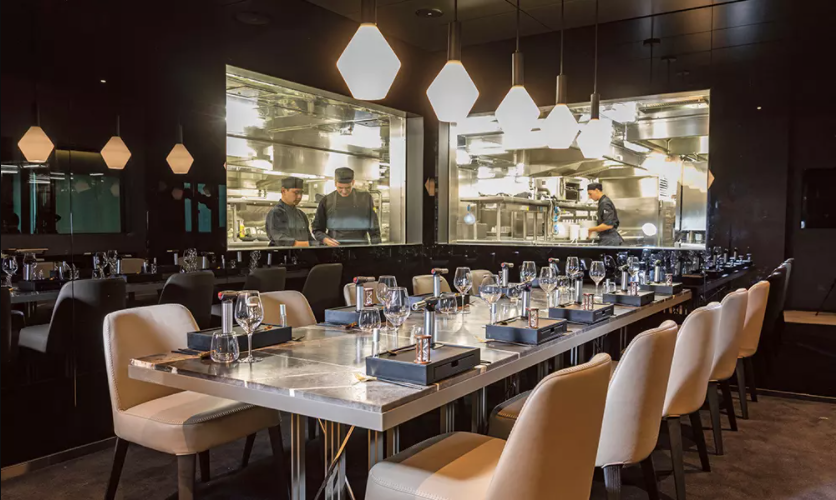
Savour the excitement of an interactive dining experience as our expert chefs craft dishes inspired by the lively markets of Asia, India and the Middle East before your eyes. For only eight guests in each seating, this exclusive Teppanyaki grill experience will be a highlight of your culinary journey.
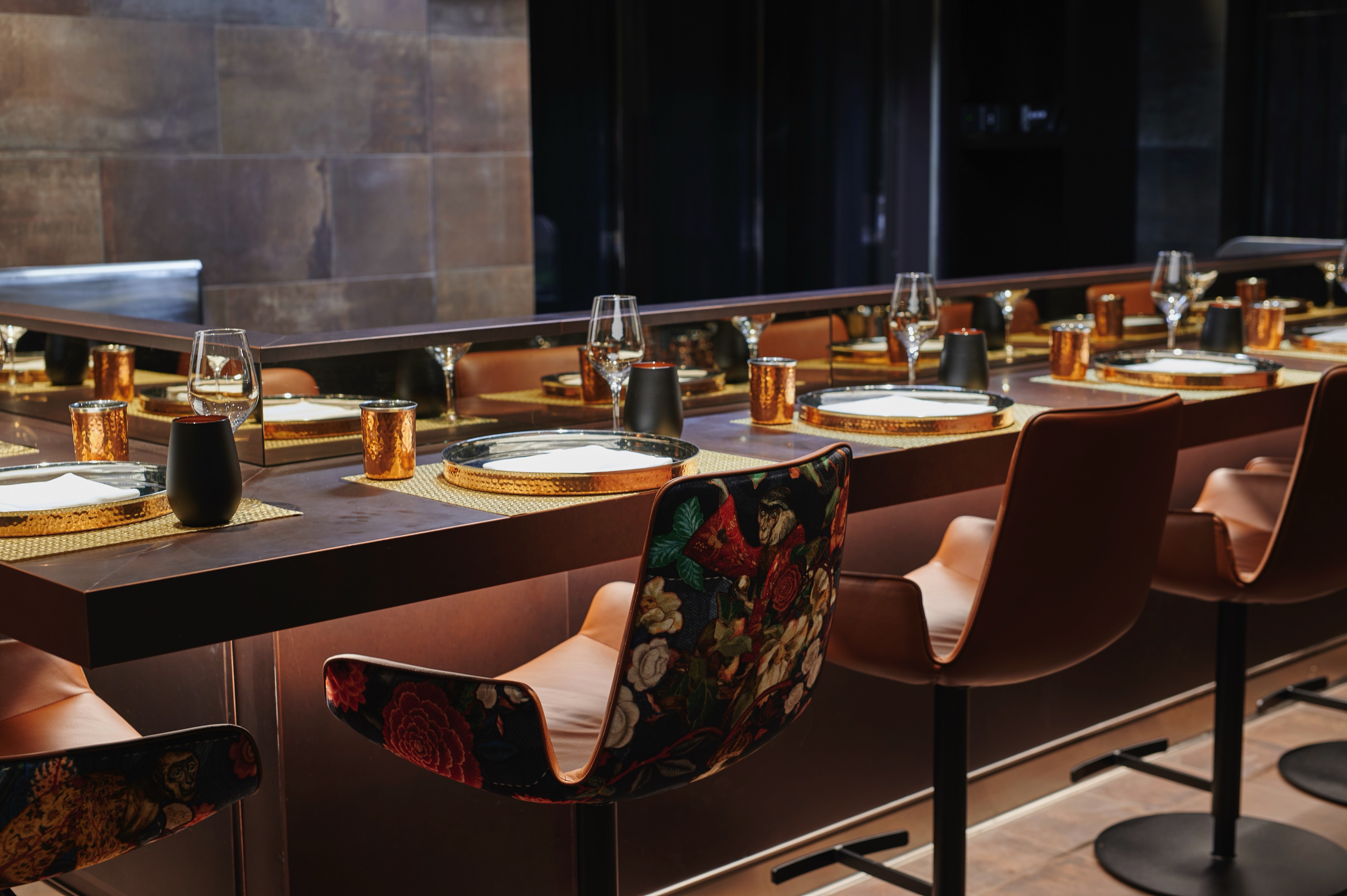
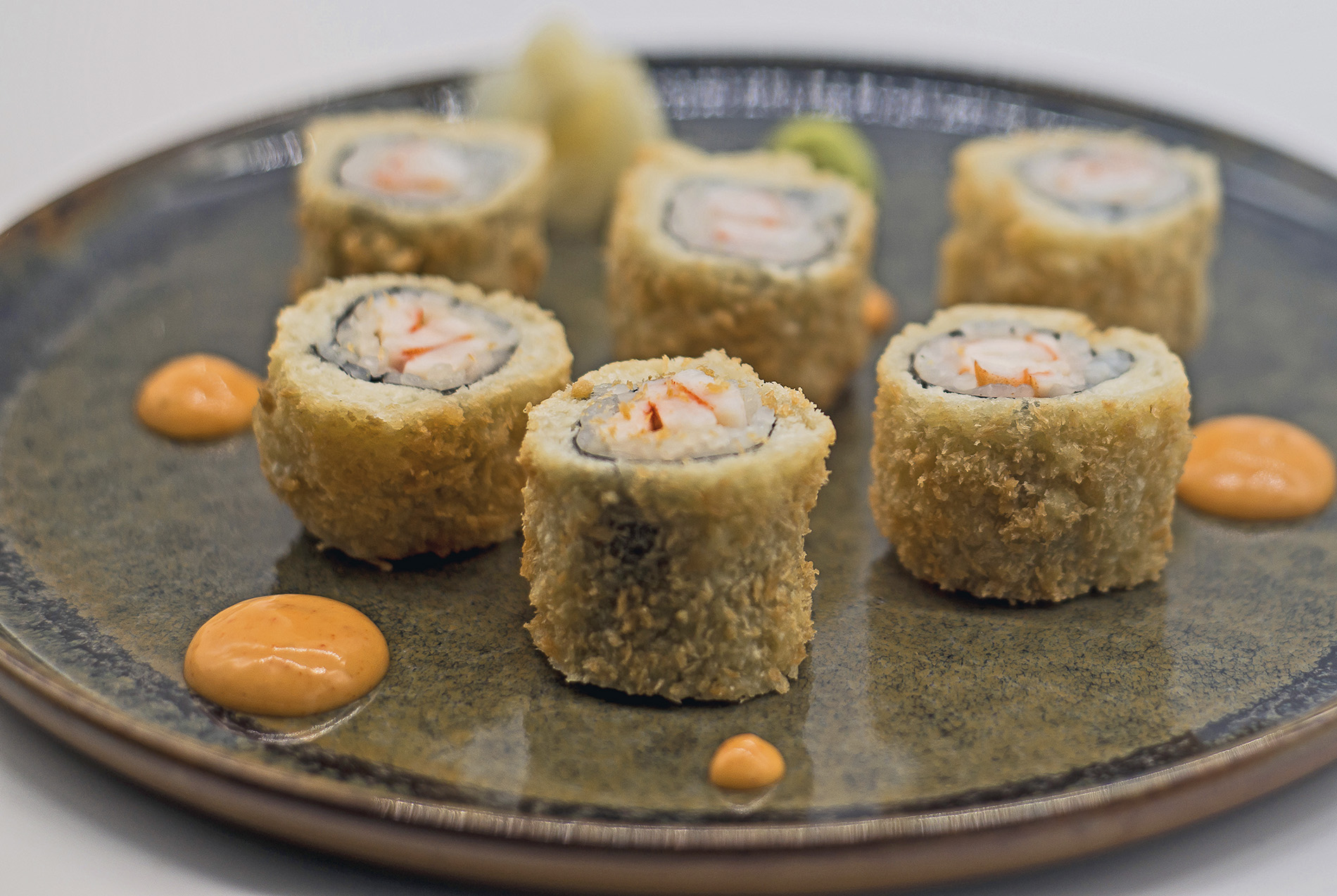
Sushi & Sake Bar @ Koko's
Azure Bar & Café

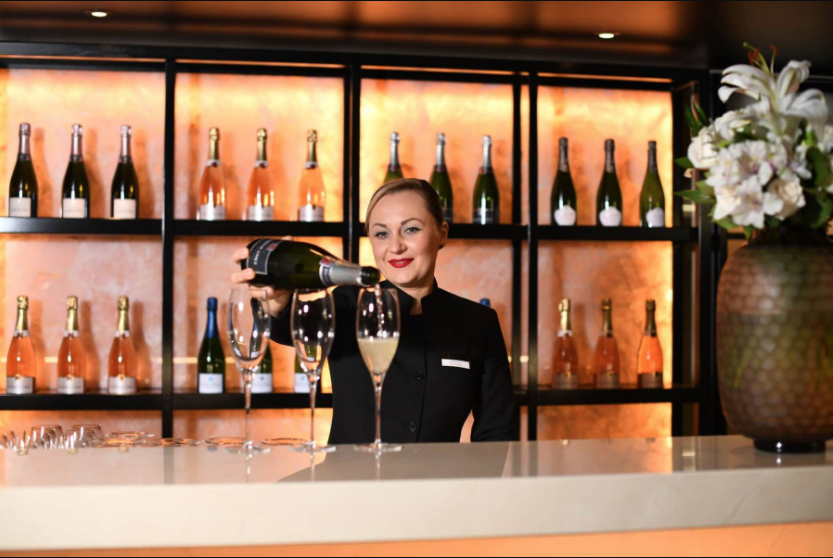
Lumière Restaurant & Champagne Bar
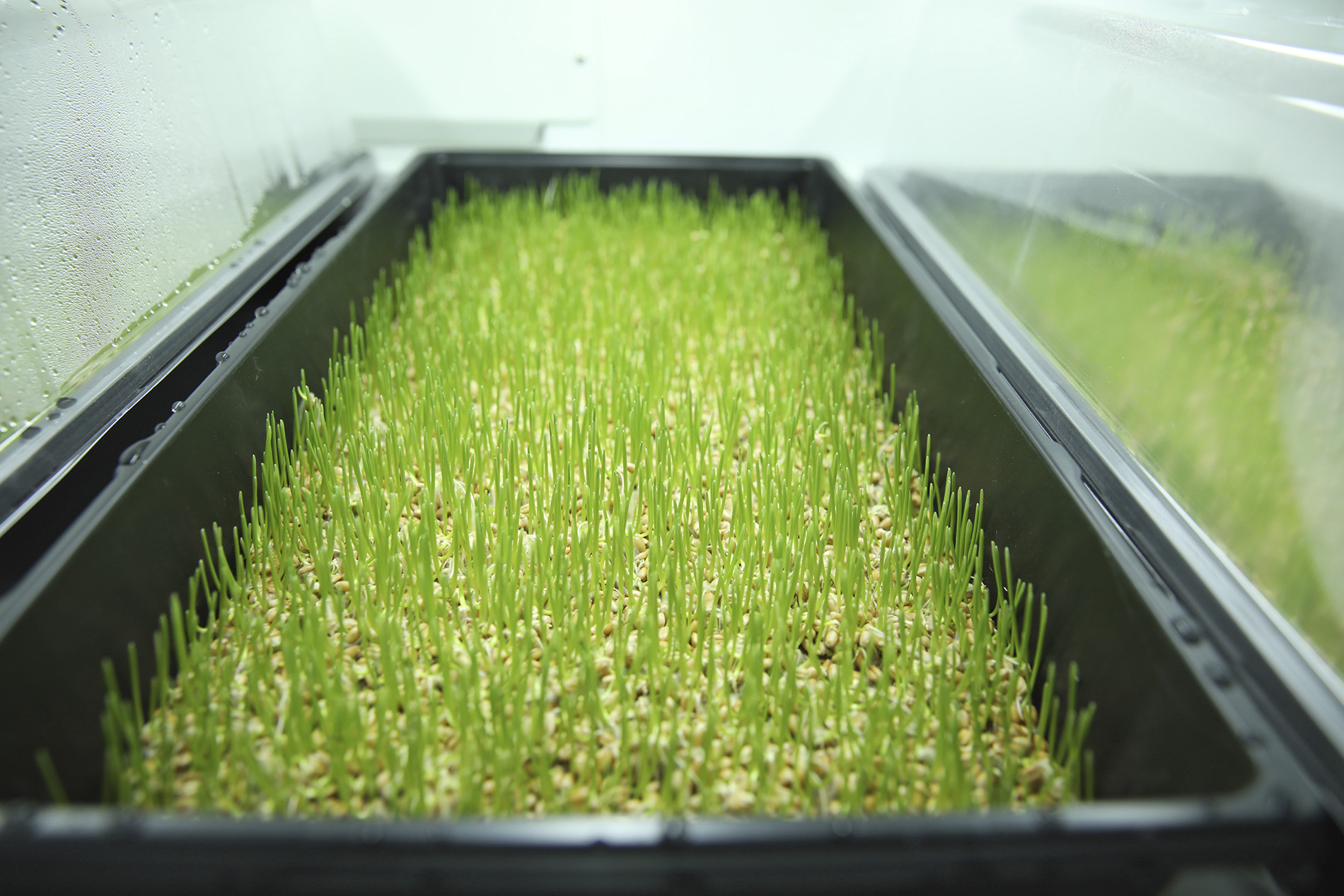
Chef's Garden @ Épicure
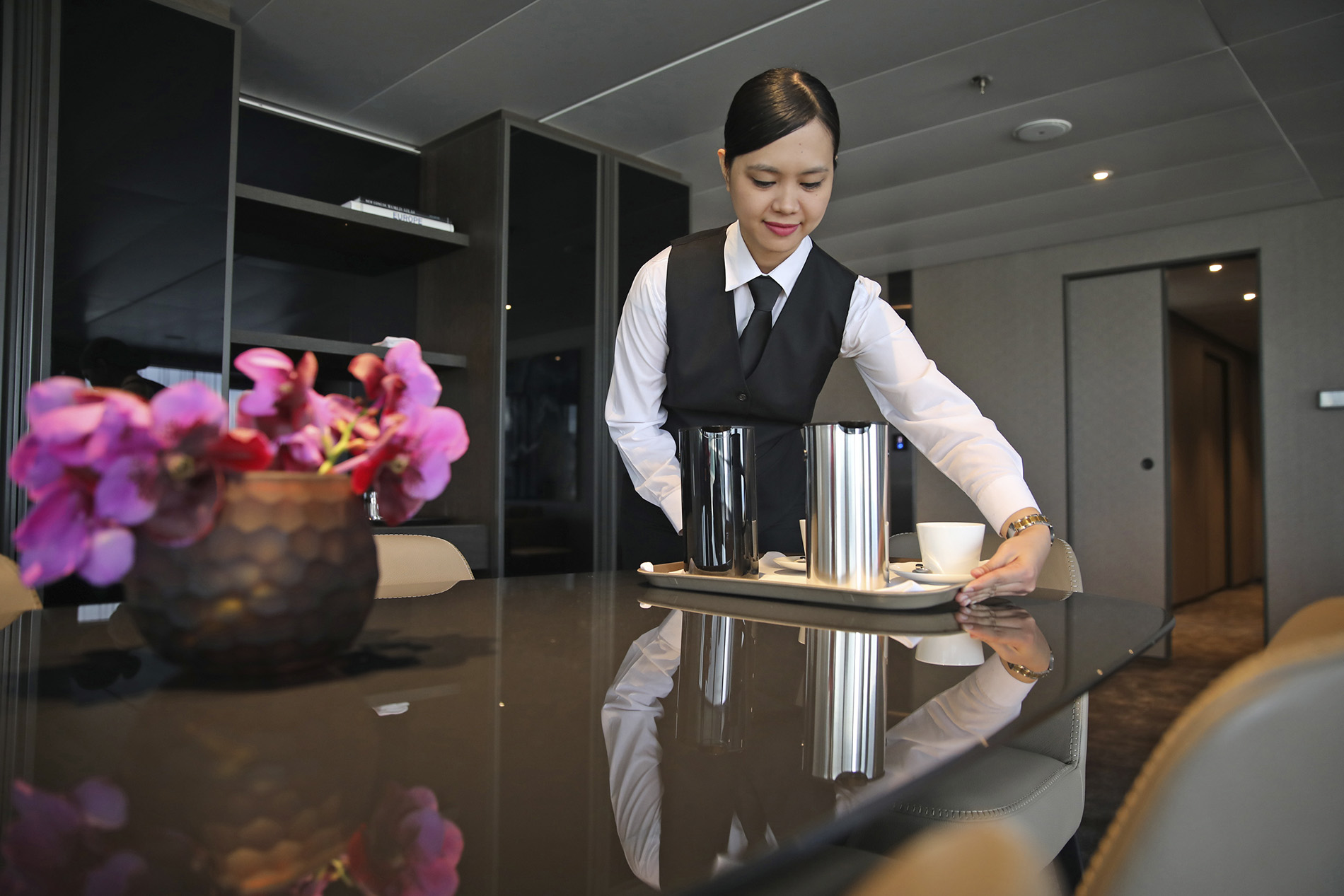
In-Suite Dining
Private Dining Experiences
There are many intimate and relaxed venues which provide the option of private dining at no additional cost.
Groups can dine at a restaurant of their choice or in the privacy of their suite. Night Market @ Koko’s offers private dining for up to eight guests and Chef’s Table is the ultimate degustation dining by invitation-only experience for 10 guests.
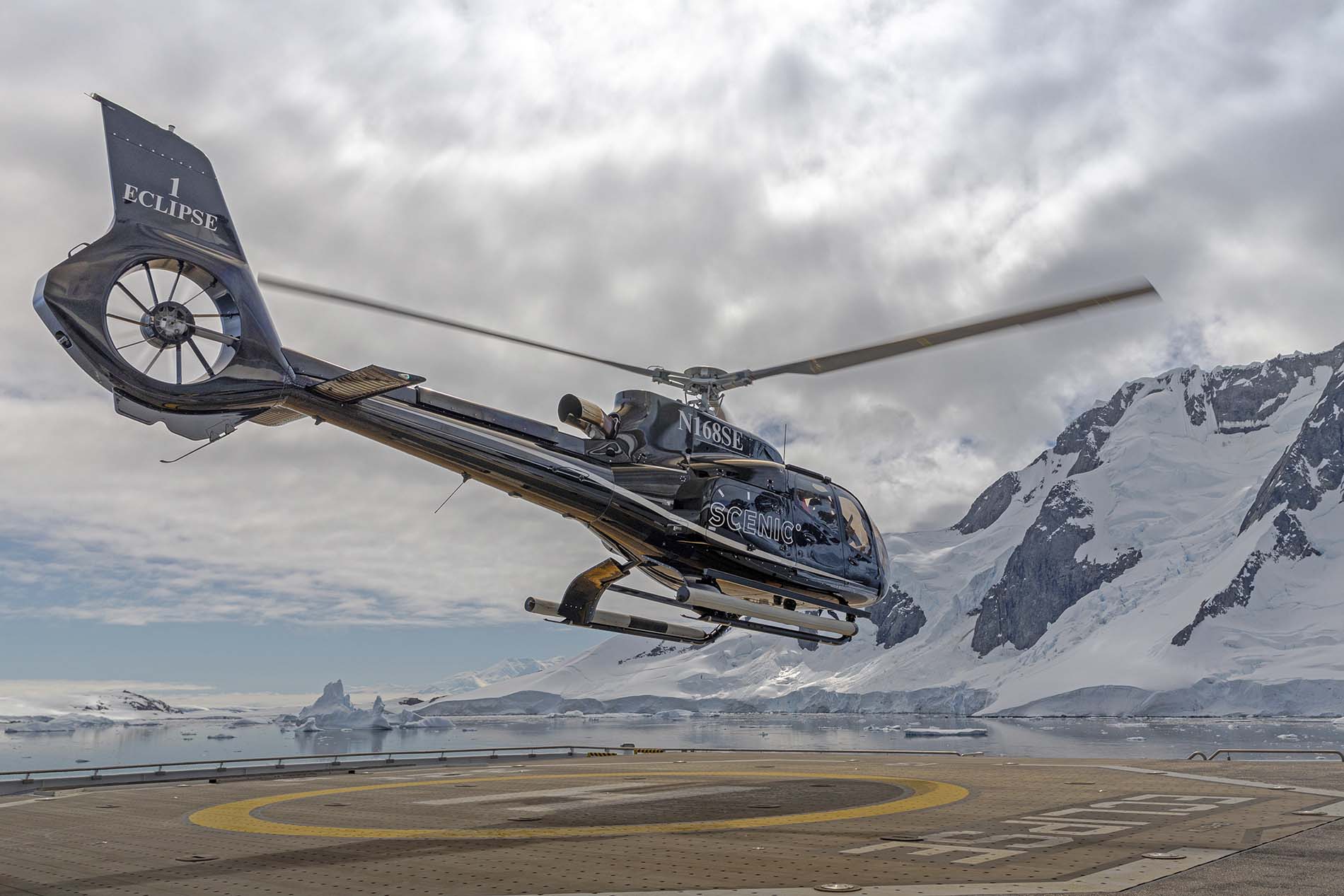
Helicopter Experiences
Soar above and dive below with unparalleled access to some of nature’s most remarkable sites. Scenic Eclipse II is equipped with two state-of-the-art Airbus H130-T2 helicopters^ which seat up to six guests, plus the pilot.
^Helicopter, helicopter experiences and submersible at additional cost, subject to regulatory approval, availability, weight restrictions, medical approval and weather and ice conditions.
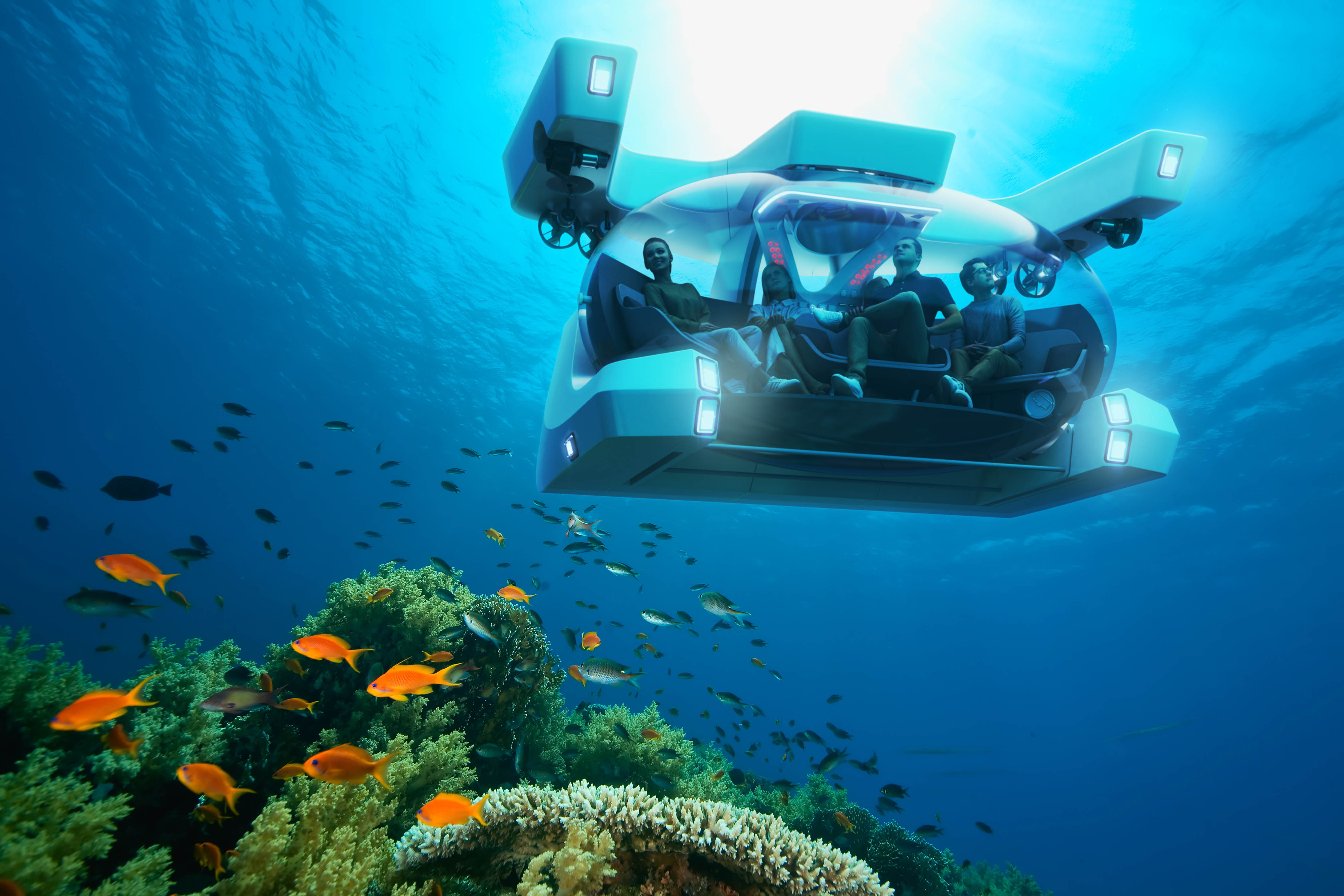
Scenic Neptune II
Discover a fascinating underwater world
Dive below the horizon for an unforgettable experience on board our custom-designed submersibles^, Scenic Neptune I and II.
Take your seat with up to eight fellow guests alongside our expert pilot and prepare for a sightseeing experience like no other, 100 metres beneath the surface. Scenic Neptune redefines underwater exploration. With large, ultra-clear acrylic spheres, our submersibles have been designed for optimum viewing and total immersion.
^Submersible at additional cost, subject to regulatory approval, availability, weight restrictions, medical approval and weather and ice conditions.
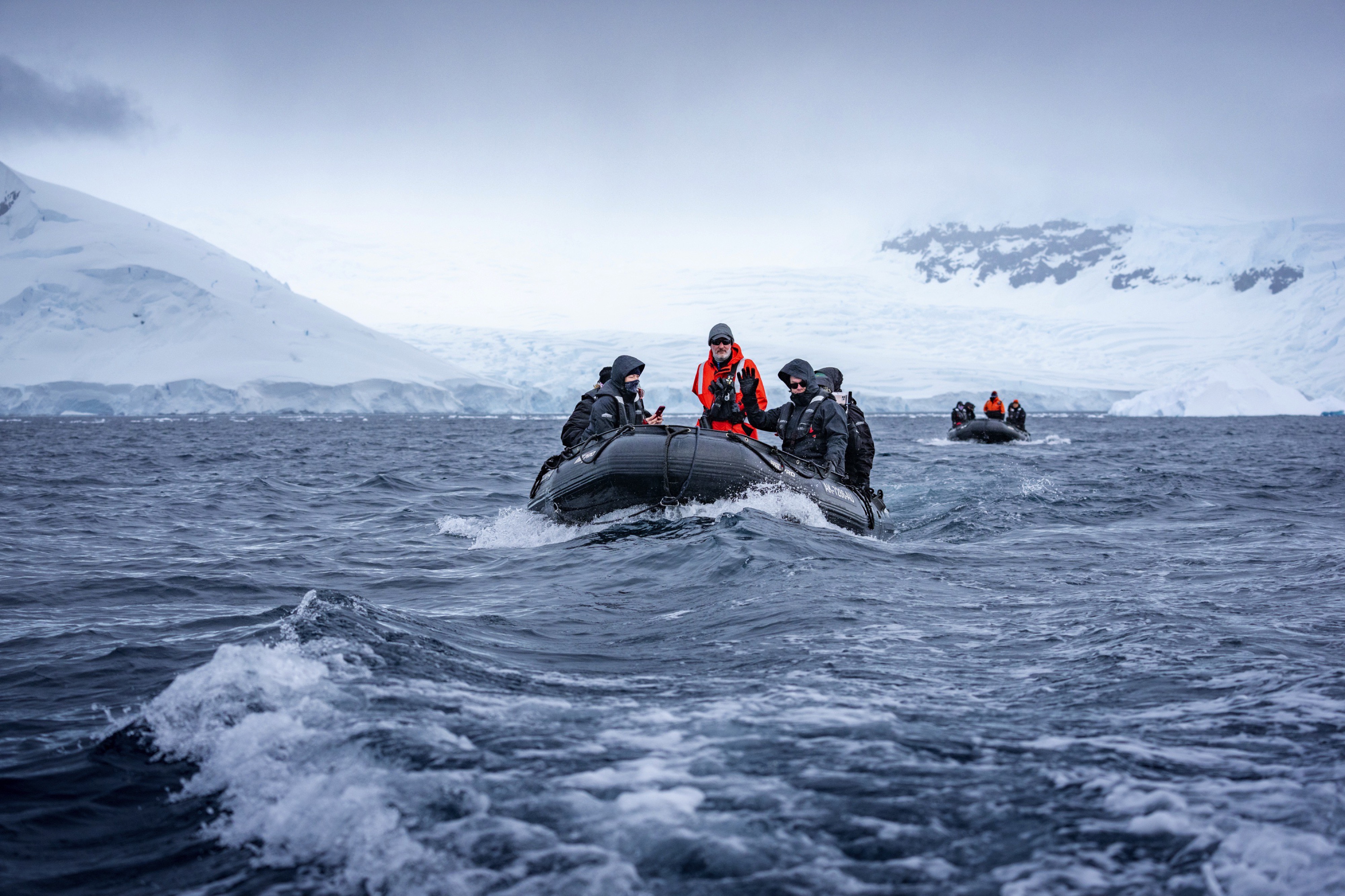
Zodiacs
The Discovery Team are expert operators of our fleet of Zodiacs. On both Expedition and Discovery Voyages the team will guide guests on Zodiac excursions to view stunning coastlines and wildlife, as well as onshore landings.
Scenic Eclipse Expedition Voyages
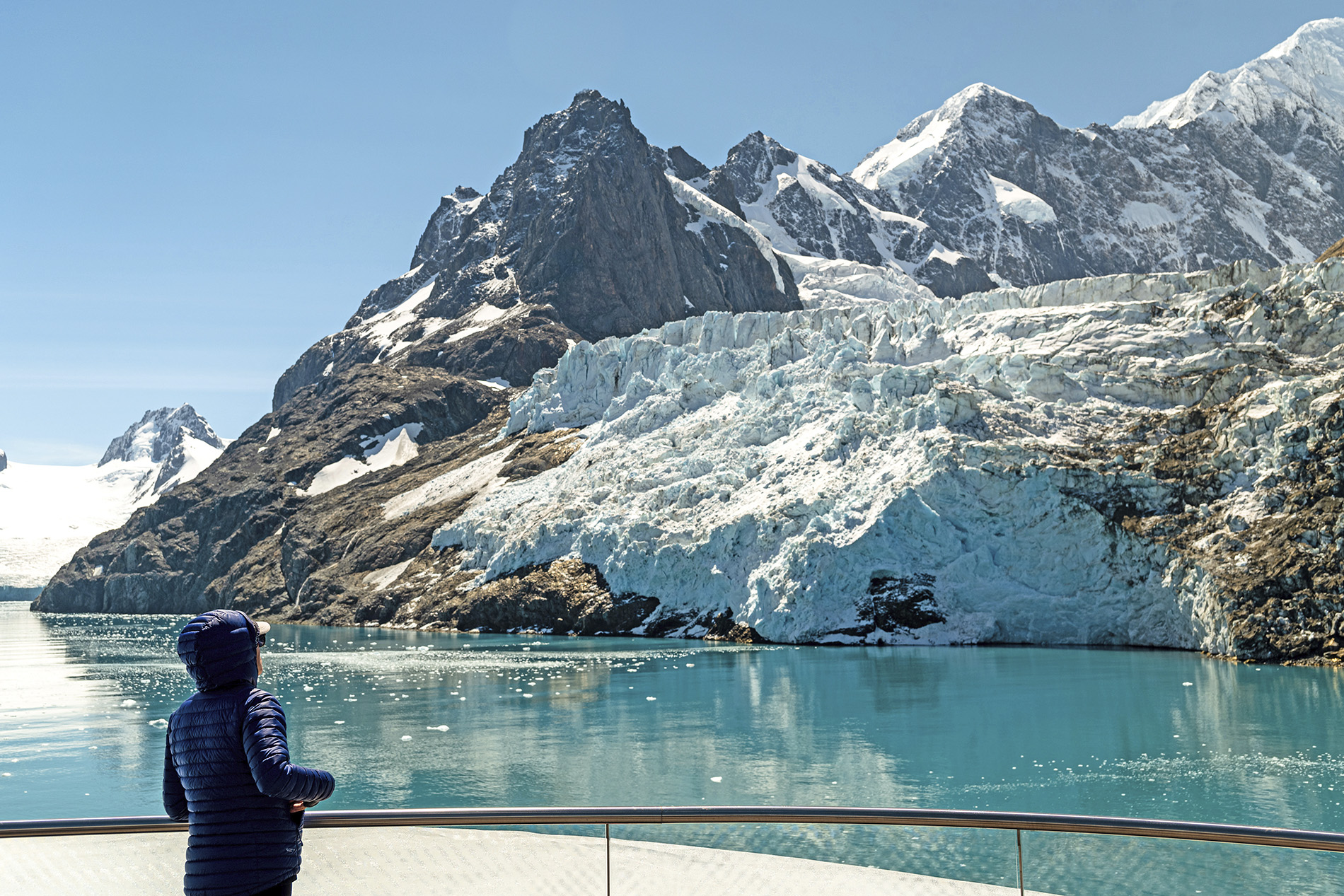
Enjoy unrivalled exploration of extraordinary polar destinations on an all-inclusive Scenic Eclipse voyage.
Bringing Ultra-Luxury to Expedition Cruising
The World’s First Discovery Yachts have been purpose-built for Expedition Voyages to the most remote and extreme environments, with a Polar Class 6-rating and state-of-the-art technology and design.
With only up to 228 guests (200 in Antarctica), you will experience multiple daily shore landings via Zodiac. You’ll enjoy truly all-inclusive Scenic Discovery Excursions led by an expert Discovery Team of up to 20 specialists, ensuring you get the most out of these remarkable locations.
World-Class Design & Technology
Scenic Eclipse is purpose built for the Expedition Voyages, with a Polar Class 6 rating, custom-built stabilisers, providing greater stability, a strengthened hull, forward bow thrusters, an electronic Azipod propulsion system, advanced sonar and environmentally sustainable systems. The state-of-the-art technology enables for safe and comfortable navigation through polar waters.
Scenic Discovery Excursions
Gain rich insights into your destination with Discovery Excursions. Our expert Discovery Team of up to 20 marine biologists, historians, geologists, naturalists and local guides share their knowledge and regional expertise. Cruise on Zodiacs and kayaks* around ice formations in Antarctica and go on nature walks through the Arctic tundra, under their expert guidance.
Scenic Eclipse Discovery Voyages
Blending exploration with rejuvenation
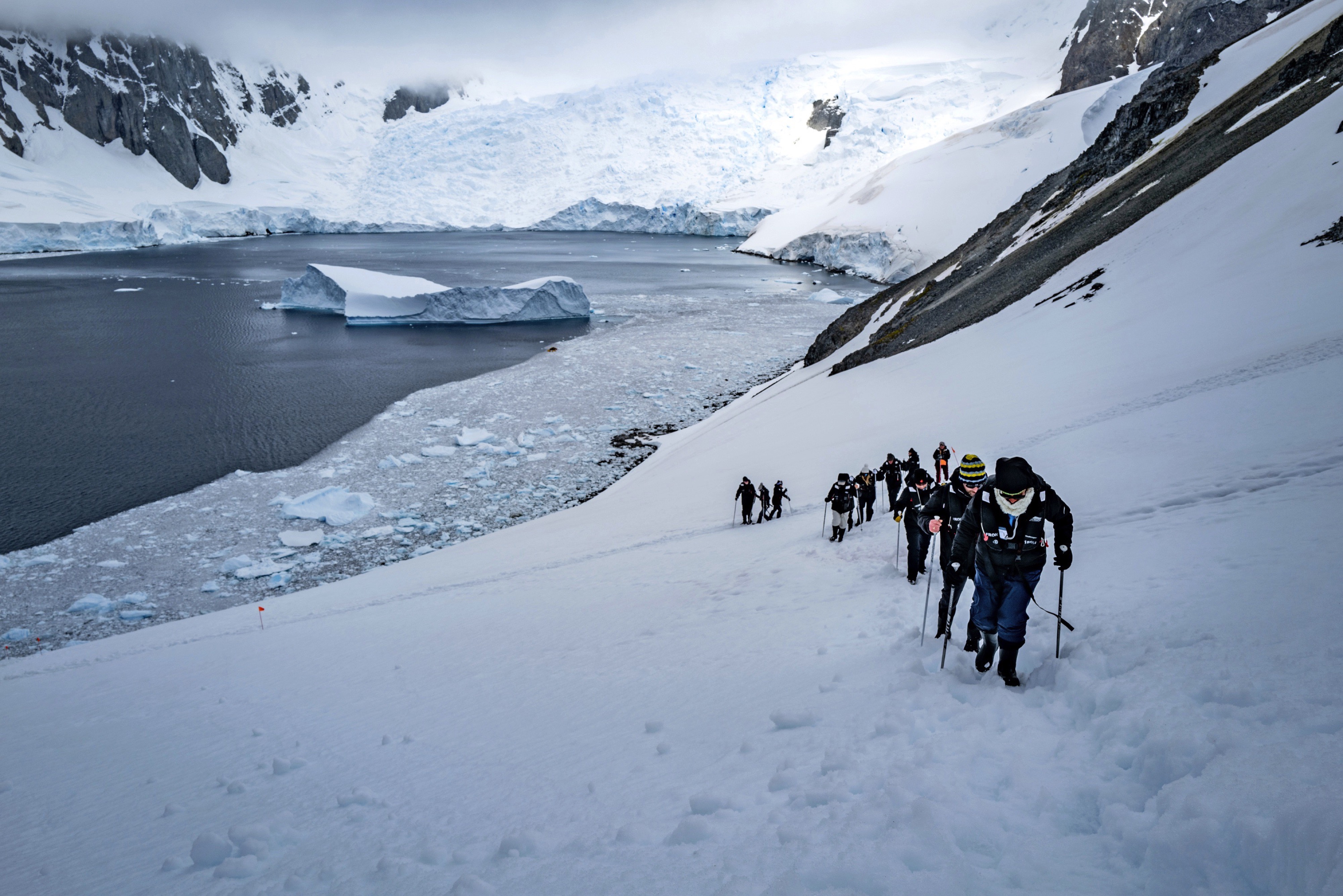
Reach small ports and remote destinations on board our custom-designed Scenic Eclipse Discovery Yachts. Ignite your inner explorer with exciting excursions during the day, then enjoy breathtaking vistas from the comfort of luxurious dining, bar and wellness spaces on board.
With only up to 228 guests on board and an expert Discovery Team of up to 15 specialists, tailor your days with a wide range of all-inclusive Discovery Excursions, Scenic Freechoice activities and bespoke Scenic Enrich experiences.
Scenic Discovery Excursions
Gain rich insights into your destination with Scenic Discovery Excursions. Our expert Discovery Team of up to 15 scientists, marine biologists, historians, geologists and expert local guides share their knowledge and regional expertise. Cruise on Zodiacs to remote island beaches, explore onshore with guided hikes, snorkel with expert marine biologists, and kayak with Discovery guides.
Scenic Enrich
On select voyages, enjoy unique and exclusively handcrafted encounters in the most spectacular surroundings. Go behind the scenes, to the heart of your destination, with private access and immersive experiences in an iconic location. From a barbeque on a secluded beach, to ritual ceremonies and immersive experiences with local tribes, these memories will stay with you forever.
Scenic Freechoice
Choose from a wide range of curated Scenic Freechoice activities, catered to your fitness level. From diving into Vanuatu’s hot springs, to snorkelling secluded bays or taking a local food tour. Whether you prefer an active or relaxed pace, there’s something for everyone.
Scenic Eclipse Cruise Voyages
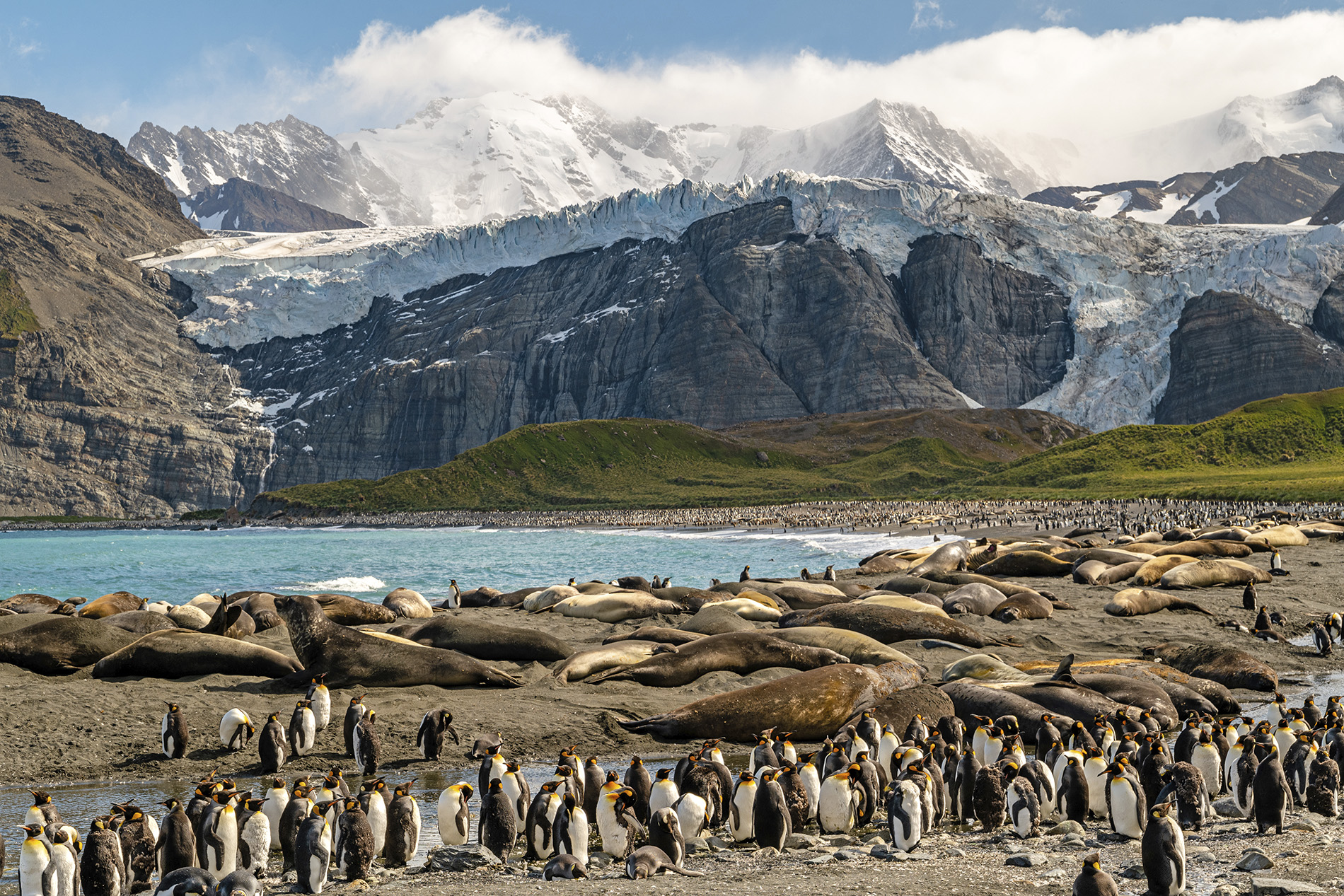
Scenic Eclipse Cruise Voyages take you to the heart of quaint seaside villages and glamorous European cities, the remarkable landscapes of New Zealand and the unseen riches of Japan. Explore your destination guided by our team of local experts, sharing their knowledge of the land, history and cultures. Or relax on board and soak up the sun and spectacular coastlines poolside, with a premium beverage of your choice.
Scenic Enrich
Enjoy unique and exclusively handcrafted encounters in the most spectacular surroundings. Go behind the scenes, to the heart of your destination, with private access and immersive experiences in iconic locations. Create memories that will stay with you forever, like a classical concert from the Harpsody Orchestra performed in the historic halls of the Oceanographic Museum in Monaco, or the authentic flamenco ballet production, Carmen.
Scenic Freechoice
Choose from a wide range of curated Scenic Freechoice activities. From learning about the traditional “Kogin-sashi” embroidery of Aomori, to a cooking class with fresh du paize pasta. Whether you prefer an active or relaxed pace, there’s something for everyone.
Warm Water Exploration
In the Mediterranean, enjoy a range of exciting or relaxing water activities from Scenic Eclipse’s Marina including ocean swimming, Tiwal Sail Boats and stand-up paddleboards. There’s an aquatic activity for everyone to enjoy.
Education Programs
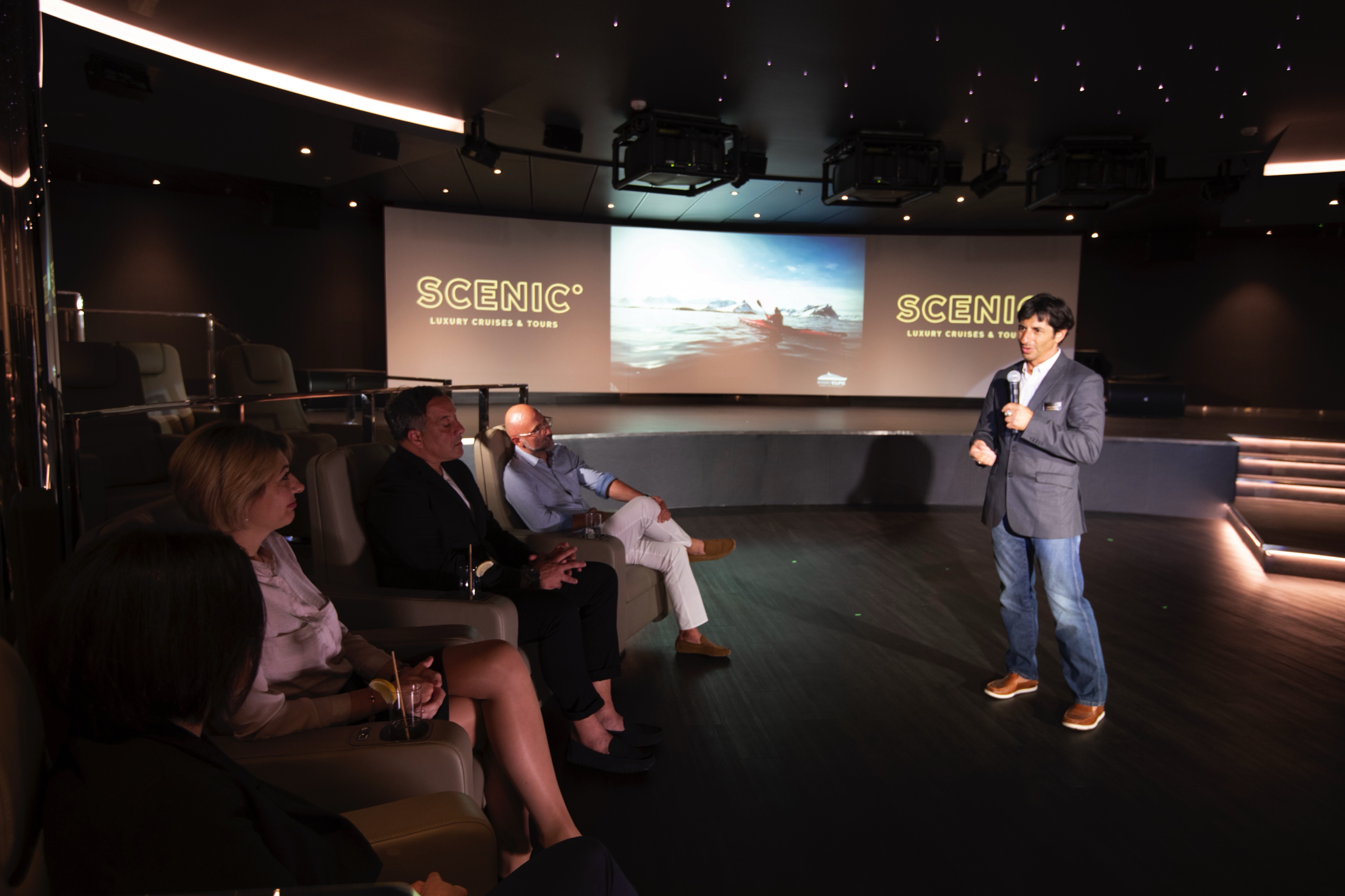
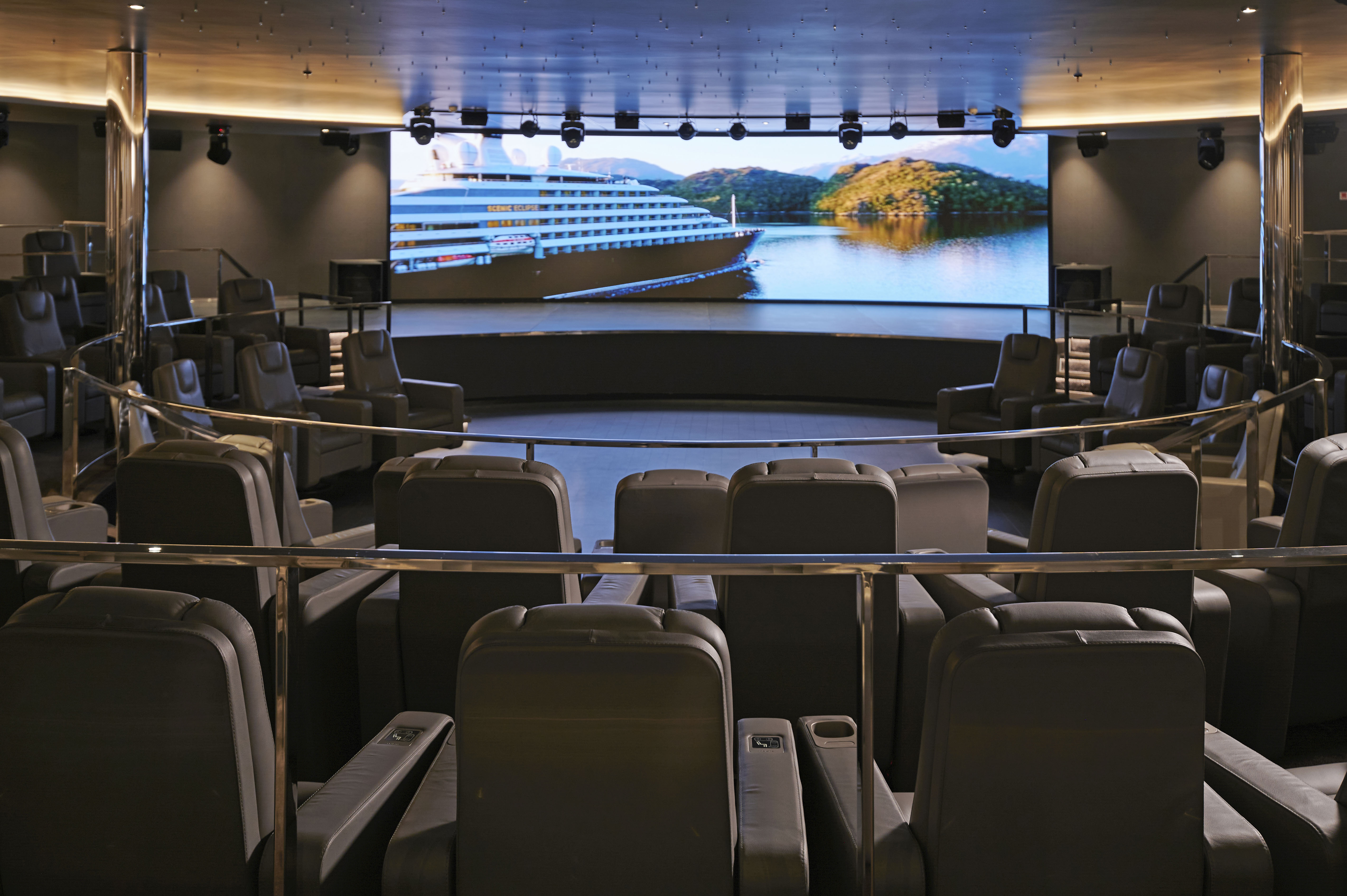
Learn about the unique wildlife, landscapes, history and culture of your destination from our knowledgeable experts during enriching lectures and education programs, hosted in the Discovery Yacht’s impressive state-of-the-art theatre.
Discovery Team Lecture Series
On Expedition and Discovery Voyages the Scenic Eclipse Discovery Team provide deep insights throughout your journey. A curated team of top experts in their respective fields, the Discovery Team is handpicked for each destination and made up of professionals including historians, geologists, glaciologists, ornithologists, marine biologists and naturalists.
On a regular basis throughout your voyage, the Discovery Team will host engaging lectures and presentations in the state-of-the-art theatre – both before and after they guide you through Discovery Excursions. Before venturing out, you’ll learn about your location, what you’re likely to see, and any particulars that will really enhance your understanding of the region. They’ll ensure you make the most of your precious moments discovering these spectacular parts of the world.
Discovery Team
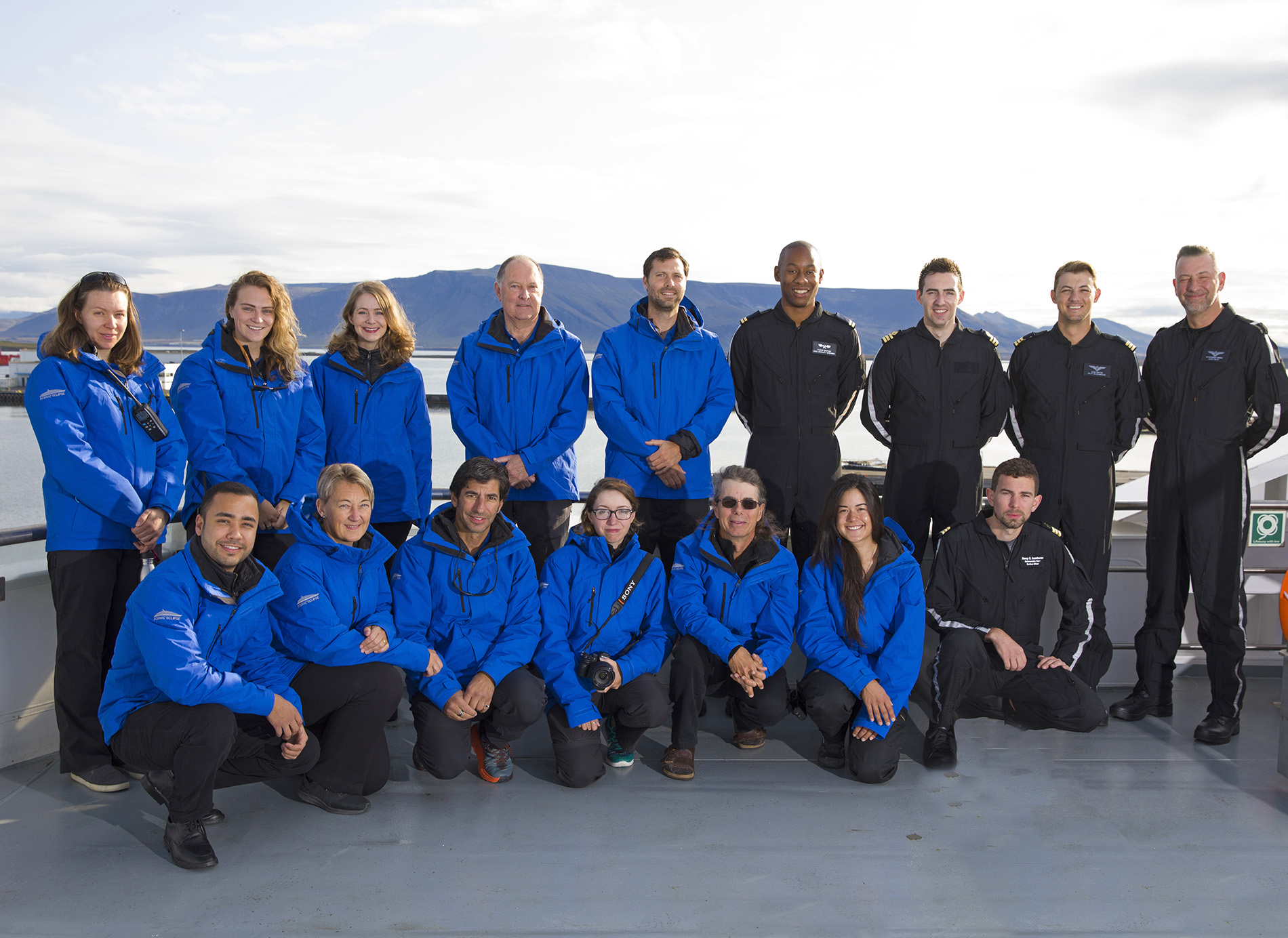
Led by Director of Discovery Operations, Jason Flesher, the Discovery Team ensures unparalleled exploration and rich cultural immersion on Expedition and Discovery Voyages.
Our team of up to 20 specialists on Expedition Voyages, and up to 15 on Discovery Voyages, spans fields like history, biology, archaeology, naturalism, geology and photography. Enhancing your experience with their passion and expertise.
Discovery Centre

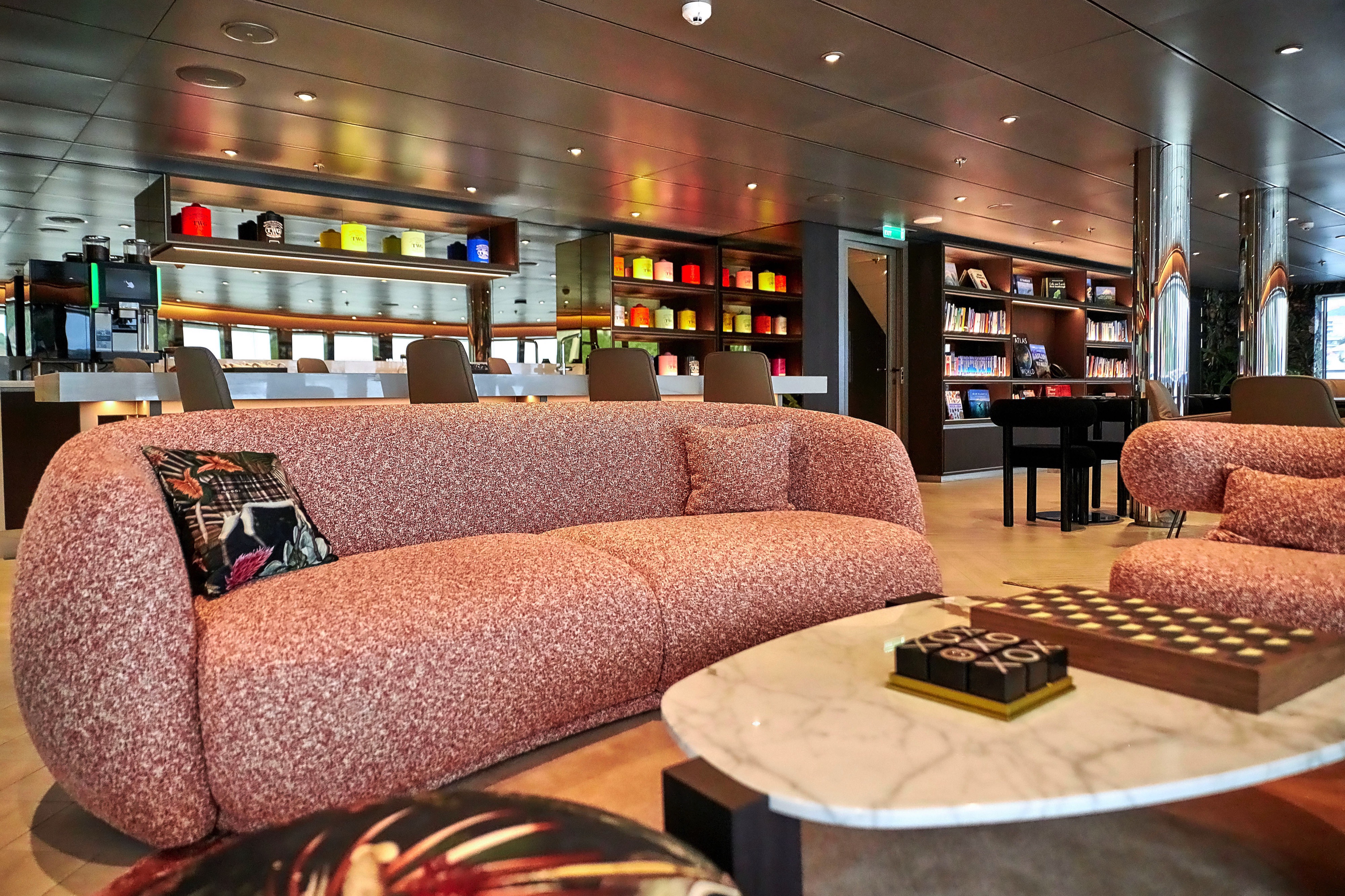
Observation Lounge & Library
The Observation Lounge & Library is a serene haven for guests seeking a peaceful retreat to read and observe the world. While we don’t serve food in this tranquil space, you can still enjoy a variety of beverages as you unwind and watch the world go by.
You can recline into plush seating and read a book or play board games as you enjoy a specialty tea or coffee. Take a closer look at landscapes and wildlife as you pass them through the Swarovski telescopes.
State-of-the-Art Theatre
Sky Bar
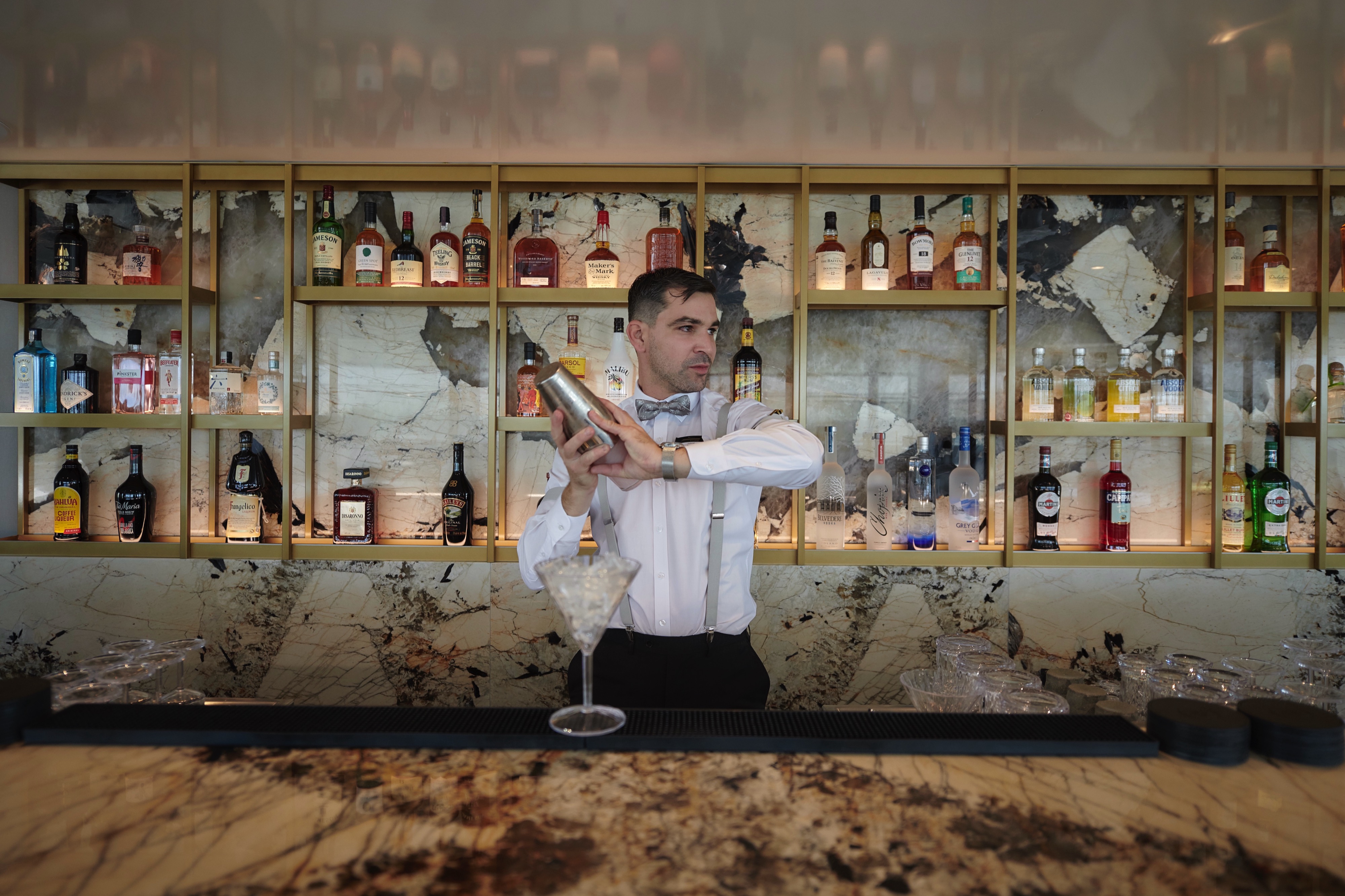
Enjoy unrestricted views of your destination from the luxurious bar on Deck 10. On Scenic Eclipse II, the stunning marble Sky Bar features indoor and outdoor seating and six private cabanas. On Scenic Eclipse I, relax at the stylish bar with sun loungers by the pool.
Yacht Club
Relax in the Yacht Club grill restaurant and bar for breakfast, lunch and special themed dinners. This casual dining experience is fitted with food islands, outdoor and lounge seating. Come to dine, mingle, relax in swing chairs overlooking the view, or taste our freshly-made gelato.
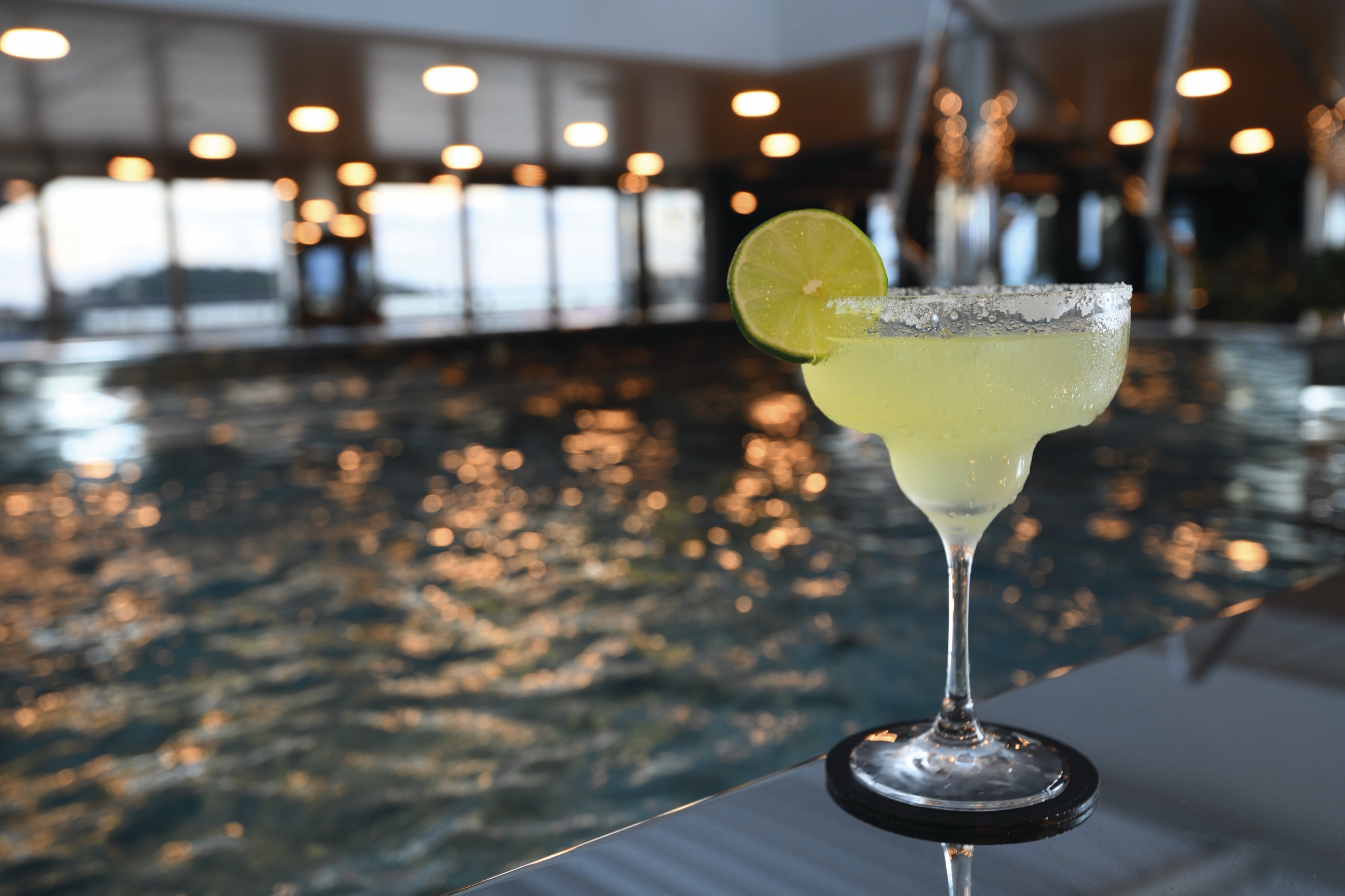
Reception
Our expert team on board Scenic Eclipse are the finest in their field and deliver an unrivalled level of service.

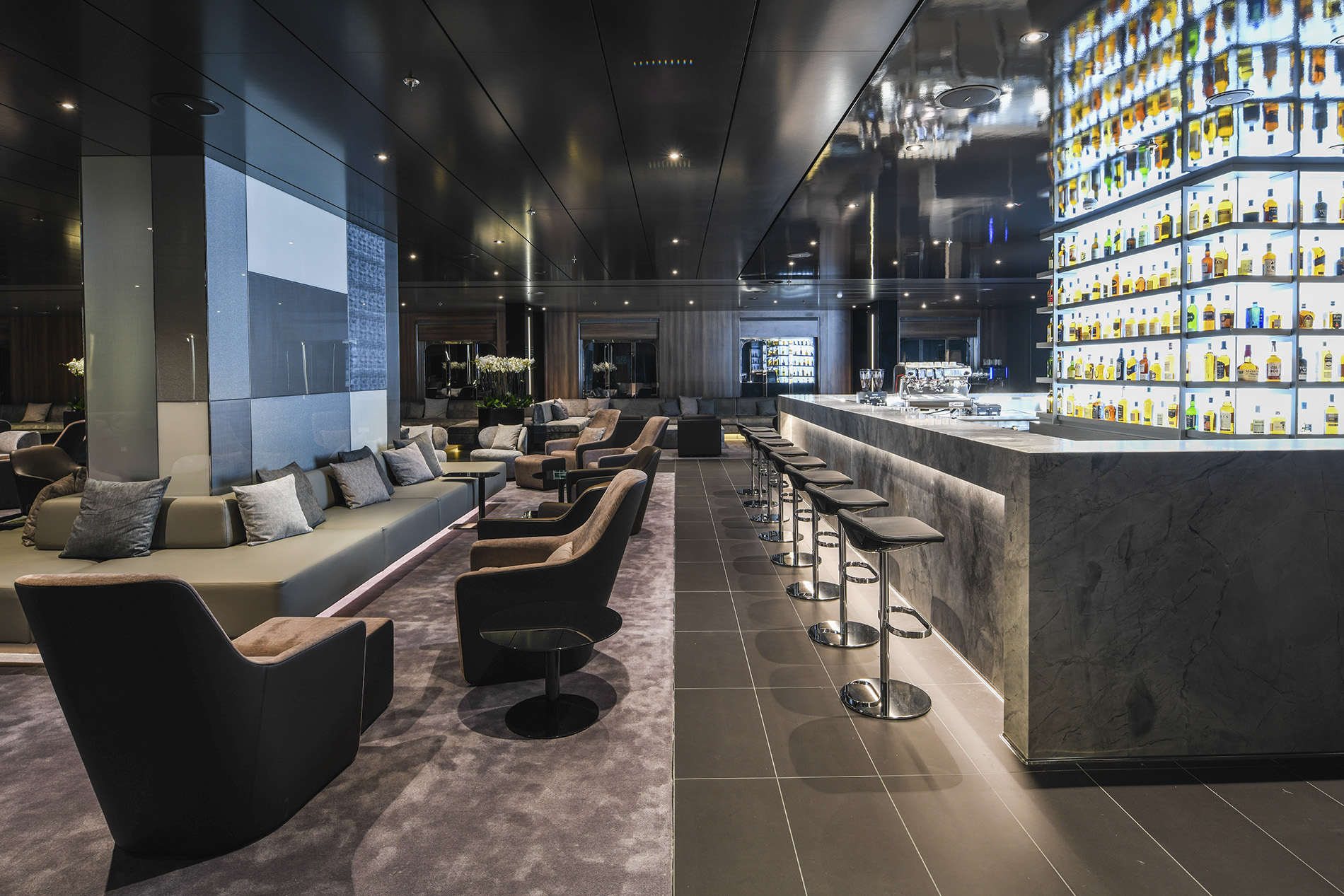
Scenic Lounge
The Scenic Lounge Bar is the main bar and heart of the yacht located next to Reception. The mixology cocktail program and whiskey bar for connoisseurs and aficionados are key attractions. You will also be entertained by the resident entertainer throughout the night.
Let our bartenders guide you towards your premium beverage of choice, be it Champagne, wine, whiskey, cocktails, an afternoon espresso or an after-dinner liqueur whilst the on board musician sets the scene with live music.
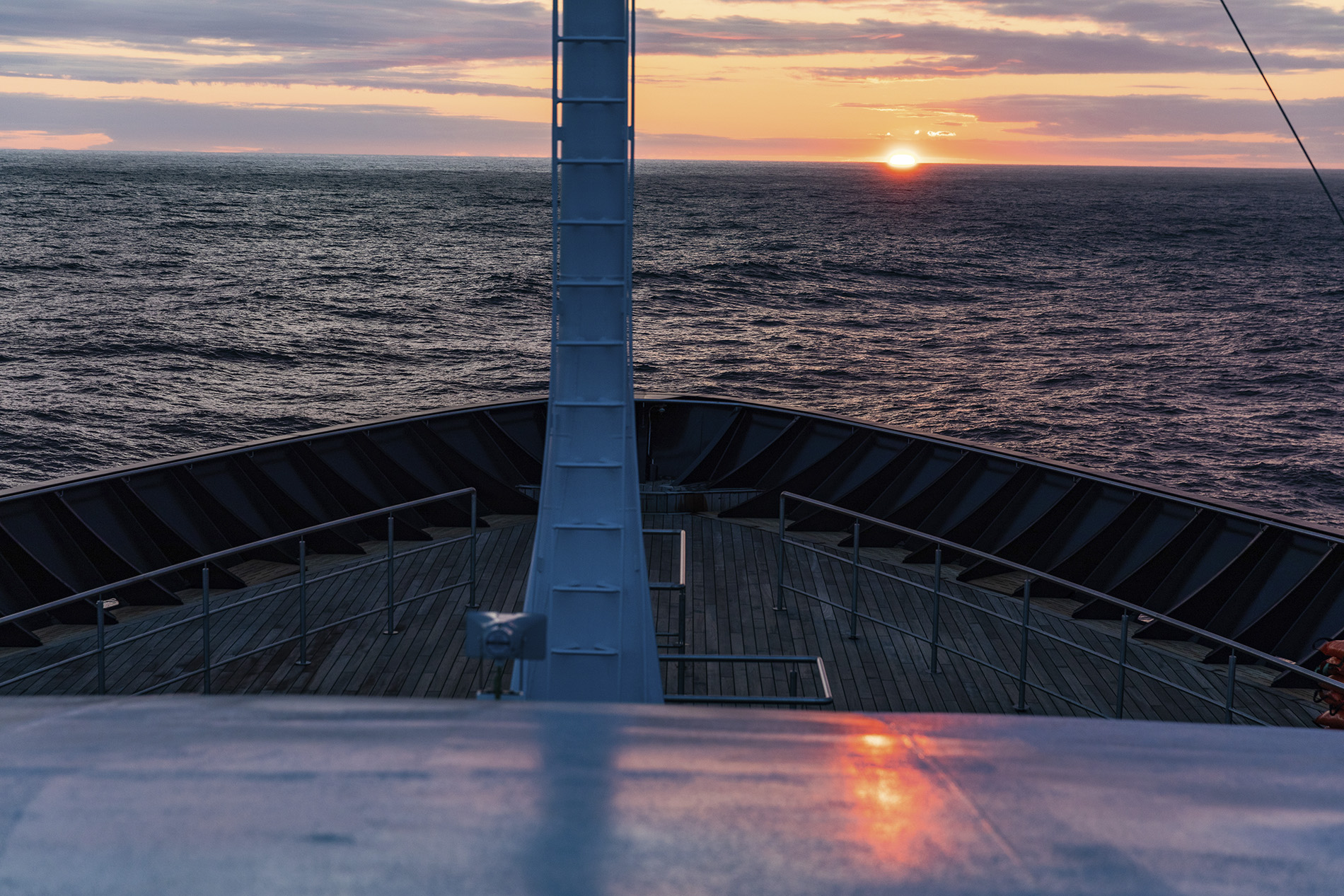
Observation Terrace
Take a closer look at landscapes and wildlife as you pass them through the Swarovski telescopes.
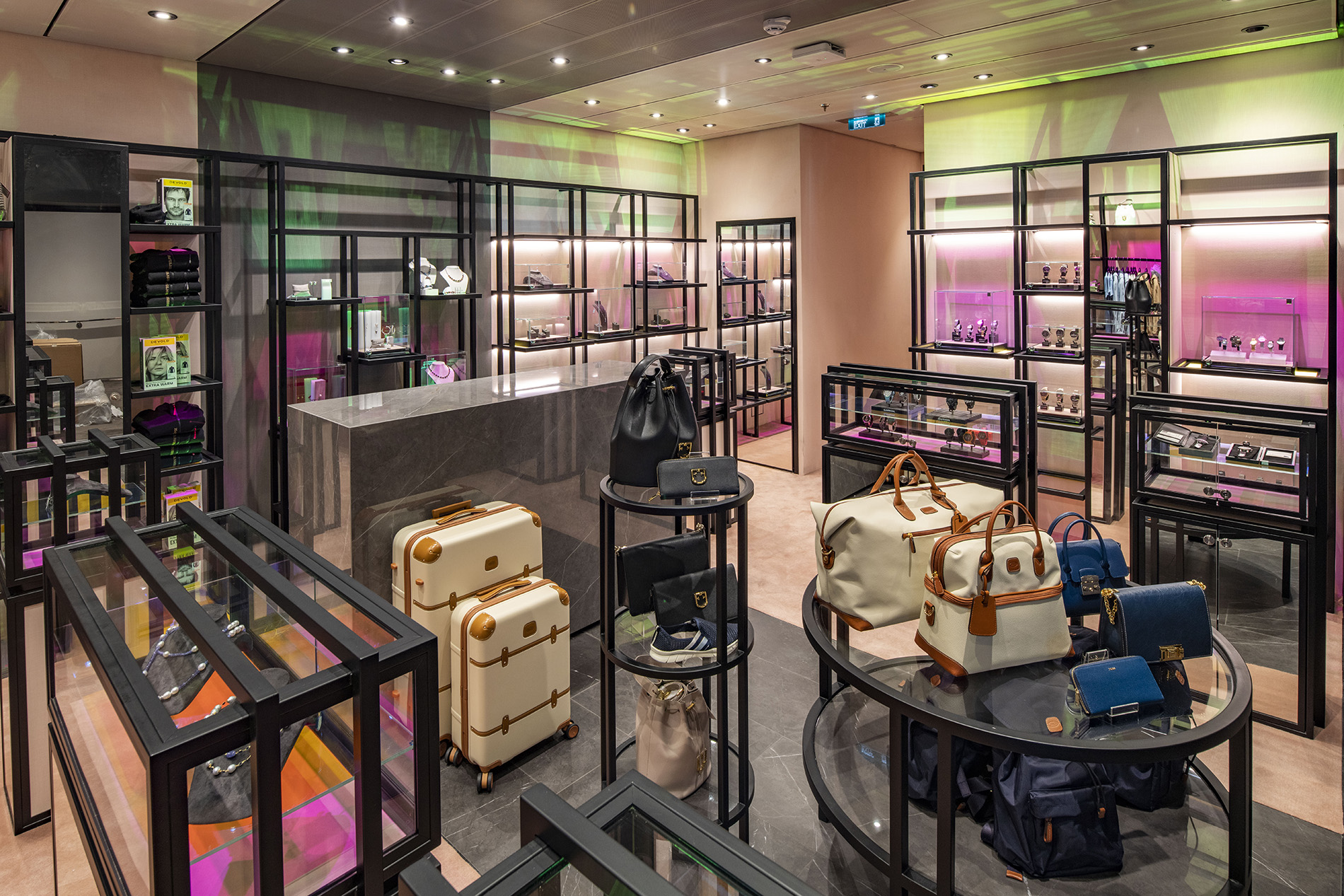
Boutique
The Boutique can be found on Deck 4.
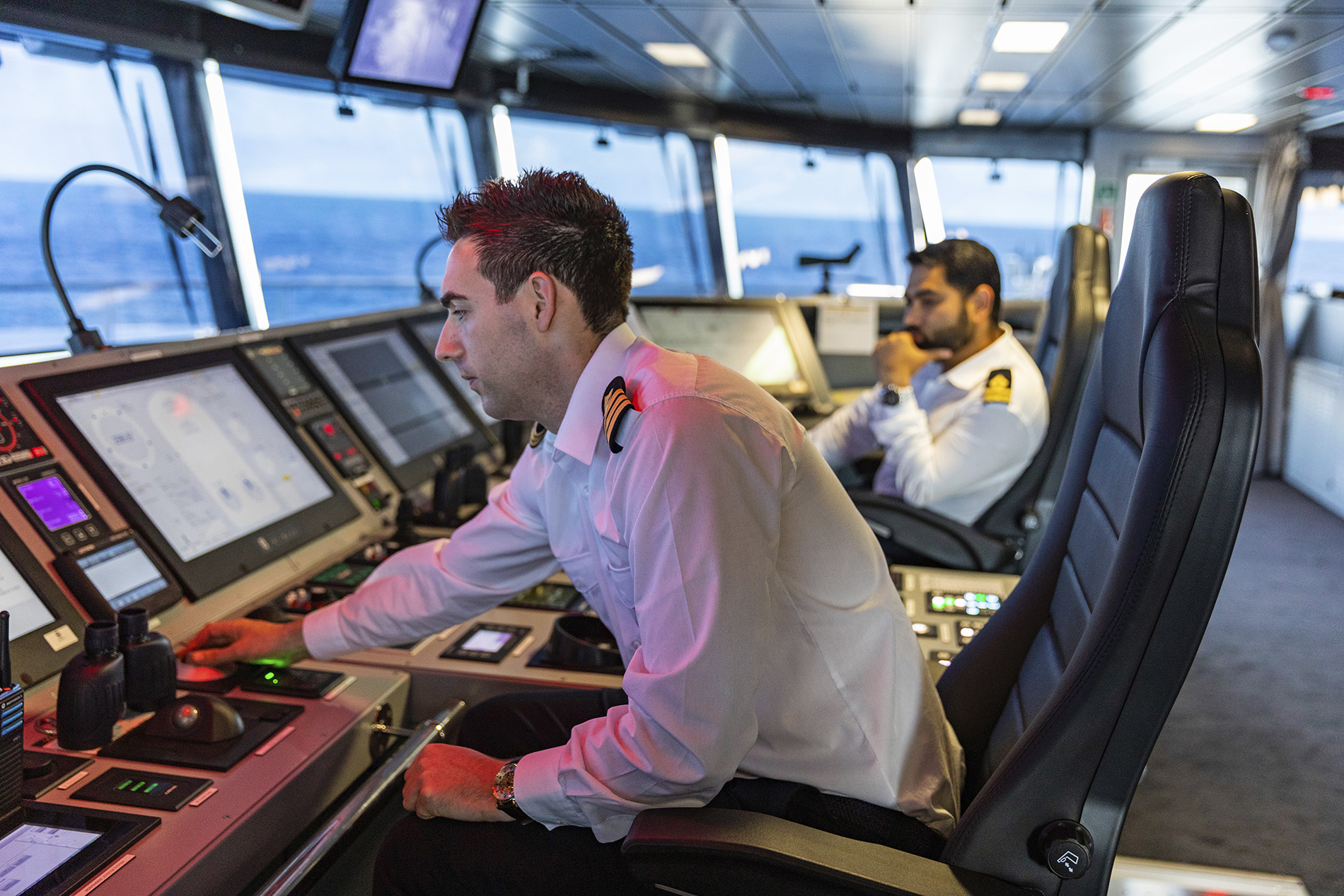
Open Bridge
Venture to the bridge and see Scenic Eclipse II in full operation. The unique policy provides guests access to one of the best viewing areas on the ship, as well as the opportunity to learn about the technical capabilities of The World’s First Discovery YachtsTM.
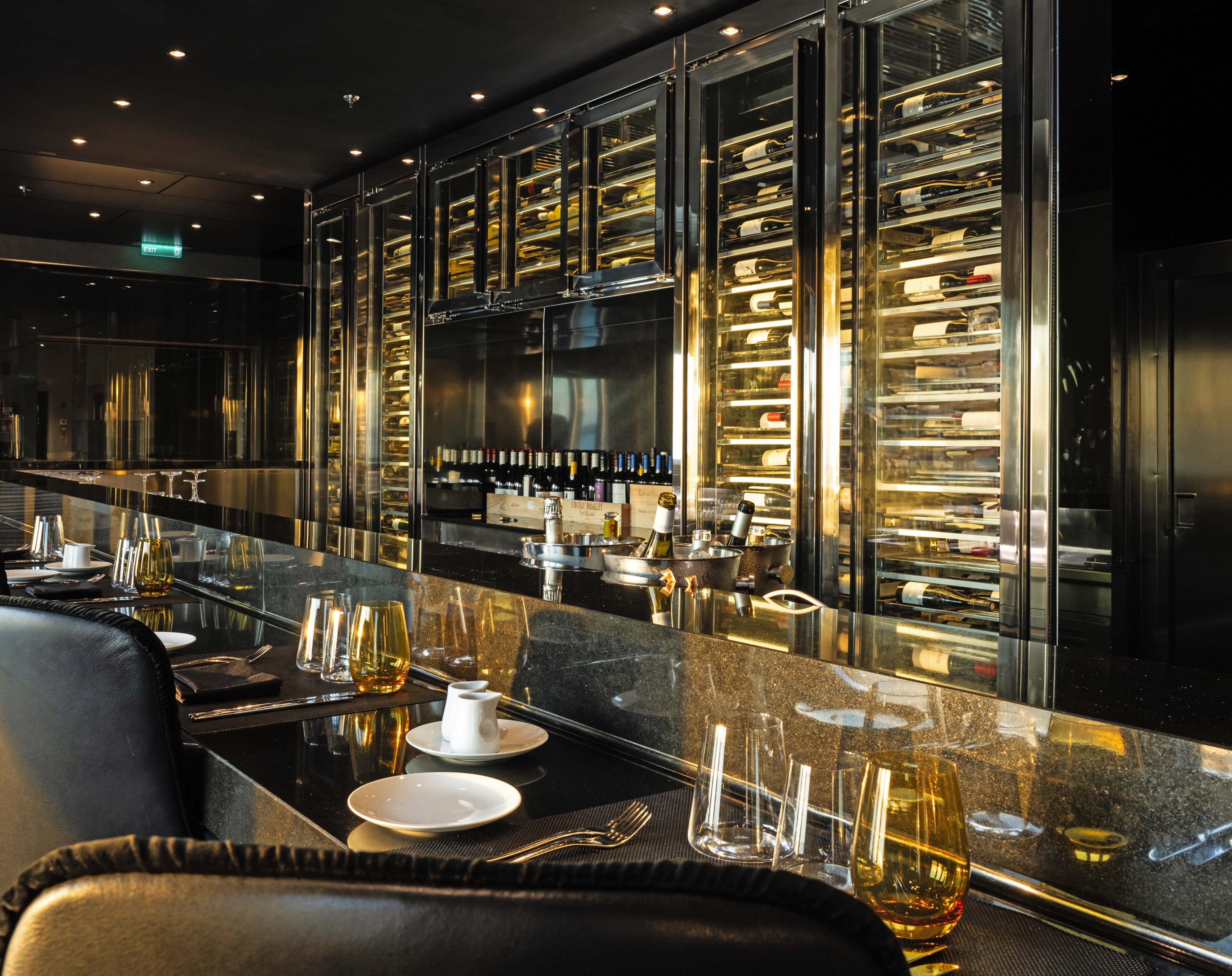
Elements Wine Bar
Elements Bar is your gateway to global cheese exploration, featuring a meticulously curated selection of international cheeses. Indulge in an array of textures and flavours, expertly paired with complementary accompaniments for a truly memorable tasting experience.
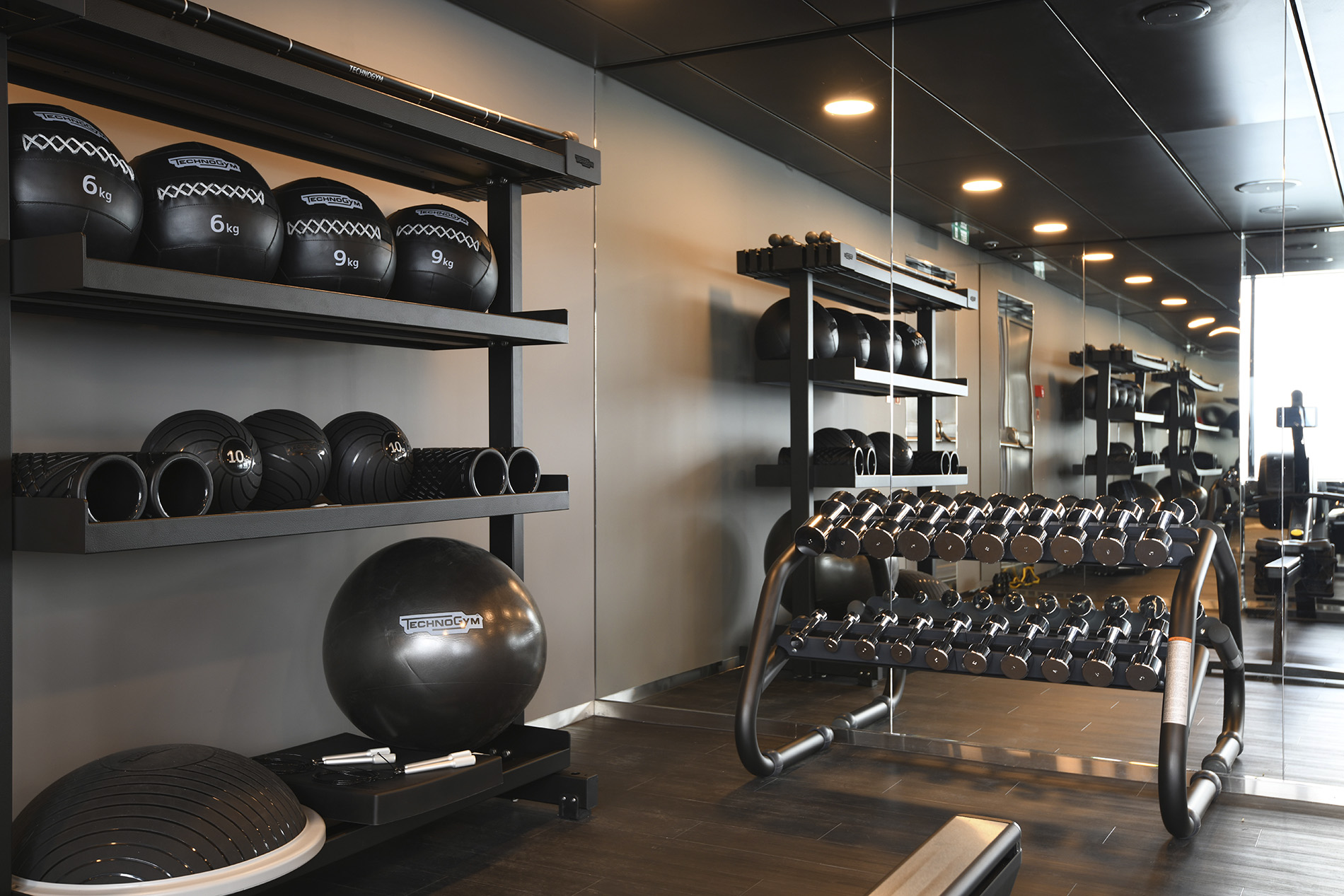
POWER: Gym
Keep up your fitness during your voyage in the fully equipped, state-of-the-art gym. Raise your heart rate with a cardio or strength workout as you overlook spectacular ocean views. Train your way or opt for a personal training session with one of our qualified, onboard instructors.
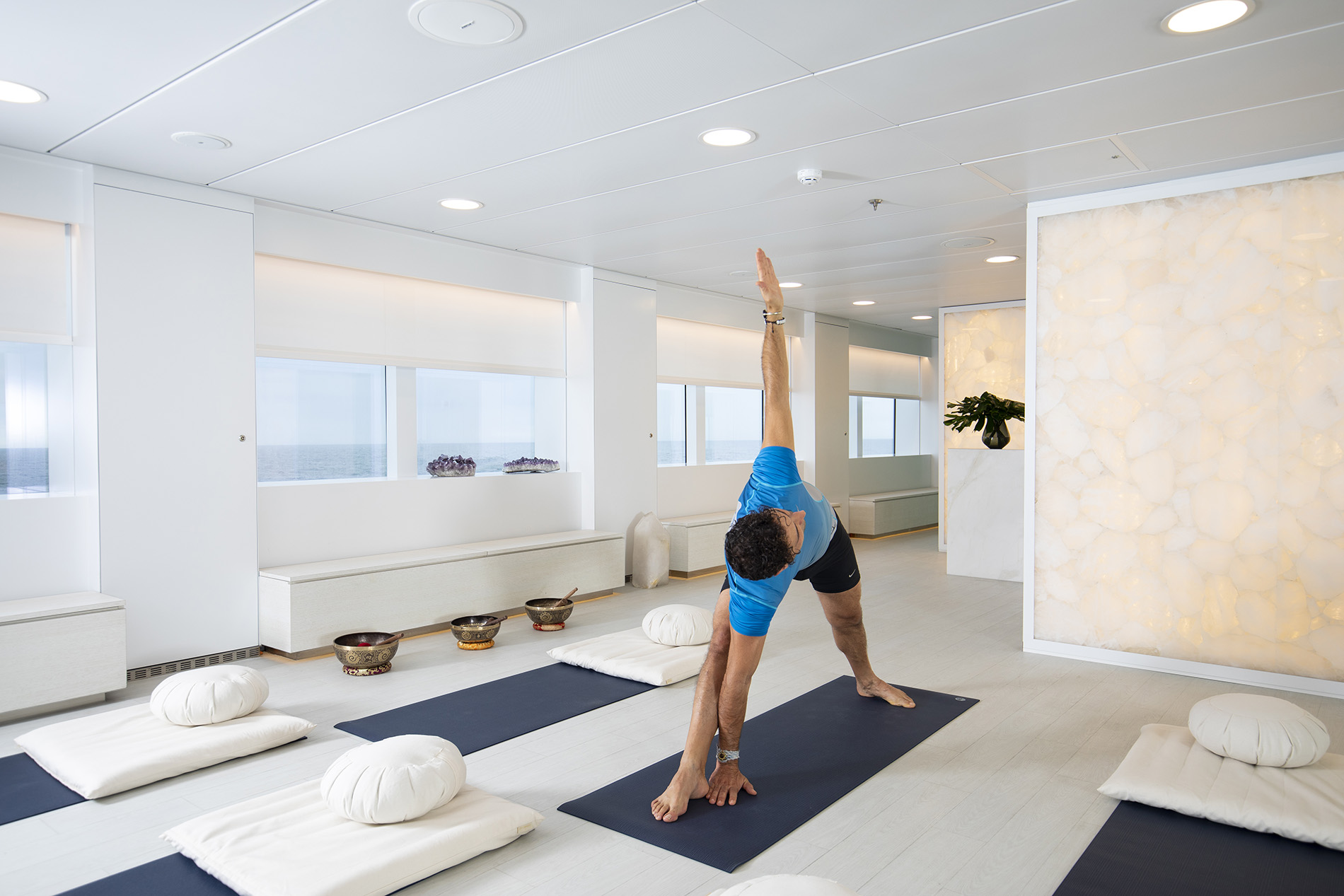
POWER: Yoga & Pilates Studio
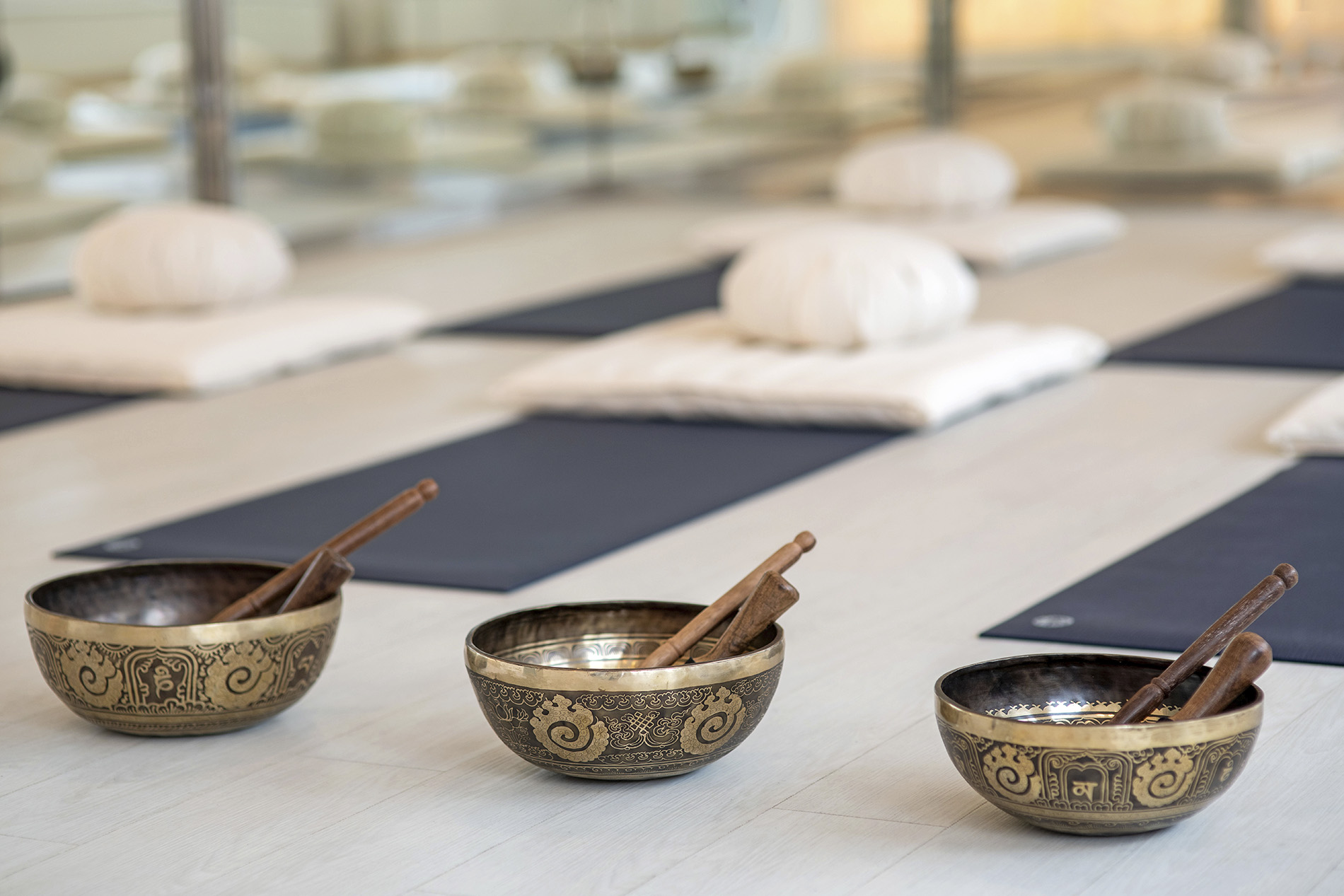
Our yoga and Pilates studio on Deck 7 is the only studio of its kind at sea. Rejuvenate your mind and body with a private session. Or mix it up with one of our holistic therapy sessions, including aerial yoga, TRX, mindfulness meditation and Tibetan sound bowl classes.
Senses Spa
Soak in the serenity with unsurpassed wellbeing experiences. Trained, specialist staff and state-of-the-art wellness facilities on board bring you a cruising experience like no other.
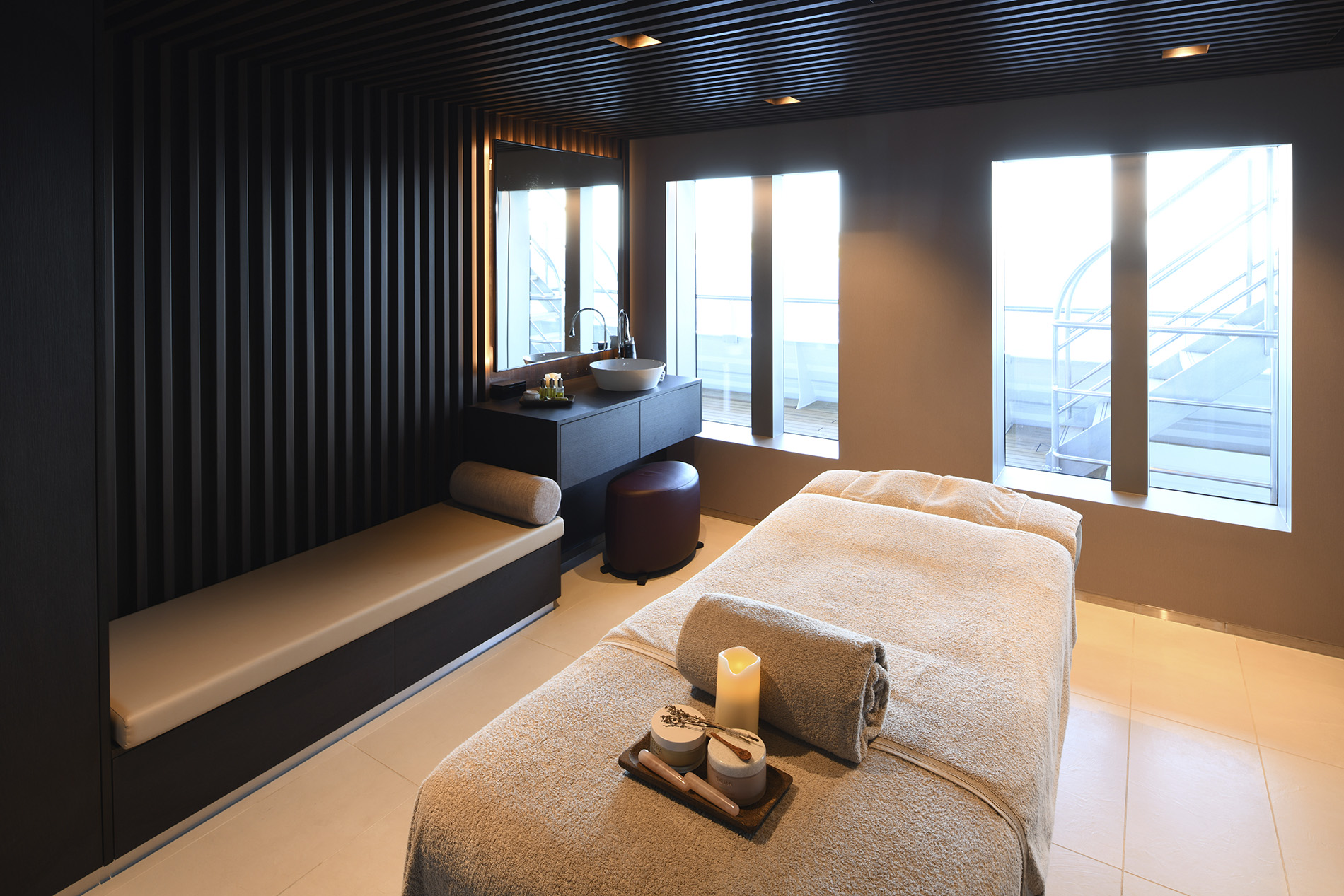
Vitality Pool
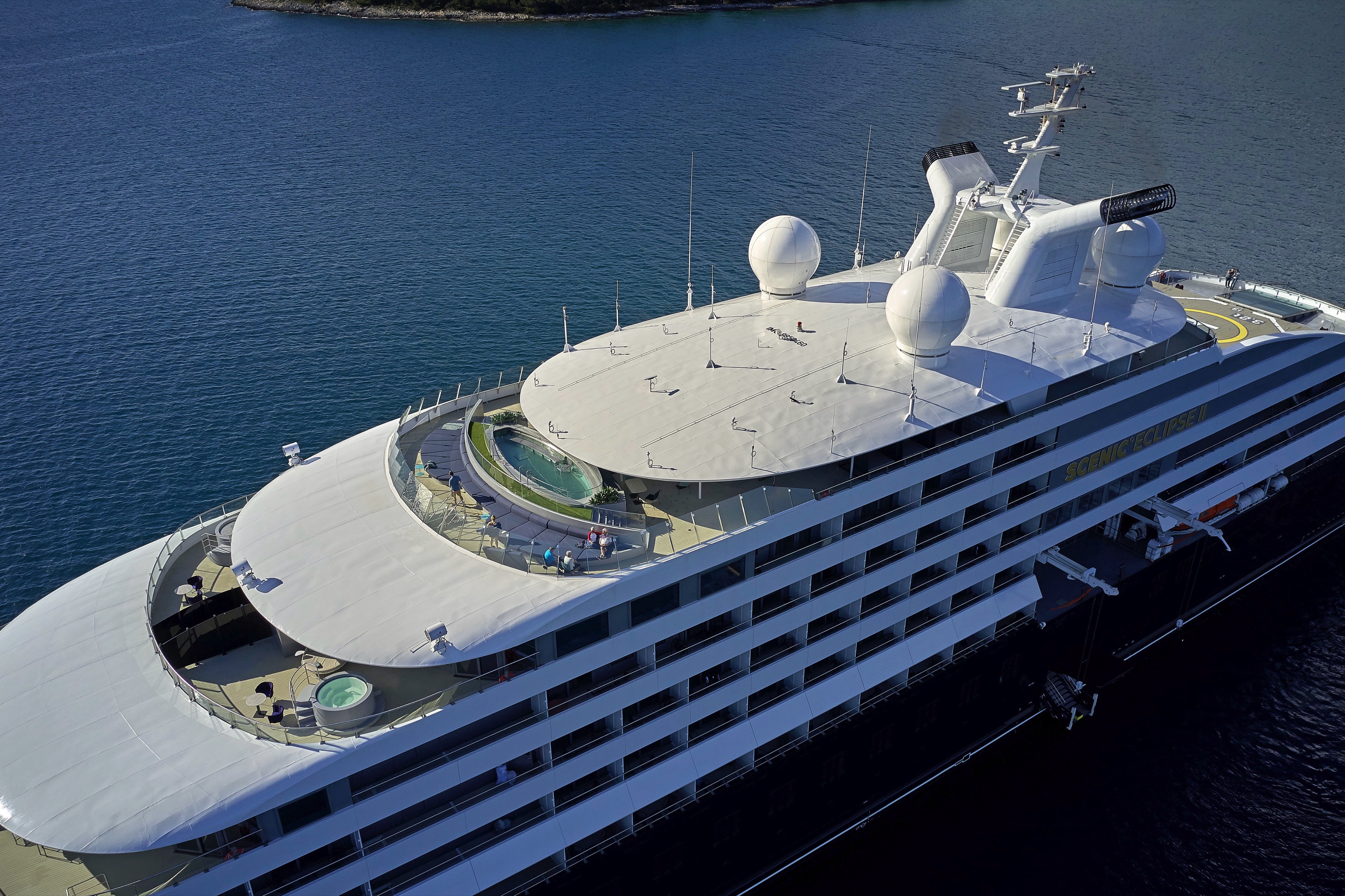
Step into the rejuvenating Vitality Pool on Deck 6, directly adjacent to Senses Spa. Relax in this tranquil pool admiring the spectacular landscapes, perhaps after a revitalising treatment or yoga class.
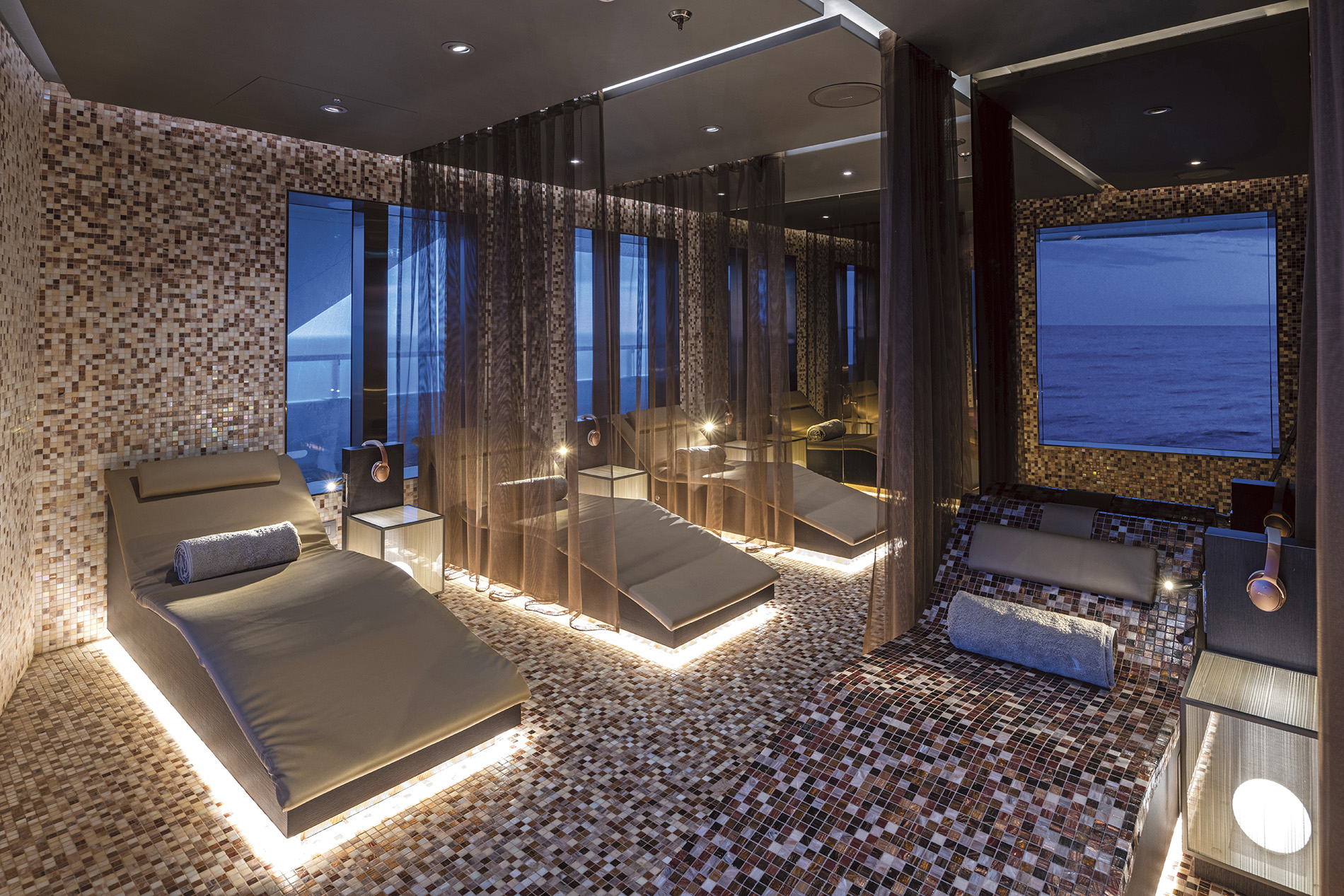
Thermal Loungers
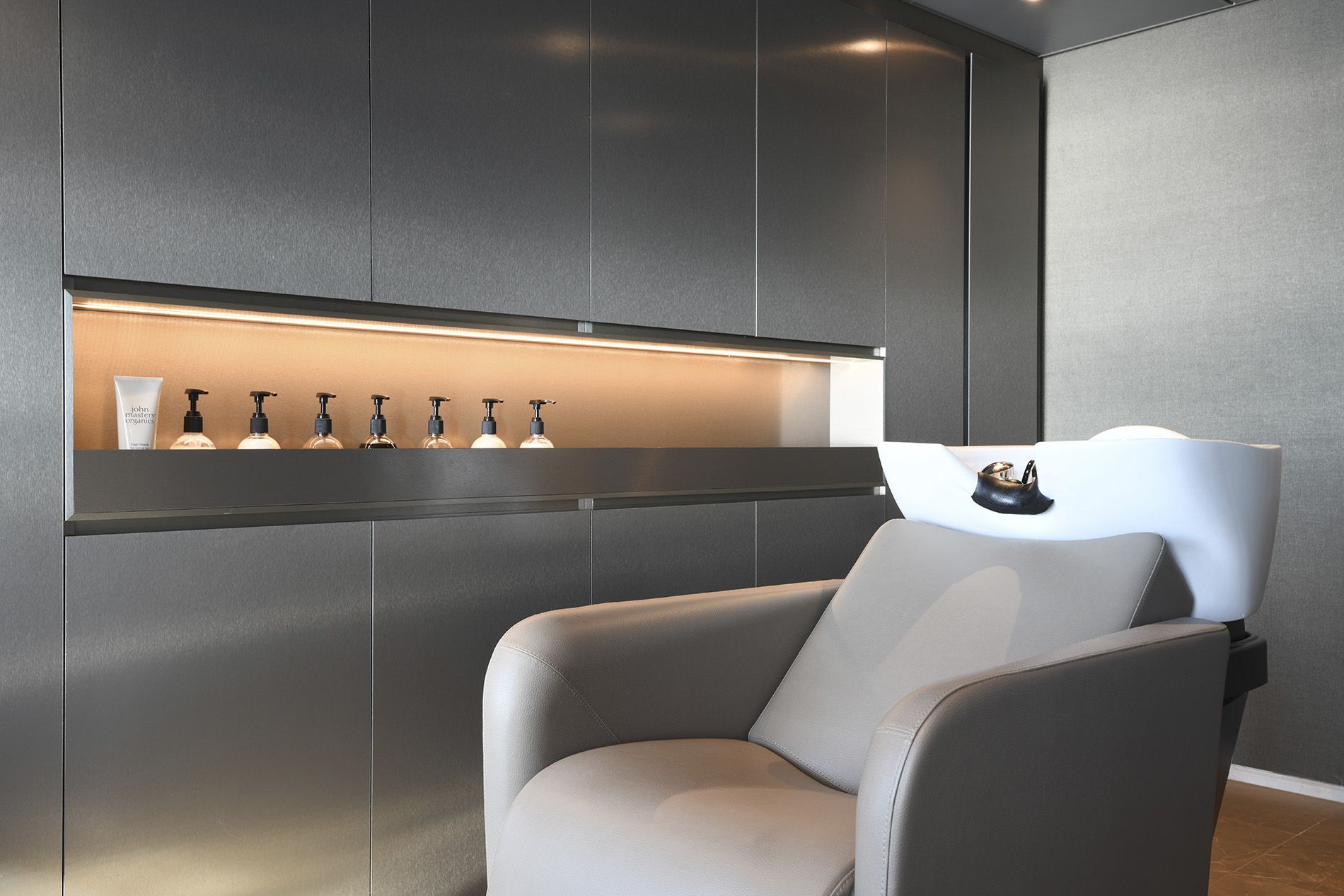
Hair & Beauty
Facials
Rejuvenate and transform your skin’s appearance with a facial. ESPA facials use a pioneering Tri-ActiveTM formula containing plant extracts, marine actives and essential oils to achieve maximum results.

Alternative Therapies
Massages
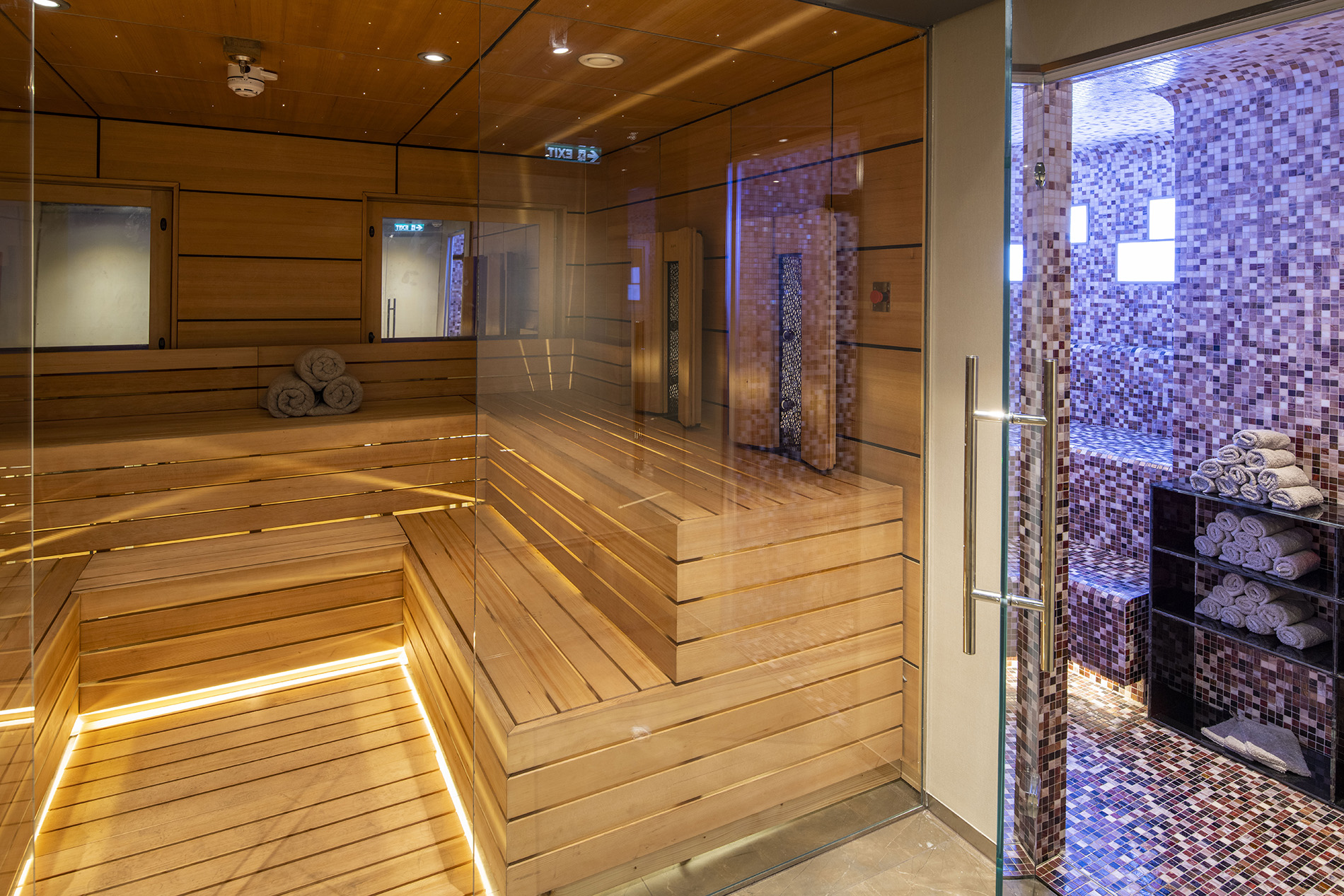
Sauna & Steam Room
Please note: there are no kid/teen specific facilities onboard Scenic Eclipse II.
Elements
Chef's Table @ Elements
Koko's Asian Fusion
Night Market @ Koko's
Savour the excitement of an interactive dining experience as our expert chefs craft dishes inspired by the lively markets of Asia, India and the Middle East before your eyes. For only eight guests in each seating, this exclusive Teppanyaki grill experience will be a highlight of your culinary journey.
Sushi & Sake Bar @ Koko's
Azure Bar & Café
Lumière Restaurant & Champagne Bar
Chef's Garden @ Épicure
In-Suite Dining
Private Dining Experiences
There are many intimate and relaxed venues which provide the option of private dining at no additional cost.
Groups can dine at a restaurant of their choice or in the privacy of their suite. Night Market @ Koko’s offers private dining for up to eight guests and Chef’s Table is the ultimate degustation dining by invitation-only experience for 10 guests.
Helicopter Experiences
Soar above and dive below with unparalleled access to some of nature’s most remarkable sites. Scenic Eclipse II is equipped with two state-of-the-art Airbus H130-T2 helicopters^ which seat up to six guests, plus the pilot.
^Helicopter, helicopter experiences and submersible at additional cost, subject to regulatory approval, availability, weight restrictions, medical approval and weather and ice conditions.
Scenic Neptune II
Discover a fascinating underwater world
Dive below the horizon for an unforgettable experience on board our custom-designed submersibles^, Scenic Neptune I and II.
Take your seat with up to eight fellow guests alongside our expert pilot and prepare for a sightseeing experience like no other, 100 metres beneath the surface. Scenic Neptune redefines underwater exploration. With large, ultra-clear acrylic spheres, our submersibles have been designed for optimum viewing and total immersion.
^Submersible at additional cost, subject to regulatory approval, availability, weight restrictions, medical approval and weather and ice conditions.
Zodiacs
The Discovery Team are expert operators of our fleet of Zodiacs. On both Expedition and Discovery Voyages the team will guide guests on Zodiac excursions to view stunning coastlines and wildlife, as well as onshore landings.
Scenic Eclipse Expedition Voyages
Enjoy unrivalled exploration of extraordinary polar destinations on an all-inclusive Scenic Eclipse voyage.
Bringing Ultra-Luxury to Expedition Cruising
The World’s First Discovery Yachts have been purpose-built for Expedition Voyages to the most remote and extreme environments, with a Polar Class 6-rating and state-of-the-art technology and design.
With only up to 228 guests (200 in Antarctica), you will experience multiple daily shore landings via Zodiac. You’ll enjoy truly all-inclusive Scenic Discovery Excursions led by an expert Discovery Team of up to 20 specialists, ensuring you get the most out of these remarkable locations.
World-Class Design & Technology
Scenic Eclipse is purpose built for the Expedition Voyages, with a Polar Class 6 rating, custom-built stabilisers, providing greater stability, a strengthened hull, forward bow thrusters, an electronic Azipod propulsion system, advanced sonar and environmentally sustainable systems. The state-of-the-art technology enables for safe and comfortable navigation through polar waters.
Scenic Discovery Excursions
Gain rich insights into your destination with Discovery Excursions. Our expert Discovery Team of up to 20 marine biologists, historians, geologists, naturalists and local guides share their knowledge and regional expertise. Cruise on Zodiacs and kayaks* around ice formations in Antarctica and go on nature walks through the Arctic tundra, under their expert guidance.
Scenic Eclipse Discovery Voyages
Blending exploration with rejuvenation
Reach small ports and remote destinations on board our custom-designed Scenic Eclipse Discovery Yachts. Ignite your inner explorer with exciting excursions during the day, then enjoy breathtaking vistas from the comfort of luxurious dining, bar and wellness spaces on board.
With only up to 228 guests on board and an expert Discovery Team of up to 15 specialists, tailor your days with a wide range of all-inclusive Discovery Excursions, Scenic Freechoice activities and bespoke Scenic Enrich experiences.
Scenic Discovery Excursions
Gain rich insights into your destination with Scenic Discovery Excursions. Our expert Discovery Team of up to 15 scientists, marine biologists, historians, geologists and expert local guides share their knowledge and regional expertise. Cruise on Zodiacs to remote island beaches, explore onshore with guided hikes, snorkel with expert marine biologists, and kayak with Discovery guides.
Scenic Enrich
On select voyages, enjoy unique and exclusively handcrafted encounters in the most spectacular surroundings. Go behind the scenes, to the heart of your destination, with private access and immersive experiences in an iconic location. From a barbeque on a secluded beach, to ritual ceremonies and immersive experiences with local tribes, these memories will stay with you forever.
Scenic Freechoice
Choose from a wide range of curated Scenic Freechoice activities, catered to your fitness level. From diving into Vanuatu’s hot springs, to snorkelling secluded bays or taking a local food tour. Whether you prefer an active or relaxed pace, there’s something for everyone.
Scenic Eclipse Cruise Voyages
Scenic Eclipse Cruise Voyages take you to the heart of quaint seaside villages and glamorous European cities, the remarkable landscapes of New Zealand and the unseen riches of Japan. Explore your destination guided by our team of local experts, sharing their knowledge of the land, history and cultures. Or relax on board and soak up the sun and spectacular coastlines poolside, with a premium beverage of your choice.
Scenic Enrich
Enjoy unique and exclusively handcrafted encounters in the most spectacular surroundings. Go behind the scenes, to the heart of your destination, with private access and immersive experiences in iconic locations. Create memories that will stay with you forever, like a classical concert from the Harpsody Orchestra performed in the historic halls of the Oceanographic Museum in Monaco, or the authentic flamenco ballet production, Carmen.
Scenic Freechoice
Choose from a wide range of curated Scenic Freechoice activities. From learning about the traditional “Kogin-sashi” embroidery of Aomori, to a cooking class with fresh du paize pasta. Whether you prefer an active or relaxed pace, there’s something for everyone.
Warm Water Exploration
In the Mediterranean, enjoy a range of exciting or relaxing water activities from Scenic Eclipse’s Marina including ocean swimming, Tiwal Sail Boats and stand-up paddleboards. There’s an aquatic activity for everyone to enjoy.
Education Programs
Learn about the unique wildlife, landscapes, history and culture of your destination from our knowledgeable experts during enriching lectures and education programs, hosted in the Discovery Yacht’s impressive state-of-the-art theatre.
Discovery Team Lecture Series
On Expedition and Discovery Voyages the Scenic Eclipse Discovery Team provide deep insights throughout your journey. A curated team of top experts in their respective fields, the Discovery Team is handpicked for each destination and made up of professionals including historians, geologists, glaciologists, ornithologists, marine biologists and naturalists.
On a regular basis throughout your voyage, the Discovery Team will host engaging lectures and presentations in the state-of-the-art theatre – both before and after they guide you through Discovery Excursions. Before venturing out, you’ll learn about your location, what you’re likely to see, and any particulars that will really enhance your understanding of the region. They’ll ensure you make the most of your precious moments discovering these spectacular parts of the world.
Discovery Team
Led by Director of Discovery Operations, Jason Flesher, the Discovery Team ensures unparalleled exploration and rich cultural immersion on Expedition and Discovery Voyages.
Our team of up to 20 specialists on Expedition Voyages, and up to 15 on Discovery Voyages, spans fields like history, biology, archaeology, naturalism, geology and photography. Enhancing your experience with their passion and expertise.
Discovery Centre
Observation Lounge & Library
The Observation Lounge & Library is a serene haven for guests seeking a peaceful retreat to read and observe the world. While we don’t serve food in this tranquil space, you can still enjoy a variety of beverages as you unwind and watch the world go by.
You can recline into plush seating and read a book or play board games as you enjoy a specialty tea or coffee. Take a closer look at landscapes and wildlife as you pass them through the Swarovski telescopes.
State-of-the-Art Theatre
Sky Bar
Enjoy unrestricted views of your destination from the luxurious bar on Deck 10. On Scenic Eclipse II, the stunning marble Sky Bar features indoor and outdoor seating and six private cabanas. On Scenic Eclipse I, relax at the stylish bar with sun loungers by the pool.
Yacht Club
Relax in the Yacht Club grill restaurant and bar for breakfast, lunch and special themed dinners. This casual dining experience is fitted with food islands, outdoor and lounge seating. Come to dine, mingle, relax in swing chairs overlooking the view, or taste our freshly-made gelato.
Reception
Our expert team on board Scenic Eclipse are the finest in their field and deliver an unrivalled level of service.
Scenic Lounge
The Scenic Lounge Bar is the main bar and heart of the yacht located next to Reception. The mixology cocktail program and whiskey bar for connoisseurs and aficionados are key attractions. You will also be entertained by the resident entertainer throughout the night.
Let our bartenders guide you towards your premium beverage of choice, be it Champagne, wine, whiskey, cocktails, an afternoon espresso or an after-dinner liqueur whilst the on board musician sets the scene with live music.
Observation Terrace
Take a closer look at landscapes and wildlife as you pass them through the Swarovski telescopes.
Boutique
The Boutique can be found on Deck 4.
Open Bridge
Venture to the bridge and see Scenic Eclipse II in full operation. The unique policy provides guests access to one of the best viewing areas on the ship, as well as the opportunity to learn about the technical capabilities of The World’s First Discovery YachtsTM.
Elements Wine Bar
Elements Bar is your gateway to global cheese exploration, featuring a meticulously curated selection of international cheeses. Indulge in an array of textures and flavours, expertly paired with complementary accompaniments for a truly memorable tasting experience.
POWER: Gym
Keep up your fitness during your voyage in the fully equipped, state-of-the-art gym. Raise your heart rate with a cardio or strength workout as you overlook spectacular ocean views. Train your way or opt for a personal training session with one of our qualified, onboard instructors.
POWER: Yoga & Pilates Studio
Our yoga and Pilates studio on Deck 7 is the only studio of its kind at sea. Rejuvenate your mind and body with a private session. Or mix it up with one of our holistic therapy sessions, including aerial yoga, TRX, mindfulness meditation and Tibetan sound bowl classes.
Senses Spa
Soak in the serenity with unsurpassed wellbeing experiences. Trained, specialist staff and state-of-the-art wellness facilities on board bring you a cruising experience like no other.
Vitality Pool
Step into the rejuvenating Vitality Pool on Deck 6, directly adjacent to Senses Spa. Relax in this tranquil pool admiring the spectacular landscapes, perhaps after a revitalising treatment or yoga class.
Thermal Loungers
Hair & Beauty
Facials
Rejuvenate and transform your skin’s appearance with a facial. ESPA facials use a pioneering Tri-ActiveTM formula containing plant extracts, marine actives and essential oils to achieve maximum results.
Alternative Therapies
Massages
Sauna & Steam Room
Please note: there are no kid/teen specific facilities onboard Scenic Eclipse II.
About the Ship
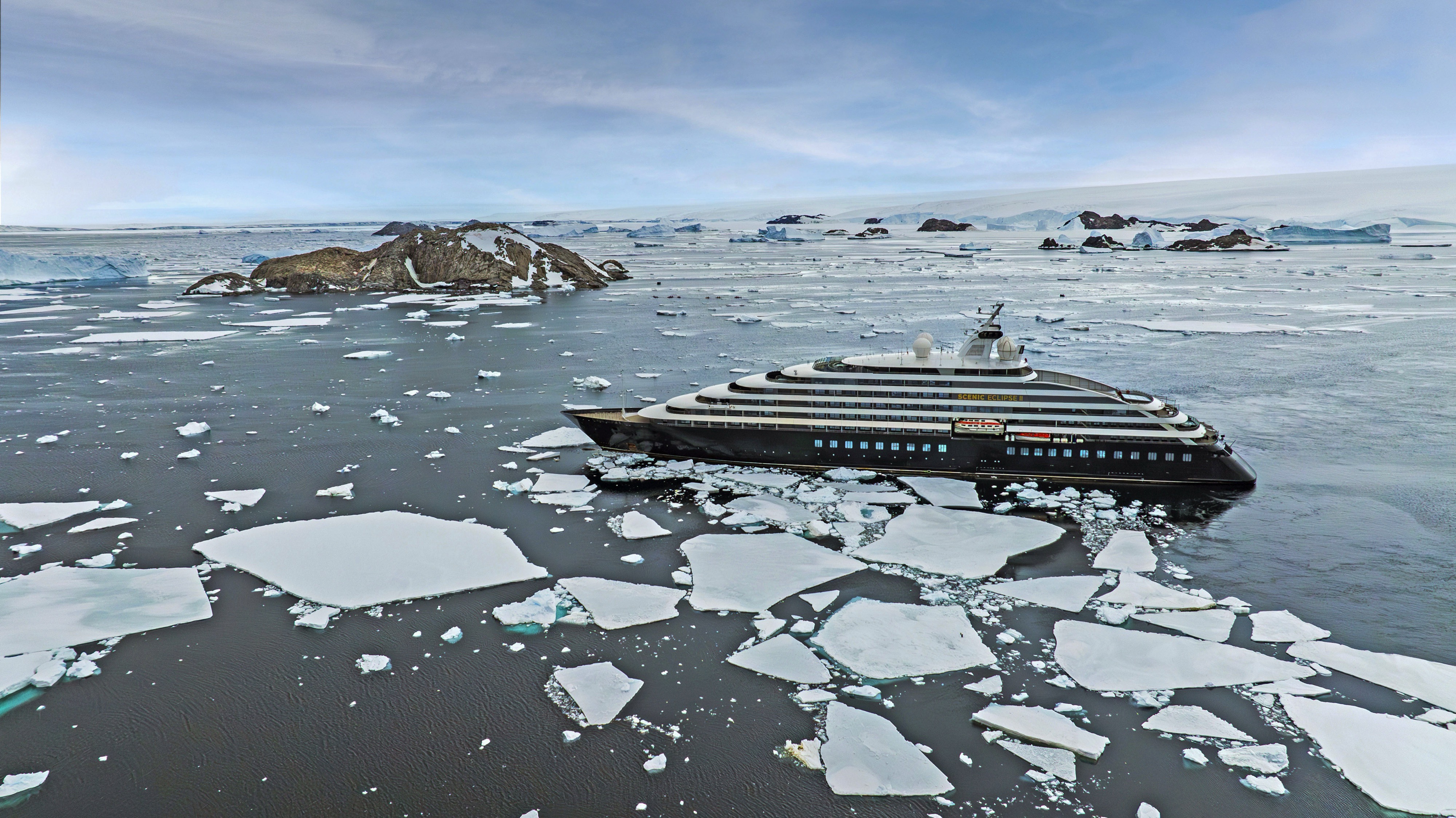
Deck Plans
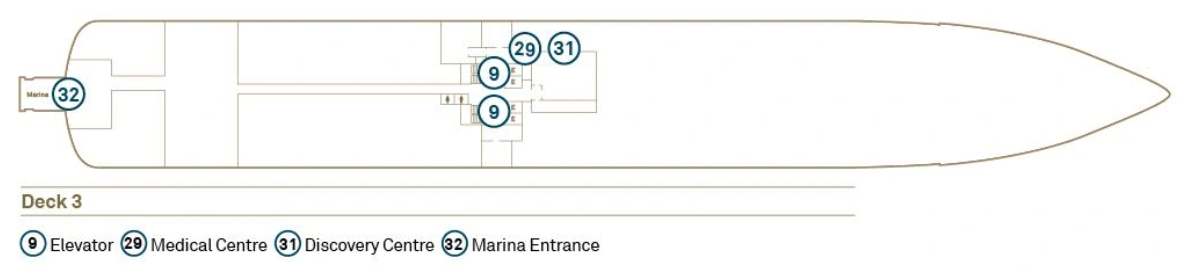
- Elevator
- Medical Centre
- Discovery Centre
- Marina Entrance
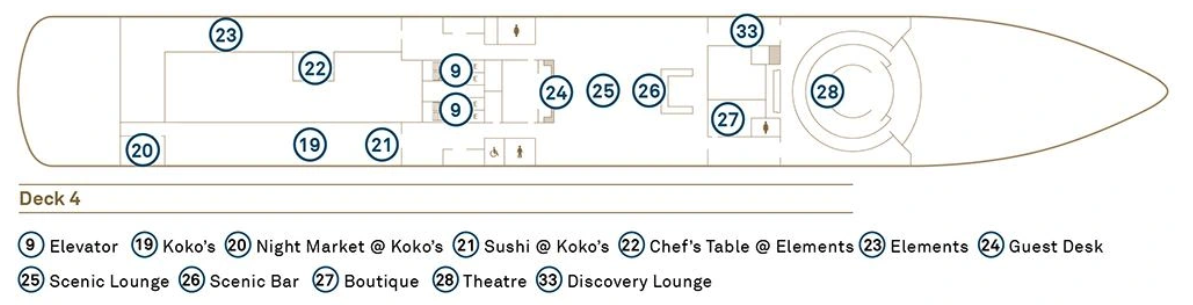
- Elevator
- Koko’s
- Night Market @ Koko’s
- Sushi @ Koko’s
- Chef’s Table @ Elements
- Elements
- Guest Desk
- Scenic Lounge
- Scenic Bar
- Boutique
- Theatre
- Discovery Lounge
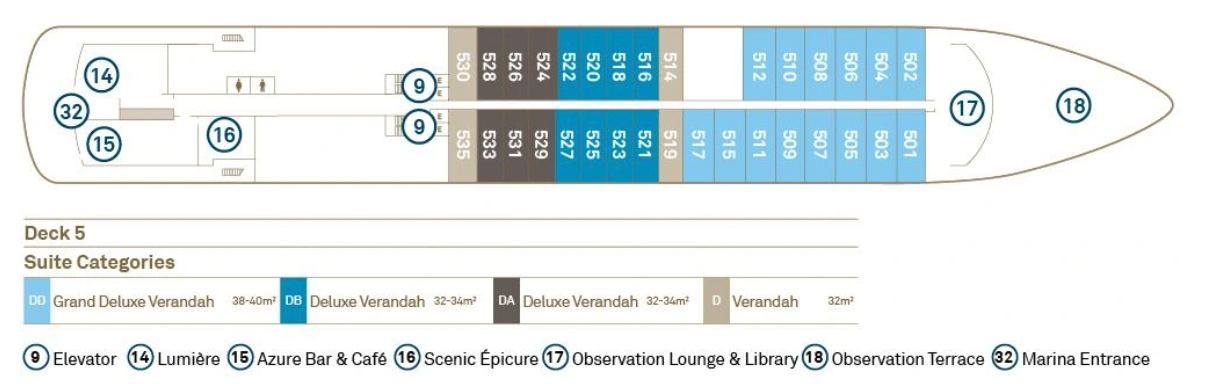
- Elevator
- Lumiere
- Azure Bar & Cafe
- Scenic Epicure
- Observation Lounge & Library
- Observation Terrace
- Marina Entrance
- Grand Deluxe Verandah
- Deluxe Verandah
- Verandah
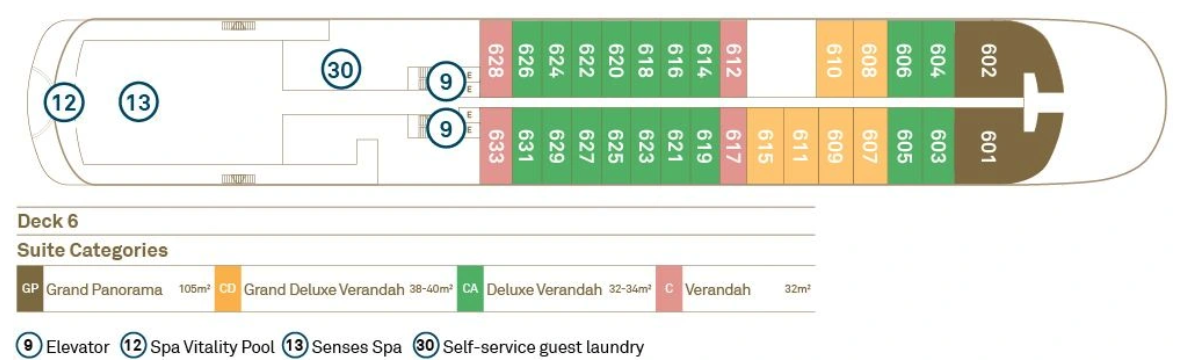
- Elevator
- Spa Vitality Pool
- Senses Spa
- Self-Service Guest Laundry]
- Grand Panorama
- Grand Deluxe Verandah
- Deluxe Verandah
- Verandah
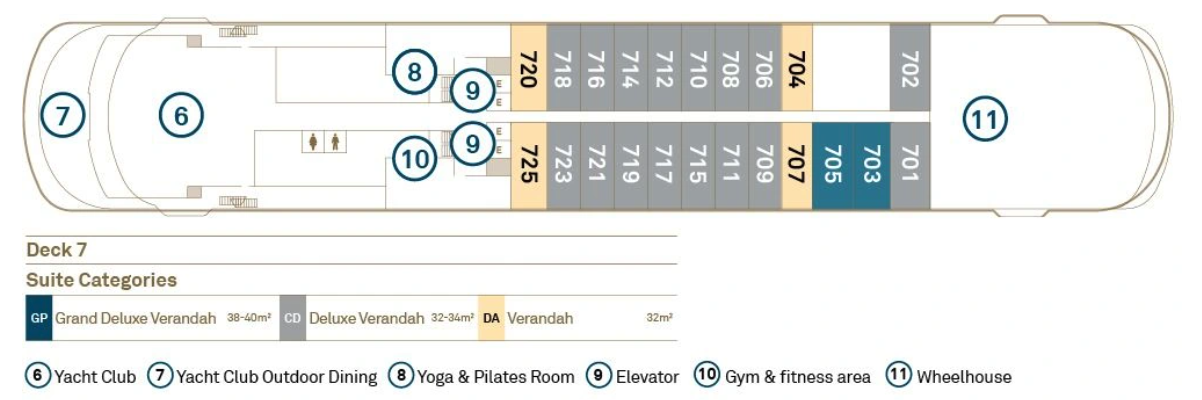
- Yacht Club
- Yacht Club Outdoor Dining
- Yoga & Pilates Room
- Elevator
- Gym & Fitness area
- Wheelhouse
- Grand Deluxe Verandah
- Deluxe Verandah
- Verandah
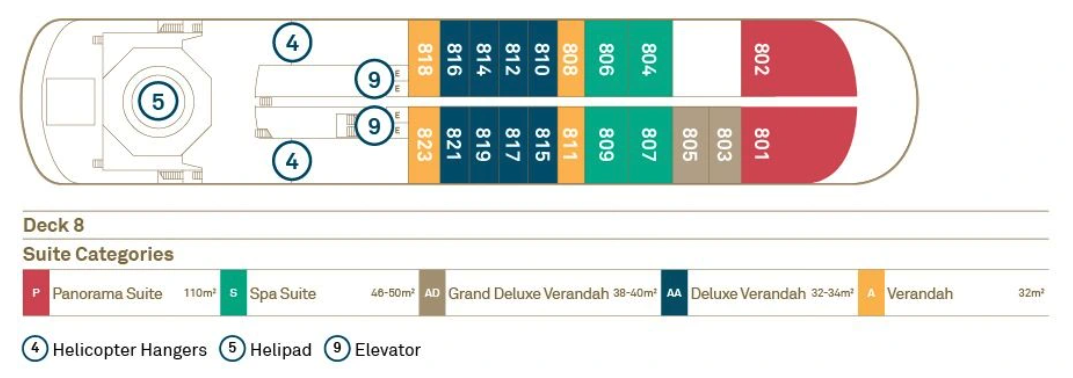
- Helicopter Hangers
- Helipad
- Elevator
- Panorama Suite
- Spa Suite
- Grand Deluxe Verandah
- Deluxe Verandah
- Verandah
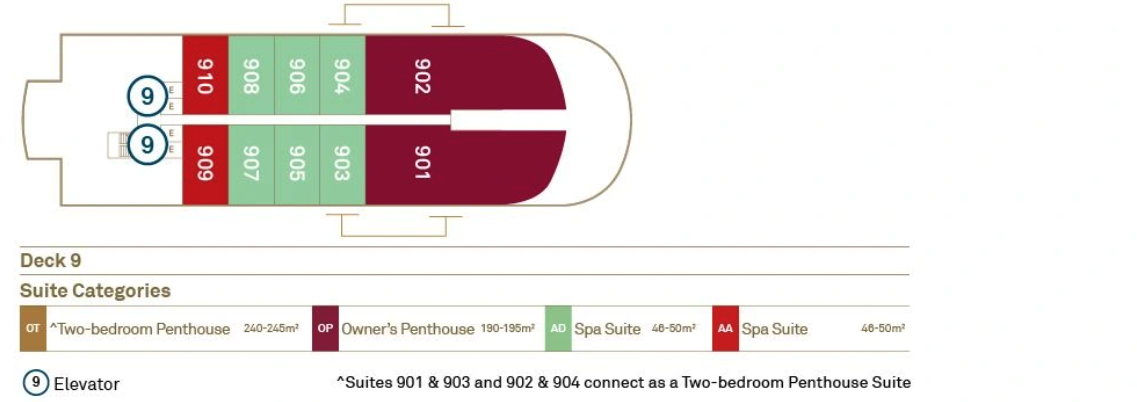
- Elevator
- Two Bedroom Penthouse
- Owners Penthouse
- Spa Suite
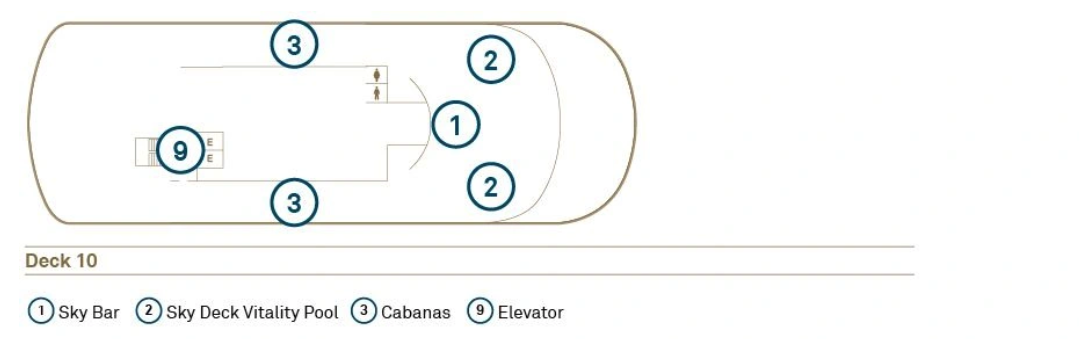
- Sky Bar
- Sky Deck Vitality Pool
- Cabanas
- Elevator
- Elevator
- Medical Centre
- Discovery Centre
- Marina Entrance
- Elevator
- Koko’s
- Night Market @ Koko’s
- Sushi @ Koko’s
- Chef’s Table @ Elements
- Elements
- Guest Desk
- Scenic Lounge
- Scenic Bar
- Boutique
- Theatre
- Discovery Lounge
- Elevator
- Lumiere
- Azure Bar & Cafe
- Scenic Epicure
- Observation Lounge & Library
- Observation Terrace
- Marina Entrance
- Grand Deluxe Verandah
- Deluxe Verandah
- Verandah
- Elevator
- Spa Vitality Pool
- Senses Spa
- Self-Service Guest Laundry]
- Grand Panorama
- Grand Deluxe Verandah
- Deluxe Verandah
- Verandah
- Yacht Club
- Yacht Club Outdoor Dining
- Yoga & Pilates Room
- Elevator
- Gym & Fitness area
- Wheelhouse
- Grand Deluxe Verandah
- Deluxe Verandah
- Verandah
- Helicopter Hangers
- Helipad
- Elevator
- Panorama Suite
- Spa Suite
- Grand Deluxe Verandah
- Deluxe Verandah
- Verandah
- Elevator
- Two Bedroom Penthouse
- Owners Penthouse
- Spa Suite
- Sky Bar
- Sky Deck Vitality Pool
- Cabanas
- Elevator