Featured Cabins
Itinerary
Amsterdam, Netherlands
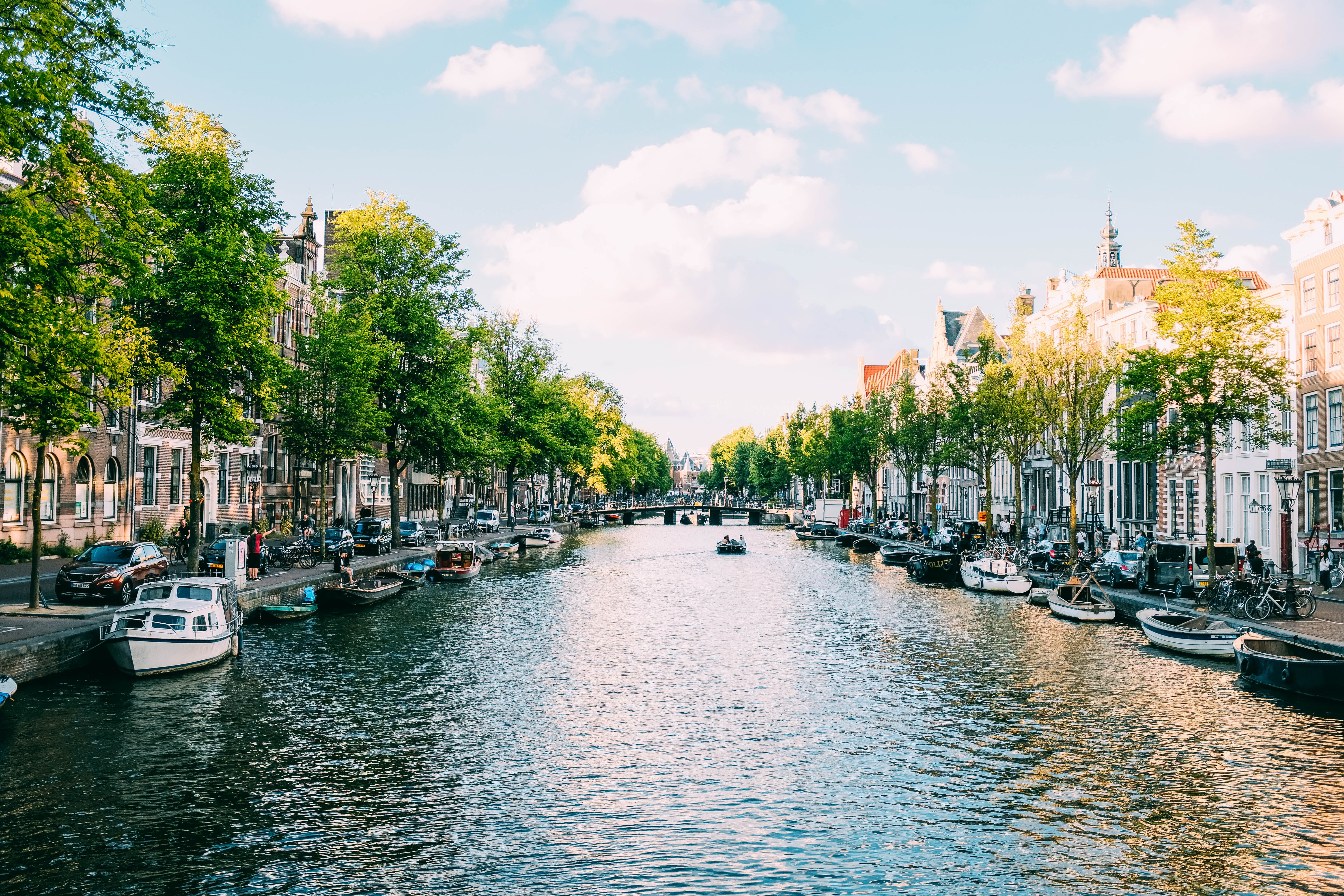
Amsterdam combines the unrivaled beauty of the 17th-century Golden Age city center with plenty of museums and art of the highest order, not to mention a remarkably laid-back atmosphere. It all comes together to make this one of the world’s most appealing and offbeat metropolises in the world. Built on a latticework of concentric canals like an aquatic rainbow, Amsterdam is known as the City of Canals—but it’s no Venice, content to live on moonlight serenades and former glory. Quite the contrary: on nearly every street here you’ll find old and new side by side—quiet corners where time seems to be holding its breath next to streets like neon-lit Kalverstraat, and Red Light ladies strutting by the city’s oldest church. Indeed, Amsterdam has as many lovely facets as a 40-carat diamond polished by one of the city’s gem cutters. It’s certainly a metropolis, but a rather small and very accessible one. Locals tend to refer to it as a big village, albeit one that happens to pack the cultural wallop of a major world destination. There are scores of concerts every day, numerous museums, summertime festivals, and, of course, a legendary year-round party scene. It’s pretty much impossible to resist Amsterdam’s charms. With 7,000 registered monuments, most of which began as the residences and warehouses of humble merchants, set on 160 man-made canals, and traversed by 1,500 or so bridges, Amsterdam has the largest historical inner city in Europe. Its famous circle of waterways, the grachtengordel, was a 17th-century urban expansion plan for the rich and is a lasting testament to the city’s Golden Age. This town is endearing because of its kinder, gentler nature—but a reputation for championing sex, drugs, and rock ’n’ roll does not alone account for Amsterdam’s being one of the most popular destinations in Europe: consider that within a single square mile the city harbors some of the greatest achievements in Western art, from Rembrandt to Van Gogh. Not to mention that this is one of Europe’s great walking cities, with so many of its treasures in the untouted details: tiny alleyways barely visible on the map, hidden garden courtyards, shop windows, floating houseboats, hidden hofjes(courtyards with almshouses), sudden vistas of church spires, and gabled roofs that look like so many unframed paintings. And don’t forget that the joy lies in details: elaborate gables and witty gable stones denoting the trade of a previous owner. Keep in mind that those XXX symbols you see all over town are not a mark of the city’s triple-X reputation. They’re part of Amsterdam’s official coat of arms—three St. Andrew’s crosses, believed to represent the three dangers that have traditionally plagued the city: flood, fire, and pestilence. The coat’s motto (“Valiant, determined, compassionate”) was introduced in 1947 by Queen Wilhelmina in remembrance of the 1941 February Strike in Amsterdam—the first time in Europe that non-Jewish people protested against the persecution of Jews by the Nazi regime.
Amsterdam, Netherlands
Amsterdam combines the unrivaled beauty of the 17th-century Golden Age city center with plenty of museums and art of the highest order, not to mention a remarkably laid-back atmosphere. It all comes together to make this one of the world’s most appealing and offbeat metropolises in the world. Built on a latticework of concentric canals like an aquatic rainbow, Amsterdam is known as the City of Canals—but it’s no Venice, content to live on moonlight serenades and former glory. Quite the contrary: on nearly every street here you’ll find old and new side by side—quiet corners where time seems to be holding its breath next to streets like neon-lit Kalverstraat, and Red Light ladies strutting by the city’s oldest church. Indeed, Amsterdam has as many lovely facets as a 40-carat diamond polished by one of the city’s gem cutters. It’s certainly a metropolis, but a rather small and very accessible one. Locals tend to refer to it as a big village, albeit one that happens to pack the cultural wallop of a major world destination. There are scores of concerts every day, numerous museums, summertime festivals, and, of course, a legendary year-round party scene. It’s pretty much impossible to resist Amsterdam’s charms. With 7,000 registered monuments, most of which began as the residences and warehouses of humble merchants, set on 160 man-made canals, and traversed by 1,500 or so bridges, Amsterdam has the largest historical inner city in Europe. Its famous circle of waterways, the grachtengordel, was a 17th-century urban expansion plan for the rich and is a lasting testament to the city’s Golden Age. This town is endearing because of its kinder, gentler nature—but a reputation for championing sex, drugs, and rock ’n’ roll does not alone account for Amsterdam’s being one of the most popular destinations in Europe: consider that within a single square mile the city harbors some of the greatest achievements in Western art, from Rembrandt to Van Gogh. Not to mention that this is one of Europe’s great walking cities, with so many of its treasures in the untouted details: tiny alleyways barely visible on the map, hidden garden courtyards, shop windows, floating houseboats, hidden hofjes(courtyards with almshouses), sudden vistas of church spires, and gabled roofs that look like so many unframed paintings. And don’t forget that the joy lies in details: elaborate gables and witty gable stones denoting the trade of a previous owner. Keep in mind that those XXX symbols you see all over town are not a mark of the city’s triple-X reputation. They’re part of Amsterdam’s official coat of arms—three St. Andrew’s crosses, believed to represent the three dangers that have traditionally plagued the city: flood, fire, and pestilence. The coat’s motto (“Valiant, determined, compassionate”) was introduced in 1947 by Queen Wilhelmina in remembrance of the 1941 February Strike in Amsterdam—the first time in Europe that non-Jewish people protested against the persecution of Jews by the Nazi regime.
Cologne, Germany
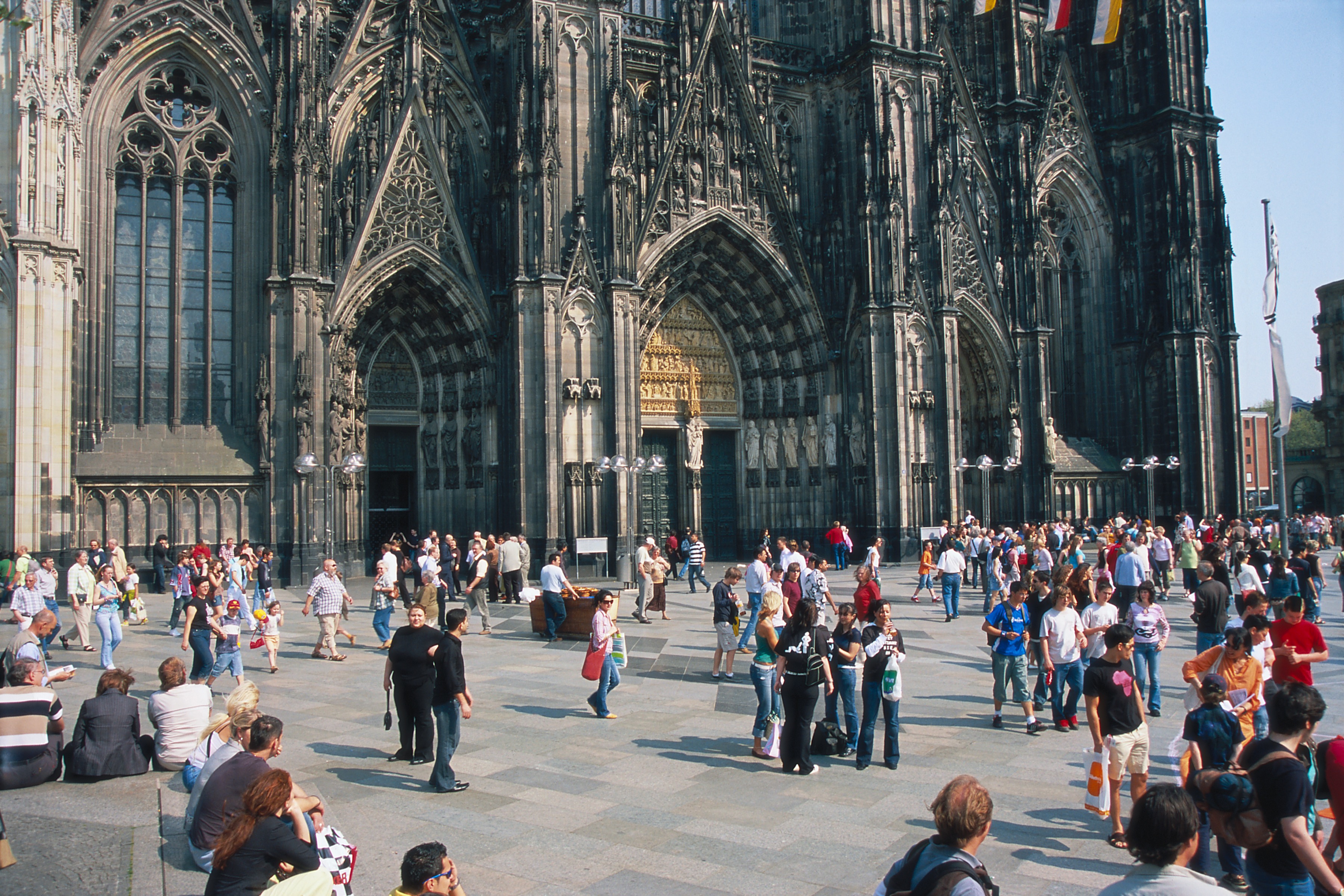
Cologne is a city in western Germany located across the Rhine river. It is the oldest in Germany, dating back 2000 years and is considered the region’s cultural hub. The city is known for its iconic landmark of the twin-spired Cologne Cathedral set against the reconstructed Old Town buildings. When in Old Town, visit the historic Old Town Hall and the Roman Church Great St Martin, or take time out and sit at one of the traditional breweries and enjoy the scenery around you. Historical sites such as the Roman Dionysus mosaic and the medieval Overstolzenhaus are worth a visit too. Another iconic sight in Cologne is at Hohenzollern Bridge. Here, local and tourist couples affix padlocks to the railings of the bridge and swear their loyalty to each other, they then throw the key into the Rhein to ensure everlasting love. Cologne is home to over 30 stages providing cabaret, free ensembles, theatre and dance and also celebrates its openly gay culture.
Bonn, Germany
Arrive in the 2,000-year-old city of Cologne early this afternoon. Cologne suffered extensive damage during World War II but was painstakingly restored over the following decades. Set out on a walking tour of the Old Town, admiring its historic buildings, beautiful squares and the World Heritage-listed Cologne Cathedral. Then enjoy some free time to explore the city on your own.
Scenic Enrich
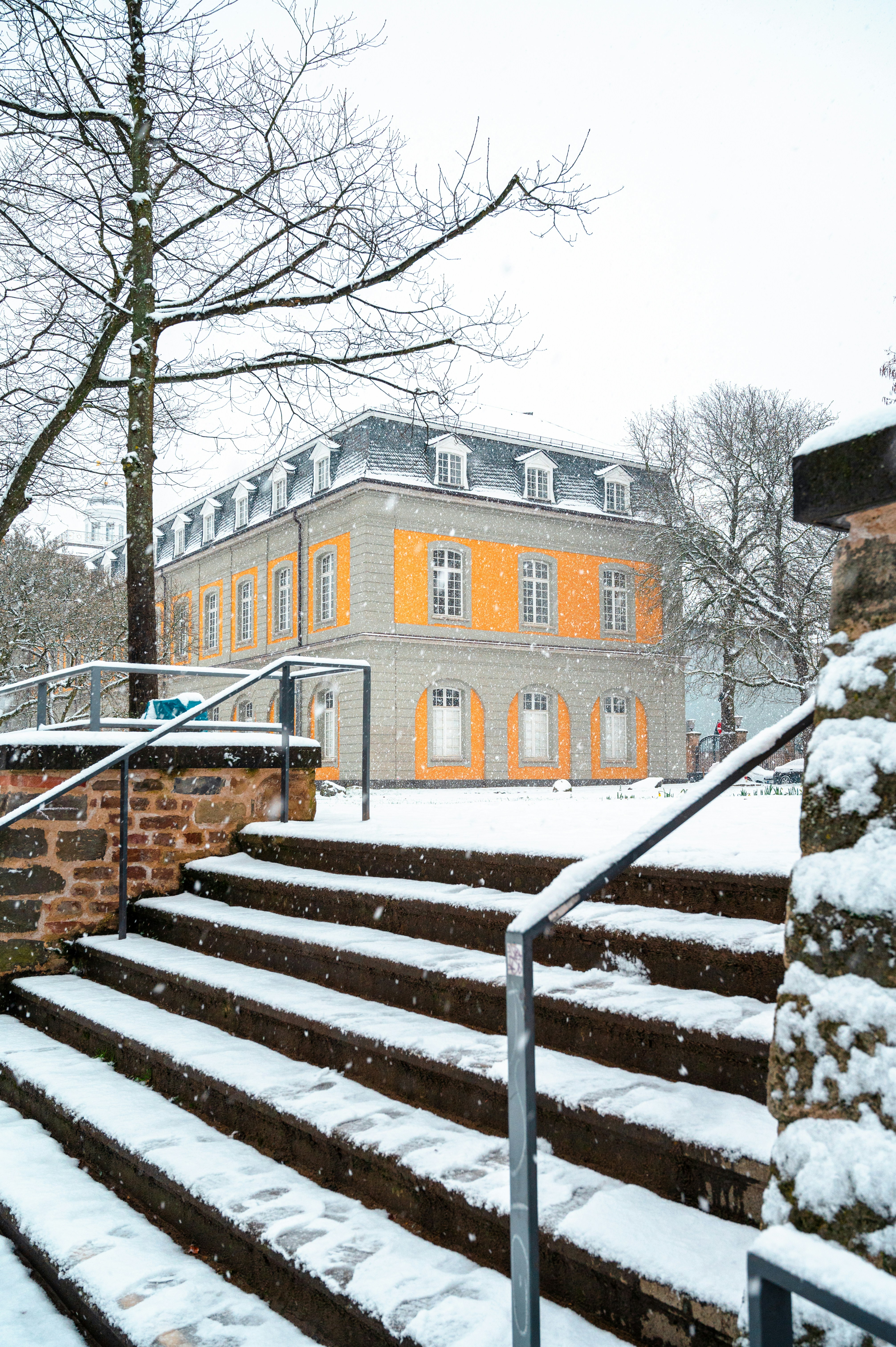
Gala Dinner and classical concert at La Redoute Recital Hall: An exclusive experience awaits you this evening. Travel to Bonn by coach and the magnificent La Redoute recital hall, built in 1792 by the last Elector of Cologne. Sit down to a lavish dinner accompanied by classical music.
Your Scenic Space-Ship will meet you in Bonn later that evening.
Rhine Gorge, Germany
Relax on board this morning as you cruise through the picturesque Rhine Gorge, where the landscapes could have been pulled from the pages of a fairytale. This 65-kilometre stretch of the river is dotted with some 40 hilltop castles and fortresses that span a period of 1,000 years. Look out for the Lorelei statue, dedicated to the tragic legend of a beautiful maiden.
This afternoon, disembark in Rüdesheim, a pretty town surrounded by steep vineyards that have been cultivating wine for more than two millennia. The charming town centre is filled with half-timbered houses lining cobbled streets, quaint shops selling trinkets such as traditional Christmas ornaments and cuckoo clocks, as well as a smattering of wine taverns and open-air beer gardens.
Scenic Freechoice:
Make your selection from this afternoon’s Scenic Freechoice tours:
Siegfried’s Musikkabinett Museum: Visit Siegfried’s Musikkabinett Museum, where a local guide will introduce you to the weird and wonderful mechanical musical instruments. Then explore on your own or take the cable car up to the Niederwald Monument.
Hike & Cable Car: Join a local guide for a hike through the rolling vineyards of Rüdesheim and enjoy spectacular views of the countryside and Rhine River below. After your hike, board the cable car to return to town.
Rüdesheim, Germany
Relax on board this morning as you cruise through the picturesque Rhine Gorge, where the landscapes could have been pulled from the pages of a fairytale. This 65-kilometre stretch of the river is dotted with some 40 hilltop castles and fortresses that span a period of 1,000 years. Look out for the Lorelei statue, dedicated to the tragic legend of a beautiful maiden.
This afternoon, disembark in Rüdesheim, a pretty town surrounded by steep vineyards that have been cultivating wine for more than two millennia. The charming town centre is filled with half-timbered houses lining cobbled streets, quaint shops selling trinkets such as traditional Christmas ornaments and cuckoo clocks, as well as a smattering of wine taverns and open-air beer gardens.
Scenic Freechoice:
Make your selection from this afternoon’s Scenic Freechoice tours:
Siegfried’s Musikkabinett Museum: Visit Siegfried’s Musikkabinett Museum, where a local guide will introduce you to the weird and wonderful mechanical musical instruments. Then explore on your own or take the cable car up to the Niederwald Monument.
Hike & Cable Car: Join a local guide for a hike through the rolling vineyards of Rüdesheim and enjoy spectacular views of the countryside and Rhine River below. After your hike, board the cable car to return to town.
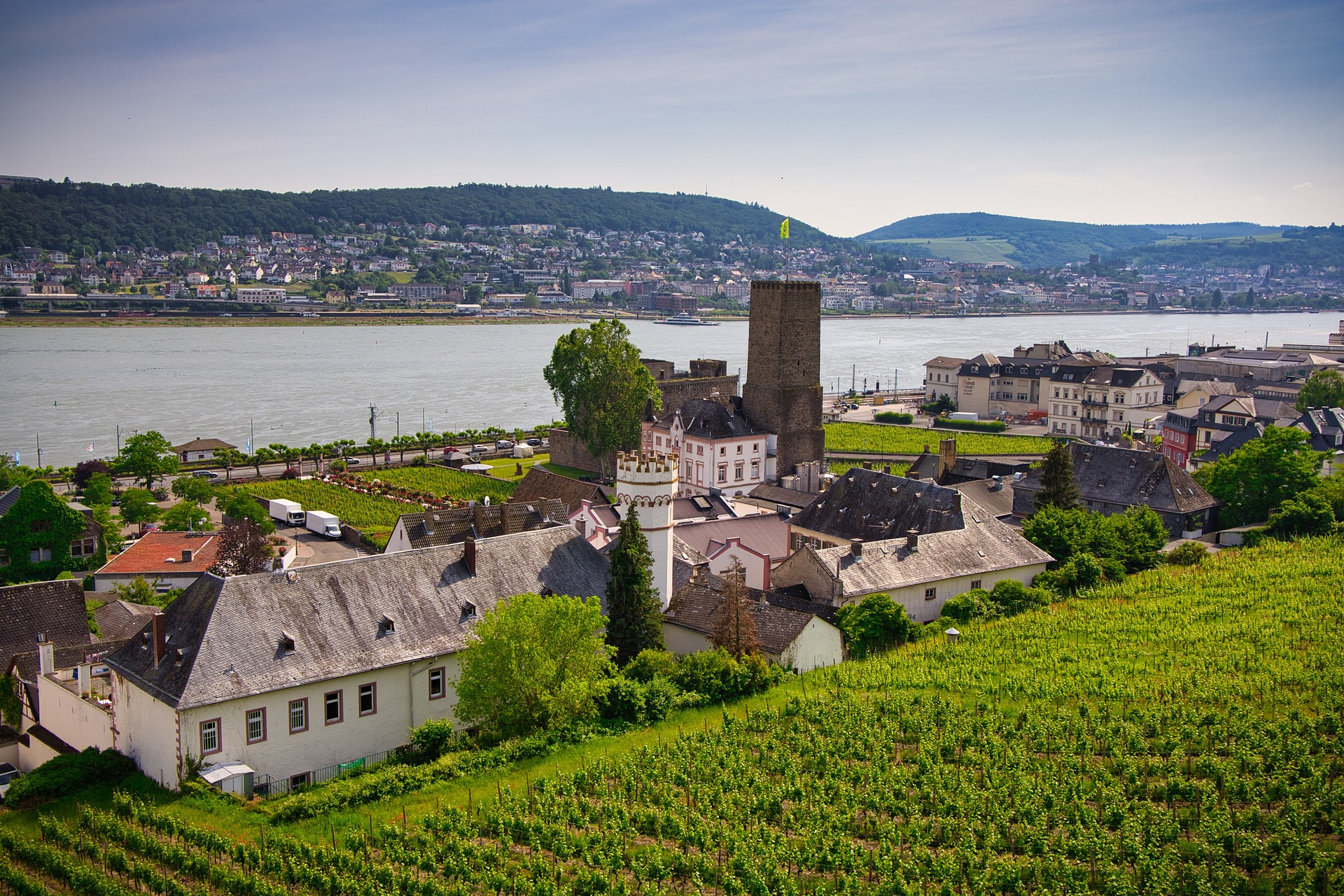
Miltenberg, Germany
Miltenberg is a city located in Bavaria and Southern part of Germany. Located on the banks of the river Maine the city grew from its medieval roots through Viniculture, wine trade, fishery, and general river traffic, into the established and preserved town of today. Visit the Museum Stadt Miltenberg, housed in the half timbered house called the Alte Amtskellerei (The Provost’s Office) and discover the town’s history through collections depicting culture back to the Romans. A visit to castle Miltenberg is also recommended. The castle dates back to the 11th century and is now owned by the city administration. With the castle in need of rehabilitation, the Museum Burg Miltenberg was opened to exhibit classic icons and contemporary art in a historical and significant setting. The keep of the castle, which reaches twenty seven metres high, offers picturesque views of the Main Valley below and is the perfect setting to relax and enjoy some refreshments.
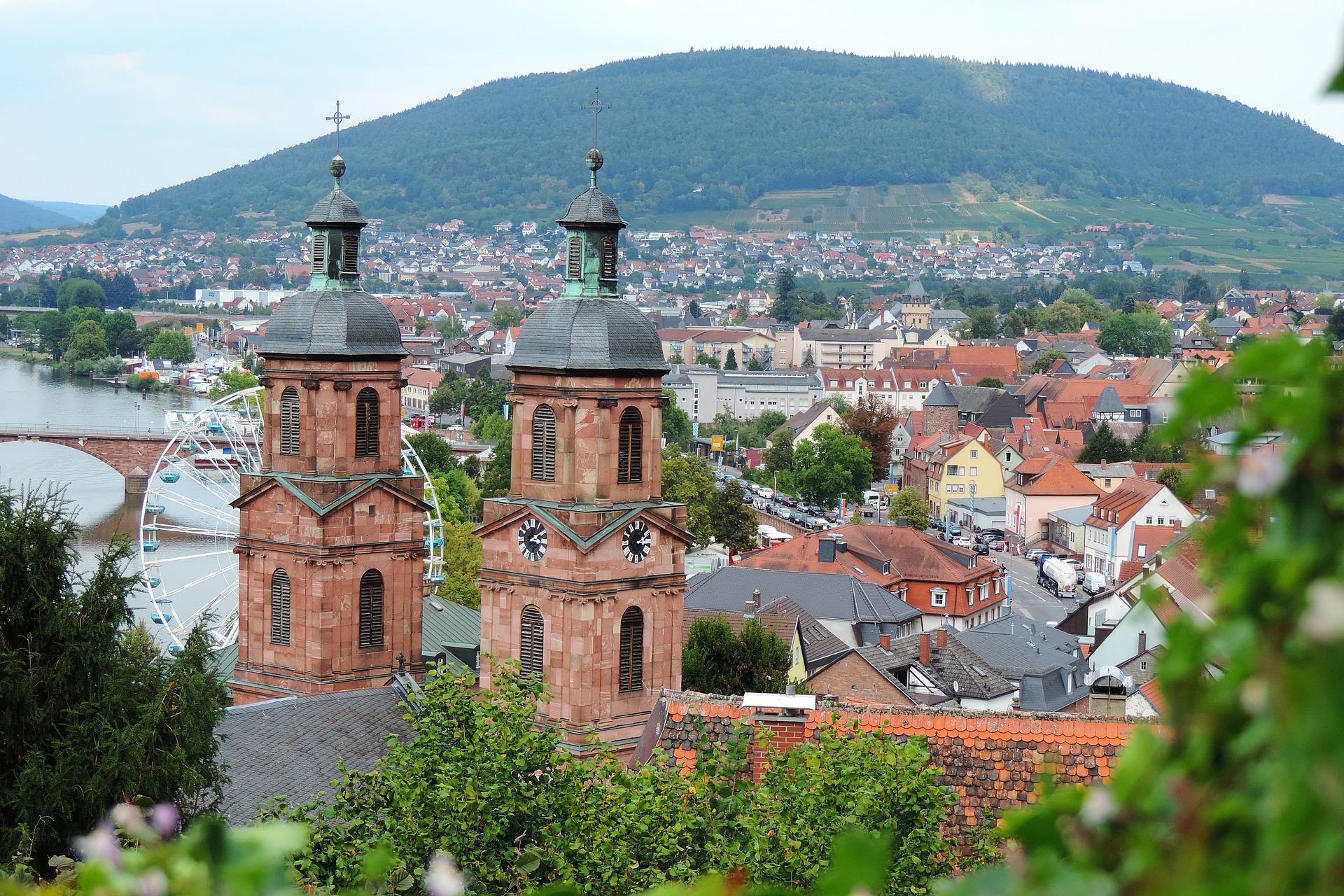
Wertheim, Germany
Relax on board this morning as you cruise towards Miltenberg. You may like to book a massage in the spa^ or relax in the exclusive Salt Therapy Lounge, which has natural anti-viral, anti-inflammatory and anti-bacterial properties.
This afternoon, dock in Miltenberg. Located on the banks of the River Main, this historic town is one of the best preserved in Germany, home to hundreds of pastel-coloured half-timbered houses and one of the country’s oldest inns, Zum Riesen. Today is all about connecting with culture and meeting the locals.
Scenic Freechoice:
This afternoon, choose from the following Scenic Freechoice tours that will immerse you in local life.
Wertheim tour and winery: Start your excursion in Miltenberg, another historic town filled with half-timbered houses for an orientation tour and some free time. Then visit the nearby town of Wertheim before visiting a local winery to meet the winemaker and learn about the production process.
Gamburg Castle tour: Visit the town of Gamburg for a guided tour of Gamburg Castle. Here you will also meet the Baron and Baroness for a private reception and learn about their modern aristocratic life over a glass of sparkling wine.
Miltenberg tour and local farm visit: Take a guided tour of Miltenberg, then visit a charming, family-owned farmstead. Meet the owners, discover the rhythms of daily farm life, get up close with the animals, and enjoy tastings of local delicacies made right on the farm.
Schnapps tasting: After an orientation tour and free time in Miltenberg, visit a local schnapps distiller to understand how this flavoured liqueur is produced. Enjoy a tasting of the multiple flavours before transferring to the town of Wertheim where you will meet your ship.
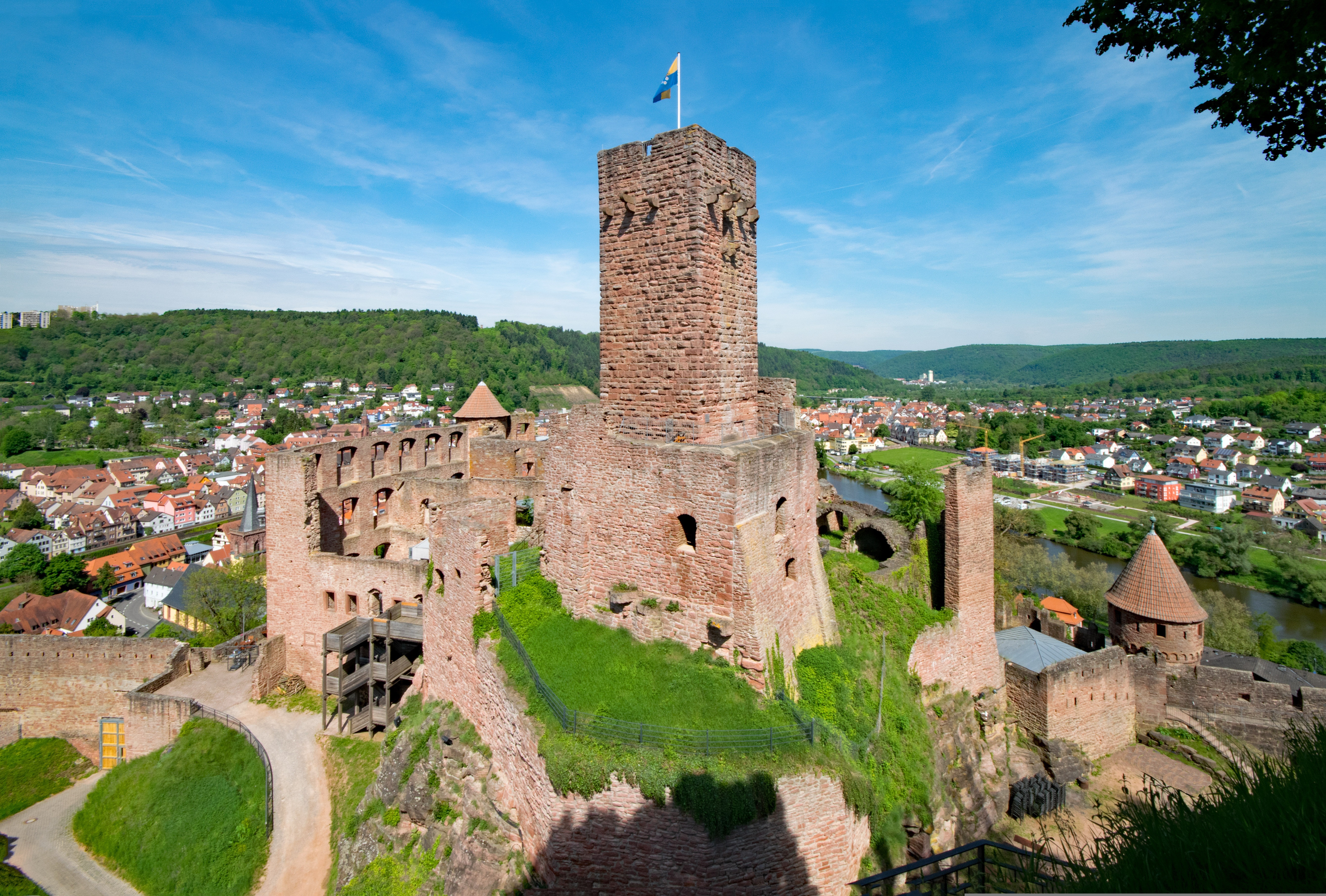
Würzburg, Germany
Würzburg is a city in Bavaria in southern Germany. It is located on the River Main and is famous for its lavish baroque architecture and Franconian wine. The Residence Palace is a UNESCO World Heritage Site and is highly recommended. It is a well known example of Baroque architecture with its acclaimed staircase, impressive frescos and imperial hall. Other impressive sites in Würzburg include the towering fortress of Festung Marienberg, the Alt Mainbrücke old bridge, which offers ideal views of the Marienberg, Dom St. Kilian cathedral and the many churches of Würzburg including the Romanesque Neumünster. Many of these sites have their own museums for visitors to learn of the history or view unique collections. Other museums of interest are the Mineralogical Museum, exhibiting the world of minerals and stones, and the Botanical Gardens, with various greenhouses and outdoor areas to enjoy. Wine lovers will find an abundance of wineries in Würzburg, offering cellar tours and wine tasting as well as traditional Bavarian cuisines and hospitality. Enjoy wine soup, Gerupfter (cheese spread) and Sauerbraten (braised beef in wine) in a friendly traditional wine tavern.
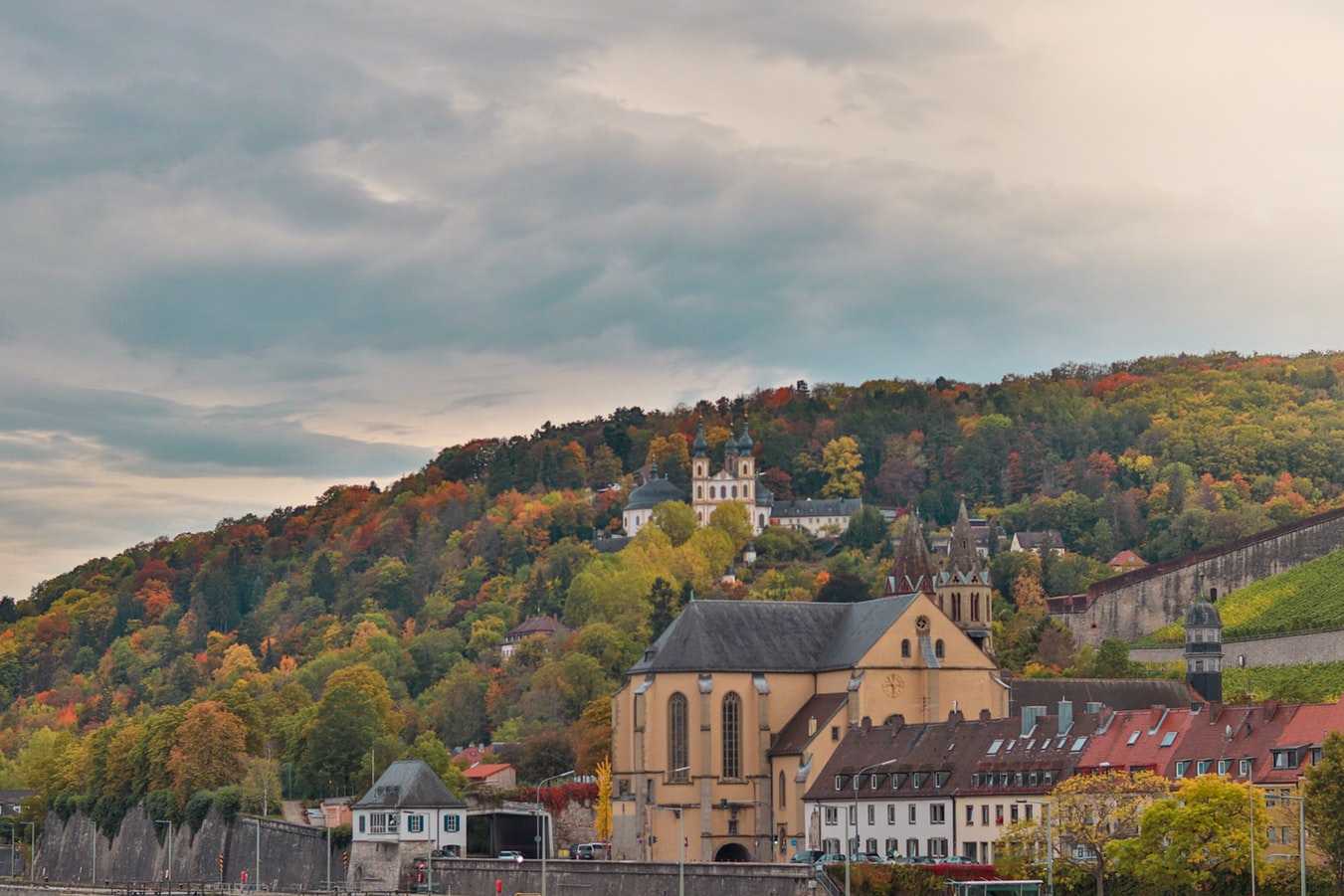
Bamberg, Germany
Bamberg is a German town located over a landscape of seven hills and the confluence of Regnitz and Main rivers. The town is a UNESCO World Heritage Centre with Old Town home to structures dating back to the 11th century. An iconic landmark to visit in Bamberg is the town hall Altes Rathaus, located on an island in the Regnitz and covered in murals. Bamberg Cathedral, with its four towers and numerous stone carvings, is a striking example of Romanesque architecture. Head to the Market Gardeners District and visit the historical houses where centuries ago the town gardeners would grow and export produce such as onions, seeds and liquorice. In the town centre and heart of Little Venice, the rivers and arched bridges connecting the island city are reminiscent of Venice, with a lively atmosphere and modern shops set in historical surroundings. After a day shopping, head to one of the many Brewery pubs for some popular German beer. Bamberg is famous for its beer and is where its name originated from, with the town being populated by nine traditional breweries.
Nuremberg, Germany
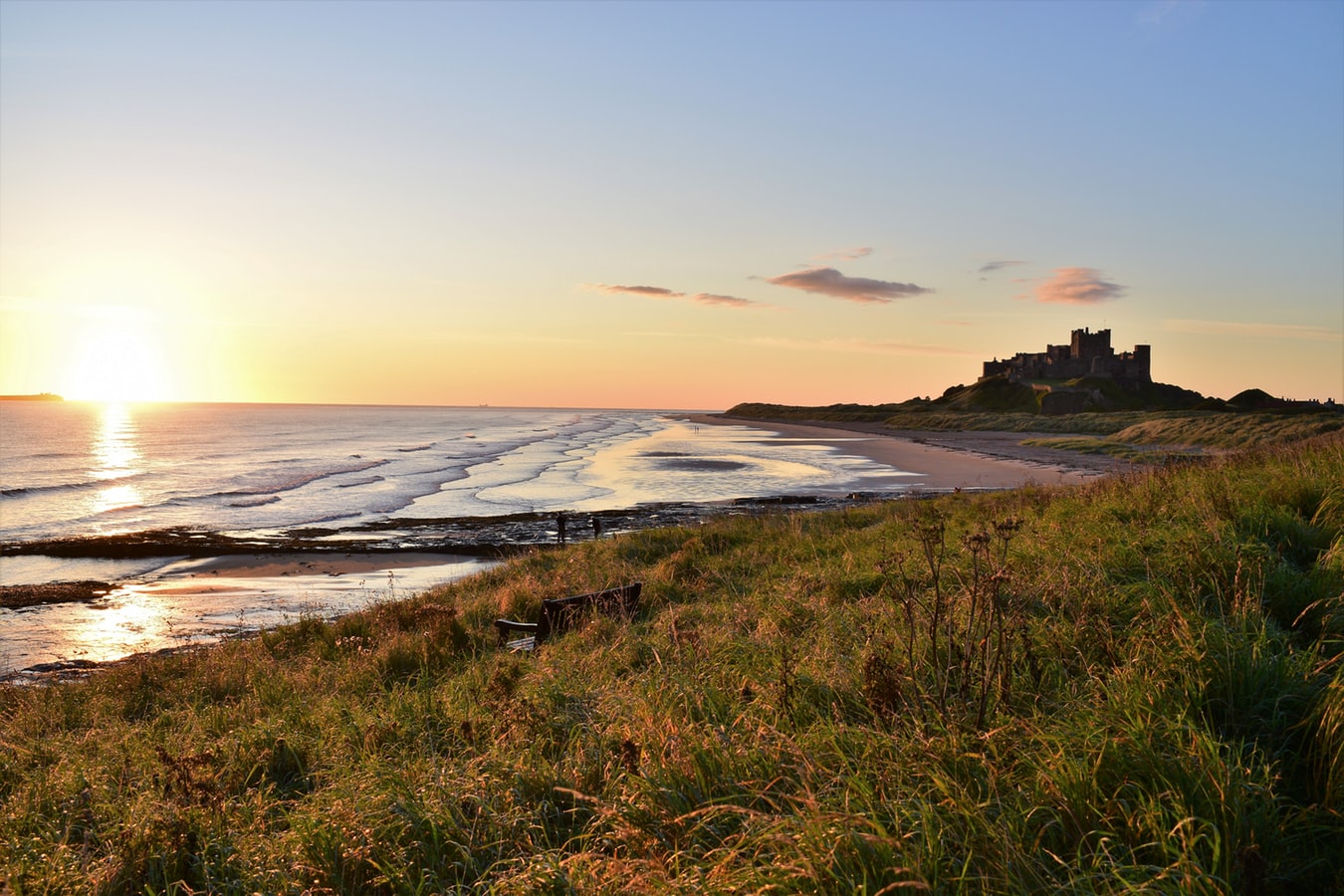
Nuremberg is a medieval city located in northern Bavaria in Germany. It is Bavaria’s second largest city and is noted for its iconic red roofed buildings and medieval architecture. The imperial Castle overlooks Nuremberg and was one of the most important fortifications of the Roman Empire. For more significant cultural history, the Germanisches Nationalmuseum, one of the largest cultural history museums in the German speaking world, offers visitors exhibitions from Prehistoric all the way to present day. Walking tours around the city offer an enjoyable and active way to learn of Nuremberg’s history and culture. Through Old Town, discover fountains, wells, churches, and art treasures, as well as learning of the colourful past and cosmopolitan present of the city and its people. Nuremberg is also home to one of the oldest Christmas markets in Germany, the Nuremberg Christkindlesmarkt, where visitors can purchase traditional handmade decorations and enjoy the famous gingerbread, mulled wine, and grilled sausage from over one hundred and eighty wooden stalls.
Regensburg, Germany
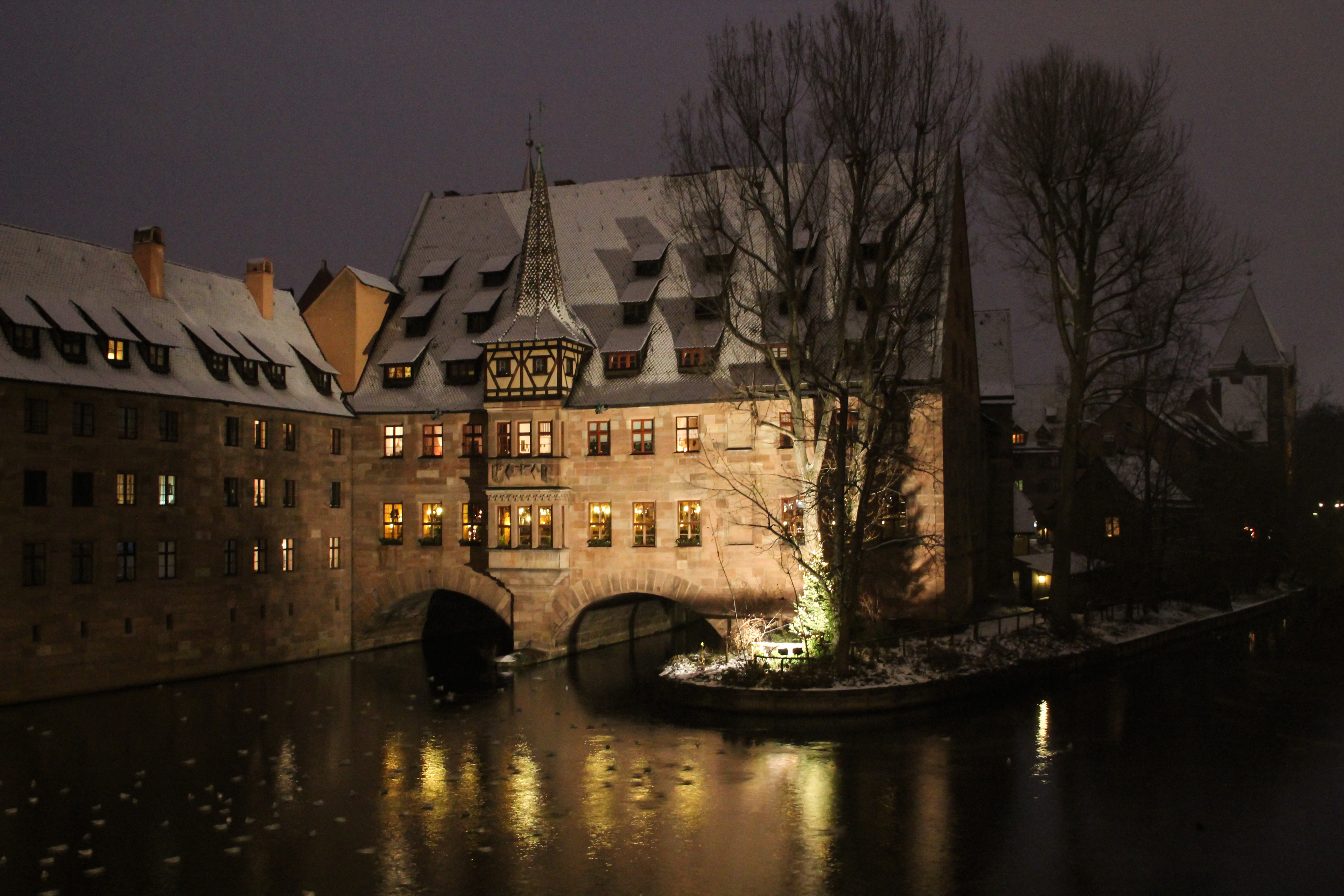
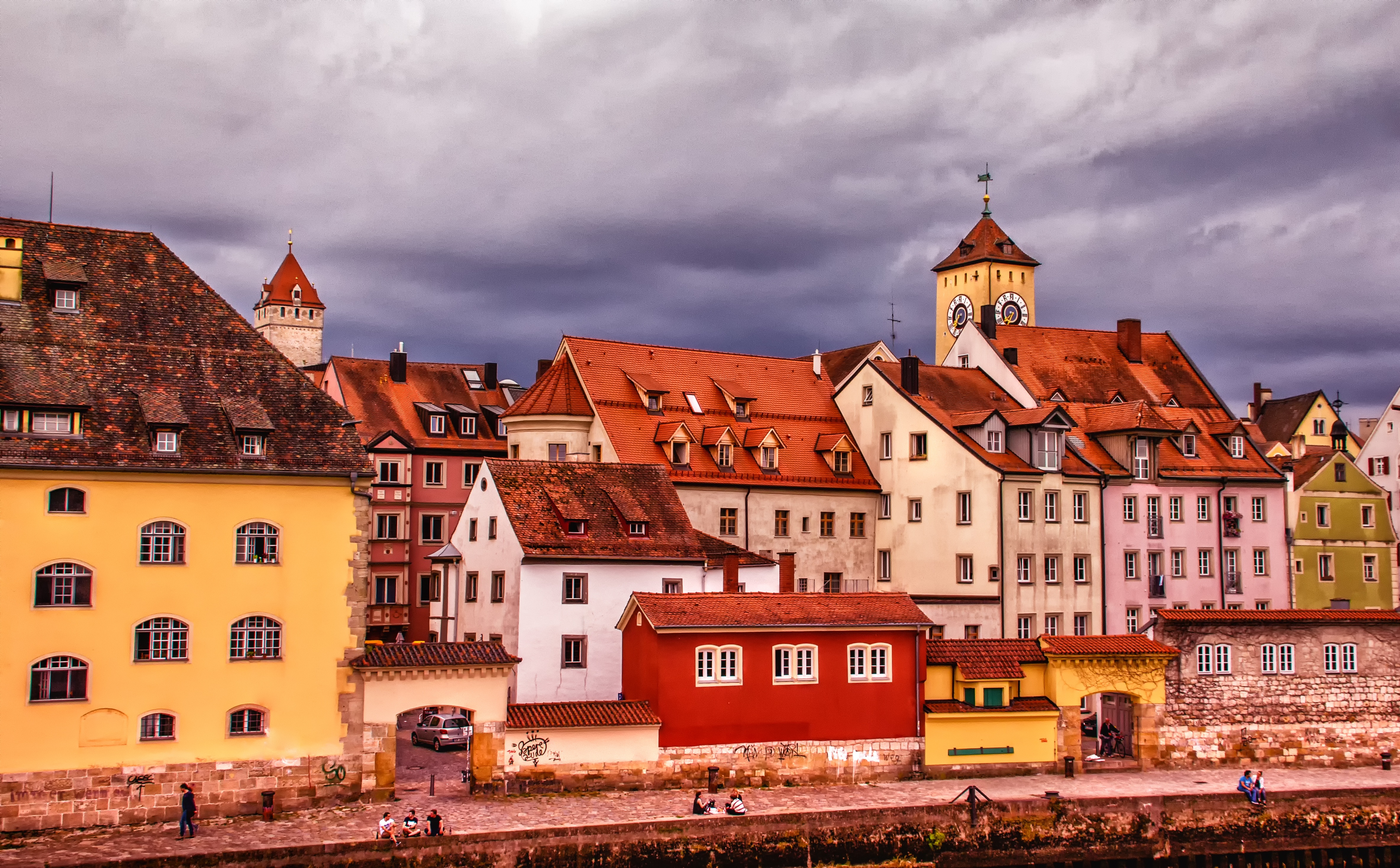
Regensburg is a medieval city of Bavaria in southeast Germany. It is situated on the northern point of the Danube River at its confluence with the Regen and Naab rivers. The city is famous for its iconic 12th Century stone bridge and sixteen arches, crossing the Danube into Old Town and is the oldest preserved bridge in Germany. Regensburg is also noted for its 13th Century Regensburg Cathedral and Gothic twin spires that feature prominently on the city’s skyline. Recently awarded UNESCO World Heritage status, the city is home to many preserved sites. Visit the the 2nd Century Porta Praetoria which served as the north gate to a Roman camp and St Peter’s Cathedral, with its French Gothic architecture. Also the 18th Century Thurn and Taxis Palace and the Old Town Hall, which is now home to the Imperial Diet Museum, are also worth a visit. Regensburg benefits from lots of parks and gardens for visitors to relax in, as well as walks and cycle paths along the banks of the rivers.
Passau, Germany
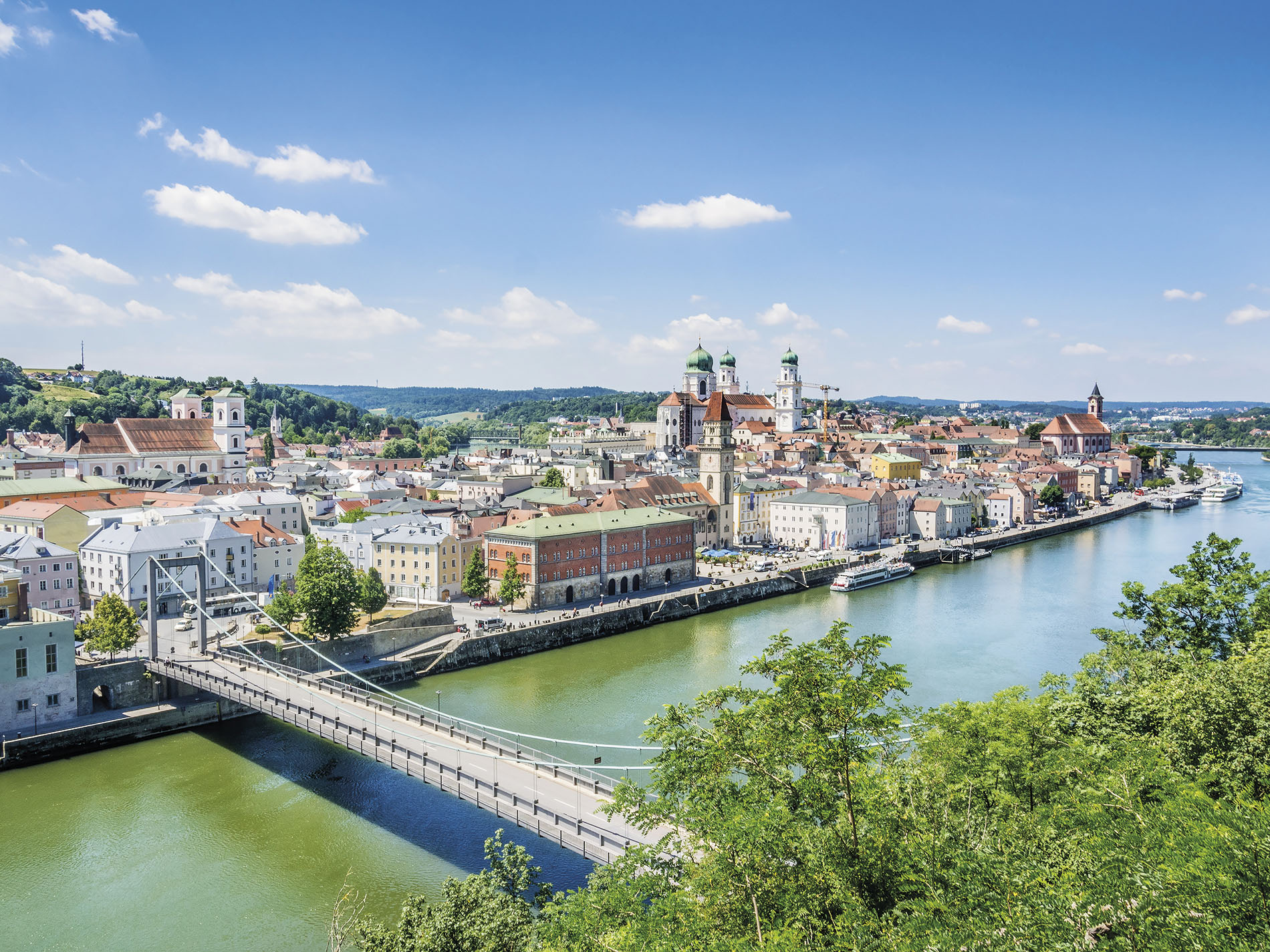
Passau is a German city located in the Southeast of Germany on the Austrian border. It is situated at the confluence of the rivers Danube, Inn and Ilz. The Three Rivers City, as it’s also known, is unique for its three contrasting currents of blue, green and black. Old Town of Passau is home to towering buildings of striking architecture: the majestic fortress Veste Oberhaus, the Pilgrimage Church Mariahilf and St Stephen’s Cathedral. Many of Passau’s attractions can be found in this area, including the New Bishop’s Residence, the Gothic Town Hall, as well as many churches and museums. Visitors can stroll along the riverfront promenades and romantic lanes whilst enjoying the picturesque landscape. For modern art, The Museum of Modern Art and Glass Museum Passau are recommended as they offer something a bit different. Theatre and cabaret are a popular evening pastime, with performances at the former Prince Bishopric Theatre or some lively cabaret and Jazz at the Scharfrichterhaus. Visitors will also find many traditional local Bavarian and Austrian cafes and restaurants offering a cosy atmosphere with home cooked food from local produce.
Schlögen, Austria
Arrive in Passau early this morning. Set at the meeting point of three rivers and close to the border with Austria, it was an important trading point for centuries. It was also a significant town in the Holy Roman Empire and the charming Old Town was mostly built by powerful prince-bishops in an Italianate style.
Scenic Freechoice:
Take your pick from the following Scenic Freechoice excursions.
Full day excursion to Salzburg: Cross the border into Salzburg, Austria, a storybook city surrounded by alpine peaks and best known as the home of Mozart and The Sound of Music. On a guided tour, learn about its art and music scene, visit Mozart’s birthplace, and see the vast Hohensalzburg fortress. Enjoy lunch at a local restaurant and some free time.
Full day excursion to Ceský Krumlov: Journey to the Czech town of Ceský Krumlov, a World Heritage site brimming with charm. Explore with your local guide, admire the well-preserved Gothic, Renaissance and Baroque architecture, and enjoy lunch in a local restaurant.
Highlights of Passau: Join your local guide on a walking tour, admiring the brightly coloured buildings that line the waterways. Visit St Stephens Cathedral, originally built in the year 450 but destroyed by fire in 1662 and rebuilt in the Baroque style.
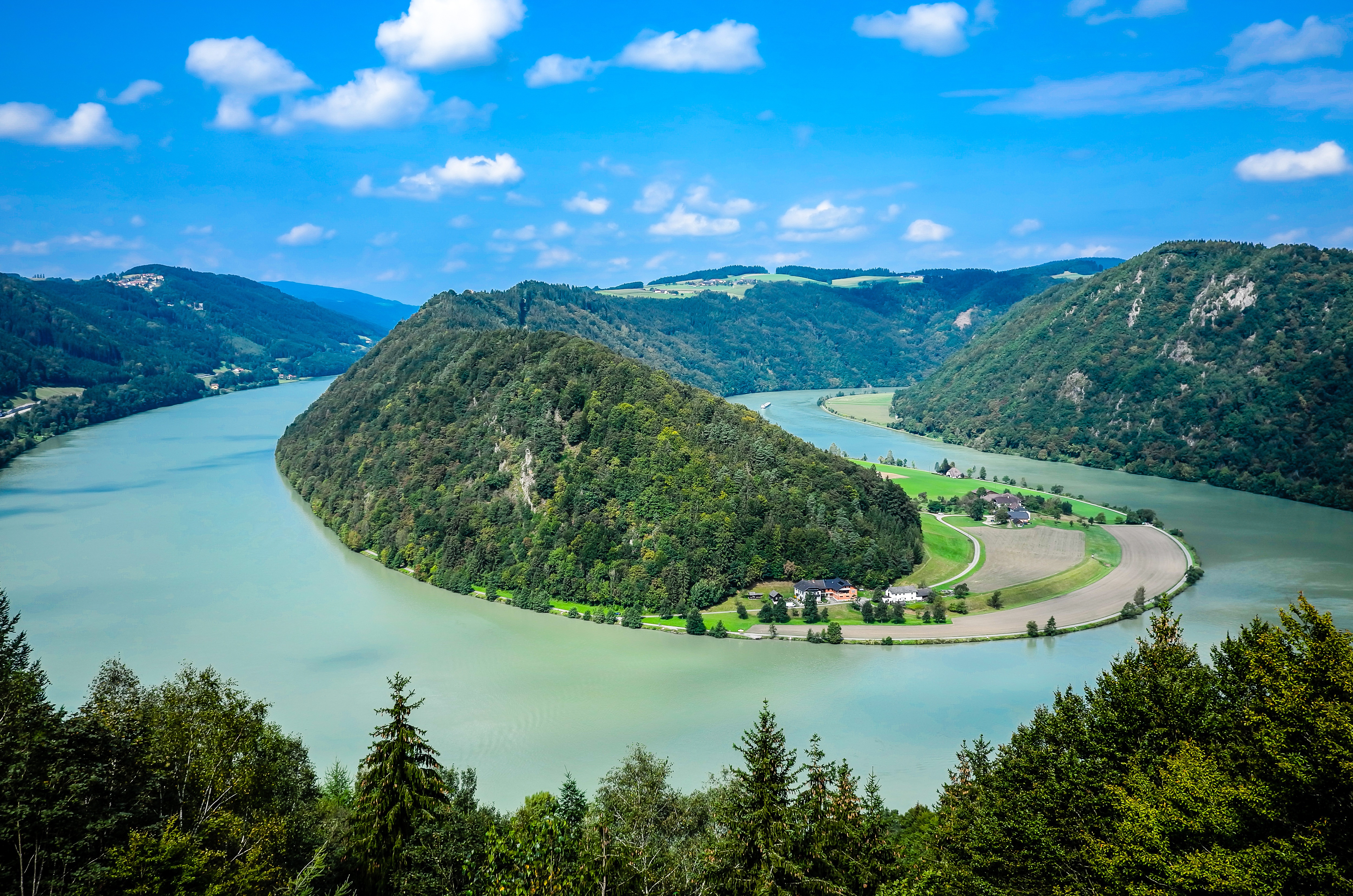
Dürnstein, Austria
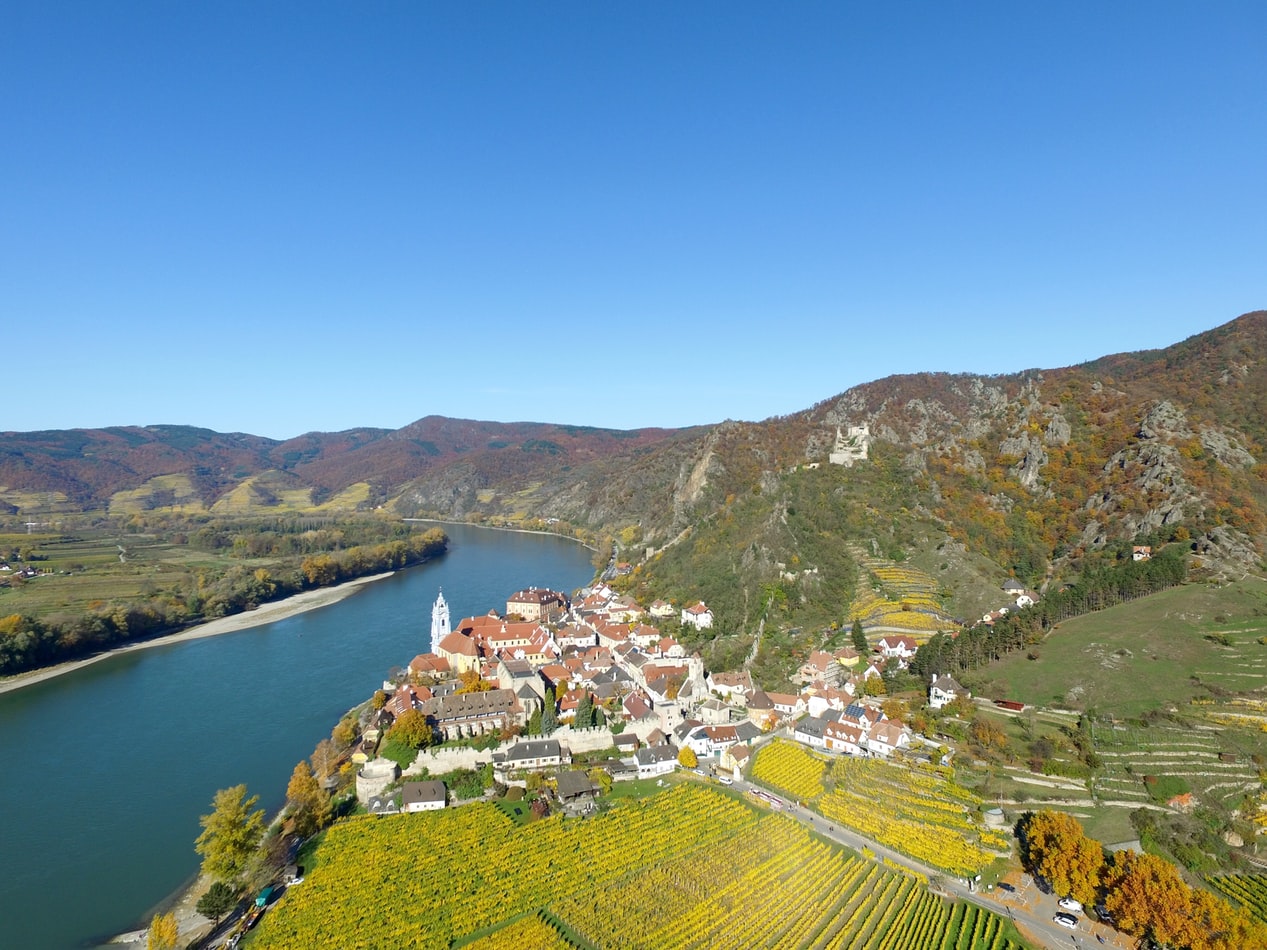
Dürnstein is a town located in the Northeast of Austria, situated on the Danube river. It is part of the UNESCO World Heritage site and wine region of Wachauer. It is a popular destination for wine lovers as many wineries offer accommodation. In addition to wine tasting and vineyard tours, visitors will find exploring the area on foot is easy and enjoyable. Take one of the many beautiful hiking trails across ancient rocks and admire the impressive views across the Danube valley. Children will enjoy exploring the outdoors of Dürnstein too, with outdoor playgrounds and theme trails available to keep them entertained. In addition, children and adults will enjoy Austria’s only outdoor biological swimming pool, Kuenringerbad, with an average temperature of 23 degrees celsius. Enjoy views of the town from overhead helicopter tours, leisurely river excursions, or hike up into the mountains and explore some of Dürnstein’s ruins. The mountains offer the ruins of Dürnstein castle and city wall as well as beautiful flora and fauna to spot.
Krems, Austria
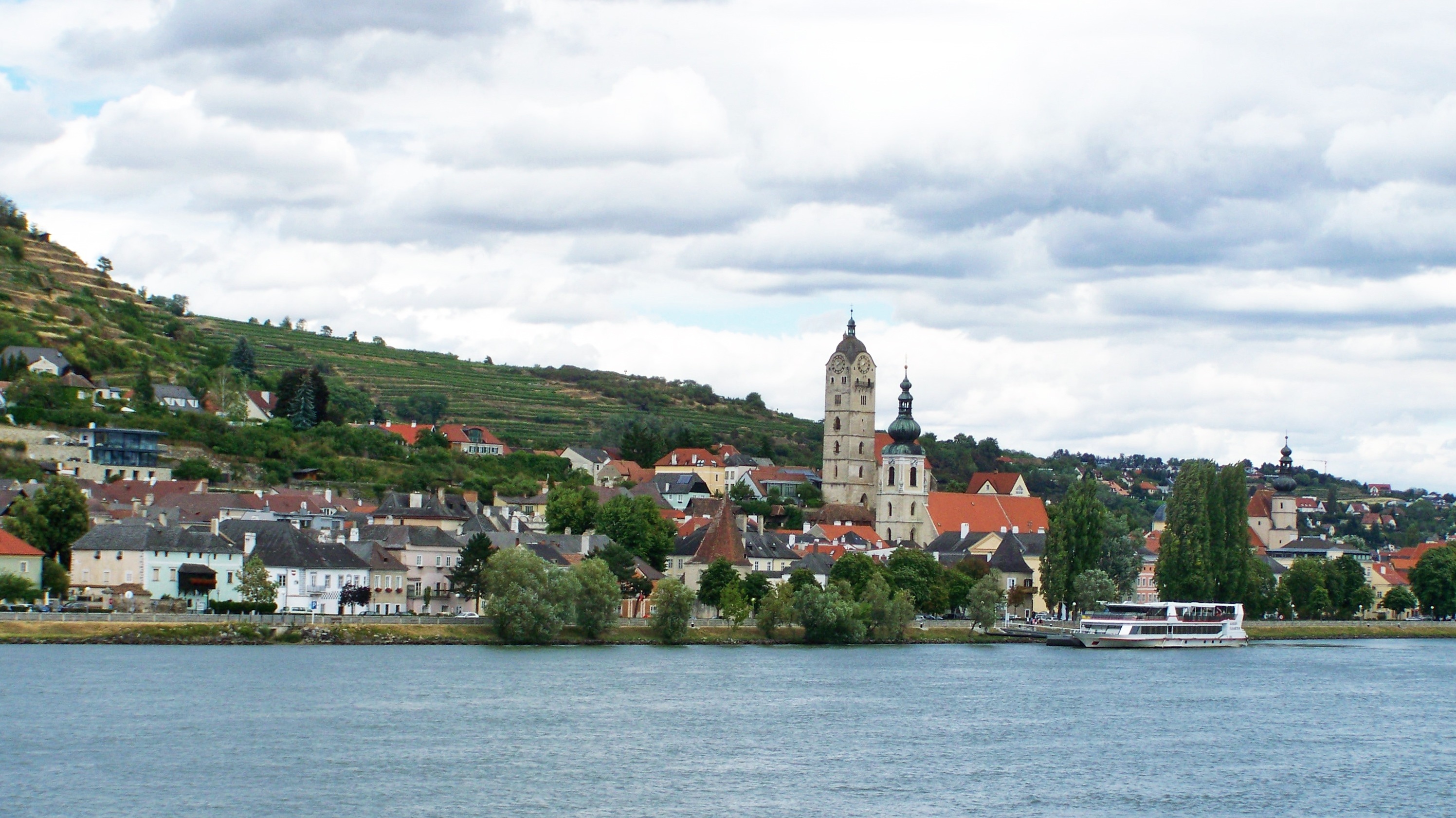
Krems an der Donau is a city in Northeast Austria located approximately forty three miles from Vienna. The city is situated on the banks of the river Danube and is one of the oldest of the Wachau Valley. Krems prides itself on historical preservation and has recently been awarded UNESCO World Heritage Site status. The history of the city dates back more than a thousand years with evidence found in its streets, squares, monasteries, churches and fortifications. Krems is also a modern city which celebrates its contemporary art and modern literature as well as being a leader in biotech application research. Exploring Krems is easily done on foot with city walking tours being very popular. Discover Old Krems and the Art Mile and learn about the city’s rich history at Museum Krems. As with many wine cities, food and drink is in abundance with popular restaurants and wine bars housed in historical buildings which enhance and deepen the dining and wine tasting experience.
Vienna, Austria
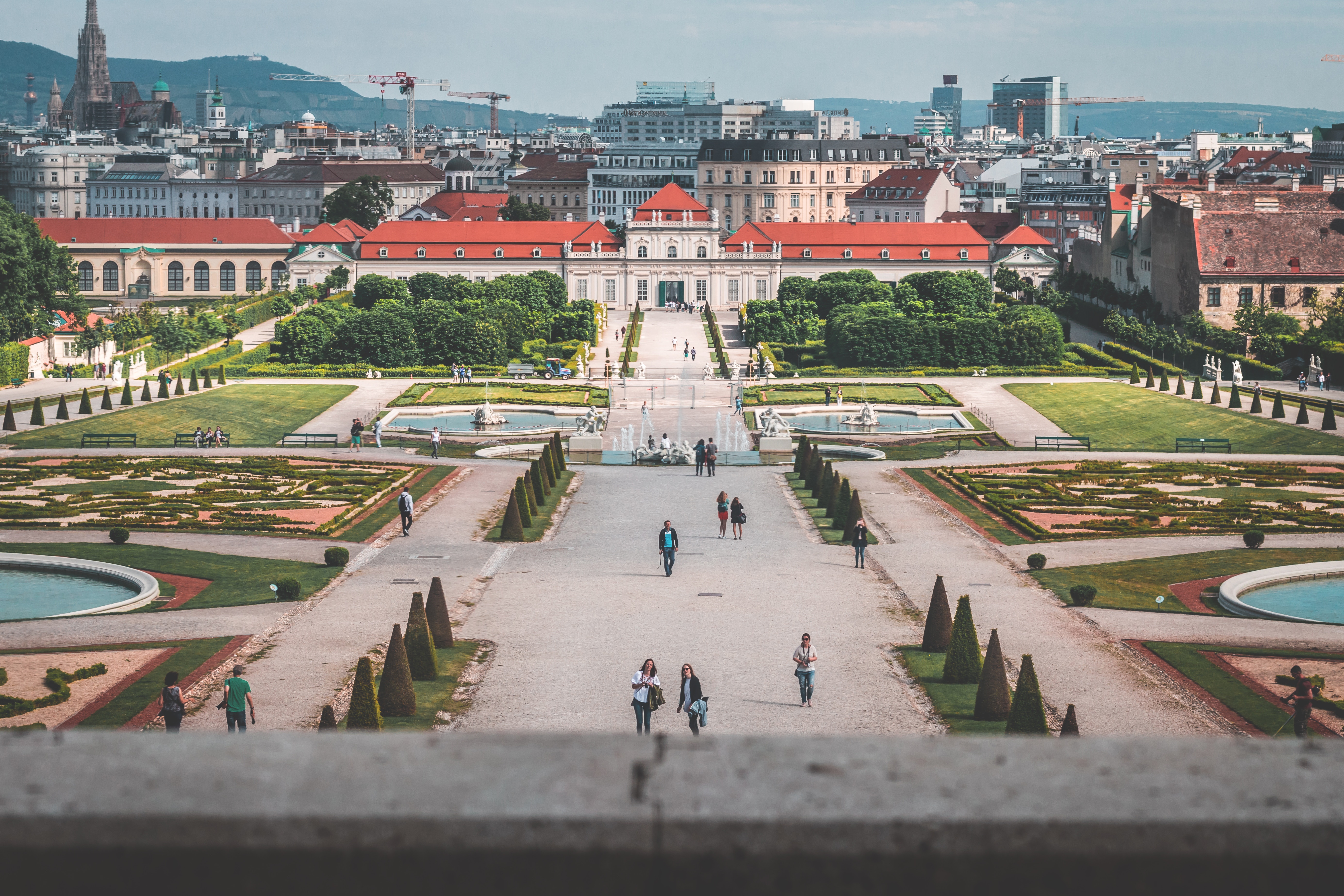
Vienna is the capital and largest city of Austria. Located on the Danube River in the East of the country, the city is renowned for its strong music heritage and rich culture, and is the largest German speaking city in the world, outside of Berlin. In 2001, Vienna was designated a UNESCO World Heritage Site and boasts magnificent architecture. The city is home to over 27 castles and 150 palaces including the symbolic Gothic St Stephen’s Cathedral and the iconic Schönbrunn Palace. Art and music are in abundance and all tastes are catered for. Live music venues offer everything from Rock to Opera. Enjoy world class performances at Vienna State Opera and experience the epicentre of international concert life at Musikverein. Modern and historical art can be found in indoor and outdoor spaces around the city, and a visit to the famous Kunsthistorisches Museum (KHM) is highly recommended. Enjoy views of the city from the Danube Tower and the Giant Ferris Wheel, then relax in the ample cosy coffee houses, cafes, bars and restaurants where traditional and international cuisines are served, as well as the locally produced wines.
Vienna, Austria
Vienna is the capital and largest city of Austria. Located on the Danube River in the East of the country, the city is renowned for its strong music heritage and rich culture, and is the largest German speaking city in the world, outside of Berlin. In 2001, Vienna was designated a UNESCO World Heritage Site and boasts magnificent architecture. The city is home to over 27 castles and 150 palaces including the symbolic Gothic St Stephen’s Cathedral and the iconic Schönbrunn Palace. Art and music are in abundance and all tastes are catered for. Live music venues offer everything from Rock to Opera. Enjoy world class performances at Vienna State Opera and experience the epicentre of international concert life at Musikverein. Modern and historical art can be found in indoor and outdoor spaces around the city, and a visit to the famous Kunsthistorisches Museum (KHM) is highly recommended. Enjoy views of the city from the Danube Tower and the Giant Ferris Wheel, then relax in the ample cosy coffee houses, cafes, bars and restaurants where traditional and international cuisines are served, as well as the locally produced wines.
Budapest, Hungary
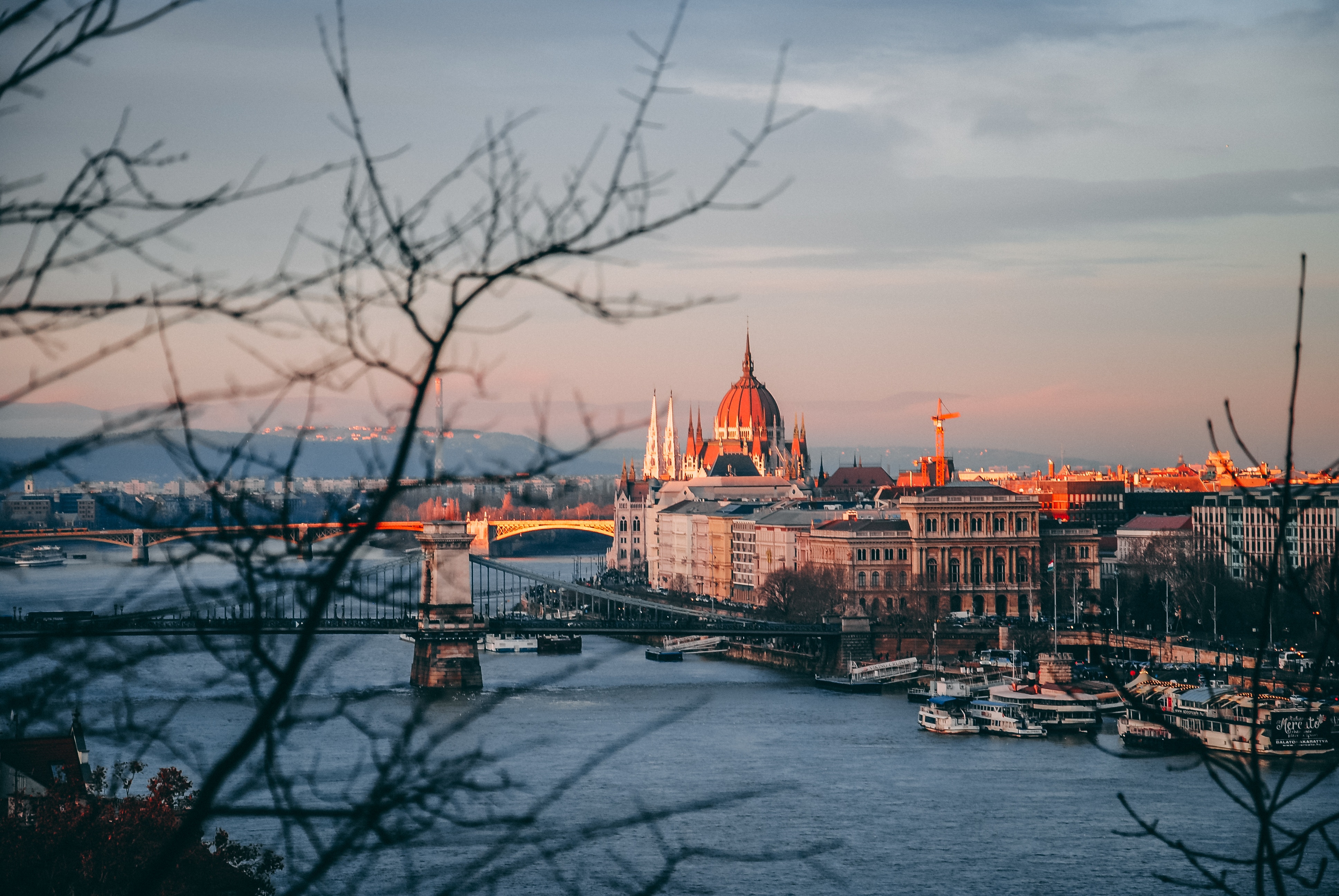
Budapest is the capital city of Hungary and is located over the River Danube. It is one of the largest cities in the European Union and much of its historical sites have been awarded UNESCO World Heritage Site status. Originally formed in 1873 by the joining of Buda, Pest and Old Buda, the city suffered heavy destruction during World War II and was rebuilt into the country’s political, cultural and commercial hub it is now. Bridges and railways connect the city over the Danube, including the six small islands situated on the river themselves. Some of Budapest’s UNESCO World Heritage sites include Chain Bridge, Budapest Parliament, the striking Matthias church and the iconic Royal Palace visible from every location within Budapest City. The Castle Hills district architecture represents over a thousand years of the city’s history with examples of Roman, Turkish, Gothic, Renaissance and Art Nouveau styles. Budapest also has a rich Jewish heritage and is home to the largest synagogue in Europe. The city has an abundance of restaurants offering international cuisines, as well as traditional Hungarian dishes ,including goulash soup, a very popular lunchtime dish. Hungarians enjoy their coffee so a traditional cafe is never hard to find.
Budapest, Hungary
Budapest is the capital city of Hungary and is located over the River Danube. It is one of the largest cities in the European Union and much of its historical sites have been awarded UNESCO World Heritage Site status. Originally formed in 1873 by the joining of Buda, Pest and Old Buda, the city suffered heavy destruction during World War II and was rebuilt into the country’s political, cultural and commercial hub it is now. Bridges and railways connect the city over the Danube, including the six small islands situated on the river themselves. Some of Budapest’s UNESCO World Heritage sites include Chain Bridge, Budapest Parliament, the striking Matthias church and the iconic Royal Palace visible from every location within Budapest City. The Castle Hills district architecture represents over a thousand years of the city’s history with examples of Roman, Turkish, Gothic, Renaissance and Art Nouveau styles. Budapest also has a rich Jewish heritage and is home to the largest synagogue in Europe. The city has an abundance of restaurants offering international cuisines, as well as traditional Hungarian dishes ,including goulash soup, a very popular lunchtime dish. Hungarians enjoy their coffee so a traditional cafe is never hard to find.
Mohács, Hungary
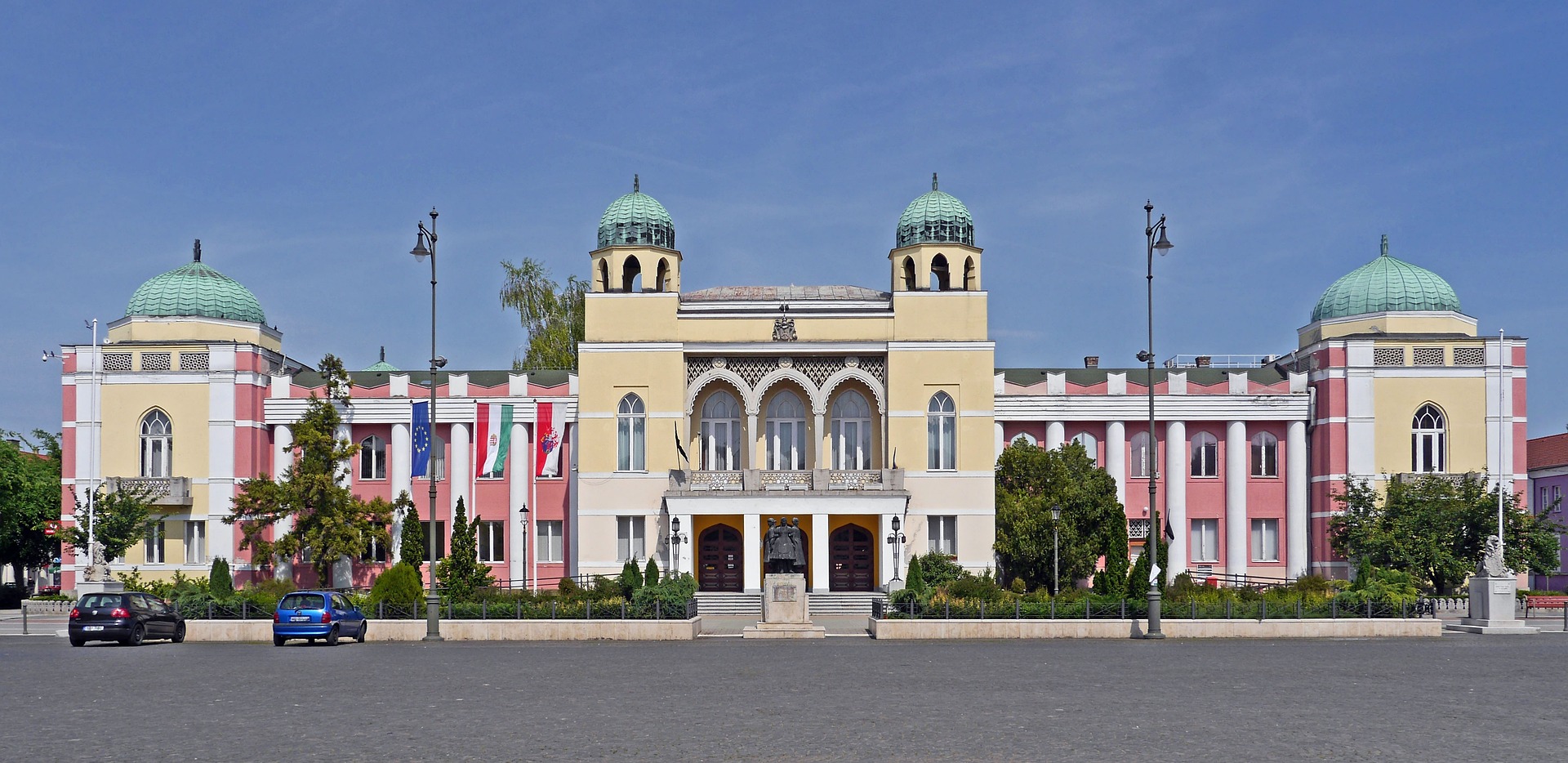
You will arrive in Mohács this morning. Straddling the Danube, this small Hungarian town was the site of the 16th century Battle of Mohács, which led to the destruction of the Hungarian monarchy and the rise of Ottoman and Habsburg rule.
Scenic Freechoice:
Explore your way with one of these excursions:
Guided tour of Pecs: Located close to the Croatian border, this guided tour will take you to the city’s first telephone exchange, which opened in 1885; the Turkish Bath of Pasha Memi, demolished in the late 19th century but unearthed in the 1970s, and more.
Villány wine village: The region of Villány is known for its big, bold red wines. Learn about everyday life in Hungary, then proceed to a historic wine cellar where you can sample local drops.
Zsolnay Ceramics Museum: Founded in 1853, Zsolnay Porcelain has a proud history of creating hand-painted ceramics. View a splendid collection housed in the company’s former factory.
Vukovar, Croatia
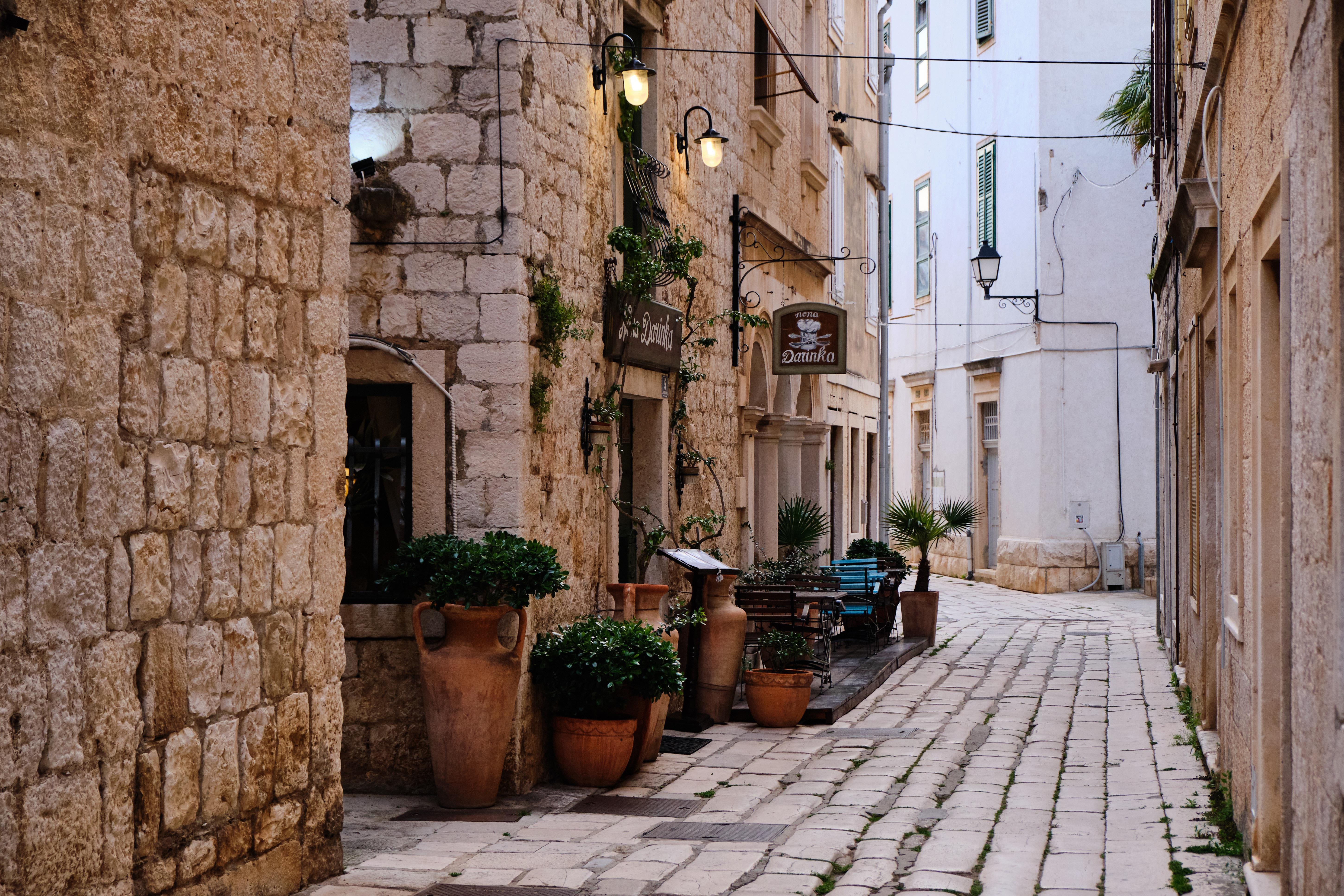
Your Scenic Space-Ship will arrive this morning in the Croatian town of Vukovar, a poignant city with a turbulent history. Over the past 500 years it has been part of the Ottoman, Habsburg and Austro-Hungarian empires, and in the 1990s was the epicentre of the Croatian War of Independence. Many of the grand Baroque buildings remain standing but bear the scars of the war.
Scenic Freechoice:
Choose from the following Scenic Freechoice activities:
Walking tour of Osijek: Travel by coach from Vukovar to the charming Croatian city of Osijek for a guided walking tour. Explore the well-preserved Baroque Old Town and fortress, soaking in the area’s historic elegance. You’ll also have the opportunity to hear some traditional and classical music popular in the region.
Baranja wine region: In this picturesque region straddling Croatia and Hungary, explore a rich wine-making tradition and scenic vineyards. Enjoy a tasting experience blending bold notes, local culture and breathtaking landscapes.
After your touring this morning, visit the home of a local Croatian family and have lunch with the family members. Immerse yourself in this cultural and culinary experience, and enjoy an authentic meal prepared with fresh vegetables from the host’s garden.
Belgrade, Serbia
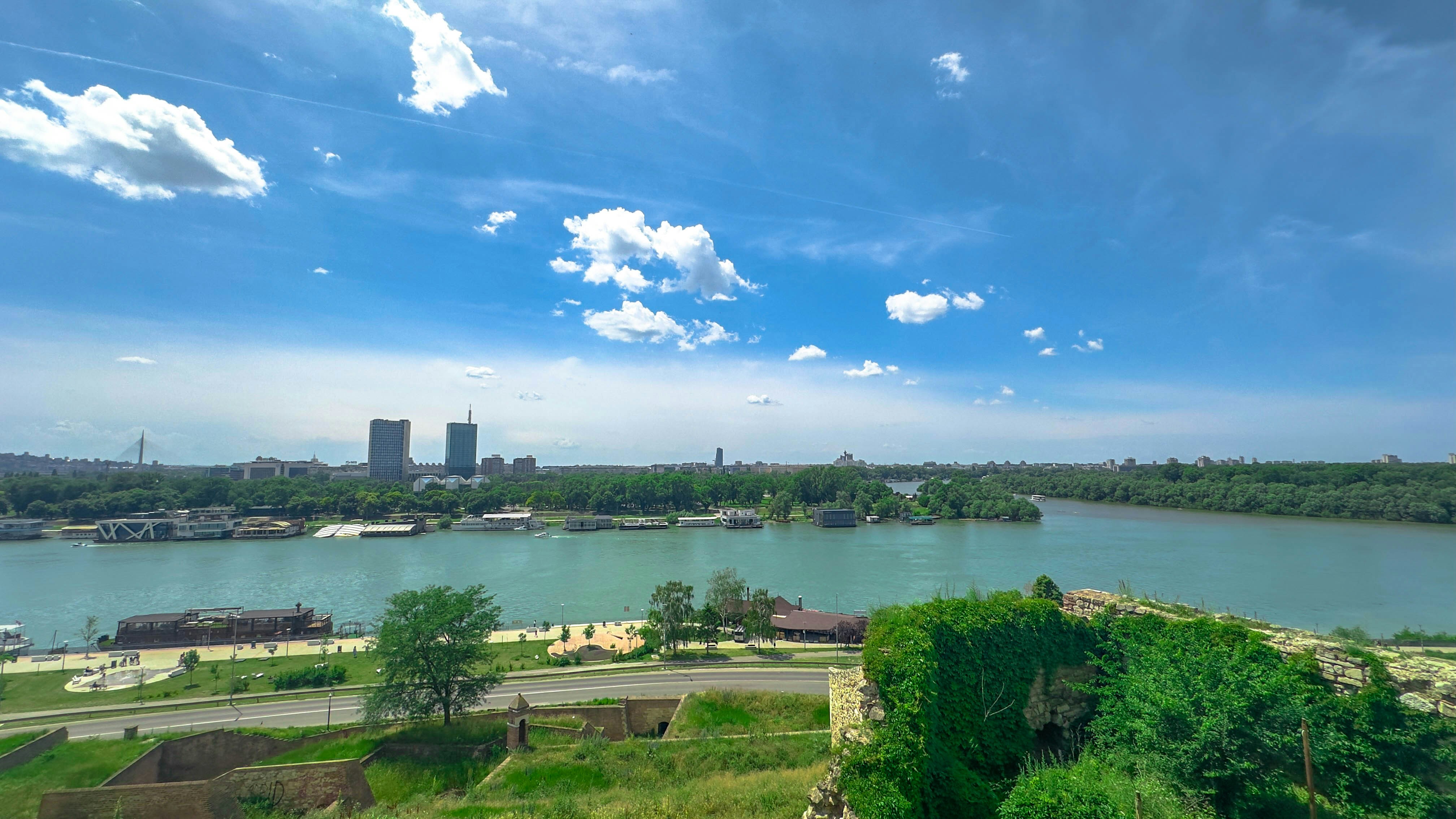
The capital of Serbia, Belgrade is known as the ‘Door to Central Europe’ and lies at the confluence of the Sava and Danube rivers. This eclectic city is steeped in history, Brutalist and Art Nouveau buildings and a bohemian vibe. One of the oldest capitals in Europe, Belgrade has been rebuilt almost 40 times.
Scenic Freechoice:
Explore more of the region on one of these Freechoice excursions:
Orientation tour of Belgrade: Tour the iconic sites of the city with a guide. You will explore the city’s highlights such as cobbled streets of the Bohemian Quarter and Kalemegdan Fortress. Afterwards, enjoy free time to explore on your own.
Panoramic tour of Belgrade with Tito’s Memorial: Join a panoramic tour of Belgrade with a local guide. See and learn about the major sites of the city including the Ottoman heritage of the Old Town and visit the memorial dedicated to Tito, the former ruler of Yugoslavia.
Cycling tour along the Danube: Trace the banks of the Danube on two wheels during this guided cycling tour.
This afternoon, you’re free to explore Belgrade further. You might like to soak up the bohemian culture with a wander along the cobblestoned Skardalija Street, a district once frequented by writers and artists and other creative souls, now home to traditional restaurants, local stores and galleries.
Scenic Enrich
Visit St. Sava Temple, the largest orthodox temple in the Balkans. Have a chance to admire the frescos-lined walls of the cathedral’s crypt where the church choir will perform some of the most beautiful hymns just for you. The crypt’s remarkable acoustics make this a once-in-a-lifetime opportunity, as white marble adorns the remarkable ceilings.
At Sea
Today you’ll cruise through the spectacular scenery of the Djerdap Gorge system, or Iron Gates. This stretch of the Danube is the natural border between Serbia and Romania, and features four narrow gorges, soaring cliffs and the mighty rock carving of Decebalus, the former Romanian king.
Spend some time relaxing in your suite, many of which feature a Scenic Sun Lounge, allowing you uninterrupted views to watch a rolling tapestry of river life as you cruise the Danube. Perhaps relax on the Sun Deck then mingle with other guests in the Panorama Lounge & Bar.
Svishtov, Bulgaria
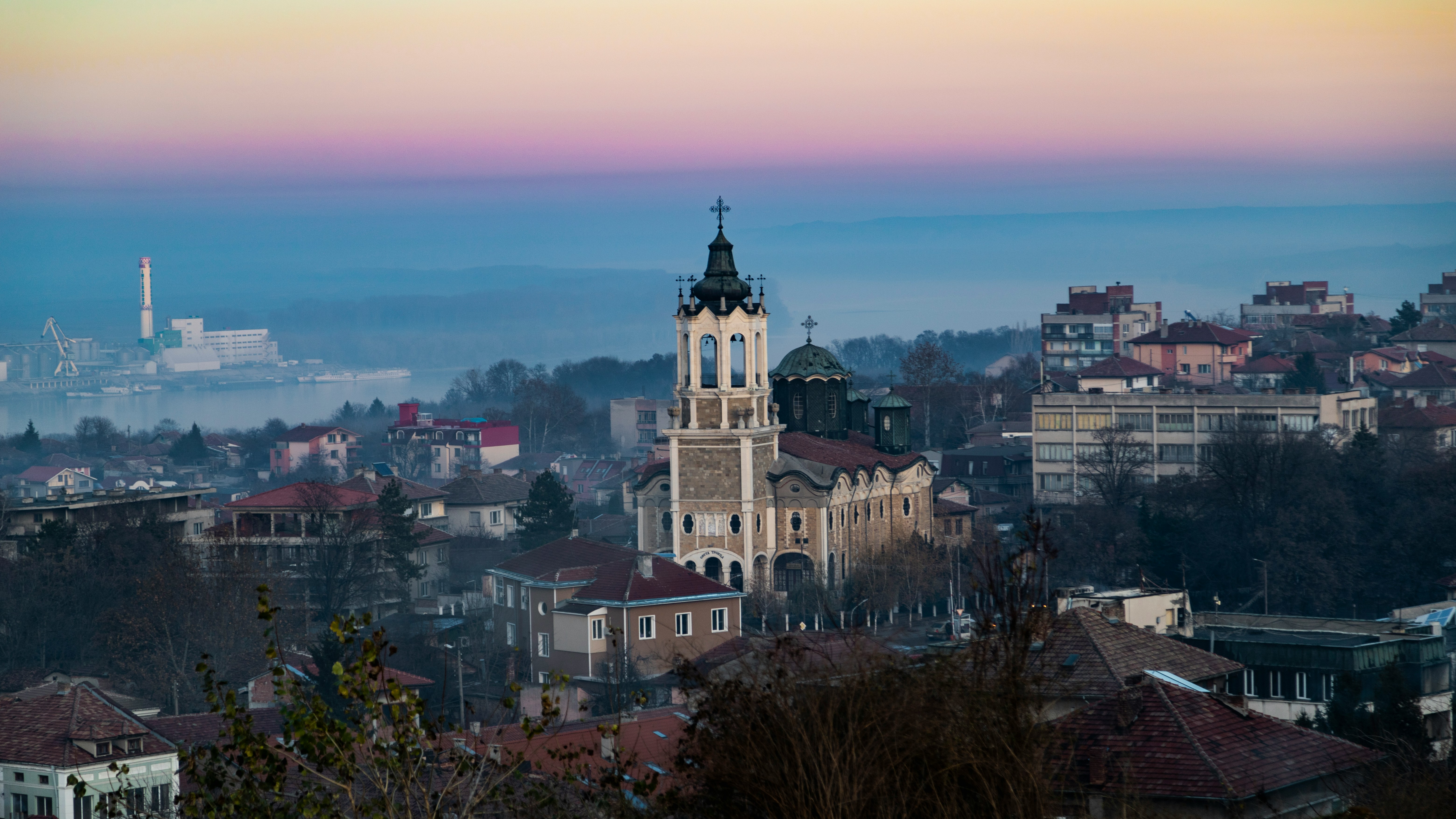
Your Scenic Space-Ship will arrive in the Bulgarian town of Svishtov this morning. Here you will have the choice to disembark and take an excursion to Veliko Tarnovo, known as the City of the Kings, or stay on board and cruise towards Rousse, which has been described as ‘Little Vienna’.
Scenic Freechoice:
Discover more on one of these Scenic Freechoice excursions:
Excursion to Veliko Tarnovo and Arbanassi: Take a full day excursion from Svishtov to Veliko Tarnovo, one of Bulgaria’s oldest towns. Enjoy the panoramic views of the old town and see the Asenevtsi Brothers Monument. You will then venture to the nearby leafy village of Arbanassi.
Walking tour of Rousse: Stay on board your Scenic Space-Ship and enjoy a relaxing morning cruising to Rousse. Upon arrival join a local guide for a sightseeing tour of this opulent town and an exclusive piano recital.
Ruse, Bulgaria
Your Scenic Space-Ship will arrive in the Bulgarian town of Svishtov this morning. Here you will have the choice to disembark and take an excursion to Veliko Tarnovo, known as the City of the Kings, or stay on board and cruise towards Rousse, which has been described as ‘Little Vienna’.
Scenic Freechoice:
Discover more on one of these Scenic Freechoice excursions:
Excursion to Veliko Tarnovo and Arbanassi: Take a full day excursion from Svishtov to Veliko Tarnovo, one of Bulgaria’s oldest towns. Enjoy the panoramic views of the old town and see the Asenevtsi Brothers Monument. You will then venture to the nearby leafy village of Arbanassi.
Walking tour of Rousse: Stay on board your Scenic Space-Ship and enjoy a relaxing morning cruising to Rousse. Upon arrival join a local guide for a sightseeing tour of this opulent town and an exclusive piano recital.
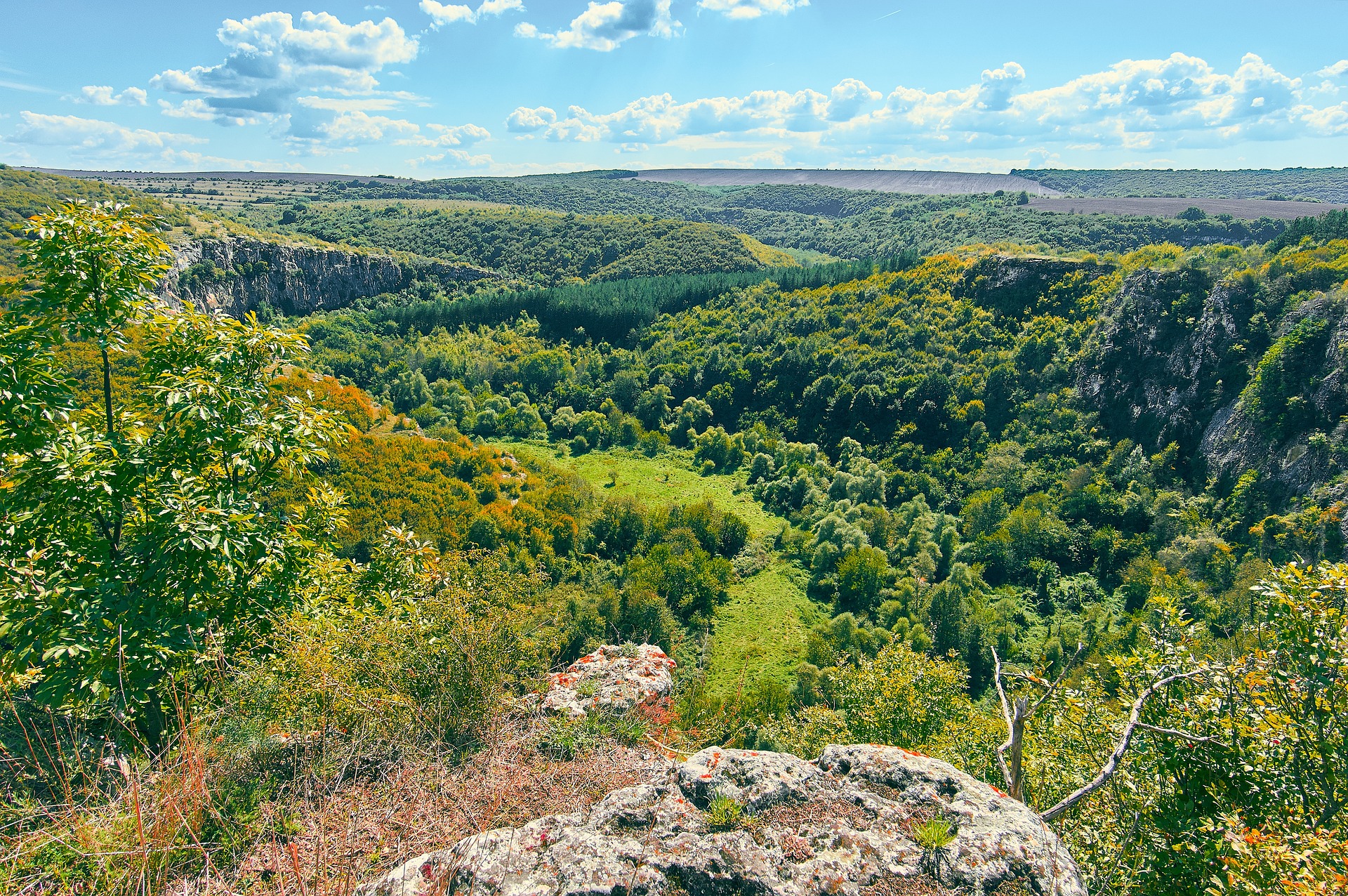
Silistra, Bulgaria
Arrive in Silistra early this morning. This Bulgarian town has changed hands many times over the centuries. As a major Turkish fortress and trade centre in the 15th century, it played a significant role in the Russo-Turkish wars of the 1870s, briefly became part of Romania after the Second Balkan War and finally reverted to Bulgaria in 1940. The town is dotted with historic sites stretching back to late Roman times.
Scenic Freechoice:
Choose from the following Scenic Freechoice activities:
Active walk to Silistra Fort: Take a guided walking tour of the fort and learn about its history. It is the best preserved of the six points of the Turkish fortification system.
Visit Alfatar Village: Take an excursion to the small village of Alfatar, located just outside of Silistra. Visit the ethnographic museum featuring a typical country house, see customary attire and visit the Alfatar school to meet local children with a charming choir performance and learn about daily life for young Bulgarians.
Sveshtari Thracian Secrets: Explore the ancient Thracian Tomb of Sveshtari and discover the rich heritage and flavours of Bulgaria on this unique guided tour.
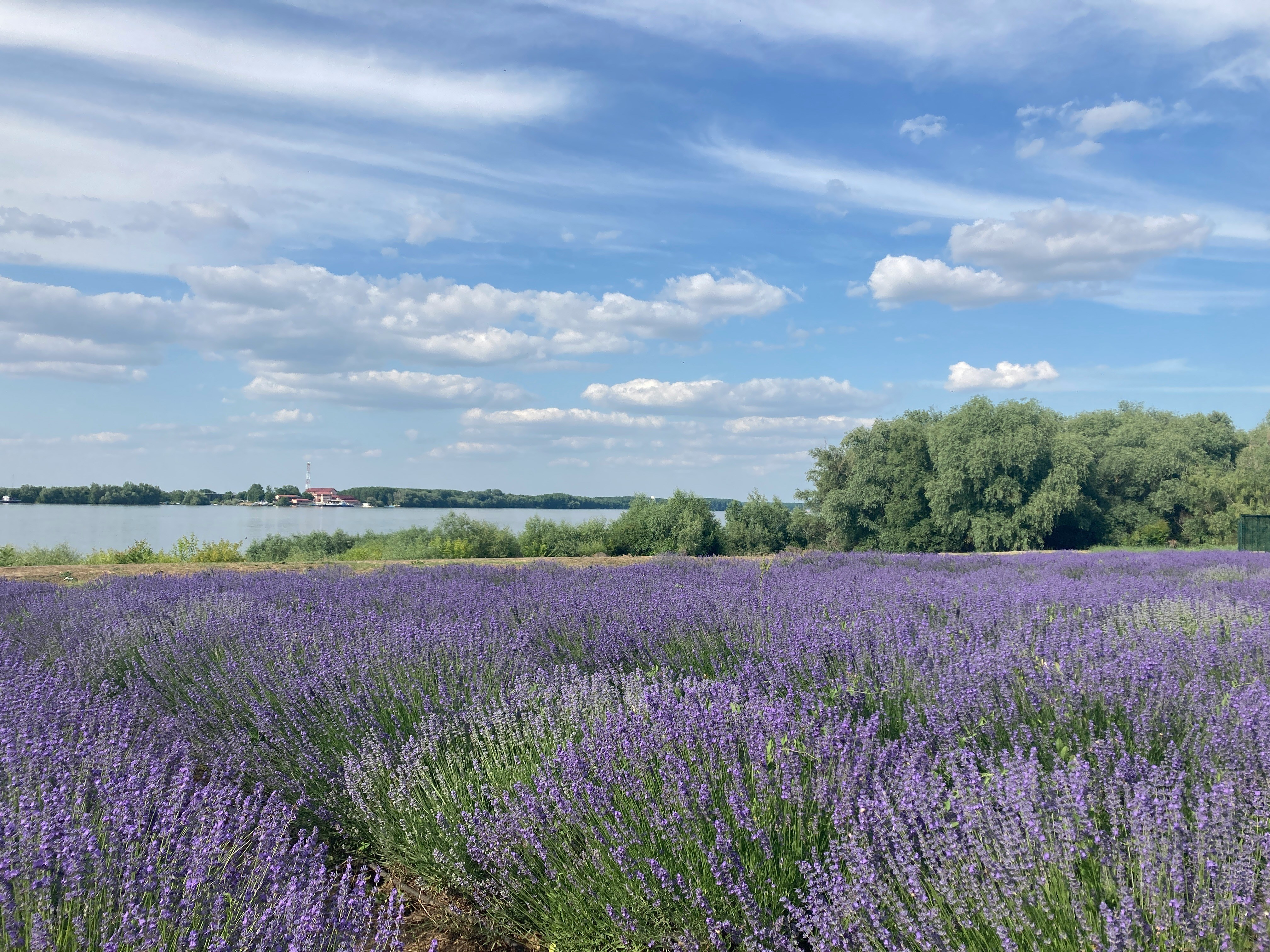
Giurgiu, Romania
This morning, farewell your Scenic Space-Ship and transfer to Bucharest. The capital of Romania was once called the ‘Paris of the East’, however WWII changed the face of the city with much of its Art Nouveau and Art Deco architecture destroyed. Now a unique mix of Art Nouveau remnants and Brutalist – era architecture sit alongside wide, tree lined boulevards and leafy squares, hidden street art and thriving nightlife.
Upon arrival, take an orientation tour of the city by coach, from the south of Bucharest to Primaverii Palace stopping to see its squares, including Union Square, University Square, Roman Square, Victory Square and Charles de Gaulle Square.
Scenic Freechoice:
After the city tour, personalise the rest of your morning with the following Scenic Freechoice activities.
Ceausescu’s Spring Palace: Located in one of the wealthiest districts in Bucharest, this 1960s residence is made up of 80 distinctive and elegant rooms decorated with silk wallpaper, wood panels, paintings by famous Romanian painters, mosaics, marble, chandeliers and mirrors made of Murano glass.
Village Open Air Museum: Explore the ethnography exhibits depicting Romanian heritage and culture at the Village Open Air Museum. The museum depicts authentic houses, barns, churches and more, rebuilt by craftsmen using traditional techniques.
Afterwards, head to your hotel and dine with your fellow guests.
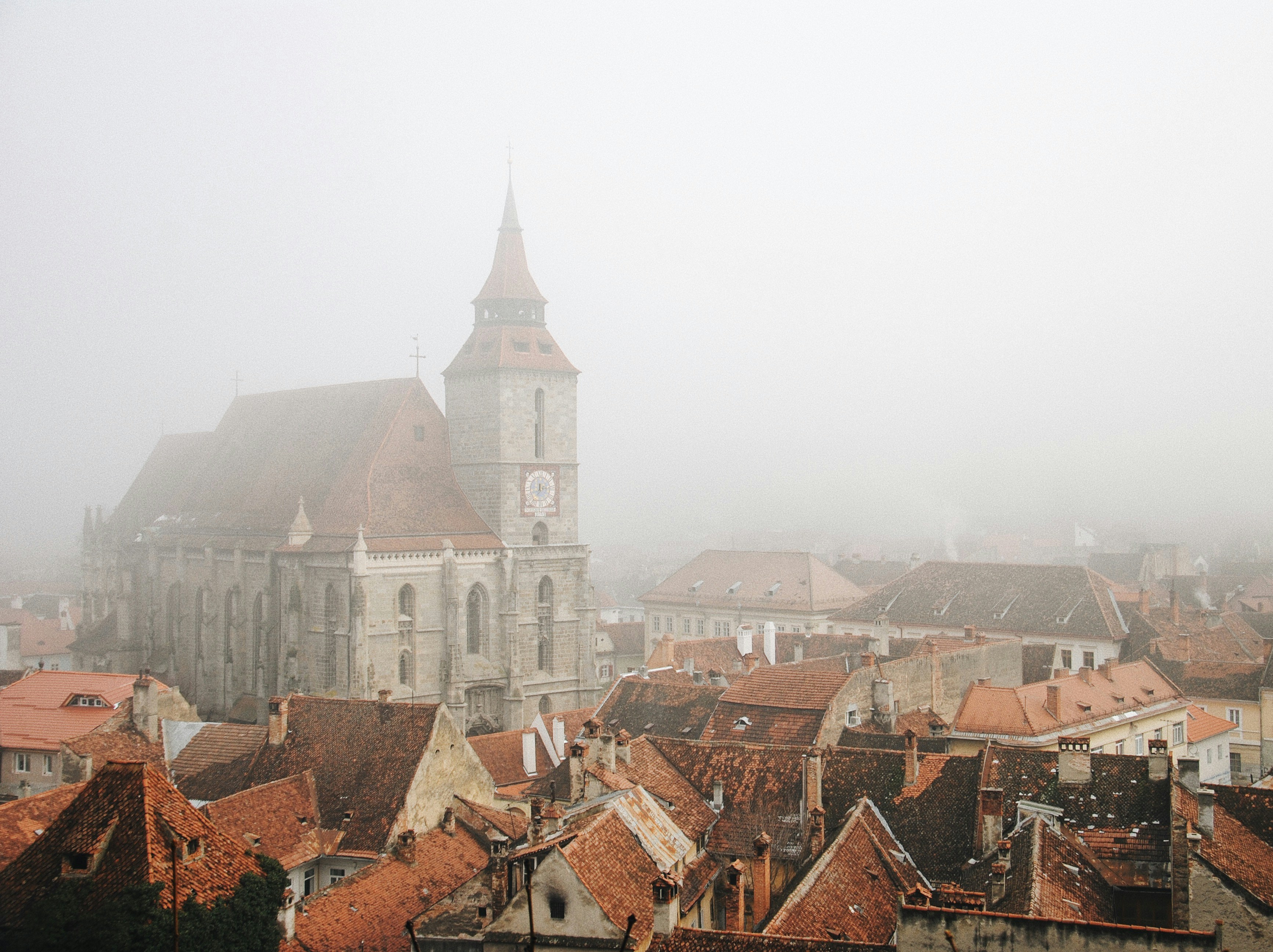
Bucharest, Romania
Bucharest, in southern Romania, is the country’s capital and commercial center. Its iconic landmark is the massive, communist-era Palatul Parlamentului government building, which has 1,100 rooms. Nearby, the historic Lipscani district is home to an energetic nightlife scene as well as tiny Eastern Orthodox Stavropoleos Church and 15th-century Curtea Veche Palace, where Prince Vlad III (“The Impaler”) once ruled.
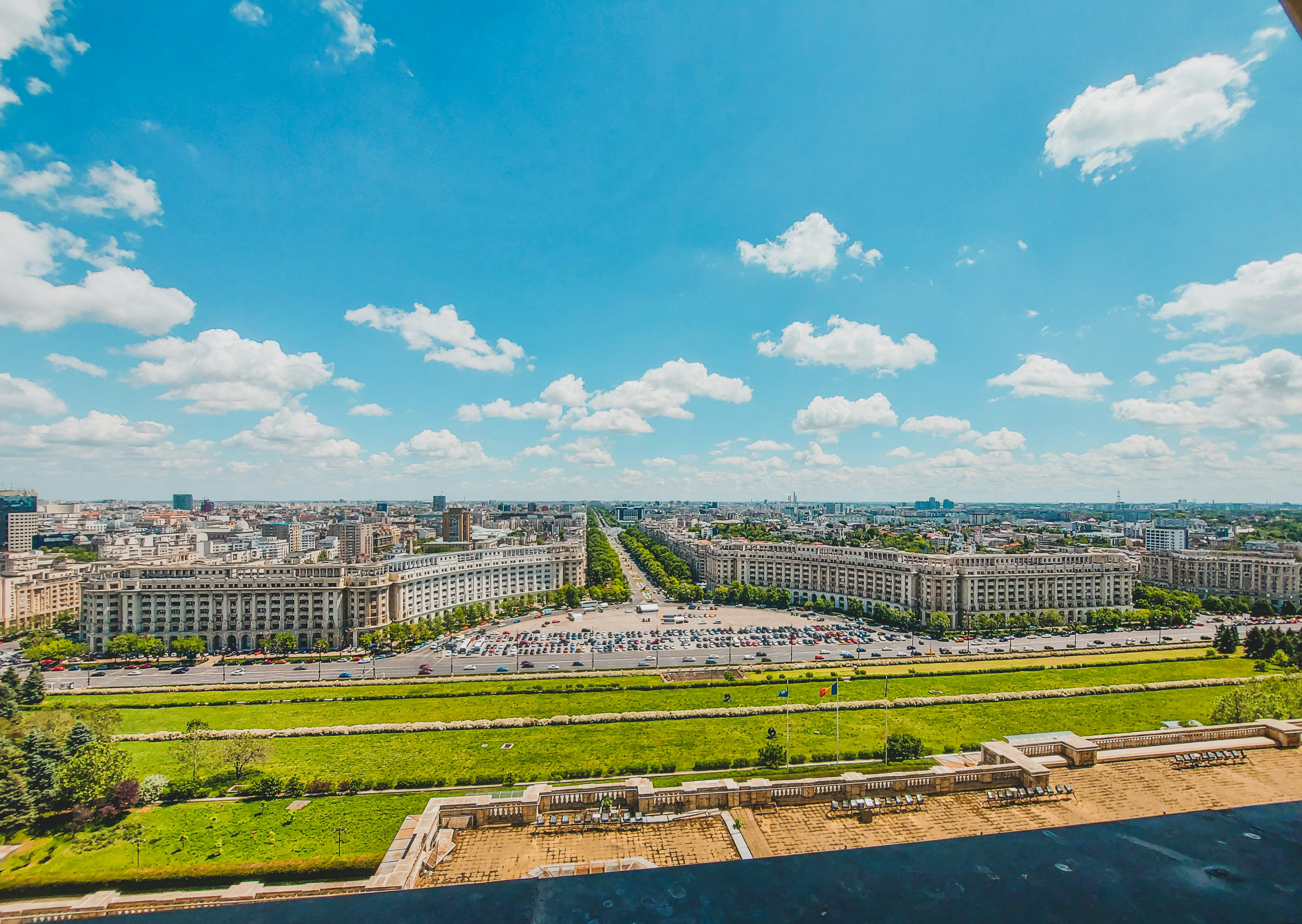
Istanbul, Turkey
The only city in the world that can lay claim to straddling two continents, Istanbul—once known as Constantinople, capital of the Byzantine and then the Ottoman Empire—has for centuries been a bustling metropolis with one foot in Europe and the other in Asia. Istanbul embraces this enviable position with both a certain chaos and inventiveness, ever evolving as one of the world’s most cosmopolitan crossroads. It’s often said that Istanbul is the meeting point of East and West, but visitors to this city built over the former capital of two great empires are likely to be just as impressed by the juxtaposition of old and new. Office towers creep up behind historic palaces, women in chic designer outfits pass others wearing long skirts and head coverings, peddlers’ pushcarts vie with battered old Fiats and shiny BMWs for dominance of the noisy, narrow streets, and the Grand Bazaar competes with modern shopping malls. At dawn, when the muezzin’s call to prayer resounds from ancient minarets, there are inevitably a few hearty revelers still making their way home from nightclubs and bars. Most visitors to this sprawling city of more than 14 million will first set foot in the relatively compact Old City, where the legacy of the Byzantine and Ottoman empires can be seen in monumental works of architecture like the brilliant Aya Sofya and the beautifully proportioned mosques built by the great architect Sinan. Though it would be easy to spend days, if not weeks, exploring the wealth of attractions in the historical peninsula, visitors should make sure also to venture elsewhere in order to experience the vibrancy of contemporary Istanbul. With a lively nightlife propelled by its young population and an exciting arts scene that’s increasingly on the international radar—thanks in part to its stint as the European Capital of Culture in 2010—Istanbul is truly a city that never sleeps. It’s also a place where visitors will feel welcome: Istanbul may be on the Bosphorus, but at heart it’s a Mediterranean city, whose friendly inhabitants are effusively social and eager to share what they love most about it.
Istanbul, Turkey
The only city in the world that can lay claim to straddling two continents, Istanbul—once known as Constantinople, capital of the Byzantine and then the Ottoman Empire—has for centuries been a bustling metropolis with one foot in Europe and the other in Asia. Istanbul embraces this enviable position with both a certain chaos and inventiveness, ever evolving as one of the world’s most cosmopolitan crossroads. It’s often said that Istanbul is the meeting point of East and West, but visitors to this city built over the former capital of two great empires are likely to be just as impressed by the juxtaposition of old and new. Office towers creep up behind historic palaces, women in chic designer outfits pass others wearing long skirts and head coverings, peddlers’ pushcarts vie with battered old Fiats and shiny BMWs for dominance of the noisy, narrow streets, and the Grand Bazaar competes with modern shopping malls. At dawn, when the muezzin’s call to prayer resounds from ancient minarets, there are inevitably a few hearty revelers still making their way home from nightclubs and bars. Most visitors to this sprawling city of more than 14 million will first set foot in the relatively compact Old City, where the legacy of the Byzantine and Ottoman empires can be seen in monumental works of architecture like the brilliant Aya Sofya and the beautifully proportioned mosques built by the great architect Sinan. Though it would be easy to spend days, if not weeks, exploring the wealth of attractions in the historical peninsula, visitors should make sure also to venture elsewhere in order to experience the vibrancy of contemporary Istanbul. With a lively nightlife propelled by its young population and an exciting arts scene that’s increasingly on the international radar—thanks in part to its stint as the European Capital of Culture in 2010—Istanbul is truly a city that never sleeps. It’s also a place where visitors will feel welcome: Istanbul may be on the Bosphorus, but at heart it’s a Mediterranean city, whose friendly inhabitants are effusively social and eager to share what they love most about it.
Istanbul, Turkey
The only city in the world that can lay claim to straddling two continents, Istanbul—once known as Constantinople, capital of the Byzantine and then the Ottoman Empire—has for centuries been a bustling metropolis with one foot in Europe and the other in Asia. Istanbul embraces this enviable position with both a certain chaos and inventiveness, ever evolving as one of the world’s most cosmopolitan crossroads. It’s often said that Istanbul is the meeting point of East and West, but visitors to this city built over the former capital of two great empires are likely to be just as impressed by the juxtaposition of old and new. Office towers creep up behind historic palaces, women in chic designer outfits pass others wearing long skirts and head coverings, peddlers’ pushcarts vie with battered old Fiats and shiny BMWs for dominance of the noisy, narrow streets, and the Grand Bazaar competes with modern shopping malls. At dawn, when the muezzin’s call to prayer resounds from ancient minarets, there are inevitably a few hearty revelers still making their way home from nightclubs and bars. Most visitors to this sprawling city of more than 14 million will first set foot in the relatively compact Old City, where the legacy of the Byzantine and Ottoman empires can be seen in monumental works of architecture like the brilliant Aya Sofya and the beautifully proportioned mosques built by the great architect Sinan. Though it would be easy to spend days, if not weeks, exploring the wealth of attractions in the historical peninsula, visitors should make sure also to venture elsewhere in order to experience the vibrancy of contemporary Istanbul. With a lively nightlife propelled by its young population and an exciting arts scene that’s increasingly on the international radar—thanks in part to its stint as the European Capital of Culture in 2010—Istanbul is truly a city that never sleeps. It’s also a place where visitors will feel welcome: Istanbul may be on the Bosphorus, but at heart it’s a Mediterranean city, whose friendly inhabitants are effusively social and eager to share what they love most about it.
Çanakkale, Turkey
Today, we leave Istanbul behind and visit the city of Çanakkale. Sitting on the edge of the Dardanelle Strait, Çanakkale has been at the forefront of history for centuries. It’s the gateway to the World War One battlefield of Gallipoli and the ancient city of Troy.
Tonight, why not make the most of your evening at leisure and join the locals along the waterfront promenade to get a taste of modern Turkish culture.
Çanakkale, Turkey
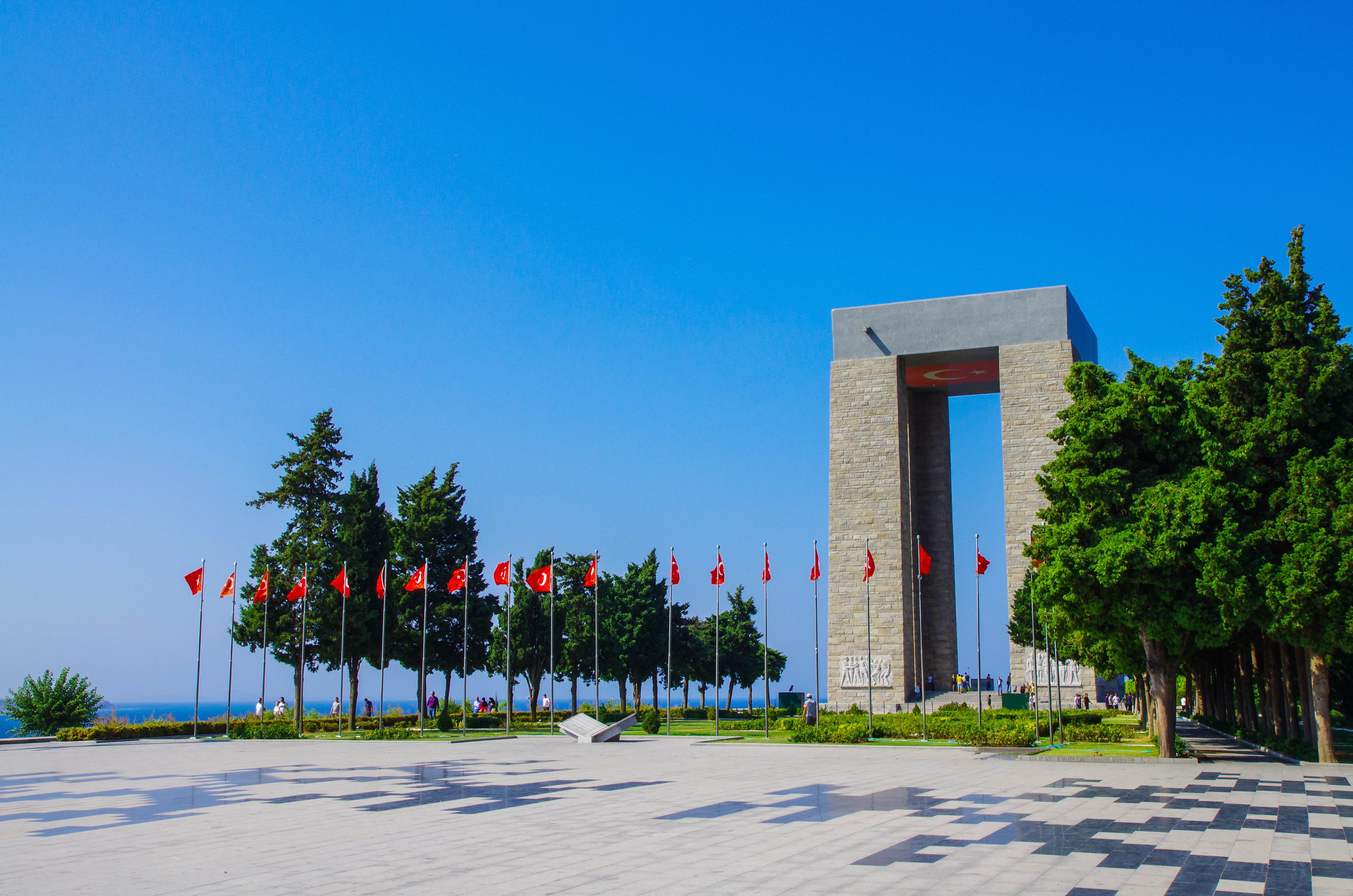
Today you are bound for Gallipoli, a special place in the heart of Australians and New Zealanders.
The Gallipoli peninsula where the eight-month WWI campaign took place is now a national park and your guide will take you through the most significant sites. Stand on the beach at ANZAC Cove, where the soldiers first came ashore on 25 April 1915. Contemplate the courage and sacrifice that took place at Lone Pine and the Nek. Walk through some of the 31 cemeteries that dot the peninsula. Visiting Gallipoli is a moving experience that will stay with you long after you leave.
Çanakkale, Turkey
This morning you’ll be venturing to a place that is shrouded in mystery and legend, the ancient city of Troy. For more than 3,000 years, the tales of Troy and the Trojan War were thought to be mythical, made most famous by Homer’s Iliad. But in the late 19th century, the ruins of Troy were discovered in modern day Turkey and centuries of history were instantly rewritten. Take a tour through the 4,000-year-old ruins, see a giant replica of the famous Trojan Horse and learn the true story behind this illustrious city.
Afterwards, return to Istanbul.
Istanbul, Turkey
The only city in the world that can lay claim to straddling two continents, Istanbul—once known as Constantinople, capital of the Byzantine and then the Ottoman Empire—has for centuries been a bustling metropolis with one foot in Europe and the other in Asia. Istanbul embraces this enviable position with both a certain chaos and inventiveness, ever evolving as one of the world’s most cosmopolitan crossroads. It’s often said that Istanbul is the meeting point of East and West, but visitors to this city built over the former capital of two great empires are likely to be just as impressed by the juxtaposition of old and new. Office towers creep up behind historic palaces, women in chic designer outfits pass others wearing long skirts and head coverings, peddlers’ pushcarts vie with battered old Fiats and shiny BMWs for dominance of the noisy, narrow streets, and the Grand Bazaar competes with modern shopping malls. At dawn, when the muezzin’s call to prayer resounds from ancient minarets, there are inevitably a few hearty revelers still making their way home from nightclubs and bars. Most visitors to this sprawling city of more than 14 million will first set foot in the relatively compact Old City, where the legacy of the Byzantine and Ottoman empires can be seen in monumental works of architecture like the brilliant Aya Sofya and the beautifully proportioned mosques built by the great architect Sinan. Though it would be easy to spend days, if not weeks, exploring the wealth of attractions in the historical peninsula, visitors should make sure also to venture elsewhere in order to experience the vibrancy of contemporary Istanbul. With a lively nightlife propelled by its young population and an exciting arts scene that’s increasingly on the international radar—thanks in part to its stint as the European Capital of Culture in 2010—Istanbul is truly a city that never sleeps. It’s also a place where visitors will feel welcome: Istanbul may be on the Bosphorus, but at heart it’s a Mediterranean city, whose friendly inhabitants are effusively social and eager to share what they love most about it.
Istanbul, Turkey
The only city in the world that can lay claim to straddling two continents, Istanbul—once known as Constantinople, capital of the Byzantine and then the Ottoman Empire—has for centuries been a bustling metropolis with one foot in Europe and the other in Asia. Istanbul embraces this enviable position with both a certain chaos and inventiveness, ever evolving as one of the world’s most cosmopolitan crossroads. It’s often said that Istanbul is the meeting point of East and West, but visitors to this city built over the former capital of two great empires are likely to be just as impressed by the juxtaposition of old and new. Office towers creep up behind historic palaces, women in chic designer outfits pass others wearing long skirts and head coverings, peddlers’ pushcarts vie with battered old Fiats and shiny BMWs for dominance of the noisy, narrow streets, and the Grand Bazaar competes with modern shopping malls. At dawn, when the muezzin’s call to prayer resounds from ancient minarets, there are inevitably a few hearty revelers still making their way home from nightclubs and bars. Most visitors to this sprawling city of more than 14 million will first set foot in the relatively compact Old City, where the legacy of the Byzantine and Ottoman empires can be seen in monumental works of architecture like the brilliant Aya Sofya and the beautifully proportioned mosques built by the great architect Sinan. Though it would be easy to spend days, if not weeks, exploring the wealth of attractions in the historical peninsula, visitors should make sure also to venture elsewhere in order to experience the vibrancy of contemporary Istanbul. With a lively nightlife propelled by its young population and an exciting arts scene that’s increasingly on the international radar—thanks in part to its stint as the European Capital of Culture in 2010—Istanbul is truly a city that never sleeps. It’s also a place where visitors will feel welcome: Istanbul may be on the Bosphorus, but at heart it’s a Mediterranean city, whose friendly inhabitants are effusively social and eager to share what they love most about it.
Istanbul, Turkey
The only city in the world that can lay claim to straddling two continents, Istanbul—once known as Constantinople, capital of the Byzantine and then the Ottoman Empire—has for centuries been a bustling metropolis with one foot in Europe and the other in Asia. Istanbul embraces this enviable position with both a certain chaos and inventiveness, ever evolving as one of the world’s most cosmopolitan crossroads. It’s often said that Istanbul is the meeting point of East and West, but visitors to this city built over the former capital of two great empires are likely to be just as impressed by the juxtaposition of old and new. Office towers creep up behind historic palaces, women in chic designer outfits pass others wearing long skirts and head coverings, peddlers’ pushcarts vie with battered old Fiats and shiny BMWs for dominance of the noisy, narrow streets, and the Grand Bazaar competes with modern shopping malls. At dawn, when the muezzin’s call to prayer resounds from ancient minarets, there are inevitably a few hearty revelers still making their way home from nightclubs and bars. Most visitors to this sprawling city of more than 14 million will first set foot in the relatively compact Old City, where the legacy of the Byzantine and Ottoman empires can be seen in monumental works of architecture like the brilliant Aya Sofya and the beautifully proportioned mosques built by the great architect Sinan. Though it would be easy to spend days, if not weeks, exploring the wealth of attractions in the historical peninsula, visitors should make sure also to venture elsewhere in order to experience the vibrancy of contemporary Istanbul. With a lively nightlife propelled by its young population and an exciting arts scene that’s increasingly on the international radar—thanks in part to its stint as the European Capital of Culture in 2010—Istanbul is truly a city that never sleeps. It’s also a place where visitors will feel welcome: Istanbul may be on the Bosphorus, but at heart it’s a Mediterranean city, whose friendly inhabitants are effusively social and eager to share what they love most about it.
Cabin Options
Balcony Suite
Royal Owner's Suite
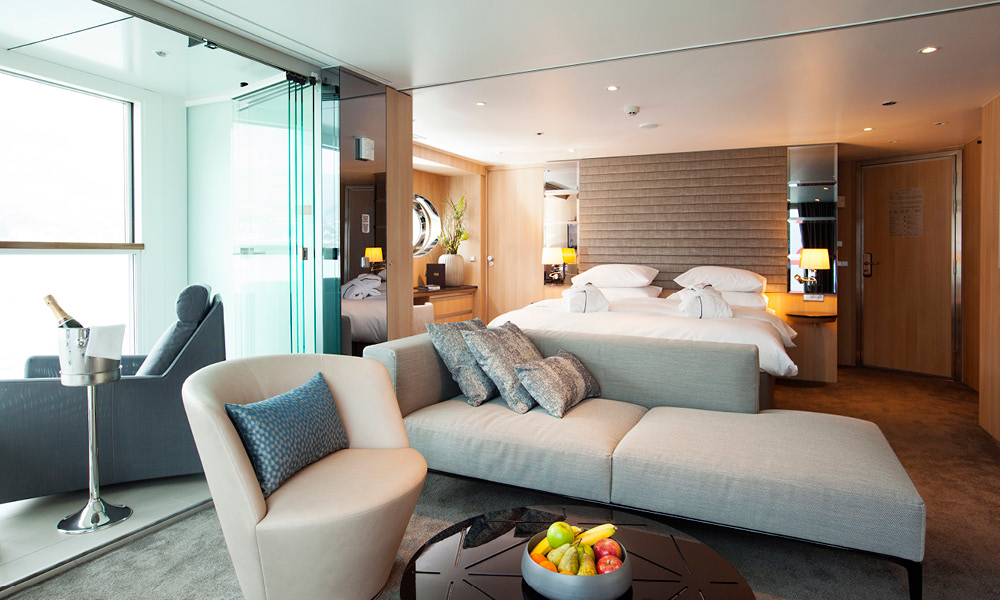
Royal Panorama Suite
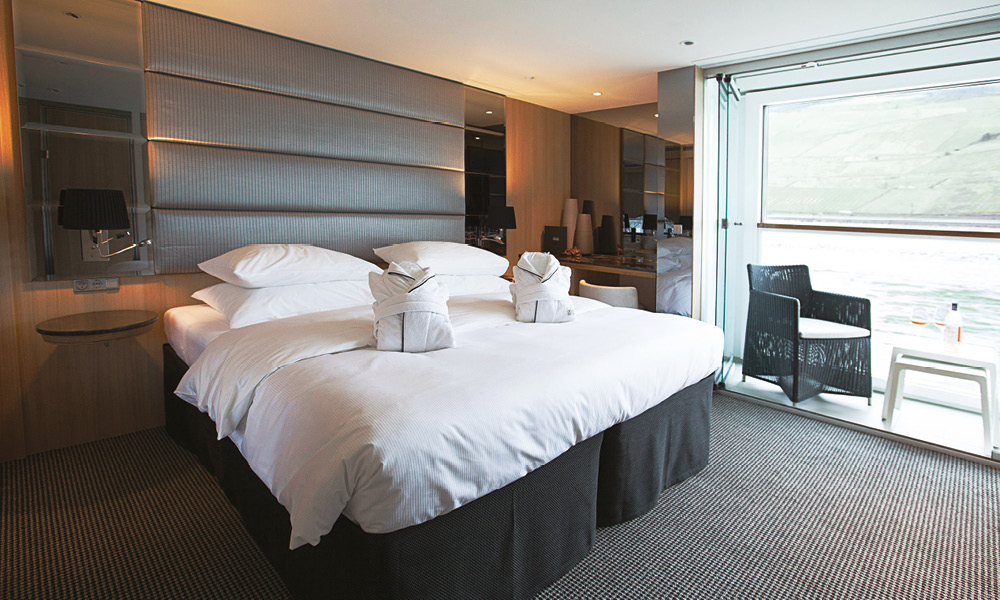
Deluxe Balcony Suite
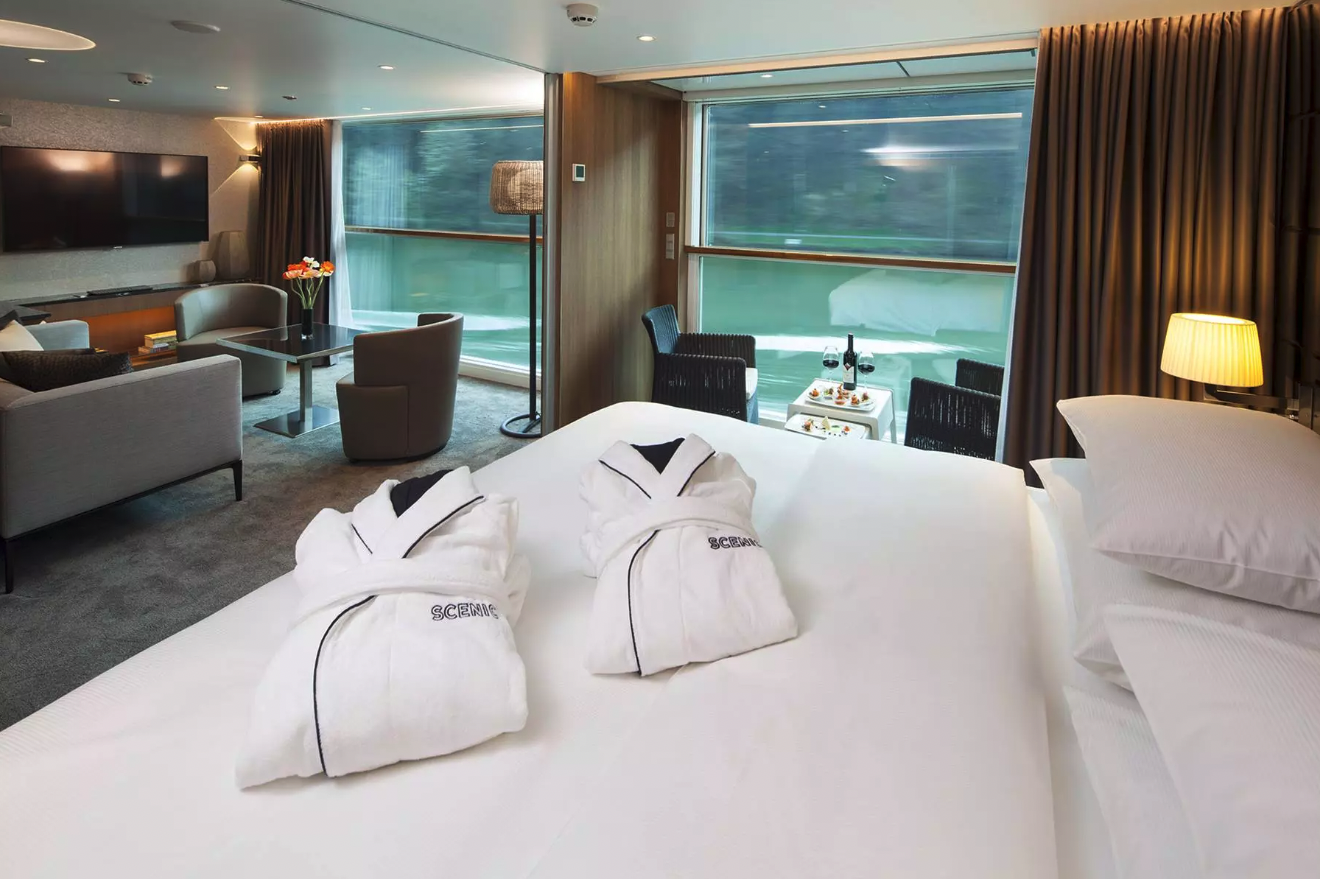
Royal Balcony Suite
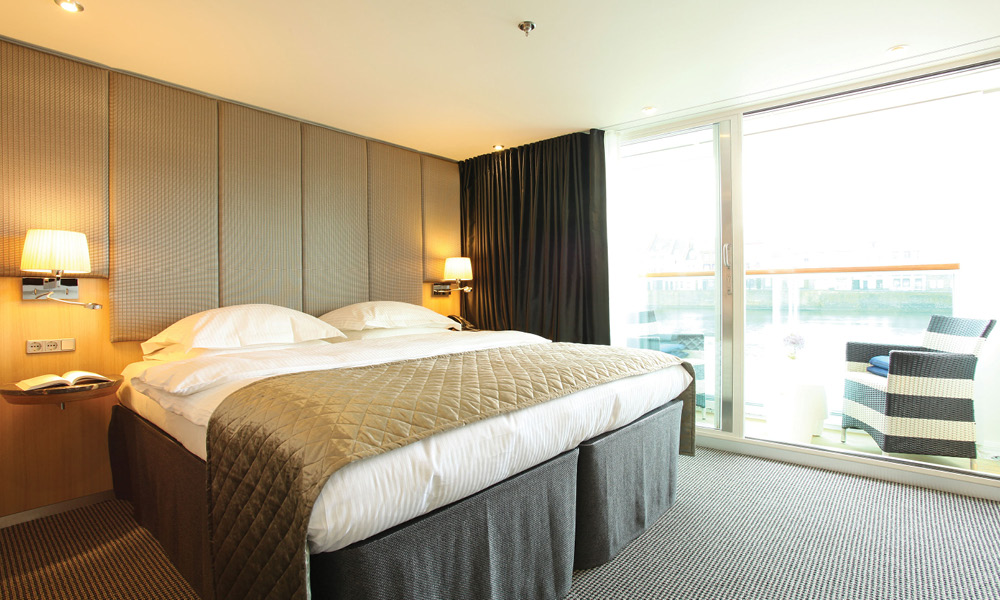
Junior Balcony Suite
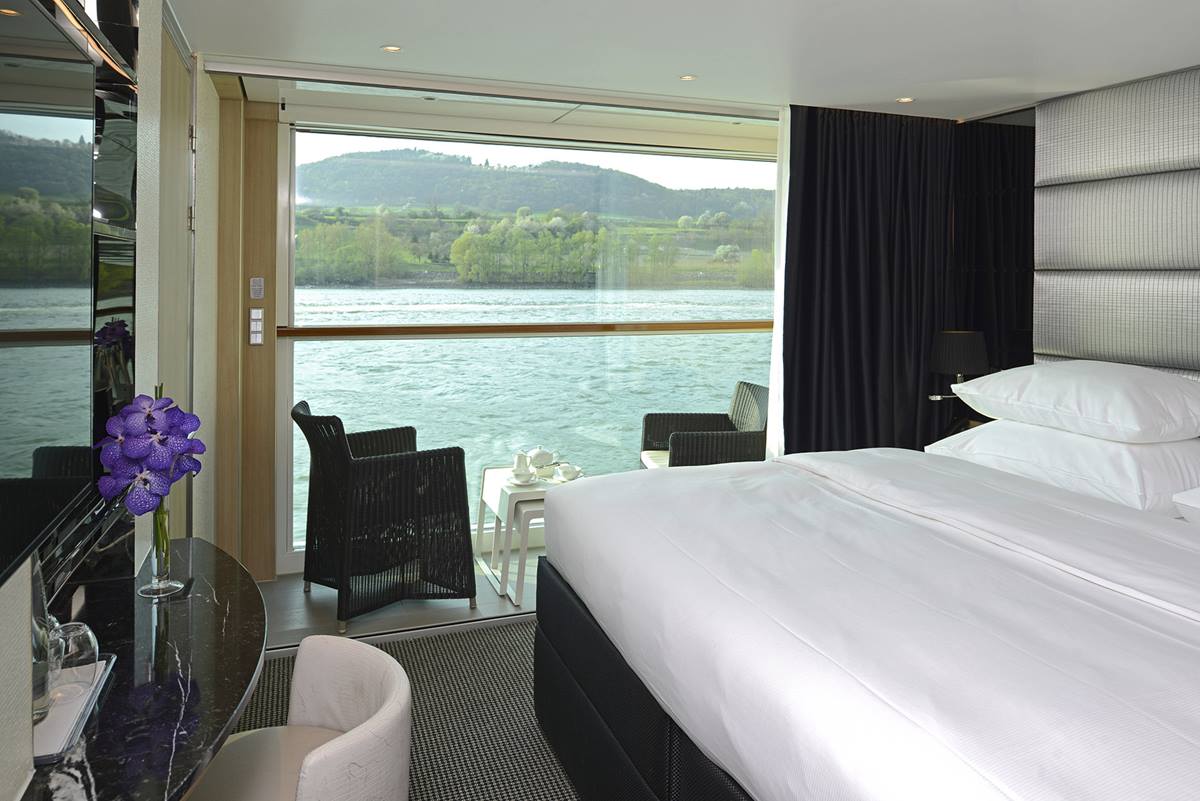
Single Balcony Suite
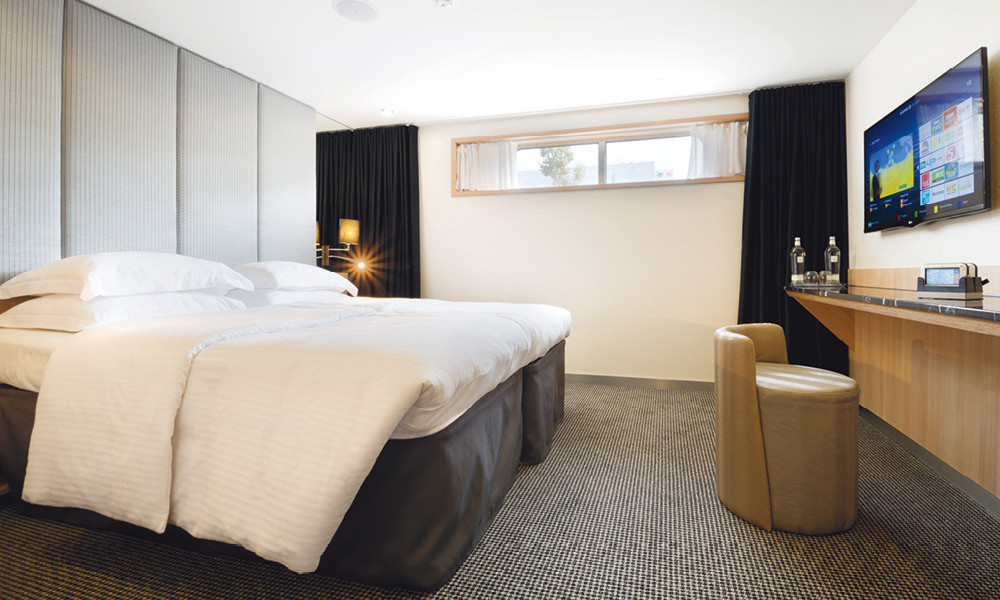
Standard Suite
Ship Facilities
Crystal Dining
Enjoy à la carte menus for breakfast, lunch and dinner at Crystal Dining. This main restaurant offers a relaxed dining experience with local delicacies.
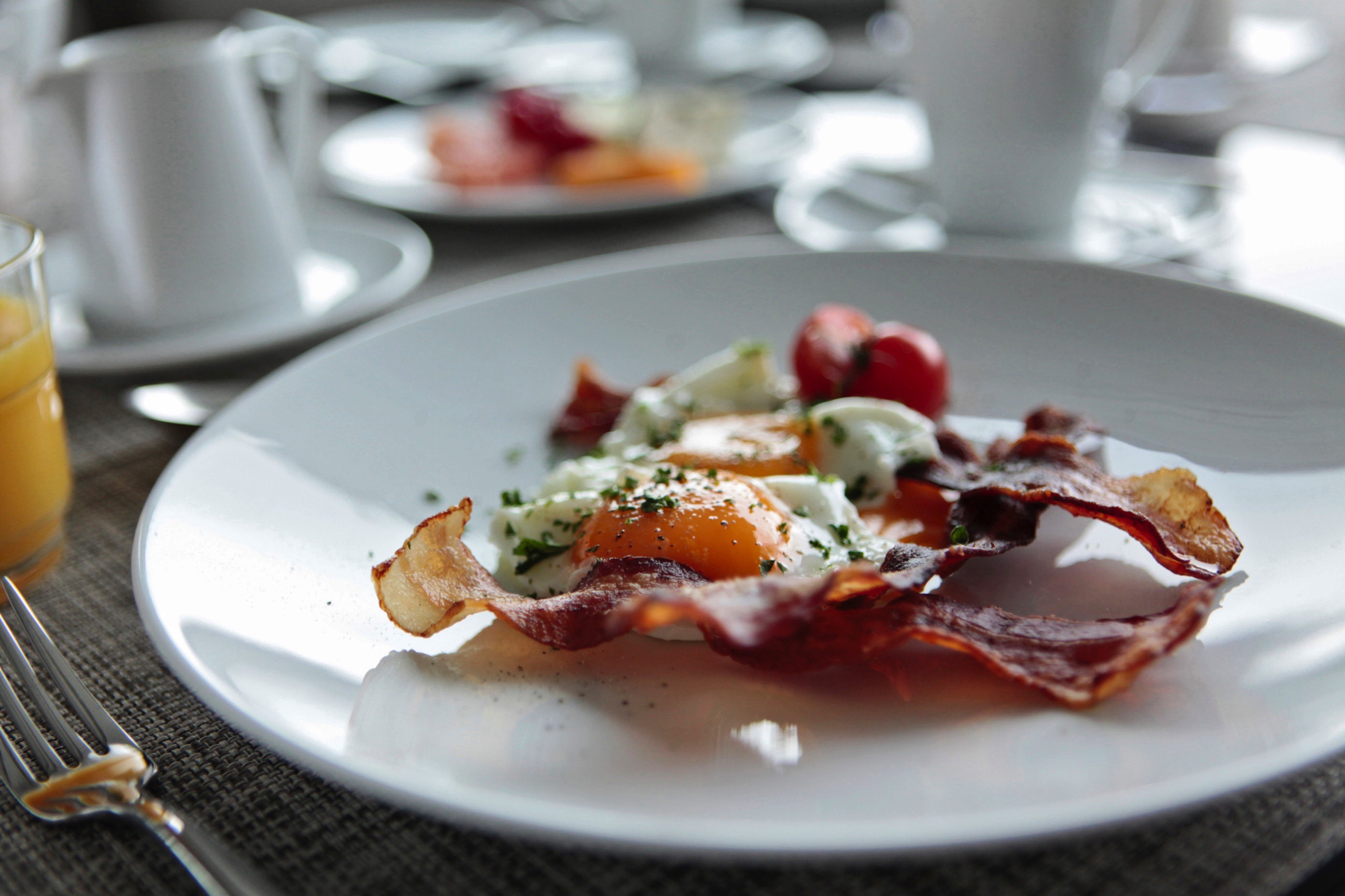
Portobellos
With up to only 32 guests an evening, the exclusive and intimate Portobellos or L’Amour showcase sumptuous regional specialities. The delectable five-course menu features either Italian, French or Portuguese cuisine (depending on your cruise location), paired with elegant wines, and is available on all European river cruises.
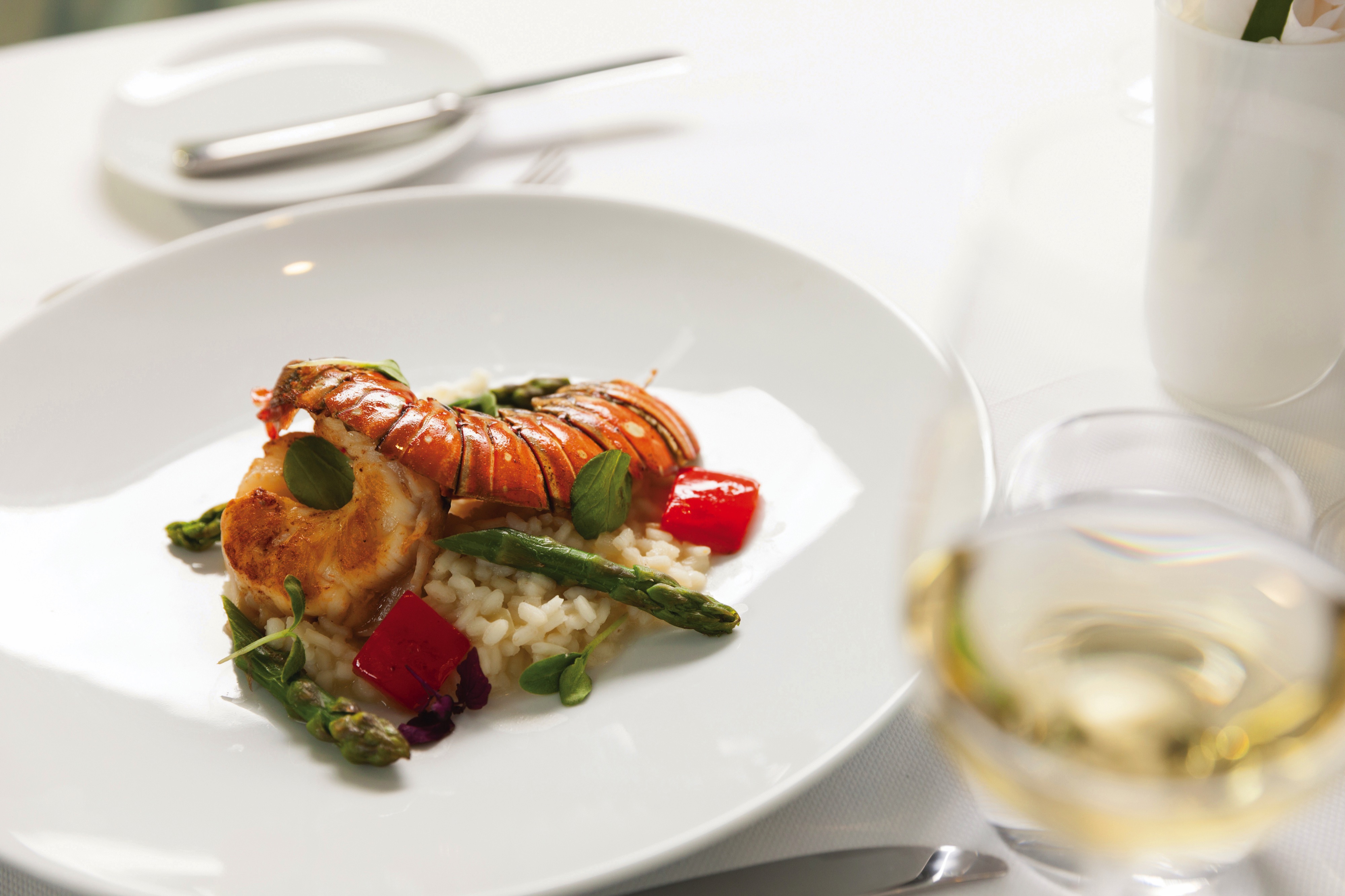
Table La Rive
Featuring a six-course degustation, the exclusive Table La Rive and Table d’Or on our European river cruises offers an intimate dining experience for only 10 guests per evening. Guests staying on the Diamond Deck for 10 nights or longer, as well as Royal and Junior Suite guests staying for up to nine nights, will be invited by our Executive Chef.
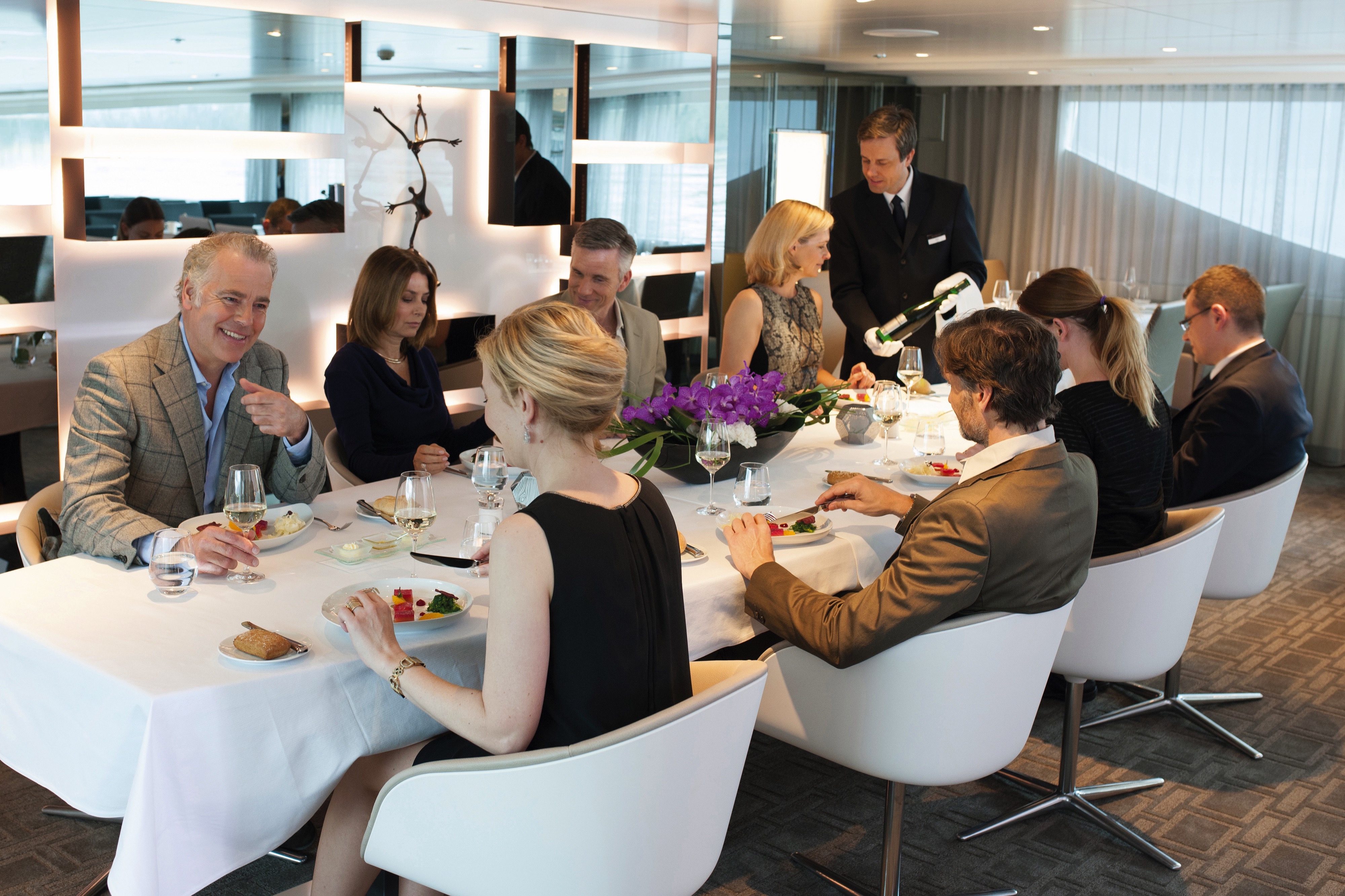
Riverview Terrace
Accompanied by our all-inclusive food and drink offering, the Riverview Terrace is the perfect spot for a little alfresco living on board our Space-Ships. Whether it’s an afternoon aperitif or a light bite, you can enjoy a range of snacks and refreshments from the comfort of the Sun Deck as sweeping views pass you by.
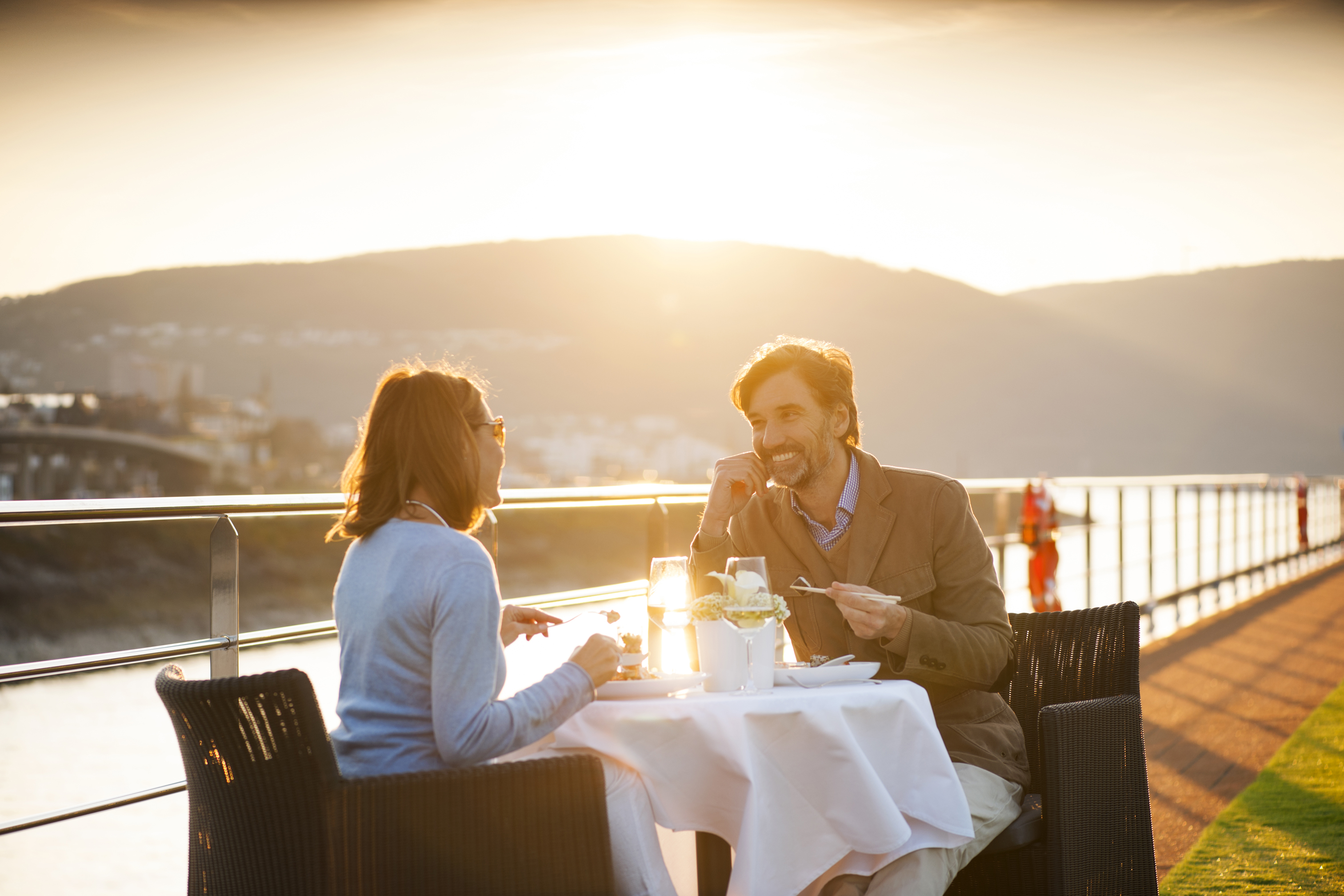
River Café
Offering a casual dining experience, you can enjoy all-day grazing options, light snacks and tasty treats to suit your schedule. The River Café is available on all Europe and South East Asia river cruises.
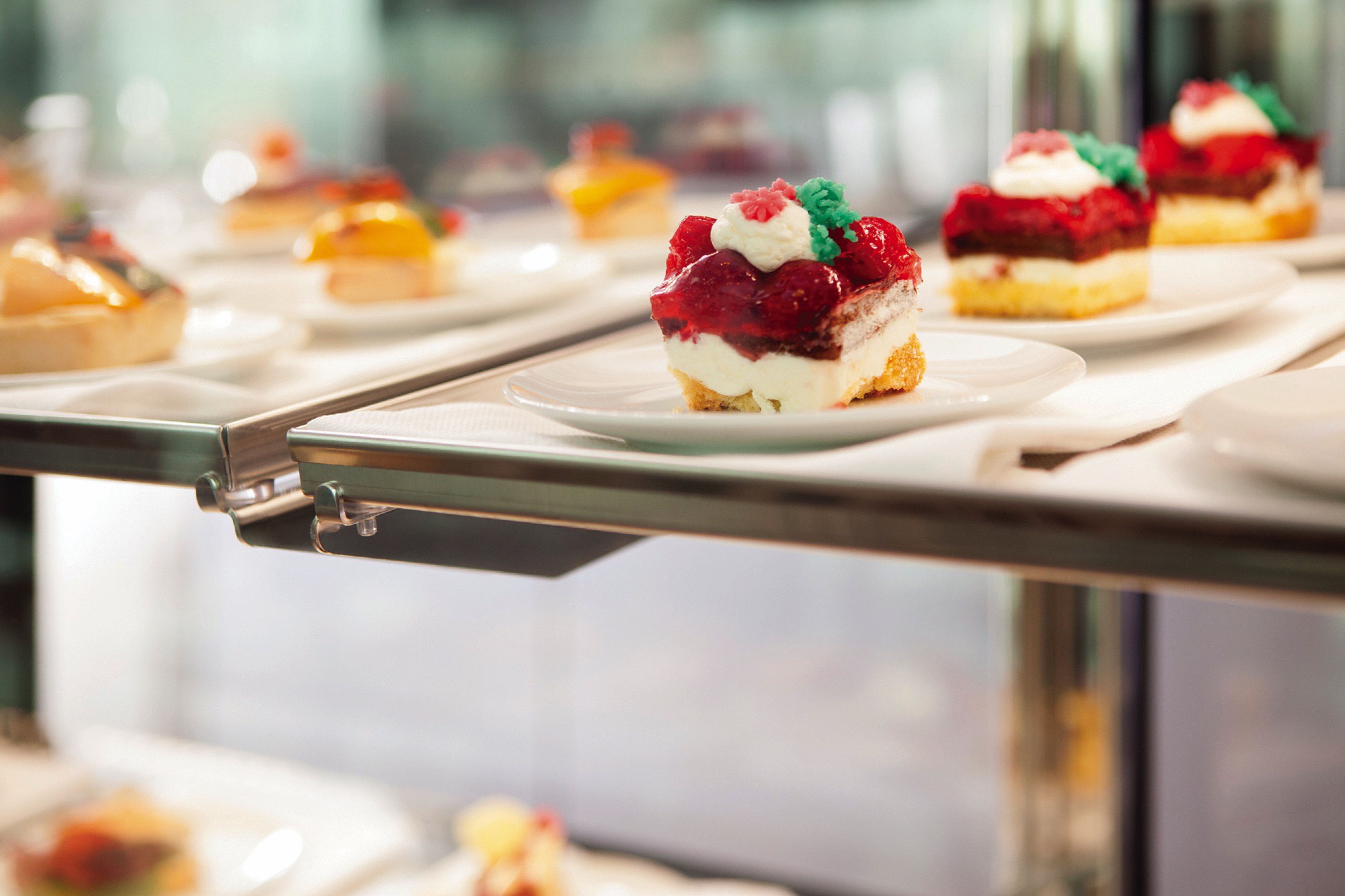
In-Suite Dining
Choose to dine in the comfort of your luxurious suite, while taking in the incredible views and enjoy included room service throughout your cruise.
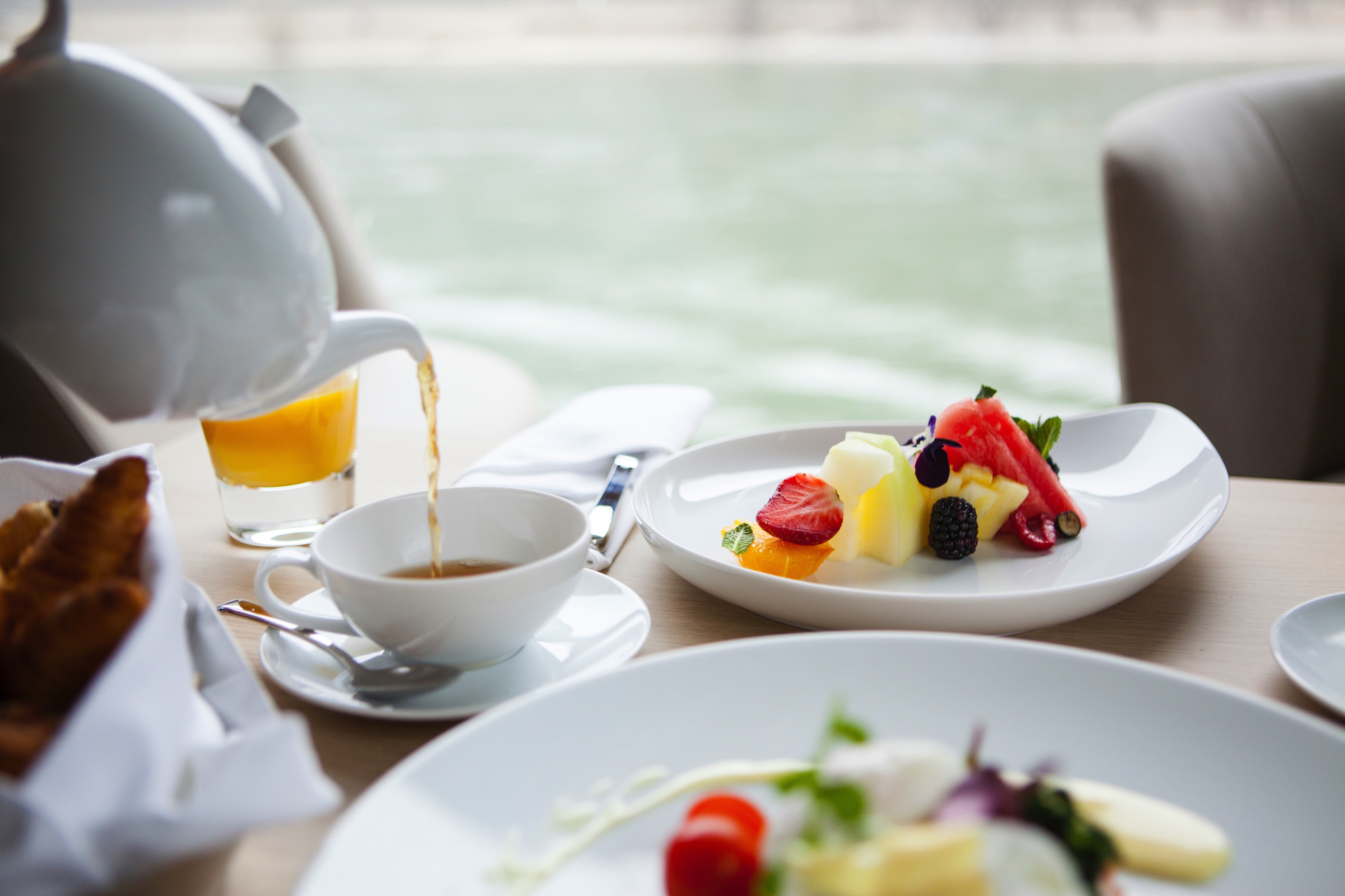
Complimentary E-bikes
Explore cities onshore on our complimentary e-bikes^+. Keep active and interact with locals as you explore Europe’s countryside.
Experience Europe’s wonders at your own pace with truly all-inclusive Scenic Free choice excursions. From e-bike+^ riding alongside spectacular waterways, to exploring Europe’s cultural and historic treasures on a day trip, you can choose from a wide range of activities to suit you.
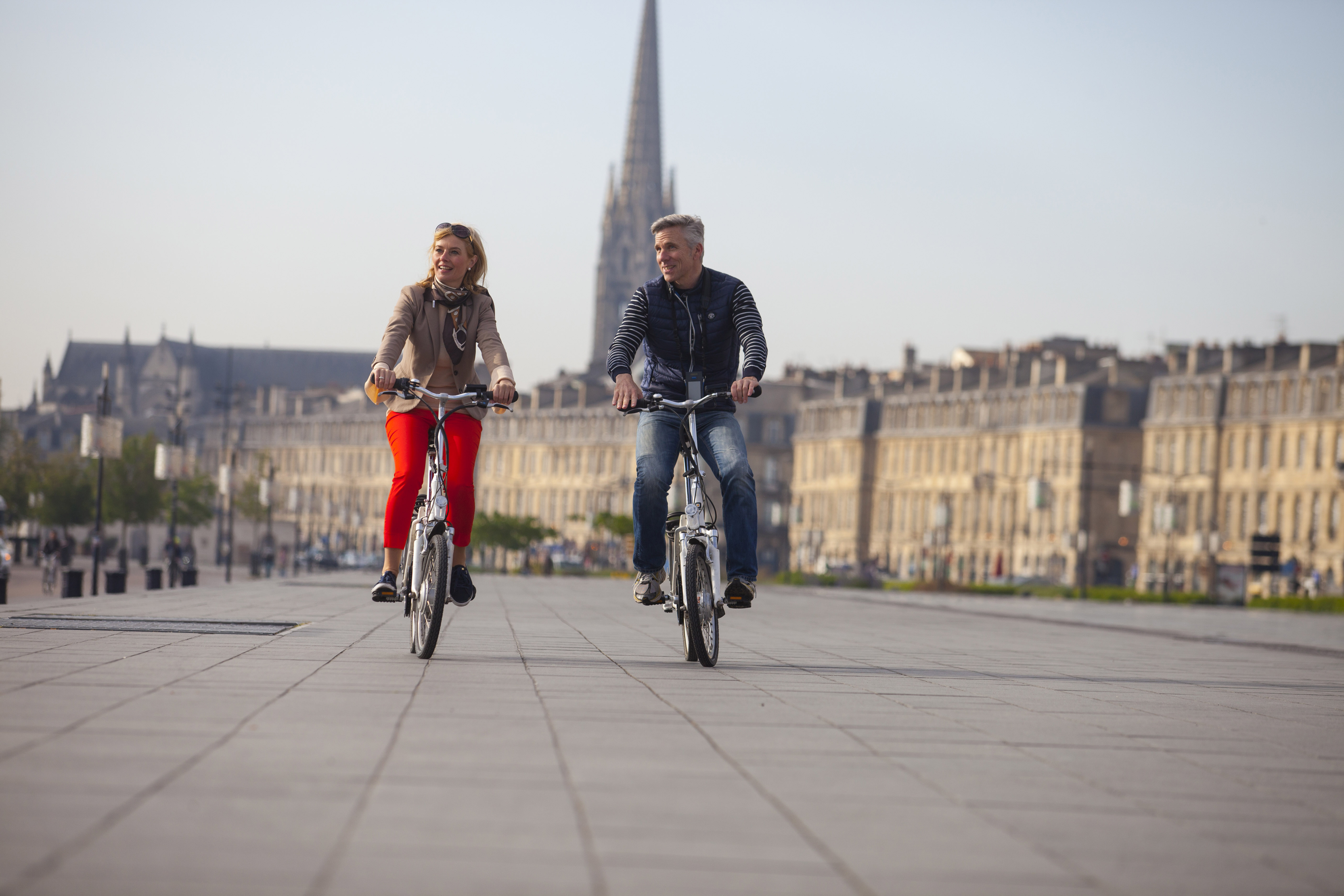
Scenic Freechoice
Personalise your river cruise and pursue your own interests as you set off on curated excursions throughout Europe. Our extensive and diverse list of Free choice excursions are designed at Active, Moderate or Relaxed pace so you can choose activities best suited to you based on your interests and needs. Whether it’s a guided hike or e-Bike ride through the vineyards or a visit to the historic towns of Ypres and Passchendaele, the choice is yours.
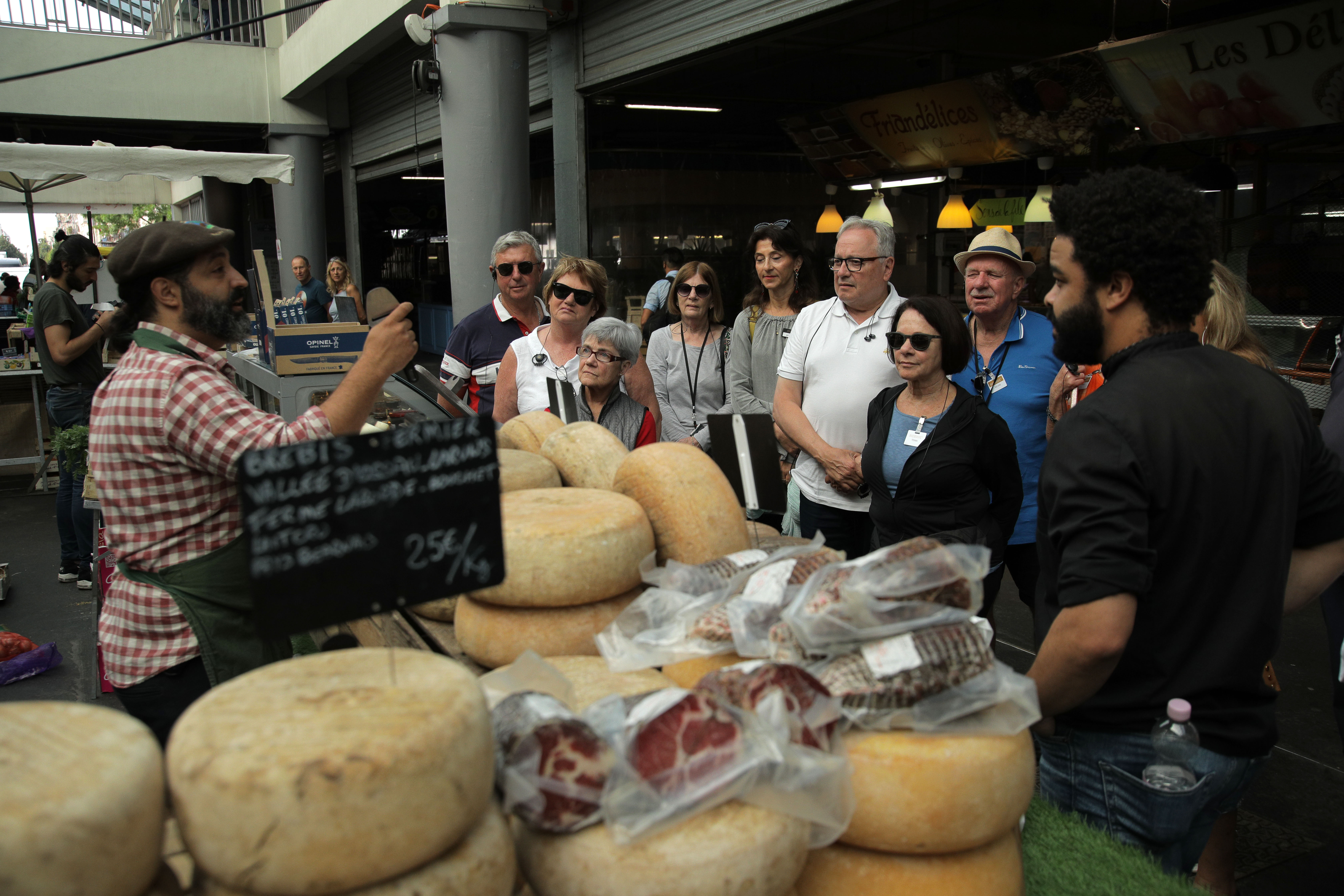
Scenic Enrich
Our Scenic Enrich experiences are exclusive events which place you at the heart of the Europe’s most refined art, music and architecture. You’ll go behind the scenes to enjoy moments inaccessible to the ordinary traveller. Experience a captivating concert in Germany’s oldest city, Trier, inside the grand gothic Liebfrauenkirche Church. This enriching event is destined to be the highlight of your journey.
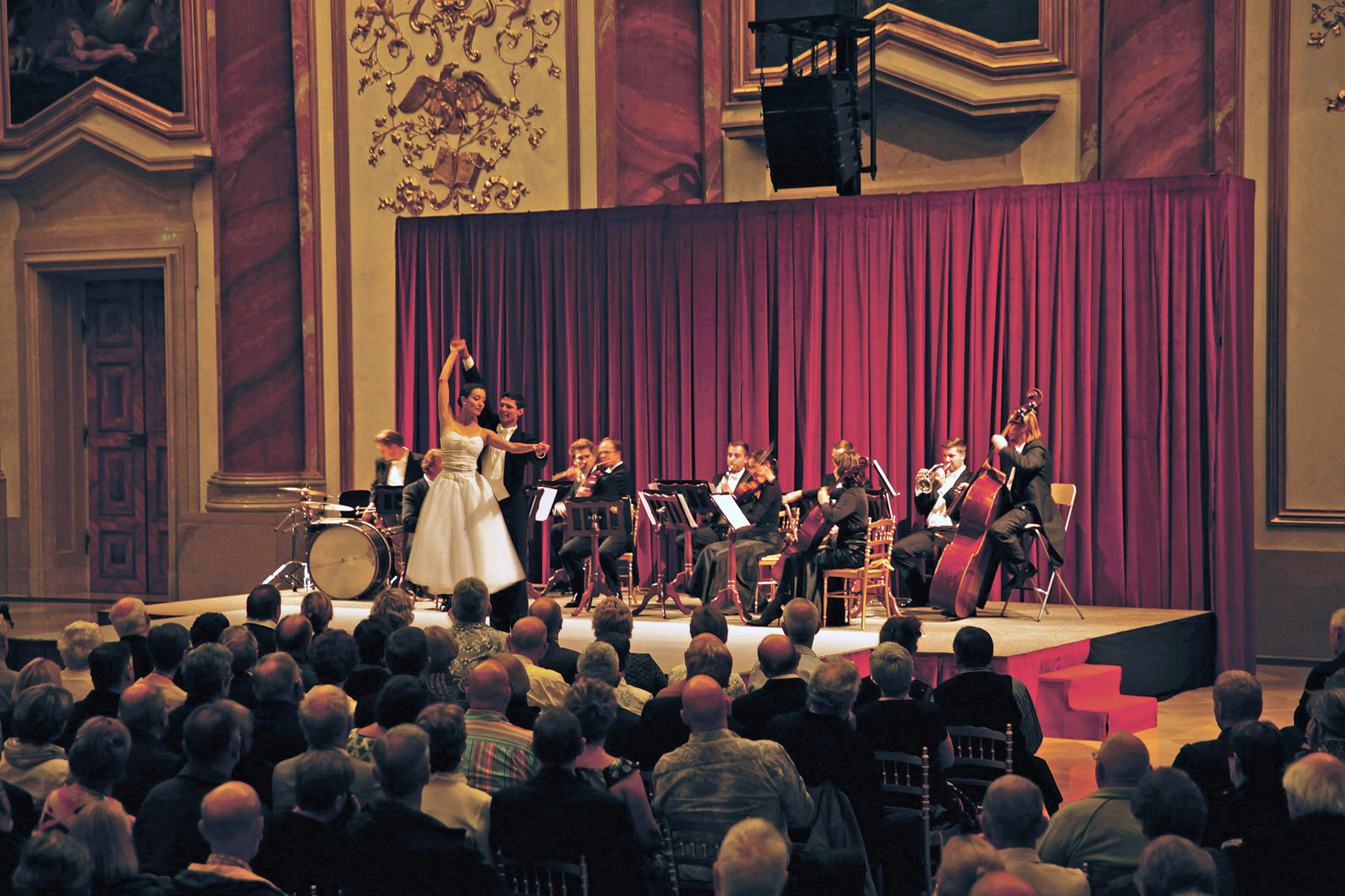
On Board Team
The Captain and Crew
All Scenic Space-Ship Captains are selected for their knowledge of Europe’s rivers. On board, the Captain and their team can be found in the wheelhouse on the Sun Deck and will be on hand to greet guests and answer any questions during briefings.
Cruise Director & Hotel Director
Committed to delivering an exceptional level of service, the Cruise Director and Hotel Director will be your main point of contact throughout your cruise. They’ll ensure every moment of your trip is seamless, while providing daily briefings and updates.
Enrichment Manager
Your on board entertainment while cruising Europe is presented by the Enrichment Manager. They’ll add to your experience by hosting game nights, informative lectures, and organise special guest performances, to experience shows with a local flair.
Scenic Butlers
Our expert butler’s have been trained to meet Scenic’s high standards. You can relax as your laundry, shines your shoes, delivers premium beverages to your suite or replenishes your mini-bar are taken care of. All guests enjoy butler service, learning your preferences and expectations, and surpassing them.
Culinary Team and Bar Staff
Our expert team of chefs will elevate the sense of luxury on your Europe river cruise. The culinary team draws inspiration from the regions you travel through and ensures all food is fresh and seasonal while creating a daily menu to suit all palates.
Wellness Coach
Each Scenic Space-Ship has a dedicated Wellness Team. You can unwind with a massage^, work on your fitness in the gym, take time out in the healing Salt Therapy Lounge (on select Space-Ships) or join a morning stretch class, all while the Wellness Coach are on hand to assist you.
Local Guides
Our local guides are important members of your onshore team. They’re the storytellers who will share the wonders of their town and immerse you in the local history and culture, with their own personal flair.
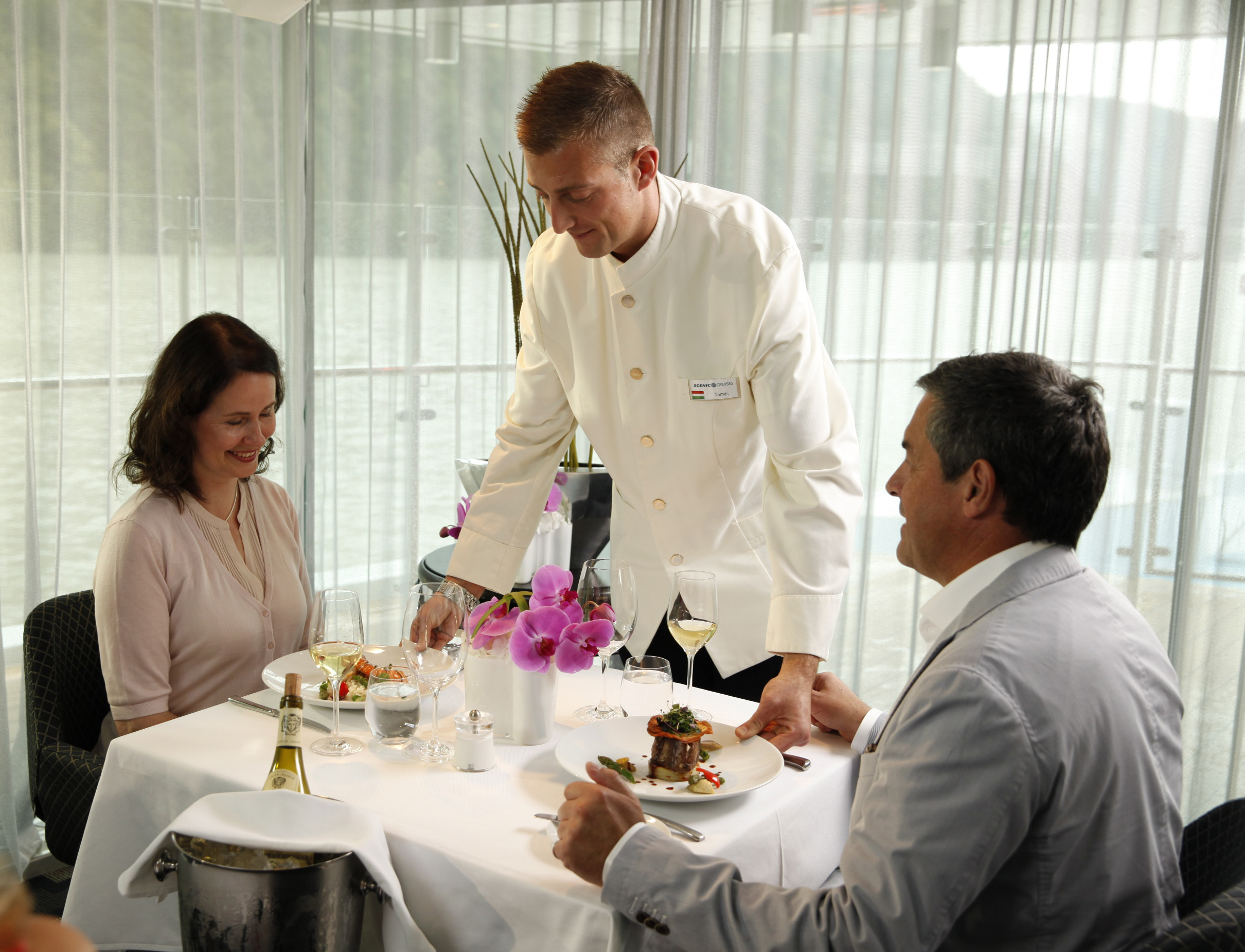
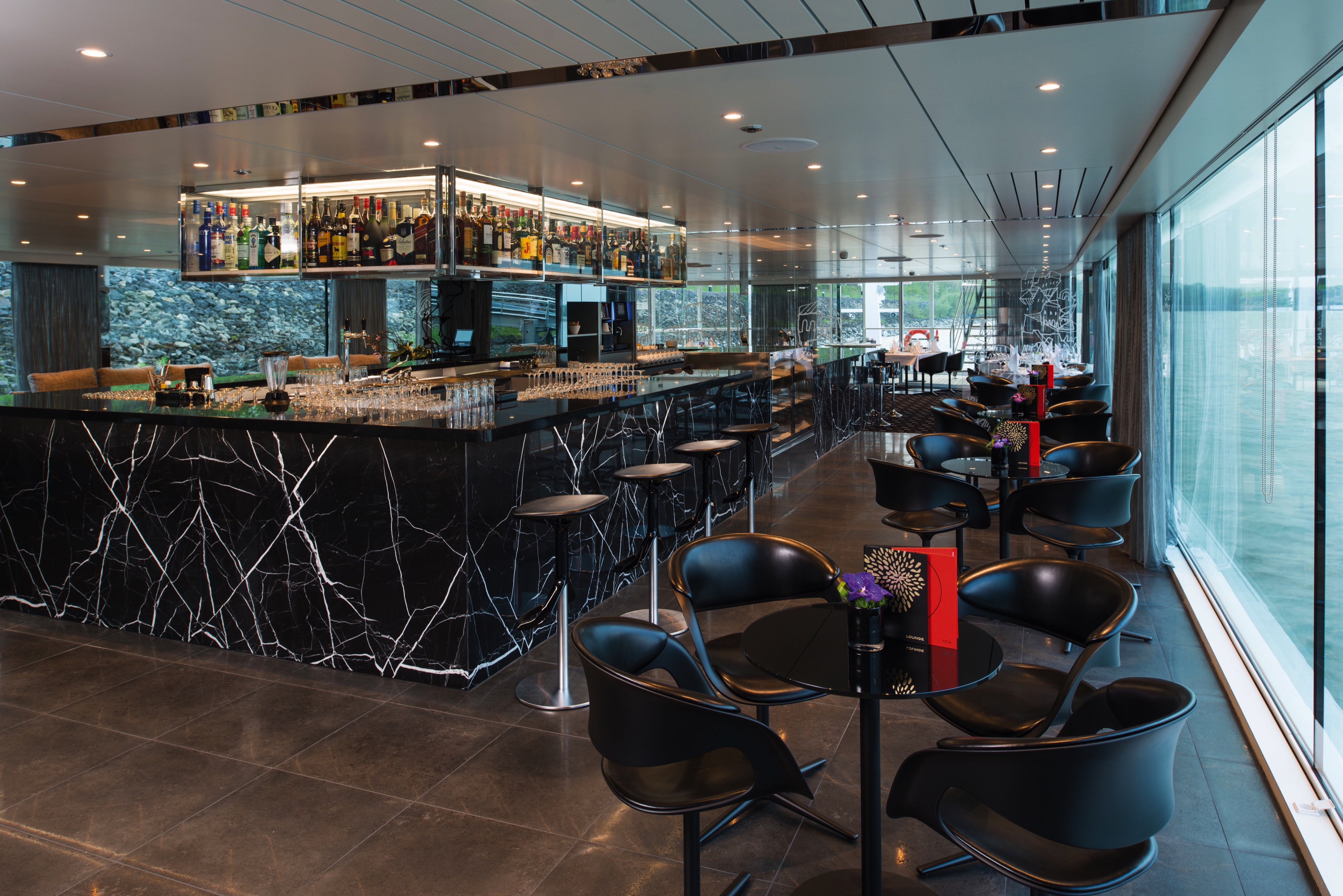
Panorama Lounge & Bar
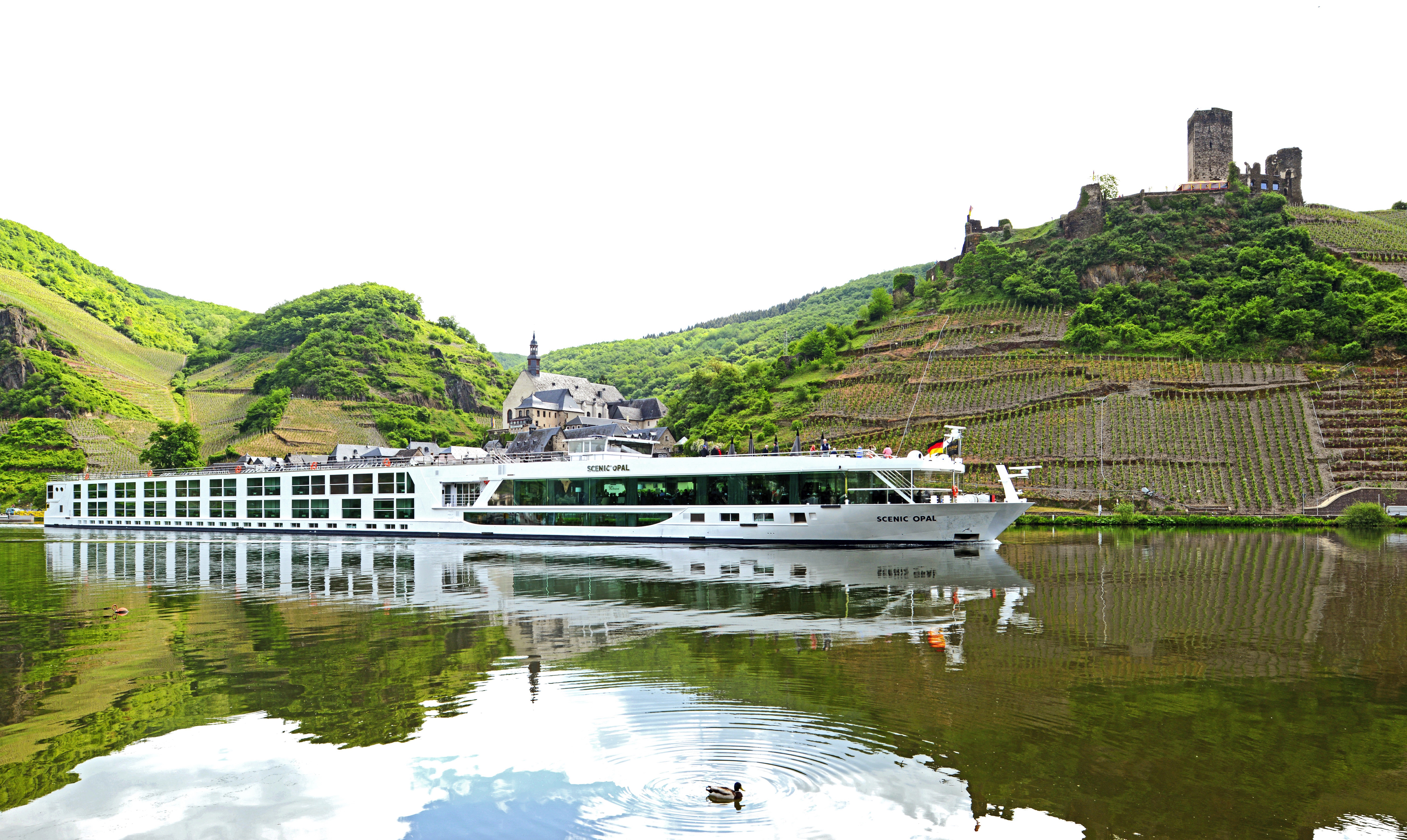
Located at the heart of the Scenic Jasper, Opal and Amber, the Panorama Lounge & Bar is the primary bar area on board – providing an intimate and contemporary place to relax and take advantage of our extensive bar menu. This is also where you can enjoy a programme of entertainment, including performances by local musicians and cultural troupes.
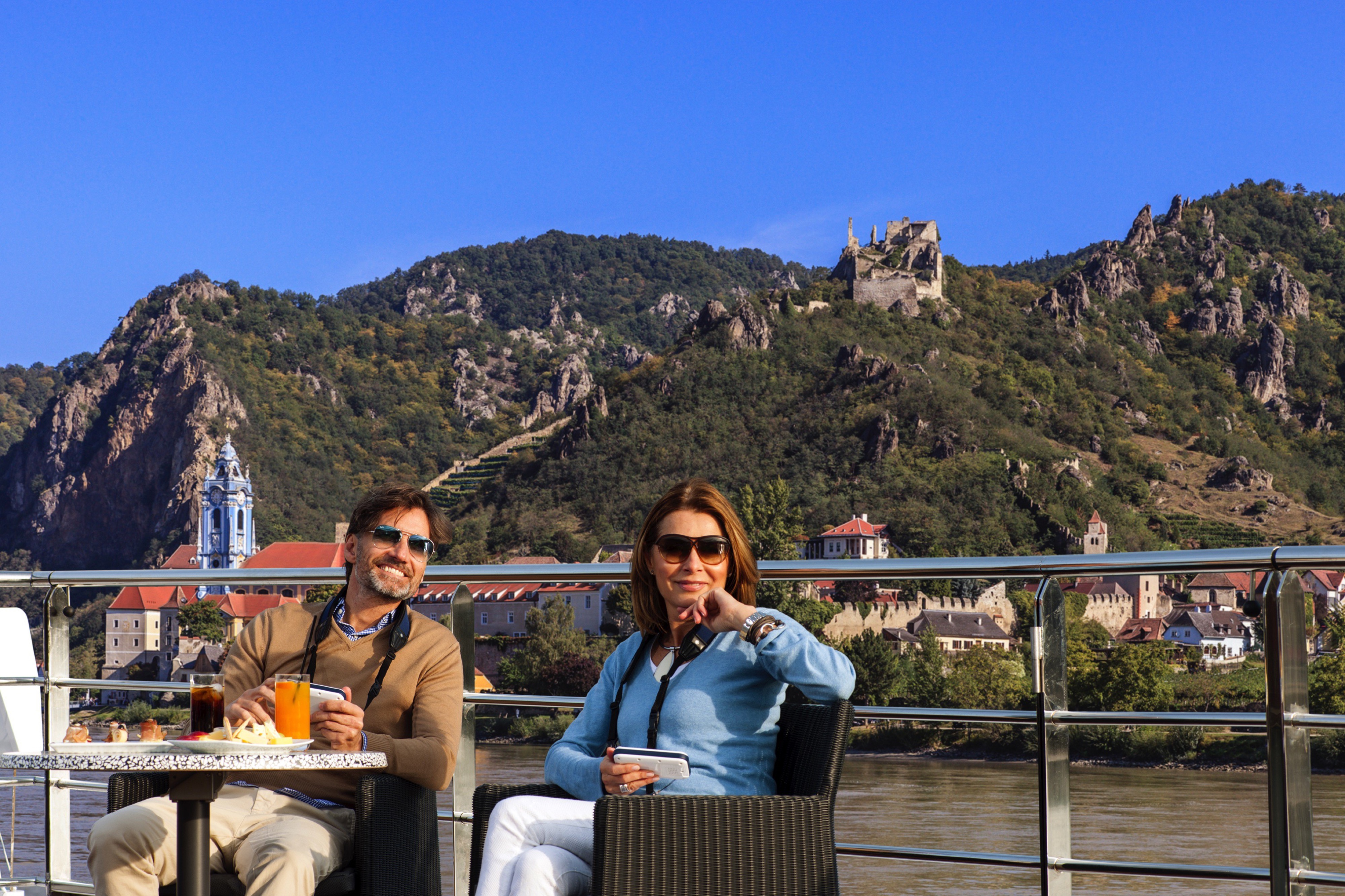
The Sun Deck
The Scenic Jasper, Opal and Amber each benefit from an open-air location at the top of each Space-Ship, where you can make the most of sunlit days on the river. Enjoy competing with new friends in the games area, sink into the comfort of a deck chair, or simply take a walk and admire the view.
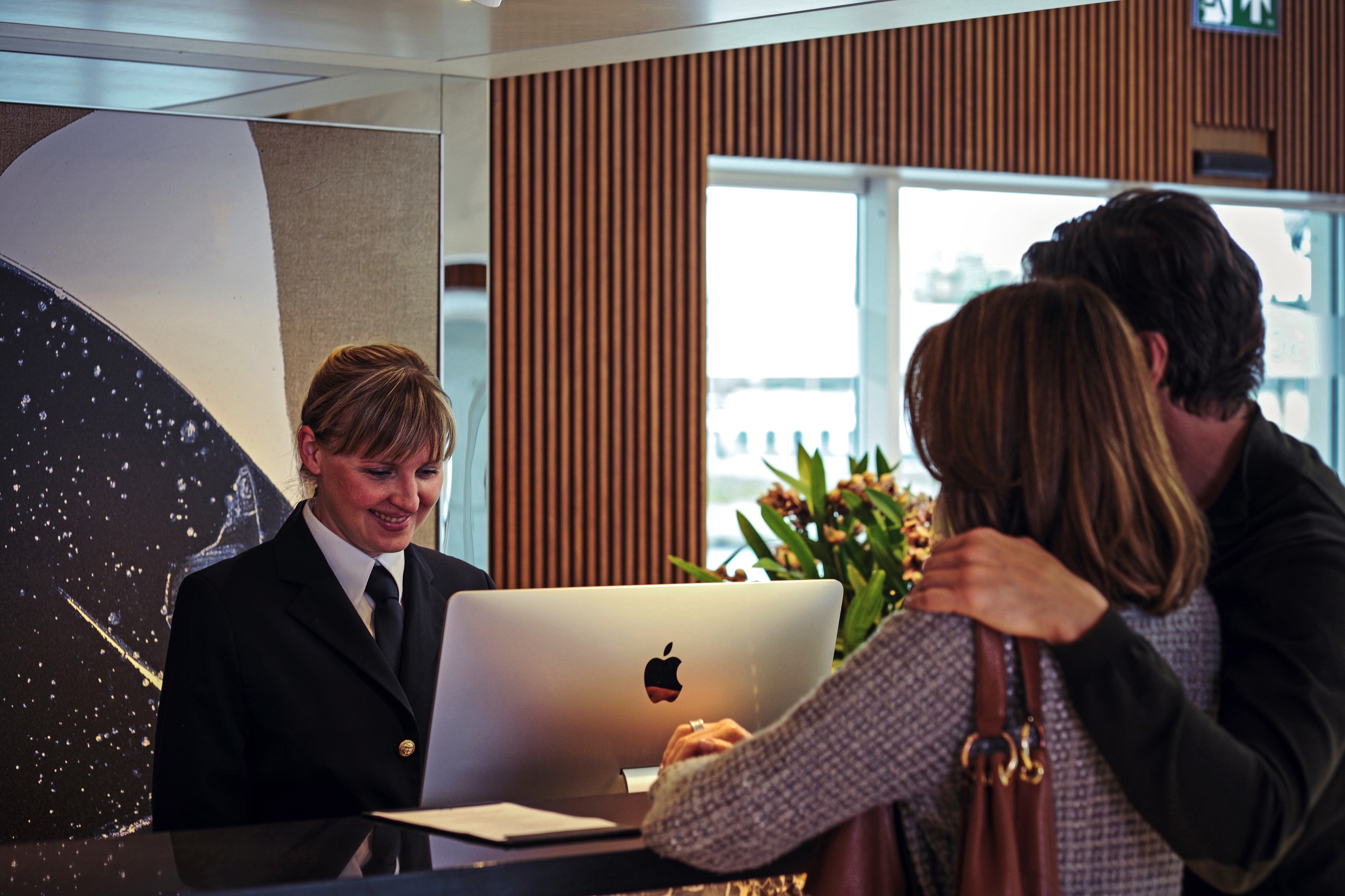
Reception
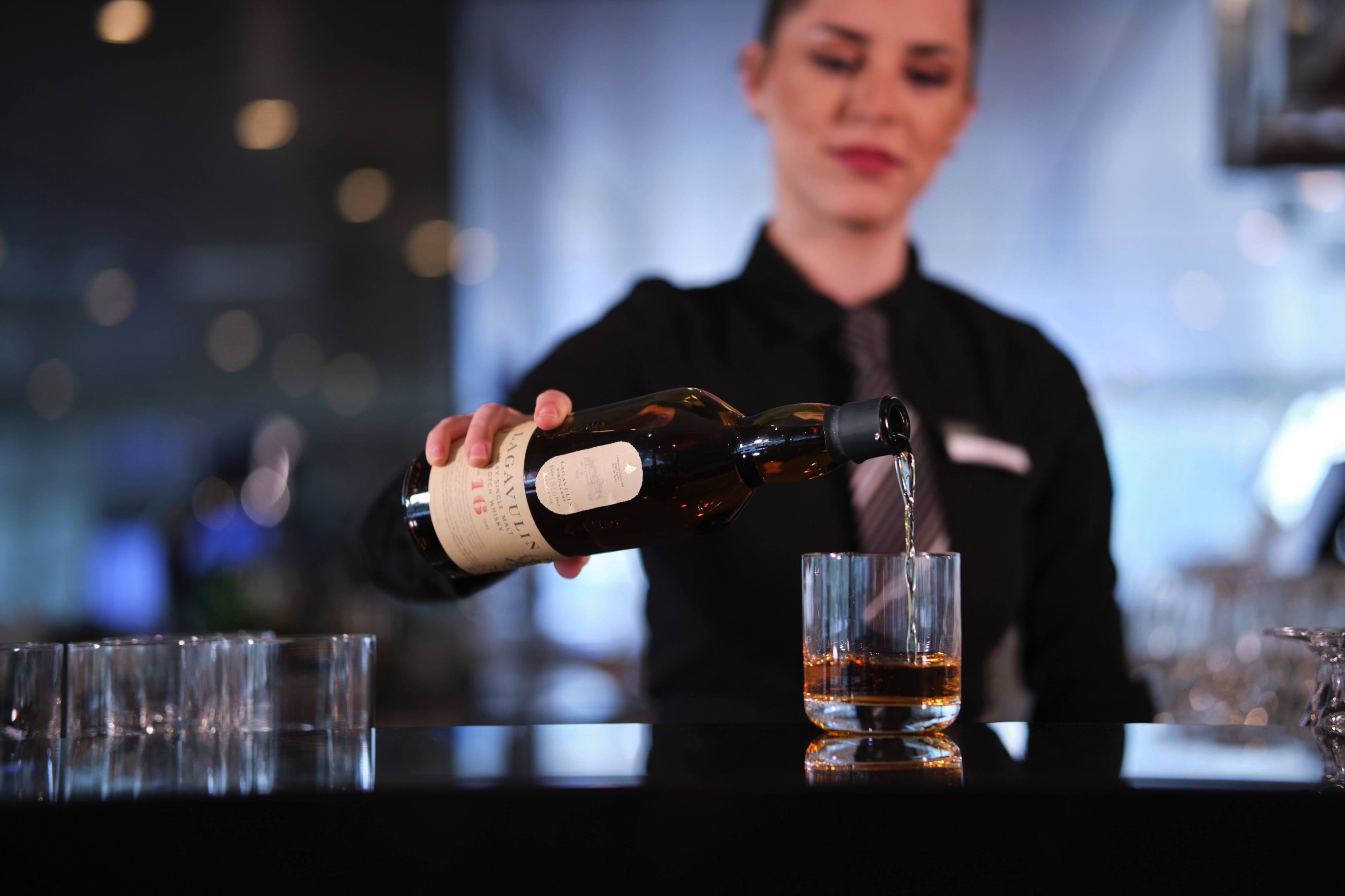
All Inclusive Beverages
Sit back and enjoy a beverage of your choice while cruising spectacular waterways, at your leisure. Sip on handcrafted cocktails or a full-bodied wine – the choice is yours.
You will enjoy:
- Unlimited complimentary premium international beverages^, including international wines, beers and spirits
- Full in-suite mini bar, restocked daily
- Refillable water bottle for all onshore excursions
- An extensive range of specialty teas and espresso coffees
- This selection is available all day, every day.
*Exclusive invitation for Diamond Deck and Junior Suite guests cruising for 10 nights or more, or Royal and Junior Suite guests for 9 nights or fewer.
^All beverages are included except a very small number of fine and vintage wines, champagnes and spirits.
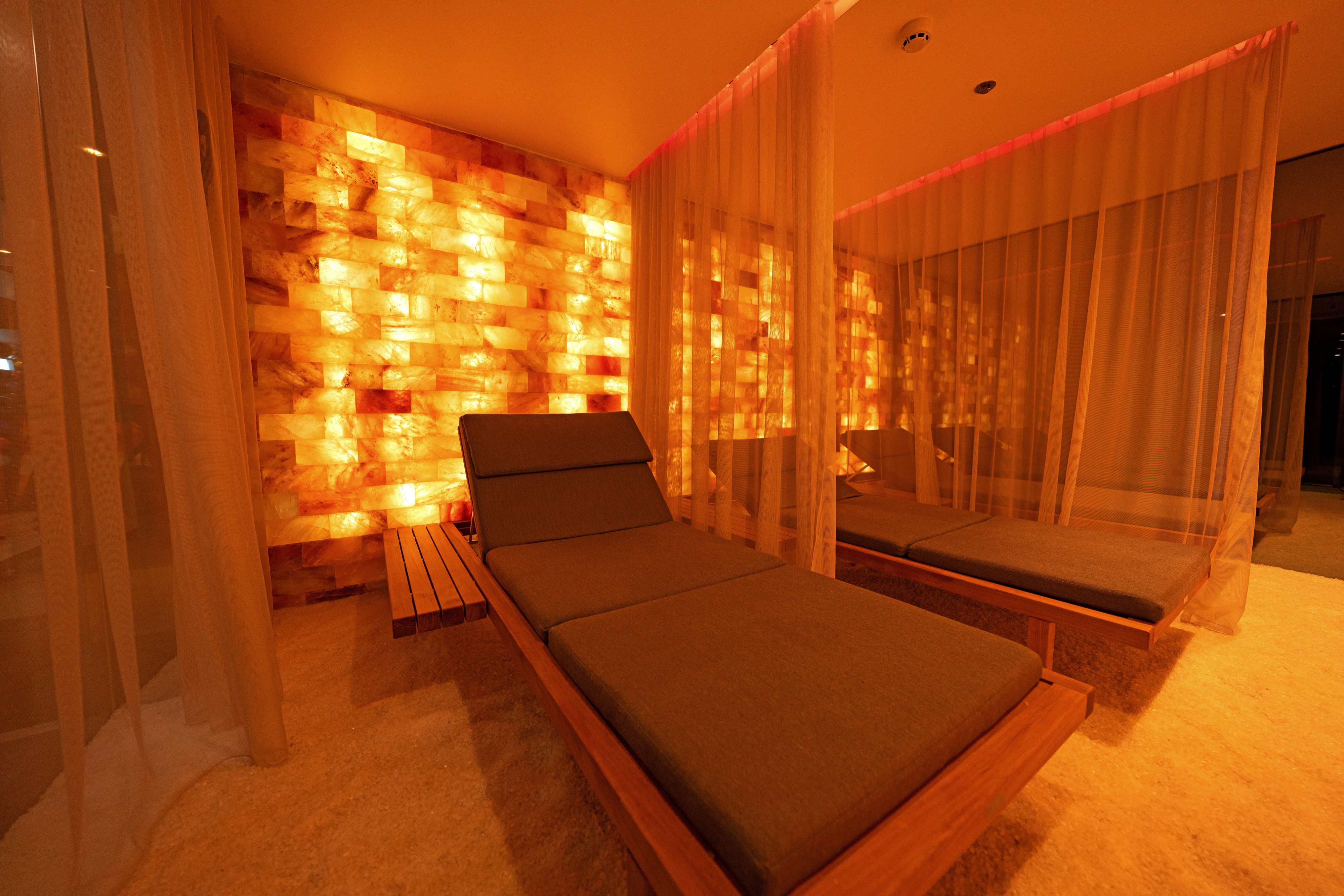
Salt Therapy Lounge
This innovative lounge is featured on most of our Space-Ships in Europe. The salt brick walls of the humidity and temperature-controlled lounge are known to offer a range of health benefits for respiratory and immune systems.
Vitality Pool
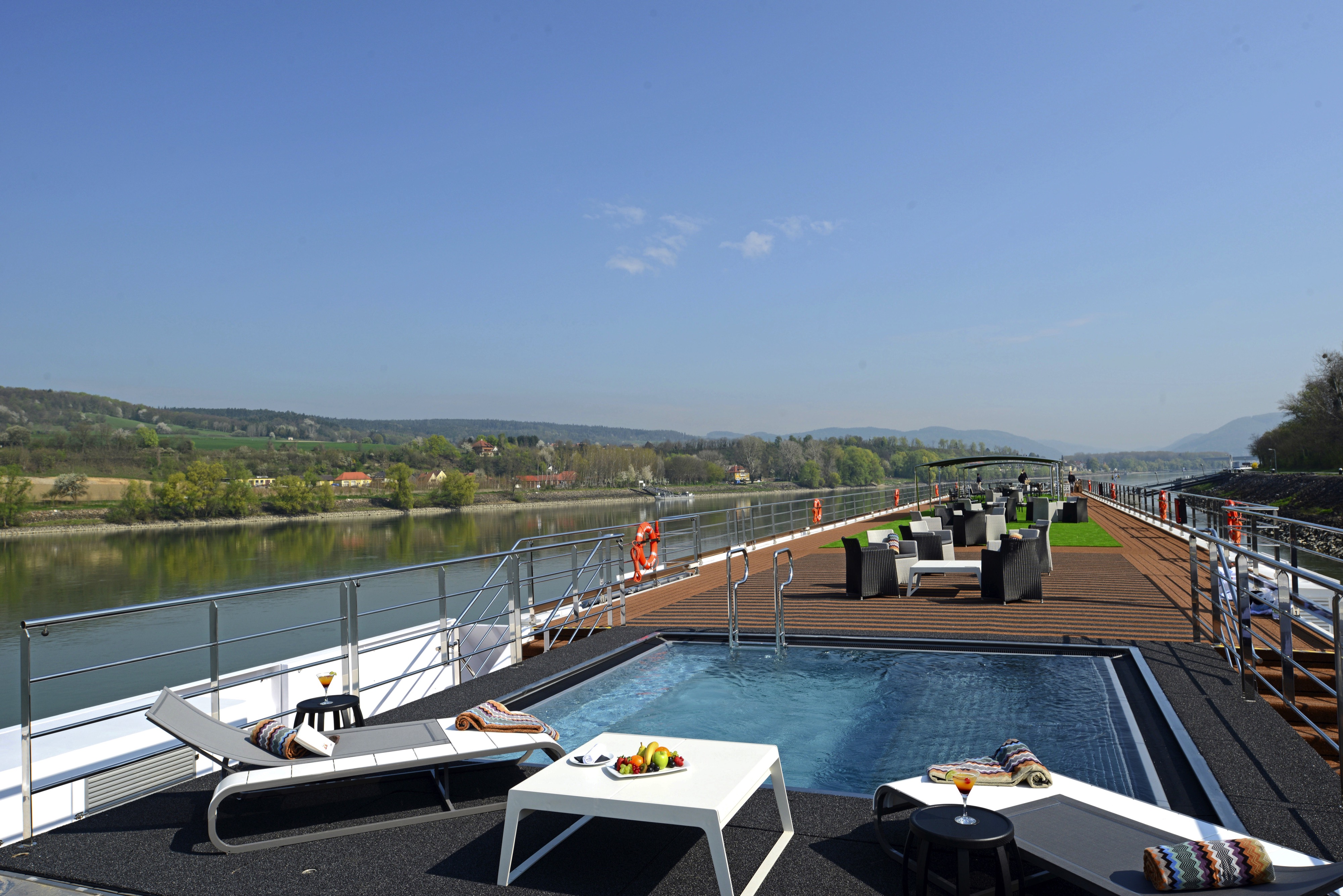
Designed for total relaxation on the rivers of Central Europe – Scenic Jasper, Opal and Amber all feature a Vitality Pool, a luxurious, heated pool that boasts air and water jets. Whether you’re looking to unwind after an immersive excursion or want a little ‘me’ time; a dip in Vitality Pool is absolute heaven.
Wellness Area
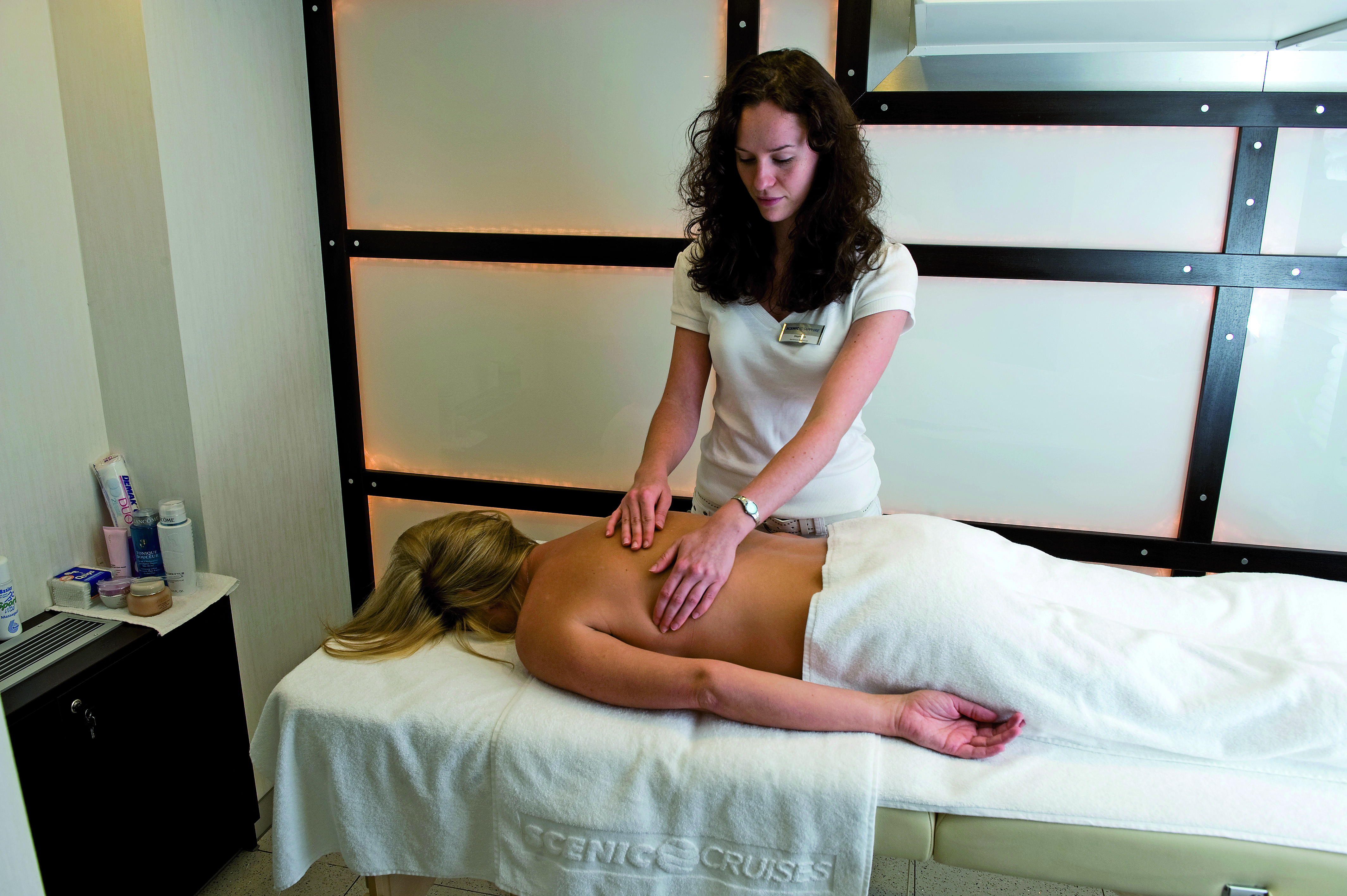
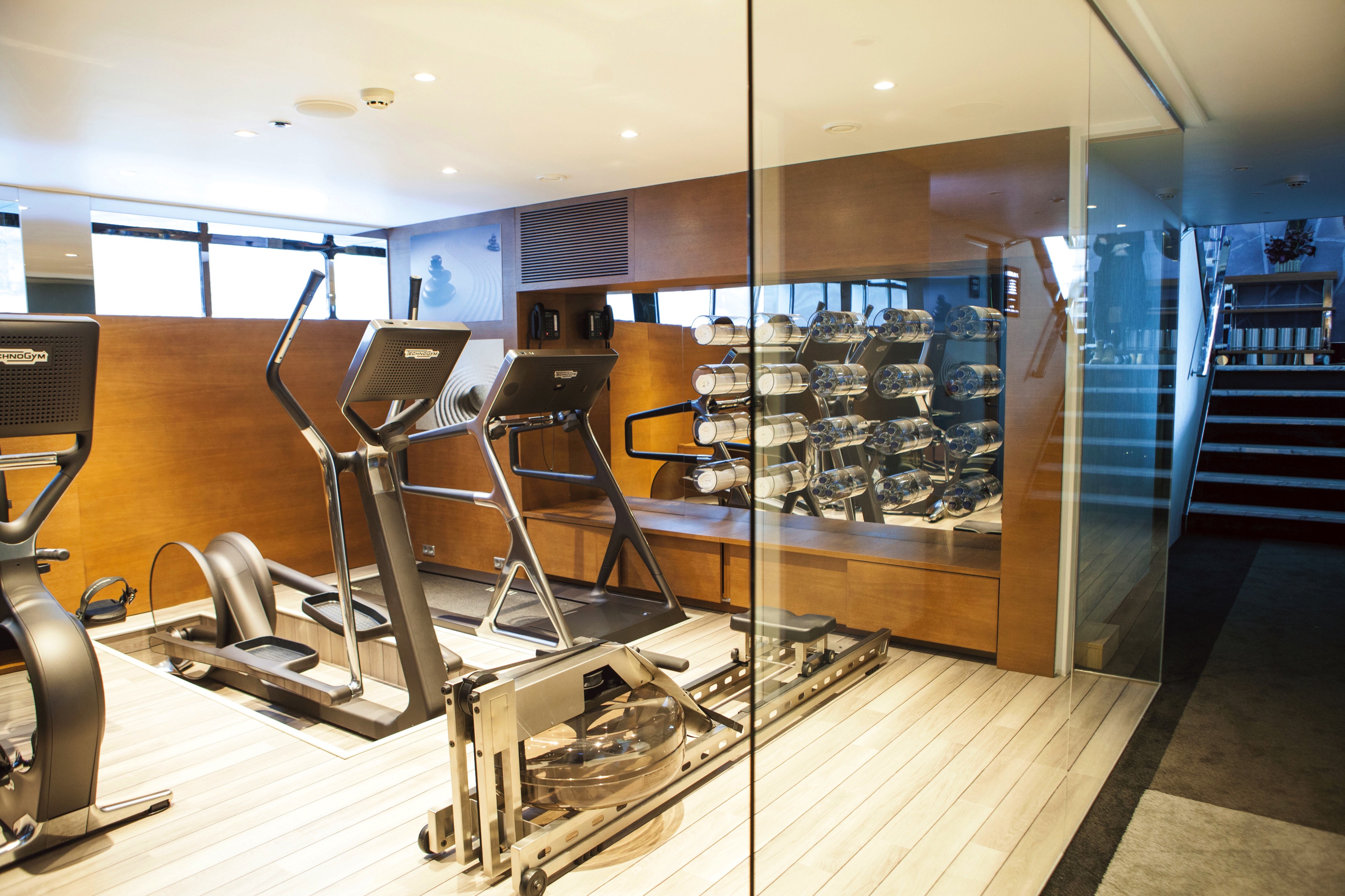
Maintain your wellness routine at our state-of-the-art gym, morning stretching classes with the Wellness Coach or rejuvenating spa treatments*. Exercise on the walking track on the Sun Deck or take a dip in the Vitality Pool.
Fitness Centre
Please note: Scenic Opal does not have any specific facilities to accommodate Kids/Teens.
Crystal Dining
Enjoy à la carte menus for breakfast, lunch and dinner at Crystal Dining. This main restaurant offers a relaxed dining experience with local delicacies.
Portobellos
With up to only 32 guests an evening, the exclusive and intimate Portobellos or L’Amour showcase sumptuous regional specialities. The delectable five-course menu features either Italian, French or Portuguese cuisine (depending on your cruise location), paired with elegant wines, and is available on all European river cruises.
Table La Rive
Featuring a six-course degustation, the exclusive Table La Rive and Table d’Or on our European river cruises offers an intimate dining experience for only 10 guests per evening. Guests staying on the Diamond Deck for 10 nights or longer, as well as Royal and Junior Suite guests staying for up to nine nights, will be invited by our Executive Chef.
Riverview Terrace
Accompanied by our all-inclusive food and drink offering, the Riverview Terrace is the perfect spot for a little alfresco living on board our Space-Ships. Whether it’s an afternoon aperitif or a light bite, you can enjoy a range of snacks and refreshments from the comfort of the Sun Deck as sweeping views pass you by.
River Café
Offering a casual dining experience, you can enjoy all-day grazing options, light snacks and tasty treats to suit your schedule. The River Café is available on all Europe and South East Asia river cruises.
In-Suite Dining
Choose to dine in the comfort of your luxurious suite, while taking in the incredible views and enjoy included room service throughout your cruise.
Complimentary E-bikes
Explore cities onshore on our complimentary e-bikes^+. Keep active and interact with locals as you explore Europe’s countryside.
Experience Europe’s wonders at your own pace with truly all-inclusive Scenic Free choice excursions. From e-bike+^ riding alongside spectacular waterways, to exploring Europe’s cultural and historic treasures on a day trip, you can choose from a wide range of activities to suit you.
Scenic Freechoice
Personalise your river cruise and pursue your own interests as you set off on curated excursions throughout Europe. Our extensive and diverse list of Free choice excursions are designed at Active, Moderate or Relaxed pace so you can choose activities best suited to you based on your interests and needs. Whether it’s a guided hike or e-Bike ride through the vineyards or a visit to the historic towns of Ypres and Passchendaele, the choice is yours.
Scenic Enrich
Our Scenic Enrich experiences are exclusive events which place you at the heart of the Europe’s most refined art, music and architecture. You’ll go behind the scenes to enjoy moments inaccessible to the ordinary traveller. Experience a captivating concert in Germany’s oldest city, Trier, inside the grand gothic Liebfrauenkirche Church. This enriching event is destined to be the highlight of your journey.
On Board Team
The Captain and Crew
All Scenic Space-Ship Captains are selected for their knowledge of Europe’s rivers. On board, the Captain and their team can be found in the wheelhouse on the Sun Deck and will be on hand to greet guests and answer any questions during briefings.
Cruise Director & Hotel Director
Committed to delivering an exceptional level of service, the Cruise Director and Hotel Director will be your main point of contact throughout your cruise. They’ll ensure every moment of your trip is seamless, while providing daily briefings and updates.
Enrichment Manager
Your on board entertainment while cruising Europe is presented by the Enrichment Manager. They’ll add to your experience by hosting game nights, informative lectures, and organise special guest performances, to experience shows with a local flair.
Scenic Butlers
Our expert butler’s have been trained to meet Scenic’s high standards. You can relax as your laundry, shines your shoes, delivers premium beverages to your suite or replenishes your mini-bar are taken care of. All guests enjoy butler service, learning your preferences and expectations, and surpassing them.
Culinary Team and Bar Staff
Our expert team of chefs will elevate the sense of luxury on your Europe river cruise. The culinary team draws inspiration from the regions you travel through and ensures all food is fresh and seasonal while creating a daily menu to suit all palates.
Wellness Coach
Each Scenic Space-Ship has a dedicated Wellness Team. You can unwind with a massage^, work on your fitness in the gym, take time out in the healing Salt Therapy Lounge (on select Space-Ships) or join a morning stretch class, all while the Wellness Coach are on hand to assist you.
Local Guides
Our local guides are important members of your onshore team. They’re the storytellers who will share the wonders of their town and immerse you in the local history and culture, with their own personal flair.
Panorama Lounge & Bar
Located at the heart of the Scenic Jasper, Opal and Amber, the Panorama Lounge & Bar is the primary bar area on board – providing an intimate and contemporary place to relax and take advantage of our extensive bar menu. This is also where you can enjoy a programme of entertainment, including performances by local musicians and cultural troupes.
The Sun Deck
The Scenic Jasper, Opal and Amber each benefit from an open-air location at the top of each Space-Ship, where you can make the most of sunlit days on the river. Enjoy competing with new friends in the games area, sink into the comfort of a deck chair, or simply take a walk and admire the view.
Reception
All Inclusive Beverages
Sit back and enjoy a beverage of your choice while cruising spectacular waterways, at your leisure. Sip on handcrafted cocktails or a full-bodied wine – the choice is yours.
You will enjoy:
- Unlimited complimentary premium international beverages^, including international wines, beers and spirits
- Full in-suite mini bar, restocked daily
- Refillable water bottle for all onshore excursions
- An extensive range of specialty teas and espresso coffees
- This selection is available all day, every day.
*Exclusive invitation for Diamond Deck and Junior Suite guests cruising for 10 nights or more, or Royal and Junior Suite guests for 9 nights or fewer.
^All beverages are included except a very small number of fine and vintage wines, champagnes and spirits.
Salt Therapy Lounge
This innovative lounge is featured on most of our Space-Ships in Europe. The salt brick walls of the humidity and temperature-controlled lounge are known to offer a range of health benefits for respiratory and immune systems.
Vitality Pool
Designed for total relaxation on the rivers of Central Europe – Scenic Jasper, Opal and Amber all feature a Vitality Pool, a luxurious, heated pool that boasts air and water jets. Whether you’re looking to unwind after an immersive excursion or want a little ‘me’ time; a dip in Vitality Pool is absolute heaven.
Wellness Area
Maintain your wellness routine at our state-of-the-art gym, morning stretching classes with the Wellness Coach or rejuvenating spa treatments*. Exercise on the walking track on the Sun Deck or take a dip in the Vitality Pool.
Fitness Centre
Please note: Scenic Opal does not have any specific facilities to accommodate Kids/Teens.
About the Ship
Deck Plans

- Wellness Area
- Fitness Centre
- Salt Therapy Lounge
- Standard Suite Cat. E

- Galley
- Table La Rive
- Crystal Dining
- Elevator
- Junior Balcony Suite
- Single Balcony Suite
- Deluxe Balcony Suites
- Balcony Suites

- Portobellos Restaurant
- Panorama Deck
- River Cafe
- Lounge and Bar
- Gift Shop
- Reception
- Elevator
- Royal Owner’s Suite
- Royal Balcony Suites
- Junior Balcony Suites
- Royal Panorama Suites
- Deluxe Balcony Suites
- Balcony Suites

- Riverview Terrace
- Wheelhouse
- Sun Deck
- Walking Track
- Vitality Pool
- Wellness Area
- Fitness Centre
- Salt Therapy Lounge
- Standard Suite Cat. E
- Galley
- Table La Rive
- Crystal Dining
- Elevator
- Junior Balcony Suite
- Single Balcony Suite
- Deluxe Balcony Suites
- Balcony Suites
- Portobellos Restaurant
- Panorama Deck
- River Cafe
- Lounge and Bar
- Gift Shop
- Reception
- Elevator
- Royal Owner’s Suite
- Royal Balcony Suites
- Junior Balcony Suites
- Royal Panorama Suites
- Deluxe Balcony Suites
- Balcony Suites
- Riverview Terrace
- Wheelhouse
- Sun Deck
- Walking Track
- Vitality Pool