Featured Cabins
Itinerary
Amsterdam, Netherlands
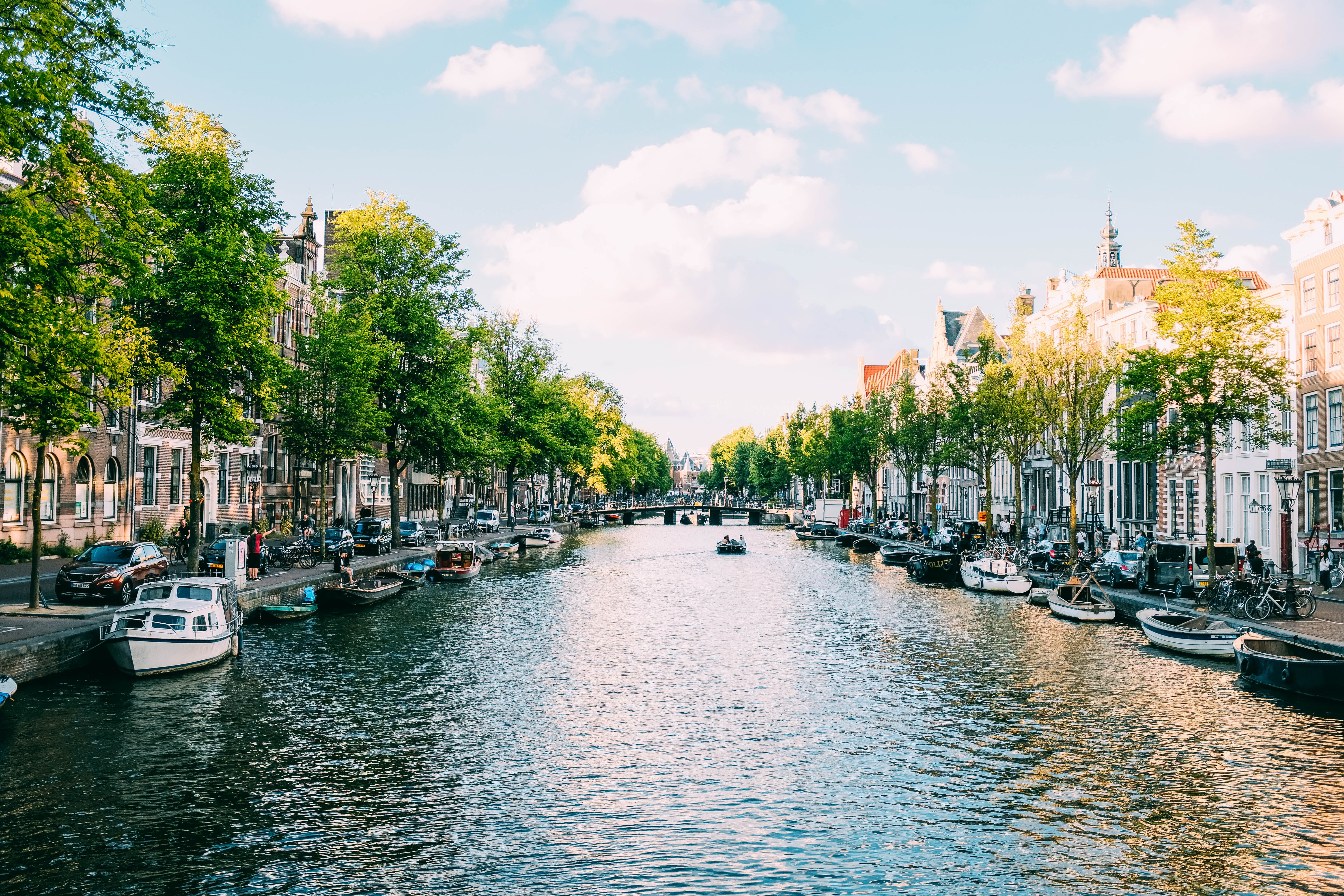
Amsterdam combines the unrivaled beauty of the 17th-century Golden Age city center with plenty of museums and art of the highest order, not to mention a remarkably laid-back atmosphere. It all comes together to make this one of the world’s most appealing and offbeat metropolises in the world. Built on a latticework of concentric canals like an aquatic rainbow, Amsterdam is known as the City of Canals—but it’s no Venice, content to live on moonlight serenades and former glory. Quite the contrary: on nearly every street here you’ll find old and new side by side—quiet corners where time seems to be holding its breath next to streets like neon-lit Kalverstraat, and Red Light ladies strutting by the city’s oldest church. Indeed, Amsterdam has as many lovely facets as a 40-carat diamond polished by one of the city’s gem cutters. It’s certainly a metropolis, but a rather small and very accessible one. Locals tend to refer to it as a big village, albeit one that happens to pack the cultural wallop of a major world destination. There are scores of concerts every day, numerous museums, summertime festivals, and, of course, a legendary year-round party scene. It’s pretty much impossible to resist Amsterdam’s charms. With 7,000 registered monuments, most of which began as the residences and warehouses of humble merchants, set on 160 man-made canals, and traversed by 1,500 or so bridges, Amsterdam has the largest historical inner city in Europe. Its famous circle of waterways, the grachtengordel, was a 17th-century urban expansion plan for the rich and is a lasting testament to the city’s Golden Age. This town is endearing because of its kinder, gentler nature—but a reputation for championing sex, drugs, and rock ’n’ roll does not alone account for Amsterdam’s being one of the most popular destinations in Europe: consider that within a single square mile the city harbors some of the greatest achievements in Western art, from Rembrandt to Van Gogh. Not to mention that this is one of Europe’s great walking cities, with so many of its treasures in the untouted details: tiny alleyways barely visible on the map, hidden garden courtyards, shop windows, floating houseboats, hidden hofjes(courtyards with almshouses), sudden vistas of church spires, and gabled roofs that look like so many unframed paintings. And don’t forget that the joy lies in details: elaborate gables and witty gable stones denoting the trade of a previous owner. Keep in mind that those XXX symbols you see all over town are not a mark of the city’s triple-X reputation. They’re part of Amsterdam’s official coat of arms—three St. Andrew’s crosses, believed to represent the three dangers that have traditionally plagued the city: flood, fire, and pestilence. The coat’s motto (“Valiant, determined, compassionate”) was introduced in 1947 by Queen Wilhelmina in remembrance of the 1941 February Strike in Amsterdam—the first time in Europe that non-Jewish people protested against the persecution of Jews by the Nazi regime.
Amsterdam, Netherlands
Amsterdam combines the unrivaled beauty of the 17th-century Golden Age city center with plenty of museums and art of the highest order, not to mention a remarkably laid-back atmosphere. It all comes together to make this one of the world’s most appealing and offbeat metropolises in the world. Built on a latticework of concentric canals like an aquatic rainbow, Amsterdam is known as the City of Canals—but it’s no Venice, content to live on moonlight serenades and former glory. Quite the contrary: on nearly every street here you’ll find old and new side by side—quiet corners where time seems to be holding its breath next to streets like neon-lit Kalverstraat, and Red Light ladies strutting by the city’s oldest church. Indeed, Amsterdam has as many lovely facets as a 40-carat diamond polished by one of the city’s gem cutters. It’s certainly a metropolis, but a rather small and very accessible one. Locals tend to refer to it as a big village, albeit one that happens to pack the cultural wallop of a major world destination. There are scores of concerts every day, numerous museums, summertime festivals, and, of course, a legendary year-round party scene. It’s pretty much impossible to resist Amsterdam’s charms. With 7,000 registered monuments, most of which began as the residences and warehouses of humble merchants, set on 160 man-made canals, and traversed by 1,500 or so bridges, Amsterdam has the largest historical inner city in Europe. Its famous circle of waterways, the grachtengordel, was a 17th-century urban expansion plan for the rich and is a lasting testament to the city’s Golden Age. This town is endearing because of its kinder, gentler nature—but a reputation for championing sex, drugs, and rock ’n’ roll does not alone account for Amsterdam’s being one of the most popular destinations in Europe: consider that within a single square mile the city harbors some of the greatest achievements in Western art, from Rembrandt to Van Gogh. Not to mention that this is one of Europe’s great walking cities, with so many of its treasures in the untouted details: tiny alleyways barely visible on the map, hidden garden courtyards, shop windows, floating houseboats, hidden hofjes(courtyards with almshouses), sudden vistas of church spires, and gabled roofs that look like so many unframed paintings. And don’t forget that the joy lies in details: elaborate gables and witty gable stones denoting the trade of a previous owner. Keep in mind that those XXX symbols you see all over town are not a mark of the city’s triple-X reputation. They’re part of Amsterdam’s official coat of arms—three St. Andrew’s crosses, believed to represent the three dangers that have traditionally plagued the city: flood, fire, and pestilence. The coat’s motto (“Valiant, determined, compassionate”) was introduced in 1947 by Queen Wilhelmina in remembrance of the 1941 February Strike in Amsterdam—the first time in Europe that non-Jewish people protested against the persecution of Jews by the Nazi regime.
Cologne, Germany
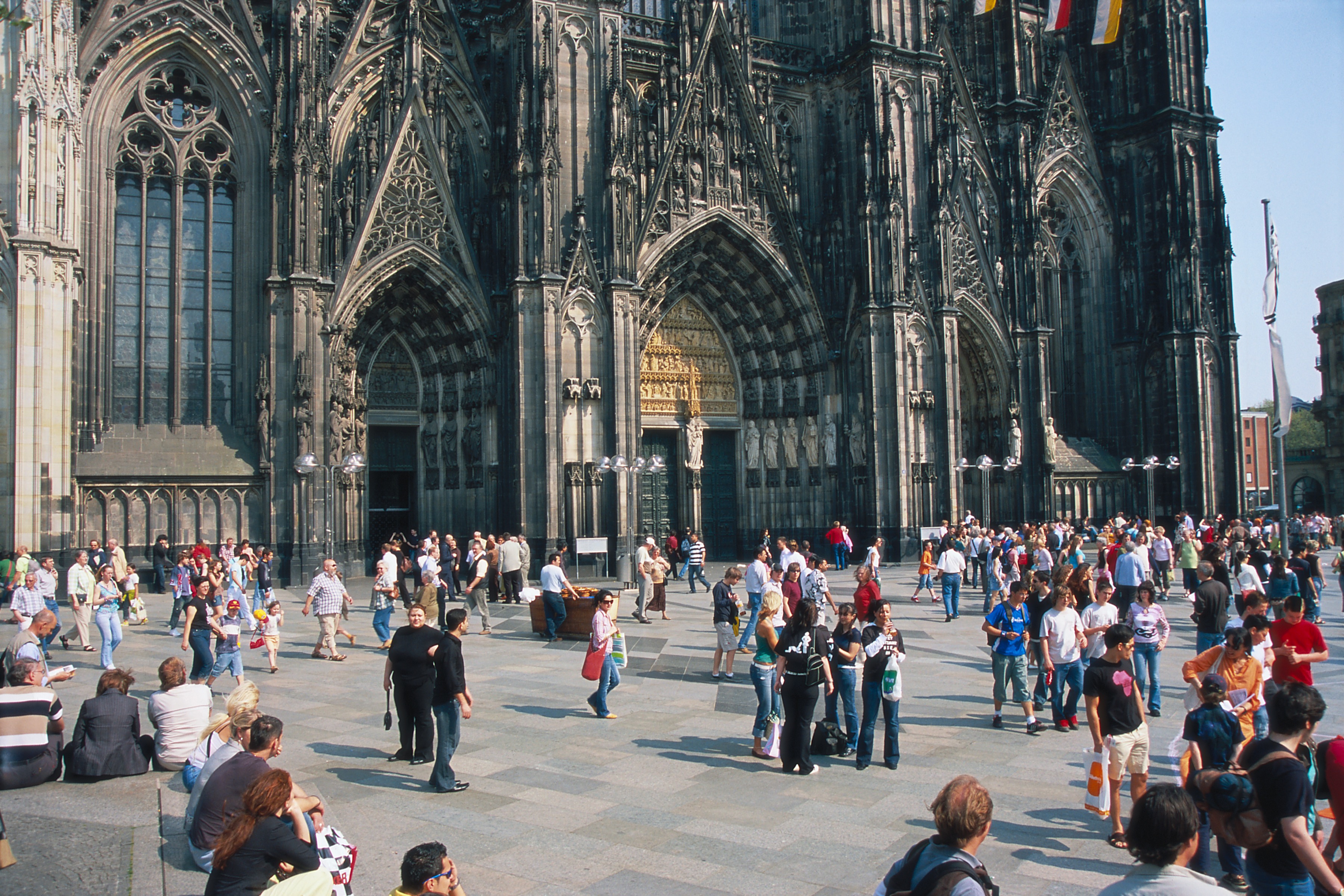
Cologne is a city in western Germany located across the Rhine river. It is the oldest in Germany, dating back 2000 years and is considered the region’s cultural hub. The city is known for its iconic landmark of the twin-spired Cologne Cathedral set against the reconstructed Old Town buildings. When in Old Town, visit the historic Old Town Hall and the Roman Church Great St Martin, or take time out and sit at one of the traditional breweries and enjoy the scenery around you. Historical sites such as the Roman Dionysus mosaic and the medieval Overstolzenhaus are worth a visit too. Another iconic sight in Cologne is at Hohenzollern Bridge. Here, local and tourist couples affix padlocks to the railings of the bridge and swear their loyalty to each other, they then throw the key into the Rhein to ensure everlasting love. Cologne is home to over 30 stages providing cabaret, free ensembles, theatre and dance and also celebrates its openly gay culture.
Koblenz, Germany
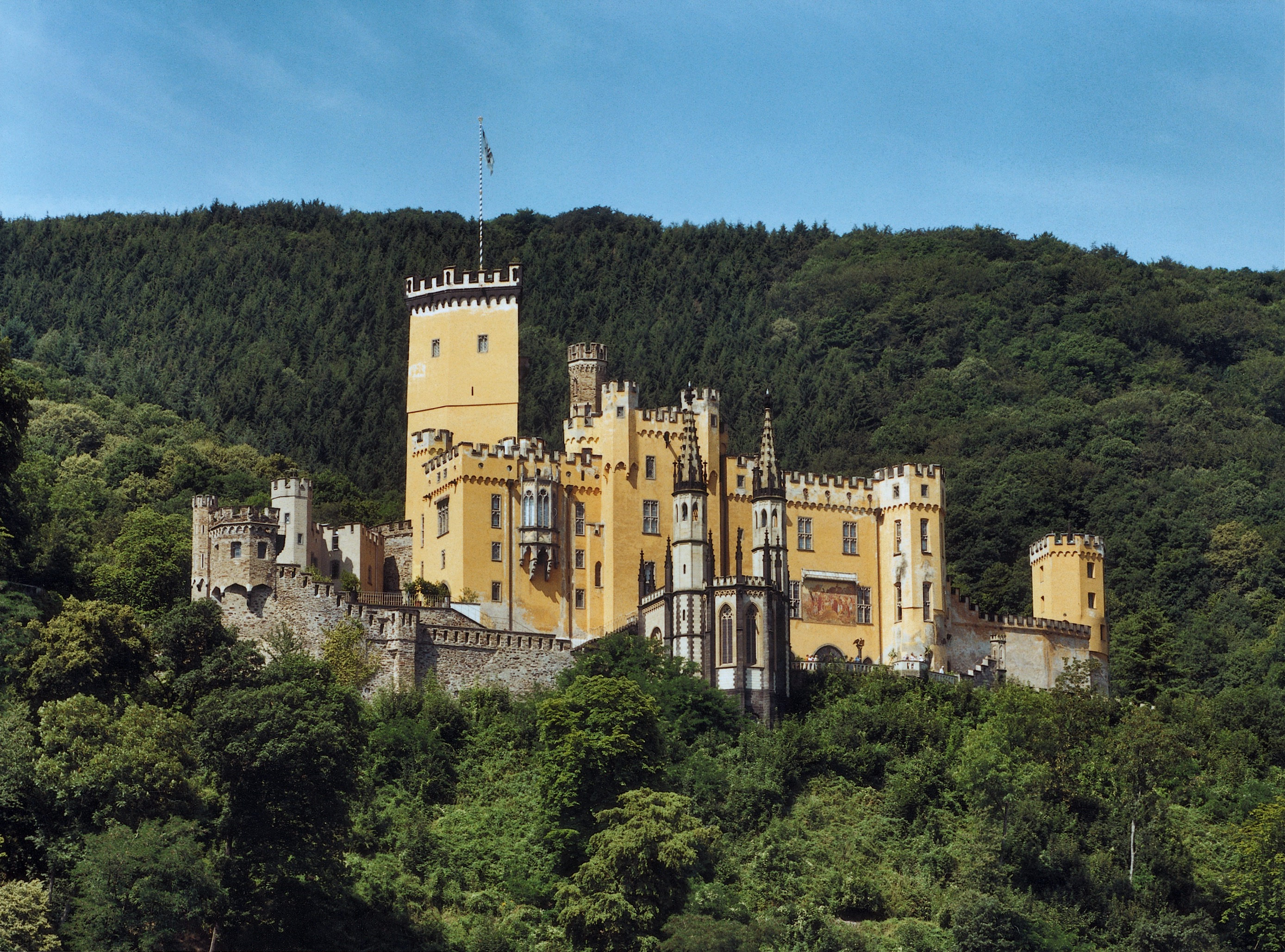
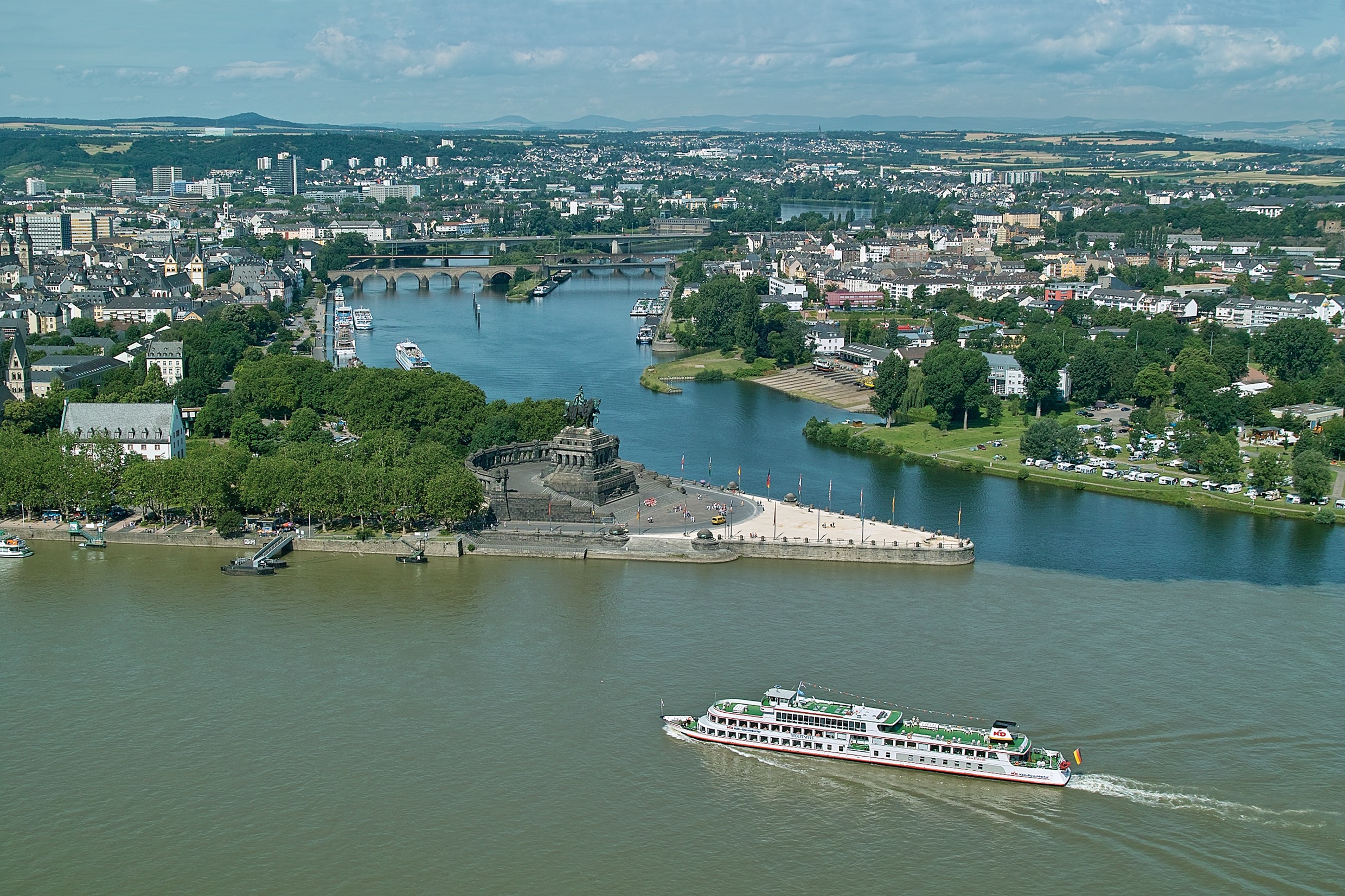
Located in the West of the country, Koblenz is one of the oldest cities in Germany. It is situated on both banks of the river Rhine, at its confluence with the Moselle River. The beginnings of Koblenz can be traced back to its military beginnings around 8 BC. The city is rich in its history and heritage and is easily explored on foot. Take the cable car crossing over the river Rhine for spectacular aerial views or enjoy the city from the one thousand year old fortress, Ehrenbreitstein. The upper middle Rhine Valley is a UNESCO World Heritage Site and its unique landscape can be enjoyed and discovered through the interactive multimedia journey at the Romanticum. Historical and architectural sites of interest include Stolzenfels Castle, the Electoral Palace of Koblenz and Old Town. From the romantic winding streets and small squares of Old Town, stroll through the alleyways from the Church of the Holy Virgin to the St Kastor Basilica and enjoy the picturesque buildings and squares along the way. Koblenz is also very popular for its Riesling and strong Spatburgunder wines since the Romans introduced it two thousand years ago.
Mannheim, Germany
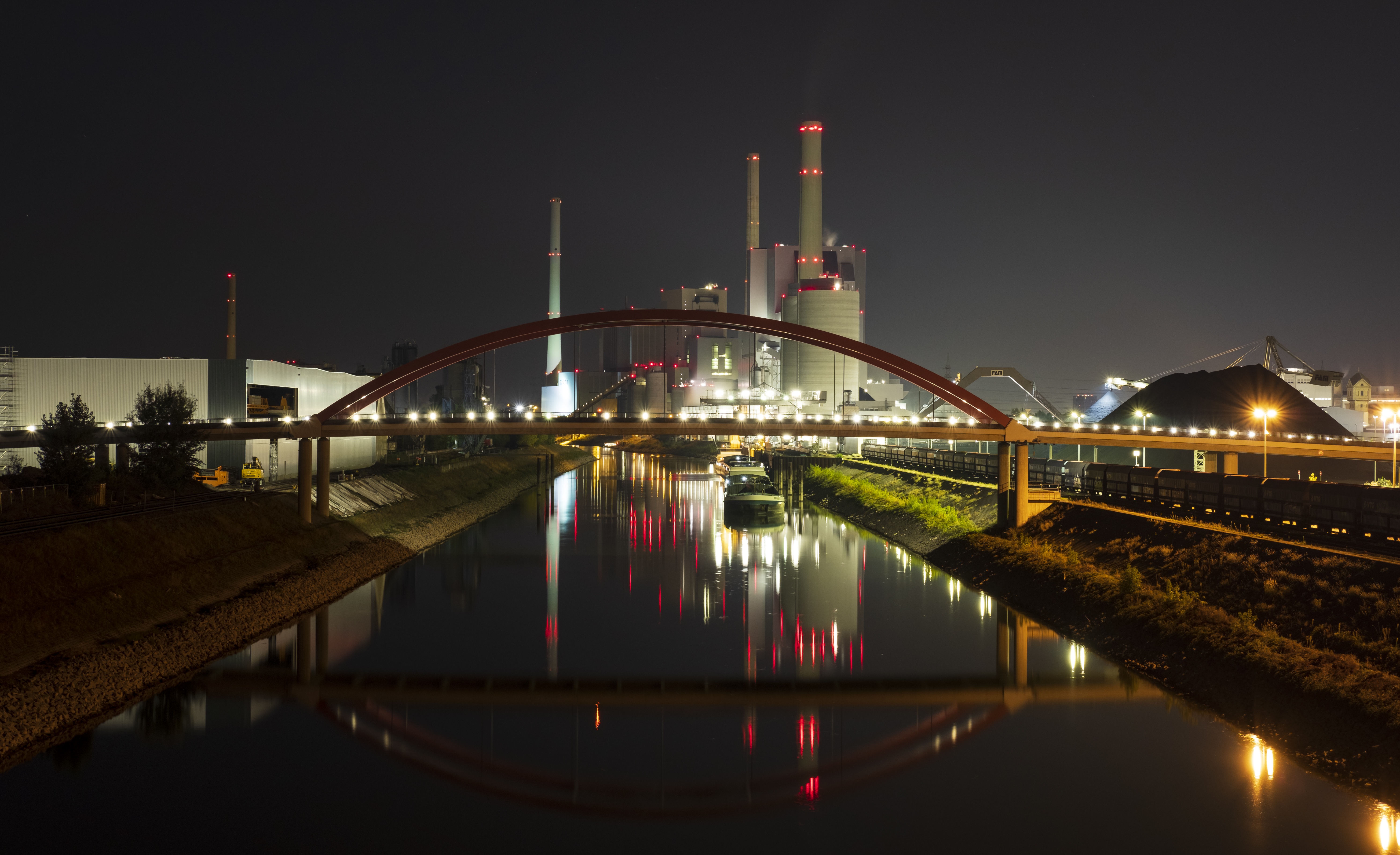
Mannheim, Germany, is a dynamic city known for its distinctive grid layout and vibrant cultural scene. Located at the confluence of the Rhine and Neckar rivers, it features the impressive Mannheim Palace and the lush Luisenpark. The city’s modern architecture contrasts with its historical roots, while its thriving arts scene includes theaters, museums, and music festivals. Mannheim is also a key industrial and commercial hub, making it a blend of cultural richness and economic vitality.
Rastatt, Germany
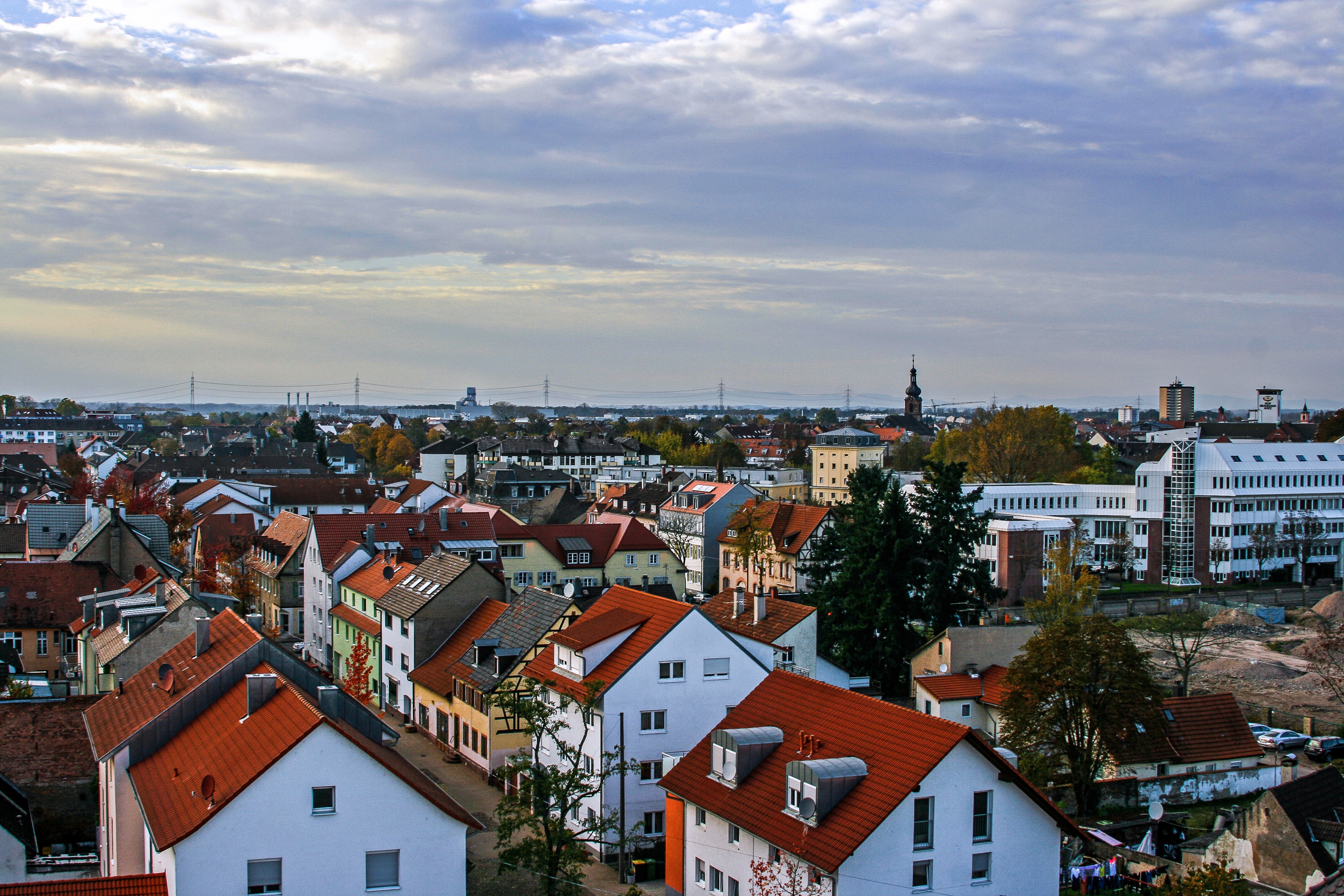
Rastatt, Germany, is a charming town in the Baden-Württemberg region, known for its Baroque architecture and historic significance. The centerpiece is the Rastatt Palace, a stunning example of Baroque grandeur with its beautiful gardens. The town offers picturesque streets, vibrant markets, and a rich cultural scene. Located near the Rhine River, Rastatt combines historical charm with a lively atmosphere, making it a delightful destination for exploring its architectural heritage and enjoying its local culture.
Kehl, Germany
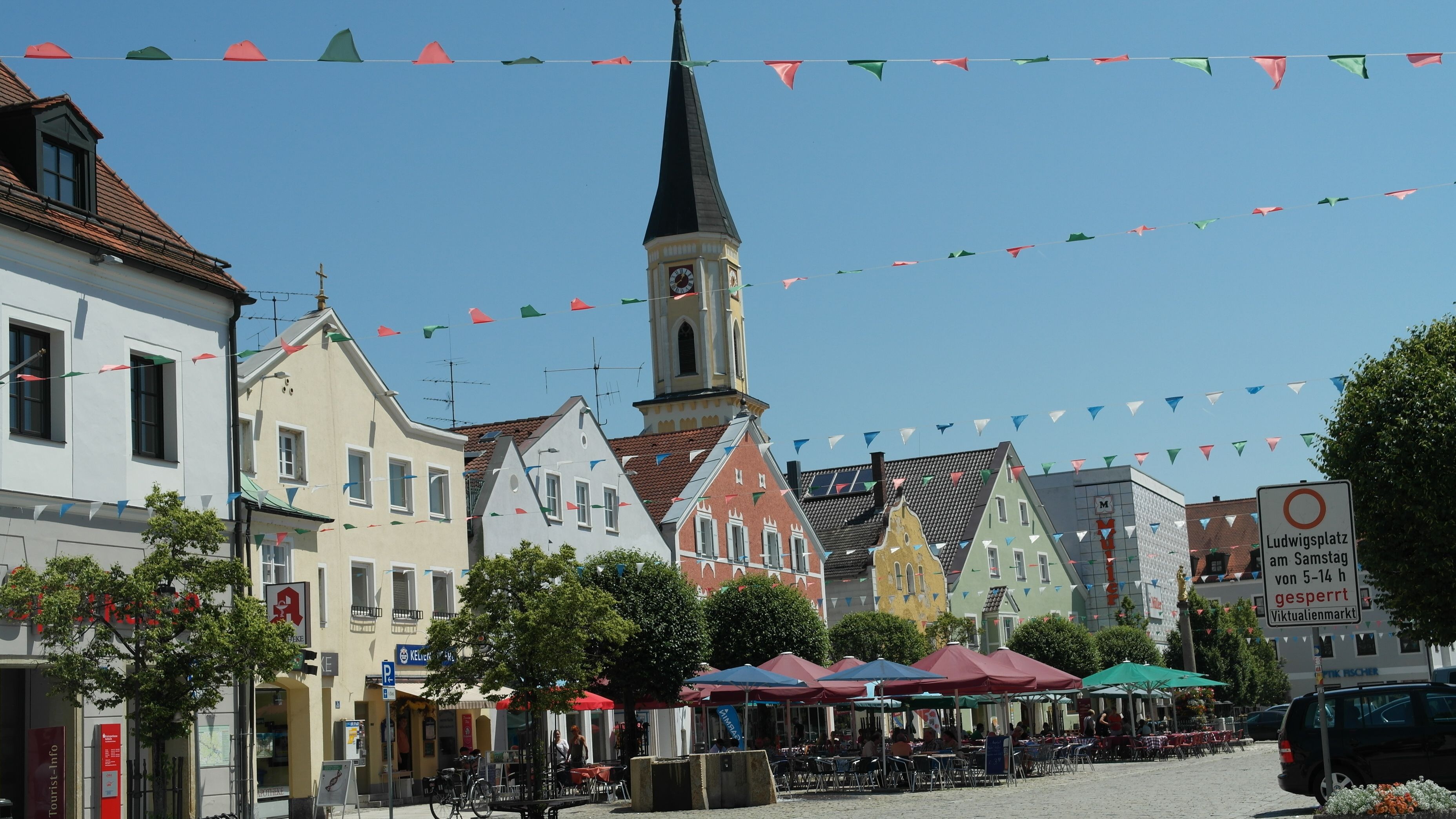
Kehl is a town located in southwest Germany on the River Rhine, across from the French City of Strasbourg. The town is not known as a tourist destination, however it benefits from idyllic landscape and a water-rich environment. Walk or cycle along the Reinpromenade or the garden of the Zweubüchter and enjoy a picnic at one of Kehl’s numerous excavation lakes. Nature lovers will enjoy spotting animals hiding along the rivers, lakes and bushes. Discover Kehl’s turbulent war and peace history with a guided tour of the centre and its surrounding villages. Visitors will also experience the town’s habitat and culture which is characterised through the half timbered houses and streets. Kehl town centre features a large pedestrian zone with many retail outlets, street cafes and outdoor dining to enjoy. A few minutes by public transport and visitors will find themselves in the centre of metropolitan Strasbourg.
Basel, Switzerland
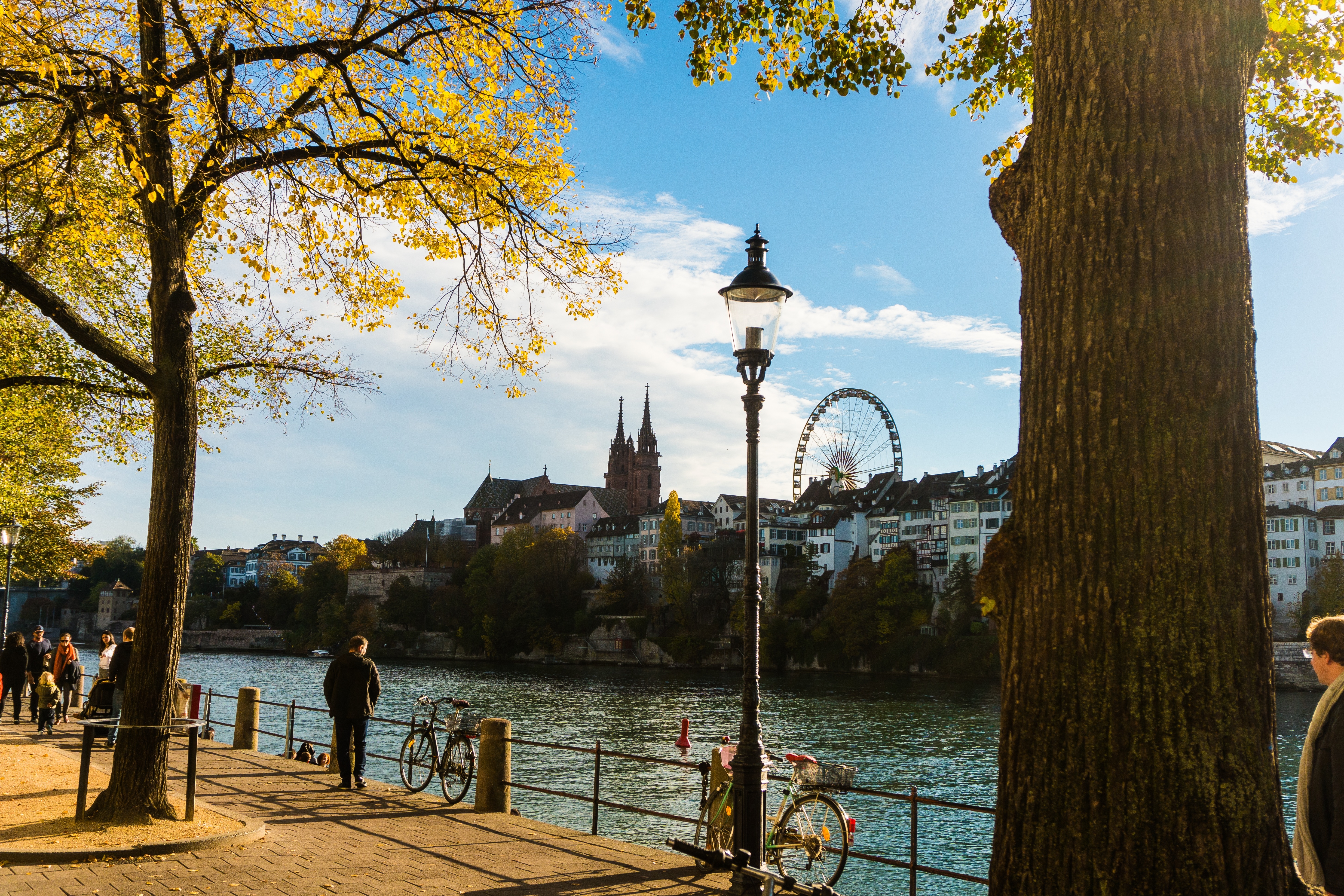
Basel is a city in northwestern Switzerland on the Swiss, French and German borders. It is located on the bend of the River Rhine and benefits from a Mediterranean climate. It is the third most populated city in Switzerland and has been the commercial hub for Swiss arts and culture since the Renaissance. In 1967 the people of Basel voted to acquire two paintings by Picasso, who was so moved by the Basel people that he donated 3 paintings and a study to the city’s Kunstmuseum (Museum of Fine Arts). Visit the Augusta Raurica, one of the largest Roman archaeology parks in Switzerland, and enjoy a river crossings over the River Rhine by non-motorised ferries. During the summer months, time is spent outdoors, either swimming in the River Rhine, dining al fresco, enjoying open air concerts, cinema, street parties and festivals. Basel is home to over 20 restaurants that have won GaultMillau or Michelin awards, and boasts Switzerland’s largest collection of theatre shows, including modern contemporary dance, touring and puppetry theatre.
Montreux, Switzerland
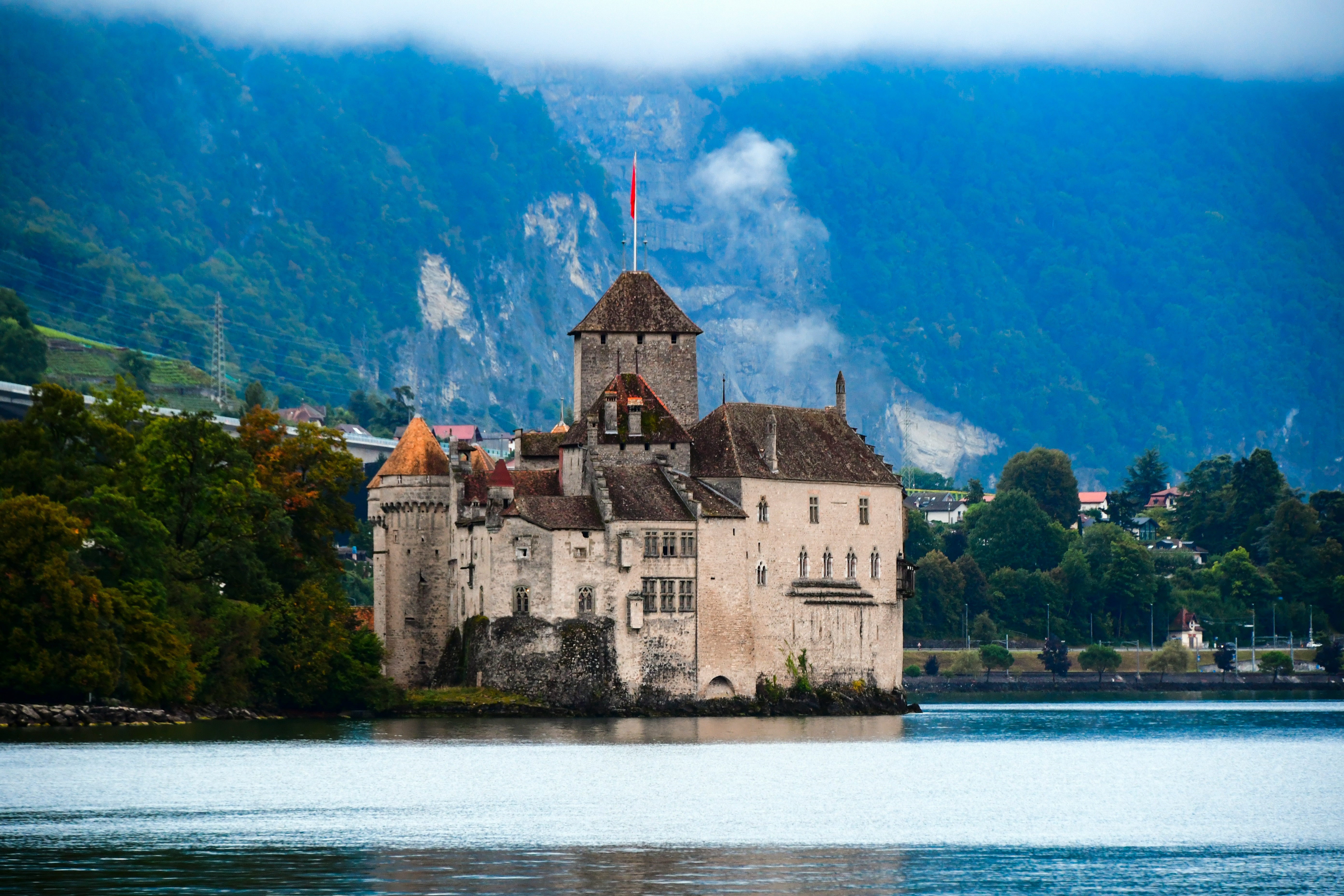
Start your journey in Basel (Huningue), where you’ll depart across the Swiss Alps toward the picturesque lakeside resort town of Montreux. Along the way, immerse yourself in the world of one of the 20th century’s most iconic figures with a stop at Chaplin’s World Museum. Explore the home, studio, and park that served as the sanctuary for the legendary comedian, Charlie Chaplin, during his 25 years of residence. Learn about his life, artistry, and lasting impact on the world of film as you take in the rich history and stunning views of the surrounding landscapes.
Montreux, Switzerland
This morning, explore the mesmerising town of Montreux on your own or perhaps relax in your hotel and enjoy the amenities. For lunch, a quintessential Swiss experience awaits you.
Scenic Enrich
Train ride and fondue lunch: Delight in a panoramic train journey to Château-d’Oex. Upon arrival you’ll view traditional cheese-making at the Restaurant Le Chalet. The restaurant makes its own cheese, and in your private demonstration, the cheese maker will transform milk into hard cheese right in front of your eyes.
Montreux, Switzerland
After departing Montreux, ascend the Swiss Alps to the charming alpine village of Gstaad. Known as a premier ski resort, enjoy a brief orientation tour of the village, followed by some free time to relax and enjoy lunch at your own pace.
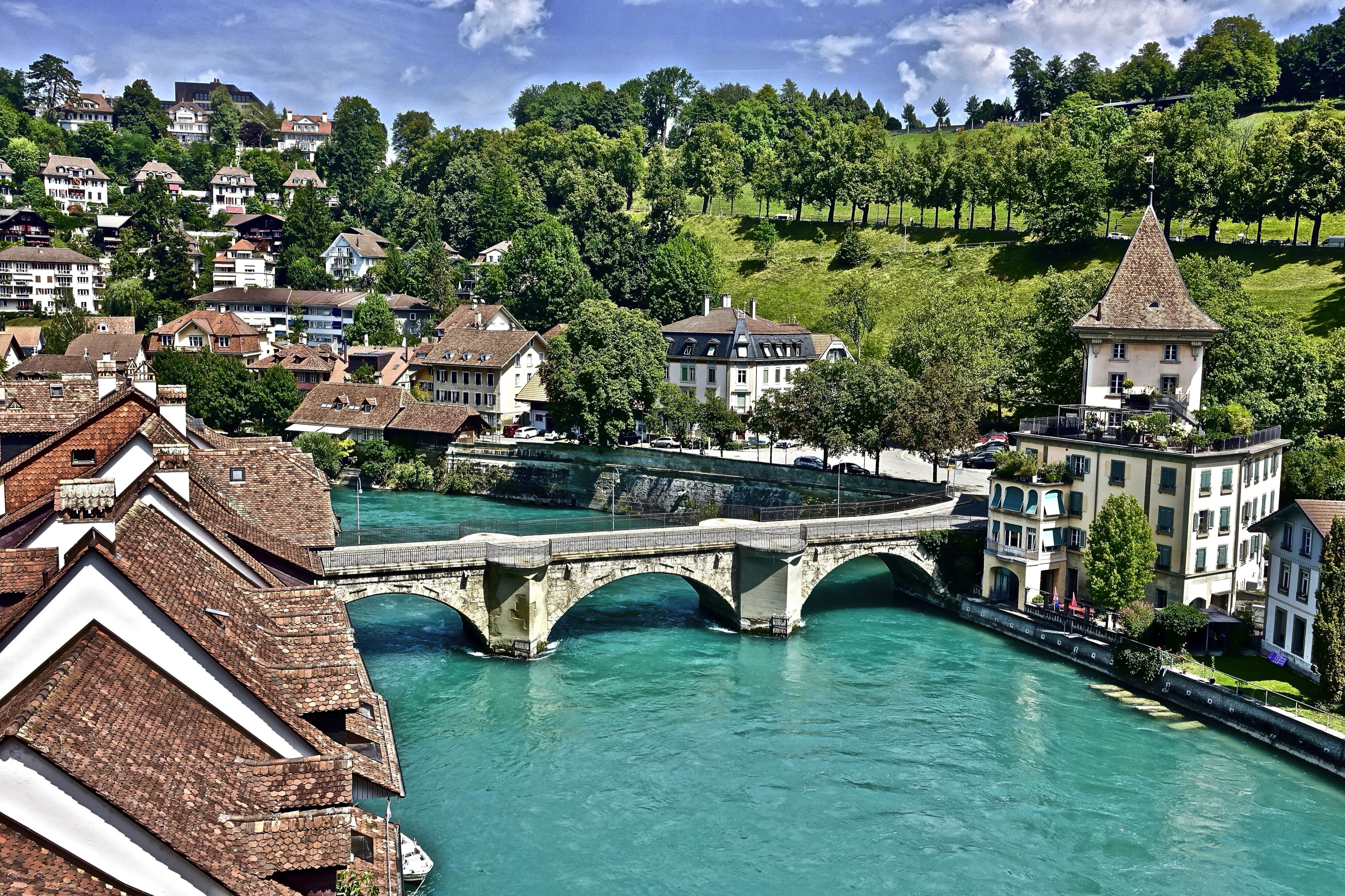
This afternoon you’ll arrive at Bern, the Swiss capital. Set on the River Aare, Bern is World Heritage-listed thanks to its medieval heritage. Your Tour Director will take you on a tour of this delightful city. See its many fountains, sandstone facades and narrow streets and visit Bear Park, home to a family of bears that have lived along the riverbank since 1857.
Bern, Switzerland
After departing Montreux, ascend the Swiss Alps to the charming alpine village of Gstaad. Known as a premier ski resort, enjoy a brief orientation tour of the village, followed by some free time to relax and enjoy lunch at your own pace.
This afternoon you’ll arrive at Bern, the Swiss capital. Set on the River Aare, Bern is World Heritage-listed thanks to its medieval heritage. Your Tour Director will take you on a tour of this delightful city. See its many fountains, sandstone facades and narrow streets and visit Bear Park, home to a family of bears that have lived along the riverbank since 1857.
Bern, Switzerland
Today you’ll depart for Lucerne. With its backdrop of snow-topped mountain ranges, Lucerne encapsulates a traditional Swiss city. Your morning will start with a guided tour of the city, touching on its well-preserved medieval Altstadt, delightful waterfront promenades and colourful buildings.
Afterwards, you’ll travel by coach to the cosmopolitan city of Zurich. Set off on foot for a walking tour. Zurich is one of the world’s great walking cities, with a flat centre, many pedestrian-only streets and historic bridges. Wander along the Bahnhofstrasse, the city’s main street lined with glamorous boutiques and international flagship stores.
Lucerne, Switzerland
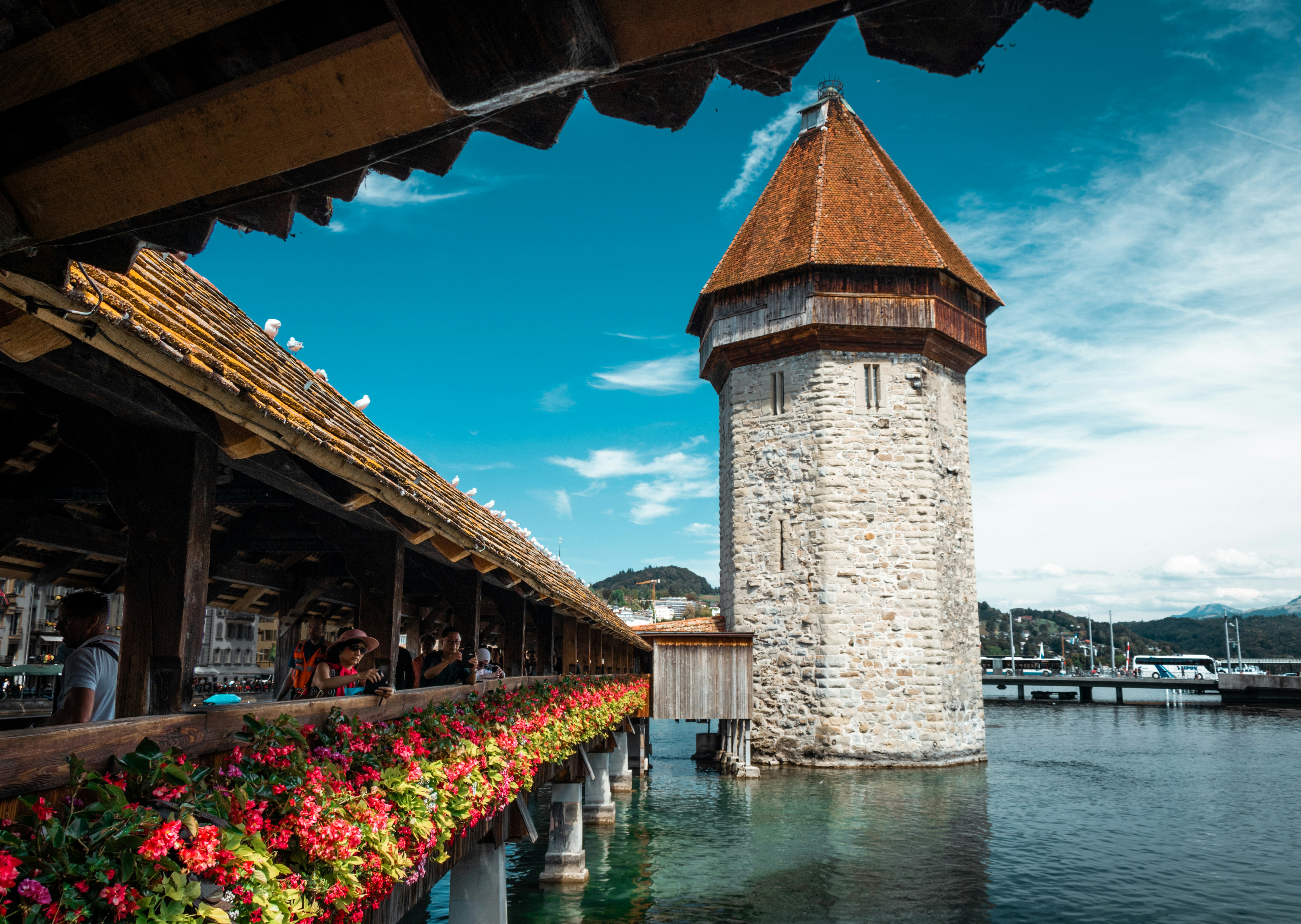
Lucerne, a compact city in Switzerland known for its preserved medieval architecture, sits amid snowcapped mountains on Lake Lucerne. Its colorful Altstadt (Old Town) is bordered on the north by 870m Museggmauer (Musegg Wall), a 14-century rampart. The covered Kapellbrücke (Chapel Bridge), built in 1333, links the Aldstadt to the Reuss River’s right bank.
Zurich, Switzerland
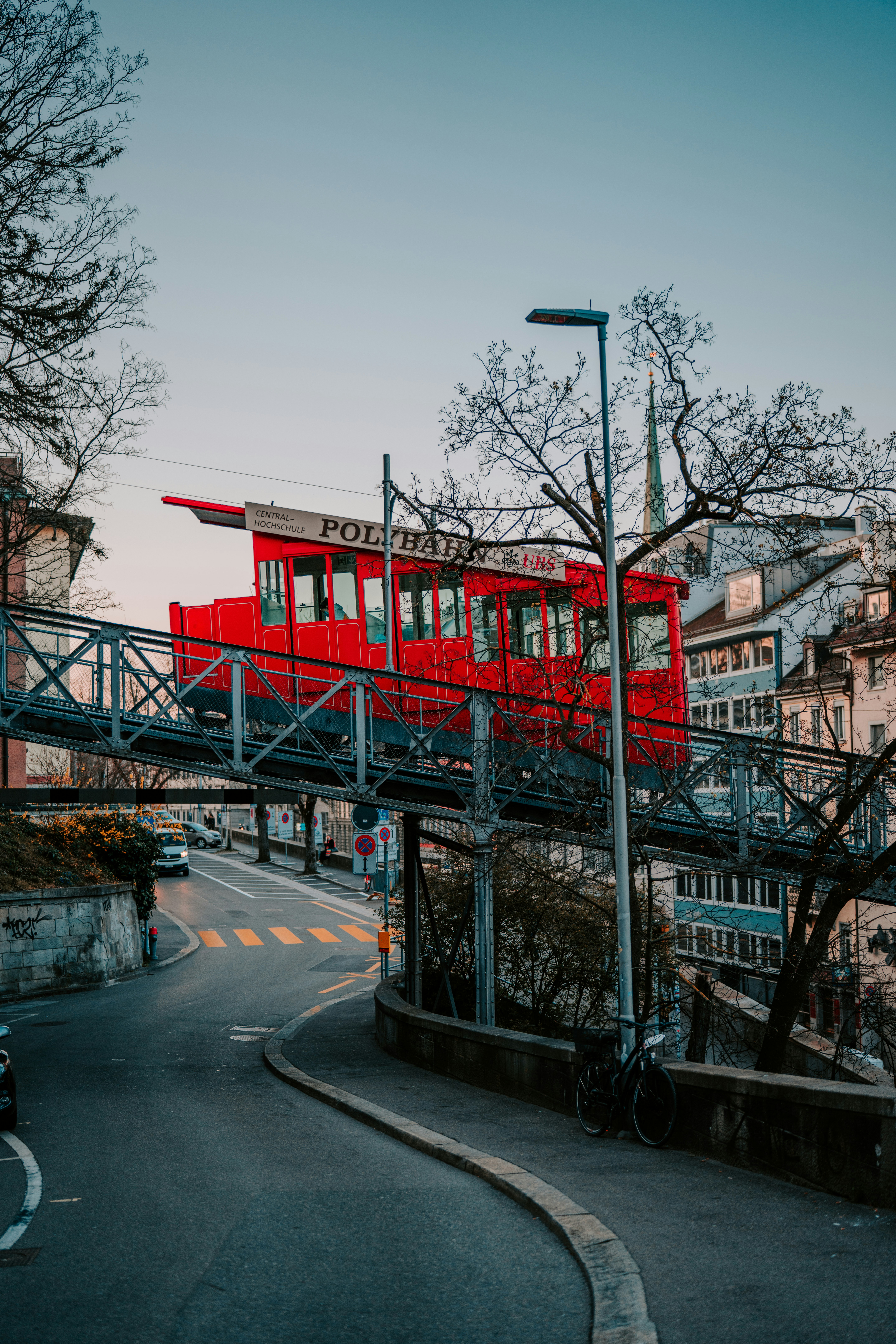
The city of Zurich, a global center for banking and finance, lies at the north end of Lake Zurich in northern Switzerland. The picturesque lanes of the central Altstadt (Old Town), on either side of the Limmat River, reflect its pre-medieval history. Waterfront promenades like the Limmatquai follow the river toward the 17th-century Rathaus
Zurich, Switzerland
The city of Zurich, a global center for banking and finance, lies at the north end of Lake Zurich in northern Switzerland. The picturesque lanes of the central Altstadt (Old Town), on either side of the Limmat River, reflect its pre-medieval history. Waterfront promenades like the Limmatquai follow the river toward the 17th-century Rathaus
Cabin Options
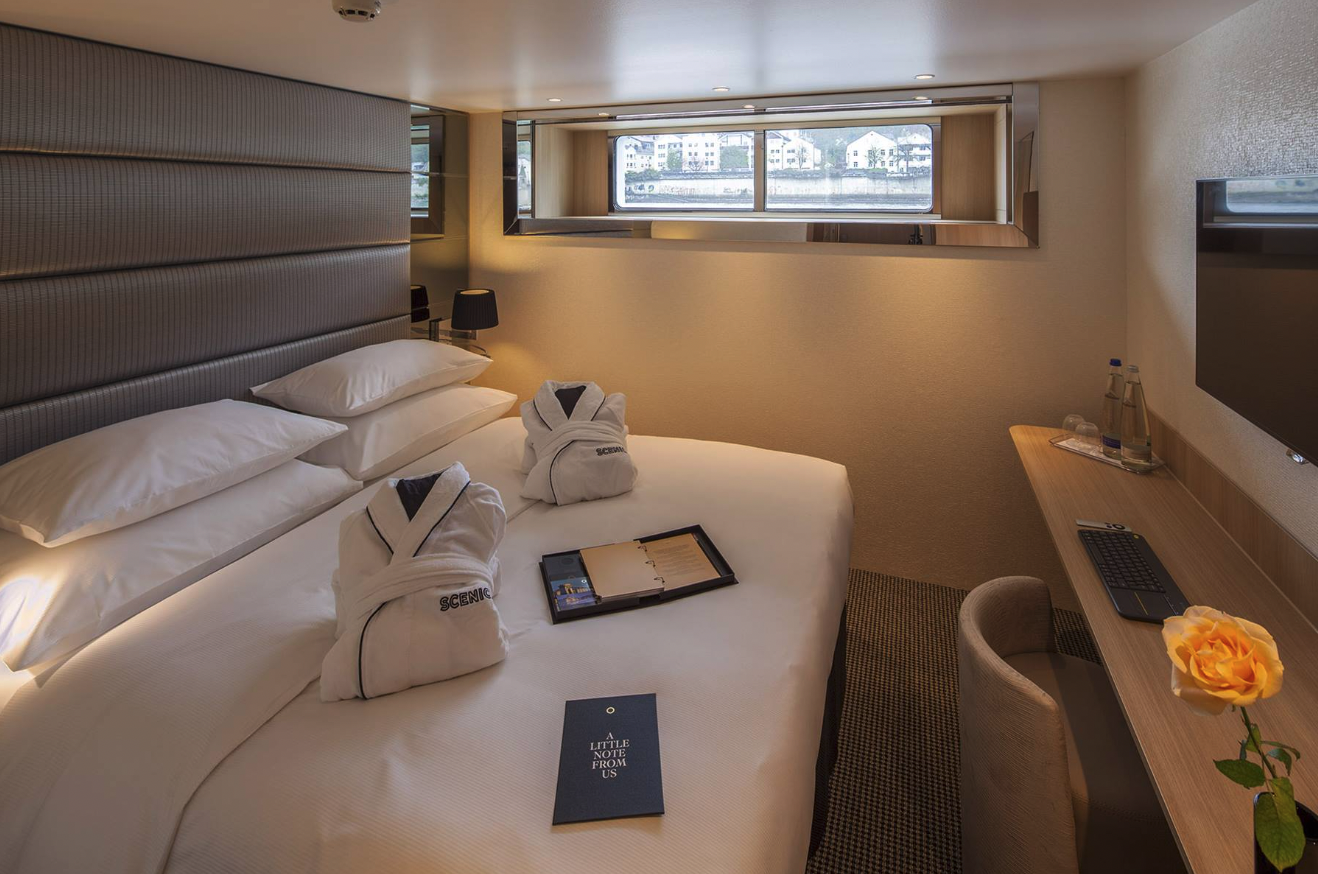
Standard Stateroom Suite
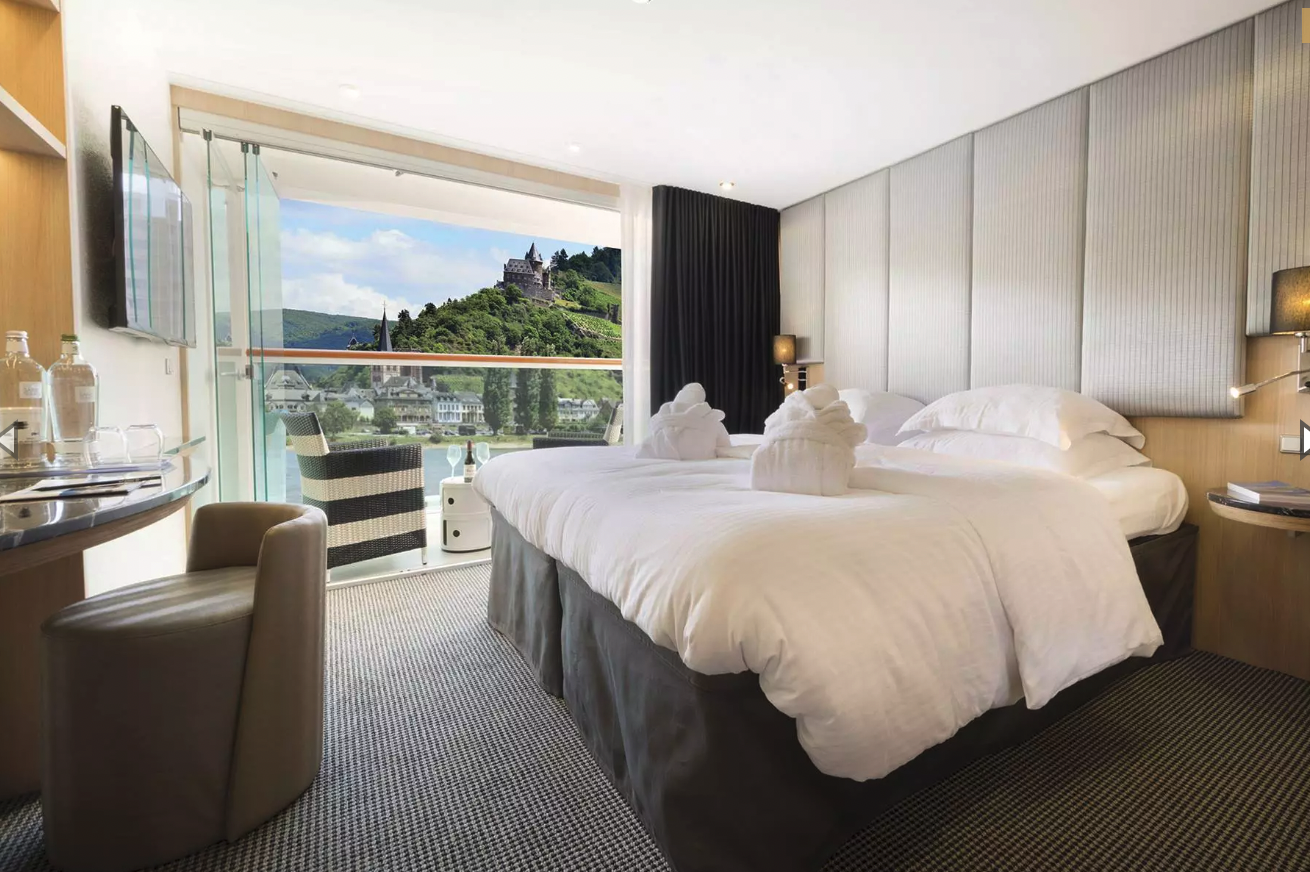
Balcony Suite
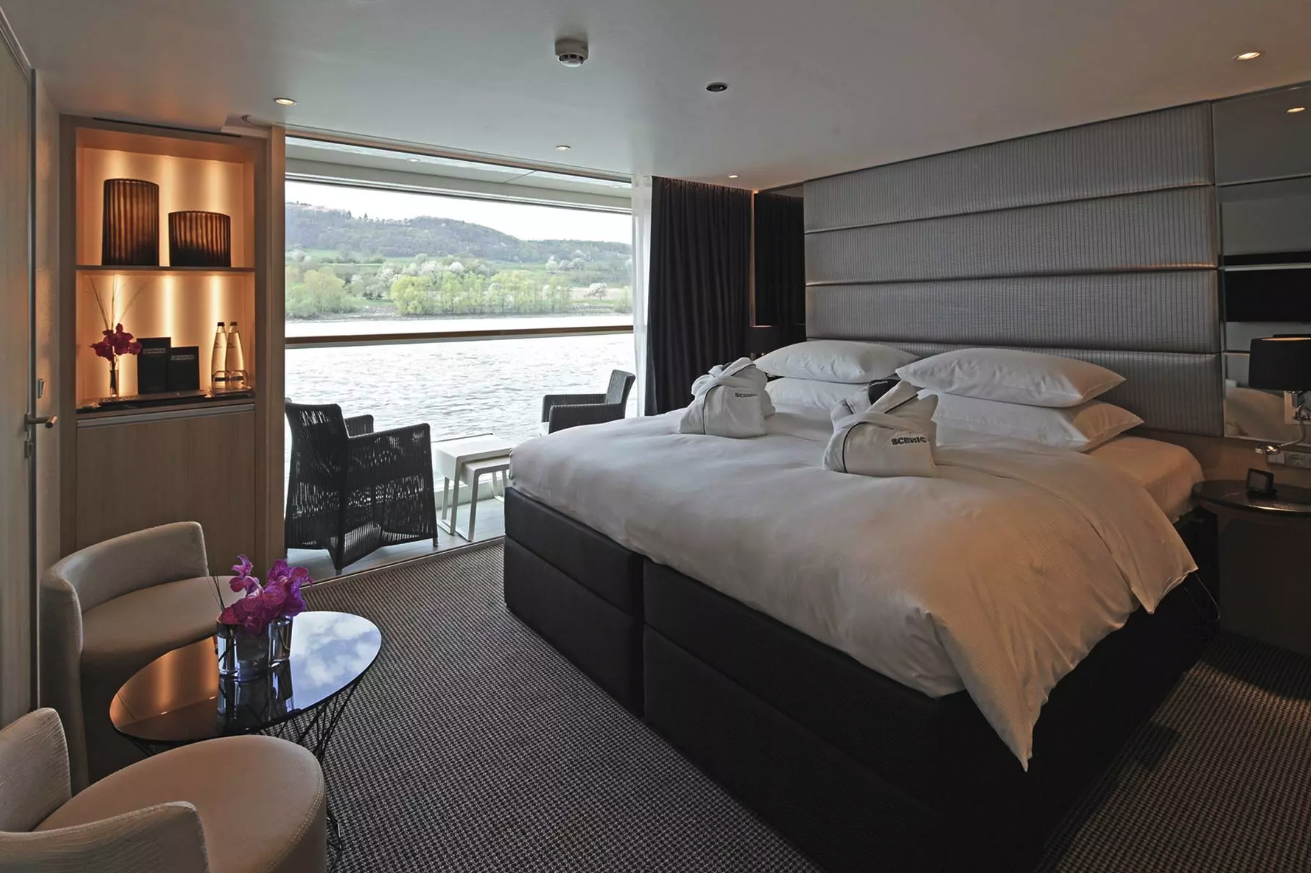
Junior Balcony Suite
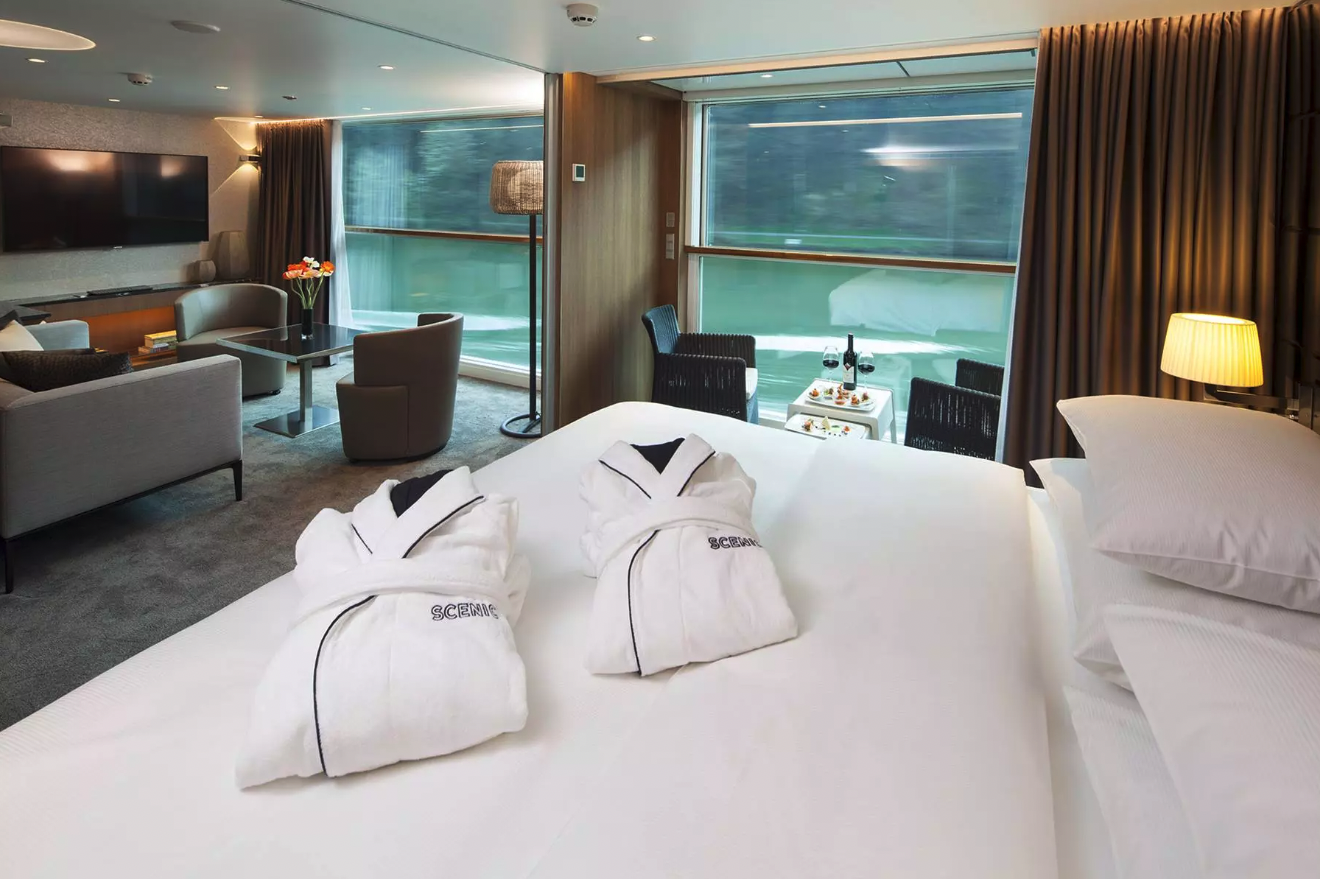
Royal Balcony Suite
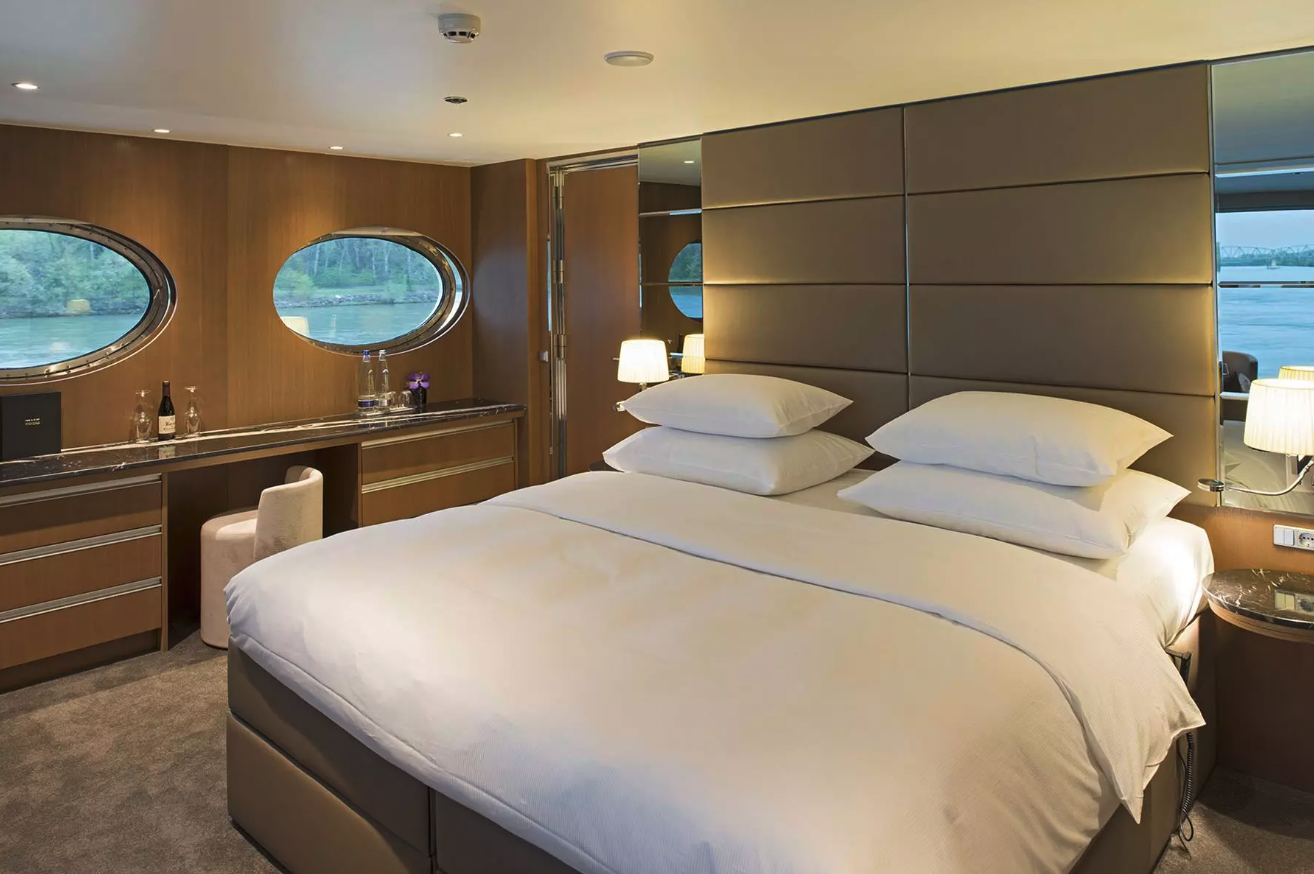
Royal Panorama Suite
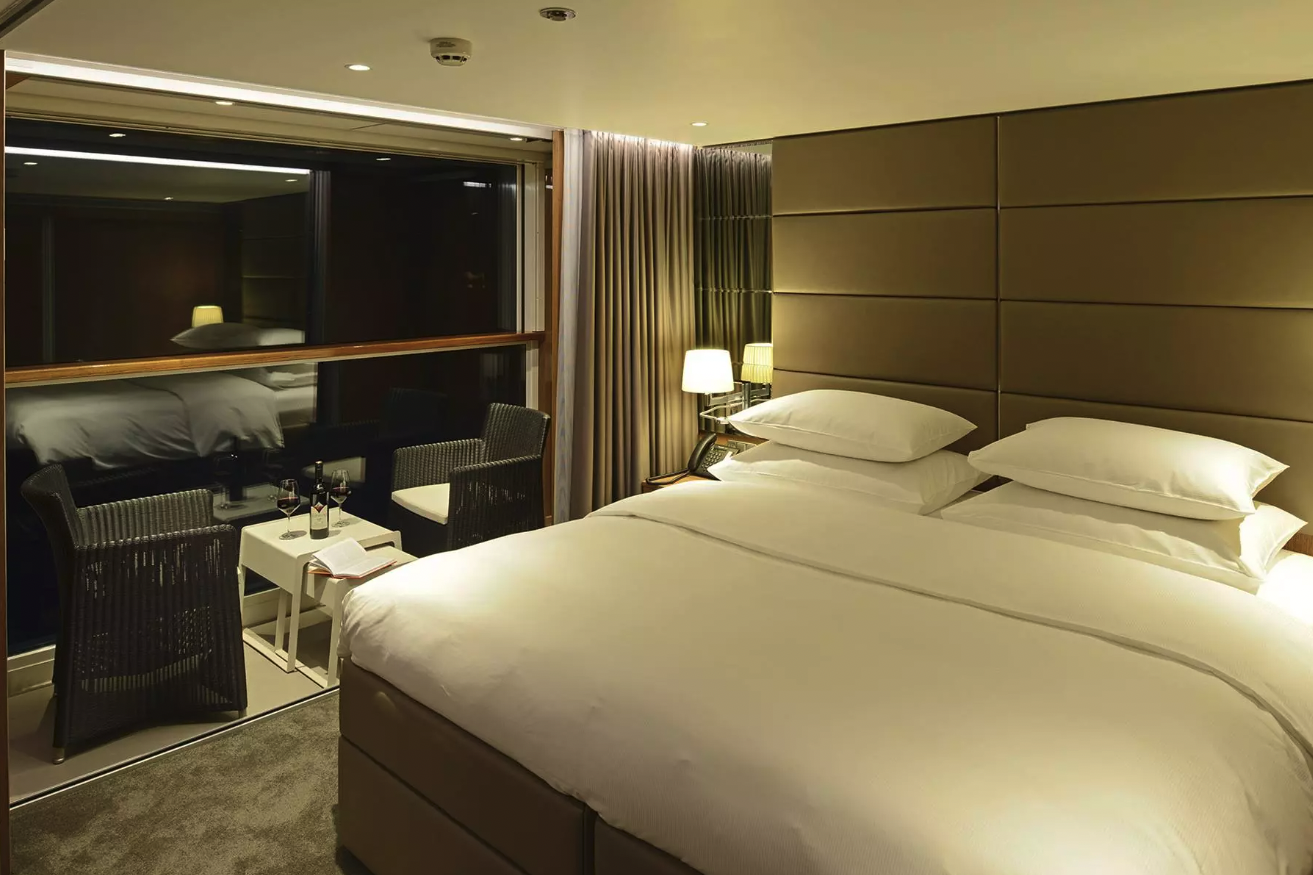
Single Balcony Suite
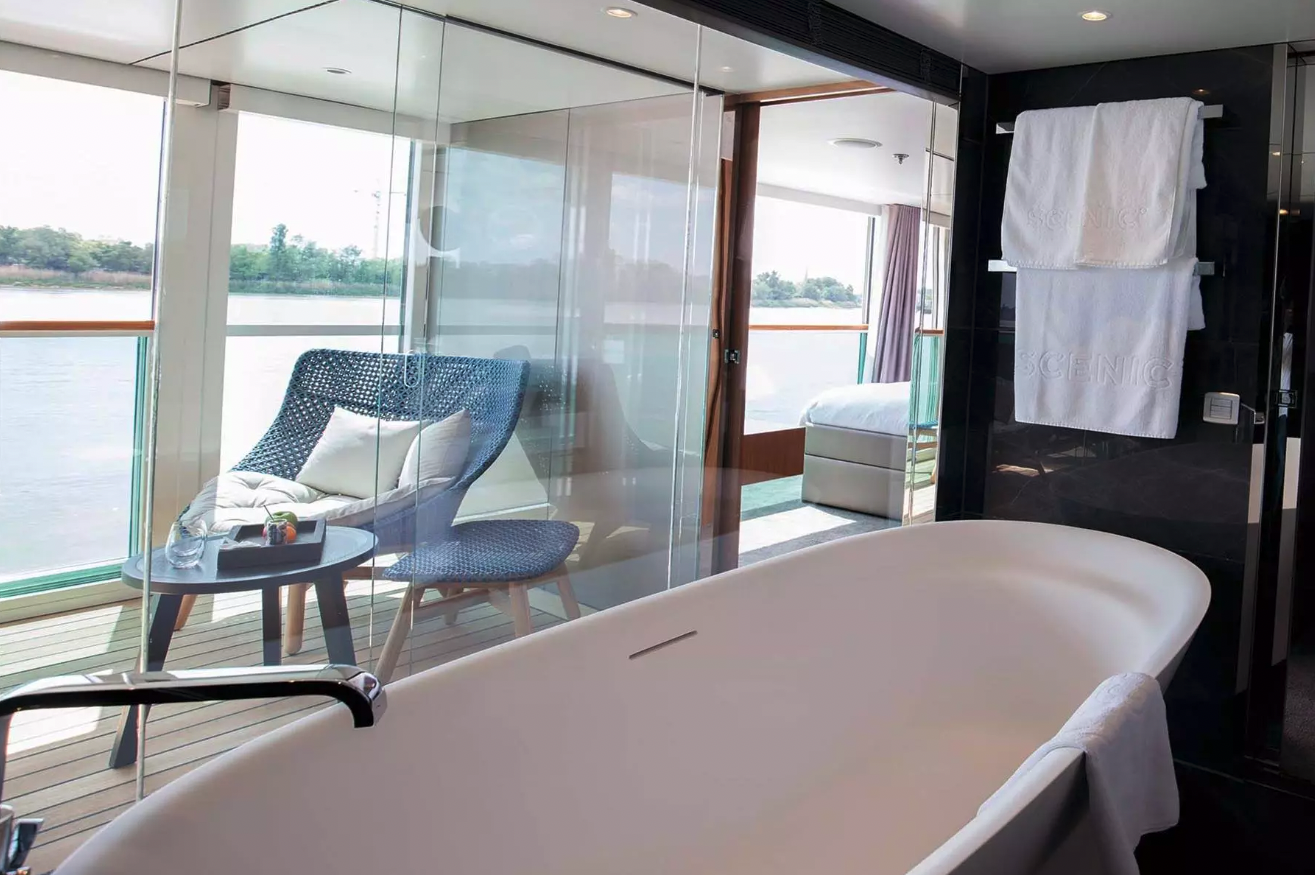
Royal Owner's Suite
Ship Facilities
Crystal Dining
Enjoy à la carte menus for breakfast, lunch and dinner at Crystal Dining. Available on all Europe and South East Asia river cruises, this main restaurant offers a relaxed dining experience with local delicacies.
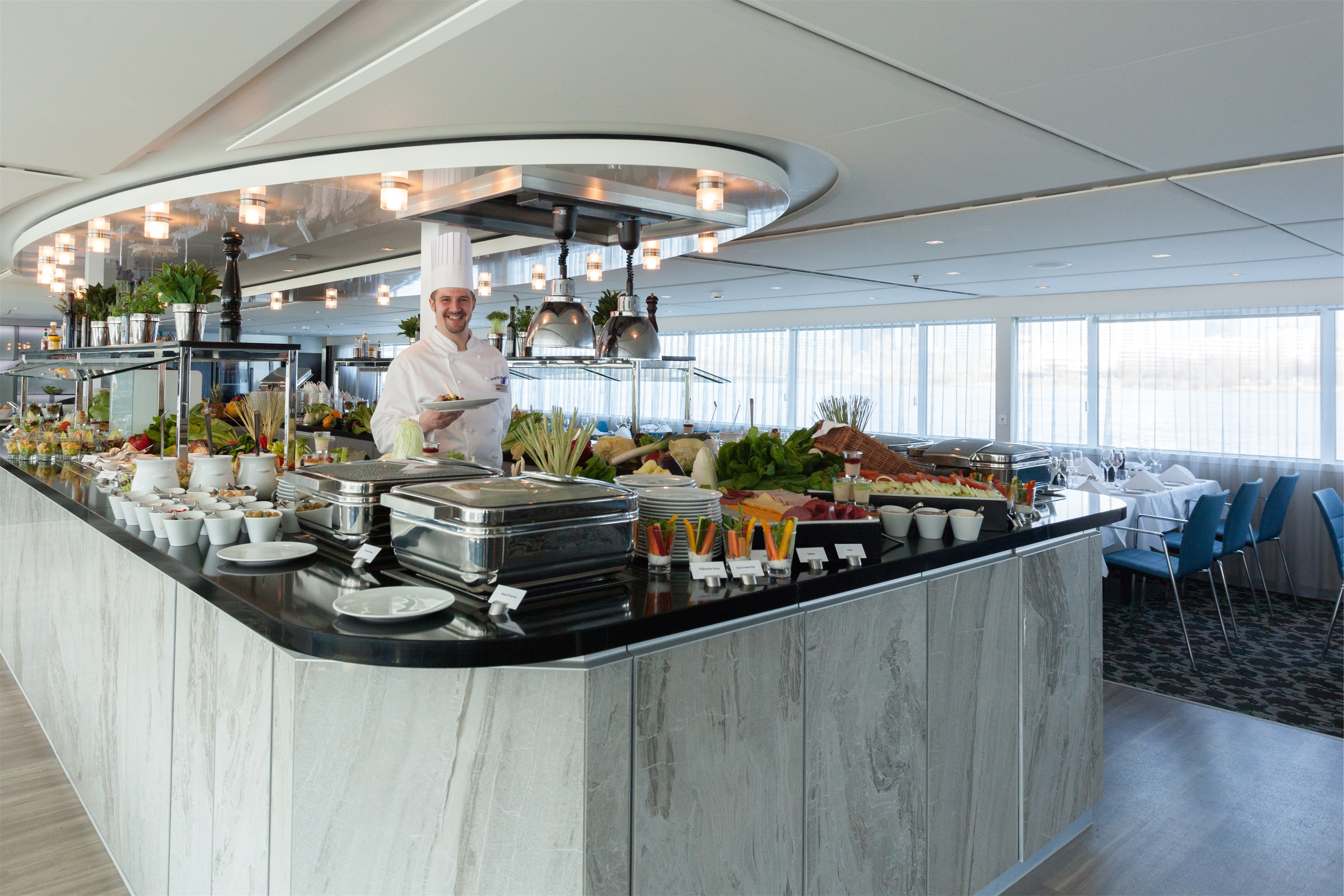
Portobellos
With up to only 32 guests an evening, the exclusive and intimate Portobellos or L’Amour showcase sumptuous regional specialities. The delectable five-course menu features either Italian, French or Portuguese cuisine (depending on your cruise location), paired with elegant wines, and is available on all European river cruises.
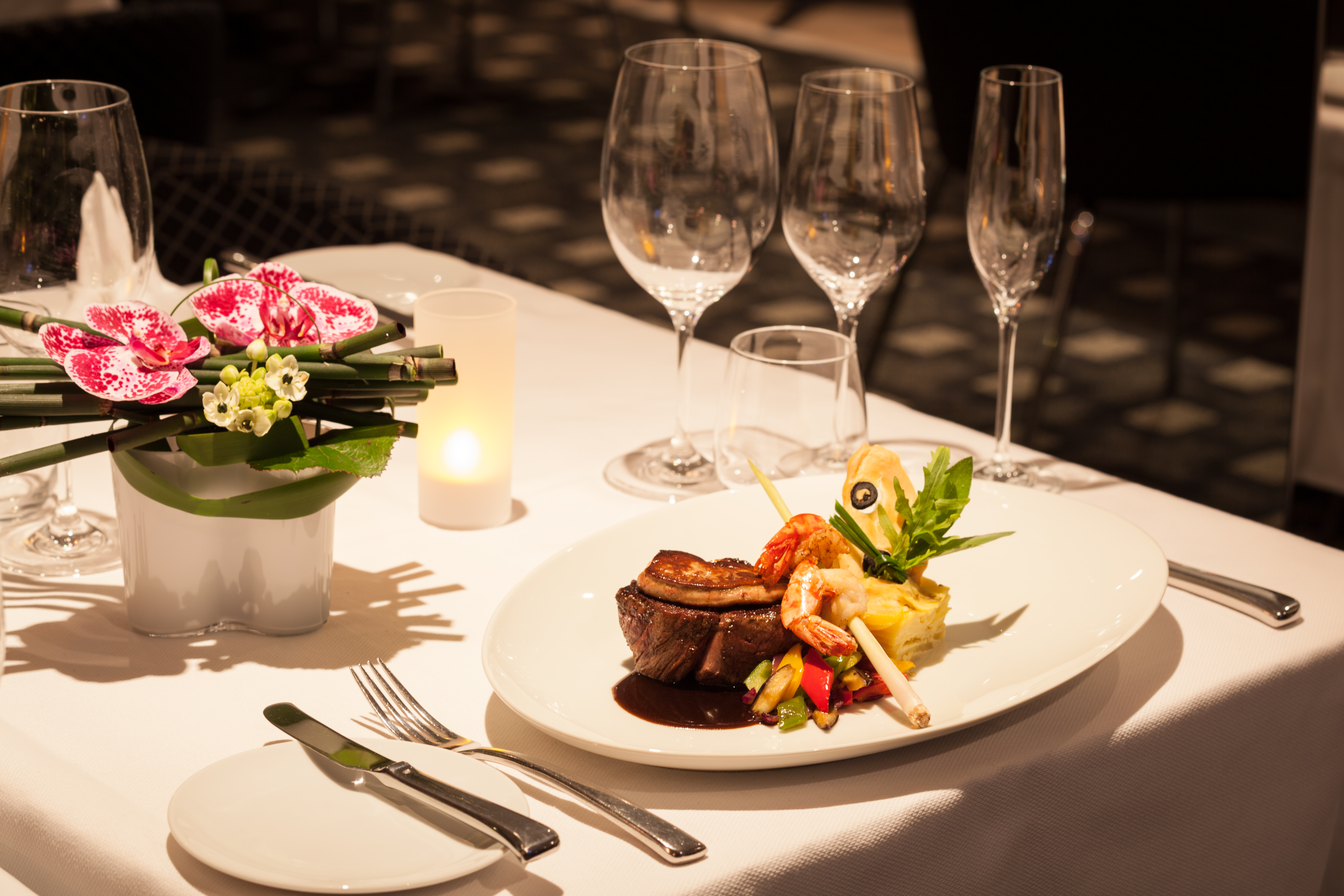
Table La Rive
Featuring a six-course degustation, the exclusive Table La Rive and Table d’Or on our European river cruises offers an intimate dining experience for only 10 guests per evening. Guests staying on the Diamond Deck for 10 nights or longer, as well as Royal and Junior Suite guests staying for up to nine nights, will be invited by our Executive Chef.
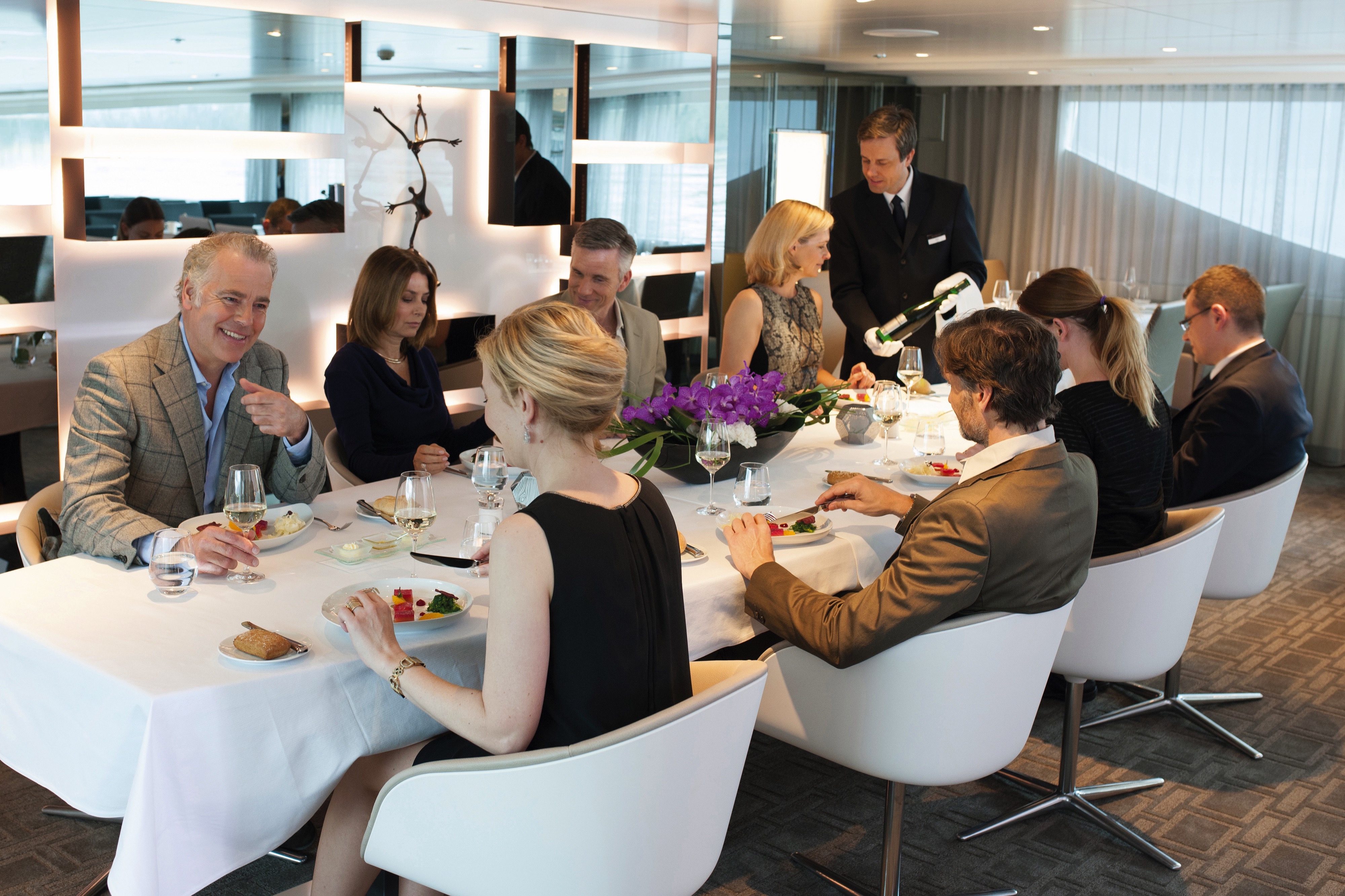
Riverview Terrace
Enjoy a refreshing afternoon aperitif or pick-me-up light bite on the Riverview Terrace, an open-air lounge and bar area located on the Sun Deck. Alfresco living doesn’t get better, with all-inclusive refreshments to complement the rapturous views.
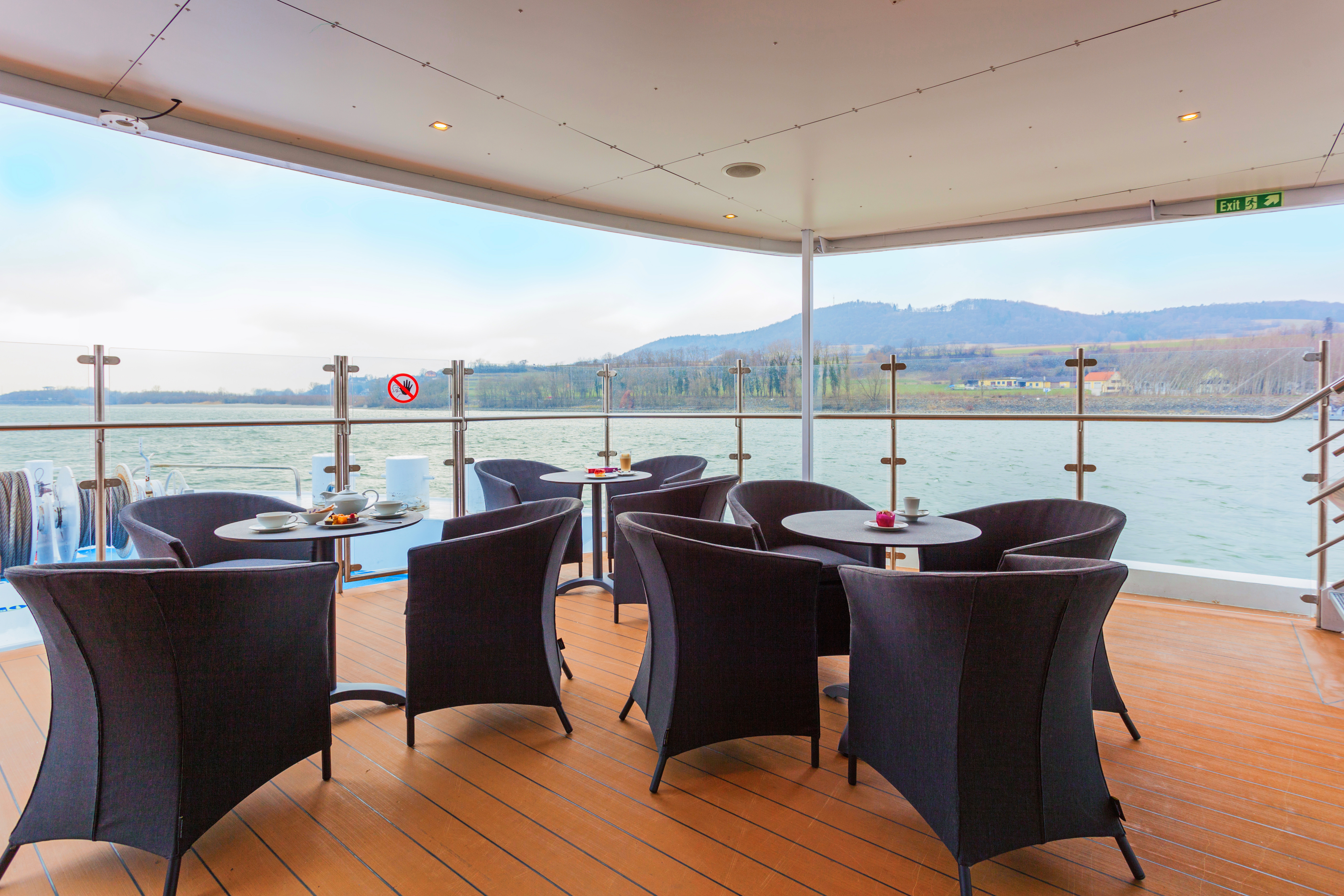
River Cafe
Offering a casual dining experience, you can enjoy all-day grazing options, light snacks and tasty treats to suit your schedule. The River Café is available on all Europe and South East Asia river cruises.

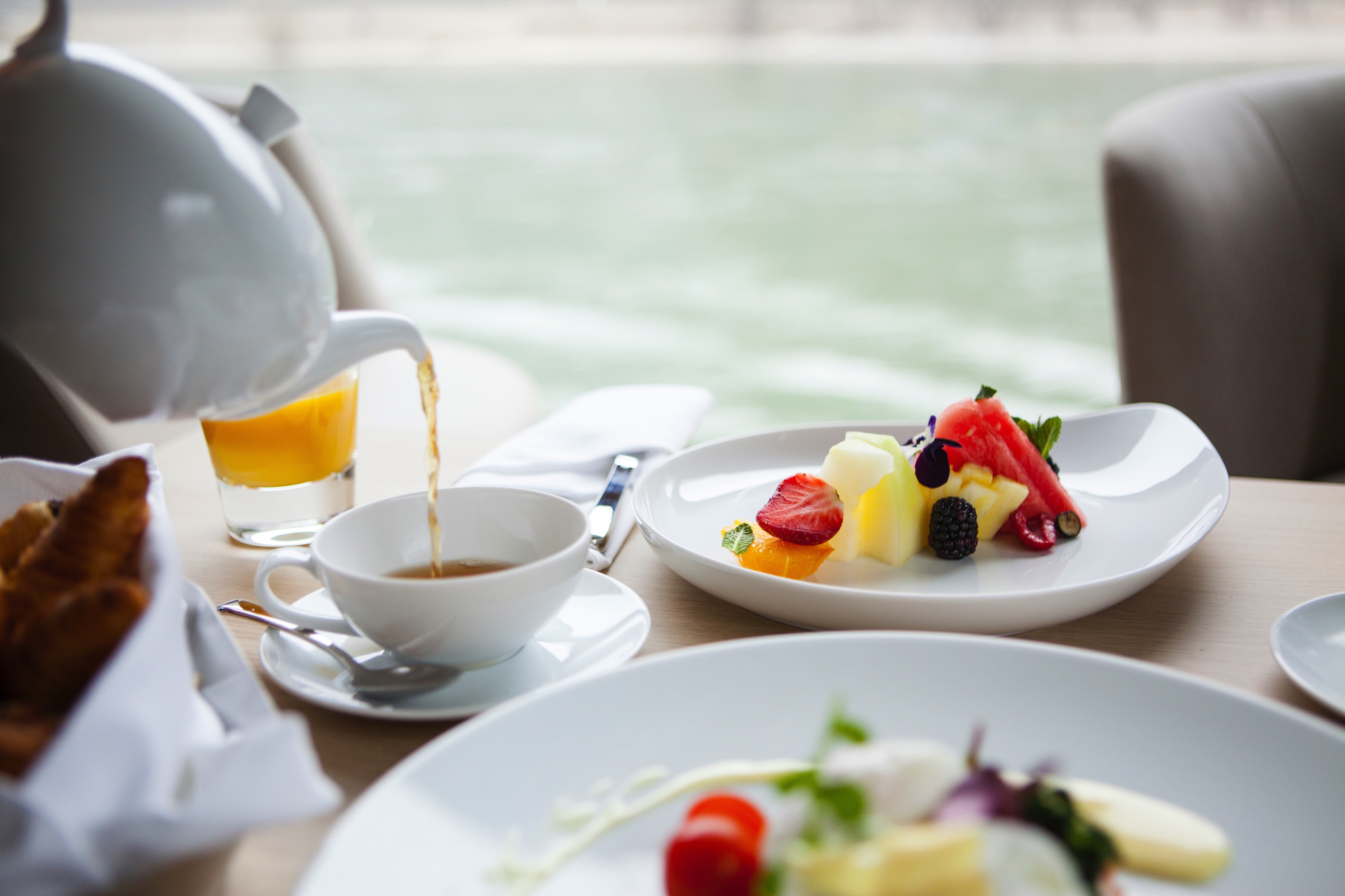
In-Suite Dining
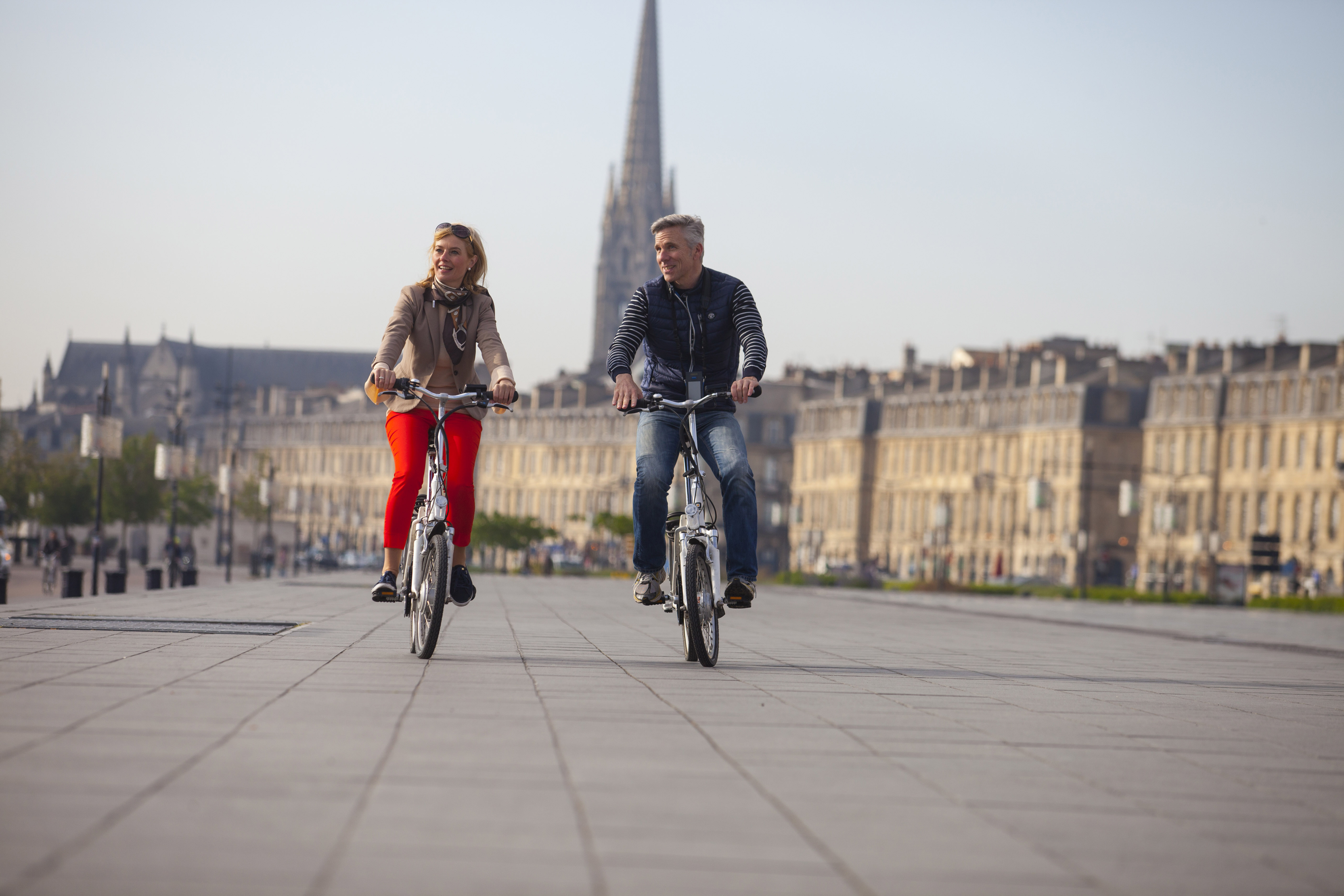
Scenic E-Bikes
Explore cities onshore on our complimentary e-bikes. Keep active and interact with locals as you explore Europe’s countryside.
Scenic Freechoice
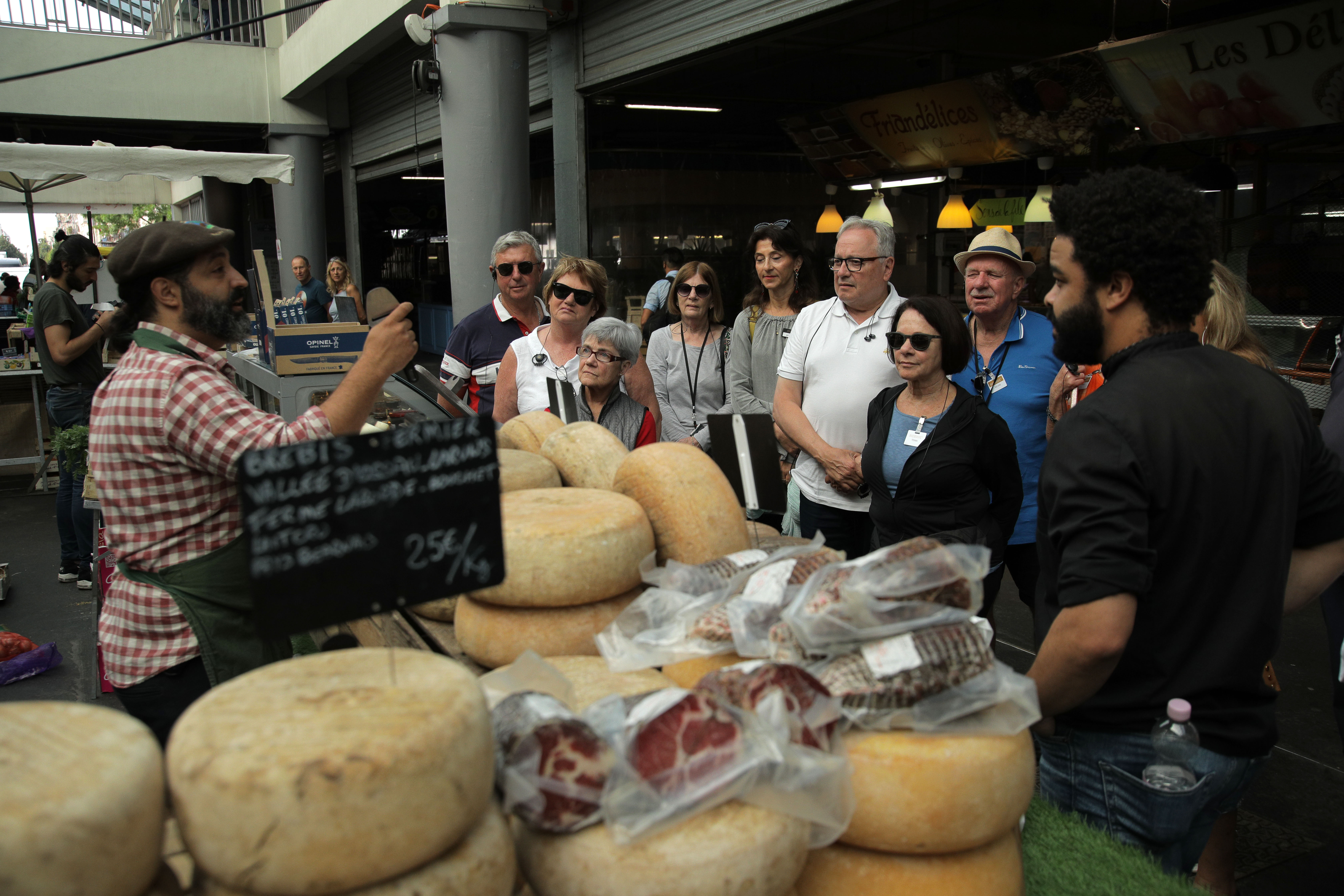
Personalise your river cruise and pursue your own interests as you set off on curated excursions throughout Europe. Our extensive and diverse list of Free choice excursions are designed at Active, Moderate or Relaxed pace so you can choose activities best suited to you based on your interests and needs. Whether it’s a guided hike or e-Bike ride through the vineyards or a visit to the historic towns of Ypres and Passchendaele, the choice is yours.
Scenic Enrich
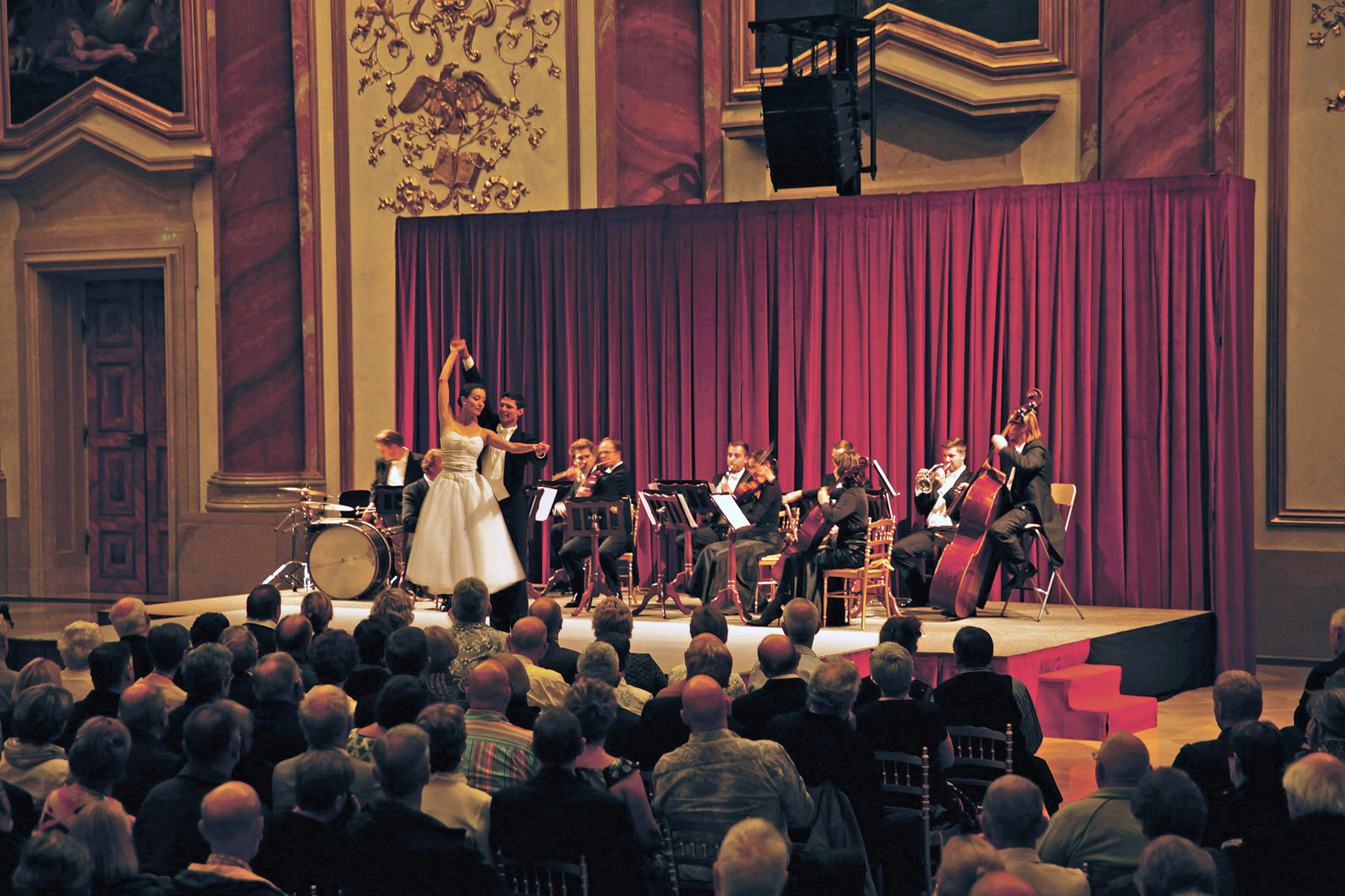
Our Scenic Enrich experiences are exclusive events which place you at the heart of the Europe’s most refined art, music and architecture. You’ll go behind the scenes to enjoy moments inaccessible to the ordinary traveller. Experience a captivating concert in Germany’s oldest city, Trier, inside the grand gothic Liebfrauenkirche Church. This enriching event is destined to be the highlight of your journey.
On Board Team
The Captain and Crew
All Scenic Space-Ship Captains are selected for their knowledge of Europe’s rivers. On board, the Captain and their team can be found in the wheelhouse on the Sun Deck and will be on hand to greet guests and answer any questions during briefings.
Cruise Director & Hotel Director
Committed to delivering an exceptional level of service, the Cruise Director and Hotel Director will be your main point of contact throughout your cruise. They’ll ensure every moment of your trip is seamless, while providing daily briefings and updates.
Enrichment Manager
Your on board entertainment while cruising Europe is presented by the Enrichment Manager. They’ll add to your experience by hosting game nights, informative lectures, and organise special guest performances, to experience shows with a local flair.
Scenic Butlers
Our expert butler’s have been trained to meet Scenic’s high standards. You can relax as your laundry, shines your shoes, delivers premium beverages to your suite or replenishes your mini-bar are taken care of. All guests enjoy butler service, learning your preferences and expectations, and surpassing them.
Culinary Team and Bar Staff
Our expert team of chefs will elevate the sense of luxury on your Europe river cruise. The culinary team draws inspiration from the regions you travel through and ensures all food is fresh and seasonal while creating a daily menu to suit all palates.
Wellness Coach
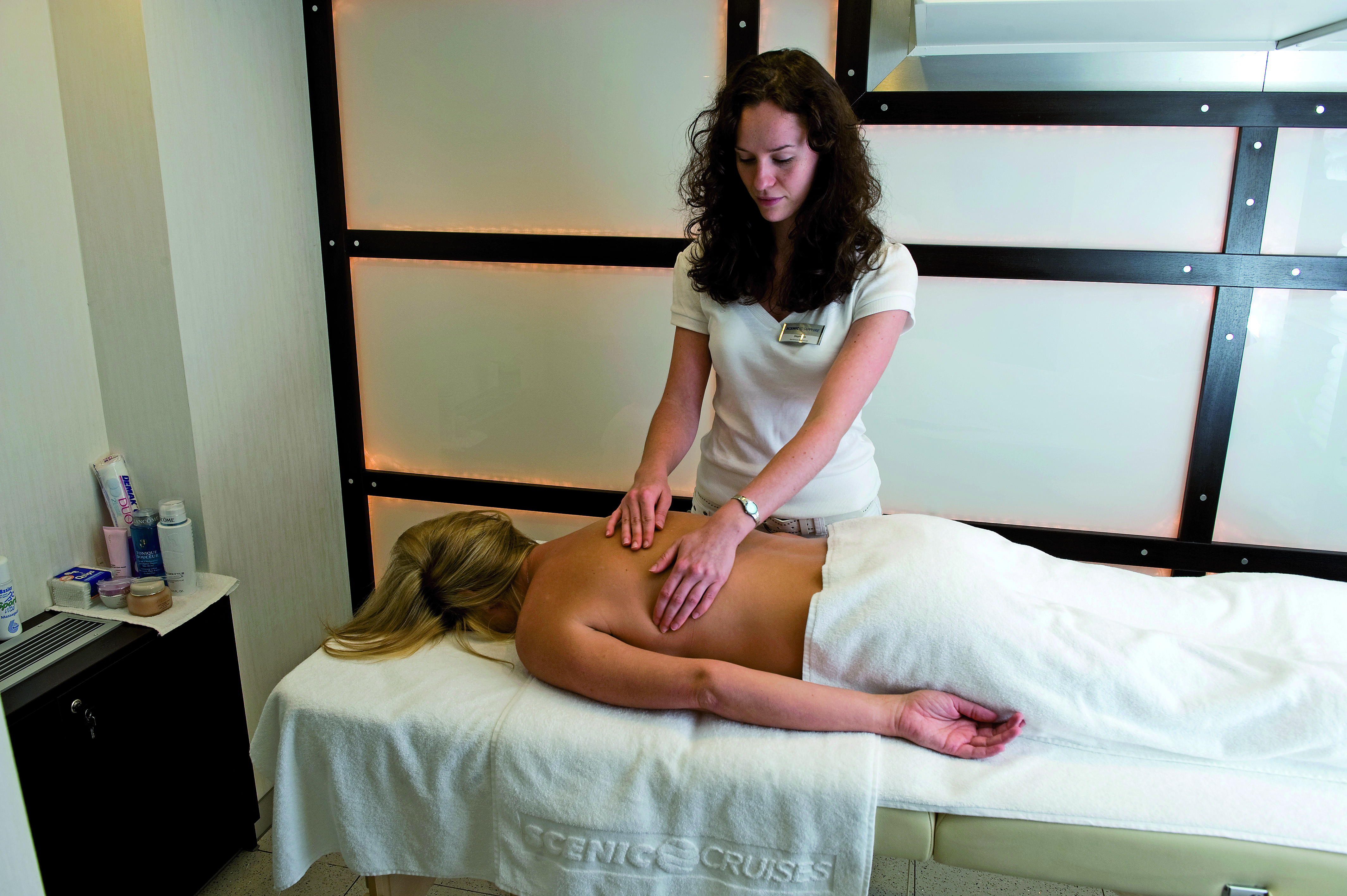
Each Scenic Space-Ship has a dedicated Wellness Team. You can unwind with a massage^, work on your fitness in the gym, take time out in the healing Salt Therapy Lounge (on select Space-Ships) or join a morning stretch class, all while the Wellness Coach are on hand to assist you.
Local Guides
Our local guides are important members of your onshore team. They’re the storytellers who will share the wonders of their town and immerse you in the local history and culture, with their own personal flair.
Panorama Lounge & Bar
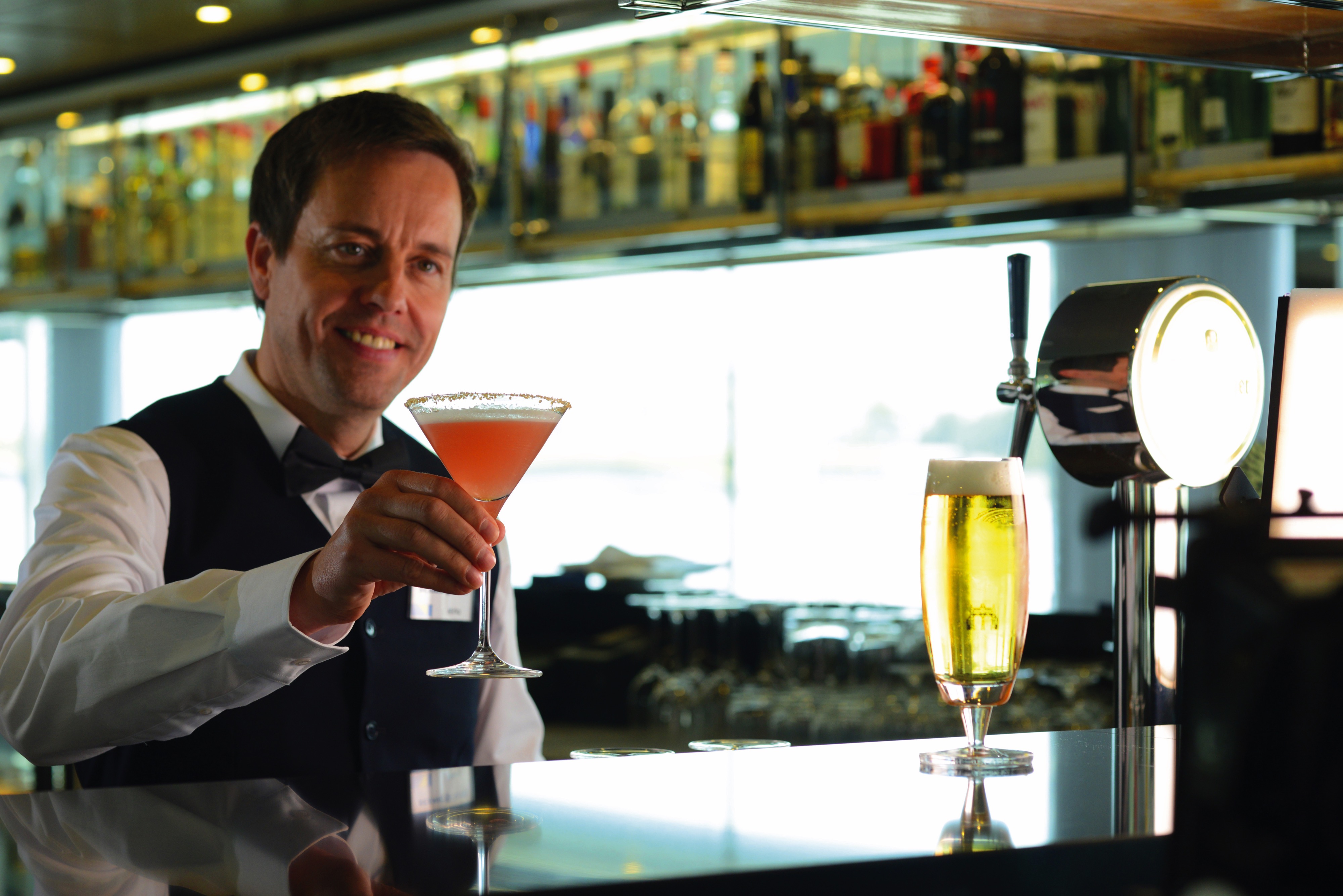
Explore our extensive wine list, relax with a coffee or catch-up with new-found friends at the Panorama Lounge & Bar. This is the main bar lounge on-board our Space-Ships, and it’s tastefully furnished to guarantee your comfort and enjoyment.
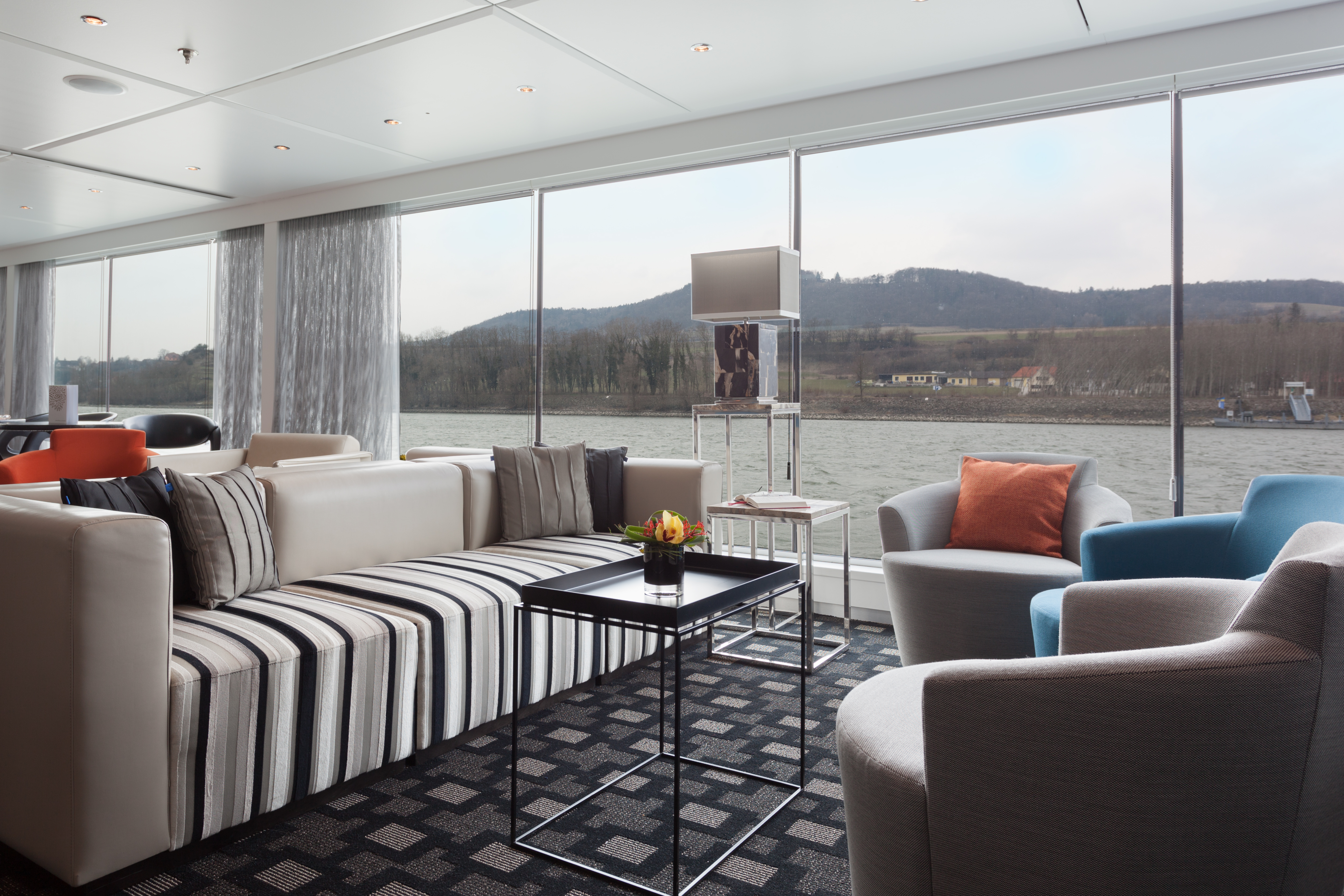
The Sun Deck
Ideal for those sunlit days on the river, the Sun Deck is a designated open-air space equipped with everything you might need to relax and enjoy the great outdoors on your river cruise – think deck chairs, games area and a bar where you can make the most of our all-inclusive service.
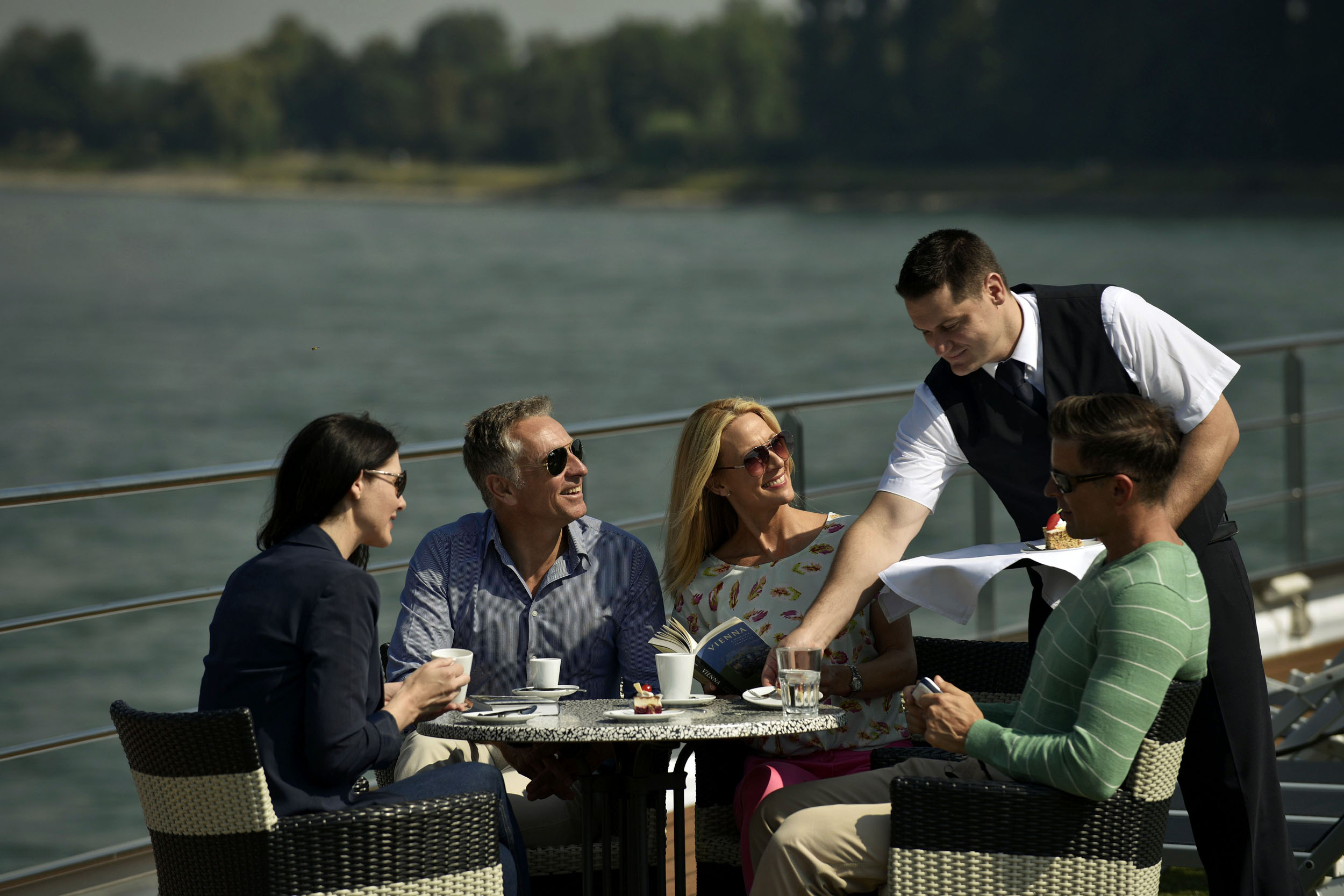
Reception
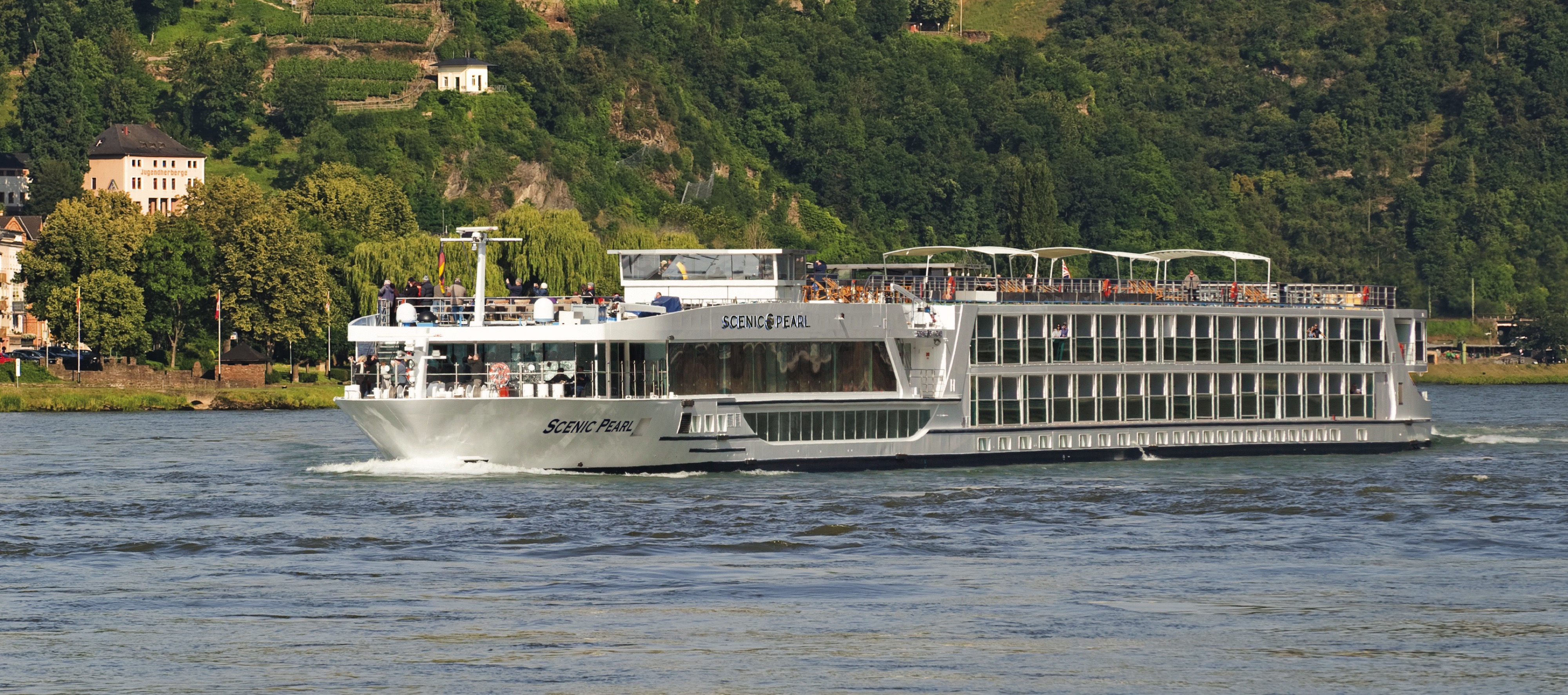
Whatever you need on your cruise through Europe, our welcoming reception team is here to ensure your trip goes down without a hitch. The reception area is also the meeting point for the day’s shore excursions; you’ll find it in the middle of the Scenic Pearl
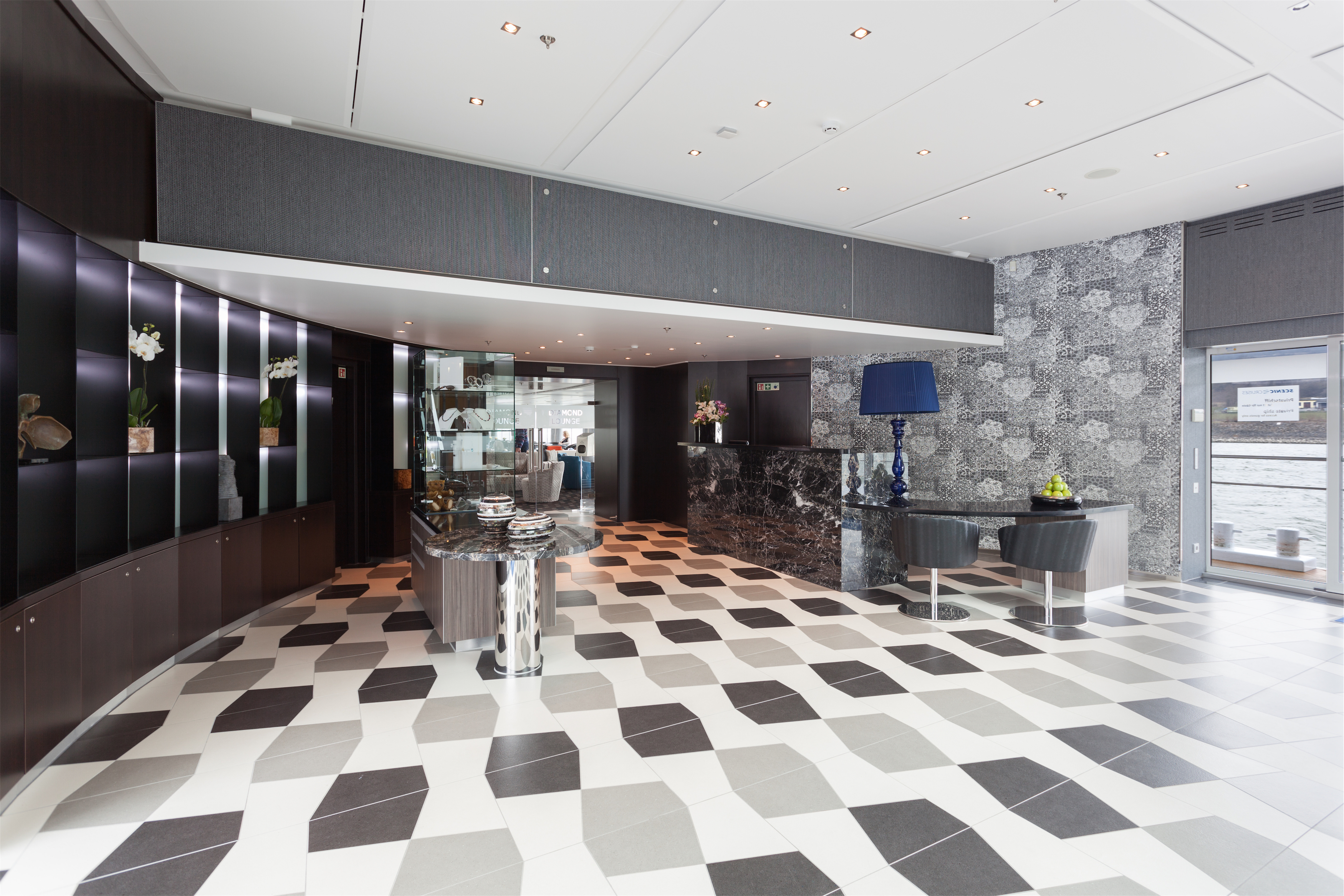
All Inclusive Beverages
Sit back and enjoy a beverage of your choice while cruising spectacular waterways, at your leisure. Sip on handcrafted cocktails or a full-bodied wine – the choice is yours.
You will enjoy:
- Unlimited complimentary premium international beverages, including international wines, beers and spirits^
- Full in-suite mini bar, restocked daily
- Refillable water bottle for all onshore excursions
- An extensive range of specialty teas and espresso coffees
This selection is available all day, every day.
*Exclusive invitation for Diamond Deck and Junior Suite guests cruising for 10 nights or more, or Royal and Junior Suite guests for 9 nights or fewer.
^All beverages are included except a very small number of fine and vintage wines, champagnes and spirits.
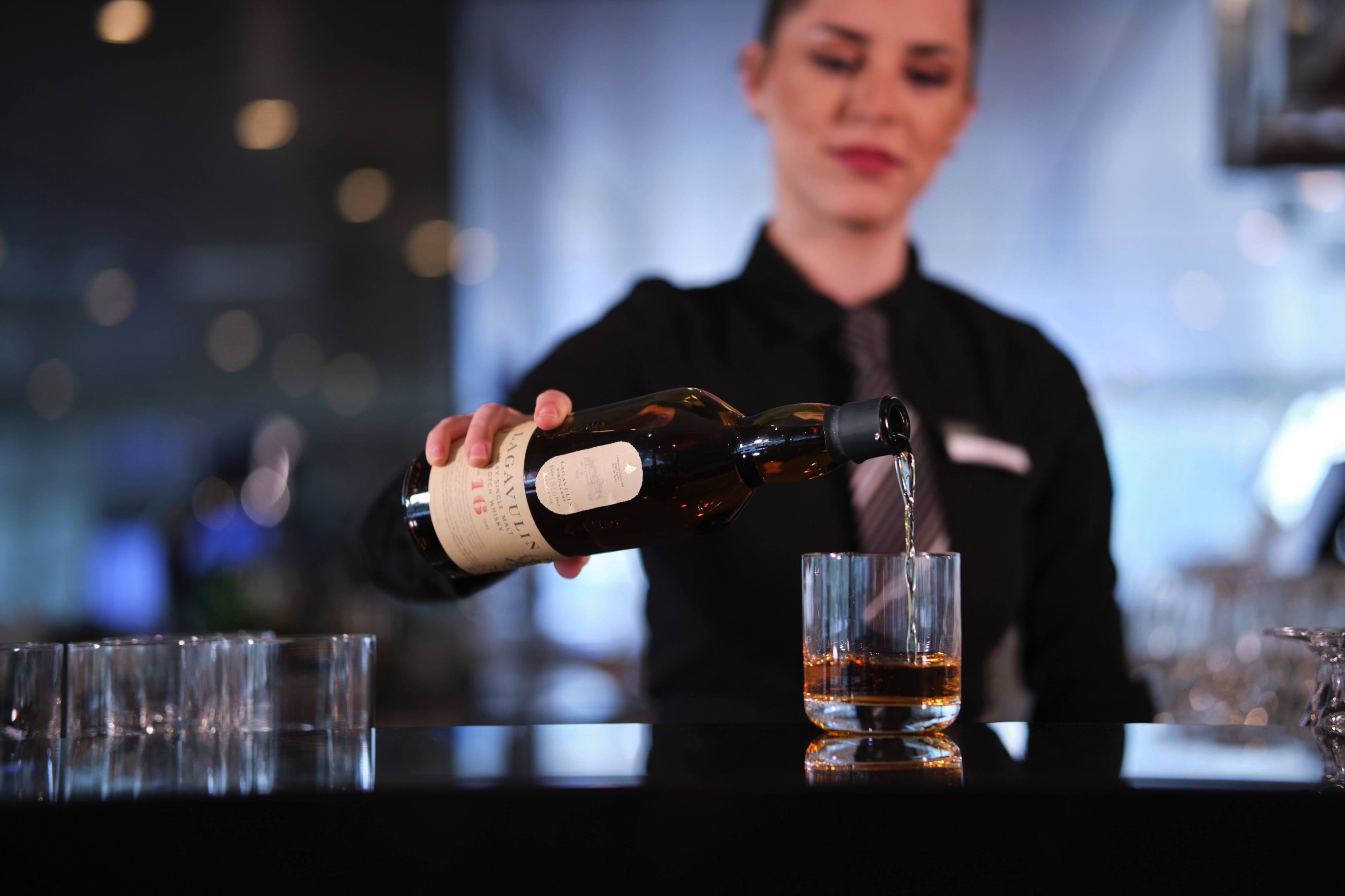
Wellness Area
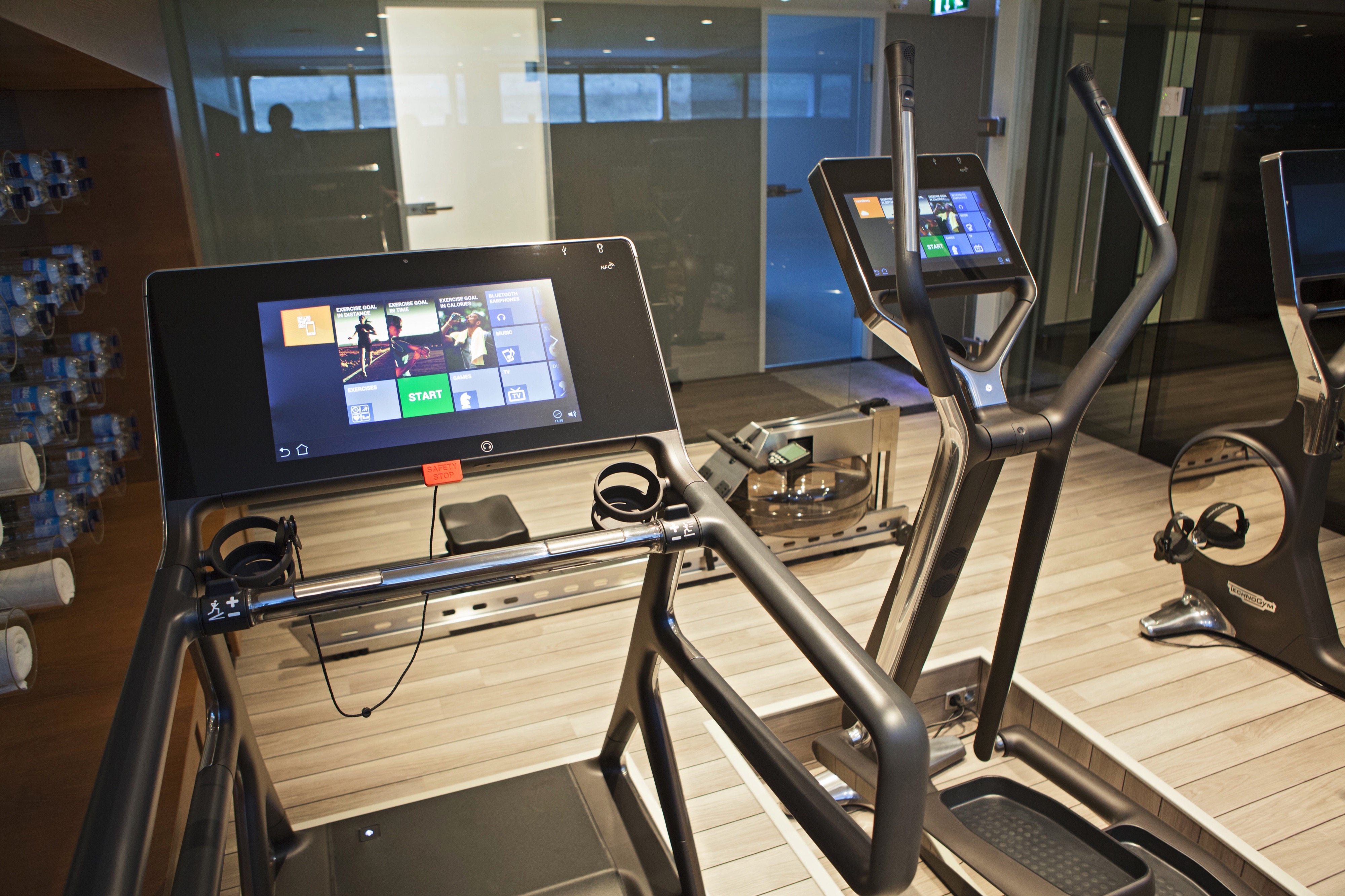
Maintain your wellness routine at our state-of-the-art gym, morning stretching classes with the Wellness Coach or rejuvenating spa treatments. Exercise on the walking track on the Sun Deck or take a dip in the Vitality Pool.
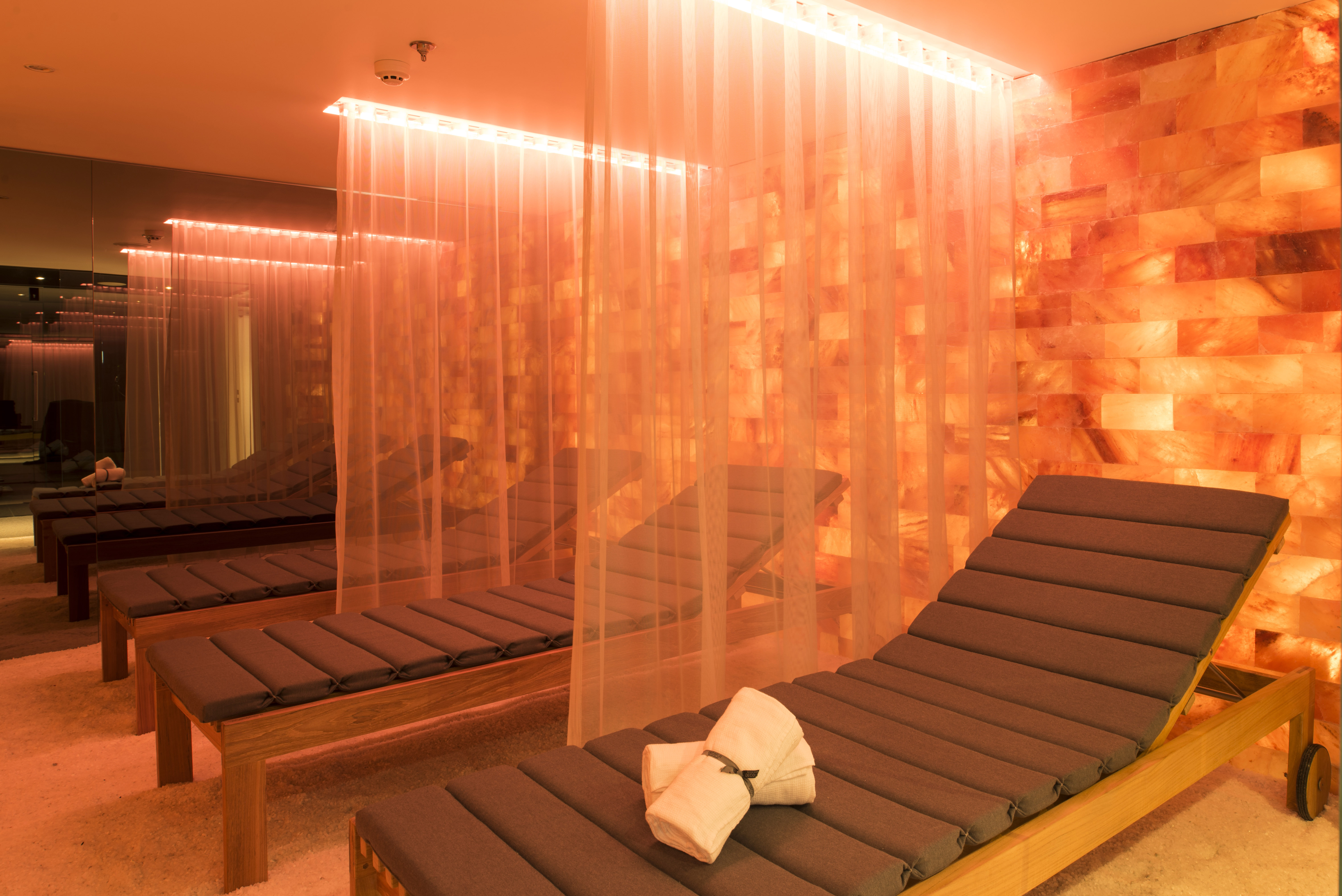
Salt Therapy Lounge
This innovative lounge is featured on most of our Space-Ships in Europe. The salt brick walls of the humidity and temperature-controlled lounge are known to offer a range of health benefits for respiratory and immune systems.
Fitness Centre
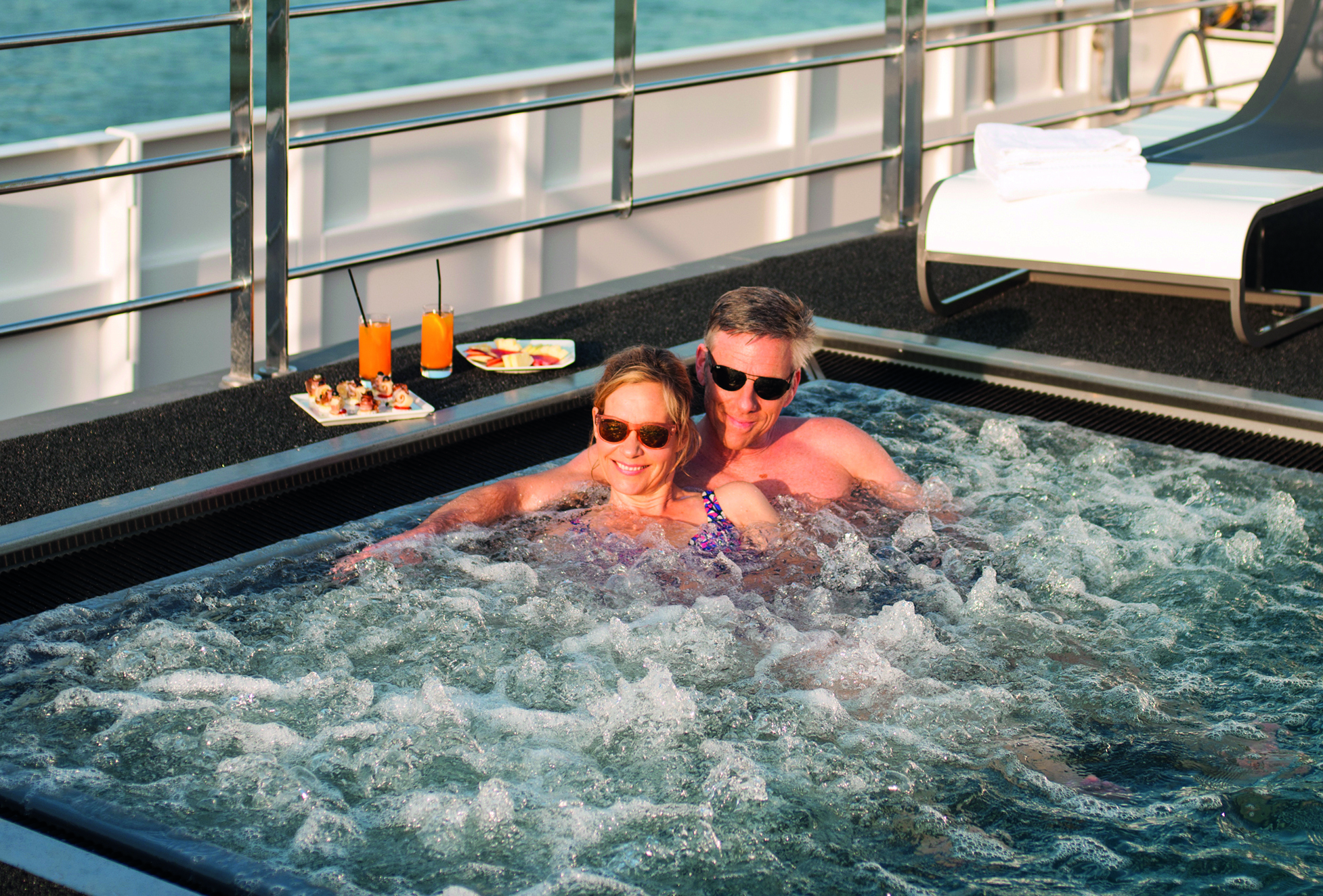
Vitality Pool
Admire the passing views, or take a rejuvenating dip in the Vitality Pool.
Please note: the ship does not have any specific facilities to accommodate Kids/Teens.
Crystal Dining
Enjoy à la carte menus for breakfast, lunch and dinner at Crystal Dining. Available on all Europe and South East Asia river cruises, this main restaurant offers a relaxed dining experience with local delicacies.
Portobellos
With up to only 32 guests an evening, the exclusive and intimate Portobellos or L’Amour showcase sumptuous regional specialities. The delectable five-course menu features either Italian, French or Portuguese cuisine (depending on your cruise location), paired with elegant wines, and is available on all European river cruises.
Table La Rive
Featuring a six-course degustation, the exclusive Table La Rive and Table d’Or on our European river cruises offers an intimate dining experience for only 10 guests per evening. Guests staying on the Diamond Deck for 10 nights or longer, as well as Royal and Junior Suite guests staying for up to nine nights, will be invited by our Executive Chef.
Riverview Terrace
Enjoy a refreshing afternoon aperitif or pick-me-up light bite on the Riverview Terrace, an open-air lounge and bar area located on the Sun Deck. Alfresco living doesn’t get better, with all-inclusive refreshments to complement the rapturous views.
River Cafe
Offering a casual dining experience, you can enjoy all-day grazing options, light snacks and tasty treats to suit your schedule. The River Café is available on all Europe and South East Asia river cruises.
In-Suite Dining
Scenic E-Bikes
Explore cities onshore on our complimentary e-bikes. Keep active and interact with locals as you explore Europe’s countryside.
Scenic Freechoice
Personalise your river cruise and pursue your own interests as you set off on curated excursions throughout Europe. Our extensive and diverse list of Free choice excursions are designed at Active, Moderate or Relaxed pace so you can choose activities best suited to you based on your interests and needs. Whether it’s a guided hike or e-Bike ride through the vineyards or a visit to the historic towns of Ypres and Passchendaele, the choice is yours.
Scenic Enrich
Our Scenic Enrich experiences are exclusive events which place you at the heart of the Europe’s most refined art, music and architecture. You’ll go behind the scenes to enjoy moments inaccessible to the ordinary traveller. Experience a captivating concert in Germany’s oldest city, Trier, inside the grand gothic Liebfrauenkirche Church. This enriching event is destined to be the highlight of your journey.
On Board Team
The Captain and Crew
All Scenic Space-Ship Captains are selected for their knowledge of Europe’s rivers. On board, the Captain and their team can be found in the wheelhouse on the Sun Deck and will be on hand to greet guests and answer any questions during briefings.
Cruise Director & Hotel Director
Committed to delivering an exceptional level of service, the Cruise Director and Hotel Director will be your main point of contact throughout your cruise. They’ll ensure every moment of your trip is seamless, while providing daily briefings and updates.
Enrichment Manager
Your on board entertainment while cruising Europe is presented by the Enrichment Manager. They’ll add to your experience by hosting game nights, informative lectures, and organise special guest performances, to experience shows with a local flair.
Scenic Butlers
Our expert butler’s have been trained to meet Scenic’s high standards. You can relax as your laundry, shines your shoes, delivers premium beverages to your suite or replenishes your mini-bar are taken care of. All guests enjoy butler service, learning your preferences and expectations, and surpassing them.
Culinary Team and Bar Staff
Our expert team of chefs will elevate the sense of luxury on your Europe river cruise. The culinary team draws inspiration from the regions you travel through and ensures all food is fresh and seasonal while creating a daily menu to suit all palates.
Wellness Coach
Each Scenic Space-Ship has a dedicated Wellness Team. You can unwind with a massage^, work on your fitness in the gym, take time out in the healing Salt Therapy Lounge (on select Space-Ships) or join a morning stretch class, all while the Wellness Coach are on hand to assist you.
Local Guides
Our local guides are important members of your onshore team. They’re the storytellers who will share the wonders of their town and immerse you in the local history and culture, with their own personal flair.
Panorama Lounge & Bar
Explore our extensive wine list, relax with a coffee or catch-up with new-found friends at the Panorama Lounge & Bar. This is the main bar lounge on-board our Space-Ships, and it’s tastefully furnished to guarantee your comfort and enjoyment.
The Sun Deck
Ideal for those sunlit days on the river, the Sun Deck is a designated open-air space equipped with everything you might need to relax and enjoy the great outdoors on your river cruise – think deck chairs, games area and a bar where you can make the most of our all-inclusive service.
Reception
Whatever you need on your cruise through Europe, our welcoming reception team is here to ensure your trip goes down without a hitch. The reception area is also the meeting point for the day’s shore excursions; you’ll find it in the middle of the Scenic Pearl
All Inclusive Beverages
Sit back and enjoy a beverage of your choice while cruising spectacular waterways, at your leisure. Sip on handcrafted cocktails or a full-bodied wine – the choice is yours.
You will enjoy:
- Unlimited complimentary premium international beverages, including international wines, beers and spirits^
- Full in-suite mini bar, restocked daily
- Refillable water bottle for all onshore excursions
- An extensive range of specialty teas and espresso coffees
This selection is available all day, every day.
*Exclusive invitation for Diamond Deck and Junior Suite guests cruising for 10 nights or more, or Royal and Junior Suite guests for 9 nights or fewer.
^All beverages are included except a very small number of fine and vintage wines, champagnes and spirits.
Wellness Area
Maintain your wellness routine at our state-of-the-art gym, morning stretching classes with the Wellness Coach or rejuvenating spa treatments. Exercise on the walking track on the Sun Deck or take a dip in the Vitality Pool.
Salt Therapy Lounge
This innovative lounge is featured on most of our Space-Ships in Europe. The salt brick walls of the humidity and temperature-controlled lounge are known to offer a range of health benefits for respiratory and immune systems.
Fitness Centre
Vitality Pool
Admire the passing views, or take a rejuvenating dip in the Vitality Pool.
Please note: the ship does not have any specific facilities to accommodate Kids/Teens.
About the Ship
Deck Plans

- Wellness Area
- Salt Therapy Lounge
- Fitness Centre
- Stateroom E

- Crystal Dining Restaurant
- Table La Rive
- Galley
- Elevator
- Junior Balcony Suite Cat BJ
- Single Balcony Suite Cat BS
- Balcony Suite Cat B & C

- Panorama Deck
- Portobellos Restaurant
- River Cafe
- Panorama Lounge and Bar
- Gift Shop
- Reception
- Elevator
- Royal Owner’s Suite RO
- Royal Balcony Suite Cat R & RA
- Junior Balcony Suite Cat RJ
- Royal Panorama Suite Cat RS
- Balcony Suite Cat A

- Riverview Terrace
- Wheelhouse
- Sun Deck
- Walking Track
- Wellness Area
- Salt Therapy Lounge
- Fitness Centre
- Stateroom E
- Crystal Dining Restaurant
- Table La Rive
- Galley
- Elevator
- Junior Balcony Suite Cat BJ
- Single Balcony Suite Cat BS
- Balcony Suite Cat B & C
- Panorama Deck
- Portobellos Restaurant
- River Cafe
- Panorama Lounge and Bar
- Gift Shop
- Reception
- Elevator
- Royal Owner’s Suite RO
- Royal Balcony Suite Cat R & RA
- Junior Balcony Suite Cat RJ
- Royal Panorama Suite Cat RS
- Balcony Suite Cat A
- Riverview Terrace
- Wheelhouse
- Sun Deck
- Walking Track