Featured Cabins
Itinerary
Bordeaux, France
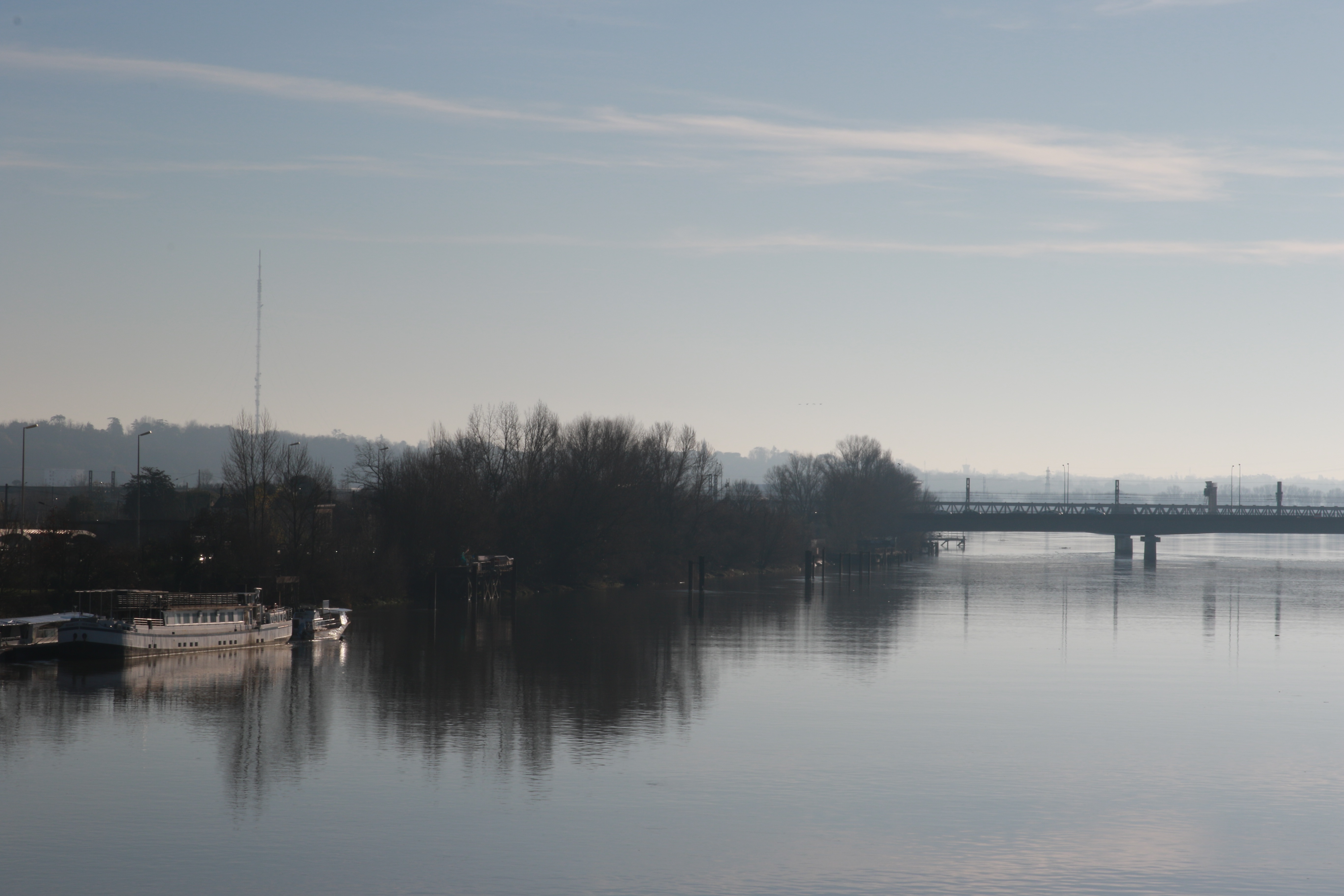
Bordeaux as a whole, rather than any particular points within it, is what you’ll want to visit in order to understand why Victor Hugo described it as Versailles plus Antwerp, and why the painter Francisco de Goya, when exiled from his native Spain, chose it as his last home (he died here in 1828). The capital of southwest France and the region’s largest city, Bordeaux remains synonymous with the wine trade: wine shippers have long maintained their headquarters along the banks of the Garonne, while buyers from around the world arrive for the huge biennial Vinexpo show (held in odd-number years).Bordeaux is, admittedly, a less exuberant city than many others in France, but lively and stylish elements are making a dent in its conservative veneer. The cleaned-up riverfront is said by some, after a bottle or two, to exude an elegance reminiscent of St. Petersburg, and that aura of 18th-century élan also permeates the historic downtown sector—“le vieux Bordeaux”—where fine shops invite exploration. To the south of the city center are old docklands undergoing renewal—one train station has now been transformed into a big multiplex movie theater—but the area is still a bit shady. To get a feel for the historic port of Bordeaux, take the 90-minute boat trip that leaves Quai Louis-XVIII every weekday afternoon, or the regular passenger ferry that plies the Garonne between Quai Richelieu and the Pont d’Aquitaine in summer. A nice time to stroll around the city center is the first Sunday of the month, when it’s pedestrian-only and vehicles are banned.
Bordeaux, France
Bordeaux as a whole, rather than any particular points within it, is what you’ll want to visit in order to understand why Victor Hugo described it as Versailles plus Antwerp, and why the painter Francisco de Goya, when exiled from his native Spain, chose it as his last home (he died here in 1828). The capital of southwest France and the region’s largest city, Bordeaux remains synonymous with the wine trade: wine shippers have long maintained their headquarters along the banks of the Garonne, while buyers from around the world arrive for the huge biennial Vinexpo show (held in odd-number years).Bordeaux is, admittedly, a less exuberant city than many others in France, but lively and stylish elements are making a dent in its conservative veneer. The cleaned-up riverfront is said by some, after a bottle or two, to exude an elegance reminiscent of St. Petersburg, and that aura of 18th-century élan also permeates the historic downtown sector—“le vieux Bordeaux”—where fine shops invite exploration. To the south of the city center are old docklands undergoing renewal—one train station has now been transformed into a big multiplex movie theater—but the area is still a bit shady. To get a feel for the historic port of Bordeaux, take the 90-minute boat trip that leaves Quai Louis-XVIII every weekday afternoon, or the regular passenger ferry that plies the Garonne between Quai Richelieu and the Pont d’Aquitaine in summer. A nice time to stroll around the city center is the first Sunday of the month, when it’s pedestrian-only and vehicles are banned.
Libourne, France
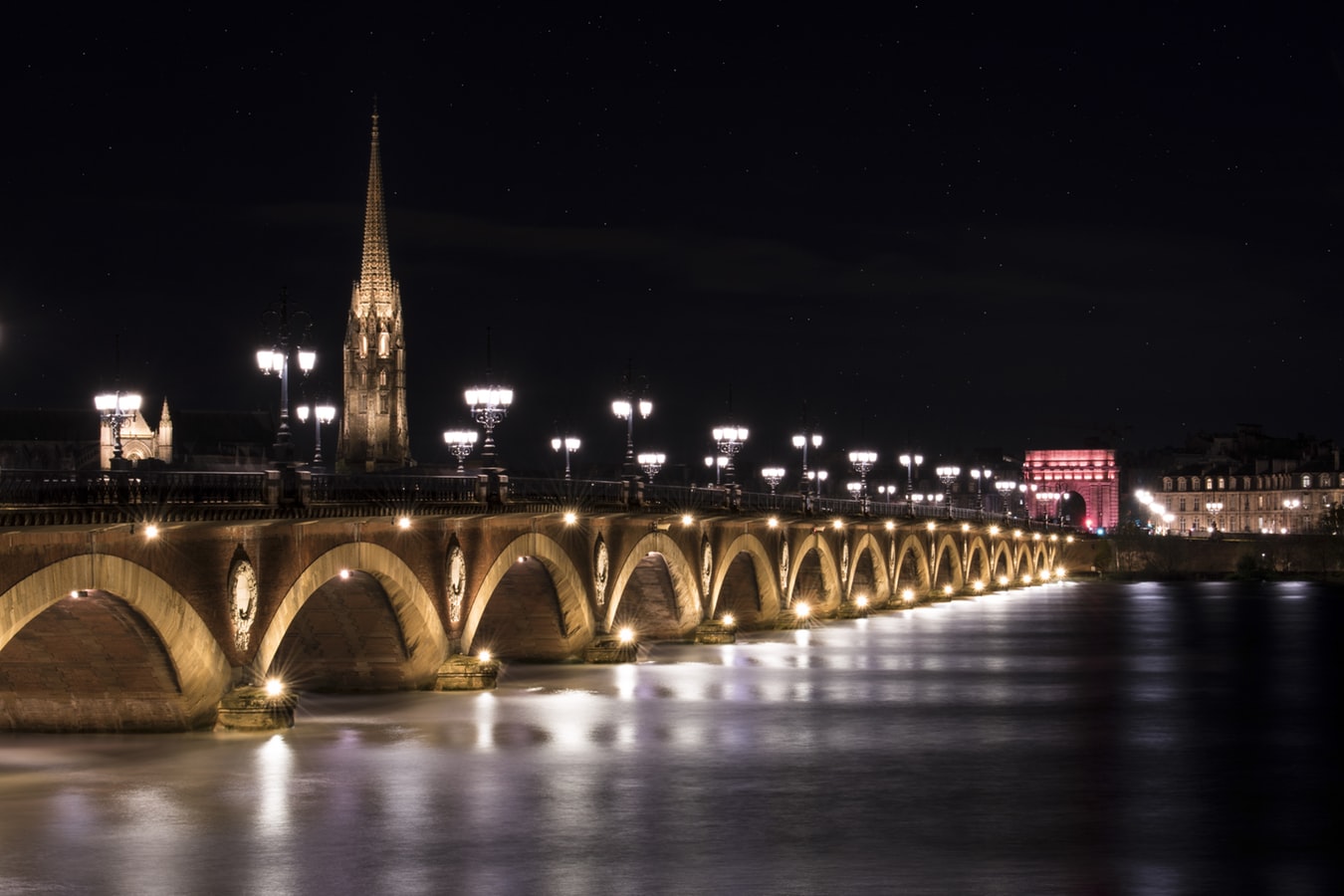
Libourne, France, is a historic town in the Bordeaux wine region, renowned for its vibrant market and beautiful architecture. Located along the Dordogne River, it features a charming blend of medieval and Renaissance buildings, including the striking Church of Saint-Jean-Baptiste. Libourne is a gateway to prestigious wine estates, including Pomerol and Saint-Émilion. The town’s bustling market and scenic riverside setting offer a delightful experience for visitors interested in wine, history, and local culture.
Libourne, France
Libourne, France, is a historic town in the Bordeaux wine region, renowned for its vibrant market and beautiful architecture. Located along the Dordogne River, it features a charming blend of medieval and Renaissance buildings, including the striking Church of Saint-Jean-Baptiste. Libourne is a gateway to prestigious wine estates, including Pomerol and Saint-Émilion. The town’s bustling market and scenic riverside setting offer a delightful experience for visitors interested in wine, history, and local culture.
Blaye, France
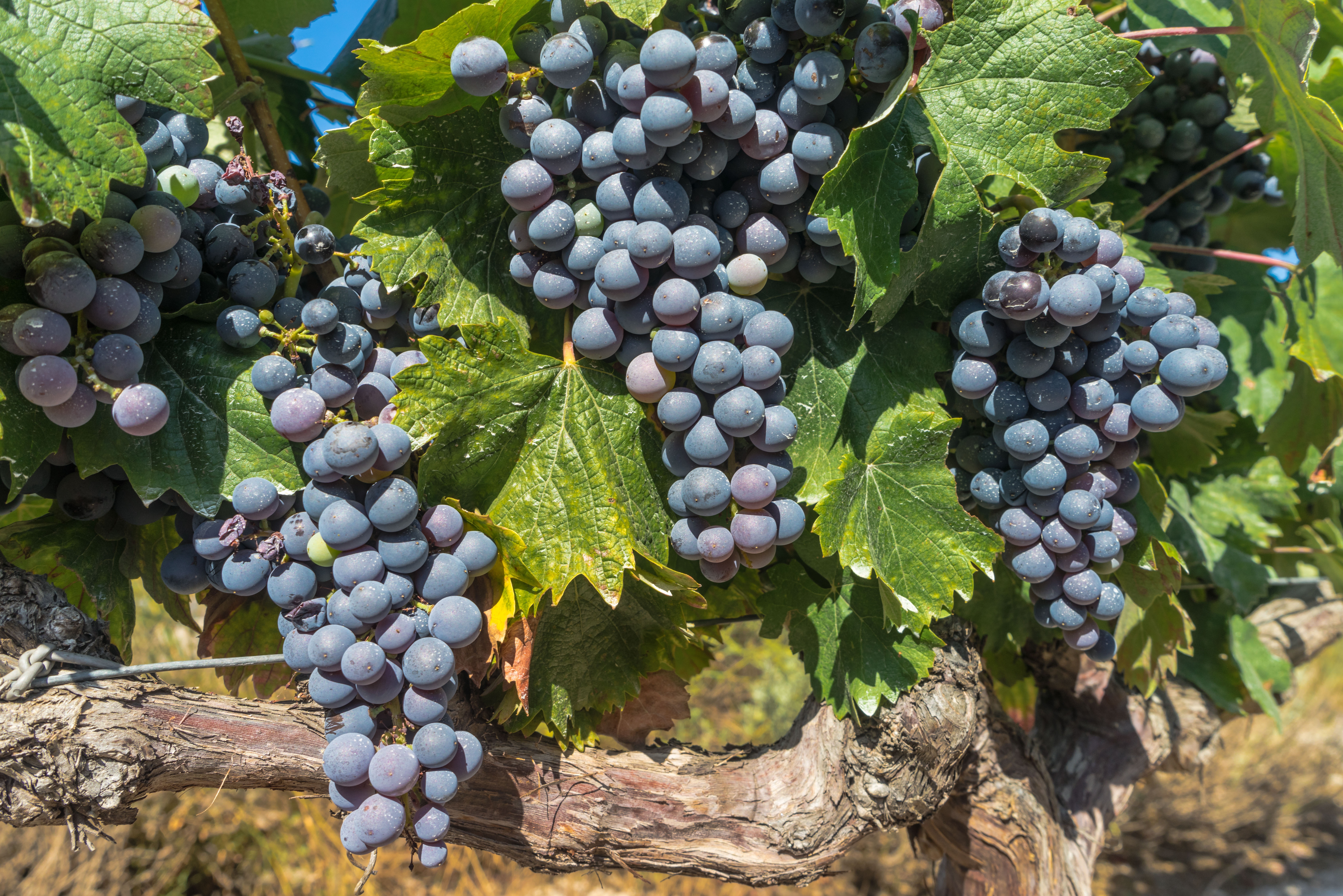
Blaye, France, is a picturesque town in the Gironde department, renowned for its historic Blaye Citadel, a UNESCO World Heritage site with stunning views of the Gironde estuary. The town boasts charming streets, vibrant markets, and renowned vineyards producing exceptional wines, including Blaye Côtes de Bordeaux. Blaye’s blend of historical architecture, scenic river views, and local wine culture makes it an inviting destination for history enthusiasts and wine lovers alike.
Blaye, France
Blaye, France, is a picturesque town in the Gironde department, renowned for its historic Blaye Citadel, a UNESCO World Heritage site with stunning views of the Gironde estuary. The town boasts charming streets, vibrant markets, and renowned vineyards producing exceptional wines, including Blaye Côtes de Bordeaux. Blaye’s blend of historical architecture, scenic river views, and local wine culture makes it an inviting destination for history enthusiasts and wine lovers alike.
Cussac-Fort-Médoc, France
This morning you will wake in Blaye, set at a strategic position on the confluence of the Dordogne and Garonne rivers. Most famously, this petite hamlet is home to a World Heritage-listed citadel that was constructed to protect the city of Bordeaux from enemy attacks.
Scenic Freechoice:
Explore Blaye with the following Scenic Freechoice activities.
Walking tour of Blaye: Join a local guide to stroll through the charming town of Blaye, proudly recognised as a World Heritage site. Walk through the town’s most iconic feature, the impressive 17th-century Vauban Citadel, and through picturesque streets that reveal its historical significance, cultural traditions, and architectural treasures.
Active walking tour of Blaye: Tour the fascinating citadel of Blaye on an active walking tour with a local guide. Gain an understanding of the defence system created by the famous architect Sébastien Vauban.
Scenic Enrich
Classical Concert at Château d’Agassac: Set in spectacular surrounds in the Médoc countryside, Château d’Agassac is truly enchanting. Dating back to the 13th century the Château is one of the oldest winemaking establishments in the region and is the venue for your unforgettable evening concert. Wander through the château and its gardens and soak in the ambiance of this magnificent property before a string quartet performs classical masterpieces for your enjoyment.
Pauillac, France
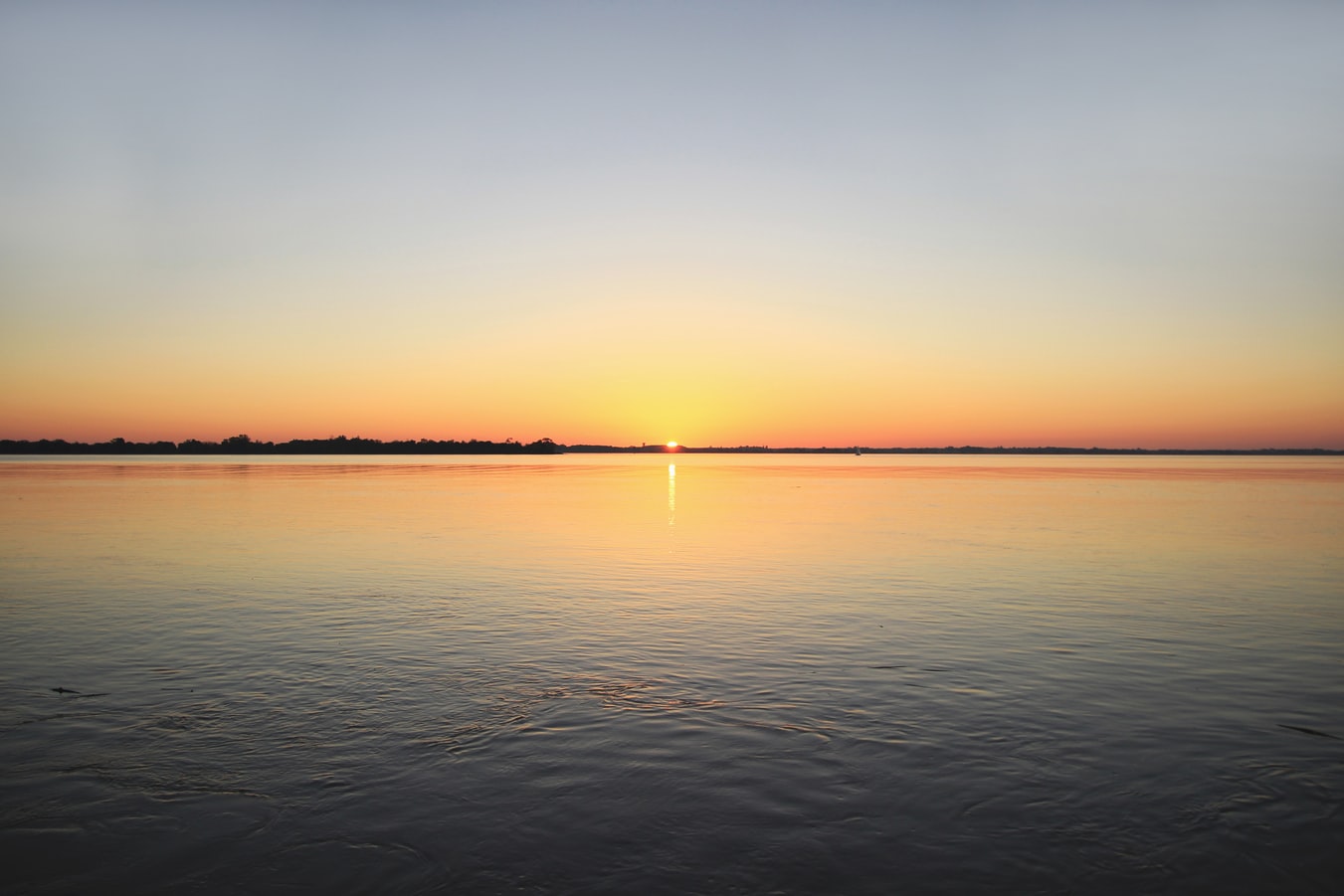
Pauillac, France, is a scenic village in the Bordeaux wine region, renowned for its prestigious vineyards and charming riverfront. Located on the Gironde estuary, it is famed for its high-quality red wines, including those from renowned châteaux like Lafite Rothschild and Mouton Rothschild. The village features historic buildings, vibrant markets, and stunning views of the estuary. Pauillac’s blend of rich winemaking heritage and picturesque landscapes makes it a delightful destination for wine enthusiasts and travellers seeking a taste of Bordeaux’s elegance.
Bourg, France
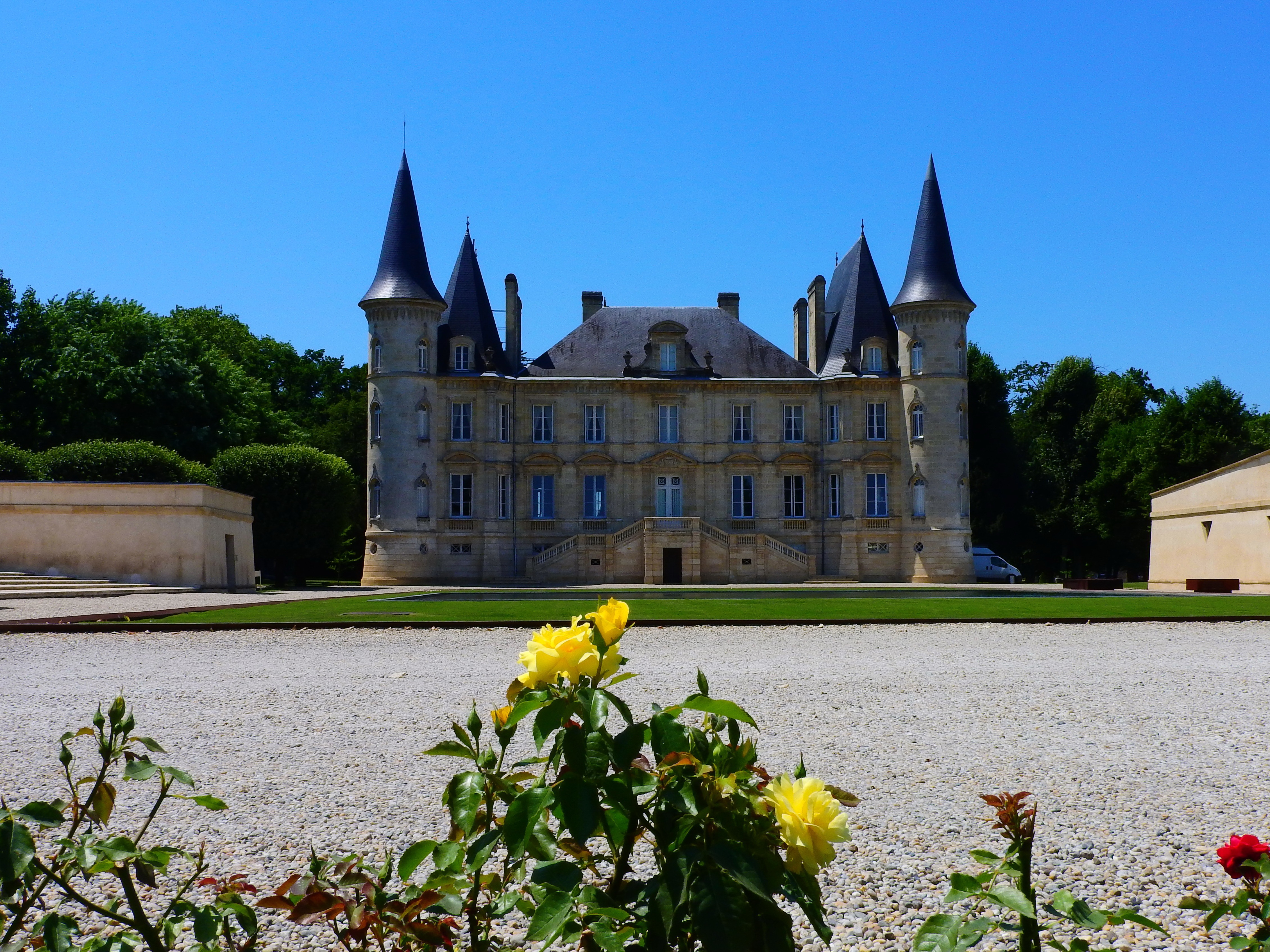
Set on the Gironde estuary at the heart of the Médoc wine route, Pauillac is surrounded by some of the best vineyards in Bordeaux. The town itself is quiet with elegant architecture that speaks to its powerful past in the winemaking industry. This appellation grows some of the world’s most famous and expensive wines, particularly cabernet sauvignon.
Scenic Freechoice:
Today choose from the following Scenic Freechoice options.
Médoc wine tasting by coach: With more than 16,000 hectares of vineyards across eight appellations, Médoc is home to the epic ‘Route des Chateaux’, or ‘Route of Castles’. On this coach tour you will travel through this enchanting region to a local winery and enjoy a tasting of their wines.
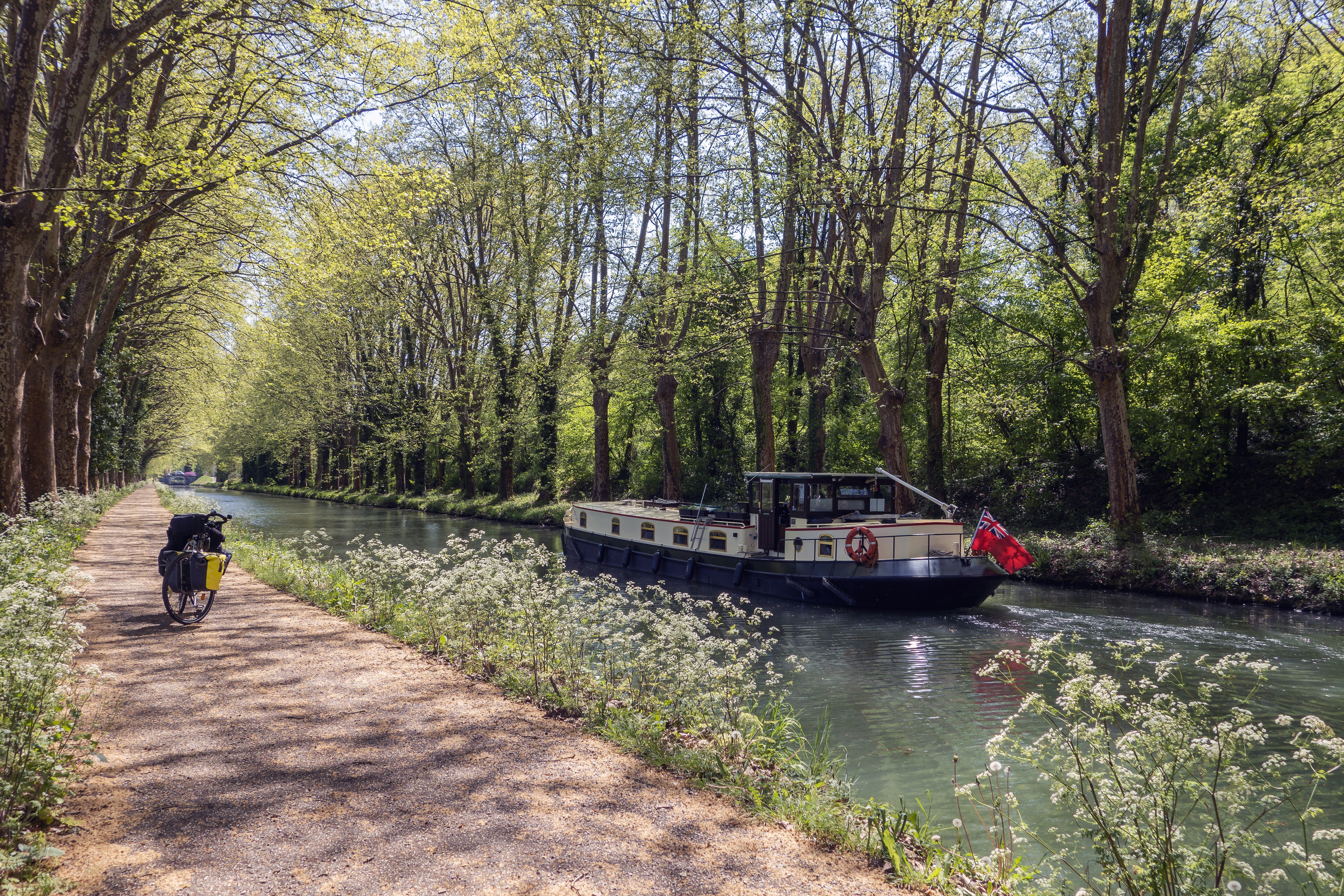
Médoc wine tasting by bicycle: Discover the spectacular Médoc countryside by e-bike today on this active tour that takes you past many grand aristocratic châteaux in the world’s leading red wine producing region. Afterwards, sample the region’s finest at one of the prestigious estates.
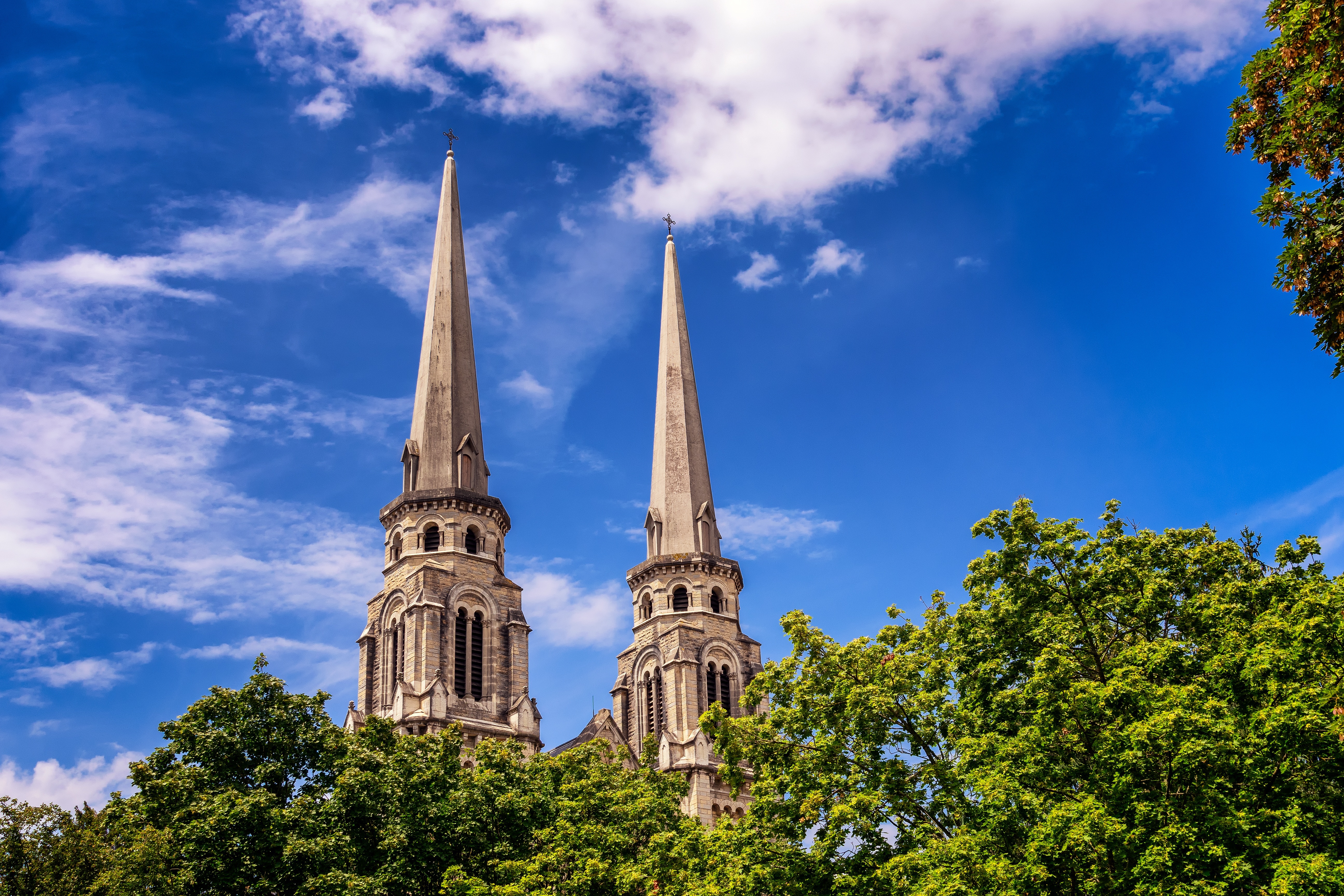
Back on board, enjoy lunch as you cruise to Bourg, a picturesque town set on a rocky promontory. It began life as a defensive château in the 12th century and has expanded over the centuries. Today, it’s a maze of ancient alleyways, moats and bell towers on the banks of the Dordogne. This quiet village sits among many famous World Heritage-listed sites and, though it is just as charming, remains largely undiscovered by the masses.
Scenic Freechoice:
This afternoon, choose from the following Scenic Freechoice activities.
Bourg with Carriages Museum: Your guided walk will lead you through the village’s charming streets to the bustling main square. Explore the historic citadel, a symbol of the village’s strategic importance through the centuries and then step inside its grounds to visit the fascinating Horse Carriage Museum.
Guided cycling along the Captain’s Road: Join an active cycling tour along the Captain’s Road, named in honour of the WWI Captains who chose to purchase their homes along this beautiful stretch of waterway in the early 20th Century. Pass charming riverside villages, the ruins of ancient villas, splendid manor houses and limestone quarries.
Visit a local estate: Enjoy magnificent panoramic views of the Gironde while tasting Côtes de Bourg wines at a local winery. You’ll gain an insightful understanding of sustainable viticulture practices that the estate passionately applies, emphasising environmentally responsible grape growing and winemaking techniques.
This evening your ship will continue its journey towards Cadillac, stopping overnight in Bordeaux before cruising onward.
Bordeaux, France
Bordeaux as a whole, rather than any particular points within it, is what you’ll want to visit in order to understand why Victor Hugo described it as Versailles plus Antwerp, and why the painter Francisco de Goya, when exiled from his native Spain, chose it as his last home (he died here in 1828). The capital of southwest France and the region’s largest city, Bordeaux remains synonymous with the wine trade: wine shippers have long maintained their headquarters along the banks of the Garonne, while buyers from around the world arrive for the huge biennial Vinexpo show (held in odd-number years).Bordeaux is, admittedly, a less exuberant city than many others in France, but lively and stylish elements are making a dent in its conservative veneer. The cleaned-up riverfront is said by some, after a bottle or two, to exude an elegance reminiscent of St. Petersburg, and that aura of 18th-century élan also permeates the historic downtown sector—“le vieux Bordeaux”—where fine shops invite exploration. To the south of the city center are old docklands undergoing renewal—one train station has now been transformed into a big multiplex movie theater—but the area is still a bit shady. To get a feel for the historic port of Bordeaux, take the 90-minute boat trip that leaves Quai Louis-XVIII every weekday afternoon, or the regular passenger ferry that plies the Garonne between Quai Richelieu and the Pont d’Aquitaine in summer. A nice time to stroll around the city center is the first Sunday of the month, when it’s pedestrian-only and vehicles are banned.
Bordeaux, France
Bordeaux as a whole, rather than any particular points within it, is what you’ll want to visit in order to understand why Victor Hugo described it as Versailles plus Antwerp, and why the painter Francisco de Goya, when exiled from his native Spain, chose it as his last home (he died here in 1828). The capital of southwest France and the region’s largest city, Bordeaux remains synonymous with the wine trade: wine shippers have long maintained their headquarters along the banks of the Garonne, while buyers from around the world arrive for the huge biennial Vinexpo show (held in odd-number years).Bordeaux is, admittedly, a less exuberant city than many others in France, but lively and stylish elements are making a dent in its conservative veneer. The cleaned-up riverfront is said by some, after a bottle or two, to exude an elegance reminiscent of St. Petersburg, and that aura of 18th-century élan also permeates the historic downtown sector—“le vieux Bordeaux”—where fine shops invite exploration. To the south of the city center are old docklands undergoing renewal—one train station has now been transformed into a big multiplex movie theater—but the area is still a bit shady. To get a feel for the historic port of Bordeaux, take the 90-minute boat trip that leaves Quai Louis-XVIII every weekday afternoon, or the regular passenger ferry that plies the Garonne between Quai Richelieu and the Pont d’Aquitaine in summer. A nice time to stroll around the city center is the first Sunday of the month, when it’s pedestrian-only and vehicles are banned.
Cadillac, France
Cadillac, France, is a charming town in the Gironde department, known for its historic architecture and vineyards. Famous for its production of sweet white wines, especially Cadillac Côtes de Bordeaux, the town features a well-preserved 18th-century château and picturesque streets. Set along the Garonne River, Cadillac offers scenic views and a rich heritage, blending historical charm with local wine culture. Its vibrant markets and serene atmosphere make it a pleasant destination for those exploring the Bordeaux wine region.
Bordeaux, France
Bordeaux as a whole, rather than any particular points within it, is what you’ll want to visit in order to understand why Victor Hugo described it as Versailles plus Antwerp, and why the painter Francisco de Goya, when exiled from his native Spain, chose it as his last home (he died here in 1828). The capital of southwest France and the region’s largest city, Bordeaux remains synonymous with the wine trade: wine shippers have long maintained their headquarters along the banks of the Garonne, while buyers from around the world arrive for the huge biennial Vinexpo show (held in odd-number years).Bordeaux is, admittedly, a less exuberant city than many others in France, but lively and stylish elements are making a dent in its conservative veneer. The cleaned-up riverfront is said by some, after a bottle or two, to exude an elegance reminiscent of St. Petersburg, and that aura of 18th-century élan also permeates the historic downtown sector—“le vieux Bordeaux”—where fine shops invite exploration. To the south of the city center are old docklands undergoing renewal—one train station has now been transformed into a big multiplex movie theater—but the area is still a bit shady. To get a feel for the historic port of Bordeaux, take the 90-minute boat trip that leaves Quai Louis-XVIII every weekday afternoon, or the regular passenger ferry that plies the Garonne between Quai Richelieu and the Pont d’Aquitaine in summer. A nice time to stroll around the city center is the first Sunday of the month, when it’s pedestrian-only and vehicles are banned.
Bordeaux, France
Bordeaux as a whole, rather than any particular points within it, is what you’ll want to visit in order to understand why Victor Hugo described it as Versailles plus Antwerp, and why the painter Francisco de Goya, when exiled from his native Spain, chose it as his last home (he died here in 1828). The capital of southwest France and the region’s largest city, Bordeaux remains synonymous with the wine trade: wine shippers have long maintained their headquarters along the banks of the Garonne, while buyers from around the world arrive for the huge biennial Vinexpo show (held in odd-number years).Bordeaux is, admittedly, a less exuberant city than many others in France, but lively and stylish elements are making a dent in its conservative veneer. The cleaned-up riverfront is said by some, after a bottle or two, to exude an elegance reminiscent of St. Petersburg, and that aura of 18th-century élan also permeates the historic downtown sector—“le vieux Bordeaux”—where fine shops invite exploration. To the south of the city center are old docklands undergoing renewal—one train station has now been transformed into a big multiplex movie theater—but the area is still a bit shady. To get a feel for the historic port of Bordeaux, take the 90-minute boat trip that leaves Quai Louis-XVIII every weekday afternoon, or the regular passenger ferry that plies the Garonne between Quai Richelieu and the Pont d’Aquitaine in summer. A nice time to stroll around the city center is the first Sunday of the month, when it’s pedestrian-only and vehicles are banned.
Bordeaux, France
Bordeaux as a whole, rather than any particular points within it, is what you’ll want to visit in order to understand why Victor Hugo described it as Versailles plus Antwerp, and why the painter Francisco de Goya, when exiled from his native Spain, chose it as his last home (he died here in 1828). The capital of southwest France and the region’s largest city, Bordeaux remains synonymous with the wine trade: wine shippers have long maintained their headquarters along the banks of the Garonne, while buyers from around the world arrive for the huge biennial Vinexpo show (held in odd-number years).Bordeaux is, admittedly, a less exuberant city than many others in France, but lively and stylish elements are making a dent in its conservative veneer. The cleaned-up riverfront is said by some, after a bottle or two, to exude an elegance reminiscent of St. Petersburg, and that aura of 18th-century élan also permeates the historic downtown sector—“le vieux Bordeaux”—where fine shops invite exploration. To the south of the city center are old docklands undergoing renewal—one train station has now been transformed into a big multiplex movie theater—but the area is still a bit shady. To get a feel for the historic port of Bordeaux, take the 90-minute boat trip that leaves Quai Louis-XVIII every weekday afternoon, or the regular passenger ferry that plies the Garonne between Quai Richelieu and the Pont d’Aquitaine in summer. A nice time to stroll around the city center is the first Sunday of the month, when it’s pedestrian-only and vehicles are banned.
Cabin Options
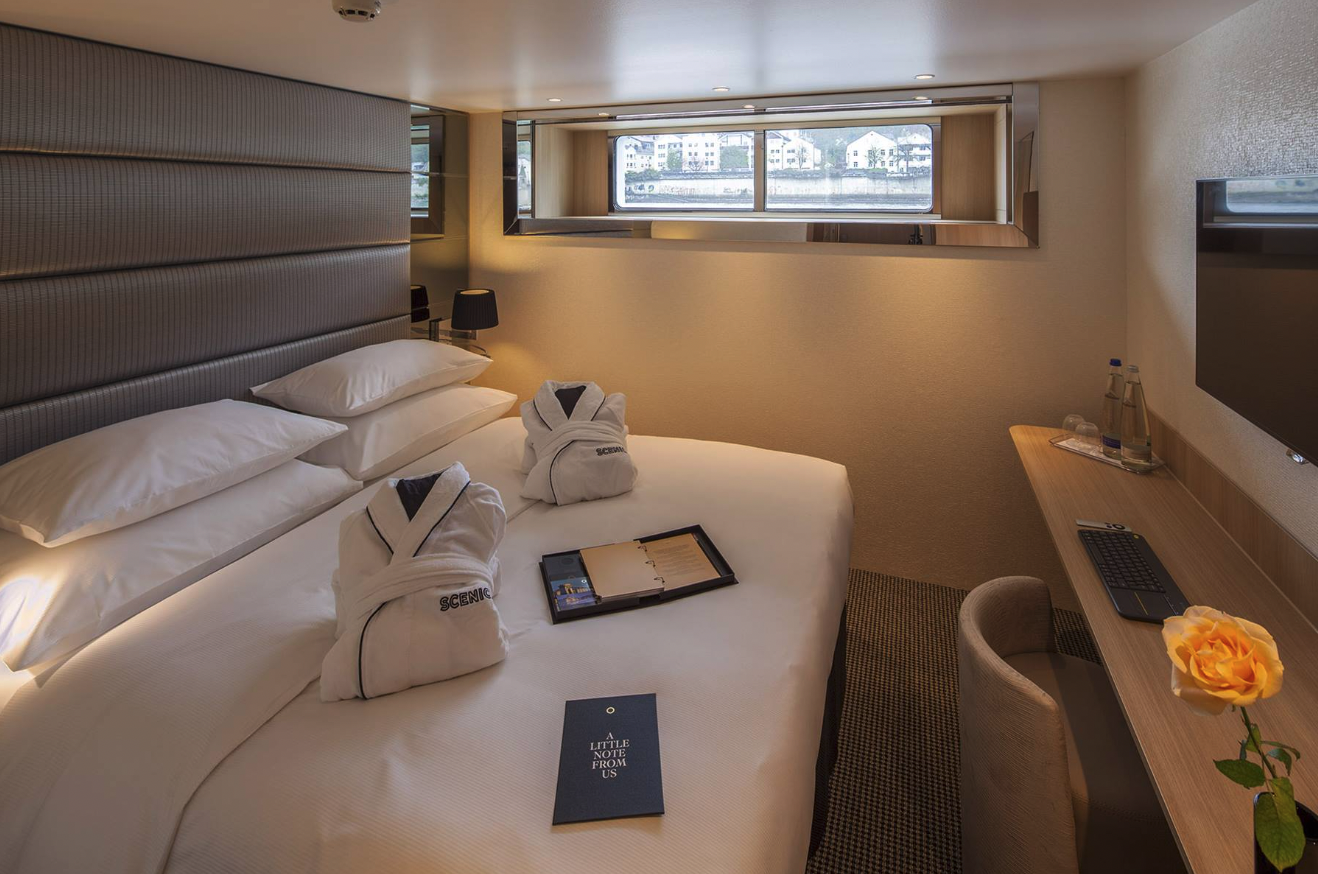
Standard Suite
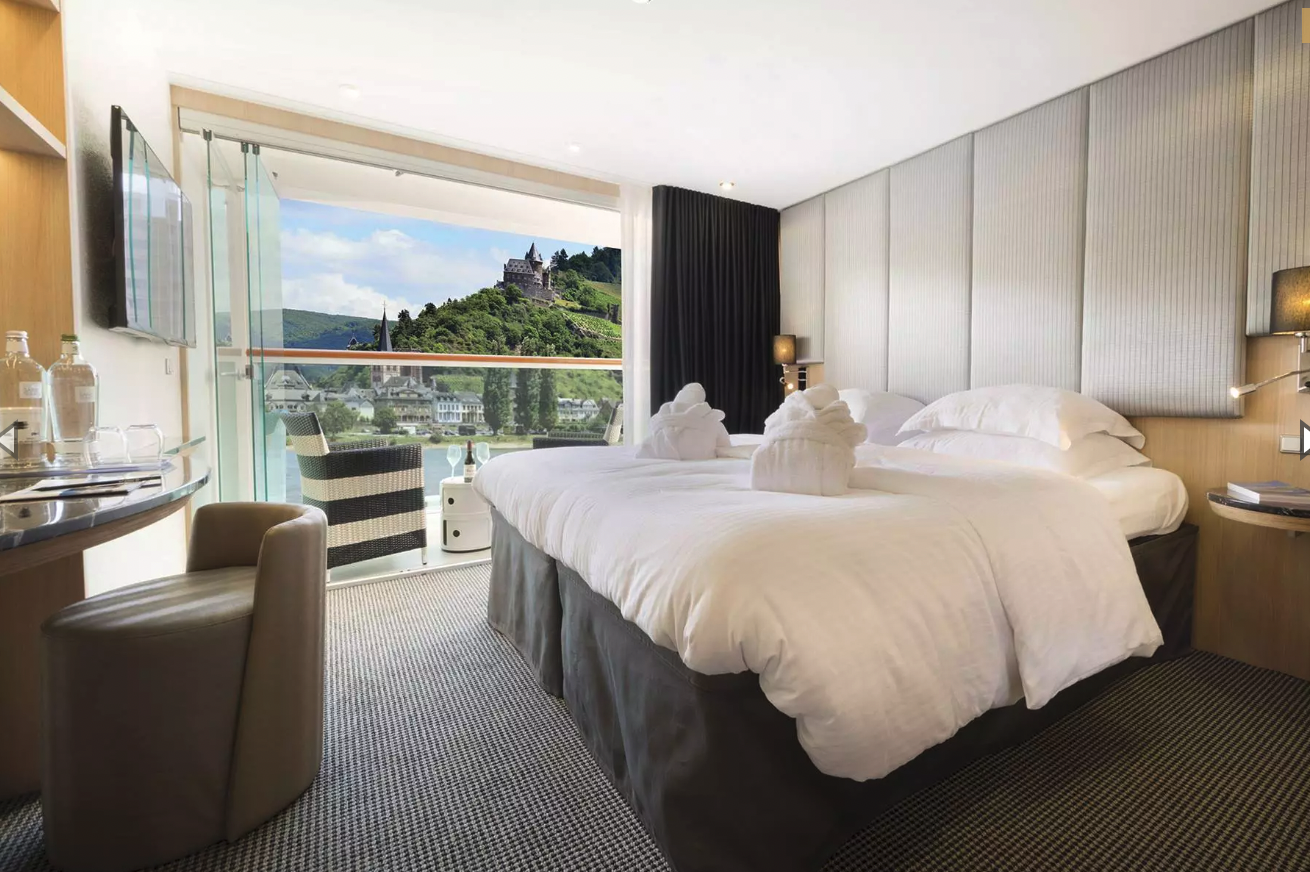
Balcony Suite
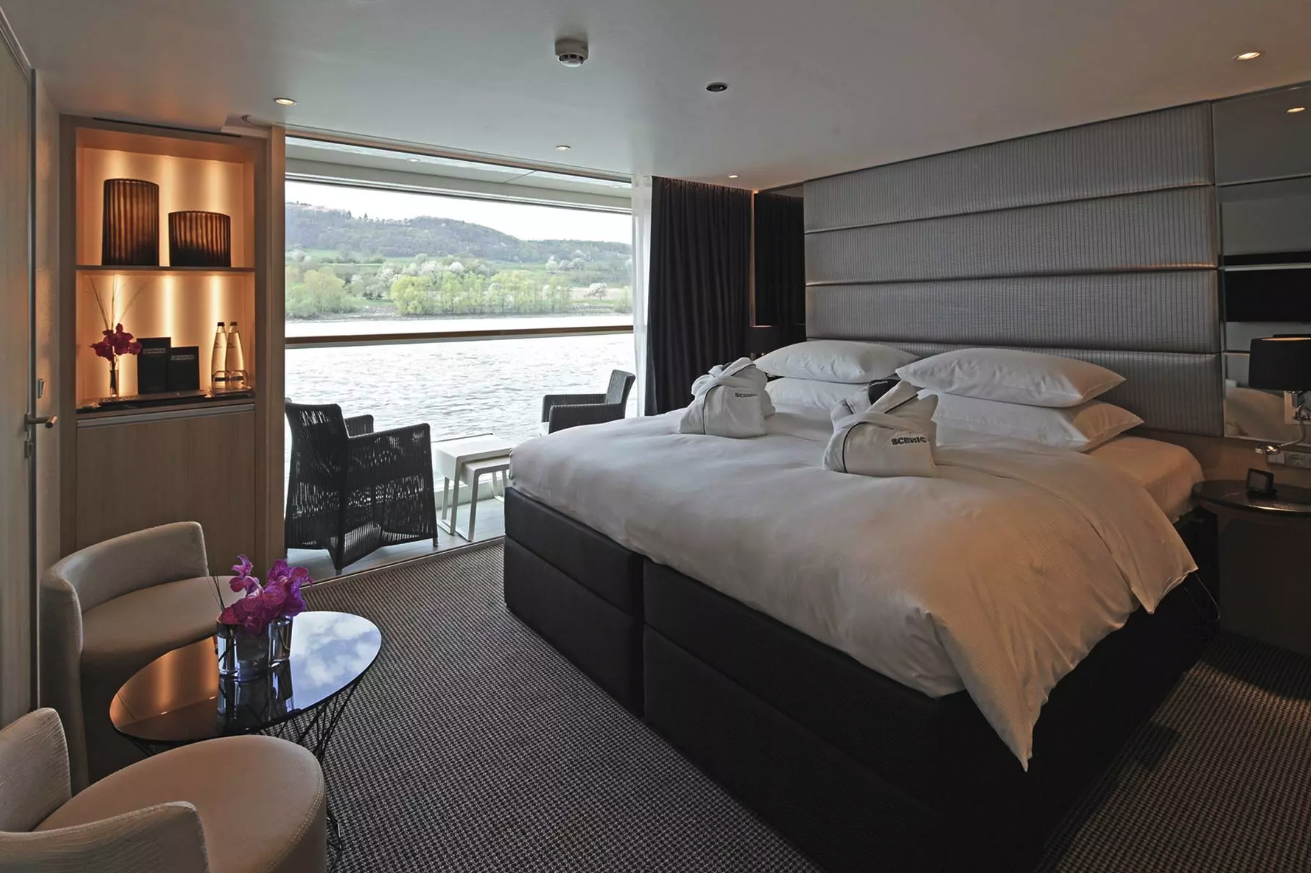
Junior Balcony Suite
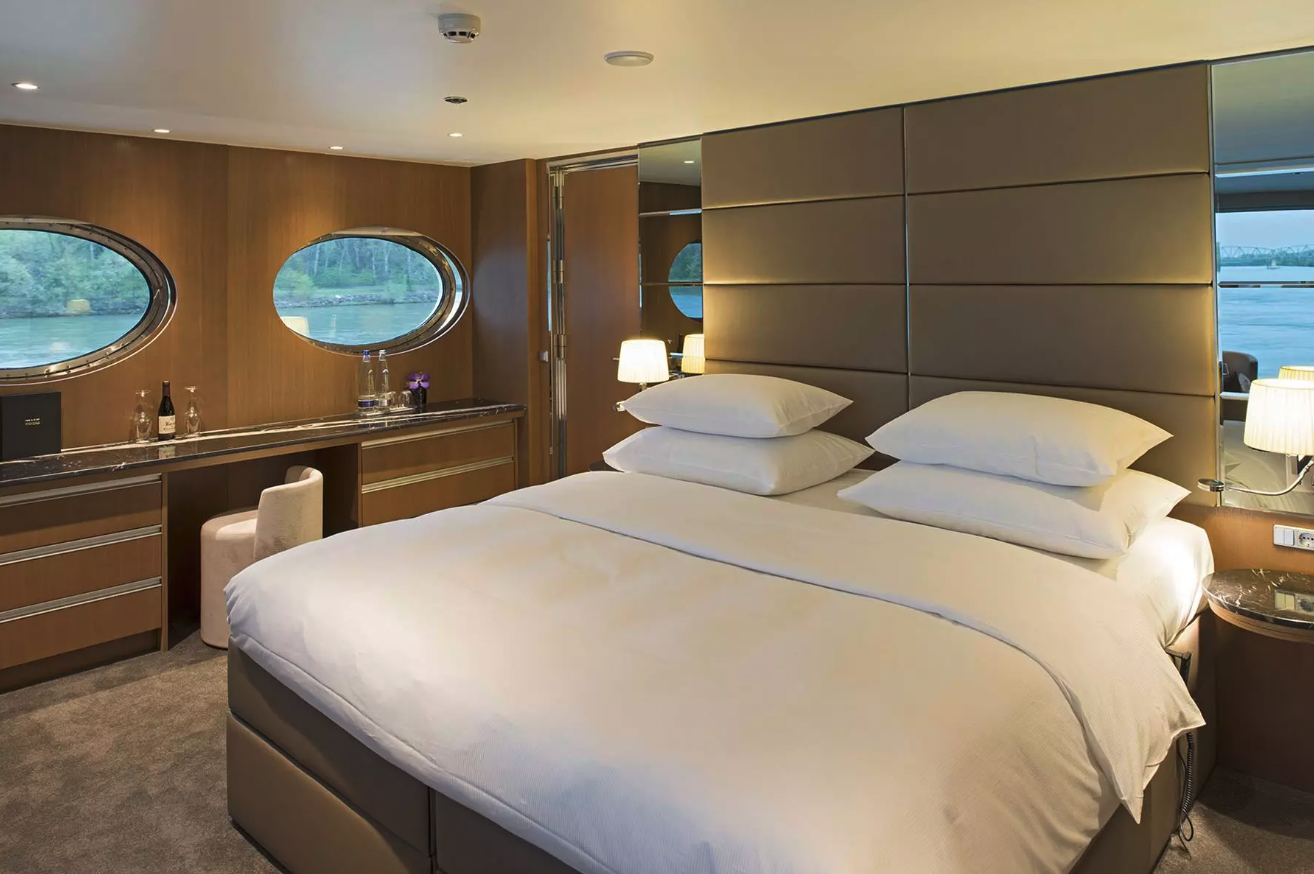
Royal Panorama Suite
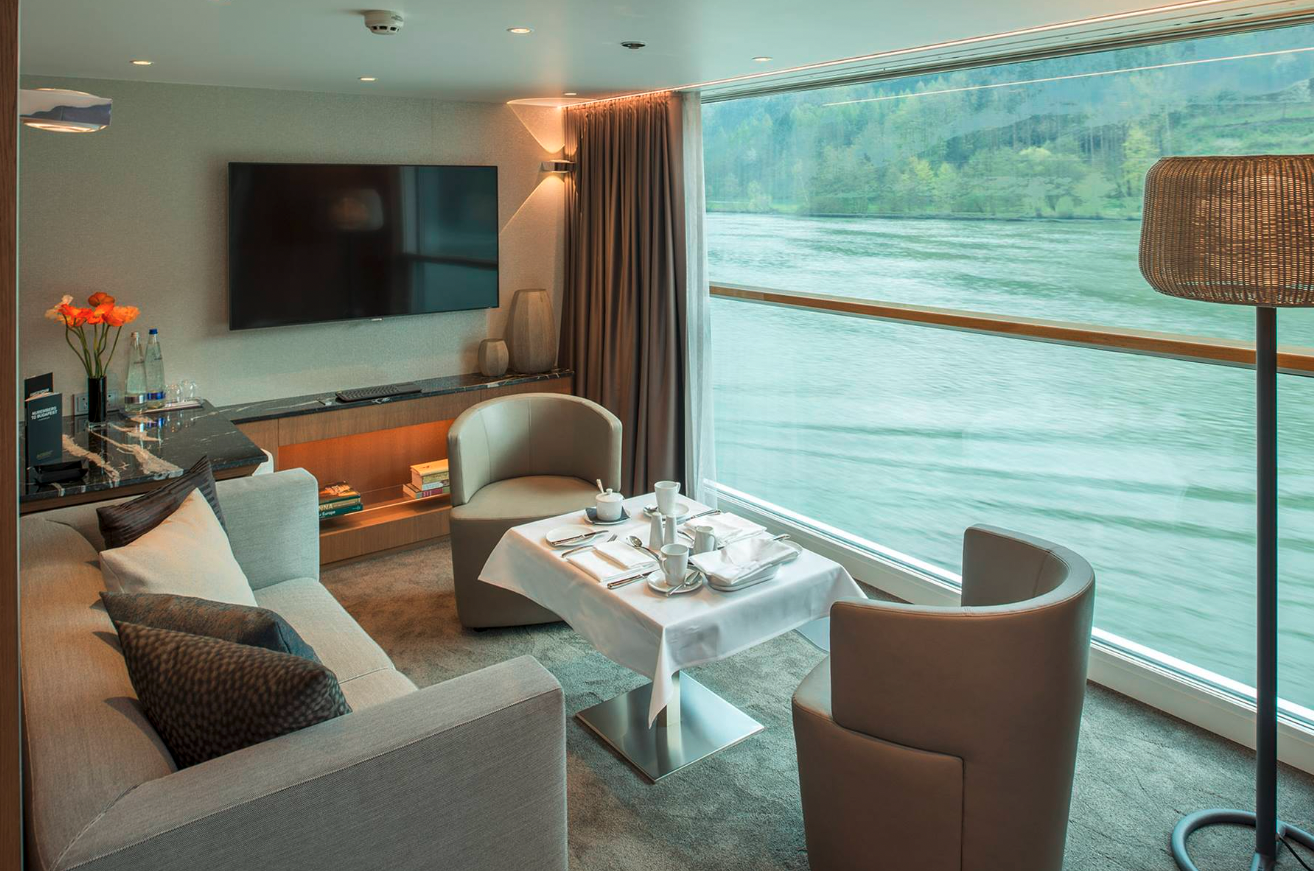
Royal Balcony Suite
Single Balcony Suite
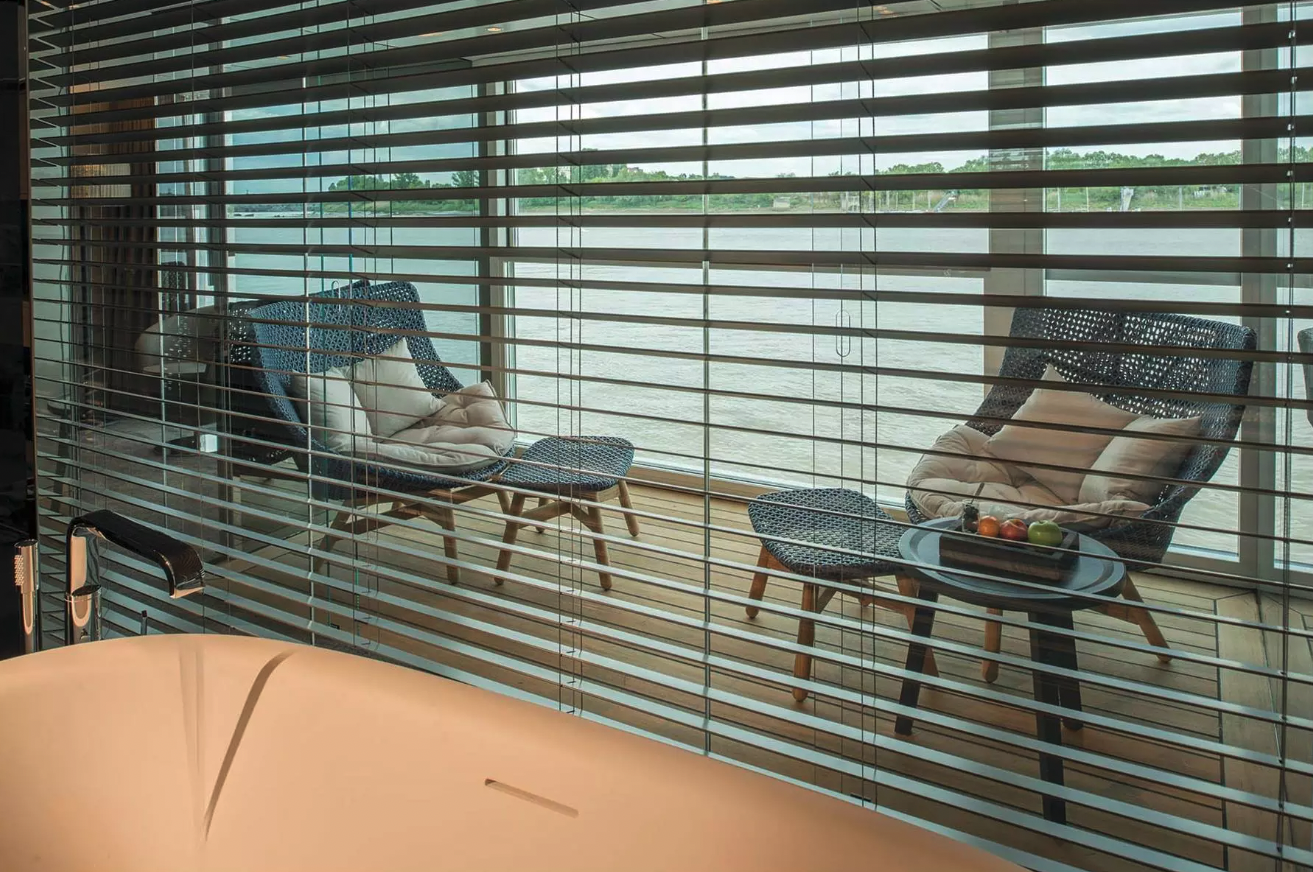
Royal Owners Suite
Ship Facilities
Crystal Dining
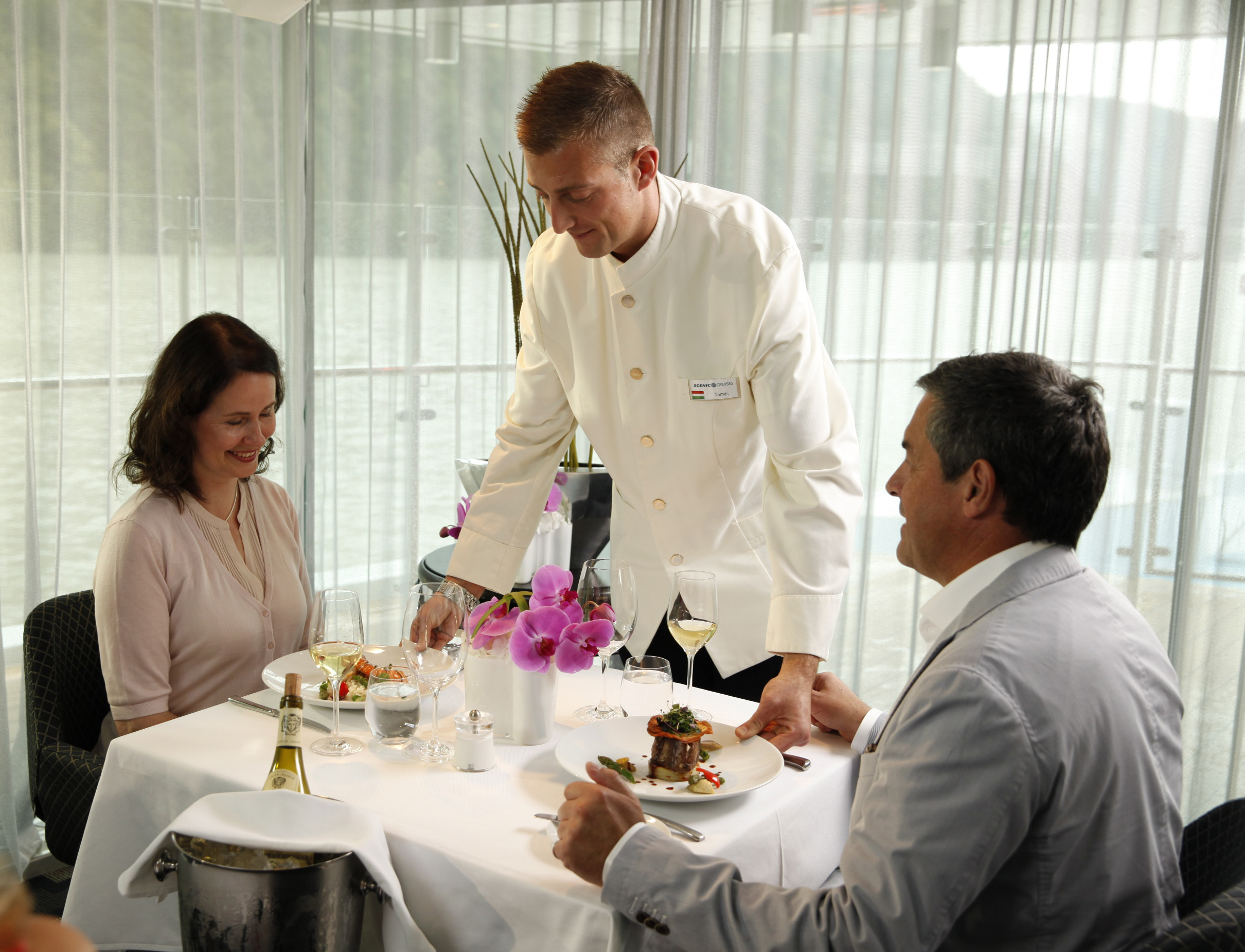
Enjoy à la carte menus for breakfast, lunch and dinner at Crystal Dining. Available on all Europe and South East Asia river cruises, this main restaurant offers a relaxed dining experience with local delicacies.
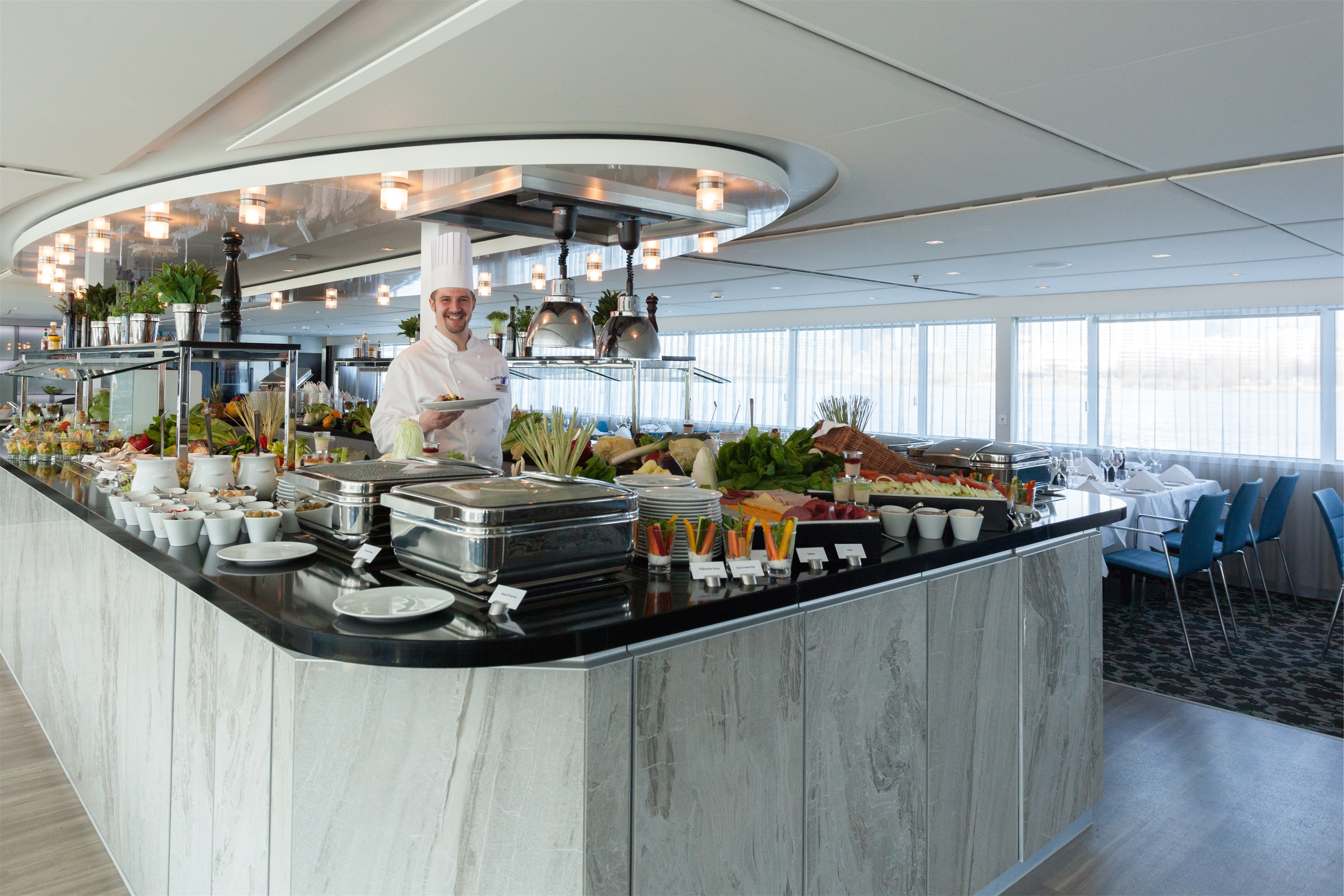
Table La Rive
Featuring a six-course degustation, the exclusive Table La Rive on our European river cruises offers an intimate dining experience for only 10 guests per evening. Guests staying on the Diamond Deck for 10 nights or longer, as well as Royal and Junior Suite guests staying for up to nine nights, will be invited by our Executive Chef.
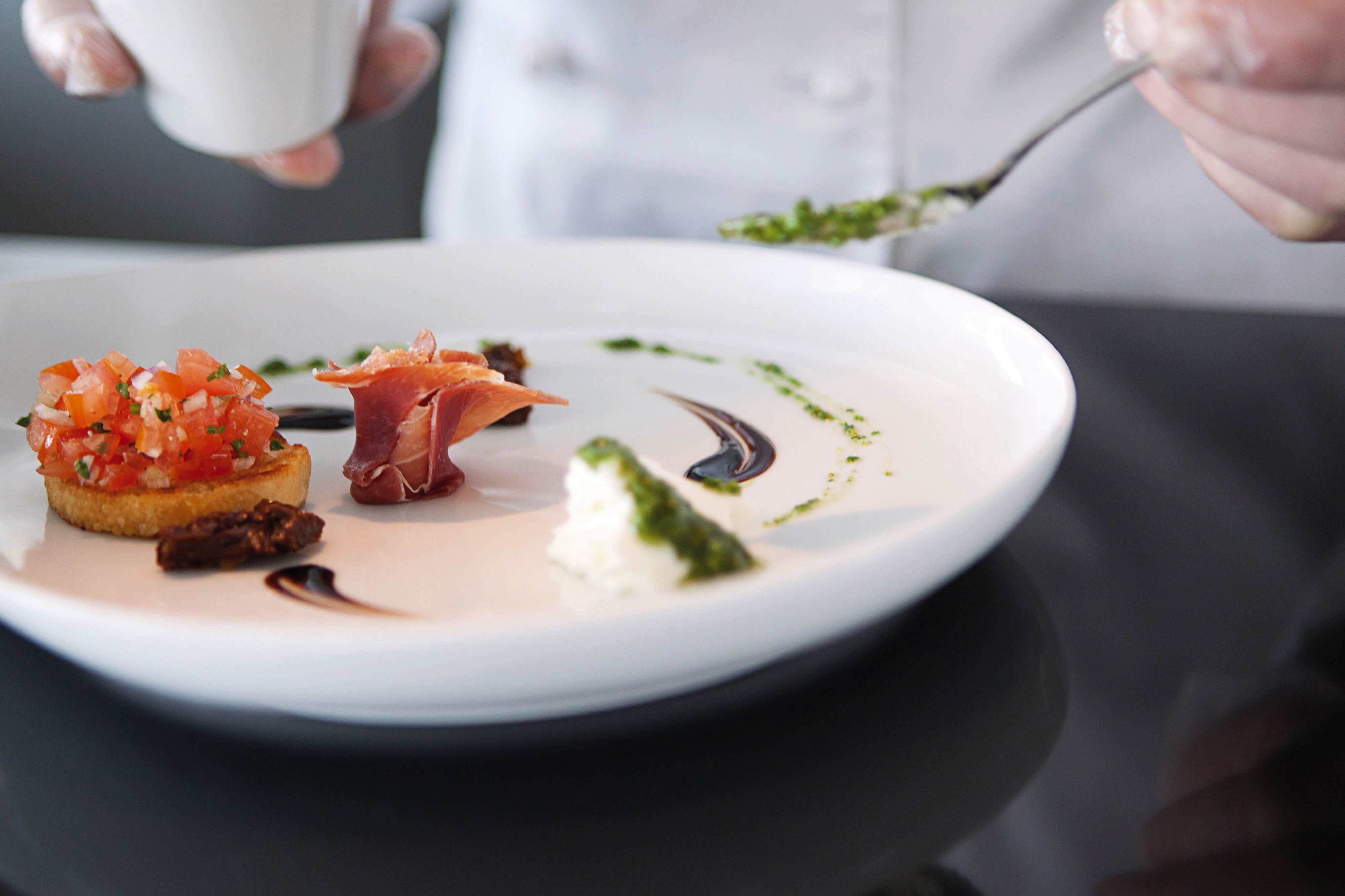
L’Amour Restaurant
With up to only 32 guests an evening, the exclusive and intimate L’Amour showcase sumptuous regional specialities. The delectable five-course menu features either Italian, French or Portuguese cuisine (depending on your cruise location), paired with elegant wines, and is available on all European river cruises.
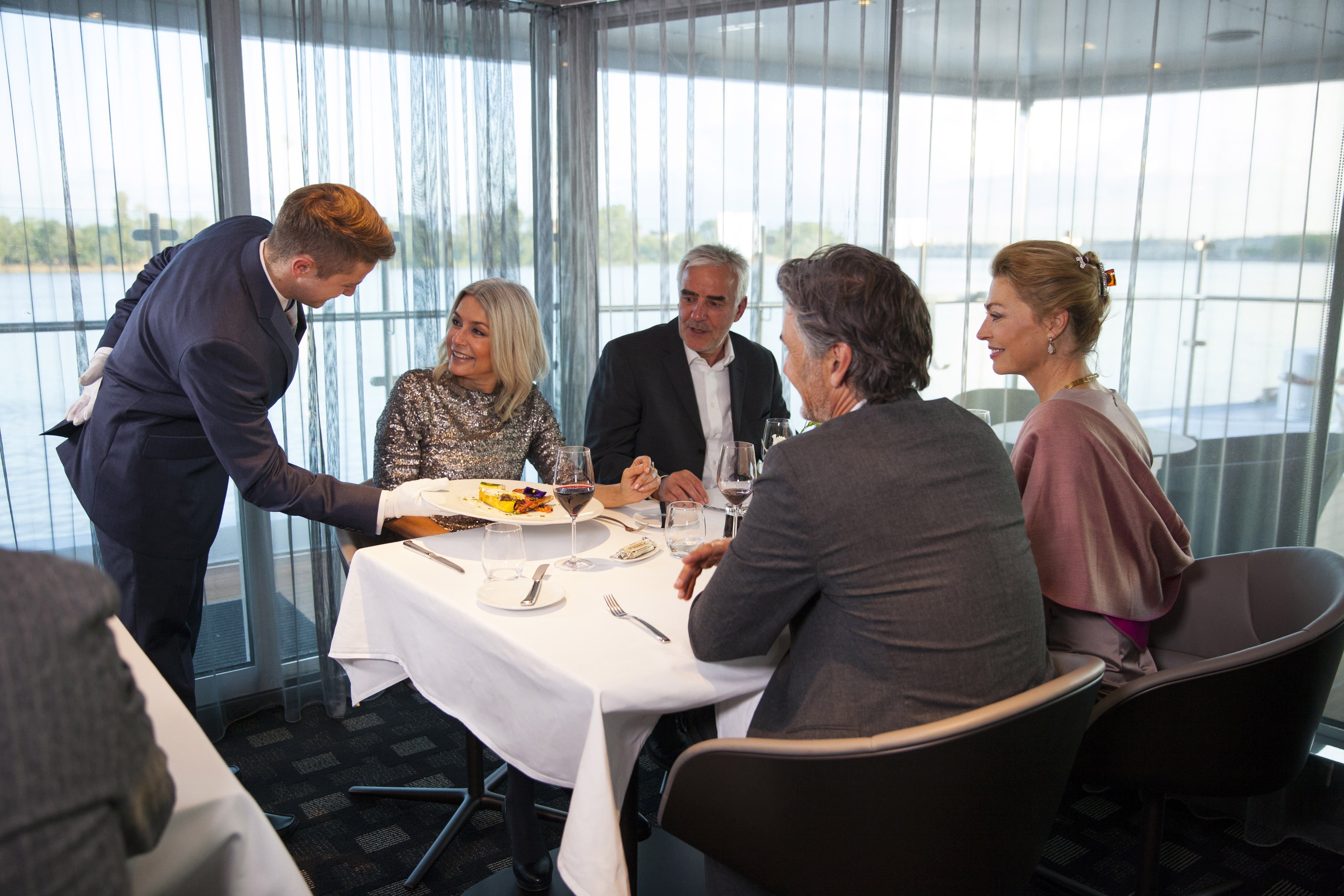
River Café
Offering a casual dining experience, you can enjoy all-day grazing options, light snacks and tasty treats to suit your schedule. The River Café is available on all Europe and South East Asia river cruises.
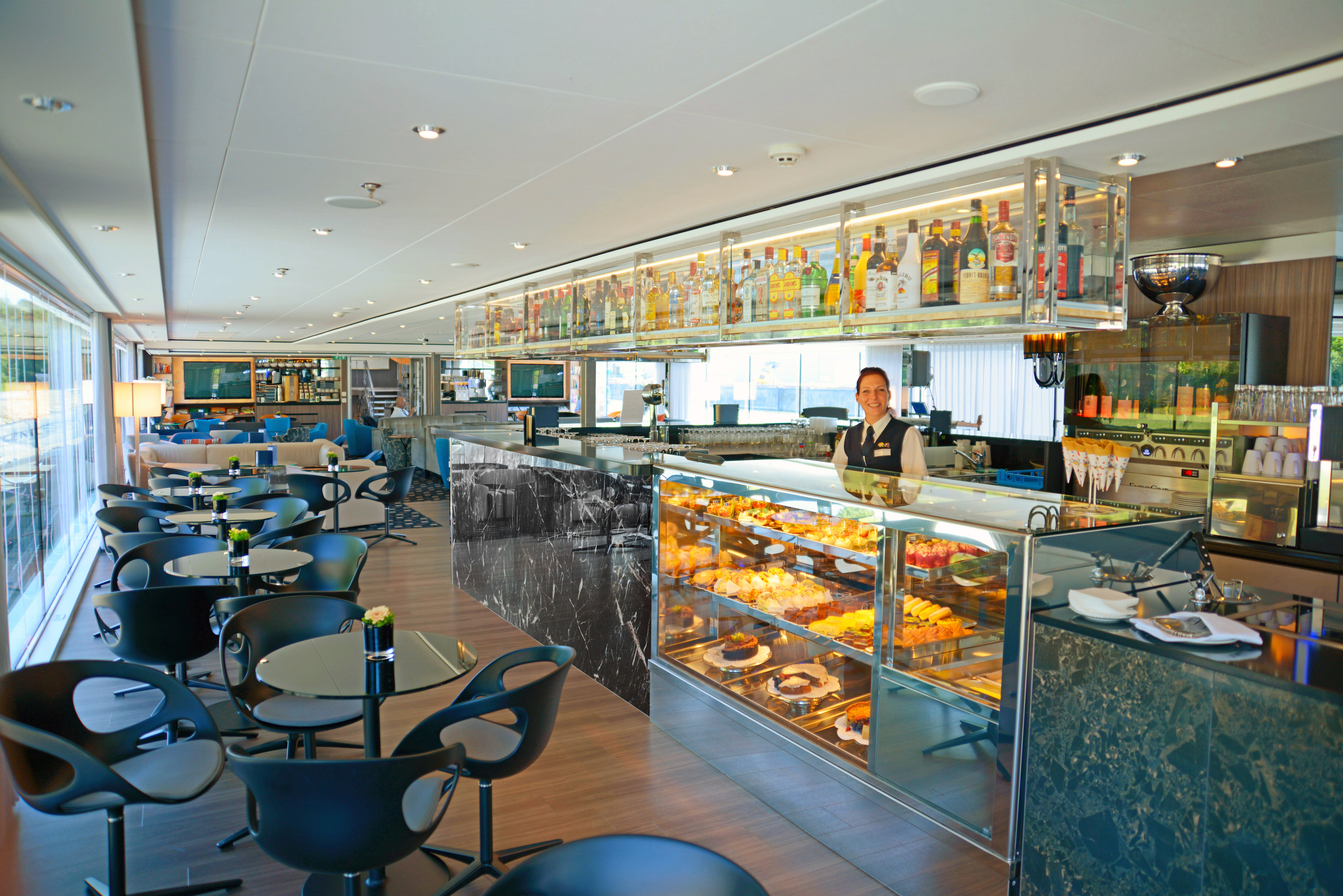
Riverview Terrace
Savour a light bite or refreshing aperitif on the Riverview Terrace, a charming open-air lounge space that’s ideal for sunlit afternoons on the river. With all-inclusive refreshments available throughout your river cruise, this is the perfect place for enjoying a little alfresco dining.
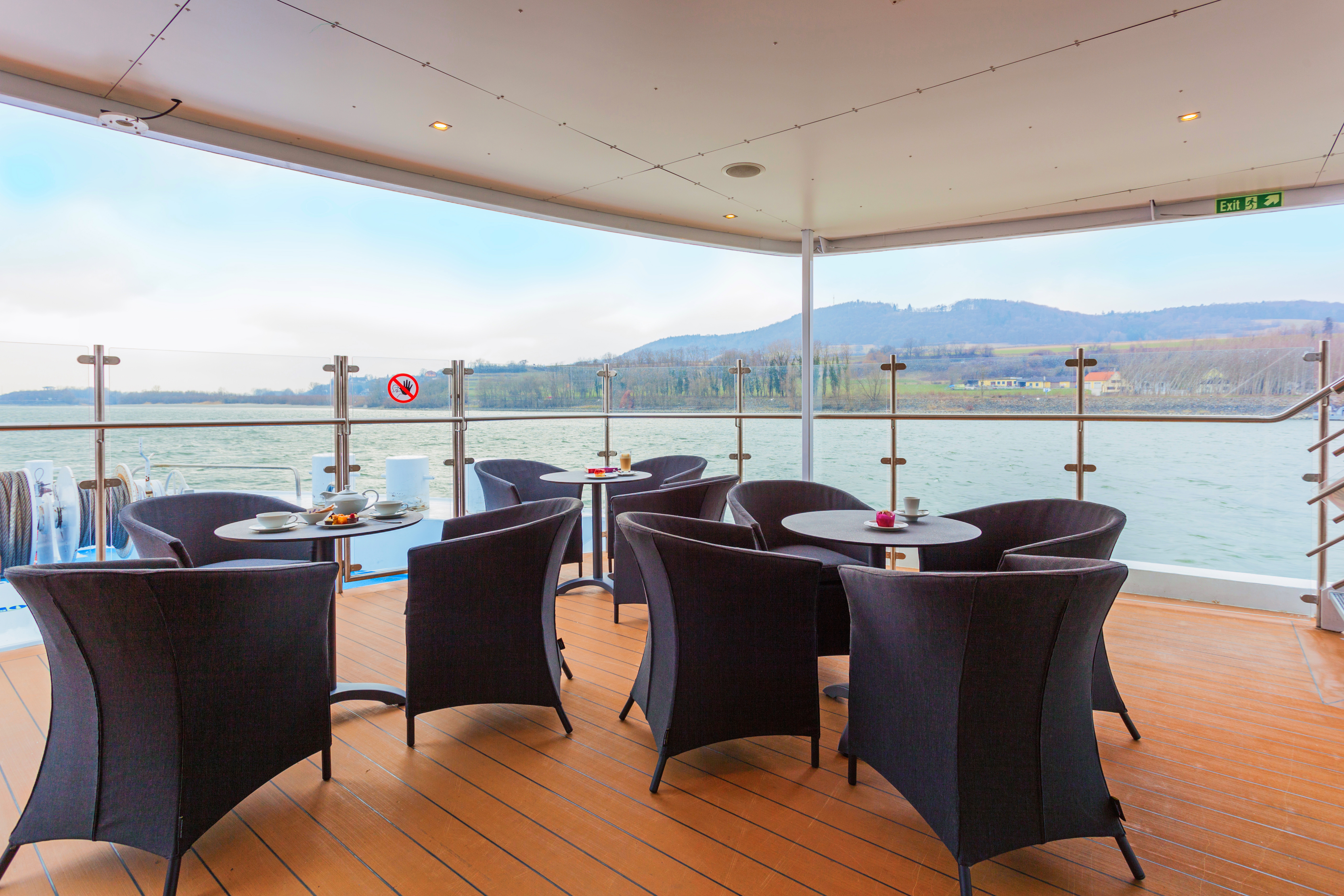
In-Suite Dining
Choose to dine in the comfort of your luxurious suite, while taking in the incredible views and enjoy included room service throughout your cruise.
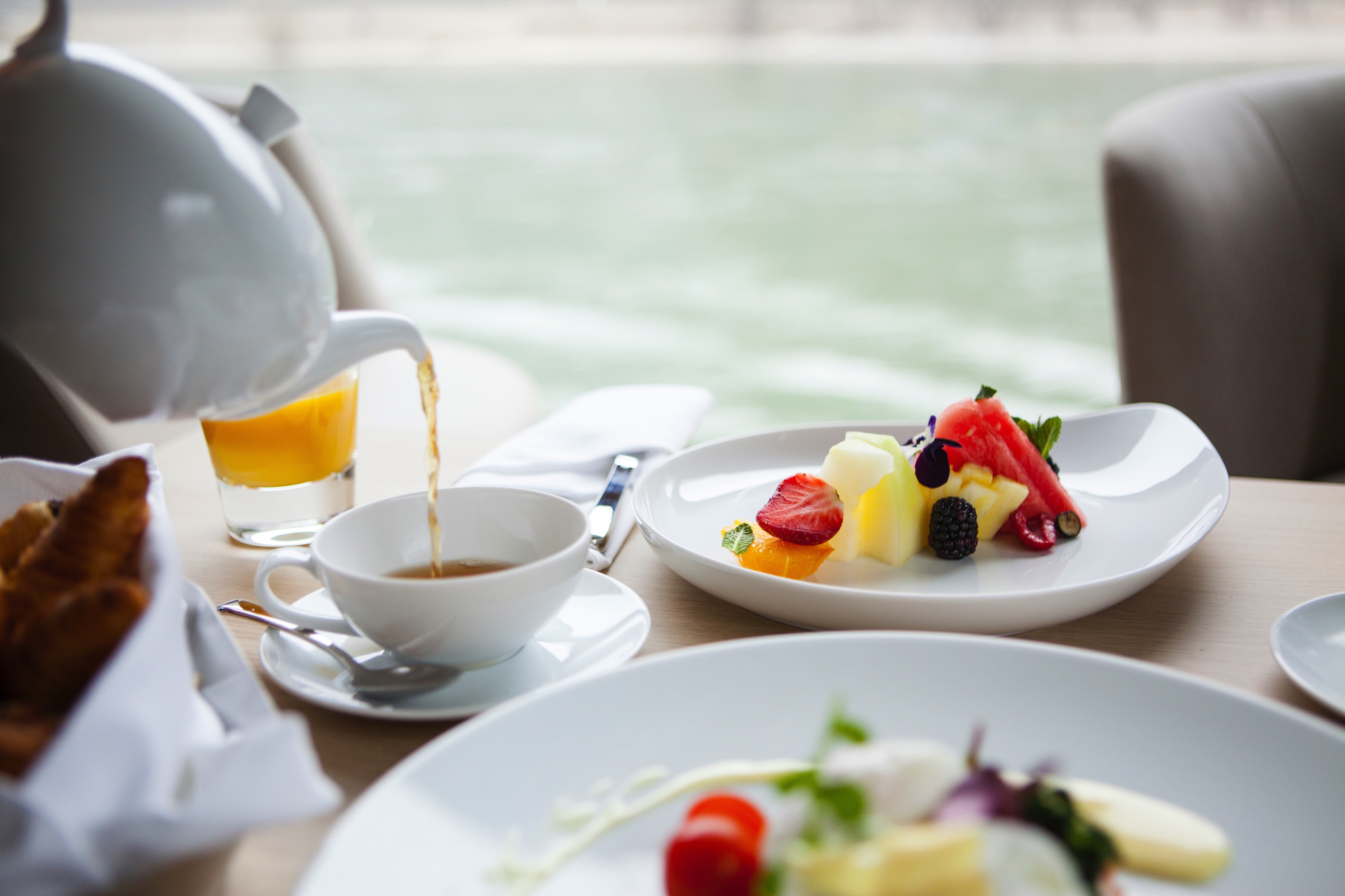
Complimentary E-bikes
Explore cities onshore on our complimentary e-bikes^+. Keep active and interact with locals as you explore Europe’s countryside.
Experience Europe’s wonders at your own pace with truly all-inclusive Scenic Freechoice excursions. From e-bike+^ riding alongside spectacular waterways, to exploring Europe’s cultural and historic treasures on a day trip, you can choose from a wide range of activities to suit you.
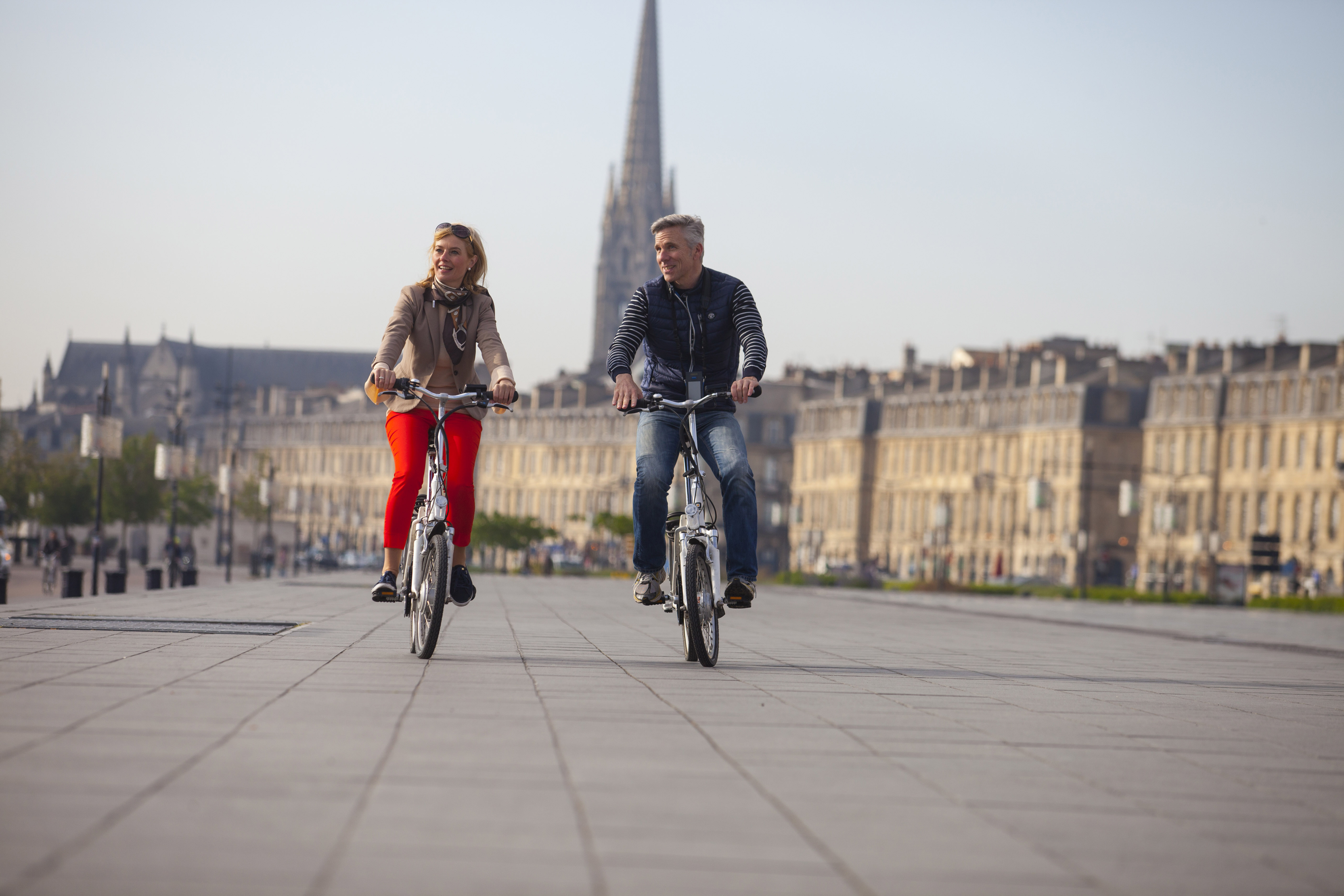
Scenic Freechoice
Personalise your river cruise and pursue your own interests as you set off on curated excursions throughout Europe. Our extensive and diverse list of Freechoice excursions are designed at Active, Moderate or Relaxed pace so you can choose activities best suited to you based on your interests and needs. Whether it’s a guided hike or e-Bike ride through the vineyards or a visit to the historic towns of Ypres and Passchendaele, the choice is yours.
Each Europe river cruise has been carefully curated to include a broad range of immersive experiences onshore. From active to cultural and interactive, you can choose from a wide range of Scenic Freechoice activities to suit your interests and pace.
Active
Cycling from Dürnstein to Krems
Join your guide on a bicycle tour along the Danube to the quaint village of Krems. Pass by charming villages and scenic vineyard landscapes. You will have time to stop along the way to enjoy the breathtaking views of the Danube.
Explore Château Gaillard
Hike to King Richard the Lionheart’s Château Gaillard and enter this fabulous ruin overlooking the Seine River. Available on select Northern France river cruises.
Kayak on the Pinhão River
Enjoy a guided kayaking tour along the Pinhão River and see the beautiful town from an alternative perspective. Available on select Douro river cruises in Portugal.
Moderate
Gottweig Abbey
Visit the renovated Gottweig Abbey. Founded in the 6th Century, the abbey was burned down during the 18th Century and rebuilt to be one of the most magnificent in the Wachau Valley. Your local guide will take you through various room where you will see the magnificent frescoes that decorate the Abbey as well as its staircase, the largest Baroque Staircase in Austria.
Visit to Mateus Palace
Built in the 18th century the grounds of the palace feature a cellar, chapel and impressive gardens. Tour this amazing property depicted on the label of the internationally renowned wine of the same name.
Beer & Chocolate Pairing
Take your tastebuds on a journey whilst learning and appreciating how the complex flavours of local craft beer and chocolate go together.
Relaxed
Sausage-making class
Learn to make traditional Regensburger wurst. Discover the history of this sausage as well as the spices that flavour the meat. And of course, you can sample it once it’s complete.
Passau Photography Safari
Visit some of the most beautiful locations in Passau such as the Old Town Hall with this photography tour suitable for all. Available on Danube in Depth.
Shop with a Chef
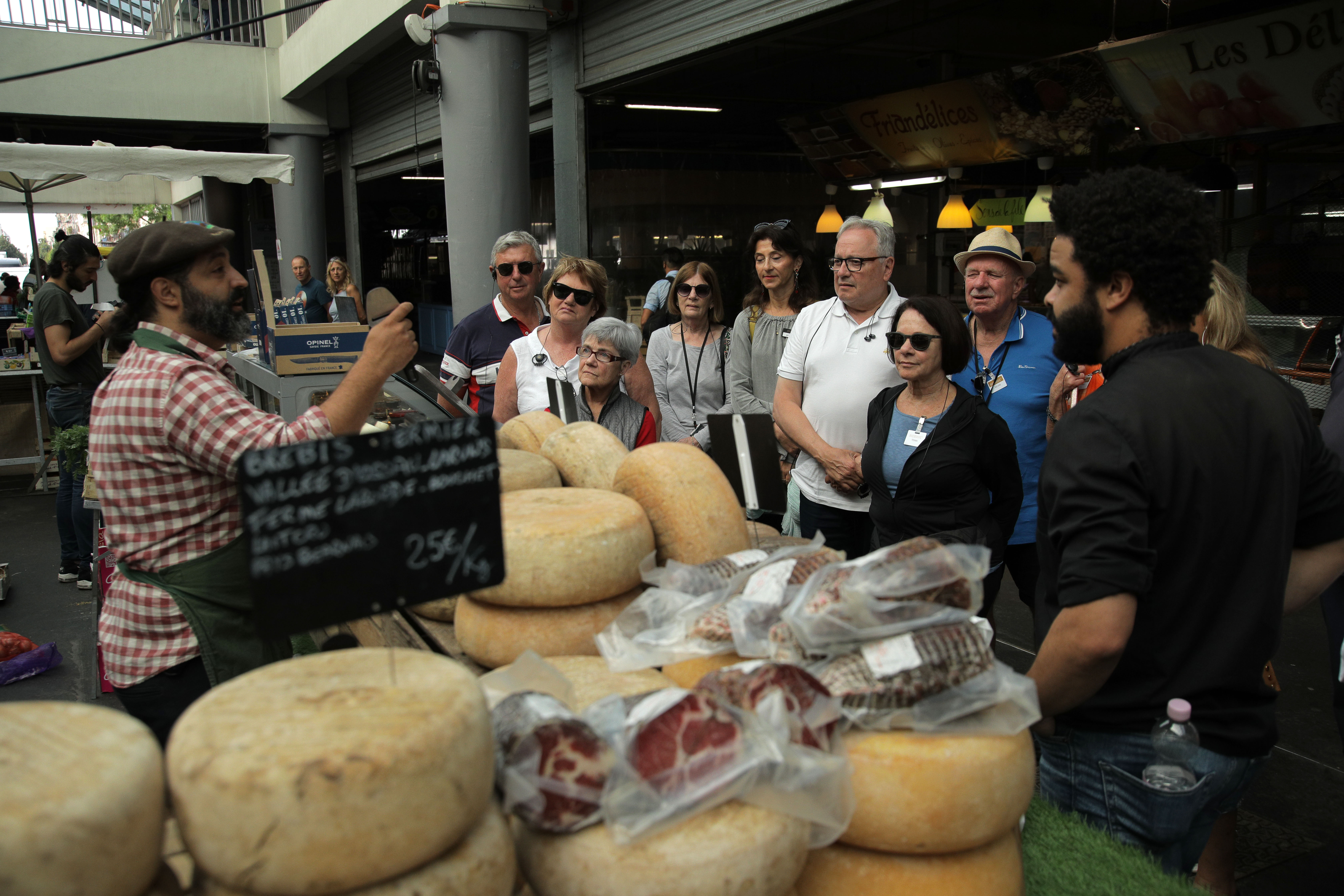
Join your on board chef on a guided visit to a local food market where you will have an opportunity to shop for and taste the best ingredients this region has to offer. Upon returning to your Scenic Space-Ship meet in the purpose built Scenic Culinaire cooking school for an interactive cooking demonstration making some of France’s most popular and delicious dishes using the ingredients you have just bought at the market.
Disclaimer: Options above are examples, experiences might be different depending on your river cruise ship.
Scenic Enrich
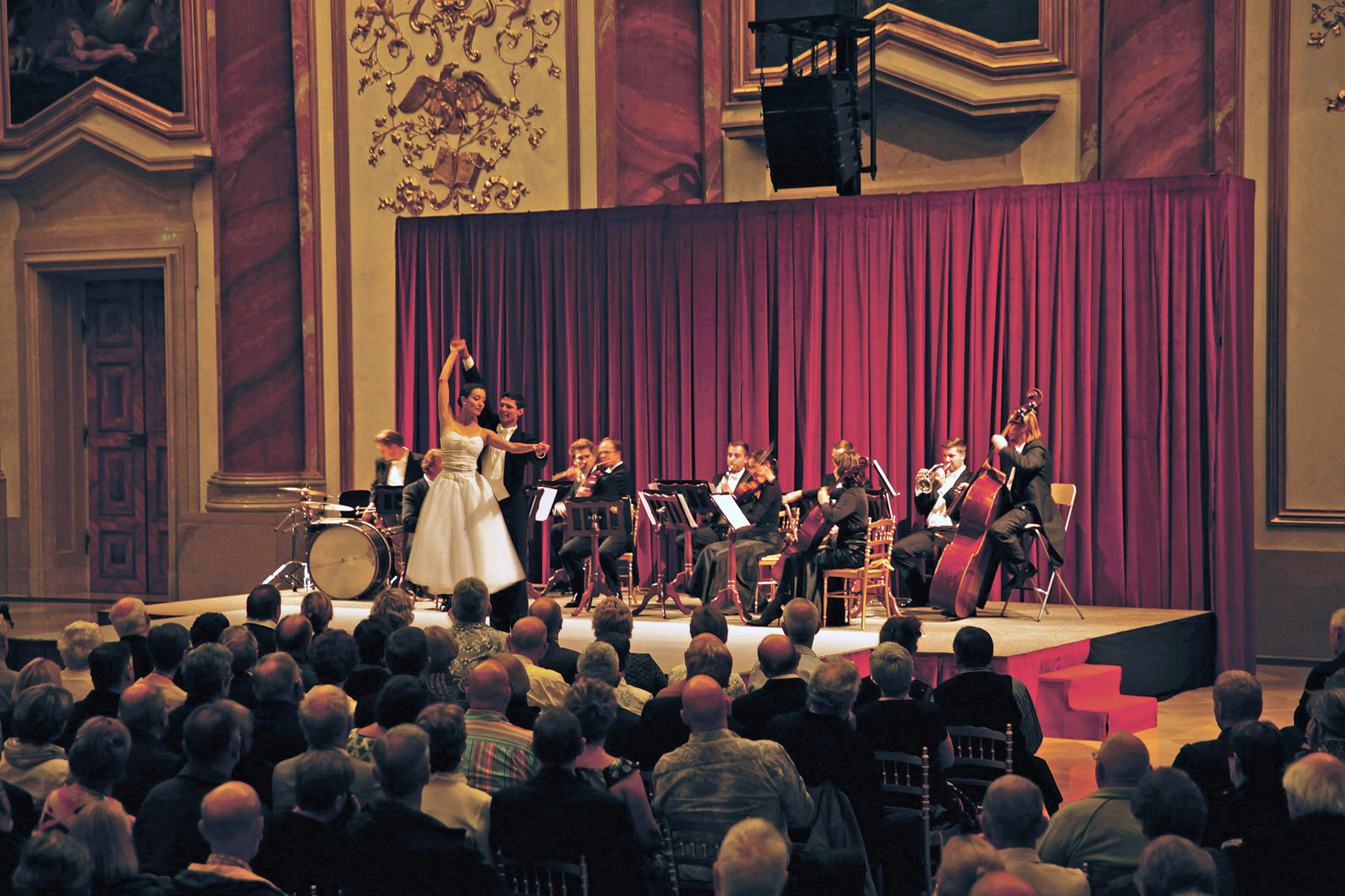
Enjoy wondrous moments exclusively created for you, ranging from a private concert in a grand 18th century palace in Germany or indulging in a sumptuous dinner in a local home in the Netherlands. Enjoy these exquisite handcrafted experiences that are not available to the regular traveller.
On Board Team
The Captain and Crew
All Scenic Space-Ship Captains are selected for their knowledge of Europe’s rivers. On board, the Captain and their team can be found in the wheelhouse on the Sun Deck and will be on hand to greet guests and answer any questions during briefings.
Cruise Director & Hotel Director
Committed to delivering an exceptional level of service, the Cruise Director and Hotel Director will be your main point of contact throughout your cruise. They’ll ensure every moment of your trip is seamless, while providing daily briefings and updates.
Enrichment Manager
Your on board entertainment while cruising Europe is presented by the Enrichment Manager. They’ll add to your experience by hosting game nights, informative lectures, and organise special guest performances, to experience shows with a local flair.
Scenic Butlers
Our expert butler’s have been trained to meet Scenic’s high standards. You can relax as your laundry, shines your shoes, delivers premium beverages to your suite or replenishes your mini-bar are taken care of. All guests enjoy butler service, learning your preferences and expectations, and surpassing them.
Culinary Team and Bar Staff
Our expert team of chefs will elevate the sense of luxury on your Europe river cruise. The culinary team draws inspiration from the regions you travel through and ensures all food is fresh and seasonal while creating a daily menu to suit all palates.
Wellness Coach
Each Scenic Space-Ship has a dedicated Wellness Team. You can unwind with a massage^, work on your fitness in the gym, take time out in the healing Salt Therapy Lounge (on select Space-Ships) or join a morning stretch class, all while the Wellness Coach are on hand to assist you.
Local Guides
Our local guides are important members of your onshore team. They’re the storytellers who will share the wonders of their town and immerse you in the local history and culture, with their own personal flair.
Panorama Lounge & Bar
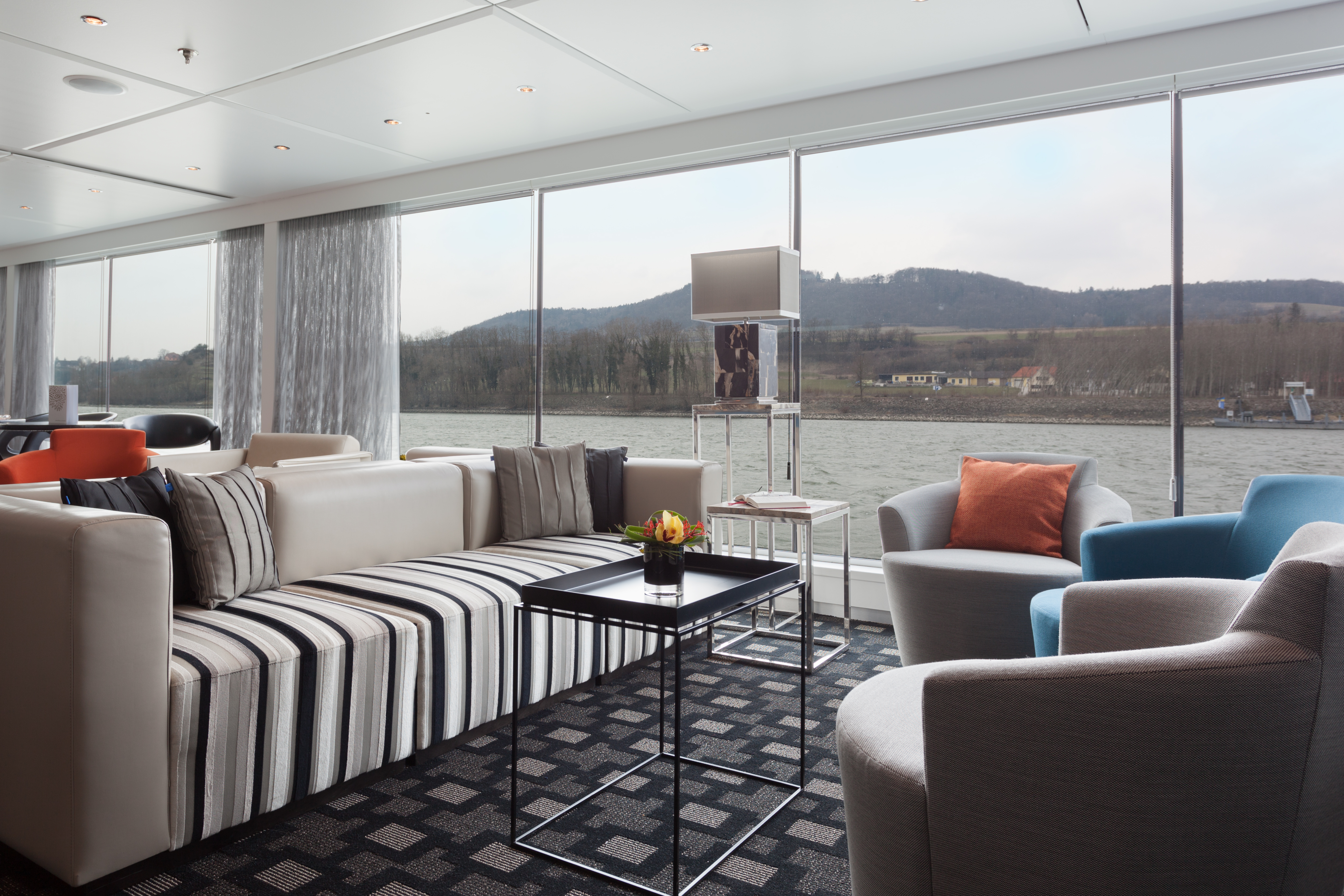
Explore our extensive wine list, relax with a coffee or catch-up with new-found friends at the Panorama Lounge & Bar. This is the main bar lounge on-board our Space-Ships, and it’s tastefully furnished to guarantee your comfort and enjoyment.
The Sun Deck
Make the most of every ray of sunshine with our purpose-built Sun Deck. Complete with deck chairs and a games area, this is a place to kick back and enjoy the view as your Space-Ship travels to its next destination.
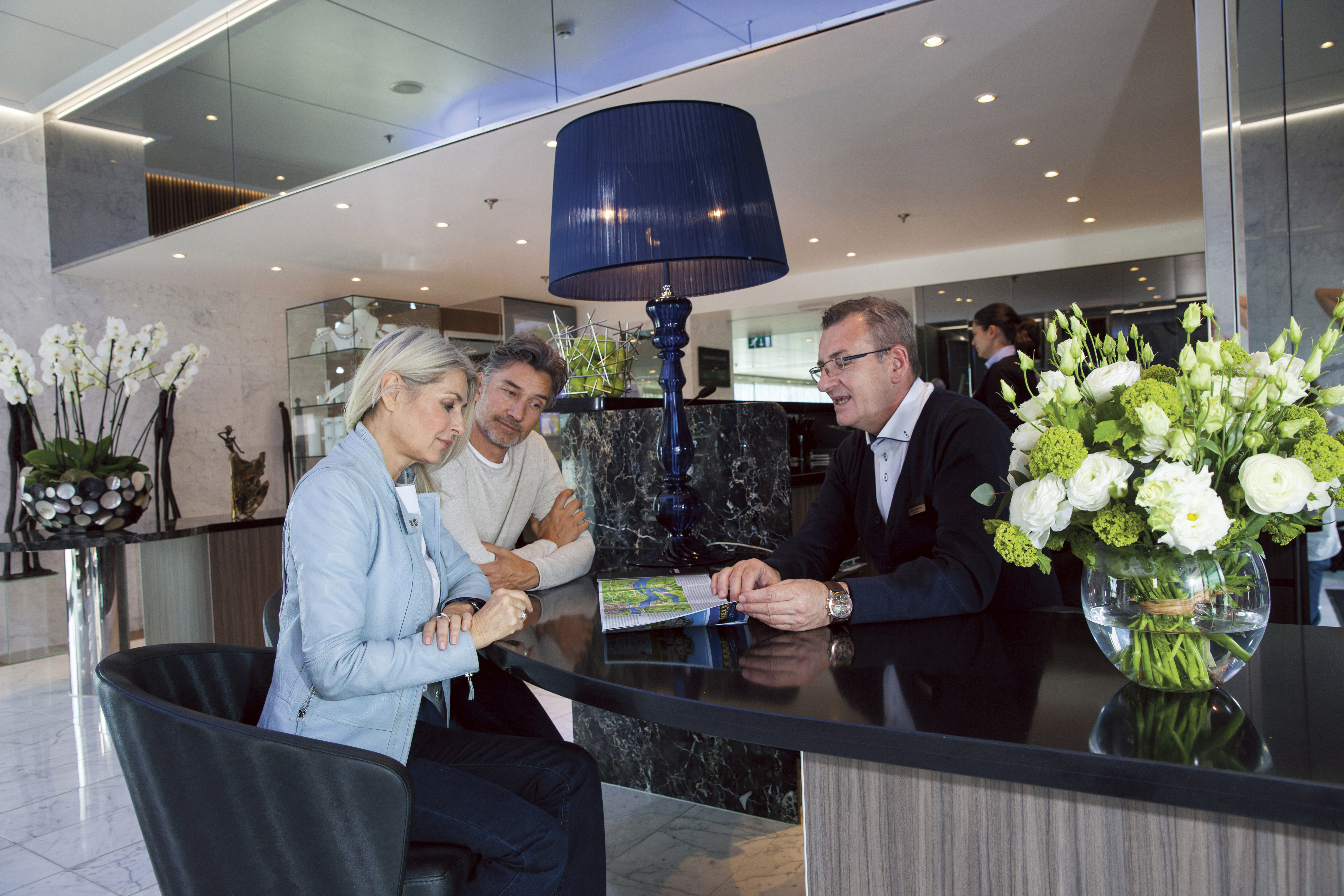
Reception
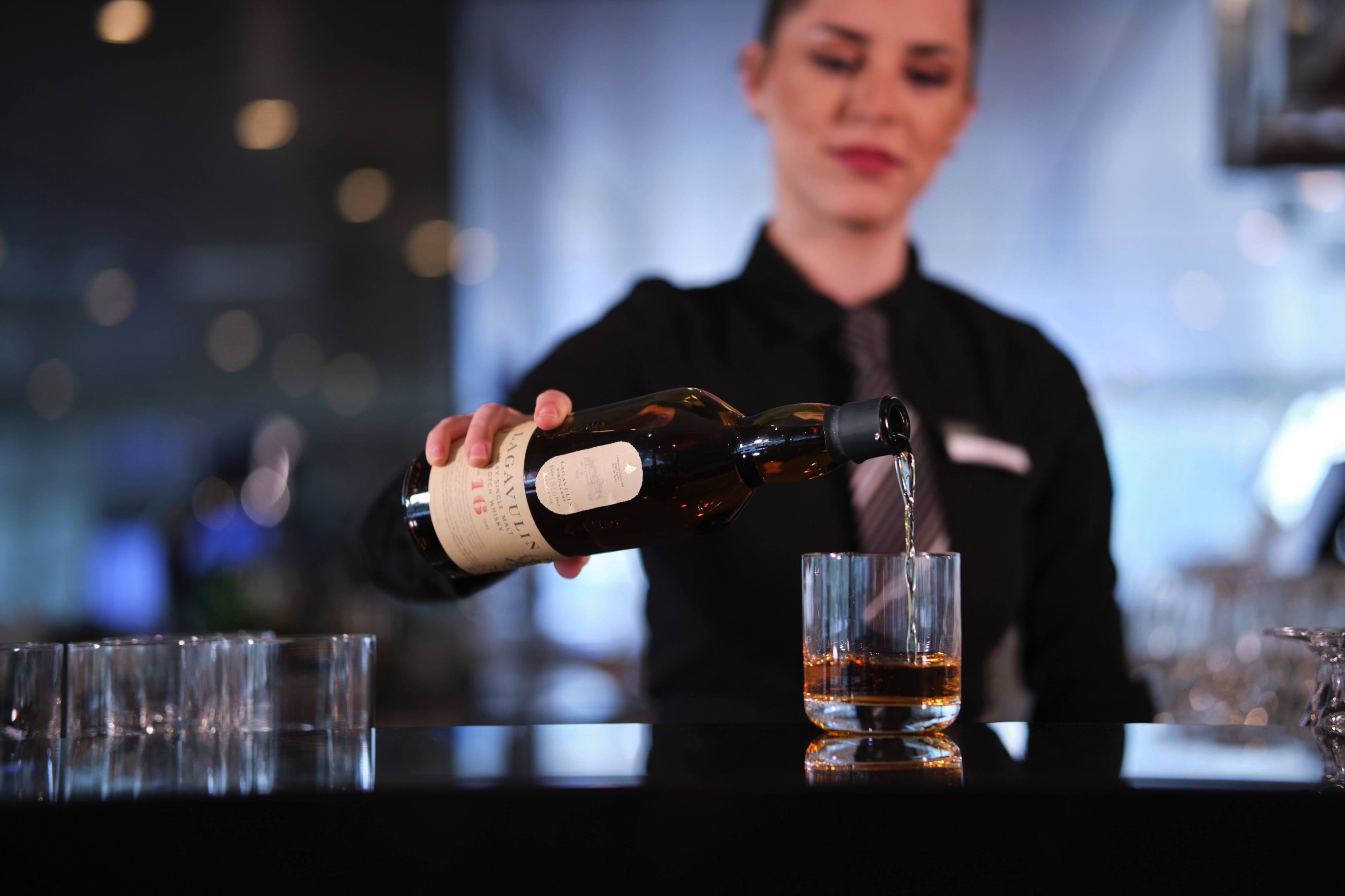
All Inclusive Beverages
Sit back and enjoy a beverage of your choice while cruising spectacular waterways, at your leisure. Sip on handcrafted cocktails or a full-bodied wine – the choice is yours.
You will enjoy:
- Unlimited complimentary premium international beverages^, including international wines, beers and spirits
- Full in-suite mini bar, restocked daily
- Refillable water bottle for all onshore excursions
- An extensive range of specialty teas and espresso coffees
- This selection is available all day, every day.
*Exclusive invitation for Diamond Deck and Junior Suite guests cruising for 10 nights or more, or Royal and Junior Suite guests for 9 nights or fewer.
^All beverages are included except a very small number of fine and vintage wines, champagnes and spirits.
Wheelhouse
The Wheelhouse is where our trained crew pilot and navigate your Space-Ship, negotiating France’s beloved waterways with the utmost care and precision. Feel free to stop by and find out what goes on behind the scenes.

Gallery
Wellness Area
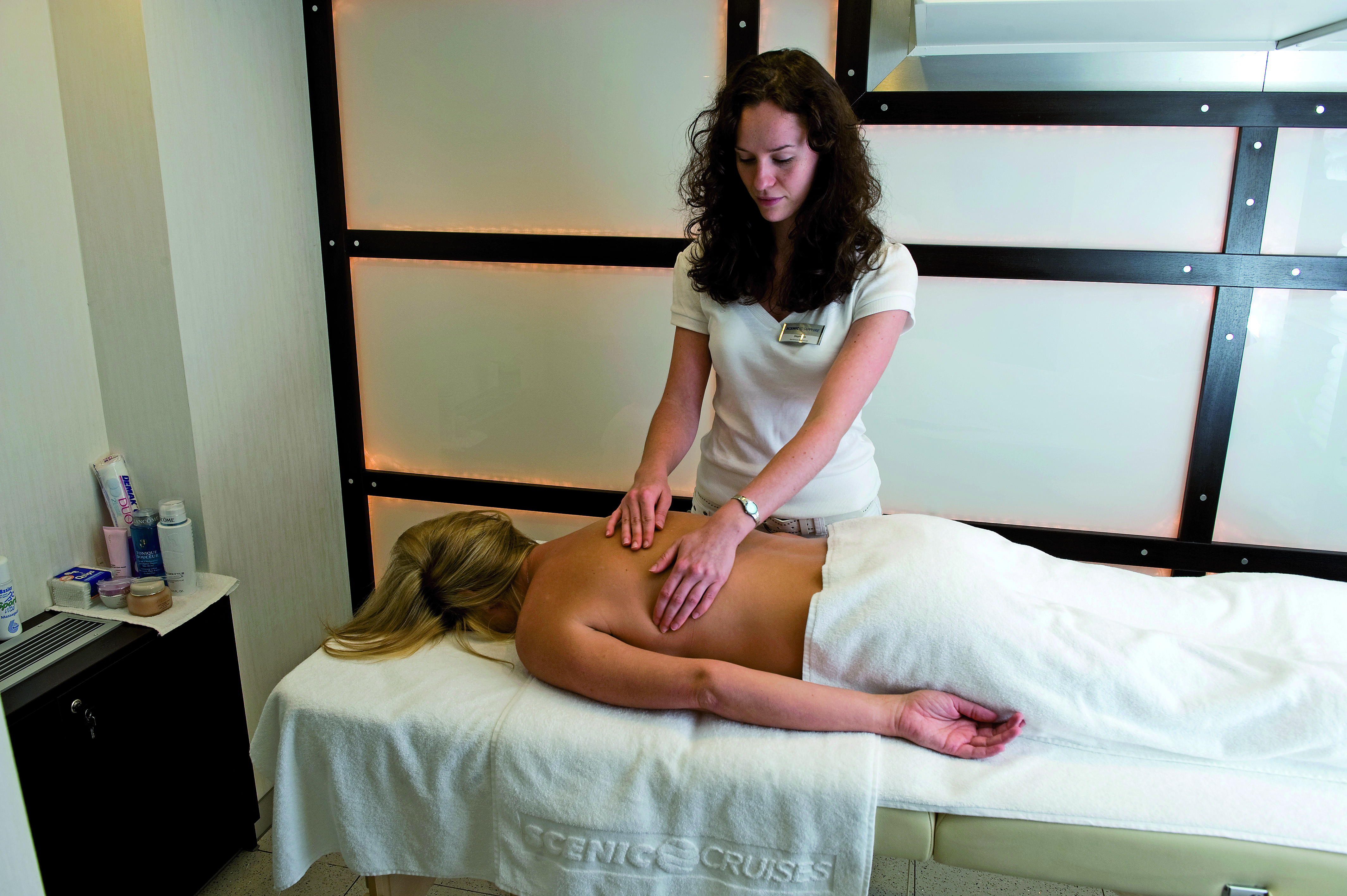
Maintain your wellness routine at our state-of-the-art gym, morning stretching classes^ with the Wellness Coach or rejuvenating spa treatments*. Exercise on the walking track on the Sun Deck or take a dip in the Vitality Pool
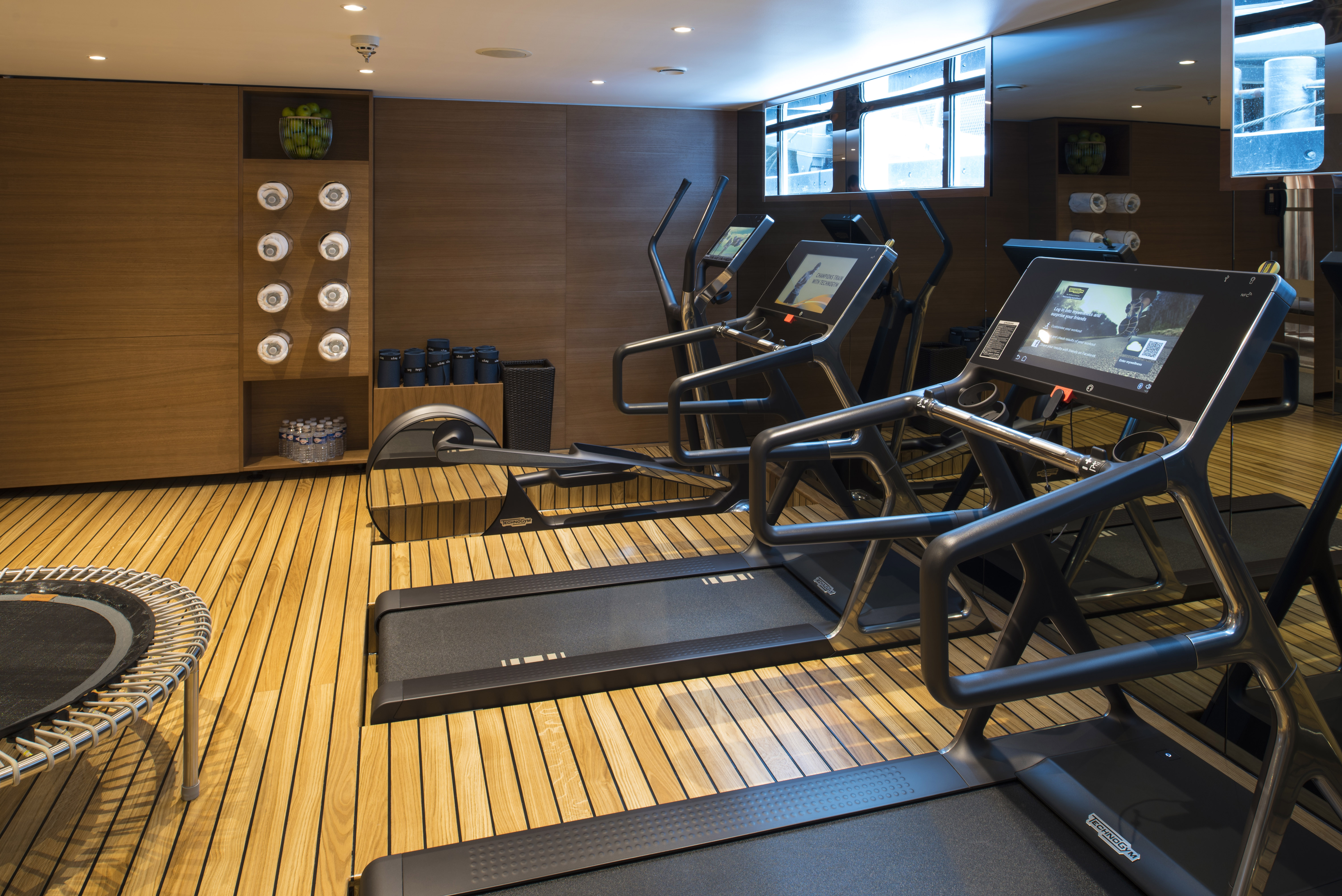
Fitness Centre
Stay active on your travels with a visit to our designated Fitness Centre. Featuring the latest workout equipment, including both cardio and weight-training machines, this is a space where you can work up a sweat and get ready for another unforgettable day on the river.
Salt Therapy Lounge
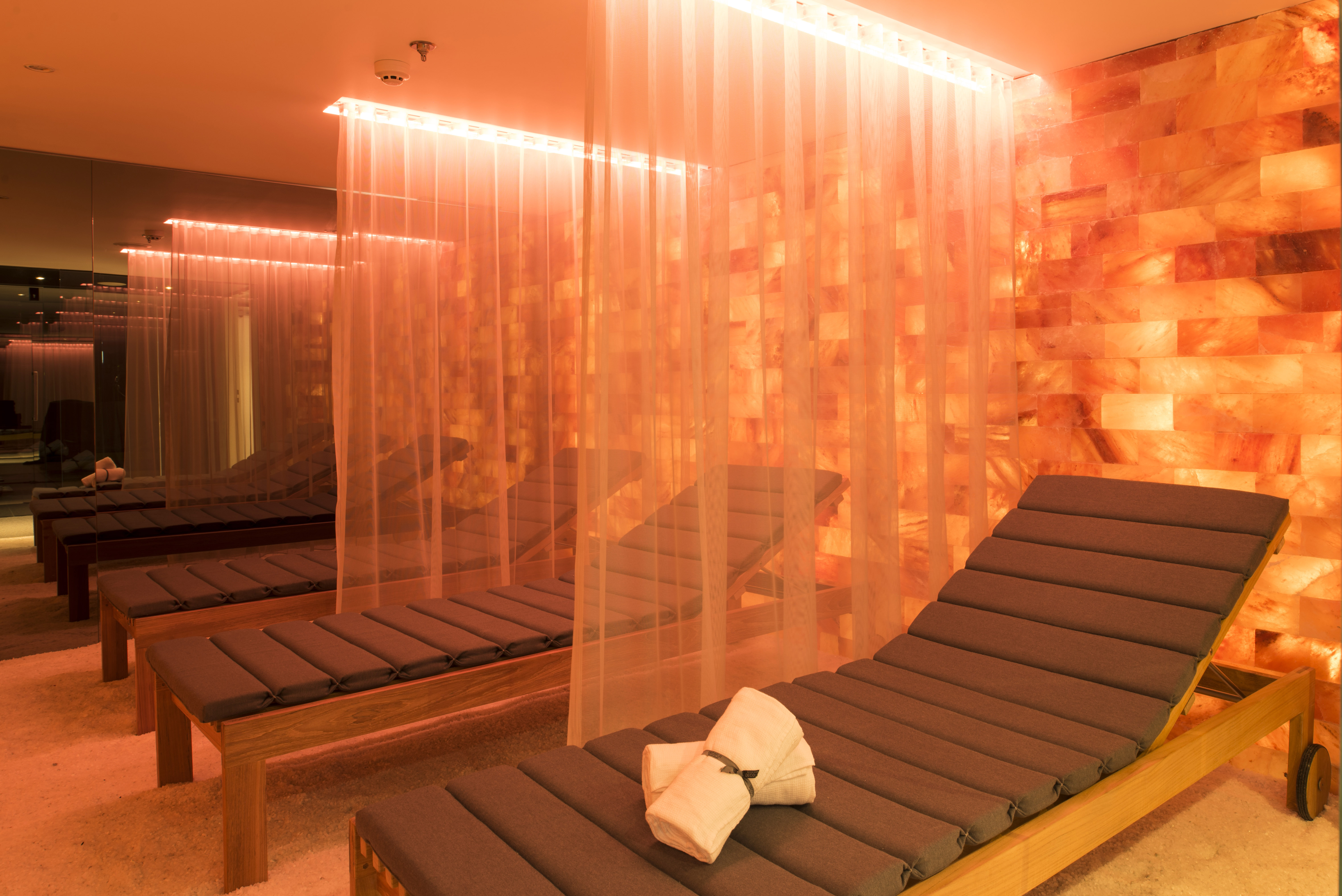
This innovative lounge# is featured on most of our Space-Ships in Europe. The salt brick walls of the humidity and temperature-controlled lounge are known to offer a range of health benefits for respiratory and immune systems.
Vitality Pool
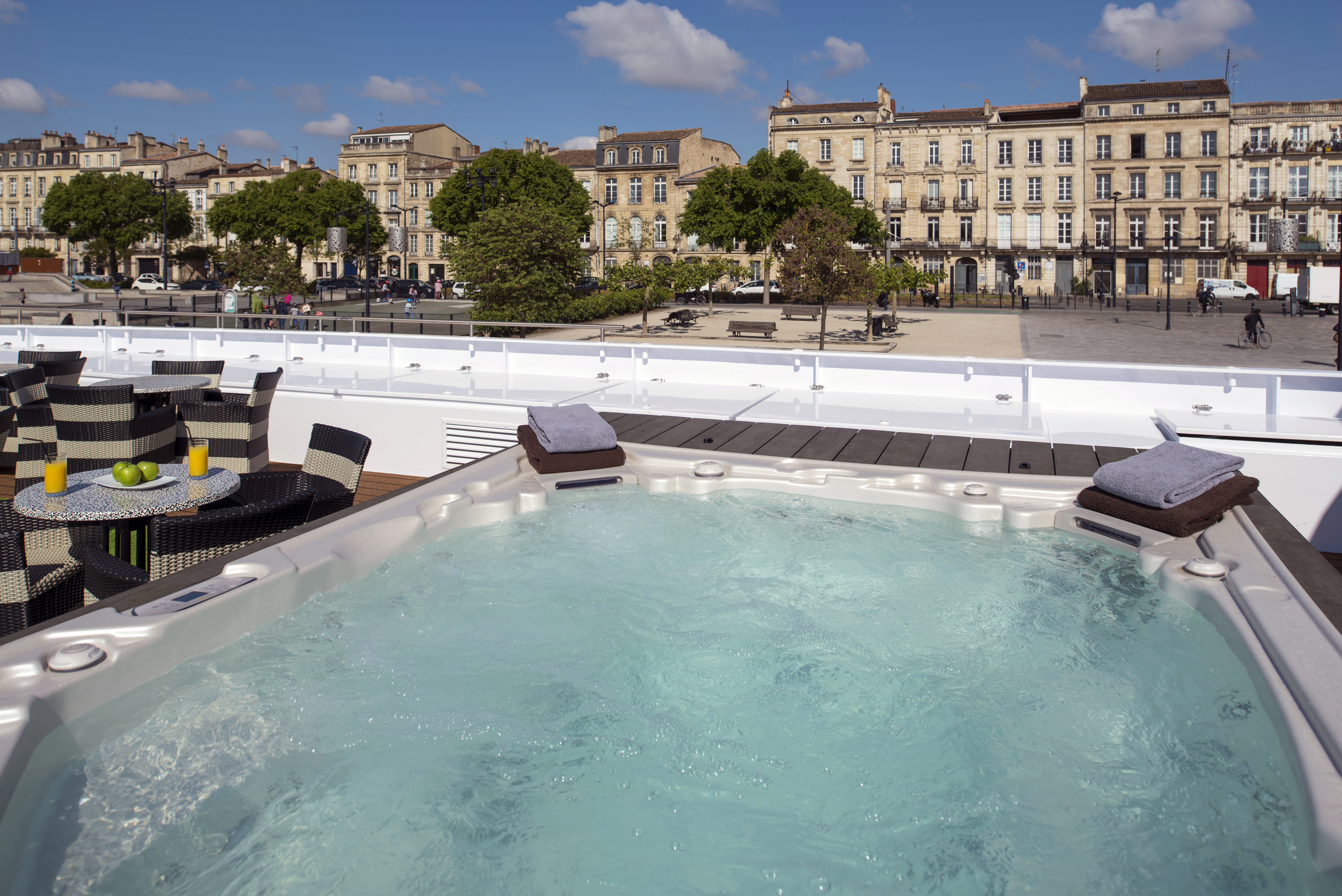
Admire the passing views, or take a rejuvenating dip in the Vitality Pool.
Please note: the ship does not have any specific facilities to accommodate Kids/Teens.
Crystal Dining
Enjoy à la carte menus for breakfast, lunch and dinner at Crystal Dining. Available on all Europe and South East Asia river cruises, this main restaurant offers a relaxed dining experience with local delicacies.
Table La Rive
Featuring a six-course degustation, the exclusive Table La Rive on our European river cruises offers an intimate dining experience for only 10 guests per evening. Guests staying on the Diamond Deck for 10 nights or longer, as well as Royal and Junior Suite guests staying for up to nine nights, will be invited by our Executive Chef.
L’Amour Restaurant
With up to only 32 guests an evening, the exclusive and intimate L’Amour showcase sumptuous regional specialities. The delectable five-course menu features either Italian, French or Portuguese cuisine (depending on your cruise location), paired with elegant wines, and is available on all European river cruises.
River Café
Offering a casual dining experience, you can enjoy all-day grazing options, light snacks and tasty treats to suit your schedule. The River Café is available on all Europe and South East Asia river cruises.
Riverview Terrace
Savour a light bite or refreshing aperitif on the Riverview Terrace, a charming open-air lounge space that’s ideal for sunlit afternoons on the river. With all-inclusive refreshments available throughout your river cruise, this is the perfect place for enjoying a little alfresco dining.
In-Suite Dining
Choose to dine in the comfort of your luxurious suite, while taking in the incredible views and enjoy included room service throughout your cruise.
Complimentary E-bikes
Explore cities onshore on our complimentary e-bikes^+. Keep active and interact with locals as you explore Europe’s countryside.
Experience Europe’s wonders at your own pace with truly all-inclusive Scenic Freechoice excursions. From e-bike+^ riding alongside spectacular waterways, to exploring Europe’s cultural and historic treasures on a day trip, you can choose from a wide range of activities to suit you.
Scenic Freechoice
Personalise your river cruise and pursue your own interests as you set off on curated excursions throughout Europe. Our extensive and diverse list of Freechoice excursions are designed at Active, Moderate or Relaxed pace so you can choose activities best suited to you based on your interests and needs. Whether it’s a guided hike or e-Bike ride through the vineyards or a visit to the historic towns of Ypres and Passchendaele, the choice is yours.
Each Europe river cruise has been carefully curated to include a broad range of immersive experiences onshore. From active to cultural and interactive, you can choose from a wide range of Scenic Freechoice activities to suit your interests and pace.
Active
Cycling from Dürnstein to Krems
Join your guide on a bicycle tour along the Danube to the quaint village of Krems. Pass by charming villages and scenic vineyard landscapes. You will have time to stop along the way to enjoy the breathtaking views of the Danube.
Explore Château Gaillard
Hike to King Richard the Lionheart’s Château Gaillard and enter this fabulous ruin overlooking the Seine River. Available on select Northern France river cruises.
Kayak on the Pinhão River
Enjoy a guided kayaking tour along the Pinhão River and see the beautiful town from an alternative perspective. Available on select Douro river cruises in Portugal.
Moderate
Gottweig Abbey
Visit the renovated Gottweig Abbey. Founded in the 6th Century, the abbey was burned down during the 18th Century and rebuilt to be one of the most magnificent in the Wachau Valley. Your local guide will take you through various room where you will see the magnificent frescoes that decorate the Abbey as well as its staircase, the largest Baroque Staircase in Austria.
Visit to Mateus Palace
Built in the 18th century the grounds of the palace feature a cellar, chapel and impressive gardens. Tour this amazing property depicted on the label of the internationally renowned wine of the same name.
Beer & Chocolate Pairing
Take your tastebuds on a journey whilst learning and appreciating how the complex flavours of local craft beer and chocolate go together.
Relaxed
Sausage-making class
Learn to make traditional Regensburger wurst. Discover the history of this sausage as well as the spices that flavour the meat. And of course, you can sample it once it’s complete.
Passau Photography Safari
Visit some of the most beautiful locations in Passau such as the Old Town Hall with this photography tour suitable for all. Available on Danube in Depth.
Shop with a Chef
Join your on board chef on a guided visit to a local food market where you will have an opportunity to shop for and taste the best ingredients this region has to offer. Upon returning to your Scenic Space-Ship meet in the purpose built Scenic Culinaire cooking school for an interactive cooking demonstration making some of France’s most popular and delicious dishes using the ingredients you have just bought at the market.
Disclaimer: Options above are examples, experiences might be different depending on your river cruise ship.
Scenic Enrich
Enjoy wondrous moments exclusively created for you, ranging from a private concert in a grand 18th century palace in Germany or indulging in a sumptuous dinner in a local home in the Netherlands. Enjoy these exquisite handcrafted experiences that are not available to the regular traveller.
On Board Team
The Captain and Crew
All Scenic Space-Ship Captains are selected for their knowledge of Europe’s rivers. On board, the Captain and their team can be found in the wheelhouse on the Sun Deck and will be on hand to greet guests and answer any questions during briefings.
Cruise Director & Hotel Director
Committed to delivering an exceptional level of service, the Cruise Director and Hotel Director will be your main point of contact throughout your cruise. They’ll ensure every moment of your trip is seamless, while providing daily briefings and updates.
Enrichment Manager
Your on board entertainment while cruising Europe is presented by the Enrichment Manager. They’ll add to your experience by hosting game nights, informative lectures, and organise special guest performances, to experience shows with a local flair.
Scenic Butlers
Our expert butler’s have been trained to meet Scenic’s high standards. You can relax as your laundry, shines your shoes, delivers premium beverages to your suite or replenishes your mini-bar are taken care of. All guests enjoy butler service, learning your preferences and expectations, and surpassing them.
Culinary Team and Bar Staff
Our expert team of chefs will elevate the sense of luxury on your Europe river cruise. The culinary team draws inspiration from the regions you travel through and ensures all food is fresh and seasonal while creating a daily menu to suit all palates.
Wellness Coach
Each Scenic Space-Ship has a dedicated Wellness Team. You can unwind with a massage^, work on your fitness in the gym, take time out in the healing Salt Therapy Lounge (on select Space-Ships) or join a morning stretch class, all while the Wellness Coach are on hand to assist you.
Local Guides
Our local guides are important members of your onshore team. They’re the storytellers who will share the wonders of their town and immerse you in the local history and culture, with their own personal flair.
Panorama Lounge & Bar
Explore our extensive wine list, relax with a coffee or catch-up with new-found friends at the Panorama Lounge & Bar. This is the main bar lounge on-board our Space-Ships, and it’s tastefully furnished to guarantee your comfort and enjoyment.
The Sun Deck
Make the most of every ray of sunshine with our purpose-built Sun Deck. Complete with deck chairs and a games area, this is a place to kick back and enjoy the view as your Space-Ship travels to its next destination.
Reception
All Inclusive Beverages
Sit back and enjoy a beverage of your choice while cruising spectacular waterways, at your leisure. Sip on handcrafted cocktails or a full-bodied wine – the choice is yours.
You will enjoy:
- Unlimited complimentary premium international beverages^, including international wines, beers and spirits
- Full in-suite mini bar, restocked daily
- Refillable water bottle for all onshore excursions
- An extensive range of specialty teas and espresso coffees
- This selection is available all day, every day.
*Exclusive invitation for Diamond Deck and Junior Suite guests cruising for 10 nights or more, or Royal and Junior Suite guests for 9 nights or fewer.
^All beverages are included except a very small number of fine and vintage wines, champagnes and spirits.
Wheelhouse
The Wheelhouse is where our trained crew pilot and navigate your Space-Ship, negotiating France’s beloved waterways with the utmost care and precision. Feel free to stop by and find out what goes on behind the scenes.
Gallery
Wellness Area
Maintain your wellness routine at our state-of-the-art gym, morning stretching classes^ with the Wellness Coach or rejuvenating spa treatments*. Exercise on the walking track on the Sun Deck or take a dip in the Vitality Pool
Fitness Centre
Stay active on your travels with a visit to our designated Fitness Centre. Featuring the latest workout equipment, including both cardio and weight-training machines, this is a space where you can work up a sweat and get ready for another unforgettable day on the river.
Salt Therapy Lounge
This innovative lounge# is featured on most of our Space-Ships in Europe. The salt brick walls of the humidity and temperature-controlled lounge are known to offer a range of health benefits for respiratory and immune systems.
Vitality Pool
Admire the passing views, or take a rejuvenating dip in the Vitality Pool.
Please note: the ship does not have any specific facilities to accommodate Kids/Teens.
About the Ship
Deck Plans

- Wellness Area
- Fitness Centre
- Salt Therapy Lounge
- Standard Suite Cat E

- Gallery
- Table La Rive
- Scenic Culinaire
- Crystal Dining
- Reception
- Elevator
- Junior Balcony Suite Cat BJ
- Single Balcony Suite Cat BS
- Balcony Suite Cat B, C

- Panorama Deck
- L’Amour Restaurant
- River Cafe
- Panorama Lounge & Bar
- Gift Shop
- Reception
- Elevator
- Royal Owners Suite Cat RO
- Royal Balcony Suite Cat RA
- Junior Balcony Suite Cat RJ
- Royal Panorama Suite Cat RS
- Balcony Suite Cat A & P

- Riverview Terrace
- Wheelhouse
- Sun Deck
- Walking Track
- Vitality Pool
- Wellness Area
- Fitness Centre
- Salt Therapy Lounge
- Standard Suite Cat E
- Gallery
- Table La Rive
- Scenic Culinaire
- Crystal Dining
- Reception
- Elevator
- Junior Balcony Suite Cat BJ
- Single Balcony Suite Cat BS
- Balcony Suite Cat B, C
- Panorama Deck
- L’Amour Restaurant
- River Cafe
- Panorama Lounge & Bar
- Gift Shop
- Reception
- Elevator
- Royal Owners Suite Cat RO
- Royal Balcony Suite Cat RA
- Junior Balcony Suite Cat RJ
- Royal Panorama Suite Cat RS
- Balcony Suite Cat A & P
- Riverview Terrace
- Wheelhouse
- Sun Deck
- Walking Track
- Vitality Pool