Featured Cabins
Itinerary
Porto, Portugal
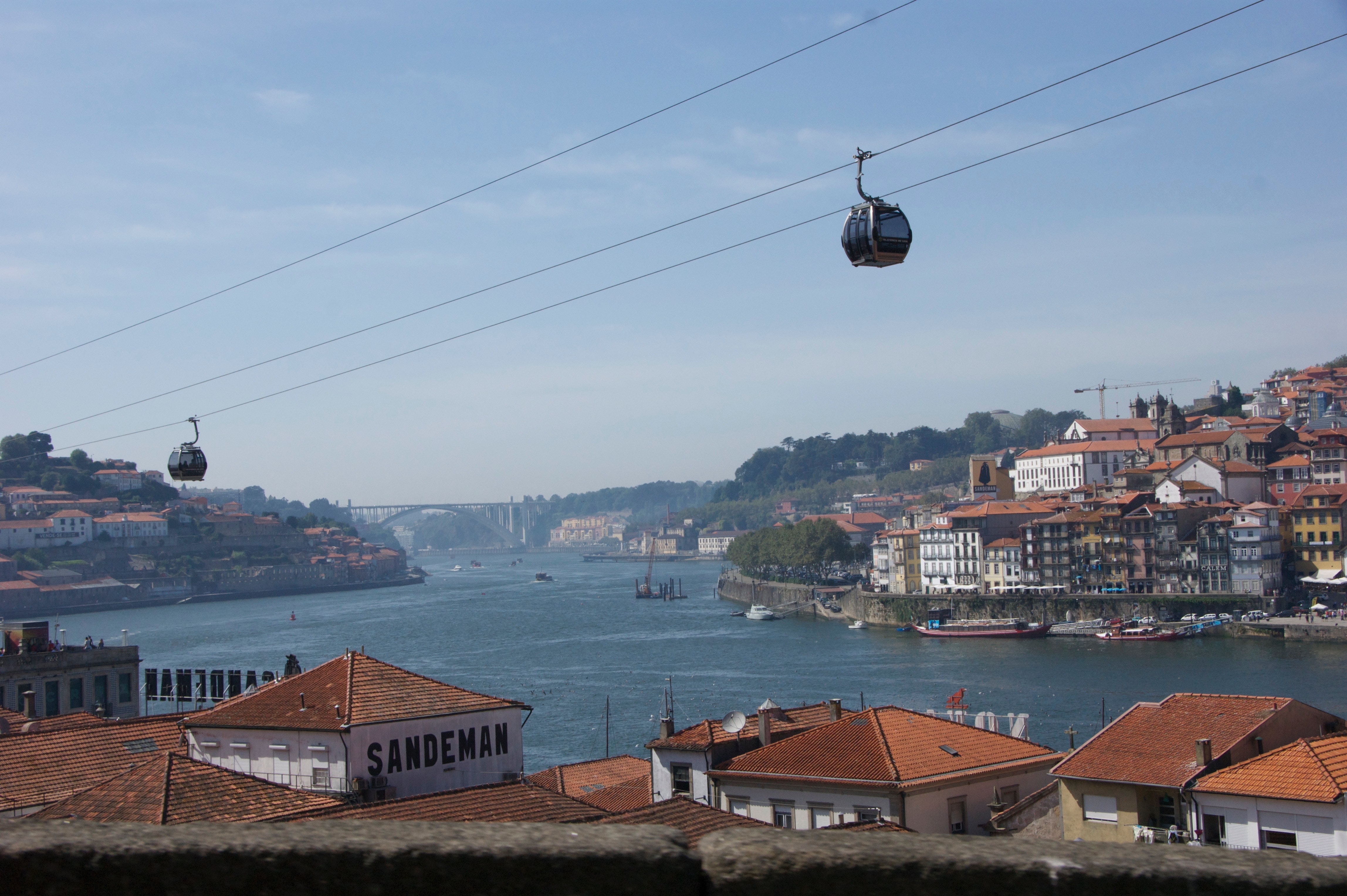
Lively, commercial Oporto is the second largest city in Portugal after Lisbon. Also called Porto for short, the word easily brings to mind the city’s most famous product – port wine. Oporto’s strategic location on the north bank of the Douro River has accounted for the town’s importance since ancient times. The Romans built a fort here where their trading route crossed the Douro, and the Moors brought their own culture to the area. Oporto profited from provisioning crusaders en route to the Holy Land and enjoyed the riches from Portuguese maritime discoveries during the 15th and 16th centuries. Later, port wine trade with Britain compensated for the loss of the spice trade and the end of gold and gem shipments from Brazil. In the 19th century, the city went through a period of new prosperity with the rise of industries. In its wake followed the building of workers’ quarters and opulent residences. Since the declaration of Oporto as a World Heritage Site by UNESCO, the city aims to build up a cultural reference that will provide it with a new image, based on deep historical roots. Among the attractions that make Oporto such an interesting place are its graceful bridges spanning the Douro River, a picturesque riverfront quarter and, most notable, its world-famous port wine lodges. Although Oporto is a bustling centre and home to many different businesses, the source of its greatest fame is the rich, sweet fortified red wine we know as port.
Entre-os-Rios, Portugal
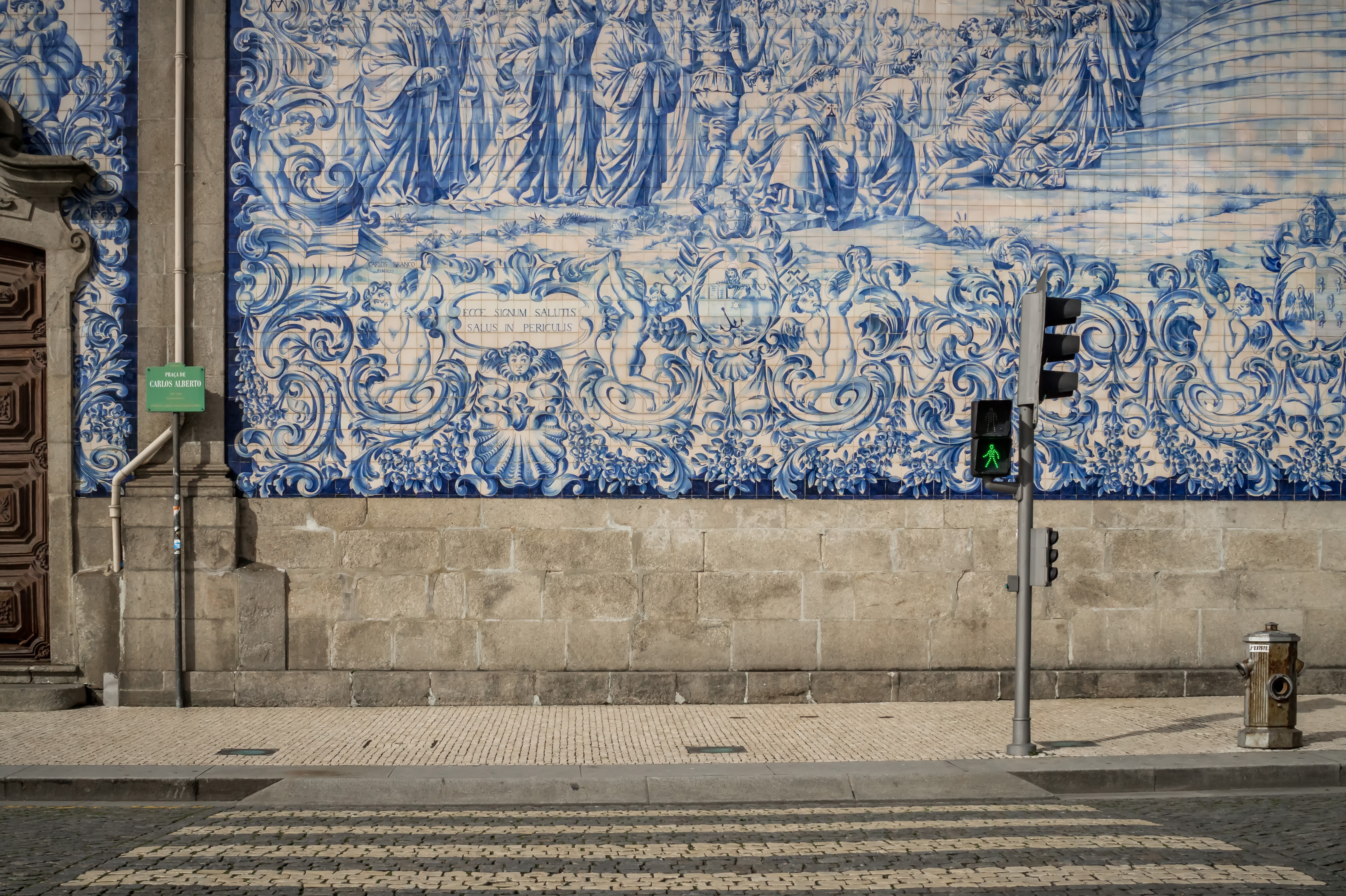
Wake in the city of Porto, a 2,000-year-old city that lent its name to the nation of Portugal. And while it is awash in history, it has a youthful vibe. Porto showcases sensory delights, streets are lined with restaurants showcasing local delicacies and historical buildings are decorated with intricate colourful tiles.
Scenic Freechoice:
Explore the region with one of this morning’s Scenic Freechoice excursions:
Guided tour of Porto: Discover the rich culture and history of Porto on this guided tour, which includes a visit to the iconic Palácio da Bolsa.
Active tour of Porto including cable car: Travel from Porto to Gaia (or Vila Nova de Gaia) where you’ll take a cable car ride to the Dom Luis bridge, which crosses the Douro River. Walk across the bridge towards Porto Cathedral, São Bento railway station, and the bustling street of Rua das Flores.
Decorative blue tiles are synonymous with Portugal and this afternoon you will learn about their history while creating a masterpiece of your own during a tile painting workshop.
Régua, Portugal
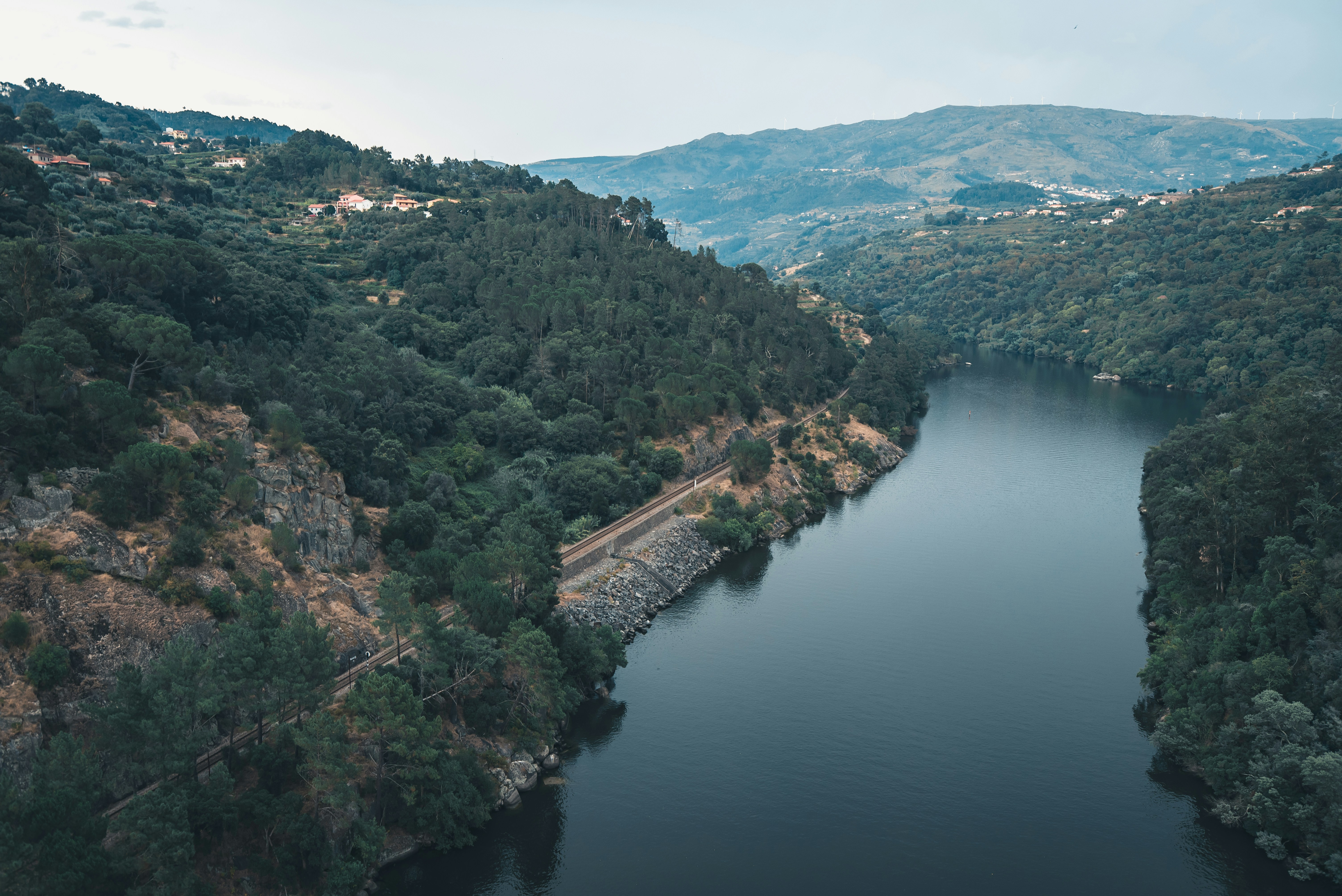
Your first port of call along the Douro is the quaint village of Entre-os-Rios. From here, you will set out to explore the verdant Douro Valley, with options to enjoy a hike, sample local wines, or visit a city known as the ‘cradle of Portugal’.
Scenic Freechoice:
Choose from one of today’s Scenic Freechoice excursions:
Paiva Walkways: Explore nature at its finest on an active hike along the Paiva River.
Quinta da Aveleda: Explore the fairytale-like property of Quinta Aveleda, a renowned wine producer set on an impressive estate.
Excursion to Guimarães: Visit the well-preserved World Heritage-listed city and explore the palace, which dates to the 15th century, and is home to a historic collection of tapestries, furniture, weapons and more.
Relax on board this afternoon as you cruise to Regua, the largest of the riverside towns. This region is famous for producing Port wine, with rolling vineyards on the terraced hillsides and wineries dating to the 18th century. This afternoon enjoy a visit to the excellent Douro Museum.
Régua, Portugal
Scenic Freechoice:
Choose how you wish to spend the morning with the following Scenic Freechoice excursions:
Visit Varosa Valley, Tarouca & Ucanha, only with Scenic: Discover the captivating Varosa Valley and visit the charming village of São João de Tarouca where you’ll explore the restored Monastery of Saint John of Tarouca. (St John is closed on Monday’s and will be replaced with a visit to Vila Real). Walk the fortified bridge of Ucanha, Portugal’s first toll bridge spanning the Varosa River which was built during the 14th and 15th centuries.
Quinta visit with olive tasting: Visit a Quinta and learn about the production of olive oil at this family run Quinta that has been handed down for 11 generations.
Back on board refuel with a delicious lunch before exploring the region further with a selection from the following Scenic Freechoice activities.
Excursion to Lamego: Take a coach to the town of Lamego, nestled among terraced vineyards that were the first to produce world-famous port wine. The city prospered in the 18th century and is a fascinating place to wander, with its many fine Baroque structures. Start your tour at the stunning Sanctuary of Our Lady of Remedies, standing gracefully overlooking the town. The front of the Sanctuary is lined by a zigzagged staircase decorated in traditional blue and white tiled mosaics leading down to the town centre. If you are feeling active walk down the staircase or journey down via coach before some tasting some local produce at a nearby Bodega before enjoying some free time to explore the town.
Mateus Palace: Transfer by coach to Mateus Palace, considered one of the best examples of Baroque civil architecture in Portugal.
Port Wine Blending Class: Visit Quinta de Pacheca and take a hands-on workshop on the Port blending process.
Vega de Terrón, Spain
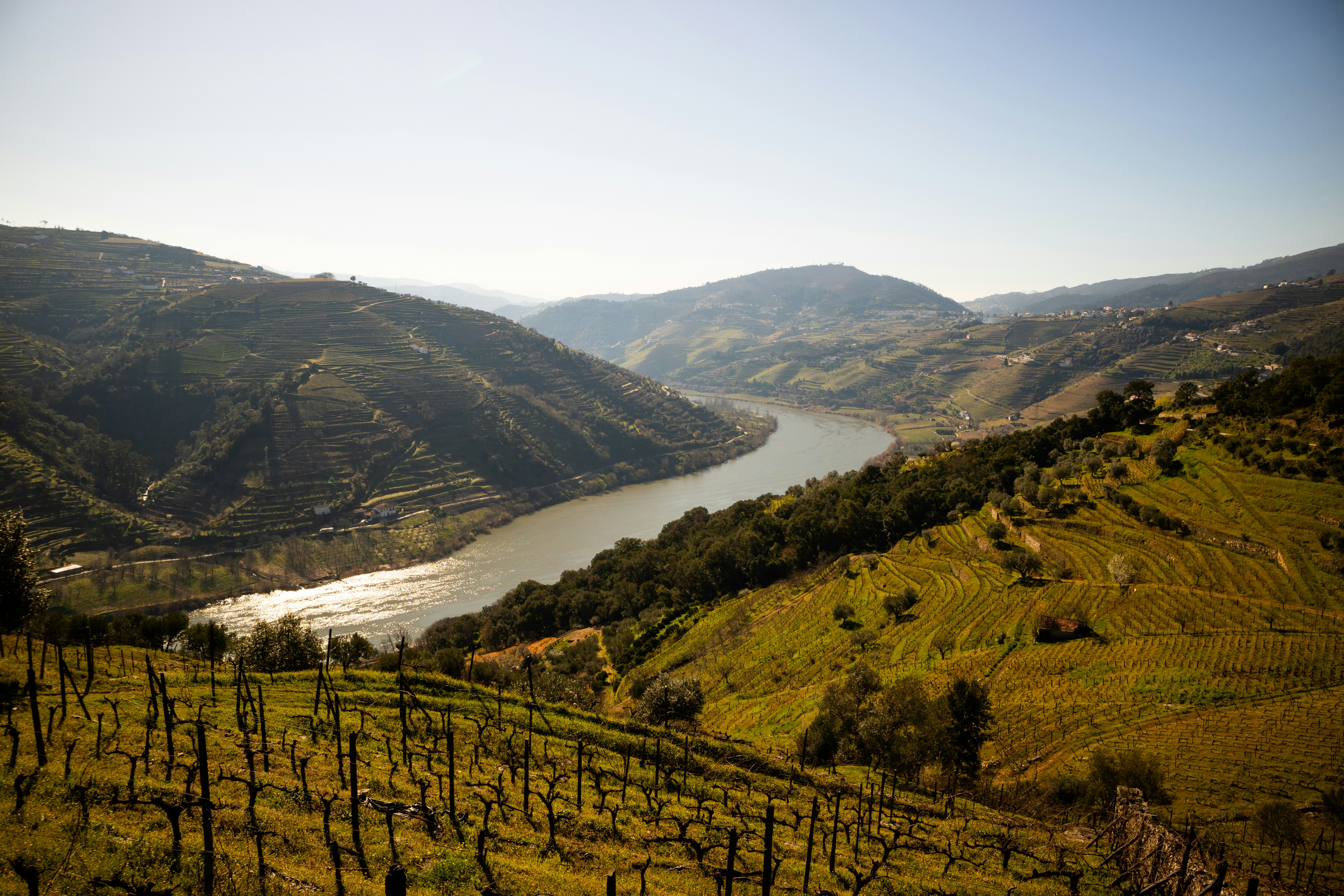
Take things slowly today as you enjoy a relaxed cruise through the spectacular Vinhateiro wine growing region. Terraced vineyards line the sides of the Douro Valley, dotted with traditional red-roofed farmhouses and tiny villages. Vinhateiro was the first demarcated wine region in the world, established in 1756, and the whole area is World Heritage listed. Arrive in Vega de Terrón this evening.
Pocinho, Portugal
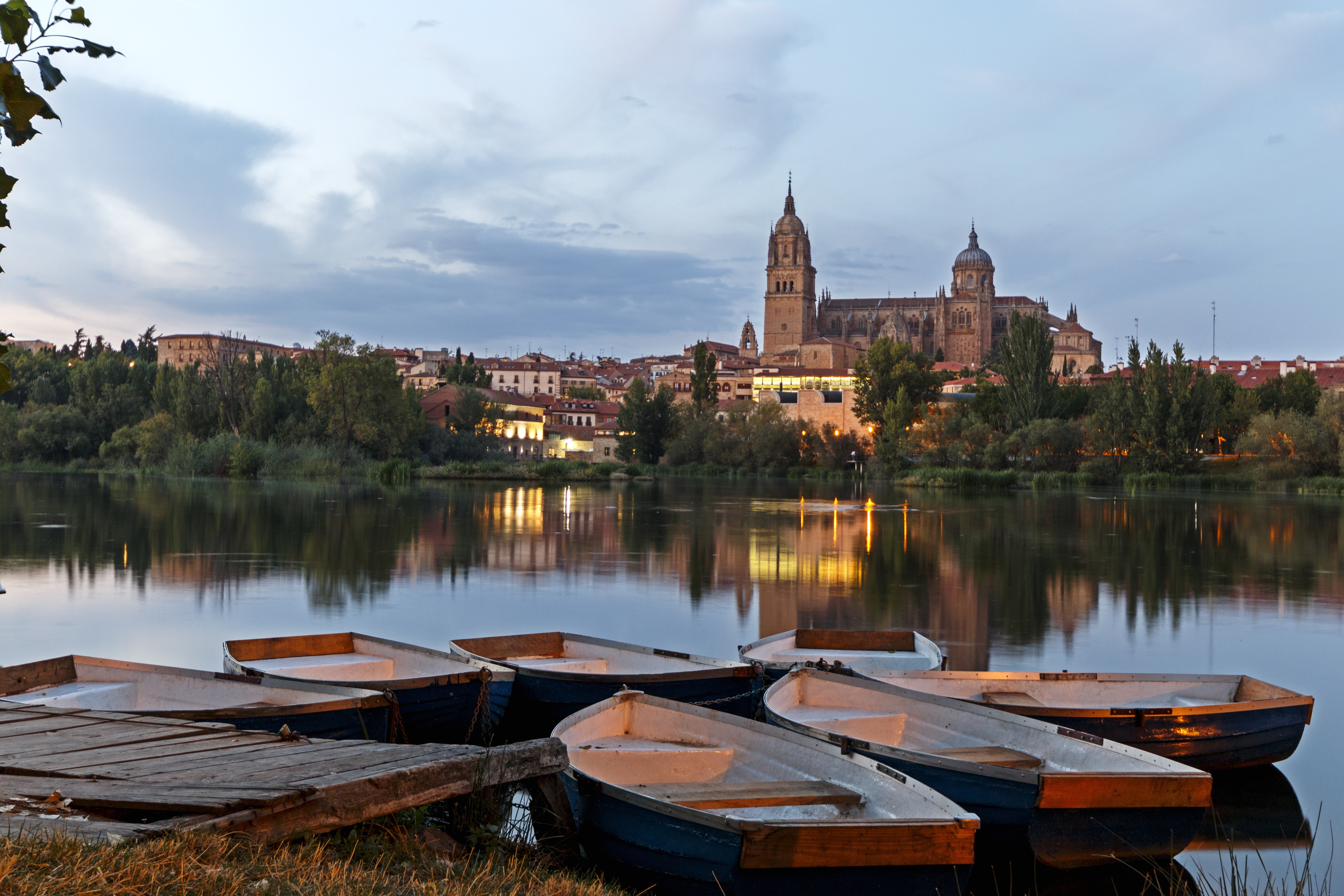
Wake this morning in the city of Vega de Terrón, located on the border of Portugal and Spain and at the confluence of the Douro and Águeda rivers. This small town remains beautifully unspoiled, with quiet streets, lush landscapes and welcoming locals. It’s a popular gateway to the university town of Salamanca, which you will have the opportunity to explore today.
Scenic Freechoice:
Explore your way with one of today’s Scenic Freechoice excursions:
Salamanca Full Day Excursion: Salamanca is home to two cathedrals, one dating back to the 12th century and the other to the 16th century, which you will see on today’s guided tour. You will also visit a market to taste local delicacies and you’ll have free time to explore and enjoy lunch at your leisure.
Visit the village of Freixo de Espada à Cinta: A town with a curious name that translates to ‘ash tree girded with sword’. Legend has it the Dinis King of Portugal founded the town in the 14th century, then tied his sword to an ash tree before having a rest, hence the unusual name. The town is also the only place in Portugal where handcrafted silk is still processed entirely by hand, and on this guided tour you will visit the local silk museum to gain a better understanding of this local tradition before visiting a local Quinta (estate) for some tasting of regional produce. After this excursion you will return to the ship for lunch.
Pinhão, Portugal
Wake in the village of Pocinho, established as the terminus of the Douro Railway in 1887, a great location to explore more of the Douro Valley.
Scenic Freechoice:
Explore your way with one of this morning’s Scenic Freechoice excursions:
Côa Valley Museum: Transfer by coach to the Côa Valley Museum, the largest open-air Paleolithic rock art site in the world. Opened in 2010, this museum is one of the largest in Portugal and is a contemporary building designed to blend into the landscape. The museum is a great introduction to the region’s paleolithic rock art sites through artefacts and digital technology; on your visit you’ll enjoy a pre-historic workshop.
Village life in the Côa Valley: Visit the small village of Freixo Numão, a traditional village that has been lived in for centuries. Learn about local life before visiting Casa Painova estate, see the family home and enjoy a demonstration on how sugared almonds are produced. Learn how these nuts are harvested and used in desserts and pastries. Enjoy a tasting of almonds and local products.
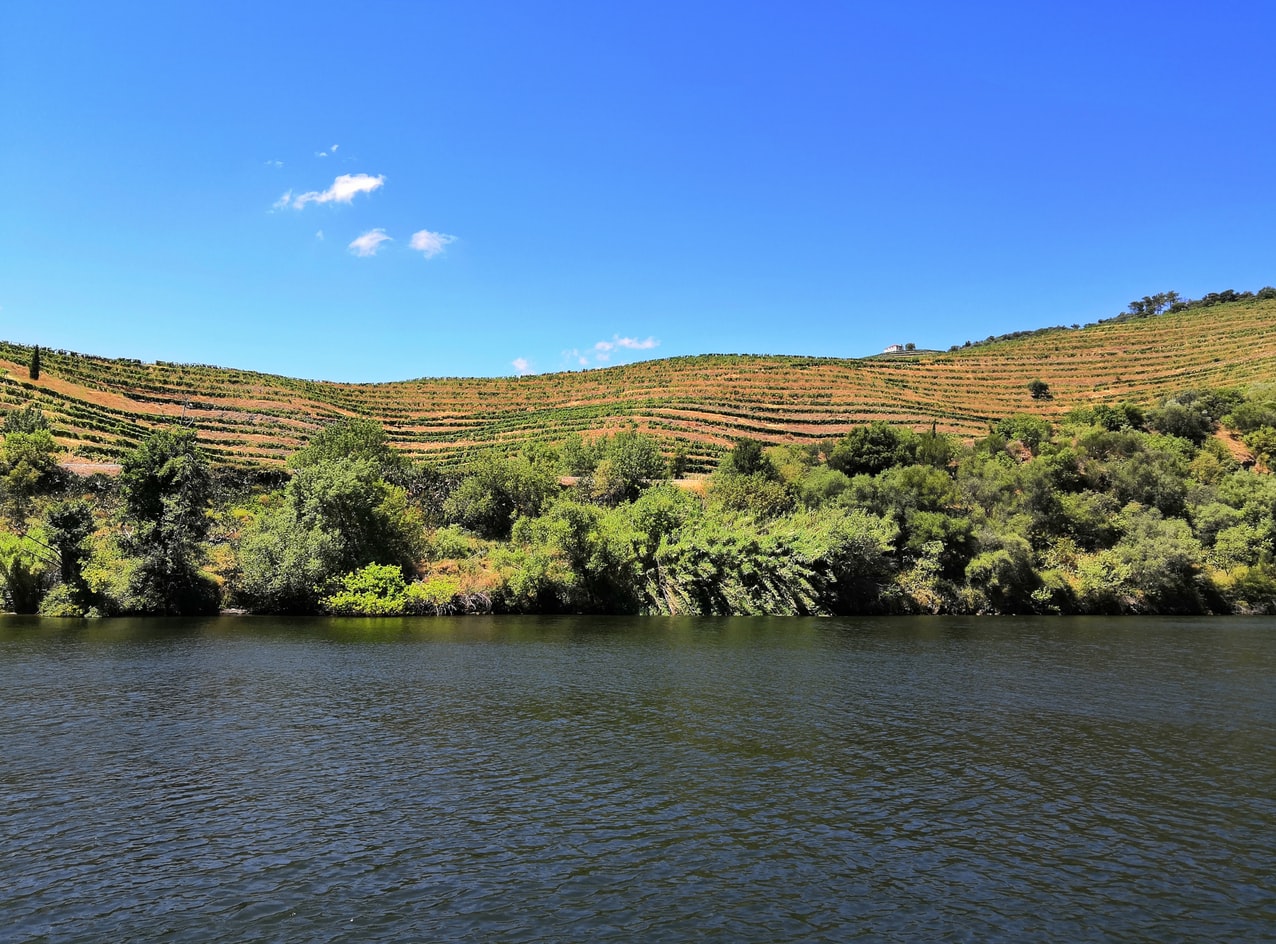
This afternoon, relax as you cruise towards Pinhão.
Porto, Portugal
Lively, commercial Oporto is the second largest city in Portugal after Lisbon. Also called Porto for short, the word easily brings to mind the city’s most famous product – port wine. Oporto’s strategic location on the north bank of the Douro River has accounted for the town’s importance since ancient times. The Romans built a fort here where their trading route crossed the Douro, and the Moors brought their own culture to the area. Oporto profited from provisioning crusaders en route to the Holy Land and enjoyed the riches from Portuguese maritime discoveries during the 15th and 16th centuries. Later, port wine trade with Britain compensated for the loss of the spice trade and the end of gold and gem shipments from Brazil. In the 19th century, the city went through a period of new prosperity with the rise of industries. In its wake followed the building of workers’ quarters and opulent residences. Since the declaration of Oporto as a World Heritage Site by UNESCO, the city aims to build up a cultural reference that will provide it with a new image, based on deep historical roots. Among the attractions that make Oporto such an interesting place are its graceful bridges spanning the Douro River, a picturesque riverfront quarter and, most notable, its world-famous port wine lodges. Although Oporto is a bustling centre and home to many different businesses, the source of its greatest fame is the rich, sweet fortified red wine we know as port.
Entre-os-Rios, Portugal
Wake in the city of Porto, a 2,000-year-old city that lent its name to the nation of Portugal. And while it is awash in history, it has a youthful vibe. Porto showcases sensory delights, streets are lined with restaurants showcasing local delicacies and historical buildings are decorated with intricate colourful tiles.
Scenic Freechoice:
Explore the region with one of this morning’s Scenic Freechoice excursions:
Guided tour of Porto: Discover the rich culture and history of Porto on this guided tour, which includes a visit to the iconic Palácio da Bolsa.
Active tour of Porto including cable car: Travel from Porto to Gaia (or Vila Nova de Gaia) where you’ll take a cable car ride to the Dom Luis bridge, which crosses the Douro River. Walk across the bridge towards Porto Cathedral, São Bento railway station, and the bustling street of Rua das Flores.
Decorative blue tiles are synonymous with Portugal and this afternoon you will learn about their history while creating a masterpiece of your own during a tile painting workshop.
Régua, Portugal
Your first port of call along the Douro is the quaint village of Entre-os-Rios. From here, you will set out to explore the verdant Douro Valley, with options to enjoy a hike, sample local wines, or visit a city known as the ‘cradle of Portugal’.
Scenic Freechoice:
Choose from one of today’s Scenic Freechoice excursions:
Paiva Walkways: Explore nature at its finest on an active hike along the Paiva River.
Quinta da Aveleda: Explore the fairytale-like property of Quinta Aveleda, a renowned wine producer set on an impressive estate.
Excursion to Guimarães: Visit the well-preserved World Heritage-listed city and explore the palace, which dates to the 15th century, and is home to a historic collection of tapestries, furniture, weapons and more.
Relax on board this afternoon as you cruise to Regua, the largest of the riverside towns. This region is famous for producing Port wine, with rolling vineyards on the terraced hillsides and wineries dating to the 18th century. This afternoon enjoy a visit to the excellent Douro Museum.
Régua, Portugal
Scenic Freechoice:
Choose how you wish to spend the morning with the following Scenic Freechoice excursions:
Visit Varosa Valley, Tarouca & Ucanha, only with Scenic: Discover the captivating Varosa Valley and visit the charming village of São João de Tarouca where you’ll explore the restored Monastery of Saint John of Tarouca. (St John is closed on Monday’s and will be replaced with a visit to Vila Real). Walk the fortified bridge of Ucanha, Portugal’s first toll bridge spanning the Varosa River which was built during the 14th and 15th centuries.
Quinta visit with olive tasting: Visit a Quinta and learn about the production of olive oil at this family run Quinta that has been handed down for 11 generations.
Back on board refuel with a delicious lunch before exploring the region further with a selection from the following Scenic Freechoice activities.
Excursion to Lamego: Take a coach to the town of Lamego, nestled among terraced vineyards that were the first to produce world-famous port wine. The city prospered in the 18th century and is a fascinating place to wander, with its many fine Baroque structures. Start your tour at the stunning Sanctuary of Our Lady of Remedies, standing gracefully overlooking the town. The front of the Sanctuary is lined by a zigzagged staircase decorated in traditional blue and white tiled mosaics leading down to the town centre. If you are feeling active walk down the staircase or journey down via coach before some tasting some local produce at a nearby Bodega before enjoying some free time to explore the town.
Mateus Palace: Transfer by coach to Mateus Palace, considered one of the best examples of Baroque civil architecture in Portugal.
Port Wine Blending Class: Visit Quinta de Pacheca and take a hands-on workshop on the Port blending process.
Vega de Terrón, Spain
Take things slowly today as you enjoy a relaxed cruise through the spectacular Vinhateiro wine growing region. Terraced vineyards line the sides of the Douro Valley, dotted with traditional red-roofed farmhouses and tiny villages. Vinhateiro was the first demarcated wine region in the world, established in 1756, and the whole area is World Heritage listed. Arrive in Vega de Terrón this evening.
Pocinho, Portugal
Wake this morning in the city of Vega de Terrón, located on the border of Portugal and Spain and at the confluence of the Douro and Águeda rivers. This small town remains beautifully unspoiled, with quiet streets, lush landscapes and welcoming locals. It’s a popular gateway to the university town of Salamanca, which you will have the opportunity to explore today.
Scenic Freechoice:
Explore your way with one of today’s Scenic Freechoice excursions:
Salamanca Full Day Excursion: Salamanca is home to two cathedrals, one dating back to the 12th century and the other to the 16th century, which you will see on today’s guided tour. You will also visit a market to taste local delicacies and you’ll have free time to explore and enjoy lunch at your leisure.
Visit the village of Freixo de Espada à Cinta: A town with a curious name that translates to ‘ash tree girded with sword’. Legend has it the Dinis King of Portugal founded the town in the 14th century, then tied his sword to an ash tree before having a rest, hence the unusual name. The town is also the only place in Portugal where handcrafted silk is still processed entirely by hand, and on this guided tour you will visit the local silk museum to gain a better understanding of this local tradition before visiting a local Quinta (estate) for some tasting of regional produce. After this excursion you will return to the ship for lunch.
Pinhão, Portugal
Wake in the village of Pocinho, established as the terminus of the Douro Railway in 1887, a great location to explore more of the Douro Valley.
Scenic Freechoice:
Explore your way with one of this morning’s Scenic Freechoice excursions:
Côa Valley Museum: Transfer by coach to the Côa Valley Museum, the largest open-air Paleolithic rock art site in the world. Opened in 2010, this museum is one of the largest in Portugal and is a contemporary building designed to blend into the landscape. The museum is a great introduction to the region’s paleolithic rock art sites through artefacts and digital technology; on your visit you’ll enjoy a pre-historic workshop.
Village life in the Côa Valley: Visit the small village of Freixo Numão, a traditional village that has been lived in for centuries. Learn about local life before visiting Casa Painova estate, see the family home and enjoy a demonstration on how sugared almonds are produced. Learn how these nuts are harvested and used in desserts and pastries. Enjoy a tasting of almonds and local products.
This afternoon, relax as you cruise towards Pinhão.
Pinhão, Portugal
Wake this morning in Pinhão, set on one of the prettiest parts of the Douro River. This small village is surrounded by terraced vineyards and produces exceptional Port wine.
This morning, transfer to the charming village of Provesende, located on a plateau with spectacular views of the region’s fertile rolling landscape. Wander through the village and visit the church, discover the old bakery, witness traditional handicraft being made, and look inside the historic manor house, Morgadio da Calçada, where you’ll enjoy a tasting of delicious bola.
Scenic Freechoice:
Choose one of this afternoon’s Scenic Freechoice activities:
Kayaking along the Pinhão River: Explore this beautiful region as you glide past impressive landscapes via kayak on the Pinhão River, a tributary of the Douro.
Quinta vineyard hike: Take a guided hike through the breathtaking vineyards of Quinta da Roêda in the Douro Valley.
Quinta tasting: Visit Quinta da Roêda estate for a tasting of the region’s most famous export. On a guided walking tour, you’ll learn the secrets of the vineyard.
Porto, Portugal
Lively, commercial Oporto is the second largest city in Portugal after Lisbon. Also called Porto for short, the word easily brings to mind the city’s most famous product – port wine. Oporto’s strategic location on the north bank of the Douro River has accounted for the town’s importance since ancient times. The Romans built a fort here where their trading route crossed the Douro, and the Moors brought their own culture to the area. Oporto profited from provisioning crusaders en route to the Holy Land and enjoyed the riches from Portuguese maritime discoveries during the 15th and 16th centuries. Later, port wine trade with Britain compensated for the loss of the spice trade and the end of gold and gem shipments from Brazil. In the 19th century, the city went through a period of new prosperity with the rise of industries. In its wake followed the building of workers’ quarters and opulent residences. Since the declaration of Oporto as a World Heritage Site by UNESCO, the city aims to build up a cultural reference that will provide it with a new image, based on deep historical roots. Among the attractions that make Oporto such an interesting place are its graceful bridges spanning the Douro River, a picturesque riverfront quarter and, most notable, its world-famous port wine lodges. Although Oporto is a bustling centre and home to many different businesses, the source of its greatest fame is the rich, sweet fortified red wine we know as port.
Porto, Portugal
Lively, commercial Oporto is the second largest city in Portugal after Lisbon. Also called Porto for short, the word easily brings to mind the city’s most famous product – port wine. Oporto’s strategic location on the north bank of the Douro River has accounted for the town’s importance since ancient times. The Romans built a fort here where their trading route crossed the Douro, and the Moors brought their own culture to the area. Oporto profited from provisioning crusaders en route to the Holy Land and enjoyed the riches from Portuguese maritime discoveries during the 15th and 16th centuries. Later, port wine trade with Britain compensated for the loss of the spice trade and the end of gold and gem shipments from Brazil. In the 19th century, the city went through a period of new prosperity with the rise of industries. In its wake followed the building of workers’ quarters and opulent residences. Since the declaration of Oporto as a World Heritage Site by UNESCO, the city aims to build up a cultural reference that will provide it with a new image, based on deep historical roots. Among the attractions that make Oporto such an interesting place are its graceful bridges spanning the Douro River, a picturesque riverfront quarter and, most notable, its world-famous port wine lodges. Although Oporto is a bustling centre and home to many different businesses, the source of its greatest fame is the rich, sweet fortified red wine we know as port.
Porto, Portugal
Lively, commercial Oporto is the second largest city in Portugal after Lisbon. Also called Porto for short, the word easily brings to mind the city’s most famous product – port wine. Oporto’s strategic location on the north bank of the Douro River has accounted for the town’s importance since ancient times. The Romans built a fort here where their trading route crossed the Douro, and the Moors brought their own culture to the area. Oporto profited from provisioning crusaders en route to the Holy Land and enjoyed the riches from Portuguese maritime discoveries during the 15th and 16th centuries. Later, port wine trade with Britain compensated for the loss of the spice trade and the end of gold and gem shipments from Brazil. In the 19th century, the city went through a period of new prosperity with the rise of industries. In its wake followed the building of workers’ quarters and opulent residences. Since the declaration of Oporto as a World Heritage Site by UNESCO, the city aims to build up a cultural reference that will provide it with a new image, based on deep historical roots. Among the attractions that make Oporto such an interesting place are its graceful bridges spanning the Douro River, a picturesque riverfront quarter and, most notable, its world-famous port wine lodges. Although Oporto is a bustling centre and home to many different businesses, the source of its greatest fame is the rich, sweet fortified red wine we know as port.
Pinhão, Portugal
Wake this morning in Pinhão, set on one of the prettiest parts of the Douro River. This small village is surrounded by terraced vineyards and produces exceptional Port wine.
This morning, transfer to the charming village of Provesende, located on a plateau with spectacular views of the region’s fertile rolling landscape. Wander through the village and visit the church, discover the old bakery, witness traditional handicraft being made, and look inside the historic manor house, Morgadio da Calçada, where you’ll enjoy a tasting of delicious bola.
Scenic Freechoice:
Choose one of this afternoon’s Scenic Freechoice activities:
Kayaking along the Pinhão River: Explore this beautiful region as you glide past impressive landscapes via kayak on the Pinhão River, a tributary of the Douro.
Quinta vineyard hike: Take a guided hike through the breathtaking vineyards of Quinta da Roêda in the Douro Valley.
Quinta tasting: Visit Quinta da Roêda estate for a tasting of the region’s most famous export. On a guided walking tour, you’ll learn the secrets of the vineyard.
Porto, Portugal
Lively, commercial Oporto is the second largest city in Portugal after Lisbon. Also called Porto for short, the word easily brings to mind the city’s most famous product – port wine. Oporto’s strategic location on the north bank of the Douro River has accounted for the town’s importance since ancient times. The Romans built a fort here where their trading route crossed the Douro, and the Moors brought their own culture to the area. Oporto profited from provisioning crusaders en route to the Holy Land and enjoyed the riches from Portuguese maritime discoveries during the 15th and 16th centuries. Later, port wine trade with Britain compensated for the loss of the spice trade and the end of gold and gem shipments from Brazil. In the 19th century, the city went through a period of new prosperity with the rise of industries. In its wake followed the building of workers’ quarters and opulent residences. Since the declaration of Oporto as a World Heritage Site by UNESCO, the city aims to build up a cultural reference that will provide it with a new image, based on deep historical roots. Among the attractions that make Oporto such an interesting place are its graceful bridges spanning the Douro River, a picturesque riverfront quarter and, most notable, its world-famous port wine lodges. Although Oporto is a bustling centre and home to many different businesses, the source of its greatest fame is the rich, sweet fortified red wine we know as port.
Porto, Portugal
Lively, commercial Oporto is the second largest city in Portugal after Lisbon. Also called Porto for short, the word easily brings to mind the city’s most famous product – port wine. Oporto’s strategic location on the north bank of the Douro River has accounted for the town’s importance since ancient times. The Romans built a fort here where their trading route crossed the Douro, and the Moors brought their own culture to the area. Oporto profited from provisioning crusaders en route to the Holy Land and enjoyed the riches from Portuguese maritime discoveries during the 15th and 16th centuries. Later, port wine trade with Britain compensated for the loss of the spice trade and the end of gold and gem shipments from Brazil. In the 19th century, the city went through a period of new prosperity with the rise of industries. In its wake followed the building of workers’ quarters and opulent residences. Since the declaration of Oporto as a World Heritage Site by UNESCO, the city aims to build up a cultural reference that will provide it with a new image, based on deep historical roots. Among the attractions that make Oporto such an interesting place are its graceful bridges spanning the Douro River, a picturesque riverfront quarter and, most notable, its world-famous port wine lodges. Although Oporto is a bustling centre and home to many different businesses, the source of its greatest fame is the rich, sweet fortified red wine we know as port.
Porto, Portugal
Lively, commercial Oporto is the second largest city in Portugal after Lisbon. Also called Porto for short, the word easily brings to mind the city’s most famous product – port wine. Oporto’s strategic location on the north bank of the Douro River has accounted for the town’s importance since ancient times. The Romans built a fort here where their trading route crossed the Douro, and the Moors brought their own culture to the area. Oporto profited from provisioning crusaders en route to the Holy Land and enjoyed the riches from Portuguese maritime discoveries during the 15th and 16th centuries. Later, port wine trade with Britain compensated for the loss of the spice trade and the end of gold and gem shipments from Brazil. In the 19th century, the city went through a period of new prosperity with the rise of industries. In its wake followed the building of workers’ quarters and opulent residences. Since the declaration of Oporto as a World Heritage Site by UNESCO, the city aims to build up a cultural reference that will provide it with a new image, based on deep historical roots. Among the attractions that make Oporto such an interesting place are its graceful bridges spanning the Douro River, a picturesque riverfront quarter and, most notable, its world-famous port wine lodges. Although Oporto is a bustling centre and home to many different businesses, the source of its greatest fame is the rich, sweet fortified red wine we know as port.
Cabin Options
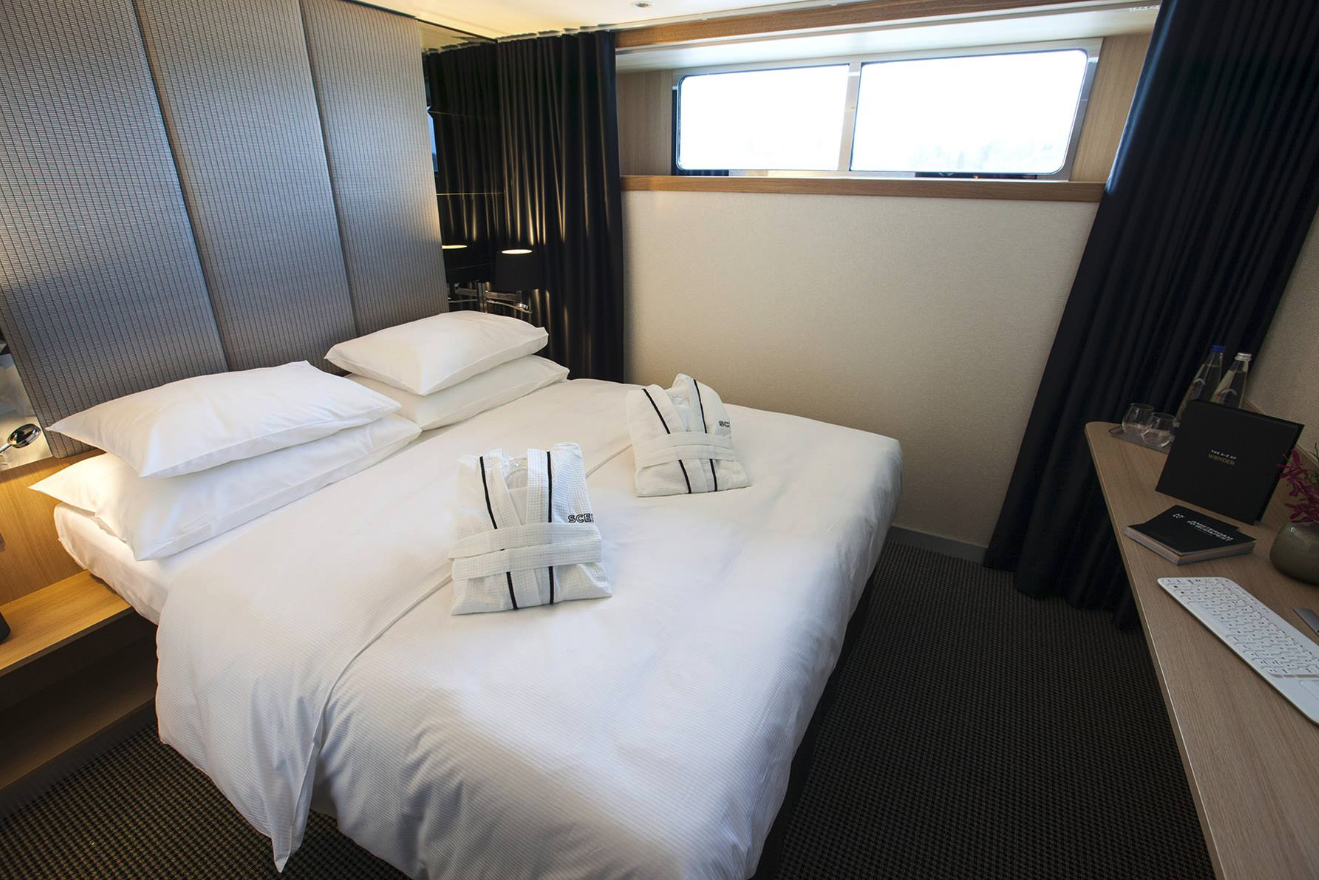
Standard Suite
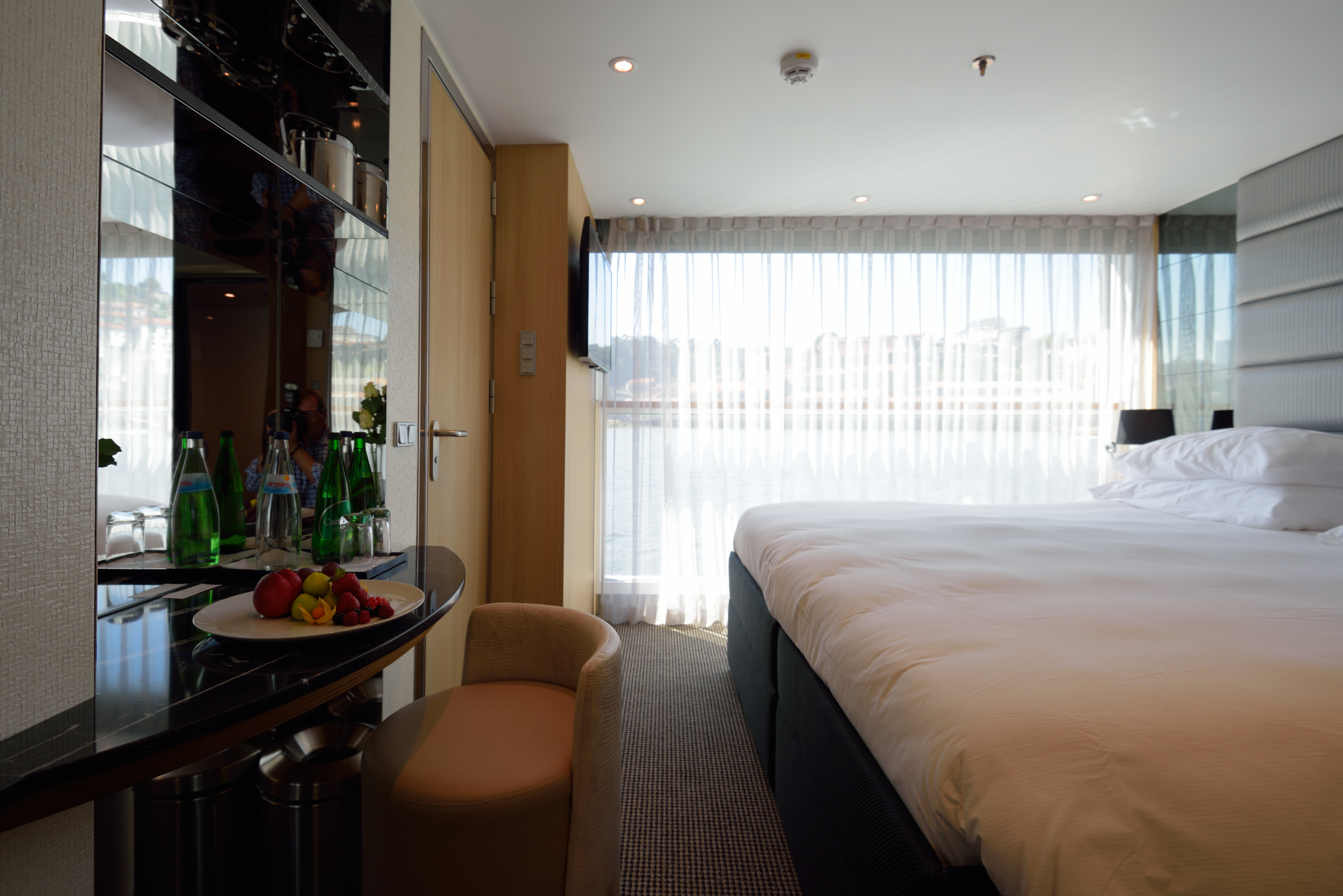
Riverview Suite
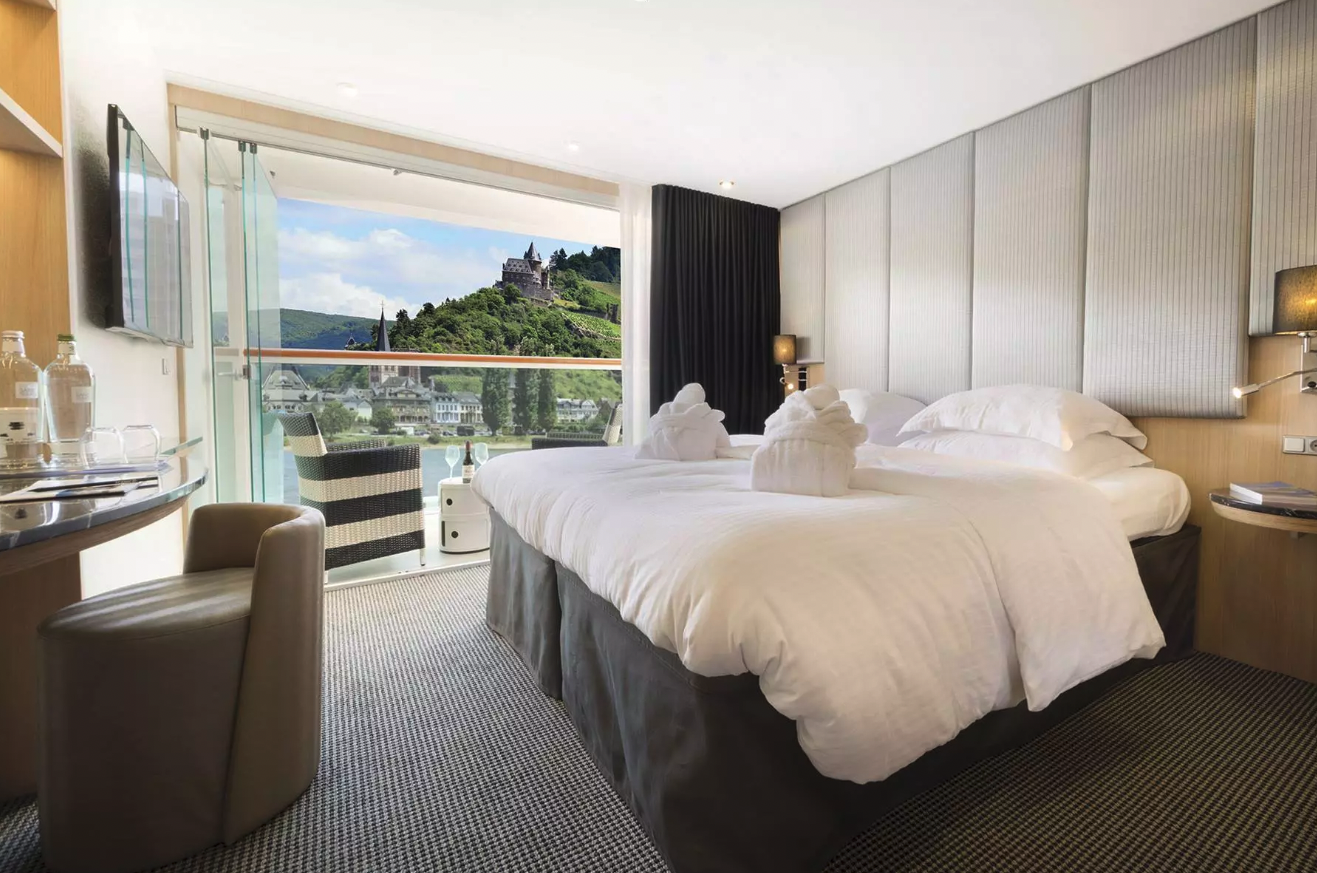
Balcony Suite
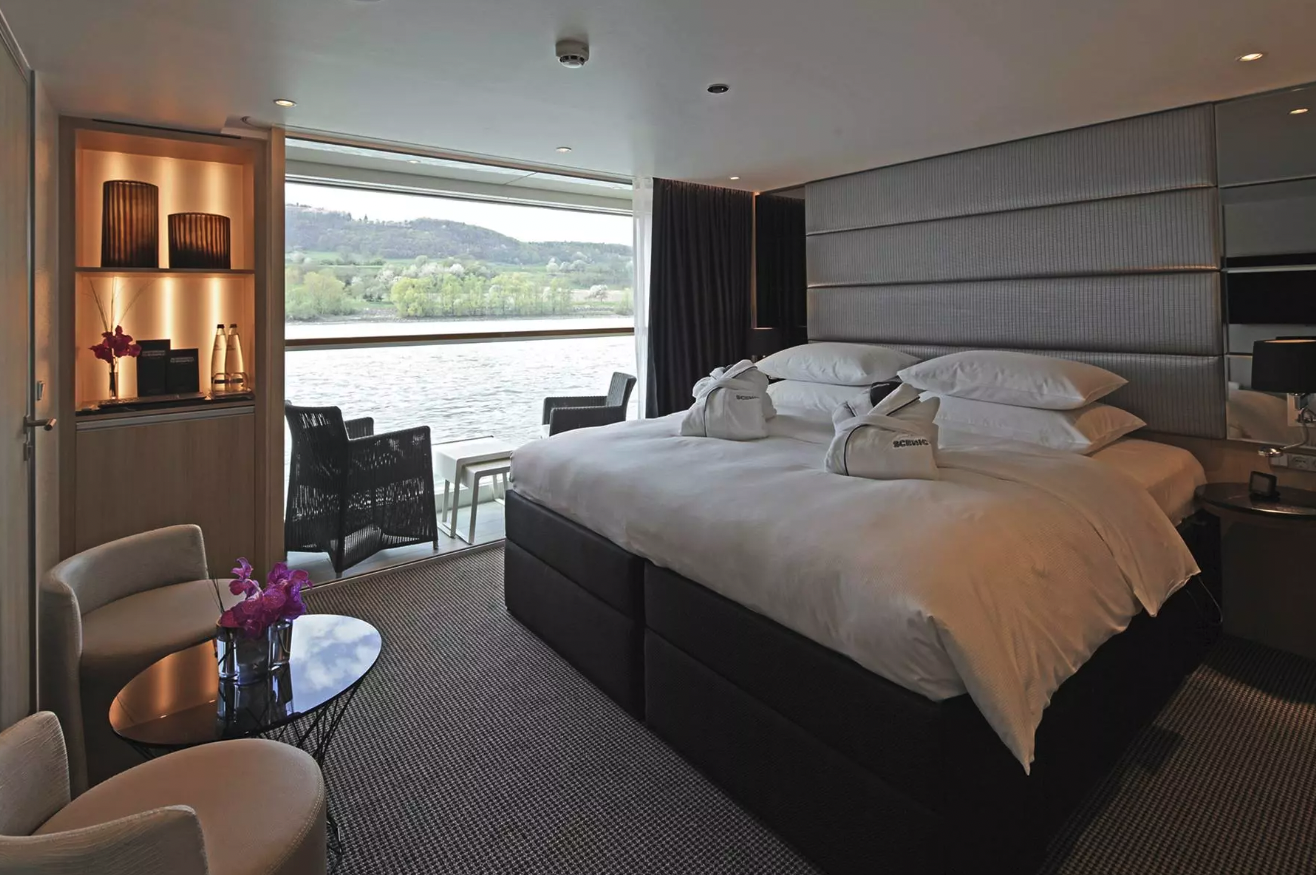
Junior Balcony Suite
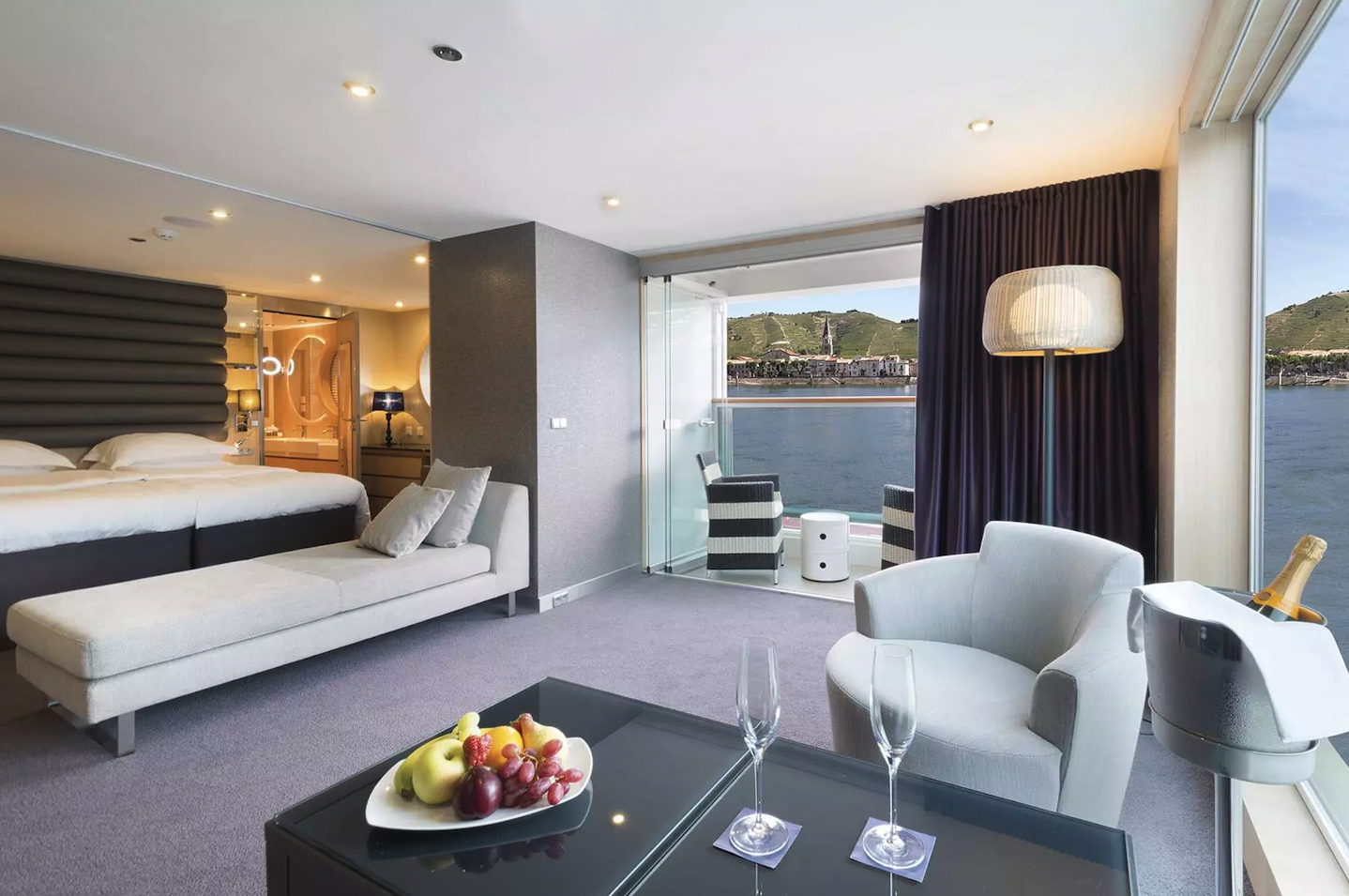
Royal One-Bedroom Suite
Ship Facilities
Crystal Dining
Enjoy à la carte menus for breakfast, lunch and dinner at Crystal Dining. Available on all Europe and South East Asia river cruises, this main restaurant offers a relaxed dining experience with local delicacies.
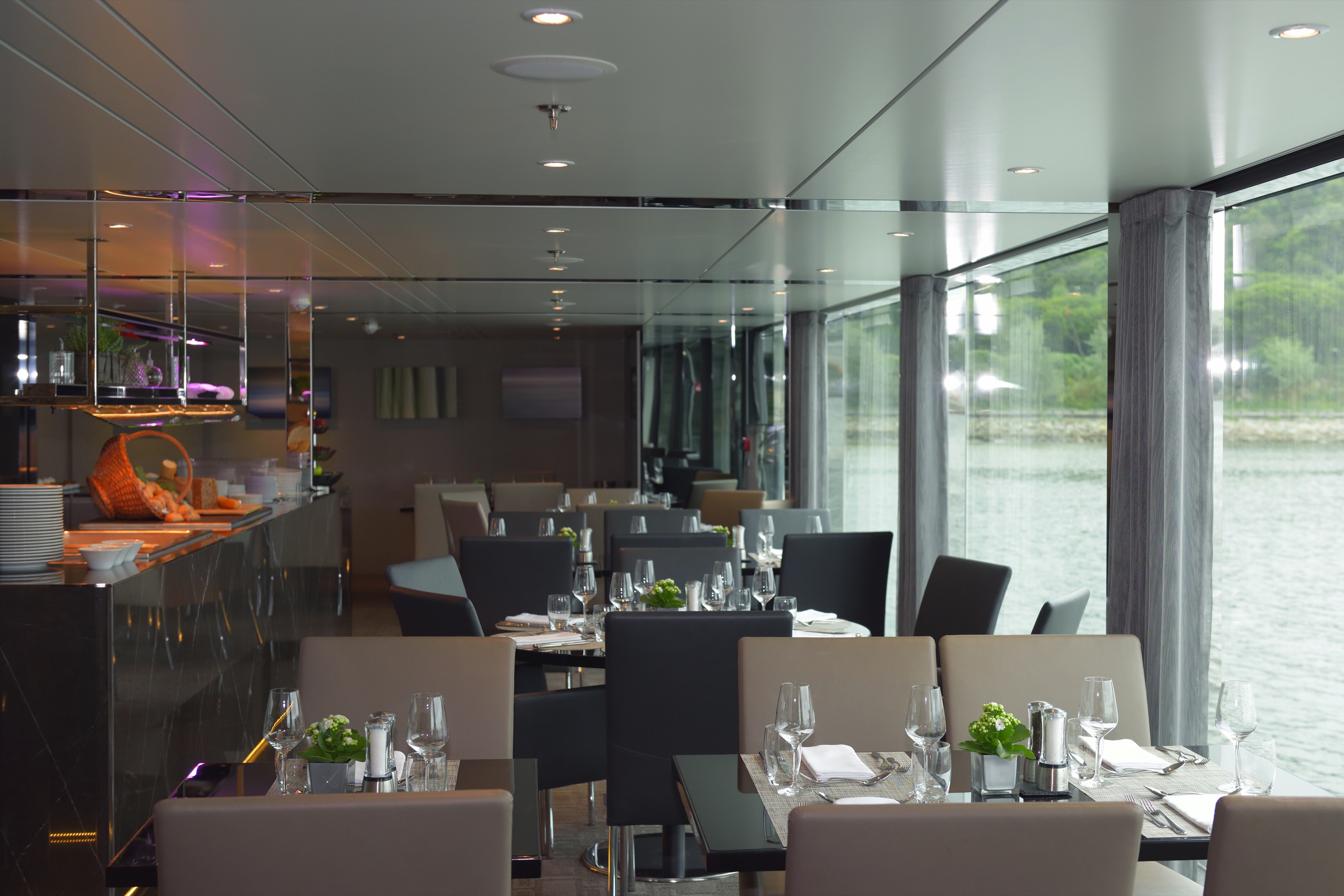
Portobellos
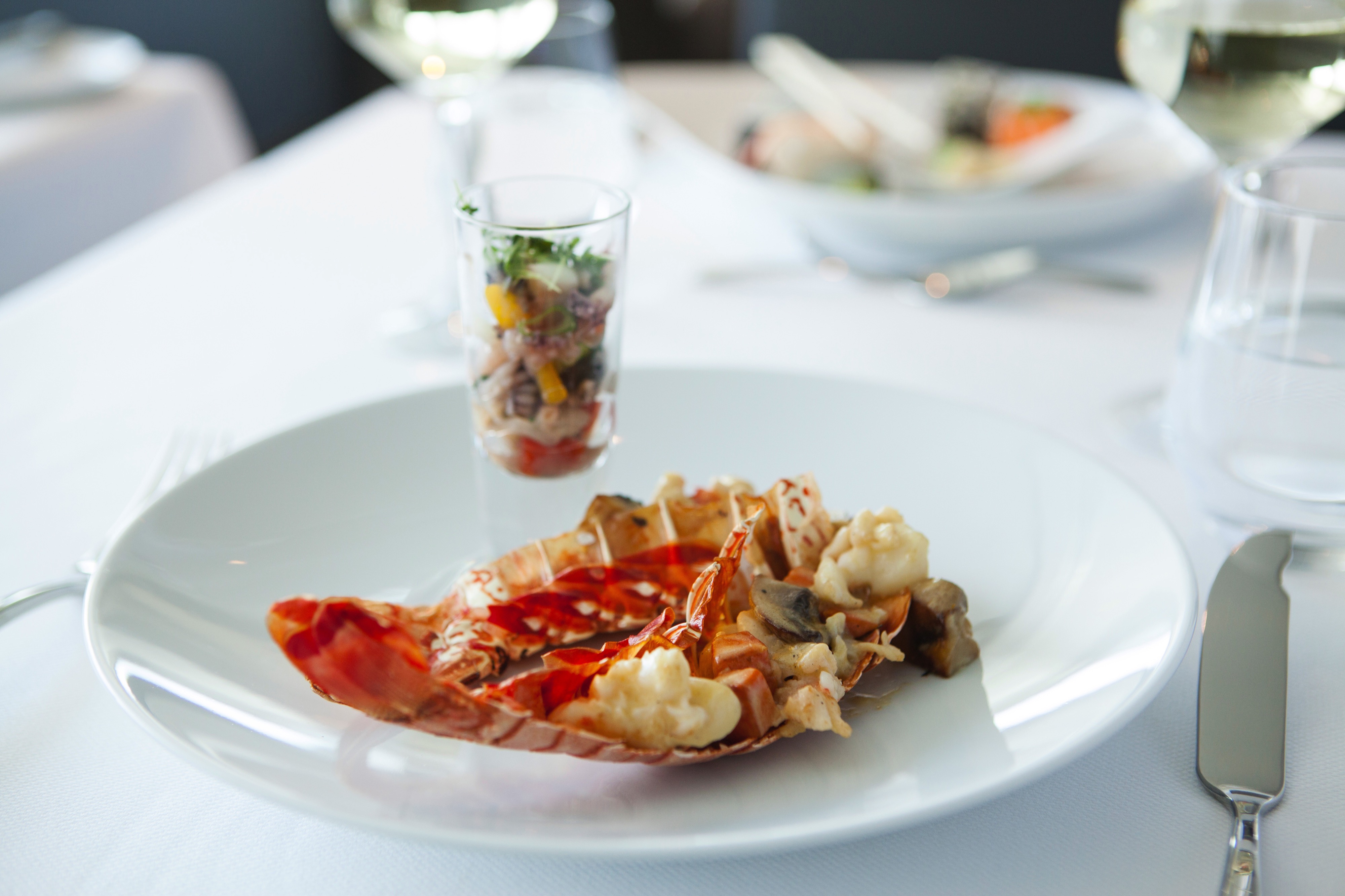
With up to only 32 guests an evening, the exclusive and intimate Portobellos or L’Amour showcase sumptuous regional specialities. The delectable five-course menu features either Italian, French or Portuguese cuisine (depending on your cruise location), paired with elegant wines, and is available on all European river cruises.
River Café
Offering a casual dining experience, you can enjoy all-day grazing options, light snacks and tasty treats to suit your schedule. The River Café is available on all Europe and South East Asia river cruises.

In-Suite Dining
Choose to dine in the comfort of your luxurious suite, while taking in the incredible views and enjoy included room service throughout your cruise.
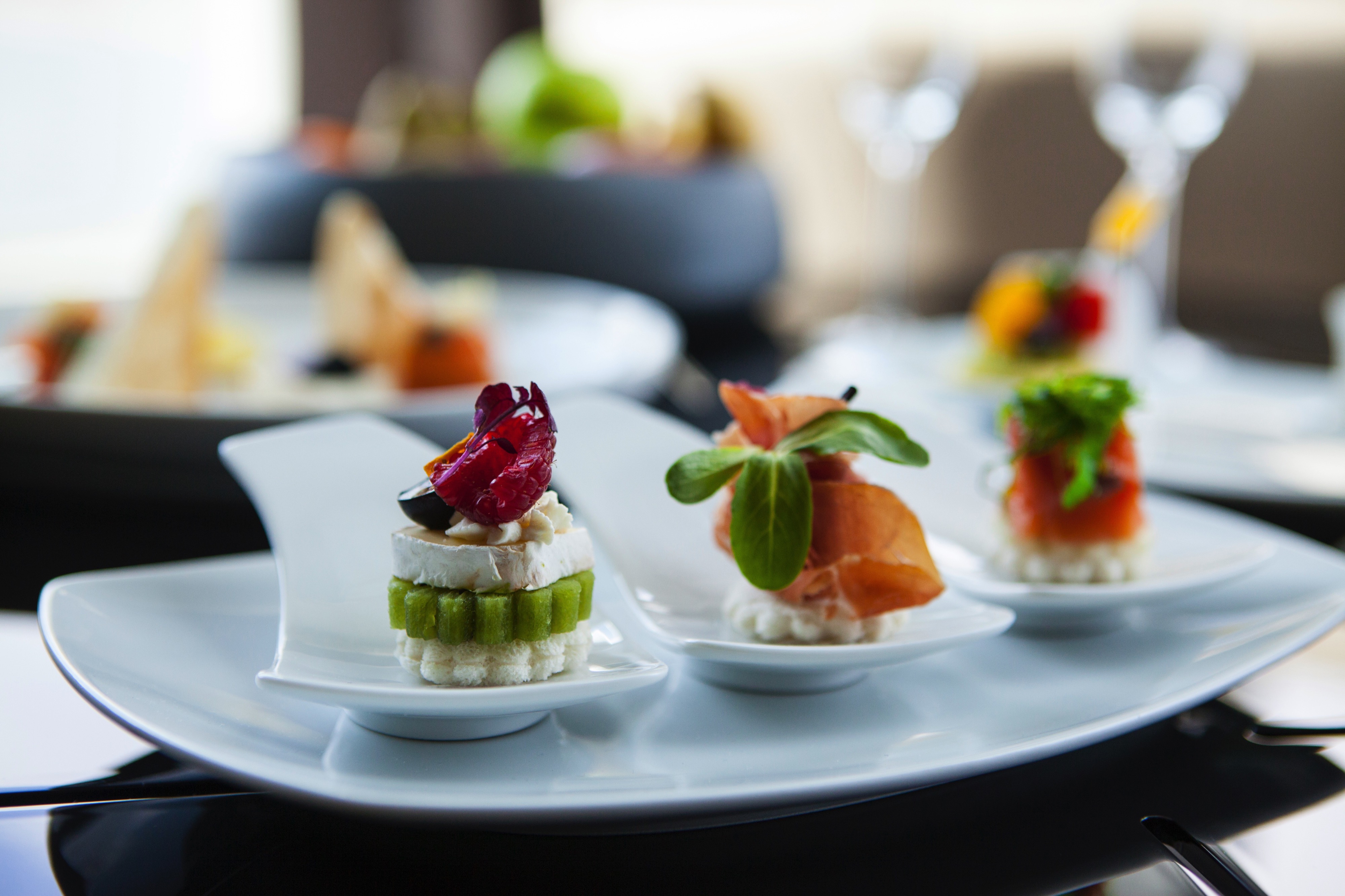
Table d'Or
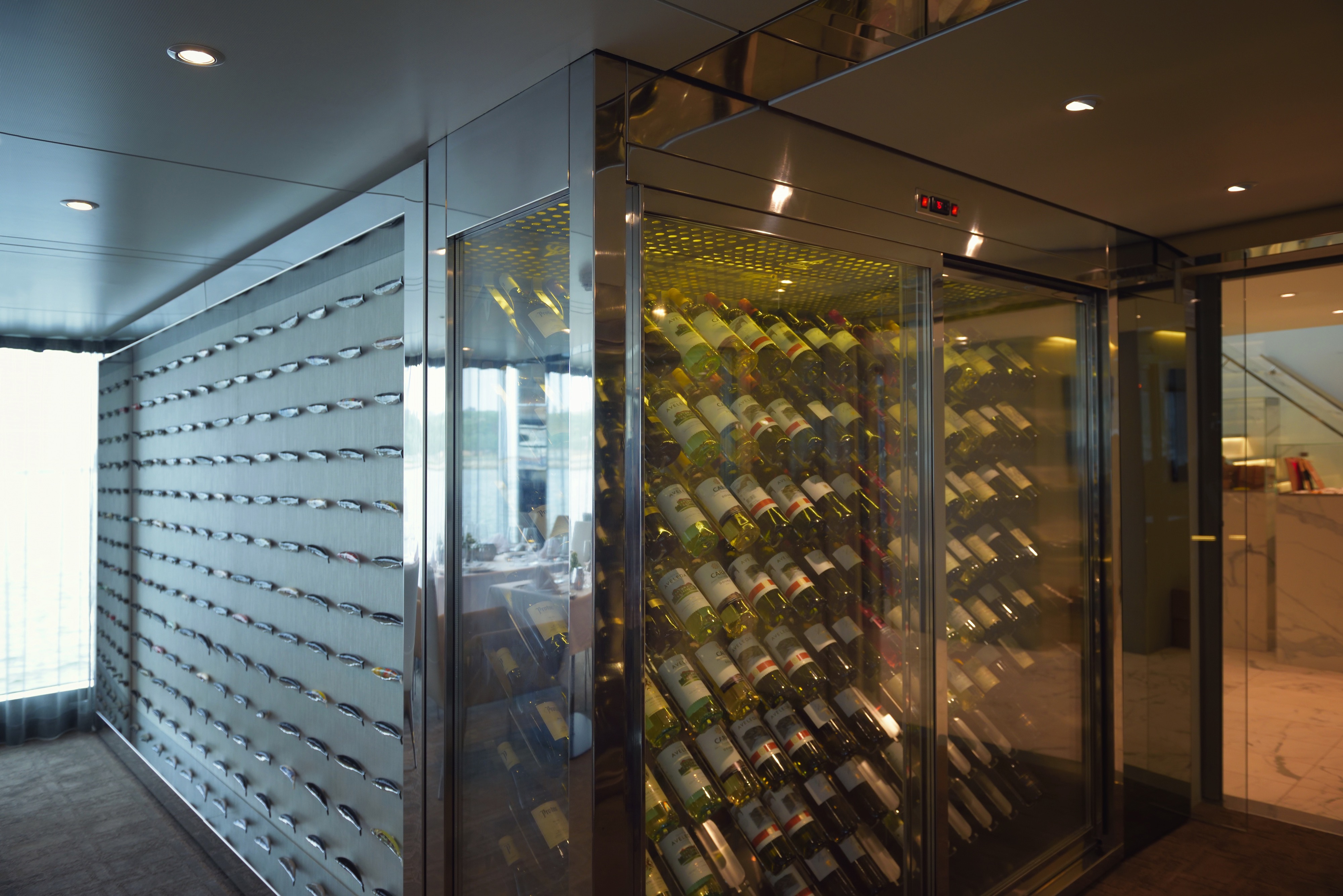
Featuring a six-course degustation, the exclusive Table La Rive on our European river cruises offers an intimate dining experience for only 10 guests per evening. Guests staying on the Diamond Deck for 10 nights or longer, as well as Royal and Junior Suite guests staying for up to nine nights, will be invited by our Executive Chef.
Riverview Terrace
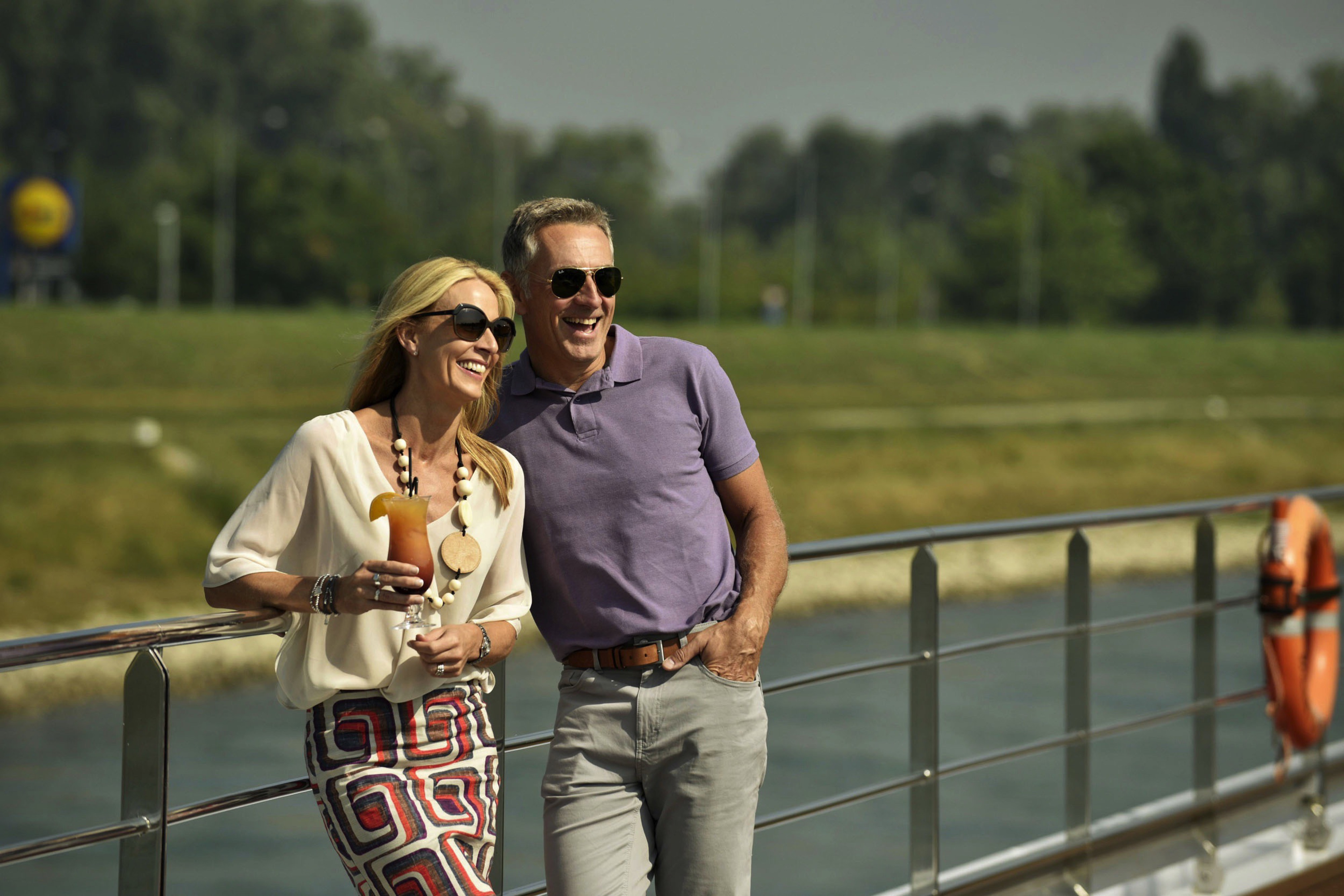
Perfect for light bites or afternoon refreshments, Riverview Terrace is our Sun Deck lounge and bar area, where you can enjoy snacks and drinks during the day. Combined with our all-inclusive service, this is the ideal spot to unwind with a glass of your favourite tipple as the wonders of the Douro drift by.
Complimentary E-bikes
Explore cities onshore on our complimentary e-bikes^+. Keep active and interact with locals as you explore Europe’s countryside.
Experience Europe’s wonders at your own pace with truly all-inclusive Scenic Freechoice excursions. From e-bike+^ riding alongside spectacular waterways, to exploring Europe’s cultural and historic treasures on a day trip, you can choose from a wide range of activities to suit you.
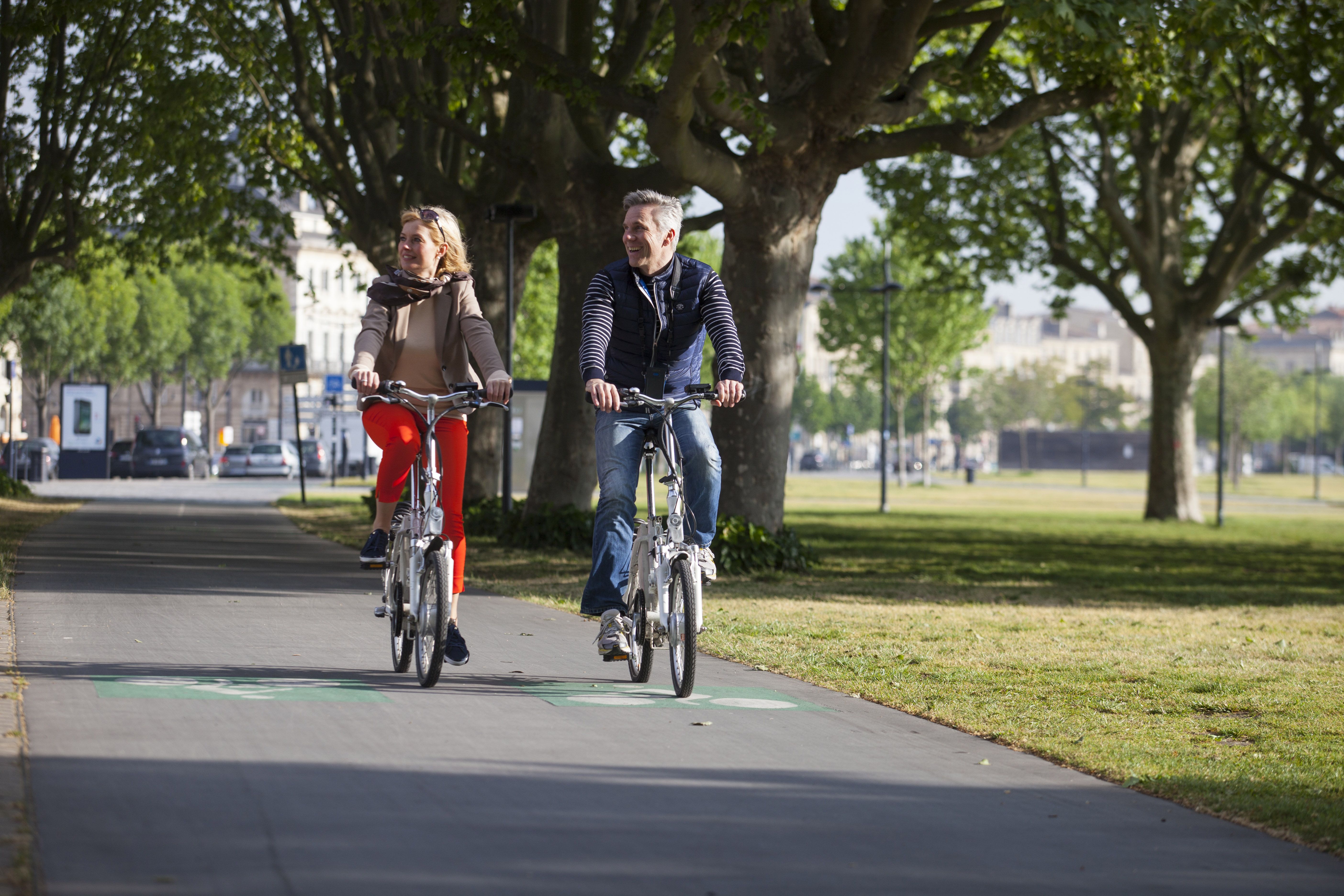
Scenic Freechoice
Personalise your river cruise and pursue your own interests as you set off on unique excursions in Portugal. Whether it’s wandering the elegant town of Lamego with its many fine Baroque structures or sampling flavours in the Côa Valley and visiting Casa Painova for a tasting of their almond, olive and fruit products, the choice is yours.
Each Europe river cruise has been carefully curated to include a broad range of immersive experiences onshore. From active to cultural and interactive, you can choose from a wide range of Scenic Freechoice activities to suit your interests and pace.
Active
Cycling from Dürnstein to Krems
Join your guide on a bicycle tour along the Danube to the quaint village of Krems. Pass by charming villages and scenic vineyard landscapes. You will have time to stop along the way to enjoy the breathtaking views of the Danube.
Explore Château Gaillard
Hike to King Richard the Lionheart’s Château Gaillard and enter this fabulous ruin overlooking the Seine River. Available on select Northern France river cruises.
Kayak on the Pinhão River
Enjoy a guided kayaking tour along the Pinhão River and see the beautiful town from an alternative perspective. Available on select Douro river cruises in Portugal.
Moderate
Gottweig Abbey
Visit the renovated Gottweig Abbey. Founded in the 6th Century, the abbey was burned down during the 18th Century and rebuilt to be one of the most magnificent in the Wachau Valley. Your local guide will take you through various room where you will see the magnificent frescoes that decorate the Abbey as well as its staircase, the largest Baroque Staircase in Austria.
Visit to Mateus Palace
Built in the 18th century the grounds of the palace feature a cellar, chapel and impressive gardens. Tour this amazing property depicted on the label of the internationally renowned wine of the same name.
Beer & Chocolate Pairing
Take your tastebuds on a journey whilst learning and appreciating how the complex flavours of local craft beer and chocolate go together.
Relaxed
Sausage-making class
Learn to make traditional Regensburger wurst. Discover the history of this sausage as well as the spices that flavour the meat. And of course, you can sample it once it’s complete.
Passau Photography Safari
Visit some of the most beautiful locations in Passau such as the Old Town Hall with this photography tour suitable for all. Available on Danube in Depth.
Shop with a Chef
Join your on board chef on a guided visit to a local food market where you will have an opportunity to shop for and taste the best ingredients this region has to offer. Upon returning to your Scenic Space-Ship meet in the purpose built Scenic Culinaire cooking school for an interactive cooking demonstration making some of France’s most popular and delicious dishes using the ingredients you have just bought at the market.
Disclaimer: Options above are examples, experiences might be different depending on your river cruise ship.
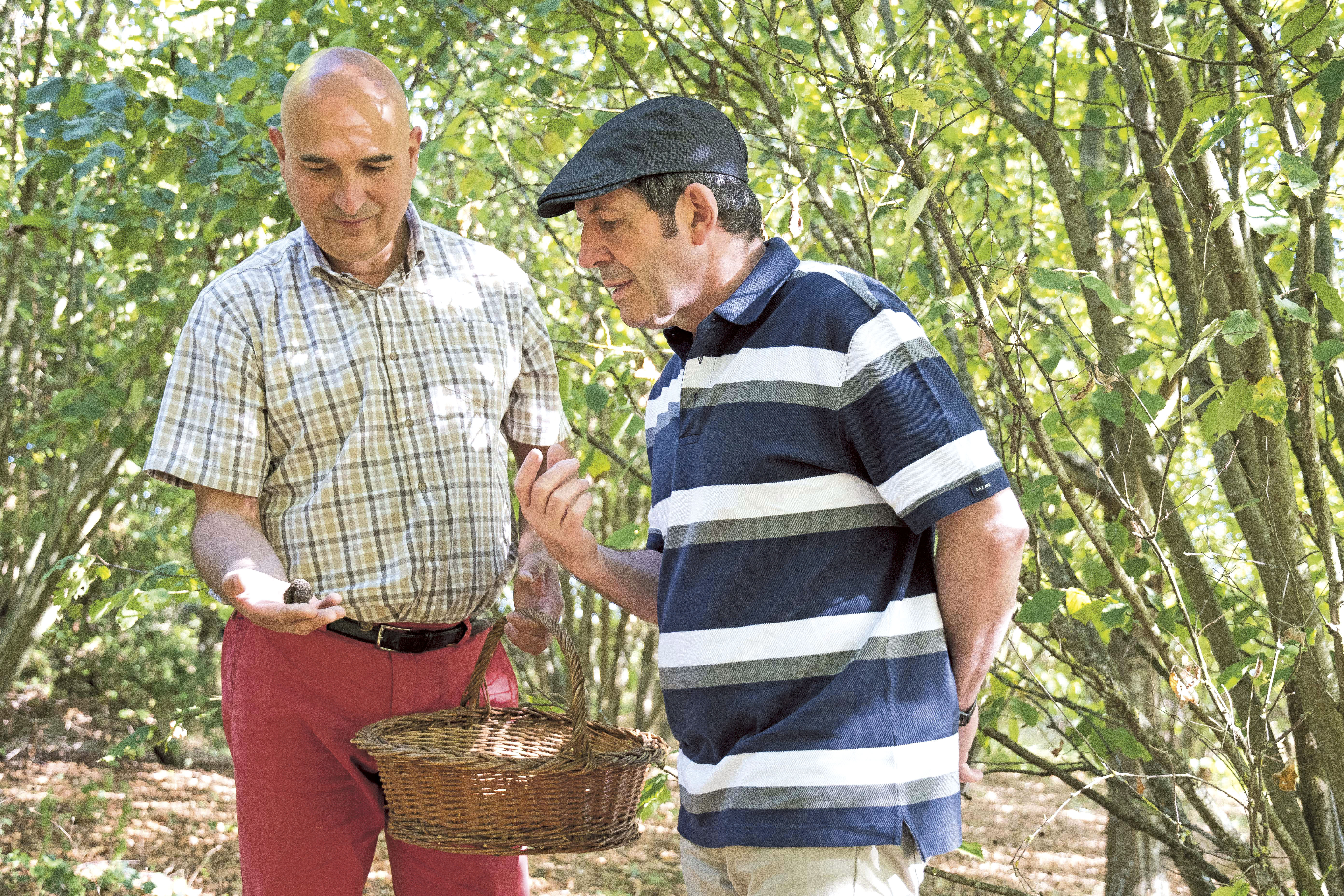
Scenic Enrich
Scenic Enrich experiences are exclusive to our guests and place you at the heart of the world’s most refined art, music and architecture. You’ll go behind the scenes to enjoy moments inaccessible to the ordinary traveller. From witnessing a private concert at the beautiful São Francisco Church, to wandering the quaint streets of Provesende with locals, these carefully curated experiences are destined to be the highlights of your journey.
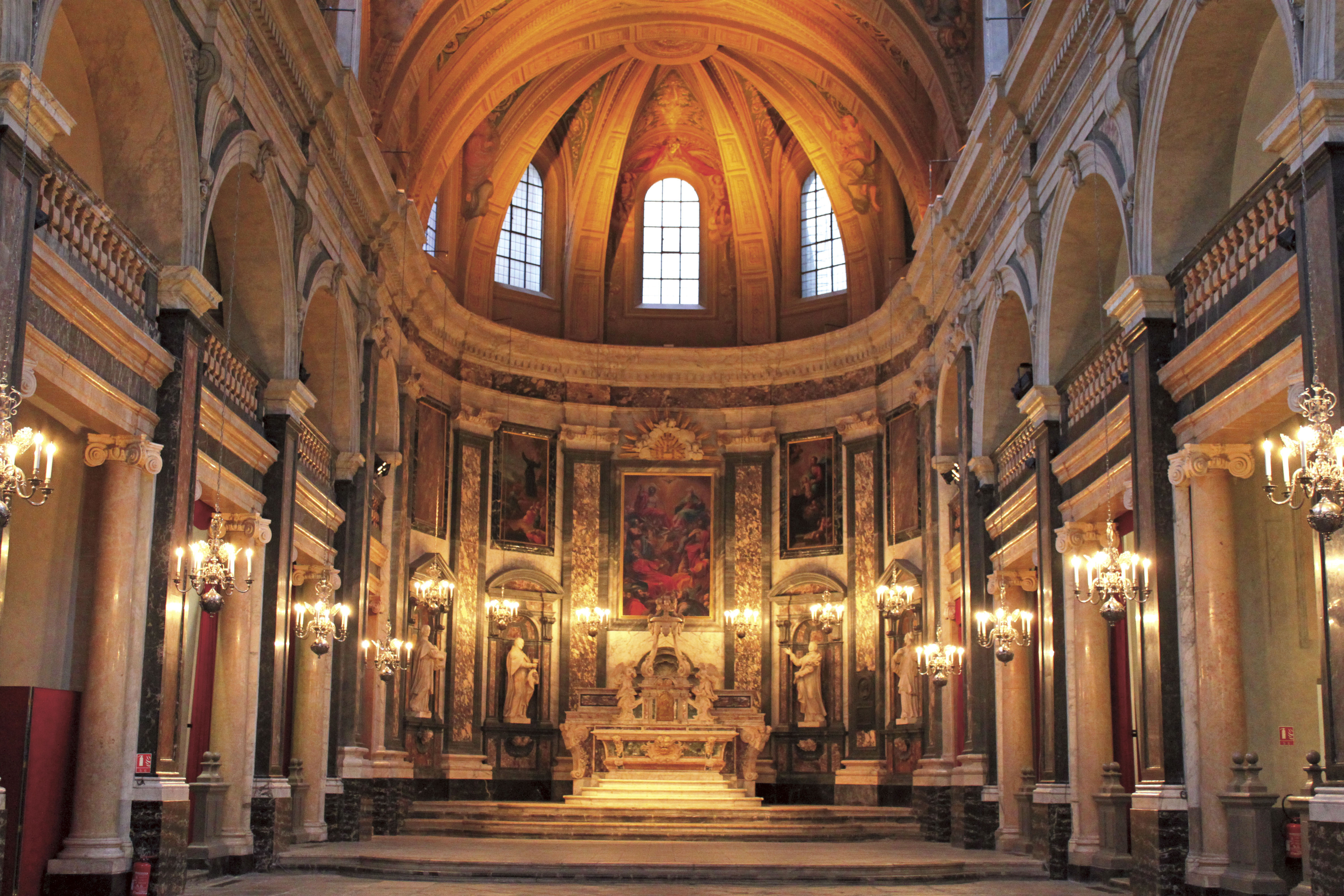
On Board Team
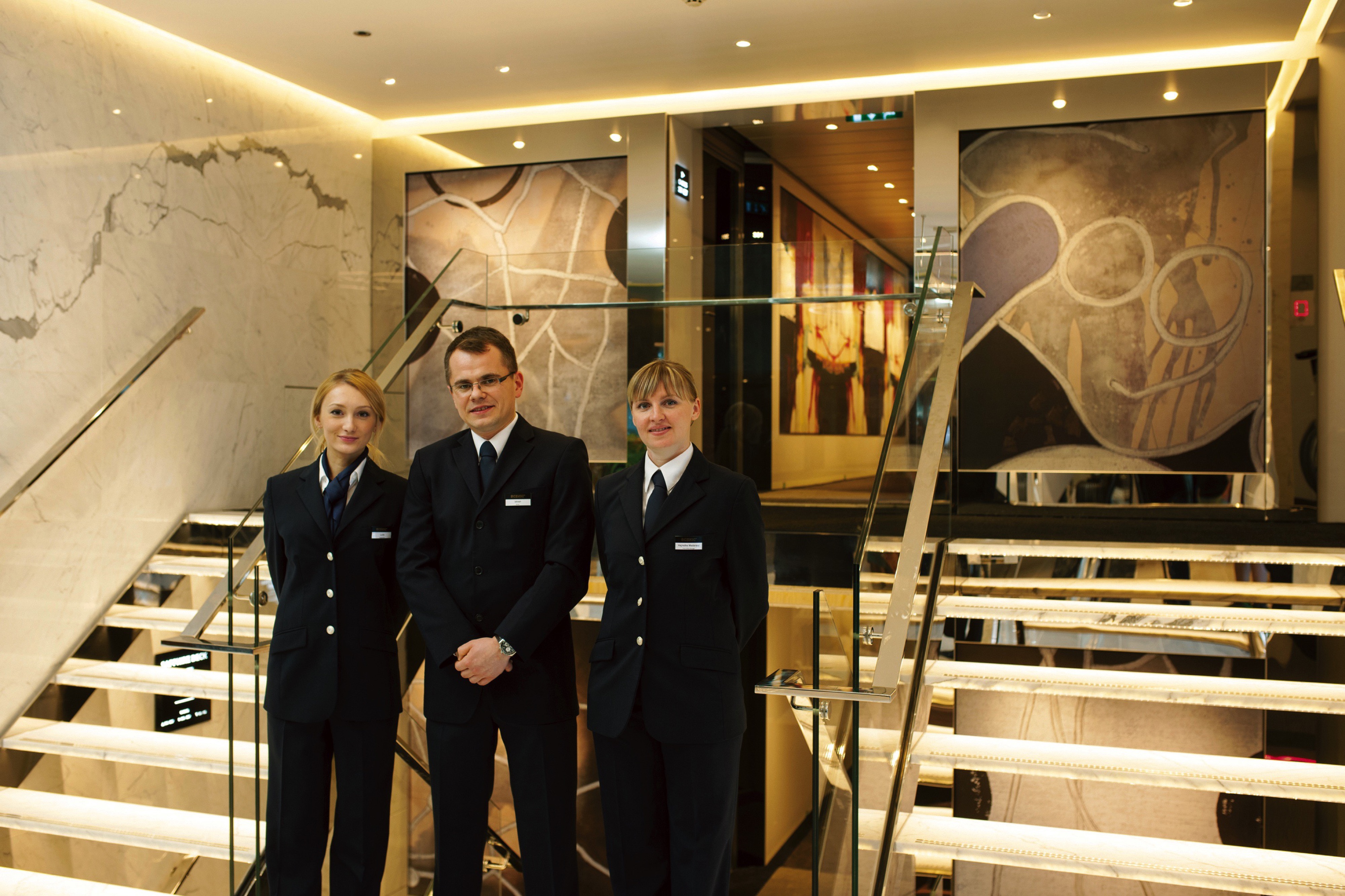
The Captain and Crew
All Scenic Space-Ship Captains are selected for their knowledge of Europe’s rivers. On board, the Captain and their team can be found in the wheelhouse on the Sun Deck and will be on hand to greet guests and answer any questions during briefings.
Cruise Director & Hotel Director
Committed to delivering an exceptional level of service, the Cruise Director and Hotel Director will be your main point of contact throughout your cruise. They’ll ensure every moment of your trip is seamless, while providing daily briefings and updates.
Enrichment Manager
Your on board entertainment while cruising Europe is presented by the Enrichment Manager. They’ll add to your experience by hosting game nights, informative lectures, and organise special guest performances, to experience shows with a local flair.
Scenic Butlers
Our expert butler’s have been trained to meet Scenic’s high standards. You can relax as your laundry, shines your shoes, delivers premium beverages to your suite or replenishes your mini-bar are taken care of. All guests enjoy butler service, learning your preferences and expectations, and surpassing them.
Culinary Team and Bar Staff
Our expert team of chefs will elevate the sense of luxury on your Europe river cruise. The culinary team draws inspiration from the regions you travel through and ensures all food is fresh and seasonal while creating a daily menu to suit all palates.
Wellness Coach
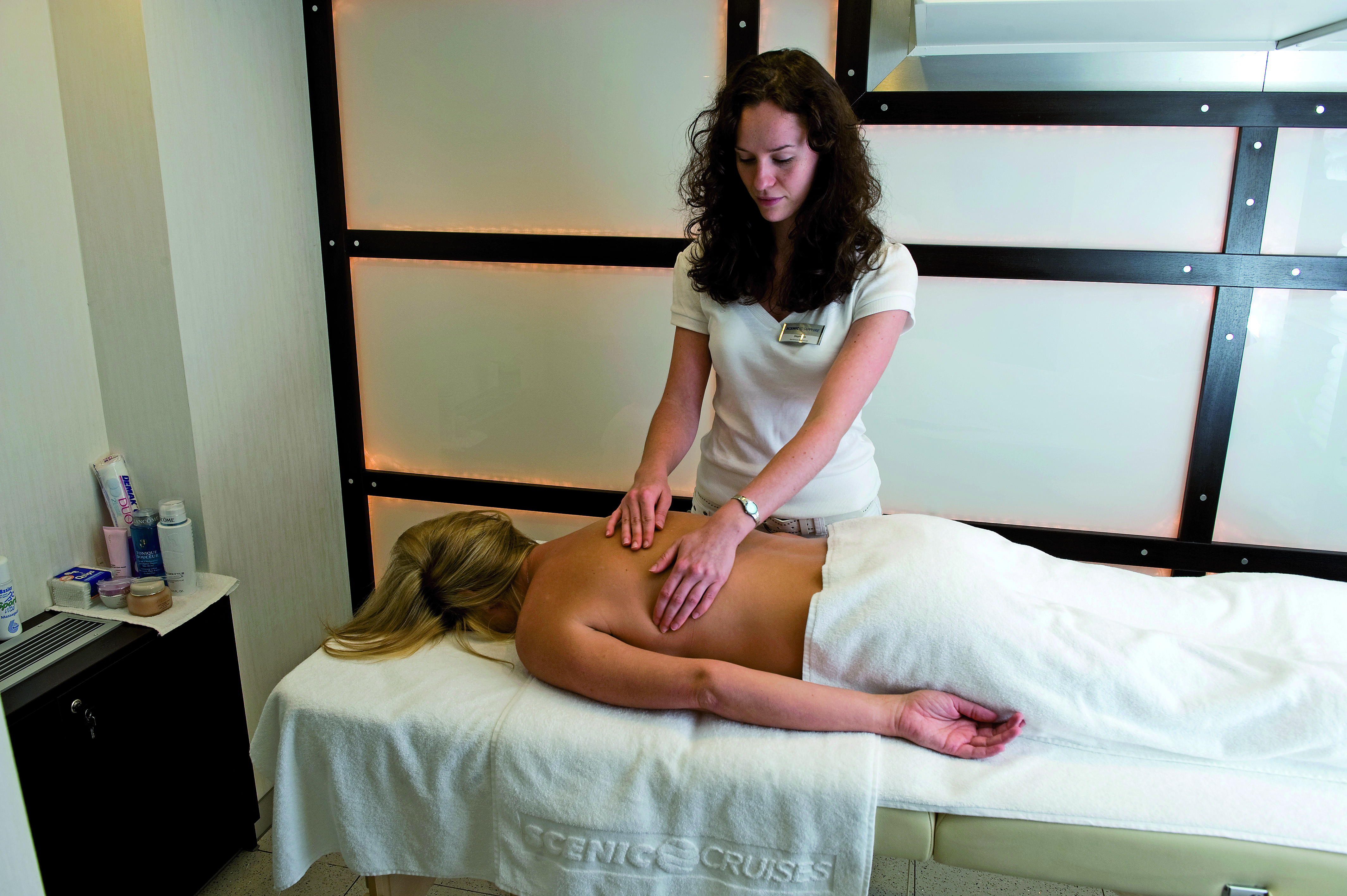
Each Scenic Space-Ship has a dedicated Wellness Team. You can unwind with a massage^, work on your fitness in the gym, take time out in the healing Salt Therapy Lounge (on select Space-Ships) or join a morning stretch class, all while the Wellness Coach are on hand to assist you.
Local Guides
Our local guides are important members of your onshore team. They’re the storytellers who will share the wonders of their town and immerse you in the local history and culture, with their own personal flair.
Panorama Lounge & Bar
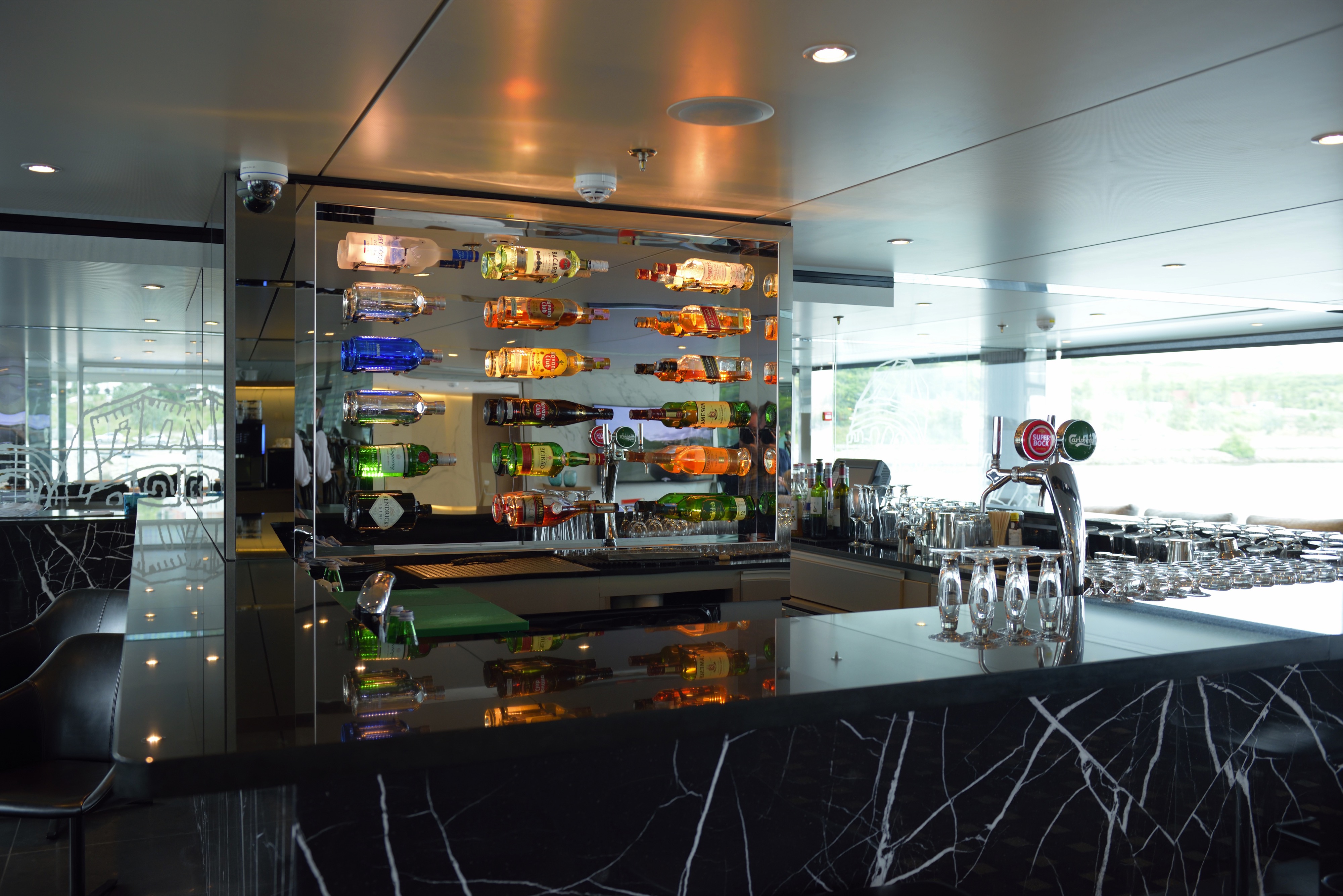
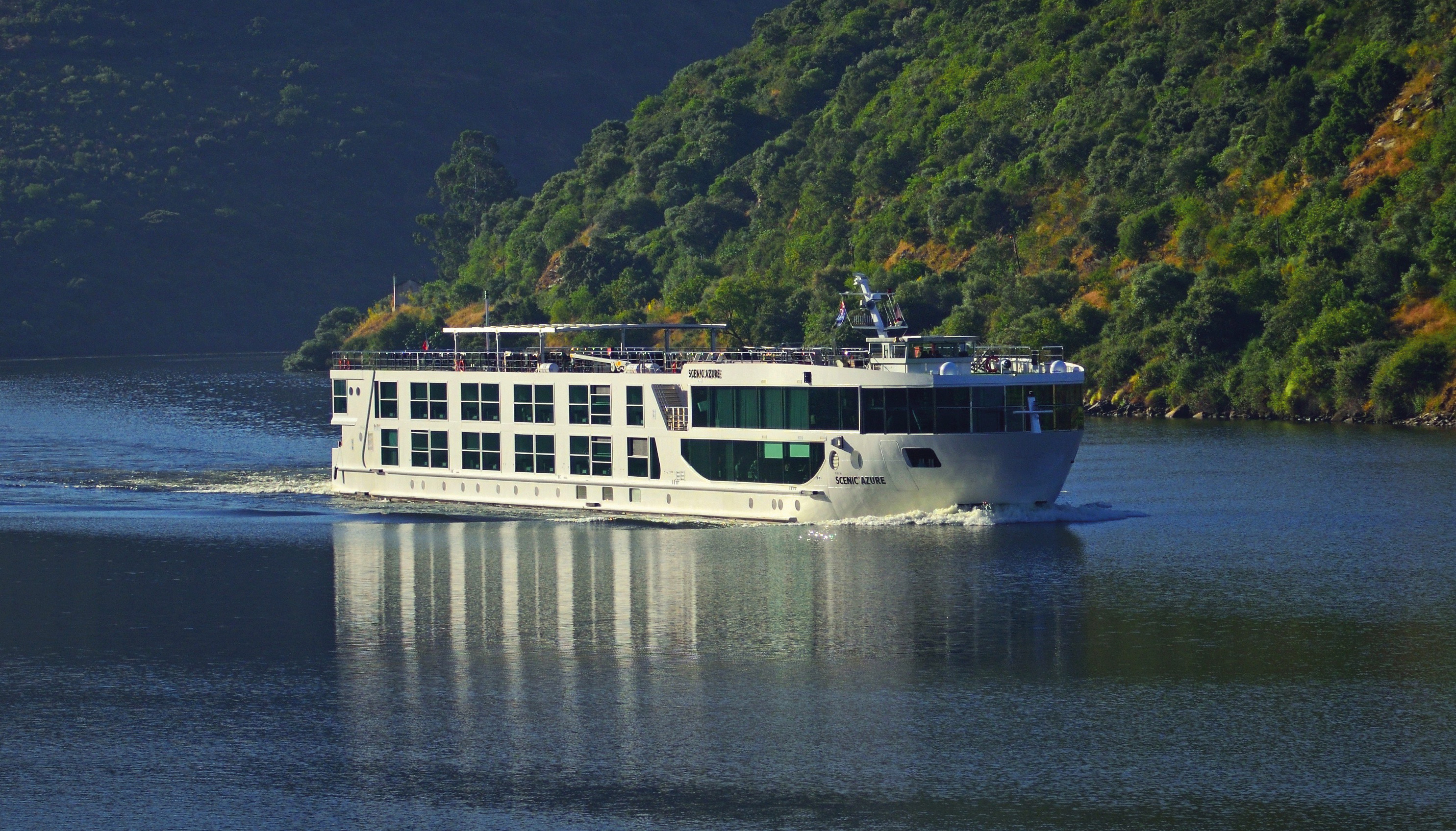
Enjoy local entertainment, chat with new friends or peruse our extensive drinks list at Panorama Lounge & Bar. As the main lounge area on board Scenic Azure, this is where you can relax and enjoy a stimulating evening on the river.
The Sun Deck
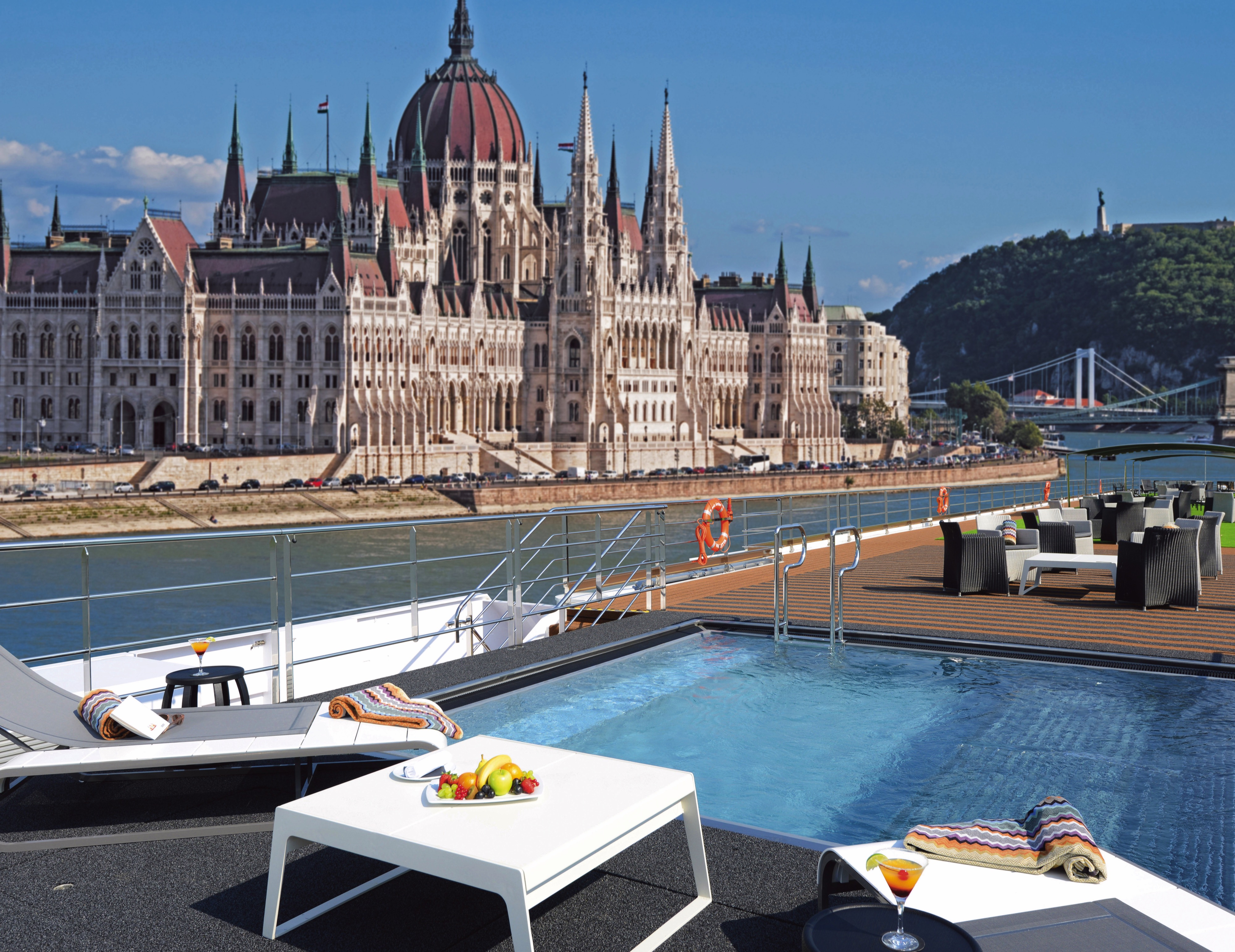
Soak up the Portuguese sunshine from the Sun Deck – a spacious, open-air lounge and leisure area where you’ll spend much of your downtime on board. With deck chairs, Vitality Pool, café and games area, it’s perfect for a slice of alfresco living during your Douro river cruise.
Reception
Gift Shop
All Inclusive Beverages
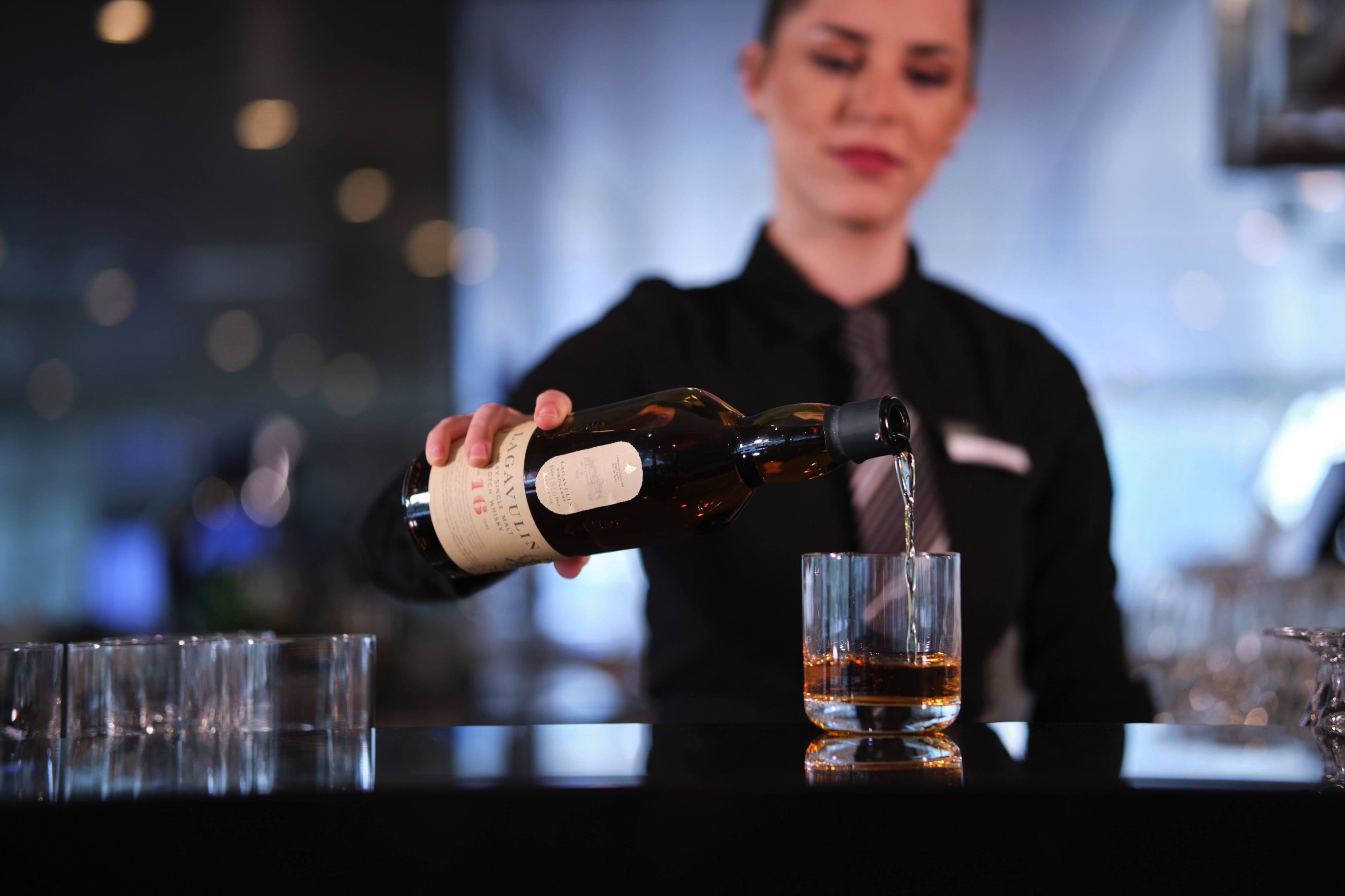
Sit back and enjoy a beverage of your choice while cruising spectacular waterways, at your leisure. Sip on handcrafted cocktails or a full-bodied wine – the choice is yours.
You will enjoy:
- Unlimited complimentary premium international beverages^, including international wines, beers and spirits
- Full in-suite mini bar, restocked daily
- Refillable water bottle for all onshore excursions
- An extensive range of specialty teas and espresso coffees
- This selection is available all day, every day.
*Exclusive invitation for Diamond Deck and Junior Suite guests cruising for 10 nights or more, or Royal and Junior Suite guests for 9 nights or fewer.
^All beverages are included except a very small number of fine and vintage wines, champagnes and spirits.
Wheelhouse

Gallery
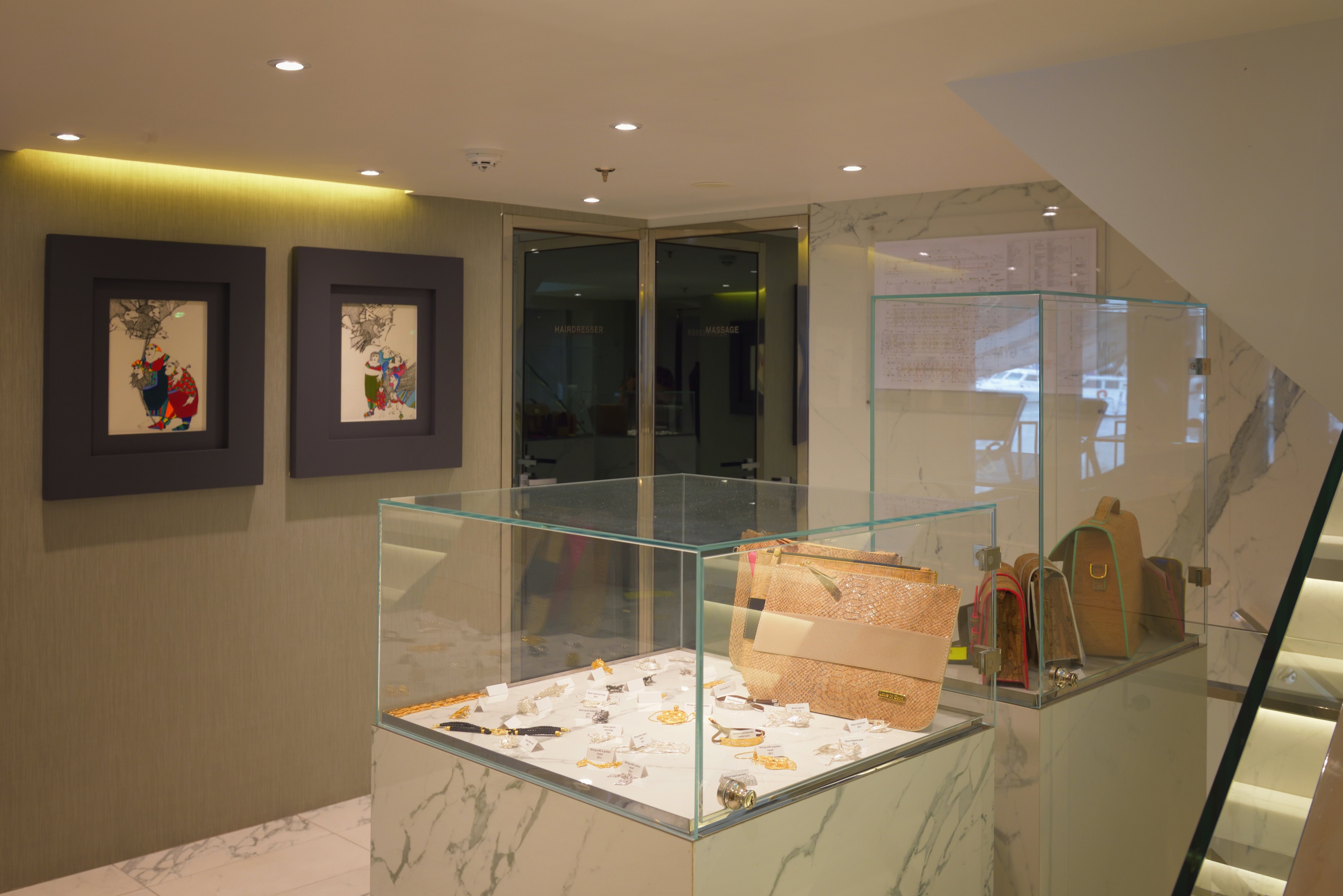
Our Gallery spaces are dedicated to showcasing works by local artists, so you feel connected to people and place in every destination. We believe little touches like this are what make our European river cruises so special.
Vitality Pool
Soak up the Portuguese sunshine from the Sun Deck – a spacious, open-air lounge and leisure area where you’ll spend much of your downtime on board. With deck chairs, Vitality Pool, café and games area, it’s perfect for a slice of alfresco living during your Douro river cruise.
Wellness Area
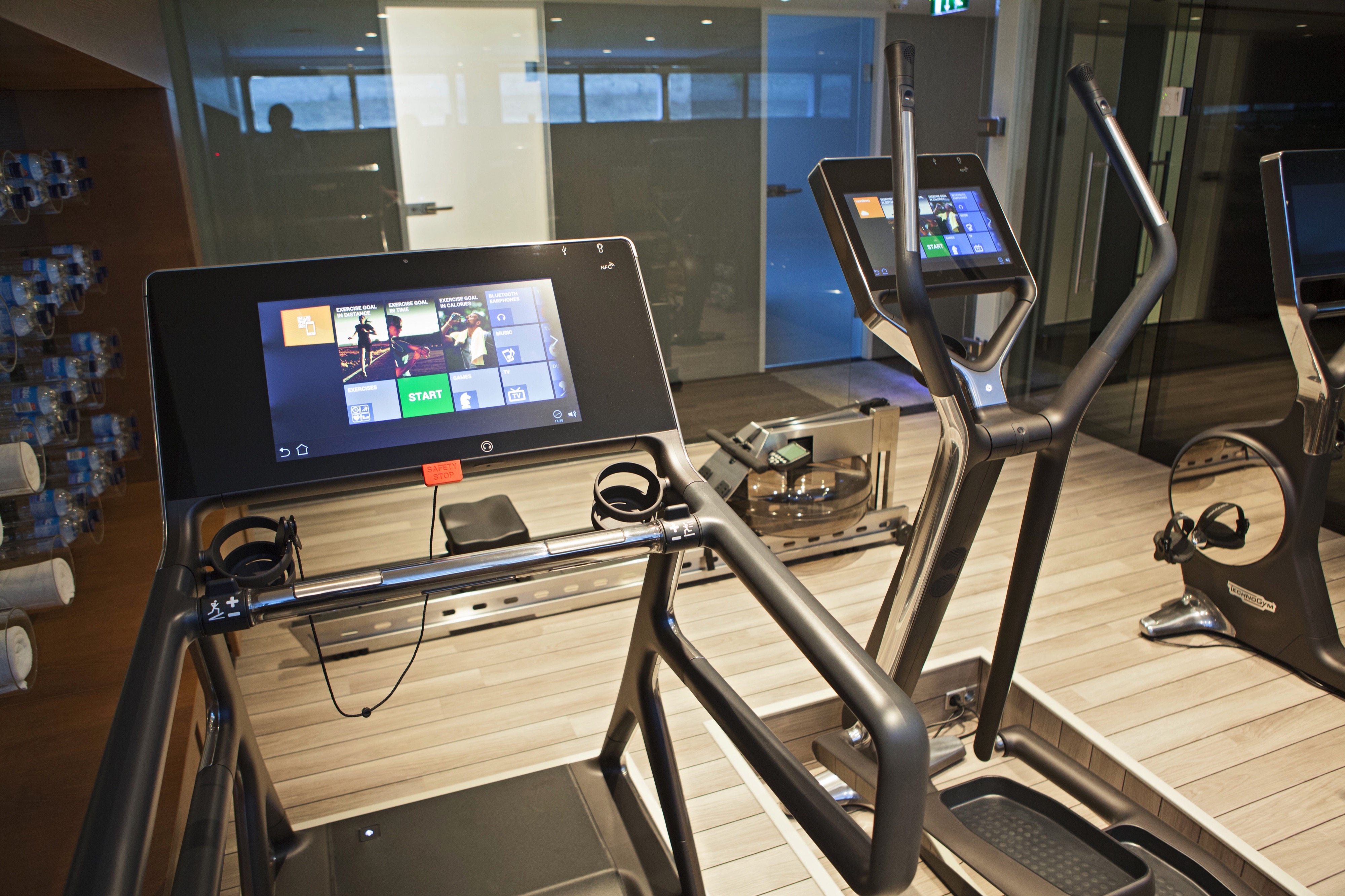
Maintain your wellness routine at our state-of-the-art gym, morning stretching classes^ with the Wellness Coach or rejuvenating spa treatments*. Exercise on the walking track on the Sun Deck or take a dip in the Vitality Pool.
Fitness Area
Walking Track
For those who like to walk off their lunch or simply admire the view, the walking track is a place to stretch your legs during your time on board. Circling the perimeter of the ship, it’s ideal for taking in all the Douro’s magnificent vistas.
Please note: The Scenic Azure does not have any specific facilities to accommodate Kids/Teens.
Crystal Dining
Enjoy à la carte menus for breakfast, lunch and dinner at Crystal Dining. Available on all Europe and South East Asia river cruises, this main restaurant offers a relaxed dining experience with local delicacies.
Portobellos
With up to only 32 guests an evening, the exclusive and intimate Portobellos or L’Amour showcase sumptuous regional specialities. The delectable five-course menu features either Italian, French or Portuguese cuisine (depending on your cruise location), paired with elegant wines, and is available on all European river cruises.
River Café
Offering a casual dining experience, you can enjoy all-day grazing options, light snacks and tasty treats to suit your schedule. The River Café is available on all Europe and South East Asia river cruises.
In-Suite Dining
Choose to dine in the comfort of your luxurious suite, while taking in the incredible views and enjoy included room service throughout your cruise.
Table d'Or
Featuring a six-course degustation, the exclusive Table La Rive on our European river cruises offers an intimate dining experience for only 10 guests per evening. Guests staying on the Diamond Deck for 10 nights or longer, as well as Royal and Junior Suite guests staying for up to nine nights, will be invited by our Executive Chef.
Riverview Terrace
Perfect for light bites or afternoon refreshments, Riverview Terrace is our Sun Deck lounge and bar area, where you can enjoy snacks and drinks during the day. Combined with our all-inclusive service, this is the ideal spot to unwind with a glass of your favourite tipple as the wonders of the Douro drift by.
Complimentary E-bikes
Explore cities onshore on our complimentary e-bikes^+. Keep active and interact with locals as you explore Europe’s countryside.
Experience Europe’s wonders at your own pace with truly all-inclusive Scenic Freechoice excursions. From e-bike+^ riding alongside spectacular waterways, to exploring Europe’s cultural and historic treasures on a day trip, you can choose from a wide range of activities to suit you.
Scenic Freechoice
Personalise your river cruise and pursue your own interests as you set off on unique excursions in Portugal. Whether it’s wandering the elegant town of Lamego with its many fine Baroque structures or sampling flavours in the Côa Valley and visiting Casa Painova for a tasting of their almond, olive and fruit products, the choice is yours.
Each Europe river cruise has been carefully curated to include a broad range of immersive experiences onshore. From active to cultural and interactive, you can choose from a wide range of Scenic Freechoice activities to suit your interests and pace.
Active
Cycling from Dürnstein to Krems
Join your guide on a bicycle tour along the Danube to the quaint village of Krems. Pass by charming villages and scenic vineyard landscapes. You will have time to stop along the way to enjoy the breathtaking views of the Danube.
Explore Château Gaillard
Hike to King Richard the Lionheart’s Château Gaillard and enter this fabulous ruin overlooking the Seine River. Available on select Northern France river cruises.
Kayak on the Pinhão River
Enjoy a guided kayaking tour along the Pinhão River and see the beautiful town from an alternative perspective. Available on select Douro river cruises in Portugal.
Moderate
Gottweig Abbey
Visit the renovated Gottweig Abbey. Founded in the 6th Century, the abbey was burned down during the 18th Century and rebuilt to be one of the most magnificent in the Wachau Valley. Your local guide will take you through various room where you will see the magnificent frescoes that decorate the Abbey as well as its staircase, the largest Baroque Staircase in Austria.
Visit to Mateus Palace
Built in the 18th century the grounds of the palace feature a cellar, chapel and impressive gardens. Tour this amazing property depicted on the label of the internationally renowned wine of the same name.
Beer & Chocolate Pairing
Take your tastebuds on a journey whilst learning and appreciating how the complex flavours of local craft beer and chocolate go together.
Relaxed
Sausage-making class
Learn to make traditional Regensburger wurst. Discover the history of this sausage as well as the spices that flavour the meat. And of course, you can sample it once it’s complete.
Passau Photography Safari
Visit some of the most beautiful locations in Passau such as the Old Town Hall with this photography tour suitable for all. Available on Danube in Depth.
Shop with a Chef
Join your on board chef on a guided visit to a local food market where you will have an opportunity to shop for and taste the best ingredients this region has to offer. Upon returning to your Scenic Space-Ship meet in the purpose built Scenic Culinaire cooking school for an interactive cooking demonstration making some of France’s most popular and delicious dishes using the ingredients you have just bought at the market.
Disclaimer: Options above are examples, experiences might be different depending on your river cruise ship.
Scenic Enrich
Scenic Enrich experiences are exclusive to our guests and place you at the heart of the world’s most refined art, music and architecture. You’ll go behind the scenes to enjoy moments inaccessible to the ordinary traveller. From witnessing a private concert at the beautiful São Francisco Church, to wandering the quaint streets of Provesende with locals, these carefully curated experiences are destined to be the highlights of your journey.
On Board Team
The Captain and Crew
All Scenic Space-Ship Captains are selected for their knowledge of Europe’s rivers. On board, the Captain and their team can be found in the wheelhouse on the Sun Deck and will be on hand to greet guests and answer any questions during briefings.
Cruise Director & Hotel Director
Committed to delivering an exceptional level of service, the Cruise Director and Hotel Director will be your main point of contact throughout your cruise. They’ll ensure every moment of your trip is seamless, while providing daily briefings and updates.
Enrichment Manager
Your on board entertainment while cruising Europe is presented by the Enrichment Manager. They’ll add to your experience by hosting game nights, informative lectures, and organise special guest performances, to experience shows with a local flair.
Scenic Butlers
Our expert butler’s have been trained to meet Scenic’s high standards. You can relax as your laundry, shines your shoes, delivers premium beverages to your suite or replenishes your mini-bar are taken care of. All guests enjoy butler service, learning your preferences and expectations, and surpassing them.
Culinary Team and Bar Staff
Our expert team of chefs will elevate the sense of luxury on your Europe river cruise. The culinary team draws inspiration from the regions you travel through and ensures all food is fresh and seasonal while creating a daily menu to suit all palates.
Wellness Coach
Each Scenic Space-Ship has a dedicated Wellness Team. You can unwind with a massage^, work on your fitness in the gym, take time out in the healing Salt Therapy Lounge (on select Space-Ships) or join a morning stretch class, all while the Wellness Coach are on hand to assist you.
Local Guides
Our local guides are important members of your onshore team. They’re the storytellers who will share the wonders of their town and immerse you in the local history and culture, with their own personal flair.
Panorama Lounge & Bar
Enjoy local entertainment, chat with new friends or peruse our extensive drinks list at Panorama Lounge & Bar. As the main lounge area on board Scenic Azure, this is where you can relax and enjoy a stimulating evening on the river.
The Sun Deck
Soak up the Portuguese sunshine from the Sun Deck – a spacious, open-air lounge and leisure area where you’ll spend much of your downtime on board. With deck chairs, Vitality Pool, café and games area, it’s perfect for a slice of alfresco living during your Douro river cruise.
Reception
Gift Shop
All Inclusive Beverages
Sit back and enjoy a beverage of your choice while cruising spectacular waterways, at your leisure. Sip on handcrafted cocktails or a full-bodied wine – the choice is yours.
You will enjoy:
- Unlimited complimentary premium international beverages^, including international wines, beers and spirits
- Full in-suite mini bar, restocked daily
- Refillable water bottle for all onshore excursions
- An extensive range of specialty teas and espresso coffees
- This selection is available all day, every day.
*Exclusive invitation for Diamond Deck and Junior Suite guests cruising for 10 nights or more, or Royal and Junior Suite guests for 9 nights or fewer.
^All beverages are included except a very small number of fine and vintage wines, champagnes and spirits.
Wheelhouse
Gallery
Our Gallery spaces are dedicated to showcasing works by local artists, so you feel connected to people and place in every destination. We believe little touches like this are what make our European river cruises so special.
Vitality Pool
Soak up the Portuguese sunshine from the Sun Deck – a spacious, open-air lounge and leisure area where you’ll spend much of your downtime on board. With deck chairs, Vitality Pool, café and games area, it’s perfect for a slice of alfresco living during your Douro river cruise.
Wellness Area
Maintain your wellness routine at our state-of-the-art gym, morning stretching classes^ with the Wellness Coach or rejuvenating spa treatments*. Exercise on the walking track on the Sun Deck or take a dip in the Vitality Pool.
Fitness Area
Walking Track
For those who like to walk off their lunch or simply admire the view, the walking track is a place to stretch your legs during your time on board. Circling the perimeter of the ship, it’s ideal for taking in all the Douro’s magnificent vistas.
Please note: The Scenic Azure does not have any specific facilities to accommodate Kids/Teens.
About the Ship
Deck Plans

- Galley
- Elevator
- Standard Suite Cat E

- Crystal Dining Restaurant
- Table D’Or
- Fitness Centre
- Wellness Area
- Elevator
- Balcony Suite Cat B
- Balcony Suite Cat BB
- Junior Balcony Suite Cat BJ
- Balcony Suite Cat C
- Riverview Suite Cat C1

- Portobellos Restaurant
- River Cafe
- Panorama Lounge and Bar
- Gift Shop
- Wellness Area
- Reception
- Balcony Suite Cat P
- Balcony Suite Cat PA
- Junior Balcony Suite Cat RJ
- Royal One-Bedroom Suite Cat RP

- Sun Deck
- Vitality Pool
- Wheelhouse
- Riverview Terrace
- Walking Track
- Galley
- Elevator
- Standard Suite Cat E
- Crystal Dining Restaurant
- Table D’Or
- Fitness Centre
- Wellness Area
- Elevator
- Balcony Suite Cat B
- Balcony Suite Cat BB
- Junior Balcony Suite Cat BJ
- Balcony Suite Cat C
- Riverview Suite Cat C1
- Portobellos Restaurant
- River Cafe
- Panorama Lounge and Bar
- Gift Shop
- Wellness Area
- Reception
- Balcony Suite Cat P
- Balcony Suite Cat PA
- Junior Balcony Suite Cat RJ
- Royal One-Bedroom Suite Cat RP
- Sun Deck
- Vitality Pool
- Wheelhouse
- Riverview Terrace
- Walking Track