Featured Cabins
Itinerary
Ho Chi Minh City, Vietnam
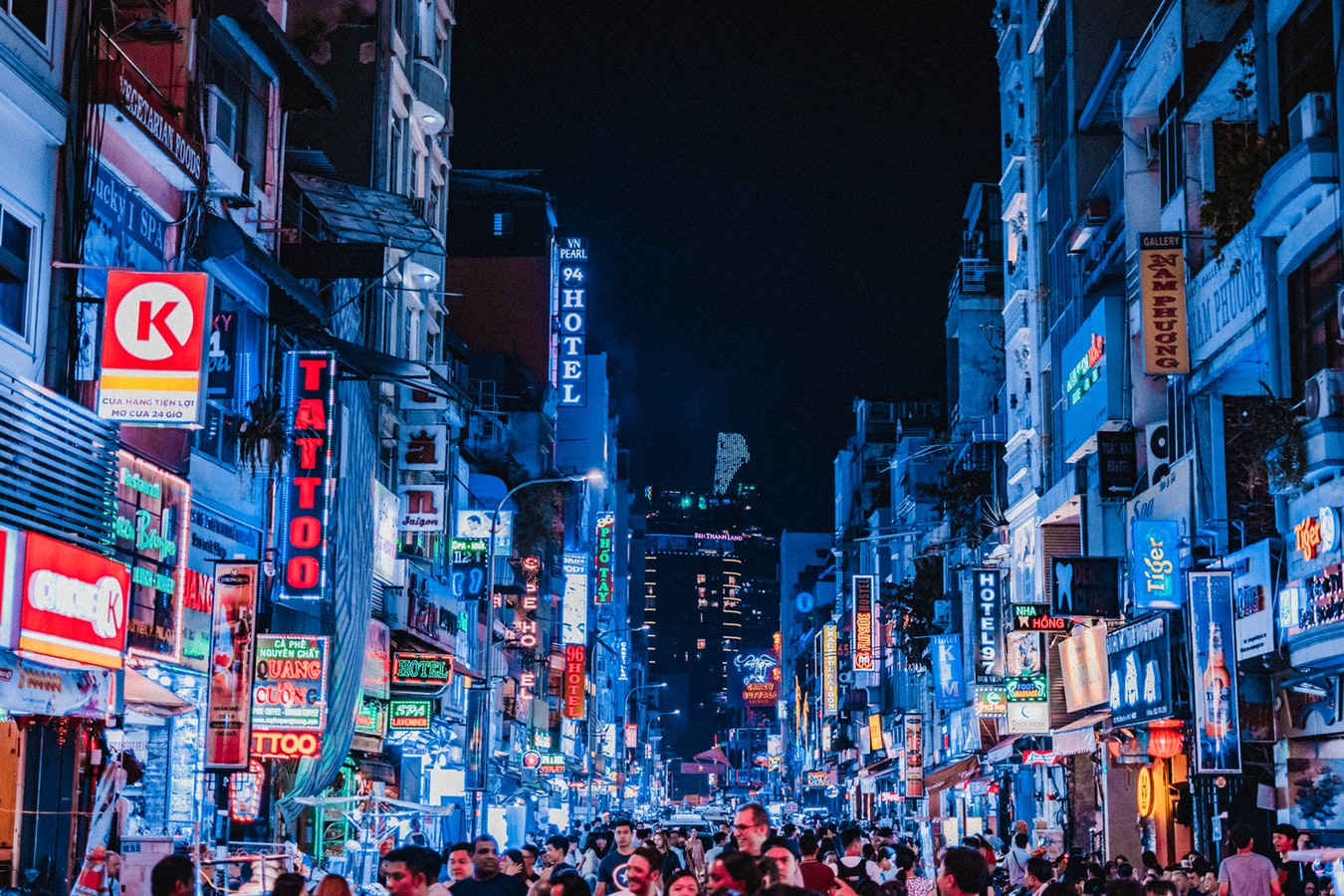
Romantically referred to by the French as the Pearl of the Orient, Ho Chi Minh City today is a super-charged city of sensory overload. Motorbikes zoom day and night along the wide boulevards, through the narrow back alleys and past vendors pushing handcarts hawking goods of all descriptions. Still called Saigon by most residents, this is Vietnam’s largest city and the engine driving the country’s current economic resurgence, but despite its frenetic pace, it’s a friendlier place than Hanoi and locals will tell you the food—simple, tasty, and incorporating many fresh herbs—is infinitely better than in the capital.This is a city full of surprises. The madness of the city’s traffic—witness the oddball things that are transported on the back of motorcycles—is countered by tranquil pagodas, peaceful parks, quirky coffee shops, and whole neighborhoods hidden down tiny alleyways, although some of these quiet spots can be difficult to track down. Life in Ho Chi Minh City is lived in public: on the back of motorcycles, on the sidewalks, and in the parks. Even when its residents are at home, they’re still on display. With many living rooms opening onto the street, grandmothers napping, babies being rocked, and food being prepared, are all in full view of passersby.Icons of the past endure in the midst of the city’s headlong rush into capitalism. The Hotel Continental, immortalized in Graham Greene’s The Quiet American, continues to stand on the corner of old Indochina’s most famous thoroughfare, the rue Catinat, known to American G.I.s during the Vietnam War as Tu Do (Freedom) Street and renamed Dong Khoi (Uprising) Street by the Communists. The city still has its ornate opera house and its old French city hall, the Hôtel de Ville. The broad colonial boulevards leading to the Saigon River and the gracious stucco villas are other remnants of the French colonial presence. Grisly reminders of the more recent past can be seen at the city’s war-related museums. Residents, however, prefer to look forward rather than back and are often perplexed by tourists’ fascination with a war that ended 40 years ago.The Chinese influence on the country is still very much in evidence in the Cholon district, the city’s Chinatown, but the modern office towers and international hotels that mark the skyline symbolize Vietnam’s fixation on the future.
Ho Chi Minh City, Vietnam
Romantically referred to by the French as the Pearl of the Orient, Ho Chi Minh City today is a super-charged city of sensory overload. Motorbikes zoom day and night along the wide boulevards, through the narrow back alleys and past vendors pushing handcarts hawking goods of all descriptions. Still called Saigon by most residents, this is Vietnam’s largest city and the engine driving the country’s current economic resurgence, but despite its frenetic pace, it’s a friendlier place than Hanoi and locals will tell you the food—simple, tasty, and incorporating many fresh herbs—is infinitely better than in the capital.This is a city full of surprises. The madness of the city’s traffic—witness the oddball things that are transported on the back of motorcycles—is countered by tranquil pagodas, peaceful parks, quirky coffee shops, and whole neighborhoods hidden down tiny alleyways, although some of these quiet spots can be difficult to track down. Life in Ho Chi Minh City is lived in public: on the back of motorcycles, on the sidewalks, and in the parks. Even when its residents are at home, they’re still on display. With many living rooms opening onto the street, grandmothers napping, babies being rocked, and food being prepared, are all in full view of passersby.Icons of the past endure in the midst of the city’s headlong rush into capitalism. The Hotel Continental, immortalized in Graham Greene’s The Quiet American, continues to stand on the corner of old Indochina’s most famous thoroughfare, the rue Catinat, known to American G.I.s during the Vietnam War as Tu Do (Freedom) Street and renamed Dong Khoi (Uprising) Street by the Communists. The city still has its ornate opera house and its old French city hall, the Hôtel de Ville. The broad colonial boulevards leading to the Saigon River and the gracious stucco villas are other remnants of the French colonial presence. Grisly reminders of the more recent past can be seen at the city’s war-related museums. Residents, however, prefer to look forward rather than back and are often perplexed by tourists’ fascination with a war that ended 40 years ago.The Chinese influence on the country is still very much in evidence in the Cholon district, the city’s Chinatown, but the modern office towers and international hotels that mark the skyline symbolize Vietnam’s fixation on the future.
Mekong River Vietnam/Cambodia
After breakfast and checkout, visit the War Museum and Reunification Palace. The former Presidential House of South Vietnam become famous in 1975 with images of tanks crashing through its gates leading to the South’s surrender and end of the War of Independence.
After lunch, a coach will transfer you to My Tho where the breathtaking Scenic Spirit awaits. Start with a cocktail reception hosted by your Cruise Director. Take a stroll around the decks to orientate yourself as to where all the amenities are. After your welcome dinner, settling into your private suite does not mean you settle for service. At any time, your dedicated personal butler is free to swing by with a nightcap and delivery of your preferred pillows. A calm 4-hour sail brings you to halt off Cai Be where the ship will anchor overnight.
Sa Déc, Vietnam
Start the day with a full gourmet breakfast – complete with champagne – before heading out to explore Cai Be.
Scenic Freechoice:
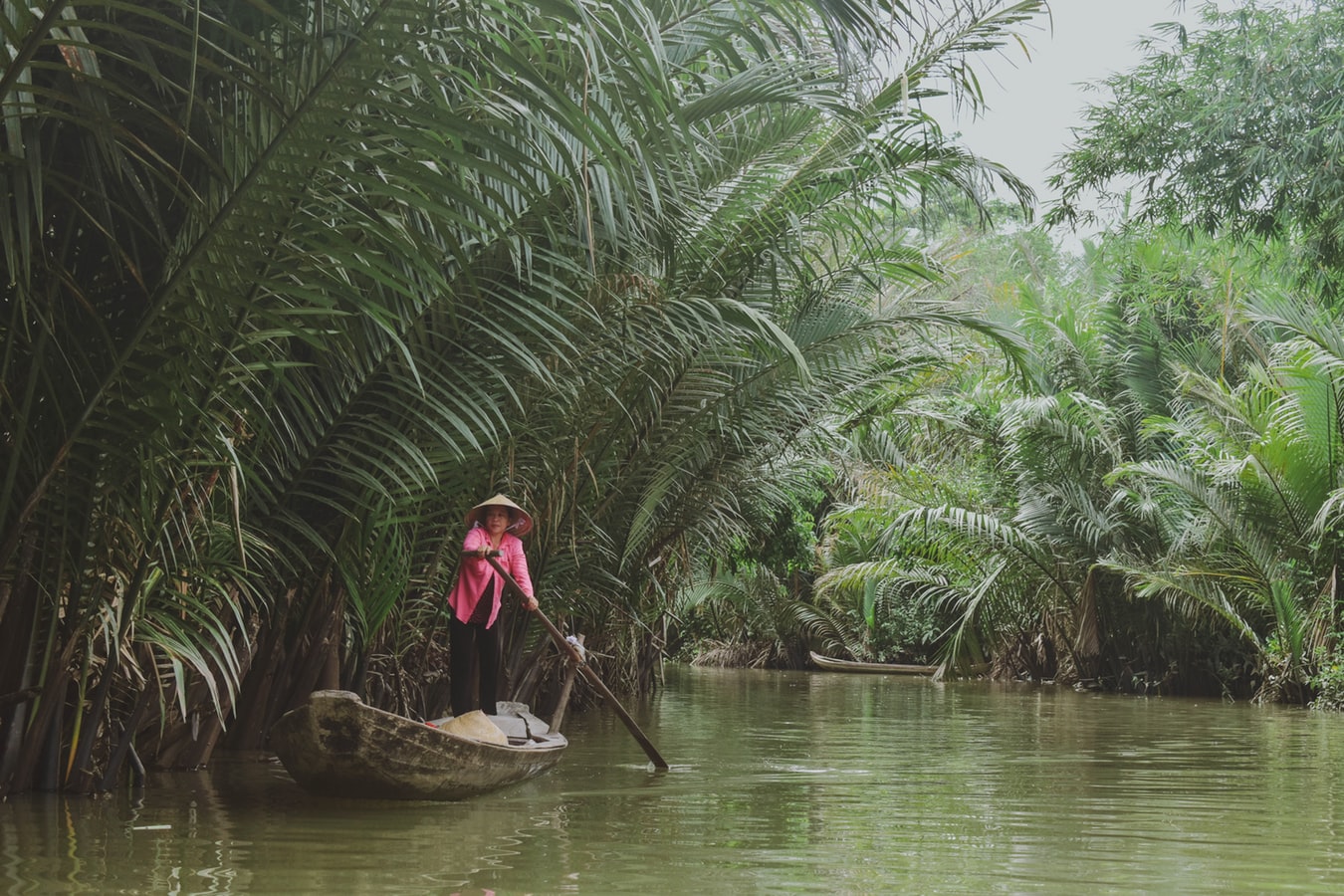
Choose to travel via sampan to Tan Phong, a small island located near Cai Be town that is rich in alluvial soil suitable for tropical fruit orchards all year round. With a total area of more than 1,000 hectares, surrounded by silted sandbanks, canals and a mild temperature, Tan Phong has long been a friendly destination for eco-tourism. On arrival, try a hands-on experience at a workshop specialised in weaving water hyacinth into artistic crafts. Board a motorised buggy for a ride through endless fruit orchards, stopping to enjoy the tropical fruits and interact with a farm owner. Reboard the sampan and cruise to Cái Bè town to discover the local cottage industry where families make rice-paper and sweets from pop-corn, pop-rice and coconut.
Alternatively take a sampan from the Scenic Spirit to savour a delicious afternoon tea at the Le Longanier, a French colonial house restaurant, where staff will welcome you with tea, coffee and a range of local fruit and snacks for your tasting. You can dive into a local experience with a band playing music and performing traditional Vietnamese songs.
If you would prefer to enjoy the comforts of your ship, our highly skilled bar team is ready to welcome you to a hands-on cocktail/mocktail making class featuring fresh local ingredients.
After your morning activity, head back to the ship for lunch whilst sailing to Sa Dec. Relax and soak in the beauty of the scenery, visit the on-board library to read up on future ports, or head to the Scenic Spirit lounge to unwind with fellow guests over a glass of wine.
Later, upon arrival in Sa Dec, board your sampan once again to explore the lively wet market where you can meet the sellers and marvel at their wares, including live fish, frogs and even snakes. This two-hour exploration will take you deep into the local lifestyle. You can also see the grand home of Mr. Huynh Thuy Le, a Chinese merchant who inspired Marguerite Duras’ novel L’Amant. Your expert guide will reveal the secrets behind this passionate tale of tragic love.
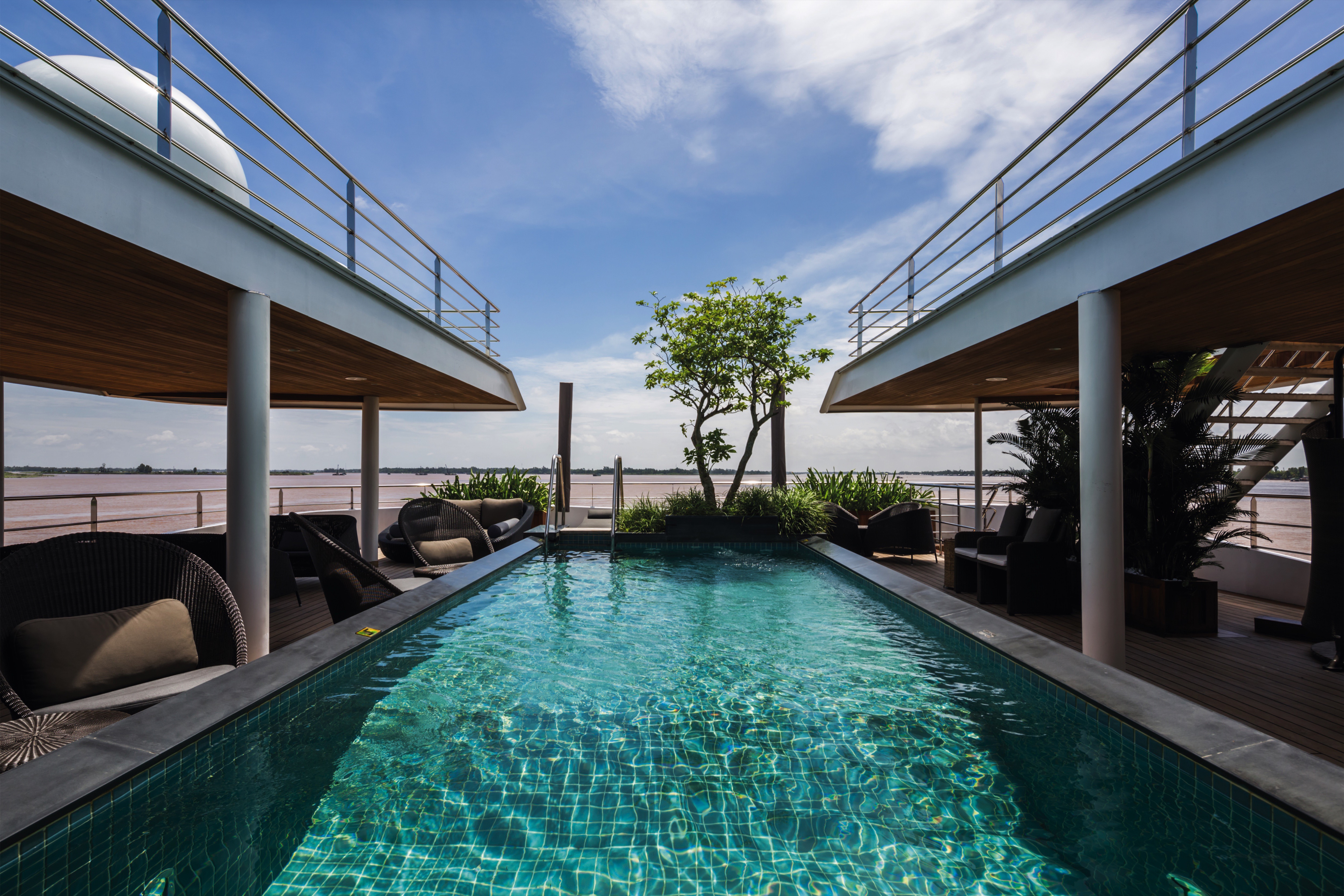
After returning to the ship, you will have time to take an evening dip in the pool overlooking the Mekong as the sun sets. Before dinner, experience a fantastically themed dinner on board the Spirit along with a lion dance performed by locals on the expansive Sundeck. The ship will set sail after your arrival back on board for the 6-hour journey to Tan Chau.

Border Crossing
You may want to start with some exercise in the on-board gym, try stretching at the early morning yoga class or relax in the sauna. Then set off to discover the areas surrounding Tan Chau.
Scenic Freechoice:
You could leave the city life behind at Tra Su Bird Sanctuary in Tra Su Forest. Travel by sampan through endless tranquil waterways, flanked by mangroves and lush greenery. This eco reserve spans 850 hectares and is an ecological haven for fauna and flora, home to more than 100 species of waterbirds.
Or, experience a traditional way of life on Evergreen Island, joining local farmers for a morning of discovery. Back in Tan Chau, ride in a xe loi, a three-wheeled bicycle rickshaw that was introduced by the French in the 19th century and is a common form of transportation in rural Vietnam. Visit the recently renovated, brightly coloured Cao Dai temple. Caodaism is a new religion, established in 1926 in the southern Vietnamese city of Tây Ninh, and brings together beliefs and practices from Buddhism, Christianity, Taoism and Confucianism. Here, you will learn more about the mix of ideas that form the basis of this fascinating religion.
For your third choice, board a speedboat to visit Chau Doc, a major city in the Mekong Delta, and Tay An temple. Set at the foot of Sam Mountain, this elaborate temple is a mixture of Indian and Islamic architecture. Afterwards, board another sampan to visit Vinh Te canal and view life along the riverfront of Chau Doc, before making your way back to Scenic Spirit.
After lunch upon your arrival back on board, enjoy sailing to the Vietnamese and Cambodian border. Some down time is a great way to relax and what better way to do that than heading to the Wellness Centre or Beauty Salon for a bit of pampering. After the ship clears immigration into Cambodia at the border, settle in for an overnight sail towards Phnom Penh, bidding farewell to Vietnam.
Phnom Penh, Cambodia
Phnom Penh, Cambodia’s busy capital, sits at the junction of the Mekong and Tonlé Sap rivers. It was a hub for both the Khmer Empire and French colonialists. On its walkable riverfront, lined with parks, restaurants and bars, are the ornate Royal Palace, Silver Pagoda and the National Museum, displaying artifacts from around the country. At the city’s heart is the massive, art deco Central Market.
Oudong, Cambodia
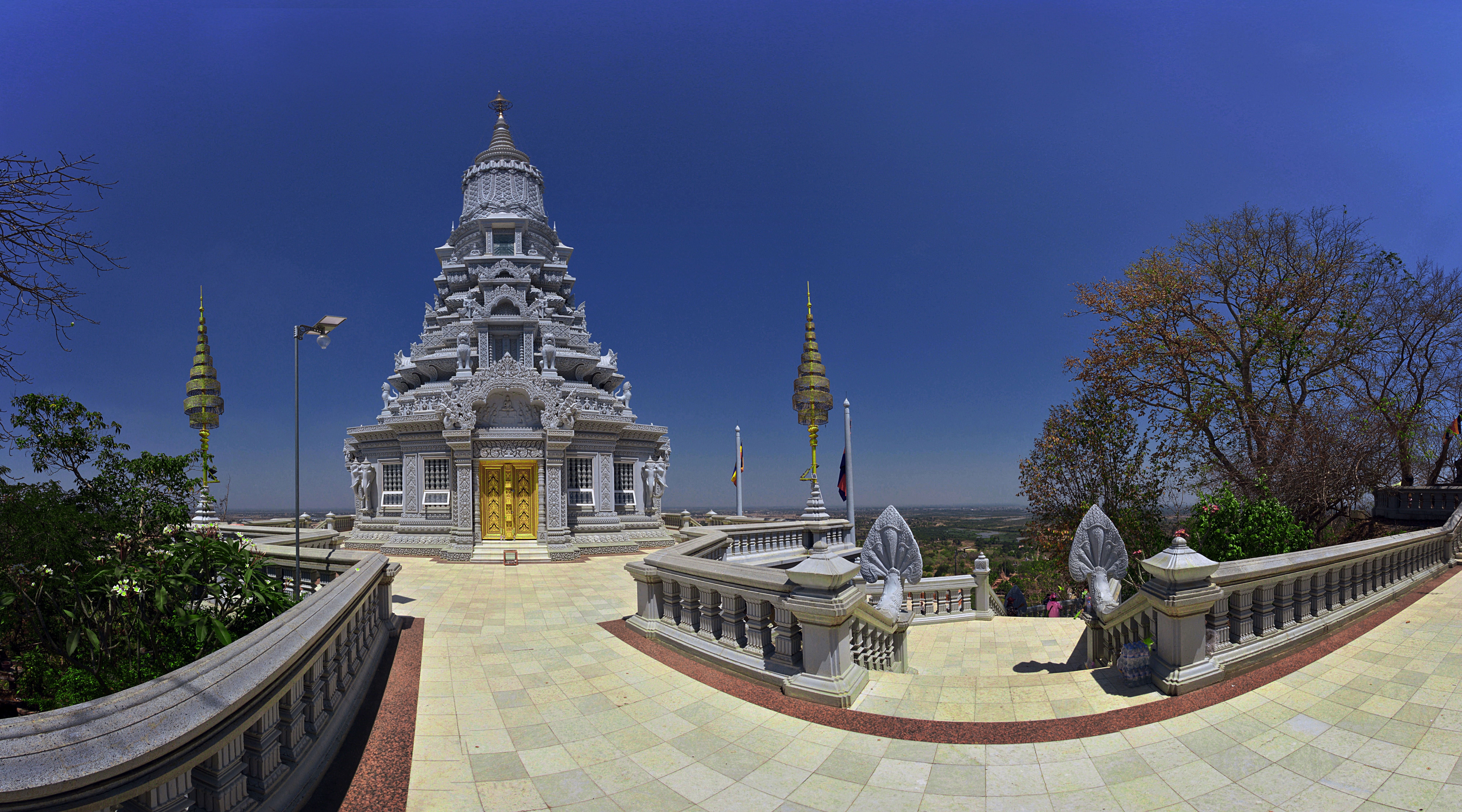
Board a bus this morning for the short drive to the ancient capital of Cambodia, Oudong. Here, experience the life of the monks and nuns who reside at the peaceful monastery. If you are lucky, you may be able to partake in one of the many festivals and traditional rituals often held here.
After you return to the city, discover the opulence of Phnom Penh’s Royal Palace and the famous Silver Pagoda within. Set on the riverfront, this dazzling palace was built in the 1860s and still serves as the official residence of the King of Cambodia. After returning to the ship and before setting sail, enjoy a cultural performance by the Cambodian Student and Children’s Organisation.
Get ready for an evening of style with a Sundowner cocktail reception on the sundeck against the backdrop of Phnom Penh’s lights and stunning scenery as the ships sets sail towards Oknha Tey, commonly known as Silk Island.
Ho Chi Minh City, Vietnam
Romantically referred to by the French as the Pearl of the Orient, Ho Chi Minh City today is a super-charged city of sensory overload. Motorbikes zoom day and night along the wide boulevards, through the narrow back alleys and past vendors pushing handcarts hawking goods of all descriptions. Still called Saigon by most residents, this is Vietnam’s largest city and the engine driving the country’s current economic resurgence, but despite its frenetic pace, it’s a friendlier place than Hanoi and locals will tell you the food—simple, tasty, and incorporating many fresh herbs—is infinitely better than in the capital.This is a city full of surprises. The madness of the city’s traffic—witness the oddball things that are transported on the back of motorcycles—is countered by tranquil pagodas, peaceful parks, quirky coffee shops, and whole neighborhoods hidden down tiny alleyways, although some of these quiet spots can be difficult to track down. Life in Ho Chi Minh City is lived in public: on the back of motorcycles, on the sidewalks, and in the parks. Even when its residents are at home, they’re still on display. With many living rooms opening onto the street, grandmothers napping, babies being rocked, and food being prepared, are all in full view of passersby.Icons of the past endure in the midst of the city’s headlong rush into capitalism. The Hotel Continental, immortalized in Graham Greene’s The Quiet American, continues to stand on the corner of old Indochina’s most famous thoroughfare, the rue Catinat, known to American G.I.s during the Vietnam War as Tu Do (Freedom) Street and renamed Dong Khoi (Uprising) Street by the Communists. The city still has its ornate opera house and its old French city hall, the Hôtel de Ville. The broad colonial boulevards leading to the Saigon River and the gracious stucco villas are other remnants of the French colonial presence. Grisly reminders of the more recent past can be seen at the city’s war-related museums. Residents, however, prefer to look forward rather than back and are often perplexed by tourists’ fascination with a war that ended 40 years ago.The Chinese influence on the country is still very much in evidence in the Cholon district, the city’s Chinatown, but the modern office towers and international hotels that mark the skyline symbolize Vietnam’s fixation on the future.
Ho Chi Minh City, Vietnam
Romantically referred to by the French as the Pearl of the Orient, Ho Chi Minh City today is a super-charged city of sensory overload. Motorbikes zoom day and night along the wide boulevards, through the narrow back alleys and past vendors pushing handcarts hawking goods of all descriptions. Still called Saigon by most residents, this is Vietnam’s largest city and the engine driving the country’s current economic resurgence, but despite its frenetic pace, it’s a friendlier place than Hanoi and locals will tell you the food—simple, tasty, and incorporating many fresh herbs—is infinitely better than in the capital.This is a city full of surprises. The madness of the city’s traffic—witness the oddball things that are transported on the back of motorcycles—is countered by tranquil pagodas, peaceful parks, quirky coffee shops, and whole neighborhoods hidden down tiny alleyways, although some of these quiet spots can be difficult to track down. Life in Ho Chi Minh City is lived in public: on the back of motorcycles, on the sidewalks, and in the parks. Even when its residents are at home, they’re still on display. With many living rooms opening onto the street, grandmothers napping, babies being rocked, and food being prepared, are all in full view of passersby.Icons of the past endure in the midst of the city’s headlong rush into capitalism. The Hotel Continental, immortalized in Graham Greene’s The Quiet American, continues to stand on the corner of old Indochina’s most famous thoroughfare, the rue Catinat, known to American G.I.s during the Vietnam War as Tu Do (Freedom) Street and renamed Dong Khoi (Uprising) Street by the Communists. The city still has its ornate opera house and its old French city hall, the Hôtel de Ville. The broad colonial boulevards leading to the Saigon River and the gracious stucco villas are other remnants of the French colonial presence. Grisly reminders of the more recent past can be seen at the city’s war-related museums. Residents, however, prefer to look forward rather than back and are often perplexed by tourists’ fascination with a war that ended 40 years ago.The Chinese influence on the country is still very much in evidence in the Cholon district, the city’s Chinatown, but the modern office towers and international hotels that mark the skyline symbolize Vietnam’s fixation on the future.
Mekong River Vietnam/Cambodia
After breakfast and checkout, visit the War Museum and Reunification Palace. The former Presidential House of South Vietnam become famous in 1975 with images of tanks crashing through its gates leading to the South’s surrender and end of the War of Independence.
After lunch, a coach will transfer you to My Tho where the breathtaking Scenic Spirit awaits. Start with a cocktail reception hosted by your Cruise Director. Take a stroll around the decks to orientate yourself as to where all the amenities are. After your welcome dinner, settling into your private suite does not mean you settle for service. At any time, your dedicated personal butler is free to swing by with a nightcap and delivery of your preferred pillows. A calm 4-hour sail brings you to halt off Cai Be where the ship will anchor overnight.
Sa Déc, Vietnam
Start the day with a full gourmet breakfast – complete with champagne – before heading out to explore Cai Be.
Scenic Freechoice:
Choose to travel via sampan to Tan Phong, a small island located near Cai Be town that is rich in alluvial soil suitable for tropical fruit orchards all year round. With a total area of more than 1,000 hectares, surrounded by silted sandbanks, canals and a mild temperature, Tan Phong has long been a friendly destination for eco-tourism. On arrival, try a hands-on experience at a workshop specialised in weaving water hyacinth into artistic crafts. Board a motorised buggy for a ride through endless fruit orchards, stopping to enjoy the tropical fruits and interact with a farm owner. Reboard the sampan and cruise to Cái Bè town to discover the local cottage industry where families make rice-paper and sweets from pop-corn, pop-rice and coconut.
Alternatively take a sampan from the Scenic Spirit to savour a delicious afternoon tea at the Le Longanier, a French colonial house restaurant, where staff will welcome you with tea, coffee and a range of local fruit and snacks for your tasting. You can dive into a local experience with a band playing music and performing traditional Vietnamese songs.
If you would prefer to enjoy the comforts of your ship, our highly skilled bar team is ready to welcome you to a hands-on cocktail/mocktail making class featuring fresh local ingredients.
After your morning activity, head back to the ship for lunch whilst sailing to Sa Dec. Relax and soak in the beauty of the scenery, visit the on-board library to read up on future ports, or head to the Scenic Spirit lounge to unwind with fellow guests over a glass of wine.
Later, upon arrival in Sa Dec, board your sampan once again to explore the lively wet market where you can meet the sellers and marvel at their wares, including live fish, frogs and even snakes. This two-hour exploration will take you deep into the local lifestyle. You can also see the grand home of Mr. Huynh Thuy Le, a Chinese merchant who inspired Marguerite Duras’ novel L’Amant. Your expert guide will reveal the secrets behind this passionate tale of tragic love.
After returning to the ship, you will have time to take an evening dip in the pool overlooking the Mekong as the sun sets. Before dinner, experience a fantastically themed dinner on board the Spirit along with a lion dance performed by locals on the expansive Sundeck. The ship will set sail after your arrival back on board for the 6-hour journey to Tan Chau.
Border Crossing
You may want to start with some exercise in the on-board gym, try stretching at the early morning yoga class or relax in the sauna. Then set off to discover the areas surrounding Tan Chau.
Scenic Freechoice:
You could leave the city life behind at Tra Su Bird Sanctuary in Tra Su Forest. Travel by sampan through endless tranquil waterways, flanked by mangroves and lush greenery. This eco reserve spans 850 hectares and is an ecological haven for fauna and flora, home to more than 100 species of waterbirds.
Or, experience a traditional way of life on Evergreen Island, joining local farmers for a morning of discovery. Back in Tan Chau, ride in a xe loi, a three-wheeled bicycle rickshaw that was introduced by the French in the 19th century and is a common form of transportation in rural Vietnam. Visit the recently renovated, brightly coloured Cao Dai temple. Caodaism is a new religion, established in 1926 in the southern Vietnamese city of Tây Ninh, and brings together beliefs and practices from Buddhism, Christianity, Taoism and Confucianism. Here, you will learn more about the mix of ideas that form the basis of this fascinating religion.
For your third choice, board a speedboat to visit Chau Doc, a major city in the Mekong Delta, and Tay An temple. Set at the foot of Sam Mountain, this elaborate temple is a mixture of Indian and Islamic architecture. Afterwards, board another sampan to visit Vinh Te canal and view life along the riverfront of Chau Doc, before making your way back to Scenic Spirit.
After lunch upon your arrival back on board, enjoy sailing to the Vietnamese and Cambodian border. Some down time is a great way to relax and what better way to do that than heading to the Wellness Centre or Beauty Salon for a bit of pampering. After the ship clears immigration into Cambodia at the border, settle in for an overnight sail towards Phnom Penh, bidding farewell to Vietnam.
Phnom Penh, Cambodia
Phnom Penh, Cambodia’s busy capital, sits at the junction of the Mekong and Tonlé Sap rivers. It was a hub for both the Khmer Empire and French colonialists. On its walkable riverfront, lined with parks, restaurants and bars, are the ornate Royal Palace, Silver Pagoda and the National Museum, displaying artifacts from around the country. At the city’s heart is the massive, art deco Central Market.
Oudong, Cambodia
Board a bus this morning for the short drive to the ancient capital of Cambodia, Oudong. Here, experience the life of the monks and nuns who reside at the peaceful monastery. If you are lucky, you may be able to partake in one of the many festivals and traditional rituals often held here.
After you return to the city, discover the opulence of Phnom Penh’s Royal Palace and the famous Silver Pagoda within. Set on the riverfront, this dazzling palace was built in the 1860s and still serves as the official residence of the King of Cambodia. After returning to the ship and before setting sail, enjoy a cultural performance by the Cambodian Student and Children’s Organisation.
Get ready for an evening of style with a Sundowner cocktail reception on the sundeck against the backdrop of Phnom Penh’s lights and stunning scenery as the ships sets sail towards Oknha Tey, commonly known as Silk Island.
Angkor Ban, Cambodia
This morning, you will explore the island of Oknha Tey, dedicated to the art of silk weaving. Travel by traditional tuk tuk to the farm, meet the workers and learn about silk production. Return to Scenic Spirit for lunch and some free time. This could be the perfect opportunity to escape the heat of a Southeast Asian afternoon with a swim in the pool and a refreshing cocktail.
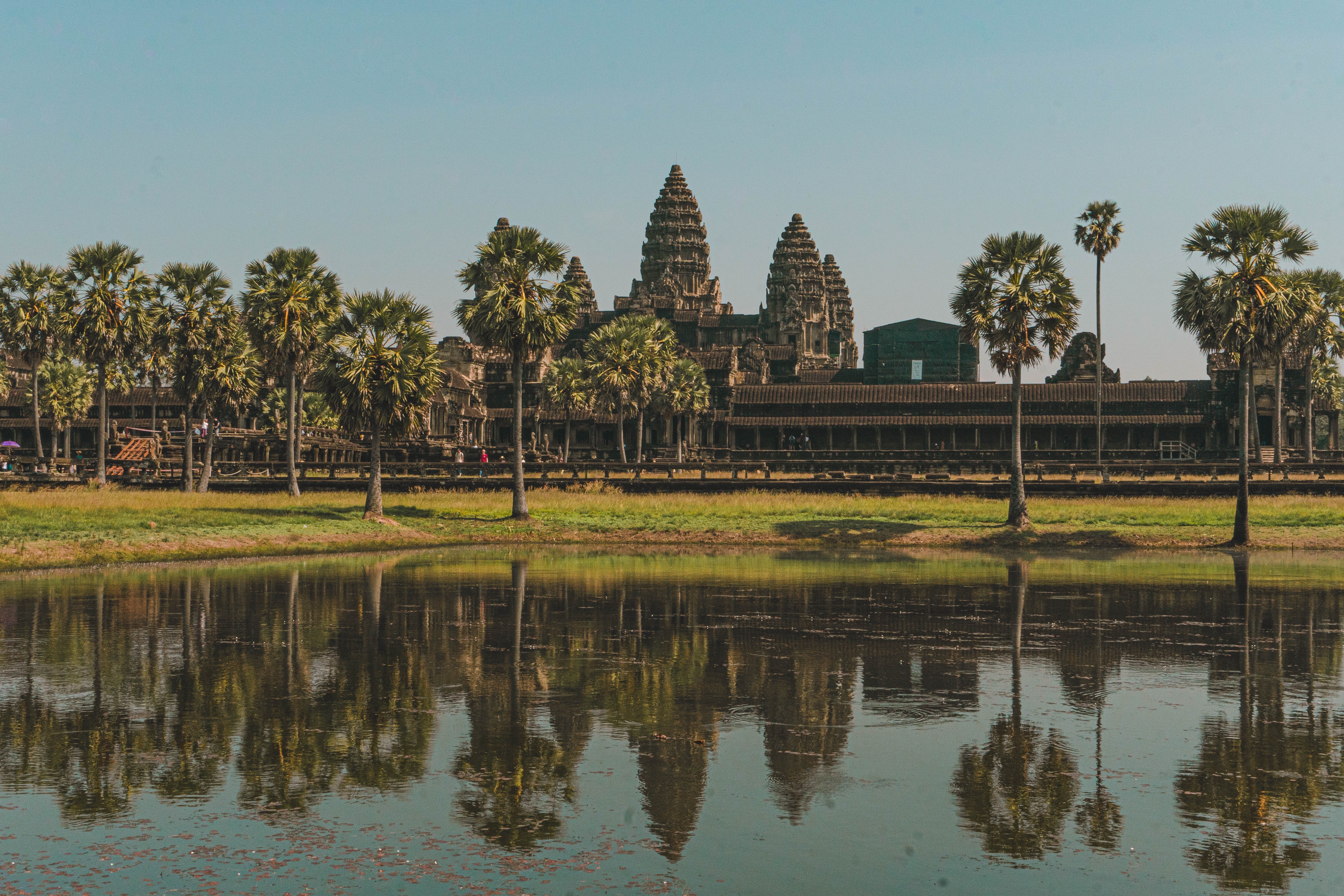
After lunch, you will call at Angkor Ban, a small settlement where time stands still. Explore its historic wooden houses, which date back over 100 years and survived the destruction of the Khmer Rouge. Back on board, learn the many ways to wear a krama, the traditional Cambodian scarf, as the ship sails towards Kampong Cham.
Kampong Cham, Cambodia
Meet the novice monks at Wat Hanchey, an ancient hilltop pagoda and monastery. Walk (or drive) to the top and soak in some of the best elevated views of the cruise.
Scenic Enrich
Receive a traditional blessing from a monk and learn how to pray in a Buddhist pagoda before partaking in an alms ceremony, which contributes to the daily meal of the resident monks.
Sail back to Kampong Cham.
Scenic Freechoice:
This afternoon, explore Kampong Cham and its surrounds. Choose to learn about local folklore at Phnom Pros, a mountaintop pagoda that has long been part of a traditional legend. Tragically, in more modern times, the site was used as a Killing Field by the Khmer Rouge. The temple now features a Buddha Garden and is home to a local troop of monkeys. Afterwards, visit Wat Nokor Bachey, a unique architectural experiment that blends an Angkorian era temple with a new temple built inside it.
Alternatively, explore Kampong Cham’s history and industry with a drive past shop houses, remnants of the French colonial era, and the large Central market. Visit a local rubber plantation established by the French before stopping at a village known for growing betel nut, an important part of Cambodian culture.
Your third option today is a visit to Kho Penh Village. Located on Pen (Bamboo) Island, it’s only accessible by local remork after crossing by bamboo bridge or ferry from Kampong Cham. This remote village gives you a fascinating insight into the simple, rural lifestyle of farmers in Cambodia.
Back on board you will have time to relax and overlook the gorgeous sunset of the Cambodian skyline before your engaging farewell dinner with the crew.
Siem Reap, Cambodia
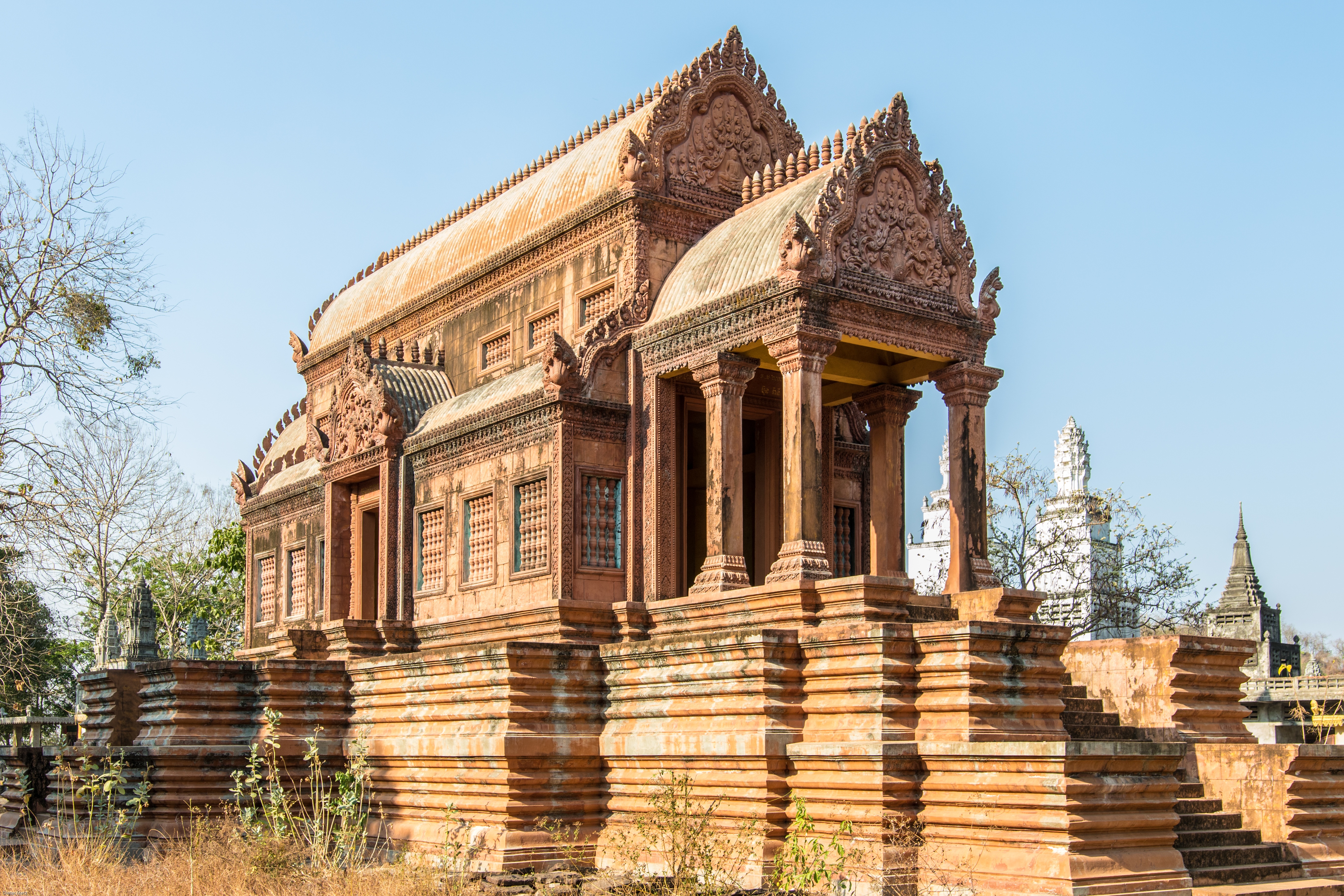
Today we journey to Siem Reap via stops at Kampong Tom and the Angkorian bridge in Kampong Kdei. Siem Reap is a split in time with ancient and traditional architecture weaved between the modern developments. Step back in time at your hotel, a definition of luxury and your historical home for the next three nights in Siem Reap. This brilliantly appointed accommodation is styled with a mix of French inspired architecture, local interior furnishings, the attentive staff provide a service beyond expectations, and brilliant amenities fit for royalty.
This evening head to the colourful Cambodian Phare Circus where your VIP premium reserved seating awaits you. Beautifully dressed performers style a stunning show that is more than just a circus. The performers use theatre, music, dance and modern circus arts to tell uniquely Cambodian stories; historical, folk and modern.
Siem Reap, Cambodia
The second day of your Siem Reap exploration starts with a delicious champagne buffet breakfast at the hotel.
Scenic Freechoice:
As part of Scenic’s Freechoice you have multiple options to choose from. Explore the 10th-century Banteay Srei Temple, a temple commonly referred to as the Ladies Temple because of its pinkish sandstone and dedication to the Hindu god Shiva. Afterwards visit the Landmine Museum, founded in 1997 with the aim to make the country safe through the removal of mines.
Other options include a visit Senteurs d’Angkor workshop to try your hand at producing your own local souvenir. Through different hands-on workstations, discover how the artisans make by hand soap with coconut oil, natural cosmetics, subtly scented balms, aromatic candles and local spices in traditional ways or undertake a village walk through Ta Brak Village.
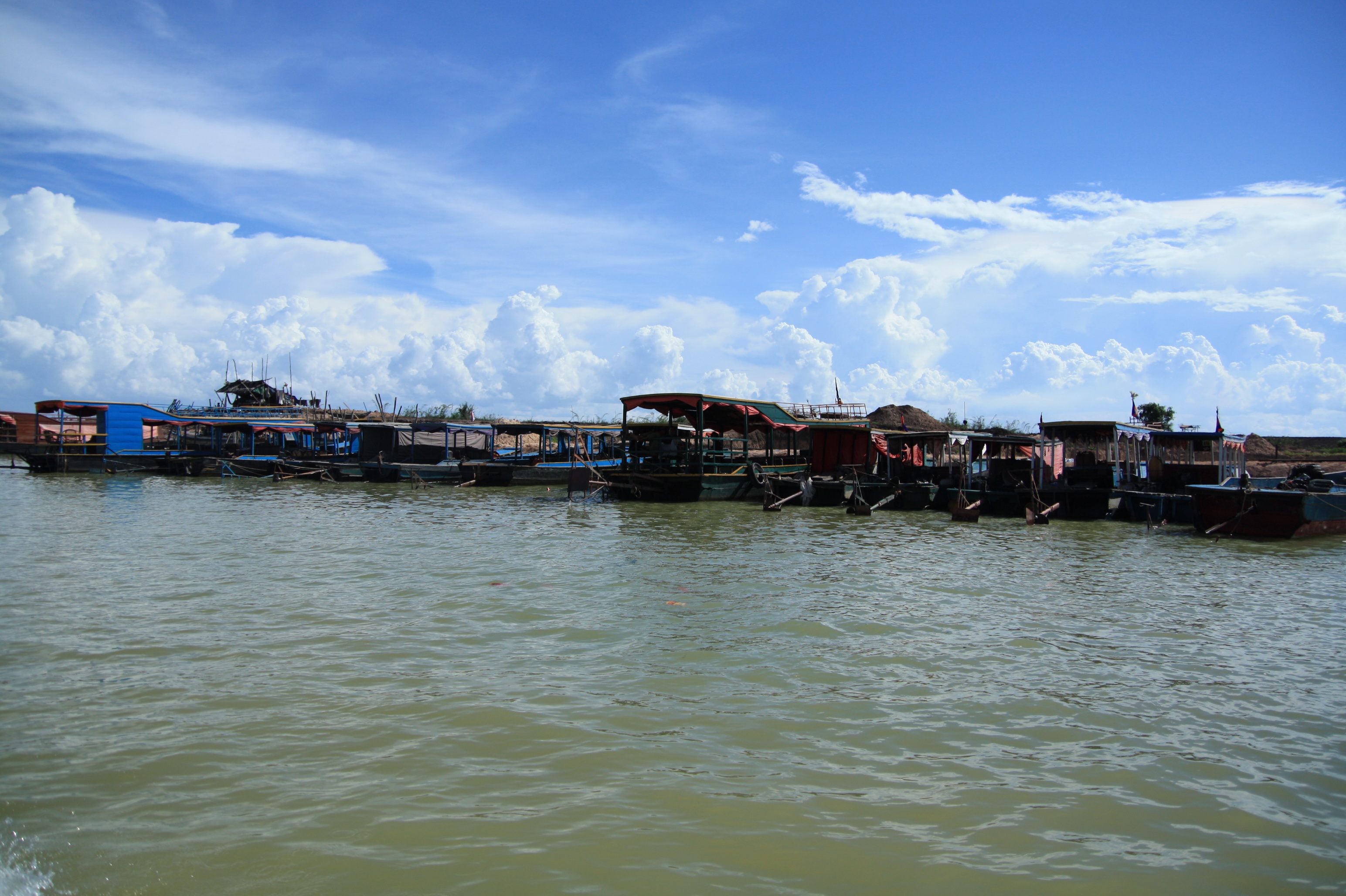
Alternatively, if you have enjoyed being on the water, sail on Tonle Sap (July to February), a picturesque UNESCO biosphere reserve and experiencing the life of a floating village or visit the Angkor Wildlife Aquarium and learn all about the Mekong eco system with a special behind-the-scenes tour where you can see animal care in action, participate in feeding sessions, and even meet some park stars up close.
Or take flight in a tethered balloon to discover the aerial beauties of the combination between traditional and modern Siem Reap. (Not available July – September 2026). Enjoy the fresh air and take some remarkable photographs of the skyline as you lift into the skies of Siem Reap overlooking Angkor Wat below before visiting a Lotus Flower workshop.
Visit the Angkor Wildlife and Aquarium for an in-depth exploration of Tonle Sap Lake’s aquatic ecosystem. Guided by a marine biologist, learn about the lake’s species, environmental threats and the conservation efforts dedicated to preserving this unique environment.
You might like to experience a glimpse of rural Cambodian life during a visit to Ta Brak Village. Explore the vibrant market and immerse yourself in villager’s daily life. Share a meal with friendly locals, learn about fish smoking and be blessed in a traditional Buddhist ceremony.
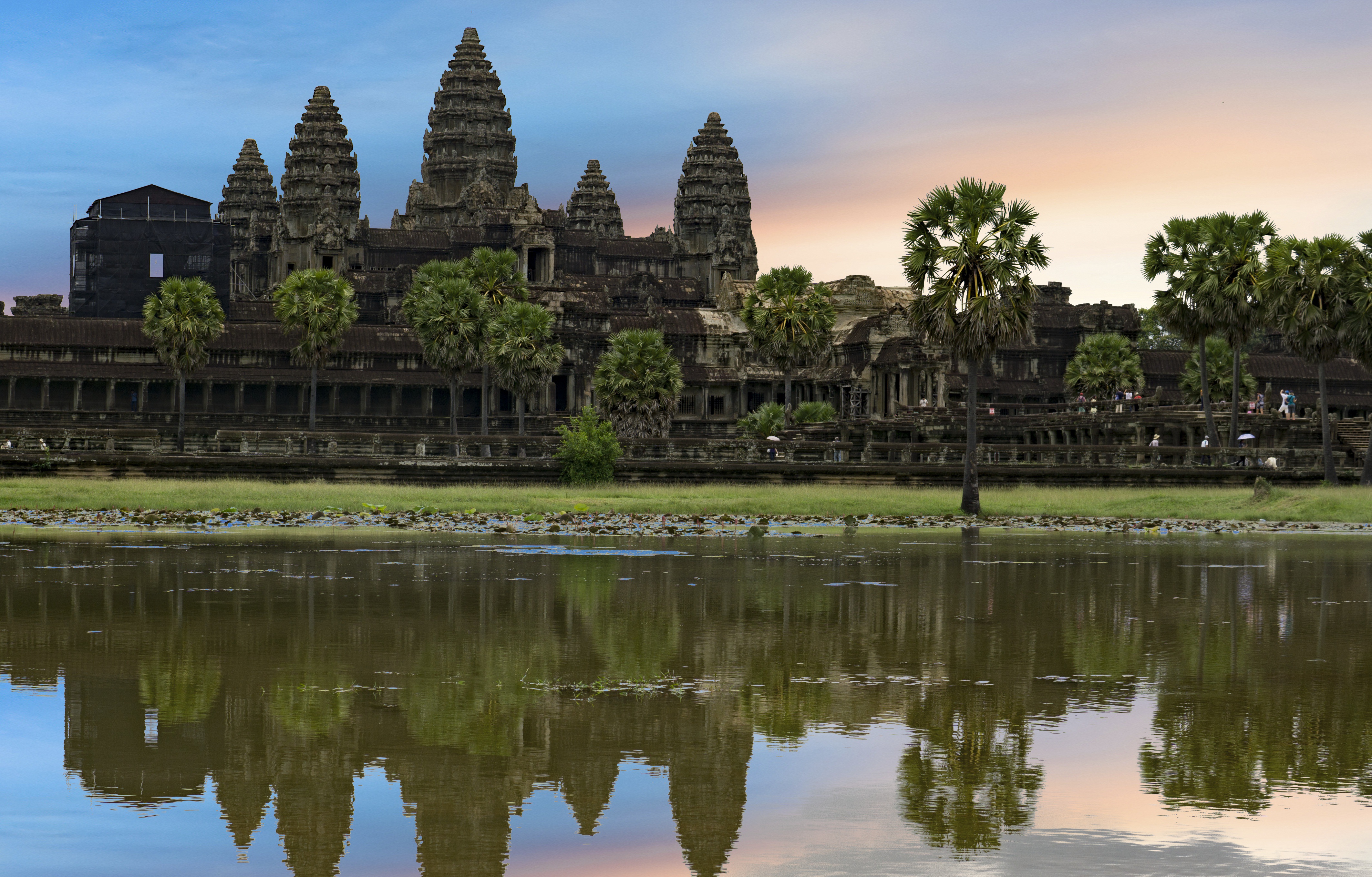
Later this afternoon explore Angkor Wat itself, the largest religious monument in the world. Originally constructed as a Hindu temple dedicated to the god Vishnu for the Khmer Empire, it was gradually transformed into a Buddhist temple towards the end of the 12th century. An afternoon visit provides the perfect light for those idealic pictures of this colossal structure. After the day of adventure, tonight is free to shop away at the night markets of Siem Reap or venture to Pub Street, both in walking distance or a short tuk tuk ride from your hotel.
Siem Reap, Cambodia
Scenic Enrich
Begin the day with an early morning Scenic Enrich, marvel at the sunrise over the magnificent Angkor Wat before moving to a special location near a temple for a scrumptious champagne breakfast with food prepared by a Scenic sponsored, NGO supported local bakery school.
After breakfast, visit the atmospheric, jungle covered Ta Prohm Temple, before stopping at Angkor Thom and the multi-faced Bayon Temple. Fortunately, you have the remainder of the afternoon to discover more of the Siem Reap markets or relax at your luxury hotel after your early morning start.
The final Scenic Enrich is truly a special and exclusive one, one that is best experienced first-hand to fully appreciate it’s scale. Your tour directors and Scenic team will leave you in awe as you enter a private magical gala themed dinner at Prasat Kravan, a small 10th-century temple consisting of five reddish brick towers on a common terrace. Including free flow drinks and a show featuring Apsara dancers in front of the candle lit temple ruins, this evening brings a most incredible end to what is a remarkable trip.
Luang Prabang, Laos
Checkout this afternoon and transfer to Siem Reap Airport. Fly to the UNESCO listed city of Luang Prabang, the spiritual capital of Laos, for a three-night Special Stay, located across from the famous night markets.
Nestled between the Nam Khan and Mekong Rivers and surrounded by lush, forested mountains, Luang Prabang is one of the jewels of Indochina. This charming city is the spiritual capital of the country with a host of temples and scores of saffron robed monks. Time runs slowly here and endless hours can be spent meandering the small laneways past attractive colonial buildings or soaking up the view from a riverside café.
Luang Prabang, Laos
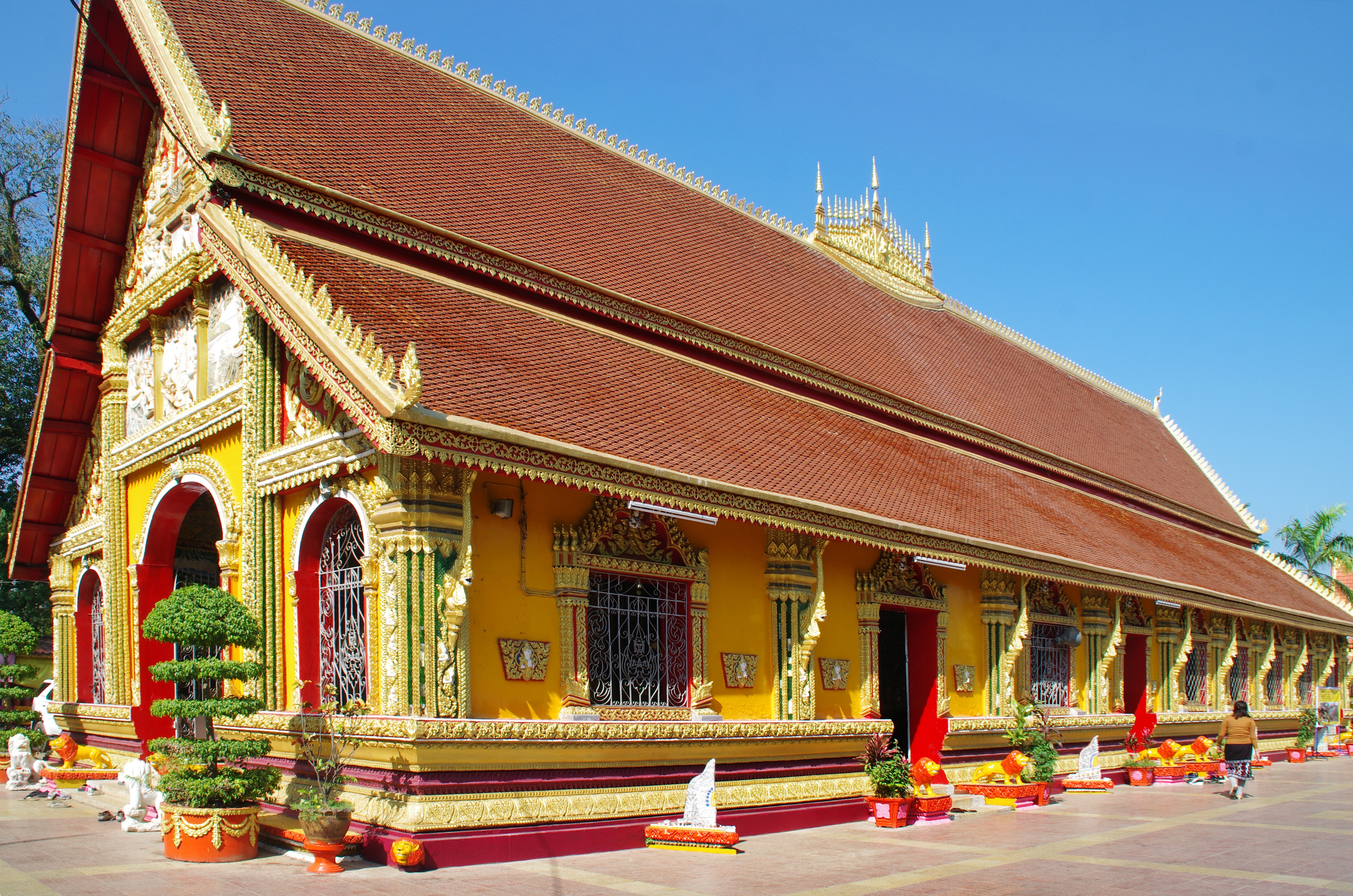
Today visit the city’s main sites including, Wat Xieng Thong, one of the most important and oldest temples in Laos, Wat Mai, the city’s largest temple and the former Royal Palace now converted into the National Museum. Later, enjoy a cruise along the Mekong River, stopping at a local village which specialises in rice wine before continuing to Pak Ou Caves (locally called Tam Ting), flooded with thousands of gold Buddha statue buried within a limestone cliff. This well-known attraction is a must-see in Laos. After returning to Luang Prabang, learn from the locals how to play Pétanque, also known as Petong in Laos. Tonight, is yours at leisure leaving you with free time to shop in the well-known night market for those gifts to take back home.
Angkor Ban, Cambodia
This morning, you will explore the island of Oknha Tey, dedicated to the art of silk weaving. Travel by traditional tuk tuk to the farm, meet the workers and learn about silk production. Return to Scenic Spirit for lunch and some free time. This could be the perfect opportunity to escape the heat of a Southeast Asian afternoon with a swim in the pool and a refreshing cocktail.
After lunch, you will call at Angkor Ban, a small settlement where time stands still. Explore its historic wooden houses, which date back over 100 years and survived the destruction of the Khmer Rouge. Back on board, learn the many ways to wear a krama, the traditional Cambodian scarf, as the ship sails towards Kampong Cham.
Kampong Cham, Cambodia
Meet the novice monks at Wat Hanchey, an ancient hilltop pagoda and monastery. Walk (or drive) to the top and soak in some of the best elevated views of the cruise.
Scenic Enrich
Receive a traditional blessing from a monk and learn how to pray in a Buddhist pagoda before partaking in an alms ceremony, which contributes to the daily meal of the resident monks.
Sail back to Kampong Cham.
Scenic Freechoice:
This afternoon, explore Kampong Cham and its surrounds. Choose to learn about local folklore at Phnom Pros, a mountaintop pagoda that has long been part of a traditional legend. Tragically, in more modern times, the site was used as a Killing Field by the Khmer Rouge. The temple now features a Buddha Garden and is home to a local troop of monkeys. Afterwards, visit Wat Nokor Bachey, a unique architectural experiment that blends an Angkorian era temple with a new temple built inside it.
Alternatively, explore Kampong Cham’s history and industry with a drive past shop houses, remnants of the French colonial era, and the large Central market. Visit a local rubber plantation established by the French before stopping at a village known for growing betel nut, an important part of Cambodian culture.
Your third option today is a visit to Kho Penh Village. Located on Pen (Bamboo) Island, it’s only accessible by local remork after crossing by bamboo bridge or ferry from Kampong Cham. This remote village gives you a fascinating insight into the simple, rural lifestyle of farmers in Cambodia.
Back on board you will have time to relax and overlook the gorgeous sunset of the Cambodian skyline before your engaging farewell dinner with the crew.
Siem Reap, Cambodia
Today we journey to Siem Reap via stops at Kampong Tom and the Angkorian bridge in Kampong Kdei. Siem Reap is a split in time with ancient and traditional architecture weaved between the modern developments. Step back in time at your hotel, a definition of luxury and your historical home for the next three nights in Siem Reap. This brilliantly appointed accommodation is styled with a mix of French inspired architecture, local interior furnishings, the attentive staff provide a service beyond expectations, and brilliant amenities fit for royalty.
This evening head to the colourful Cambodian Phare Circus where your VIP premium reserved seating awaits you. Beautifully dressed performers style a stunning show that is more than just a circus. The performers use theatre, music, dance and modern circus arts to tell uniquely Cambodian stories; historical, folk and modern.
Siem Reap, Cambodia
The second day of your Siem Reap exploration starts with a delicious champagne buffet breakfast at the hotel.
Scenic Freechoice:
As part of Scenic’s Freechoice you have multiple options to choose from. Explore the 10th-century Banteay Srei Temple, a temple commonly referred to as the Ladies Temple because of its pinkish sandstone and dedication to the Hindu god Shiva. Afterwards visit the Landmine Museum, founded in 1997 with the aim to make the country safe through the removal of mines.
Other options include a visit Senteurs d’Angkor workshop to try your hand at producing your own local souvenir. Through different hands-on workstations, discover how the artisans make by hand soap with coconut oil, natural cosmetics, subtly scented balms, aromatic candles and local spices in traditional ways or undertake a village walk through Ta Brak Village.
Alternatively, if you have enjoyed being on the water, sail on Tonle Sap (July to February), a picturesque UNESCO biosphere reserve and experiencing the life of a floating village or visit the Angkor Wildlife Aquarium and learn all about the Mekong eco system with a special behind-the-scenes tour where you can see animal care in action, participate in feeding sessions, and even meet some park stars up close.
Or take flight in a tethered balloon to discover the aerial beauties of the combination between traditional and modern Siem Reap. (Not available July – September 2026). Enjoy the fresh air and take some remarkable photographs of the skyline as you lift into the skies of Siem Reap overlooking Angkor Wat below before visiting a Lotus Flower workshop.
Visit the Angkor Wildlife and Aquarium for an in-depth exploration of Tonle Sap Lake’s aquatic ecosystem. Guided by a marine biologist, learn about the lake’s species, environmental threats and the conservation efforts dedicated to preserving this unique environment.
You might like to experience a glimpse of rural Cambodian life during a visit to Ta Brak Village. Explore the vibrant market and immerse yourself in villager’s daily life. Share a meal with friendly locals, learn about fish smoking and be blessed in a traditional Buddhist ceremony.
Later this afternoon explore Angkor Wat itself, the largest religious monument in the world. Originally constructed as a Hindu temple dedicated to the god Vishnu for the Khmer Empire, it was gradually transformed into a Buddhist temple towards the end of the 12th century. An afternoon visit provides the perfect light for those idealic pictures of this colossal structure. After the day of adventure, tonight is free to shop away at the night markets of Siem Reap or venture to Pub Street, both in walking distance or a short tuk tuk ride from your hotel.
Siem Reap, Cambodia
Scenic Enrich
Begin the day with an early morning Scenic Enrich, marvel at the sunrise over the magnificent Angkor Wat before moving to a special location near a temple for a scrumptious champagne breakfast with food prepared by a Scenic sponsored, NGO supported local bakery school.
After breakfast, visit the atmospheric, jungle covered Ta Prohm Temple, before stopping at Angkor Thom and the multi-faced Bayon Temple. Fortunately, you have the remainder of the afternoon to discover more of the Siem Reap markets or relax at your luxury hotel after your early morning start.
The final Scenic Enrich is truly a special and exclusive one, one that is best experienced first-hand to fully appreciate it’s scale. Your tour directors and Scenic team will leave you in awe as you enter a private magical gala themed dinner at Prasat Kravan, a small 10th-century temple consisting of five reddish brick towers on a common terrace. Including free flow drinks and a show featuring Apsara dancers in front of the candle lit temple ruins, this evening brings a most incredible end to what is a remarkable trip.
Luang Prabang, Laos
Checkout this afternoon and transfer to Siem Reap Airport. Fly to the UNESCO listed city of Luang Prabang, the spiritual capital of Laos, for a three-night Special Stay, located across from the famous night markets.
Nestled between the Nam Khan and Mekong Rivers and surrounded by lush, forested mountains, Luang Prabang is one of the jewels of Indochina. This charming city is the spiritual capital of the country with a host of temples and scores of saffron robed monks. Time runs slowly here and endless hours can be spent meandering the small laneways past attractive colonial buildings or soaking up the view from a riverside café.
Luang Prabang, Laos
Today visit the city’s main sites including, Wat Xieng Thong, one of the most important and oldest temples in Laos, Wat Mai, the city’s largest temple and the former Royal Palace now converted into the National Museum. Later, enjoy a cruise along the Mekong River, stopping at a local village which specialises in rice wine before continuing to Pak Ou Caves (locally called Tam Ting), flooded with thousands of gold Buddha statue buried within a limestone cliff. This well-known attraction is a must-see in Laos. After returning to Luang Prabang, learn from the locals how to play Pétanque, also known as Petong in Laos. Tonight, is yours at leisure leaving you with free time to shop in the well-known night market for those gifts to take back home.
Luang Prabang, Laos
A truly beautiful and empowering moment awaits upon the streets of Luang Prabang. Attend the morning ritual and admire the silent movements of the local monks as they collect their daily alms.
Afterwards return to the hotel for breakfast before heading out for the morning for your Scenic Freechoice activity.
Scenic Freechoice: Try your hand in becoming a Laotian farmer for the morning at the Living Land Rice Farming experience. Be as hands on as you like as you learn about each stage of the rice growing and harvesting processes.
Alternatively travel by tuk tuk and ferry to the village of Ban Chan and the Laos Pottery House. Here choose from a hands-on pottery making experience in the village which has a history of making pottery for Laotian Kings or gather your local ingredients and prepare your own lunch of local cuisine using traditional cooking methods.
Remainder of the afternoon is free at leisure before your farewell dinner tonight in town.
Bangkok, Thailand
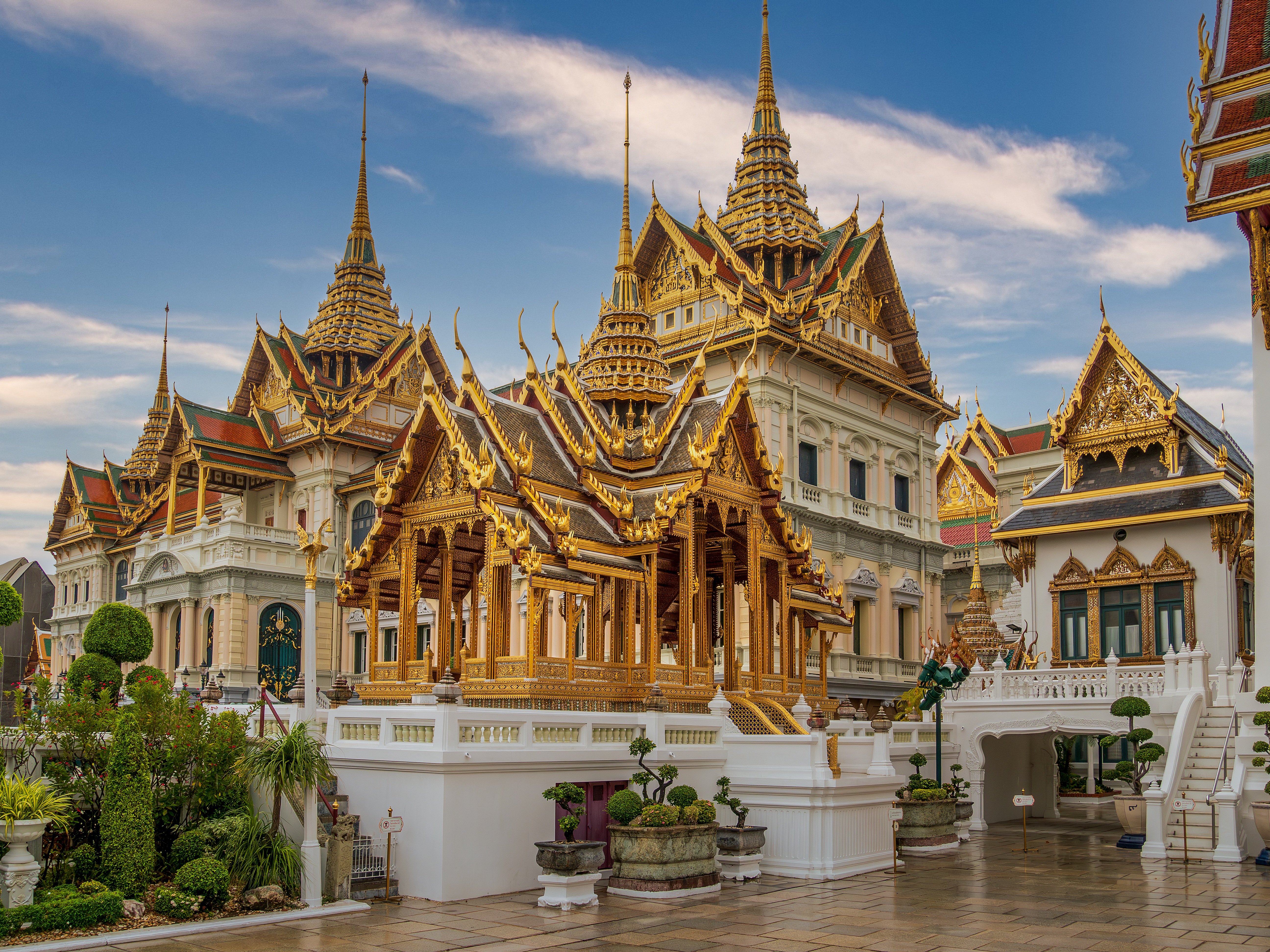
Bangkok, also known as the City of Angels and Venice of the East thrills with energy. There’s such a vast array of sightseeing, shopping, and eating possibilities that you’ll have little time to rest. When you do find a moment, pamper yourself with spa treatments, skyline-view bars, luxurious hotels, and excellent restaurants. The city is a mesmerizing blend of old and new, East and West, and dizzying contradictions. Temples and red-light districts, languid canals and permanent gridlock, streetside vendors and chic upscale eateries, all make their home together, all at the same time. Bangkok rarely fails to make an impression, and yes, you might need to go spend a few days on the beach to recover from it all. Although Bangkok is not known for jaw-dropping tourist attractions, it does have an endless supply of worthwhile pilgrimages. The Grand Palace, Wat Phra Kaew, and the Emerald Buddha are tops on every visitor’s itinerary, and lesser-known temples, such as Wat Benjamabophit, the golden stupa of Wat Sakhet, and Wat Suthat, are all worthy of a stop. Besides temples, there are plenty of other interesting niches and touring possibilities to fit just about every interest. Take in a venom extraction and python feeding show at the Queen Saowapha Snake Farm, or go to the nearby Jim Thompson House to learn all about the famed Thai silk industry. If architecture is your forte, there is the Suan Pakkard Palace with its antique teak house collection, and the even more astounding Vimanmek Palace, which contains the world’s largest golden teak building. Bangkok’s Chinatown merits at least a day on every travel itinerary—be sure to check out the sprawling labyrinthine Flower and Thieves markets. Thai food is unrivaled for spice, taste, and variation. From multicourse meals to small street vendors, the one constant here is fresh and delicious at every level. You can have superlative roast duck or wonton noodles on a street corner for lunch and then be dining on world-class chef creations in the Oriental or Shangri-La hotels for supper. It doesn’t have to be all spicy Thai either, as Bangkok is home to excellent French, Italian, and other world cuisines, and you need a few years just to make a dent in all the options that are available. The Old City is a major destination for travelers, as it’s home to opulent temples like Wat Po and Wat Phra Kaew. Across the river is Thonburi, a mostly residential neighborhood, where you can find Wat Arun. At the northern tip of the Old City is Banglamphu, one of Bangkok’s older residential neighborhoods. It’s best known now for Khao San Road, a backpacker hangout, though the neighborhood has much more to offer, especially when it comes to street food. North of Banglamphu is Dusit, the royal district since the days of Rama V. East of the Old City is Chinatown, a labyrinth of streets with restaurants, shops, and warehouses. Farther down the Chao Phraya River is bustling Silom Road, one of the city’s major commercial districts. Patpong, the city’s most famous of several red-light districts, is also here. Bang Rak is home to some of the city’s leading hotels: the Mandarin Oriental, the Peninsula, the Royal Orchid Sheraton, and the Shangri-La. To the north of Rama IV Road is Bangkok’s largest green area, Lumphini Park. Continue north and you reach Sukhumvit Road, once a residential area. More recently, Thong Lor, farther east along Sukhumvit, has become the “in” neighborhood for those want to see and be seen. The Nana and Asok areas of Sukhumvit are now home to the even busier red-light entertainment districts (Nana and Soi Cowboy) than Patpong.
Luang Prabang, Laos
A truly beautiful and empowering moment awaits upon the streets of Luang Prabang. Attend the morning ritual and admire the silent movements of the local monks as they collect their daily alms.
Afterwards return to the hotel for breakfast before heading out for the morning for your Scenic Freechoice activity.
Scenic Freechoice: Try your hand in becoming a Laotian farmer for the morning at the Living Land Rice Farming experience. Be as hands on as you like as you learn about each stage of the rice growing and harvesting processes.
Alternatively travel by tuk tuk and ferry to the village of Ban Chan and the Laos Pottery House. Here choose from a hands-on pottery making experience in the village which has a history of making pottery for Laotian Kings or gather your local ingredients and prepare your own lunch of local cuisine using traditional cooking methods.
Remainder of the afternoon is free at leisure before your farewell dinner tonight in town.
Bangkok, Thailand
Bangkok, also known as the City of Angels and Venice of the East thrills with energy. There’s such a vast array of sightseeing, shopping, and eating possibilities that you’ll have little time to rest. When you do find a moment, pamper yourself with spa treatments, skyline-view bars, luxurious hotels, and excellent restaurants. The city is a mesmerizing blend of old and new, East and West, and dizzying contradictions. Temples and red-light districts, languid canals and permanent gridlock, streetside vendors and chic upscale eateries, all make their home together, all at the same time. Bangkok rarely fails to make an impression, and yes, you might need to go spend a few days on the beach to recover from it all. Although Bangkok is not known for jaw-dropping tourist attractions, it does have an endless supply of worthwhile pilgrimages. The Grand Palace, Wat Phra Kaew, and the Emerald Buddha are tops on every visitor’s itinerary, and lesser-known temples, such as Wat Benjamabophit, the golden stupa of Wat Sakhet, and Wat Suthat, are all worthy of a stop. Besides temples, there are plenty of other interesting niches and touring possibilities to fit just about every interest. Take in a venom extraction and python feeding show at the Queen Saowapha Snake Farm, or go to the nearby Jim Thompson House to learn all about the famed Thai silk industry. If architecture is your forte, there is the Suan Pakkard Palace with its antique teak house collection, and the even more astounding Vimanmek Palace, which contains the world’s largest golden teak building. Bangkok’s Chinatown merits at least a day on every travel itinerary—be sure to check out the sprawling labyrinthine Flower and Thieves markets. Thai food is unrivaled for spice, taste, and variation. From multicourse meals to small street vendors, the one constant here is fresh and delicious at every level. You can have superlative roast duck or wonton noodles on a street corner for lunch and then be dining on world-class chef creations in the Oriental or Shangri-La hotels for supper. It doesn’t have to be all spicy Thai either, as Bangkok is home to excellent French, Italian, and other world cuisines, and you need a few years just to make a dent in all the options that are available. The Old City is a major destination for travelers, as it’s home to opulent temples like Wat Po and Wat Phra Kaew. Across the river is Thonburi, a mostly residential neighborhood, where you can find Wat Arun. At the northern tip of the Old City is Banglamphu, one of Bangkok’s older residential neighborhoods. It’s best known now for Khao San Road, a backpacker hangout, though the neighborhood has much more to offer, especially when it comes to street food. North of Banglamphu is Dusit, the royal district since the days of Rama V. East of the Old City is Chinatown, a labyrinth of streets with restaurants, shops, and warehouses. Farther down the Chao Phraya River is bustling Silom Road, one of the city’s major commercial districts. Patpong, the city’s most famous of several red-light districts, is also here. Bang Rak is home to some of the city’s leading hotels: the Mandarin Oriental, the Peninsula, the Royal Orchid Sheraton, and the Shangri-La. To the north of Rama IV Road is Bangkok’s largest green area, Lumphini Park. Continue north and you reach Sukhumvit Road, once a residential area. More recently, Thong Lor, farther east along Sukhumvit, has become the “in” neighborhood for those want to see and be seen. The Nana and Asok areas of Sukhumvit are now home to the even busier red-light entertainment districts (Nana and Soi Cowboy) than Patpong.
Cabin Options
Deluxe Suite
Grand Deluxe Suite
Royal Panorama Suite
Ship Facilities
Crystal Dining
Enjoy à la carte menus for breakfast, lunch and dinner at Crystal Dining. Available on all Europe and South East Asia river cruises, this main restaurant offers a relaxed dining experience with local delicacies.
River Cafe
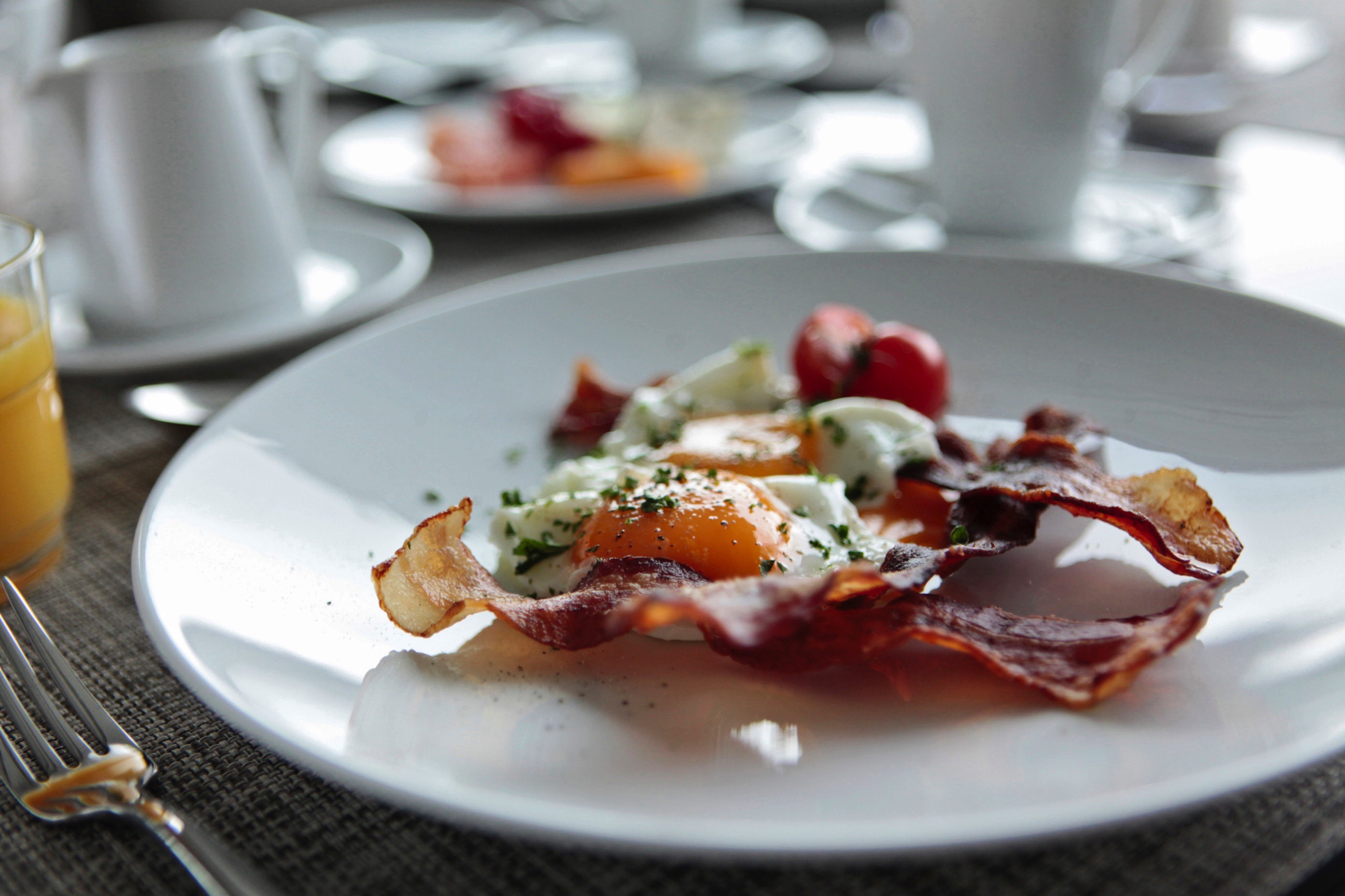
Offering a casual dining experience, you can enjoy all-day grazing options, light snacks and tasty treats to suit your schedule. The River Café is available on all Europe and South East Asia river cruises.
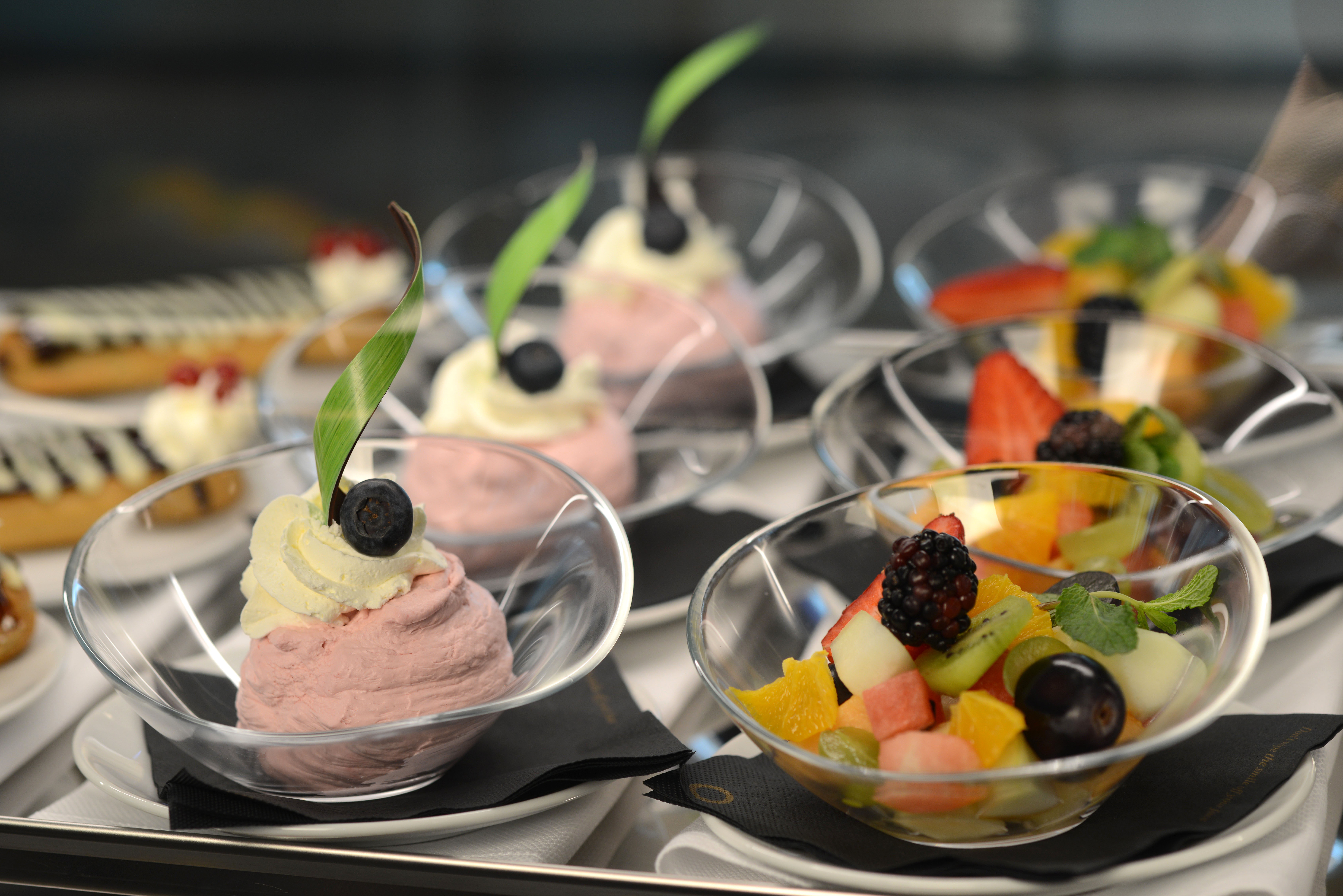
In-Suite Dining
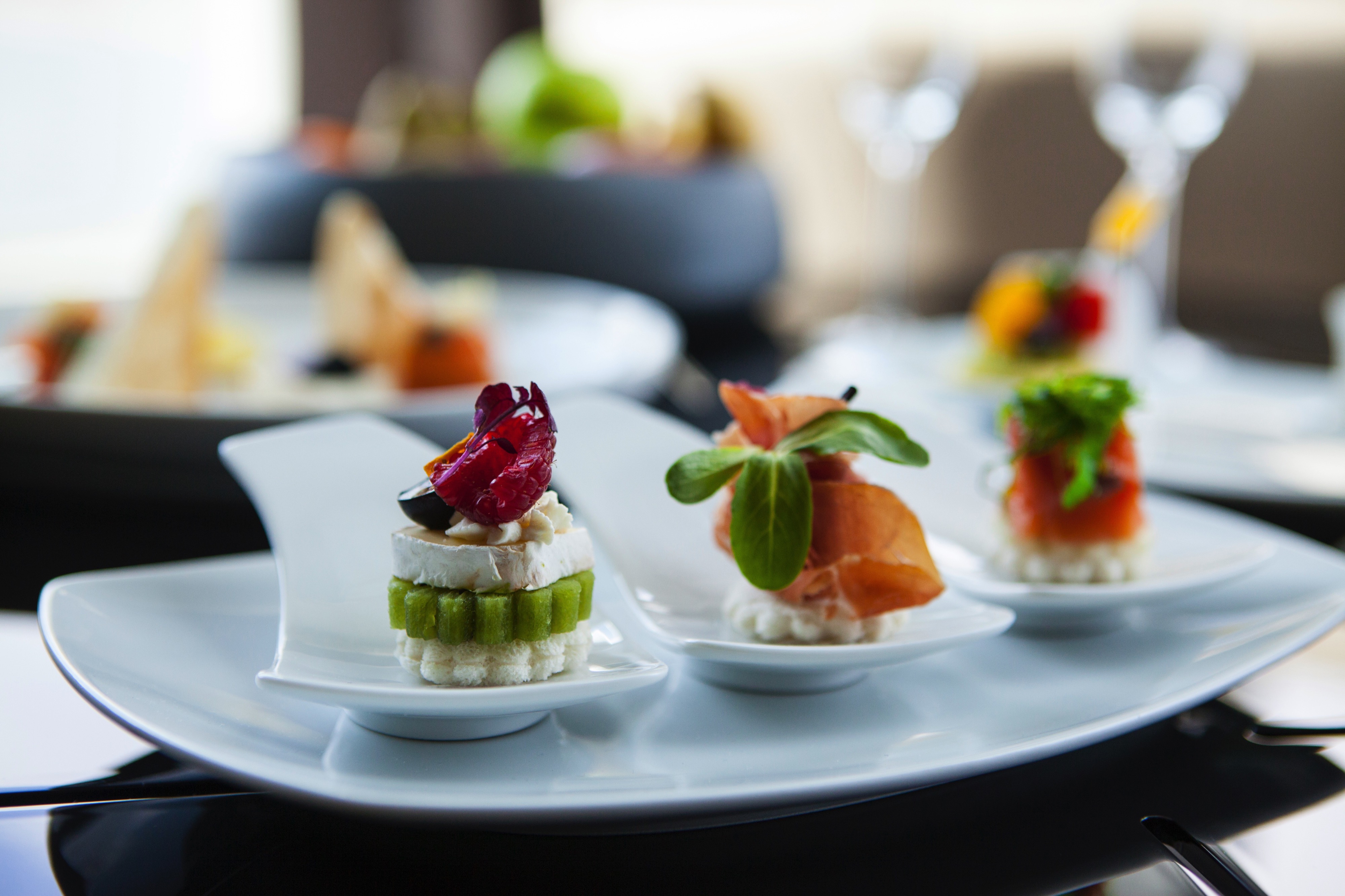
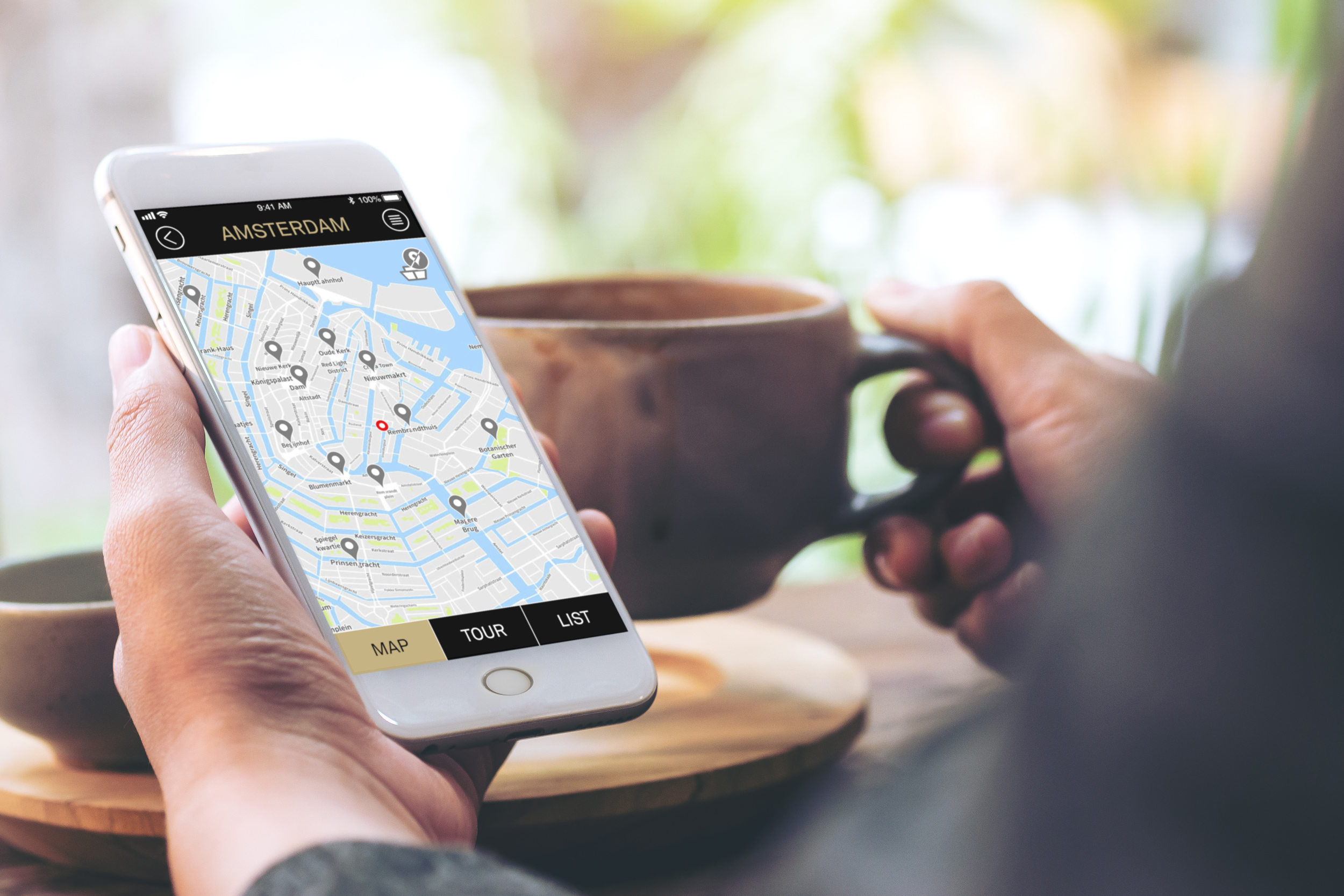
Scenic E-Bikes
Explore cities onshore on our complimentary e-bikes. Keep active and interact with locals as you explore Europe’s countryside.
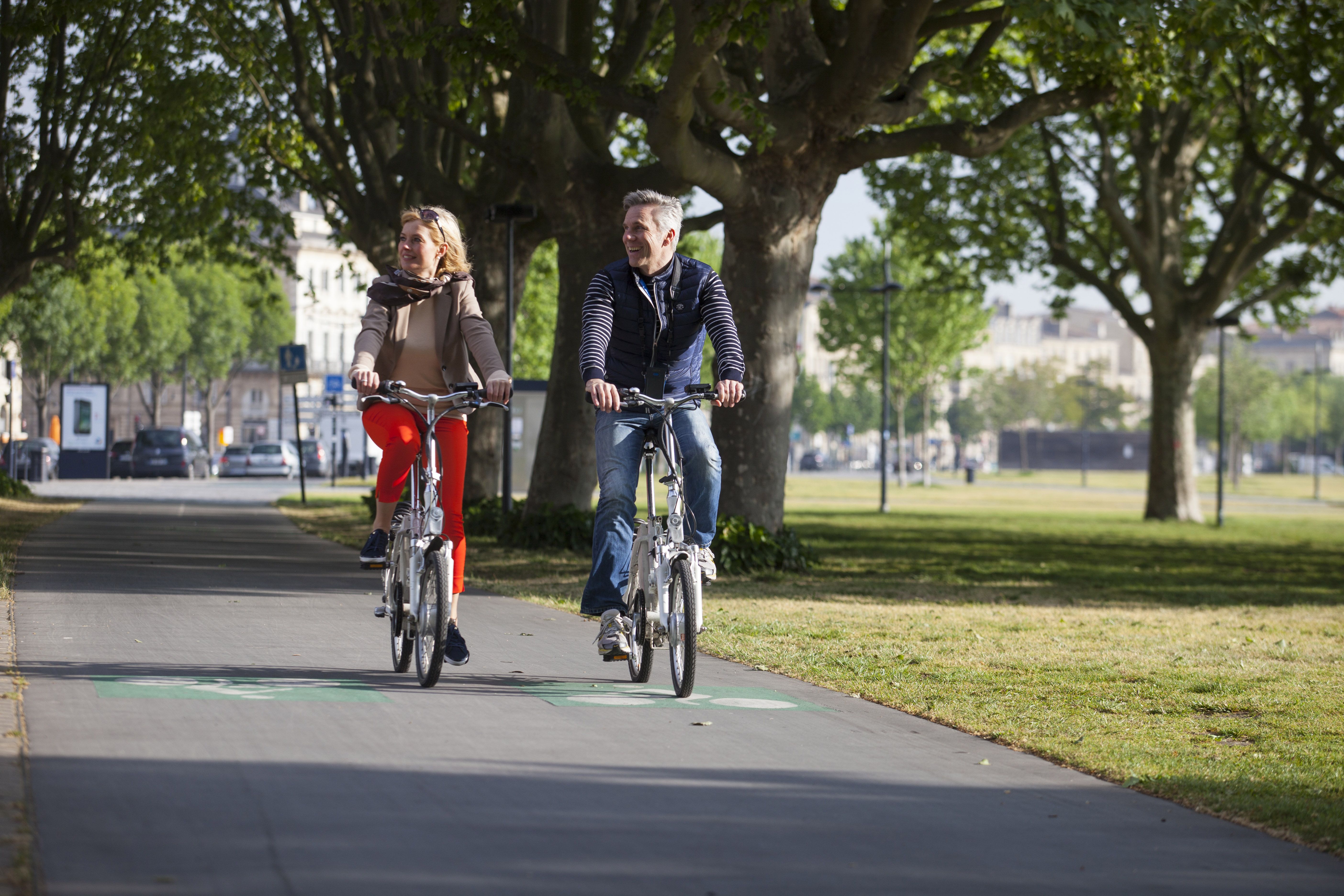
Scenic Freechoice
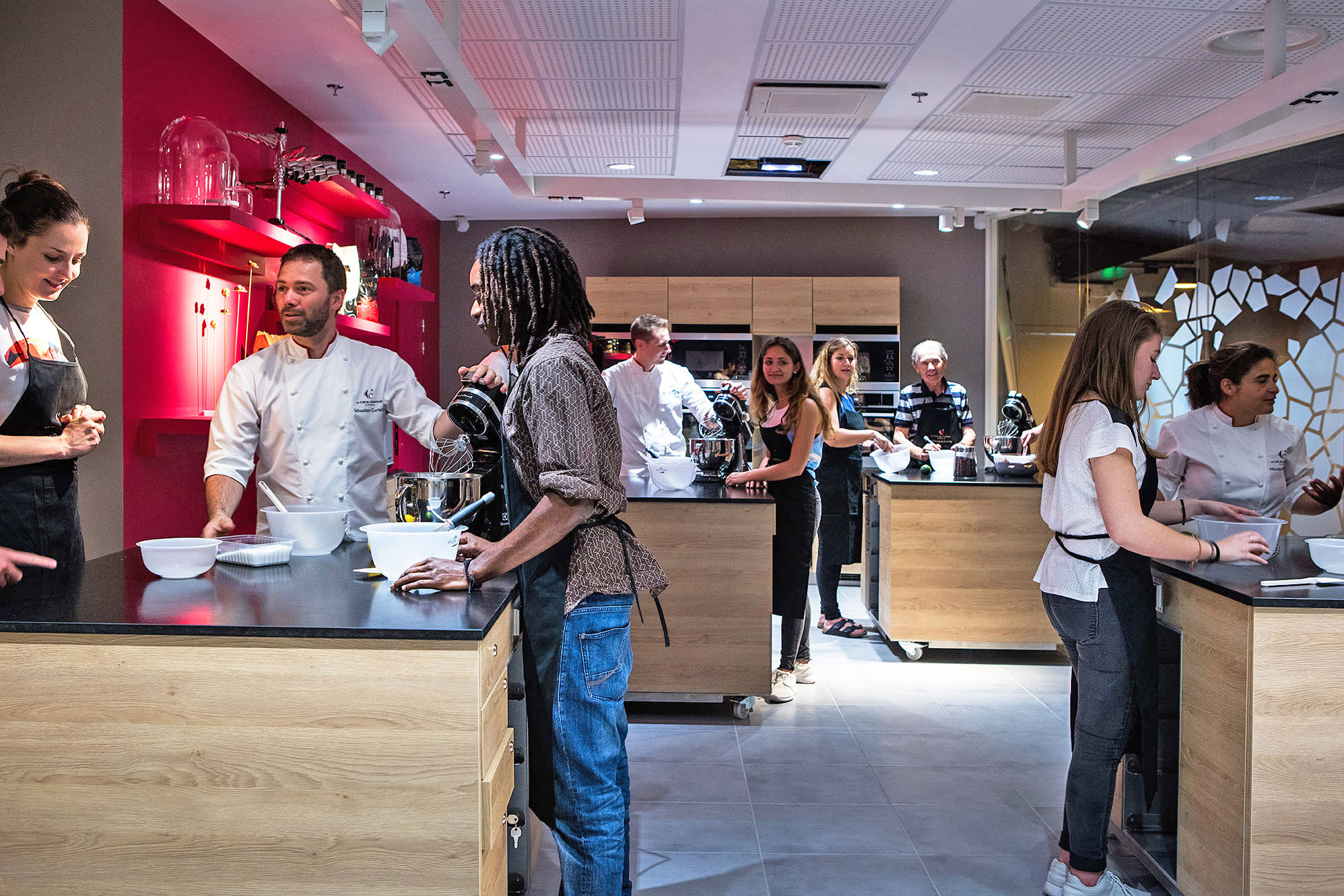
Scenic Enrich
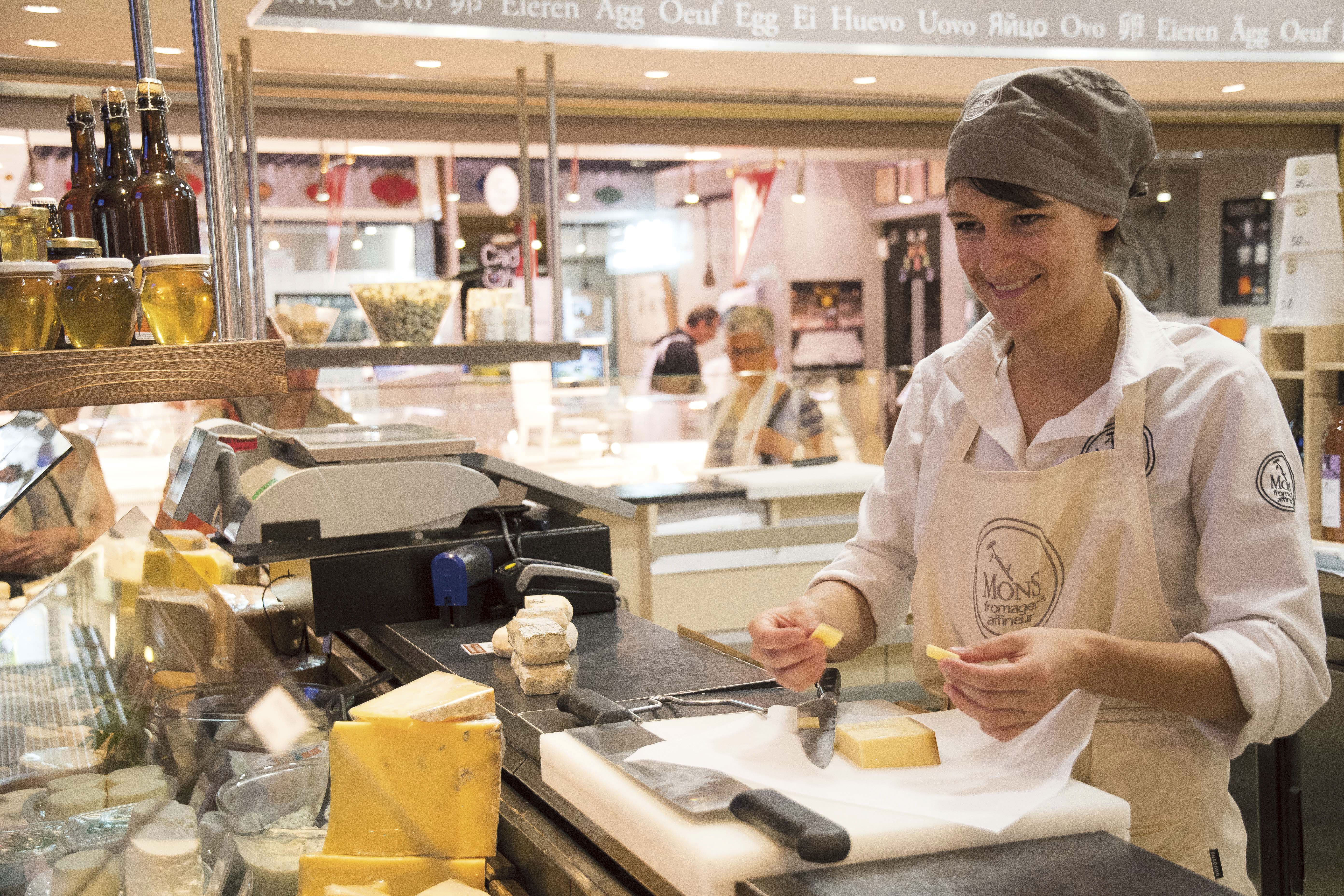
Scenic Tailormade
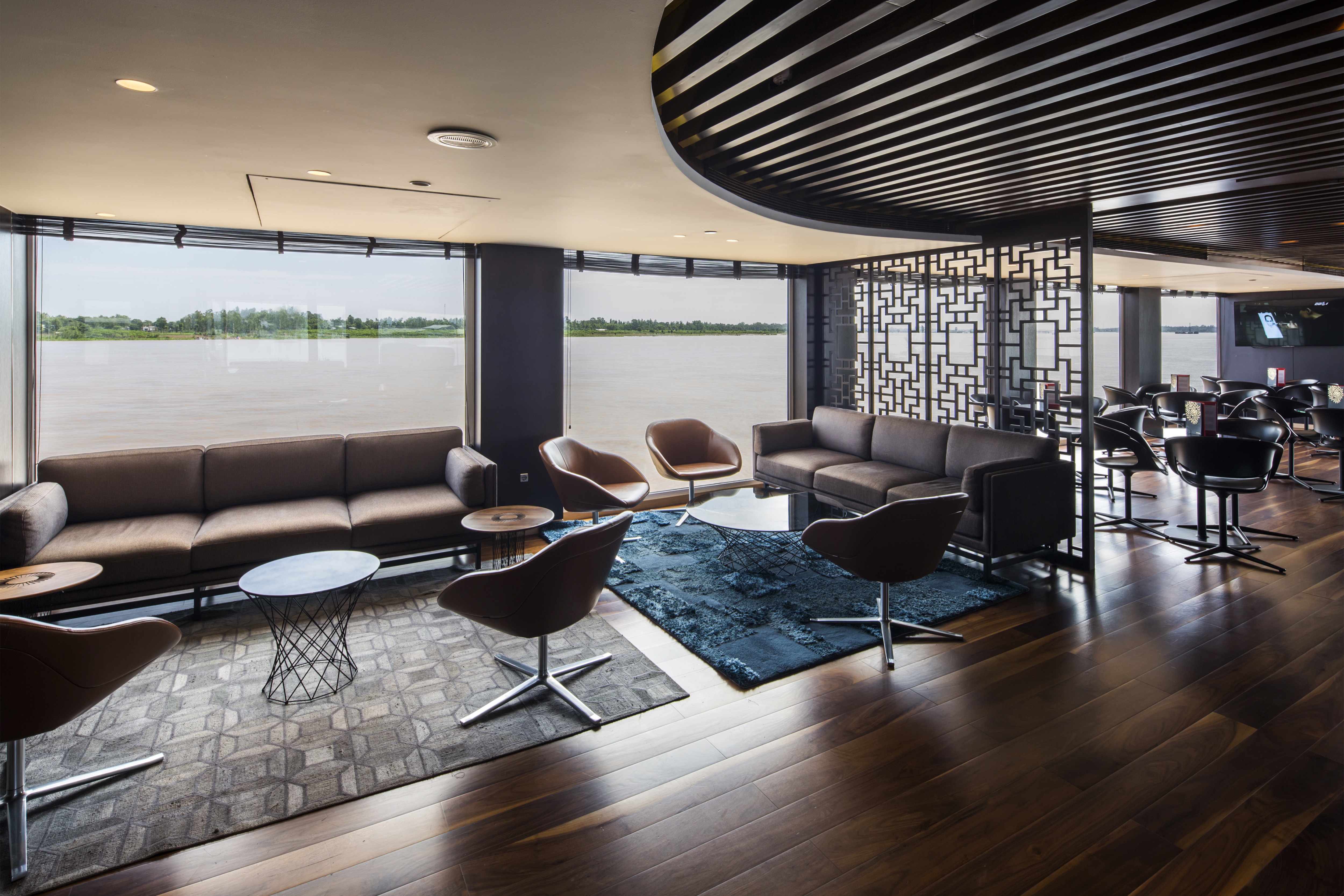
Spirit Lounge
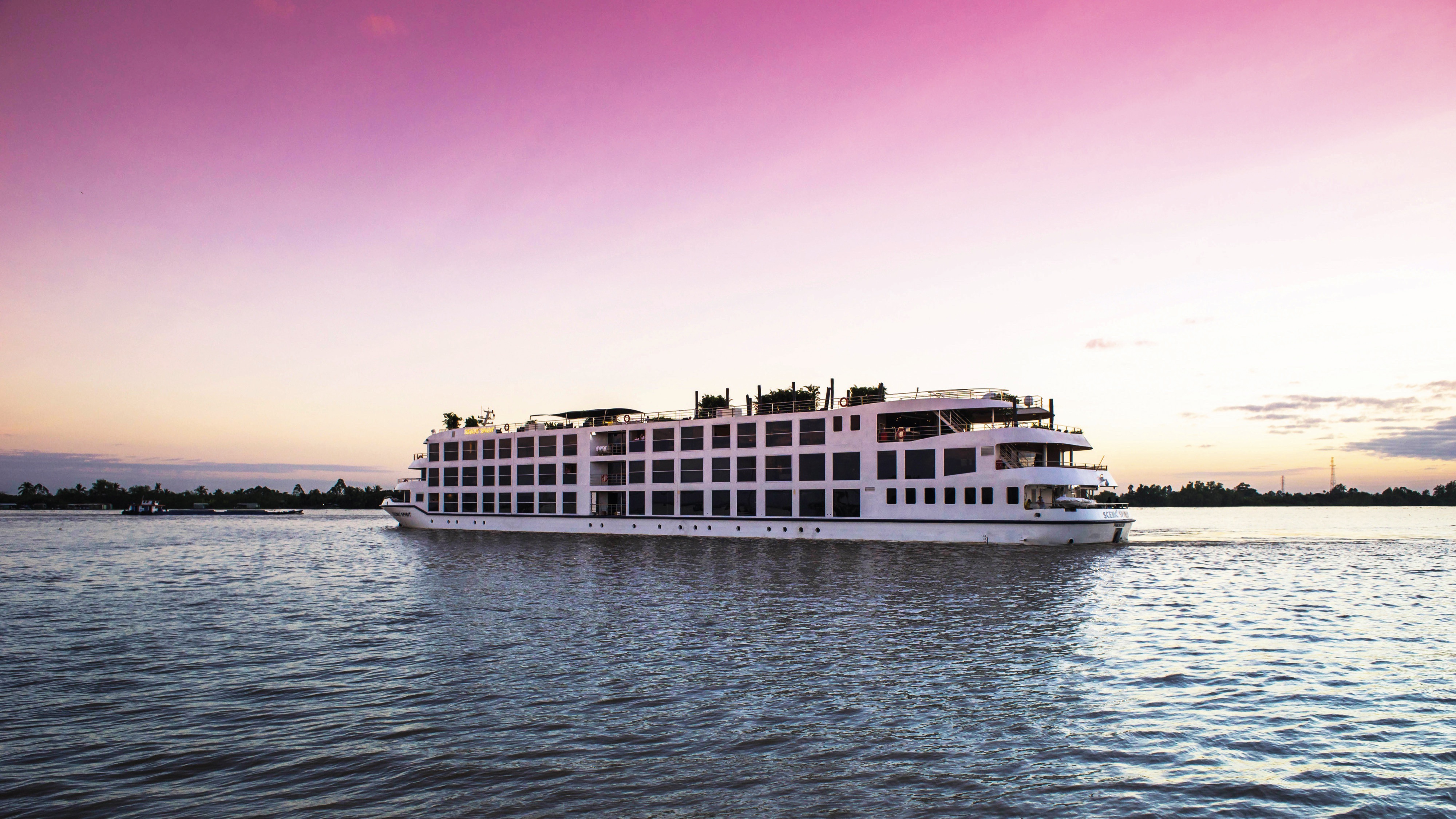
Enjoy a glass of your favourite wine, beer or spirit amid elegant and contemporary surroundings in the Spirit Lounge. This is the main bar area on board the Scenic Spirit, a place to relax and catch-up with new-found friends during your downtime on board.
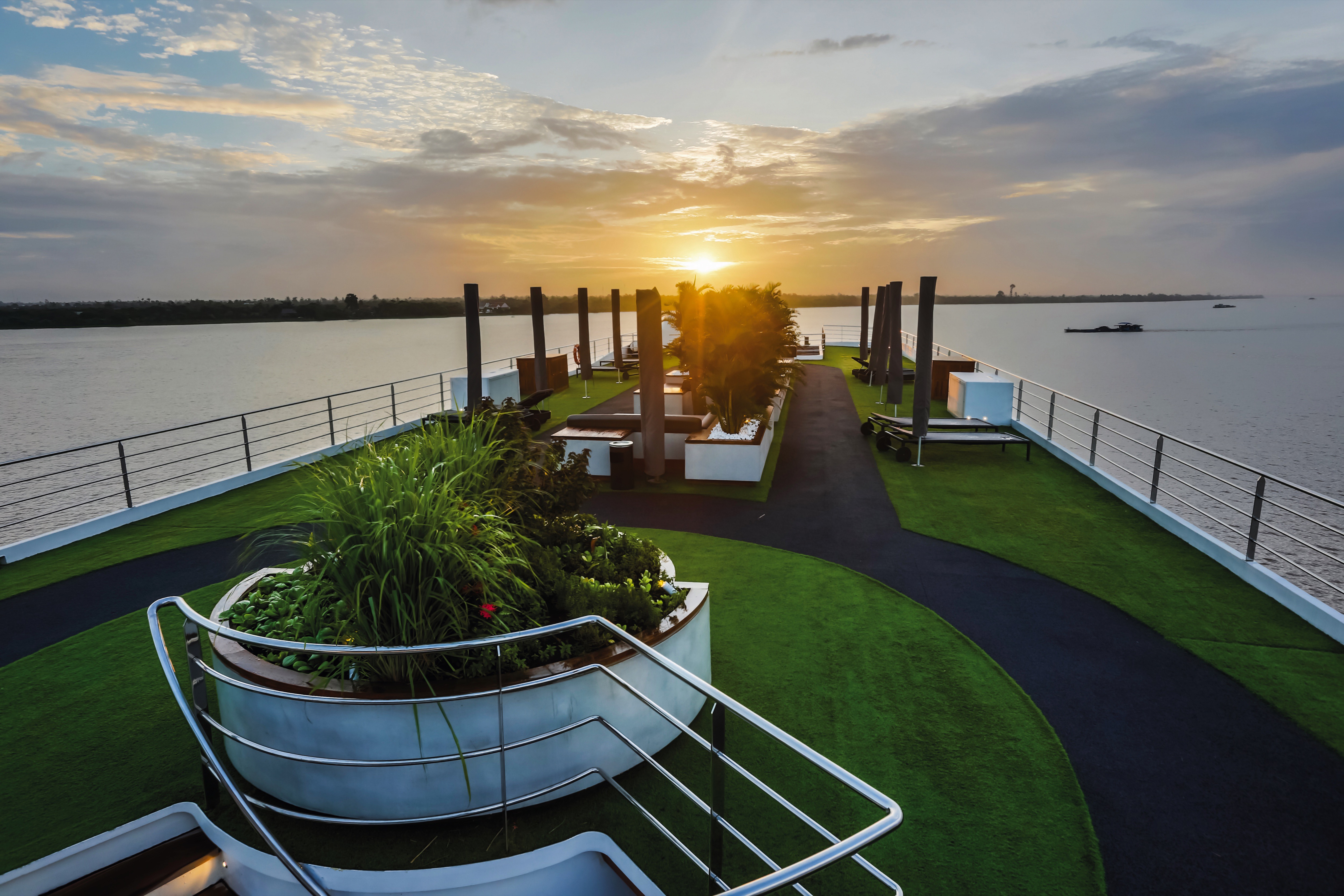
Sun Deck and Open Air Cinema
Swimming Pool & Bar
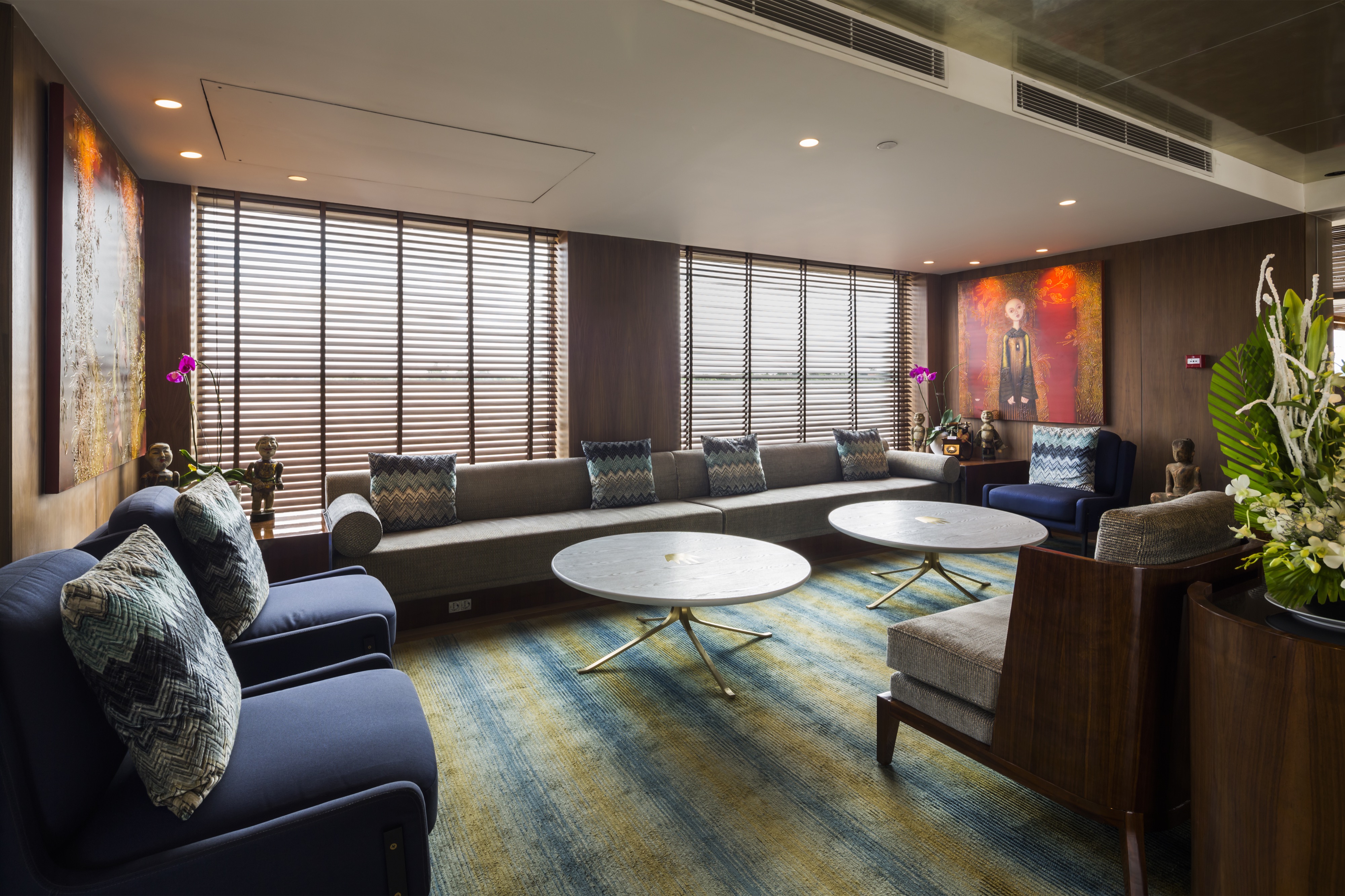
Spirit Reception
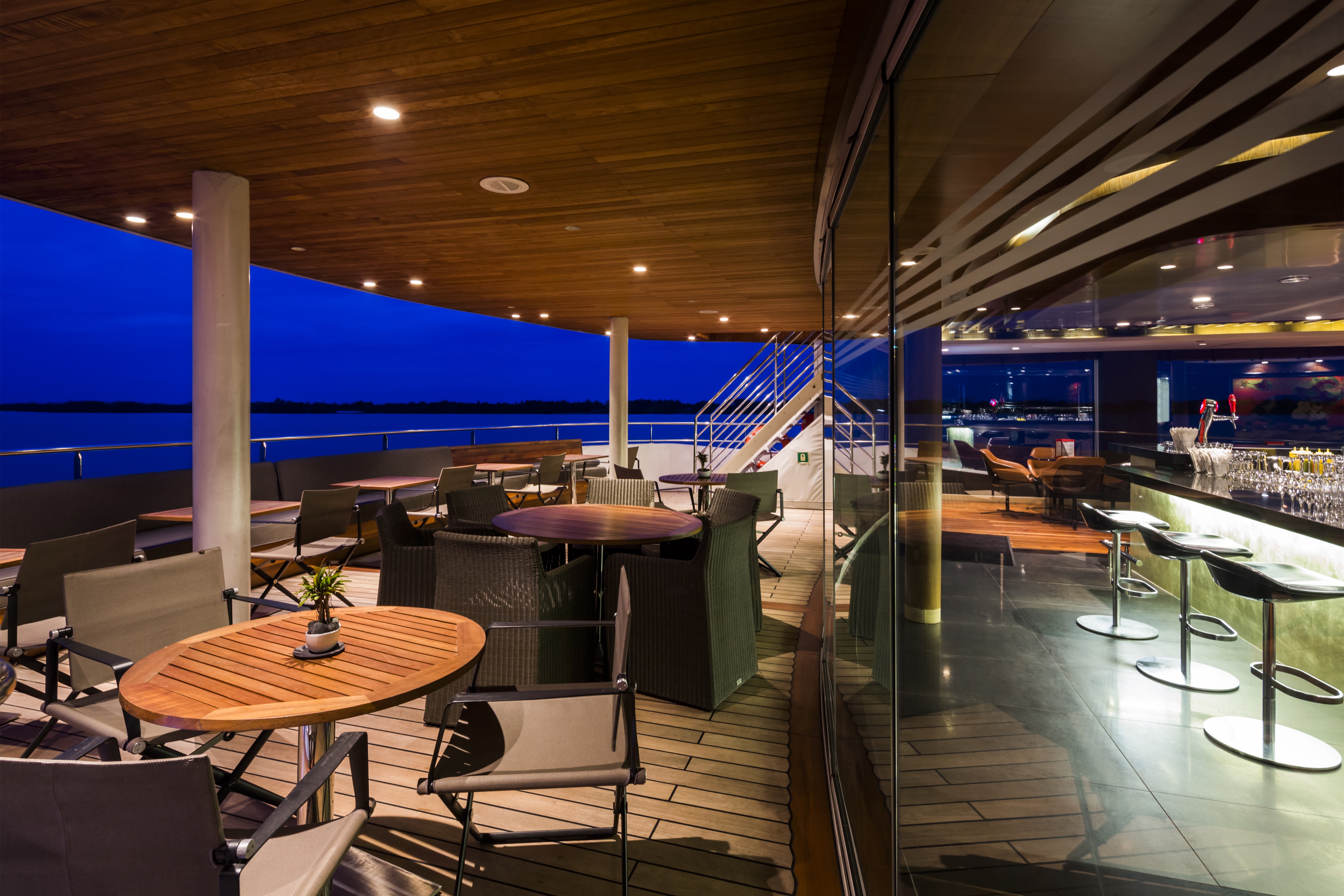
Spirit Outdoor Lounge
Relax and indulge in a little of what you fancy at our outdoor lounge, where you can enjoy a range of all-inclusive drinks and light meals. With fine views of the river, this is alfresco living at its best.
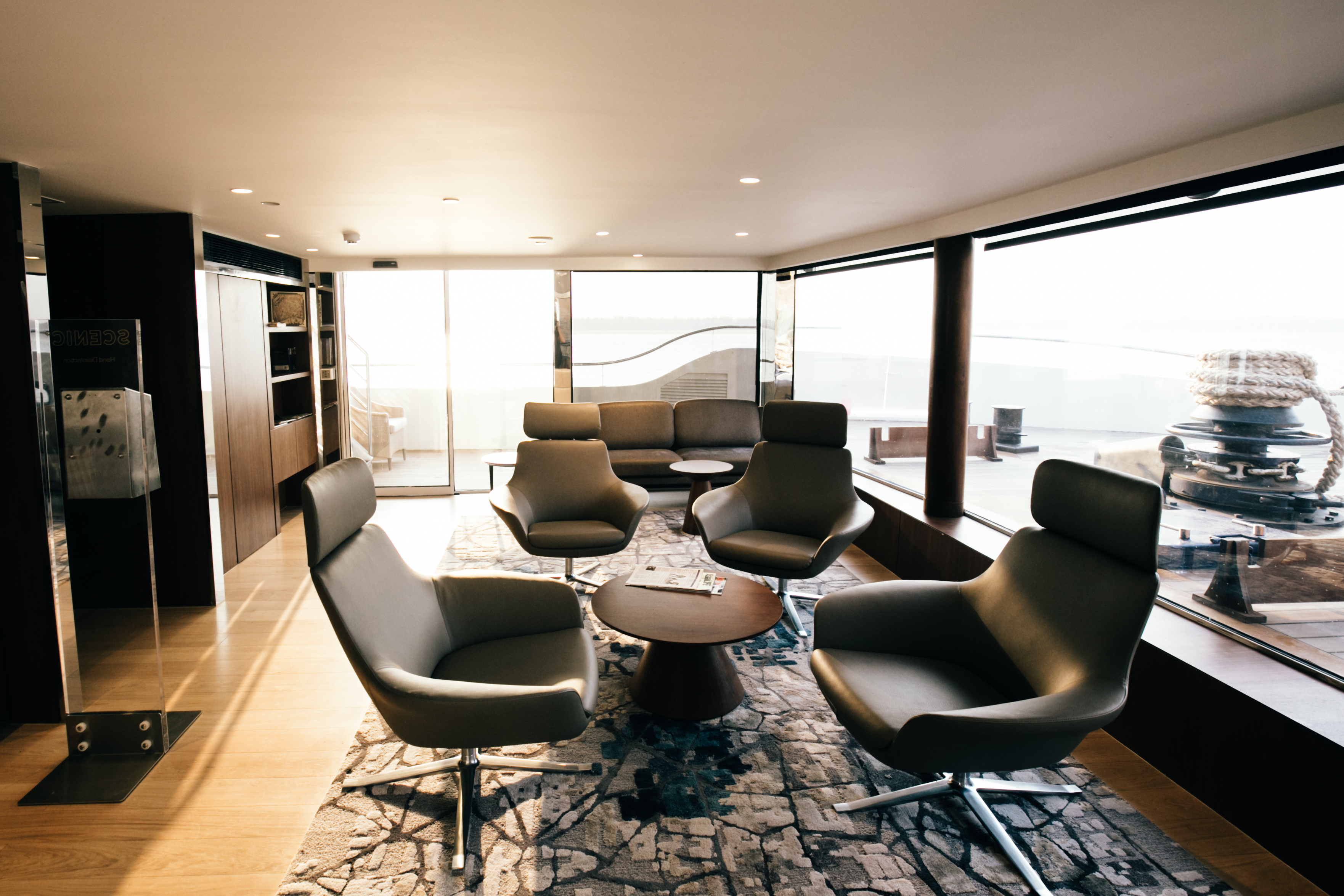
Library
Wellness Centre
From massages to facials, you can enjoy a wealth of complimentary services at our Wellness Centre. Our therapist can provide a range of services designed to boost your wellbeing, so you can switch off, relax and refresh.
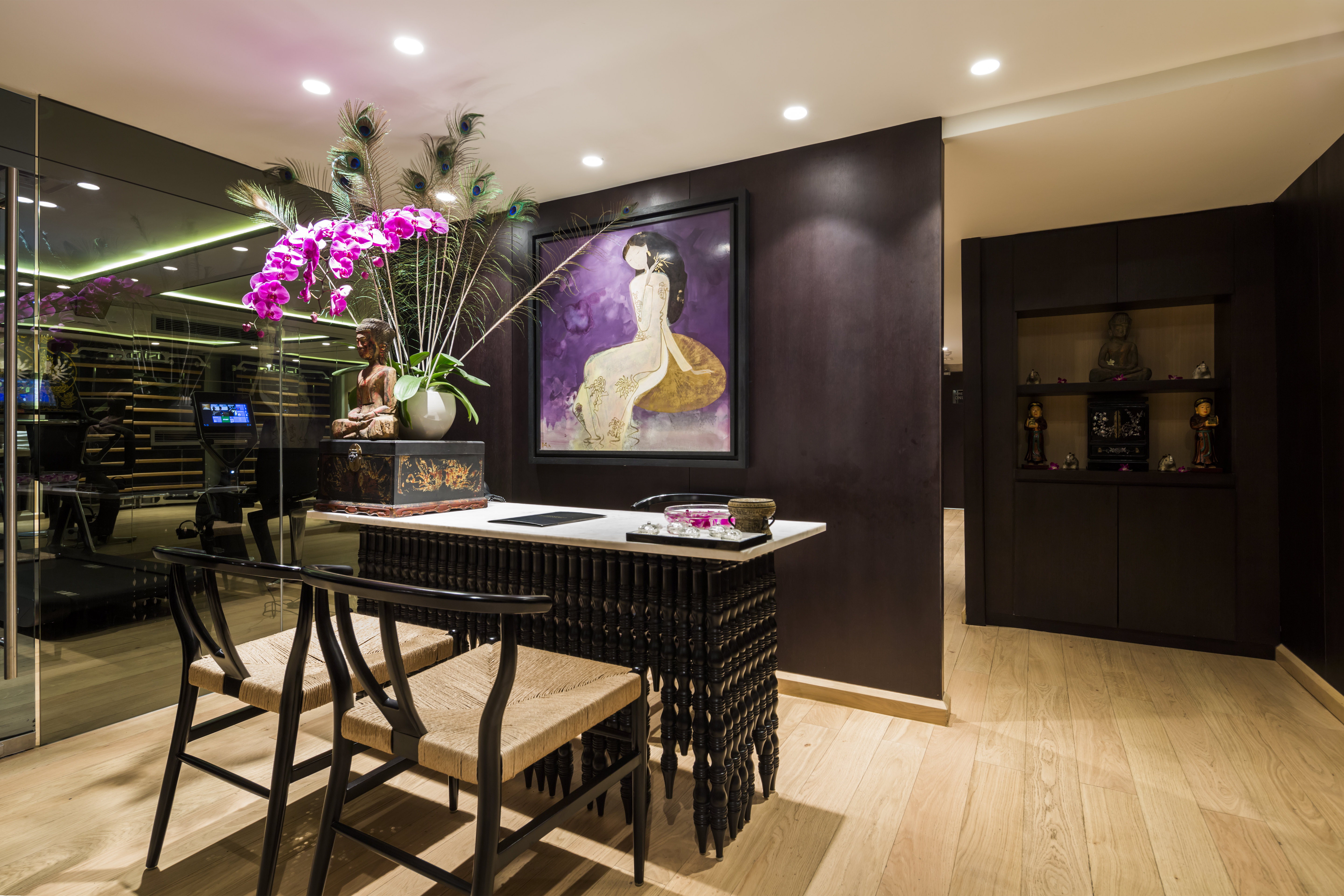
Gym
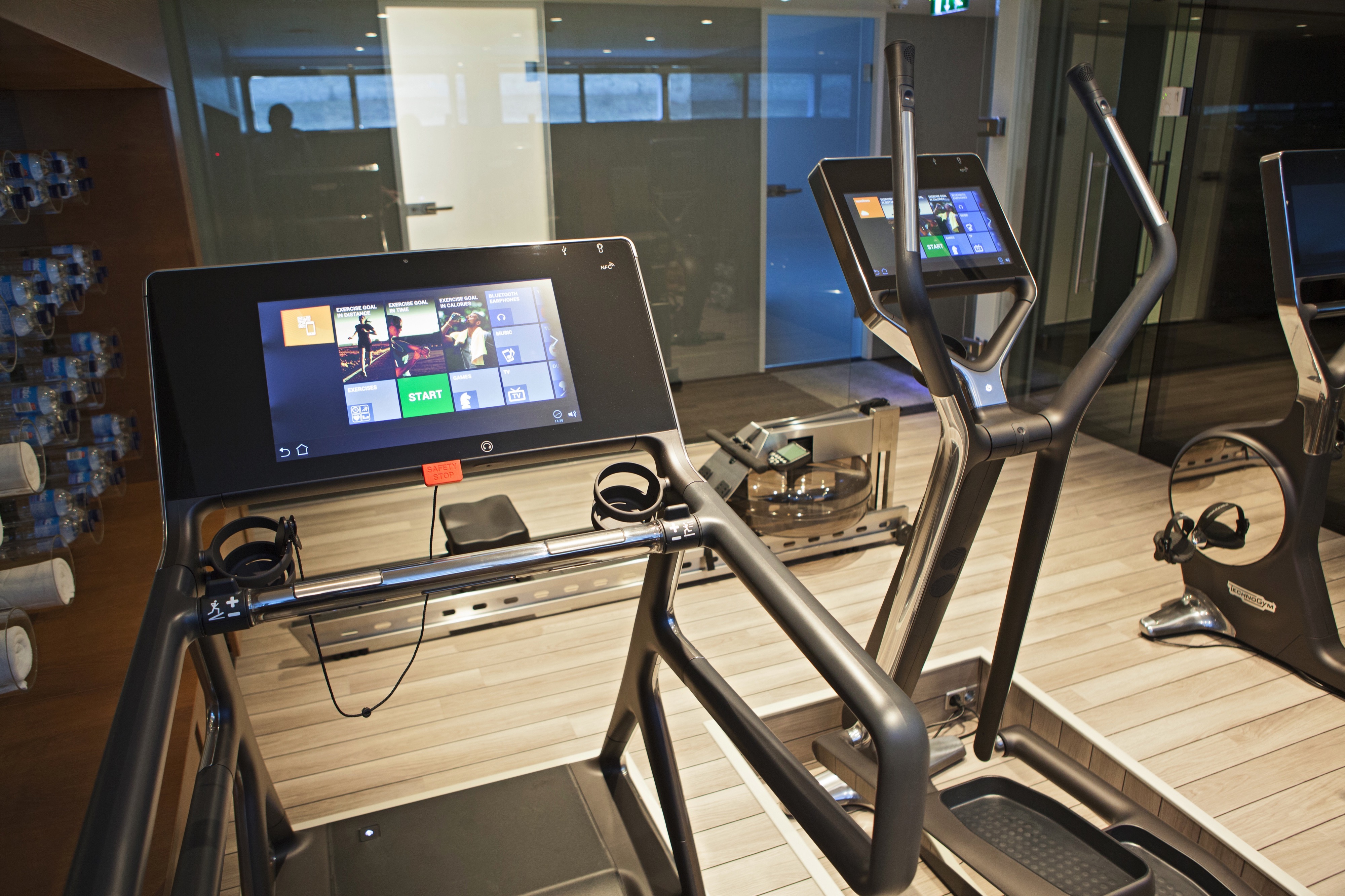
Steam Sauna

Beauty Salon
Providing a range of complimentary therapies and services, the Beauty Salon is here for those times you feel like pampering yourself. Whether it’s hair or nails, stop by and find out how our beauty therapists can help.
Please note: the the ship does not have any facilities onboard to accommodate Kids/Teens.
Crystal Dining
Enjoy à la carte menus for breakfast, lunch and dinner at Crystal Dining. Available on all Europe and South East Asia river cruises, this main restaurant offers a relaxed dining experience with local delicacies.
River Cafe
Offering a casual dining experience, you can enjoy all-day grazing options, light snacks and tasty treats to suit your schedule. The River Café is available on all Europe and South East Asia river cruises.
In-Suite Dining
Scenic E-Bikes
Explore cities onshore on our complimentary e-bikes. Keep active and interact with locals as you explore Europe’s countryside.
Scenic Freechoice
Scenic Enrich
Scenic Tailormade
Spirit Lounge
Enjoy a glass of your favourite wine, beer or spirit amid elegant and contemporary surroundings in the Spirit Lounge. This is the main bar area on board the Scenic Spirit, a place to relax and catch-up with new-found friends during your downtime on board.
Sun Deck and Open Air Cinema
Swimming Pool & Bar
Spirit Reception
Spirit Outdoor Lounge
Relax and indulge in a little of what you fancy at our outdoor lounge, where you can enjoy a range of all-inclusive drinks and light meals. With fine views of the river, this is alfresco living at its best.
Library
Wellness Centre
From massages to facials, you can enjoy a wealth of complimentary services at our Wellness Centre. Our therapist can provide a range of services designed to boost your wellbeing, so you can switch off, relax and refresh.
Gym
Steam Sauna
Beauty Salon
Providing a range of complimentary therapies and services, the Beauty Salon is here for those times you feel like pampering yourself. Whether it’s hair or nails, stop by and find out how our beauty therapists can help.
Please note: the the ship does not have any facilities onboard to accommodate Kids/Teens.
About the Ship
Deck Plans

- Wellness Centre
- Steam Sauna
- Beauty Salon
- Gym
- Guest Laundry
- Elevator

- Library
- Gift Shop
- Reception
- Crystal Dining
- Gallery
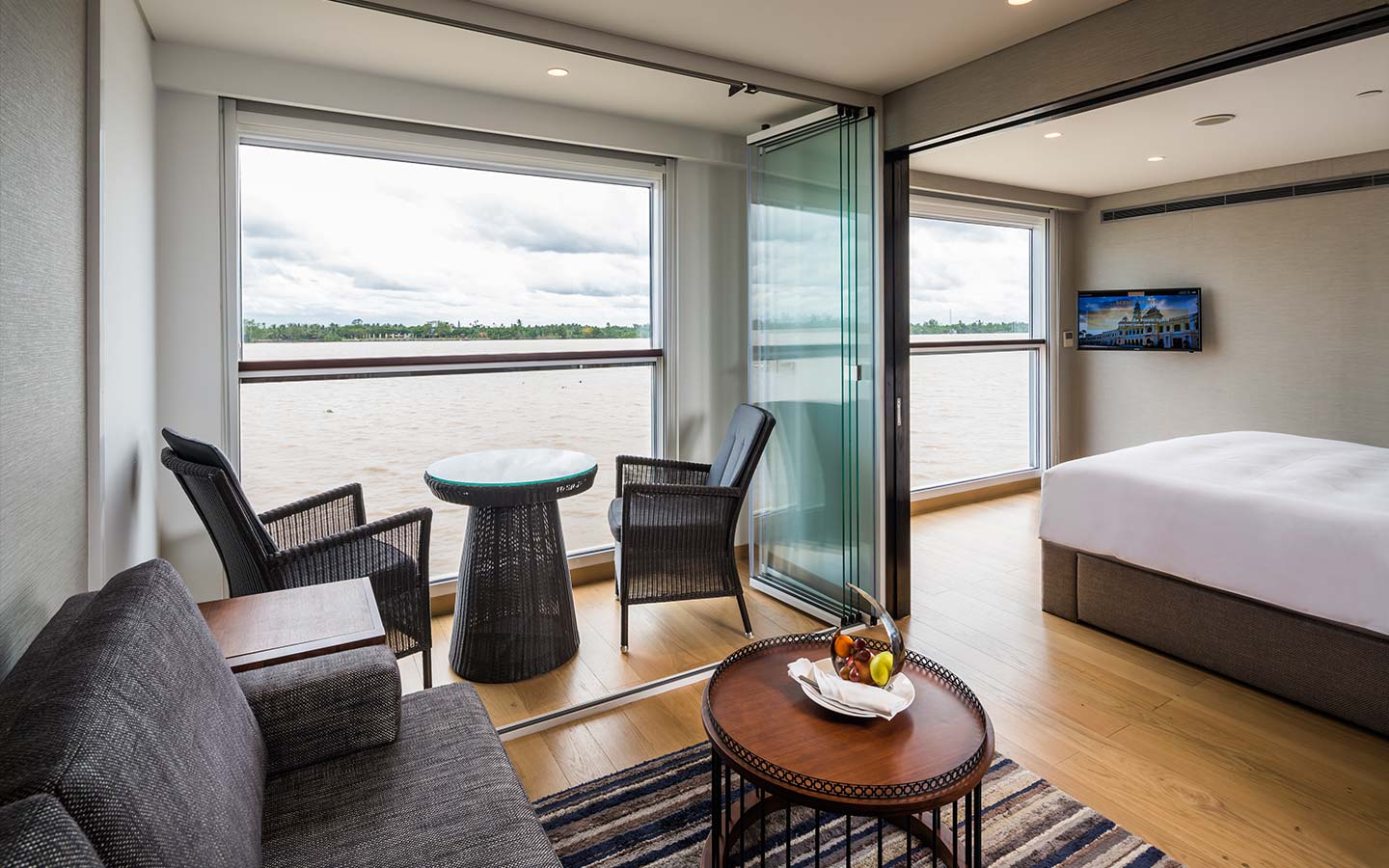
- Deluxe Suite Cat CA & C
- Elevator

- Outdoor Lounge
- Spirit Lounge
- River Café
- Deluxe Suite Cat B, BB & BA
- Elevator

- Swimming Pool and Bar
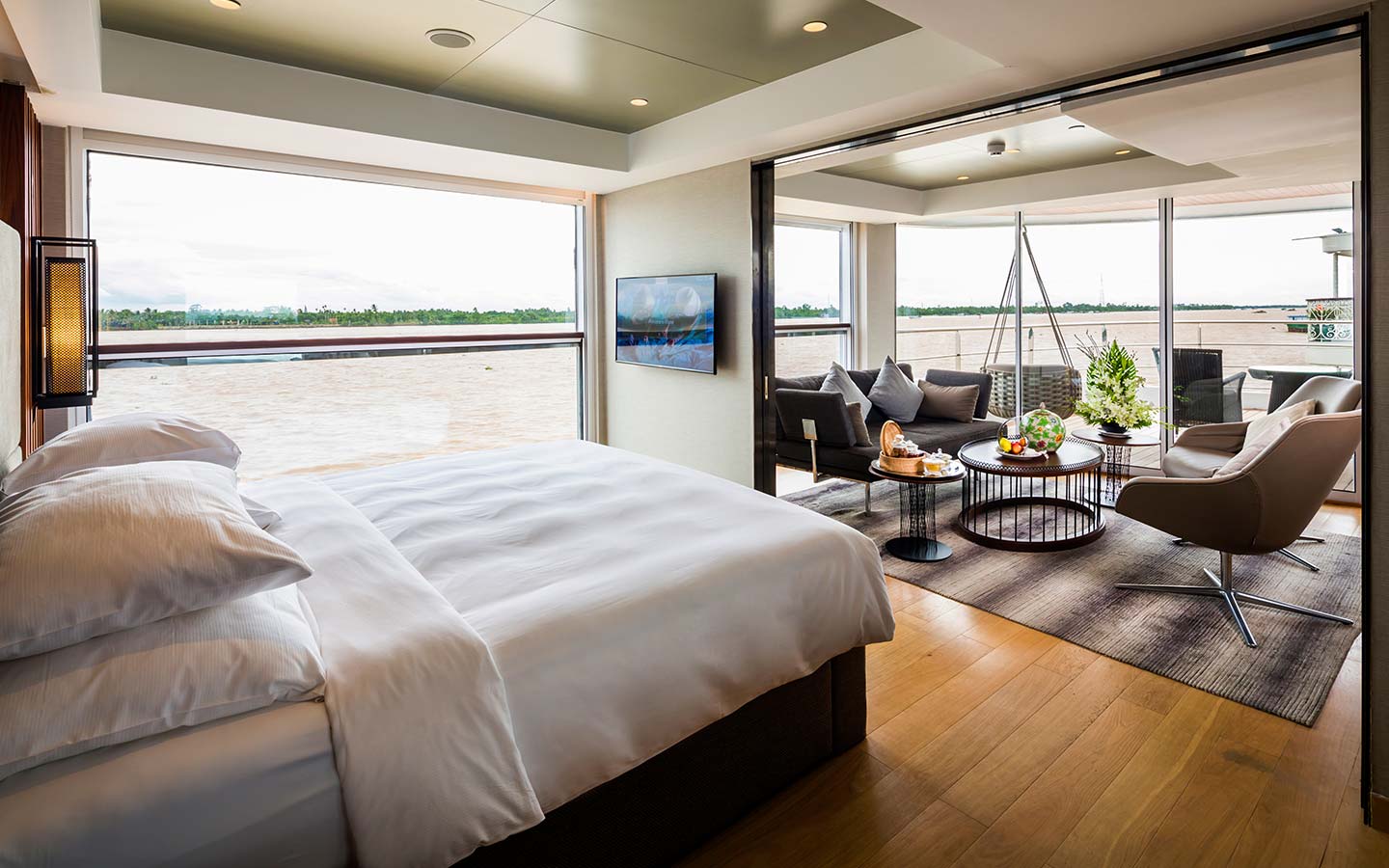
- Royal Panorama Suite Cat RS
- Grand Deluxe Suite Cat RD
- Deluxe Suite Cat A
- Elevator
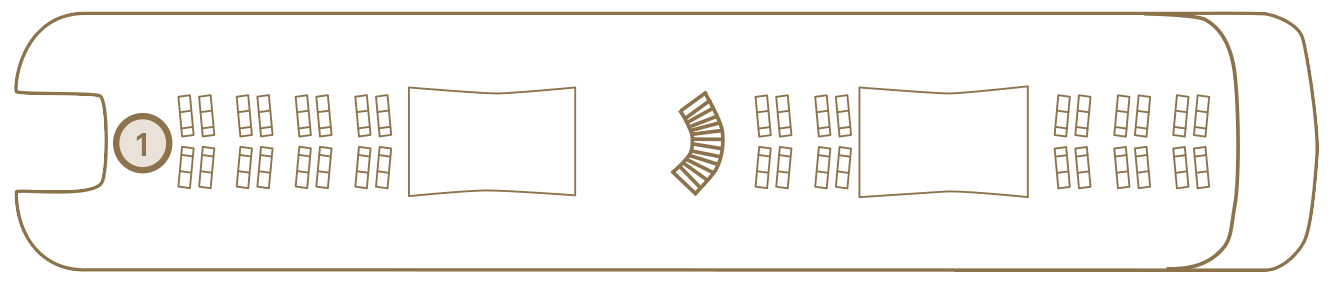
- Sun Deck
- Open Air Cinema
- Elevator
- Wellness Centre
- Steam Sauna
- Beauty Salon
- Gym
- Guest Laundry
- Elevator
- Library
- Gift Shop
- Reception
- Crystal Dining
- Gallery
- Deluxe Suite Cat CA & C
- Elevator
- Outdoor Lounge
- Spirit Lounge
- River Café
- Deluxe Suite Cat B, BB & BA
- Elevator
- Swimming Pool and Bar
- Royal Panorama Suite Cat RS
- Grand Deluxe Suite Cat RD
- Deluxe Suite Cat A
- Elevator
- Sun Deck
- Open Air Cinema
- Elevator