Featured Cabins
Itinerary
Dubrovnik, Croatia
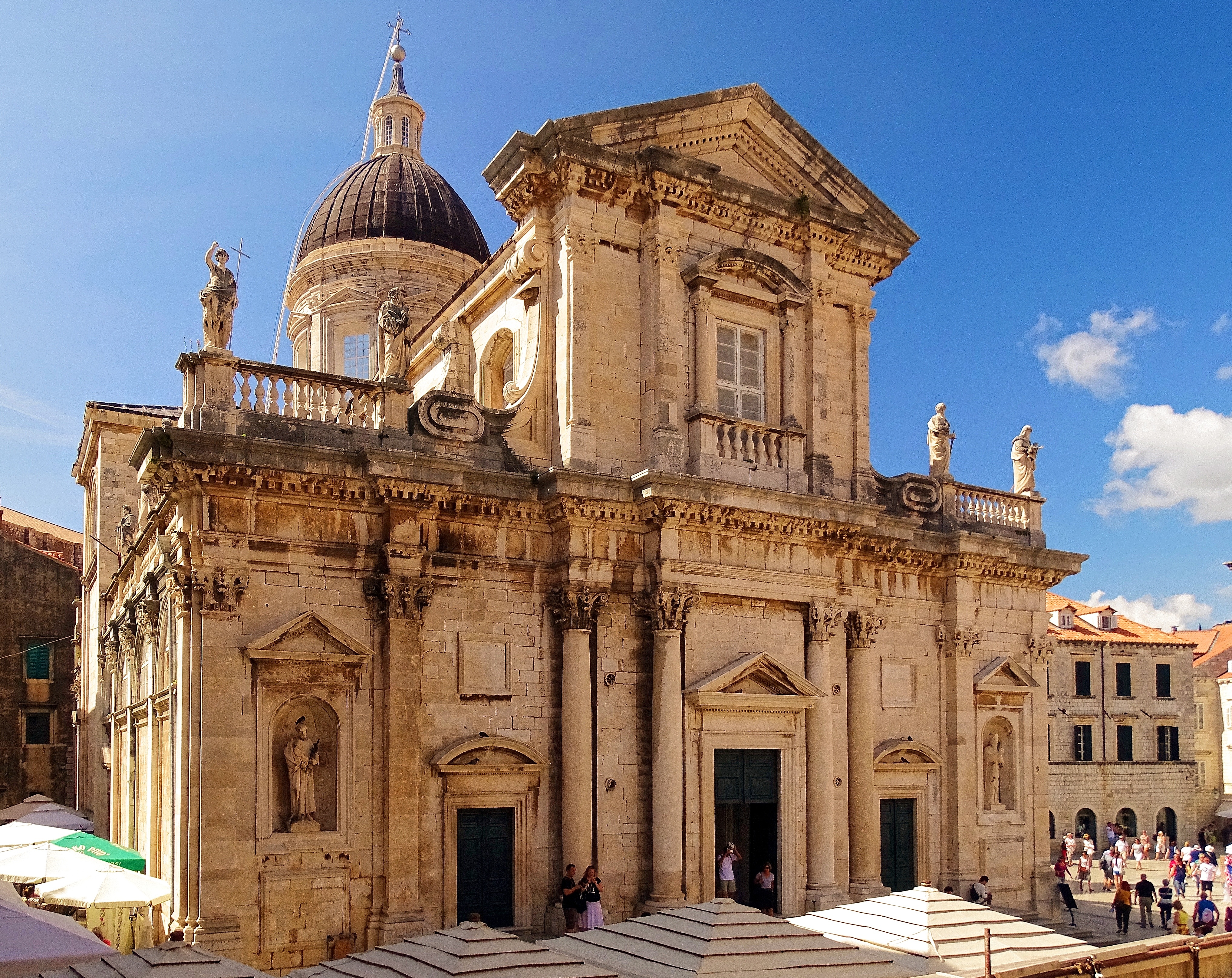
Nothing can prepare you for your first sight of Dubrovnik. Lying 216 km (135 miles) southeast of Split and commanding a jaw-dropping coastal location, it is one of the world’s most beautiful fortified cities. Its massive stone ramparts and fortress towers curve around a tiny harbor, enclosing graduated ridges of sun-bleached orange-tiled roofs, copper domes, and elegant bell towers. Your imagination will run wild picturing what it looked like seven centuries ago when the walls were built, without any suburbs or highways around it, just this magnificent stone city rising out of the sea.In the 7th century AD, residents of the Roman city Epidaurum (now Cavtat) fled the Avars and Slavs of the north and founded a new settlement on a small rocky island, which they named Laus, and later Ragusa. On the mainland hillside opposite the island, the Slav settlement called Dubrovnik grew up. In the 12th century the narrow channel separating the two settlements was filled in (now the main street through the Old Town, called Stradun), and Ragusa and Dubrovnik became one. The city was surrounded by defensive walls during the 13th century, and these were reinforced with towers and bastions in the late 15th century.From 1358 to 1808 the city thrived as a powerful and remarkably sophisticated independent republic, reaching its golden age during the 16th century. In 1667 many of its splendid Gothic and Renaissance buildings were destroyed by an earthquake. The defensive walls survived the disaster, and the city was rebuilt in baroque style.Dubrovnik lost its independence to Napoléon in 1808, and in 1815 passed to Austria-Hungary. During the 20th century, as part of Yugoslavia, the city became a popular tourist destination, and in 1979 it was listed as a UNESCO World Heritage Site. During the war for independence, it came under heavy siege. Thanks to careful restoration, few traces of damage remain; however, there are maps inside the Pile and Ploče Gates illustrating the points around the city where damage was done. It’s only when you experience Dubrovnik yourself that you can understand what a treasure the world nearly lost
Dubrovnik, Croatia
Nothing can prepare you for your first sight of Dubrovnik. Lying 216 km (135 miles) southeast of Split and commanding a jaw-dropping coastal location, it is one of the world’s most beautiful fortified cities. Its massive stone ramparts and fortress towers curve around a tiny harbor, enclosing graduated ridges of sun-bleached orange-tiled roofs, copper domes, and elegant bell towers. Your imagination will run wild picturing what it looked like seven centuries ago when the walls were built, without any suburbs or highways around it, just this magnificent stone city rising out of the sea.In the 7th century AD, residents of the Roman city Epidaurum (now Cavtat) fled the Avars and Slavs of the north and founded a new settlement on a small rocky island, which they named Laus, and later Ragusa. On the mainland hillside opposite the island, the Slav settlement called Dubrovnik grew up. In the 12th century the narrow channel separating the two settlements was filled in (now the main street through the Old Town, called Stradun), and Ragusa and Dubrovnik became one. The city was surrounded by defensive walls during the 13th century, and these were reinforced with towers and bastions in the late 15th century.From 1358 to 1808 the city thrived as a powerful and remarkably sophisticated independent republic, reaching its golden age during the 16th century. In 1667 many of its splendid Gothic and Renaissance buildings were destroyed by an earthquake. The defensive walls survived the disaster, and the city was rebuilt in baroque style.Dubrovnik lost its independence to Napoléon in 1808, and in 1815 passed to Austria-Hungary. During the 20th century, as part of Yugoslavia, the city became a popular tourist destination, and in 1979 it was listed as a UNESCO World Heritage Site. During the war for independence, it came under heavy siege. Thanks to careful restoration, few traces of damage remain; however, there are maps inside the Pile and Ploče Gates illustrating the points around the city where damage was done. It’s only when you experience Dubrovnik yourself that you can understand what a treasure the world nearly lost
Hvar Island, Croatia
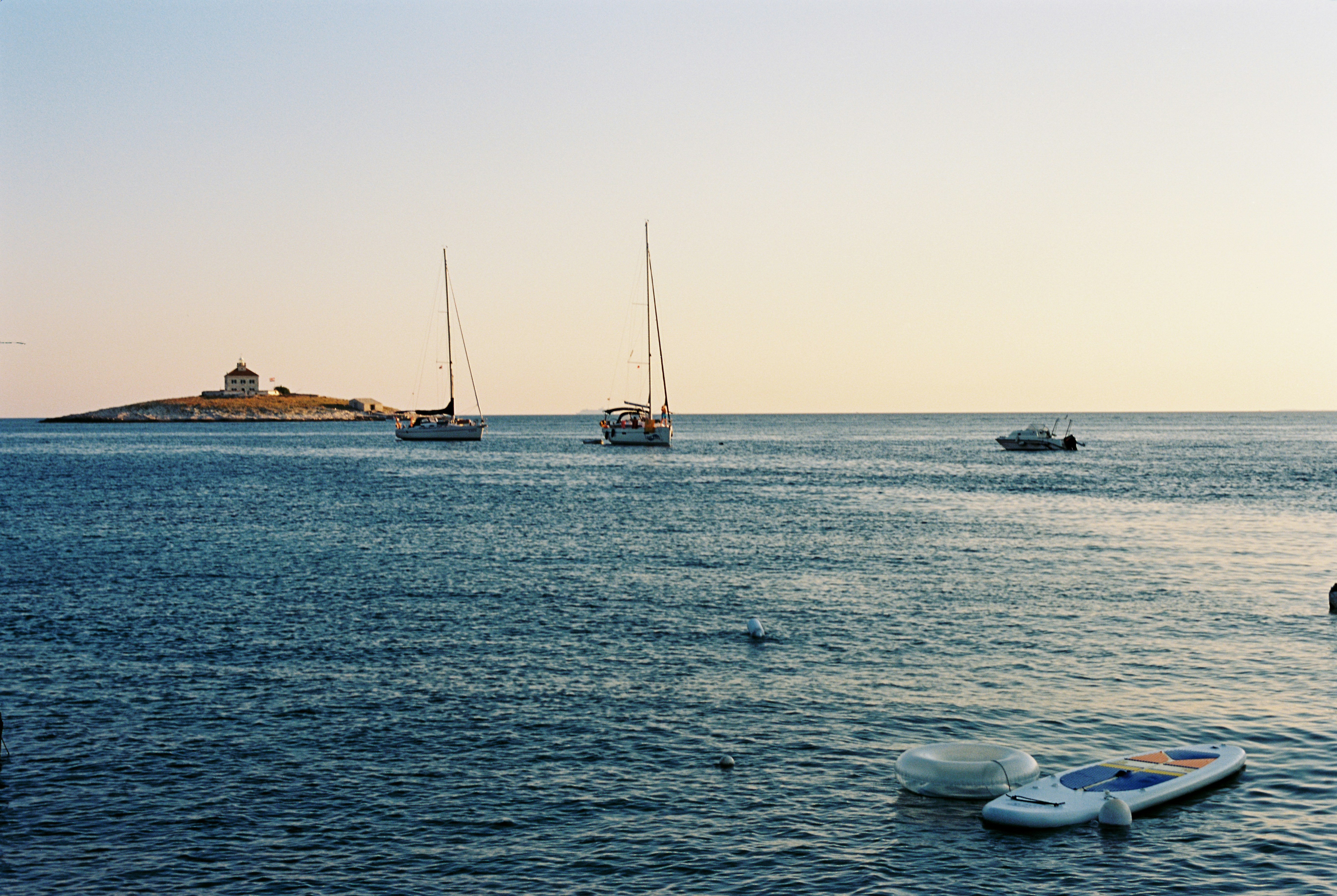
The Croatian island of Hvar bills itself as the “sunniest island in the Adriatic.” Not only does it have the figures to back up this claim—an annual average of 2,724 hours of sunshine—but it also makes visitors a sporting proposition, offering them a money-back guarantee if there are seven consecutive days of snow (snow has been known to fall here; the last time being February 2012).
Hvar Island, Croatia
The Croatian island of Hvar bills itself as the “sunniest island in the Adriatic.” Not only does it have the figures to back up this claim—an annual average of 2,724 hours of sunshine—but it also makes visitors a sporting proposition, offering them a money-back guarantee if there are seven consecutive days of snow (snow has been known to fall here; the last time being February 2012).
Korčula, Croatia
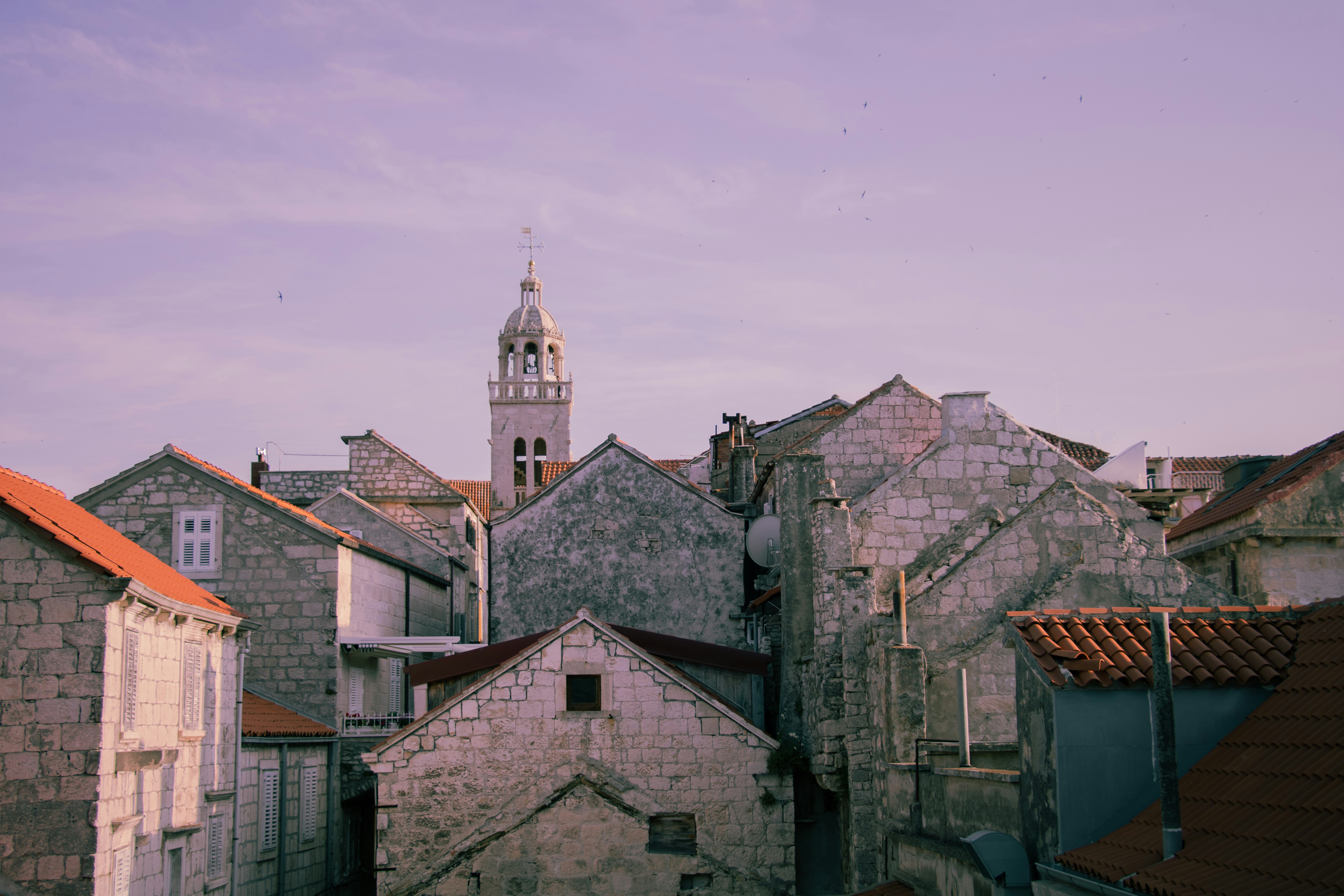
Off the coast of Croatia in the southern Adriatic Sea lie some thousand islands and the largest of them, Korçula, is considered the most beautiful. With an average of 3,000 hours of sunshine per annum, which guarantees a wide assortment of Mediterranean vegetation, it is not difficult to understand why seasoned travelers compare Korçula to a latter-day Eden. Separated from the mainland by a channel of only one mile, Korçula’s main town, named the same as the island, ranks among the best preserved medieval towns in the Mediterranean. It is the island’s main tourist, economic and cultural center. Thanks to its strategic location along the sea trade routes, Korçula has always attracted travelers and settlers. Korcula was founded by Greek colonists, who were followed by Illyrians, Romans and finally the Croats. The Korçula Statute of 1214 is one of the oldest legal documents to have been adopted in this part of Europe. The same century saw the birth of the famous world traveler, Marco Polo. The house said to be his birthplace can be seen in town. Korçulans have always been known as keen seafarers, excellent shipbuilders, stonemasons and artists. From their many voyages, sailors brought back new ideas, which eventually mixed with local customs. To this day, Korçula has maintained the tradition of performing knightly games such as the chivalrous Moreska dance, which has been in existence for more than 400 years. Visitors to Korçula enjoy its stunning location, natural beauty and medieval ambiance. And if that’s not enough, the town offers numerous attractions that are within walking distance from the pier, including the City Museum and the Bishop’s Treasury.
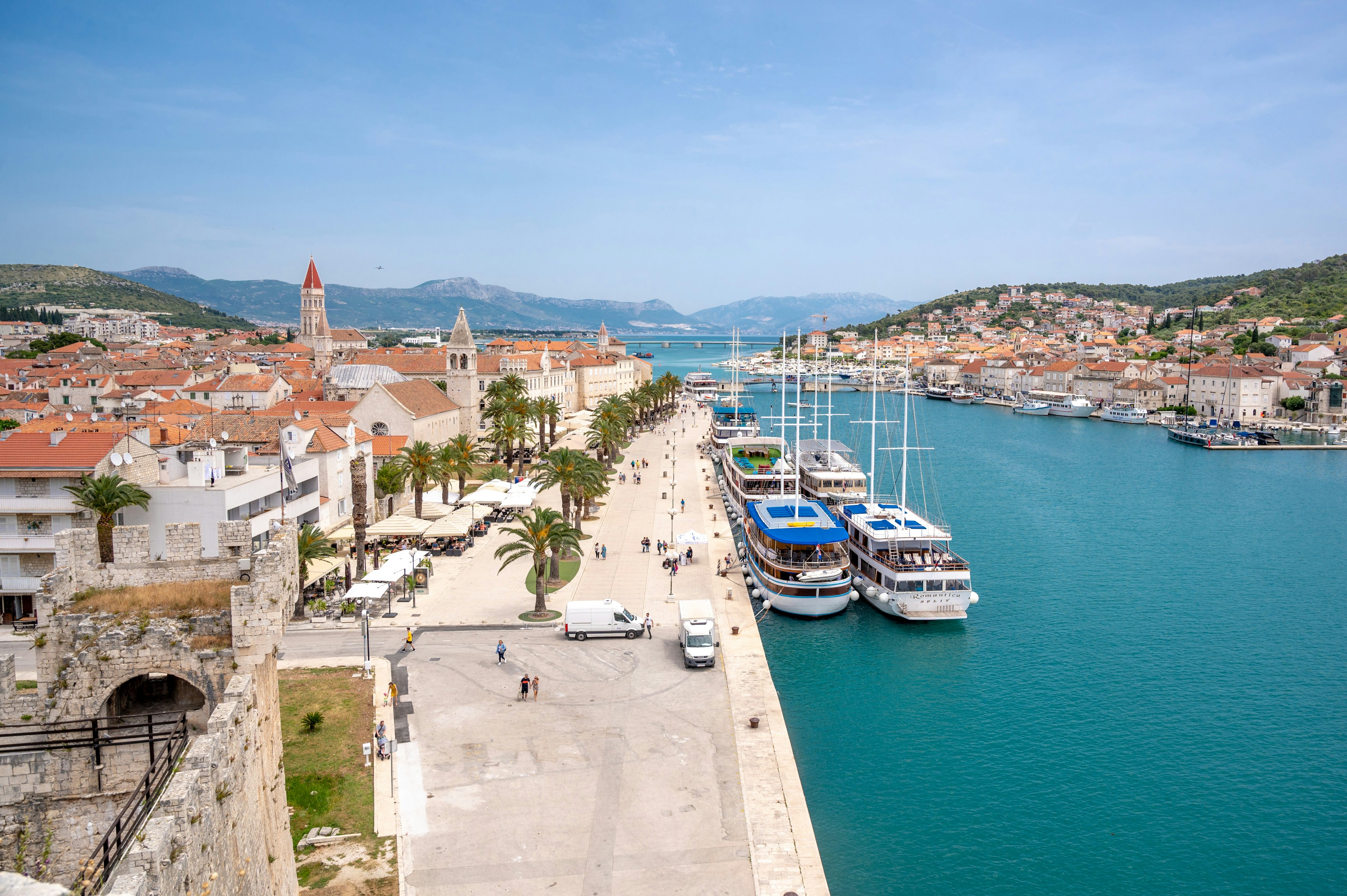
Trogir, Croatia
Rovinj, Croatia
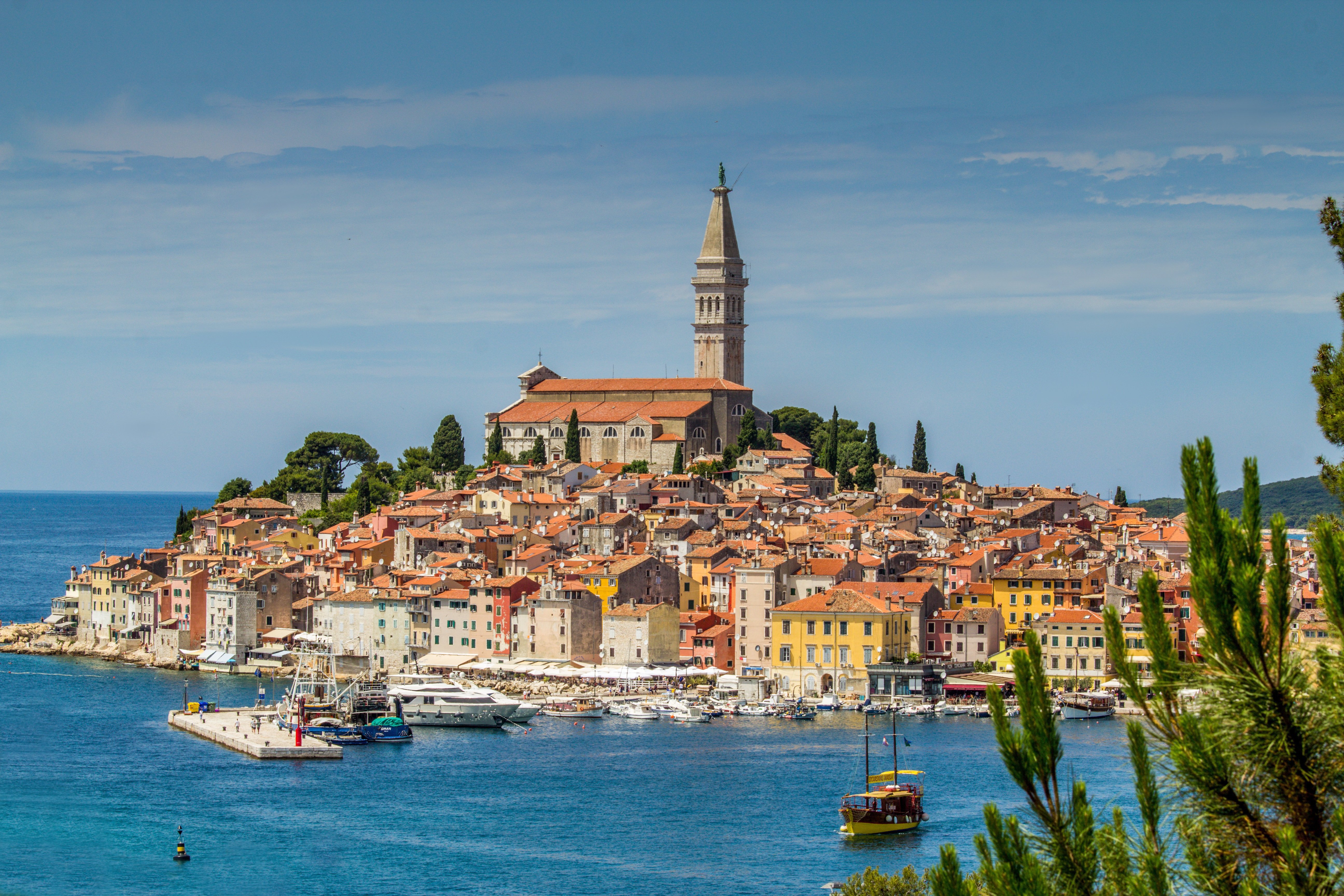
One of the true jewels of the Mediterranean, Rovinj is a jaw-droppingly beautiful town, which juts out into sparkling Mediterranean. Dominated by the pencil-like bell tower of the Venetian Saint Euphemia Cathedral, pine tree forests flow to the borders of the quaint Old Town – which evokes the romantic, tangled backstreets of the Venice. Rovinj – or Rovino in Italian – is a city of split personalities, with two official languages – having been owned by the Kingdom of Italy between 1919 and 1947.
Dubrovnik, Croatia
Nothing can prepare you for your first sight of Dubrovnik. Lying 216 km (135 miles) southeast of Split and commanding a jaw-dropping coastal location, it is one of the world’s most beautiful fortified cities. Its massive stone ramparts and fortress towers curve around a tiny harbor, enclosing graduated ridges of sun-bleached orange-tiled roofs, copper domes, and elegant bell towers. Your imagination will run wild picturing what it looked like seven centuries ago when the walls were built, without any suburbs or highways around it, just this magnificent stone city rising out of the sea.In the 7th century AD, residents of the Roman city Epidaurum (now Cavtat) fled the Avars and Slavs of the north and founded a new settlement on a small rocky island, which they named Laus, and later Ragusa. On the mainland hillside opposite the island, the Slav settlement called Dubrovnik grew up. In the 12th century the narrow channel separating the two settlements was filled in (now the main street through the Old Town, called Stradun), and Ragusa and Dubrovnik became one. The city was surrounded by defensive walls during the 13th century, and these were reinforced with towers and bastions in the late 15th century.From 1358 to 1808 the city thrived as a powerful and remarkably sophisticated independent republic, reaching its golden age during the 16th century. In 1667 many of its splendid Gothic and Renaissance buildings were destroyed by an earthquake. The defensive walls survived the disaster, and the city was rebuilt in baroque style.Dubrovnik lost its independence to Napoléon in 1808, and in 1815 passed to Austria-Hungary. During the 20th century, as part of Yugoslavia, the city became a popular tourist destination, and in 1979 it was listed as a UNESCO World Heritage Site. During the war for independence, it came under heavy siege. Thanks to careful restoration, few traces of damage remain; however, there are maps inside the Pile and Ploče Gates illustrating the points around the city where damage was done. It’s only when you experience Dubrovnik yourself that you can understand what a treasure the world nearly lost
Dubrovnik, Croatia
Nothing can prepare you for your first sight of Dubrovnik. Lying 216 km (135 miles) southeast of Split and commanding a jaw-dropping coastal location, it is one of the world’s most beautiful fortified cities. Its massive stone ramparts and fortress towers curve around a tiny harbor, enclosing graduated ridges of sun-bleached orange-tiled roofs, copper domes, and elegant bell towers. Your imagination will run wild picturing what it looked like seven centuries ago when the walls were built, without any suburbs or highways around it, just this magnificent stone city rising out of the sea.In the 7th century AD, residents of the Roman city Epidaurum (now Cavtat) fled the Avars and Slavs of the north and founded a new settlement on a small rocky island, which they named Laus, and later Ragusa. On the mainland hillside opposite the island, the Slav settlement called Dubrovnik grew up. In the 12th century the narrow channel separating the two settlements was filled in (now the main street through the Old Town, called Stradun), and Ragusa and Dubrovnik became one. The city was surrounded by defensive walls during the 13th century, and these were reinforced with towers and bastions in the late 15th century.From 1358 to 1808 the city thrived as a powerful and remarkably sophisticated independent republic, reaching its golden age during the 16th century. In 1667 many of its splendid Gothic and Renaissance buildings were destroyed by an earthquake. The defensive walls survived the disaster, and the city was rebuilt in baroque style.Dubrovnik lost its independence to Napoléon in 1808, and in 1815 passed to Austria-Hungary. During the 20th century, as part of Yugoslavia, the city became a popular tourist destination, and in 1979 it was listed as a UNESCO World Heritage Site. During the war for independence, it came under heavy siege. Thanks to careful restoration, few traces of damage remain; however, there are maps inside the Pile and Ploče Gates illustrating the points around the city where damage was done. It’s only when you experience Dubrovnik yourself that you can understand what a treasure the world nearly lost
Hvar Island, Croatia
The Croatian island of Hvar bills itself as the “sunniest island in the Adriatic.” Not only does it have the figures to back up this claim—an annual average of 2,724 hours of sunshine—but it also makes visitors a sporting proposition, offering them a money-back guarantee if there are seven consecutive days of snow (snow has been known to fall here; the last time being February 2012).
Hvar Island, Croatia
The Croatian island of Hvar bills itself as the “sunniest island in the Adriatic.” Not only does it have the figures to back up this claim—an annual average of 2,724 hours of sunshine—but it also makes visitors a sporting proposition, offering them a money-back guarantee if there are seven consecutive days of snow (snow has been known to fall here; the last time being February 2012).
Korčula, Croatia
Off the coast of Croatia in the southern Adriatic Sea lie some thousand islands and the largest of them, Korçula, is considered the most beautiful. With an average of 3,000 hours of sunshine per annum, which guarantees a wide assortment of Mediterranean vegetation, it is not difficult to understand why seasoned travelers compare Korçula to a latter-day Eden. Separated from the mainland by a channel of only one mile, Korçula’s main town, named the same as the island, ranks among the best preserved medieval towns in the Mediterranean. It is the island’s main tourist, economic and cultural center. Thanks to its strategic location along the sea trade routes, Korçula has always attracted travelers and settlers. Korcula was founded by Greek colonists, who were followed by Illyrians, Romans and finally the Croats. The Korçula Statute of 1214 is one of the oldest legal documents to have been adopted in this part of Europe. The same century saw the birth of the famous world traveler, Marco Polo. The house said to be his birthplace can be seen in town. Korçulans have always been known as keen seafarers, excellent shipbuilders, stonemasons and artists. From their many voyages, sailors brought back new ideas, which eventually mixed with local customs. To this day, Korçula has maintained the tradition of performing knightly games such as the chivalrous Moreska dance, which has been in existence for more than 400 years. Visitors to Korçula enjoy its stunning location, natural beauty and medieval ambiance. And if that’s not enough, the town offers numerous attractions that are within walking distance from the pier, including the City Museum and the Bishop’s Treasury.
Trogir, Croatia
Rovinj, Croatia
One of the true jewels of the Mediterranean, Rovinj is a jaw-droppingly beautiful town, which juts out into sparkling Mediterranean. Dominated by the pencil-like bell tower of the Venetian Saint Euphemia Cathedral, pine tree forests flow to the borders of the quaint Old Town – which evokes the romantic, tangled backstreets of the Venice. Rovinj – or Rovino in Italian – is a city of split personalities, with two official languages – having been owned by the Kingdom of Italy between 1919 and 1947.
Venice, Italy
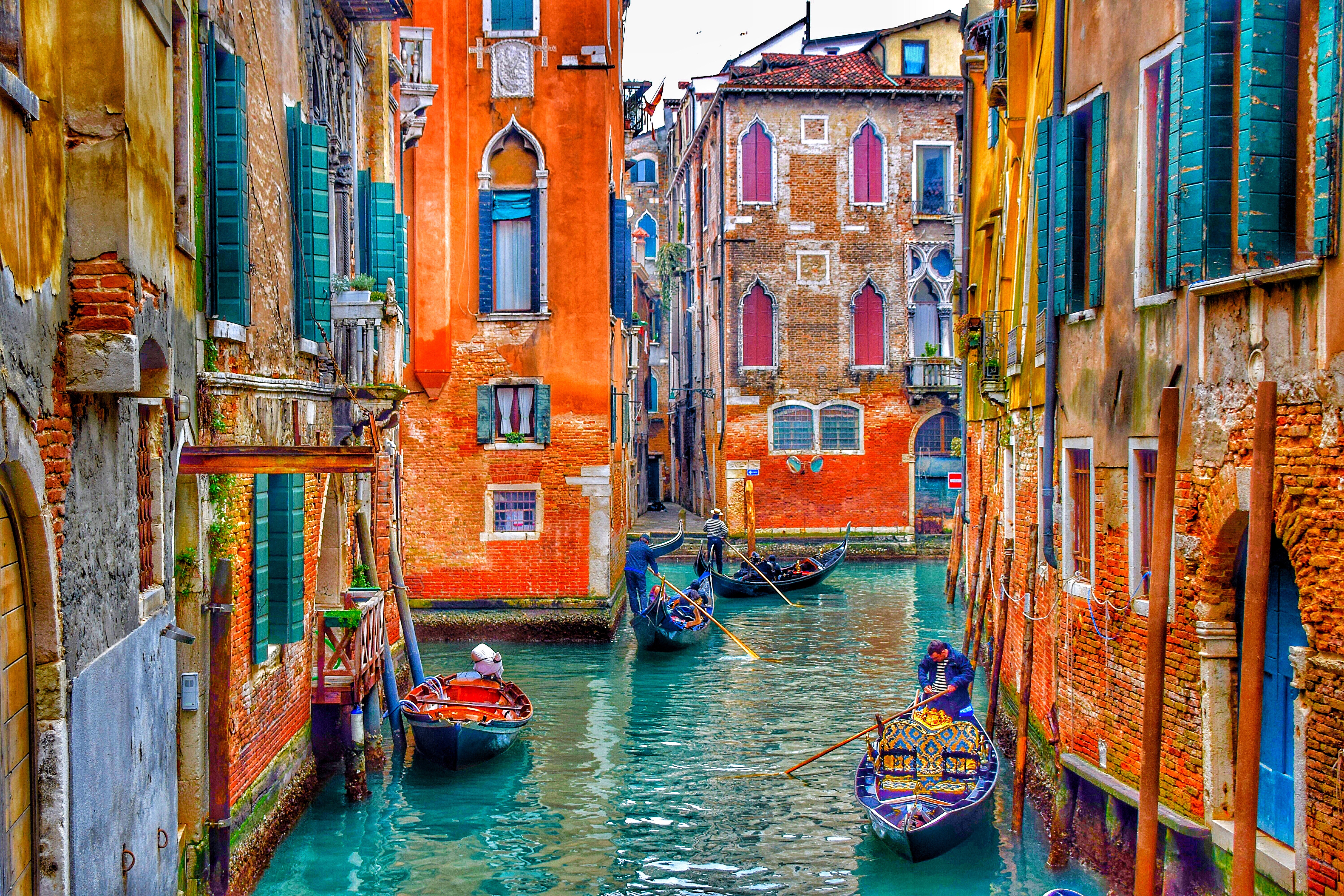
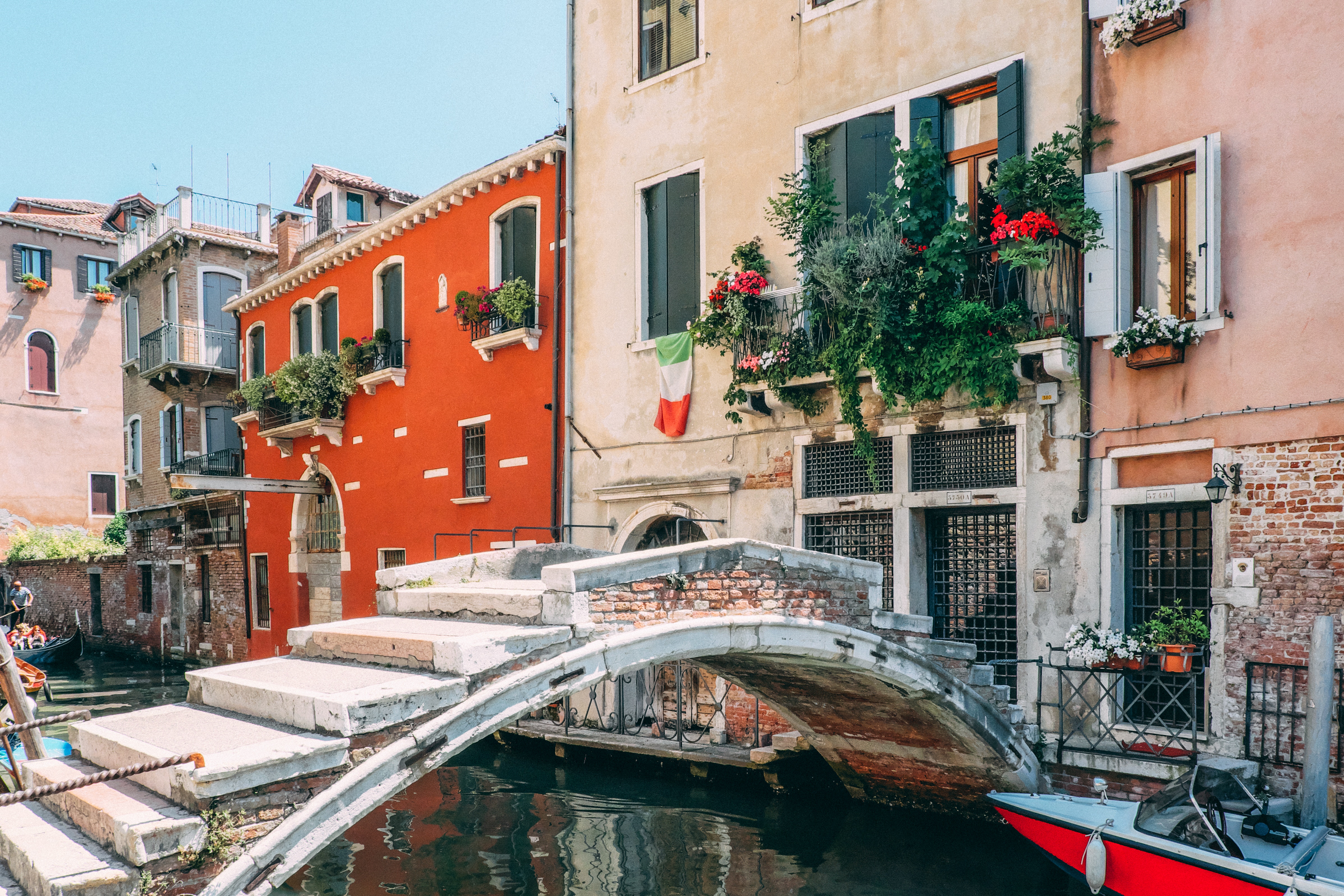
Venice is a city unlike any other. No matter how often you’ve seen it in photos and films, the real thing is more dreamlike than you could imagine. With canals where streets should be, water shimmers everywhere. The fabulous palaces and churches reflect centuries of history in what was a wealthy trading center between Europe and the Orient. Getting lost in the narrow alleyways is a quintessential part of exploring Venice, but at some point you’ll almost surely end up in Piazza San Marco, where tourists and locals congregate for a coffee or an aperitif.
Venice, Italy
Venice is a city unlike any other. No matter how often you’ve seen it in photos and films, the real thing is more dreamlike than you could imagine. With canals where streets should be, water shimmers everywhere. The fabulous palaces and churches reflect centuries of history in what was a wealthy trading center between Europe and the Orient. Getting lost in the narrow alleyways is a quintessential part of exploring Venice, but at some point you’ll almost surely end up in Piazza San Marco, where tourists and locals congregate for a coffee or an aperitif.
Cabin Options
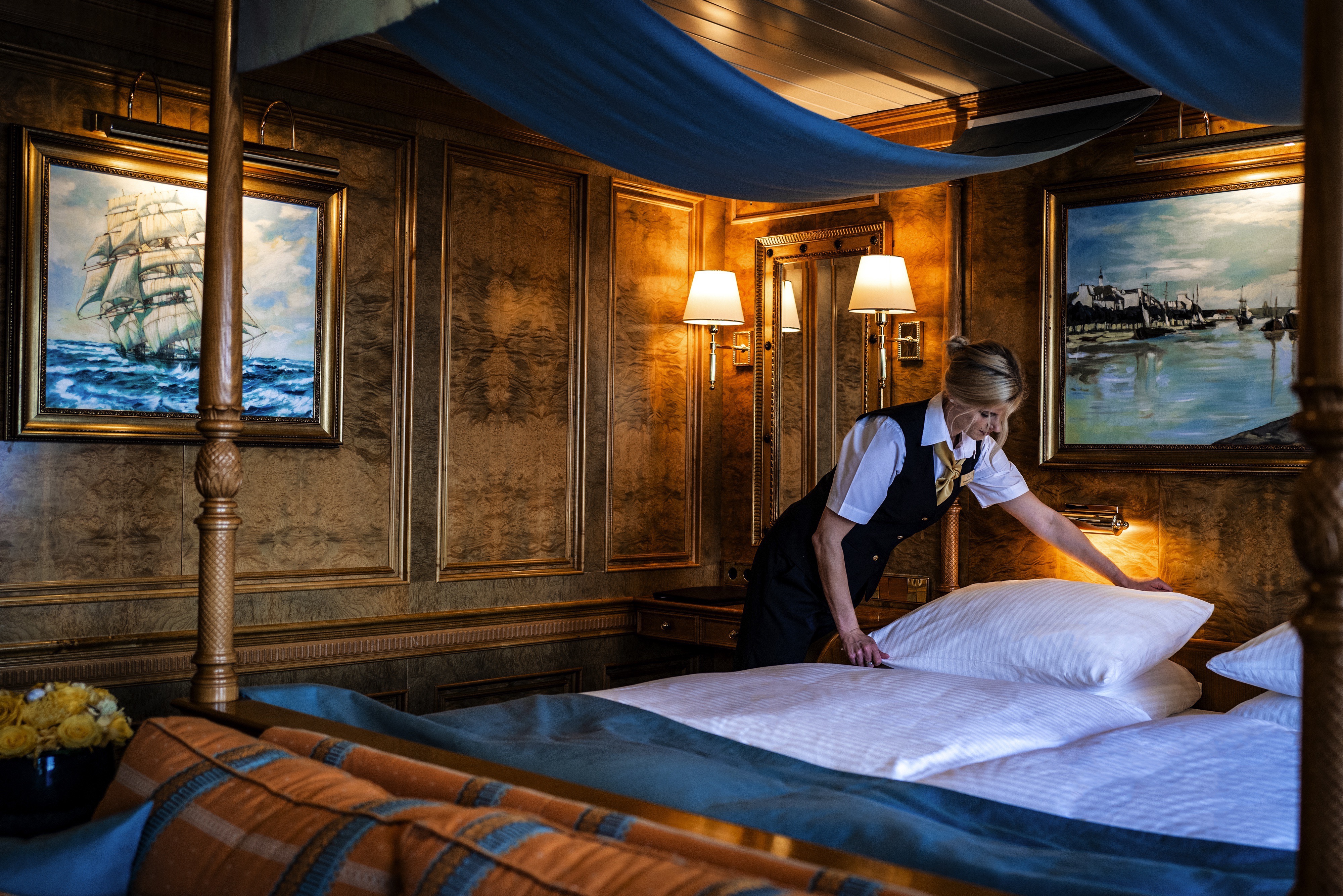
Guaranteed Double Cabins
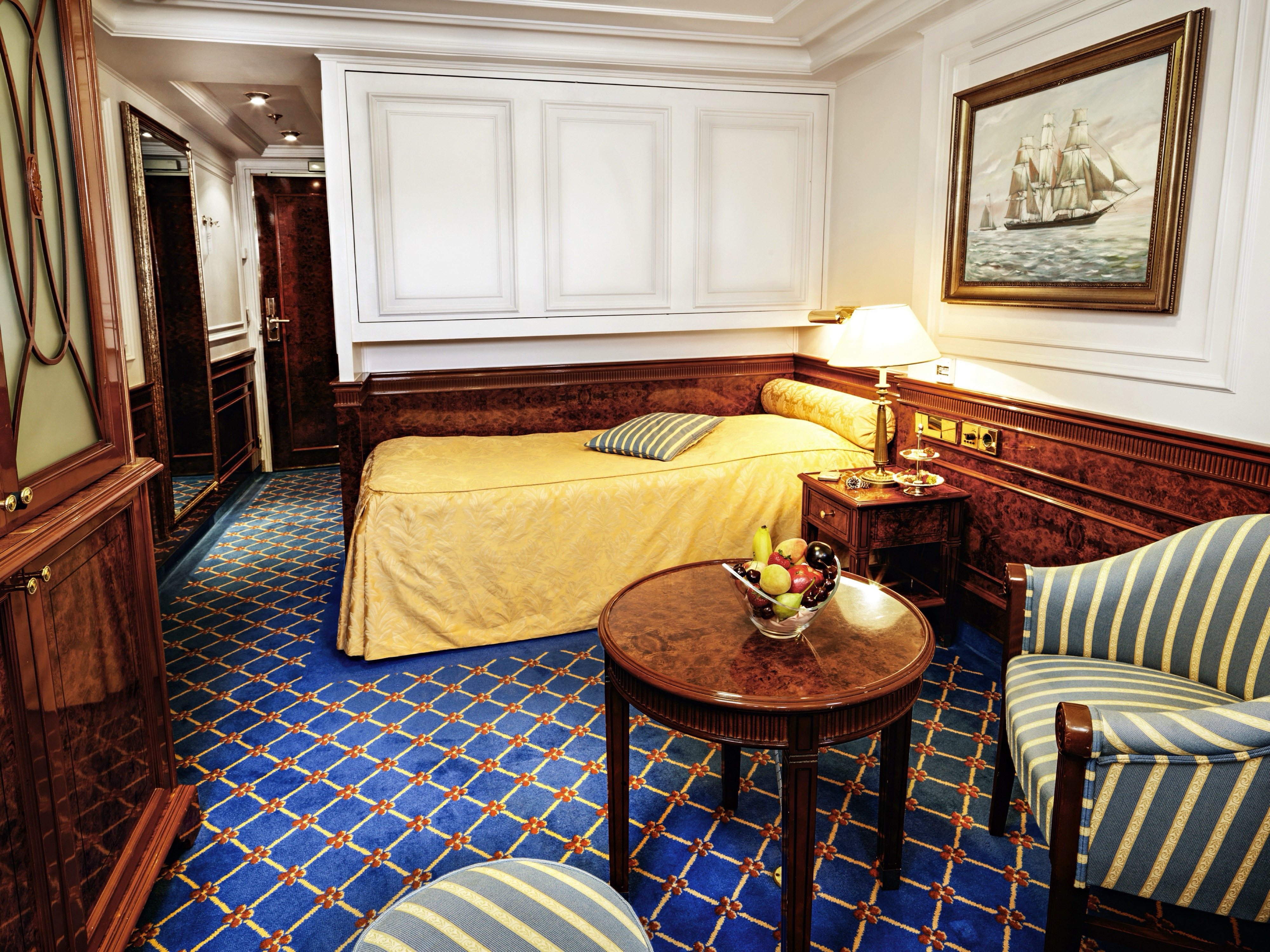
Staterooms (CAT. F)
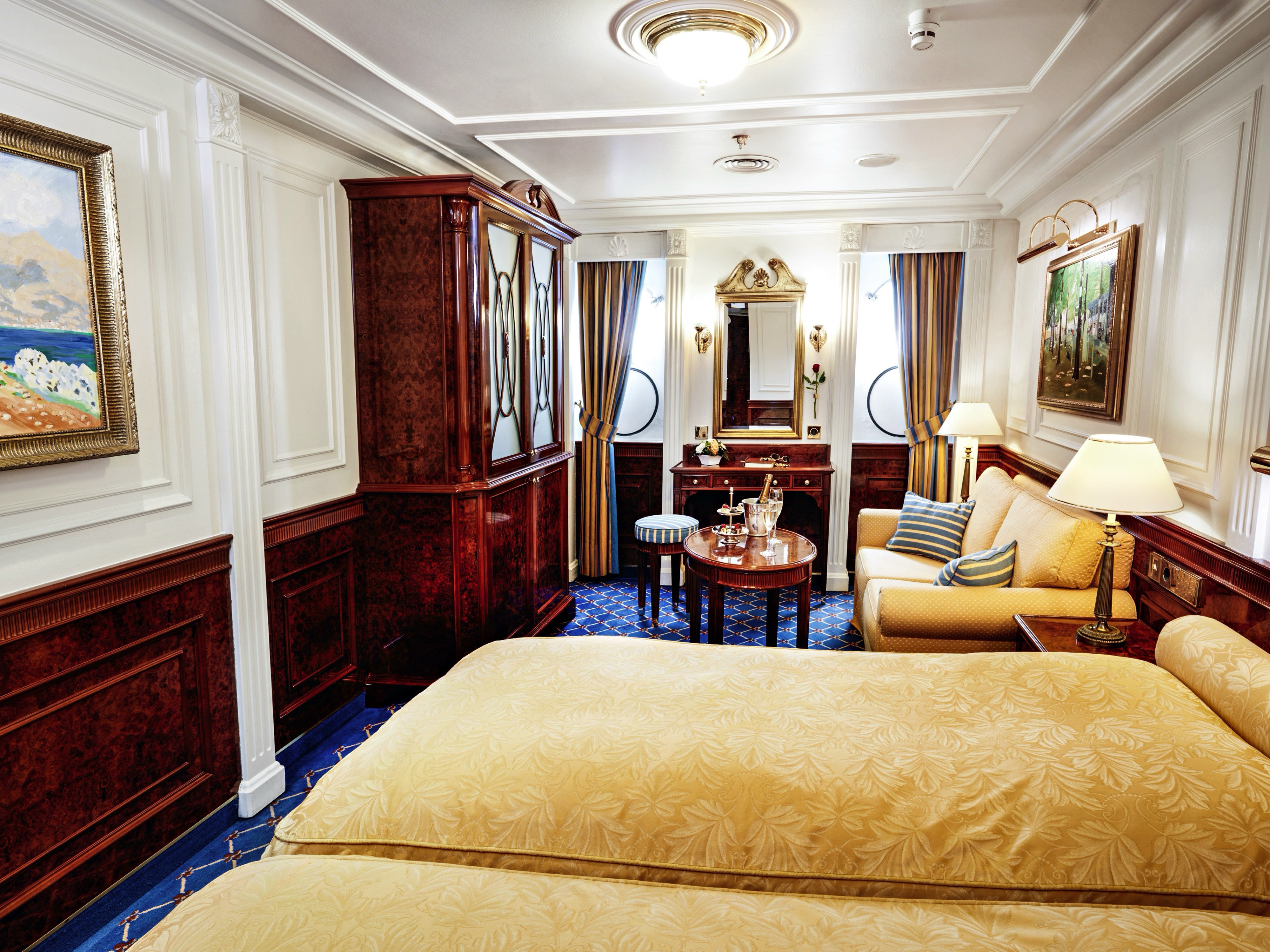
Deluxe Staterooms (Cat. E)
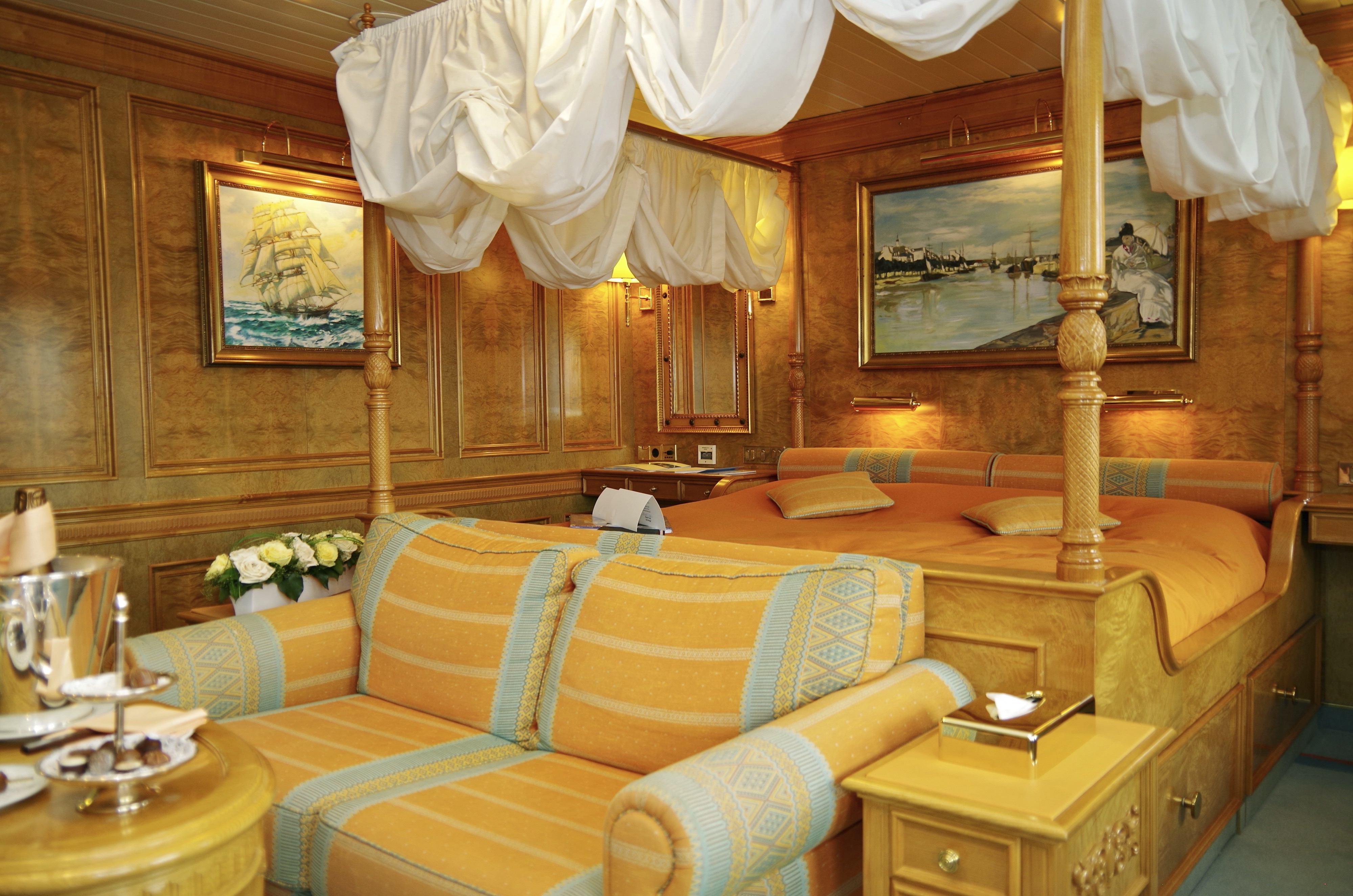
Luxury Owner Suites (Cat. A)
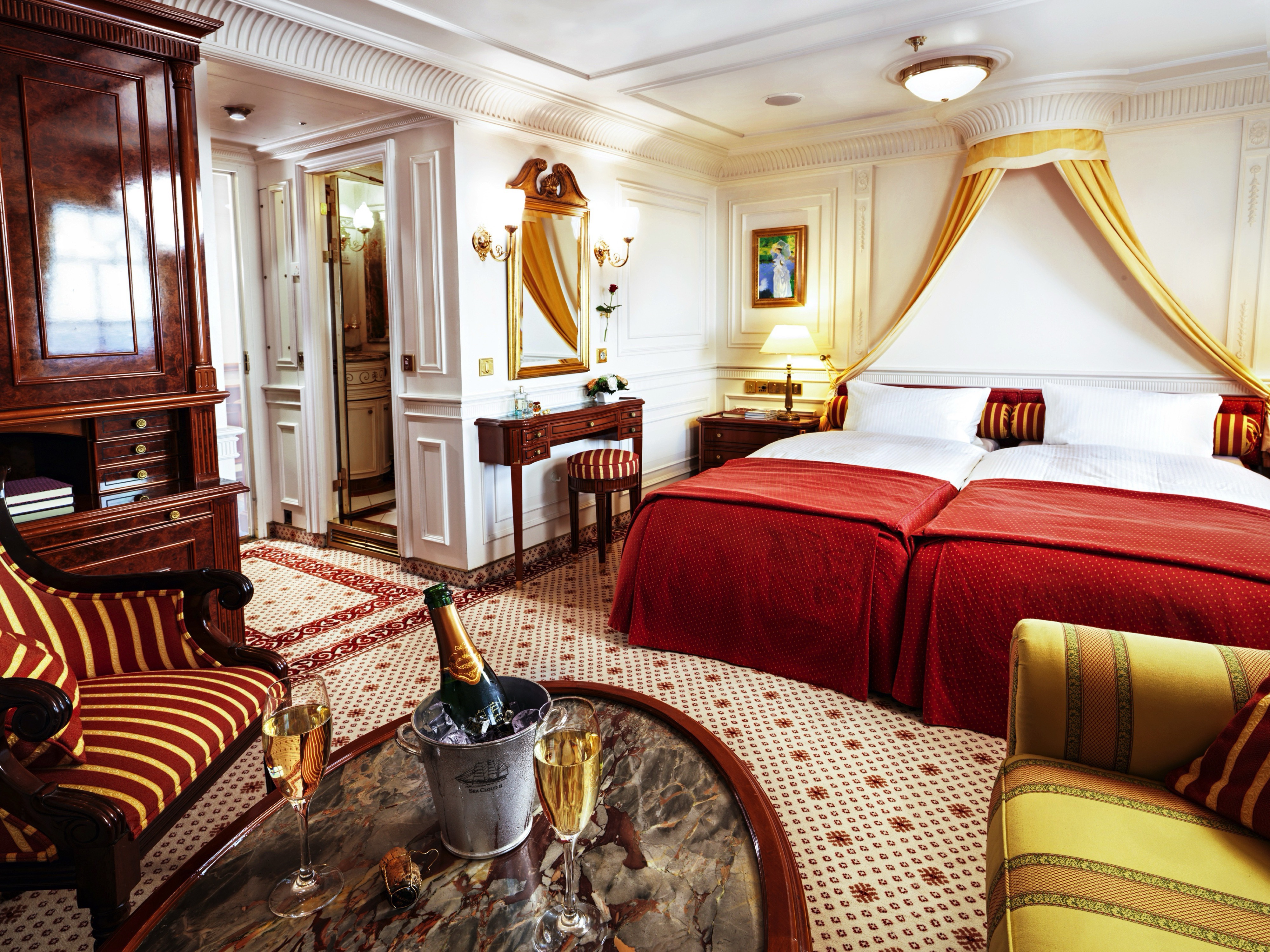
Junior Suites (Cat. B)
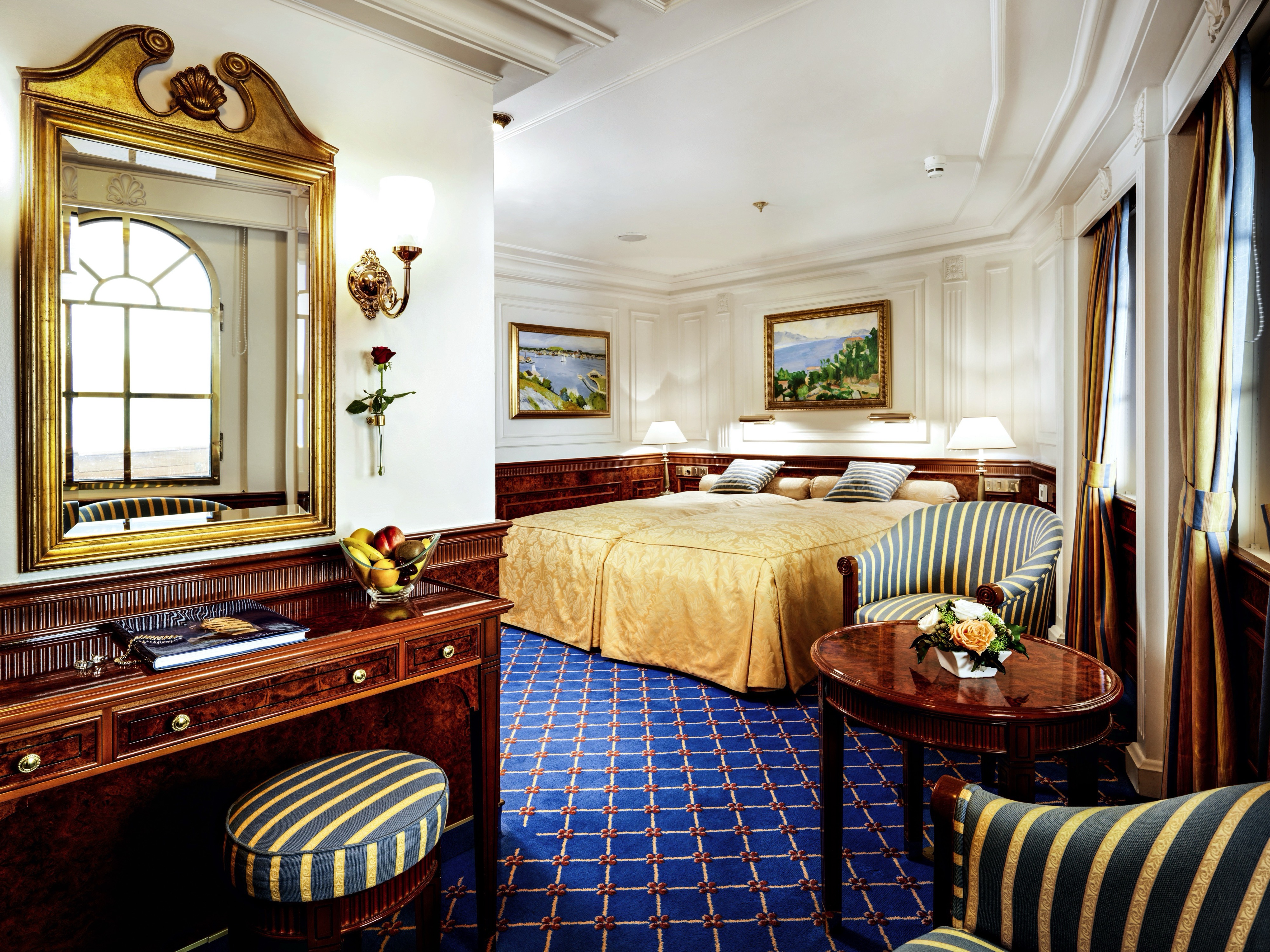
Grand Stateroom (Cat. C)
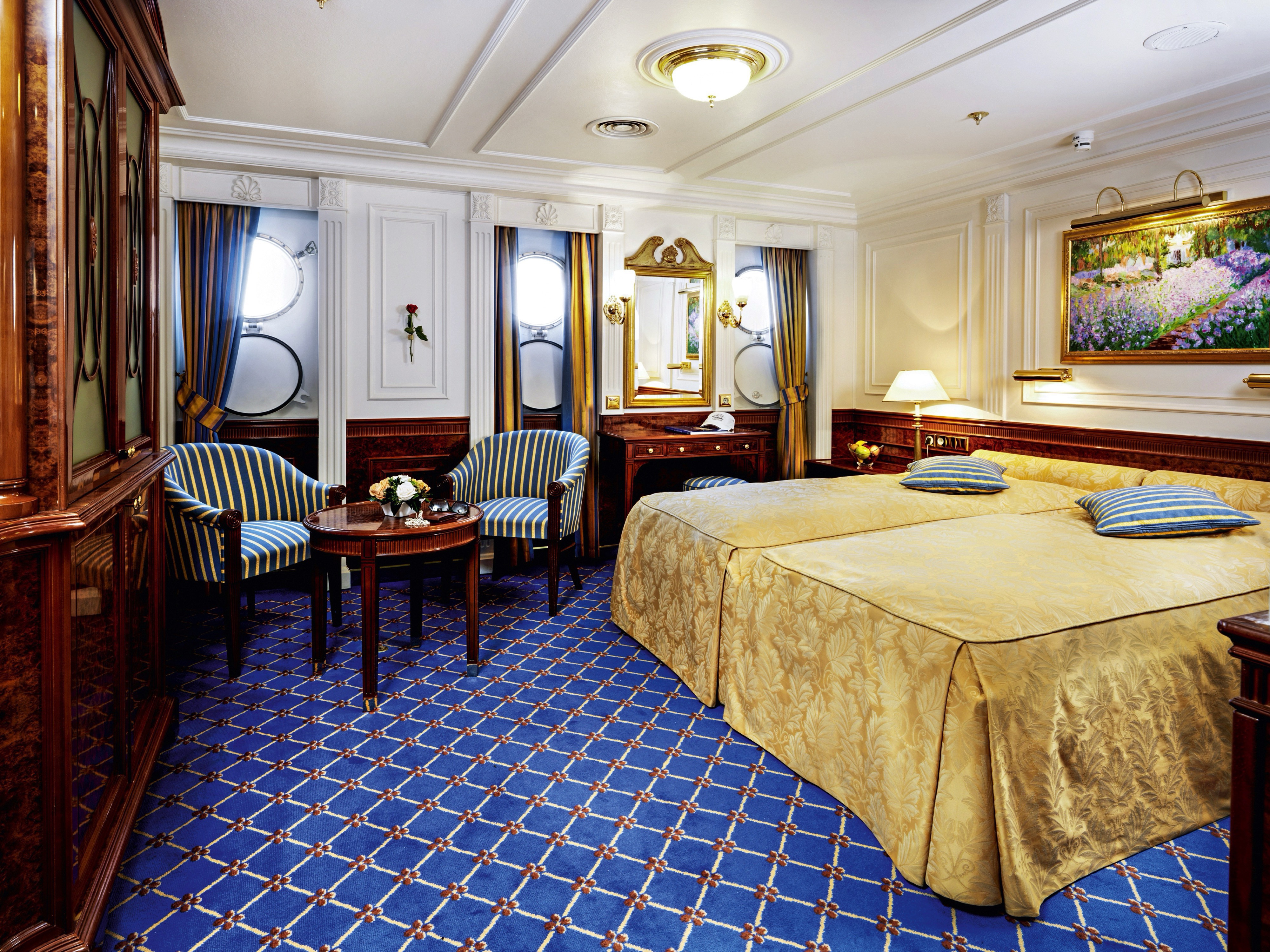
Deluxe Staterooms (Cat. D)
Ship Facilities
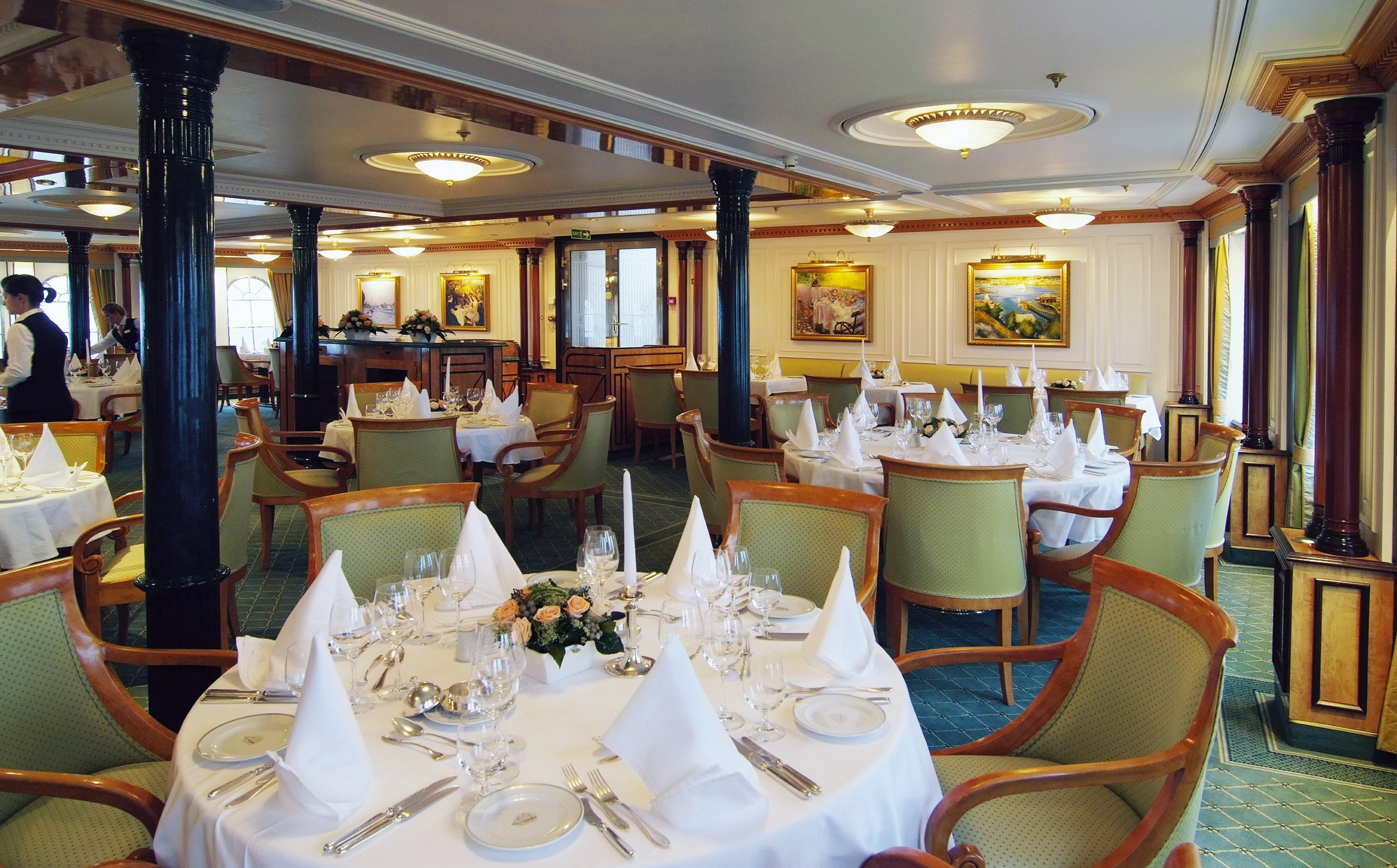
Restaurant
Meals are served on our ships in one seating. Service times can be found in the daily program on board. Please kindly note that reservations are not possible.
Our top-quality wines from well-known vineyards are often locally sourced. Our sommelier carefully selects each wine for every season and sailing destination. Wines are paired with lunch and dinner menus. In addition, you are always free to select your favourite wine from the menu.
A small breakfast with pastries and fruits is offered to early and late risers onboard the SEA CLOUDs. On board the SEA CLOUD II, a small breakfast is available at the Lido Bar. The main breakfast buffet is provided in the restaurant. Lunch is served as a buffet on the lido deck or in the restaurant. In the afternoon, coffee and tea are served, accompanied by some sweet treats and sandwiches. Dinner is a four-course menu with entrees to choose including a vegetarian option. Our executive chef will prepare an exclusive five-course meal for the gala dinner. A late-night snack nicely rounds up the evening’s culinary delights.
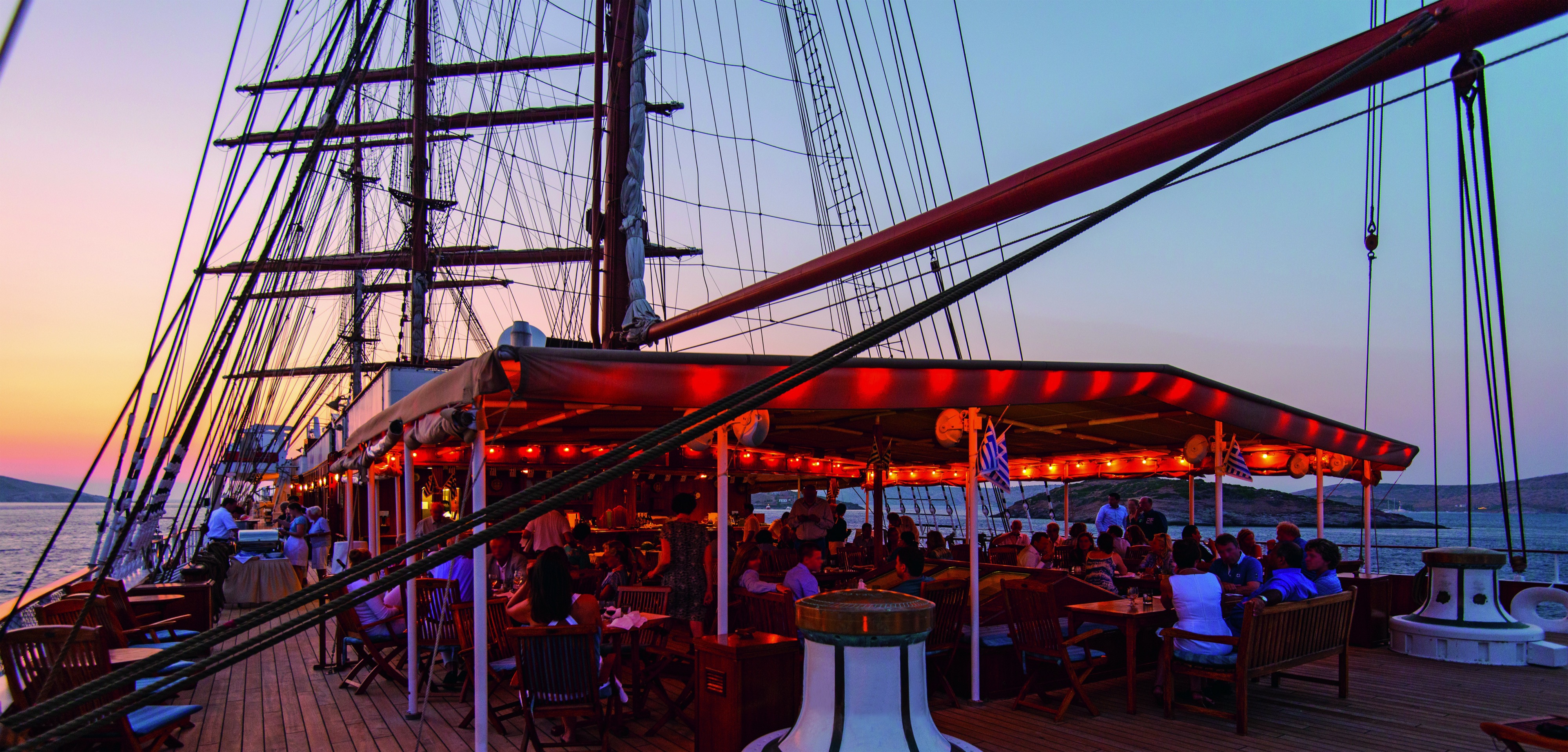
Lido Deck & Bar
You will find a dining area and Lido Bar on the Lido Deck. The Lido and Lounge Bar are open daily from 11:00 am. All drinks, alcoholic and non-alcoholic are included, premium drink are at an additional charge.
A small breakfast with pastries and fruits is offered to early and late risers onboard the SEA CLOUDs. On board the SEA CLOUD II, a small breakfast is available at the Lido Bar. Lunch is served as a buffet on the Lido Deck.
Zodiacs
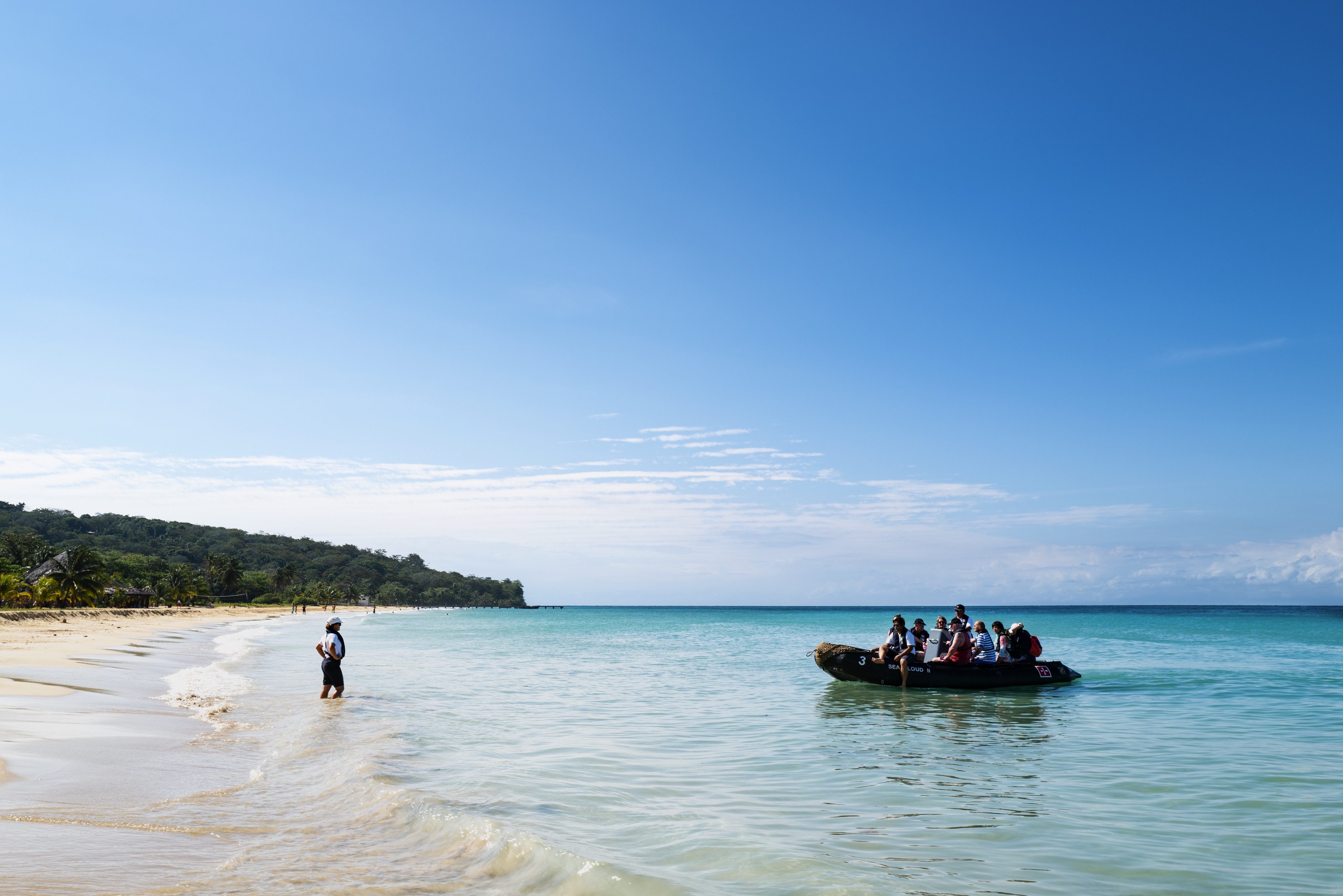
Zodiacs are small motor-driven rigid-hull inflatable boats with a capacity of approximately 8 to 10 guests, primarily used for beach landings on our cruises or our photo safaris.
Watersports
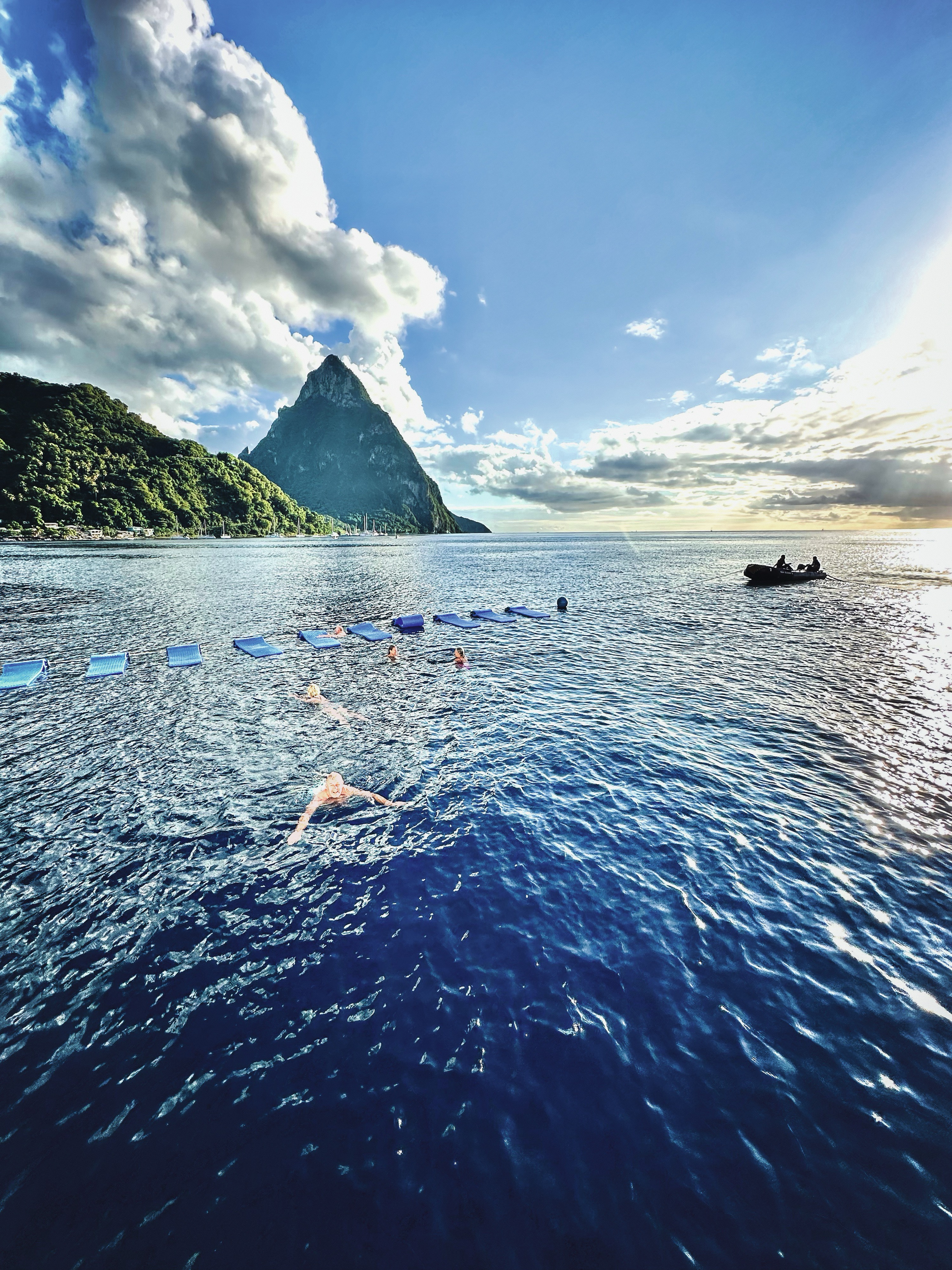
Water sport activities are offered from the gangway on the marina platform.
We do have snorkelling equipment in different sizes on board, stand-up paddle bards for beach landings and a towable tube from the gangway.
All water sport activities are included and subject to weather and Captains permission.
Excursions
All our shore excursions are shown on the itinerary pages of our brochure. 4 weeks prior to departure you will receive detailed information on shore excursions with your travel documents. The shore excursion booklet also includes the order form to pre-book your excursions. On board the Cruise Director will be able to provide further details during a lecture. We do recommend pre-booking prior to embarkation to secure your spot. All excursions will be charged to your cabin account on board.
You are free to join an organised shore excursion, stay on board or make individual arrangements. You will find times for tender or to be back on board in your daily program and at the gangway.
Please remember to bring comfortable footwear, a light jacket/windbreaker, as well as sunscreen where appropriate.
Rigg Climbing
Join us for some rigg climbing
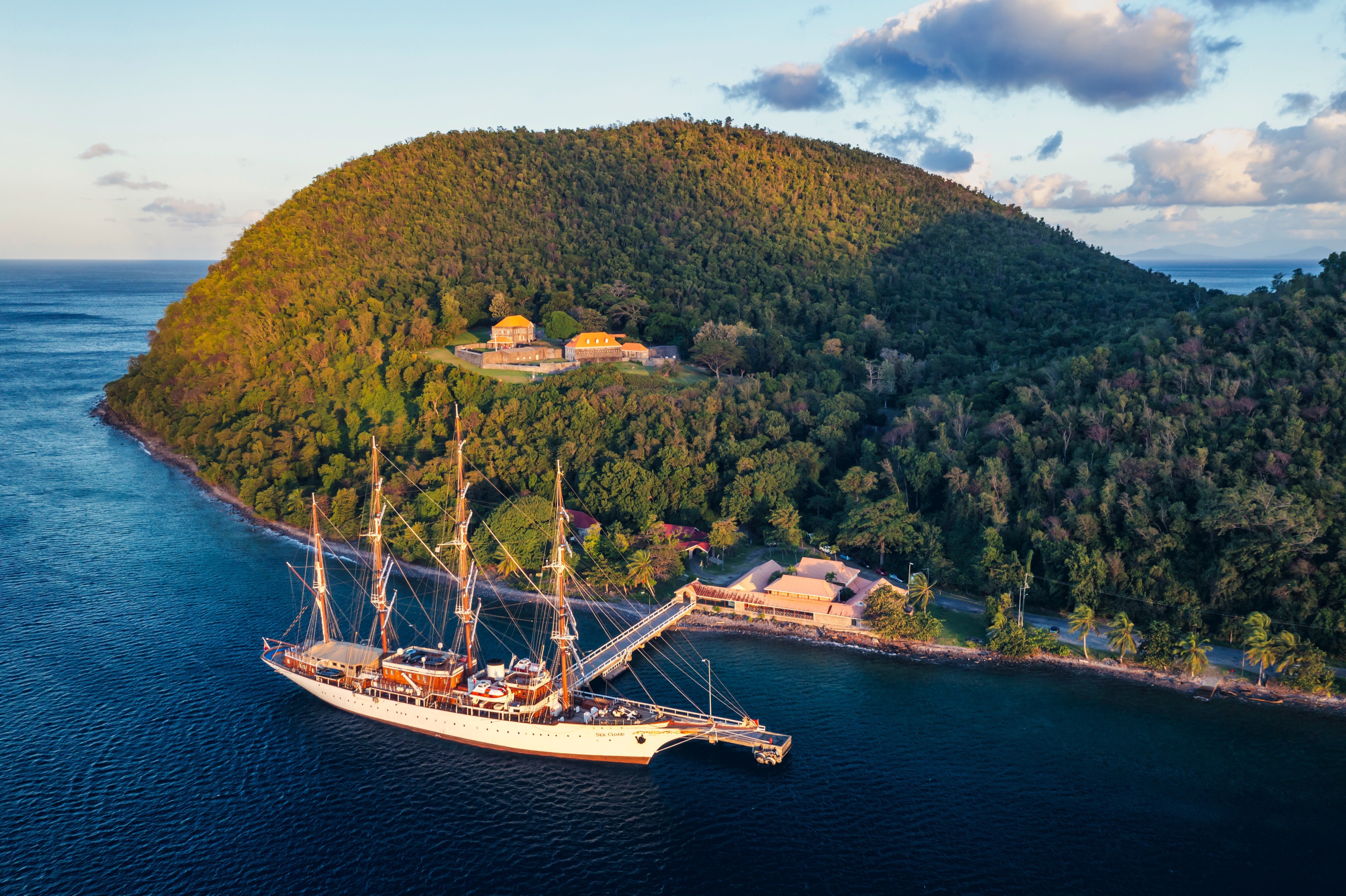
One of the most captivating experiences onboard the SEA CLOUD windjammer is watching the crew climb into the rigging to set the sails by hand. Now, you can share a piece of this adventure yourself and – if your fitness allows – climb up to the first platform!
Our SEA CLOUDs are the only cruise ships in the world that are traditionally sailed by hand. Here, nothing happens at the push of a button: setting the sails follows centuries-old rituals, bringing the magic of sailing to life in a unique way. Now, you can experience this tradition up close! High up in the rigging, carried by the wind and with sweeping views over the sea, you’ll feel the majestic power of our tall ships even more intensely. Safely guided and equipped with state-of-the-art safety systems, you can climb up to the first platform, about 14 meters above the deck – an unforgettable moment for those seeking adventure!
A brief fitness check on board ensures that you feel completely comfortable and secure before you ascend. This includes: hanging from a bar for 10 seconds, balancing on one foot for 20 seconds and climbing stairs two at a time. Our experienced deckhands, specially trained for these activities, will guide you every step of the way so you always feel safe and well taken care of.
Embark on this unique adventure now – a once-in-a-lifetime moment that will leave you with a deep sense of joy and a touch of pride. Are you ready to experience the sea in all its splendour, high above the sails?
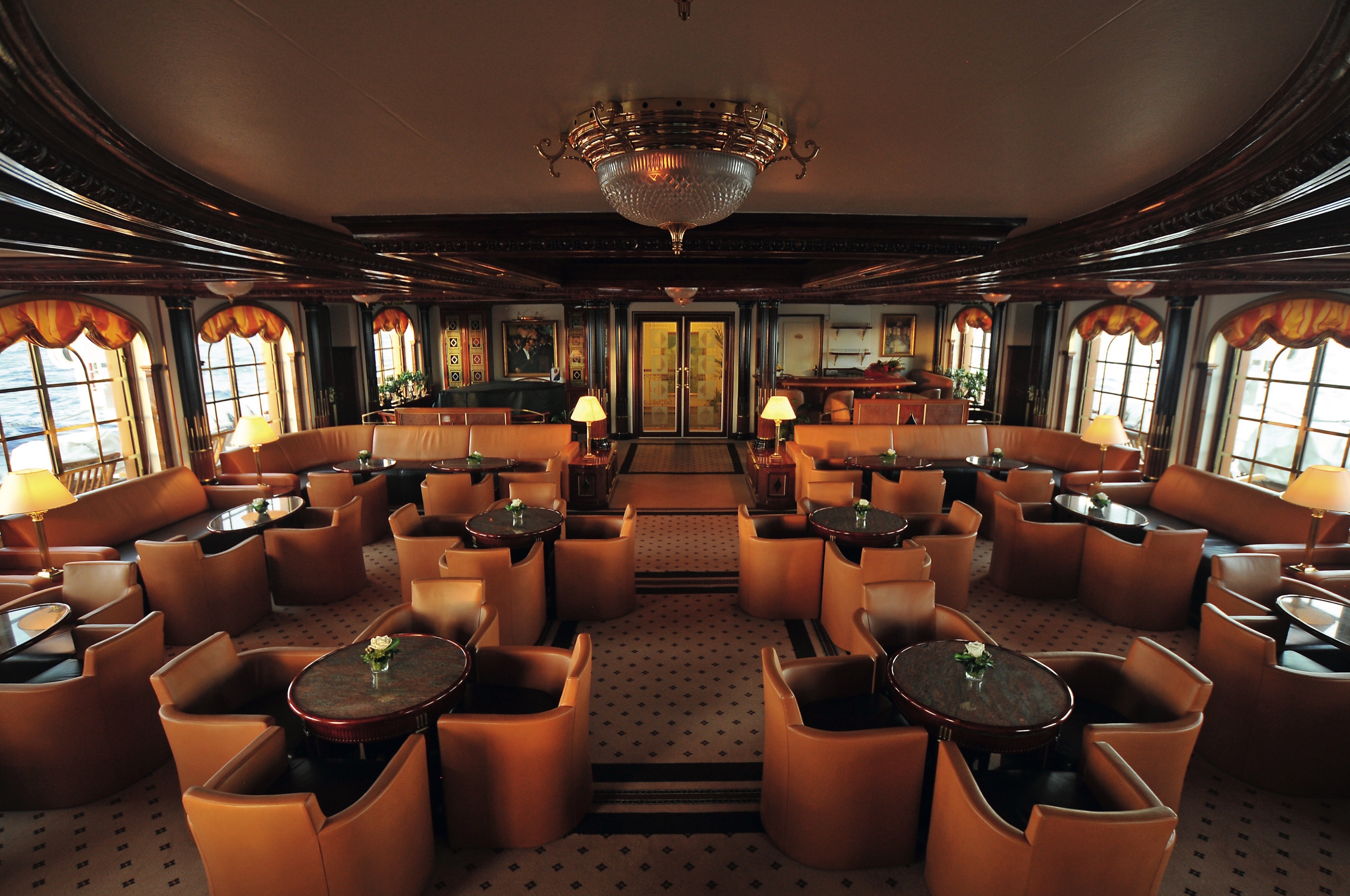
Lounge
The lounge is located on the Lido Deck (SEA CLOUD II & SEA CLOUD SPIRIT) and is always open. This is where all lectures take place and on select sailings concerts on the Steinway grand piano (SEA CLOUD II and SEA CLOUD SPIRIT). Enjoy a selection of games or just an afternoon snack.
The Lounge Bar is open daily from 11:00 am. All drinks, alcoholic and non-alcoholic are included, premium drink are at an additional charge.
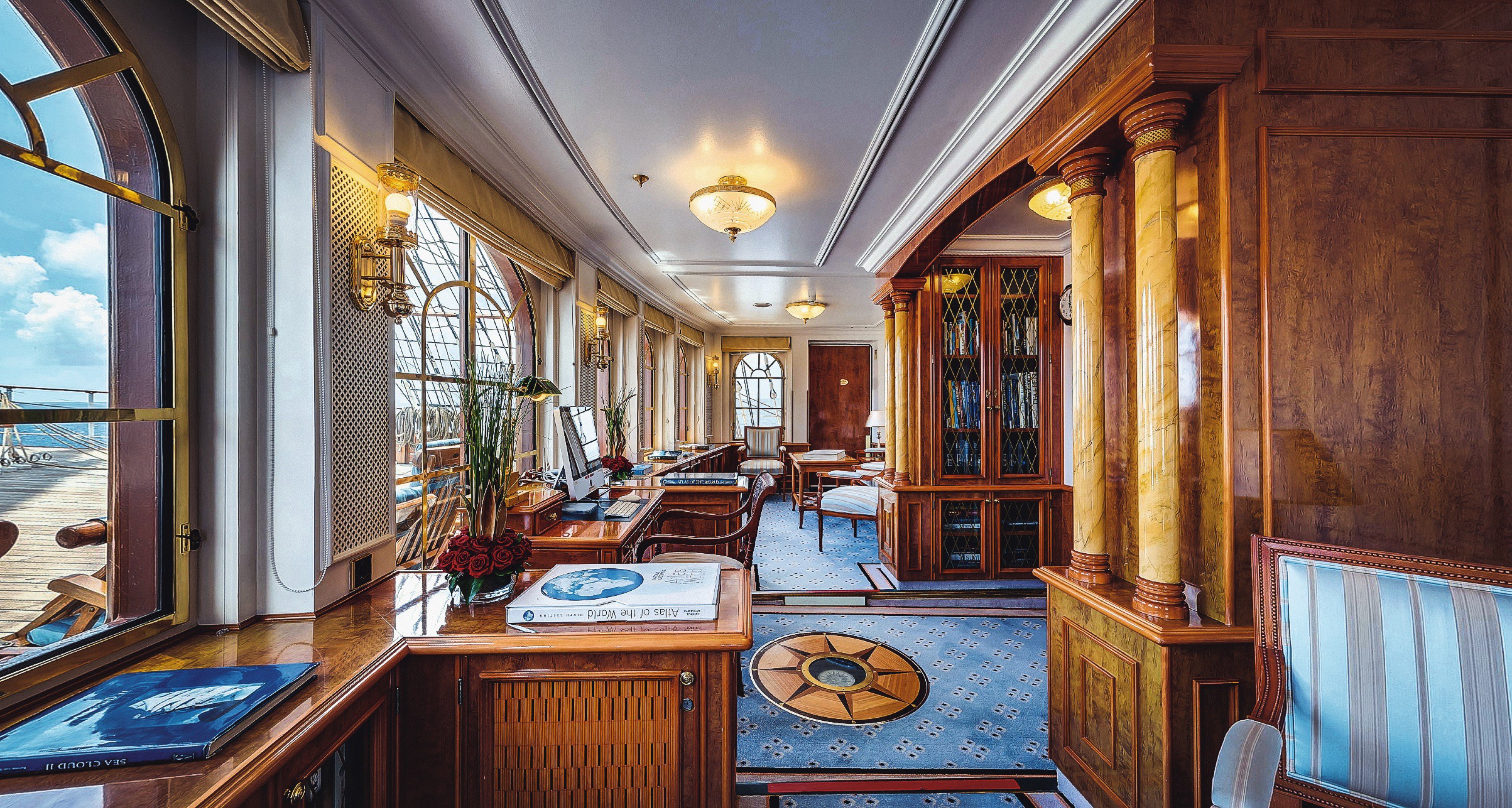
Library
Our beautiful library offers a variety of English books, popular board games and DVDs (SEA CLOUD II only). You are welcome to take the books to your cabin during your sailing and return before the end of your cruise.
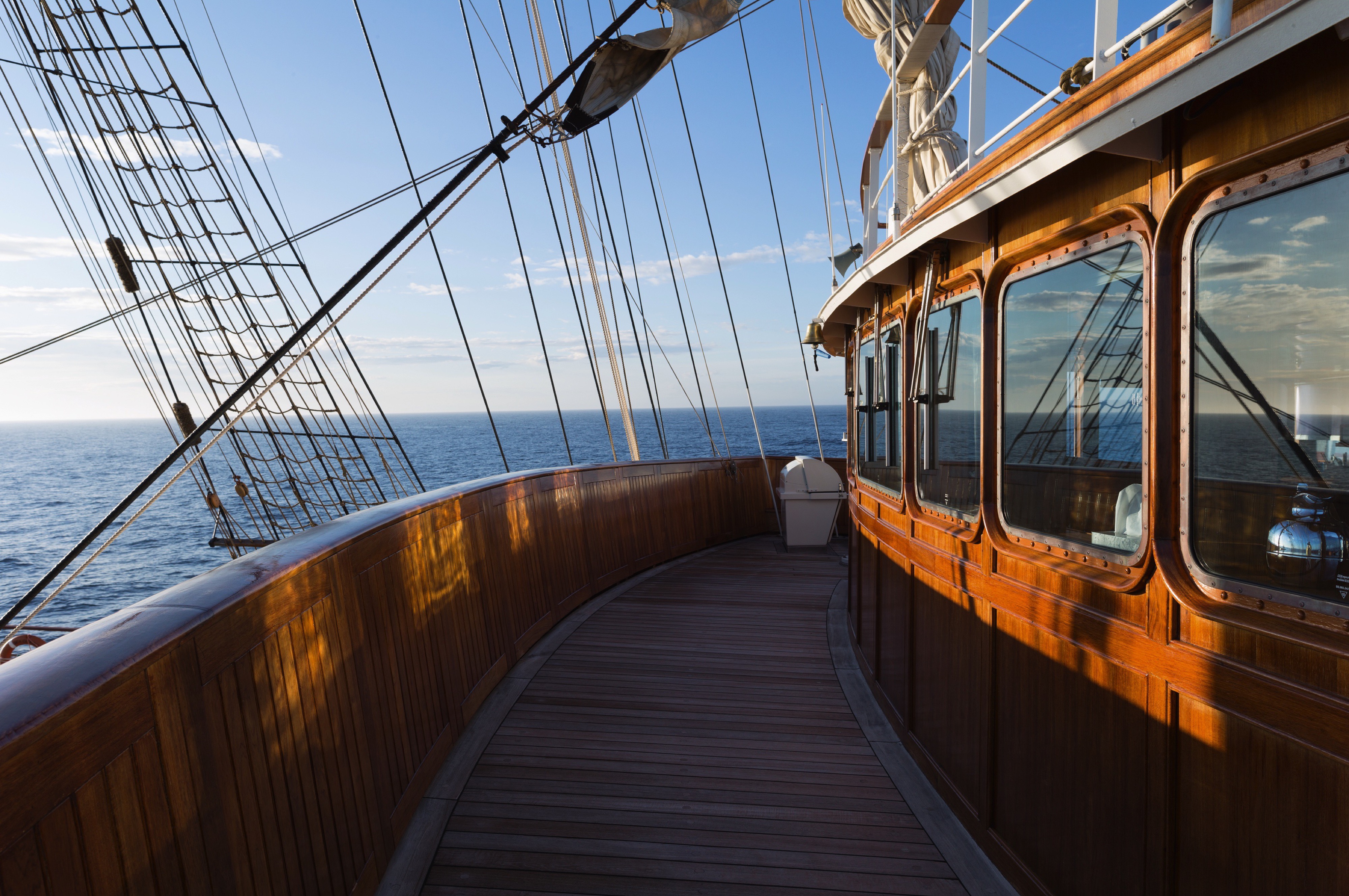
Bridge
The bridge area can be visited during the day and/or at specified times, subject to captain’s approval. The bridge is closed during manoeuvring operations and night sailing.
Boutique
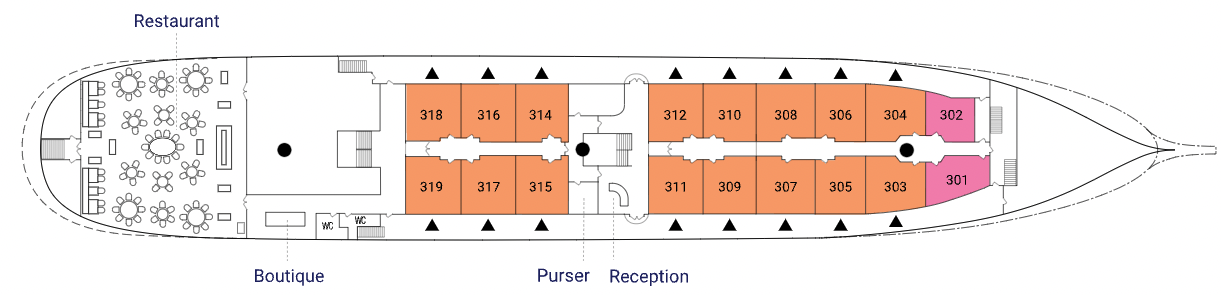
The boutique on our yachts offers accessories, clothes, and gifts. Opening hours vary. You will find the exact information in the daily program and on the public boards. Feel free to contact the reception with any questions or requests outside of opening hours.

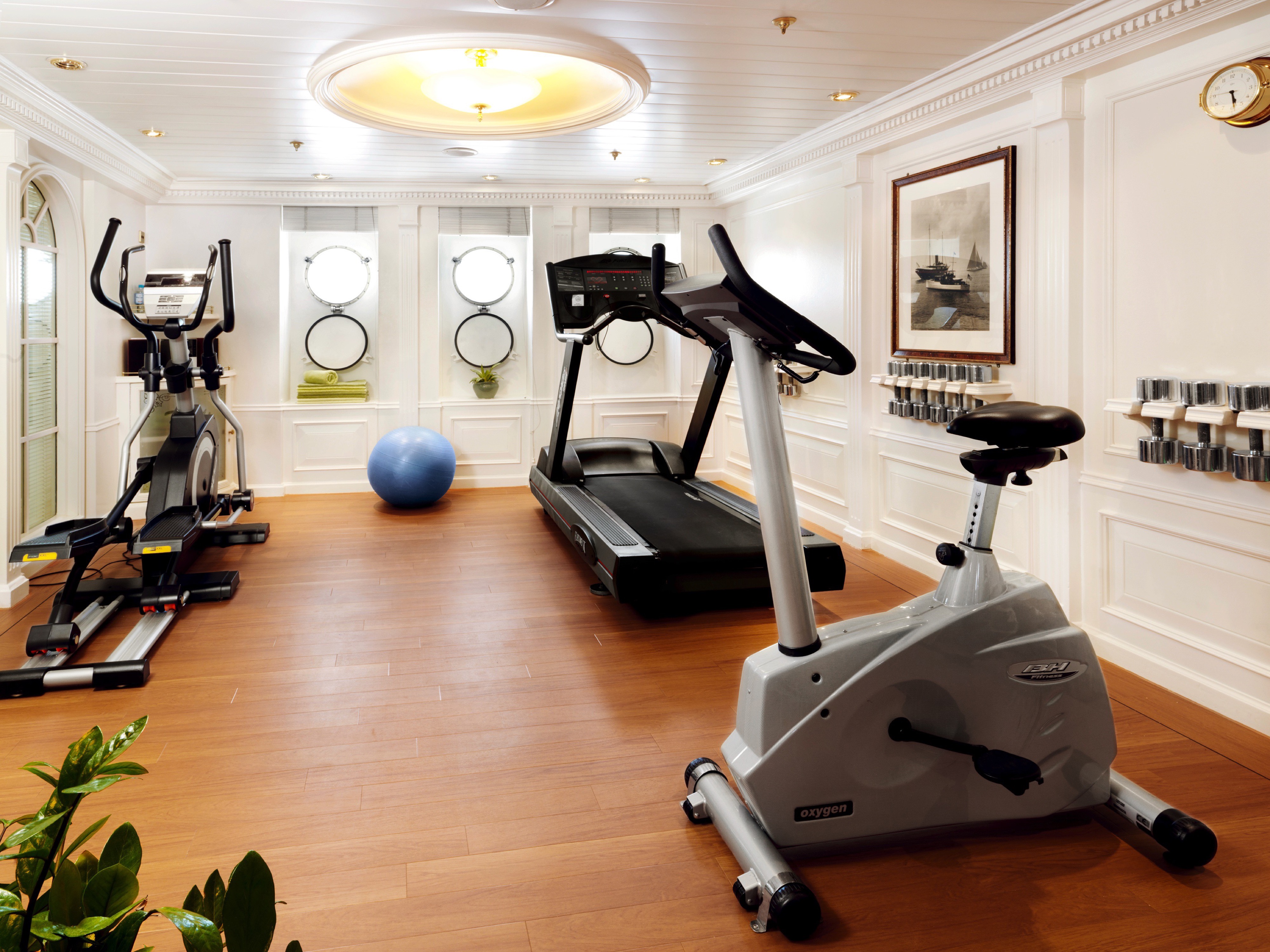
Fitness and Sport
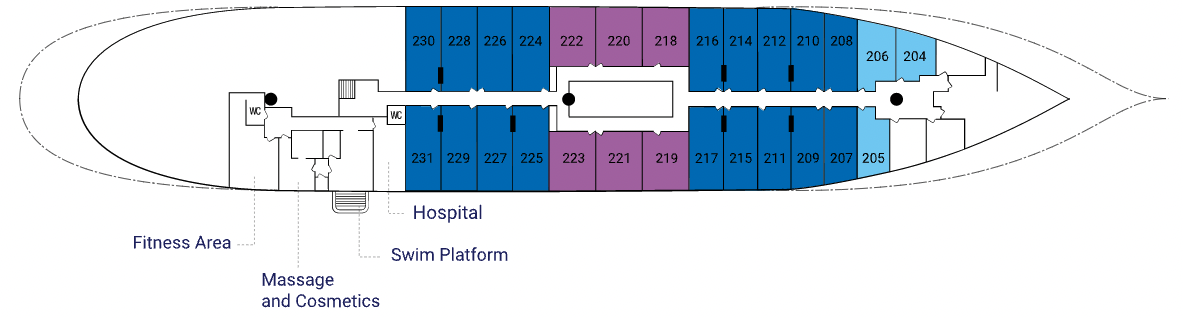
SEA CLOUD II has a fitness area on the cabin deck. The gym is open during the day and is equipped with a step machine, a bike, a treadmill, and a rowing machine.
Massage & Cosmetics
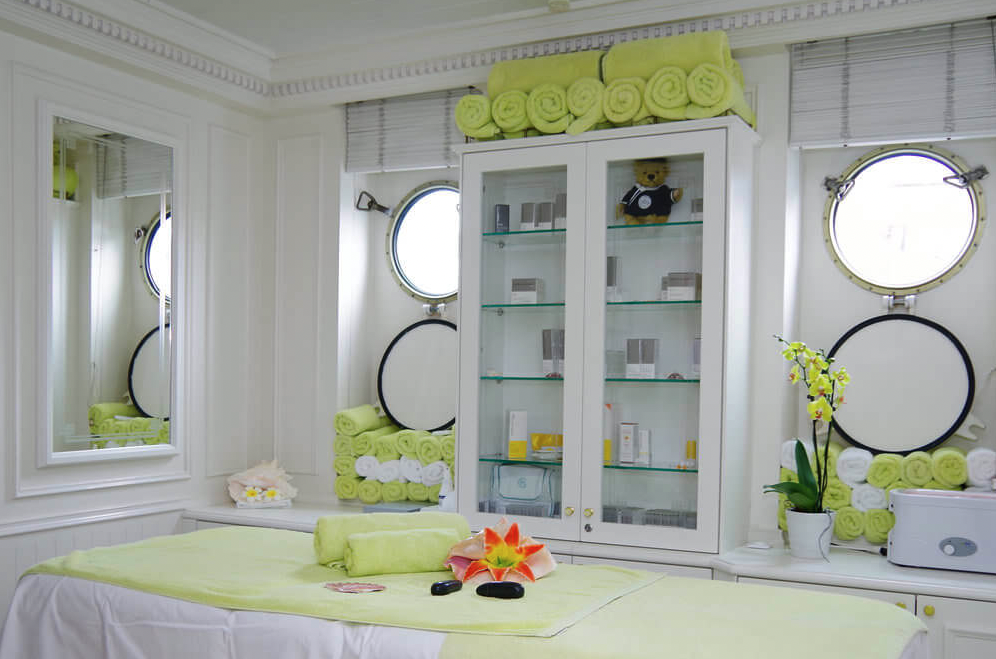
On SEA CLOUD II we offer massages and beauty treatments at an additional fee We do have a sauna on the cabin deck, which is heated upon request. Please contact the reception.
Children are welcome on our ships, but please keep in mind there is no daycare or special entertainment for children on board our ships.
Restaurant
Meals are served on our ships in one seating. Service times can be found in the daily program on board. Please kindly note that reservations are not possible.
Our top-quality wines from well-known vineyards are often locally sourced. Our sommelier carefully selects each wine for every season and sailing destination. Wines are paired with lunch and dinner menus. In addition, you are always free to select your favourite wine from the menu.
A small breakfast with pastries and fruits is offered to early and late risers onboard the SEA CLOUDs. On board the SEA CLOUD II, a small breakfast is available at the Lido Bar. The main breakfast buffet is provided in the restaurant. Lunch is served as a buffet on the lido deck or in the restaurant. In the afternoon, coffee and tea are served, accompanied by some sweet treats and sandwiches. Dinner is a four-course menu with entrees to choose including a vegetarian option. Our executive chef will prepare an exclusive five-course meal for the gala dinner. A late-night snack nicely rounds up the evening’s culinary delights.
Lido Deck & Bar
You will find a dining area and Lido Bar on the Lido Deck. The Lido and Lounge Bar are open daily from 11:00 am. All drinks, alcoholic and non-alcoholic are included, premium drink are at an additional charge.
A small breakfast with pastries and fruits is offered to early and late risers onboard the SEA CLOUDs. On board the SEA CLOUD II, a small breakfast is available at the Lido Bar. Lunch is served as a buffet on the Lido Deck.
Zodiacs
Zodiacs are small motor-driven rigid-hull inflatable boats with a capacity of approximately 8 to 10 guests, primarily used for beach landings on our cruises or our photo safaris.
Watersports
Water sport activities are offered from the gangway on the marina platform.
We do have snorkelling equipment in different sizes on board, stand-up paddle bards for beach landings and a towable tube from the gangway.
All water sport activities are included and subject to weather and Captains permission.
Excursions
All our shore excursions are shown on the itinerary pages of our brochure. 4 weeks prior to departure you will receive detailed information on shore excursions with your travel documents. The shore excursion booklet also includes the order form to pre-book your excursions. On board the Cruise Director will be able to provide further details during a lecture. We do recommend pre-booking prior to embarkation to secure your spot. All excursions will be charged to your cabin account on board.
You are free to join an organised shore excursion, stay on board or make individual arrangements. You will find times for tender or to be back on board in your daily program and at the gangway.
Please remember to bring comfortable footwear, a light jacket/windbreaker, as well as sunscreen where appropriate.
Rigg Climbing
Join us for some rigg climbing
One of the most captivating experiences onboard the SEA CLOUD windjammer is watching the crew climb into the rigging to set the sails by hand. Now, you can share a piece of this adventure yourself and – if your fitness allows – climb up to the first platform!
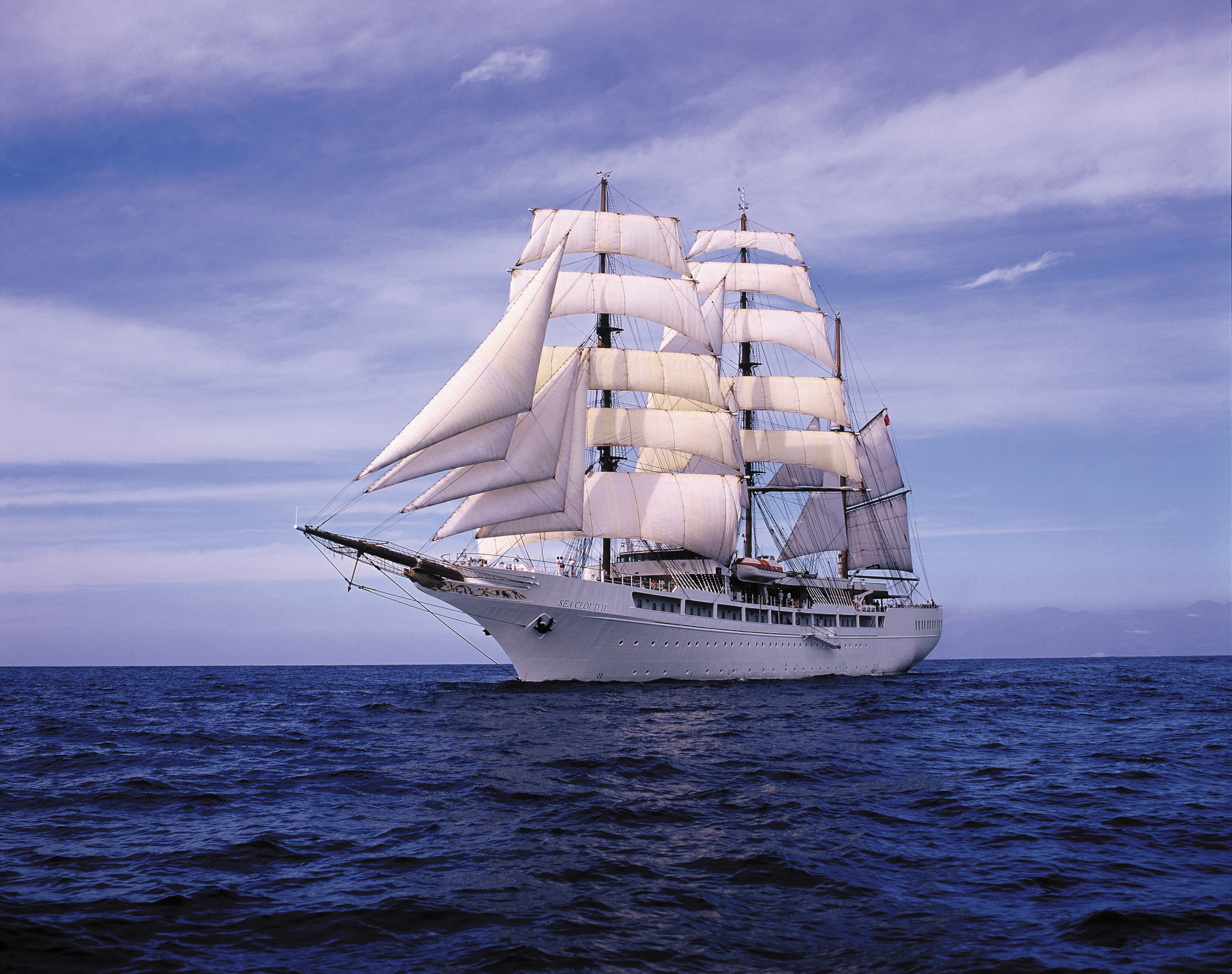
Our SEA CLOUDs are the only cruise ships in the world that are traditionally sailed by hand. Here, nothing happens at the push of a button: setting the sails follows centuries-old rituals, bringing the magic of sailing to life in a unique way. Now, you can experience this tradition up close! High up in the rigging, carried by the wind and with sweeping views over the sea, you’ll feel the majestic power of our tall ships even more intensely. Safely guided and equipped with state-of-the-art safety systems, you can climb up to the first platform, about 14 meters above the deck – an unforgettable moment for those seeking adventure!
A brief fitness check on board ensures that you feel completely comfortable and secure before you ascend. This includes: hanging from a bar for 10 seconds, balancing on one foot for 20 seconds and climbing stairs two at a time. Our experienced deckhands, specially trained for these activities, will guide you every step of the way so you always feel safe and well taken care of.
Embark on this unique adventure now – a once-in-a-lifetime moment that will leave you with a deep sense of joy and a touch of pride. Are you ready to experience the sea in all its splendour, high above the sails?
Lounge
The lounge is located on the Lido Deck (SEA CLOUD II & SEA CLOUD SPIRIT) and is always open. This is where all lectures take place and on select sailings concerts on the Steinway grand piano (SEA CLOUD II and SEA CLOUD SPIRIT). Enjoy a selection of games or just an afternoon snack.
The Lounge Bar is open daily from 11:00 am. All drinks, alcoholic and non-alcoholic are included, premium drink are at an additional charge.
Library
Our beautiful library offers a variety of English books, popular board games and DVDs (SEA CLOUD II only). You are welcome to take the books to your cabin during your sailing and return before the end of your cruise.
Bridge
The bridge area can be visited during the day and/or at specified times, subject to captain’s approval. The bridge is closed during manoeuvring operations and night sailing.
Boutique
The boutique on our yachts offers accessories, clothes, and gifts. Opening hours vary. You will find the exact information in the daily program and on the public boards. Feel free to contact the reception with any questions or requests outside of opening hours.
Fitness and Sport
SEA CLOUD II has a fitness area on the cabin deck. The gym is open during the day and is equipped with a step machine, a bike, a treadmill, and a rowing machine.
Massage & Cosmetics
On SEA CLOUD II we offer massages and beauty treatments at an additional fee We do have a sauna on the cabin deck, which is heated upon request. Please contact the reception.
Children are welcome on our ships, but please keep in mind there is no daycare or special entertainment for children on board our ships.
About the Ship
Deck Plans
- Fitness Area
- Massage and Cosmetics
- Hospital
- Swim Platform
- Deluxe Stateroom
- Stateroom (Upper/Lower-bed Cabins)
- Restaurant
- Boutique
- Purser
- Reception
- Junior Suites
- Grand Staterooms
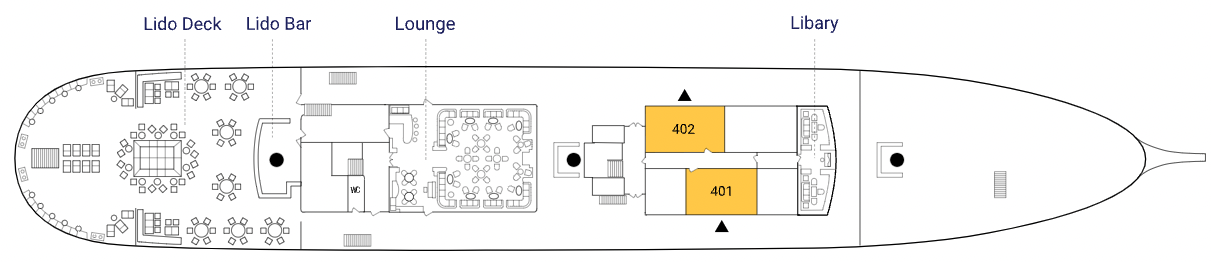
- Lounge
- Lido Bar
- Lido Deck
- Library
- Cat. A Owner’s Suites
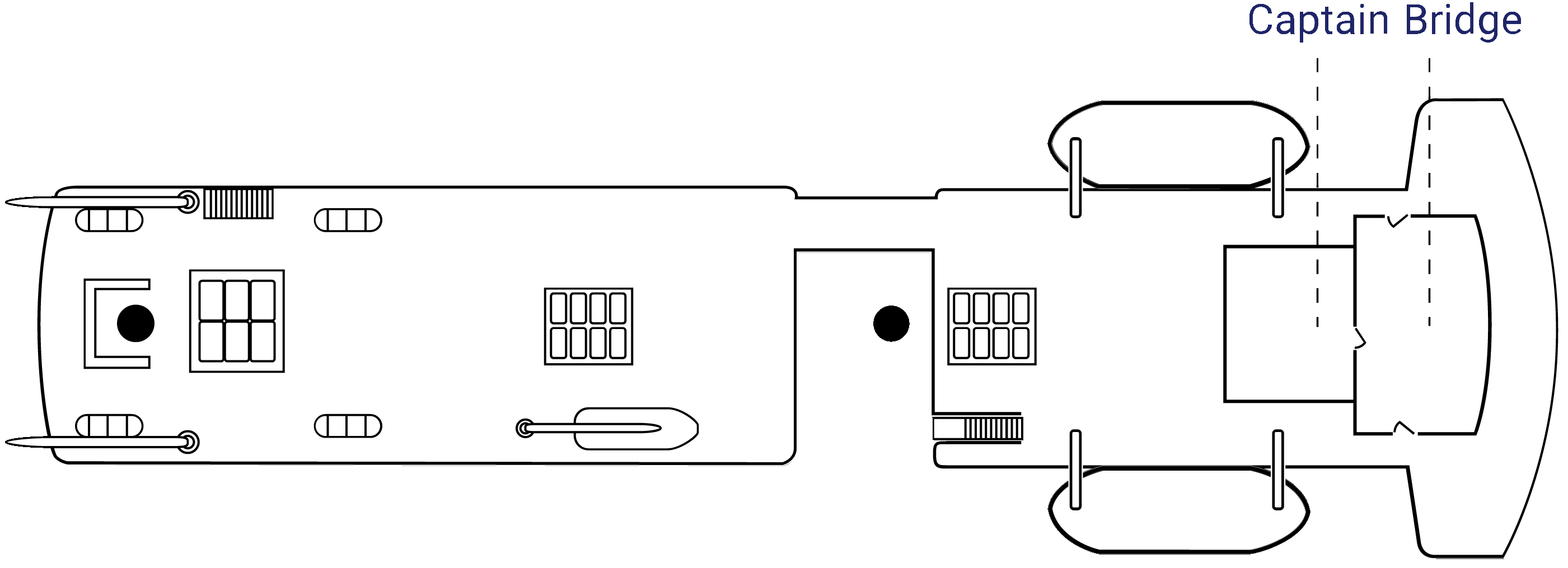
- Captain
- Bridge
- Fitness Area
- Massage and Cosmetics
- Hospital
- Swim Platform
- Deluxe Stateroom
- Stateroom (Upper/Lower-bed Cabins)
- Restaurant
- Boutique
- Purser
- Reception
- Junior Suites
- Grand Staterooms
- Lounge
- Lido Bar
- Lido Deck
- Library
- Cat. A Owner’s Suites
- Captain
- Bridge