Featured Cabins
Itinerary
Livorno, Italy
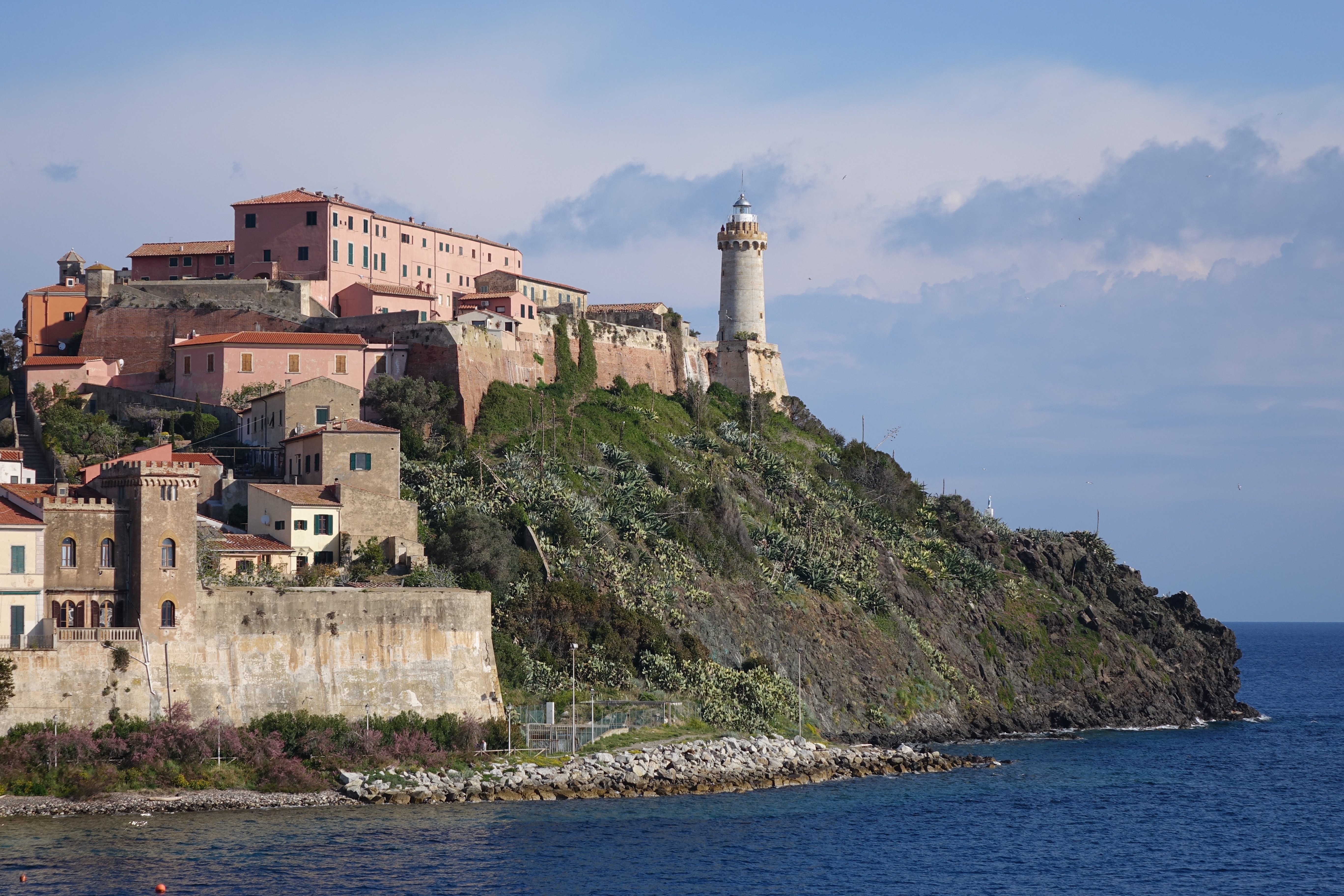
Livorno is a gritty city with a long and interesting history. In the early Middle Ages it alternately belonged to Pisa and Genoa. In 1421 Florence, seeking access to the sea, bought it. Cosimo I (1519–74) started construction of the harbor in 1571, putting Livorno on the map. After Ferdinando I de’ Medici (1549–1609) proclaimed Livorno a free city, it became a haven for people suffering from religious persecution; Roman Catholics from England and Jews and Moors from Spain and Portugal, among others, settled here. The Quattro Mori (Four Moors), also known as the Monument to Ferdinando I, commemorates this. (The statue of Ferdinando I dates from 1595, the bronze Moors by Pietro Tacca from the 1620s.)In the following centuries, and particularly in the 18th, Livorno boomed as a port. In the 19th century the town drew a host of famous Britons passing through on their grand tours. Its prominence continued up to World War II, when it was heavily bombed. Much of the town’s architecture, therefore, postdates the war, and it’s somewhat difficult to imagine what it might have looked like before. Livorno has recovered from the war, however, as it’s become a huge point of departure for container ships, as well as the only spot in Tuscany for cruise ships to dock for the day.Most of Livorno’s artistic treasures date from the 17th century and aren’t all that interesting unless you dote on obscure baroque artists. Livorno’s most famous native artist, Amedeo Modigliani (1884–1920), was of much more recent vintage. Sadly, there’s no notable work by him in his hometown.There may not be much in the way of art, but it’s still worth strolling around the city. The Mercato Nuovo, which has been around since 1894, sells all sorts of fruits, vegetables, grains, meat, and fish. Outdoor markets nearby are also chock-full of local color. The presence of Camp Darby, an American military base just outside town, accounts for the availability of many American products.If you have time, Livorno is worth a stop for lunch or dinner at the very least.
Calvi, Corsica, France
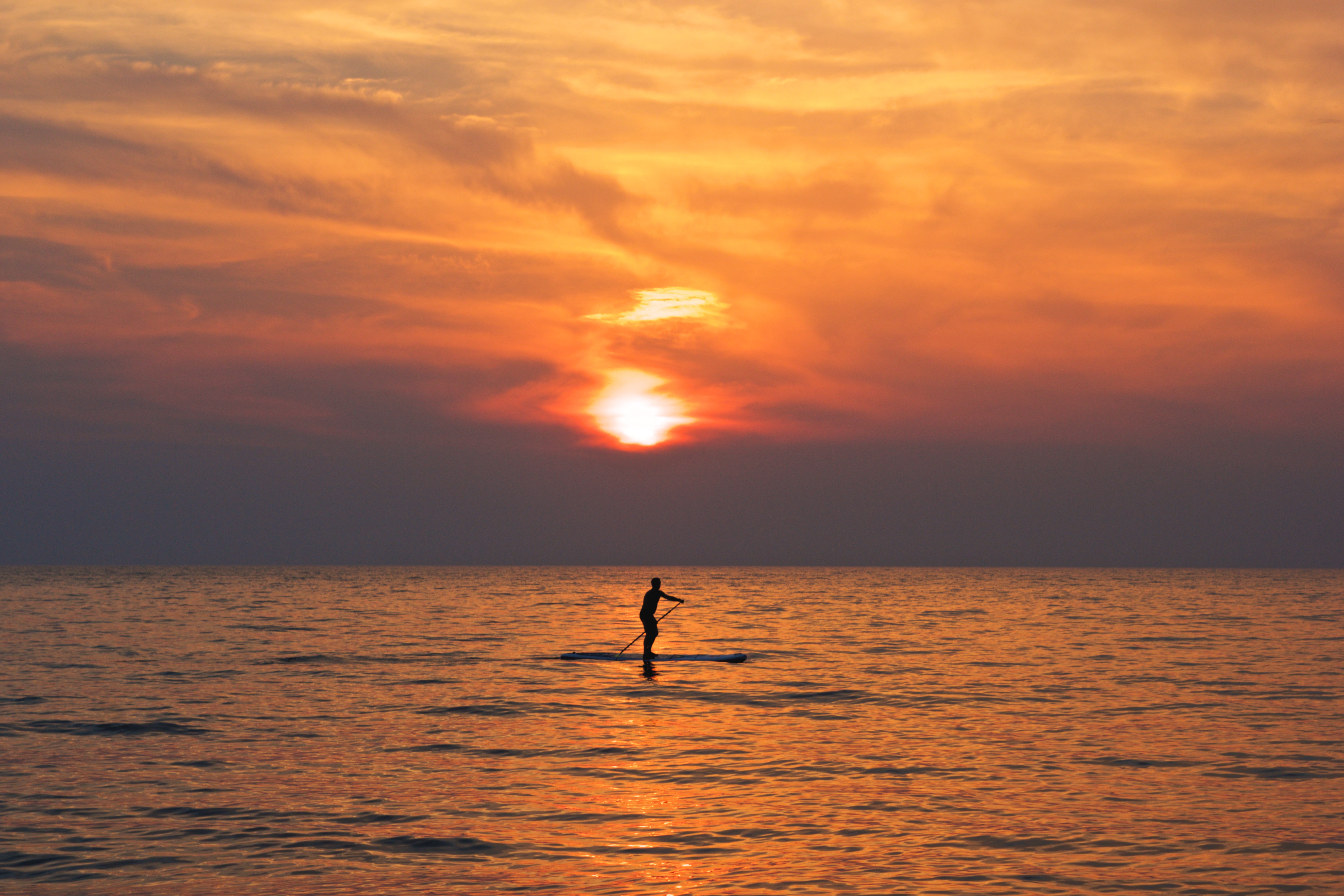
Calvi, Corsica’s slice of the Riviera, has been described by author Dorothy Carrington as “an oasis of pleasure on an otherwise austere island.” Calvi prospered by supplying products to Genoa; its citizens remained loyal supporters of Genoa long after the rest of the island declared independence. Calvi also claims to be the birthplace of Christopher Columbus. During the 18th century the town endured assaults from Corsican nationalists, including celebrated patriot Pasquale Paoli. Today Calvi sees a summertime invasion of tourists, drawn to the 6-km (4-mile) stretch of sandy white beach, impressive citadel overlooking the Old Town, lively restaurants, and buzzing nightlife.
At Sea
No additional details available for this day.
Portoferraio, Italy
Elba is the Tuscan archipelago’s largest island, but it resembles nearby verdant Corsica more than it does its rocky Italian sisters, thanks to a network of underground springs that keep it lush and green. It’s this combination of semitropical vegetation and dramatic mountain scenery—unusual in the Mediterranean—that has made Elba so prized for so long, and the island’s uniqueness continues to draw boatloads of visitors throughout the warm months. A car is very useful for getting around the island, but public buses stop at most towns several times a day; the tourist office has timetables.
Viareggio, Italy
Portofino, Italy
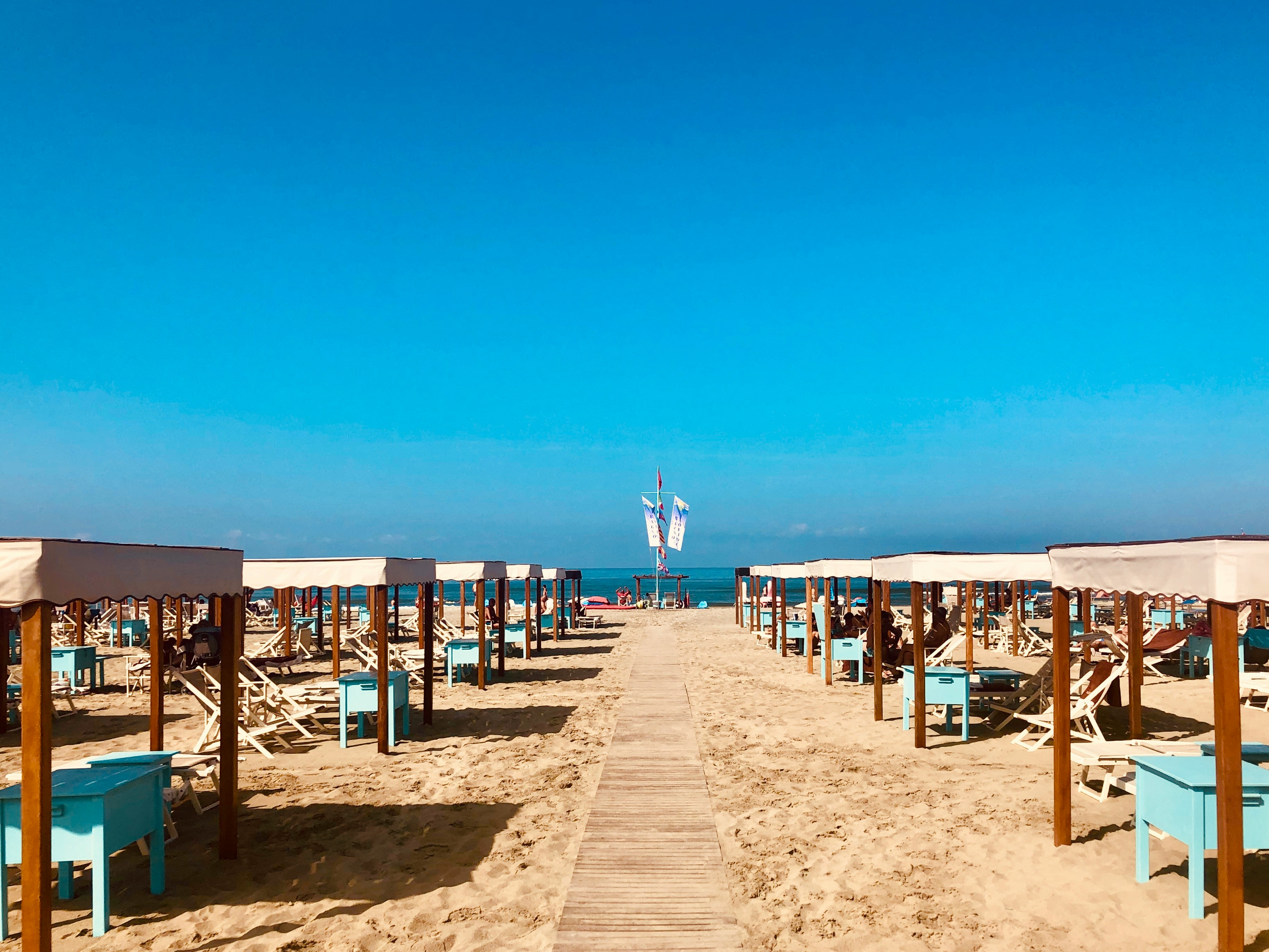
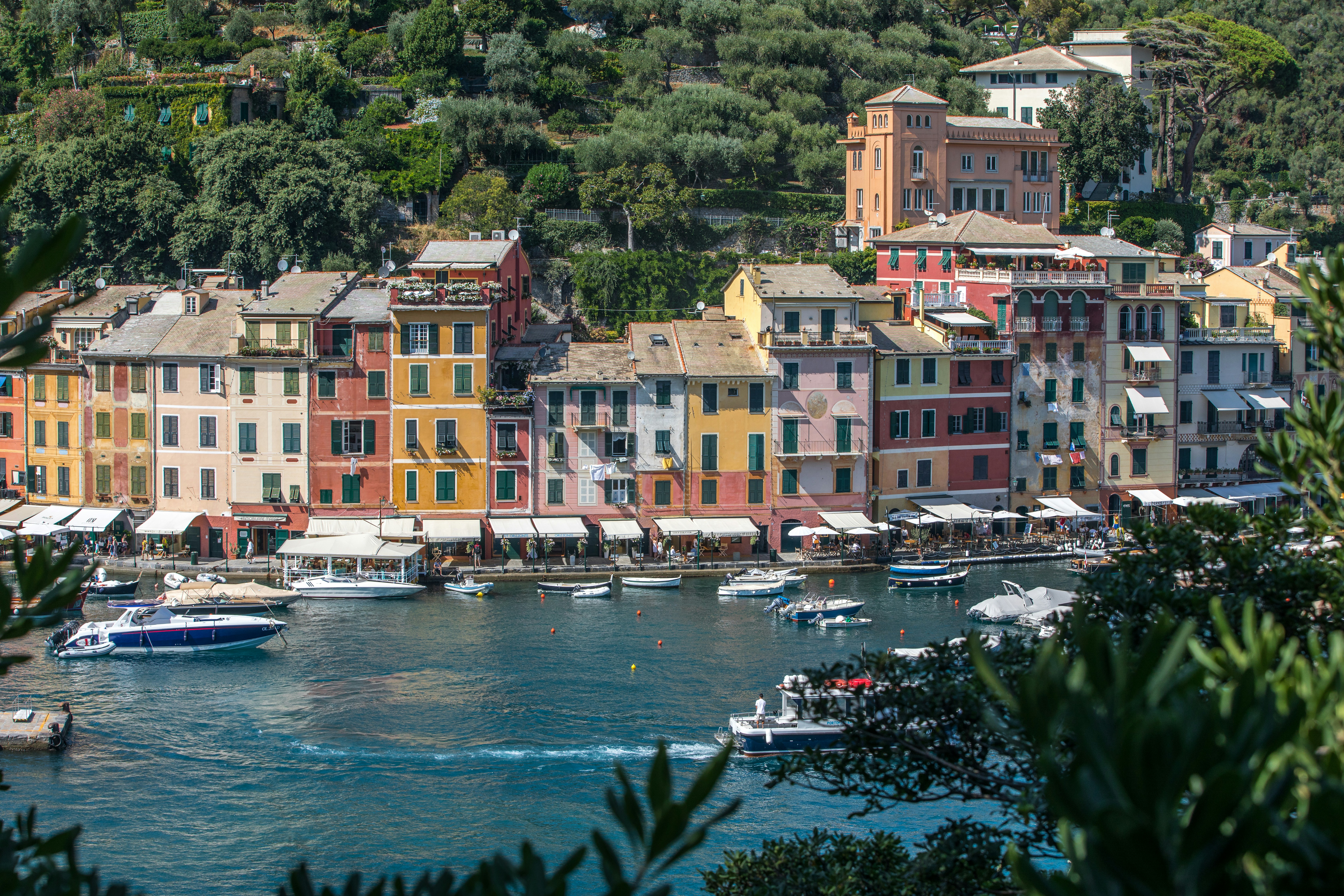
One of the most photographed villages along the coast, with a decidedly romantic and affluent aura, Portofino has long been a popular destination for the rich and famous. Once an ancient Roman colony and taken by the Republic of Genoa in 1229, it’s also been ruled by the French, English, Spanish, and Austrians, as well as by marauding bands of 16th-century pirates. Elite British tourists first flocked to the lush harbor in the mid-1800s. Some of Europe’s wealthiest drop anchor in Portofino in summer, but they stay out of sight by day, appearing in the evening after buses and boats have carried off the day-trippers.There’s not actually much to do in Portofino other than stroll around the wee harbor, see the castle, walk to Punta del Capo, browse at the pricey boutiques, and sip a coffee while people-watching. However, weaving through picture-perfect cliffside gardens and gazing at yachts framed by the sapphire Ligurian Sea and the cliffs of Santa Margherita can make for quite a relaxing afternoon. There are also several tame, photo-friendly hikes into the hills to nearby villages.Unless you’re traveling on a deluxe budget, you may want to stay in Camogli or Santa Margherita Ligure rather than at one of Portofino’s few very expensive hotels. Restaurants and cafés are good but also pricey (don’t expect to have a beer here for much under €10).
Sanremo, Italy
No additional details available for this day.
Livorno, Italy
Livorno is a gritty city with a long and interesting history. In the early Middle Ages it alternately belonged to Pisa and Genoa. In 1421 Florence, seeking access to the sea, bought it. Cosimo I (1519–74) started construction of the harbor in 1571, putting Livorno on the map. After Ferdinando I de’ Medici (1549–1609) proclaimed Livorno a free city, it became a haven for people suffering from religious persecution; Roman Catholics from England and Jews and Moors from Spain and Portugal, among others, settled here. The Quattro Mori (Four Moors), also known as the Monument to Ferdinando I, commemorates this. (The statue of Ferdinando I dates from 1595, the bronze Moors by Pietro Tacca from the 1620s.)In the following centuries, and particularly in the 18th, Livorno boomed as a port. In the 19th century the town drew a host of famous Britons passing through on their grand tours. Its prominence continued up to World War II, when it was heavily bombed. Much of the town’s architecture, therefore, postdates the war, and it’s somewhat difficult to imagine what it might have looked like before. Livorno has recovered from the war, however, as it’s become a huge point of departure for container ships, as well as the only spot in Tuscany for cruise ships to dock for the day.Most of Livorno’s artistic treasures date from the 17th century and aren’t all that interesting unless you dote on obscure baroque artists. Livorno’s most famous native artist, Amedeo Modigliani (1884–1920), was of much more recent vintage. Sadly, there’s no notable work by him in his hometown.There may not be much in the way of art, but it’s still worth strolling around the city. The Mercato Nuovo, which has been around since 1894, sells all sorts of fruits, vegetables, grains, meat, and fish. Outdoor markets nearby are also chock-full of local color. The presence of Camp Darby, an American military base just outside town, accounts for the availability of many American products.If you have time, Livorno is worth a stop for lunch or dinner at the very least.
Calvi, Corsica, France
Calvi, Corsica’s slice of the Riviera, has been described by author Dorothy Carrington as “an oasis of pleasure on an otherwise austere island.” Calvi prospered by supplying products to Genoa; its citizens remained loyal supporters of Genoa long after the rest of the island declared independence. Calvi also claims to be the birthplace of Christopher Columbus. During the 18th century the town endured assaults from Corsican nationalists, including celebrated patriot Pasquale Paoli. Today Calvi sees a summertime invasion of tourists, drawn to the 6-km (4-mile) stretch of sandy white beach, impressive citadel overlooking the Old Town, lively restaurants, and buzzing nightlife.
At Sea
No additional details available for this day.
Portoferraio, Italy
Elba is the Tuscan archipelago’s largest island, but it resembles nearby verdant Corsica more than it does its rocky Italian sisters, thanks to a network of underground springs that keep it lush and green. It’s this combination of semitropical vegetation and dramatic mountain scenery—unusual in the Mediterranean—that has made Elba so prized for so long, and the island’s uniqueness continues to draw boatloads of visitors throughout the warm months. A car is very useful for getting around the island, but public buses stop at most towns several times a day; the tourist office has timetables.
Viareggio, Italy
Portofino, Italy
One of the most photographed villages along the coast, with a decidedly romantic and affluent aura, Portofino has long been a popular destination for the rich and famous. Once an ancient Roman colony and taken by the Republic of Genoa in 1229, it’s also been ruled by the French, English, Spanish, and Austrians, as well as by marauding bands of 16th-century pirates. Elite British tourists first flocked to the lush harbor in the mid-1800s. Some of Europe’s wealthiest drop anchor in Portofino in summer, but they stay out of sight by day, appearing in the evening after buses and boats have carried off the day-trippers.There’s not actually much to do in Portofino other than stroll around the wee harbor, see the castle, walk to Punta del Capo, browse at the pricey boutiques, and sip a coffee while people-watching. However, weaving through picture-perfect cliffside gardens and gazing at yachts framed by the sapphire Ligurian Sea and the cliffs of Santa Margherita can make for quite a relaxing afternoon. There are also several tame, photo-friendly hikes into the hills to nearby villages.Unless you’re traveling on a deluxe budget, you may want to stay in Camogli or Santa Margherita Ligure rather than at one of Portofino’s few very expensive hotels. Restaurants and cafés are good but also pricey (don’t expect to have a beer here for much under €10).
Sanremo, Italy
No additional details available for this day.
Saint-Tropez, France
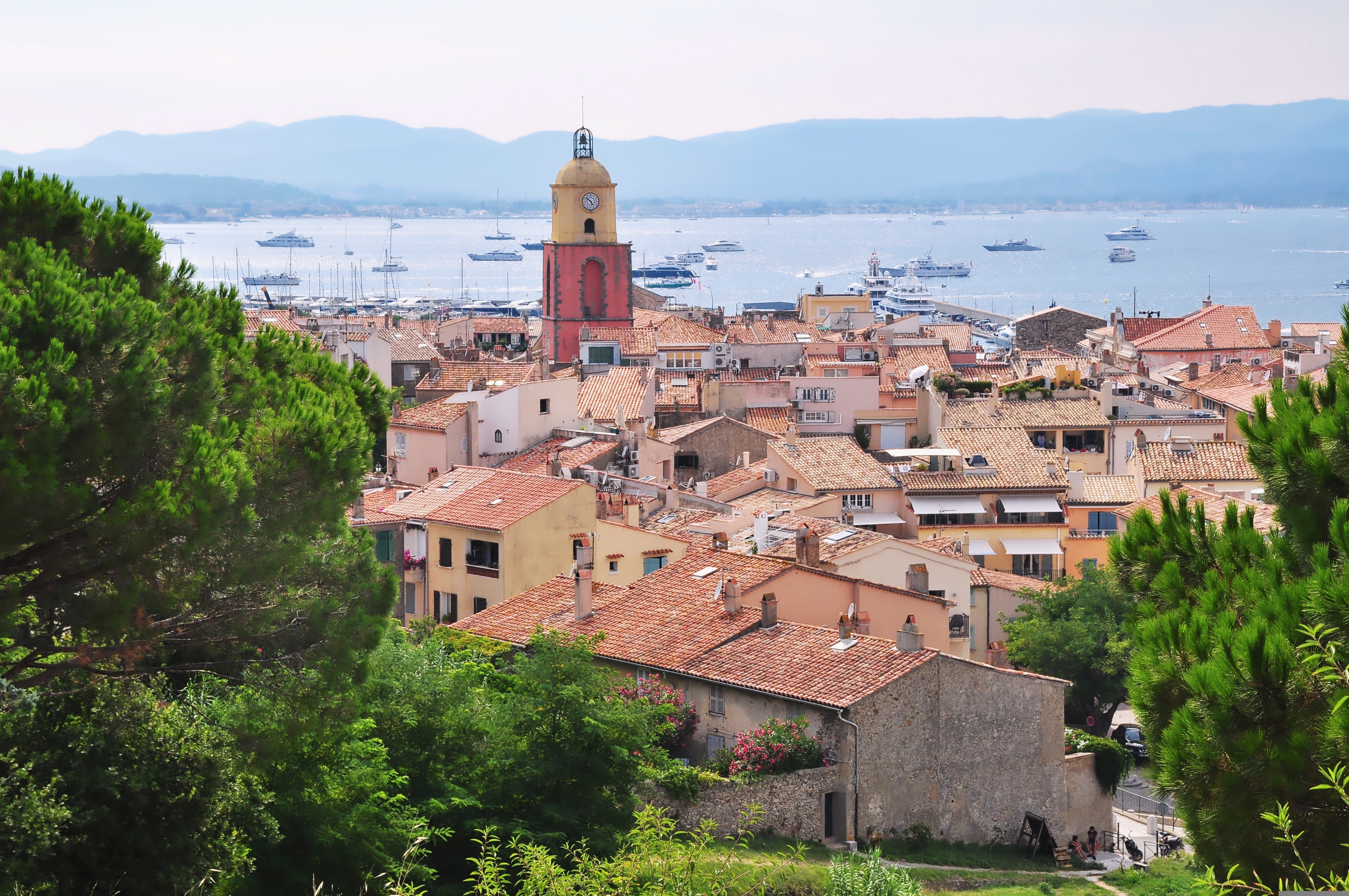
At first glance, it really doesn’t look all that impressive. There’s a pretty port with cafés charging €5 for a coffee and a picturesque old town in sugared-almond hues, but there are many prettier in the hills nearby. There are sandy beaches, rare enough on the Riviera, and old-fashioned squares with plane trees and pétanque players, but these are a dime a dozen throughout Provence. So what made St-Tropez an internationally known locale? Two words: Brigitte Bardot. When this pulpeuse (voluptuous) teenager showed up in St-Tropez on the arm of Roger Vadim in 1956 to film And God Created Woman, the heads of the world snapped around. Neither the gentle descriptions of writer Guy de Maupassant (1850–93), nor the watercolor tones of Impressionist Paul Signac (1863–1935), nor the stream of painters who followed (including Matisse and Bonnard) could focus the world’s attention on this seaside hamlet as did this one sensual woman in a scarf, Ray-Bans, and capris. Vanity Fair ran a big article, “Saint Tropez Babylon,” detailing the over-the-top petrodollar parties, megayachts, and Beyoncé–d paparazzi. But don’t be turned off: the next year, Stewart, Tabori & Chang released an elegant coffee-table book, Houses of St-Tropez, packed with photos of supremely tasteful and pretty residences, many occupied by fashion designers, artists, and writers. Once a hangout for Colette, Anaïs Nin, and Françoise Sagan, the town still earns its old moniker, the “Montparnasse of the Mediterranean.” Yet you might be surprised to find that this byword for billionaires is so small and insulated. The lack of train service, casinos, and chain hotels keeps it that way. Yet fame, in a sense, came too fast for St-Trop. Unlike the chic resorts farther east, it didn’t have the decades-old reputation of the sort that would attract visitors all year around. For a good reason: its location on the south side of the gulf puts it at the mercy of the terrible mistral winter winds. So, in summer the crowds descend and the prices rise into the stratosphere. In July and August, you must be carefree about the sordid matter of cash. After all, at the most Dionysian nightclub in town, a glass of tap water goes for $37 and when the mojo really gets going, billionaires think nothing of “champagne-spraying” the partying crowds—think World Series celebrations but with $1,000 bottles of Roederer Cristal instead of Gatorade. Complaining about summer crowds, overpricing, and lack of customer service has become a tourist sport and yet this is what makes St-Tropez—described by the French daily newspaper Le Figaro as the place you can see “the greatest number of faces per square meter”—as intriguing as it is seductive.
Nice, France
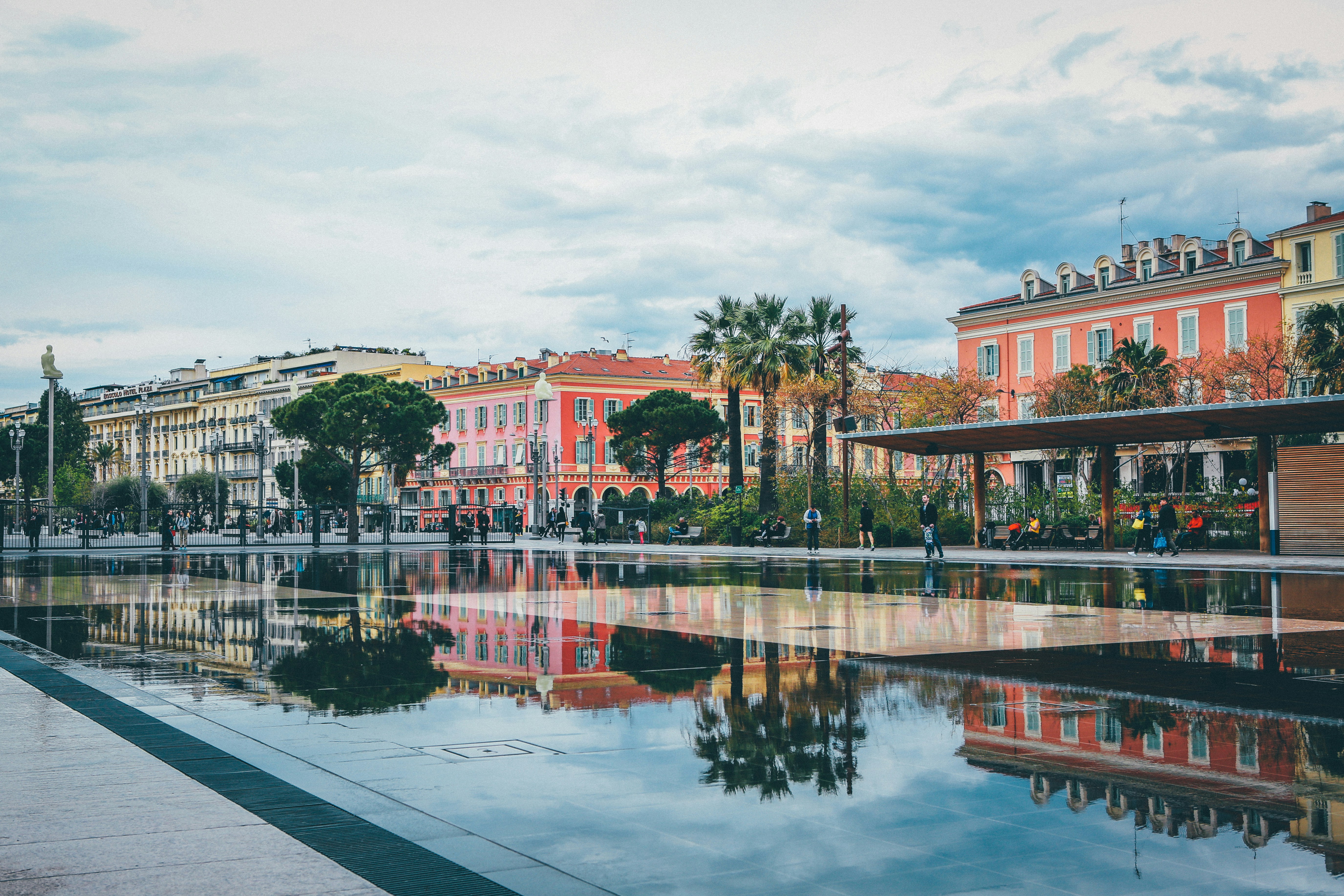
United with France only since 1860, Nice has its own history and atmosphere, which dates back 230,000 years. It was on Colline du Château (now château-less) and at the Plage des Ponchettes, in front of the Old Town, that the Greeks established a market-port in 350 BC and named it Nikaia, which would become Marseilles’ chief coastal rival. The Romans established themselves a little later on the hills of Cimiez (Cemenelum), already previously occupied by Ligurians and Celts, and quickly overshadowed the waterfront port. After falling to the Saracen invasions, Nice regained power as an independent state, becoming an important port in the early Middle Ages.So cocksure did it become that in 1388, Nice, along with the hill towns behind, effectively seceded from the county of Provence, under Louis d’Anjou, and allied itself with Savoie. Thus began its liaison with the House of Savoy, and through it with Piedmont and Sardinia, it was the Comté de Nice (Nice County). This relationship lasted some 500 years, tinting the culture, architecture, and dialect in rich Italian hues.By the 19th century Nice was flourishing commercially, locked in rivalry with the neighboring shipping port of Genoa. Another source of income: the dawning of tourism, as first the English, then the Russian nobility, discovered its extraordinary climate and superb waterfront position. A parade of fine stone mansions and hotels closed into a nearly solid wall of masonry, separated from the smooth-round rocks of the beach by what was originally named Camin deis Anglés (the English Way), which of course is now the famous Promenade des Anglais. This magnificent crescent, which is seeking UNESCO recognition, is one of the noblest in France. Many of Nice’s most delightful attractions—the Cours Saleya market, the Old Town streets, the Hotel Negresco, and the Palais Masséna—are on or close to this 10-km (6-mile) waterfront, making it the first stop for most visitors, while the redevelopment of Nice’s port, around the other side of the Colline du Château, makes it easier for amblers who want to take in the Genoese architecture or peruse the antiques at the Puces de Nice, now part of the Promenade des 100 Antiquaires, along Quai Papacino. Nice also has the distinction of the “Family Plus” label, with free strollers, play areas, and restaurants with child-friendly activities.
Saint-Tropez, France
At first glance, it really doesn’t look all that impressive. There’s a pretty port with cafés charging €5 for a coffee and a picturesque old town in sugared-almond hues, but there are many prettier in the hills nearby. There are sandy beaches, rare enough on the Riviera, and old-fashioned squares with plane trees and pétanque players, but these are a dime a dozen throughout Provence. So what made St-Tropez an internationally known locale? Two words: Brigitte Bardot. When this pulpeuse (voluptuous) teenager showed up in St-Tropez on the arm of Roger Vadim in 1956 to film And God Created Woman, the heads of the world snapped around. Neither the gentle descriptions of writer Guy de Maupassant (1850–93), nor the watercolor tones of Impressionist Paul Signac (1863–1935), nor the stream of painters who followed (including Matisse and Bonnard) could focus the world’s attention on this seaside hamlet as did this one sensual woman in a scarf, Ray-Bans, and capris. Vanity Fair ran a big article, “Saint Tropez Babylon,” detailing the over-the-top petrodollar parties, megayachts, and Beyoncé–d paparazzi. But don’t be turned off: the next year, Stewart, Tabori & Chang released an elegant coffee-table book, Houses of St-Tropez, packed with photos of supremely tasteful and pretty residences, many occupied by fashion designers, artists, and writers. Once a hangout for Colette, Anaïs Nin, and Françoise Sagan, the town still earns its old moniker, the “Montparnasse of the Mediterranean.” Yet you might be surprised to find that this byword for billionaires is so small and insulated. The lack of train service, casinos, and chain hotels keeps it that way. Yet fame, in a sense, came too fast for St-Trop. Unlike the chic resorts farther east, it didn’t have the decades-old reputation of the sort that would attract visitors all year around. For a good reason: its location on the south side of the gulf puts it at the mercy of the terrible mistral winter winds. So, in summer the crowds descend and the prices rise into the stratosphere. In July and August, you must be carefree about the sordid matter of cash. After all, at the most Dionysian nightclub in town, a glass of tap water goes for $37 and when the mojo really gets going, billionaires think nothing of “champagne-spraying” the partying crowds—think World Series celebrations but with $1,000 bottles of Roederer Cristal instead of Gatorade. Complaining about summer crowds, overpricing, and lack of customer service has become a tourist sport and yet this is what makes St-Tropez—described by the French daily newspaper Le Figaro as the place you can see “the greatest number of faces per square meter”—as intriguing as it is seductive.
Nice, France
United with France only since 1860, Nice has its own history and atmosphere, which dates back 230,000 years. It was on Colline du Château (now château-less) and at the Plage des Ponchettes, in front of the Old Town, that the Greeks established a market-port in 350 BC and named it Nikaia, which would become Marseilles’ chief coastal rival. The Romans established themselves a little later on the hills of Cimiez (Cemenelum), already previously occupied by Ligurians and Celts, and quickly overshadowed the waterfront port. After falling to the Saracen invasions, Nice regained power as an independent state, becoming an important port in the early Middle Ages.So cocksure did it become that in 1388, Nice, along with the hill towns behind, effectively seceded from the county of Provence, under Louis d’Anjou, and allied itself with Savoie. Thus began its liaison with the House of Savoy, and through it with Piedmont and Sardinia, it was the Comté de Nice (Nice County). This relationship lasted some 500 years, tinting the culture, architecture, and dialect in rich Italian hues.By the 19th century Nice was flourishing commercially, locked in rivalry with the neighboring shipping port of Genoa. Another source of income: the dawning of tourism, as first the English, then the Russian nobility, discovered its extraordinary climate and superb waterfront position. A parade of fine stone mansions and hotels closed into a nearly solid wall of masonry, separated from the smooth-round rocks of the beach by what was originally named Camin deis Anglés (the English Way), which of course is now the famous Promenade des Anglais. This magnificent crescent, which is seeking UNESCO recognition, is one of the noblest in France. Many of Nice’s most delightful attractions—the Cours Saleya market, the Old Town streets, the Hotel Negresco, and the Palais Masséna—are on or close to this 10-km (6-mile) waterfront, making it the first stop for most visitors, while the redevelopment of Nice’s port, around the other side of the Colline du Château, makes it easier for amblers who want to take in the Genoese architecture or peruse the antiques at the Puces de Nice, now part of the Promenade des 100 Antiquaires, along Quai Papacino. Nice also has the distinction of the “Family Plus” label, with free strollers, play areas, and restaurants with child-friendly activities.
Cabin Options
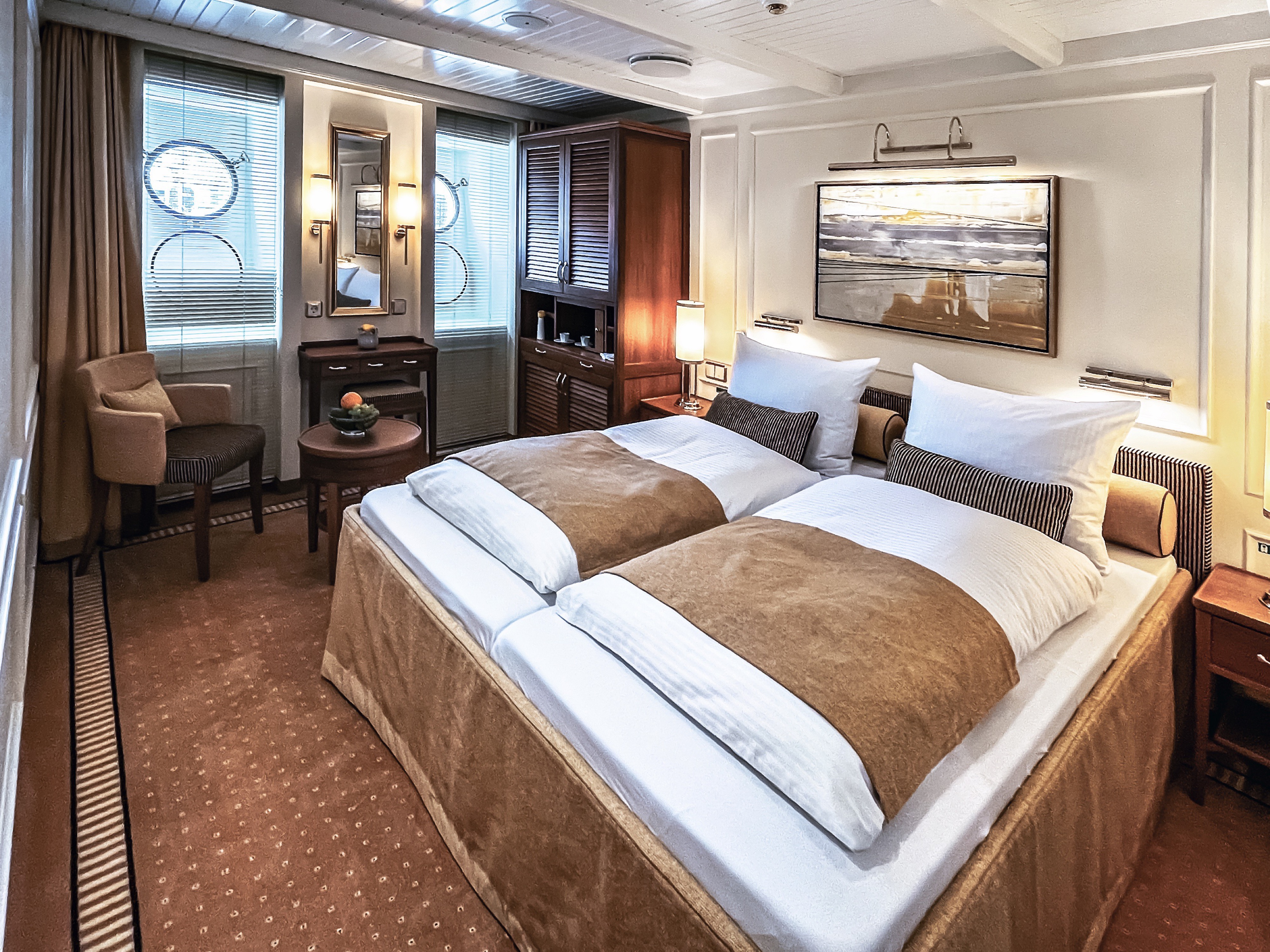
Superior Stateroom (Cat. E)
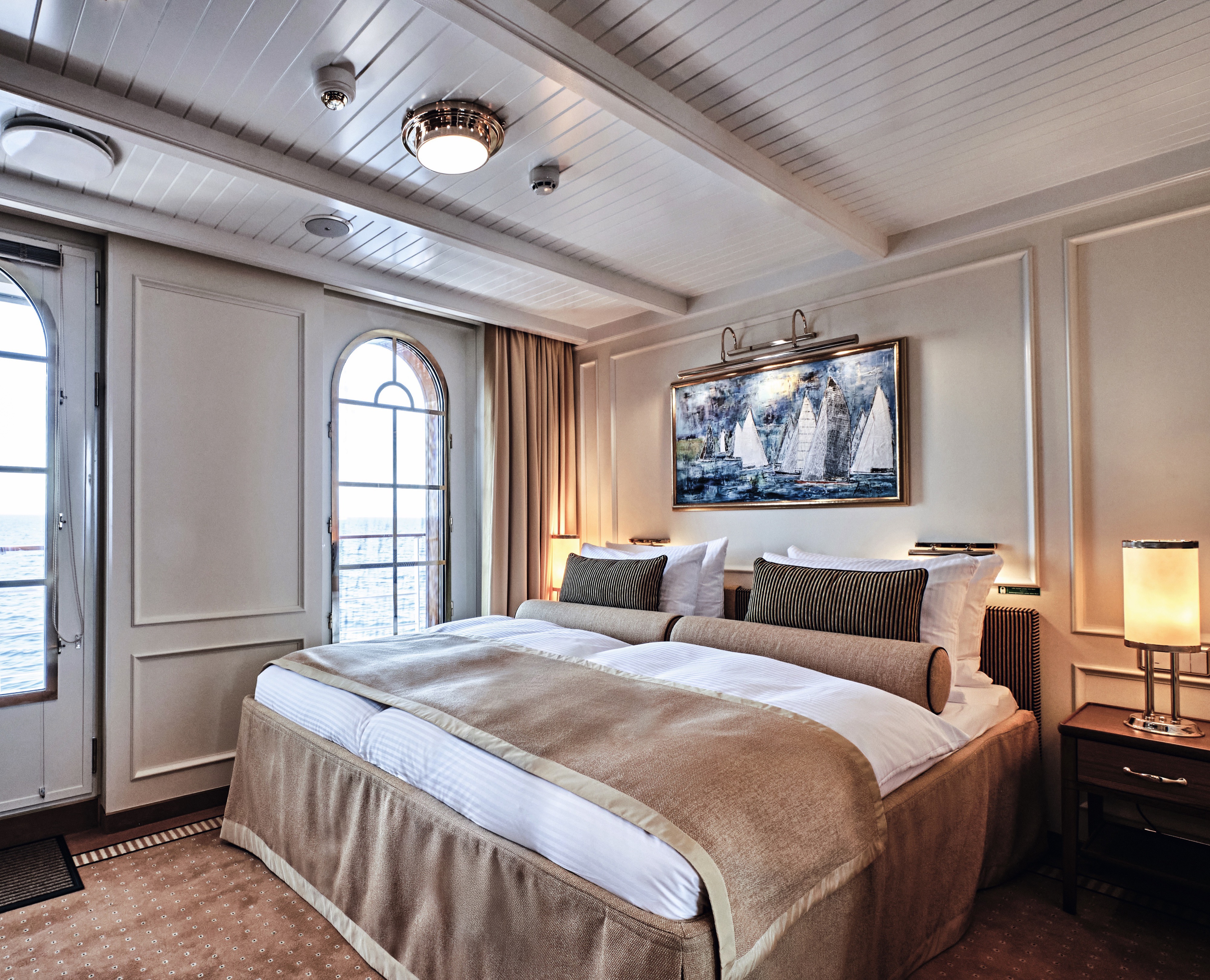
Grand Stateroom (Cat. C)
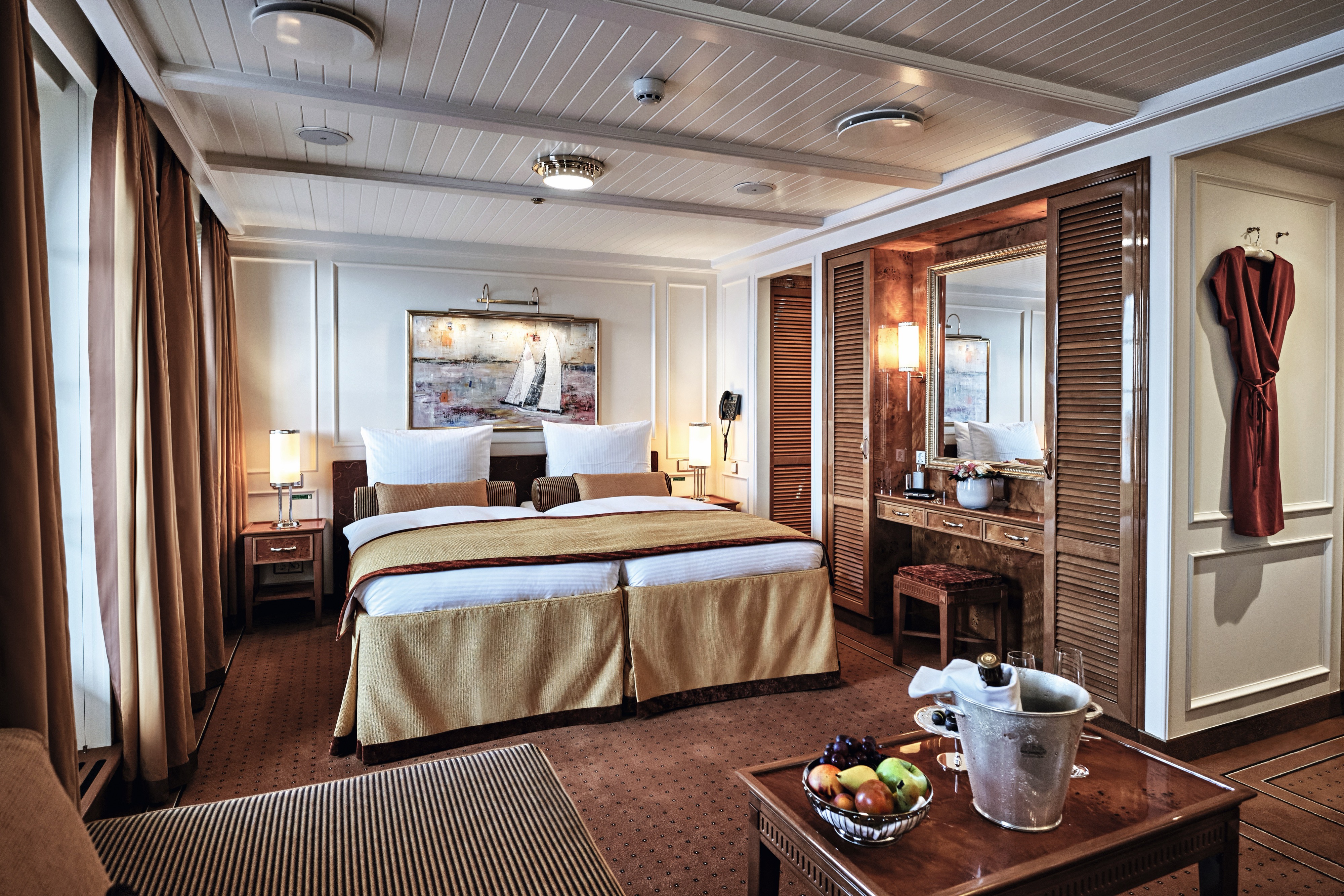
Veranda Suites (Cat. A)
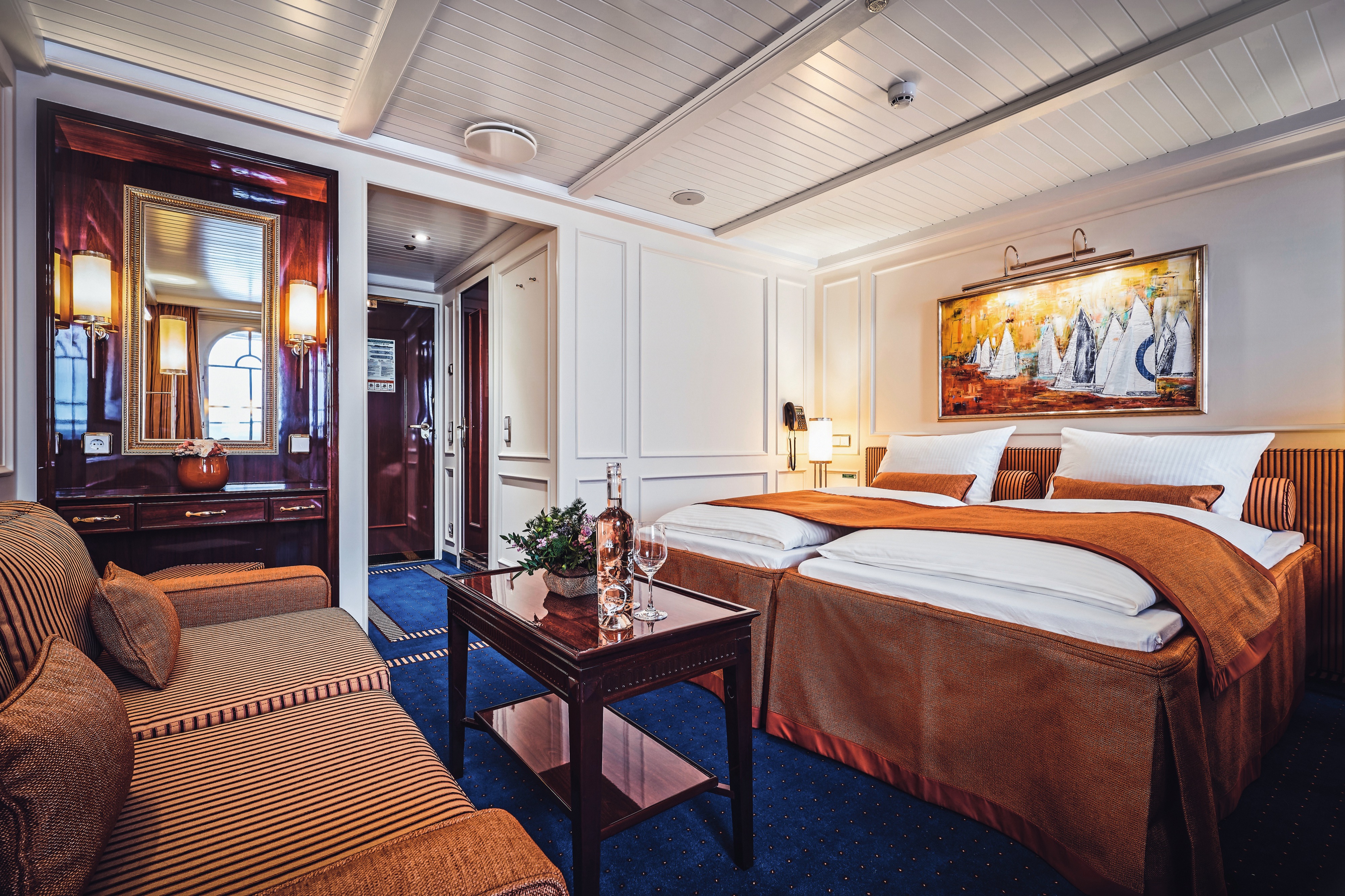
Junior Suites (Cat. B)
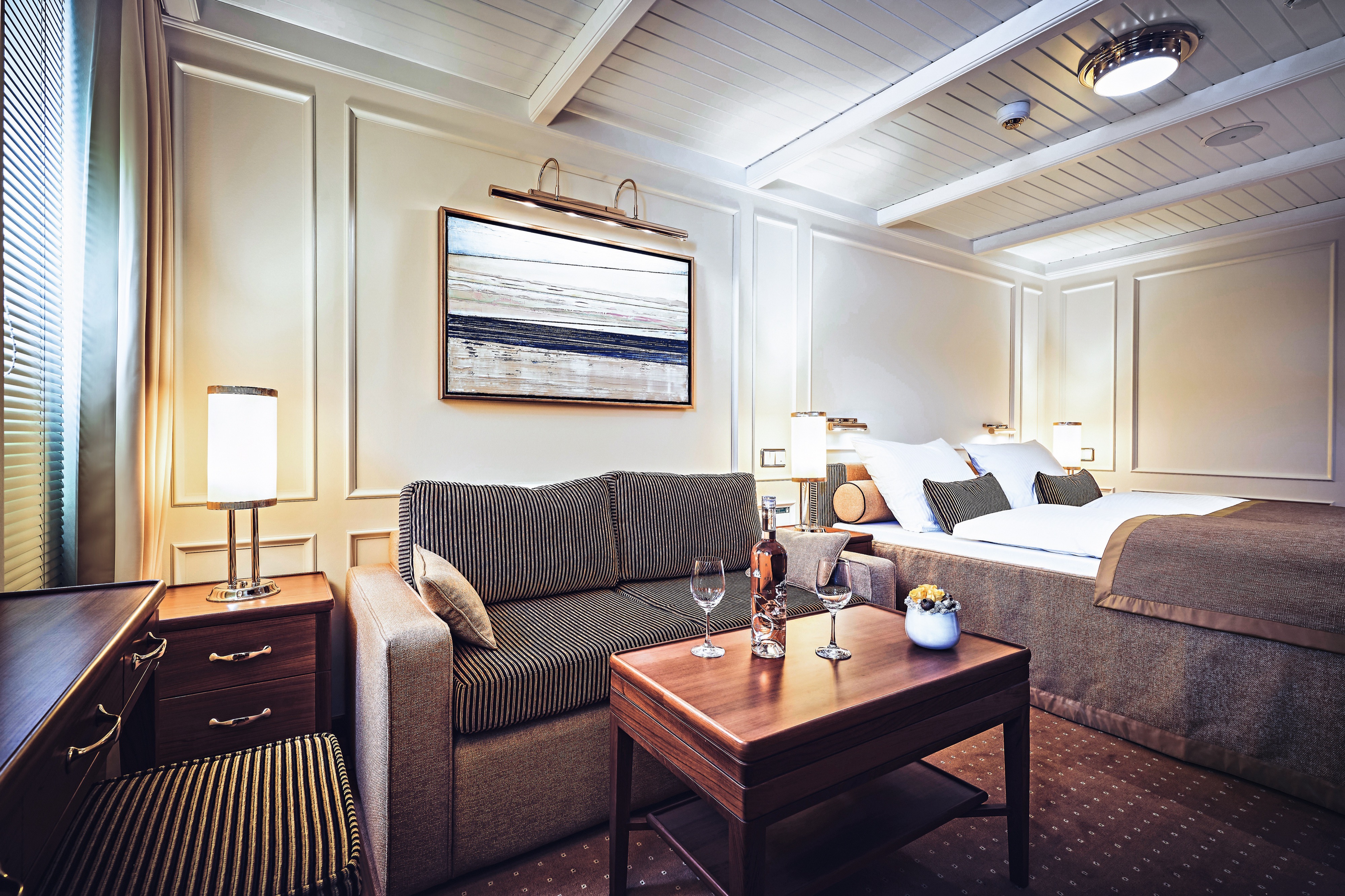
Deluxe Stateroom (Cat. D)
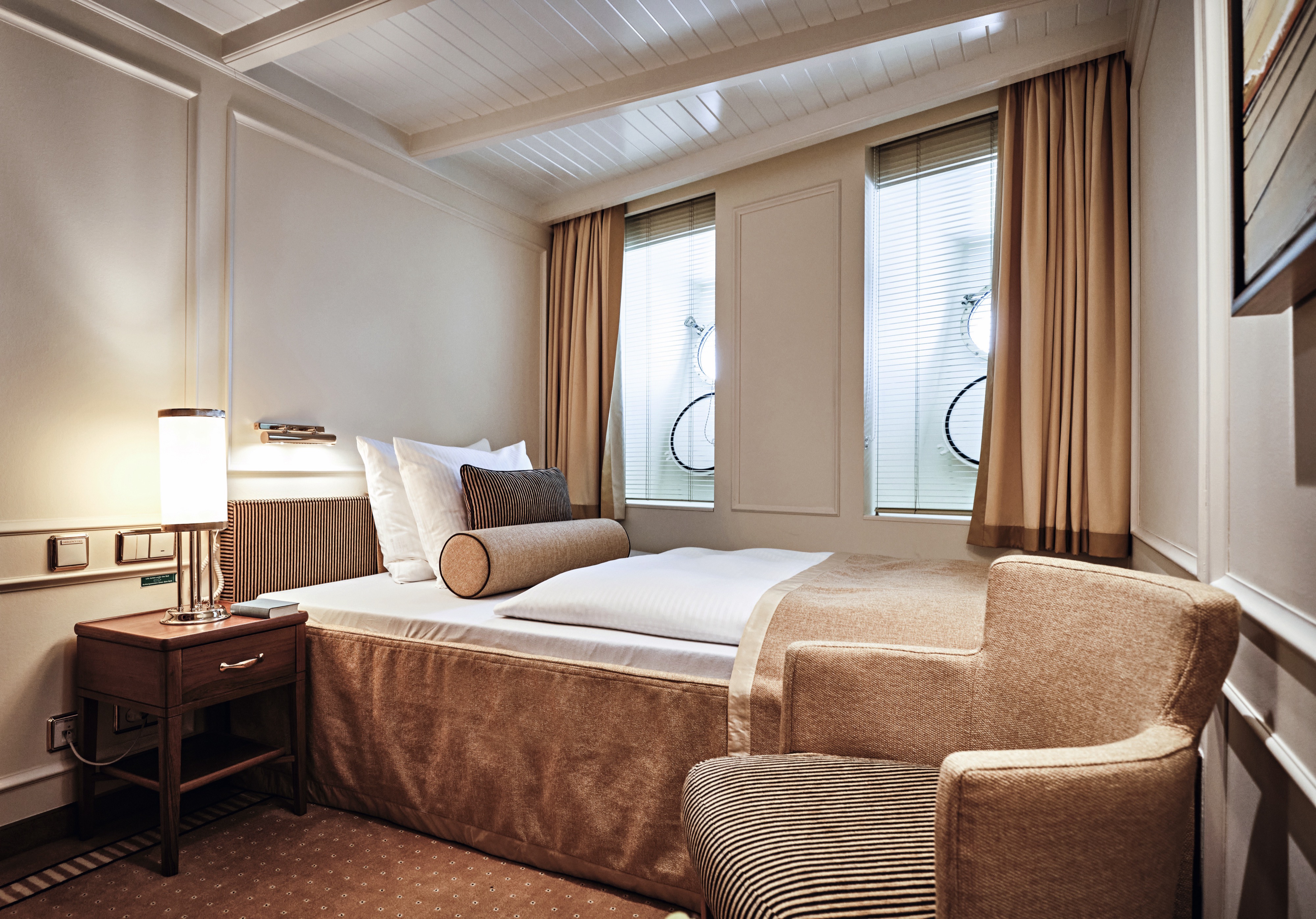
Superior Single Stateroom
Guarantee Double
Ship Facilities
Restaurant
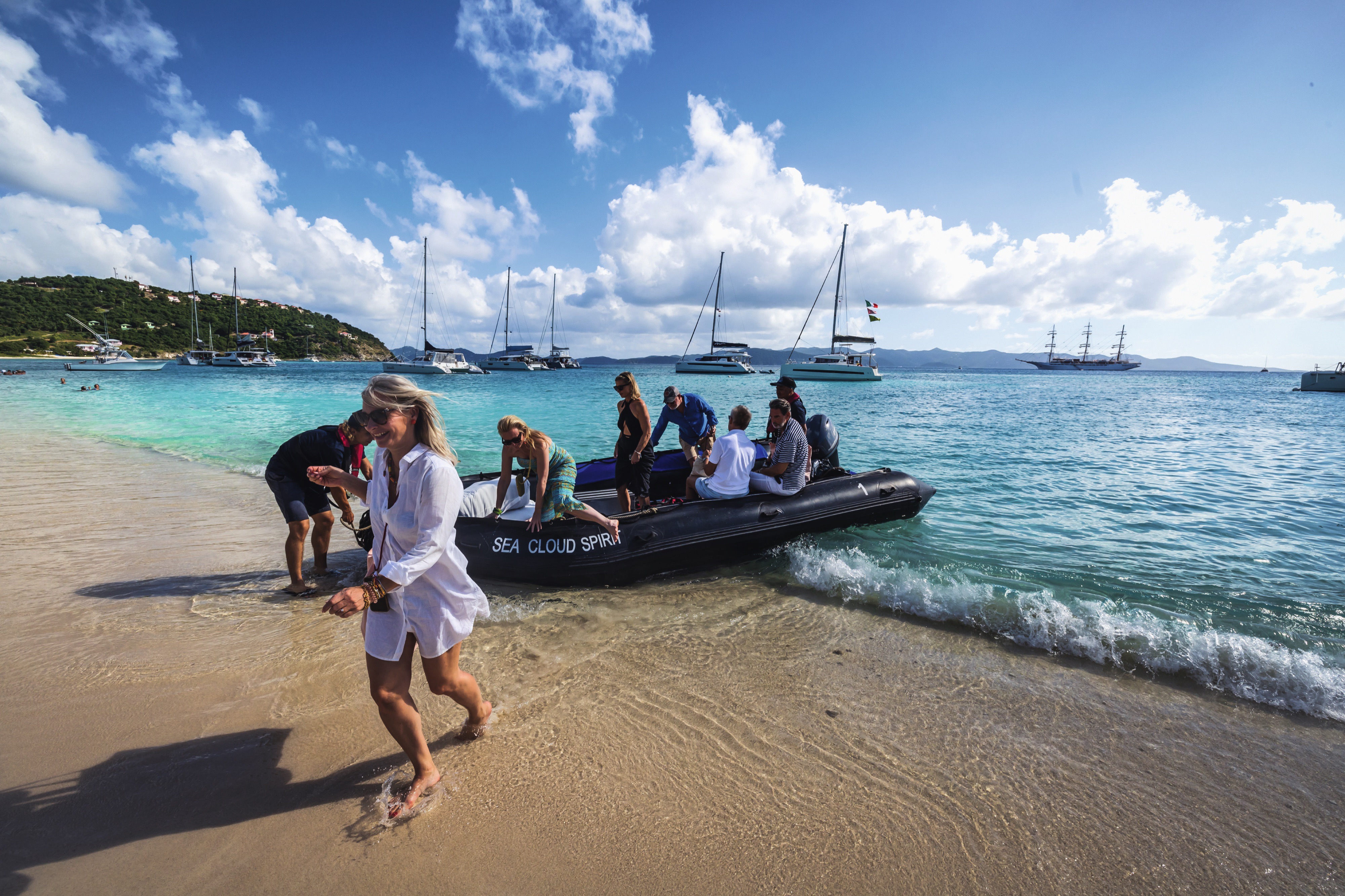
Meals are served on our ships in one seating. Service times can be found in the daily program on board. Please kindly note that reservations are not possible. As an alternative to fine dining in the restaurant, you can enjoy a casual dinner in the bistro on the lido deck (SEA CLOUD SPIRIT only).
The main breakfast buffet is provided in the restaurant. Lunch is served as a buffet on the lido deck or in the restaurant. In the afternoon, coffee and tea are served, accompanied by some sweet treats and sandwiches. Dinner is a four-course menu with entrees to choose including a vegetarian option. Our executive chef will prepare an exclusive five-course meal for the gala dinner.
We maintain the tradition that at the beginning and towards the end of a voyage, the captain invites you to a Captain’s Cocktail, followed by a (Captain’s) Gala Dinner in the restaurant. For this occasion, we recommend elegant cocktail attire.
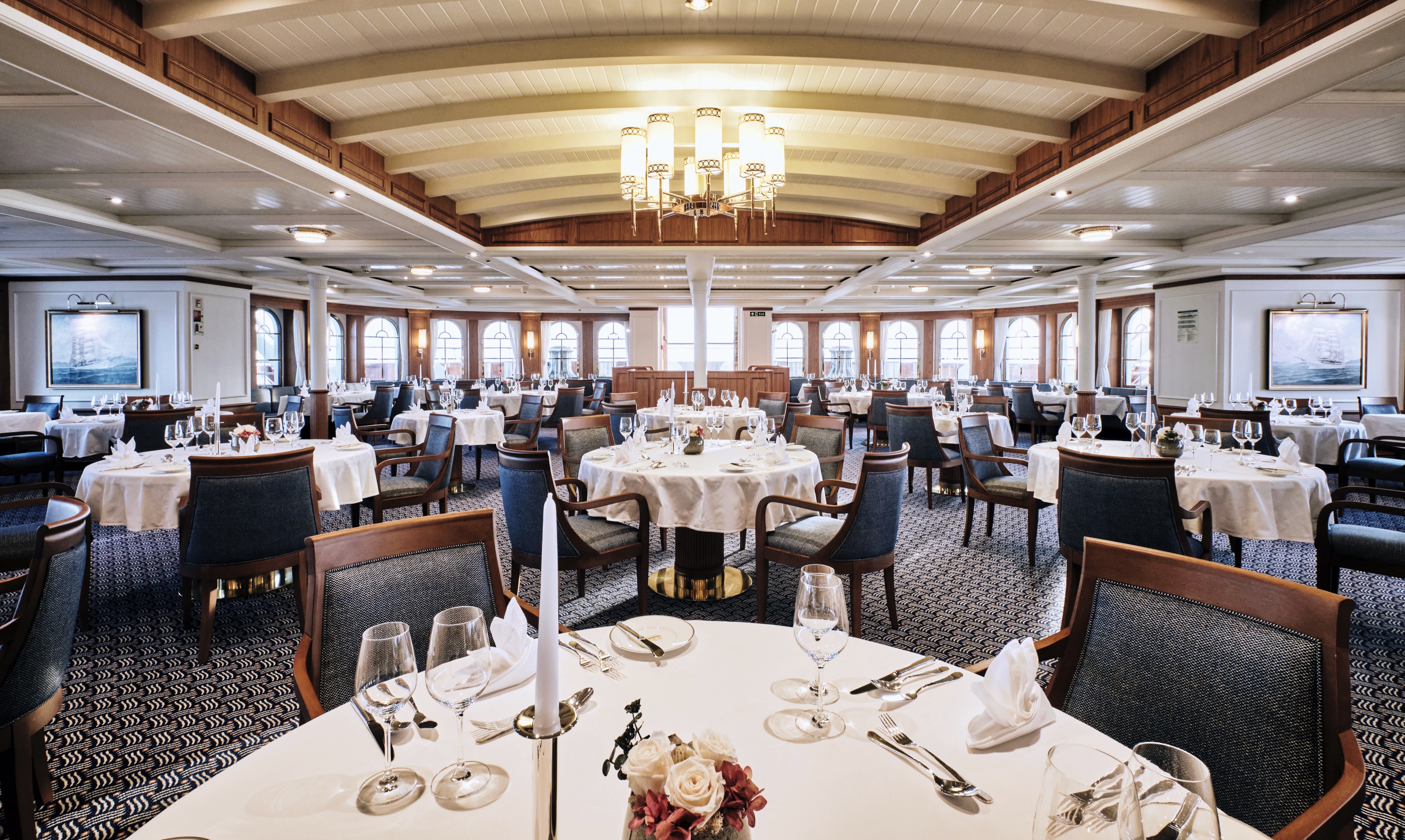
Lido Deck with Bistro
A small breakfast with pastries and fruits is offered to early and late risers onboard the SEA CLOUDs. On the SEA CLOUD, it’s located on the Panorama Deck (early risers) or the Lido Deck (late risers). On board the SEA CLOUD II and the SEA CLOUD SPIRIT, a small breakfast is available at the Lido Bar.
The Bistro on the lido deck offers a flexible and casual alternative to dinner in the restaurant (SEA CLOUD SPIRIT only). A late-night snack nicely rounds up the evening’s culinary delights.
Zodiacs
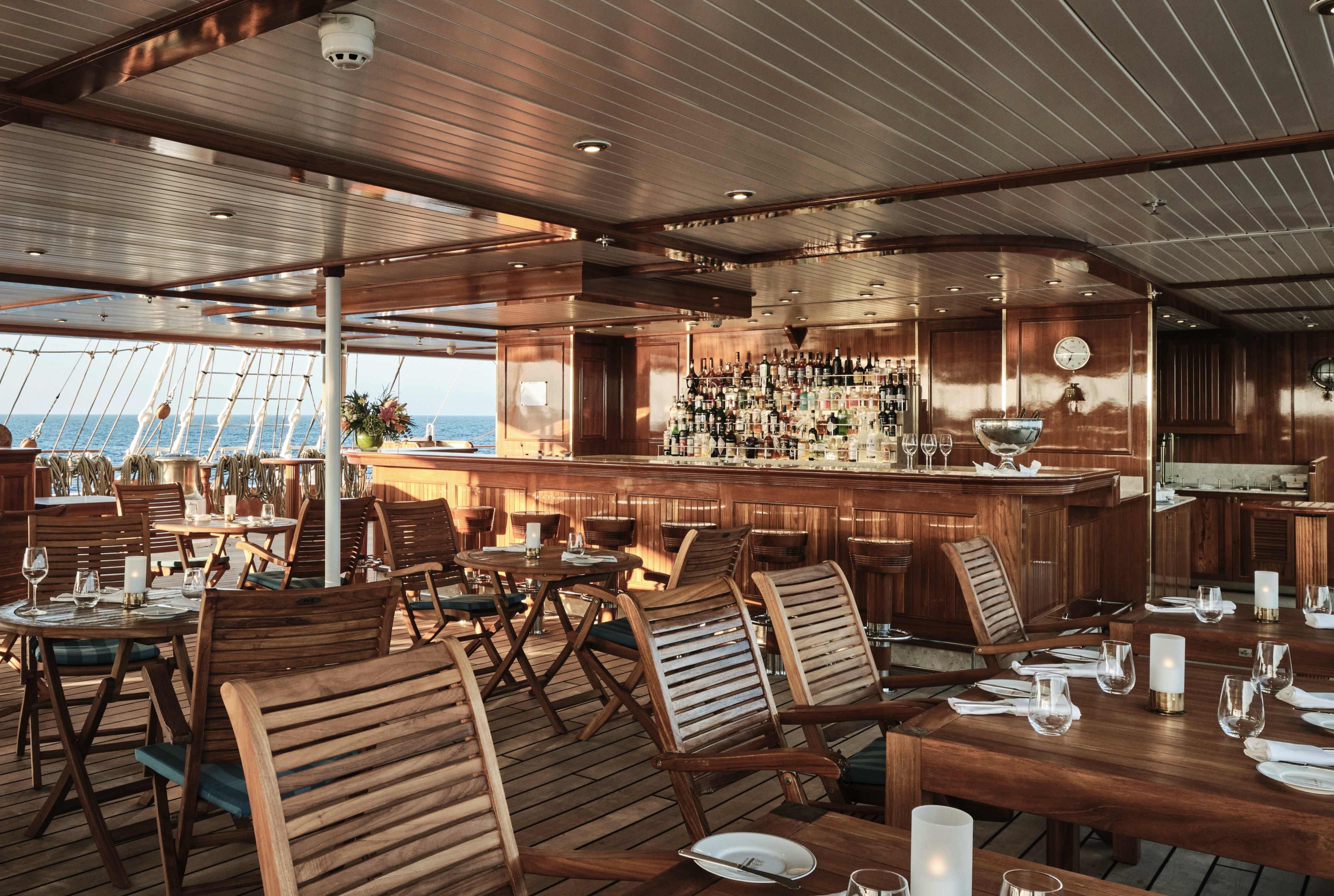
Zodiacs are small motor-driven rigid-hull inflatable boats with a capacity of approximately 8 to 10 guests, primarily used for beach landings on our cruises or our photo safaris.
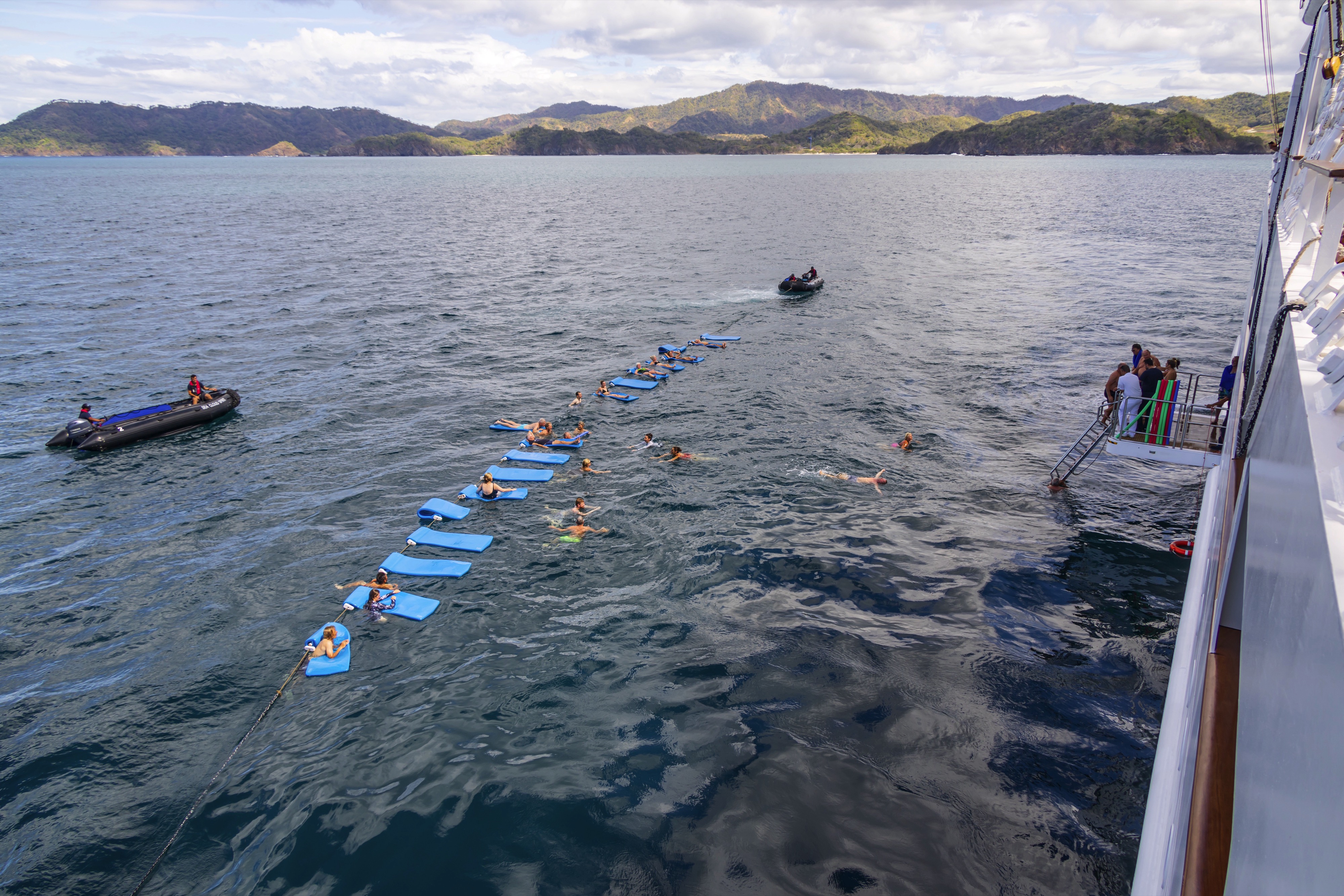
Watersports and Swimming
Water sport activities are offered from the marina platform.
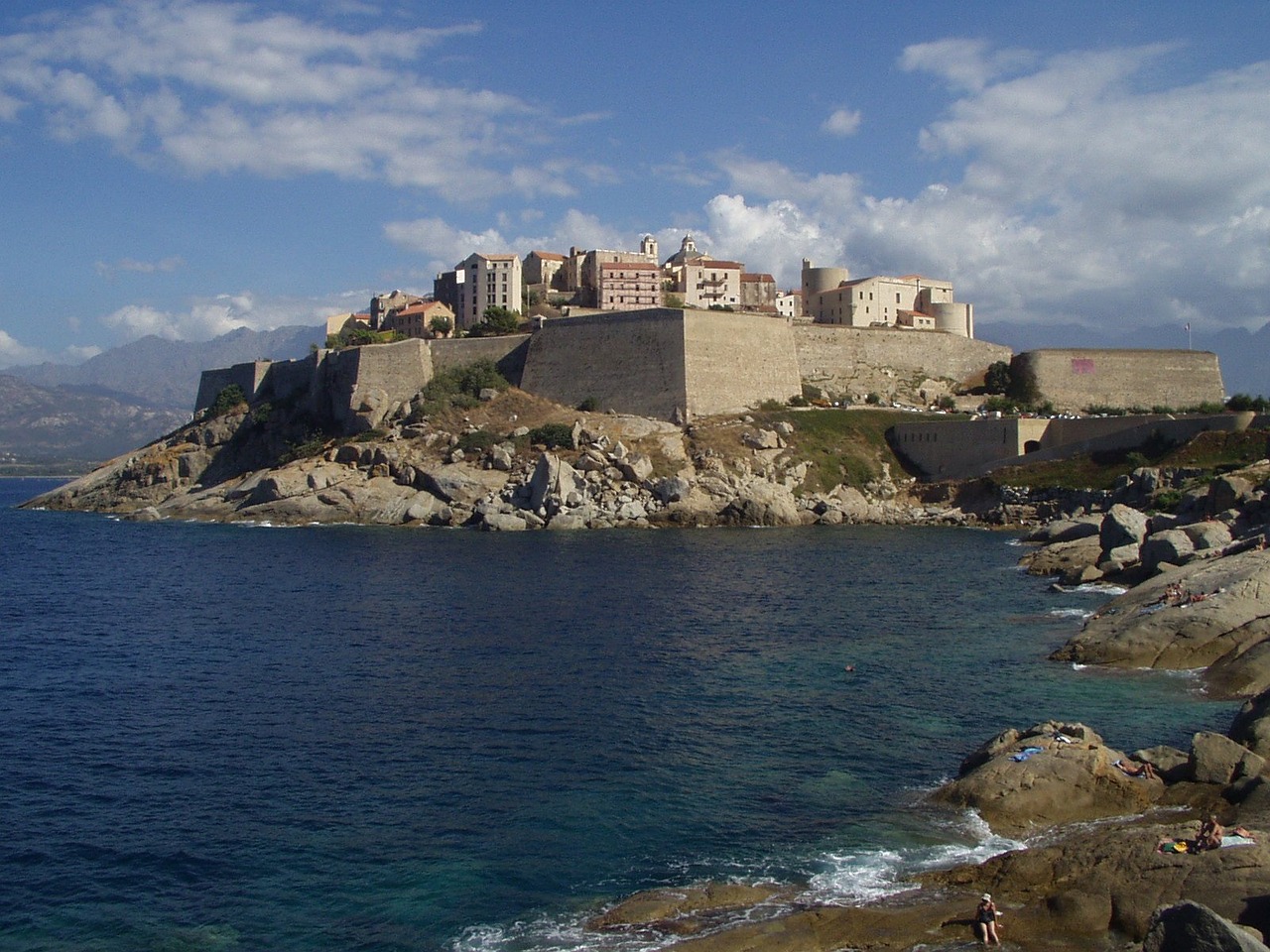
We do have snorkelling equipment in different sizes on board, stand-up paddle bards for beach landings and a towable tube from the gangway.
All water sport activities are included and subject to weather and Captains permission.
Excursions
All our shore excursions are shown on the itinerary pages of our brochure. 4 weeks prior to departure you will receive detailed information on shore excursions with your travel documents. The shore excursion booklet also includes the order form to pre-book your excursions. On board the Cruise Director will be able to provide further details during a lecture. We do recommend pre-booking prior to embarkation to secure your spot. All excursions will be charged to your cabin account on board.
You are free to join an organised shore excursion, stay on board or make individual arrangements. You will find times for tender or to be back on board in your daily program and at the gangway.
Please remember to bring comfortable footwear, a light jacket/windbreaker, as well as sunscreen where appropriate.
Rigg Climbing
Join us for some rigg climbing
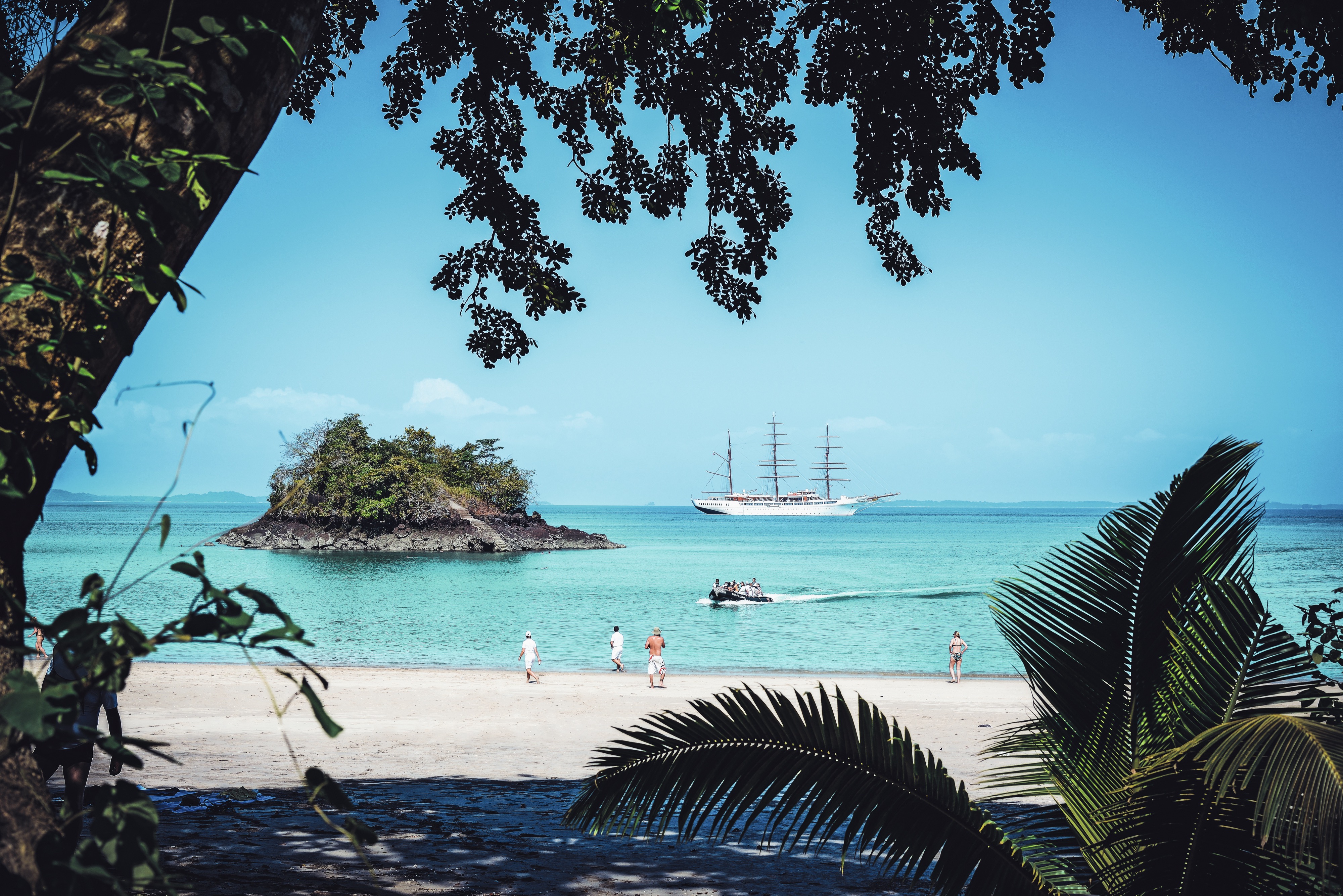
One of the most captivating experiences onboard the SEA CLOUD windjammer is watching the crew climb into the rigging to set the sails by hand. Now, you can share a piece of this adventure yourself and – if your fitness allows – climb up to the first platform!
Our SEA CLOUDs are the only cruise ships in the world that are traditionally sailed by hand. Here, nothing happens at the push of a button: setting the sails follows centuries-old rituals, bringing the magic of sailing to life in a unique way. Now, you can experience this tradition up close! High up in the rigging, carried by the wind and with sweeping views over the sea, you’ll feel the majestic power of our tall ships even more intensely. Safely guided and equipped with state-of-the-art safety systems, you can climb up to the first platform, about 14 meters above the deck – an unforgettable moment for those seeking adventure!
A brief fitness check on board ensures that you feel completely comfortable and secure before you ascend. This includes: hanging from a bar for 10 seconds, balancing on one foot for 20 seconds and climbing stairs two at a time. Our experienced deckhands, specially trained for these activities, will guide you every step of the way so you always feel safe and well taken care of.
Embark on this unique adventure now – a once-in-a-lifetime moment that will leave you with a deep sense of joy and a touch of pride. Are you ready to experience the sea in all its splendour, high above the sails?
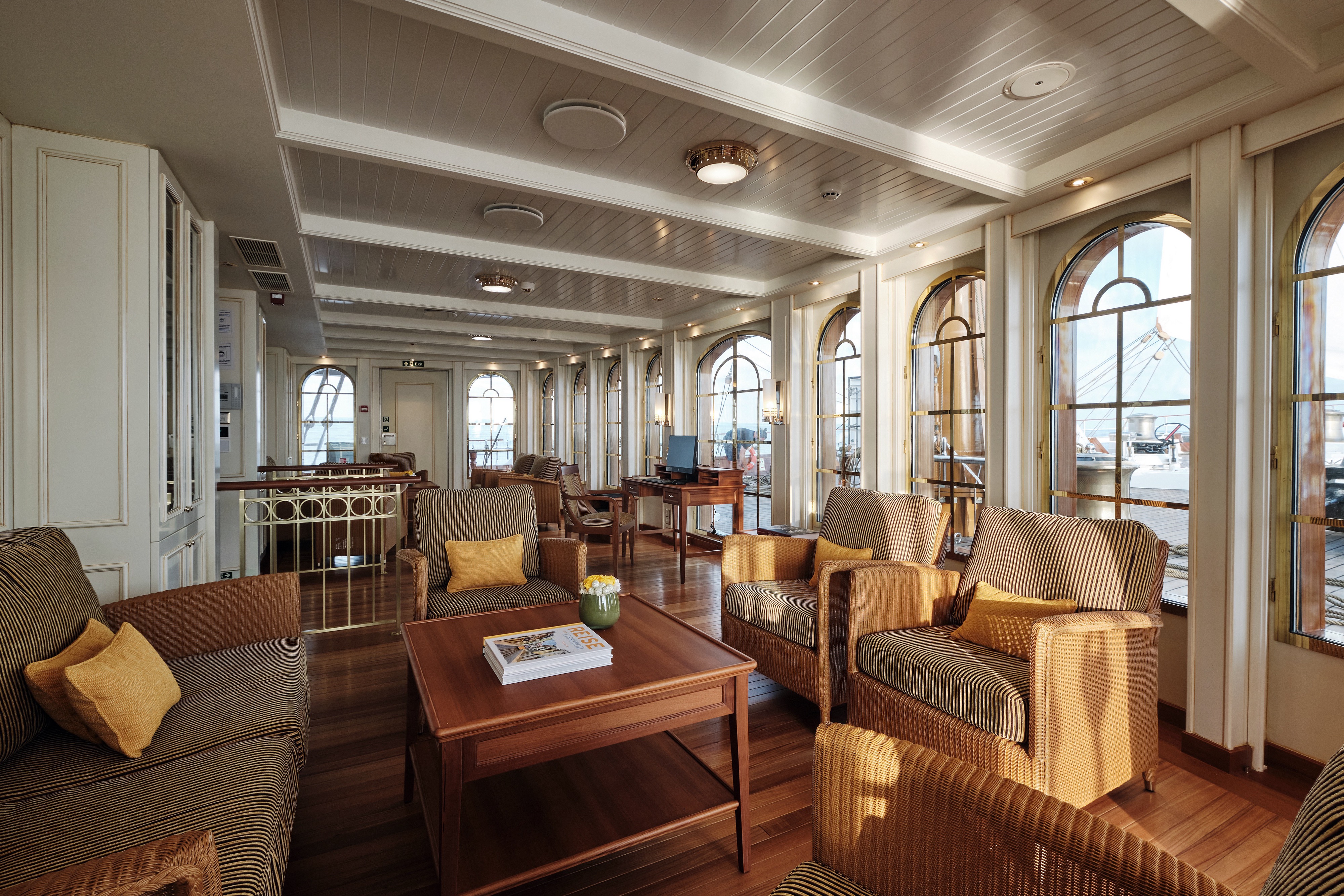
Lounge
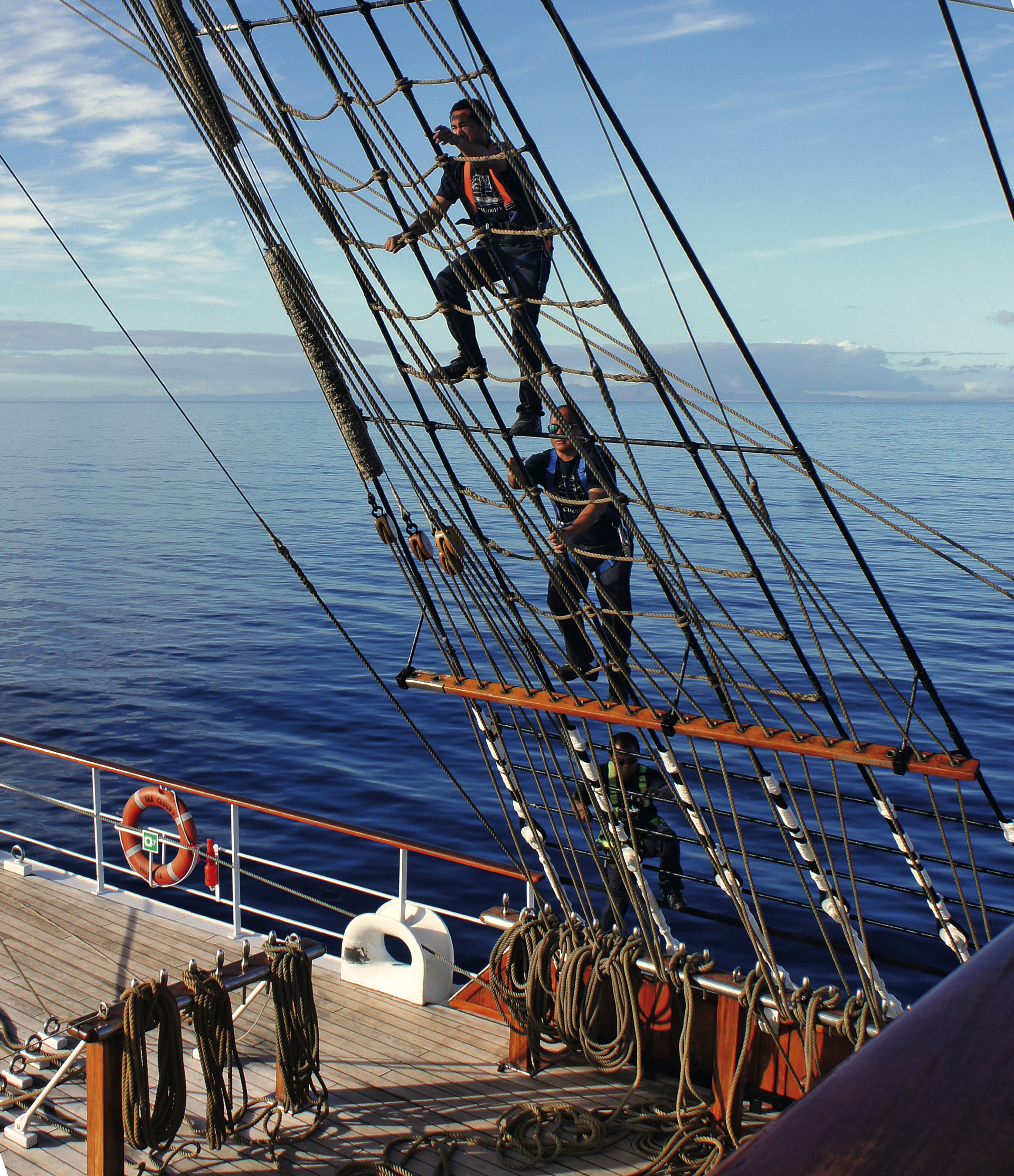
The lounge is located on the Lido Deck and is always open. This is where all lectures take place and on select sailings concerts on the Steinway grand piano. Enjoy a selection of games or just an afternoon snack.
Library
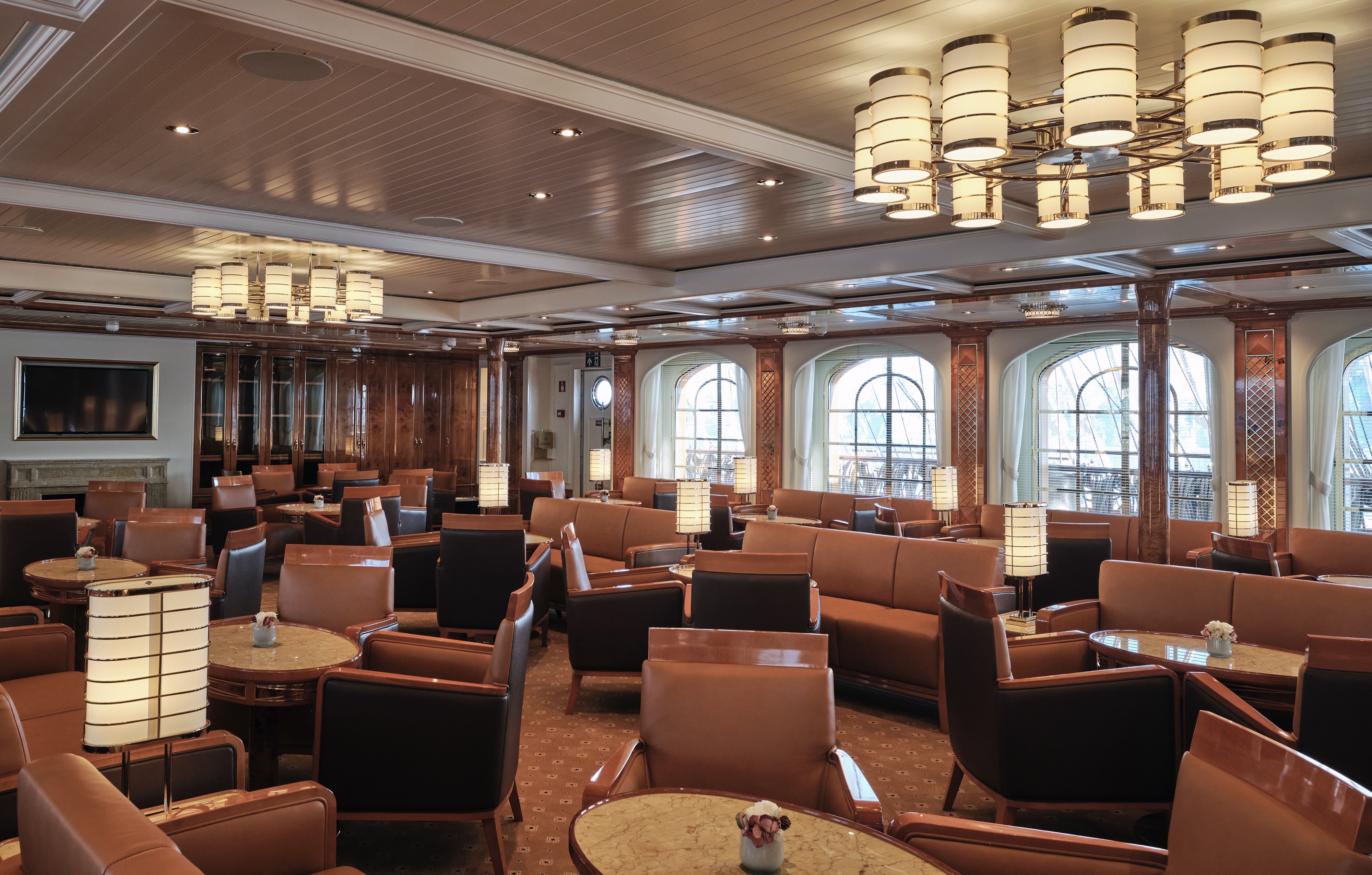
Sit back and relax in our library with a great selection of books and popular board games. Feel free to take them during your trip and place back before your journey ends.
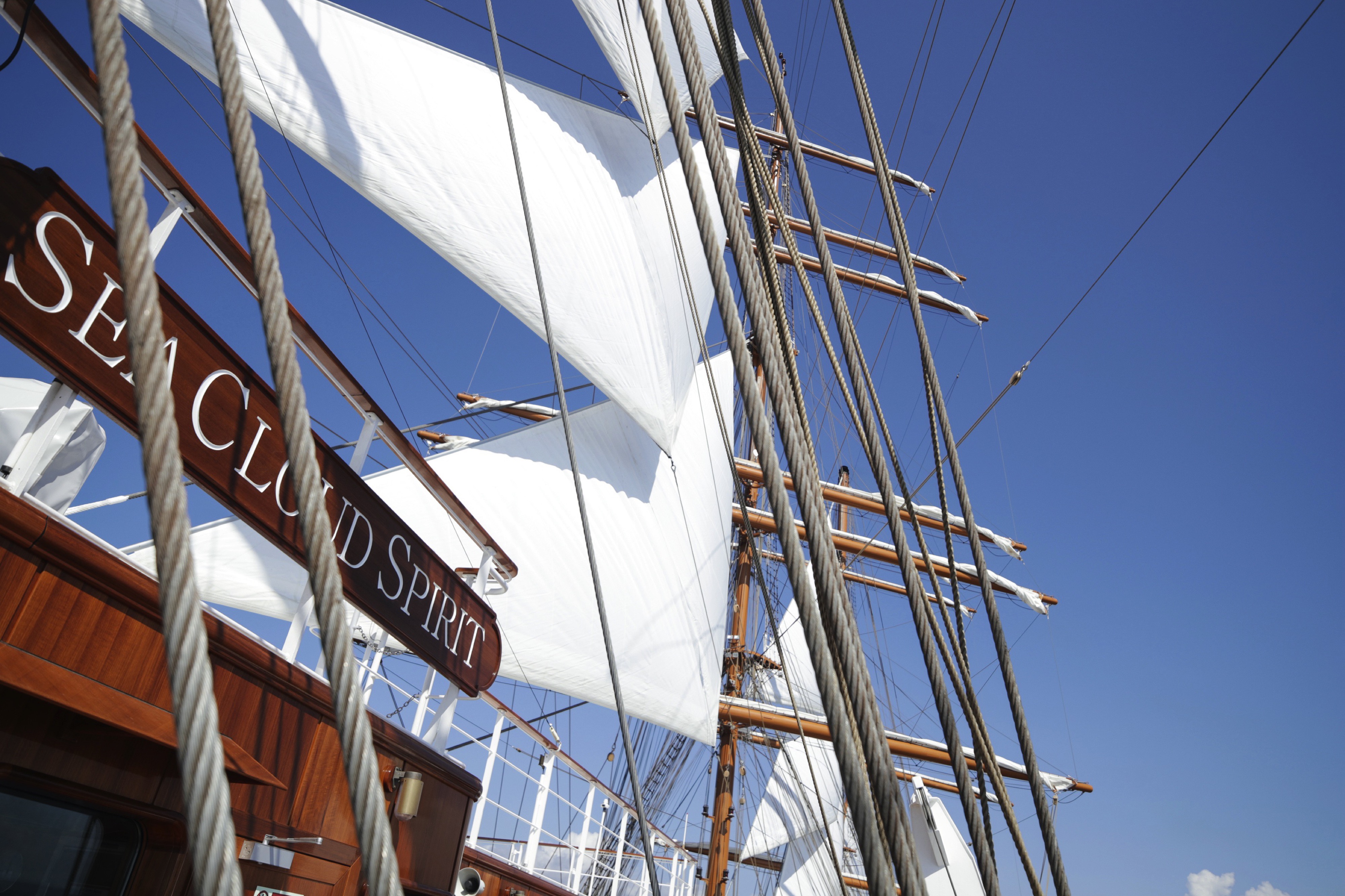
Sun Deck
On board SEA CLOUD SPIRIT, the deck chairs and sun loungers are located on the sun deck. We kindly ask you to respect your fellow travellers and refrain from reserving sunbeds and chairs.
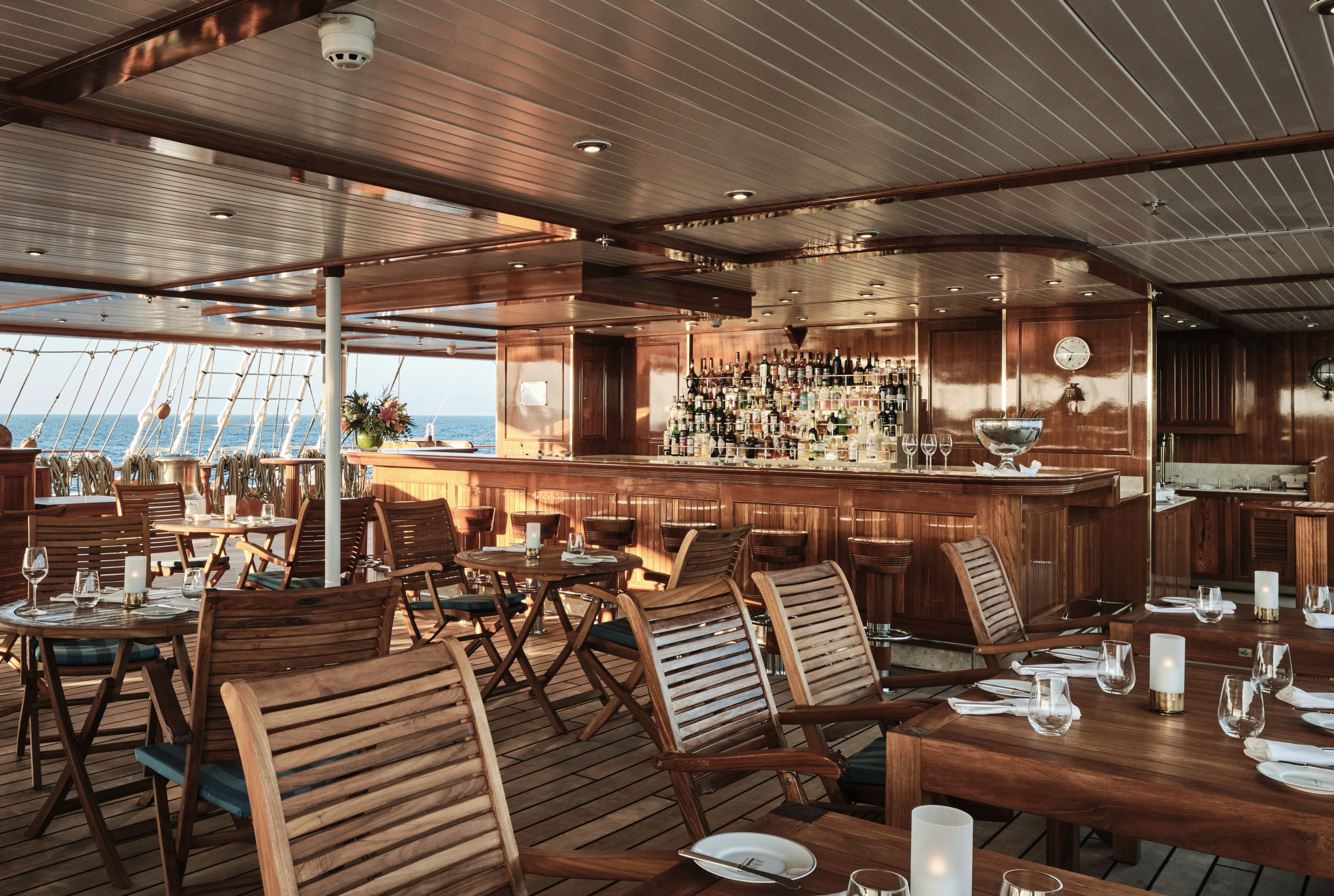
Lido Deck with Bar
- During evening and cocktail hours, we do have soft entertainment in the Lido Bar.
- Lunch is served as a buffet on the lido deck or in the restaurant.
- The Bistro on the lido deck offers a flexible and casual alternative to dinner in the restaurant
- A small breakfast is available at the Lido Bar.
Boutique
The boutique on our yachts offers accessories, clothes, and gifts. Opening hours vary. You will find the exact information in the daily program and on the public boards. Feel free to contact the reception with any questions or requests outside of opening hours.

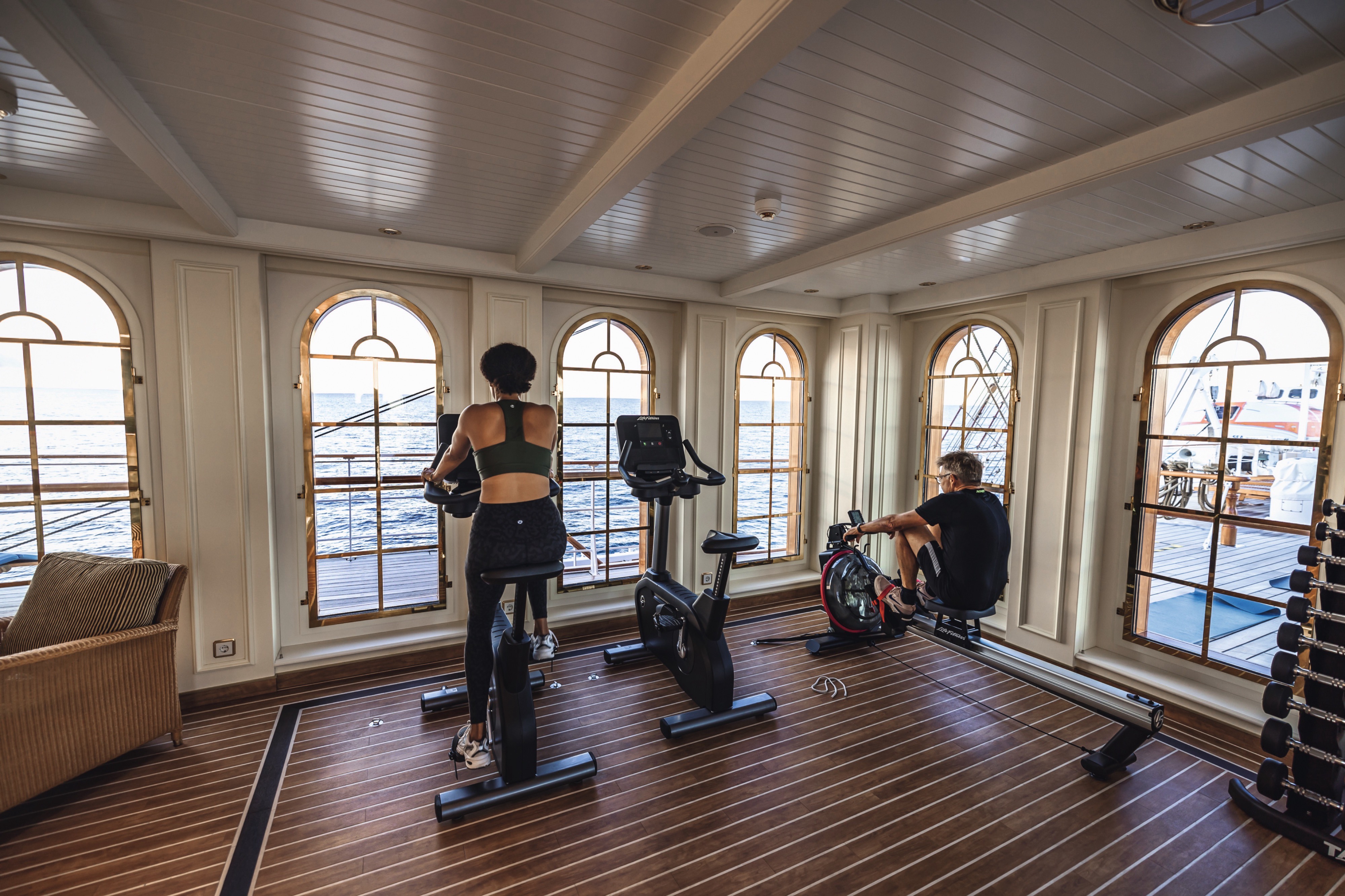
Fitness & Sun Deck
The fitness area of the SEA CLOUD SPIRIT is located on the sun deck. It is open during the day and is equipped with modern cardio equipment and weights.
Spa and Wellness
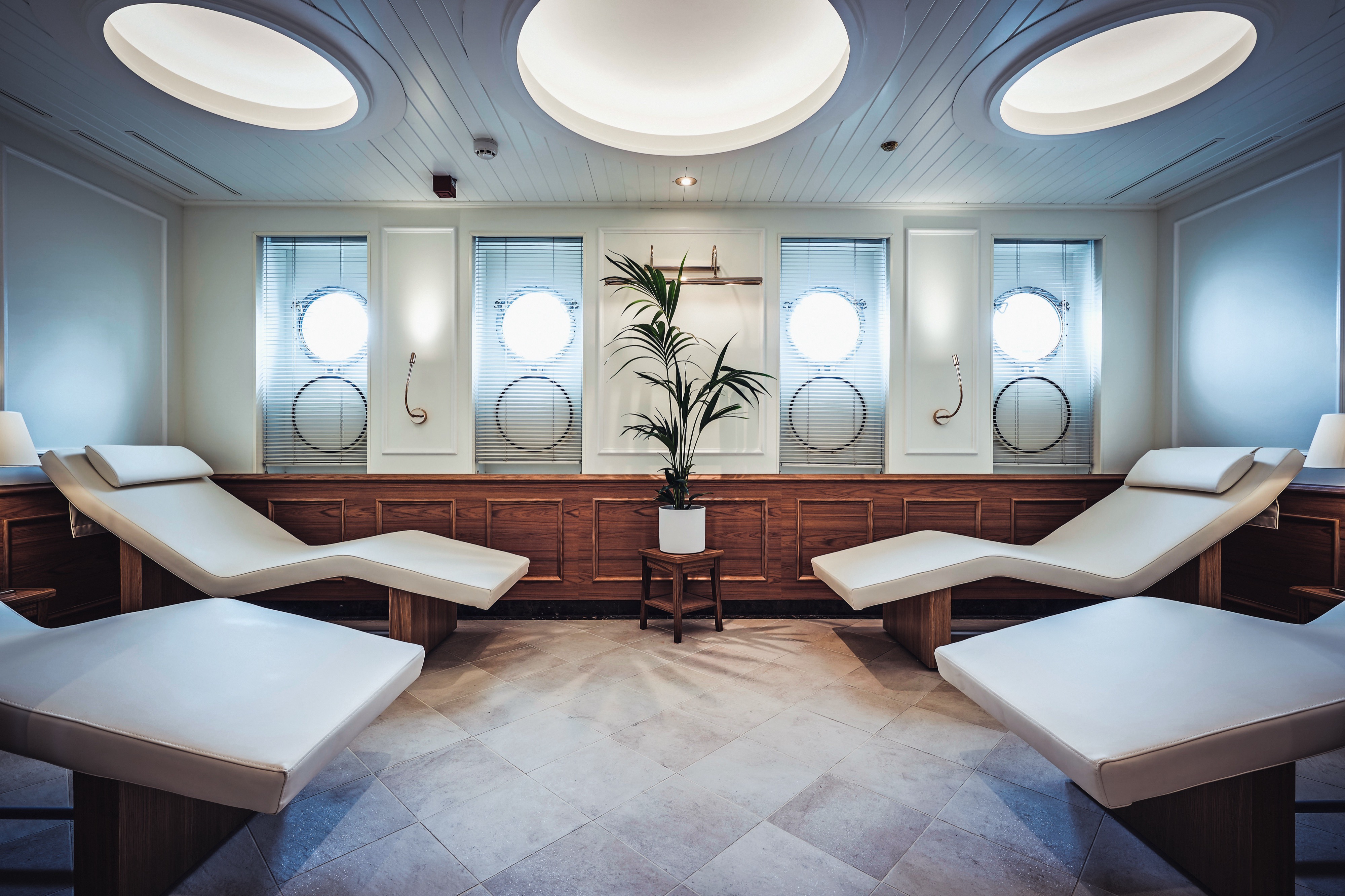
SEA CLOUD SPIRIT has an extensive wellness and spa area with two treatment rooms, Finnish sauna, steam bath, relaxation room and multi-sensory shower. We offer massages, and various treatments at an additional charge. The Spa Brochure with our detailed program is available in your cabin. You can book your appointments at the reception.
Children are welcome on our ships, but please keep in mind there is no daycare or special entertainment for children on board our ships.
Restaurant
Meals are served on our ships in one seating. Service times can be found in the daily program on board. Please kindly note that reservations are not possible. As an alternative to fine dining in the restaurant, you can enjoy a casual dinner in the bistro on the lido deck (SEA CLOUD SPIRIT only).
The main breakfast buffet is provided in the restaurant. Lunch is served as a buffet on the lido deck or in the restaurant. In the afternoon, coffee and tea are served, accompanied by some sweet treats and sandwiches. Dinner is a four-course menu with entrees to choose including a vegetarian option. Our executive chef will prepare an exclusive five-course meal for the gala dinner.
We maintain the tradition that at the beginning and towards the end of a voyage, the captain invites you to a Captain’s Cocktail, followed by a (Captain’s) Gala Dinner in the restaurant. For this occasion, we recommend elegant cocktail attire.
Lido Deck with Bistro
A small breakfast with pastries and fruits is offered to early and late risers onboard the SEA CLOUDs. On the SEA CLOUD, it’s located on the Panorama Deck (early risers) or the Lido Deck (late risers). On board the SEA CLOUD II and the SEA CLOUD SPIRIT, a small breakfast is available at the Lido Bar.
The Bistro on the lido deck offers a flexible and casual alternative to dinner in the restaurant (SEA CLOUD SPIRIT only). A late-night snack nicely rounds up the evening’s culinary delights.
Zodiacs
Zodiacs are small motor-driven rigid-hull inflatable boats with a capacity of approximately 8 to 10 guests, primarily used for beach landings on our cruises or our photo safaris.
Watersports and Swimming
Water sport activities are offered from the marina platform.
We do have snorkelling equipment in different sizes on board, stand-up paddle bards for beach landings and a towable tube from the gangway.
All water sport activities are included and subject to weather and Captains permission.
Excursions
All our shore excursions are shown on the itinerary pages of our brochure. 4 weeks prior to departure you will receive detailed information on shore excursions with your travel documents. The shore excursion booklet also includes the order form to pre-book your excursions. On board the Cruise Director will be able to provide further details during a lecture. We do recommend pre-booking prior to embarkation to secure your spot. All excursions will be charged to your cabin account on board.
You are free to join an organised shore excursion, stay on board or make individual arrangements. You will find times for tender or to be back on board in your daily program and at the gangway.
Please remember to bring comfortable footwear, a light jacket/windbreaker, as well as sunscreen where appropriate.
Rigg Climbing
Join us for some rigg climbing
One of the most captivating experiences onboard the SEA CLOUD windjammer is watching the crew climb into the rigging to set the sails by hand. Now, you can share a piece of this adventure yourself and – if your fitness allows – climb up to the first platform!
Our SEA CLOUDs are the only cruise ships in the world that are traditionally sailed by hand. Here, nothing happens at the push of a button: setting the sails follows centuries-old rituals, bringing the magic of sailing to life in a unique way. Now, you can experience this tradition up close! High up in the rigging, carried by the wind and with sweeping views over the sea, you’ll feel the majestic power of our tall ships even more intensely. Safely guided and equipped with state-of-the-art safety systems, you can climb up to the first platform, about 14 meters above the deck – an unforgettable moment for those seeking adventure!
A brief fitness check on board ensures that you feel completely comfortable and secure before you ascend. This includes: hanging from a bar for 10 seconds, balancing on one foot for 20 seconds and climbing stairs two at a time. Our experienced deckhands, specially trained for these activities, will guide you every step of the way so you always feel safe and well taken care of.
Embark on this unique adventure now – a once-in-a-lifetime moment that will leave you with a deep sense of joy and a touch of pride. Are you ready to experience the sea in all its splendour, high above the sails?
Lounge
The lounge is located on the Lido Deck and is always open. This is where all lectures take place and on select sailings concerts on the Steinway grand piano. Enjoy a selection of games or just an afternoon snack.
Library
Sit back and relax in our library with a great selection of books and popular board games. Feel free to take them during your trip and place back before your journey ends.
Sun Deck
On board SEA CLOUD SPIRIT, the deck chairs and sun loungers are located on the sun deck. We kindly ask you to respect your fellow travellers and refrain from reserving sunbeds and chairs.
Lido Deck with Bar
- During evening and cocktail hours, we do have soft entertainment in the Lido Bar.
- Lunch is served as a buffet on the lido deck or in the restaurant.
- The Bistro on the lido deck offers a flexible and casual alternative to dinner in the restaurant
- A small breakfast is available at the Lido Bar.
Boutique
The boutique on our yachts offers accessories, clothes, and gifts. Opening hours vary. You will find the exact information in the daily program and on the public boards. Feel free to contact the reception with any questions or requests outside of opening hours.
Fitness & Sun Deck
The fitness area of the SEA CLOUD SPIRIT is located on the sun deck. It is open during the day and is equipped with modern cardio equipment and weights.
Spa and Wellness
SEA CLOUD SPIRIT has an extensive wellness and spa area with two treatment rooms, Finnish sauna, steam bath, relaxation room and multi-sensory shower. We offer massages, and various treatments at an additional charge. The Spa Brochure with our detailed program is available in your cabin. You can book your appointments at the reception.
Children are welcome on our ships, but please keep in mind there is no daycare or special entertainment for children on board our ships.
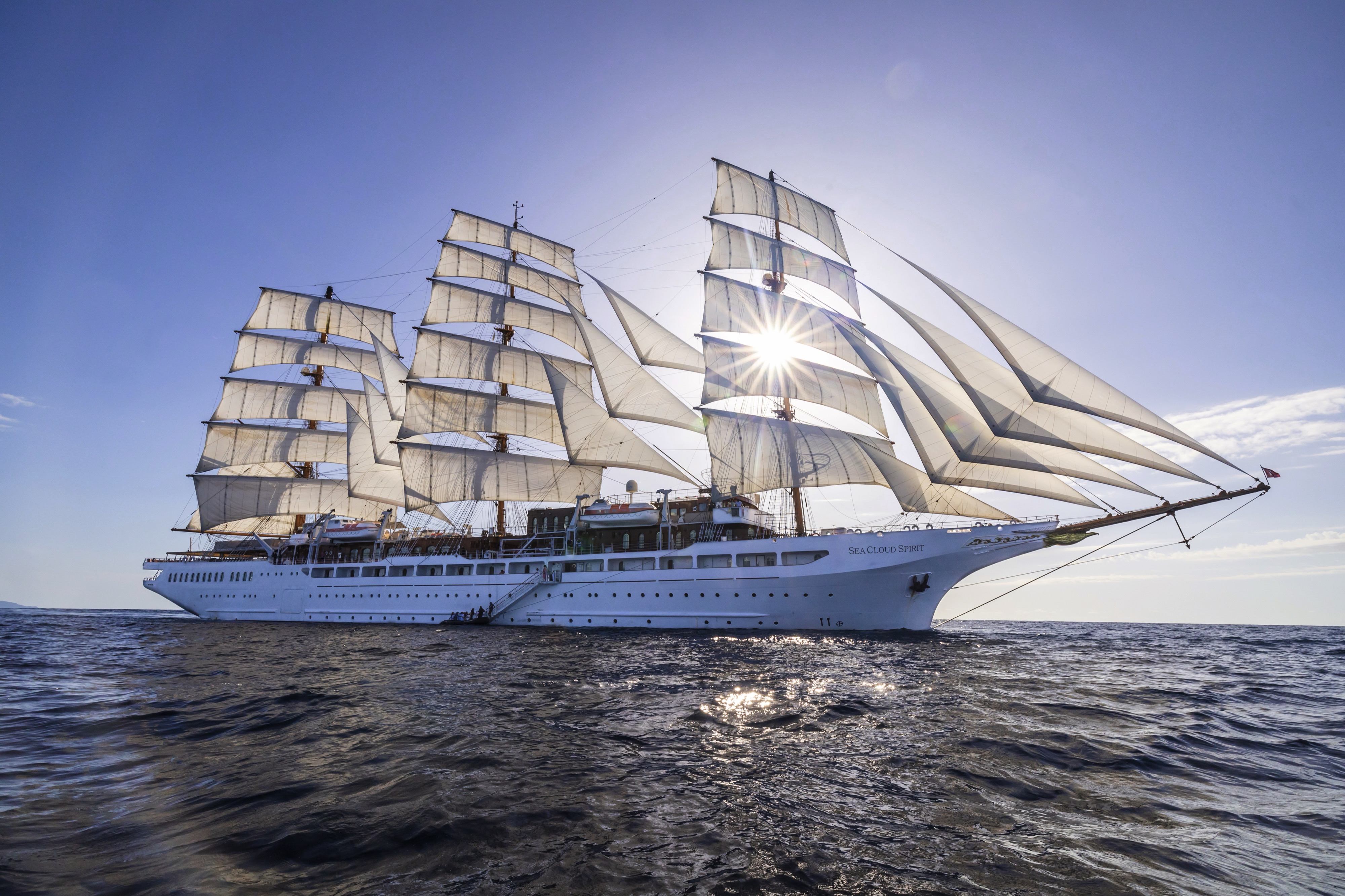
About the Ship
Deck Plans
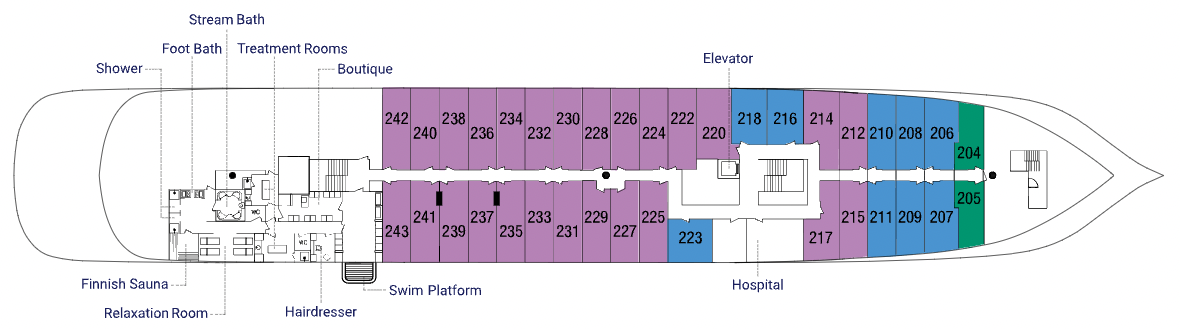
- Deluxe Staterooms
- Superior Cabins
- Superior Single Cabins
- Elevator
- Hospital
- Swim Platform
- Relaxation Room
- Finnish Sauna
- Shower
- Foot Bath
- Treatment Rooms
- Boutique
- Stream Bath
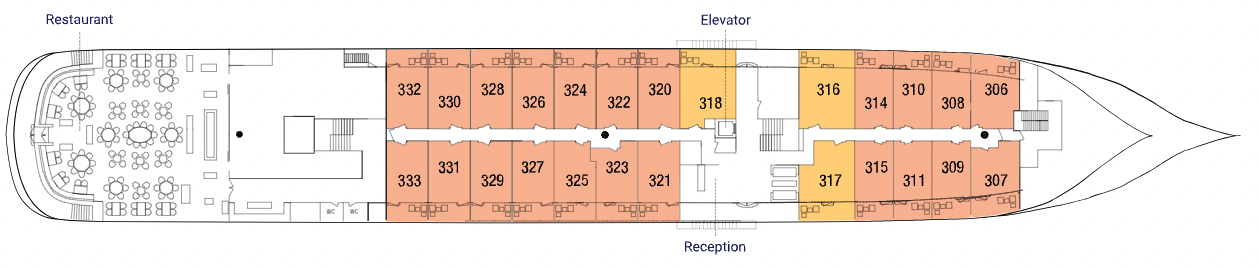
- Restaurant
- Reception
- Veranda Suites
- Junior Veranda Suites

- Lido Bar & Bistro
- Lounge
- Elevator
- Library
- Grand Stateroom
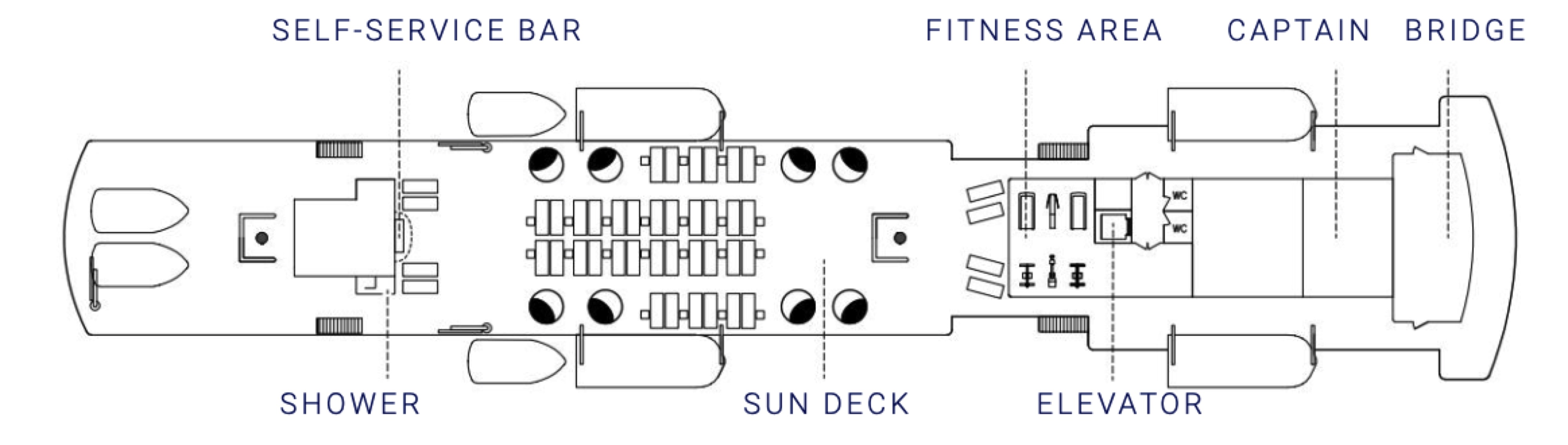
- Fitness Area
- Self-Service Bar
- Captain
- Bridge
- Shower
- Sun Deck
- Elevator
- Deluxe Staterooms
- Superior Cabins
- Superior Single Cabins
- Elevator
- Hospital
- Swim Platform
- Relaxation Room
- Finnish Sauna
- Shower
- Foot Bath
- Treatment Rooms
- Boutique
- Stream Bath
- Restaurant
- Reception
- Veranda Suites
- Junior Veranda Suites
- Lido Bar & Bistro
- Lounge
- Elevator
- Library
- Grand Stateroom
- Fitness Area
- Self-Service Bar
- Captain
- Bridge
- Shower
- Sun Deck
- Elevator