Featured Cabins
Itinerary
Darwin, Northern Territory, Australia
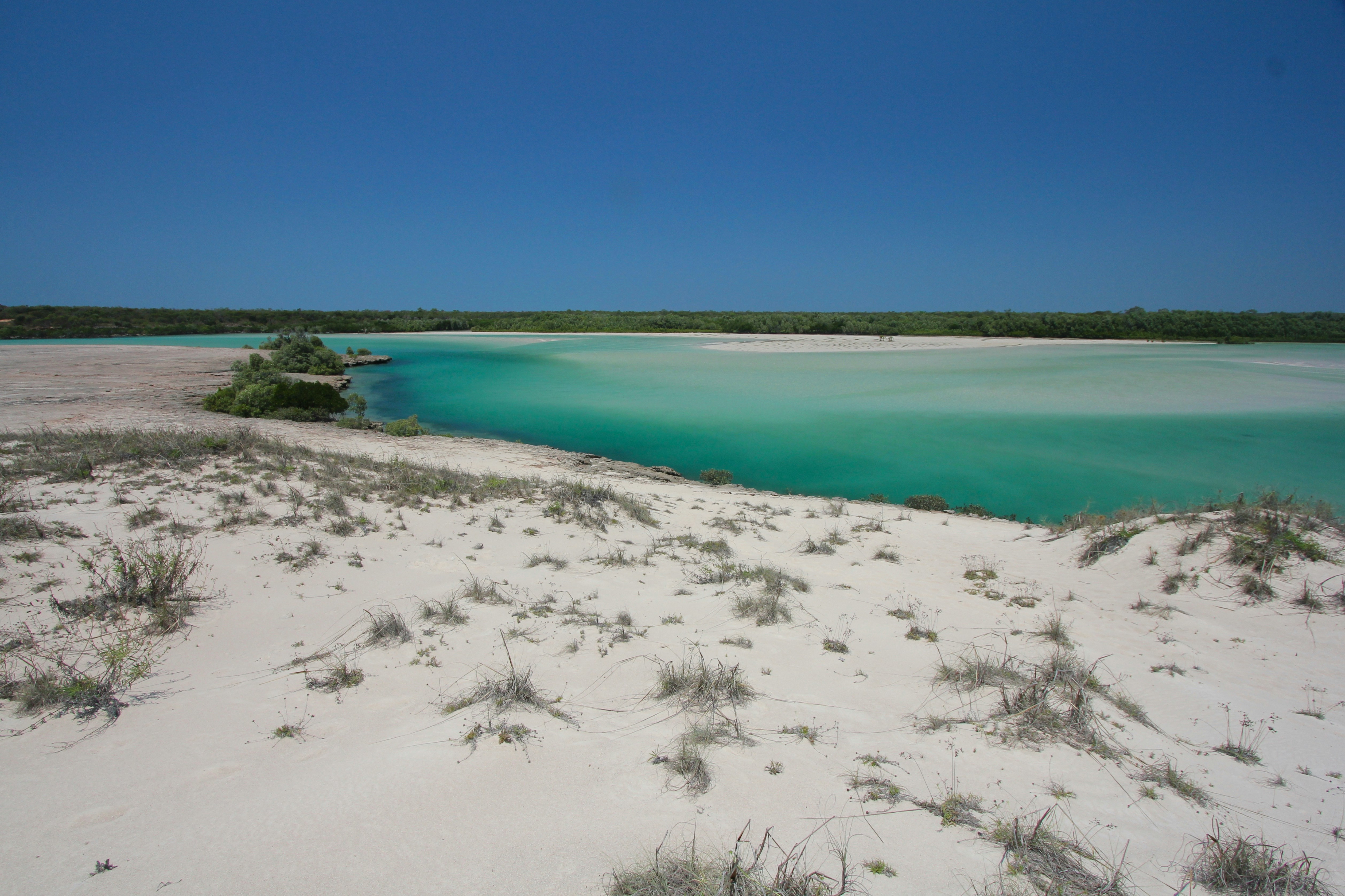
Darwin is Australia’s most colorful, and exotic, capital city. Surrounded on three sides by the turquoise waters of the Timor Sea, the streets are lined with tropical flowers and trees. Warm and dry in winter, hot and steamy in summer, it’s a relaxed and casual place, as well as a beguiling blend of tropical frontier outpost and Outback hardiness. Thanks to its close proximity to Southeast Asia and its multicultural population it also seems more like Asia than the rest of Australia. Darwin is a city that has always had to fight for its survival. The seductiveness of contemporary Darwin lifestyles belies a history of failed attempts that date from 1824 when Europeans attempted to establish an enclave in this harsh, unyielding climate. The original 1869 settlement, called Palmerston, was built on a parcel of mangrove wetlands and scrub forest that had changed little in 15 million years. It was not until 1911, after it had already weathered the disastrous cyclones of 1878, 1882, and 1897, that the town was named after the scientist who had visited Australia’s shores aboard the Beagle in 1839. During World War II it was bombed more than 60 times, as the harbor full of warships was a prime target for the Japanese war planes. Then, on the night of Christmas Eve 1974, the city was almost completely destroyed by Cyclone Tracy, Australia’s greatest natural disaster. It’s a tribute to those who stayed and to those who have come to live here after Tracy that the rebuilt city now thrives as an administrative and commercial center for northern Australia. Old Darwin has been replaced by something of an edifice complex—such buildings as Parliament House and the Supreme Court all seem very grand for such a small city, especially one that prides itself on its casual, outdoor-centric lifestyle. Today Darwin is the best place from which to explore Australia’s Top End, with its wonders of Kakadu and the Kimberley region.
King George River – WA Australia
Swift Bay, Western Australia, Australia
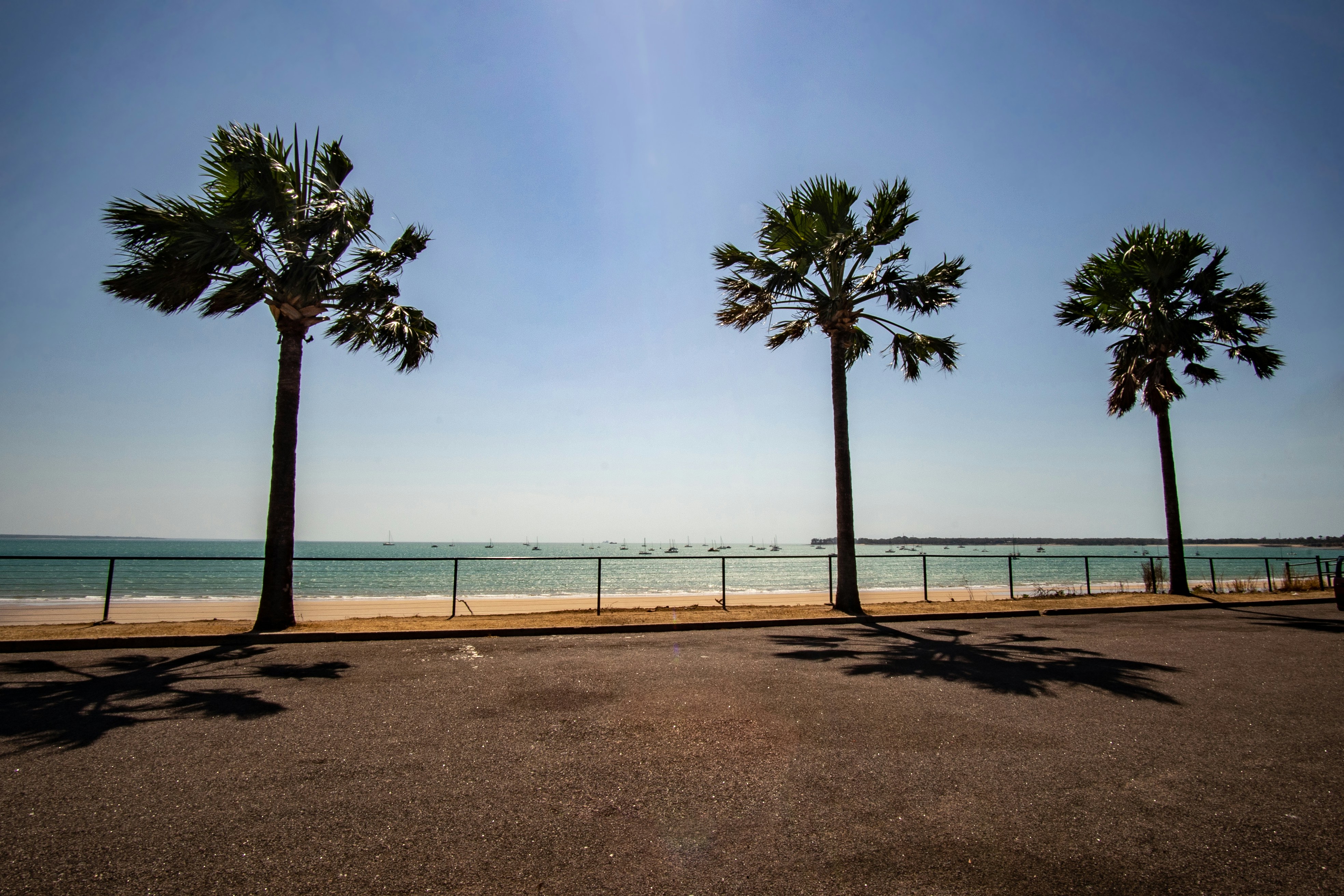
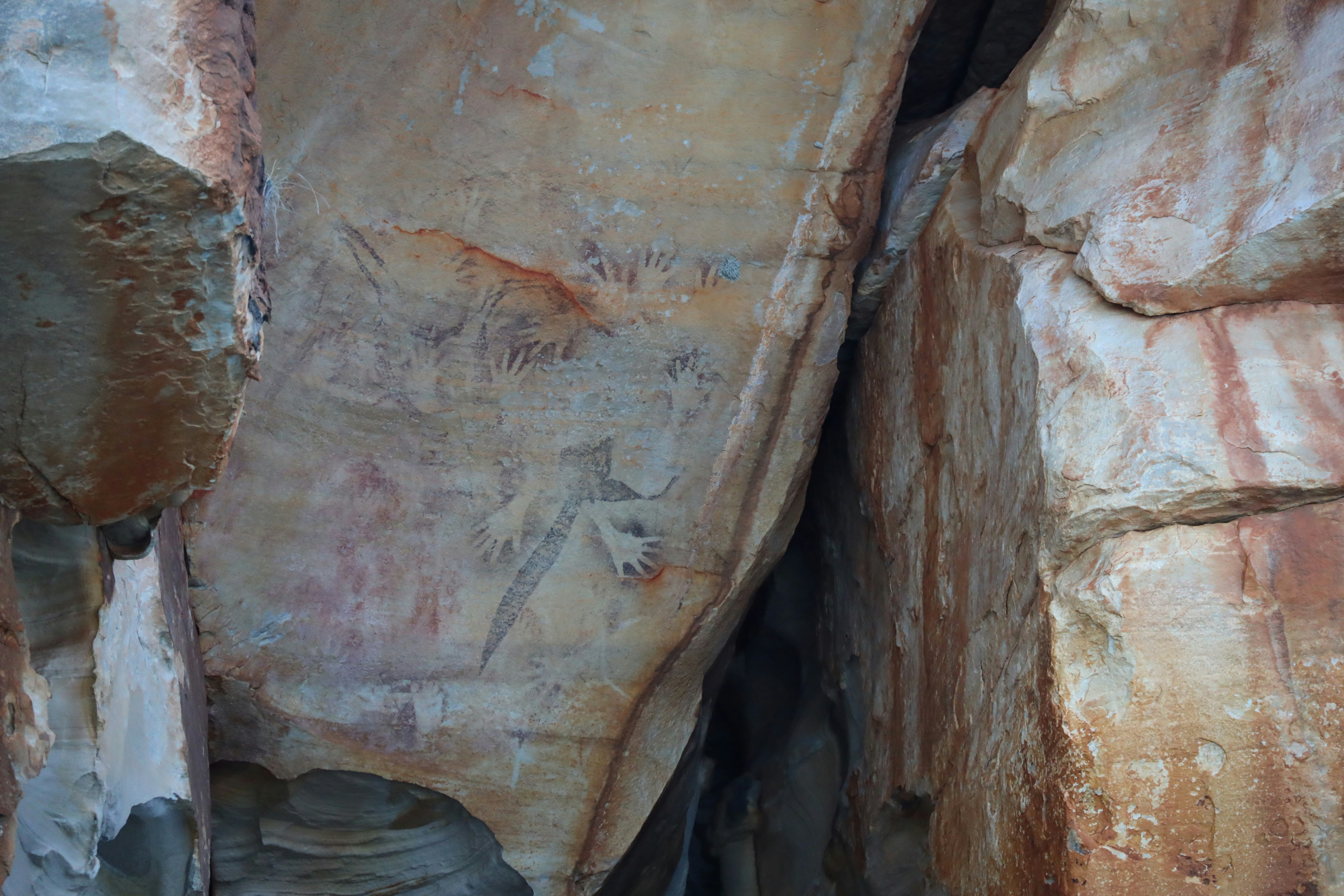
The Bonaparte Archipelago is a rugged maze of islands that stretch almost 150km along Western Australia’s remote Kimberley coast. Remaining relatively unspoilt and remarkably pristine, Swift Bay is landscaped by heavily fractured sandstone providing an abundance of rock shelters. On the walls of these shelters are examples of both Wandjina and Gwion Gwion style rock art. Join your expedition team ashore for a guided walk to a number of rock art galleries depicting these unique rock art styles.
Ashmore and Cartier Islands, Australia
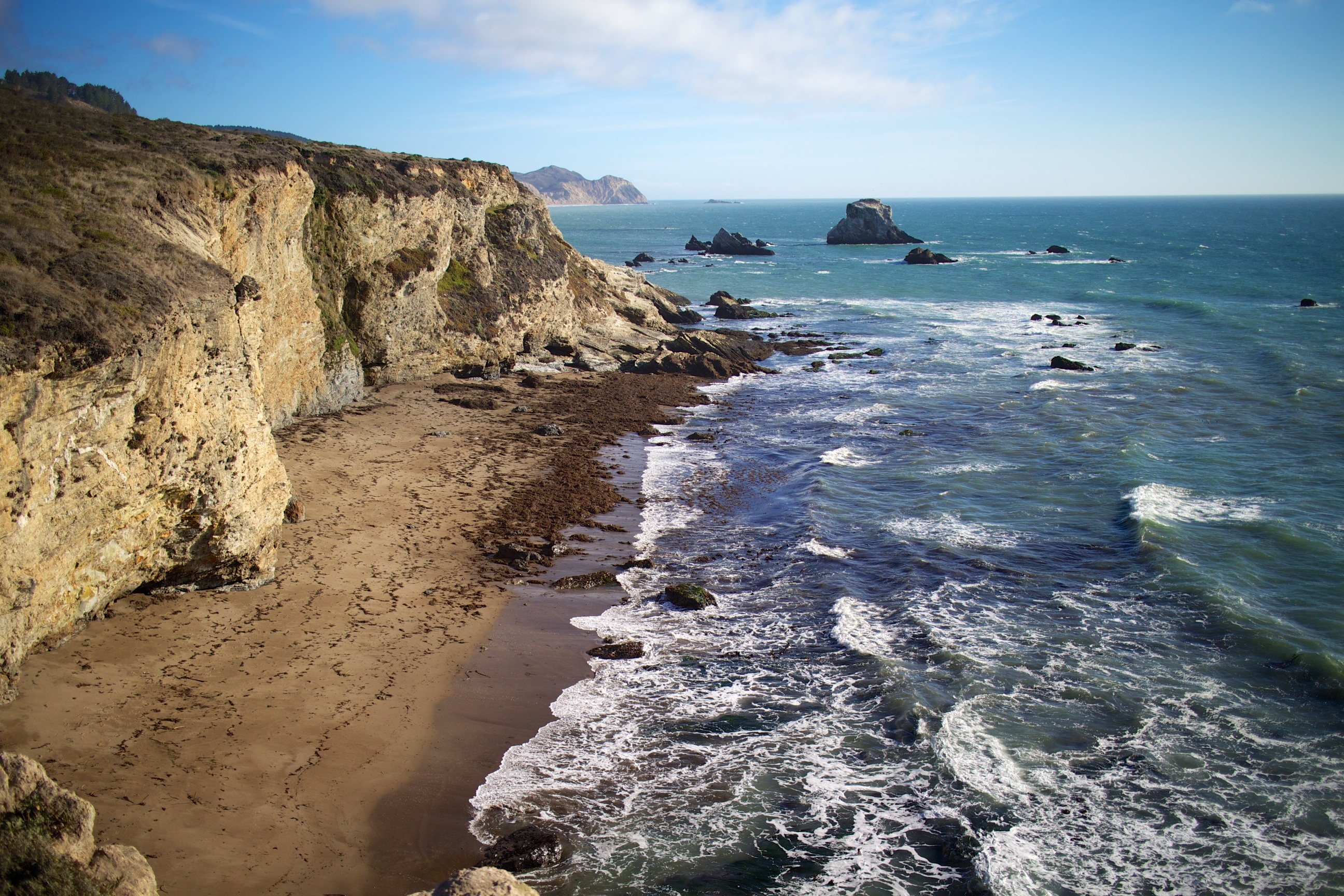
Ashmore Reef is a sanctuary for seabirds, shorebirds, marine turtles, dugongs, and many other marine species. Each year around 100,000 seabirds breed on Ashmore Reef including great knots, crested terns and white-tailed tropicbirds. The sanctuary zone provides the highest level of protection for wildlife.
Adele Island, Kimberley, Western Australia, Australia
No additional details available for this day.
Buccaneer Archipelago, Western Australia, Australia
Roughly 800 islands of the Buccaneer Archipelago surround and shelter the impressive spread of Yampi Sound (from the aboriginal word for water, “Yampee”). The area was named in 1821 by Captain Phillip Parker King, in commemoration of William Dampier’s visit in 1688. Pearlers began visiting the area in the late 1800s, and more recently mining operators established open-cut mines on Koolan Island on the east side of the Sound. Some of the richest iron ore in the world is extracted here to this day. The coastline of Yampi shows rock layers wildly twisted and contorted into great folds. White-bellied Sea Eagles, Brahminy Kites, Ospreys, Common Sandpipers and Eastern Reef Egrets inhabit the archipelago and the area is rich in fish life, which in turn is an attraction for bottlenose dolphins that come here to feed. Yampi Sound is also occassionaly a calving ground for humpback whales and mothers and calves can sometimes be spotted in the relatively shallow turquoise waters.
Buccaneer Archipelago, Western Australia, Australia
Roughly 800 islands of the Buccaneer Archipelago surround and shelter the impressive spread of Yampi Sound (from the aboriginal word for water, “Yampee”). The area was named in 1821 by Captain Phillip Parker King, in commemoration of William Dampier’s visit in 1688. Pearlers began visiting the area in the late 1800s, and more recently mining operators established open-cut mines on Koolan Island on the east side of the Sound. Some of the richest iron ore in the world is extracted here to this day. The coastline of Yampi shows rock layers wildly twisted and contorted into great folds. White-bellied Sea Eagles, Brahminy Kites, Ospreys, Common Sandpipers and Eastern Reef Egrets inhabit the archipelago and the area is rich in fish life, which in turn is an attraction for bottlenose dolphins that come here to feed. Yampi Sound is also occassionaly a calving ground for humpback whales and mothers and calves can sometimes be spotted in the relatively shallow turquoise waters.
Darwin, Northern Territory, Australia
Darwin is Australia’s most colorful, and exotic, capital city. Surrounded on three sides by the turquoise waters of the Timor Sea, the streets are lined with tropical flowers and trees. Warm and dry in winter, hot and steamy in summer, it’s a relaxed and casual place, as well as a beguiling blend of tropical frontier outpost and Outback hardiness. Thanks to its close proximity to Southeast Asia and its multicultural population it also seems more like Asia than the rest of Australia. Darwin is a city that has always had to fight for its survival. The seductiveness of contemporary Darwin lifestyles belies a history of failed attempts that date from 1824 when Europeans attempted to establish an enclave in this harsh, unyielding climate. The original 1869 settlement, called Palmerston, was built on a parcel of mangrove wetlands and scrub forest that had changed little in 15 million years. It was not until 1911, after it had already weathered the disastrous cyclones of 1878, 1882, and 1897, that the town was named after the scientist who had visited Australia’s shores aboard the Beagle in 1839. During World War II it was bombed more than 60 times, as the harbor full of warships was a prime target for the Japanese war planes. Then, on the night of Christmas Eve 1974, the city was almost completely destroyed by Cyclone Tracy, Australia’s greatest natural disaster. It’s a tribute to those who stayed and to those who have come to live here after Tracy that the rebuilt city now thrives as an administrative and commercial center for northern Australia. Old Darwin has been replaced by something of an edifice complex—such buildings as Parliament House and the Supreme Court all seem very grand for such a small city, especially one that prides itself on its casual, outdoor-centric lifestyle. Today Darwin is the best place from which to explore Australia’s Top End, with its wonders of Kakadu and the Kimberley region.
King George River – WA Australia
Swift Bay, Western Australia, Australia
The Bonaparte Archipelago is a rugged maze of islands that stretch almost 150km along Western Australia’s remote Kimberley coast. Remaining relatively unspoilt and remarkably pristine, Swift Bay is landscaped by heavily fractured sandstone providing an abundance of rock shelters. On the walls of these shelters are examples of both Wandjina and Gwion Gwion style rock art. Join your expedition team ashore for a guided walk to a number of rock art galleries depicting these unique rock art styles.
Ashmore and Cartier Islands, Australia
Ashmore Reef is a sanctuary for seabirds, shorebirds, marine turtles, dugongs, and many other marine species. Each year around 100,000 seabirds breed on Ashmore Reef including great knots, crested terns and white-tailed tropicbirds. The sanctuary zone provides the highest level of protection for wildlife.
Adele Island, Kimberley, Western Australia, Australia
No additional details available for this day.
Buccaneer Archipelago, Western Australia, Australia
Roughly 800 islands of the Buccaneer Archipelago surround and shelter the impressive spread of Yampi Sound (from the aboriginal word for water, “Yampee”). The area was named in 1821 by Captain Phillip Parker King, in commemoration of William Dampier’s visit in 1688. Pearlers began visiting the area in the late 1800s, and more recently mining operators established open-cut mines on Koolan Island on the east side of the Sound. Some of the richest iron ore in the world is extracted here to this day. The coastline of Yampi shows rock layers wildly twisted and contorted into great folds. White-bellied Sea Eagles, Brahminy Kites, Ospreys, Common Sandpipers and Eastern Reef Egrets inhabit the archipelago and the area is rich in fish life, which in turn is an attraction for bottlenose dolphins that come here to feed. Yampi Sound is also occassionaly a calving ground for humpback whales and mothers and calves can sometimes be spotted in the relatively shallow turquoise waters.
Buccaneer Archipelago, Western Australia, Australia
Roughly 800 islands of the Buccaneer Archipelago surround and shelter the impressive spread of Yampi Sound (from the aboriginal word for water, “Yampee”). The area was named in 1821 by Captain Phillip Parker King, in commemoration of William Dampier’s visit in 1688. Pearlers began visiting the area in the late 1800s, and more recently mining operators established open-cut mines on Koolan Island on the east side of the Sound. Some of the richest iron ore in the world is extracted here to this day. The coastline of Yampi shows rock layers wildly twisted and contorted into great folds. White-bellied Sea Eagles, Brahminy Kites, Ospreys, Common Sandpipers and Eastern Reef Egrets inhabit the archipelago and the area is rich in fish life, which in turn is an attraction for bottlenose dolphins that come here to feed. Yampi Sound is also occassionaly a calving ground for humpback whales and mothers and calves can sometimes be spotted in the relatively shallow turquoise waters.
Hunter River Region Australia
Vansittart Bay, Western Australia, Australia
Vansittart Bay is a beautifully protected large bay with several islands and coves. Jar Island contains ancient rock art galleries depicting the Gwion Gwion style unique to the Kimberley region. Mainly neglected by, or unknown to, the early European researchers of Aboriginal culture in the Kimberley in favour of the dominant & more dramatic Wandjina art, Gwion Gwion art has in recent years gained world prominence. Join your Expedition Team ashore for a short walk, past some fascinating rock formations, to the site of the Gwion Gwion art galleries.
At Sea
Darwin, Northern Territory, Australia
Darwin is Australia’s most colorful, and exotic, capital city. Surrounded on three sides by the turquoise waters of the Timor Sea, the streets are lined with tropical flowers and trees. Warm and dry in winter, hot and steamy in summer, it’s a relaxed and casual place, as well as a beguiling blend of tropical frontier outpost and Outback hardiness. Thanks to its close proximity to Southeast Asia and its multicultural population it also seems more like Asia than the rest of Australia. Darwin is a city that has always had to fight for its survival. The seductiveness of contemporary Darwin lifestyles belies a history of failed attempts that date from 1824 when Europeans attempted to establish an enclave in this harsh, unyielding climate. The original 1869 settlement, called Palmerston, was built on a parcel of mangrove wetlands and scrub forest that had changed little in 15 million years. It was not until 1911, after it had already weathered the disastrous cyclones of 1878, 1882, and 1897, that the town was named after the scientist who had visited Australia’s shores aboard the Beagle in 1839. During World War II it was bombed more than 60 times, as the harbor full of warships was a prime target for the Japanese war planes. Then, on the night of Christmas Eve 1974, the city was almost completely destroyed by Cyclone Tracy, Australia’s greatest natural disaster. It’s a tribute to those who stayed and to those who have come to live here after Tracy that the rebuilt city now thrives as an administrative and commercial center for northern Australia. Old Darwin has been replaced by something of an edifice complex—such buildings as Parliament House and the Supreme Court all seem very grand for such a small city, especially one that prides itself on its casual, outdoor-centric lifestyle. Today Darwin is the best place from which to explore Australia’s Top End, with its wonders of Kakadu and the Kimberley region.
Hunter River Region Australia
Vansittart Bay, Western Australia, Australia
Vansittart Bay is a beautifully protected large bay with several islands and coves. Jar Island contains ancient rock art galleries depicting the Gwion Gwion style unique to the Kimberley region. Mainly neglected by, or unknown to, the early European researchers of Aboriginal culture in the Kimberley in favour of the dominant & more dramatic Wandjina art, Gwion Gwion art has in recent years gained world prominence. Join your Expedition Team ashore for a short walk, past some fascinating rock formations, to the site of the Gwion Gwion art galleries.
At Sea
Darwin, Northern Territory, Australia
Darwin is Australia’s most colorful, and exotic, capital city. Surrounded on three sides by the turquoise waters of the Timor Sea, the streets are lined with tropical flowers and trees. Warm and dry in winter, hot and steamy in summer, it’s a relaxed and casual place, as well as a beguiling blend of tropical frontier outpost and Outback hardiness. Thanks to its close proximity to Southeast Asia and its multicultural population it also seems more like Asia than the rest of Australia. Darwin is a city that has always had to fight for its survival. The seductiveness of contemporary Darwin lifestyles belies a history of failed attempts that date from 1824 when Europeans attempted to establish an enclave in this harsh, unyielding climate. The original 1869 settlement, called Palmerston, was built on a parcel of mangrove wetlands and scrub forest that had changed little in 15 million years. It was not until 1911, after it had already weathered the disastrous cyclones of 1878, 1882, and 1897, that the town was named after the scientist who had visited Australia’s shores aboard the Beagle in 1839. During World War II it was bombed more than 60 times, as the harbor full of warships was a prime target for the Japanese war planes. Then, on the night of Christmas Eve 1974, the city was almost completely destroyed by Cyclone Tracy, Australia’s greatest natural disaster. It’s a tribute to those who stayed and to those who have come to live here after Tracy that the rebuilt city now thrives as an administrative and commercial center for northern Australia. Old Darwin has been replaced by something of an edifice complex—such buildings as Parliament House and the Supreme Court all seem very grand for such a small city, especially one that prides itself on its casual, outdoor-centric lifestyle. Today Darwin is the best place from which to explore Australia’s Top End, with its wonders of Kakadu and the Kimberley region.
Cabin Options
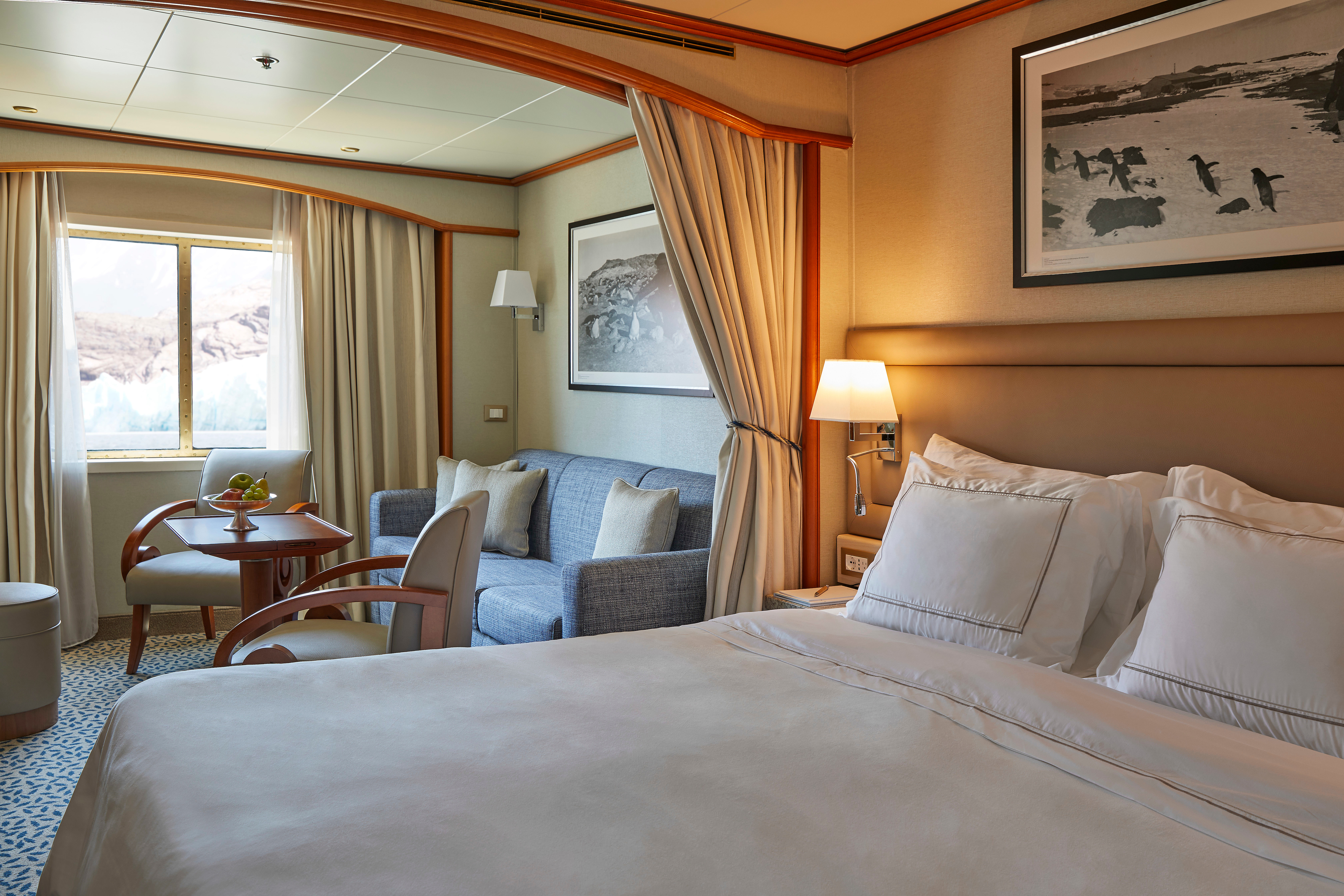
Vista Suite
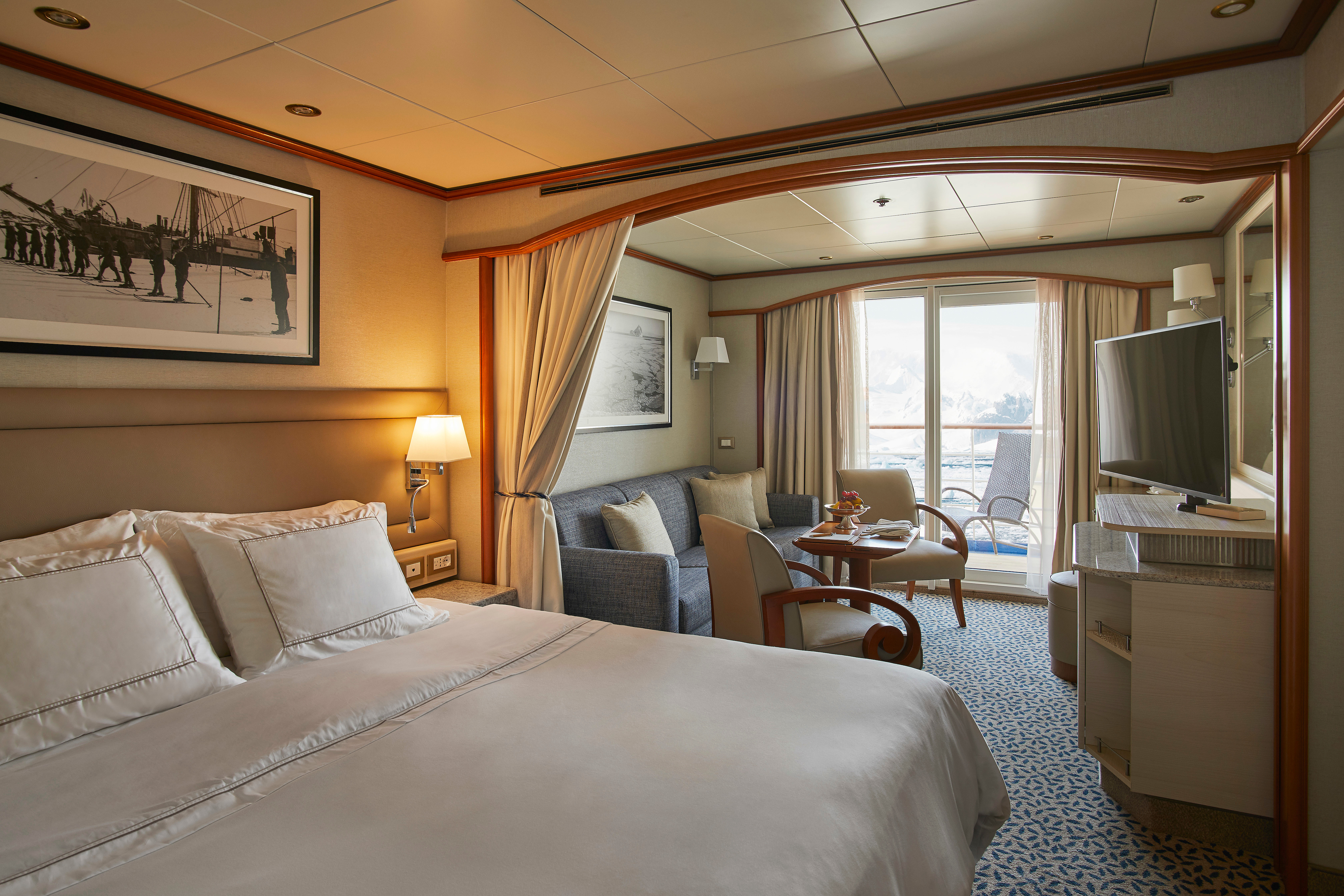
Veranda Suite
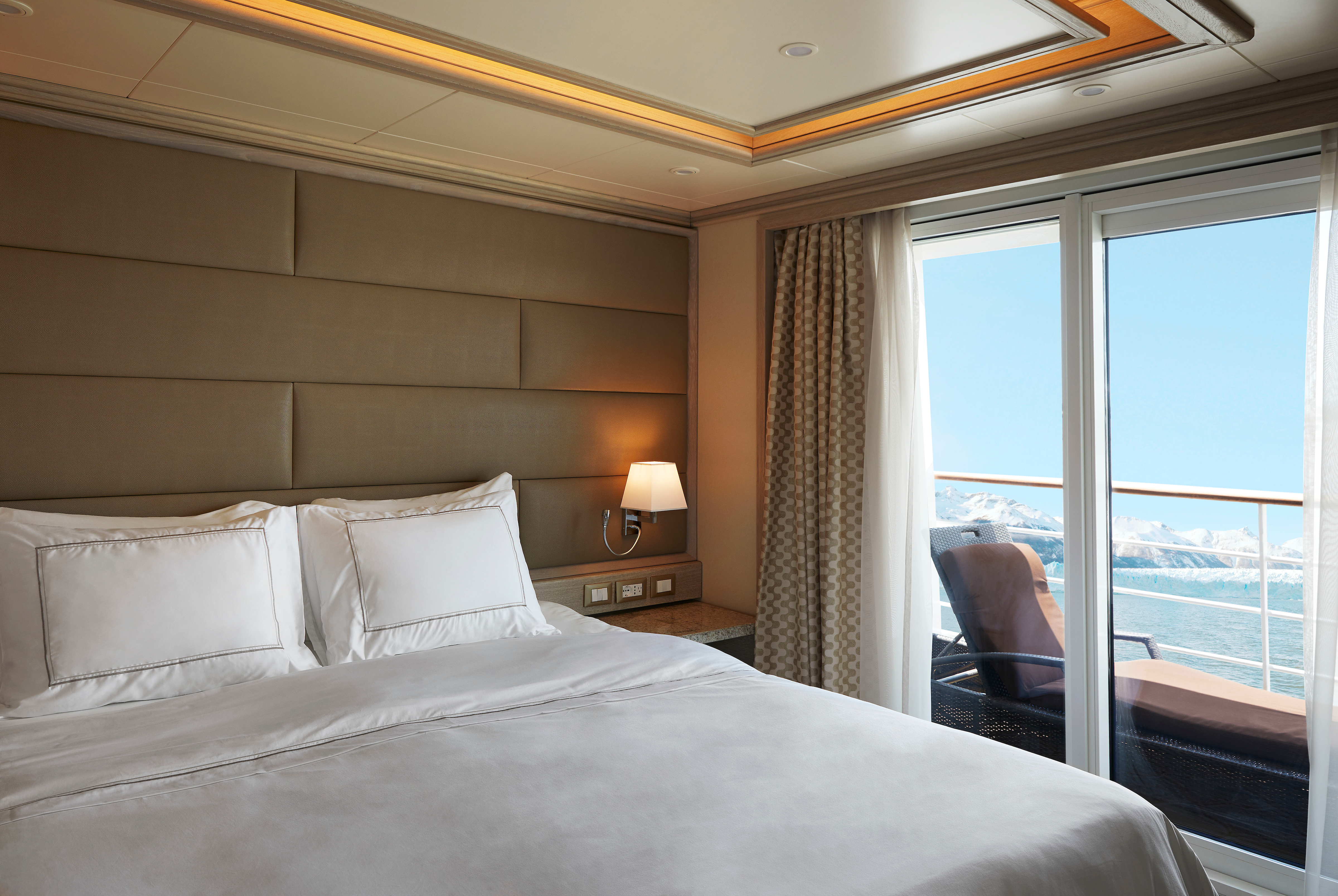
Medallion Suite
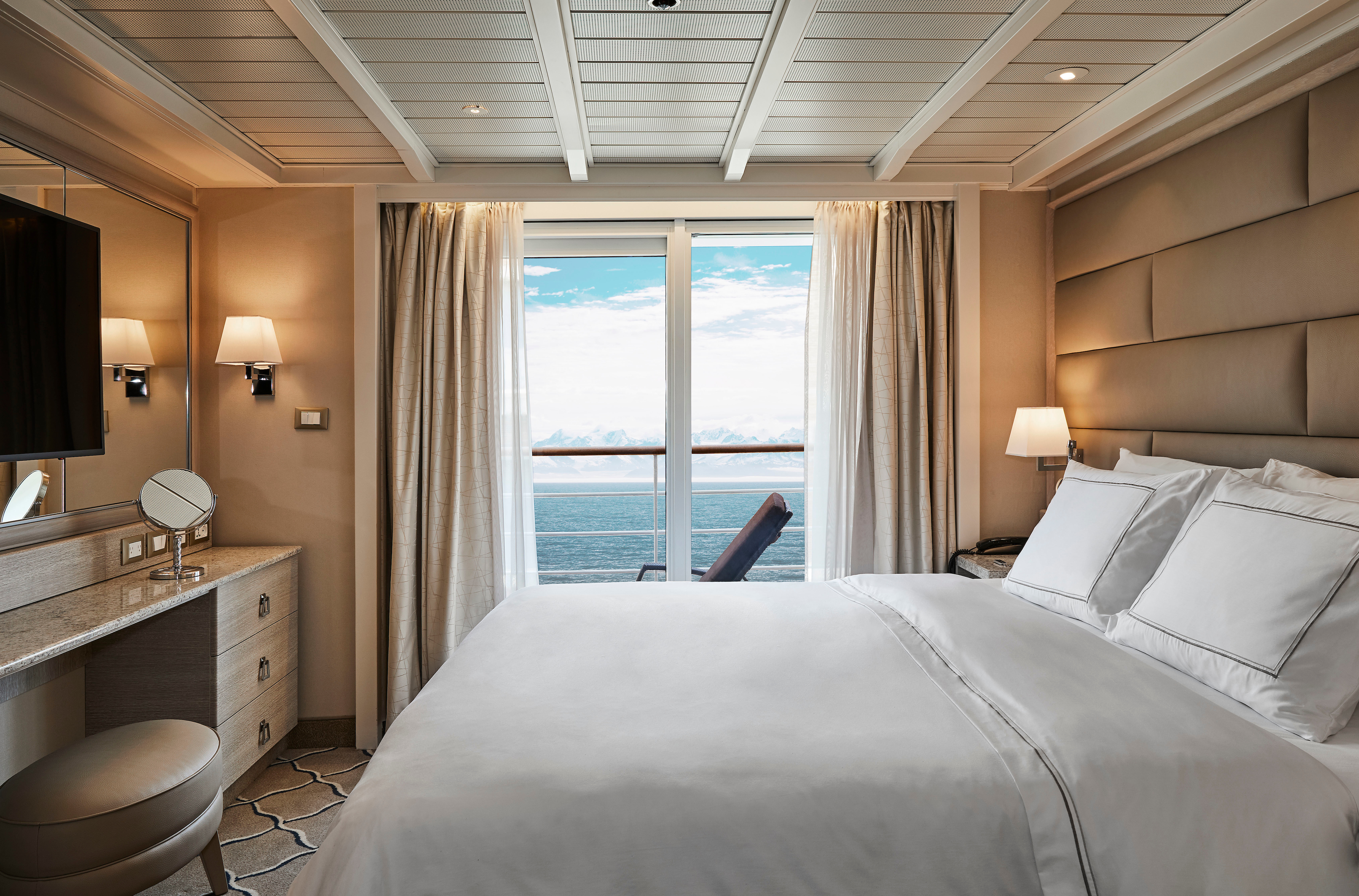
Silver Suite
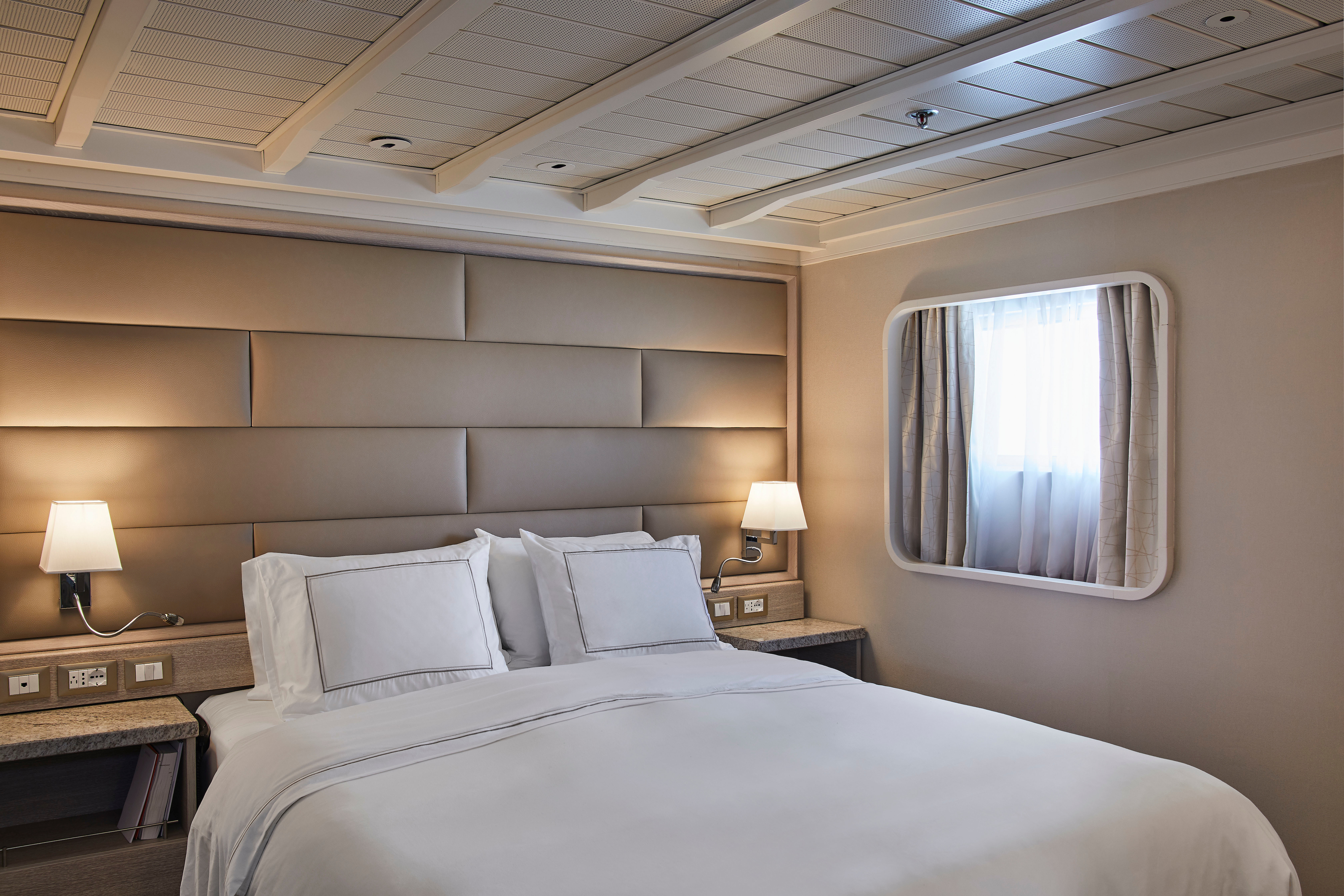
Royal Suites
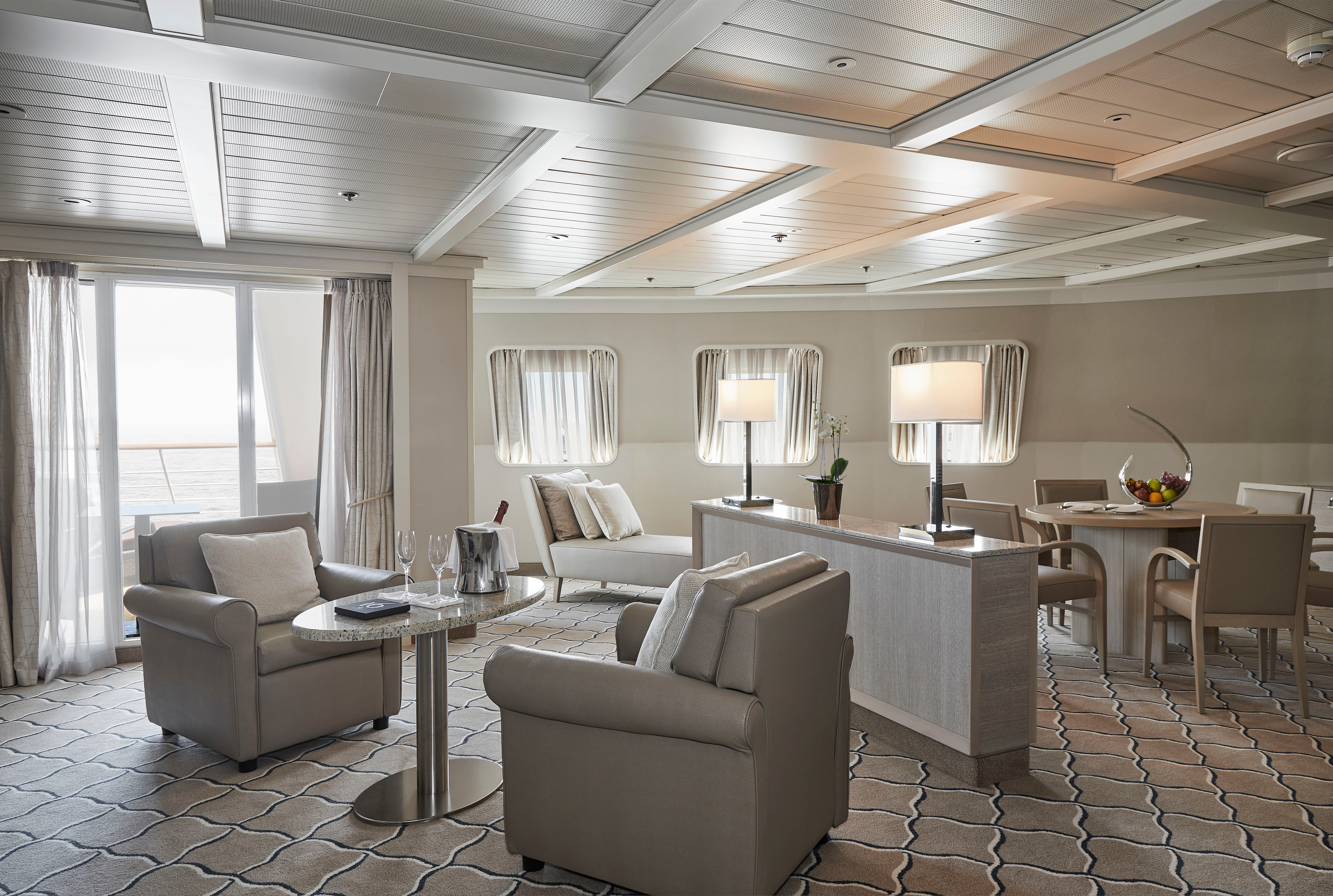
Grand Suite
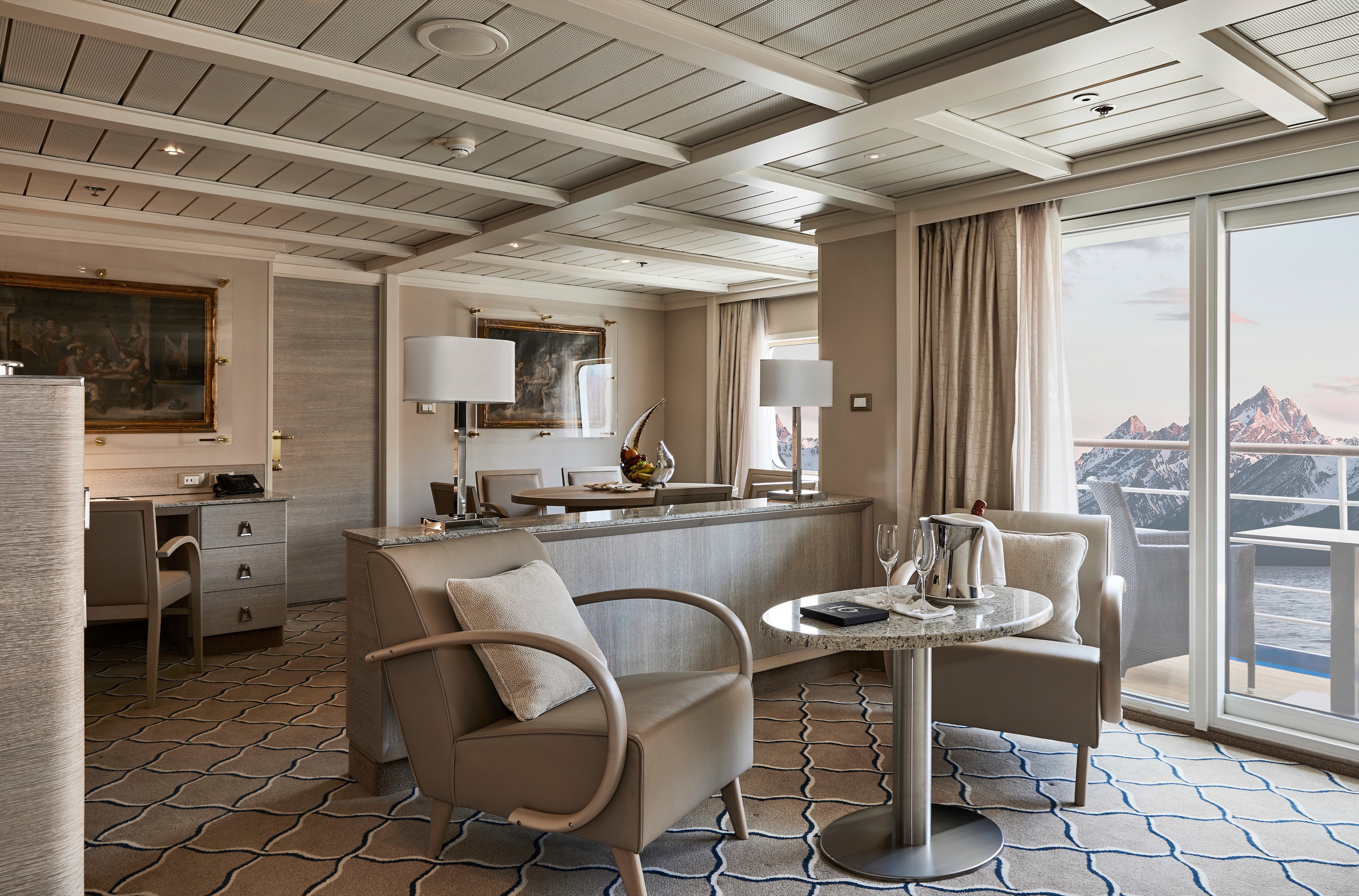
Owner's Suite
Ship Facilities
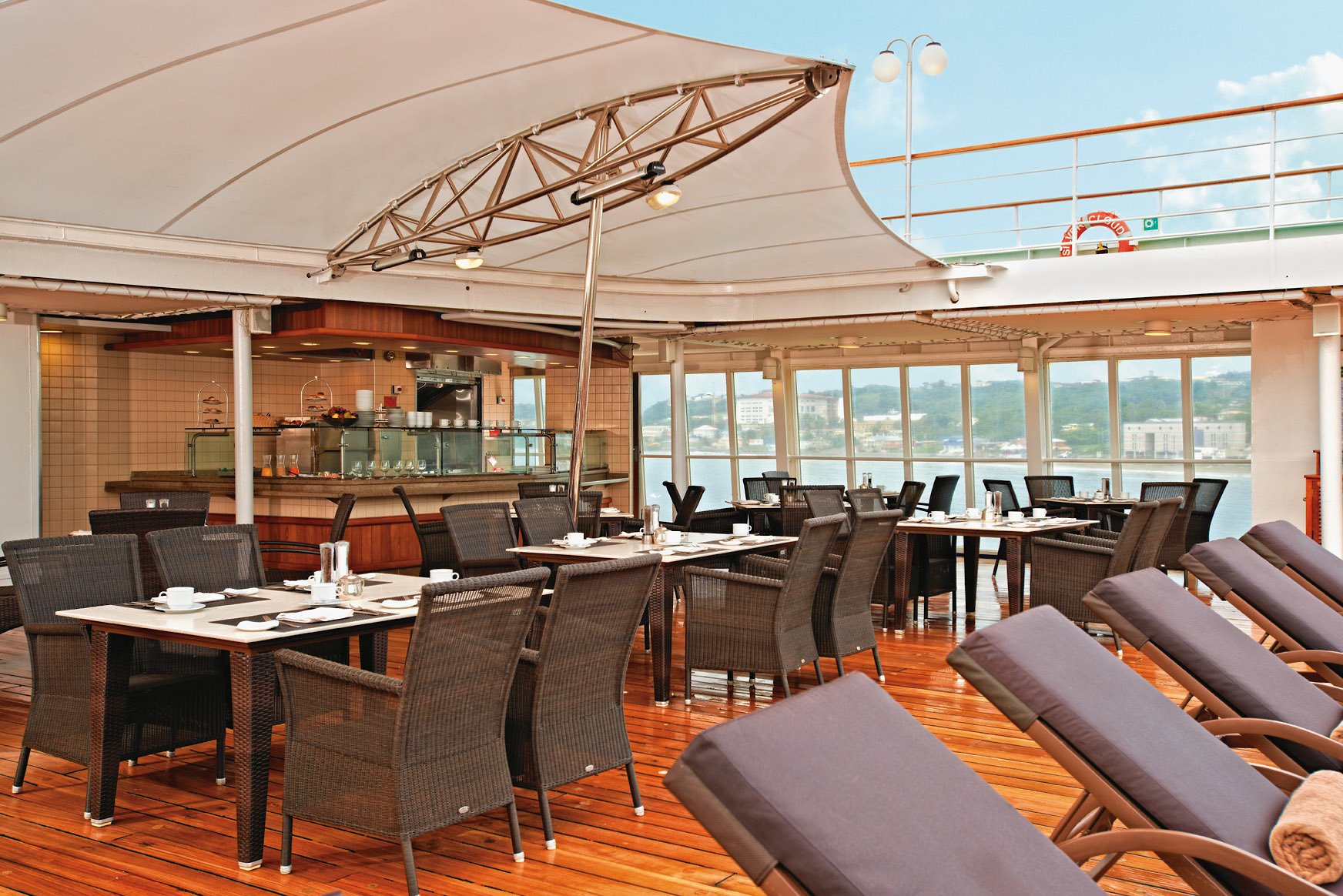
The Grill
Silversea’s much-loved casual dining restaurant serves a delectable range of burgers and salads by day and turns into our famous Hot Rocks table BBQ concept by night. The Grill is quite simply the best place to eat between sea and sky. If you like flavorsome meals cooked to perfection, a casual, laid-back atmosphere, and OMG views, then The Grill is the answer to your prayers.
Dress code: Casual
Casual wear consists of pants, blouses, or casual dresses for women; open-neck shirts and slacks for men are appropriate.
Images are intended as a general reference. Features, materials, finishes and layout may be different than shown.
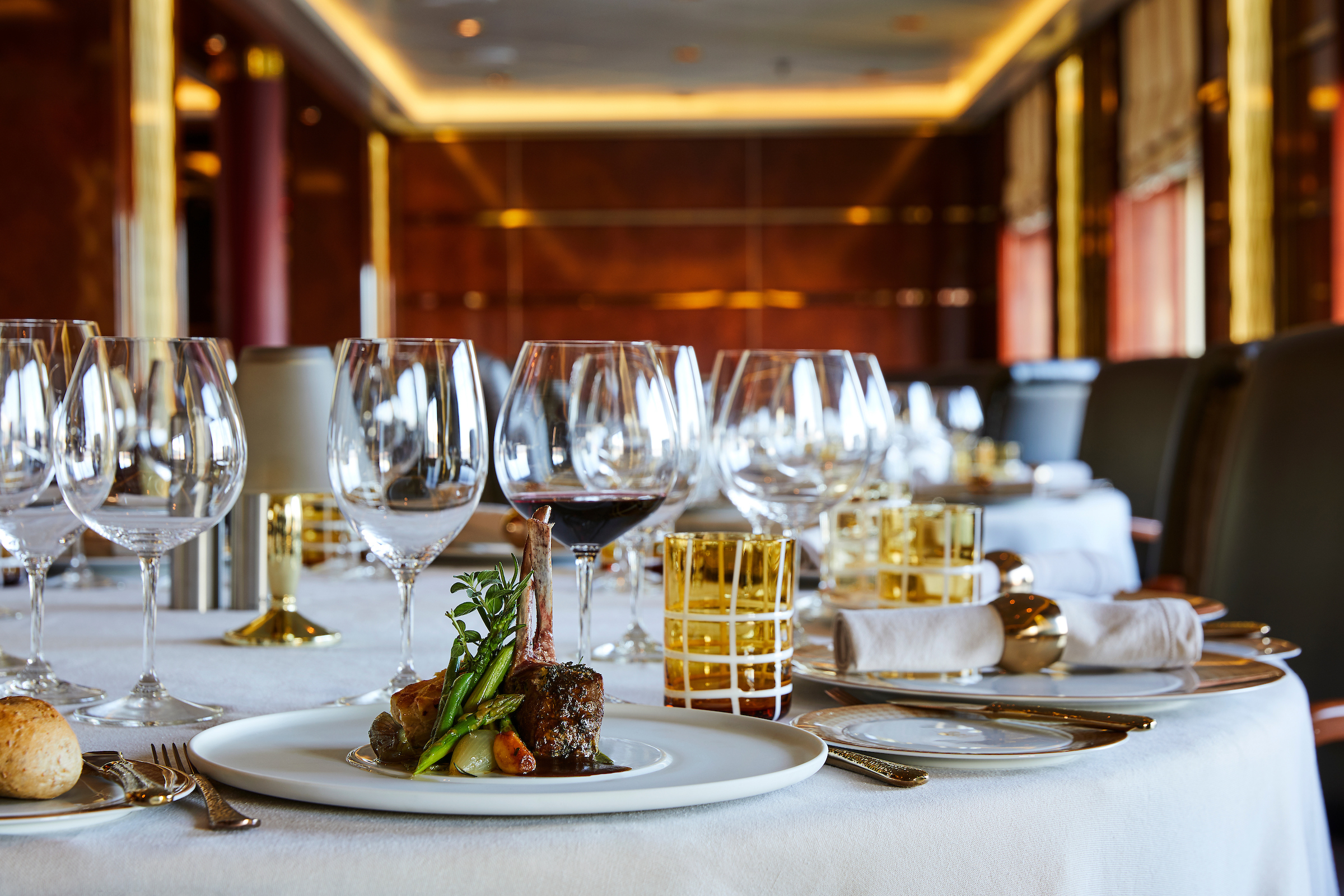
La Dame
After a day of trekking through tundra and whale-watching, indulge in an evening of palette pampering, where fine wines are complemented by a set bespoke menu of regionally inspired dishes in an intimate, elegant setting. An extraordinary six-course experience celebrating the world’s most distinguished wine regions complete what is surely the finest dining at sea.
Per guest reservation fee of US$60. Please visit My Silversea to make your reservations.
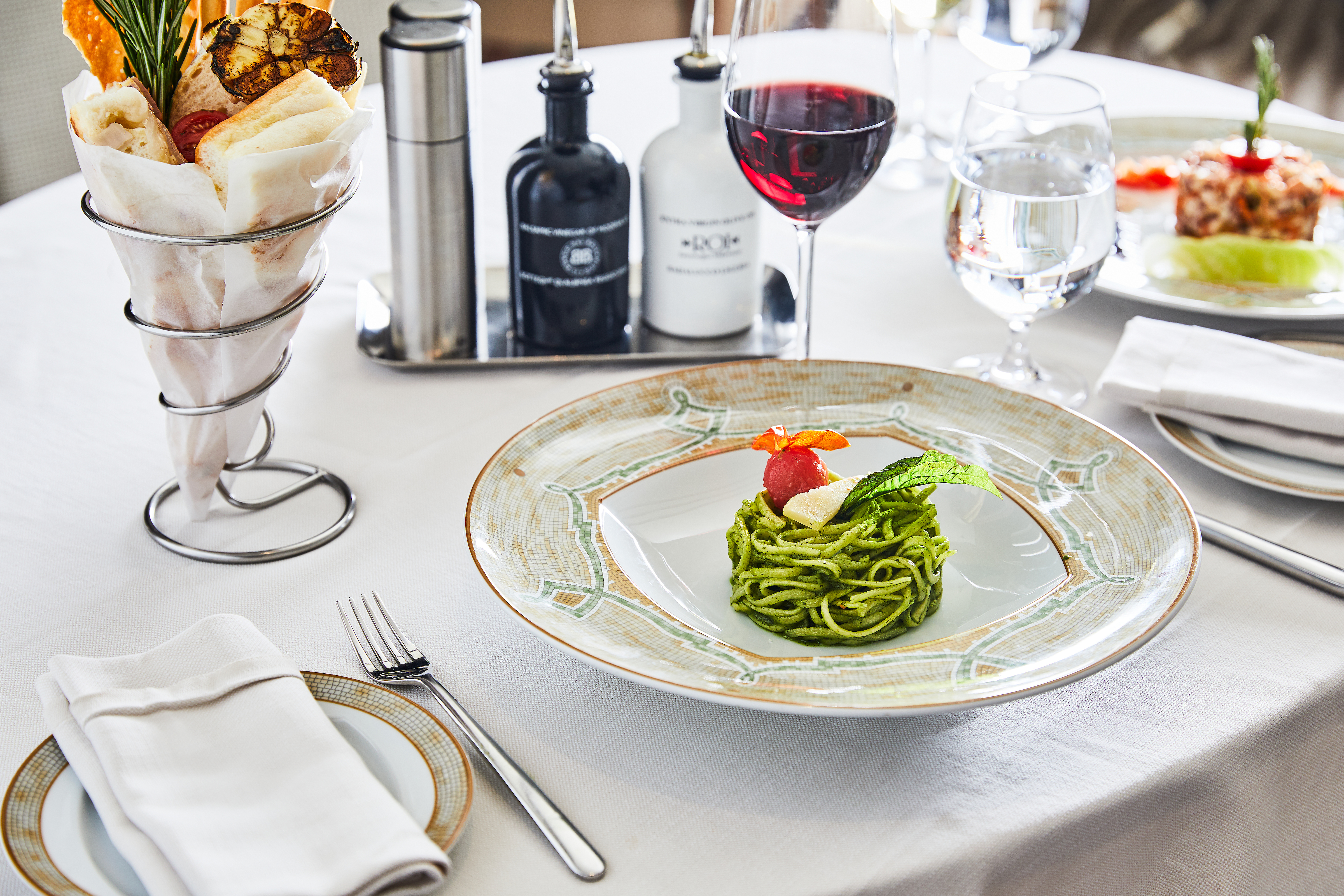
Le Terrazza
La Terrazza is a celebration of the way Italians eat today, an ode to the delicious evolution of the world’s most beloved cuisine. Evolving one of Silversea’s signature restaurants, La Terrazza serves fresh twists on great classics, and also explores the new heroes of Italian cuisine. The notion of comfort traditionally associated with Italian cuisine is present in every dish, every bite, yet always with a subtle element of surprise. La Terrazza is open for casual, buffet-style breakfast and lunch with indoor or alfresco dining on the outdoor terrace. During the evening, the venue transforms into an à la carte Italian restaurant. Seating is limited for dinner and reservations are recommended.
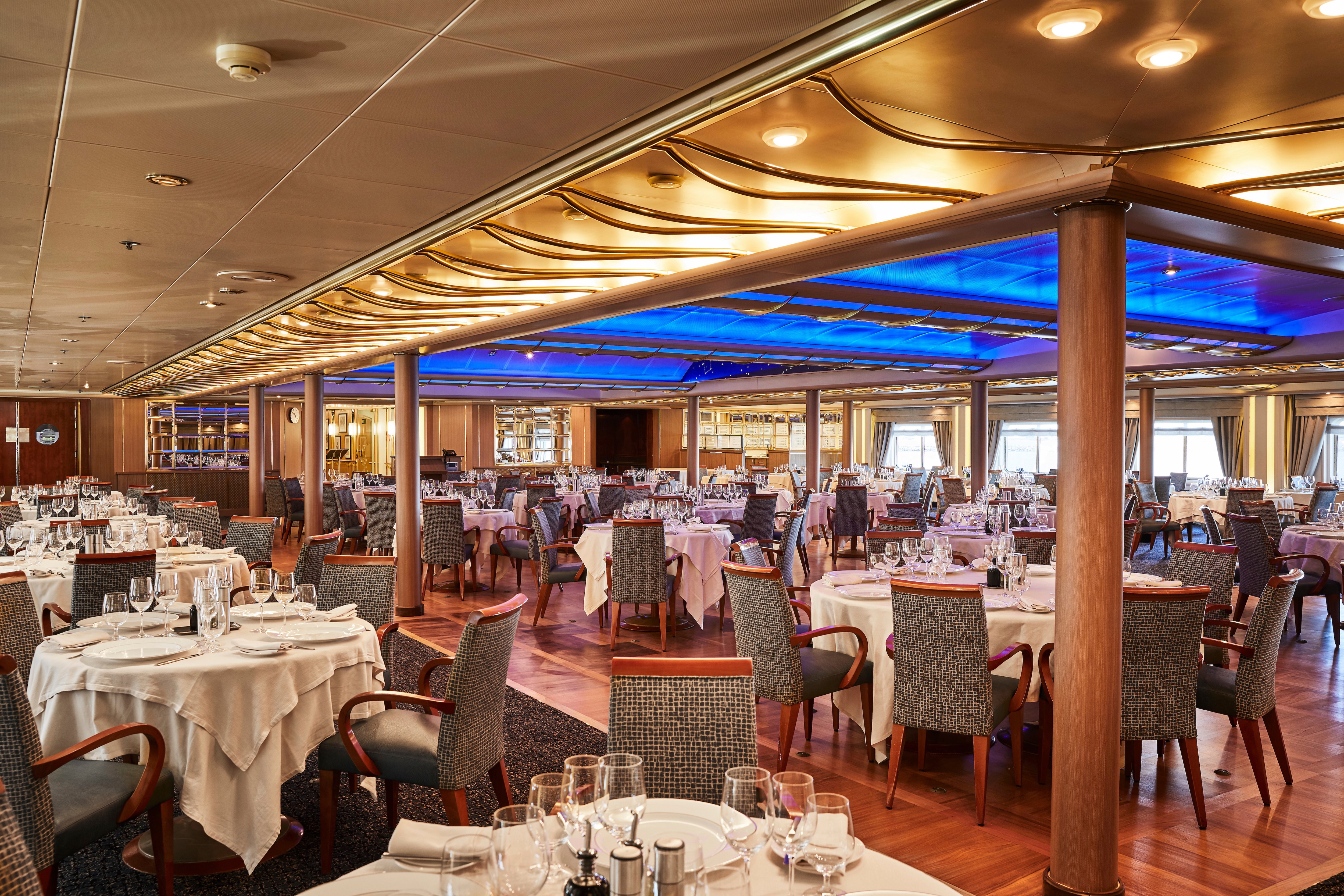
The Restaurant
Sparkling with tales of adventure, bonhomie, and like-minded friends, The Restaurant offers contemporary, international cuisine created by our most talented chefs. Menus feature regional specialties unique to the destinations guests visit on their cruise, so don’t be surprised to see a roasted Chilean Sea Bass while cruising the Chilean fjords.
Shore Excursions
Local Immersion, Lasting Impressions
Authentic Cultural Connections
Every destination tells a story — and Silversea Shore Excursions reveal these stories inviting you to venture beyond the ordinary. Enjoy privileged access to cultural treasures and natural wonders often out of reach for independent travelers. Each excursion is thoughtfully designed by experts to foster genuine connections with local communities, customs, and landscapes. From intimate small-group adventures and signature S.A.L.T. Experiences to personalized private tours, we offer diverse options to match your interests and desired level of immersion — making every moment meaningful and memorable.
Highlight Experiences
Seamless tours of iconic sites
Explore iconic landmarks and cultural treasures with our Highlight Experiences, half or full-day adventures led by expert guides. Enjoy seamless, hassle-free journeys to must- see attractions — perfect for guests seeking a convenient, turnkey experience.
Signature Experiences
Smaller tours, crafted by Silversea
These immersive Signature Experiences offer privileged access and personalized interactions with local experts. These experiences are perfect for those seeking meaningful, social exploration who want to connect with destinations through authentic dining and slow travel.
Private Experiences
Exclusive tours for your group
Create your own exclusive adventure with a dedicated vehicle, driver, and guide. Explore at your pace, linger, or spontaneously discover new sites. Available at most ports for half- or full-day bookings, Private Experiences are ideal for families seeking privacy and flexibility.
Custom Experiences
Tailor-made tours designed for you
Enjoy personalized Custom Experiences tailored to your interests, with exclusive access and specialized guides. Our team handles every detail, ensuring unforgettable moments that exceed your expectations—crafted entirely around your pace and preferences.
Overland Experiences
Mid-cruise, inland tours
Venture inland on two- to three-day journeys to iconic sites like the Taj Mahal or Angkor Wat. \Vith flights, stays, and guided access included, these immersive journeys offer rare experiences beyond the coast — all with the signature Silversea service.
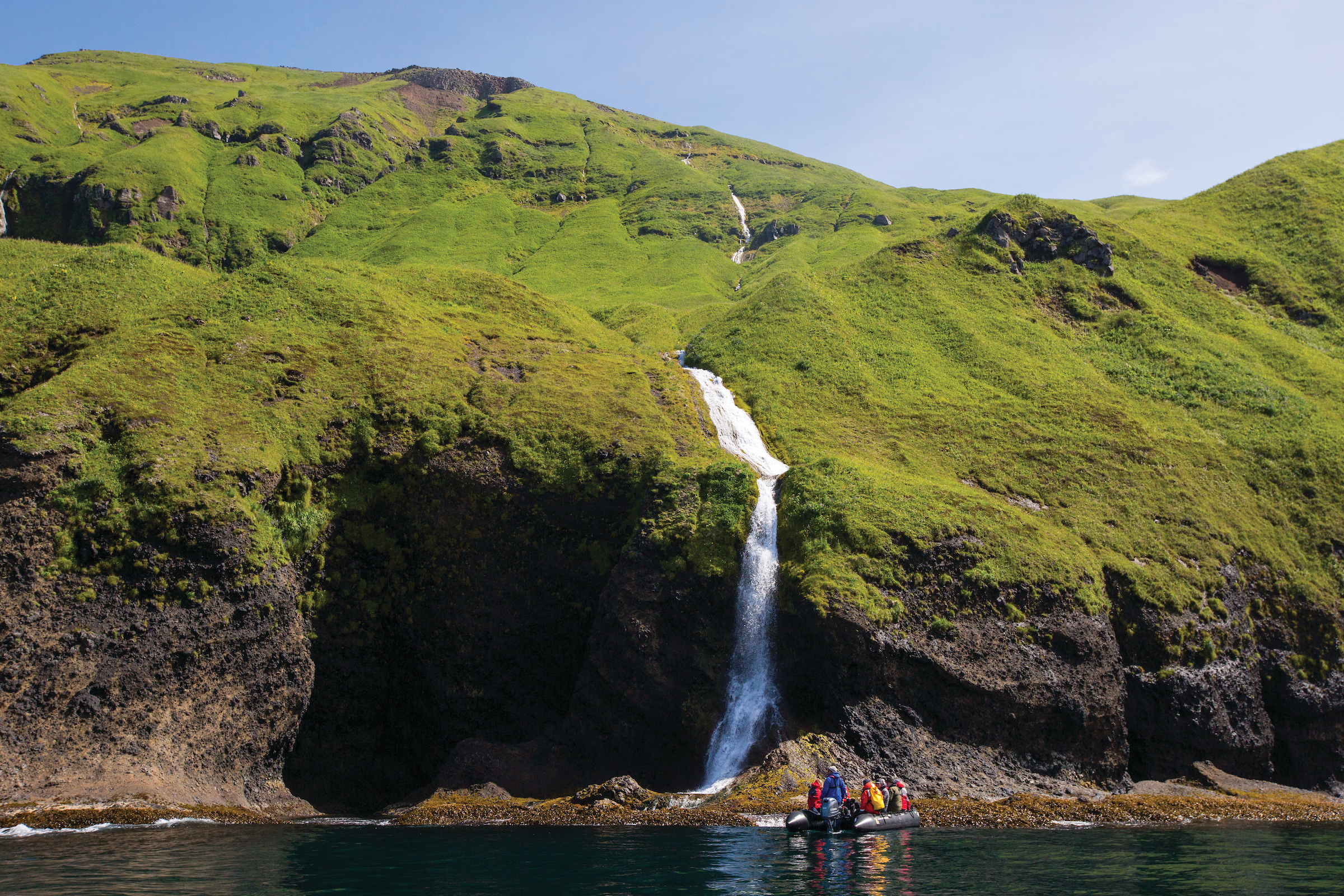
Mid-Voyage Adventures
Multiple days at sea mean plenty of R&R for some, but others prefer to experience all there is to offer on land. Our Mid-Cruise Land Adventures allow you to take full advantage of your time with us without missing a single thing! These short escapades offer an array of adventures, break up your sea days and allow for deeper exploration beyond the coast.
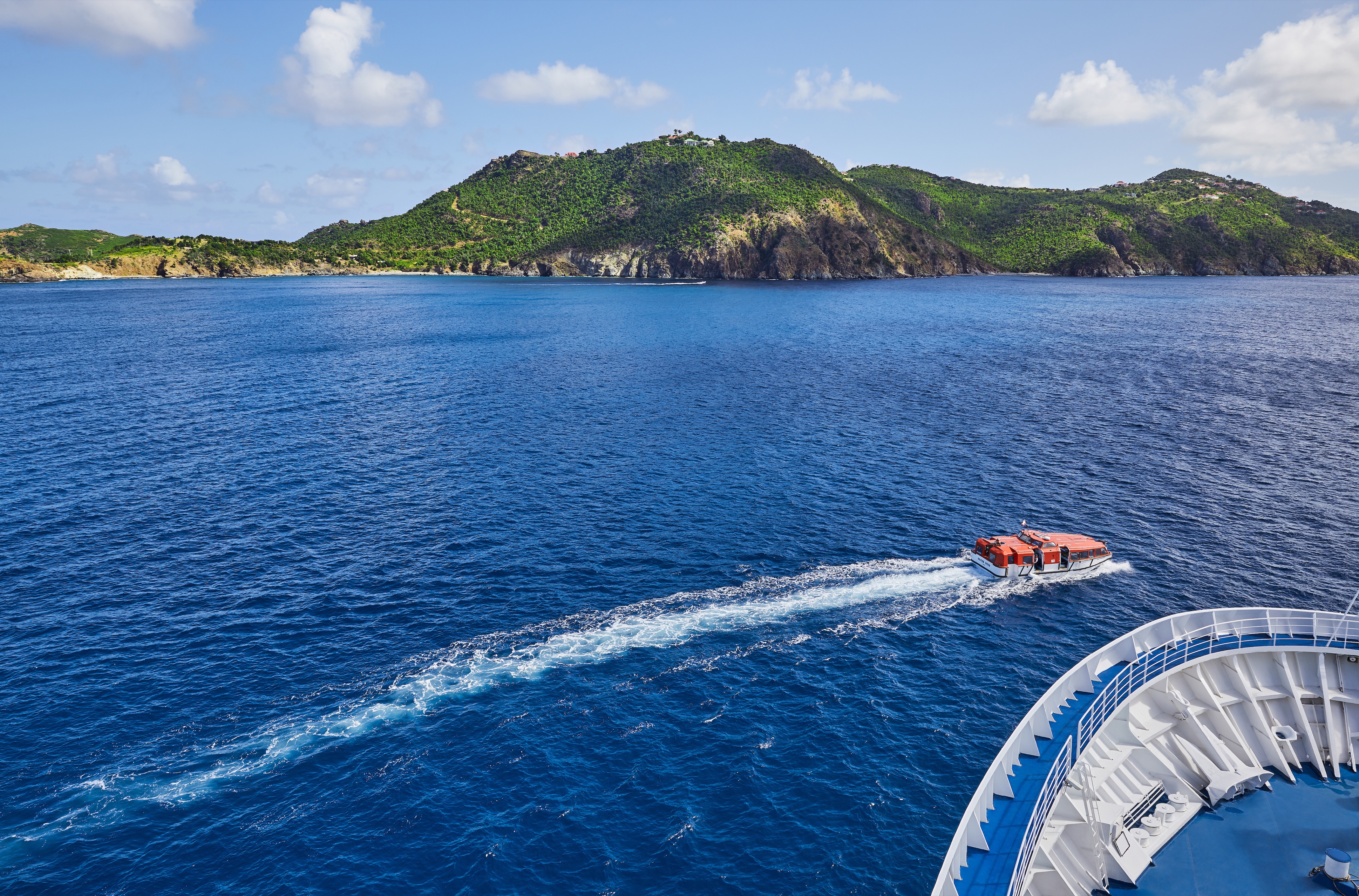
Silver Shore Concierge
Let Silversea customize a special event or excursion exclusively for you. Expert Shore Excursion professionals are available to assist with all your Shorex questions. Make an appointment and gain insider access to knowledgeable suggestions, personalized planning and hassle-free coordination of all private, independent touring, including area highlights, flightseeing, water sports, and much more. Take advantage of this service either in advance of your voyage by email at shoreconcierge@silversea.com or on board by visiting the Silvershore® Concierge desk. Have the Silver Shore Concierge create your tailor-made tour, or be whisked away by private car for a day—the pace and agenda are up to you.
Dolce Vita
With complimentary cocktails and engaging conversation, live music, and a dance floor, Dolce Vita on board Silver Cloud welcomes guests to mix and mingle. When living such unique experiences as these, there is never a dull moment!
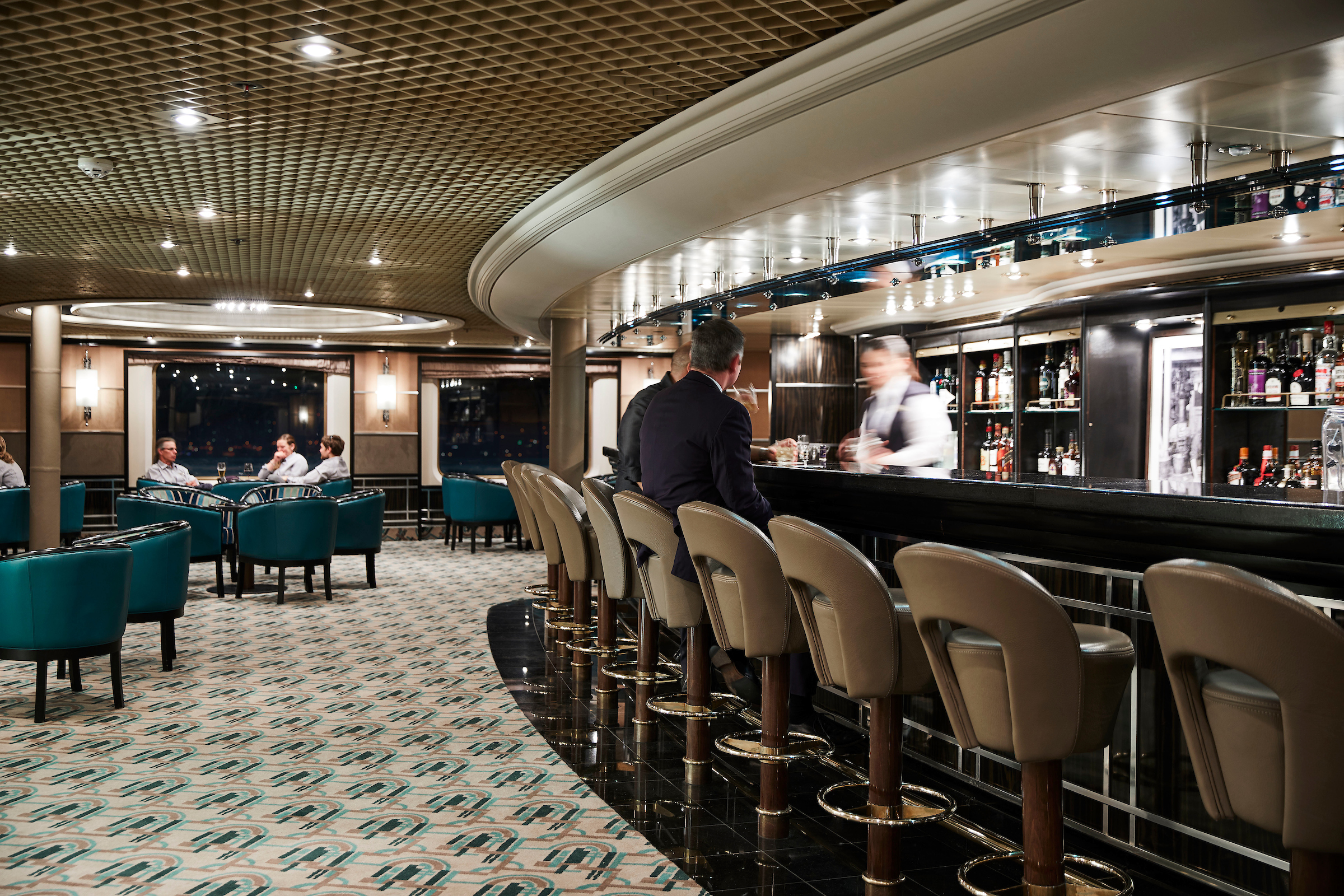
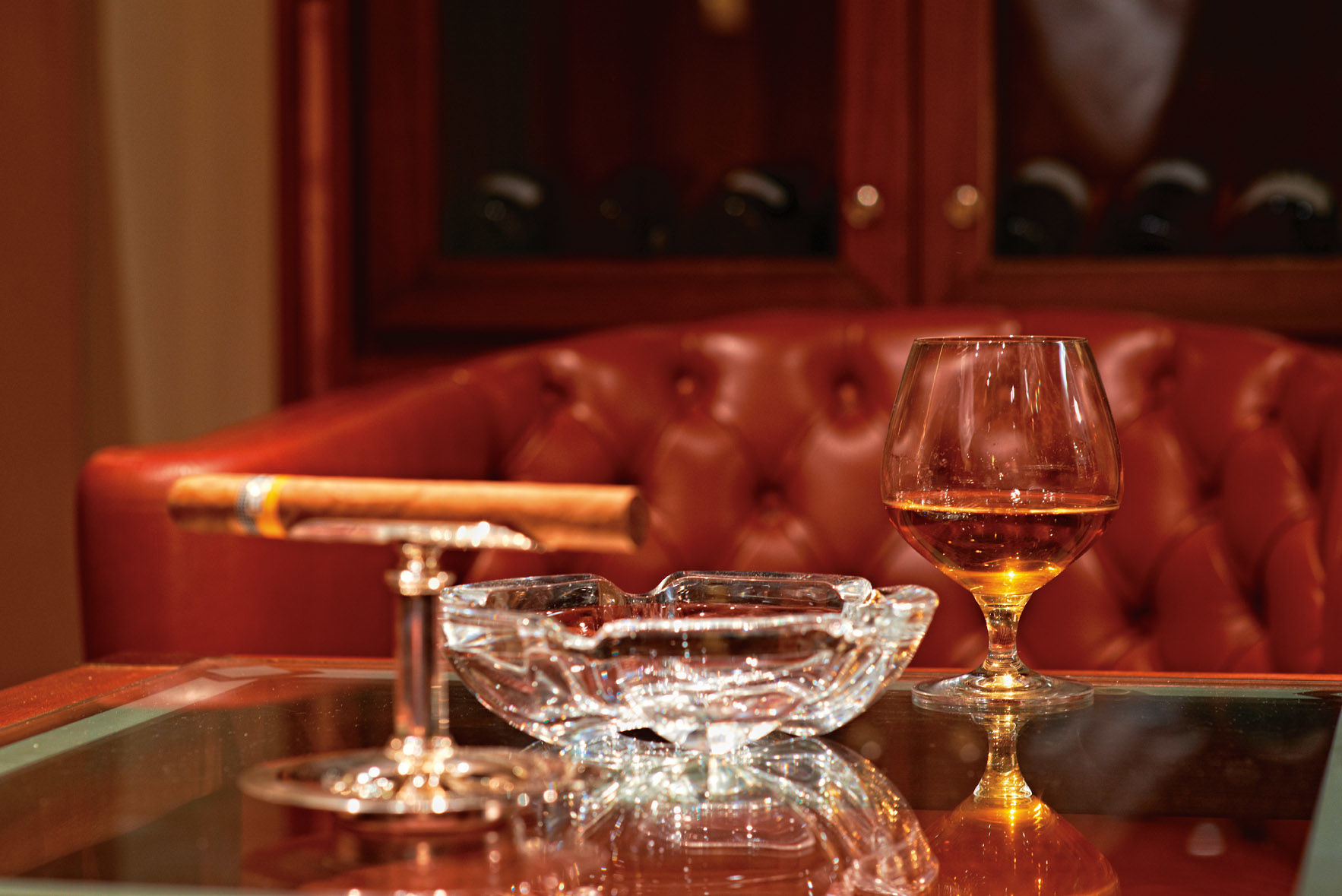
Connoisseur's Corner
The Connoisseur’s Corner offers exceptional cognacs along with a premium selection of cigars for purchase.
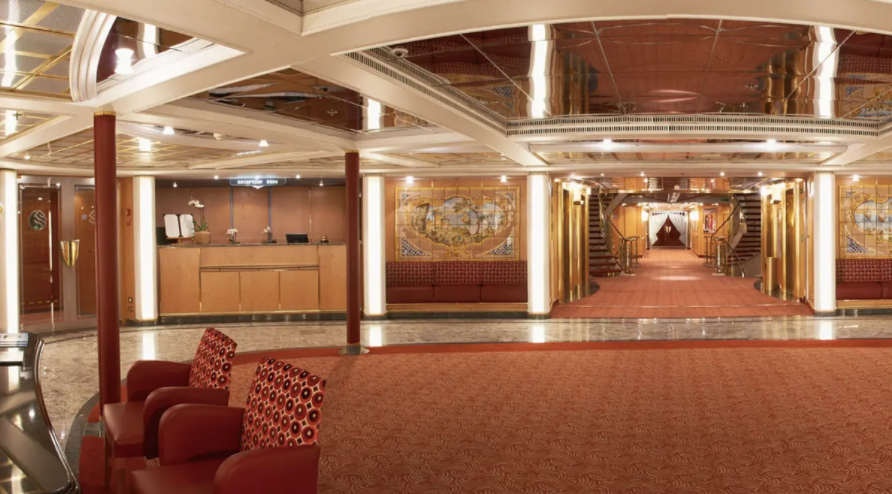
Reception
This central lobby area welcomes guests to speak with our receptionist if they have a question or require any service. Assistance is available 24 hours a day. The Cruise Consultant may also be indispensable when planning your next Silversea voyage, or if you wish to extend your current voyage for a day, a week, a month … Like having your own personal onboard Silversea professional, the Cruise Consultant will help you to select the perfect voyage, reserve your preferred suite, and provide immediate confirmation.
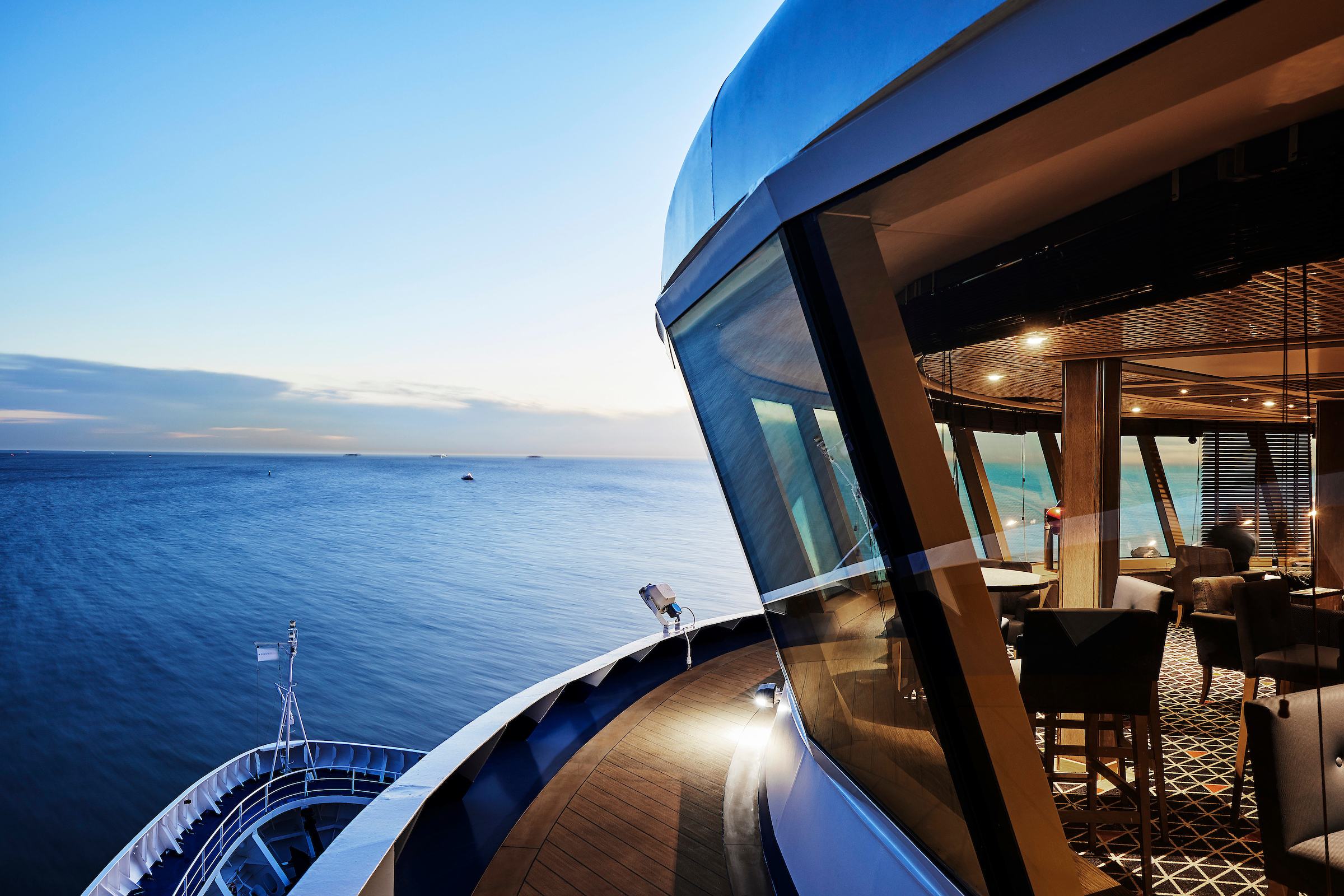
Observation Lounge
The ideal place for scenic days at sea, this vantage point far forward and high atop this luxury cruise ship is perfect for that “king of the world” feeling.
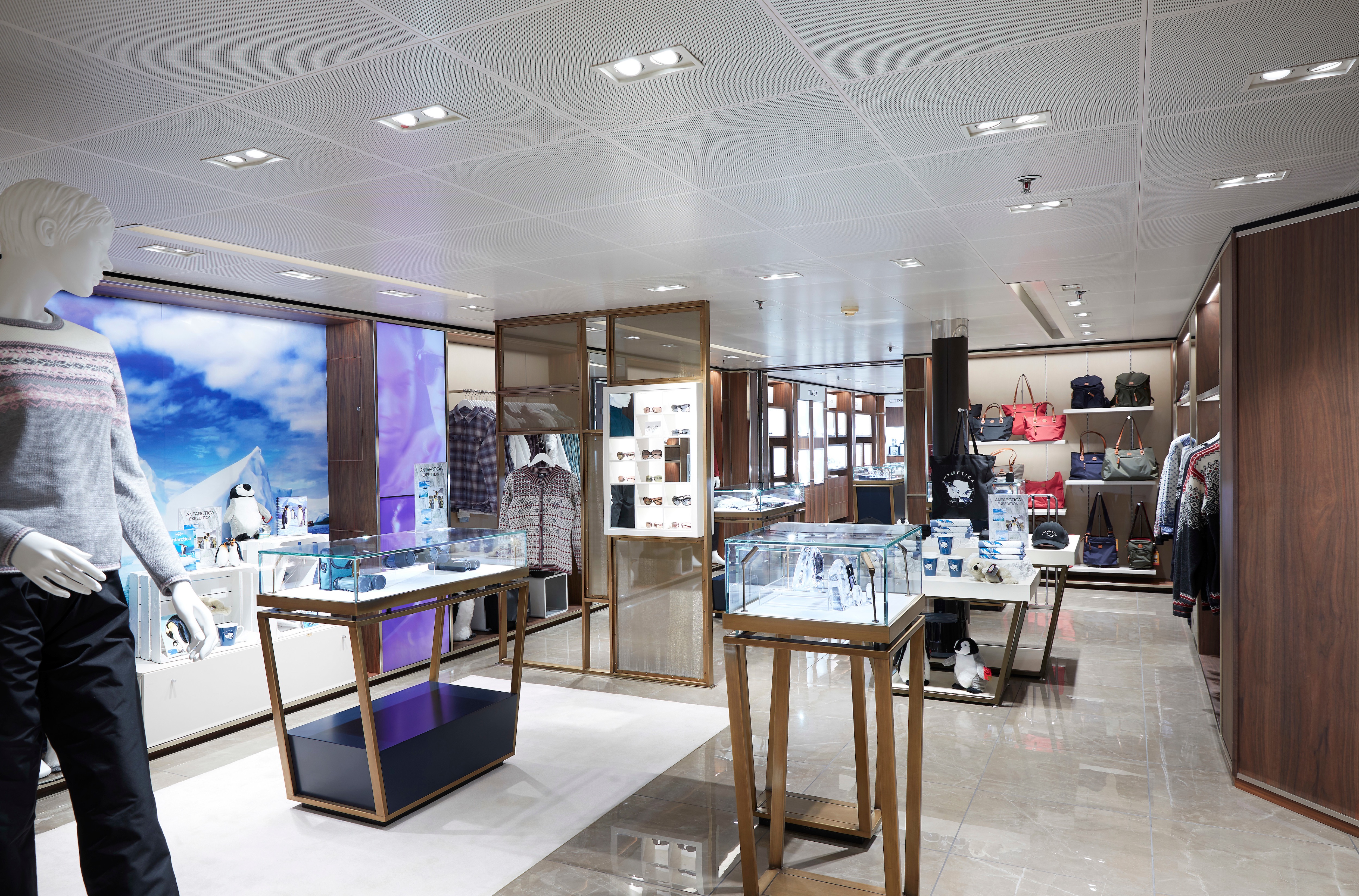
Boutique
Exceptional shopping experiences do not end in the cosmopolitan cities we visit. Silversea’s striking new shipboard boutiques, reimagined and redesigned, are stunning modern design spaces befitting the finest creations from legendary designers. Carefully selected partners on board Silversea’s duty-free boutiques offer our guests a carefully curated selection of cutting-edge fashions, jewelry, accessories, fine perfumes, cosmetics, and Silversea Logo collection, all at duty-free prices.
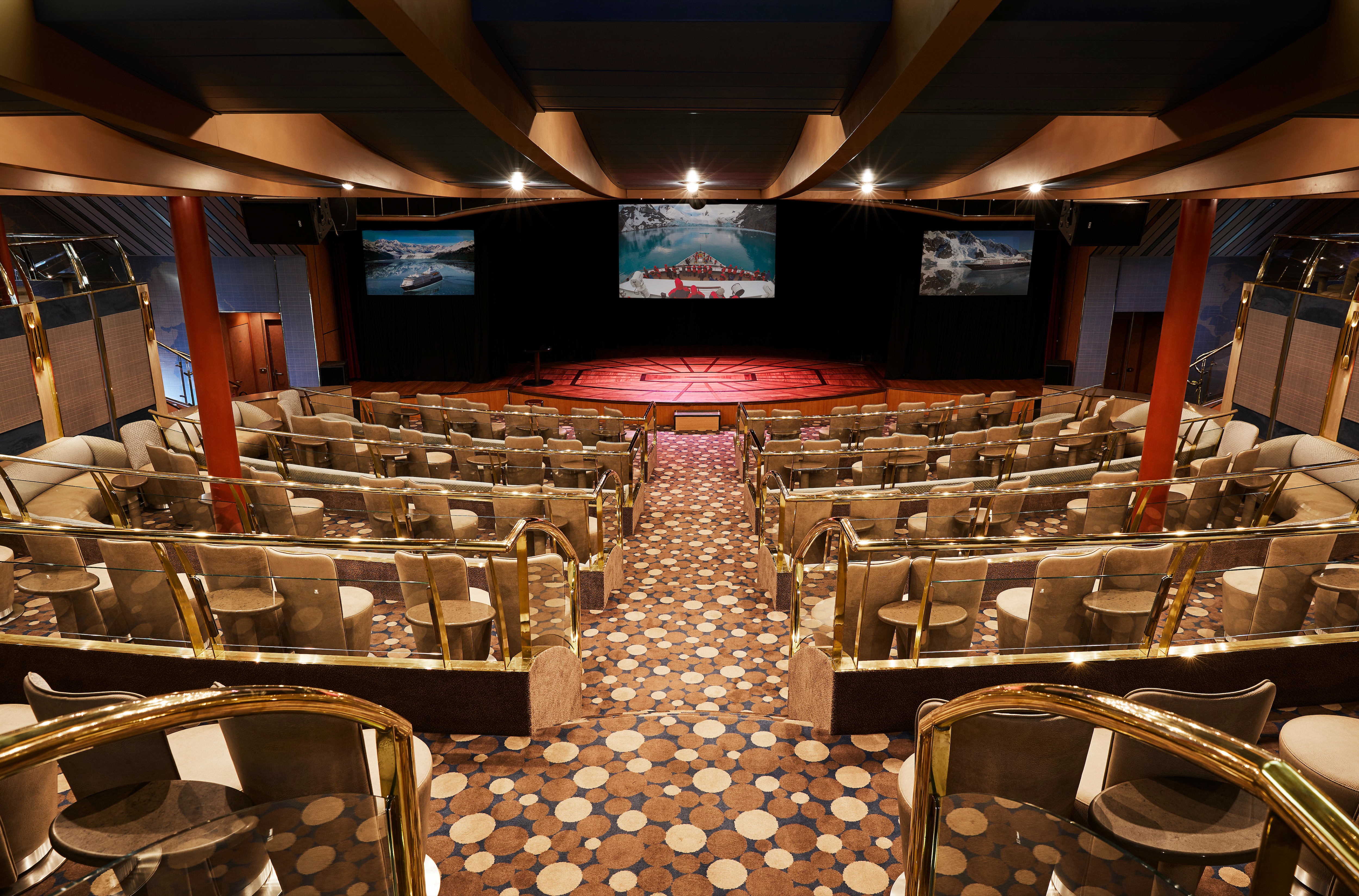
Explorer Lounge
Perfect for presentations, lectures, and video screenings, this is where our team of dedicated experts share their knowledge on their specialized subject, not to mention their infectious passion and energy. The multitiered Explorer Lounge and banquette-style seating ensure that you enjoy every minute of the talk, with lectures streamed live to your suite if desired. This is one of the very few lecture theaters at sea to combine such comfort with such technology.
Panorama Lounge
The Panorama Lounge is specially designed to provide an uninterrupted view of the day’s destination from the comfort of the luxury cruise ship’s interior. This is an ideal place to unwind on your cruise, enjoy afternoon tea, listen to the pianist, and watch the setting sun. The drinks are complimentary, and the music is live and inviting. Enjoy dancing to a range of musical styles for every taste, from the classics to the latest club mixes.
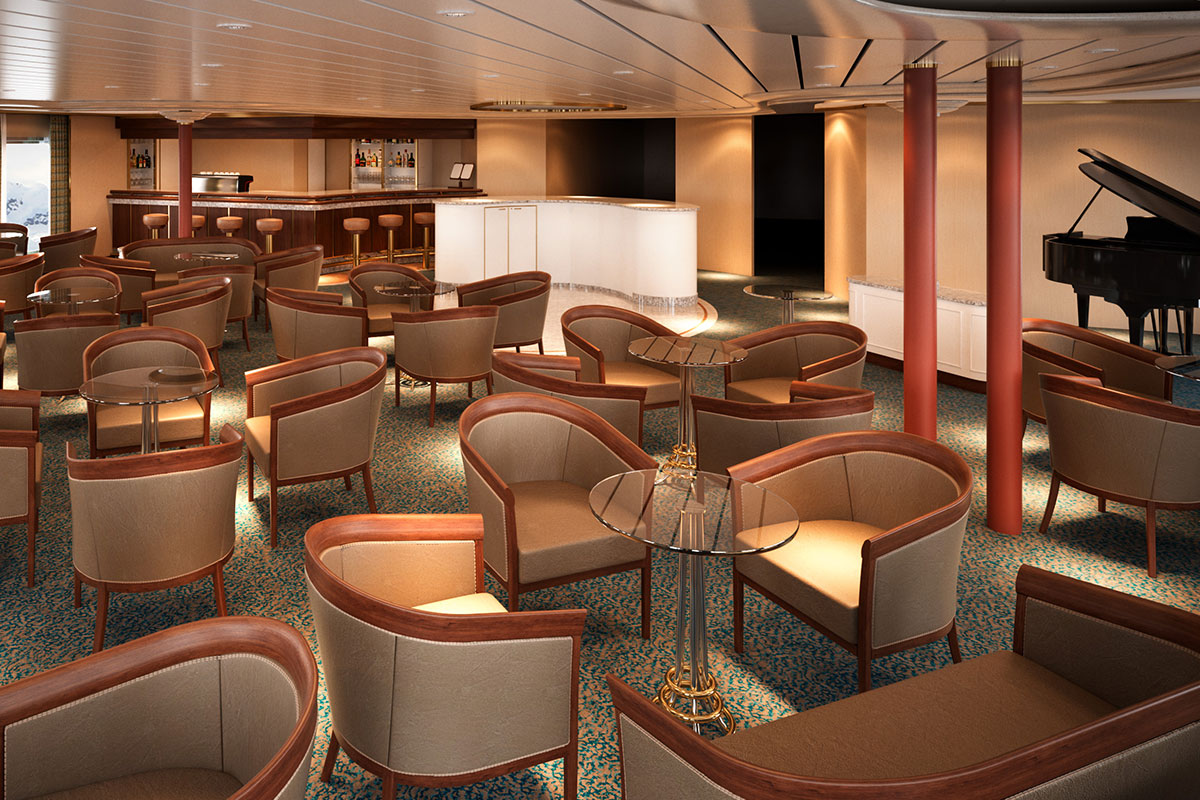
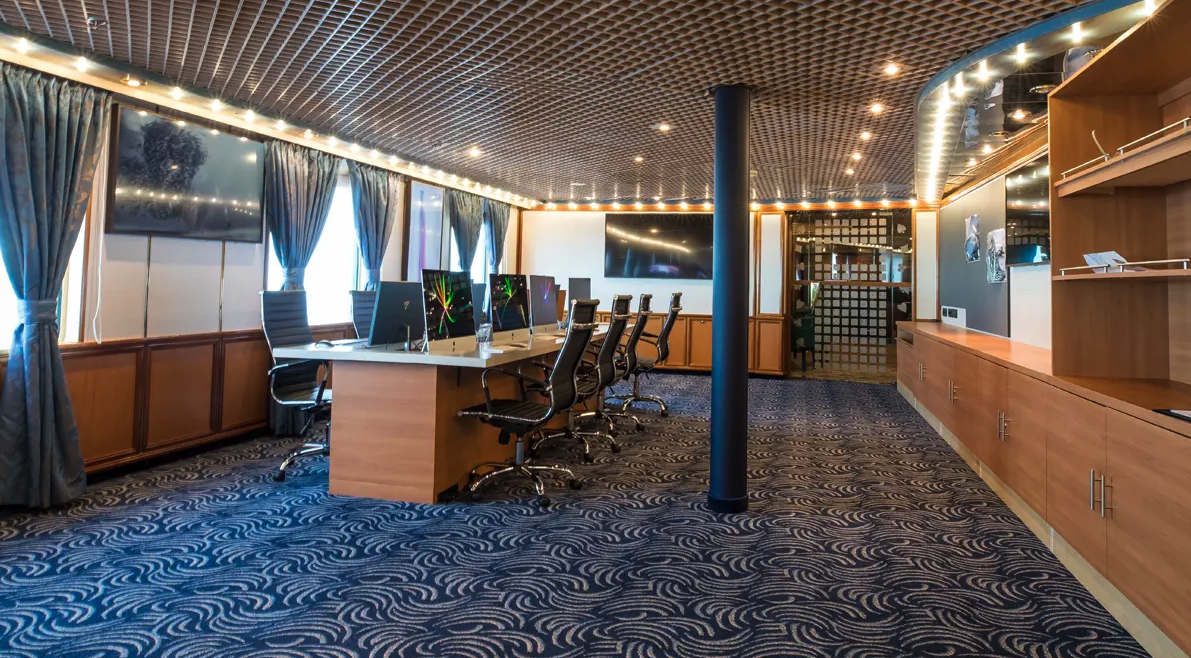
Photo Studio
The Photo Studio offers a multitude of options to take your pictures from your camera to your walls. A vibrant, creatively inspiring space where you can not only master the art of digital photography with master classes in editing and Adobe Lightroom and Photoshop, but also an editing suite where you can print images (including postcard, panorama, and A2-sized prints). State-of-the-art equipment for both Mac and PC users, highly technological printers, plus a dedicated photo manager to guide you through the many techniques to help you define yourself as a serious photographer. Even the smartphone photographer can become pro-level with specialized training on how to use your camera phone to its best possible advantage. Fees apply.
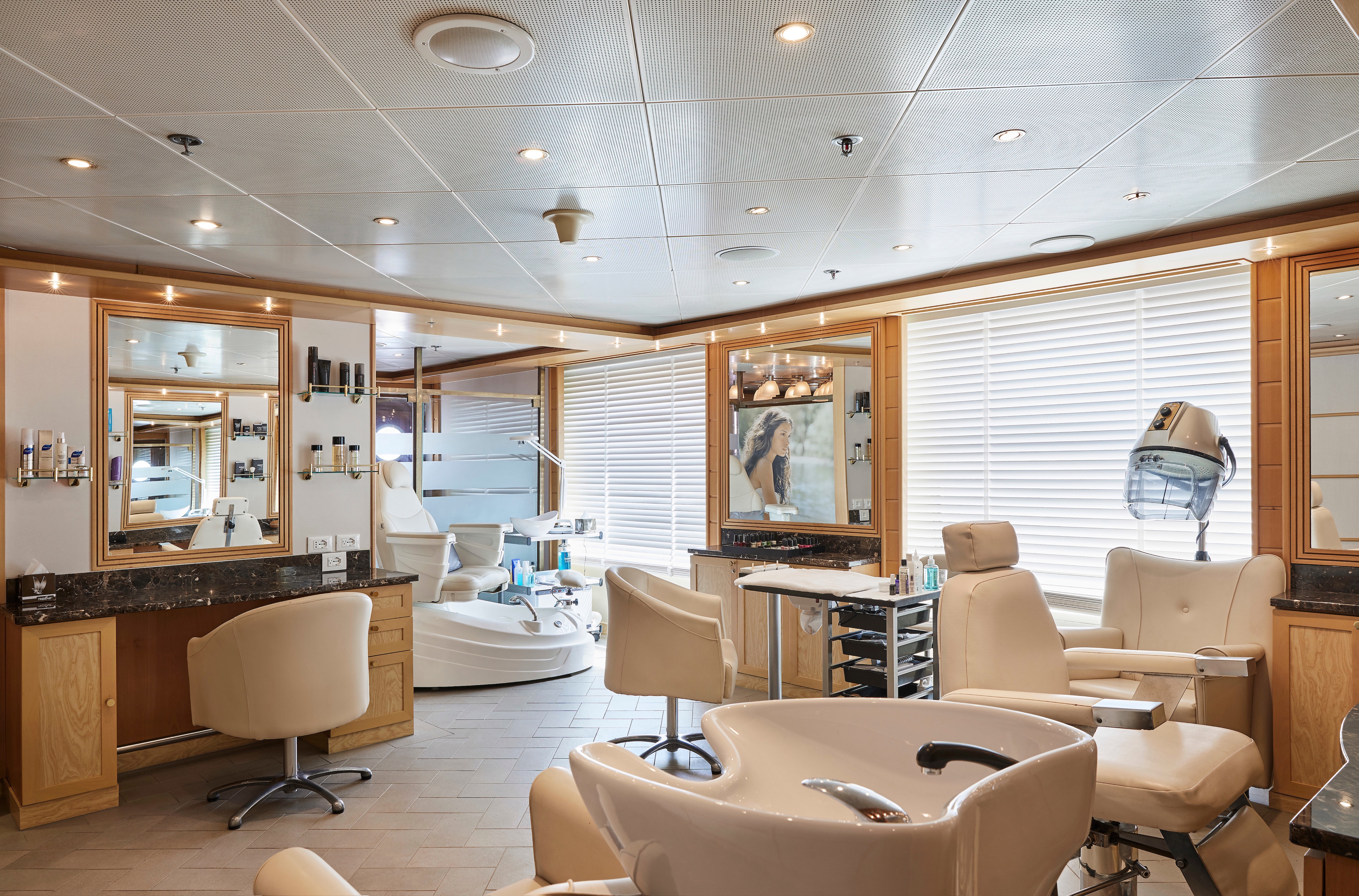
Zagara Beauty Salon
A full range of Zagara Beauty Salon services is available for both men and women including hairstyling, manicures, and pedicures. Appointments for these chargeable services may be made on board the ship.
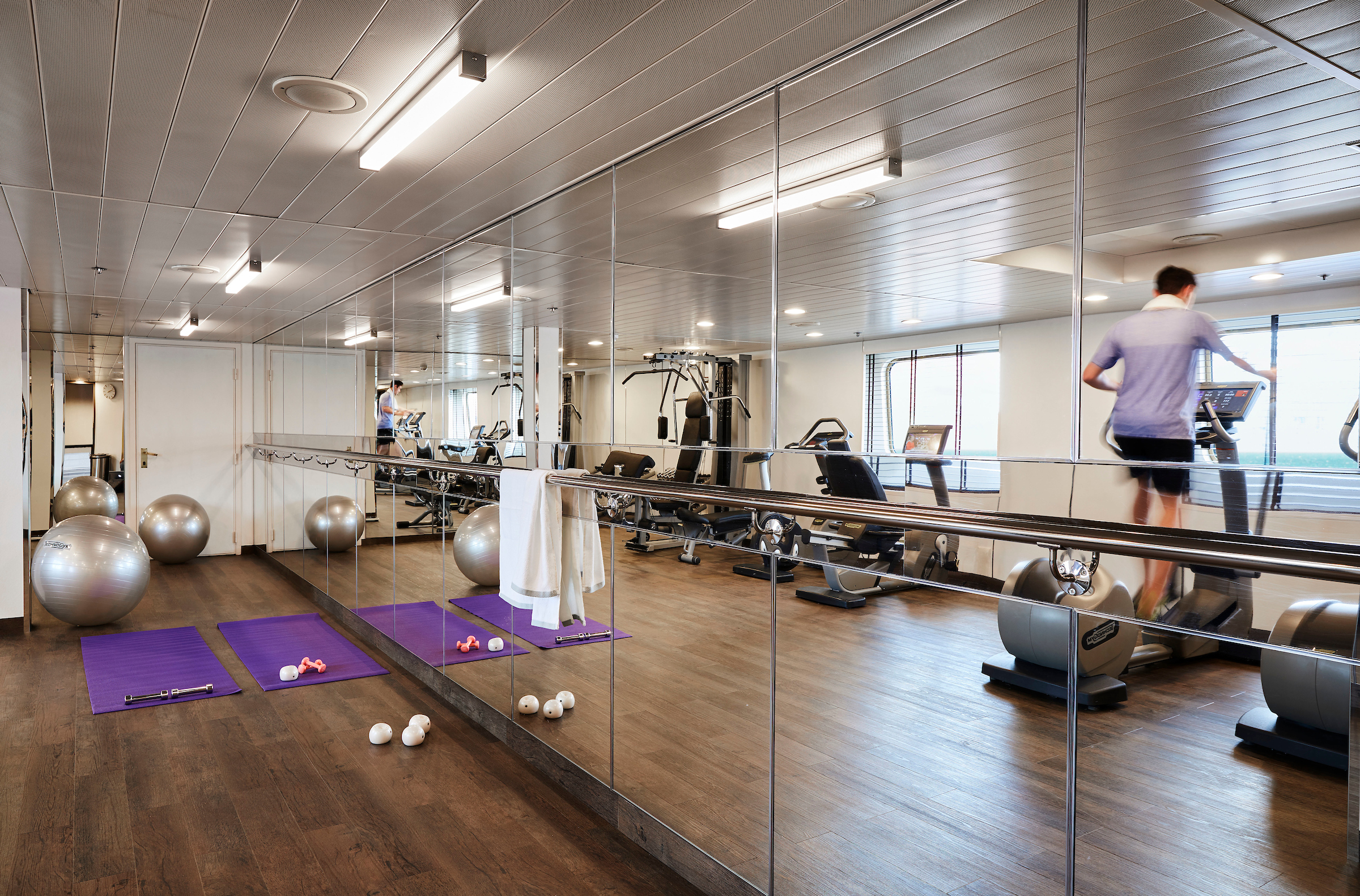
Fitness Centre
The Fitness Center on board this luxury cruise ship is equipped with free weights, weight machines, state-of-the-art treadmills, elliptical trainers, and recumbent and upright bicycles. Classes in aerobics, yoga, Pilates, and circuit training are led by the onboard fitness trainer and are always complimentary. Personal training, body composition analysis, and specialty classes are available at an additional charge on board all luxury cruises.
Images are intended as a general reference. Features, materials, finishes and layout may be different than shown.
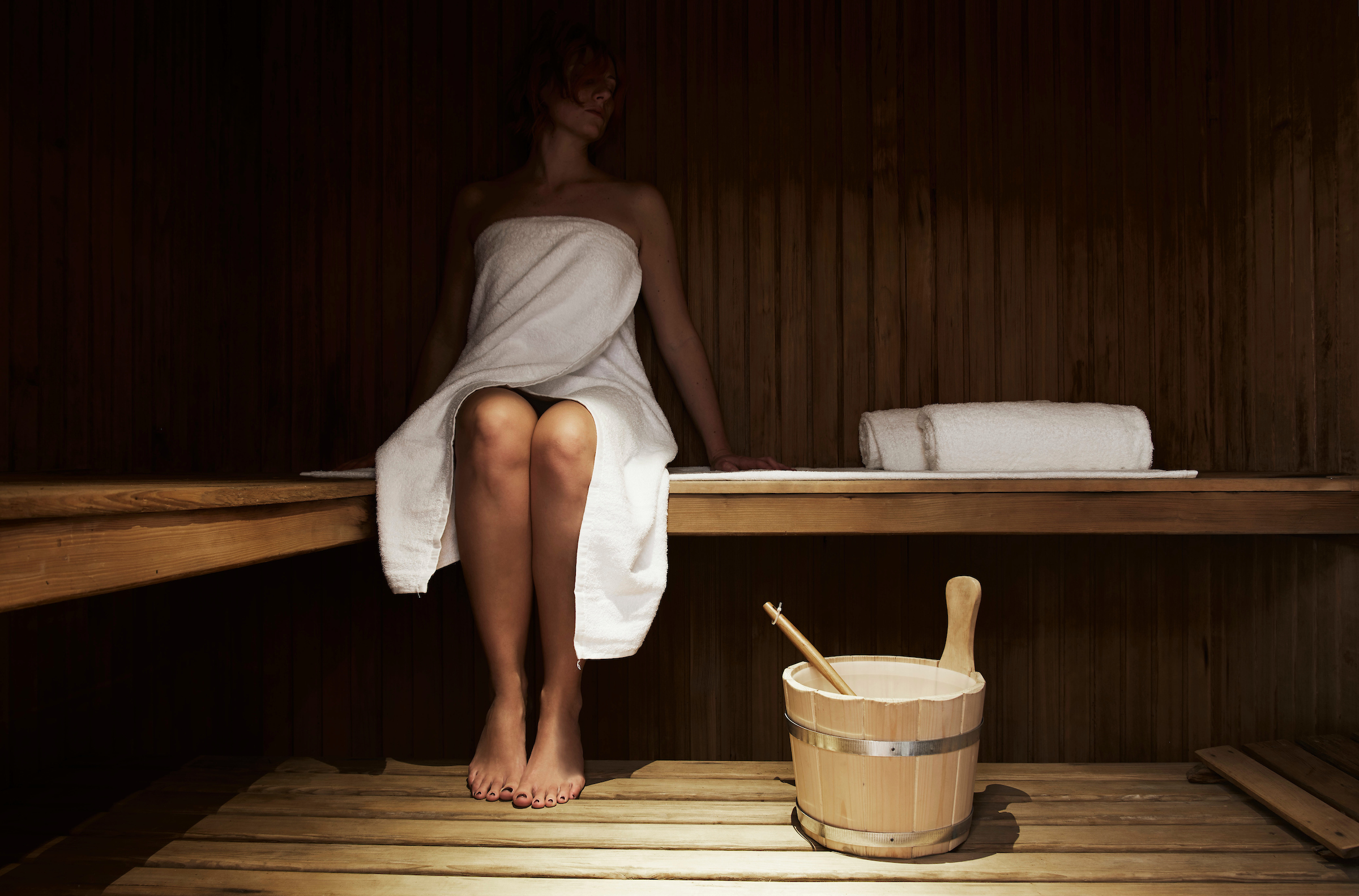
Zagara Beauty Spa
Relax your body and mind in this luxury cruise ship’s soothing spa sanctuary. Indulge in a wide range of invigorating therapies, including facials, body wraps, and massages. Appointments for spa services may be made on board the ship, or in advance via My Voyage. Men’s and women’s saunas and steam rooms are perfect for relaxing before your spa treatment or after your workout.
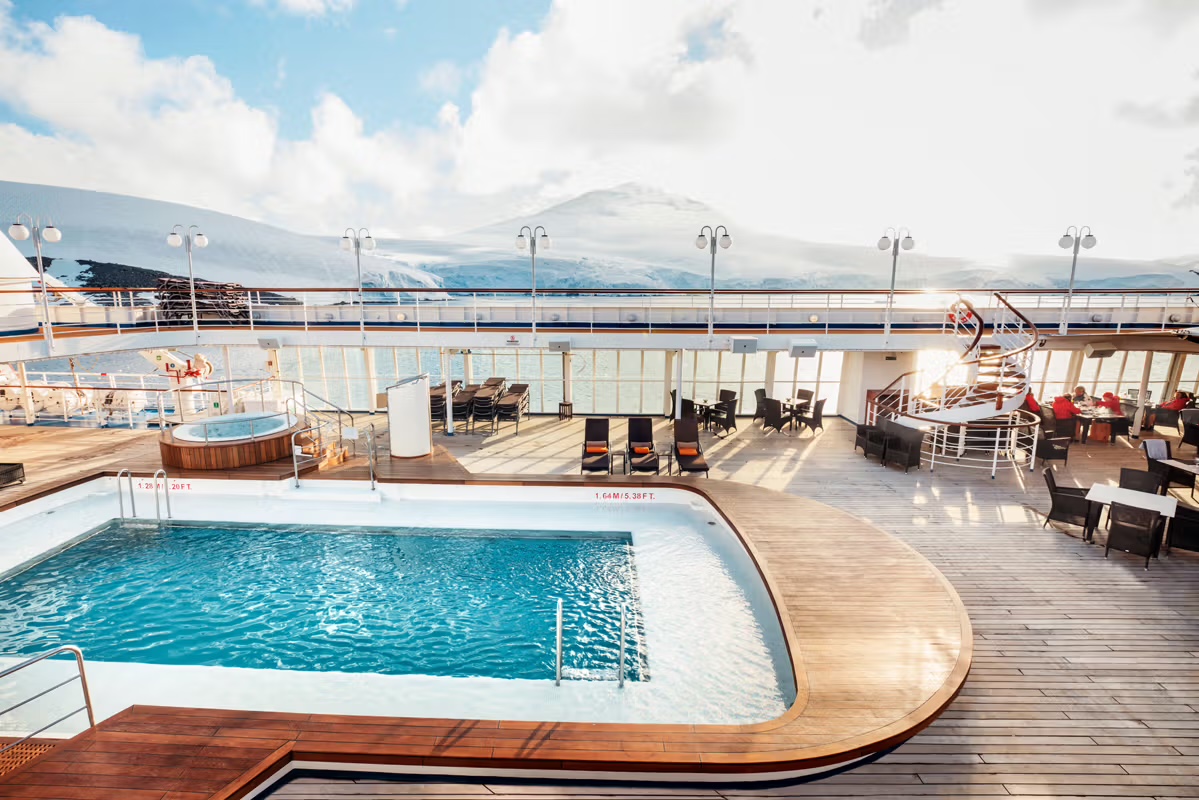
Pool Deck
Chaise lounges arranged in the sun or shade. Bubbling whirlpools. The pool water is refreshing in warmer climates and heated for cooler weather. Attentive staff is at the ready with an oversize towel as you emerge from the pool, with your favorite beverage at just the right moment. This is expedition cruising as you have never experienced it before. What better way to watch the icebergs?
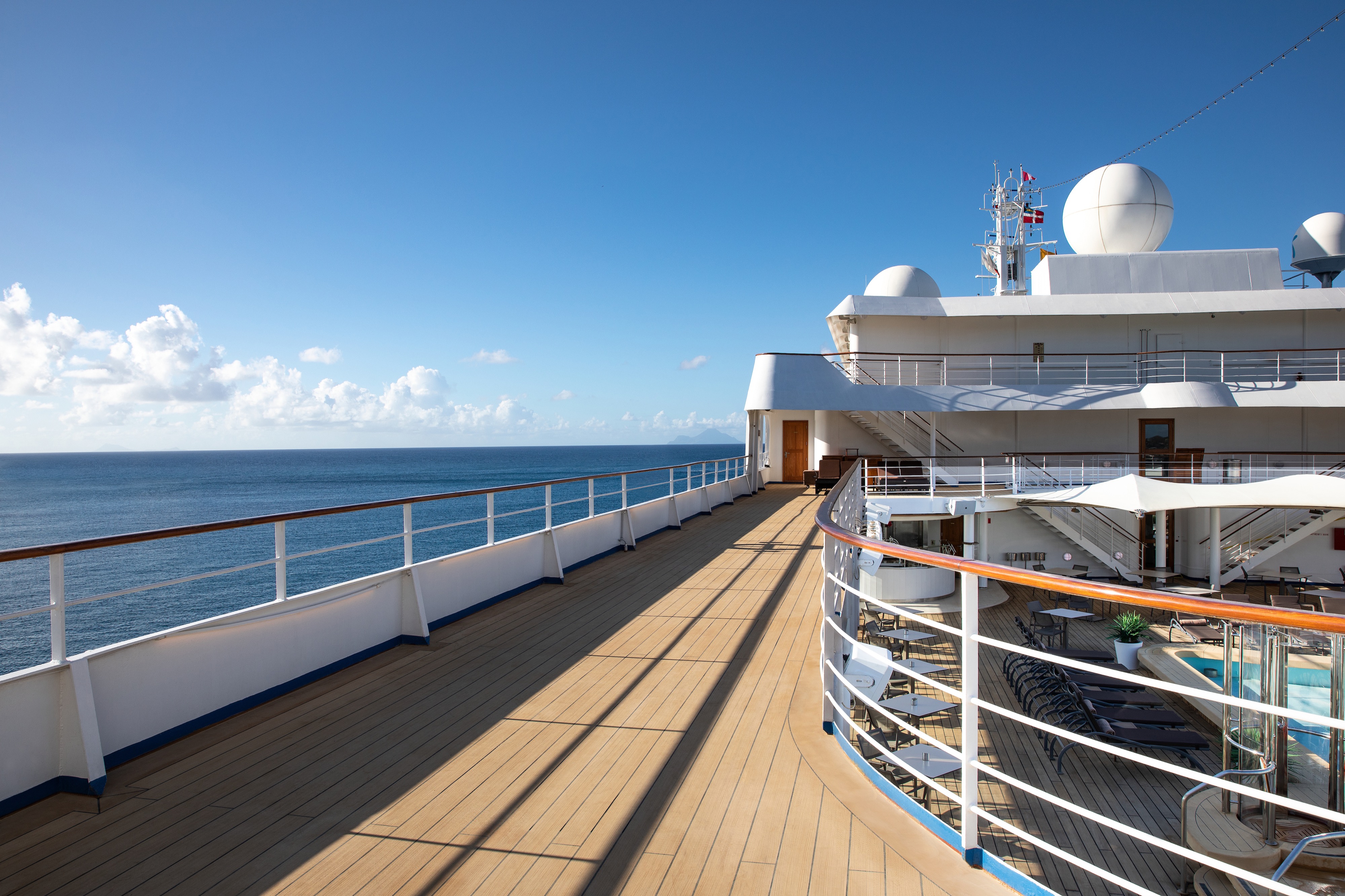
Jogging Track
A jogging track is available for guests, running the entire outside edge of the deck.
Please note: Although Silversea accepts guests over the age of six months, there are no special programmes for children on board, and Silversea does not provide for the care, entertainment and supervision of children.
The Grill
Silversea’s much-loved casual dining restaurant serves a delectable range of burgers and salads by day and turns into our famous Hot Rocks table BBQ concept by night. The Grill is quite simply the best place to eat between sea and sky. If you like flavorsome meals cooked to perfection, a casual, laid-back atmosphere, and OMG views, then The Grill is the answer to your prayers.
Dress code: Casual
Casual wear consists of pants, blouses, or casual dresses for women; open-neck shirts and slacks for men are appropriate.
Images are intended as a general reference. Features, materials, finishes and layout may be different than shown.
La Dame
After a day of trekking through tundra and whale-watching, indulge in an evening of palette pampering, where fine wines are complemented by a set bespoke menu of regionally inspired dishes in an intimate, elegant setting. An extraordinary six-course experience celebrating the world’s most distinguished wine regions complete what is surely the finest dining at sea.
Per guest reservation fee of US$60. Please visit My Silversea to make your reservations.
Le Terrazza
La Terrazza is a celebration of the way Italians eat today, an ode to the delicious evolution of the world’s most beloved cuisine. Evolving one of Silversea’s signature restaurants, La Terrazza serves fresh twists on great classics, and also explores the new heroes of Italian cuisine. The notion of comfort traditionally associated with Italian cuisine is present in every dish, every bite, yet always with a subtle element of surprise. La Terrazza is open for casual, buffet-style breakfast and lunch with indoor or alfresco dining on the outdoor terrace. During the evening, the venue transforms into an à la carte Italian restaurant. Seating is limited for dinner and reservations are recommended.
The Restaurant
Sparkling with tales of adventure, bonhomie, and like-minded friends, The Restaurant offers contemporary, international cuisine created by our most talented chefs. Menus feature regional specialties unique to the destinations guests visit on their cruise, so don’t be surprised to see a roasted Chilean Sea Bass while cruising the Chilean fjords.
Shore Excursions
Local Immersion, Lasting Impressions
Authentic Cultural Connections
Every destination tells a story — and Silversea Shore Excursions reveal these stories inviting you to venture beyond the ordinary. Enjoy privileged access to cultural treasures and natural wonders often out of reach for independent travelers. Each excursion is thoughtfully designed by experts to foster genuine connections with local communities, customs, and landscapes. From intimate small-group adventures and signature S.A.L.T. Experiences to personalized private tours, we offer diverse options to match your interests and desired level of immersion — making every moment meaningful and memorable.
Highlight Experiences
Seamless tours of iconic sites
Explore iconic landmarks and cultural treasures with our Highlight Experiences, half or full-day adventures led by expert guides. Enjoy seamless, hassle-free journeys to must- see attractions — perfect for guests seeking a convenient, turnkey experience.
Signature Experiences
Smaller tours, crafted by Silversea
These immersive Signature Experiences offer privileged access and personalized interactions with local experts. These experiences are perfect for those seeking meaningful, social exploration who want to connect with destinations through authentic dining and slow travel.
Private Experiences
Exclusive tours for your group
Create your own exclusive adventure with a dedicated vehicle, driver, and guide. Explore at your pace, linger, or spontaneously discover new sites. Available at most ports for half- or full-day bookings, Private Experiences are ideal for families seeking privacy and flexibility.
Custom Experiences
Tailor-made tours designed for you
Enjoy personalized Custom Experiences tailored to your interests, with exclusive access and specialized guides. Our team handles every detail, ensuring unforgettable moments that exceed your expectations—crafted entirely around your pace and preferences.
Overland Experiences
Mid-cruise, inland tours
Venture inland on two- to three-day journeys to iconic sites like the Taj Mahal or Angkor Wat. \Vith flights, stays, and guided access included, these immersive journeys offer rare experiences beyond the coast — all with the signature Silversea service.
Mid-Voyage Adventures
Multiple days at sea mean plenty of R&R for some, but others prefer to experience all there is to offer on land. Our Mid-Cruise Land Adventures allow you to take full advantage of your time with us without missing a single thing! These short escapades offer an array of adventures, break up your sea days and allow for deeper exploration beyond the coast.
Silver Shore Concierge
Let Silversea customize a special event or excursion exclusively for you. Expert Shore Excursion professionals are available to assist with all your Shorex questions. Make an appointment and gain insider access to knowledgeable suggestions, personalized planning and hassle-free coordination of all private, independent touring, including area highlights, flightseeing, water sports, and much more. Take advantage of this service either in advance of your voyage by email at shoreconcierge@silversea.com or on board by visiting the Silvershore® Concierge desk. Have the Silver Shore Concierge create your tailor-made tour, or be whisked away by private car for a day—the pace and agenda are up to you.
Dolce Vita
With complimentary cocktails and engaging conversation, live music, and a dance floor, Dolce Vita on board Silver Cloud welcomes guests to mix and mingle. When living such unique experiences as these, there is never a dull moment!
Connoisseur's Corner
The Connoisseur’s Corner offers exceptional cognacs along with a premium selection of cigars for purchase.
Reception
This central lobby area welcomes guests to speak with our receptionist if they have a question or require any service. Assistance is available 24 hours a day. The Cruise Consultant may also be indispensable when planning your next Silversea voyage, or if you wish to extend your current voyage for a day, a week, a month … Like having your own personal onboard Silversea professional, the Cruise Consultant will help you to select the perfect voyage, reserve your preferred suite, and provide immediate confirmation.
Observation Lounge
The ideal place for scenic days at sea, this vantage point far forward and high atop this luxury cruise ship is perfect for that “king of the world” feeling.
Boutique
Exceptional shopping experiences do not end in the cosmopolitan cities we visit. Silversea’s striking new shipboard boutiques, reimagined and redesigned, are stunning modern design spaces befitting the finest creations from legendary designers. Carefully selected partners on board Silversea’s duty-free boutiques offer our guests a carefully curated selection of cutting-edge fashions, jewelry, accessories, fine perfumes, cosmetics, and Silversea Logo collection, all at duty-free prices.
Explorer Lounge
Perfect for presentations, lectures, and video screenings, this is where our team of dedicated experts share their knowledge on their specialized subject, not to mention their infectious passion and energy. The multitiered Explorer Lounge and banquette-style seating ensure that you enjoy every minute of the talk, with lectures streamed live to your suite if desired. This is one of the very few lecture theaters at sea to combine such comfort with such technology.
Panorama Lounge
The Panorama Lounge is specially designed to provide an uninterrupted view of the day’s destination from the comfort of the luxury cruise ship’s interior. This is an ideal place to unwind on your cruise, enjoy afternoon tea, listen to the pianist, and watch the setting sun. The drinks are complimentary, and the music is live and inviting. Enjoy dancing to a range of musical styles for every taste, from the classics to the latest club mixes.
Photo Studio
The Photo Studio offers a multitude of options to take your pictures from your camera to your walls. A vibrant, creatively inspiring space where you can not only master the art of digital photography with master classes in editing and Adobe Lightroom and Photoshop, but also an editing suite where you can print images (including postcard, panorama, and A2-sized prints). State-of-the-art equipment for both Mac and PC users, highly technological printers, plus a dedicated photo manager to guide you through the many techniques to help you define yourself as a serious photographer. Even the smartphone photographer can become pro-level with specialized training on how to use your camera phone to its best possible advantage. Fees apply.
Zagara Beauty Salon
A full range of Zagara Beauty Salon services is available for both men and women including hairstyling, manicures, and pedicures. Appointments for these chargeable services may be made on board the ship.
Fitness Centre
The Fitness Center on board this luxury cruise ship is equipped with free weights, weight machines, state-of-the-art treadmills, elliptical trainers, and recumbent and upright bicycles. Classes in aerobics, yoga, Pilates, and circuit training are led by the onboard fitness trainer and are always complimentary. Personal training, body composition analysis, and specialty classes are available at an additional charge on board all luxury cruises.
Images are intended as a general reference. Features, materials, finishes and layout may be different than shown.
Zagara Beauty Spa
Relax your body and mind in this luxury cruise ship’s soothing spa sanctuary. Indulge in a wide range of invigorating therapies, including facials, body wraps, and massages. Appointments for spa services may be made on board the ship, or in advance via My Voyage. Men’s and women’s saunas and steam rooms are perfect for relaxing before your spa treatment or after your workout.
Pool Deck
Chaise lounges arranged in the sun or shade. Bubbling whirlpools. The pool water is refreshing in warmer climates and heated for cooler weather. Attentive staff is at the ready with an oversize towel as you emerge from the pool, with your favorite beverage at just the right moment. This is expedition cruising as you have never experienced it before. What better way to watch the icebergs?
Jogging Track
A jogging track is available for guests, running the entire outside edge of the deck.
Please note: Although Silversea accepts guests over the age of six months, there are no special programmes for children on board, and Silversea does not provide for the care, entertainment and supervision of children.
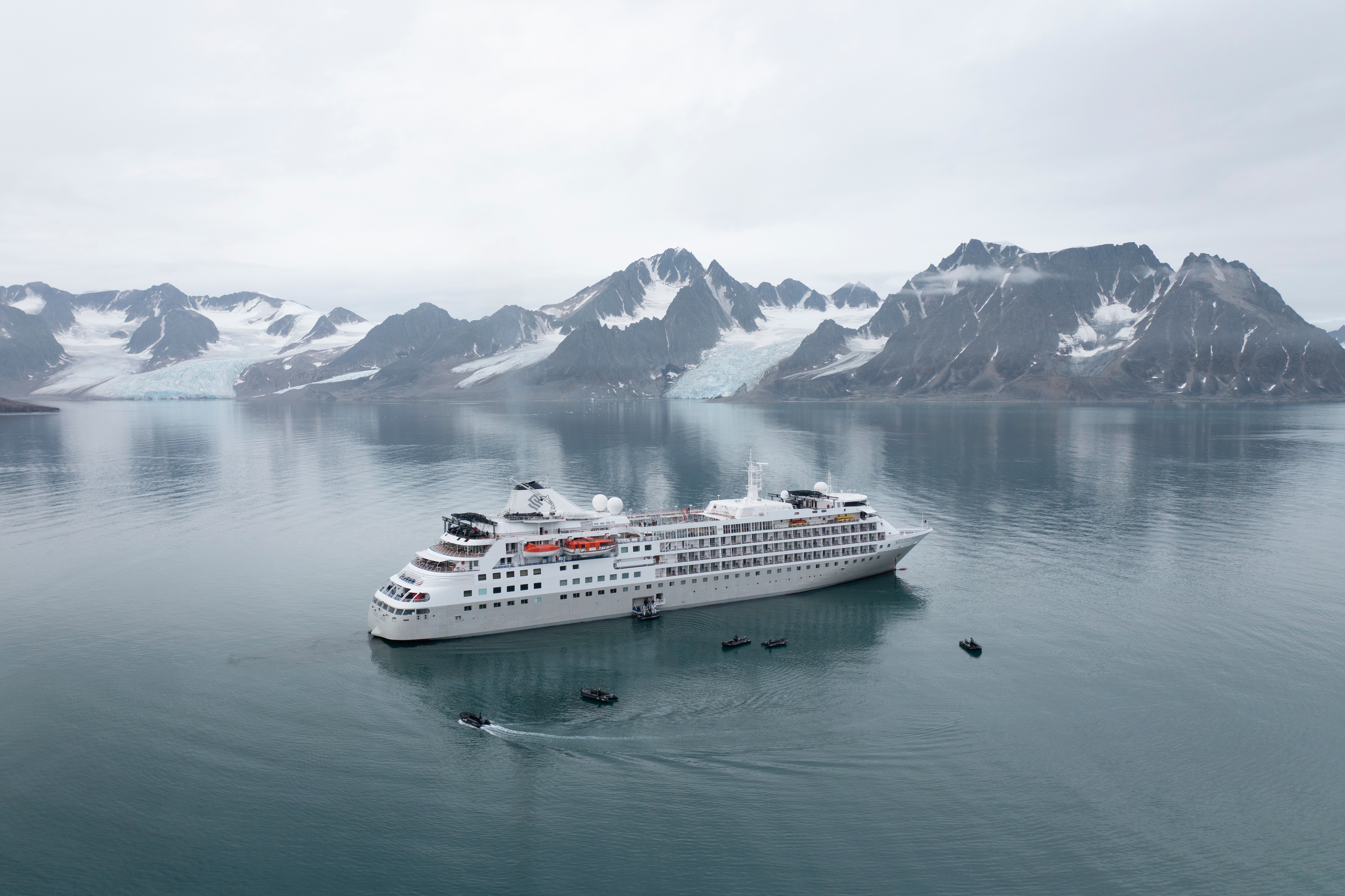
About the Ship
Deck Plans

- Medical Centre
- Changing Room

- The Restaurant
- La Dame
- Launderette
- Vista Suites

- Dolce Vita
- Lobby
- Boutique
- Photo Studio
- Deluxe Veranda Suites
- Veranda Suites
- Medallion Suites

- Explorer Lounge
- Fitness Centre
- Reception/Guest Relations
- Expedition Office
- Lobby
- Future Cruise Sales
- Medallion Suite
- Deluxe Veranda Suites
- Silver Suites
- Royal Suites
- Veranda Suites

- La Terrazza
- Zagara Beauty Spa
- Library
- Medallion Suite
- Silver Suites
- Veranda Suites
- Owners Suites
- Grand Suites

- Pool
- Pool Bar
- Pool Grill
- The Grill
- Panorama Lounge
- Connoisseurs’s Corner

- Observation Lounge
- Zodiacs
- Jogging Track
- Open view to Swimming Pool
- Medical Centre
- Changing Room
- The Restaurant
- La Dame
- Launderette
- Vista Suites
- Dolce Vita
- Lobby
- Boutique
- Photo Studio
- Deluxe Veranda Suites
- Veranda Suites
- Medallion Suites
- Explorer Lounge
- Fitness Centre
- Reception/Guest Relations
- Expedition Office
- Lobby
- Future Cruise Sales
- Medallion Suite
- Deluxe Veranda Suites
- Silver Suites
- Royal Suites
- Veranda Suites
- La Terrazza
- Zagara Beauty Spa
- Library
- Medallion Suite
- Silver Suites
- Veranda Suites
- Owners Suites
- Grand Suites
- Pool
- Pool Bar
- Pool Grill
- The Grill
- Panorama Lounge
- Connoisseurs’s Corner
- Observation Lounge
- Zodiacs
- Jogging Track
- Open view to Swimming Pool