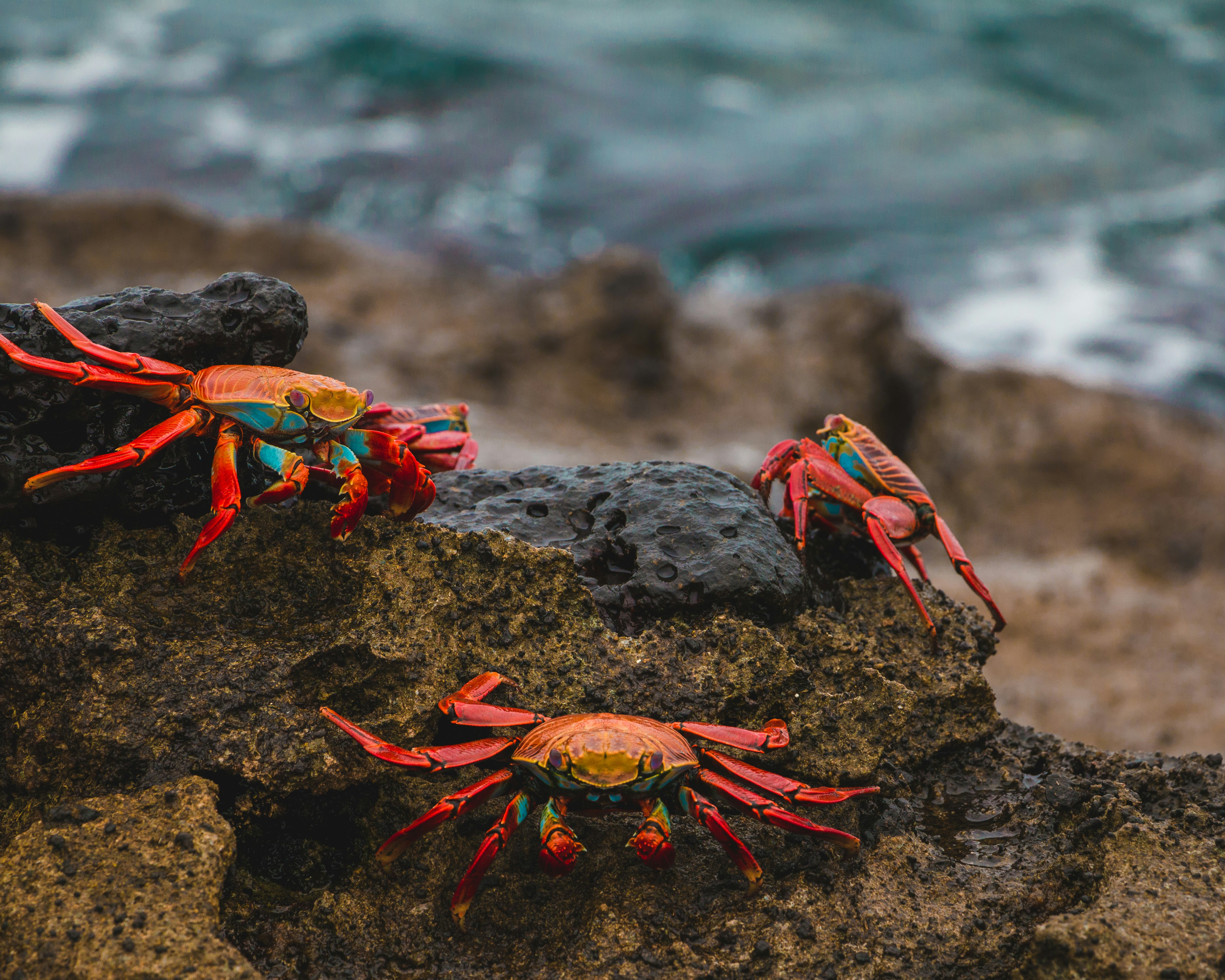
Featured Cabins
Itinerary
Roca León Dormido, Ecuador
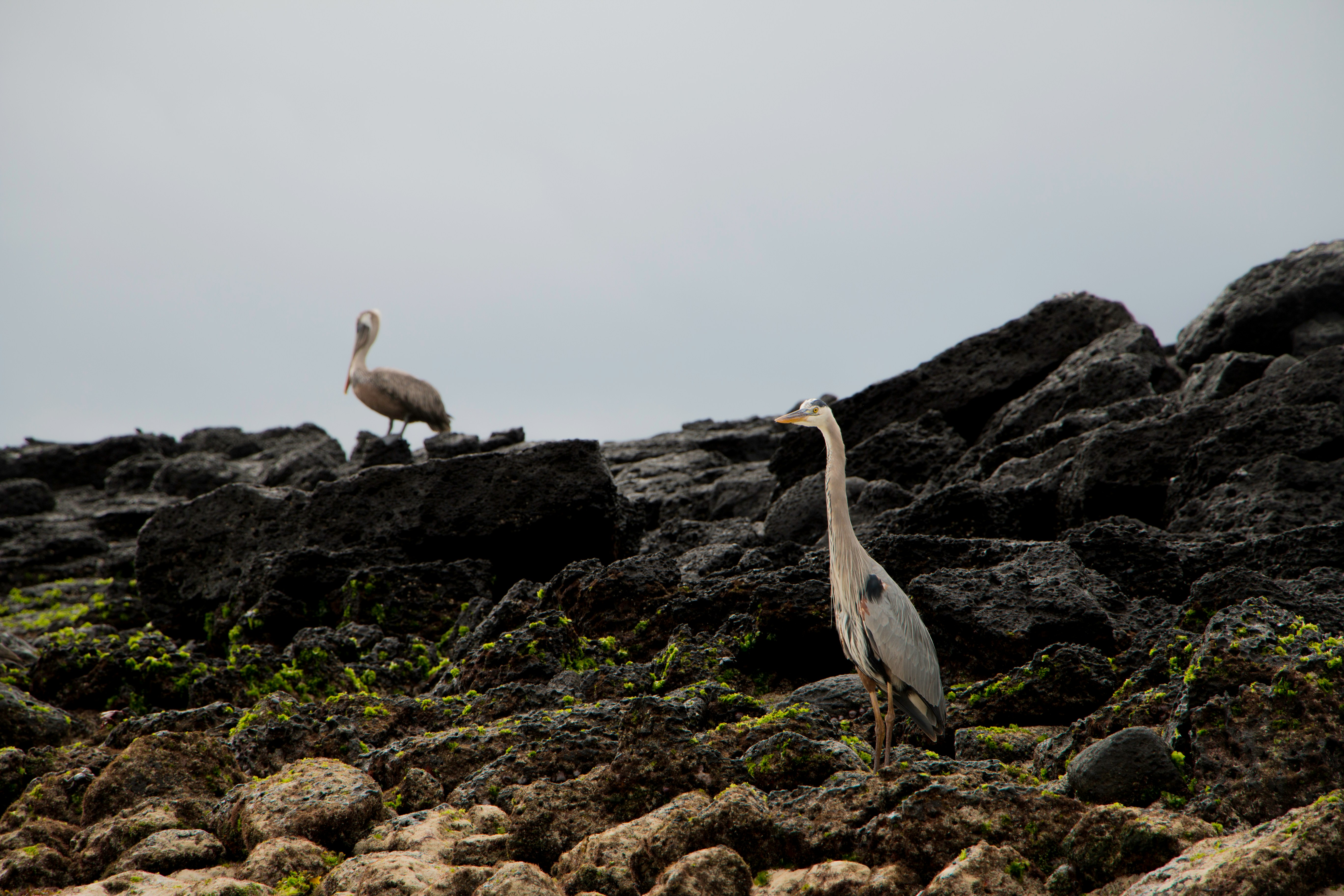
Santiago Island, Galápagos, Ecuador
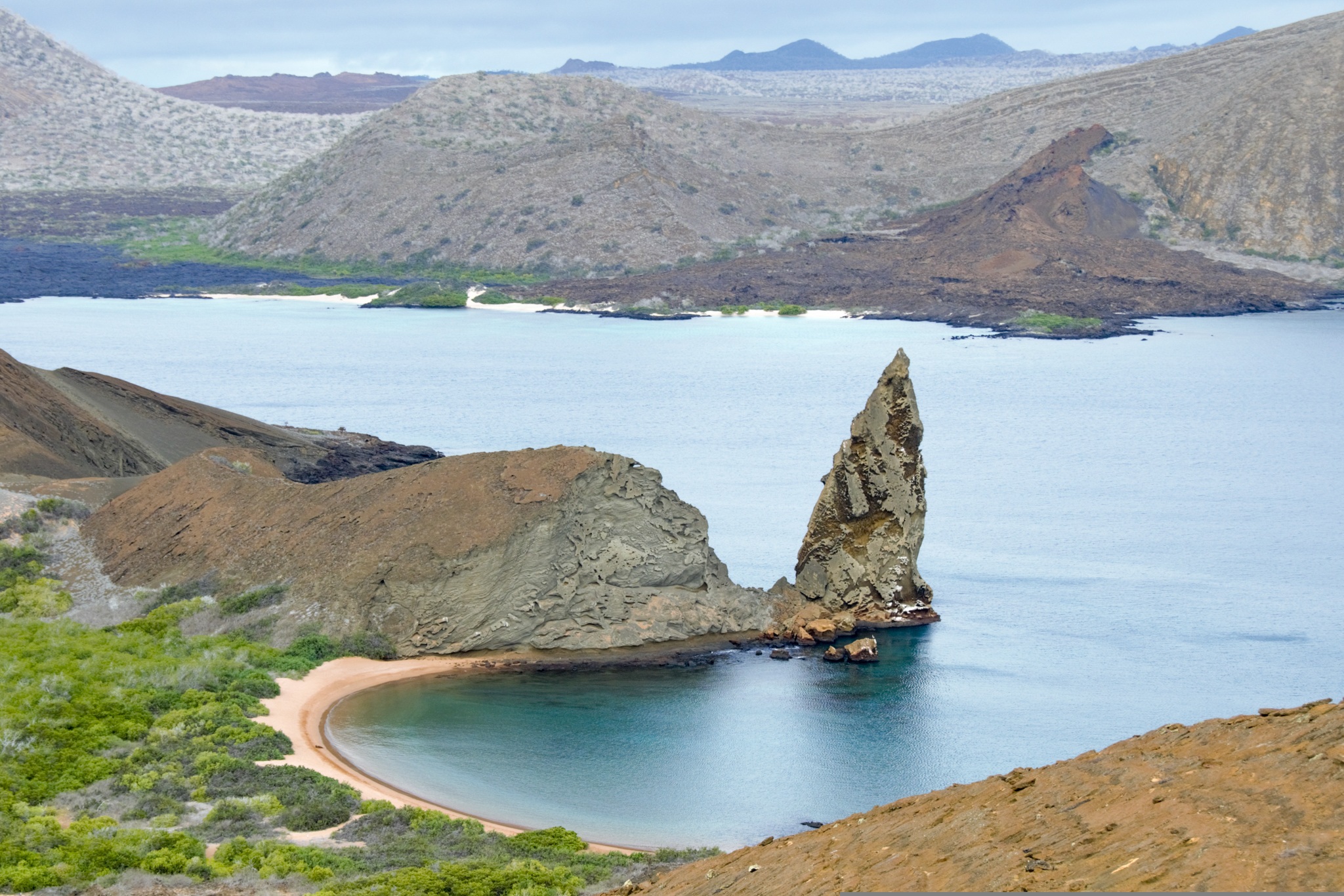
Punta Espinoza, Fernandina Island, Galápagos, Ecuador
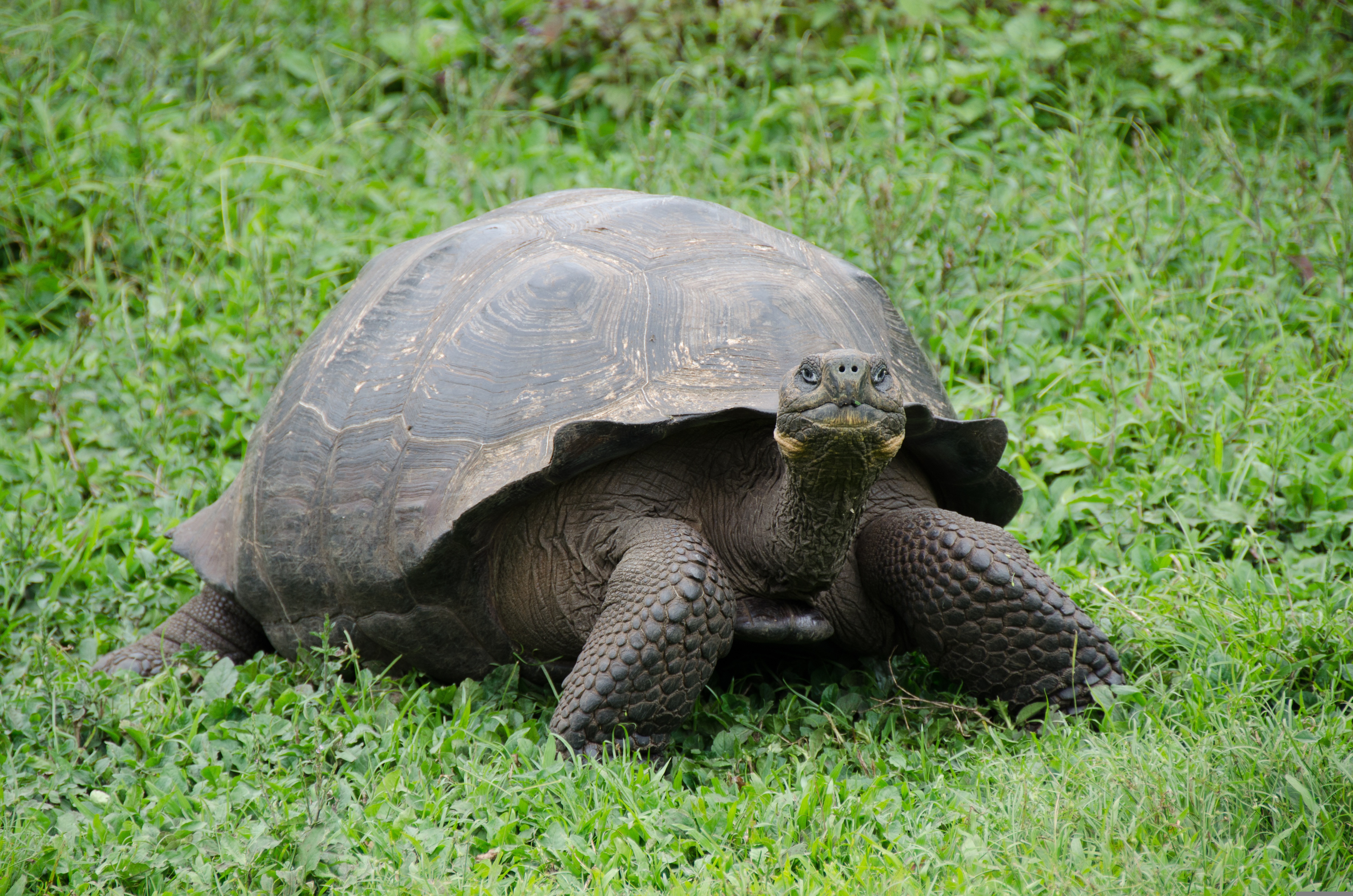
Elizabeth Bay, Isabela Island, Galápagos, Ecuador
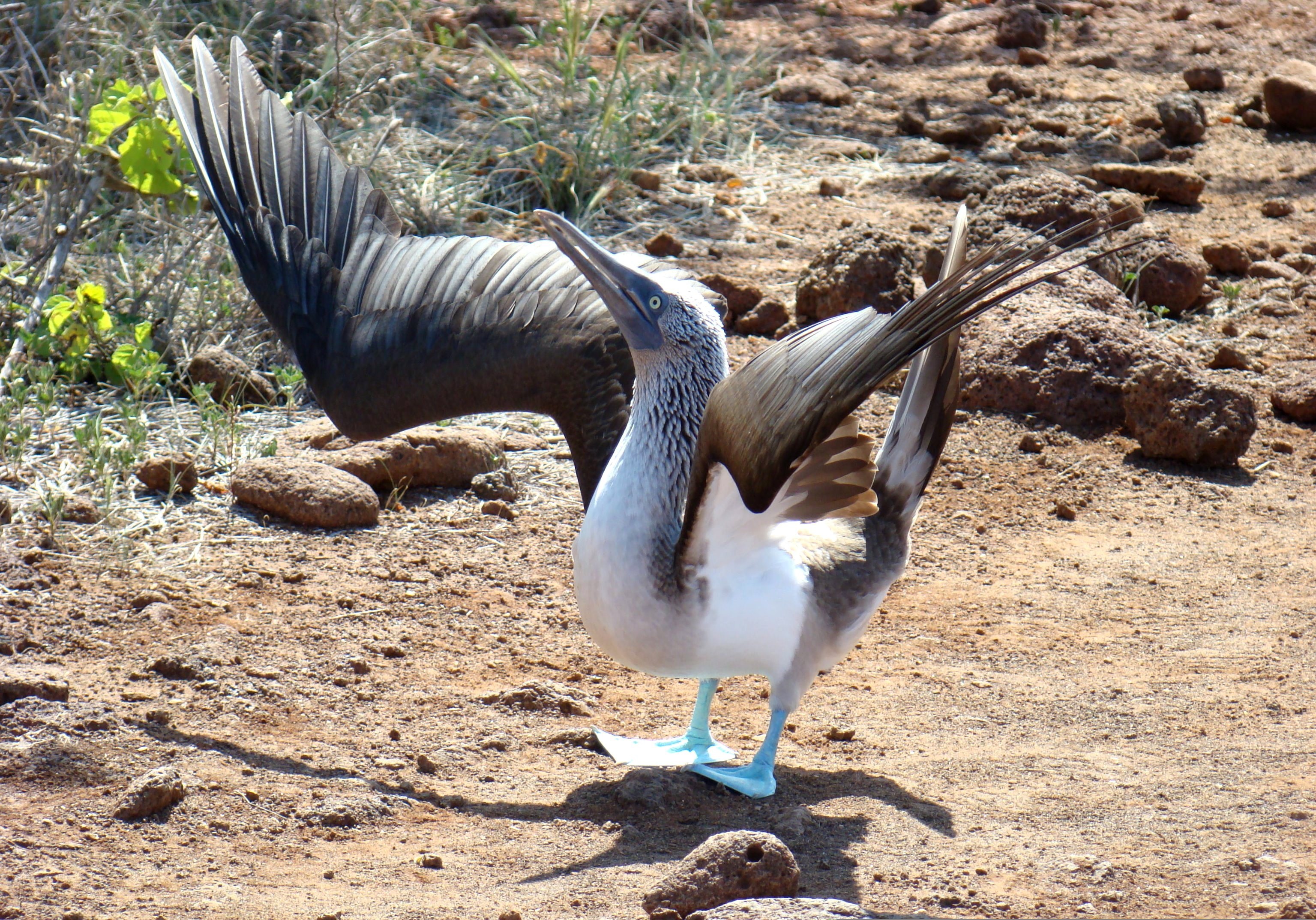
Punta Cormorant, Floreana Island, Galápagos, Ecuador
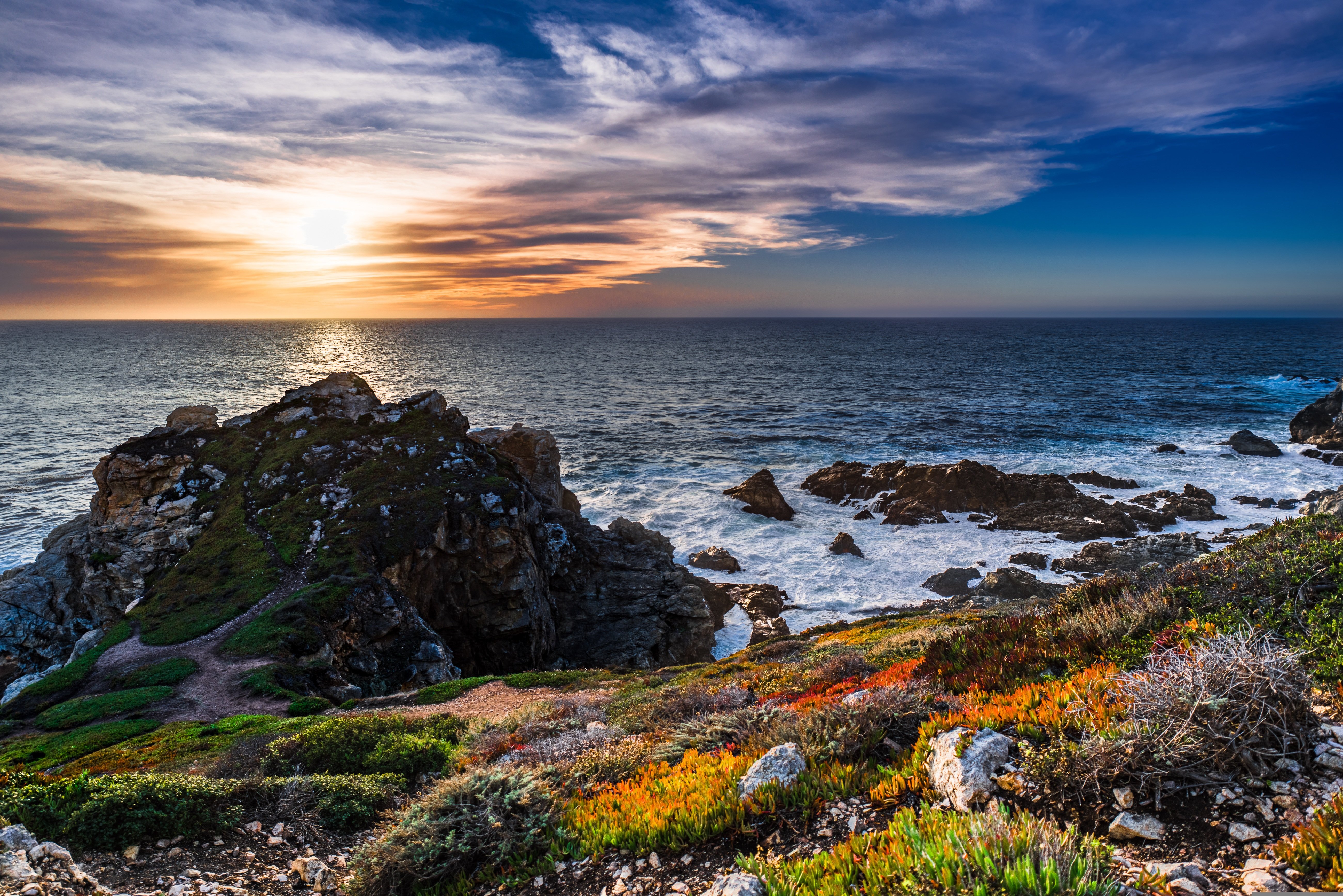
Puerto Ayora, Isla Santa Cruz, Ecuador
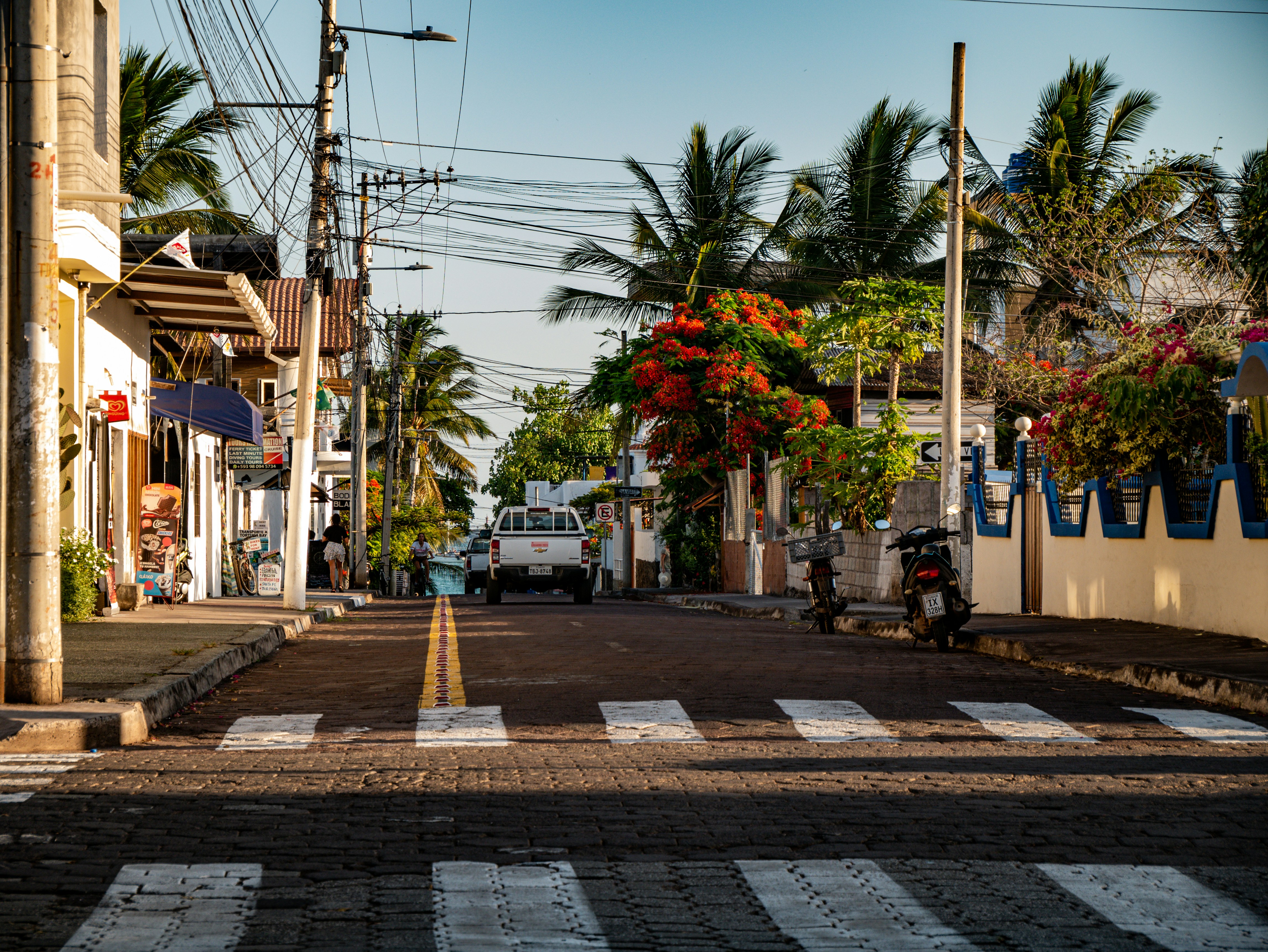
Santa Cruz Island, Galápagos, Ecuador
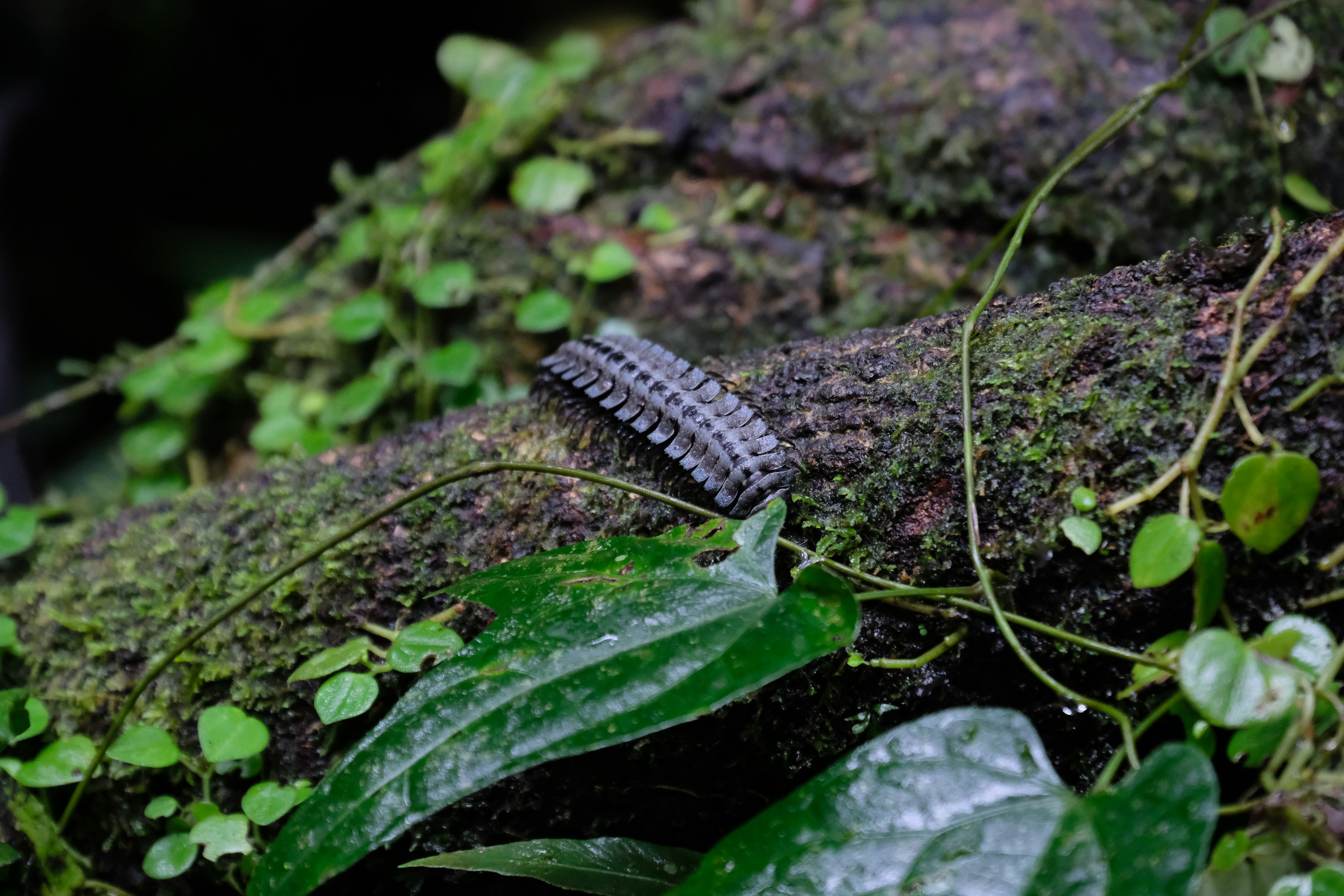
Roca León Dormido, Ecuador
Santiago Island, Galápagos, Ecuador
Punta Espinoza, Fernandina Island, Galápagos, Ecuador
Elizabeth Bay, Isabela Island, Galápagos, Ecuador
Punta Cormorant, Floreana Island, Galápagos, Ecuador
Puerto Ayora, Isla Santa Cruz, Ecuador
Santa Cruz Island, Galápagos, Ecuador
San Cristóbal Island, Galápagos, Ecuador
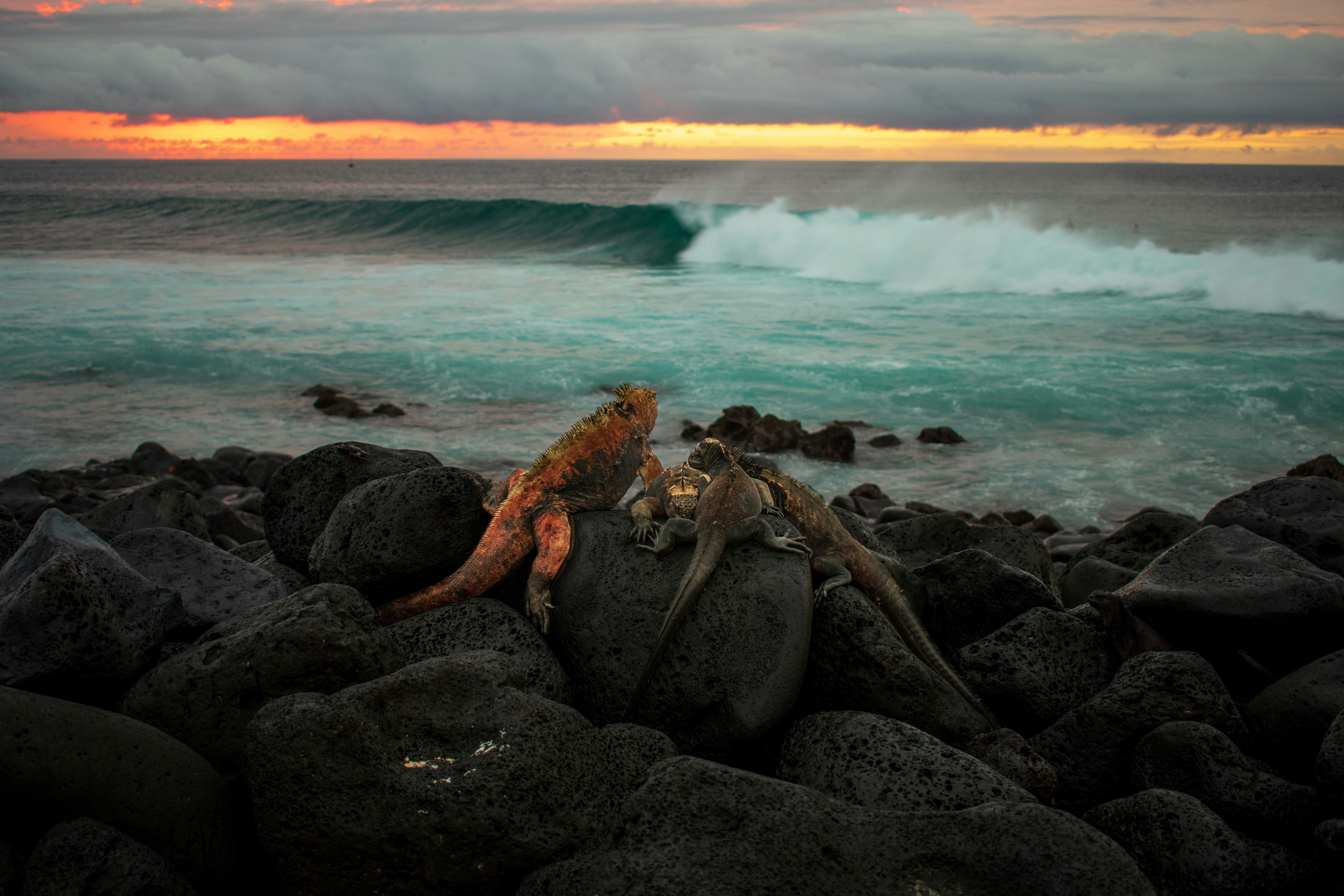
San Cristóbal Island, Galápagos, Ecuador
Cabin Options
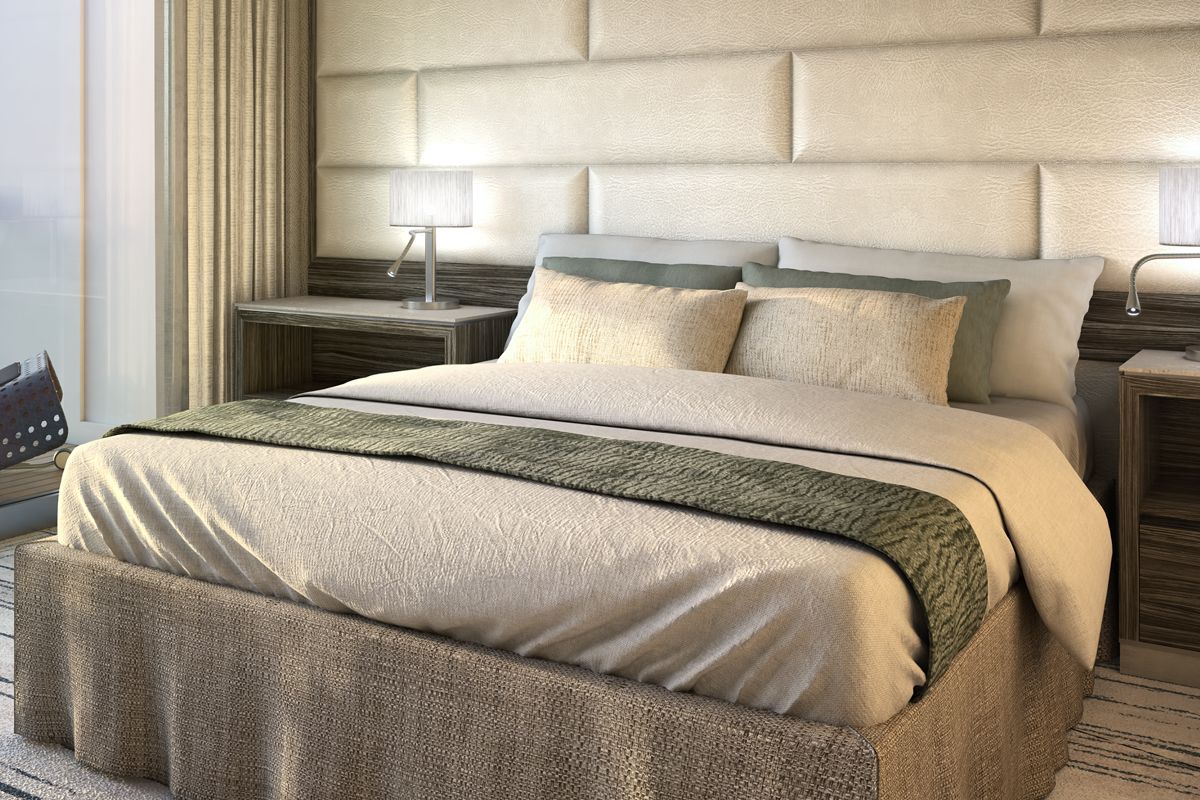
Classic Veranda Suite
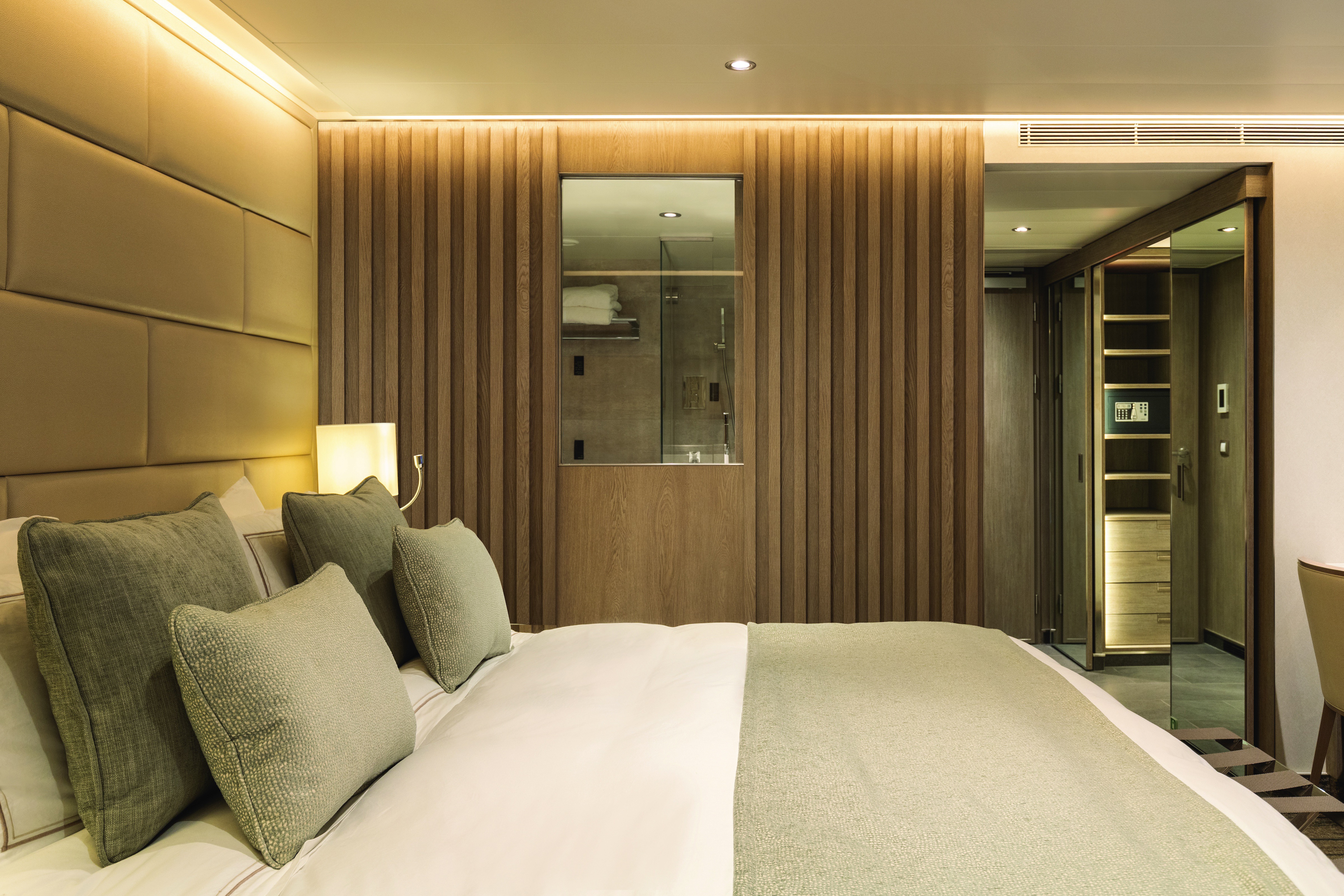
Superior Veranda Suite
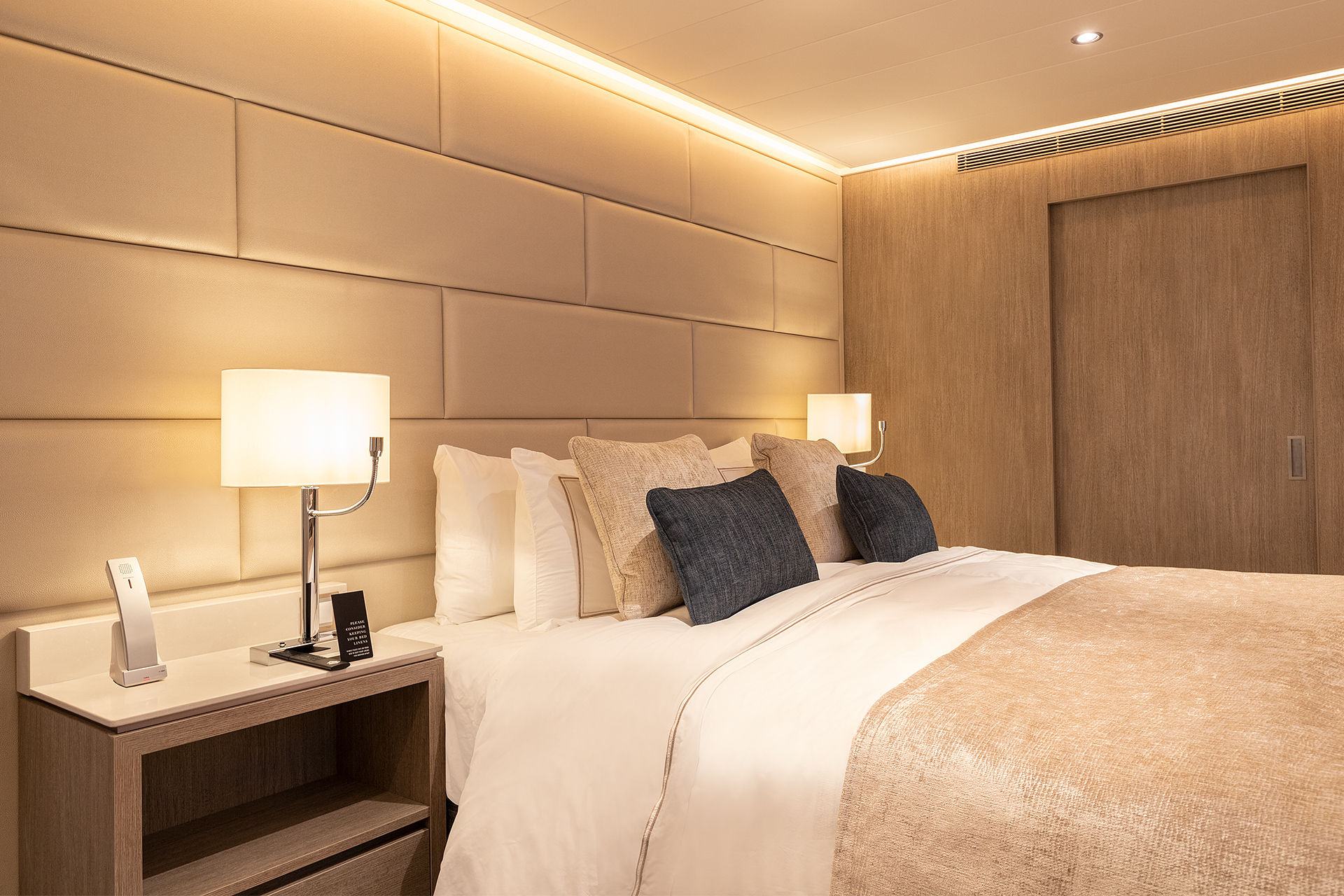
Deluxe Veranda Suite
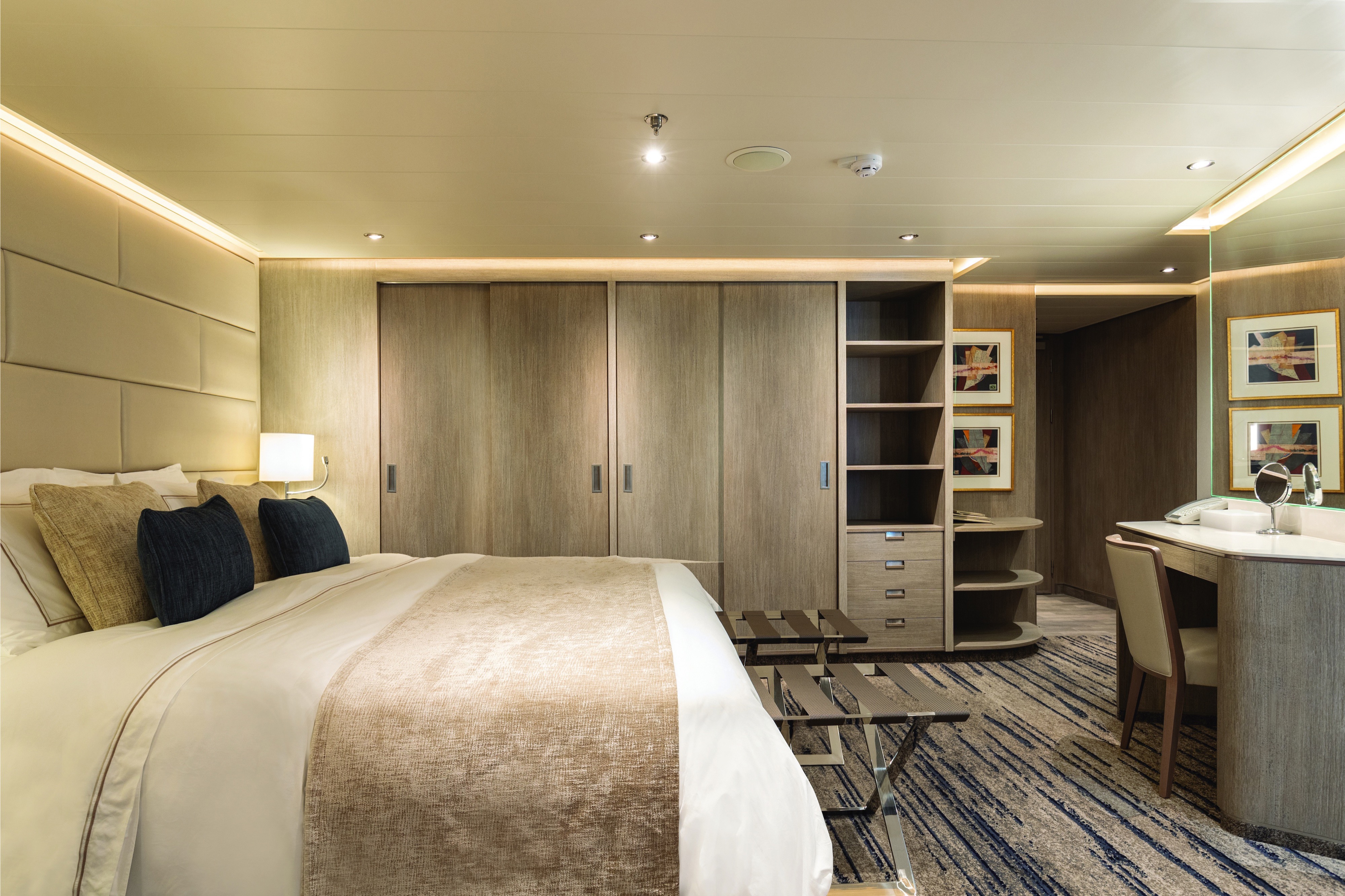
Medallion Suite
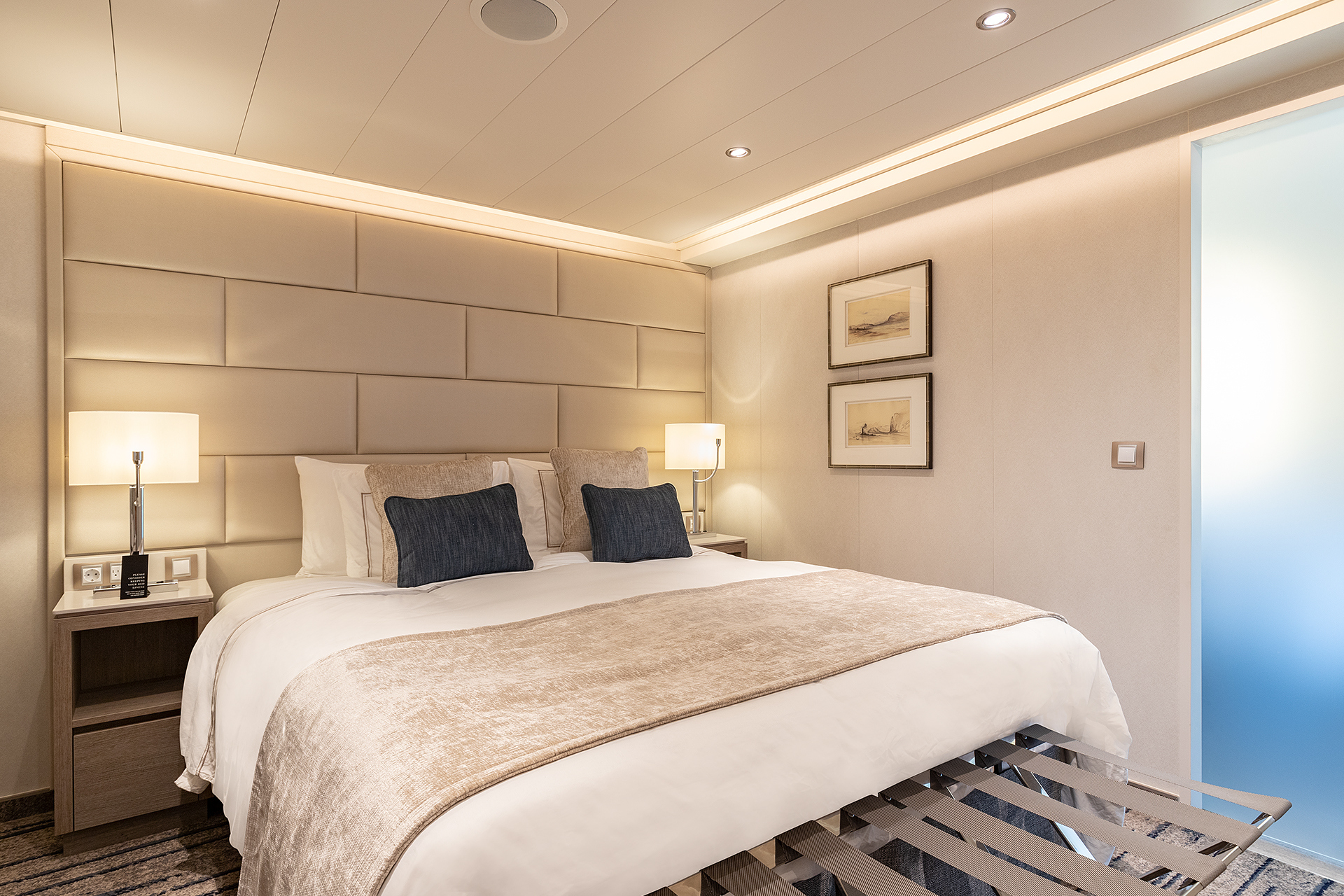
Silver Suite
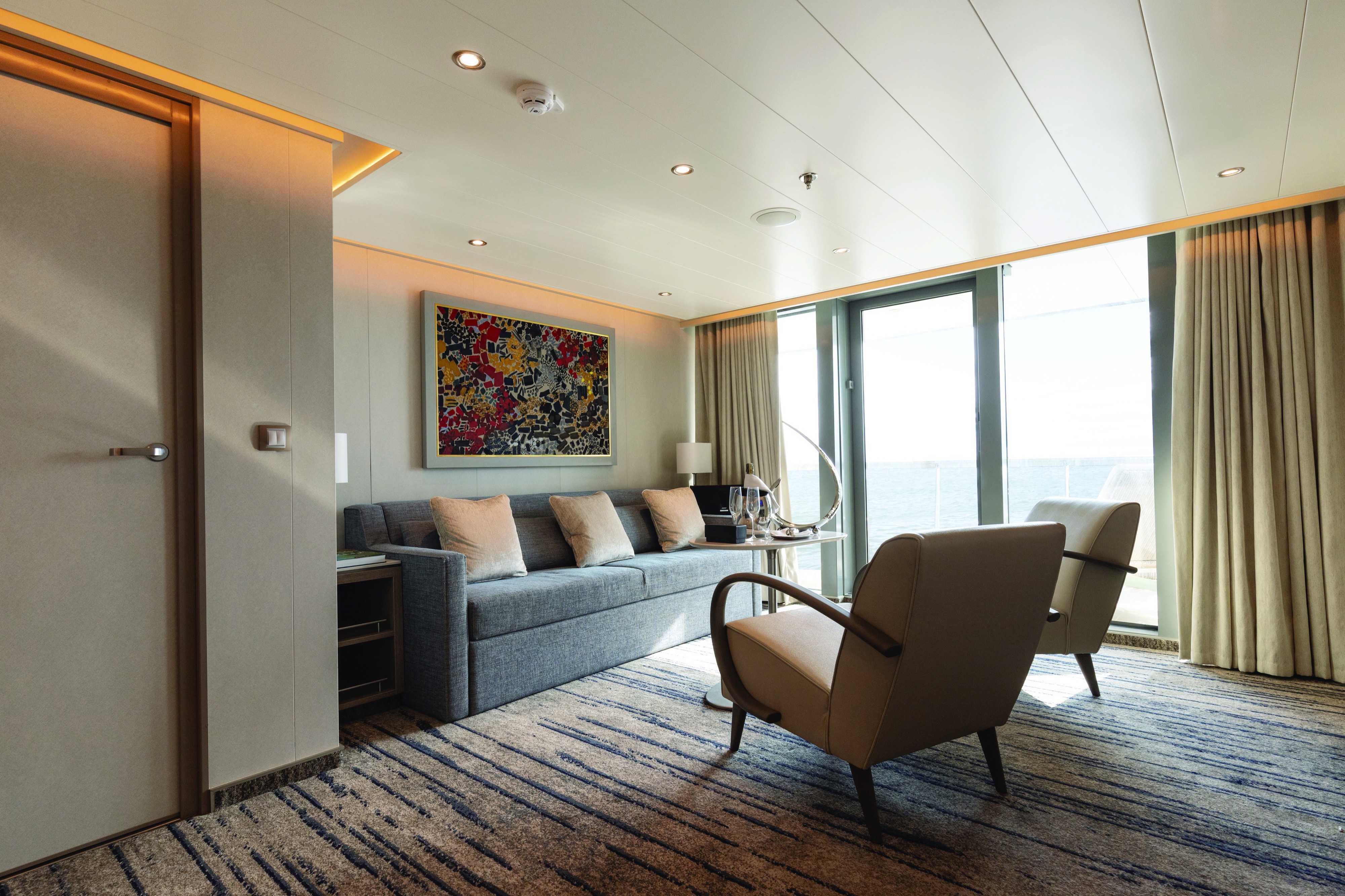
Royal Suite
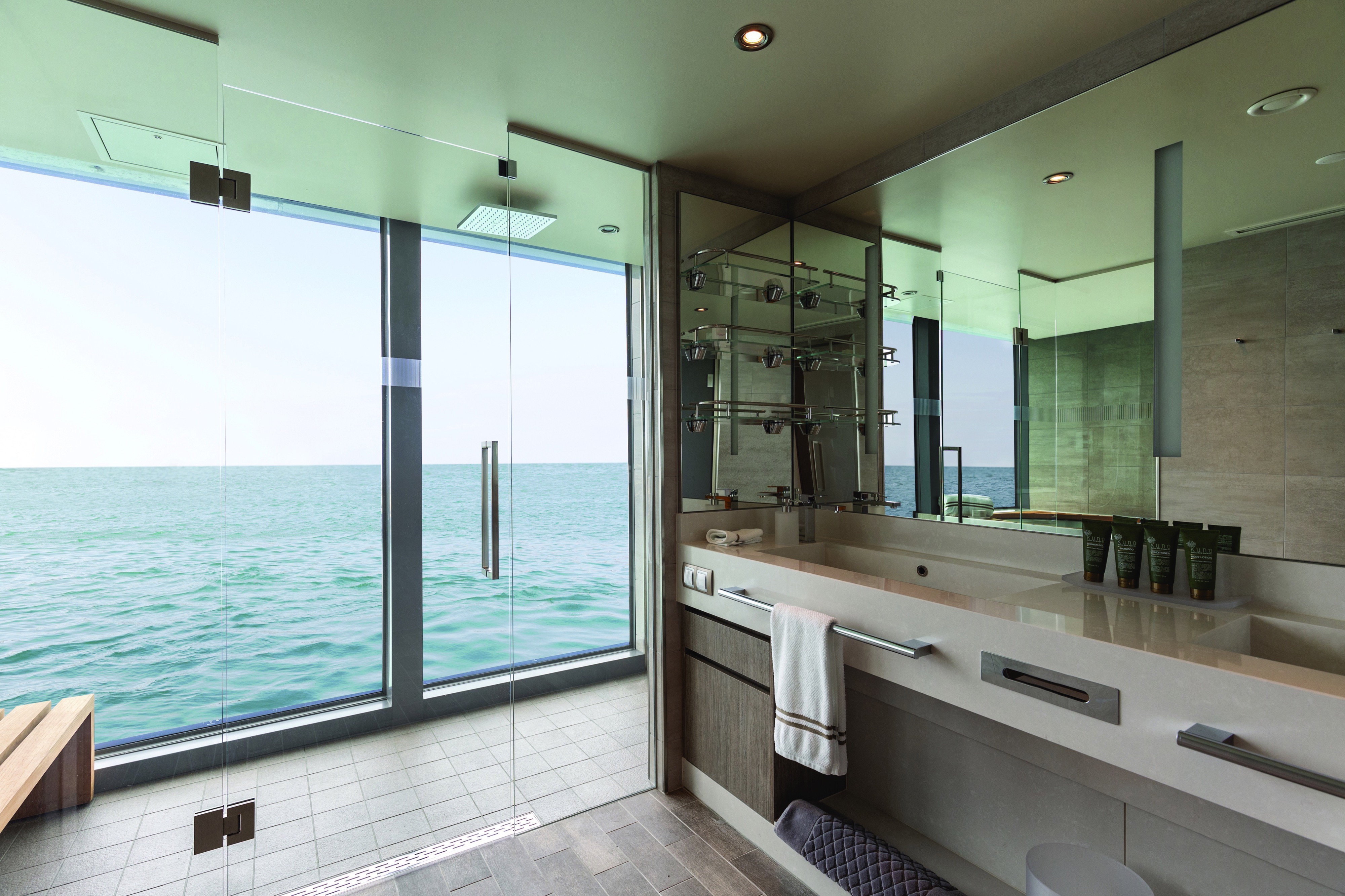
Grand Suite
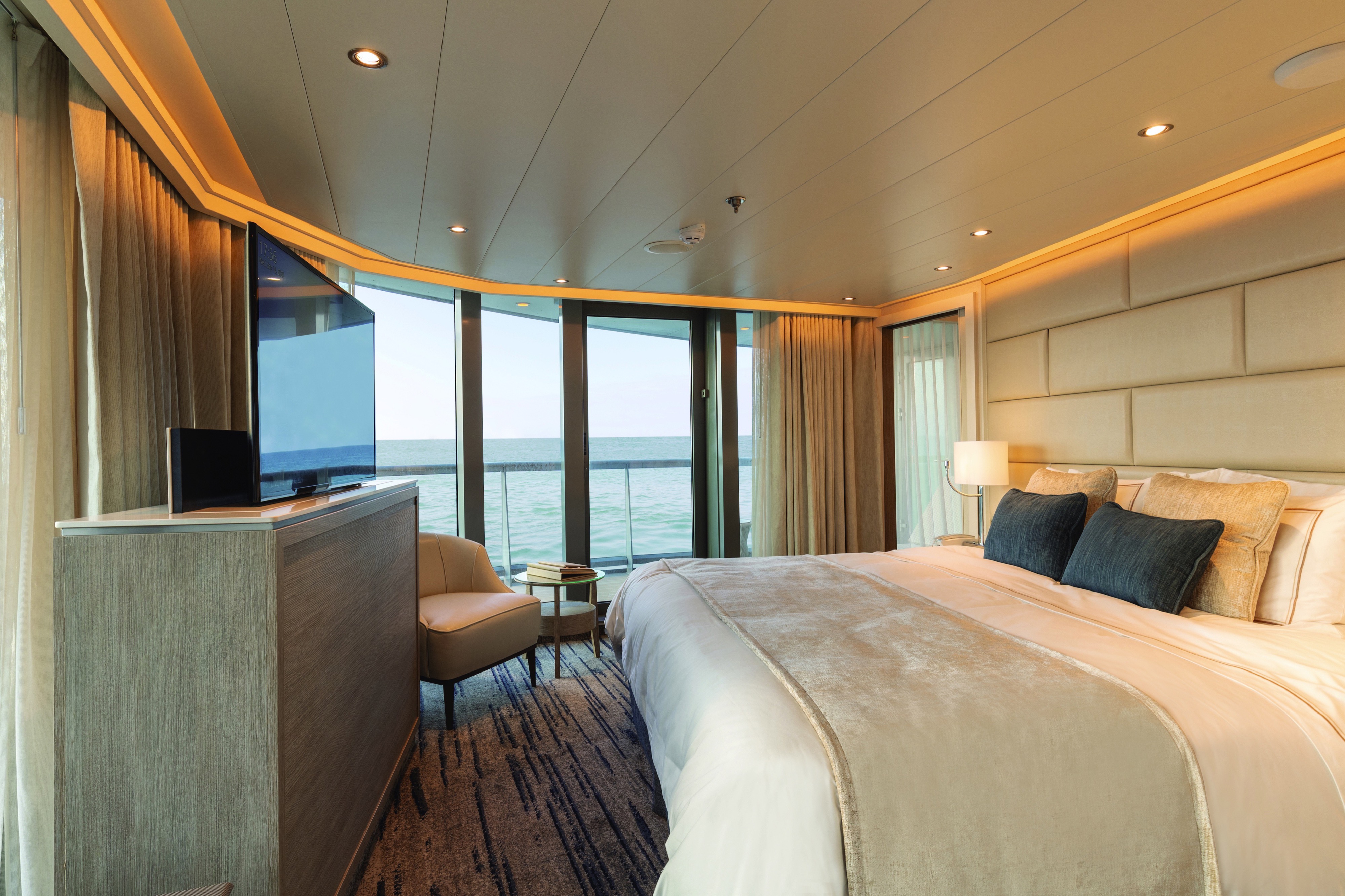
Owner's Suite
Ship Facilities
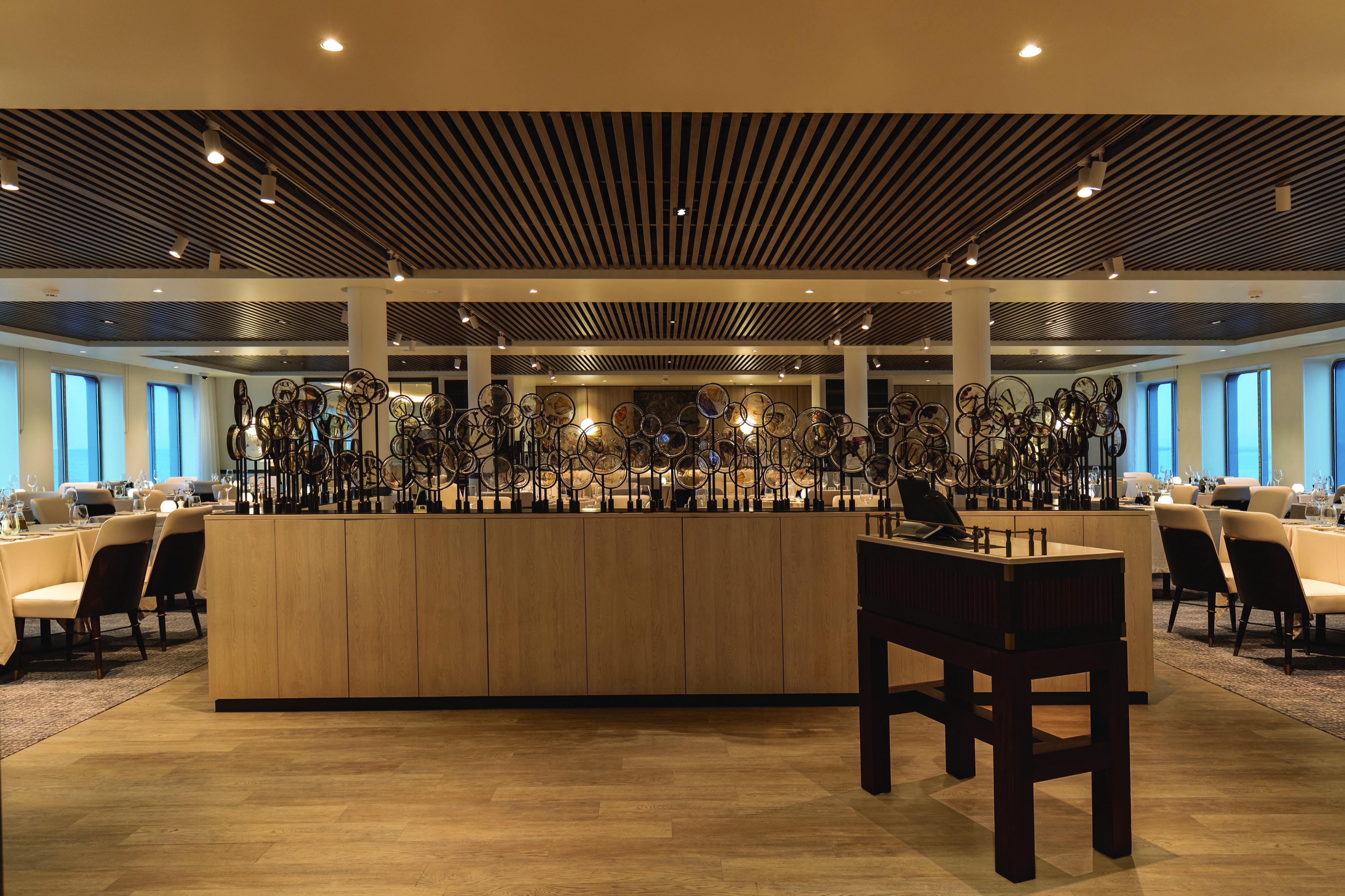
The Restaurant
This refined dining room benefits from abundant natural light and stunning views of the destination, thanks to the large floor-to-ceiling glass windows. Serving breakfast, lunch, and dinner, The Restaurant will offer the highest expression of the local cuisine, together with a wide range of international selections.
Images are intended as a general reference. Features, materials, finishes and layout may be different than shown.
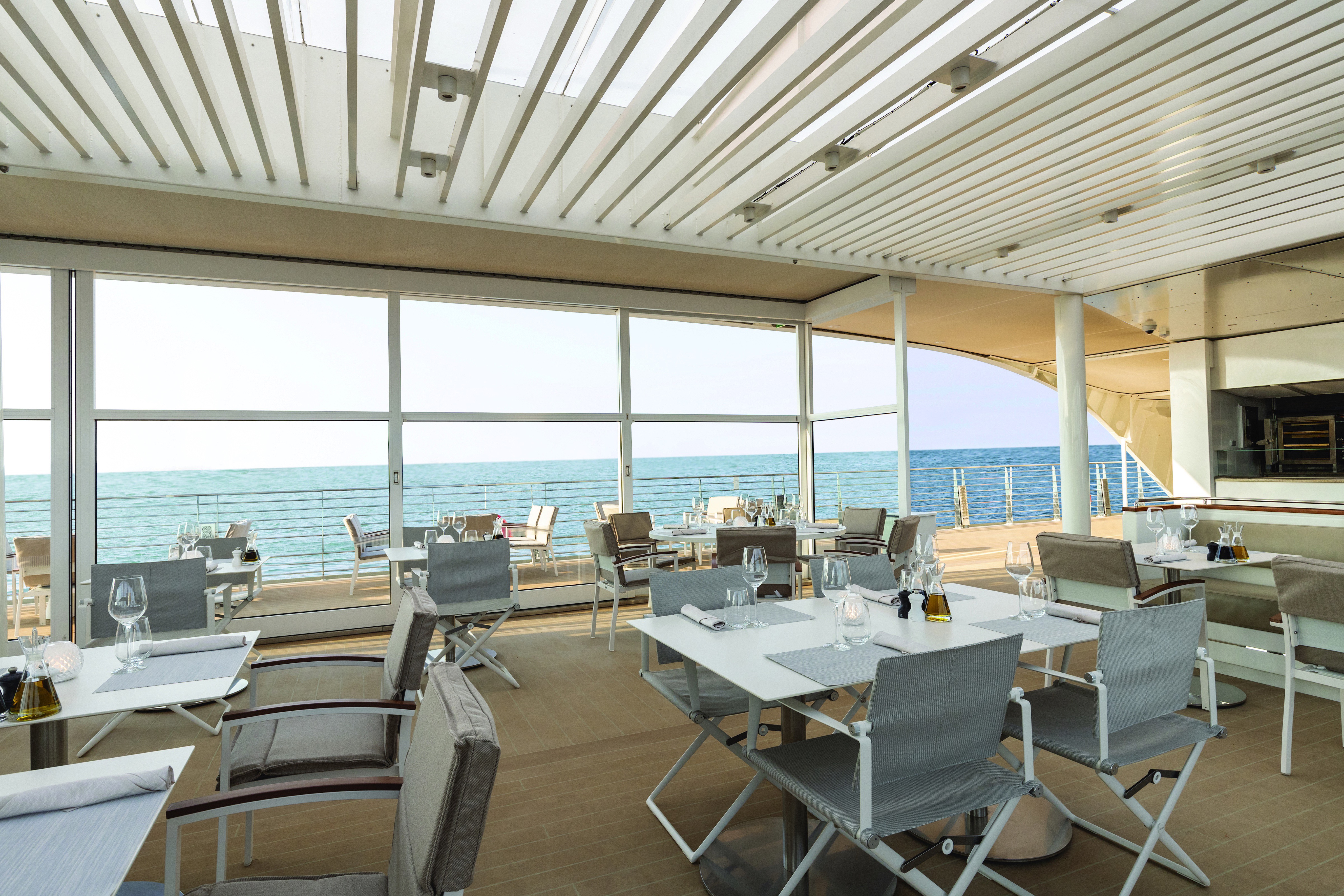
The Grill
Our famous The Grill restaurant in the heart of the Galápagos Islands, offering alfresco lunches by day and Silversea’s signature Hot Rocks concept by night. Thanks to an advanced sheltering system, The Grill can be enclosed to maximize guest comfort in case of wind and low temperatures.
Images are intended as a general reference. Features, materials, finishes and layout may be different than shown.
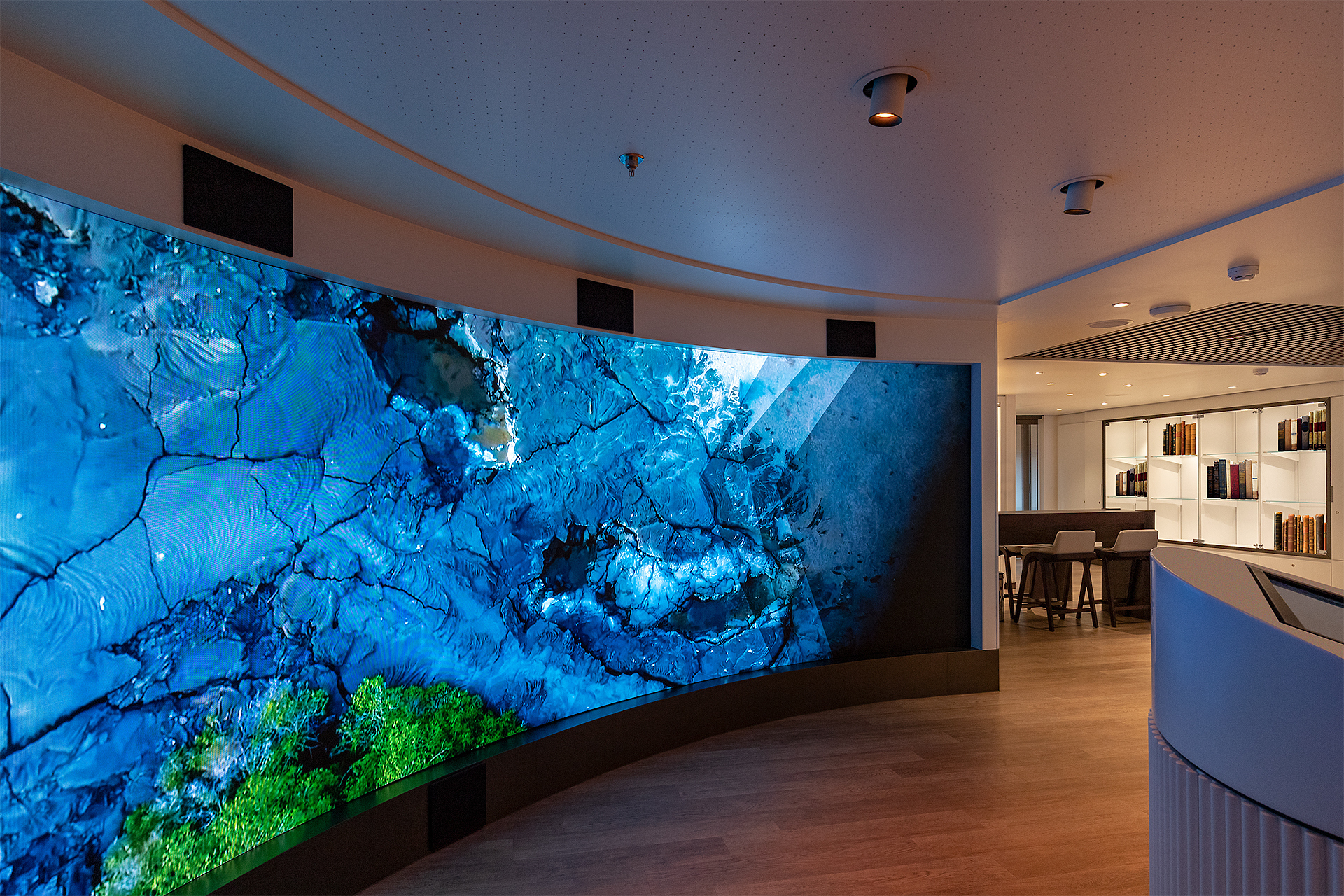
Basecamp
The perfect meeting point for Zodiac excursions, the Basecamp has been specially designed to offer guests a chance to prepare for their next adventure. Featuring an interactive wall, the Basecamp doubles as an information HQ where guests access information on the fascinating flora and fauna of the Galápagos Islands.
Images are intended as a general reference. Features, materials, finishes and layout may be different than shown.
Marina
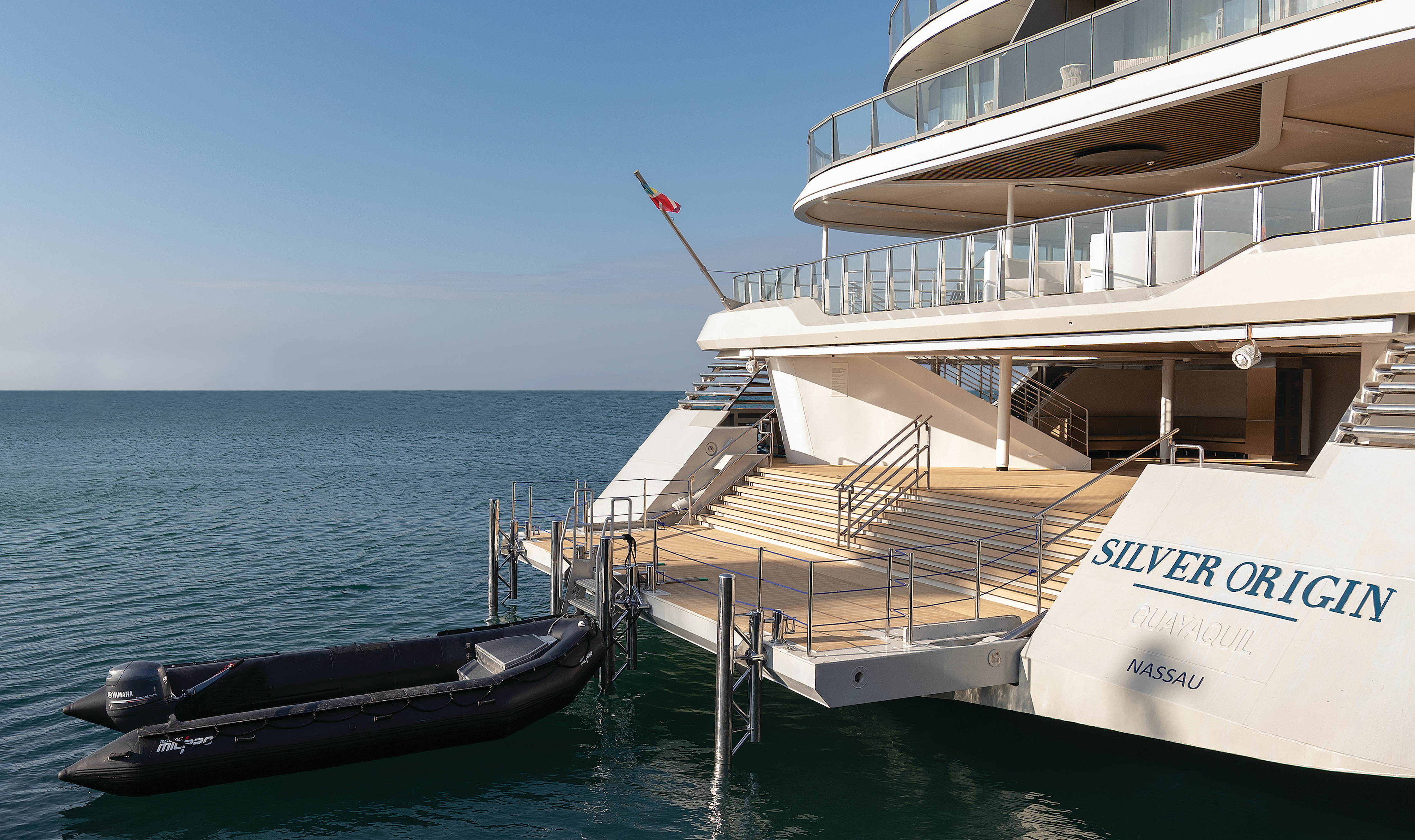
Offering the highest Zodiac-to-guest ratio in the region, at 1:12.5, Silver Origin will offer a luxurious outpost from which guests will enjoy personalised experience throughout the Galapagos Islands. Every aspect of guests’ cruise experiences will be tailored to take them closer to the authentic beauty of the Galapagos Islands in luxury.
Shore Excursions
Local Immersion, Lasting Impressions
Authentic Cultural Connections
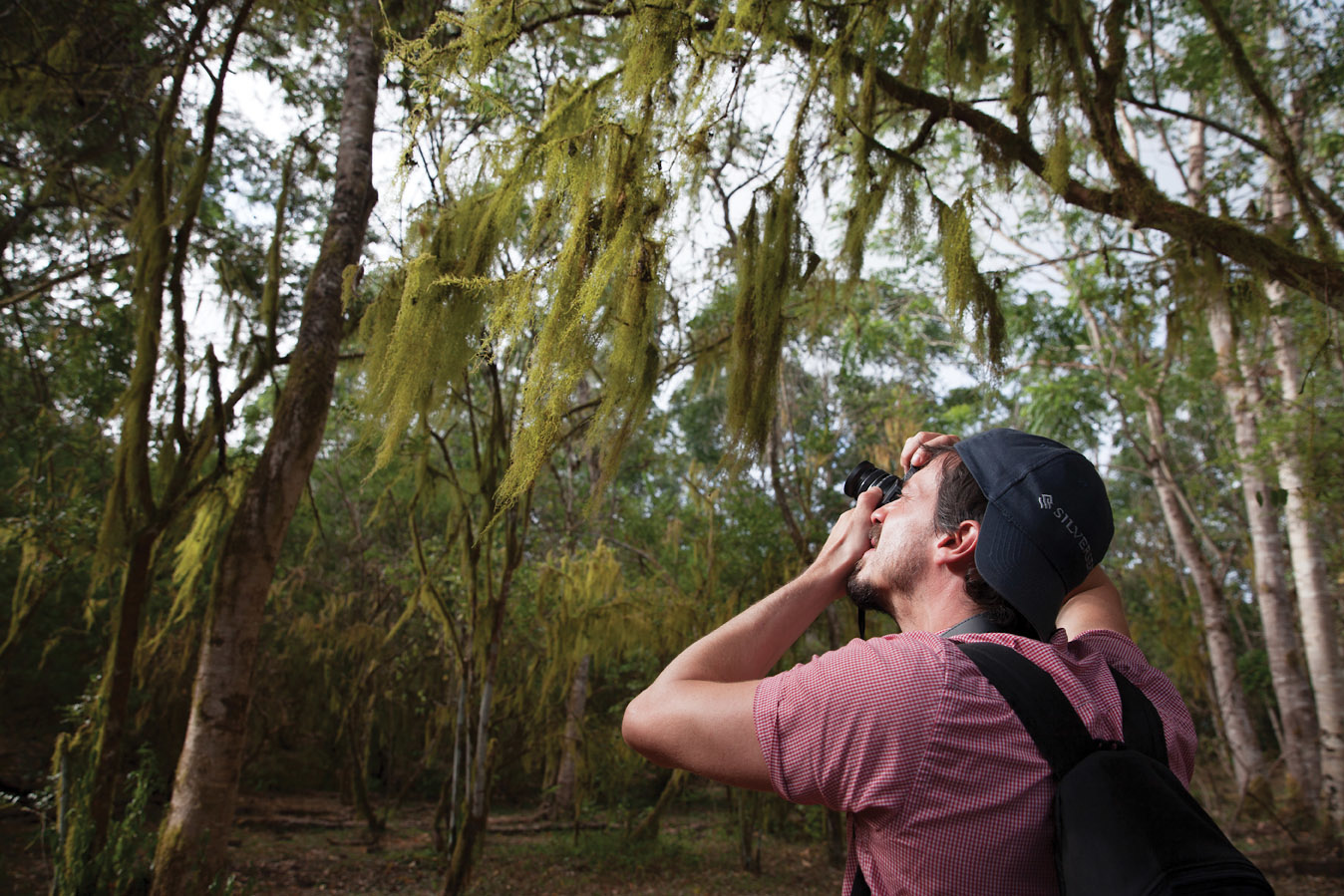
Every destination tells a story — and Silversea Shore Excursions reveal these stories inviting you to venture beyond the ordinary. Enjoy privileged access to cultural treasures and natural wonders often out of reach for independent travelers. Each excursion is thoughtfully designed by experts to foster genuine connections with local communities, customs, and landscapes. From intimate small-group adventures and signature S.A.L.T. Experiences to personalized private tours, we offer diverse options to match your interests and desired level of immersion — making every moment meaningful and memorable.
Highlight Experiences
Seamless tours of iconic sites
Explore iconic landmarks and cultural treasures with our Highlight Experiences, half or full-day adventures led by expert guides. Enjoy seamless, hassle-free journeys to must- see attractions — perfect for guests seeking a convenient, turnkey experience.
Signature Experiences
Smaller tours, crafted by Silversea
These immersive Signature Experiences offer privileged access and personalized interactions with local experts. These experiences are perfect for those seeking meaningful, social exploration who want to connect with destinations through authentic dining and slow travel.
Private Experiences
Exclusive tours for your group
Create your own exclusive adventure with a dedicated vehicle, driver, and guide. Explore at your pace, linger, or spontaneously discover new sites. Available at most ports for half- or full-day bookings, Private Experiences are ideal for families seeking privacy and flexibility.
Custom Experiences
Tailor-made tours designed for you
Enjoy personalized Custom Experiences tailored to your interests, with exclusive access and specialized guides. Our team handles every detail, ensuring unforgettable moments that exceed your expectations—crafted entirely around your pace and preferences.
Overland Experiences
Mid-cruise, inland tours
Venture inland on two- to three-day journeys to iconic sites like the Taj Mahal or Angkor Wat. \Vith flights, stays, and guided access included, these immersive journeys offer rare experiences beyond the coast — all with the signature Silversea service.
Authentic Local Culture
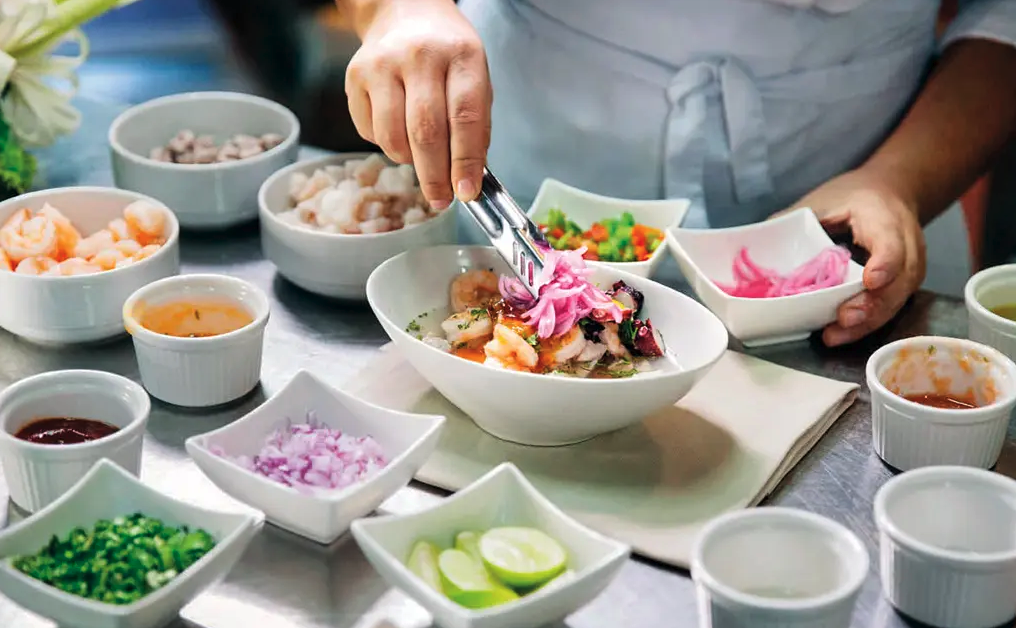
Throughout our many years of sailing the Galápagos, one thing has remained constant: the love our guests feel for local customs and cuisine. What ingredients make up our signature dishes? How to prepare local recipes like our world-famous ceviche at home? Which is why we made sure Silver Origin provides only the most authentic culinary experience possible. In the kitchen, we bring them truly authentic Ecuadorian recipes using only the freshest local ingredients, accompanied by the best regional wine. And in our live gourmet preparation sessions and seminars, why not experience for yourself how to create and recreate all the flavors Ecuador and the Galápagos have to offer?
Mid-Voyage Adventures
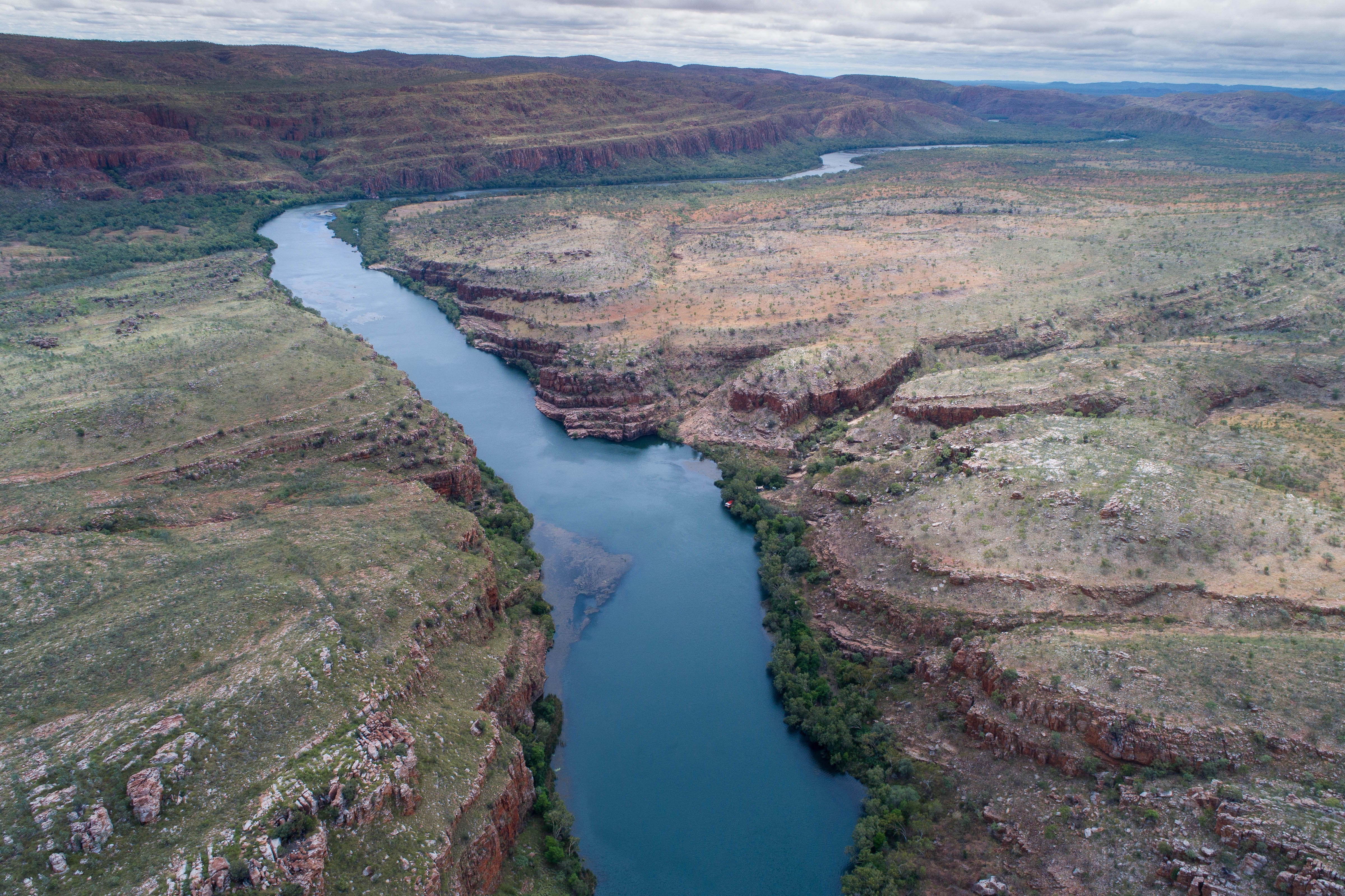
Multiple days at sea mean plenty of R&R for some, but others prefer to experience all there is to offer on land. Our Mid-Cruise Land Adventures allow you to take full advantage of your time with us without missing a single thing! These short escapades offer an array of adventures, break up your sea days and allow for deeper exploration beyond the coast.
Silver Shore Concierge
Let Silversea customise a special event or excursion exclusively for you. Expert Shore Excursion professionals are available to assist with all your shorex questions. Make an appointment and gain insider access to knowledgeable suggestions, personalised planning and hassle-free coordination of all private, independent touring, including area highlights, flightseeing, water sports, and much more. Take advantage of this service either in advance of your voyage by email at shoreconcierge@silversea.com or on board by visiting the Silvershore® Concierge desk. Have the Silver Shore Concierge create your tailor-made tour, or be whisked away by private car for a day — the pace and agenda are up to you.
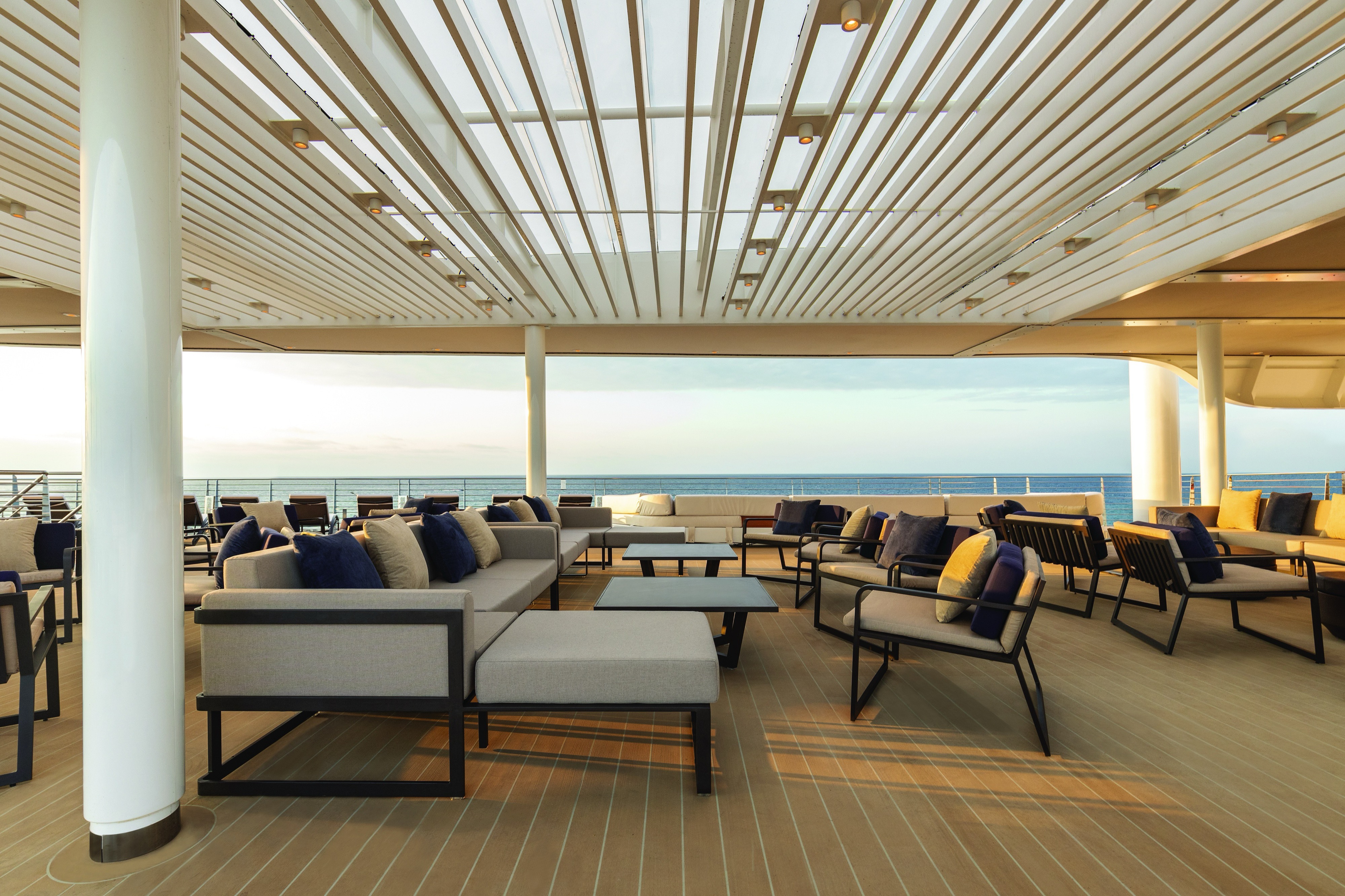
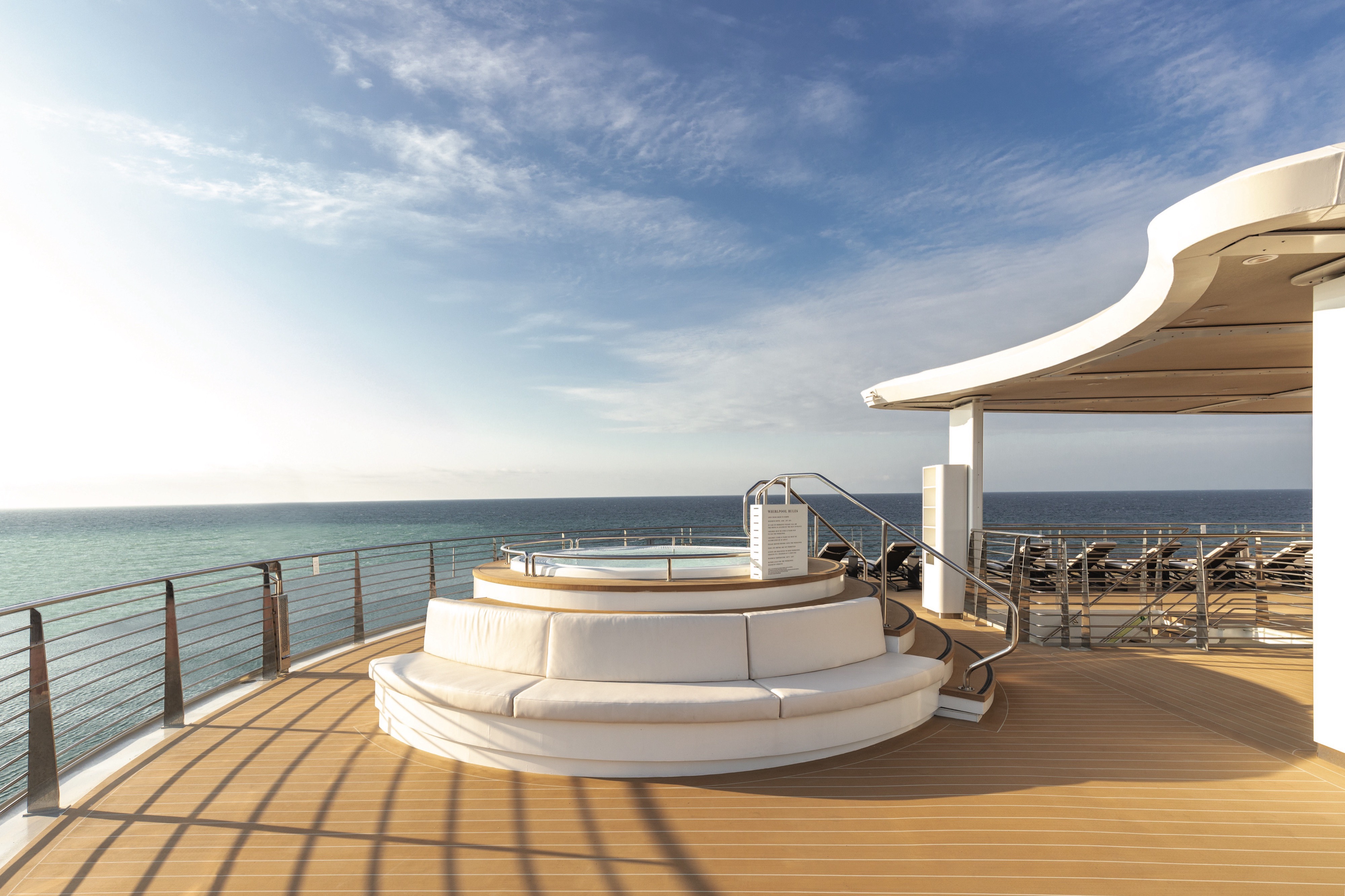
Upper Deck
On the Upper Deck you will find jacuzzi’s & a lounge area.
Explorer Lounge
Continue your exploration of the Galápagos in the Explorer Lounge, undeniably the most elegant way to experience the islands. By day, the space is where guests can meet for briefings with their Expedition Team, while by night, the space doubles as a relaxing lounge bar at the heart of the ship with a pianist playing for your listening pleasure.
Images are intended as a general reference. Features, materials, finishes and layout may be different than shown.
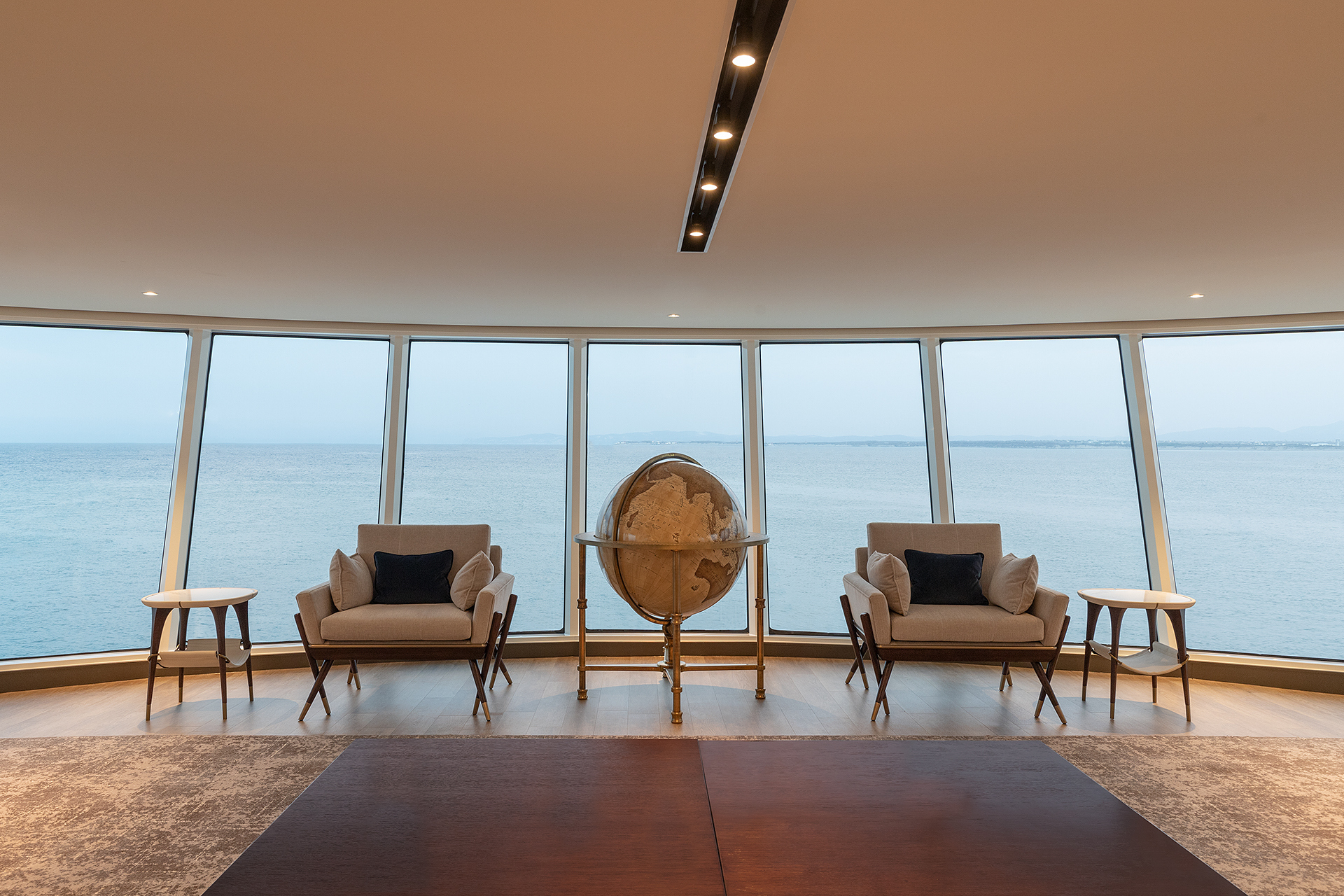
Observation Lounge
Located at the very front of the ship on deck 7, the beautiful Observation Lounge is one of the coziest venues on board, with incredible sunrise-to-sunset views of the destination. The ideal place to relax, read a book picked from our carefully curated library, or just enjoy the refined ambience created by the large floor-to-ceiling glass windows.
Images are intended as a general reference. Features, materials, finishes and layout may be different than shown.
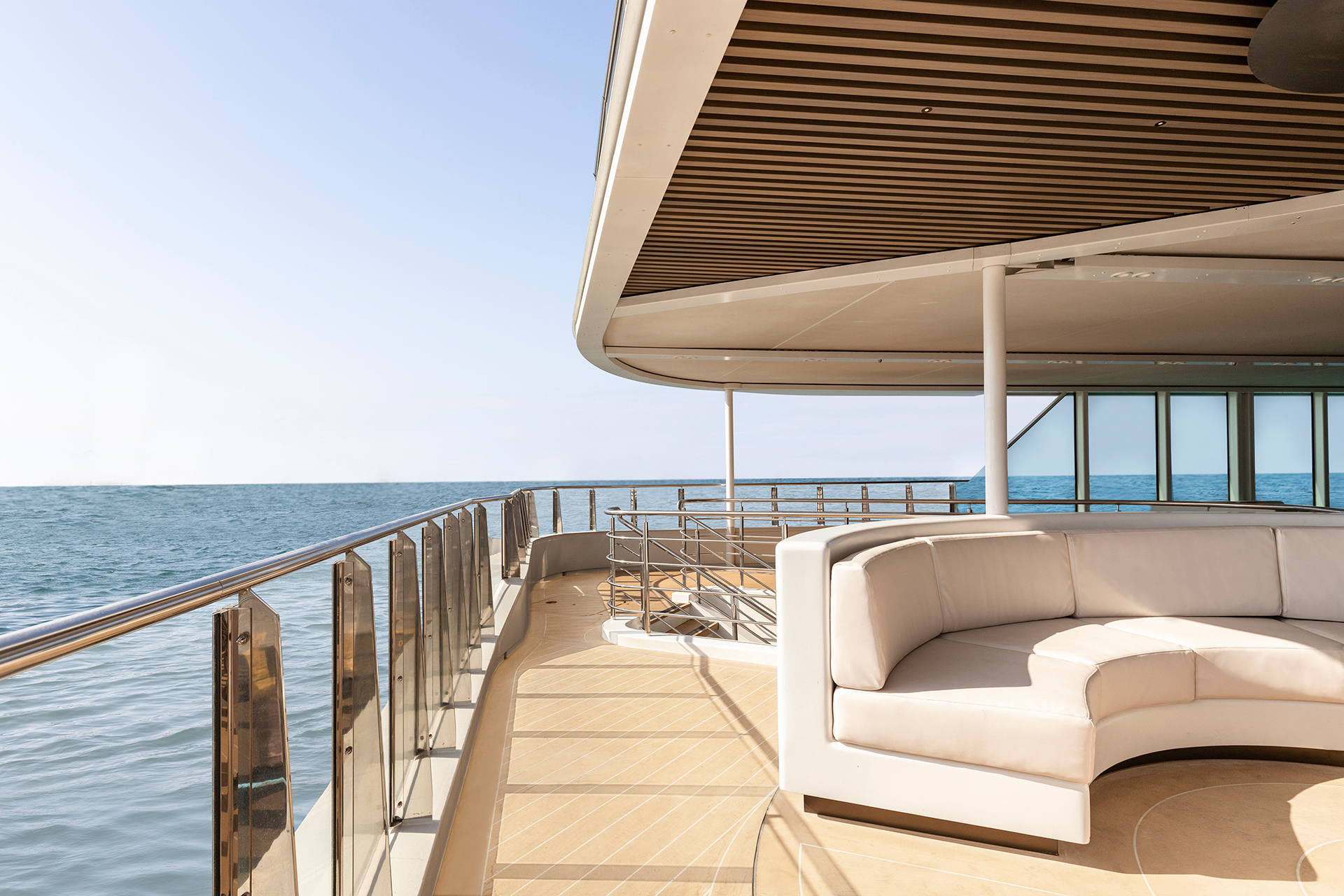
Jacuzzi's
There are two outdoor whirlpools on the upper deck.
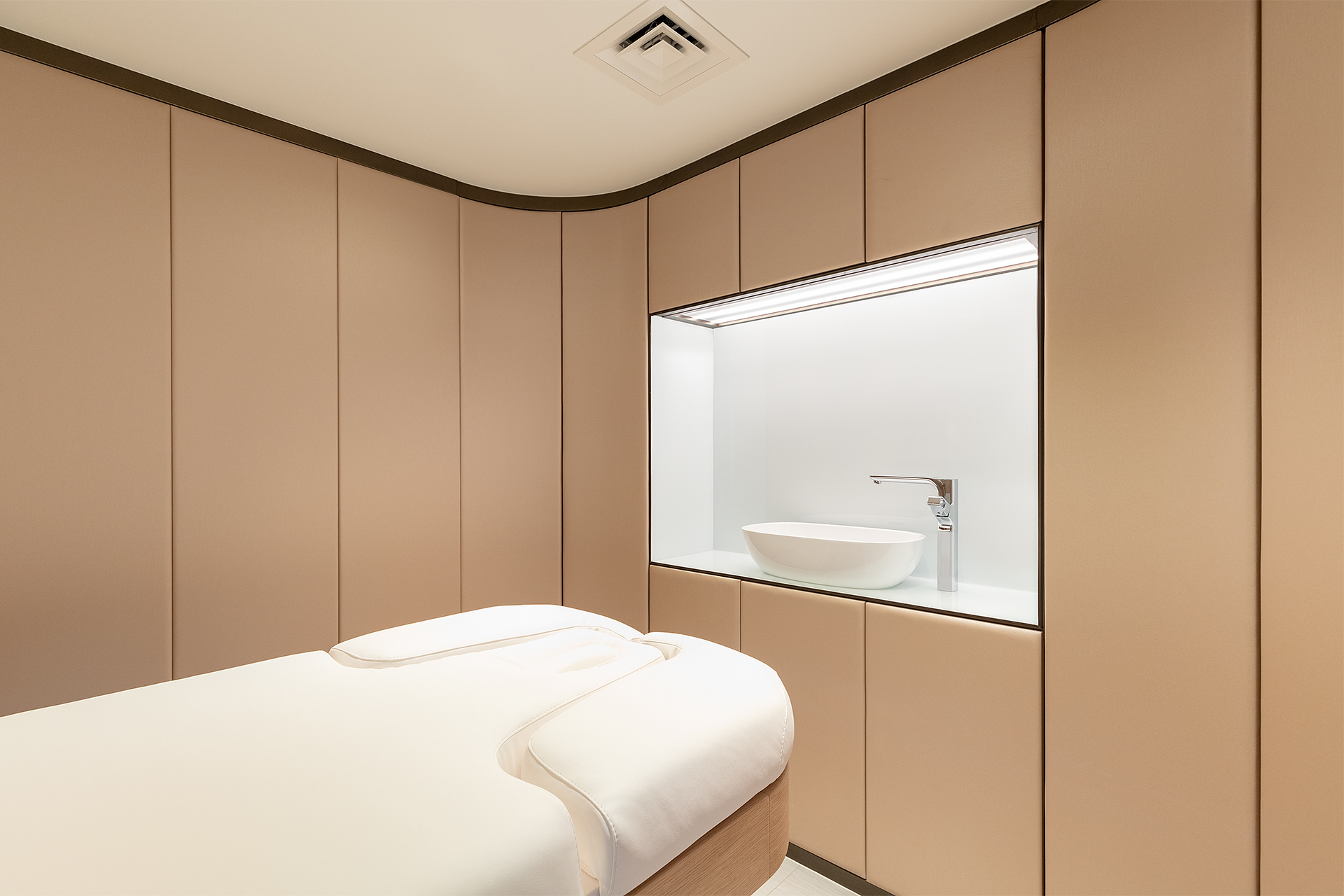
Beauty Spa
After an energetic day exploring, why not treat yourself to a massage or spa session? Including a wide range of treatments, relax body and mind with our hydrating facials, rejuvenating skin therapies, and oh-so-indulgent massages. Designed by renowned interior architects Hirsch Bedner Associates, the Spa is the perfect hybrid between sophisticated elegance and sublime relaxation.
Images are intended as a general reference. Features, materials, finishes and layout may be different than shown.
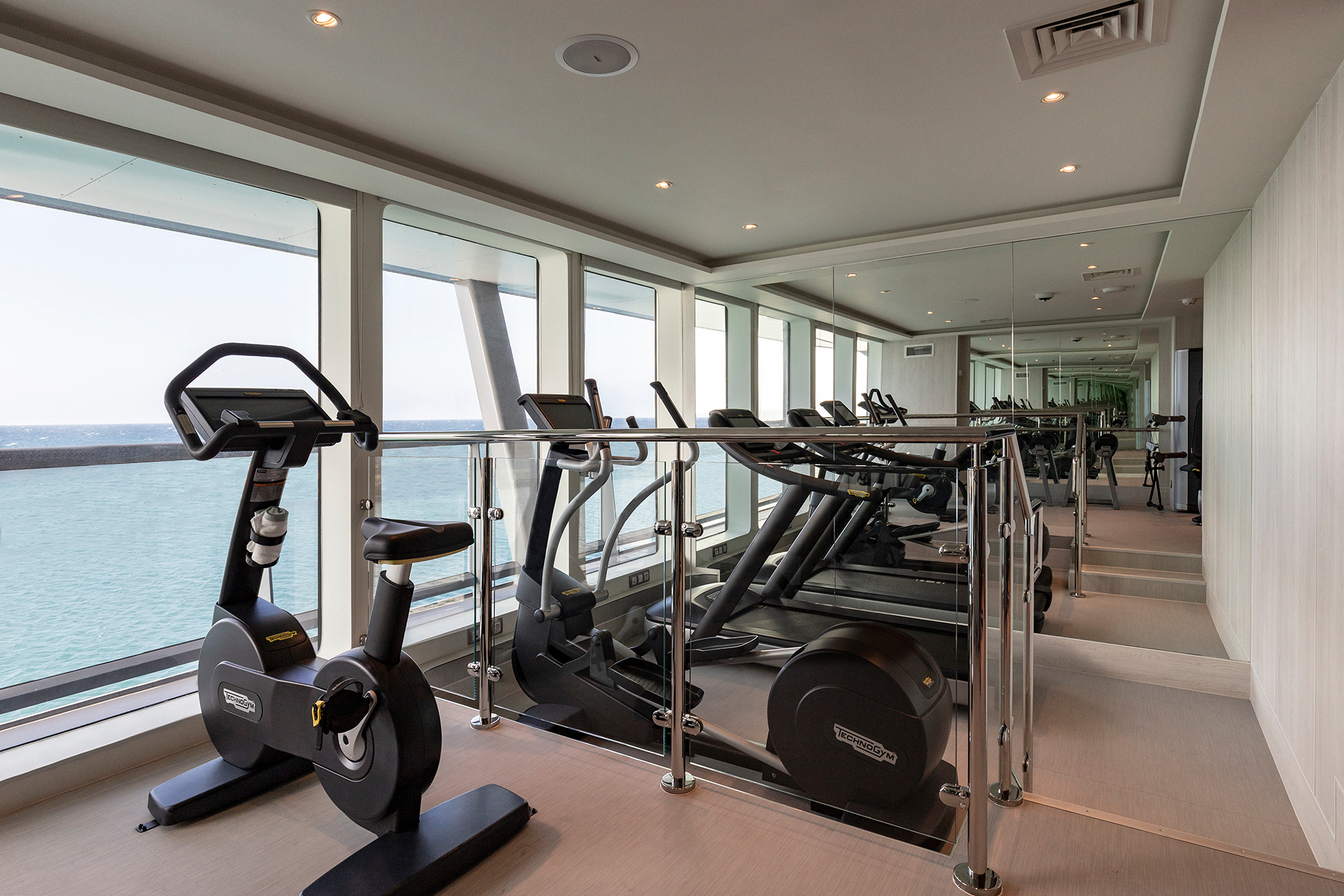
Fitness Centre
Silver Origin’s fitness center offers guests state-of-the-art equipment for those who do not want to let their routine slide! Fully equipped with free weights and specialized machines, never has working out afforded such amazing views.
Images are intended as a general reference. Features, materials, finishes and layout may be different than shown.
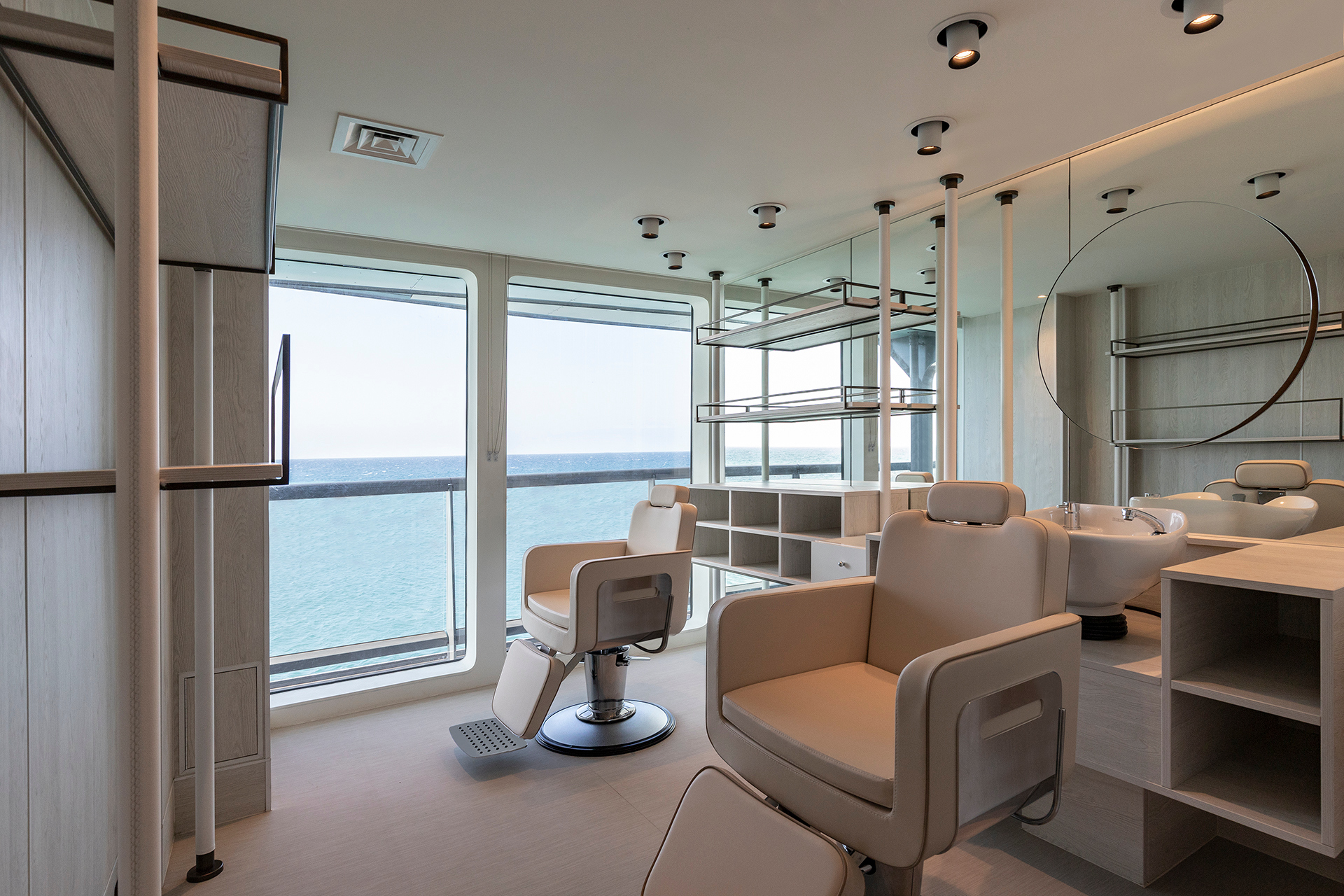
Beauty Salon
An anniversary to celebrate, or simply just because you’re worth it, Silver Origin’s Beauty Salon offers guests world-class treatments from top to toe. Choose from a full range of options, including hairstyling, manicures, and pedicures for both men and women.
Images are intended as a general reference. Features, materials, finishes and layout may be different than shown.
Please note: Although Silversea accepts guests over the age of six months, there are no special programmes for children on board, and Silversea does not provide for the care, entertainment and supervision of children.
The Restaurant
This refined dining room benefits from abundant natural light and stunning views of the destination, thanks to the large floor-to-ceiling glass windows. Serving breakfast, lunch, and dinner, The Restaurant will offer the highest expression of the local cuisine, together with a wide range of international selections.
Images are intended as a general reference. Features, materials, finishes and layout may be different than shown.
The Grill
Our famous The Grill restaurant in the heart of the Galápagos Islands, offering alfresco lunches by day and Silversea’s signature Hot Rocks concept by night. Thanks to an advanced sheltering system, The Grill can be enclosed to maximize guest comfort in case of wind and low temperatures.
Images are intended as a general reference. Features, materials, finishes and layout may be different than shown.
Basecamp
The perfect meeting point for Zodiac excursions, the Basecamp has been specially designed to offer guests a chance to prepare for their next adventure. Featuring an interactive wall, the Basecamp doubles as an information HQ where guests access information on the fascinating flora and fauna of the Galápagos Islands.
Images are intended as a general reference. Features, materials, finishes and layout may be different than shown.
Marina
Offering the highest Zodiac-to-guest ratio in the region, at 1:12.5, Silver Origin will offer a luxurious outpost from which guests will enjoy personalised experience throughout the Galapagos Islands. Every aspect of guests’ cruise experiences will be tailored to take them closer to the authentic beauty of the Galapagos Islands in luxury.
Shore Excursions
Local Immersion, Lasting Impressions
Authentic Cultural Connections
Every destination tells a story — and Silversea Shore Excursions reveal these stories inviting you to venture beyond the ordinary. Enjoy privileged access to cultural treasures and natural wonders often out of reach for independent travelers. Each excursion is thoughtfully designed by experts to foster genuine connections with local communities, customs, and landscapes. From intimate small-group adventures and signature S.A.L.T. Experiences to personalized private tours, we offer diverse options to match your interests and desired level of immersion — making every moment meaningful and memorable.
Highlight Experiences
Seamless tours of iconic sites
Explore iconic landmarks and cultural treasures with our Highlight Experiences, half or full-day adventures led by expert guides. Enjoy seamless, hassle-free journeys to must- see attractions — perfect for guests seeking a convenient, turnkey experience.
Signature Experiences
Smaller tours, crafted by Silversea
These immersive Signature Experiences offer privileged access and personalized interactions with local experts. These experiences are perfect for those seeking meaningful, social exploration who want to connect with destinations through authentic dining and slow travel.
Private Experiences
Exclusive tours for your group
Create your own exclusive adventure with a dedicated vehicle, driver, and guide. Explore at your pace, linger, or spontaneously discover new sites. Available at most ports for half- or full-day bookings, Private Experiences are ideal for families seeking privacy and flexibility.
Custom Experiences
Tailor-made tours designed for you
Enjoy personalized Custom Experiences tailored to your interests, with exclusive access and specialized guides. Our team handles every detail, ensuring unforgettable moments that exceed your expectations—crafted entirely around your pace and preferences.
Overland Experiences
Mid-cruise, inland tours
Venture inland on two- to three-day journeys to iconic sites like the Taj Mahal or Angkor Wat. \Vith flights, stays, and guided access included, these immersive journeys offer rare experiences beyond the coast — all with the signature Silversea service.
Authentic Local Culture
Throughout our many years of sailing the Galápagos, one thing has remained constant: the love our guests feel for local customs and cuisine. What ingredients make up our signature dishes? How to prepare local recipes like our world-famous ceviche at home? Which is why we made sure Silver Origin provides only the most authentic culinary experience possible. In the kitchen, we bring them truly authentic Ecuadorian recipes using only the freshest local ingredients, accompanied by the best regional wine. And in our live gourmet preparation sessions and seminars, why not experience for yourself how to create and recreate all the flavors Ecuador and the Galápagos have to offer?
Mid-Voyage Adventures
Multiple days at sea mean plenty of R&R for some, but others prefer to experience all there is to offer on land. Our Mid-Cruise Land Adventures allow you to take full advantage of your time with us without missing a single thing! These short escapades offer an array of adventures, break up your sea days and allow for deeper exploration beyond the coast.
Silver Shore Concierge
Let Silversea customise a special event or excursion exclusively for you. Expert Shore Excursion professionals are available to assist with all your shorex questions. Make an appointment and gain insider access to knowledgeable suggestions, personalised planning and hassle-free coordination of all private, independent touring, including area highlights, flightseeing, water sports, and much more. Take advantage of this service either in advance of your voyage by email at shoreconcierge@silversea.com or on board by visiting the Silvershore® Concierge desk. Have the Silver Shore Concierge create your tailor-made tour, or be whisked away by private car for a day — the pace and agenda are up to you.
Upper Deck
On the Upper Deck you will find jacuzzi’s & a lounge area.
Explorer Lounge
Continue your exploration of the Galápagos in the Explorer Lounge, undeniably the most elegant way to experience the islands. By day, the space is where guests can meet for briefings with their Expedition Team, while by night, the space doubles as a relaxing lounge bar at the heart of the ship with a pianist playing for your listening pleasure.
Images are intended as a general reference. Features, materials, finishes and layout may be different than shown.
Observation Lounge
Located at the very front of the ship on deck 7, the beautiful Observation Lounge is one of the coziest venues on board, with incredible sunrise-to-sunset views of the destination. The ideal place to relax, read a book picked from our carefully curated library, or just enjoy the refined ambience created by the large floor-to-ceiling glass windows.
Images are intended as a general reference. Features, materials, finishes and layout may be different than shown.
Jacuzzi's
There are two outdoor whirlpools on the upper deck.
Beauty Spa
After an energetic day exploring, why not treat yourself to a massage or spa session? Including a wide range of treatments, relax body and mind with our hydrating facials, rejuvenating skin therapies, and oh-so-indulgent massages. Designed by renowned interior architects Hirsch Bedner Associates, the Spa is the perfect hybrid between sophisticated elegance and sublime relaxation.
Images are intended as a general reference. Features, materials, finishes and layout may be different than shown.
Fitness Centre
Silver Origin’s fitness center offers guests state-of-the-art equipment for those who do not want to let their routine slide! Fully equipped with free weights and specialized machines, never has working out afforded such amazing views.
Images are intended as a general reference. Features, materials, finishes and layout may be different than shown.
Beauty Salon
An anniversary to celebrate, or simply just because you’re worth it, Silver Origin’s Beauty Salon offers guests world-class treatments from top to toe. Choose from a full range of options, including hairstyling, manicures, and pedicures for both men and women.
Images are intended as a general reference. Features, materials, finishes and layout may be different than shown.
Please note: Although Silversea accepts guests over the age of six months, there are no special programmes for children on board, and Silversea does not provide for the care, entertainment and supervision of children.
About the Ship
Deck Plans

- Basecamp
- Marina
- Medical Centre
- Elevator

- The Restaurant
- Explorer Lounge
- Explorer Lounge Outdoor Area
- Elevator

- Beauty Spa
- Fitness Centre
- Classic Veranda Suite
- Silver Suite
- Royal Suite
- Grand Suite
- Elevator

- Superior Veranda Suite
- Deluxe Veranda Suite
- Medallion Suite
- Owner’s Suite
- Elevator

- The Grill
- Observation Lounge
- Lounge Area
- Whirlpool
- Open Deck
- Elevator

- Stargazing
- Basecamp
- Marina
- Medical Centre
- Elevator
- The Restaurant
- Explorer Lounge
- Explorer Lounge Outdoor Area
- Elevator
- Beauty Spa
- Fitness Centre
- Classic Veranda Suite
- Silver Suite
- Royal Suite
- Grand Suite
- Elevator
- Superior Veranda Suite
- Deluxe Veranda Suite
- Medallion Suite
- Owner’s Suite
- Elevator
- The Grill
- Observation Lounge
- Lounge Area
- Whirlpool
- Open Deck
- Elevator
- Stargazing