Featured Cabins
Itinerary
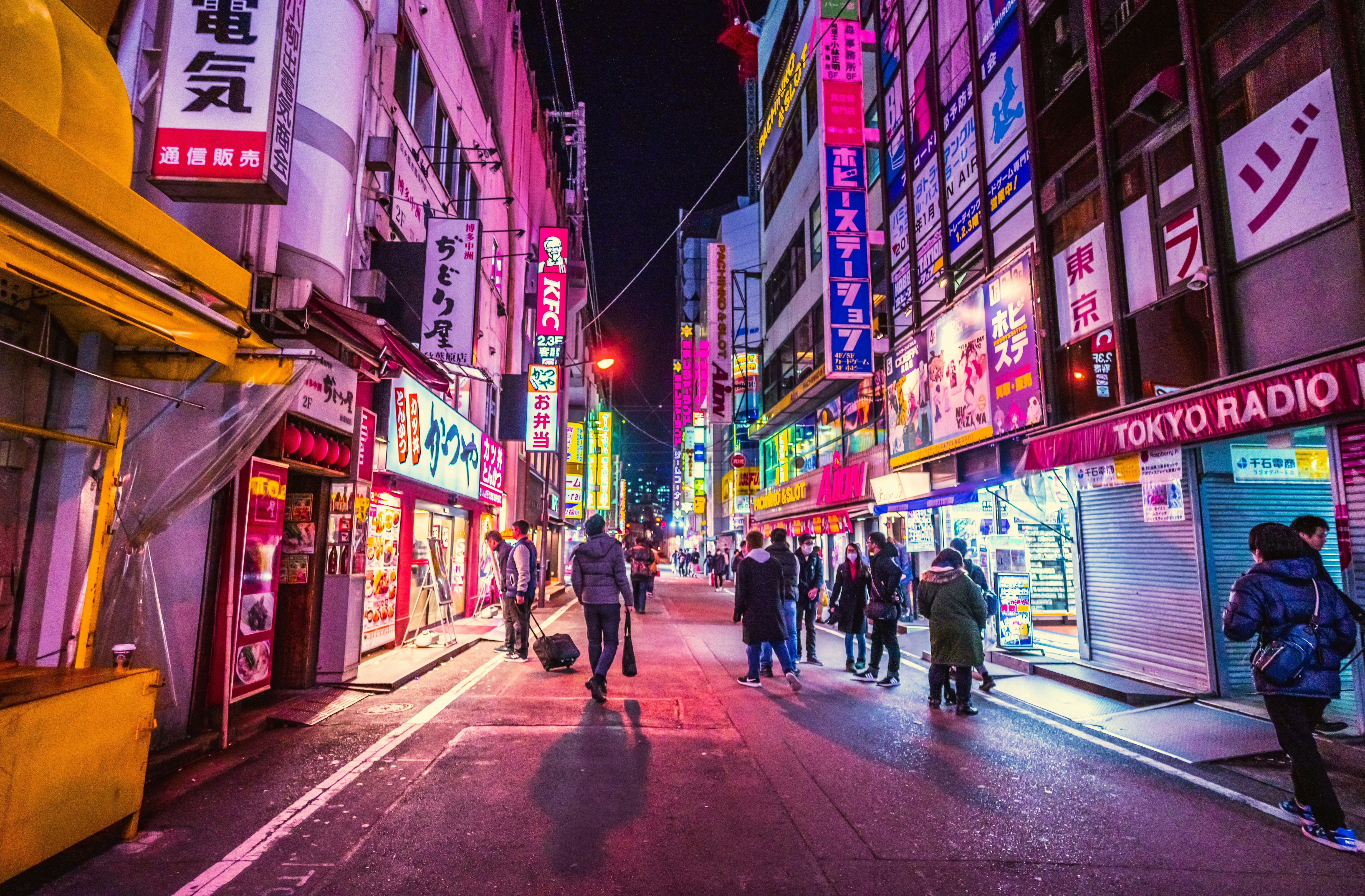
Tokyo, Japan
Lights, sushi, manga! Sprawling, frenetic, and endlessly fascinating, Japan’s capital is a city of contrasts. Shrines and gardens are pockets of calm between famously crowded streets and soaring office buildings. Mom-and-pop noodle houses share street space with Western-style chain restaurants and exquisite fine dining. Shopping yields lovely folk arts as well as the newest electronics. And nightlife kicks off with karaoke or sake and continues with techno clubs and more. Whether you seek the traditional or the cutting edge, Tokyo will provide it.
At Sea
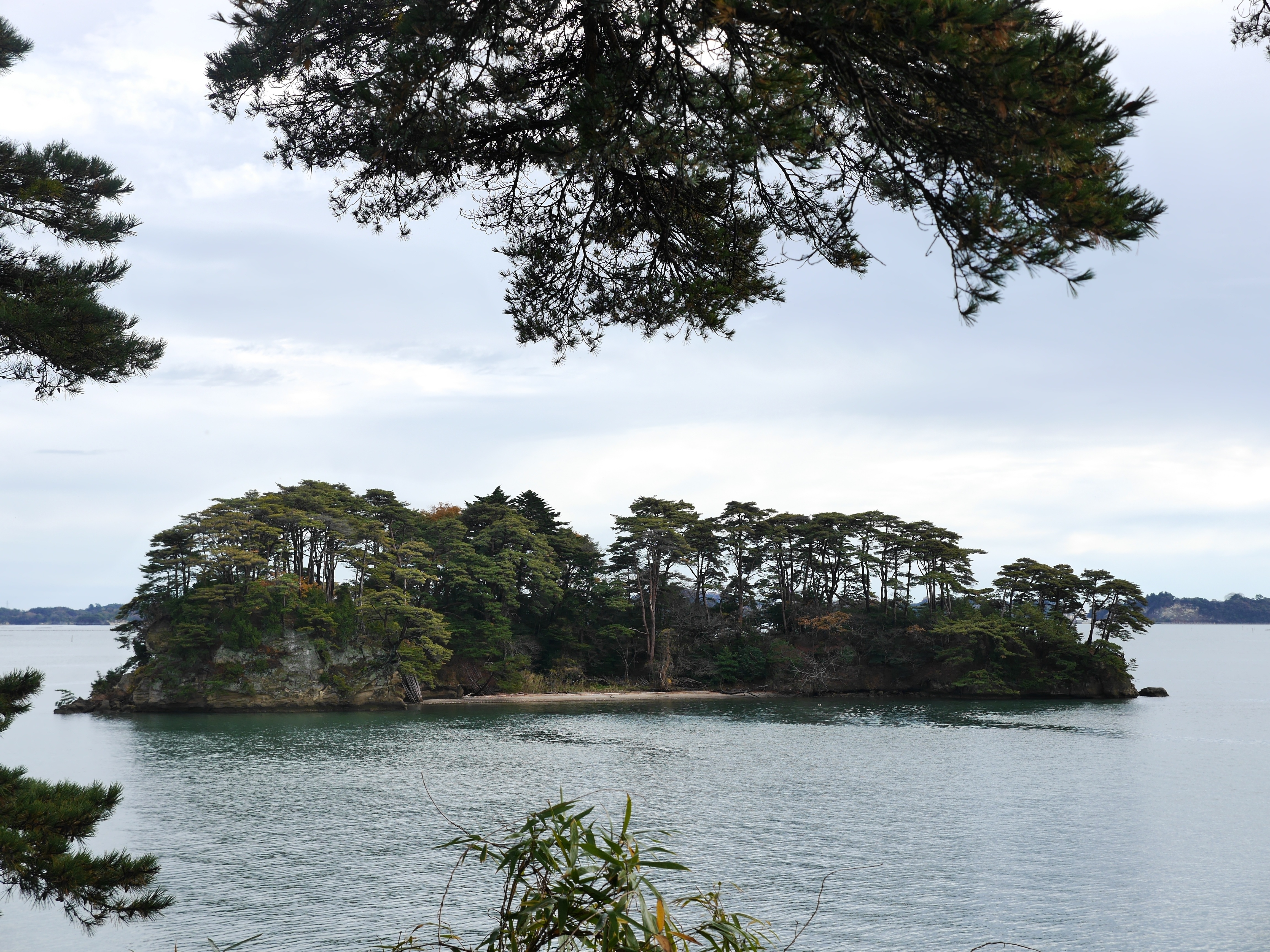
Miyako, Iwate, Japan
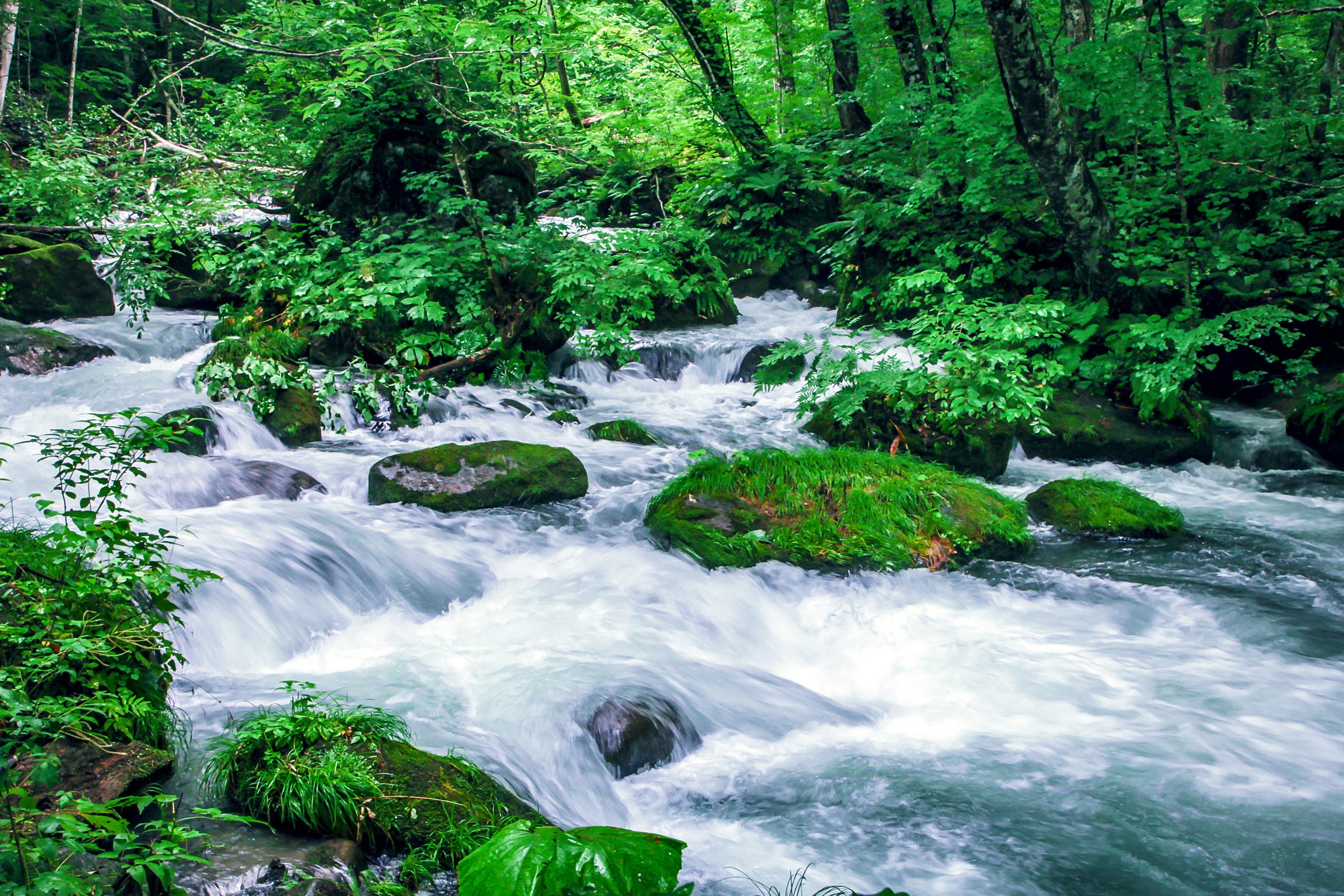
Aomori, Japan
Aomori’s main event is its Nebuta Matsuri Festival,held August 2 to 7. People come to see illuminated floats of gigantic samurai figures paraded through the streets at night. Aomori’s festival is one of Japan’s largest, and is said to celebrate the euphoria of post-battle victory, and is thus encouraged to be noisier and livelier than you may have been exposed to in other Japanese festivals. Dancers, called heneto, run alongside the floats, dancing crazily, and you’re encouraged to join in. Throughout the year you can enjoy delicious seafood from Aomori Bay, including Oma no Maguro (tuna of Oma), as well as delicious fruits and vegetables (particularly garlic). And come every summer, the town cuts loose to throw the decidedly wild Nebuta Matsuri festival, a frenzied, utterly unaccountable period when normal gets thrown to the wind.
At Sea
At Sea
At Sea
Tokyo, Japan
Lights, sushi, manga! Sprawling, frenetic, and endlessly fascinating, Japan’s capital is a city of contrasts. Shrines and gardens are pockets of calm between famously crowded streets and soaring office buildings. Mom-and-pop noodle houses share street space with Western-style chain restaurants and exquisite fine dining. Shopping yields lovely folk arts as well as the newest electronics. And nightlife kicks off with karaoke or sake and continues with techno clubs and more. Whether you seek the traditional or the cutting edge, Tokyo will provide it.
At Sea
Miyako, Iwate, Japan
Aomori, Japan
Aomori’s main event is its Nebuta Matsuri Festival,held August 2 to 7. People come to see illuminated floats of gigantic samurai figures paraded through the streets at night. Aomori’s festival is one of Japan’s largest, and is said to celebrate the euphoria of post-battle victory, and is thus encouraged to be noisier and livelier than you may have been exposed to in other Japanese festivals. Dancers, called heneto, run alongside the floats, dancing crazily, and you’re encouraged to join in. Throughout the year you can enjoy delicious seafood from Aomori Bay, including Oma no Maguro (tuna of Oma), as well as delicious fruits and vegetables (particularly garlic). And come every summer, the town cuts loose to throw the decidedly wild Nebuta Matsuri festival, a frenzied, utterly unaccountable period when normal gets thrown to the wind.
At Sea
At Sea
At Sea
At Sea
At Sea
At Sea
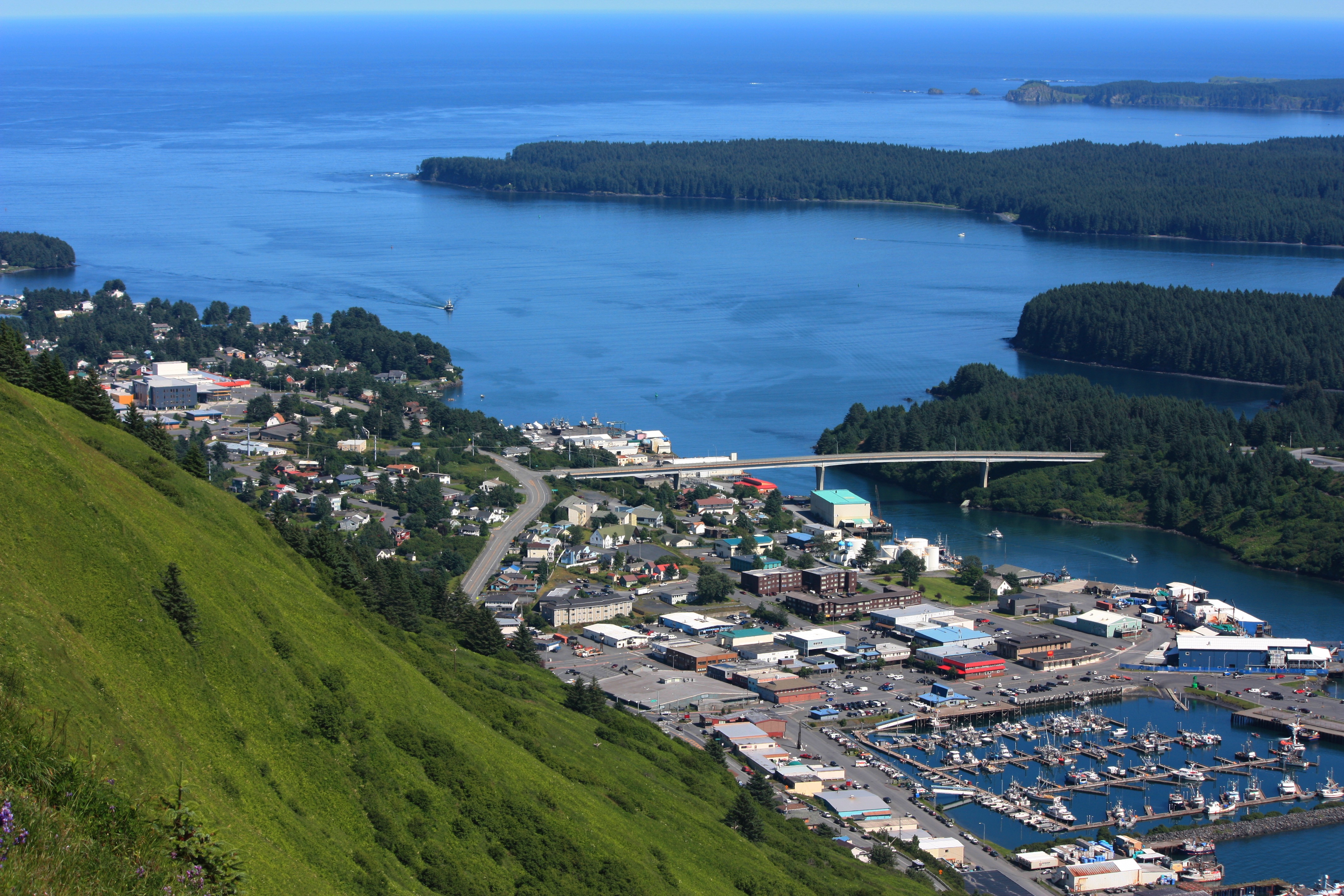
Kodiak, Alaska, United States
Today, commercial fishing is king in Kodiak. Despite its small population—about 6,475 people scattered among the several islands in the Kodiak group—the city is among the busiest fishing ports in the United States. The harbor is also an important supply point for small communities on the Aleutian Islands and the Alaska Peninsula.Visitors to the island tend to follow one of two agendas: either immediately fly out to a remote lodge for fishing, kayaking, or bear viewing; or stay in town and access whatever pursuits they can reach from the limited road system. If the former is too pricey an option, consider combining the two: drive the road system to see what can be seen inexpensively, then add a fly-out or charter-boat excursion to a remote lodge or wilderness access point.Floatplane and boat charters are available from Kodiak to many remote attractions, chief among them the Kodiak National Wildlife Refuge , which covers four islands in the Gulf of Alaska: Kodiak, Afognak, Ban, and Uganik.
At Sea
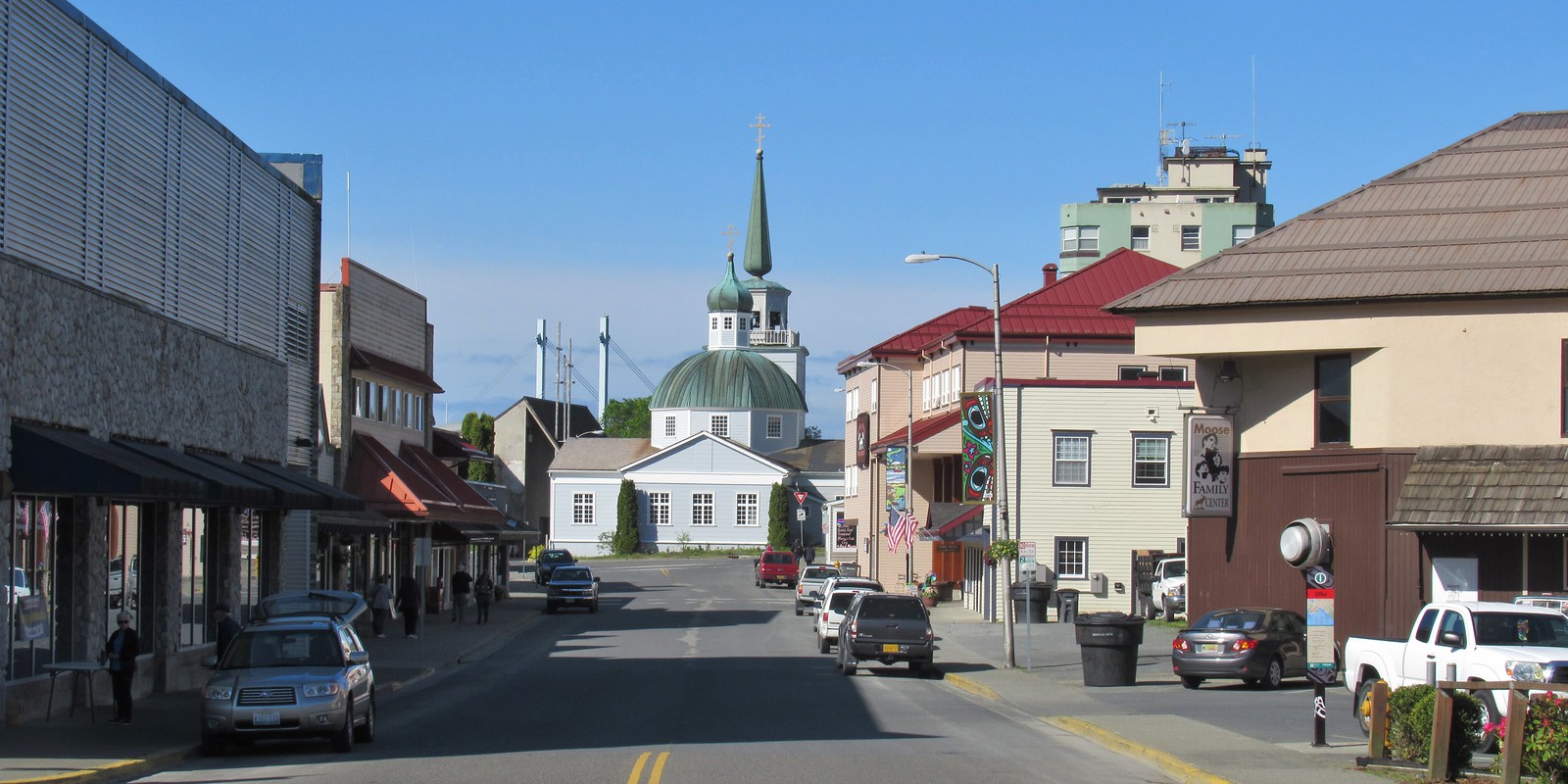
Sitka, Alaska, United States
It’s hard not to like Sitka, with its eclectic blend of Alaska Native, Russian, and American history and its dramatic and beautiful open-ocean setting. This is one of the best Inside Passage towns to explore on foot, with St. Michael’s Cathedral, Sheldon Jackson Museum, Castle Hill, Sitka National Historical Park, and the Alaska Raptor Center topping the must-see list.Sitka was home to the Kiksádi clan of the Tlingit people for centuries prior to the 18th-century arrival of the Russians under the direction of territorial governor Alexander Baranof, who believed the region was ideal for the fur trade. The governor also coveted the Sitka site for its beauty, mild climate, and economic potential; in the island’s massive timber forests he saw raw materials for shipbuilding. Its location offered trading routes as far west as Asia and as far south as California and Hawaii. In 1799 Baranof built St. Michael Archangel—a wooden fort and trading post 6 miles north of the present town.Strong disagreements arose shortly after the settlement. The Tlingits attacked the settlers and burned their buildings in 1802. Baranof, however, was away in Kodiak at the time. He returned in 1804 with a formidable force—including shipboard cannons—and attacked the Tlingits at their fort near Indian River, site of the present-day 105-acre Sitka National Historical Park, forcing many of them north to Chichagof Island.By 1821 the Tlingits had reached an accord with the Russians, who were happy to benefit from the tribe’s hunting skills. Under Baranof and succeeding managers, the Russian-American Company and the town prospered, becoming known as the Paris of the Pacific. The community built a major shipbuilding and repair facility, sawmills, and forges, and even initiated an ice industry, shipping blocks of ice from nearby Swan Lake to the booming San Francisco market. The settlement that was the site of the 1802 conflict is now called Old Sitka. It is a state park and listed as a National Historic Landmark.The town declined after its 1867 transfer from Russia to the United States, but it became prosperous again during World War II, when it served as a base for the U.S. effort to drive the Japanese from the Aleutian Islands. Today its most important industries are fishing, government, and tourism.
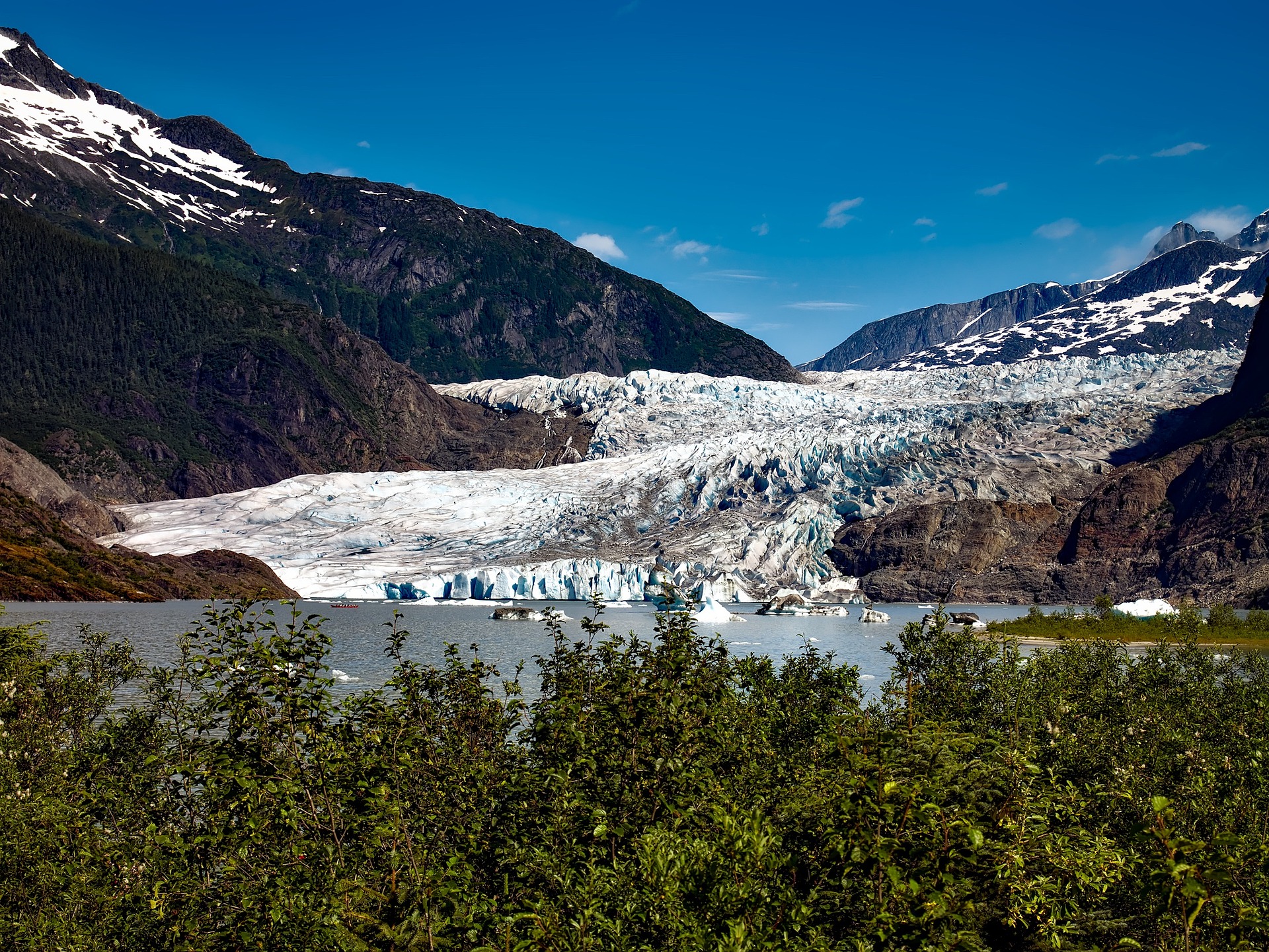
Juneau, Alaska, United States
Juneau, Alaska’s capital and third-largest city, is on the North American mainland but can’t be reached by road. Bounded by steep mountains and water, the city’s geographic isolation and compact size make it much more akin to an island community such as Sitka than to other Alaskan urban centers, such as Fairbanks or Anchorage. Juneau is full of contrasts. Its dramatic hillside location and historic downtown buildings provide a frontier feeling, but the city’s cosmopolitan nature comes through in fine museums, noteworthy restaurants, and a literate and outdoorsy populace. The finest of the museums, the Alaska State Museum, is scheduled to reopen in May 2016 on its old site as the expanded Alaska State Library, Archives, and Museum (SLAM) following several years of planning and exhibit research. Another new facility, the Walter Soboleff Center, offers visitors a chance to learn about the indigenous cultures of Southeast Alaska–-Tlingit, Haida, and Tsimshian. Other highlights include the Mt. Roberts Tramway, plenty of densely forested wilderness areas, quiet bays for sea kayaking, and even a famous drive-up glacier, Mendenhall Glacier. For goings-on, pick up the Juneau Empire (www.juneauempire.com), which keeps tabs on state politics, business, sports, and local news.
At Sea
At Sea
At Sea
Kodiak, Alaska, United States
Today, commercial fishing is king in Kodiak. Despite its small population—about 6,475 people scattered among the several islands in the Kodiak group—the city is among the busiest fishing ports in the United States. The harbor is also an important supply point for small communities on the Aleutian Islands and the Alaska Peninsula.Visitors to the island tend to follow one of two agendas: either immediately fly out to a remote lodge for fishing, kayaking, or bear viewing; or stay in town and access whatever pursuits they can reach from the limited road system. If the former is too pricey an option, consider combining the two: drive the road system to see what can be seen inexpensively, then add a fly-out or charter-boat excursion to a remote lodge or wilderness access point.Floatplane and boat charters are available from Kodiak to many remote attractions, chief among them the Kodiak National Wildlife Refuge , which covers four islands in the Gulf of Alaska: Kodiak, Afognak, Ban, and Uganik.
At Sea
Sitka, Alaska, United States
It’s hard not to like Sitka, with its eclectic blend of Alaska Native, Russian, and American history and its dramatic and beautiful open-ocean setting. This is one of the best Inside Passage towns to explore on foot, with St. Michael’s Cathedral, Sheldon Jackson Museum, Castle Hill, Sitka National Historical Park, and the Alaska Raptor Center topping the must-see list.Sitka was home to the Kiksádi clan of the Tlingit people for centuries prior to the 18th-century arrival of the Russians under the direction of territorial governor Alexander Baranof, who believed the region was ideal for the fur trade. The governor also coveted the Sitka site for its beauty, mild climate, and economic potential; in the island’s massive timber forests he saw raw materials for shipbuilding. Its location offered trading routes as far west as Asia and as far south as California and Hawaii. In 1799 Baranof built St. Michael Archangel—a wooden fort and trading post 6 miles north of the present town.Strong disagreements arose shortly after the settlement. The Tlingits attacked the settlers and burned their buildings in 1802. Baranof, however, was away in Kodiak at the time. He returned in 1804 with a formidable force—including shipboard cannons—and attacked the Tlingits at their fort near Indian River, site of the present-day 105-acre Sitka National Historical Park, forcing many of them north to Chichagof Island.By 1821 the Tlingits had reached an accord with the Russians, who were happy to benefit from the tribe’s hunting skills. Under Baranof and succeeding managers, the Russian-American Company and the town prospered, becoming known as the Paris of the Pacific. The community built a major shipbuilding and repair facility, sawmills, and forges, and even initiated an ice industry, shipping blocks of ice from nearby Swan Lake to the booming San Francisco market. The settlement that was the site of the 1802 conflict is now called Old Sitka. It is a state park and listed as a National Historic Landmark.The town declined after its 1867 transfer from Russia to the United States, but it became prosperous again during World War II, when it served as a base for the U.S. effort to drive the Japanese from the Aleutian Islands. Today its most important industries are fishing, government, and tourism.
Juneau, Alaska, United States
Juneau, Alaska’s capital and third-largest city, is on the North American mainland but can’t be reached by road. Bounded by steep mountains and water, the city’s geographic isolation and compact size make it much more akin to an island community such as Sitka than to other Alaskan urban centers, such as Fairbanks or Anchorage. Juneau is full of contrasts. Its dramatic hillside location and historic downtown buildings provide a frontier feeling, but the city’s cosmopolitan nature comes through in fine museums, noteworthy restaurants, and a literate and outdoorsy populace. The finest of the museums, the Alaska State Museum, is scheduled to reopen in May 2016 on its old site as the expanded Alaska State Library, Archives, and Museum (SLAM) following several years of planning and exhibit research. Another new facility, the Walter Soboleff Center, offers visitors a chance to learn about the indigenous cultures of Southeast Alaska–-Tlingit, Haida, and Tsimshian. Other highlights include the Mt. Roberts Tramway, plenty of densely forested wilderness areas, quiet bays for sea kayaking, and even a famous drive-up glacier, Mendenhall Glacier. For goings-on, pick up the Juneau Empire (www.juneauempire.com), which keeps tabs on state politics, business, sports, and local news.
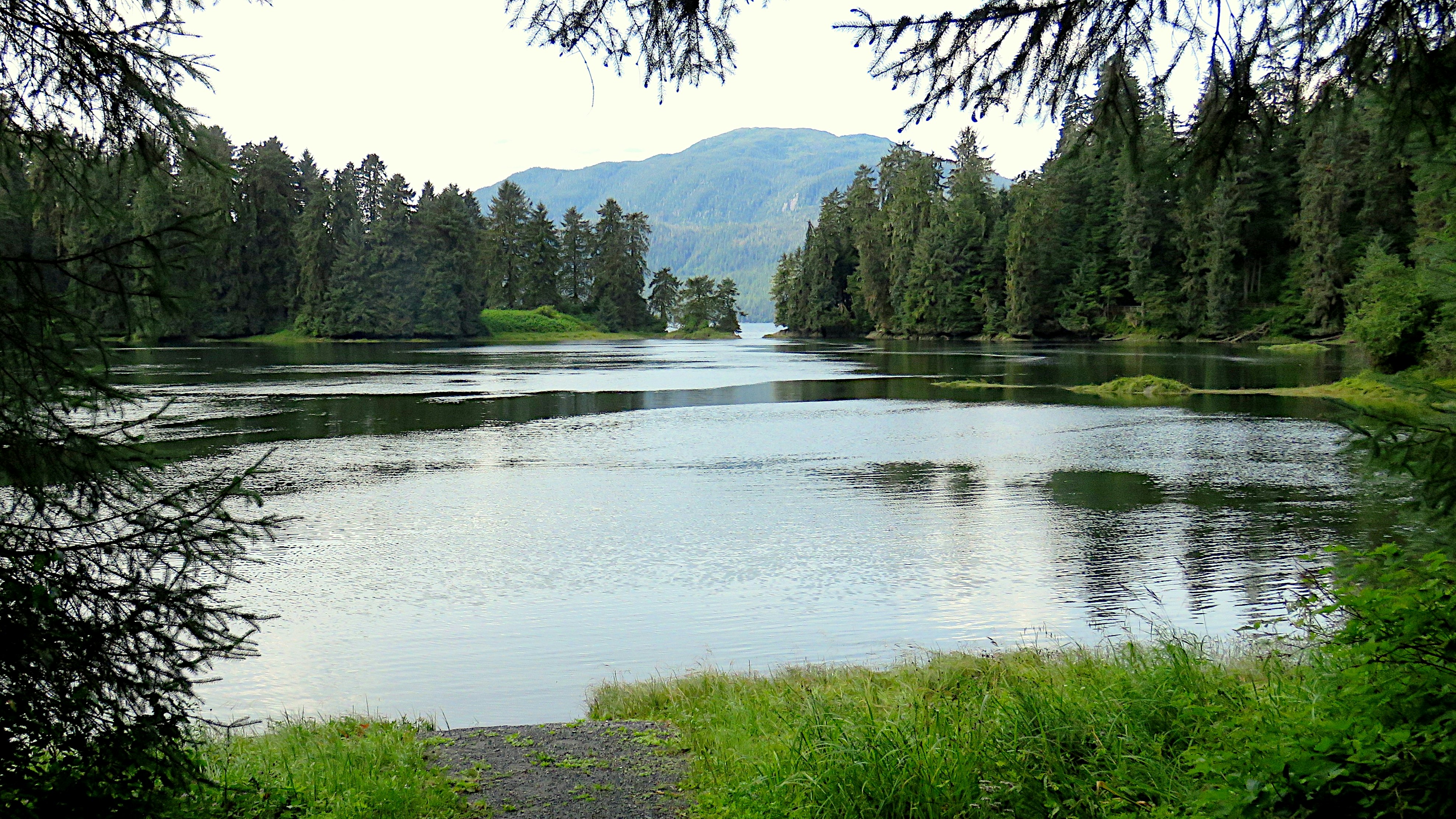
Wrangell, Alaska, United States
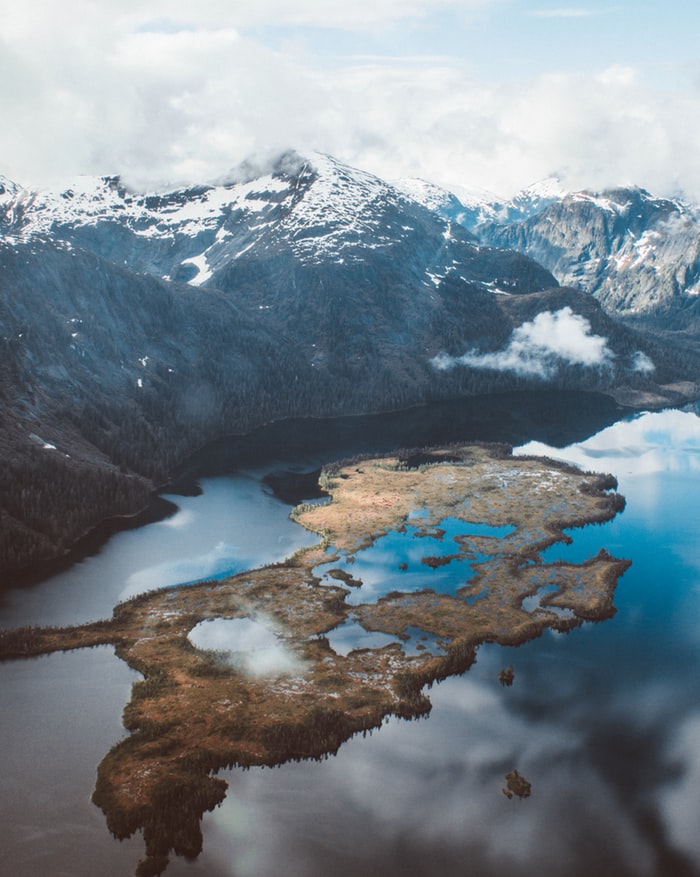
A small, unassuming timber and fishing community, Wrangel sits on the northern tip of Wrangel Island, near the mouth of the fast-flowing Stikine River—North America’s largest undammed river. The Stikine plays a large role in the life of many Wrangel residents, including those who grew up homesteading on the islands that pepper the area. Trips on the river with local guides are highly recommended as they provide, basically, an insider’s guide to the Stikine and a very Alaskan way of life. Like much of Southeast, Wrangel has suffered in recent years from a declining resource-based economy. But locals are working to build tourism in the town. Bearfest, which started in 2010, celebrates Wrangel’s proximity to Anan Creek, where you can get a close-up view of both brown and black bears. Wrangel has flown three different national flags in its time. Russia established Redoubt St. Dionysius here in 1834. Five years later Great Britain’s Hudson’s Bay Company leased the southern Alaska coastline, renaming the settlement Ft. Stikine. It was rechristened Wrangel when the Americans took over in 1867; the name came from Baron Ferdinand Petrovich von Wrangel, governor of the Russian-American Company. The rough-around-the-edges town is off the track of the larger cruise ships, so it does not get the same seasonal traffic that Ketchikan and Juneau do. Hence, it is nearly devoid of the souvenir shops that dominate so many other nearby downtown areas. But the gift shops and art galleries that are here do sell locally created work, and the town is very welcoming to visitors; independent travelers would do well to add a stop in Wrangel during their Southeast wanderings.
Ketchikan, Alaska, United States
Ketchikan is famous for its colorful totem poles, rainy skies, steep–as–San Francisco streets, and lush island setting. Some 13,500 people call the town home, and, in the summer, cruise ships crowd the shoreline, floatplanes depart noisily for Misty Fiords National Monument, and salmon-laden commercial fishing boats motor through Tongass Narrows. In the last decade Ketchikan’s rowdy, blue-collar heritage of logging and fishing has been softened by the loss of many timber-industry jobs and the dramatic rise of cruise-ship tourism. With some effort, though, visitors can still glimpse the rugged frontier spirit that once permeated this hardscrabble cannery town. Art lovers should make a beeline for Ketchikan: the arts community here is very active. Travelers in search of the perfect piece of Alaska art will find an incredible range of pieces to choose from.The town is at the foot of 3,000-foot Deer Mountain, near the southeastern corner of Revillagigedo (locals shorten it to Revilla) Island. Prior to the arrival of white miners and fishermen in 1885, the Tlingit used the site at the mouth of Ketchikan Creek as a summer fish camp. Gold discoveries just before the turn of the 20th century brought more immigrants, and valuable timber and commercial fishing resources spurred new industries. By the 1930s the town bragged that it was the “salmon-canning capital of the world.” You will still find some of Southeast’s best salmon fishing around here. Ketchikan is the first bite of Alaska that many travelers taste. Despite its imposing backdrop, hillside homes, and many staircases, the town is relatively easy to walk through. Favorite downtown stops include the Spruce Mill Development shops and Creek Street. A bit farther away you’ll find the Totem Heritage Center. Out of town (but included on most bus tours) are two longtime favorites: Totem Bight State Historical Park to the north and Saxman Totem Park to the south.
At Sea
Victoria, British Columbia, Canada
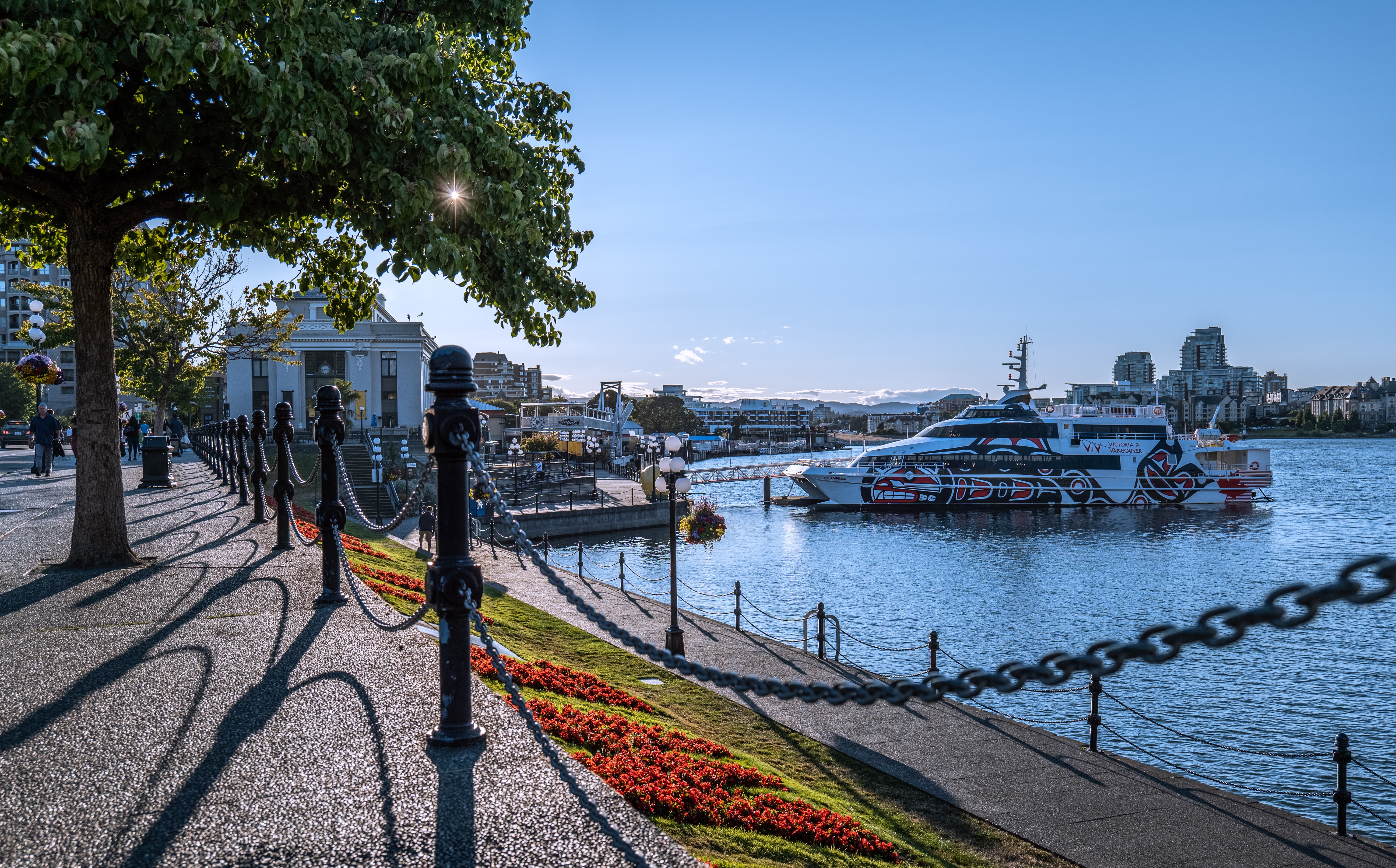
Victoria, the capital of a province whose license plates brazenly label it “The Best Place on Earth,” is a walkable, livable seaside city of fragrant gardens, waterfront paths, engaging museums, and beautifully restored 19th-century architecture. In summer, the Inner Harbour—Victoria’s social and cultural center—buzzes with visiting yachts, horse-and-carriage rides, street entertainers, and excursion boats heading out to visit pods of friendly local whales. Yes, it might be a bit touristy, but Victoria’s good looks, gracious pace, and manageable size are instantly beguiling, especially if you stand back to admire the mountains and ocean beyond. At the southern tip of Vancouver Island, Victoria dips slightly below the 49th parallel. That puts it farther south than most of Canada, giving it the mildest climate in the country, with virtually no snow and less than half the rain of Vancouver. The city’s geography, or at least its place names, can cause confusion. Just to clarify: the city of Victoria is on Vancouver Island (not Victoria Island). The city of Vancouver is on the British Columbia mainland, not on Vancouver Island. At any rate, that upstart city of Vancouver didn’t even exist in 1843 when Victoria, then called Fort Victoria, was founded as the westernmost trading post of the British-owned Hudson’s Bay Company. Victoria was the first European settlement on Vancouver Island, and in 1868 it became the capital of British Columbia. The British weren’t here alone, of course. The local First Nations people—the Songhees, the Saanich, and the Sooke—had already lived in the areas for thousands of years before anyone else arrived. Their art and culture are visible throughout southern Vancouver Island. You can see this in private and public galleries, in the totems at Thunderbird Park, in the striking collections at the Royal British Columbia Museum, and at the Quw’utsun’Cultural and Conference Centre in nearby Duncan. Spanish explorers were the first foreigners to explore the area, although they left little more than place names (Galiano Island and Cordova Bay, for example). The thousands of Chinese immigrants drawn by the gold rushes of the late 19th century had a much greater impact, founding Canada’s oldest Chinatown and adding an Asian influence that’s still quite pronounced in Victoria’s multicultural mix. Despite its role as the provincial capital, Victoria was largely eclipsed, economically, by Vancouver throughout the 20th century. This, as it turns out, was all to the good, helping to preserve Victoria’s historic downtown and keeping the city largely free of skyscrapers and highways. For much of the 20th century, Victoria was marketed to tourists as “The Most British City in Canada,” and it still has more than its share of Anglo-themed pubs, tea shops, and double-decker buses. These days, however, Victorians prefer to celebrate their combined indigenous, Asian, and European heritage, and the city’s stunning wilderness backdrop. Locals do often venture out for afternoon tea, but they’re just as likely to nosh on dim sum or tapas. Decades-old shops sell imported linens and tweeds, but newer upstarts offer local designs in hemp and organic cotton. And let’s not forget that fabric prevalent among locals: Gore-Tex. The outdoors is ever present here. You can hike, bike, kayak, sail, or whale-watch straight from the city center, and forests, beaches, offshore islands, and wilderness parklands lie just minutes away. A little farther afield, there’s surfing near Sooke, wine touring in the Cowichan Valley, and kayaking among the Gulf Islands.
Seattle, Washington, United States
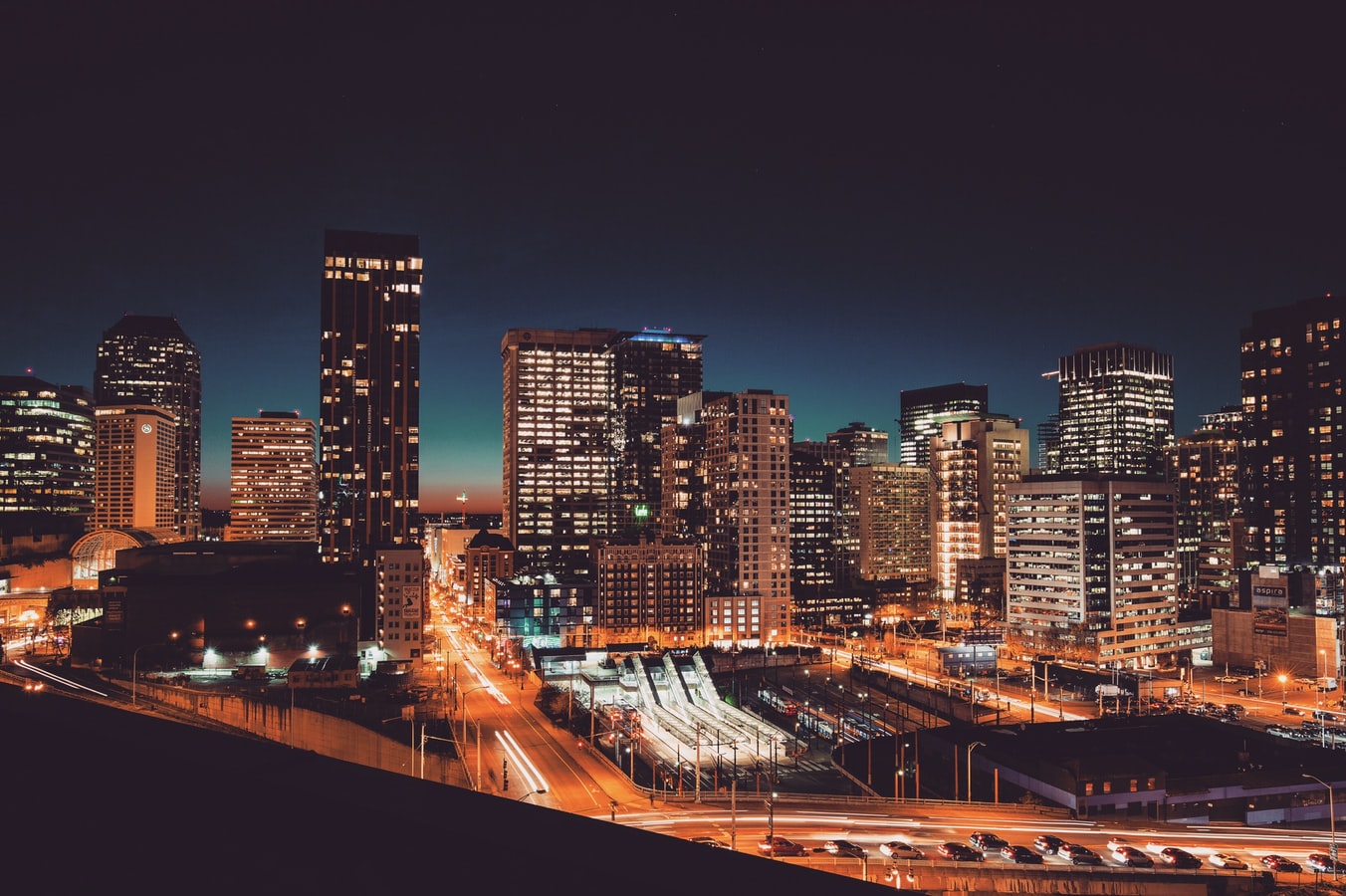
Seattle is a scenic seaport city in western Washington, situated on an isthmus between Puget Sound to the west and Lake Washington to the east. It is the largest city in Washington. Five pioneer families from Illinois first settled the area in 1851, and named the town after a friendly Suquamish Indian chief. It was incorporated as a city in 1869, and grew quickly after the Great Northern Railway arrived in 1893, especially during the Alaska Gold Rush of 1897. When the Panama Canal opened in 1914, Seattle became a major Pacific port of entry, and today it is the region’s commercial and transportation hub and the centre of manufacturing, trade, and finance, with an estimated 684,451 residents as of 2015.
Wrangell, Alaska, United States
A small, unassuming timber and fishing community, Wrangel sits on the northern tip of Wrangel Island, near the mouth of the fast-flowing Stikine River—North America’s largest undammed river. The Stikine plays a large role in the life of many Wrangel residents, including those who grew up homesteading on the islands that pepper the area. Trips on the river with local guides are highly recommended as they provide, basically, an insider’s guide to the Stikine and a very Alaskan way of life. Like much of Southeast, Wrangel has suffered in recent years from a declining resource-based economy. But locals are working to build tourism in the town. Bearfest, which started in 2010, celebrates Wrangel’s proximity to Anan Creek, where you can get a close-up view of both brown and black bears. Wrangel has flown three different national flags in its time. Russia established Redoubt St. Dionysius here in 1834. Five years later Great Britain’s Hudson’s Bay Company leased the southern Alaska coastline, renaming the settlement Ft. Stikine. It was rechristened Wrangel when the Americans took over in 1867; the name came from Baron Ferdinand Petrovich von Wrangel, governor of the Russian-American Company. The rough-around-the-edges town is off the track of the larger cruise ships, so it does not get the same seasonal traffic that Ketchikan and Juneau do. Hence, it is nearly devoid of the souvenir shops that dominate so many other nearby downtown areas. But the gift shops and art galleries that are here do sell locally created work, and the town is very welcoming to visitors; independent travelers would do well to add a stop in Wrangel during their Southeast wanderings.
Ketchikan, Alaska, United States
Ketchikan is famous for its colorful totem poles, rainy skies, steep–as–San Francisco streets, and lush island setting. Some 13,500 people call the town home, and, in the summer, cruise ships crowd the shoreline, floatplanes depart noisily for Misty Fiords National Monument, and salmon-laden commercial fishing boats motor through Tongass Narrows. In the last decade Ketchikan’s rowdy, blue-collar heritage of logging and fishing has been softened by the loss of many timber-industry jobs and the dramatic rise of cruise-ship tourism. With some effort, though, visitors can still glimpse the rugged frontier spirit that once permeated this hardscrabble cannery town. Art lovers should make a beeline for Ketchikan: the arts community here is very active. Travelers in search of the perfect piece of Alaska art will find an incredible range of pieces to choose from.The town is at the foot of 3,000-foot Deer Mountain, near the southeastern corner of Revillagigedo (locals shorten it to Revilla) Island. Prior to the arrival of white miners and fishermen in 1885, the Tlingit used the site at the mouth of Ketchikan Creek as a summer fish camp. Gold discoveries just before the turn of the 20th century brought more immigrants, and valuable timber and commercial fishing resources spurred new industries. By the 1930s the town bragged that it was the “salmon-canning capital of the world.” You will still find some of Southeast’s best salmon fishing around here. Ketchikan is the first bite of Alaska that many travelers taste. Despite its imposing backdrop, hillside homes, and many staircases, the town is relatively easy to walk through. Favorite downtown stops include the Spruce Mill Development shops and Creek Street. A bit farther away you’ll find the Totem Heritage Center. Out of town (but included on most bus tours) are two longtime favorites: Totem Bight State Historical Park to the north and Saxman Totem Park to the south.
At Sea
Victoria, British Columbia, Canada
Victoria, the capital of a province whose license plates brazenly label it “The Best Place on Earth,” is a walkable, livable seaside city of fragrant gardens, waterfront paths, engaging museums, and beautifully restored 19th-century architecture. In summer, the Inner Harbour—Victoria’s social and cultural center—buzzes with visiting yachts, horse-and-carriage rides, street entertainers, and excursion boats heading out to visit pods of friendly local whales. Yes, it might be a bit touristy, but Victoria’s good looks, gracious pace, and manageable size are instantly beguiling, especially if you stand back to admire the mountains and ocean beyond. At the southern tip of Vancouver Island, Victoria dips slightly below the 49th parallel. That puts it farther south than most of Canada, giving it the mildest climate in the country, with virtually no snow and less than half the rain of Vancouver. The city’s geography, or at least its place names, can cause confusion. Just to clarify: the city of Victoria is on Vancouver Island (not Victoria Island). The city of Vancouver is on the British Columbia mainland, not on Vancouver Island. At any rate, that upstart city of Vancouver didn’t even exist in 1843 when Victoria, then called Fort Victoria, was founded as the westernmost trading post of the British-owned Hudson’s Bay Company. Victoria was the first European settlement on Vancouver Island, and in 1868 it became the capital of British Columbia. The British weren’t here alone, of course. The local First Nations people—the Songhees, the Saanich, and the Sooke—had already lived in the areas for thousands of years before anyone else arrived. Their art and culture are visible throughout southern Vancouver Island. You can see this in private and public galleries, in the totems at Thunderbird Park, in the striking collections at the Royal British Columbia Museum, and at the Quw’utsun’Cultural and Conference Centre in nearby Duncan. Spanish explorers were the first foreigners to explore the area, although they left little more than place names (Galiano Island and Cordova Bay, for example). The thousands of Chinese immigrants drawn by the gold rushes of the late 19th century had a much greater impact, founding Canada’s oldest Chinatown and adding an Asian influence that’s still quite pronounced in Victoria’s multicultural mix. Despite its role as the provincial capital, Victoria was largely eclipsed, economically, by Vancouver throughout the 20th century. This, as it turns out, was all to the good, helping to preserve Victoria’s historic downtown and keeping the city largely free of skyscrapers and highways. For much of the 20th century, Victoria was marketed to tourists as “The Most British City in Canada,” and it still has more than its share of Anglo-themed pubs, tea shops, and double-decker buses. These days, however, Victorians prefer to celebrate their combined indigenous, Asian, and European heritage, and the city’s stunning wilderness backdrop. Locals do often venture out for afternoon tea, but they’re just as likely to nosh on dim sum or tapas. Decades-old shops sell imported linens and tweeds, but newer upstarts offer local designs in hemp and organic cotton. And let’s not forget that fabric prevalent among locals: Gore-Tex. The outdoors is ever present here. You can hike, bike, kayak, sail, or whale-watch straight from the city center, and forests, beaches, offshore islands, and wilderness parklands lie just minutes away. A little farther afield, there’s surfing near Sooke, wine touring in the Cowichan Valley, and kayaking among the Gulf Islands.
Seattle, Washington, United States
Seattle is a scenic seaport city in western Washington, situated on an isthmus between Puget Sound to the west and Lake Washington to the east. It is the largest city in Washington. Five pioneer families from Illinois first settled the area in 1851, and named the town after a friendly Suquamish Indian chief. It was incorporated as a city in 1869, and grew quickly after the Great Northern Railway arrived in 1893, especially during the Alaska Gold Rush of 1897. When the Panama Canal opened in 1914, Seattle became a major Pacific port of entry, and today it is the region’s commercial and transportation hub and the centre of manufacturing, trade, and finance, with an estimated 684,451 residents as of 2015.
Cabin Options
Classic Veranda Suite
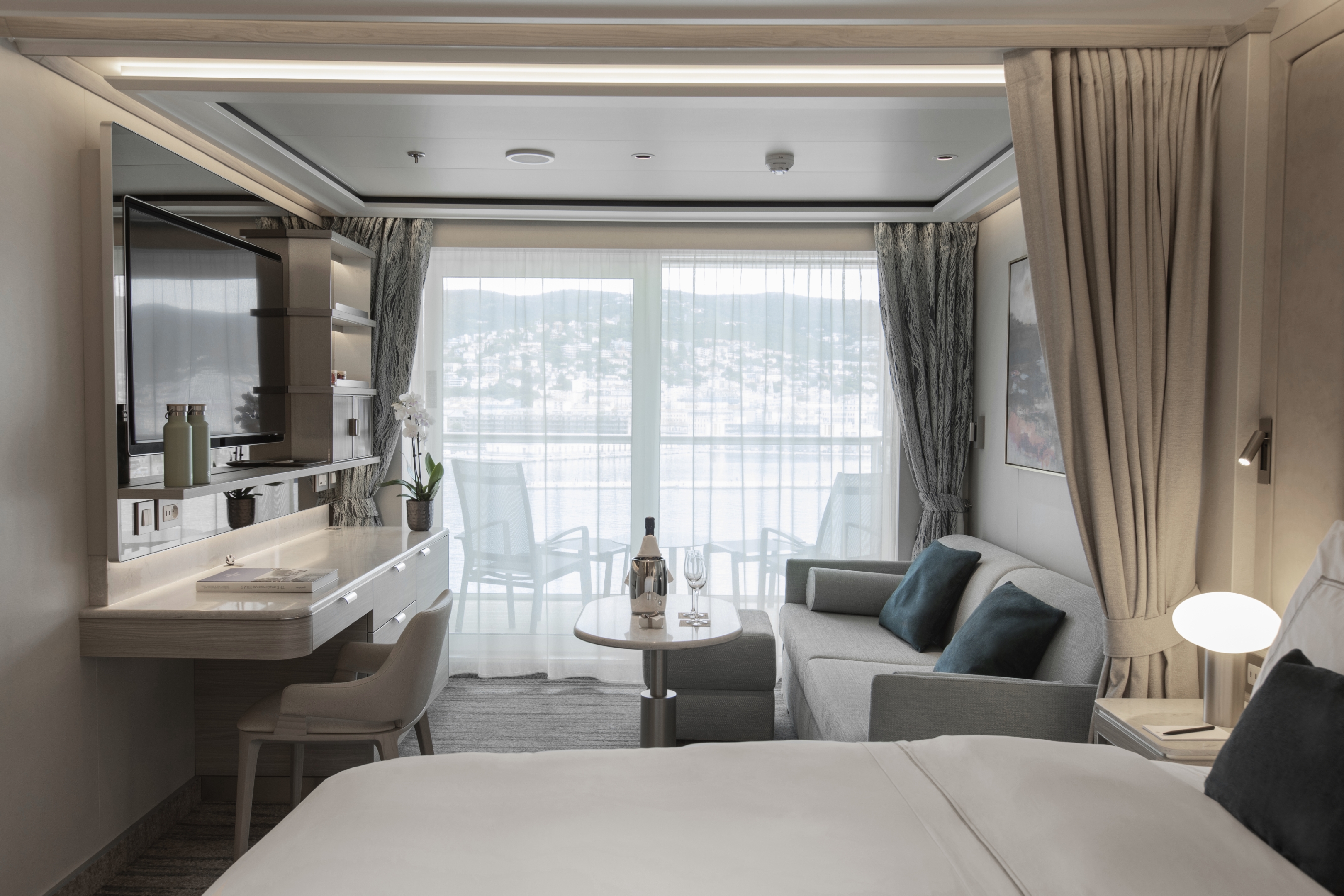
Superior Veranda Suite
Deluxe Veranda Suite
Premium Veranda Suite
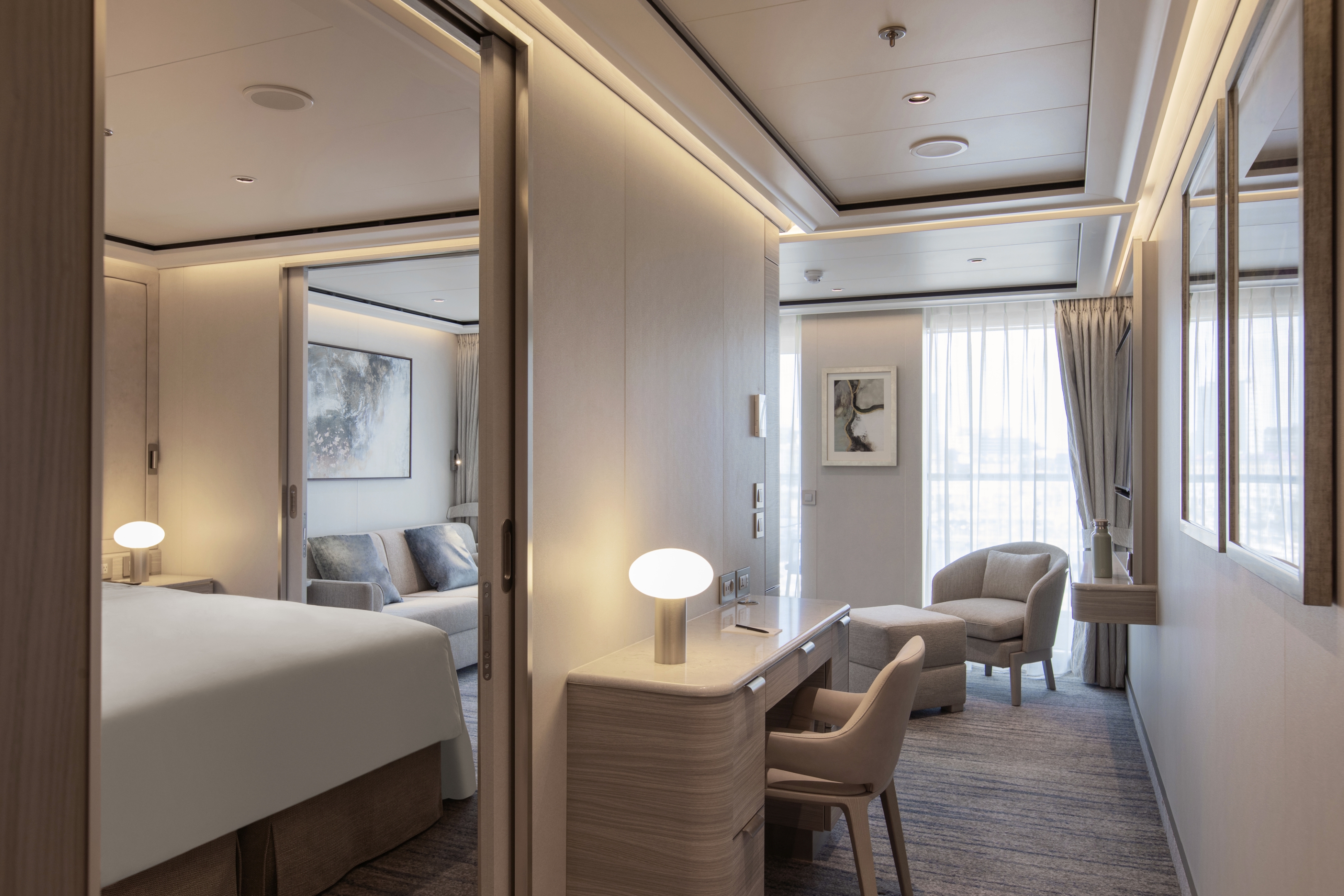
Medallion Suite
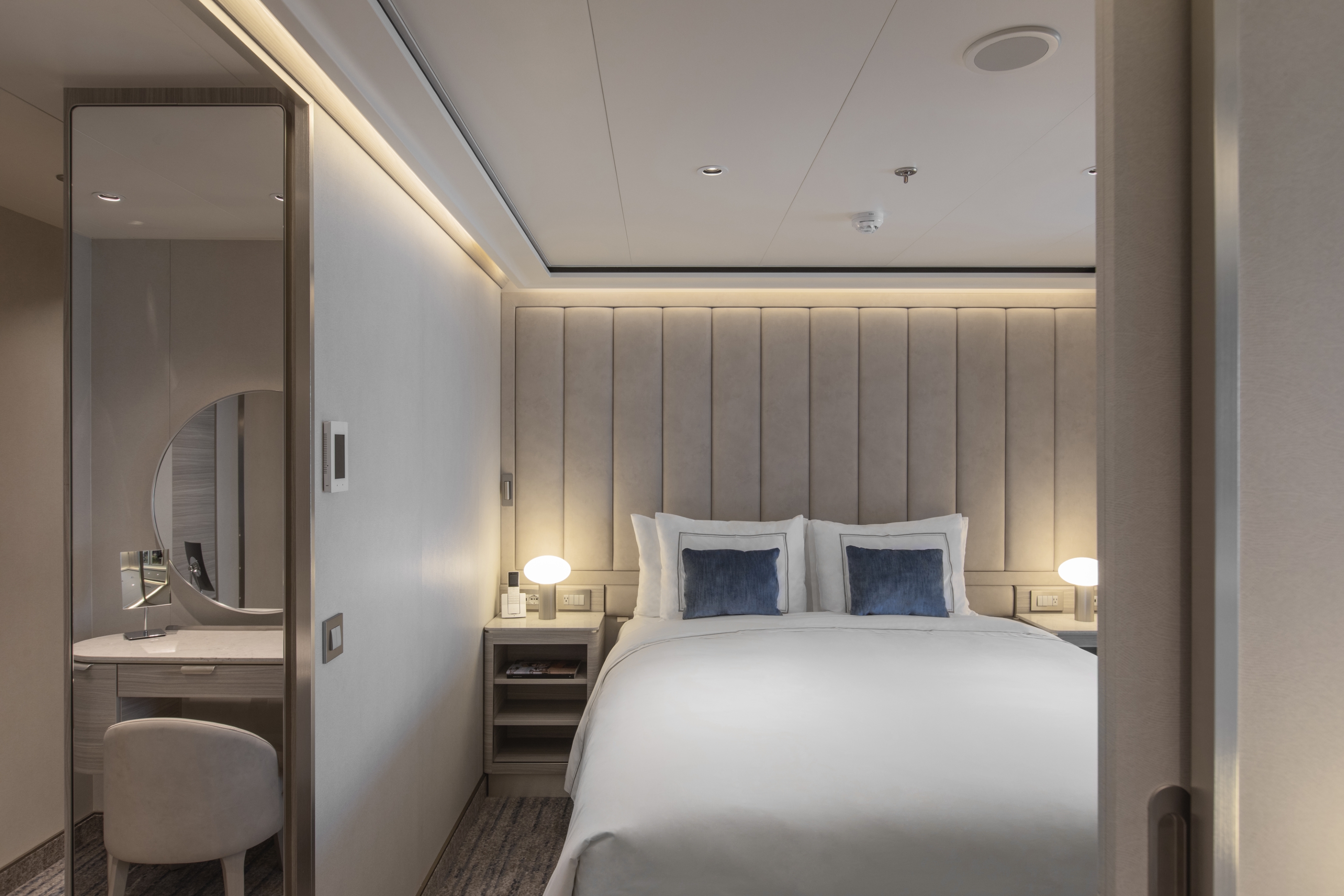
Premium Medallion Suite
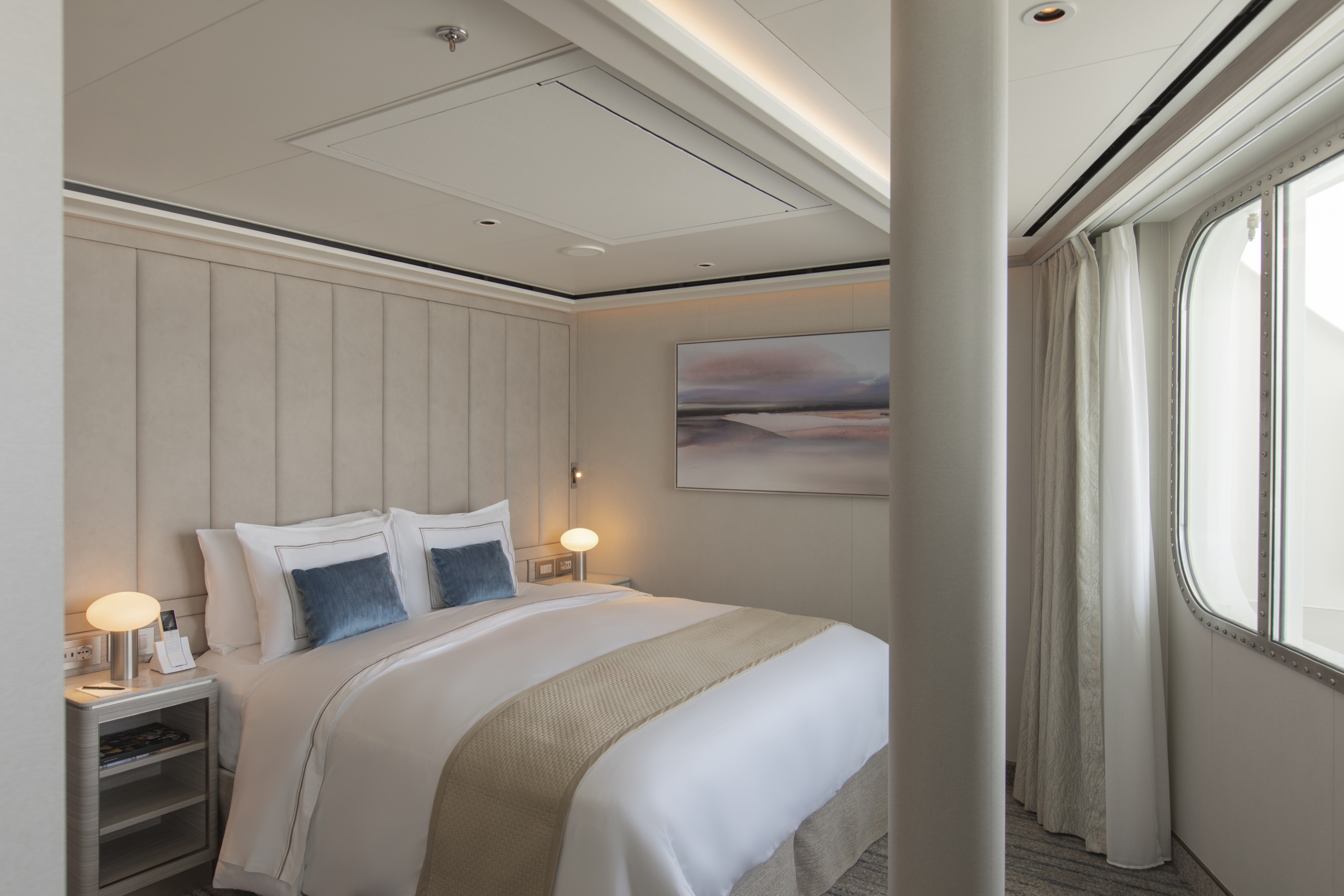
Junior Grand Suite
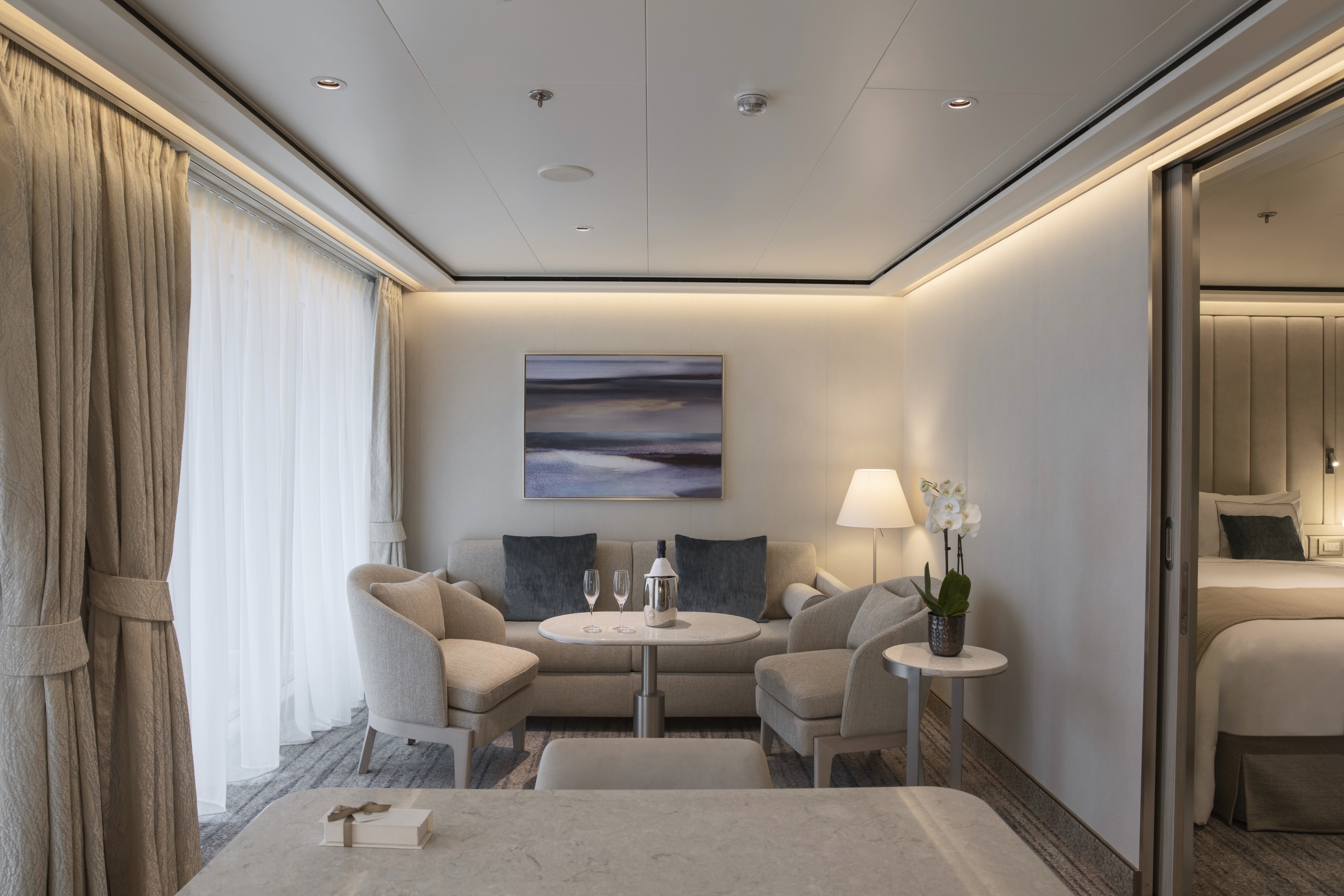
Silver Suite
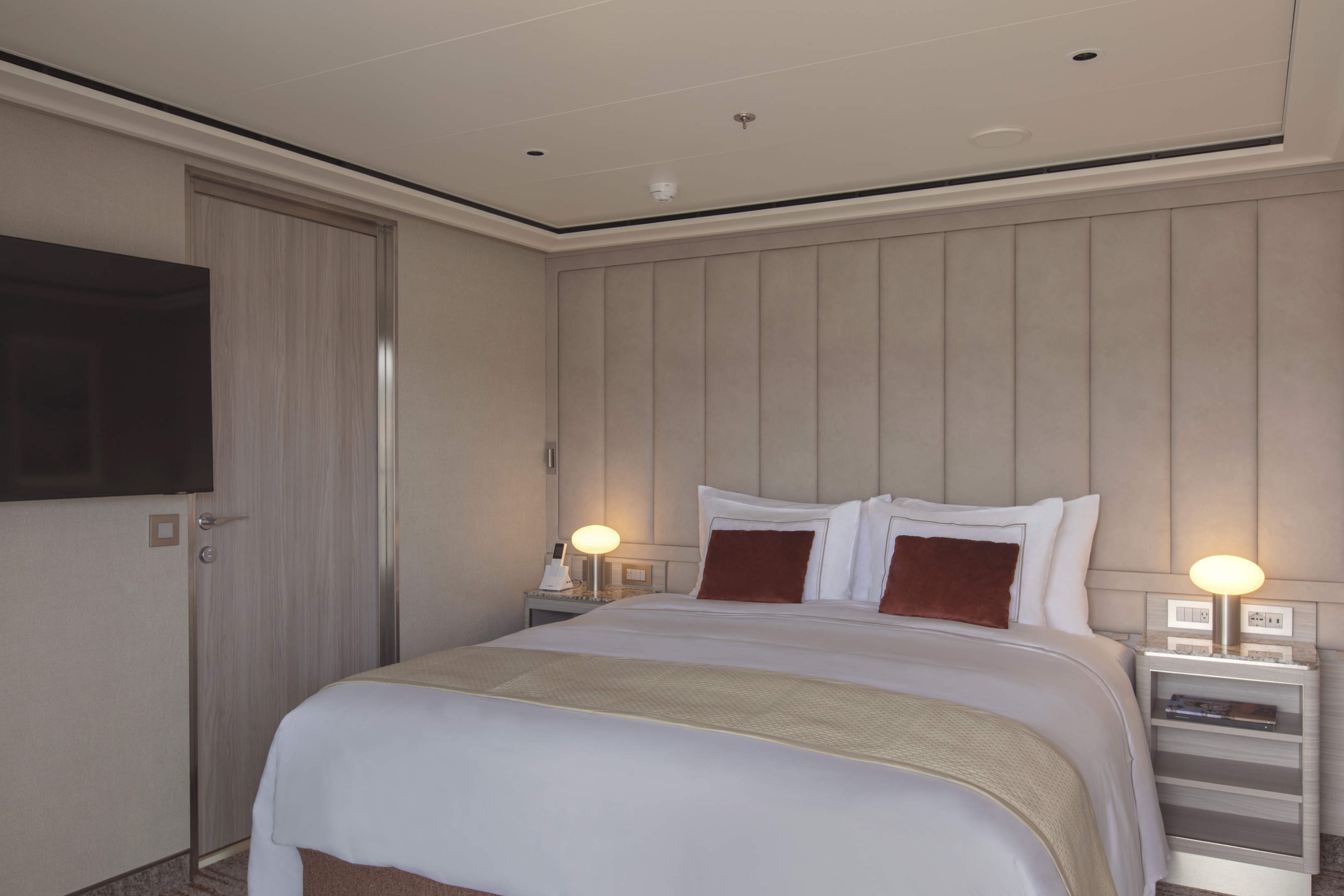
Signature Suite
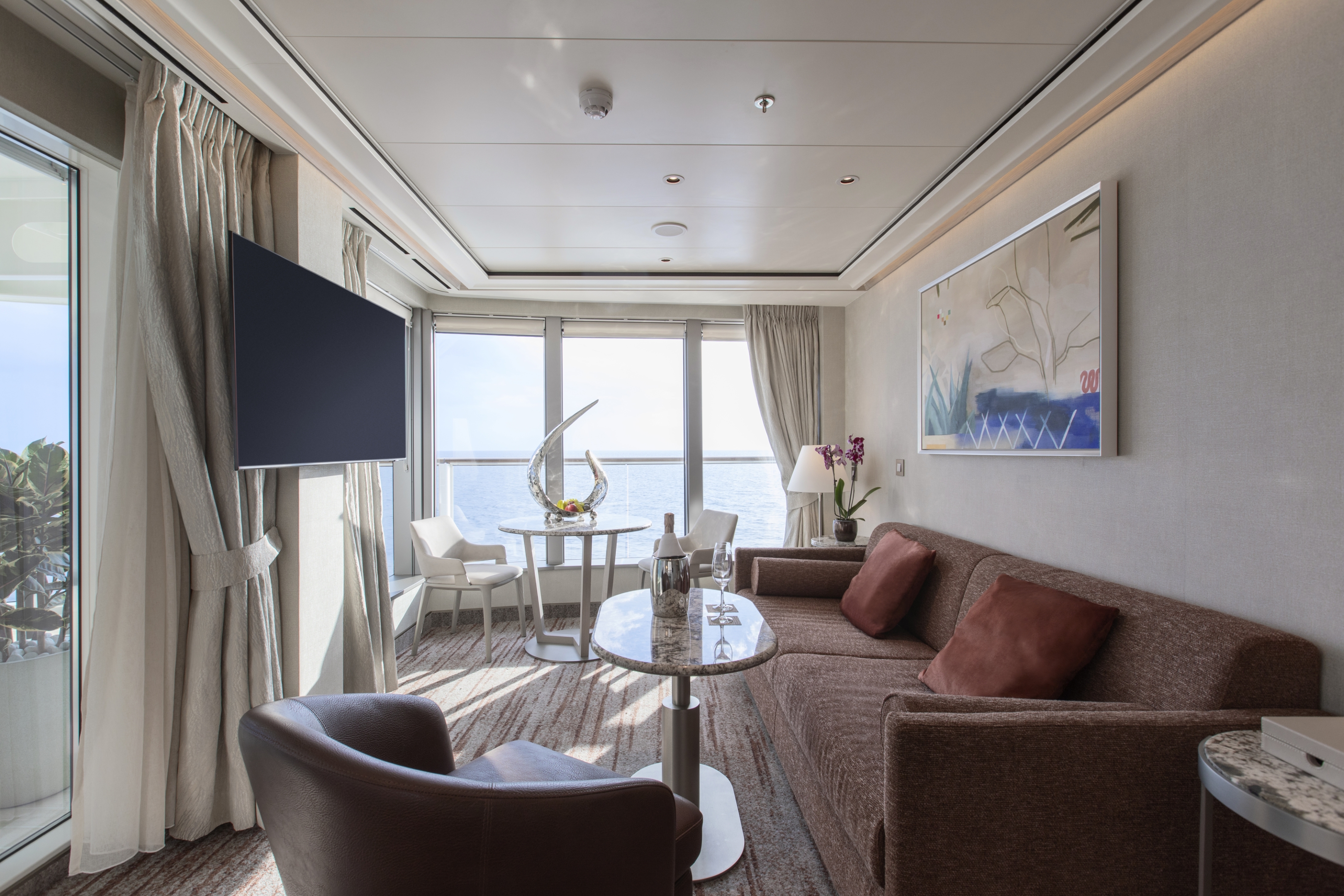
Master Suite
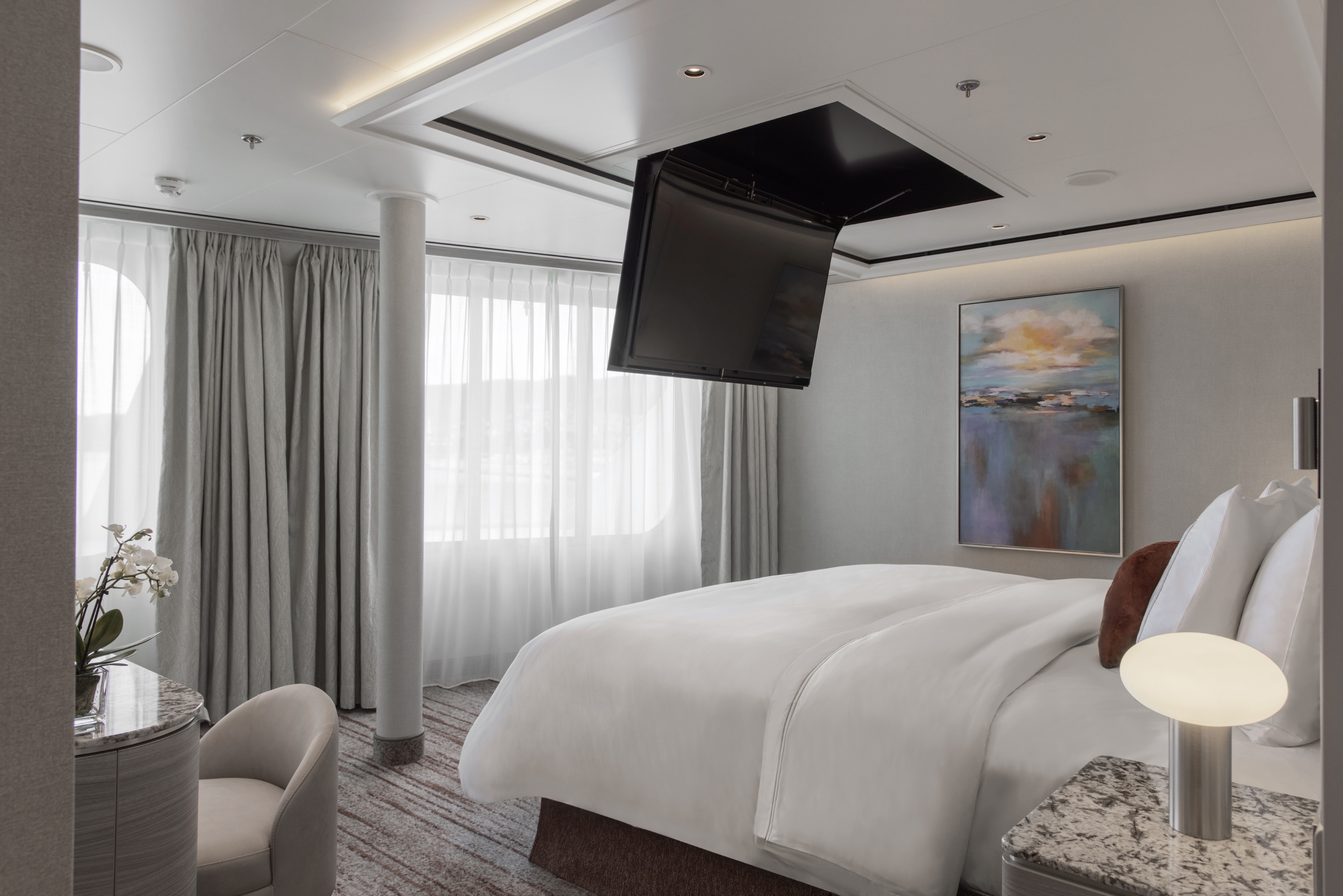
Grand Suite
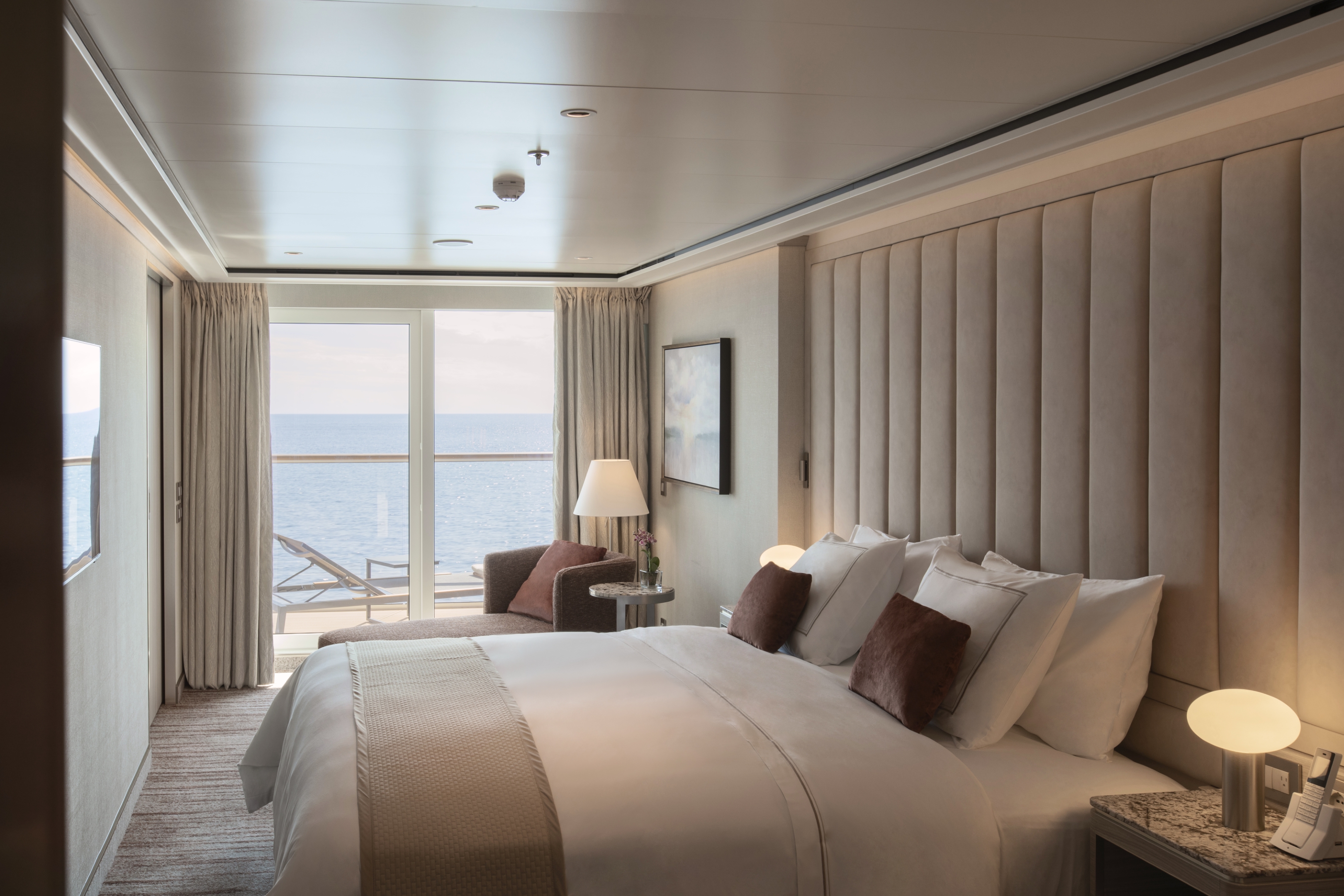
Owner's Suite
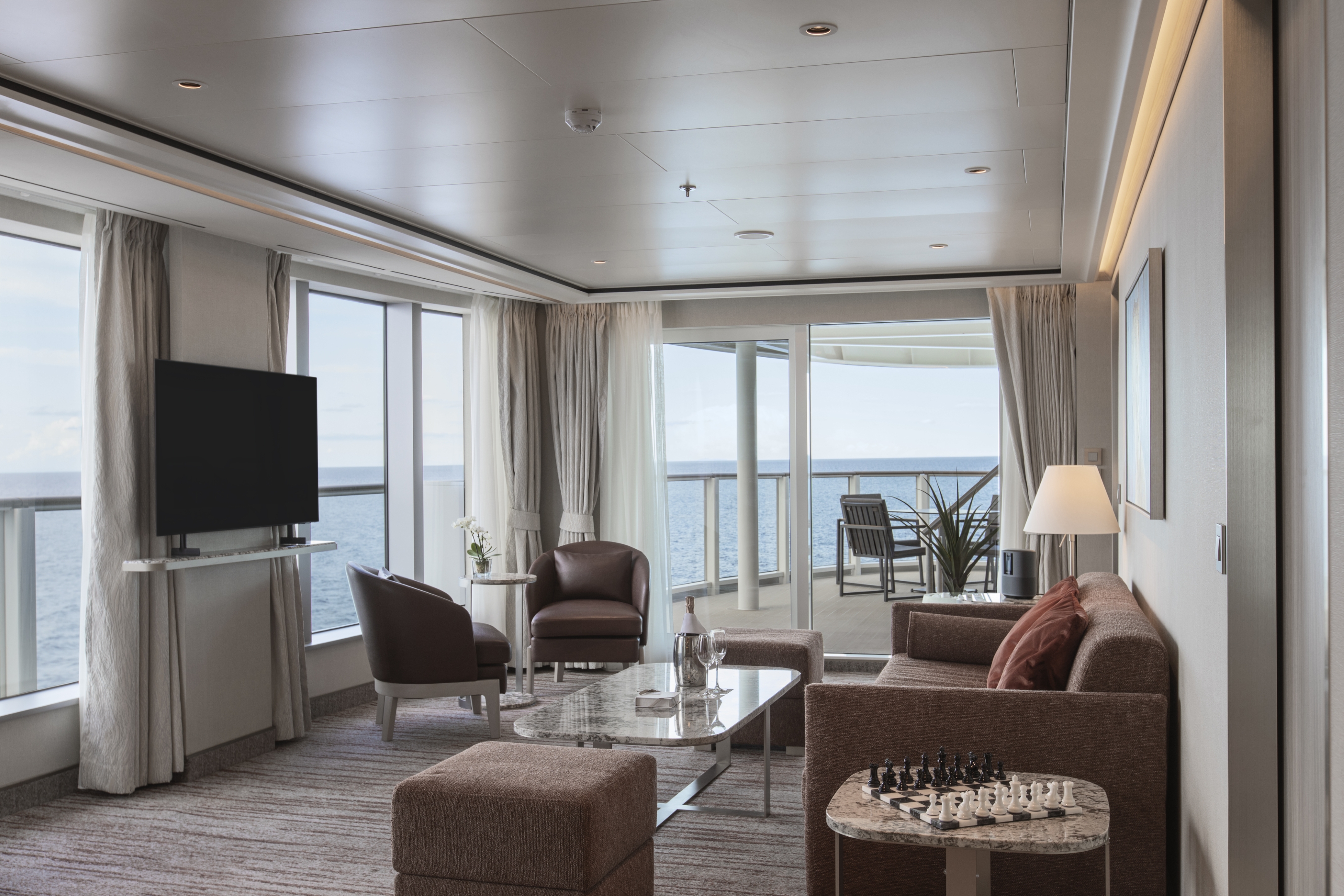
Otium Suite
Ship Facilities
The Marquee
The Marquee is our brand-new outdoor dining venue, open from early morning until late evening. It is the perfect place to enjoy a healthy breakfast in the morning, including delicious plant-based and vegan options, or try out our signature dining concepts: The Grill and Spaccanapoli for lunch or dinner.
Images are intended as a general reference. Features, materials, finishes and layout may be different than shown.
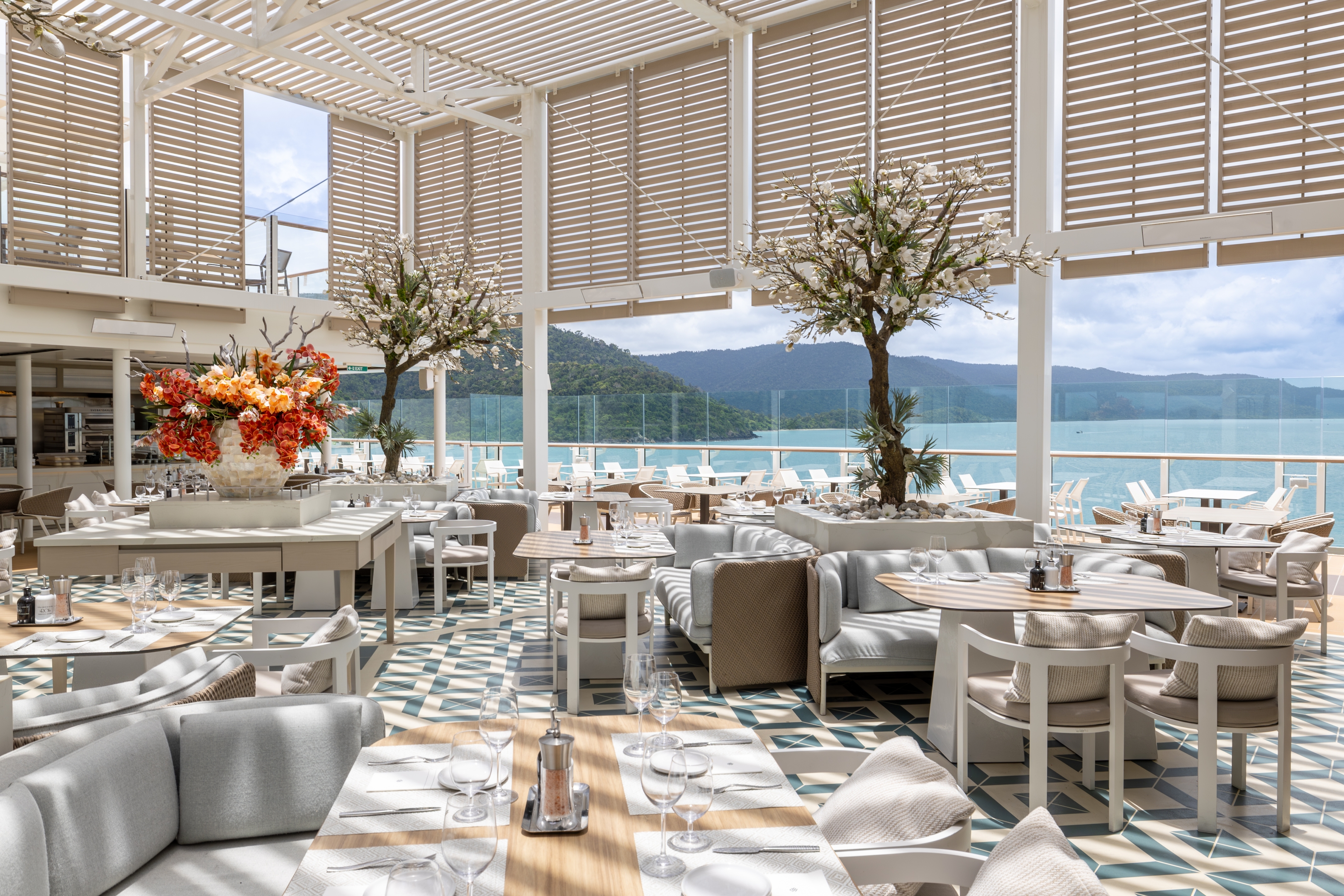
La Terrazza
Our hallmark Italian restaurant is as varied as the food-loving country itself. La Terrazza aboard Silver Nova offers an unparalleled destination dining experience, from its expansive floor-to-ceiling windows to its large, outdoor terrace. Enjoy all the tastes of the different regions, including the best homemade pasta, fresh antipasto, bowls of steaming risotto, hearty ragù, and delicious tiramisu. Be sure to try one of the bold wines from the cellar to wash it all down.
Images are intended as a general reference. Features, materials, finishes and layout may be different than shown.
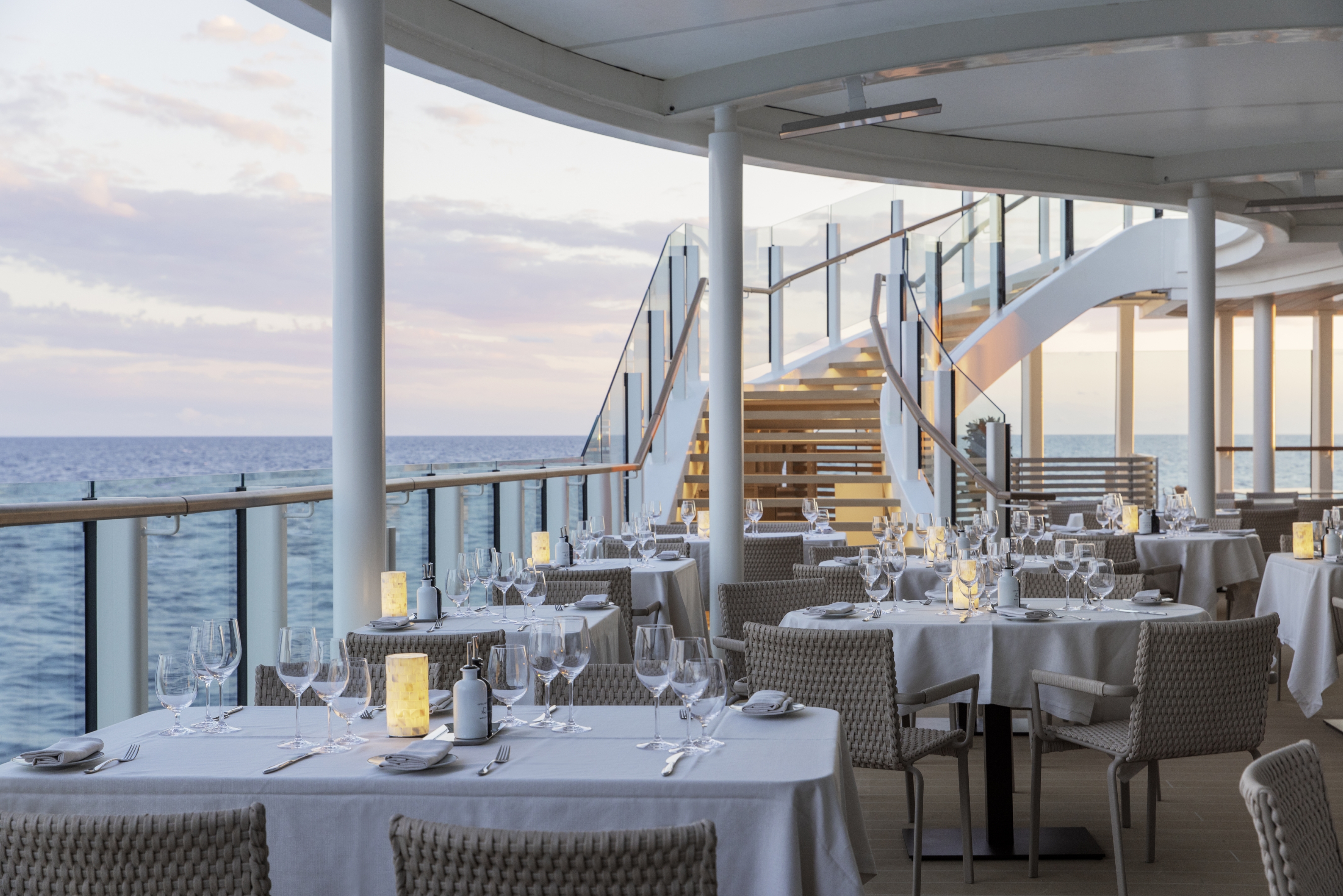
Silver Note
Where do you go if you want great food and a brilliant atmosphere in a relaxed and sophisticated setting? Silver Note of course! Harkening back to the old school days of dinner and dancing, this venue embodies a feeling of fun and sense of glamour that is unequaled in the industry. Jazz bands and soul singers play live as you sample delicate tapas-style dishes with a gourmet twist. We guarantee a superlative night of entertainment in the gorgeously designed dinner venue.
Images are intended as a general reference. Features, materials, finishes and layout may be different than shown.
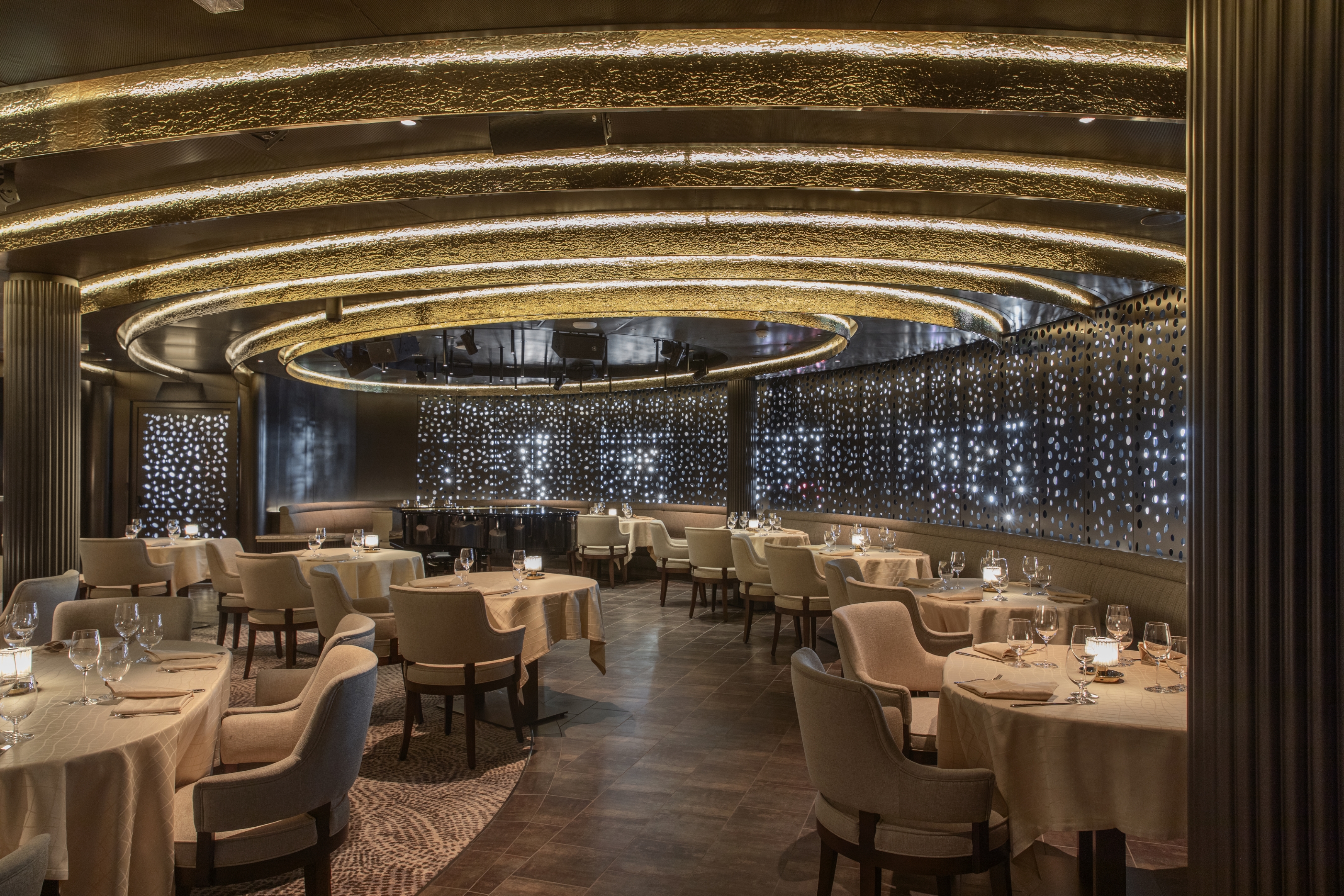
S.A.L.T. Kitchen
Are you hungry for something new? Eat your way through the places on your cruise in the S.A.L.T. Kitchen. Enjoy destination-inspired menus, including the Terrain menu, which offers recipes and flavors specific to the port visited, and the Voyage menu, which draws inspiration from the best flavors of the voyage. Pull up a chair and savor every taste of your cruise in a vibrant and welcoming atmosphere. S.A.L.T. Kitchen is the opportunity for all guests aboard Silver Nova to experience the very lifeblood of their destination.
Images are intended as a general reference. Features, materials, finishes and layout may be different than shown.
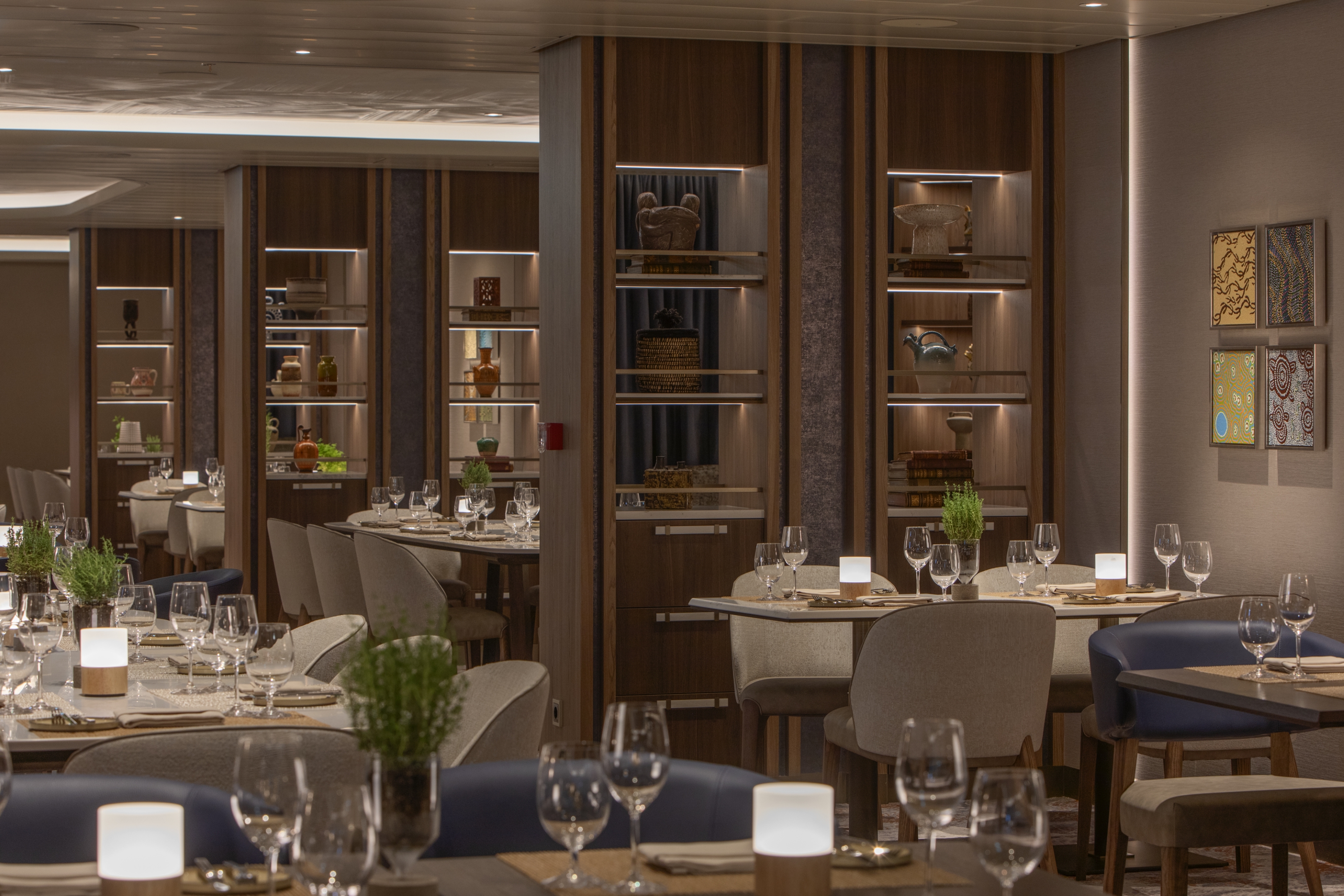
La Dame
Indulge in the new epitome of French fine dining aboard Silver Nova, where culinary heritage meets modern innovation. Immerse yourself in an exquisite gastronomic experience showcasing deep, balanced flavors, from curated tasting menus to à la carte selections paired with a thoughtfully curated wine selection.
Per guest reservation fee of US$160 (incl. complimentary wine pairing). Please visit My Silversea to make your reservations.
Images are intended as a general reference. Features, materials, finishes and layout may be different than shown.
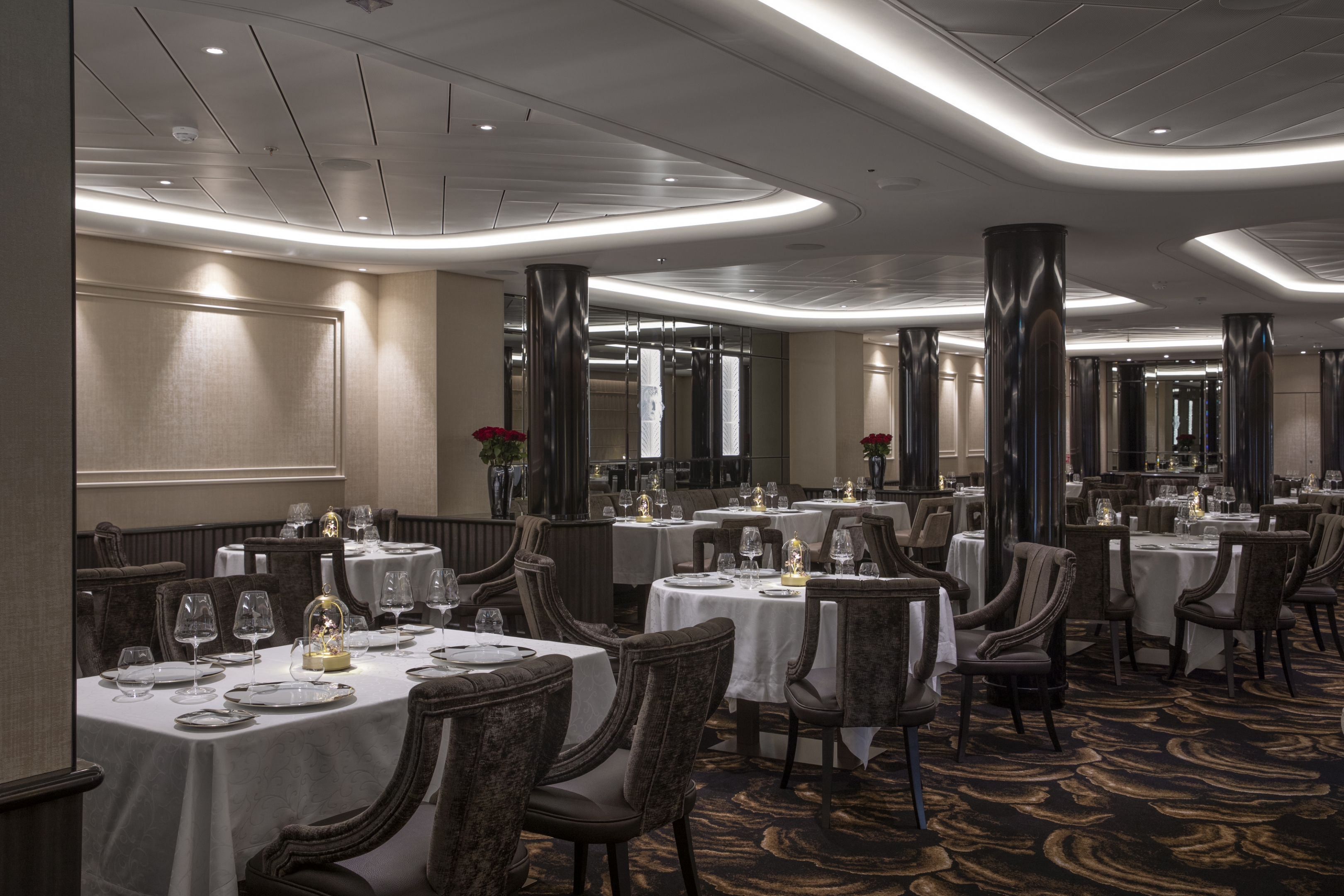
Kaiseki
Experience the harmony of flavors and aesthetics with our enhanced Kaiseki dining experience. Delight in the fusion of Washoku’s culinary heritage and health benefits, where each meticulously crafted dish is a work of art. Explore the depth and diversity of Japanese spirits with our exclusive selection of sake and Japanese whiskeys, or savor a refreshing alternative from our delightful tea selection or cocktails.
Per guest reservation fee of US$80 (incl. complimentary sake, Japanese whiskeys, or TWG tea and tea cocktails selection). Please visit My Silversea to make your reservations.
Images are intended as a general reference. Features, materials, finishes and layout may be different than shown.
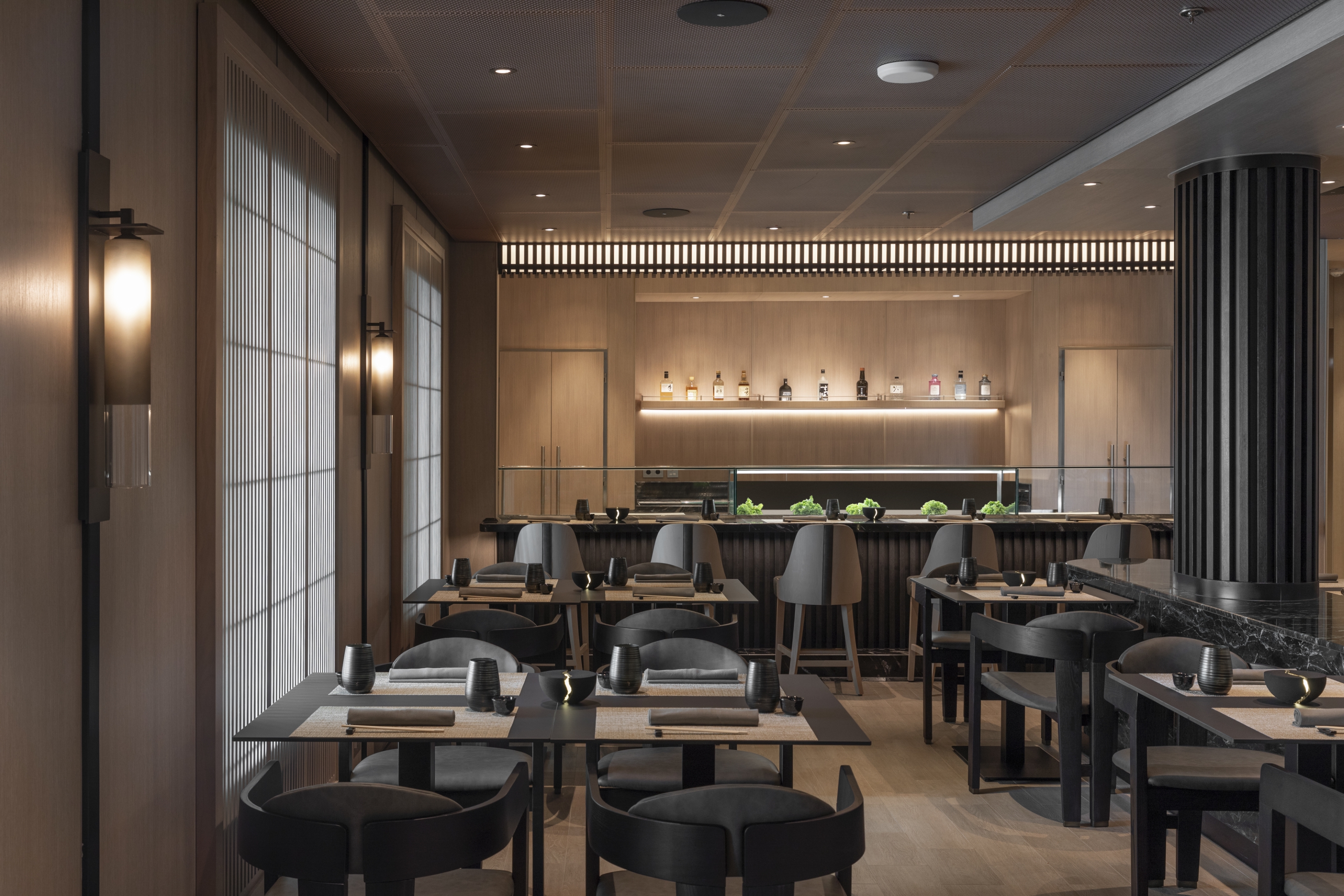
Atlantide
Atlantide offers guests our quintessential dining experience. Combining contemporary elegance and hallmark Silversea service, this classic restaurant offers our signature fine dining. Atlantide is one of our best-loved eateries, and on Silver Nova we have given it an updated design. Large picture windows, sophisticated lighting design, plus a warm color spectrum give Atlantide a blend of high-end, whispered luxury. The menu prides itself on superb ingredients and sublime flavor combinations, from caviar to lobster to gorgeous, melt-in-your-mouth desserts.
Images are intended as a general reference. Features, materials, finishes and layout may be different than shown.
Art Café
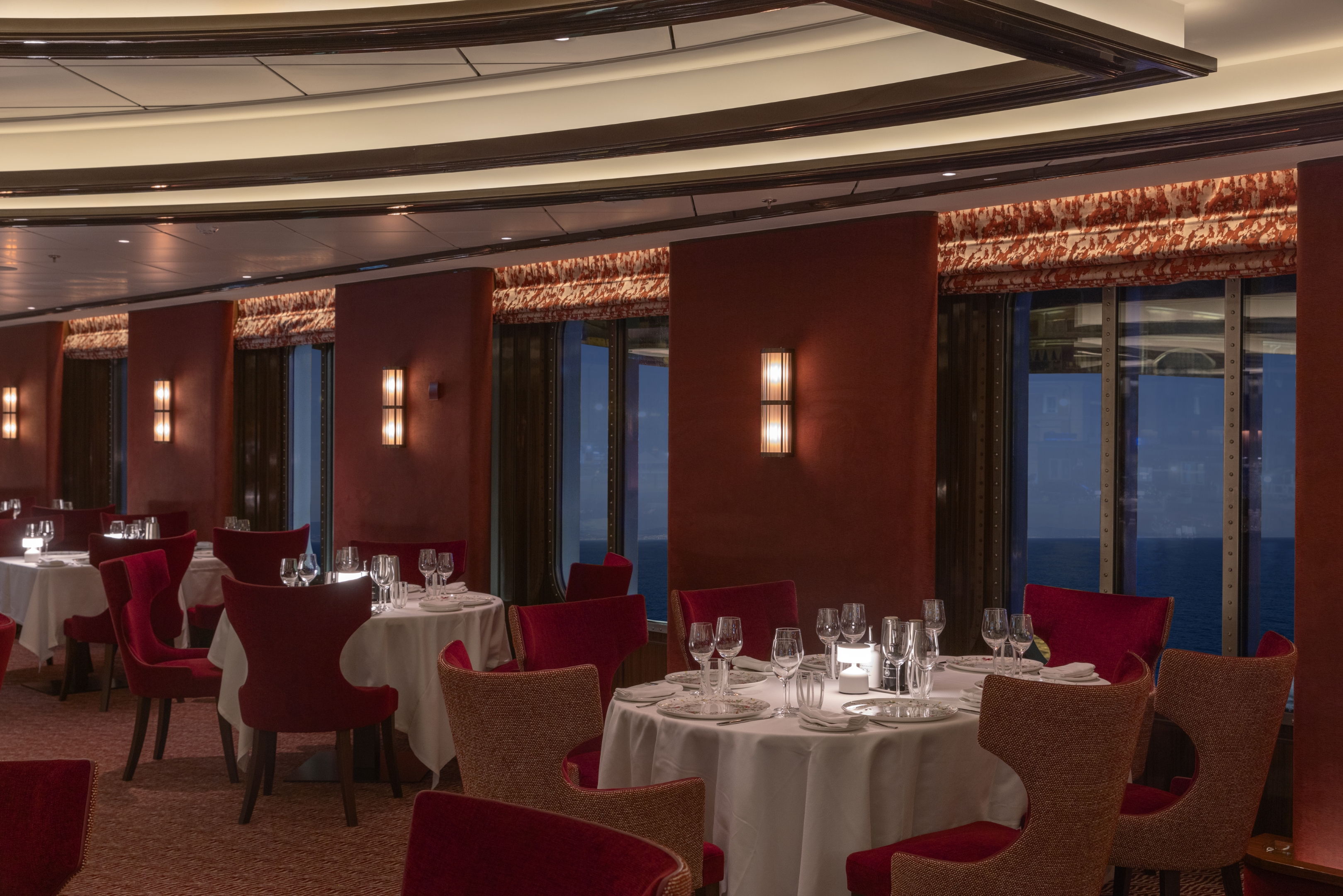
The Arts Café offers a cultural setting for eating, drinking, and socializing, as well as a chance to lose yourself while reading up on all your favorite artists and art. Enjoy healthy snacks and smoothies plus hot and cold drinks, juices, pastries, and sandwiches in a light and airy space. Pop in for a late breakfast or afternoon snack, along with real Italian espresso plus a great range of tea.
Images are intended as a general reference. Features, materials, finishes and layout may be different than shown.
S.A.L.T. Chef's Table
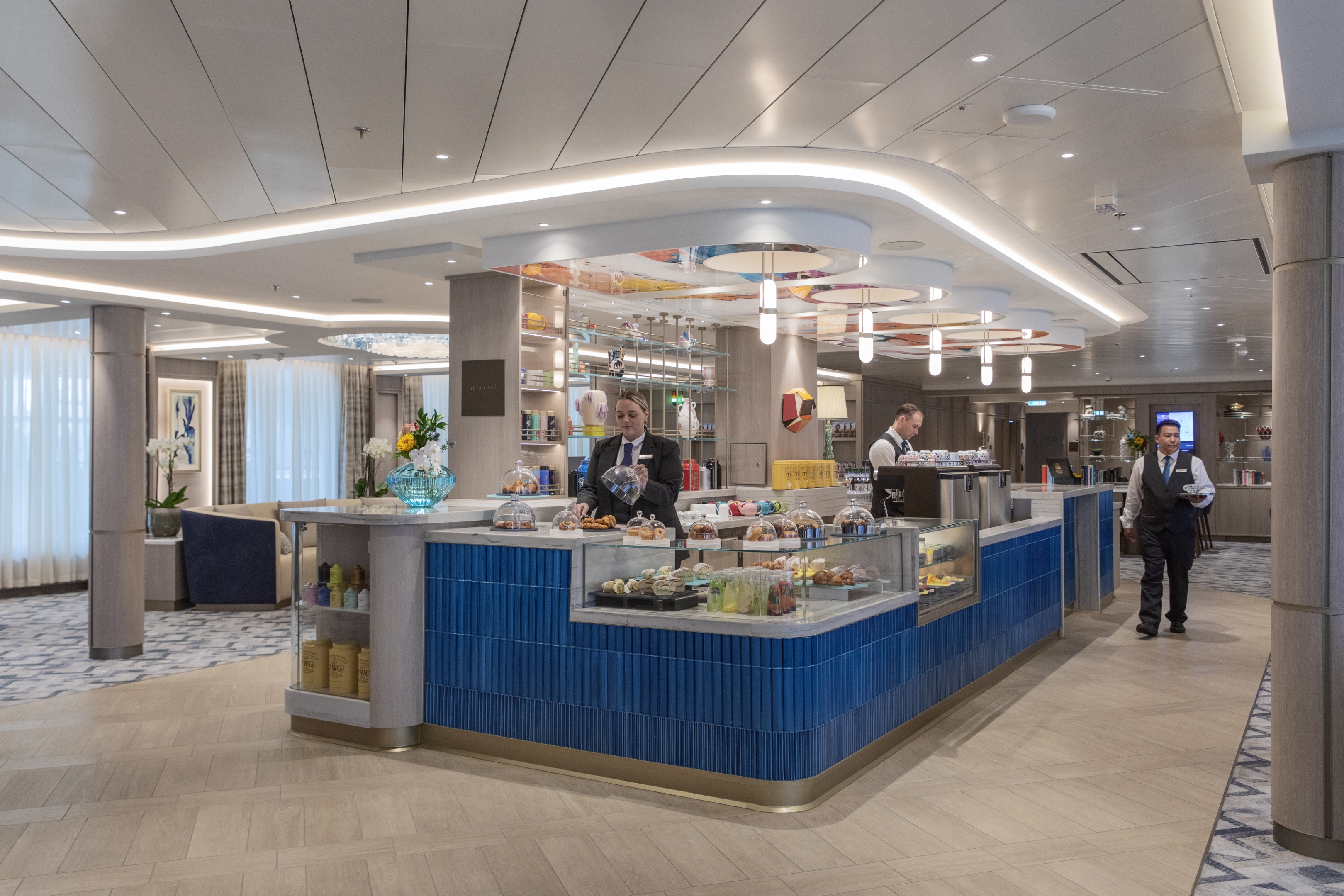
Prepare for an intimate and interactive dining experience like no other at the S.A.L.T. Chef’s Table. Indulge in a choreographed menu of small plates highlighting regional flavours and star ingredients, all accompanied by unique wines and cocktails.
Per guest reservation fee of U$180 (incl. complimentary wine & cocktail pairing). Reservations will be taken exclusively on board Silver Nova.
Images are intended as a general reference. Features, materials, finishes and layout may be different than shown.
The Grill
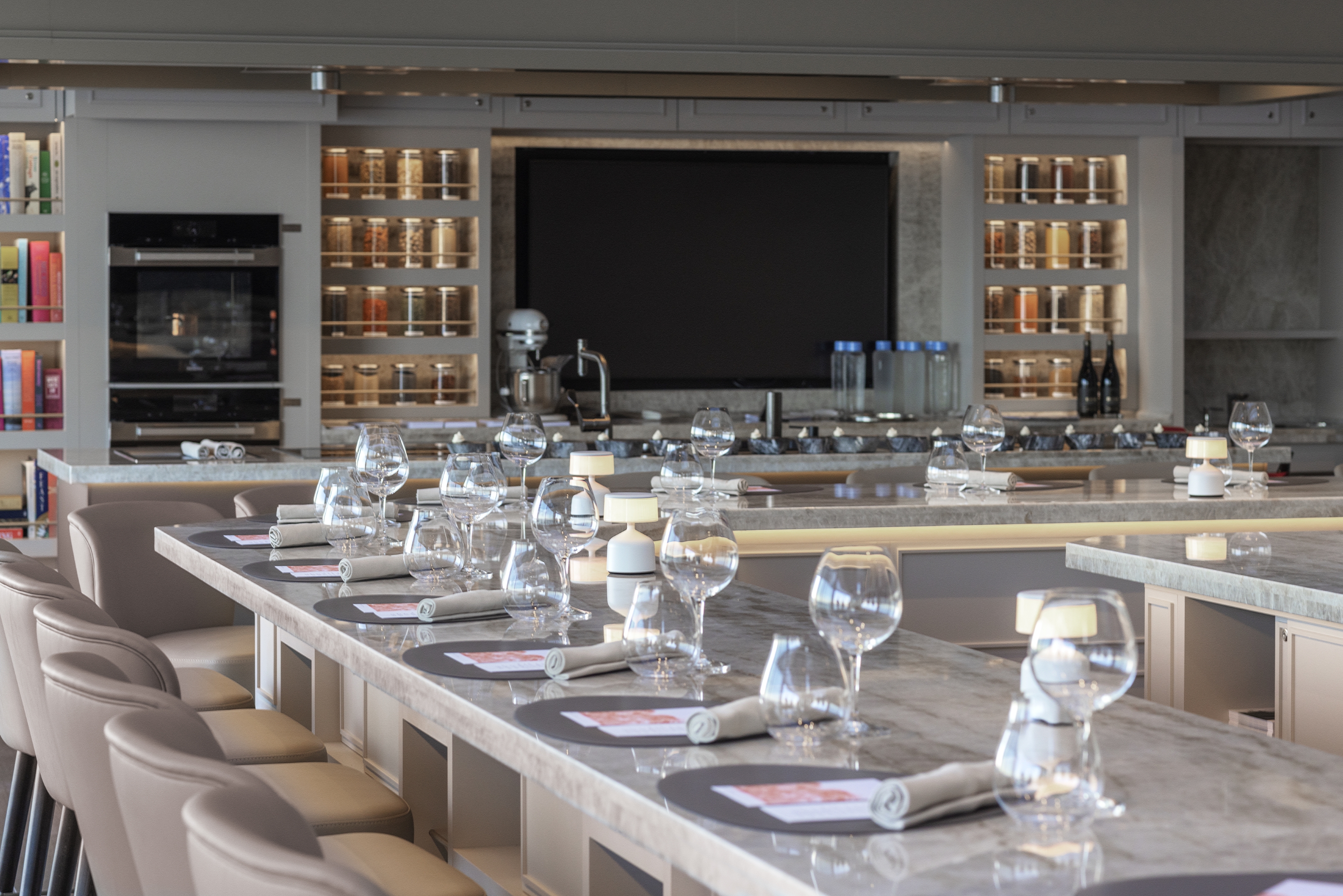
Silversea’s much-loved casual dining restaurant serves a delectable range of burgers and salads by day and turns into our famous Hot Rocks table BBQ concept by night. Found in our brand-new eating venue The Marquee, The Grill is quite simply the best place to eat between sea and sky. If you like flavorsome meals cooked to perfection, a casual, laid-back atmosphere, and OMG views, then The Grill is the answer to your prayers.
Images are intended as a general reference. Features, materials, finishes and layout may be different than shown.
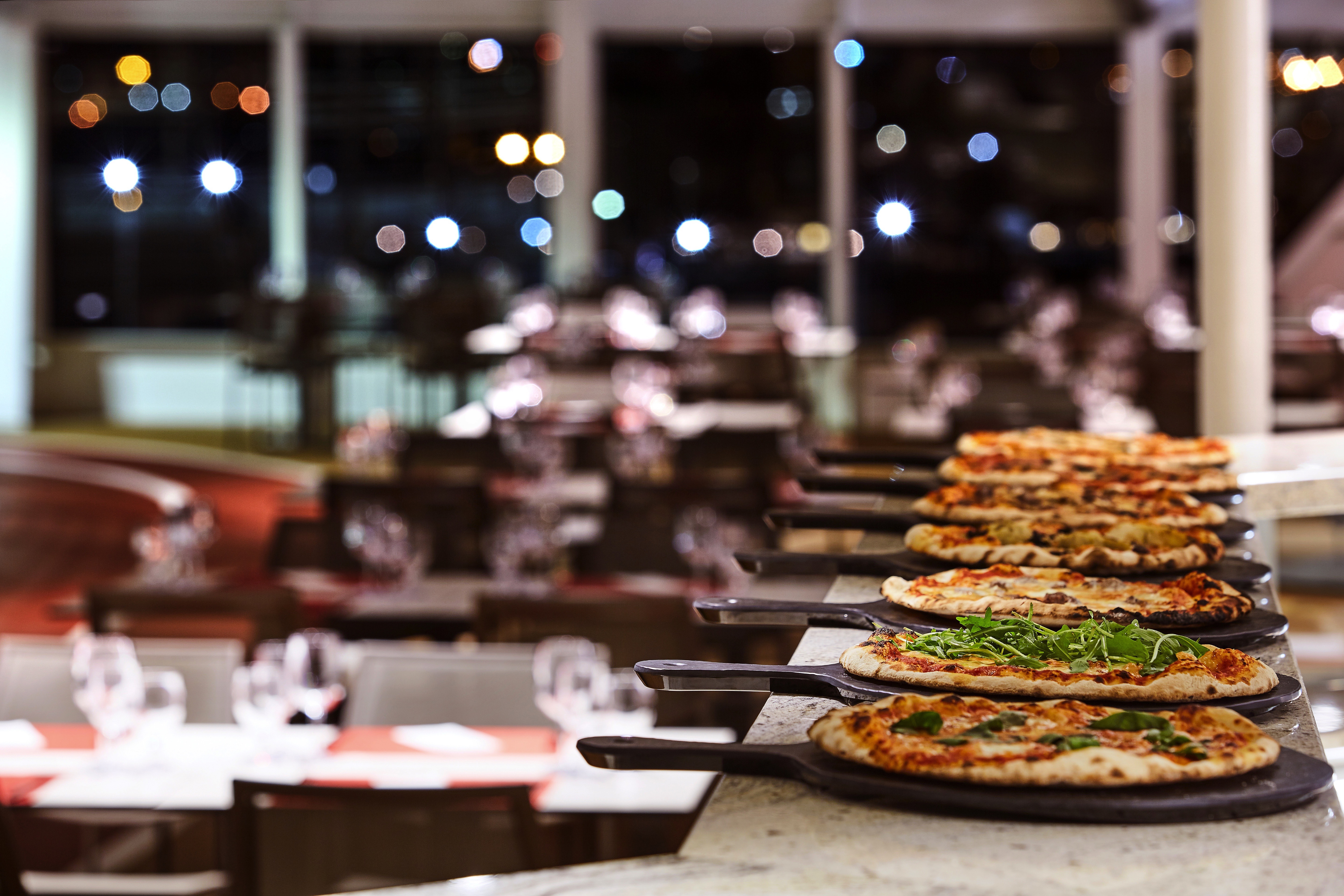
Spaccanapoli
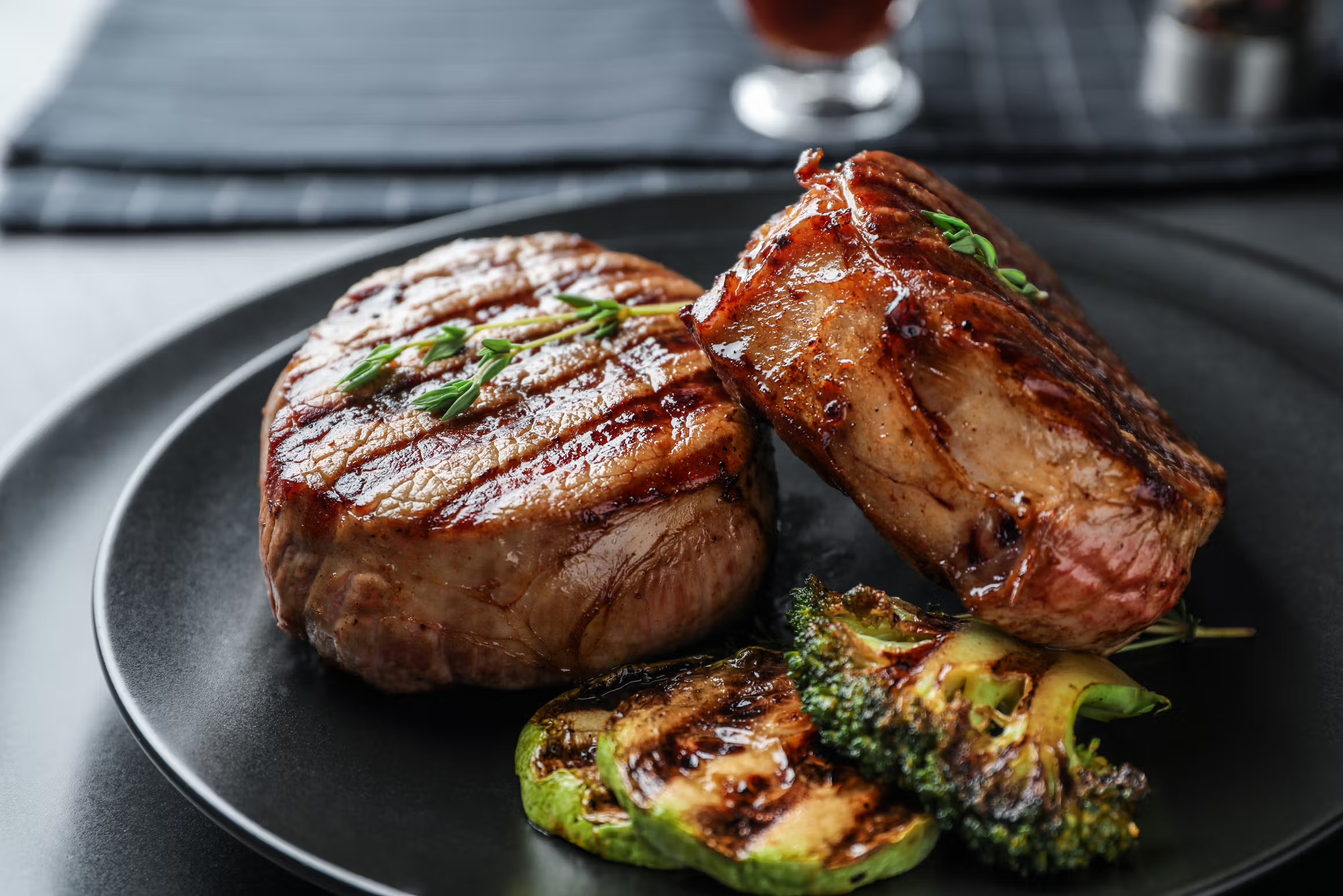
Nothing says Italy quite as well as a hot, fresh pizza. Spaccanapoli is a slice of Naples, where you’ll taste deliciously thin, freshly made pizzas, topped with creamy mozzarella and minimalist toppings. The light and airy pizzeria forms part of our new alfresco eatery The Marquee, and it is the perfect choice for diners who want to be dazzled by our talented pizzaiolos spinning the dough in the open-air kitchen. Whether you want a light lunch or to share a slice with friends over an aperitif, it’s always the right time for Spaccanapoli.
Images are intended as a general reference. Features, materials, finishes and layout may be different than shown.
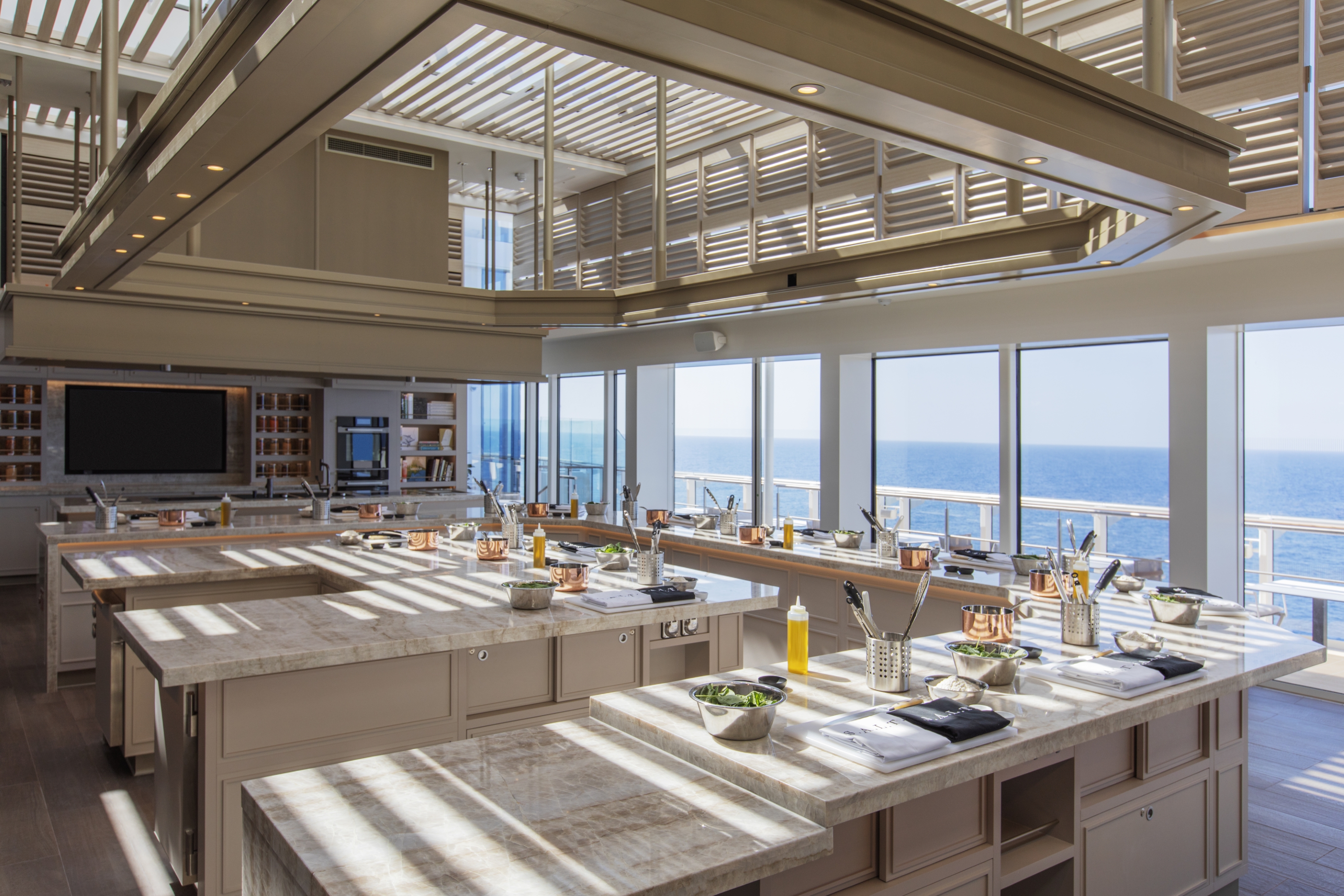
S.A.L.T. Lab
Welcome to the S.A.L.T. Lab, an interactive space where guests can take a deep dive into local culinary heritage and techniques. Join our talented chefs and learn how your region’s food is central to its culture. Engage in your destination through workshops, lectures, and cooking demonstrations for an authentic souvenir not available in any shop. The S.A.L.T. Lab is not just about food and flavor; it is a unique place where holistic destination immersion gives an entirely new dimension to traveling. This is where the magic happens!
Images are intended as a general reference. Features, materials, finishes and layout may be different than shown.
Shore Excursions
Local Immersion, Lasting Impressions
Authentic Cultural Connections
Every destination tells a story — and Silversea Shore Excursions reveal these stories inviting you to venture beyond the ordinary. Enjoy privileged access to cultural treasures and natural wonders often out of reach for independent travelers. Each excursion is thoughtfully designed by experts to foster genuine connections with local communities, customs, and landscapes. From intimate small-group adventures and signature S.A.L.T. Experiences to personalized private tours, we offer diverse options to match your interests and desired level of immersion — making every moment meaningful and memorable.
Highlight Experiences
Seamless tours of iconic sites
Explore iconic landmarks and cultural treasures with our Highlight Experiences, half or full-day adventures led by expert guides. Enjoy seamless, hassle-free journeys to must- see attractions — perfect for guests seeking a convenient, turnkey experience.
Signature Experiences
Smaller tours, crafted by Silversea
These immersive Signature Experiences offer privileged access and personalized interactions with local experts. These experiences are perfect for those seeking meaningful, social exploration who want to connect with destinations through authentic dining and slow travel.
Private Experiences
Exclusive tours for your group
Create your own exclusive adventure with a dedicated vehicle, driver, and guide. Explore at your pace, linger, or spontaneously discover new sites. Available at most ports for half- or full-day bookings, Private Experiences are ideal for families seeking privacy and flexibility.
Custom Experiences
Tailor-made tours designed for you
Enjoy personalized Custom Experiences tailored to your interests, with exclusive access and specialized guides. Our team handles every detail, ensuring unforgettable moments that exceed your expectations—crafted entirely around your pace and preferences.
Overland Experiences
Mid-cruise, inland tours
Venture inland on two- to three-day journeys to iconic sites like the Taj Mahal or Angkor Wat. \Vith flights, stays, and guided access included, these immersive journeys offer rare experiences beyond the coast — all with the signature Silversea service.
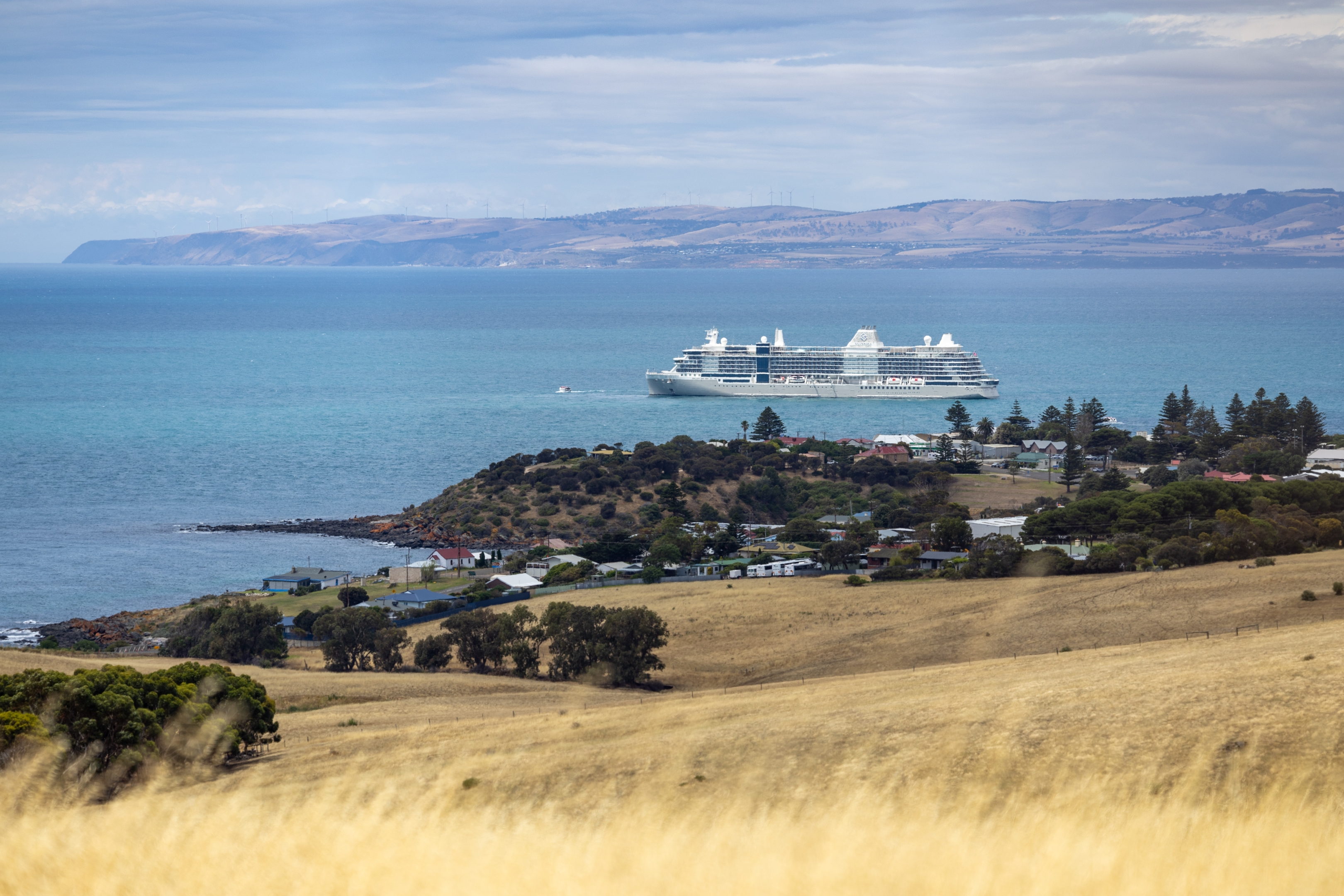
Mid-Voyage Adventures
Multiple days at sea mean plenty of R & R for some, but others prefer to drink in all there is to offer on land. Our Mid-Cruise Land Adventures allow you to take full advantage of your time with us without missing a single thing! These short escapades offer an array of adventures, break up your sea days and allow for deeper exploration beyond the coast.
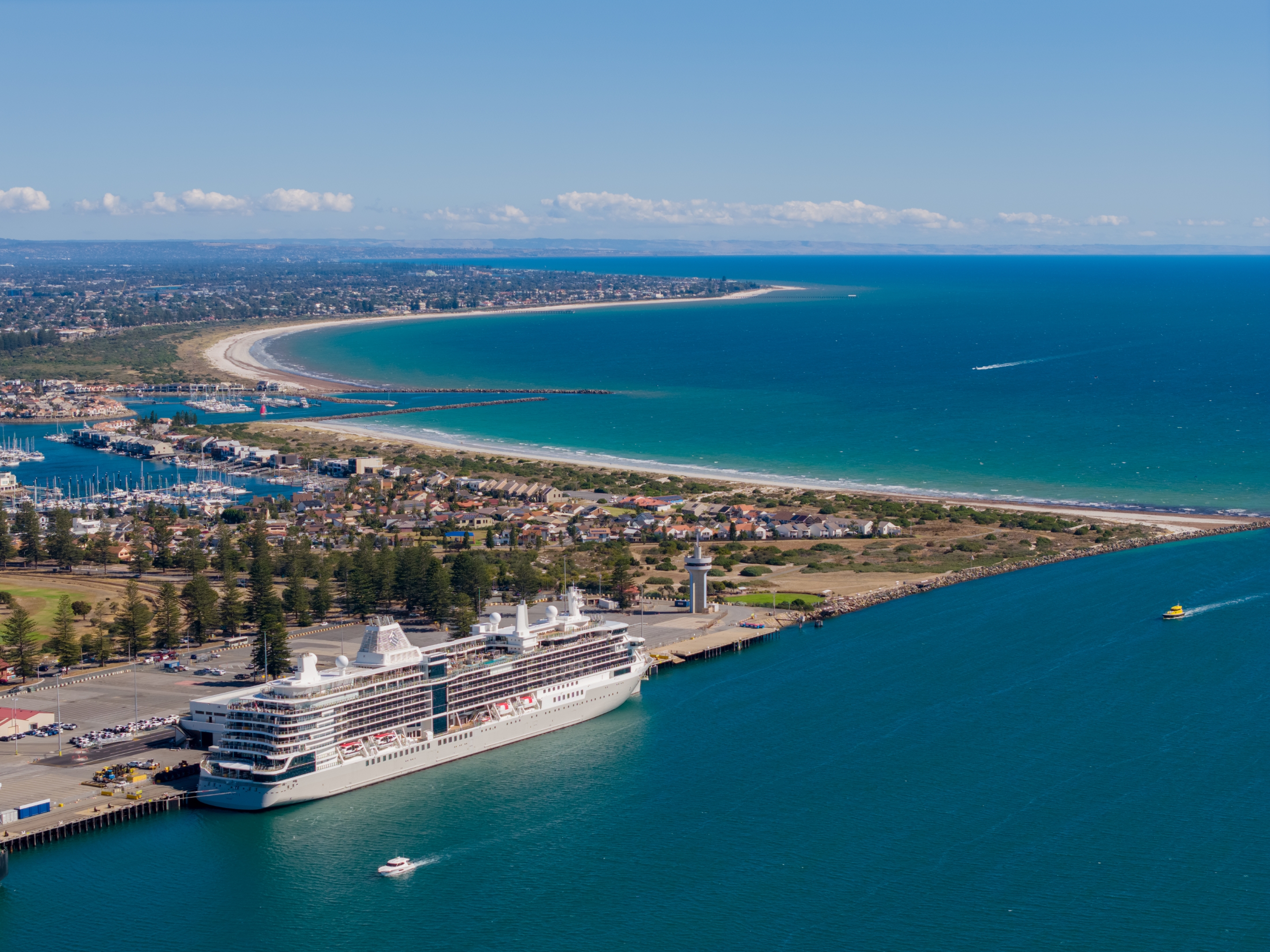
Silver Shore Concierge
Let Silversea customise a special event or excursion exclusively for you. Expert Shore Excursion professionals are available to assist with all your shorex questions. Make an appointment and gain insider access to knowledgeable suggestions, personalised planning and hassle-free coordination of all private, independent touring, including area highlights, flightseeing, water sports, and much more. Take advantage of this service either in advance of your voyage by email at shoreconcierge@silversea.com or on board by visiting the Silvershore® Concierge desk. Have the Silver Shore Concierge create your tailor-made tour, or be whisked away by private car for a day — the pace and agenda are up to you.
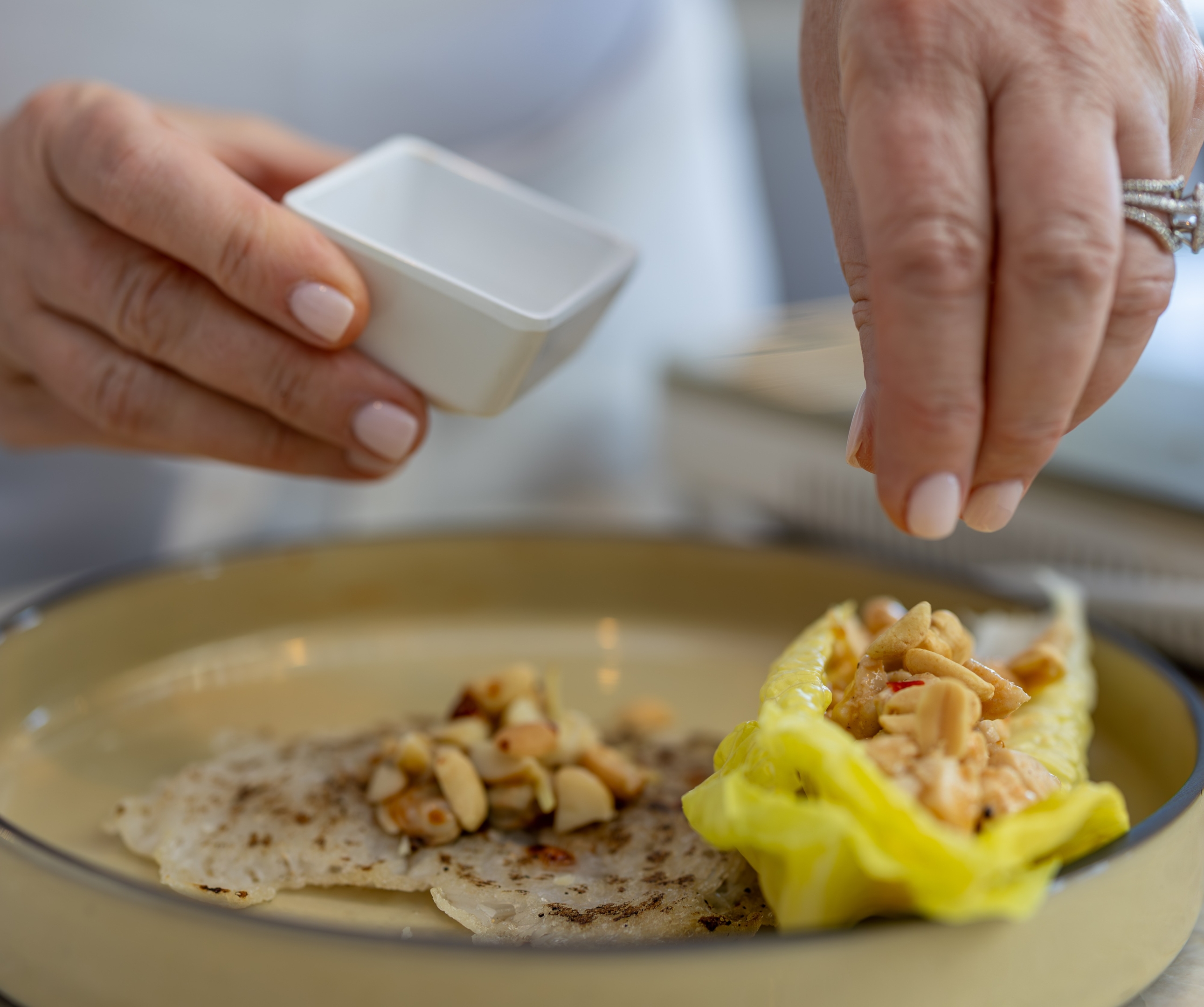
S.A.L.T. Shore Excursions
Selected shore excursions on all Silver Moon, Silver Dawn and Silver Nova cruises benefit from a culinary focus. These in-depth and informative shore excursions are accompanied by our food experts, who are adept at explaining the intricacies of foreign cuisine. S.A.L.T. offers the curious cruiser so many options; the only thing you need to do is choose. Never has a cruise line provided such an in-depth, holistic way of visiting their destination. Do one or do them all.
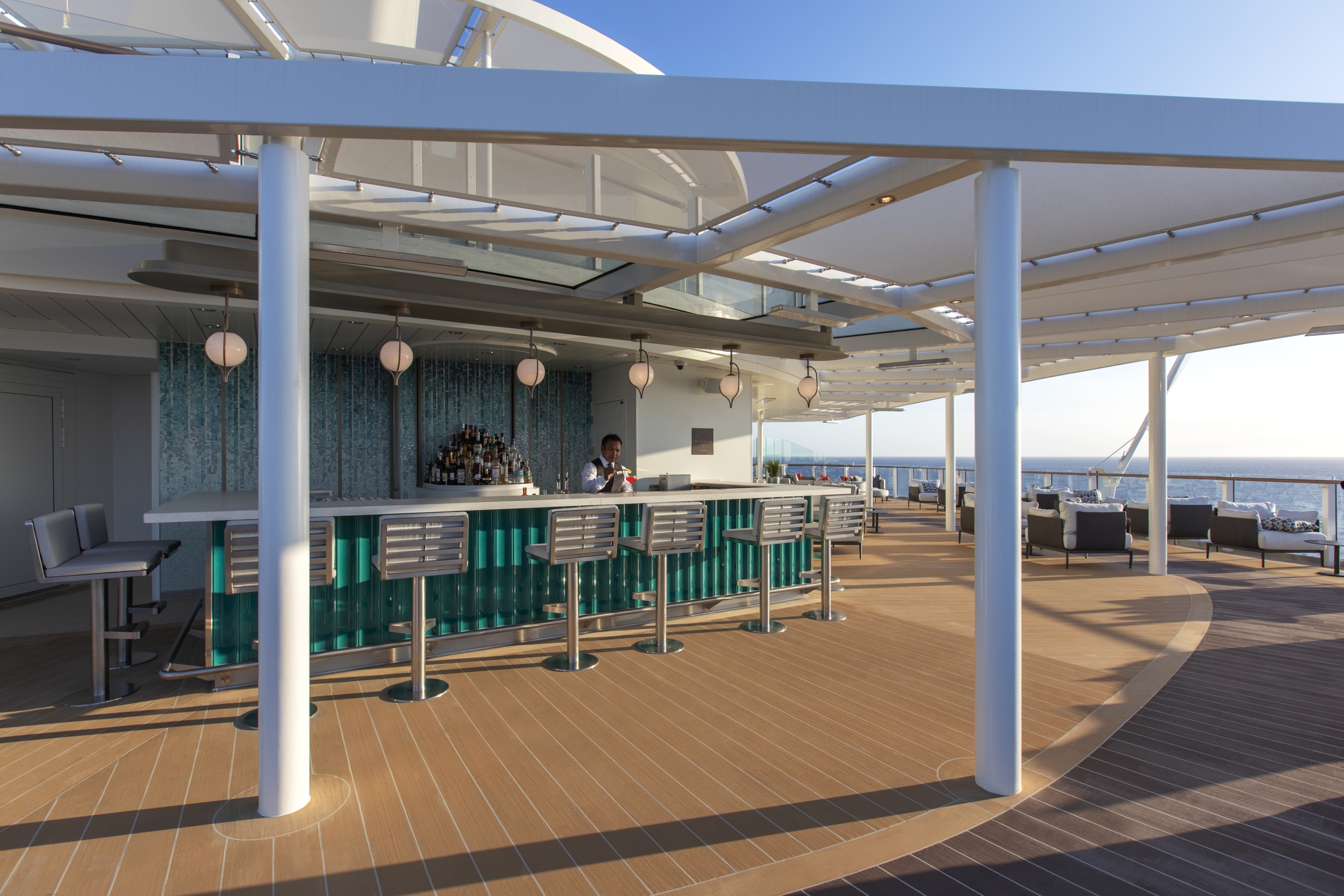
The Dusk Bar
With an emphasis on the destination, panoramic views connect you with the world beyond at The Dusk Bar. This superb open-air sky bar provides plenty of space for guests to enjoy a pre- or post-dinner drink while taking in the jaw-dropping, 270-degree, panoramic views from the stern. The Dusk Bar’s delightful combination of idyllic atmosphere and lovely drinks is guaranteed to check your boxes time after time. Whether you’re enjoying a spritz in South America, a cocktail in the Caribbean, or a night cap in the Mediterranean, we think The Dusk Bar’s unobstructed views give you a new perspective on sunsets at sea.
Images are intended as a general reference. Features, materials, finishes and layout may be different than shown.
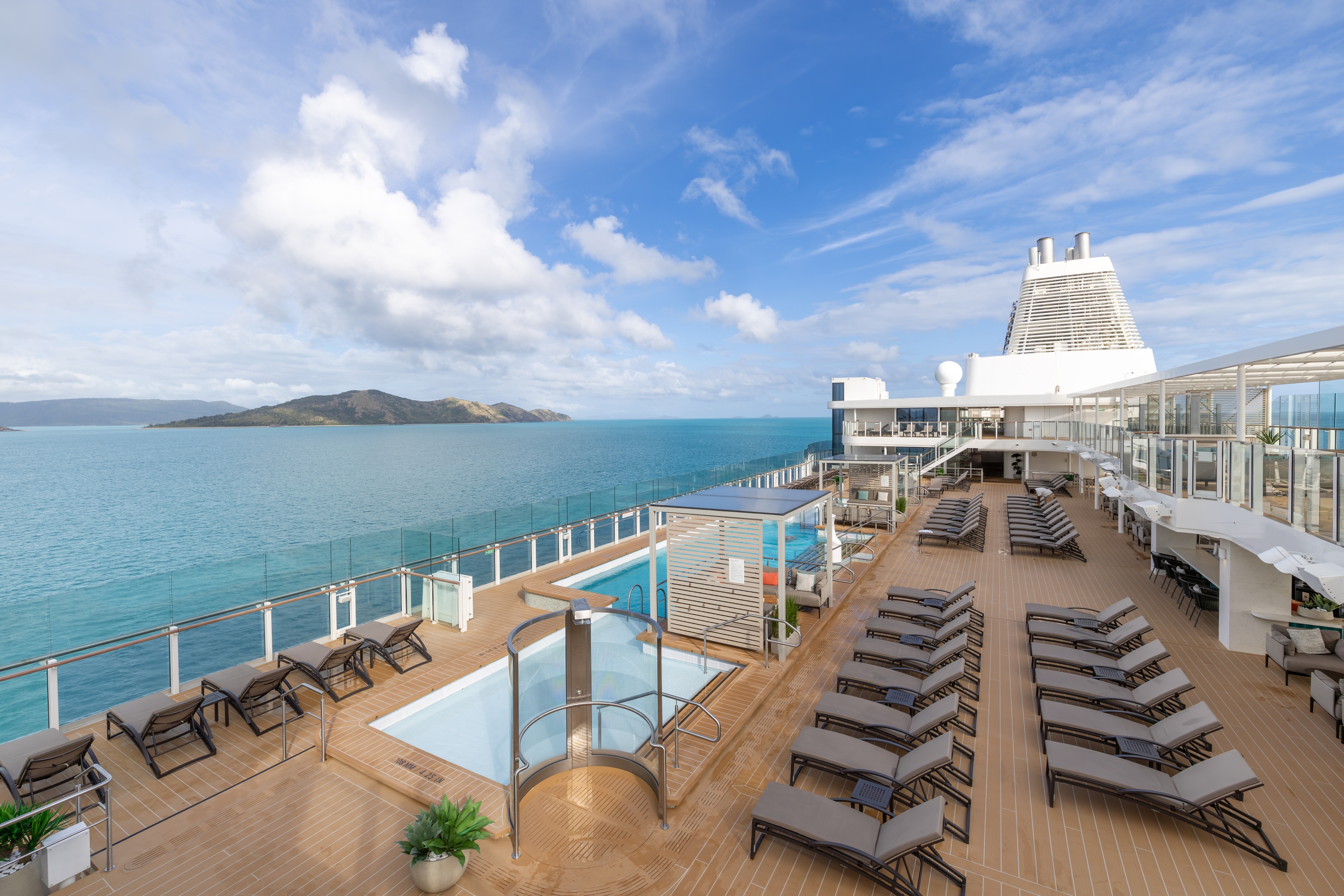
The Pool Deck
Enjoy a reimagined space where you can relax, refresh, and rejuvenate on decks 10 and 11. Ample sun beds for everyone, more space than ever before, and the largest pool in the fleet—which offers exceptional, unhampered, 270-degree views—are just the beginning. The upper-level sun deck is perfectly placed for those who want a quieter space to relax and still enjoy those incredible, expansive views that are the hallmark of Silver Nova. But it is The Cliff Whirlpool, an infinity-edge, glass-fronted whirlpool, that really makes The Pool Deck something special.
Images are intended as a general reference. Features, materials, finishes and layout may be different than shown.
S.A.L.T. Bar
Nothing says authentic experience better than Silver Nova’s S.A.L.T. Bar. Get a taste for the authentic and settle down to enjoy locally inspired cocktails and drinks. How can you go wrong with a rum punch in Barbados, a pastis over ice in Marseille, or a pisco sour in Lima? Nothing unites new faces and old friends in quite the same way. Be inspired to find your perfect locally inspired beverage at the S.A.L.T. Bar and let the color and flavors of your journey rush in.
Images are intended as a general reference. Features, materials, finishes and layout may be different than shown.
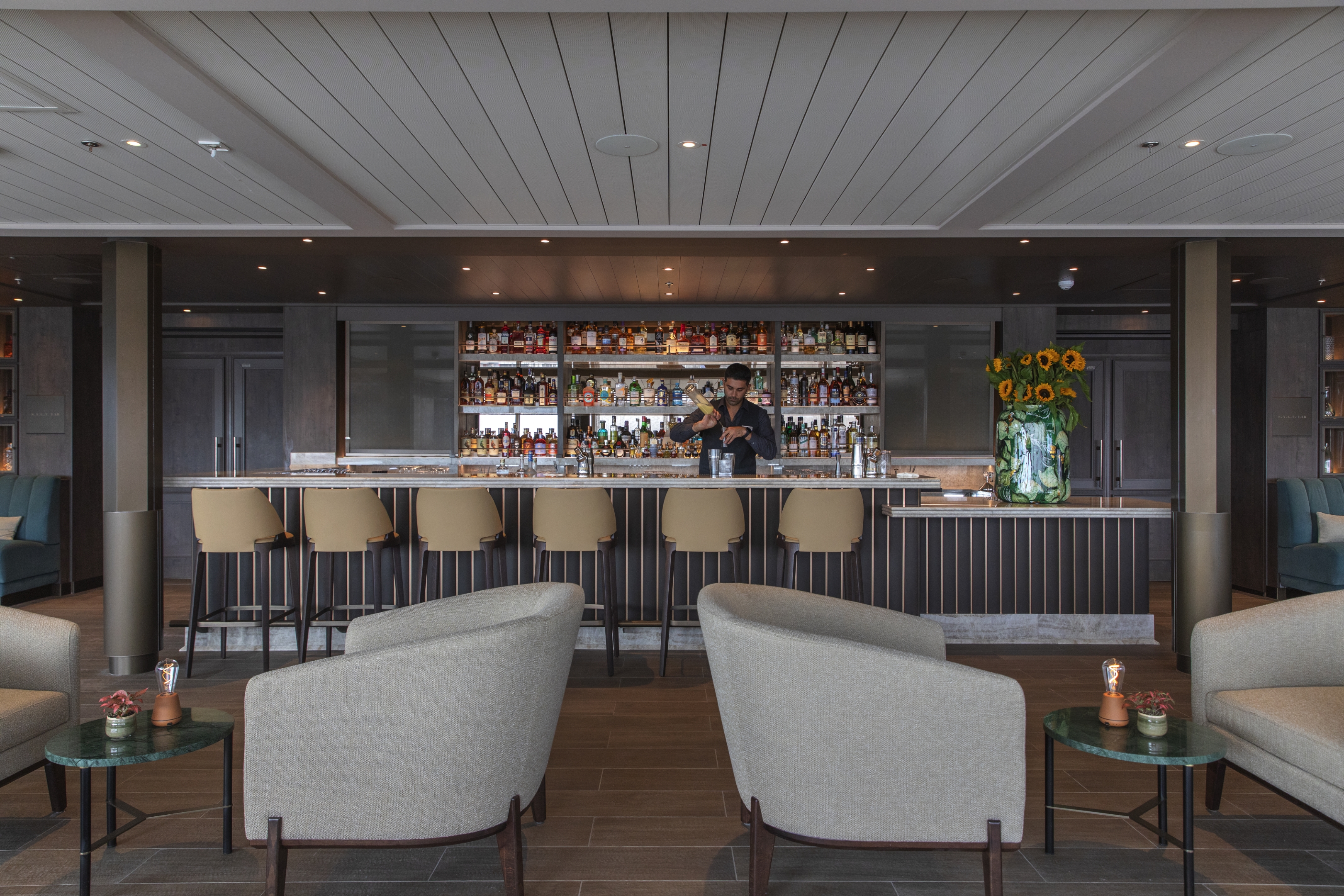
The Shelter
The Shelter is our newest pre- and post-dinner cocktail venue. Settle in amid an intimate and elegant setting, resplendent with sophisticated lighting, inviting sofas, and a stunning wraparound bar. Strategically located on deck 3, the atmospheric hideaway opens onto the Atrium, creating openness and connection to the other neighboring venues. We promise you’ll fall in love with one of the best bars on board while our talented team of mixologists mix and shake our range of signature and bespoke cocktails. With the perfect destination, warm smiles, and legendary Silversea service, get set for unforgettable nights in The Shelter.
Images are intended as a general reference. Features, materials, finishes and layout may be different than shown.
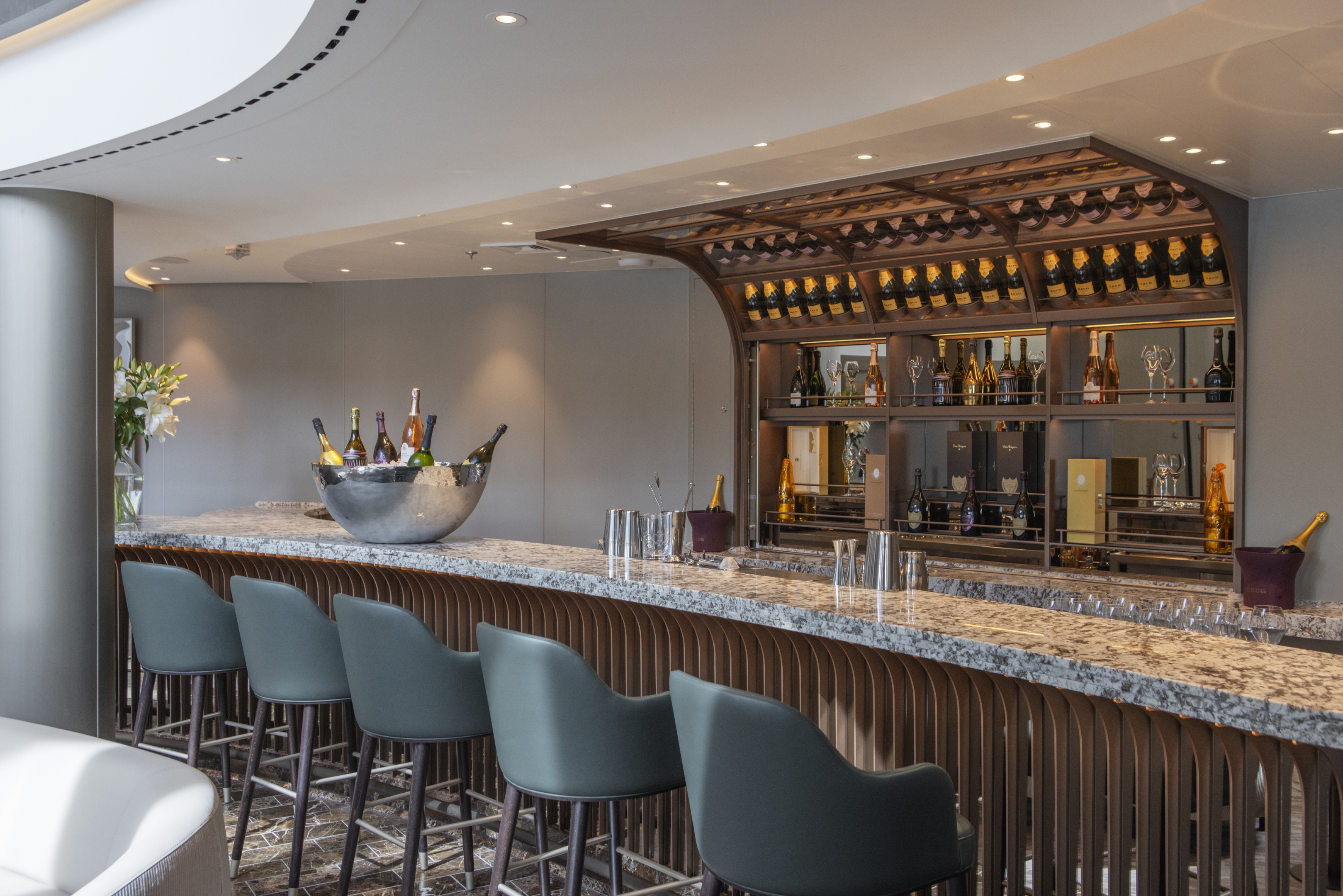
Dolce Vita
Our main bar has been newly reimagined for Silver Nova! Dolce Vita has of course kept her legendary charm, inspired cocktails, stylish decor, and comfortable seating, but a central bar now means the warm ambience is better than ever! Oozing Italian glamour, Dolce Vita is a relaxed, refined bar with a nightly piano player playing all your favorite tunes. Perfect for pre-dinner aperitifs or even a post-dinner cocktail, Dolce Vita is truly the beating heart of social life on board.
Images are intended as a general reference. Features, materials, finishes and layout may be different than shown.
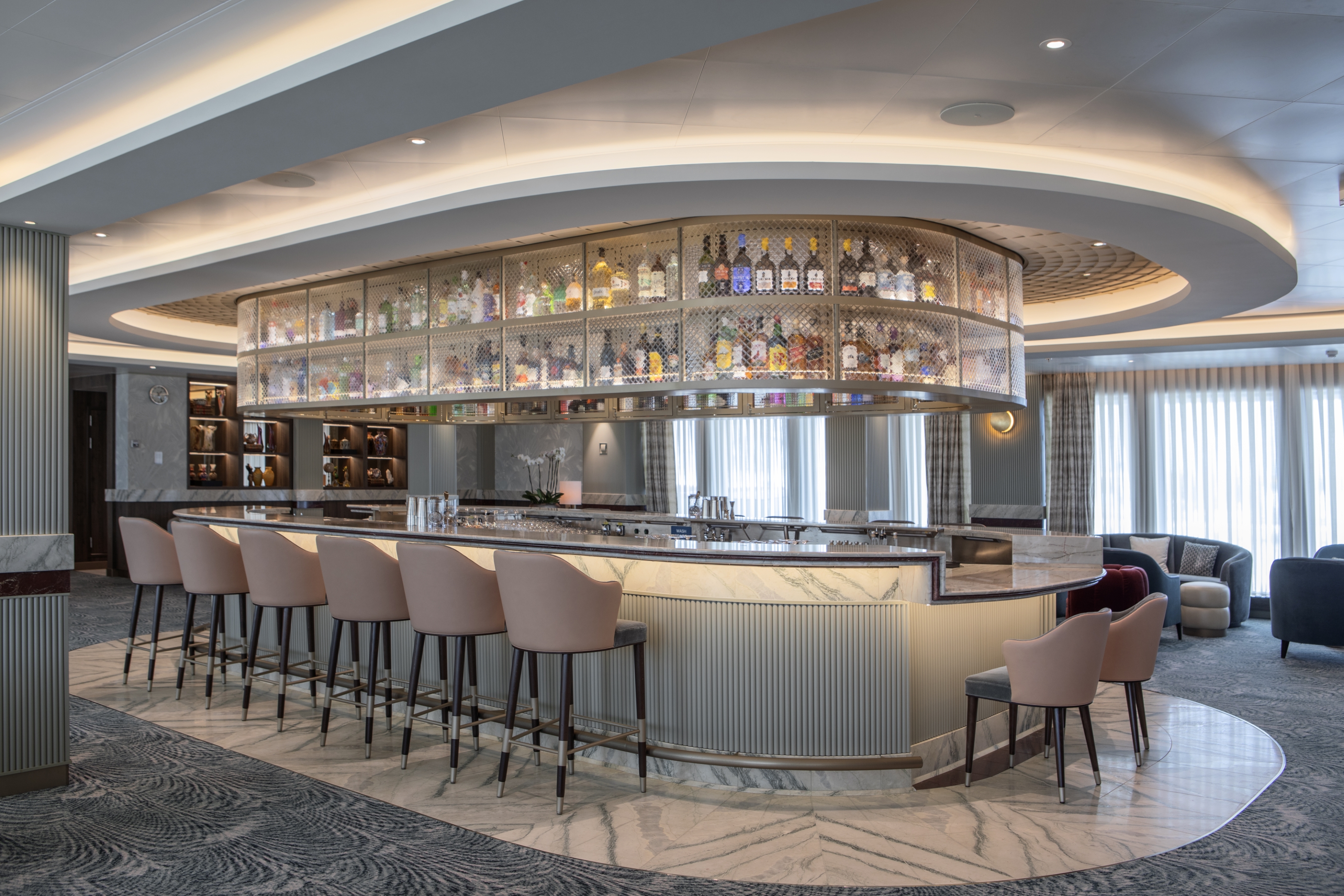
Panorama Lounge
From early morning to late at night, the Panorama Lounge offers everything you could wish for. A peaceful retreat that is the perfect place to take a break, a social place to meet and greet old friends, or an evening venue to partake in a cocktail as you sit back and watch the world go by. Sink into the plush seats, and come evening, enjoy listening to the gentle sounds of a pianist or the invigorating beats of our in-house DJ.
Images are intended as a general reference. Features, materials, finishes and layout may be different than shown.
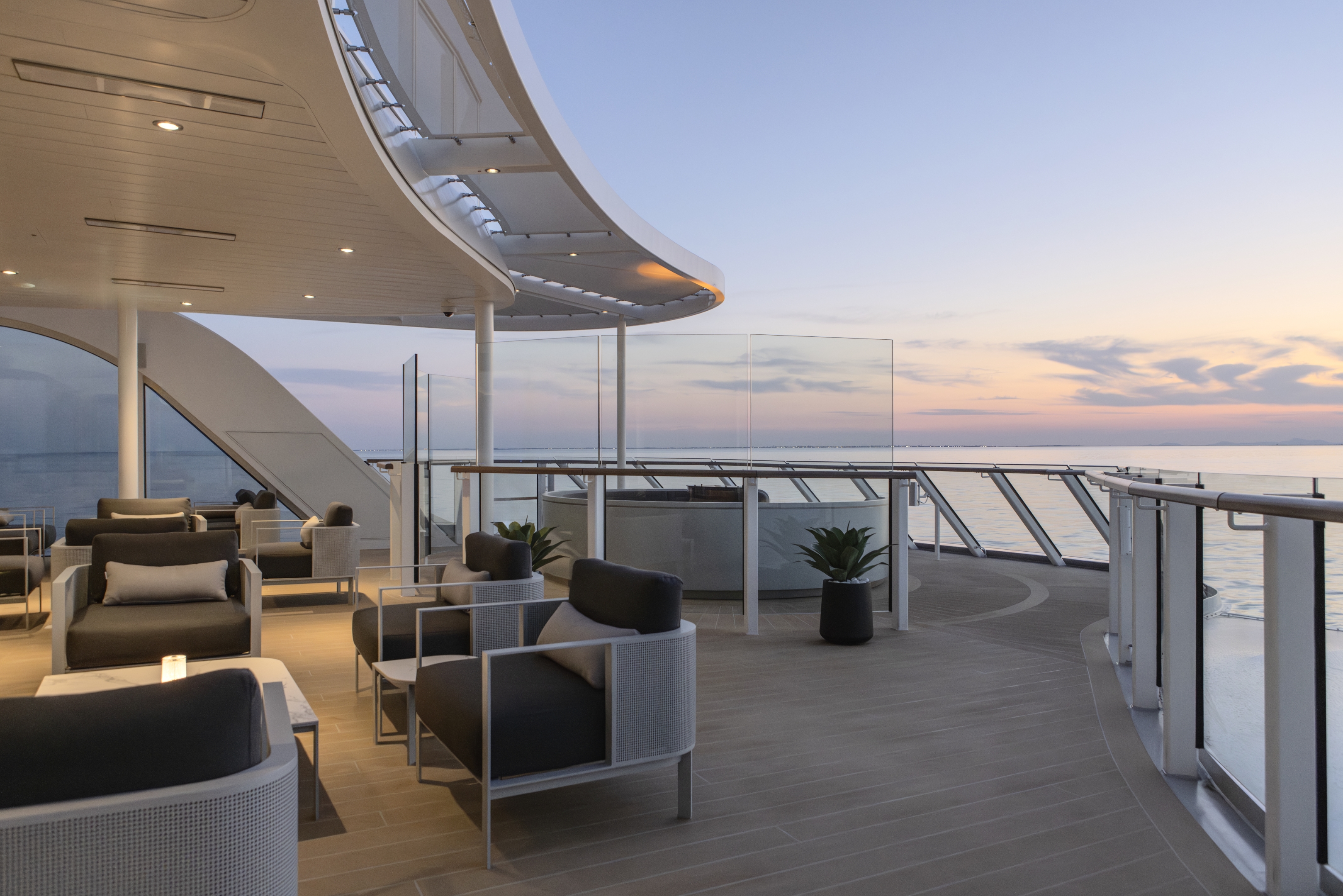
Connoisseur's Corner
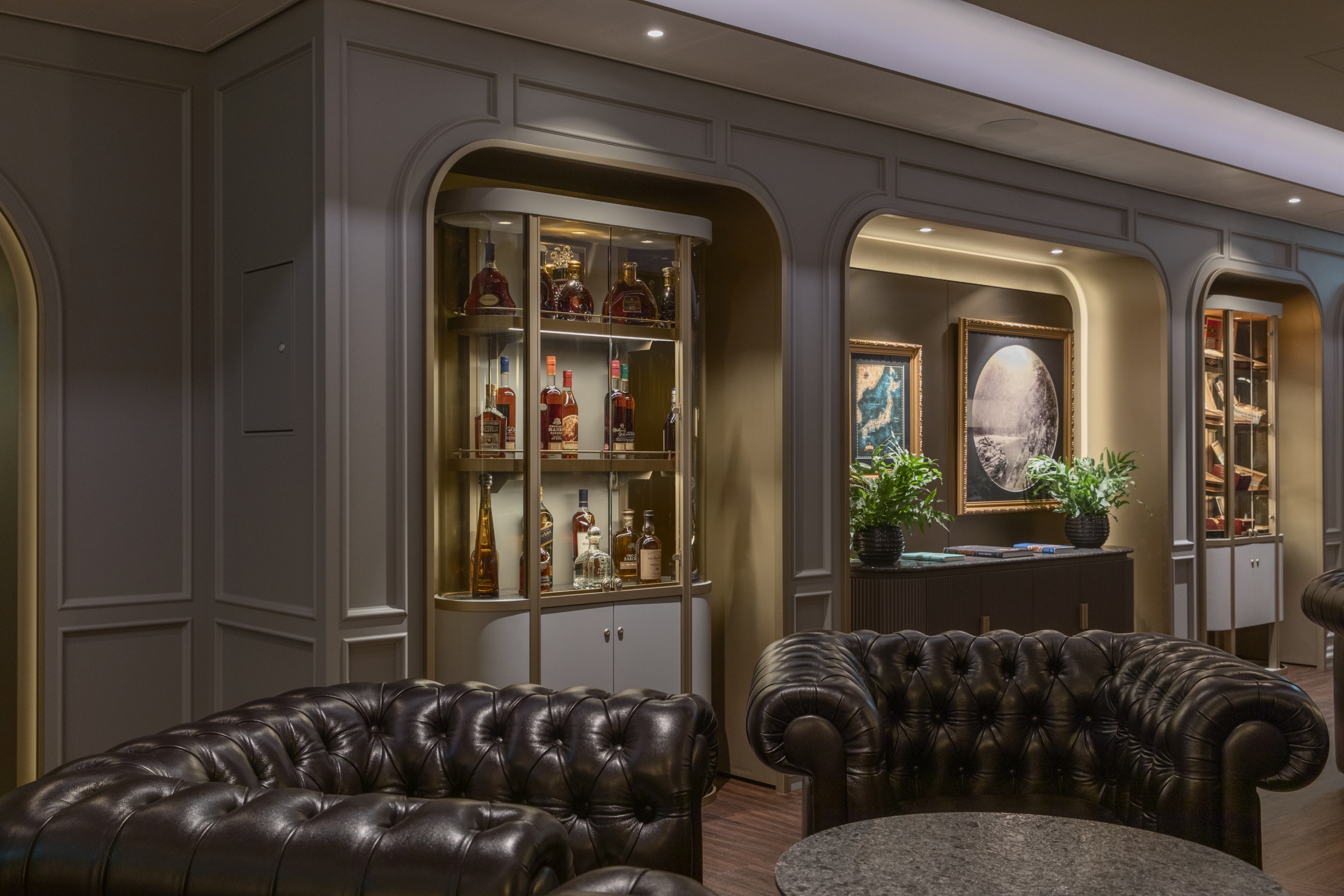
Our smoking lounge aboard Silver Nova is our latest venue where cigar lovers can buy and sample some of the world’s finest Havanas, Cohibas, Partagás, Montecristos, Ramón Allones, and Bolívars. Combining all the elements of cigar culture indoors and on its stylish terrace, the Connoisseur’s Corner is where aficionados can meet and mingle to share their iconic passion.
Images are intended as a general reference. Features, materials, finishes and layout may be different than shown.
Atrium
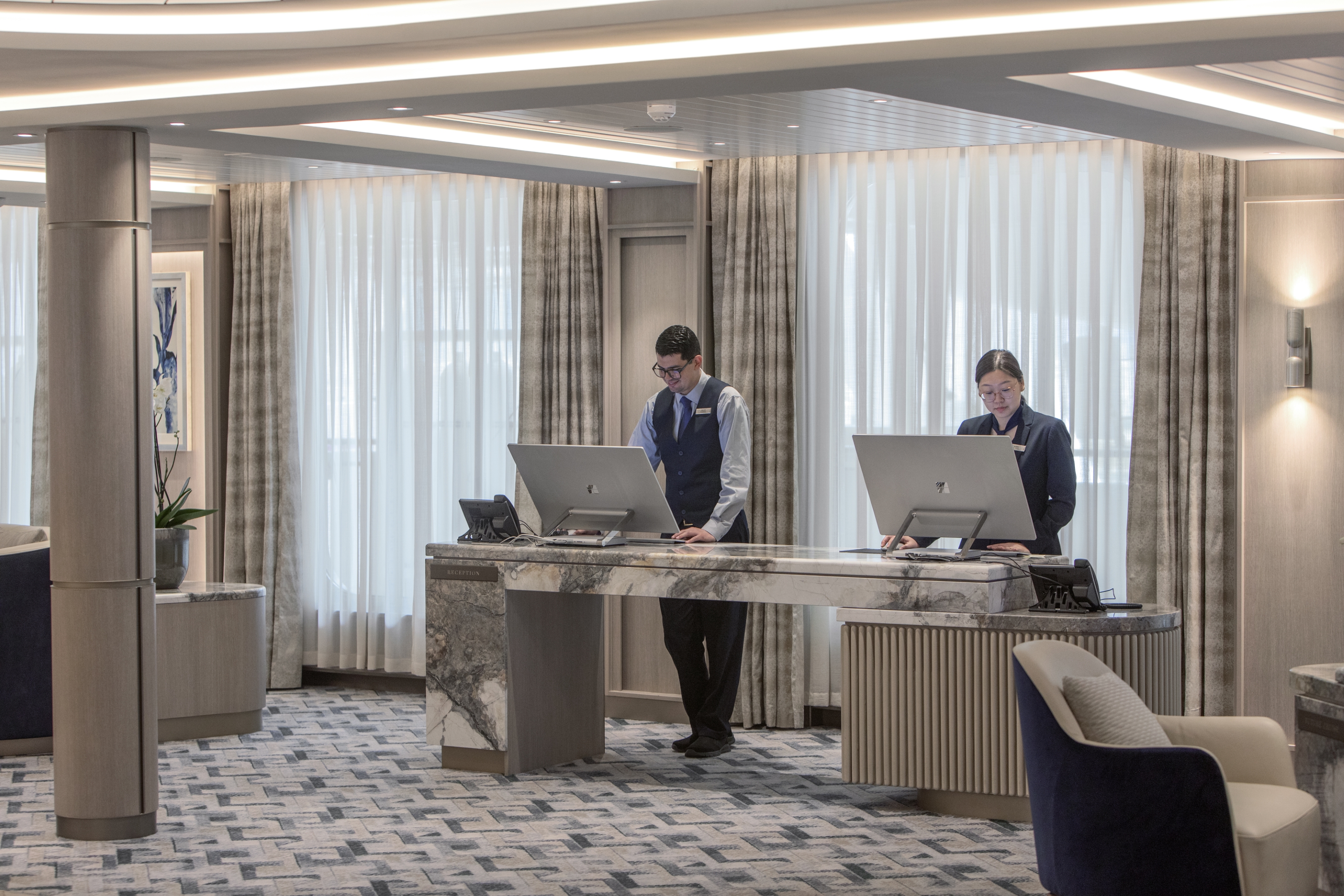
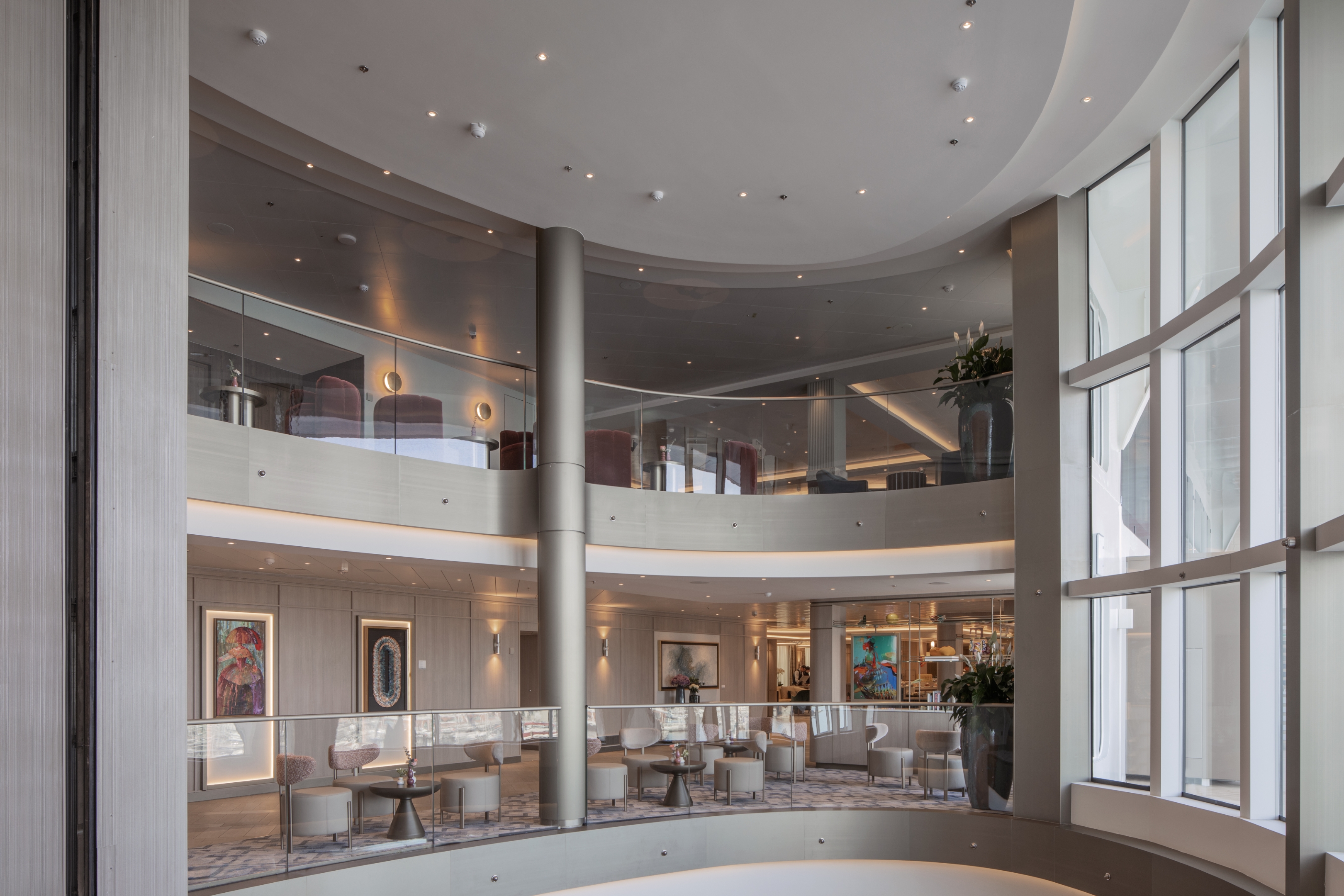
Located on deck 4, the Atrium is the beating heart of Silver Nova. Inspired by Roman architecture, the Atrium’s magnificent windows floods our central meeting areas with abundant natural light. The area is home to both the Arts Café and The Shelter, as well as main service areas such as the Reception, Shore Concierge, and Future Cruise Sales. The Atrium’s enormous glass wall stretches over two decks, guaranteeing a deep connection with your destination whether at sea or docked in port.
Images are intended as a general reference. Features, materials, finishes and layout may be different than shown.
Observation Lounge
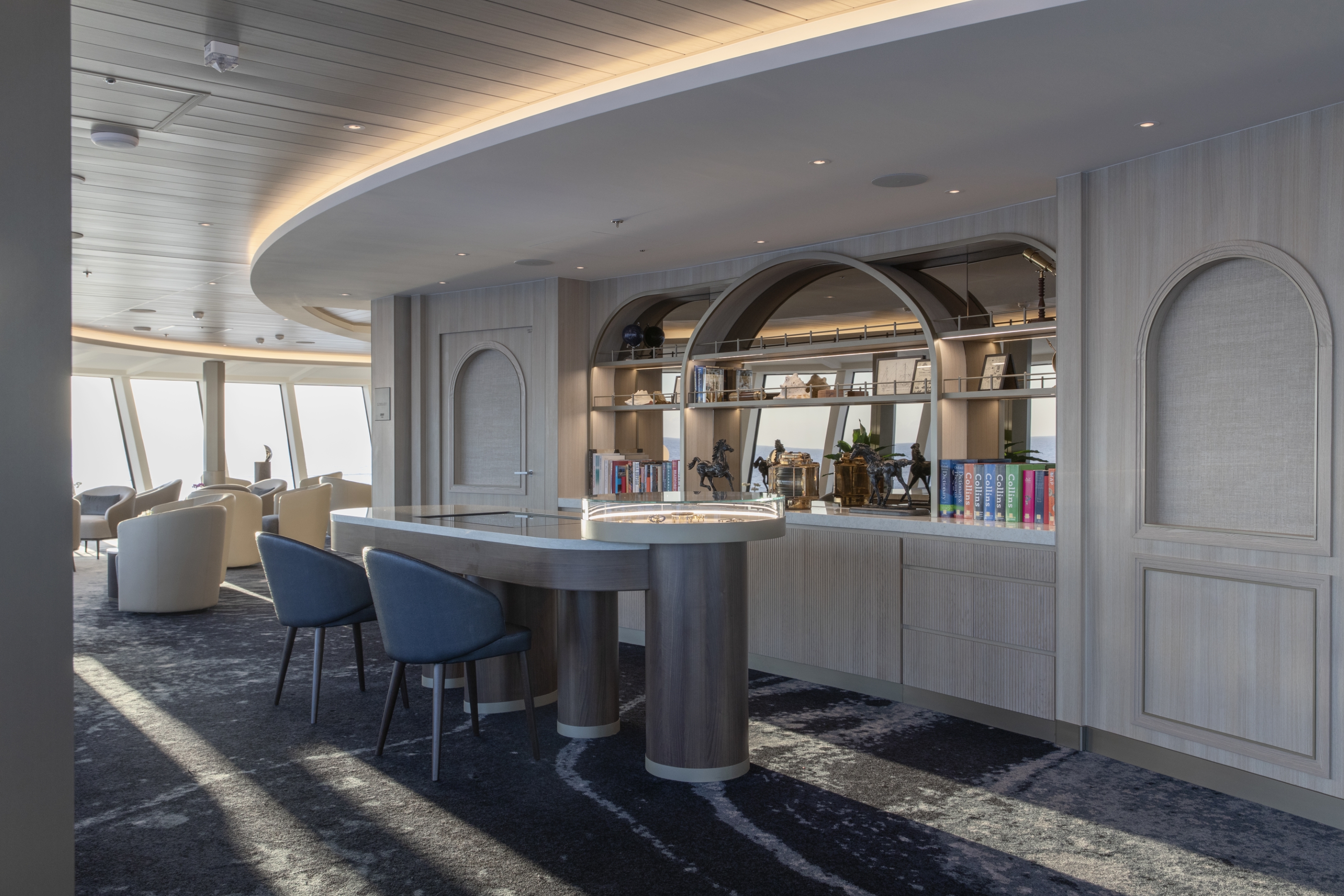
Set on the highest level at the very top of the ship, this is a quiet space for reading and reflection while being dazzled by the undulating seascapes that are part of life on board. Borrow a book from the in-house library, read the papers, or just embrace the tranquility of being at sea.
Images are intended as a general reference. Features, materials, finishes and layout may be different than shown.
Boutique
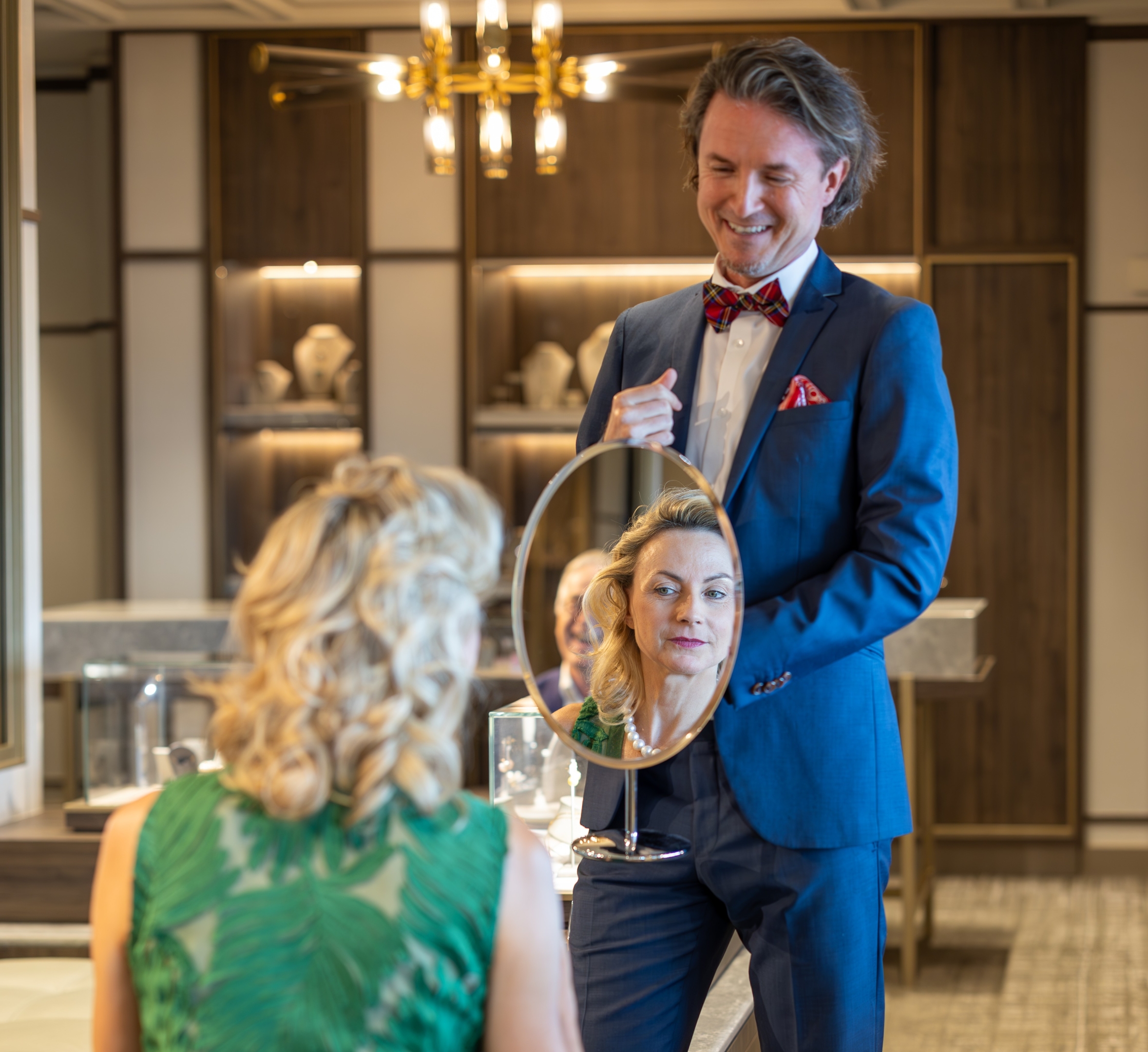
Exceptional shopping experiences do not end in the cosmopolitan cities we visit. Silversea’s striking new shipboard boutiques, reimagined and redesigned, are stunning modern design spaces befitting the finest creations from legendary designers. Carefully selected partners on board Silversea’s duty-free boutiques offer our guests a carefully curated selection of cutting-edge fashions, jewelry, accessories, fine perfumes, cosmetics, and Silversea Logo collection, all at duty-free prices.
Images are intended as a general reference. Features, materials, finishes and layout may be different than shown.
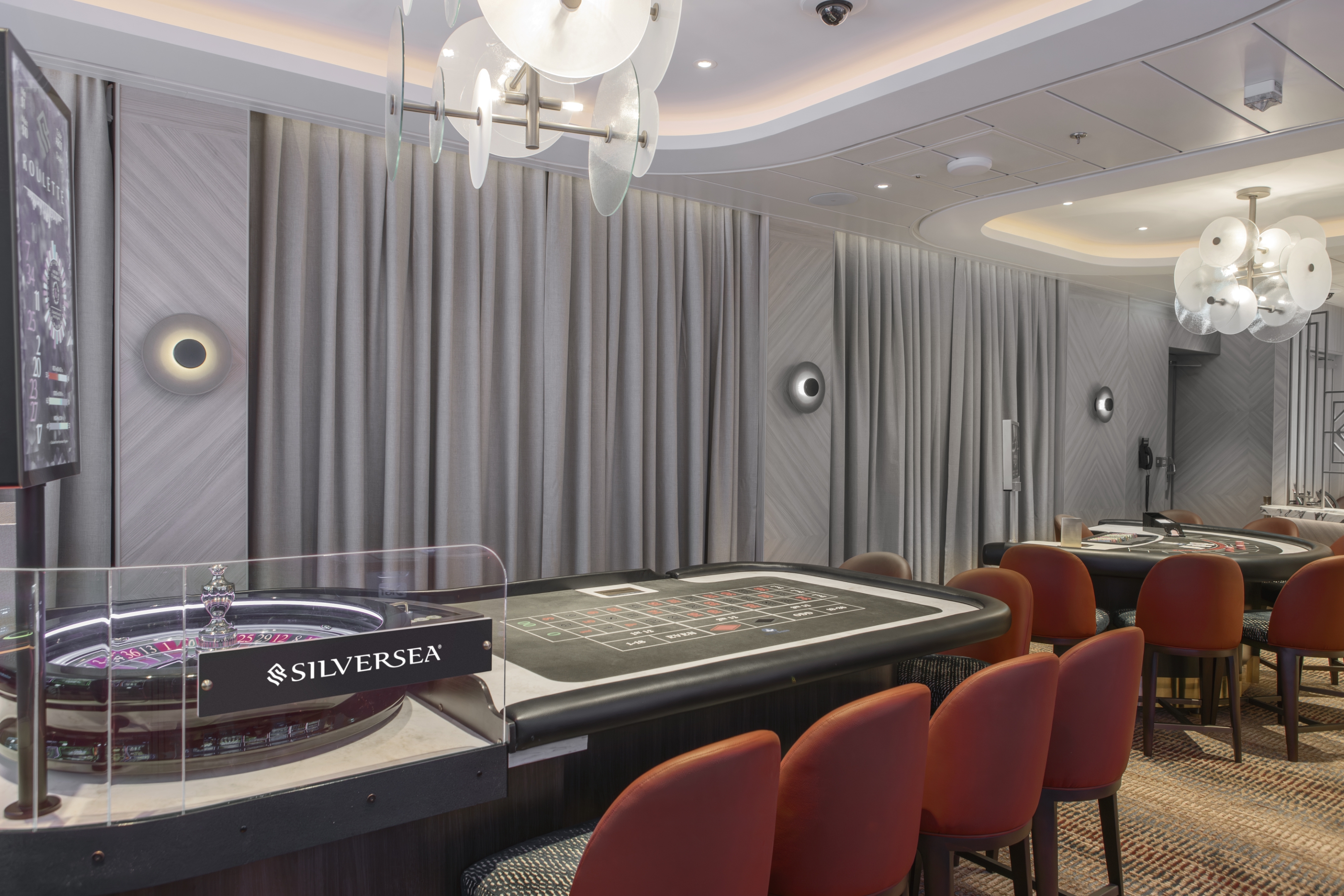
Casino
Let the fun begin! Channel your inner James Bond and place a bet at a variety of table games, including American Roulette, Blackjack, and Poker, as Silver Nova glides silently through the waves. An assortment of multi-game, multi-denominational reel and video slot machines are also available. Prepare yourself for a luxurious and exhilarating experience with every turn of a card and spin of the wheel. Game on!
Images are intended as a general reference. Features, materials, finishes and layout may be different than shown.
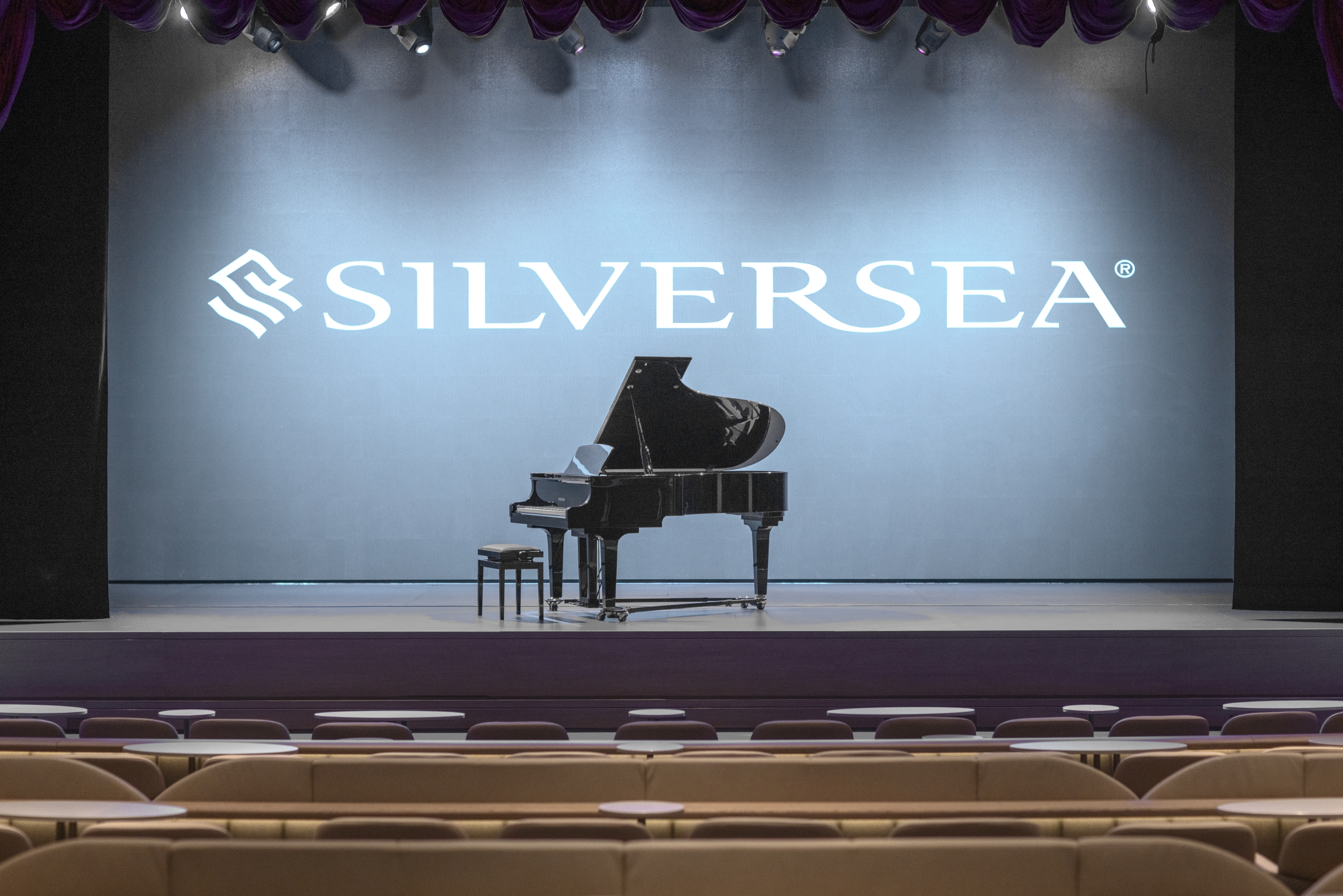
The Venetian Lounge
The grandeur and magic of music and theater. The experience of being transported by performance. That satisfying feeling of seeing an evening show … Welcome to the Venetian Lounge, a place where the arts of theater and music meet with full-scale productions and feature films. Paying tribute to a golden age of glamour, the Venetian Lounge offers belle-époque-style cabaret seating, with intimate tables and chairs subtly placed between the rows of comfortable tiered banquettes. As the stage lights are dimmed, soak up the atmosphere, relax, and enjoy a night of dazzling sights and sounds.
Images are intended as a general reference. Features, materials, finishes and layout may be different than shown.
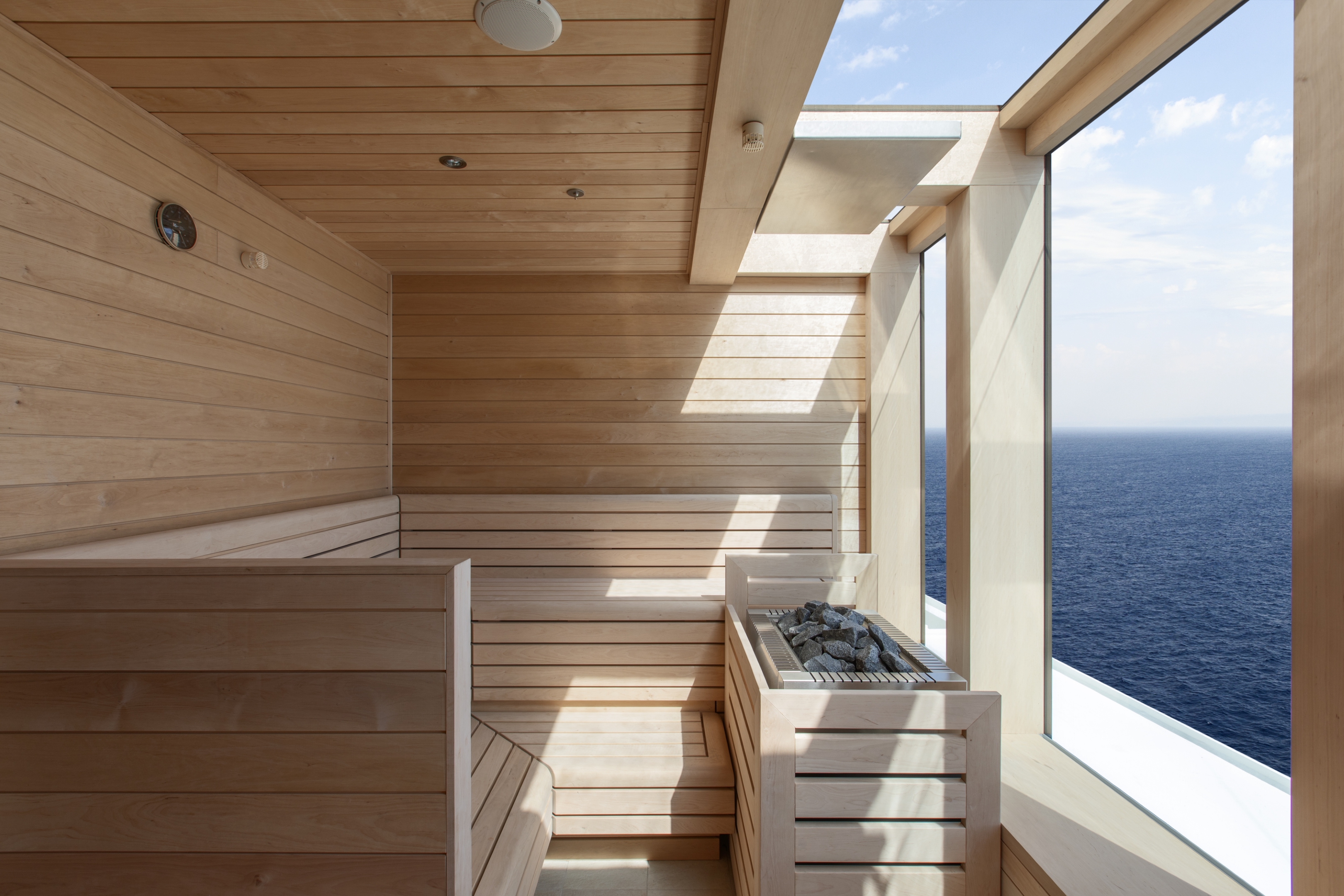
Otium Spa
Our Otium wellness spa has been designed by our experts to create signature moments that even Venus, the Roman goddess of beauty herself, would envy. Rejuvenate with one of our luxury treatments, or visit us to simply relax and unwind, share a moment with like-minded travelers, or enjoy a quiet, immersive session all to yourself. Redefine the meaning of beauty with us. We look forward to welcoming you.
OTIUM SPA: A COMBINATION OF LIVING WELL AND BEING WELL
Otium is a paradise of wellness that stretches far beyond your average spa. Otium is where you can relax and unwind but also where you can enjoy world-class treatments that make sure you look as amazing as you feel. Our Otium wellness spa has been designed by our experts to create signature moments that even Venus, the Roman goddess of beauty herself, would envy. Rejuvenate with one of our luxury treatments, or visit us to simply relax and unwind, share a moment with like-minded travelers, or enjoy a quiet, immersive session all to yourself. Redefine the meaning of beauty with us. We look forward to welcoming you.
Designed to Indulge
Our Spa’s space has been designed to complement your wellness experience. This begins in the central relaxation area, truly the hub of the spa, and permeates the space. A visit here offers far more than simple treatments: Otium is a sensorial experience too. A soothing color palette creates the perfect ambiance for each area while sophisticated materials heighten the feeling of holistic luxury. What’s more, custom artwork inspired by Ancient Rome is featured throughout the Spa, Beauty Salon, and Fitness Center. Otium’s design creates a magical atmosphere that fuses 2,000 years of culture with innovative design.
Experience the Unforgettable
Few things are more enjoyable than indulging in a wellness treatment, and at Otium Spa, luxury awaits you. From completely customized treatments to traditional favorites that turn back the clock, we offer the best for looking good and feeling better. Enjoy supercharged facials to revitalize tired-looking skin, blissful massages using Mediterranean-inspired products, and sumptuous treatments to soothe both body and mind. Personal training sessions, yoga, and Pilates complete the universal experience
INTRODUCING OTIUM IN-SUITE EXPERIENCES
We believe that wellness and relaxation do not end in the spa, so we have extended our unique concept to all suites. Four tailor-made in-suite experiences offer luxurious possibilities for relaxation that are the embodiment of leisure and pleasure.
The Otium Bathing Experience
Dissolve into the Otium bathing experience. Treat yourself to some well-deserved solitude with this indulgent addition to your voyage. No words can accurately describe this opulent experience. Bath water at the perfect temperature, comfortable back and neck pillows, and special bath salts from the Otium menu are just the beginning. Add candles, low lighting, a delicious selection of delicacies to pamper the taste buds, and the Otium music menu and we think you’ll agree that we have designed a superlative experience to soothe both body and mind.
The Otium Shower Experience
Your suite is where your wellness journey not only begins but thrives throughout your voyage with a well-deserved Otium shower experience. Relax under the warm water cascades and immerse yourself in the releasing aromas of the essential oils from our invigorating shower steamers: Deep Sleep, Mood Booster and Steam Room.
The Otium Balcony Experience
We have curated three superb moments that promise deep immersion in your destination, from the comfort of your very own veranda. Each of the three moments is destination driven, depending on where you find yourself in the world. For sun lovers, enjoy “Under the Sun”—an enhanced sunbathing session that will pamper and protect in equal measure! “Baby it’s cold outside” will bring extra warmth during cold evenings in chilly climates with cashmere blankets and the first hot chocolate menu at sea. Finally, make your balcony your own, with personalized food and snacks courtesy of your butler.
The Otium Comfort Food Experience
Take your in-suite dining experience to a whole new level. The Otium Comfort Food experience is ideal for those who want to dine out while staying in, but this experience will also feature a selection of dining options designed to temp your taste buds. Finally, the Movie experience will add a touch of class to your after-dinner relaxation. Have luxury popcorn and nibbles delivered to your suite for an indulgent snack as you enjoy your in-suite movie menu.
The Otium Sleeping Experience
Isn’t it time you became a successful sleeper? With the Otium Sleeping experience, you can choose a pillow from our vast pillow menu, curl up on 400-thread-count Egyptian cotton linens crafted exclusively for Silversea by Rivolta Carmignani, and melt into a custom Otium mattress, designed exclusively for the ultimate sleeping experience at sea. Take a break from your alarm clock and enjoy the best night’s sleep of your life.
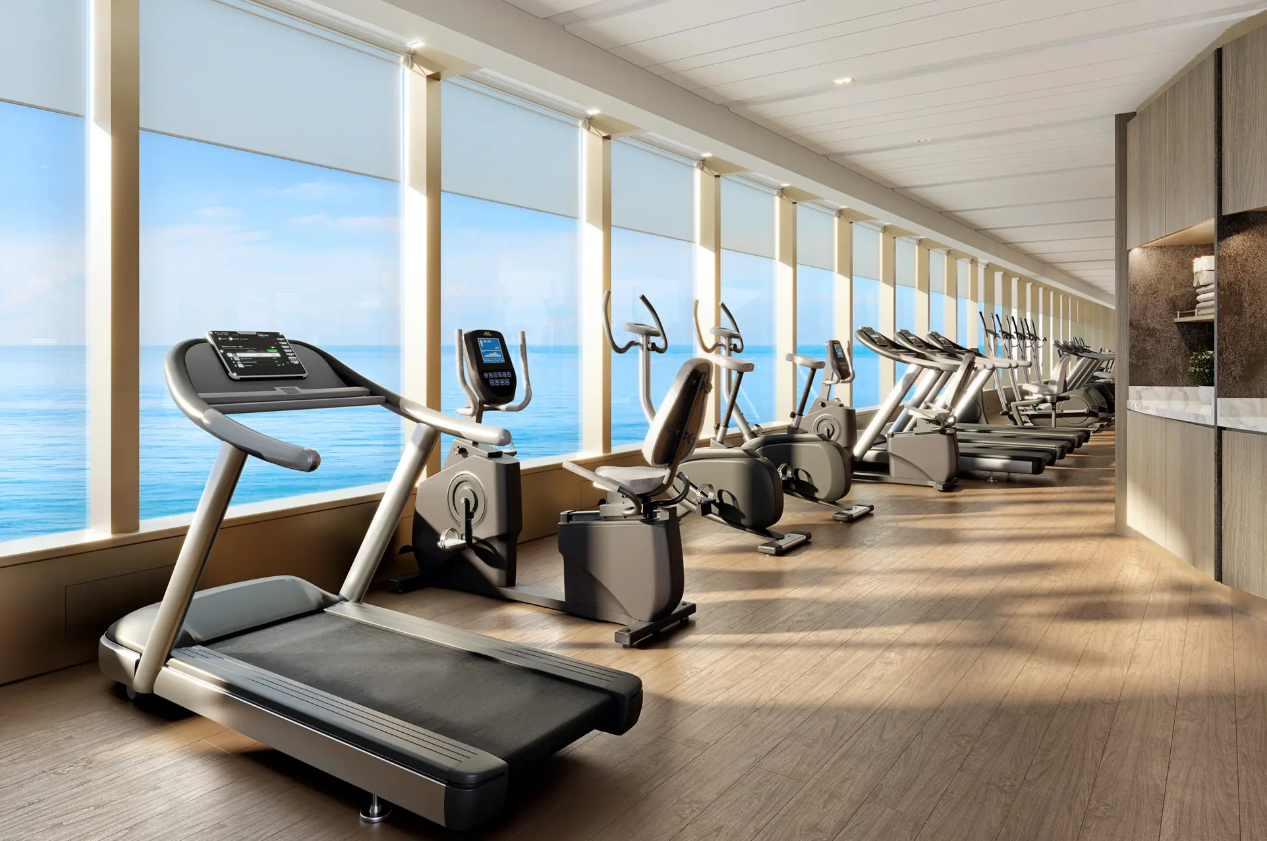
Fitness Centre
With state-of-the-art Technogym® equipment, free weights, and specialty classes, the Fitness Center brings together elite design with programs that are specifically created for your body type and needs. With personal trainers available for individual sessions, training here is a five-star experience for all levels of fitness and experience. And with the best view that you’ll ever have while working out, there are definitely no more excuses …
Personal Trainers
With personal trainers available for individual sessions, training at sea is a five-star experience for all fitness levels. And with the best view you’ll ever get whilst working out, there are definitely no more excuses not to keep fit on board. Personalised training, body composition analysis and speciality classes are available for an additional charge.
Images are intended as a general reference. Features, materials, finishes and layout may be different than shown.
Beauty Salon
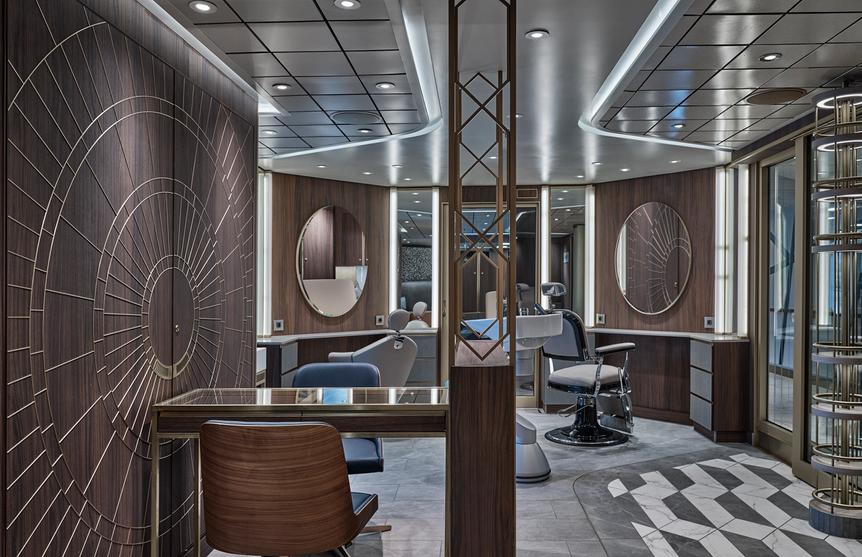
Hair and scalp conditioning treatments, colour protection and hair smoothing are just some of the highly effective salon services available onboard to help you. Our beauty therapists will look after you with manicures, pedicures, complete nail services, and professional teeth whitening. Gentlemen will not feel left out either with our luxurious shave and men’s grooming services.
Please note: Although Silversea accepts guests over the age of six months, there are no special programmes for children on board, and Silversea does not provide for the care, entertainment and supervision of children.
The Marquee
The Marquee is our brand-new outdoor dining venue, open from early morning until late evening. It is the perfect place to enjoy a healthy breakfast in the morning, including delicious plant-based and vegan options, or try out our signature dining concepts: The Grill and Spaccanapoli for lunch or dinner.
Images are intended as a general reference. Features, materials, finishes and layout may be different than shown.
La Terrazza
Our hallmark Italian restaurant is as varied as the food-loving country itself. La Terrazza aboard Silver Nova offers an unparalleled destination dining experience, from its expansive floor-to-ceiling windows to its large, outdoor terrace. Enjoy all the tastes of the different regions, including the best homemade pasta, fresh antipasto, bowls of steaming risotto, hearty ragù, and delicious tiramisu. Be sure to try one of the bold wines from the cellar to wash it all down.
Images are intended as a general reference. Features, materials, finishes and layout may be different than shown.
Silver Note
Where do you go if you want great food and a brilliant atmosphere in a relaxed and sophisticated setting? Silver Note of course! Harkening back to the old school days of dinner and dancing, this venue embodies a feeling of fun and sense of glamour that is unequaled in the industry. Jazz bands and soul singers play live as you sample delicate tapas-style dishes with a gourmet twist. We guarantee a superlative night of entertainment in the gorgeously designed dinner venue.
Images are intended as a general reference. Features, materials, finishes and layout may be different than shown.
S.A.L.T. Kitchen
Are you hungry for something new? Eat your way through the places on your cruise in the S.A.L.T. Kitchen. Enjoy destination-inspired menus, including the Terrain menu, which offers recipes and flavors specific to the port visited, and the Voyage menu, which draws inspiration from the best flavors of the voyage. Pull up a chair and savor every taste of your cruise in a vibrant and welcoming atmosphere. S.A.L.T. Kitchen is the opportunity for all guests aboard Silver Nova to experience the very lifeblood of their destination.
Images are intended as a general reference. Features, materials, finishes and layout may be different than shown.
La Dame
Indulge in the new epitome of French fine dining aboard Silver Nova, where culinary heritage meets modern innovation. Immerse yourself in an exquisite gastronomic experience showcasing deep, balanced flavors, from curated tasting menus to à la carte selections paired with a thoughtfully curated wine selection.
Per guest reservation fee of US$160 (incl. complimentary wine pairing). Please visit My Silversea to make your reservations.
Images are intended as a general reference. Features, materials, finishes and layout may be different than shown.
Kaiseki
Experience the harmony of flavors and aesthetics with our enhanced Kaiseki dining experience. Delight in the fusion of Washoku’s culinary heritage and health benefits, where each meticulously crafted dish is a work of art. Explore the depth and diversity of Japanese spirits with our exclusive selection of sake and Japanese whiskeys, or savor a refreshing alternative from our delightful tea selection or cocktails.
Per guest reservation fee of US$80 (incl. complimentary sake, Japanese whiskeys, or TWG tea and tea cocktails selection). Please visit My Silversea to make your reservations.
Images are intended as a general reference. Features, materials, finishes and layout may be different than shown.
Atlantide
Atlantide offers guests our quintessential dining experience. Combining contemporary elegance and hallmark Silversea service, this classic restaurant offers our signature fine dining. Atlantide is one of our best-loved eateries, and on Silver Nova we have given it an updated design. Large picture windows, sophisticated lighting design, plus a warm color spectrum give Atlantide a blend of high-end, whispered luxury. The menu prides itself on superb ingredients and sublime flavor combinations, from caviar to lobster to gorgeous, melt-in-your-mouth desserts.
Images are intended as a general reference. Features, materials, finishes and layout may be different than shown.
Art Café
The Arts Café offers a cultural setting for eating, drinking, and socializing, as well as a chance to lose yourself while reading up on all your favorite artists and art. Enjoy healthy snacks and smoothies plus hot and cold drinks, juices, pastries, and sandwiches in a light and airy space. Pop in for a late breakfast or afternoon snack, along with real Italian espresso plus a great range of tea.
Images are intended as a general reference. Features, materials, finishes and layout may be different than shown.
S.A.L.T. Chef's Table
Prepare for an intimate and interactive dining experience like no other at the S.A.L.T. Chef’s Table. Indulge in a choreographed menu of small plates highlighting regional flavours and star ingredients, all accompanied by unique wines and cocktails.
Per guest reservation fee of U$180 (incl. complimentary wine & cocktail pairing). Reservations will be taken exclusively on board Silver Nova.
Images are intended as a general reference. Features, materials, finishes and layout may be different than shown.
The Grill
Silversea’s much-loved casual dining restaurant serves a delectable range of burgers and salads by day and turns into our famous Hot Rocks table BBQ concept by night. Found in our brand-new eating venue The Marquee, The Grill is quite simply the best place to eat between sea and sky. If you like flavorsome meals cooked to perfection, a casual, laid-back atmosphere, and OMG views, then The Grill is the answer to your prayers.
Images are intended as a general reference. Features, materials, finishes and layout may be different than shown.
Spaccanapoli
Nothing says Italy quite as well as a hot, fresh pizza. Spaccanapoli is a slice of Naples, where you’ll taste deliciously thin, freshly made pizzas, topped with creamy mozzarella and minimalist toppings. The light and airy pizzeria forms part of our new alfresco eatery The Marquee, and it is the perfect choice for diners who want to be dazzled by our talented pizzaiolos spinning the dough in the open-air kitchen. Whether you want a light lunch or to share a slice with friends over an aperitif, it’s always the right time for Spaccanapoli.
Images are intended as a general reference. Features, materials, finishes and layout may be different than shown.
S.A.L.T. Lab
Welcome to the S.A.L.T. Lab, an interactive space where guests can take a deep dive into local culinary heritage and techniques. Join our talented chefs and learn how your region’s food is central to its culture. Engage in your destination through workshops, lectures, and cooking demonstrations for an authentic souvenir not available in any shop. The S.A.L.T. Lab is not just about food and flavor; it is a unique place where holistic destination immersion gives an entirely new dimension to traveling. This is where the magic happens!
Images are intended as a general reference. Features, materials, finishes and layout may be different than shown.
Shore Excursions
Local Immersion, Lasting Impressions
Authentic Cultural Connections
Every destination tells a story — and Silversea Shore Excursions reveal these stories inviting you to venture beyond the ordinary. Enjoy privileged access to cultural treasures and natural wonders often out of reach for independent travelers. Each excursion is thoughtfully designed by experts to foster genuine connections with local communities, customs, and landscapes. From intimate small-group adventures and signature S.A.L.T. Experiences to personalized private tours, we offer diverse options to match your interests and desired level of immersion — making every moment meaningful and memorable.
Highlight Experiences
Seamless tours of iconic sites
Explore iconic landmarks and cultural treasures with our Highlight Experiences, half or full-day adventures led by expert guides. Enjoy seamless, hassle-free journeys to must- see attractions — perfect for guests seeking a convenient, turnkey experience.
Signature Experiences
Smaller tours, crafted by Silversea
These immersive Signature Experiences offer privileged access and personalized interactions with local experts. These experiences are perfect for those seeking meaningful, social exploration who want to connect with destinations through authentic dining and slow travel.
Private Experiences
Exclusive tours for your group
Create your own exclusive adventure with a dedicated vehicle, driver, and guide. Explore at your pace, linger, or spontaneously discover new sites. Available at most ports for half- or full-day bookings, Private Experiences are ideal for families seeking privacy and flexibility.
Custom Experiences
Tailor-made tours designed for you
Enjoy personalized Custom Experiences tailored to your interests, with exclusive access and specialized guides. Our team handles every detail, ensuring unforgettable moments that exceed your expectations—crafted entirely around your pace and preferences.
Overland Experiences
Mid-cruise, inland tours
Venture inland on two- to three-day journeys to iconic sites like the Taj Mahal or Angkor Wat. \Vith flights, stays, and guided access included, these immersive journeys offer rare experiences beyond the coast — all with the signature Silversea service.
Mid-Voyage Adventures
Multiple days at sea mean plenty of R & R for some, but others prefer to drink in all there is to offer on land. Our Mid-Cruise Land Adventures allow you to take full advantage of your time with us without missing a single thing! These short escapades offer an array of adventures, break up your sea days and allow for deeper exploration beyond the coast.
Silver Shore Concierge
Let Silversea customise a special event or excursion exclusively for you. Expert Shore Excursion professionals are available to assist with all your shorex questions. Make an appointment and gain insider access to knowledgeable suggestions, personalised planning and hassle-free coordination of all private, independent touring, including area highlights, flightseeing, water sports, and much more. Take advantage of this service either in advance of your voyage by email at shoreconcierge@silversea.com or on board by visiting the Silvershore® Concierge desk. Have the Silver Shore Concierge create your tailor-made tour, or be whisked away by private car for a day — the pace and agenda are up to you.
S.A.L.T. Shore Excursions
Selected shore excursions on all Silver Moon, Silver Dawn and Silver Nova cruises benefit from a culinary focus. These in-depth and informative shore excursions are accompanied by our food experts, who are adept at explaining the intricacies of foreign cuisine. S.A.L.T. offers the curious cruiser so many options; the only thing you need to do is choose. Never has a cruise line provided such an in-depth, holistic way of visiting their destination. Do one or do them all.
The Dusk Bar
With an emphasis on the destination, panoramic views connect you with the world beyond at The Dusk Bar. This superb open-air sky bar provides plenty of space for guests to enjoy a pre- or post-dinner drink while taking in the jaw-dropping, 270-degree, panoramic views from the stern. The Dusk Bar’s delightful combination of idyllic atmosphere and lovely drinks is guaranteed to check your boxes time after time. Whether you’re enjoying a spritz in South America, a cocktail in the Caribbean, or a night cap in the Mediterranean, we think The Dusk Bar’s unobstructed views give you a new perspective on sunsets at sea.
Images are intended as a general reference. Features, materials, finishes and layout may be different than shown.
The Pool Deck
Enjoy a reimagined space where you can relax, refresh, and rejuvenate on decks 10 and 11. Ample sun beds for everyone, more space than ever before, and the largest pool in the fleet—which offers exceptional, unhampered, 270-degree views—are just the beginning. The upper-level sun deck is perfectly placed for those who want a quieter space to relax and still enjoy those incredible, expansive views that are the hallmark of Silver Nova. But it is The Cliff Whirlpool, an infinity-edge, glass-fronted whirlpool, that really makes The Pool Deck something special.
Images are intended as a general reference. Features, materials, finishes and layout may be different than shown.
S.A.L.T. Bar
Nothing says authentic experience better than Silver Nova’s S.A.L.T. Bar. Get a taste for the authentic and settle down to enjoy locally inspired cocktails and drinks. How can you go wrong with a rum punch in Barbados, a pastis over ice in Marseille, or a pisco sour in Lima? Nothing unites new faces and old friends in quite the same way. Be inspired to find your perfect locally inspired beverage at the S.A.L.T. Bar and let the color and flavors of your journey rush in.
Images are intended as a general reference. Features, materials, finishes and layout may be different than shown.
The Shelter
The Shelter is our newest pre- and post-dinner cocktail venue. Settle in amid an intimate and elegant setting, resplendent with sophisticated lighting, inviting sofas, and a stunning wraparound bar. Strategically located on deck 3, the atmospheric hideaway opens onto the Atrium, creating openness and connection to the other neighboring venues. We promise you’ll fall in love with one of the best bars on board while our talented team of mixologists mix and shake our range of signature and bespoke cocktails. With the perfect destination, warm smiles, and legendary Silversea service, get set for unforgettable nights in The Shelter.
Images are intended as a general reference. Features, materials, finishes and layout may be different than shown.
Dolce Vita
Our main bar has been newly reimagined for Silver Nova! Dolce Vita has of course kept her legendary charm, inspired cocktails, stylish decor, and comfortable seating, but a central bar now means the warm ambience is better than ever! Oozing Italian glamour, Dolce Vita is a relaxed, refined bar with a nightly piano player playing all your favorite tunes. Perfect for pre-dinner aperitifs or even a post-dinner cocktail, Dolce Vita is truly the beating heart of social life on board.
Images are intended as a general reference. Features, materials, finishes and layout may be different than shown.
Panorama Lounge
From early morning to late at night, the Panorama Lounge offers everything you could wish for. A peaceful retreat that is the perfect place to take a break, a social place to meet and greet old friends, or an evening venue to partake in a cocktail as you sit back and watch the world go by. Sink into the plush seats, and come evening, enjoy listening to the gentle sounds of a pianist or the invigorating beats of our in-house DJ.
Images are intended as a general reference. Features, materials, finishes and layout may be different than shown.
Connoisseur's Corner
Our smoking lounge aboard Silver Nova is our latest venue where cigar lovers can buy and sample some of the world’s finest Havanas, Cohibas, Partagás, Montecristos, Ramón Allones, and Bolívars. Combining all the elements of cigar culture indoors and on its stylish terrace, the Connoisseur’s Corner is where aficionados can meet and mingle to share their iconic passion.
Images are intended as a general reference. Features, materials, finishes and layout may be different than shown.
Atrium
Located on deck 4, the Atrium is the beating heart of Silver Nova. Inspired by Roman architecture, the Atrium’s magnificent windows floods our central meeting areas with abundant natural light. The area is home to both the Arts Café and The Shelter, as well as main service areas such as the Reception, Shore Concierge, and Future Cruise Sales. The Atrium’s enormous glass wall stretches over two decks, guaranteeing a deep connection with your destination whether at sea or docked in port.
Images are intended as a general reference. Features, materials, finishes and layout may be different than shown.
Observation Lounge
Set on the highest level at the very top of the ship, this is a quiet space for reading and reflection while being dazzled by the undulating seascapes that are part of life on board. Borrow a book from the in-house library, read the papers, or just embrace the tranquility of being at sea.
Images are intended as a general reference. Features, materials, finishes and layout may be different than shown.
Boutique
Exceptional shopping experiences do not end in the cosmopolitan cities we visit. Silversea’s striking new shipboard boutiques, reimagined and redesigned, are stunning modern design spaces befitting the finest creations from legendary designers. Carefully selected partners on board Silversea’s duty-free boutiques offer our guests a carefully curated selection of cutting-edge fashions, jewelry, accessories, fine perfumes, cosmetics, and Silversea Logo collection, all at duty-free prices.
Images are intended as a general reference. Features, materials, finishes and layout may be different than shown.
Casino
Let the fun begin! Channel your inner James Bond and place a bet at a variety of table games, including American Roulette, Blackjack, and Poker, as Silver Nova glides silently through the waves. An assortment of multi-game, multi-denominational reel and video slot machines are also available. Prepare yourself for a luxurious and exhilarating experience with every turn of a card and spin of the wheel. Game on!
Images are intended as a general reference. Features, materials, finishes and layout may be different than shown.
The Venetian Lounge
The grandeur and magic of music and theater. The experience of being transported by performance. That satisfying feeling of seeing an evening show … Welcome to the Venetian Lounge, a place where the arts of theater and music meet with full-scale productions and feature films. Paying tribute to a golden age of glamour, the Venetian Lounge offers belle-époque-style cabaret seating, with intimate tables and chairs subtly placed between the rows of comfortable tiered banquettes. As the stage lights are dimmed, soak up the atmosphere, relax, and enjoy a night of dazzling sights and sounds.
Images are intended as a general reference. Features, materials, finishes and layout may be different than shown.
Otium Spa
Our Otium wellness spa has been designed by our experts to create signature moments that even Venus, the Roman goddess of beauty herself, would envy. Rejuvenate with one of our luxury treatments, or visit us to simply relax and unwind, share a moment with like-minded travelers, or enjoy a quiet, immersive session all to yourself. Redefine the meaning of beauty with us. We look forward to welcoming you.
OTIUM SPA: A COMBINATION OF LIVING WELL AND BEING WELL
Otium is a paradise of wellness that stretches far beyond your average spa. Otium is where you can relax and unwind but also where you can enjoy world-class treatments that make sure you look as amazing as you feel. Our Otium wellness spa has been designed by our experts to create signature moments that even Venus, the Roman goddess of beauty herself, would envy. Rejuvenate with one of our luxury treatments, or visit us to simply relax and unwind, share a moment with like-minded travelers, or enjoy a quiet, immersive session all to yourself. Redefine the meaning of beauty with us. We look forward to welcoming you.
Designed to Indulge
Our Spa’s space has been designed to complement your wellness experience. This begins in the central relaxation area, truly the hub of the spa, and permeates the space. A visit here offers far more than simple treatments: Otium is a sensorial experience too. A soothing color palette creates the perfect ambiance for each area while sophisticated materials heighten the feeling of holistic luxury. What’s more, custom artwork inspired by Ancient Rome is featured throughout the Spa, Beauty Salon, and Fitness Center. Otium’s design creates a magical atmosphere that fuses 2,000 years of culture with innovative design.
Experience the Unforgettable
Few things are more enjoyable than indulging in a wellness treatment, and at Otium Spa, luxury awaits you. From completely customized treatments to traditional favorites that turn back the clock, we offer the best for looking good and feeling better. Enjoy supercharged facials to revitalize tired-looking skin, blissful massages using Mediterranean-inspired products, and sumptuous treatments to soothe both body and mind. Personal training sessions, yoga, and Pilates complete the universal experience
INTRODUCING OTIUM IN-SUITE EXPERIENCES
We believe that wellness and relaxation do not end in the spa, so we have extended our unique concept to all suites. Four tailor-made in-suite experiences offer luxurious possibilities for relaxation that are the embodiment of leisure and pleasure.
The Otium Bathing Experience
Dissolve into the Otium bathing experience. Treat yourself to some well-deserved solitude with this indulgent addition to your voyage. No words can accurately describe this opulent experience. Bath water at the perfect temperature, comfortable back and neck pillows, and special bath salts from the Otium menu are just the beginning. Add candles, low lighting, a delicious selection of delicacies to pamper the taste buds, and the Otium music menu and we think you’ll agree that we have designed a superlative experience to soothe both body and mind.
The Otium Shower Experience
Your suite is where your wellness journey not only begins but thrives throughout your voyage with a well-deserved Otium shower experience. Relax under the warm water cascades and immerse yourself in the releasing aromas of the essential oils from our invigorating shower steamers: Deep Sleep, Mood Booster and Steam Room.
The Otium Balcony Experience
We have curated three superb moments that promise deep immersion in your destination, from the comfort of your very own veranda. Each of the three moments is destination driven, depending on where you find yourself in the world. For sun lovers, enjoy “Under the Sun”—an enhanced sunbathing session that will pamper and protect in equal measure! “Baby it’s cold outside” will bring extra warmth during cold evenings in chilly climates with cashmere blankets and the first hot chocolate menu at sea. Finally, make your balcony your own, with personalized food and snacks courtesy of your butler.
The Otium Comfort Food Experience
Take your in-suite dining experience to a whole new level. The Otium Comfort Food experience is ideal for those who want to dine out while staying in, but this experience will also feature a selection of dining options designed to temp your taste buds. Finally, the Movie experience will add a touch of class to your after-dinner relaxation. Have luxury popcorn and nibbles delivered to your suite for an indulgent snack as you enjoy your in-suite movie menu.
The Otium Sleeping Experience
Isn’t it time you became a successful sleeper? With the Otium Sleeping experience, you can choose a pillow from our vast pillow menu, curl up on 400-thread-count Egyptian cotton linens crafted exclusively for Silversea by Rivolta Carmignani, and melt into a custom Otium mattress, designed exclusively for the ultimate sleeping experience at sea. Take a break from your alarm clock and enjoy the best night’s sleep of your life.
Fitness Centre
With state-of-the-art Technogym® equipment, free weights, and specialty classes, the Fitness Center brings together elite design with programs that are specifically created for your body type and needs. With personal trainers available for individual sessions, training here is a five-star experience for all levels of fitness and experience. And with the best view that you’ll ever have while working out, there are definitely no more excuses …
Personal Trainers
With personal trainers available for individual sessions, training at sea is a five-star experience for all fitness levels. And with the best view you’ll ever get whilst working out, there are definitely no more excuses not to keep fit on board. Personalised training, body composition analysis and speciality classes are available for an additional charge.
Images are intended as a general reference. Features, materials, finishes and layout may be different than shown.
Beauty Salon
Hair and scalp conditioning treatments, colour protection and hair smoothing are just some of the highly effective salon services available onboard to help you. Our beauty therapists will look after you with manicures, pedicures, complete nail services, and professional teeth whitening. Gentlemen will not feel left out either with our luxurious shave and men’s grooming services.
Please note: Although Silversea accepts guests over the age of six months, there are no special programmes for children on board, and Silversea does not provide for the care, entertainment and supervision of children.
About the Ship
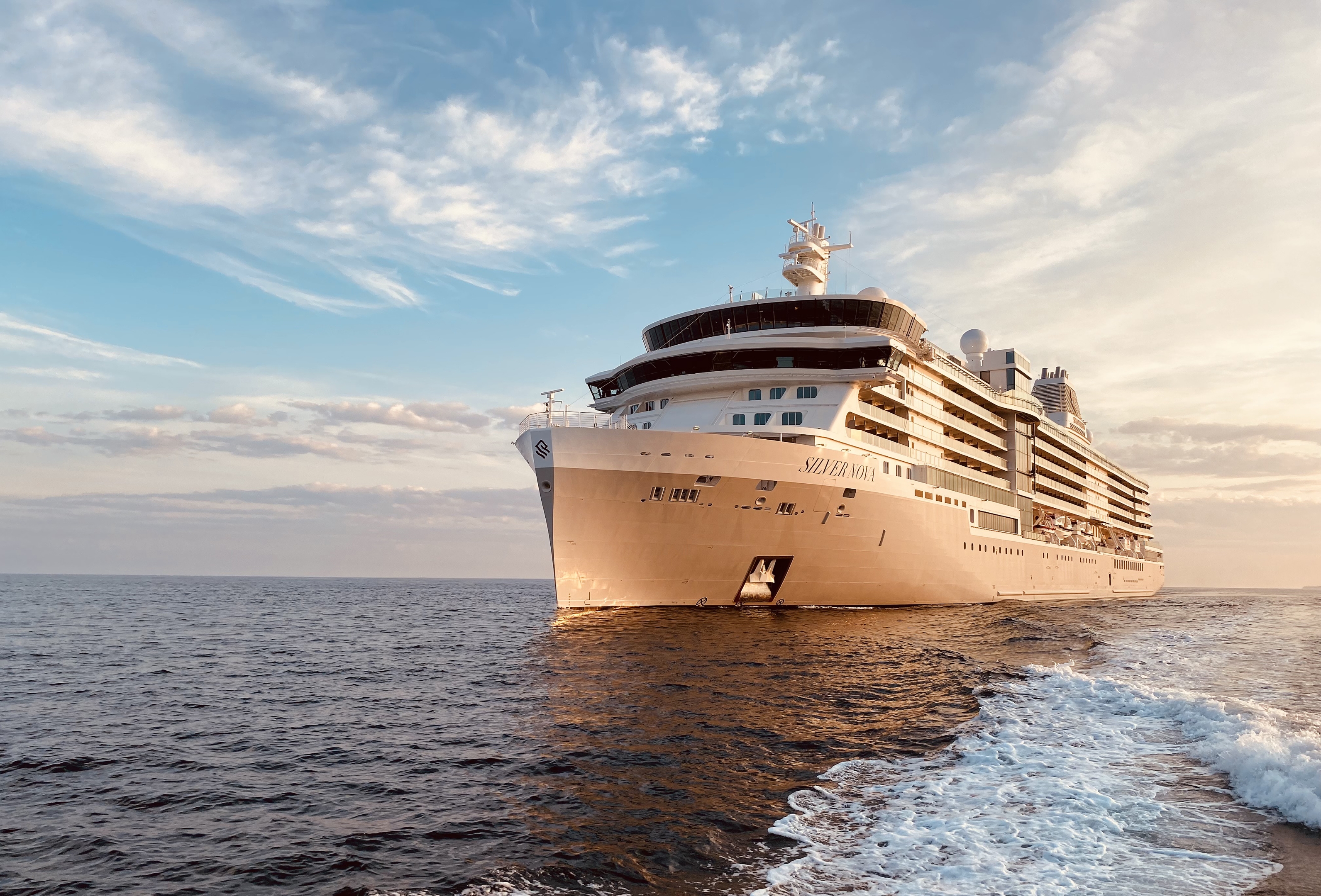
Deck Plans

- Atlantide
- S.A.L.T. Kitchen
- The Shelter
- Elevator

- La Dame
- Venetian Lounge
- Boutique
- Reception
- Arts Café
- Shore Concierge
- Atrium
- Kaiseki
- La Terrazza
- Elevator

- Otium Spa
- Fitness Centre
- Beauty Salon
- Casino
- Boutique
- Dolce Vita
- Silver Note
- Library
- Connoisseur’s Corner
- Panorama Lounge
- Venetian Lougne
- Elevator

- Junior Grand Suite
- Classic Veranda Suite
- Medallion Suite
- Silver Suite
- Superior Veranda Suite
- Premium Veranda Suite
- Deluxe Veranda Suite
- Signature Suite
- Master Suite
- Otium Suite
- Elevator

- Grand Suite
- Classic Veranda Suite
- Medallion Suite
- Silver Suite
- Superior Veranda Suite
- Premium Veranda Suite
- Deluxe Veranda Suite
- Otium Suite
- Premium Medallion Suite
- Master Suite
- Signature Suite
- Launderette
- Elevator

- Class Veranda Suite
- Silver Suite
- Medallion Suite
- Superior Veranda Suite
- Premium Veranda Suite
- Deluxe Veranda Suite
- Owner’s Suite
- Master Suite
- Premium Medallion Suite
- Signature Suite
- Launderette
- Elevator

- Junior Grand Suite
- Classic Veranda Suite
- Superior Veranda Suite
- Premium Veranda Suite
- Medallion Suite
- Deluxe Veranda Suite
- Master Suite
- Signature Suite
- Premium Medallion Suite
- Launderette
- Elevator

- Observation Lounge
- S.A.L.T. Lab
- S.A.L.T. Bar
- S.A.L.T Chef’s Table
- Pool Deck
- Pool Bar
- Library
- The Marquee
- The Dusk Bar
- Jogging Track
- Elevator

- The Cliff Whirlpool
- Sun Deck
- Elevator
- Atlantide
- S.A.L.T. Kitchen
- The Shelter
- Elevator
- La Dame
- Venetian Lounge
- Boutique
- Reception
- Arts Café
- Shore Concierge
- Atrium
- Kaiseki
- La Terrazza
- Elevator
- Otium Spa
- Fitness Centre
- Beauty Salon
- Casino
- Boutique
- Dolce Vita
- Silver Note
- Library
- Connoisseur’s Corner
- Panorama Lounge
- Venetian Lougne
- Elevator
- Junior Grand Suite
- Classic Veranda Suite
- Medallion Suite
- Silver Suite
- Superior Veranda Suite
- Premium Veranda Suite
- Deluxe Veranda Suite
- Signature Suite
- Master Suite
- Otium Suite
- Elevator
- Grand Suite
- Classic Veranda Suite
- Medallion Suite
- Silver Suite
- Superior Veranda Suite
- Premium Veranda Suite
- Deluxe Veranda Suite
- Otium Suite
- Premium Medallion Suite
- Master Suite
- Signature Suite
- Launderette
- Elevator
- Class Veranda Suite
- Silver Suite
- Medallion Suite
- Superior Veranda Suite
- Premium Veranda Suite
- Deluxe Veranda Suite
- Owner’s Suite
- Master Suite
- Premium Medallion Suite
- Signature Suite
- Launderette
- Elevator
- Junior Grand Suite
- Classic Veranda Suite
- Superior Veranda Suite
- Premium Veranda Suite
- Medallion Suite
- Deluxe Veranda Suite
- Master Suite
- Signature Suite
- Premium Medallion Suite
- Launderette
- Elevator
- Observation Lounge
- S.A.L.T. Lab
- S.A.L.T. Bar
- S.A.L.T Chef’s Table
- Pool Deck
- Pool Bar
- Library
- The Marquee
- The Dusk Bar
- Jogging Track
- Elevator
- The Cliff Whirlpool
- Sun Deck
- Elevator