Featured Cabins
Itinerary
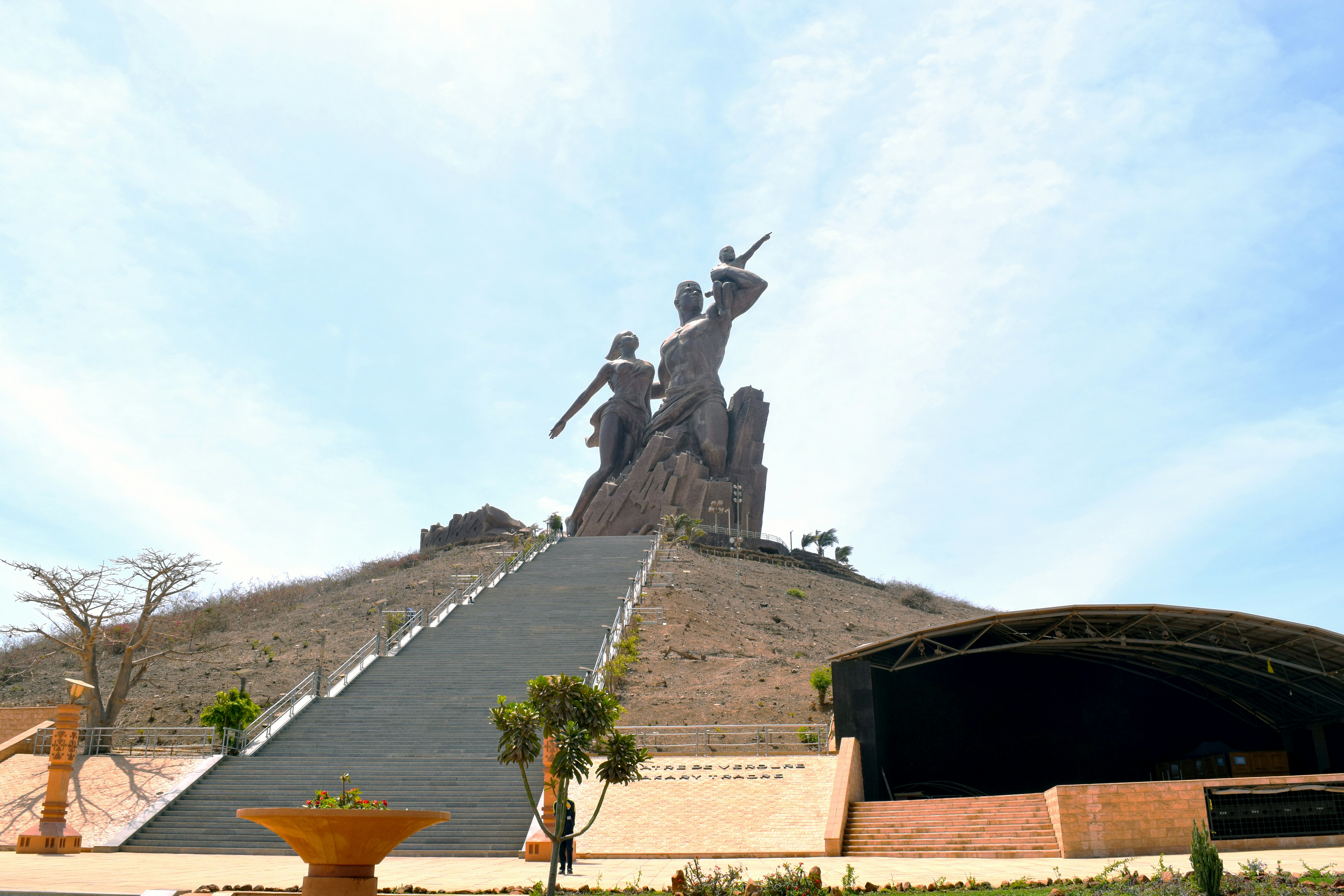
Dakar, Senegal
Dakar, set at the tip of the Cape Vert peninsula, is West Africa’s westernmost point and the capital of French-speaking Senegal. Although it was not founded until 1857, it is West Africa’s oldest European city and one of the most westernised. The opening of the Dakar-St Louis railway in 1885 put the town on the map; it subsequently became a French naval base and in 1904, the capital of Afrique Occidentale Française. It bears the legacy of Africa’s French colonial past, especially so in the downtown Plateau area, where the architecture is redolent of southern France. Every inch a modern city, Dakar is a frenetic buzz of activity, which can be startling. Perhaps sample the popular mint tea and try your hand at bartering in the colourful craft markets for traditional embroidery, woodcarvings, metalwork and costume jewellery.
At Sea
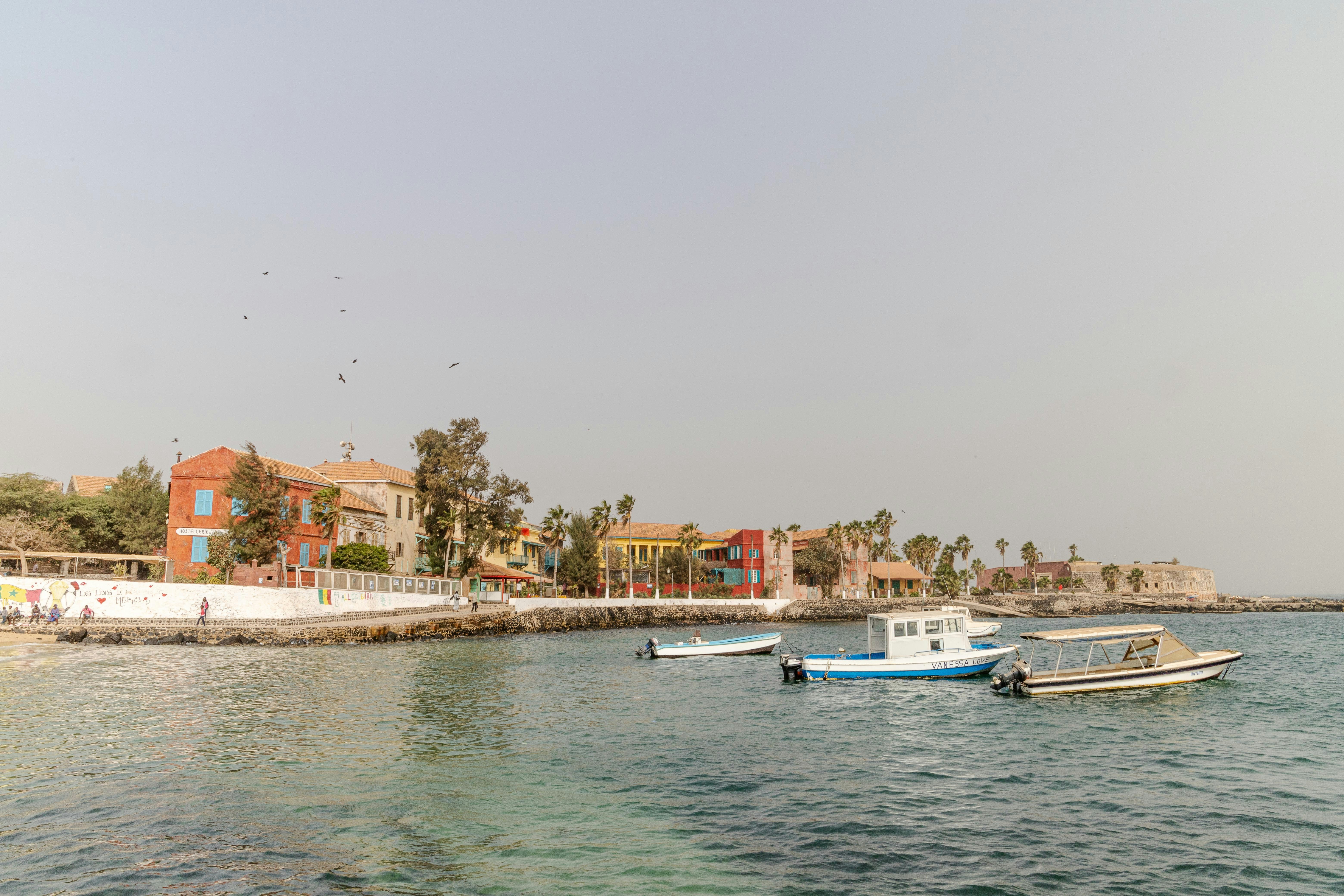
Porto Novo, Santo Antão Island, Cape Verde
Porto Novo, the second largest city on Santo Antão, is located in the dry southeast of the island. A dusty wind blows constantly here. You can explore the main street with its former mansions, a little church, markets that have local fish, grogue and fresh goat cheese for sale, shops and-of course-the harbour. At the back of the town is the 2,000m-high Topo de Coroa, which is a fairly easy climb and has magnificent 360-degree views. Around the town, family-owned farms grow fruit and vegetables which are sold at regular markets in the town. There are some old churches from the Portuguese era, as well as a couple of elegant squares with pleasant bars and cafés, from which to watch the world go by.
At Sea
At Sea
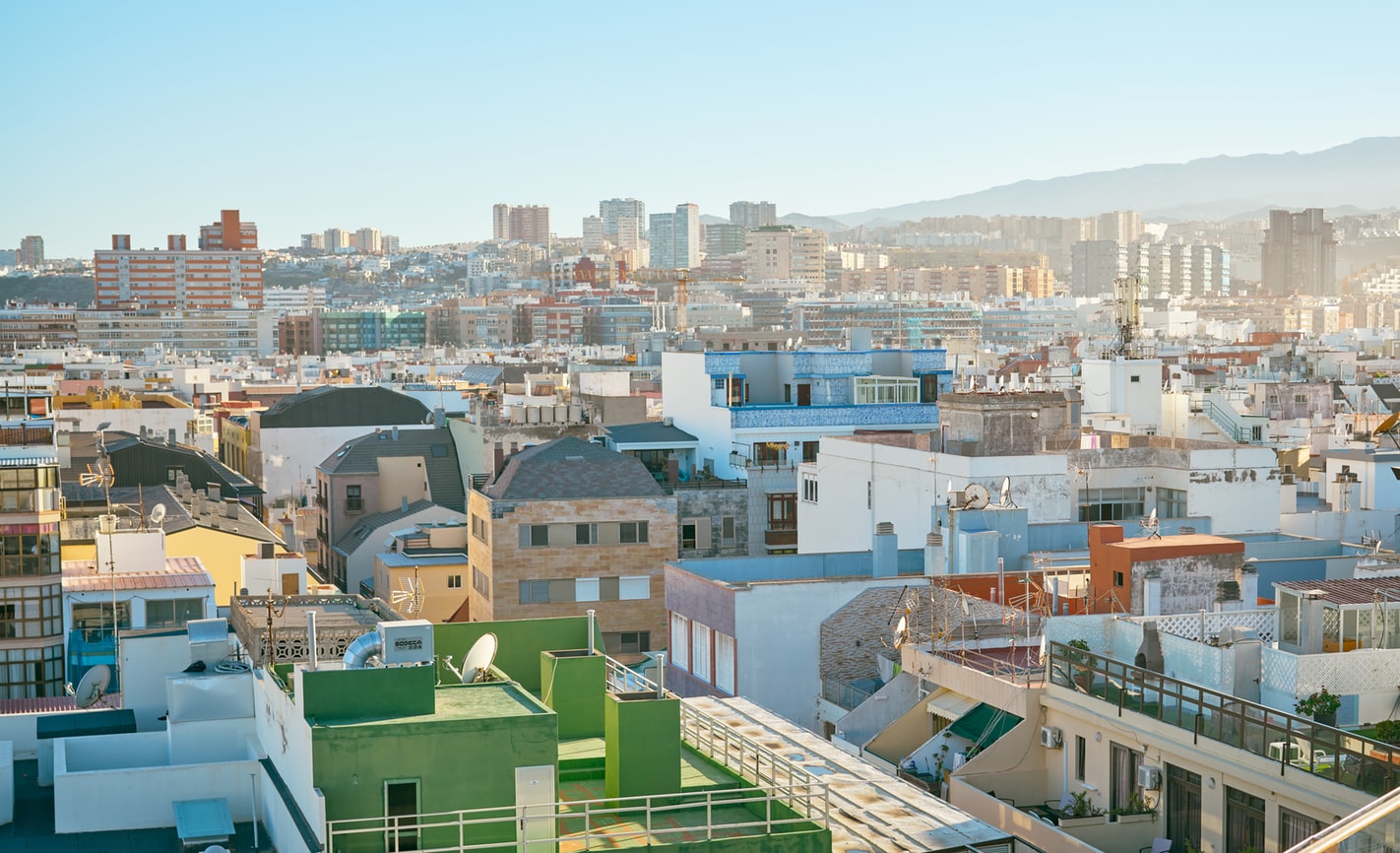
Las Palmas de Gran Canaria, Spain
Perhaps the prettiest of the Canary Islands, Gran Canaria is an almost circular isle with the peak of Pozo de Las Nieves, its highest point, at the centre. With a wealth of natural beauty and all the exciting attractions of city life in the capital, the island offers the best of both worlds. You will no doubt wish to see the sights of the capital’s old quarter, which dates back to the 15th century and encompassses the Vegueta and Triana districts, and wherever you go you can enjoy the glorious subtropical climate, perfect for growing exotic palms and fruits.
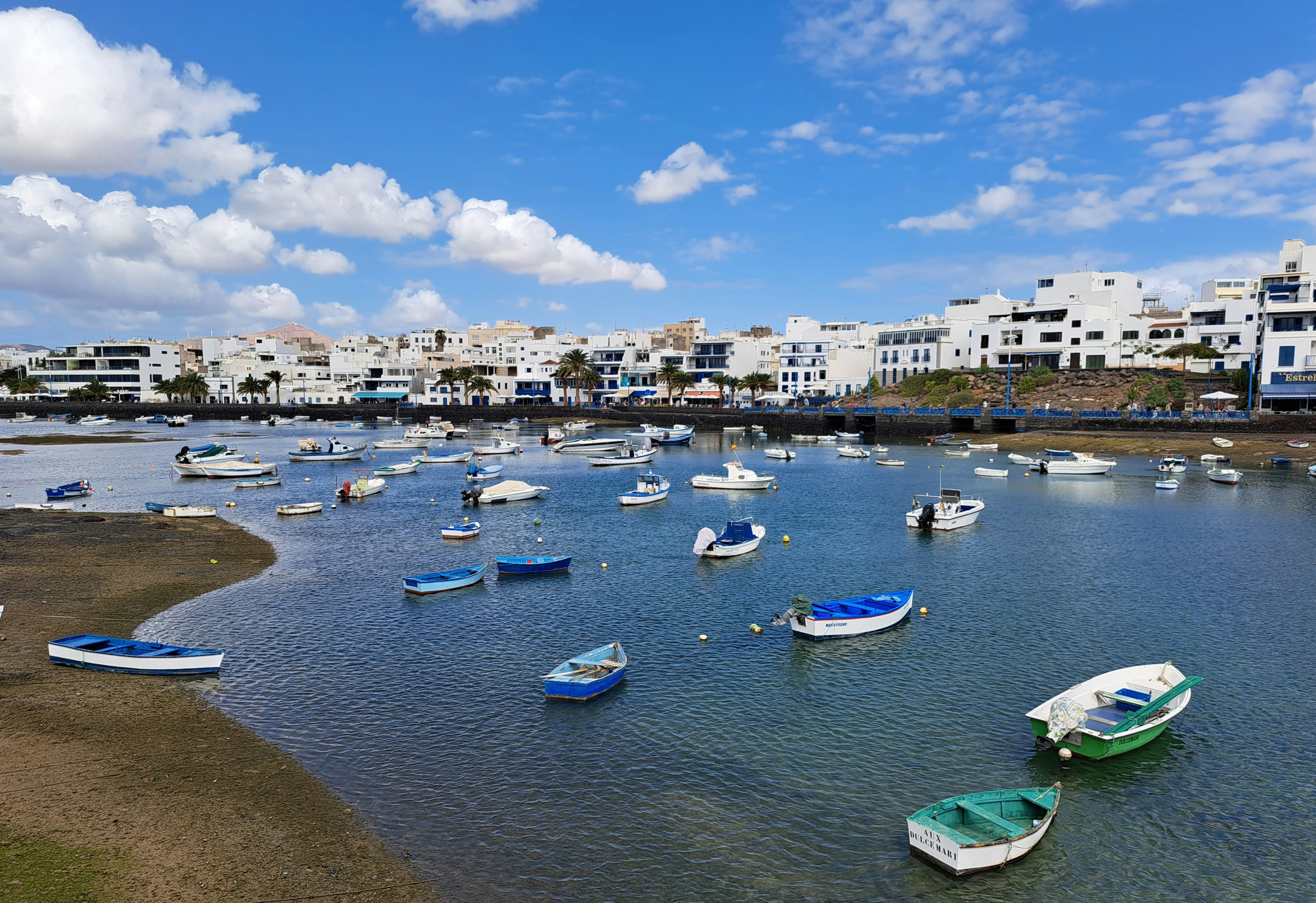
Arrecife, Lanzarote, Spain
A volcanic island designated a UNESCO Biosphere Reserve, Lanzarote’s dramatic landscapes were shaped by an explosive past. Today, its pretty beaches and virtual absence of rain together with duty-free shopping make the island an extremely desirable destination. The main port and capital, Arrecife, is a pleasant town with a modern seafront and colourful gardens. Outside the capital there is plenty to explore, from the dazzling white salt flats of Janubio and the rugged terrain of Fire Mountain to the eerie caves of Los Verdes and an array of unspoilt fishing villages scattered around the coast. The island is home to a great selection of restaurants and local specialities including garbanzos compuestos – a chickpea stew; papas arrugadas – potatoes with carrots, peas, ham and green pepper; and of course, plenty of fresh seafood. Please note that those planning to participate in one of the shore excursions from this port may need to take an early lunch on board ship to suit the excursion schedules.
Dakar, Senegal
Dakar, set at the tip of the Cape Vert peninsula, is West Africa’s westernmost point and the capital of French-speaking Senegal. Although it was not founded until 1857, it is West Africa’s oldest European city and one of the most westernised. The opening of the Dakar-St Louis railway in 1885 put the town on the map; it subsequently became a French naval base and in 1904, the capital of Afrique Occidentale Française. It bears the legacy of Africa’s French colonial past, especially so in the downtown Plateau area, where the architecture is redolent of southern France. Every inch a modern city, Dakar is a frenetic buzz of activity, which can be startling. Perhaps sample the popular mint tea and try your hand at bartering in the colourful craft markets for traditional embroidery, woodcarvings, metalwork and costume jewellery.
At Sea
Porto Novo, Santo Antão Island, Cape Verde
Porto Novo, the second largest city on Santo Antão, is located in the dry southeast of the island. A dusty wind blows constantly here. You can explore the main street with its former mansions, a little church, markets that have local fish, grogue and fresh goat cheese for sale, shops and-of course-the harbour. At the back of the town is the 2,000m-high Topo de Coroa, which is a fairly easy climb and has magnificent 360-degree views. Around the town, family-owned farms grow fruit and vegetables which are sold at regular markets in the town. There are some old churches from the Portuguese era, as well as a couple of elegant squares with pleasant bars and cafés, from which to watch the world go by.
At Sea
At Sea
Las Palmas de Gran Canaria, Spain
Perhaps the prettiest of the Canary Islands, Gran Canaria is an almost circular isle with the peak of Pozo de Las Nieves, its highest point, at the centre. With a wealth of natural beauty and all the exciting attractions of city life in the capital, the island offers the best of both worlds. You will no doubt wish to see the sights of the capital’s old quarter, which dates back to the 15th century and encompassses the Vegueta and Triana districts, and wherever you go you can enjoy the glorious subtropical climate, perfect for growing exotic palms and fruits.
Arrecife, Lanzarote, Spain
A volcanic island designated a UNESCO Biosphere Reserve, Lanzarote’s dramatic landscapes were shaped by an explosive past. Today, its pretty beaches and virtual absence of rain together with duty-free shopping make the island an extremely desirable destination. The main port and capital, Arrecife, is a pleasant town with a modern seafront and colourful gardens. Outside the capital there is plenty to explore, from the dazzling white salt flats of Janubio and the rugged terrain of Fire Mountain to the eerie caves of Los Verdes and an array of unspoilt fishing villages scattered around the coast. The island is home to a great selection of restaurants and local specialities including garbanzos compuestos – a chickpea stew; papas arrugadas – potatoes with carrots, peas, ham and green pepper; and of course, plenty of fresh seafood. Please note that those planning to participate in one of the shore excursions from this port may need to take an early lunch on board ship to suit the excursion schedules.
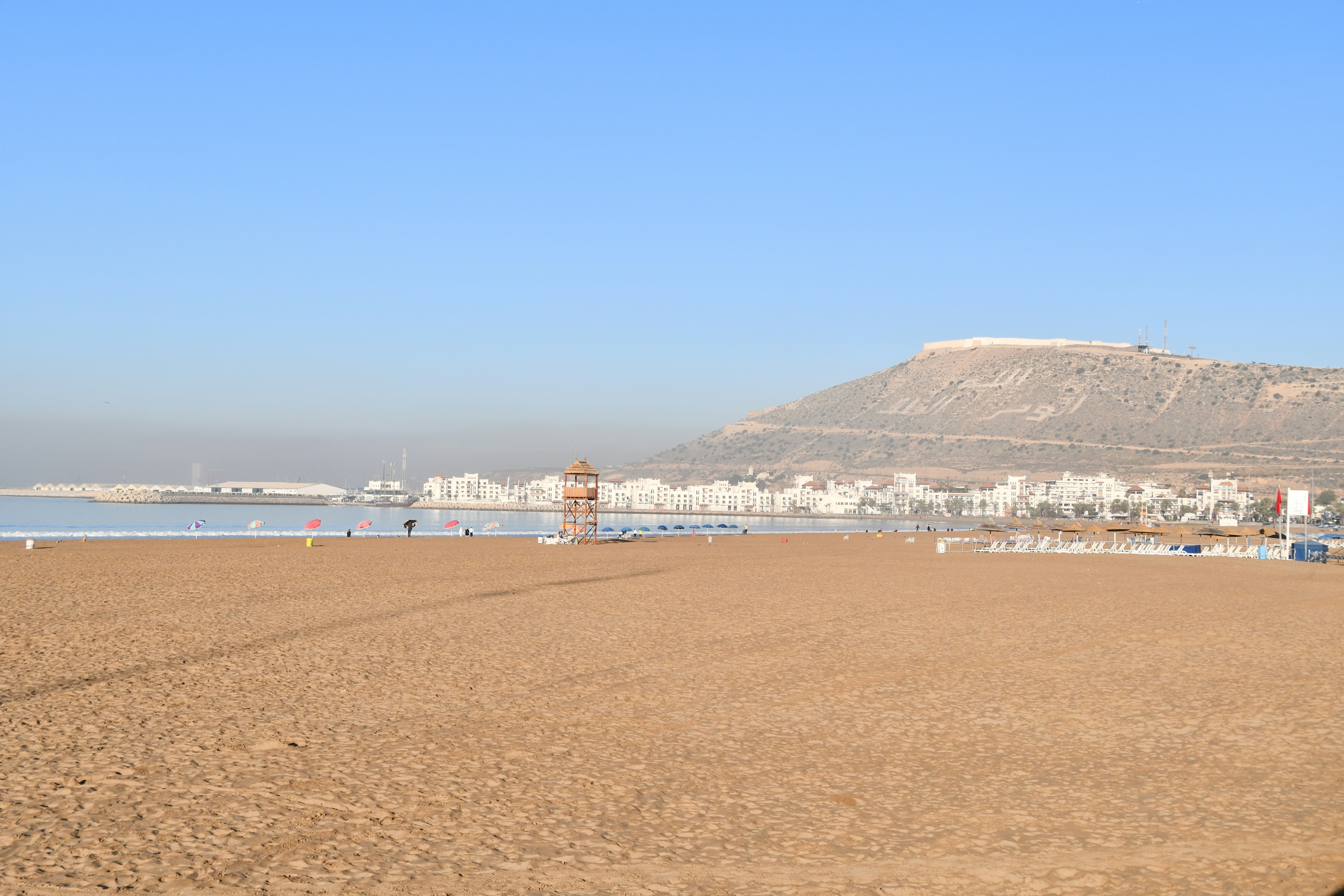
Agadir, Morocco
Shaped by the Atlas Mountains on one side, Agadir is framed on the other by a magnificent crescent-shaped beach. While little is known of the city’s origins, the Portuguese created a fortress here at the end of the 15th century, naming it Santa Cruz de Ghir. Freed from Portugal’s occupation by the Saadians in 1540, Agadir grew into a colourful and prosperous port and became newsworthy in 1911 when a German gunboat, the Panther, sailed into the bay as a protest against the division of North Africa between the Spanish and French. Morocco gained independence from the French in 1956, an event which was closely followed in Agadir by the tragic earthquake of 1960. The city, which has been rebuilt to represent the ‘new nation’, is blessed by fine sandy beaches overlooked by luxurious hotels and a great selection of cafés and restaurants. Please note that vendors in the souks can be very persistent and eager to make a sale.
Safi, Morocco
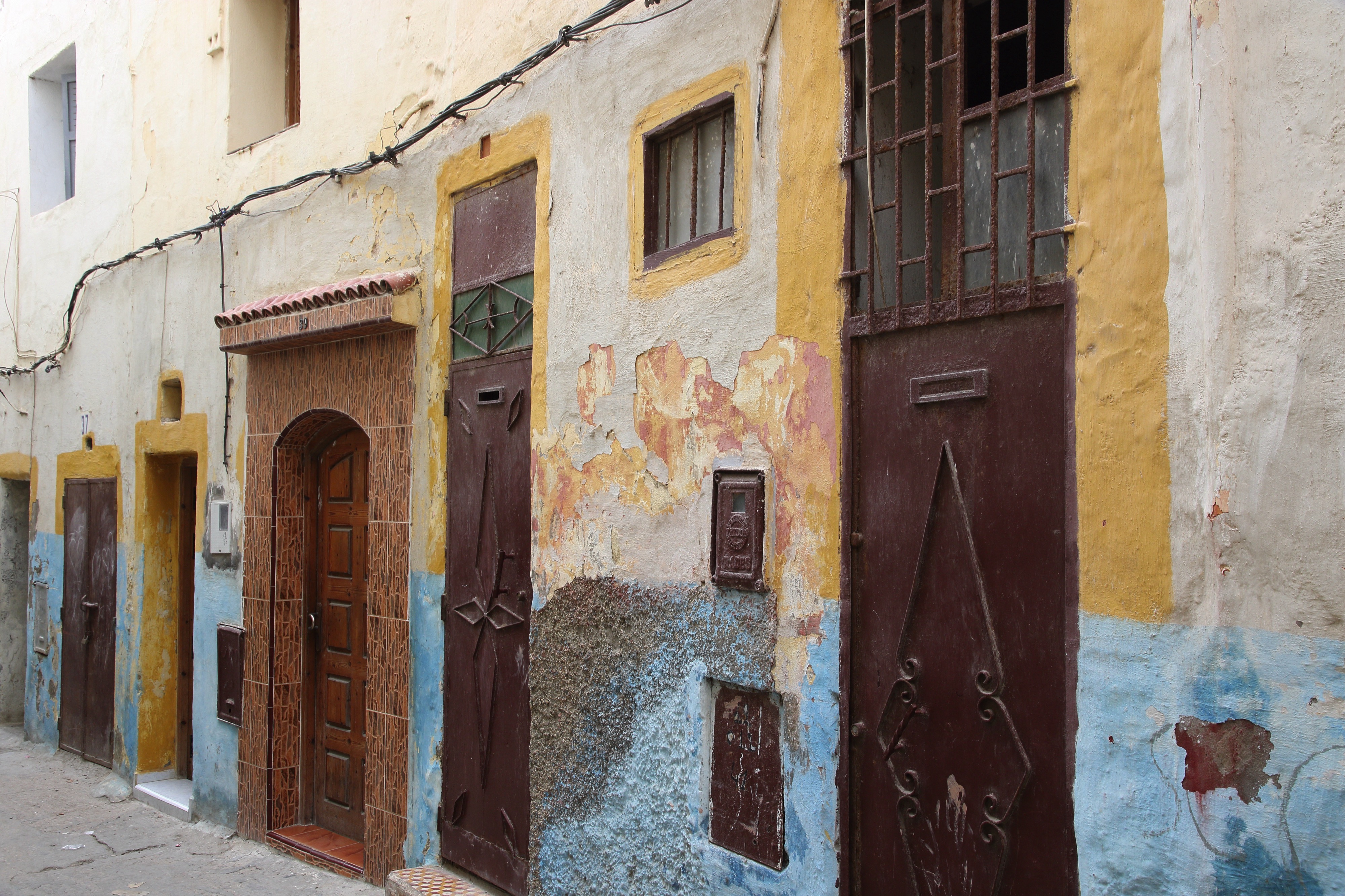
Safi’s natural harbor lies on the Atlantic in western Morocco and was once used by the Roman and the Phoenicians. By the 11th century gold, slaves and ivory were the hot commodities being traded between Marrakesh and Guinea. Evolving through the ages to cater to the popular trade of the day, the major industry here today is fishing connected to the country’s sardine industry, but there is also an economy based on exported phosphates, textiles and ceramics. The city was overseen by the Portuguese Empire in the 1500s, and a fortress built to safeguard the city by these Portuguese influences still stands today. Safi sits near the foothills of the snow-capped Atlas Mountains where Bedouins once camped.
At Sea
Lisbon, Portugal
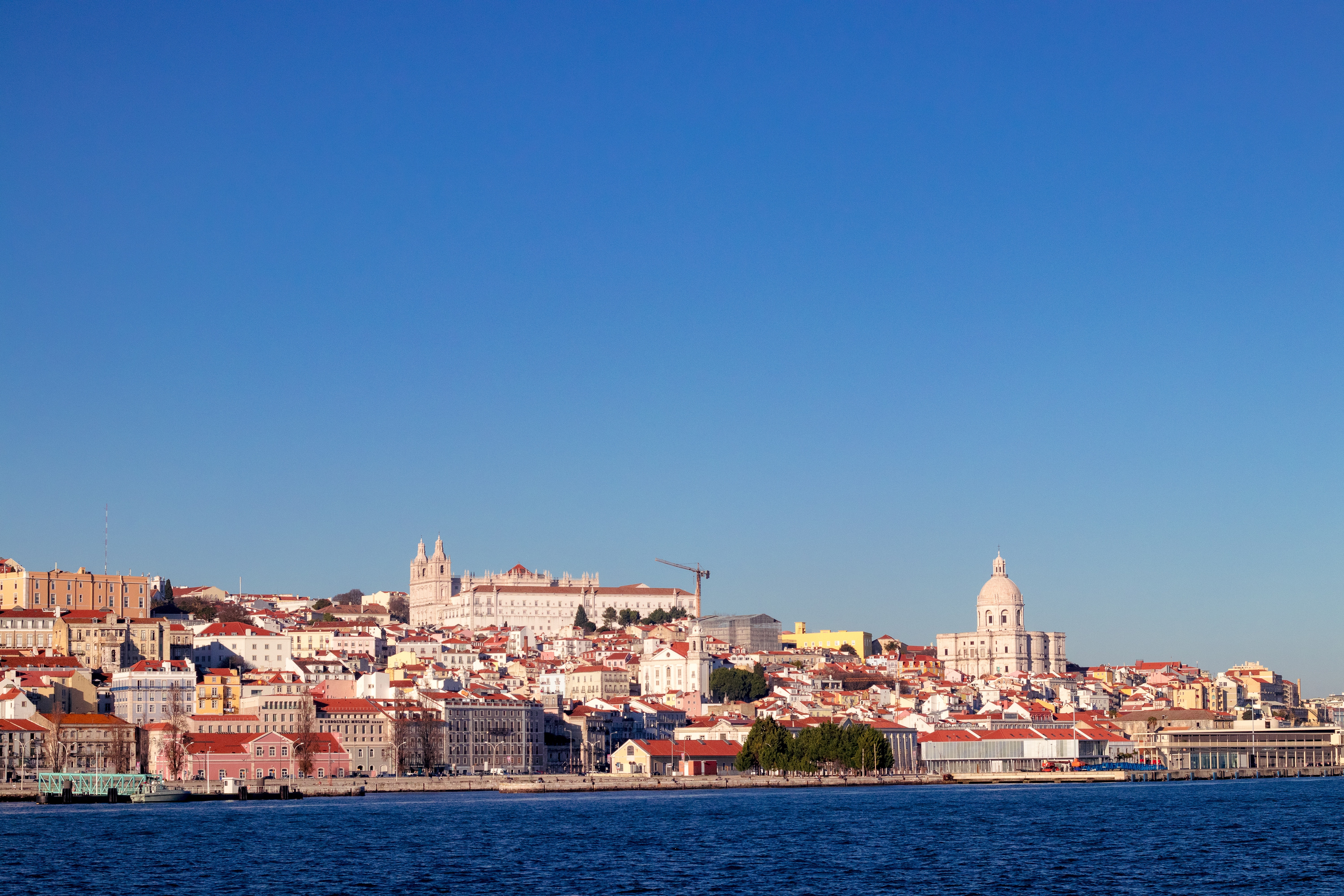
Set on seven hills on the banks of the River Tagus, Lisbon has been the capital of Portugal since the 13th century. It is a city famous for its majestic architecture, old wooden trams, Moorish features and more than twenty centuries of history. Following disastrous earthquakes in the 18th century, Lisbon was rebuilt by the Marques de Pombal who created an elegant city with wide boulevards and a great riverfront and square, Praça do Comércio. Today there are distinct modern and ancient sections, combining great shopping with culture and sightseeing in the Old Town, built on the city’s terraced hillsides. The distance between the ship and your tour vehicle may vary. This distance is not included in the excursion grades.
Agadir, Morocco
Shaped by the Atlas Mountains on one side, Agadir is framed on the other by a magnificent crescent-shaped beach. While little is known of the city’s origins, the Portuguese created a fortress here at the end of the 15th century, naming it Santa Cruz de Ghir. Freed from Portugal’s occupation by the Saadians in 1540, Agadir grew into a colourful and prosperous port and became newsworthy in 1911 when a German gunboat, the Panther, sailed into the bay as a protest against the division of North Africa between the Spanish and French. Morocco gained independence from the French in 1956, an event which was closely followed in Agadir by the tragic earthquake of 1960. The city, which has been rebuilt to represent the ‘new nation’, is blessed by fine sandy beaches overlooked by luxurious hotels and a great selection of cafés and restaurants. Please note that vendors in the souks can be very persistent and eager to make a sale.
Safi, Morocco
Safi’s natural harbor lies on the Atlantic in western Morocco and was once used by the Roman and the Phoenicians. By the 11th century gold, slaves and ivory were the hot commodities being traded between Marrakesh and Guinea. Evolving through the ages to cater to the popular trade of the day, the major industry here today is fishing connected to the country’s sardine industry, but there is also an economy based on exported phosphates, textiles and ceramics. The city was overseen by the Portuguese Empire in the 1500s, and a fortress built to safeguard the city by these Portuguese influences still stands today. Safi sits near the foothills of the snow-capped Atlas Mountains where Bedouins once camped.
At Sea
Lisbon, Portugal
Set on seven hills on the banks of the River Tagus, Lisbon has been the capital of Portugal since the 13th century. It is a city famous for its majestic architecture, old wooden trams, Moorish features and more than twenty centuries of history. Following disastrous earthquakes in the 18th century, Lisbon was rebuilt by the Marques de Pombal who created an elegant city with wide boulevards and a great riverfront and square, Praça do Comércio. Today there are distinct modern and ancient sections, combining great shopping with culture and sightseeing in the Old Town, built on the city’s terraced hillsides. The distance between the ship and your tour vehicle may vary. This distance is not included in the excursion grades.
Cabin Options
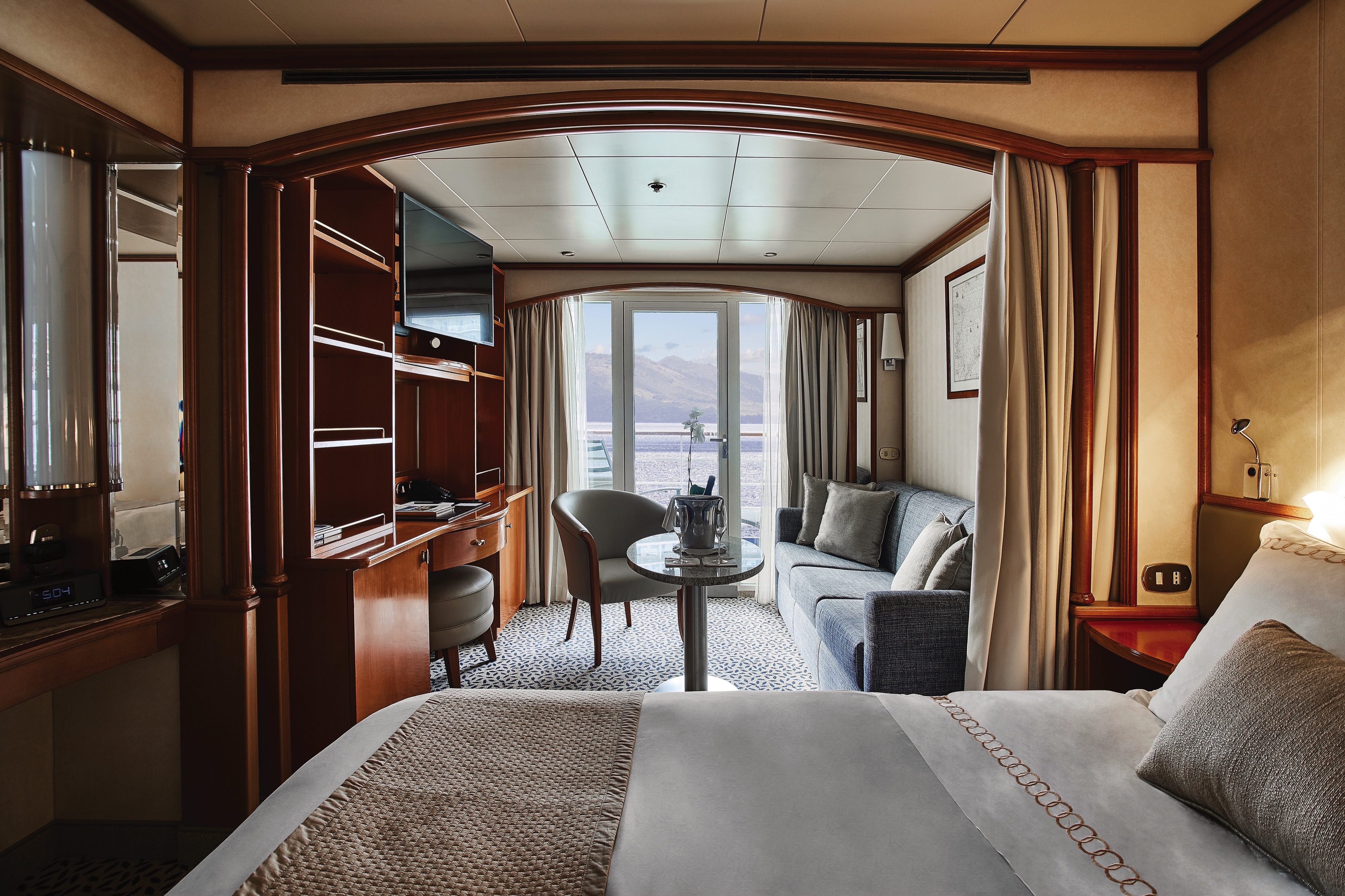
Vista Suite
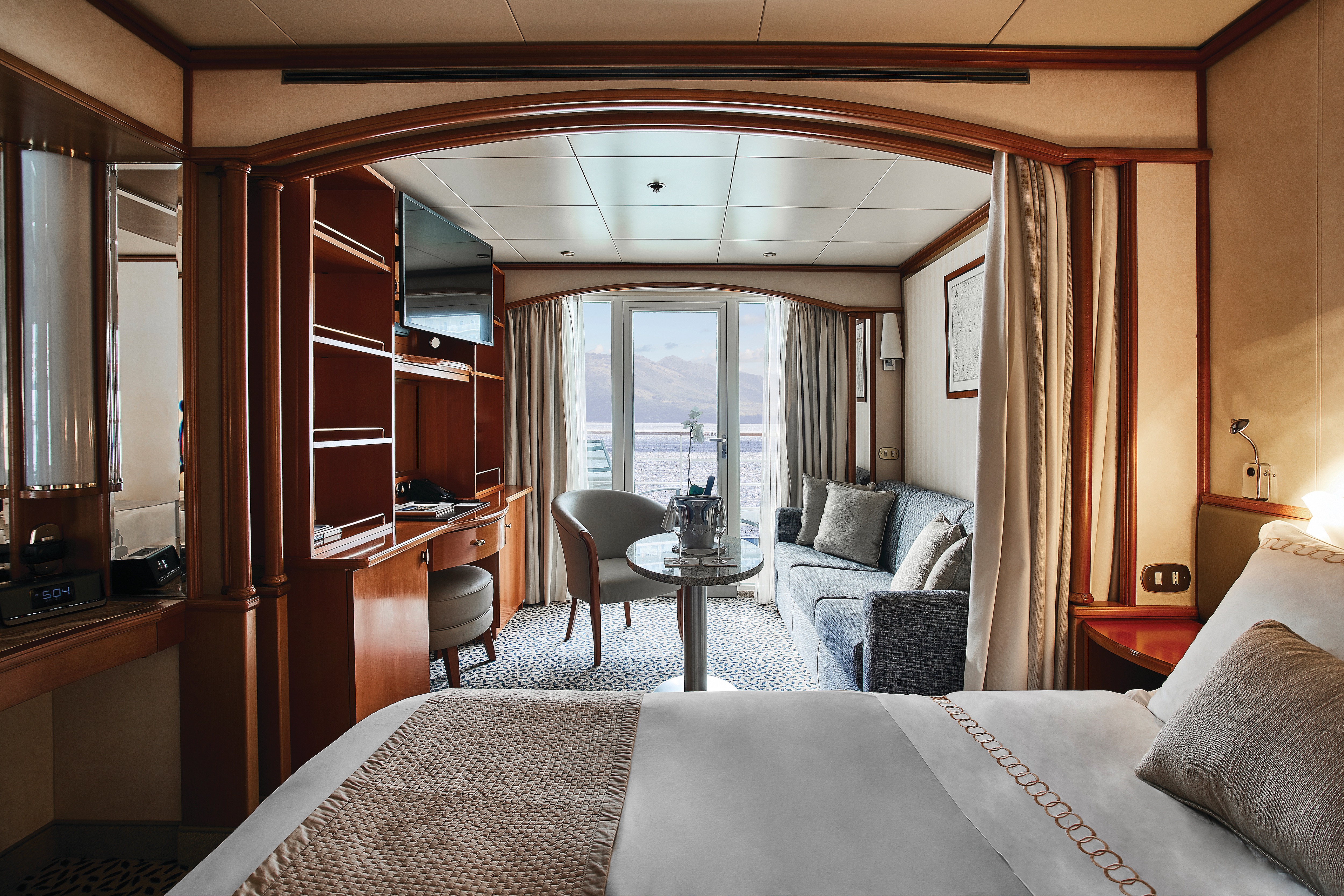
Classic Veranda Suite
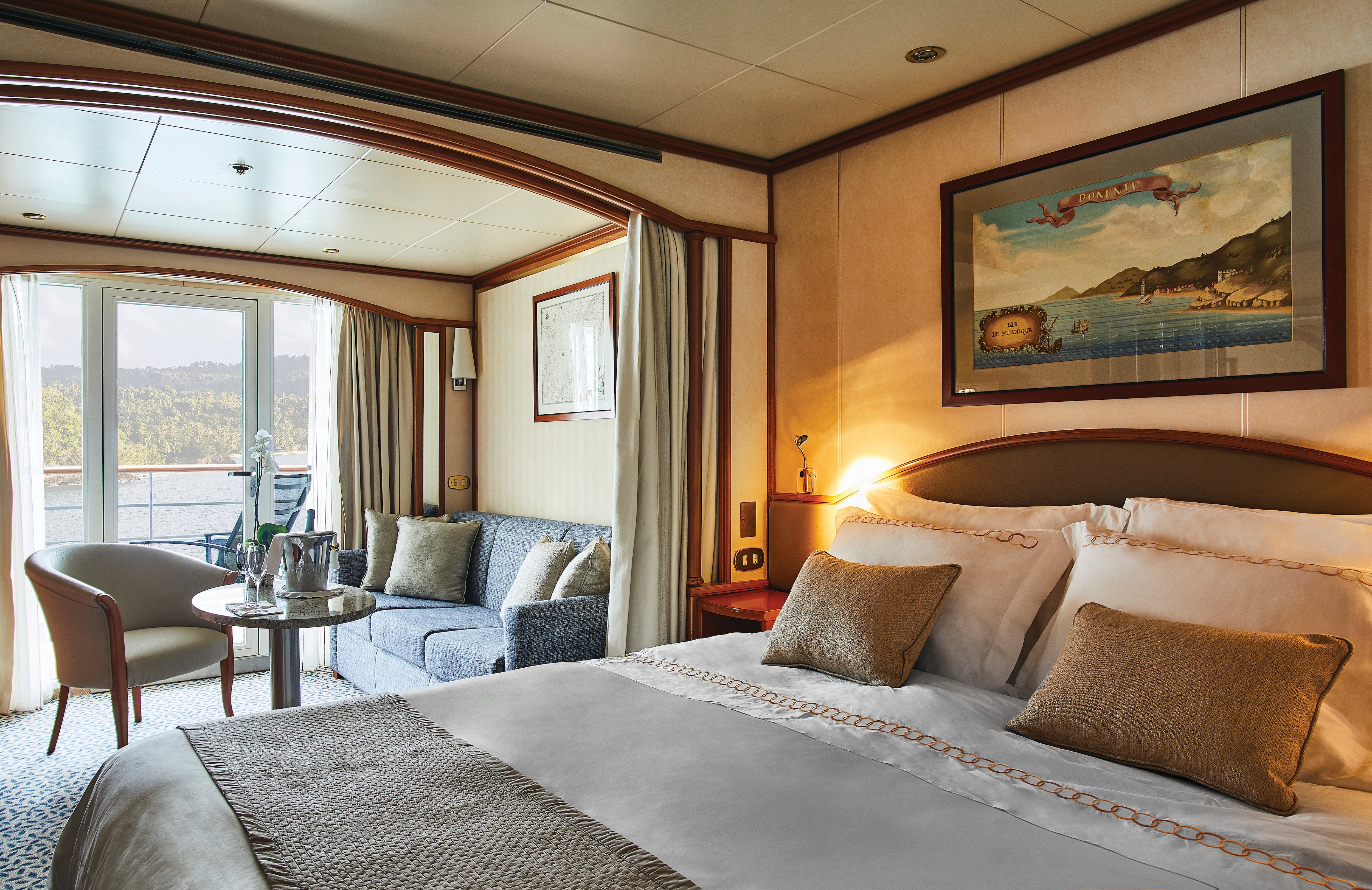
Deluxe Veranda Suite
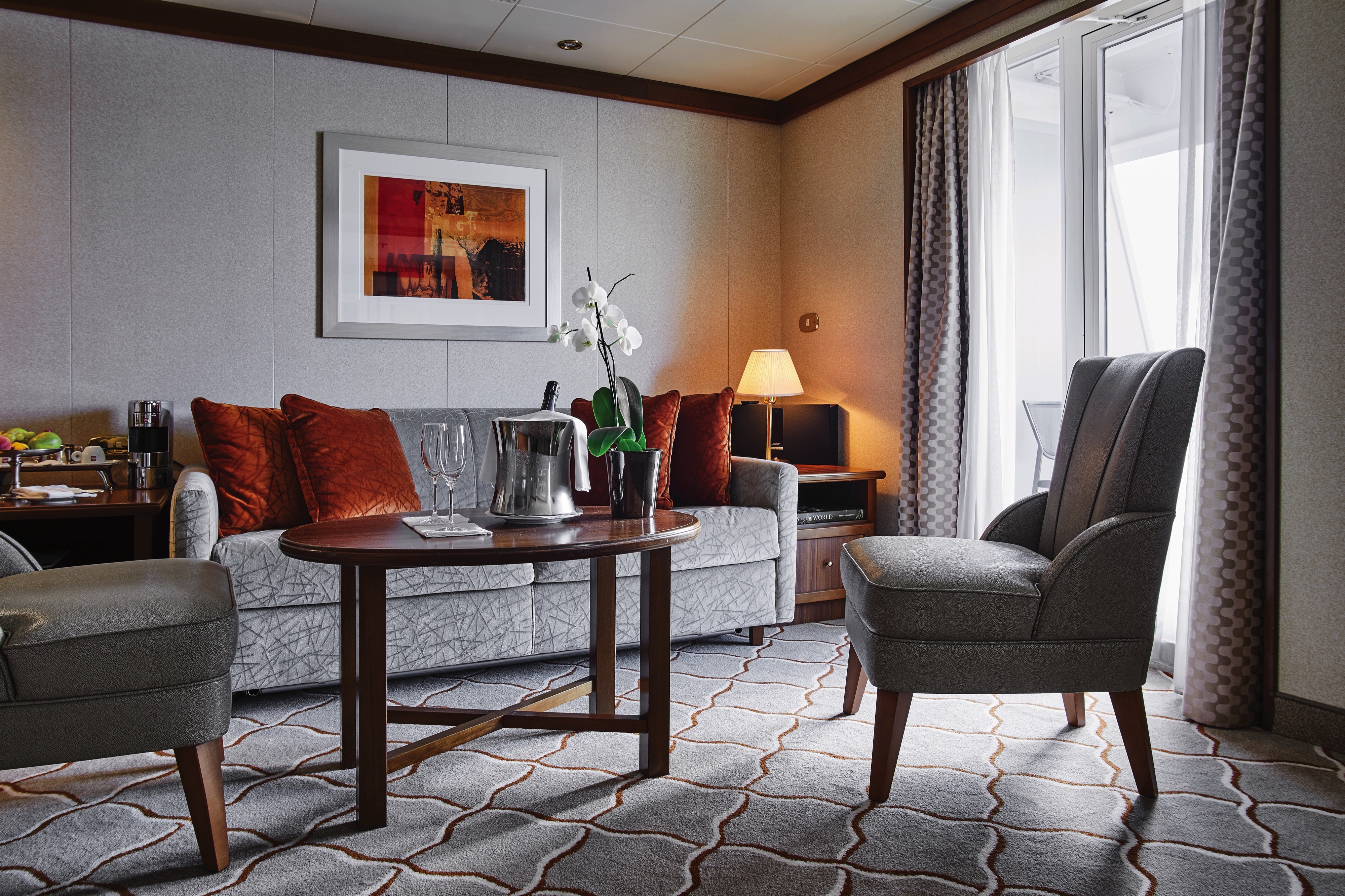
Medallion Suite
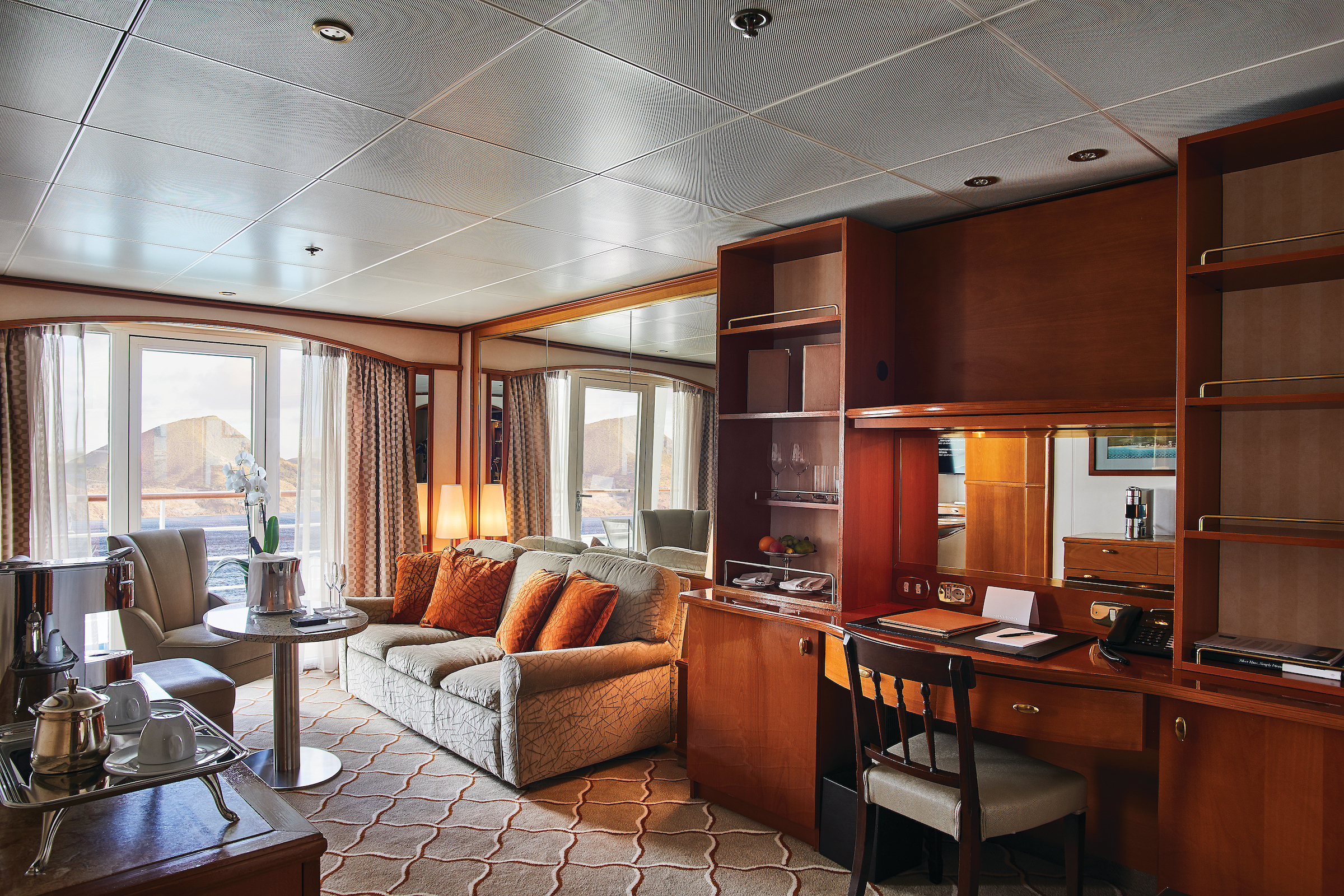
Silver Suite
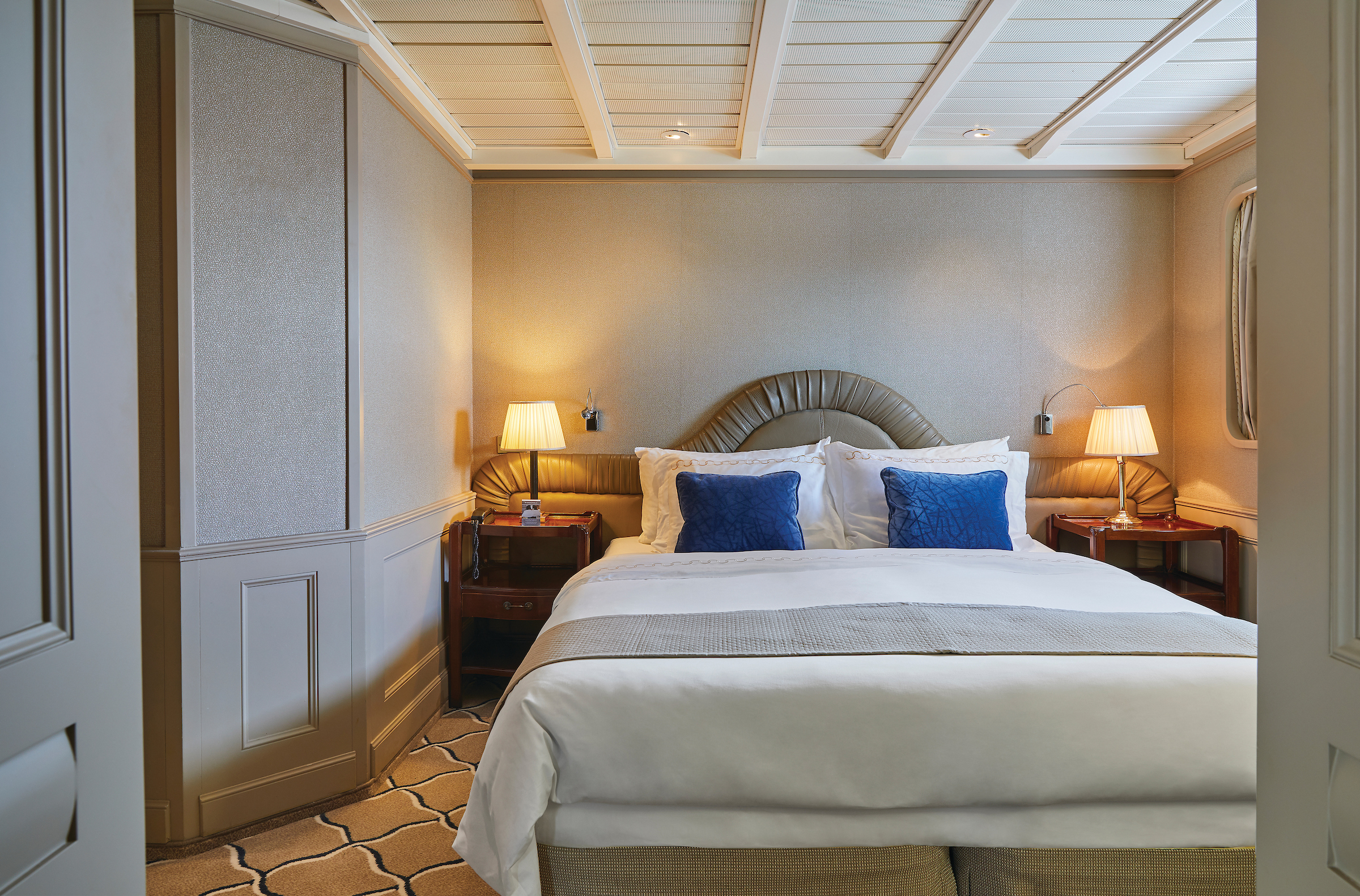
Royal Suite
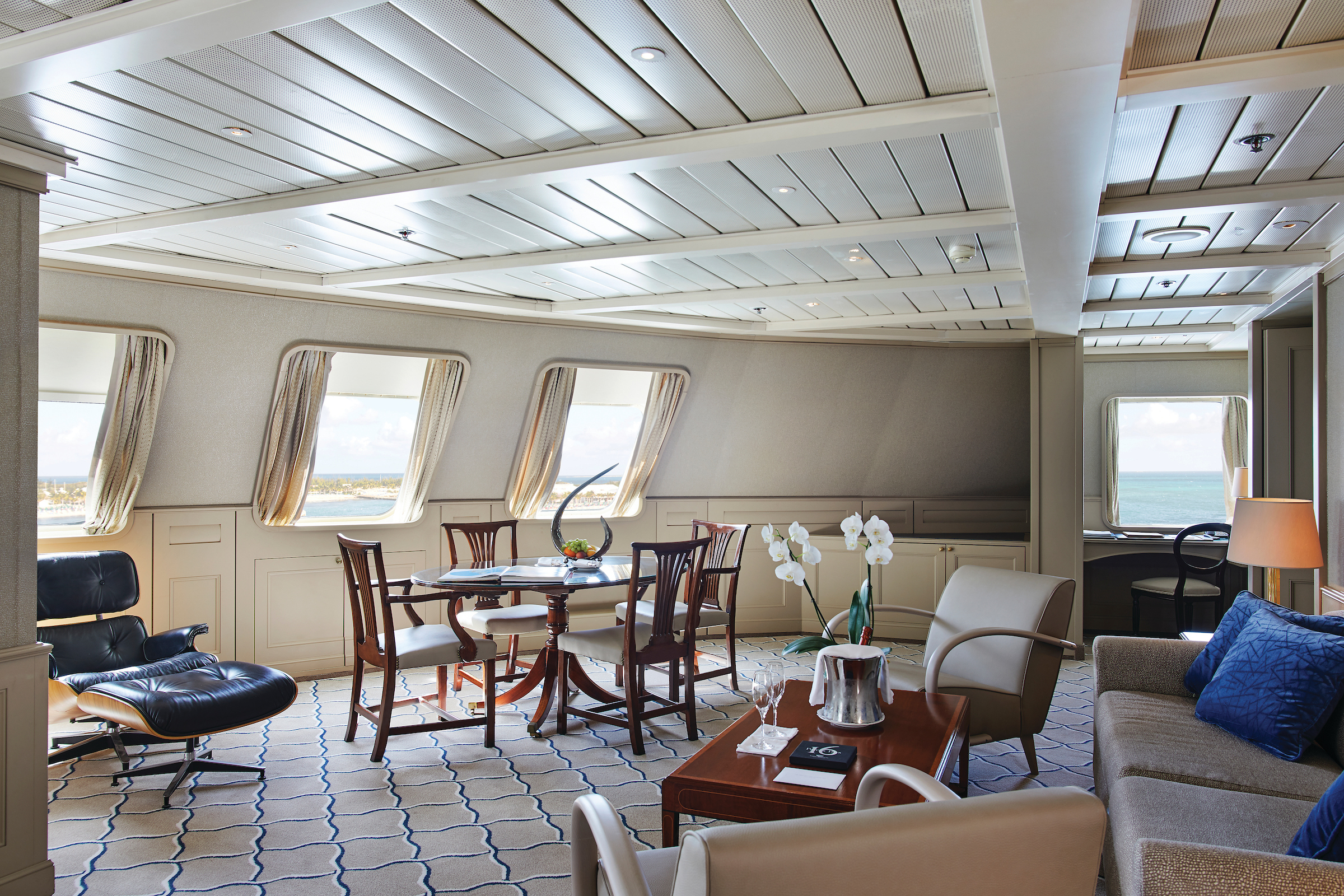
Grand Suite
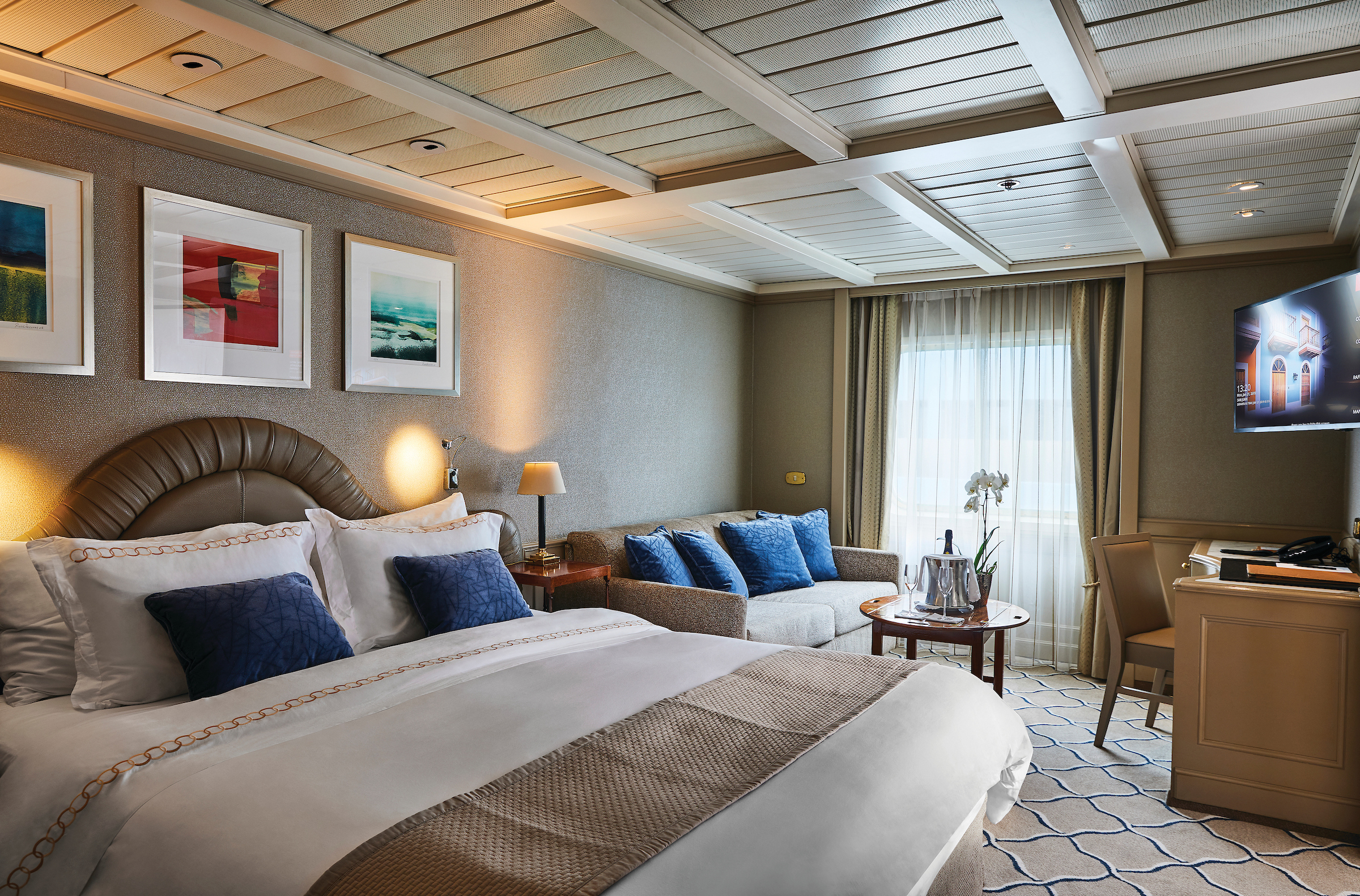
Owner's Suite
Ship Facilities
The Grill
Soft breezes and ocean views beckon at the Grill, especially as the sun goes down when cruise guests gather for cocktails at the outdoor bar and talk about the day’s events.
Silversea’s much-loved casual dining restaurant serves a delectable range of burgers and salads by day and turns into our famous Hot Rocks table BBQ concept by night. The Grill is quite simply the best place to eat between sea and sky. If you like flavoursome meals cooked to perfection, a casual, laid-back atmosphere, and OMG views, then The Grill is the answer to your prayers.
Dress code: Casual
Casual wear consists of pants, blouses or casual dresses for women; open-neck shirts and slacks for men are appropriate.
Images and suite plans are intended as a general reference. Features, materials, finishes and layout may be different than shown.
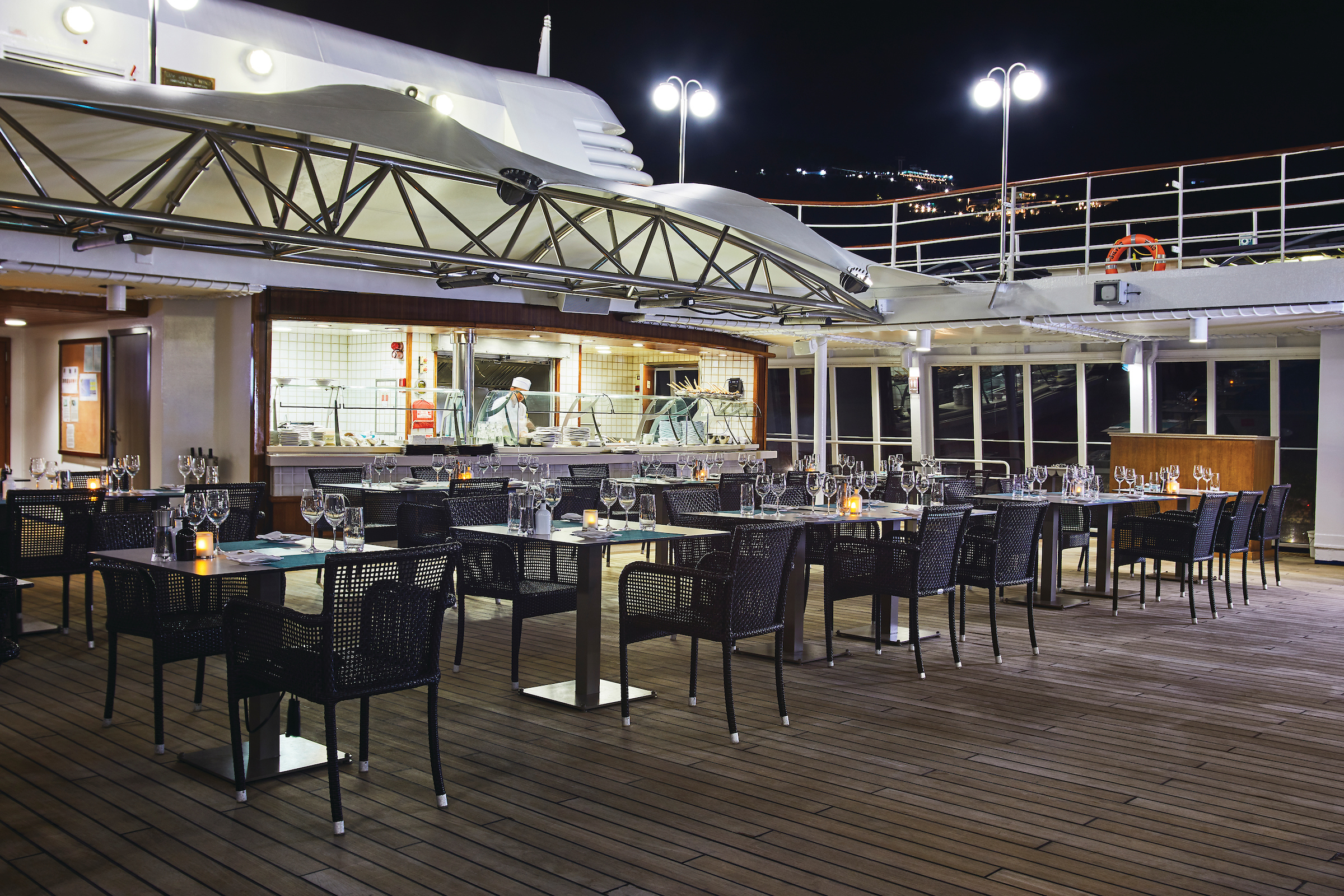
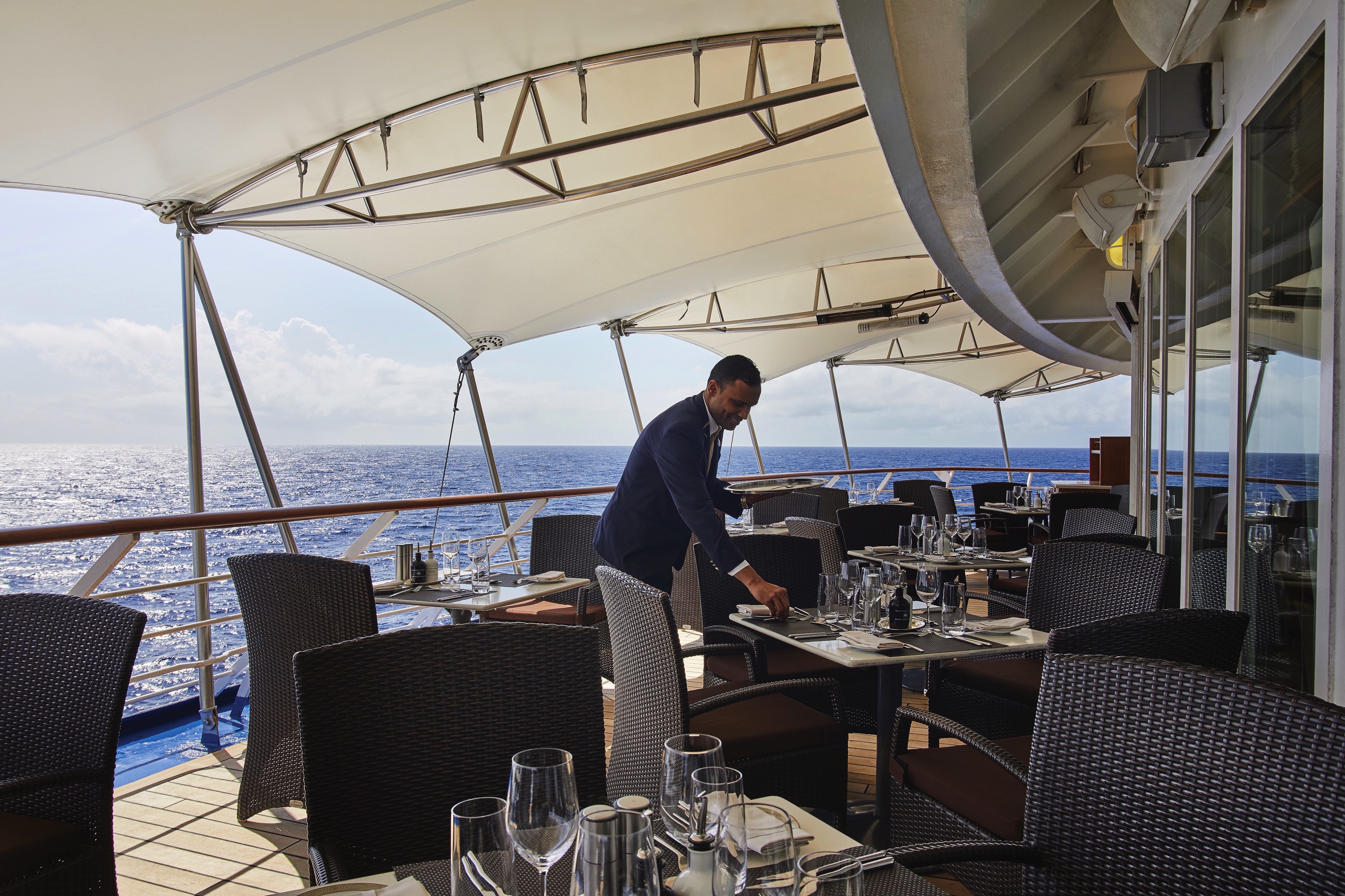
La Terrazza
Authentic Italian recipes and the freshest, sustainable ingredients come together in this restaurant at sea.
On board this luxury cruise ship, a divine selection of Italy’s best cuisine is served à la carte in La Terrazza. Authentic recipes and the freshest ingredients come together with flair and passion—a flavorful expression of Silversea’s distinctive Italian heritage. La Terrazza uses buffalo mozzarella from Naples, organic balsamic vinegar and olive oil from Umbria, and air-dried ham from Parma. The Emilia-Romagna region also produces Silversea’s 24-month aged Parmigiano Reggiano, while the pasta is made fresh daily on board the Silver Wind. La Terrazza is open for casual, buffet-style breakfast and lunch with indoor or alfresco dining on the outdoor terrace of this luxury cruise ship. During the evening, La Terrazza transforms into an à la carte traditional Italian restaurant.
Open-seating for breakfast and lunch.
Reservations recommended for dinner.
Images and suite plans are intended as a general reference. Features, materials, finishes and layout may be different than shown.
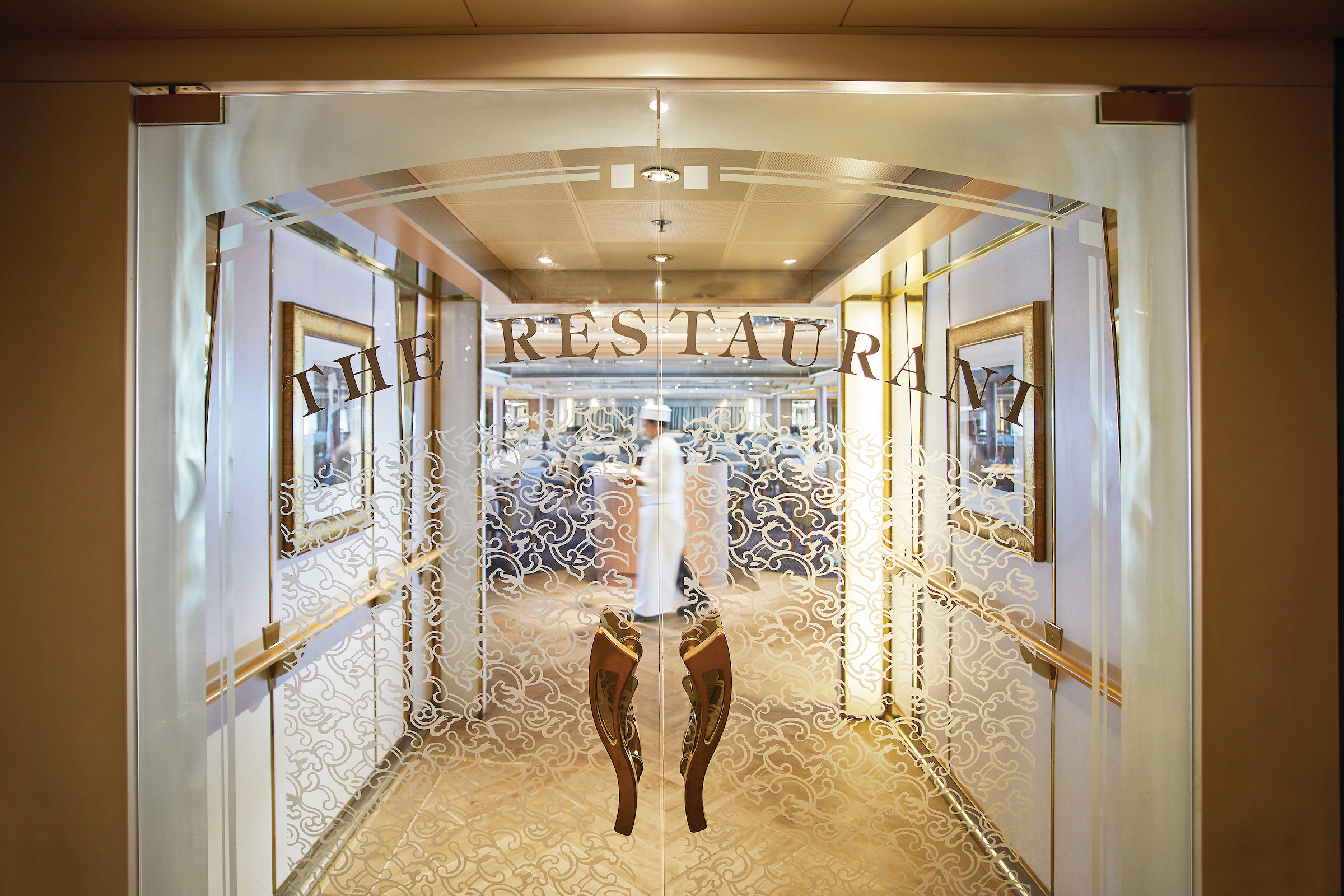
The Restaurant
Enjoy Continental and regional specialities, as well as sweeping ocean views in our main dining room.
Sparkling with silver, crystal and candlelight, this luxury cruise ship’s main dining room serves contemporary, international cuisine with the sophisticated elegance and impeccable service you might expect as part of your prestige travel. Menus feature regional specialties unique to the voyage destination. For example, roasted Chilean sea bass while cruising the Chilean fjords and Indian chicken korma en route to Mumbai. The Restaurant on board this luxury cruise ship offers open-seating dining, which means there are no assigned times and no assigned tables. You are free to dine when, where and with whom you please.
Images and suite plans are intended as a general reference. Features, materials, finishes and layout may be different than shown.
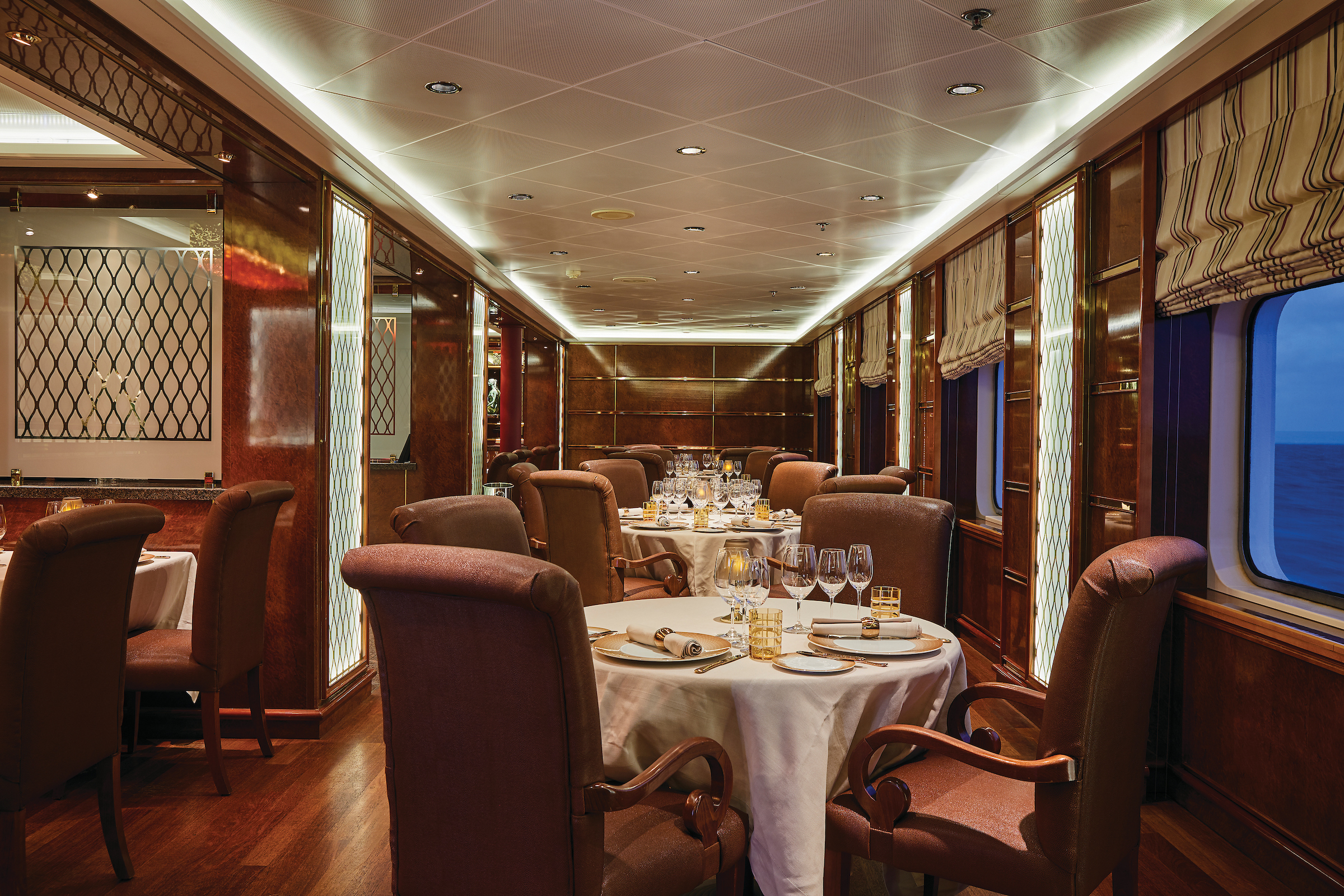
La Dame
La Dame features a menu of seasonally inspired dishes prepared with the freshest locally sourced ingredients.
La Dame can be found aboard Silversea luxury cruise ships. Indulge in an evening where fine wines are complemented by a special set menu of regionally-inspired dishes in an intimate, elegant setting. An extraordinary six-course experience celebrating the world’s most distinguished wine regions aboard your luxury cruise ship.
Per guest reservation fee of US$60. Please visit My Silversea to make your reservations.
Reservations required for dinner.
Images and suite plans are intended as a general reference. Features, materials, finishes and layout may be different than shown.
Shore Excursions
Highlight Experiences
Seamless tours of iconic sites
Explore iconic landmarks and cultural treasures with our Highlight Experiences, half or full-day adventures led by expert guides. Enjoy seamless, hassle-free journeys to must- see attractions — perfect for guests seeking a convenient, turnkey experience.
Signature Experiences
Smaller tours, crafted by Silversea
These immersive Signature Experiences offer privileged access and personalized interactions with local experts. These experiences are perfect for those seeking meaningful, social exploration who want to connect with destinations through authentic dining and slow travel.
Private Experiences
Exclusive tours for your group
Create your own exclusive adventure with a dedicated vehicle, driver, and guide. Explore at your pace, linger, or spontaneously discover new sites. Available at most ports for half- or full-day bookings, Private Experiences are ideal for families seeking privacy and flexibility.
Custom Experiences
Tailor-made tours designed for you
Enjoy personalized Custom Experiences tailored to your interests, with exclusive access and specialized guides. Our team handles every detail, ensuring unforgettable moments that exceed your expectations—crafted entirely around your pace and preferences.
Overland Experiences
Mid-cruise, inland tours
Venture inland on two- to three-day journeys to iconic sites like the Taj Mahal or Angkor Wat. \Vith flights, stays, and guided access included, these immersive journeys offer rare experiences beyond the coast — all with the signature Silversea service.
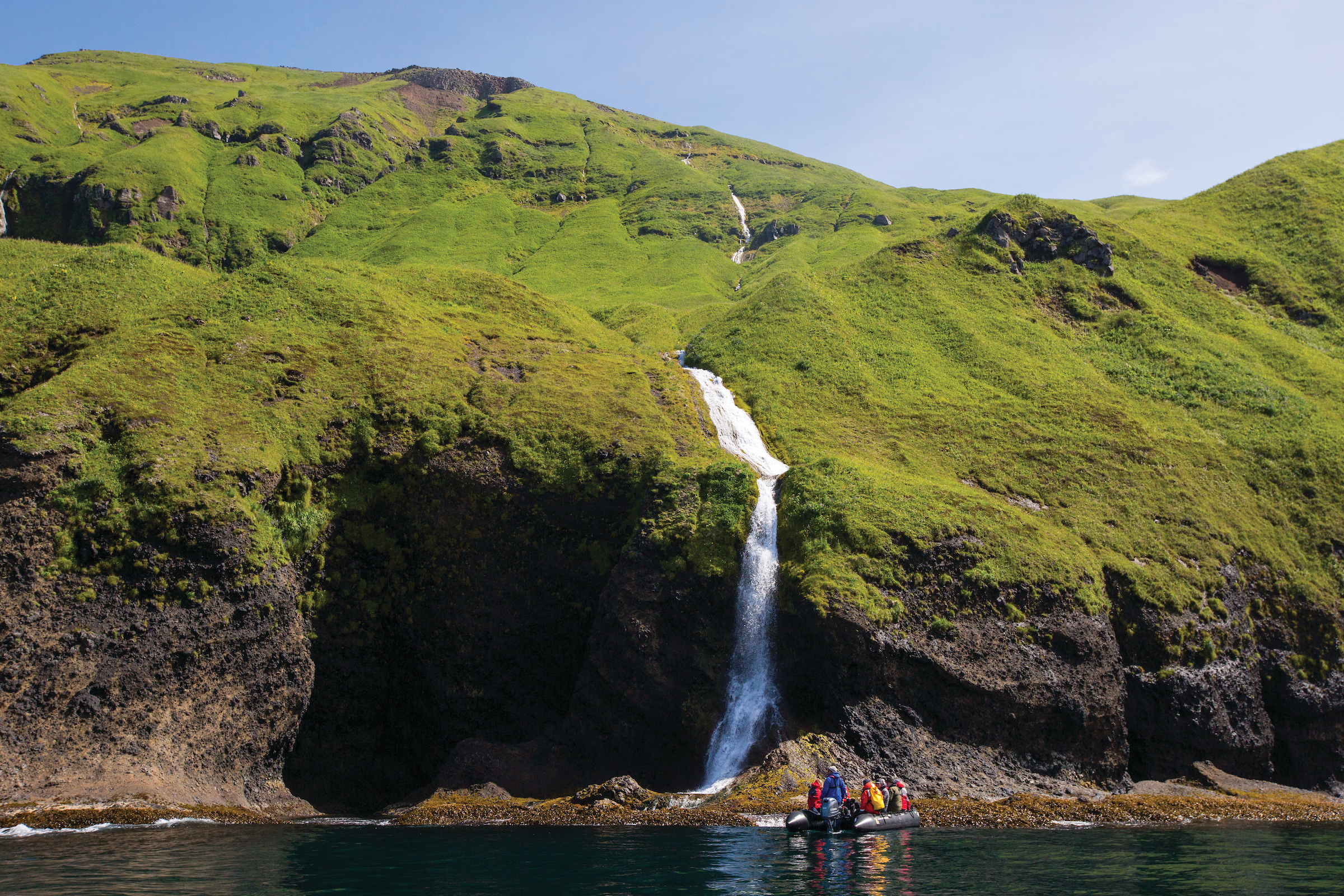
Mid-Voyage Adventures
Multiple days at sea mean plenty of R & R for some, but others prefer to drink in all there is to offer on land. Our Mid-Cruise Land Adventures allow you to take full advantage of your time with us without missing a single thing! These short escapades offer an array of adventures, break up your sea days and allow for deeper exploration beyond the coast.
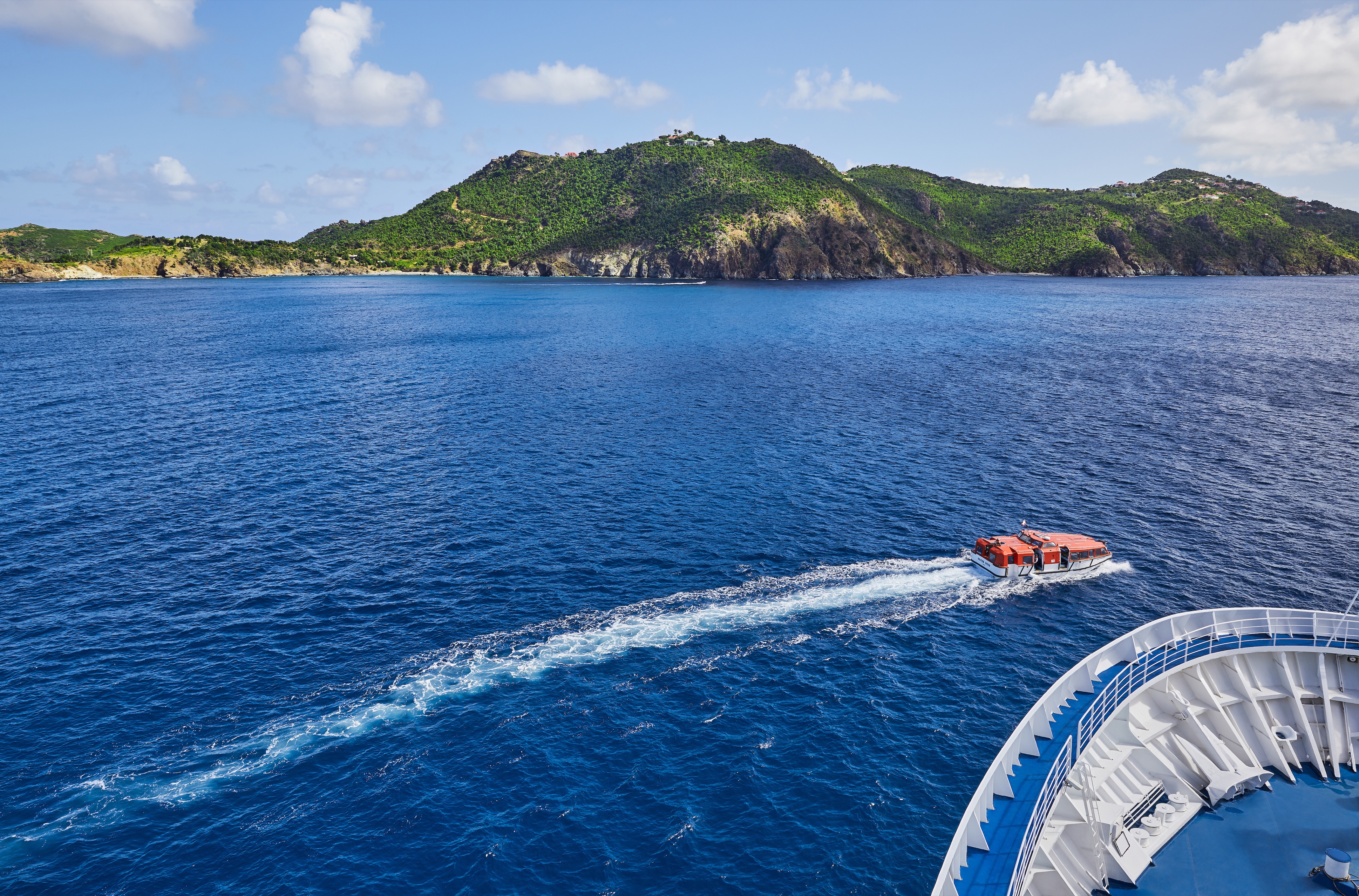
Silver Shore Concierge
Let Silversea customise a special event or excursion exclusively for you. Expert Shore Excursion professionals are available to assist with all your shorex questions. Make an appointment and gain insider access to knowledgeable suggestions, personalised planning and hassle-free coordination of all private, independent touring, including area highlights, flightseeing, water sports, and much more. Take advantage of this service either in advance of your voyage by email at shoreconcierge@silversea.com or on board by visiting the Silvershore® Concierge desk. Have the Silver Shore Concierge create your tailor-made tour, or be whisked away by private car for a day — the pace and agenda are up to you.
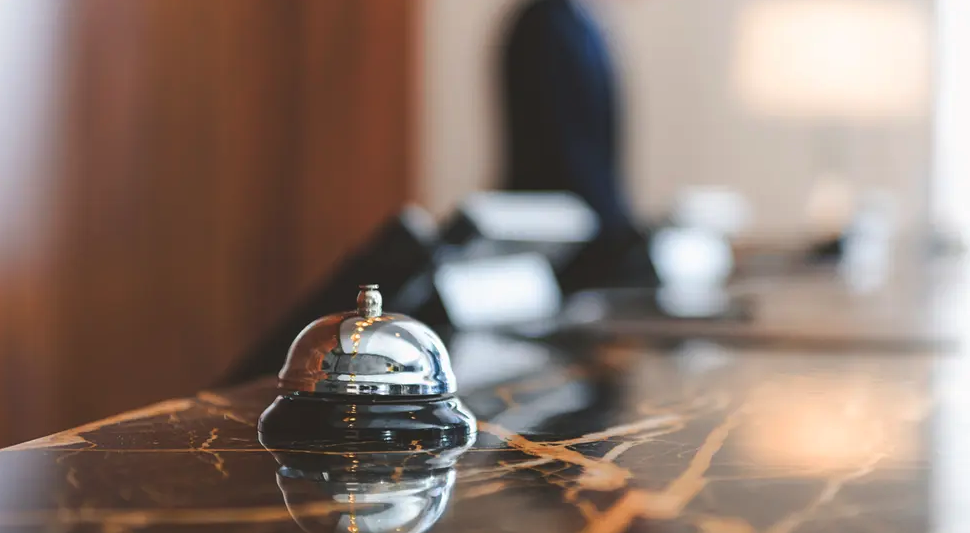
Boutique
There is a wealth of luxury shopping experiences aboard all Silversea ships, featuring the most distinctive and appealing brands from across the globe.
Exceptional shopping experiences do not end in the cosmopolitan cities we visit. Silversea’s striking new shipboard boutiques, reimagined and redesigned, are stunning modern design spaces befitting the finest creations from legendary designers. Carefully selected partners available in Silversea’s duty-free boutiques offer our guests a carefully curated selection of cutting-edge fashions, jewellery, accessories, fine perfumes, cosmetics and Silversea Logo collection all at duty-free prices.
Images and suite plans are intended as a general reference. Features, materials, finishes and layout may be different than shown.
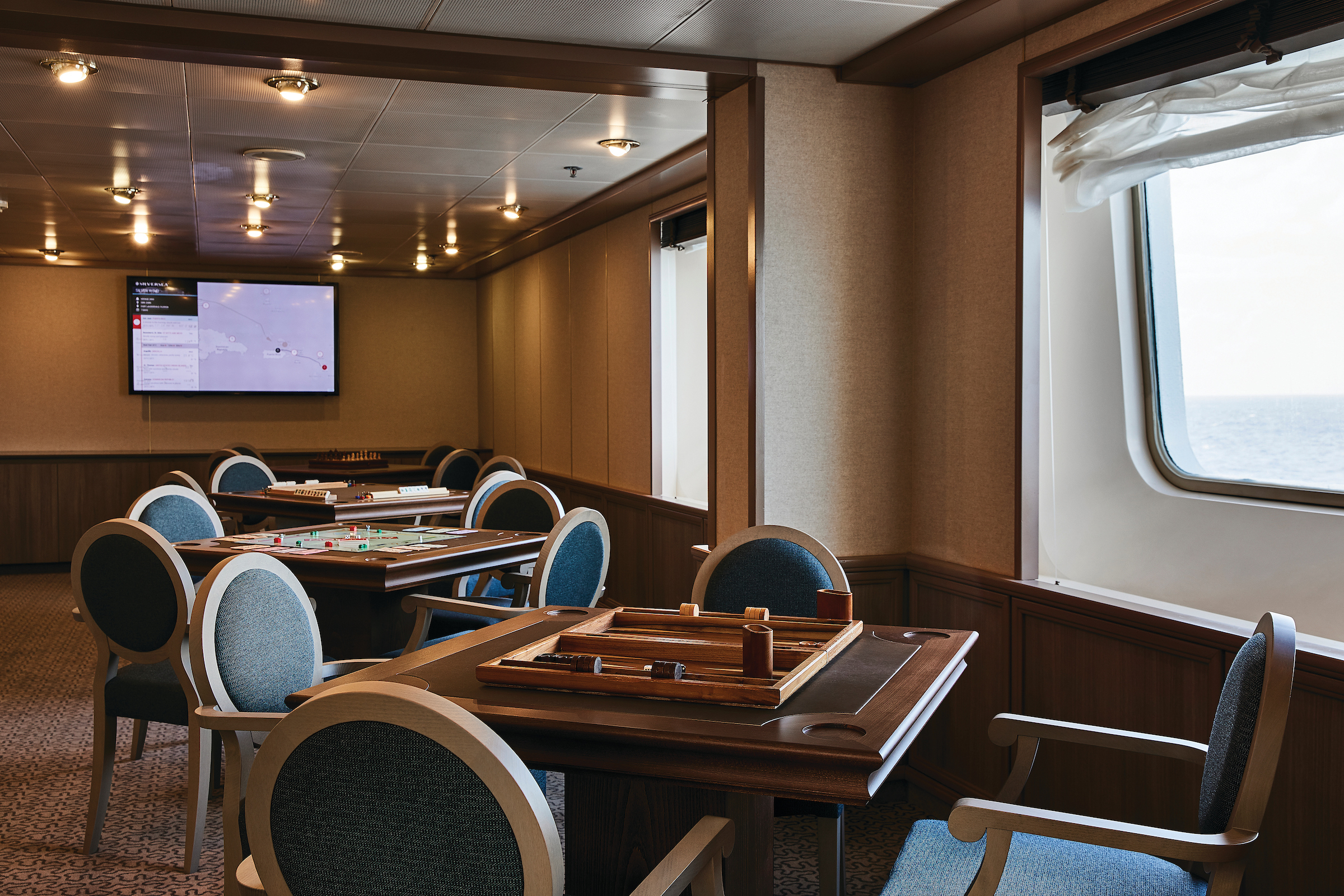
Conference Room
The Card Room on board this luxury cruise ship is where Bridge games and tournaments take place most days. On days at sea, newcomers to the game can learn how to play. Should your group require a conference or meeting space, Silversea is pleased to provide a tailor-made experience. Audio-visual equipment is available and complimentary.
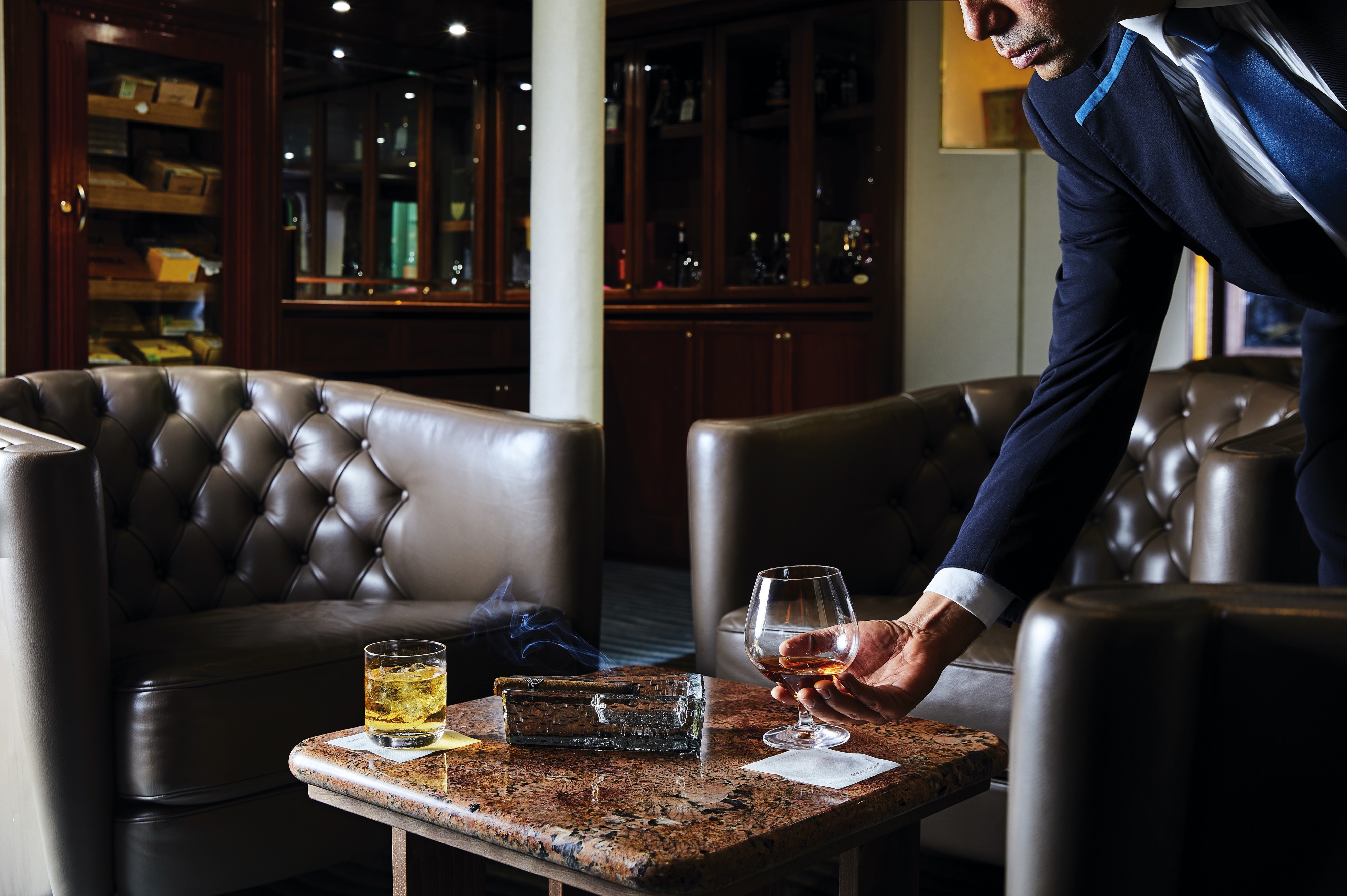
Connoisseur's Corner
If you appreciate good cognac or premium cigars, be sure to visit the Connoisseur’s Corner to see the ship’s exceptional selection.
The Connoisseur’s Corner on board the Silver Wind offers exceptional cognacs along with a premium selection of cigars for purchase to enjoy during your stay on the ship.
Images and suite plans are intended as a general reference. Features, materials, finishes and layout maybe different than shown.
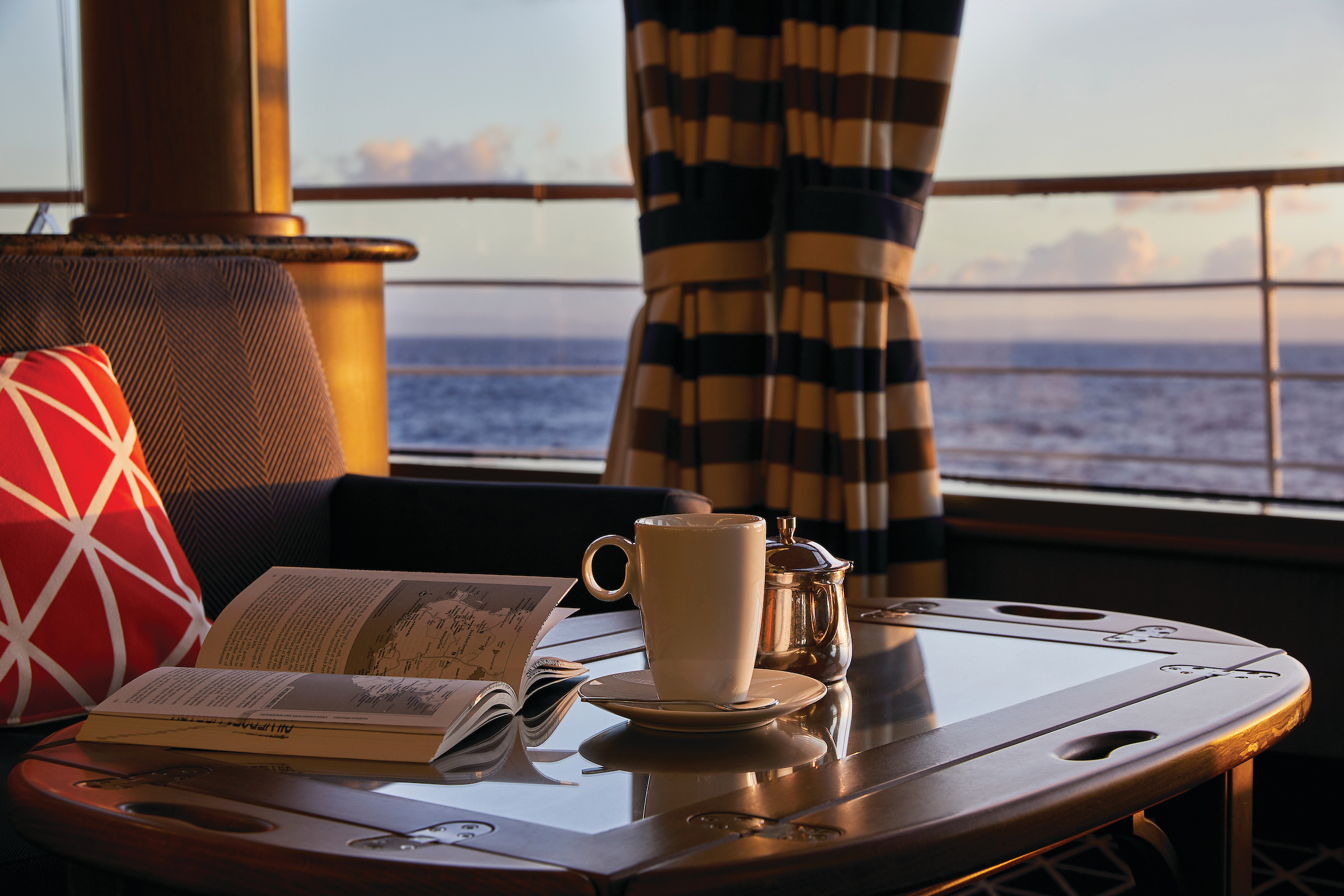
Observation Library
The Observation Library boasts exceptional views overlooking the ocean as it stretches out below you while you enjoy your cruise.
Set on the highest level at the very top of the ship, this is a quiet space for reading and reflection while being dazzled by the undulating seascapes that are part of life on board.
Images and suite plans are intended as a general reference. Features, materials, finishes and layout may be different than shown.
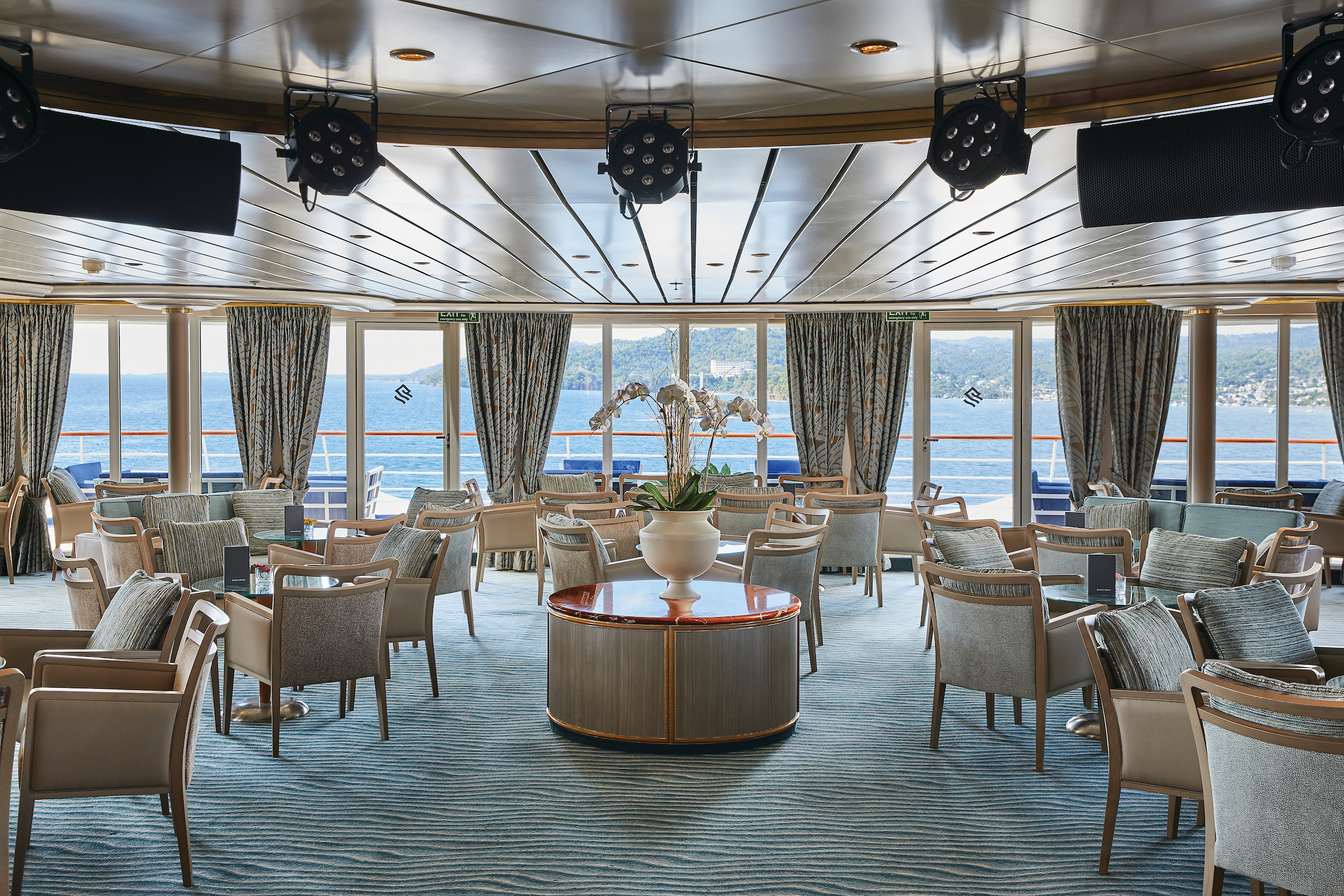
Panorama Lounge
Relax and unwind in the Panorama Lounge, a sophisticated yet amicable space offering beautiful ocean views as you enjoy your cruise.
The Silver Wind’s Panorama Lounge is specially designed to provide an uninterrupted view of the day’s destination from the comfort of the luxury cruise ship’s interior. This is an ideal place to unwind on your cruise, enjoy afternoon tea, listen to the pianist and watch the setting sun. The drinks are complimentary, and the music live and inviting. Enjoy dancing to a range of musical styles for every taste, from the classics to the latest club mixes.
Images and suite plans are intended as a general reference. Features, materials, finishes and layout may be different than shown.
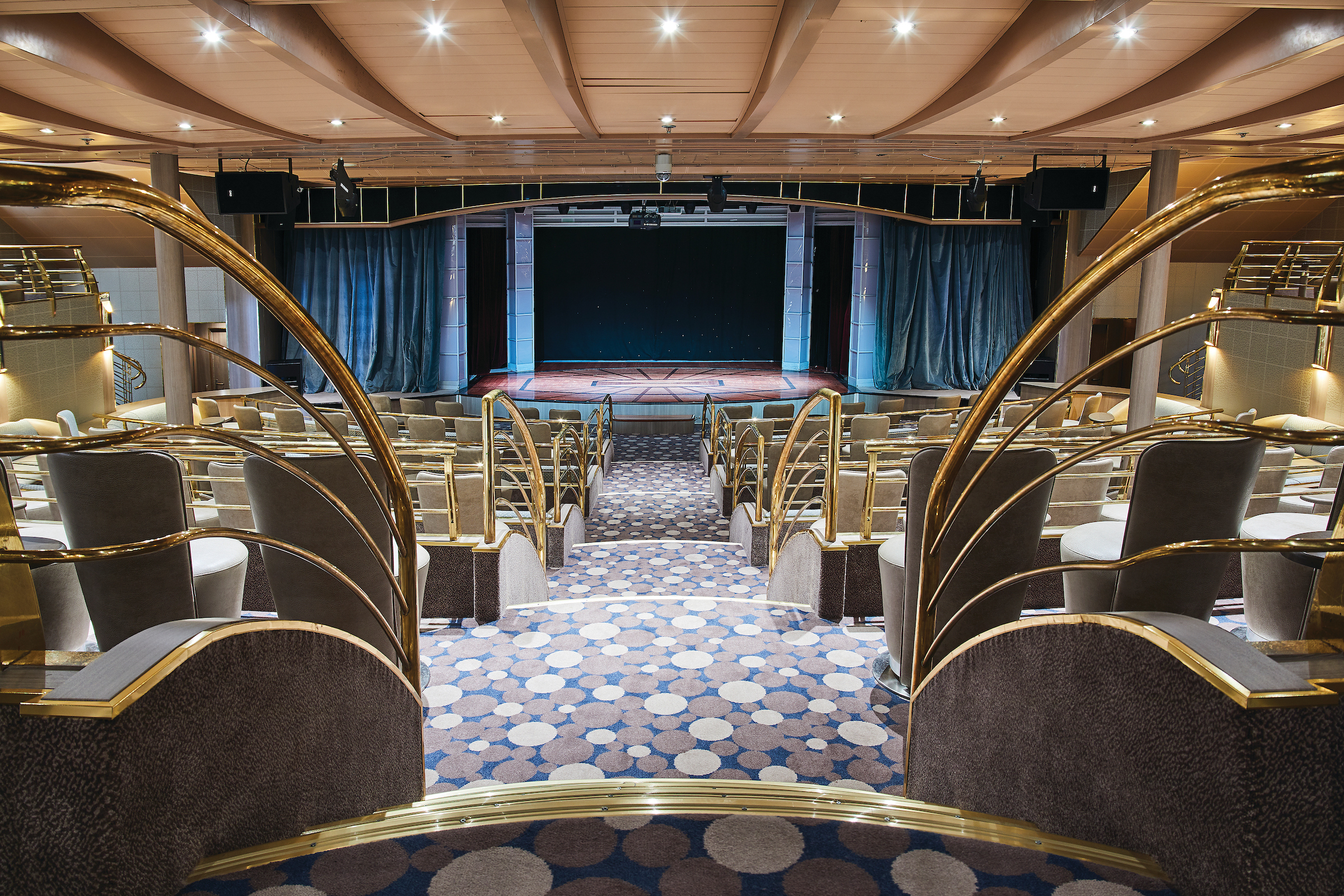
The Show Lounge
Enjoy a broad spectrum of entertainment from full-scale production shows and classical soloists, to cultural entertainment and feature films.
Enjoy a bit of culture on your luxury cruise. Every seat in this multitiered venue features a clear view of the stage. Enjoy a broad spectrum of entertainment—from full-scale production shows and classical soloists, to cultural entertainment and feature films. Throughout your voyage, this luxury cruise ship’s The Show Lounge also presents port talks, enrichment lectures and a variety of special events.
Images and suite plans are intended as a general reference. Features, materials, finishes and layout may be different than shown.
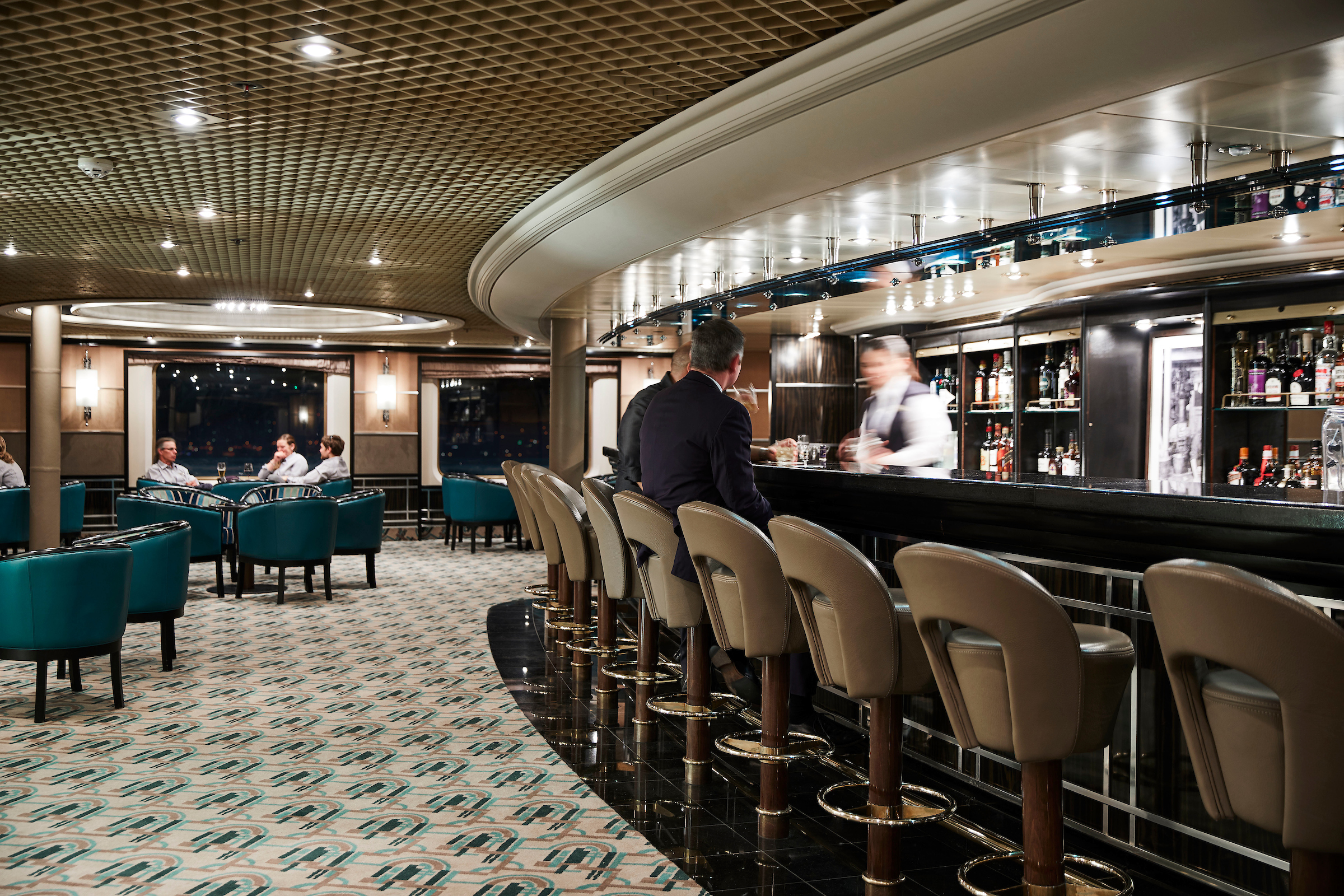
Dolce Vita
Dolce Vita is the gathering place for our savvy travellers of the world, a place where guests mingle and exchange stories and where new faces become lifelong friends.
Our main bar has been newly reimagined for Silver Dawn! Dolce Vita has of course kept her legendary charm, inspired cocktails, stylish décor and comfortable seating, but a central bar now means the warm ambience is better than ever! Oozing Italian glamour, Dolce Vita is a relaxed, refined bar with a nightly piano player playing all your favorite tunes. Perfect for a pre-dinner aperitif, or a post-dinner cocktail, Dolce Vita is truly the beating heart of social life on board.
Images and suite plans are intended as a general reference. Features, materials, finishes and layout may be different than shown.
Reception
Be sure to visit the Reception area, where our experts can provide invaluable information to help you get the most out of your cruise.
The Silver Wind’s central lobby area welcomes guests to speak with a Guest Relations specialist should they have a question or require any help. Assistance is available 24 hours a day; they will be able to help with any aspect of your cruise. For guests wishing to make shoreside arrangements, the Silver Shore Concierge is available to assist with knowledgeable suggestions and the personalized coordination of all private, independent touring including sightseeing, water sports, golf and more. The Cruise Consultant can prove indispensable when planning your next Silversea voyage, or should you wish to extend your current voyage for a day, a week or a month. Like having your own personal onboard Silversea professional, the Cruise Consultant will help you select the perfect voyage, reserve your preferred suite and provide immediate confirmation.
Images and suite plans are intended as a general reference. Features, materials, finishes and layout may be different than shown.
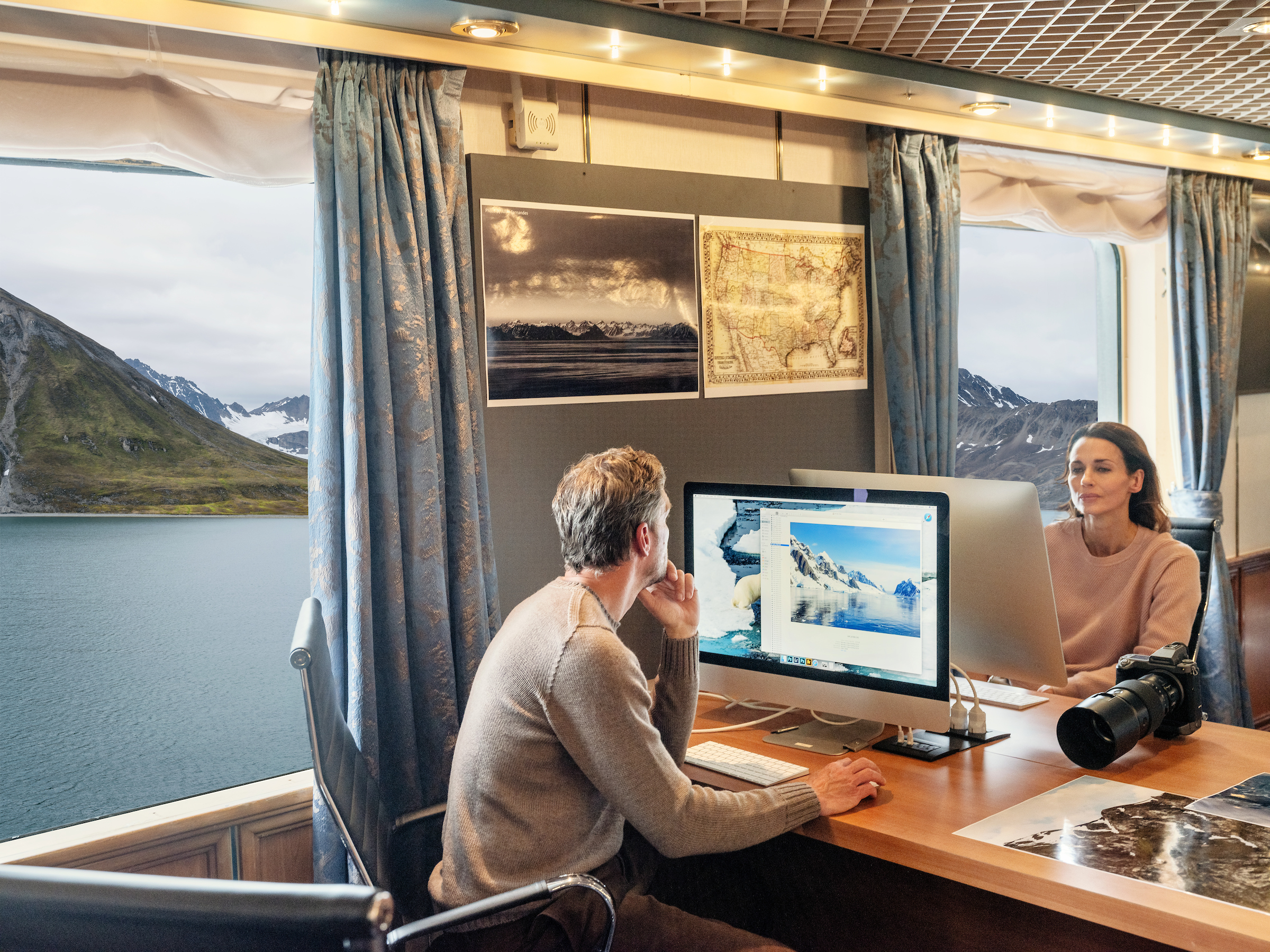
Photo Studio
The Photo Studio offers a professional space for budding photographers to retouch, print and display their work.
The Photo Studio offers a multitude of options to take your pictures from inside your camera to onto your walls. A vibrant, creatively inspiring space where you can not only master the art of digital photography with Masterclasses in editing, Adobe Lightroom and Photoshop, but also an editing suite where you can print images (including postcard, panorama and A2 prints). State-of-the-art equipment for both Mac and PC users, highly technological printers plus a dedicated photo manager to guide you through the many techniques to help you define yourself as a serious photographer. Even the smartphone photographer can become pro-level with specialized training on how to use your camera phone to its best possible advantage. Fees apply.
Images and suite plans are intended as a general reference. Features, materials, finishes and layout may be different than shown.
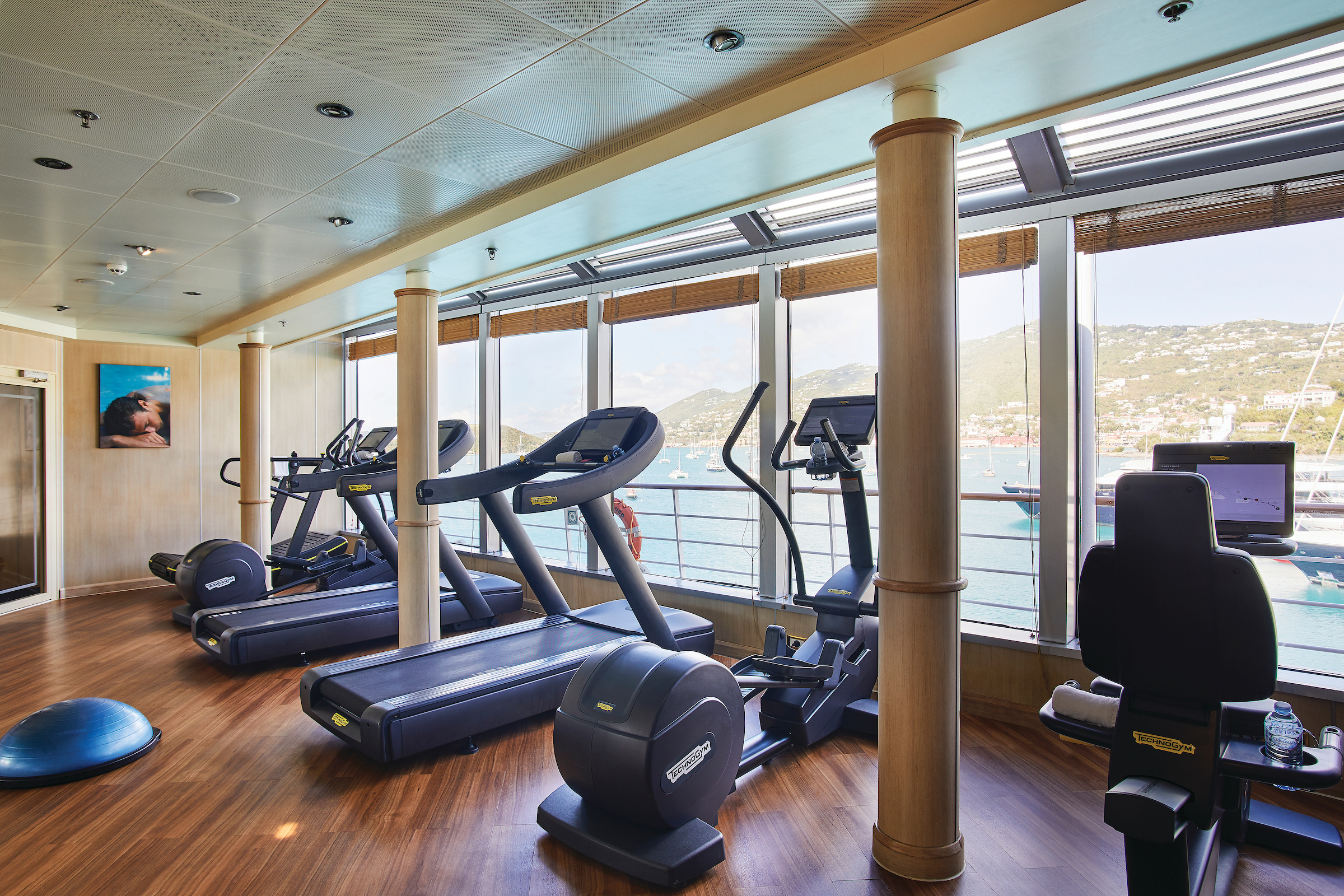
Fitness Centre
The Fitness Centre offers world-class equipment, classes, and personalised services.
The Fitness Center on board the Silver Wind luxury cruise ship is equipped with free weights, weight machines, state-of-the-art treadmills, elliptical trainers and recumbent and upright bikes. Classes in aerobics, yoga, Pilates and circuit training are led by the onboard fitness trainer and are always complimentary. Personal training, body composition analysis and specialty classes are available at the Fitness Center at an additional charge.
Images are intended as a general reference. Features, materials, finishes and layout may be different than shown.
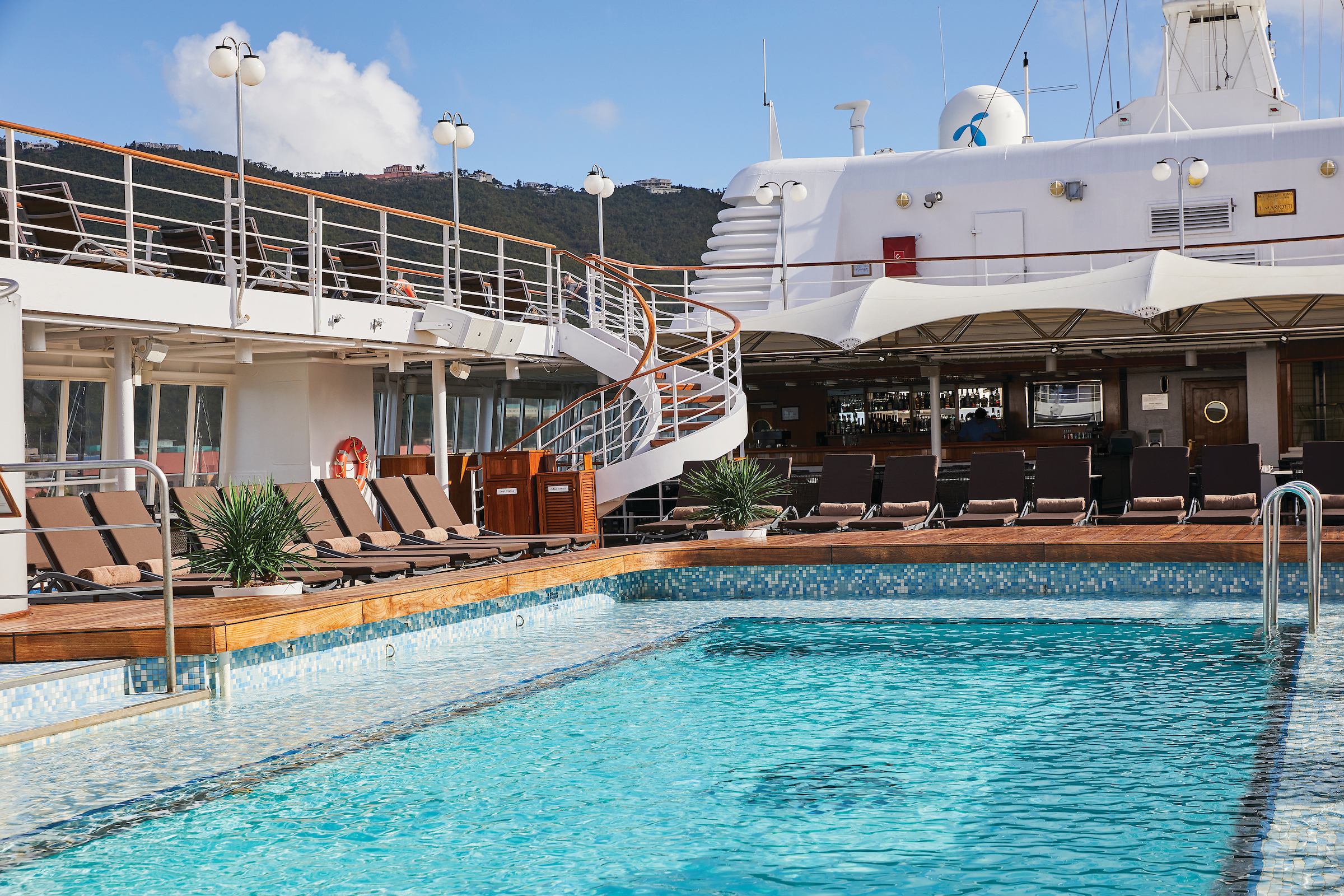
Pool Deck
Chaise lounges arranged in the sun or shade. Bubbling whirlpools. The pool water refreshing in warmer climates, heated for cooler weather. The attentive staff at the ready with an oversize towel as you emerge from the pool, with your favourite beverage at just the right moment. The luxury cruise ship of your dreams.
Images and suite plans are intended as a general reference. Features, materials, finishes and layout may be different than shown.
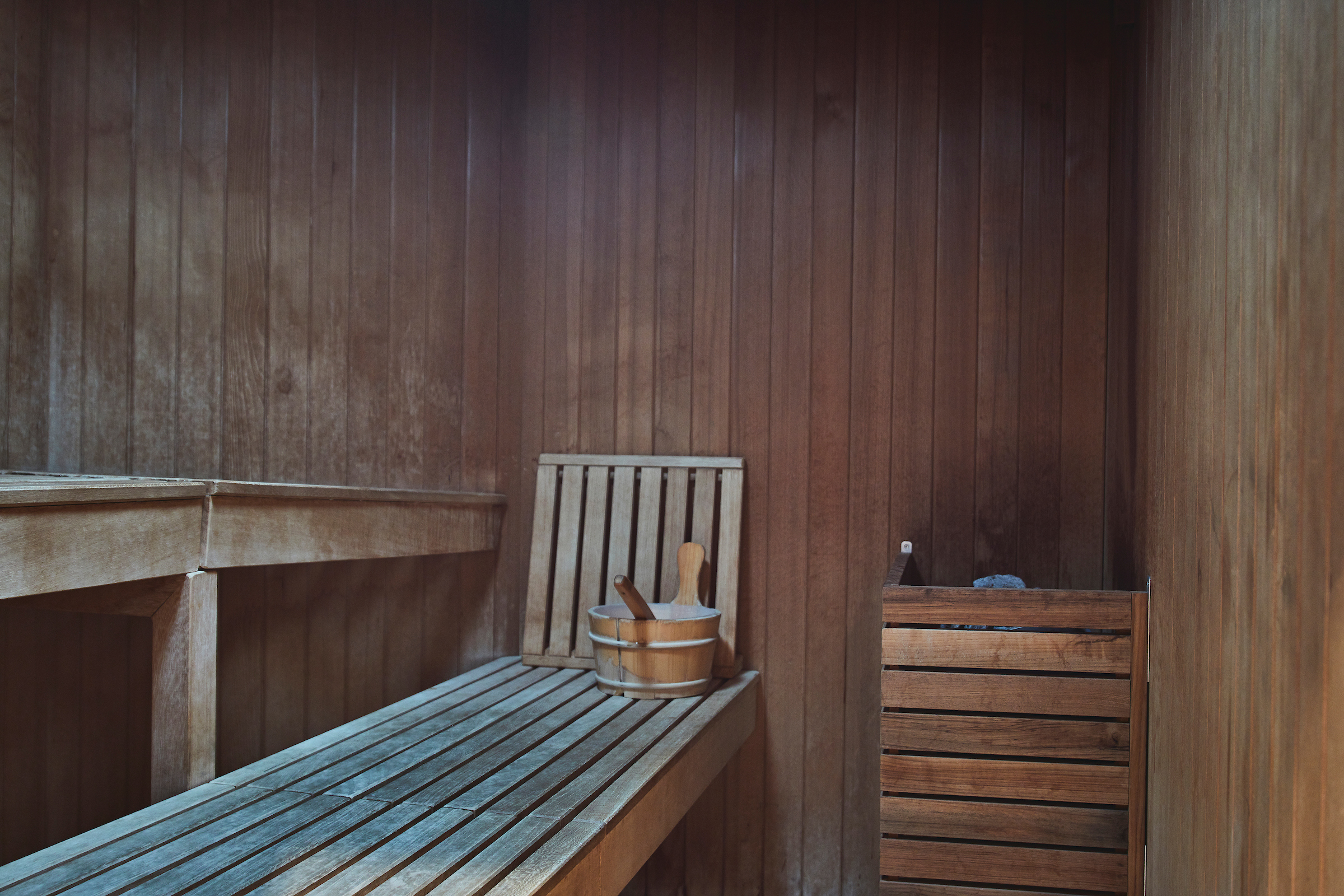
Zagara Beauty Spa
Come and indulge in a luxurious spa treatment. Facials, body wraps, massages – the spa is the perfect place to unwind.
Unwind on your luxury cruise with a visit to our soothing spa. Relax your body and mind in this soothing sanctuary on board this luxury cruise ship. Indulge in a wide range of invigorating therapies including facials, body wraps and massages. Appointments for spa services may be made on board the ship, or in advance via My Silversea. Men’s and women’s saunas and steam rooms are perfect for relaxing before your spa treatment or after your workout.
Images and suite plans are intended as a general reference. Features, materials, finishes and layout may be different than shown.
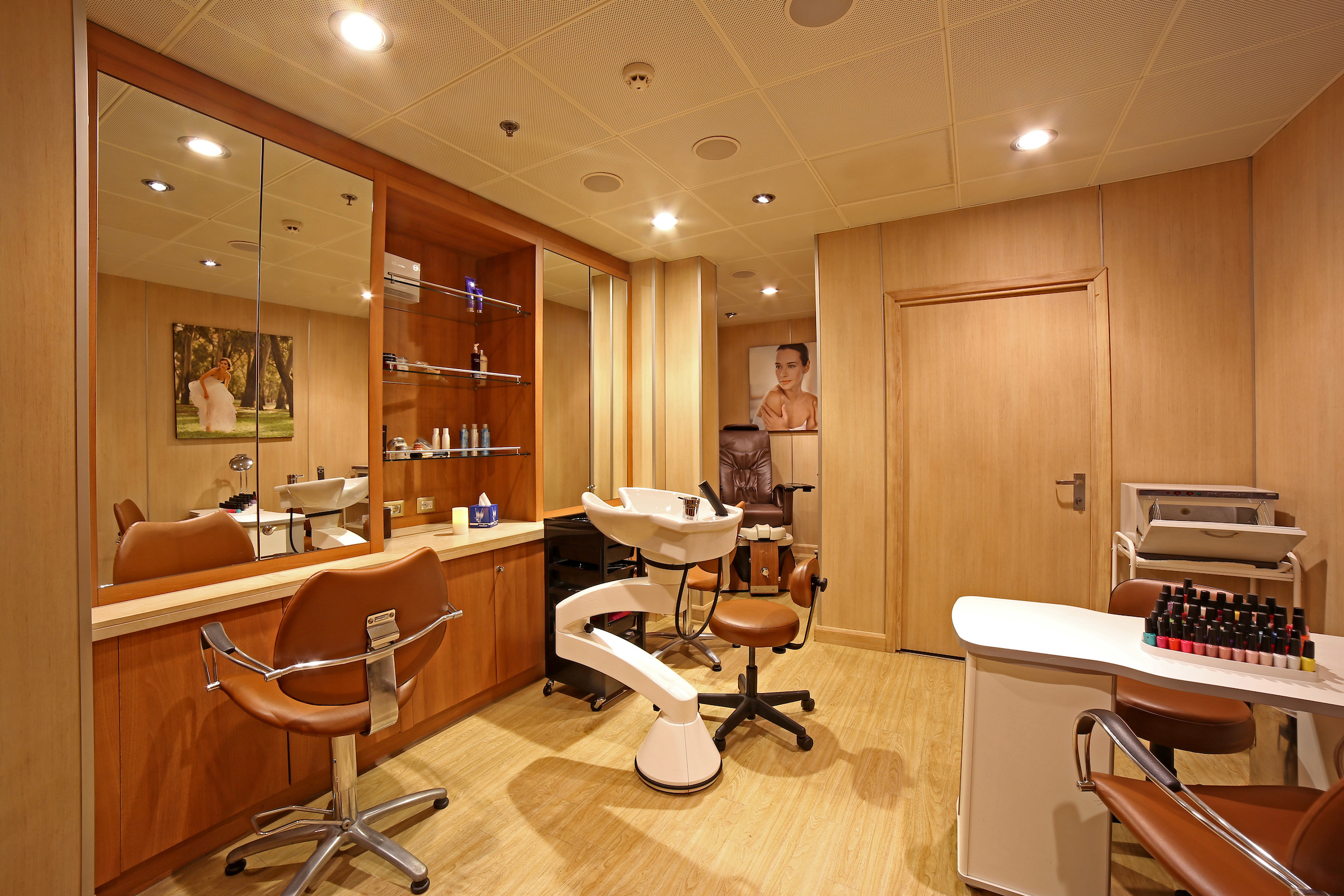
Zagara Beauty Salon
Maintain your fresh look throughout your luxury cruise at the Zagara Beauty Salon. Services are available for men and women.
A full range of beauty salon services, including hairstyling, manicures and pedicures, is available on board this luxury cruise ship for both men and women. Appointments for these chargeable services may be made on board the Silver Wind, or in advance via My Silversea.
Images and suite plans are intended as a general reference. Features, materials, finishes and layout may be different than shown.
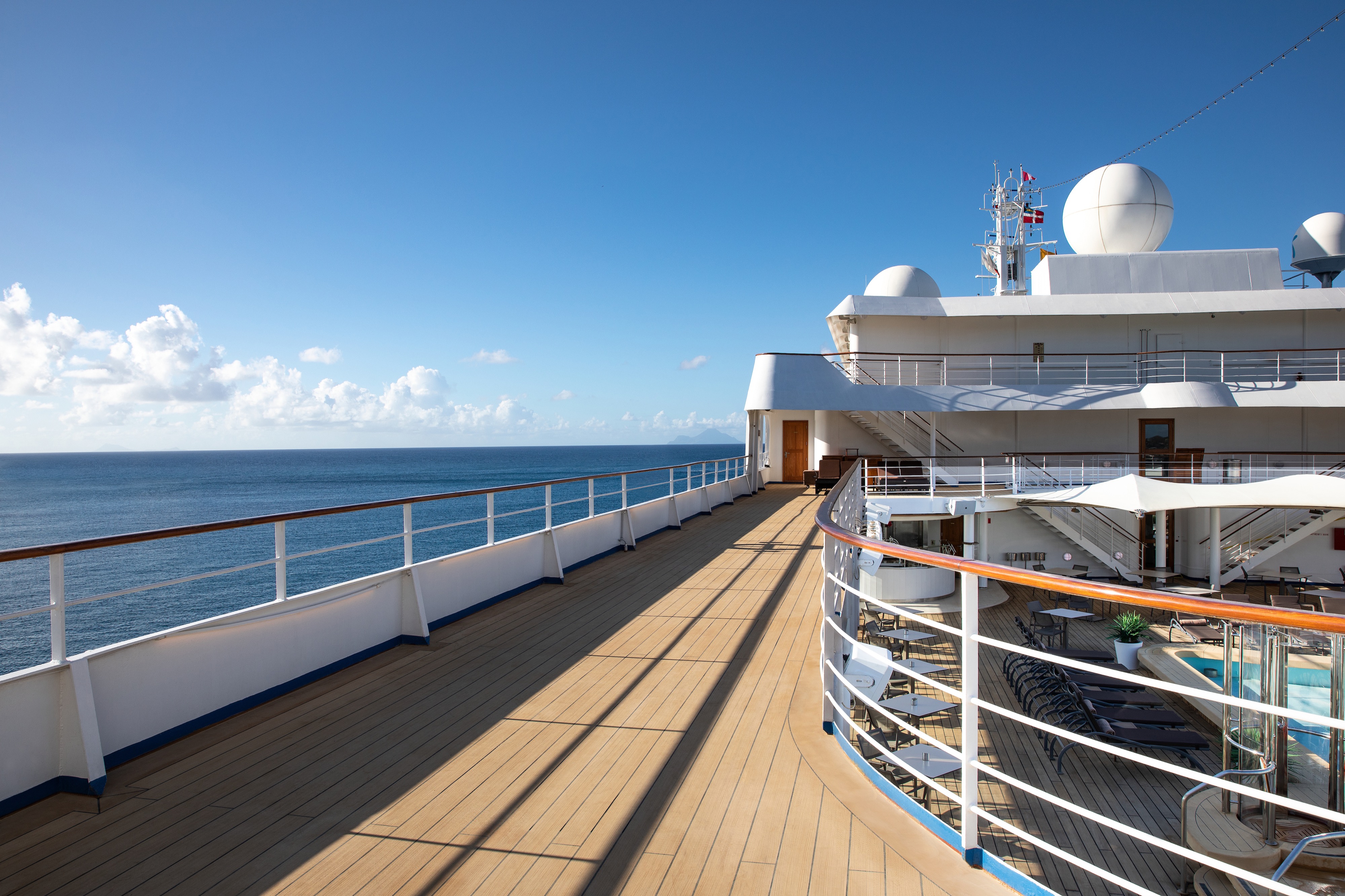
Jogging Track
A jogging track is available for guests, running the entire outside edge of the deck.
Please note: Although Silversea accepts guests over the age of six months, there are no special programmes for children on board, and Silversea does not provide for the care, entertainment and supervision of children.
The Grill
Soft breezes and ocean views beckon at the Grill, especially as the sun goes down when cruise guests gather for cocktails at the outdoor bar and talk about the day’s events.
Silversea’s much-loved casual dining restaurant serves a delectable range of burgers and salads by day and turns into our famous Hot Rocks table BBQ concept by night. The Grill is quite simply the best place to eat between sea and sky. If you like flavoursome meals cooked to perfection, a casual, laid-back atmosphere, and OMG views, then The Grill is the answer to your prayers.
Dress code: Casual
Casual wear consists of pants, blouses or casual dresses for women; open-neck shirts and slacks for men are appropriate.
Images and suite plans are intended as a general reference. Features, materials, finishes and layout may be different than shown.
La Terrazza
Authentic Italian recipes and the freshest, sustainable ingredients come together in this restaurant at sea.
On board this luxury cruise ship, a divine selection of Italy’s best cuisine is served à la carte in La Terrazza. Authentic recipes and the freshest ingredients come together with flair and passion—a flavorful expression of Silversea’s distinctive Italian heritage. La Terrazza uses buffalo mozzarella from Naples, organic balsamic vinegar and olive oil from Umbria, and air-dried ham from Parma. The Emilia-Romagna region also produces Silversea’s 24-month aged Parmigiano Reggiano, while the pasta is made fresh daily on board the Silver Wind. La Terrazza is open for casual, buffet-style breakfast and lunch with indoor or alfresco dining on the outdoor terrace of this luxury cruise ship. During the evening, La Terrazza transforms into an à la carte traditional Italian restaurant.
Open-seating for breakfast and lunch.
Reservations recommended for dinner.
Images and suite plans are intended as a general reference. Features, materials, finishes and layout may be different than shown.
The Restaurant
Enjoy Continental and regional specialities, as well as sweeping ocean views in our main dining room.
Sparkling with silver, crystal and candlelight, this luxury cruise ship’s main dining room serves contemporary, international cuisine with the sophisticated elegance and impeccable service you might expect as part of your prestige travel. Menus feature regional specialties unique to the voyage destination. For example, roasted Chilean sea bass while cruising the Chilean fjords and Indian chicken korma en route to Mumbai. The Restaurant on board this luxury cruise ship offers open-seating dining, which means there are no assigned times and no assigned tables. You are free to dine when, where and with whom you please.
Images and suite plans are intended as a general reference. Features, materials, finishes and layout may be different than shown.
La Dame
La Dame features a menu of seasonally inspired dishes prepared with the freshest locally sourced ingredients.
La Dame can be found aboard Silversea luxury cruise ships. Indulge in an evening where fine wines are complemented by a special set menu of regionally-inspired dishes in an intimate, elegant setting. An extraordinary six-course experience celebrating the world’s most distinguished wine regions aboard your luxury cruise ship.
Per guest reservation fee of US$60. Please visit My Silversea to make your reservations.
Reservations required for dinner.
Images and suite plans are intended as a general reference. Features, materials, finishes and layout may be different than shown.
Shore Excursions
Highlight Experiences
Seamless tours of iconic sites
Explore iconic landmarks and cultural treasures with our Highlight Experiences, half or full-day adventures led by expert guides. Enjoy seamless, hassle-free journeys to must- see attractions — perfect for guests seeking a convenient, turnkey experience.
Signature Experiences
Smaller tours, crafted by Silversea
These immersive Signature Experiences offer privileged access and personalized interactions with local experts. These experiences are perfect for those seeking meaningful, social exploration who want to connect with destinations through authentic dining and slow travel.
Private Experiences
Exclusive tours for your group
Create your own exclusive adventure with a dedicated vehicle, driver, and guide. Explore at your pace, linger, or spontaneously discover new sites. Available at most ports for half- or full-day bookings, Private Experiences are ideal for families seeking privacy and flexibility.
Custom Experiences
Tailor-made tours designed for you
Enjoy personalized Custom Experiences tailored to your interests, with exclusive access and specialized guides. Our team handles every detail, ensuring unforgettable moments that exceed your expectations—crafted entirely around your pace and preferences.
Overland Experiences
Mid-cruise, inland tours
Venture inland on two- to three-day journeys to iconic sites like the Taj Mahal or Angkor Wat. \Vith flights, stays, and guided access included, these immersive journeys offer rare experiences beyond the coast — all with the signature Silversea service.
Mid-Voyage Adventures
Multiple days at sea mean plenty of R & R for some, but others prefer to drink in all there is to offer on land. Our Mid-Cruise Land Adventures allow you to take full advantage of your time with us without missing a single thing! These short escapades offer an array of adventures, break up your sea days and allow for deeper exploration beyond the coast.
Silver Shore Concierge
Let Silversea customise a special event or excursion exclusively for you. Expert Shore Excursion professionals are available to assist with all your shorex questions. Make an appointment and gain insider access to knowledgeable suggestions, personalised planning and hassle-free coordination of all private, independent touring, including area highlights, flightseeing, water sports, and much more. Take advantage of this service either in advance of your voyage by email at shoreconcierge@silversea.com or on board by visiting the Silvershore® Concierge desk. Have the Silver Shore Concierge create your tailor-made tour, or be whisked away by private car for a day — the pace and agenda are up to you.
Boutique
There is a wealth of luxury shopping experiences aboard all Silversea ships, featuring the most distinctive and appealing brands from across the globe.
Exceptional shopping experiences do not end in the cosmopolitan cities we visit. Silversea’s striking new shipboard boutiques, reimagined and redesigned, are stunning modern design spaces befitting the finest creations from legendary designers. Carefully selected partners available in Silversea’s duty-free boutiques offer our guests a carefully curated selection of cutting-edge fashions, jewellery, accessories, fine perfumes, cosmetics and Silversea Logo collection all at duty-free prices.
Images and suite plans are intended as a general reference. Features, materials, finishes and layout may be different than shown.
Conference Room
The Card Room on board this luxury cruise ship is where Bridge games and tournaments take place most days. On days at sea, newcomers to the game can learn how to play. Should your group require a conference or meeting space, Silversea is pleased to provide a tailor-made experience. Audio-visual equipment is available and complimentary.
Connoisseur's Corner
If you appreciate good cognac or premium cigars, be sure to visit the Connoisseur’s Corner to see the ship’s exceptional selection.
The Connoisseur’s Corner on board the Silver Wind offers exceptional cognacs along with a premium selection of cigars for purchase to enjoy during your stay on the ship.
Images and suite plans are intended as a general reference. Features, materials, finishes and layout maybe different than shown.
Observation Library
The Observation Library boasts exceptional views overlooking the ocean as it stretches out below you while you enjoy your cruise.
Set on the highest level at the very top of the ship, this is a quiet space for reading and reflection while being dazzled by the undulating seascapes that are part of life on board.
Images and suite plans are intended as a general reference. Features, materials, finishes and layout may be different than shown.
Panorama Lounge
Relax and unwind in the Panorama Lounge, a sophisticated yet amicable space offering beautiful ocean views as you enjoy your cruise.
The Silver Wind’s Panorama Lounge is specially designed to provide an uninterrupted view of the day’s destination from the comfort of the luxury cruise ship’s interior. This is an ideal place to unwind on your cruise, enjoy afternoon tea, listen to the pianist and watch the setting sun. The drinks are complimentary, and the music live and inviting. Enjoy dancing to a range of musical styles for every taste, from the classics to the latest club mixes.
Images and suite plans are intended as a general reference. Features, materials, finishes and layout may be different than shown.
The Show Lounge
Enjoy a broad spectrum of entertainment from full-scale production shows and classical soloists, to cultural entertainment and feature films.
Enjoy a bit of culture on your luxury cruise. Every seat in this multitiered venue features a clear view of the stage. Enjoy a broad spectrum of entertainment—from full-scale production shows and classical soloists, to cultural entertainment and feature films. Throughout your voyage, this luxury cruise ship’s The Show Lounge also presents port talks, enrichment lectures and a variety of special events.
Images and suite plans are intended as a general reference. Features, materials, finishes and layout may be different than shown.
Dolce Vita
Dolce Vita is the gathering place for our savvy travellers of the world, a place where guests mingle and exchange stories and where new faces become lifelong friends.
Our main bar has been newly reimagined for Silver Dawn! Dolce Vita has of course kept her legendary charm, inspired cocktails, stylish décor and comfortable seating, but a central bar now means the warm ambience is better than ever! Oozing Italian glamour, Dolce Vita is a relaxed, refined bar with a nightly piano player playing all your favorite tunes. Perfect for a pre-dinner aperitif, or a post-dinner cocktail, Dolce Vita is truly the beating heart of social life on board.
Images and suite plans are intended as a general reference. Features, materials, finishes and layout may be different than shown.
Reception
Be sure to visit the Reception area, where our experts can provide invaluable information to help you get the most out of your cruise.
The Silver Wind’s central lobby area welcomes guests to speak with a Guest Relations specialist should they have a question or require any help. Assistance is available 24 hours a day; they will be able to help with any aspect of your cruise. For guests wishing to make shoreside arrangements, the Silver Shore Concierge is available to assist with knowledgeable suggestions and the personalized coordination of all private, independent touring including sightseeing, water sports, golf and more. The Cruise Consultant can prove indispensable when planning your next Silversea voyage, or should you wish to extend your current voyage for a day, a week or a month. Like having your own personal onboard Silversea professional, the Cruise Consultant will help you select the perfect voyage, reserve your preferred suite and provide immediate confirmation.
Images and suite plans are intended as a general reference. Features, materials, finishes and layout may be different than shown.
Photo Studio
The Photo Studio offers a professional space for budding photographers to retouch, print and display their work.
The Photo Studio offers a multitude of options to take your pictures from inside your camera to onto your walls. A vibrant, creatively inspiring space where you can not only master the art of digital photography with Masterclasses in editing, Adobe Lightroom and Photoshop, but also an editing suite where you can print images (including postcard, panorama and A2 prints). State-of-the-art equipment for both Mac and PC users, highly technological printers plus a dedicated photo manager to guide you through the many techniques to help you define yourself as a serious photographer. Even the smartphone photographer can become pro-level with specialized training on how to use your camera phone to its best possible advantage. Fees apply.
Images and suite plans are intended as a general reference. Features, materials, finishes and layout may be different than shown.
Fitness Centre
The Fitness Centre offers world-class equipment, classes, and personalised services.
The Fitness Center on board the Silver Wind luxury cruise ship is equipped with free weights, weight machines, state-of-the-art treadmills, elliptical trainers and recumbent and upright bikes. Classes in aerobics, yoga, Pilates and circuit training are led by the onboard fitness trainer and are always complimentary. Personal training, body composition analysis and specialty classes are available at the Fitness Center at an additional charge.
Images are intended as a general reference. Features, materials, finishes and layout may be different than shown.
Pool Deck
Chaise lounges arranged in the sun or shade. Bubbling whirlpools. The pool water refreshing in warmer climates, heated for cooler weather. The attentive staff at the ready with an oversize towel as you emerge from the pool, with your favourite beverage at just the right moment. The luxury cruise ship of your dreams.
Images and suite plans are intended as a general reference. Features, materials, finishes and layout may be different than shown.
Zagara Beauty Spa
Come and indulge in a luxurious spa treatment. Facials, body wraps, massages – the spa is the perfect place to unwind.
Unwind on your luxury cruise with a visit to our soothing spa. Relax your body and mind in this soothing sanctuary on board this luxury cruise ship. Indulge in a wide range of invigorating therapies including facials, body wraps and massages. Appointments for spa services may be made on board the ship, or in advance via My Silversea. Men’s and women’s saunas and steam rooms are perfect for relaxing before your spa treatment or after your workout.
Images and suite plans are intended as a general reference. Features, materials, finishes and layout may be different than shown.
Zagara Beauty Salon
Maintain your fresh look throughout your luxury cruise at the Zagara Beauty Salon. Services are available for men and women.
A full range of beauty salon services, including hairstyling, manicures and pedicures, is available on board this luxury cruise ship for both men and women. Appointments for these chargeable services may be made on board the Silver Wind, or in advance via My Silversea.
Images and suite plans are intended as a general reference. Features, materials, finishes and layout may be different than shown.
Jogging Track
A jogging track is available for guests, running the entire outside edge of the deck.
Please note: Although Silversea accepts guests over the age of six months, there are no special programmes for children on board, and Silversea does not provide for the care, entertainment and supervision of children.
About the Ship
Deck Plans

- Changing Room
- Embarkation Deck
- Medical Centre

- The Restaurant
- La Dame
- Launderette
- Vista Suites (x2 Accessible Suites)

- Photo Studio
- Lobby
- Dolce Vita
- Boutique
- Silver Suite
- Classic Veranda Suites
- Deluxe Veranda Suites

- The Show Lounge
- Conference Room
- Reception
- Expedition Office
- Future Cruise Manager
- Lobby
- Shore Concierge
- Silver Suite
- Classic Veranda Suites
- Deluxe Veranda Suites
- Royal Suites

- La Terrazza
- Grand Suites
- Classic Veranda Suites
- Silver Suites
- Deluxe Veranda Suite
- Owners Suites
- Vista Suite
- Medallion Suite

- Pool Deck
- Pool Bar
- The Grill
- Panorama Lounge
- Connoisseur’s Corner
- Whirlpools
- Medallion Suites

- Fitness Centre
- Beauty Salon & Spa
- Observation Library
- Jogging Track
- Changing Room
- Embarkation Deck
- Medical Centre
- The Restaurant
- La Dame
- Launderette
- Vista Suites (x2 Accessible Suites)
- Photo Studio
- Lobby
- Dolce Vita
- Boutique
- Silver Suite
- Classic Veranda Suites
- Deluxe Veranda Suites
- The Show Lounge
- Conference Room
- Reception
- Expedition Office
- Future Cruise Manager
- Lobby
- Shore Concierge
- Silver Suite
- Classic Veranda Suites
- Deluxe Veranda Suites
- Royal Suites
- La Terrazza
- Grand Suites
- Classic Veranda Suites
- Silver Suites
- Deluxe Veranda Suite
- Owners Suites
- Vista Suite
- Medallion Suite
- Pool Deck
- Pool Bar
- The Grill
- Panorama Lounge
- Connoisseur’s Corner
- Whirlpools
- Medallion Suites
- Fitness Centre
- Beauty Salon & Spa
- Observation Library
- Jogging Track