Featured Cabins
Itinerary
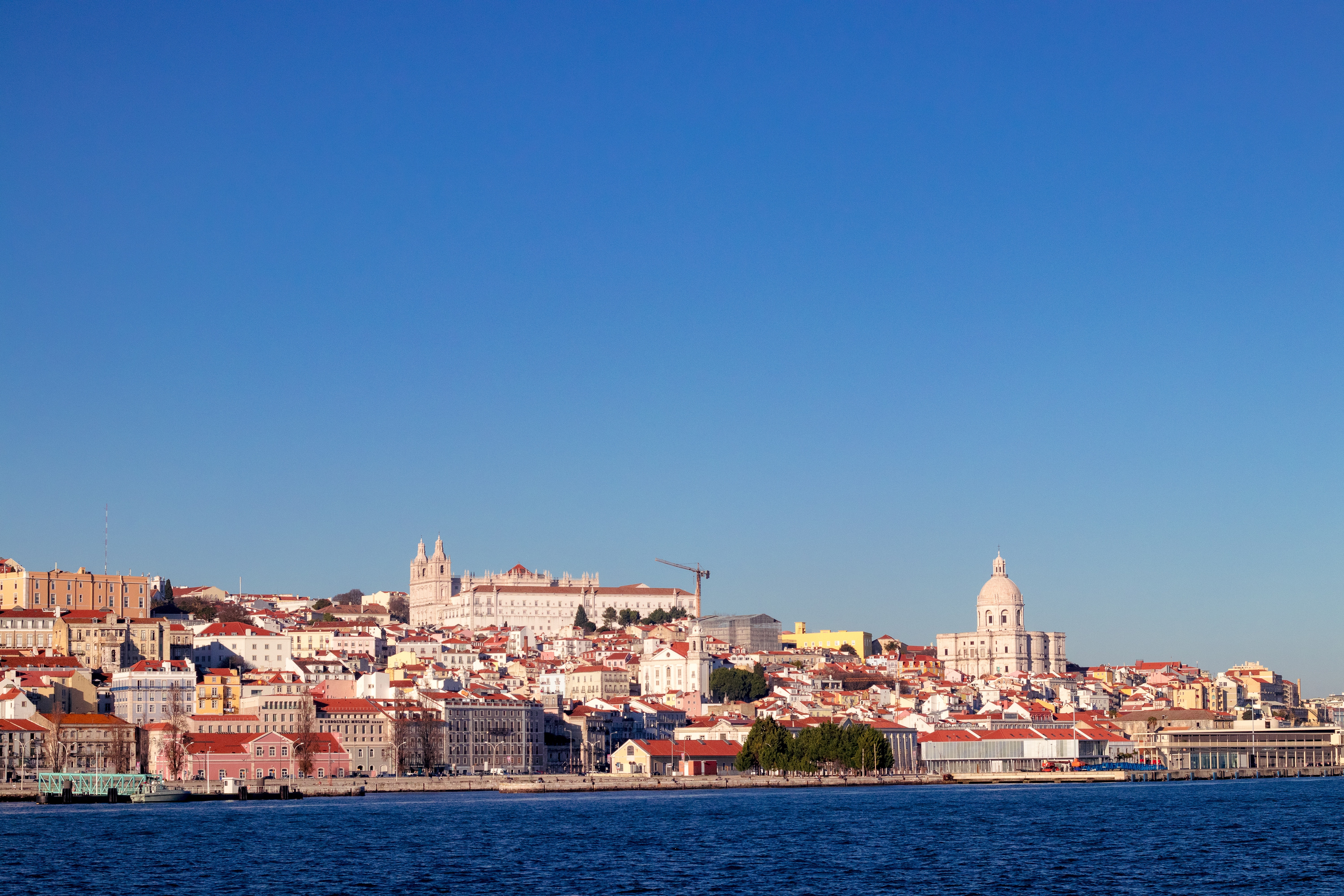
Lisbon, Portugal
Set on seven hills on the banks of the River Tagus, Lisbon has been the capital of Portugal since the 13th century. It is a city famous for its majestic architecture, old wooden trams, Moorish features and more than twenty centuries of history. Following disastrous earthquakes in the 18th century, Lisbon was rebuilt by the Marques de Pombal who created an elegant city with wide boulevards and a great riverfront and square, Praça do Comércio. Today there are distinct modern and ancient sections, combining great shopping with culture and sightseeing in the Old Town, built on the city’s terraced hillsides. The distance between the ship and your tour vehicle may vary. This distance is not included in the excursion grades.
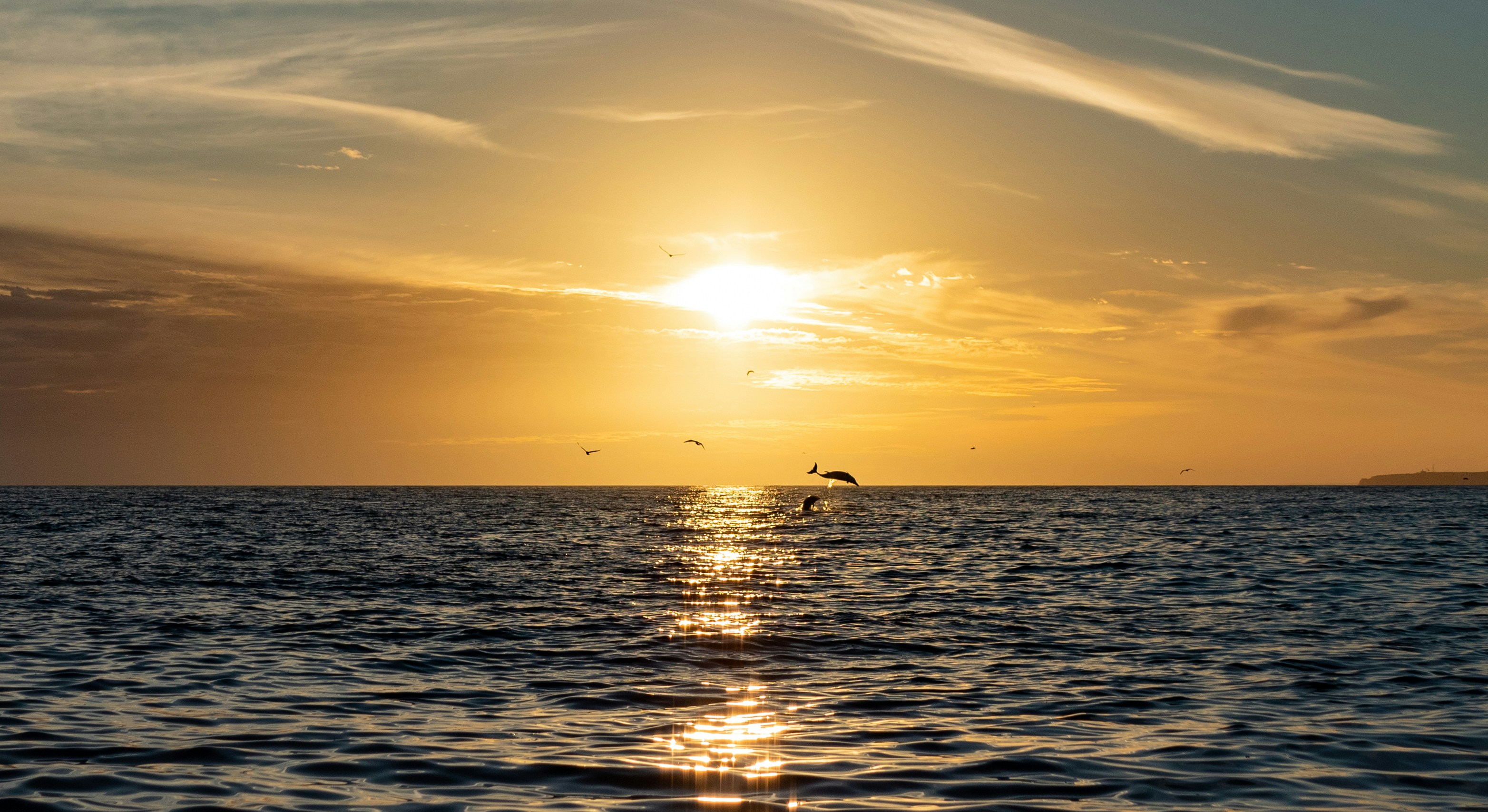
Portimão, Portugal
Portimão is a major fishing port, and significant investment has been poured into transforming it into an attractive cruise port as well. The city itself is spacious and has several good shopping streets—though sadly many of the more traditional retailers have closed in the wake of the global economic crisis. There is also a lovely riverside area that just begs to be strolled (lots of the coastal cruises depart from here). Don’t leave without stopping for an alfresco lunch at the Doca da Sardinha (“sardine dock”) between the old bridge and the railway bridge. You can sit at one of many inexpensive establishments, eating charcoal-grilled sardines (a local specialty) accompanied by chewy fresh bread, simple salads, and local wine.
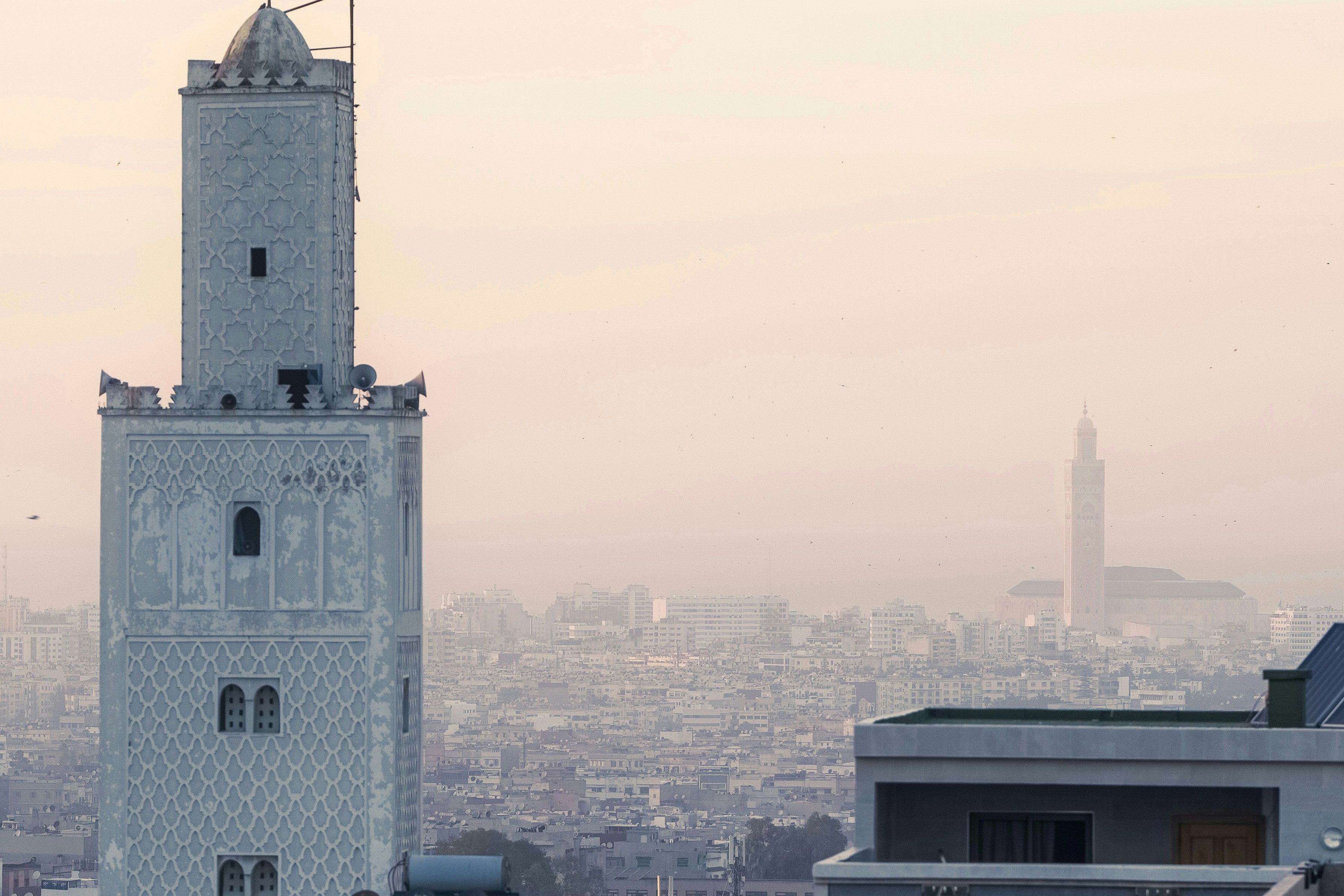
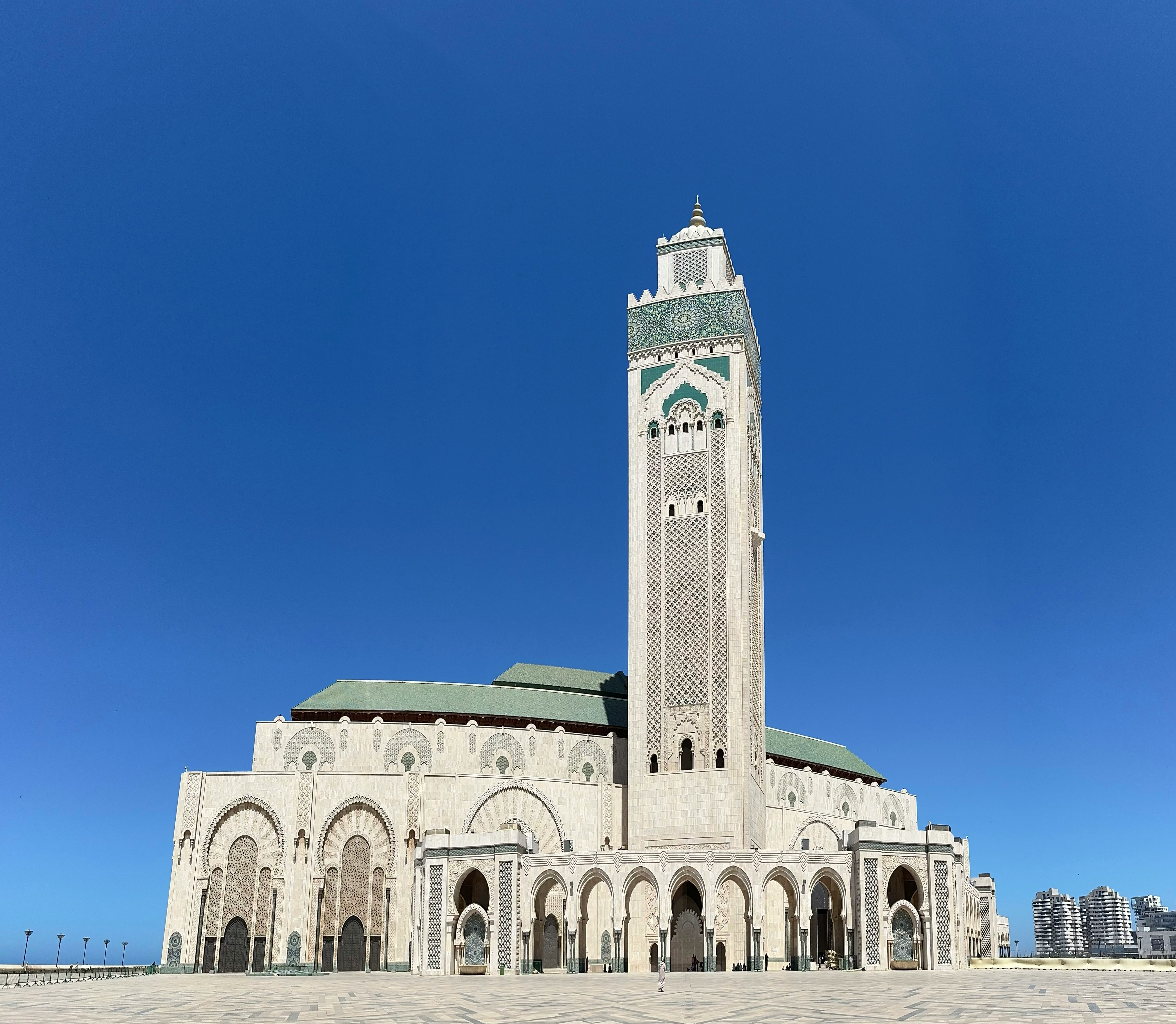
Casablanca, Morocco
The original settlement formed on the site of Casablanca by the Berbers became the kingdom of Anfa, and during the 15th century harboured pirates who raided the Portuguese coast. In retaliation for the attacks, the Portuguese destroyed Anfa and founded the town they called Casa Branca (white house). They remained here until an earthquake in 1755 and the town was subsequently rebuilt by Mohammed ben Abdallah, whose legacy of mosques and houses can still be seen in the old Medina. Casablanca acquired its present-day name when the Spanish obtained special port privileges in 1781. The French landed here in 1907, later establishing a protectorate and modelling the town on the port of Marseilles. Today Casablanca is Morocco’s largest city, its most significant port and the centre of commerce and industry. The city is a vibrant fusion of European, African and Arabian influences and its French colonial architecture and art deco buildings seamlessly blend in with the busy, colourful markets. Please note that vendors in the souks can be very persistent and eager to make a sale.
Safi, Morocco
Safi’s natural harbor lies on the Atlantic in western Morocco and was once used by the Roman and the Phoenicians. By the 11th century gold, slaves and ivory were the hot commodities being traded between Marrakesh and Guinea. Evolving through the ages to cater to the popular trade of the day, the major industry here today is fishing connected to the country’s sardine industry, but there is also an economy based on exported phosphates, textiles and ceramics. The city was overseen by the Portuguese Empire in the 1500s, and a fortress built to safeguard the city by these Portuguese influences still stands today. Safi sits near the foothills of the snow-capped Atlas Mountains where Bedouins once camped.
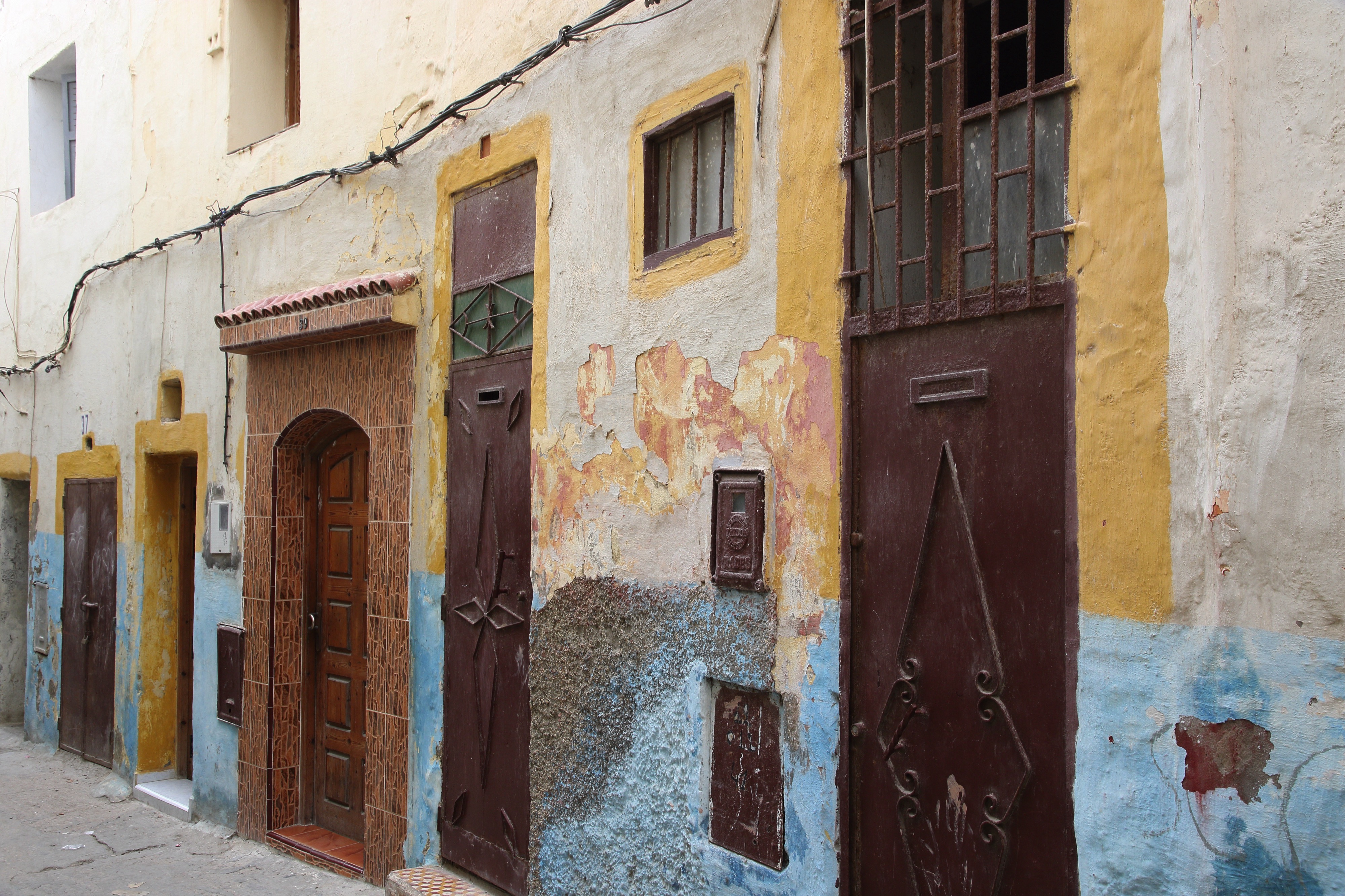
Agadir, Morocco
Shaped by the Atlas Mountains on one side, Agadir is framed on the other by a magnificent crescent-shaped beach. While little is known of the city’s origins, the Portuguese created a fortress here at the end of the 15th century, naming it Santa Cruz de Ghir. Freed from Portugal’s occupation by the Saadians in 1540, Agadir grew into a colourful and prosperous port and became newsworthy in 1911 when a German gunboat, the Panther, sailed into the bay as a protest against the division of North Africa between the Spanish and French. Morocco gained independence from the French in 1956, an event which was closely followed in Agadir by the tragic earthquake of 1960. The city, which has been rebuilt to represent the ‘new nation’, is blessed by fine sandy beaches overlooked by luxurious hotels and a great selection of cafés and restaurants. Please note that vendors in the souks can be very persistent and eager to make a sale.
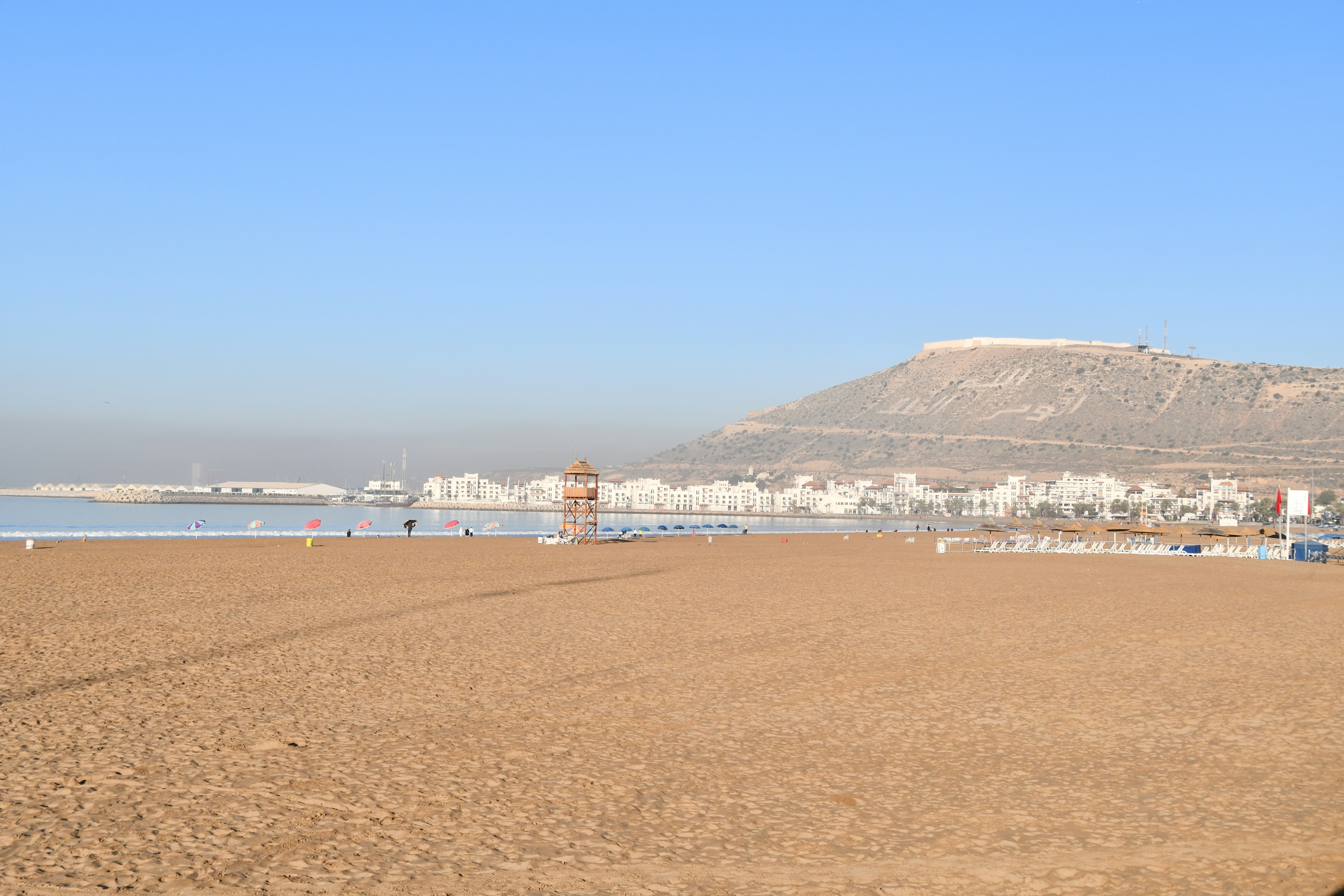
Arrecife, Lanzarote, Spain
A volcanic island designated a UNESCO Biosphere Reserve, Lanzarote’s dramatic landscapes were shaped by an explosive past. Today, its pretty beaches and virtual absence of rain together with duty-free shopping make the island an extremely desirable destination. The main port and capital, Arrecife, is a pleasant town with a modern seafront and colourful gardens. Outside the capital there is plenty to explore, from the dazzling white salt flats of Janubio and the rugged terrain of Fire Mountain to the eerie caves of Los Verdes and an array of unspoilt fishing villages scattered around the coast. The island is home to a great selection of restaurants and local specialities including garbanzos compuestos – a chickpea stew; papas arrugadas – potatoes with carrots, peas, ham and green pepper; and of course, plenty of fresh seafood. Please note that those planning to participate in one of the shore excursions from this port may need to take an early lunch on board ship to suit the excursion schedules.
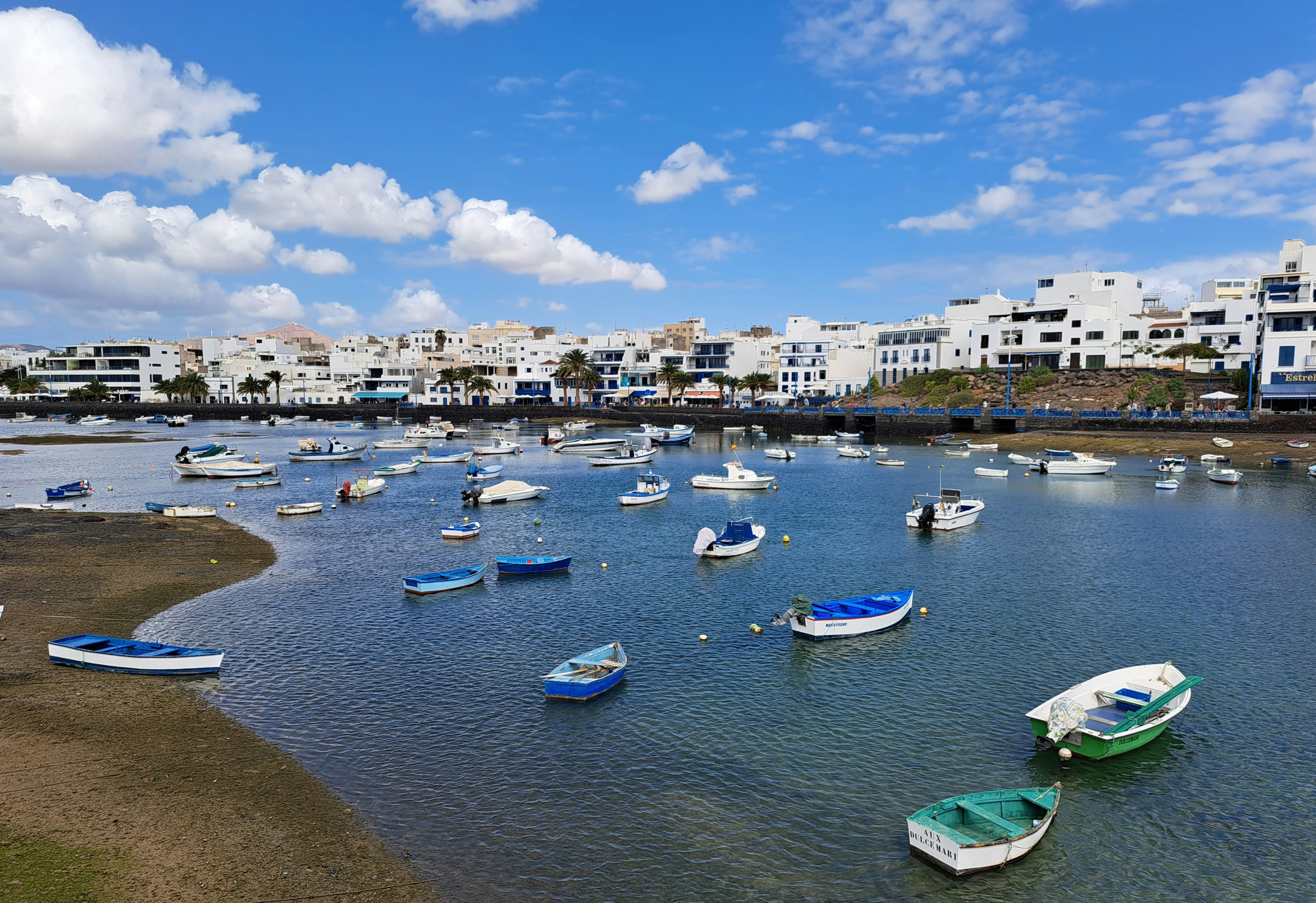
Puerto del Rosario, Fuerteventura, Spain
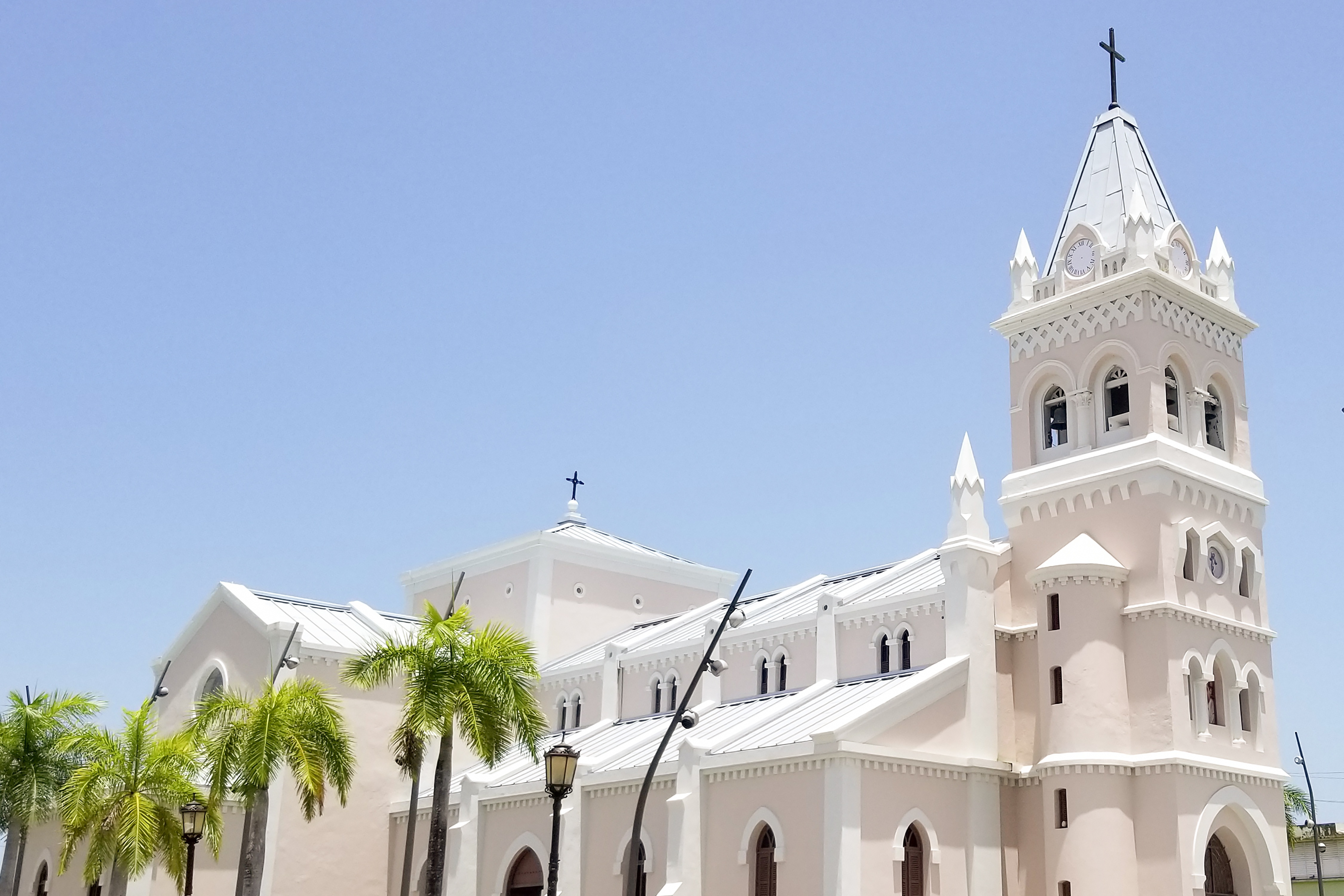
Lisbon, Portugal
Set on seven hills on the banks of the River Tagus, Lisbon has been the capital of Portugal since the 13th century. It is a city famous for its majestic architecture, old wooden trams, Moorish features and more than twenty centuries of history. Following disastrous earthquakes in the 18th century, Lisbon was rebuilt by the Marques de Pombal who created an elegant city with wide boulevards and a great riverfront and square, Praça do Comércio. Today there are distinct modern and ancient sections, combining great shopping with culture and sightseeing in the Old Town, built on the city’s terraced hillsides. The distance between the ship and your tour vehicle may vary. This distance is not included in the excursion grades.
Portimão, Portugal
Portimão is a major fishing port, and significant investment has been poured into transforming it into an attractive cruise port as well. The city itself is spacious and has several good shopping streets—though sadly many of the more traditional retailers have closed in the wake of the global economic crisis. There is also a lovely riverside area that just begs to be strolled (lots of the coastal cruises depart from here). Don’t leave without stopping for an alfresco lunch at the Doca da Sardinha (“sardine dock”) between the old bridge and the railway bridge. You can sit at one of many inexpensive establishments, eating charcoal-grilled sardines (a local specialty) accompanied by chewy fresh bread, simple salads, and local wine.
Casablanca, Morocco
The original settlement formed on the site of Casablanca by the Berbers became the kingdom of Anfa, and during the 15th century harboured pirates who raided the Portuguese coast. In retaliation for the attacks, the Portuguese destroyed Anfa and founded the town they called Casa Branca (white house). They remained here until an earthquake in 1755 and the town was subsequently rebuilt by Mohammed ben Abdallah, whose legacy of mosques and houses can still be seen in the old Medina. Casablanca acquired its present-day name when the Spanish obtained special port privileges in 1781. The French landed here in 1907, later establishing a protectorate and modelling the town on the port of Marseilles. Today Casablanca is Morocco’s largest city, its most significant port and the centre of commerce and industry. The city is a vibrant fusion of European, African and Arabian influences and its French colonial architecture and art deco buildings seamlessly blend in with the busy, colourful markets. Please note that vendors in the souks can be very persistent and eager to make a sale.
Safi, Morocco
Safi’s natural harbor lies on the Atlantic in western Morocco and was once used by the Roman and the Phoenicians. By the 11th century gold, slaves and ivory were the hot commodities being traded between Marrakesh and Guinea. Evolving through the ages to cater to the popular trade of the day, the major industry here today is fishing connected to the country’s sardine industry, but there is also an economy based on exported phosphates, textiles and ceramics. The city was overseen by the Portuguese Empire in the 1500s, and a fortress built to safeguard the city by these Portuguese influences still stands today. Safi sits near the foothills of the snow-capped Atlas Mountains where Bedouins once camped.
Agadir, Morocco
Shaped by the Atlas Mountains on one side, Agadir is framed on the other by a magnificent crescent-shaped beach. While little is known of the city’s origins, the Portuguese created a fortress here at the end of the 15th century, naming it Santa Cruz de Ghir. Freed from Portugal’s occupation by the Saadians in 1540, Agadir grew into a colourful and prosperous port and became newsworthy in 1911 when a German gunboat, the Panther, sailed into the bay as a protest against the division of North Africa between the Spanish and French. Morocco gained independence from the French in 1956, an event which was closely followed in Agadir by the tragic earthquake of 1960. The city, which has been rebuilt to represent the ‘new nation’, is blessed by fine sandy beaches overlooked by luxurious hotels and a great selection of cafés and restaurants. Please note that vendors in the souks can be very persistent and eager to make a sale.
Arrecife, Lanzarote, Spain
A volcanic island designated a UNESCO Biosphere Reserve, Lanzarote’s dramatic landscapes were shaped by an explosive past. Today, its pretty beaches and virtual absence of rain together with duty-free shopping make the island an extremely desirable destination. The main port and capital, Arrecife, is a pleasant town with a modern seafront and colourful gardens. Outside the capital there is plenty to explore, from the dazzling white salt flats of Janubio and the rugged terrain of Fire Mountain to the eerie caves of Los Verdes and an array of unspoilt fishing villages scattered around the coast. The island is home to a great selection of restaurants and local specialities including garbanzos compuestos – a chickpea stew; papas arrugadas – potatoes with carrots, peas, ham and green pepper; and of course, plenty of fresh seafood. Please note that those planning to participate in one of the shore excursions from this port may need to take an early lunch on board ship to suit the excursion schedules.
Puerto del Rosario, Fuerteventura, Spain
Cabin Options
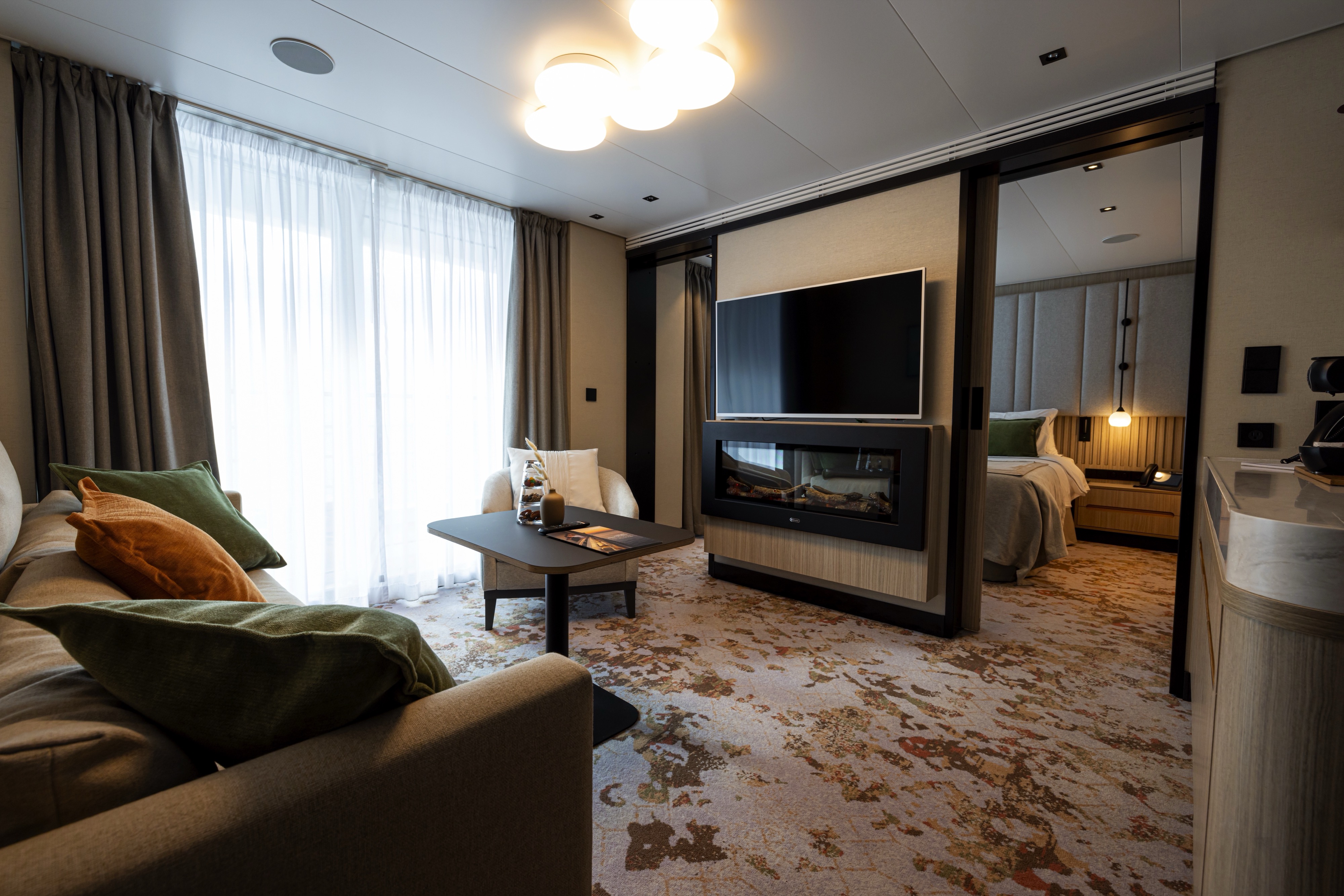
Premium Suite
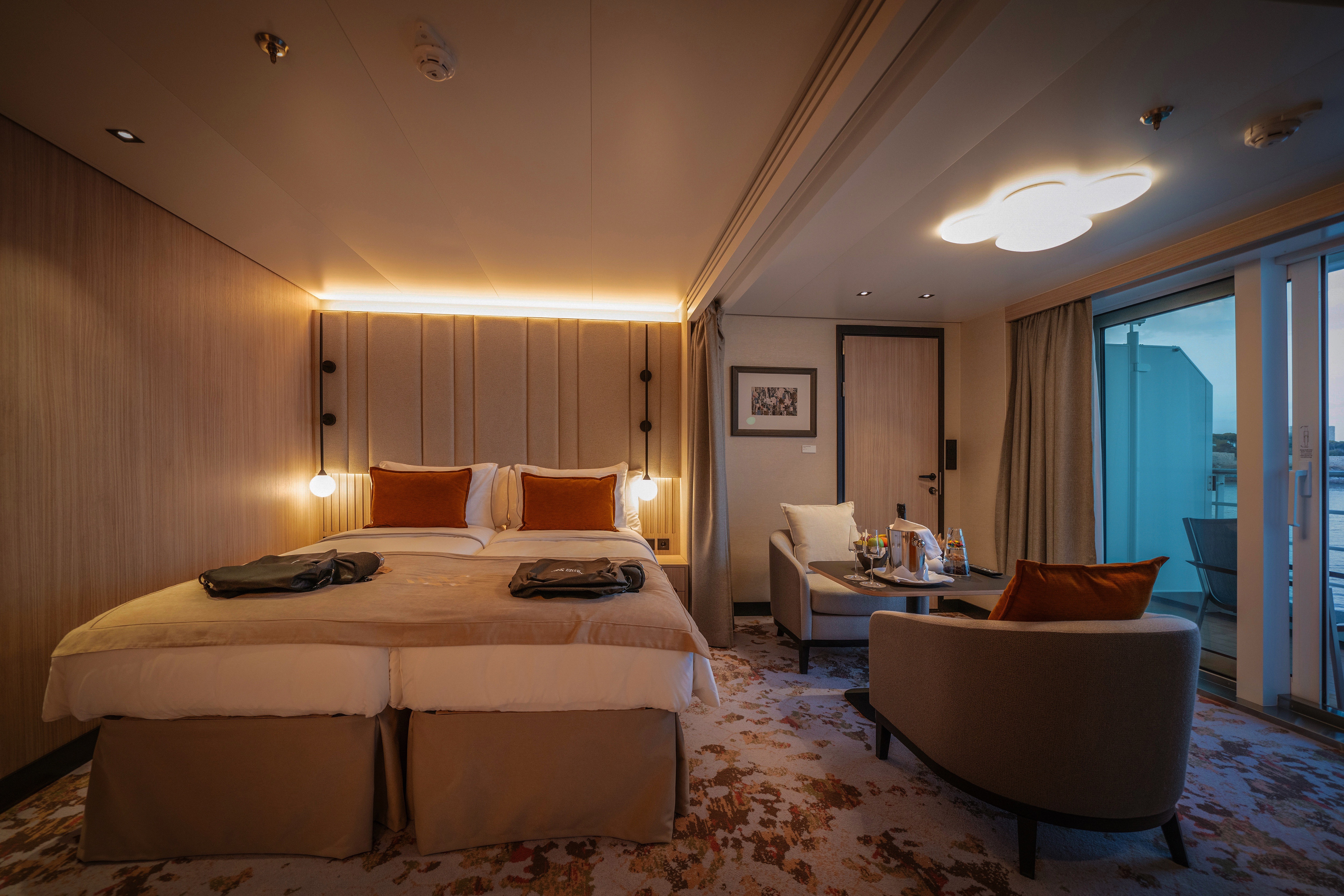
Suite
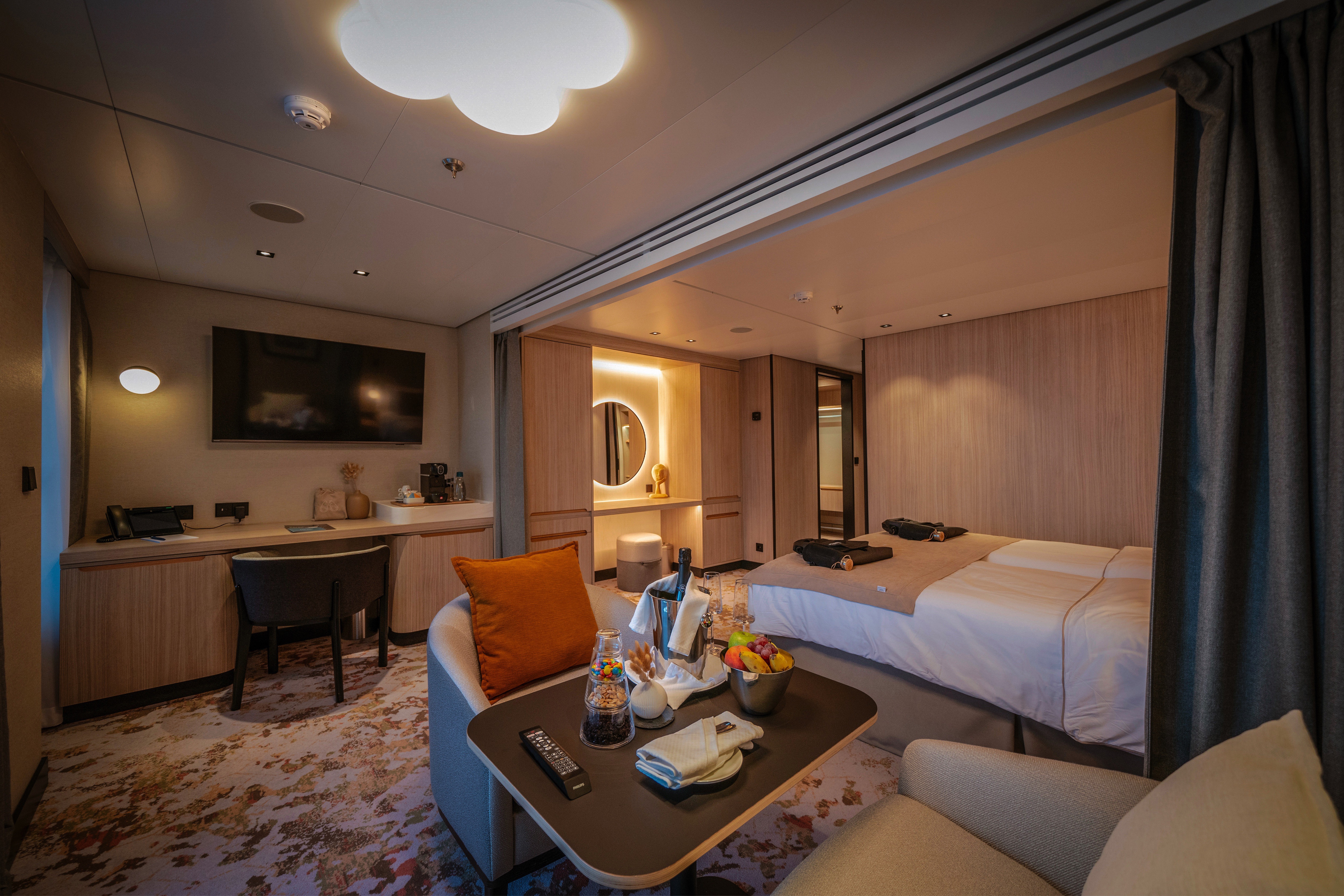
Junior Suite
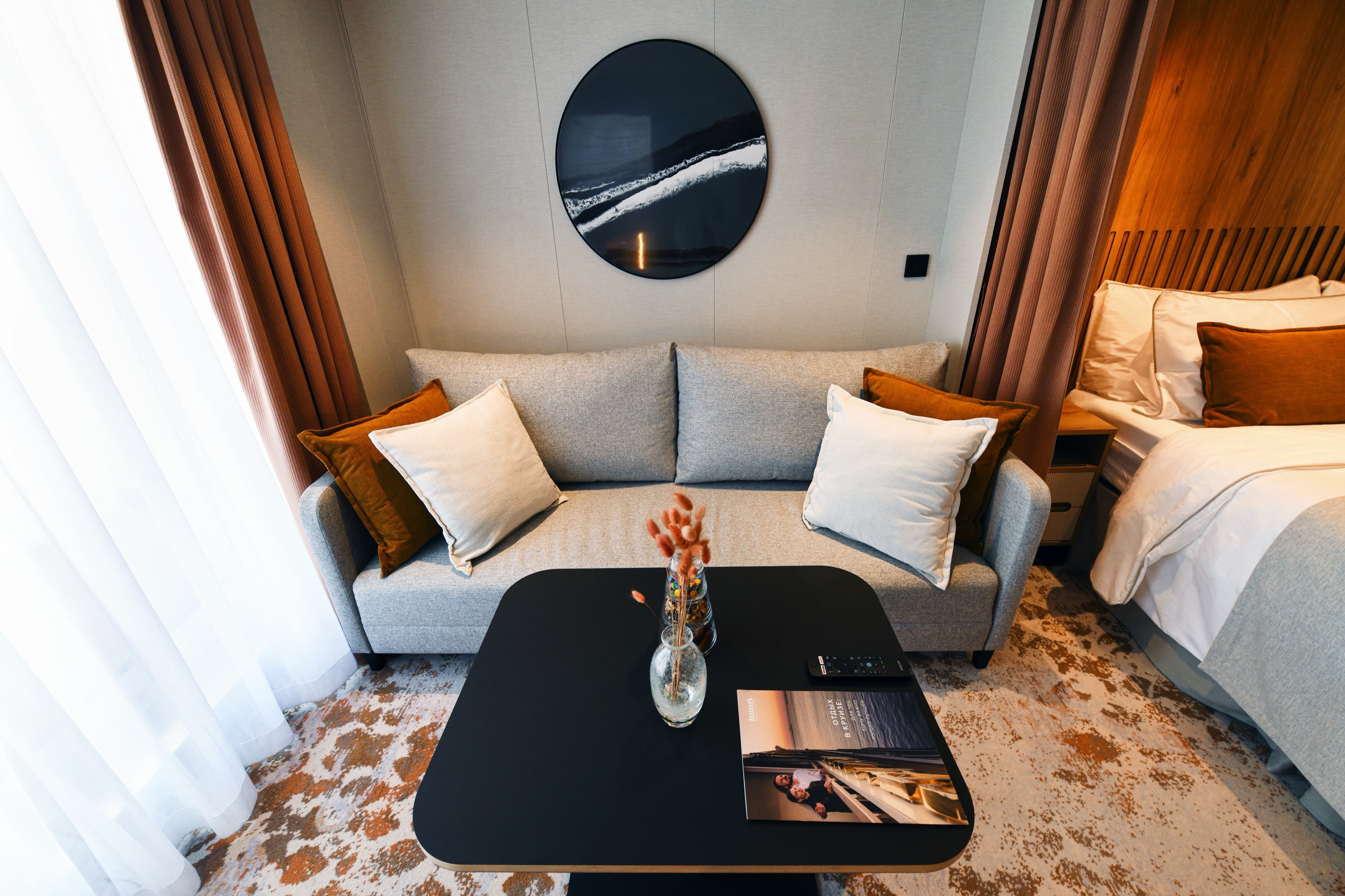
Balcony
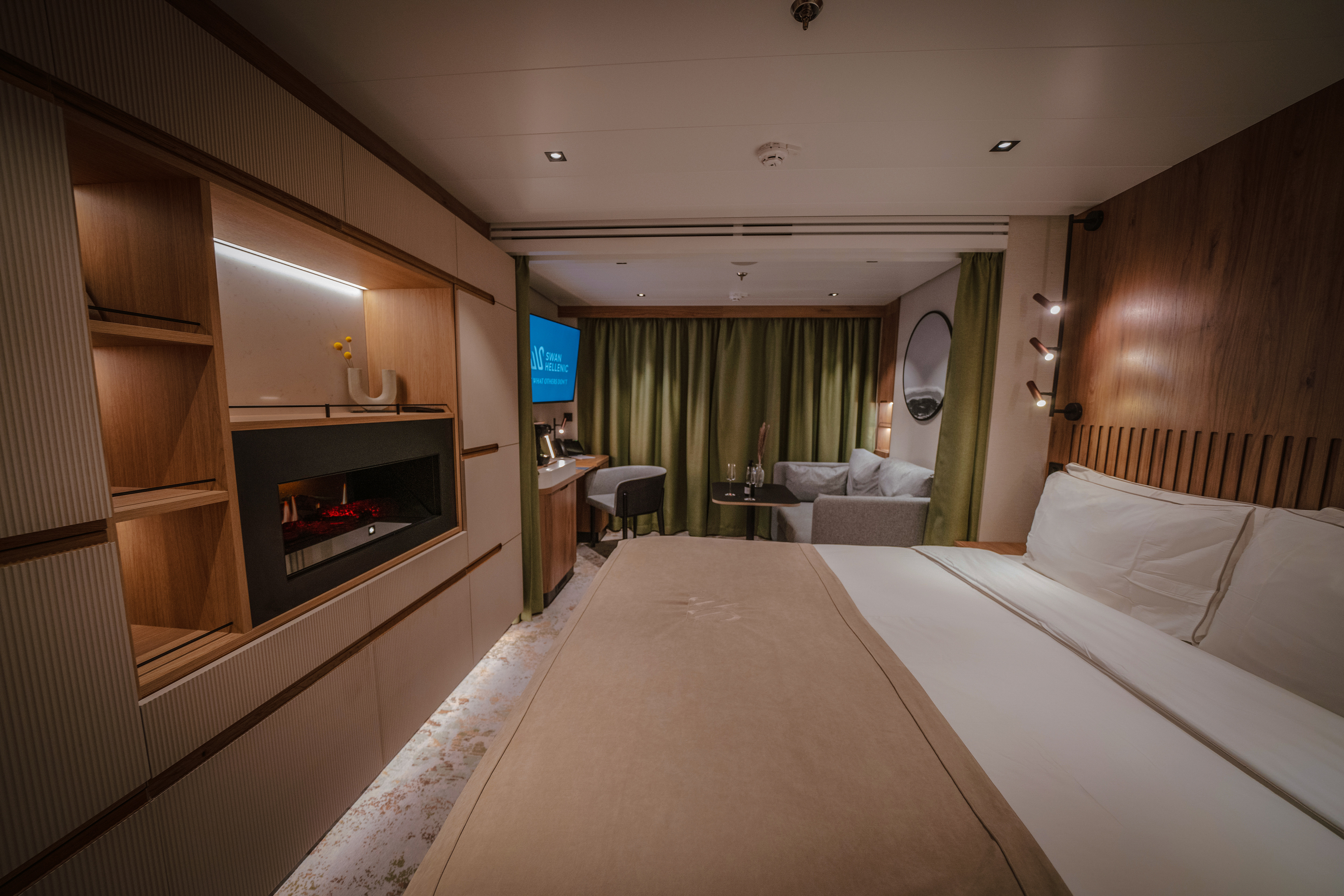
Oceanview
Ship Facilities
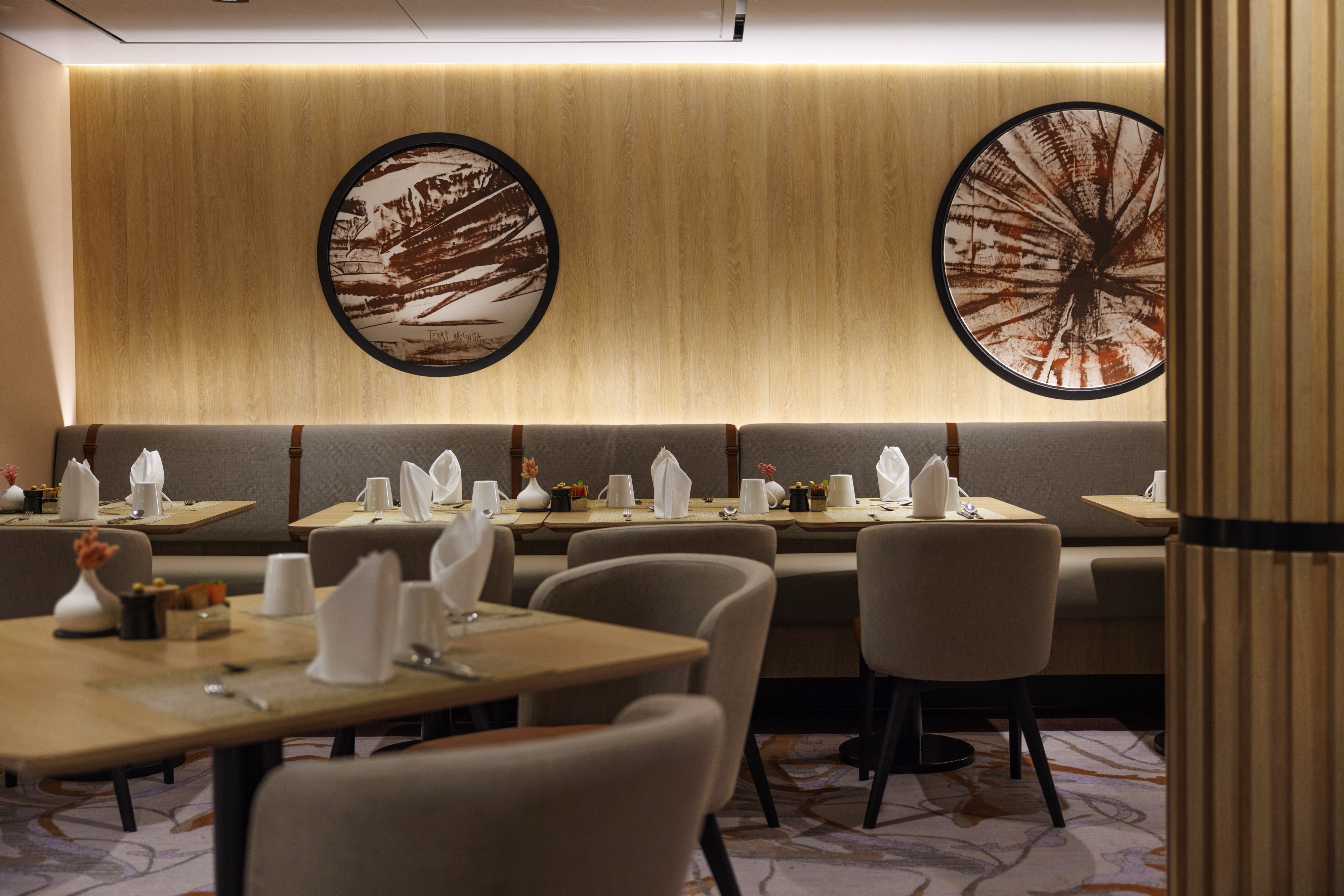
The Swan Restaurant
As the main venue for breakfast, lunch and dinner, the Swan Restaurant serves gourmet creations from award-winning chefs. Our 152-seat restaurant serves international and regional cuisine, focused on quality local ingredients from the special destinations we visit. With an open seating policy, you can dine at your leisure, from breakfast through to dinner.
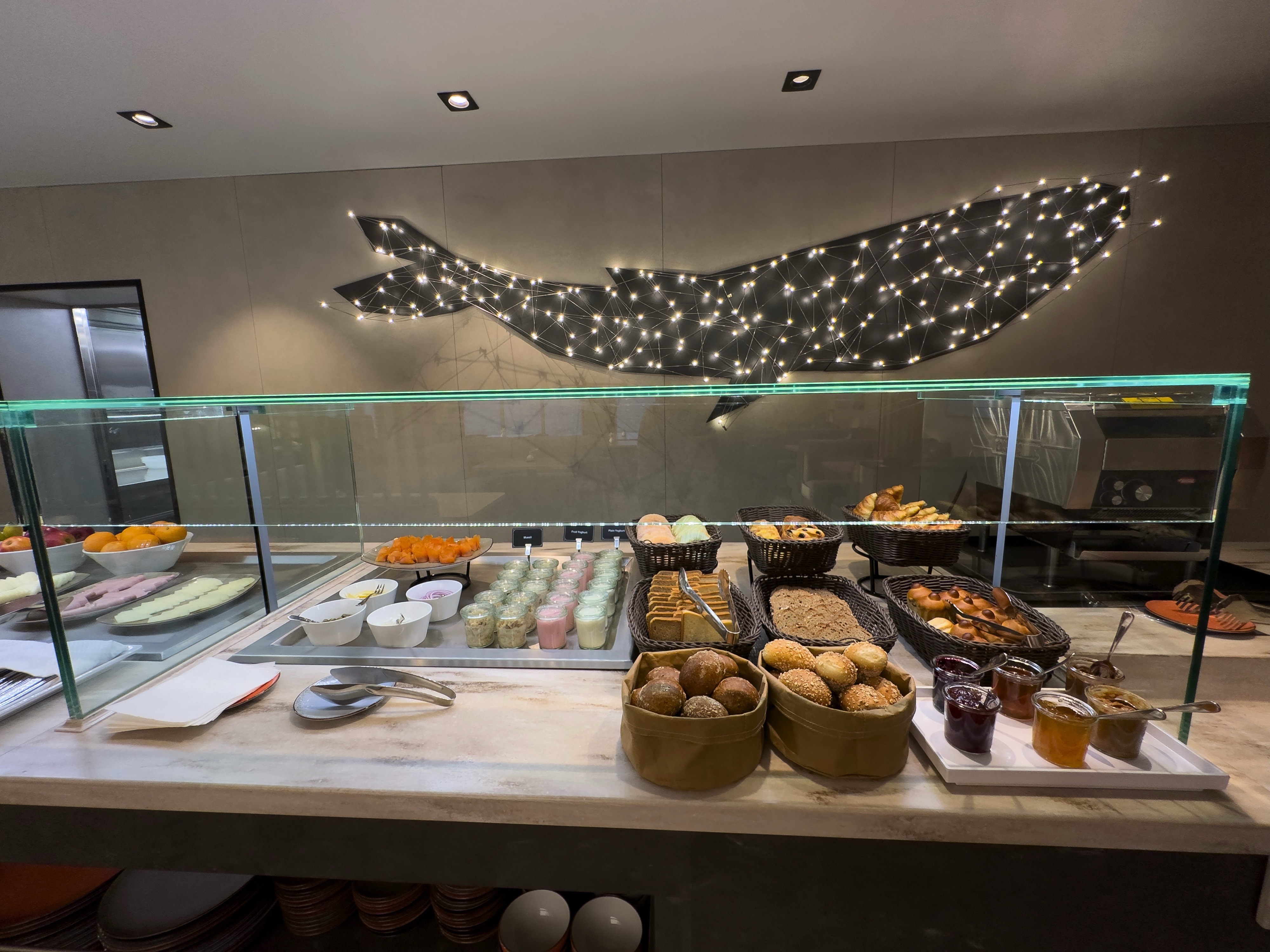
Club Lounge
Vibrant and welcoming, the Club Lounge acts as a hub for relaxed get-togethers, 24 hours a day. With a variety of delicious food on offer – from freshly baked pastries and coffee, and traditional British afternoon tea, to tapas-style dining, and freshly made pizza – whatever you choose, it’s sure to be the perfect complement to a panoramic view of the glittering ocean.
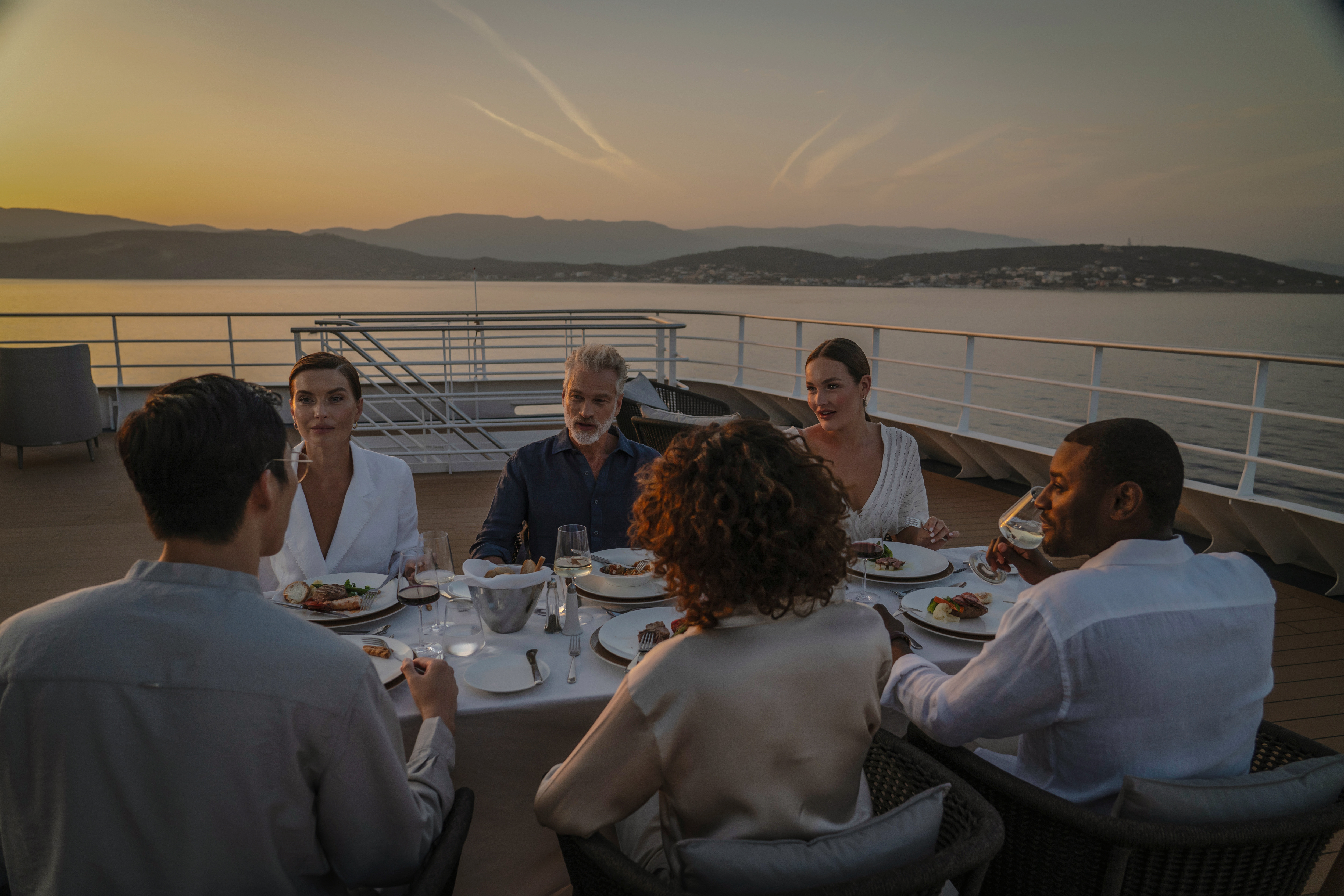
Pool Bar and Grill
If you’re a fan of alfresco dining, you’ll love our Pool Grill & Bar! With stellar views of the glistening sea, this friendly space serves delicious dishes created from local, seasonal ingredients, along with grilled classics and handcrafted cocktails and drinks.
Room Service
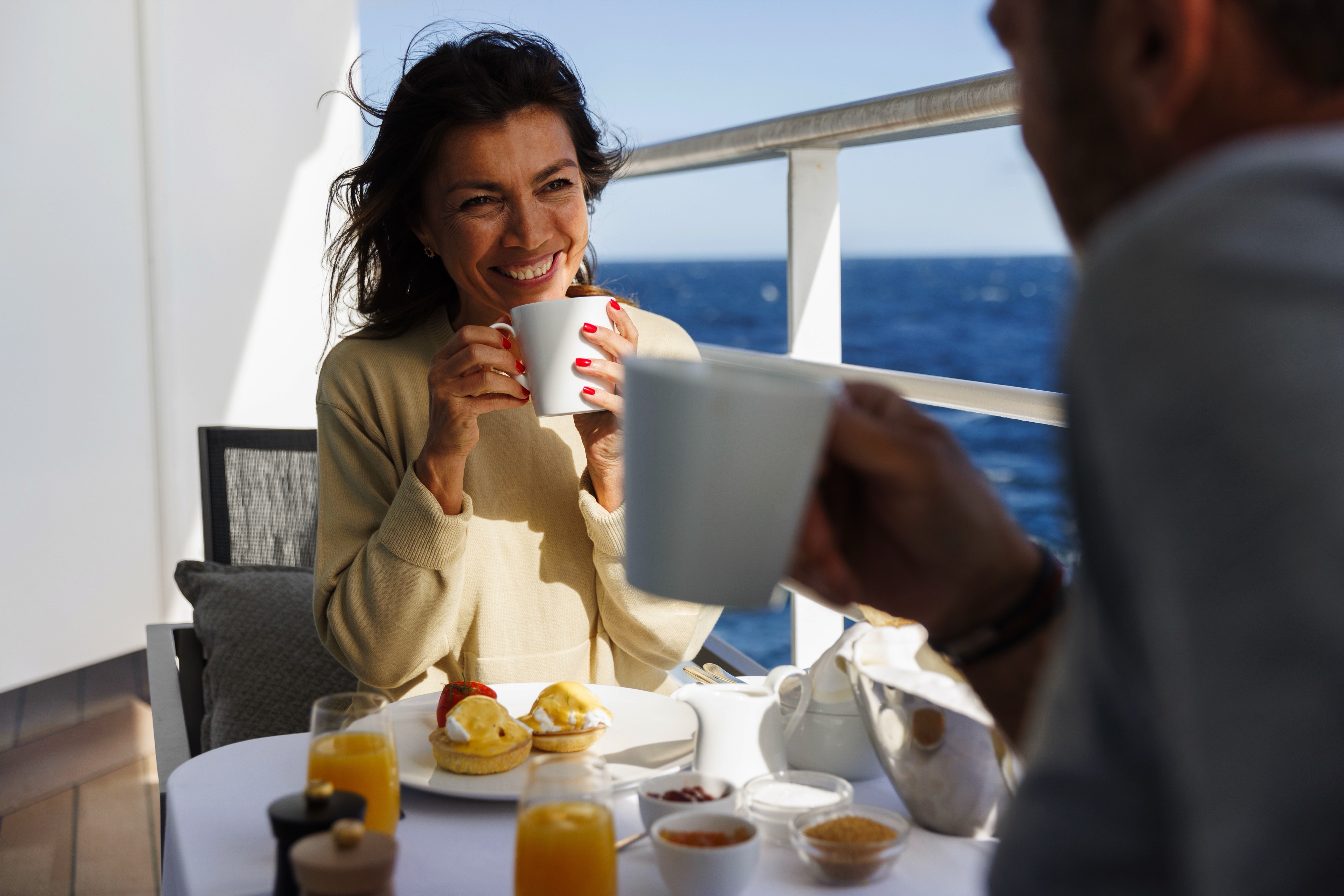
Our carefully curated in-room menu offers a relaxing dining experience in the comfort of your own stateroom. From healthy breakfasts, luscious lunches, to divine dinners and late-night snacks, there’s always something tasty to tempt you.
Excursions
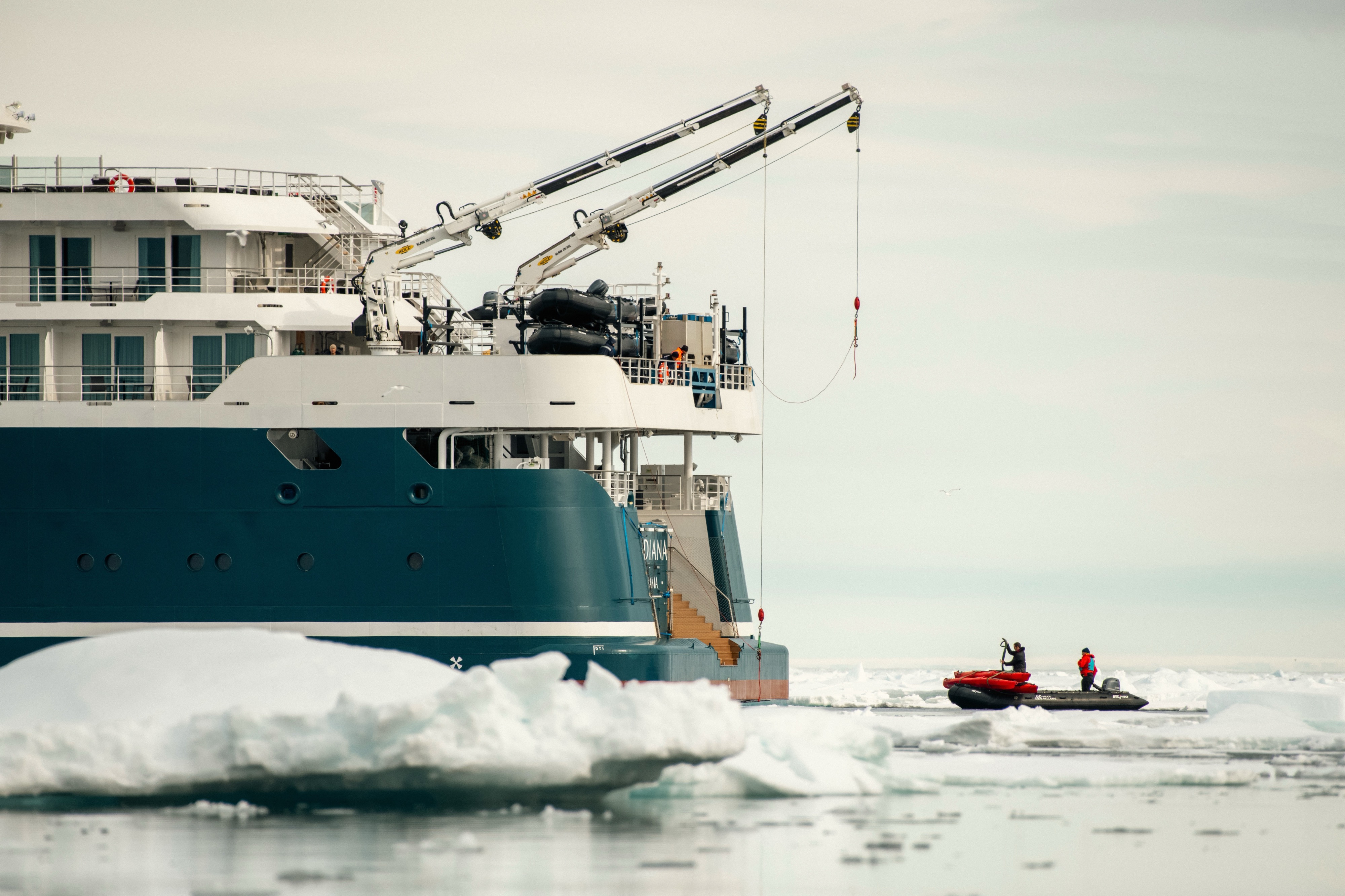
No stone is left unturned when it comes to researching our shore excursion programmes. All aspects of the itinerary are carefully planned in detail by a knowledgeable, well travelled team to ensure each aspect of the cruise is delivered to the highest possible standard.
We’ve thought of all our guests, including the less mobile. Our 12-person hard-hulled zodiacs, the boats that take guests off the ship, have been designed for increased comfort and manoeuvrability so that everyone can get up close and personal with their majestic surroundings.
As well as our daily zodiac excursions there are opportunities for polar kayaking and trekking and for the brave… The Polar Plunge.
Basecamp
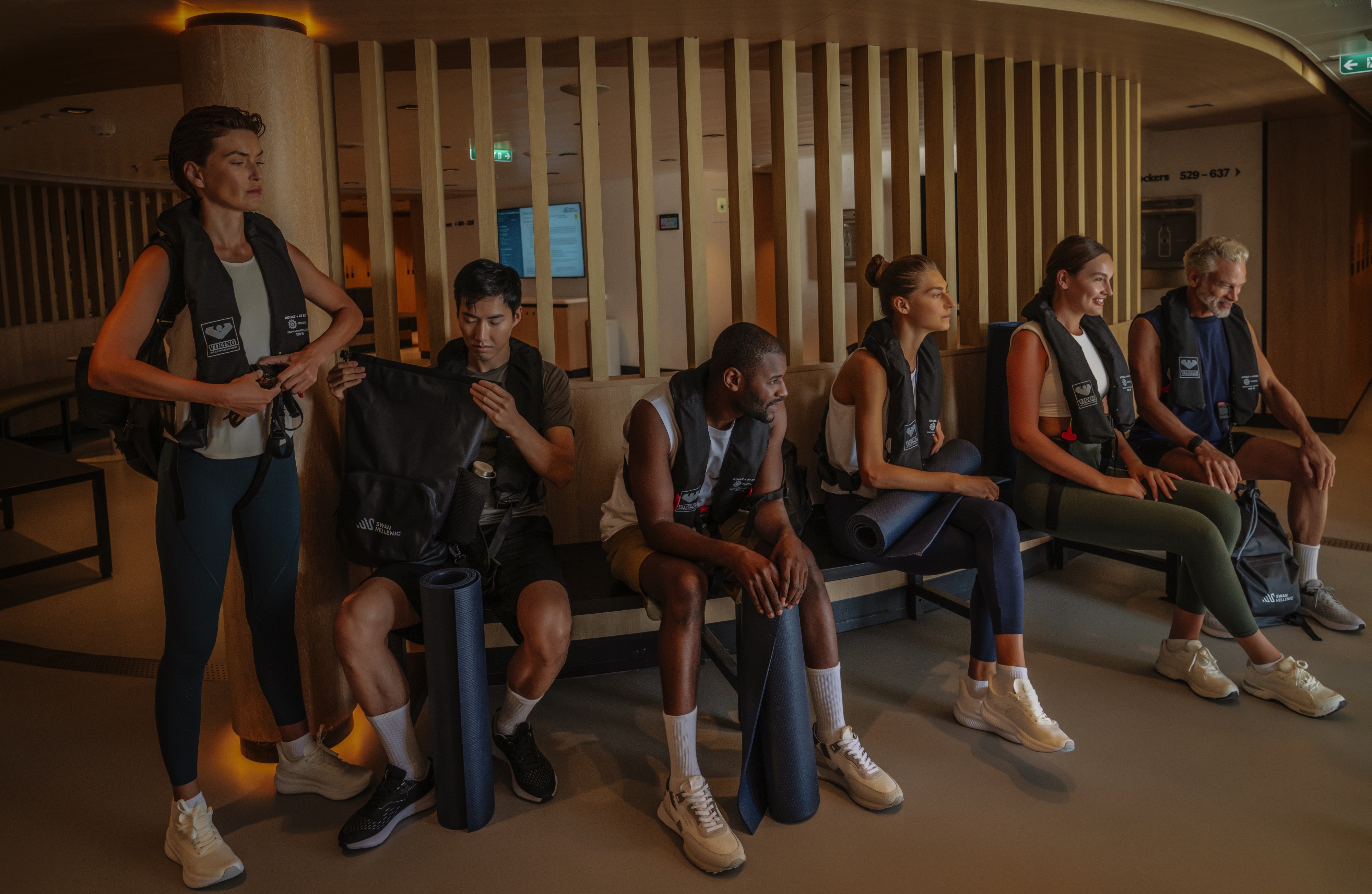
Basecamp can be found on Deck 3.
Expedition Team
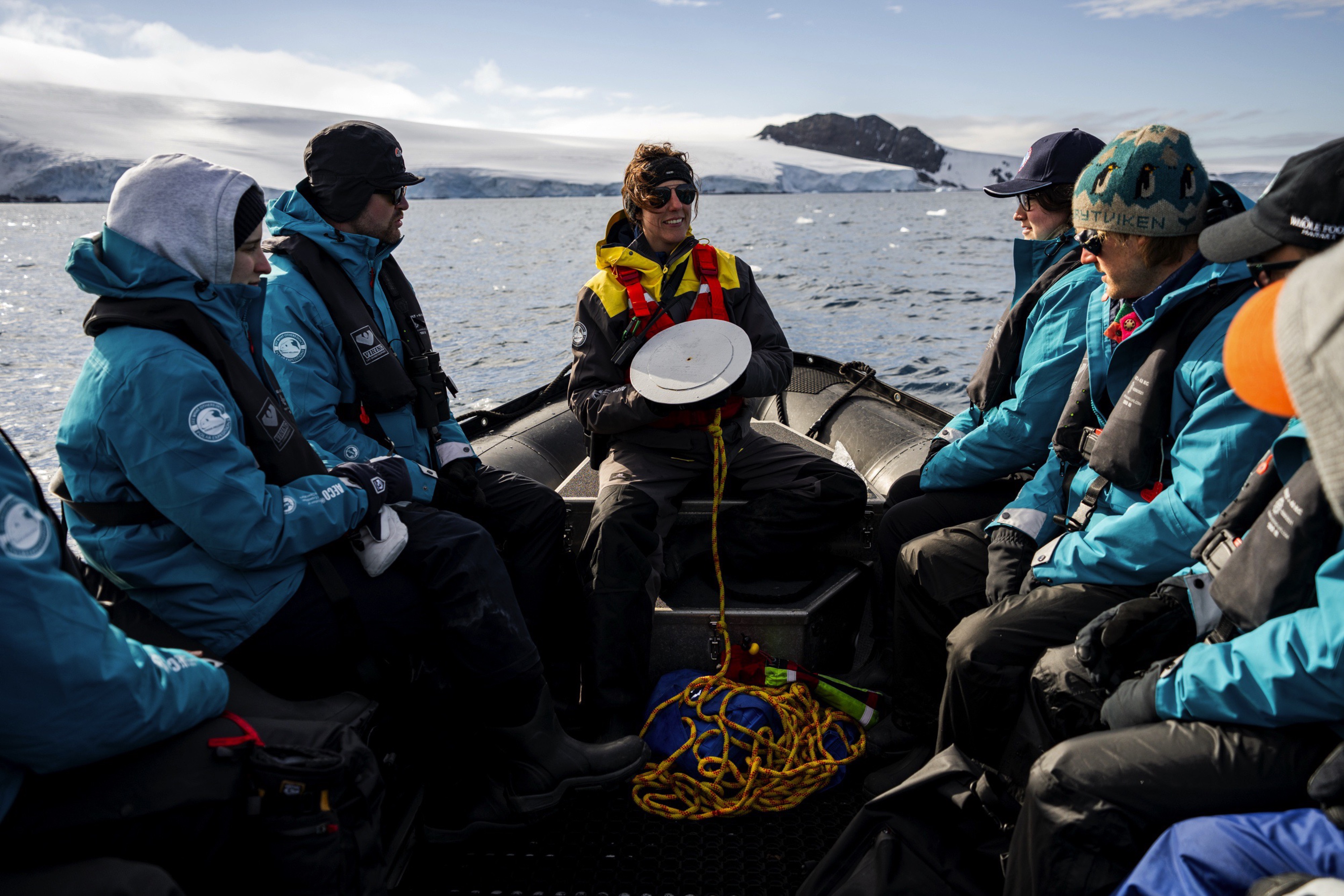
When you sail with Swan Hellenic, as well as visiting remote, unusual destinations, you’ll be traveling with friendly onboard experts. Renowned in their fields, these easy going specialists are on hand throughout your journey. From historians and naturalists, to meteorologists and ornithologists, our expedition team bring unparalleled knowledge to your adventures. Whether you chat with them at dinner, grab a morning coffee together, or catch one of their fascinating lectures, our onboard experts’ unique insights are enriching and interesting.
GEOLOGISTS | Love landscapes? Gain a deeper understanding of how your surroundings were formed from the knowledgable geologists you meet on board – and change the way you see the world forever.
ORNITHOLOGISTS | Will you spot a snow petrel, puffin, or rockhopper penguin when you travel with us? Learn about the incredible birds you encounter from our onboard ornithologists!
ACTIVITY LEADERS | From kayaking excursions and Zodiac expeditions, to hiking trips and private tours, you can rely on our experienced activity leaders to guide you on your adventures.
PHOTOGRAPHERS | Our photography experts are always happy to help you with your camera work. Chat to them and learn how you can best capture movement and light in the far-flung places you visit.
NATURALISTS | Our expert naturalists are the next best thing to traveling with Charles Darwin. Chat with them to get a new understanding of organisms, habitats and the natural world.
MARINE BIOLOGISTS | Catch up with our onboard marine biologists for absorbing stories about the whales, dolphins and other marine species you encounter on your Swan Hellenic voyage!
HISTORIANS | Our historians bring the past to life for you with incredible stories and unmatched knowledge of the places you visit with them.
EXPEDITION LEADERS | The experts in charge of your excursions make sure you’re in the right place at the right time to experience amazing wildlife and stunning landscapes on your travels.
BOTANISTS | Identifying plant life is easy with our onboard botanists! Get insights into ecosystems and climate whether you’re at sea or on land.
ARCHAEOLOGISTS | Consult our archaeology experts to discover what lies beneath your feet, and uncover the lost cities and ancient civilizations that shaped history.
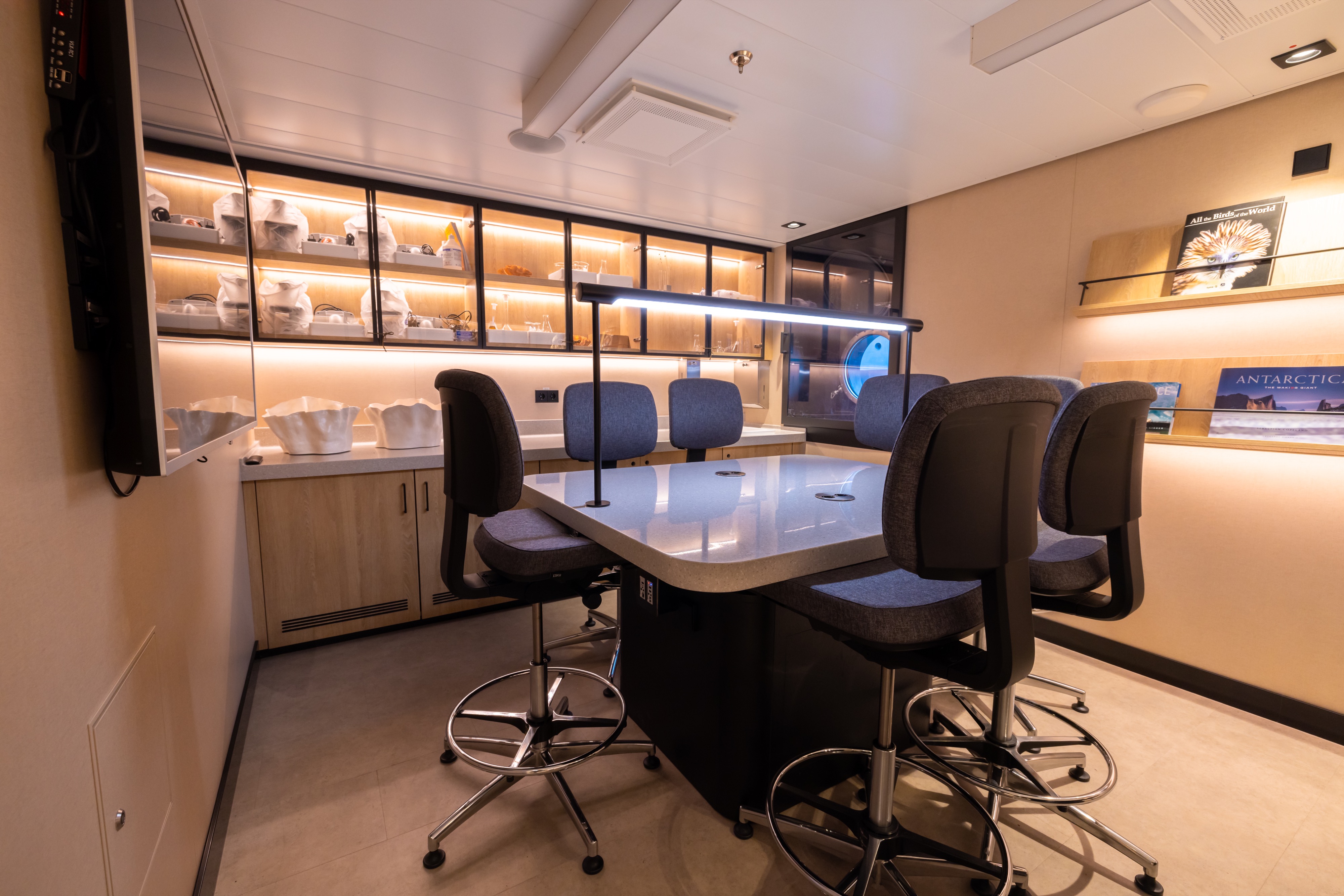
Expedition Lab
Love landscapes? Gain a deeper understanding of how your surroundings were formed from the knowledgable geologists you meet on board – and change the way you see the world forever.
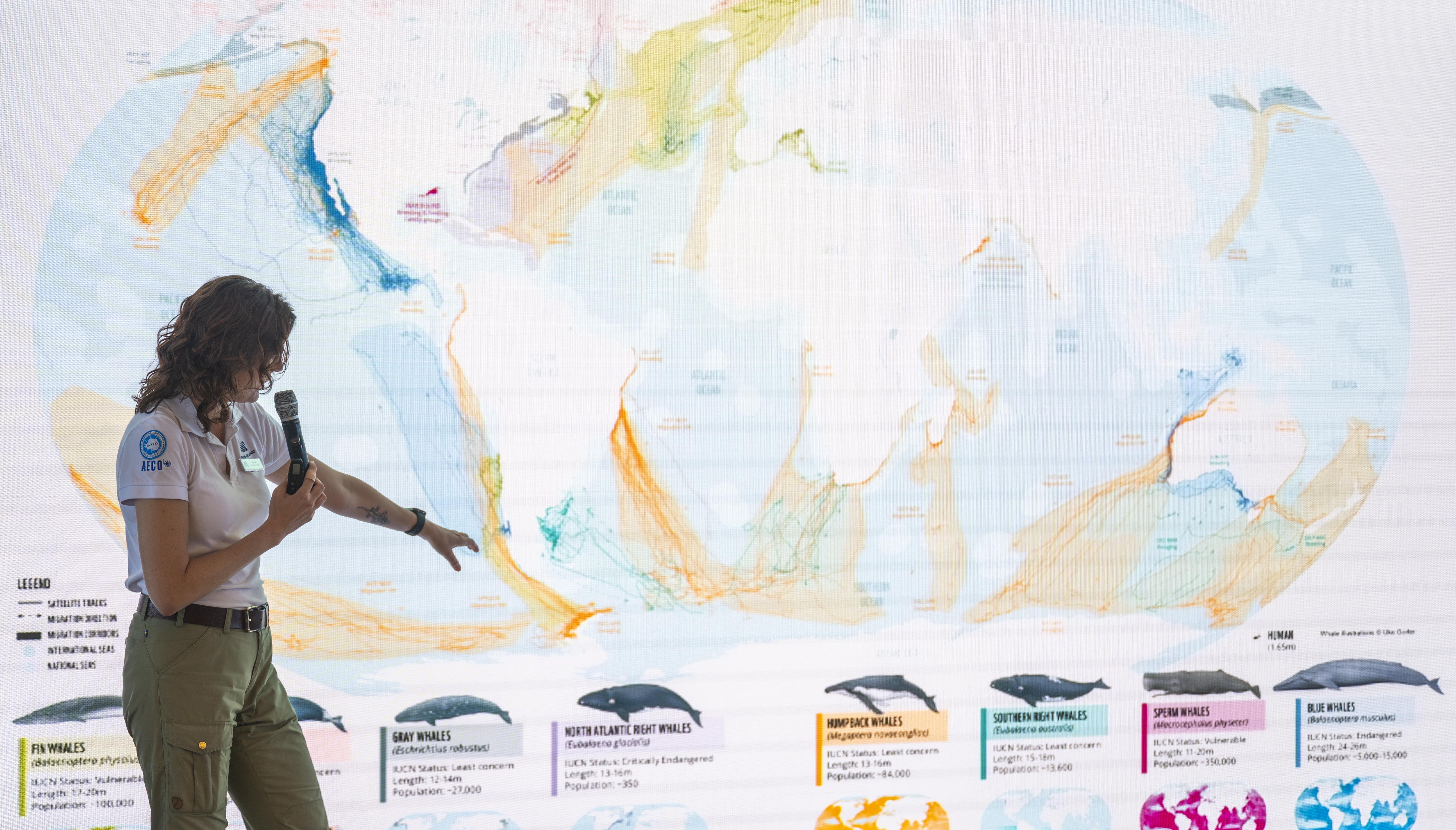
Lectures
One thing we’ve discovered over the years is that our inquisitive, like-minded passengers share a thirst for knowledge. Sound familiar? Well, you’ll be pleased to hear we always select our lecturers and guest speakers with this in mind. We choose experienced people who give engaging and stimulating talks on a wide range of subjects that are relevant to the places we visit…
Our guest lecturers have a wealth of specialist knowledge, which helps you fully embrace the amazing destinations you travel to with Swan Hellenic. Each lecture offers interesting insights into the destinations you’re visiting – think history, culture, flora, wildlife – and this really helps you get the most from your time with us. Plus, briefings before each disembarkation, and recaps afterwards, enhance our lectures and talks, encouraging everyone to share their experiences in a fun, friendly atmosphere.
We’ve been inviting exclusive guest speakers to join us on our voyages since we pioneered expedition cruising back in the ’50s, and we’re still just as passionate about selecting the right people now. Available throughout your journey, our friendly lecturers are around to bring their specialist knowledge to your adventures wherever you go, and whatever you do! Exploring side-by-side, you’ll discover things together, creating unforgettable memories that will stay with you forever.
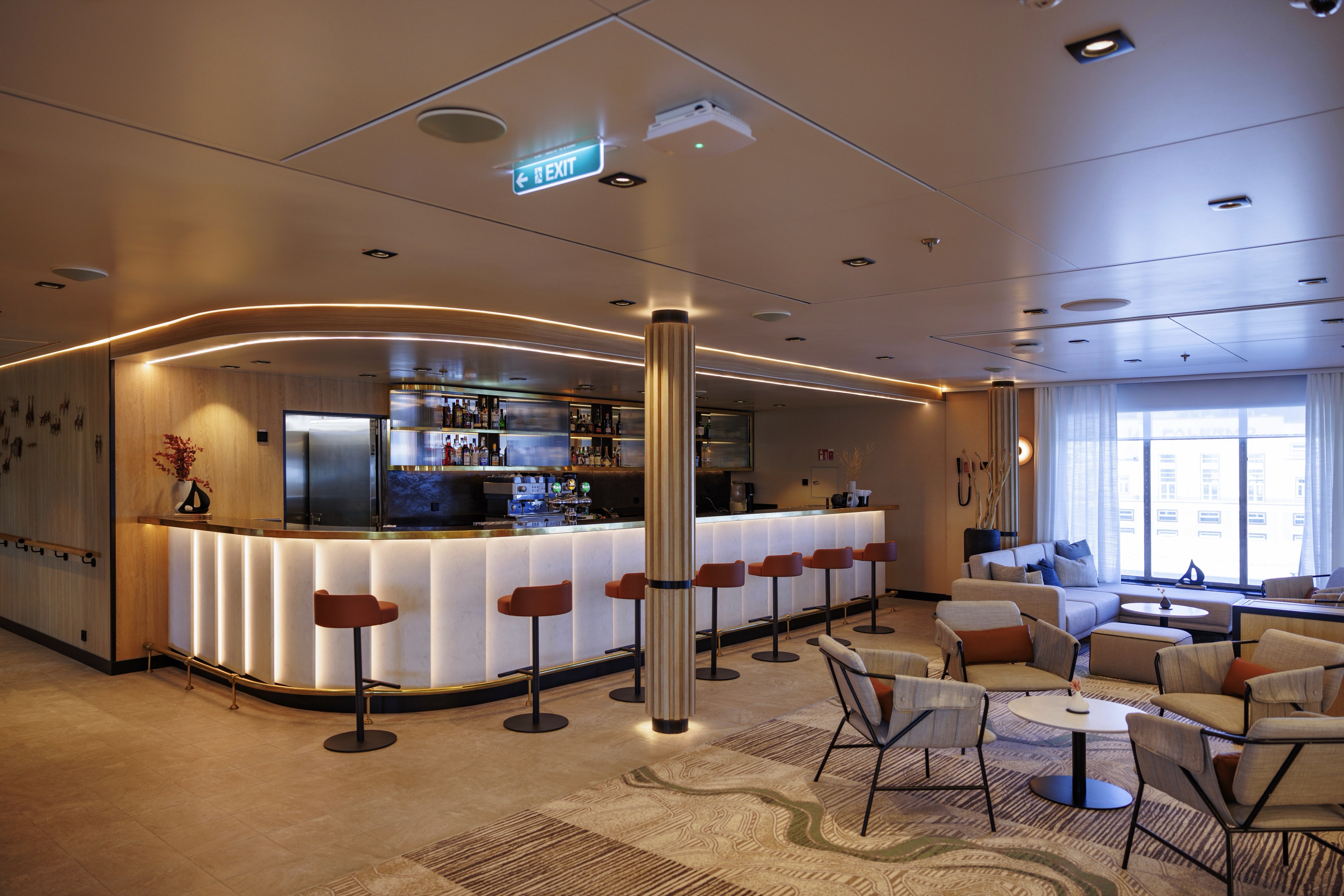
Observation Lounge
Inviting you in with expansive panoramic views, the Observation Lounge & Bar is the natural choice for edutainment by day and cocktails by night.
The Observation Lounge also serves as the perfect spot to enjoy a quiet moment and to read a good book. Or simply reflect on the day’s observations with your newly made friends.
Swan's Nest
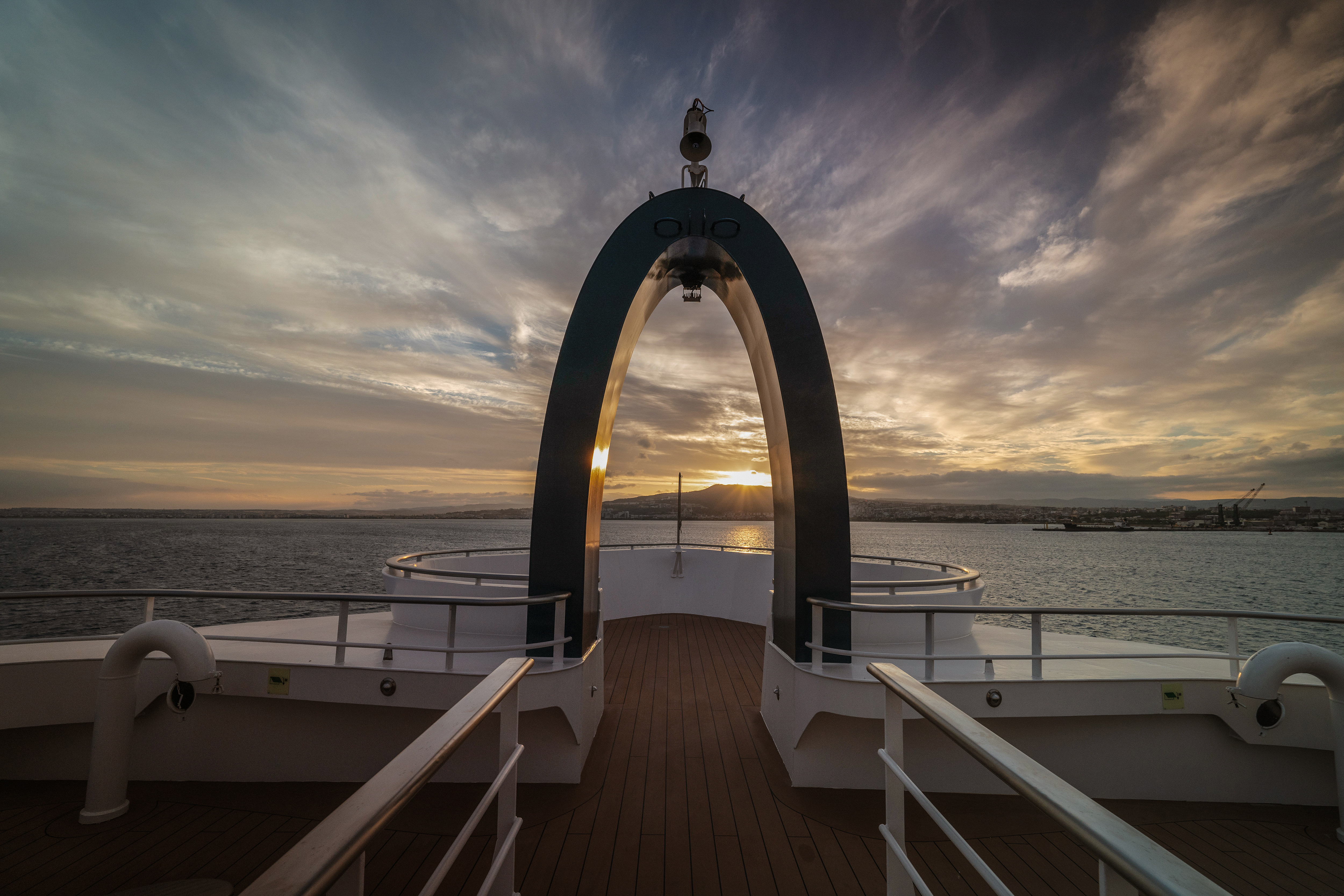
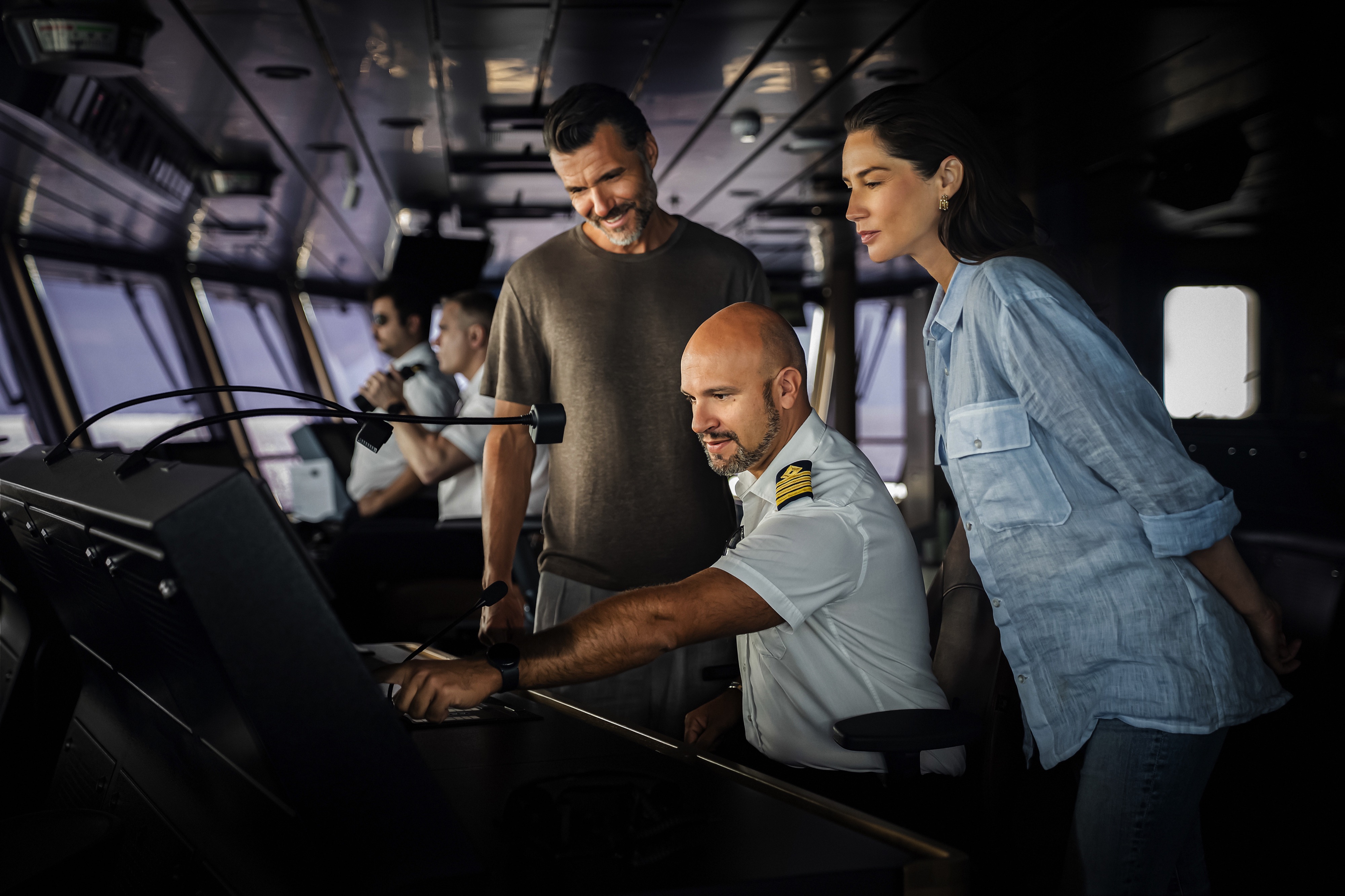
Bridge
The Bridge can be found on Deck 8.
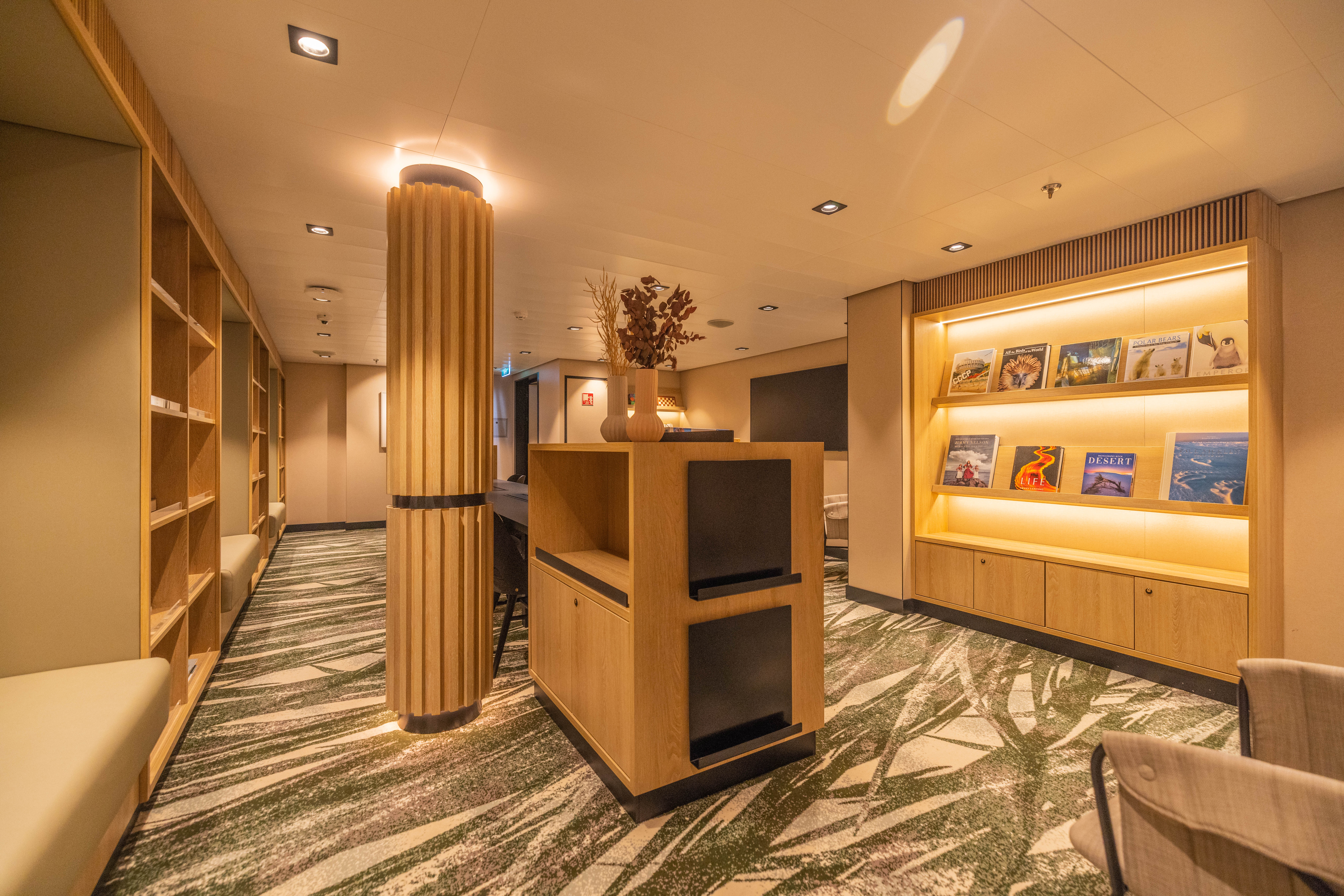
Library
The Library can be found on Deck 3.
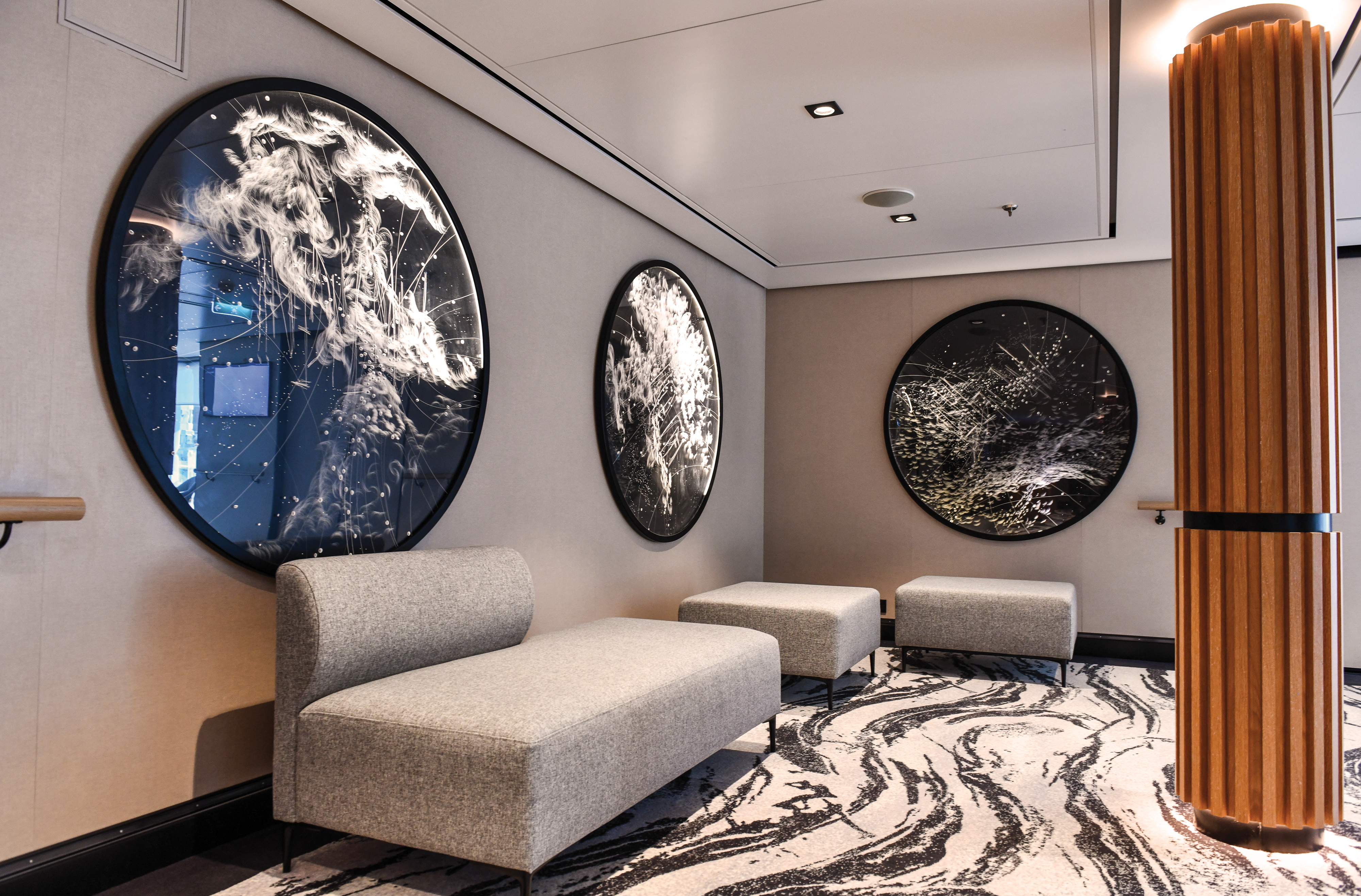
Reception
The Reception can be found on Deck 4.
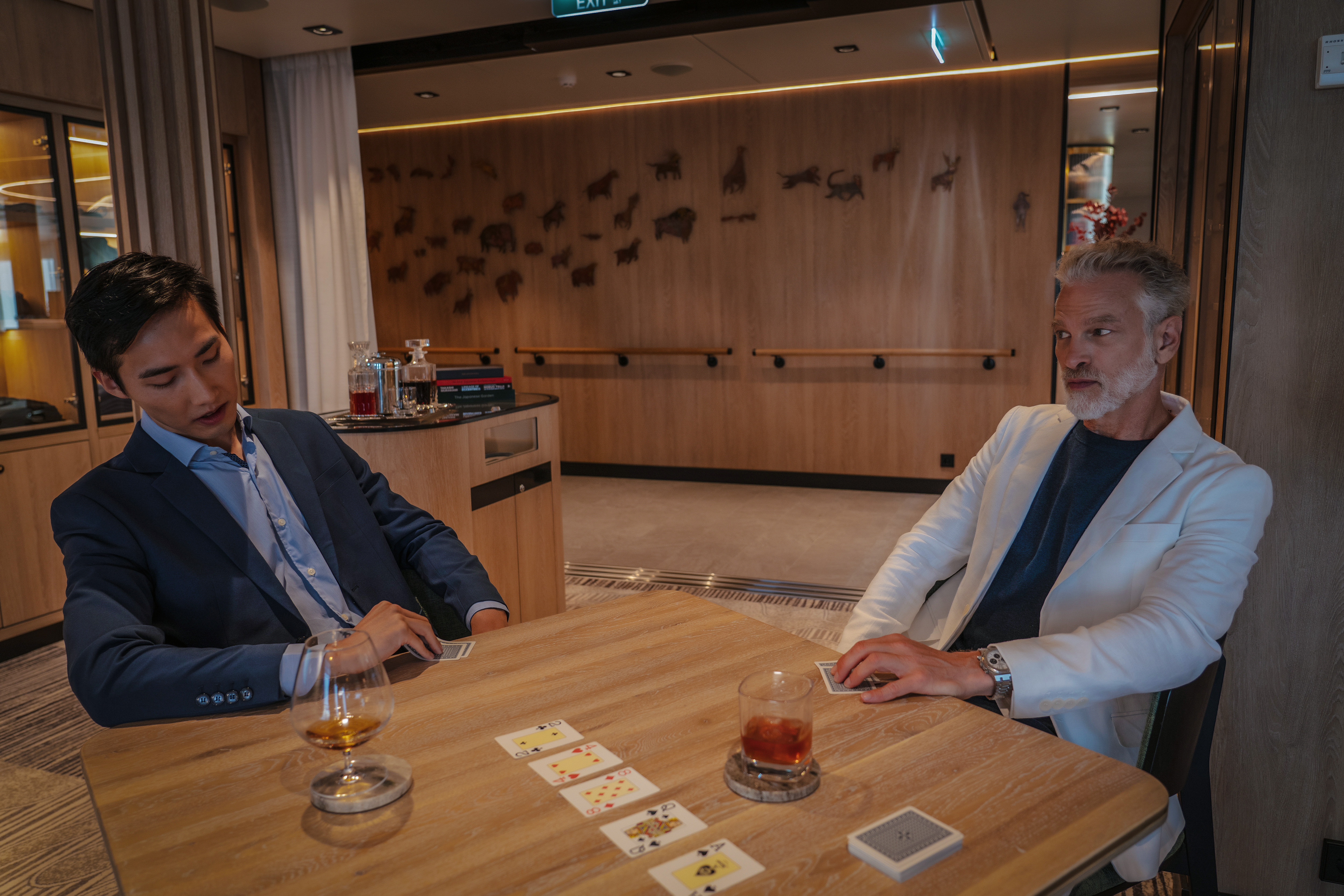
Card Room
The Card room can be located on deck 7.
Explore & Restore
Embracing new horizons
Inspired by the healing properties of the sea, our new approach to well-being has been designed to take you on the ultimate voyage of self-discovery. Swan Hellenic and Chopra were drawn together by their mutual passion for inner and outer exploration – finding new ways to connect with one’s inner self and forge a deeper bond with the natural world. Swan Hellenic’s boutique ships are designed to immerse you in the environment, offering intimate, informal spaces that blend seamlessly with Chopra’s approach to well-being.
What can you expect?
Explore & Restore cruises let you fully engage with your senses in the present moment, and welcome a deeper level of awareness…
- Awaken your spirit and form a deeper understanding of who you are in introspective, expert-led workshops.
- Immerse yourself in nature and feel the flow of the natural world as you find flexibility and peace with sunrise and evening yoga sessions set in the wild.
- Nourish your whole self with delicious Ayurveda-inspired meals, based on signature Chopra recipes.
- Unlock your inner explorer and reveal your place in the world on awe-inspiring excursions.
- Connect with the rhythm of life as you enjoy local music and traditional dancing!
- Gain a deeper connection to Mother Earth, and find calm with daily meditation in nature.
- Discover the secrets of locally sourced herbs in a fun masterclass, and much more!
Mind & body balance
Set off on an Explore & Restore cruise, and you’ll be embarking on a special journey, designed to rejuvenate and nurture, unlock your purpose, and bring you closer to the wonders of life. With powerful expert-led workshops, and exciting excursions, you’ll have the chance to reveal your place in the world and form a deeper connection with your authentic self. Our new well-being voyages are ideal for anyone interested in learning more about themselves, their travel partners, or travelers simply searching for unforgettable experiences!
Reconnecting with nature
The immersive expeditions on Swan Hellenic’s new Explore & Restore cruises are designed to help you connect with the natural world – and reconnect with yourself. Get ready to tune in to life’s magical flow, and embrace transformative experiences that enrich your personal development. Whether you’re trekking through lush rainforests, kayaking along pristine coastlines, or observing wildlife in their natural habitats, each expedition on your Explore & Restore voyage is your chance to absorb the wisdom of nature and connect with the planet in a unique way.
Ayurvedic Delights
Swan Hellenic’s new Explore & Restore cruises recognize the holistic importance of food, and our enlightening journeys are designed to nourish your body and soul with remarkable experiences and wholesome, healing meals. Ayurveda (which translates to ‘knowledge of life’) is a natural system of medicine, which originated in India over 3,000 years ago. And you’ll have the chance to enjoy delicious Ayurveda-inspired dishes as part of your Explore & Restore journey. Based on signature Chopra recipes, these light, savory meals have been created to nourish your whole self. Our 5-star chefs use locally sourced, organic produce, and their menus always include clean, vegetarian and vegan options. So, as well as immersive expeditions, and daily yoga and meditation, the food you eat on your voyage will also help you leave feeling better than ever.
Your well-being voyage awaits
Ready to embark on an extraordinary voyage of self-discovery? Our new well-being voyages give you time to explore your inner and outer worlds, and space to understand and connect with your true feelings in awe-inspiring destinations.
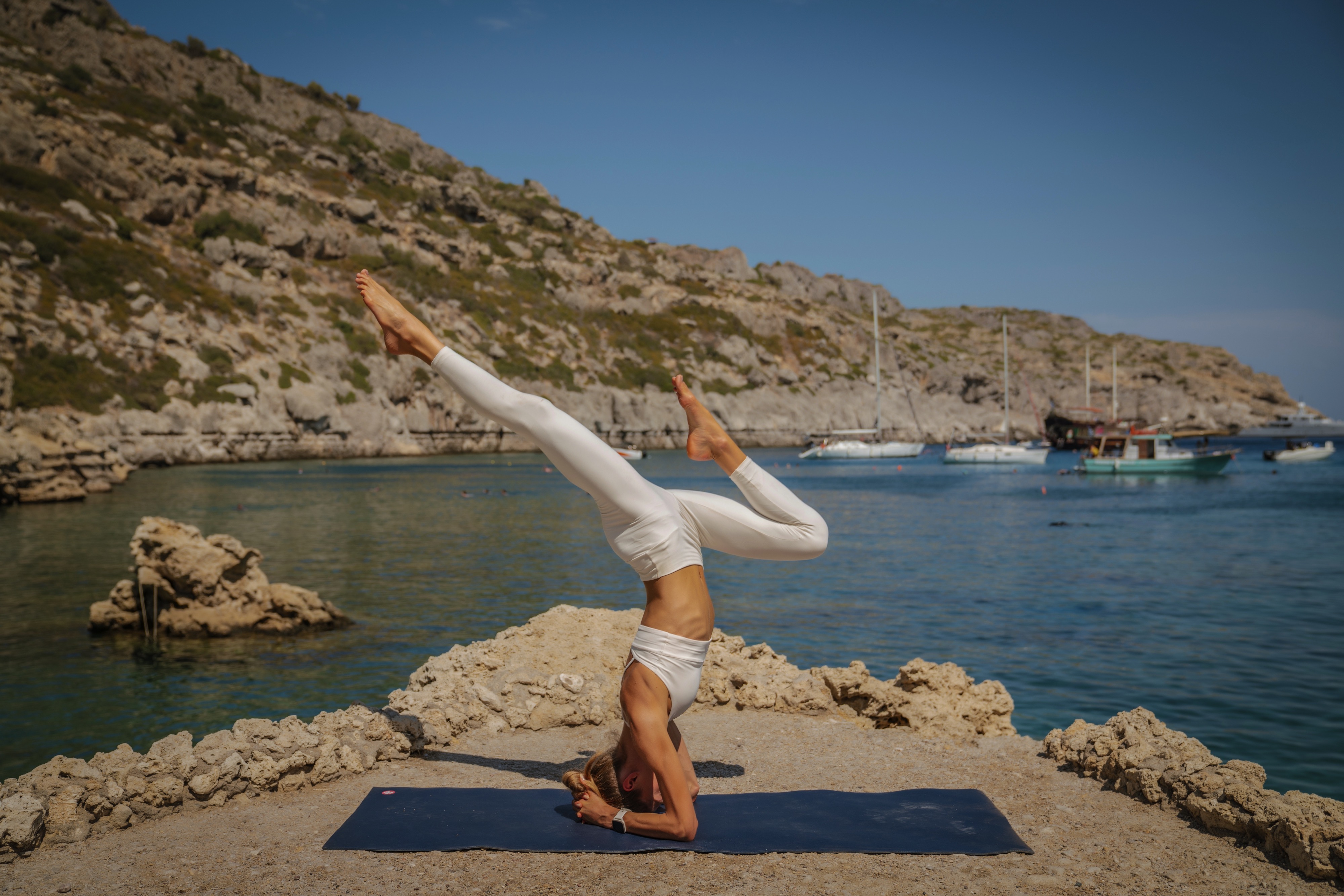
Heated Outdoor Pool
Our heated infinity pool was designed for you to unwind after a busy day, and truly immerse yourself in your inspiring surroundings.
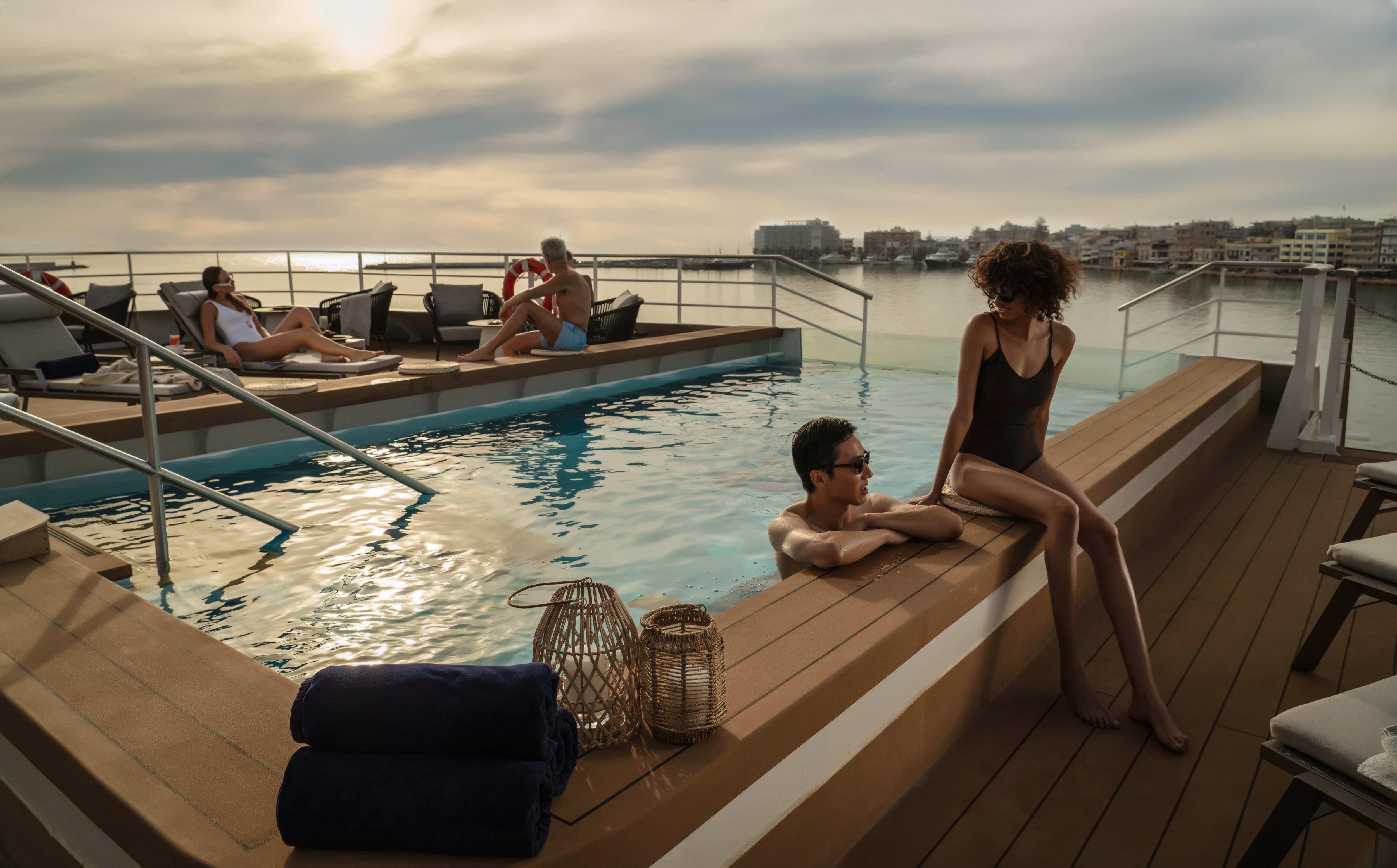
Sauna with a View
Head to Deck 8 for the best views in the world. After a work out in our gym, relax in our panoramic sauna and take in the stunning scenery.
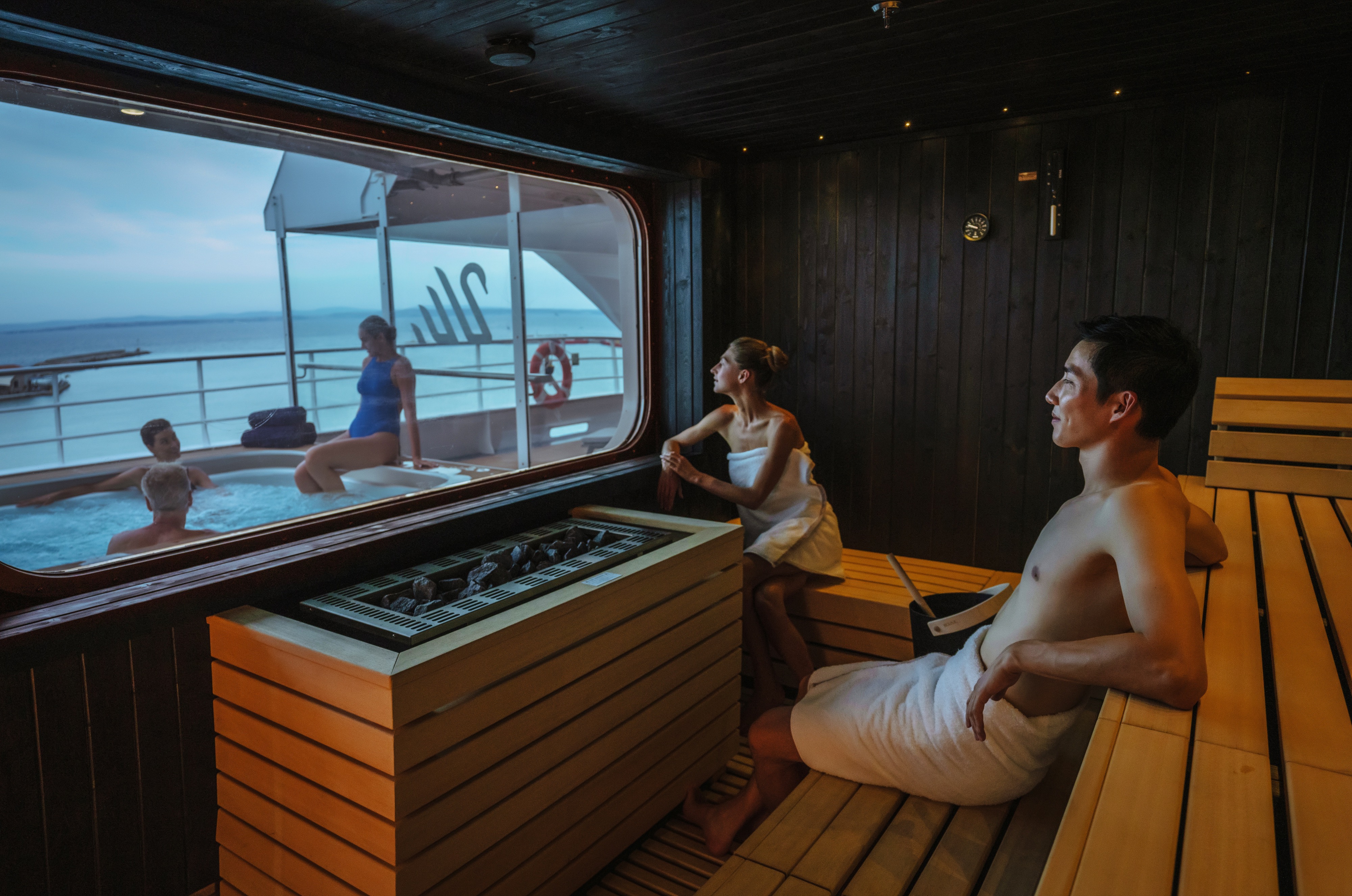
Gym
Our state-of-the-art gym has everything you’ll need for an invigorating workout, from cardio machines to stretch bands and free weights. There are also instructor-led classes available, along with personal trainers, offering everything from resistance training and Pilates, to yoga and meditation.
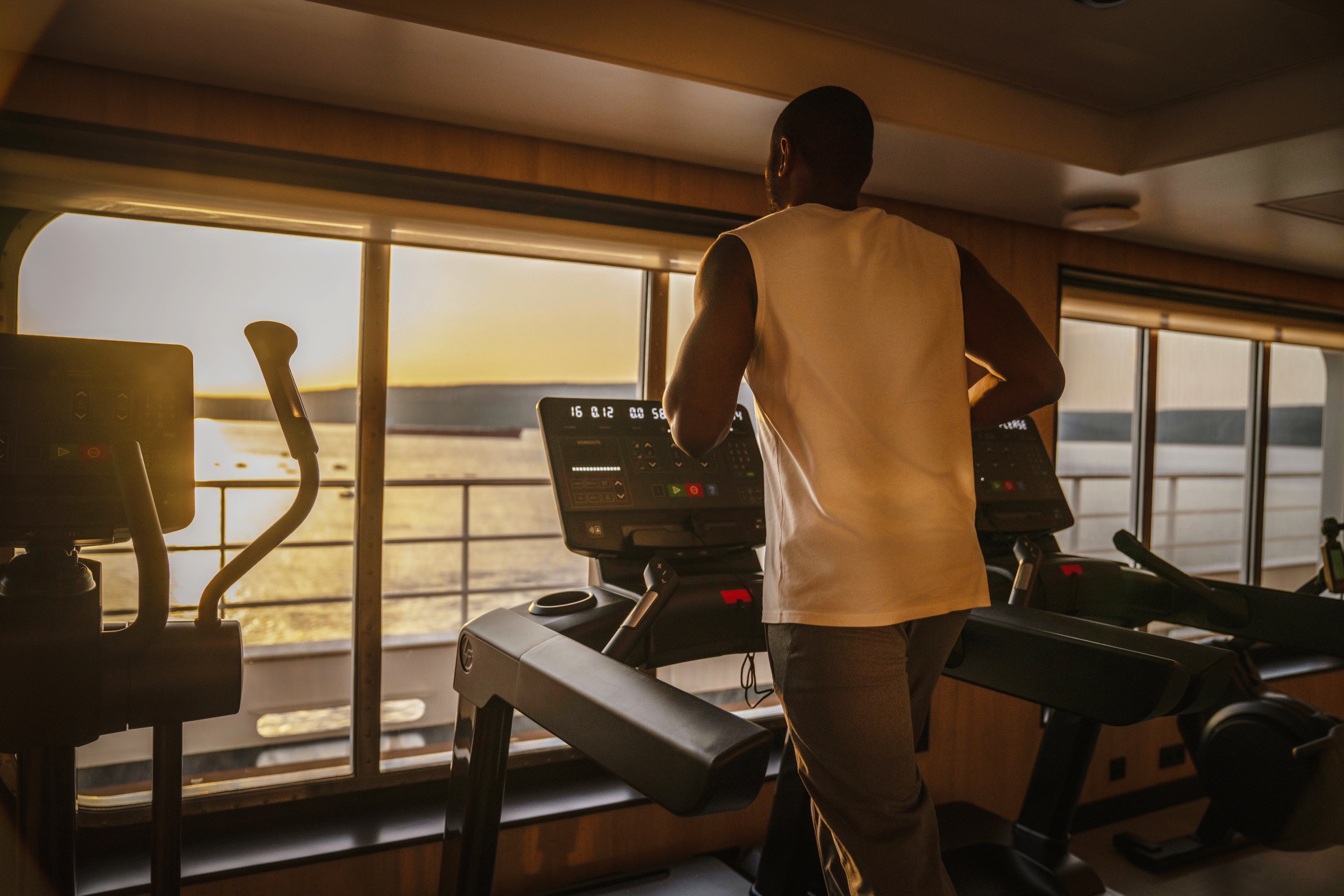
Spa
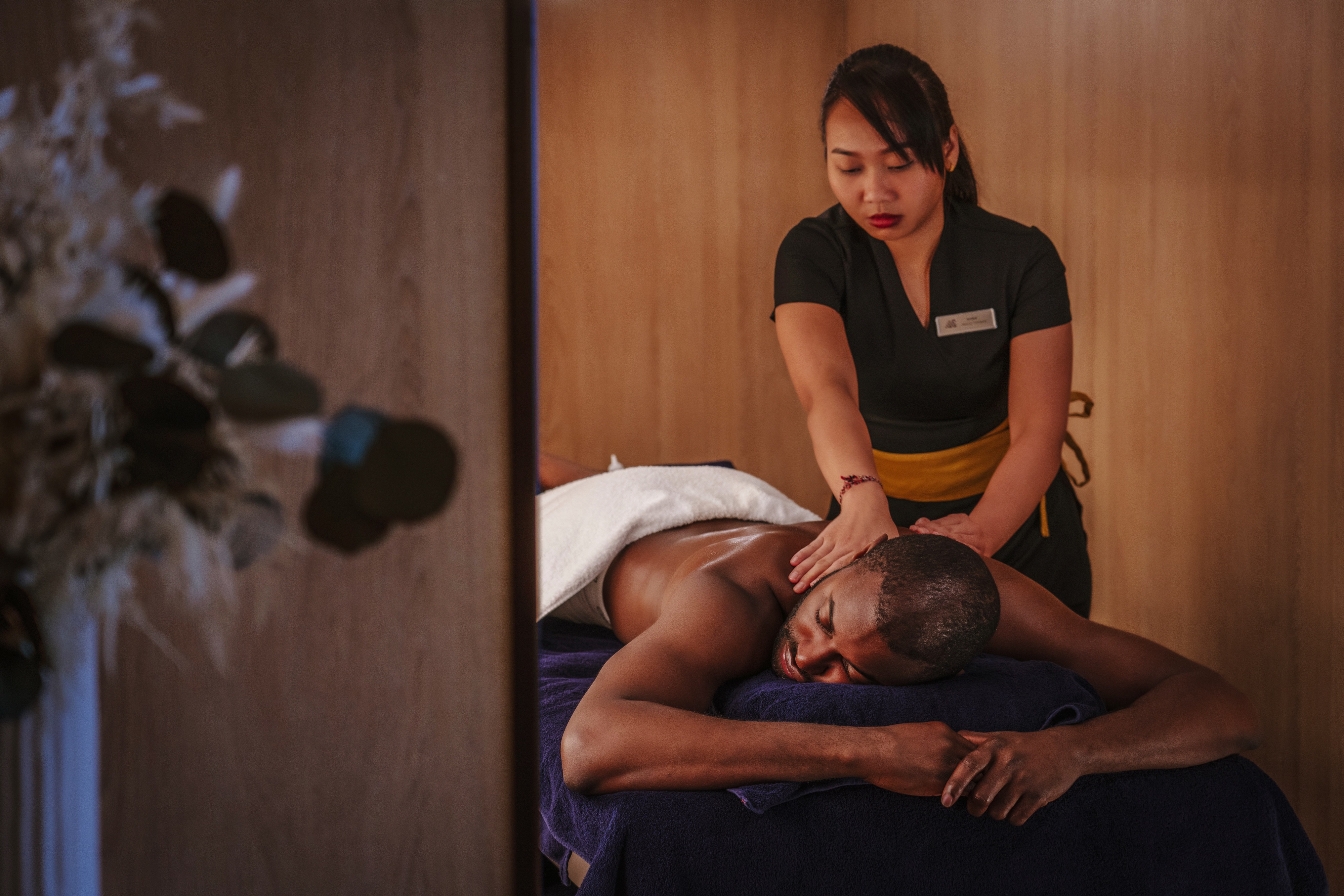
Choose from one of the many beauty and wellness treatments at our Balinese spa, including hot stone and bamboo massages, and pampering body care. Our sauna is the perfect place for meditative moments after your onshore activities or to finish a well-deserved pampering session.
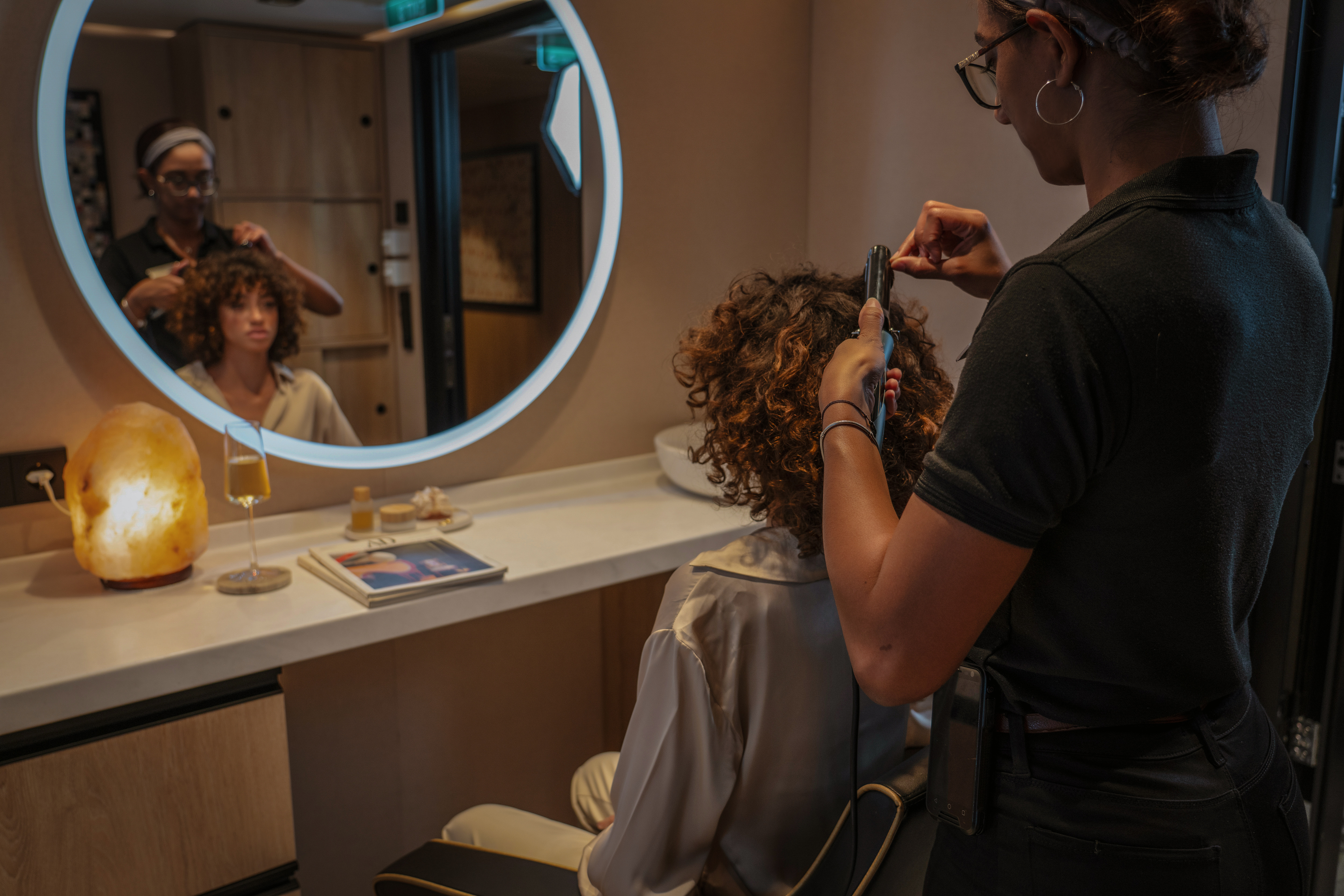
Beauty Salon
Choose from one of the many beauty and wellness treatments.
Please note: there are no dedicated children’s facilities on board.
The Swan Restaurant
As the main venue for breakfast, lunch and dinner, the Swan Restaurant serves gourmet creations from award-winning chefs. Our 152-seat restaurant serves international and regional cuisine, focused on quality local ingredients from the special destinations we visit. With an open seating policy, you can dine at your leisure, from breakfast through to dinner.
Club Lounge
Vibrant and welcoming, the Club Lounge acts as a hub for relaxed get-togethers, 24 hours a day. With a variety of delicious food on offer – from freshly baked pastries and coffee, and traditional British afternoon tea, to tapas-style dining, and freshly made pizza – whatever you choose, it’s sure to be the perfect complement to a panoramic view of the glittering ocean.
Pool Bar and Grill
If you’re a fan of alfresco dining, you’ll love our Pool Grill & Bar! With stellar views of the glistening sea, this friendly space serves delicious dishes created from local, seasonal ingredients, along with grilled classics and handcrafted cocktails and drinks.
Room Service
Our carefully curated in-room menu offers a relaxing dining experience in the comfort of your own stateroom. From healthy breakfasts, luscious lunches, to divine dinners and late-night snacks, there’s always something tasty to tempt you.
Excursions
No stone is left unturned when it comes to researching our shore excursion programmes. All aspects of the itinerary are carefully planned in detail by a knowledgeable, well travelled team to ensure each aspect of the cruise is delivered to the highest possible standard.
We’ve thought of all our guests, including the less mobile. Our 12-person hard-hulled zodiacs, the boats that take guests off the ship, have been designed for increased comfort and manoeuvrability so that everyone can get up close and personal with their majestic surroundings.
As well as our daily zodiac excursions there are opportunities for polar kayaking and trekking and for the brave… The Polar Plunge.
Basecamp
Basecamp can be found on Deck 3.
Expedition Team
When you sail with Swan Hellenic, as well as visiting remote, unusual destinations, you’ll be traveling with friendly onboard experts. Renowned in their fields, these easy going specialists are on hand throughout your journey. From historians and naturalists, to meteorologists and ornithologists, our expedition team bring unparalleled knowledge to your adventures. Whether you chat with them at dinner, grab a morning coffee together, or catch one of their fascinating lectures, our onboard experts’ unique insights are enriching and interesting.
GEOLOGISTS | Love landscapes? Gain a deeper understanding of how your surroundings were formed from the knowledgable geologists you meet on board – and change the way you see the world forever.
ORNITHOLOGISTS | Will you spot a snow petrel, puffin, or rockhopper penguin when you travel with us? Learn about the incredible birds you encounter from our onboard ornithologists!
ACTIVITY LEADERS | From kayaking excursions and Zodiac expeditions, to hiking trips and private tours, you can rely on our experienced activity leaders to guide you on your adventures.
PHOTOGRAPHERS | Our photography experts are always happy to help you with your camera work. Chat to them and learn how you can best capture movement and light in the far-flung places you visit.
NATURALISTS | Our expert naturalists are the next best thing to traveling with Charles Darwin. Chat with them to get a new understanding of organisms, habitats and the natural world.
MARINE BIOLOGISTS | Catch up with our onboard marine biologists for absorbing stories about the whales, dolphins and other marine species you encounter on your Swan Hellenic voyage!
HISTORIANS | Our historians bring the past to life for you with incredible stories and unmatched knowledge of the places you visit with them.
EXPEDITION LEADERS | The experts in charge of your excursions make sure you’re in the right place at the right time to experience amazing wildlife and stunning landscapes on your travels.
BOTANISTS | Identifying plant life is easy with our onboard botanists! Get insights into ecosystems and climate whether you’re at sea or on land.
ARCHAEOLOGISTS | Consult our archaeology experts to discover what lies beneath your feet, and uncover the lost cities and ancient civilizations that shaped history.
Expedition Lab
Love landscapes? Gain a deeper understanding of how your surroundings were formed from the knowledgable geologists you meet on board – and change the way you see the world forever.
Lectures
One thing we’ve discovered over the years is that our inquisitive, like-minded passengers share a thirst for knowledge. Sound familiar? Well, you’ll be pleased to hear we always select our lecturers and guest speakers with this in mind. We choose experienced people who give engaging and stimulating talks on a wide range of subjects that are relevant to the places we visit…
Our guest lecturers have a wealth of specialist knowledge, which helps you fully embrace the amazing destinations you travel to with Swan Hellenic. Each lecture offers interesting insights into the destinations you’re visiting – think history, culture, flora, wildlife – and this really helps you get the most from your time with us. Plus, briefings before each disembarkation, and recaps afterwards, enhance our lectures and talks, encouraging everyone to share their experiences in a fun, friendly atmosphere.
We’ve been inviting exclusive guest speakers to join us on our voyages since we pioneered expedition cruising back in the ’50s, and we’re still just as passionate about selecting the right people now. Available throughout your journey, our friendly lecturers are around to bring their specialist knowledge to your adventures wherever you go, and whatever you do! Exploring side-by-side, you’ll discover things together, creating unforgettable memories that will stay with you forever.
Observation Lounge
Inviting you in with expansive panoramic views, the Observation Lounge & Bar is the natural choice for edutainment by day and cocktails by night.
The Observation Lounge also serves as the perfect spot to enjoy a quiet moment and to read a good book. Or simply reflect on the day’s observations with your newly made friends.
Swan's Nest
Bridge
The Bridge can be found on Deck 8.
Library
The Library can be found on Deck 3.
Reception
The Reception can be found on Deck 4.
Card Room
The Card room can be located on deck 7.
Explore & Restore
Embracing new horizons
Inspired by the healing properties of the sea, our new approach to well-being has been designed to take you on the ultimate voyage of self-discovery. Swan Hellenic and Chopra were drawn together by their mutual passion for inner and outer exploration – finding new ways to connect with one’s inner self and forge a deeper bond with the natural world. Swan Hellenic’s boutique ships are designed to immerse you in the environment, offering intimate, informal spaces that blend seamlessly with Chopra’s approach to well-being.
What can you expect?
Explore & Restore cruises let you fully engage with your senses in the present moment, and welcome a deeper level of awareness…
- Awaken your spirit and form a deeper understanding of who you are in introspective, expert-led workshops.
- Immerse yourself in nature and feel the flow of the natural world as you find flexibility and peace with sunrise and evening yoga sessions set in the wild.
- Nourish your whole self with delicious Ayurveda-inspired meals, based on signature Chopra recipes.
- Unlock your inner explorer and reveal your place in the world on awe-inspiring excursions.
- Connect with the rhythm of life as you enjoy local music and traditional dancing!
- Gain a deeper connection to Mother Earth, and find calm with daily meditation in nature.
- Discover the secrets of locally sourced herbs in a fun masterclass, and much more!
Mind & body balance
Set off on an Explore & Restore cruise, and you’ll be embarking on a special journey, designed to rejuvenate and nurture, unlock your purpose, and bring you closer to the wonders of life. With powerful expert-led workshops, and exciting excursions, you’ll have the chance to reveal your place in the world and form a deeper connection with your authentic self. Our new well-being voyages are ideal for anyone interested in learning more about themselves, their travel partners, or travelers simply searching for unforgettable experiences!
Reconnecting with nature
The immersive expeditions on Swan Hellenic’s new Explore & Restore cruises are designed to help you connect with the natural world – and reconnect with yourself. Get ready to tune in to life’s magical flow, and embrace transformative experiences that enrich your personal development. Whether you’re trekking through lush rainforests, kayaking along pristine coastlines, or observing wildlife in their natural habitats, each expedition on your Explore & Restore voyage is your chance to absorb the wisdom of nature and connect with the planet in a unique way.
Ayurvedic Delights
Swan Hellenic’s new Explore & Restore cruises recognize the holistic importance of food, and our enlightening journeys are designed to nourish your body and soul with remarkable experiences and wholesome, healing meals. Ayurveda (which translates to ‘knowledge of life’) is a natural system of medicine, which originated in India over 3,000 years ago. And you’ll have the chance to enjoy delicious Ayurveda-inspired dishes as part of your Explore & Restore journey. Based on signature Chopra recipes, these light, savory meals have been created to nourish your whole self. Our 5-star chefs use locally sourced, organic produce, and their menus always include clean, vegetarian and vegan options. So, as well as immersive expeditions, and daily yoga and meditation, the food you eat on your voyage will also help you leave feeling better than ever.
Your well-being voyage awaits
Ready to embark on an extraordinary voyage of self-discovery? Our new well-being voyages give you time to explore your inner and outer worlds, and space to understand and connect with your true feelings in awe-inspiring destinations.
Heated Outdoor Pool
Our heated infinity pool was designed for you to unwind after a busy day, and truly immerse yourself in your inspiring surroundings.
Sauna with a View
Head to Deck 8 for the best views in the world. After a work out in our gym, relax in our panoramic sauna and take in the stunning scenery.
Gym
Our state-of-the-art gym has everything you’ll need for an invigorating workout, from cardio machines to stretch bands and free weights. There are also instructor-led classes available, along with personal trainers, offering everything from resistance training and Pilates, to yoga and meditation.
Spa
Choose from one of the many beauty and wellness treatments at our Balinese spa, including hot stone and bamboo massages, and pampering body care. Our sauna is the perfect place for meditative moments after your onshore activities or to finish a well-deserved pampering session.
Beauty Salon
Choose from one of the many beauty and wellness treatments.
Please note: there are no dedicated children’s facilities on board.
About the Ship
Deck Plans

- Marina Deck
- Zodiac Boarding
- Basecamp
- Library
- Expedition Lab
- Clinic
- Laundry
- Lifts

- Oceanview Staterooms D4 (1x accessible)
- Swan Restaurant
- Lifts
- Reception
- Entrance
- Launderette

- Suites
- Junior Suite
- Balcony Staterooms D5 M5
- Lifeboats
- Lifts

- Premium Suites
- Suites
- Junior Suites
- Balcony Staterooms D6 (1x accessible)
- Swan’s Nest
- Lifeboats
- Lifts

- Swimming Pool
- Pool Bar & Grill
- Club Lounge
- Card Room
- Observation Lounge
- Lifts

- Gym
- Spa
- Sauna, Steam Bath & Showr
- Jacuzzi
- Beauty Salon
- Bridge
- Treatment Rooms
- Lifts

- Stargazing Deck
- Lifts
- Marina Deck
- Zodiac Boarding
- Basecamp
- Library
- Expedition Lab
- Clinic
- Laundry
- Lifts
- Oceanview Staterooms D4 (1x accessible)
- Swan Restaurant
- Lifts
- Reception
- Entrance
- Launderette
- Suites
- Junior Suite
- Balcony Staterooms D5 M5
- Lifeboats
- Lifts
- Premium Suites
- Suites
- Junior Suites
- Balcony Staterooms D6 (1x accessible)
- Swan’s Nest
- Lifeboats
- Lifts
- Swimming Pool
- Pool Bar & Grill
- Club Lounge
- Card Room
- Observation Lounge
- Lifts
- Gym
- Spa
- Sauna, Steam Bath & Showr
- Jacuzzi
- Beauty Salon
- Bridge
- Treatment Rooms
- Lifts
- Stargazing Deck
- Lifts