Featured Cabins
Itinerary
Porto, Portugal
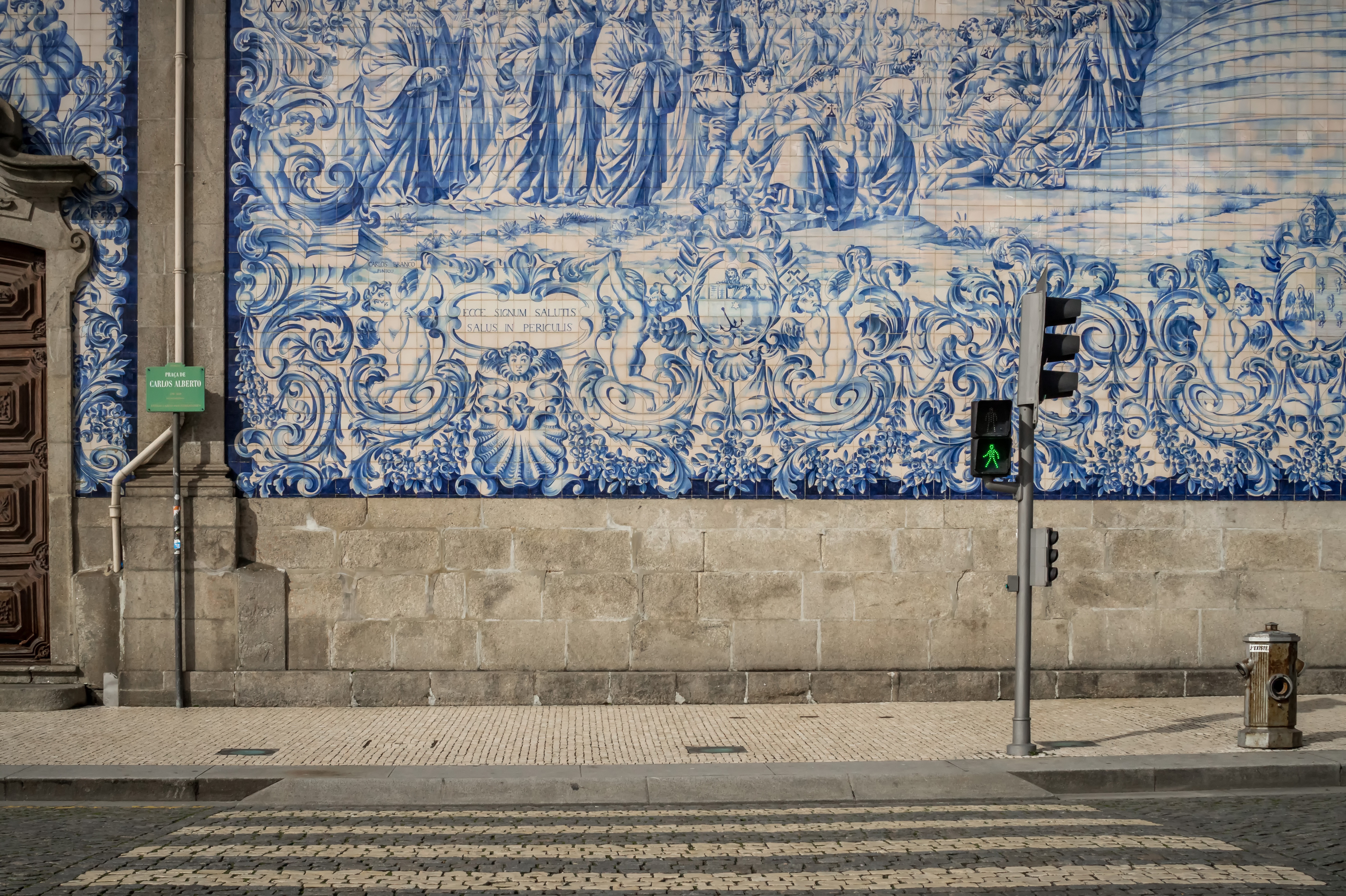
Lively, commercial Oporto is the second largest city in Portugal after Lisbon. Also called Porto for short, the word easily brings to mind the city’s most famous product – port wine. Oporto’s strategic location on the north bank of the Douro River has accounted for the town’s importance since ancient times. The Romans built a fort here where their trading route crossed the Douro, and the Moors brought their own culture to the area. Oporto profited from provisioning crusaders en route to the Holy Land and enjoyed the riches from Portuguese maritime discoveries during the 15th and 16th centuries. Later, port wine trade with Britain compensated for the loss of the spice trade and the end of gold and gem shipments from Brazil. In the 19th century, the city went through a period of new prosperity with the rise of industries. In its wake followed the building of workers’ quarters and opulent residences. Since the declaration of Oporto as a World Heritage Site by UNESCO, the city aims to build up a cultural reference that will provide it with a new image, based on deep historical roots. Among the attractions that make Oporto such an interesting place are its graceful bridges spanning the Douro River, a picturesque riverfront quarter and, most notable, its world-famous port wine lodges. Although Oporto is a bustling centre and home to many different businesses, the source of its greatest fame is the rich, sweet fortified red wine we know as port.
Porto, Portugal
Lively, commercial Oporto is the second largest city in Portugal after Lisbon. Also called Porto for short, the word easily brings to mind the city’s most famous product – port wine. Oporto’s strategic location on the north bank of the Douro River has accounted for the town’s importance since ancient times. The Romans built a fort here where their trading route crossed the Douro, and the Moors brought their own culture to the area. Oporto profited from provisioning crusaders en route to the Holy Land and enjoyed the riches from Portuguese maritime discoveries during the 15th and 16th centuries. Later, port wine trade with Britain compensated for the loss of the spice trade and the end of gold and gem shipments from Brazil. In the 19th century, the city went through a period of new prosperity with the rise of industries. In its wake followed the building of workers’ quarters and opulent residences. Since the declaration of Oporto as a World Heritage Site by UNESCO, the city aims to build up a cultural reference that will provide it with a new image, based on deep historical roots. Among the attractions that make Oporto such an interesting place are its graceful bridges spanning the Douro River, a picturesque riverfront quarter and, most notable, its world-famous port wine lodges. Although Oporto is a bustling centre and home to many different businesses, the source of its greatest fame is the rich, sweet fortified red wine we know as port.
Régua, Portugal
Pocinho, Portugal
Salamanca, Spain
Pinhão, Portugal
Porto, Portugal
Lively, commercial Oporto is the second largest city in Portugal after Lisbon. Also called Porto for short, the word easily brings to mind the city’s most famous product – port wine. Oporto’s strategic location on the north bank of the Douro River has accounted for the town’s importance since ancient times. The Romans built a fort here where their trading route crossed the Douro, and the Moors brought their own culture to the area. Oporto profited from provisioning crusaders en route to the Holy Land and enjoyed the riches from Portuguese maritime discoveries during the 15th and 16th centuries. Later, port wine trade with Britain compensated for the loss of the spice trade and the end of gold and gem shipments from Brazil. In the 19th century, the city went through a period of new prosperity with the rise of industries. In its wake followed the building of workers’ quarters and opulent residences. Since the declaration of Oporto as a World Heritage Site by UNESCO, the city aims to build up a cultural reference that will provide it with a new image, based on deep historical roots. Among the attractions that make Oporto such an interesting place are its graceful bridges spanning the Douro River, a picturesque riverfront quarter and, most notable, its world-famous port wine lodges. Although Oporto is a bustling centre and home to many different businesses, the source of its greatest fame is the rich, sweet fortified red wine we know as port.
Porto, Portugal
Lively, commercial Oporto is the second largest city in Portugal after Lisbon. Also called Porto for short, the word easily brings to mind the city’s most famous product – port wine. Oporto’s strategic location on the north bank of the Douro River has accounted for the town’s importance since ancient times. The Romans built a fort here where their trading route crossed the Douro, and the Moors brought their own culture to the area. Oporto profited from provisioning crusaders en route to the Holy Land and enjoyed the riches from Portuguese maritime discoveries during the 15th and 16th centuries. Later, port wine trade with Britain compensated for the loss of the spice trade and the end of gold and gem shipments from Brazil. In the 19th century, the city went through a period of new prosperity with the rise of industries. In its wake followed the building of workers’ quarters and opulent residences. Since the declaration of Oporto as a World Heritage Site by UNESCO, the city aims to build up a cultural reference that will provide it with a new image, based on deep historical roots. Among the attractions that make Oporto such an interesting place are its graceful bridges spanning the Douro River, a picturesque riverfront quarter and, most notable, its world-famous port wine lodges. Although Oporto is a bustling centre and home to many different businesses, the source of its greatest fame is the rich, sweet fortified red wine we know as port.
Porto, Portugal
Lively, commercial Oporto is the second largest city in Portugal after Lisbon. Also called Porto for short, the word easily brings to mind the city’s most famous product – port wine. Oporto’s strategic location on the north bank of the Douro River has accounted for the town’s importance since ancient times. The Romans built a fort here where their trading route crossed the Douro, and the Moors brought their own culture to the area. Oporto profited from provisioning crusaders en route to the Holy Land and enjoyed the riches from Portuguese maritime discoveries during the 15th and 16th centuries. Later, port wine trade with Britain compensated for the loss of the spice trade and the end of gold and gem shipments from Brazil. In the 19th century, the city went through a period of new prosperity with the rise of industries. In its wake followed the building of workers’ quarters and opulent residences. Since the declaration of Oporto as a World Heritage Site by UNESCO, the city aims to build up a cultural reference that will provide it with a new image, based on deep historical roots. Among the attractions that make Oporto such an interesting place are its graceful bridges spanning the Douro River, a picturesque riverfront quarter and, most notable, its world-famous port wine lodges. Although Oporto is a bustling centre and home to many different businesses, the source of its greatest fame is the rich, sweet fortified red wine we know as port.
Régua, Portugal
Pocinho, Portugal
Salamanca, Spain
Pinhão, Portugal
Porto, Portugal
Lively, commercial Oporto is the second largest city in Portugal after Lisbon. Also called Porto for short, the word easily brings to mind the city’s most famous product – port wine. Oporto’s strategic location on the north bank of the Douro River has accounted for the town’s importance since ancient times. The Romans built a fort here where their trading route crossed the Douro, and the Moors brought their own culture to the area. Oporto profited from provisioning crusaders en route to the Holy Land and enjoyed the riches from Portuguese maritime discoveries during the 15th and 16th centuries. Later, port wine trade with Britain compensated for the loss of the spice trade and the end of gold and gem shipments from Brazil. In the 19th century, the city went through a period of new prosperity with the rise of industries. In its wake followed the building of workers’ quarters and opulent residences. Since the declaration of Oporto as a World Heritage Site by UNESCO, the city aims to build up a cultural reference that will provide it with a new image, based on deep historical roots. Among the attractions that make Oporto such an interesting place are its graceful bridges spanning the Douro River, a picturesque riverfront quarter and, most notable, its world-famous port wine lodges. Although Oporto is a bustling centre and home to many different businesses, the source of its greatest fame is the rich, sweet fortified red wine we know as port.
Porto, Portugal
Lively, commercial Oporto is the second largest city in Portugal after Lisbon. Also called Porto for short, the word easily brings to mind the city’s most famous product – port wine. Oporto’s strategic location on the north bank of the Douro River has accounted for the town’s importance since ancient times. The Romans built a fort here where their trading route crossed the Douro, and the Moors brought their own culture to the area. Oporto profited from provisioning crusaders en route to the Holy Land and enjoyed the riches from Portuguese maritime discoveries during the 15th and 16th centuries. Later, port wine trade with Britain compensated for the loss of the spice trade and the end of gold and gem shipments from Brazil. In the 19th century, the city went through a period of new prosperity with the rise of industries. In its wake followed the building of workers’ quarters and opulent residences. Since the declaration of Oporto as a World Heritage Site by UNESCO, the city aims to build up a cultural reference that will provide it with a new image, based on deep historical roots. Among the attractions that make Oporto such an interesting place are its graceful bridges spanning the Douro River, a picturesque riverfront quarter and, most notable, its world-famous port wine lodges. Although Oporto is a bustling centre and home to many different businesses, the source of its greatest fame is the rich, sweet fortified red wine we know as port.
Porto, Portugal
Lively, commercial Oporto is the second largest city in Portugal after Lisbon. Also called Porto for short, the word easily brings to mind the city’s most famous product – port wine. Oporto’s strategic location on the north bank of the Douro River has accounted for the town’s importance since ancient times. The Romans built a fort here where their trading route crossed the Douro, and the Moors brought their own culture to the area. Oporto profited from provisioning crusaders en route to the Holy Land and enjoyed the riches from Portuguese maritime discoveries during the 15th and 16th centuries. Later, port wine trade with Britain compensated for the loss of the spice trade and the end of gold and gem shipments from Brazil. In the 19th century, the city went through a period of new prosperity with the rise of industries. In its wake followed the building of workers’ quarters and opulent residences. Since the declaration of Oporto as a World Heritage Site by UNESCO, the city aims to build up a cultural reference that will provide it with a new image, based on deep historical roots. Among the attractions that make Oporto such an interesting place are its graceful bridges spanning the Douro River, a picturesque riverfront quarter and, most notable, its world-famous port wine lodges. Although Oporto is a bustling centre and home to many different businesses, the source of its greatest fame is the rich, sweet fortified red wine we know as port.
Cabin Options
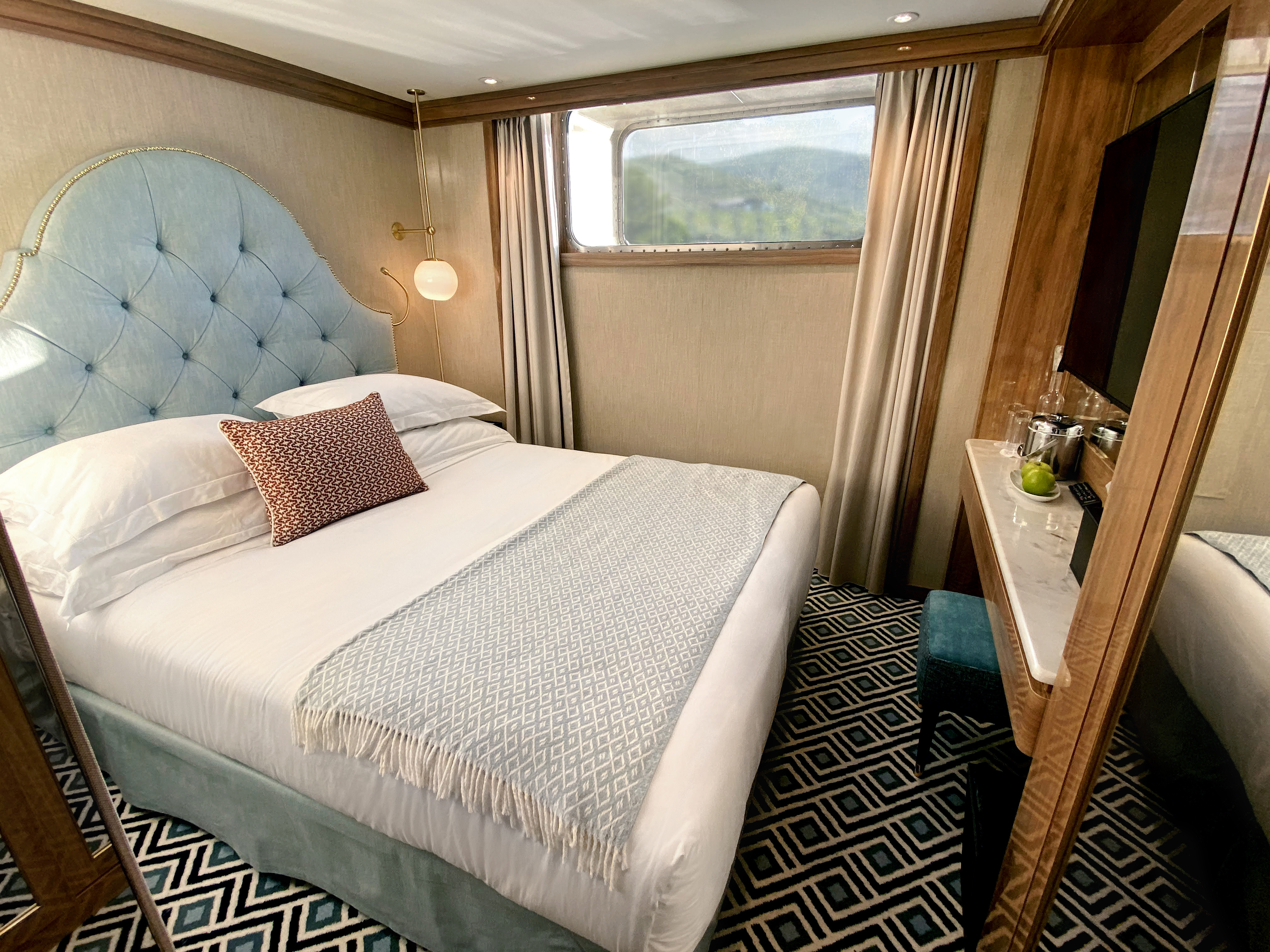
Classic
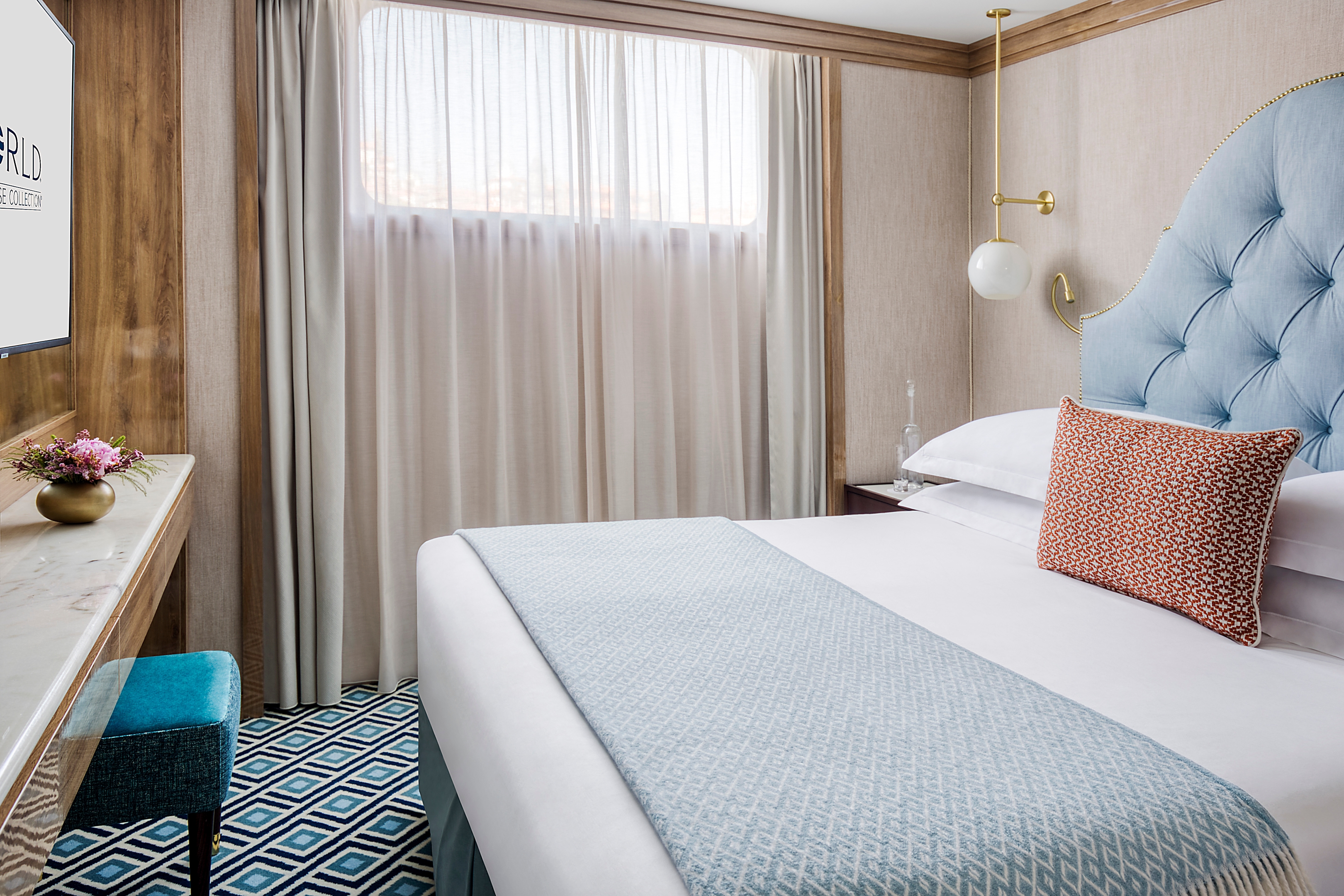
Deluxe Stateroom
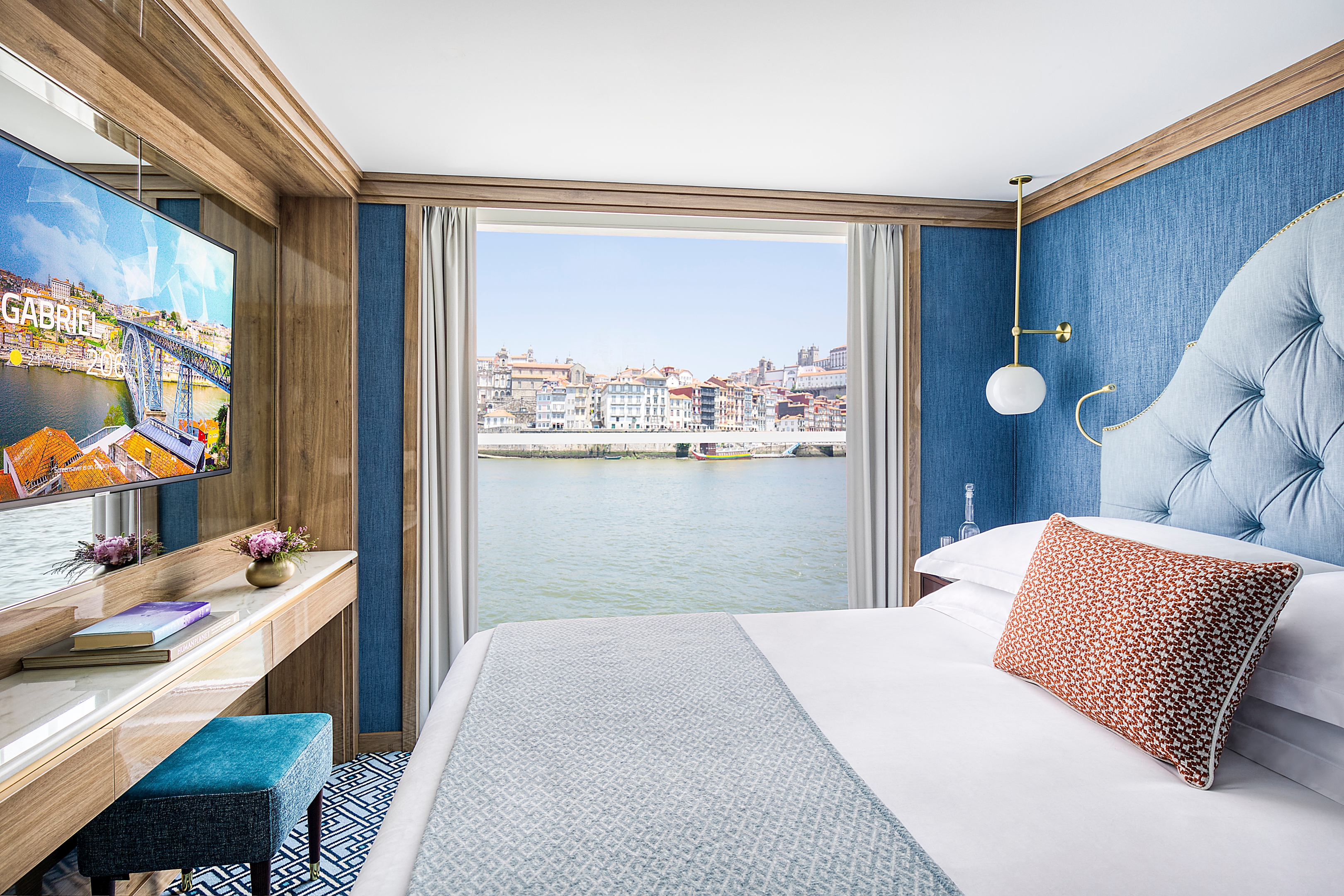
French Balcony Stateroom
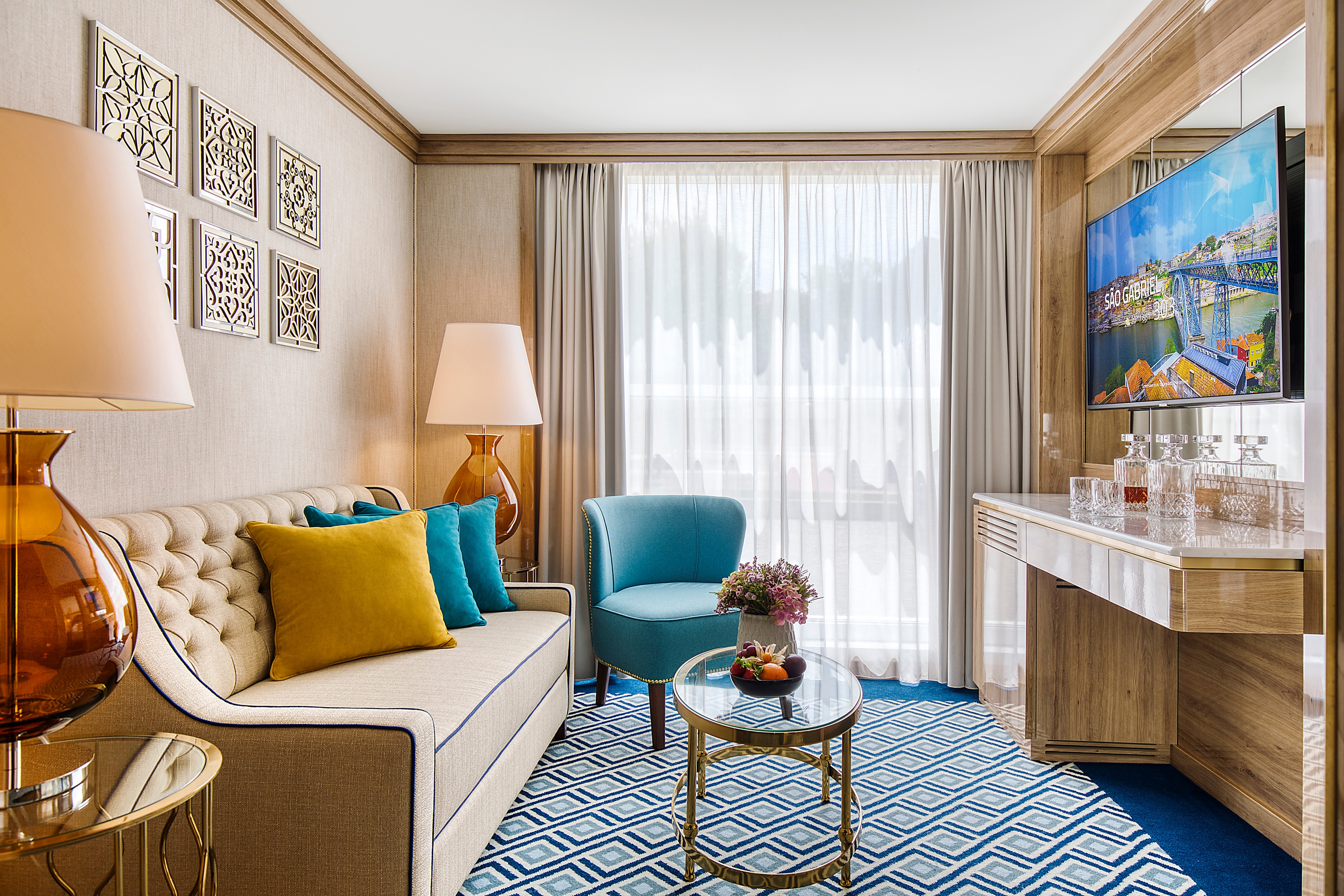
Grand Suite
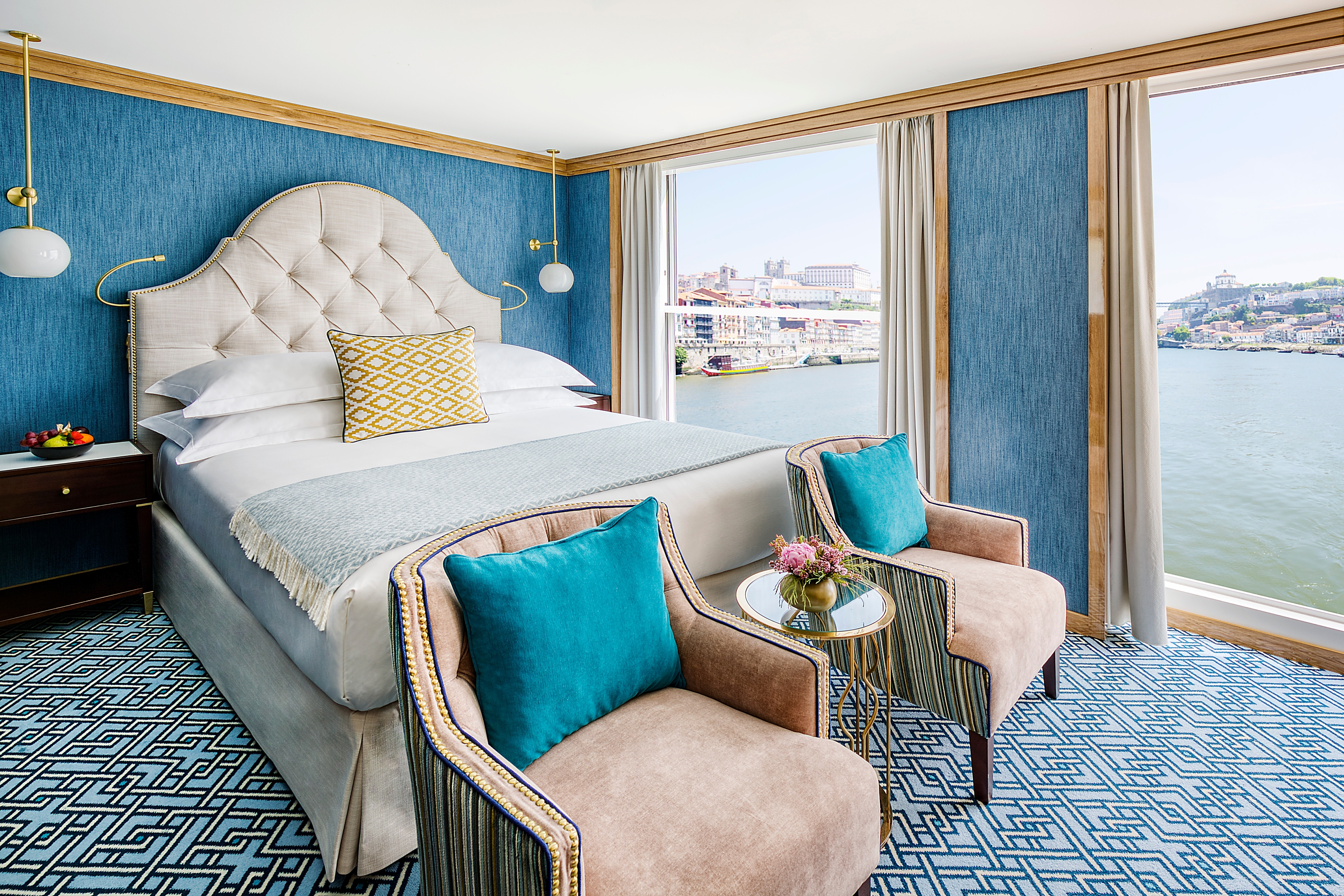
Suite
Ship Facilities
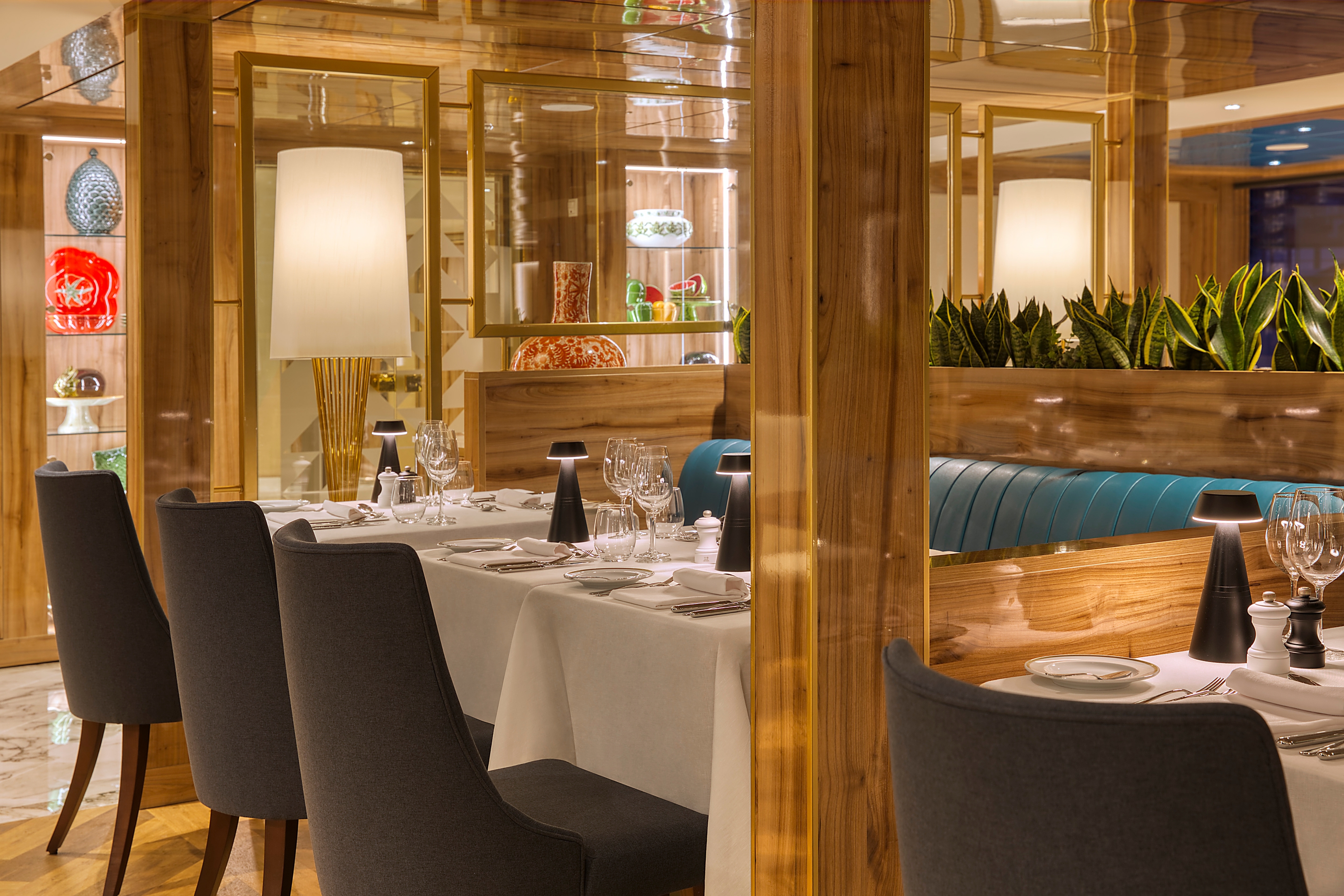
Feirtoria Restaurant
The Feitoria Restaurant can be found on the Cape Verde Deck.
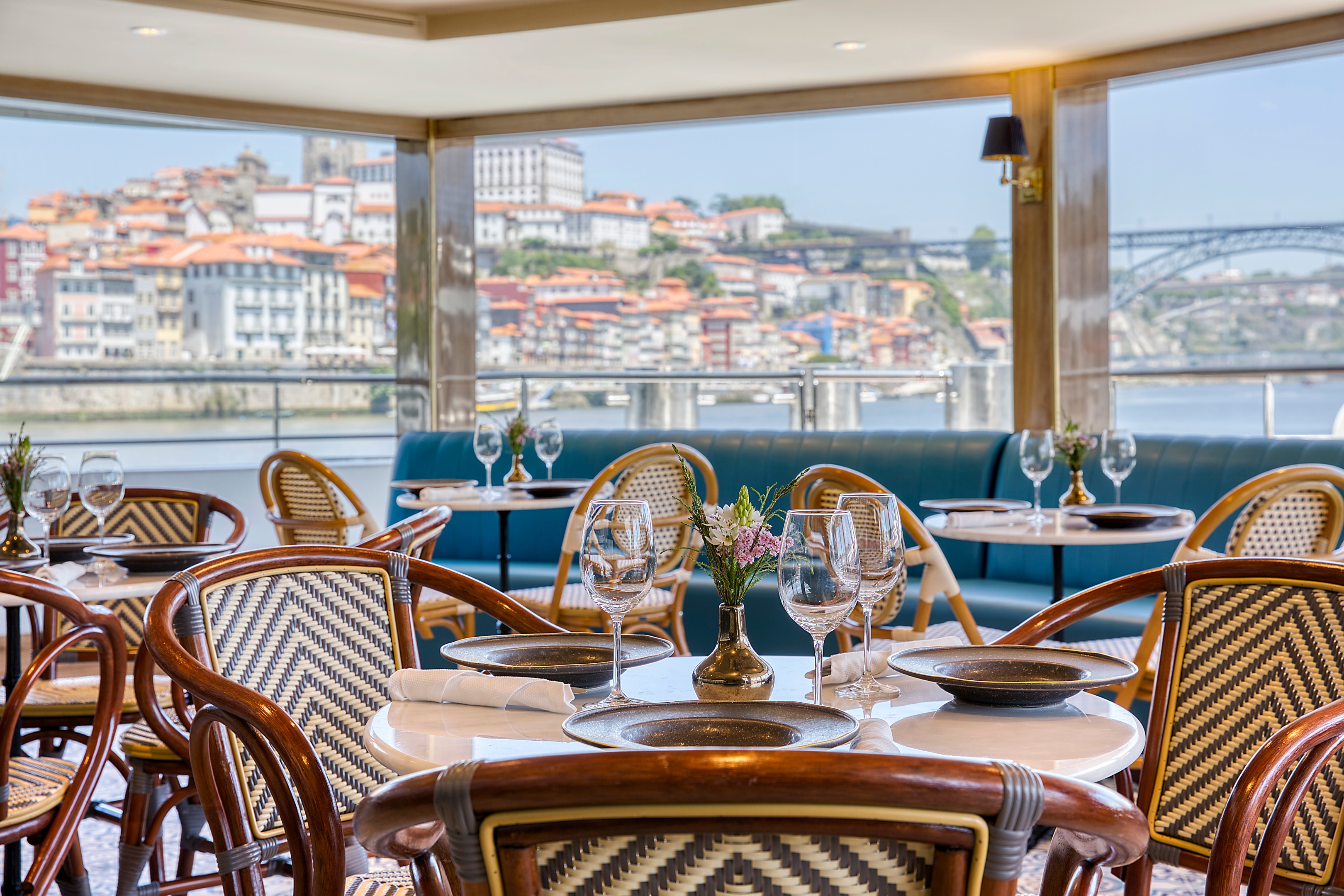
Heritage Bistro
The Heritage Bistro can be found on the Azores Deck.
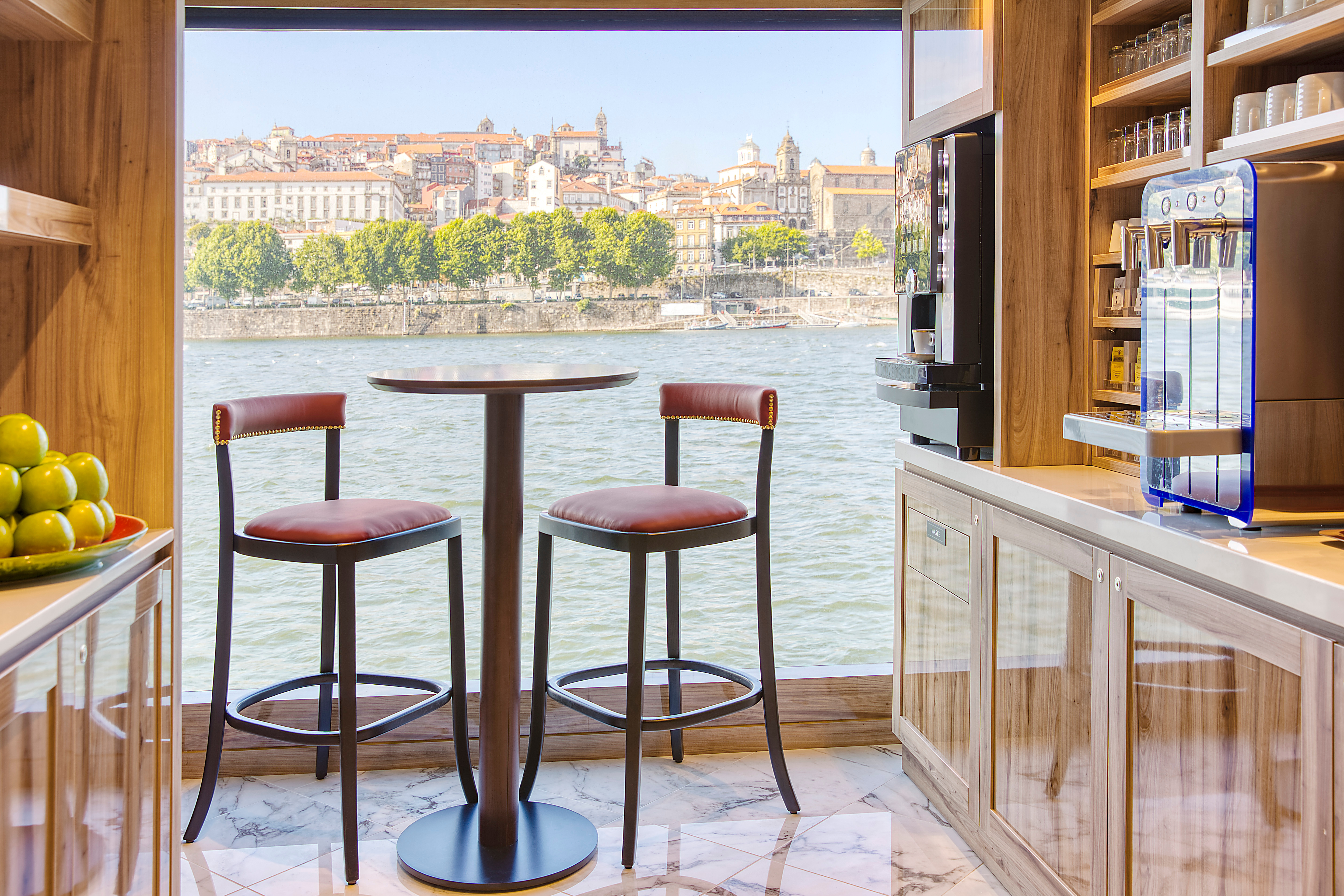
Coffee Station
The Coffee Station can be found on the Cape Verde Deck.
Masterpiece Collection
Excursions
Expertly Curated Excursions
Immerse you in every destination
Every Uniworld cruise is meticulously crafted to be an experience you won’t find anywhere else, filled with moments that are each more breathtaking than the last. We’ve gone the extra mile to ensure our included and optional excursions immerse you in the authentic culture, sights, and cuisine of the places you’ll visit.
Let’s Go
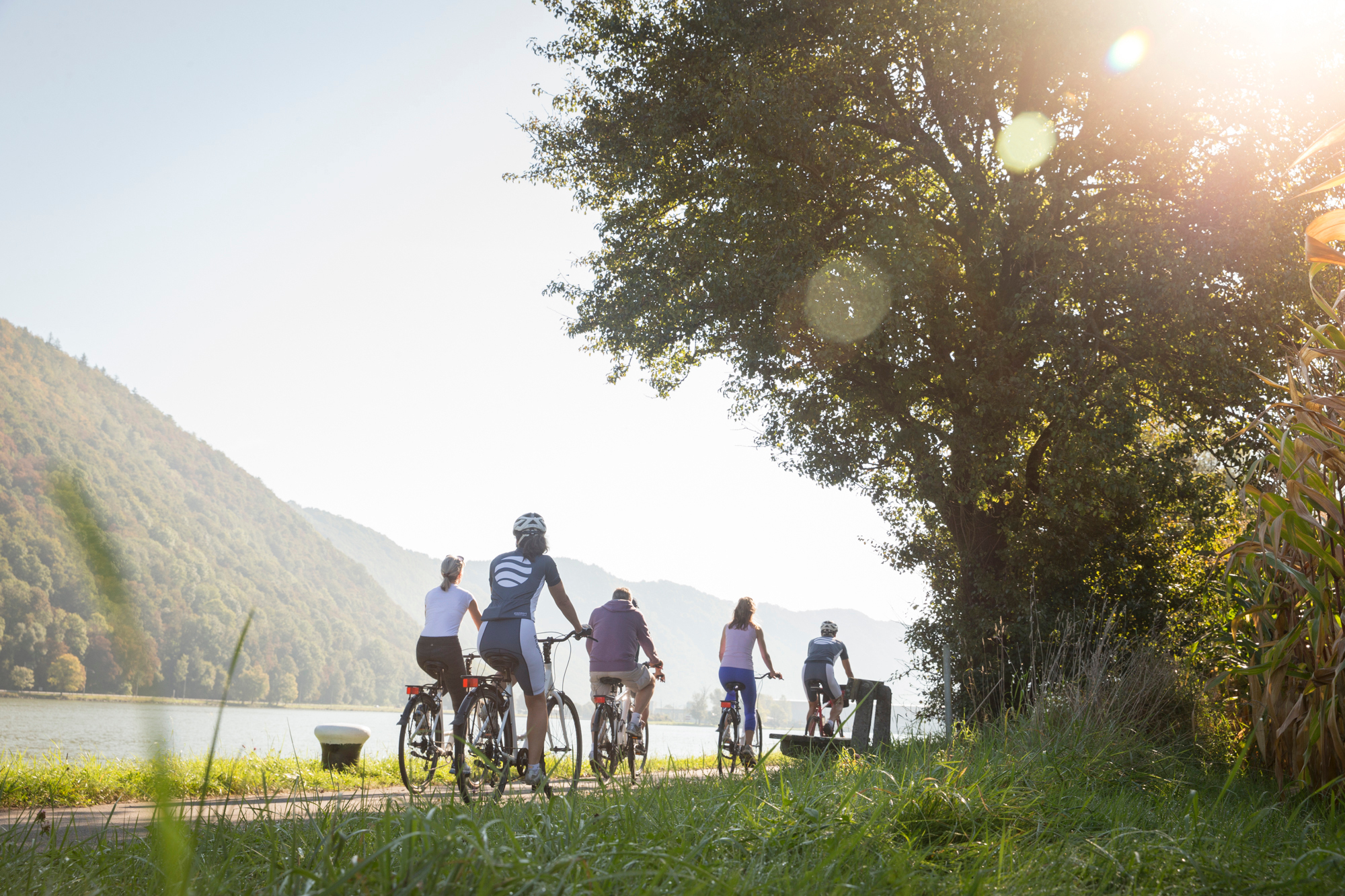
Our active excursions invite you to appreciate the natural world with invigorating walking, hiking, cycling, kayaking, and golfing activities.
Do as the Locals Do
Whether we’re seeking local favorite treats or hopping on public trams to zip around town, these tours capture what it’s like to live in the destinations you visit.
Private Experiences
From visiting a museum without the crowds to an after-hours tour of a famous landmark, these included, once-in-a-lifetime experiences are arranged privately for Uniworld guests.
Village Day
On a Village Day, you’ll select from a few different ways to explore village life, often by diving into a cultural pastime or getting to know someone in town.
Make Travel Matter®
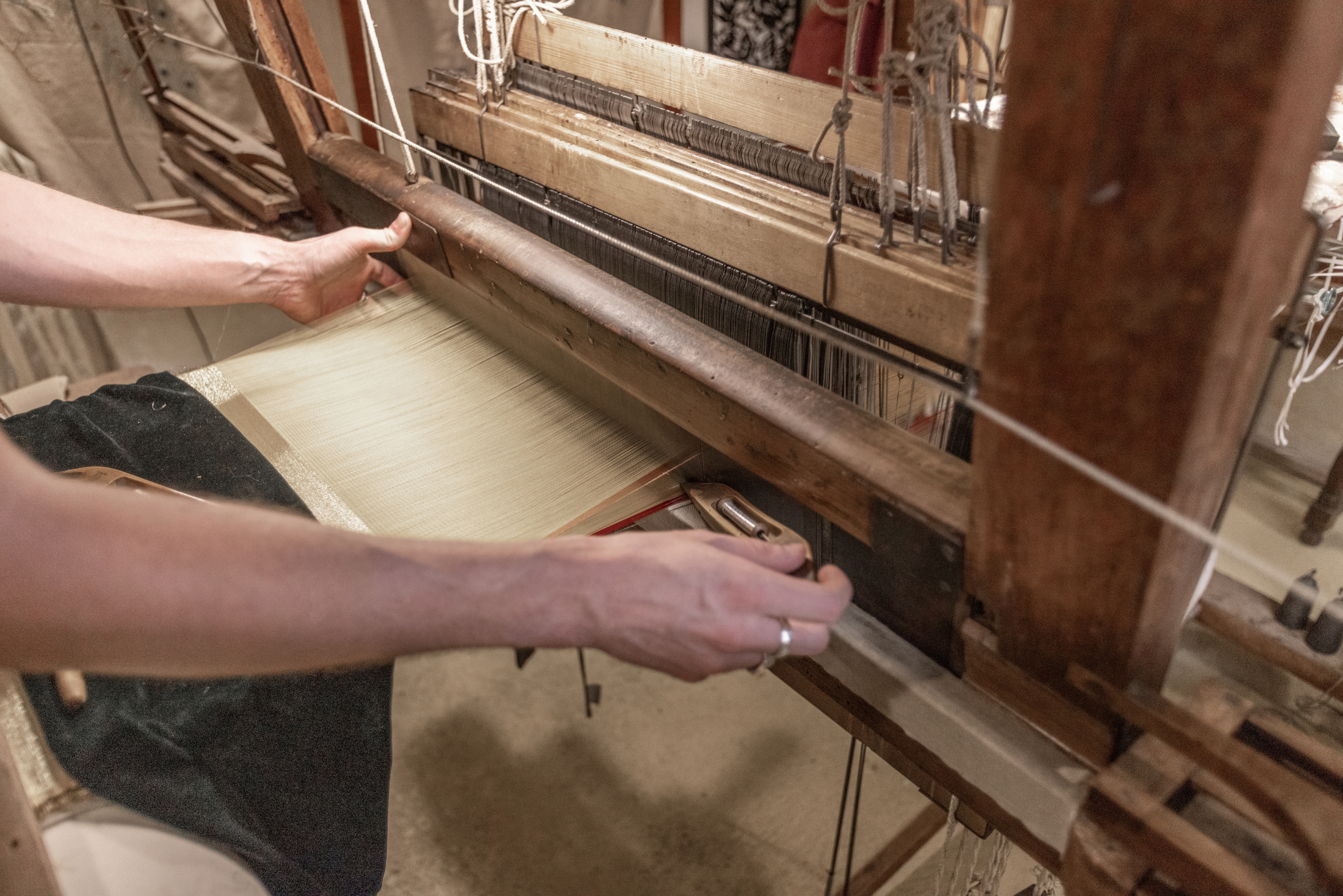
These sustainably minded excursions offer our guests opportunities to directly impact the communities we explore in a positive way.
MAKE TRAVEL MATTER® Experiences
Travelling with Uniworld means you’re travelling with purpose—supporting sustainable tourism as well as local communities and wildlife. Our MAKE TRAVEL MATTER® Experiences take that even further, offering our guests opportunities to directly impact the communities we explore in a positive way.
They are selected with great care using a proprietary assessment tool endorsed by industry experts, which ensures that our MAKE TRAVEL MATTER® Experiences directly advance United Nations Global Goals.
Nights Out
See your destinations in a whole new light
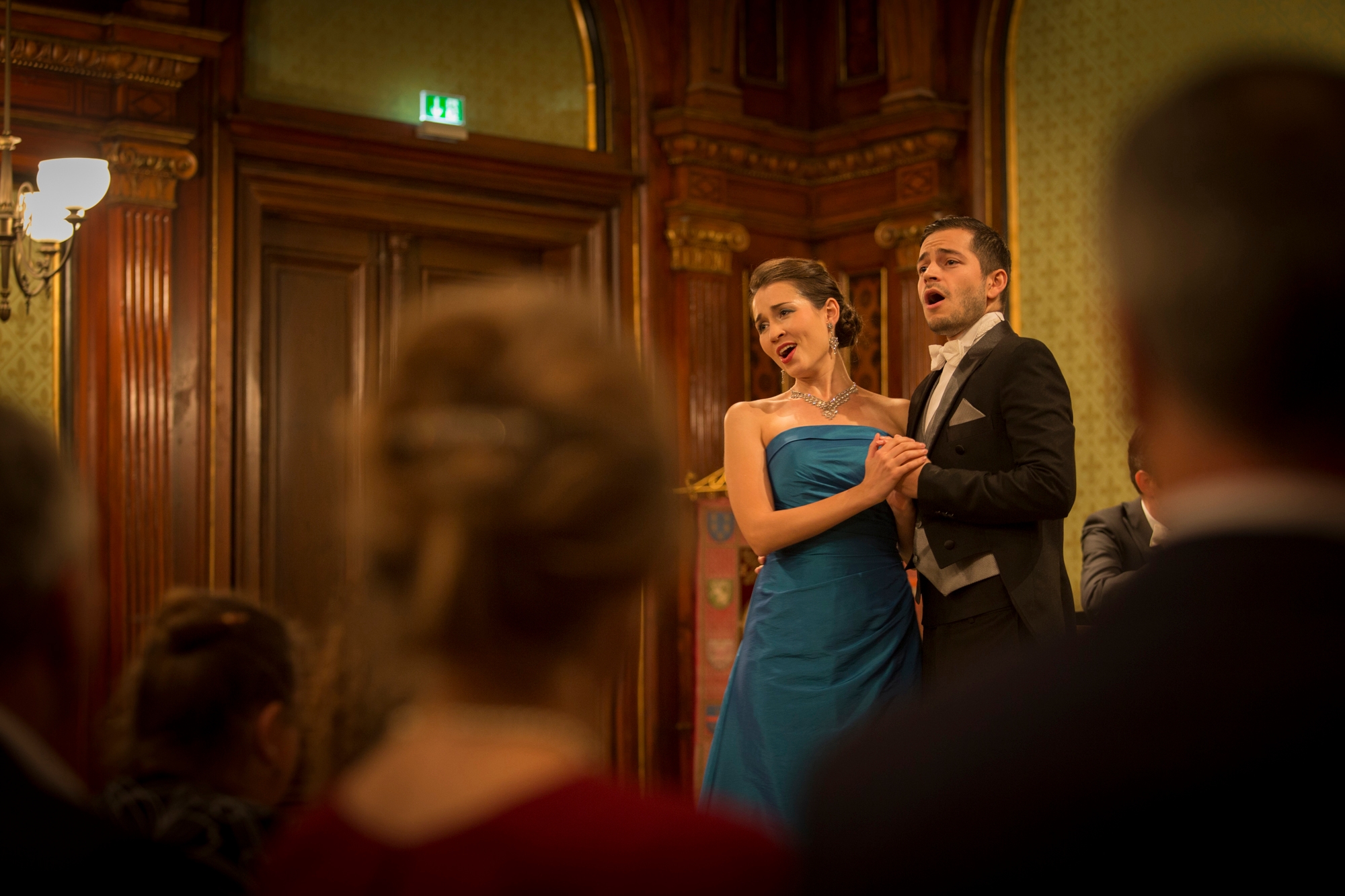
From private after-hours tours of popular attractions to local nightlife experiences, this new line of included excursions will go the extra mile to bring you uniquely memorable moments on your all-inclusive, luxury river cruise.
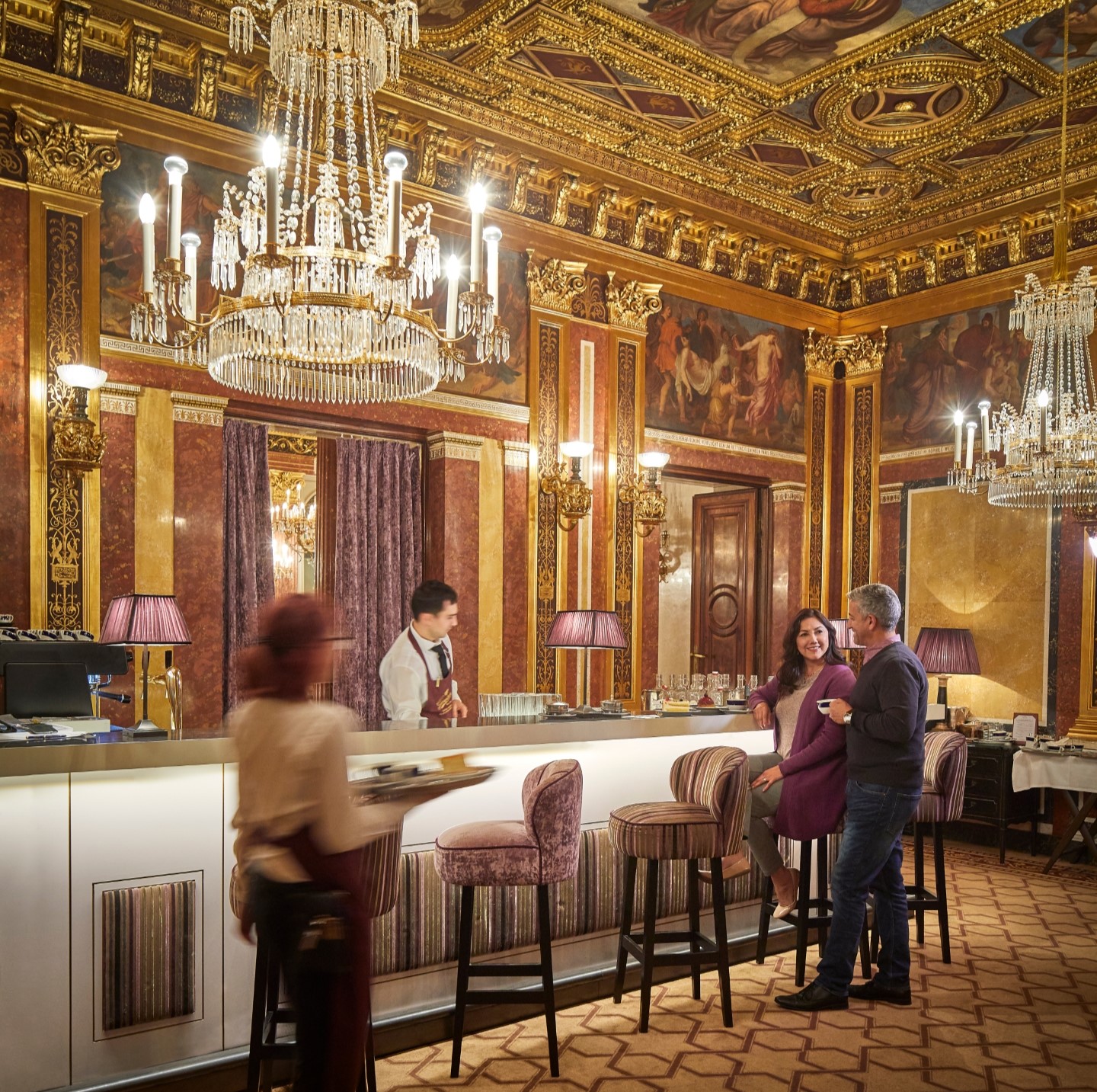
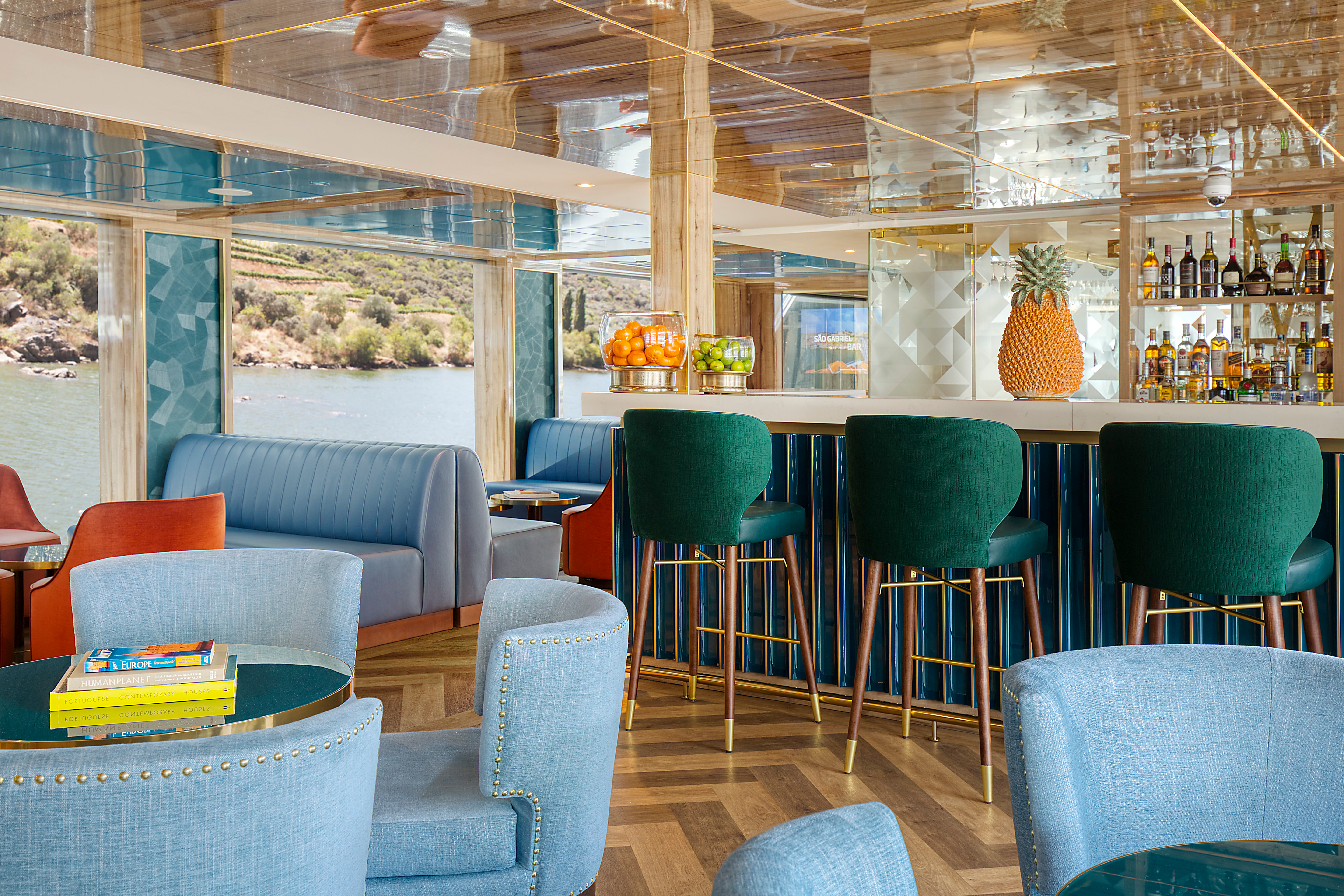
Vintage Bar
The Lounge Bar can be found on Azores Deck.
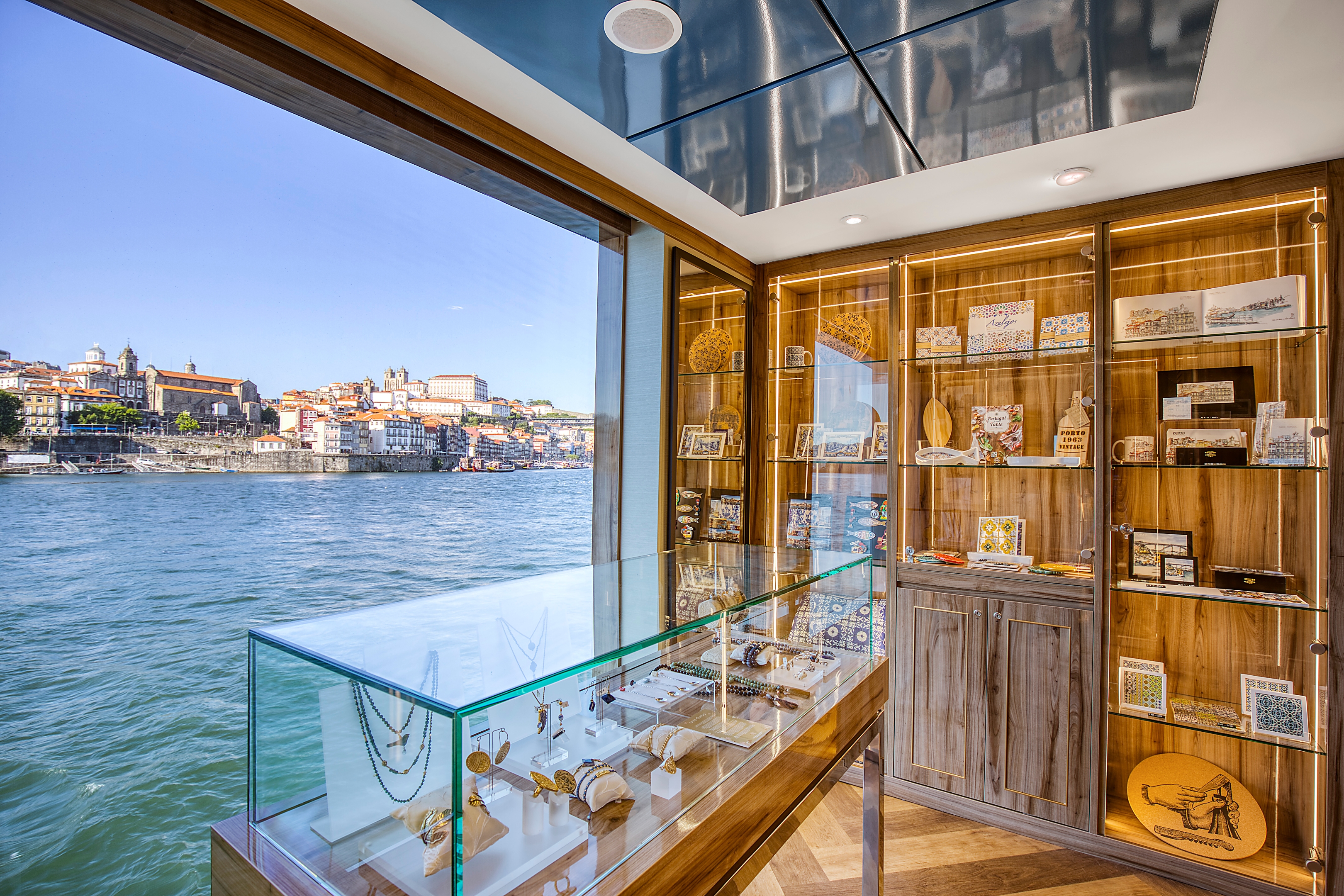
Shop
The Shop can be found on Azores Deck.
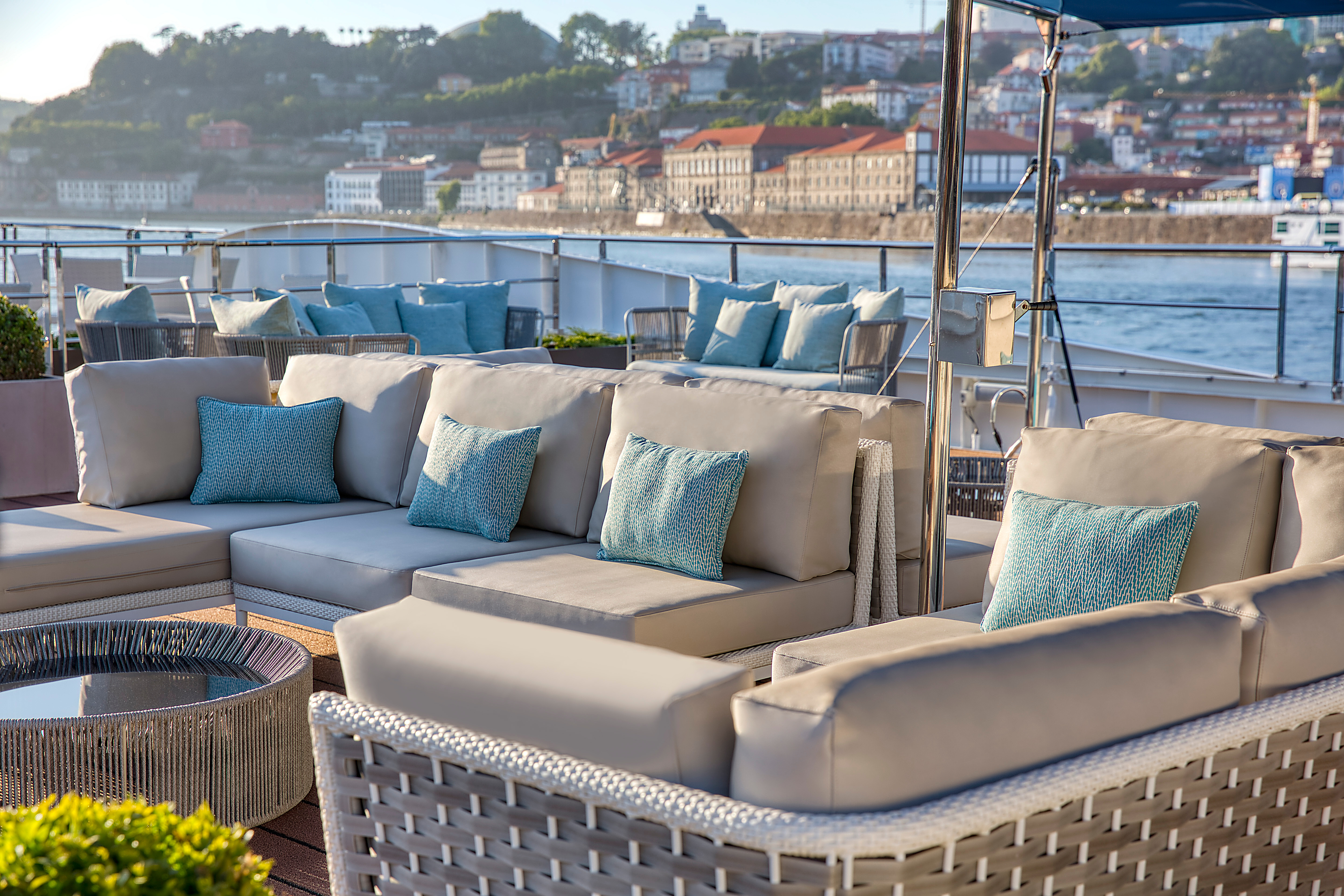
Sun Deck
The Sun Deck can be found on the Blue Azzelij Terrace.
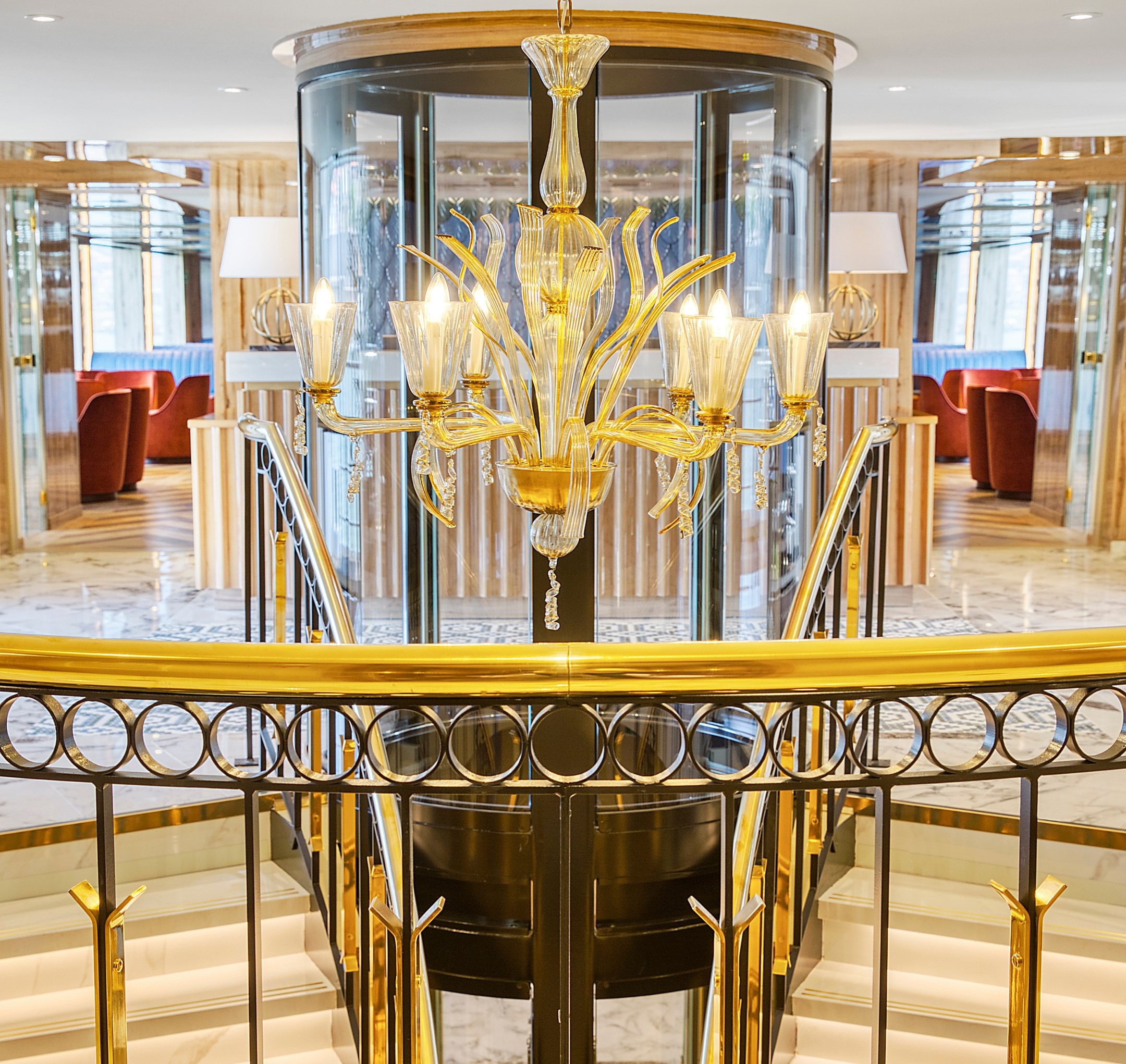
Reception
The Reception can be found on Azores Deck.
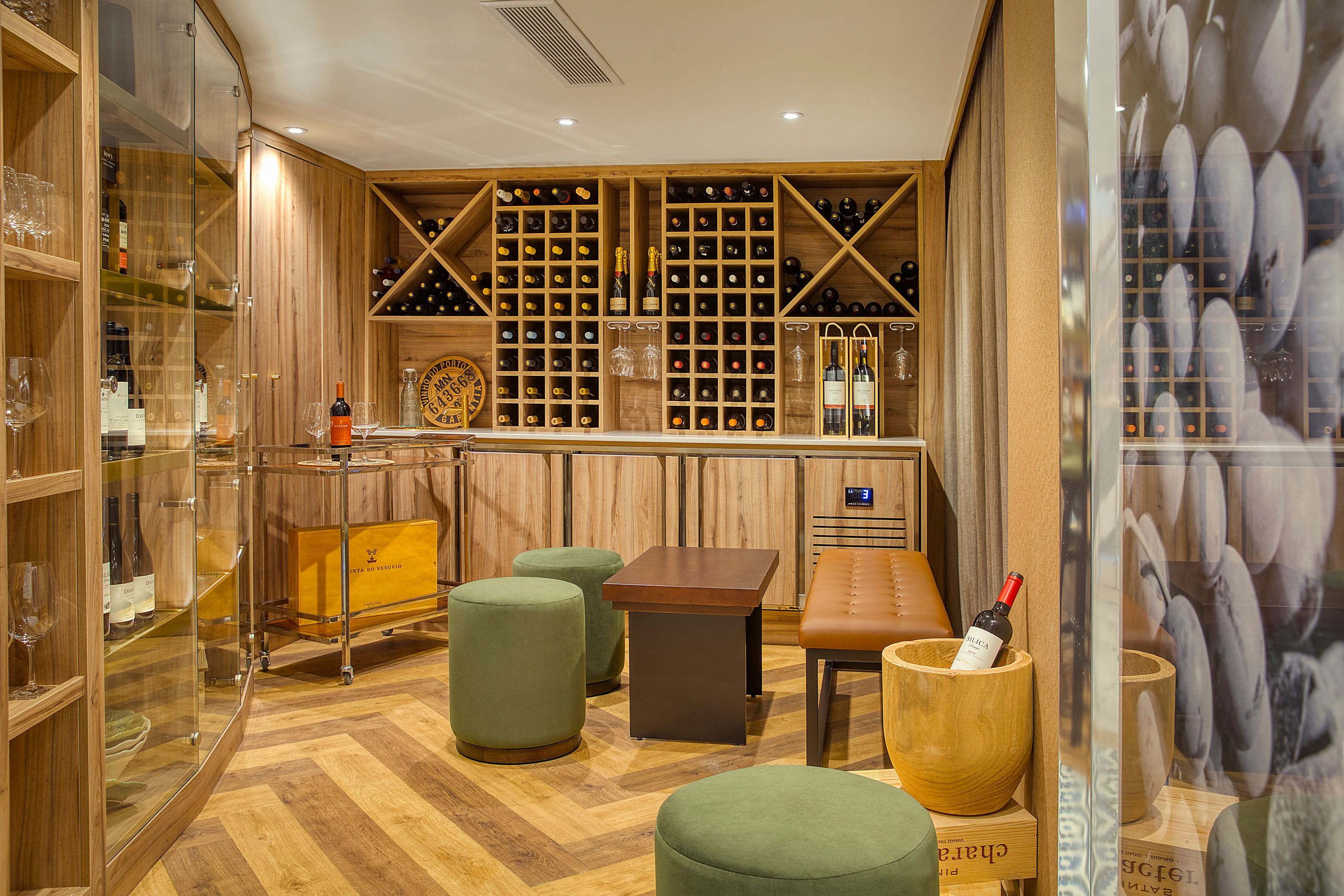
Duoro Wine Cellar
The Duoro Wine Cellar can be found on Cape Verde Deck.
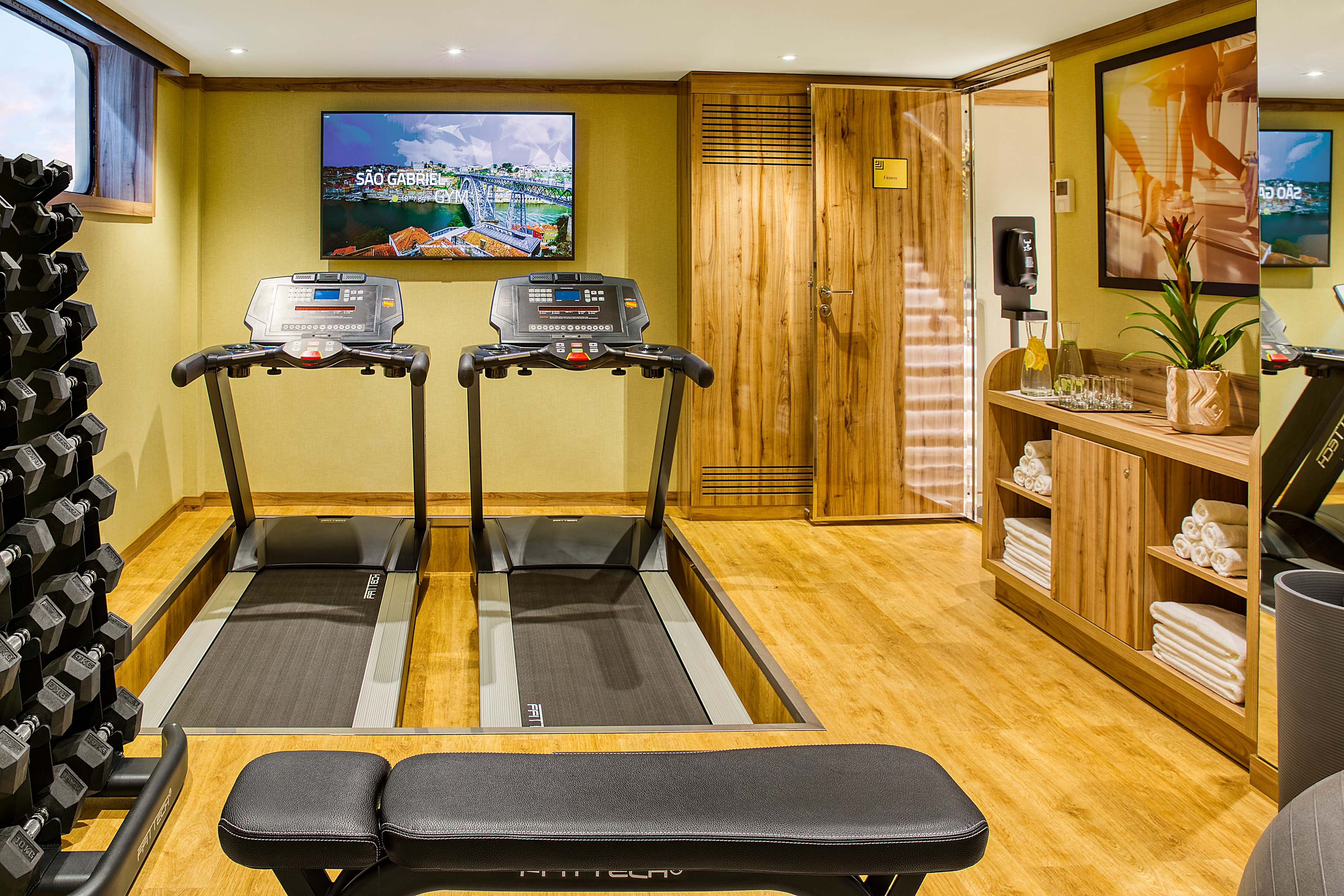
Fitness Centre
The Fitness Centre can be found on the Madeira Deck.
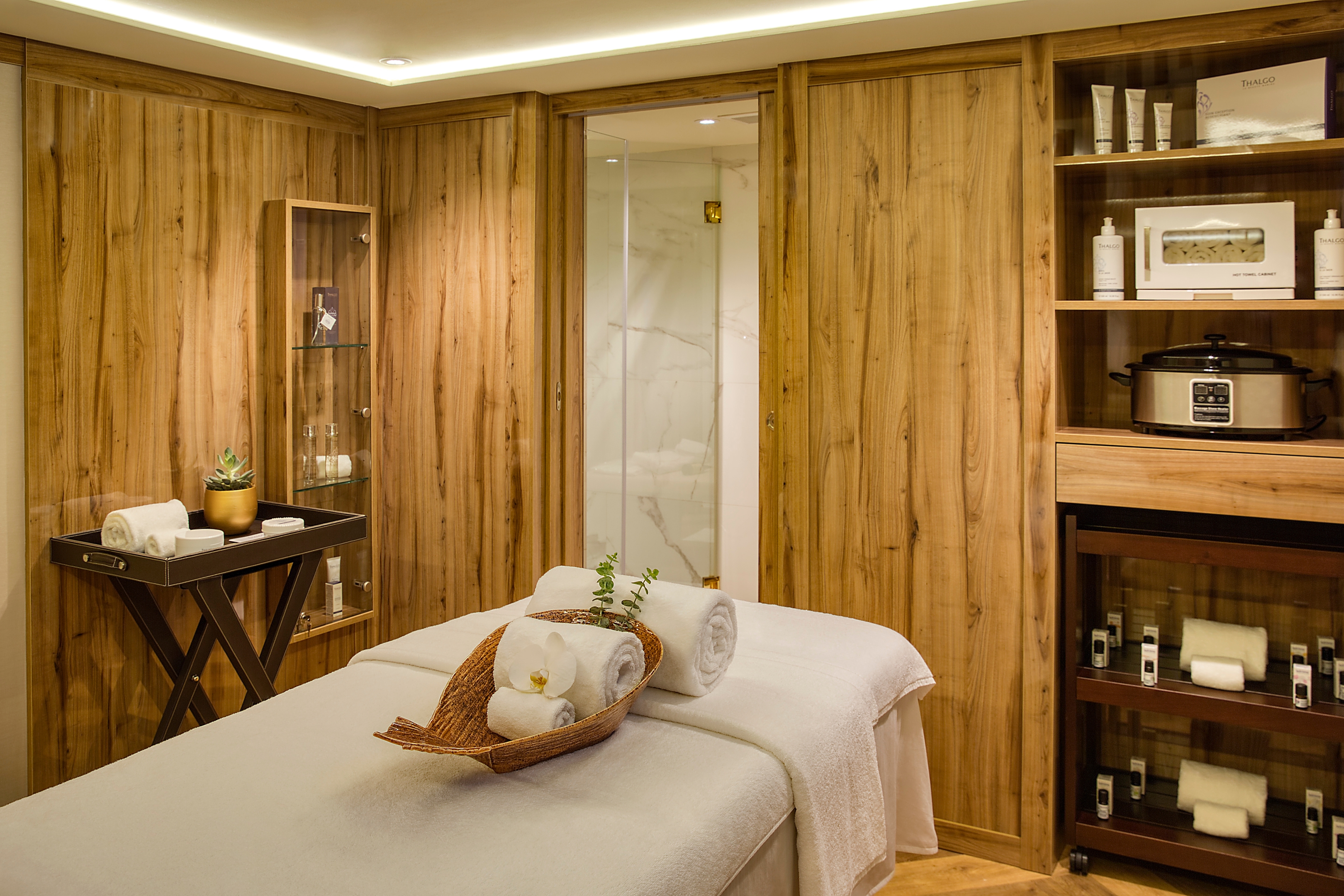
Spa
The Spa can be found on the Madeira Deck.
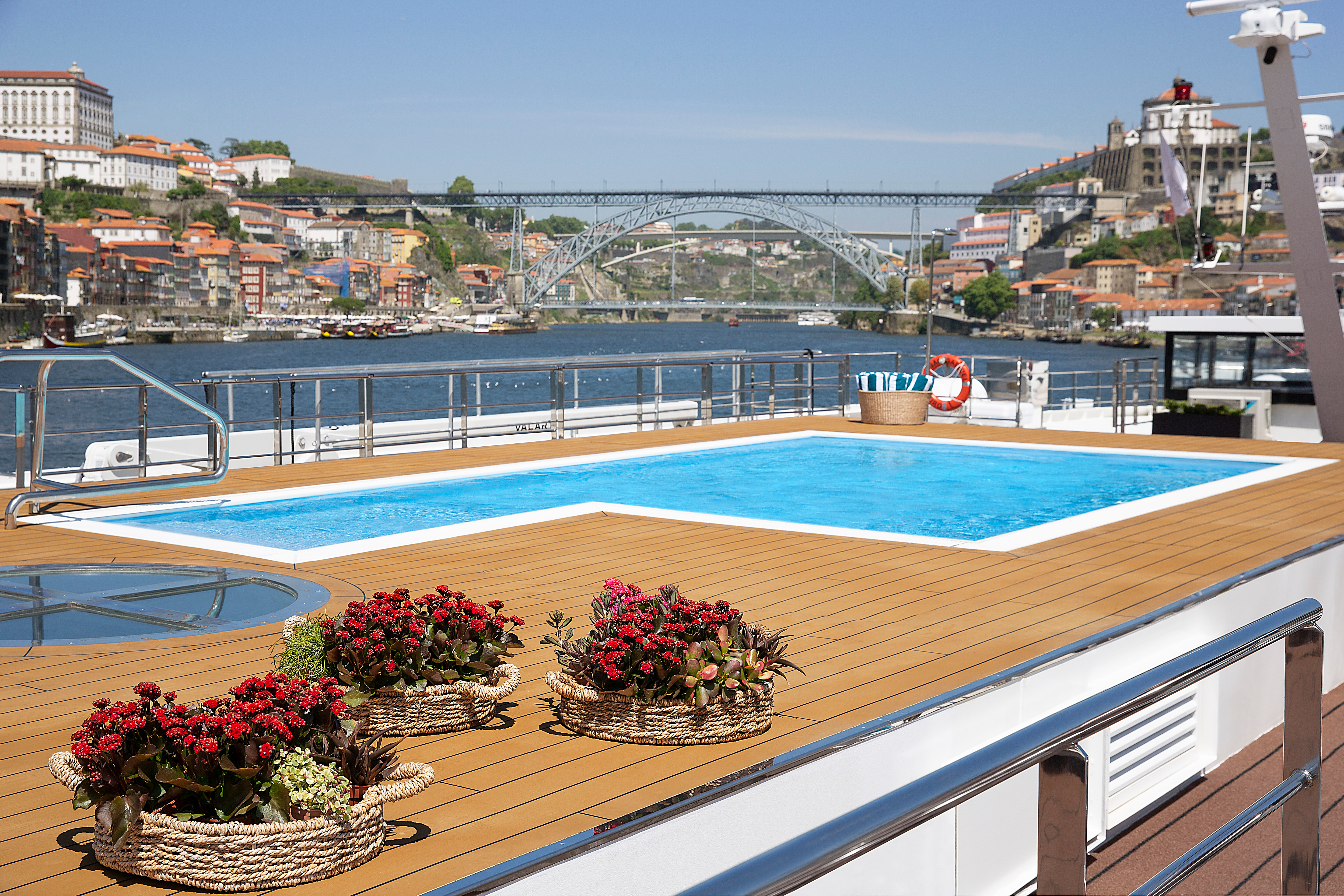
Pool
The Pool can be found on the Blue Azzelij Terrace
Special Generation Amenities
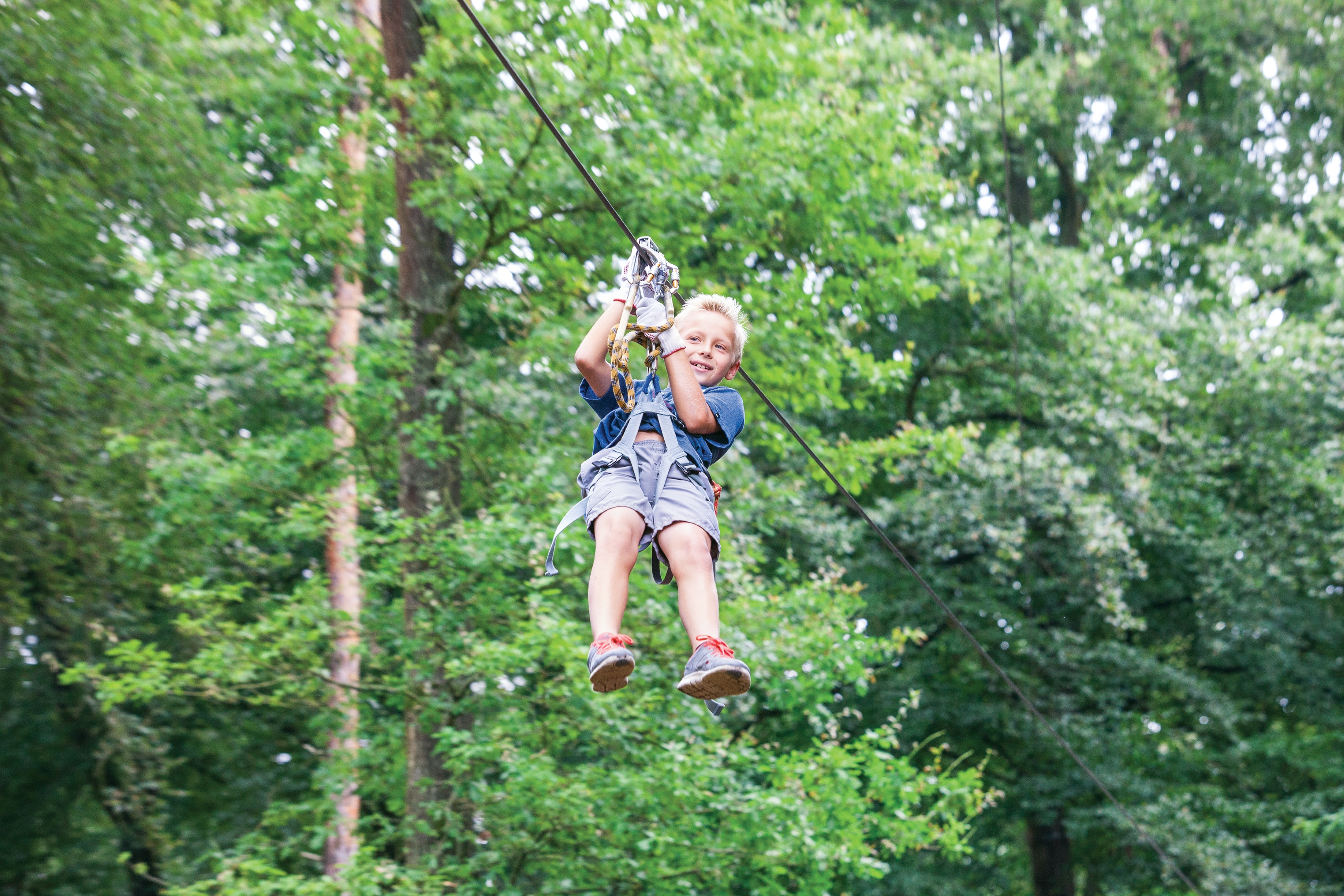
- Exciting shore excursions tailor-made for families and hosted by local experts
- Kid-friendly menus for each meal and unlimited beverages onboard
- Young Travellers’ Table, a special dining table reserved on certain nights just for our younger guests and Family Hosts
- Onboard activities just for kids, such as cooking classes and dessert-making with the ship’s chef and pastry chef
- Hands-on craft workshops tailored to the destinations you visit
- Young travellers’ lounge and game room, complete with PlayStation, games, movies and local treats
- Two dedicated Family Hosts to oversee all activities for Junior Cruisers (ages 4 to 12 years) and Teen Cruisers (ages 13 to 17 years)
- Opportunities to “Live the Lingo” and learn words and phrases in other languages from our Family Hosts
- Kids-only movie nights, where kids can enjoy popcorn-fueled screenings of family-friendly films along with their new onboard friends and Family Hosts
- A special VIP ship tour with the Captain or Hotel Manager
- Complimentary bicycles, helmets and Nordic walking sticks for use onshore
- Young travellers will receive special surprise pillow gifts for each night of the cruise
- Convenient departures scheduled during summer and winter breaks
Feirtoria Restaurant
The Feitoria Restaurant can be found on the Cape Verde Deck.
Heritage Bistro
The Heritage Bistro can be found on the Azores Deck.
Coffee Station
The Coffee Station can be found on the Cape Verde Deck.
Masterpiece Collection
Excursions
Expertly Curated Excursions
Immerse you in every destination
Every Uniworld cruise is meticulously crafted to be an experience you won’t find anywhere else, filled with moments that are each more breathtaking than the last. We’ve gone the extra mile to ensure our included and optional excursions immerse you in the authentic culture, sights, and cuisine of the places you’ll visit.
Let’s Go
Our active excursions invite you to appreciate the natural world with invigorating walking, hiking, cycling, kayaking, and golfing activities.
Do as the Locals Do
Whether we’re seeking local favorite treats or hopping on public trams to zip around town, these tours capture what it’s like to live in the destinations you visit.
Private Experiences
From visiting a museum without the crowds to an after-hours tour of a famous landmark, these included, once-in-a-lifetime experiences are arranged privately for Uniworld guests.
Village Day
On a Village Day, you’ll select from a few different ways to explore village life, often by diving into a cultural pastime or getting to know someone in town.
Make Travel Matter®
These sustainably minded excursions offer our guests opportunities to directly impact the communities we explore in a positive way.
MAKE TRAVEL MATTER® Experiences
Travelling with Uniworld means you’re travelling with purpose—supporting sustainable tourism as well as local communities and wildlife. Our MAKE TRAVEL MATTER® Experiences take that even further, offering our guests opportunities to directly impact the communities we explore in a positive way.
They are selected with great care using a proprietary assessment tool endorsed by industry experts, which ensures that our MAKE TRAVEL MATTER® Experiences directly advance United Nations Global Goals.
Nights Out
See your destinations in a whole new light
From private after-hours tours of popular attractions to local nightlife experiences, this new line of included excursions will go the extra mile to bring you uniquely memorable moments on your all-inclusive, luxury river cruise.
Vintage Bar
The Lounge Bar can be found on Azores Deck.
Shop
The Shop can be found on Azores Deck.
Sun Deck
The Sun Deck can be found on the Blue Azzelij Terrace.
Reception
The Reception can be found on Azores Deck.
Duoro Wine Cellar
The Duoro Wine Cellar can be found on Cape Verde Deck.
Fitness Centre
The Fitness Centre can be found on the Madeira Deck.
Spa
The Spa can be found on the Madeira Deck.
Pool
The Pool can be found on the Blue Azzelij Terrace
Special Generation Amenities
- Exciting shore excursions tailor-made for families and hosted by local experts
- Kid-friendly menus for each meal and unlimited beverages onboard
- Young Travellers’ Table, a special dining table reserved on certain nights just for our younger guests and Family Hosts
- Onboard activities just for kids, such as cooking classes and dessert-making with the ship’s chef and pastry chef
- Hands-on craft workshops tailored to the destinations you visit
- Young travellers’ lounge and game room, complete with PlayStation, games, movies and local treats
- Two dedicated Family Hosts to oversee all activities for Junior Cruisers (ages 4 to 12 years) and Teen Cruisers (ages 13 to 17 years)
- Opportunities to “Live the Lingo” and learn words and phrases in other languages from our Family Hosts
- Kids-only movie nights, where kids can enjoy popcorn-fueled screenings of family-friendly films along with their new onboard friends and Family Hosts
- A special VIP ship tour with the Captain or Hotel Manager
- Complimentary bicycles, helmets and Nordic walking sticks for use onshore
- Young travellers will receive special surprise pillow gifts for each night of the cruise
- Convenient departures scheduled during summer and winter breaks
About the Ship
Deck Plans

- Fitness Centre
- Guest Laundry
- Spa
- Deluxe Staterooms
- Classic Staterooms

- Coffee Station
- Duoro Wine Cellar
- Feitoria Restaurant
- French Balcony

- Shop
- Office
- Reception
- Heritage Bistro
- Vintage Bar
- Grand Suite
- Suite

- Pool
- Sun Loungers
- Fitness Centre
- Guest Laundry
- Spa
- Deluxe Staterooms
- Classic Staterooms
- Coffee Station
- Duoro Wine Cellar
- Feitoria Restaurant
- French Balcony
- Shop
- Office
- Reception
- Heritage Bistro
- Vintage Bar
- Grand Suite
- Suite
- Pool
- Sun Loungers