Featured Cabins
Itinerary
Hanoi, Vietnam
Hanoi, Vietnam
Siem Reap, Cambodia
Siem Reap, Cambodia
Siem Reap, Cambodia
Siem Reap, Cambodia
Phnom Penh, Cambodia
Phnom Penh, Cambodia’s busy capital, sits at the junction of the Mekong and Tonlé Sap rivers. It was a hub for both the Khmer Empire and French colonialists. On its walkable riverfront, lined with parks, restaurants and bars, are the ornate Royal Palace, Silver Pagoda and the National Museum, displaying artifacts from around the country. At the city’s heart is the massive, art deco Central Market.
Hanoi, Vietnam
Hanoi, Vietnam
Siem Reap, Cambodia
Siem Reap, Cambodia
Siem Reap, Cambodia
Siem Reap, Cambodia
Phnom Penh, Cambodia
Phnom Penh, Cambodia’s busy capital, sits at the junction of the Mekong and Tonlé Sap rivers. It was a hub for both the Khmer Empire and French colonialists. On its walkable riverfront, lined with parks, restaurants and bars, are the ornate Royal Palace, Silver Pagoda and the National Museum, displaying artifacts from around the country. At the city’s heart is the massive, art deco Central Market.
Phnom Penh, Cambodia
Phnom Penh, Cambodia’s busy capital, sits at the junction of the Mekong and Tonlé Sap rivers. It was a hub for both the Khmer Empire and French colonialists. On its walkable riverfront, lined with parks, restaurants and bars, are the ornate Royal Palace, Silver Pagoda and the National Museum, displaying artifacts from around the country. At the city’s heart is the massive, art deco Central Market.
Phnom Penh, Cambodia
Phnom Penh, Cambodia’s busy capital, sits at the junction of the Mekong and Tonlé Sap rivers. It was a hub for both the Khmer Empire and French colonialists. On its walkable riverfront, lined with parks, restaurants and bars, are the ornate Royal Palace, Silver Pagoda and the National Museum, displaying artifacts from around the country. At the city’s heart is the massive, art deco Central Market.
Sa Déc, Vietnam

Sa Déc, Vietnam
My Tho, Vietnam
Ho Chi Minh City, Vietnam
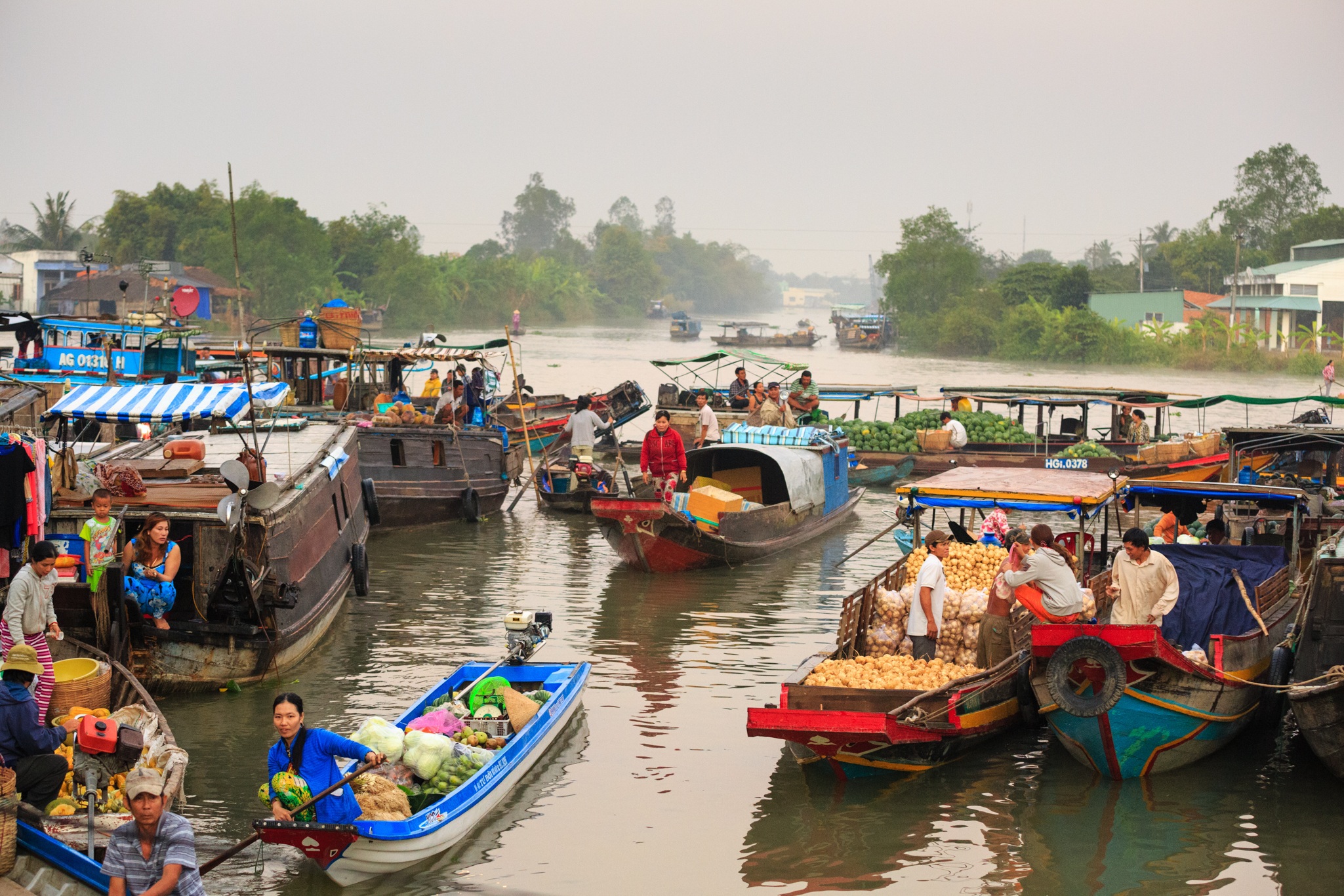
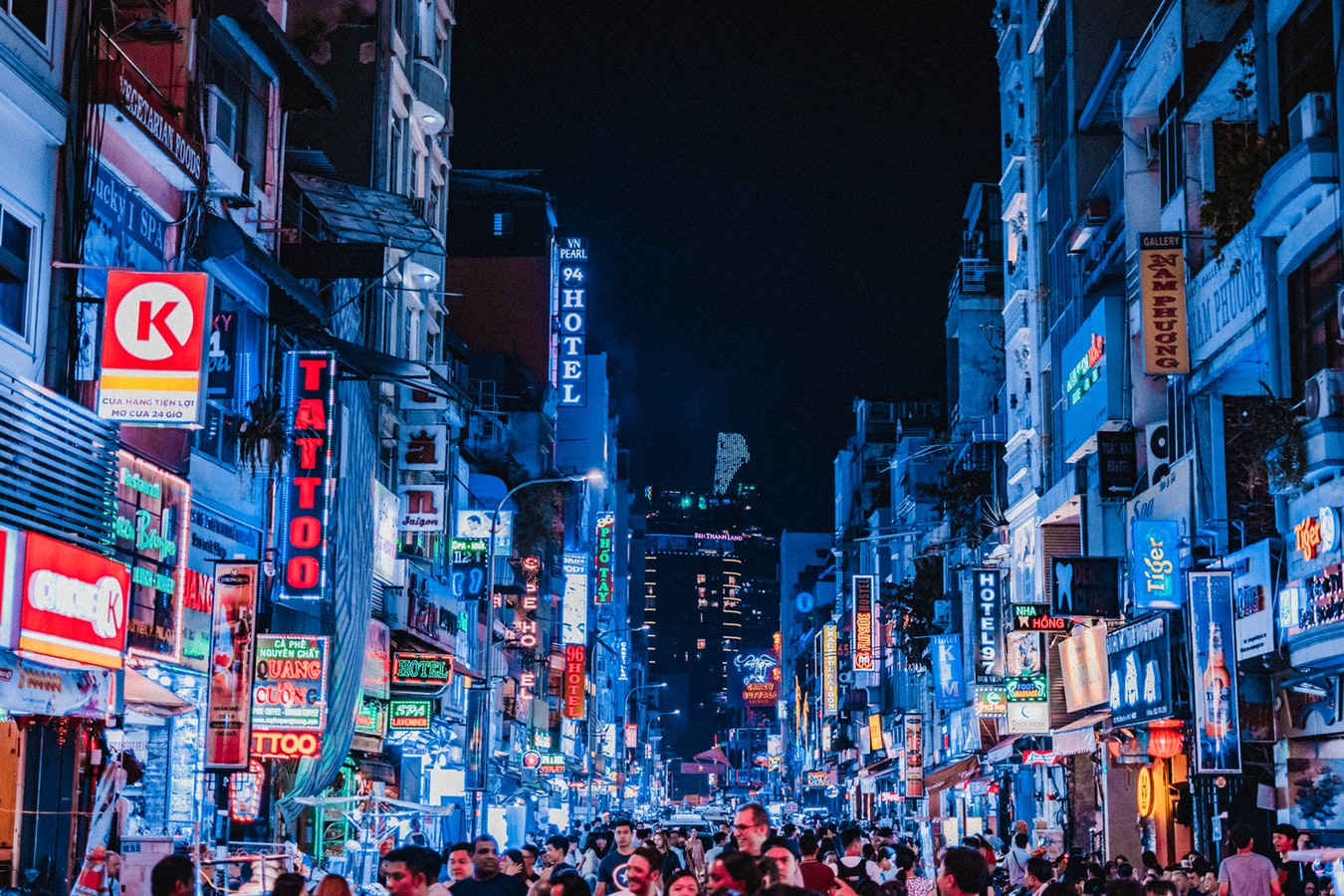
Romantically referred to by the French as the Pearl of the Orient, Ho Chi Minh City today is a super-charged city of sensory overload. Motorbikes zoom day and night along the wide boulevards, through the narrow back alleys and past vendors pushing handcarts hawking goods of all descriptions. Still called Saigon by most residents, this is Vietnam’s largest city and the engine driving the country’s current economic resurgence, but despite its frenetic pace, it’s a friendlier place than Hanoi and locals will tell you the food—simple, tasty, and incorporating many fresh herbs—is infinitely better than in the capital.This is a city full of surprises. The madness of the city’s traffic—witness the oddball things that are transported on the back of motorcycles—is countered by tranquil pagodas, peaceful parks, quirky coffee shops, and whole neighborhoods hidden down tiny alleyways, although some of these quiet spots can be difficult to track down. Life in Ho Chi Minh City is lived in public: on the back of motorcycles, on the sidewalks, and in the parks. Even when its residents are at home, they’re still on display. With many living rooms opening onto the street, grandmothers napping, babies being rocked, and food being prepared, are all in full view of passersby.Icons of the past endure in the midst of the city’s headlong rush into capitalism. The Hotel Continental, immortalized in Graham Greene’s The Quiet American, continues to stand on the corner of old Indochina’s most famous thoroughfare, the rue Catinat, known to American G.I.s during the Vietnam War as Tu Do (Freedom) Street and renamed Dong Khoi (Uprising) Street by the Communists. The city still has its ornate opera house and its old French city hall, the Hôtel de Ville. The broad colonial boulevards leading to the Saigon River and the gracious stucco villas are other remnants of the French colonial presence. Grisly reminders of the more recent past can be seen at the city’s war-related museums. Residents, however, prefer to look forward rather than back and are often perplexed by tourists’ fascination with a war that ended 40 years ago.The Chinese influence on the country is still very much in evidence in the Cholon district, the city’s Chinatown, but the modern office towers and international hotels that mark the skyline symbolize Vietnam’s fixation on the future.
Ho Chi Minh City, Vietnam
Romantically referred to by the French as the Pearl of the Orient, Ho Chi Minh City today is a super-charged city of sensory overload. Motorbikes zoom day and night along the wide boulevards, through the narrow back alleys and past vendors pushing handcarts hawking goods of all descriptions. Still called Saigon by most residents, this is Vietnam’s largest city and the engine driving the country’s current economic resurgence, but despite its frenetic pace, it’s a friendlier place than Hanoi and locals will tell you the food—simple, tasty, and incorporating many fresh herbs—is infinitely better than in the capital.This is a city full of surprises. The madness of the city’s traffic—witness the oddball things that are transported on the back of motorcycles—is countered by tranquil pagodas, peaceful parks, quirky coffee shops, and whole neighborhoods hidden down tiny alleyways, although some of these quiet spots can be difficult to track down. Life in Ho Chi Minh City is lived in public: on the back of motorcycles, on the sidewalks, and in the parks. Even when its residents are at home, they’re still on display. With many living rooms opening onto the street, grandmothers napping, babies being rocked, and food being prepared, are all in full view of passersby.Icons of the past endure in the midst of the city’s headlong rush into capitalism. The Hotel Continental, immortalized in Graham Greene’s The Quiet American, continues to stand on the corner of old Indochina’s most famous thoroughfare, the rue Catinat, known to American G.I.s during the Vietnam War as Tu Do (Freedom) Street and renamed Dong Khoi (Uprising) Street by the Communists. The city still has its ornate opera house and its old French city hall, the Hôtel de Ville. The broad colonial boulevards leading to the Saigon River and the gracious stucco villas are other remnants of the French colonial presence. Grisly reminders of the more recent past can be seen at the city’s war-related museums. Residents, however, prefer to look forward rather than back and are often perplexed by tourists’ fascination with a war that ended 40 years ago.The Chinese influence on the country is still very much in evidence in the Cholon district, the city’s Chinatown, but the modern office towers and international hotels that mark the skyline symbolize Vietnam’s fixation on the future.
Phnom Penh, Cambodia
Phnom Penh, Cambodia’s busy capital, sits at the junction of the Mekong and Tonlé Sap rivers. It was a hub for both the Khmer Empire and French colonialists. On its walkable riverfront, lined with parks, restaurants and bars, are the ornate Royal Palace, Silver Pagoda and the National Museum, displaying artifacts from around the country. At the city’s heart is the massive, art deco Central Market.
Phnom Penh, Cambodia
Phnom Penh, Cambodia’s busy capital, sits at the junction of the Mekong and Tonlé Sap rivers. It was a hub for both the Khmer Empire and French colonialists. On its walkable riverfront, lined with parks, restaurants and bars, are the ornate Royal Palace, Silver Pagoda and the National Museum, displaying artifacts from around the country. At the city’s heart is the massive, art deco Central Market.
Sa Déc, Vietnam
Sa Déc, Vietnam
My Tho, Vietnam
Ho Chi Minh City, Vietnam
Romantically referred to by the French as the Pearl of the Orient, Ho Chi Minh City today is a super-charged city of sensory overload. Motorbikes zoom day and night along the wide boulevards, through the narrow back alleys and past vendors pushing handcarts hawking goods of all descriptions. Still called Saigon by most residents, this is Vietnam’s largest city and the engine driving the country’s current economic resurgence, but despite its frenetic pace, it’s a friendlier place than Hanoi and locals will tell you the food—simple, tasty, and incorporating many fresh herbs—is infinitely better than in the capital.This is a city full of surprises. The madness of the city’s traffic—witness the oddball things that are transported on the back of motorcycles—is countered by tranquil pagodas, peaceful parks, quirky coffee shops, and whole neighborhoods hidden down tiny alleyways, although some of these quiet spots can be difficult to track down. Life in Ho Chi Minh City is lived in public: on the back of motorcycles, on the sidewalks, and in the parks. Even when its residents are at home, they’re still on display. With many living rooms opening onto the street, grandmothers napping, babies being rocked, and food being prepared, are all in full view of passersby.Icons of the past endure in the midst of the city’s headlong rush into capitalism. The Hotel Continental, immortalized in Graham Greene’s The Quiet American, continues to stand on the corner of old Indochina’s most famous thoroughfare, the rue Catinat, known to American G.I.s during the Vietnam War as Tu Do (Freedom) Street and renamed Dong Khoi (Uprising) Street by the Communists. The city still has its ornate opera house and its old French city hall, the Hôtel de Ville. The broad colonial boulevards leading to the Saigon River and the gracious stucco villas are other remnants of the French colonial presence. Grisly reminders of the more recent past can be seen at the city’s war-related museums. Residents, however, prefer to look forward rather than back and are often perplexed by tourists’ fascination with a war that ended 40 years ago.The Chinese influence on the country is still very much in evidence in the Cholon district, the city’s Chinatown, but the modern office towers and international hotels that mark the skyline symbolize Vietnam’s fixation on the future.
Ho Chi Minh City, Vietnam
Romantically referred to by the French as the Pearl of the Orient, Ho Chi Minh City today is a super-charged city of sensory overload. Motorbikes zoom day and night along the wide boulevards, through the narrow back alleys and past vendors pushing handcarts hawking goods of all descriptions. Still called Saigon by most residents, this is Vietnam’s largest city and the engine driving the country’s current economic resurgence, but despite its frenetic pace, it’s a friendlier place than Hanoi and locals will tell you the food—simple, tasty, and incorporating many fresh herbs—is infinitely better than in the capital.This is a city full of surprises. The madness of the city’s traffic—witness the oddball things that are transported on the back of motorcycles—is countered by tranquil pagodas, peaceful parks, quirky coffee shops, and whole neighborhoods hidden down tiny alleyways, although some of these quiet spots can be difficult to track down. Life in Ho Chi Minh City is lived in public: on the back of motorcycles, on the sidewalks, and in the parks. Even when its residents are at home, they’re still on display. With many living rooms opening onto the street, grandmothers napping, babies being rocked, and food being prepared, are all in full view of passersby.Icons of the past endure in the midst of the city’s headlong rush into capitalism. The Hotel Continental, immortalized in Graham Greene’s The Quiet American, continues to stand on the corner of old Indochina’s most famous thoroughfare, the rue Catinat, known to American G.I.s during the Vietnam War as Tu Do (Freedom) Street and renamed Dong Khoi (Uprising) Street by the Communists. The city still has its ornate opera house and its old French city hall, the Hôtel de Ville. The broad colonial boulevards leading to the Saigon River and the gracious stucco villas are other remnants of the French colonial presence. Grisly reminders of the more recent past can be seen at the city’s war-related museums. Residents, however, prefer to look forward rather than back and are often perplexed by tourists’ fascination with a war that ended 40 years ago.The Chinese influence on the country is still very much in evidence in the Cholon district, the city’s Chinatown, but the modern office towers and international hotels that mark the skyline symbolize Vietnam’s fixation on the future.
Ho Chi Minh City, Vietnam
Romantically referred to by the French as the Pearl of the Orient, Ho Chi Minh City today is a super-charged city of sensory overload. Motorbikes zoom day and night along the wide boulevards, through the narrow back alleys and past vendors pushing handcarts hawking goods of all descriptions. Still called Saigon by most residents, this is Vietnam’s largest city and the engine driving the country’s current economic resurgence, but despite its frenetic pace, it’s a friendlier place than Hanoi and locals will tell you the food—simple, tasty, and incorporating many fresh herbs—is infinitely better than in the capital.This is a city full of surprises. The madness of the city’s traffic—witness the oddball things that are transported on the back of motorcycles—is countered by tranquil pagodas, peaceful parks, quirky coffee shops, and whole neighborhoods hidden down tiny alleyways, although some of these quiet spots can be difficult to track down. Life in Ho Chi Minh City is lived in public: on the back of motorcycles, on the sidewalks, and in the parks. Even when its residents are at home, they’re still on display. With many living rooms opening onto the street, grandmothers napping, babies being rocked, and food being prepared, are all in full view of passersby.Icons of the past endure in the midst of the city’s headlong rush into capitalism. The Hotel Continental, immortalized in Graham Greene’s The Quiet American, continues to stand on the corner of old Indochina’s most famous thoroughfare, the rue Catinat, known to American G.I.s during the Vietnam War as Tu Do (Freedom) Street and renamed Dong Khoi (Uprising) Street by the Communists. The city still has its ornate opera house and its old French city hall, the Hôtel de Ville. The broad colonial boulevards leading to the Saigon River and the gracious stucco villas are other remnants of the French colonial presence. Grisly reminders of the more recent past can be seen at the city’s war-related museums. Residents, however, prefer to look forward rather than back and are often perplexed by tourists’ fascination with a war that ended 40 years ago.The Chinese influence on the country is still very much in evidence in the Cholon district, the city’s Chinatown, but the modern office towers and international hotels that mark the skyline symbolize Vietnam’s fixation on the future.
Ho Chi Minh City, Vietnam
Romantically referred to by the French as the Pearl of the Orient, Ho Chi Minh City today is a super-charged city of sensory overload. Motorbikes zoom day and night along the wide boulevards, through the narrow back alleys and past vendors pushing handcarts hawking goods of all descriptions. Still called Saigon by most residents, this is Vietnam’s largest city and the engine driving the country’s current economic resurgence, but despite its frenetic pace, it’s a friendlier place than Hanoi and locals will tell you the food—simple, tasty, and incorporating many fresh herbs—is infinitely better than in the capital.This is a city full of surprises. The madness of the city’s traffic—witness the oddball things that are transported on the back of motorcycles—is countered by tranquil pagodas, peaceful parks, quirky coffee shops, and whole neighborhoods hidden down tiny alleyways, although some of these quiet spots can be difficult to track down. Life in Ho Chi Minh City is lived in public: on the back of motorcycles, on the sidewalks, and in the parks. Even when its residents are at home, they’re still on display. With many living rooms opening onto the street, grandmothers napping, babies being rocked, and food being prepared, are all in full view of passersby.Icons of the past endure in the midst of the city’s headlong rush into capitalism. The Hotel Continental, immortalized in Graham Greene’s The Quiet American, continues to stand on the corner of old Indochina’s most famous thoroughfare, the rue Catinat, known to American G.I.s during the Vietnam War as Tu Do (Freedom) Street and renamed Dong Khoi (Uprising) Street by the Communists. The city still has its ornate opera house and its old French city hall, the Hôtel de Ville. The broad colonial boulevards leading to the Saigon River and the gracious stucco villas are other remnants of the French colonial presence. Grisly reminders of the more recent past can be seen at the city’s war-related museums. Residents, however, prefer to look forward rather than back and are often perplexed by tourists’ fascination with a war that ended 40 years ago.The Chinese influence on the country is still very much in evidence in the Cholon district, the city’s Chinatown, but the modern office towers and international hotels that mark the skyline symbolize Vietnam’s fixation on the future.
Cabin Options
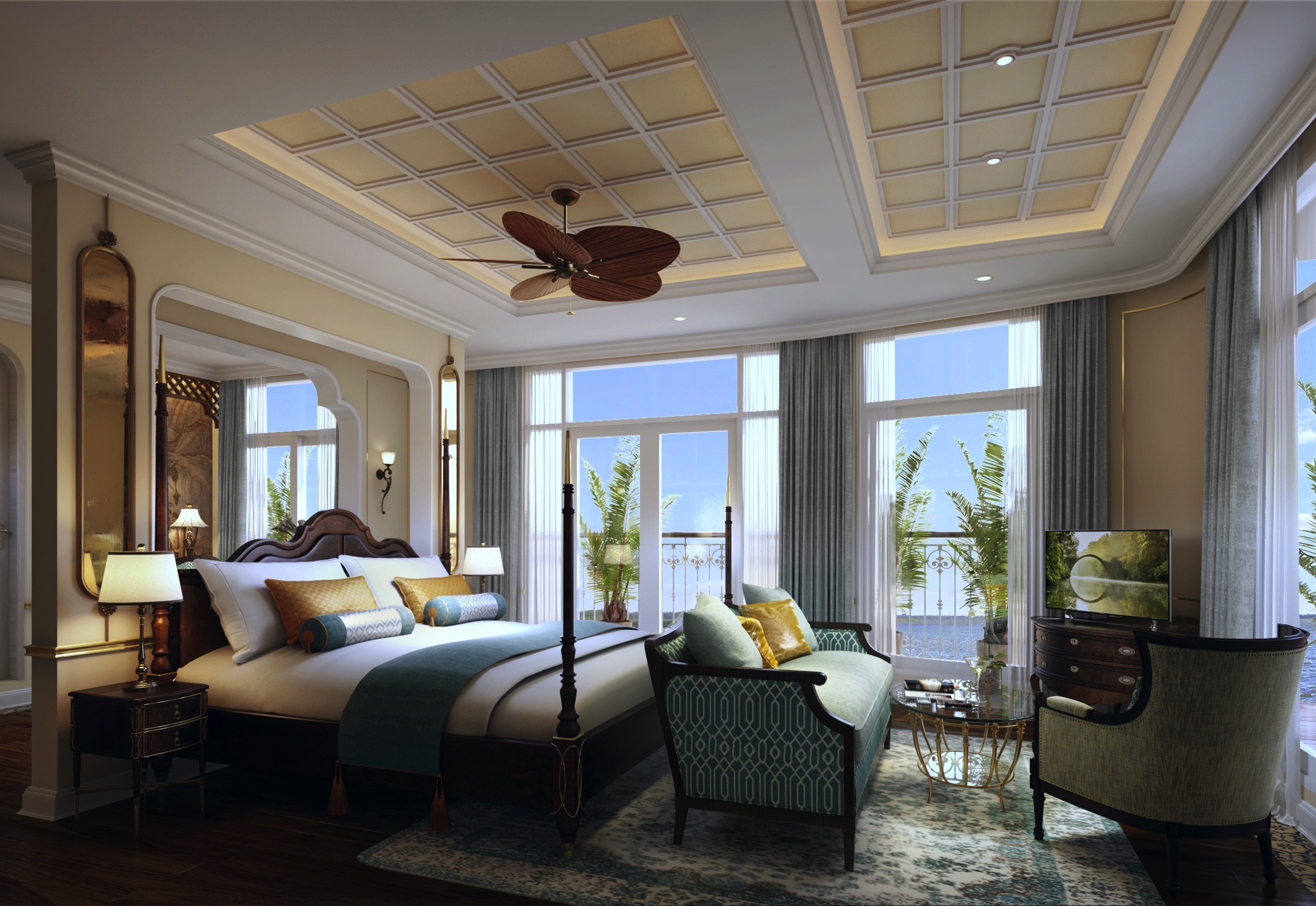
Royal Suite
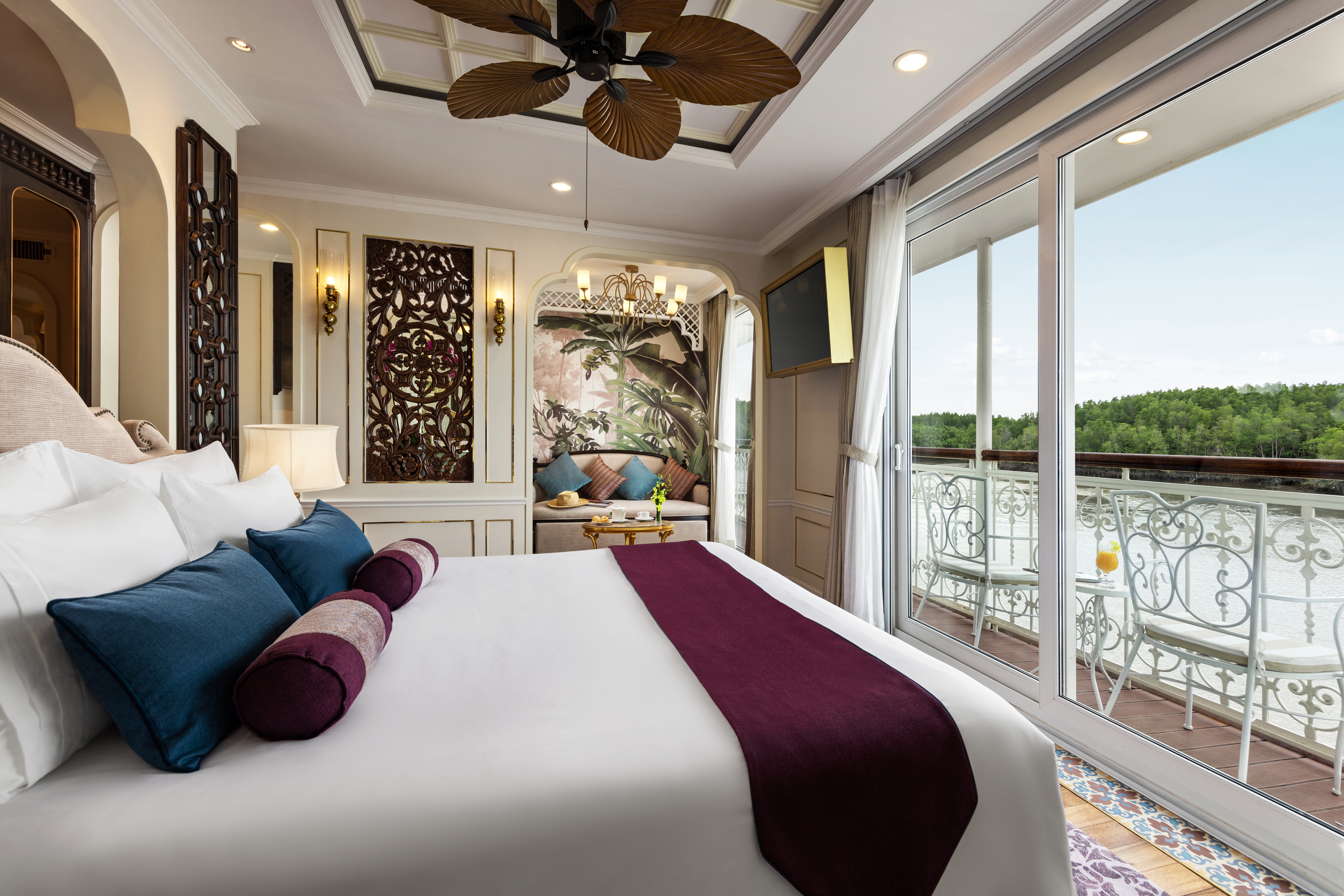
Grand Suite
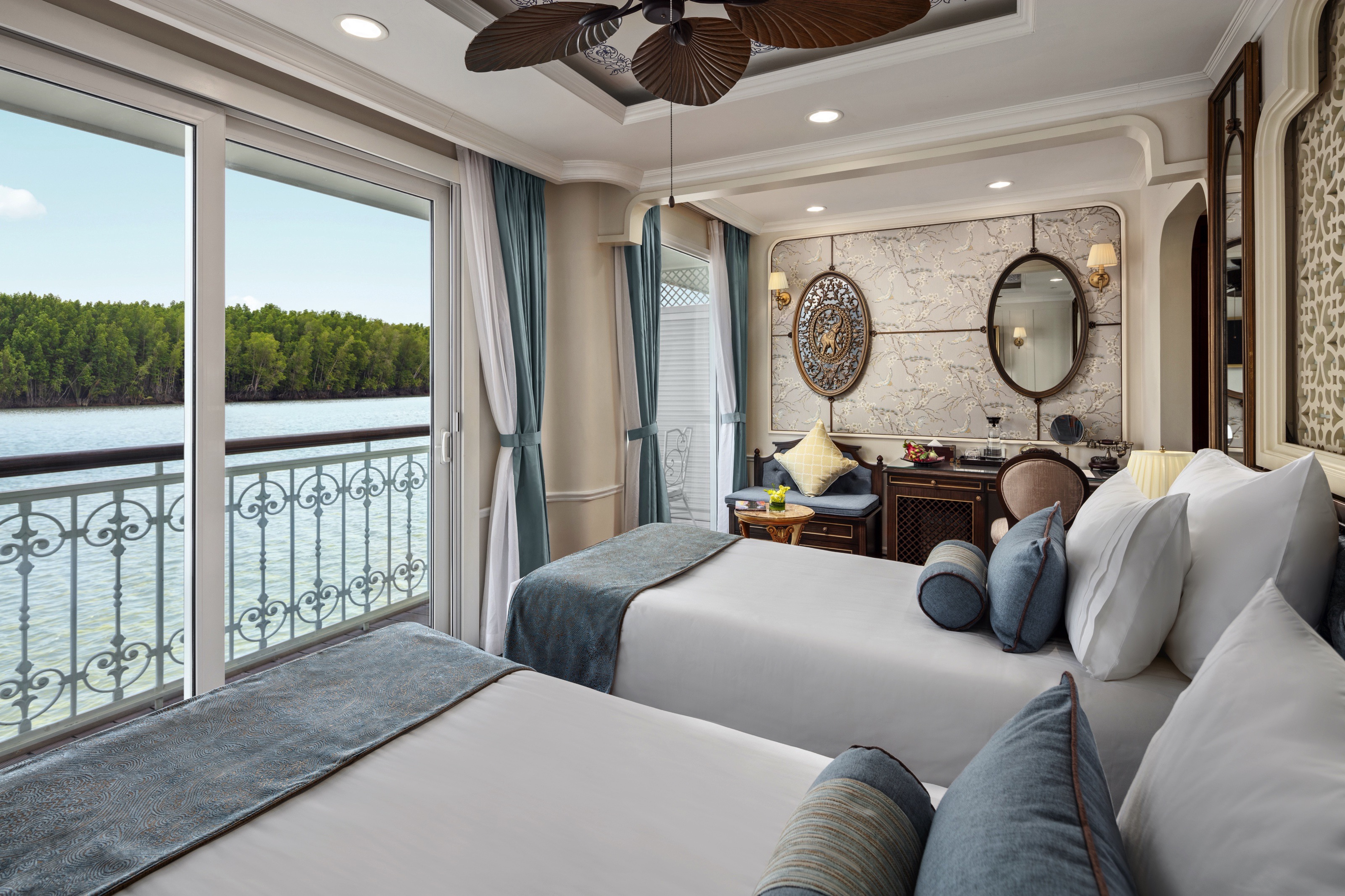
Suite
Ship Facilities
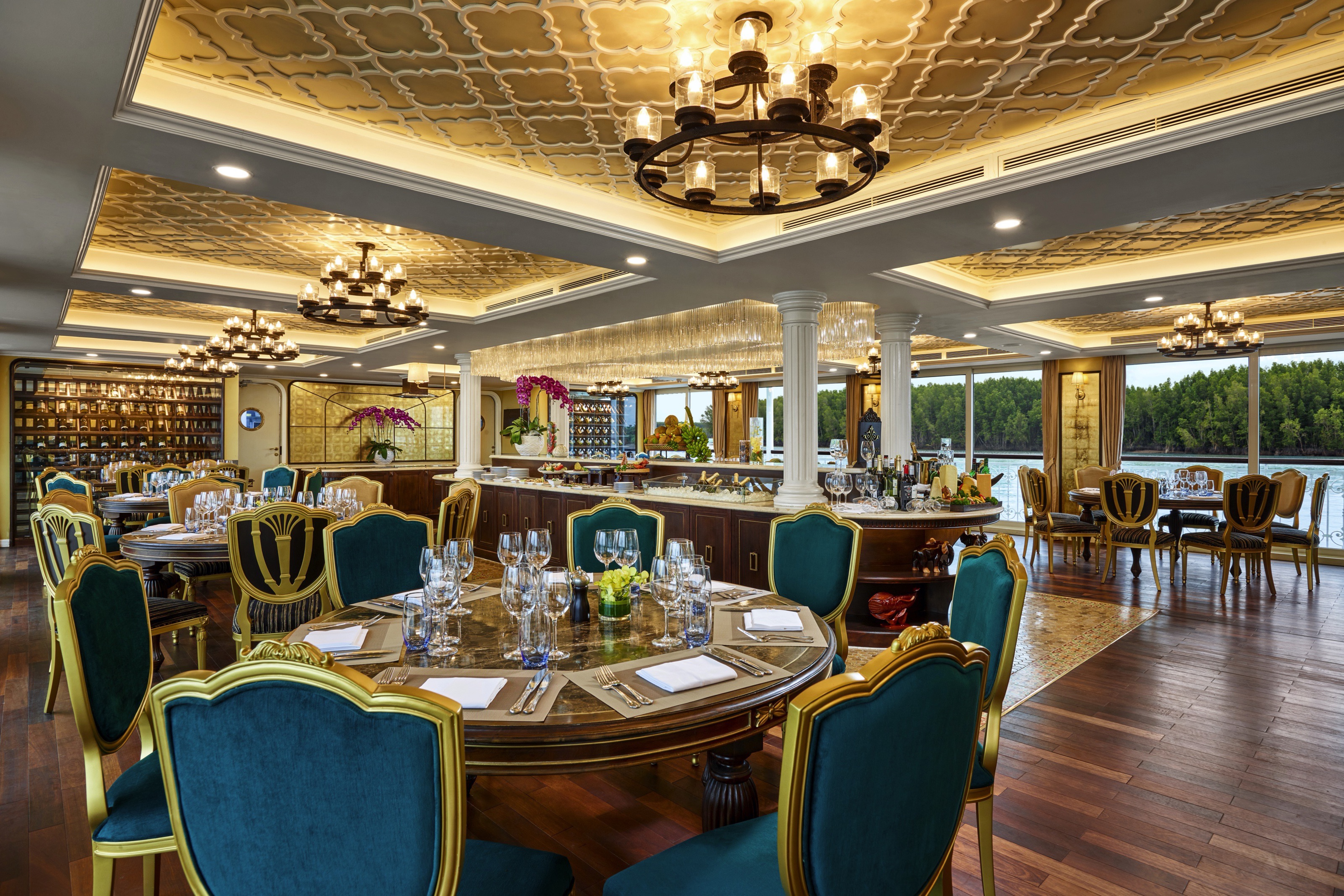
Restaurant
Culinary Excellence
We treat cooking as an art form, a very delicious art form.
From Farm to Ship: Farm-to-table isn’t just a trendy culinary buzzword around here. It’s a governing philosophy and commitment to serving you the very best local dishes created by our master chefs. When in Italy, dinner may consist of Prosciutto di Parma pizza and Osso Buco Milanese, prepared to your liking, with meats and vegetables sourced from just miles away. After a day immersed in Indian culture, your taste buds may do some immersing of their own with Gajar Shorba and Tandoori Chicken Tikka for lunch. Live brilliantly. Dine locally.
Creative Culinary Options: For those interested in healthier dining options, our Traveling Lite menu conveniently highlights the lightest dinner options every evening. We also offer a variety of vegetarian and vegan dishes, as well as gluten-free replacements upon request. If you have a specific meal preference, just ask. Our chefs will be happy to accommodate.
Excursions
Expertly Curated Excursions
Immerse you in every destination
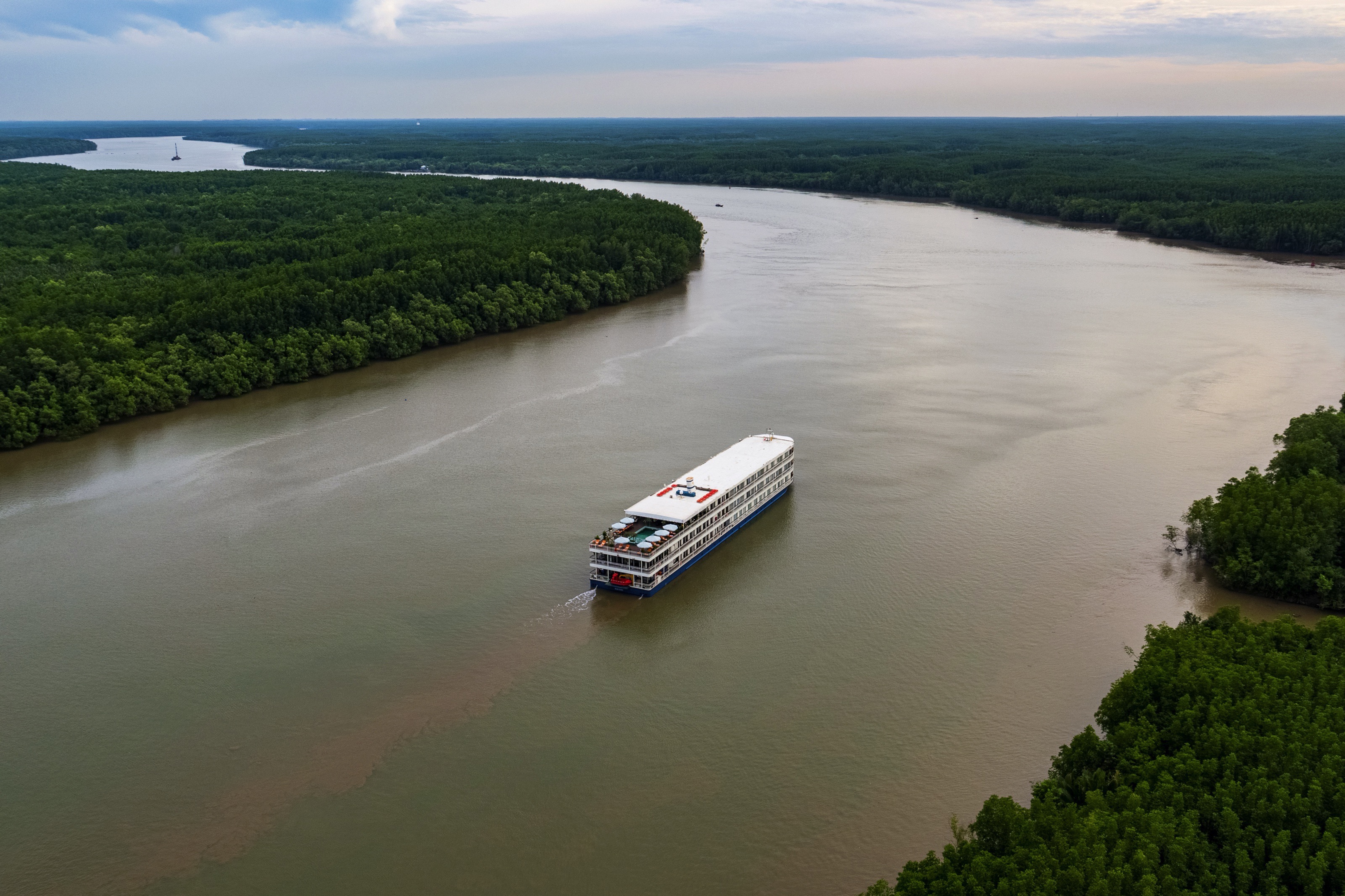
Every Uniworld cruise is meticulously crafted to be an experience you won’t find anywhere else, filled with moments that are each more breathtaking than the last. We’ve gone the extra mile to ensure our included and optional excursions immerse you in the authentic culture, sights, and cuisine of the places you’ll visit.
Let’s Go
Our active excursions invite you to appreciate the natural world with invigorating walking, hiking, cycling, kayaking, and golfing activities.
Do as the Locals Do
Whether we’re seeking local favorite treats or hopping on public trams to zip around town, these tours capture what it’s like to live in the destinations you visit.
Private Experiences
From visiting a museum without the crowds to an after-hours tour of a famous landmark, these included, once-in-a-lifetime experiences are arranged privately for Uniworld guests.
Village Day
On a Village Day, you’ll select from a few different ways to explore village life, often by diving into a cultural pastime or getting to know someone in town.
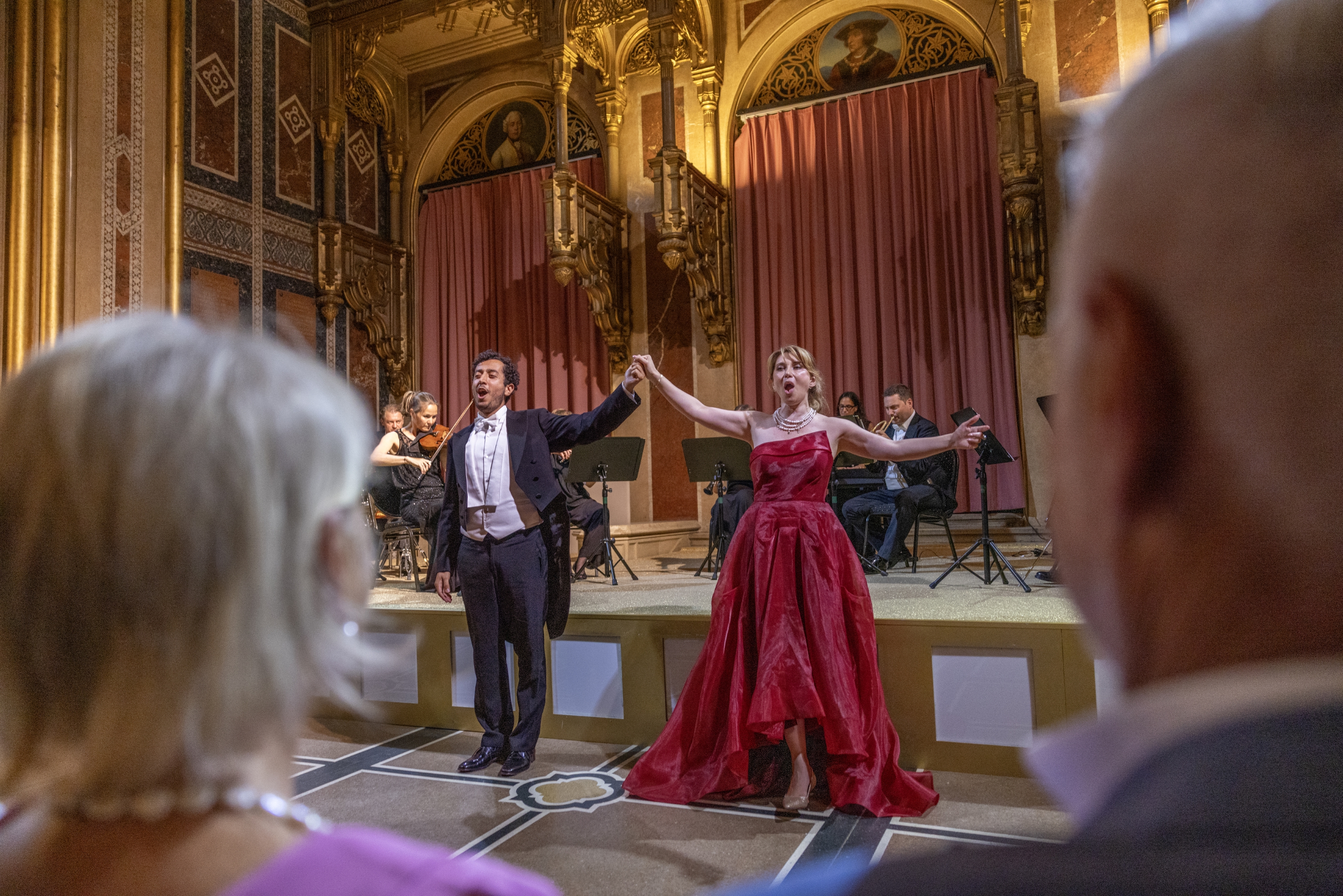
Nights Out
See your destinations in a whole new light
From private after-hours tours of popular attractions to local nightlife experiences, this new line of included excursions will go the extra mile to bring you uniquely memorable moments on your all-inclusive, luxury river cruise.
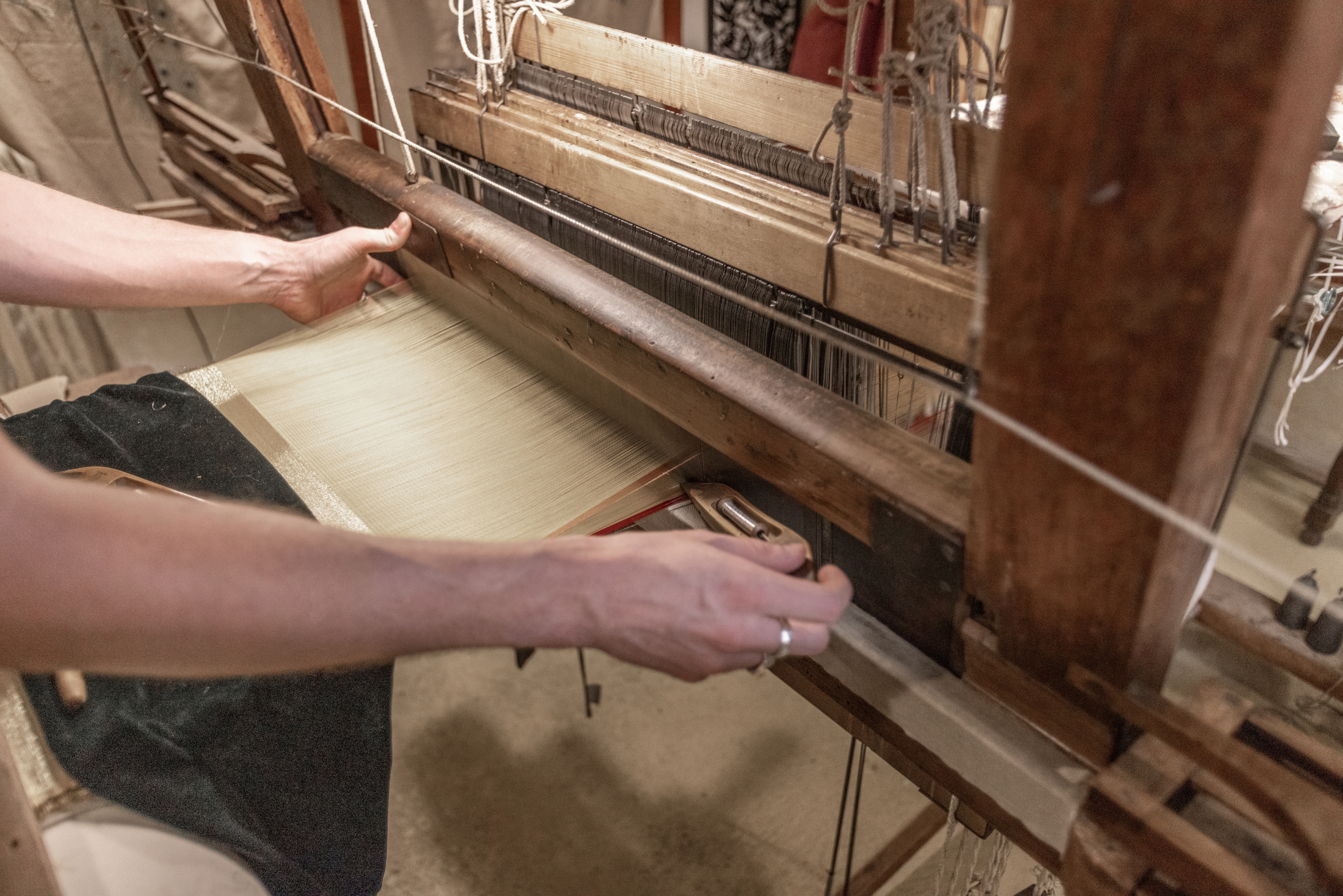
Make Travel Matter®
These sustainably minded excursions offer our guests opportunities to directly impact the communities we explore in a positive way.
MAKE TRAVEL MATTER® Experiences
Travelling with Uniworld means you’re travelling with purpose—supporting sustainable tourism as well as local communities and wildlife. Our MAKE TRAVEL MATTER® Experiences take that even further, offering our guests opportunities to directly impact the communities we explore in a positive way.
They are selected with great care using a proprietary assessment tool endorsed by industry experts, which ensures that our MAKE TRAVEL MATTER® Experiences directly advance United Nations Global Goals.
Masterpiece Collection
The Masterpiece Collection
of add-on experiences
One of the many qualities that set a Uniworld Boutique River Cruise apart is the degree and quality of our all-inclusive amenities. We offer more inclusions—and more luxurious inclusions—than any other river cruise line. Our guests will always find everything they need and more to enjoy a wonderful holiday with Uniworld.
For the guests looking to take their journey one step further, we’ve curated a Masterpiece Collection of optional excursions that go above and beyond our included experiences, available for an additional charge.
Due to the unique nature of Masterpiece Collection experiences, booking and pricing vary by excursion. Some may be booked in advance, while others can only be booked once onboard. Most Masterpiece Collection experiences also have minimum and maximum participation requirements. Please contact our reservations team at 0808 168 9231 for more information about booking specific excursions.
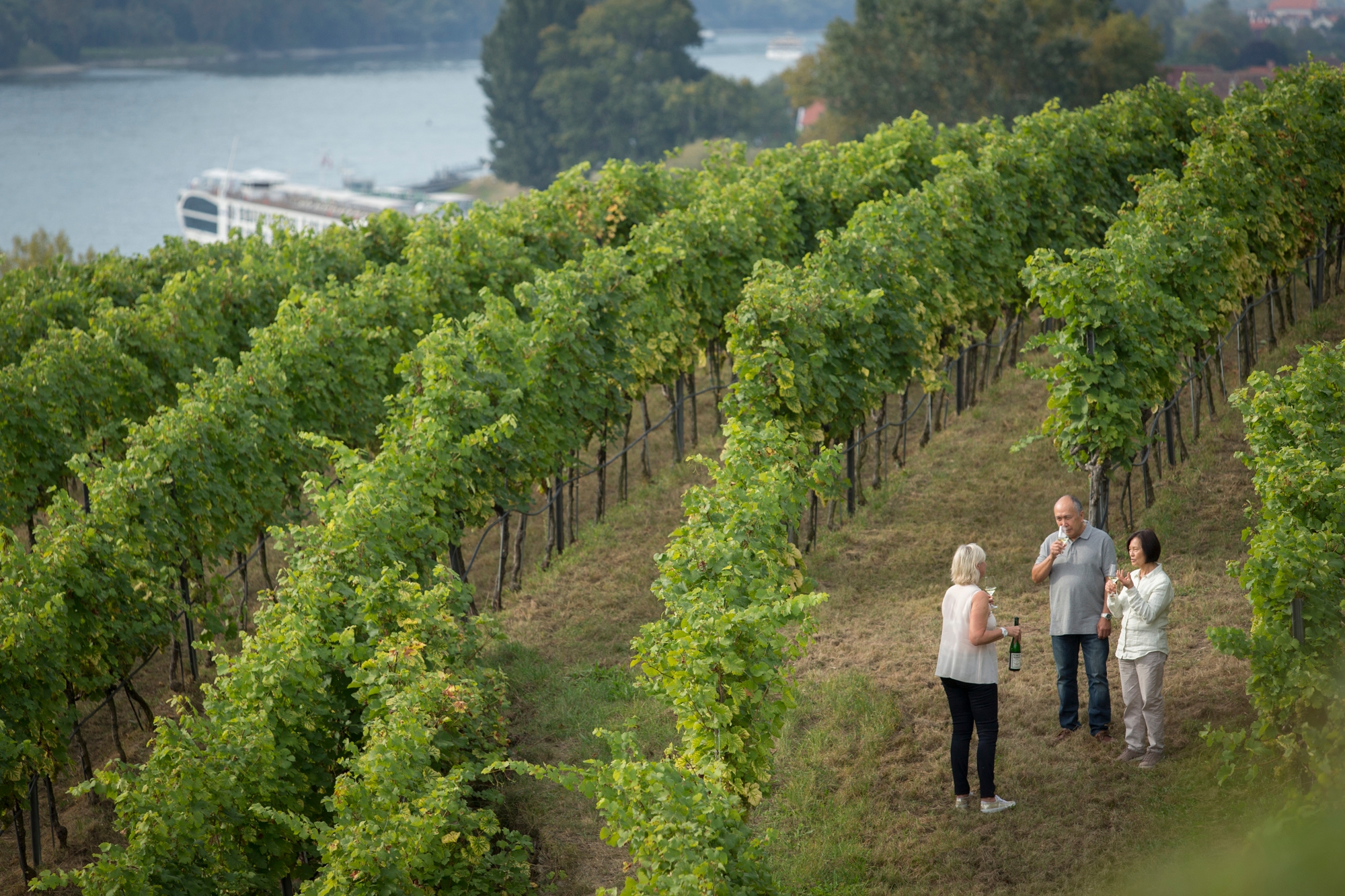
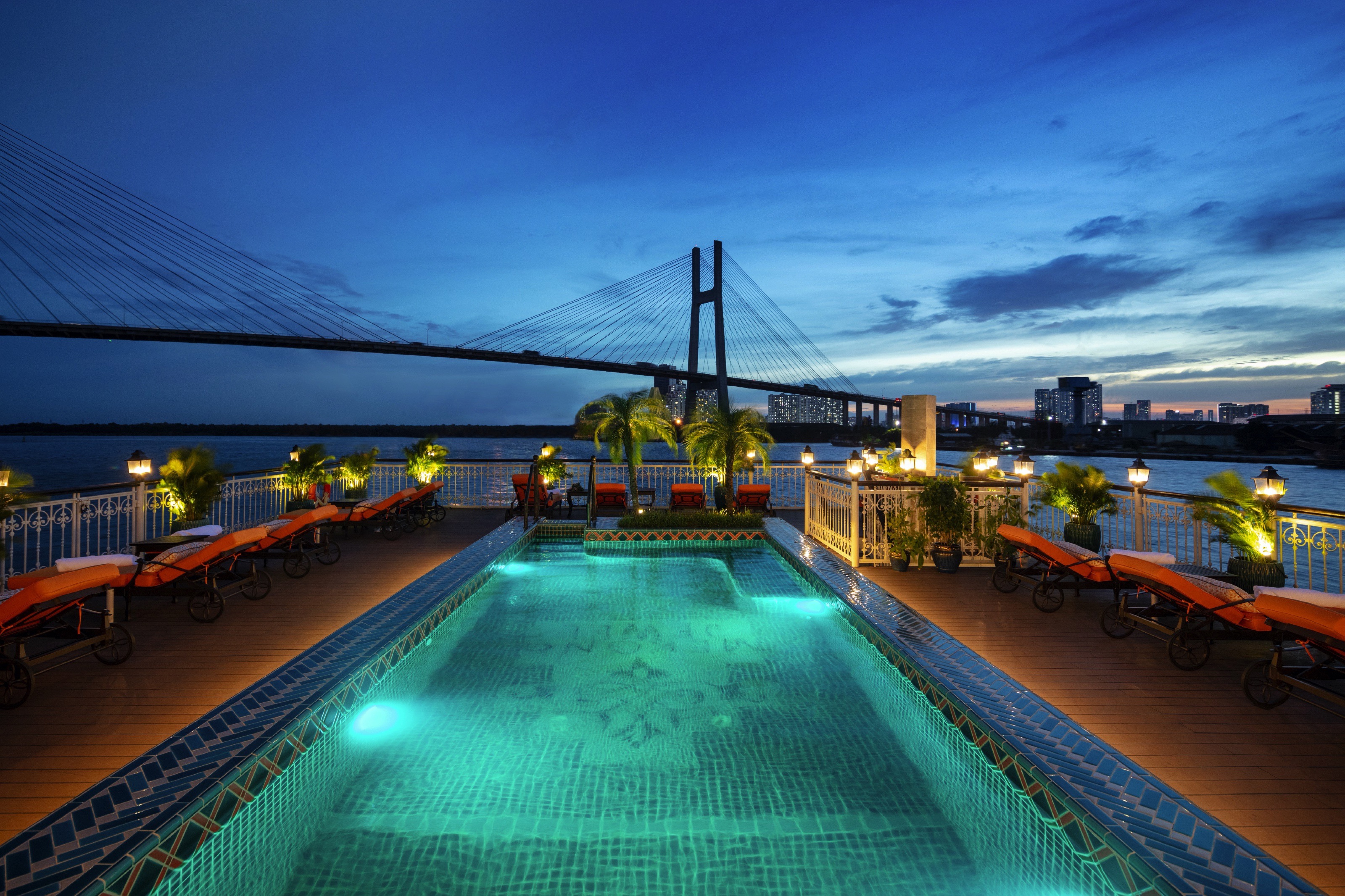
Sun Deck
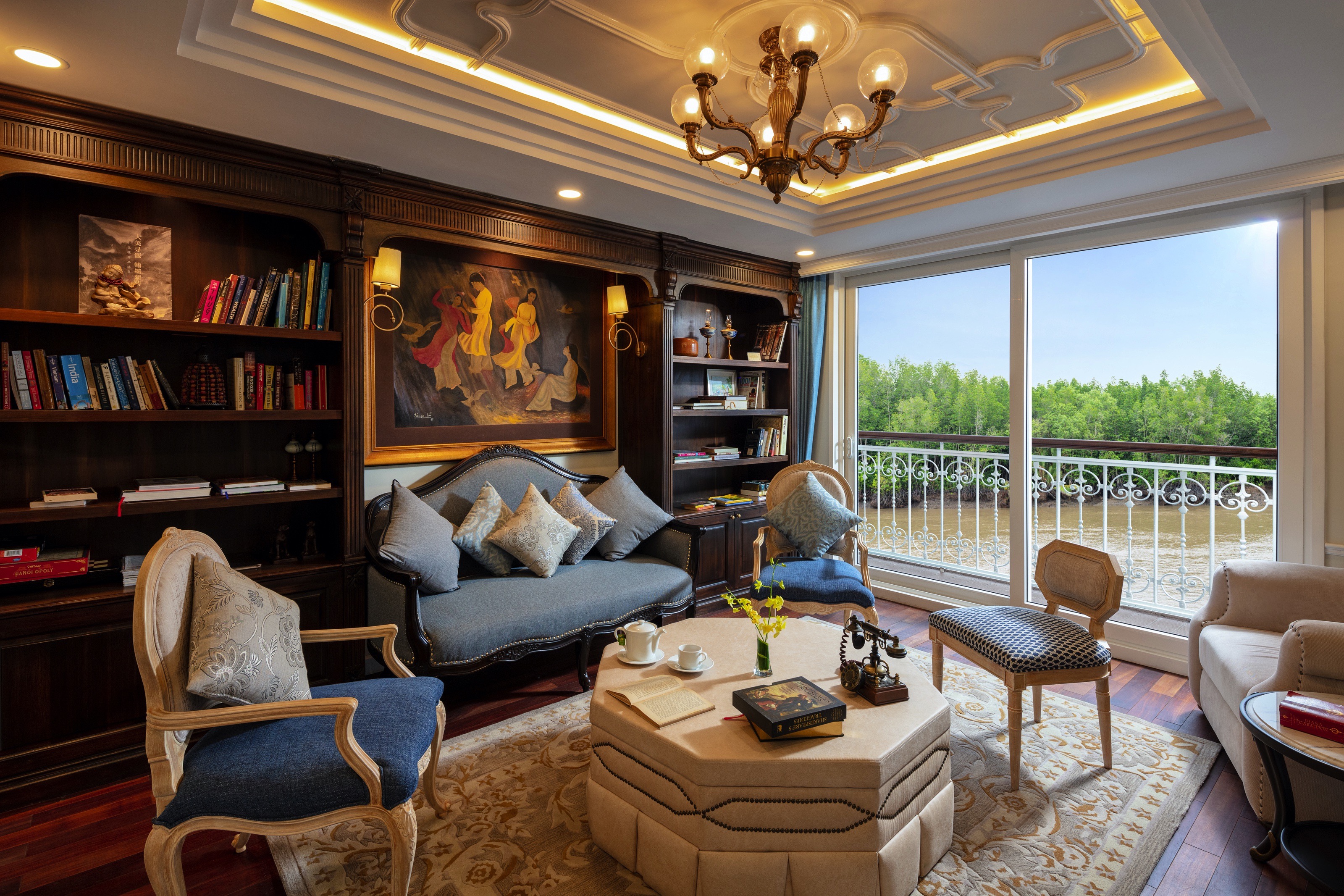
The Sun Deck comprises of the Pool area, Outdoor Lounge and Library.

Outdoor Lounge
The Outdoor Lounge can be found on the Sun Deck.
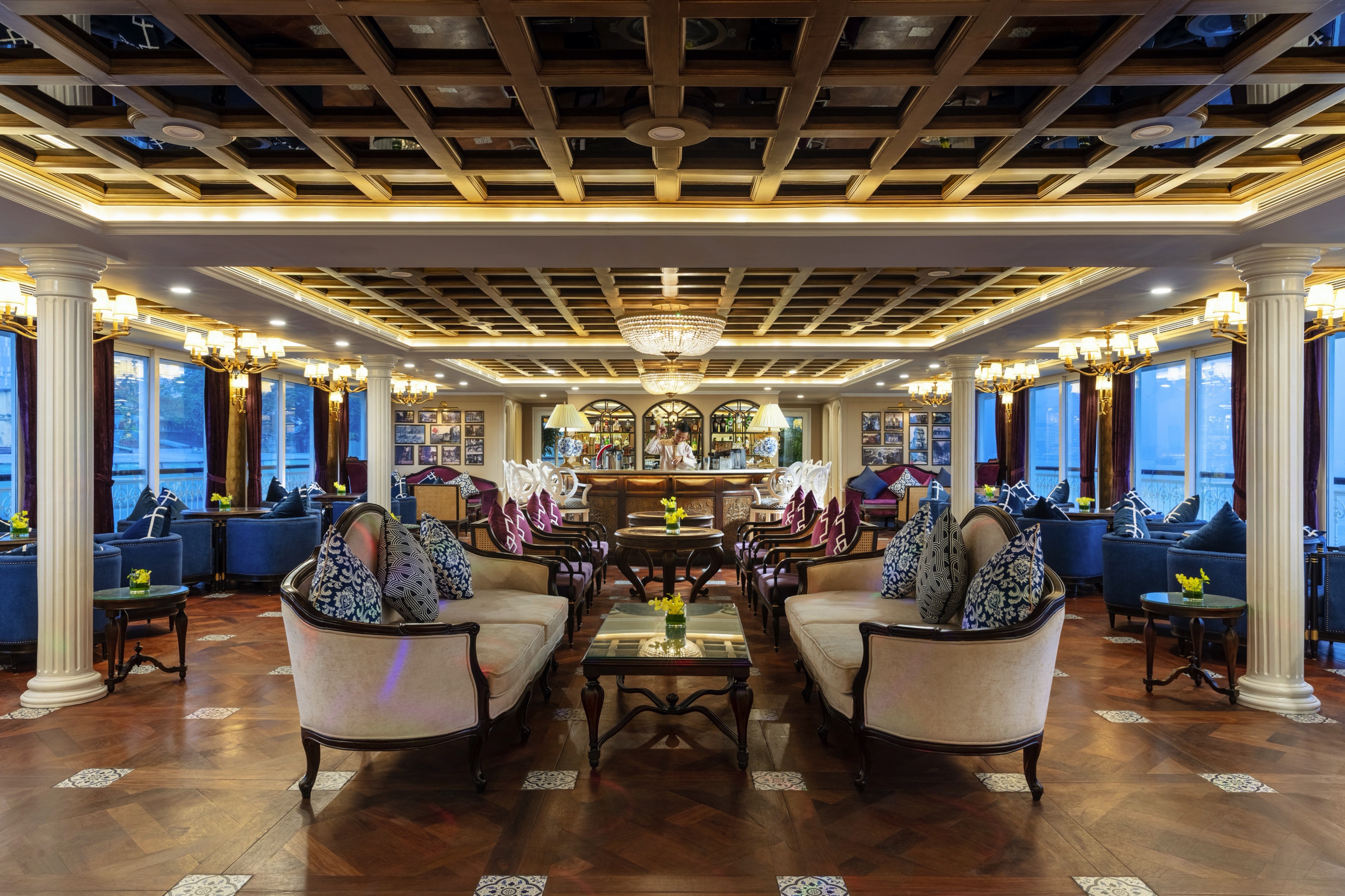
Indoor Lounge
The Indoor Lounge can be found on the Orchid Deck.
Library
The Library is located on the Sun Deck.
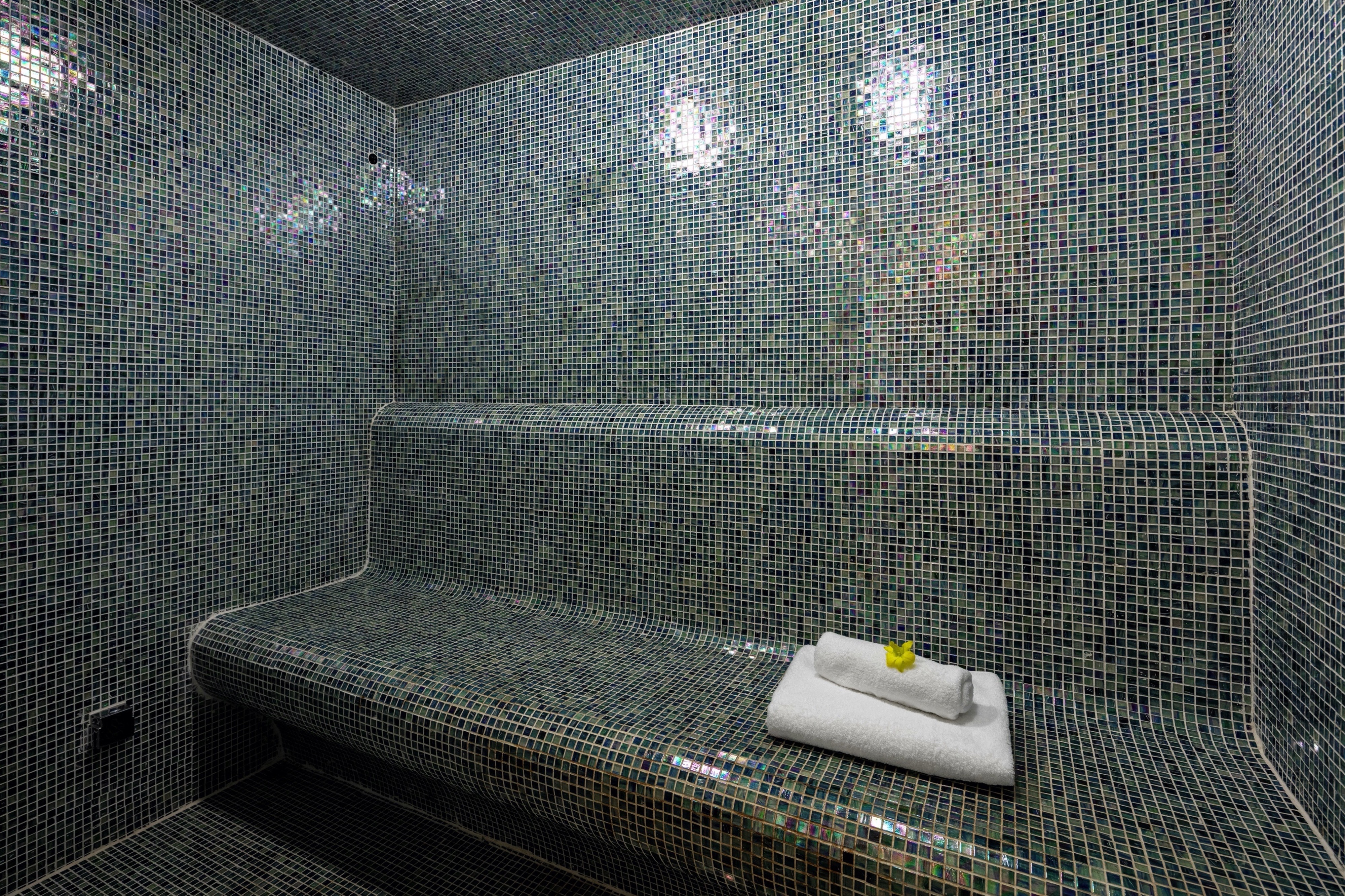
Spa
Relax at the Serenity River Spa™ with a soothing facial or massage treatment, or take a dip in the heated pool.
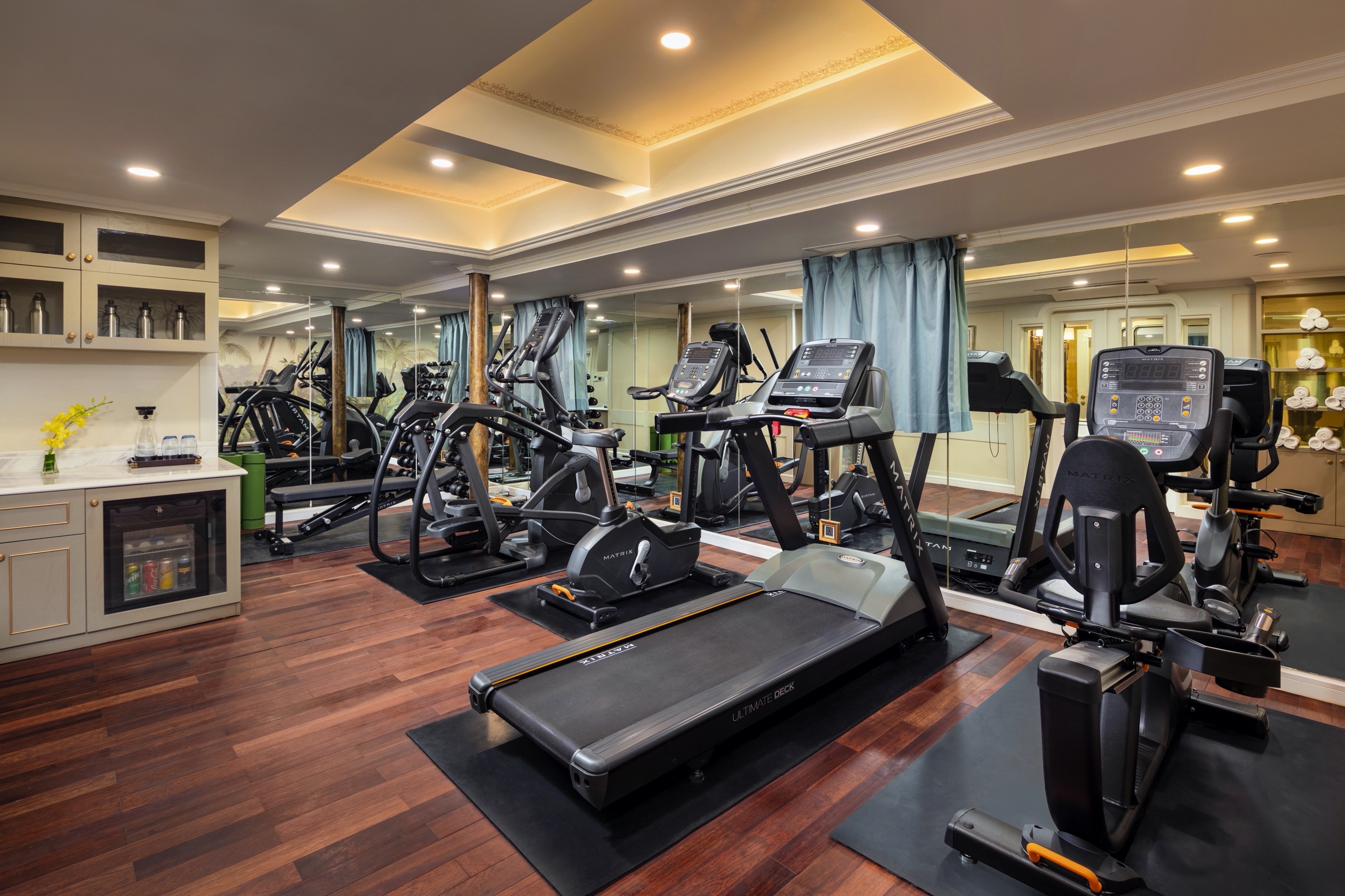
Gym
Start your day with sunrise yoga on the top deck, a TRX® Suspension Training class, or work out at your own pace in the well-equipped fitness center.
Please note: This ship does not have facilities onboard to accommodate Kids/Teens.
Restaurant
Culinary Excellence
We treat cooking as an art form, a very delicious art form.
From Farm to Ship: Farm-to-table isn’t just a trendy culinary buzzword around here. It’s a governing philosophy and commitment to serving you the very best local dishes created by our master chefs. When in Italy, dinner may consist of Prosciutto di Parma pizza and Osso Buco Milanese, prepared to your liking, with meats and vegetables sourced from just miles away. After a day immersed in Indian culture, your taste buds may do some immersing of their own with Gajar Shorba and Tandoori Chicken Tikka for lunch. Live brilliantly. Dine locally.
Creative Culinary Options: For those interested in healthier dining options, our Traveling Lite menu conveniently highlights the lightest dinner options every evening. We also offer a variety of vegetarian and vegan dishes, as well as gluten-free replacements upon request. If you have a specific meal preference, just ask. Our chefs will be happy to accommodate.
Excursions
Expertly Curated Excursions
Immerse you in every destination
Every Uniworld cruise is meticulously crafted to be an experience you won’t find anywhere else, filled with moments that are each more breathtaking than the last. We’ve gone the extra mile to ensure our included and optional excursions immerse you in the authentic culture, sights, and cuisine of the places you’ll visit.
Let’s Go
Our active excursions invite you to appreciate the natural world with invigorating walking, hiking, cycling, kayaking, and golfing activities.
Do as the Locals Do
Whether we’re seeking local favorite treats or hopping on public trams to zip around town, these tours capture what it’s like to live in the destinations you visit.
Private Experiences
From visiting a museum without the crowds to an after-hours tour of a famous landmark, these included, once-in-a-lifetime experiences are arranged privately for Uniworld guests.
Village Day
On a Village Day, you’ll select from a few different ways to explore village life, often by diving into a cultural pastime or getting to know someone in town.
Nights Out
See your destinations in a whole new light
From private after-hours tours of popular attractions to local nightlife experiences, this new line of included excursions will go the extra mile to bring you uniquely memorable moments on your all-inclusive, luxury river cruise.
Make Travel Matter®
These sustainably minded excursions offer our guests opportunities to directly impact the communities we explore in a positive way.
MAKE TRAVEL MATTER® Experiences
Travelling with Uniworld means you’re travelling with purpose—supporting sustainable tourism as well as local communities and wildlife. Our MAKE TRAVEL MATTER® Experiences take that even further, offering our guests opportunities to directly impact the communities we explore in a positive way.
They are selected with great care using a proprietary assessment tool endorsed by industry experts, which ensures that our MAKE TRAVEL MATTER® Experiences directly advance United Nations Global Goals.
Masterpiece Collection
The Masterpiece Collection
of add-on experiences
One of the many qualities that set a Uniworld Boutique River Cruise apart is the degree and quality of our all-inclusive amenities. We offer more inclusions—and more luxurious inclusions—than any other river cruise line. Our guests will always find everything they need and more to enjoy a wonderful holiday with Uniworld.
For the guests looking to take their journey one step further, we’ve curated a Masterpiece Collection of optional excursions that go above and beyond our included experiences, available for an additional charge.
Due to the unique nature of Masterpiece Collection experiences, booking and pricing vary by excursion. Some may be booked in advance, while others can only be booked once onboard. Most Masterpiece Collection experiences also have minimum and maximum participation requirements. Please contact our reservations team at 0808 168 9231 for more information about booking specific excursions.
Sun Deck
The Sun Deck comprises of the Pool area, Outdoor Lounge and Library.
Outdoor Lounge
The Outdoor Lounge can be found on the Sun Deck.
Indoor Lounge
The Indoor Lounge can be found on the Orchid Deck.
Library
The Library is located on the Sun Deck.
Spa
Relax at the Serenity River Spa™ with a soothing facial or massage treatment, or take a dip in the heated pool.
Gym
Start your day with sunrise yoga on the top deck, a TRX® Suspension Training class, or work out at your own pace in the well-equipped fitness center.
Please note: This ship does not have facilities onboard to accommodate Kids/Teens.
About the Ship
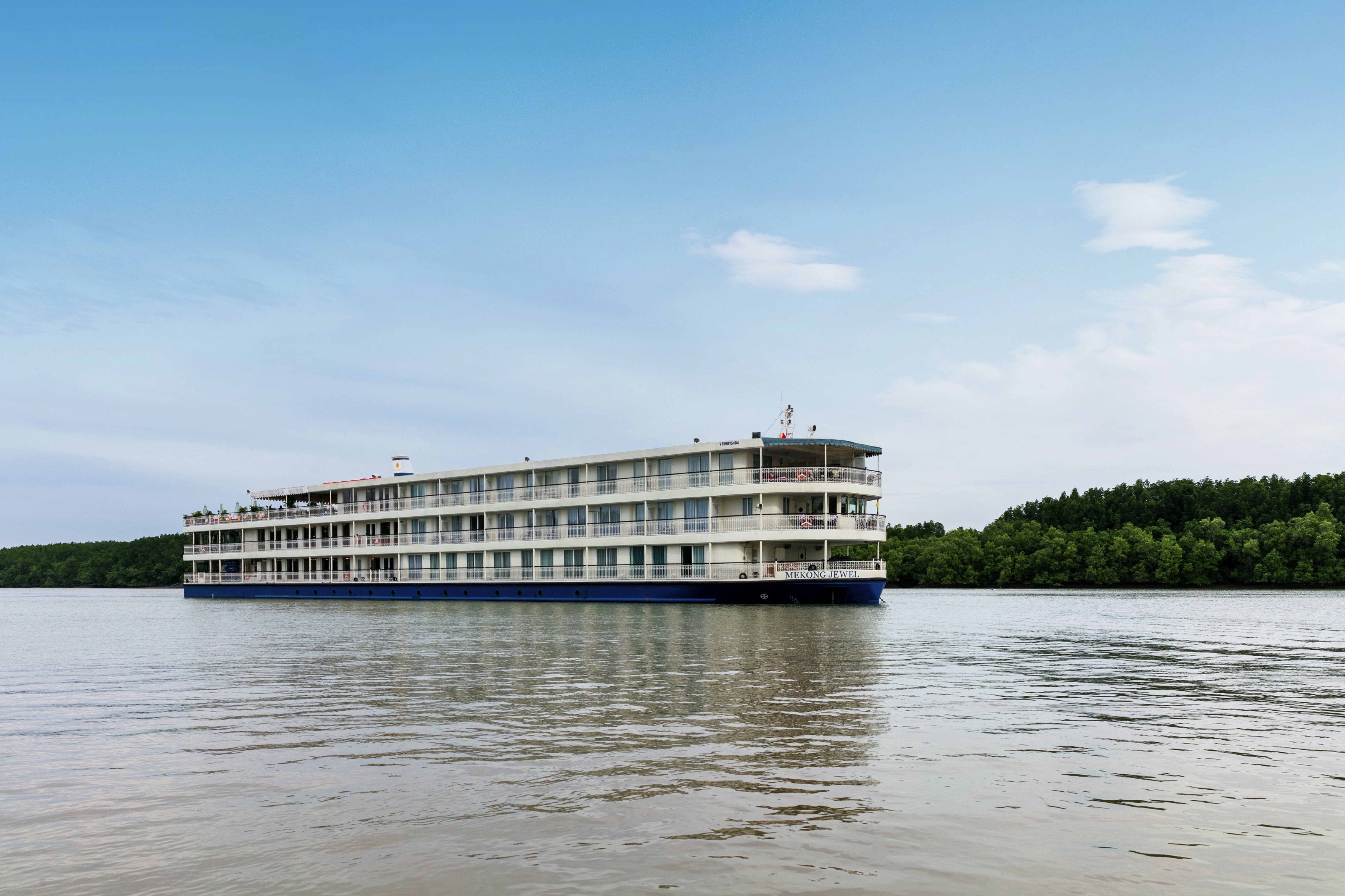
Deck Plans

- Laundry
- Salon
- Spa
- Gym
- Sauma & Steam

- Dining Hall
- Suite

- Restaurant
- Indoor Lounge
- Reception
- Gift Shop
- Suite

- Pool
- Outdoor Lounge
- Library
- Suite
- Grand Suite
- Royal Suite
- Laundry
- Salon
- Spa
- Gym
- Sauma & Steam
- Dining Hall
- Suite
- Restaurant
- Indoor Lounge
- Reception
- Gift Shop
- Suite
- Pool
- Outdoor Lounge
- Library
- Suite
- Grand Suite
- Royal Suite