Featured Cabins
Itinerary
Porto, Portugal
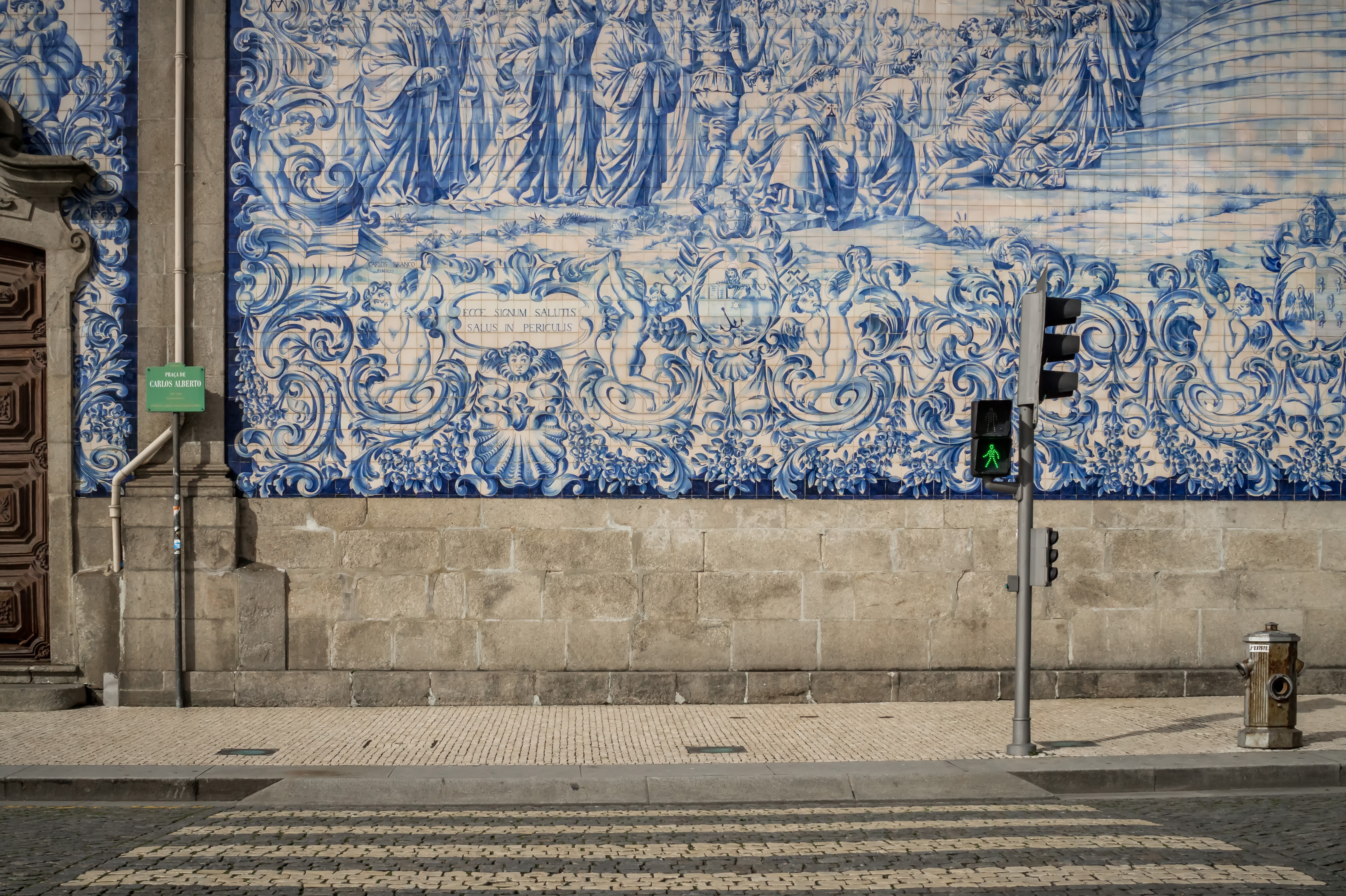
Lively, commercial Oporto is the second largest city in Portugal after Lisbon. Also called Porto for short, the word easily brings to mind the city’s most famous product – port wine. Oporto’s strategic location on the north bank of the Douro River has accounted for the town’s importance since ancient times. The Romans built a fort here where their trading route crossed the Douro, and the Moors brought their own culture to the area. Oporto profited from provisioning crusaders en route to the Holy Land and enjoyed the riches from Portuguese maritime discoveries during the 15th and 16th centuries. Later, port wine trade with Britain compensated for the loss of the spice trade and the end of gold and gem shipments from Brazil. In the 19th century, the city went through a period of new prosperity with the rise of industries. In its wake followed the building of workers’ quarters and opulent residences. Since the declaration of Oporto as a World Heritage Site by UNESCO, the city aims to build up a cultural reference that will provide it with a new image, based on deep historical roots. Among the attractions that make Oporto such an interesting place are its graceful bridges spanning the Douro River, a picturesque riverfront quarter and, most notable, its world-famous port wine lodges. Although Oporto is a bustling centre and home to many different businesses, the source of its greatest fame is the rich, sweet fortified red wine we know as port.
Pinhão, Portugal
Barca d’Alva, Portugal
Salamanca, Spain

Régua, Portugal
No additional details available for this day.
Porto, Portugal
Lively, commercial Oporto is the second largest city in Portugal after Lisbon. Also called Porto for short, the word easily brings to mind the city’s most famous product – port wine. Oporto’s strategic location on the north bank of the Douro River has accounted for the town’s importance since ancient times. The Romans built a fort here where their trading route crossed the Douro, and the Moors brought their own culture to the area. Oporto profited from provisioning crusaders en route to the Holy Land and enjoyed the riches from Portuguese maritime discoveries during the 15th and 16th centuries. Later, port wine trade with Britain compensated for the loss of the spice trade and the end of gold and gem shipments from Brazil. In the 19th century, the city went through a period of new prosperity with the rise of industries. In its wake followed the building of workers’ quarters and opulent residences. Since the declaration of Oporto as a World Heritage Site by UNESCO, the city aims to build up a cultural reference that will provide it with a new image, based on deep historical roots. Among the attractions that make Oporto such an interesting place are its graceful bridges spanning the Douro River, a picturesque riverfront quarter and, most notable, its world-famous port wine lodges. Although Oporto is a bustling centre and home to many different businesses, the source of its greatest fame is the rich, sweet fortified red wine we know as port.
Porto, Portugal
Lively, commercial Oporto is the second largest city in Portugal after Lisbon. Also called Porto for short, the word easily brings to mind the city’s most famous product – port wine. Oporto’s strategic location on the north bank of the Douro River has accounted for the town’s importance since ancient times. The Romans built a fort here where their trading route crossed the Douro, and the Moors brought their own culture to the area. Oporto profited from provisioning crusaders en route to the Holy Land and enjoyed the riches from Portuguese maritime discoveries during the 15th and 16th centuries. Later, port wine trade with Britain compensated for the loss of the spice trade and the end of gold and gem shipments from Brazil. In the 19th century, the city went through a period of new prosperity with the rise of industries. In its wake followed the building of workers’ quarters and opulent residences. Since the declaration of Oporto as a World Heritage Site by UNESCO, the city aims to build up a cultural reference that will provide it with a new image, based on deep historical roots. Among the attractions that make Oporto such an interesting place are its graceful bridges spanning the Douro River, a picturesque riverfront quarter and, most notable, its world-famous port wine lodges. Although Oporto is a bustling centre and home to many different businesses, the source of its greatest fame is the rich, sweet fortified red wine we know as port.
Porto, Portugal
Lively, commercial Oporto is the second largest city in Portugal after Lisbon. Also called Porto for short, the word easily brings to mind the city’s most famous product – port wine. Oporto’s strategic location on the north bank of the Douro River has accounted for the town’s importance since ancient times. The Romans built a fort here where their trading route crossed the Douro, and the Moors brought their own culture to the area. Oporto profited from provisioning crusaders en route to the Holy Land and enjoyed the riches from Portuguese maritime discoveries during the 15th and 16th centuries. Later, port wine trade with Britain compensated for the loss of the spice trade and the end of gold and gem shipments from Brazil. In the 19th century, the city went through a period of new prosperity with the rise of industries. In its wake followed the building of workers’ quarters and opulent residences. Since the declaration of Oporto as a World Heritage Site by UNESCO, the city aims to build up a cultural reference that will provide it with a new image, based on deep historical roots. Among the attractions that make Oporto such an interesting place are its graceful bridges spanning the Douro River, a picturesque riverfront quarter and, most notable, its world-famous port wine lodges. Although Oporto is a bustling centre and home to many different businesses, the source of its greatest fame is the rich, sweet fortified red wine we know as port.
Pinhão, Portugal
Barca d’Alva, Portugal
Salamanca, Spain
Régua, Portugal
No additional details available for this day.
Porto, Portugal
Lively, commercial Oporto is the second largest city in Portugal after Lisbon. Also called Porto for short, the word easily brings to mind the city’s most famous product – port wine. Oporto’s strategic location on the north bank of the Douro River has accounted for the town’s importance since ancient times. The Romans built a fort here where their trading route crossed the Douro, and the Moors brought their own culture to the area. Oporto profited from provisioning crusaders en route to the Holy Land and enjoyed the riches from Portuguese maritime discoveries during the 15th and 16th centuries. Later, port wine trade with Britain compensated for the loss of the spice trade and the end of gold and gem shipments from Brazil. In the 19th century, the city went through a period of new prosperity with the rise of industries. In its wake followed the building of workers’ quarters and opulent residences. Since the declaration of Oporto as a World Heritage Site by UNESCO, the city aims to build up a cultural reference that will provide it with a new image, based on deep historical roots. Among the attractions that make Oporto such an interesting place are its graceful bridges spanning the Douro River, a picturesque riverfront quarter and, most notable, its world-famous port wine lodges. Although Oporto is a bustling centre and home to many different businesses, the source of its greatest fame is the rich, sweet fortified red wine we know as port.
Porto, Portugal
Lively, commercial Oporto is the second largest city in Portugal after Lisbon. Also called Porto for short, the word easily brings to mind the city’s most famous product – port wine. Oporto’s strategic location on the north bank of the Douro River has accounted for the town’s importance since ancient times. The Romans built a fort here where their trading route crossed the Douro, and the Moors brought their own culture to the area. Oporto profited from provisioning crusaders en route to the Holy Land and enjoyed the riches from Portuguese maritime discoveries during the 15th and 16th centuries. Later, port wine trade with Britain compensated for the loss of the spice trade and the end of gold and gem shipments from Brazil. In the 19th century, the city went through a period of new prosperity with the rise of industries. In its wake followed the building of workers’ quarters and opulent residences. Since the declaration of Oporto as a World Heritage Site by UNESCO, the city aims to build up a cultural reference that will provide it with a new image, based on deep historical roots. Among the attractions that make Oporto such an interesting place are its graceful bridges spanning the Douro River, a picturesque riverfront quarter and, most notable, its world-famous port wine lodges. Although Oporto is a bustling centre and home to many different businesses, the source of its greatest fame is the rich, sweet fortified red wine we know as port.
Porto, Portugal
Lively, commercial Oporto is the second largest city in Portugal after Lisbon. Also called Porto for short, the word easily brings to mind the city’s most famous product – port wine. Oporto’s strategic location on the north bank of the Douro River has accounted for the town’s importance since ancient times. The Romans built a fort here where their trading route crossed the Douro, and the Moors brought their own culture to the area. Oporto profited from provisioning crusaders en route to the Holy Land and enjoyed the riches from Portuguese maritime discoveries during the 15th and 16th centuries. Later, port wine trade with Britain compensated for the loss of the spice trade and the end of gold and gem shipments from Brazil. In the 19th century, the city went through a period of new prosperity with the rise of industries. In its wake followed the building of workers’ quarters and opulent residences. Since the declaration of Oporto as a World Heritage Site by UNESCO, the city aims to build up a cultural reference that will provide it with a new image, based on deep historical roots. Among the attractions that make Oporto such an interesting place are its graceful bridges spanning the Douro River, a picturesque riverfront quarter and, most notable, its world-famous port wine lodges. Although Oporto is a bustling centre and home to many different businesses, the source of its greatest fame is the rich, sweet fortified red wine we know as port.
Porto, Portugal
Lively, commercial Oporto is the second largest city in Portugal after Lisbon. Also called Porto for short, the word easily brings to mind the city’s most famous product – port wine. Oporto’s strategic location on the north bank of the Douro River has accounted for the town’s importance since ancient times. The Romans built a fort here where their trading route crossed the Douro, and the Moors brought their own culture to the area. Oporto profited from provisioning crusaders en route to the Holy Land and enjoyed the riches from Portuguese maritime discoveries during the 15th and 16th centuries. Later, port wine trade with Britain compensated for the loss of the spice trade and the end of gold and gem shipments from Brazil. In the 19th century, the city went through a period of new prosperity with the rise of industries. In its wake followed the building of workers’ quarters and opulent residences. Since the declaration of Oporto as a World Heritage Site by UNESCO, the city aims to build up a cultural reference that will provide it with a new image, based on deep historical roots. Among the attractions that make Oporto such an interesting place are its graceful bridges spanning the Douro River, a picturesque riverfront quarter and, most notable, its world-famous port wine lodges. Although Oporto is a bustling centre and home to many different businesses, the source of its greatest fame is the rich, sweet fortified red wine we know as port.
Cabin Options
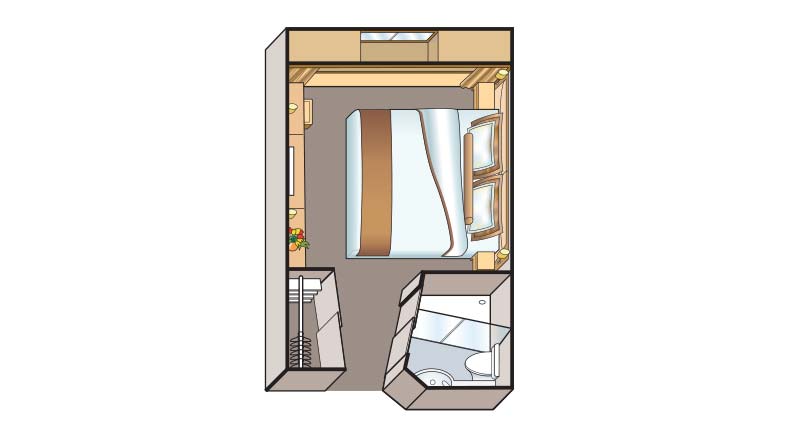
Standard (E & F)
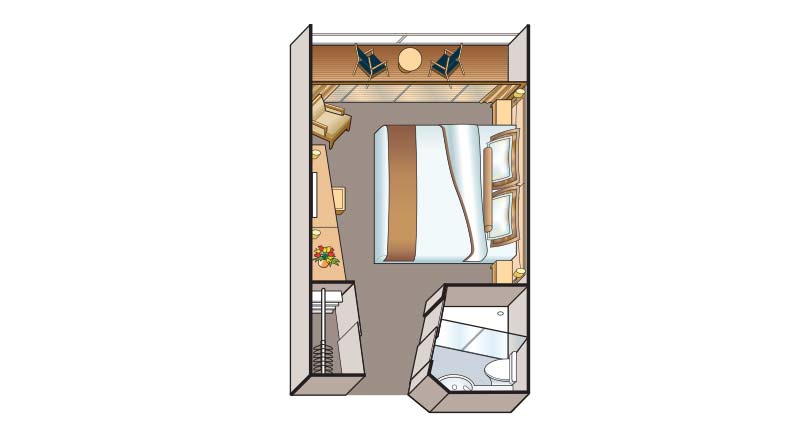
Veranda Stateroom (A) & (B)
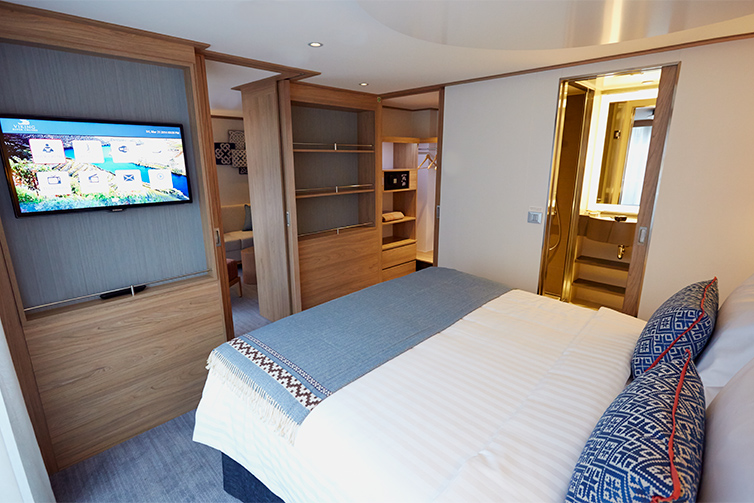
Veranda Suite (AA & AB)
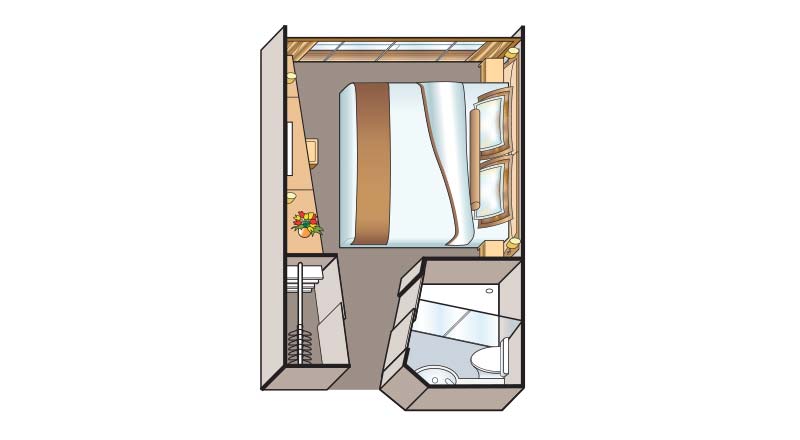
French Balcony (C & D)
Ship Facilities
The Restaurant
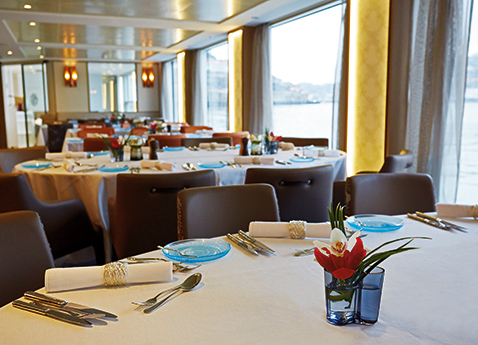
Located on the Middle Deck, the Restaurant is where all meals are served during the cruise. Gaze at the breathtaking scenery through the restaurant’s panoramic windows as you dine on regional specialties and contemporary cuisine. Enjoy open seating and share the day’s discoveries with your favourite guests or discover someone new each day. The atmosphere is casual yet elegant, with high-quality table linens, china, cutlery and glassware at every meal.
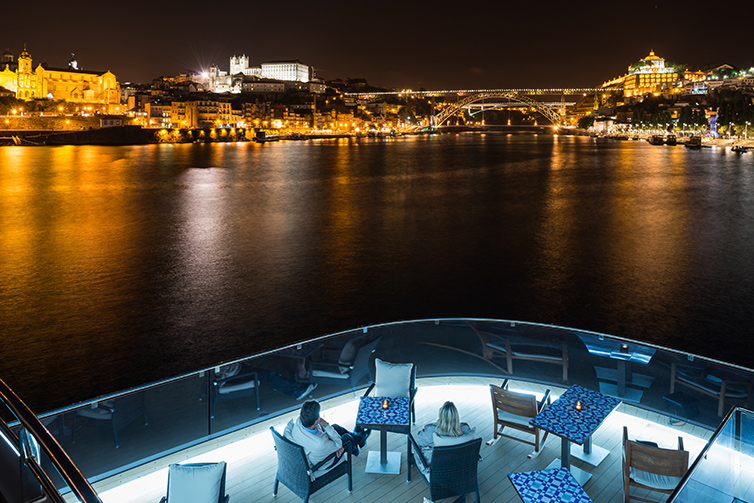
Aquavit Terrace
The Aquavit Terrace is at the bow of the ship with grills for al fresco dining. This is where friends meet for a drink or snack, where lectures and movie nights take place. The glass walls of the Observation Lounge roll silently away to open onto the Aquavit Terrace. You can enjoy your favourite beverage, a perfectly grilled steak, your traveling companions and the fresh afternoon breeze all at the same time.
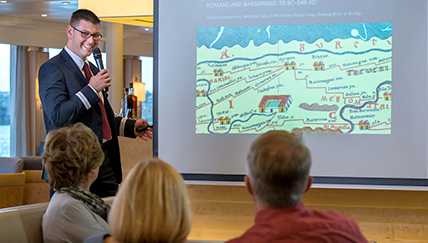
Guest Lectures & Port Talks
Complement your onshore experiences with our onboard lecture program, designed to shed light on your destination’s art, architecture, music, geopolitics, natural world and more. Also, gain an overview of your next day’s port of call through informative multimedia presentations covering the history and culture of your destination, as well as highlights of must-see landmarks.
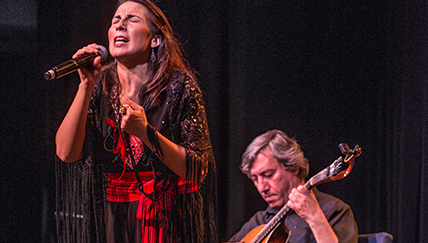
Destination Performances
Each Viking itinerary includes one or more Destination Performances representing the most iconic cultural performing art form of the region—whether it be Portuguese fado with its melancholy melodies and poignant lyrics; Viennese opera, a centuries-old storytelling art form; or world-renowned Mariinsky Theatre singers from St. Petersburg.
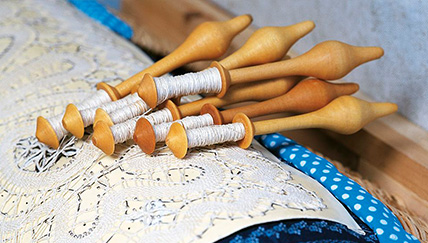
Craft & Cooking Demonstrations
Local artisans demonstrate time-honoured craft traditions of your destinations, such as glassblowing, lace making and wooden shoemaking. Our culinary demonstrations present recipes of regional treats and drinks—Austrian apple strudel, Rüdesheim Coffee and more.
Classical & Regional Musicians
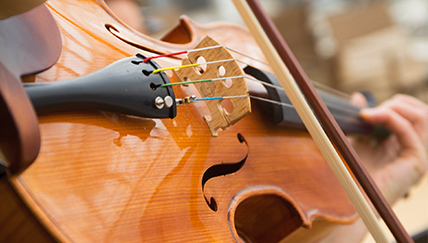
From local ensembles to acclaimed choirs, we invite on board a wide range of talented musicians to perform well-known and lesser-known melodies. We hope you will find yourself transported by their performances and enjoy some of the benefits of classical music—lifting your spirit, soothing your soul and adding to your onboard enrichment.
Destination Insights
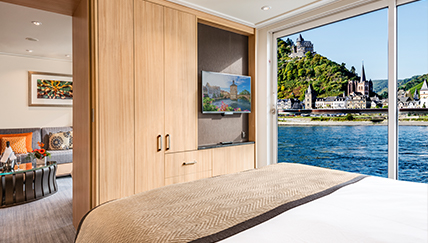
Join us for a special series of short films, screening on your stateroom television, intended to inform you about the iconic destinations and little-known gems you will be visiting. This series provides insights and information intended to deepen your understanding—and enjoyment—of the time ahead, and perhaps encourage you to engage with your destinations in a way you otherwise would not have.
Viking Curated Library
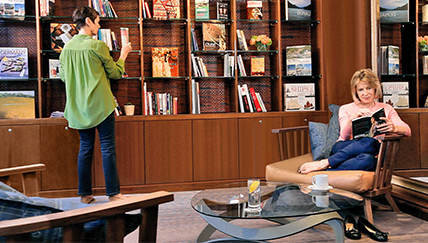
The onboard Library was curated by Heywood Hill, an independent London bookseller and Royal Warrant holder, who dedicated hundreds of hours to understanding the unique, inquisitive nature of our guests. From art to history to destination-focused reading, each book was hand-selected to enhance your experience, both on board and at your destination.
Onshore Experiences
An included excursion in every port, plus The Viking Way® of exploration.
Local Life
Viking provides fascinating insights into Local Life during excursions that reveal the rhythms of daily living in your destination. Visit a Russian home in the quaint town of Uglich. Taste your way through a culinary tour of Budapest. Meet some winsome children at a Viking-sponsored elementary school in China. This is the ideal way to experience a place like a local.
Working World
Witness the inner workings of a historic Kinderdijk windmill. Tour the impressive wine cellars of a Wachau Valley winery. Learn the intricate art of truffle hunting from a local Périgord farmer and his hound. Glimpsing the world at work helps you tap into its passions and see its people anew.
Privileged Access
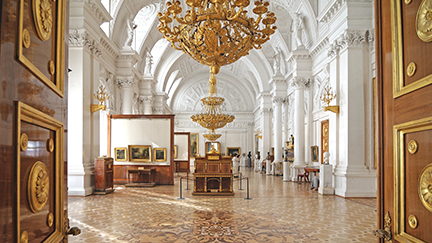
We have arranged exclusive entry for Viking guests to cultural treasures all around the world. Visit seldom-seen collections with before- and after-hours access to world-class museums; be a special guest at private homes and palaces not open to just anyone; or attend cultural performances of folklore, ballet and opera to get an insider’s view during these private tours.
The Lounge
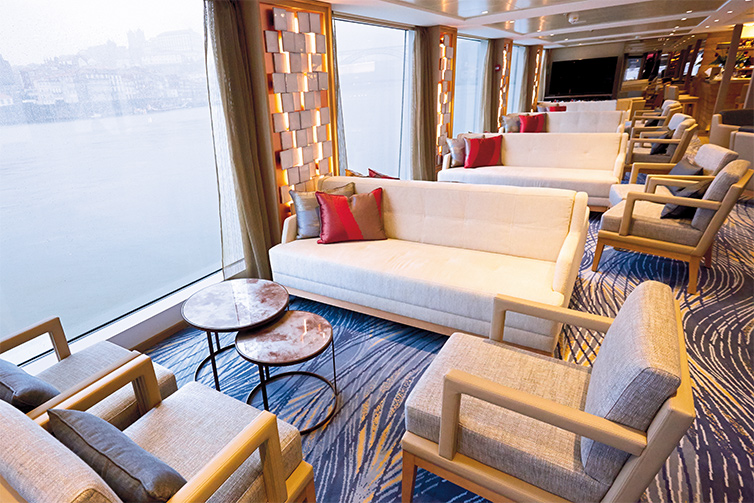
With floor-to-ceiling glass windows and large, comfortable chairs, the Observation Lounge is the heart of the ship – a gathering place for guests to view the scenery, have a drink, take in lectures and lore, and enjoy local music.
Onboard Boutique
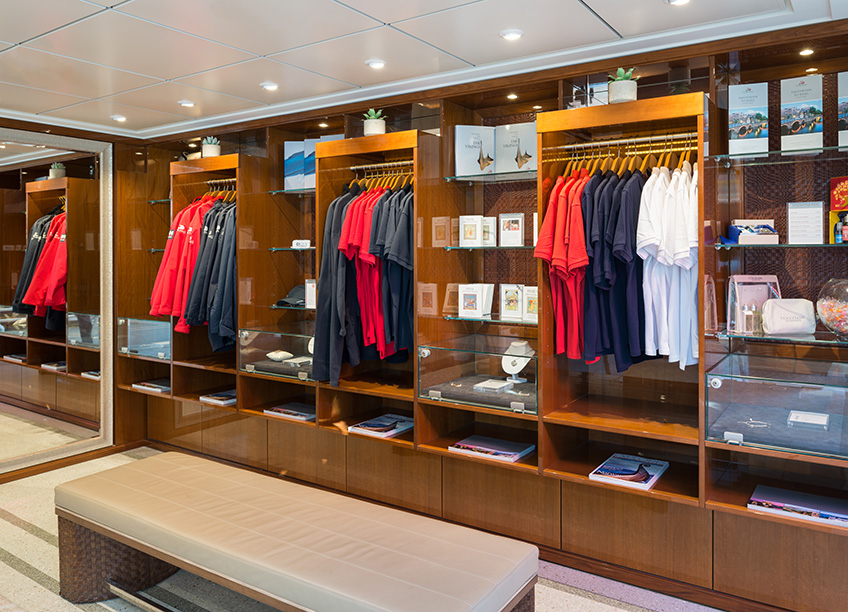
Forget to bring something? Looking for a magazine or some gift items? The onboard boutique on the Middle Deck- right across from Reception has everything you need to make your voyage comfortable and convenient.
Sun Deck
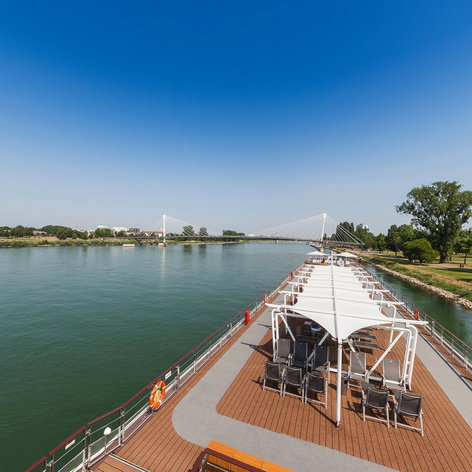
The Sun deck offers guests a shaded sitting area and an Al fresco dining area, as well as the onboard swimming pool, organic herb garden and putting green.
All guests must be 18 years old on or before the day they are scheduled to embark on their cruise; we do not maintain facilities or services on board for younger individuals.
The Restaurant
Located on the Middle Deck, the Restaurant is where all meals are served during the cruise. Gaze at the breathtaking scenery through the restaurant’s panoramic windows as you dine on regional specialties and contemporary cuisine. Enjoy open seating and share the day’s discoveries with your favourite guests or discover someone new each day. The atmosphere is casual yet elegant, with high-quality table linens, china, cutlery and glassware at every meal.
Aquavit Terrace
The Aquavit Terrace is at the bow of the ship with grills for al fresco dining. This is where friends meet for a drink or snack, where lectures and movie nights take place. The glass walls of the Observation Lounge roll silently away to open onto the Aquavit Terrace. You can enjoy your favourite beverage, a perfectly grilled steak, your traveling companions and the fresh afternoon breeze all at the same time.
Guest Lectures & Port Talks
Complement your onshore experiences with our onboard lecture program, designed to shed light on your destination’s art, architecture, music, geopolitics, natural world and more. Also, gain an overview of your next day’s port of call through informative multimedia presentations covering the history and culture of your destination, as well as highlights of must-see landmarks.
Destination Performances
Each Viking itinerary includes one or more Destination Performances representing the most iconic cultural performing art form of the region—whether it be Portuguese fado with its melancholy melodies and poignant lyrics; Viennese opera, a centuries-old storytelling art form; or world-renowned Mariinsky Theatre singers from St. Petersburg.
Craft & Cooking Demonstrations
Local artisans demonstrate time-honoured craft traditions of your destinations, such as glassblowing, lace making and wooden shoemaking. Our culinary demonstrations present recipes of regional treats and drinks—Austrian apple strudel, Rüdesheim Coffee and more.
Classical & Regional Musicians
From local ensembles to acclaimed choirs, we invite on board a wide range of talented musicians to perform well-known and lesser-known melodies. We hope you will find yourself transported by their performances and enjoy some of the benefits of classical music—lifting your spirit, soothing your soul and adding to your onboard enrichment.
Destination Insights
Join us for a special series of short films, screening on your stateroom television, intended to inform you about the iconic destinations and little-known gems you will be visiting. This series provides insights and information intended to deepen your understanding—and enjoyment—of the time ahead, and perhaps encourage you to engage with your destinations in a way you otherwise would not have.
Viking Curated Library
The onboard Library was curated by Heywood Hill, an independent London bookseller and Royal Warrant holder, who dedicated hundreds of hours to understanding the unique, inquisitive nature of our guests. From art to history to destination-focused reading, each book was hand-selected to enhance your experience, both on board and at your destination.
Onshore Experiences
An included excursion in every port, plus The Viking Way® of exploration.
Local Life
Viking provides fascinating insights into Local Life during excursions that reveal the rhythms of daily living in your destination. Visit a Russian home in the quaint town of Uglich. Taste your way through a culinary tour of Budapest. Meet some winsome children at a Viking-sponsored elementary school in China. This is the ideal way to experience a place like a local.
Working World
Witness the inner workings of a historic Kinderdijk windmill. Tour the impressive wine cellars of a Wachau Valley winery. Learn the intricate art of truffle hunting from a local Périgord farmer and his hound. Glimpsing the world at work helps you tap into its passions and see its people anew.
Privileged Access
We have arranged exclusive entry for Viking guests to cultural treasures all around the world. Visit seldom-seen collections with before- and after-hours access to world-class museums; be a special guest at private homes and palaces not open to just anyone; or attend cultural performances of folklore, ballet and opera to get an insider’s view during these private tours.
The Lounge
With floor-to-ceiling glass windows and large, comfortable chairs, the Observation Lounge is the heart of the ship – a gathering place for guests to view the scenery, have a drink, take in lectures and lore, and enjoy local music.
Onboard Boutique
Forget to bring something? Looking for a magazine or some gift items? The onboard boutique on the Middle Deck- right across from Reception has everything you need to make your voyage comfortable and convenient.
Sun Deck
The Sun deck offers guests a shaded sitting area and an Al fresco dining area, as well as the onboard swimming pool, organic herb garden and putting green.
All guests must be 18 years old on or before the day they are scheduled to embark on their cruise; we do not maintain facilities or services on board for younger individuals.
About the Ship
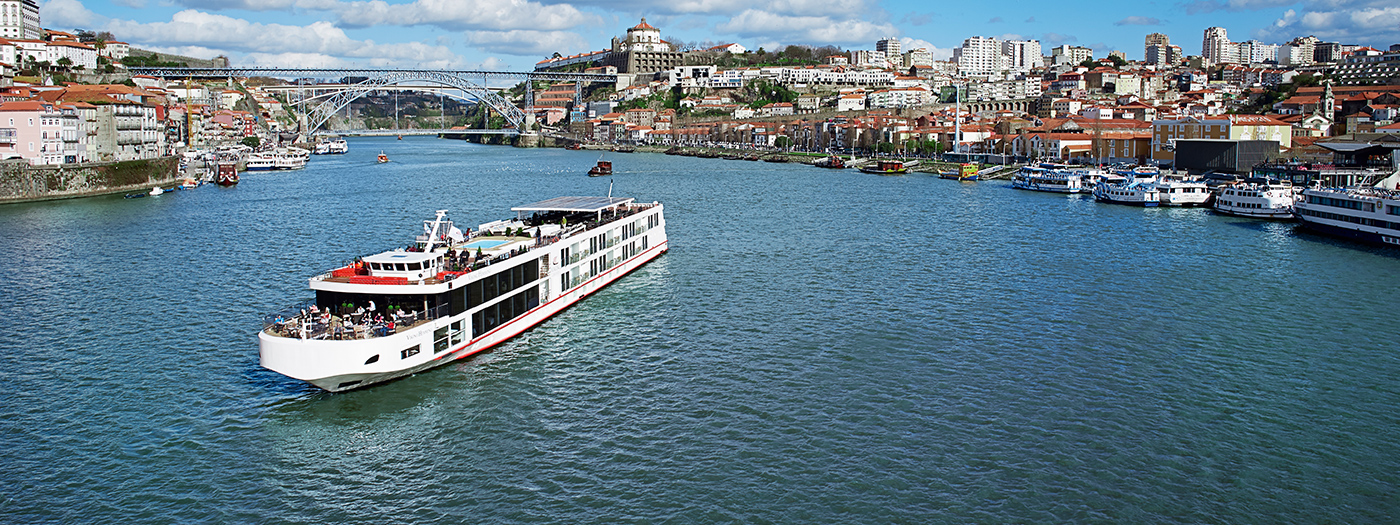
Deck Plans
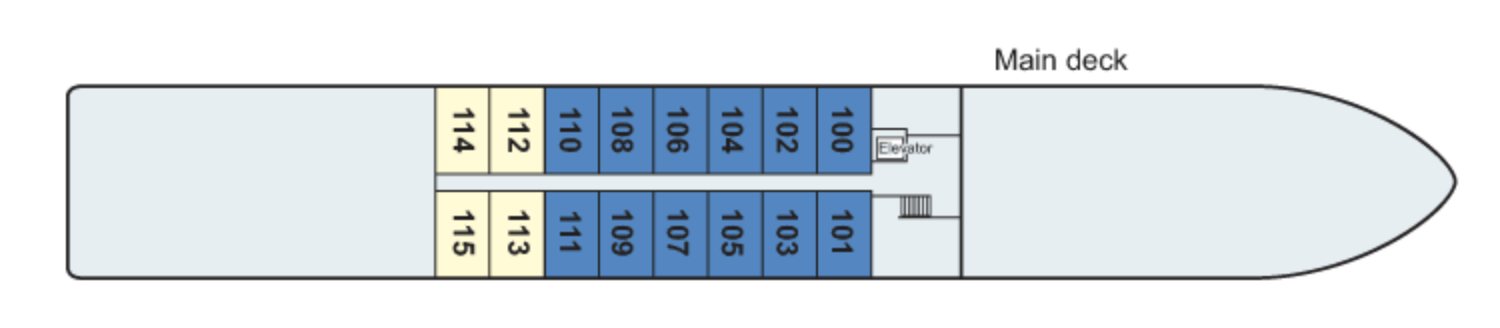
- Standard (E, F)
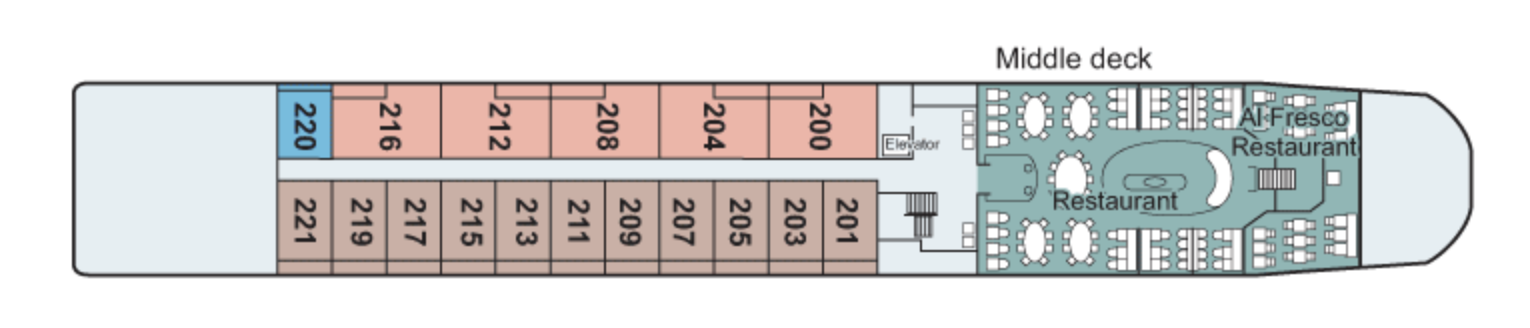
- Restaurant
- Veranda Suite (AA, AB)
- Veranda Stateroom (A, B)
- French Balcony (C, D)
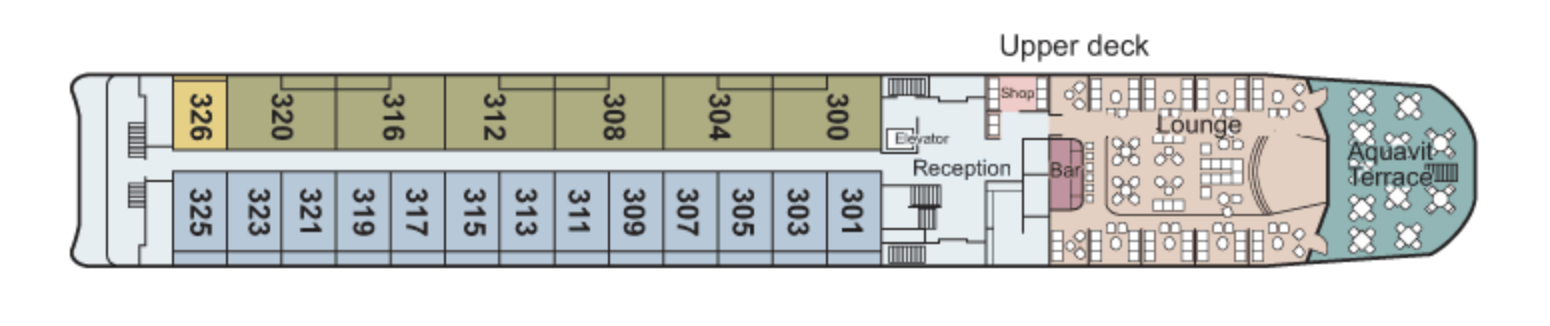
- Aquavit Terrace
- Lounge
- Guest Services
- Shop
- Veranda Suite (AA, AB)
- Veranda Stateroom (A, B)
- French Balcony (C, D)

- Sun Deck
- Pool
- Seating Area
- Standard (E, F)
- Restaurant
- Veranda Suite (AA, AB)
- Veranda Stateroom (A, B)
- French Balcony (C, D)
- Aquavit Terrace
- Lounge
- Guest Services
- Shop
- Veranda Suite (AA, AB)
- Veranda Stateroom (A, B)
- French Balcony (C, D)
- Sun Deck
- Pool
- Seating Area