Featured Cabins
Itinerary
Bergen, Norway
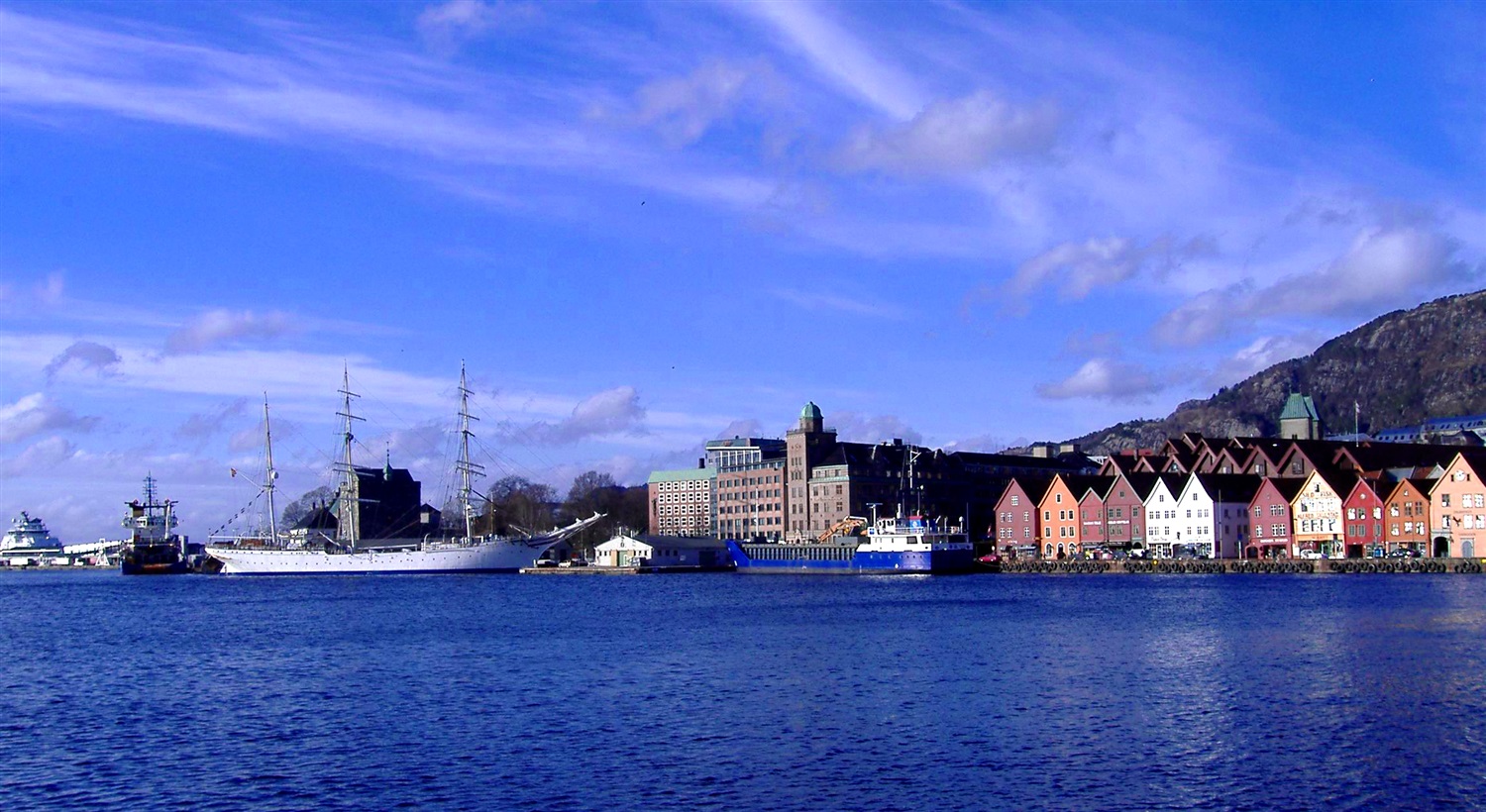
Surrounded by mountains and sparkling fjords, the waterside city of Bergen has a spectacular setting. There has been a settlement here since medieval times and the colourful waterfront buildings of the Hanseatic wharf, known as Bryggen, are testament to its fascinating history of trade. As Norway’s best known medieval settlement, the Bryggen is listed by UNESCO as a World Heritage Site. Our comprehensive selection of excursions allows you to discover the many sides of Bergen, such as the fish market and narrow cobbled streets, as well as stunning views of the city from the summit of Mt Fløyen. Alternatively, those who have visited the city previously may like to experience one of the tours that travel further afield. Just 300 yards from the main piers, you will find the Fortress Museum (Fesningsmuseum), which has an interesting collection of objects related to World War II.
Bergen, Norway
Surrounded by mountains and sparkling fjords, the waterside city of Bergen has a spectacular setting. There has been a settlement here since medieval times and the colourful waterfront buildings of the Hanseatic wharf, known as Bryggen, are testament to its fascinating history of trade. As Norway’s best known medieval settlement, the Bryggen is listed by UNESCO as a World Heritage Site. Our comprehensive selection of excursions allows you to discover the many sides of Bergen, such as the fish market and narrow cobbled streets, as well as stunning views of the city from the summit of Mt Fløyen. Alternatively, those who have visited the city previously may like to experience one of the tours that travel further afield. Just 300 yards from the main piers, you will find the Fortress Museum (Fesningsmuseum), which has an interesting collection of objects related to World War II.
Lerwick, Shetland Islands, Scotland
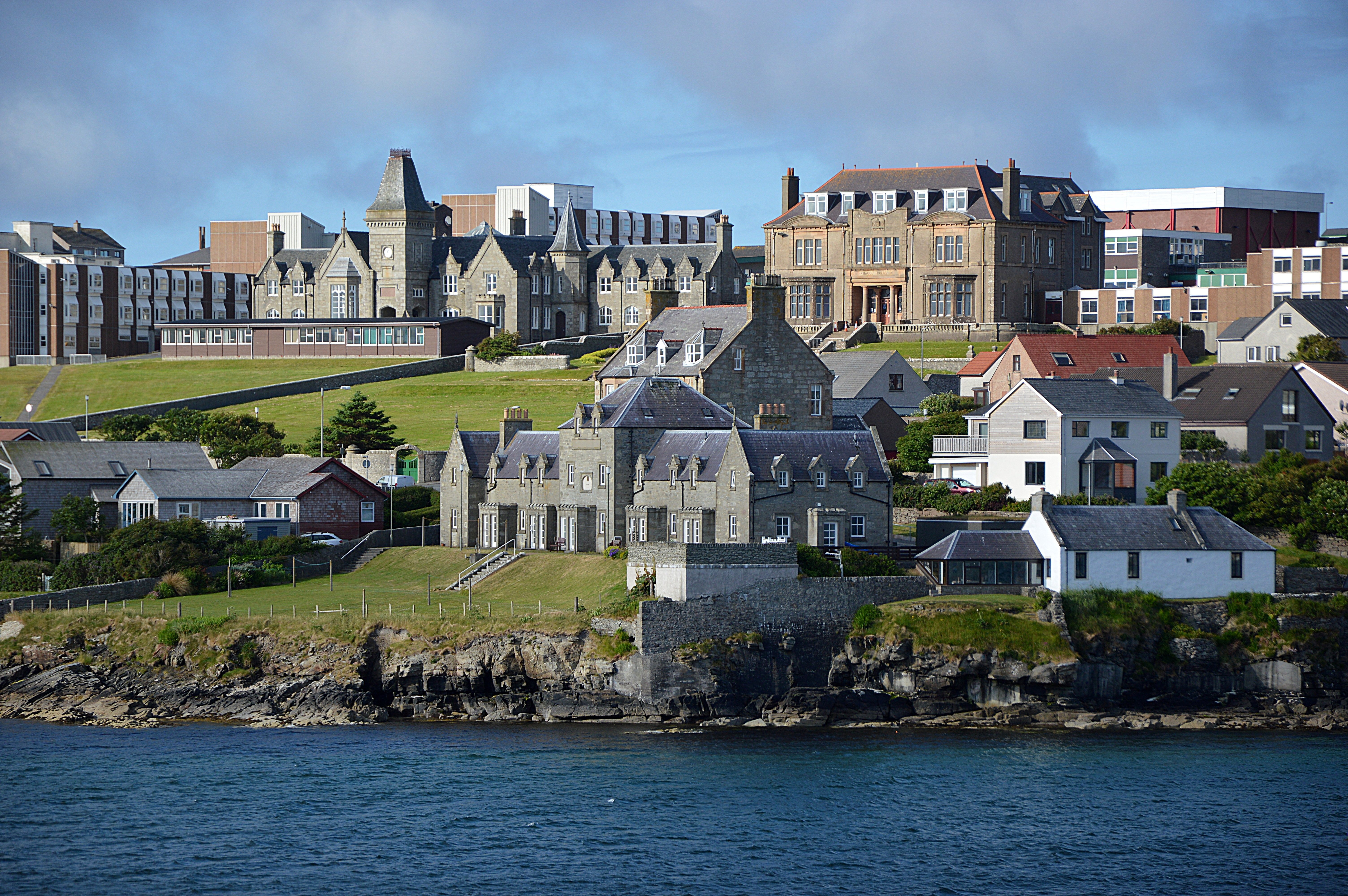
Founded by Dutch fishermen in the 17th century, Lerwick today is a busy town and administrative center. Handsome stone buildings—known as lodberries—line the harbor; they provided loading bays for goods, some of them illegal. The town’s twisting flagstone lanes and harbor once heaved with activity, and Lerwick is still an active port today. This is also where most visitors to Shetland dock, spilling out of cruise ships, allowing passengers to walk around the town.
Aberdeen, Scotland
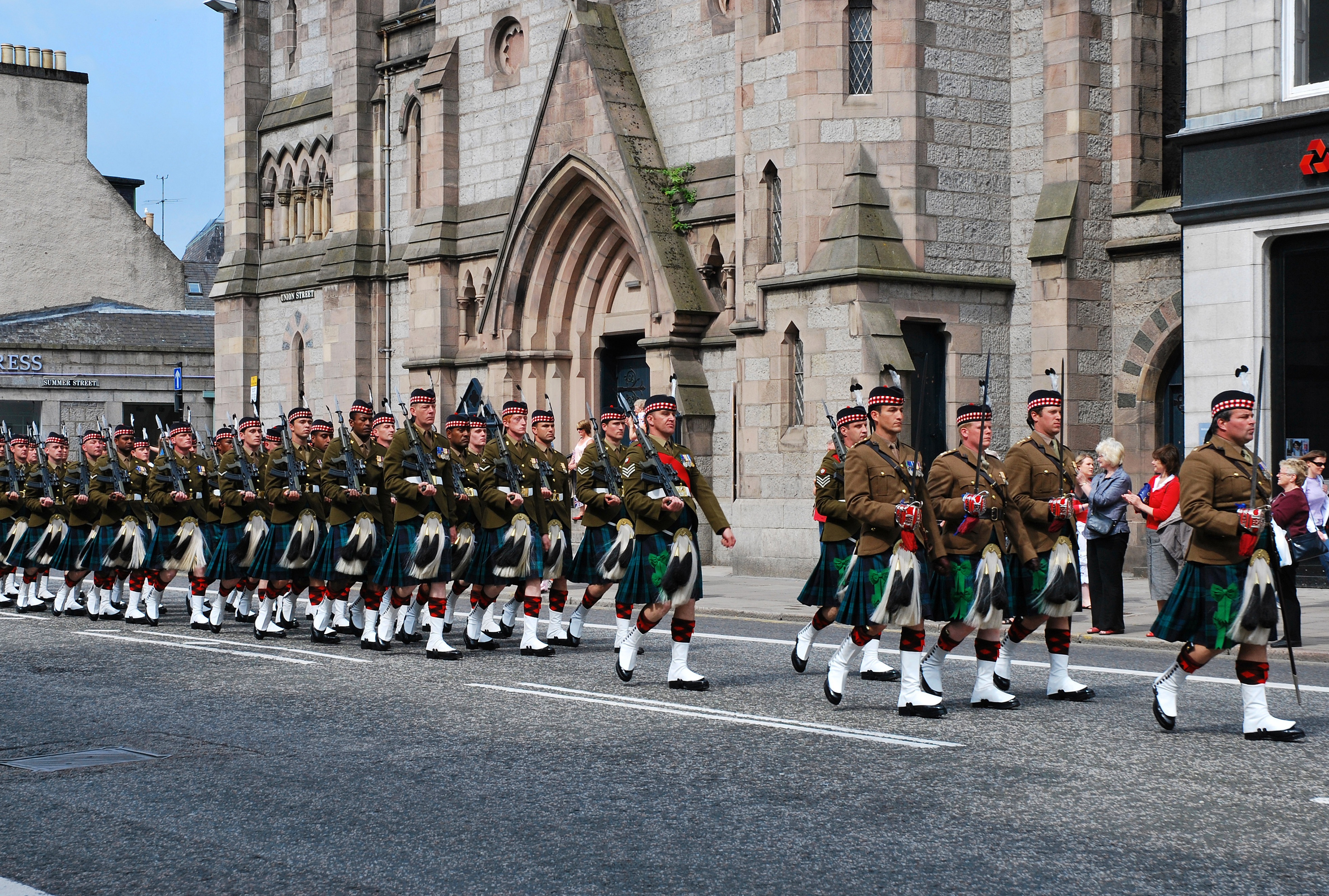
With close to 220,000 inhabitants, Aberdeen is Scotland’s third most populous city. Locally quarried grey granite was used during the mid-18th to mid-20th centuries for many of Aberdeen’s buildings, and hence the nicknames it has earned as the Granite City, or the Grey City. Aberdeen granite was also used to build the terraces of the Houses of Parliament and Waterloo Bridge in London. Since the discovery of North Sea oil in the 1970s, Aberdeen has also been called the Oil Capital of Europe or the Energy Capital of Europe. It is no wonder that because of the oil fields in the North Sea, Aberdeen’s seaport is very important. The Heliport with its flights to the oil fields is one of the busiest commercial heliports in the world.
Newhaven/Edinburgh, Scotland
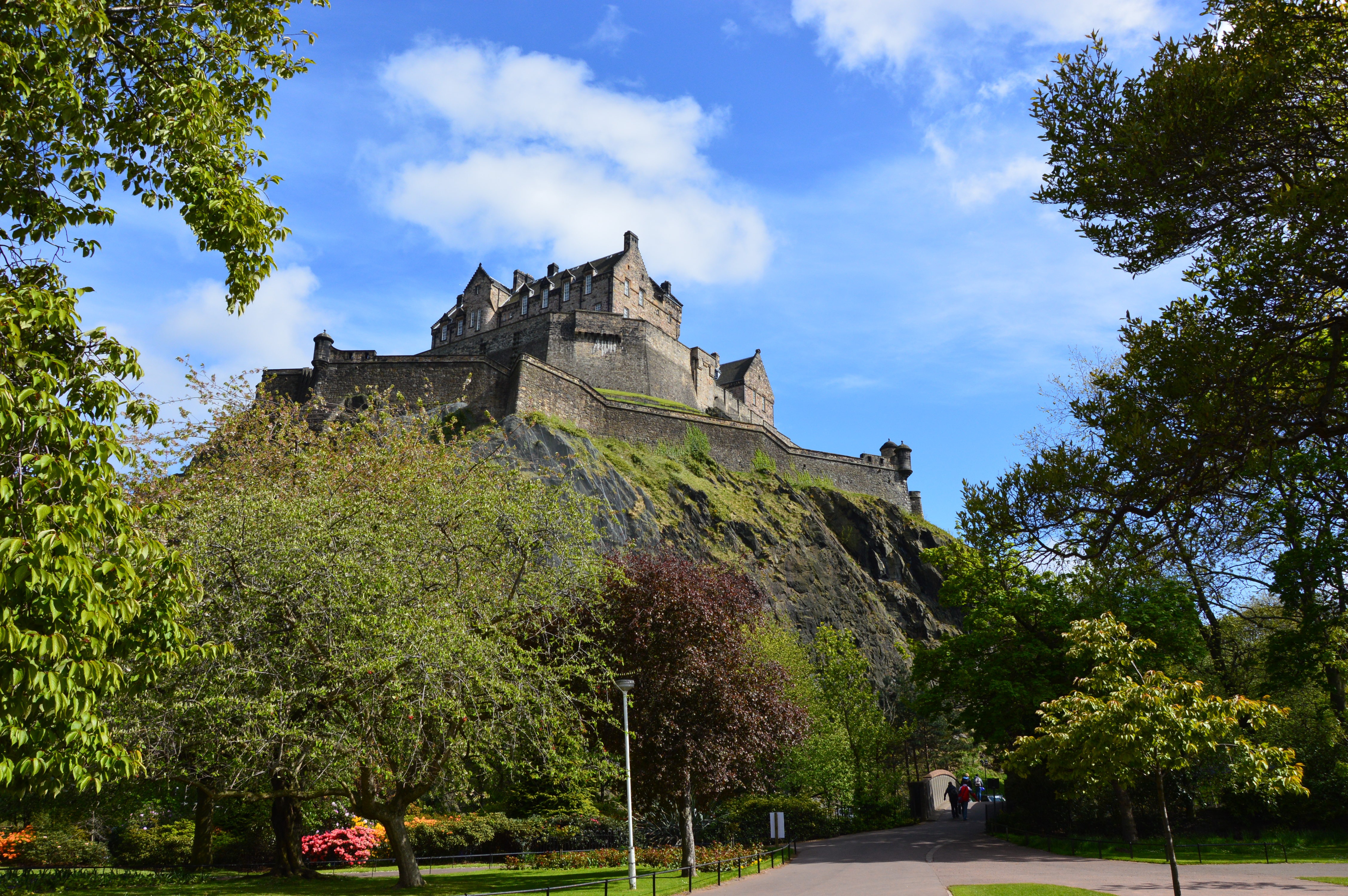
Newhaven is a district in the City of Edinburgh, Scotland, between Leith and Granton and about 2 miles north of the city centre, just north of the Victoria Park district. Formerly a village and harbour on the Firth of Forth.
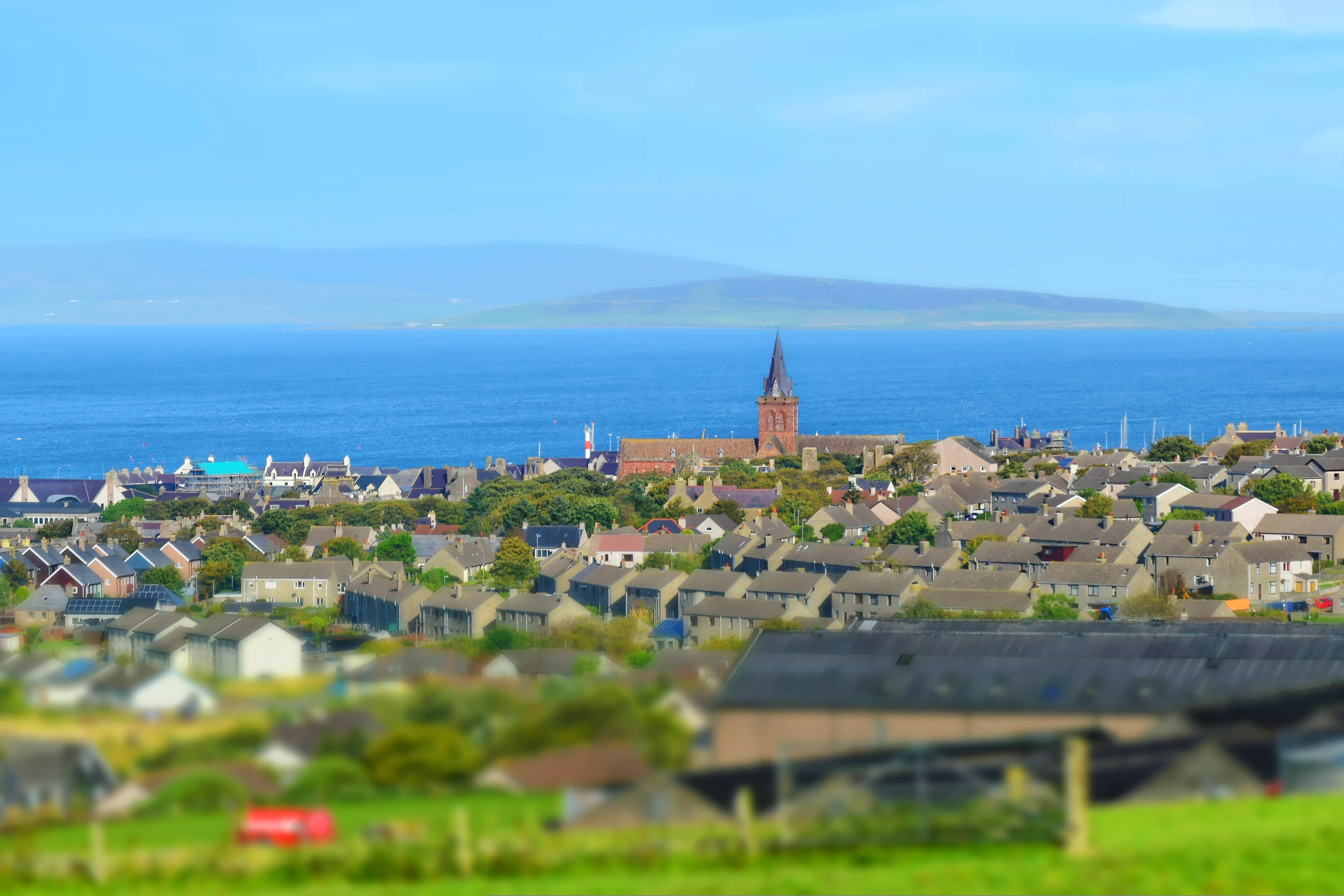
Kirkwall, Orkney Islands, Scotland
In bustling Kirkwall, the main town on Orkney, there’s plenty to see in the narrow, winding streets extending from the harbor. The cathedral and some museums are highlights.
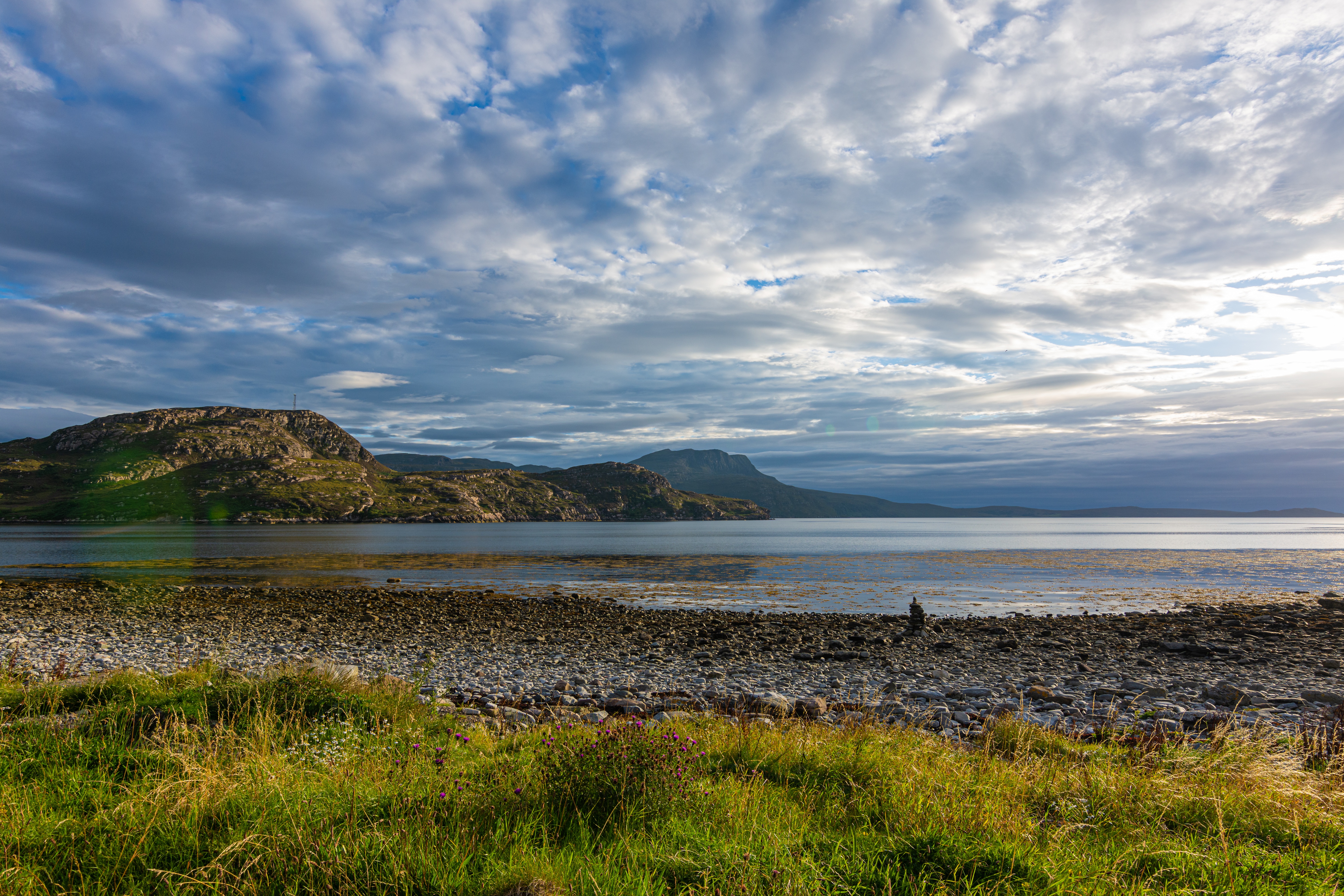
Ullapool, Scotland
Ullapool is an ideal base for hiking throughout Sutherland and taking wildlife and nature cruises, especially to the Summer Isles. By the shores of salty Loch Broom, the town was founded in 1788 as a fishing station to exploit the local herring stocks. There’s still a smattering of fishing vessels, as well as visiting yachts and foreign ships. When their crews fill the pubs, Ullapool has a cosmopolitan feel. The harbor area comes to life when the Lewis ferry arrives and departs.
Bergen, Norway
Surrounded by mountains and sparkling fjords, the waterside city of Bergen has a spectacular setting. There has been a settlement here since medieval times and the colourful waterfront buildings of the Hanseatic wharf, known as Bryggen, are testament to its fascinating history of trade. As Norway’s best known medieval settlement, the Bryggen is listed by UNESCO as a World Heritage Site. Our comprehensive selection of excursions allows you to discover the many sides of Bergen, such as the fish market and narrow cobbled streets, as well as stunning views of the city from the summit of Mt Fløyen. Alternatively, those who have visited the city previously may like to experience one of the tours that travel further afield. Just 300 yards from the main piers, you will find the Fortress Museum (Fesningsmuseum), which has an interesting collection of objects related to World War II.
Bergen, Norway
Surrounded by mountains and sparkling fjords, the waterside city of Bergen has a spectacular setting. There has been a settlement here since medieval times and the colourful waterfront buildings of the Hanseatic wharf, known as Bryggen, are testament to its fascinating history of trade. As Norway’s best known medieval settlement, the Bryggen is listed by UNESCO as a World Heritage Site. Our comprehensive selection of excursions allows you to discover the many sides of Bergen, such as the fish market and narrow cobbled streets, as well as stunning views of the city from the summit of Mt Fløyen. Alternatively, those who have visited the city previously may like to experience one of the tours that travel further afield. Just 300 yards from the main piers, you will find the Fortress Museum (Fesningsmuseum), which has an interesting collection of objects related to World War II.
Lerwick, Shetland Islands, Scotland
Founded by Dutch fishermen in the 17th century, Lerwick today is a busy town and administrative center. Handsome stone buildings—known as lodberries—line the harbor; they provided loading bays for goods, some of them illegal. The town’s twisting flagstone lanes and harbor once heaved with activity, and Lerwick is still an active port today. This is also where most visitors to Shetland dock, spilling out of cruise ships, allowing passengers to walk around the town.
Aberdeen, Scotland
With close to 220,000 inhabitants, Aberdeen is Scotland’s third most populous city. Locally quarried grey granite was used during the mid-18th to mid-20th centuries for many of Aberdeen’s buildings, and hence the nicknames it has earned as the Granite City, or the Grey City. Aberdeen granite was also used to build the terraces of the Houses of Parliament and Waterloo Bridge in London. Since the discovery of North Sea oil in the 1970s, Aberdeen has also been called the Oil Capital of Europe or the Energy Capital of Europe. It is no wonder that because of the oil fields in the North Sea, Aberdeen’s seaport is very important. The Heliport with its flights to the oil fields is one of the busiest commercial heliports in the world.
Newhaven/Edinburgh, Scotland
Newhaven is a district in the City of Edinburgh, Scotland, between Leith and Granton and about 2 miles north of the city centre, just north of the Victoria Park district. Formerly a village and harbour on the Firth of Forth.
Kirkwall, Orkney Islands, Scotland
In bustling Kirkwall, the main town on Orkney, there’s plenty to see in the narrow, winding streets extending from the harbor. The cathedral and some museums are highlights.
Ullapool, Scotland
Ullapool is an ideal base for hiking throughout Sutherland and taking wildlife and nature cruises, especially to the Summer Isles. By the shores of salty Loch Broom, the town was founded in 1788 as a fishing station to exploit the local herring stocks. There’s still a smattering of fishing vessels, as well as visiting yachts and foreign ships. When their crews fill the pubs, Ullapool has a cosmopolitan feel. The harbor area comes to life when the Lewis ferry arrives and departs.
Belfast, Northern Ireland
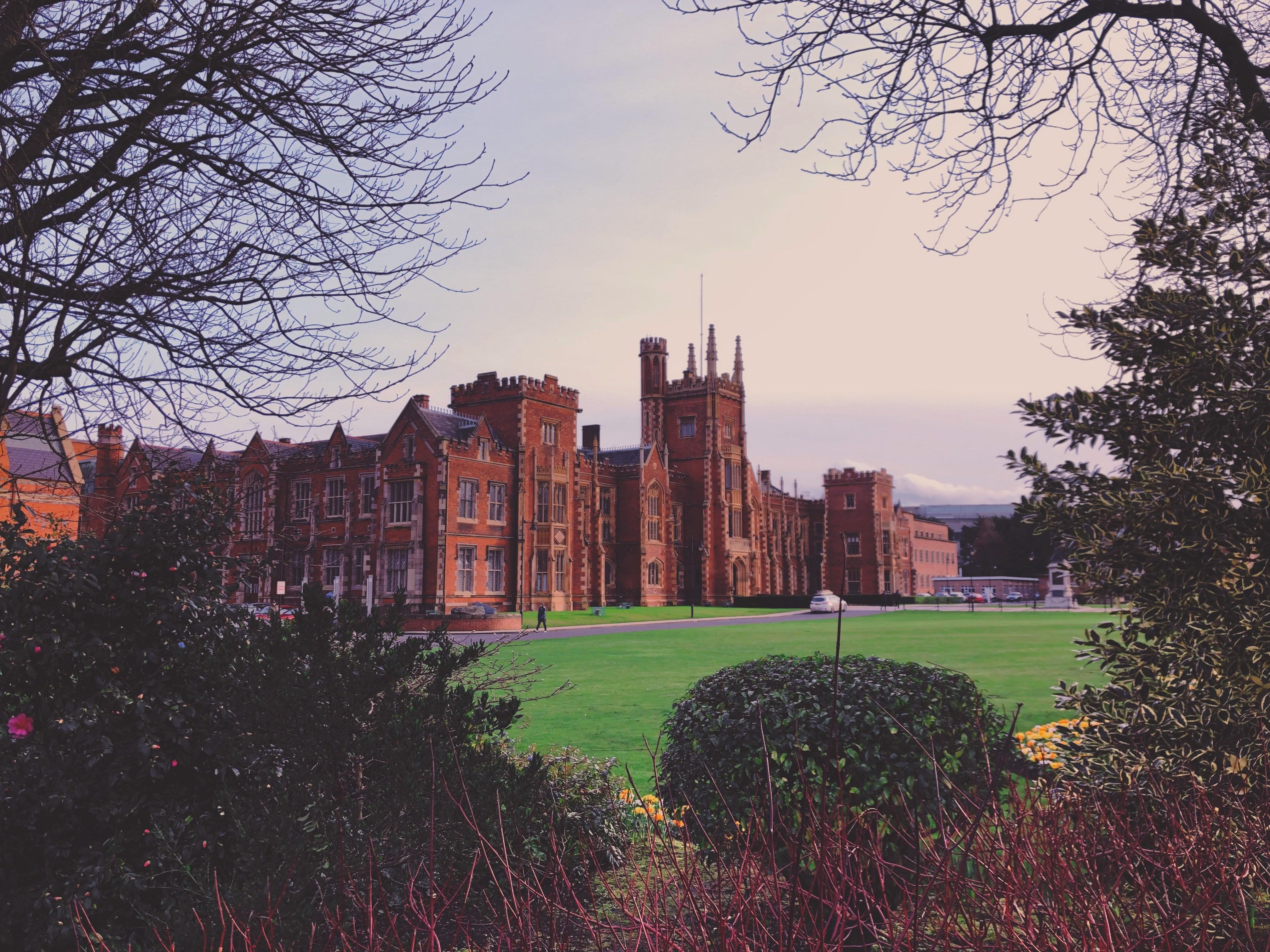
Before English and Scottish settlers arrived in the 1600s, Belfast was a tiny village called Béal Feirste (“sandbank ford”) belonging to Ulster’s ancient O’Neill clan. With the advent of the Plantation period (when settlers arrived in the 1600s), Sir Arthur Chichester, from Devon in southwestern England, received the city from the English Crown, and his son was made Earl of Donegall. Huguenots fleeing persecution from France settled near here, bringing their valuable linen-work skills. In the 18th century, Belfast underwent a phenomenal expansion—its population doubled every 10 years, despite an ever-present sectarian divide. Although the Anglican gentry despised the Presbyterian artisans—who, in turn, distrusted the native Catholics—Belfast’s growth continued at a dizzying speed. The city was a great Victorian success story, an industrial boomtown whose prosperity was built on trade, especially linen and shipbuilding. Famously (or infamously), the Titanic was built here, giving Belfast, for a time, the nickname “Titanic Town.” Having laid the foundation stone of the city’s university in 1845, Queen Victoria returned to Belfast in 1849 (she is recalled in the names of buildings, streets, bars, monuments, and other places around the city), and in the same year, the university opened under the name Queen’s College. Nearly 40 years later, in 1888, Victoria granted Belfast its city charter. Today its population is nearly 300,000, tourist numbers have increased, and this dramatically transformed city is enjoying an unparalleled renaissance.This is all a welcome change from the period when news about Belfast meant reports about “the Troubles.” Since the 1994 ceasefire, Northern Ireland’s capital city has benefited from major hotel investment, gentrified quaysides (or strands), a sophisticated new performing arts center, and major initiatives to boost tourism. Although the 1996 bombing of offices at Canary Wharf in London disrupted the 1994 peace agreement, the ceasefire was officially reestablished on July 20, 1997, and this embattled city began its quest for a newfound identity.Since 2008, the city has restored all its major public buildings such as museums, churches, theaters, City Hall, Ulster Hall—and even the glorious Crown Bar—spending millions of pounds on its built heritage. A gaol that at the height of the Troubles held some of the most notorious murderers involved in paramilitary violence is now a major visitor attraction.Belfast’s city center is made up of three roughly contiguous areas that are easy to navigate on foot. From the south end to the north, it’s about an hour’s leisurely walk.
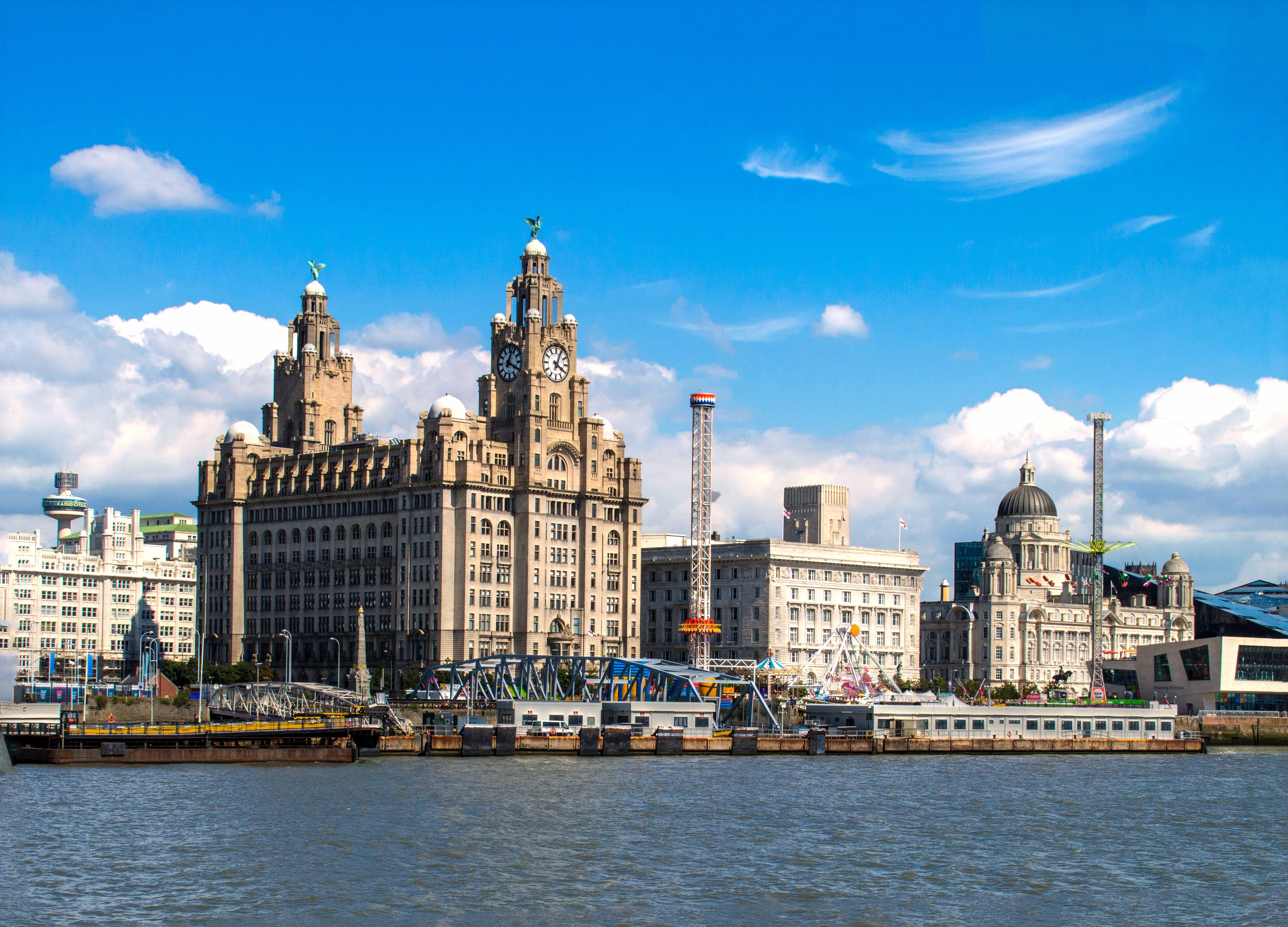
Liverpool, England
From world-class attractions and sports to legendary music, Liverpool offers old-world charm with modern sophistication, underpinned by a rich cultural history.
Holyhead, Wales
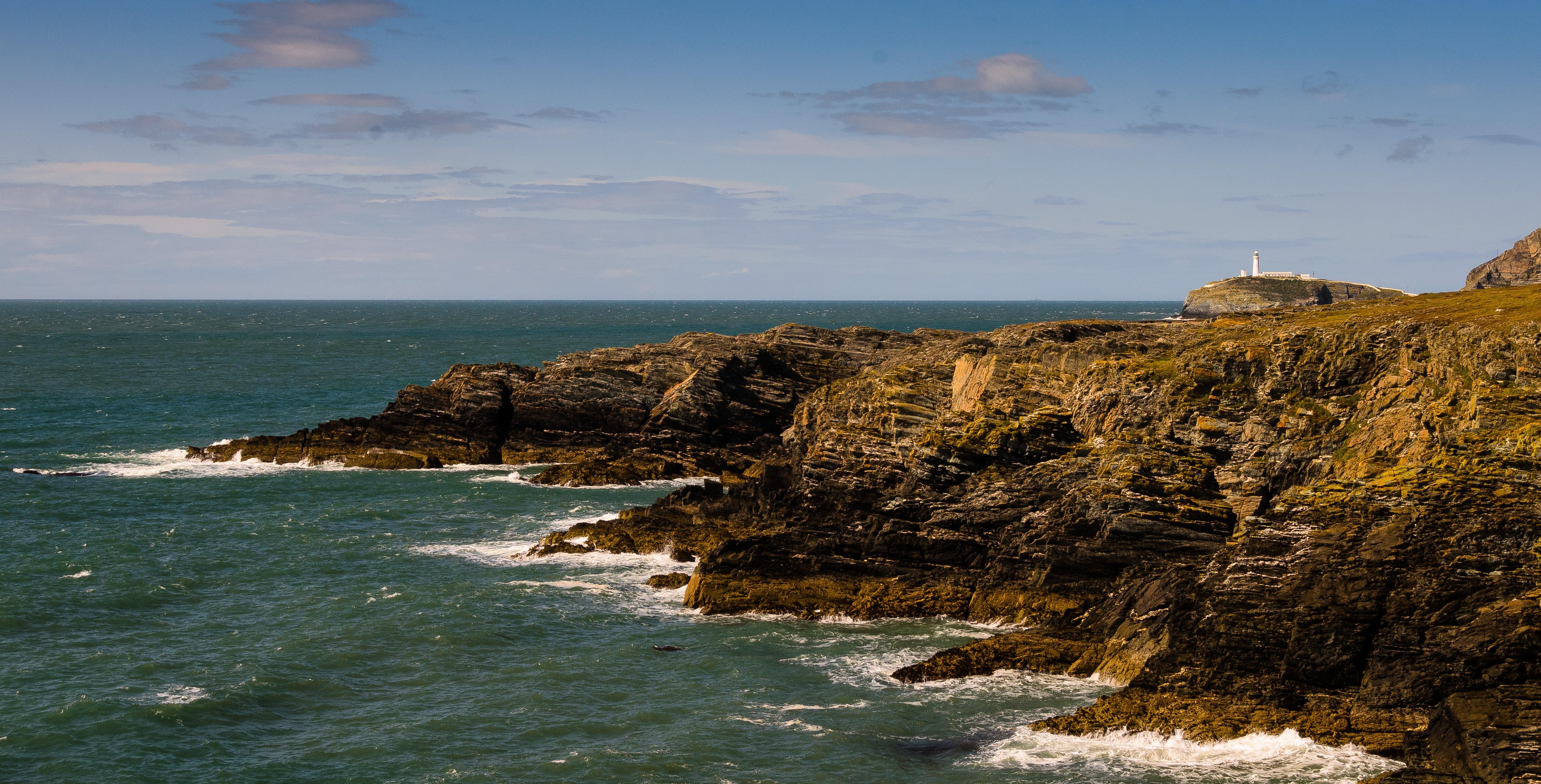
Once a northern defense post against Irish raiders, Holyhead later became best known as a ferry port for Ireland. The dockside bustle is not matched by the town, however, which maintains just a small population. Nonetheless, thousands of years of settlement have given Holyhead rich historical ruins to explore, with more in the surrounding hiking friendly landscape.
Dun Laoghaire, Ireland
Sailing the English Channel
No additional details available for this day.
Dover, England
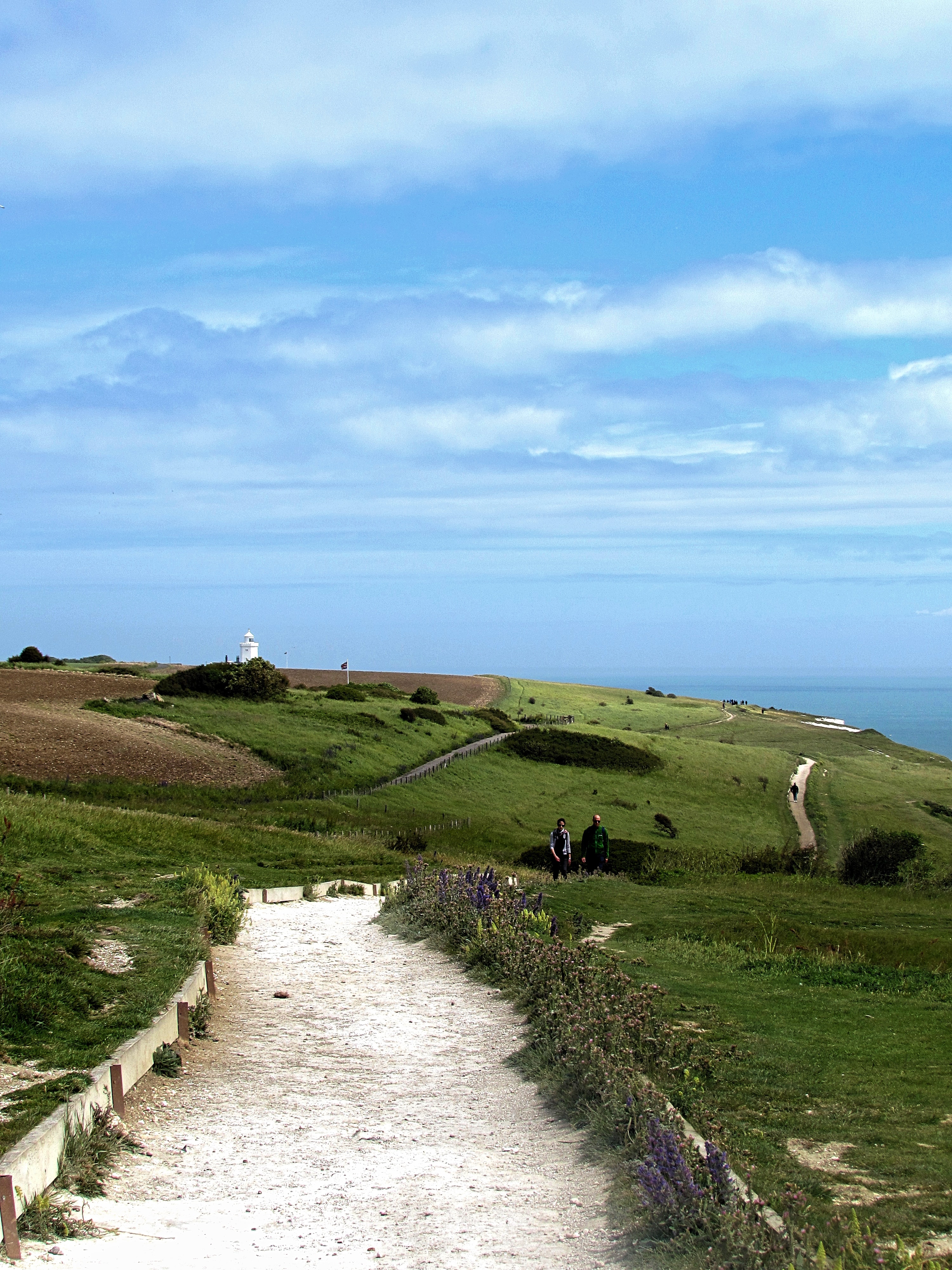
Known as the gateway of England, Dover welcomes millions of visitors from all over the globe each year in its role as the ferry capital of the world and the second busiest cruise port in the UK. The White Cliffs Country has a rich heritage. Within the walls of the town’s iconic castle, over 2,000 years of history waits to be explored, whilst the town’s museum is home to the Dover Bronze Age Boat, the world’s oldest known seagoing vessel. The town’s cliffs that are a welcome sight for today’s cross-channel travellers also served as the control centre for the Dunkirk evacuation in 1940.
London (Greenwich), England
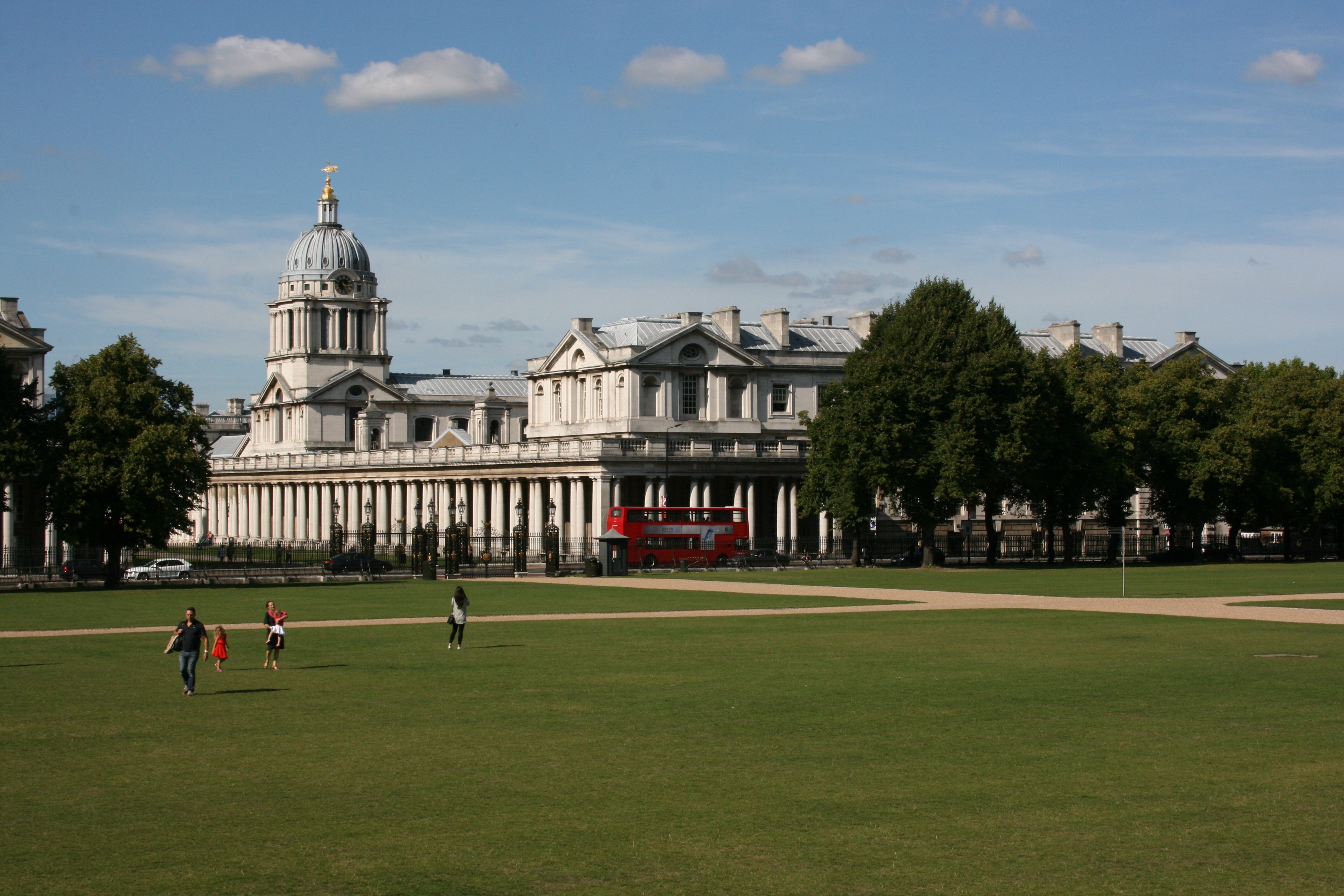
About 8 miles downstream—which means seaward, to the east—from central London, Greenwich is a small borough that looms large across the world. Once the seat of British naval power, it is not only home to the Old Royal Observatory, which measures time for our entire planet, but also the Greenwich Meridian, which divides the world into two—you can stand astride it with one foot in either hemisphere. Bear in mind that the journey to Greenwich is an event in itself. In a rush, you can take the driverless DLR train—but many opt for arriving by boat along the Thames. This way, you glide past famous sights on the London skyline (there’s a guaranteed spine chill on passing the Tower) and ever-changing docklands, and there’s usually a chirpy Cock-er-ney navigator enlivening the journey with his fun commentary. A visit to Greenwich feels like a trip to a rather elegant seaside town—albeit one with more than its fair share of historic sites. The grandiose Old Royal Naval Hospital, designed by Christopher Wren, was originally a home for veteran sailors. Today it’s a popular visitor attraction, with a more glamorous second life as one of the most widely used movie locations in Britain. Greenwich was originally home to one of England’s finest Tudor palaces, and the birthplace of Henry VIII, Elizabeth I, and Mary I. Inigo Jones built what is considered the first “classical” building in England in 1616—the Queen’s House, which now houses a collection of fine art. Britain was the world’s preeminent naval power for over 500 years, and the excellent National Maritime Museum> details that history in an engaging way. Its prize exhibits include the coat worn by Admiral Lord Nelson (1758–1805) in his final battle—bullet hole and all. The 19th-century tea clipper Cutty Sark was nearly destroyed by fire in 2007, but reopened in 2012 after a painstaking restoration. Now it’s more pristine than ever, complete with an impressive new visitor center. Greenwich Park, London’s oldest royal park, is still home to fallow red deer, just as it has been since they were first introduced here for hunting by Henry VIII. The Ranger’s House now houses a private art collection, next door to a beautifully manicured rose garden. Above it all is the Royal Observatory, where you can be in two hemispheres at once by standing along the Greenwich Meridian Line, before seeing a high-tech planetarium show. Toward north Greenwich, the hopelessly ambitious Millennium Dome has been successfully reborn as the O2 and now hosts major concerts and stand-up comedy gigs. More adventurous visitors can also go Up the O2 on a climbing expedition across the massive domed surface. Meanwhile, those who prefer excursions of a gentler kind may prefer to journey a couple of miles south of the borough, farther out into London’s southern suburbs, to the shamefully underappreciated Eltham Palace. Once a favorite of Henry VIII, parts of the mansion were transformed into an art deco masterpiece during the 1930s.
Belfast, Northern Ireland
Before English and Scottish settlers arrived in the 1600s, Belfast was a tiny village called Béal Feirste (“sandbank ford”) belonging to Ulster’s ancient O’Neill clan. With the advent of the Plantation period (when settlers arrived in the 1600s), Sir Arthur Chichester, from Devon in southwestern England, received the city from the English Crown, and his son was made Earl of Donegall. Huguenots fleeing persecution from France settled near here, bringing their valuable linen-work skills. In the 18th century, Belfast underwent a phenomenal expansion—its population doubled every 10 years, despite an ever-present sectarian divide. Although the Anglican gentry despised the Presbyterian artisans—who, in turn, distrusted the native Catholics—Belfast’s growth continued at a dizzying speed. The city was a great Victorian success story, an industrial boomtown whose prosperity was built on trade, especially linen and shipbuilding. Famously (or infamously), the Titanic was built here, giving Belfast, for a time, the nickname “Titanic Town.” Having laid the foundation stone of the city’s university in 1845, Queen Victoria returned to Belfast in 1849 (she is recalled in the names of buildings, streets, bars, monuments, and other places around the city), and in the same year, the university opened under the name Queen’s College. Nearly 40 years later, in 1888, Victoria granted Belfast its city charter. Today its population is nearly 300,000, tourist numbers have increased, and this dramatically transformed city is enjoying an unparalleled renaissance.This is all a welcome change from the period when news about Belfast meant reports about “the Troubles.” Since the 1994 ceasefire, Northern Ireland’s capital city has benefited from major hotel investment, gentrified quaysides (or strands), a sophisticated new performing arts center, and major initiatives to boost tourism. Although the 1996 bombing of offices at Canary Wharf in London disrupted the 1994 peace agreement, the ceasefire was officially reestablished on July 20, 1997, and this embattled city began its quest for a newfound identity.Since 2008, the city has restored all its major public buildings such as museums, churches, theaters, City Hall, Ulster Hall—and even the glorious Crown Bar—spending millions of pounds on its built heritage. A gaol that at the height of the Troubles held some of the most notorious murderers involved in paramilitary violence is now a major visitor attraction.Belfast’s city center is made up of three roughly contiguous areas that are easy to navigate on foot. From the south end to the north, it’s about an hour’s leisurely walk.
Liverpool, England
From world-class attractions and sports to legendary music, Liverpool offers old-world charm with modern sophistication, underpinned by a rich cultural history.
Holyhead, Wales
Once a northern defense post against Irish raiders, Holyhead later became best known as a ferry port for Ireland. The dockside bustle is not matched by the town, however, which maintains just a small population. Nonetheless, thousands of years of settlement have given Holyhead rich historical ruins to explore, with more in the surrounding hiking friendly landscape.
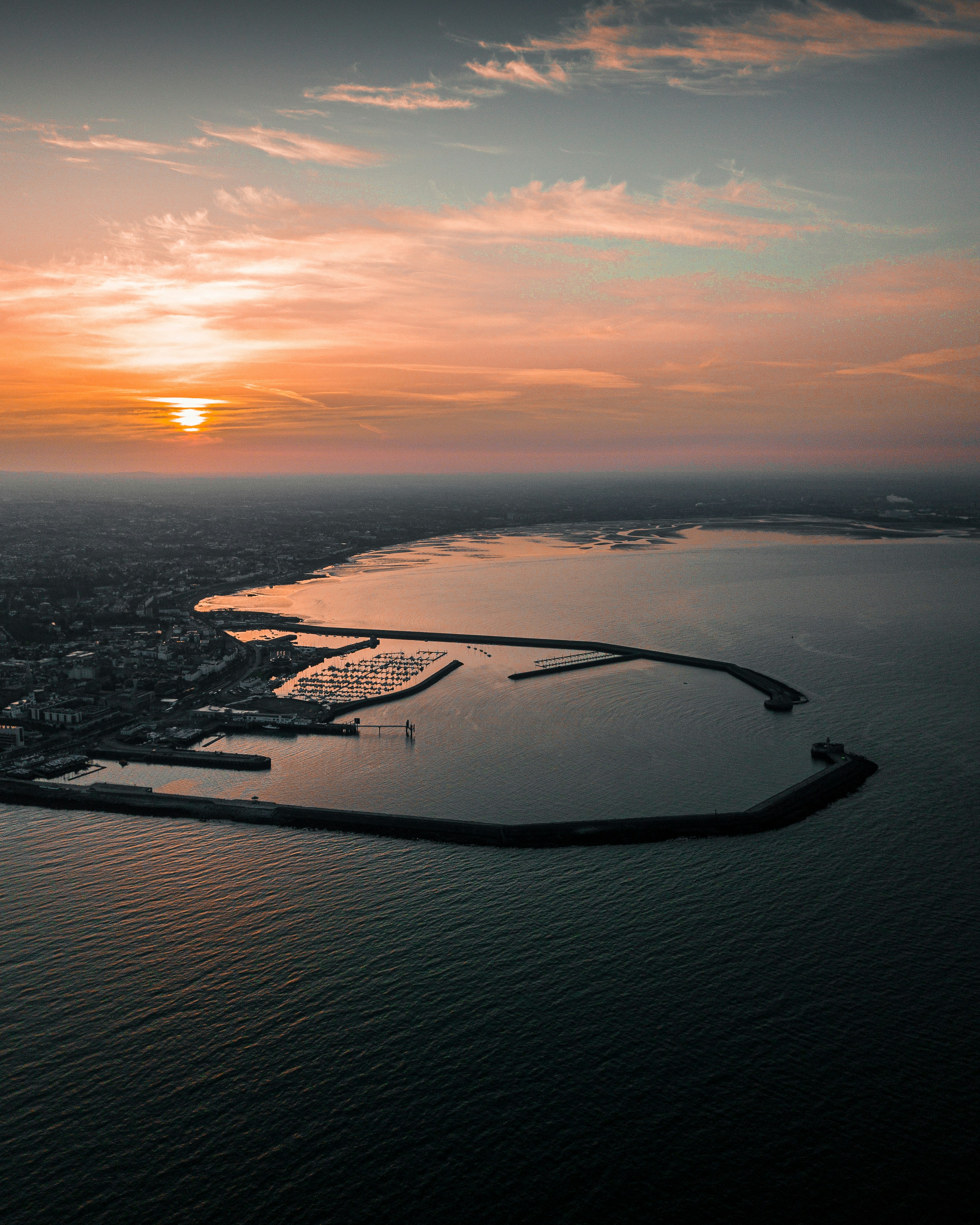
Dun Laoghaire, Ireland
Sailing the English Channel
No additional details available for this day.
Dover, England
Known as the gateway of England, Dover welcomes millions of visitors from all over the globe each year in its role as the ferry capital of the world and the second busiest cruise port in the UK. The White Cliffs Country has a rich heritage. Within the walls of the town’s iconic castle, over 2,000 years of history waits to be explored, whilst the town’s museum is home to the Dover Bronze Age Boat, the world’s oldest known seagoing vessel. The town’s cliffs that are a welcome sight for today’s cross-channel travellers also served as the control centre for the Dunkirk evacuation in 1940.
London (Greenwich), England
About 8 miles downstream—which means seaward, to the east—from central London, Greenwich is a small borough that looms large across the world. Once the seat of British naval power, it is not only home to the Old Royal Observatory, which measures time for our entire planet, but also the Greenwich Meridian, which divides the world into two—you can stand astride it with one foot in either hemisphere. Bear in mind that the journey to Greenwich is an event in itself. In a rush, you can take the driverless DLR train—but many opt for arriving by boat along the Thames. This way, you glide past famous sights on the London skyline (there’s a guaranteed spine chill on passing the Tower) and ever-changing docklands, and there’s usually a chirpy Cock-er-ney navigator enlivening the journey with his fun commentary. A visit to Greenwich feels like a trip to a rather elegant seaside town—albeit one with more than its fair share of historic sites. The grandiose Old Royal Naval Hospital, designed by Christopher Wren, was originally a home for veteran sailors. Today it’s a popular visitor attraction, with a more glamorous second life as one of the most widely used movie locations in Britain. Greenwich was originally home to one of England’s finest Tudor palaces, and the birthplace of Henry VIII, Elizabeth I, and Mary I. Inigo Jones built what is considered the first “classical” building in England in 1616—the Queen’s House, which now houses a collection of fine art. Britain was the world’s preeminent naval power for over 500 years, and the excellent National Maritime Museum> details that history in an engaging way. Its prize exhibits include the coat worn by Admiral Lord Nelson (1758–1805) in his final battle—bullet hole and all. The 19th-century tea clipper Cutty Sark was nearly destroyed by fire in 2007, but reopened in 2012 after a painstaking restoration. Now it’s more pristine than ever, complete with an impressive new visitor center. Greenwich Park, London’s oldest royal park, is still home to fallow red deer, just as it has been since they were first introduced here for hunting by Henry VIII. The Ranger’s House now houses a private art collection, next door to a beautifully manicured rose garden. Above it all is the Royal Observatory, where you can be in two hemispheres at once by standing along the Greenwich Meridian Line, before seeing a high-tech planetarium show. Toward north Greenwich, the hopelessly ambitious Millennium Dome has been successfully reborn as the O2 and now hosts major concerts and stand-up comedy gigs. More adventurous visitors can also go Up the O2 on a climbing expedition across the massive domed surface. Meanwhile, those who prefer excursions of a gentler kind may prefer to journey a couple of miles south of the borough, farther out into London’s southern suburbs, to the shamefully underappreciated Eltham Palace. Once a favorite of Henry VIII, parts of the mansion were transformed into an art deco masterpiece during the 1930s.
London (Greenwich), England
About 8 miles downstream—which means seaward, to the east—from central London, Greenwich is a small borough that looms large across the world. Once the seat of British naval power, it is not only home to the Old Royal Observatory, which measures time for our entire planet, but also the Greenwich Meridian, which divides the world into two—you can stand astride it with one foot in either hemisphere. Bear in mind that the journey to Greenwich is an event in itself. In a rush, you can take the driverless DLR train—but many opt for arriving by boat along the Thames. This way, you glide past famous sights on the London skyline (there’s a guaranteed spine chill on passing the Tower) and ever-changing docklands, and there’s usually a chirpy Cock-er-ney navigator enlivening the journey with his fun commentary. A visit to Greenwich feels like a trip to a rather elegant seaside town—albeit one with more than its fair share of historic sites. The grandiose Old Royal Naval Hospital, designed by Christopher Wren, was originally a home for veteran sailors. Today it’s a popular visitor attraction, with a more glamorous second life as one of the most widely used movie locations in Britain. Greenwich was originally home to one of England’s finest Tudor palaces, and the birthplace of Henry VIII, Elizabeth I, and Mary I. Inigo Jones built what is considered the first “classical” building in England in 1616—the Queen’s House, which now houses a collection of fine art. Britain was the world’s preeminent naval power for over 500 years, and the excellent National Maritime Museum> details that history in an engaging way. Its prize exhibits include the coat worn by Admiral Lord Nelson (1758–1805) in his final battle—bullet hole and all. The 19th-century tea clipper Cutty Sark was nearly destroyed by fire in 2007, but reopened in 2012 after a painstaking restoration. Now it’s more pristine than ever, complete with an impressive new visitor center. Greenwich Park, London’s oldest royal park, is still home to fallow red deer, just as it has been since they were first introduced here for hunting by Henry VIII. The Ranger’s House now houses a private art collection, next door to a beautifully manicured rose garden. Above it all is the Royal Observatory, where you can be in two hemispheres at once by standing along the Greenwich Meridian Line, before seeing a high-tech planetarium show. Toward north Greenwich, the hopelessly ambitious Millennium Dome has been successfully reborn as the O2 and now hosts major concerts and stand-up comedy gigs. More adventurous visitors can also go Up the O2 on a climbing expedition across the massive domed surface. Meanwhile, those who prefer excursions of a gentler kind may prefer to journey a couple of miles south of the borough, farther out into London’s southern suburbs, to the shamefully underappreciated Eltham Palace. Once a favorite of Henry VIII, parts of the mansion were transformed into an art deco masterpiece during the 1930s.
London (Greenwich), England
About 8 miles downstream—which means seaward, to the east—from central London, Greenwich is a small borough that looms large across the world. Once the seat of British naval power, it is not only home to the Old Royal Observatory, which measures time for our entire planet, but also the Greenwich Meridian, which divides the world into two—you can stand astride it with one foot in either hemisphere. Bear in mind that the journey to Greenwich is an event in itself. In a rush, you can take the driverless DLR train—but many opt for arriving by boat along the Thames. This way, you glide past famous sights on the London skyline (there’s a guaranteed spine chill on passing the Tower) and ever-changing docklands, and there’s usually a chirpy Cock-er-ney navigator enlivening the journey with his fun commentary. A visit to Greenwich feels like a trip to a rather elegant seaside town—albeit one with more than its fair share of historic sites. The grandiose Old Royal Naval Hospital, designed by Christopher Wren, was originally a home for veteran sailors. Today it’s a popular visitor attraction, with a more glamorous second life as one of the most widely used movie locations in Britain. Greenwich was originally home to one of England’s finest Tudor palaces, and the birthplace of Henry VIII, Elizabeth I, and Mary I. Inigo Jones built what is considered the first “classical” building in England in 1616—the Queen’s House, which now houses a collection of fine art. Britain was the world’s preeminent naval power for over 500 years, and the excellent National Maritime Museum> details that history in an engaging way. Its prize exhibits include the coat worn by Admiral Lord Nelson (1758–1805) in his final battle—bullet hole and all. The 19th-century tea clipper Cutty Sark was nearly destroyed by fire in 2007, but reopened in 2012 after a painstaking restoration. Now it’s more pristine than ever, complete with an impressive new visitor center. Greenwich Park, London’s oldest royal park, is still home to fallow red deer, just as it has been since they were first introduced here for hunting by Henry VIII. The Ranger’s House now houses a private art collection, next door to a beautifully manicured rose garden. Above it all is the Royal Observatory, where you can be in two hemispheres at once by standing along the Greenwich Meridian Line, before seeing a high-tech planetarium show. Toward north Greenwich, the hopelessly ambitious Millennium Dome has been successfully reborn as the O2 and now hosts major concerts and stand-up comedy gigs. More adventurous visitors can also go Up the O2 on a climbing expedition across the massive domed surface. Meanwhile, those who prefer excursions of a gentler kind may prefer to journey a couple of miles south of the borough, farther out into London’s southern suburbs, to the shamefully underappreciated Eltham Palace. Once a favorite of Henry VIII, parts of the mansion were transformed into an art deco masterpiece during the 1930s.
Cabin Options
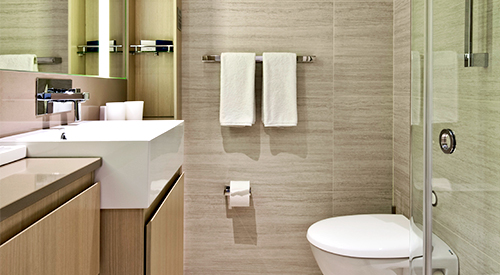
Deluxe Veranda
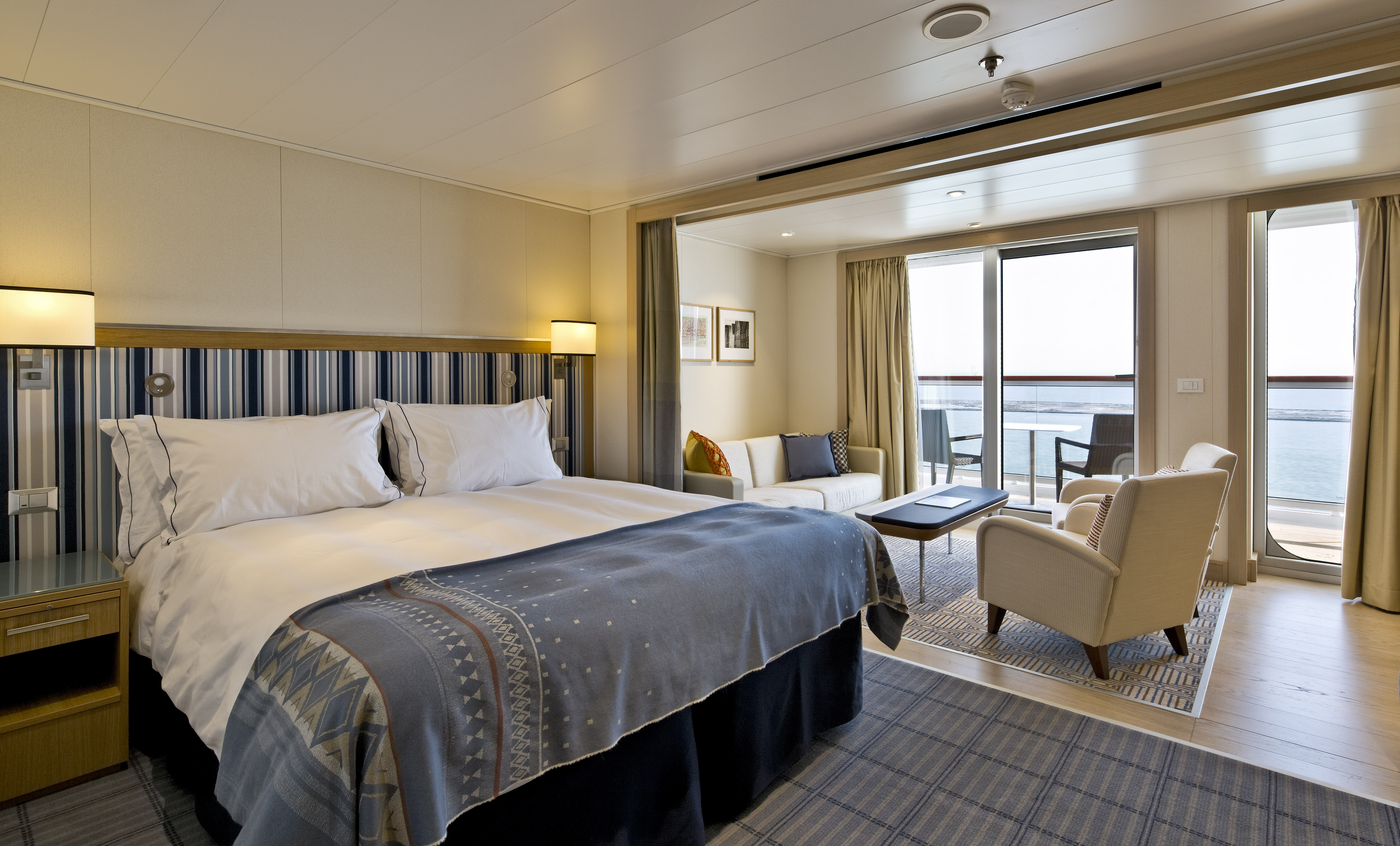
Penthouse Veranda
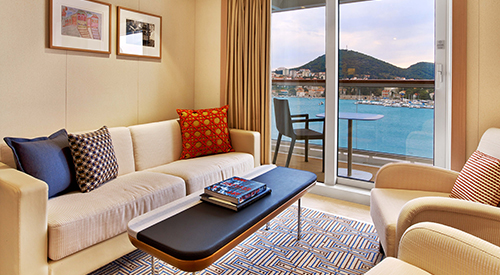
Penthouse Junior Suite
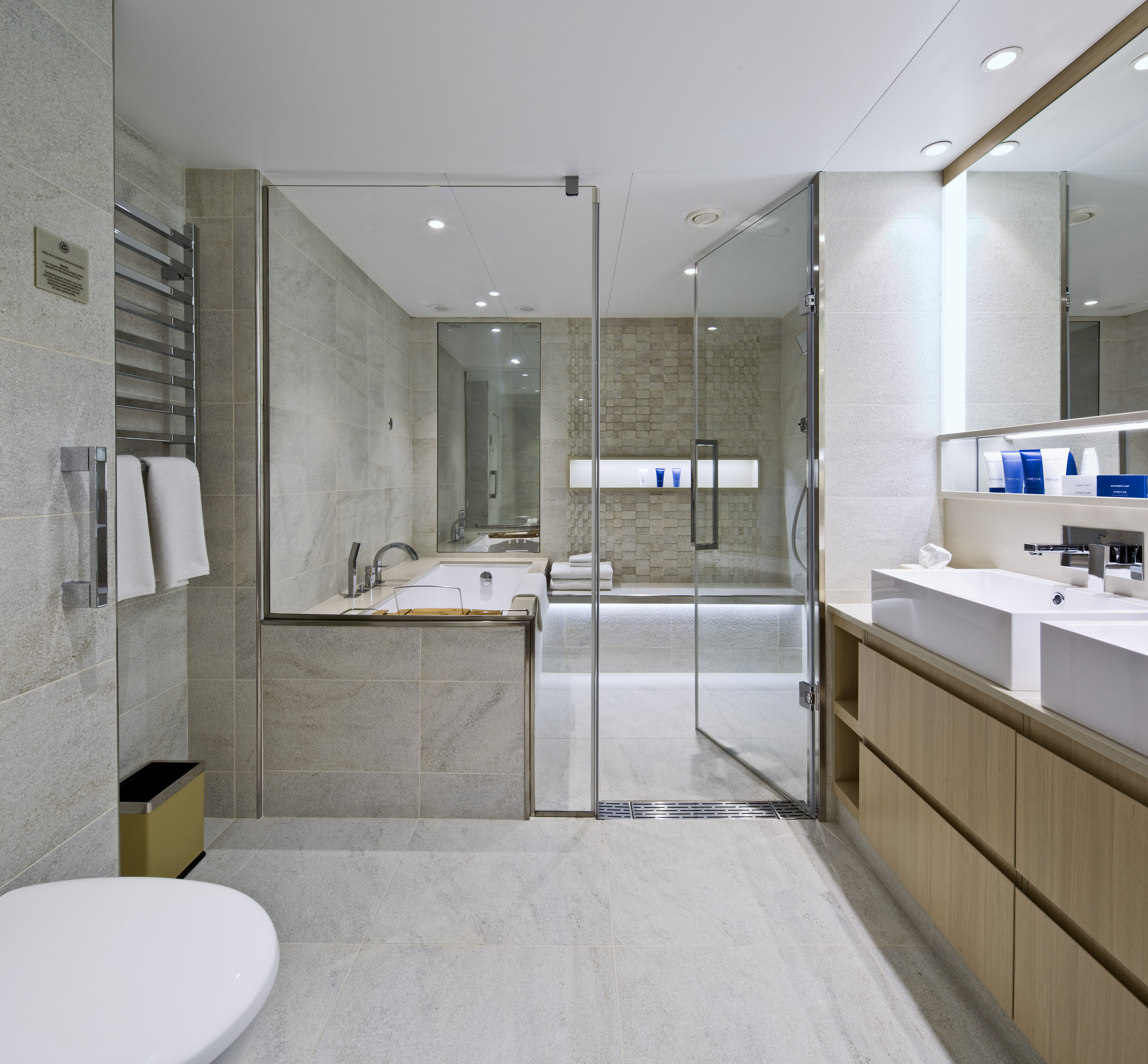
Explorer Suite
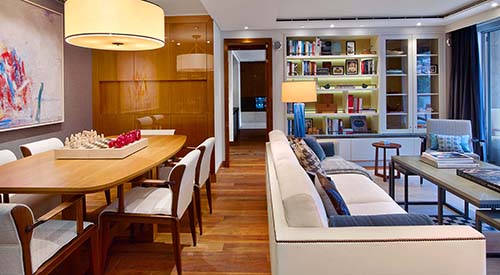
Owner's Suite
Veranda
Ship Facilities
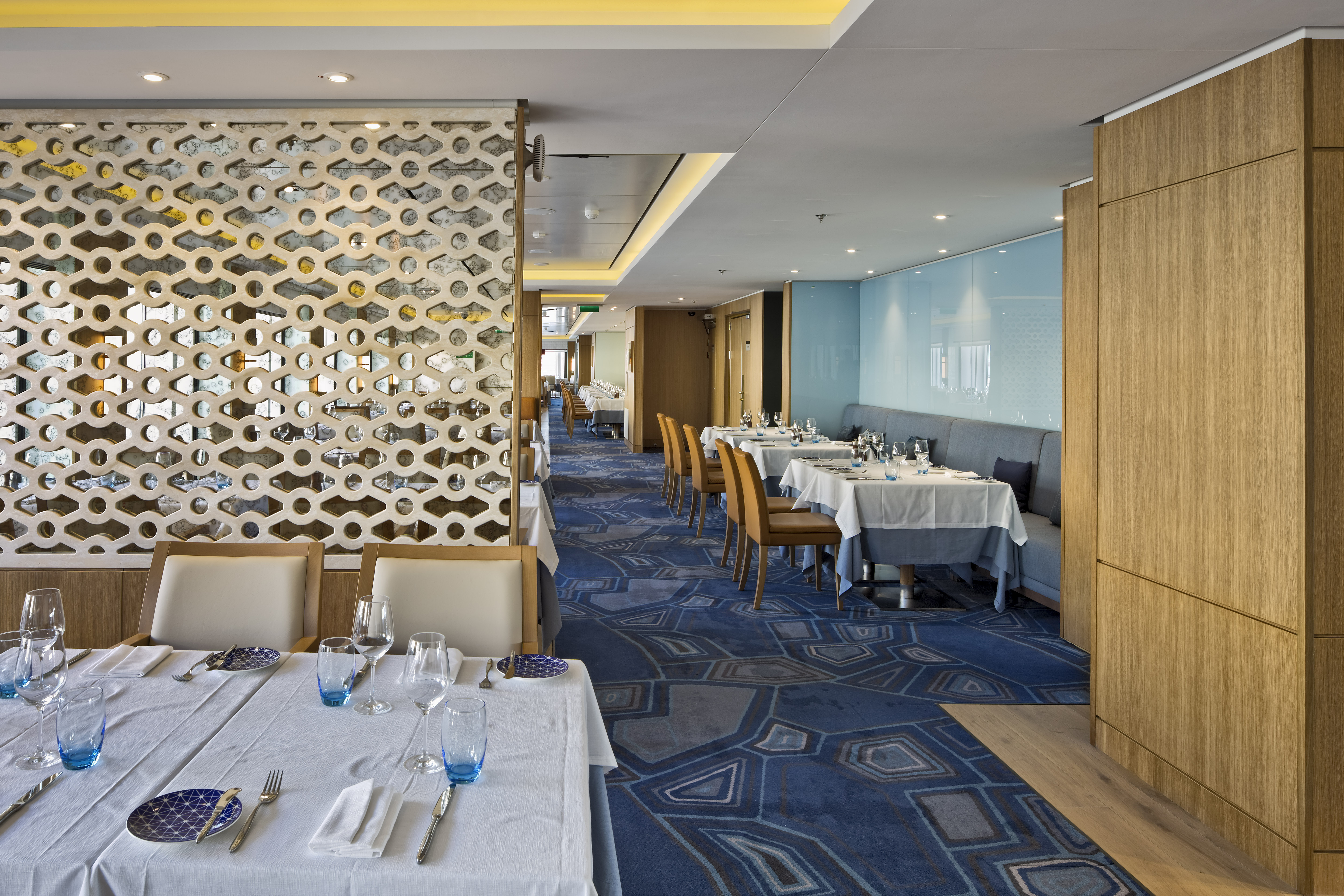
The Restaurant
Breakfast and dinner, welcome to The Restaurant. One of the finest restaurants you’ll find. Anywhere. Where the daily changing menus complement the daily changing views. And where you can feast on traditional favourites as well as local specialities, all perfectly prepared and presented.
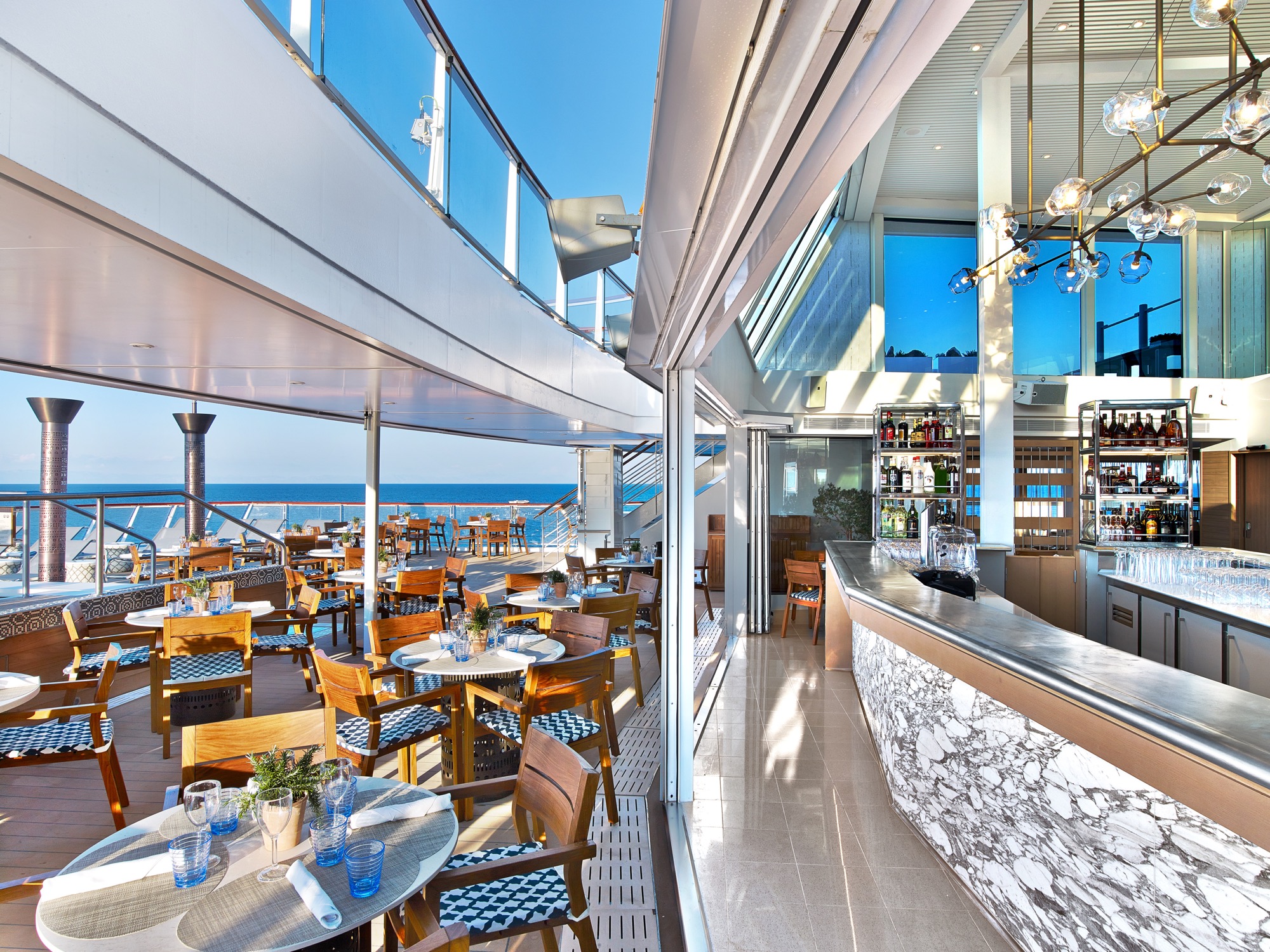
Aquavit Terrace
There is nothing like dining in the great outdoors. Big sky. Setting sun and a chance to drink in the fresh air, as well as the views. Step out of The World Café onto The Aquavit Terrace. Breakfast, lunch and dinner, it is everything you want relaxed dining to be.
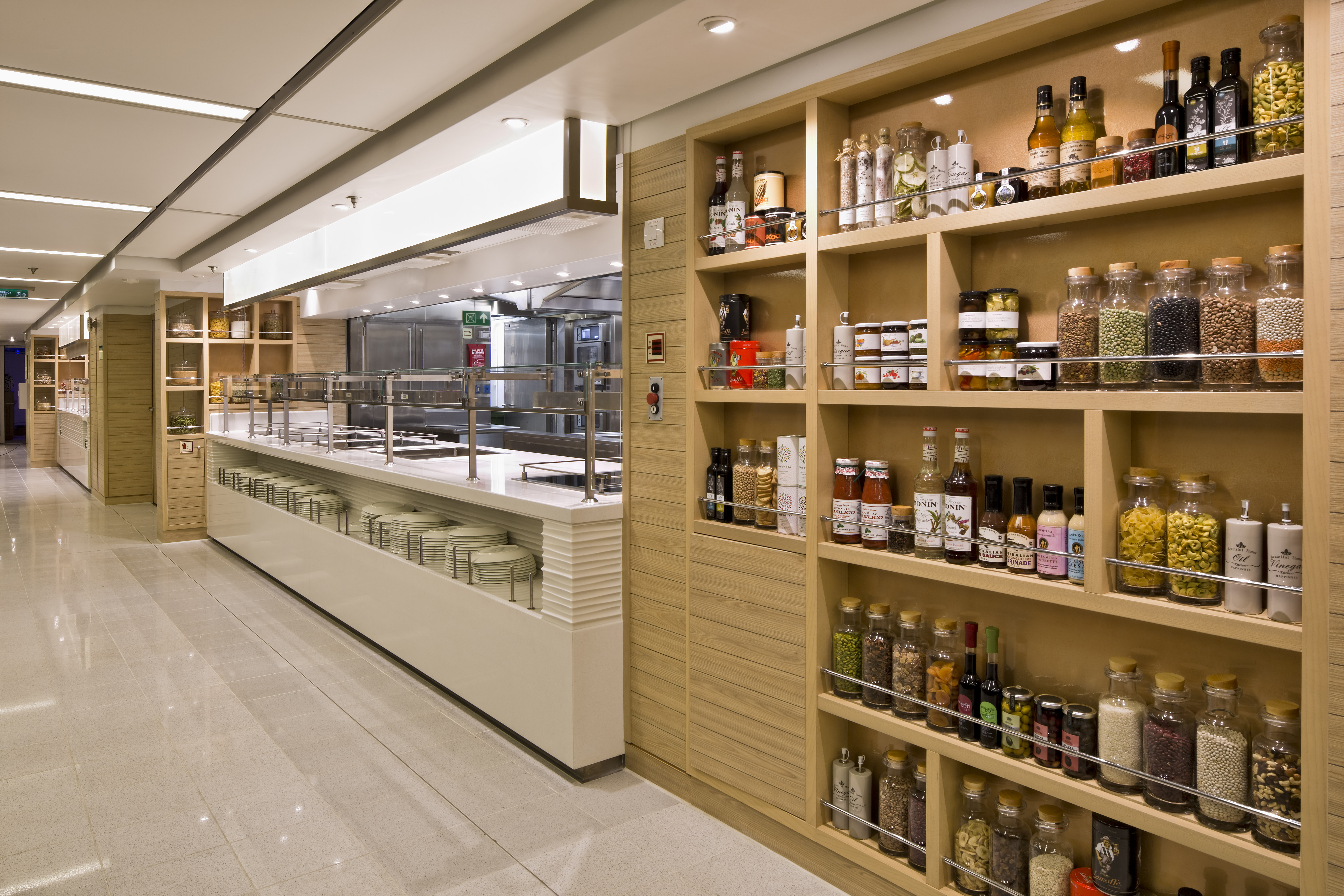
World Cafe
Discover flavours of the east in Copenhagen, the tastes of Tuscany in Sydney, and the freshest sushi in the Amazon jungle. Morning, noon and night, explore a world of taste at the World Cafe. A celebration of foods that make us different, but also bring us together.
Explorers' Lounge
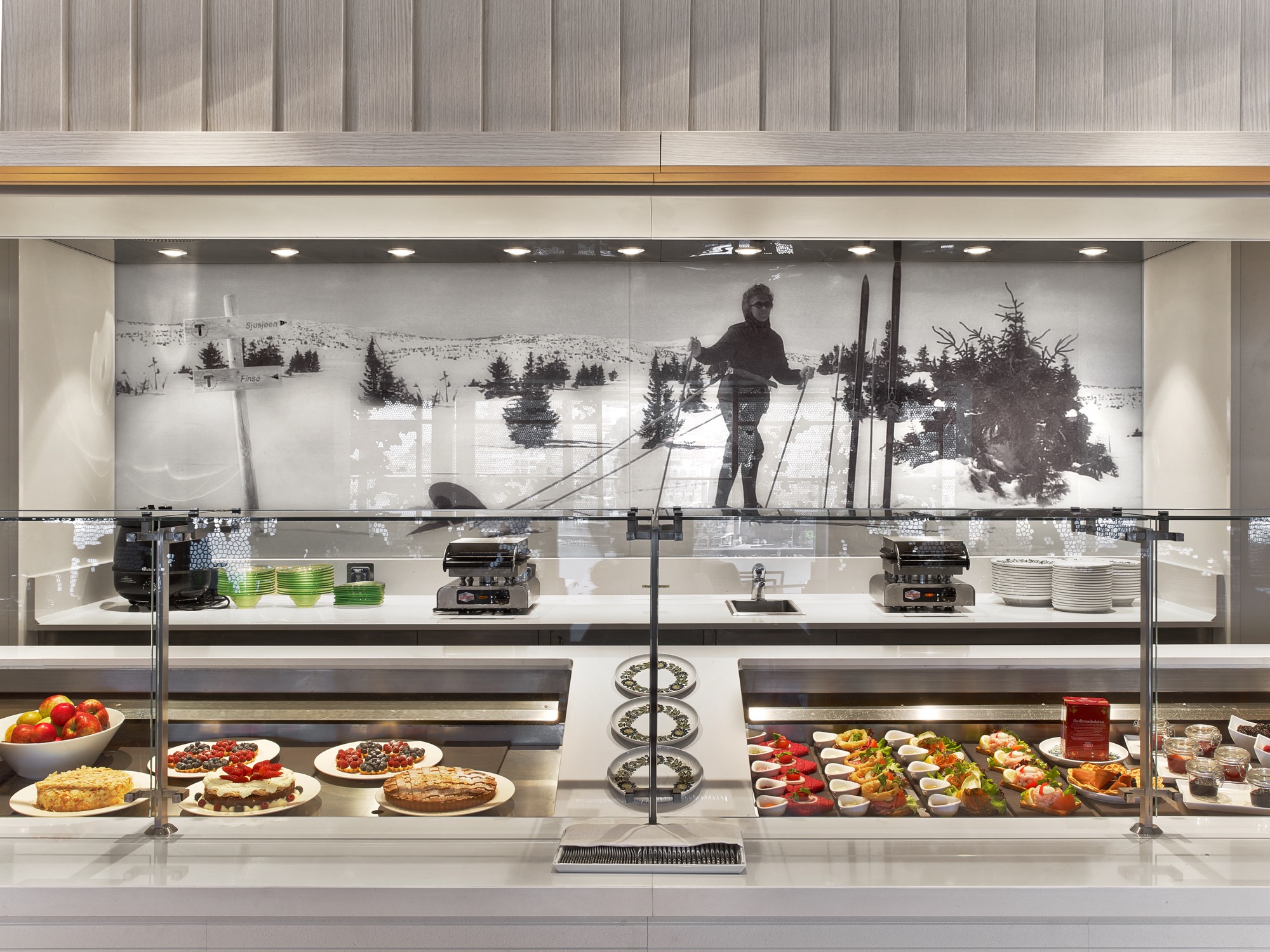
Inspired by the trade routes of Vikings, the Explorers’ Lounge is the ideal place for guests to share their discoveries over an aquavit or a craft beer while sampling fine Scandinavian fare. Central to the Explorers’ Lounge is Mamsen’s, a casual gourmet deli inspired by Norwegian cuisine, from smoked salmon to open-faced sandwiches and locally sourced charcuterie and cheeses. The daily “Waffle Hour” provides mouth-watering samples of the beloved treat.
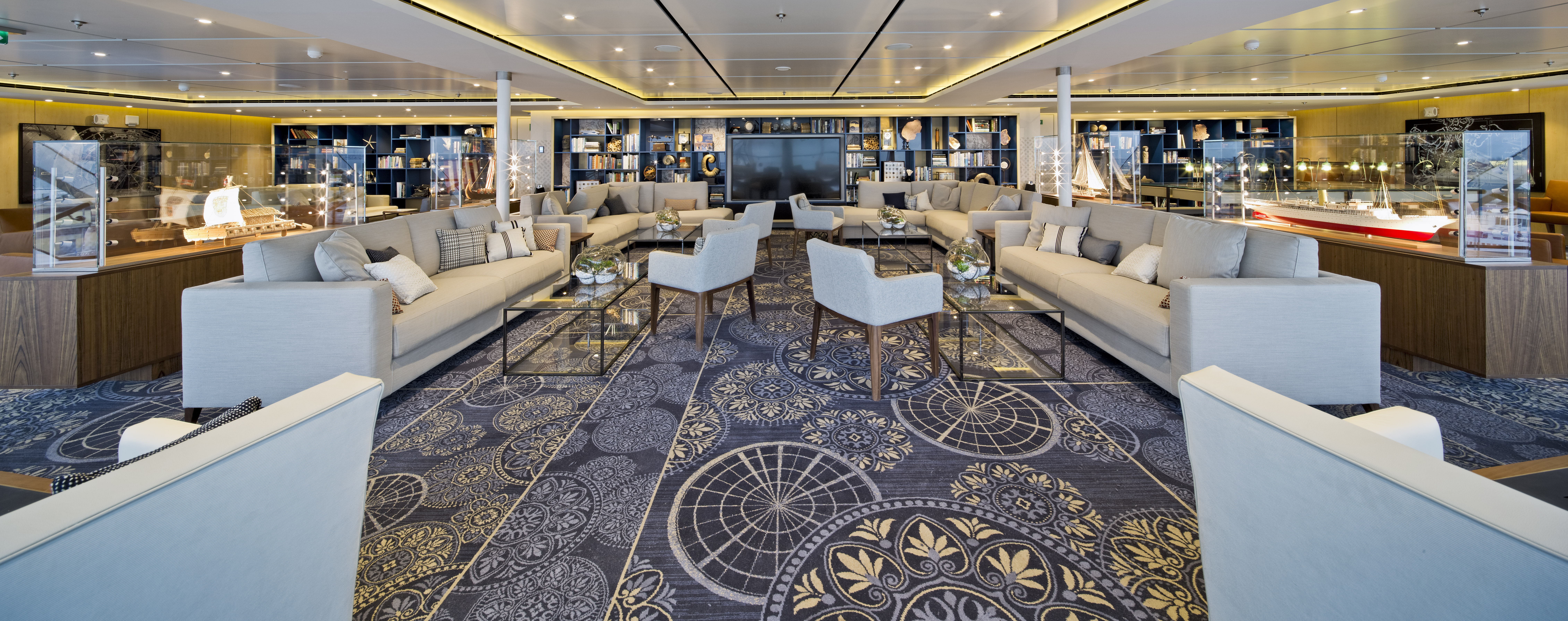
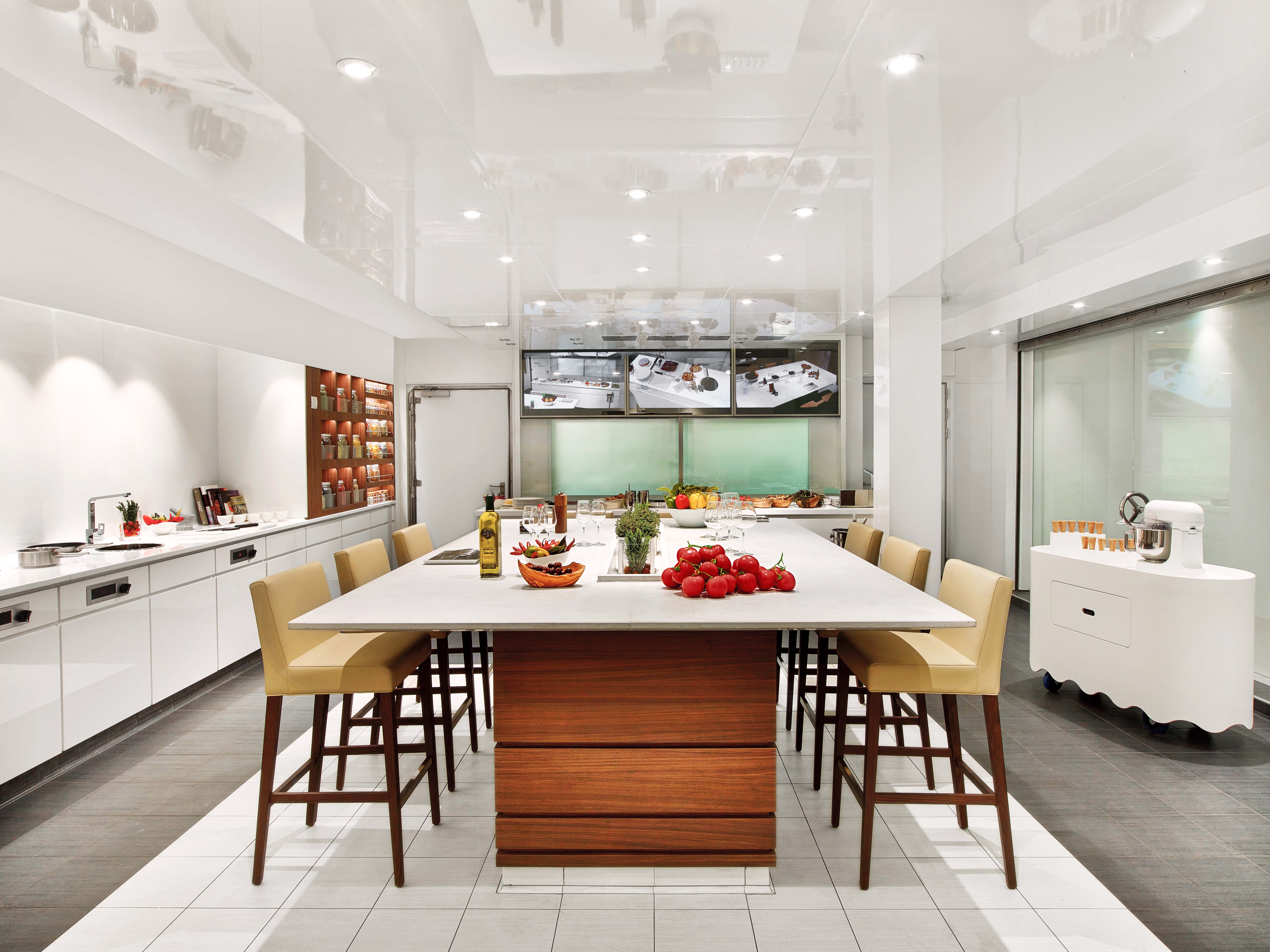
The Chef's Table
Executive Chef Anthony Mamboussin’s dining concept has been impressing guests on every cruise. Five courses, each with a wine pairing, follow a specific theme. Venice Carnival. Sweet and Sour. Asian Panorama. It’s a whole new world of discovery.
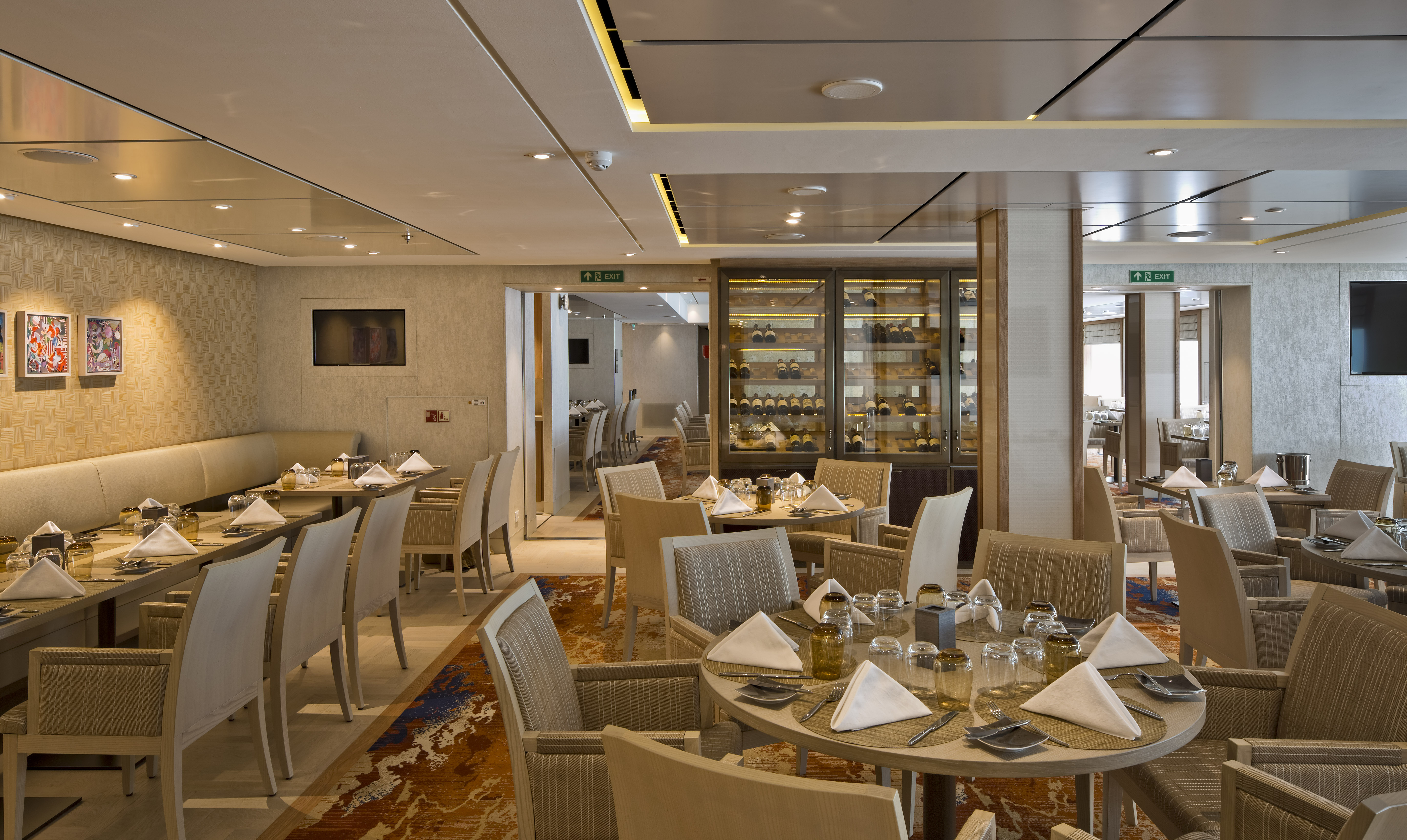
Manfredi's
Long, laughter-filled dinners don’t get better than those in Manfredi’s, the Italian grill restaurant. Traditional Tuscan and Roman cuisine (think perfectly cooked steaks, fresh seafood, handmade pastas and an overflowing antipasto trolley) in a warm, contemporary setting. Buon Appetito!
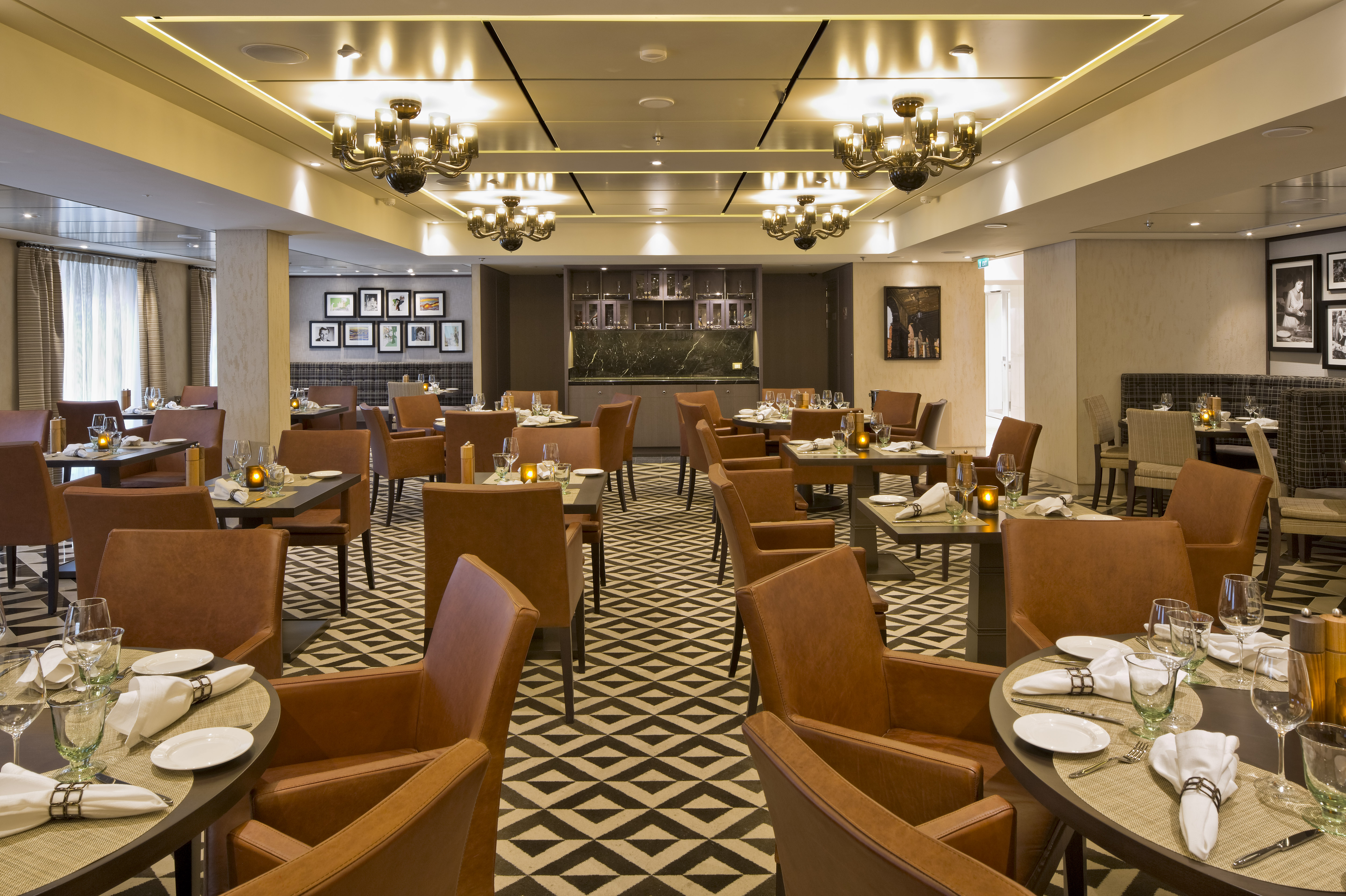
The Pool Grill
When stepping in for lunch is a step too far, tuck into a tasty snack at the Pool Grill. Classic, American-style sandwiches, burgers and hot dogs always hit the spot. Pile on the mustard, dress with pickles, slaw and sauces and wash it down with an ice-cold beer or crisp white wine. Lap it up, it’s all included.
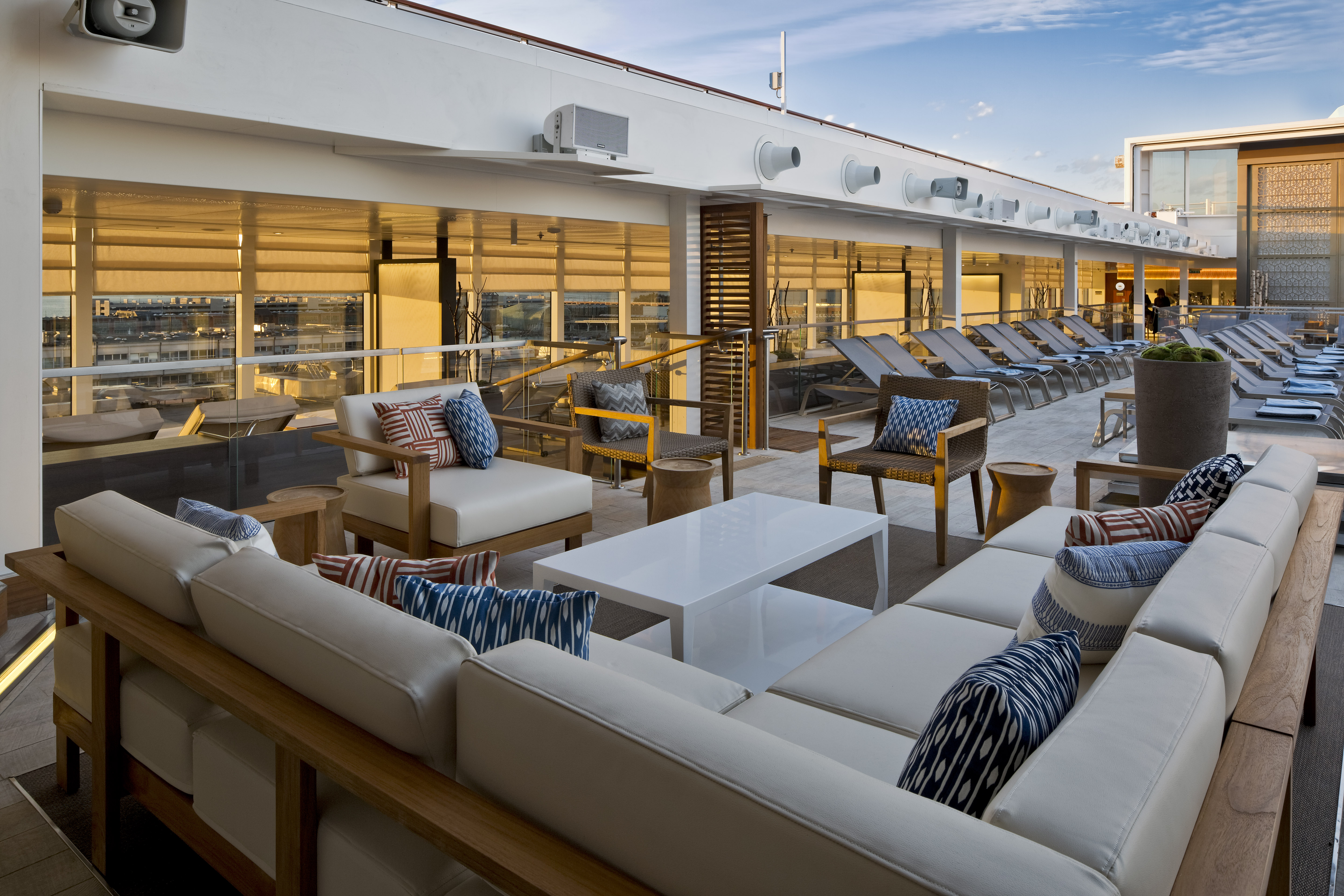
Mamsen's
In the Nordic deli, feast on waffles laden with fresh blueberries and cream or gjetjost, Norway’s sweet nutty cheese. Or tuck into pancakes covered in cloudberry jam or glistening with lemon and sugar. Flipping marvellous.
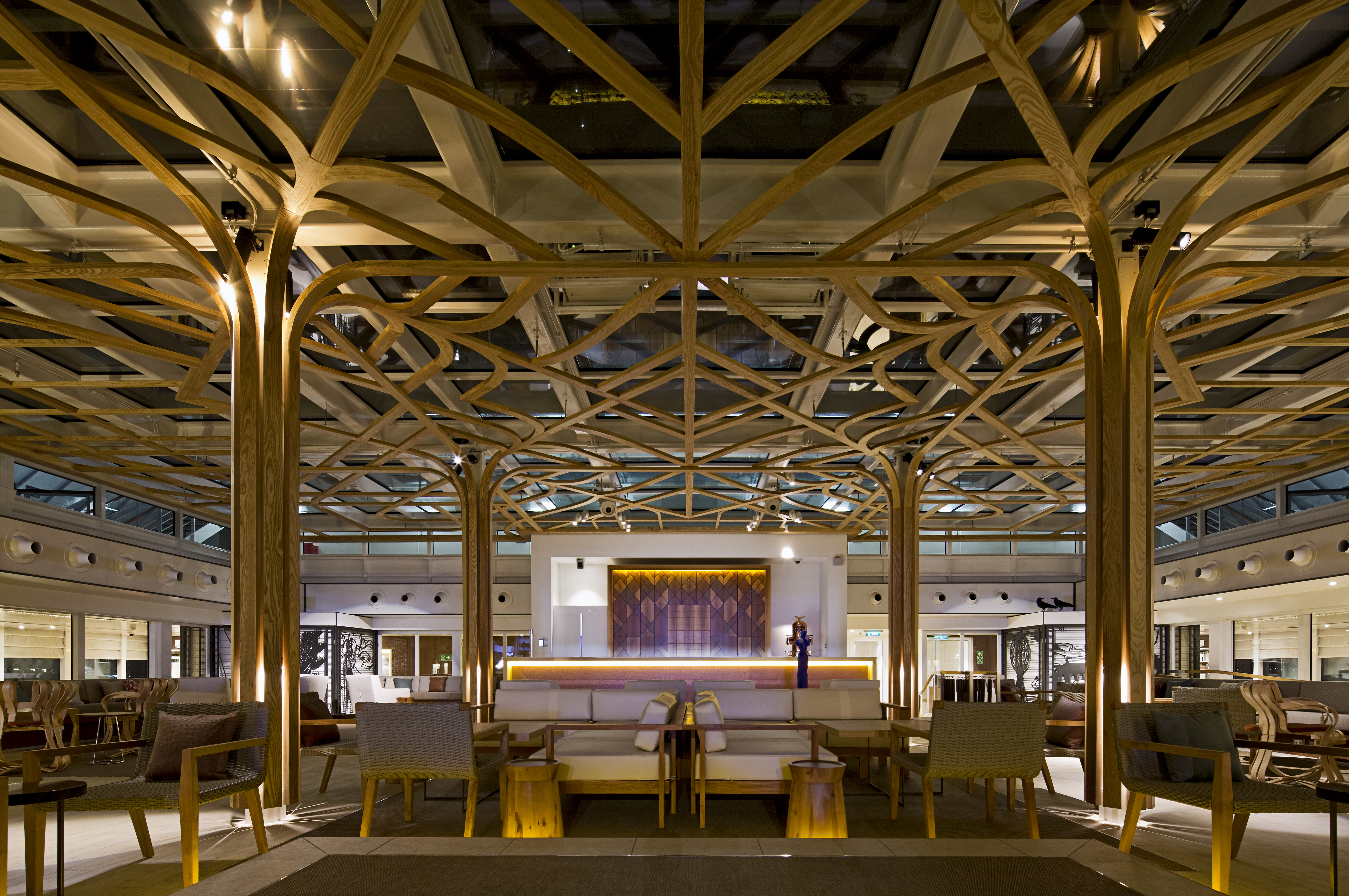
The Wintergarden
A good afternoon. A comfy sofa in The Wintergarden. Sandwiches, cakes and scones, and a pot of your favourite blend of tea. The light and airy surroundings and the striking blonde wooden canopy are as delicious as the cream teas.
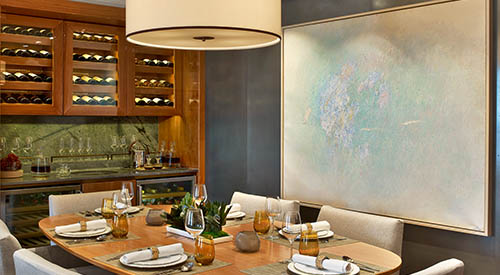
Private Dining
Because it’s a special occasion. Or just because. Book your table in one of the private dining rooms at Manfredi’s of The Chef’s Table. An intimate setting made even more personal.
24-Hour Room Service
Breakfast in bed. Lunch on your private veranda. Late night nibbles. Enjoy room service at any time, without paying any more.
The Wintergarden
When you yearn for serenity, there is no better place on ship than a visit to the Wintergarden. This charming, airy space around the main pool is perfect for relaxing in clean, uncluttered Scandinavian-designed environment. Even here, our focus is on enrichment, as this is the place to witness a tea ceremony, or indulge in an afternoon tea service, complete with hand-selected teas, finger sandwiches and pastries.
Viking Bar
Enjoy a cocktail in the Viking Bar, which is located on the ground floor of the atrium.
The Viking Living Room
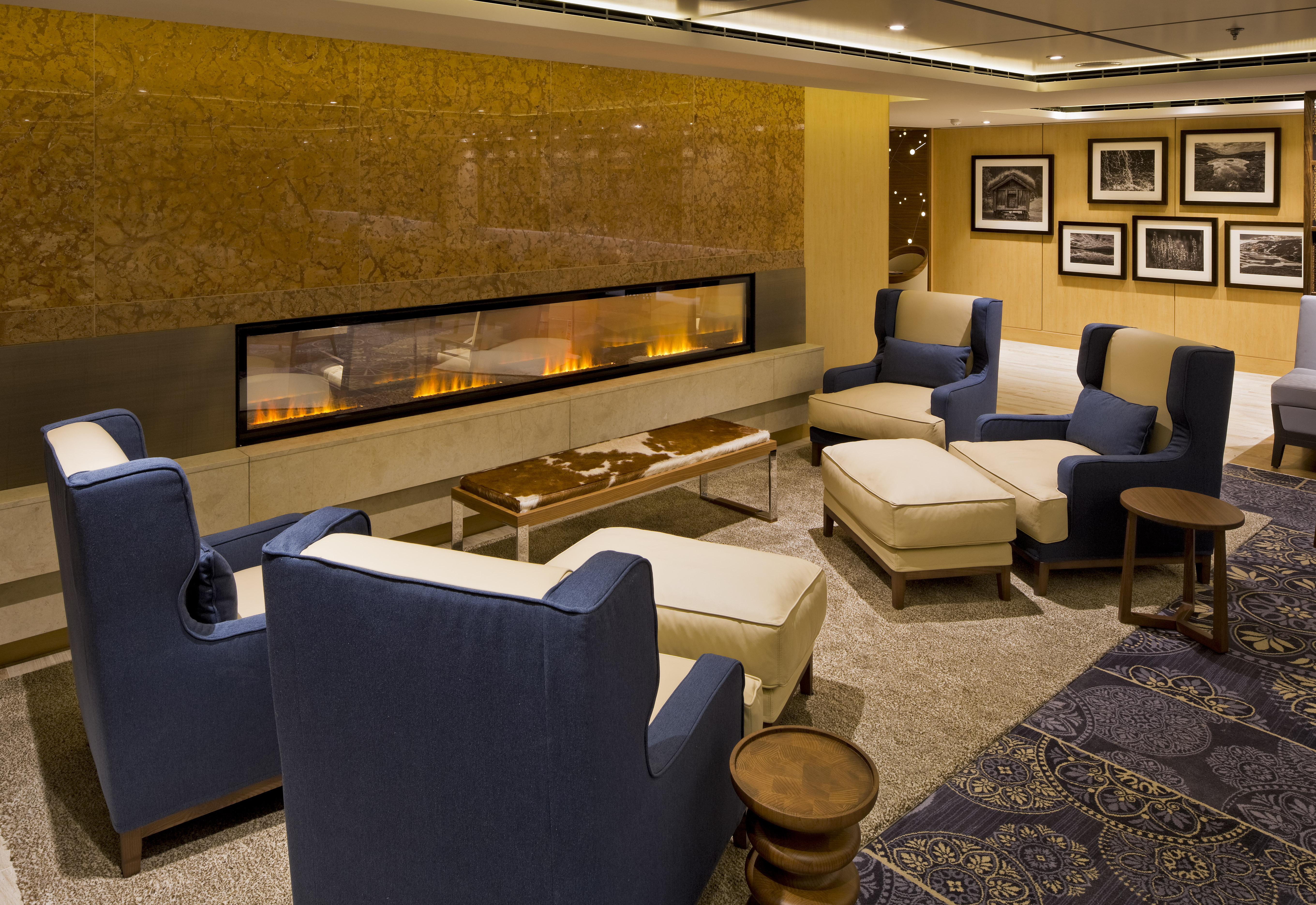
The ideal setting for relaxation and conversation, The Viking Living Room draws guests together. Spacious seating, melodic piano tunes, live entertainment and planned activities foster rich camaraderie. And its well-curated Viking Library informs even the best-read traveler. Adorned with nautical touches from Viking days, including the clinker-built bar inspired by ancient longships, it is the most inspired living room at sea.
The Theatre & Cinema
Even our theaters connect you to the destinations.
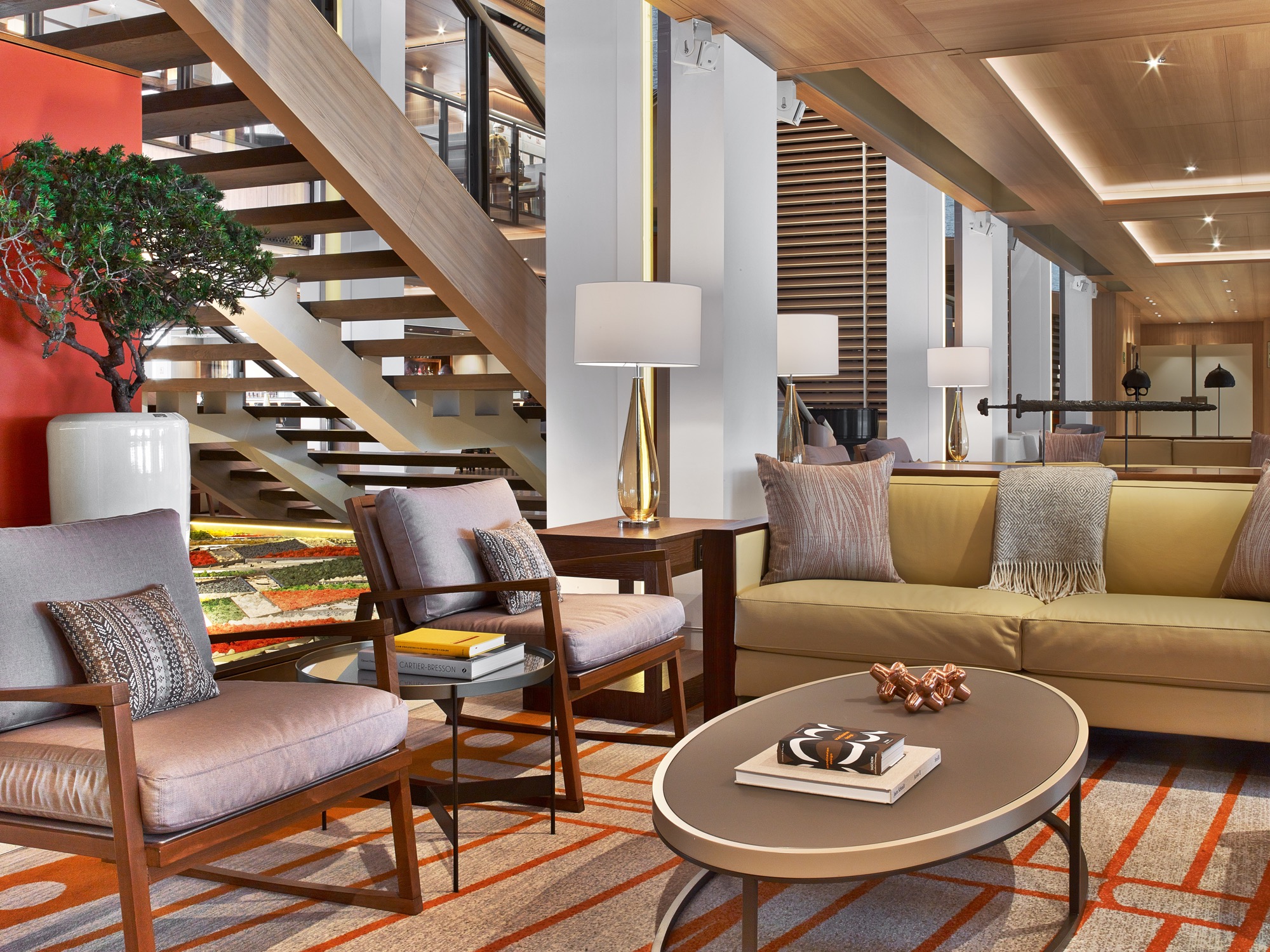
Our main venue, The Theater, features live performances that bring you closer to the culture of our destinations. Sometimes, the destination we connect you to exists solely in the realm of an otherworldly theatrical journey, as is the case with beautifully themed shows.
We will also pull back the curtains of our destinations with cinema in our two movie theaters, which show first-run films you have not yet seen as well as destination-driven cinema such as “Room with A View,” “Roman Holiday,” or “Skyfall.” And because the intellect also needs to be stimulated, our theaters will always be buzzing with fresh, new insights from our port talks and onboard lectures that feature the history, art, and culture of our destinations. And since we have always promised you will explore the world in comfort, we have banished uncomfortable theater seating in favor of soft and spacious sofa seating
Explorers' Lounge
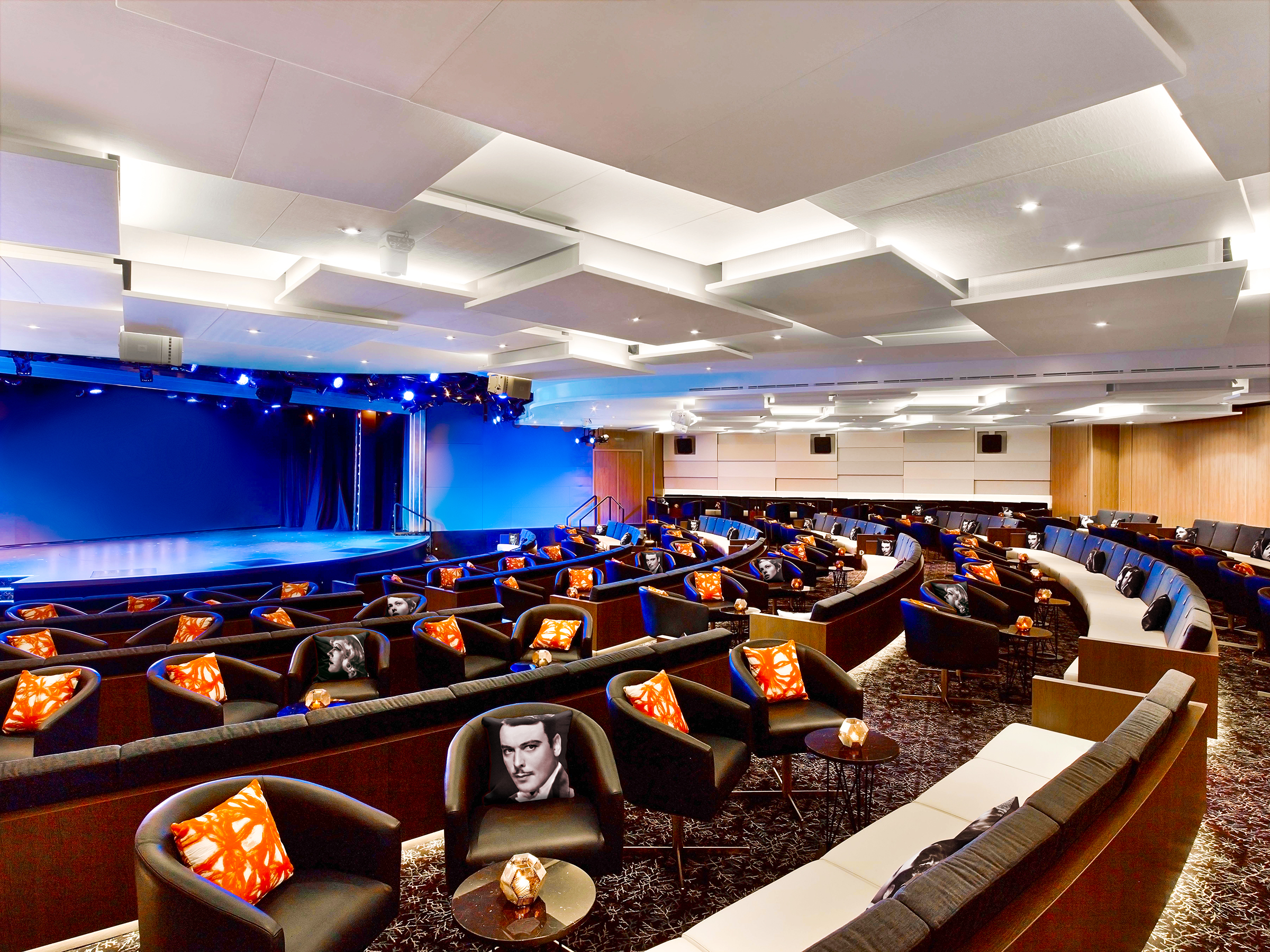
Inspired by the trade routes of Vikings, the Explorers’ Lounge is the ideal place for guests to share their discoveries over an aquavit or a craft beer while sampling fine Scandinavian fare. Central to the Explorers’ Lounge is Mamsen’s, a casual gourmet deli inspired by Norwegian cuisine, from smoked salmon to open-faced sandwiches and locally sourced charcuterie and cheeses. The daily “Waffle Hour” provides mouth-watering samples of the beloved treat.
The Shops
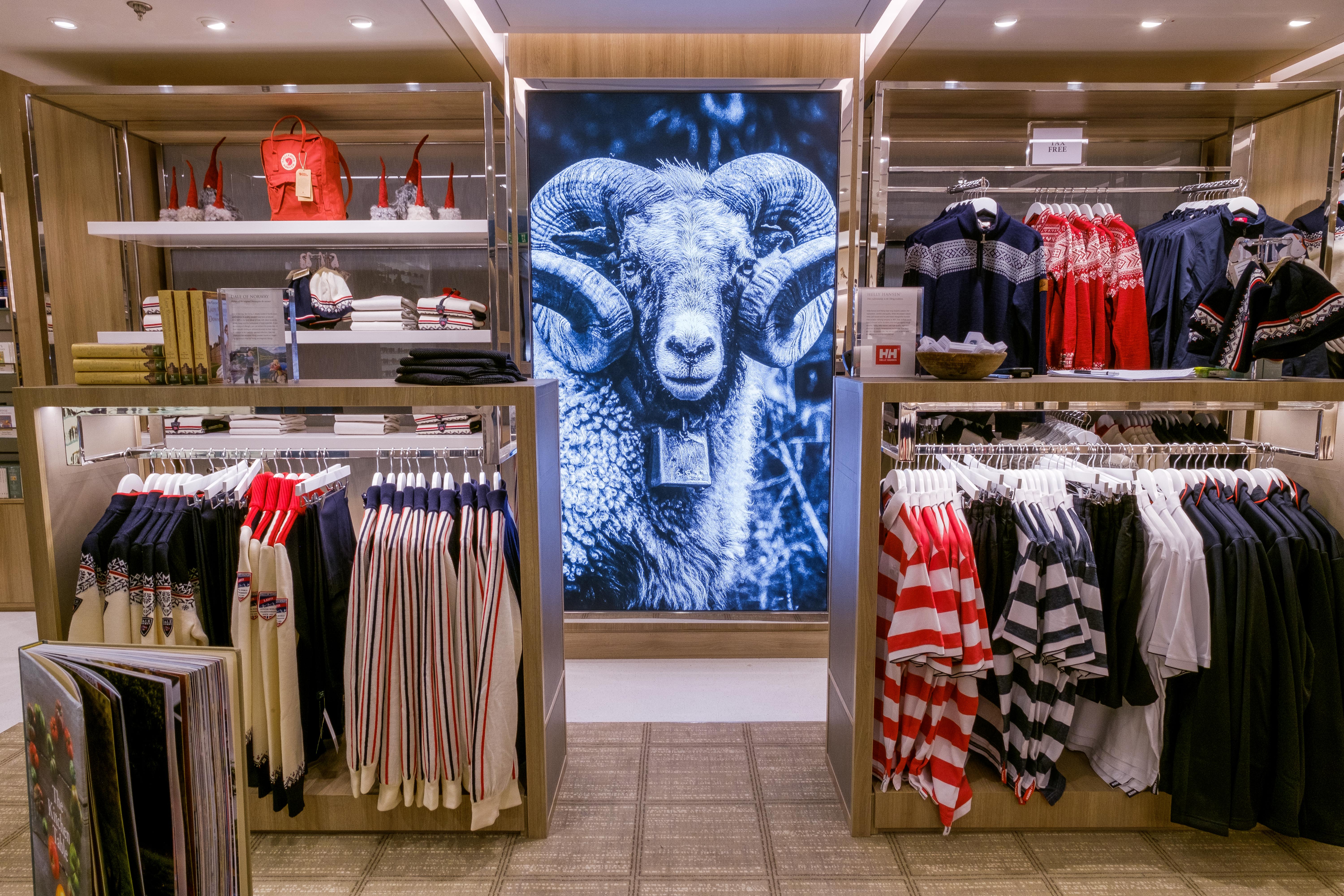
There are shops located on Deck 2.
The Spa
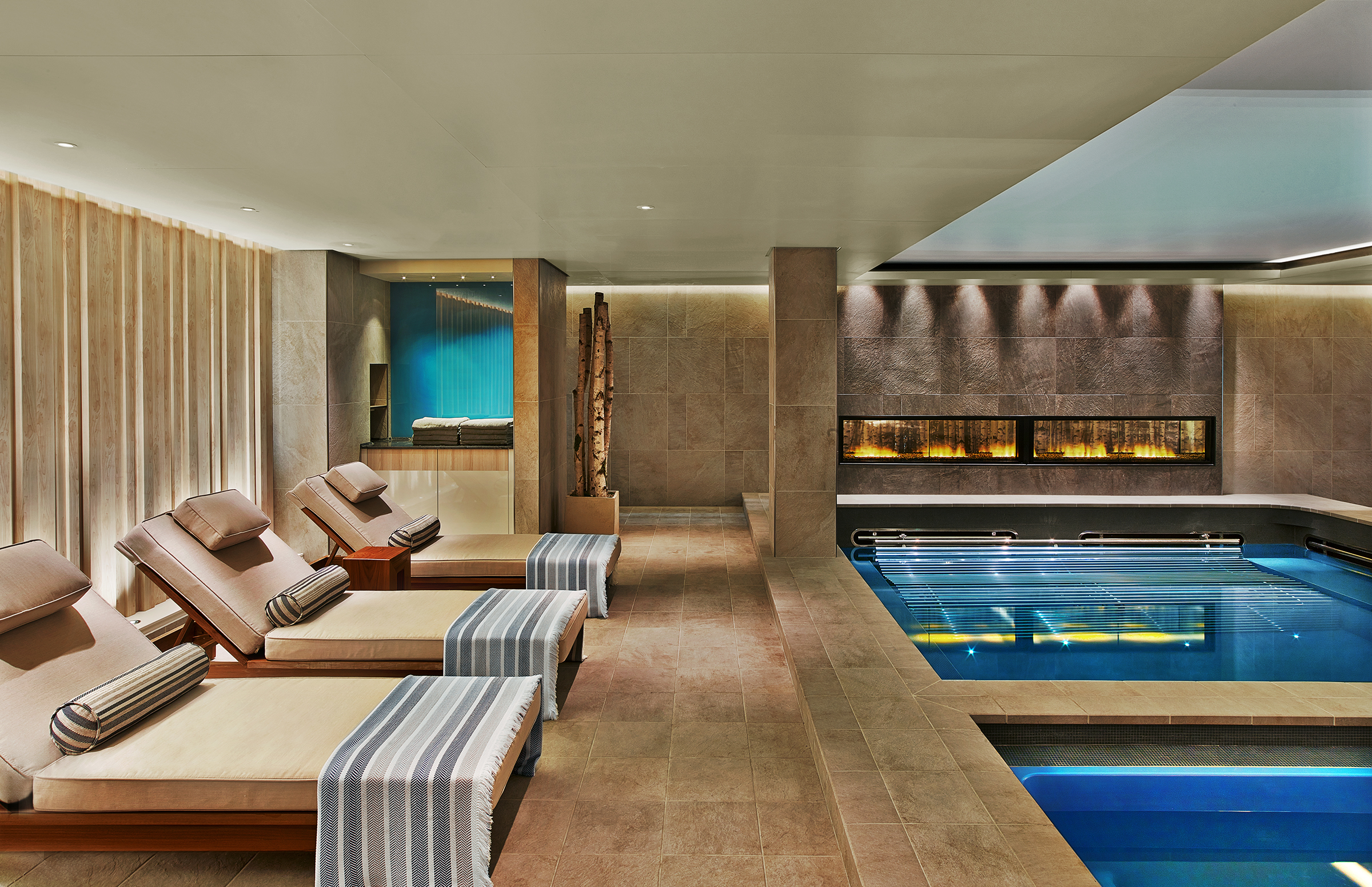
Blending the rejuvenating experience of Nordic therapies with the restorative power of the sea, Viking have reinvented the spa experience; drawing upon the holistic wellness philosophy of Nordic culture. To stimulate your circulatory system visit the snow grotto where snowflakes gently descend from the ceiling through chilled air, then invigorate yourself in the sauna, following a centuries-old Nordic tradition.
Bright and beautiful, The Spa is a destination in its own right. A sanctuary for body and soul, float in the gently bubbling water of the hydrotherapy pool, warmed by the sight of flickering flames of a full-length fireplace. Recline on a heated ceramic bed under soft lighting. Chill out in the Snow Grotto. Relax.
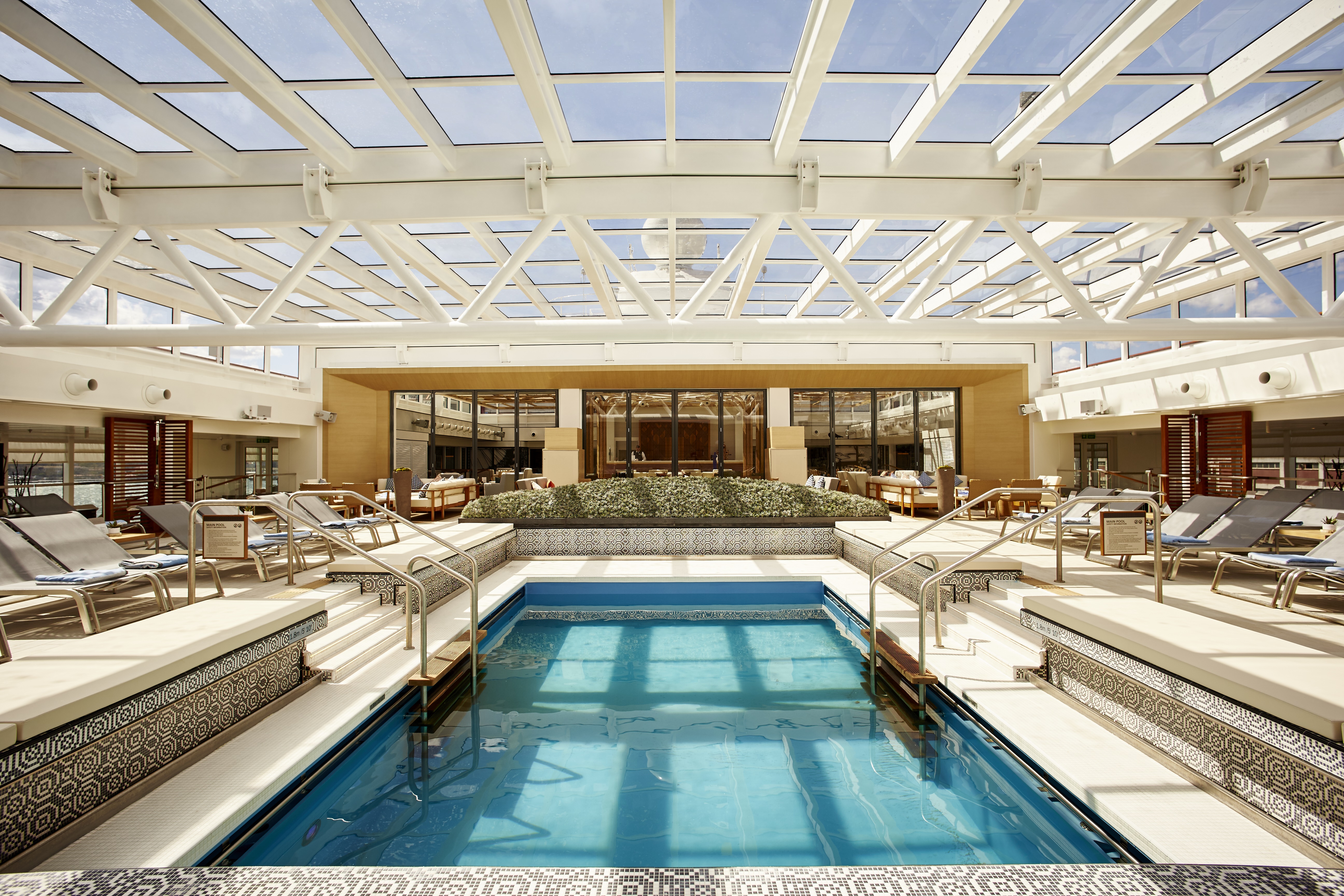
Main Pool
The heated Main Pool and hot tub provide a calming oasis in any weather. The retractable roof allows for any-time swims and soaks.
A haven for relaxation, it’s a fun spot to socialize during a day at sea. It’s been thoughtfully designed for lap swims, leisurely wading or enjoying a drink poolside.
By night, it’s a magical setting for star gazing and for viewing our “Movies under the Stars.
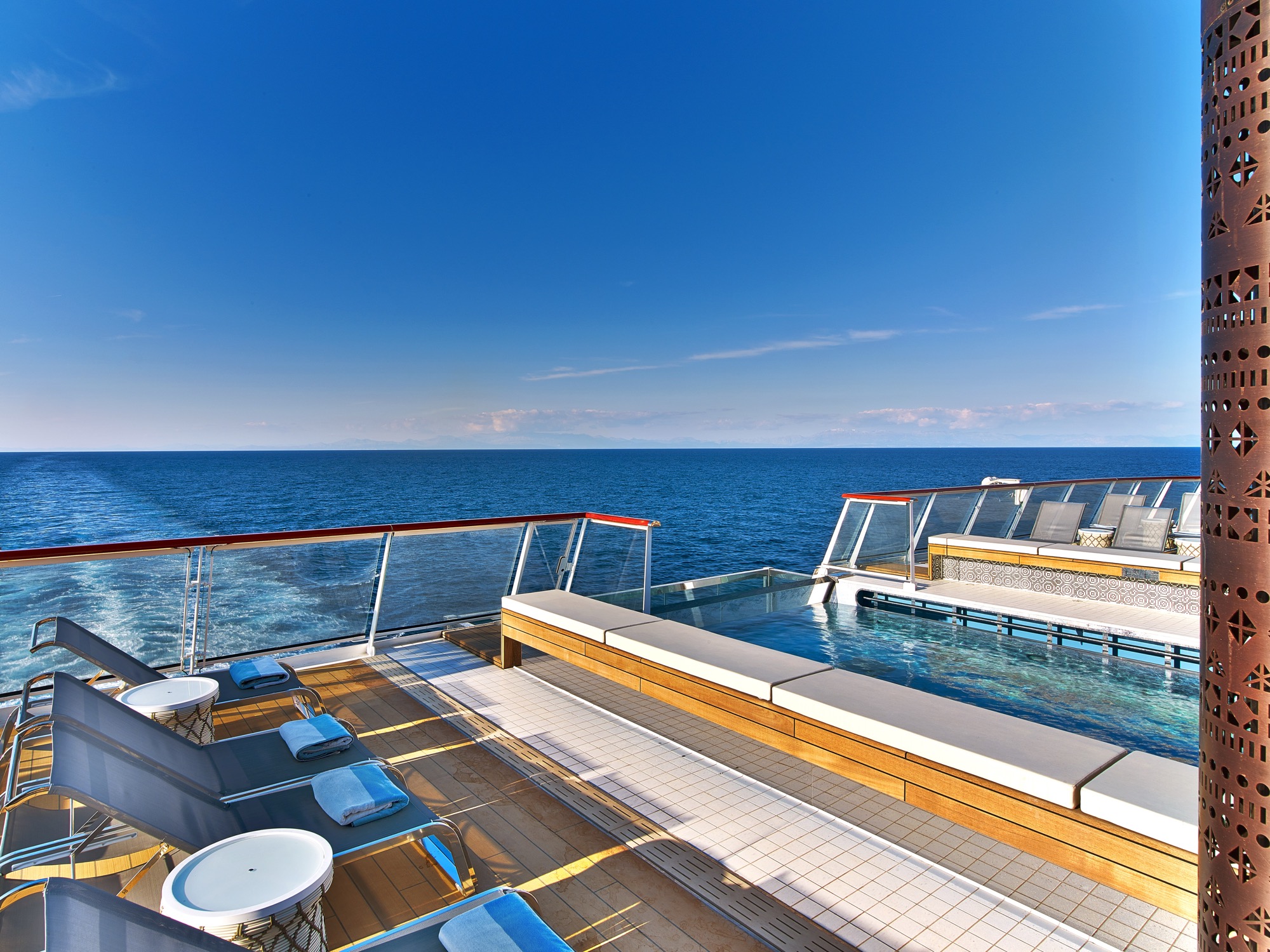
Infinity Pool
The Infinity Pool, one of the first of its kind at sea, gives you a sense of swimming in the heart of your destination. Its glass backing is infused with the spirit of exploration.
The Spa
Blending the rejuvenating experience of Nordic therapies with the restorative power of the sea, Viking have reinvented the spa experience; drawing upon the holistic wellness philosophy of Nordic culture. To stimulate your circulatory system visit the snow grotto where snowflakes gently descend from the ceiling through chilled air, then invigorate yourself in the sauna, following a centuries-old Nordic tradition.
Bright and beautiful, The Spa is a destination in its own right. A sanctuary for body and soul, float in the gently bubbling water of the hydrotherapy pool, warmed by the sight of flickering flames of a full-length fireplace. Recline on a heated ceramic bed under soft lighting. Chill out in the Snow Grotto. Relax.
Main Pool
The heated Main Pool and hot tub provide a calming oasis in any weather. The retractable roof allows for any-time swims and soaks.
A haven for relaxation, it’s a fun spot to socialize during a day at sea. It’s been thoughtfully designed for lap swims, leisurely wading or enjoying a drink poolside.
By night, it’s a magical setting for star gazing and for viewing our “Movies under the Stars.
Infinity Pool
The Infinity Pool, one of the first of its kind at sea, gives you a sense of swimming in the heart of your destination. Its glass backing is infused with the spirit of exploration.
Please note: the ship does not feature any children’s facilities.
The Restaurant
Breakfast and dinner, welcome to The Restaurant. One of the finest restaurants you’ll find. Anywhere. Where the daily changing menus complement the daily changing views. And where you can feast on traditional favourites as well as local specialities, all perfectly prepared and presented.
Aquavit Terrace
There is nothing like dining in the great outdoors. Big sky. Setting sun and a chance to drink in the fresh air, as well as the views. Step out of The World Café onto The Aquavit Terrace. Breakfast, lunch and dinner, it is everything you want relaxed dining to be.
World Cafe
Discover flavours of the east in Copenhagen, the tastes of Tuscany in Sydney, and the freshest sushi in the Amazon jungle. Morning, noon and night, explore a world of taste at the World Cafe. A celebration of foods that make us different, but also bring us together.
Explorers' Lounge
Inspired by the trade routes of Vikings, the Explorers’ Lounge is the ideal place for guests to share their discoveries over an aquavit or a craft beer while sampling fine Scandinavian fare. Central to the Explorers’ Lounge is Mamsen’s, a casual gourmet deli inspired by Norwegian cuisine, from smoked salmon to open-faced sandwiches and locally sourced charcuterie and cheeses. The daily “Waffle Hour” provides mouth-watering samples of the beloved treat.
The Chef's Table
Executive Chef Anthony Mamboussin’s dining concept has been impressing guests on every cruise. Five courses, each with a wine pairing, follow a specific theme. Venice Carnival. Sweet and Sour. Asian Panorama. It’s a whole new world of discovery.
Manfredi's
Long, laughter-filled dinners don’t get better than those in Manfredi’s, the Italian grill restaurant. Traditional Tuscan and Roman cuisine (think perfectly cooked steaks, fresh seafood, handmade pastas and an overflowing antipasto trolley) in a warm, contemporary setting. Buon Appetito!
The Pool Grill
When stepping in for lunch is a step too far, tuck into a tasty snack at the Pool Grill. Classic, American-style sandwiches, burgers and hot dogs always hit the spot. Pile on the mustard, dress with pickles, slaw and sauces and wash it down with an ice-cold beer or crisp white wine. Lap it up, it’s all included.
Mamsen's
In the Nordic deli, feast on waffles laden with fresh blueberries and cream or gjetjost, Norway’s sweet nutty cheese. Or tuck into pancakes covered in cloudberry jam or glistening with lemon and sugar. Flipping marvellous.
The Wintergarden
A good afternoon. A comfy sofa in The Wintergarden. Sandwiches, cakes and scones, and a pot of your favourite blend of tea. The light and airy surroundings and the striking blonde wooden canopy are as delicious as the cream teas.
Private Dining
Because it’s a special occasion. Or just because. Book your table in one of the private dining rooms at Manfredi’s of The Chef’s Table. An intimate setting made even more personal.
24-Hour Room Service
Breakfast in bed. Lunch on your private veranda. Late night nibbles. Enjoy room service at any time, without paying any more.
The Wintergarden
When you yearn for serenity, there is no better place on ship than a visit to the Wintergarden. This charming, airy space around the main pool is perfect for relaxing in clean, uncluttered Scandinavian-designed environment. Even here, our focus is on enrichment, as this is the place to witness a tea ceremony, or indulge in an afternoon tea service, complete with hand-selected teas, finger sandwiches and pastries.
Viking Bar
Enjoy a cocktail in the Viking Bar, which is located on the ground floor of the atrium.
The Viking Living Room
The ideal setting for relaxation and conversation, The Viking Living Room draws guests together. Spacious seating, melodic piano tunes, live entertainment and planned activities foster rich camaraderie. And its well-curated Viking Library informs even the best-read traveler. Adorned with nautical touches from Viking days, including the clinker-built bar inspired by ancient longships, it is the most inspired living room at sea.
The Theatre & Cinema
Even our theaters connect you to the destinations.
Our main venue, The Theater, features live performances that bring you closer to the culture of our destinations. Sometimes, the destination we connect you to exists solely in the realm of an otherworldly theatrical journey, as is the case with beautifully themed shows.
We will also pull back the curtains of our destinations with cinema in our two movie theaters, which show first-run films you have not yet seen as well as destination-driven cinema such as “Room with A View,” “Roman Holiday,” or “Skyfall.” And because the intellect also needs to be stimulated, our theaters will always be buzzing with fresh, new insights from our port talks and onboard lectures that feature the history, art, and culture of our destinations. And since we have always promised you will explore the world in comfort, we have banished uncomfortable theater seating in favor of soft and spacious sofa seating
Explorers' Lounge
Inspired by the trade routes of Vikings, the Explorers’ Lounge is the ideal place for guests to share their discoveries over an aquavit or a craft beer while sampling fine Scandinavian fare. Central to the Explorers’ Lounge is Mamsen’s, a casual gourmet deli inspired by Norwegian cuisine, from smoked salmon to open-faced sandwiches and locally sourced charcuterie and cheeses. The daily “Waffle Hour” provides mouth-watering samples of the beloved treat.
The Shops
There are shops located on Deck 2.
The Spa
Blending the rejuvenating experience of Nordic therapies with the restorative power of the sea, Viking have reinvented the spa experience; drawing upon the holistic wellness philosophy of Nordic culture. To stimulate your circulatory system visit the snow grotto where snowflakes gently descend from the ceiling through chilled air, then invigorate yourself in the sauna, following a centuries-old Nordic tradition.
Bright and beautiful, The Spa is a destination in its own right. A sanctuary for body and soul, float in the gently bubbling water of the hydrotherapy pool, warmed by the sight of flickering flames of a full-length fireplace. Recline on a heated ceramic bed under soft lighting. Chill out in the Snow Grotto. Relax.
Main Pool
The heated Main Pool and hot tub provide a calming oasis in any weather. The retractable roof allows for any-time swims and soaks.
A haven for relaxation, it’s a fun spot to socialize during a day at sea. It’s been thoughtfully designed for lap swims, leisurely wading or enjoying a drink poolside.
By night, it’s a magical setting for star gazing and for viewing our “Movies under the Stars.
Infinity Pool
The Infinity Pool, one of the first of its kind at sea, gives you a sense of swimming in the heart of your destination. Its glass backing is infused with the spirit of exploration.
The Spa
Blending the rejuvenating experience of Nordic therapies with the restorative power of the sea, Viking have reinvented the spa experience; drawing upon the holistic wellness philosophy of Nordic culture. To stimulate your circulatory system visit the snow grotto where snowflakes gently descend from the ceiling through chilled air, then invigorate yourself in the sauna, following a centuries-old Nordic tradition.
Bright and beautiful, The Spa is a destination in its own right. A sanctuary for body and soul, float in the gently bubbling water of the hydrotherapy pool, warmed by the sight of flickering flames of a full-length fireplace. Recline on a heated ceramic bed under soft lighting. Chill out in the Snow Grotto. Relax.
Main Pool
The heated Main Pool and hot tub provide a calming oasis in any weather. The retractable roof allows for any-time swims and soaks.
A haven for relaxation, it’s a fun spot to socialize during a day at sea. It’s been thoughtfully designed for lap swims, leisurely wading or enjoying a drink poolside.
By night, it’s a magical setting for star gazing and for viewing our “Movies under the Stars.
Infinity Pool
The Infinity Pool, one of the first of its kind at sea, gives you a sense of swimming in the heart of your destination. Its glass backing is infused with the spirit of exploration.
Please note: the ship does not feature any children’s facilities.
About the Ship
Deck Plans

- Medical Centre

- The Kitchen Table
- The Chef’s Table
- Manfredi’s Italian Restaurant
- Private Dining
- Viking Living Room
- Viking Bar
- Shop
- Salon
- Fitness Centre
- Spa

- The Restaurant
- Atrium
- Promenade
- Torshavn
- The Shop
- Cinema
- Bar
- The Theatre

- Atrium
- Explorer Suite
- Deluxe Veranda
- Veranda

- Explorer Suite
- Penthouse Veranda
- Deluxe Veranda

- Explorer Suite
- Penthouse Veranda
- Deluxe Veranda

- The Bridge
- Penthouse Junior Suites
- Penthouse Verandas
- Deluxe Verandas
- Explorer Suites

- Main Pool
- Explorers Lounge
- Wintergarden
- Aquavit Terrace
- World Cafe
- Infinity Pool & Hot Tub
- Mamsen’s
- Lanai
- Pool Grill
- Cinema
- Pool Bar
- Owner’s Suite

- Staterooms
- Explorers Lounge (Upper Level)

- Outdoor Gym & Yoga Area
- Medical Centre
- The Kitchen Table
- The Chef’s Table
- Manfredi’s Italian Restaurant
- Private Dining
- Viking Living Room
- Viking Bar
- Shop
- Salon
- Fitness Centre
- Spa
- The Restaurant
- Atrium
- Promenade
- Torshavn
- The Shop
- Cinema
- Bar
- The Theatre
- Atrium
- Explorer Suite
- Deluxe Veranda
- Veranda
- Explorer Suite
- Penthouse Veranda
- Deluxe Veranda
- Explorer Suite
- Penthouse Veranda
- Deluxe Veranda
- The Bridge
- Penthouse Junior Suites
- Penthouse Verandas
- Deluxe Verandas
- Explorer Suites
- Main Pool
- Explorers Lounge
- Wintergarden
- Aquavit Terrace
- World Cafe
- Infinity Pool & Hot Tub
- Mamsen’s
- Lanai
- Pool Grill
- Cinema
- Pool Bar
- Owner’s Suite
- Staterooms
- Explorers Lounge (Upper Level)
- Outdoor Gym & Yoga Area