Featured Cabins
Itinerary
Tokyo, Japan
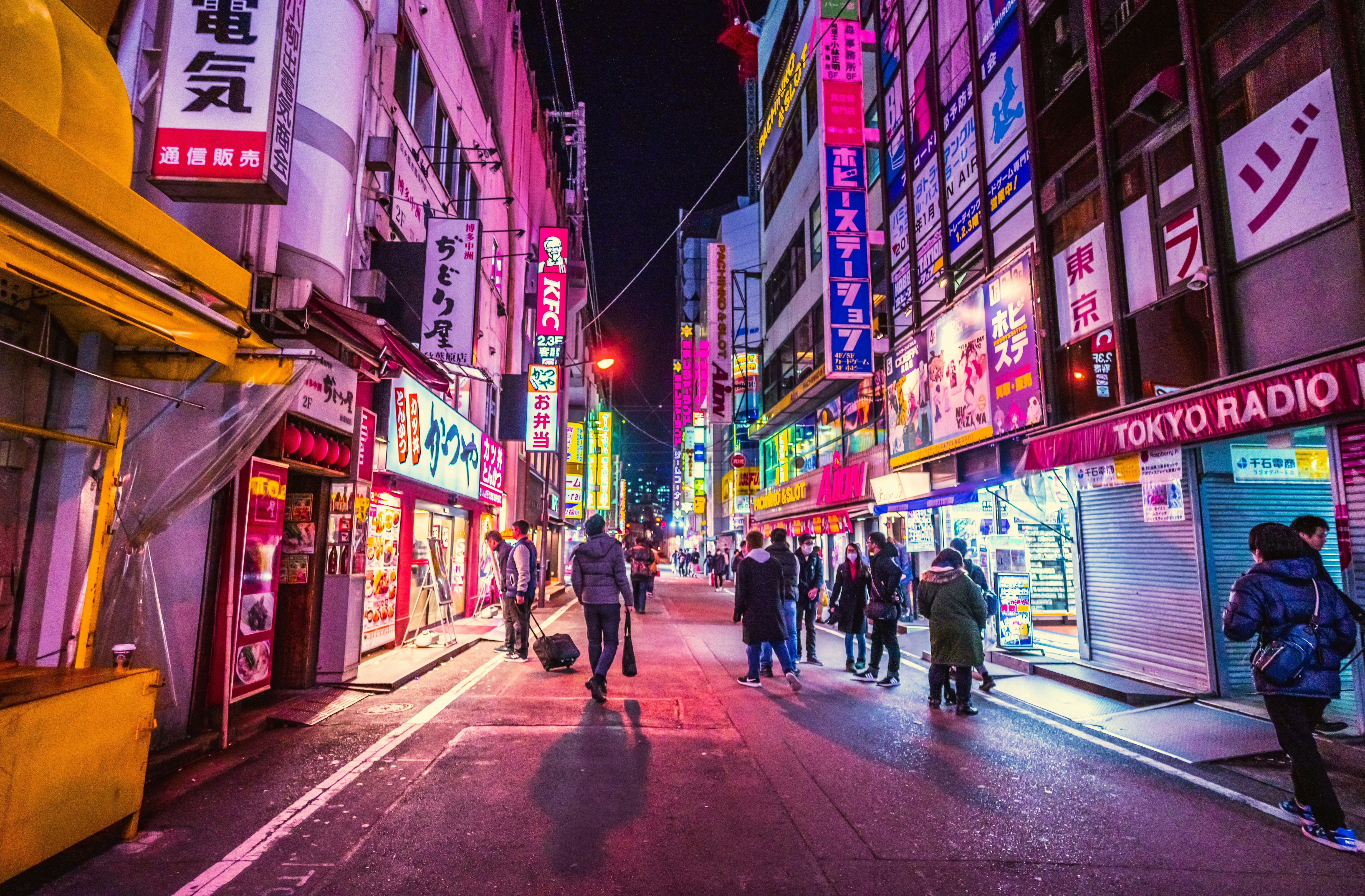
Lights, sushi, manga! Sprawling, frenetic, and endlessly fascinating, Japan’s capital is a city of contrasts. Shrines and gardens are pockets of calm between famously crowded streets and soaring office buildings. Mom-and-pop noodle houses share street space with Western-style chain restaurants and exquisite fine dining. Shopping yields lovely folk arts as well as the newest electronics. And nightlife kicks off with karaoke or sake and continues with techno clubs and more. Whether you seek the traditional or the cutting edge, Tokyo will provide it.
Tokyo, Japan
Lights, sushi, manga! Sprawling, frenetic, and endlessly fascinating, Japan’s capital is a city of contrasts. Shrines and gardens are pockets of calm between famously crowded streets and soaring office buildings. Mom-and-pop noodle houses share street space with Western-style chain restaurants and exquisite fine dining. Shopping yields lovely folk arts as well as the newest electronics. And nightlife kicks off with karaoke or sake and continues with techno clubs and more. Whether you seek the traditional or the cutting edge, Tokyo will provide it.
Sailing the Tsugaro Strait
No additional details available for this day.
Sapporo, Japan
Sapporo, Japan
Sailing the Okhotsk Sea
No additional details available for this day.
Sailing the Okhotsk Sea
No additional details available for this day.
Tokyo, Japan
Lights, sushi, manga! Sprawling, frenetic, and endlessly fascinating, Japan’s capital is a city of contrasts. Shrines and gardens are pockets of calm between famously crowded streets and soaring office buildings. Mom-and-pop noodle houses share street space with Western-style chain restaurants and exquisite fine dining. Shopping yields lovely folk arts as well as the newest electronics. And nightlife kicks off with karaoke or sake and continues with techno clubs and more. Whether you seek the traditional or the cutting edge, Tokyo will provide it.
Tokyo, Japan
Lights, sushi, manga! Sprawling, frenetic, and endlessly fascinating, Japan’s capital is a city of contrasts. Shrines and gardens are pockets of calm between famously crowded streets and soaring office buildings. Mom-and-pop noodle houses share street space with Western-style chain restaurants and exquisite fine dining. Shopping yields lovely folk arts as well as the newest electronics. And nightlife kicks off with karaoke or sake and continues with techno clubs and more. Whether you seek the traditional or the cutting edge, Tokyo will provide it.
Sailing the Tsugaro Strait
No additional details available for this day.
Sapporo, Japan
Sapporo, Japan
Sailing the Okhotsk Sea
No additional details available for this day.
Sailing the Okhotsk Sea
No additional details available for this day.
Sail the North Pacific Ocean
No additional details available for this day.
Sail the North Pacific Ocean
No additional details available for this day.
Crossing International Dateline (East)
No additional details available for this day.
Sailing the Bering Sea
No additional details available for this day.
Kodiak, Alaska, United States
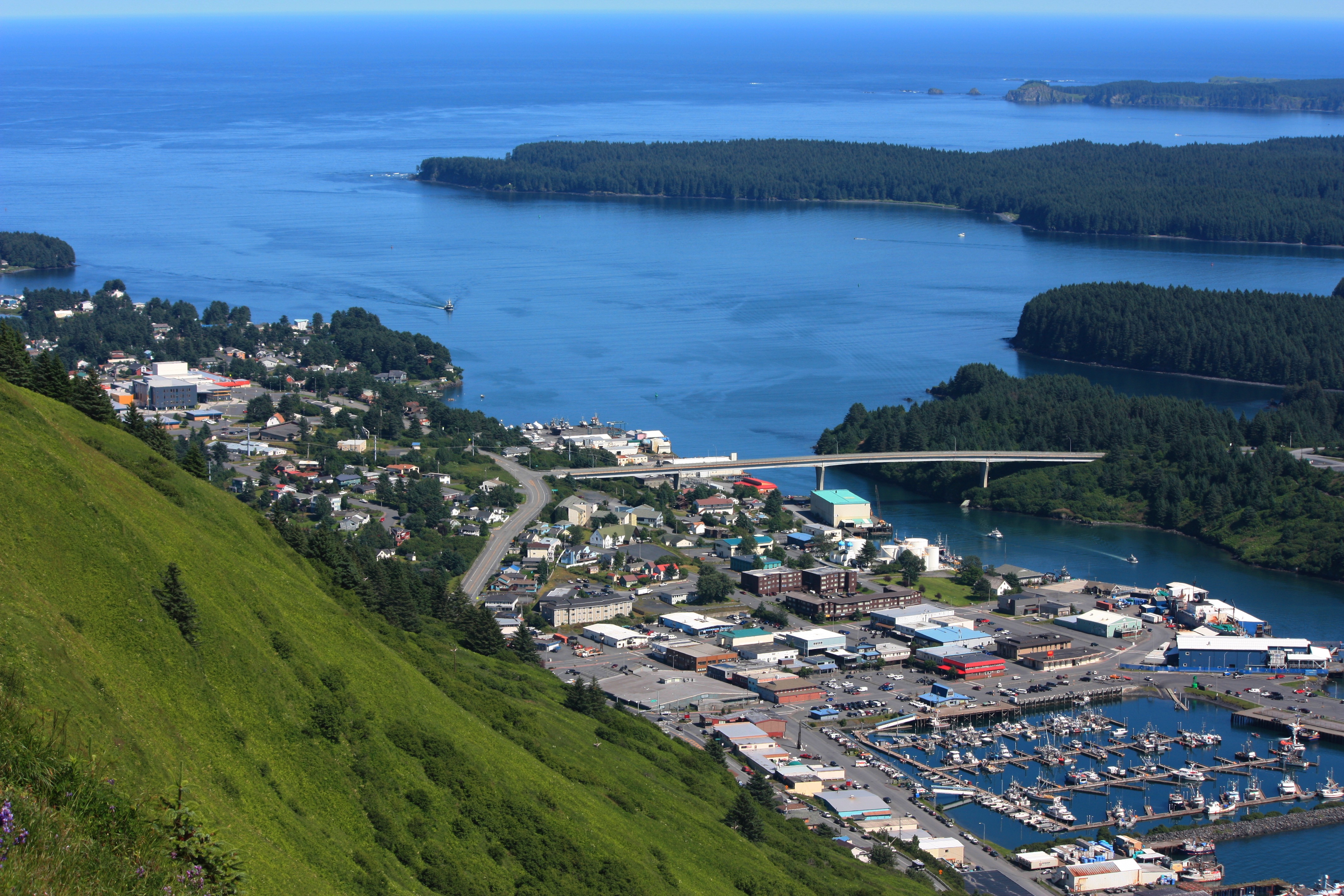
Today, commercial fishing is king in Kodiak. Despite its small population—about 6,475 people scattered among the several islands in the Kodiak group—the city is among the busiest fishing ports in the United States. The harbor is also an important supply point for small communities on the Aleutian Islands and the Alaska Peninsula.Visitors to the island tend to follow one of two agendas: either immediately fly out to a remote lodge for fishing, kayaking, or bear viewing; or stay in town and access whatever pursuits they can reach from the limited road system. If the former is too pricey an option, consider combining the two: drive the road system to see what can be seen inexpensively, then add a fly-out or charter-boat excursion to a remote lodge or wilderness access point.Floatplane and boat charters are available from Kodiak to many remote attractions, chief among them the Kodiak National Wildlife Refuge , which covers four islands in the Gulf of Alaska: Kodiak, Afognak, Ban, and Uganik.
Kodiak, Alaska, United States
Today, commercial fishing is king in Kodiak. Despite its small population—about 6,475 people scattered among the several islands in the Kodiak group—the city is among the busiest fishing ports in the United States. The harbor is also an important supply point for small communities on the Aleutian Islands and the Alaska Peninsula.Visitors to the island tend to follow one of two agendas: either immediately fly out to a remote lodge for fishing, kayaking, or bear viewing; or stay in town and access whatever pursuits they can reach from the limited road system. If the former is too pricey an option, consider combining the two: drive the road system to see what can be seen inexpensively, then add a fly-out or charter-boat excursion to a remote lodge or wilderness access point.Floatplane and boat charters are available from Kodiak to many remote attractions, chief among them the Kodiak National Wildlife Refuge , which covers four islands in the Gulf of Alaska: Kodiak, Afognak, Ban, and Uganik.
Homer, Alaska, United States
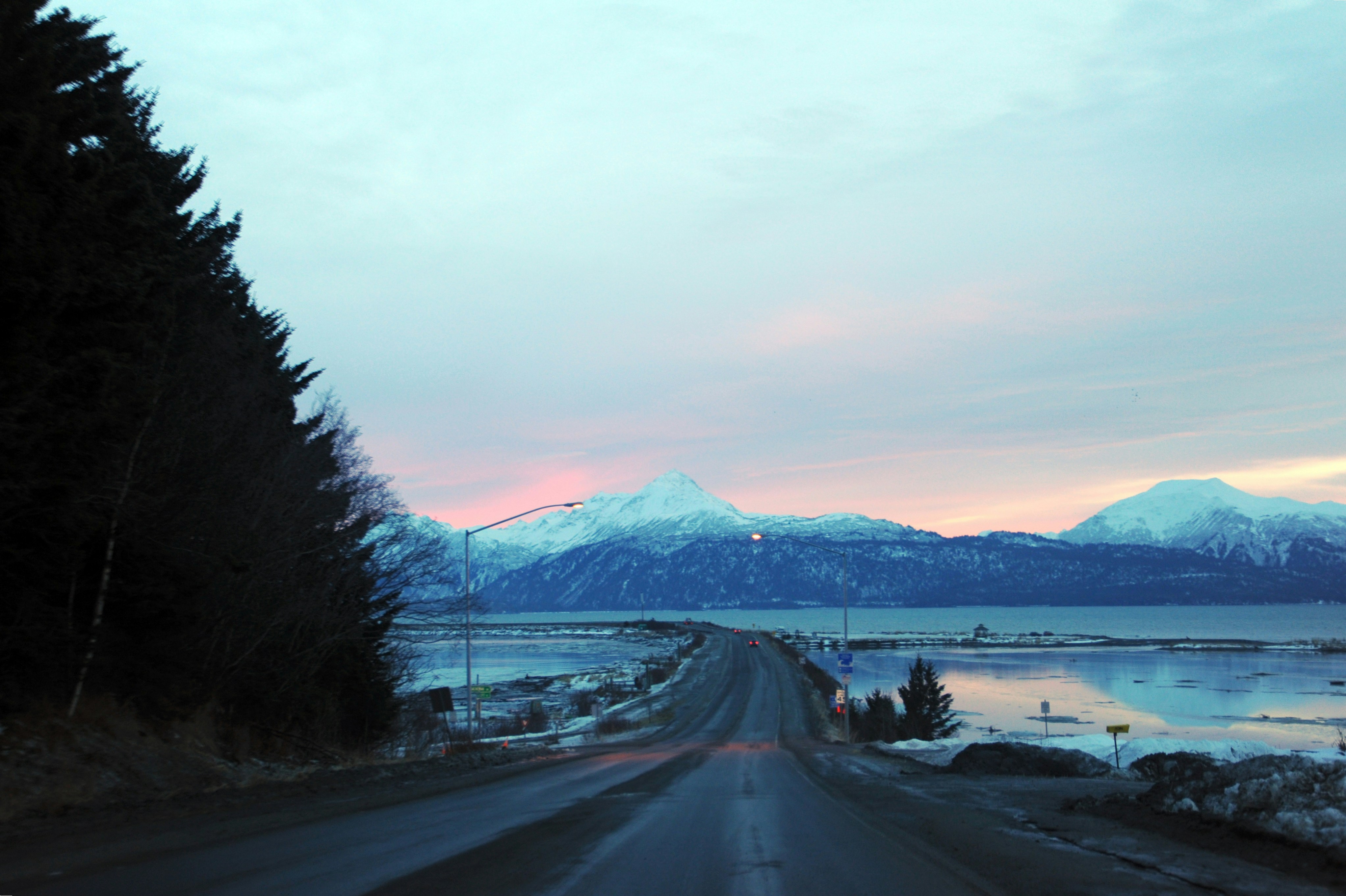
At the southern end of the Sterling Highway lies the city of Homer, at the base of a narrow spit that juts 4 miles into beautiful Kachemak Bay. Glaciers and snowcapped mountains form a dramatic backdrop across the water. Founded in the late 1800s as a gold-prospecting camp, this community was later used as coal-mining headquarters. Chunks of coal are still common along local beaches; they wash into the bay from nearby slopes where the coal seams are exposed. Today the town of Homer is an eclectic community with most of the tacky tourist paraphernalia relegated to the Spit (though do note the Spit has plenty else to recommend it, not the least of which is the 360-degree view of the surrounding mountains); the rest of the town is full of local merchants and artisans. The community is an interesting mix of fishermen, actors, artists, and writers. Much of the commercial fishing centers on halibut, and the popular Homer Jackpot Halibut Derby is often won by enormous fish weighing more than 300 pounds. The local architecture includes everything from dwellings that are little more than assemblages of driftwood to steel commercial buildings and magnificent homes on the hillside overlooking the surrounding bay, mountains, forests, and glaciers.
Sail the North Pacific Ocean
No additional details available for this day.
Sail the North Pacific Ocean
No additional details available for this day.
Crossing International Dateline (East)
No additional details available for this day.
Sailing the Bering Sea
No additional details available for this day.
Kodiak, Alaska, United States
Today, commercial fishing is king in Kodiak. Despite its small population—about 6,475 people scattered among the several islands in the Kodiak group—the city is among the busiest fishing ports in the United States. The harbor is also an important supply point for small communities on the Aleutian Islands and the Alaska Peninsula.Visitors to the island tend to follow one of two agendas: either immediately fly out to a remote lodge for fishing, kayaking, or bear viewing; or stay in town and access whatever pursuits they can reach from the limited road system. If the former is too pricey an option, consider combining the two: drive the road system to see what can be seen inexpensively, then add a fly-out or charter-boat excursion to a remote lodge or wilderness access point.Floatplane and boat charters are available from Kodiak to many remote attractions, chief among them the Kodiak National Wildlife Refuge , which covers four islands in the Gulf of Alaska: Kodiak, Afognak, Ban, and Uganik.
Kodiak, Alaska, United States
Today, commercial fishing is king in Kodiak. Despite its small population—about 6,475 people scattered among the several islands in the Kodiak group—the city is among the busiest fishing ports in the United States. The harbor is also an important supply point for small communities on the Aleutian Islands and the Alaska Peninsula.Visitors to the island tend to follow one of two agendas: either immediately fly out to a remote lodge for fishing, kayaking, or bear viewing; or stay in town and access whatever pursuits they can reach from the limited road system. If the former is too pricey an option, consider combining the two: drive the road system to see what can be seen inexpensively, then add a fly-out or charter-boat excursion to a remote lodge or wilderness access point.Floatplane and boat charters are available from Kodiak to many remote attractions, chief among them the Kodiak National Wildlife Refuge , which covers four islands in the Gulf of Alaska: Kodiak, Afognak, Ban, and Uganik.
Homer, Alaska, United States
At the southern end of the Sterling Highway lies the city of Homer, at the base of a narrow spit that juts 4 miles into beautiful Kachemak Bay. Glaciers and snowcapped mountains form a dramatic backdrop across the water. Founded in the late 1800s as a gold-prospecting camp, this community was later used as coal-mining headquarters. Chunks of coal are still common along local beaches; they wash into the bay from nearby slopes where the coal seams are exposed. Today the town of Homer is an eclectic community with most of the tacky tourist paraphernalia relegated to the Spit (though do note the Spit has plenty else to recommend it, not the least of which is the 360-degree view of the surrounding mountains); the rest of the town is full of local merchants and artisans. The community is an interesting mix of fishermen, actors, artists, and writers. Much of the commercial fishing centers on halibut, and the popular Homer Jackpot Halibut Derby is often won by enormous fish weighing more than 300 pounds. The local architecture includes everything from dwellings that are little more than assemblages of driftwood to steel commercial buildings and magnificent homes on the hillside overlooking the surrounding bay, mountains, forests, and glaciers.
Seward, Alaska, United States
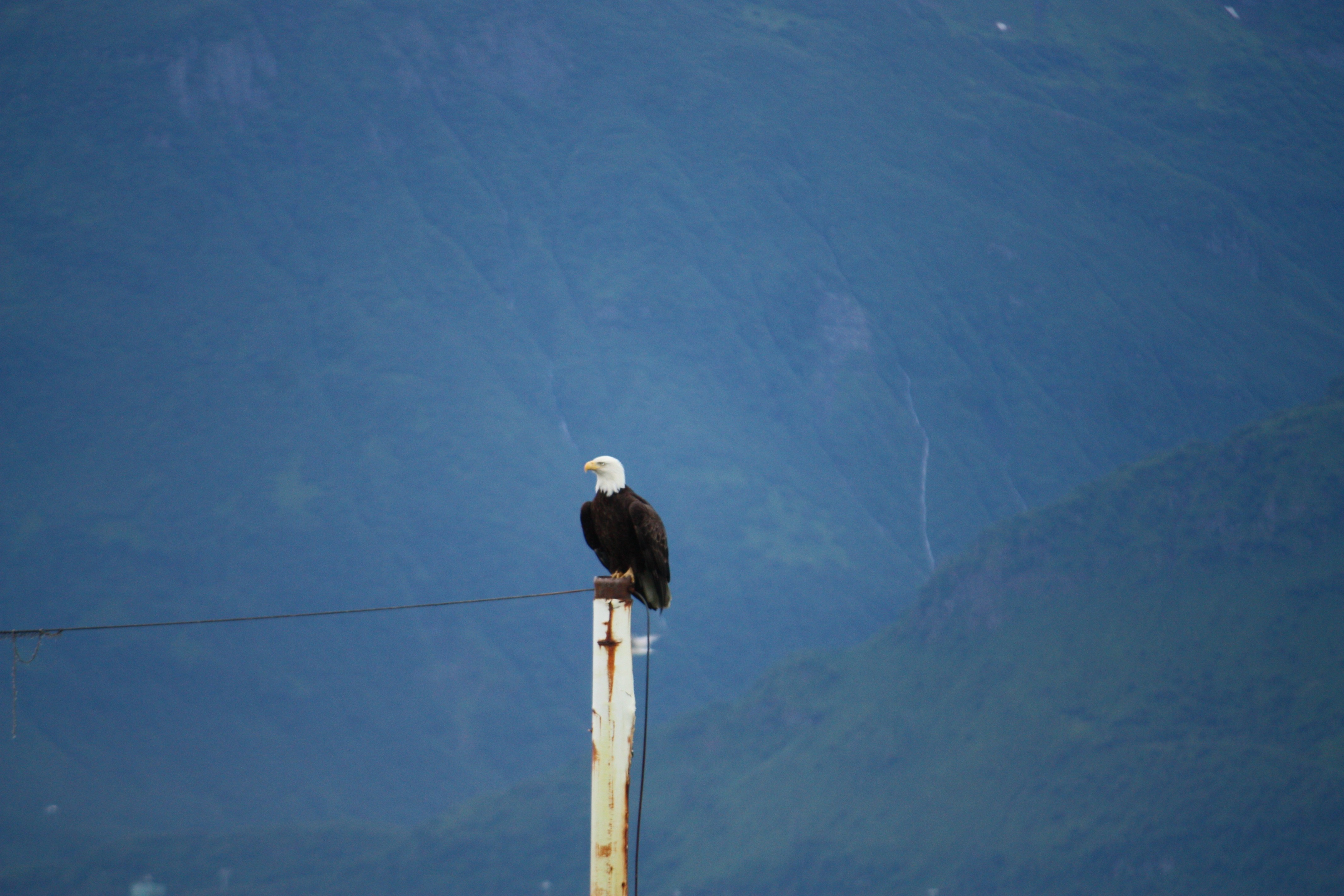
It is hard to believe that a place as beautiful as Seward exists. Surrounded on all sides by Kenai Fjords National Park, Chugach National Forest, and Resurrection Bay, Seward offers all the quaint realities of a small railroad town with the bonus of jaw-dropping scenery. This little town of about 2,750 citizens was founded in 1903, when survey crews arrived at the ice-free port and began planning a railroad to the Interior. Since its inception, Seward has relied heavily on tourism and commercial fishing. It is also the launching point for excursions into Kenai Fjords National Park, where it is quite common to see marine life and calving glaciers.
Valdez, Alaska, United States
Scenic Sailing: Hubbard Glacier (HUB)
No additional details available for this day.
Sailing the Glacier Bay
No additional details available for this day.
Sitka, Alaska, United States
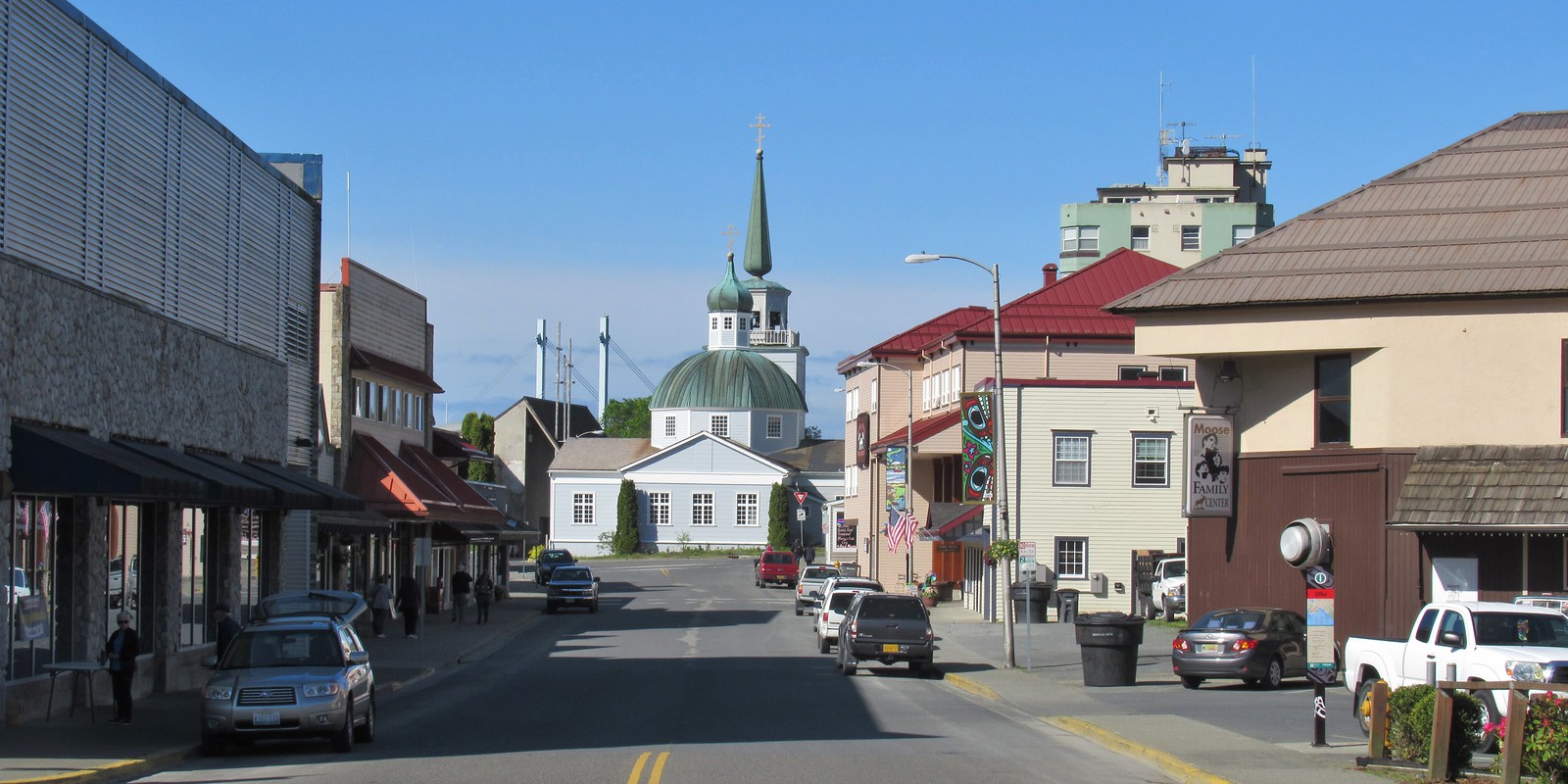
It’s hard not to like Sitka, with its eclectic blend of Alaska Native, Russian, and American history and its dramatic and beautiful open-ocean setting. This is one of the best Inside Passage towns to explore on foot, with St. Michael’s Cathedral, Sheldon Jackson Museum, Castle Hill, Sitka National Historical Park, and the Alaska Raptor Center topping the must-see list.Sitka was home to the Kiksádi clan of the Tlingit people for centuries prior to the 18th-century arrival of the Russians under the direction of territorial governor Alexander Baranof, who believed the region was ideal for the fur trade. The governor also coveted the Sitka site for its beauty, mild climate, and economic potential; in the island’s massive timber forests he saw raw materials for shipbuilding. Its location offered trading routes as far west as Asia and as far south as California and Hawaii. In 1799 Baranof built St. Michael Archangel—a wooden fort and trading post 6 miles north of the present town.Strong disagreements arose shortly after the settlement. The Tlingits attacked the settlers and burned their buildings in 1802. Baranof, however, was away in Kodiak at the time. He returned in 1804 with a formidable force—including shipboard cannons—and attacked the Tlingits at their fort near Indian River, site of the present-day 105-acre Sitka National Historical Park, forcing many of them north to Chichagof Island.By 1821 the Tlingits had reached an accord with the Russians, who were happy to benefit from the tribe’s hunting skills. Under Baranof and succeeding managers, the Russian-American Company and the town prospered, becoming known as the Paris of the Pacific. The community built a major shipbuilding and repair facility, sawmills, and forges, and even initiated an ice industry, shipping blocks of ice from nearby Swan Lake to the booming San Francisco market. The settlement that was the site of the 1802 conflict is now called Old Sitka. It is a state park and listed as a National Historic Landmark.The town declined after its 1867 transfer from Russia to the United States, but it became prosperous again during World War II, when it served as a base for the U.S. effort to drive the Japanese from the Aleutian Islands. Today its most important industries are fishing, government, and tourism.
Ketchikan, Alaska, United States
Ketchikan is famous for its colorful totem poles, rainy skies, steep–as–San Francisco streets, and lush island setting. Some 13,500 people call the town home, and, in the summer, cruise ships crowd the shoreline, floatplanes depart noisily for Misty Fiords National Monument, and salmon-laden commercial fishing boats motor through Tongass Narrows. In the last decade Ketchikan’s rowdy, blue-collar heritage of logging and fishing has been softened by the loss of many timber-industry jobs and the dramatic rise of cruise-ship tourism. With some effort, though, visitors can still glimpse the rugged frontier spirit that once permeated this hardscrabble cannery town. Art lovers should make a beeline for Ketchikan: the arts community here is very active. Travelers in search of the perfect piece of Alaska art will find an incredible range of pieces to choose from.The town is at the foot of 3,000-foot Deer Mountain, near the southeastern corner of Revillagigedo (locals shorten it to Revilla) Island. Prior to the arrival of white miners and fishermen in 1885, the Tlingit used the site at the mouth of Ketchikan Creek as a summer fish camp. Gold discoveries just before the turn of the 20th century brought more immigrants, and valuable timber and commercial fishing resources spurred new industries. By the 1930s the town bragged that it was the “salmon-canning capital of the world.” You will still find some of Southeast’s best salmon fishing around here. Ketchikan is the first bite of Alaska that many travelers taste. Despite its imposing backdrop, hillside homes, and many staircases, the town is relatively easy to walk through. Favorite downtown stops include the Spruce Mill Development shops and Creek Street. A bit farther away you’ll find the Totem Heritage Center. Out of town (but included on most bus tours) are two longtime favorites: Totem Bight State Historical Park to the north and Saxman Totem Park to the south.
Sailing The Inside Passage
No additional details available for this day.
Seward, Alaska, United States
It is hard to believe that a place as beautiful as Seward exists. Surrounded on all sides by Kenai Fjords National Park, Chugach National Forest, and Resurrection Bay, Seward offers all the quaint realities of a small railroad town with the bonus of jaw-dropping scenery. This little town of about 2,750 citizens was founded in 1903, when survey crews arrived at the ice-free port and began planning a railroad to the Interior. Since its inception, Seward has relied heavily on tourism and commercial fishing. It is also the launching point for excursions into Kenai Fjords National Park, where it is quite common to see marine life and calving glaciers.
Valdez, Alaska, United States
Scenic Sailing: Hubbard Glacier (HUB)
No additional details available for this day.
Sailing the Glacier Bay
No additional details available for this day.
Sitka, Alaska, United States
It’s hard not to like Sitka, with its eclectic blend of Alaska Native, Russian, and American history and its dramatic and beautiful open-ocean setting. This is one of the best Inside Passage towns to explore on foot, with St. Michael’s Cathedral, Sheldon Jackson Museum, Castle Hill, Sitka National Historical Park, and the Alaska Raptor Center topping the must-see list.Sitka was home to the Kiksádi clan of the Tlingit people for centuries prior to the 18th-century arrival of the Russians under the direction of territorial governor Alexander Baranof, who believed the region was ideal for the fur trade. The governor also coveted the Sitka site for its beauty, mild climate, and economic potential; in the island’s massive timber forests he saw raw materials for shipbuilding. Its location offered trading routes as far west as Asia and as far south as California and Hawaii. In 1799 Baranof built St. Michael Archangel—a wooden fort and trading post 6 miles north of the present town.Strong disagreements arose shortly after the settlement. The Tlingits attacked the settlers and burned their buildings in 1802. Baranof, however, was away in Kodiak at the time. He returned in 1804 with a formidable force—including shipboard cannons—and attacked the Tlingits at their fort near Indian River, site of the present-day 105-acre Sitka National Historical Park, forcing many of them north to Chichagof Island.By 1821 the Tlingits had reached an accord with the Russians, who were happy to benefit from the tribe’s hunting skills. Under Baranof and succeeding managers, the Russian-American Company and the town prospered, becoming known as the Paris of the Pacific. The community built a major shipbuilding and repair facility, sawmills, and forges, and even initiated an ice industry, shipping blocks of ice from nearby Swan Lake to the booming San Francisco market. The settlement that was the site of the 1802 conflict is now called Old Sitka. It is a state park and listed as a National Historic Landmark.The town declined after its 1867 transfer from Russia to the United States, but it became prosperous again during World War II, when it served as a base for the U.S. effort to drive the Japanese from the Aleutian Islands. Today its most important industries are fishing, government, and tourism.
Ketchikan, Alaska, United States
Ketchikan is famous for its colorful totem poles, rainy skies, steep–as–San Francisco streets, and lush island setting. Some 13,500 people call the town home, and, in the summer, cruise ships crowd the shoreline, floatplanes depart noisily for Misty Fiords National Monument, and salmon-laden commercial fishing boats motor through Tongass Narrows. In the last decade Ketchikan’s rowdy, blue-collar heritage of logging and fishing has been softened by the loss of many timber-industry jobs and the dramatic rise of cruise-ship tourism. With some effort, though, visitors can still glimpse the rugged frontier spirit that once permeated this hardscrabble cannery town. Art lovers should make a beeline for Ketchikan: the arts community here is very active. Travelers in search of the perfect piece of Alaska art will find an incredible range of pieces to choose from.The town is at the foot of 3,000-foot Deer Mountain, near the southeastern corner of Revillagigedo (locals shorten it to Revilla) Island. Prior to the arrival of white miners and fishermen in 1885, the Tlingit used the site at the mouth of Ketchikan Creek as a summer fish camp. Gold discoveries just before the turn of the 20th century brought more immigrants, and valuable timber and commercial fishing resources spurred new industries. By the 1930s the town bragged that it was the “salmon-canning capital of the world.” You will still find some of Southeast’s best salmon fishing around here. Ketchikan is the first bite of Alaska that many travelers taste. Despite its imposing backdrop, hillside homes, and many staircases, the town is relatively easy to walk through. Favorite downtown stops include the Spruce Mill Development shops and Creek Street. A bit farther away you’ll find the Totem Heritage Center. Out of town (but included on most bus tours) are two longtime favorites: Totem Bight State Historical Park to the north and Saxman Totem Park to the south.
Sailing The Inside Passage
No additional details available for this day.
Vancouver, British Columbia, Canada
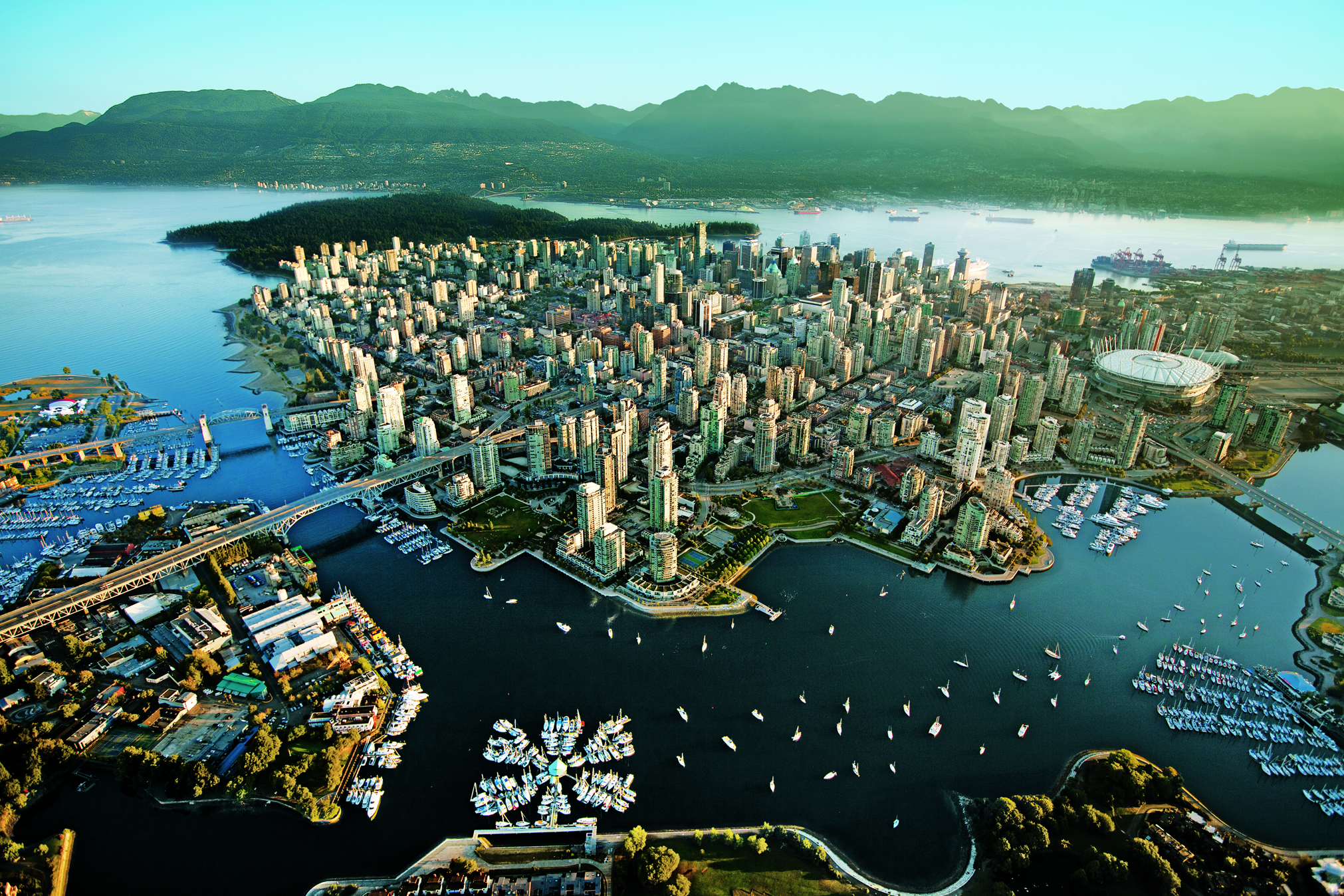
Vancouver is a delicious juxtaposition of urban sophistication and on-your-doorstep wilderness adventure. The mountains and seascape make the city an outdoor playground for hiking, skiing, kayaking, cycling, and sailing—and so much more—while the cuisine and arts scenes are equally diverse, reflecting the makeup of Vancouver’s ethnic (predominantly Asian) mosaic. Vancouver is consistently ranked as one of the world’s most livable cities, and it’s easy for visitors to see why. It’s beautiful, it’s outdoorsy, and there’s a laidback West Coast vibe. On the one hand, there’s easy access to a variety of outdoor activities, a fabulous variety of beaches, and amazing parks. At the same time, the city has a multicultural vitality and cosmopolitan flair. The attraction is as much in the range of food choices—the fresh seafood and local produce are some of North America’s best—as it is in the museums, shopping, and nightlife.Vancouver’s landscaping also adds to the city’s walking appeal. In spring, flowerbeds spill over with tulips and daffodils while sea breezes scatter scented cherry blossoms throughout Downtown; in summer office workers take to the beaches, parks, and urban courtyards for picnic lunches and laptop meetings. More than 8 million visitors each year come to Vancouver, Canada’s third-largest metropolitan area. Because of its peninsula location, traffic flow is a contentious issue. Thankfully, Vancouver is wonderfully walkable, especially in the downtown core. The North Shore is a scoot across the harbor, and the rapid-transit system to Richmond and the airport means that staying in the more affordable ’burbs doesn’t have to be synonymous with sacrificing convenience. The mild climate, exquisite natural scenery, and relaxed outdoor lifestyle keep attracting residents, and the number of visitors is increasing for the same reasons. People often get their first glimpse of Vancouver when catching an Alaskan cruise, and many return at some point to spend more time here.
Vancouver, British Columbia, Canada
Vancouver is a delicious juxtaposition of urban sophistication and on-your-doorstep wilderness adventure. The mountains and seascape make the city an outdoor playground for hiking, skiing, kayaking, cycling, and sailing—and so much more—while the cuisine and arts scenes are equally diverse, reflecting the makeup of Vancouver’s ethnic (predominantly Asian) mosaic. Vancouver is consistently ranked as one of the world’s most livable cities, and it’s easy for visitors to see why. It’s beautiful, it’s outdoorsy, and there’s a laidback West Coast vibe. On the one hand, there’s easy access to a variety of outdoor activities, a fabulous variety of beaches, and amazing parks. At the same time, the city has a multicultural vitality and cosmopolitan flair. The attraction is as much in the range of food choices—the fresh seafood and local produce are some of North America’s best—as it is in the museums, shopping, and nightlife.Vancouver’s landscaping also adds to the city’s walking appeal. In spring, flowerbeds spill over with tulips and daffodils while sea breezes scatter scented cherry blossoms throughout Downtown; in summer office workers take to the beaches, parks, and urban courtyards for picnic lunches and laptop meetings. More than 8 million visitors each year come to Vancouver, Canada’s third-largest metropolitan area. Because of its peninsula location, traffic flow is a contentious issue. Thankfully, Vancouver is wonderfully walkable, especially in the downtown core. The North Shore is a scoot across the harbor, and the rapid-transit system to Richmond and the airport means that staying in the more affordable ’burbs doesn’t have to be synonymous with sacrificing convenience. The mild climate, exquisite natural scenery, and relaxed outdoor lifestyle keep attracting residents, and the number of visitors is increasing for the same reasons. People often get their first glimpse of Vancouver when catching an Alaskan cruise, and many return at some point to spend more time here.
Cabin Options
Deluxe Veranda
Penthouse Veranda
Penthouse Junior Suite
Explorer Suite
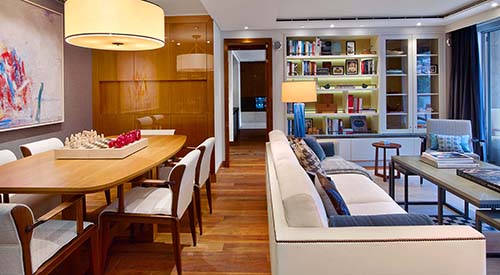
Owner's Suite
Veranda
Ship Facilities
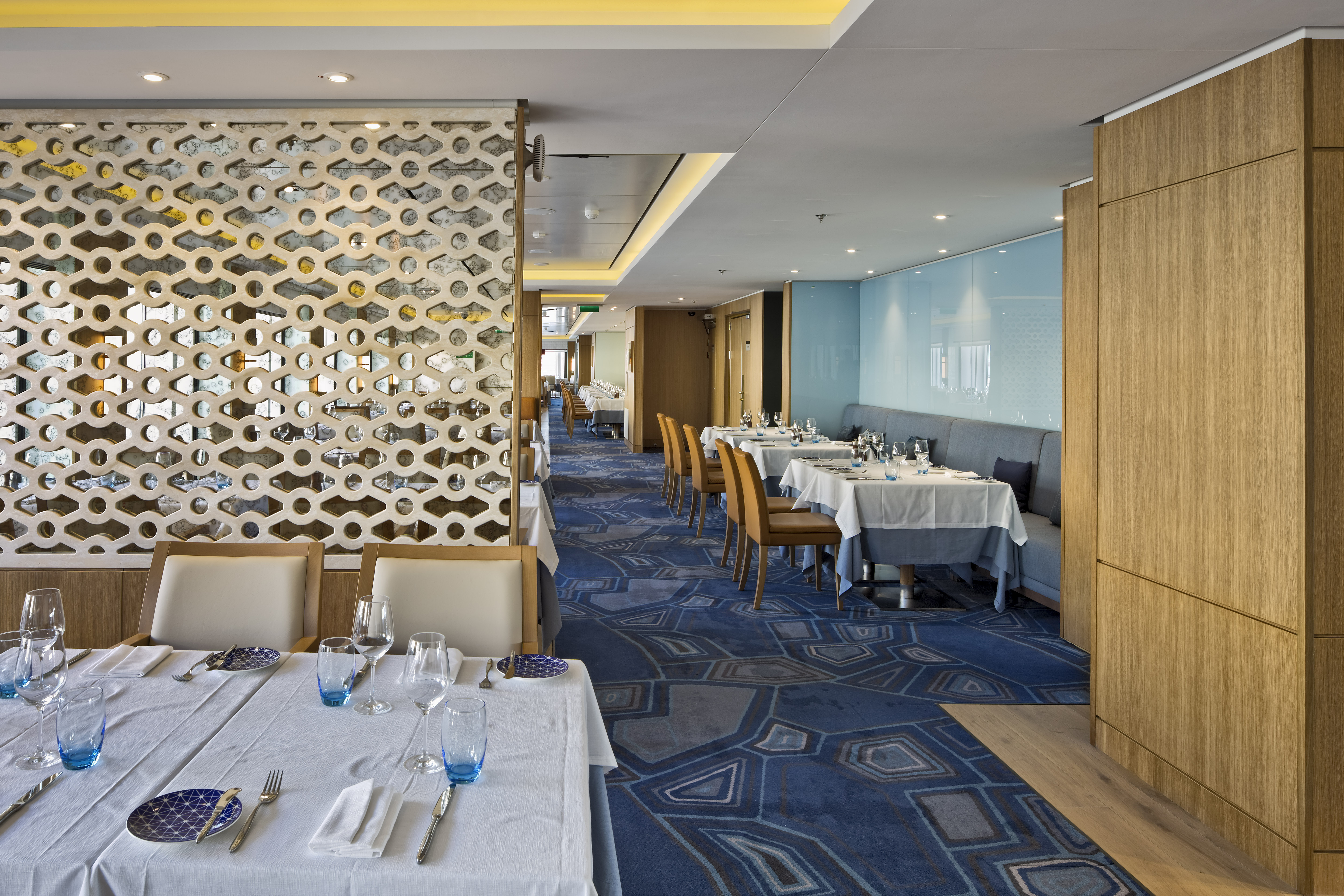
The Restaurant
Breakfast and dinner, welcome to The Restaurant. One of the finest restaurants you’ll find. Anywhere. Where the daily changing menus complement the daily changing views. And where you can feast on traditional favourites as well as local specialities, all perfectly prepared and presented.
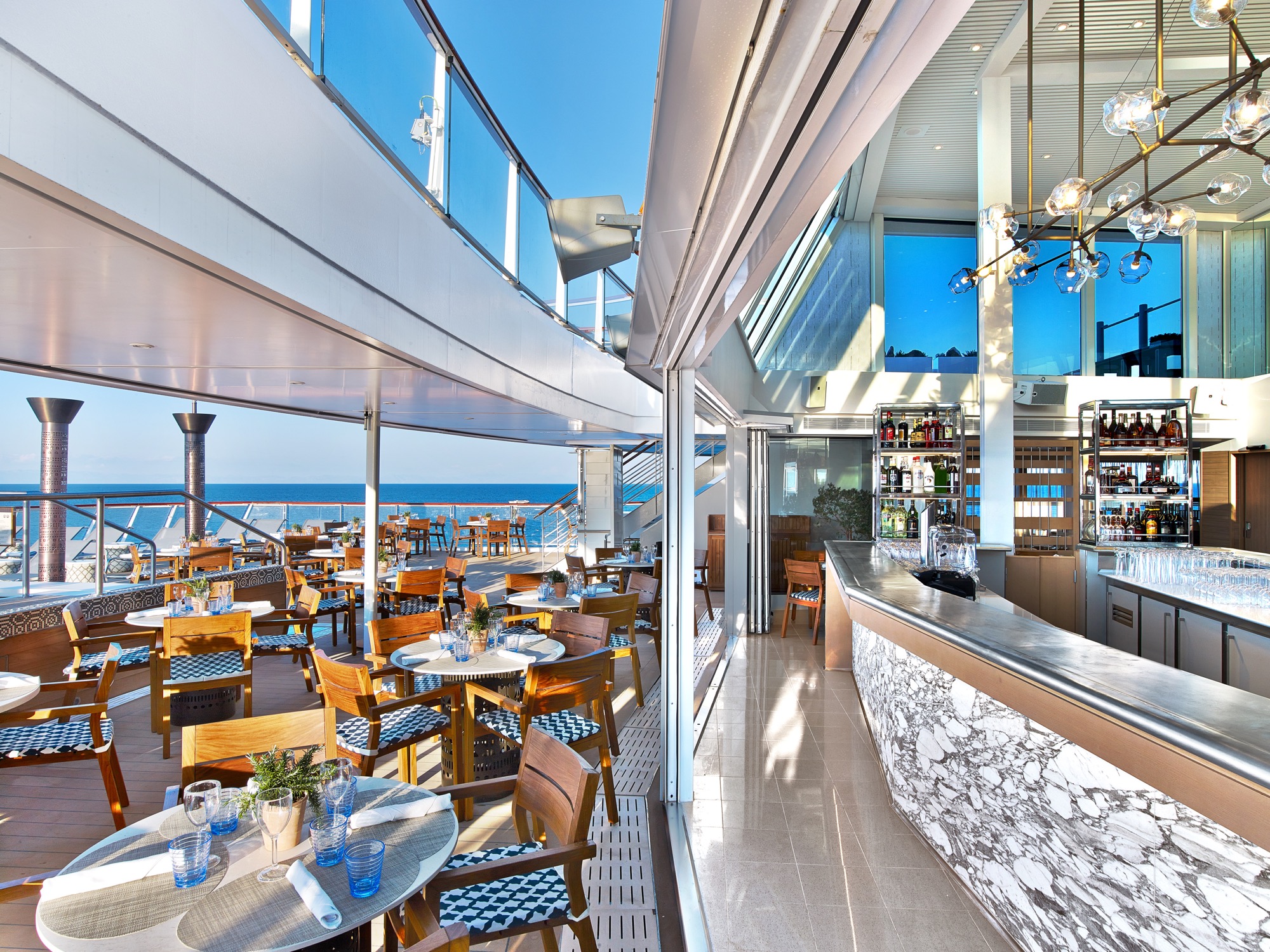
Aquavit Terrace
There is nothing like dining in the great outdoors. Big sky. Setting sun and a chance to drink in the fresh air, as well as the views. Step out of The World Café onto The Aquavit Terrace. Breakfast, lunch and dinner, it is everything you want relaxed dining to be.
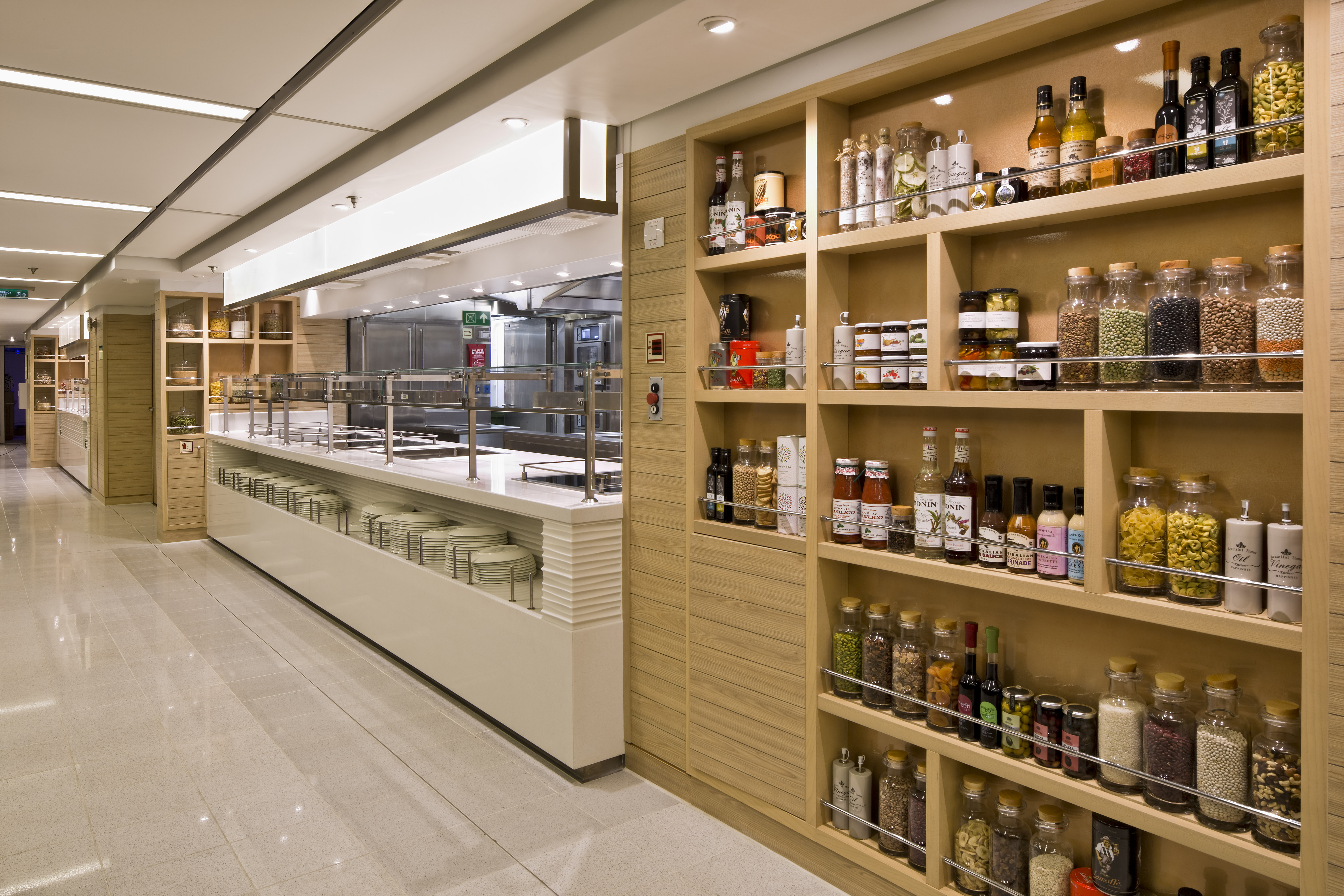
World Café
Discover flavours of the east in Copenhagen, the tastes of Tuscany in Sydney, and the freshest sushi in the Amazon jungle. Morning, noon and night, explore a world of taste at the World Cafe. A celebration of foods that make us different, but also bring us together.
Explorers' Lounge
Inspired by the trade routes of Vikings, the Explorers’ Lounge is the ideal place for guests to share their discoveries over an aquavit or a craft beer while sampling fine Scandinavian fare. Central to the Explorers’ Lounge is Mamsen’s, a casual gourmet deli inspired by Norwegian cuisine, from smoked salmon to open-faced sandwiches and locally sourced charcuterie and cheeses. The daily “Waffle Hour” provides mouth-watering samples of the beloved treat.
The Chef's Table
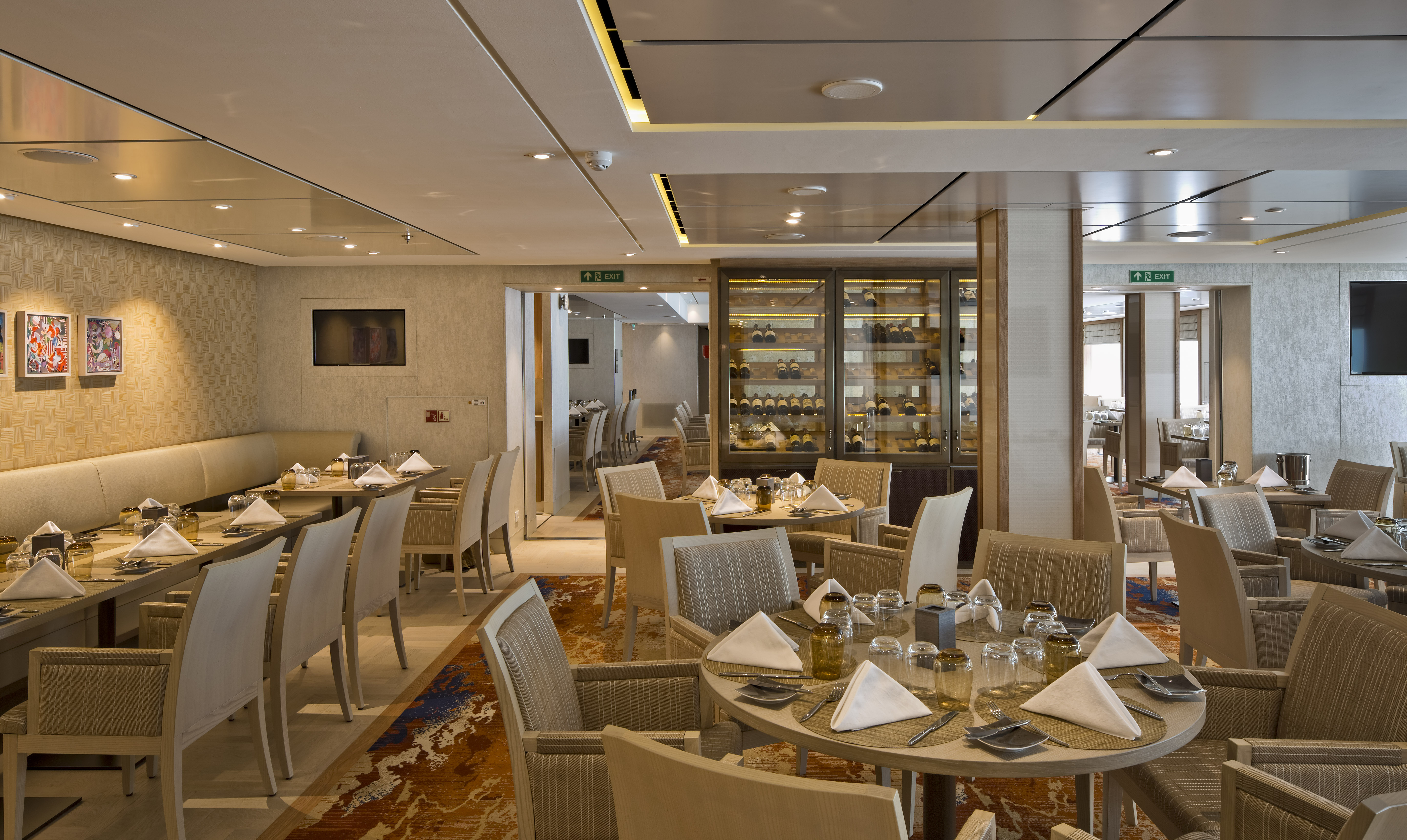
Executive Chef Anthony Mamboussin’s dining concept has been impressing guests on every cruise. Five courses, each with a wine pairing, follow a specific theme. Venice Carnival. Sweet and Sour. Asian Panorama. It’s a whole new world of discovery.
Manfredi's
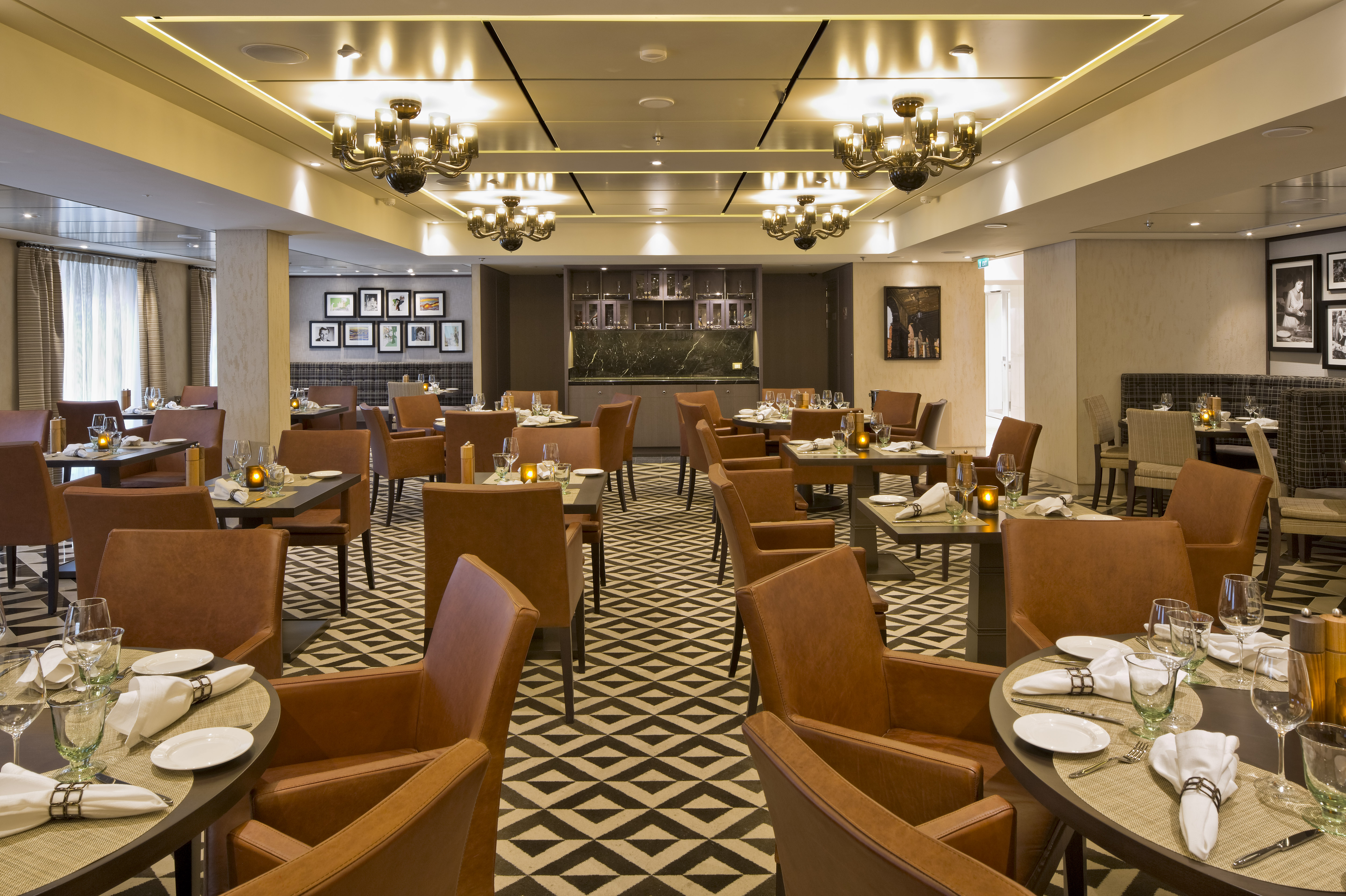
Long, laughter-filled dinners don’t get better than those in Manfredi’s, the Italian grill restaurant. Traditional Tuscan and Roman cuisine (think perfectly cooked steaks, fresh seafood, handmade pastas and an overflowing antipasto trolley) in a warm, contemporary setting. Buon Appetito!
The Pool Grill
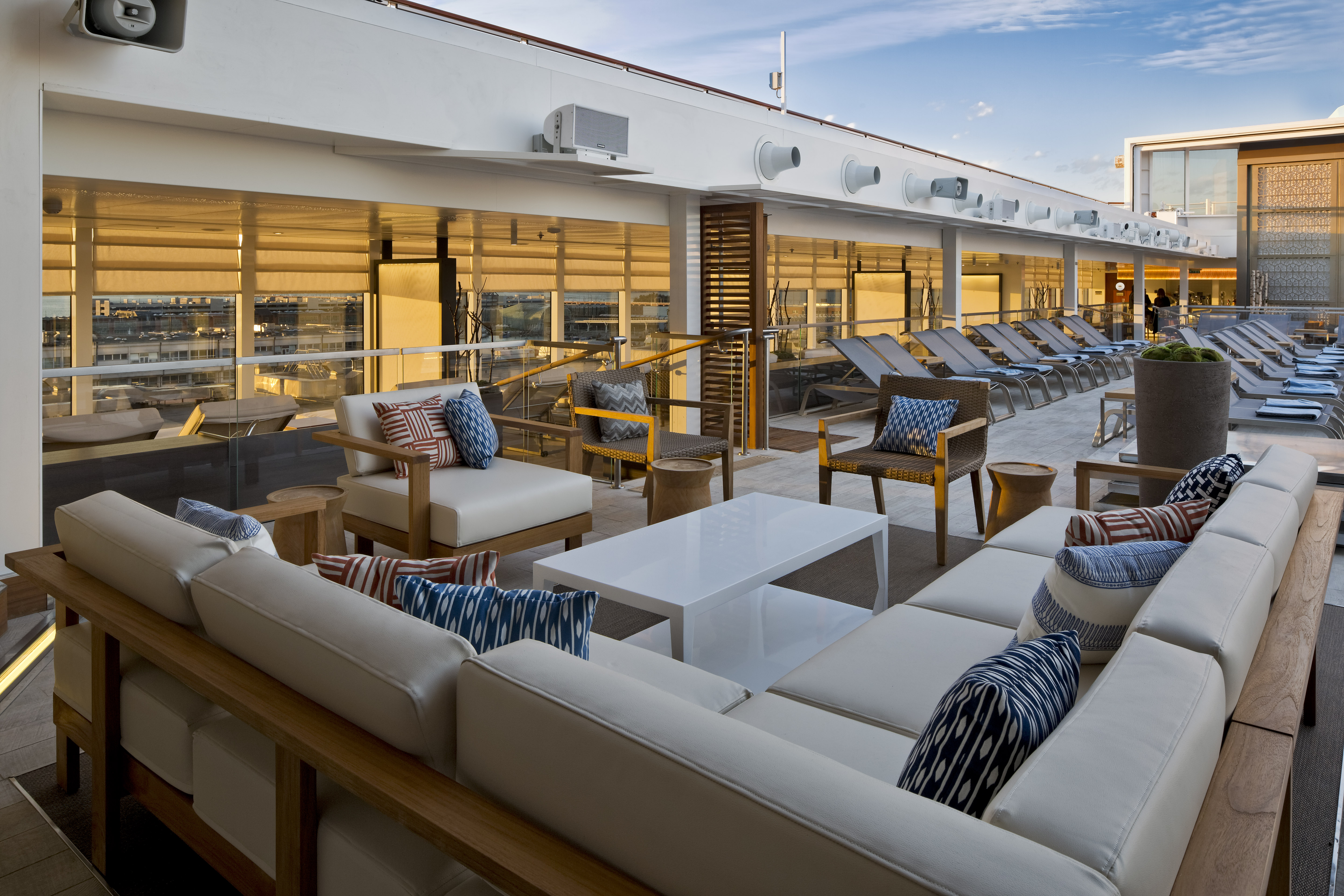
When stepping in for lunch is a step too far, tuck into a tasty snack at the Pool Grill. Classic, American-style sandwiches, burgers and hot dogs always hit the spot. Pile on the mustard, dress with pickles, slaw and sauces and wash it down with an ice-cold beer or crisp white wine. Lap it up, it’s all included.
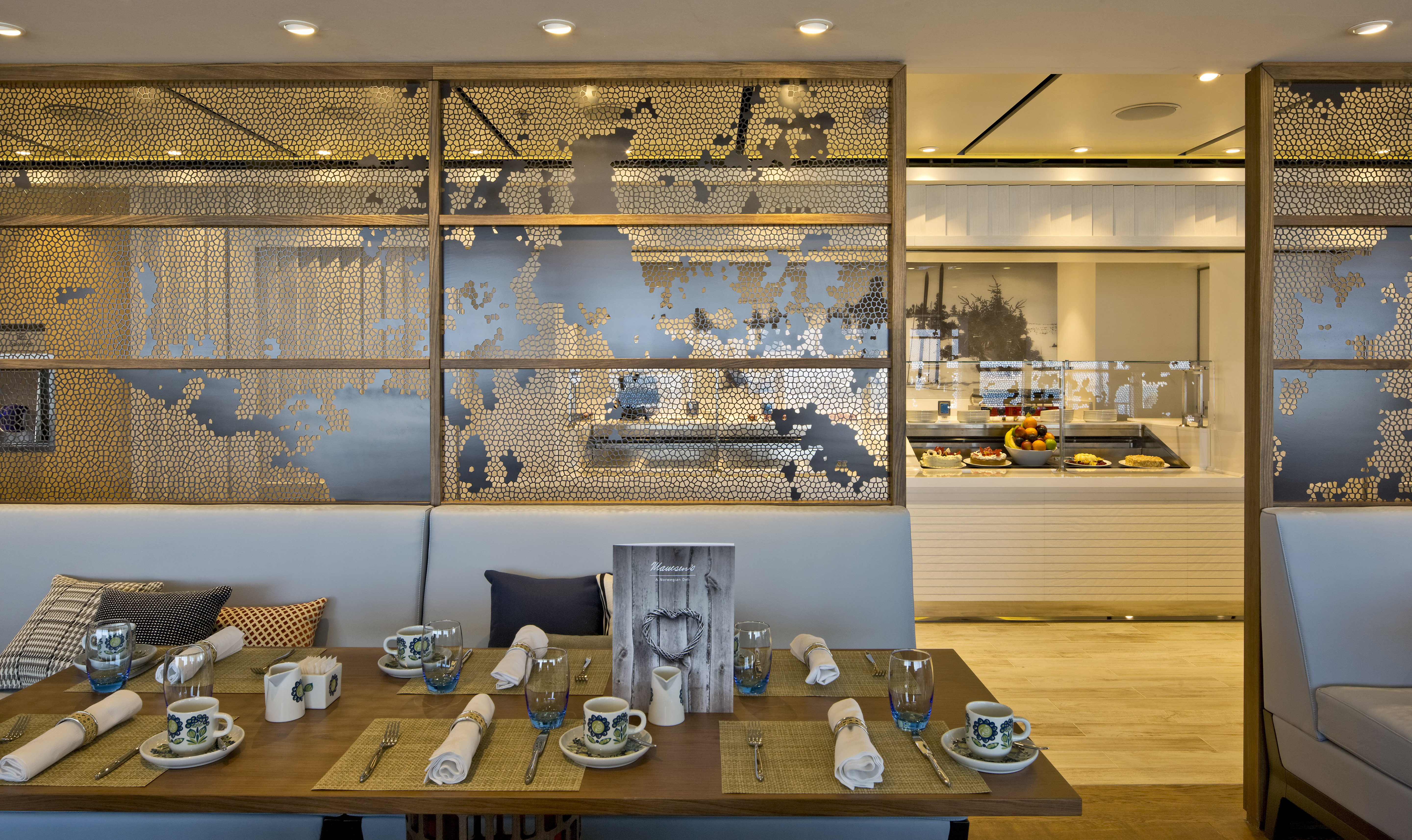
Mamsen's
In the Nordic deli, feast on waffles laden with fresh blueberries and cream or gjetjost, Norway’s sweet nutty cheese. Or tuck into pancakes covered in cloudberry jam or glistening with lemon and sugar. Flipping marvellous.
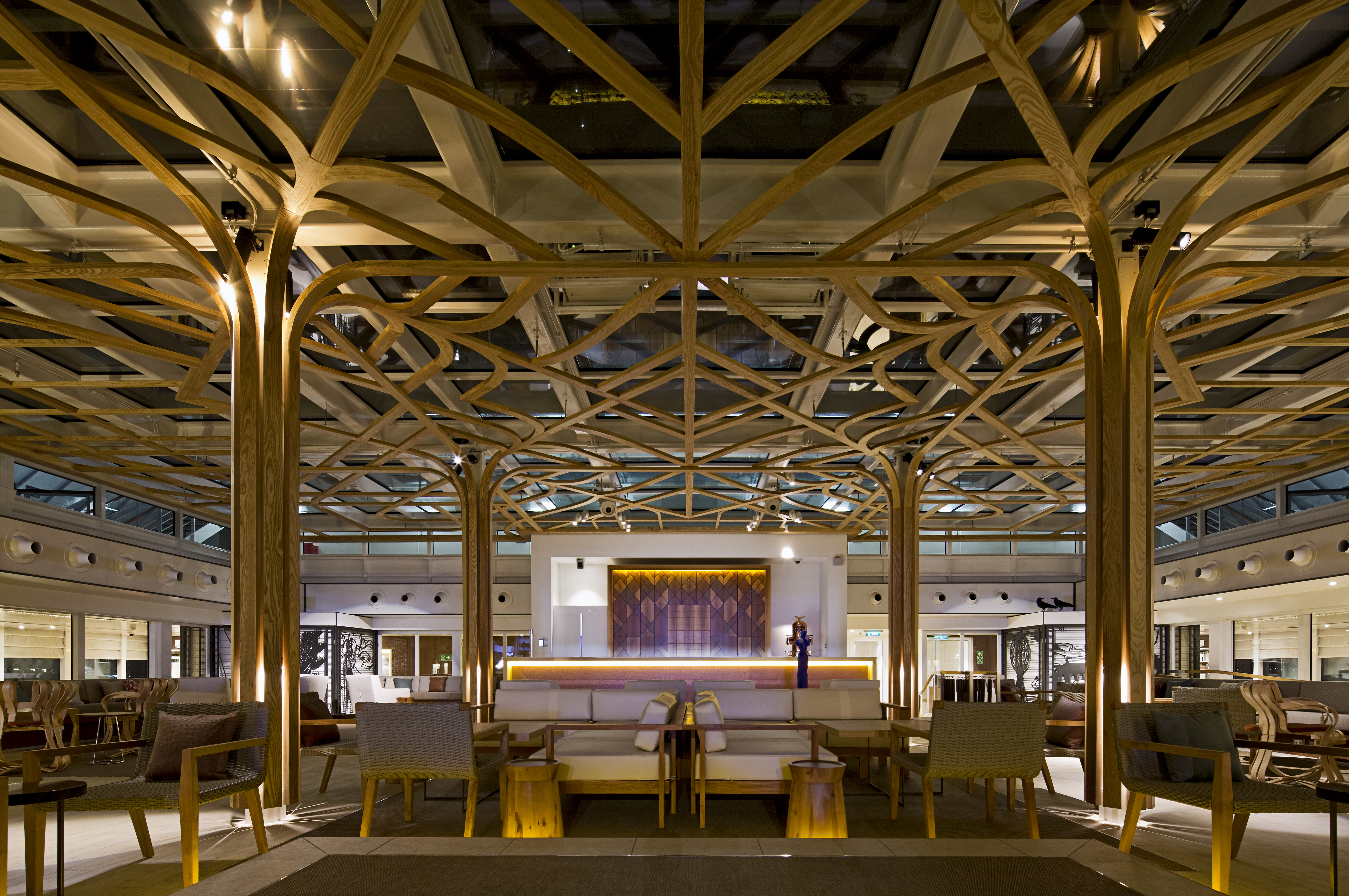
The Wintergarden
A good afternoon. A comfy sofa in The Wintergarden. Sandwiches, cakes and scones, and a pot of your favourite blend of tea. The light and airy surroundings and the striking blonde wooden canopy are as delicious as the cream teas.
Private Dining
Because it’s a special occasion. Or just because. Book your table in one of the private dining rooms at Manfredi’s of The Chef’s Table. An intimate setting made even more personal.
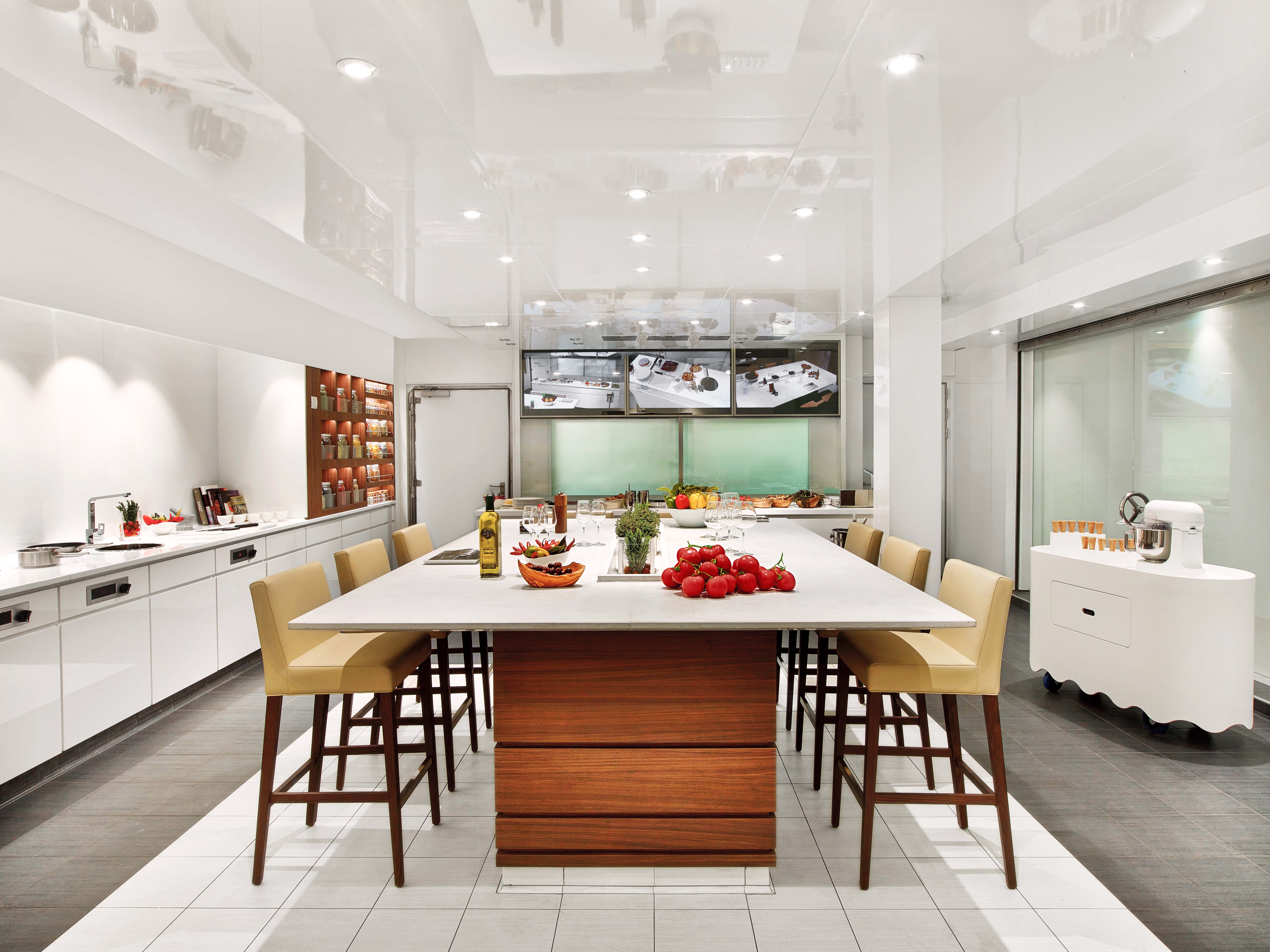
24-hour Room Service
Breakfast in bed. Lunch on your private veranda. Late night nibbles. Enjoy room service at any time, without paying any more.
The Wintergarden
When you yearn for serenity, there is no better place on ship than a visit to the Wintergarden. This charming, airy space around the main pool is perfect for relaxing in clean, uncluttered Scandinavian-designed environment. Even here, our focus is on enrichment, as this is the place to witness a tea ceremony, or indulge in an afternoon tea service, complete with hand-selected teas, finger sandwiches and pastries.
Viking Bar
Enjoy a cocktail in the Viking Bar, which is located on the ground floor of the atrium.
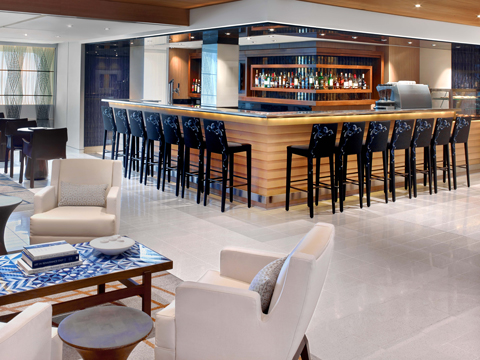
The Viking Living Room
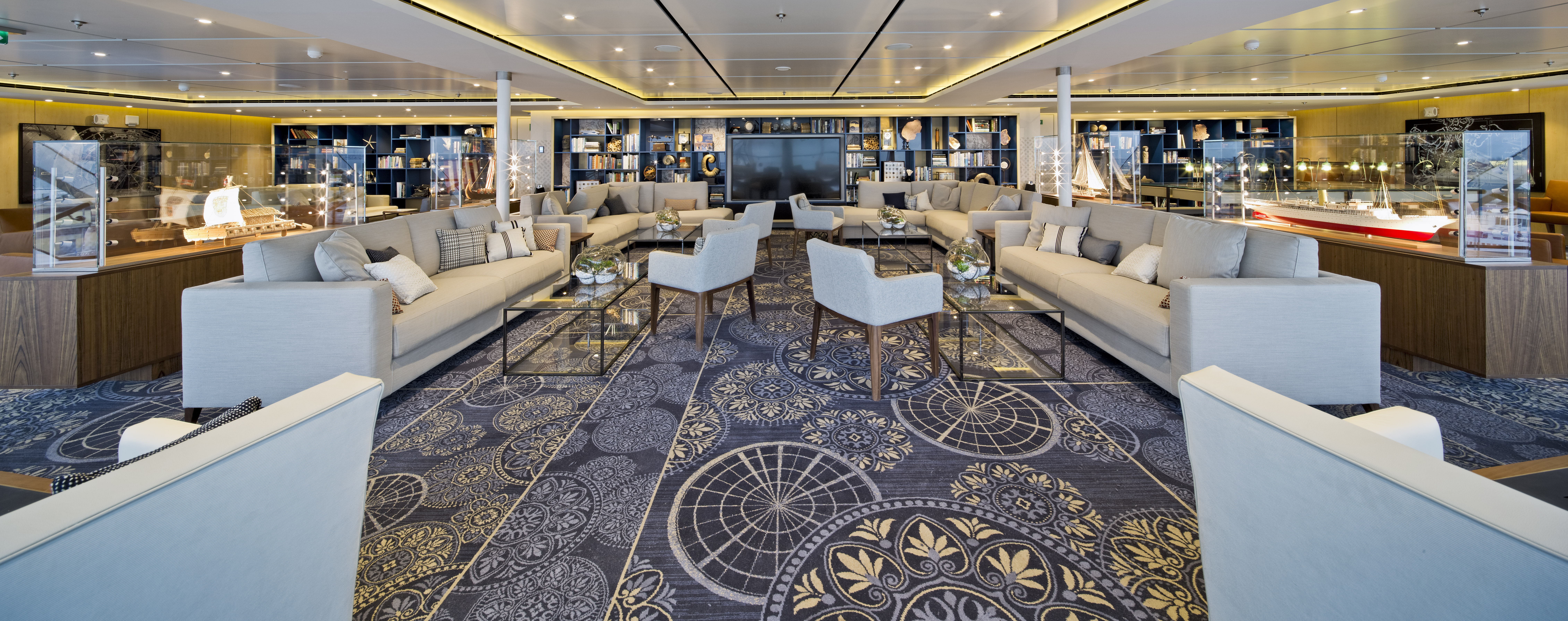
The ideal setting for relaxation and conversation, The Viking Living Room draws guests together. Spacious seating, melodic piano tunes, live entertainment and planned activities foster rich camaraderie. And its well-curated Viking Library informs even the best-read traveler. Adorned with nautical touches from Viking days, including the clinker-built bar inspired by ancient longships, it is the most inspired living room at sea.
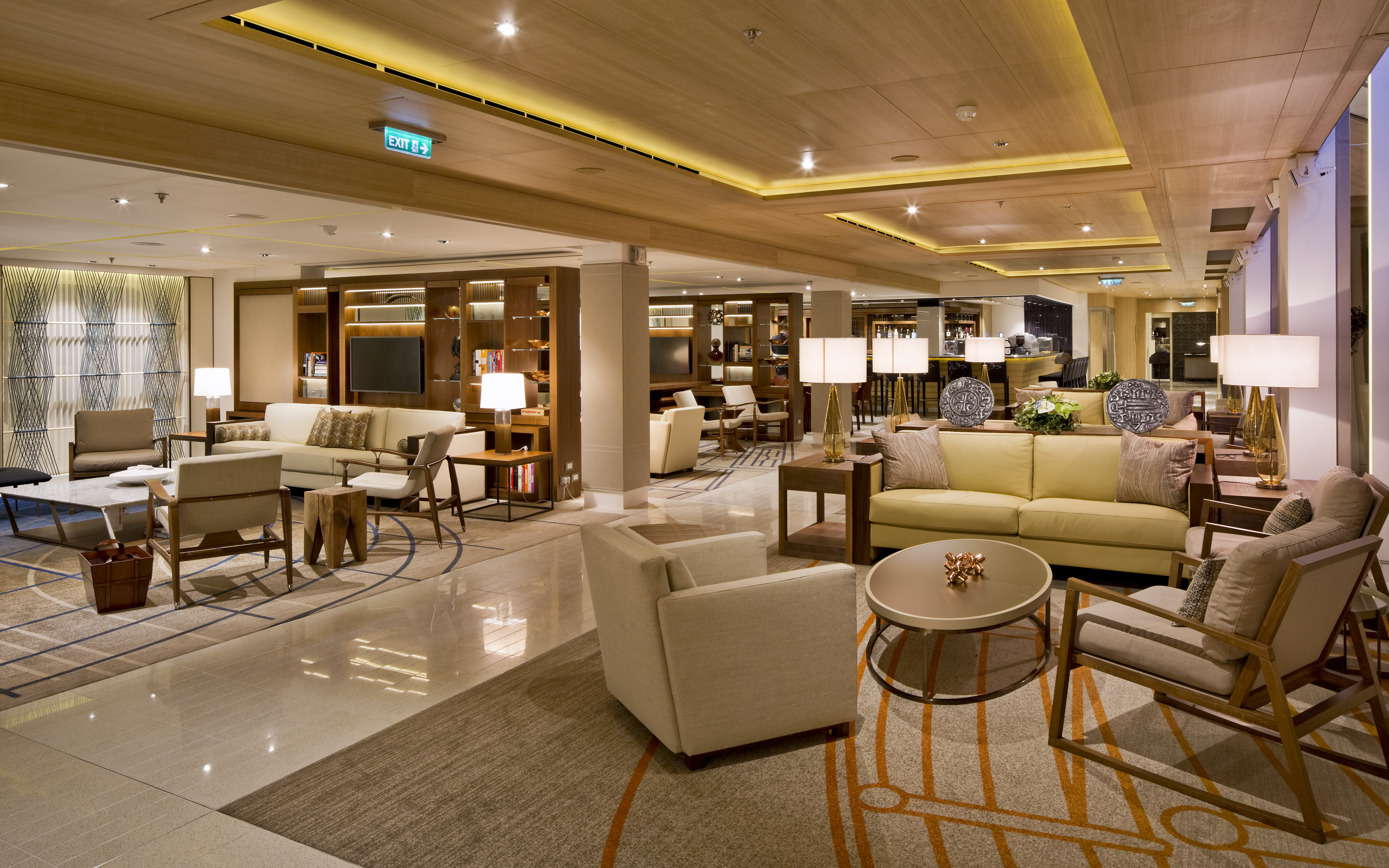
The Theatre & Cinema
Even our theaters connect you to the destinations.
Our main venue, The Theater, features live performances that bring you closer to the culture of our destinations. Sometimes, the destination we connect you to exists solely in the realm of an otherworldly theatrical journey, as is the case with beautifully themed shows.
We will also pull back the curtains of our destinations with cinema in our two movie theaters, which show first-run films you have not yet seen as well as destination-driven cinema such as “Room with A View,” “Roman Holiday,” or “Skyfall.” And because the intellect also needs to be stimulated, our theaters will always be buzzing with fresh, new insights from our port talks and onboard lectures that feature the history, art, and culture of our destinations. And since we have always promised you will explore the world in comfort, we have banished uncomfortable theater seating in favor of soft and spacious sofa seating
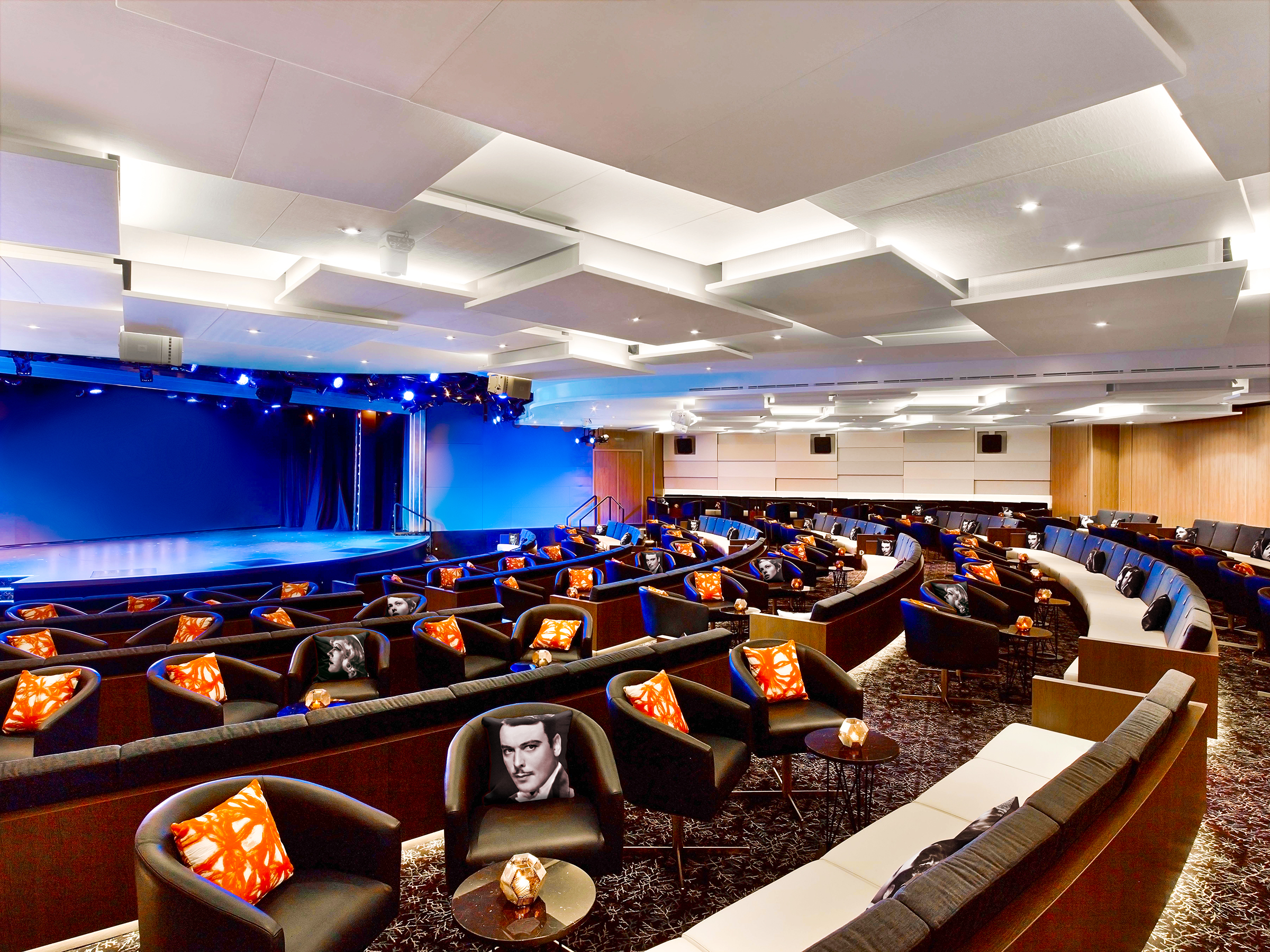
Explorers' Lounge
Inspired by the trade routes of Vikings, the Explorers’ Lounge is the ideal place for guests to share their discoveries over an aquavit or a craft beer while sampling fine Scandinavian fare. Central to the Explorers’ Lounge is Mamsen’s, a casual gourmet deli inspired by Norwegian cuisine, from smoked salmon to open-faced sandwiches and locally sourced charcuterie and cheeses. The daily “Waffle Hour” provides mouth-watering samples of the beloved treat.
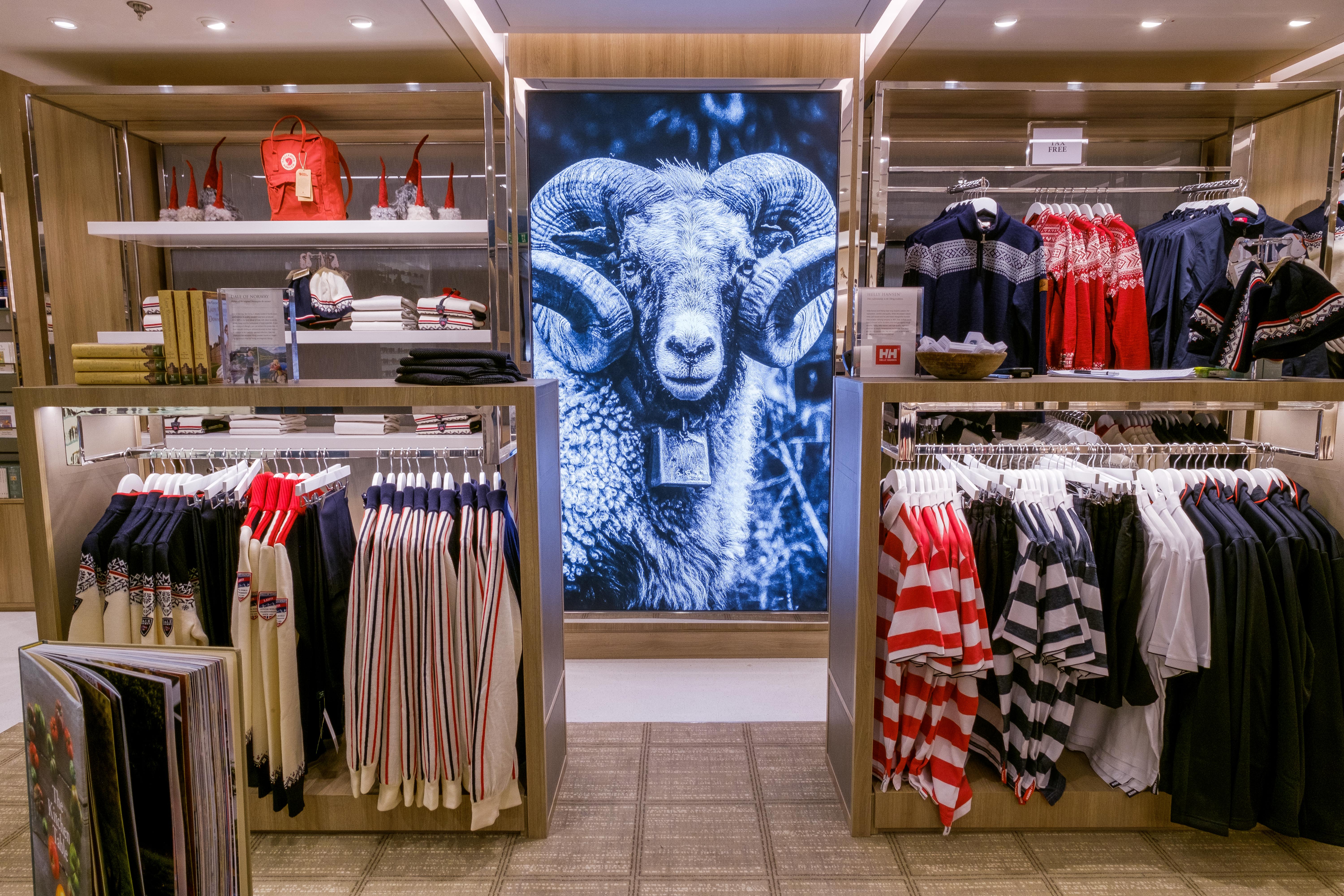
The Shops
There are shops located on Deck 2.
The Spa
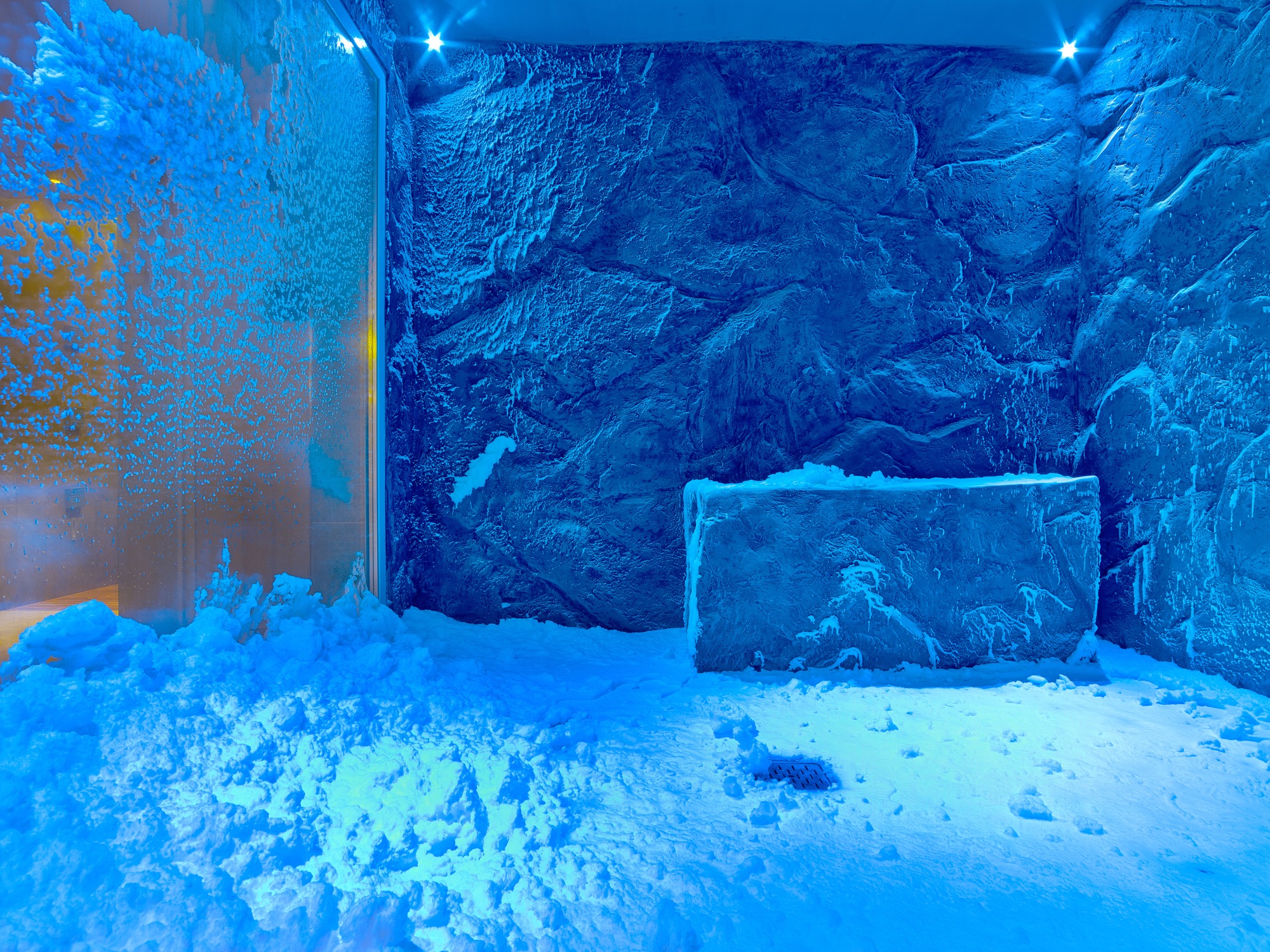
Blending the rejuvenating experience of Nordic therapies with the restorative power of the sea, Viking have reinvented the spa experience; drawing upon the holistic wellness philosophy of Nordic culture. To stimulate your circulatory system visit the snow grotto where snowflakes gently descend from the ceiling through chilled air, then invigorate yourself in the sauna, following a centuries-old Nordic tradition.
Bright and beautiful, The Spa is a destination in its own right. A sanctuary for body and soul, float in the gently bubbling water of the hydrotherapy pool, warmed by the sight of flickering flames of a full-length fireplace. Recline on a heated ceramic bed under soft lighting. Chill out in the Snow Grotto. Relax.
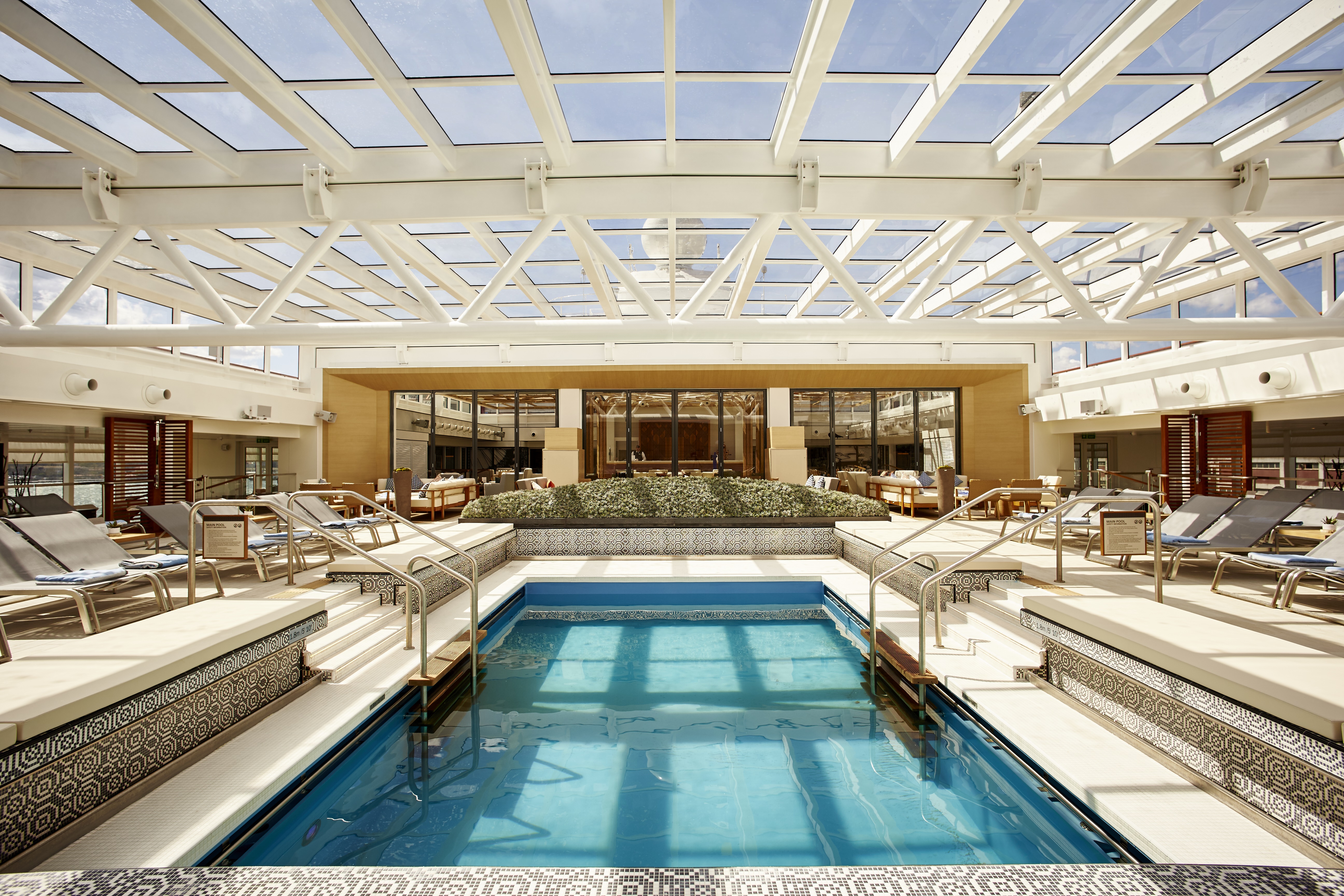
Main Pool
The heated Main Pool and hot tub provide a calming oasis in any weather. The retractable roof allows for any-time swims and soaks.
A haven for relaxation, it’s a fun spot to socialize during a day at sea. It’s been thoughtfully designed for lap swims, leisurely wading or enjoying a drink poolside.
By night, it’s a magical setting for star gazing and for viewing our “Movies under the Stars.
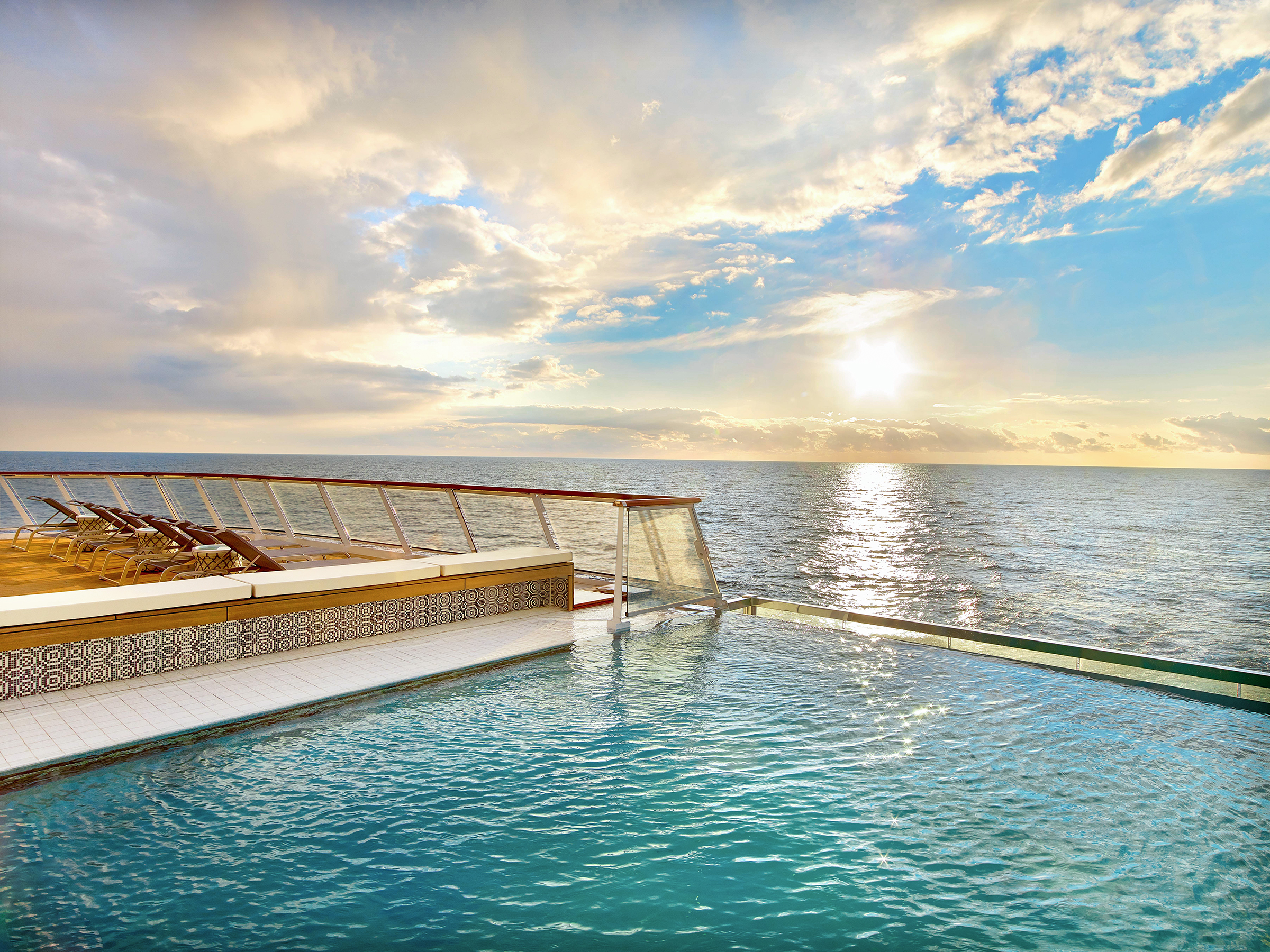
Infinity Pool
The Infinity Pool, one of the first of its kind at sea, gives you a sense of swimming in the heart of your destination. Its glass backing is infused with the spirit of exploration.
Please note: the ship does not feature any children’s facilities.
The Restaurant
Breakfast and dinner, welcome to The Restaurant. One of the finest restaurants you’ll find. Anywhere. Where the daily changing menus complement the daily changing views. And where you can feast on traditional favourites as well as local specialities, all perfectly prepared and presented.
Aquavit Terrace
There is nothing like dining in the great outdoors. Big sky. Setting sun and a chance to drink in the fresh air, as well as the views. Step out of The World Café onto The Aquavit Terrace. Breakfast, lunch and dinner, it is everything you want relaxed dining to be.
World Café
Discover flavours of the east in Copenhagen, the tastes of Tuscany in Sydney, and the freshest sushi in the Amazon jungle. Morning, noon and night, explore a world of taste at the World Cafe. A celebration of foods that make us different, but also bring us together.
Explorers' Lounge
Inspired by the trade routes of Vikings, the Explorers’ Lounge is the ideal place for guests to share their discoveries over an aquavit or a craft beer while sampling fine Scandinavian fare. Central to the Explorers’ Lounge is Mamsen’s, a casual gourmet deli inspired by Norwegian cuisine, from smoked salmon to open-faced sandwiches and locally sourced charcuterie and cheeses. The daily “Waffle Hour” provides mouth-watering samples of the beloved treat.
The Chef's Table
Executive Chef Anthony Mamboussin’s dining concept has been impressing guests on every cruise. Five courses, each with a wine pairing, follow a specific theme. Venice Carnival. Sweet and Sour. Asian Panorama. It’s a whole new world of discovery.
Manfredi's
Long, laughter-filled dinners don’t get better than those in Manfredi’s, the Italian grill restaurant. Traditional Tuscan and Roman cuisine (think perfectly cooked steaks, fresh seafood, handmade pastas and an overflowing antipasto trolley) in a warm, contemporary setting. Buon Appetito!
The Pool Grill
When stepping in for lunch is a step too far, tuck into a tasty snack at the Pool Grill. Classic, American-style sandwiches, burgers and hot dogs always hit the spot. Pile on the mustard, dress with pickles, slaw and sauces and wash it down with an ice-cold beer or crisp white wine. Lap it up, it’s all included.
Mamsen's
In the Nordic deli, feast on waffles laden with fresh blueberries and cream or gjetjost, Norway’s sweet nutty cheese. Or tuck into pancakes covered in cloudberry jam or glistening with lemon and sugar. Flipping marvellous.
The Wintergarden
A good afternoon. A comfy sofa in The Wintergarden. Sandwiches, cakes and scones, and a pot of your favourite blend of tea. The light and airy surroundings and the striking blonde wooden canopy are as delicious as the cream teas.
Private Dining
Because it’s a special occasion. Or just because. Book your table in one of the private dining rooms at Manfredi’s of The Chef’s Table. An intimate setting made even more personal.
24-hour Room Service
Breakfast in bed. Lunch on your private veranda. Late night nibbles. Enjoy room service at any time, without paying any more.
The Wintergarden
When you yearn for serenity, there is no better place on ship than a visit to the Wintergarden. This charming, airy space around the main pool is perfect for relaxing in clean, uncluttered Scandinavian-designed environment. Even here, our focus is on enrichment, as this is the place to witness a tea ceremony, or indulge in an afternoon tea service, complete with hand-selected teas, finger sandwiches and pastries.
Viking Bar
Enjoy a cocktail in the Viking Bar, which is located on the ground floor of the atrium.
The Viking Living Room
The ideal setting for relaxation and conversation, The Viking Living Room draws guests together. Spacious seating, melodic piano tunes, live entertainment and planned activities foster rich camaraderie. And its well-curated Viking Library informs even the best-read traveler. Adorned with nautical touches from Viking days, including the clinker-built bar inspired by ancient longships, it is the most inspired living room at sea.
The Theatre & Cinema
Even our theaters connect you to the destinations.
Our main venue, The Theater, features live performances that bring you closer to the culture of our destinations. Sometimes, the destination we connect you to exists solely in the realm of an otherworldly theatrical journey, as is the case with beautifully themed shows.
We will also pull back the curtains of our destinations with cinema in our two movie theaters, which show first-run films you have not yet seen as well as destination-driven cinema such as “Room with A View,” “Roman Holiday,” or “Skyfall.” And because the intellect also needs to be stimulated, our theaters will always be buzzing with fresh, new insights from our port talks and onboard lectures that feature the history, art, and culture of our destinations. And since we have always promised you will explore the world in comfort, we have banished uncomfortable theater seating in favor of soft and spacious sofa seating
Explorers' Lounge
Inspired by the trade routes of Vikings, the Explorers’ Lounge is the ideal place for guests to share their discoveries over an aquavit or a craft beer while sampling fine Scandinavian fare. Central to the Explorers’ Lounge is Mamsen’s, a casual gourmet deli inspired by Norwegian cuisine, from smoked salmon to open-faced sandwiches and locally sourced charcuterie and cheeses. The daily “Waffle Hour” provides mouth-watering samples of the beloved treat.
The Shops
There are shops located on Deck 2.
The Spa
Blending the rejuvenating experience of Nordic therapies with the restorative power of the sea, Viking have reinvented the spa experience; drawing upon the holistic wellness philosophy of Nordic culture. To stimulate your circulatory system visit the snow grotto where snowflakes gently descend from the ceiling through chilled air, then invigorate yourself in the sauna, following a centuries-old Nordic tradition.
Bright and beautiful, The Spa is a destination in its own right. A sanctuary for body and soul, float in the gently bubbling water of the hydrotherapy pool, warmed by the sight of flickering flames of a full-length fireplace. Recline on a heated ceramic bed under soft lighting. Chill out in the Snow Grotto. Relax.
Main Pool
The heated Main Pool and hot tub provide a calming oasis in any weather. The retractable roof allows for any-time swims and soaks.
A haven for relaxation, it’s a fun spot to socialize during a day at sea. It’s been thoughtfully designed for lap swims, leisurely wading or enjoying a drink poolside.
By night, it’s a magical setting for star gazing and for viewing our “Movies under the Stars.
Infinity Pool
The Infinity Pool, one of the first of its kind at sea, gives you a sense of swimming in the heart of your destination. Its glass backing is infused with the spirit of exploration.
Please note: the ship does not feature any children’s facilities.
About the Ship
Deck Plans

- Medical Centre

- The Spa
- Viking Living Room
- Guest Services
- Fitness Centre
- Viking Bar

- Theatre & Bar
- Cinema 1 & 2
- Torshavn
- Shops
- Atrium
- Restaurant
- Wraparound Promenade

- Staterooms
- Self-service Launderette
- Atrium (top level)

- Staterooms
- Self-service Launderette

- Staterooms
- Self-service Launderette

- Navigational Bridge
- Staterooms
- Self-service Launderette
- 2 ADA Cabins

- Main Pool (with retractable roof)
- Explorers’ Lounge (main level)
- Wintergarden
- Aquavit Terrace (with al fresco dining)
- Infinity Pool & Hot Tub
- Mamsen’s
- Lanai
- Pool Grill
- Cinema
- Pool Bar
- Owner’s Suite

- Staterooms
- Explorers’ Lounge (upper level)

- Outdoor Gym & Yoga Area
- Medical Centre
- The Spa
- Viking Living Room
- Guest Services
- Fitness Centre
- Viking Bar
- Theatre & Bar
- Cinema 1 & 2
- Torshavn
- Shops
- Atrium
- Restaurant
- Wraparound Promenade
- Staterooms
- Self-service Launderette
- Atrium (top level)
- Staterooms
- Self-service Launderette
- Staterooms
- Self-service Launderette
- Navigational Bridge
- Staterooms
- Self-service Launderette
- 2 ADA Cabins
- Main Pool (with retractable roof)
- Explorers’ Lounge (main level)
- Wintergarden
- Aquavit Terrace (with al fresco dining)
- Infinity Pool & Hot Tub
- Mamsen’s
- Lanai
- Pool Grill
- Cinema
- Pool Bar
- Owner’s Suite
- Staterooms
- Explorers’ Lounge (upper level)
- Outdoor Gym & Yoga Area