Featured Cabins
Itinerary
Lisbon, Portugal
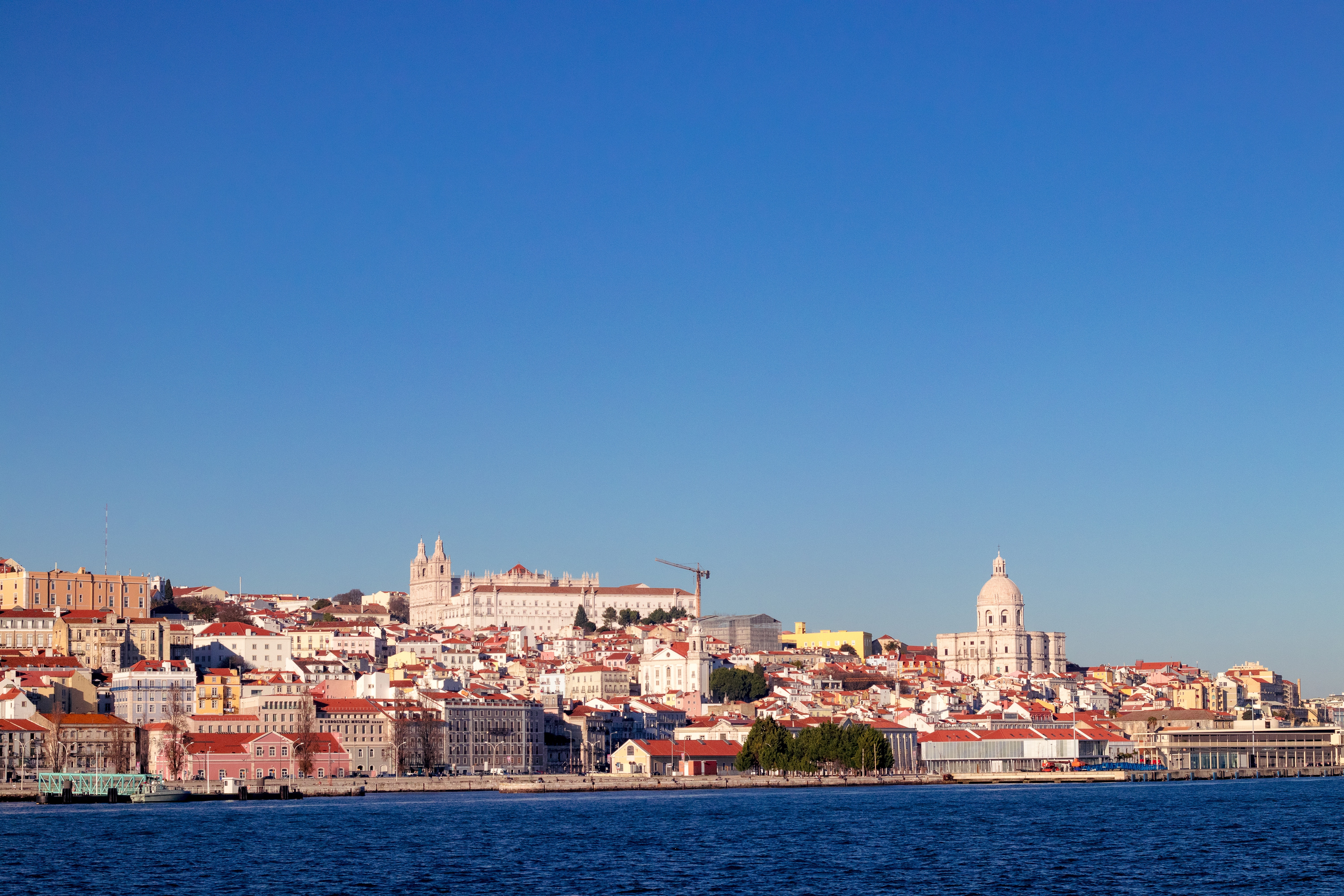
Set on seven hills on the banks of the River Tagus, Lisbon has been the capital of Portugal since the 13th century. It is a city famous for its majestic architecture, old wooden trams, Moorish features and more than twenty centuries of history. Following disastrous earthquakes in the 18th century, Lisbon was rebuilt by the Marques de Pombal who created an elegant city with wide boulevards and a great riverfront and square, Praça do Comércio. Today there are distinct modern and ancient sections, combining great shopping with culture and sightseeing in the Old Town, built on the city’s terraced hillsides. The distance between the ship and your tour vehicle may vary. This distance is not included in the excursion grades.
Lisbon, Portugal
Set on seven hills on the banks of the River Tagus, Lisbon has been the capital of Portugal since the 13th century. It is a city famous for its majestic architecture, old wooden trams, Moorish features and more than twenty centuries of history. Following disastrous earthquakes in the 18th century, Lisbon was rebuilt by the Marques de Pombal who created an elegant city with wide boulevards and a great riverfront and square, Praça do Comércio. Today there are distinct modern and ancient sections, combining great shopping with culture and sightseeing in the Old Town, built on the city’s terraced hillsides. The distance between the ship and your tour vehicle may vary. This distance is not included in the excursion grades.
Seville, Spain
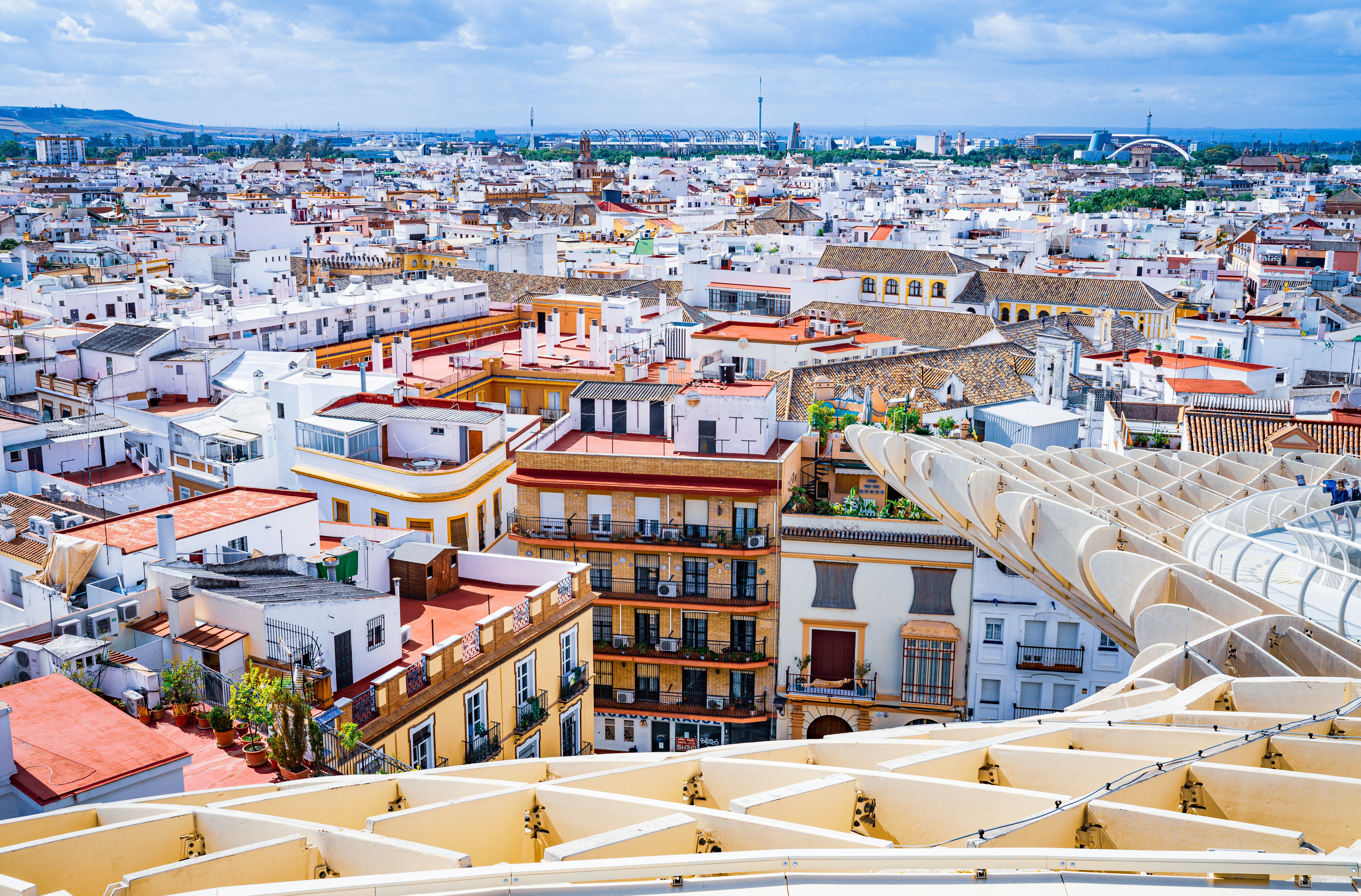
Whether you pronounce it Seville or Sevilla, this gorgeous Spanish town is most certainly the stuff of dreams. Over 2,200 years old, Seville has a mutli-layered personality; home to Flamenco, high temperatures and three UNESCO-World Heritage Sites, there is a noble ancestry to the southern Spanish town. Not forgetting that it is the birthplace of painter Diego Velazquez, the resting place of Christopher Columbus, the inspiration for Bizet’s Carmen and a location for Game of Thrones filming, Seville is truly more than just a sum of its parts. This city is a full on experience, a beguiling labyrinth of centuries old streets, tiny tapas restaurants serving possibly the best dishes you’ll taste south of Madrid and a paradise of Mudejar architecture and tranquil palm trees and fountain-filled gardens.
Seville, Spain
Whether you pronounce it Seville or Sevilla, this gorgeous Spanish town is most certainly the stuff of dreams. Over 2,200 years old, Seville has a mutli-layered personality; home to Flamenco, high temperatures and three UNESCO-World Heritage Sites, there is a noble ancestry to the southern Spanish town. Not forgetting that it is the birthplace of painter Diego Velazquez, the resting place of Christopher Columbus, the inspiration for Bizet’s Carmen and a location for Game of Thrones filming, Seville is truly more than just a sum of its parts. This city is a full on experience, a beguiling labyrinth of centuries old streets, tiny tapas restaurants serving possibly the best dishes you’ll taste south of Madrid and a paradise of Mudejar architecture and tranquil palm trees and fountain-filled gardens.
Tangier, Morocco
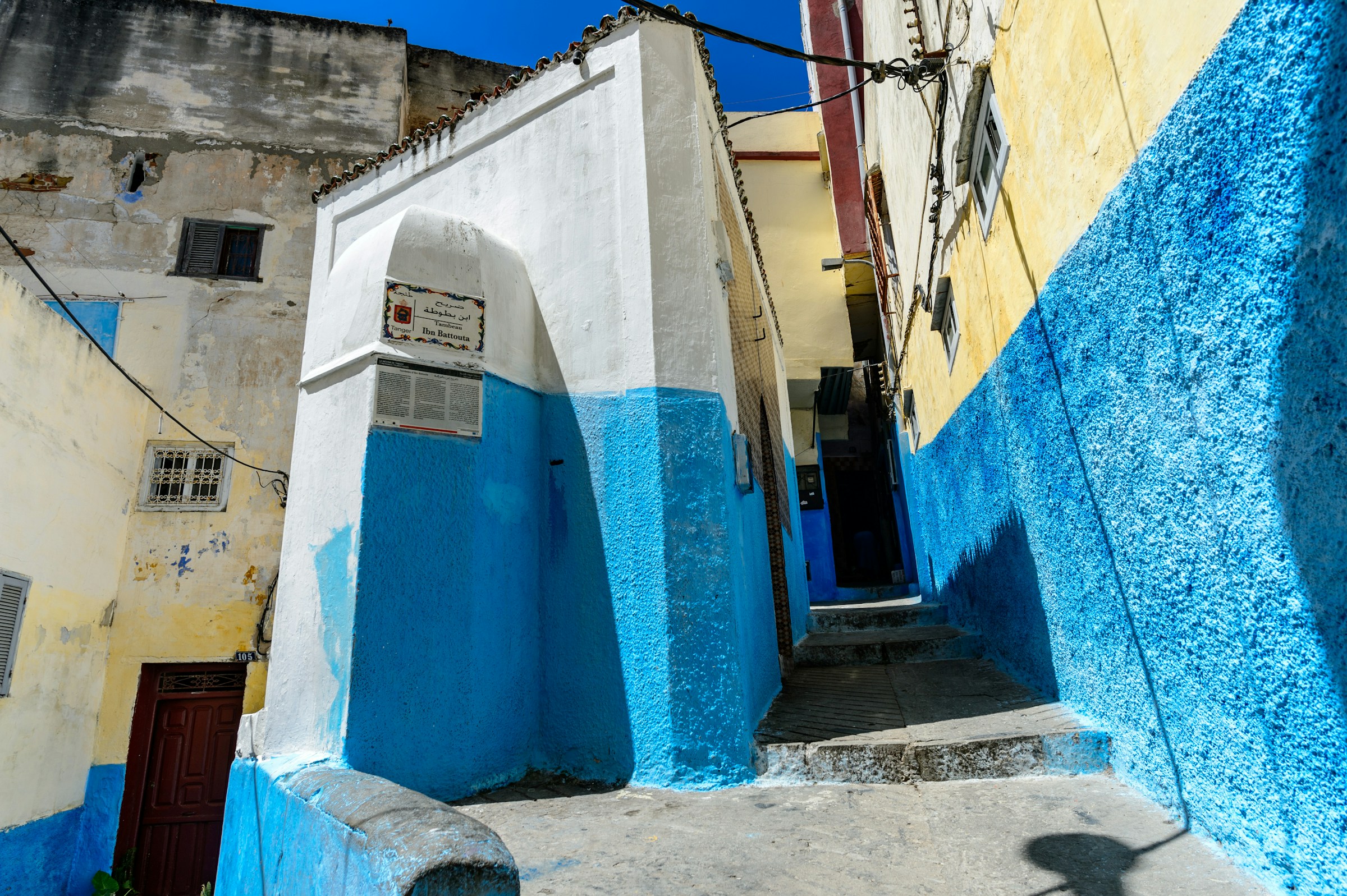
Tangier can trace its origins back to the Phoenicians and ancient Greeks. It was named after Tinge, the mother of Hercules’ son, and its beginnings are embedded in mythology. It was subsequently a Roman province, and after Vandal and Byzantine influences, was occupied by the Arabs with Spain, Portugal, France and England also playing a part in the city’s history. With such a diverse past it is perhaps not surprising that Tangier is such an individual city. Overlooking the Straits of Gibraltar, the city lies on a bay between two promontories. With its old Kasbah, panoramic views, elegant buildings, squares and places of interest, there is much to discover in both the new and old parts of the city.
Málaga, Spain
As you sail into Malaga you will notice what an idyllic setting the city enjoys on the famous Costa del Sol. To the east of this provincial capital, the coast along the region of La Axarqua is scattered with villages, farmland and sleepy fishing hamlets – the epitome of traditional rural Spain. To the west stretches a continuous city where the razzmatazz and bustle creates a colourful contrast that is easily recognisable as the Costa del Sol. Surrounding the region, the Penibéetica Mountains provide an attractive backdrop overlooking the lower terraced slopes which yield olives and almonds. This spectacular mountain chain shelters the province from cold northerly winds, giving it a reputation as a therapeutic and exotic place in which to escape from cold northern climes. Malaga is also the gateway to many of Andalusia’s enchanting historic villages, towns and cities.
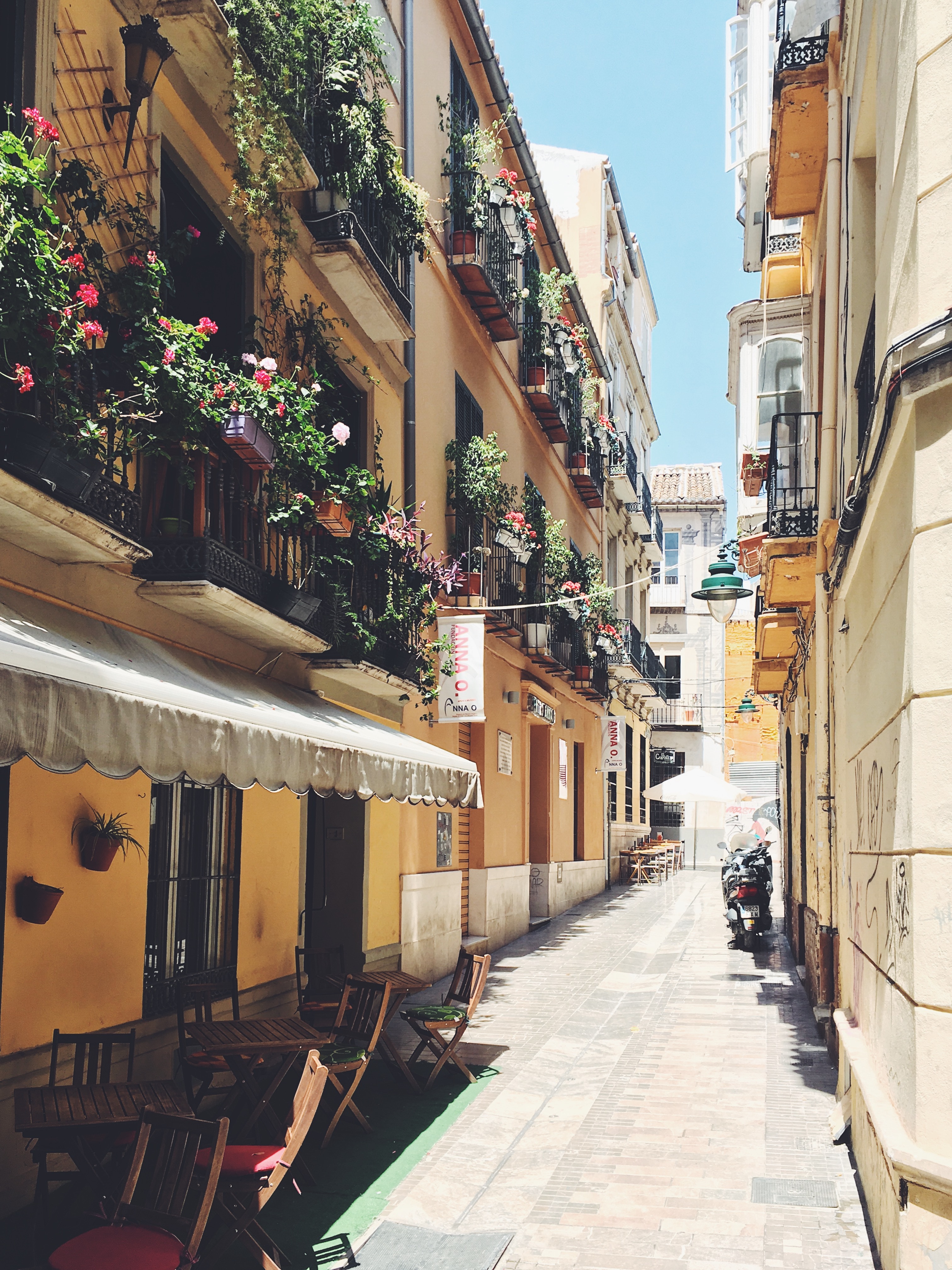
Cartagena, Spain
A Mediterranean city and naval station located in the Region of Murcia, southeastern Spain, Cartagena’s sheltered bay has attracted sailors for centuries. The Carthaginians founded the city in 223BC and named it Cartago Nova; it later became a prosperous Roman colony, and a Byzantine trading centre. The city has been the main Spanish Mediterranean naval base since the reign of King Philip II, and is still surrounded by walls built during this period. Cartagena’s importance grew with the arrival of the Spanish Bourbons in the 18th century, when the Navidad Fortress was constructed to protect the harbour. In recent years, traces of the city’s fascinating past have been brought to light: a well-preserved Roman Theatre was discovered in 1988, and this has now been restored and opened to the public. During your free time, you may like to take a mini-cruise around Cartagena’s historic harbour: these operate several times a day, take approximately 40 minutes and do not need to be booked in advance. Full details will be available at the port.
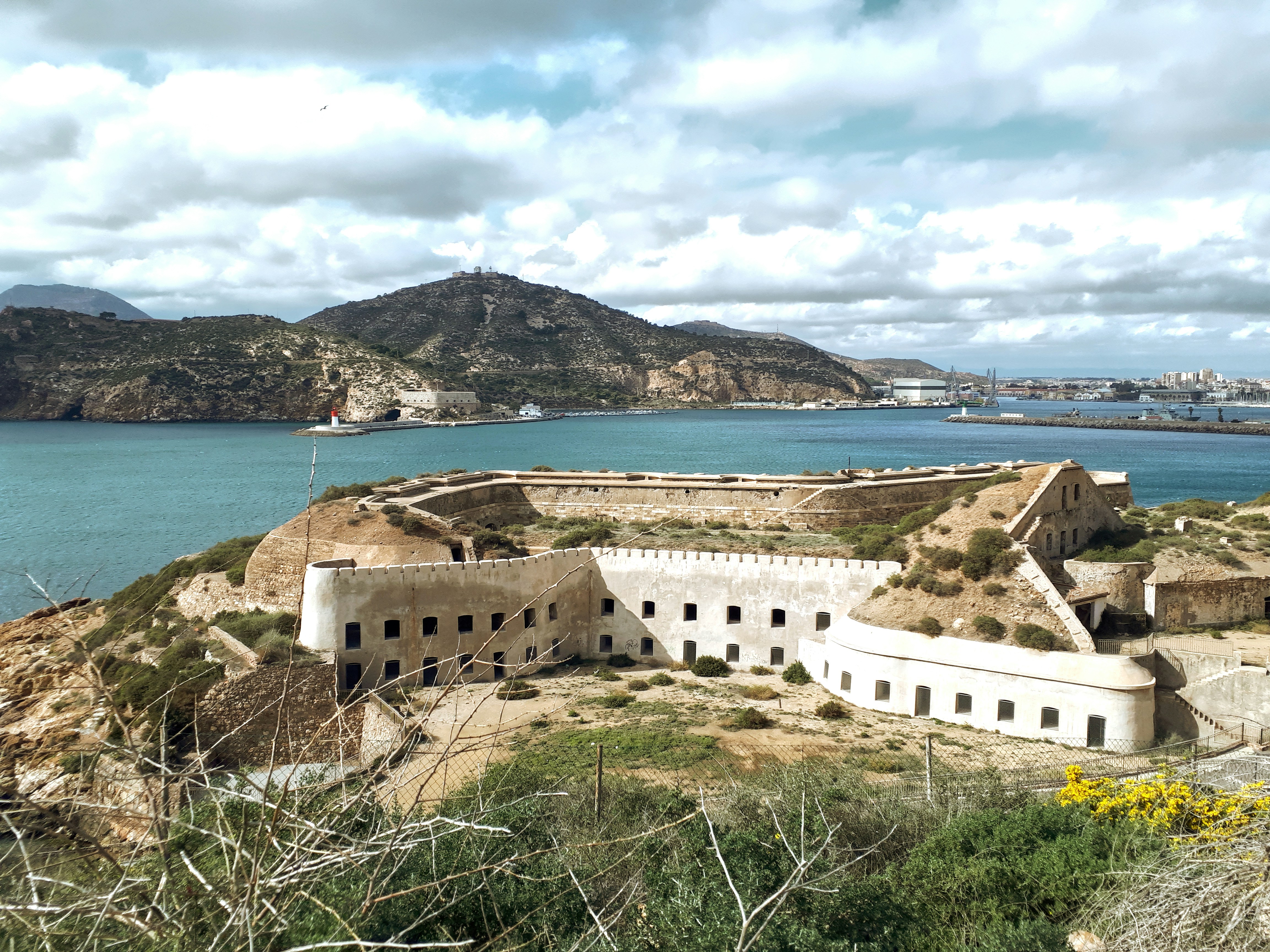
Lisbon, Portugal
Set on seven hills on the banks of the River Tagus, Lisbon has been the capital of Portugal since the 13th century. It is a city famous for its majestic architecture, old wooden trams, Moorish features and more than twenty centuries of history. Following disastrous earthquakes in the 18th century, Lisbon was rebuilt by the Marques de Pombal who created an elegant city with wide boulevards and a great riverfront and square, Praça do Comércio. Today there are distinct modern and ancient sections, combining great shopping with culture and sightseeing in the Old Town, built on the city’s terraced hillsides. The distance between the ship and your tour vehicle may vary. This distance is not included in the excursion grades.
Lisbon, Portugal
Set on seven hills on the banks of the River Tagus, Lisbon has been the capital of Portugal since the 13th century. It is a city famous for its majestic architecture, old wooden trams, Moorish features and more than twenty centuries of history. Following disastrous earthquakes in the 18th century, Lisbon was rebuilt by the Marques de Pombal who created an elegant city with wide boulevards and a great riverfront and square, Praça do Comércio. Today there are distinct modern and ancient sections, combining great shopping with culture and sightseeing in the Old Town, built on the city’s terraced hillsides. The distance between the ship and your tour vehicle may vary. This distance is not included in the excursion grades.
Seville, Spain
Whether you pronounce it Seville or Sevilla, this gorgeous Spanish town is most certainly the stuff of dreams. Over 2,200 years old, Seville has a mutli-layered personality; home to Flamenco, high temperatures and three UNESCO-World Heritage Sites, there is a noble ancestry to the southern Spanish town. Not forgetting that it is the birthplace of painter Diego Velazquez, the resting place of Christopher Columbus, the inspiration for Bizet’s Carmen and a location for Game of Thrones filming, Seville is truly more than just a sum of its parts. This city is a full on experience, a beguiling labyrinth of centuries old streets, tiny tapas restaurants serving possibly the best dishes you’ll taste south of Madrid and a paradise of Mudejar architecture and tranquil palm trees and fountain-filled gardens.
Seville, Spain
Whether you pronounce it Seville or Sevilla, this gorgeous Spanish town is most certainly the stuff of dreams. Over 2,200 years old, Seville has a mutli-layered personality; home to Flamenco, high temperatures and three UNESCO-World Heritage Sites, there is a noble ancestry to the southern Spanish town. Not forgetting that it is the birthplace of painter Diego Velazquez, the resting place of Christopher Columbus, the inspiration for Bizet’s Carmen and a location for Game of Thrones filming, Seville is truly more than just a sum of its parts. This city is a full on experience, a beguiling labyrinth of centuries old streets, tiny tapas restaurants serving possibly the best dishes you’ll taste south of Madrid and a paradise of Mudejar architecture and tranquil palm trees and fountain-filled gardens.
Tangier, Morocco
Tangier can trace its origins back to the Phoenicians and ancient Greeks. It was named after Tinge, the mother of Hercules’ son, and its beginnings are embedded in mythology. It was subsequently a Roman province, and after Vandal and Byzantine influences, was occupied by the Arabs with Spain, Portugal, France and England also playing a part in the city’s history. With such a diverse past it is perhaps not surprising that Tangier is such an individual city. Overlooking the Straits of Gibraltar, the city lies on a bay between two promontories. With its old Kasbah, panoramic views, elegant buildings, squares and places of interest, there is much to discover in both the new and old parts of the city.
Málaga, Spain
As you sail into Malaga you will notice what an idyllic setting the city enjoys on the famous Costa del Sol. To the east of this provincial capital, the coast along the region of La Axarqua is scattered with villages, farmland and sleepy fishing hamlets – the epitome of traditional rural Spain. To the west stretches a continuous city where the razzmatazz and bustle creates a colourful contrast that is easily recognisable as the Costa del Sol. Surrounding the region, the Penibéetica Mountains provide an attractive backdrop overlooking the lower terraced slopes which yield olives and almonds. This spectacular mountain chain shelters the province from cold northerly winds, giving it a reputation as a therapeutic and exotic place in which to escape from cold northern climes. Malaga is also the gateway to many of Andalusia’s enchanting historic villages, towns and cities.
Cartagena, Spain
A Mediterranean city and naval station located in the Region of Murcia, southeastern Spain, Cartagena’s sheltered bay has attracted sailors for centuries. The Carthaginians founded the city in 223BC and named it Cartago Nova; it later became a prosperous Roman colony, and a Byzantine trading centre. The city has been the main Spanish Mediterranean naval base since the reign of King Philip II, and is still surrounded by walls built during this period. Cartagena’s importance grew with the arrival of the Spanish Bourbons in the 18th century, when the Navidad Fortress was constructed to protect the harbour. In recent years, traces of the city’s fascinating past have been brought to light: a well-preserved Roman Theatre was discovered in 1988, and this has now been restored and opened to the public. During your free time, you may like to take a mini-cruise around Cartagena’s historic harbour: these operate several times a day, take approximately 40 minutes and do not need to be booked in advance. Full details will be available at the port.
Valencia, Spain
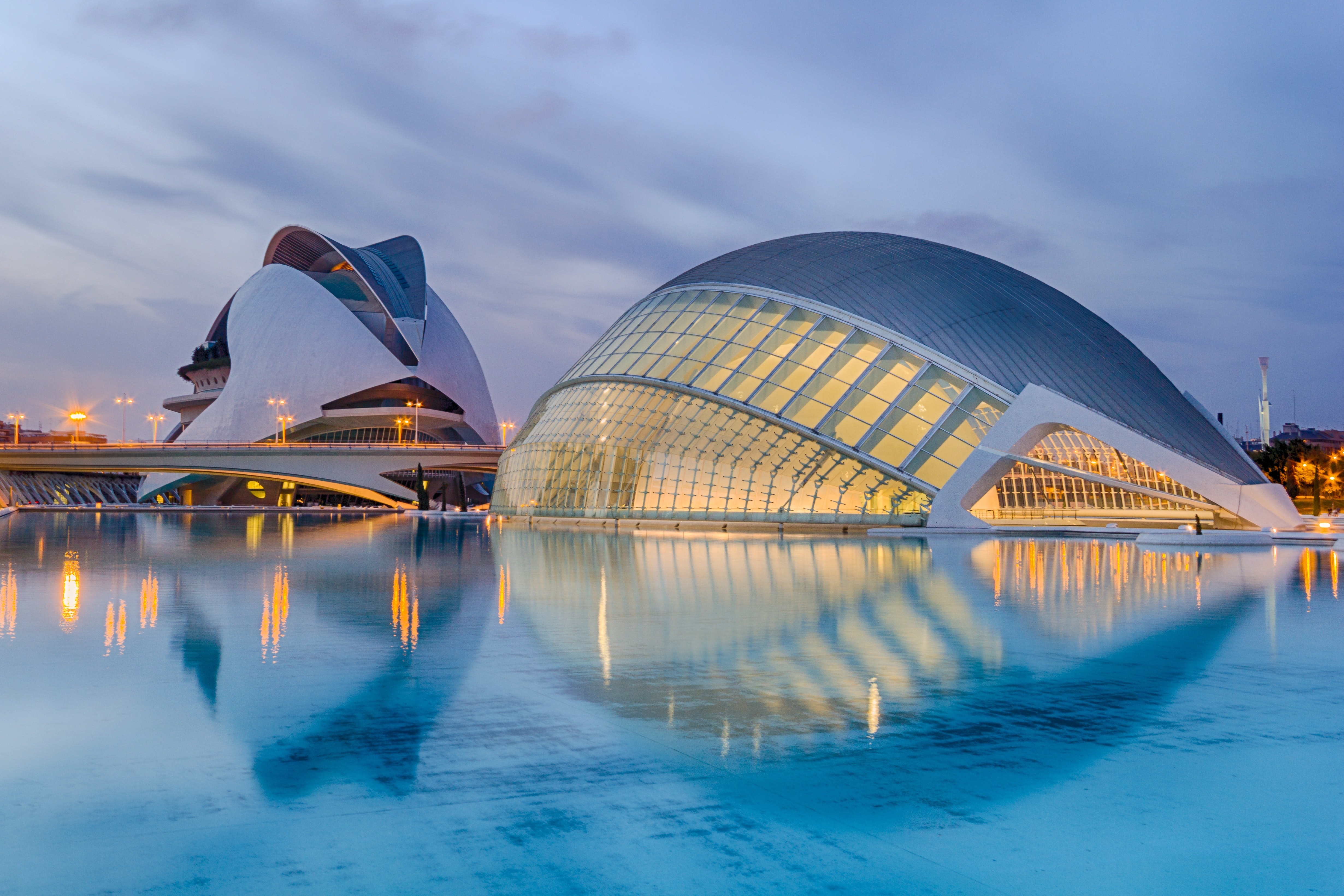
Valencia, Spain’s third-largest municipality, is a proud city with a thriving nightlife and restaurant scene, quality museums, and spectacular contemporary architecture, juxtaposed with a thoroughly charming historic quarter, making it a popular destination year in year out. During the Civil War, it was the last seat of the Republican Loyalist government (1935–36), holding out against Franco’s National forces until the country fell to 40 years of dictatorship. Today it represents the essence of contemporary Spain—daring design and architecture along with experimental cuisine—but remains deeply conservative and proud of its traditions. Though it faces the Mediterranean, Valencia’s history and geography have been defined most significantly by the River Turia and the fertile huerta that surrounds it.The city has been fiercely contested ever since it was founded by the Greeks. El Cid captured Valencia from the Moors in 1094 and won his strangest victory here in 1099: he died in the battle, but his corpse was strapped into his saddle and so frightened the besieging Moors that it caused their complete defeat. In 1102 his widow, Jimena, was forced to return the city to Moorish rule; Jaume I finally drove them out in 1238. Modern Valencia was best known for its frequent disastrous floods until the River Turia was diverted to the south in the late 1950s. Since then the city has been on a steady course of urban beautification. The lovely bridges that once spanned the Turia look equally graceful spanning a wandering municipal park, and the spectacularly futuristic Ciutat de les Arts i les Ciències (City of Arts and Sciences), most of it designed by Valencia-born architect Santiago Calatrava, has at last created an exciting architectural link between this river town and the Mediterranean. If you’re in Valencia, an excursion to Albufera Nature Park is a worthwhile day trip.
Barcelona, Spain
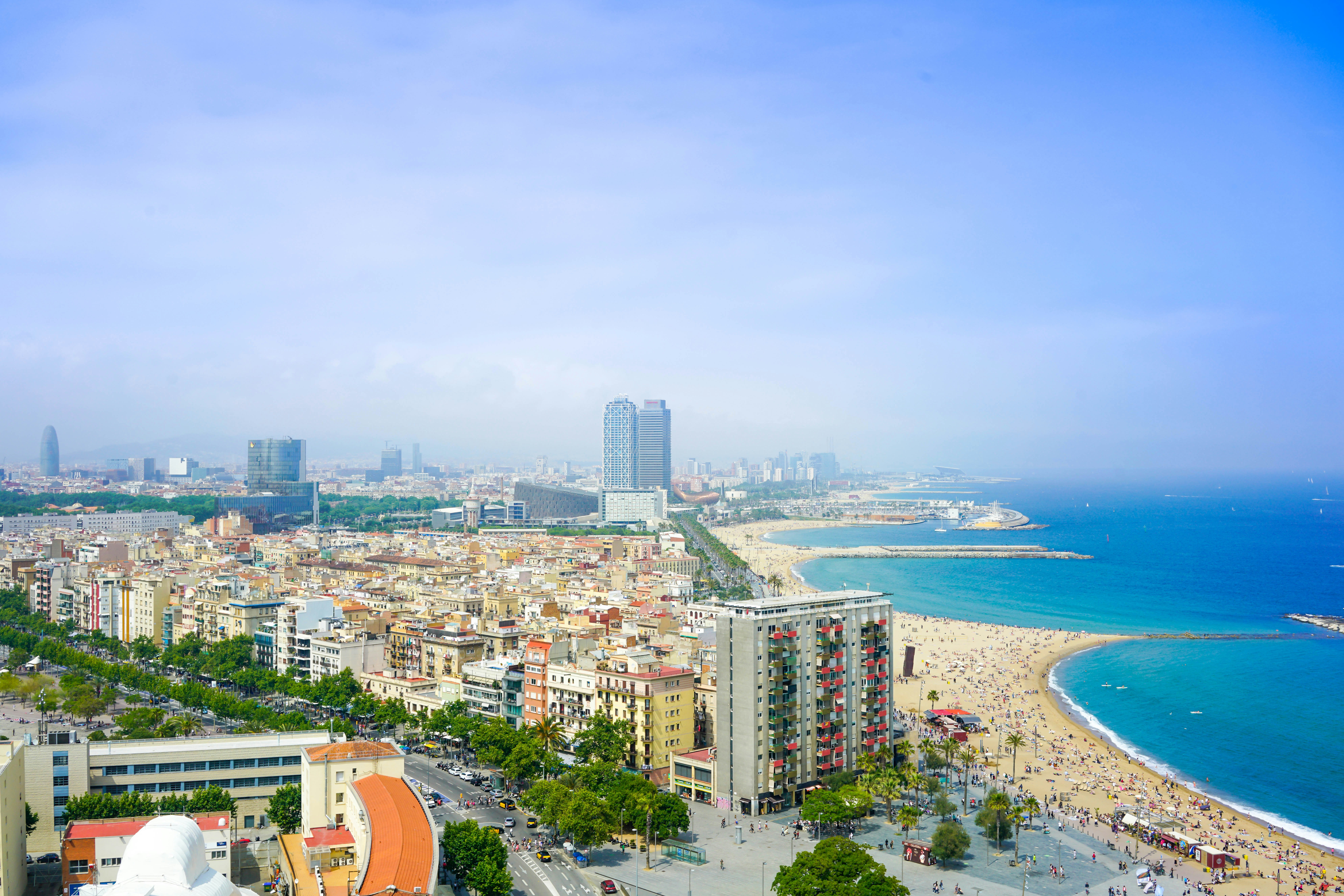
The infinite variety of street life, the nooks and crannies of the medieval Barri Gòtic, the ceramic tile and stained glass of Art Nouveau facades, the art and music, the throb of street life, the food (ah, the food!)—one way or another, Barcelona will find a way to get your full attention. The capital of Catalonia is a banquet for the senses, with its beguiling mix of ancient and modern architecture, tempting cafés and markets, and sun-drenched Mediterranean beaches. A stroll along La Rambla and through waterfront Barceloneta, as well as a tour of Gaudí’s majestic Sagrada Famíliaand his other unique creations, are part of a visit to Spain’s second-largest city. Modern art museums and chic shops call for attention, too. Barcelona’s vibe stays lively well into the night, when you can linger over regional wine and cuisine at buzzing tapas bars.
Palamós, Spain
One of the best ways to arrive in Catalonia is by sea, especially via the Costa Brava. This coastline, also known as the Rugged or Wild Coast, stretches from Blanes to the French border. Its name aptly refers to the steep cliff of ancient twisted rocks, which runs its entire length and is bounded inland by the Catalan mountain ranges. The intensity of the coast’s colour, the ruggedness of the rocks and the scent of the plants all combine to add to its attraction. The history of this region is long and varied. Traces can be found of the advanced culture of the Iberians, Greeks, Romans, Visigoths and Arabs. With Wilfred I and the independence of Catalan countries, the Catalan dynasty was born. Later, in 1479, Catalonia became a part of unified Spain following the marriage of Isabel, Queen of Castile, and Fernando, King of Aragon. The port of Palamos, some 36 miles northeast of Barcelona, has been in existence for nearly 700 years thanks to its location on one of the deepest natural bays in the western Mediterranean. The town itself is the southernmost of a series of resorts popular with sun worshippers. For the most part, Palamos has managed to retain some of the charm of a fishing village. The port also serves as a gateway to such inland locations as Girona, the capital of the province. Art lovers may want to visit Figueras, famous for its bizarre Teatre-Museu Dali, the foremost of a series of sites associated with the eccentric surrealist artist, Salvador Dali. If you choose to stay in Palamos, you can enjoy the pleasant atmosphere of the town or spend some time at a nearby beach. The town has a long seagoing tradition and busy harbour. The fish auction, prompted by the arrival of the fishing boats, is a spectacle worth seeing. The Fishing Museum illustrates the history and the life of the families who live off the sea.
Sanary-sur-Mer, France
Monte-Carlo, Monaco
On one of the best stretches of the Mediterranean, this classic luxury destination is one of the most sought-after addresses in the world. With all the high-rise towers you have to look hard to find the Belle Époque grace of yesteryear. But if you head to the town’s great 1864 landmark Hôtel de Paris—still a veritable crossroads of the buffed and befurred Euro-gentry—or enjoy a grand bouffe at its famous Louis XV restaurant, or attend the opera, or visit the ballrooms of the casino, you may still be able to conjure up Monaco’s elegant past. Prince Albert II, a political science graduate from Amherst College, traces his ancestry to Otto Canella, who was born in 1070. The Grimaldi dynasty began with Otto’s great-great-great-grandson, Francesco Grimaldi, also known as Frank the Rogue. Expelled from Genoa, Frank and his cronies disguised themselves as monks and in 1297 seized the fortified medieval town known today as Le Rocher (the Rock). Except for a short break under Napoléon, the Grimaldis have been here ever since, which makes them the oldest reigning family in Europe. In the 1850s a Grimaldi named Charles III made a decision that turned the Rock into a giant blue chip. Needing revenue but not wanting to impose additional taxes on his subjects, he contracted with a company to open a gambling facility. The first spin of the roulette wheel was on December 14, 1856. There was no easy way to reach Monaco then—no carriage roads or railroads—so no one came. Between March 15 and March 20, 1857, one person entered the casino—and won two francs. In 1868, however, the railroad reached Monaco, and it was filled with Englishmen who came to escape the London fog. The effects were immediate. Profits were so great that Charles eventually abolished all direct taxes. Almost overnight, a threadbare principality became an elegant watering hole for European society. Dukes (and their mistresses) and duchesses (and their gigolos) danced and dined their way through a world of spinning roulette wheels and bubbling champagne—preening themselves for nights at the opera, where such artists as Vaslav Nijinsky, Sarah Bernhardt, and Enrico Caruso came to perform. Along with the tax system, its sensational position on a broad, steep peninsula that bulges into the Mediterranean—its harbor sparkling with luxury cruisers, its posh mansions angling awnings toward the nearly perpetual sun—continues to draw the rich and famous. One of the latest French celebrities to declare himself “Monégasque,” thus giving up his French passport, is superchef Alain Ducasse, who said that he made the choice out of affection for Monaco rather than tax reasons. Pleasure boats vie with luxury cruisers in their brash beauty and Titanic scale, and teams of handsome young men—themselves dyed blond and tanned to match—scour and polish every gleaming surface. As you might expect, all this glitz doesn’t come cheap. Eating is expensive, and even the most modest hotels cost more here than in nearby Nice or Menton. As for taxis, they don’t even have meters so you are completely at the driver’s mercy (with prices skyrocketing during events such as the Grand Prix). For the frugal, Monaco is the ultimate day-trip, although parking is as coveted as a room with a view. At the very least you can afford a coffee at Starbucks. The harbor district, known as La Condamine, connects the new quarter, officially known as Monte Carlo with Monaco-Ville (or Le Rocher), a medieval town on the Rock, topped by the palace, the cathedral, and the Oceanography Museum. Have no fear that you’ll need to climb countless steps to get to Monaco-Ville, as there are plenty of elevators and escalators climbing the steep cliffs. But shuttling between the lovely casino grounds of Monte Carlo and Old Monaco, separated by a vast port, is a daunting proposition for ordinary mortals without wings, so hop on the No. 1 bus from Saint Roman, or No. 2 from the Jardin Exotique – Both stop at Place du Casino and come up to Monaco Ville.
Cannes, France
Cannes is pampered with the luxurious year-round climate that has made it one of the most popular resorts in Europe. Cannes was an important sentinel site for the monks who established themselves on Île St-Honorat in the Middle Ages. Its bay served as nothing more than a fishing port until in 1834 an English aristocrat, Lord Brougham, fell in love with the site during an emergency stopover with a sick daughter. He had a home built here and returned every winter for a sun cure—a ritual quickly picked up by his peers. Between the popularity of Le Train Blue transporting wealthy passengers from Calais, and the introduction in 1936 of France’s first paid holidays, Cannes became the destination, a tasteful and expensive breeding ground for the upper-upscale.Cannes has been further glamorized by the ongoing success of its annual film festival, as famous as Hollywood’s Academy Awards. About the closest many of us will get to feeling like a film star is a stroll here along La Croisette, the iconic promenade that gracefully curves the wave-washed sand coastline, peppered with chic restaurants and prestigious private beaches. This is precisely the sort of place for which the French invented the verb flâner (to dawdle, saunter): strewn with palm trees and poseurs, its fancy boutiques and status-symbol grand hotels—including the Carlton, the legendary backdrop to Grace Kelly in To Catch a Thief —all vying for the custom of the Louis Vuitton set. This legend is, to many, the heart and soul of the Côte d’Azur.
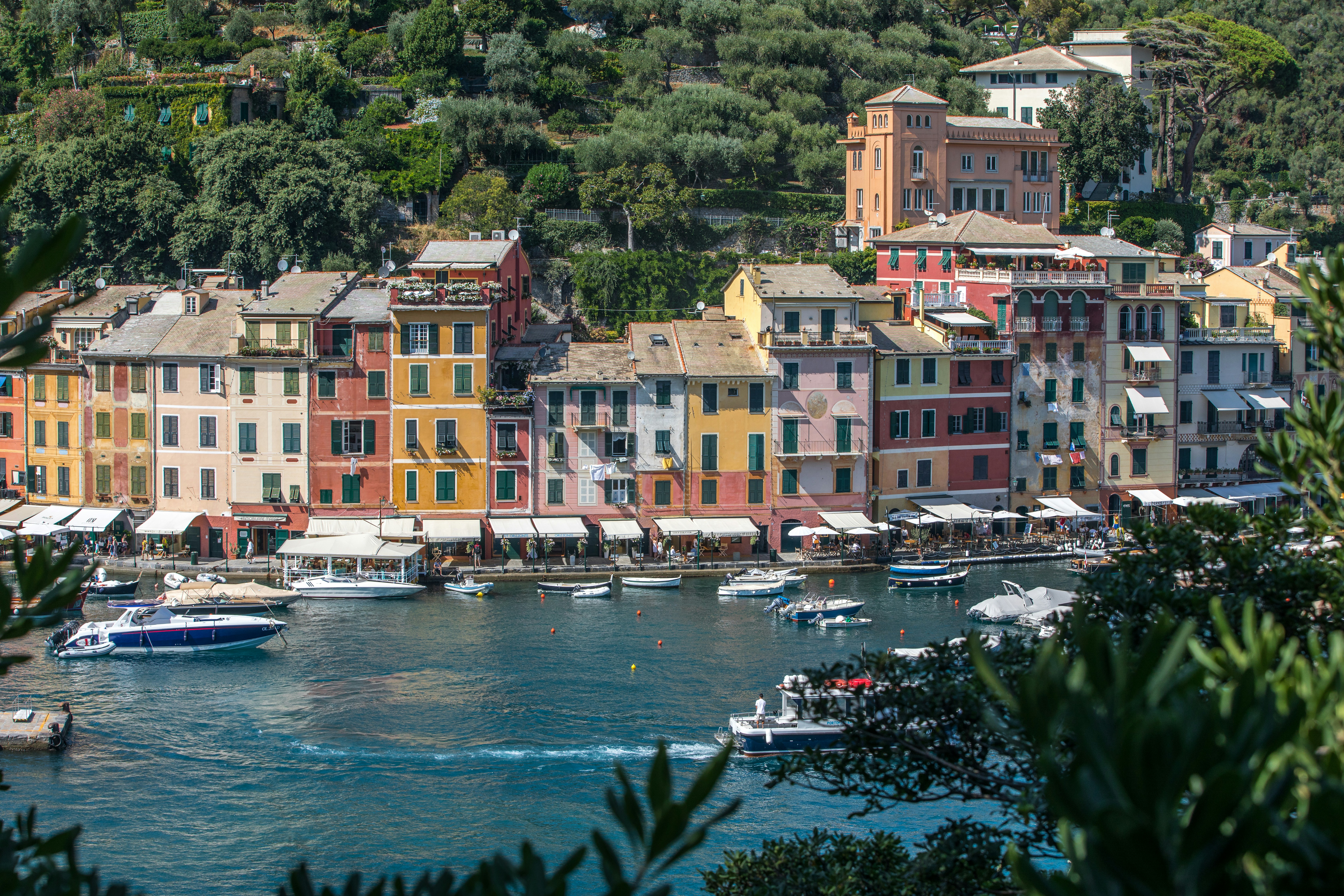
Portofino, Italy
One of the most photographed villages along the coast, with a decidedly romantic and affluent aura, Portofino has long been a popular destination for the rich and famous. Once an ancient Roman colony and taken by the Republic of Genoa in 1229, it’s also been ruled by the French, English, Spanish, and Austrians, as well as by marauding bands of 16th-century pirates. Elite British tourists first flocked to the lush harbor in the mid-1800s. Some of Europe’s wealthiest drop anchor in Portofino in summer, but they stay out of sight by day, appearing in the evening after buses and boats have carried off the day-trippers.There’s not actually much to do in Portofino other than stroll around the wee harbor, see the castle, walk to Punta del Capo, browse at the pricey boutiques, and sip a coffee while people-watching. However, weaving through picture-perfect cliffside gardens and gazing at yachts framed by the sapphire Ligurian Sea and the cliffs of Santa Margherita can make for quite a relaxing afternoon. There are also several tame, photo-friendly hikes into the hills to nearby villages.Unless you’re traveling on a deluxe budget, you may want to stay in Camogli or Santa Margherita Ligure rather than at one of Portofino’s few very expensive hotels. Restaurants and cafés are good but also pricey (don’t expect to have a beer here for much under €10).
Valencia, Spain
Valencia, Spain’s third-largest municipality, is a proud city with a thriving nightlife and restaurant scene, quality museums, and spectacular contemporary architecture, juxtaposed with a thoroughly charming historic quarter, making it a popular destination year in year out. During the Civil War, it was the last seat of the Republican Loyalist government (1935–36), holding out against Franco’s National forces until the country fell to 40 years of dictatorship. Today it represents the essence of contemporary Spain—daring design and architecture along with experimental cuisine—but remains deeply conservative and proud of its traditions. Though it faces the Mediterranean, Valencia’s history and geography have been defined most significantly by the River Turia and the fertile huerta that surrounds it.The city has been fiercely contested ever since it was founded by the Greeks. El Cid captured Valencia from the Moors in 1094 and won his strangest victory here in 1099: he died in the battle, but his corpse was strapped into his saddle and so frightened the besieging Moors that it caused their complete defeat. In 1102 his widow, Jimena, was forced to return the city to Moorish rule; Jaume I finally drove them out in 1238. Modern Valencia was best known for its frequent disastrous floods until the River Turia was diverted to the south in the late 1950s. Since then the city has been on a steady course of urban beautification. The lovely bridges that once spanned the Turia look equally graceful spanning a wandering municipal park, and the spectacularly futuristic Ciutat de les Arts i les Ciències (City of Arts and Sciences), most of it designed by Valencia-born architect Santiago Calatrava, has at last created an exciting architectural link between this river town and the Mediterranean. If you’re in Valencia, an excursion to Albufera Nature Park is a worthwhile day trip.
Barcelona, Spain
The infinite variety of street life, the nooks and crannies of the medieval Barri Gòtic, the ceramic tile and stained glass of Art Nouveau facades, the art and music, the throb of street life, the food (ah, the food!)—one way or another, Barcelona will find a way to get your full attention. The capital of Catalonia is a banquet for the senses, with its beguiling mix of ancient and modern architecture, tempting cafés and markets, and sun-drenched Mediterranean beaches. A stroll along La Rambla and through waterfront Barceloneta, as well as a tour of Gaudí’s majestic Sagrada Famíliaand his other unique creations, are part of a visit to Spain’s second-largest city. Modern art museums and chic shops call for attention, too. Barcelona’s vibe stays lively well into the night, when you can linger over regional wine and cuisine at buzzing tapas bars.
Palamós, Spain
One of the best ways to arrive in Catalonia is by sea, especially via the Costa Brava. This coastline, also known as the Rugged or Wild Coast, stretches from Blanes to the French border. Its name aptly refers to the steep cliff of ancient twisted rocks, which runs its entire length and is bounded inland by the Catalan mountain ranges. The intensity of the coast’s colour, the ruggedness of the rocks and the scent of the plants all combine to add to its attraction. The history of this region is long and varied. Traces can be found of the advanced culture of the Iberians, Greeks, Romans, Visigoths and Arabs. With Wilfred I and the independence of Catalan countries, the Catalan dynasty was born. Later, in 1479, Catalonia became a part of unified Spain following the marriage of Isabel, Queen of Castile, and Fernando, King of Aragon. The port of Palamos, some 36 miles northeast of Barcelona, has been in existence for nearly 700 years thanks to its location on one of the deepest natural bays in the western Mediterranean. The town itself is the southernmost of a series of resorts popular with sun worshippers. For the most part, Palamos has managed to retain some of the charm of a fishing village. The port also serves as a gateway to such inland locations as Girona, the capital of the province. Art lovers may want to visit Figueras, famous for its bizarre Teatre-Museu Dali, the foremost of a series of sites associated with the eccentric surrealist artist, Salvador Dali. If you choose to stay in Palamos, you can enjoy the pleasant atmosphere of the town or spend some time at a nearby beach. The town has a long seagoing tradition and busy harbour. The fish auction, prompted by the arrival of the fishing boats, is a spectacle worth seeing. The Fishing Museum illustrates the history and the life of the families who live off the sea.
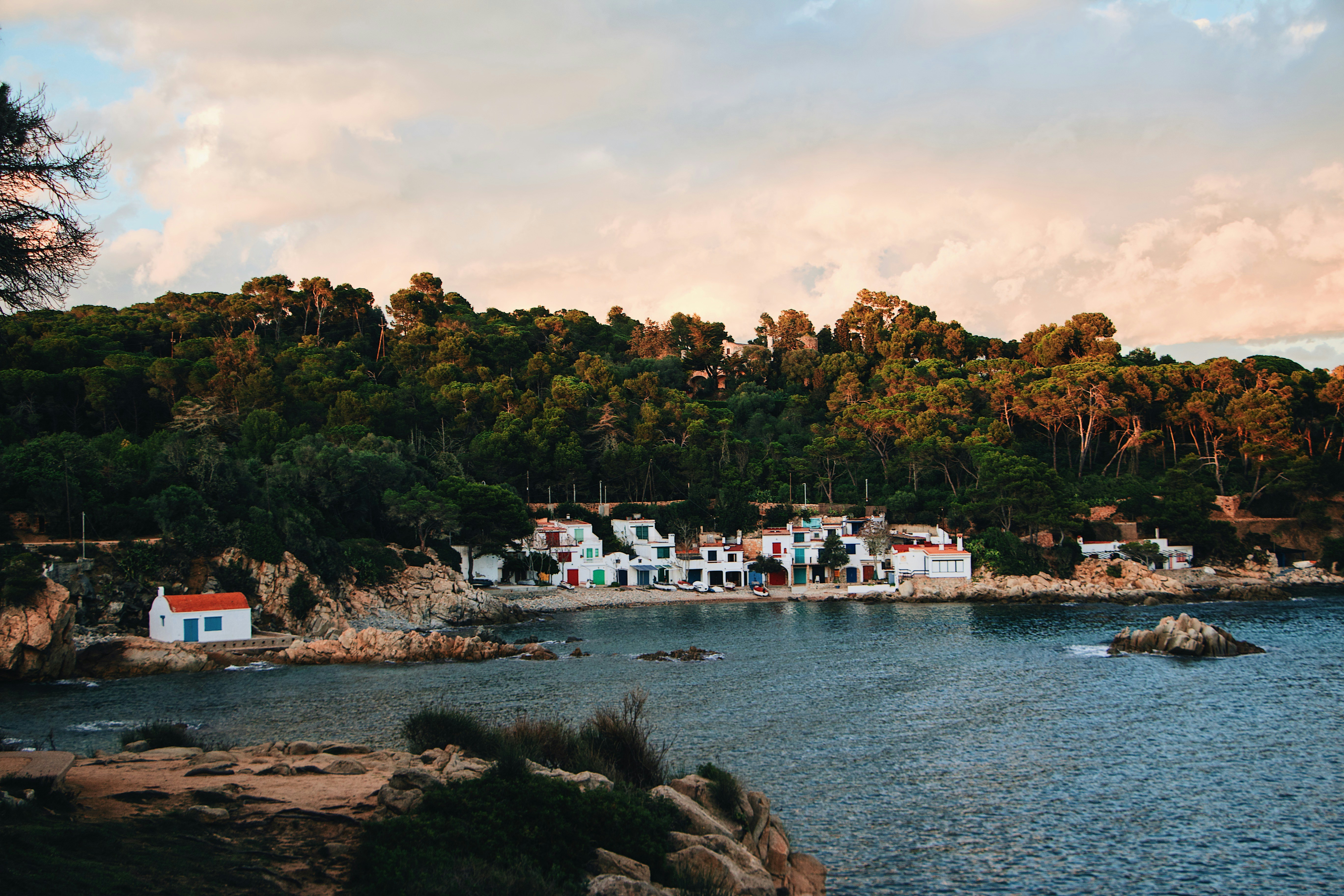
Sanary-sur-Mer, France
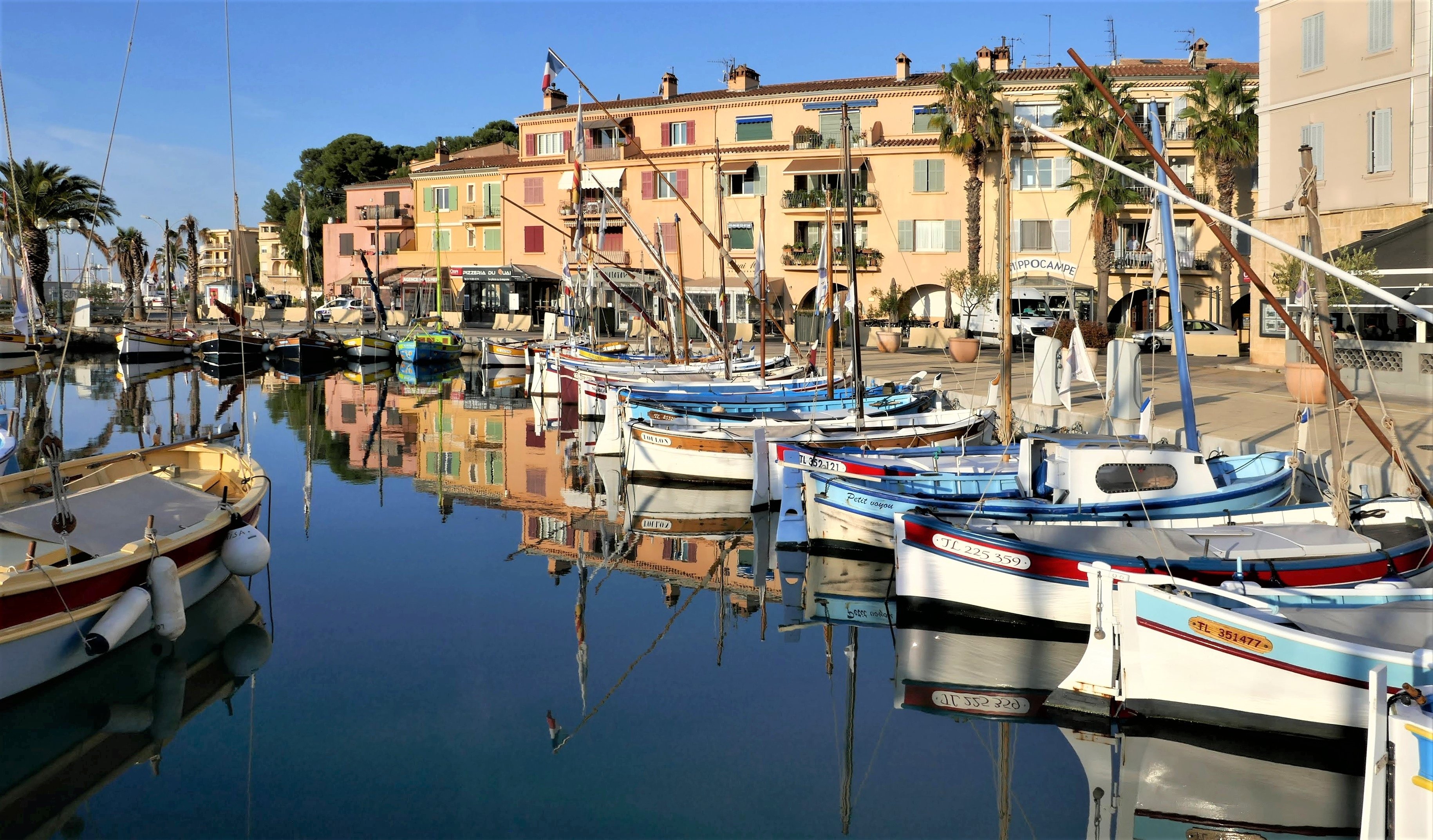
Monte-Carlo, Monaco
On one of the best stretches of the Mediterranean, this classic luxury destination is one of the most sought-after addresses in the world. With all the high-rise towers you have to look hard to find the Belle Époque grace of yesteryear. But if you head to the town’s great 1864 landmark Hôtel de Paris—still a veritable crossroads of the buffed and befurred Euro-gentry—or enjoy a grand bouffe at its famous Louis XV restaurant, or attend the opera, or visit the ballrooms of the casino, you may still be able to conjure up Monaco’s elegant past. Prince Albert II, a political science graduate from Amherst College, traces his ancestry to Otto Canella, who was born in 1070. The Grimaldi dynasty began with Otto’s great-great-great-grandson, Francesco Grimaldi, also known as Frank the Rogue. Expelled from Genoa, Frank and his cronies disguised themselves as monks and in 1297 seized the fortified medieval town known today as Le Rocher (the Rock). Except for a short break under Napoléon, the Grimaldis have been here ever since, which makes them the oldest reigning family in Europe. In the 1850s a Grimaldi named Charles III made a decision that turned the Rock into a giant blue chip. Needing revenue but not wanting to impose additional taxes on his subjects, he contracted with a company to open a gambling facility. The first spin of the roulette wheel was on December 14, 1856. There was no easy way to reach Monaco then—no carriage roads or railroads—so no one came. Between March 15 and March 20, 1857, one person entered the casino—and won two francs. In 1868, however, the railroad reached Monaco, and it was filled with Englishmen who came to escape the London fog. The effects were immediate. Profits were so great that Charles eventually abolished all direct taxes. Almost overnight, a threadbare principality became an elegant watering hole for European society. Dukes (and their mistresses) and duchesses (and their gigolos) danced and dined their way through a world of spinning roulette wheels and bubbling champagne—preening themselves for nights at the opera, where such artists as Vaslav Nijinsky, Sarah Bernhardt, and Enrico Caruso came to perform. Along with the tax system, its sensational position on a broad, steep peninsula that bulges into the Mediterranean—its harbor sparkling with luxury cruisers, its posh mansions angling awnings toward the nearly perpetual sun—continues to draw the rich and famous. One of the latest French celebrities to declare himself “Monégasque,” thus giving up his French passport, is superchef Alain Ducasse, who said that he made the choice out of affection for Monaco rather than tax reasons. Pleasure boats vie with luxury cruisers in their brash beauty and Titanic scale, and teams of handsome young men—themselves dyed blond and tanned to match—scour and polish every gleaming surface. As you might expect, all this glitz doesn’t come cheap. Eating is expensive, and even the most modest hotels cost more here than in nearby Nice or Menton. As for taxis, they don’t even have meters so you are completely at the driver’s mercy (with prices skyrocketing during events such as the Grand Prix). For the frugal, Monaco is the ultimate day-trip, although parking is as coveted as a room with a view. At the very least you can afford a coffee at Starbucks. The harbor district, known as La Condamine, connects the new quarter, officially known as Monte Carlo with Monaco-Ville (or Le Rocher), a medieval town on the Rock, topped by the palace, the cathedral, and the Oceanography Museum. Have no fear that you’ll need to climb countless steps to get to Monaco-Ville, as there are plenty of elevators and escalators climbing the steep cliffs. But shuttling between the lovely casino grounds of Monte Carlo and Old Monaco, separated by a vast port, is a daunting proposition for ordinary mortals without wings, so hop on the No. 1 bus from Saint Roman, or No. 2 from the Jardin Exotique – Both stop at Place du Casino and come up to Monaco Ville.
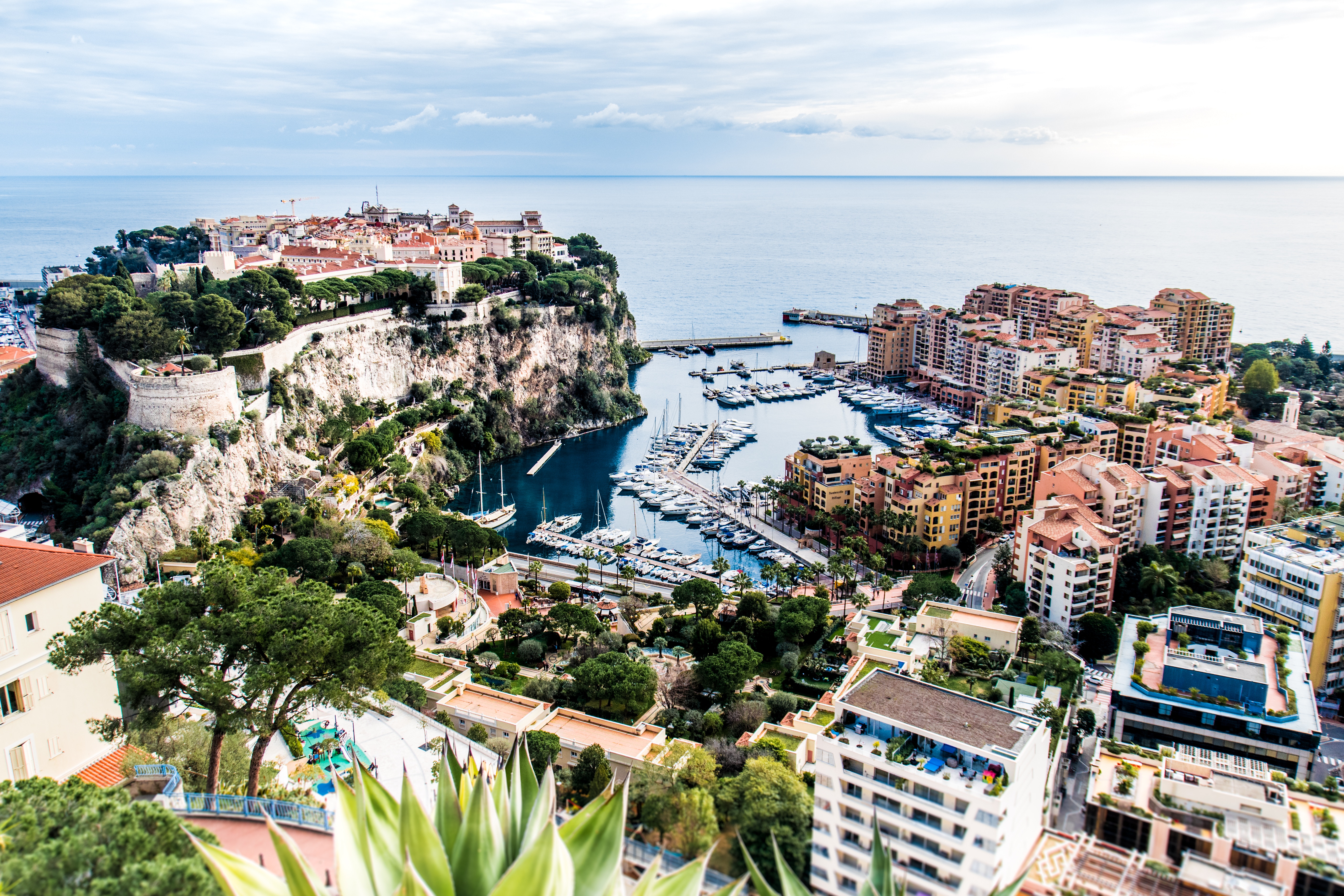
Cannes, France
Cannes is pampered with the luxurious year-round climate that has made it one of the most popular resorts in Europe. Cannes was an important sentinel site for the monks who established themselves on Île St-Honorat in the Middle Ages. Its bay served as nothing more than a fishing port until in 1834 an English aristocrat, Lord Brougham, fell in love with the site during an emergency stopover with a sick daughter. He had a home built here and returned every winter for a sun cure—a ritual quickly picked up by his peers. Between the popularity of Le Train Blue transporting wealthy passengers from Calais, and the introduction in 1936 of France’s first paid holidays, Cannes became the destination, a tasteful and expensive breeding ground for the upper-upscale.Cannes has been further glamorized by the ongoing success of its annual film festival, as famous as Hollywood’s Academy Awards. About the closest many of us will get to feeling like a film star is a stroll here along La Croisette, the iconic promenade that gracefully curves the wave-washed sand coastline, peppered with chic restaurants and prestigious private beaches. This is precisely the sort of place for which the French invented the verb flâner (to dawdle, saunter): strewn with palm trees and poseurs, its fancy boutiques and status-symbol grand hotels—including the Carlton, the legendary backdrop to Grace Kelly in To Catch a Thief —all vying for the custom of the Louis Vuitton set. This legend is, to many, the heart and soul of the Côte d’Azur.
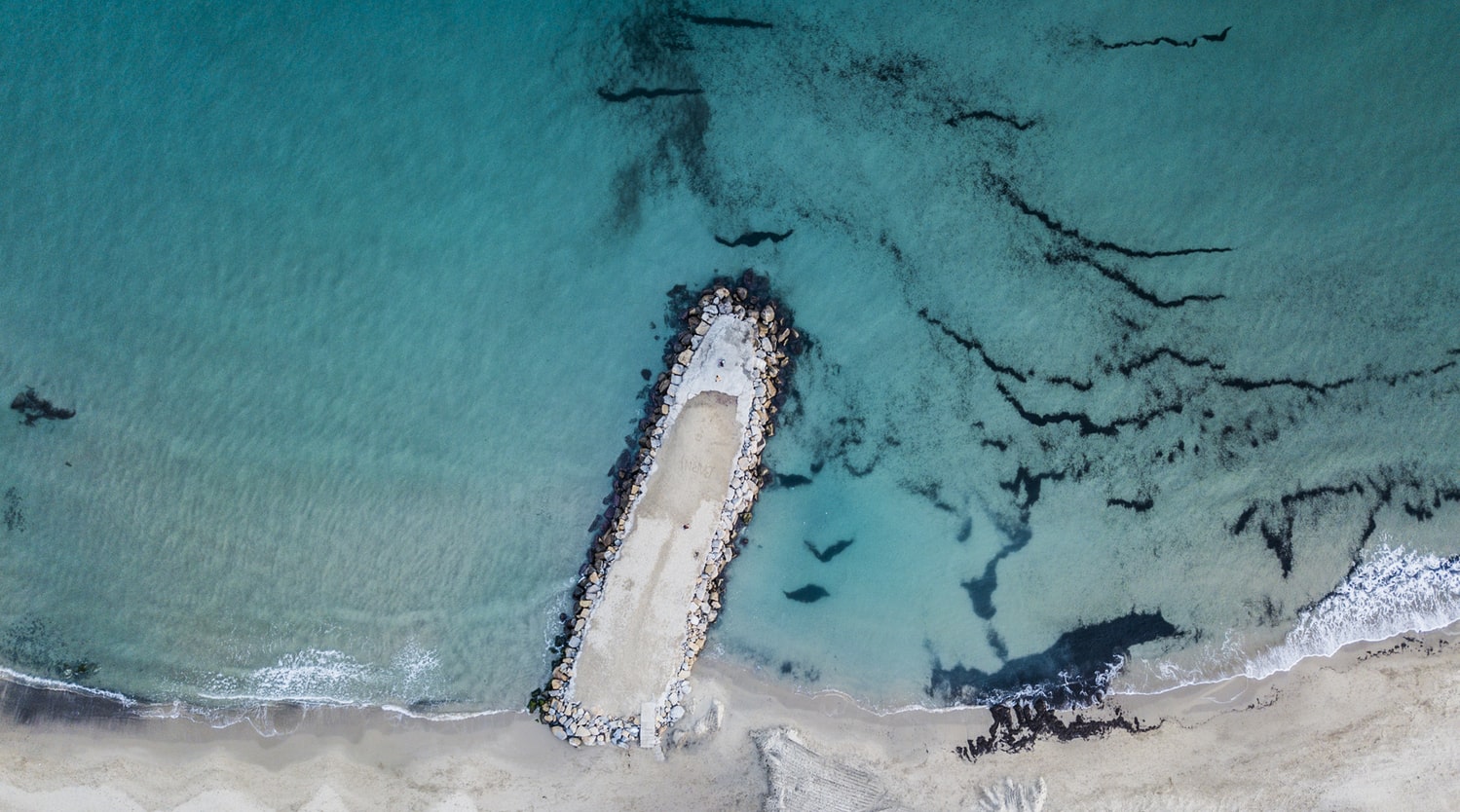
Portofino, Italy
One of the most photographed villages along the coast, with a decidedly romantic and affluent aura, Portofino has long been a popular destination for the rich and famous. Once an ancient Roman colony and taken by the Republic of Genoa in 1229, it’s also been ruled by the French, English, Spanish, and Austrians, as well as by marauding bands of 16th-century pirates. Elite British tourists first flocked to the lush harbor in the mid-1800s. Some of Europe’s wealthiest drop anchor in Portofino in summer, but they stay out of sight by day, appearing in the evening after buses and boats have carried off the day-trippers.There’s not actually much to do in Portofino other than stroll around the wee harbor, see the castle, walk to Punta del Capo, browse at the pricey boutiques, and sip a coffee while people-watching. However, weaving through picture-perfect cliffside gardens and gazing at yachts framed by the sapphire Ligurian Sea and the cliffs of Santa Margherita can make for quite a relaxing afternoon. There are also several tame, photo-friendly hikes into the hills to nearby villages.Unless you’re traveling on a deluxe budget, you may want to stay in Camogli or Santa Margherita Ligure rather than at one of Portofino’s few very expensive hotels. Restaurants and cafés are good but also pricey (don’t expect to have a beer here for much under €10).
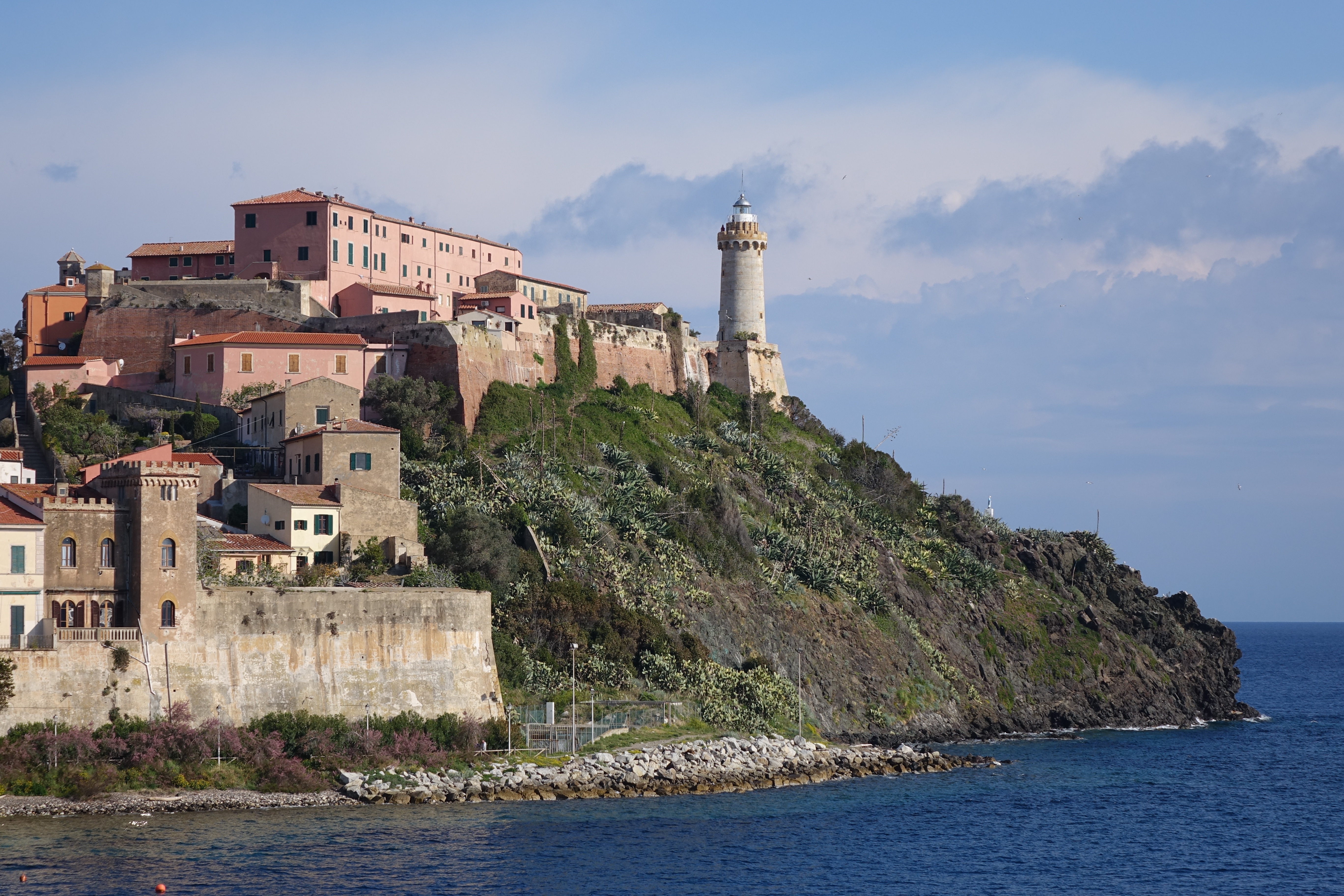
Portoferraio, Italy
Elba is the Tuscan archipelago’s largest island, but it resembles nearby verdant Corsica more than it does its rocky Italian sisters, thanks to a network of underground springs that keep it lush and green. It’s this combination of semitropical vegetation and dramatic mountain scenery—unusual in the Mediterranean—that has made Elba so prized for so long, and the island’s uniqueness continues to draw boatloads of visitors throughout the warm months. A car is very useful for getting around the island, but public buses stop at most towns several times a day; the tourist office has timetables.
Porto Ercole, Italy
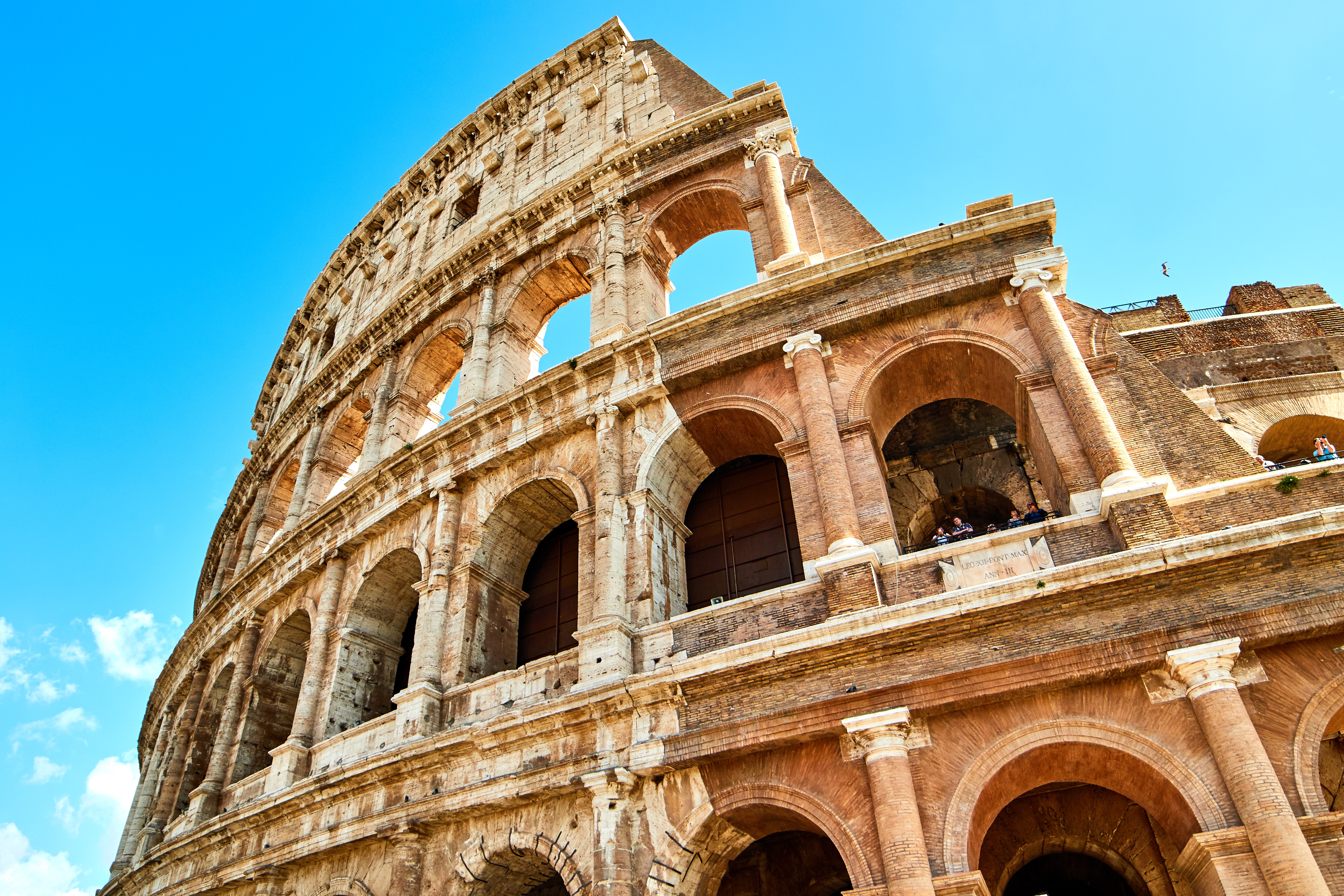
Civitavecchia, Italy
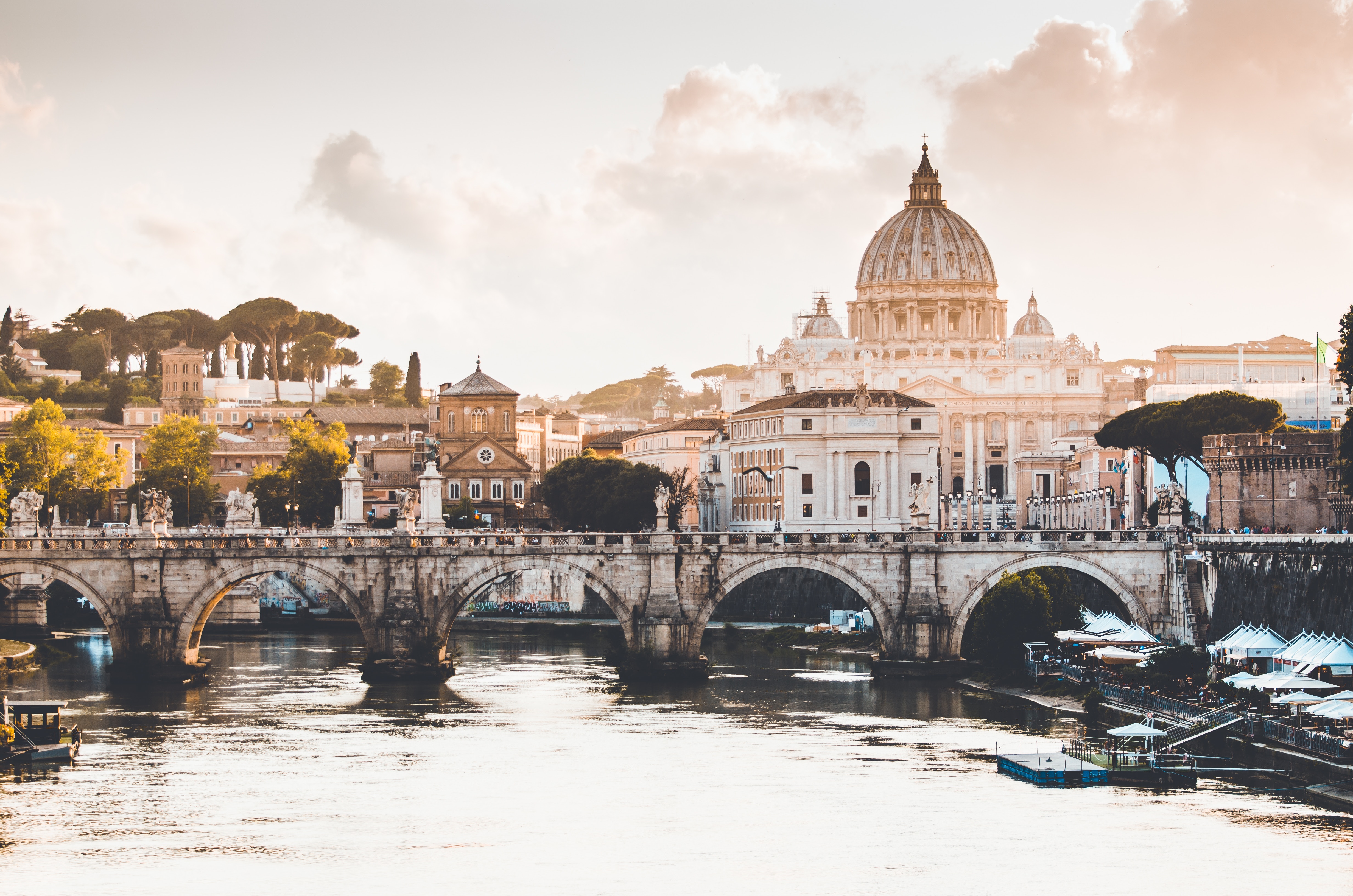
Italy’s vibrant capital lives in the present, but no other city on earth evokes its past so powerfully. For over 2,500 years, emperors, popes, artists, and common citizens have left their mark here. Archaeological remains from ancient Rome, art-stuffed churches, and the treasures of Vatican City vie for your attention, but Rome is also a wonderful place to practice the Italian-perfected il dolce far niente, the sweet art of idleness. Your most memorable experiences may include sitting at a caffè in the Campo de’ Fiori or strolling in a beguiling piazza.
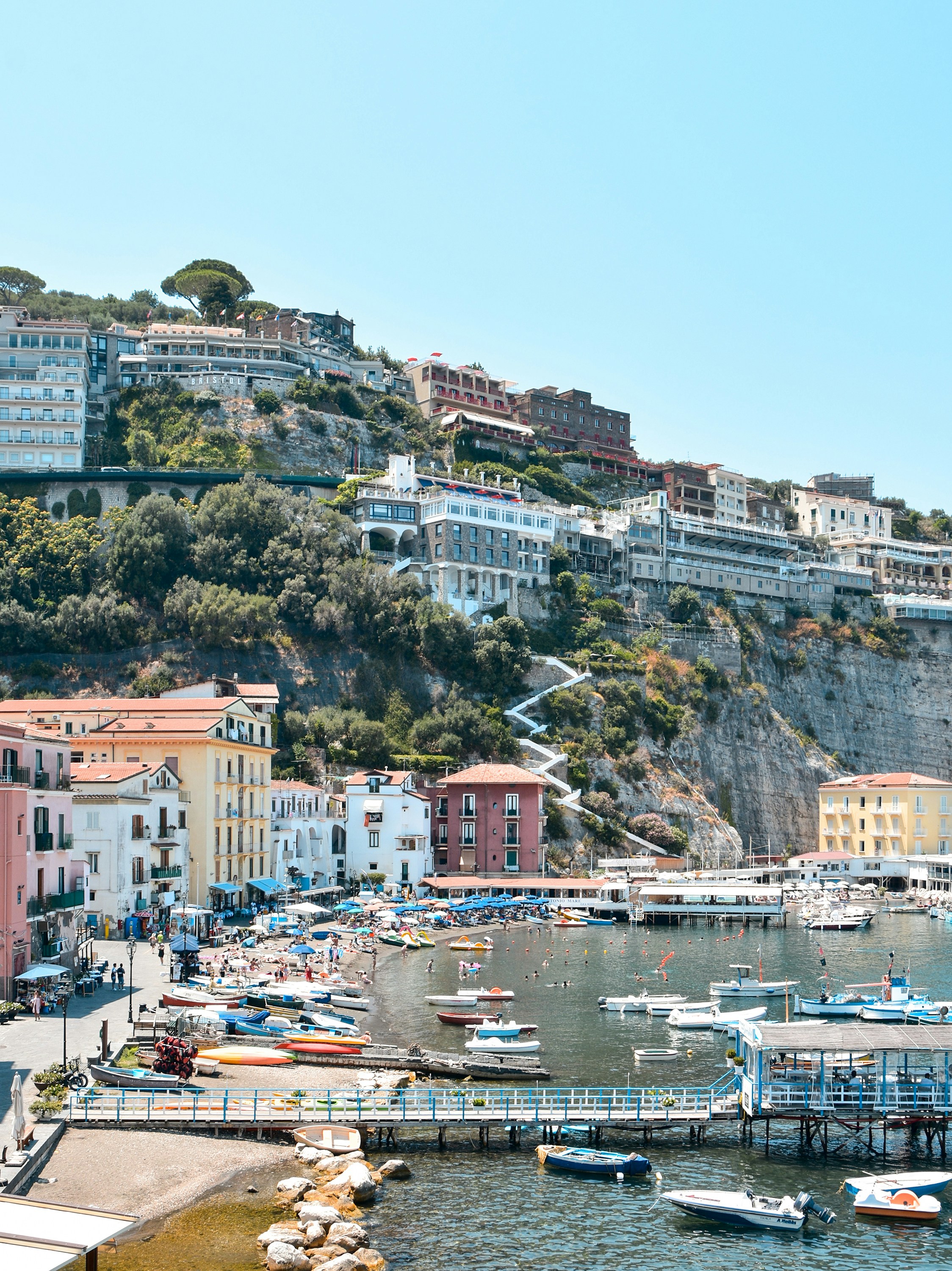
Sorrento, Italy
Sorrento may have become a jumping-off point for visitors to Pompeii, Capri, and Amalfi, but you can find countless reasons to love it for itself. The Sorrentine people are fair-minded and hardworking, bubbling with life and warmth. The tuff cliff on which the town rests is spread over the bay, absorbing sunlight, while orange and lemon trees waft their perfume in spring. Winding along a cliff above a small beach and two harbors, the town is split in two by a narrow ravine formed by a former mountain stream. To the east, dozens of hotels line busy Via Correale along the cliff—many have “grand” included in their names, and some indeed still are. To the west, however, is the historic sector, which still enchants. It’s a relatively flat area, with winding, stone-paved lanes bordered by balconied buildings, some joined by medieval stone arches. The central piazza is named after the poet Torquato Tasso, born here in 1544. This part of town is a delightful place to walk through. Craftspeople are often at work in their stalls and shops and are happy to let you watch; in fact, that’s the point. Music spots and bars cluster in the side streets near Piazza Tasso.
Messina, Italy
Home to the Museo Regionale of Messina, known for featuring two of Caravaggio’s paintings, the city is also famous for having been the capital of the ancient kingdom of Sicily.
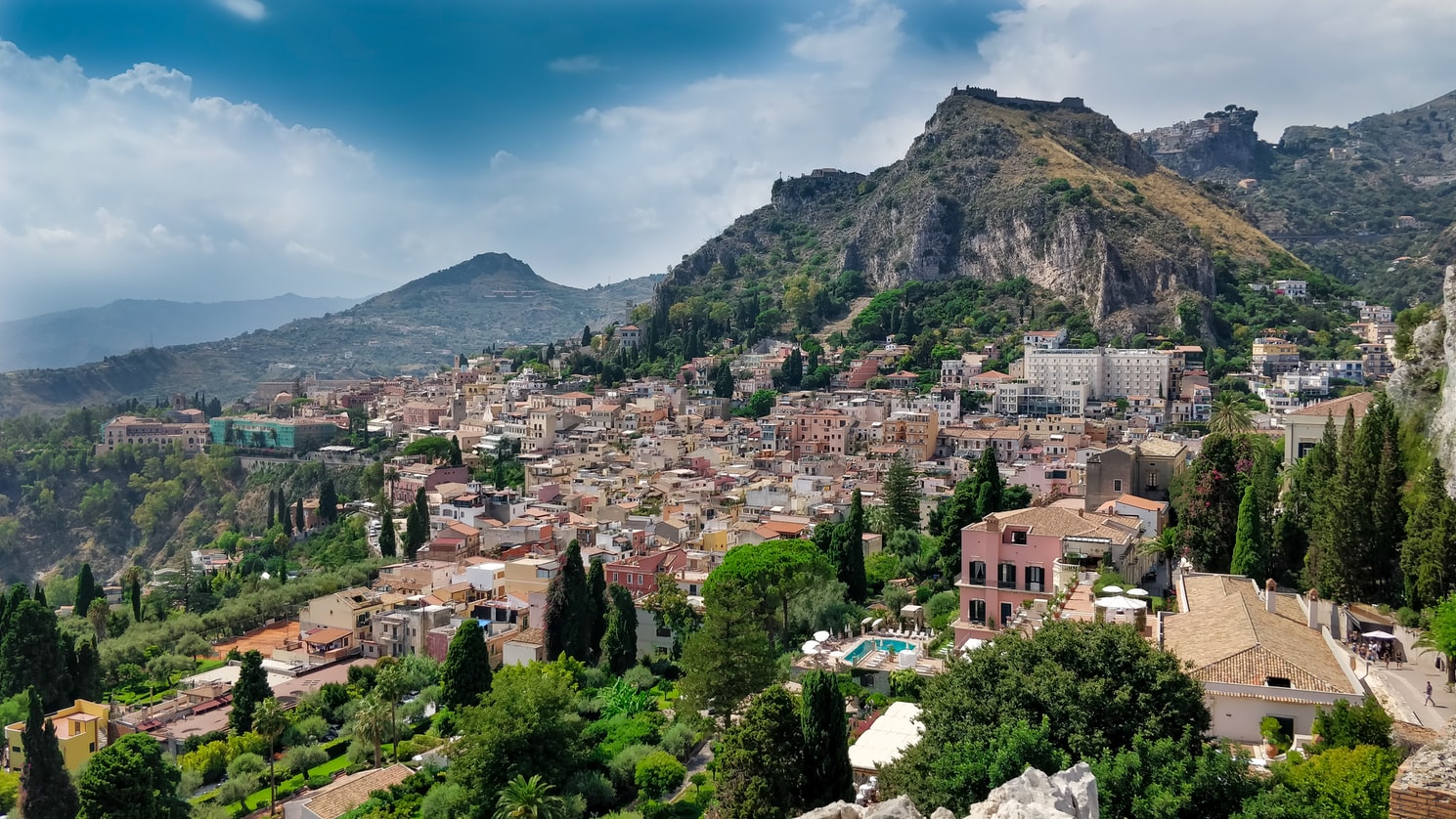
Gythio, Greece
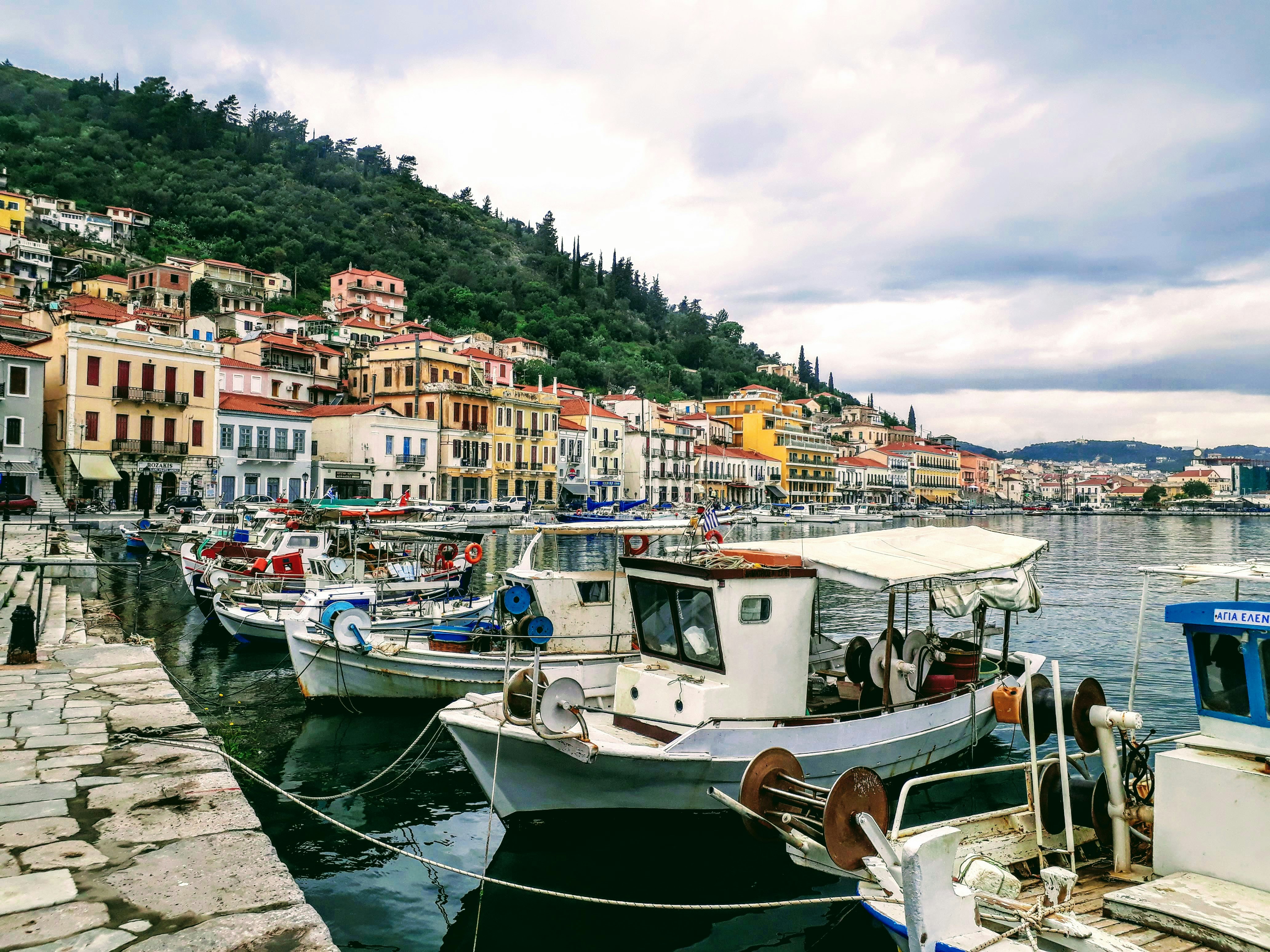
Portoferraio, Italy
Elba is the Tuscan archipelago’s largest island, but it resembles nearby verdant Corsica more than it does its rocky Italian sisters, thanks to a network of underground springs that keep it lush and green. It’s this combination of semitropical vegetation and dramatic mountain scenery—unusual in the Mediterranean—that has made Elba so prized for so long, and the island’s uniqueness continues to draw boatloads of visitors throughout the warm months. A car is very useful for getting around the island, but public buses stop at most towns several times a day; the tourist office has timetables.
Porto Ercole, Italy
Civitavecchia, Italy
Italy’s vibrant capital lives in the present, but no other city on earth evokes its past so powerfully. For over 2,500 years, emperors, popes, artists, and common citizens have left their mark here. Archaeological remains from ancient Rome, art-stuffed churches, and the treasures of Vatican City vie for your attention, but Rome is also a wonderful place to practice the Italian-perfected il dolce far niente, the sweet art of idleness. Your most memorable experiences may include sitting at a caffè in the Campo de’ Fiori or strolling in a beguiling piazza.
Sorrento, Italy
Sorrento may have become a jumping-off point for visitors to Pompeii, Capri, and Amalfi, but you can find countless reasons to love it for itself. The Sorrentine people are fair-minded and hardworking, bubbling with life and warmth. The tuff cliff on which the town rests is spread over the bay, absorbing sunlight, while orange and lemon trees waft their perfume in spring. Winding along a cliff above a small beach and two harbors, the town is split in two by a narrow ravine formed by a former mountain stream. To the east, dozens of hotels line busy Via Correale along the cliff—many have “grand” included in their names, and some indeed still are. To the west, however, is the historic sector, which still enchants. It’s a relatively flat area, with winding, stone-paved lanes bordered by balconied buildings, some joined by medieval stone arches. The central piazza is named after the poet Torquato Tasso, born here in 1544. This part of town is a delightful place to walk through. Craftspeople are often at work in their stalls and shops and are happy to let you watch; in fact, that’s the point. Music spots and bars cluster in the side streets near Piazza Tasso.
Messina, Italy
Home to the Museo Regionale of Messina, known for featuring two of Caravaggio’s paintings, the city is also famous for having been the capital of the ancient kingdom of Sicily.
Gythio, Greece
Monemvasía, Greece
Monemvasia boasts a varied and colorful history that can be traced to the 8th-century when Greeks fleeing the Slav invasion of Lakonia found refuge here. In its heyday it controlled sea travel between the Levant and European shores. The wall-encircled Lower Town extends along the slopes of a 985-foot-high crag that projects into the sea on the east side of the Peloponnese. For centuries an impressive stronghold, population dwindled as the inhabitants moved to the mainland. But with the beginning of a restoration program aimed to preserve Monemvasia’s heritage, the Lower Town experienced a new lease on life, and people have begun to return. The Upper Town is situated on top of the Rock of Monemvasia. It is reached via a zigzagging, paved lane. An almost impregnable bastion in earlier days, it has been uninhabited for centuries, but still manages to preserve its magnificent appearance. Visitors today can explore the remains of the ancient citadel-castle and visit the church of Hagia Sofia. From the summit there is also a fantastic view of the surrounding area.
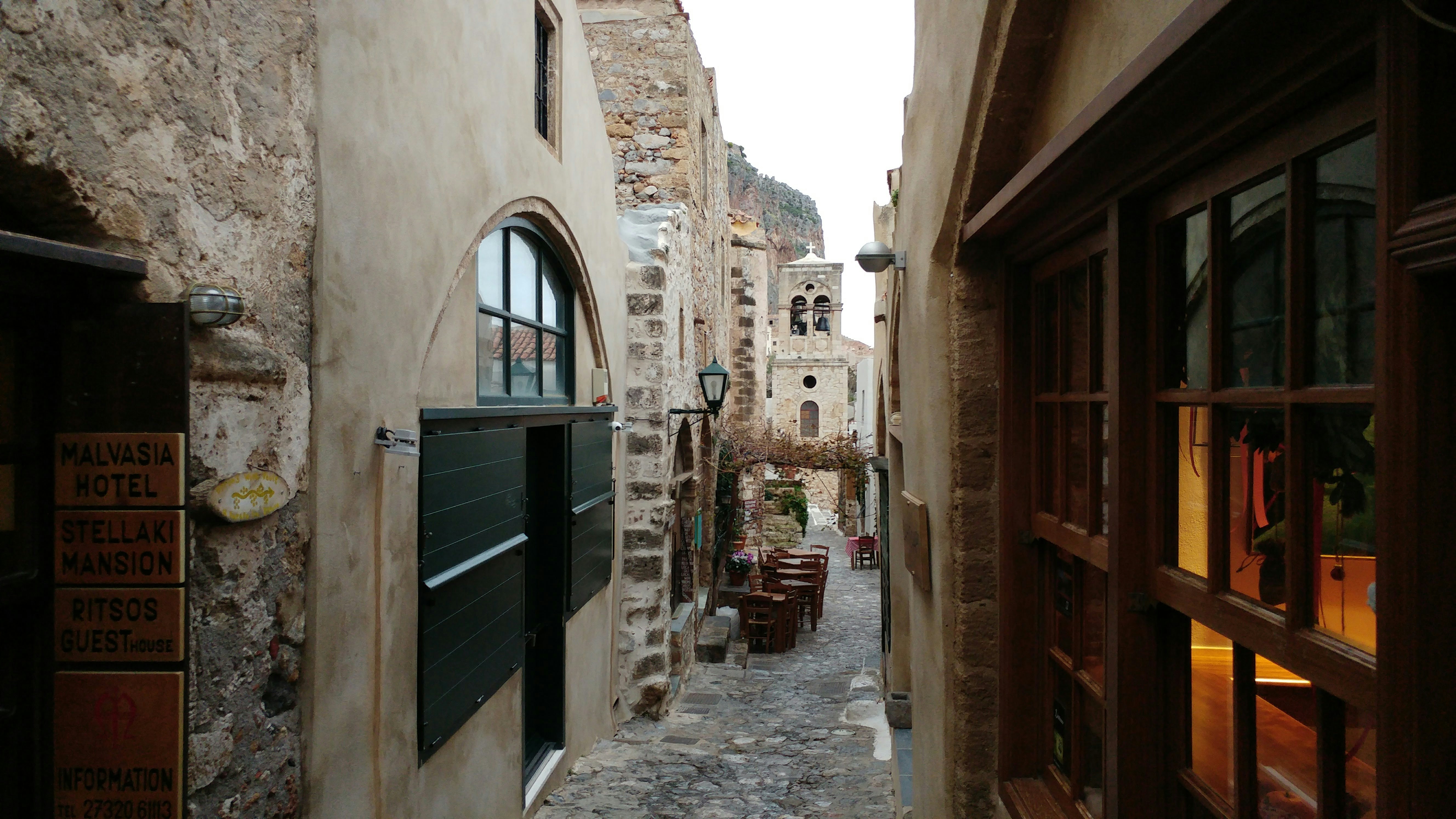
Athens, Greece
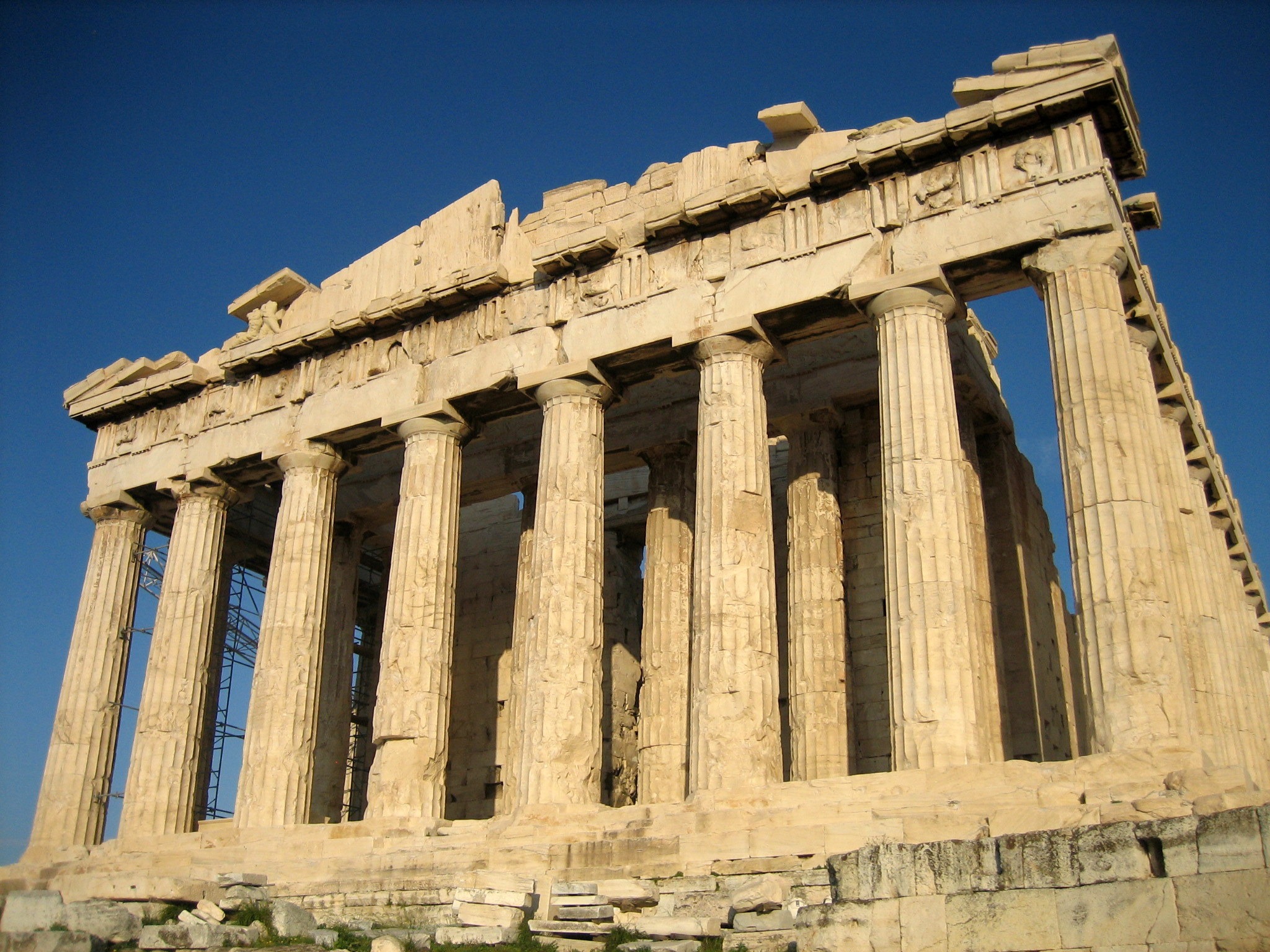
Monemvasía, Greece
Monemvasia boasts a varied and colorful history that can be traced to the 8th-century when Greeks fleeing the Slav invasion of Lakonia found refuge here. In its heyday it controlled sea travel between the Levant and European shores. The wall-encircled Lower Town extends along the slopes of a 985-foot-high crag that projects into the sea on the east side of the Peloponnese. For centuries an impressive stronghold, population dwindled as the inhabitants moved to the mainland. But with the beginning of a restoration program aimed to preserve Monemvasia’s heritage, the Lower Town experienced a new lease on life, and people have begun to return. The Upper Town is situated on top of the Rock of Monemvasia. It is reached via a zigzagging, paved lane. An almost impregnable bastion in earlier days, it has been uninhabited for centuries, but still manages to preserve its magnificent appearance. Visitors today can explore the remains of the ancient citadel-castle and visit the church of Hagia Sofia. From the summit there is also a fantastic view of the surrounding area.
Athens, Greece
Cabin Options
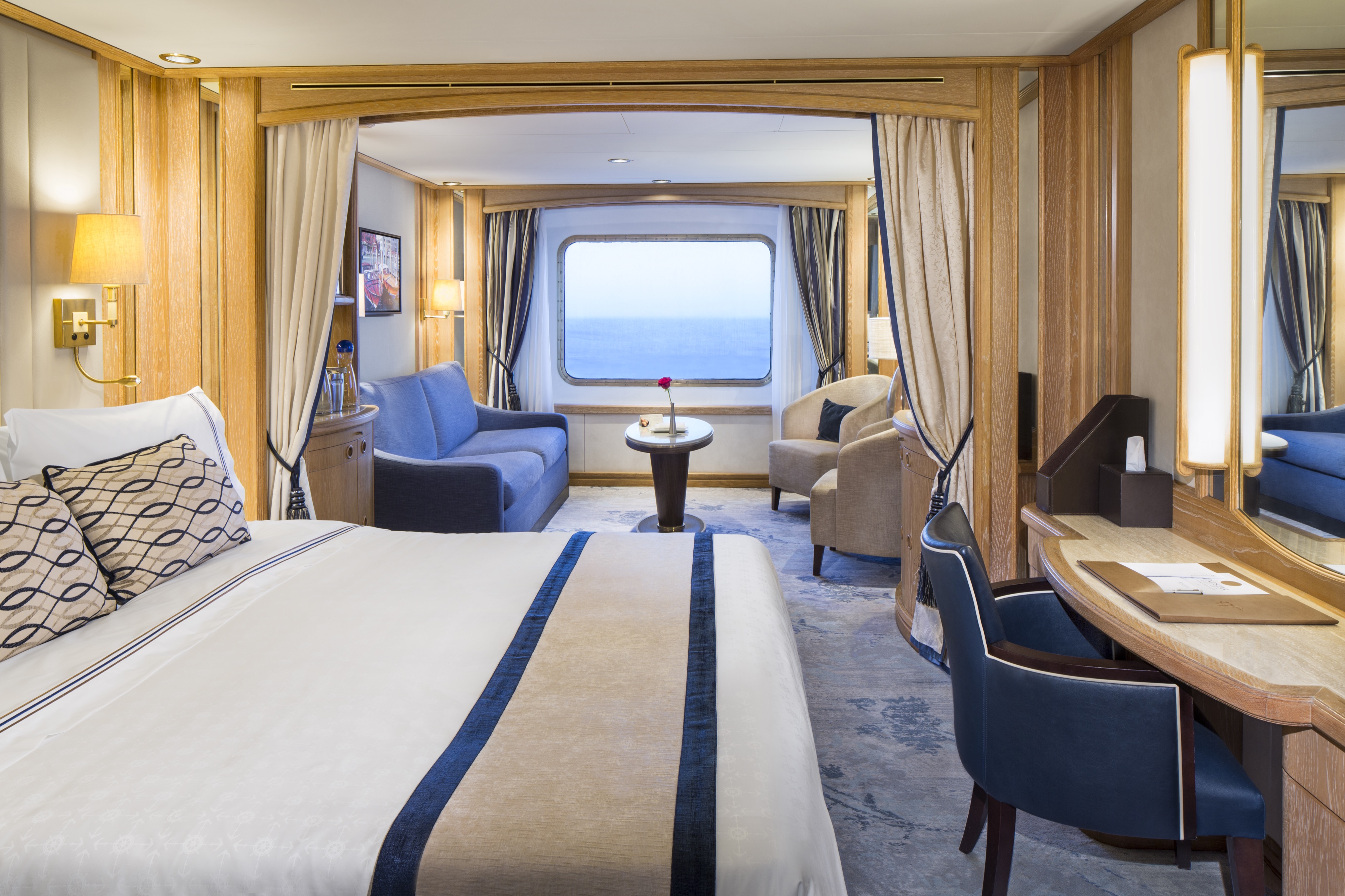
Ocean View Suite
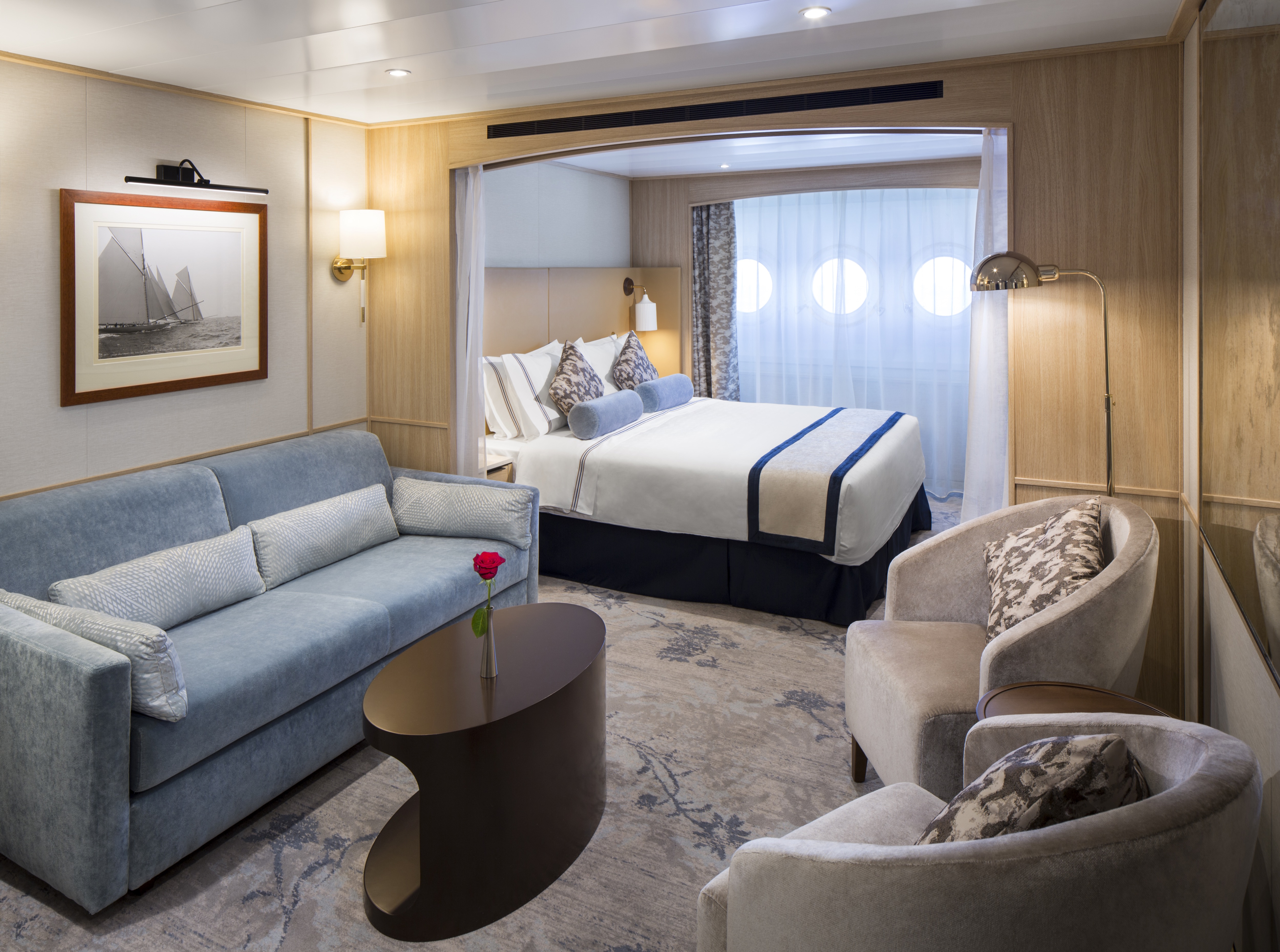
Star Porthole Suite
Ocean View Suite 1
Ocean View Suite 2
Star Ocean View Suite 1
Ocean View Suite 3
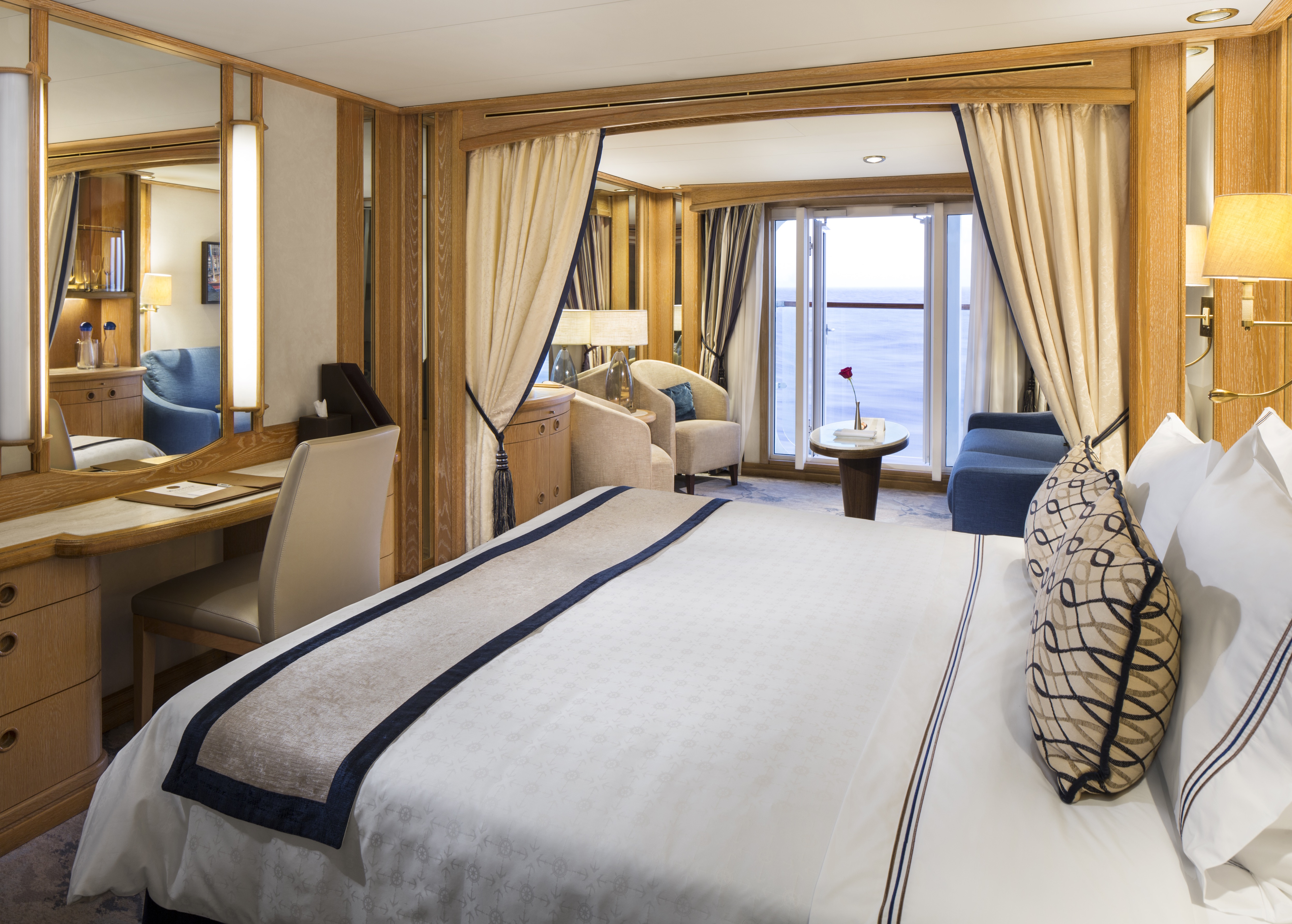
Balcony Suite
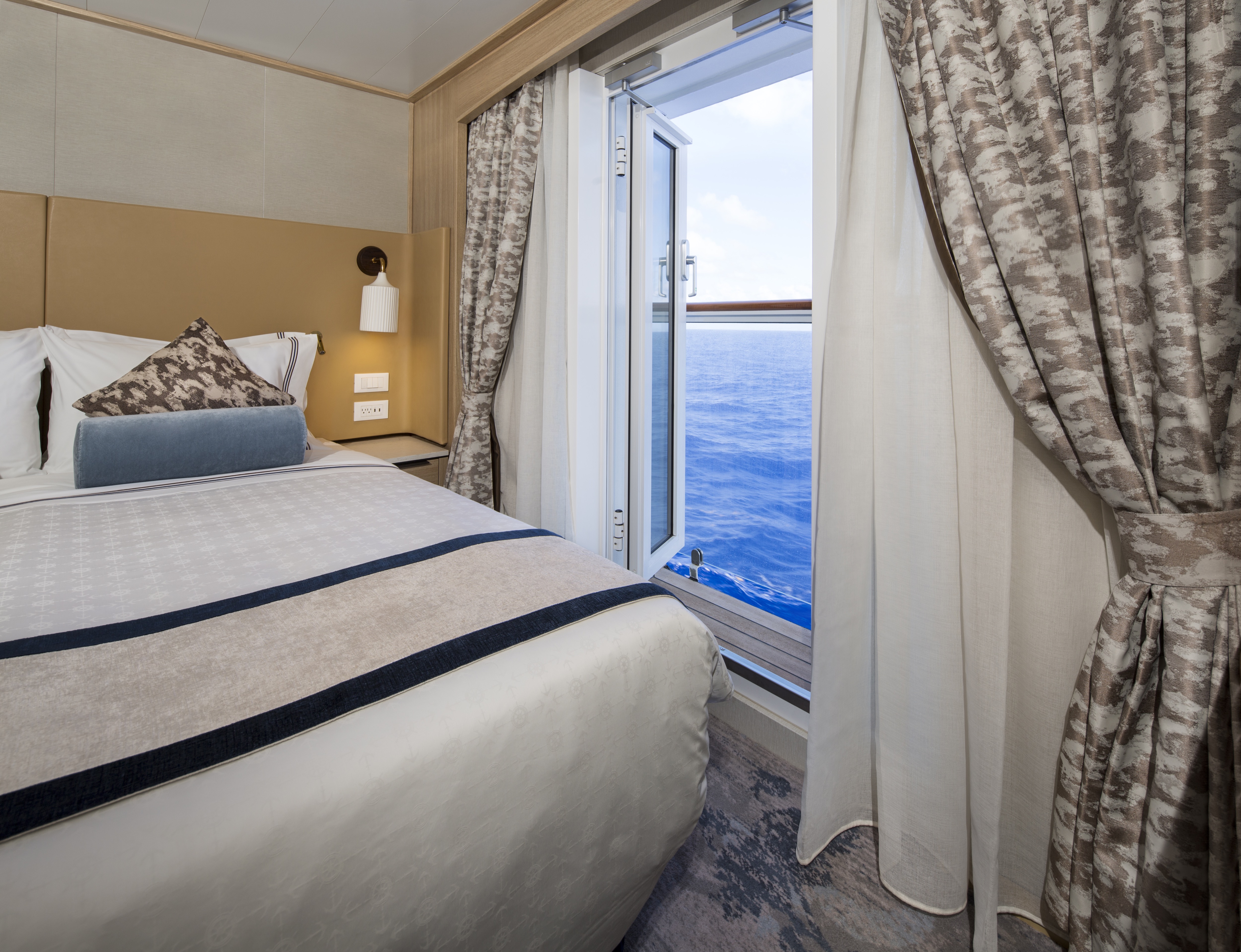
Star Balcony Suite
Balcony Suite 1
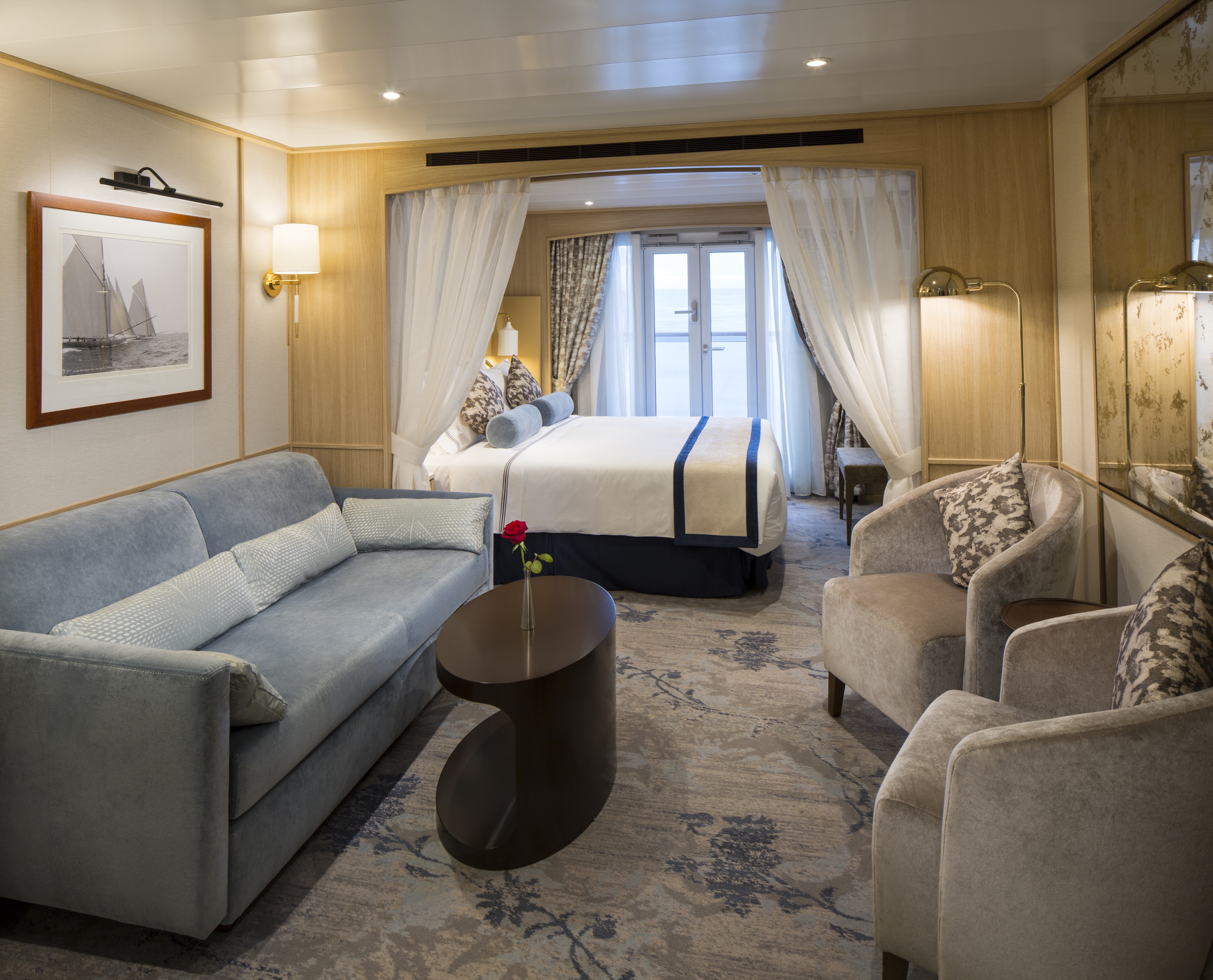
Star Balcony Suite 1
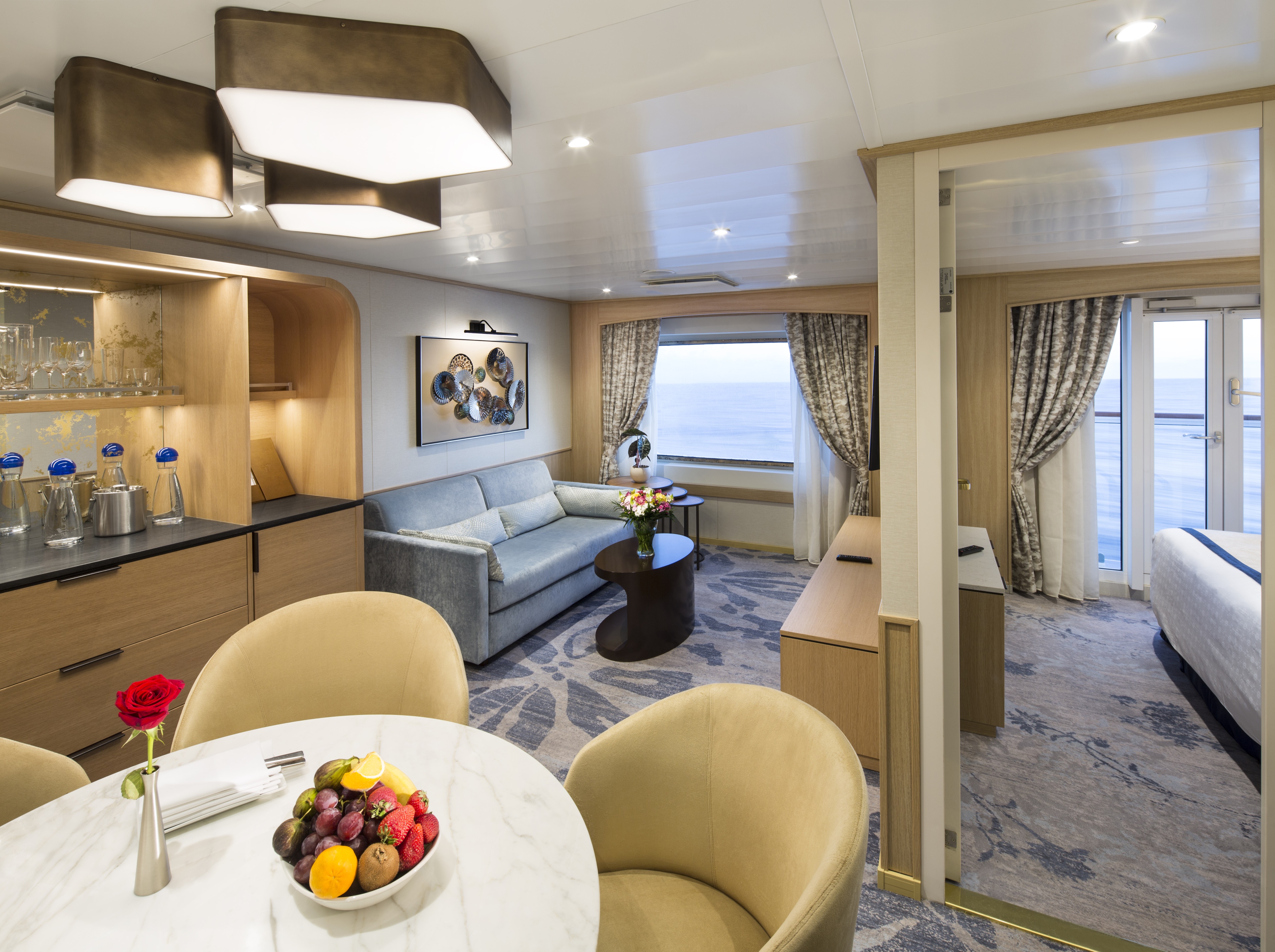
Deluxe Suite
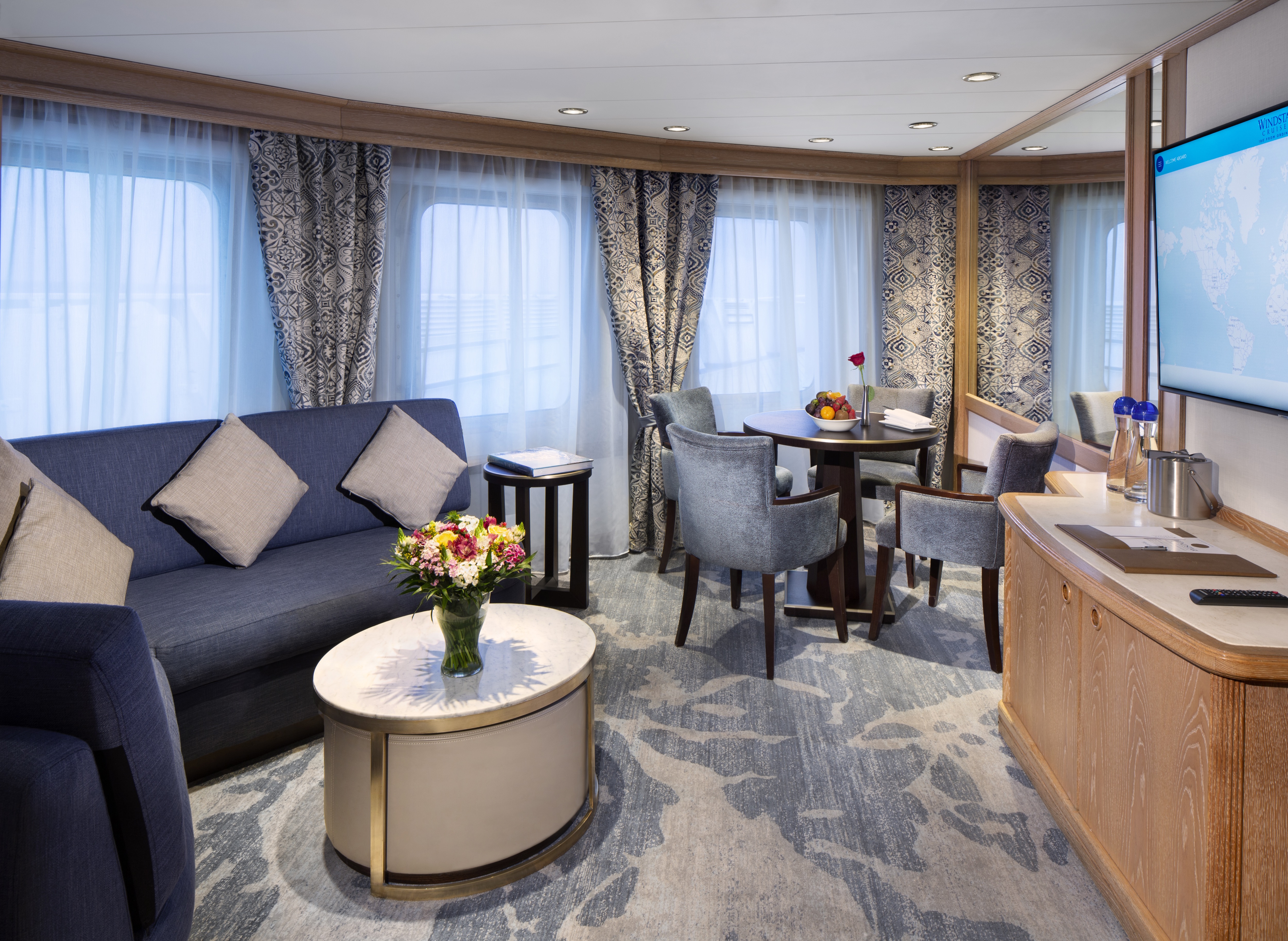
Broadmoor Suite/Sea Island Suite
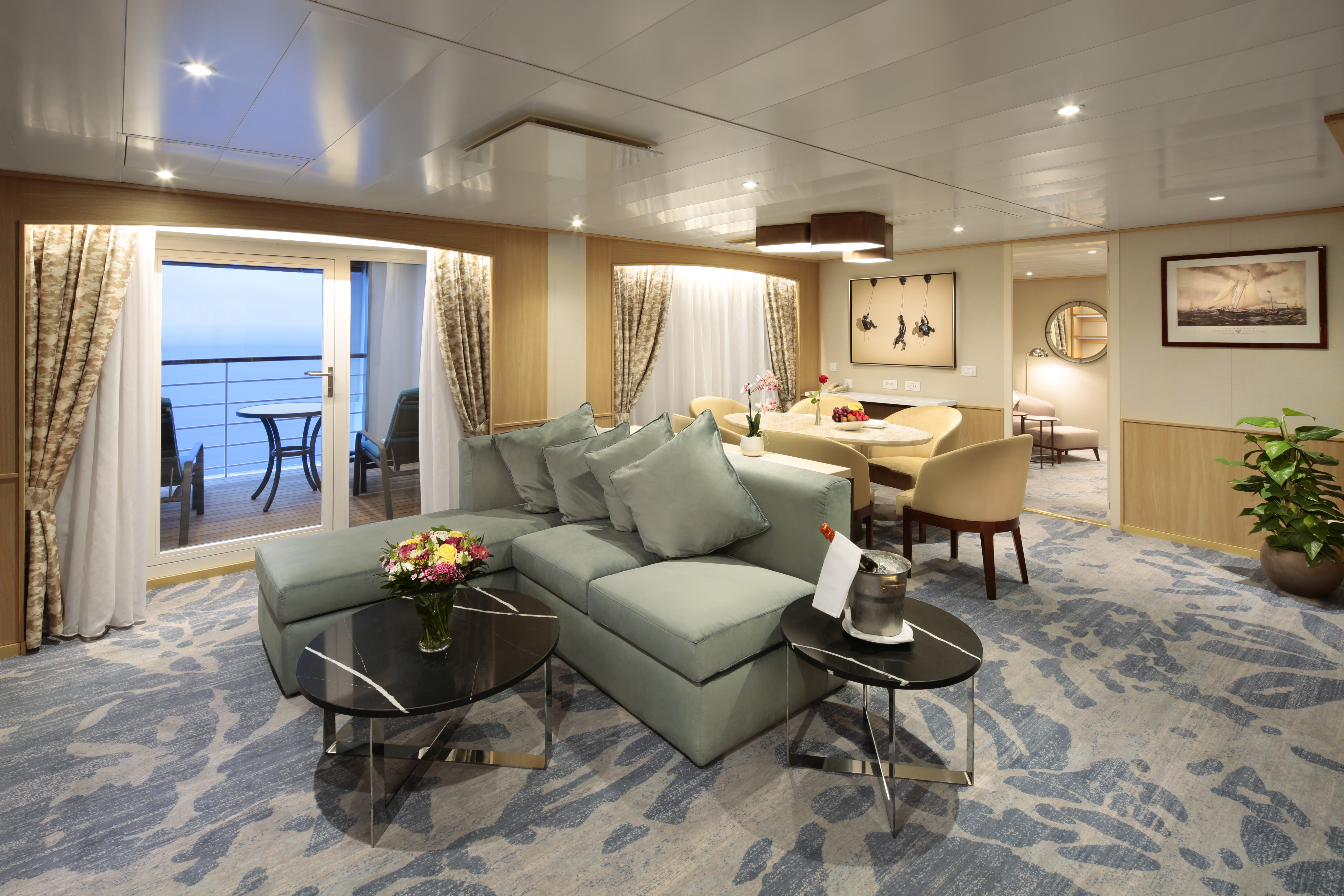
Owner's Suite
Ship Facilities
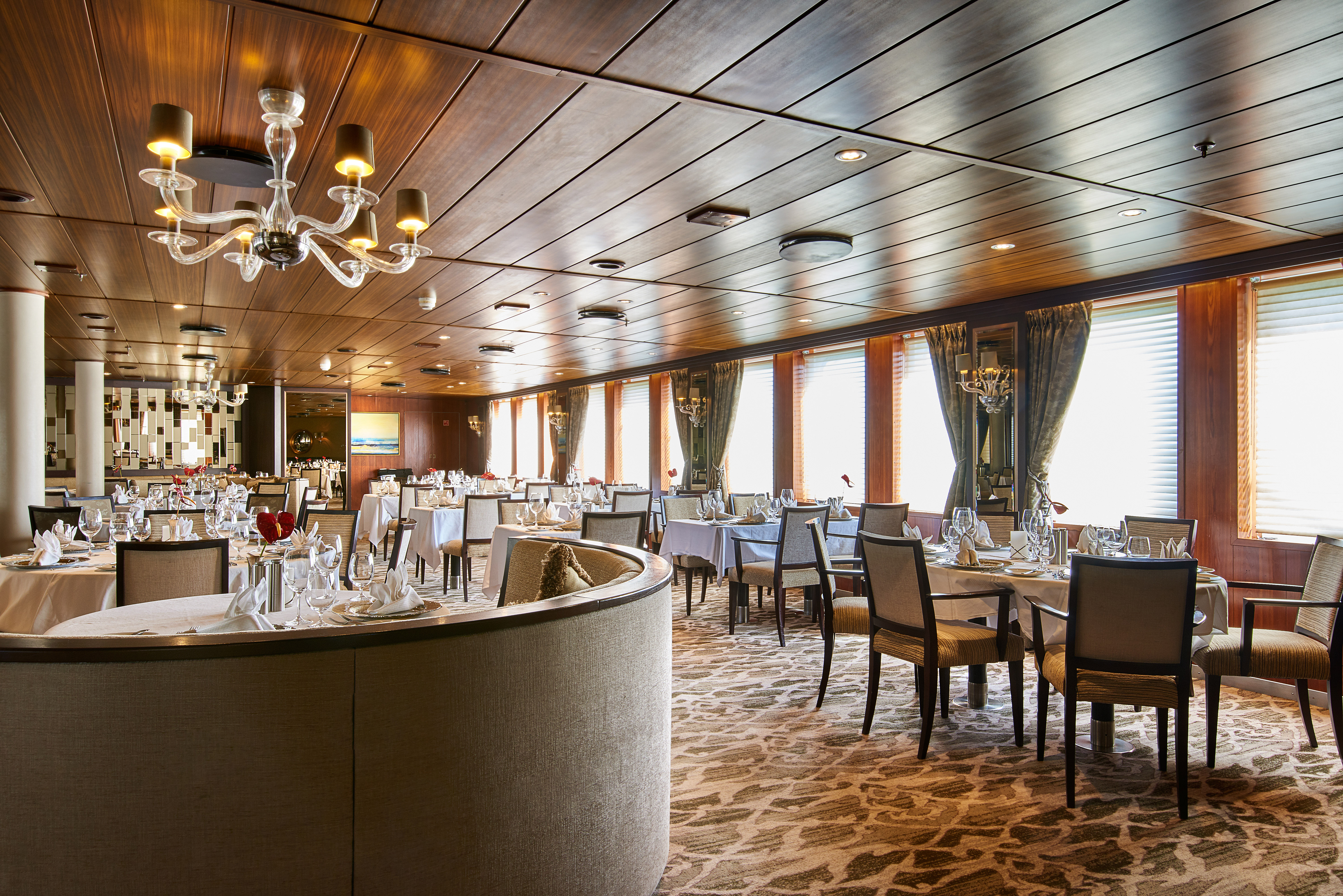
Amphora Restaurant
Here, the dining room manager seats you, but where is your decision. There are no pre-assigned tables or first or second seatings. When you dine and with whom are entirely up to you. Seating usually begins at 6:30 p.m. and will be printed in the ship’s daily program. Each delightful dish is prepared exactly to your liking – an exquisite dinner served course-by-course with a fine selection of vintage wines.
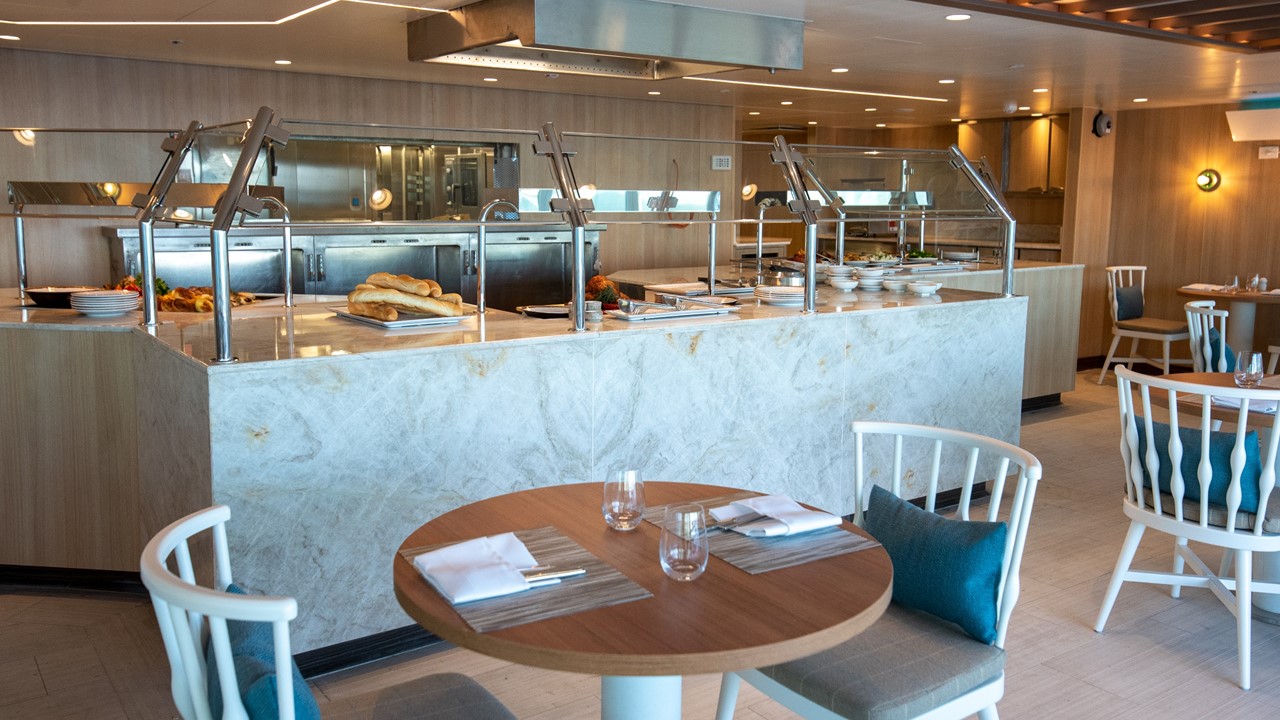
Veranda
It’s breakfast alfresco, full service or buffet-style, anytime till 9:30 a.m. No need to hurry. Again, the choices are many in Veranda. Choose the sumptuous, seemingly endless buffet. Or, order from the lunch menu between noon and 2:30 p.m.
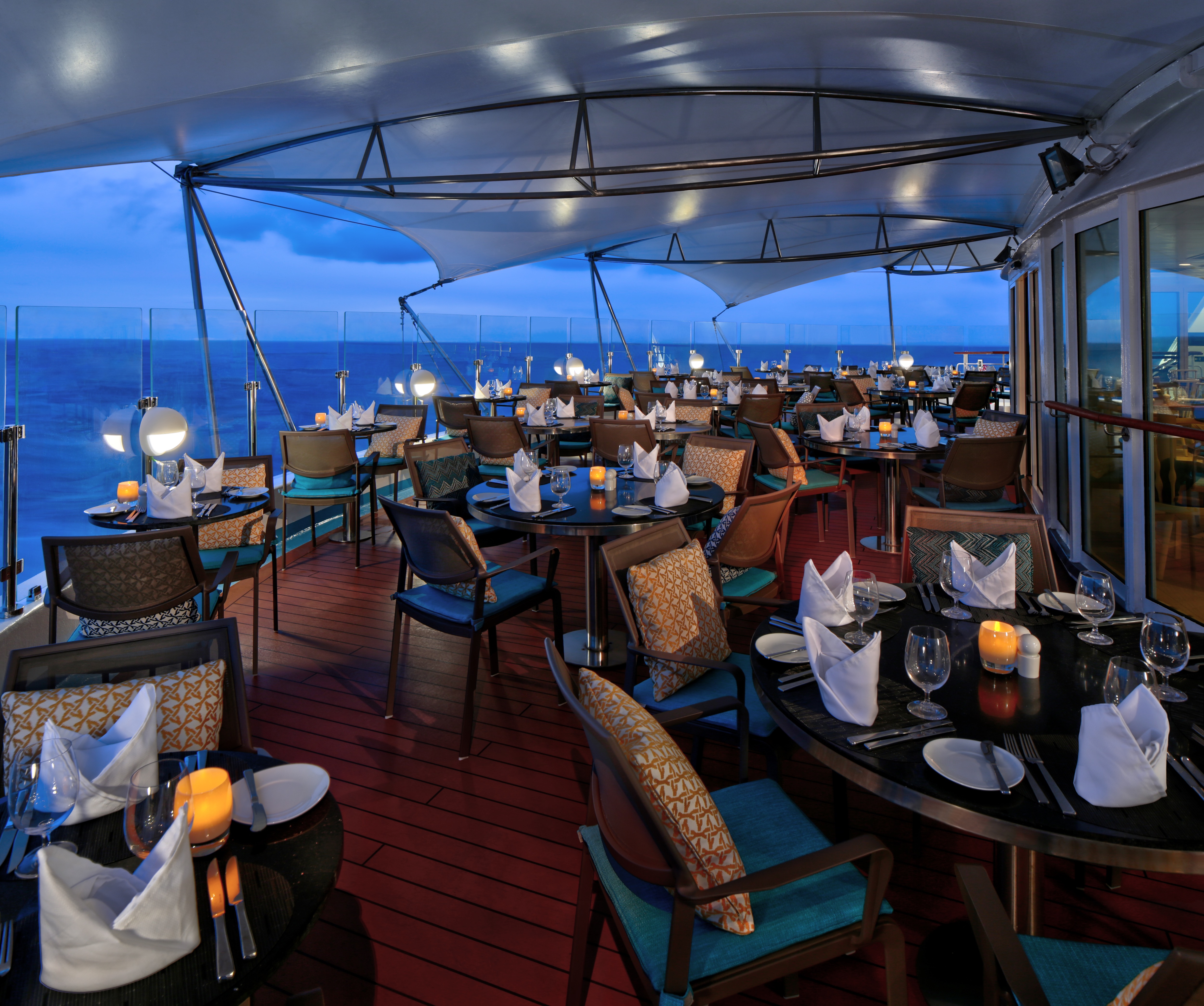
Candles Restaurant
Here’s the perfect place for a romantic tête-a-tête under the stars in Candles, Windstar’s signature outdoor restaurant transformed by night into a dreamlike paradise. Delectable cuisine, memorable surroundings, inspired wine pairings.
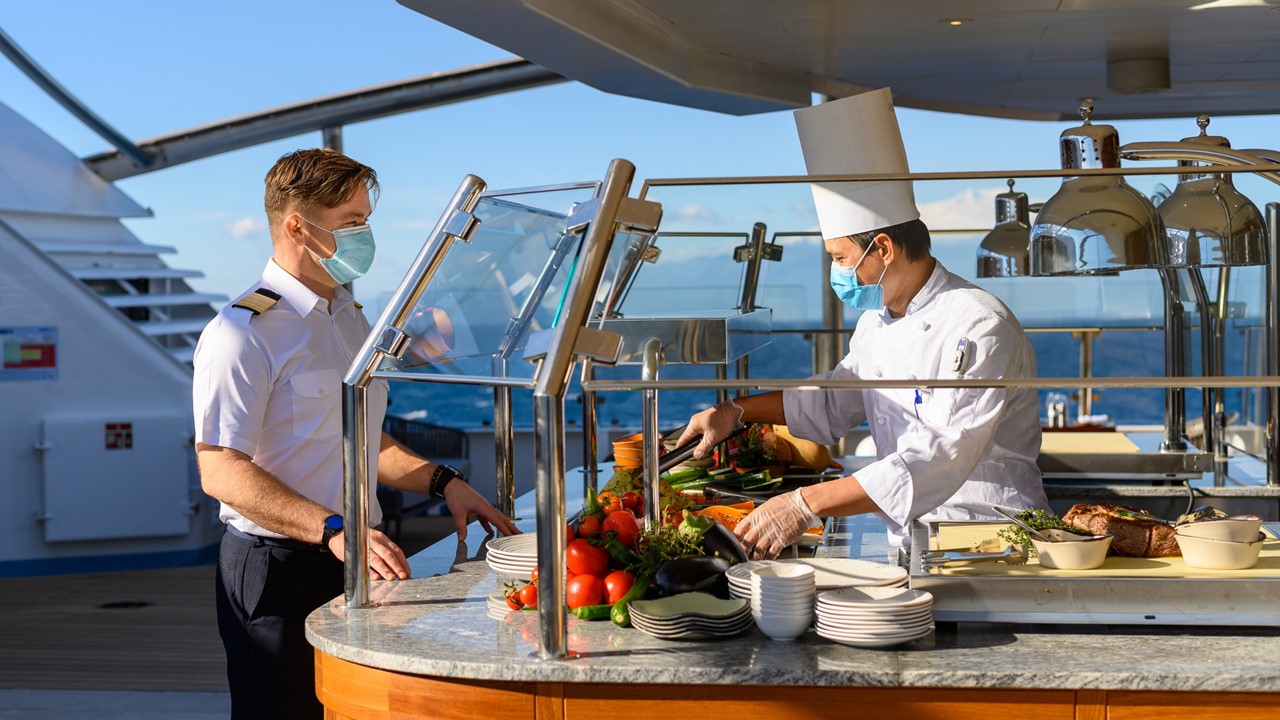
Star Grill
You’ll find all your traditional grilled and barbecued favorites (and discover new dishes from around the world) in our new casual outdoor restaurant.
Basil + Bamboo
Step into Basil + Bamboo, where clean lines and warm accents set the stage for a relaxed, refined experience. Savor dishes that fuse Asian influences with a Mediterranean twist — an inventive culinary adventure designed to delight your palate and create moments of shared discovery.

Guest Lecturers
Have you ever wanted to learn about rowing across the Atlantic or the inner workings of the Monte Carlo Grand Prix? On select Windstar voyages, satisfy your curiosity and enhance your understanding of the local culture by listening to our onboard lecturers. We’ve curated a group of speakers designed to bring you an insider’s perspective on a multitude of intriguing topics. Listen raptly as your voyage becomes more than just a vacation – and a thought-provoking exploration of enchanting lands.
Windstar Signature Expeditions
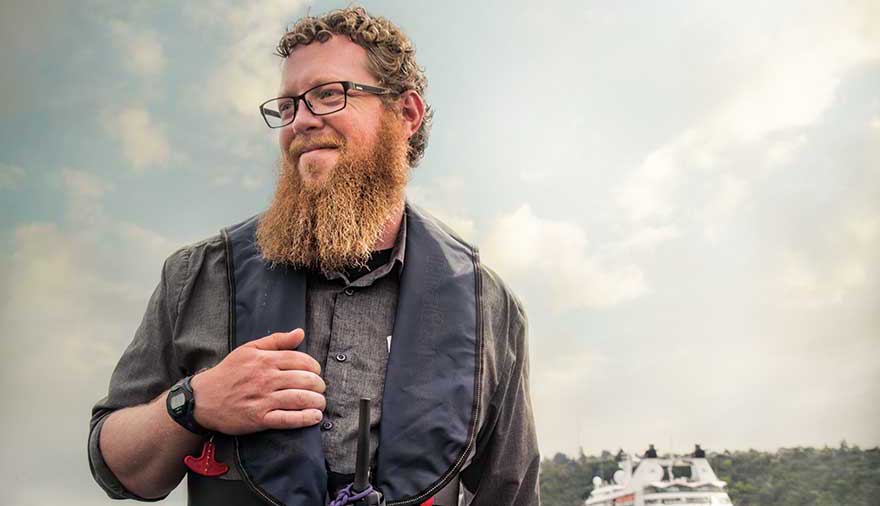
We’re Taking Travelers to a Different Alaska
Introducing the Signature Expeditions program. Helmed by a team of on board expedition experts who sail with the cruise the entire time, they’ll provide more insight, understanding, and commentary to show you an Alaska you’ve never seen before. Consisting of naturalists, glaciologists, historians and more, this team of experts will also lead guided tours, sometimes directly from the ship to some of the most remote areas of the Alaskan frontier.
Each once-in-a-lifetime experience will leave you hungry for more of the real flavors of Alaska. Book your Alaska voyage and Signature Expeditions today.
Culinary Demonstrations
“Set Sail with the Official Cruise Line of the James Beard Foundation “
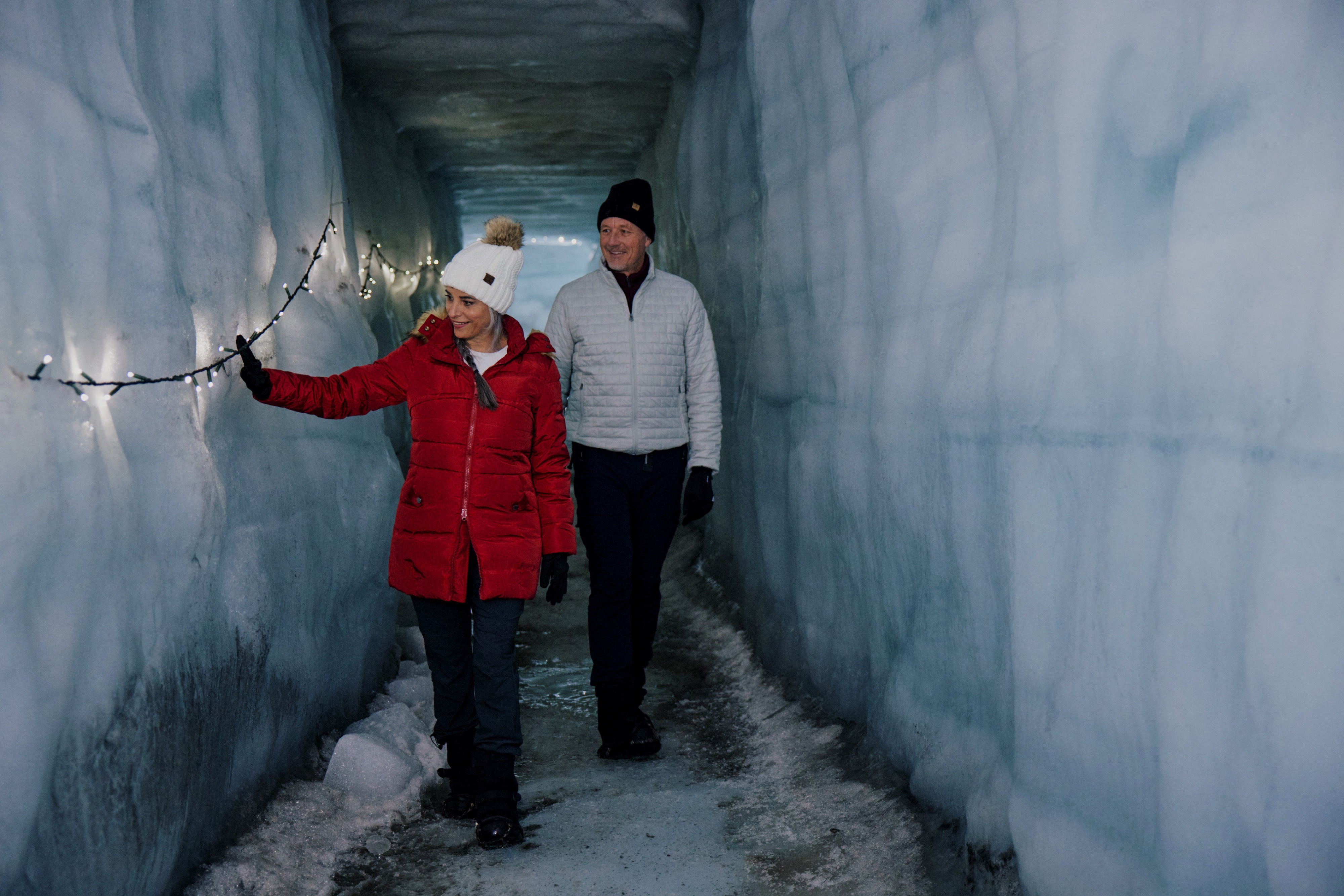
It’s the perfect pairing. Windstar Cruises and the James Beard Foundation are partnered to bring you culinary experiences that are 180 degrees from ordinary. Through this program, Windstar works with the James Beard Foundation to bring together some of the most talented chefs on themed cruises and in our dining program.
Imagine dining on dishes created by not just one celebrity chef, but a list of all-stars with the likes of Maxime Bilet (The Cooking Lab), Evan Hanzcor (Egg), and José Mendín (Pubbelly Noodle Bar, Habitat, Baja Bao) every single night in our main Amphora dining room. For a truly beyond ordinary experience, join us on our themed cruises featuring James Beard Foundation chefs and beverage experts: a foodie’s dream with dishes created by the chefs themselves and chef-accompanied market tours. And learn their secrets as you watch demos of their recipes on every sailing.
The James Beard Foundation was created to recognize and celebrate the chefs, writers and restaurateurs who advance America’s culinary arts. This emphasis on innovation and excellence pairs perfectly with Windstar’s superior service, intimate ambiance and drive to constantly innovate its cuisine. The James Beard Foundation nominates and chooses winners of the James Beard Awards, referred to as the Oscars of the restaurant industry.
As the Official Cruise Line of the James Beard Foundation, we’re able to work with over 20 of the best chefs to create the extraordinary dishes on our nightly menu and in our culinary demos. Windstar is celebrating the 10th anniversary of our partnership in 2025. To mark this special occasion, we’re thrilled to announce the return of several beloved chefs who have sailed with us in the past.
Shore Excursions
The Best on Land Brought to You by the Best at Sea
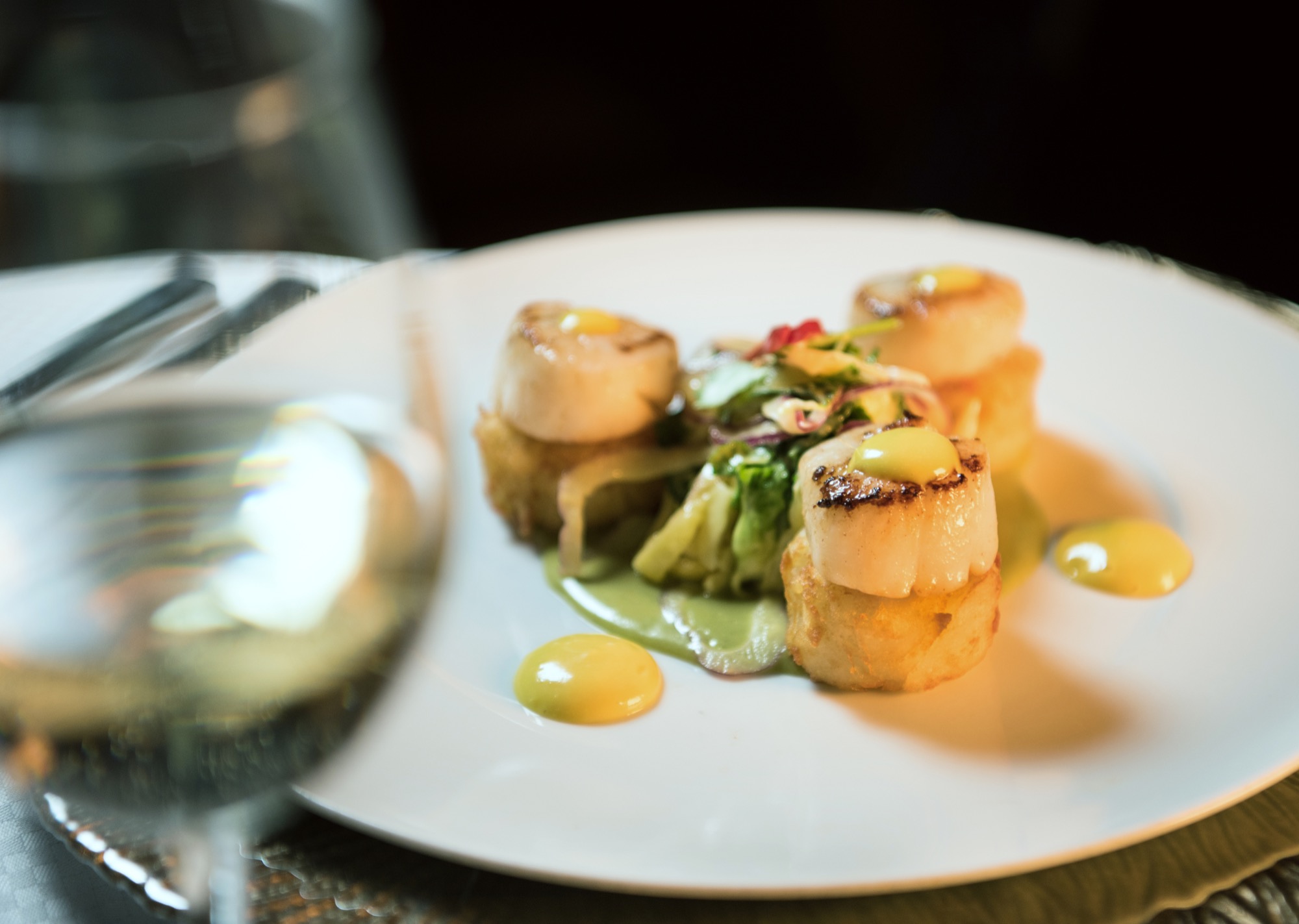
Get to the heart of local cultures with Windstar shore excursions.Choose from over 2,000 one-of-a-kind tours and activities.
You don’t want to just dip a toe in local culture, you want to dive into the deep end, and that’s exactly what Windstar shore excursions are designed to do. All of our excursions are created to provide authentic local experience — the kind travelers like you are looking for. And with more than 2,000 excursions to choose from, you can experience your destination in whatever way is most meaningful to you. Whether you’re an outdoor enthusiast, a foodie, a history buff or someone who loves to get to know the faces behind the many places we travel.
We make sure the hot springs are hot and the pinot grigio is chilled.How do we find these authentic experiences, you ask? Our Product Development Team travels to each destination and personally vet each shore excursion to make sure it makes the grade (So yes, the Open Course Canopy Challenge in Falmouth Harbour, Antigua? They went on that). And because we travel in small groups, we can adjust tours in real time based on guest feedback, whether that means finding a different place for lunch, or spending more time at a particularly fascinating historical site. We take the time and make the trip because we want your travels to be unforgettable.
Immersion in Regional Culture
Local guides share insight into their everyday world, as well as insider highlights that you don’t want to miss. As part of a smaller group, you’re able to bypass long lines, visit places off the beaten path, and get all of your questions personally answered.
Private Tours Available
Explore at your leisure with a private vehicle, driver and English-speaking guide. These exclusive tours allow you to customize your time ashore and explore the sites most interesting to you in the comfort and privacy of your own car or van. With your private vehicle, and the personalized attention of your driver and guide, you will have the flexibility and independence to design your own unique tour. This is a great option for families and groups traveling together.
Quality and Convenience
Every Windstar excursion meets our high standards of enjoyment, safety and professionalism. Tour departure times coincide with your ship’s schedule and depart right from the pier. All of our tour operators are fully insured, licensed and bonded. Our guests consistently rate their shore excursion experiences as excellent.
Watersports Platform
Jump in For Fun
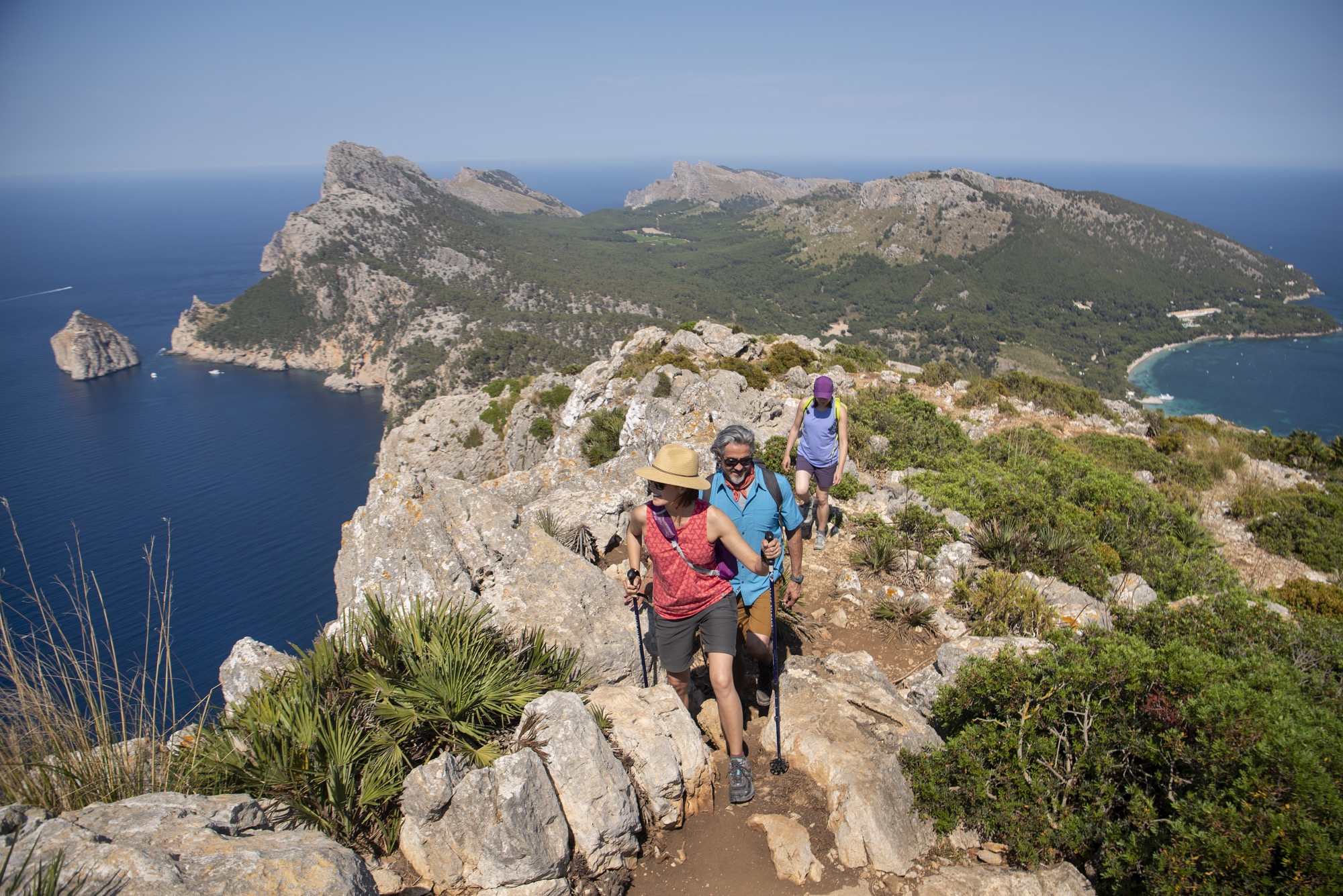
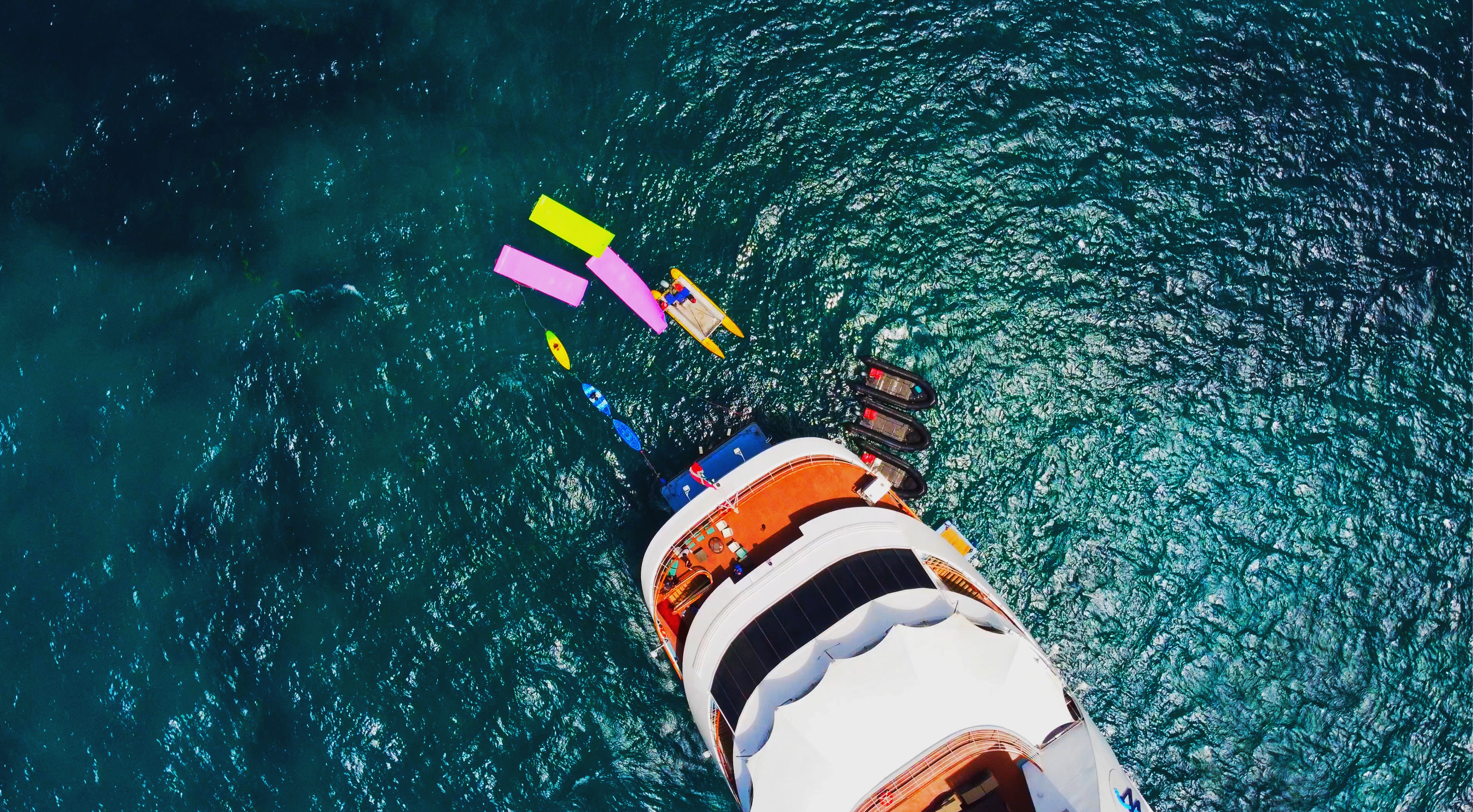
A cruise to Tahiti, the Mediterranean or the Caribbean isn’t just about the land. It’s about the sea. That warm, turquoise water is more than willing to answer your question about what to do today, and the phenomenal Watersports Platform on the stern of your Windstar yacht is more than willing to provide the means — no beach required. It’s just one more way our yachts get you closer to your destination.
Complimentary Watersports Equipment and Activities Include*:
Snorkeling gear (a personal custom-fit set for your use throughout your Tahiti cruise and in select Caribbean and Central • America destinations)
Stand-up paddleboards
Kayaks
Foam flotation magic carpet
Water trampoline
Sailboat
*Available on select itineraries and ports of call. Selection on yachts may vary.
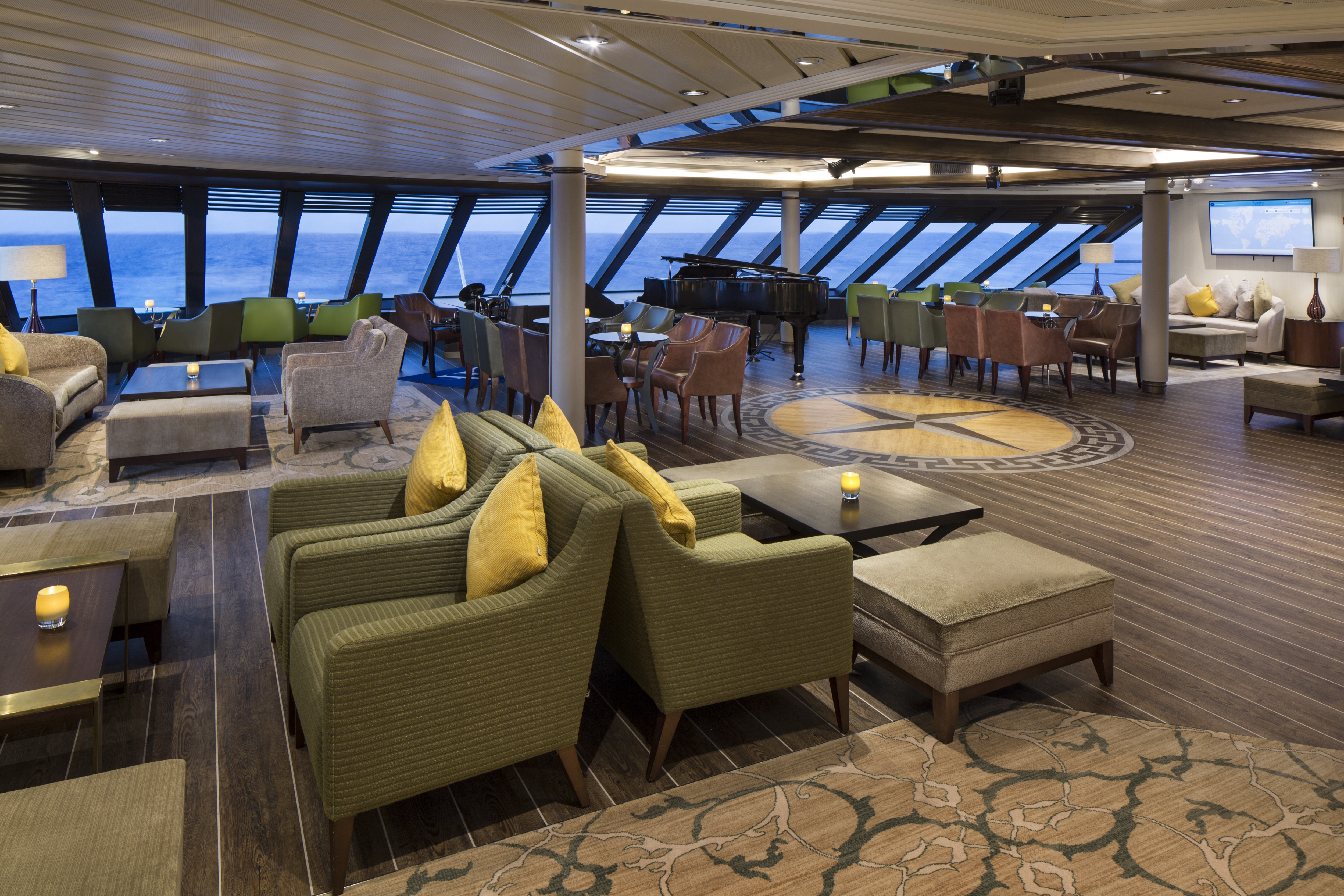
Compass Rose
Compass Rose can be found on Deck 6.
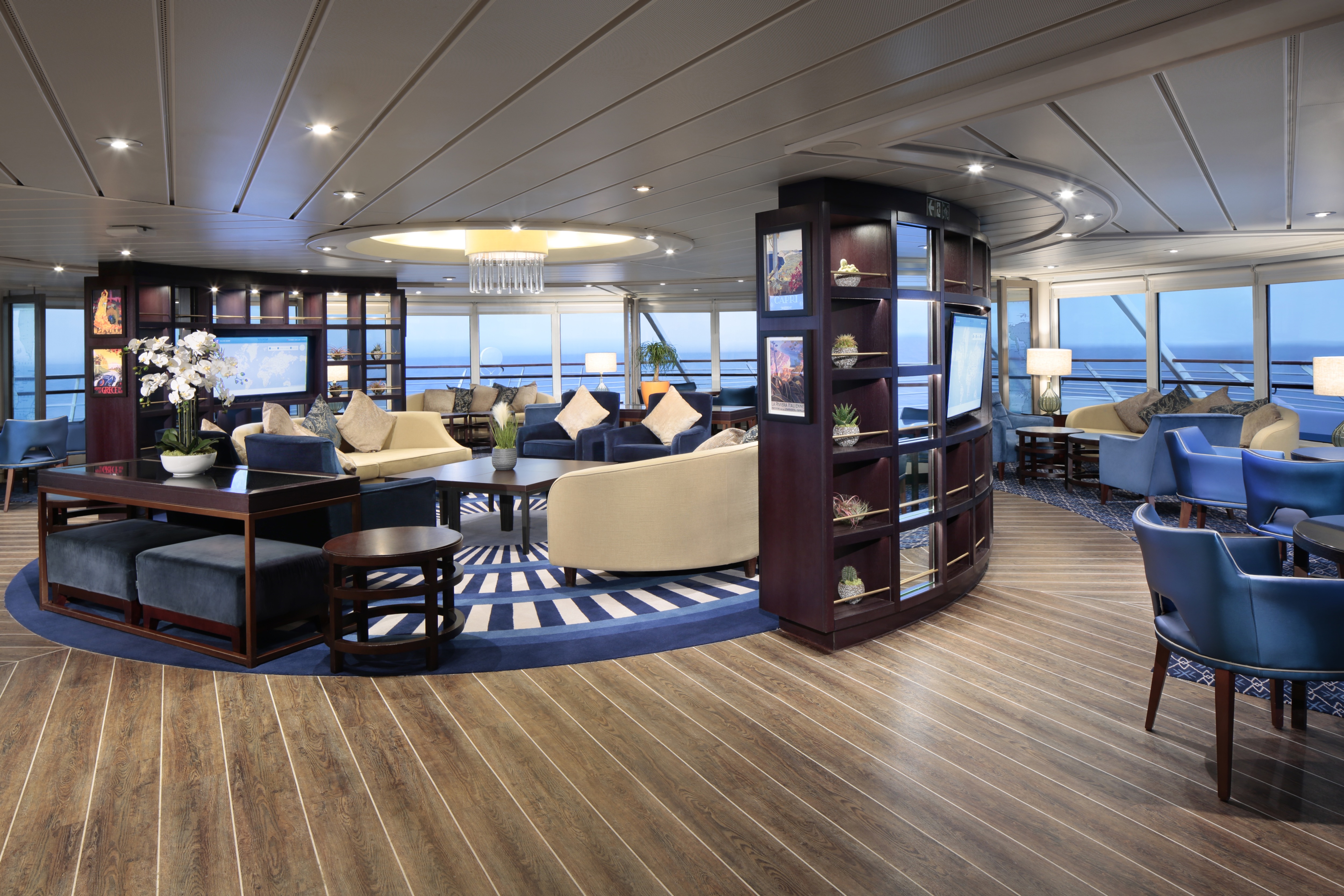
The Yacht Club and Library
Stop by the Yacht Club Café for a bite or coffee crafted by our barista.
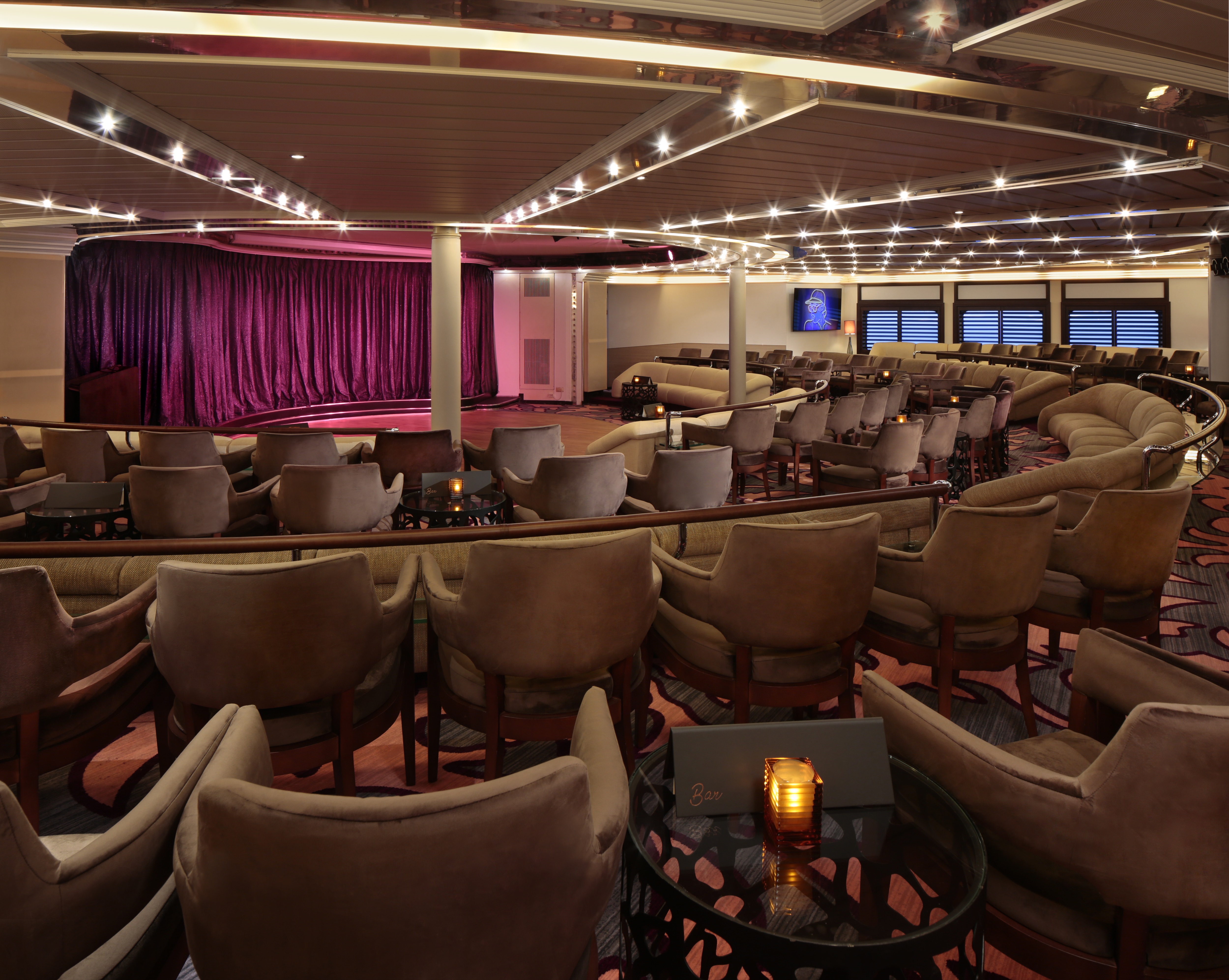
Lounge
The Lounge can be found on Deck 5.
Open Bridge
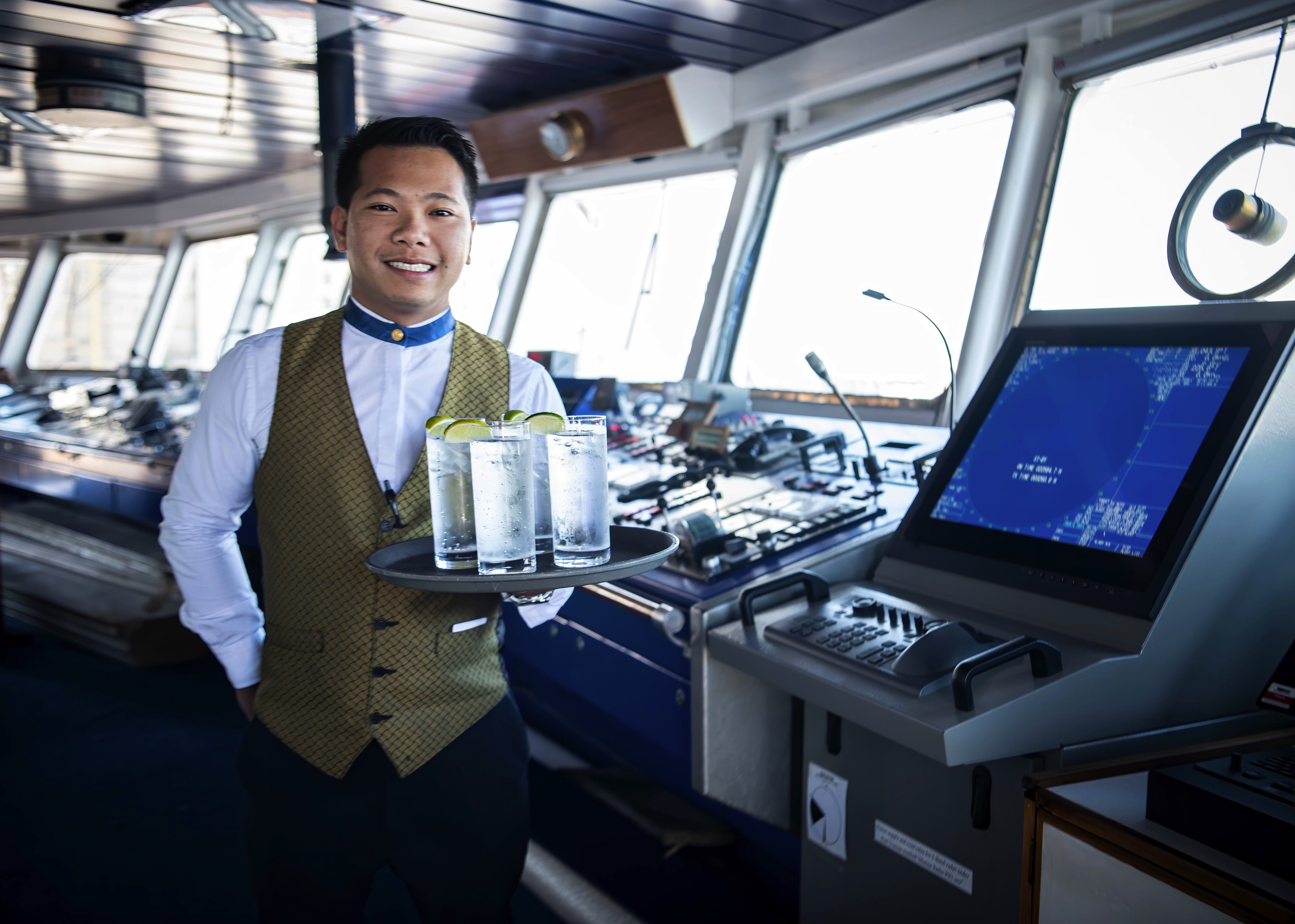
We’re the only cruise line welcoming guests on to an Open Bridge, where they can pop in to watch the Captain and crew at work, and learn about chart navigation.
Screening Room
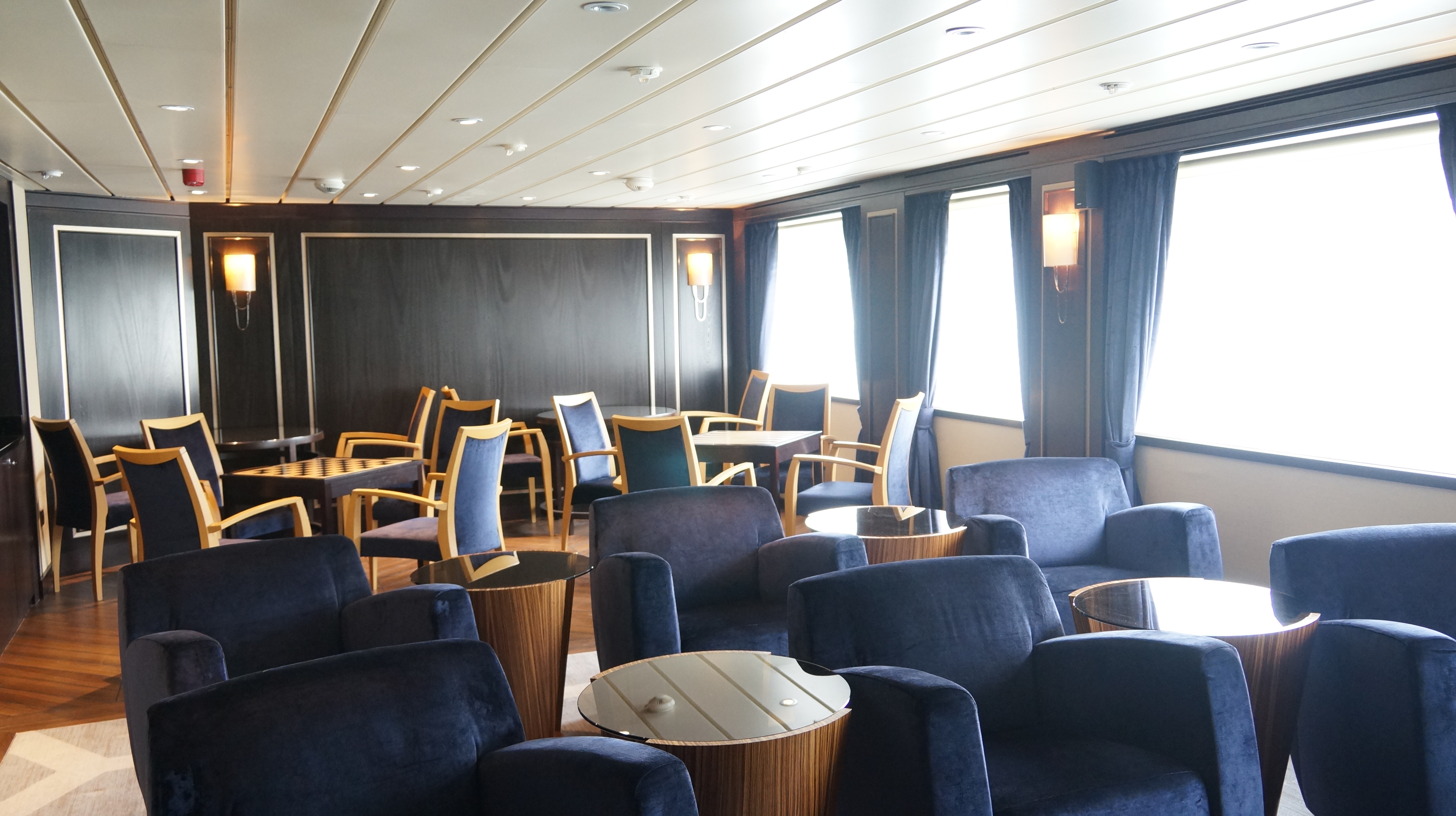
The ship’s card room is now the new Star Screening Room, where guests can view current movies.
Live Entertainment
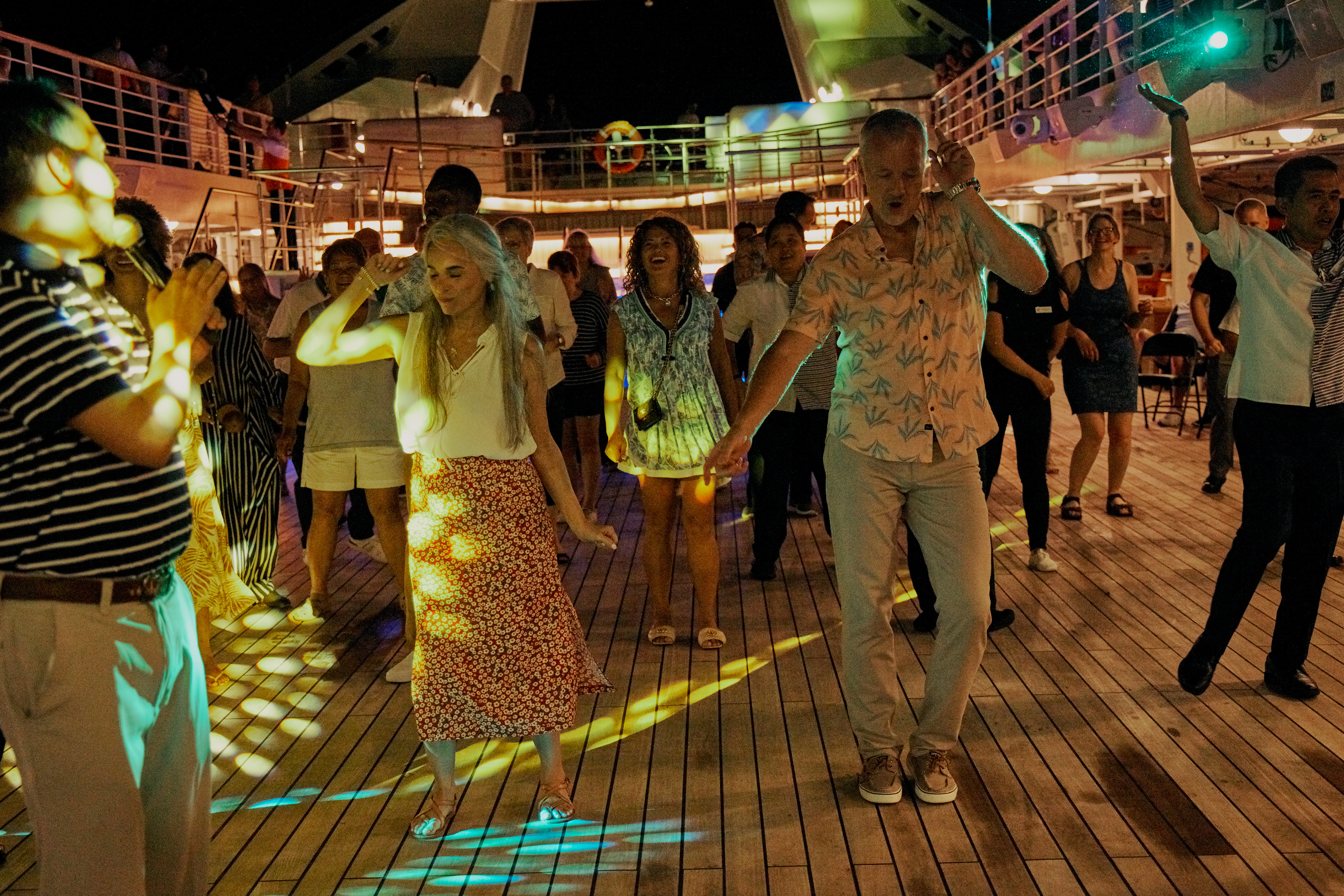
After a long day at port or sea, relax in the lounge and enjoy a drink while being entertained by our onboard band, local performers or our talented crew members.
Each cruise, our crew demonstrates their hidden abilities, whether dancing, singing, magic or comedy. Our team will continue to delight you through the night during the crew talent show, and perhaps you’ll find a hidden talent of your own.
Sun Deck
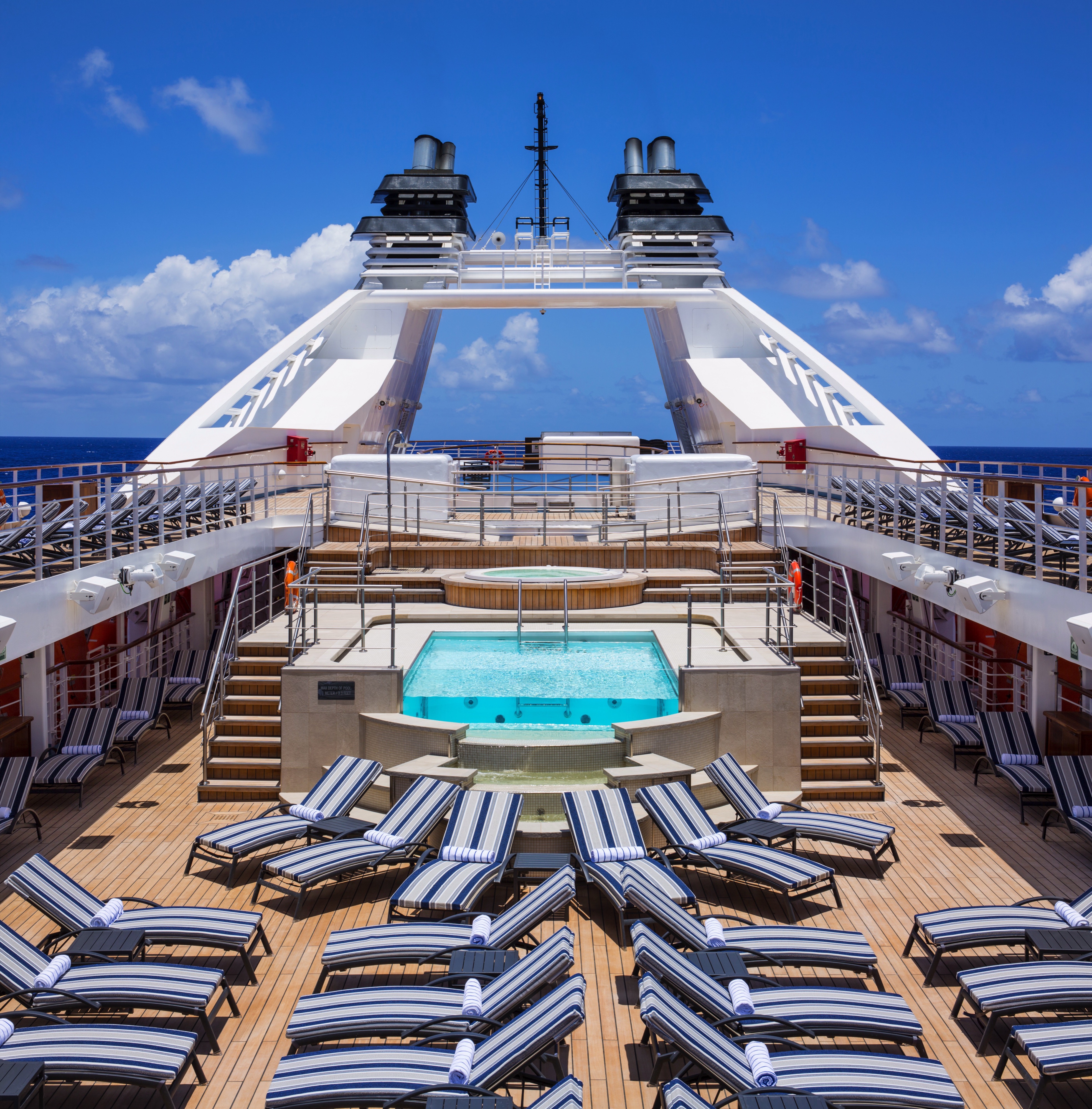
The Sun Deck can be located on Deck 7.
Star Boutique
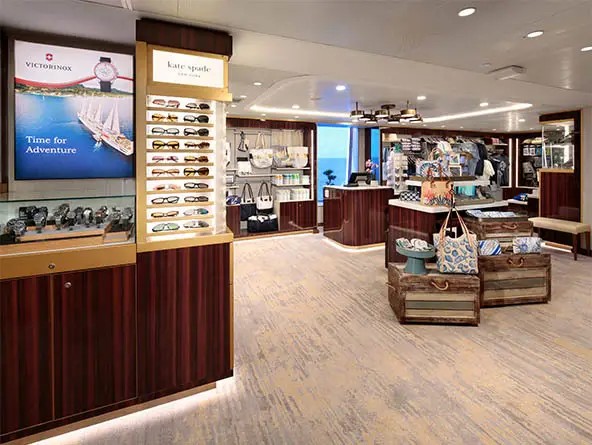
Visit our newly transformed specialty shopping boutique, Star Boutique, rolling out fleet-wide through early 2022. The new shop features quality brand-name and exclusive Star Collection merchandise, from clothing and fragrances to jewelry and accessories, all at duty free or special pricing.
World Spa
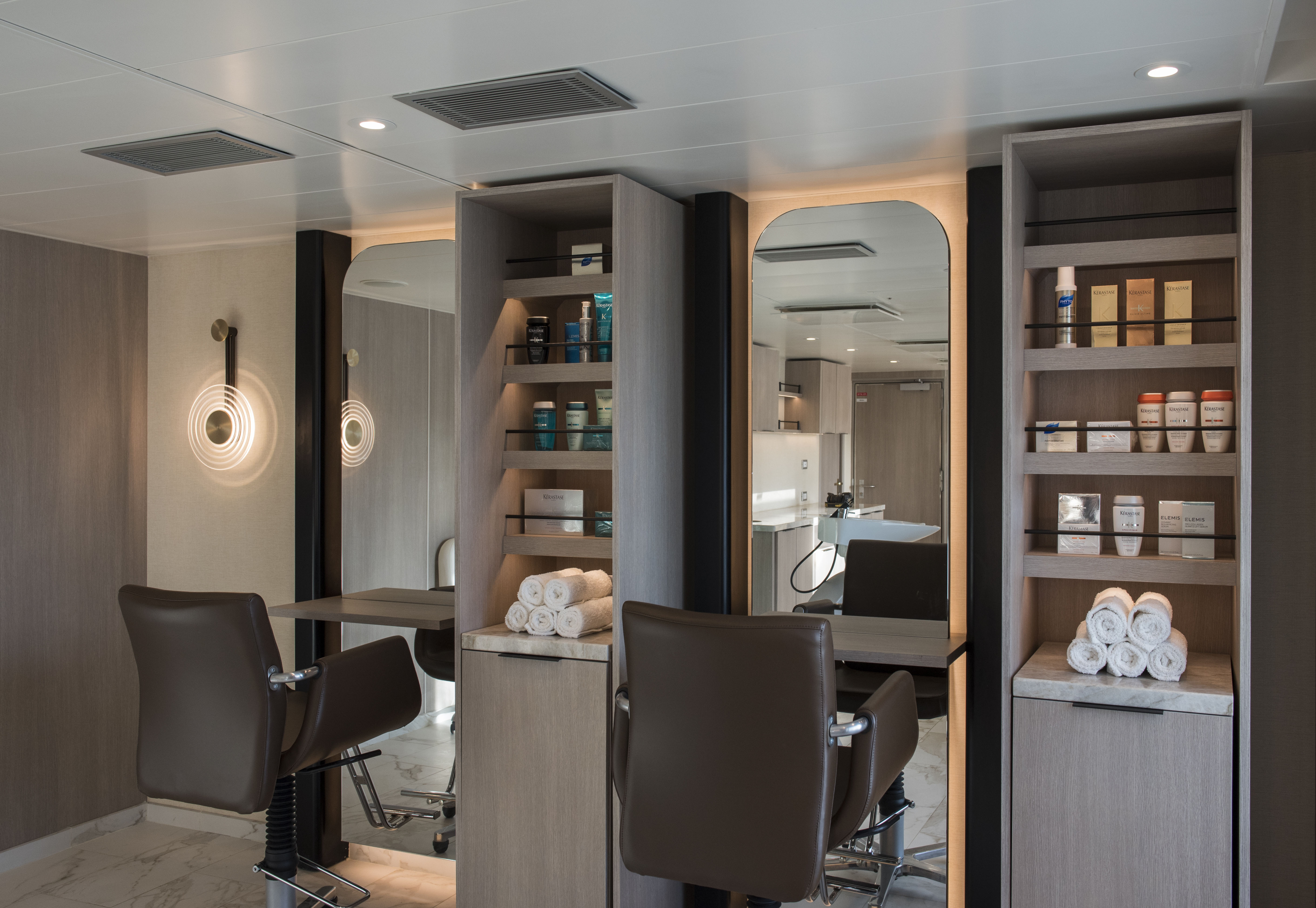
Expanded state-of-the-art World Spa by Windstar. Recharge in new tranquil treatment rooms featuring massages inspired from the world’s regions or join a group exercise class in the new sunlit studio.
Pool & Whirlpool
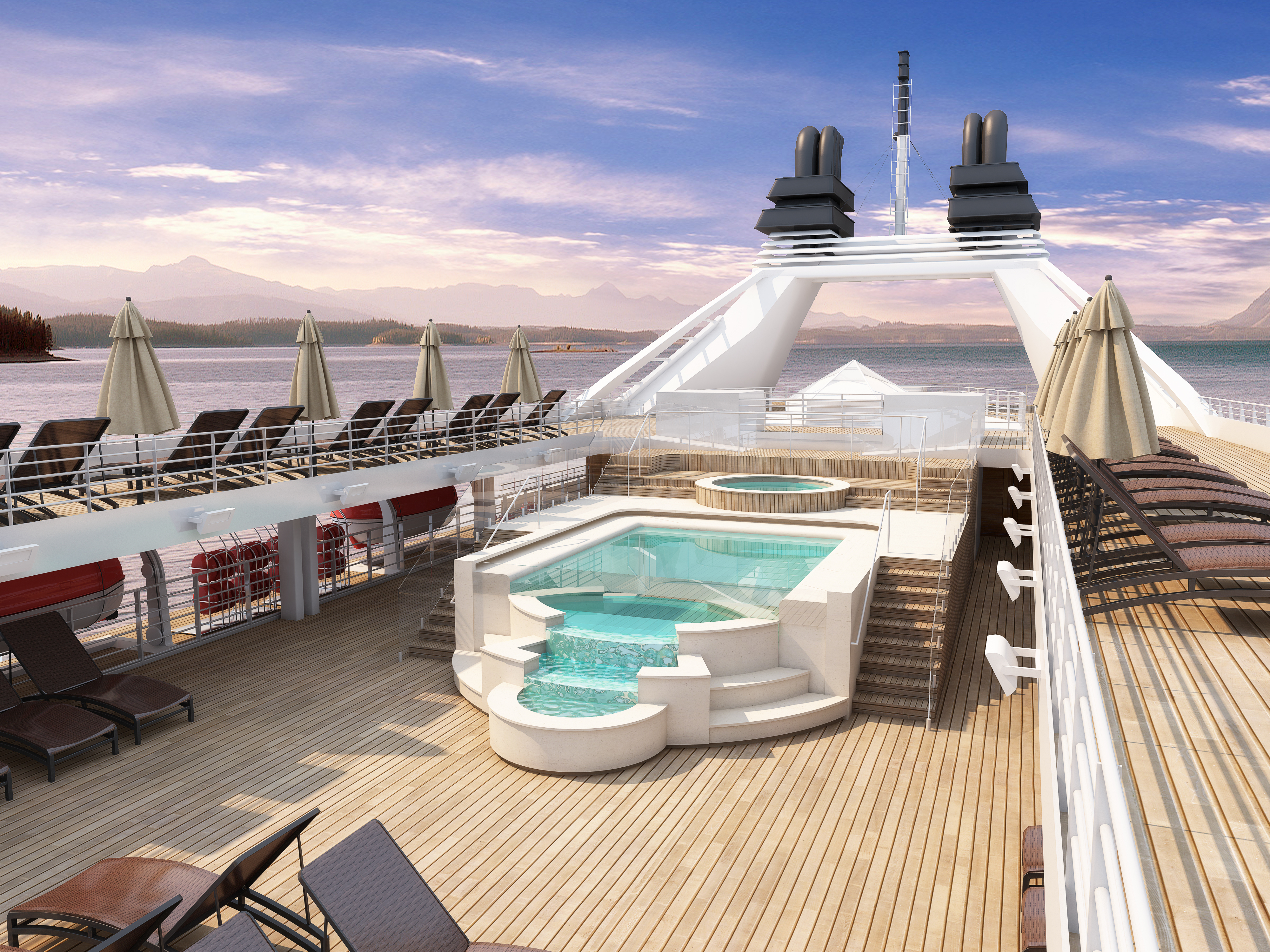
New breathtaking pool and whirlpool. Soak it all in with an elevated pool, and expanded deck for sunbathing and relaxing.
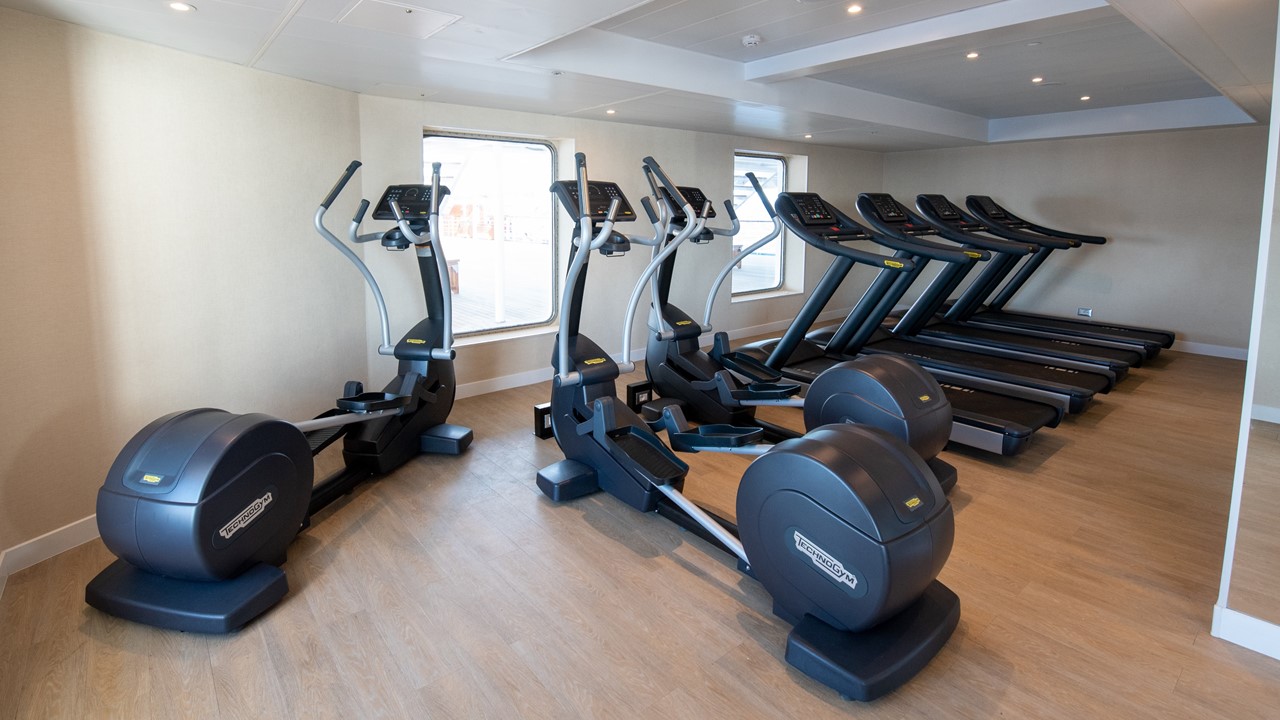
Fitness Centre
Please note: Star Legend does not offer any dedicated children’s facilities.
Amphora Restaurant
Here, the dining room manager seats you, but where is your decision. There are no pre-assigned tables or first or second seatings. When you dine and with whom are entirely up to you. Seating usually begins at 6:30 p.m. and will be printed in the ship’s daily program. Each delightful dish is prepared exactly to your liking – an exquisite dinner served course-by-course with a fine selection of vintage wines.
Veranda
It’s breakfast alfresco, full service or buffet-style, anytime till 9:30 a.m. No need to hurry. Again, the choices are many in Veranda. Choose the sumptuous, seemingly endless buffet. Or, order from the lunch menu between noon and 2:30 p.m.
Candles Restaurant
Here’s the perfect place for a romantic tête-a-tête under the stars in Candles, Windstar’s signature outdoor restaurant transformed by night into a dreamlike paradise. Delectable cuisine, memorable surroundings, inspired wine pairings.
Star Grill
You’ll find all your traditional grilled and barbecued favorites (and discover new dishes from around the world) in our new casual outdoor restaurant.
Basil + Bamboo
Step into Basil + Bamboo, where clean lines and warm accents set the stage for a relaxed, refined experience. Savor dishes that fuse Asian influences with a Mediterranean twist — an inventive culinary adventure designed to delight your palate and create moments of shared discovery.
Guest Lecturers
Have you ever wanted to learn about rowing across the Atlantic or the inner workings of the Monte Carlo Grand Prix? On select Windstar voyages, satisfy your curiosity and enhance your understanding of the local culture by listening to our onboard lecturers. We’ve curated a group of speakers designed to bring you an insider’s perspective on a multitude of intriguing topics. Listen raptly as your voyage becomes more than just a vacation – and a thought-provoking exploration of enchanting lands.
Windstar Signature Expeditions
We’re Taking Travelers to a Different Alaska
Introducing the Signature Expeditions program. Helmed by a team of on board expedition experts who sail with the cruise the entire time, they’ll provide more insight, understanding, and commentary to show you an Alaska you’ve never seen before. Consisting of naturalists, glaciologists, historians and more, this team of experts will also lead guided tours, sometimes directly from the ship to some of the most remote areas of the Alaskan frontier.
Each once-in-a-lifetime experience will leave you hungry for more of the real flavors of Alaska. Book your Alaska voyage and Signature Expeditions today.
Culinary Demonstrations
“Set Sail with the Official Cruise Line of the James Beard Foundation “
It’s the perfect pairing. Windstar Cruises and the James Beard Foundation are partnered to bring you culinary experiences that are 180 degrees from ordinary. Through this program, Windstar works with the James Beard Foundation to bring together some of the most talented chefs on themed cruises and in our dining program.
Imagine dining on dishes created by not just one celebrity chef, but a list of all-stars with the likes of Maxime Bilet (The Cooking Lab), Evan Hanzcor (Egg), and José Mendín (Pubbelly Noodle Bar, Habitat, Baja Bao) every single night in our main Amphora dining room. For a truly beyond ordinary experience, join us on our themed cruises featuring James Beard Foundation chefs and beverage experts: a foodie’s dream with dishes created by the chefs themselves and chef-accompanied market tours. And learn their secrets as you watch demos of their recipes on every sailing.
The James Beard Foundation was created to recognize and celebrate the chefs, writers and restaurateurs who advance America’s culinary arts. This emphasis on innovation and excellence pairs perfectly with Windstar’s superior service, intimate ambiance and drive to constantly innovate its cuisine. The James Beard Foundation nominates and chooses winners of the James Beard Awards, referred to as the Oscars of the restaurant industry.
As the Official Cruise Line of the James Beard Foundation, we’re able to work with over 20 of the best chefs to create the extraordinary dishes on our nightly menu and in our culinary demos. Windstar is celebrating the 10th anniversary of our partnership in 2025. To mark this special occasion, we’re thrilled to announce the return of several beloved chefs who have sailed with us in the past.
Shore Excursions
The Best on Land Brought to You by the Best at Sea
Get to the heart of local cultures with Windstar shore excursions.Choose from over 2,000 one-of-a-kind tours and activities.
You don’t want to just dip a toe in local culture, you want to dive into the deep end, and that’s exactly what Windstar shore excursions are designed to do. All of our excursions are created to provide authentic local experience — the kind travelers like you are looking for. And with more than 2,000 excursions to choose from, you can experience your destination in whatever way is most meaningful to you. Whether you’re an outdoor enthusiast, a foodie, a history buff or someone who loves to get to know the faces behind the many places we travel.
We make sure the hot springs are hot and the pinot grigio is chilled.How do we find these authentic experiences, you ask? Our Product Development Team travels to each destination and personally vet each shore excursion to make sure it makes the grade (So yes, the Open Course Canopy Challenge in Falmouth Harbour, Antigua? They went on that). And because we travel in small groups, we can adjust tours in real time based on guest feedback, whether that means finding a different place for lunch, or spending more time at a particularly fascinating historical site. We take the time and make the trip because we want your travels to be unforgettable.
Immersion in Regional Culture
Local guides share insight into their everyday world, as well as insider highlights that you don’t want to miss. As part of a smaller group, you’re able to bypass long lines, visit places off the beaten path, and get all of your questions personally answered.
Private Tours Available
Explore at your leisure with a private vehicle, driver and English-speaking guide. These exclusive tours allow you to customize your time ashore and explore the sites most interesting to you in the comfort and privacy of your own car or van. With your private vehicle, and the personalized attention of your driver and guide, you will have the flexibility and independence to design your own unique tour. This is a great option for families and groups traveling together.
Quality and Convenience
Every Windstar excursion meets our high standards of enjoyment, safety and professionalism. Tour departure times coincide with your ship’s schedule and depart right from the pier. All of our tour operators are fully insured, licensed and bonded. Our guests consistently rate their shore excursion experiences as excellent.
Watersports Platform
Jump in For Fun
A cruise to Tahiti, the Mediterranean or the Caribbean isn’t just about the land. It’s about the sea. That warm, turquoise water is more than willing to answer your question about what to do today, and the phenomenal Watersports Platform on the stern of your Windstar yacht is more than willing to provide the means — no beach required. It’s just one more way our yachts get you closer to your destination.
Complimentary Watersports Equipment and Activities Include*:
Snorkeling gear (a personal custom-fit set for your use throughout your Tahiti cruise and in select Caribbean and Central • America destinations)
Stand-up paddleboards
Kayaks
Foam flotation magic carpet
Water trampoline
Sailboat
*Available on select itineraries and ports of call. Selection on yachts may vary.
Compass Rose
Compass Rose can be found on Deck 6.
The Yacht Club and Library
Stop by the Yacht Club Café for a bite or coffee crafted by our barista.
Lounge
The Lounge can be found on Deck 5.
Open Bridge
We’re the only cruise line welcoming guests on to an Open Bridge, where they can pop in to watch the Captain and crew at work, and learn about chart navigation.
Screening Room
The ship’s card room is now the new Star Screening Room, where guests can view current movies.
Live Entertainment
After a long day at port or sea, relax in the lounge and enjoy a drink while being entertained by our onboard band, local performers or our talented crew members.
Each cruise, our crew demonstrates their hidden abilities, whether dancing, singing, magic or comedy. Our team will continue to delight you through the night during the crew talent show, and perhaps you’ll find a hidden talent of your own.
Sun Deck
The Sun Deck can be located on Deck 7.
Star Boutique
Visit our newly transformed specialty shopping boutique, Star Boutique, rolling out fleet-wide through early 2022. The new shop features quality brand-name and exclusive Star Collection merchandise, from clothing and fragrances to jewelry and accessories, all at duty free or special pricing.
World Spa
Expanded state-of-the-art World Spa by Windstar. Recharge in new tranquil treatment rooms featuring massages inspired from the world’s regions or join a group exercise class in the new sunlit studio.
Pool & Whirlpool
New breathtaking pool and whirlpool. Soak it all in with an elevated pool, and expanded deck for sunbathing and relaxing.
Fitness Centre
Please note: Star Legend does not offer any dedicated children’s facilities.
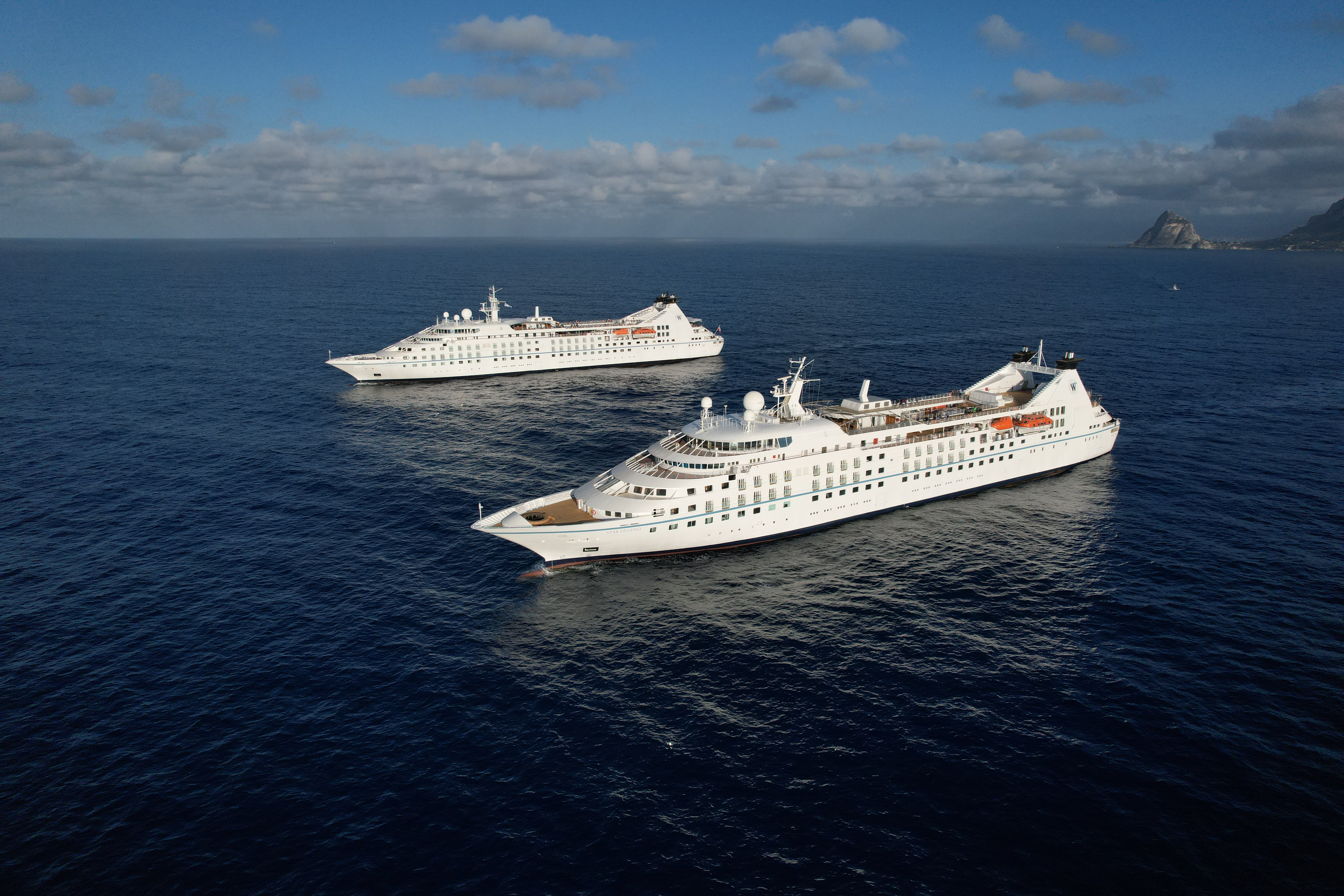
About the Ship
Deck Plans

- Watersports Platform (19)
- Amphora Restaurant (18)
- Medical Facility (17)
- Star Porthole Suites

- Star Ocean View Suites
- Balcony Suite
- Ocean View Suites – Accessible Suites (448,450)
- Deluxe Suite

- Whirlpool (12)
- Reception (13)
- Destination Office (14)
- Screening Room (15)
- Lounge (16)
- Deluxe Suite
- Ocean View Suites
- Balcony Suites
- Deluxe Suite
- Star Balcony Suite
- Star Ocean View Suite
- Ocean View Suite – Accessible Suites (548, 550)

- Basil & Bamboo Restaurant* (9)
- Star Boutique (10)
- Compass Rose (11)
- Owner’s Suites
- Star Porthole Suites
- Star Balcony Suites
- Deluxe Suite
- Star Ocean View Suites
- Balcony Suites

- Bridge (4)
- World Spa by Windstar (5)
- Fitness Centre and Motion Studio (6)
- Pool and Whirlpool (7)
- Veranda/Candles (8)

- Yacht Club Café & Library (1)
- Star Bar (2)
- Star Grill (3)
- Watersports Platform (19)
- Amphora Restaurant (18)
- Medical Facility (17)
- Star Porthole Suites
- Star Ocean View Suites
- Balcony Suite
- Ocean View Suites – Accessible Suites (448,450)
- Deluxe Suite
- Whirlpool (12)
- Reception (13)
- Destination Office (14)
- Screening Room (15)
- Lounge (16)
- Deluxe Suite
- Ocean View Suites
- Balcony Suites
- Deluxe Suite
- Star Balcony Suite
- Star Ocean View Suite
- Ocean View Suite – Accessible Suites (548, 550)
- Basil & Bamboo Restaurant* (9)
- Star Boutique (10)
- Compass Rose (11)
- Owner’s Suites
- Star Porthole Suites
- Star Balcony Suites
- Deluxe Suite
- Star Ocean View Suites
- Balcony Suites
- Bridge (4)
- World Spa by Windstar (5)
- Fitness Centre and Motion Studio (6)
- Pool and Whirlpool (7)
- Veranda/Candles (8)
- Yacht Club Café & Library (1)
- Star Bar (2)
- Star Grill (3)