Featured Cabins
Itinerary
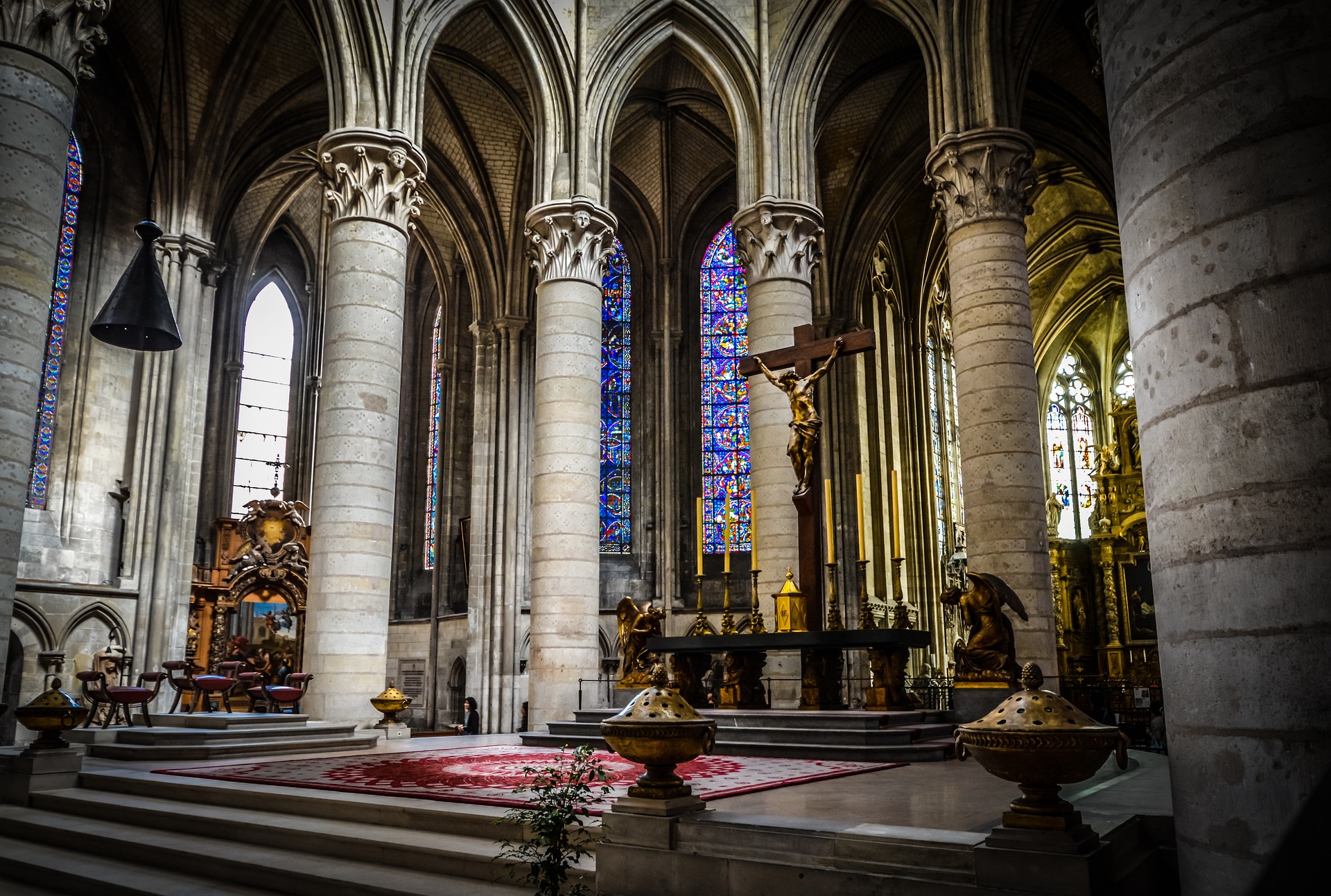
Rouen, France
At Sea
Honfleur, France
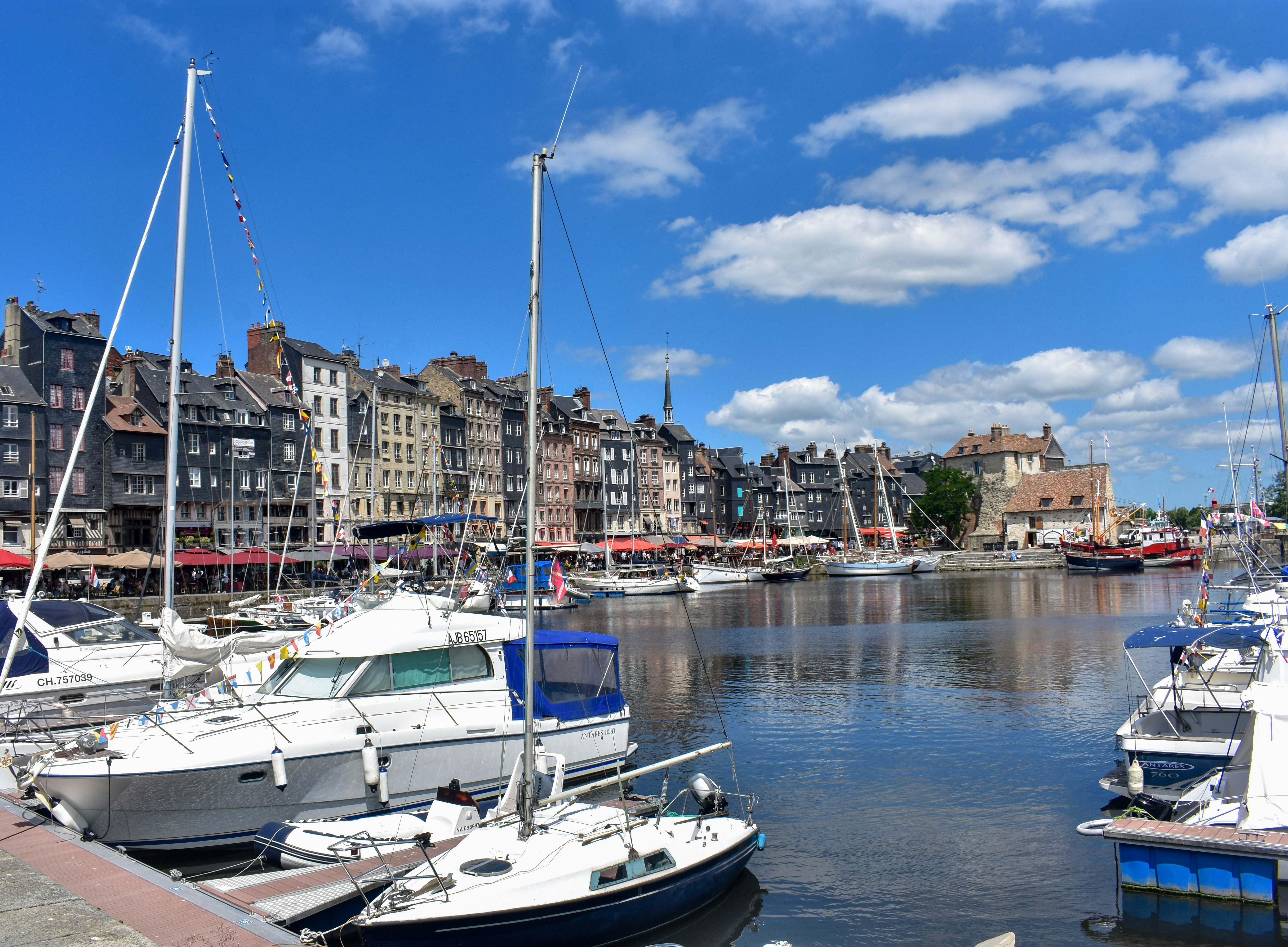
Honfleur, the most picturesque of the Côte Fleurie’s seaside towns, is a time-burnished place with a surplus of half-timber houses and cobbled streets that are lined with a stunning selection of stylish boutiques. Much of its Renaissance architecture remains intact—especially around the 17th-century Vieux Bassin harbor, where the water is fronted on one side by two-story stone houses with low, sloping roofs and on the other by tall slate-topped houses with wooden facades. Maritime expeditions (including some of the first voyages to Canada) departed from here; later, Impressionists were inspired to capture it on canvas. But the town as a whole has become increasingly crowded since the Pont de Normandie opened in 1995. Providing a direct link with Upper Normandy, the world’s sixth-largest cable-stayed bridge is supported by two concrete pylons taller than the Eiffel Tower and designed to resist winds of 257 kph (160 mph).
Saint-Malo, France
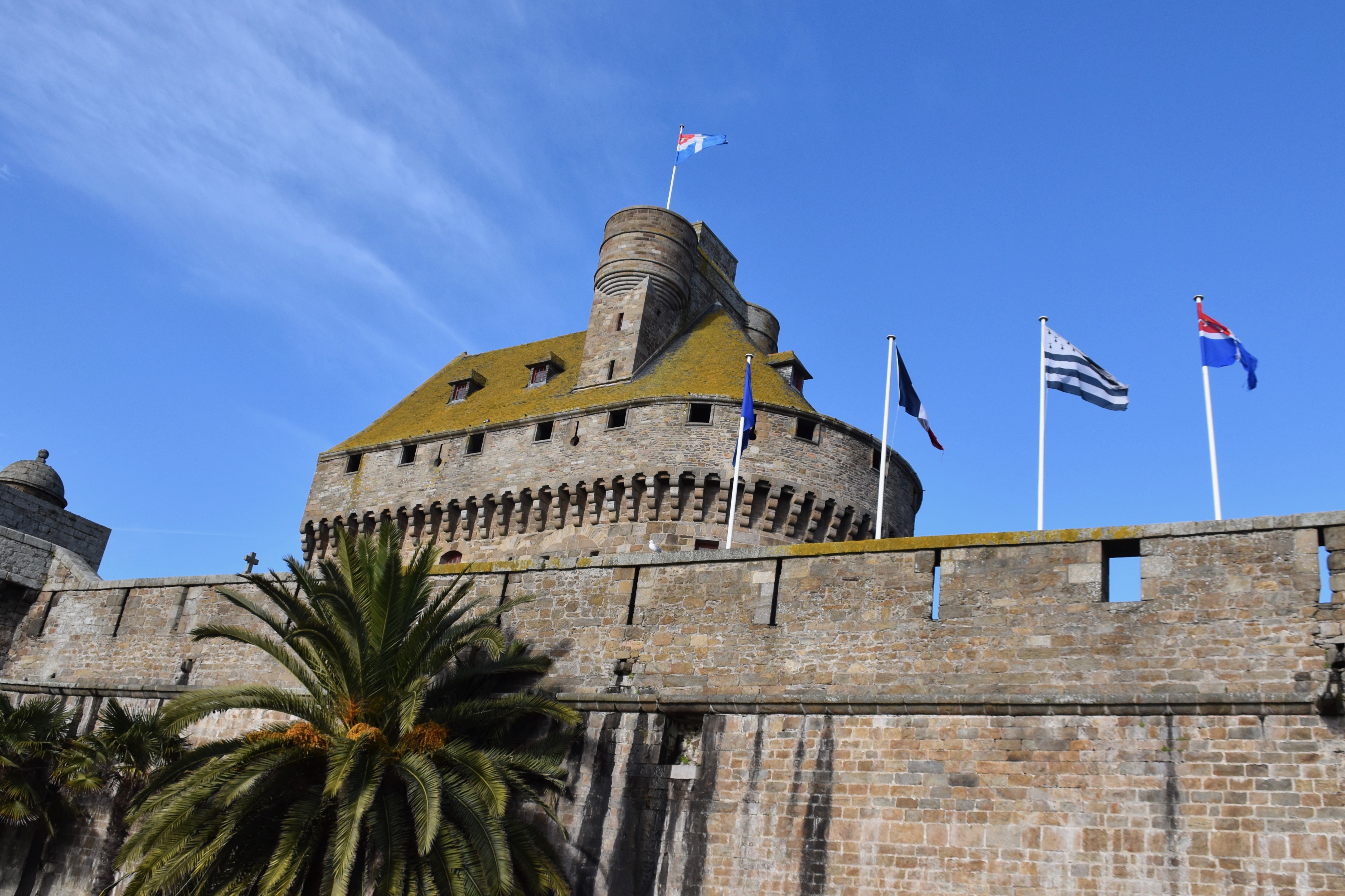
Thrust out into the sea and bound to the mainland only by tenuous man-made causeways, romantic St-Malo has built a reputation as a breeding ground for phenomenal sailors. Many were fishermen, but others—most notably Jacques Cartier, who claimed Canada for Francis I in 1534—were New World explorers. Still others were corsairs, “sea dogs” paid by the French crown to harass the Limeys across the Channel: legendary ones like Robert Surcouf and Duguay-Trouin helped make St-Malo rich through their pillaging, in the process earning it the nickname “the pirates’ city.” The St-Malo you see today isn’t quite the one they called home because a weeklong fire in 1944, kindled by retreating Nazis, wiped out nearly all of the old buildings. Restoration work was more painstaking than brilliant, but the narrow streets and granite houses of the Vieille Ville were satisfactorily recreated, enabling St-Malo to regain its role as a busy fishing port, seaside resort, and tourist destination. The ramparts that help define this city figuratively and literally are authentic, and the flames also spared houses along Rue de Pelicot in the Vieille Ville. Battalions of tourists invade this quaint part of town in summer, so arrive off-season if you want to avoid crowds.
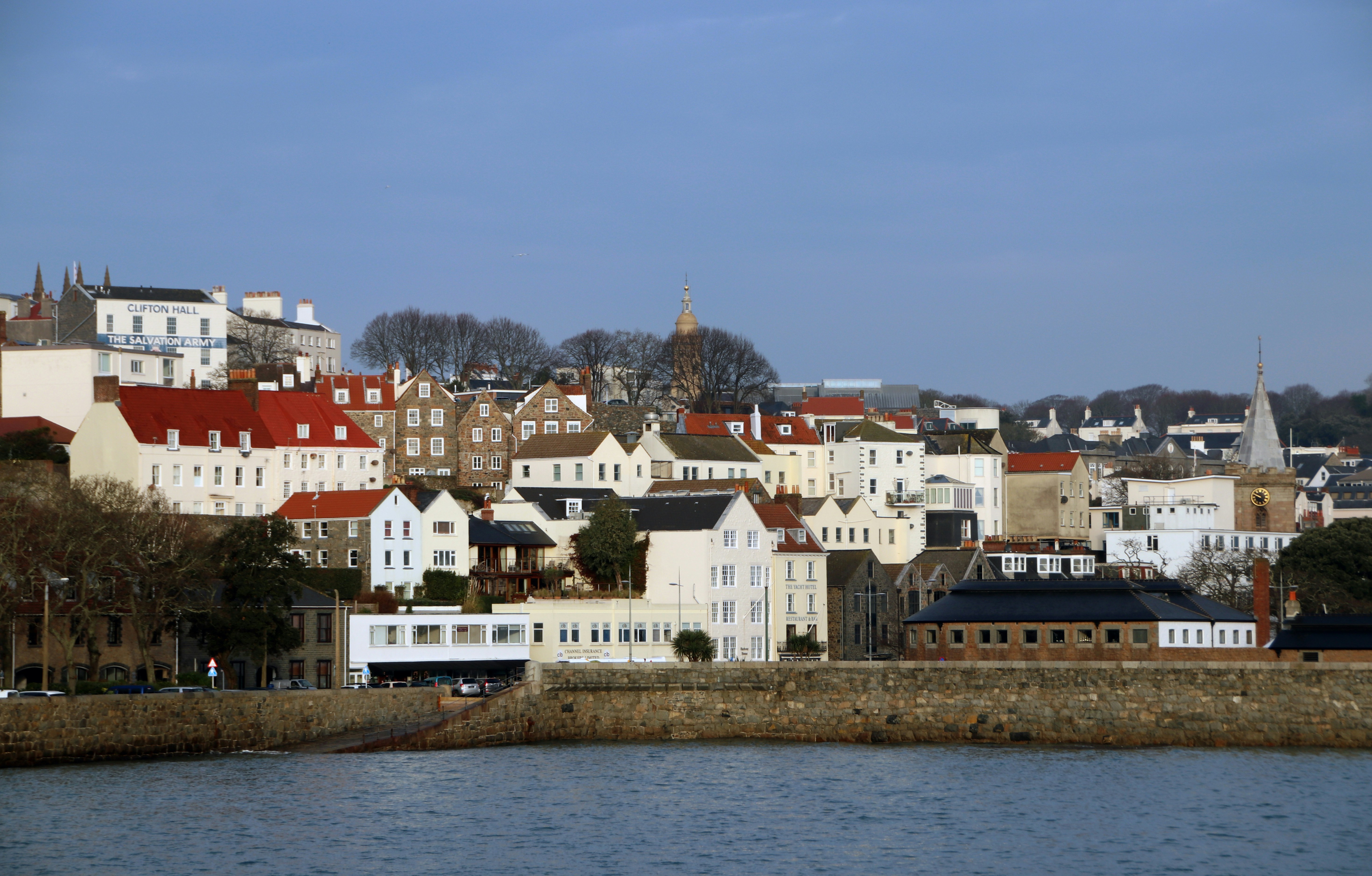
Guernsey, Guernsey
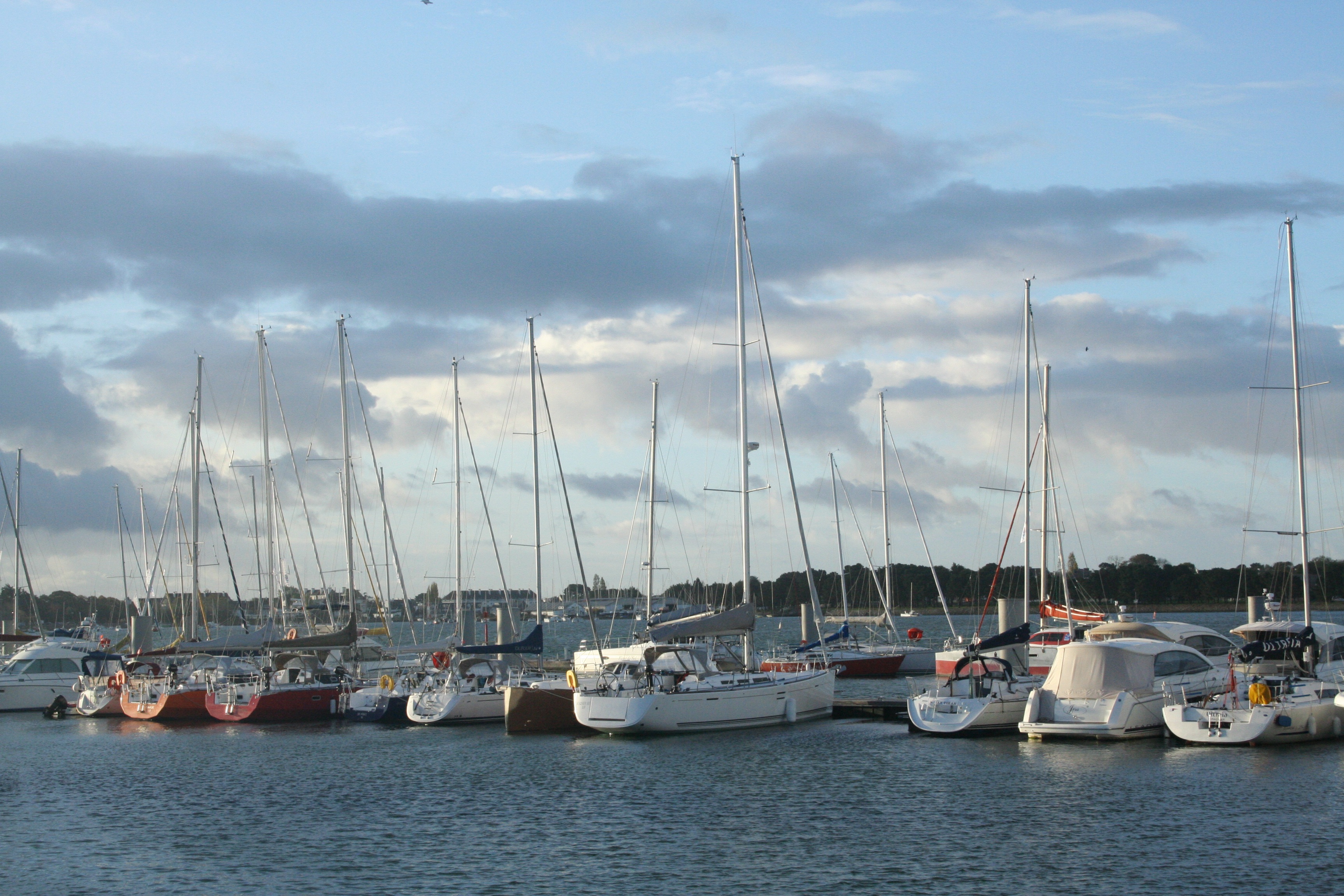
Lorient, France
Bordeaux, France
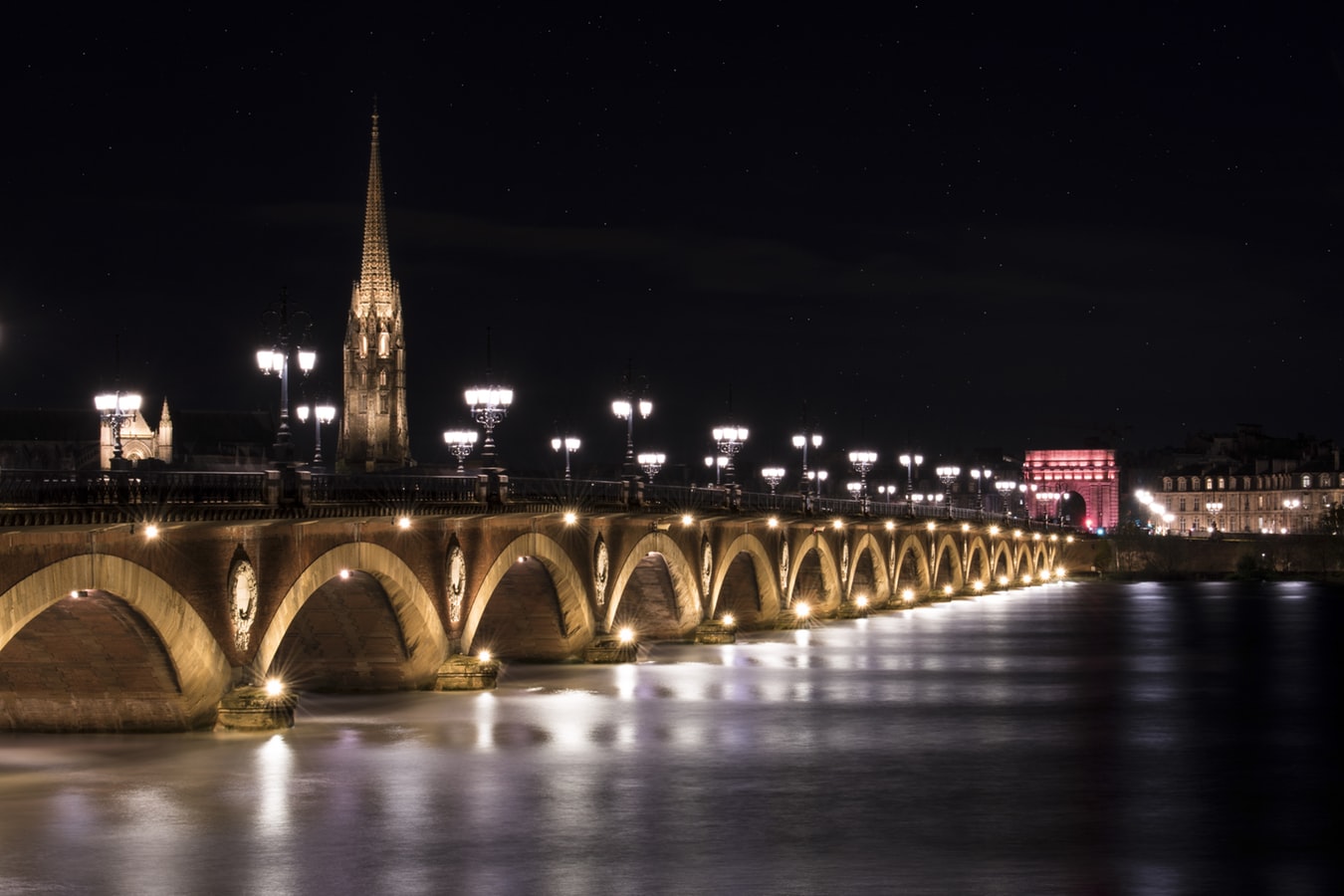
Bordeaux as a whole, rather than any particular points within it, is what you’ll want to visit in order to understand why Victor Hugo described it as Versailles plus Antwerp, and why the painter Francisco de Goya, when exiled from his native Spain, chose it as his last home (he died here in 1828). The capital of southwest France and the region’s largest city, Bordeaux remains synonymous with the wine trade: wine shippers have long maintained their headquarters along the banks of the Garonne, while buyers from around the world arrive for the huge biennial Vinexpo show (held in odd-number years).Bordeaux is, admittedly, a less exuberant city than many others in France, but lively and stylish elements are making a dent in its conservative veneer. The cleaned-up riverfront is said by some, after a bottle or two, to exude an elegance reminiscent of St. Petersburg, and that aura of 18th-century élan also permeates the historic downtown sector—“le vieux Bordeaux”—where fine shops invite exploration. To the south of the city center are old docklands undergoing renewal—one train station has now been transformed into a big multiplex movie theater—but the area is still a bit shady. To get a feel for the historic port of Bordeaux, take the 90-minute boat trip that leaves Quai Louis-XVIII every weekday afternoon, or the regular passenger ferry that plies the Garonne between Quai Richelieu and the Pont d’Aquitaine in summer. A nice time to stroll around the city center is the first Sunday of the month, when it’s pedestrian-only and vehicles are banned.
Rouen, France
At Sea
Honfleur, France
Honfleur, the most picturesque of the Côte Fleurie’s seaside towns, is a time-burnished place with a surplus of half-timber houses and cobbled streets that are lined with a stunning selection of stylish boutiques. Much of its Renaissance architecture remains intact—especially around the 17th-century Vieux Bassin harbor, where the water is fronted on one side by two-story stone houses with low, sloping roofs and on the other by tall slate-topped houses with wooden facades. Maritime expeditions (including some of the first voyages to Canada) departed from here; later, Impressionists were inspired to capture it on canvas. But the town as a whole has become increasingly crowded since the Pont de Normandie opened in 1995. Providing a direct link with Upper Normandy, the world’s sixth-largest cable-stayed bridge is supported by two concrete pylons taller than the Eiffel Tower and designed to resist winds of 257 kph (160 mph).
Saint-Malo, France
Thrust out into the sea and bound to the mainland only by tenuous man-made causeways, romantic St-Malo has built a reputation as a breeding ground for phenomenal sailors. Many were fishermen, but others—most notably Jacques Cartier, who claimed Canada for Francis I in 1534—were New World explorers. Still others were corsairs, “sea dogs” paid by the French crown to harass the Limeys across the Channel: legendary ones like Robert Surcouf and Duguay-Trouin helped make St-Malo rich through their pillaging, in the process earning it the nickname “the pirates’ city.” The St-Malo you see today isn’t quite the one they called home because a weeklong fire in 1944, kindled by retreating Nazis, wiped out nearly all of the old buildings. Restoration work was more painstaking than brilliant, but the narrow streets and granite houses of the Vieille Ville were satisfactorily recreated, enabling St-Malo to regain its role as a busy fishing port, seaside resort, and tourist destination. The ramparts that help define this city figuratively and literally are authentic, and the flames also spared houses along Rue de Pelicot in the Vieille Ville. Battalions of tourists invade this quaint part of town in summer, so arrive off-season if you want to avoid crowds.
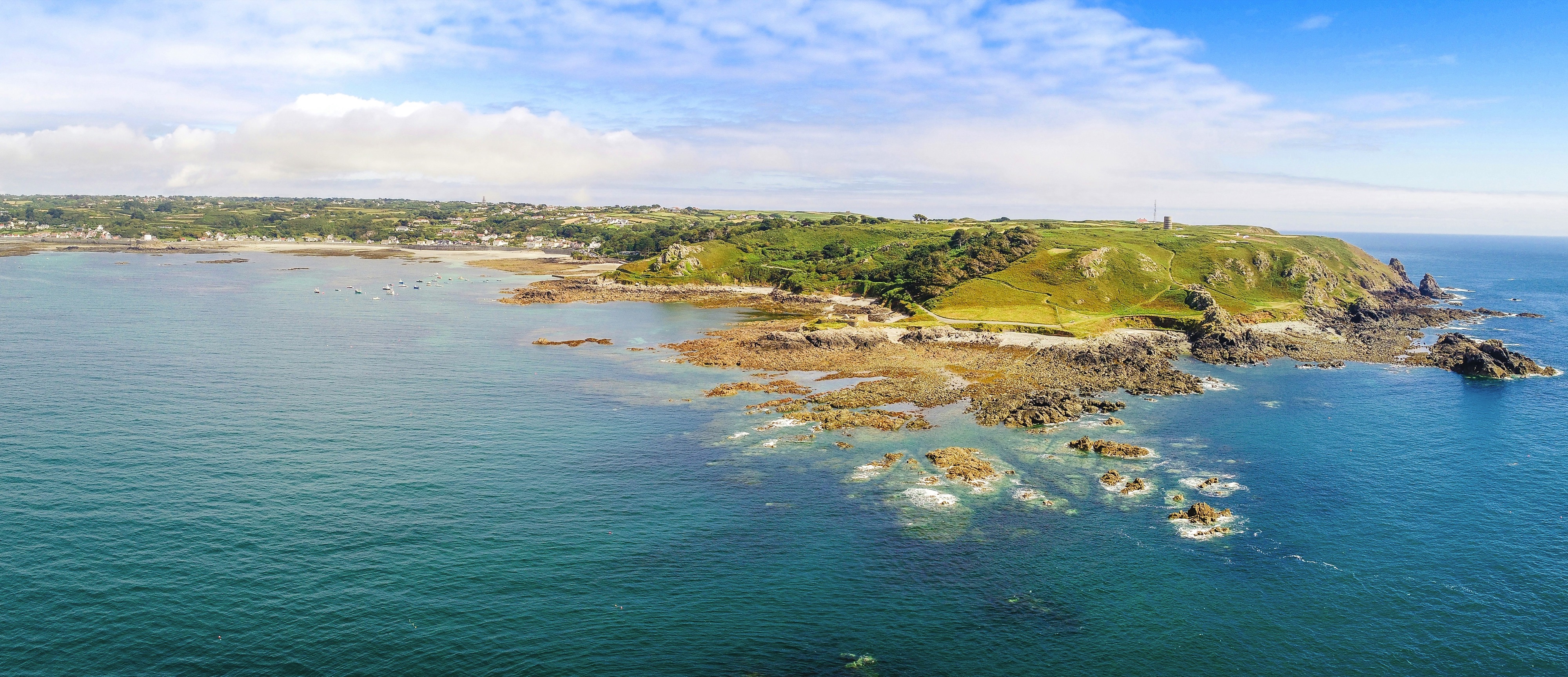
Guernsey, Guernsey
Lorient, France
Bordeaux, France
Bordeaux as a whole, rather than any particular points within it, is what you’ll want to visit in order to understand why Victor Hugo described it as Versailles plus Antwerp, and why the painter Francisco de Goya, when exiled from his native Spain, chose it as his last home (he died here in 1828). The capital of southwest France and the region’s largest city, Bordeaux remains synonymous with the wine trade: wine shippers have long maintained their headquarters along the banks of the Garonne, while buyers from around the world arrive for the huge biennial Vinexpo show (held in odd-number years).Bordeaux is, admittedly, a less exuberant city than many others in France, but lively and stylish elements are making a dent in its conservative veneer. The cleaned-up riverfront is said by some, after a bottle or two, to exude an elegance reminiscent of St. Petersburg, and that aura of 18th-century élan also permeates the historic downtown sector—“le vieux Bordeaux”—where fine shops invite exploration. To the south of the city center are old docklands undergoing renewal—one train station has now been transformed into a big multiplex movie theater—but the area is still a bit shady. To get a feel for the historic port of Bordeaux, take the 90-minute boat trip that leaves Quai Louis-XVIII every weekday afternoon, or the regular passenger ferry that plies the Garonne between Quai Richelieu and the Pont d’Aquitaine in summer. A nice time to stroll around the city center is the first Sunday of the month, when it’s pedestrian-only and vehicles are banned.
Bordeaux, France
Bordeaux as a whole, rather than any particular points within it, is what you’ll want to visit in order to understand why Victor Hugo described it as Versailles plus Antwerp, and why the painter Francisco de Goya, when exiled from his native Spain, chose it as his last home (he died here in 1828). The capital of southwest France and the region’s largest city, Bordeaux remains synonymous with the wine trade: wine shippers have long maintained their headquarters along the banks of the Garonne, while buyers from around the world arrive for the huge biennial Vinexpo show (held in odd-number years).Bordeaux is, admittedly, a less exuberant city than many others in France, but lively and stylish elements are making a dent in its conservative veneer. The cleaned-up riverfront is said by some, after a bottle or two, to exude an elegance reminiscent of St. Petersburg, and that aura of 18th-century élan also permeates the historic downtown sector—“le vieux Bordeaux”—where fine shops invite exploration. To the south of the city center are old docklands undergoing renewal—one train station has now been transformed into a big multiplex movie theater—but the area is still a bit shady. To get a feel for the historic port of Bordeaux, take the 90-minute boat trip that leaves Quai Louis-XVIII every weekday afternoon, or the regular passenger ferry that plies the Garonne between Quai Richelieu and the Pont d’Aquitaine in summer. A nice time to stroll around the city center is the first Sunday of the month, when it’s pedestrian-only and vehicles are banned.
Bordeaux, France
Bordeaux as a whole, rather than any particular points within it, is what you’ll want to visit in order to understand why Victor Hugo described it as Versailles plus Antwerp, and why the painter Francisco de Goya, when exiled from his native Spain, chose it as his last home (he died here in 1828). The capital of southwest France and the region’s largest city, Bordeaux remains synonymous with the wine trade: wine shippers have long maintained their headquarters along the banks of the Garonne, while buyers from around the world arrive for the huge biennial Vinexpo show (held in odd-number years).Bordeaux is, admittedly, a less exuberant city than many others in France, but lively and stylish elements are making a dent in its conservative veneer. The cleaned-up riverfront is said by some, after a bottle or two, to exude an elegance reminiscent of St. Petersburg, and that aura of 18th-century élan also permeates the historic downtown sector—“le vieux Bordeaux”—where fine shops invite exploration. To the south of the city center are old docklands undergoing renewal—one train station has now been transformed into a big multiplex movie theater—but the area is still a bit shady. To get a feel for the historic port of Bordeaux, take the 90-minute boat trip that leaves Quai Louis-XVIII every weekday afternoon, or the regular passenger ferry that plies the Garonne between Quai Richelieu and the Pont d’Aquitaine in summer. A nice time to stroll around the city center is the first Sunday of the month, when it’s pedestrian-only and vehicles are banned.
Cabin Options
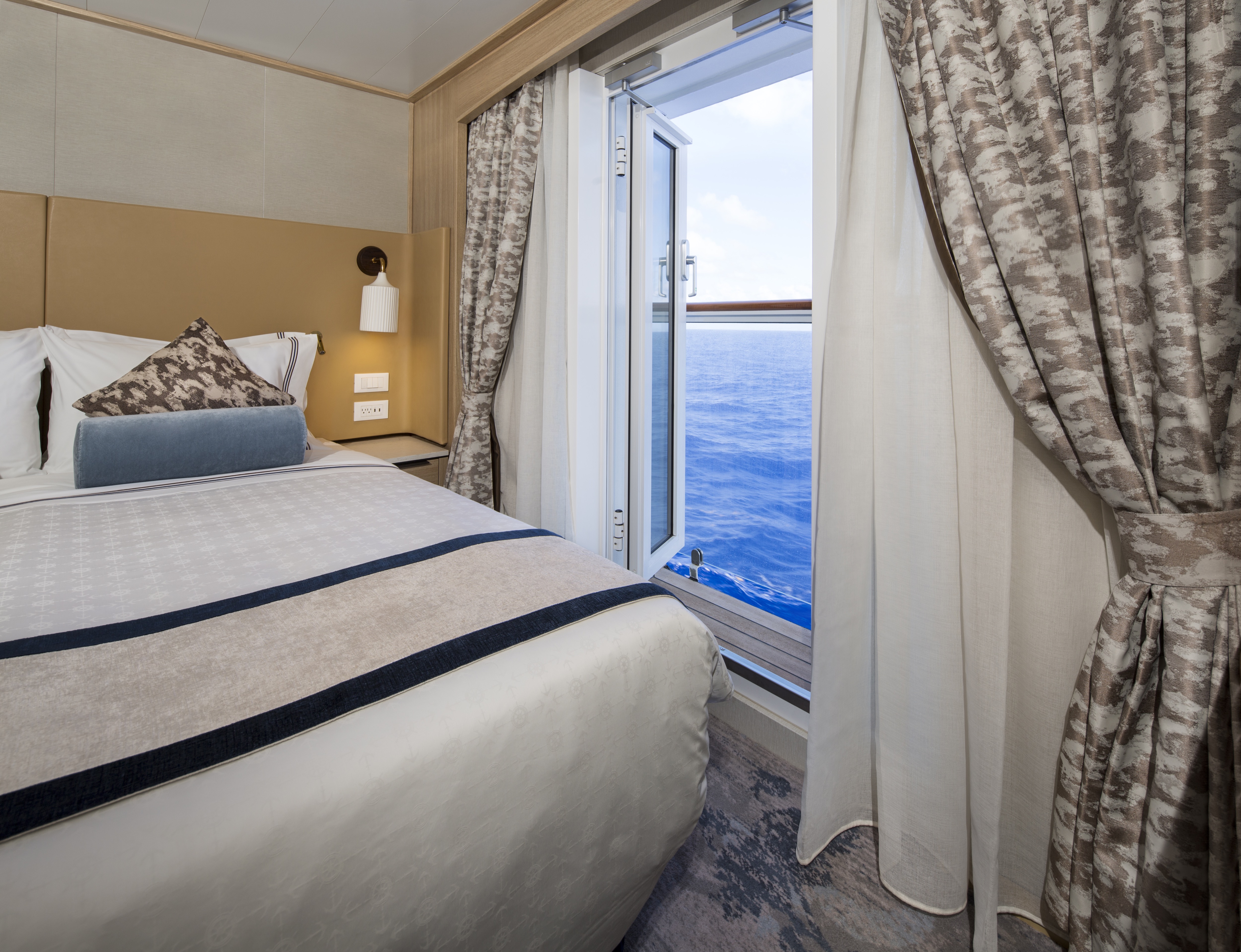
Star Balcony Suite
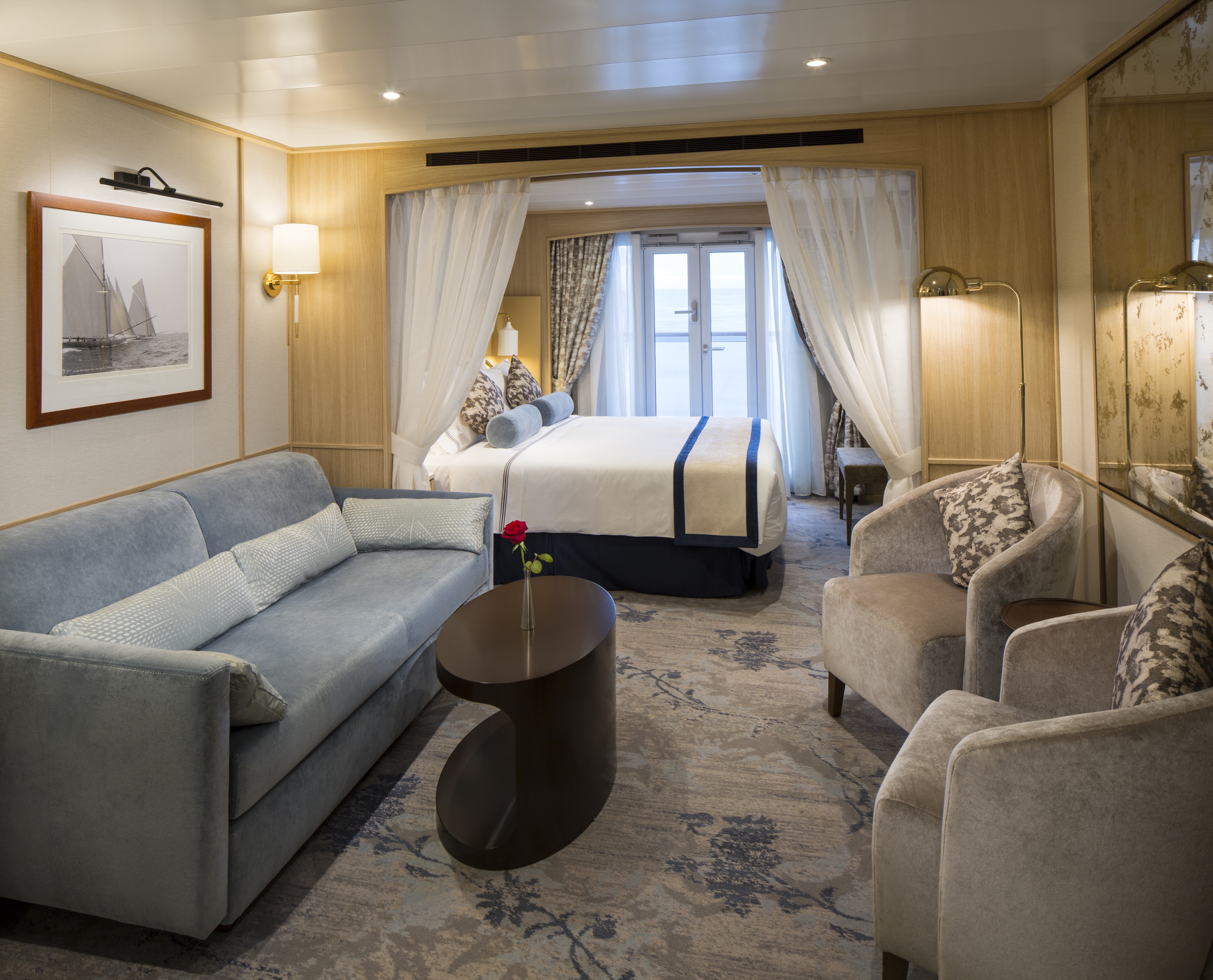
Star Balcony Suite 1
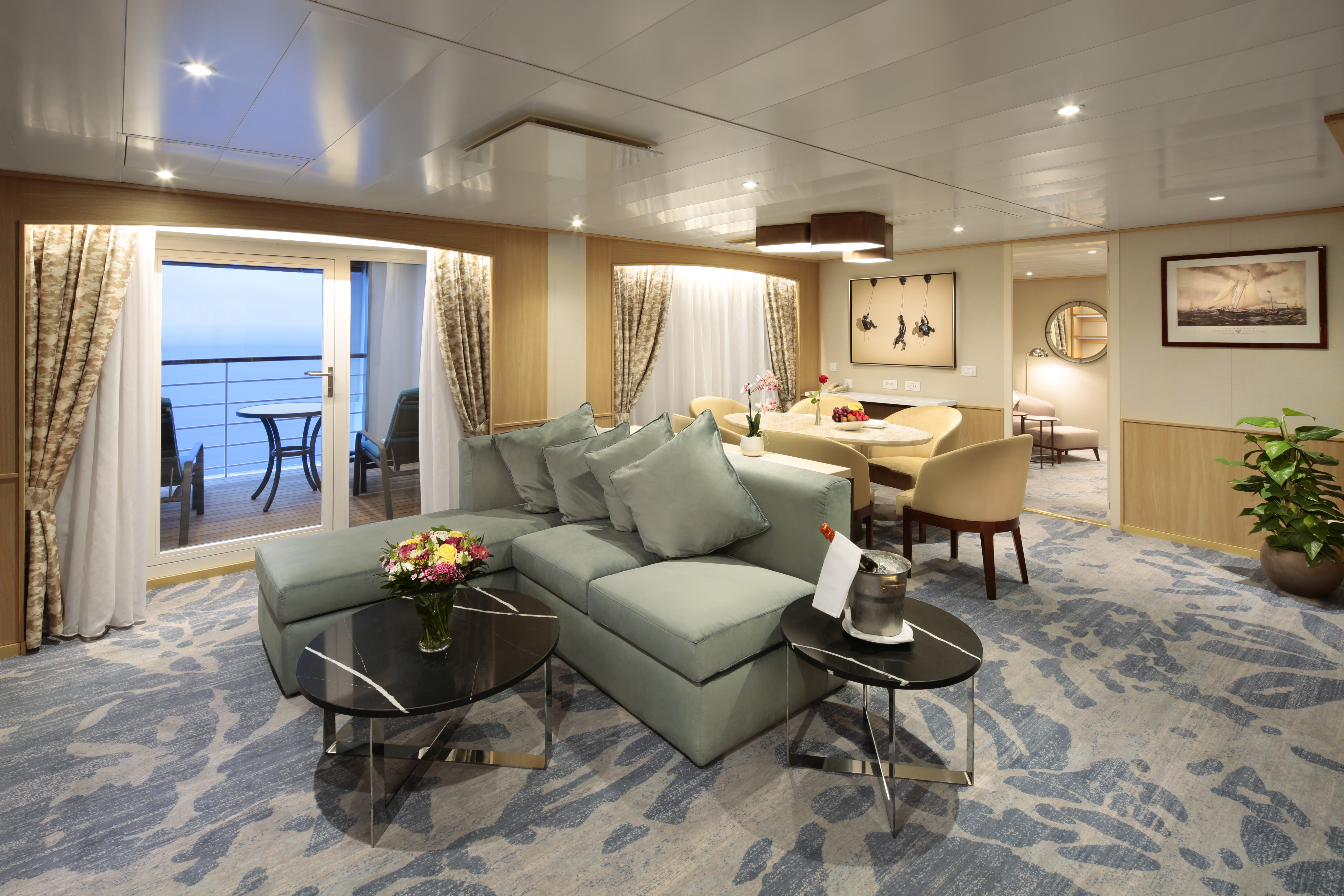
Owner's Suite
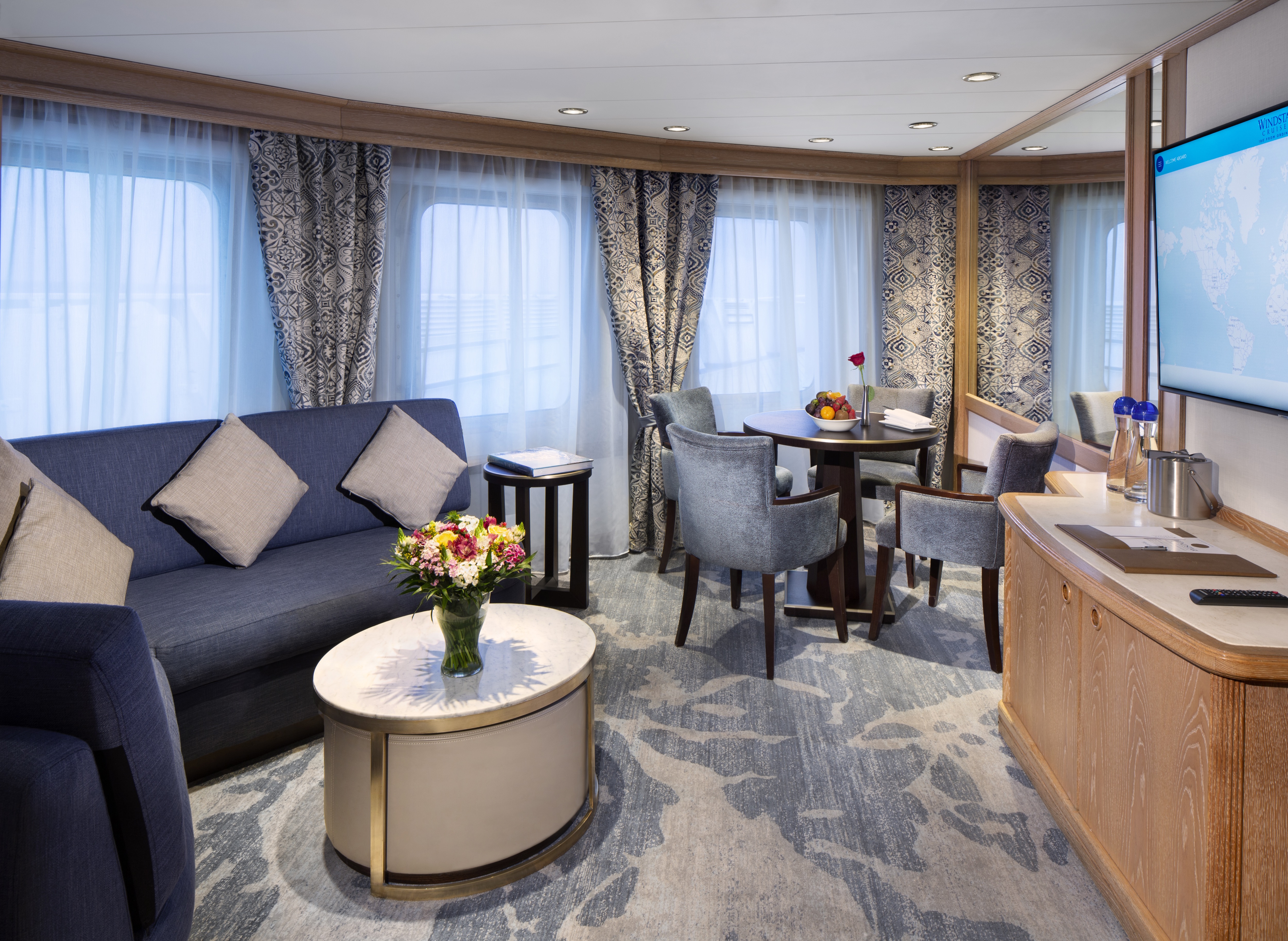
Broadmoor Suite/Sea Island Suite
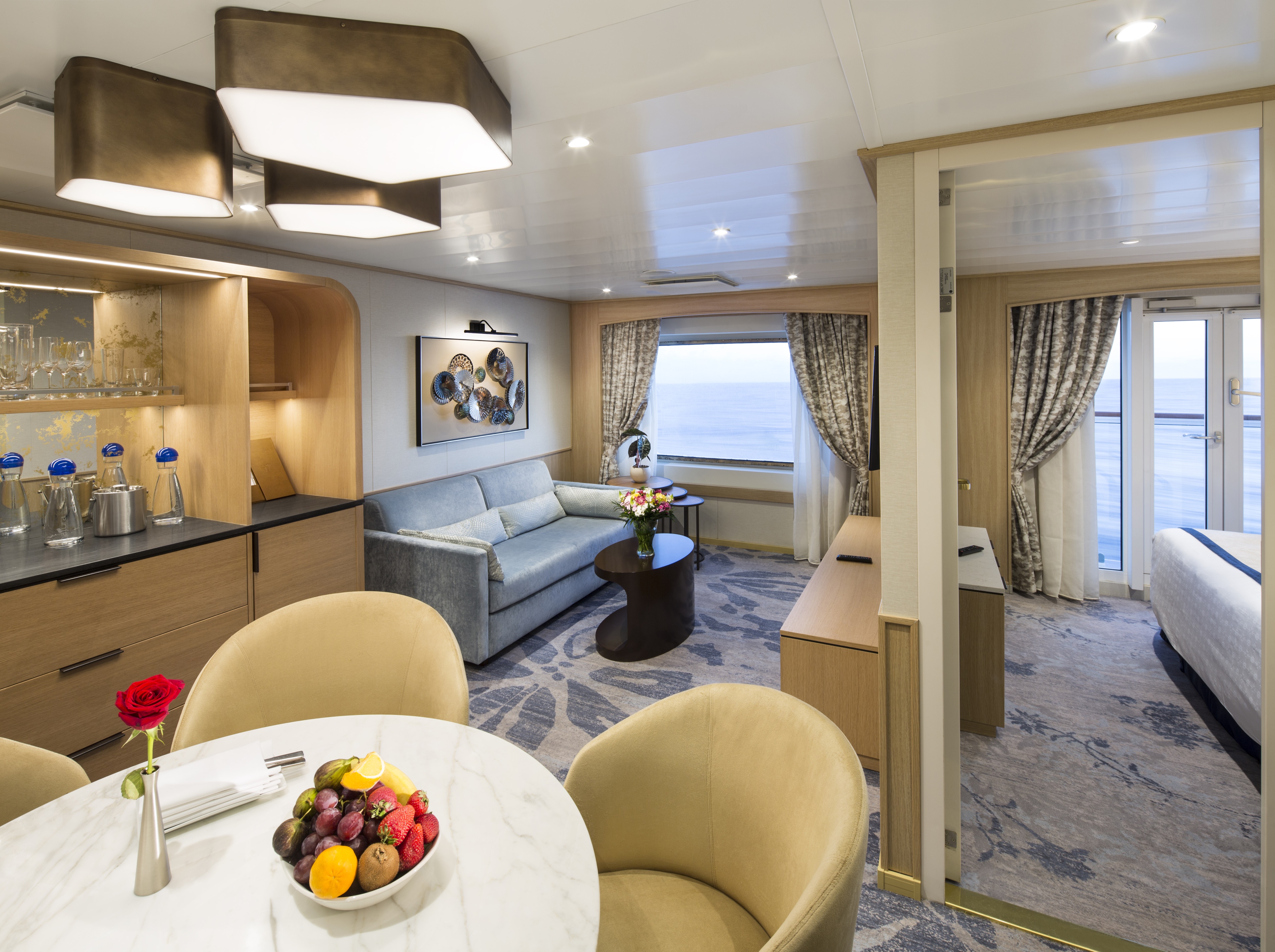
Deluxe Suite
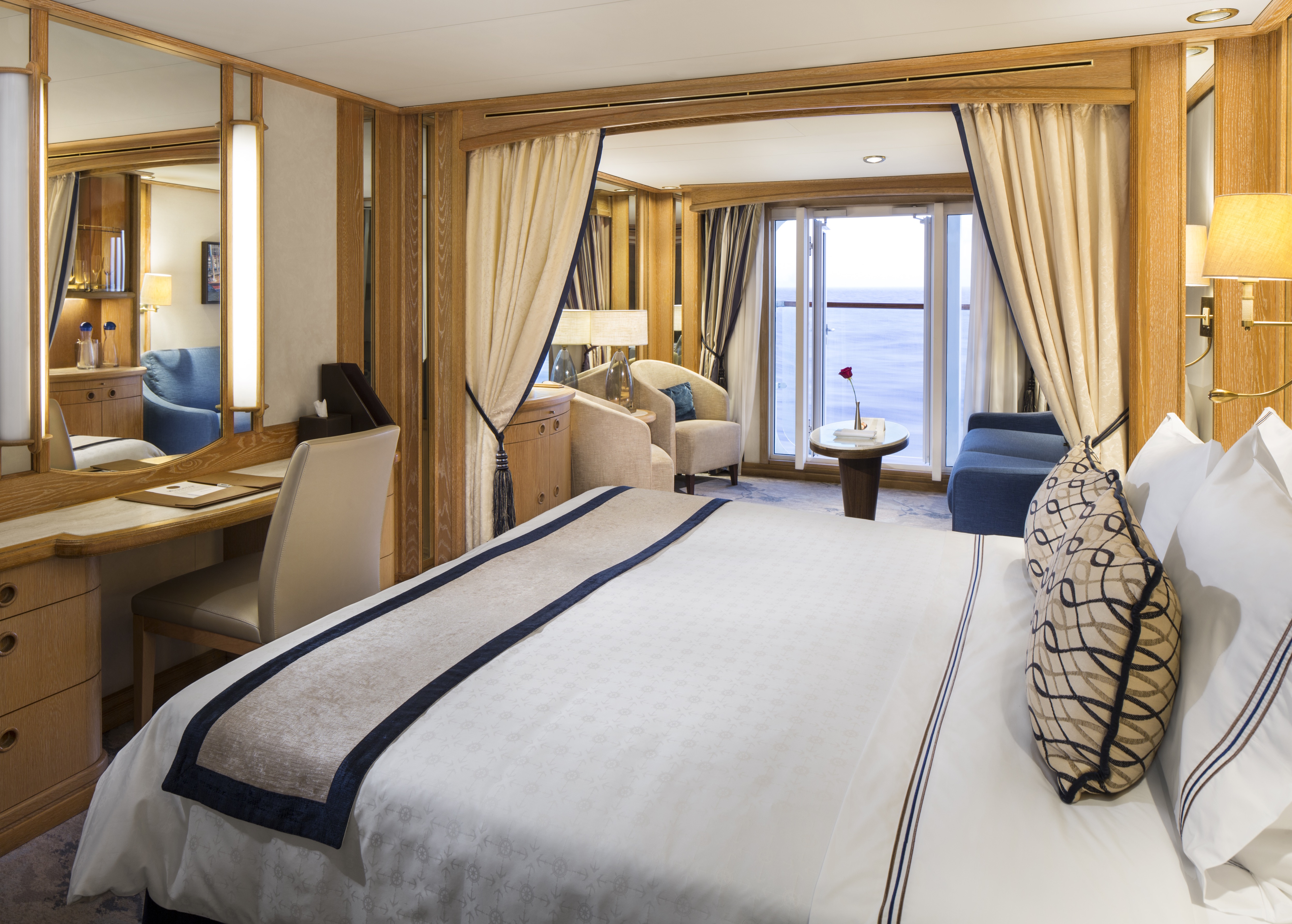
Balcony Suite
Balcony Suite 1
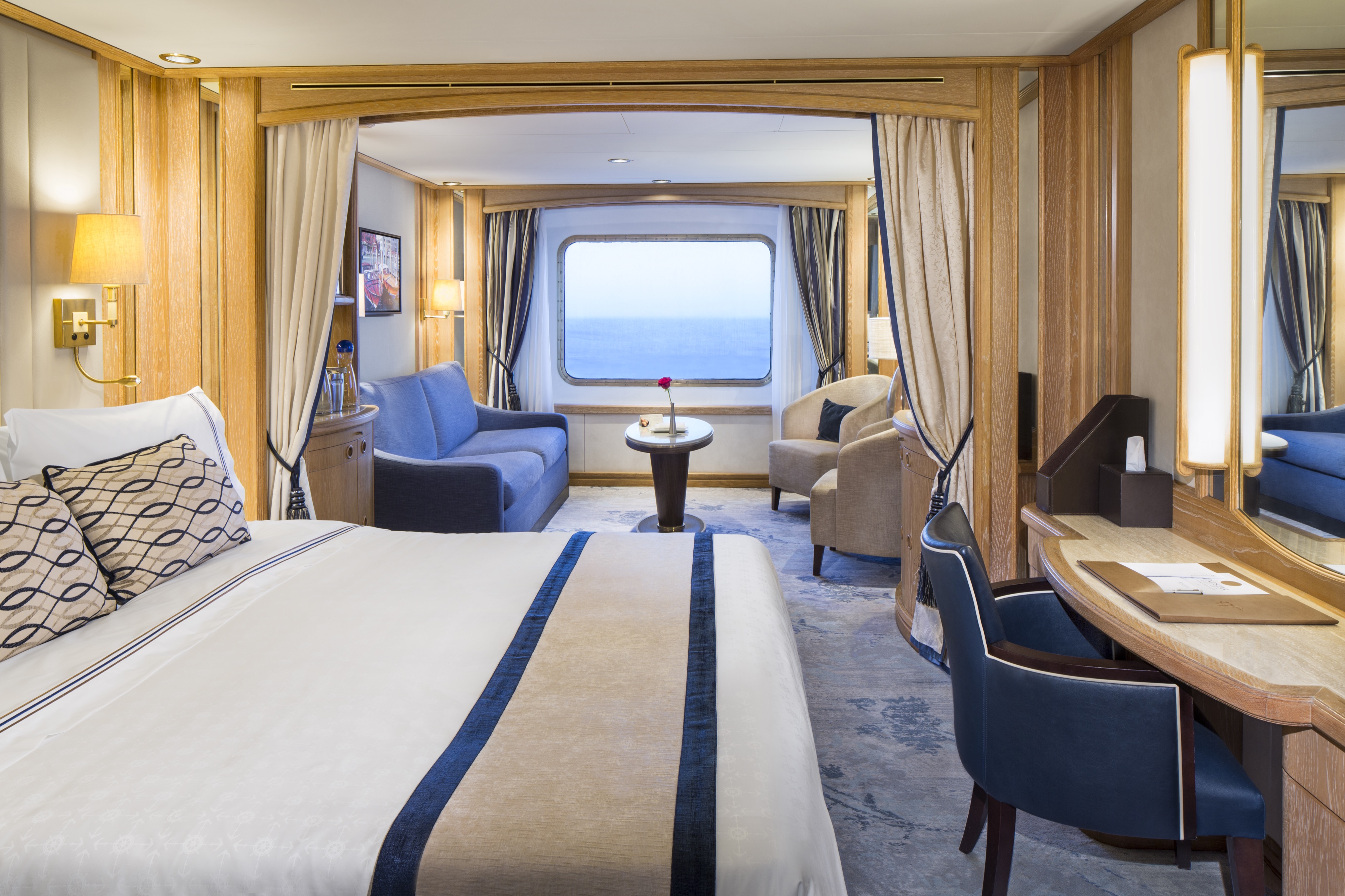
Star Ocean View Suite 1
Ocean View Suite
Ocean View Suite 1
Ocean View Suite 2
Ocean View Suite 3
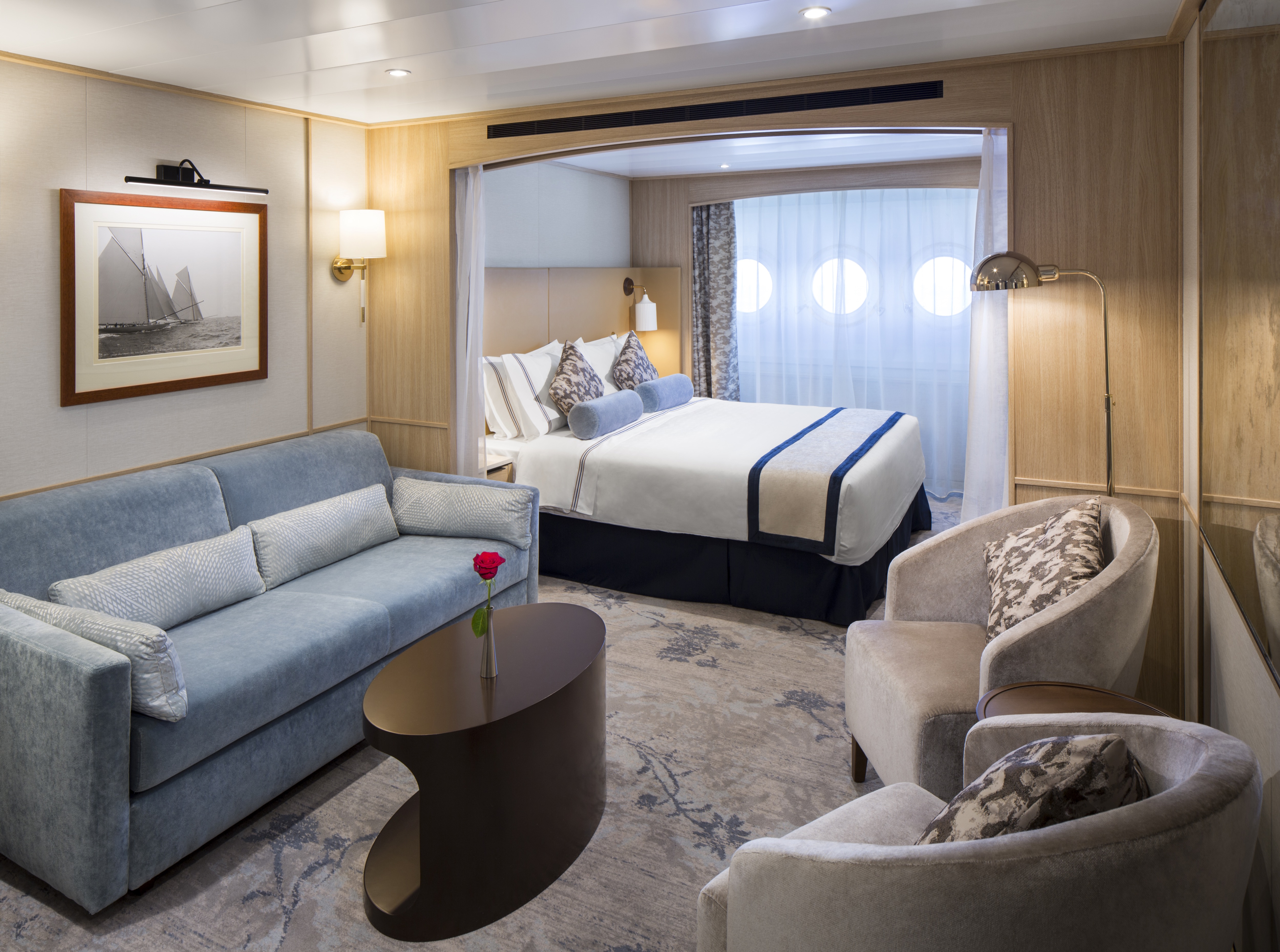
Star Porthole Suite
Ship Facilities
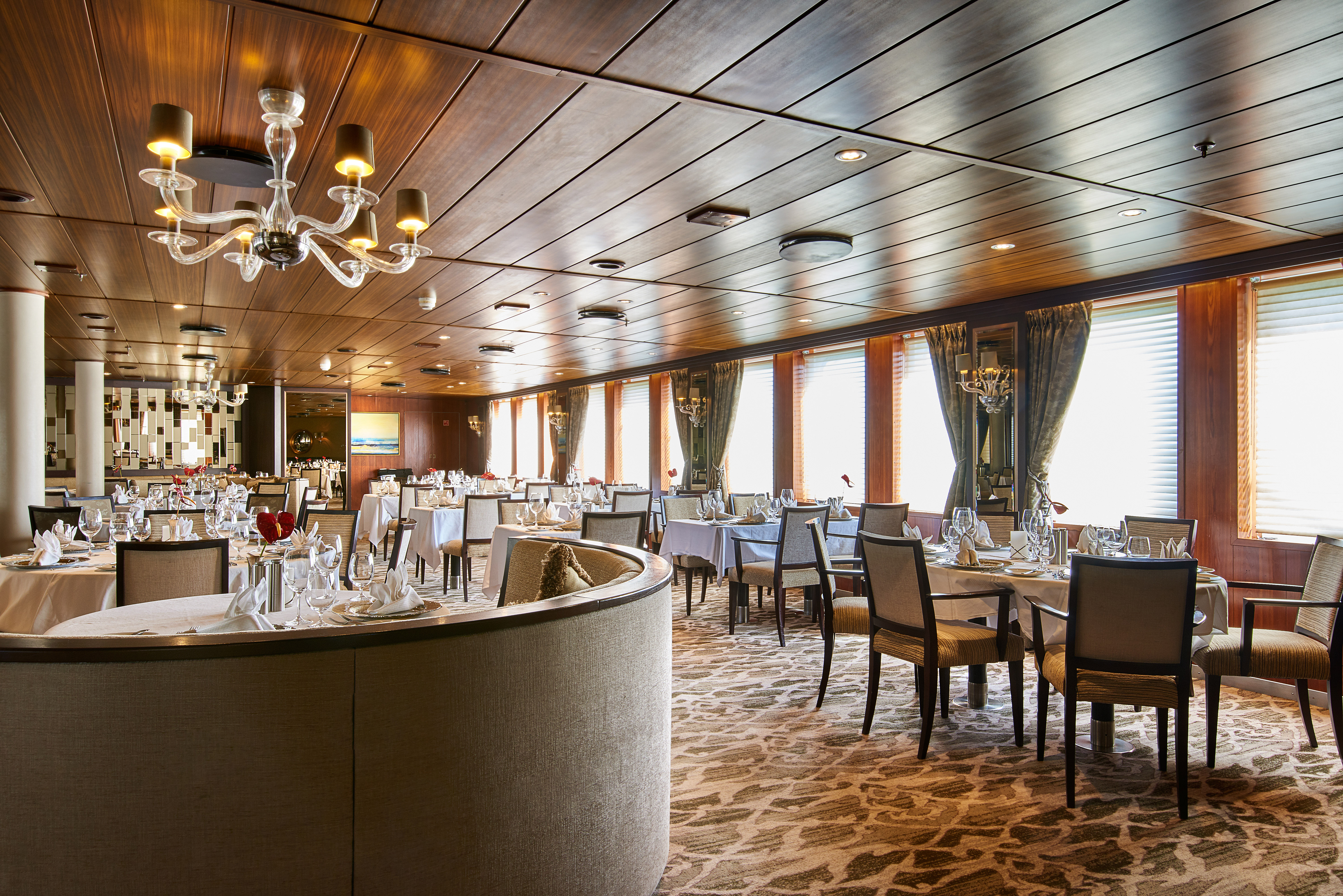
Amphora Restaurant
Here, the dining room manager seats you, but where is your decision. There are no pre-assigned tables or first or second seatings. When you dine and with whom are entirely up to you. Seating usually begins at 6:30 p.m. and will be printed in the ship’s daily program. Each delightful dish is prepared exactly to your liking – an exquisite dinner served course-by-course with a fine selection of vintage wines.
Veranda
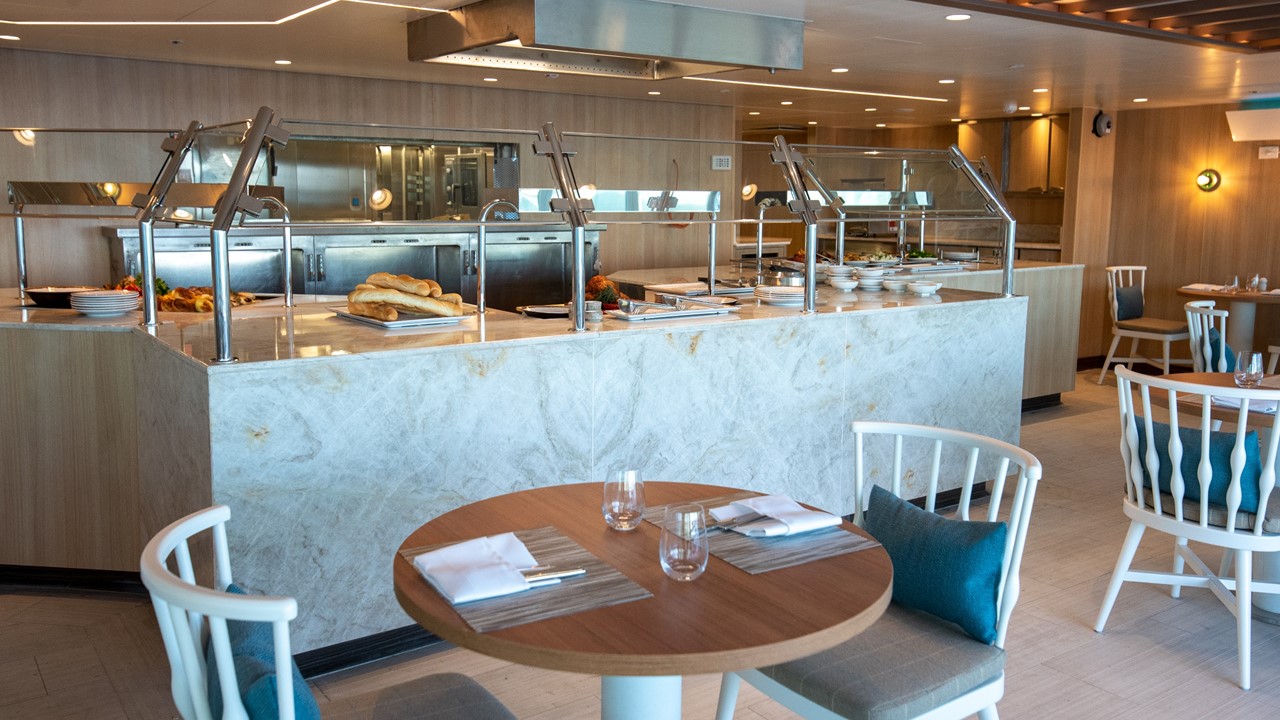
It’s breakfast alfresco, full service or buffet-style, anytime till 9:30 a.m. No need to hurry. Again, the choices are many in Veranda. Choose the sumptuous, seemingly endless buffet. Or, order from the lunch menu between noon and 2:30 p.m.
Candles Restaurant
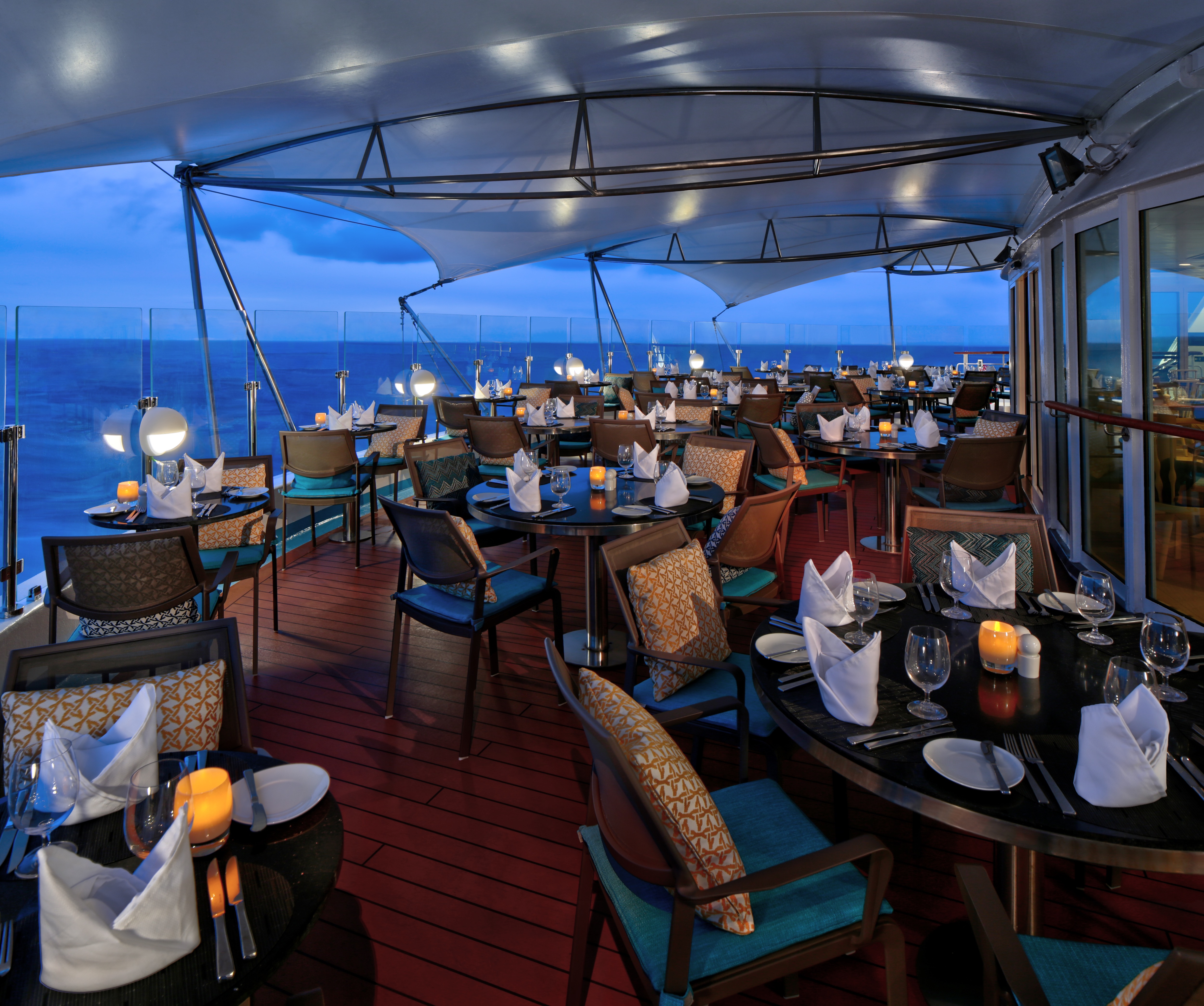
Here’s the perfect place for a romantic tête-a-tête under the stars in Candles, Windstar’s signature outdoor restaurant transformed by night into a dreamlike paradise. Delectable cuisine, memorable surroundings, inspired wine pairings.
Star Grill
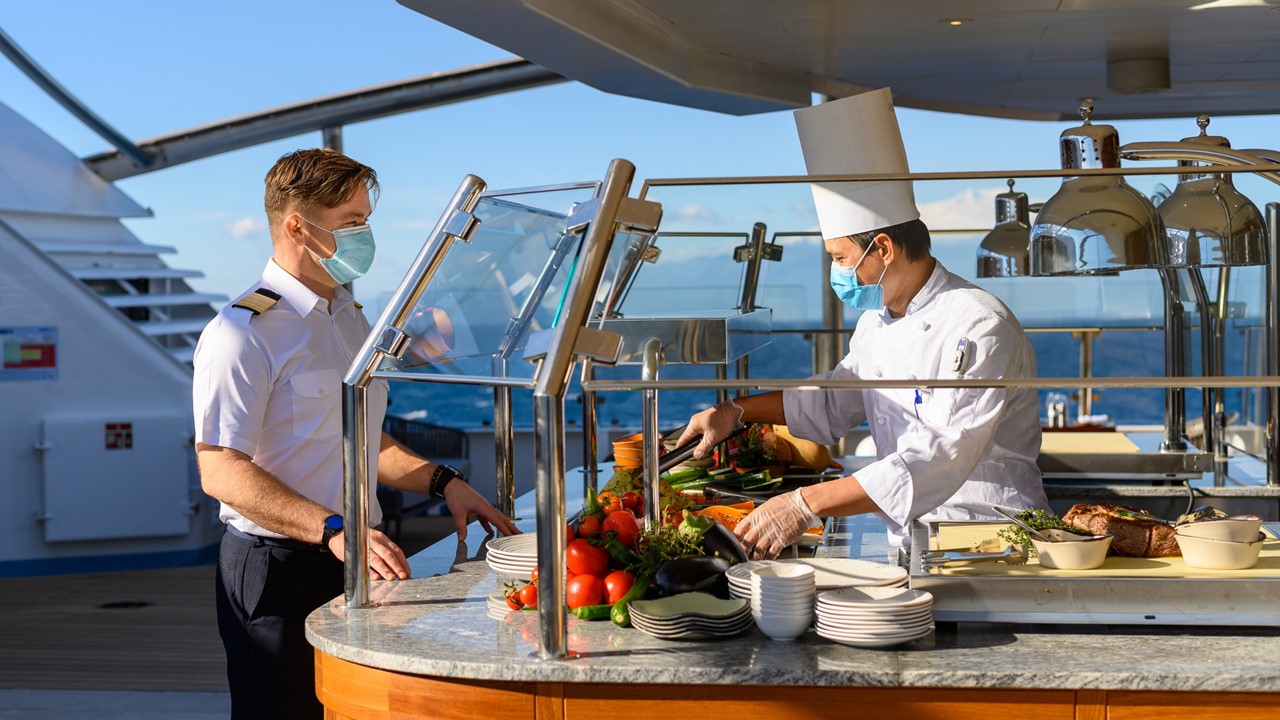
You’ll find all your traditional grilled and barbecued favorites (and discover new dishes from around the world) in our new casual outdoor restaurant.
Basil + Bamboo
Step into Basil + Bamboo, where clean lines and warm accents set the stage for a relaxed, refined experience. Savor dishes that fuse Asian influences with a Mediterranean twist — an inventive culinary adventure designed to delight your palate and create moments of shared discovery.
Guest Lecturers
Have you ever wanted to learn about rowing across the Atlantic or the inner workings of the Monte Carlo Grand Prix? On select Windstar voyages, satisfy your curiosity and enhance your understanding of the local culture by listening to our onboard lecturers. We’ve curated a group of speakers designed to bring you an insider’s perspective on a multitude of intriguing topics. Listen raptly as your voyage becomes more than just a vacation – and a thought-provoking exploration of enchanting lands.
Windstar Signature Expeditions
We’re Taking Travelers to a Different Alaska
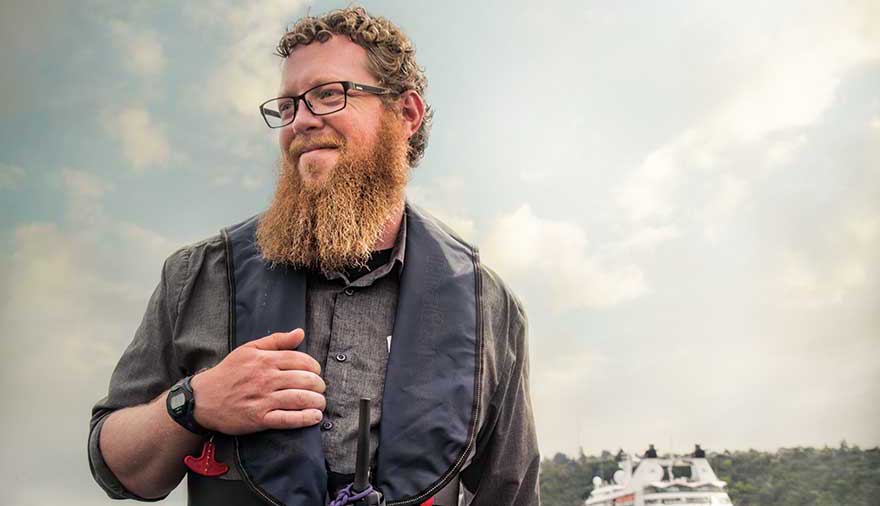
Introducing the Signature Expeditions program. Helmed by a team of on board expedition experts who sail with the cruise the entire time, they’ll provide more insight, understanding, and commentary to show you an Alaska you’ve never seen before. Consisting of naturalists, glaciologists, historians and more, this team of experts will also lead guided tours, sometimes directly from the ship to some of the most remote areas of the Alaskan frontier.
Each once-in-a-lifetime experience will leave you hungry for more of the real flavors of Alaska. Book your Alaska voyage and Signature Expeditions today.
Culinary Demonstrations
“Set Sail with the Official Cruise Line of the James Beard Foundation “
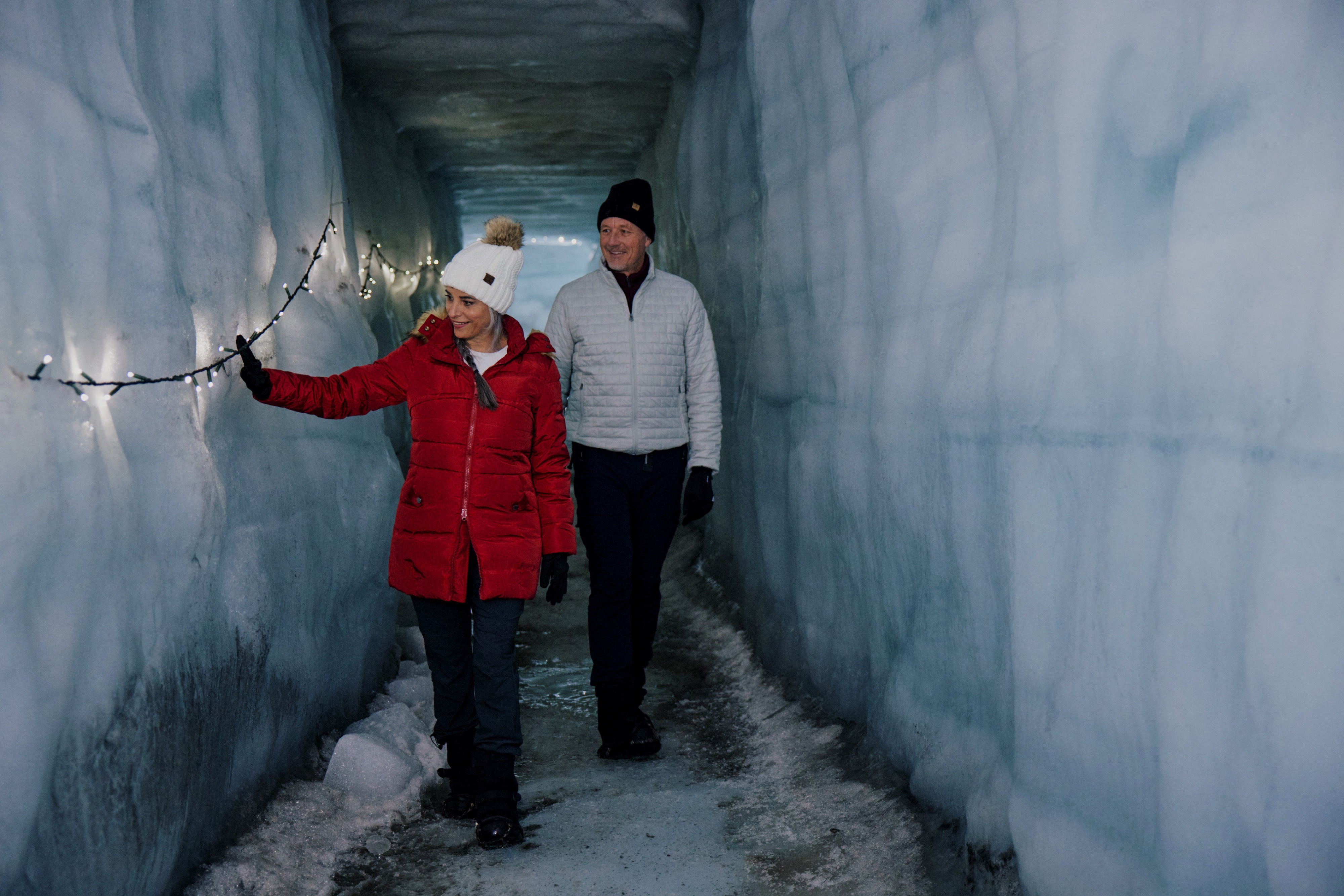
It’s the perfect pairing. Windstar Cruises and the James Beard Foundation are partnered to bring you culinary experiences that are 180 degrees from ordinary. Through this program, Windstar works with the James Beard Foundation to bring together some of the most talented chefs on themed cruises and in our dining program.
Imagine dining on dishes created by not just one celebrity chef, but a list of all-stars with the likes of Maxime Bilet (The Cooking Lab), Evan Hanzcor (Egg), and José Mendín (Pubbelly Noodle Bar, Habitat, Baja Bao) every single night in our main Amphora dining room. For a truly beyond ordinary experience, join us on our themed cruises featuring James Beard Foundation chefs and beverage experts: a foodie’s dream with dishes created by the chefs themselves and chef-accompanied market tours. And learn their secrets as you watch demos of their recipes on every sailing.
The James Beard Foundation was created to recognize and celebrate the chefs, writers and restaurateurs who advance America’s culinary arts. This emphasis on innovation and excellence pairs perfectly with Windstar’s superior service, intimate ambiance and drive to constantly innovate its cuisine. The James Beard Foundation nominates and chooses winners of the James Beard Awards, referred to as the Oscars of the restaurant industry.
As the Official Cruise Line of the James Beard Foundation, we’re able to work with over 20 of the best chefs to create the extraordinary dishes on our nightly menu and in our culinary demos. Windstar is celebrating the 10th anniversary of our partnership in 2025. To mark this special occasion, we’re thrilled to announce the return of several beloved chefs who have sailed with us in the past.
Shore Excursions
The Best on Land Brought to You by the Best at Sea
Get to the heart of local cultures with Windstar shore excursions.Choose from over 2,000 one-of-a-kind tours and activities.
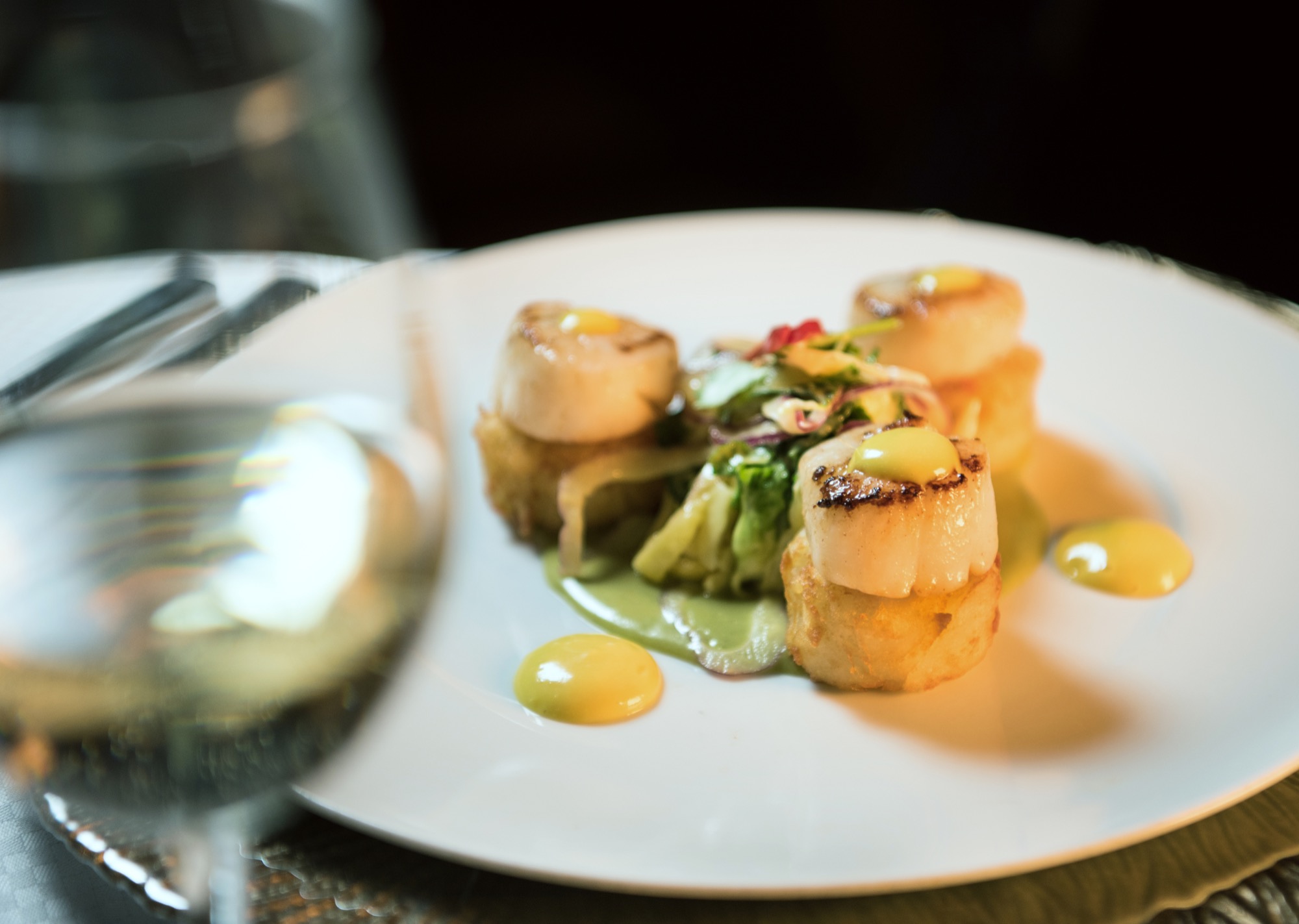
You don’t want to just dip a toe in local culture, you want to dive into the deep end, and that’s exactly what Windstar shore excursions are designed to do. All of our excursions are created to provide authentic local experience — the kind travelers like you are looking for. And with more than 2,000 excursions to choose from, you can experience your destination in whatever way is most meaningful to you. Whether you’re an outdoor enthusiast, a foodie, a history buff or someone who loves to get to know the faces behind the many places we travel.
We make sure the hot springs are hot and the pinot grigio is chilled.How do we find these authentic experiences, you ask? Our Product Development Team travels to each destination and personally vet each shore excursion to make sure it makes the grade (So yes, the Open Course Canopy Challenge in Falmouth Harbour, Antigua? They went on that). And because we travel in small groups, we can adjust tours in real time based on guest feedback, whether that means finding a different place for lunch, or spending more time at a particularly fascinating historical site. We take the time and make the trip because we want your travels to be unforgettable.
Immersion in Regional Culture
Local guides share insight into their everyday world, as well as insider highlights that you don’t want to miss. As part of a smaller group, you’re able to bypass long lines, visit places off the beaten path, and get all of your questions personally answered.
Private Tours Available
Explore at your leisure with a private vehicle, driver and English-speaking guide. These exclusive tours allow you to customize your time ashore and explore the sites most interesting to you in the comfort and privacy of your own car or van. With your private vehicle, and the personalized attention of your driver and guide, you will have the flexibility and independence to design your own unique tour. This is a great option for families and groups traveling together.
Quality and Convenience
Every Windstar excursion meets our high standards of enjoyment, safety and professionalism. Tour departure times coincide with your ship’s schedule and depart right from the pier. All of our tour operators are fully insured, licensed and bonded. Our guests consistently rate their shore excursion experiences as excellent.
Watersports Platform
Jump in For Fun
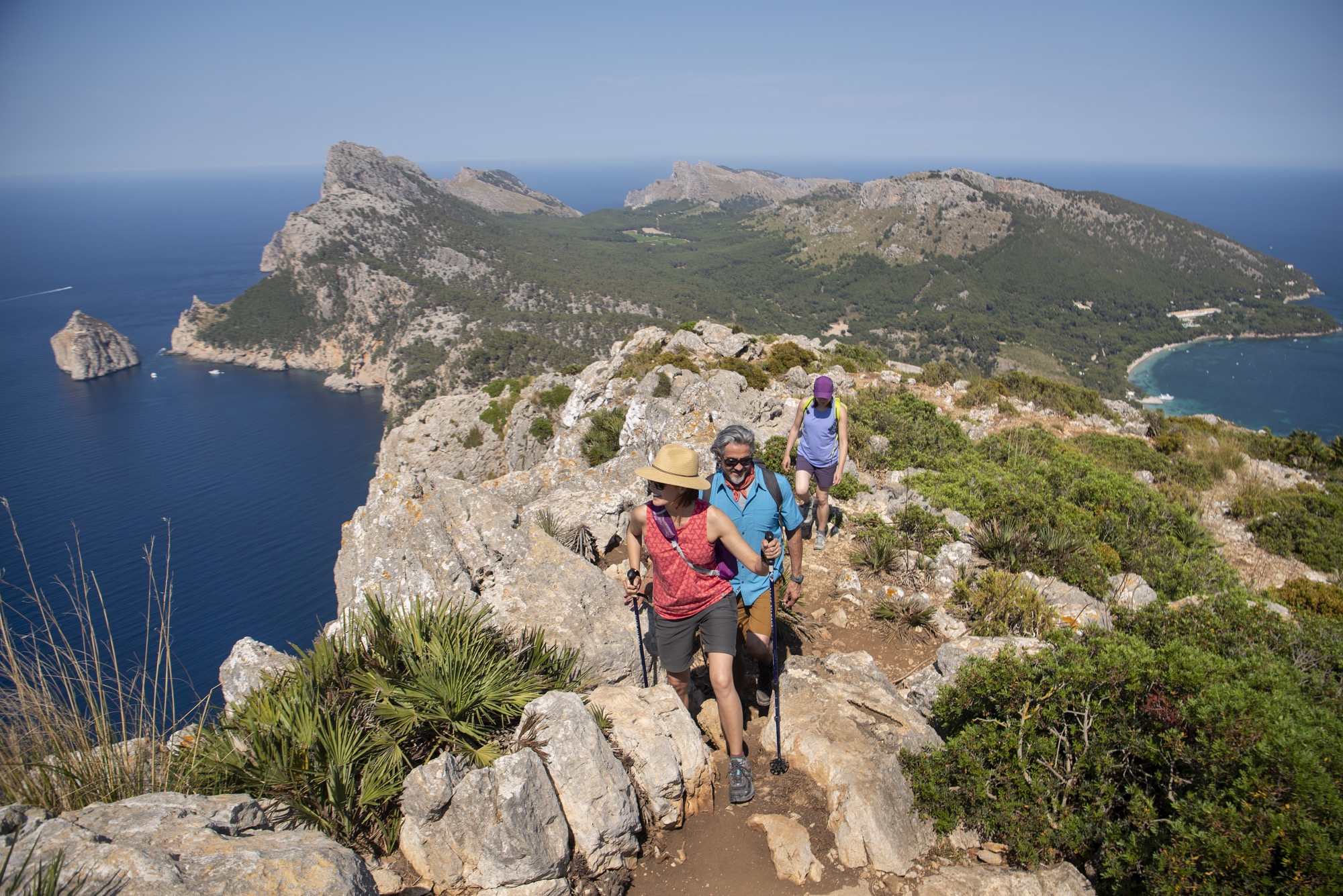
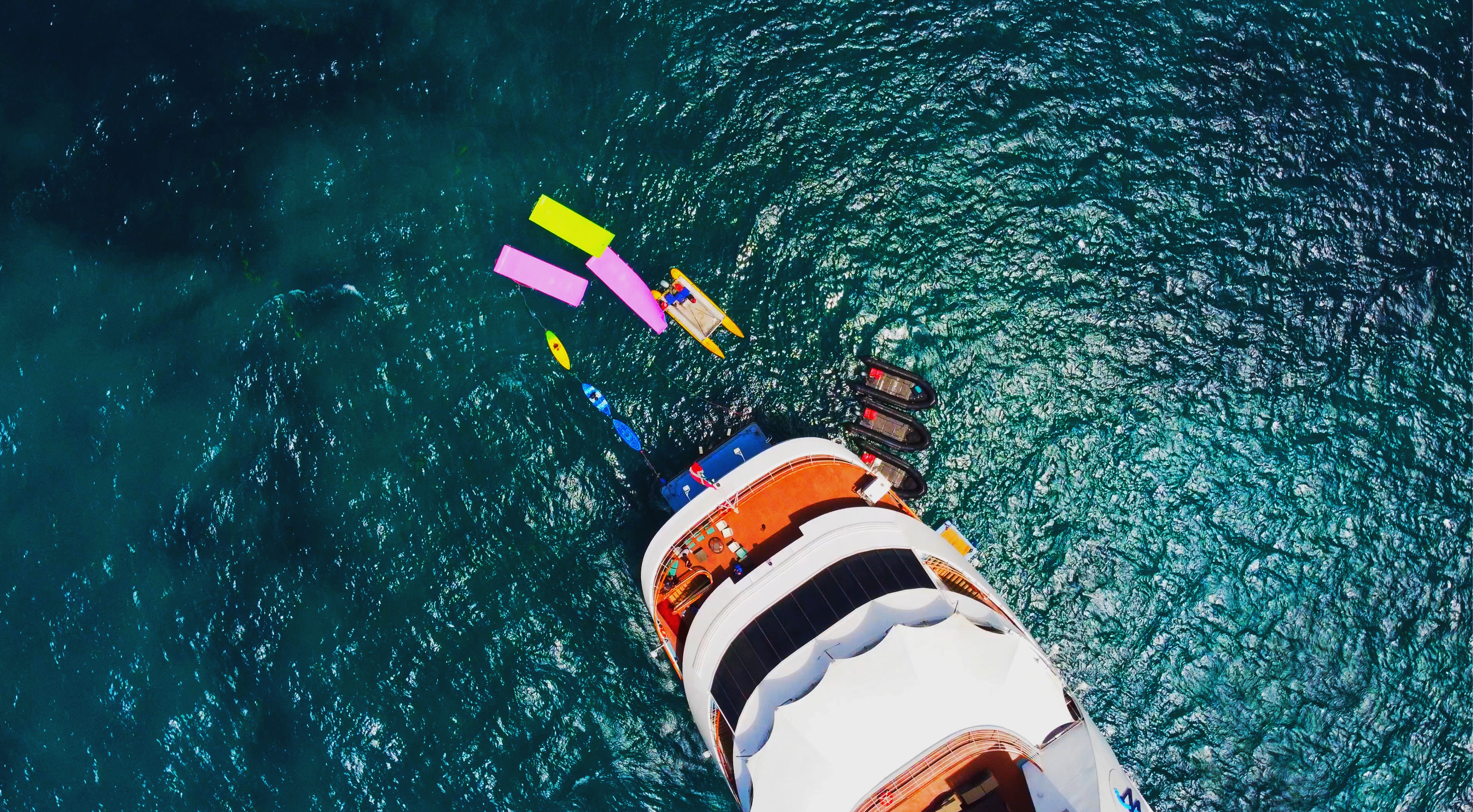
A cruise to Tahiti, the Mediterranean or the Caribbean isn’t just about the land. It’s about the sea. That warm, turquoise water is more than willing to answer your question about what to do today, and the phenomenal Watersports Platform on the stern of your Windstar yacht is more than willing to provide the means — no beach required. It’s just one more way our yachts get you closer to your destination.
Complimentary Watersports Equipment and Activities Include*:
Snorkeling gear (a personal custom-fit set for your use throughout your Tahiti cruise and in select Caribbean and Central • America destinations)
Stand-up paddleboards
Kayaks
Foam flotation magic carpet
Water trampoline
Sailboat
*Available on select itineraries and ports of call. Selection on yachts may vary.
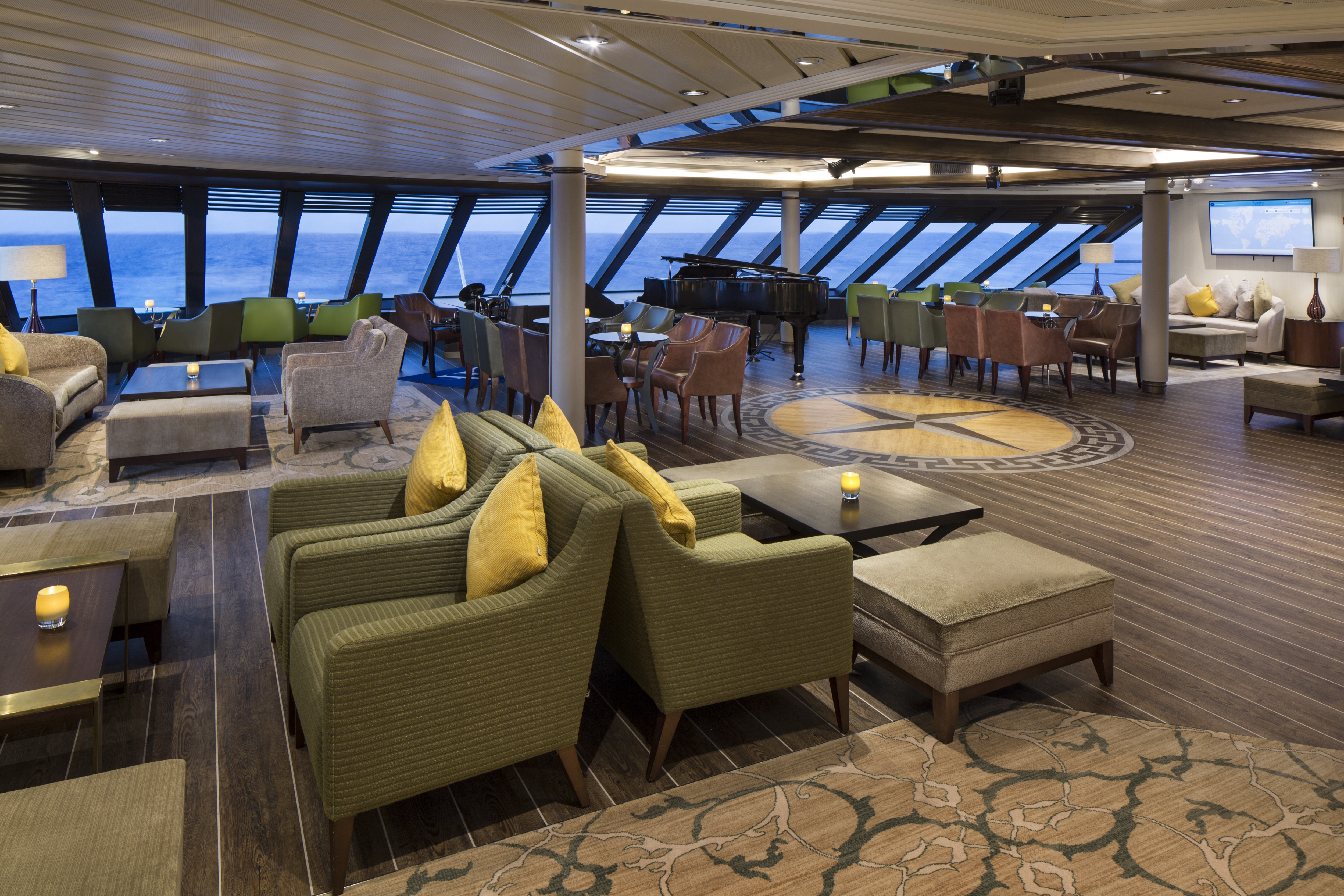
Compass Rose
Compass Rose can be found on Deck 6.
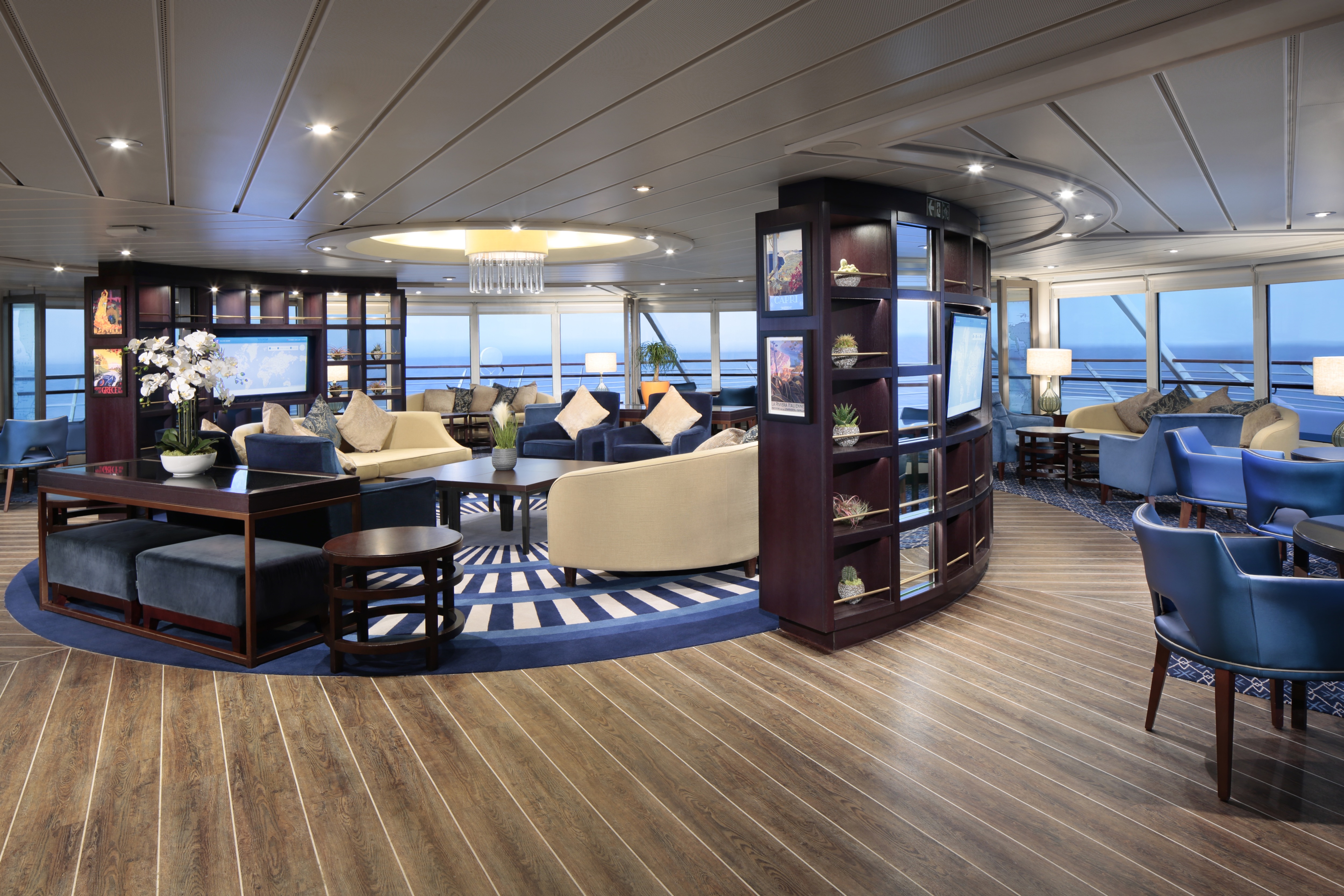
The Yacht Club and Library
Stop by the Yacht Club Café for a bite or coffee crafted by our barista.
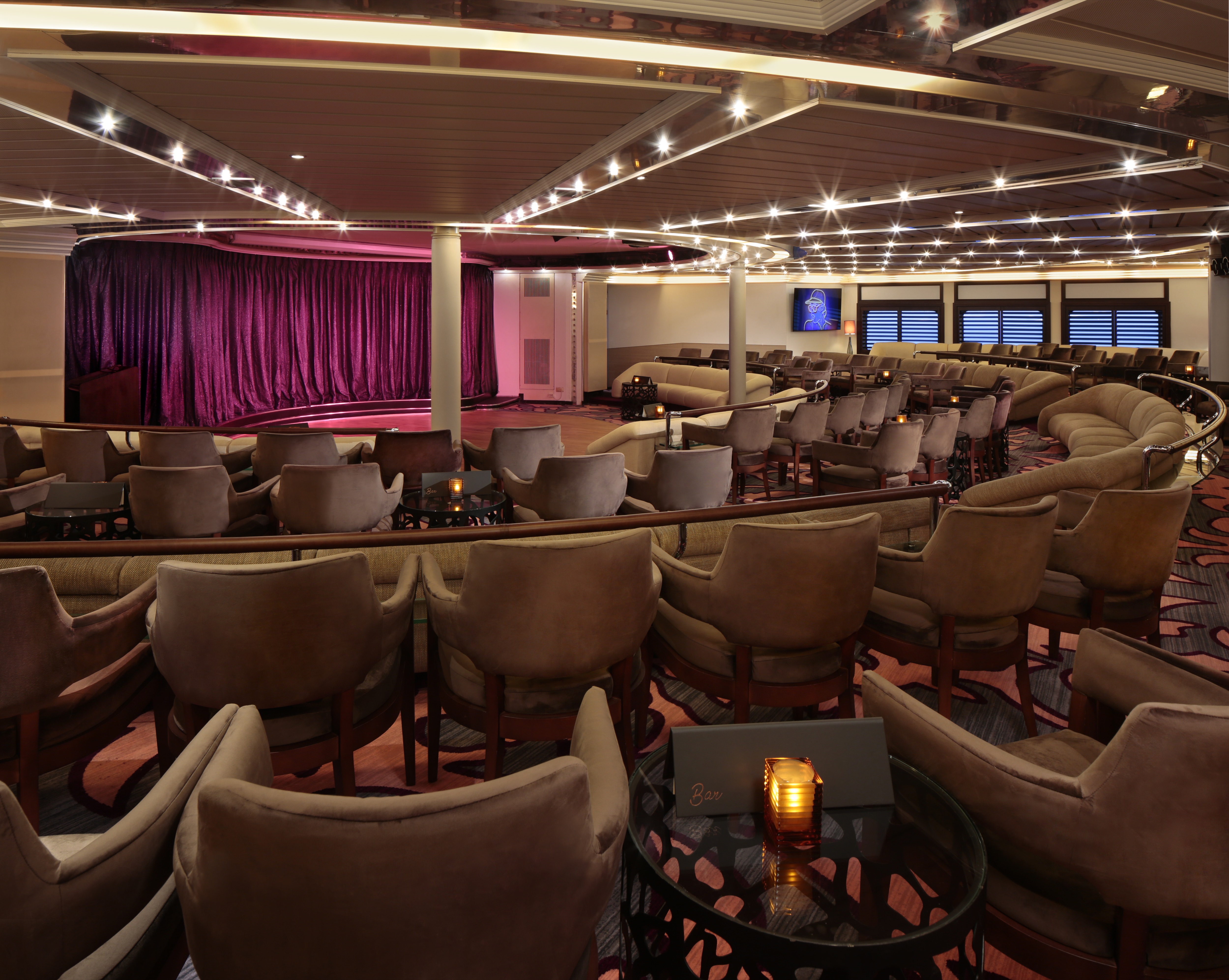
Lounge
The Lounge can be found on Deck 5.
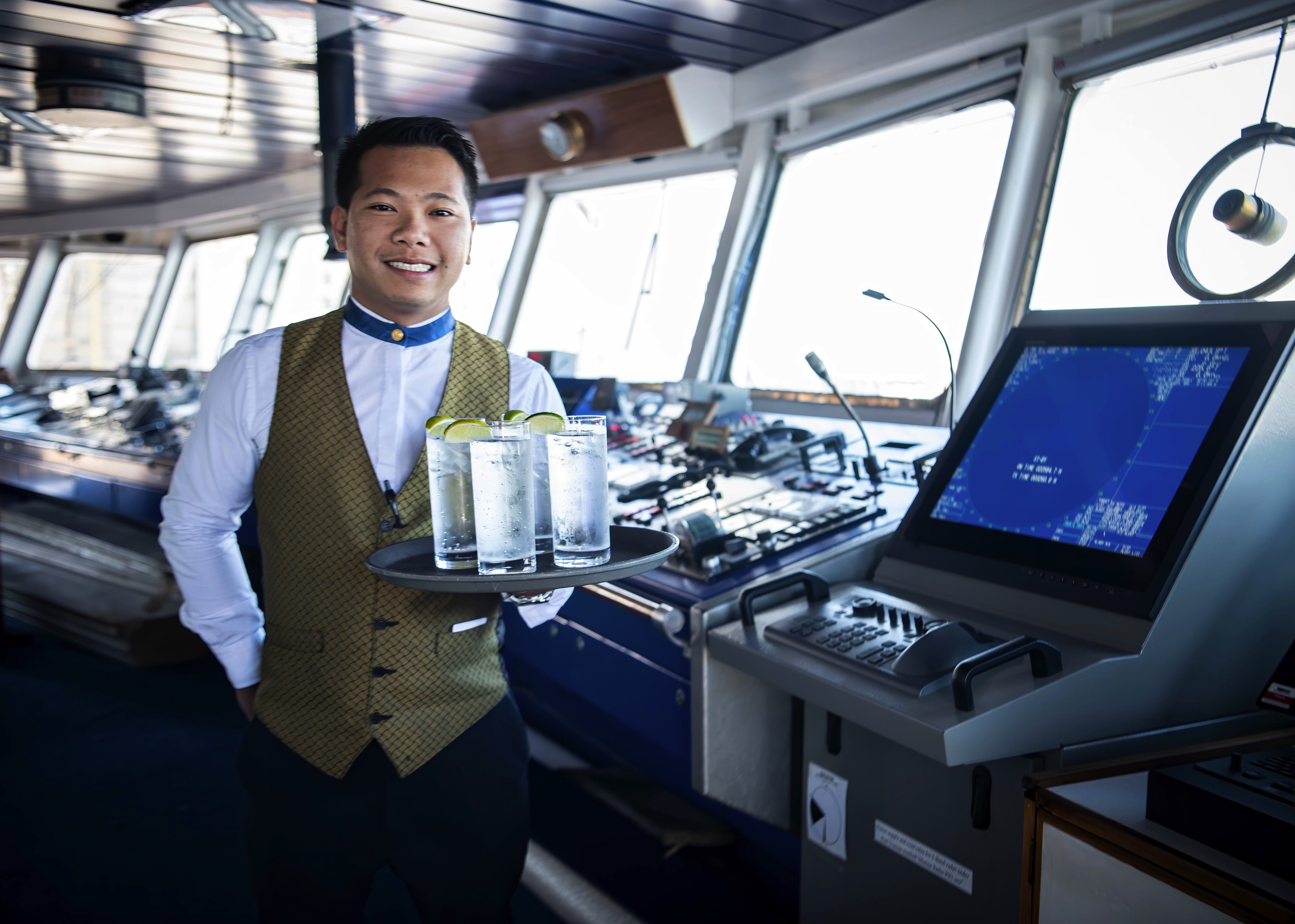
Open Bridge
We’re the only cruise line welcoming guests on to an Open Bridge, where they can pop in to watch the Captain and crew at work, and learn about chart navigation.
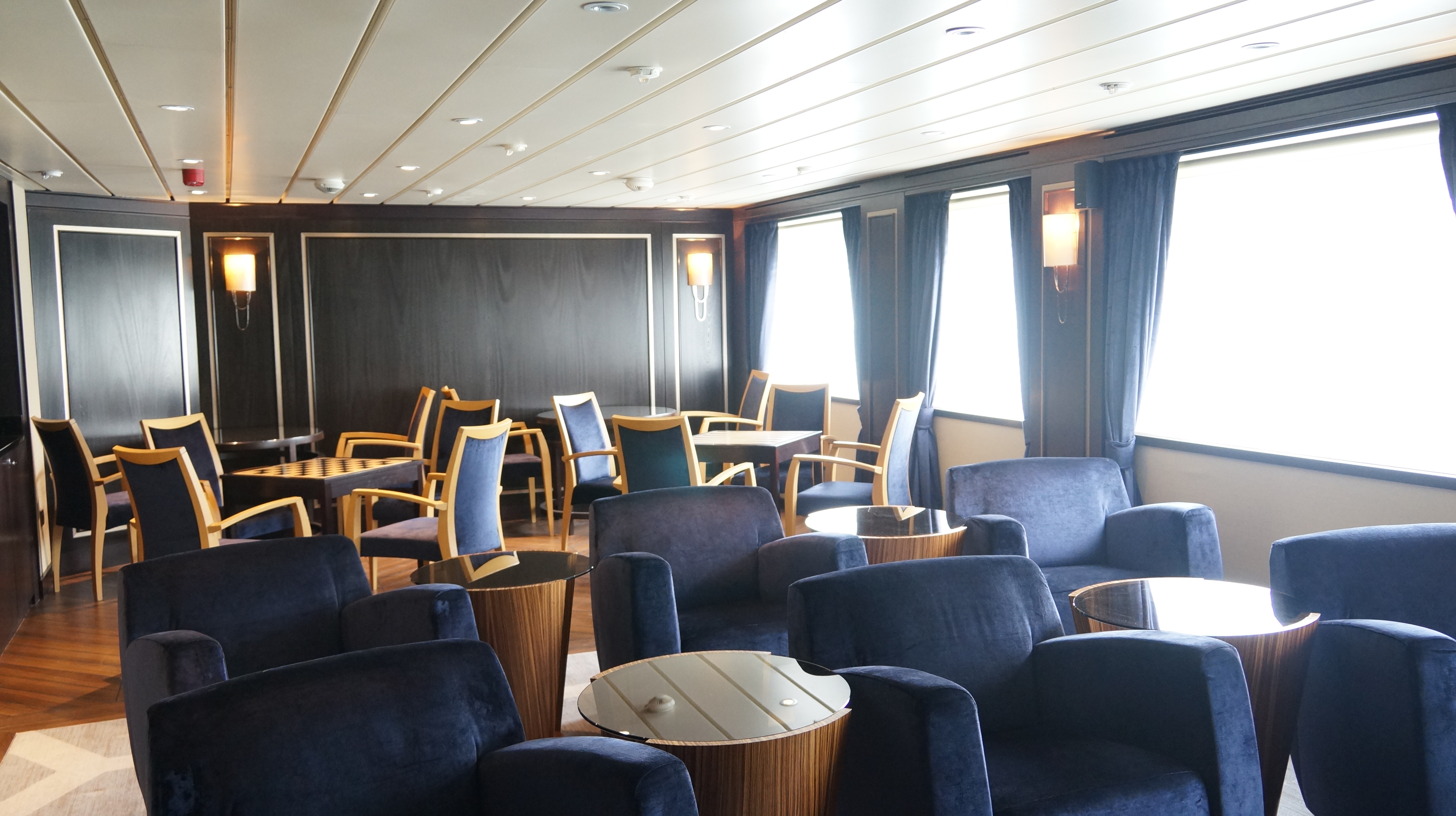
Screening Room
The ship’s card room is now the new Star Screening Room, where guests can view current movies.
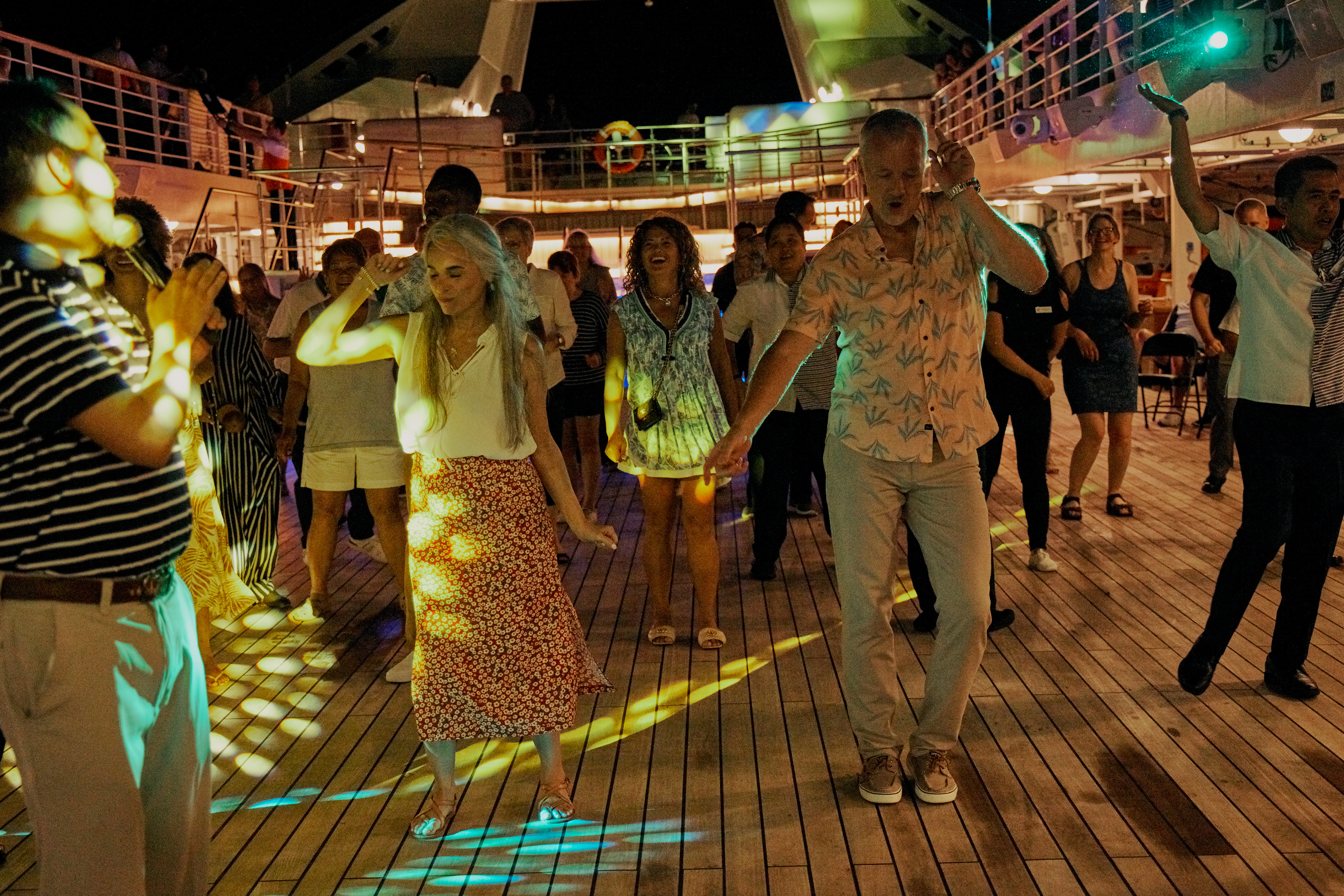
Live Entertainment
After a long day at port or sea, relax in the lounge and enjoy a drink while being entertained by our onboard band, local performers or our talented crew members.
Each cruise, our crew demonstrates their hidden abilities, whether dancing, singing, magic or comedy. Our team will continue to delight you through the night during the crew talent show, and perhaps you’ll find a hidden talent of your own.
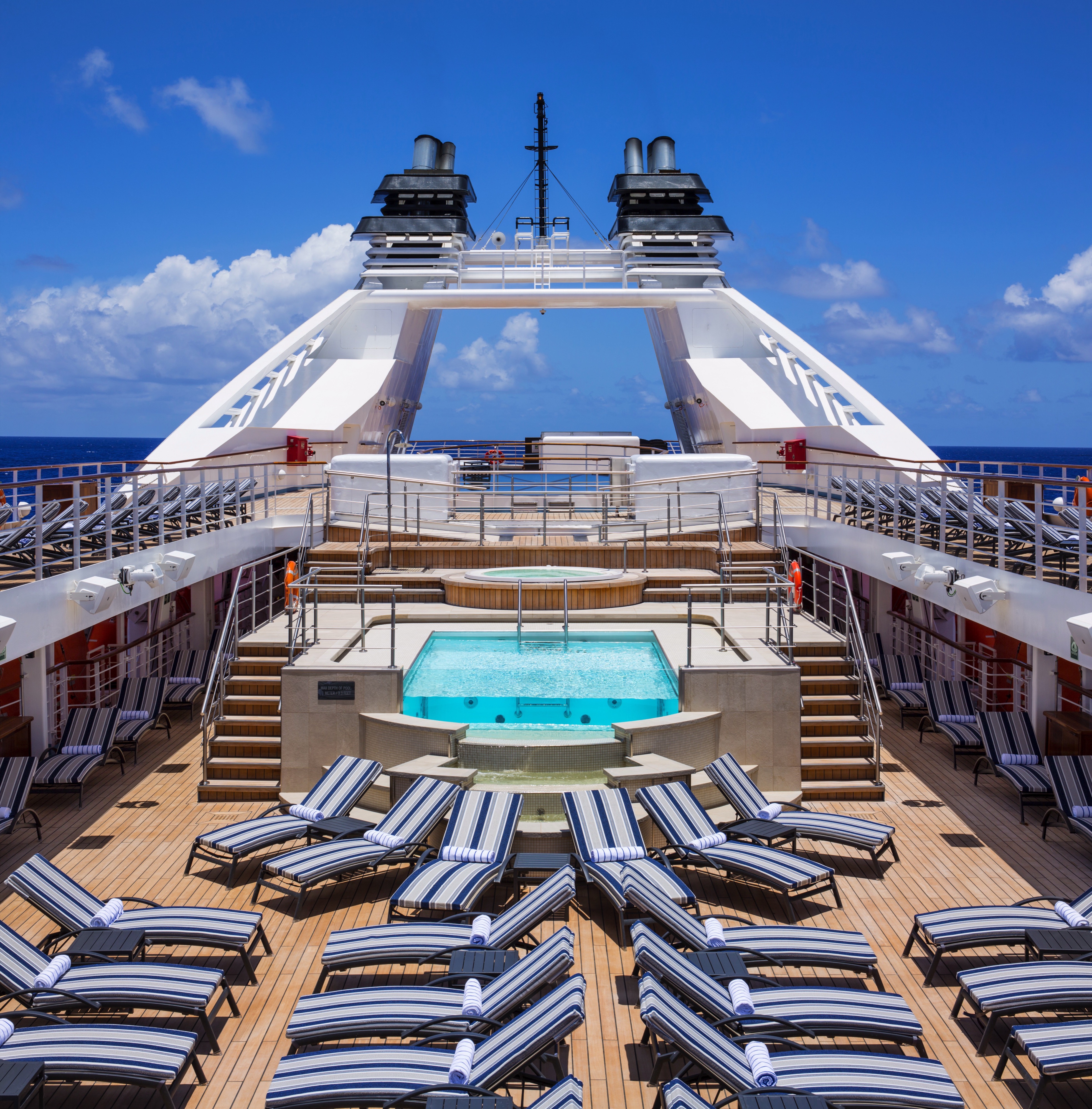
Sun Deck
The Sun Deck can be located on Deck 7.
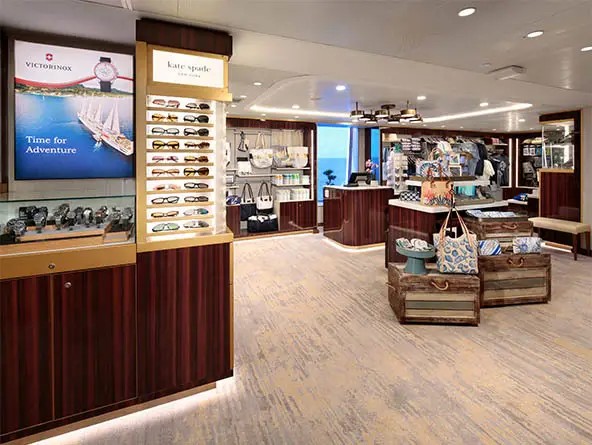
Star Boutique
Visit our newly transformed specialty shopping boutique, Star Boutique, rolling out fleet-wide through early 2022. The new shop features quality brand-name and exclusive Star Collection merchandise, from clothing and fragrances to jewelry and accessories, all at duty free or special pricing.
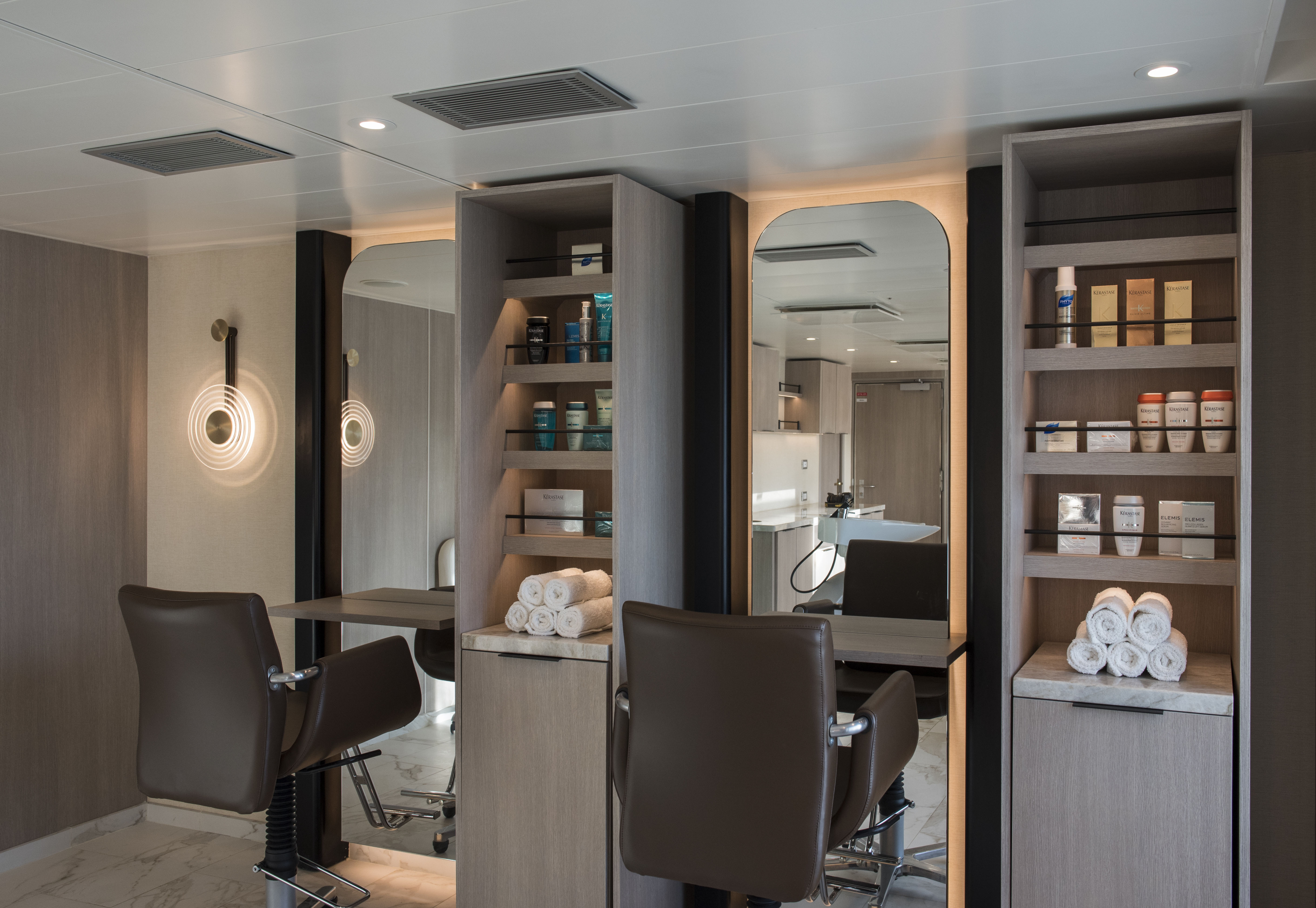
World Spa
Expanded state-of-the-art World Spa by Windstar. Recharge in new tranquil treatment rooms featuring massages inspired from the world’s regions or join a group exercise class in the new sunlit studio.
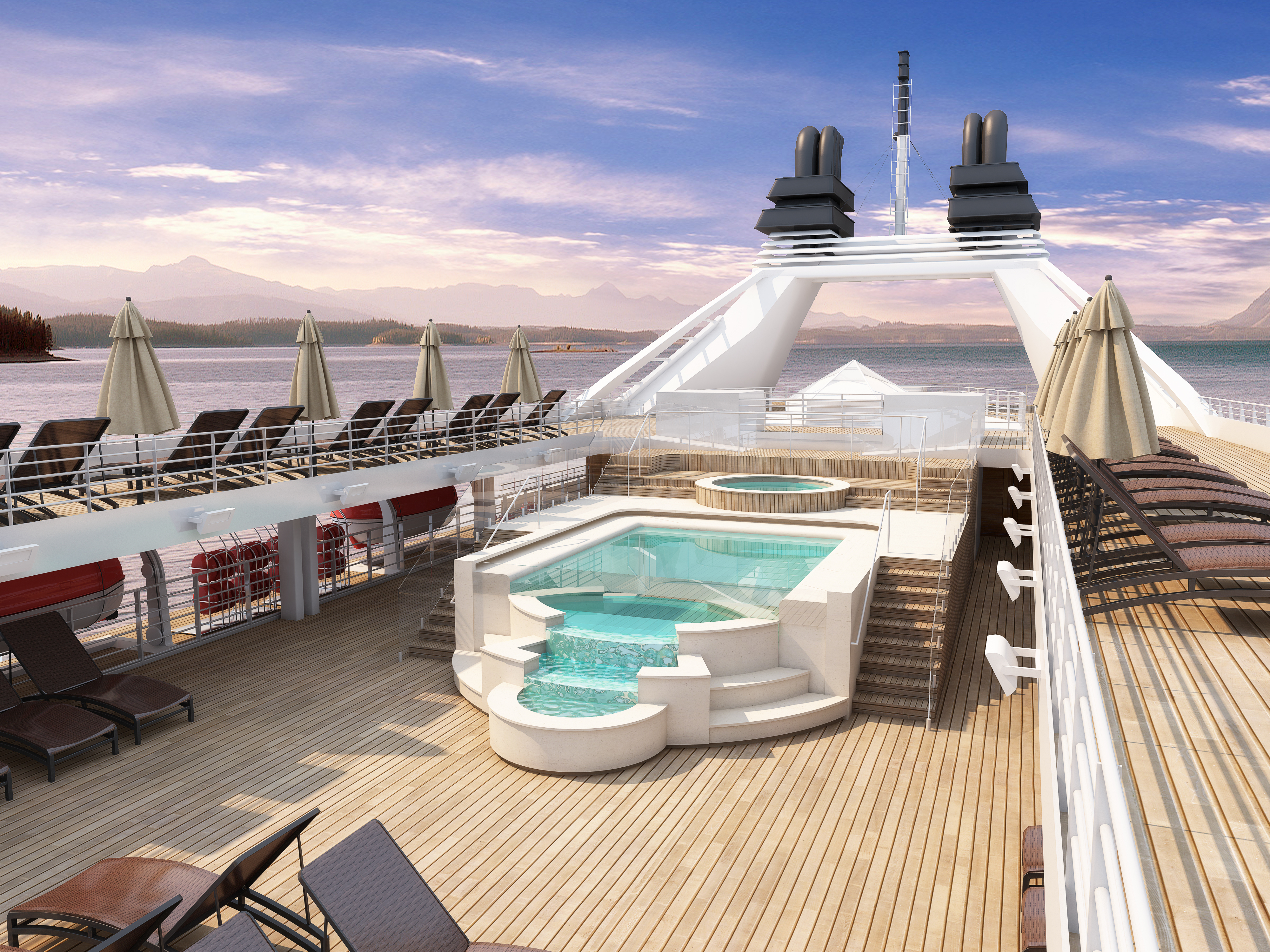
Pool & Whirlpool
New breathtaking pool and whirlpool. Soak it all in with an elevated pool, and expanded deck for sunbathing and relaxing.
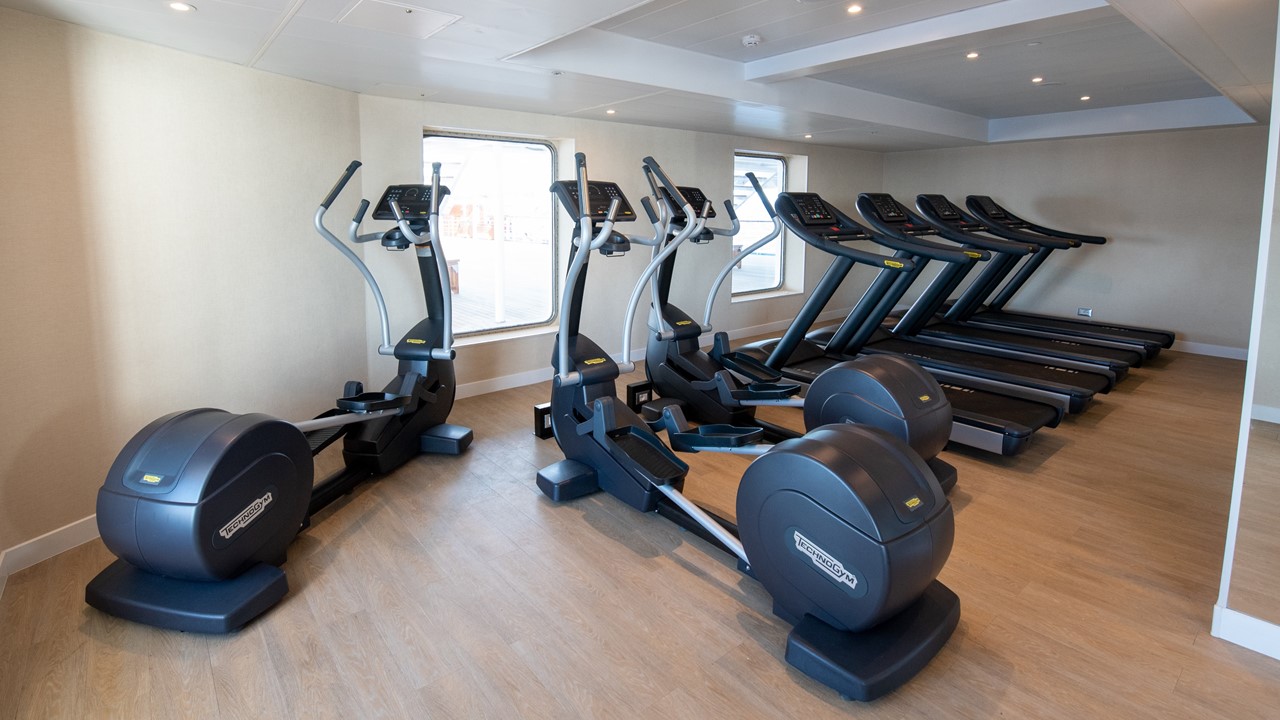
Fitness Centre
Please note: Star Legend does not offer any dedicated children’s facilities.
Amphora Restaurant
Here, the dining room manager seats you, but where is your decision. There are no pre-assigned tables or first or second seatings. When you dine and with whom are entirely up to you. Seating usually begins at 6:30 p.m. and will be printed in the ship’s daily program. Each delightful dish is prepared exactly to your liking – an exquisite dinner served course-by-course with a fine selection of vintage wines.
Veranda
It’s breakfast alfresco, full service or buffet-style, anytime till 9:30 a.m. No need to hurry. Again, the choices are many in Veranda. Choose the sumptuous, seemingly endless buffet. Or, order from the lunch menu between noon and 2:30 p.m.
Candles Restaurant
Here’s the perfect place for a romantic tête-a-tête under the stars in Candles, Windstar’s signature outdoor restaurant transformed by night into a dreamlike paradise. Delectable cuisine, memorable surroundings, inspired wine pairings.
Star Grill
You’ll find all your traditional grilled and barbecued favorites (and discover new dishes from around the world) in our new casual outdoor restaurant.
Basil + Bamboo
Step into Basil + Bamboo, where clean lines and warm accents set the stage for a relaxed, refined experience. Savor dishes that fuse Asian influences with a Mediterranean twist — an inventive culinary adventure designed to delight your palate and create moments of shared discovery.
Guest Lecturers
Have you ever wanted to learn about rowing across the Atlantic or the inner workings of the Monte Carlo Grand Prix? On select Windstar voyages, satisfy your curiosity and enhance your understanding of the local culture by listening to our onboard lecturers. We’ve curated a group of speakers designed to bring you an insider’s perspective on a multitude of intriguing topics. Listen raptly as your voyage becomes more than just a vacation – and a thought-provoking exploration of enchanting lands.
Windstar Signature Expeditions
We’re Taking Travelers to a Different Alaska
Introducing the Signature Expeditions program. Helmed by a team of on board expedition experts who sail with the cruise the entire time, they’ll provide more insight, understanding, and commentary to show you an Alaska you’ve never seen before. Consisting of naturalists, glaciologists, historians and more, this team of experts will also lead guided tours, sometimes directly from the ship to some of the most remote areas of the Alaskan frontier.
Each once-in-a-lifetime experience will leave you hungry for more of the real flavors of Alaska. Book your Alaska voyage and Signature Expeditions today.
Culinary Demonstrations
“Set Sail with the Official Cruise Line of the James Beard Foundation “
It’s the perfect pairing. Windstar Cruises and the James Beard Foundation are partnered to bring you culinary experiences that are 180 degrees from ordinary. Through this program, Windstar works with the James Beard Foundation to bring together some of the most talented chefs on themed cruises and in our dining program.
Imagine dining on dishes created by not just one celebrity chef, but a list of all-stars with the likes of Maxime Bilet (The Cooking Lab), Evan Hanzcor (Egg), and José Mendín (Pubbelly Noodle Bar, Habitat, Baja Bao) every single night in our main Amphora dining room. For a truly beyond ordinary experience, join us on our themed cruises featuring James Beard Foundation chefs and beverage experts: a foodie’s dream with dishes created by the chefs themselves and chef-accompanied market tours. And learn their secrets as you watch demos of their recipes on every sailing.
The James Beard Foundation was created to recognize and celebrate the chefs, writers and restaurateurs who advance America’s culinary arts. This emphasis on innovation and excellence pairs perfectly with Windstar’s superior service, intimate ambiance and drive to constantly innovate its cuisine. The James Beard Foundation nominates and chooses winners of the James Beard Awards, referred to as the Oscars of the restaurant industry.
As the Official Cruise Line of the James Beard Foundation, we’re able to work with over 20 of the best chefs to create the extraordinary dishes on our nightly menu and in our culinary demos. Windstar is celebrating the 10th anniversary of our partnership in 2025. To mark this special occasion, we’re thrilled to announce the return of several beloved chefs who have sailed with us in the past.
Shore Excursions
The Best on Land Brought to You by the Best at Sea
Get to the heart of local cultures with Windstar shore excursions.Choose from over 2,000 one-of-a-kind tours and activities.
You don’t want to just dip a toe in local culture, you want to dive into the deep end, and that’s exactly what Windstar shore excursions are designed to do. All of our excursions are created to provide authentic local experience — the kind travelers like you are looking for. And with more than 2,000 excursions to choose from, you can experience your destination in whatever way is most meaningful to you. Whether you’re an outdoor enthusiast, a foodie, a history buff or someone who loves to get to know the faces behind the many places we travel.
We make sure the hot springs are hot and the pinot grigio is chilled.How do we find these authentic experiences, you ask? Our Product Development Team travels to each destination and personally vet each shore excursion to make sure it makes the grade (So yes, the Open Course Canopy Challenge in Falmouth Harbour, Antigua? They went on that). And because we travel in small groups, we can adjust tours in real time based on guest feedback, whether that means finding a different place for lunch, or spending more time at a particularly fascinating historical site. We take the time and make the trip because we want your travels to be unforgettable.
Immersion in Regional Culture
Local guides share insight into their everyday world, as well as insider highlights that you don’t want to miss. As part of a smaller group, you’re able to bypass long lines, visit places off the beaten path, and get all of your questions personally answered.
Private Tours Available
Explore at your leisure with a private vehicle, driver and English-speaking guide. These exclusive tours allow you to customize your time ashore and explore the sites most interesting to you in the comfort and privacy of your own car or van. With your private vehicle, and the personalized attention of your driver and guide, you will have the flexibility and independence to design your own unique tour. This is a great option for families and groups traveling together.
Quality and Convenience
Every Windstar excursion meets our high standards of enjoyment, safety and professionalism. Tour departure times coincide with your ship’s schedule and depart right from the pier. All of our tour operators are fully insured, licensed and bonded. Our guests consistently rate their shore excursion experiences as excellent.
Watersports Platform
Jump in For Fun
A cruise to Tahiti, the Mediterranean or the Caribbean isn’t just about the land. It’s about the sea. That warm, turquoise water is more than willing to answer your question about what to do today, and the phenomenal Watersports Platform on the stern of your Windstar yacht is more than willing to provide the means — no beach required. It’s just one more way our yachts get you closer to your destination.
Complimentary Watersports Equipment and Activities Include*:
Snorkeling gear (a personal custom-fit set for your use throughout your Tahiti cruise and in select Caribbean and Central • America destinations)
Stand-up paddleboards
Kayaks
Foam flotation magic carpet
Water trampoline
Sailboat
*Available on select itineraries and ports of call. Selection on yachts may vary.
Compass Rose
Compass Rose can be found on Deck 6.
The Yacht Club and Library
Stop by the Yacht Club Café for a bite or coffee crafted by our barista.
Lounge
The Lounge can be found on Deck 5.
Open Bridge
We’re the only cruise line welcoming guests on to an Open Bridge, where they can pop in to watch the Captain and crew at work, and learn about chart navigation.
Screening Room
The ship’s card room is now the new Star Screening Room, where guests can view current movies.
Live Entertainment
After a long day at port or sea, relax in the lounge and enjoy a drink while being entertained by our onboard band, local performers or our talented crew members.
Each cruise, our crew demonstrates their hidden abilities, whether dancing, singing, magic or comedy. Our team will continue to delight you through the night during the crew talent show, and perhaps you’ll find a hidden talent of your own.
Sun Deck
The Sun Deck can be located on Deck 7.
Star Boutique
Visit our newly transformed specialty shopping boutique, Star Boutique, rolling out fleet-wide through early 2022. The new shop features quality brand-name and exclusive Star Collection merchandise, from clothing and fragrances to jewelry and accessories, all at duty free or special pricing.
World Spa
Expanded state-of-the-art World Spa by Windstar. Recharge in new tranquil treatment rooms featuring massages inspired from the world’s regions or join a group exercise class in the new sunlit studio.
Pool & Whirlpool
New breathtaking pool and whirlpool. Soak it all in with an elevated pool, and expanded deck for sunbathing and relaxing.
Fitness Centre
Please note: Star Legend does not offer any dedicated children’s facilities.
About the Ship
Deck Plans

- Watersports Platform (19)
- Amphora Restaurant (18)
- Medical Facility (17)
- Star Porthole Suites

- Star Ocean View Suites
- Balcony Suite
- Ocean View Suites – Accessible Suites (448,450)
- Deluxe Suite

- Whirlpool (12)
- Reception (13)
- Destination Office (14)
- Screening Room (15)
- Lounge (16)
- Deluxe Suite
- Ocean View Suites
- Balcony Suites
- Deluxe Suite
- Star Balcony Suite
- Star Ocean View Suite
- Ocean View Suite – Accessible Suites (548, 550)

- Basil & Bamboo Restaurant* (9)
- Star Boutique (10)
- Compass Rose (11)
- Owner’s Suites
- Star Porthole Suites
- Star Balcony Suites
- Deluxe Suite
- Star Ocean View Suites
- Balcony Suites

- Bridge (4)
- World Spa by Windstar (5)
- Fitness Centre and Motion Studio (6)
- Pool and Whirlpool (7)
- Veranda/Candles (8)

- Yacht Club Café & Library (1)
- Star Bar (2)
- Star Grill (3)
- Watersports Platform (19)
- Amphora Restaurant (18)
- Medical Facility (17)
- Star Porthole Suites
- Star Ocean View Suites
- Balcony Suite
- Ocean View Suites – Accessible Suites (448,450)
- Deluxe Suite
- Whirlpool (12)
- Reception (13)
- Destination Office (14)
- Screening Room (15)
- Lounge (16)
- Deluxe Suite
- Ocean View Suites
- Balcony Suites
- Deluxe Suite
- Star Balcony Suite
- Star Ocean View Suite
- Ocean View Suite – Accessible Suites (548, 550)
- Basil & Bamboo Restaurant* (9)
- Star Boutique (10)
- Compass Rose (11)
- Owner’s Suites
- Star Porthole Suites
- Star Balcony Suites
- Deluxe Suite
- Star Ocean View Suites
- Balcony Suites
- Bridge (4)
- World Spa by Windstar (5)
- Fitness Centre and Motion Studio (6)
- Pool and Whirlpool (7)
- Veranda/Candles (8)
- Yacht Club Café & Library (1)
- Star Bar (2)
- Star Grill (3)