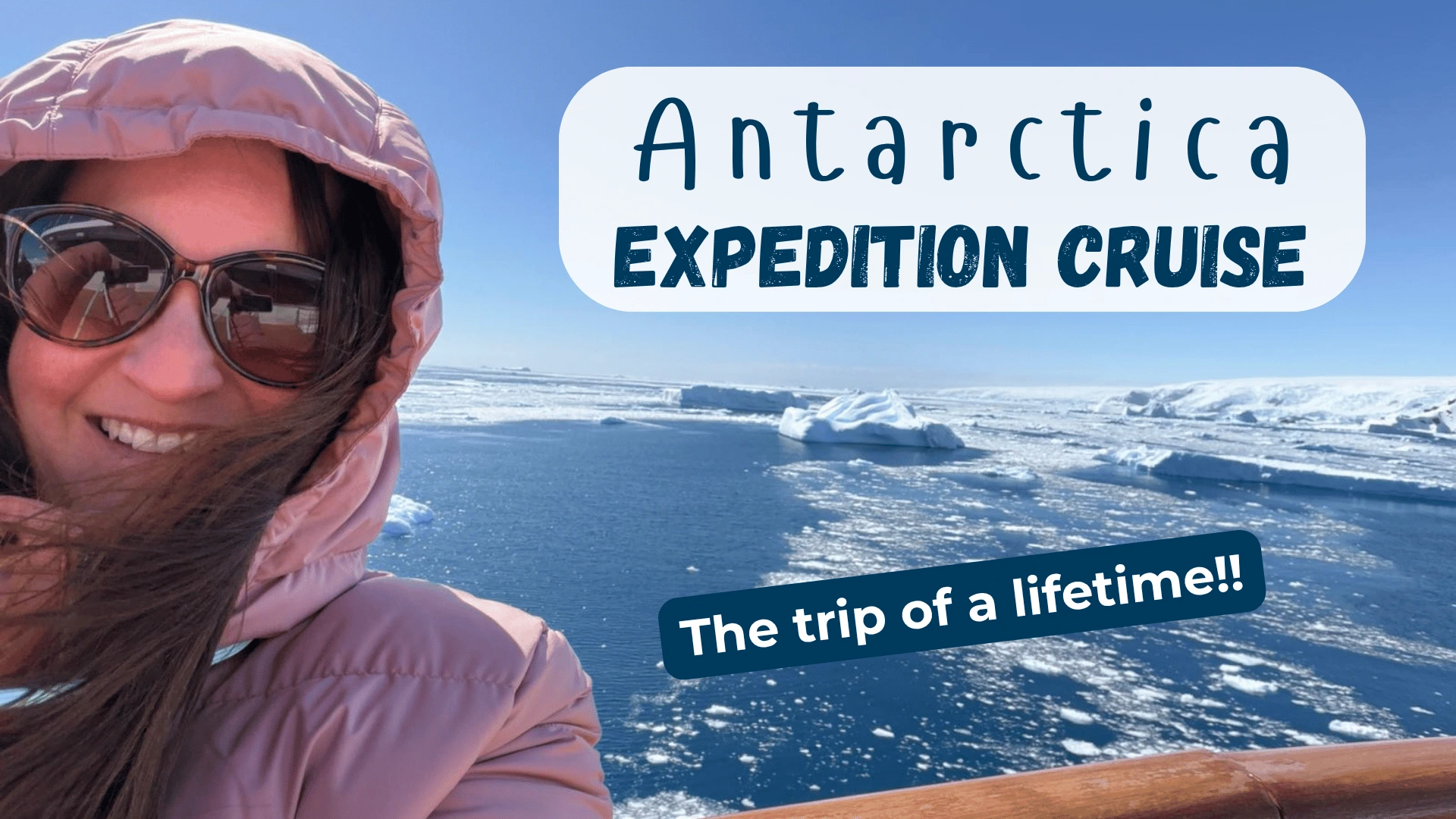


I expected Antarctica to be incredible. Somehow, it was even more extraordinary than I could possibly have imagined.
As Perfect Cruises’ Expedition Specialist (and Delmar World’s Adventure Specialist), I’ve been fortunate enough to travel extensively, from the Alps to the Canadian Rockies. However, nothing prepared me for the sheer scale of Antarctica’s mountains, glaciers and snowy wilderness.
My journey took me along the Antarctic Peninsula aboard AE Expeditions’ purpose-built expedition ship, MV Greg Mortimer. I experienced Zodiac landings, kayaking, snorkelling, snowshoeing and even camping overnight on the Antarctic snow. I also encountered humpback whales, orcas and more penguins than I could ever count.
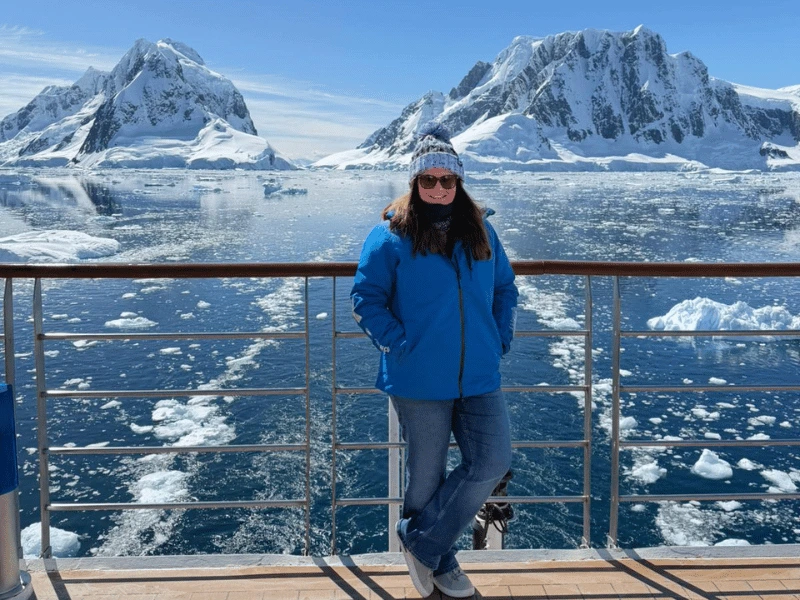
This Antarctica expedition cruise review is my attempt to explain what it was really like to visit the world’s most remote continent – and why even now, I still find the experience difficult to comprehend.
The Journey to Antarctica
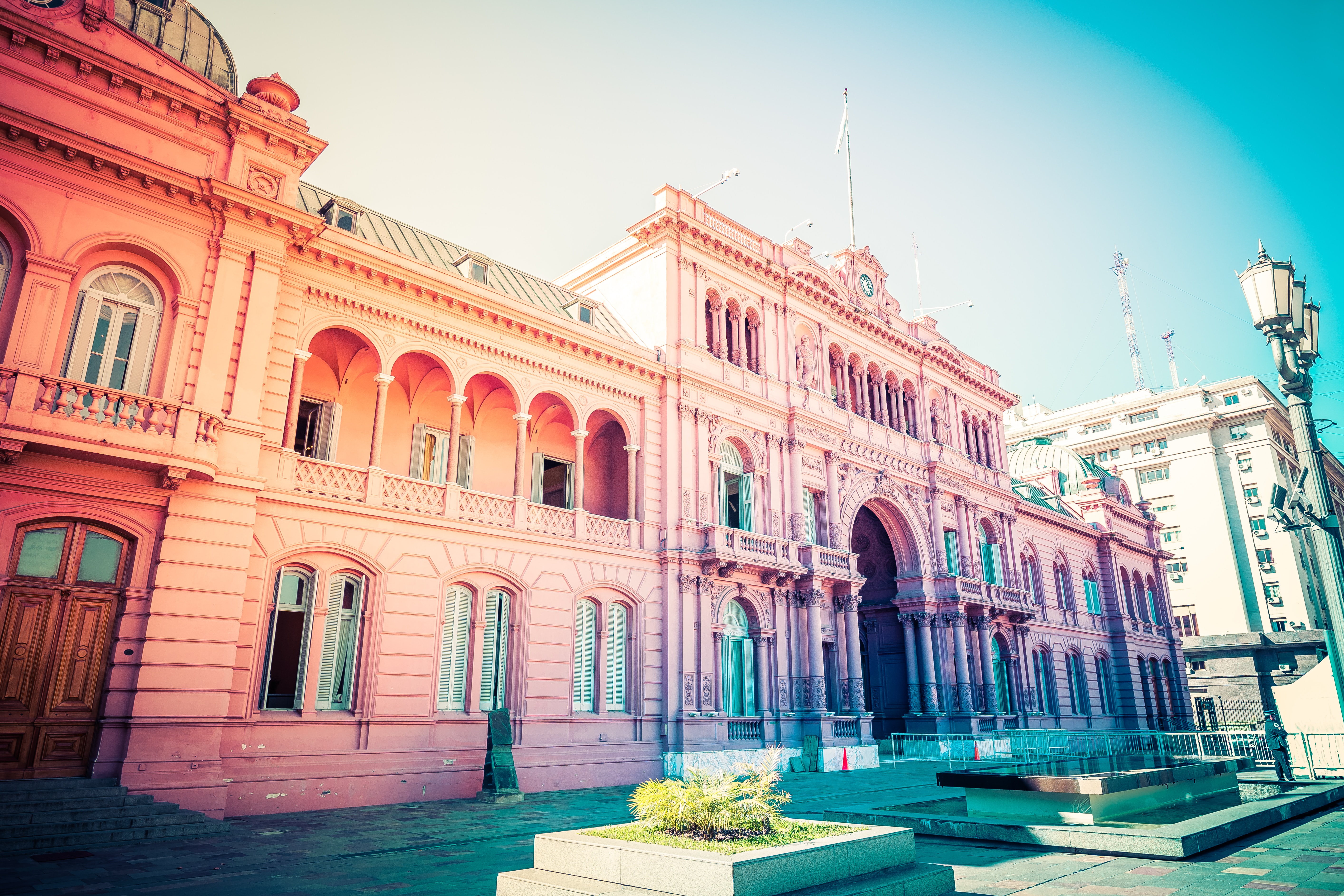
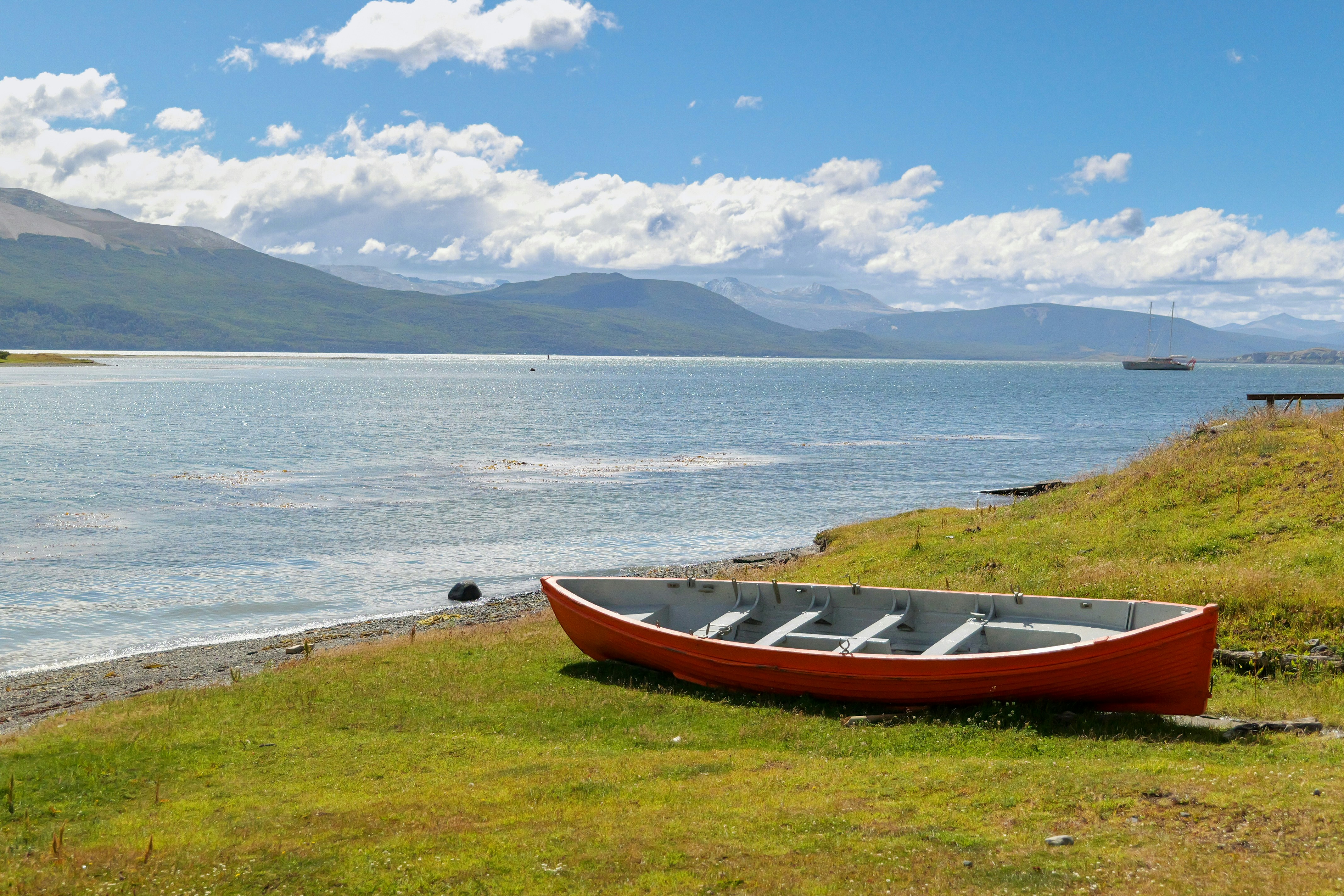
Reaching Antarctica is an adventure in itself. My journey involved three flights in total, including the final flight from Buenos Aires to Ushuaia, the world’s southernmost city, following an overnight stay in Buenos Aires.
From there, we boarded MV Greg Mortimer and began our journey across the Drake Passage towards the Antarctic Peninsula.
It takes considerable time and effort to reach Antarctica, but that only makes the moment you finally arrive feel even more significant. You are travelling progressively further from familiar surroundings and deeper into one of the wildest environments on Earth.
Crossing the Drake Passage: Shake or Lake?
The Drake Passage has a fearsome reputation. It is where the Atlantic, Pacific and Southern oceans converge, and travellers frequently speak about experiencing either the turbulent “Drake Shake” or the unusually calm “Drake Lake”.
I was genuinely hoping for the full Drake Shake experience. I wanted to test my sea legs and be able to say that I had conquered one of the most notoriously unpredictable stretches of water in the world.
Instead, I got the Drake Lake!
Our crossing was surprisingly gentle – I’ve experienced worse conditions crossing the Bay of Biscay by ferry.
MV Greg Mortimer was specifically designed for conditions like these. Its distinctive X-Bow cuts through waves differently from a conventional ship, while twin stabilisers help counteract rolling. It is impossible to know how the same conditions might have felt aboard another vessel, but the crossing was far more comfortable than I expected.
Of course, no two Drake Passage crossings are the same. Conditions can change considerably, so travellers should always be prepared for a potentially livelier experience. It is worth noting that fly-cruise itineraries are available for those who would prefer not to sail across the Drake Passage.
My First Sight of the Antarctic Peninsula
After three flights and our crossing of the Drake Passage, seeing the Antarctic Peninsula for the first time was overwhelming.
I was in complete and utter awe.
When I say we saw land, I don’t mean a distant shoreline. Enormous mountain ranges appeared before us, covered in snow and ice and rising dramatically from the water.
Knowing I had reached an entirely wild and hostile environment, further from civilisation than I had ever been, was an extraordinary feeling. The scale was mind-blowing.
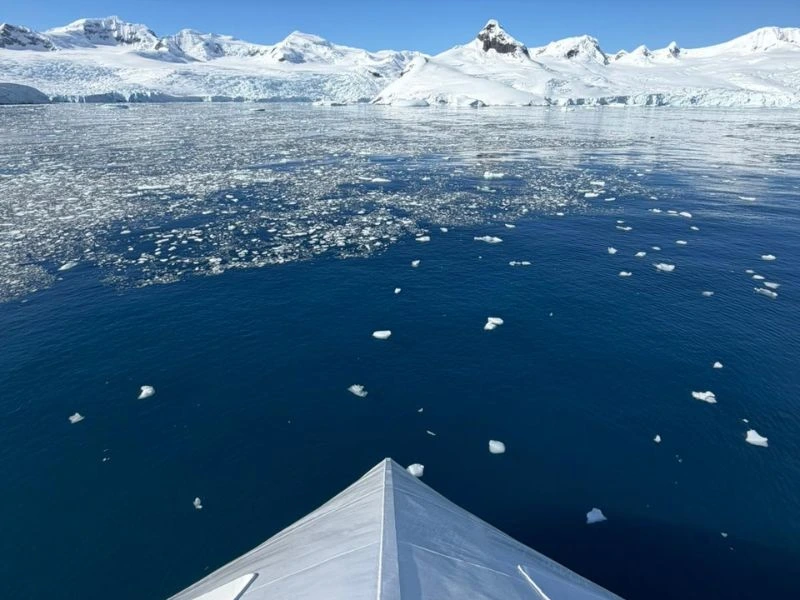
I have visited the Alps and the Rockies, but Antarctica felt different. We explored only several areas along the Antarctic Peninsula, yet an entire continent stretched out beyond us. Even after visiting, I still find its sheer size almost impossible to comprehend.
Penguins, Whales and Orcas
The landscapes may be immense, but some of my happiest memories came from watching Antarctica’s wildlife.
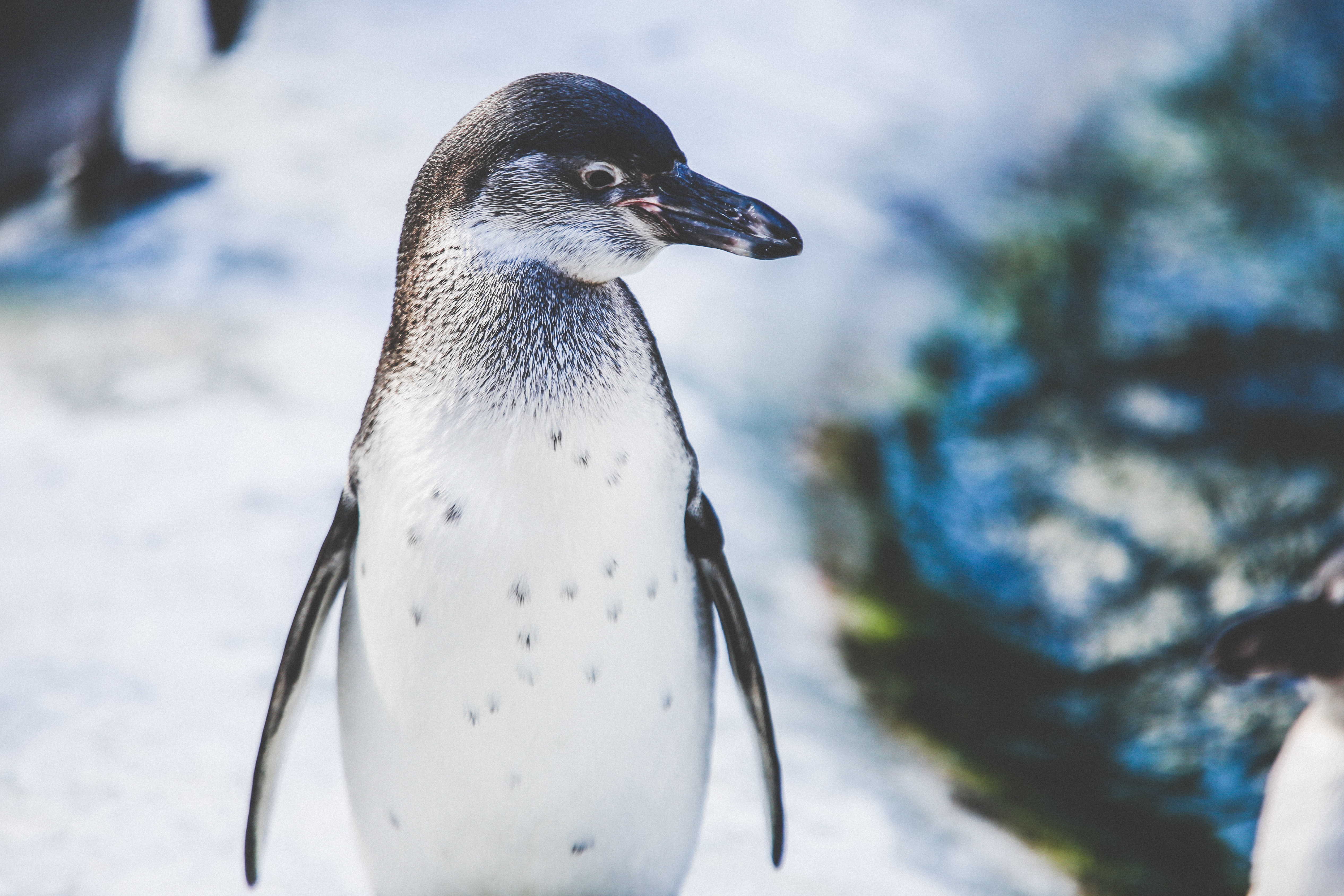
Penguins were everywhere – and utterly adorable. Seeing waddles of them manoeuvring across the snow was delightful, but what fascinated me most was how social they were.
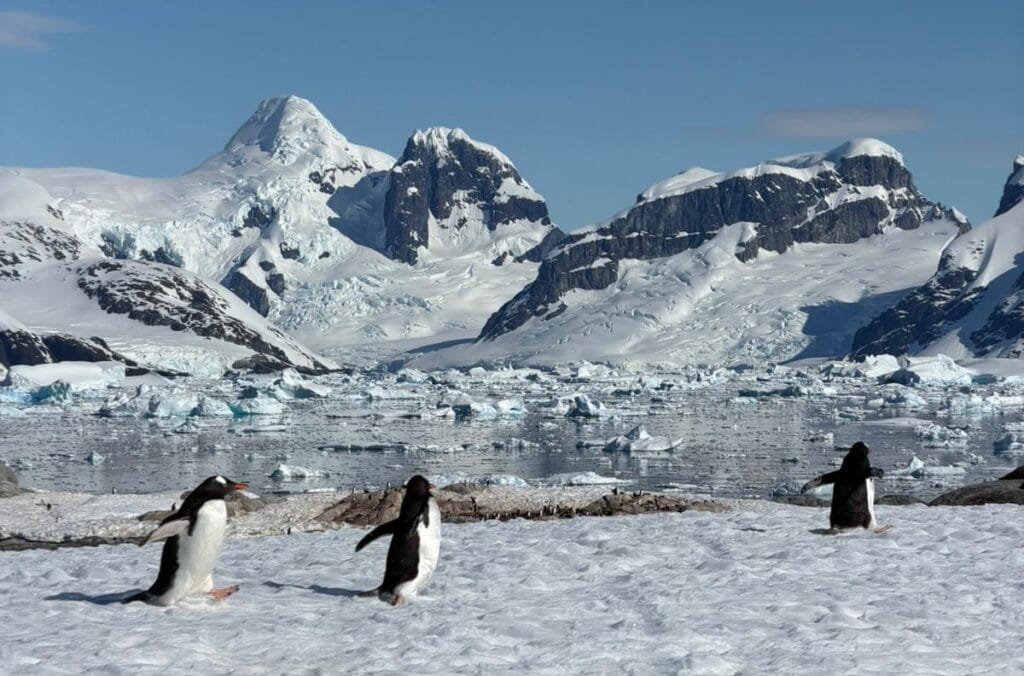
I hadn’t appreciated how much interaction takes place within a penguin colony. I could have spent hours watching them communicate, build and protect their nests (I was there during nesting season) and watch them navigate the land and water.
We also saw far more humpback whales than I expected, as well as a pod of orcas. Outdoor viewing areas around the ship made it easy to step outside whenever wildlife was spotted.
However, my most memorable wildlife encounter happened while I was in the water.
Snorkelling With Penguins in Antarctica
Snorkelling in Antarctica was one of the most remarkable things I have ever done.
We were provided with specialist dry suits and all the necessary equipment. Wrestling my way into the dry suit was an experience in itself, but it was well worth the effort!
Once in the water, I found myself floating in polar temperatures and drifting between small pieces of ice known as “bergy bits”. Simply knowing where I was made the experience exhilarating.
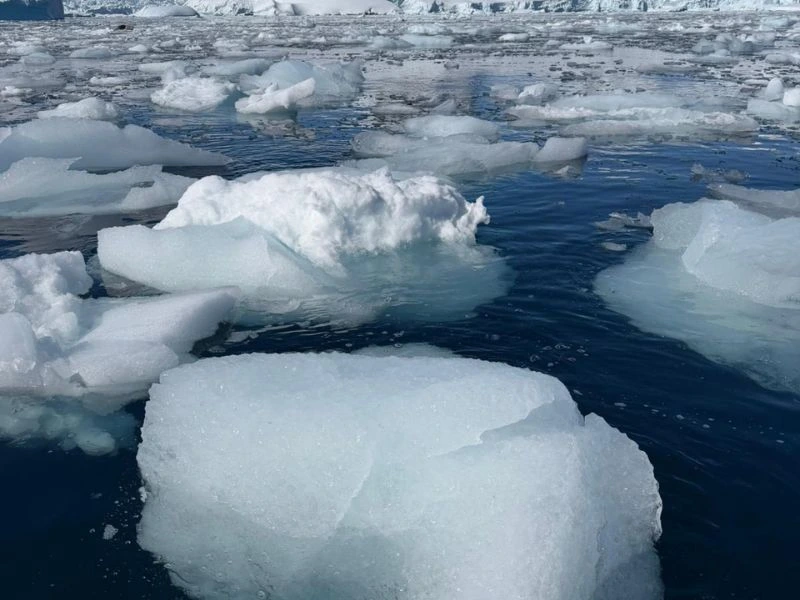
Several penguins glided past us before a raft of around 20 to 25 suddenly swam directly underneath us. On land, penguins can appear endearingly awkward; underwater, they are astonishingly quick, graceful and agile.
It all happened incredibly quickly, but it is probably the moment from the trip that I talk about most. I also managed to capture some wonderful videos, although nothing can completely recreate the feeling of actually being there.
Kayaking Among the Ice
Kayaking offered another perspective on the Antarctic landscape. Being so close to the water made the mountains and ice formations feel even larger.
Once again, penguins joined us in the water, swimming nearby as we paddled through the stillness. Moments like this felt wonderfully spontaneous – you never knew what might appear around you.
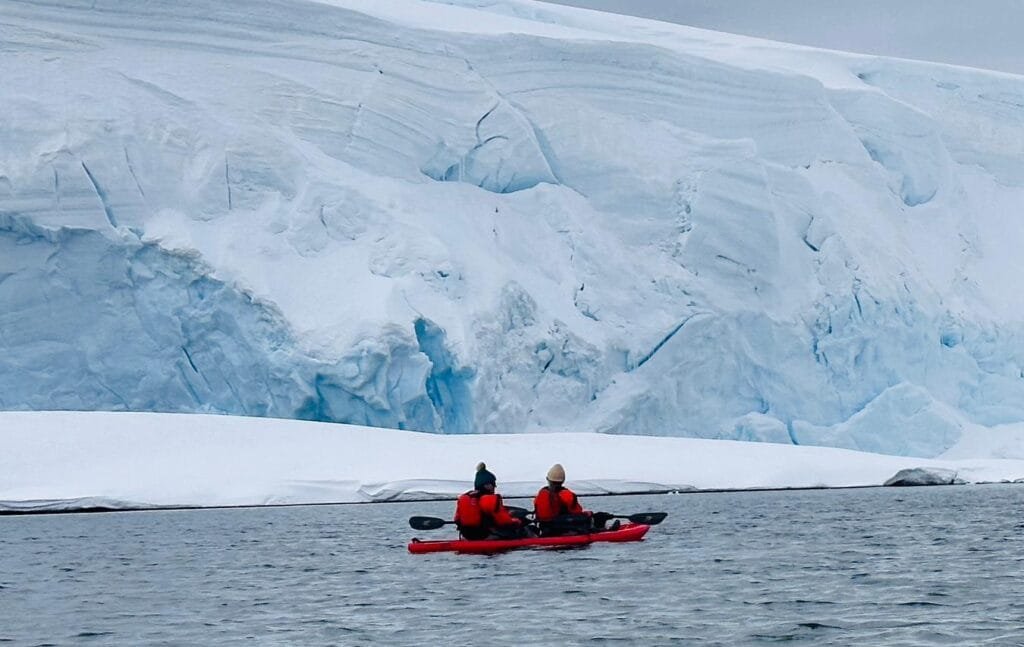
We were given dry suits and all the kayaking equipment, so we only needed to arrive wearing our thermals and be ready for the experience.
The activities available can vary between ships, itineraries and departures. Some require advance booking or an additional payment, so this is something I would recommend discussing before choosing your expedition.
Snowshoeing in Antarctica
Snowshoeing was physically challenging, particularly as we made our way uphill. Despite the cold surroundings, I soon became very warm!
Reaching the top made every step worthwhile. We were rewarded with uninterrupted 360-degree views across the surrounding mountains, snow and water.
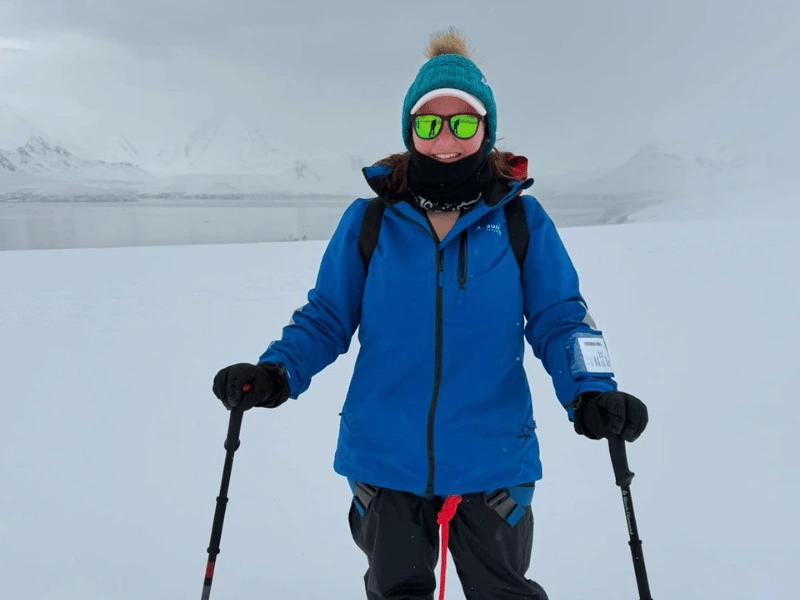
Standing there gave me another opportunity to appreciate the scale of Antarctica. Photographs can show how beautiful it is, but they struggle to communicate the feeling of being completely surrounded by such an immense and untouched landscape.
Camping Overnight on the Antarctic Snow
Camping overnight in Antarctica was another unforgettable experience.
We travelled by Zodiac to a small island measuring no more than approximately 100 metres across. Once ashore, we had to create our own sleeping areas by repeatedly stamping down the snow until we had formed rectangular hollows about a foot deep. Some people chose to use shovels, but stamping was surprisingly effective.
Our specialist sleeping equipment included a sleeping bag rated to approximately −10°C, a liner, a waterproof outer bivvy bag and an insulated sleeping mat.
Rather unexpectedly, I was too warm!
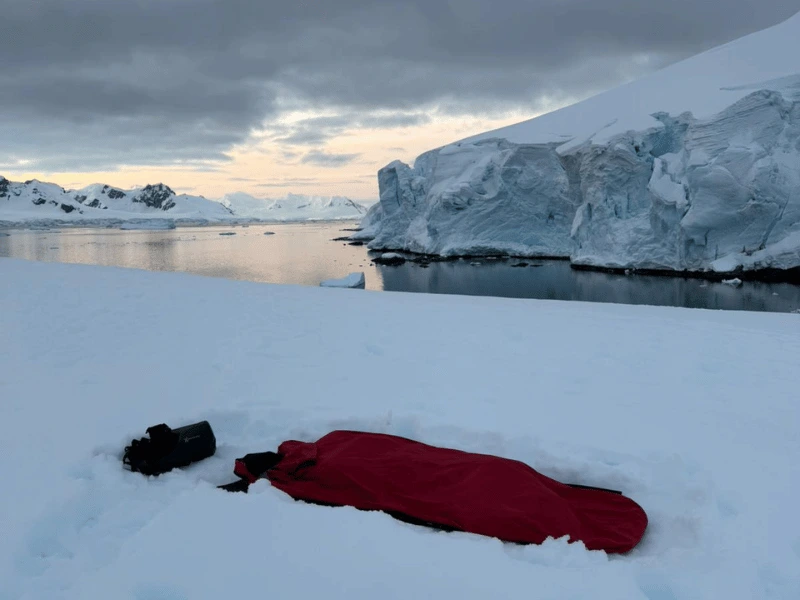
At first, I lay awake listening to humpback whales breathing in the waters surrounding the island. I could also hear the cracks and crashes of nearby glaciers calving as large pieces of ice broke away and fell into the water.
Eventually, I fell fast asleep and didn’t wake until my alarm sounded the following morning.
There was even a toilet, although perhaps not the kind some travellers would usually expect. It consisted of a lined bucket fitted with a toilet seat, with toilet paper provided. I’m accustomed to camping, so I didn’t find it particularly unpleasant or inconvenient – and it certainly came with the most spectacular bathroom views I’ve ever encountered!
Exploring Deception Island
Deception Island offered scenery unlike anything we had encountered elsewhere during the expedition.
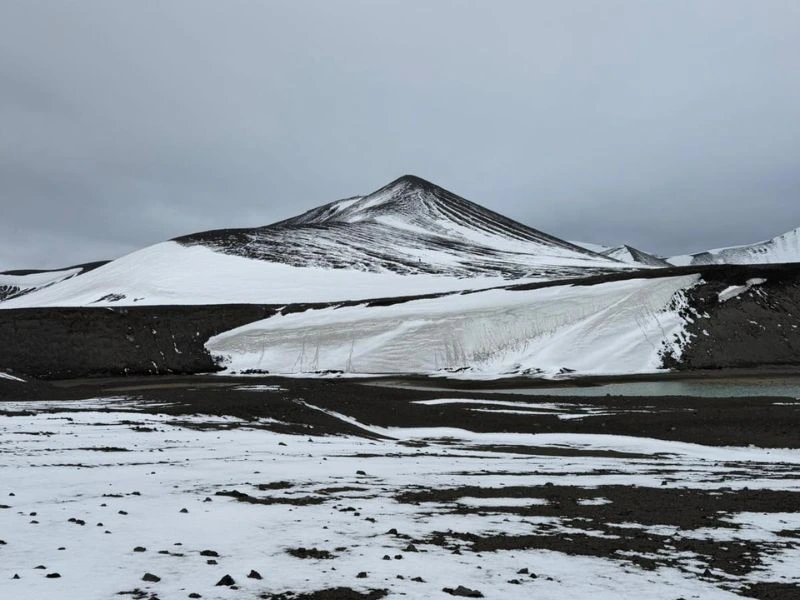
The island is the caldera of an active volcano and is almost completely enclosed, apart from a narrow opening through which ships can sail directly inside.
We hiked to the summit of a smaller caldera within it, where we were rewarded with beautiful views across the island. Evidence of the continuing geothermal activity could be seen in steam rising from the ground.
The remains of a former British base also provide a fascinating insight into the island’s history. The station was eventually abandoned after being repeatedly damaged by volcanic eruptions.
The dark volcanic landscape contrasted dramatically with the pristine snow and ice we had experienced elsewhere, making Deception Island one of the most distinctive parts of the voyage.
Life Aboard MV Greg Mortimer
Despite carrying a maximum of approximately 130 guests, MV Greg Mortimer never felt small or confined.
There were enough lounges and communal spaces to find somewhere different to relax, along with plenty of outdoor viewing areas for wildlife spotting or simply taking in the scenery.
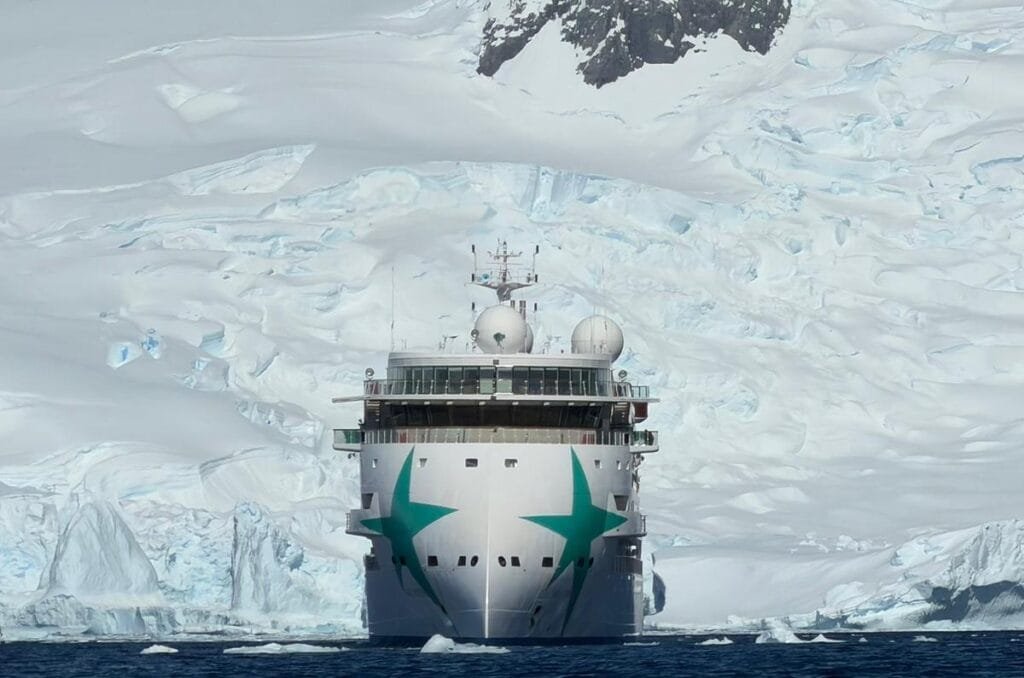
My balcony cabin was a very good size and had plenty of useful storage. I also loved how easy it was to move around the ship. Almost anywhere I wanted to go onboard was only a one-to-three-minute walk away, so I could quickly nip back to my cabin or head outside when wildlife was spotted.
The ship felt intimate without making me feel cooped up, which is an important balance on a voyage where you are spending a significant amount of time in a remote environment.
The Expedition Team
I expected the expedition team to be knowledgeable, but they were exceptional.
Their expertise and enthusiasm filtered through to everyone aboard and added enormously to our overall experience. The team included specialists in subjects such as wildlife, glaciers, history and the polar environment.
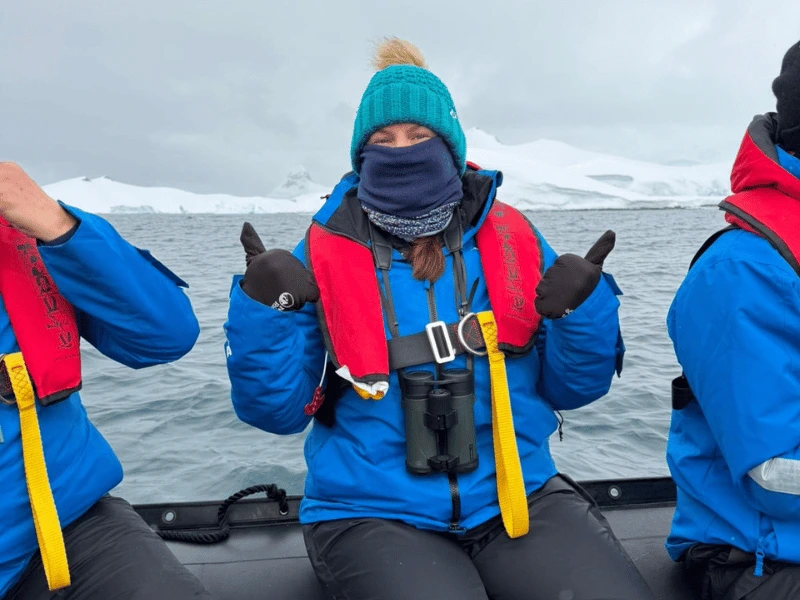
Before travelling, I hadn’t appreciated how closely the Expedition Team Leader and the ship’s captain work together. Weather, ice and sea conditions can change quickly, so plans must remain flexible.
Plan A could become Plan B, C or something completely different. Activities might be moved by a day or replaced with another landing or Zodiac cruise.
Most of the time, we were barely aware of how much adaptation was taking place behind the scenes. The captain and Expedition Team Leader responded to the conditions so effectively that we continued enjoying memorable experiences.
However, it is important to understand that expedition cruising is unpredictable. No particular landing, wildlife sighting or activity can ever be guaranteed. That is partly what makes it an expedition rather than a conventional cruise.
Evenings, Dining and Entertainment
Each evening began with an expedition briefing. These sessions usually recapped what we had experienced that day before discussing the provisional plans for the following morning.
The talks were tailored to what we had seen. Depending on the day, a specialist might tell us more about whales, penguins, seals, glaciers or Antarctic history. I really enjoyed these briefings because they helped us understand and appreciate what we were witnessing.
The food aboard MV Greg Mortimer was excellent. Breakfast and lunch were served buffet-style, and the amount of choice was almost ridiculous considering our location. Dinner was a three-course meal with several options. There was certainly no chance of going hungry.
Evenings were relaxed and informal, with no need to dress up. This wasn’t a conventional cruise with large-scale productions or nightly theatre shows. Instead, we spent time chatting or playing games in the bar and lounge, attending lectures, enjoying the hot tubs or heading back outside to look for wildlife.
The expedition team routinely joined guests at dinner. They were fascinating company and always had extraordinary stories to share.
One evening, a barbecue was held outside on deck, which was great fun and another reminder that entertainment on an expedition cruise comes as much from the people and surroundings as any organised programme.
Is an Antarctica Expedition Cruise Right for You?
An Antarctica expedition cruise is ideal for curious travellers who value wildlife, natural landscapes and active exploration.
You should be comfortable with a degree of unpredictability. Landings and activities depend on the weather, sea and ice, and even the most carefully planned itinerary can change.
The size and design of the ship are particularly important. The number of passengers can affect how quickly everyone gets ashore, while the ship’s outdoor spaces, onboard facilities and expedition equipment can substantially shape the experience.
Every operator offers something different. Some focus on adventurous activities and scientific discovery, while others provide an ultra-luxury experience with exceptional suites, dining and service.
There is no single ship or itinerary that will be right for everyone, which is why it is worth seeking advice from somebody who understands the differences.
Final Thoughts: My Seventh Continent
Antarctica was my seventh continent, and it took my breath away all day, every day.
I probably talk about snorkelling with penguins more than anything else, but what I think about most is the sheer scale of the place.
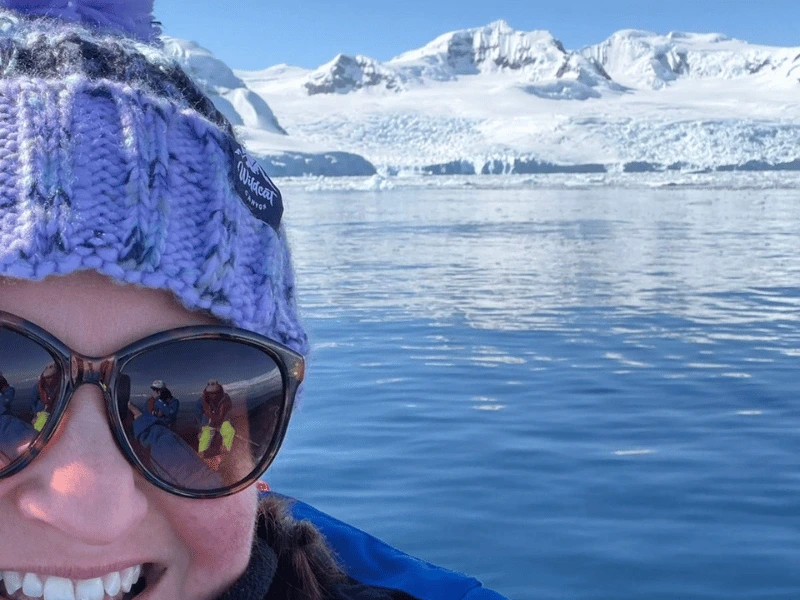
Even after experiencing it, I still struggle to comprehend what I saw. I travelled along only a small part of the Antarctic Peninsula, with an entire frozen continent extending far beyond us.
I have travelled extensively, but nowhere else will ever compare. Antarctica is almost indescribable, occasionally unfathomable and completely unforgettable.
Planning Your Own Antarctica Expedition
The size of the ship, its onboard facilities, the experience of the expedition team and how efficiently guests can get on and off are all important considerations when choosing an Antarctica cruise.
Every expedition operator offers something different, from activity-led voyages aboard intimate ships to jaw-dropping ultra-luxury experiences.
Having travelled to Antarctica aboard MV Greg Mortimer, I can provide first-hand advice on choosing the right ship, itinerary and activities. Perfect Cruises can also arrange your flights, accommodation and any pre- or post-cruise stays, creating one seamless journey.
For a trip that may genuinely be once in a lifetime, informed and impartial advice can make the difference between an excellent holiday and an even more extraordinary one.
Inspired to experience Antarctica for yourself?
Speak to Lizzy and our expedition cruise specialists for first-hand advice on choosing the right ship, itinerary and time to travel.
Explore Antarctica Expedition Cruises
Inspired by Lizzy’s adventure? Explore a selection of unforgettable Antarctica expedition cruises, from activity-led voyages aboard intimate expedition ships to all-inclusive ultra-luxury journeys.
Frequently Asked Questions About Antarctica Cruises
The Antarctic cruise season runs from November to March, offering varying wildlife activity and seasonal highlights.
While remote, expedition cruises make Antarctica accessible and safe with expert guidance and modern vessels.
Most expedition cruise operators provide specialist gear and guidance for polar conditions.
Common sightings include penguins, whales, seals, and seabirds in their natural habitat.